Geometric Wool Rugs For Offices
Geometric Wool Rugs For Offices
-
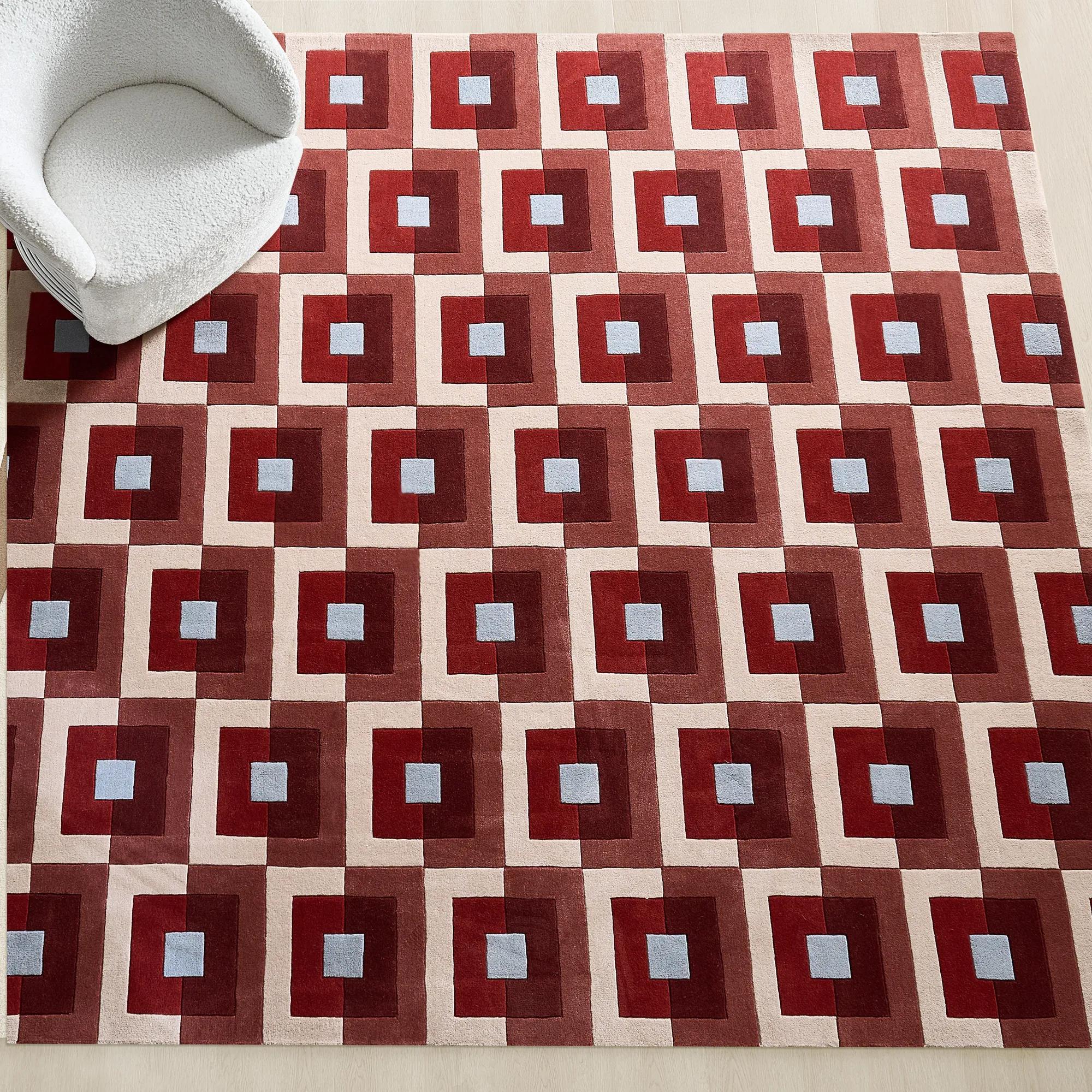
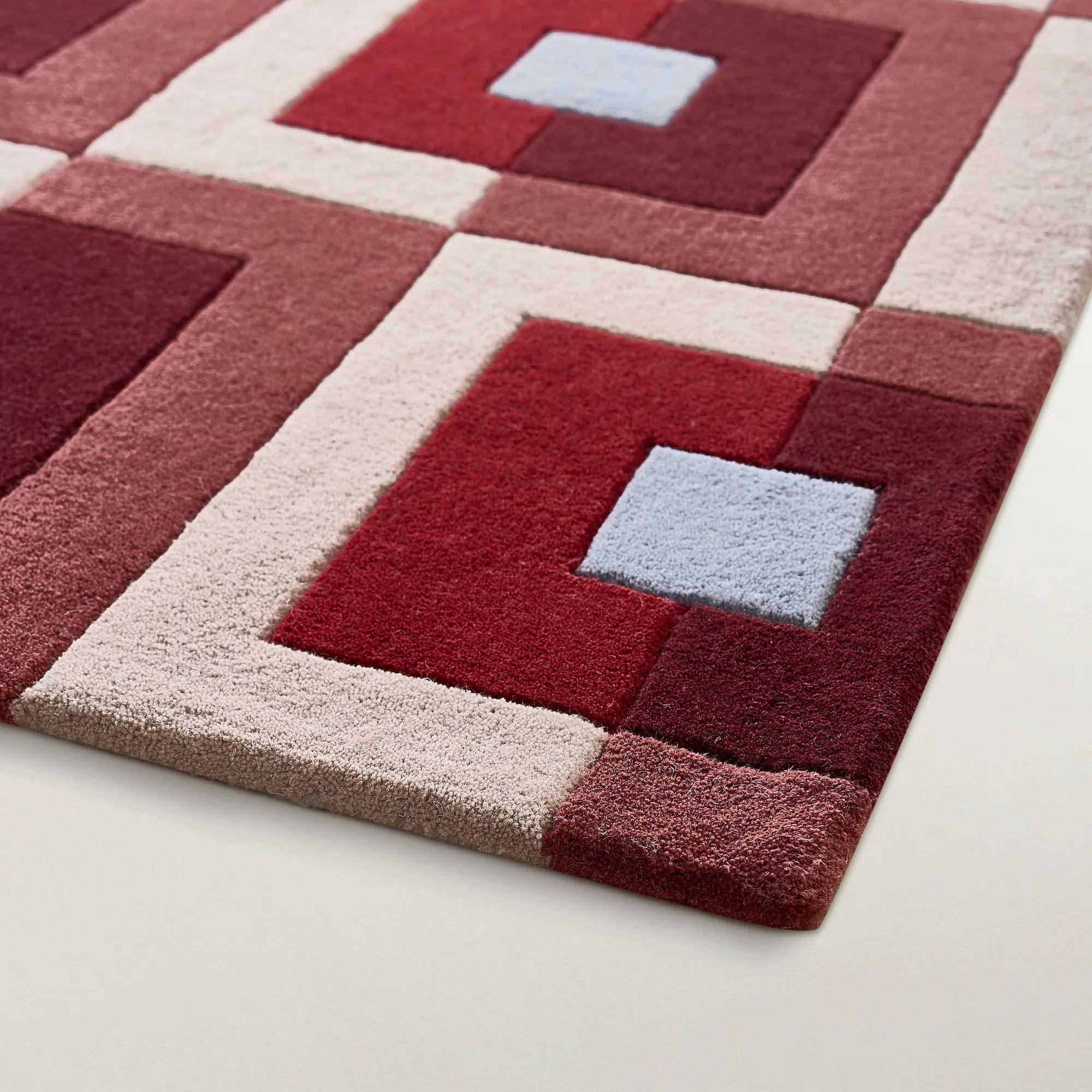 Geo Pop Wool Rug - Oxblood Red/Airy Blue$1599
A geometric wool rug featuring bold oxblood red and airy blue hues for modern interiors.
Add To Cart -
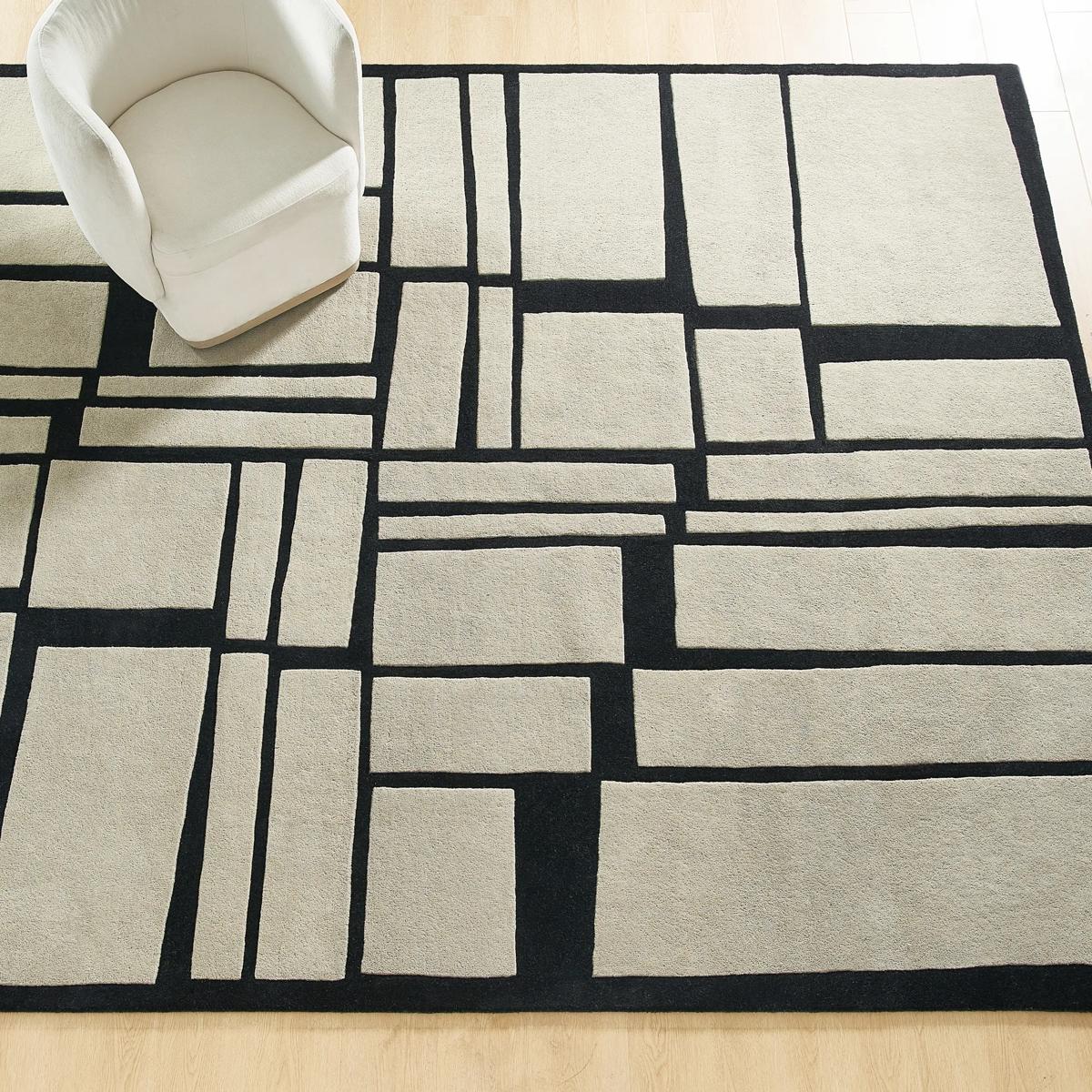 Novak Hand-Tufted Natural/Black Wool Rug$949
A hand-tufted wool rug featuring a bold black and natural grid design for modern, graphic appeal.
Add To Cart -
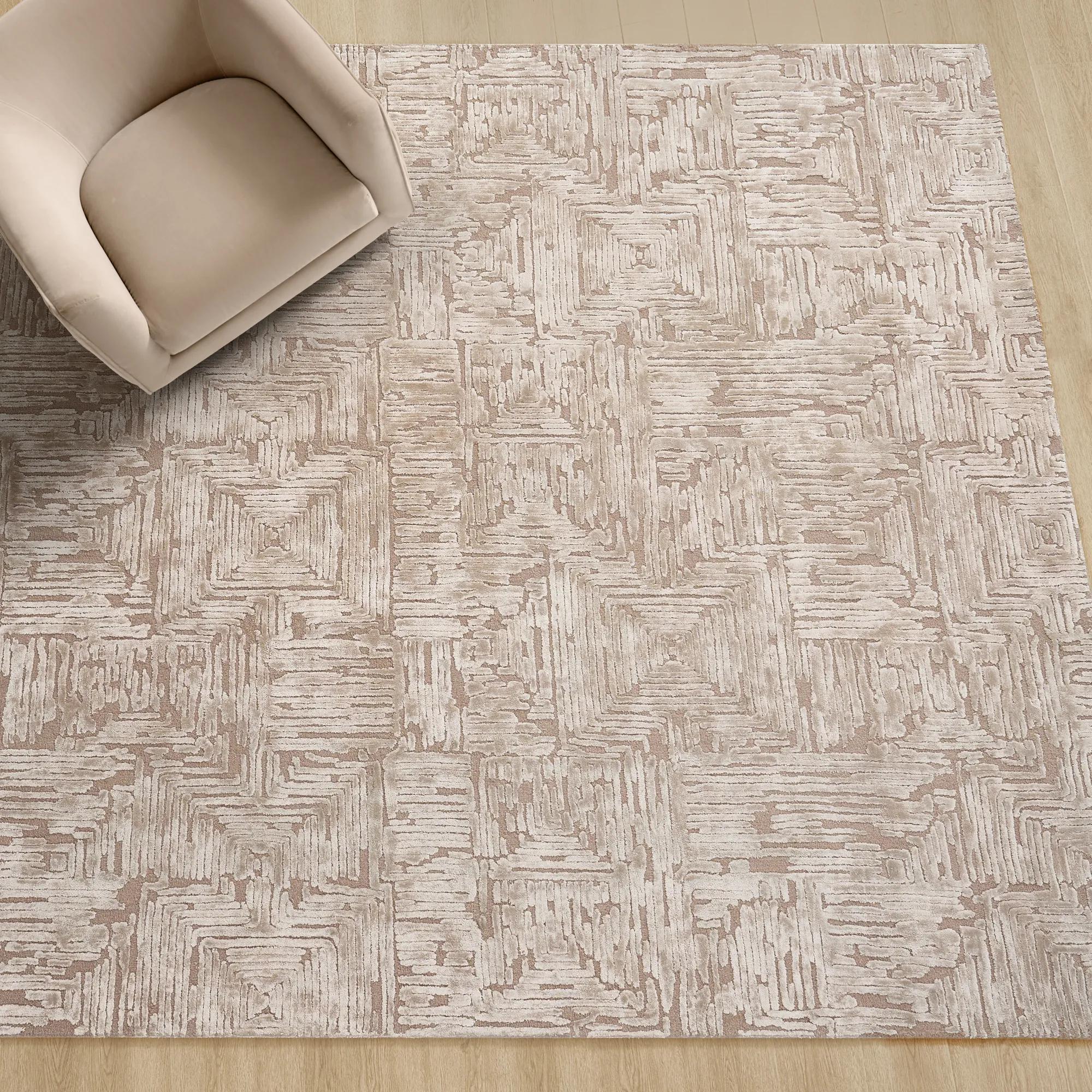
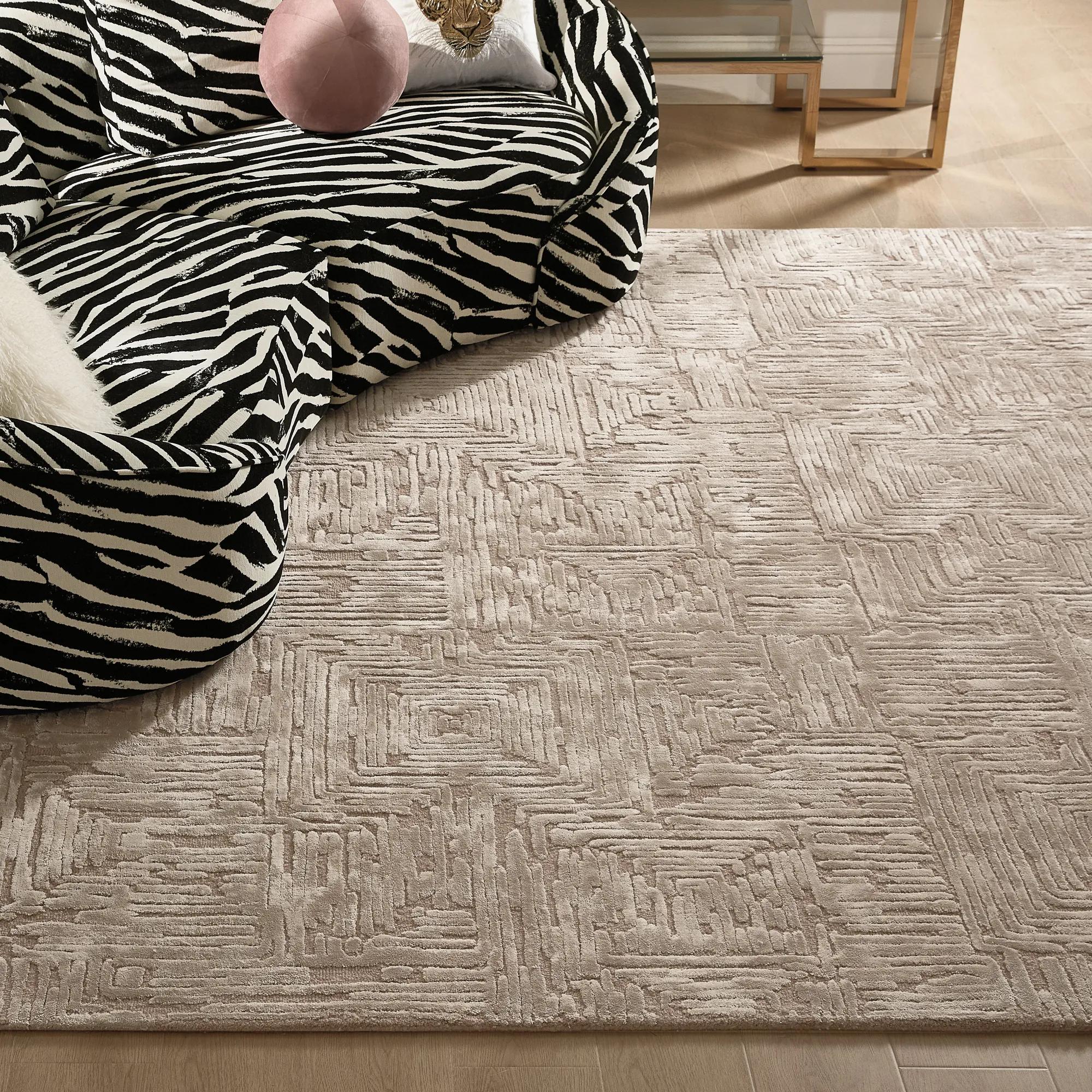 Andra Hand-Tufted Mocha Rose Viscose & Wool Dimensional Rug$499
A hand-tufted viscose-wool rug in mocha rose with a broken geometric pattern and dimensional high-low texture.
Add To Cart -
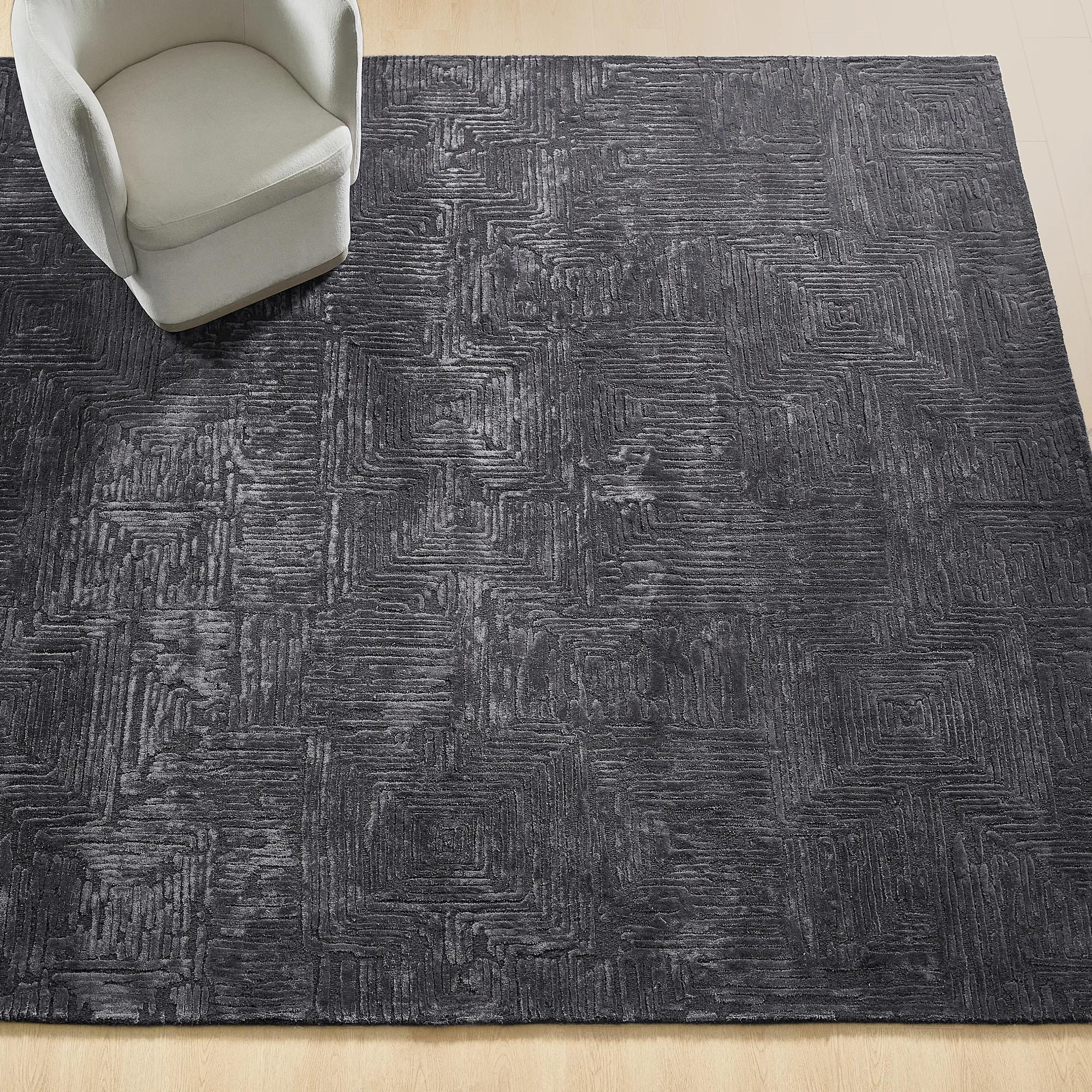
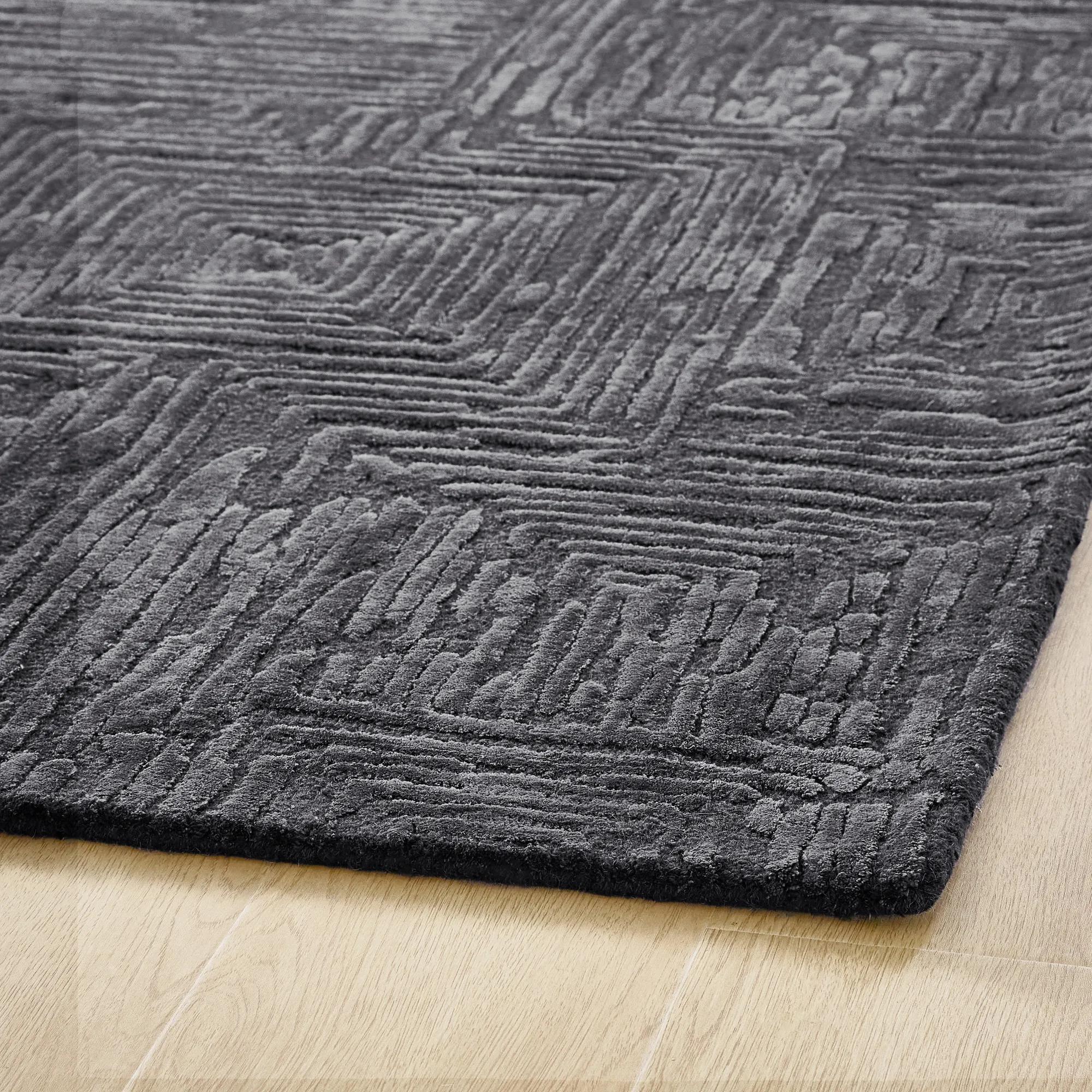 Andra Charcoal Hand-Tufted Wool Blend Dimensional Rug$1499
A hand-tufted viscose-wool rug in rich charcoal with a sculptural, dimensional pattern and plush texture.
Add To Cart -
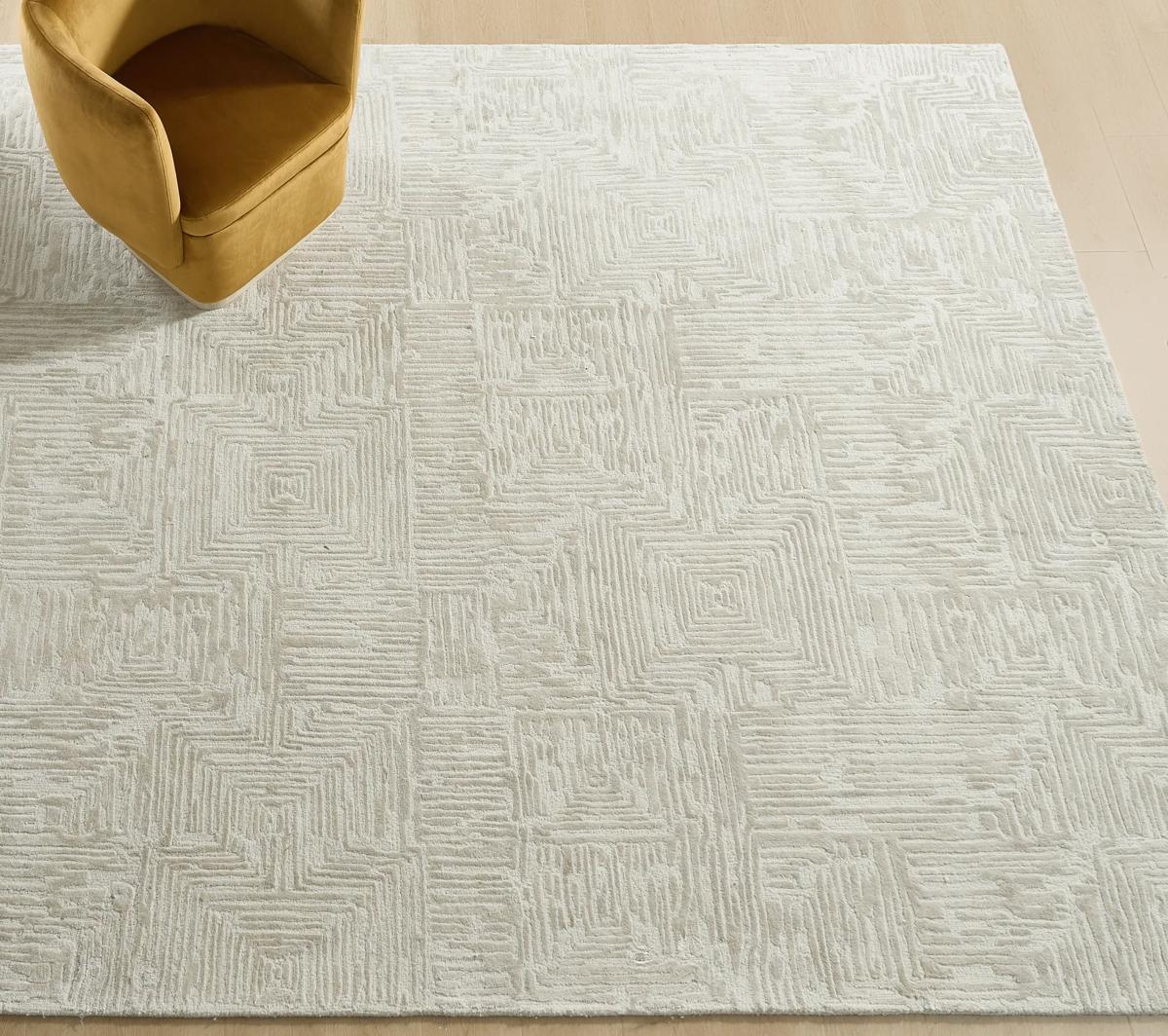 Andra Ivory Hand-Tufted Wool Blend Dimensional Rug$1499
A hand-tufted ivory rug in a viscose-wool blend with raised detailing and a subtle sheen.
Add To Cart -
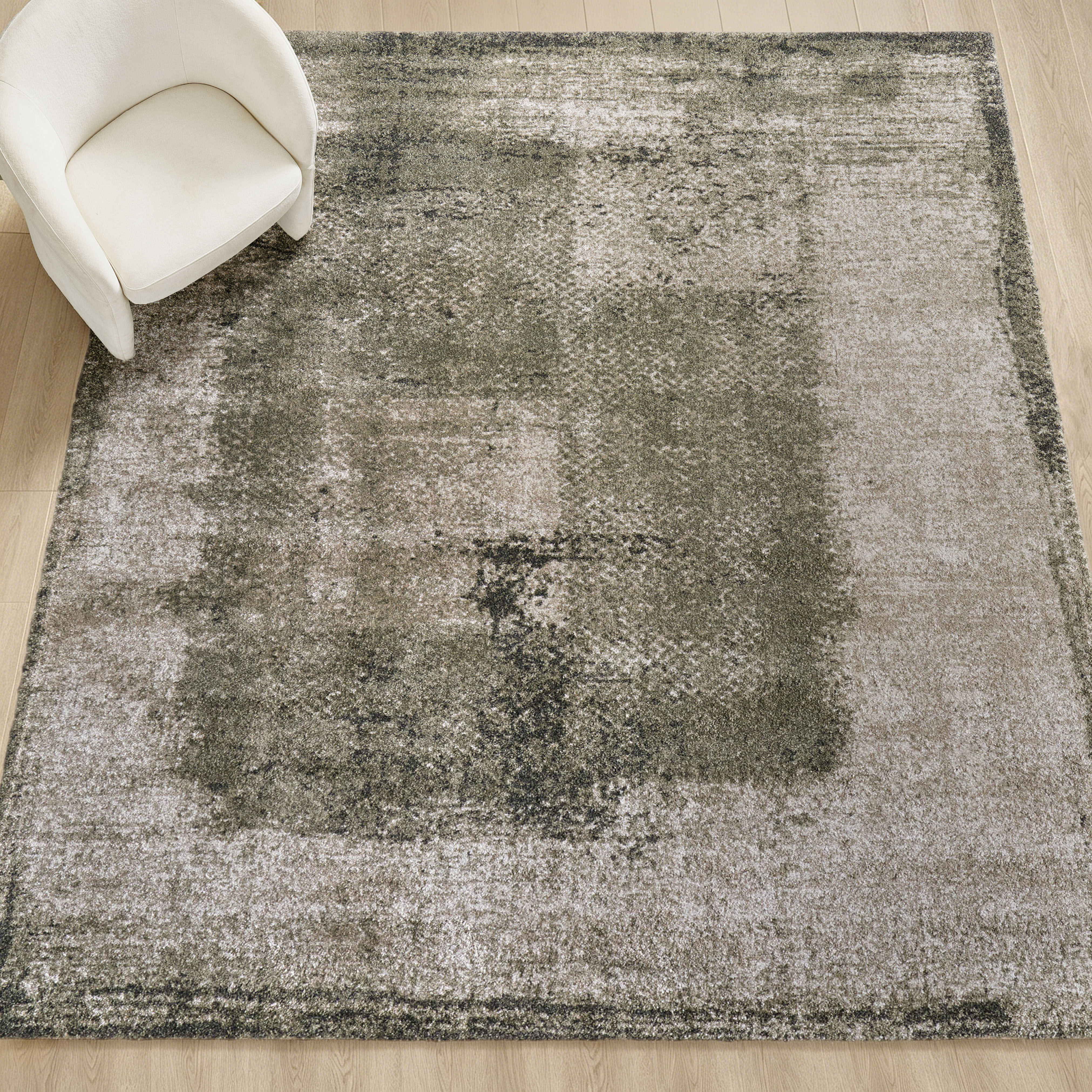
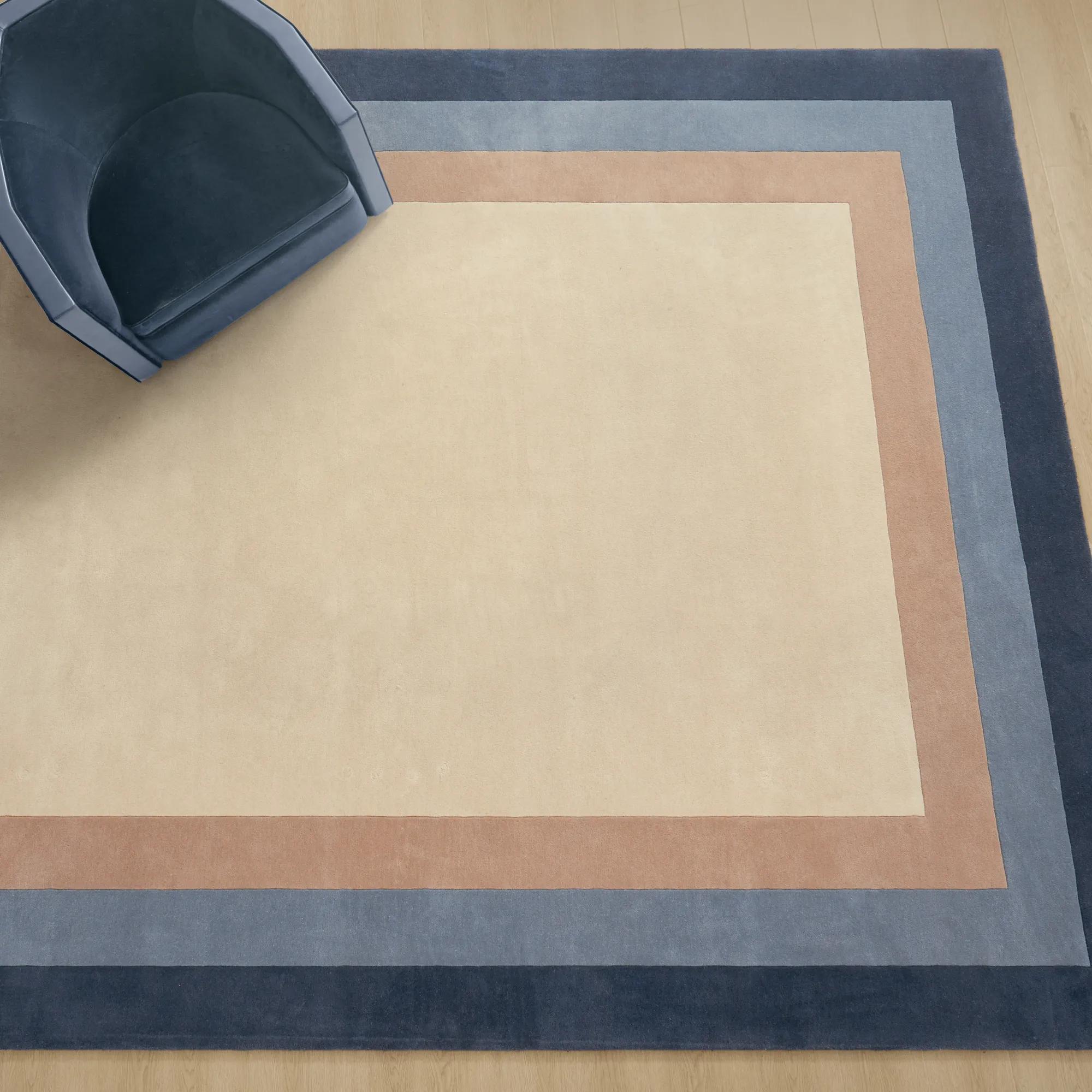 Bastien Hand-Tufted Blue/Taupe/Ivory Wool Border Rug$499
A hand-tufted wool rug with a graphic blue, taupe, and ivory color-blocked border.
Add To Cart -
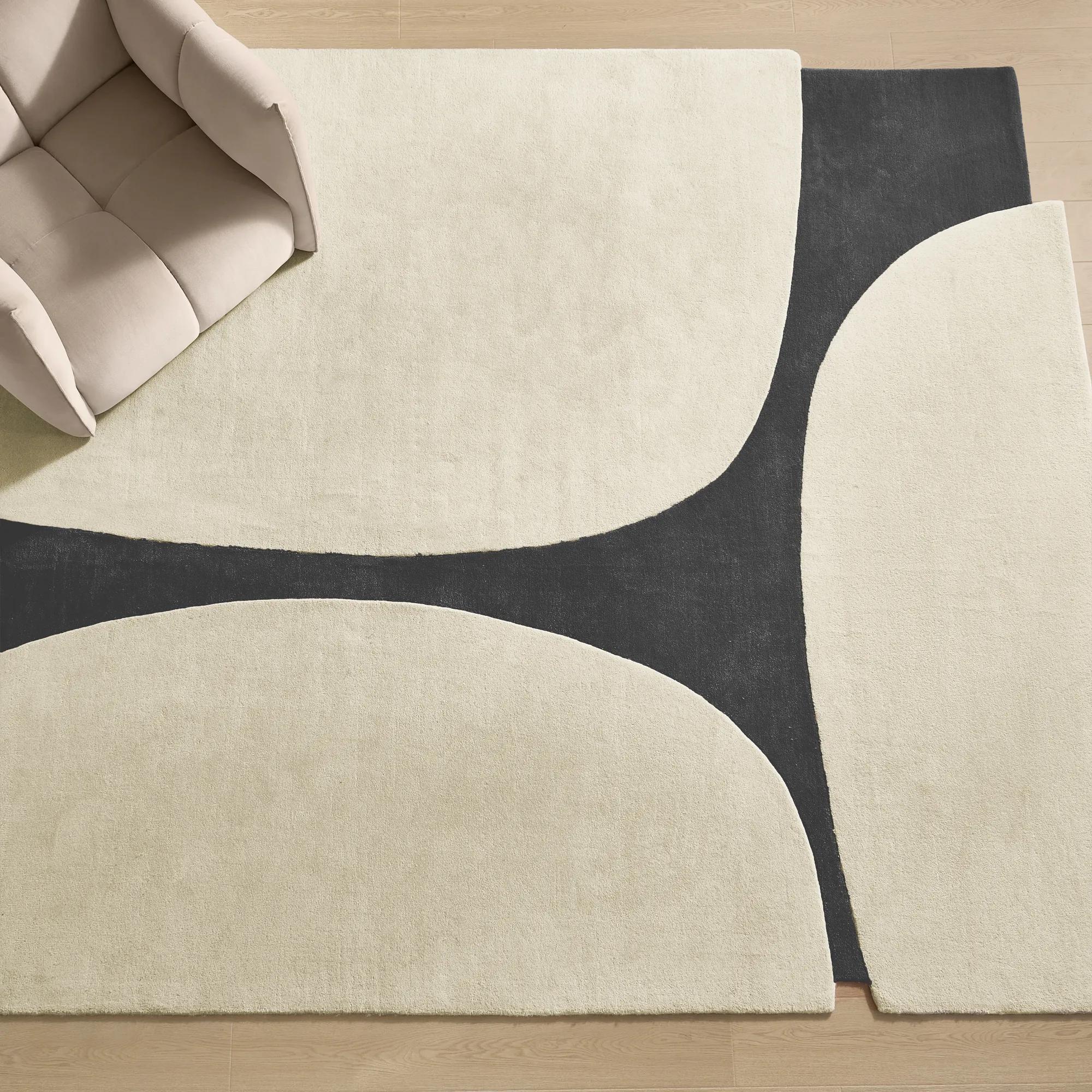 Contour Hand-Tufted Ivory/Charcoal Wool & Viscose Rug$1499
A hand-tufted wool-viscose rug with an organic edge, sculptural high-low texture, and ivory-charcoal pattern.
Add To Cart -
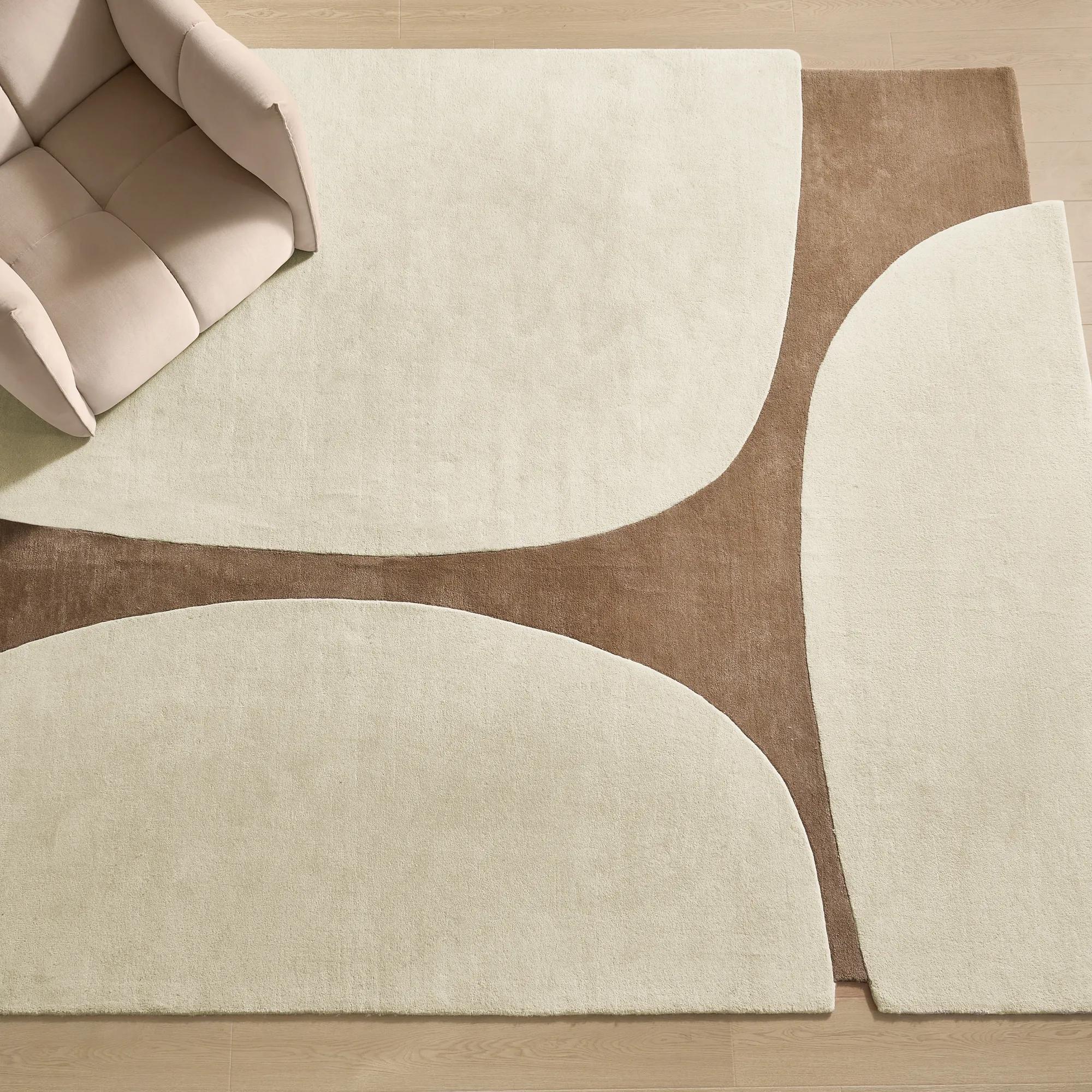
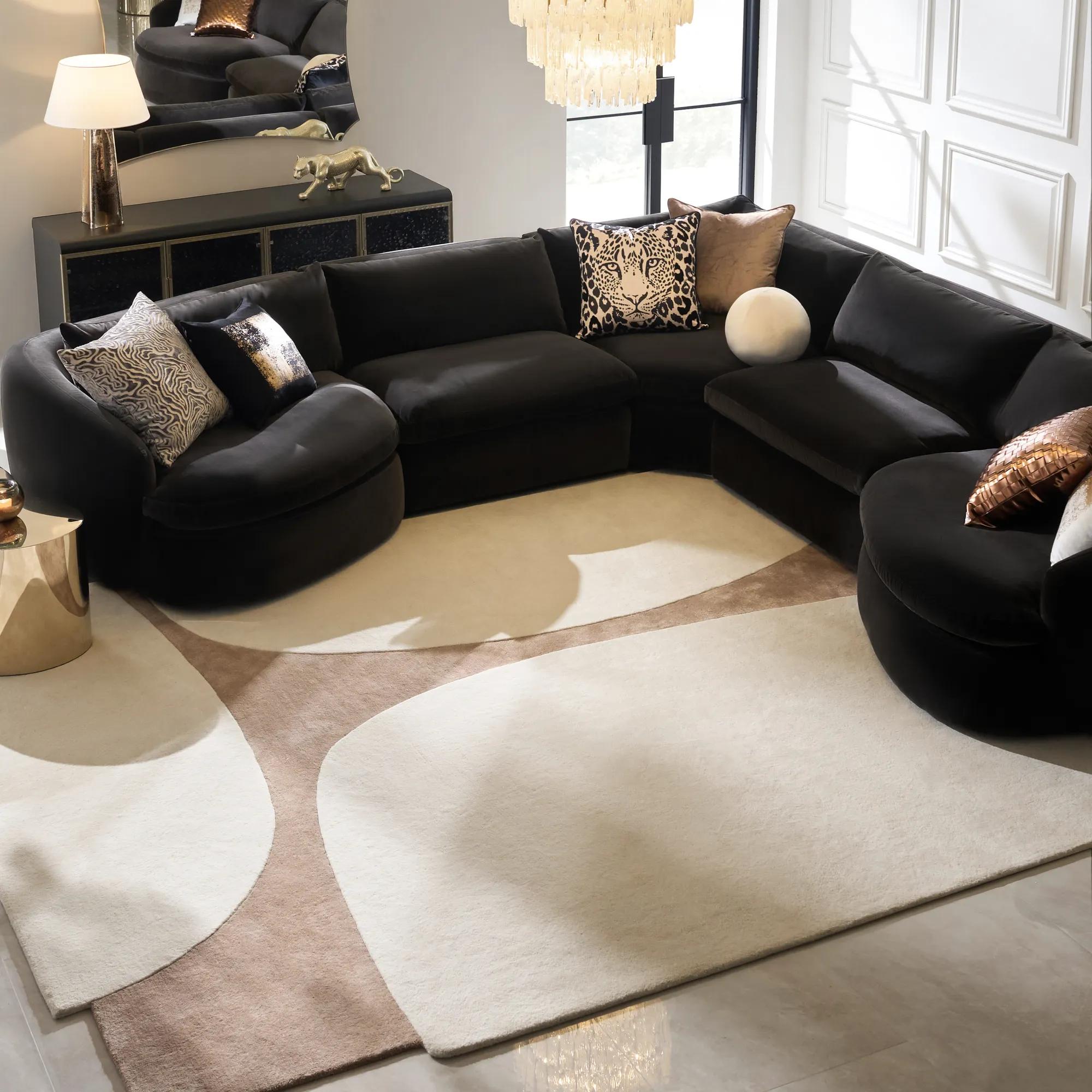 Contour Hand-Tufted Ivory/Ginger Root Wool Blend Rug$499
A hand-tufted wool rug blending ivory and ginger root tones for textured, modern warmth.
Add To Cart -
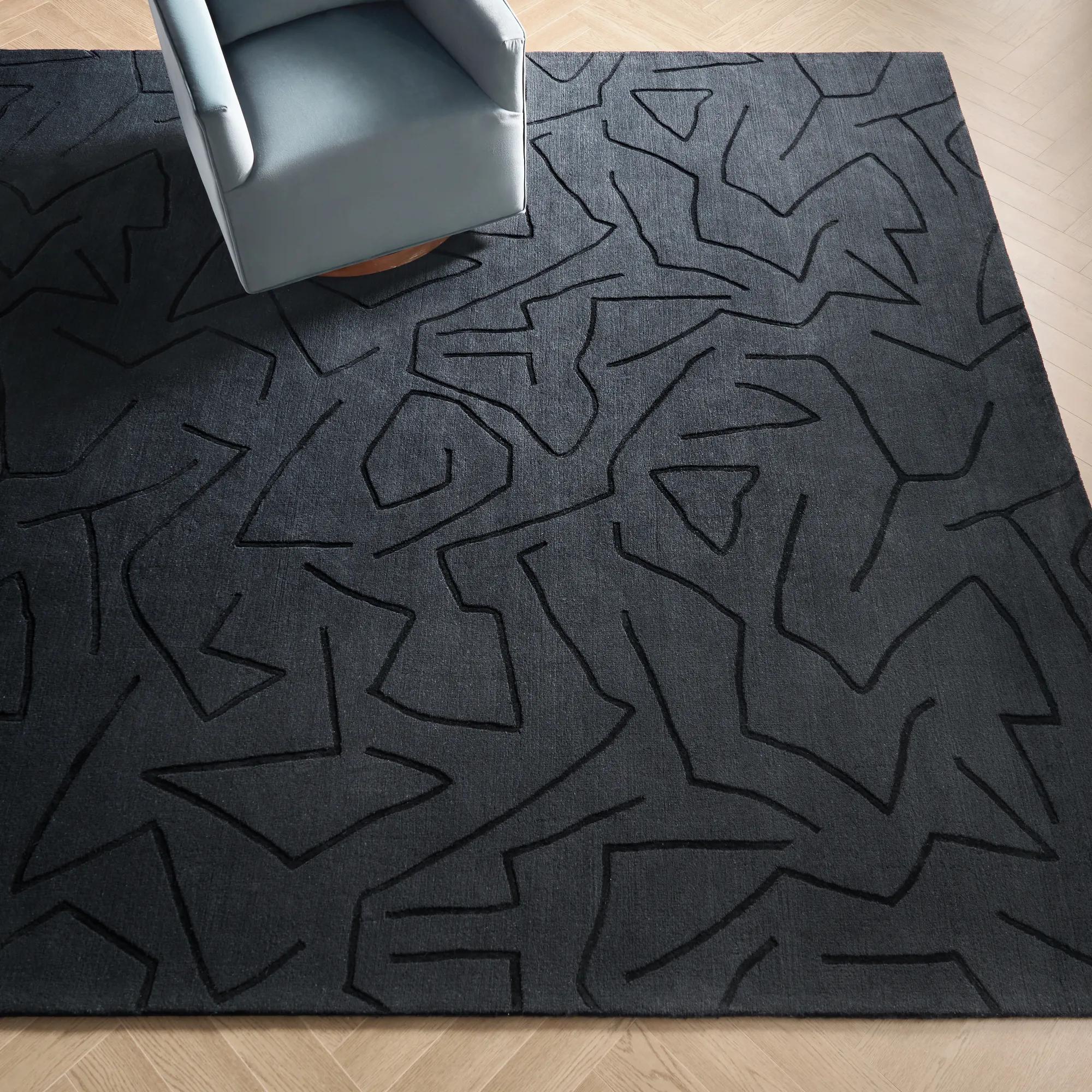 Carved Maze Rug$1999
A hand-loomed black rug crafted from wool and viscose, featuring an intricately carved, textured design.
Add To Cart -
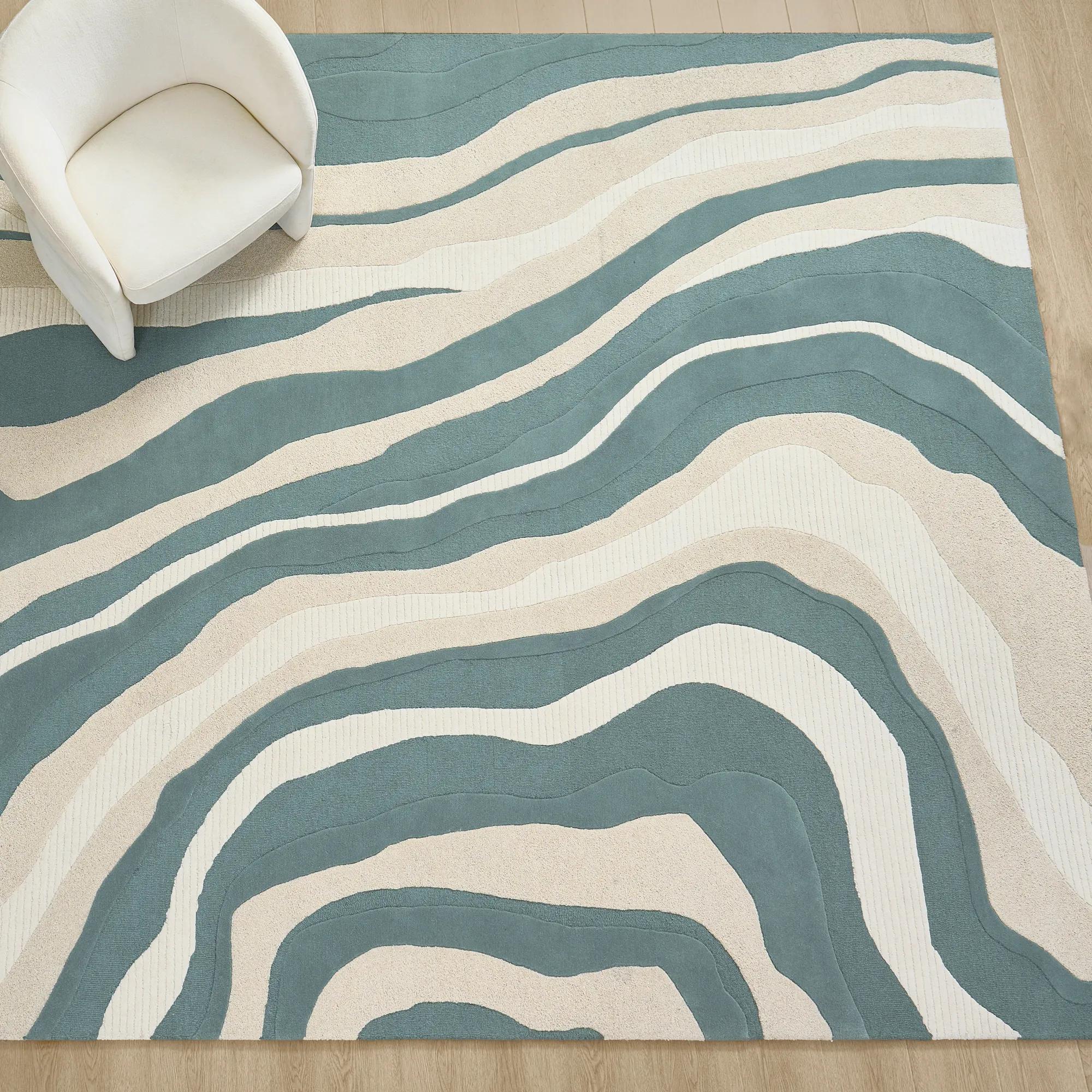 Kadence Hand-Tufted Sage Green/Ivory Wool Rug$1499
A hand-tufted wool rug with organic waves, sculptural high-low texture, and sage-ivory hues.
Add To Cart -
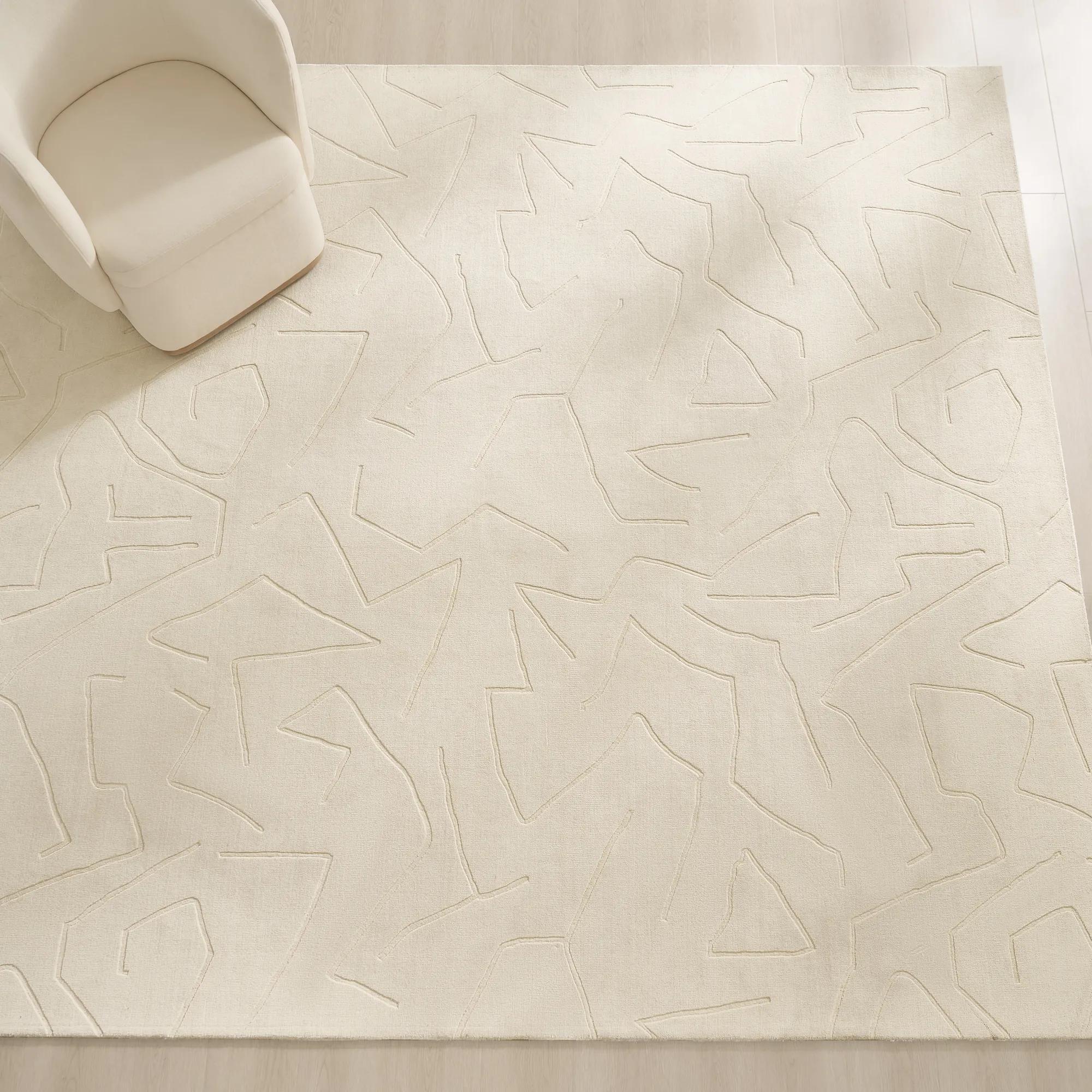 Carved Maze Ivory Hand-Loomed Wool Blend Rug$699
A hand-loomed ivory wool-blend rug featuring a carved maze pattern for modern, textural appeal.
Add To Cart -
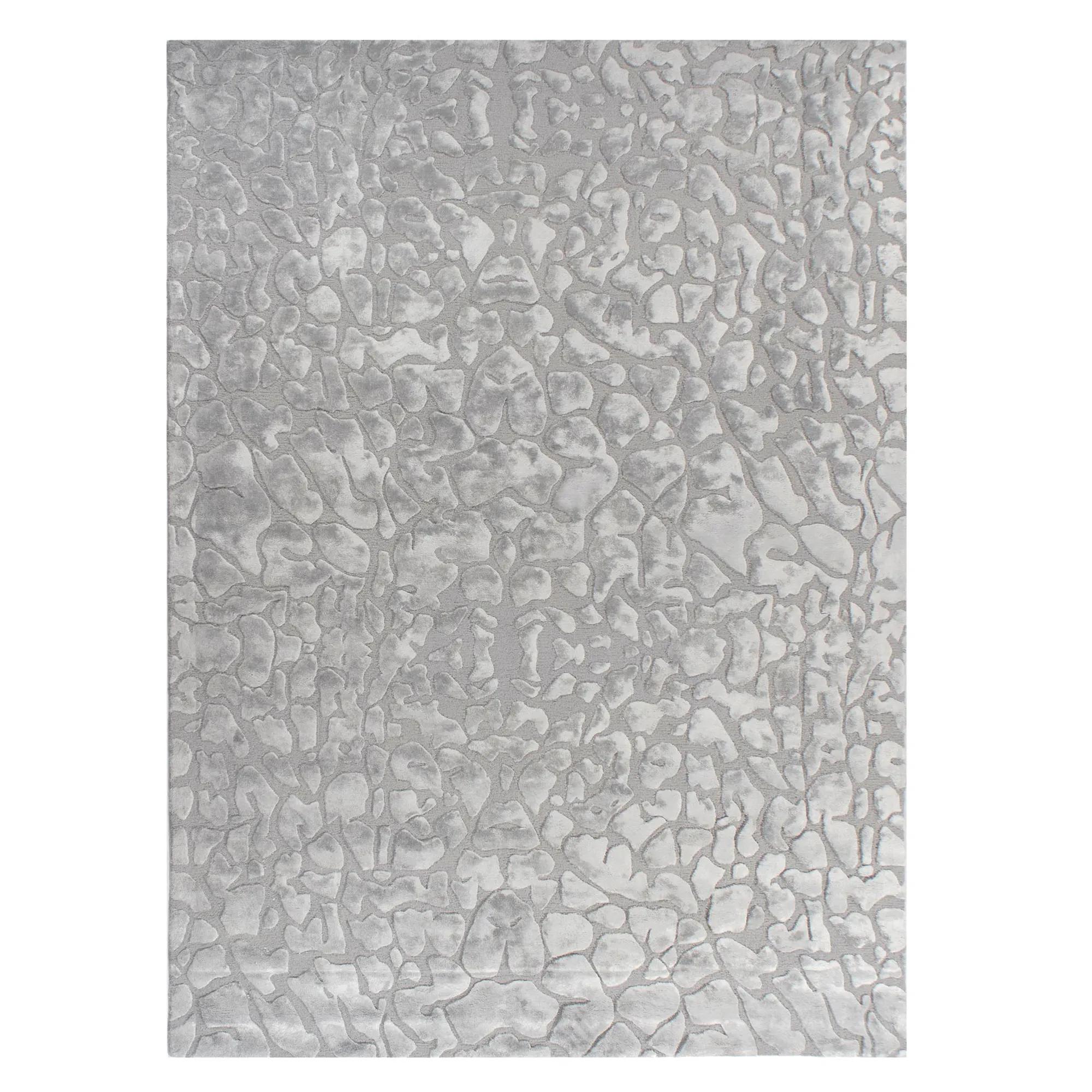
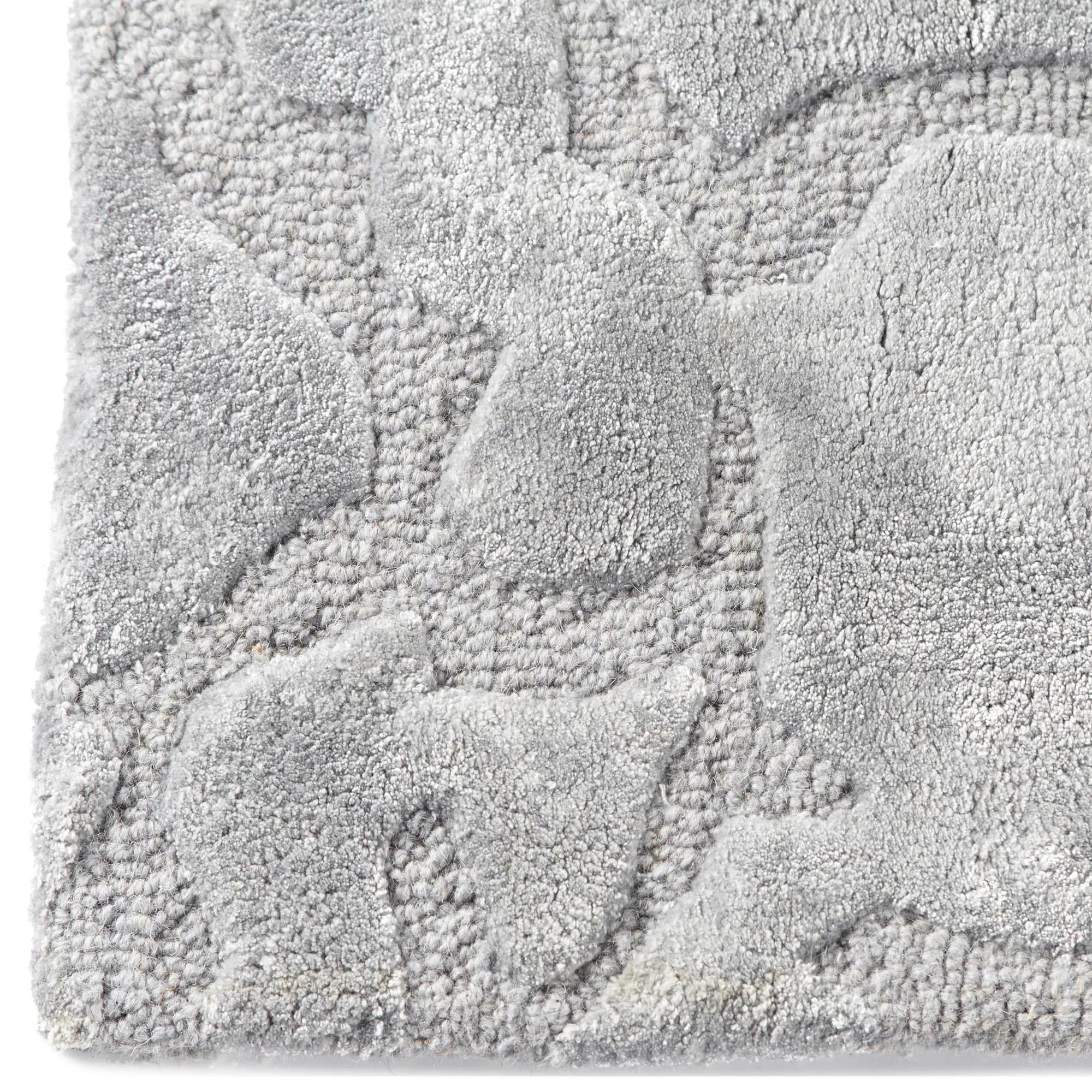 Nola Hand-Tufted Cool Grey Wool Blend Rug$849
A hand-tufted silver rug with contrasting pile heights, crafted from wool and viscose for plush texture.
Add To Cart -
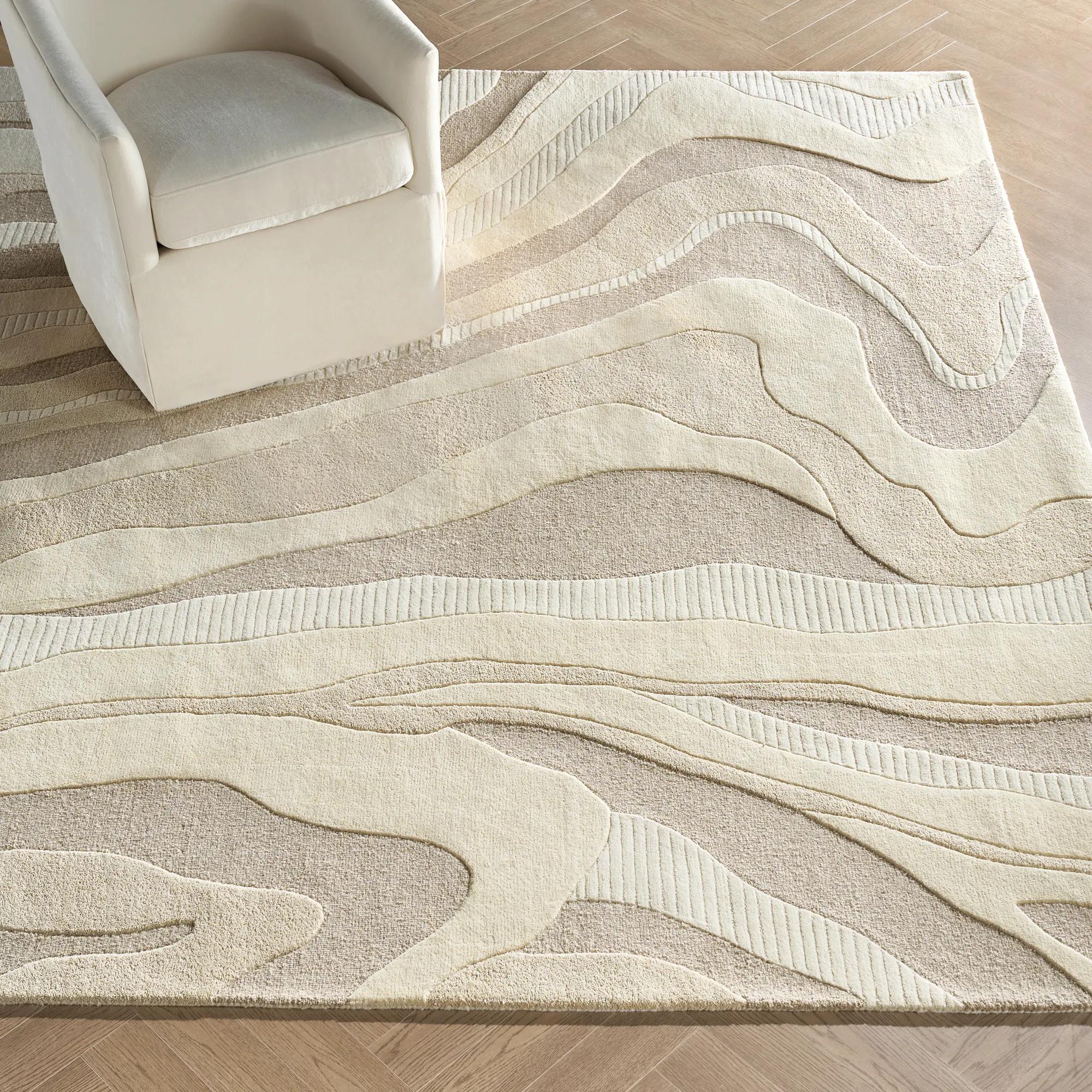 Kadence Hand-Tufted Ivory/Tan Wool Rug$1499
A hand-tufted wool rug featuring a multi-textured swirl design in ivory and tan for timeless elegance.
Add To Cart -
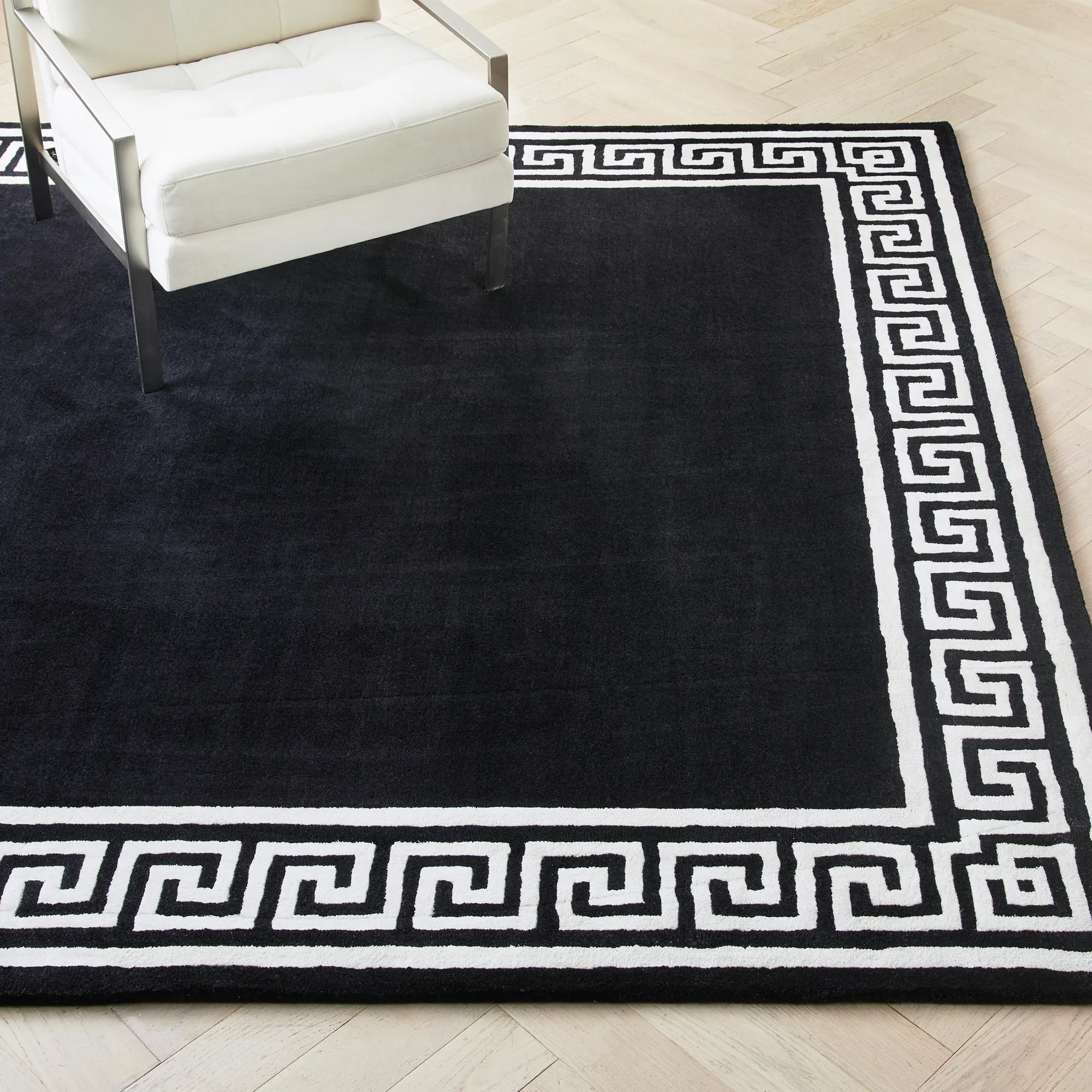
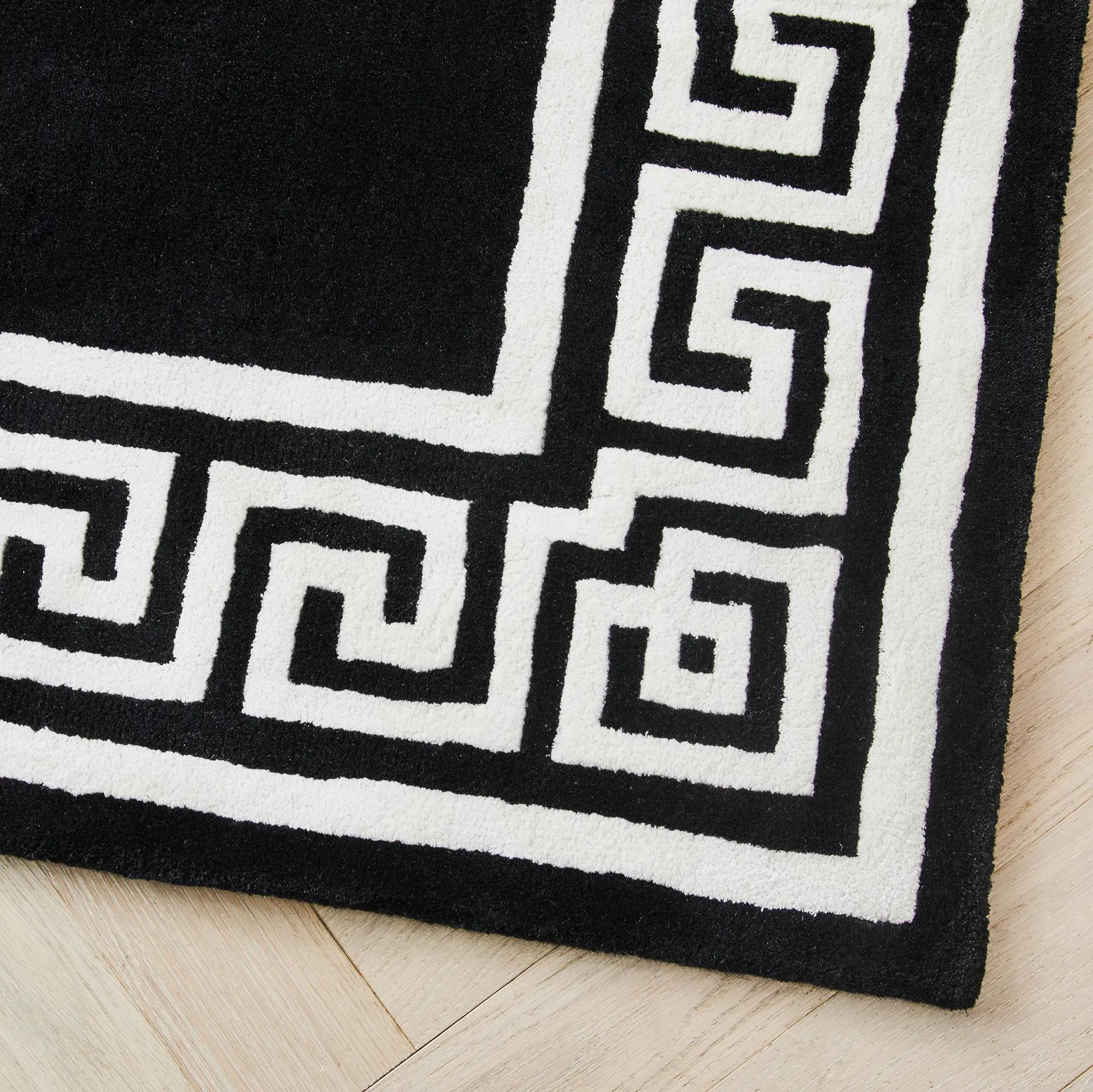 Greek Key Rug - Black/Ivory$1799
A hand-tufted black and ivory rug featuring a classic Greek key pattern in wool and viscose.
Add To Cart -
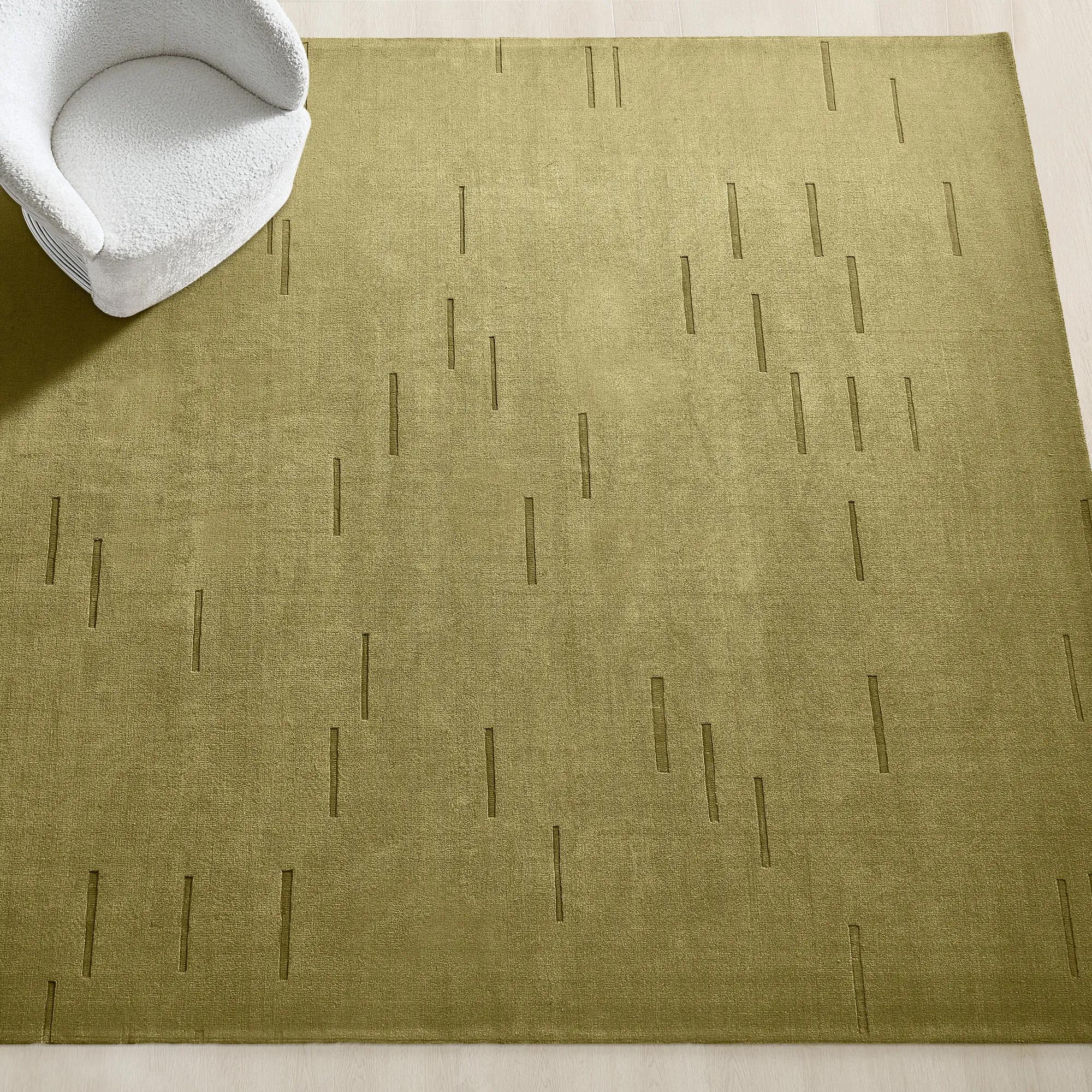
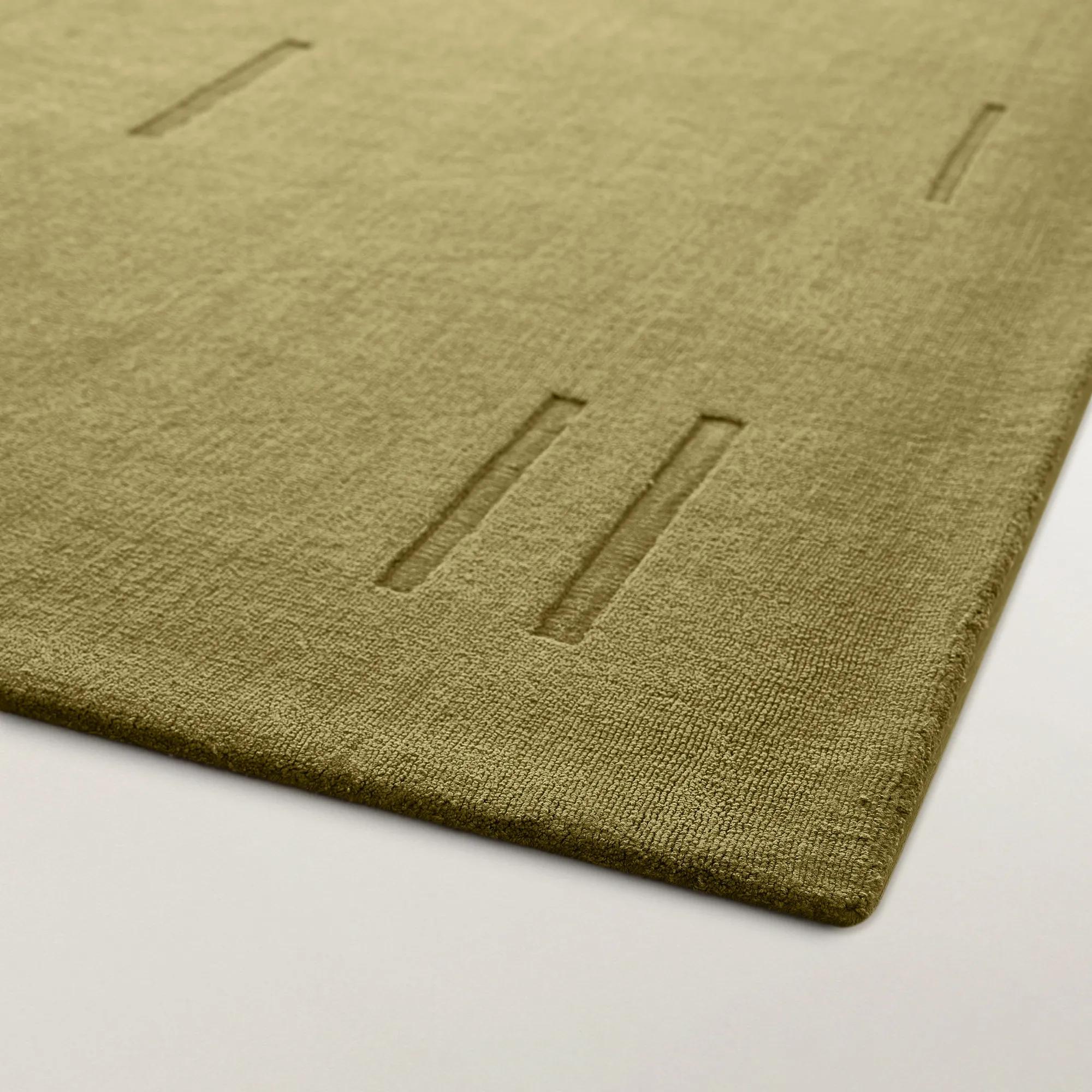 Lamita Muted Olive Green Wool Blend Rug$1299
A muted olive green wool-blend rug adding soft texture and understated warmth to modern interiors.
Add To Cart -
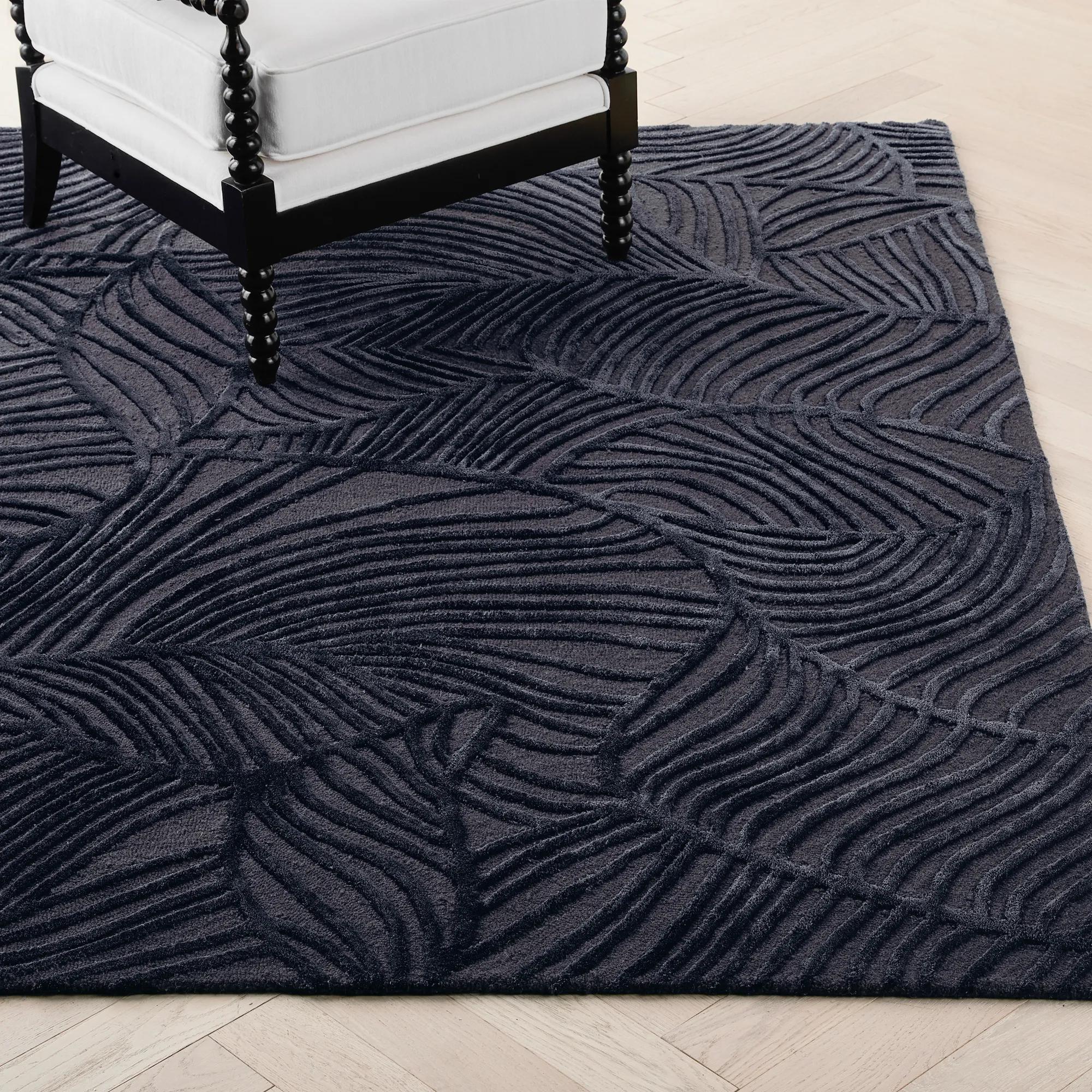
 Palm Rug - Charcoal$1499
A charcoal rug featuring a dynamic palm-leaf design with a textured high-low viscose and wool pile.
Add To Cart -
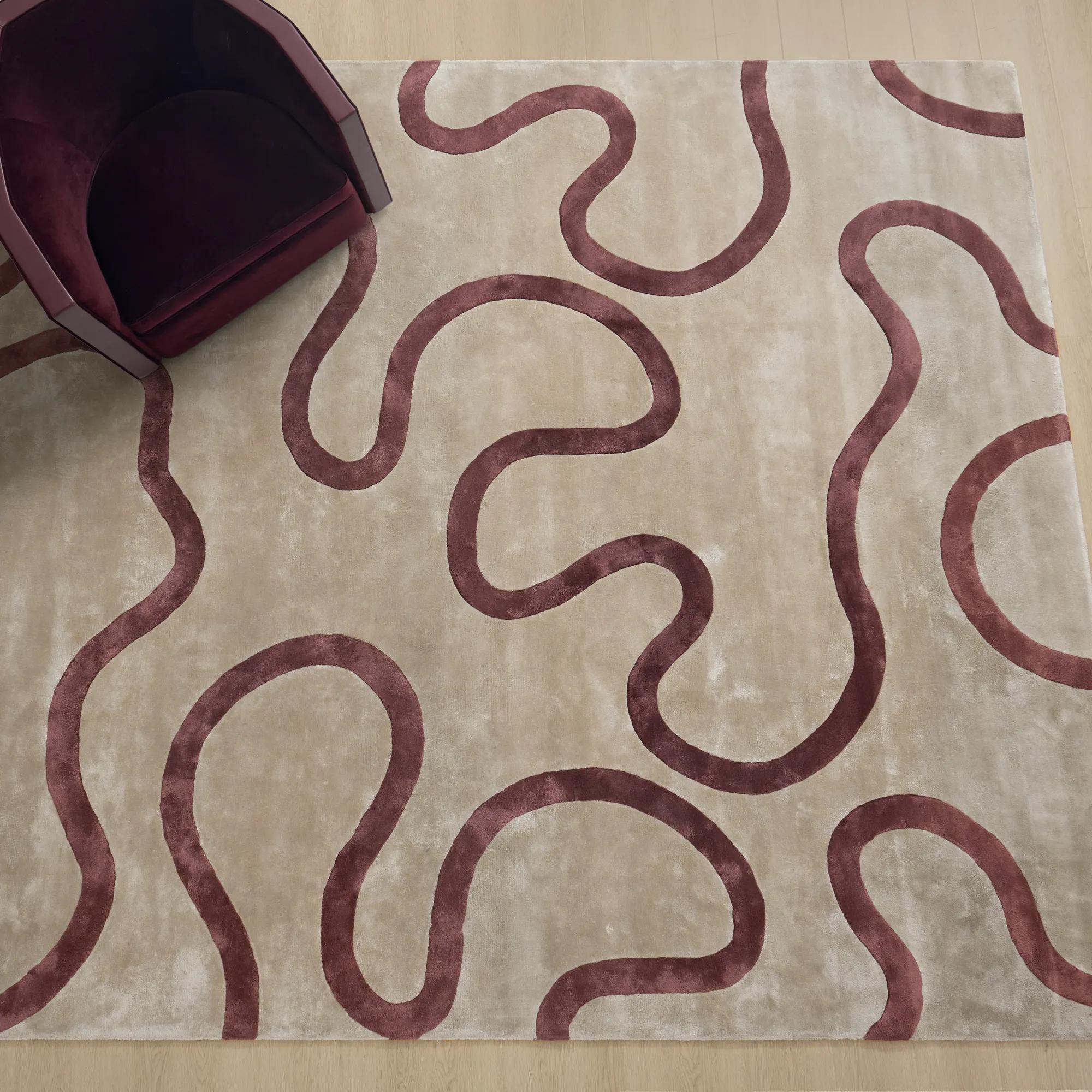 Seraphine Hand-Tufted Fig/Taupe Viscose Loop Rug$1799
A hand-tufted viscose rug featuring high-contrast loops in a luminous fig-and-taupe palette.
Add To Cart -
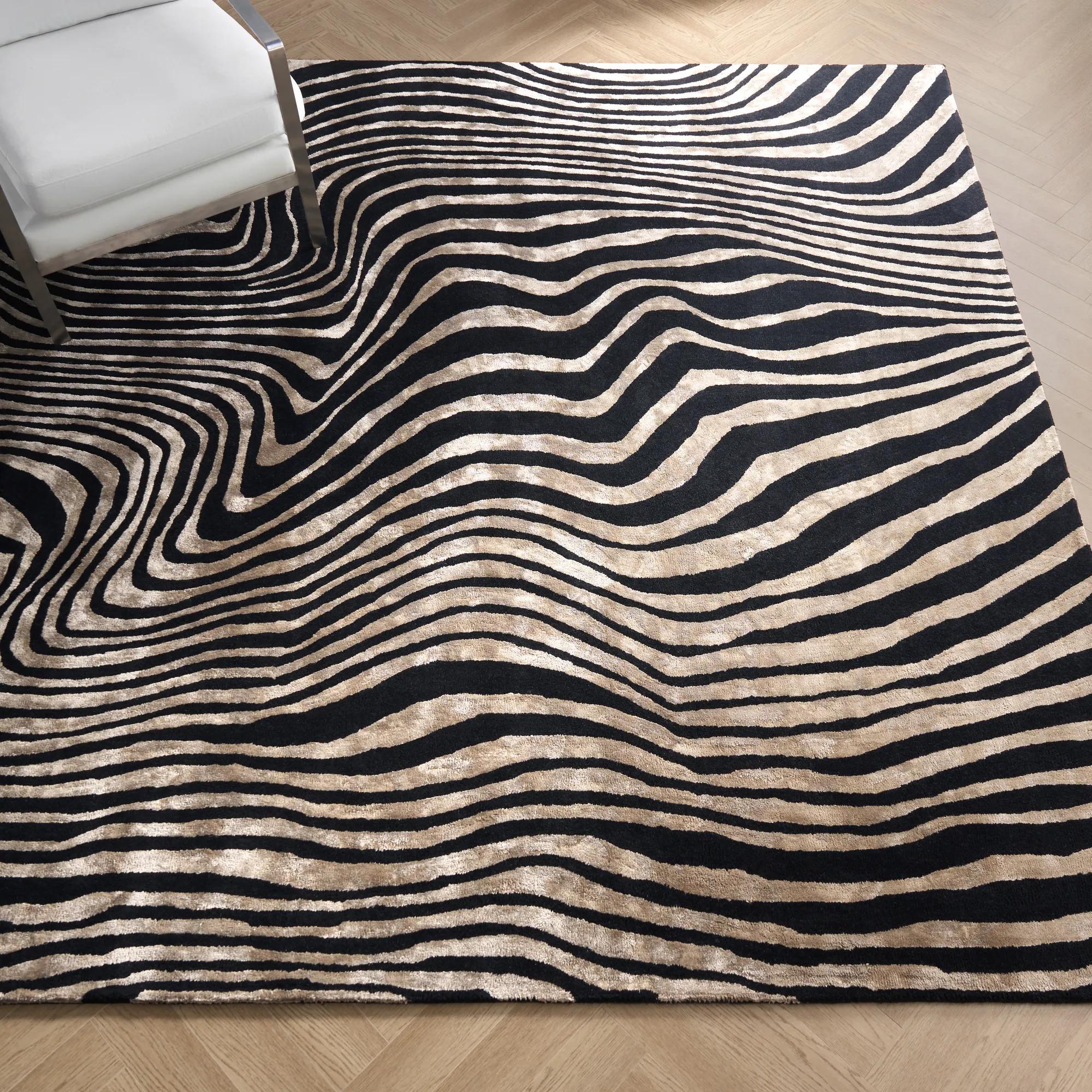
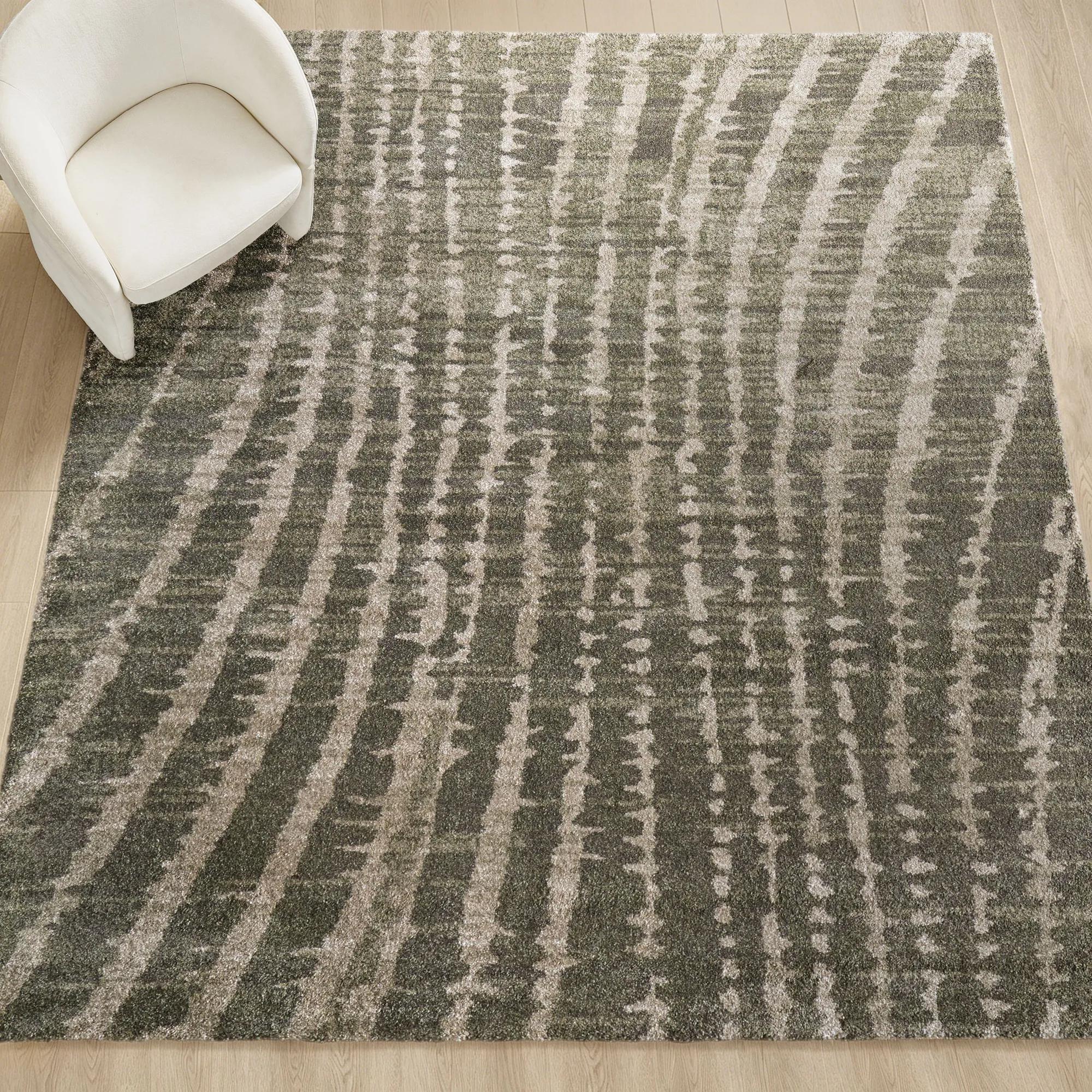
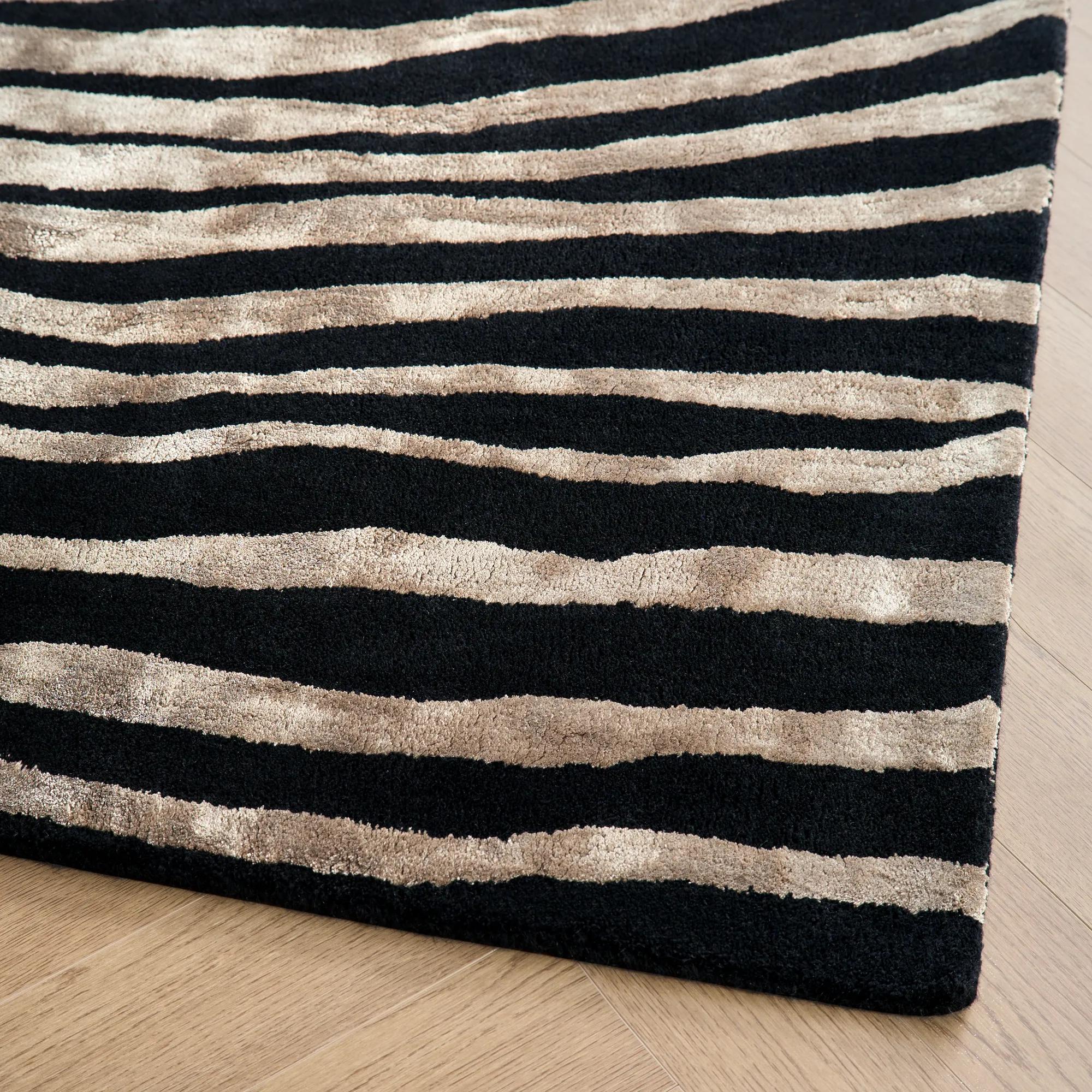 Abstract Zebra Hand-Tufted Black/Taupe Wool Blend Rug$599
An artisan hand-tufted rug in black and taupe wool-viscose, featuring a striking abstract zebra pattern.
Add To Cart -
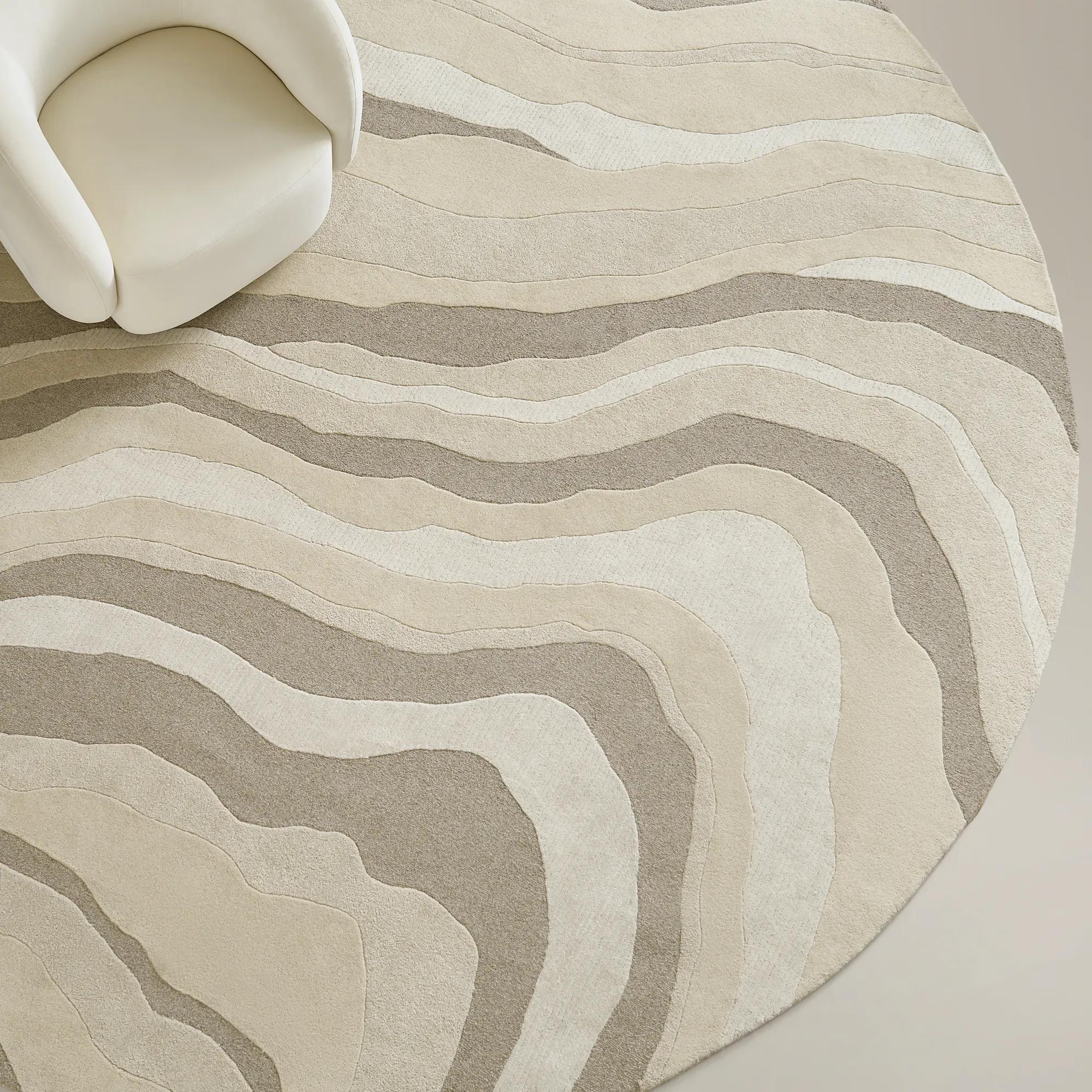 Kadence Hand-Tufted White/Ivory/Tan Wool Round Rug 12"$1799
A hand-tufted round rug in white, ivory, and tan, crafted from 100% wool for natural warmth.
Add To Cart -
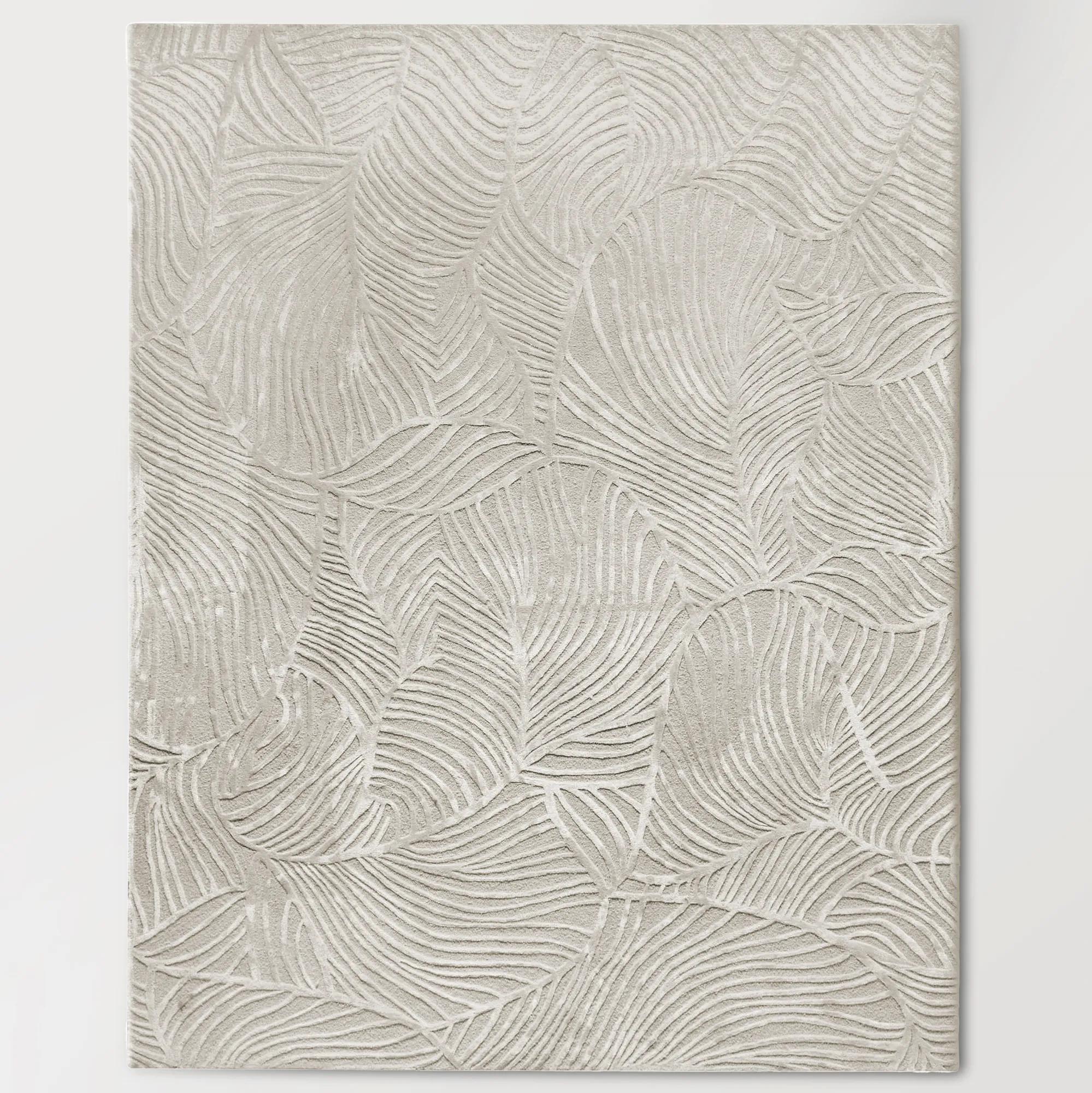 Palm Hand-Tufted Ivory Wool Blend Rug$999
An ivory rug featuring a dynamic palm-leaf design with high-low pile in viscose and wool.
Add To Cart -
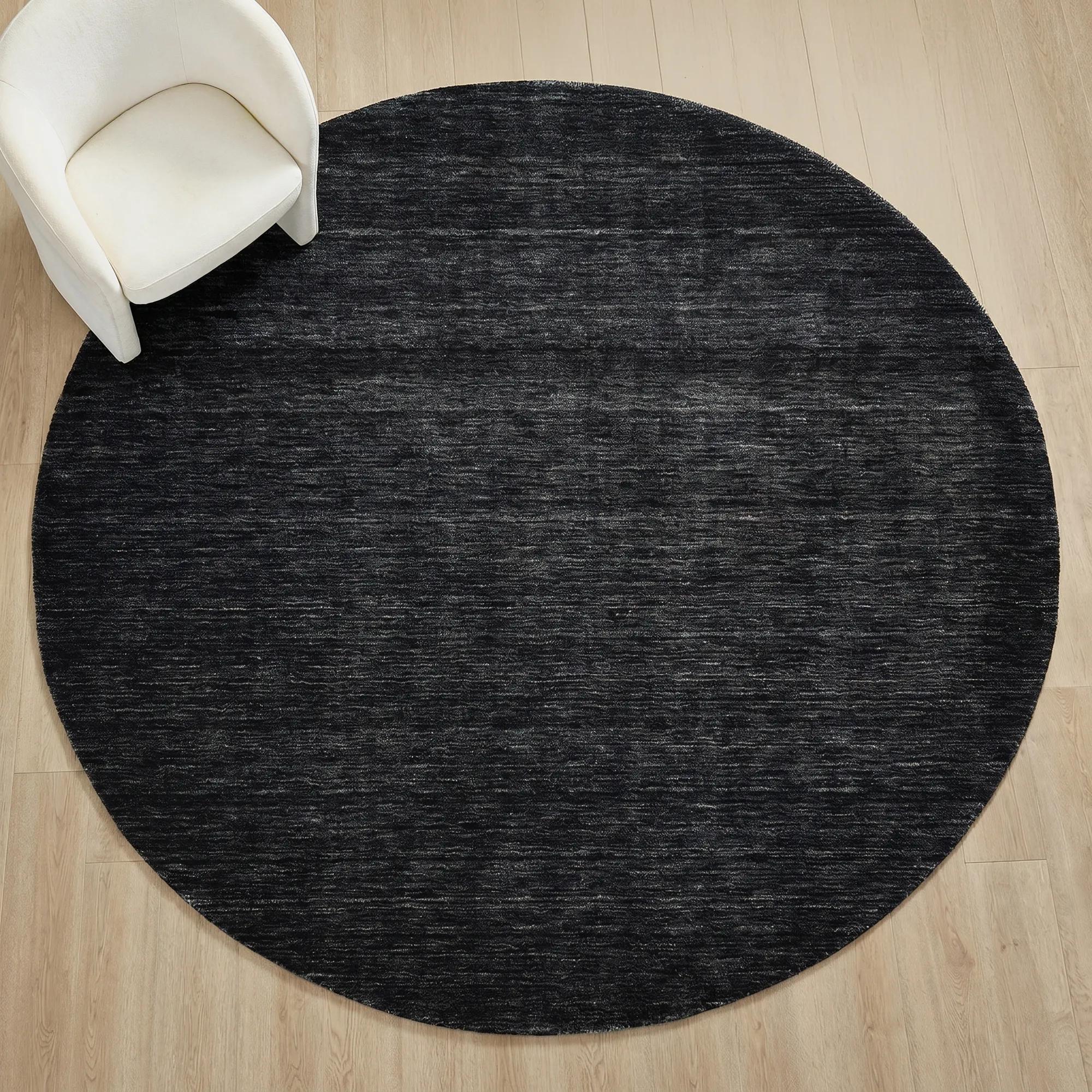 Juni Hand Woven Heathered Black Rug$799
A handwoven round wool rug in heathered black, offering durable texture and moody, contemporary style.
Add To Cart -
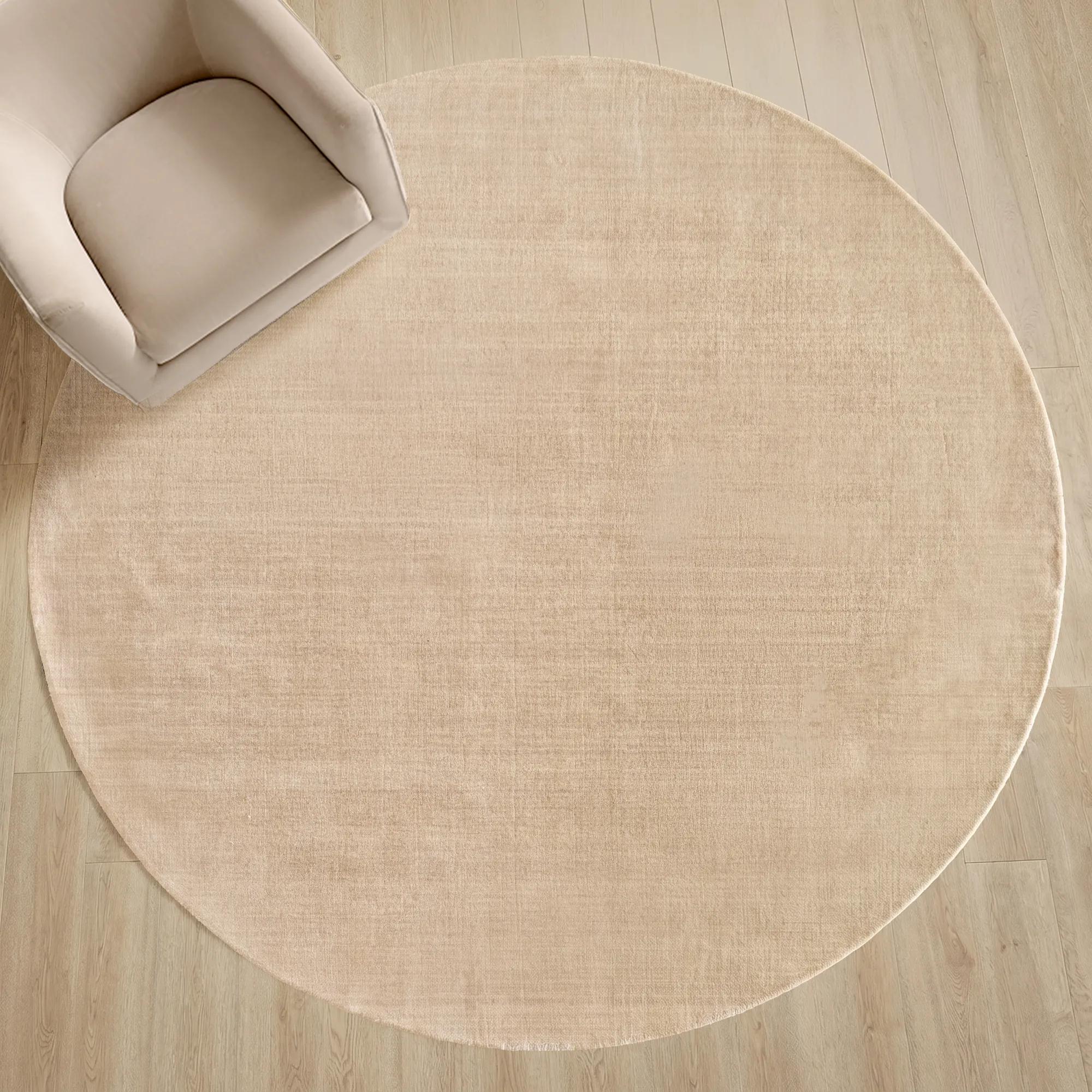 Juni Hand Woven Heathered Warm Beige Round Rug$1399
A handwoven round wool rug in heathered warm beige, offering refined texture and everyday durability.
Add To Cart

Geometric Wool Rugs For Offices
Geometric wool rugs for offices transform corporate spaces into curated showcases of artistry and ambition. These striking textiles infuse work environments with architectural intrigue and tactile luxury, setting the stage for inspired productivity. Bold patterns and sculptural motifs command attention underfoot, while sumptuous wool grounds each room in sophistication. Elevate your office with a foundation that reflects both creativity and confidence—where every angle, curve, and line becomes an invitation to think beyond the ordinary.
Geometric wool rugs for offices bring architectural rhythm to a room built for focus, conversation, and original thinking. Beneath a sculptural desk or a pair of upholstered guest chairs, a considered pattern gives the space a visual foundation: crisp angles echo the lines of shelving, interlocking forms lend movement to restrained furniture, and generous blocks of color create definition without adding another object to the desktop. Wool introduces a different kind of presence, with a naturally resilient fiber and a tactile surface that softens the impression of glass, metal, and polished wood. The result can feel assured and expressive rather than strictly corporate. In a private study, an ivory-and-charcoal composition can frame a dark desk with graphic precision; in a creative workspace, an oversized geometric motif can establish an artistic point of view before a single drawing reaches the wall. Pattern scale shapes that impression. Broad, open designs give the eye room to rest, while smaller repeating forms contribute a more intricate, layered effect. When bookshelves, artwork, or decorative objects already command attention, tonal geometry adds dimension without competing for the spotlight. A higher-contrast rug can become the room’s central gesture, particularly when surrounding upholstery and window treatments remain restrained. Color also influences how the furnishings relate: warm neutrals can draw out the richness of wood grain, while cool grays or inky tones sharpen the silhouette of a gleaming metal base. For remote professionals, designers, and anyone creating a dedicated place to think, these rugs offer a way to make practical surroundings feel personal. They also lend distinction to executive offices, intimate reception areas, and client-facing rooms where comfort and presentation carry equal weight. Even a compact office can support a dramatic pattern when enough of the design remains visible around the furniture, allowing the geometry to read as an intentional composition rather than a fragment tucked beneath a desk.
The most successful office rug balances that visual ambition with the way the room moves. Wool fibers have a natural crimp that helps them recover from compression, although furniture weight, construction, and daily traffic still influence how a rug wears. A dense, lower-profile surface is often a more practical choice beneath a working desk than a deep, plush pile, especially where a chair needs to move frequently. Rolling-chair compatibility depends on the rug’s texture, pile height, chair casters, and backing; a surface that feels sumptuous underfoot may still create resistance under wheels. Where appropriate, a compatible chair mat can help protect the rug, provided its design is suitable for the pile and underlying floor. Size deserves the same consideration as pattern. A desk-area rug should accommodate the chair’s normal range of movement so its wheels do not repeatedly cross an edge whenever someone stands or reaches for a drawer. In a seating arrangement, a generous rug can visually connect guest chairs and a small table, creating a distinct conversation area within a larger office. Door clearance, filing-cabinet access, floor vents, and walkways all affect the final fit, particularly in rooms where several functions share a limited footprint. Construction contributes another layer of character. Hand-tufted wool rugs can offer substantial texture and sculpted pattern, while woven constructions may provide a different balance of profile, flexibility, and surface definition; the individual specifications matter more than the construction name alone. Fiber content matters, too, since a wool blend may handle and wear differently from an all-wool pile. A rug pad selected for both the rug and the flooring can add cushioning and help reduce shifting without introducing unnecessary thickness. Across these choices, the goal is a workspace that feels composed in use, not simply in a photograph: chair movement stays comfortable, circulation remains clear, and the design retains its presence beyond the desk’s footprint.
Daily care helps preserve the clarity and texture that make geometric wool rugs so compelling in an office. Regular vacuuming removes loose grit before it can work into the pile, but suction strength and brush settings should follow the rug’s care instructions; aggressive rotating brushes can be unsuitable for some wool surfaces, particularly looped or more delicate constructions. Some shedding may occur, especially with a new cut-pile rug, and gentle, consistent maintenance is preferable to vigorous brushing. Spills from coffee, water, or refreshments deserve prompt attention, with blotting rather than rubbing to avoid spreading moisture or disturbing the fibers. Cleaning solutions should be approved for the rug’s fiber content and dyes, and persistent stains are best assessed by a professional experienced with wool rugs. Saturating the surface can affect more than the visible pile, since backing materials and the floor beneath also need protection. Periodic rotation, where the room layout allows, can help distribute wear from a favorite chair, a busy doorway, or concentrated daylight. Furniture cups or suitable protectors may reduce pressure beneath heavy legs, while lifting rather than dragging furniture helps prevent unnecessary strain on the surface. These practical details support the larger design intention: a rug whose pattern remains legible and whose texture continues to enrich the room. For a wider view of how geometry and wool can shape an interior, Luxury Geometric Wool Rugs connects the office aesthetic with the same expressive approach in adjoining living and conversation spaces. Repeating a related tone or angular motif between rooms can create continuity without requiring an exact match. Within the office itself, the most persuasive arrangement leaves space for both precision and personality—a clean-lined desk, an evocative artwork, a luminous accent, and a rug that brings those elements into conversation. Geometry supplies the structure; wool adds the tactile depth that makes the setting feel inviting as well as distinguished.
FAQs
Geometric wool rugs infuse office environments with structured artistry and tactile luxury. Their bold patterns and rich textures create visual interest, define work zones, and elevate the mood of the space, making them a favorite for those who wish to blend professionalism with expressive design.
Geometric patterns can transform an office by introducing a sense of order, creativity, or even drama, depending on the motif. Clean lines and symmetrical designs foster clarity and focus, while more intricate or colorful patterns spark inspiration and energize the room.
Absolutely—geometric wool rugs make thoughtful, enduring gifts for colleagues, clients, or anyone celebrating a career milestone or office move. Their timeless appeal and practical luxury ensure they’ll be cherished and put to good use in any professional setting.
During colder months, wool rugs provide warmth and comfort underfoot, transforming an office into a cozy retreat. Their insulating properties and plush feel are especially appreciated in winter, making them a seasonal upgrade that adds both style and function.
Classic black and white geometrics exude sophistication and versatility, while deep blues or jewel tones can add a bold accent to neutral offices. Choosing a palette that complements your existing décor helps create a harmonious, designer-curated look.