Furniture For Relaxing Bedrooms
Furniture For Relaxing Bedrooms
-
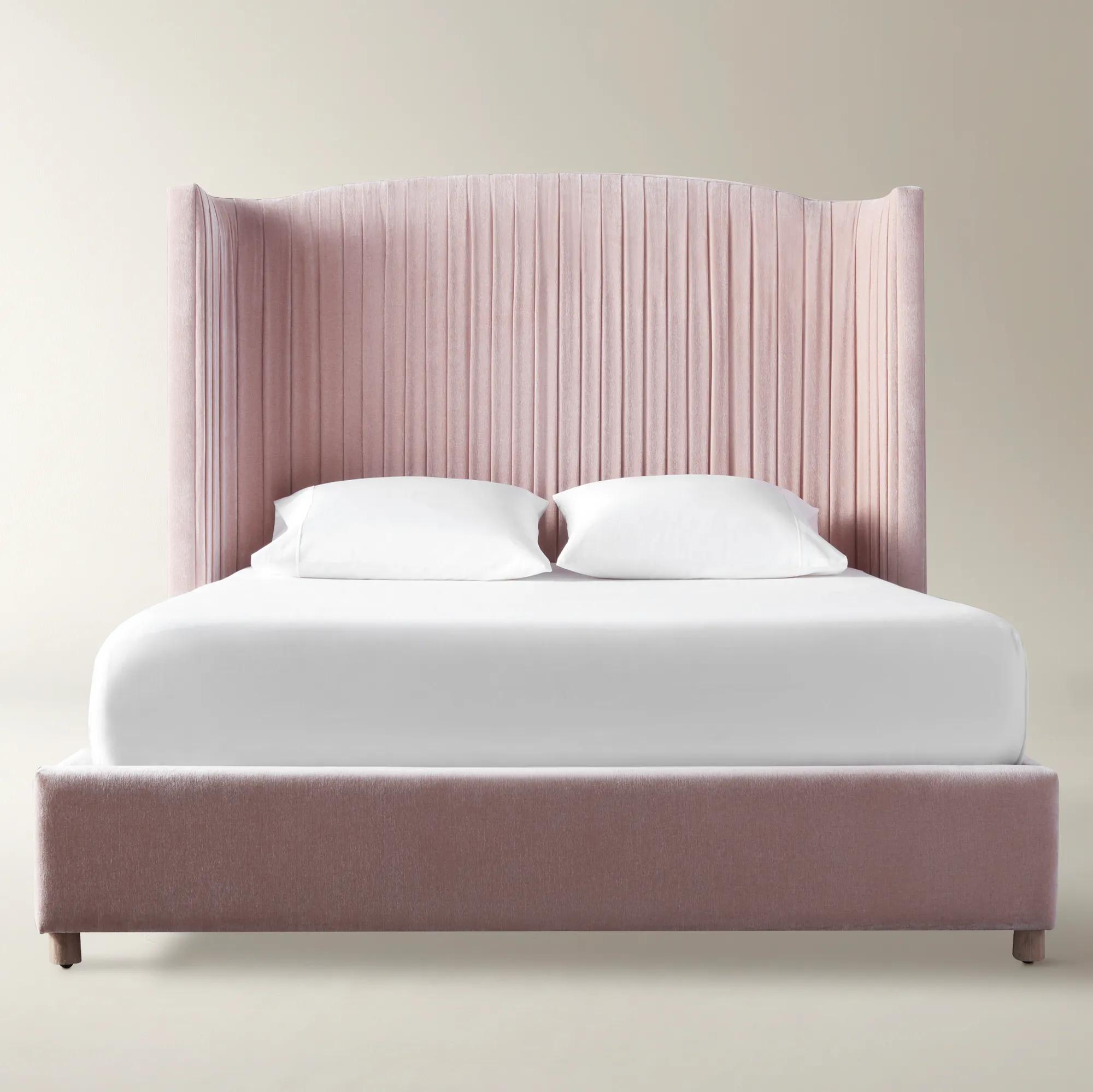
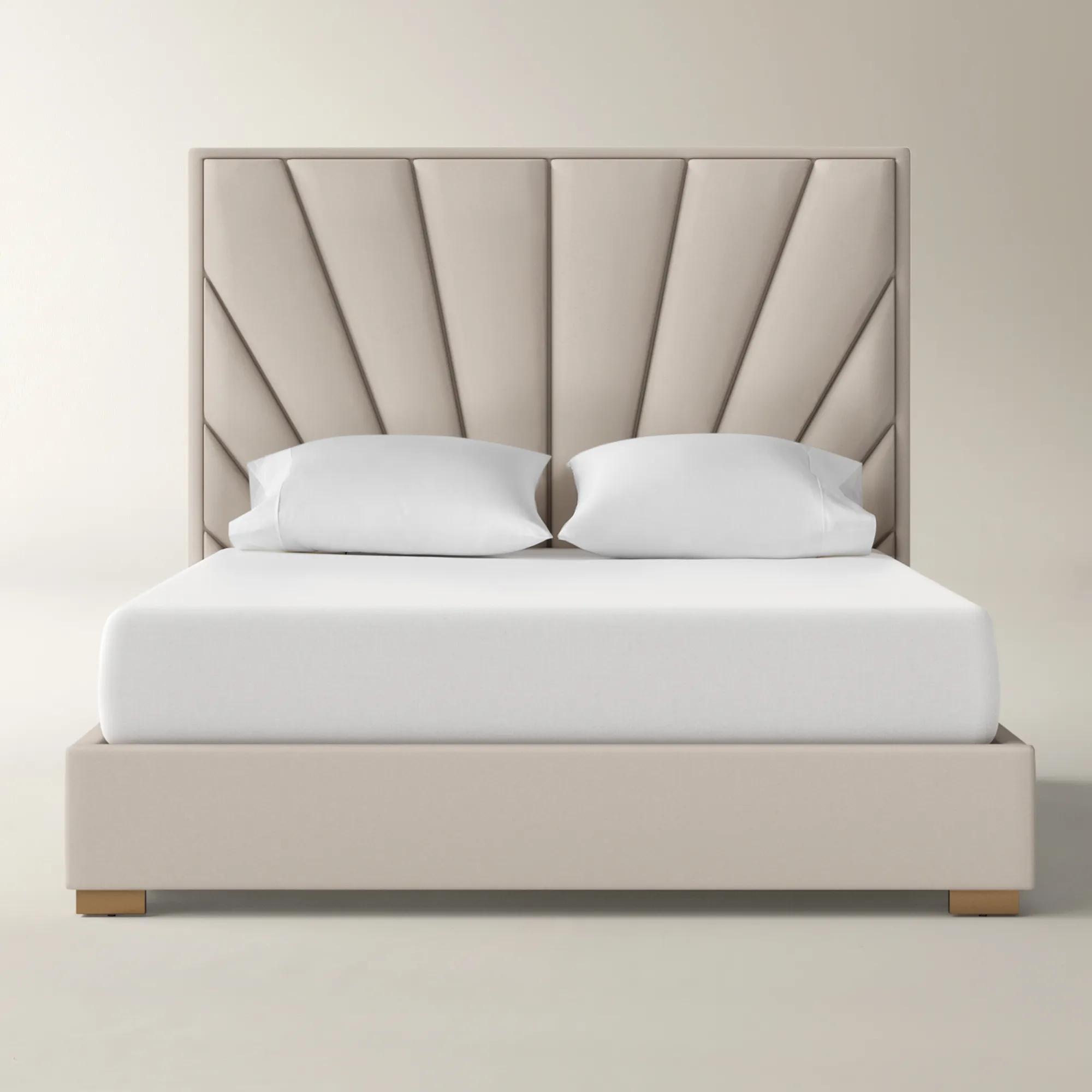 Adriana Platform Bed - 68"H$2899
A hand-crafted platform bed featuring a fan-patterned, upholstered headboard in plush velvet or chenille fabric.
Add To Cart -
 Stria Ivory Performance Chenille Upholstered King Platform Bed$2499
An ivory chenille wingback bed with plush upholstery and a hand-finished solid oak base for modern comfort.
Add To Cart -

 Tenley Bed$2299
A modern bed with a kiln-dried hardwood frame and plush, high-density foam headboard in oyster linen.
Add To Cart -

 Glimmer Ivory Performance Boucle Upholstered Queen Platform Bed$2099
A plush boucle-upholstered bed with a curved, double-layered headboard and sturdy solid rubberwood base.
Add To Cart -
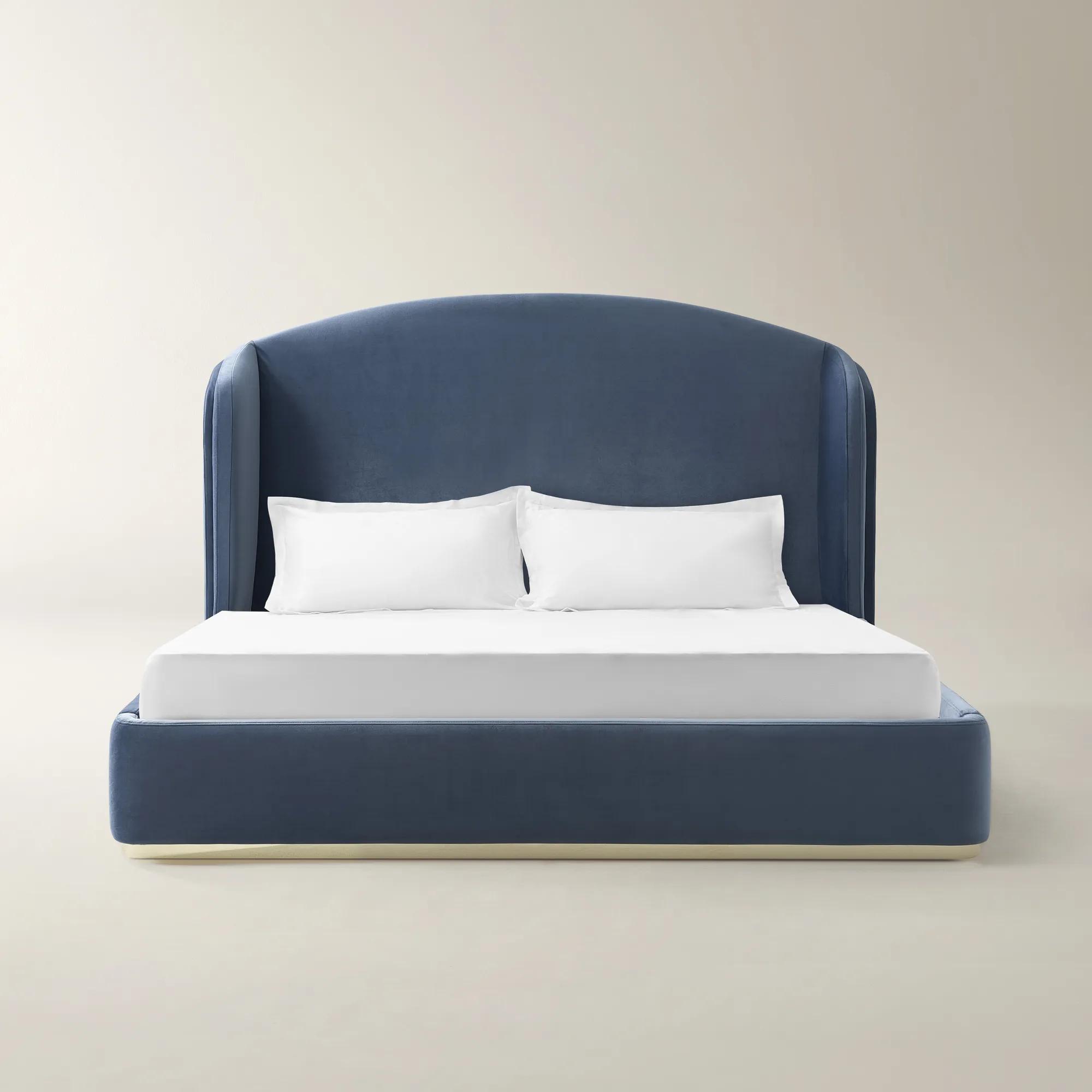
 Glimmer Dusty Blue Velvet Upholstered King Platform Bed$2299
A sculpted double-layer headboard and gold-finished base elevate this hand-upholstered dusty blue velvet bed.
Add To Cart -
Glimmer Dusty Blue Velvet Upholstered Queen Platform Bed$2099
A sculpted double-layer headboard and gold-finished base elevate this hand-upholstered dusty blue velvet bed.
Add To Cart -
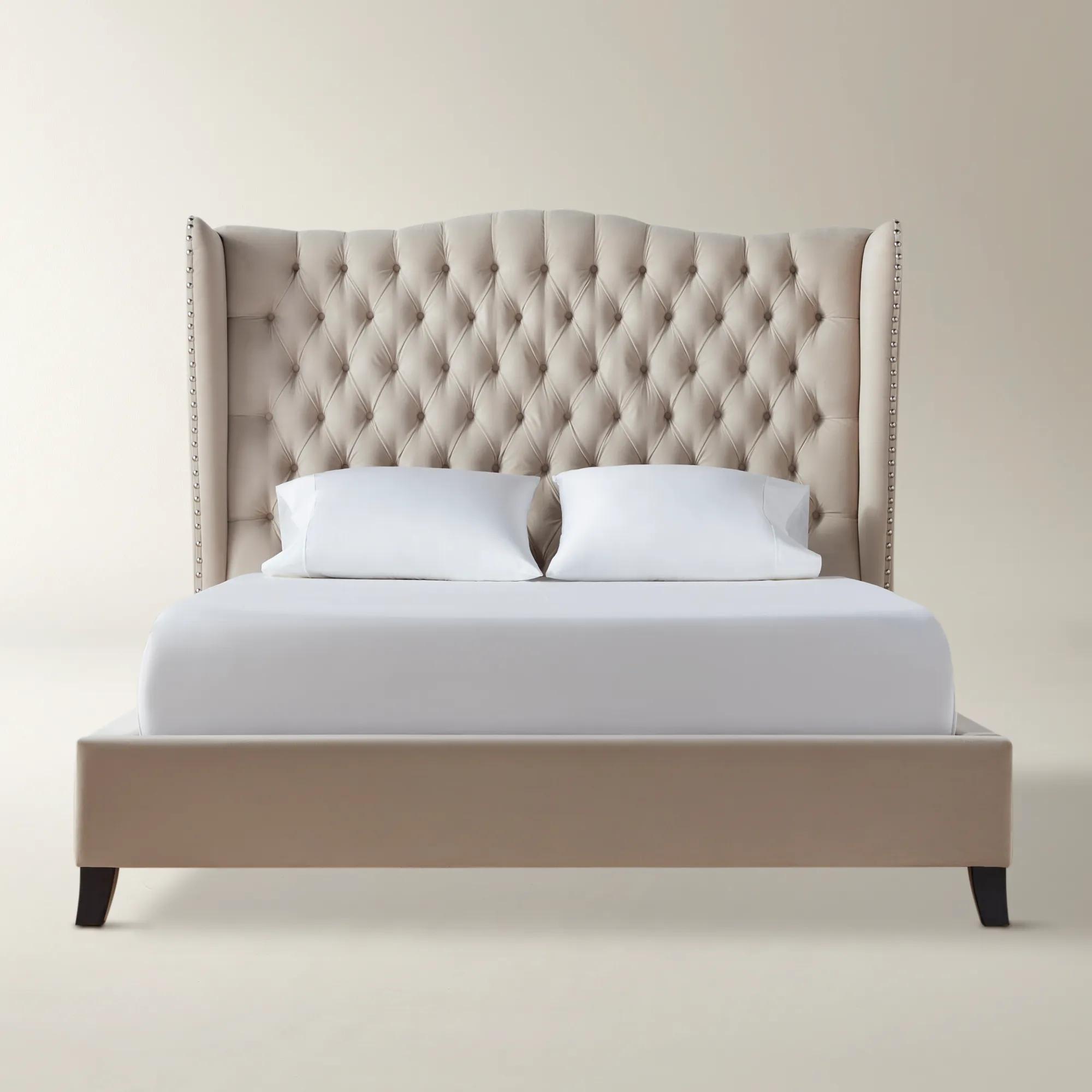
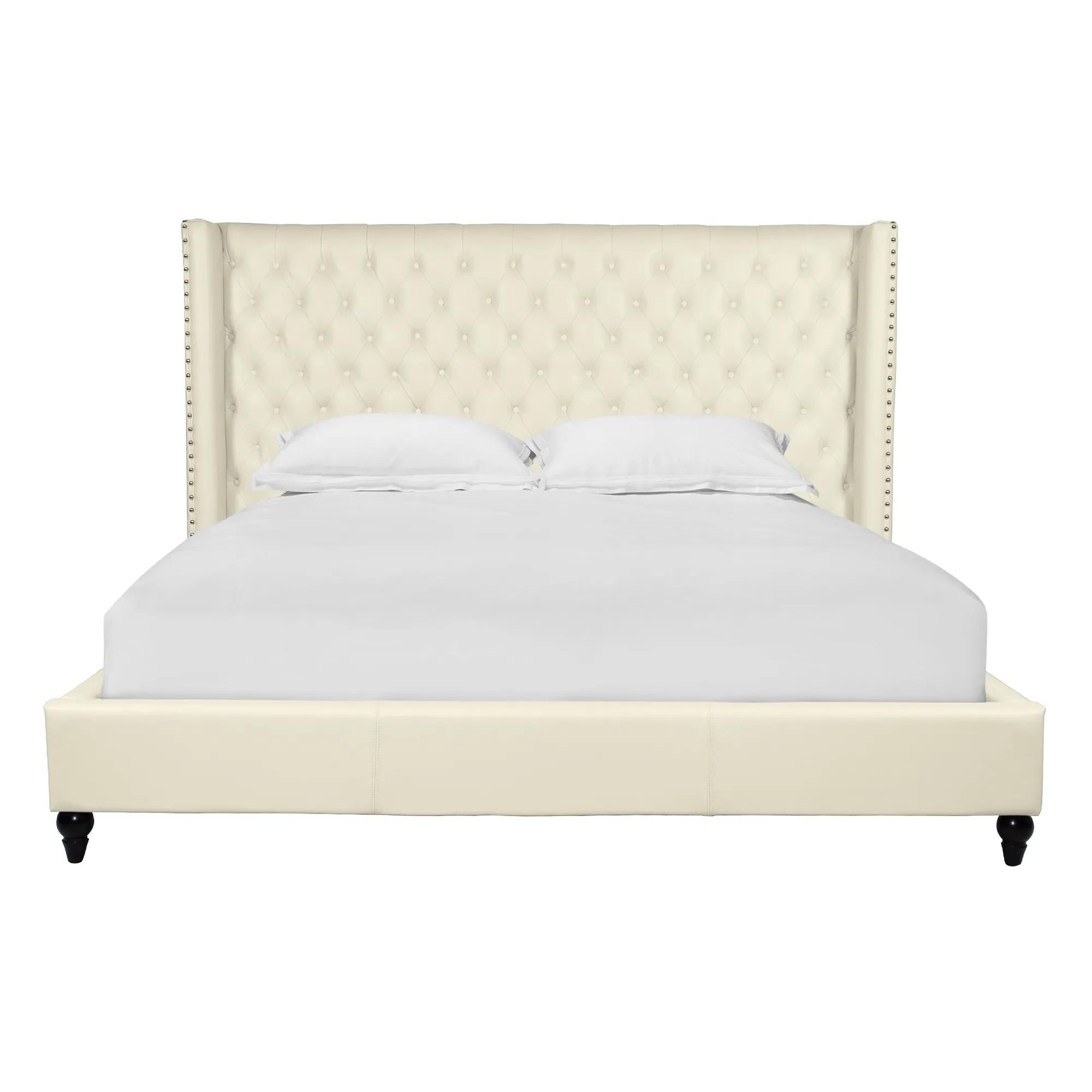
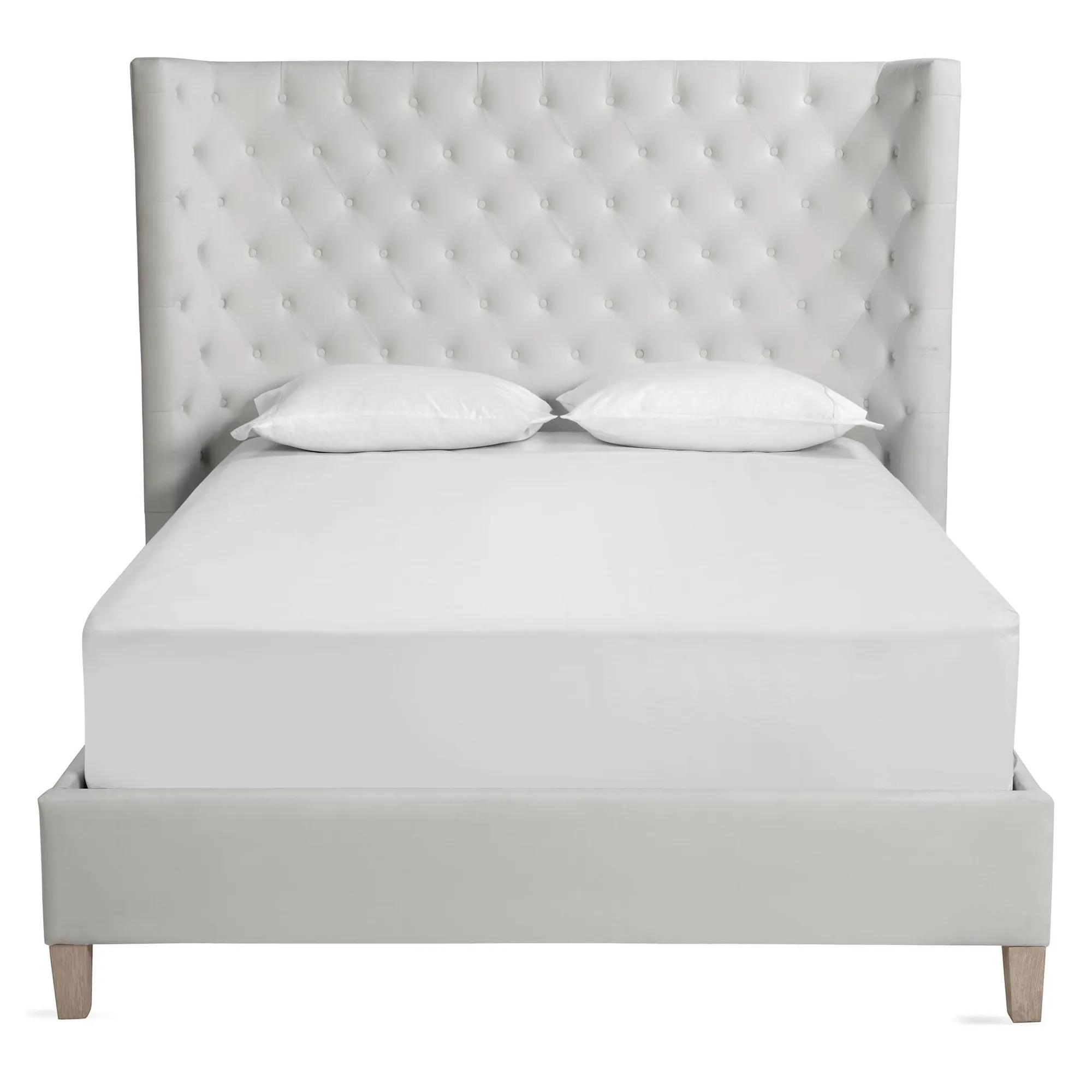
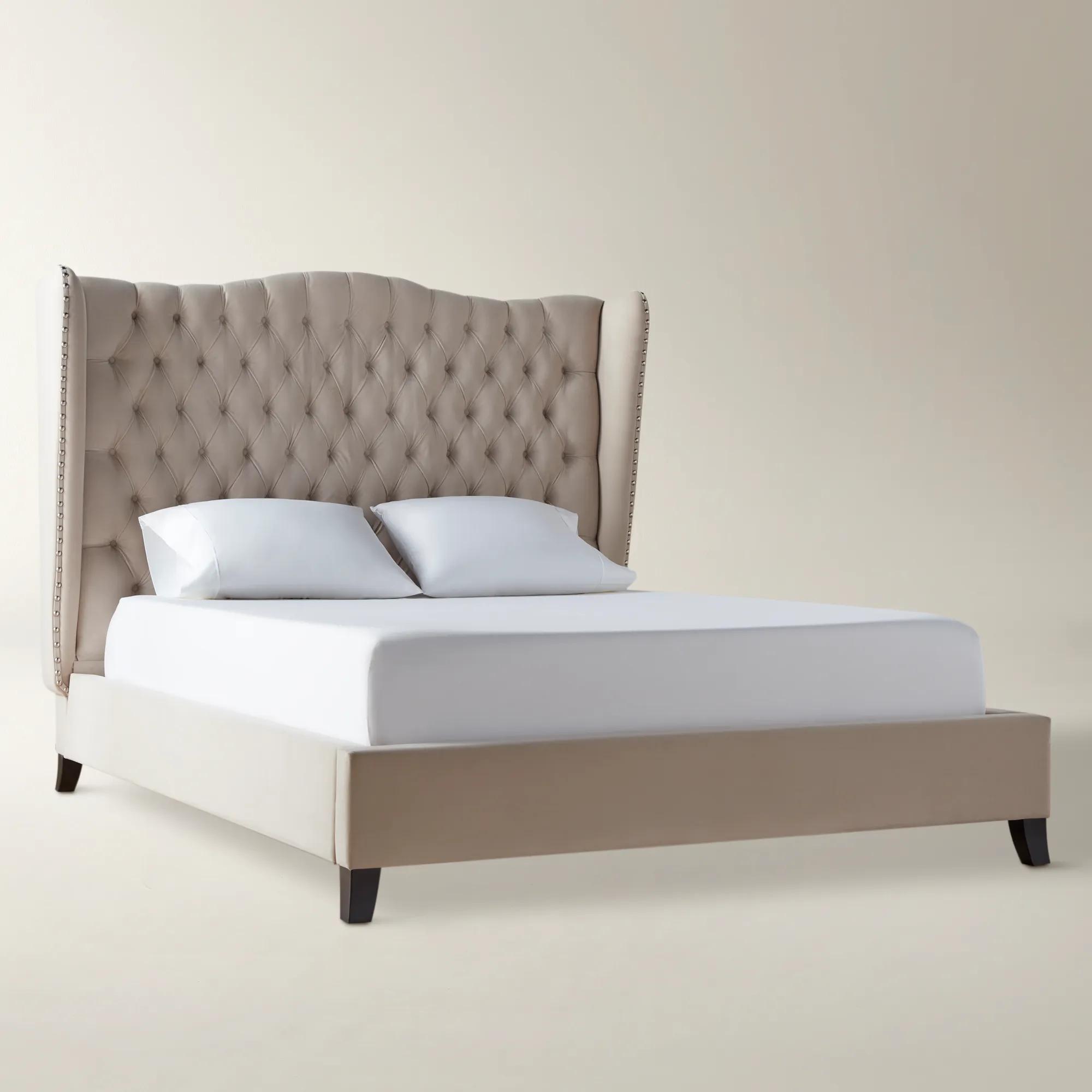 Jameson Bed$1899
A plush, camelback bed upholstered in Bella Velvet Pearl with hand-applied button tufting and brushed silver nailheads.
Add To Cart -
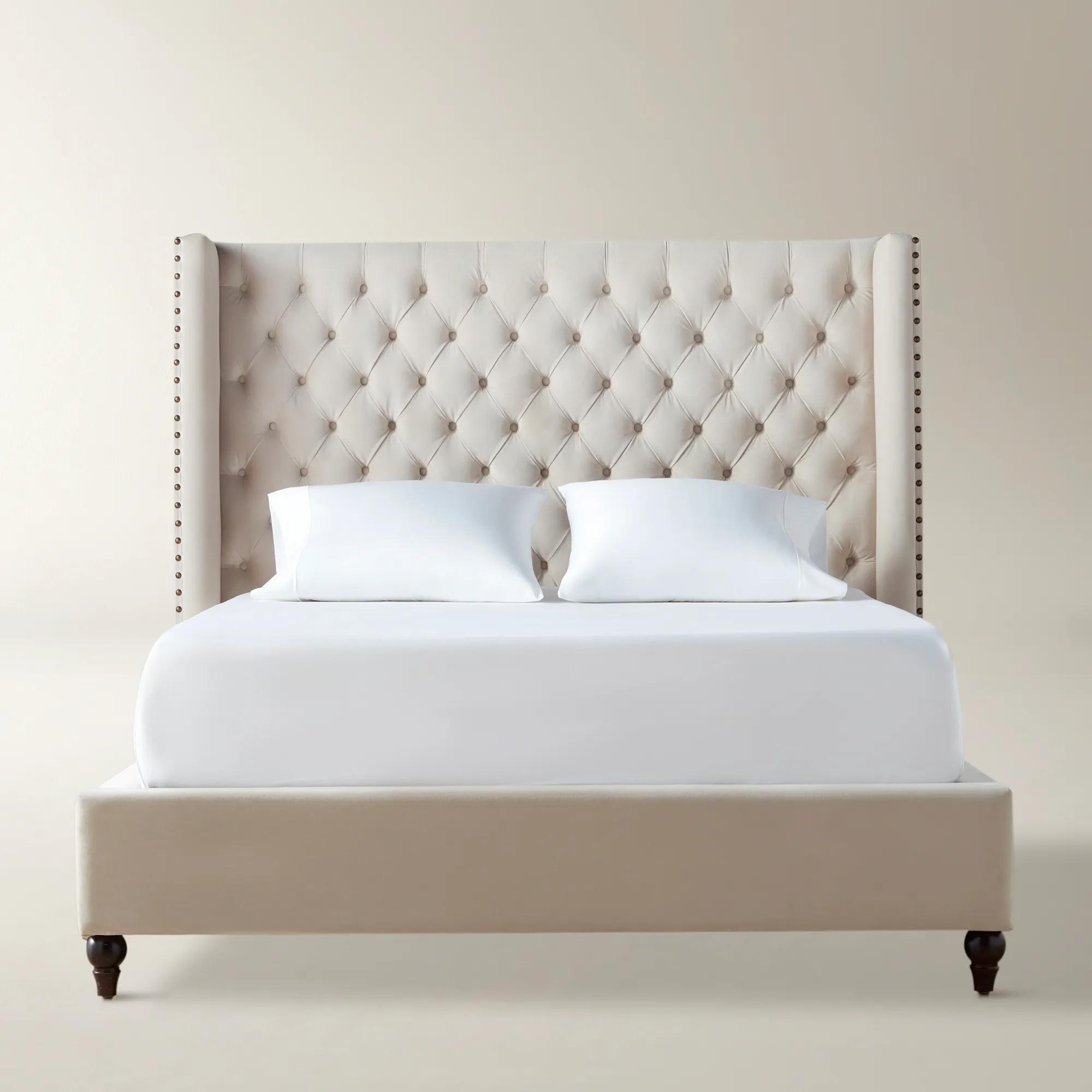
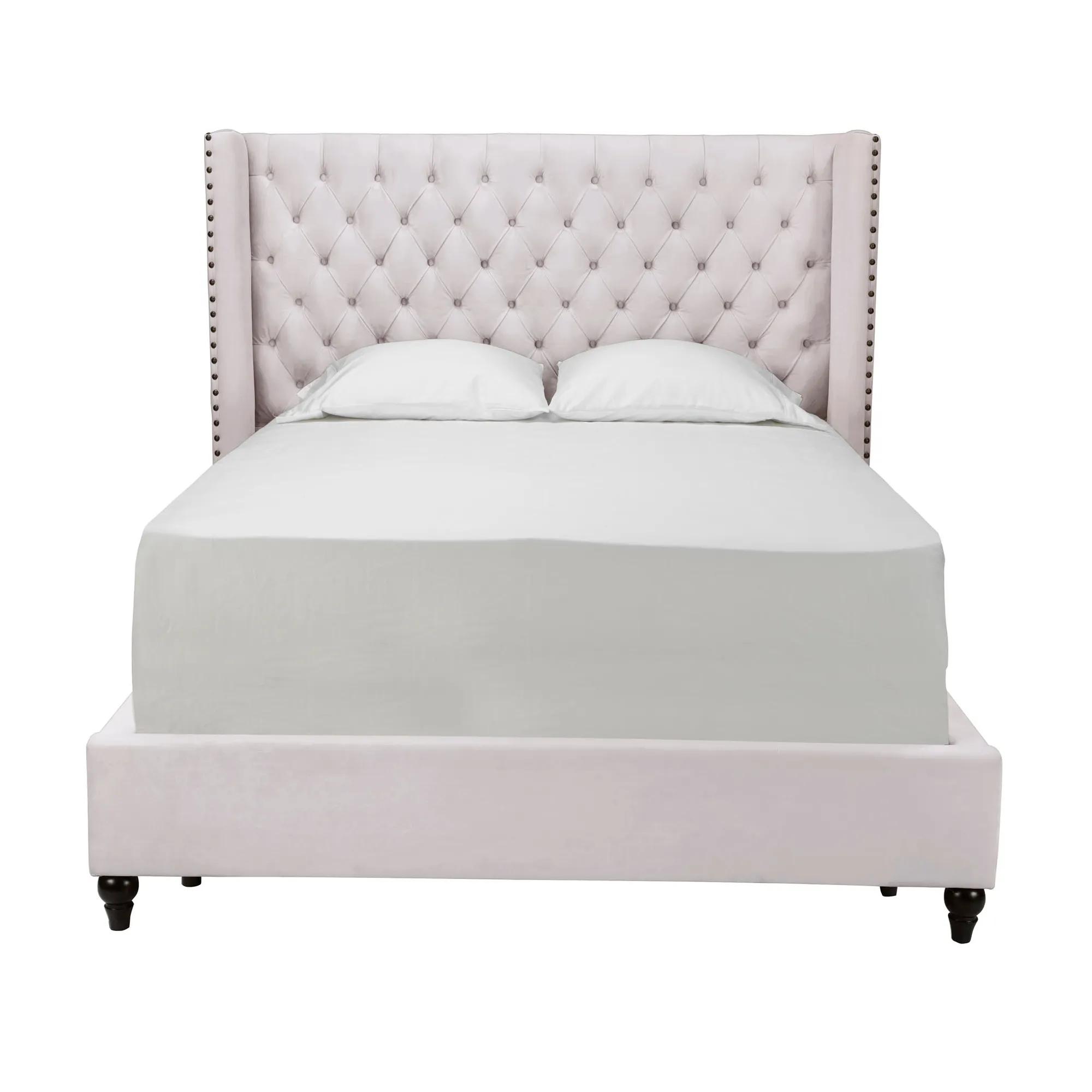
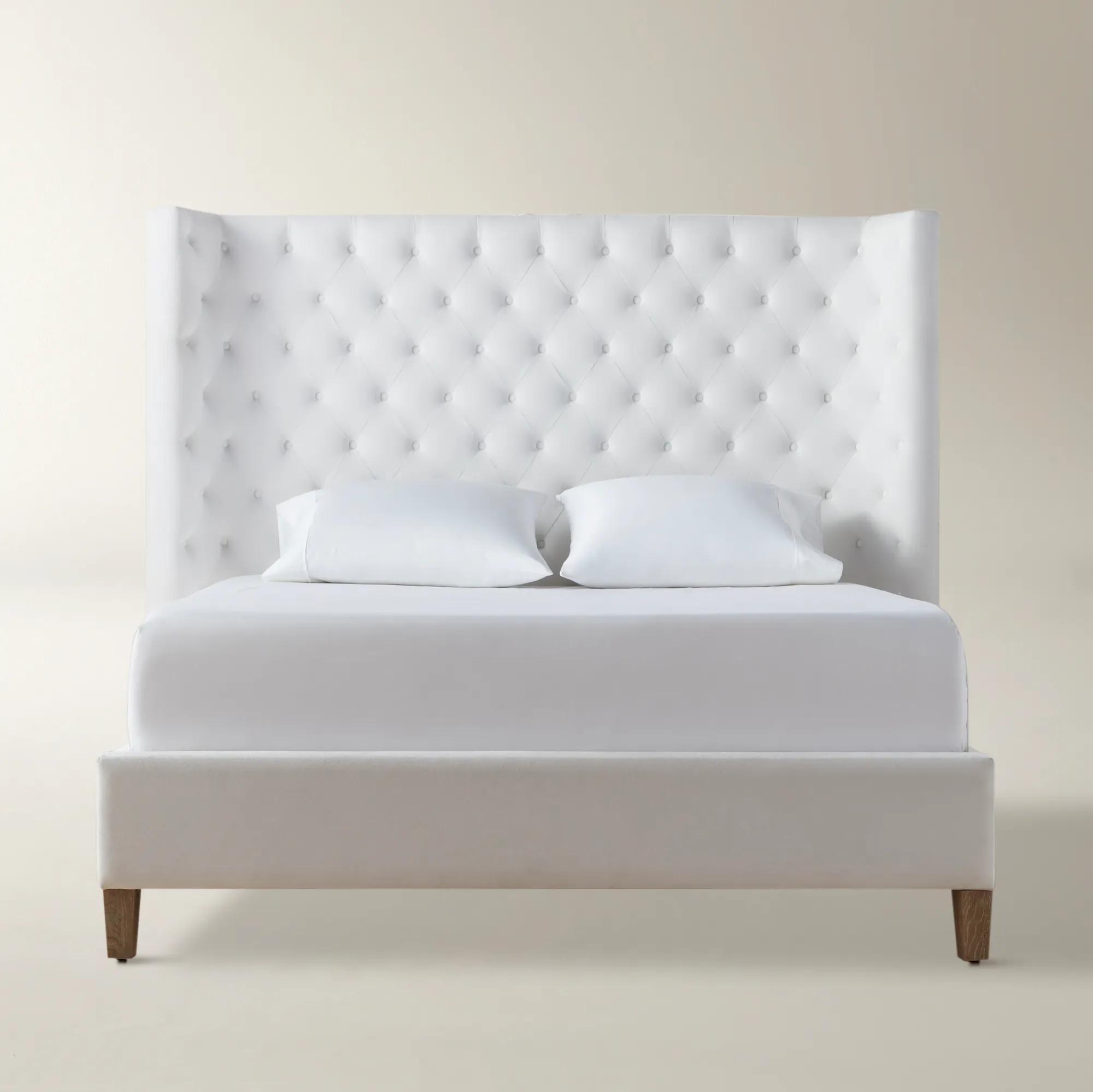
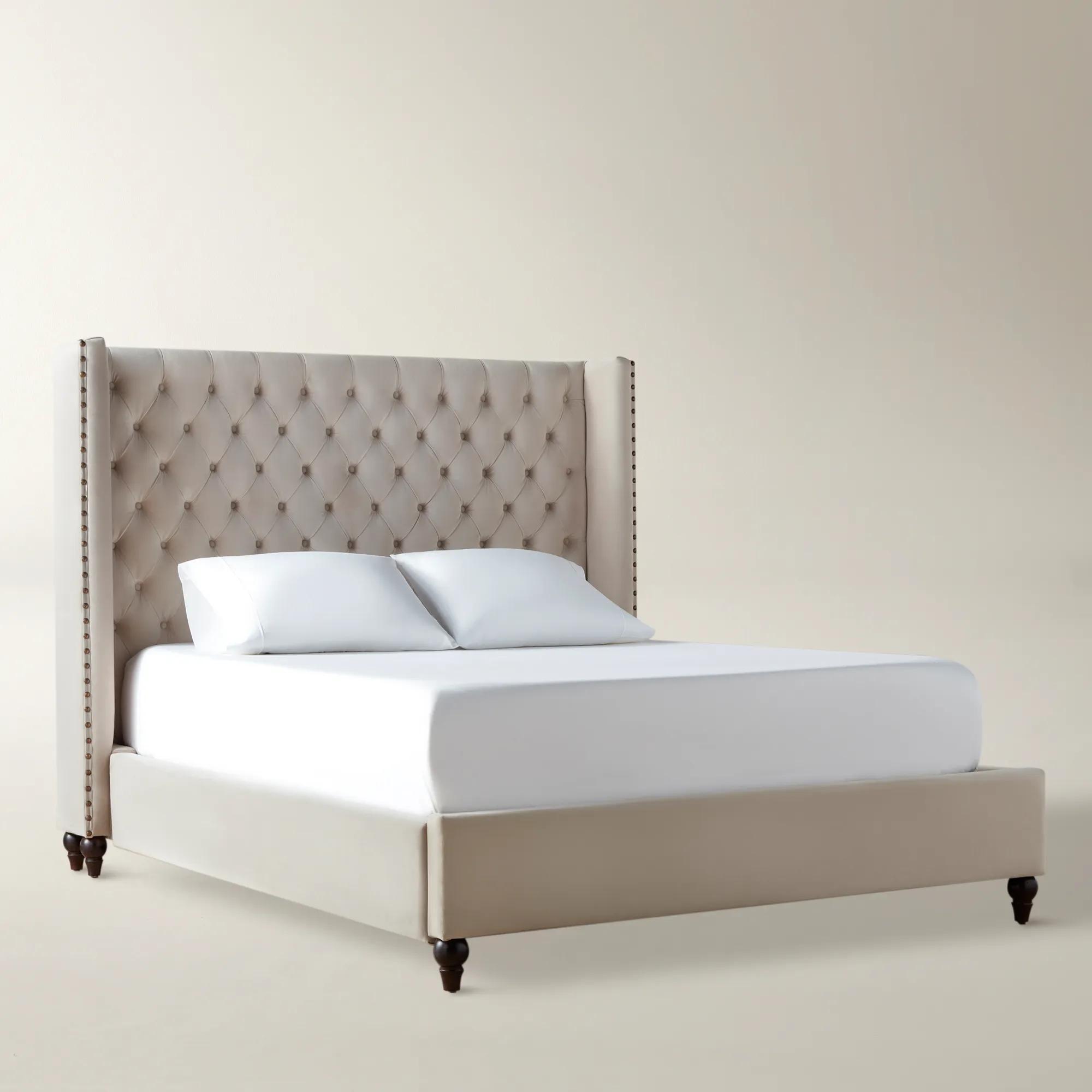 Roberto Bed$2299
A stately bed featuring diamond tufting, hand-applied nailheads, and plush Bella Velvet Pearl upholstery.
Add To Cart -
Stria Ivory Performance Chenille Upholstered Queen Platform Bed$2299
An ivory chenille wingback bed with plush upholstery and a hand-finished solid oak base for modern comfort.
Add To Cart -
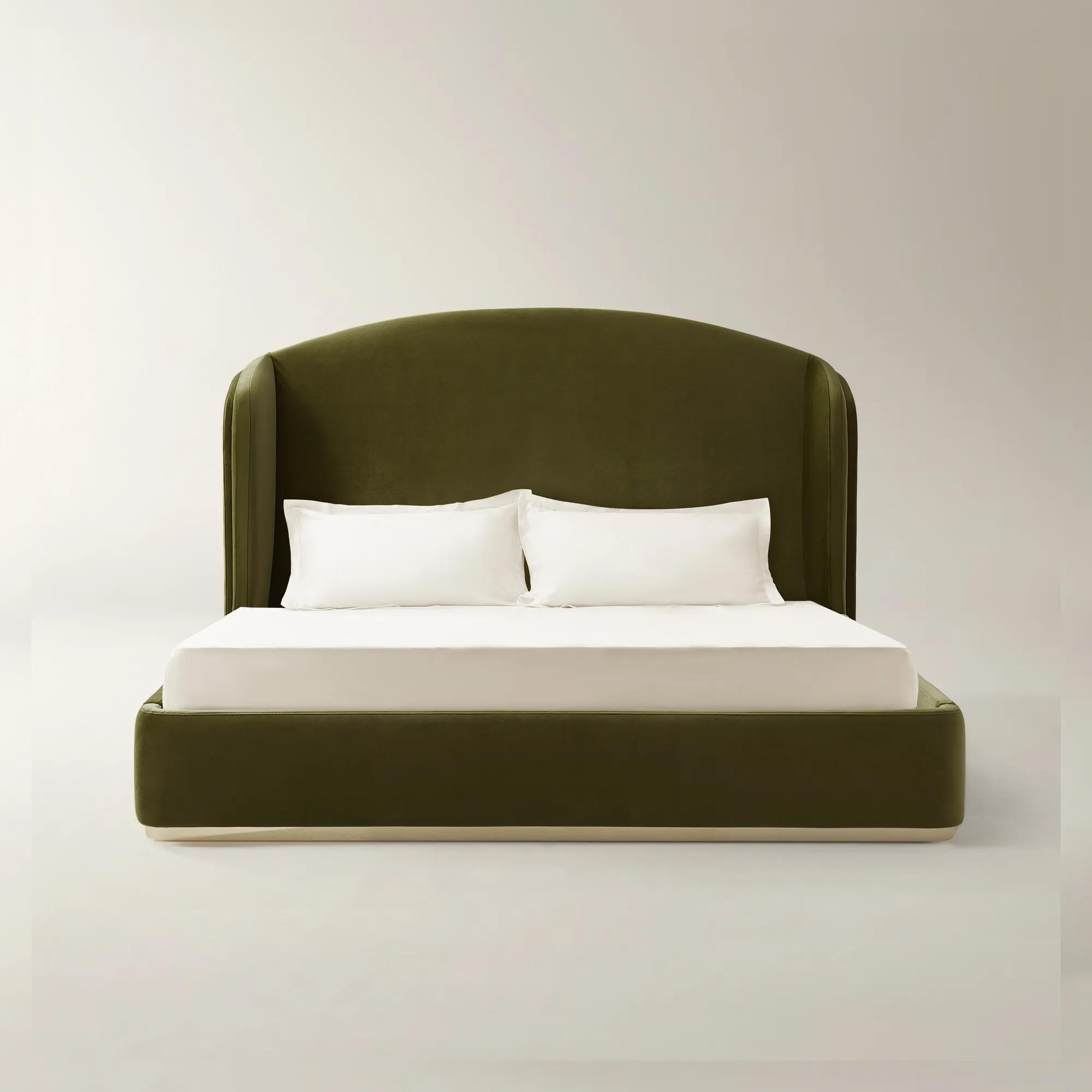
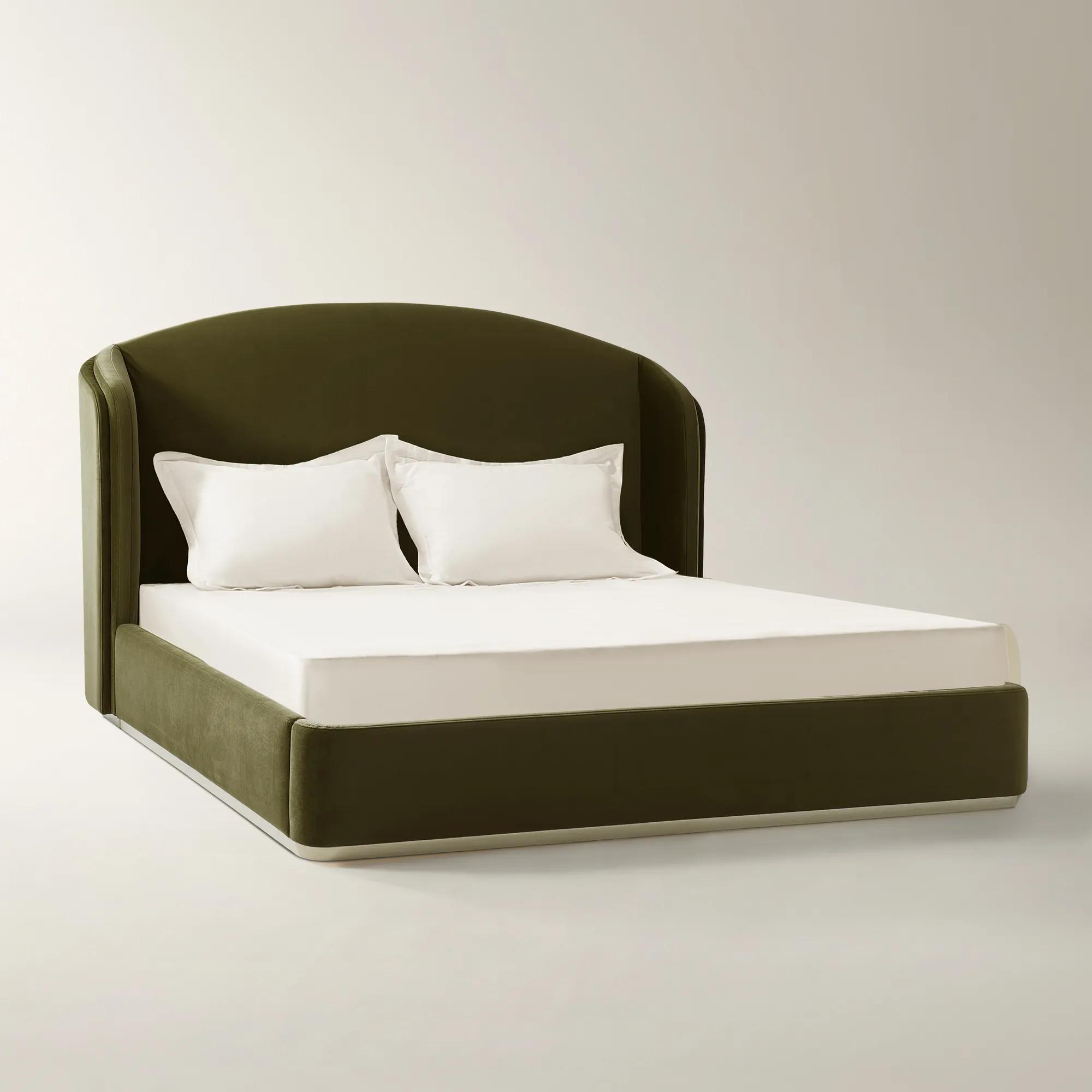 Glimmer Deep Olive Velvet Upholstered King Platform Bed$2299
A deep olive velvet platform bed featuring a sculpted headboard and gold-toned metallic base for modern elegance.
Add To Cart -
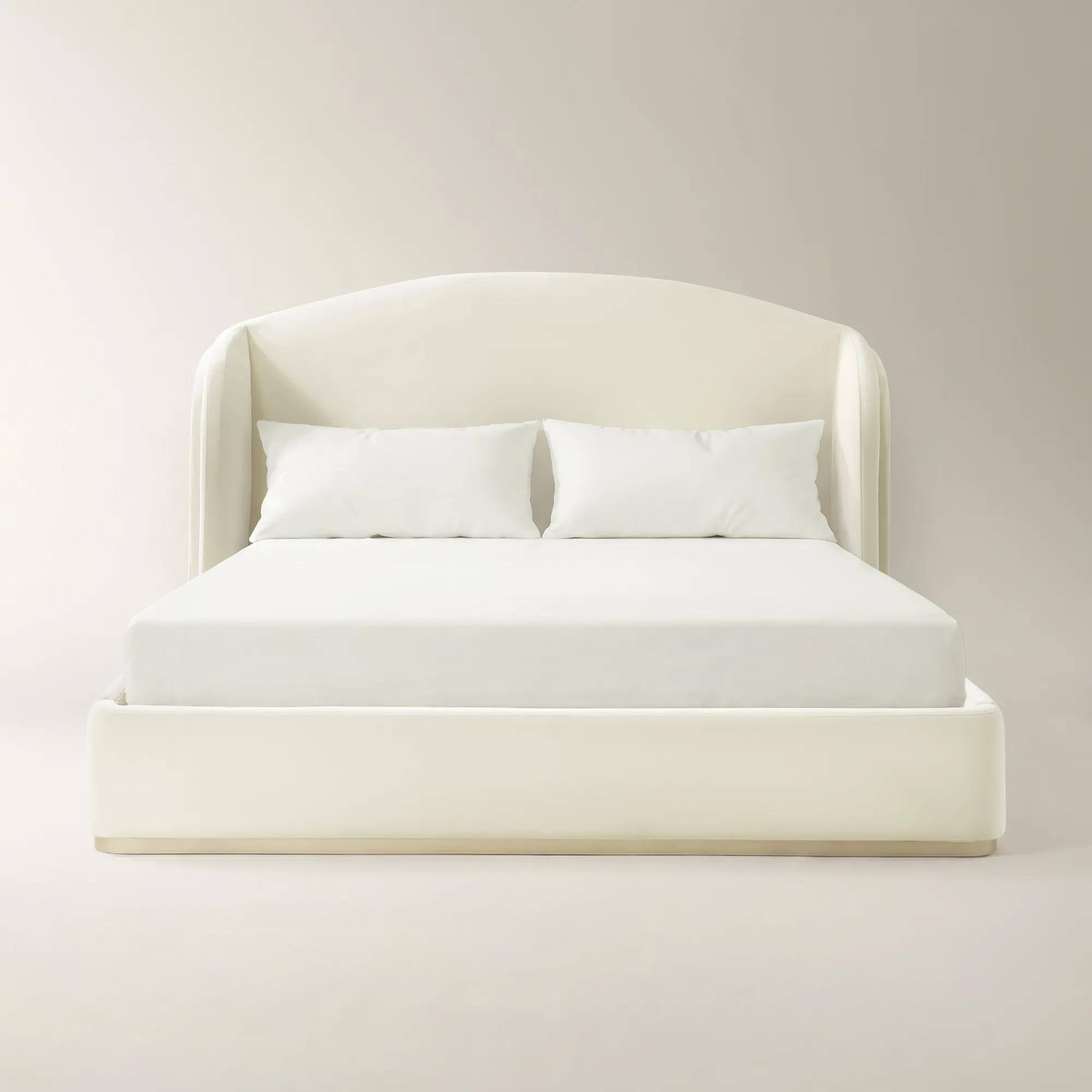 Glimmer Cloud Velvet Upholstered King Platform Bed$2299
A luxurious king platform bed featuring plush velvet upholstery, a sculpted headboard, and a gold metallic base.
Add To Cart -
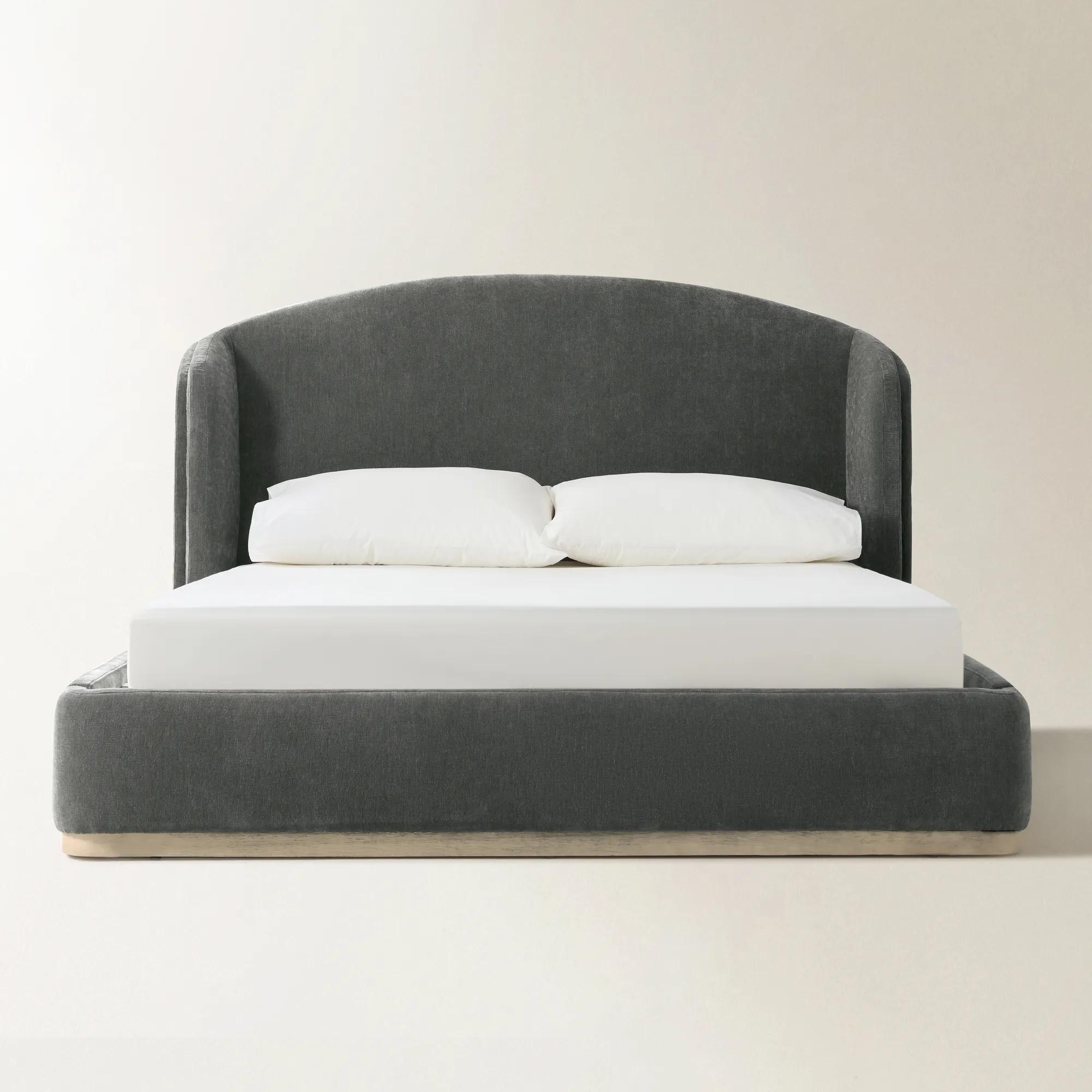 Glimmer Grey Performance Chenille Upholstered Queen Platform Bed$2099
A plush boucle-upholstered bed with a curved, double-layered headboard and sturdy solid rubberwood base.
Add To Cart -
Glimmer Grey Performance Chenille Upholstered King Platform Bed$2299
A plush boucle-upholstered bed in soft beige or grey with a curved, double-layered handcrafted headboard.
Add To Cart -
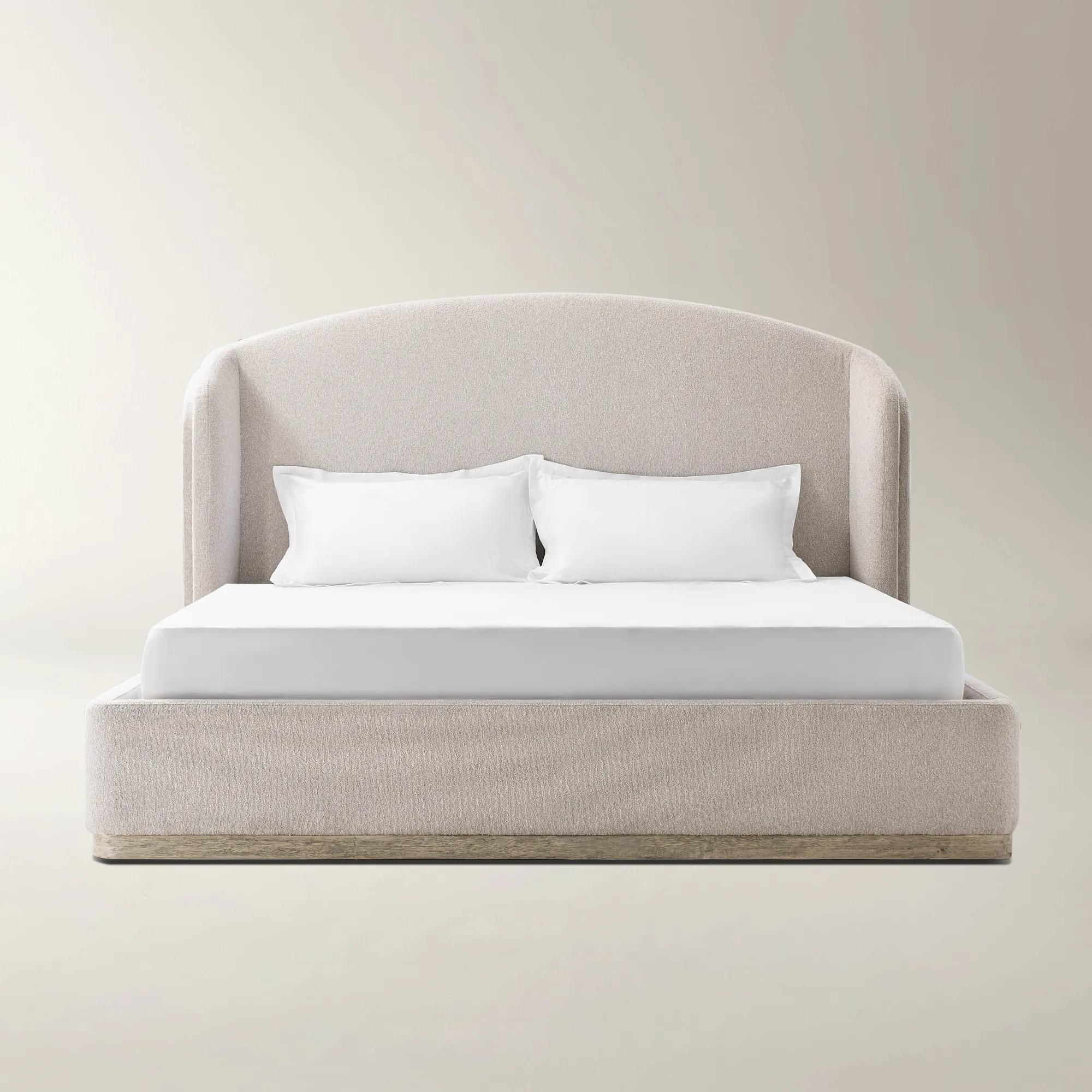
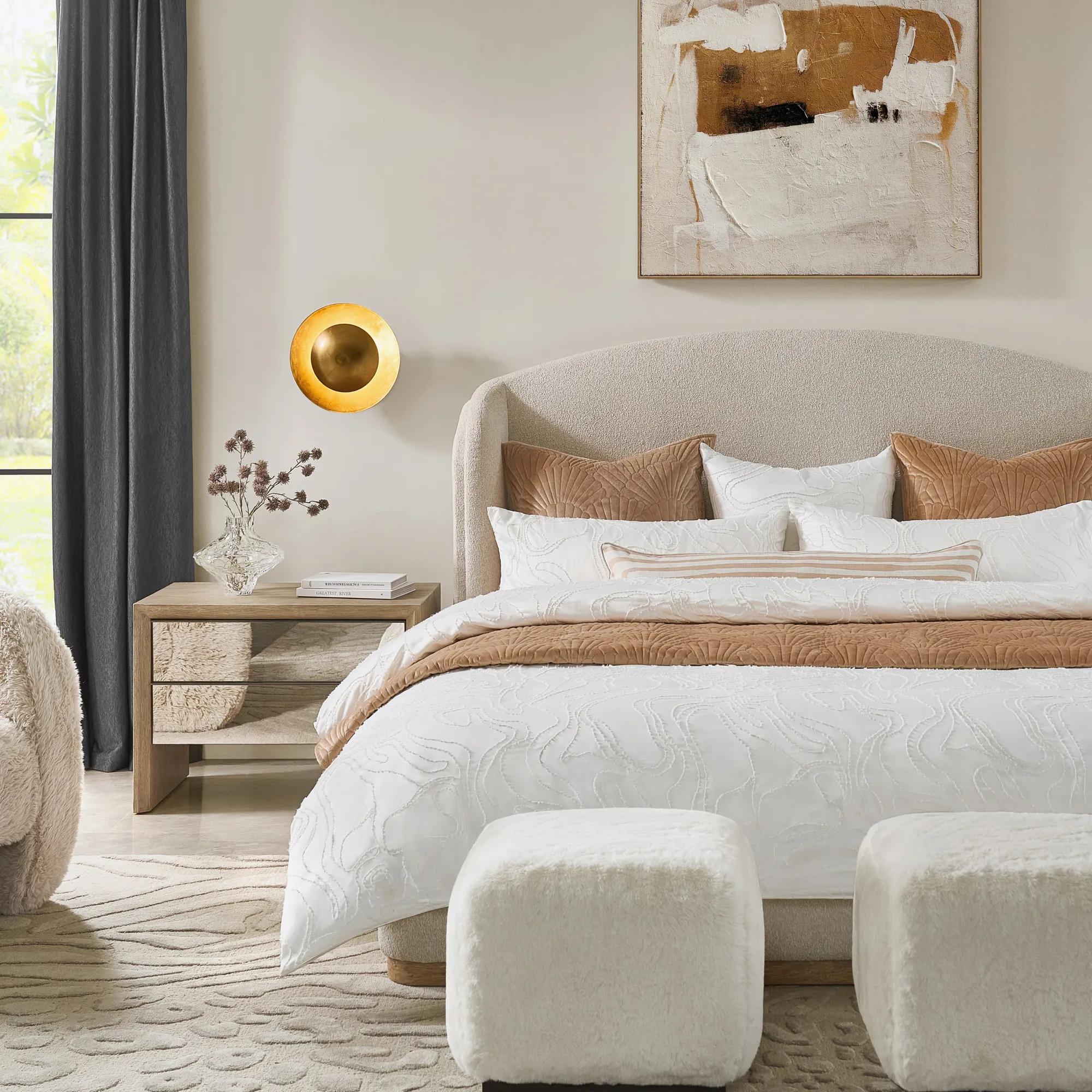 Glimmer Ivory Performance Boucle Upholstered King Platform Bed$2299
A plush boucle-upholstered bed in soft beige or grey with a curved, double-layered headboard and solid rubberwood base.
Add To Cart -
Glimmer Cloud Velvet Upholstered Queen Platform Bed$2099
A sculptural queen platform bed hand-upholstered in soft cloud velvet with a gold-toned metallic base.
Add To Cart -
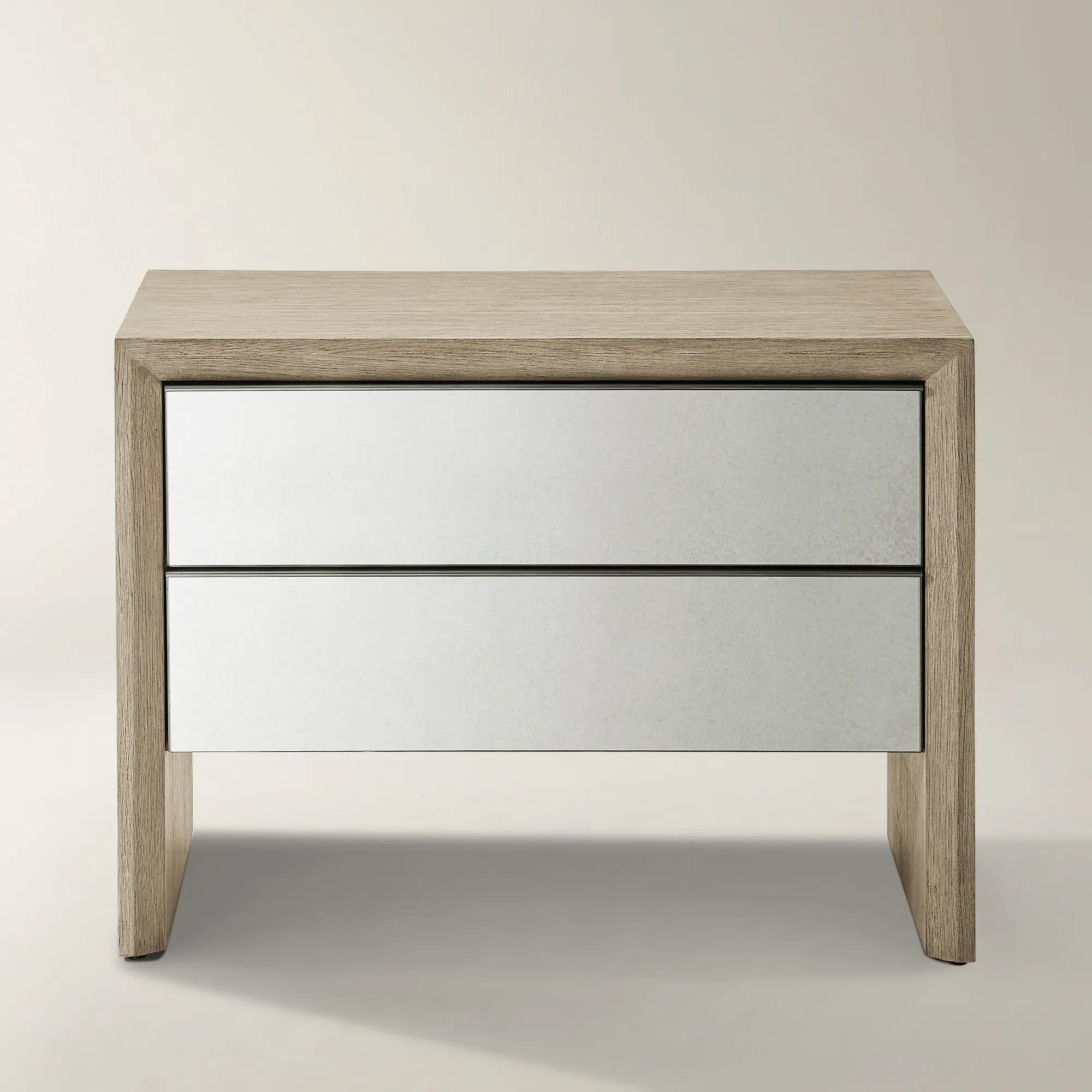
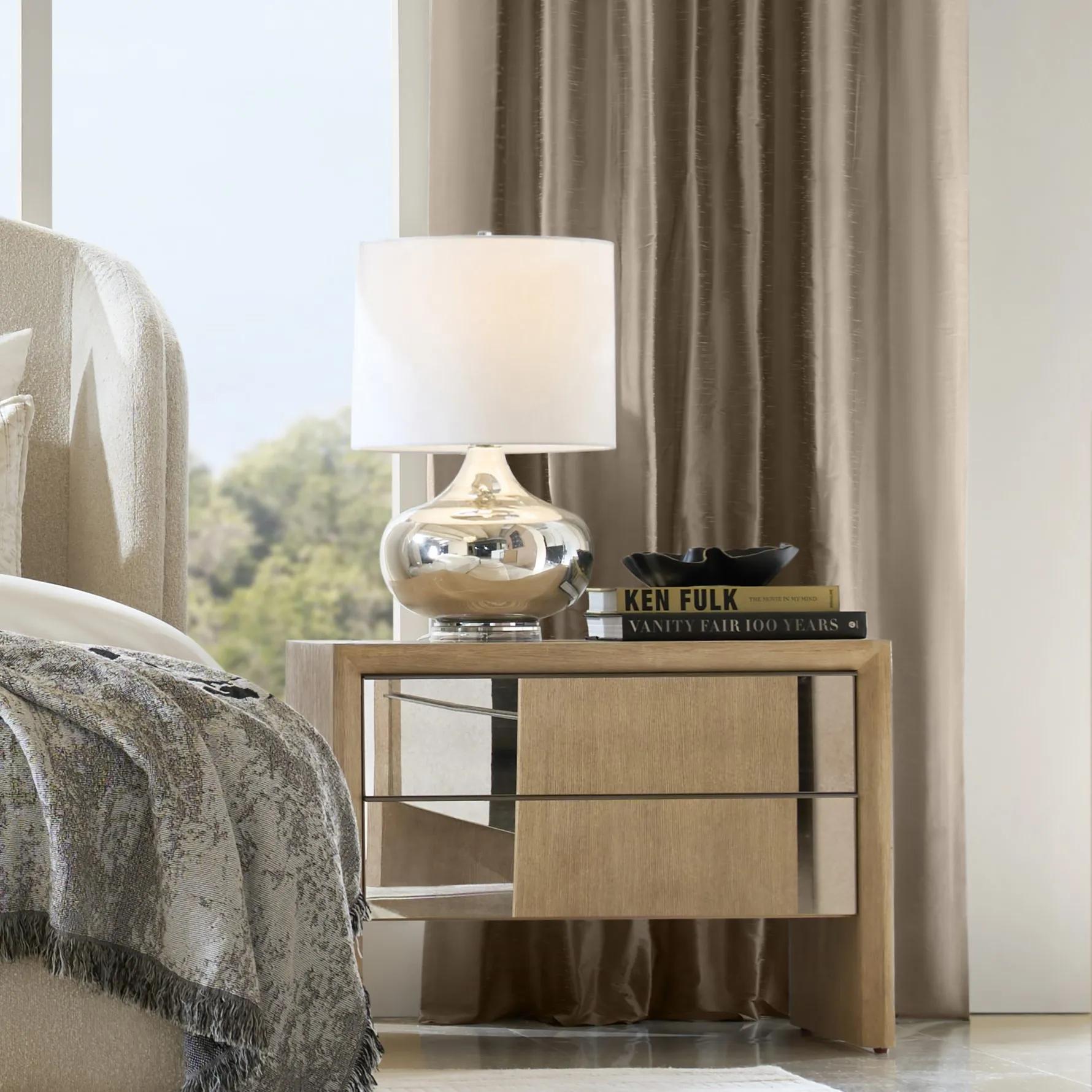 Glimmer Mirrored Seadrift Oak 2-Drawer Nightstand (32")$799
A glamorous nightstand featuring sea drift oak veneer, antique mirrored drawers, and soft-close storage.
Add To Cart -
Glimmer Deep Olive Velvet Upholstered Queen Platform Bed$2099
A deep olive velvet platform bed featuring a sculpted headboard and gold-toned metallic base for modern elegance.
Add To Cart -
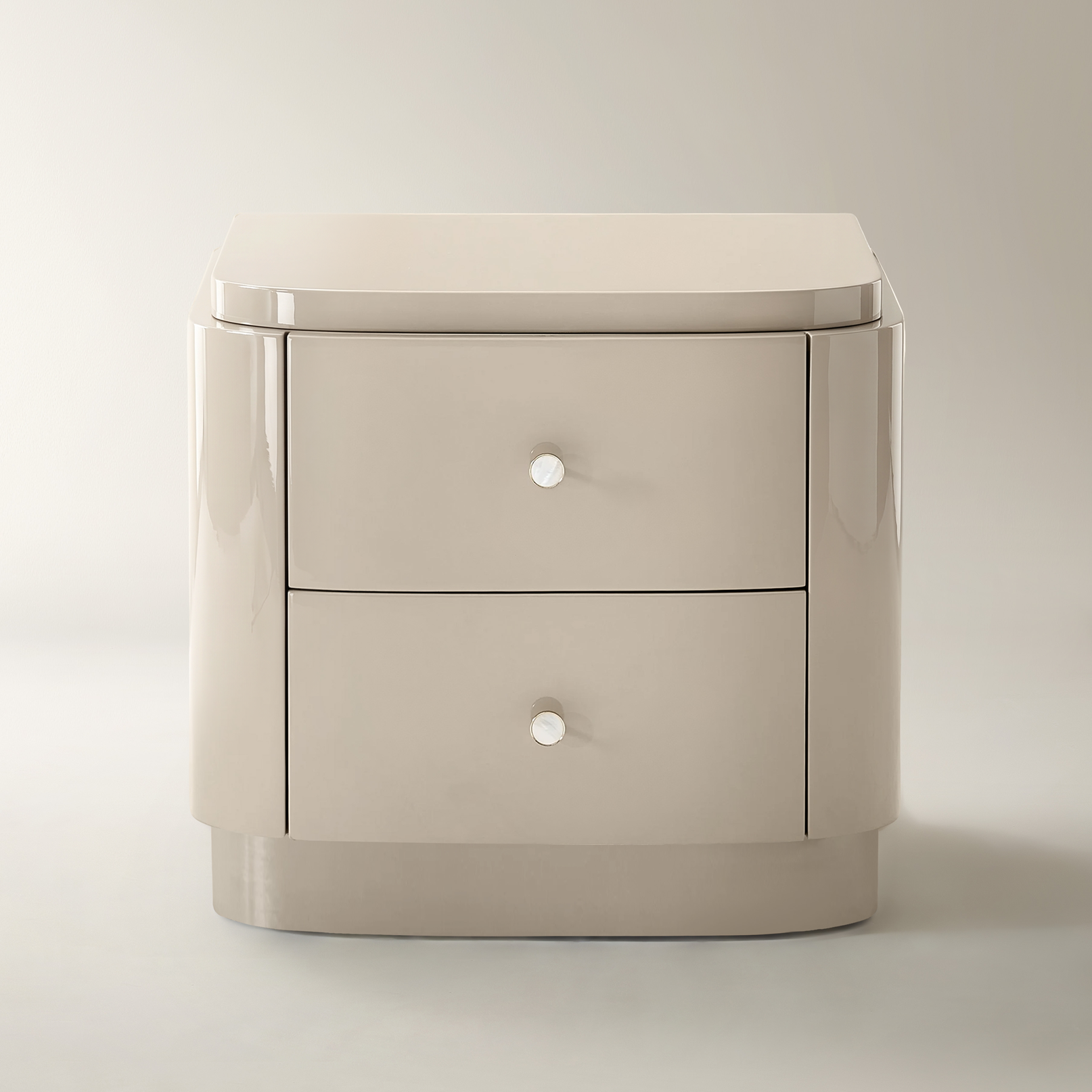
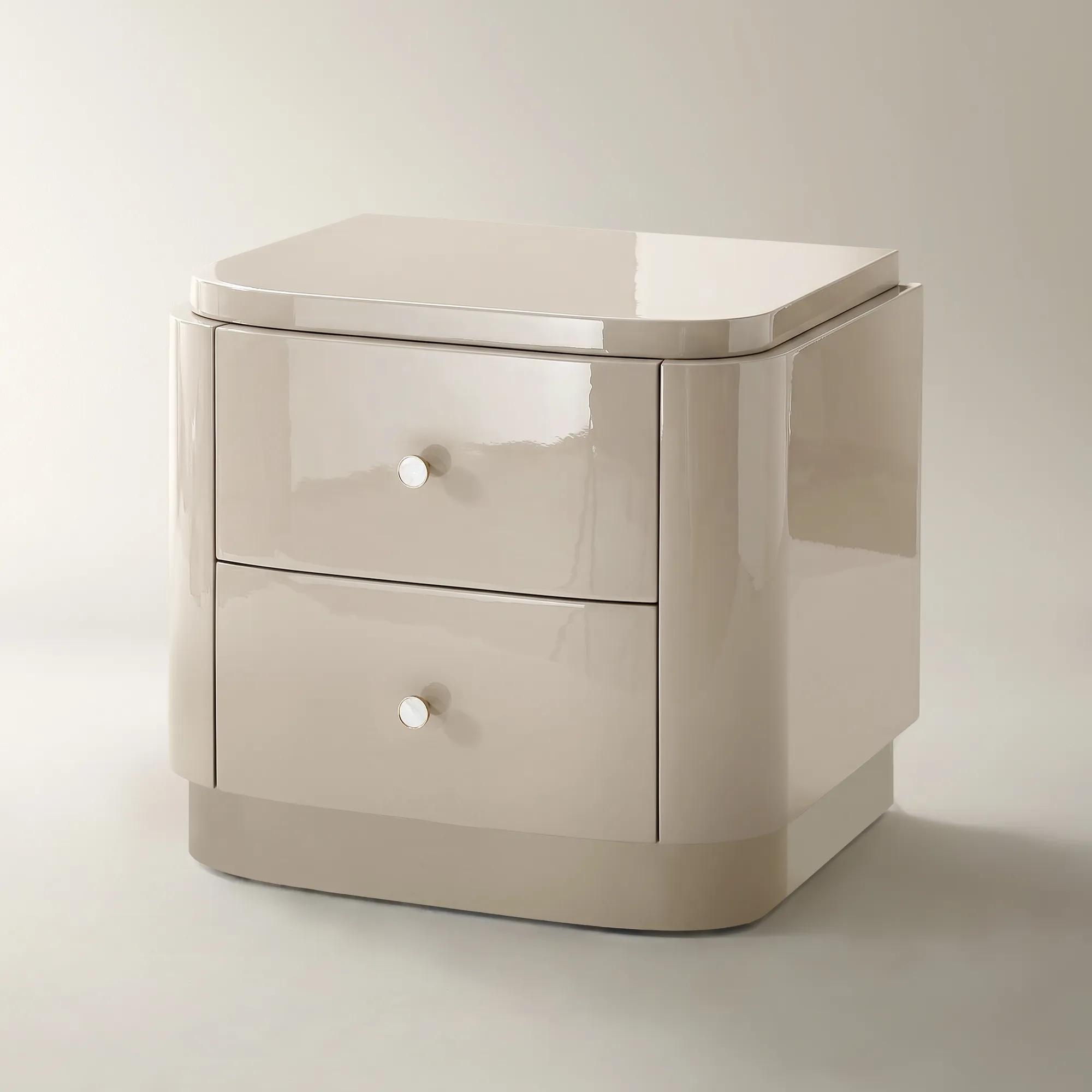 Nia Lacquered Turtle Dove 2-Drawer Nightstand (26")$599
A softly sculpted nightstand in turtle dove lacquer with pearlescent handles and two soft-close drawers.
Add To Cart -
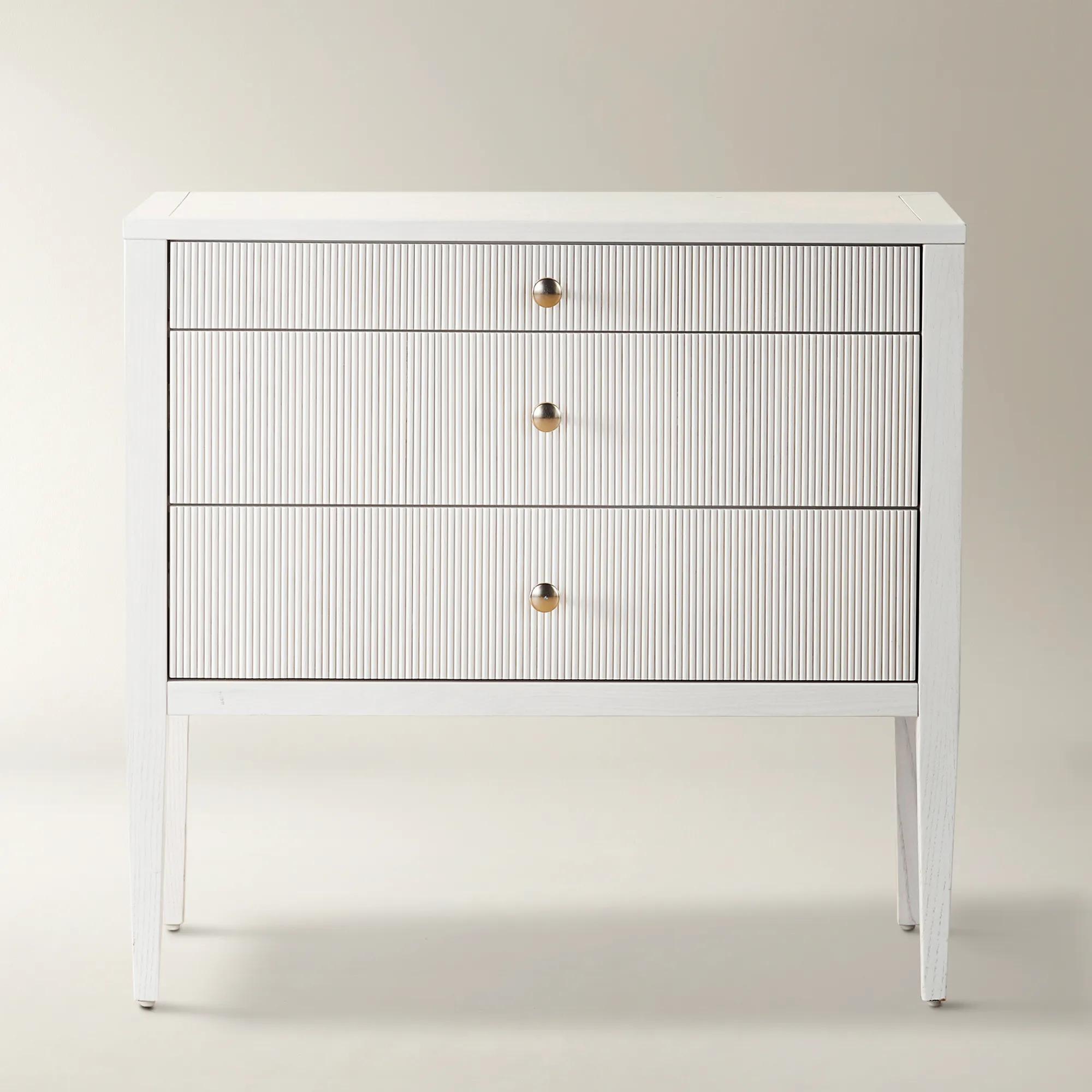 Viola Reeded White Ash Wood 3-Drawer Nightstand (31")$899
A modern nightstand in bone white ash wood with reeded drawers and brass hardware for a luxe touch.
Add To Cart -
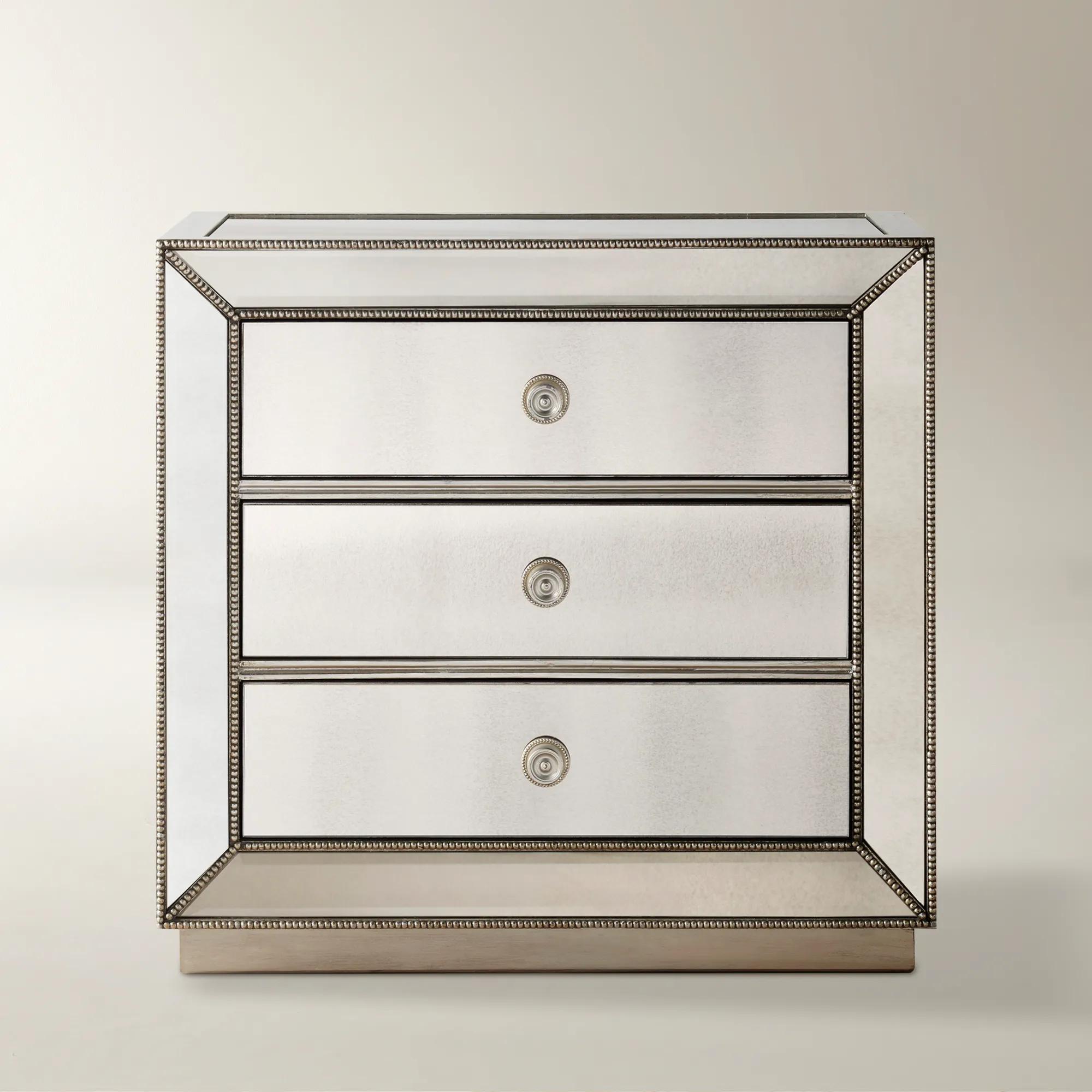
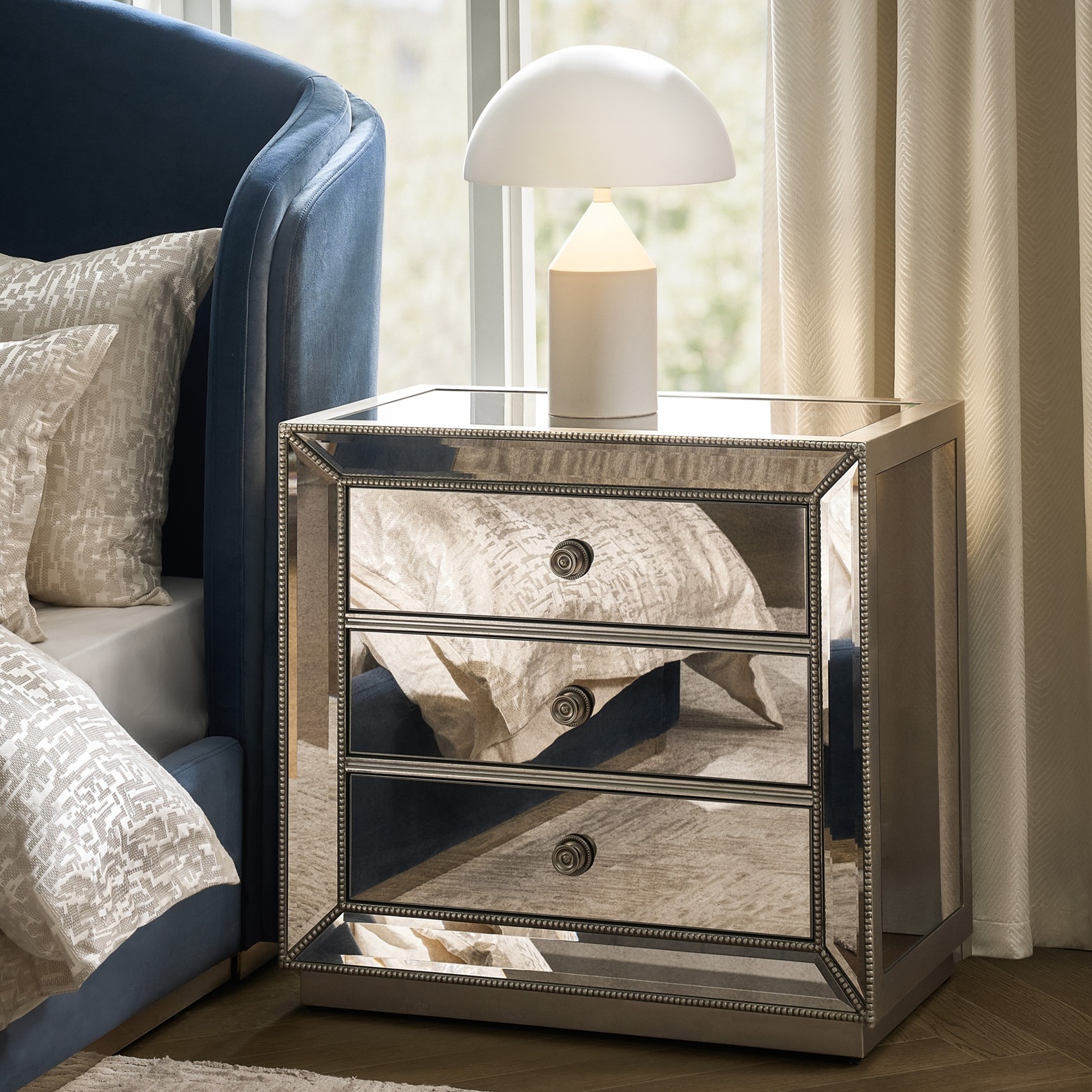 Omni Mirrored Silver 3-Drawer Nightstand (32")$1299
A glamorous chest featuring antiqued mirrored panels, hand-applied silver-leaf finish, and beaded trim.
Add To Cart -
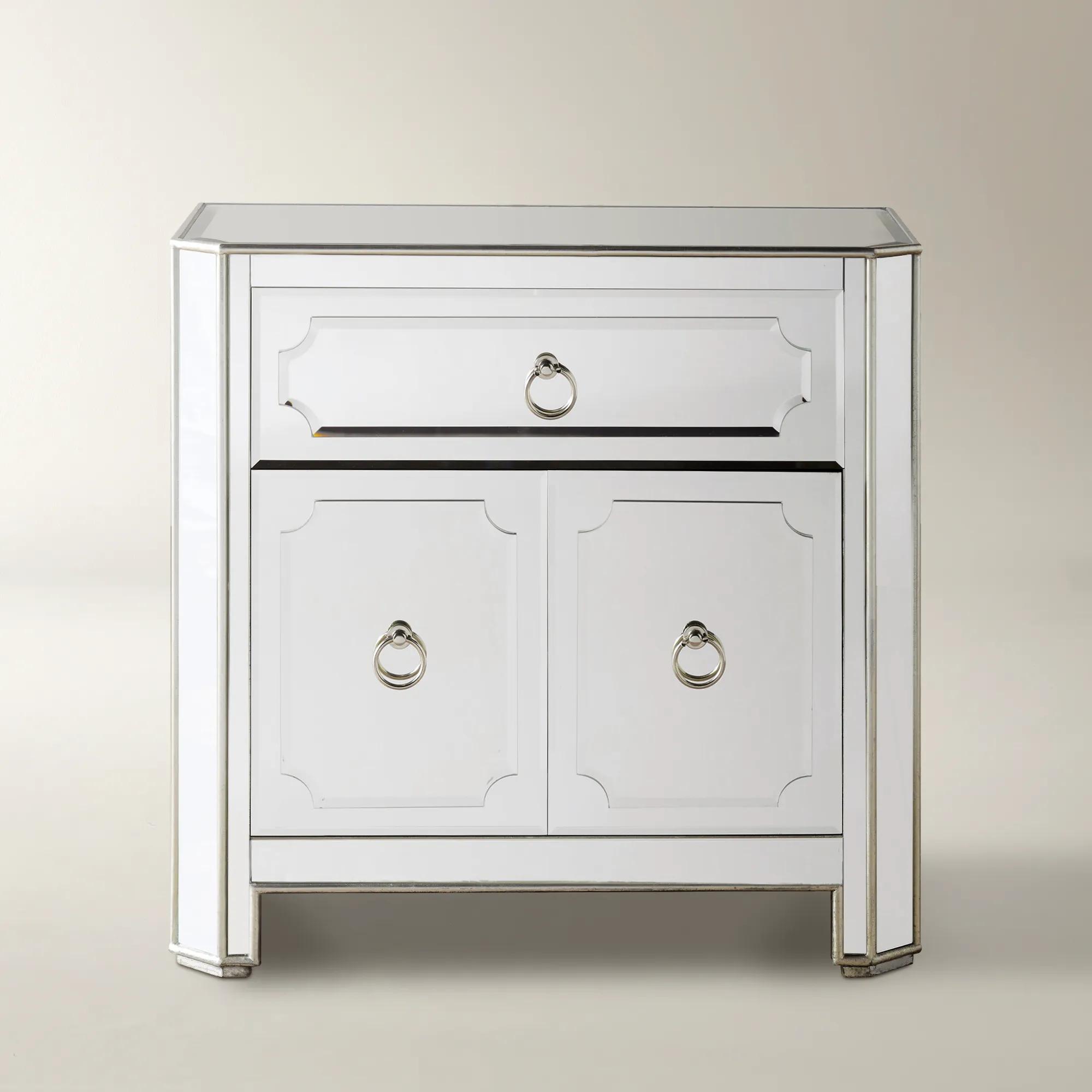
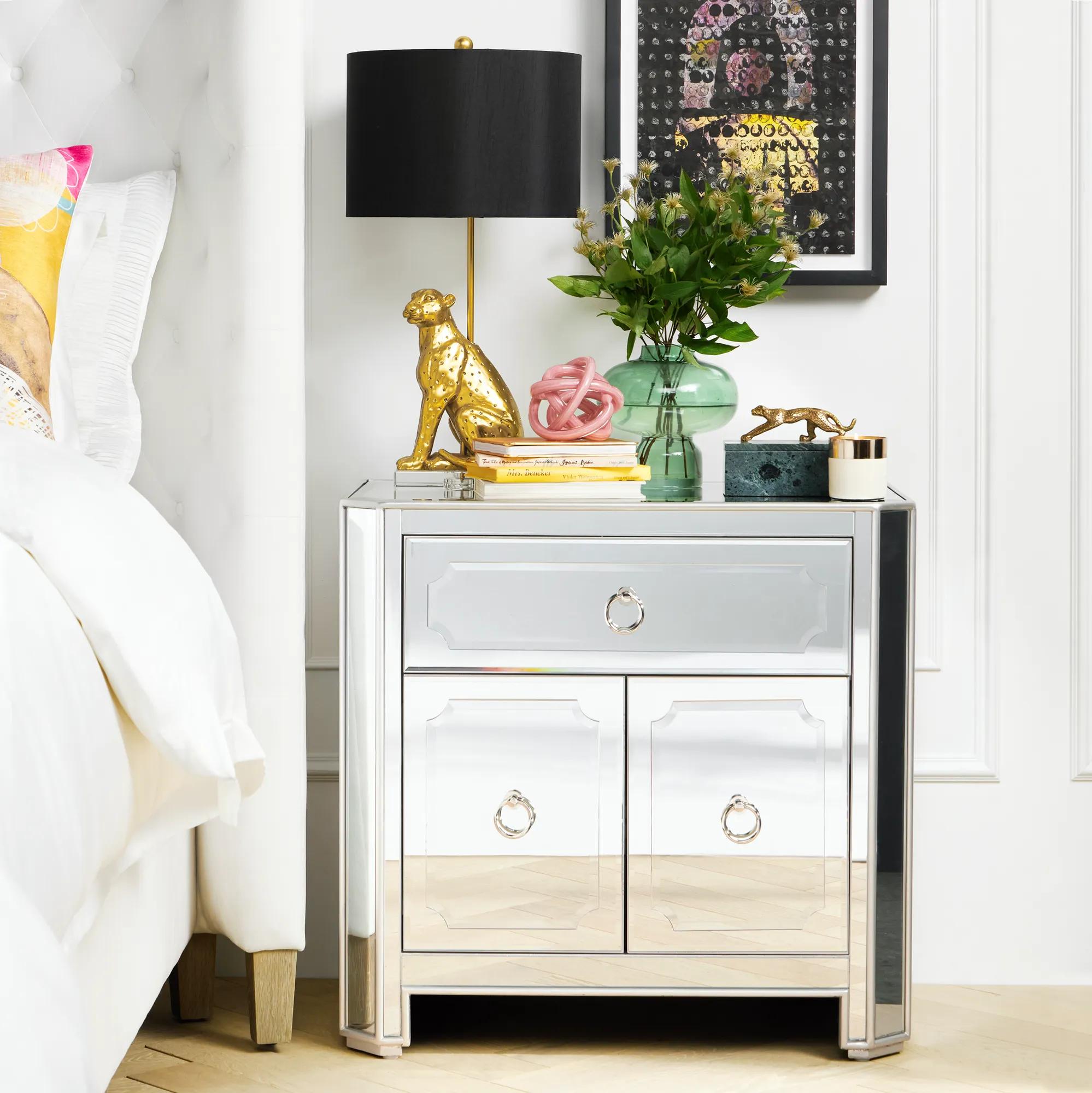 Simplicity Mirrored Silver 1-Drawer Nightstand (30")$899
A glamorous nightstand featuring beveled mirrored panels, hand-applied silver-leaf trim, and polished nickel hardware.
Add To Cart -
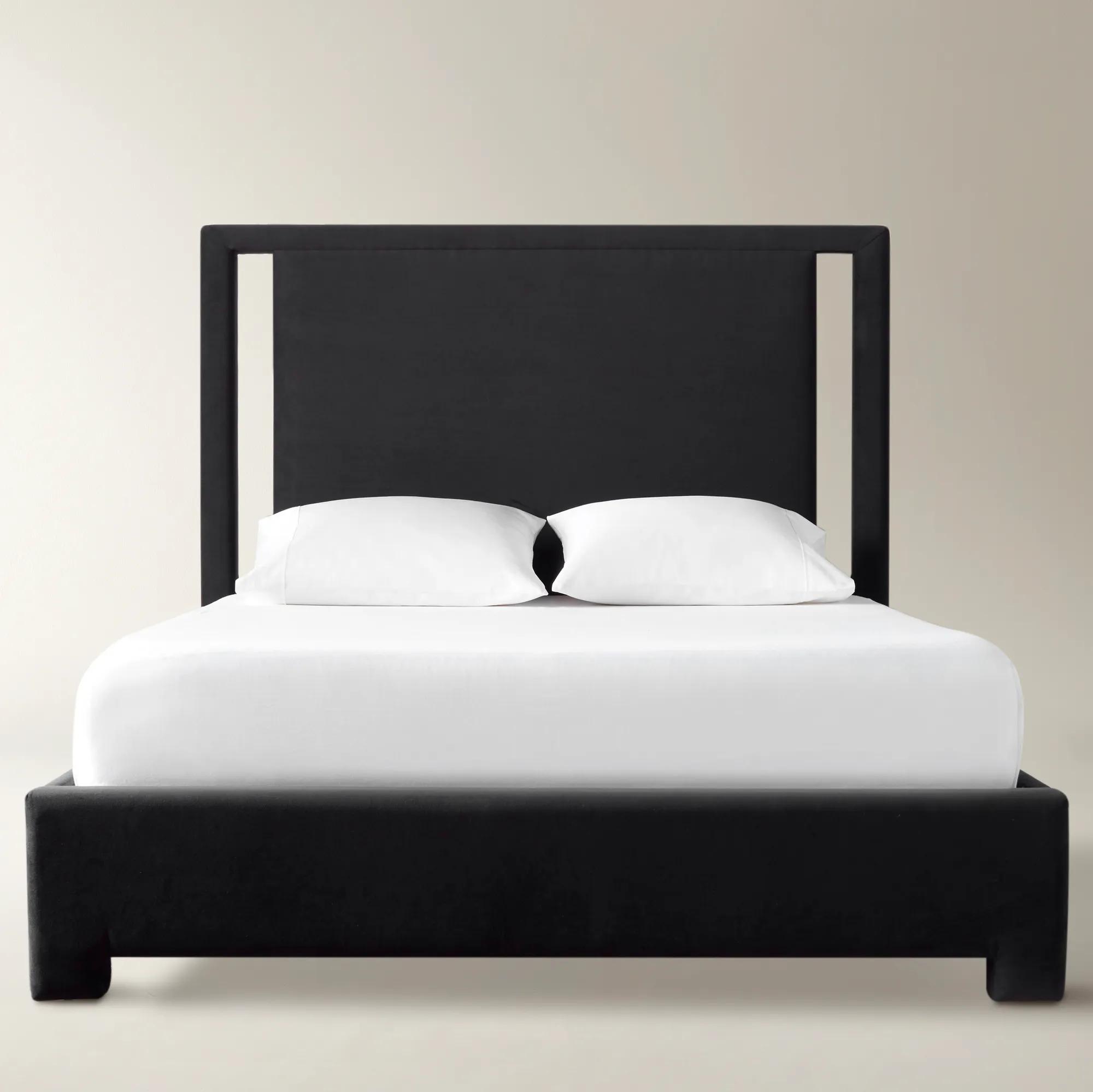
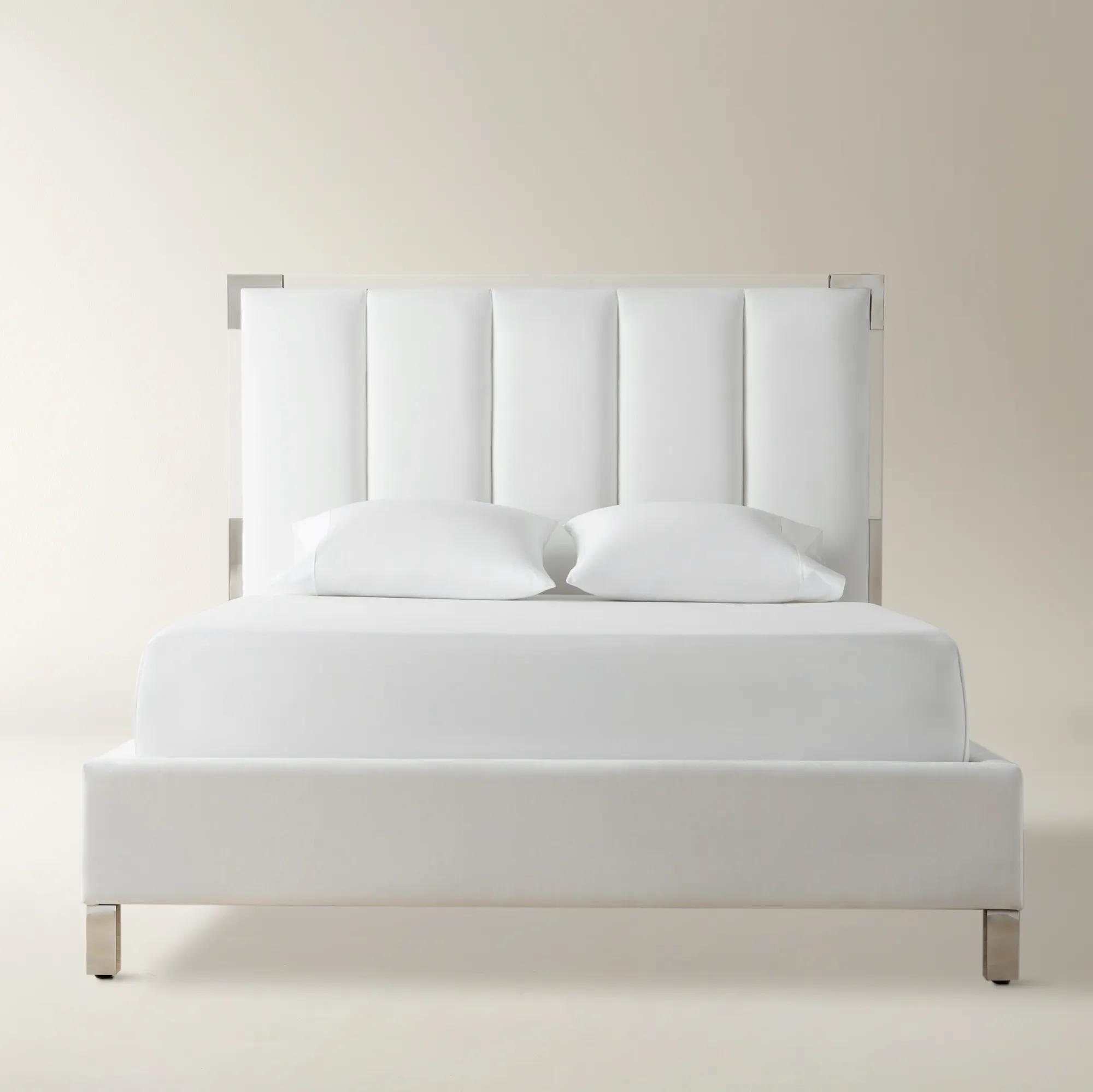
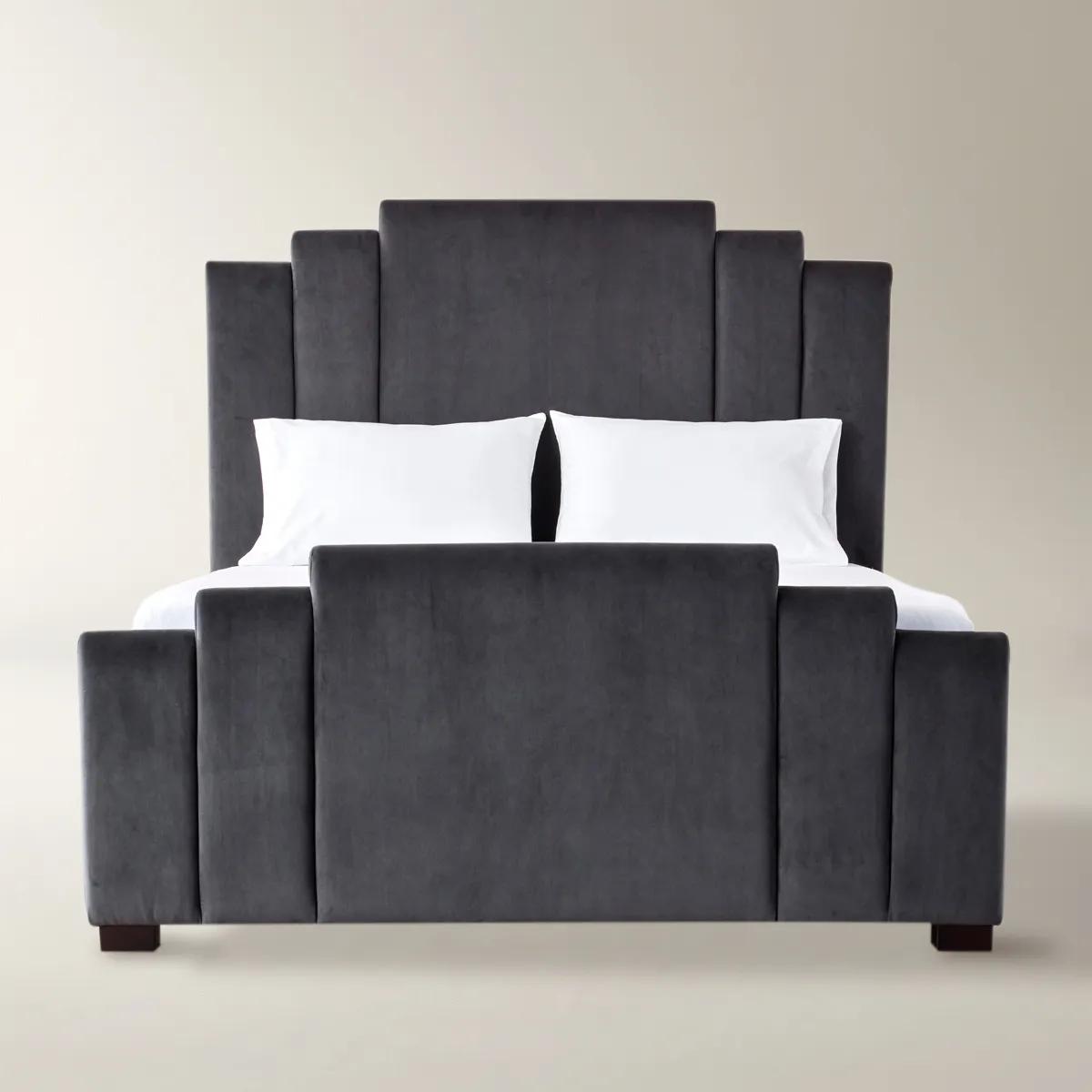 Marlow Bed$2549
A dramatic bed handcrafted from kiln-dried hardwood and plush gunmetal velvet with dimensional channel detailing.
Add To Cart -
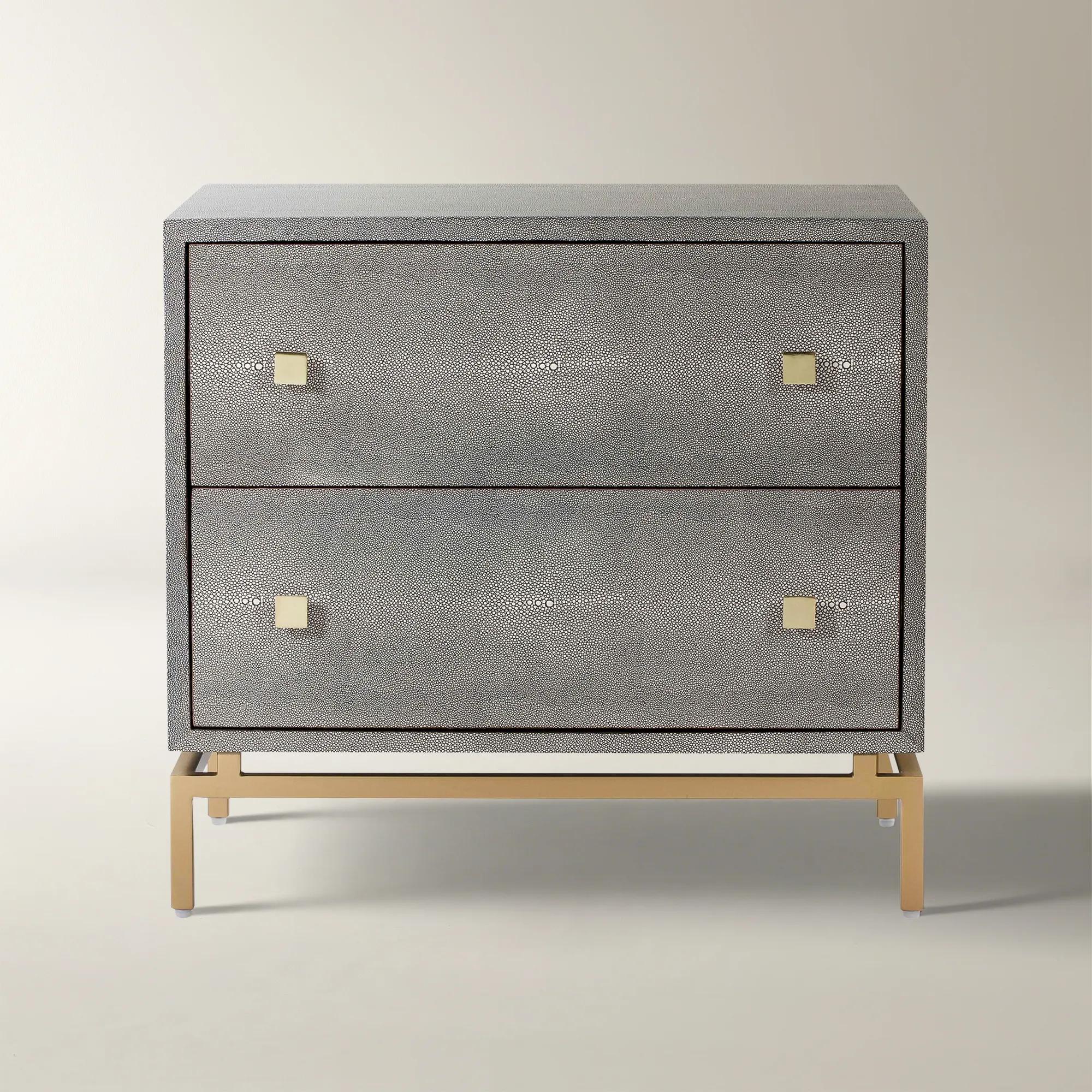
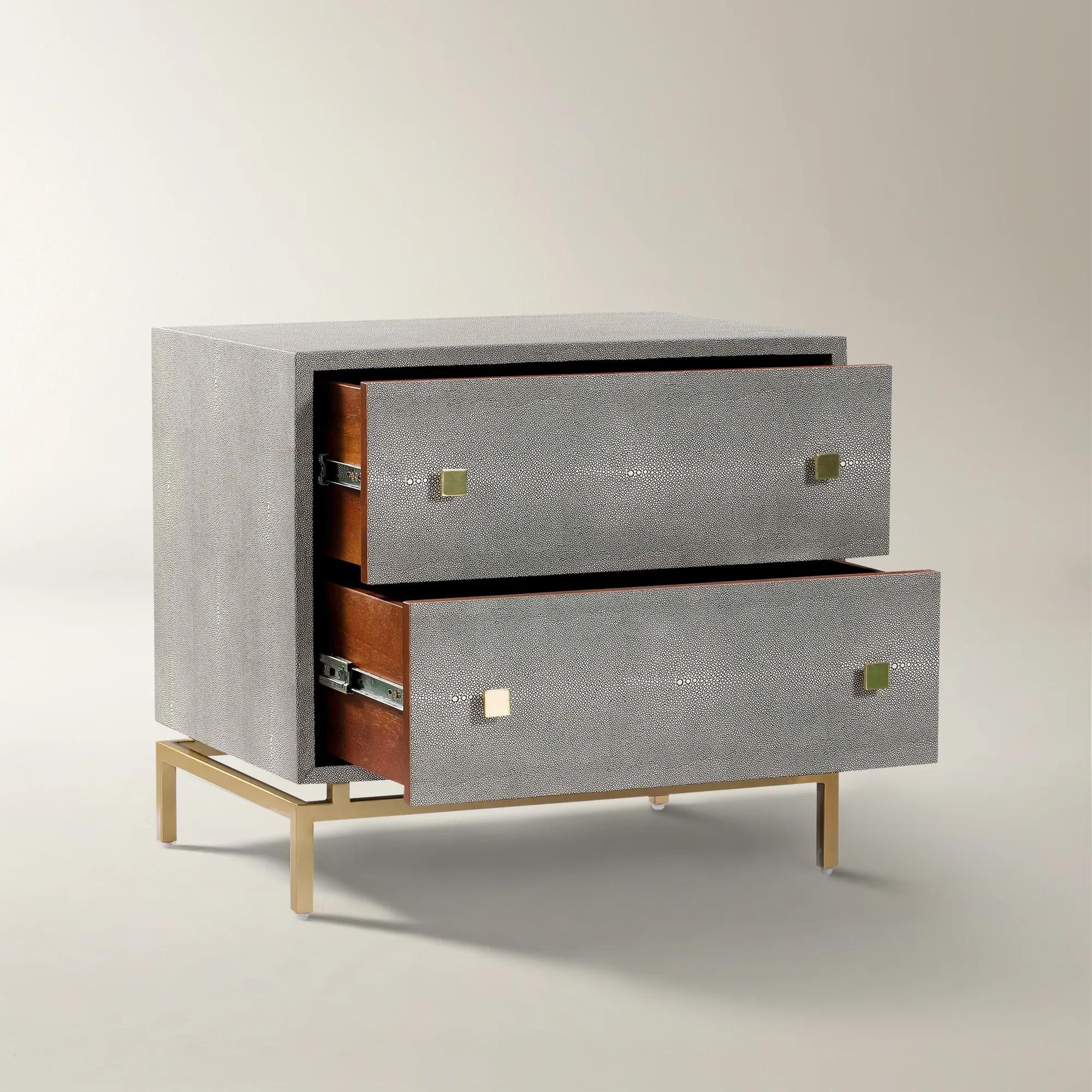 Misha Grey Shagreen 2-Drawer Nightstand (25")$749
A modern nightstand featuring faux shagreen texture, brass-finished base, and two cherry wood-lined drawers.
Add To Cart -
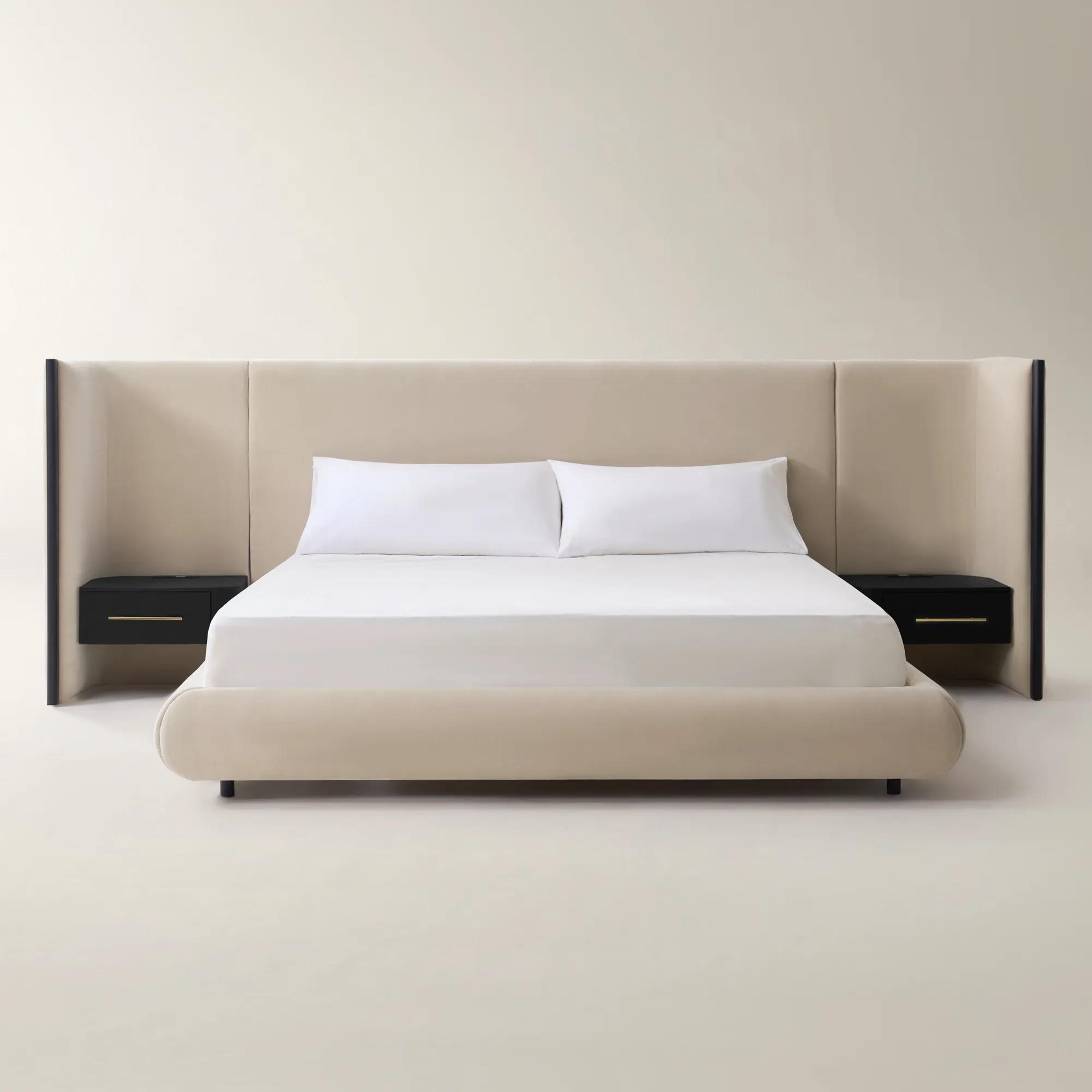 Sierra Oatmeal Velvet Upholstered King Bed With Nightstands$2899
An oatmeal velvet-upholstered platform bed with an extended headboard, floating nightstands, and built-in power access.
Add To Cart

Furniture For Relaxing Bedrooms
Furniture for Relaxing Bedrooms transforms your private sanctuary into a haven of tranquility and style. Here, every piece is an invitation to unwind—where plush textures, sculptural silhouettes, and artful details conspire to create a mood of serene sophistication. Let your bedroom become a canvas for self-expression, layered with sumptuous comfort and curated elegance. Whether you crave a cocoon of calm or a retreat dripping in drama, discover furnishings that elevate rest into an experience—because in the world of Z Gallerie, relaxation is always rendered in high style.
Furniture for relaxing bedrooms brings together a supportive bed, thoughtfully scaled nightstands, concealed storage, and comfortable seating to create a space that feels composed without losing its personality. The effect is restful, but never anonymous: a sweeping upholstered headboard, richly grained wood, or a slender metallic accent can give the room its signature while leaving the atmosphere serene. Bedroom furniture sets the rhythm for everything from an unhurried morning to the last few pages of a novel before sleep. The bed anchors that rhythm, both visually and physically. Low-profile bed frames can lend an open, grounded feeling, while taller upholstered headboards introduce a cocooning sense of enclosure and a generous backdrop for layered pillows. Neither silhouette is inherently more relaxing; the right choice depends on room proportions, preferred mattress height, and how the bed is used. Someone who reads sitting upright may appreciate a padded headboard with substantial cushioning, while someone who prefers an expansive, airy composition may gravitate toward a lower frame with clean, sculptural lines. Upholstery contributes its own character. Velvet catches light with a subtle shift in depth, textured weaves soften broad surfaces, and smooth fabrics offer a more tailored expression. Fabric content and construction matter as much as appearance, particularly in a bedroom shared with pets or used for leisurely breakfasts and evening reading. Wood and wood-veneer frames bring grain and tonal variation into the room, balancing plush textiles with a more defined outline. Mattress compatibility deserves equal attention: platform support, slat spacing, weight limits, and any foundation requirements vary by frame and should be confirmed before choosing a bed. The finished height includes the frame, foundation when required, and mattress, so a dramatic silhouette should still feel comfortable to get into and out of every day. In a primary suite, compact apartment bedroom, or welcoming guest room, that combination of expressive design and everyday ease gives relaxation a tangible foundation.
Nightstands, dressers, and bedroom chests help preserve that sense of ease by giving daily essentials a deliberate place. Concealed storage keeps charging cables, reading glasses, spare linens, and personal belongings from competing with the room’s more beautiful details. A nightstand with drawers can leave its surface free for a shaded lamp, a glass of water, and a single meaningful object; an open shelf suits someone who likes a favorite book close at hand. Bedside proportions make these arrangements feel natural rather than staged. A tabletop near the height of the mattress is generally easier to reach, and enough surface area for the lamp base helps keep smaller essentials accessible. In a shared bedroom, nightstands with similar visual weight can establish balance even when their storage configurations differ. Wider dressers provide horizontal presence and generous folded-clothing storage, while taller chests concentrate storage within a smaller footprint. The distinction becomes especially useful where a bedroom must accommodate substantial wardrobes without crowding the bed. Drawer depth, interior dimensions, hardware placement, and the space needed to open each drawer all influence daily comfort. Doors, closets, and walking routes also need room to function without an awkward sidestep. A richly finished dresser may make a striking impression, but its scale should allow the room to breathe. Rounded profiles can soften the composition, while carefully placed mirrored or metallic surfaces introduce glimmers of light without requiring an entire room of reflective finishes. Mixing those accents with upholstered surfaces and quieter wood tones creates depth rather than visual competition. Construction details support lasting use: stable bases, securely attached hardware, neatly finished edges, and drawers that move smoothly are worth considering alongside the silhouette. Solid wood and wood veneer over engineered substrates have different construction characteristics, and neither description alone determines overall quality. Tall storage furniture should be anchored according to the manufacturer’s instructions, particularly in homes where children visit or live. These practical details allow the artistry of bedroom furniture to remain the focus, with clothing tucked away and the room’s lines clearly defined.
Bedroom seating adds another dimension to rest, creating a place to pause that is separate from the bed. An upholstered accent chair beside a reading lamp can turn an unused corner into an intimate retreat; a chaise offers a longer seat for reclining when the floor plan allows it. A bedroom bench at the foot of the bed brings a tailored finishing gesture and a convenient place to sit while dressing, provided it is designed and rated for seating. Its depth should leave comfortable passage between the bed and nearby furniture, and its height should suit the person using it. Seat depth, back support, arm height, and cushion firmness all shape the experience: a deep, enveloping chair invites lounging, while a more upright seat may be easier for dressing or standing up. For a guest bedroom, approachable seat heights and an uncluttered path to the bed can matter more than an additional statement piece. Relaxing bedroom furniture feels most convincing when it reflects these real habits rather than an idealized arrangement. A restrained palette can still carry extraordinary richness through channel tufting, expressive grain, sculpted legs, and the sheen of a carefully chosen finish. For a more architectural interpretation of that balance, Furniture for Designer Bedrooms offers a complementary perspective on spaces shaped by distinctive silhouettes and considered proportions. Keeping those materials beautiful calls for care suited to each surface. Upholstery should be maintained according to its cleaning code, with compatible vacuum attachments and prompt attention to spills rather than an improvised cleaning solution. Wood, lacquered, mirrored, and metal finishes each require their own approved methods; soft cloths and protection from moisture help preserve surfaces, while abrasive cleaners can damage delicate finishes. Direct sunlight may alter the color of fabrics and wood over time, making furniture placement part of long-term care. Measuring doorways, stairways, elevators, and the intended room before selecting substantial pieces helps ensure that the furniture can reach its destination as gracefully as it inhabits it. With generous comfort, purposeful storage, and details chosen for lasting pleasure, the bedroom becomes a deeply personal retreat—expressive enough to feel exceptional, composed enough to welcome genuine rest.
FAQs
Look for pieces that combine comfort with elevated design—upholstered headboards, plush accent chairs, and nightstands with soft-close drawers all contribute to a restful, inviting atmosphere. Materials such as velvet, boucle, and mirror-finish surfaces add tactile and visual warmth, while thoughtful details like sculptural hardware or artisanal craftsmanship enhance the sense of luxury.
Start by selecting a central color palette and choose furniture that complements or artfully contrasts with it. Layer textures, such as pairing a velvet bench with a lacquered dresser or a wood nightstand, to create visual interest. Symmetry, like matching nightstands or lamps, can bring a sense of harmony, while statement pieces add personality and drama.
Accent pieces such as elegant benches, chic vanity tables, or plush accent chairs make memorable gifts, as they elevate the recipient’s space and offer daily comfort. A beautifully crafted nightstand or a statement mirror can also be a meaningful gesture, blending artistry with function for a lasting impression.
Opt for cozy, enveloping pieces—like a tufted chaise or a soft-upholstered bed frame—that invite you to linger and unwind. Layering in tactile elements, such as a faux fur throw over a statement bench, enhances warmth and comfort. Thoughtful storage solutions keep the space serene and clutter-free, allowing you to fully embrace the tranquility of your retreat.
Luxe materials such as velvet, marble, mirrored glass, and high-gloss lacquer instantly elevate bedroom furnishings. Finishes like brushed gold or chrome hardware, artisanal woodwork, and hand-applied metallic accents add an opulent touch, creating a space that feels both sophisticated and uniquely personal.