Furniture For Master Bedrooms
Furniture For Master Bedrooms
-
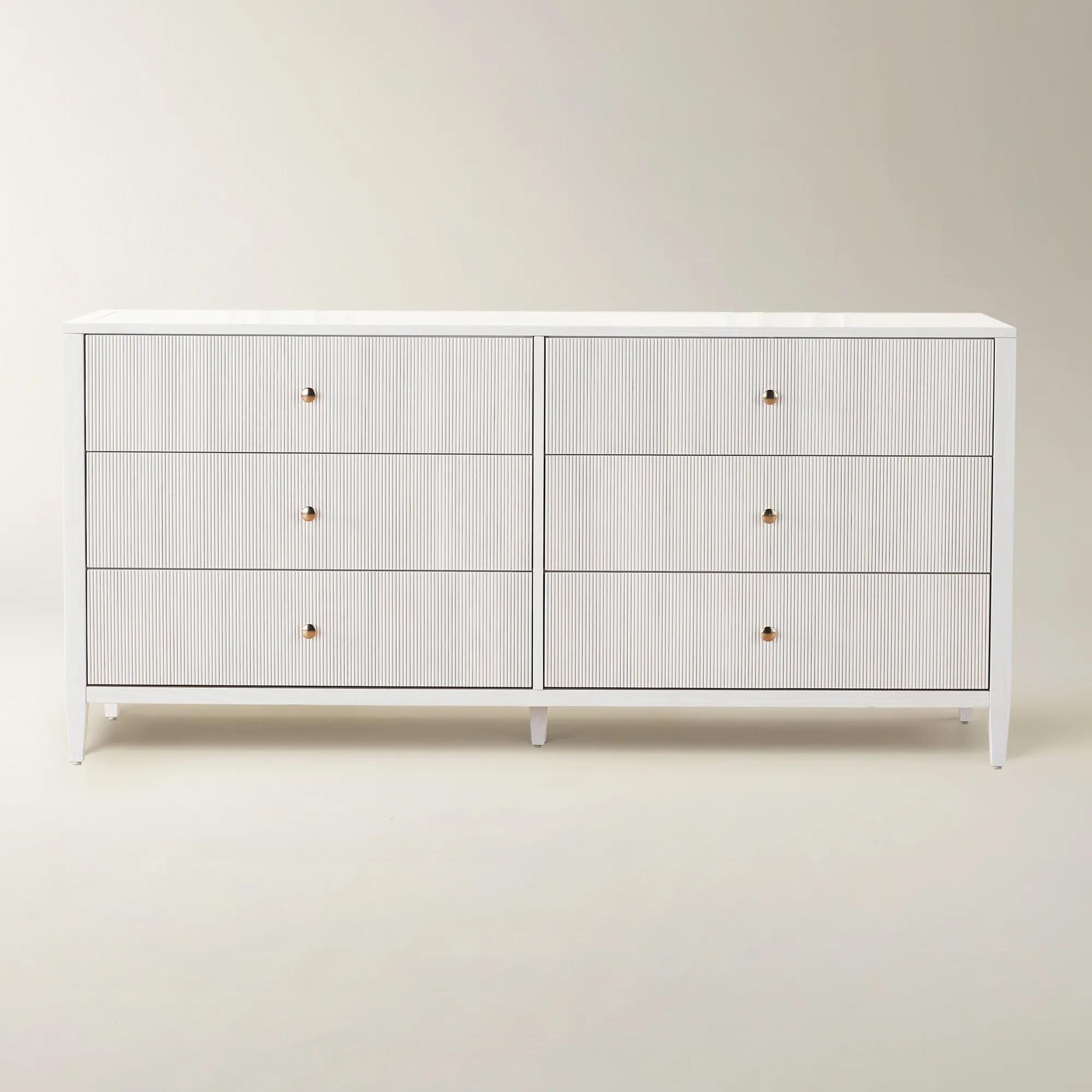
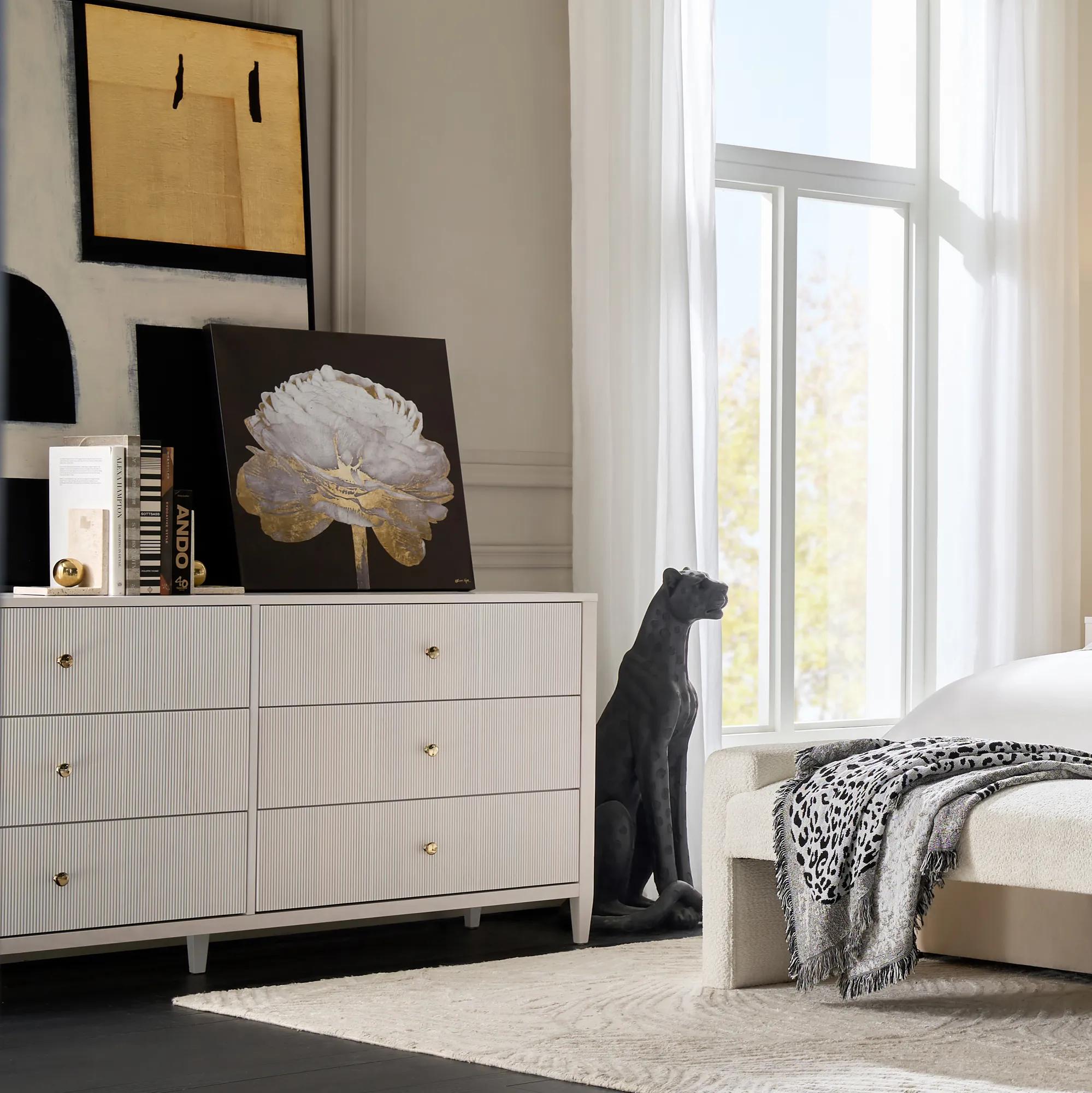 Viola Reeded White Ash Wood 6-Drawer Dresser (70")$1899
A modern dresser in bone white ash wood with reeded fronts and brass hardware for a luxe touch.
Add To Cart -
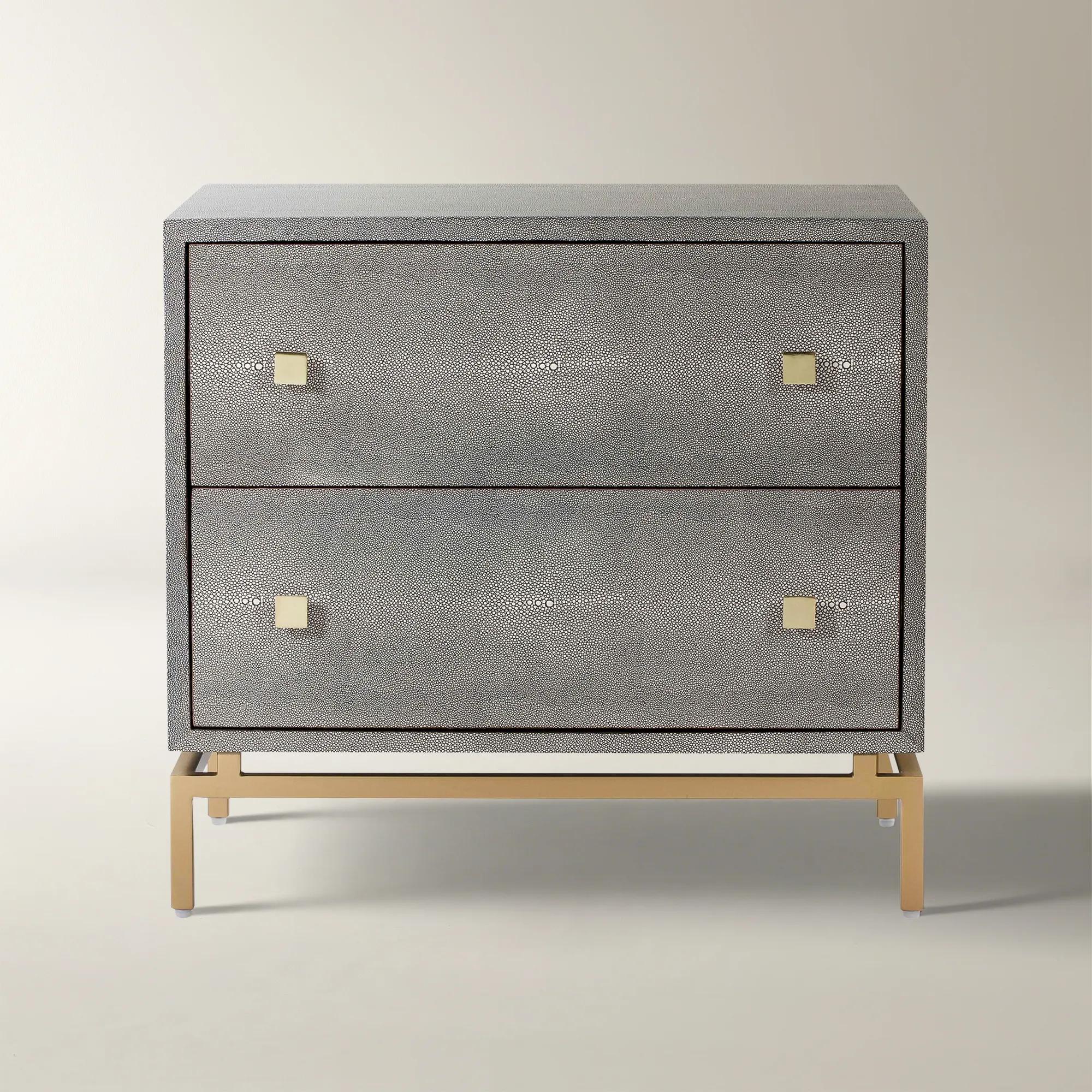
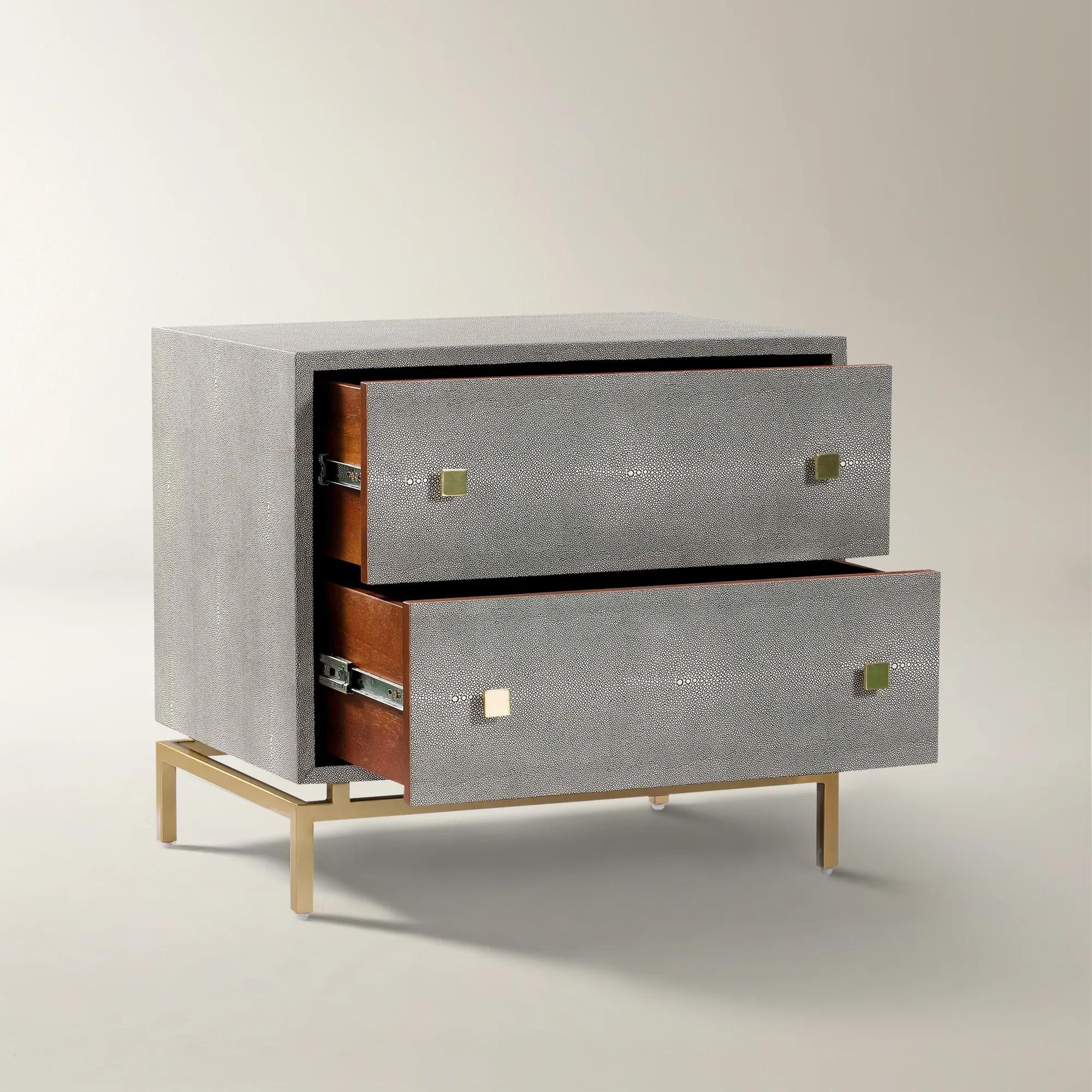 Misha Grey Shagreen 2-Drawer Nightstand (25")$749
A modern nightstand featuring faux shagreen texture, brass-finished base, and two cherry wood-lined drawers.
Add To Cart -
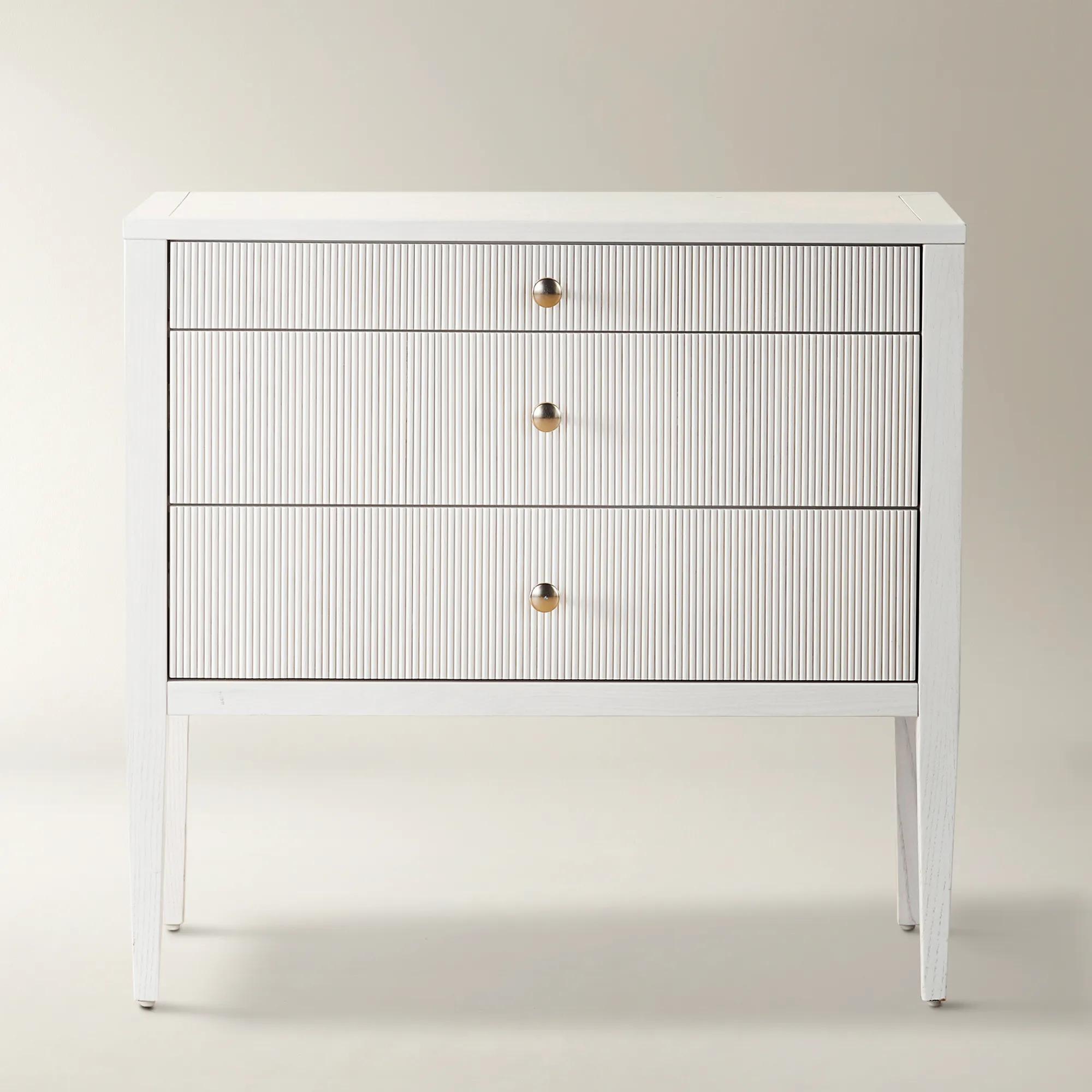 Viola Reeded White Ash Wood 3-Drawer Nightstand (31")$899
A modern nightstand in bone white ash wood with reeded drawers and brass hardware for a luxe touch.
Add To Cart -
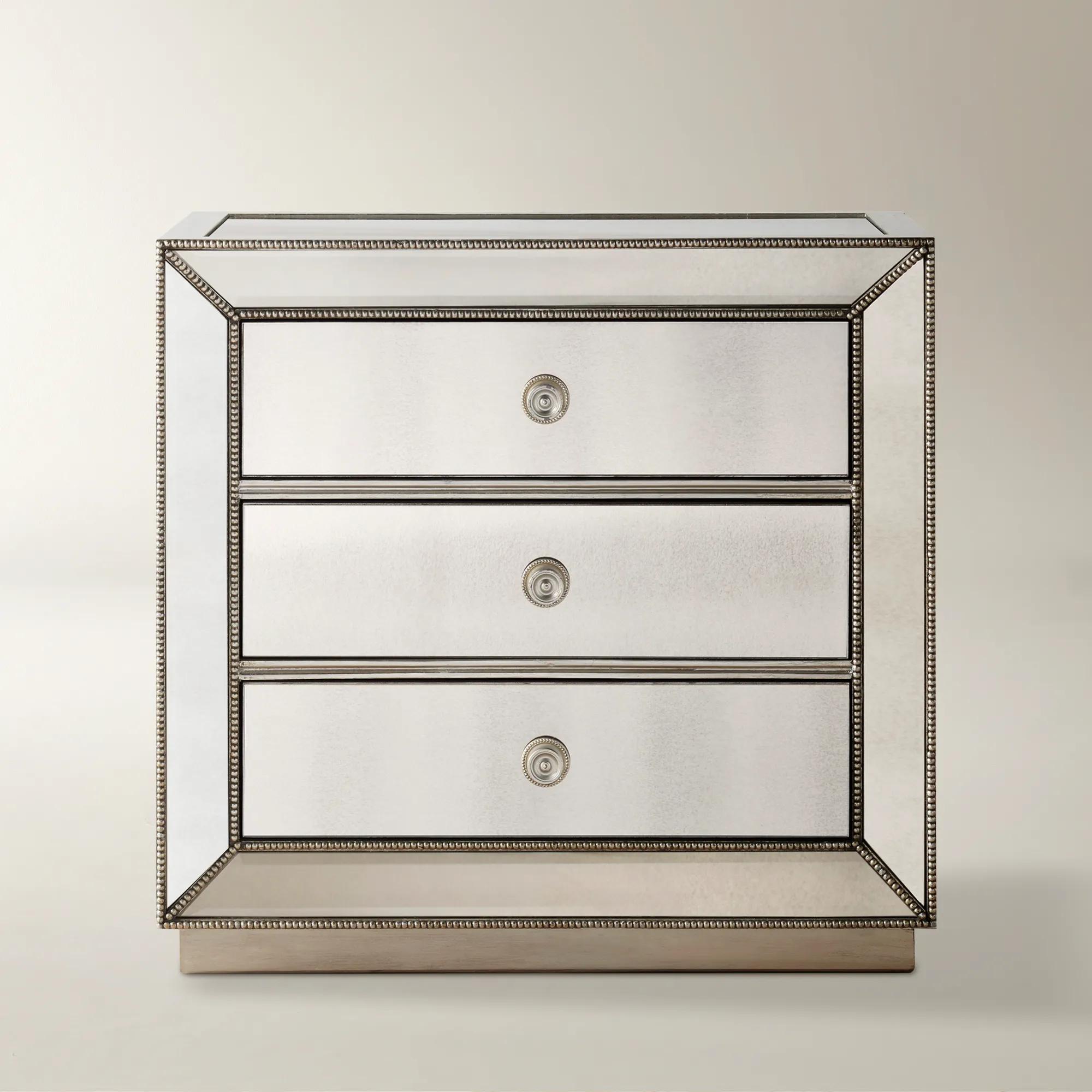
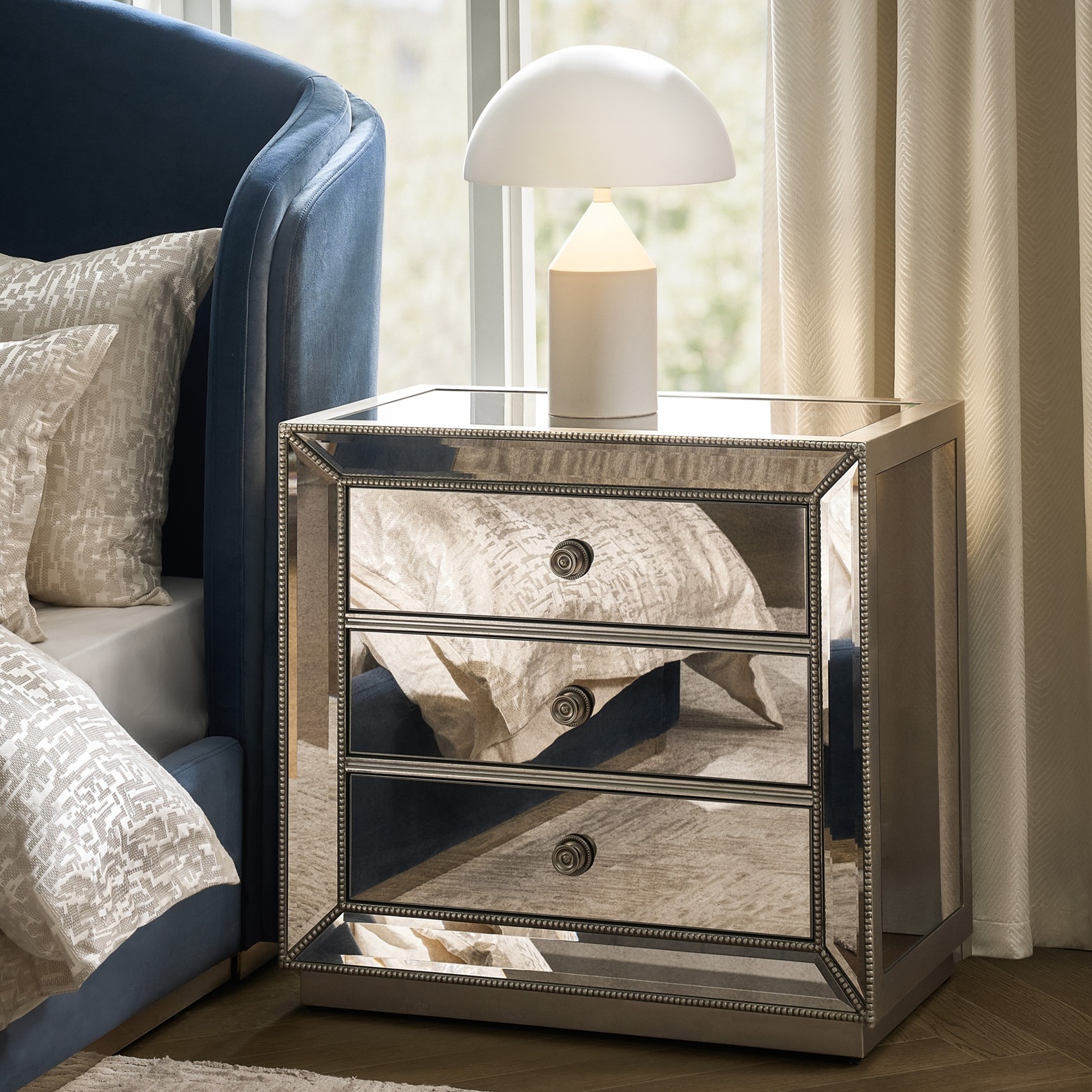 Omni Mirrored Silver 3-Drawer Nightstand (32")$1299
A glamorous chest featuring antiqued mirrored panels, hand-applied silver-leaf finish, and beaded trim.
Add To Cart -
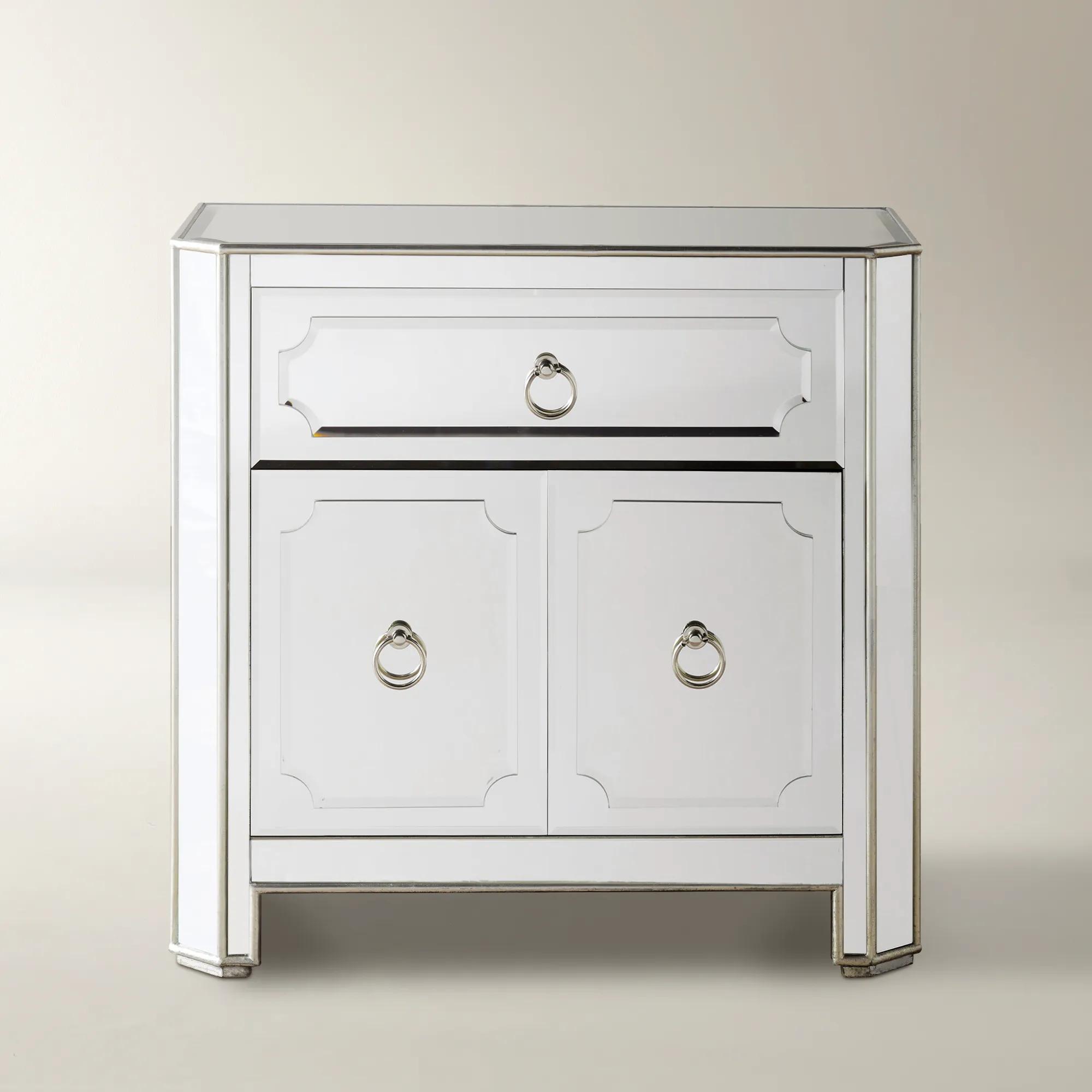
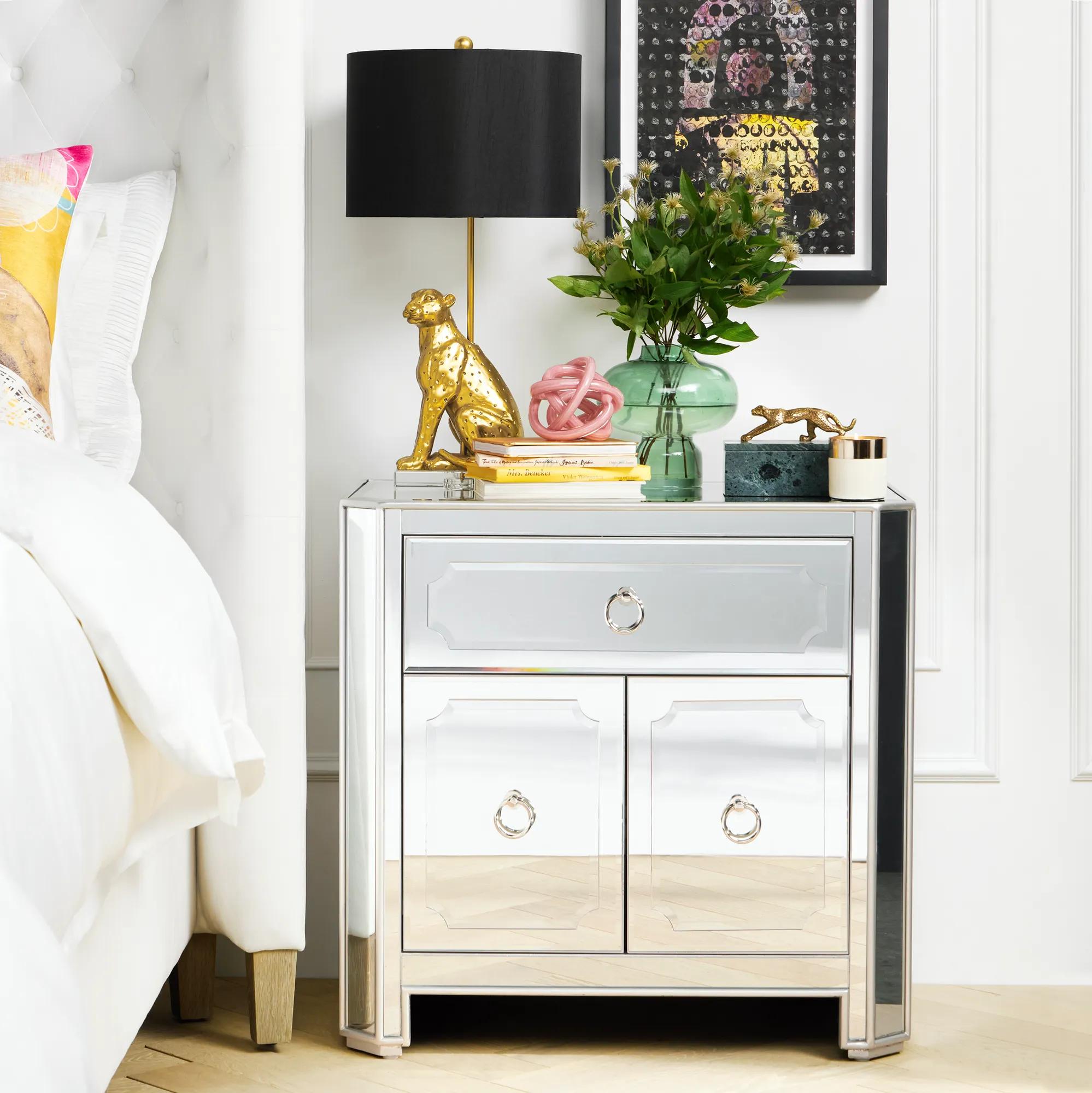 Simplicity Mirrored Silver 1-Drawer Nightstand (30")$899
A glamorous nightstand featuring beveled mirrored panels, hand-applied silver-leaf trim, and polished nickel hardware.
Add To Cart -
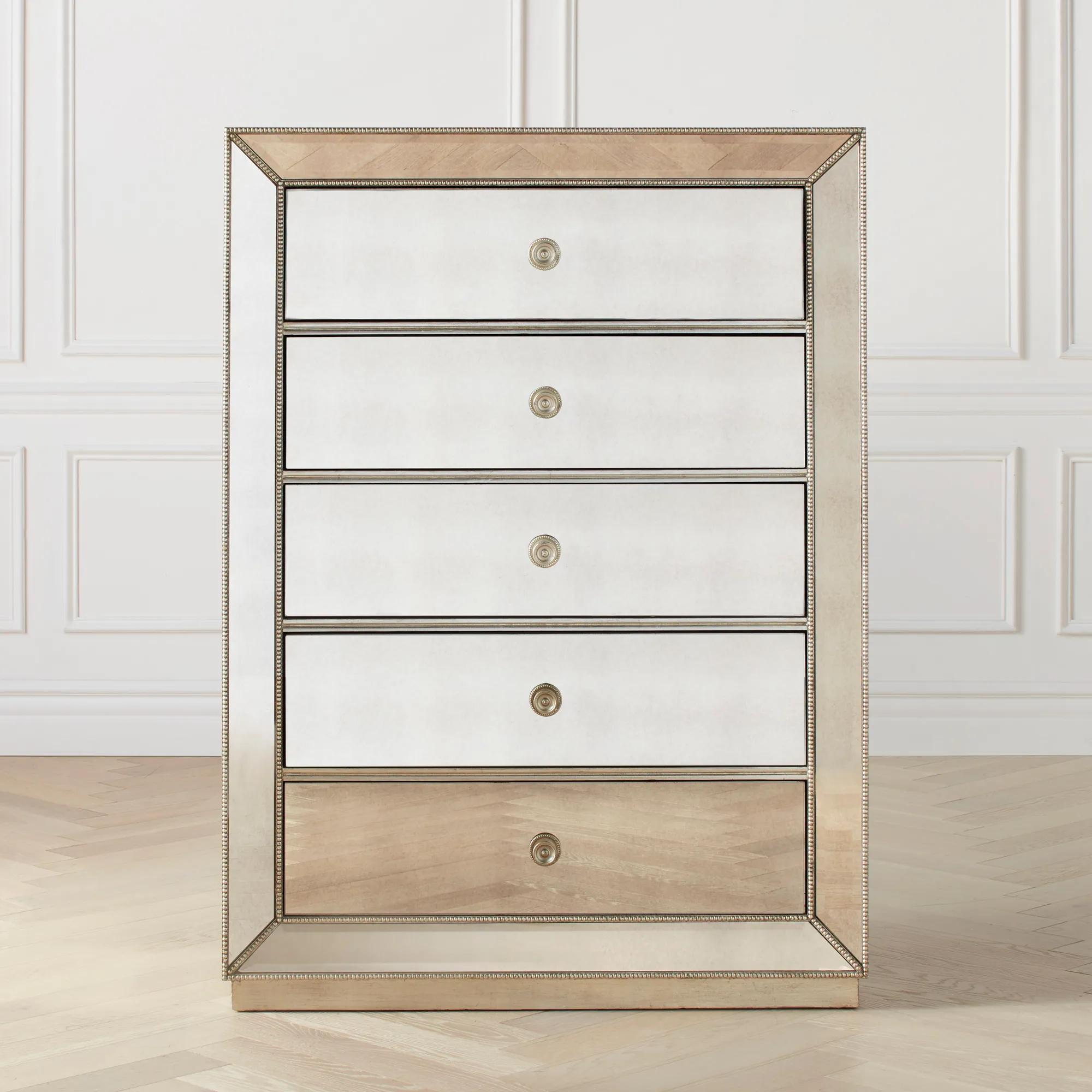
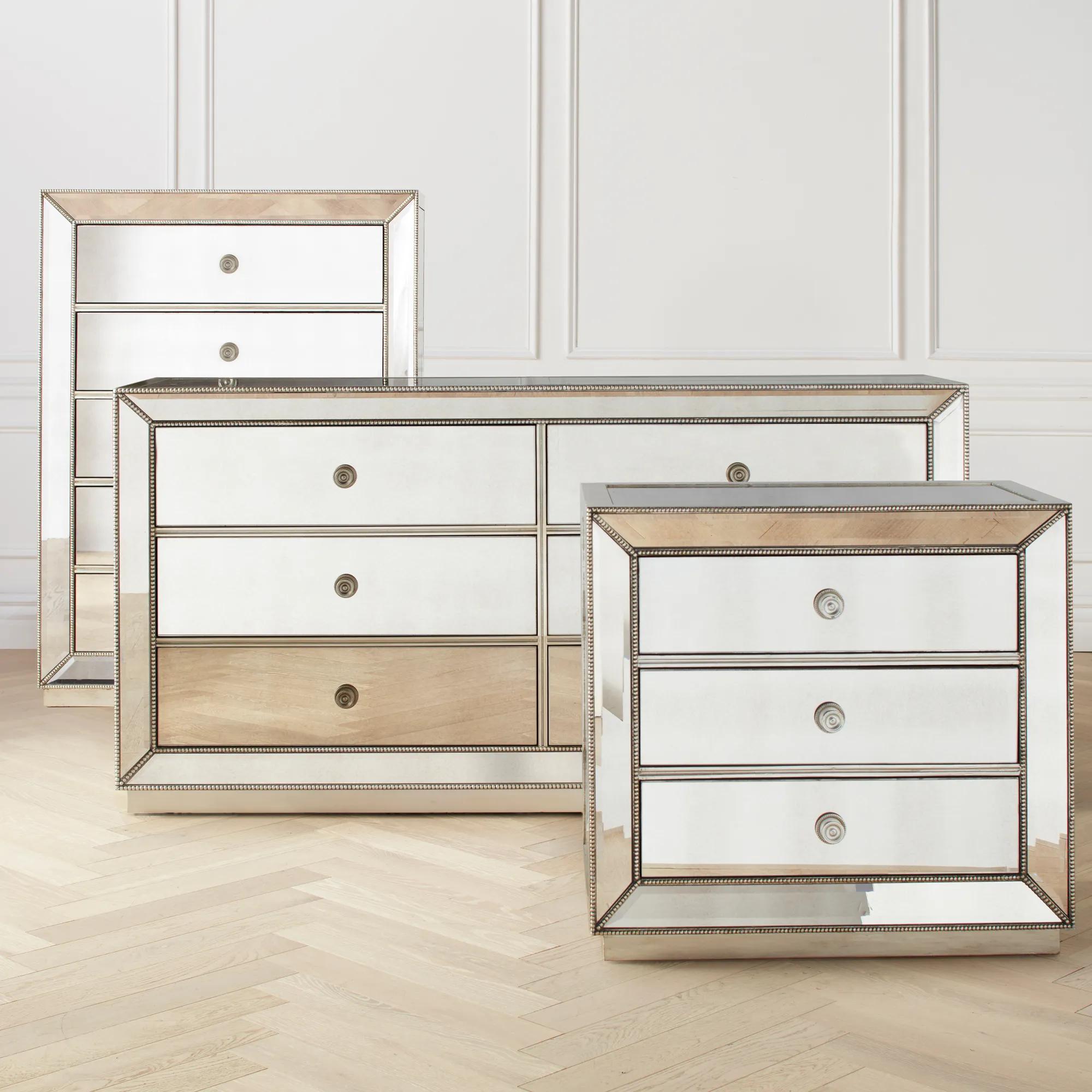 Omni Mirrored Silver 5-Drawer Tall Dresser (40")$2199
A dramatic chest featuring antiqued mirrored panels, hand-applied silver-leaf finish, and kiln-dried hardwood construction.
Add To Cart -
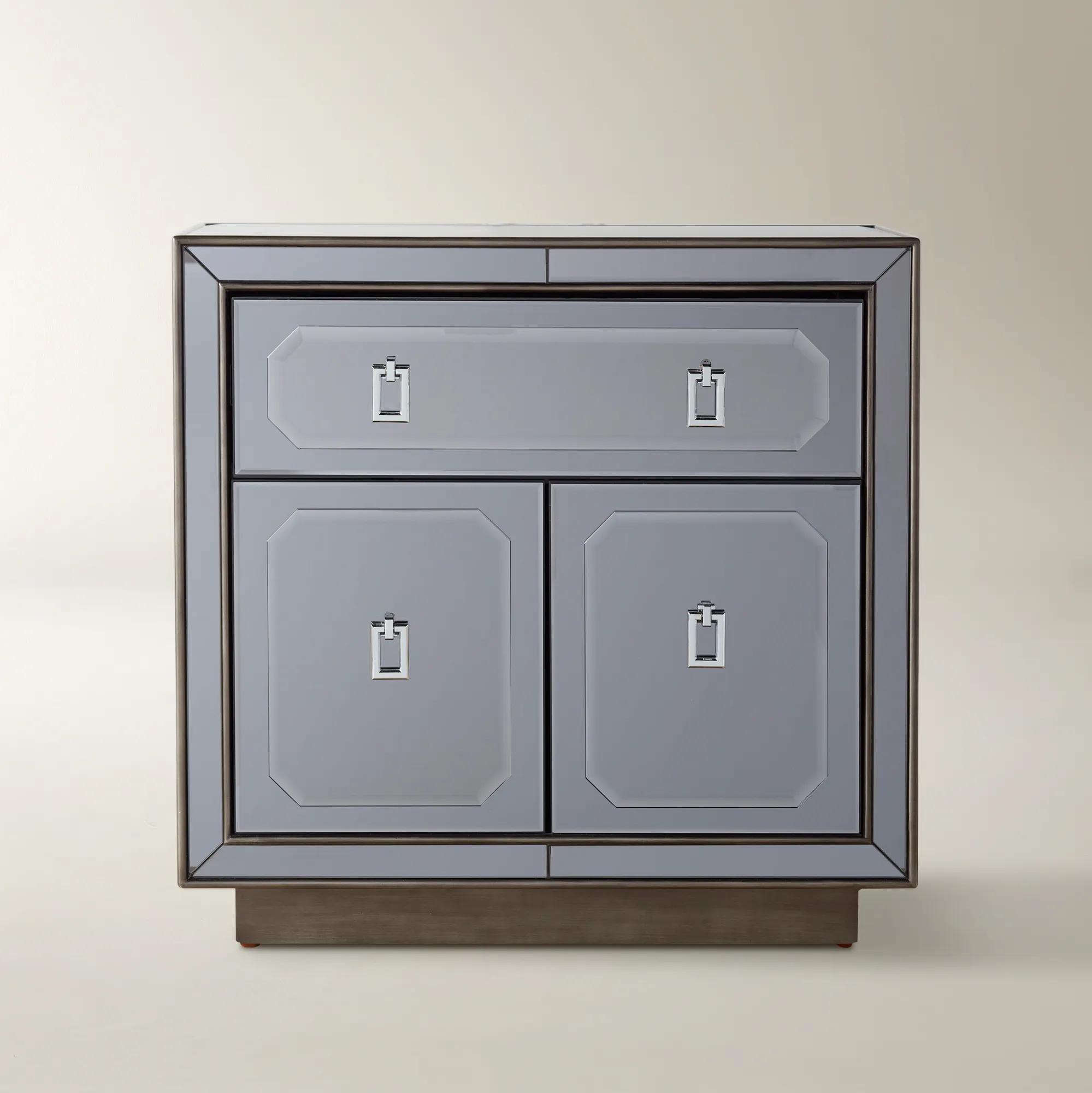
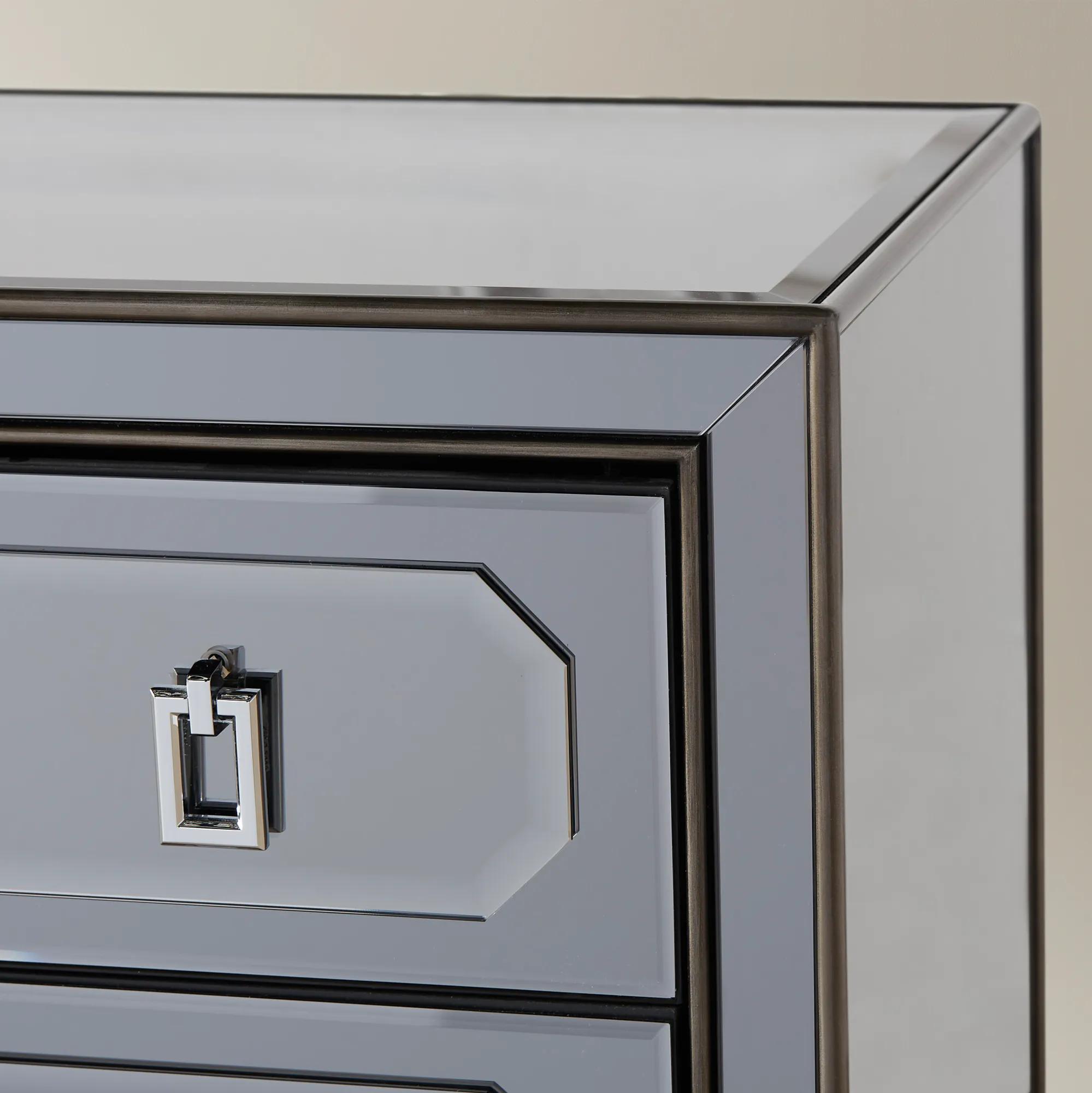 Maddox Mirrored Grey 1-Drawer Nightstand (30")$1099
A modern nightstand featuring beveled mirror paneling, graphite finish, and polished nickel hardware for a luxe touch.
Add To Cart -
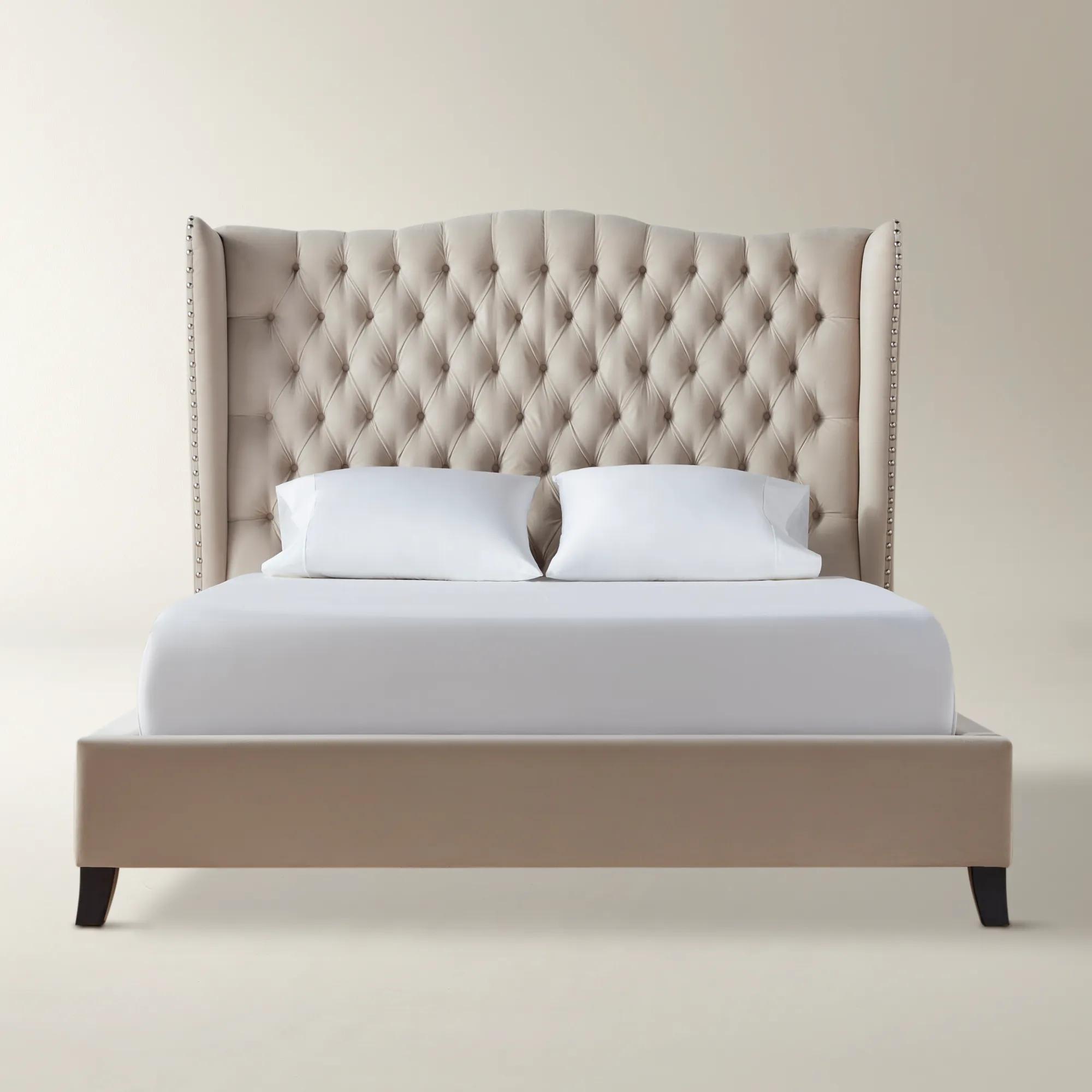
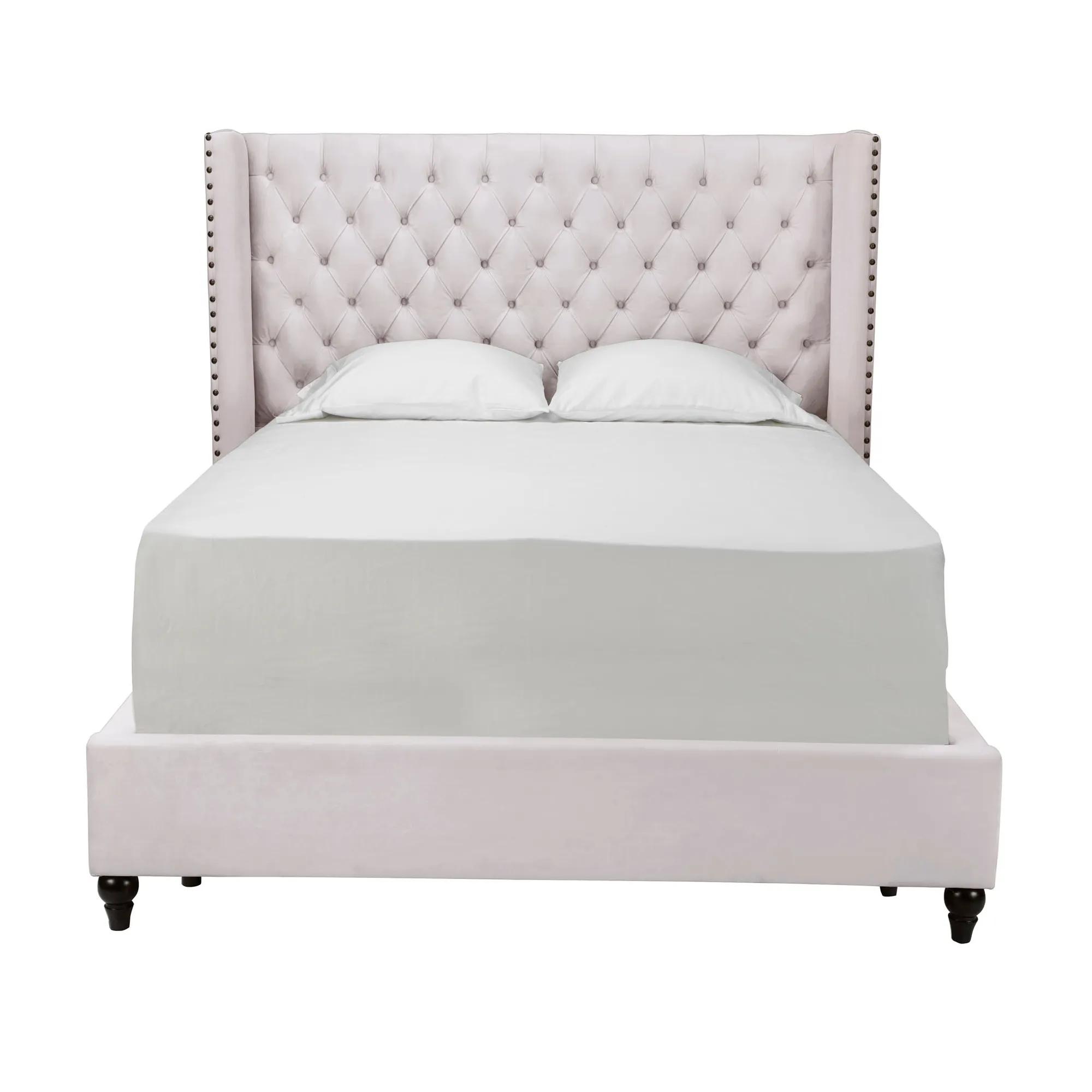
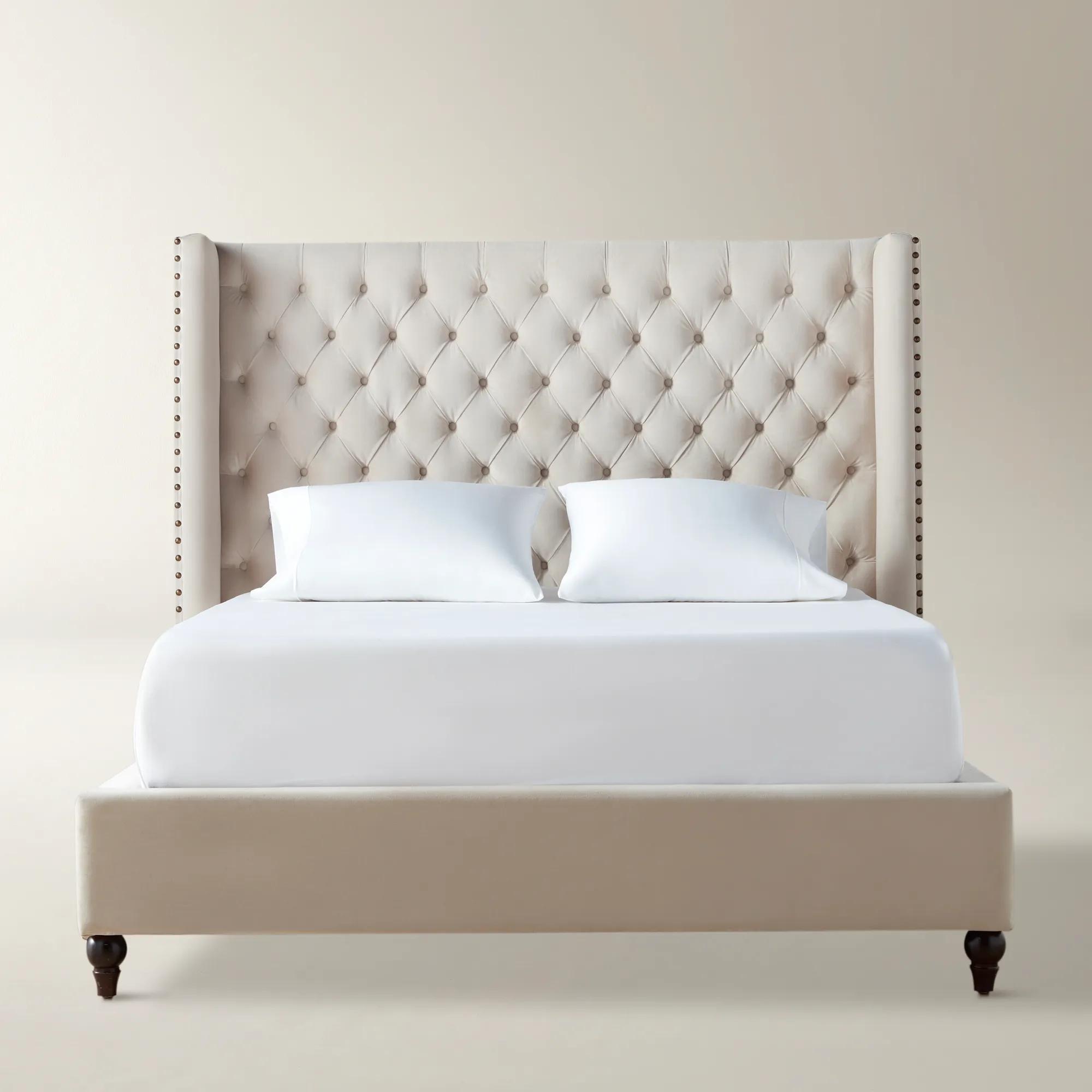
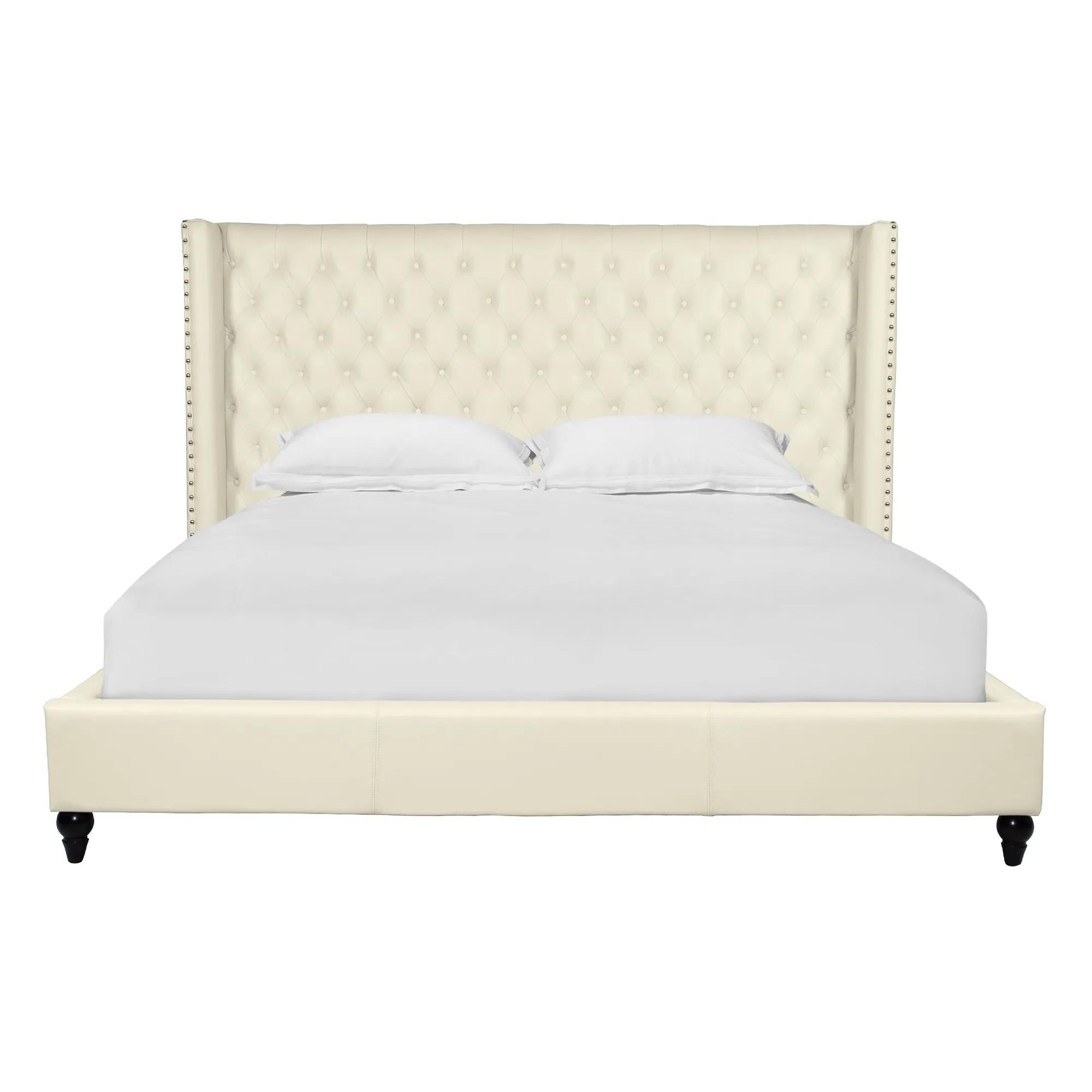
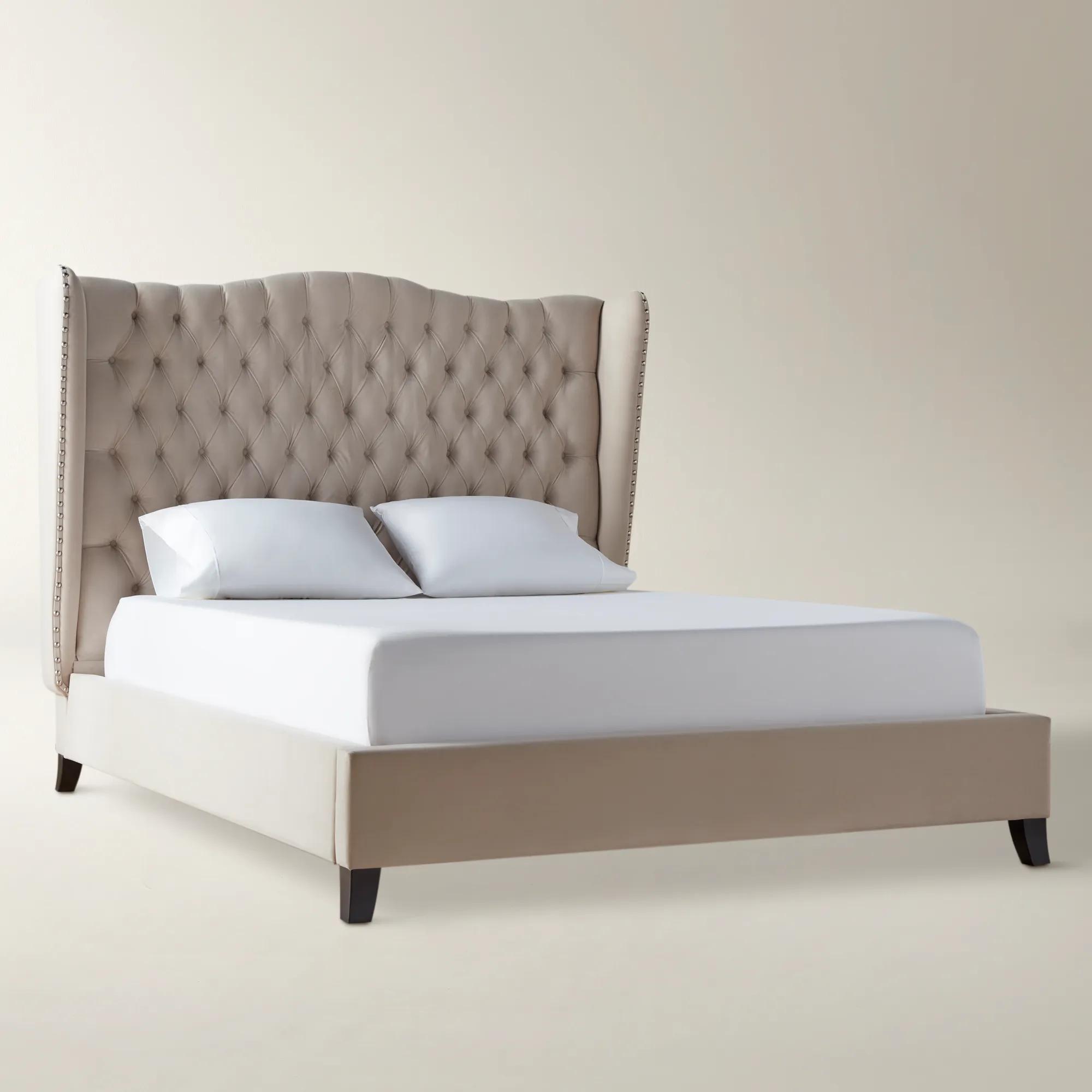 Jameson Bed$1699
A plush velvet bed with a camelback silhouette, hand-applied tufting, and decorative brushed silver nailheads.
Add To Cart -
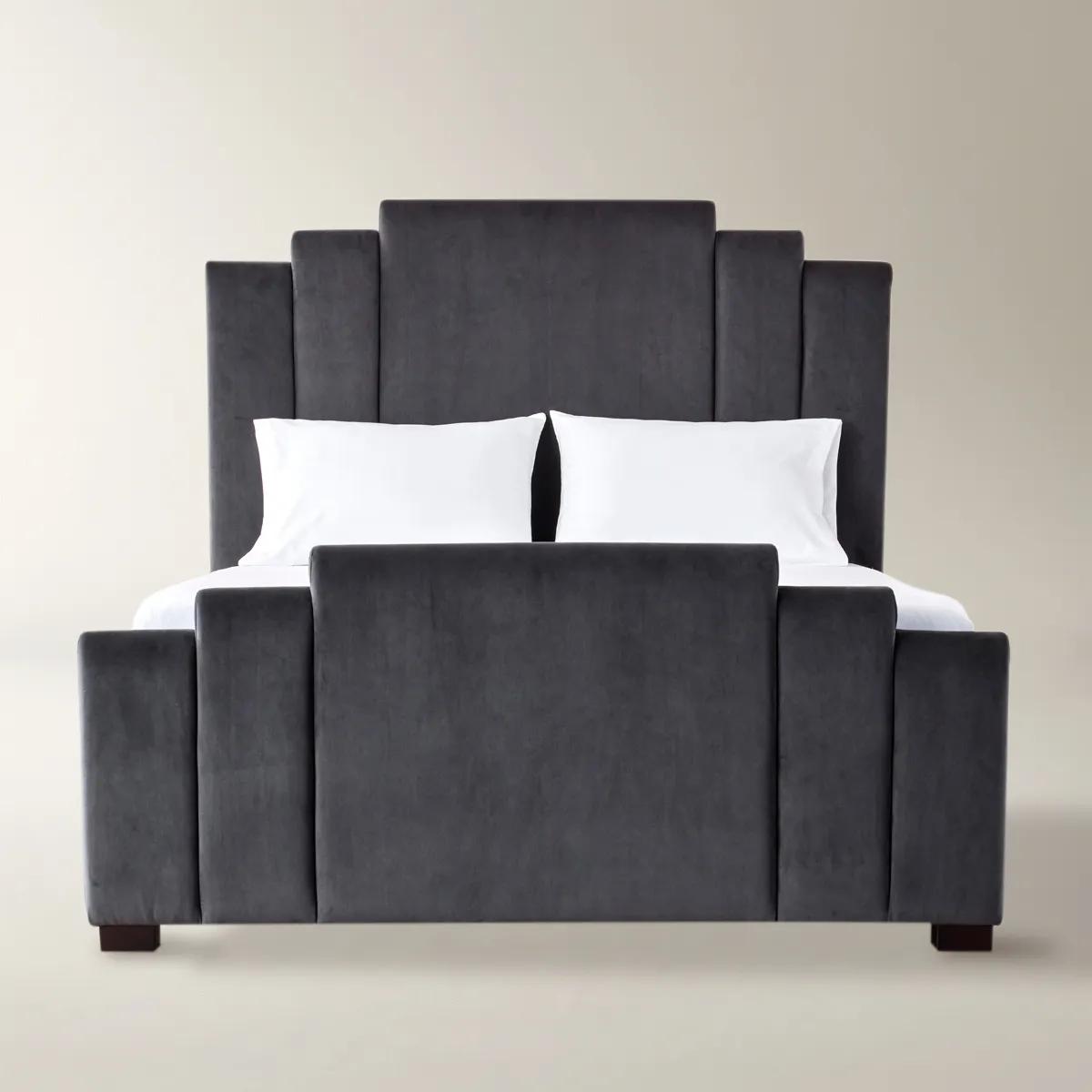 Marlow Bed$2549
A dramatic bed handcrafted from kiln-dried hardwood and plush gunmetal velvet with dimensional channel detailing.
Add To Cart -

 Tenley Bed$2299
A modern bed with a kiln-dried hardwood frame and plush, high-density foam headboard in oyster linen.
Add To Cart -
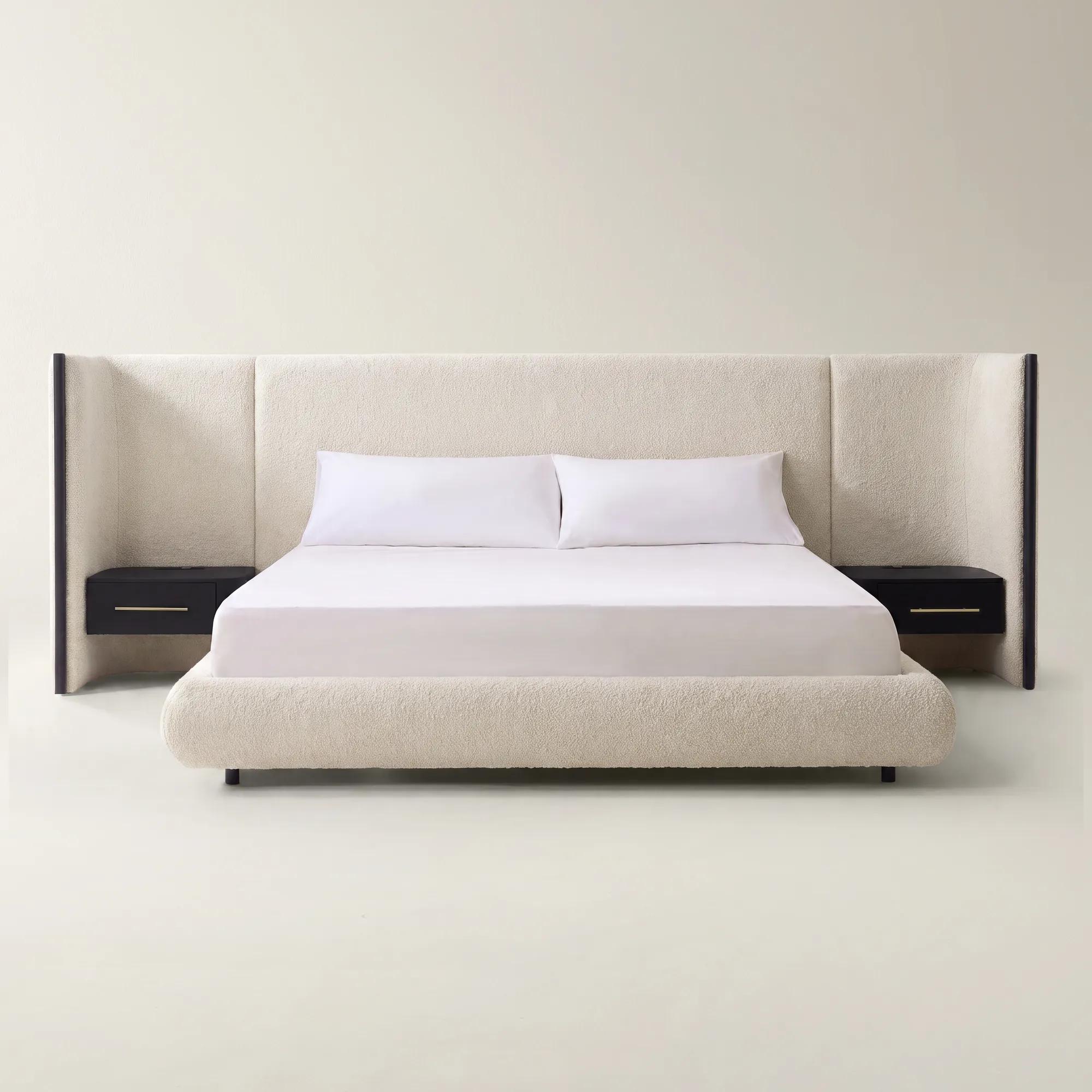 Sierra Utopia Sand Chenille Upholstered Queen Bed With Nightstands$2799
A sand chenille upholstered platform bed featuring an extended headboard, black wood trim, and floating nightstands.
Add To Cart -
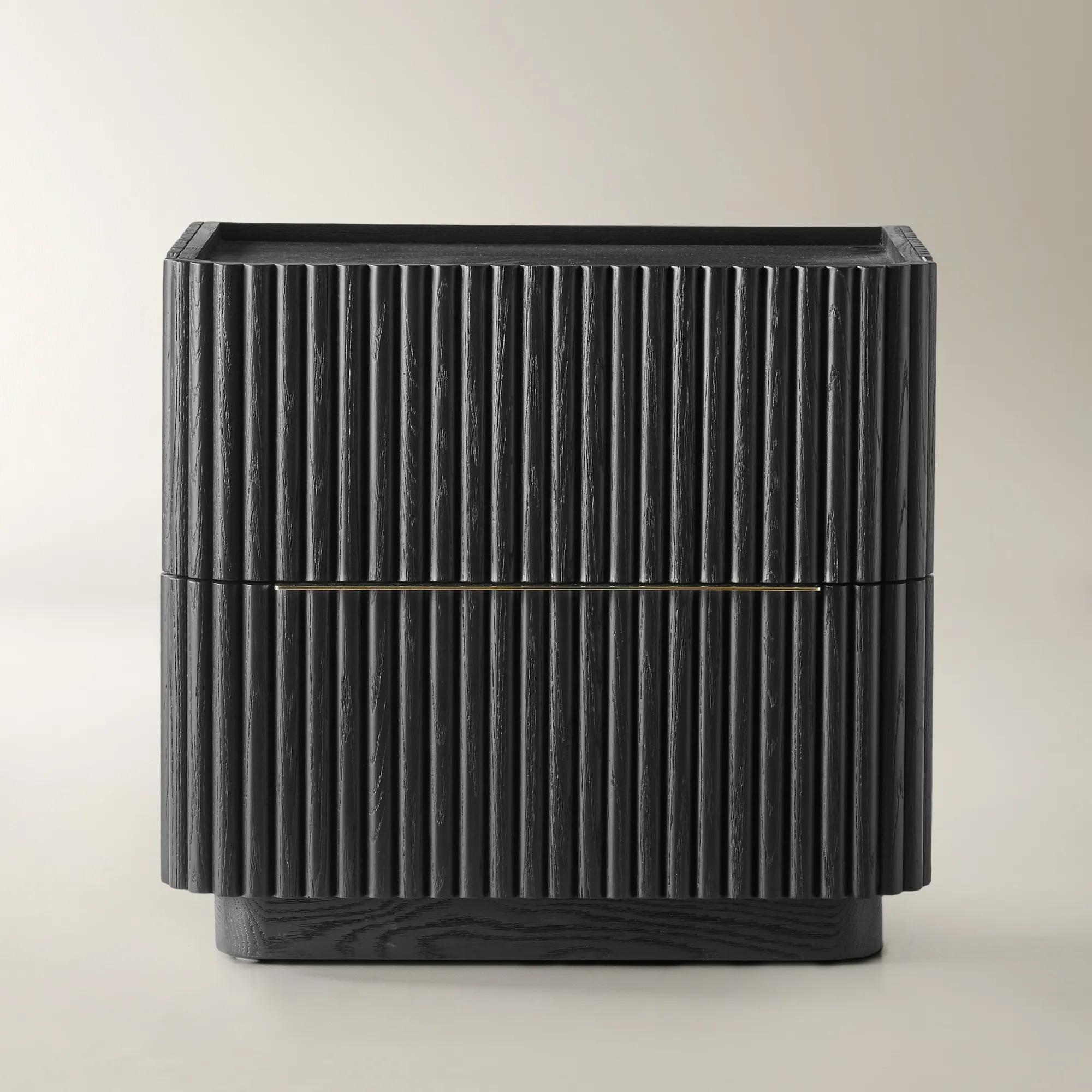 Stria Reeded Black Oak 2-Drawer Nightstand (26")$999
A black oak nightstand featuring vertical reeded texture, soft gold accents, and soft-close velvet-lined drawers.
Add To Cart -
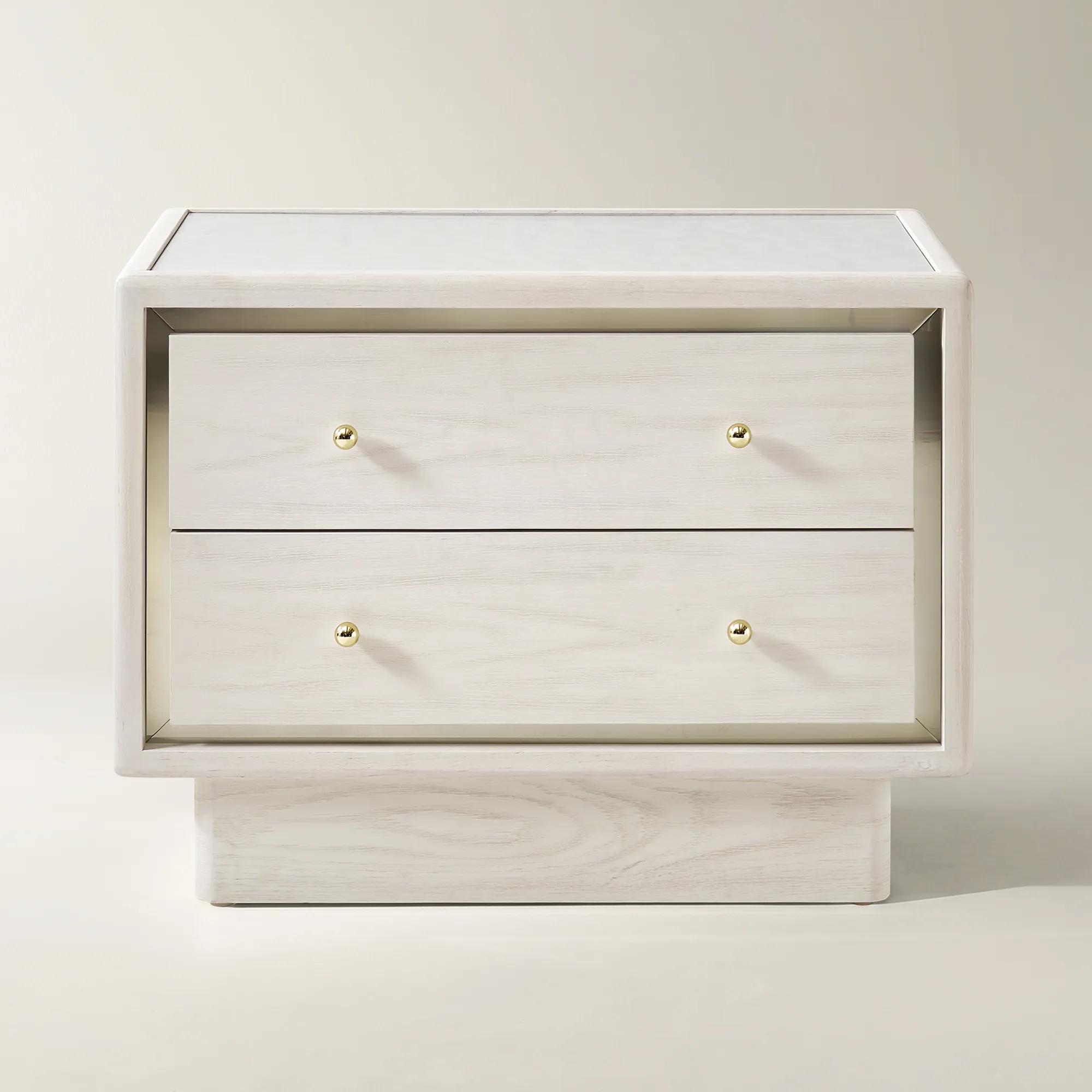
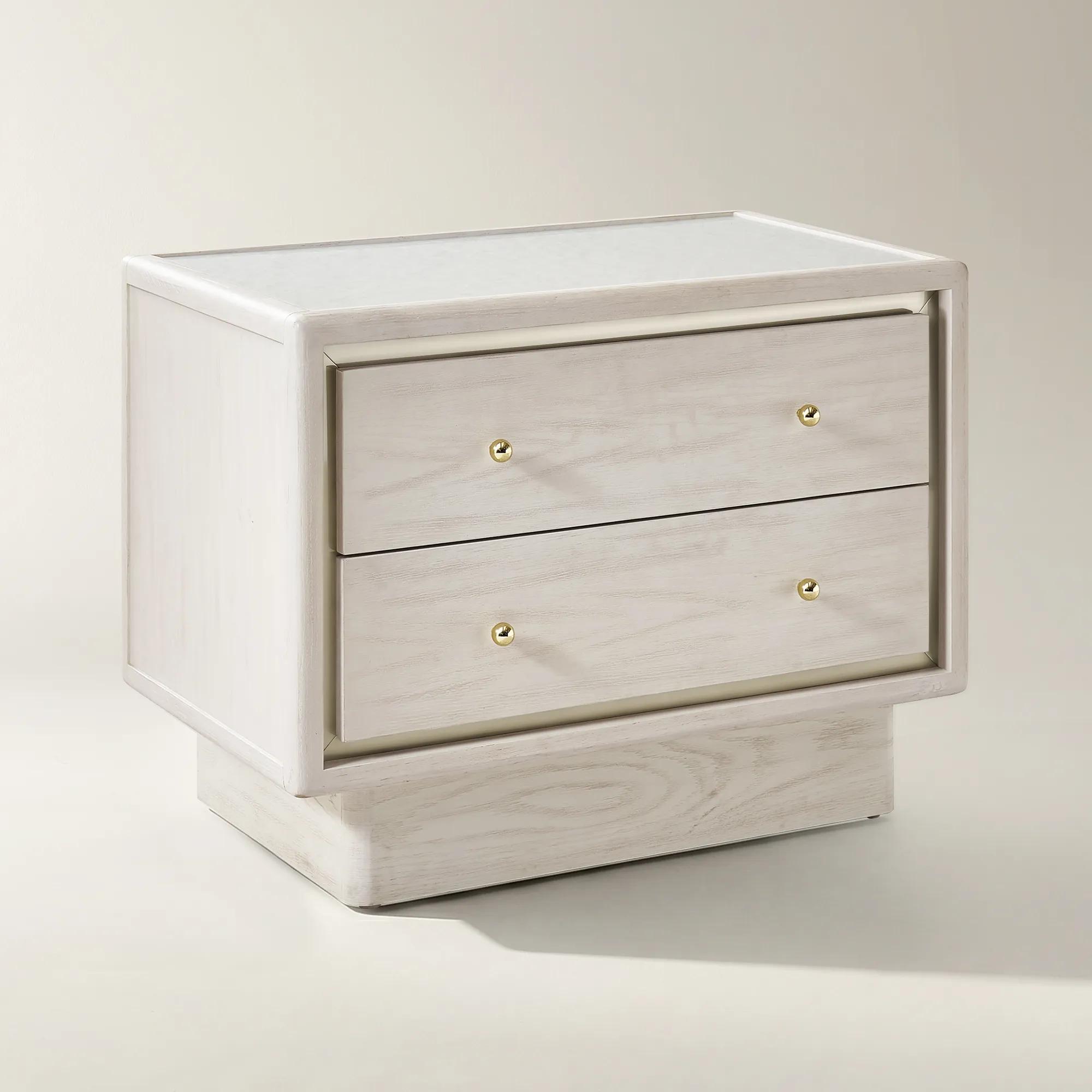 Lumina Bleached Oak 2-Drawer Nightstand With Pearl Lacquered Top (32")$1199
A bleached oak nightstand featuring a pearl lacquered top, champagne gold trim, and soft-close drawers.
Add To Cart -
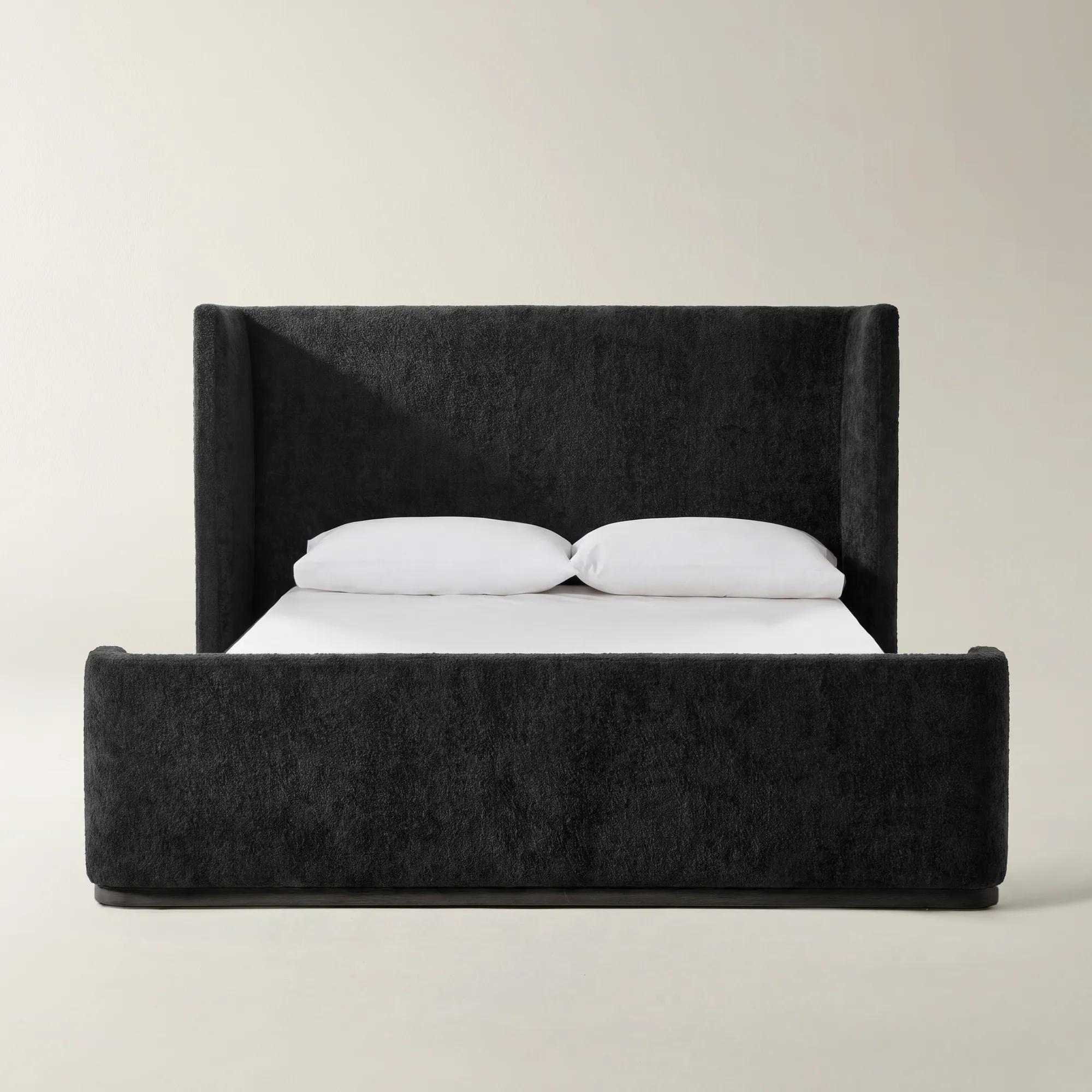
 Stria Black Chenille Upholstered King Platform Bed$2499
A sculptural black chenille wingback platform bed with an FSC-certified solid oak base and supportive construction.
Add To Cart -
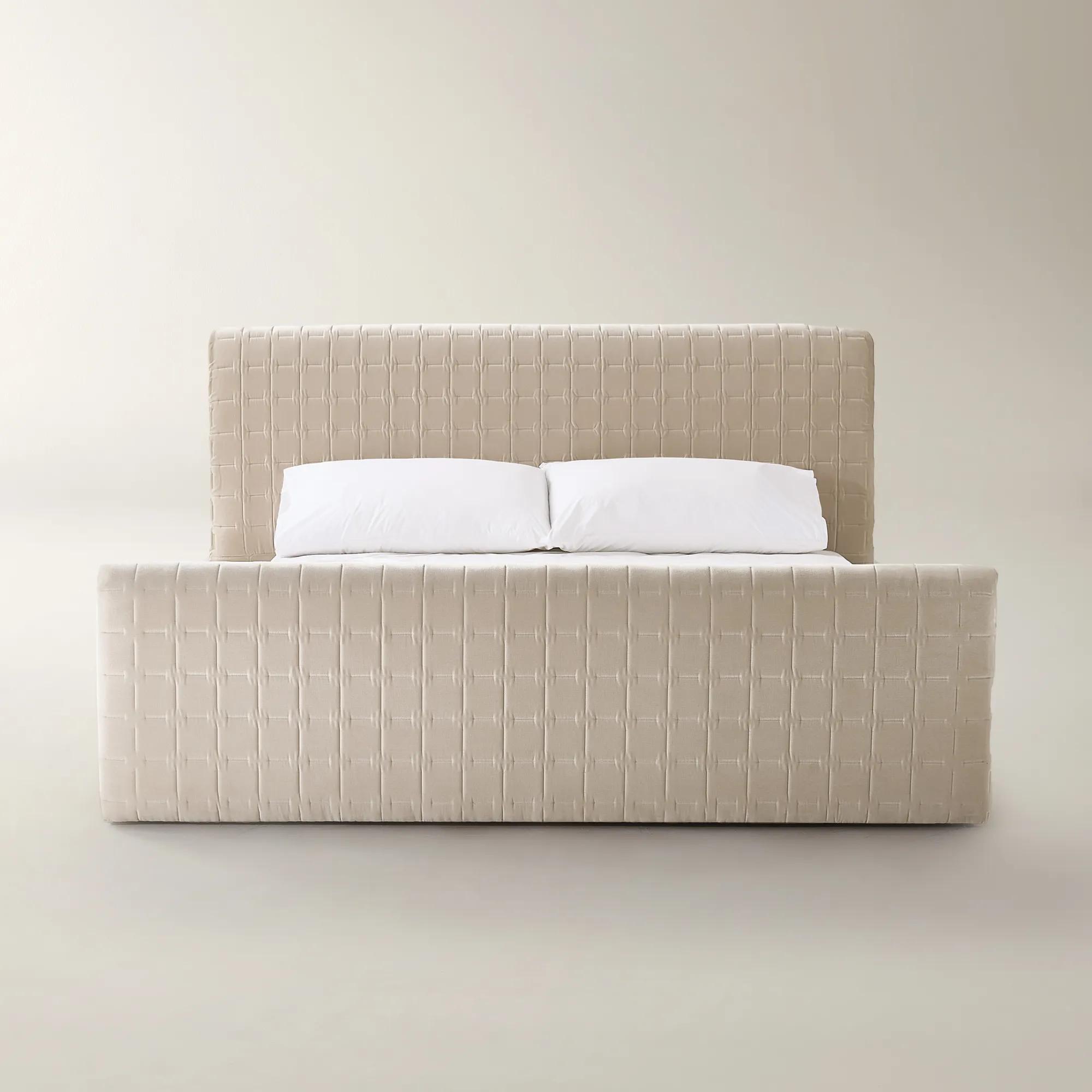
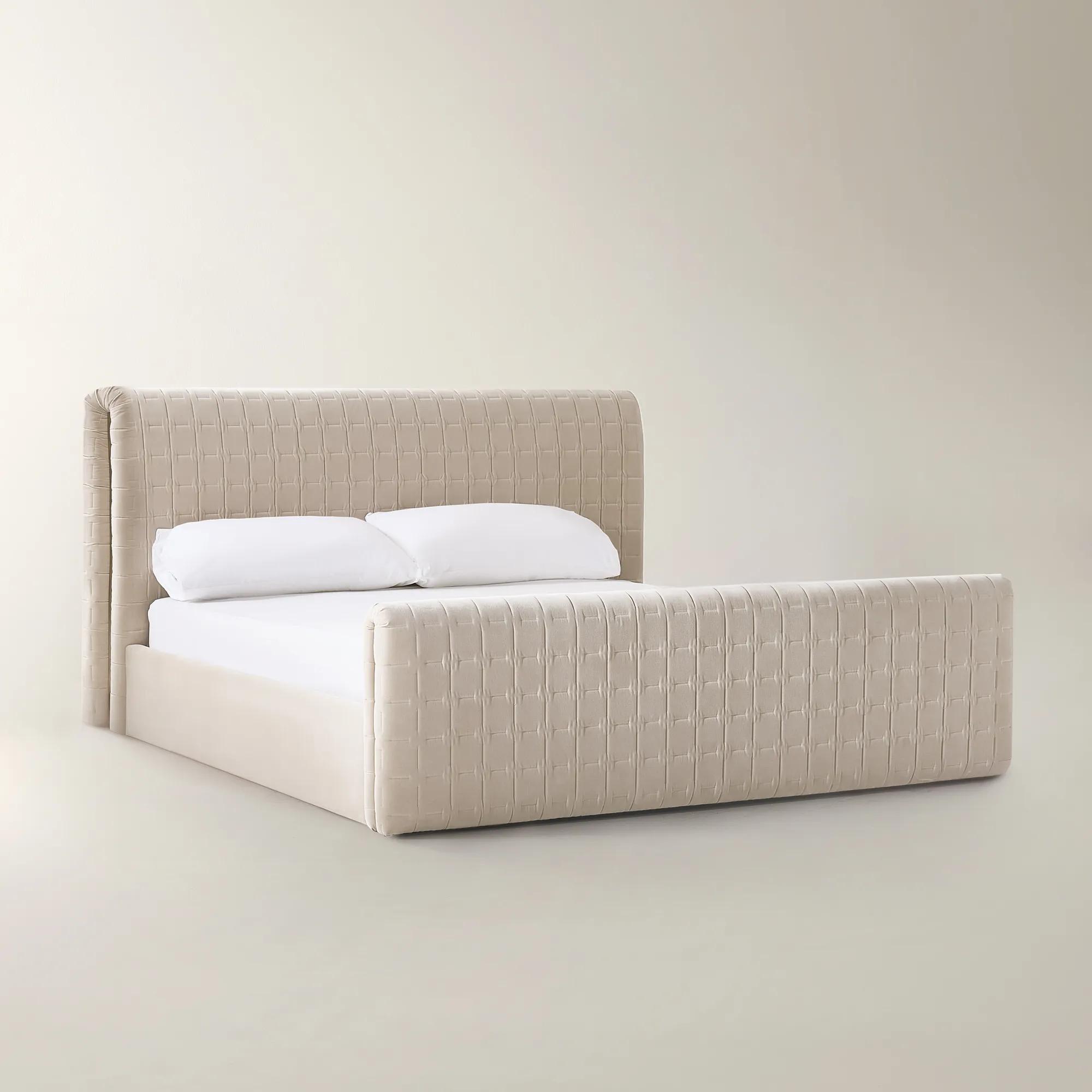 Vanta Oatmeal Velvet Upholstered King Platform Bed$2499
An oatmeal velvet-upholstered bed featuring a checker-quilted headboard and elegant gold-toned metal inlays.
Add To Cart -
Sierra Utopia Sand Chenille Upholstered King Bed With Nightstands$2999
A sand chenille upholstered platform bed featuring an extended headboard with floating nightstands and black wood trim.
Add To Cart -
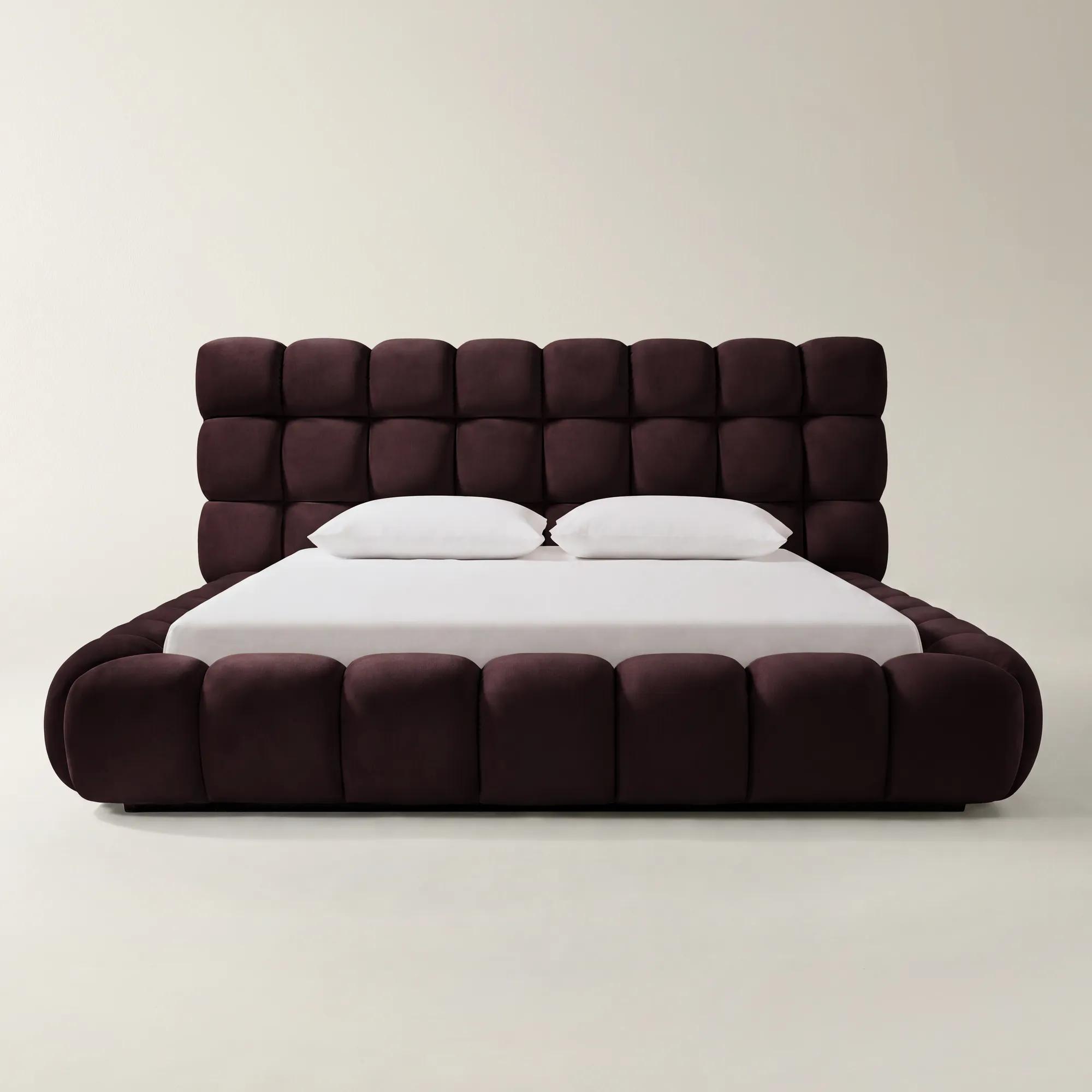
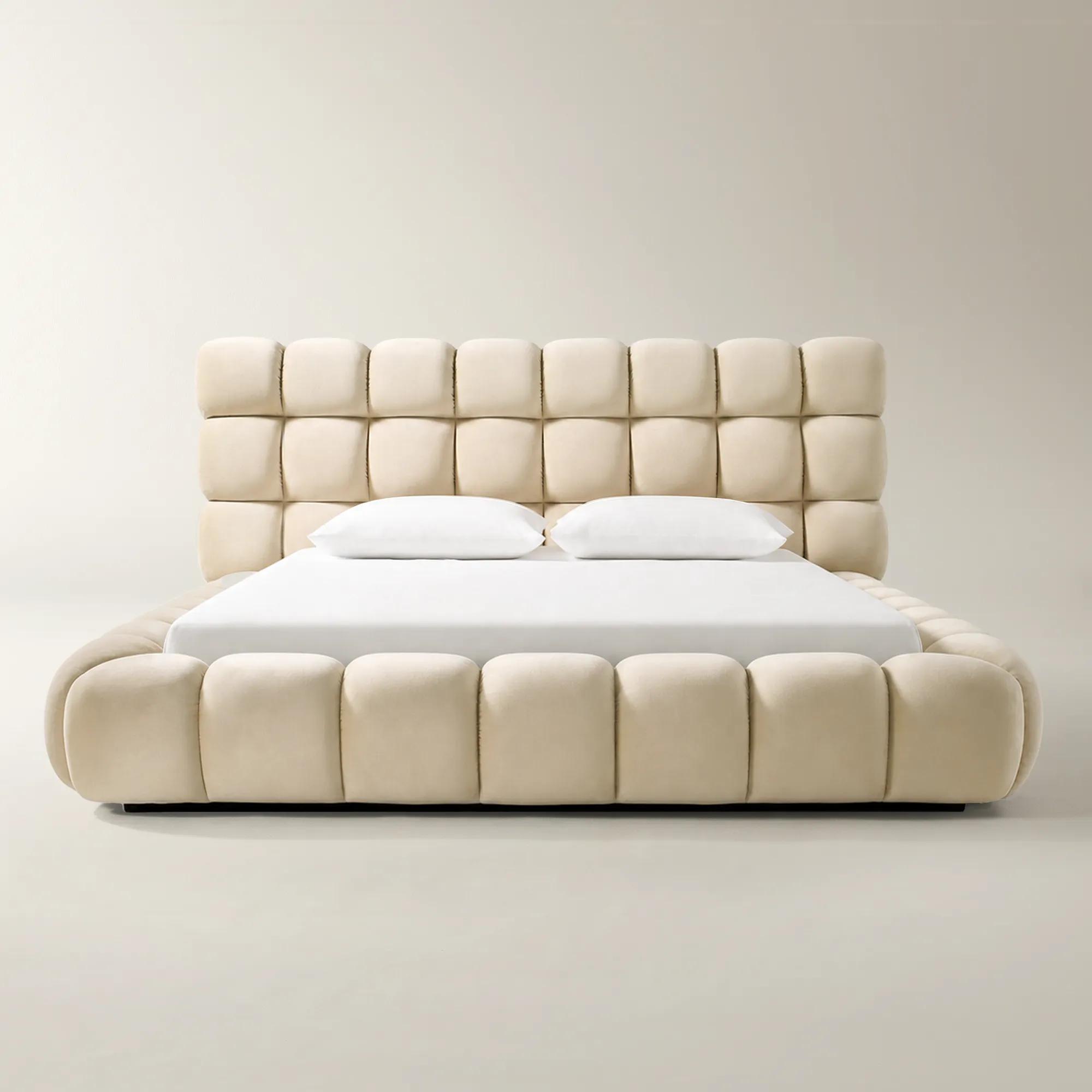 Paloma Tufted Fig Velvet Upholstered King Platform Bed$2599
A sculptural fig velvet upholstered platform bed with plush padding and durable solid wood construction.
Add To Cart -
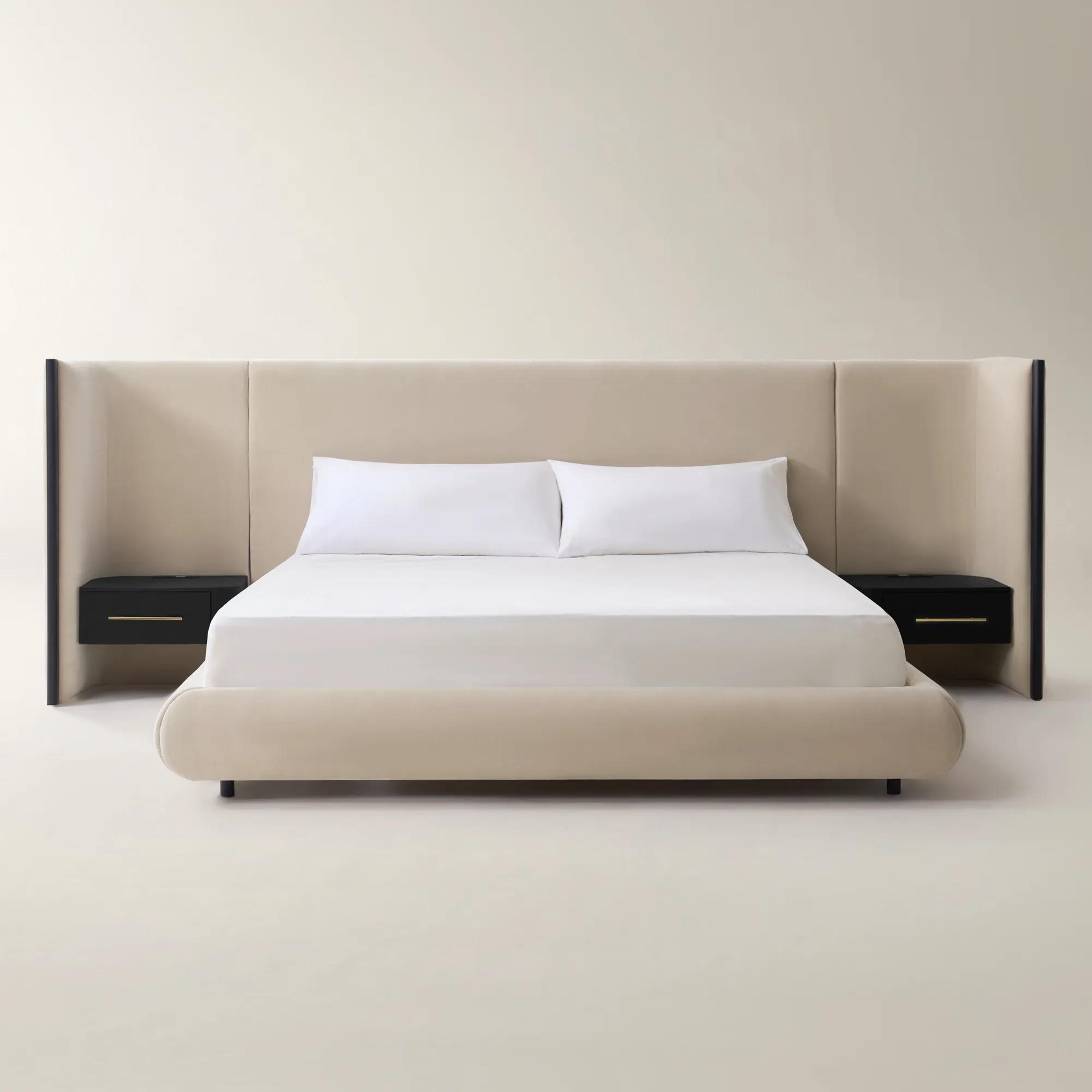 Sierra Oatmeal Velvet Upholstered King Bed With Nightstands$2899
An oatmeal velvet-upholstered platform bed with an extended headboard, floating nightstands, and built-in power access.
Add To Cart -
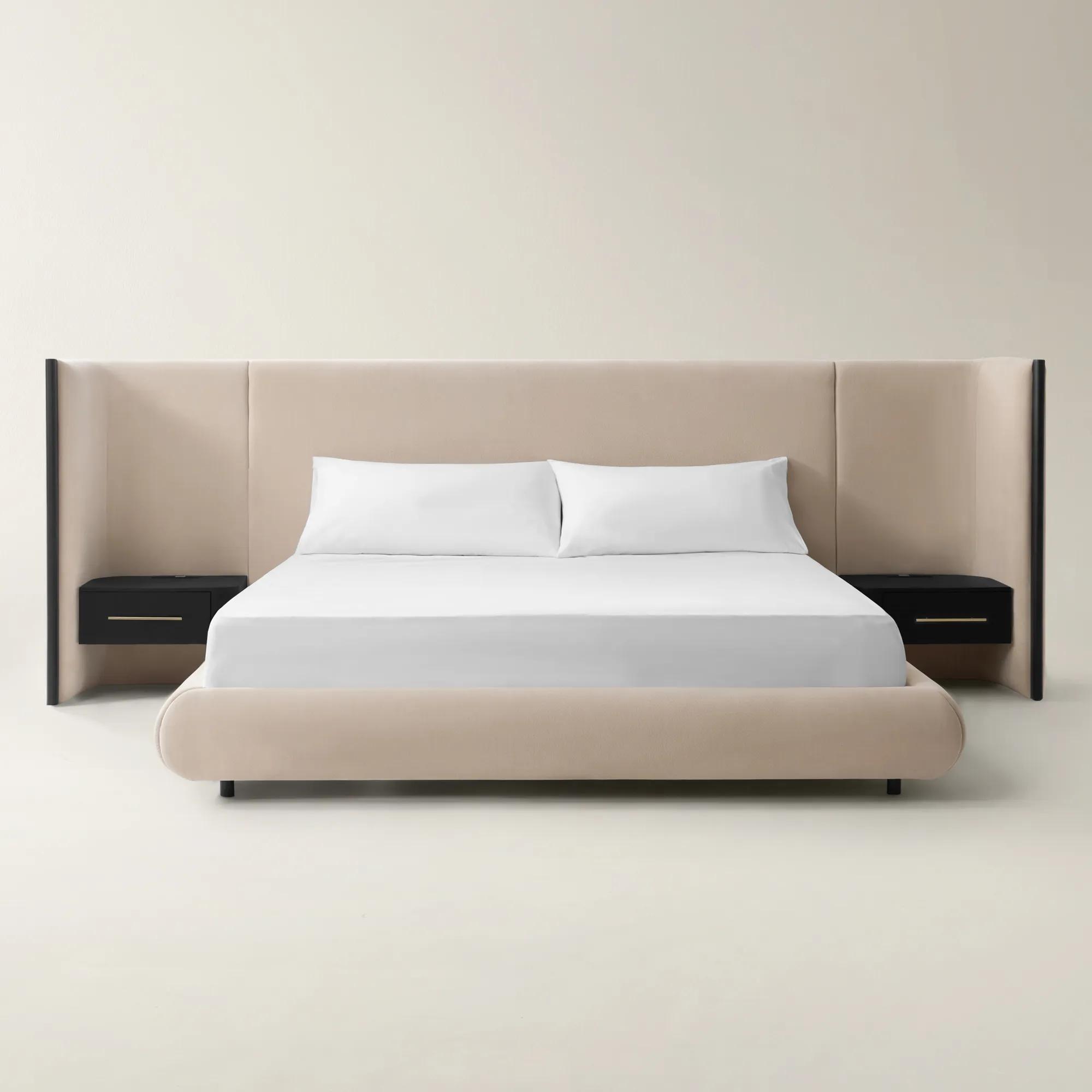
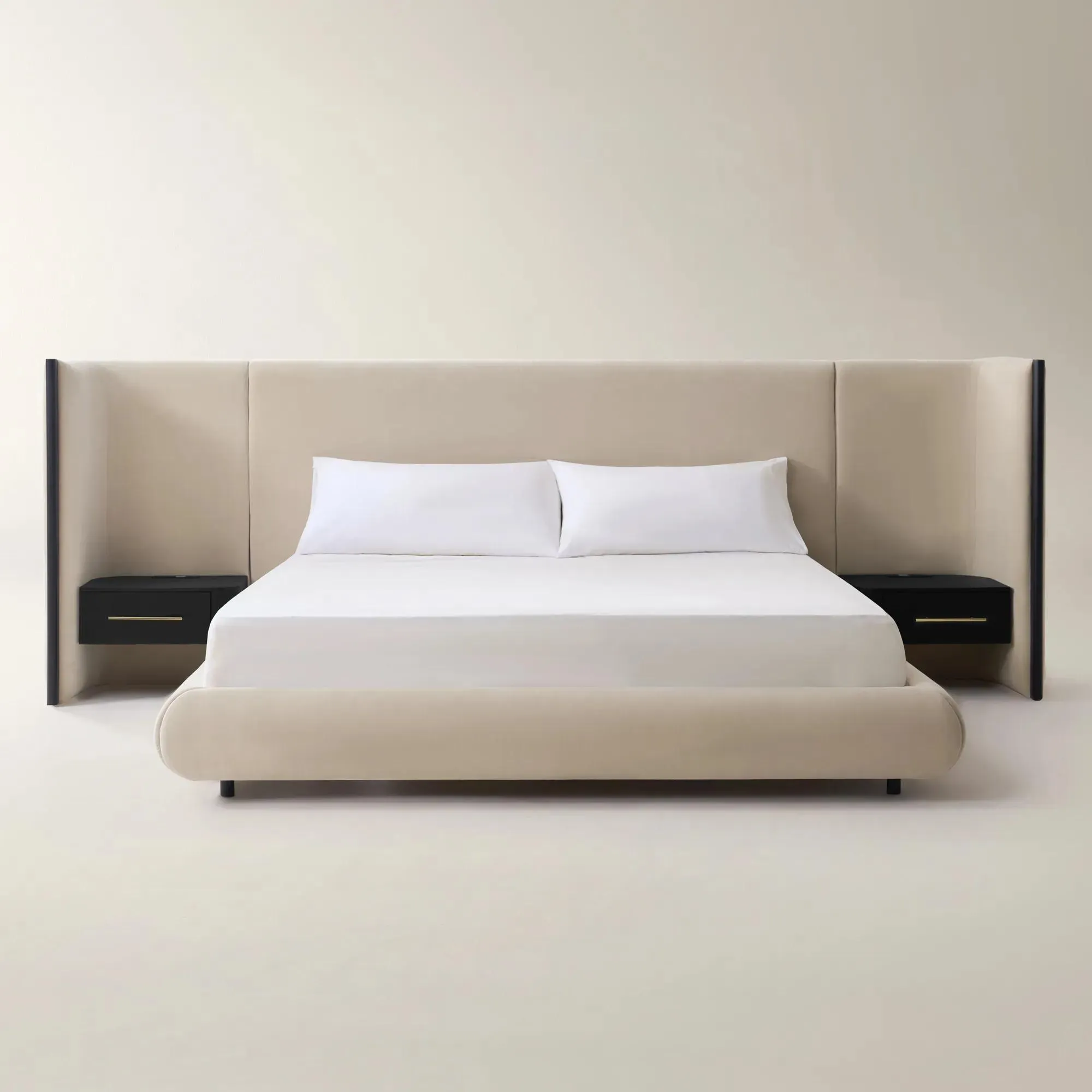 Sierra Simply Taupe Velvet Upholstered King Bed With Nightstands$2899
A taupe velvet platform bed featuring an extended headboard, floating nightstands, and integrated power access.
Add To Cart -
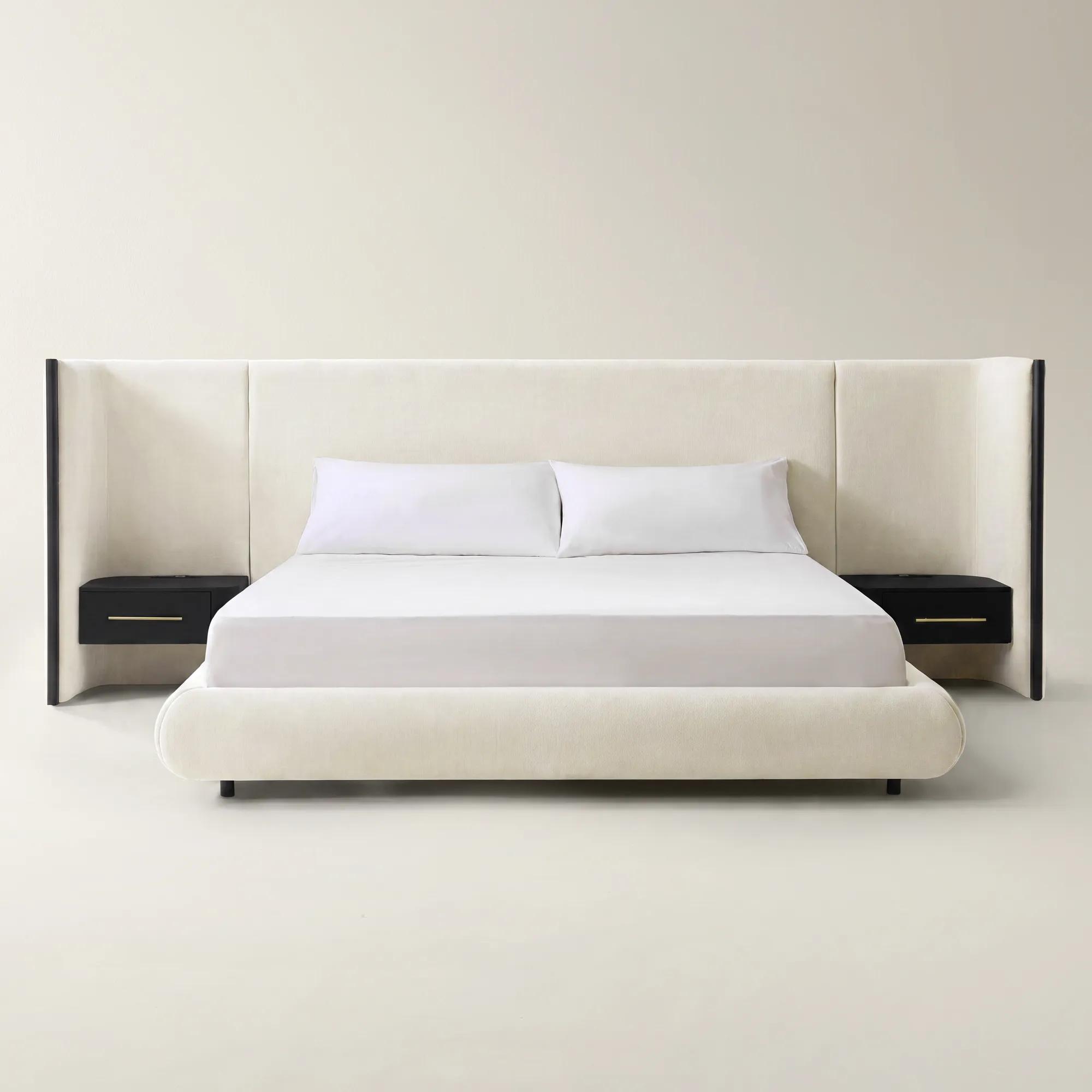
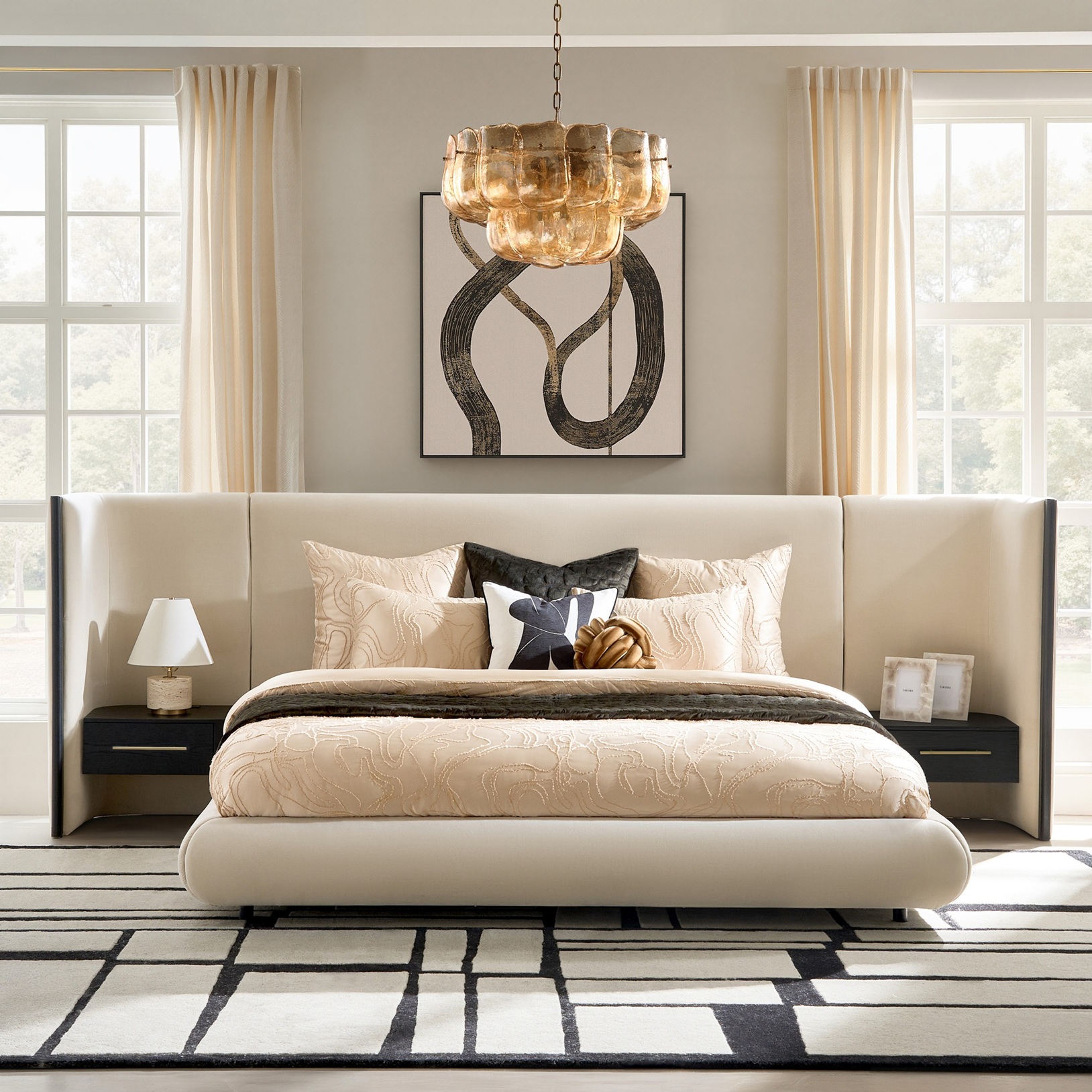 Sierra Ivory Performance Chenille Upholstered King Bed With Nightstands$2999
An ivory chenille platform bed featuring an extended headboard, floating nightstands, and integrated power access.
Add To Cart -
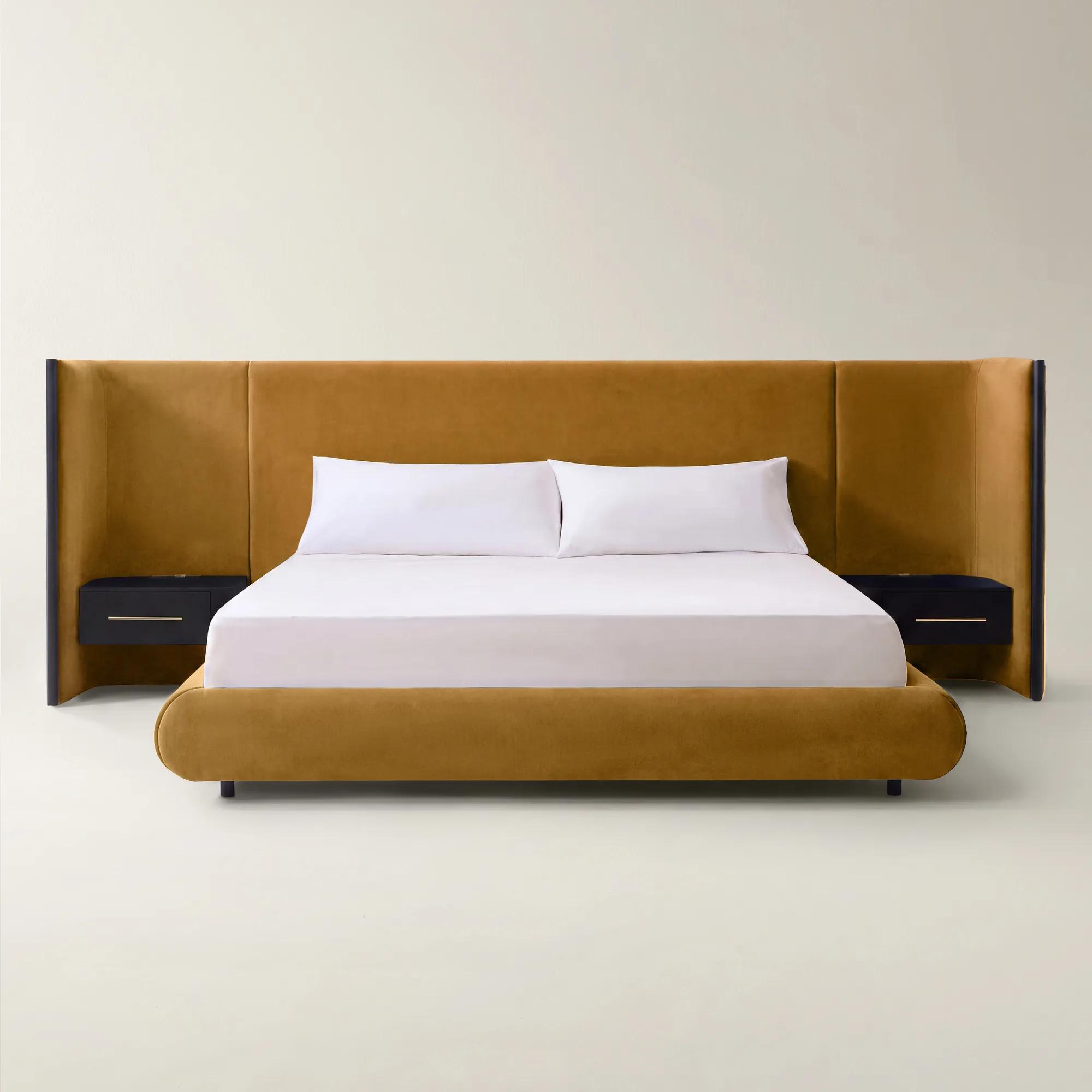 Sierra Roasted Pecan Velvet Upholstered Queen Bed With Nightstands$2699
A roasted pecan velvet platform bed featuring an extended headboard, black wood trim, and floating nightstands.
Add To Cart -
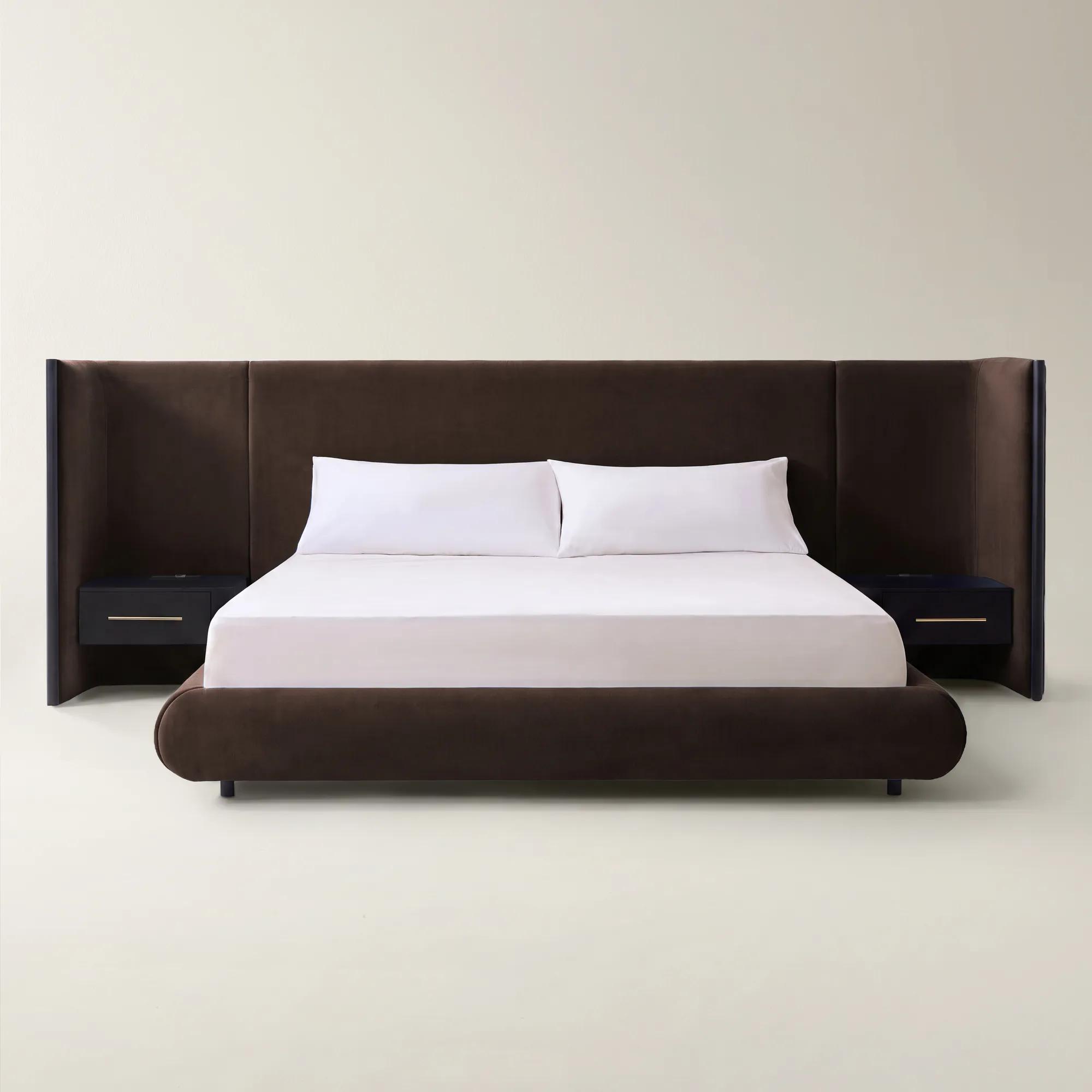 Sierra Dark Chocolate Velvet Upholstered King Bed With Nightstands$2899
A dark chocolate velvet platform bed featuring an extended headboard, floating nightstands, and built-in power access.
Add To Cart -
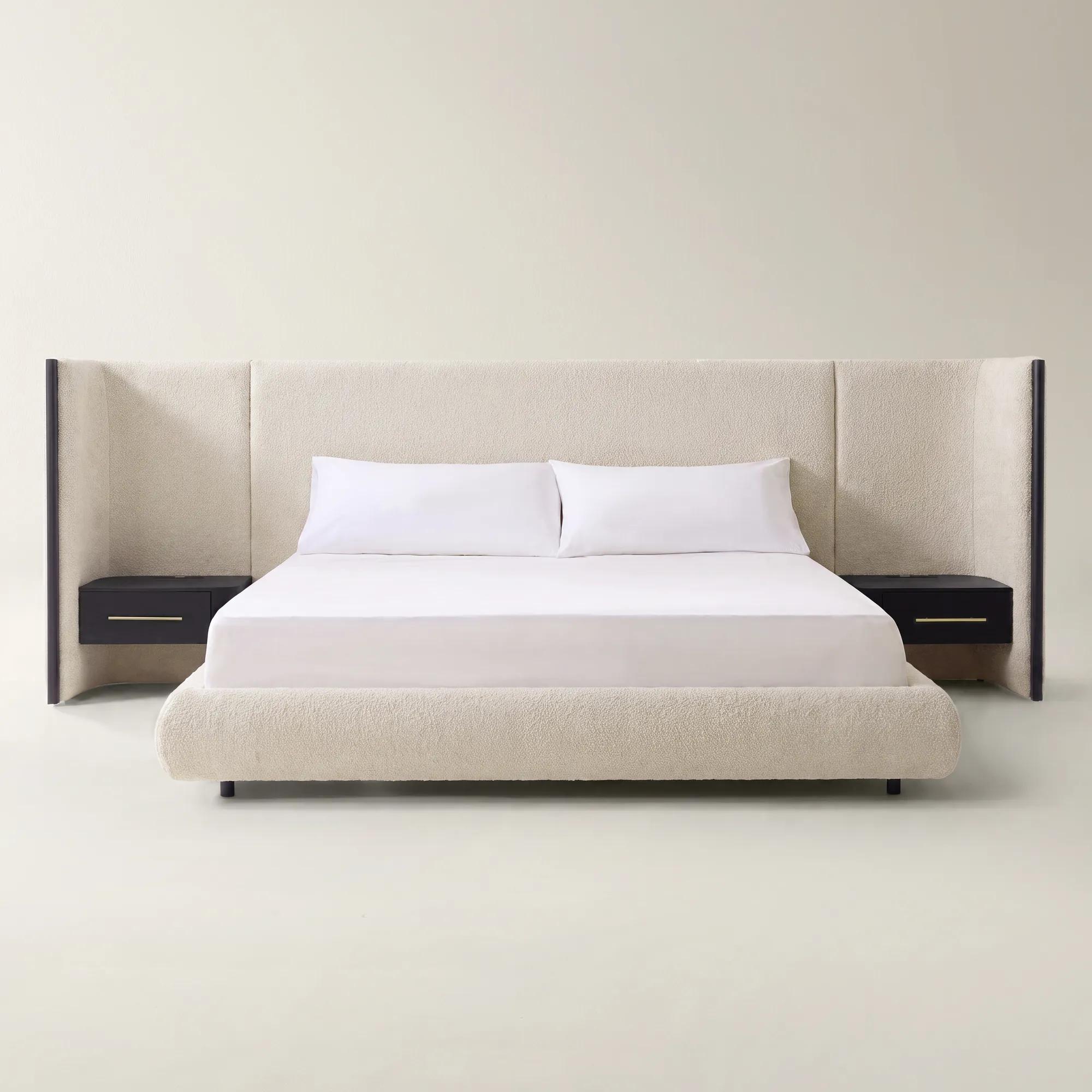 Sierra Ivory Performance Boucle Upholstered Bed With Nightstands$2999
An ivory performance boucle king platform bed featuring an extended headboard, floating nightstands, and black wood trim.
Add To Cart -
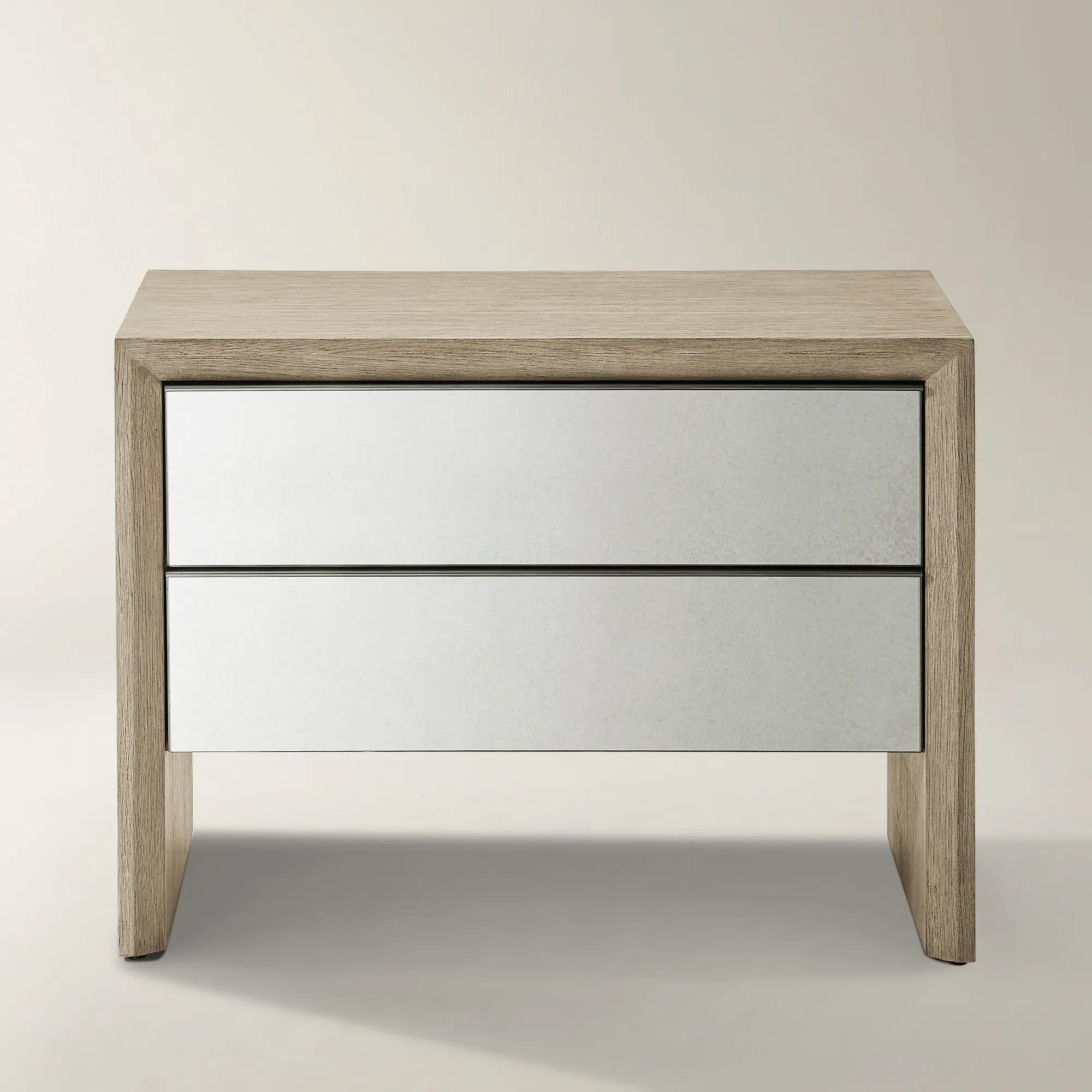
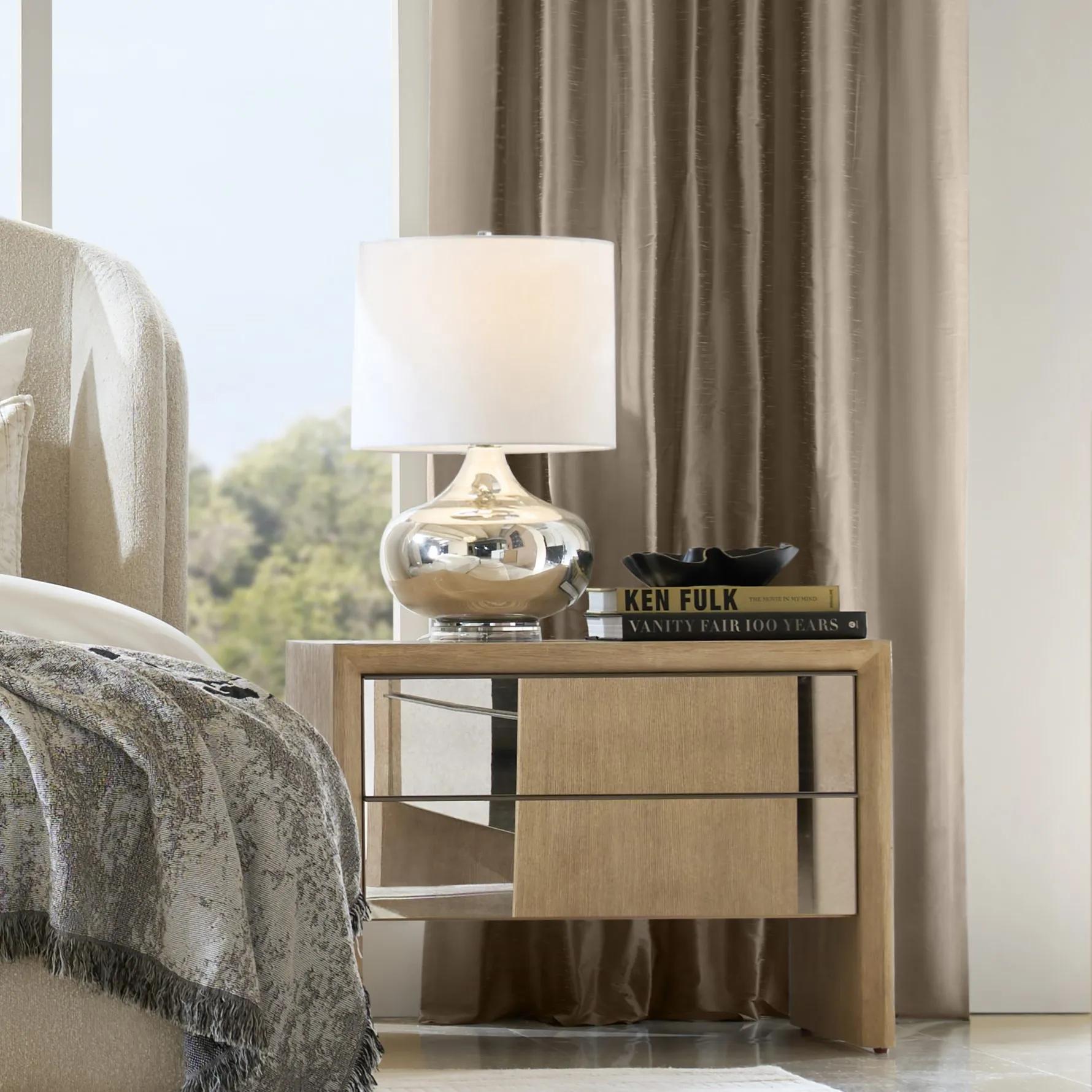 Glimmer Mirrored Seadrift Oak 2-Drawer Nightstand (32")$799
A glamorous nightstand featuring sea drift oak veneer, antique mirrored drawers, and soft-close storage.
Add To Cart

Furniture For Master Bedrooms
Step into a world where every detail is designed to dazzle—where furniture for master bedrooms transforms the ordinary into the extraordinary. Here, lavish textures and sculptural silhouettes invite you to linger, while bold lines and sumptuous finishes create a sanctuary that’s both indulgent and inspiring. Elevate your personal retreat with pieces that don’t just furnish a space—they conjure an atmosphere of pure artistry, turning your master bedroom into the ultimate expression of style, comfort, and unapologetic glamour. Your home is a canvas; paint it boldly.
Furniture for master bedrooms typically includes a bed frame, nightstands, and a dresser or chest of drawers, with benches, vanities, and accent seating adding function where space allows. Together, these furnishings give a primary bedroom its architecture: a place to rest, dress, store personal belongings, and enjoy a little privacy beyond the rest of the home. The bed establishes the mood, whether through a sweeping upholstered headboard, a crisply framed wood silhouette, or a sculptural profile that commands attention without overwhelming the room. Velvet brings depth and a sumptuous hand to an upholstered bed, while textured woven fabrics lend dimension with a softer visual rhythm. Wood introduces distinctive grain and warmth; polished metal details sharpen the composition with a flash of light. Beyond appearance, scale determines how comfortably the room lives. A standard queen mattress measures 60 by 80 inches, while a standard king measures 76 by 80 inches; the bed frame and headboard generally extend beyond those dimensions. Measuring the full furniture footprint helps preserve access to closets, windows, and adjoining bathrooms. Where the layout permits, approximately 30 inches of walking space around the bed provides comfortable circulation, with additional room needed for opening drawers or using a bench. Headboard height deserves equal attention, particularly beneath windows or alongside substantial bedside lamps. A low-profile frame can emphasize an expansive wall treatment, while a taller headboard creates a dramatic focal point against a quieter backdrop. Mattress support also matters: platform, panel, and storage beds can have different foundation requirements, so the frame’s specifications should align with the mattress and any required box spring or foundation. For couples, the most successful arrangement balances shared space with individual habits, including easy bedside access and a convenient surface on each side. For someone furnishing a private retreat, a generous bed paired with fewer, more expressive pieces can feel equally luxurious. Coordinated bedroom furniture creates continuity, while thoughtfully mixed finishes allow the room to develop a more personal, collected character.
Storage brings order to that expressive setting, allowing beautiful surfaces and distinctive silhouettes to remain visible rather than disappear beneath daily clutter. A wide dresser offers generous space for folded clothing and a broad top for a sculptural vessel, a jewelry tray, or a carefully placed mirror. A tall chest uses vertical space when wall width is limited, although its height and placement should suit the room’s proportions and the user’s reach. Drawer interiors deserve as much consideration as the exterior finish: shallow compartments suit smaller accessories, while deeper drawers accommodate bulkier folded pieces. Smooth drawer operation, sturdy joinery, and appropriate load limits all contribute to furniture that feels substantial in everyday use. Solid wood, wood veneer over a stable core, and engineered wood each bring different characteristics; durability depends on construction, finish, hardware, and care rather than material name alone. A beautifully applied veneer can highlight expressive grain, while a lacquered surface introduces a polished, almost jewel-like presence. Mirrored accents reflect surrounding light and visually enliven a dresser or nightstand, though reflective surfaces also make fingerprints more noticeable. At the bedside, practical proportions keep the composition elegant. A nightstand top close to the height of the mattress makes a lamp, book, or glass of water easier to reach, while drawers conceal personal essentials. Open shelving can frame a small stack of books without crowding the tabletop. Partners with different routines may prefer different storage arrangements, unified by similar heights, a shared finish, or coordinating hardware. Storage beds offer another way to contain linens or clothing, provided drawers have enough clearance to open or a lift mechanism can operate as intended. Dressers and chests should be secured according to the manufacturer’s anchoring instructions, with particular attention in homes where children visit or live. A clear area in front of storage furniture makes daily dressing feel unhurried, while a mirror positioned to reflect an uncluttered view adds depth rather than visual noise. The result is practical organization with the poise of a dressing suite.
Beyond the essential pieces, master bedroom furniture can accommodate the rituals that make the room distinctly personal. An upholstered bench at the foot of the bed provides a place to sit while dressing and gives the bed a beautifully finished outline; its width and depth should leave comfortable passage around it. A vanity creates a dedicated setting for personal care, with enough surface area for frequently used essentials and seating that tucks neatly beneath when not in use. In a spacious room, an accent chair and small table can establish a quiet reading corner without turning the bedroom into a second living room. These additions work best when they serve a genuine habit rather than simply occupy an empty corner. A plush seat beside a bookcase feels purposeful for an evening reader, while a generous dresser may matter more to someone whose closet leaves folded clothing without a home. Visual cohesion comes from repeating selected details rather than matching every surface. A warm metallic finish might appear on drawer pulls and chair legs, or a curved headboard might find an echo in a rounded mirror. For another perspective on expressive silhouettes and coordinated finishes, Furniture for Designer Bedrooms offers a related approach to a richly composed retreat. Longevity rests on everyday care as much as the initial selection. Upholstery should be maintained according to its cleaning label, with gentle vacuuming where recommended and spills addressed promptly using approved methods. Wood, lacquer, metal, and mirrored finishes require surface-appropriate products; soft cloths, protective pads, and coasters help reduce avoidable wear. Direct sunlight can affect some fabrics and finishes, so placement and window coverings deserve consideration. Before delivery, checking doorways, stair turns, elevators, and the furniture’s assembled dimensions helps ensure that a dramatic silhouette can reach its intended room. With proportion, construction, and daily comfort considered together, the bedroom becomes a private expression of luxury—rich in detail, composed with confidence, and deeply comfortable to inhabit.
FAQs
A master bedroom flourishes with a thoughtfully chosen bed—preferably with a statement headboard—nightstands for symmetry and convenience, a dresser or chest for essential storage, and accent pieces like benches, ottomans, or chairs that invite relaxation and visual interest. Layering in mirrors, vanities, and even a writing desk can further elevate the space, blending artistry with everyday functionality.
Start by selecting a unifying color palette and material story—such as plush upholstery, gleaming metals, or richly grained woods. Choose furniture pieces that echo similar lines or finishes, and use accent pieces like lamps, mirrors, and textiles to reinforce your chosen aesthetic. The result is a harmonious retreat where each element complements the next, creating a sense of curated luxury.
Incorporate pieces that exude sophistication and comfort: a sculptural bed frame, tufted bench or ottoman at the foot of the bed, mirrored or lacquered nightstands, and a chic accent chair for a reading nook. Details like metallic hardware, crystal drawer pulls, or a statement vanity further enhance the feeling of opulence and artistry.
Opt for dressers and chests with ample drawers, nightstands with concealed storage, and multi-functional pieces like storage ottomans or armoires. These selections keep essentials organized while contributing to the room’s visual drama. Thoughtful placement and coordination ensure that storage solutions feel intentional and seamlessly integrated with your design vision.
Master bedroom furniture makes a meaningful gift for newlyweds setting up a first home, loved ones celebrating a milestone anniversary, or anyone embarking on a new chapter—such as a recent move or renovation. Gifting a signature piece, like an elegant vanity or a plush chair, offers both beauty and lasting comfort, transforming their personal space into an everyday sanctuary.