Furniture For Organized Entryways
Furniture For Organized Entryways
-
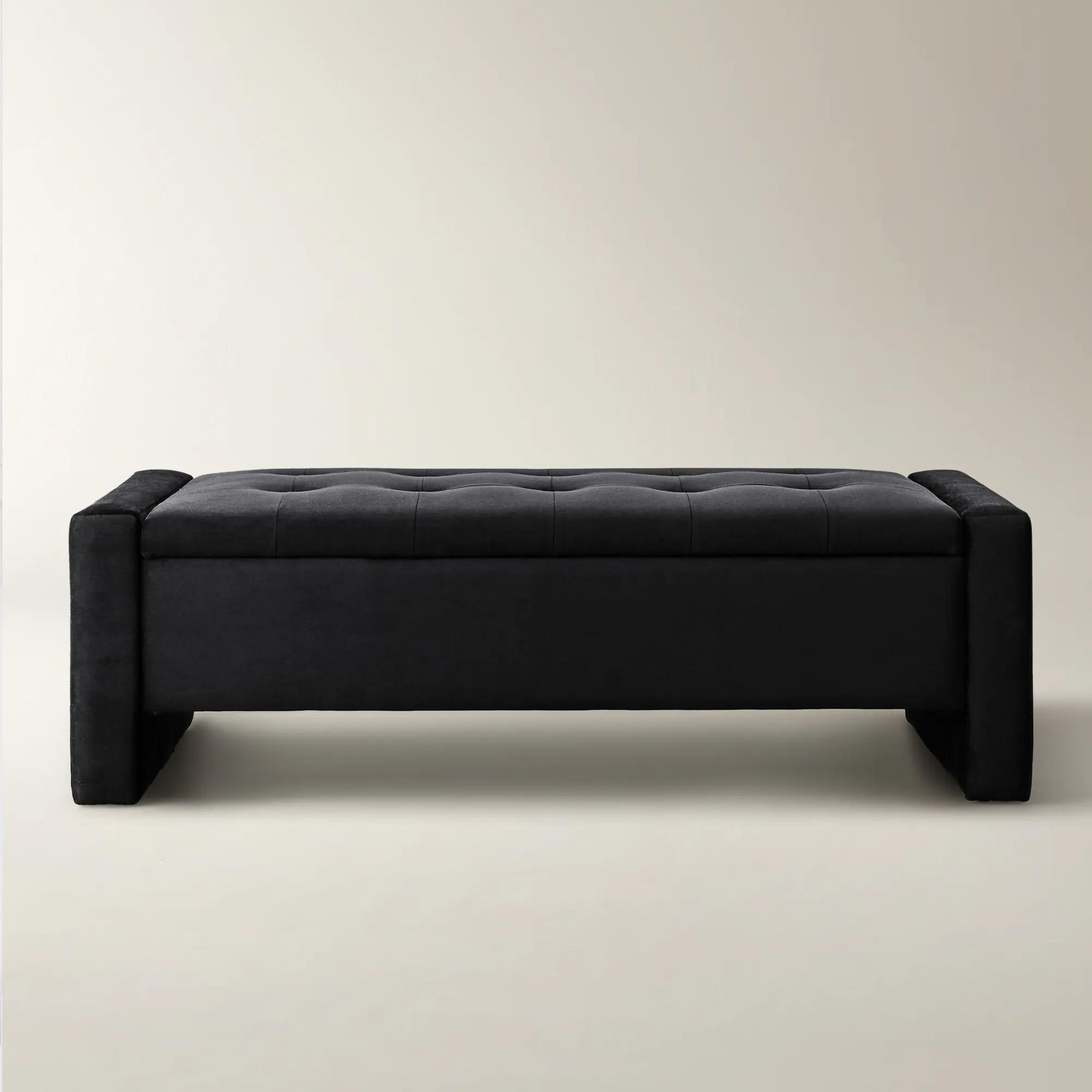
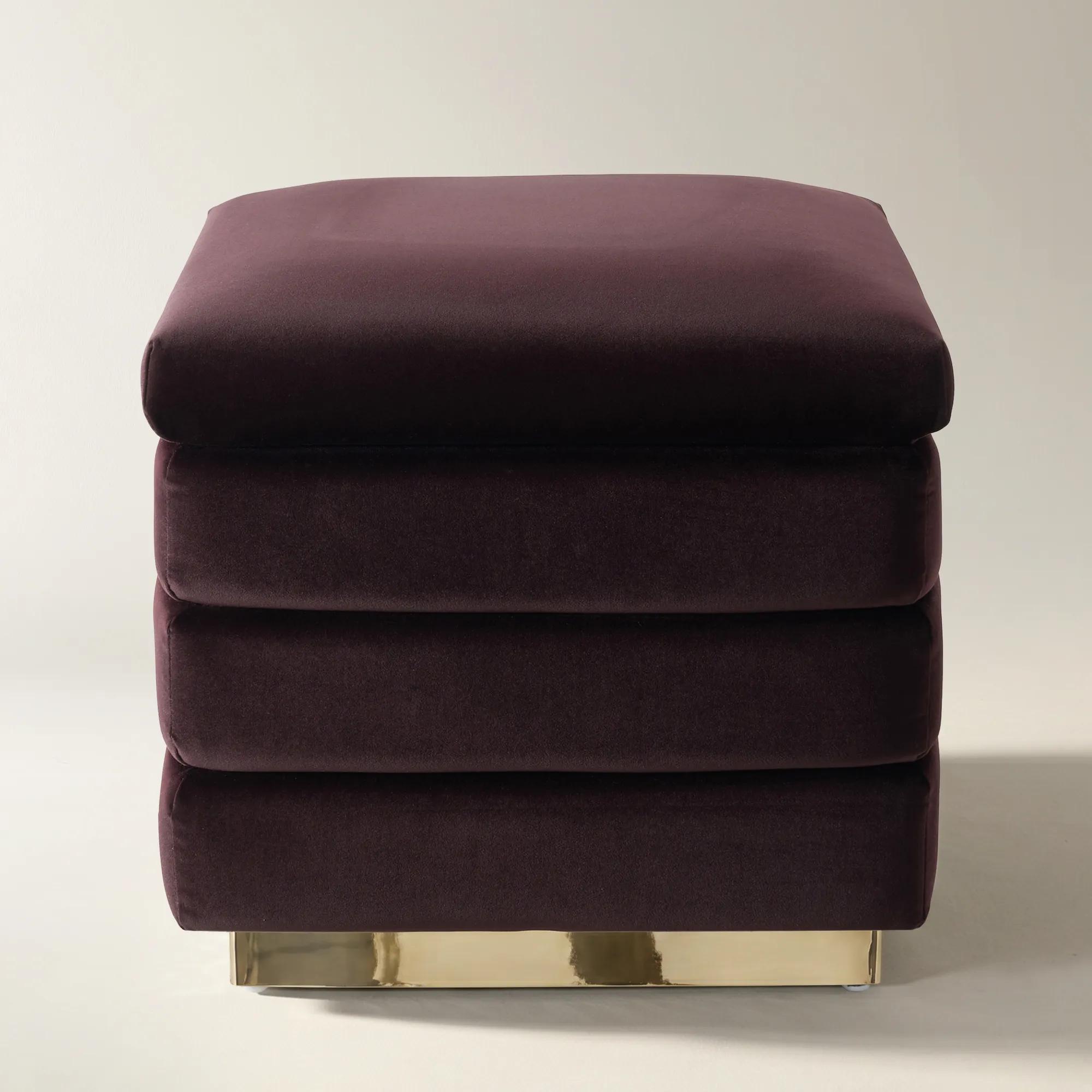
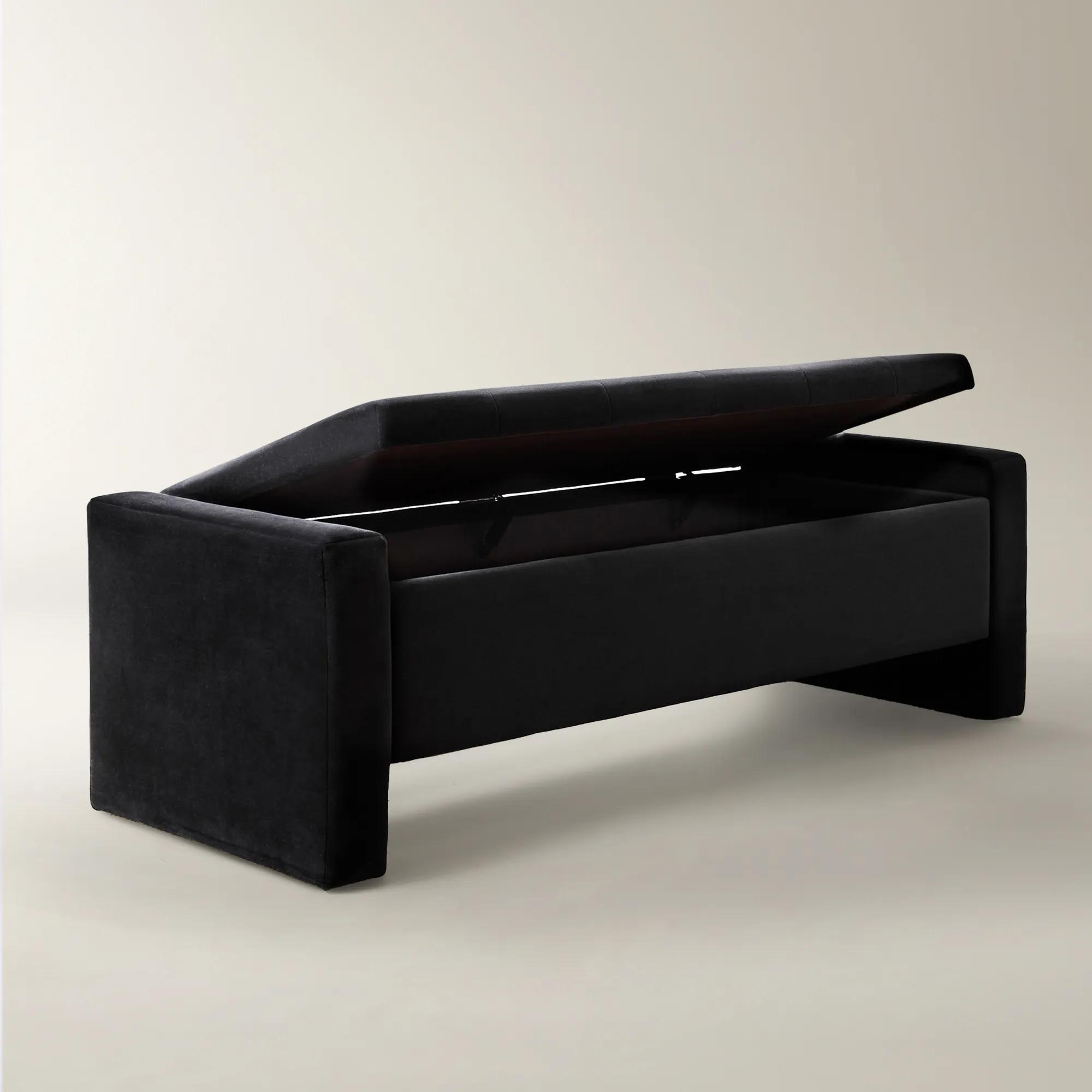 Maeve Storage Bench$1149
A modern velvet-upholstered bench with hidden storage, kiln-dried hardwood frame, and soft-closing glides.
Add To Cart -
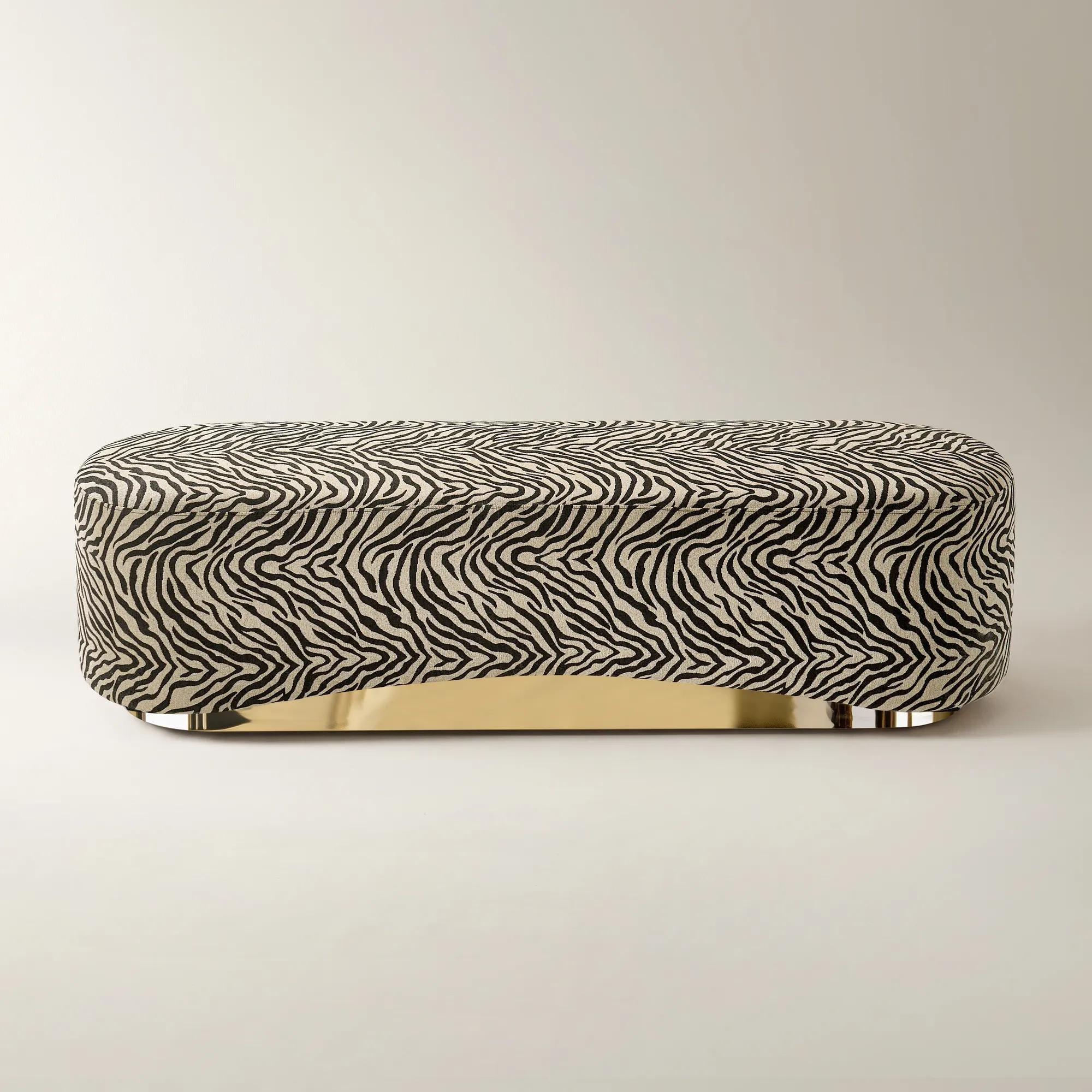
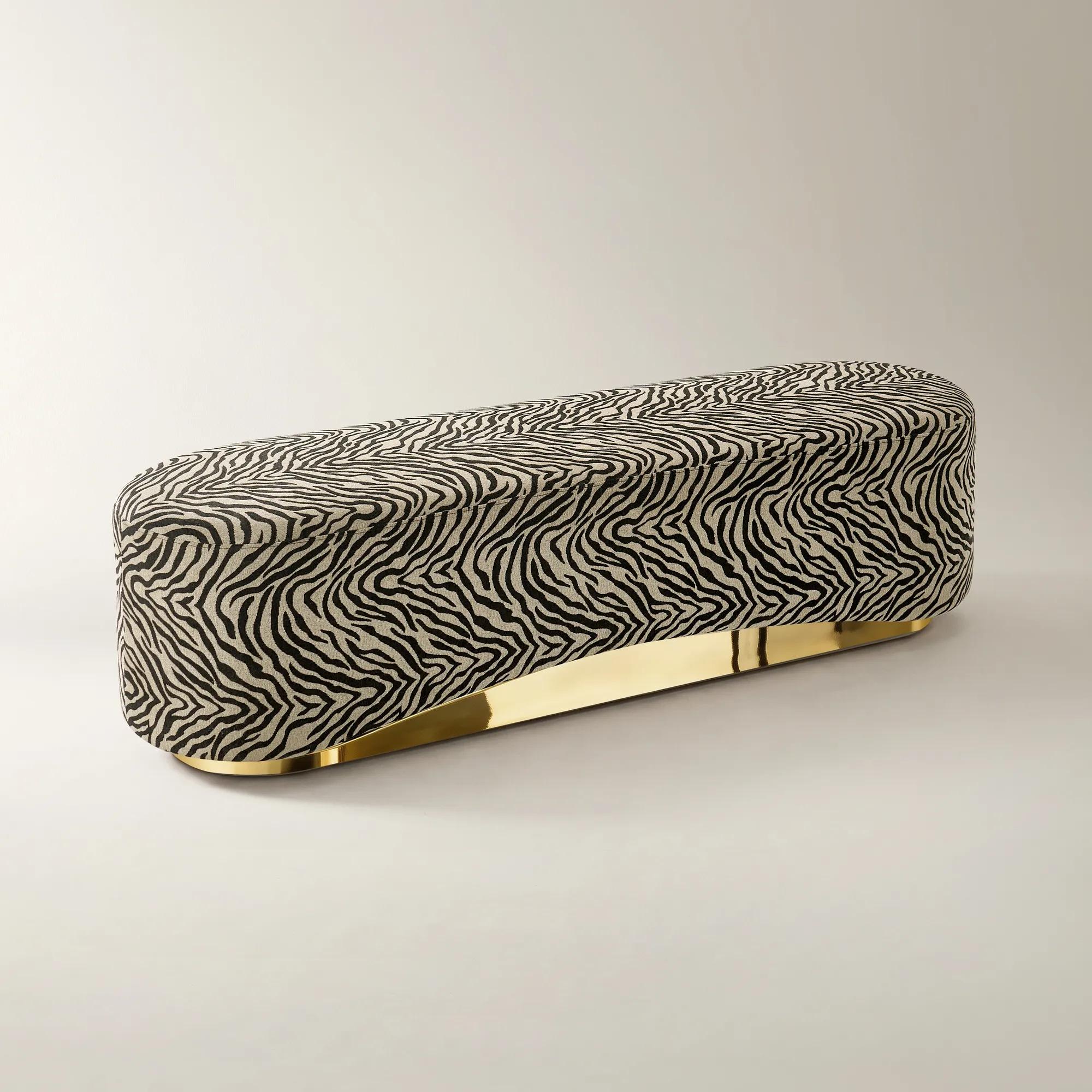 Kendra Zebra Performance Chenille Bench (70.47")$799
An elongated oval bench upholstered in textured zebra-pattern chenille with a polished gold stainless steel base.
Add To Cart -
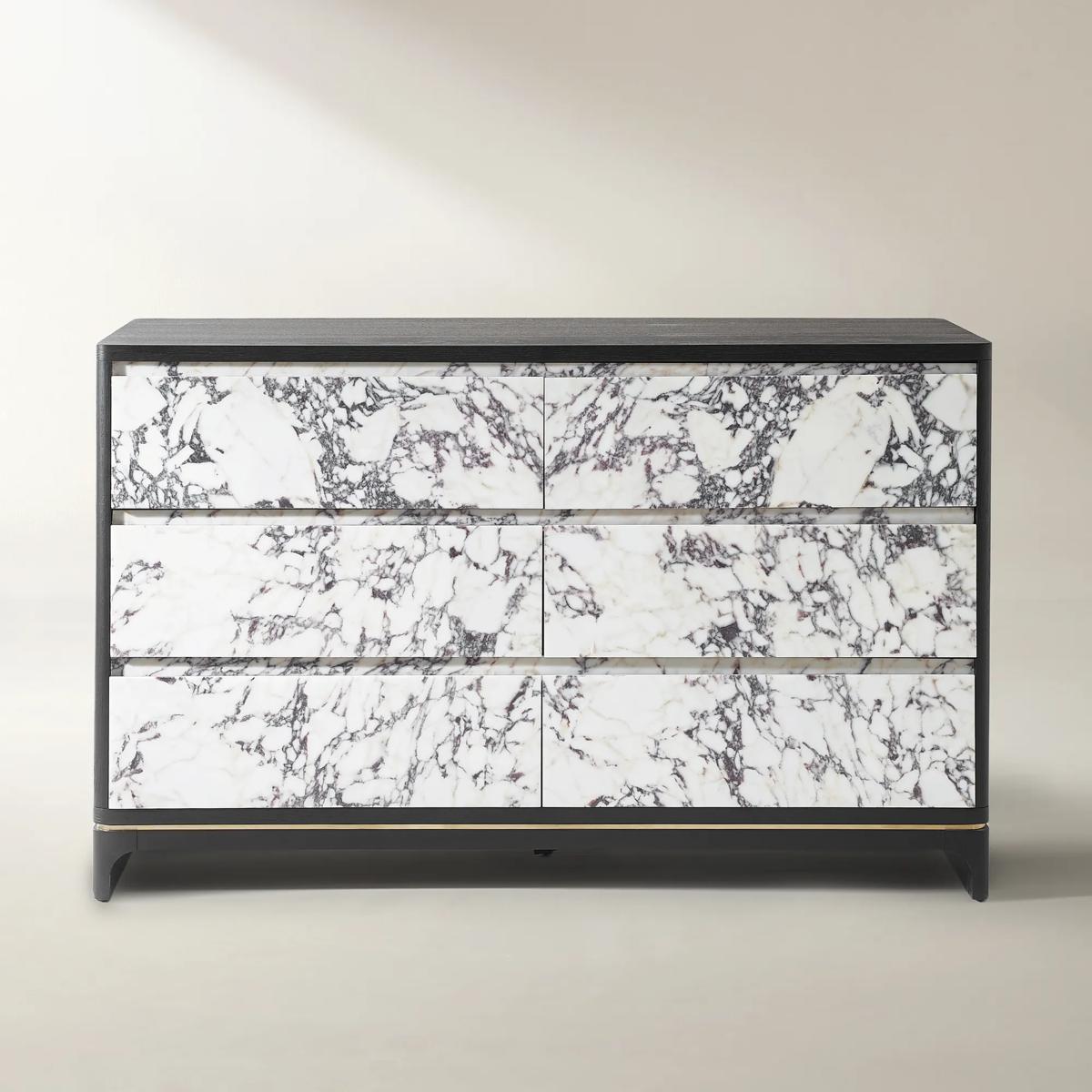 Vanta Black Oak And Calacatta Marble 6-Drawer Dresser (66")$2899
A striking dresser featuring genuine Calacatta Viola marble fronts and matte black oak veneer for modern luxury.
Add To Cart -
 Stria Reeded White Oak Bookcase (80")$2999
A modern bookcase featuring vertical reeded white oak, soft gold metal accents, and both open and concealed storage.
Add To Cart -

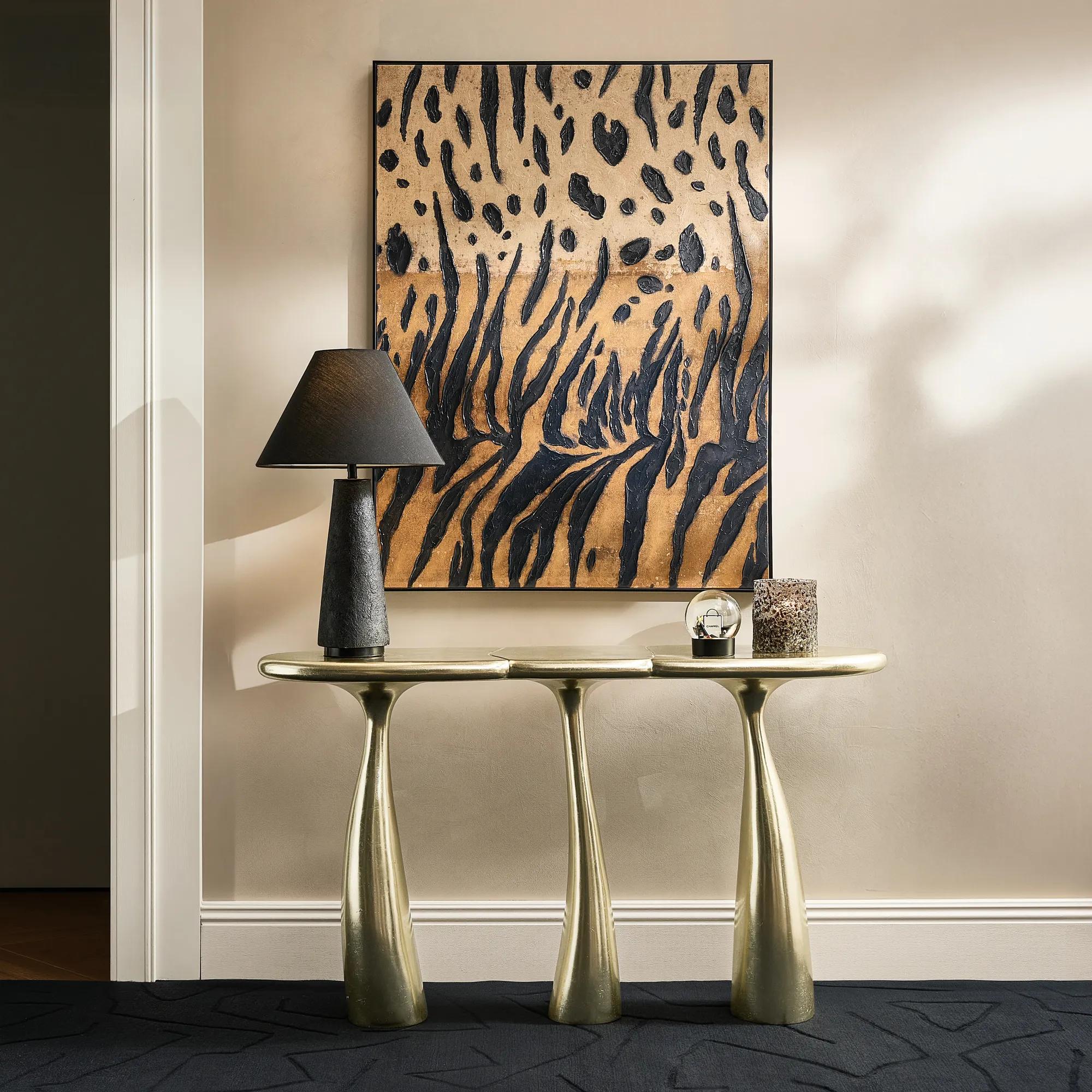 Thalia Soft Gold Console Table (52.4")$999
A sculptural console table hand-molded from fiberglass with a luminous, hand-applied gold leaf finish.
Add To Cart -
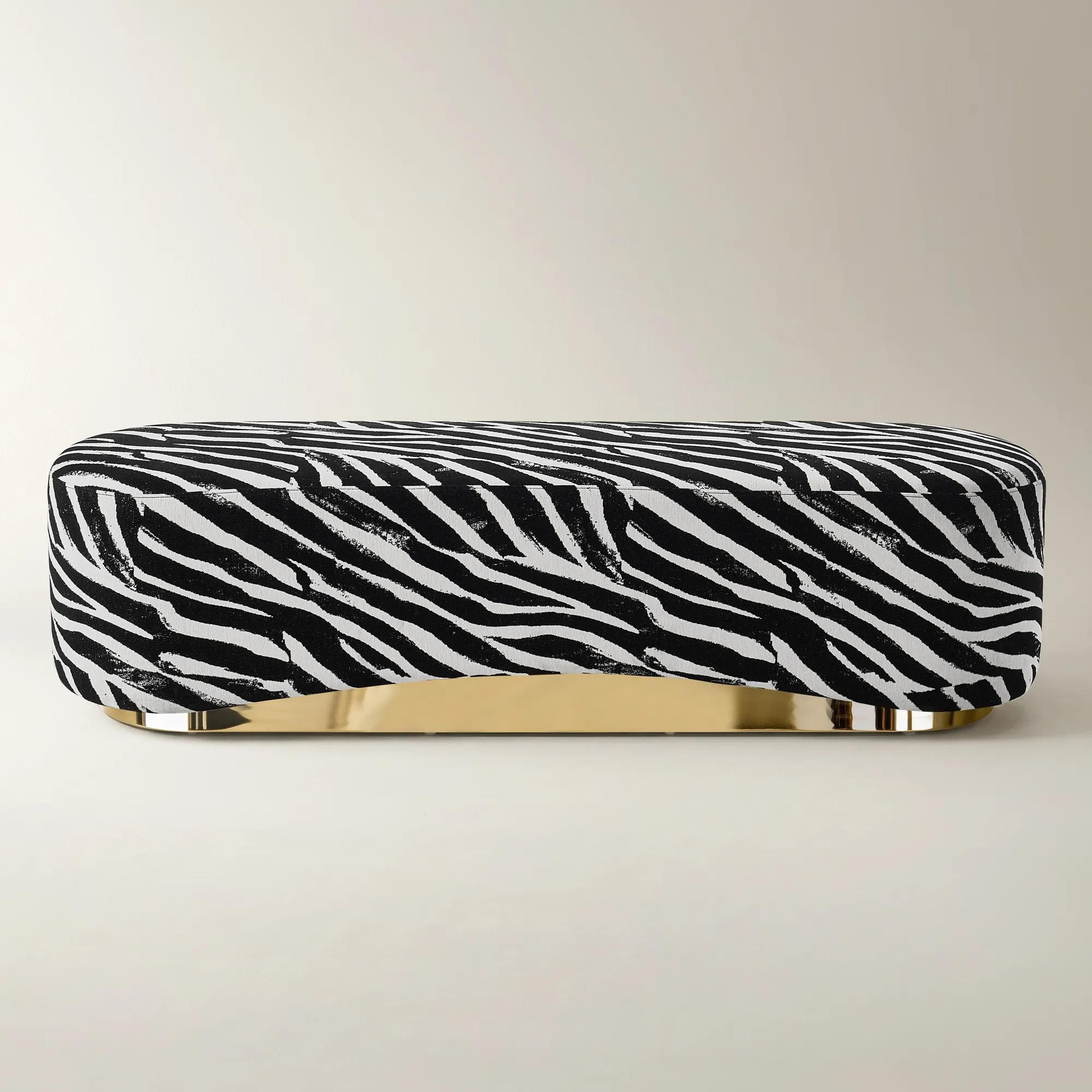
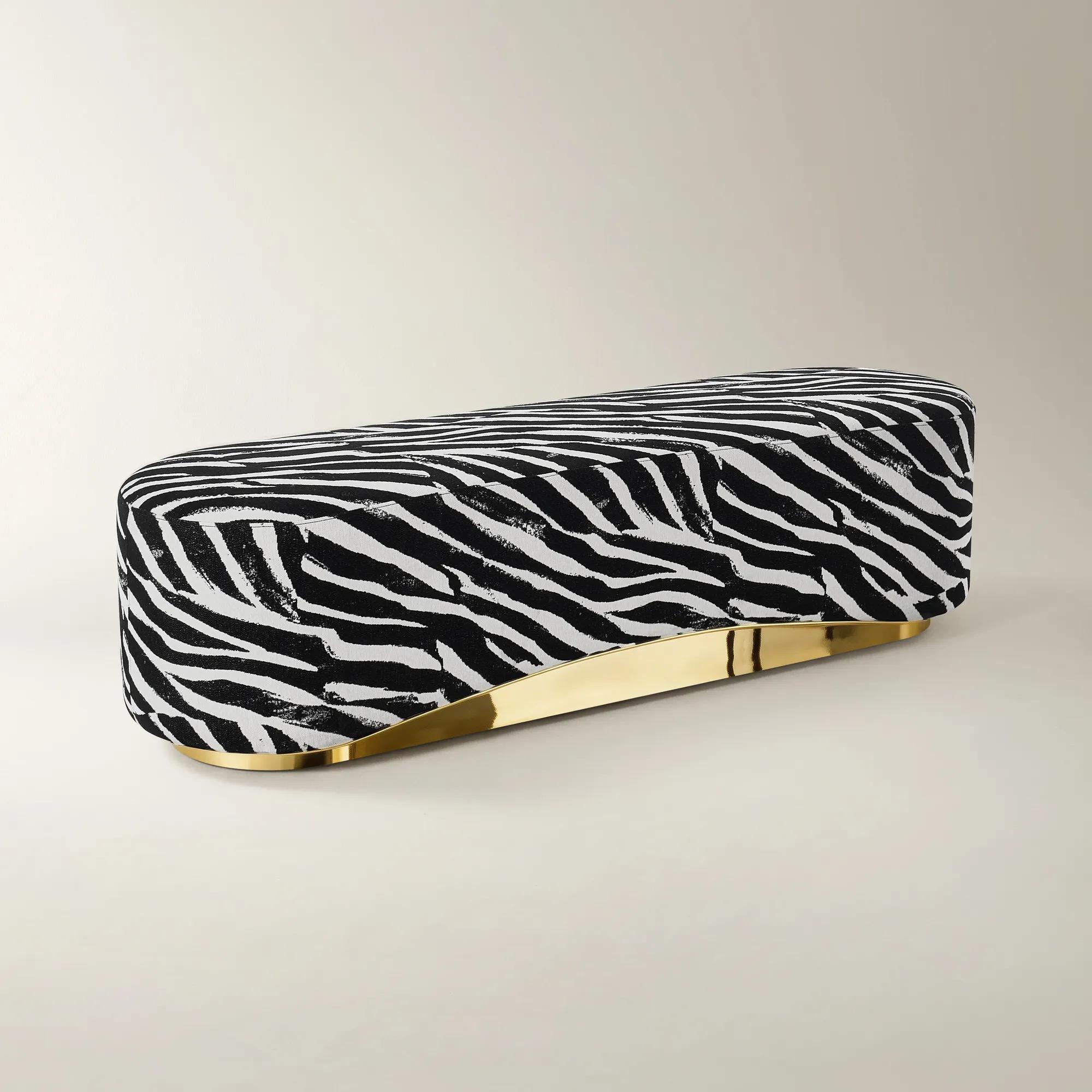 Kendra White/Black Performance Chenille Bench (70.47")$799
An elongated oval bench upholstered in white and black performance chenille with a polished gold stainless steel base.
Add To Cart -
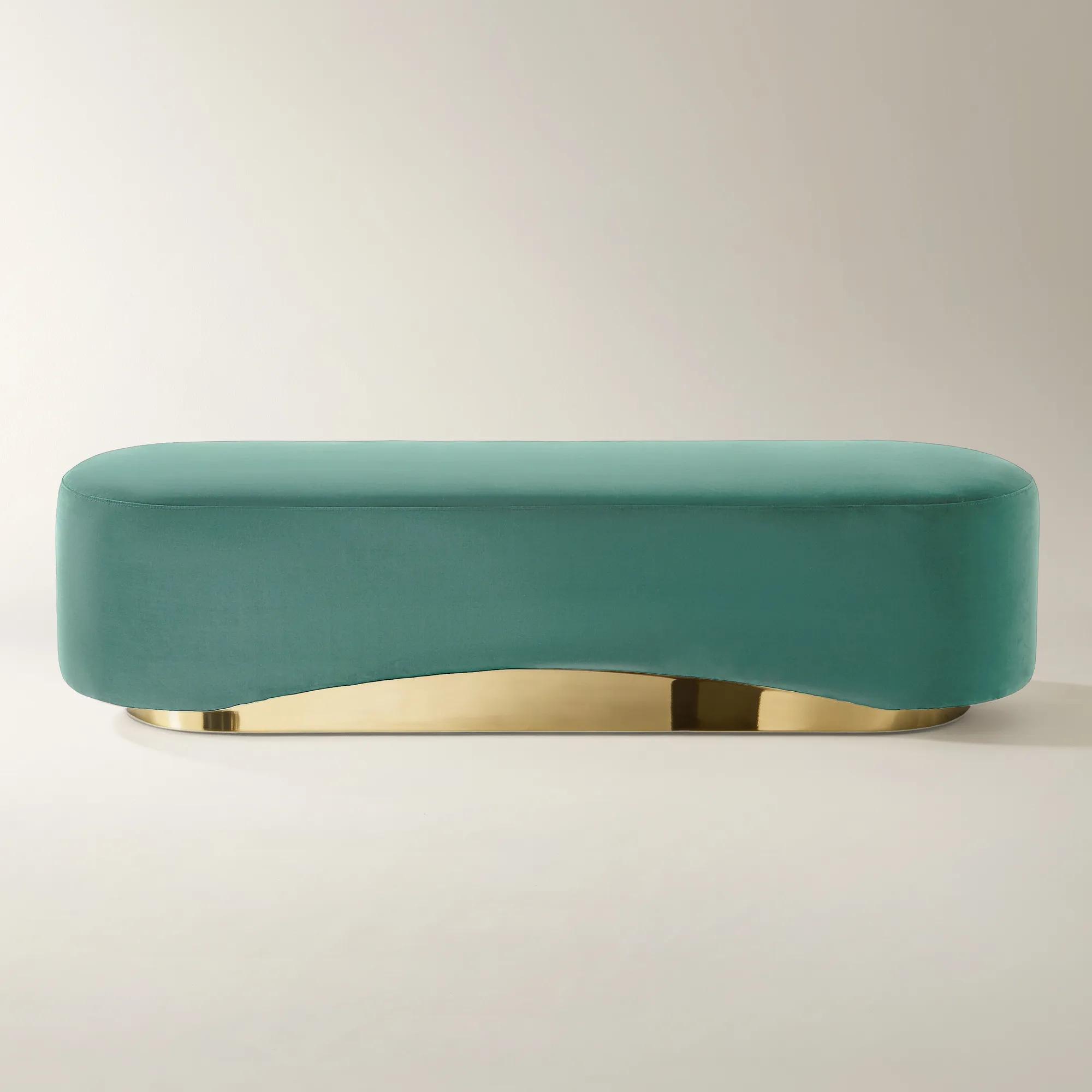 Kendra Ocean Teal Velvet Bench (70.47")$799
An elongated oval bench in ocean teal velvet with a plush seat and polished gold stainless steel base.
Add To Cart -
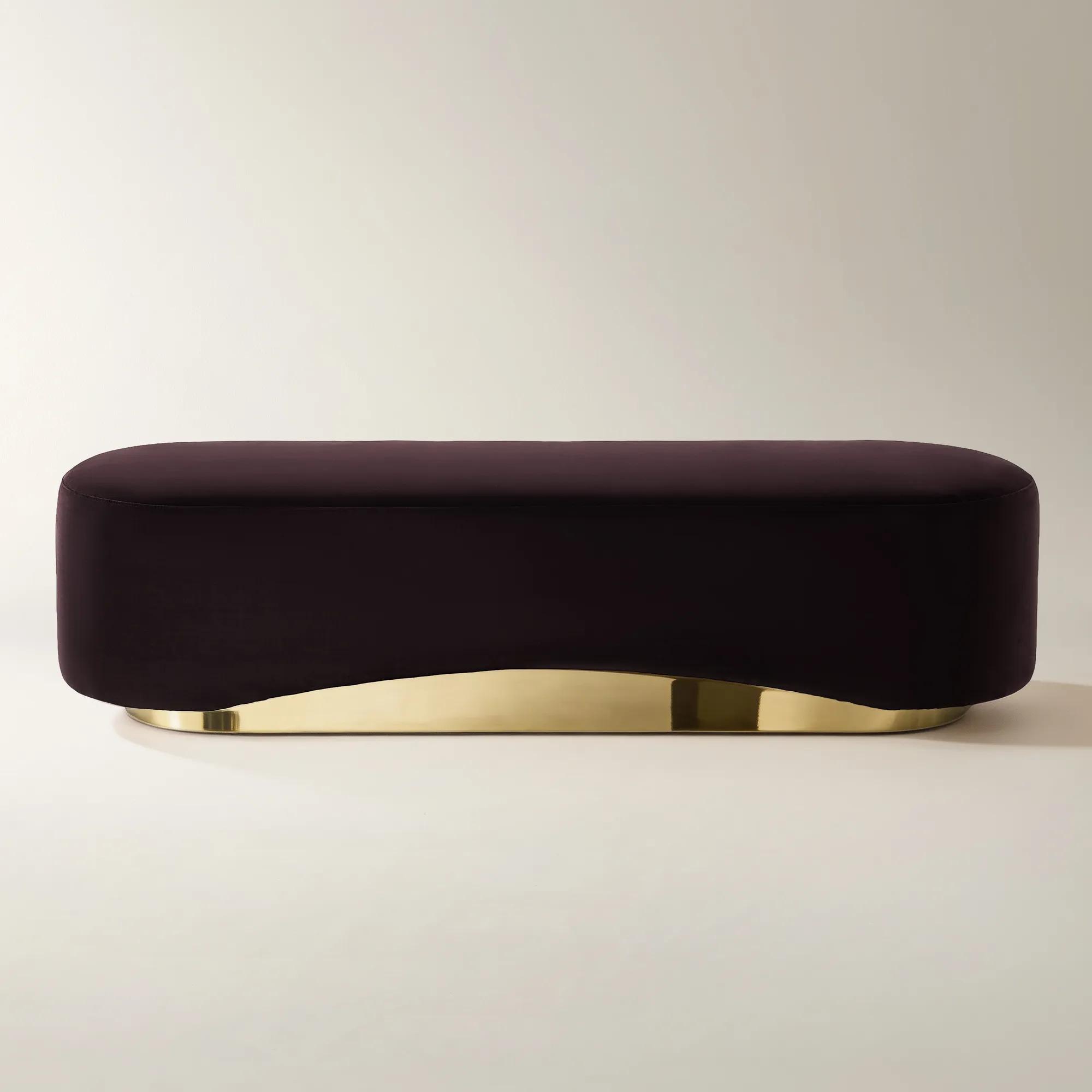 Kendra Fig Velvet Bench (70.47")$799
A plush fig velvet bench with an elongated oval silhouette and a polished gold stainless steel base.
Add To Cart -

 Stria Reeded White Oak Open Bookcase (80")$2699
A modern open bookcase featuring vertical reeded white oak, soft gold metal trim, and five spacious shelves.
Add To Cart -
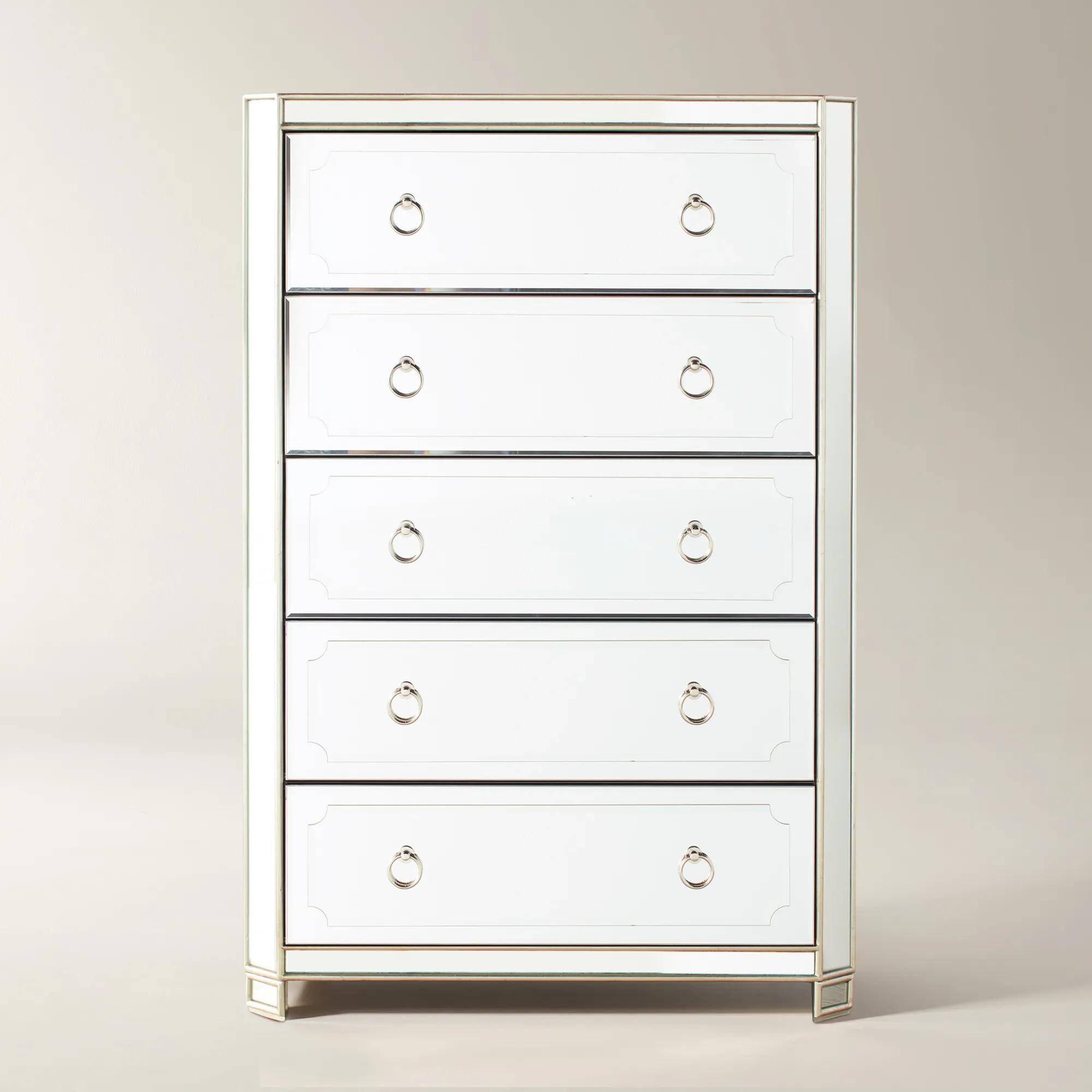 Simplicity Mirrored Silver 5-Drawer Tall Dresser (36")$1999
A glamorous tall chest featuring beveled mirrored panels, hand-applied silver-leaf trim, and polished nickel hardware.
Add To Cart -
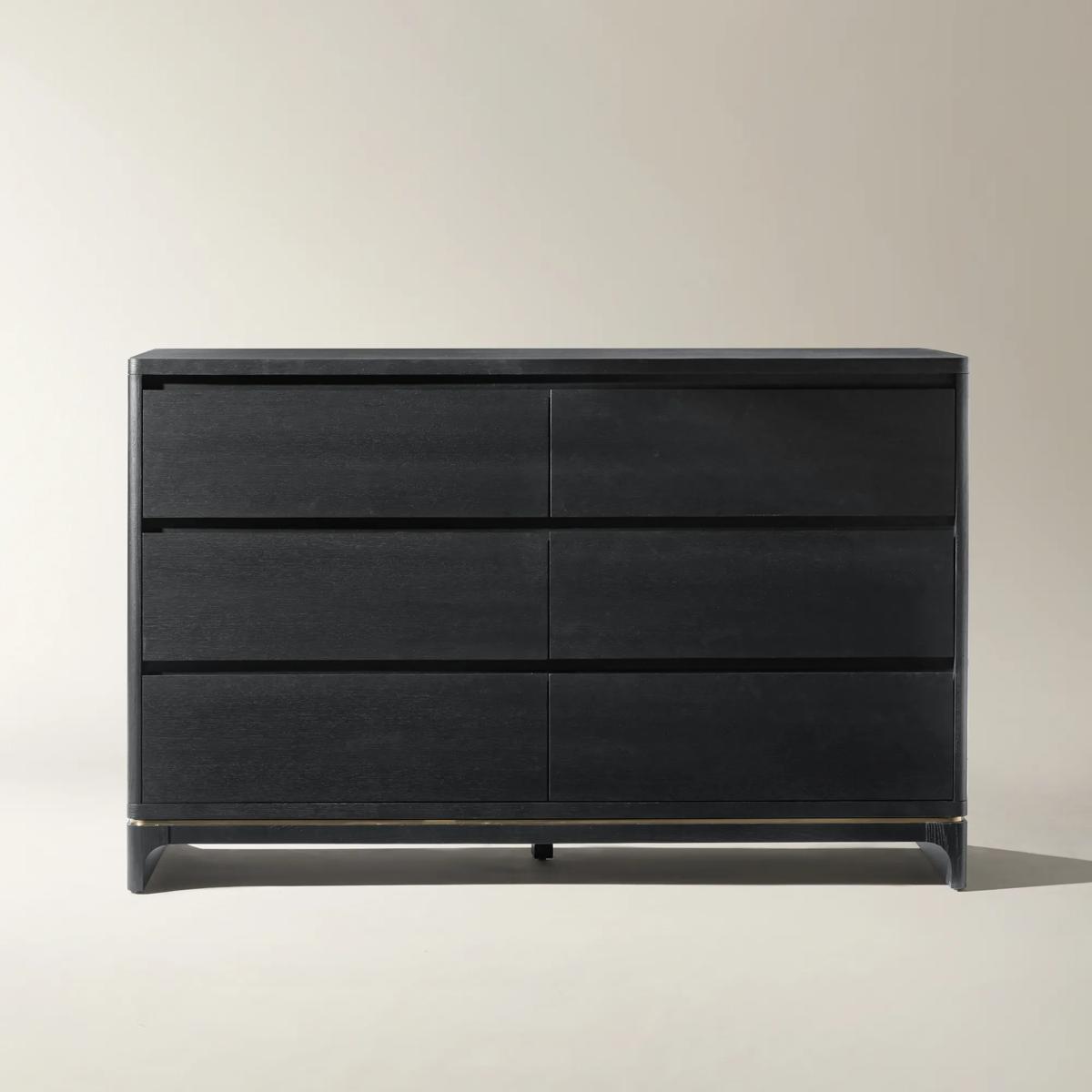 Vanta Black Oak 6-Drawer Dresser (66")$1999
A matte black oak dresser with gold stainless steel trim, soft-close drawers, and concealed sharknose pulls.
Add To Cart -

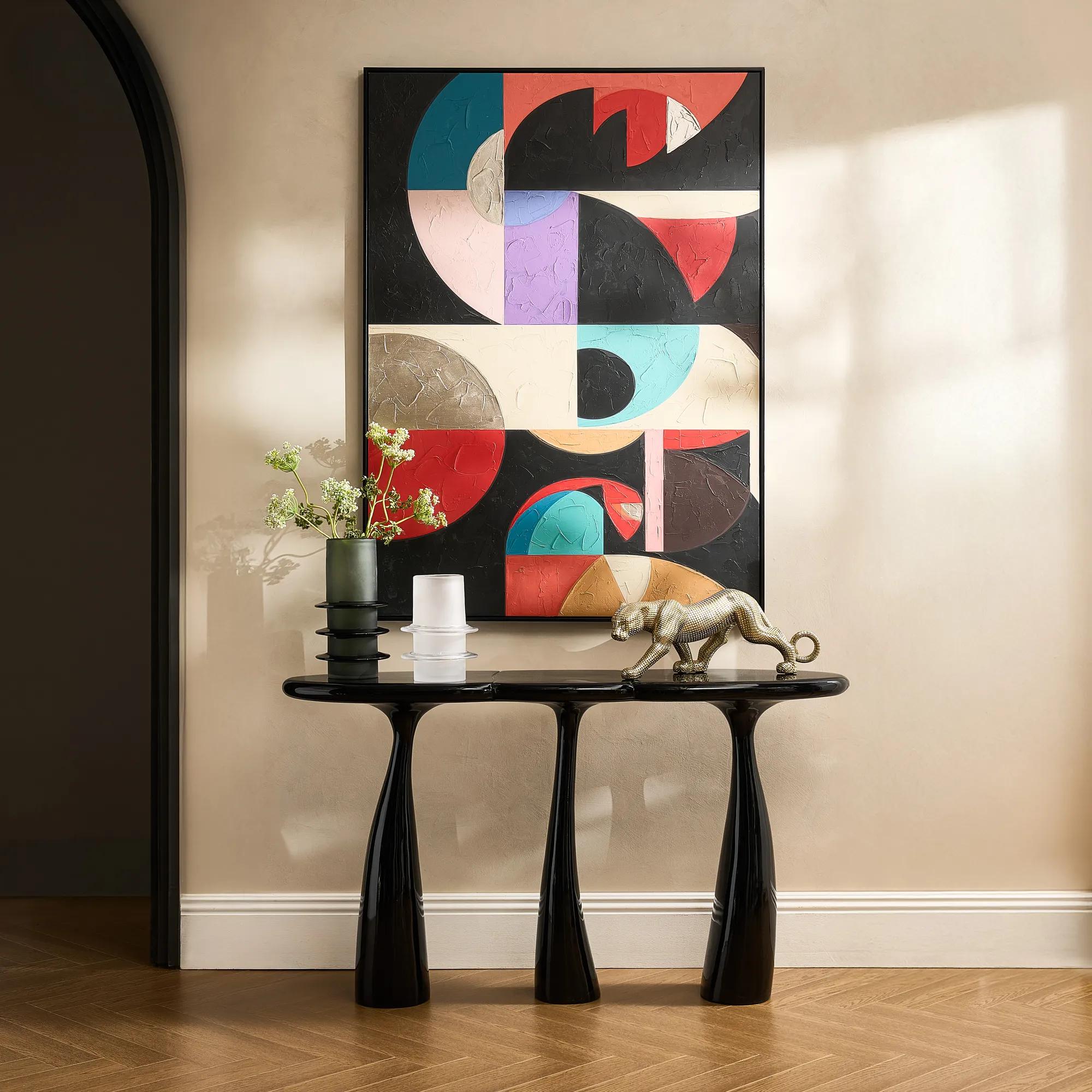 Thalia Glossy Black Console Table (52.4")$999
A sculptural console table crafted from glossy black fiberglass with seamless curves and a mirror-like finish.
Add To Cart -
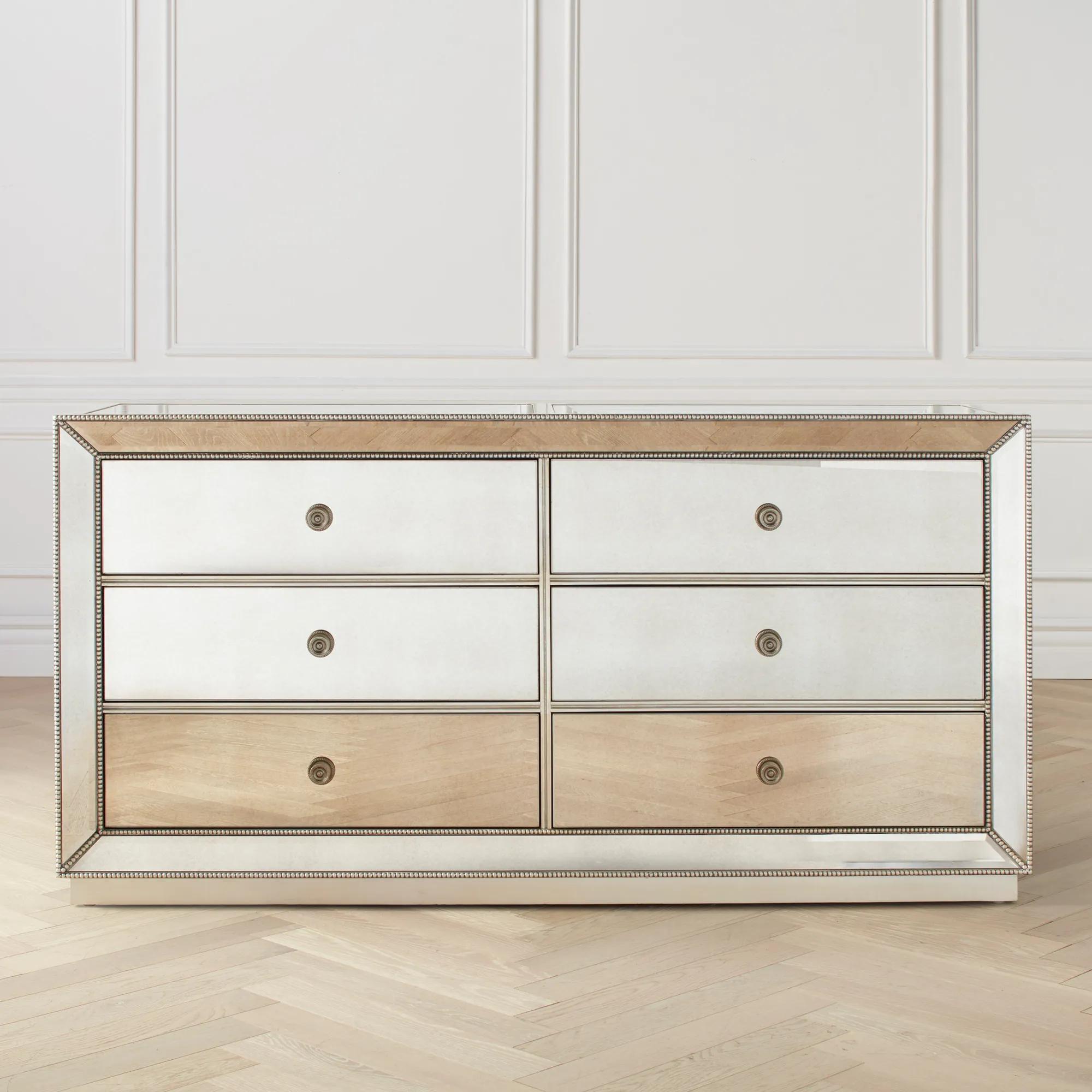 Omni Mirrored Silver 6-Drawer Dresser (72")$2599
A hand-applied silver-leaf chest with antiqued mirrored panels and beaded trim for dramatic bedroom shine.
Add To Cart -
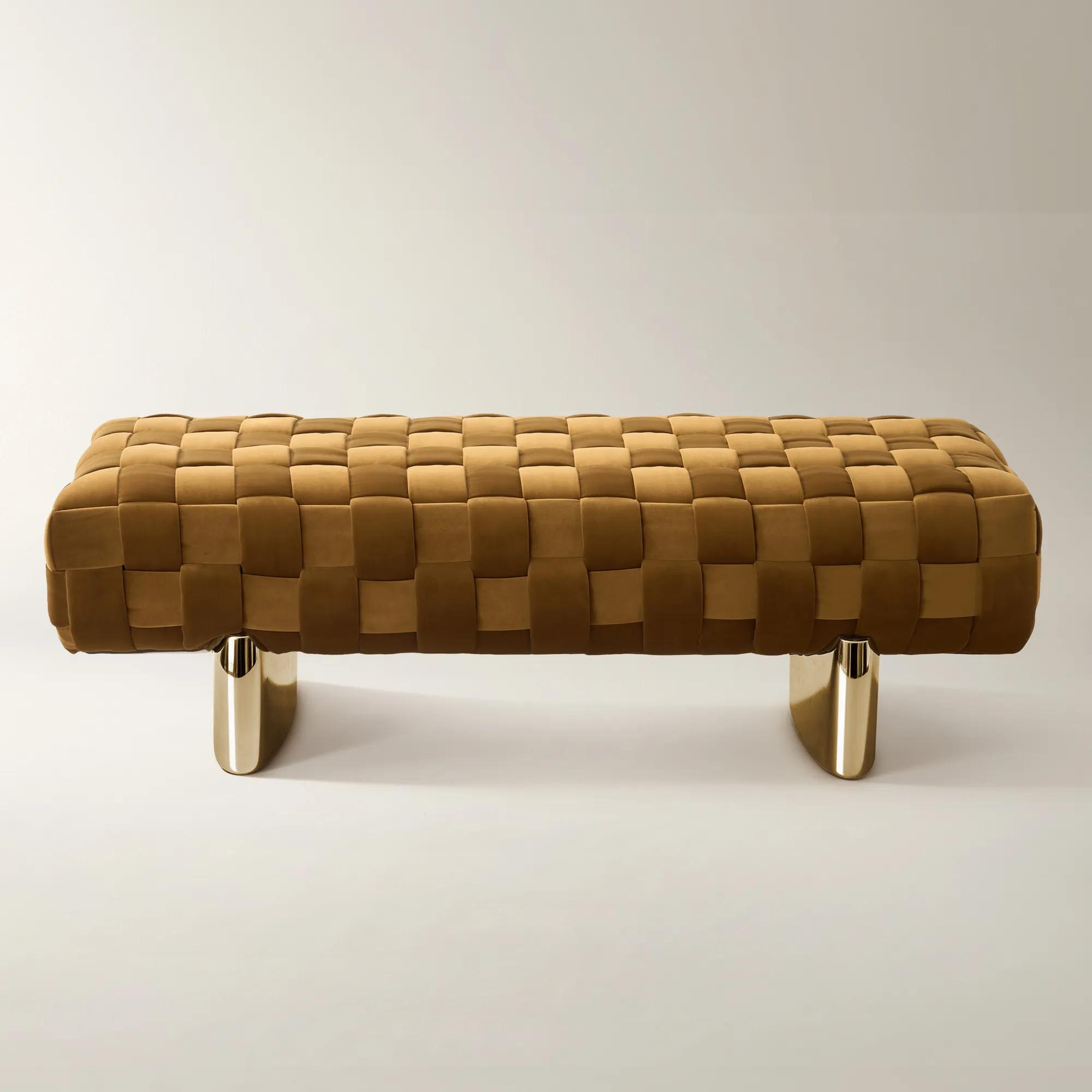
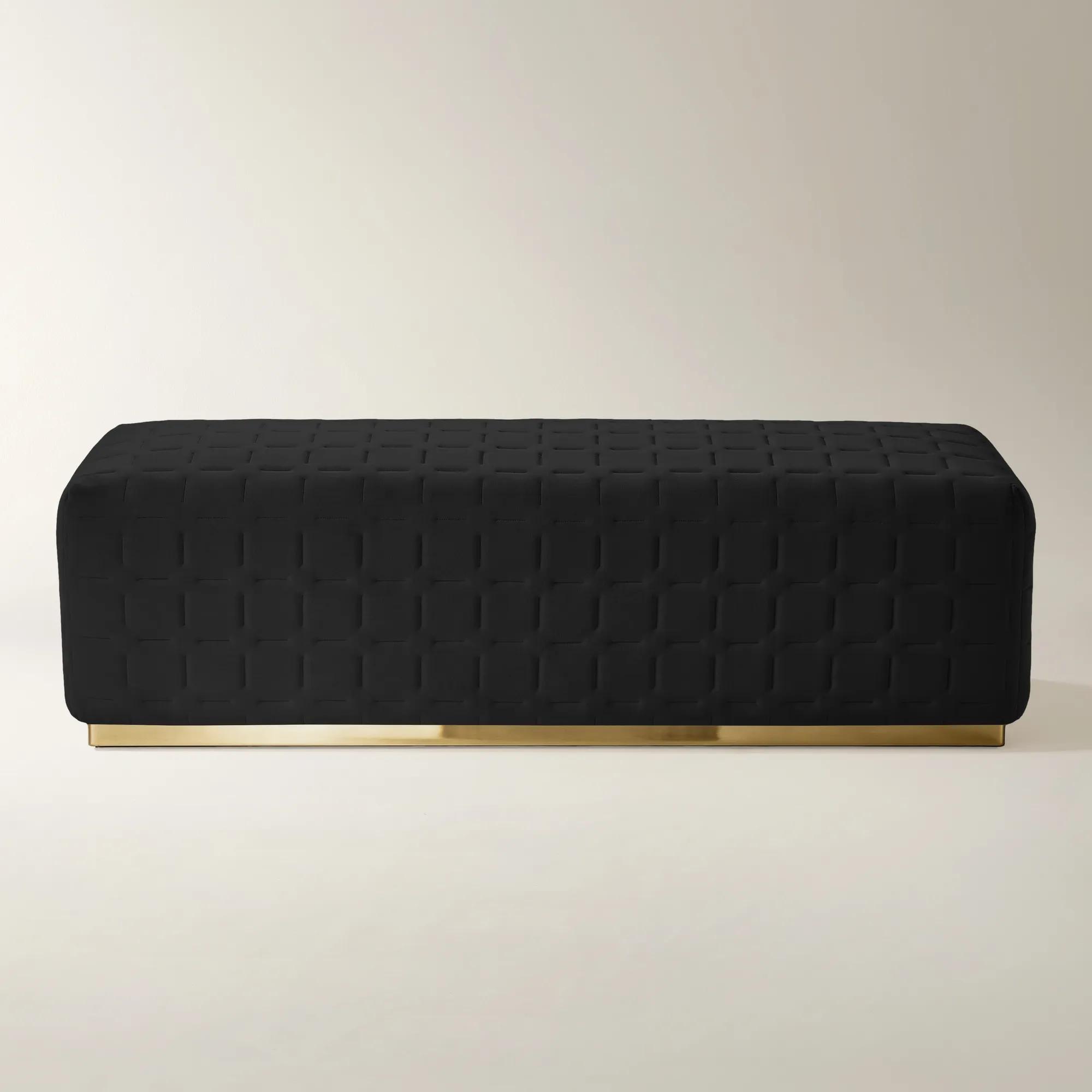
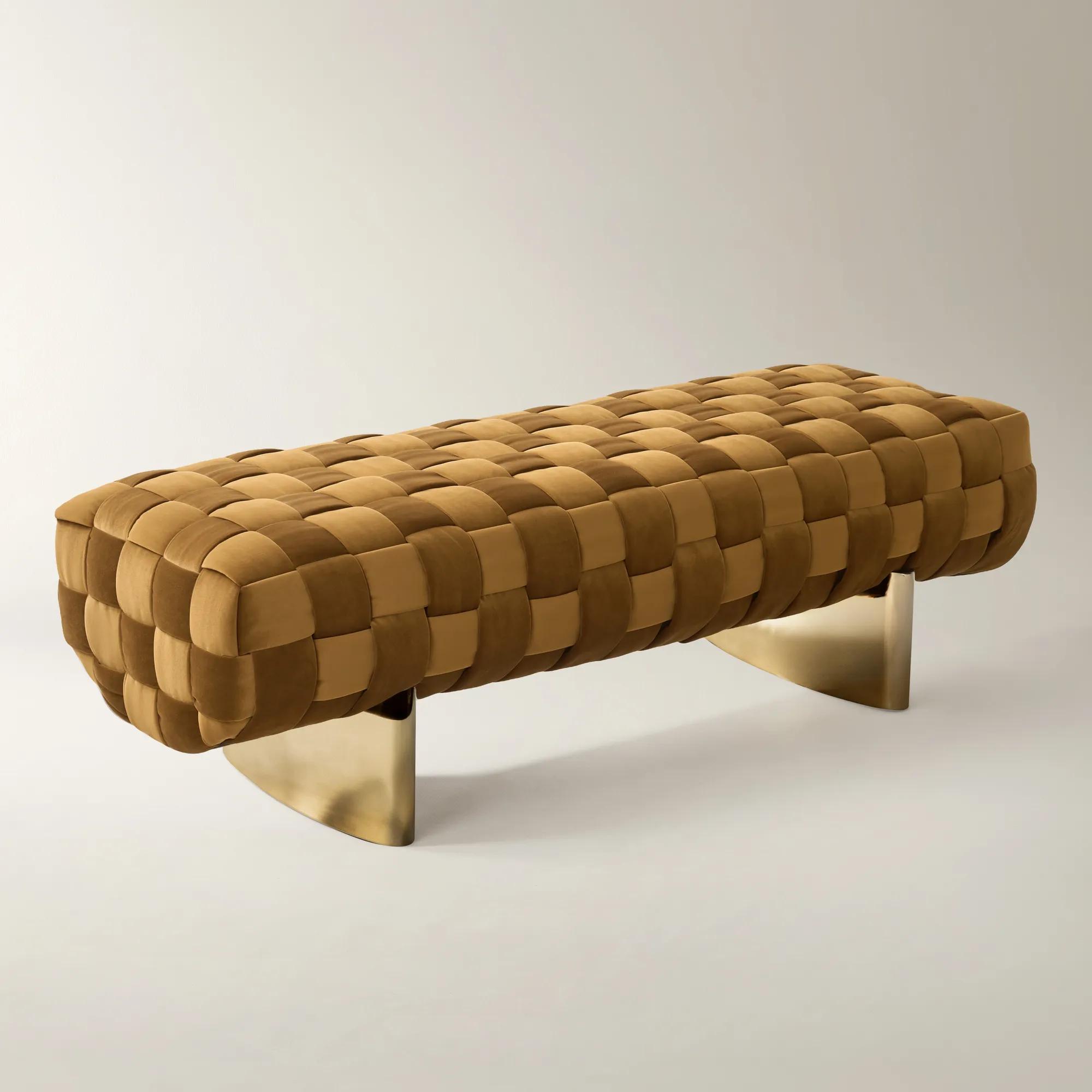 Dexter Woven Roasted Pecan Velvet Bench (64.2")$999
A woven roasted pecan velvet bench featuring plush upholstery and polished gold stainless steel legs for modern elegance.
Add To Cart -
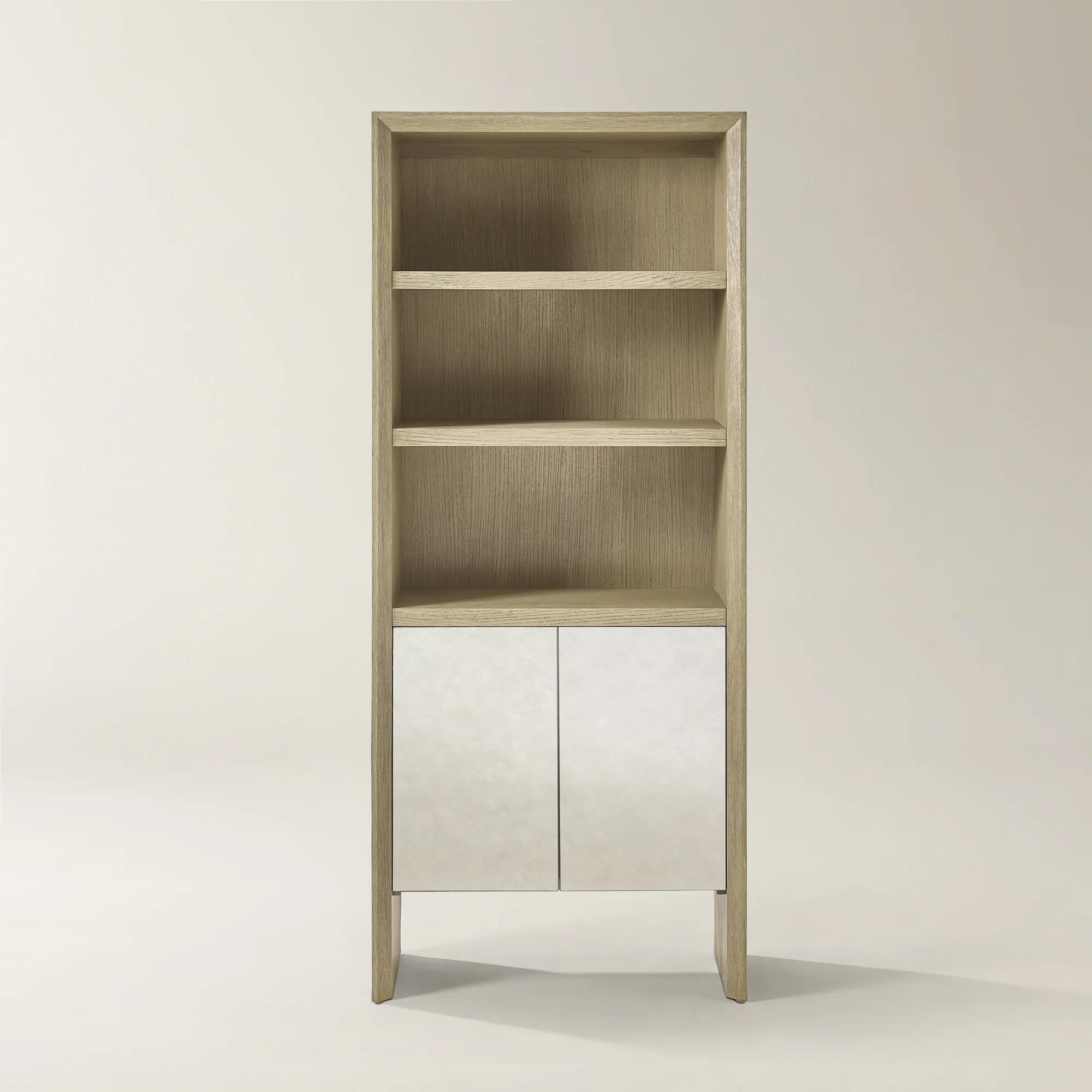
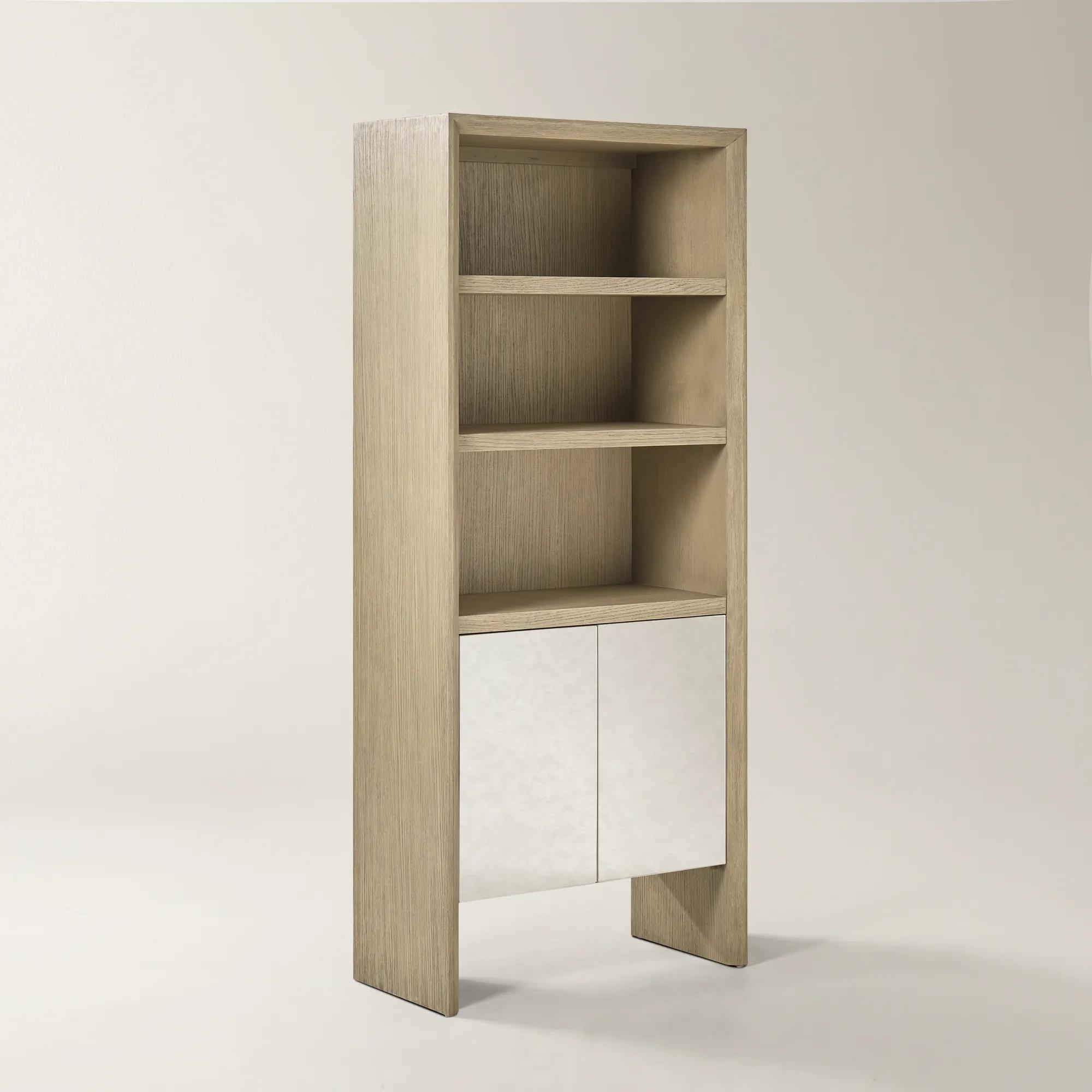 Glimmer Mirrored Sea Drift Oak Bookcase (80")$2599
A two-tone oak bookcase featuring antique mirrored doors, open shelving, and soft-close concealed storage.
Add To Cart -
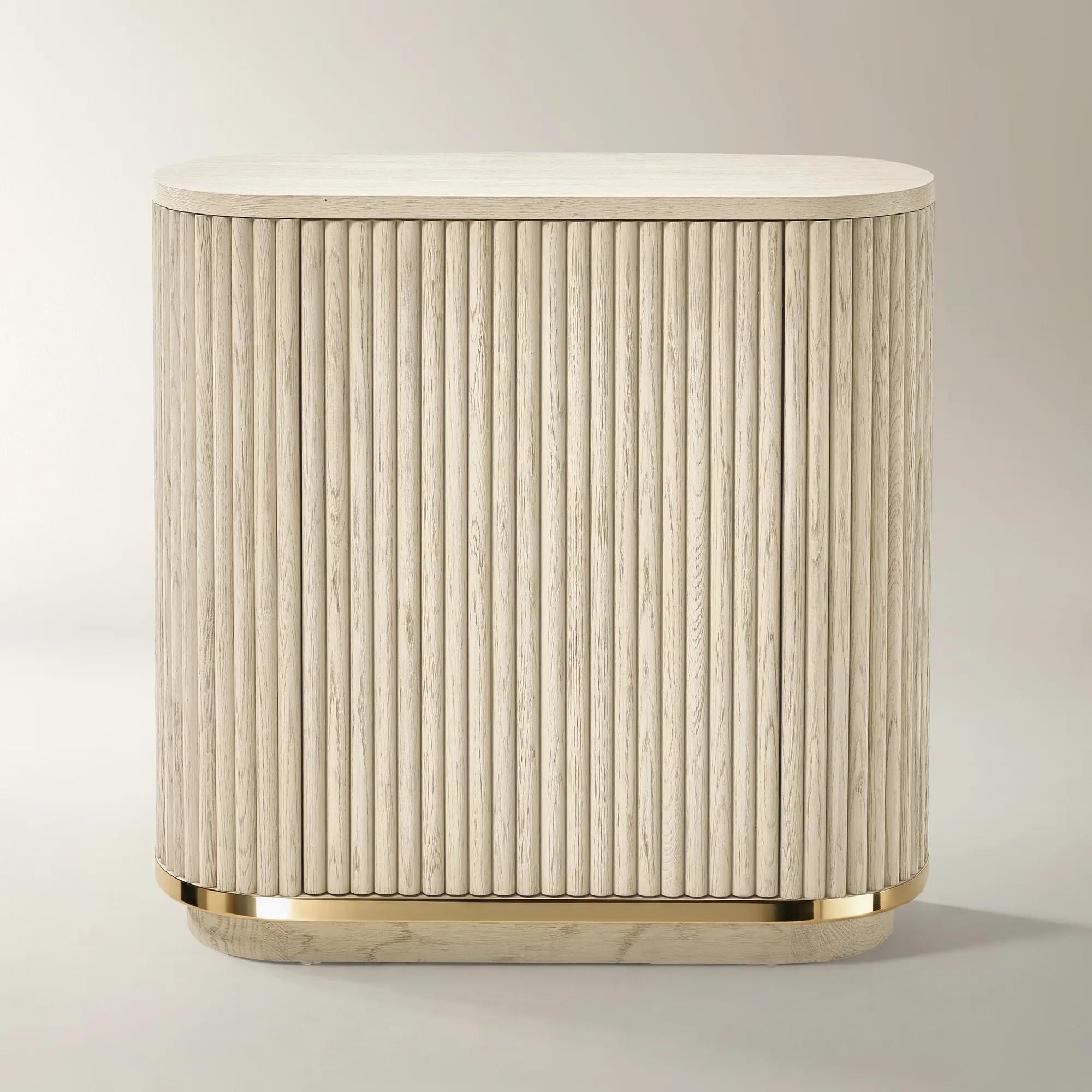 Stria Reeded White Oak Buffet (36")$1399
A modern buffet featuring vertical reeded white oak, soft gold metal trim, and push-to-open doors.
Add To Cart -
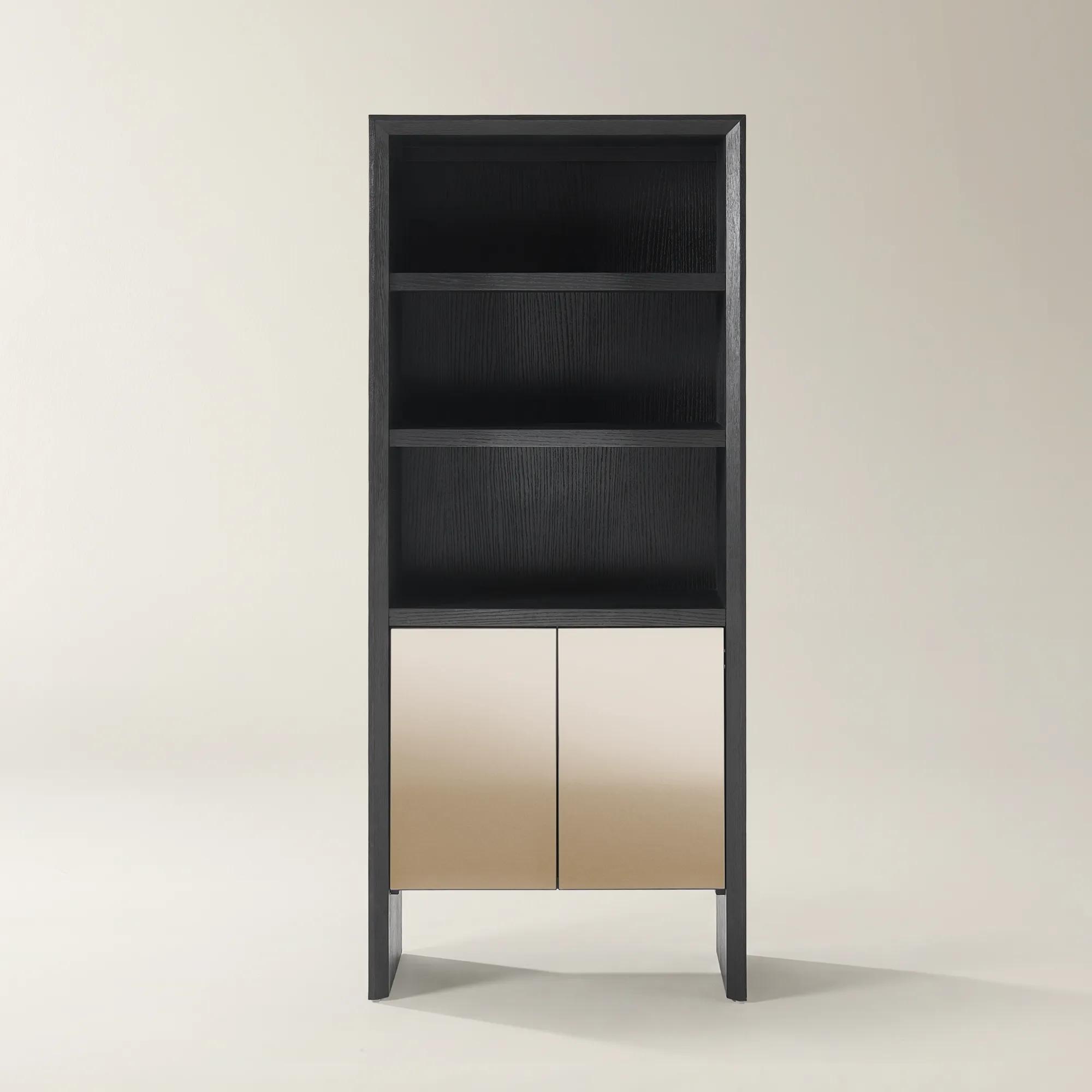
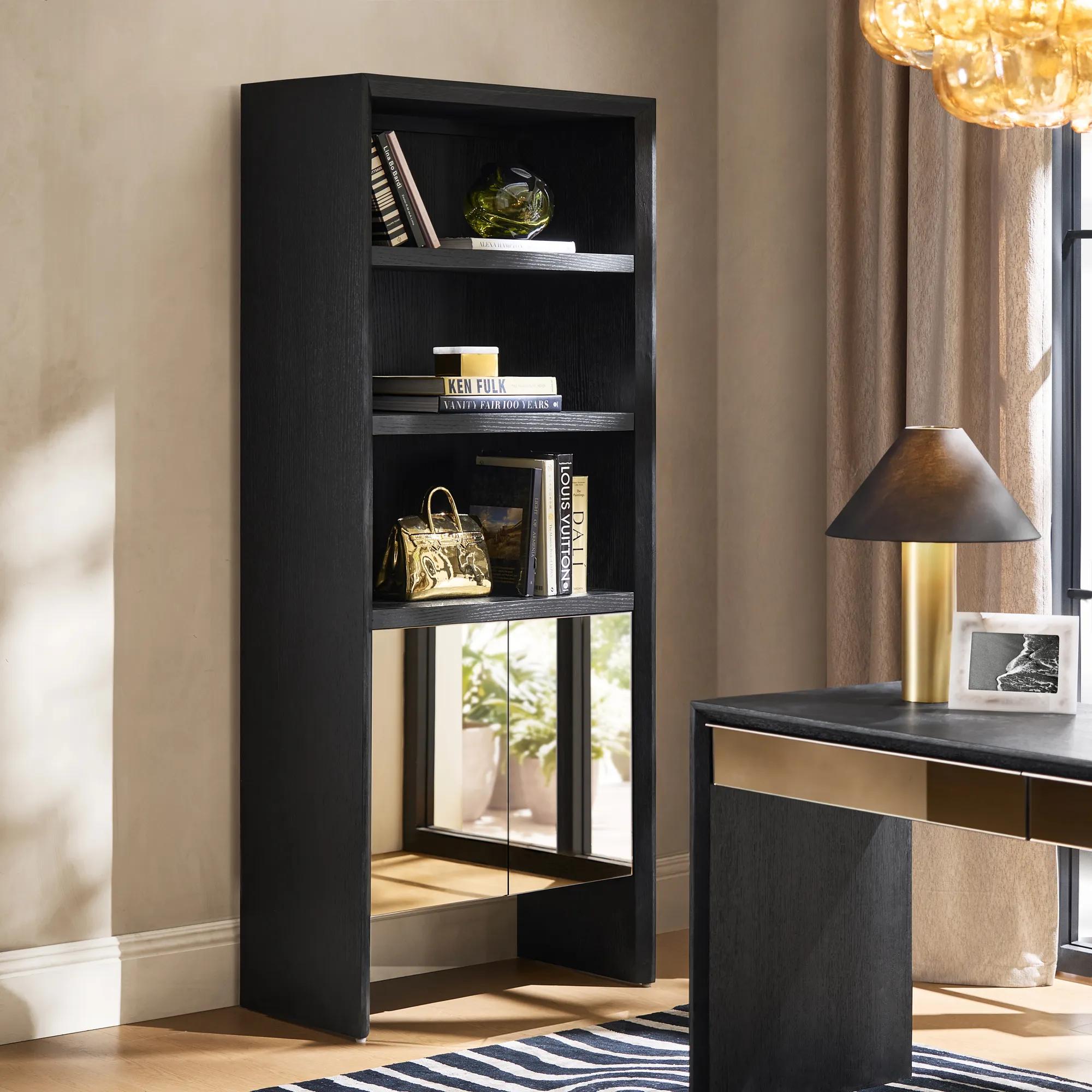 Glimmer Mirrored Black Oak Bookcase (80")$2599
A modern black oak bookcase featuring bronze mirrored doors, open shelving, and soft-close concealed storage.
Add To Cart -

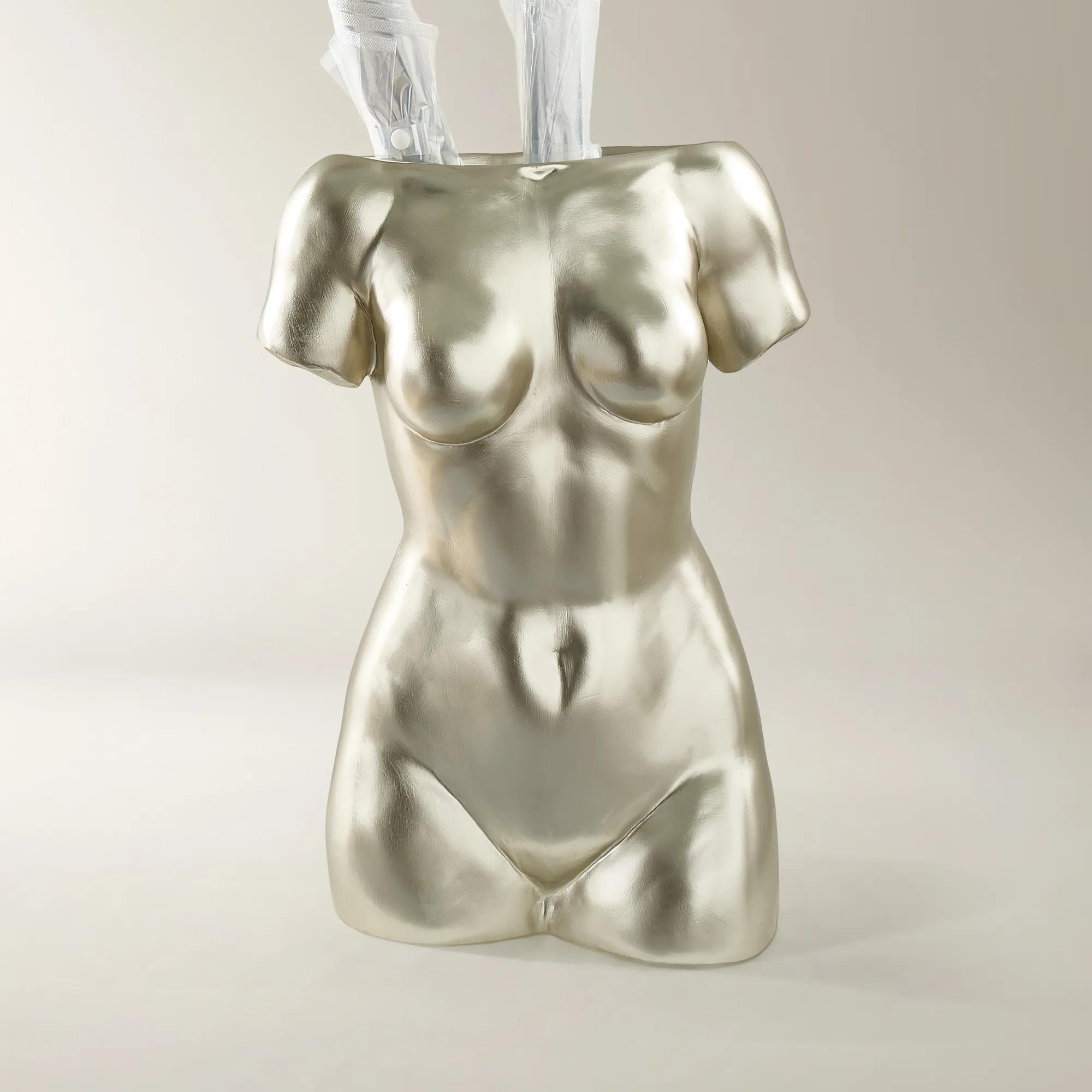 Lutece Champagne Umbrella Stand 17.75"$129
A decorative umbrella stand designed to organize umbrellas stylishly in entryways.
Add To Cart -
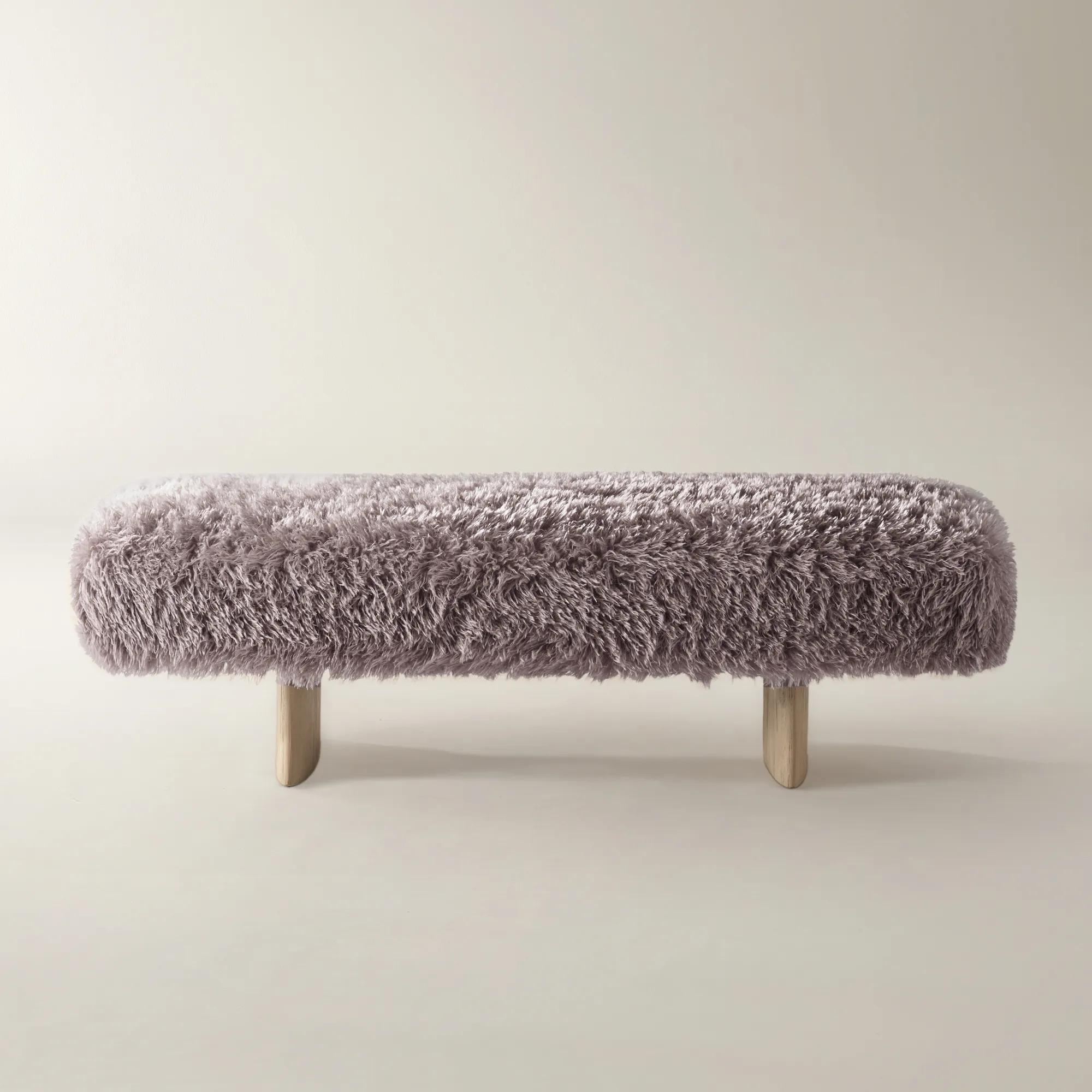
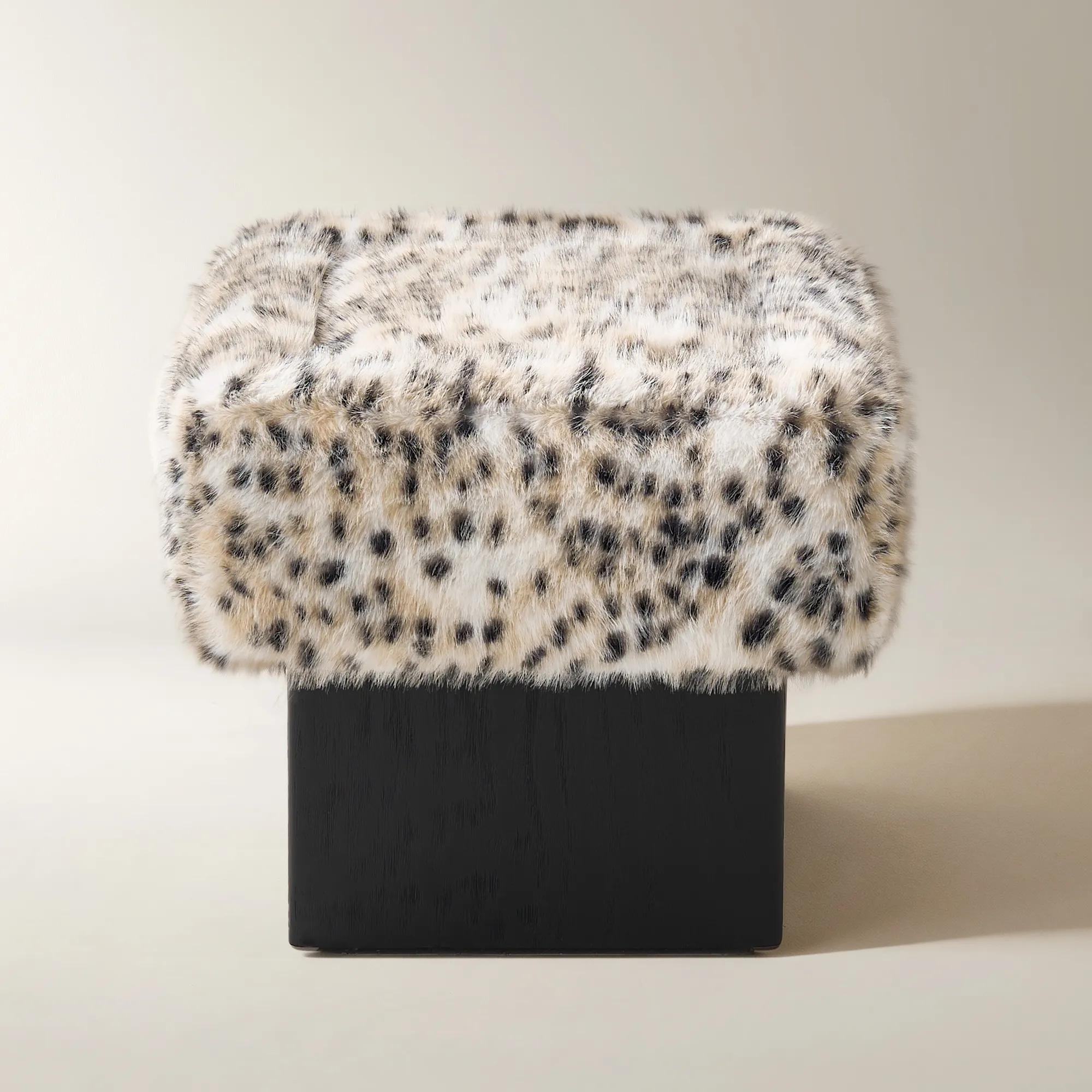
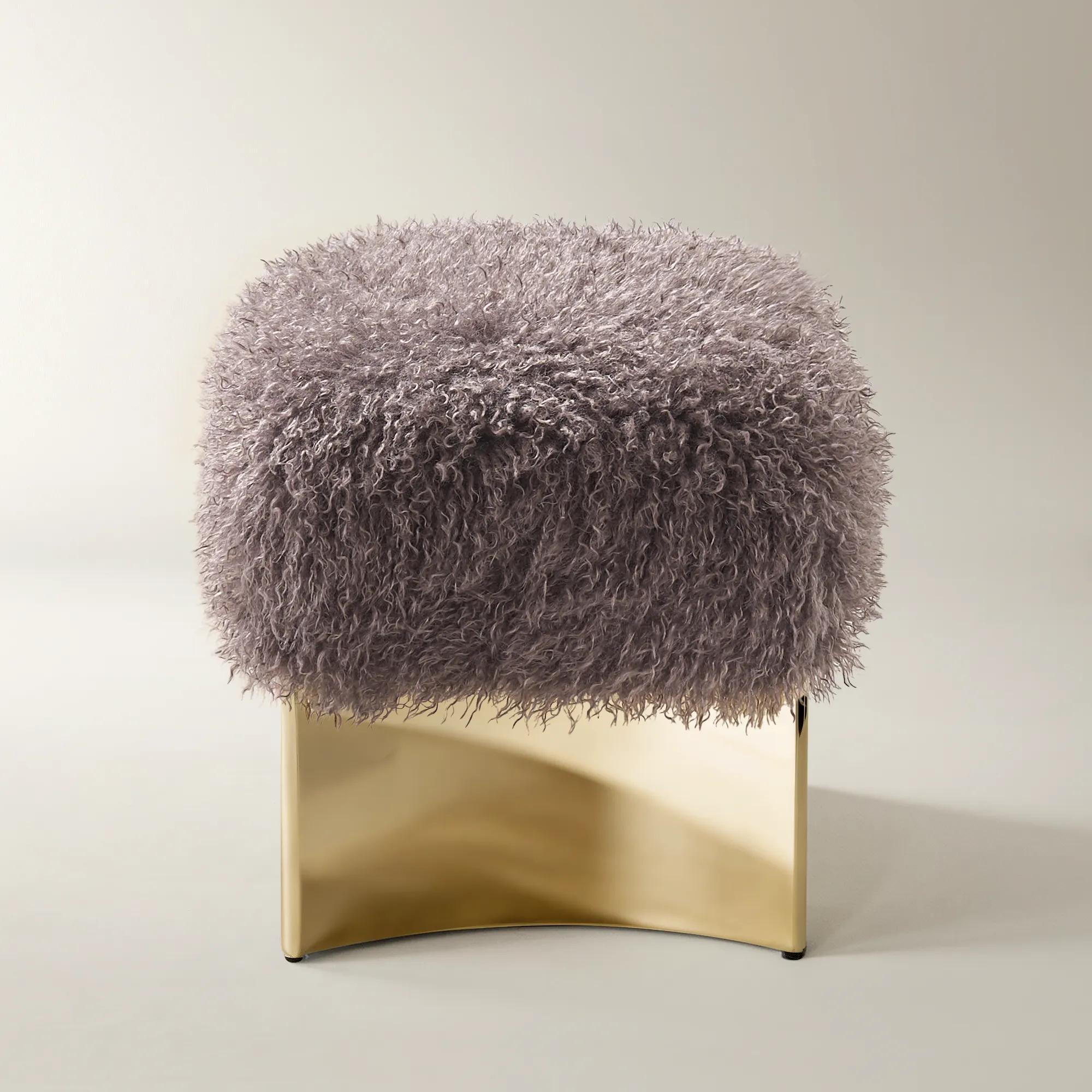
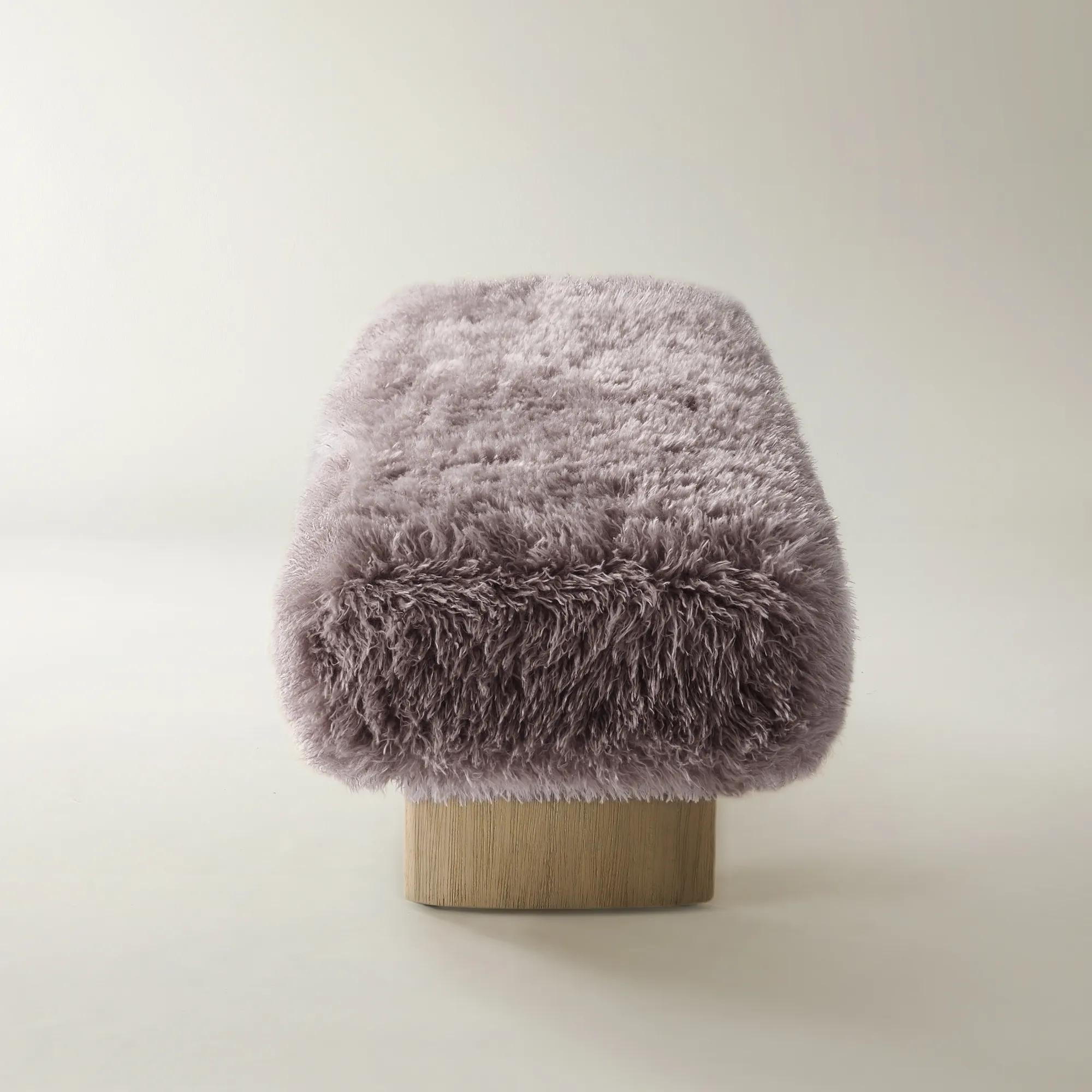 Micah Plum Truffle Mongolian Faux Fur Bench With Rubberwood Legs(62.6")$699
A sculptural bench featuring smoked plum Mongolian faux fur upholstery and warm solid rubberwood legs.
Add To Cart -
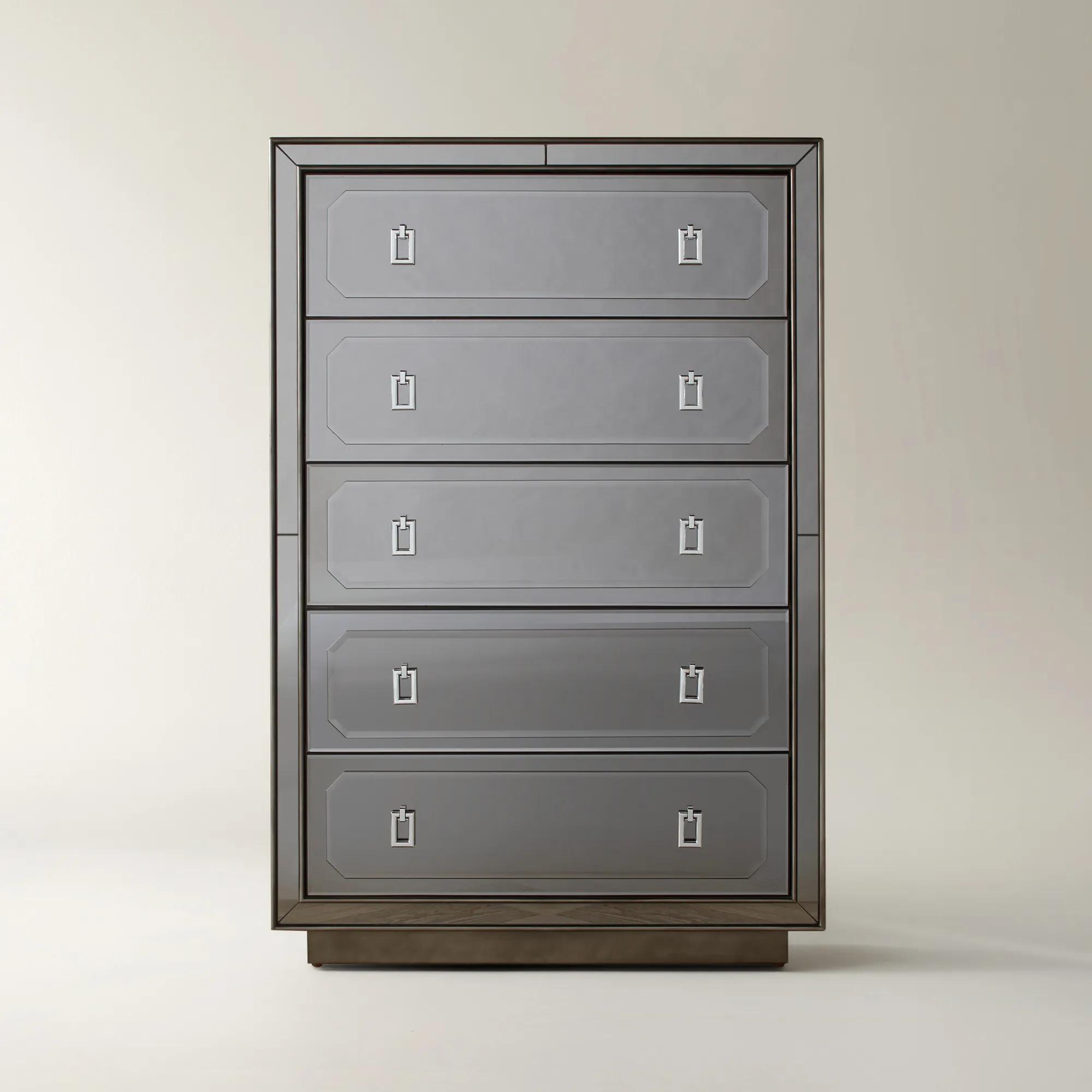 Maddox Mirrored Grey 5-Drawer Tall Dresser (36")$2099
A modern chest featuring beveled mirror panels, graphite finish, and polished nickel hardware for sleek sophistication.
Add To Cart -
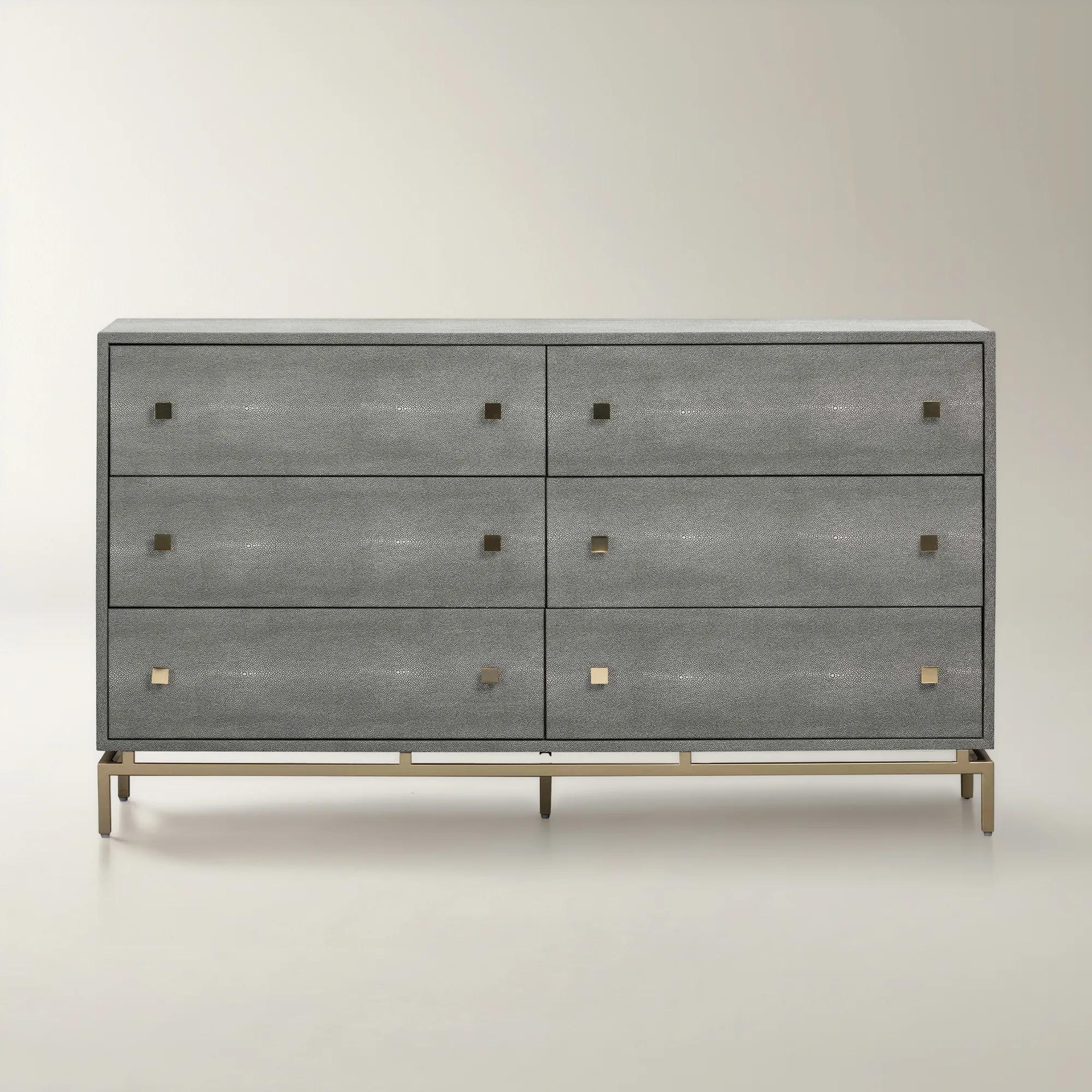
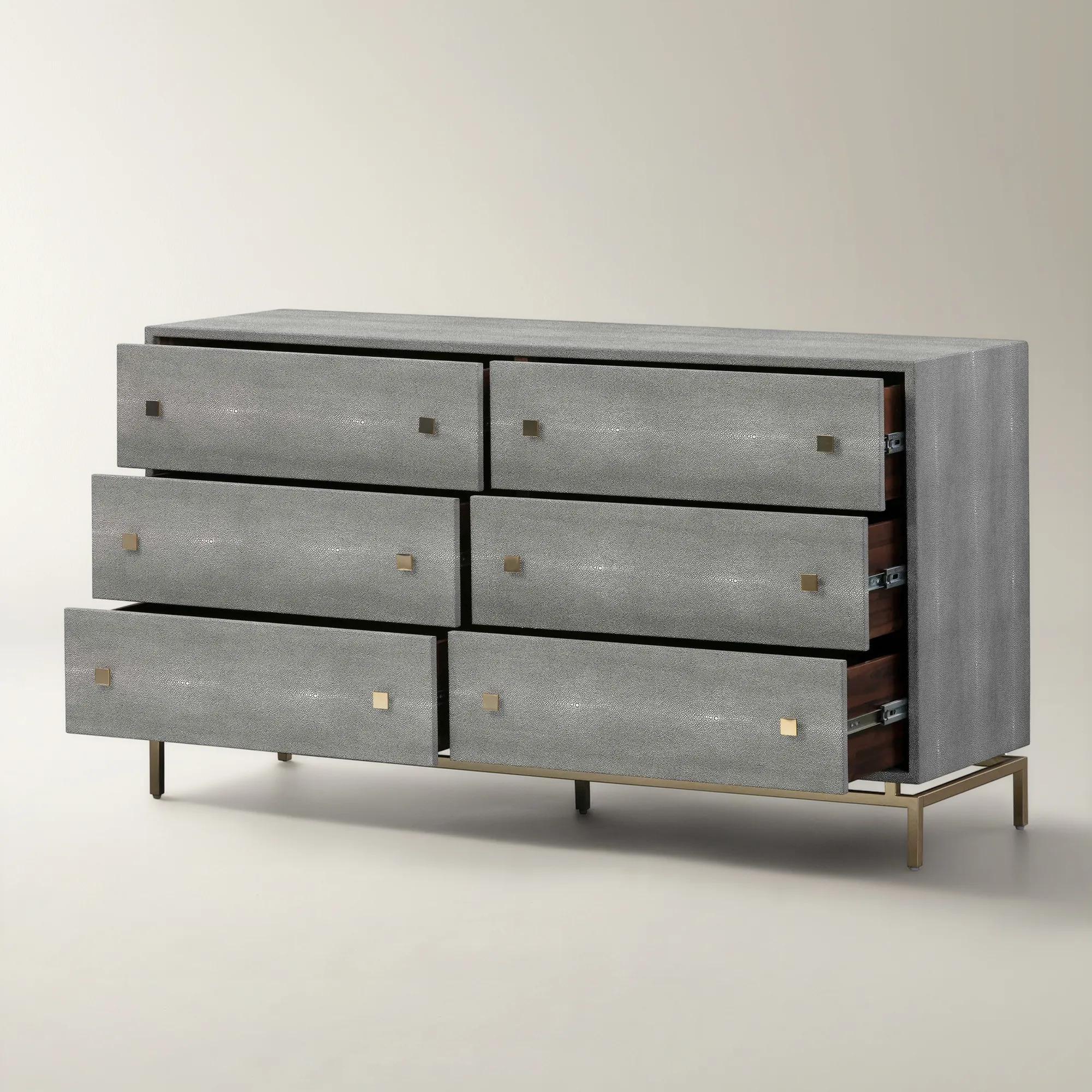 Misha Grey Shagreen 6-Drawer Dresser (57")$2249
A modern dresser featuring faux shagreen texture, brass-finished base, and six drawers with cherry wood interiors.
Add To Cart -
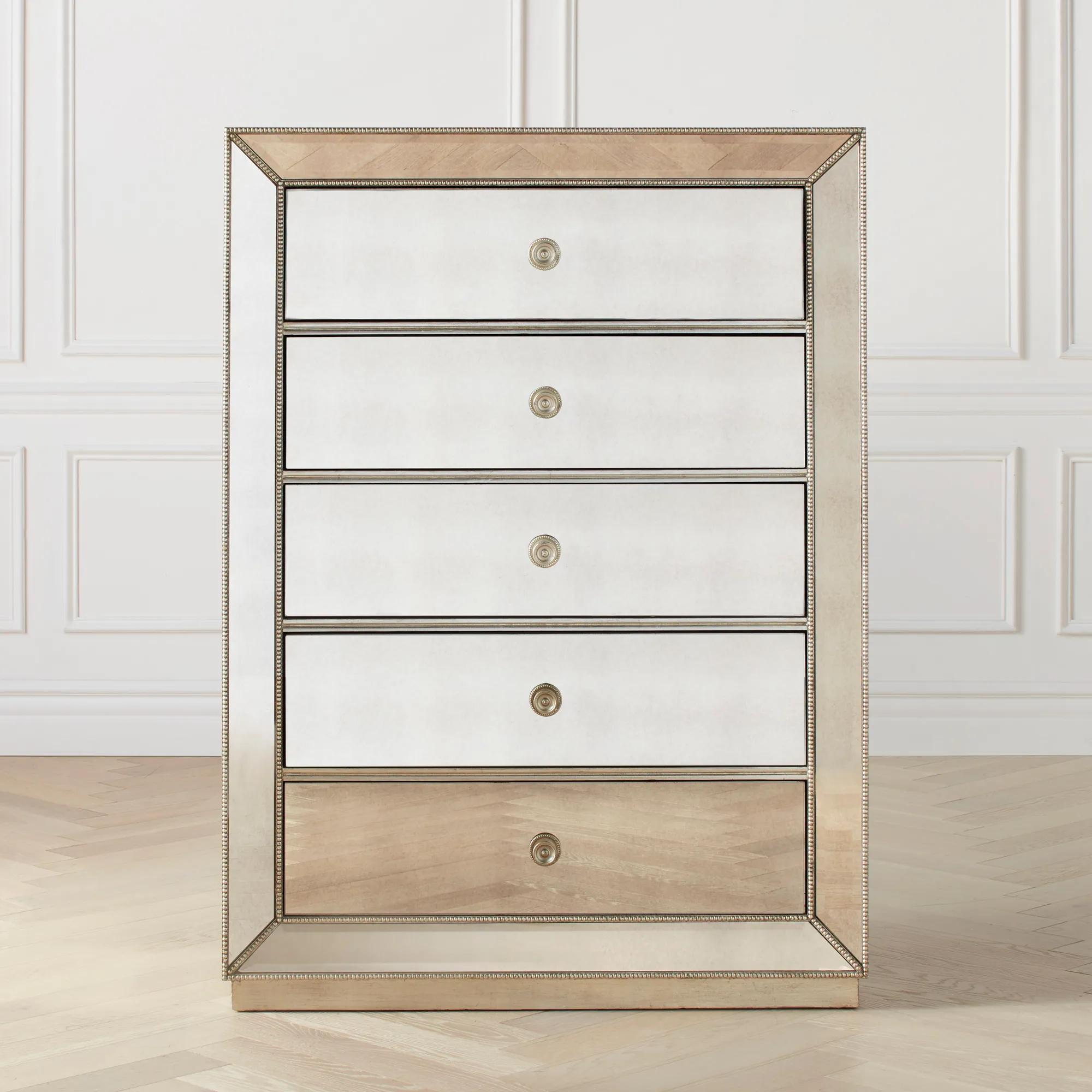
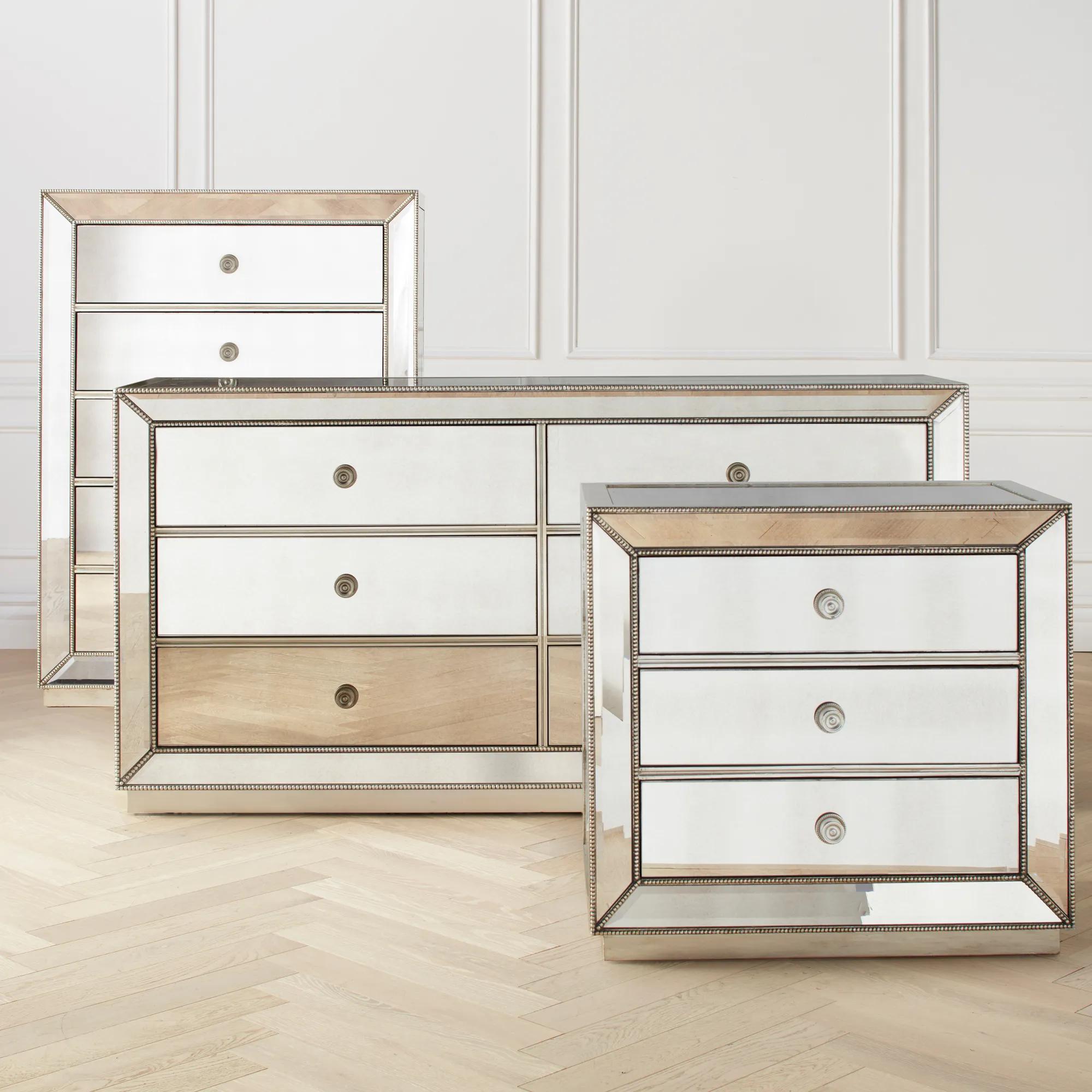 Omni Mirrored Silver 5-Drawer Tall Dresser (40")$2199
A dramatic chest featuring antiqued mirrored panels, hand-applied silver-leaf finish, and kiln-dried hardwood construction.
Add To Cart -
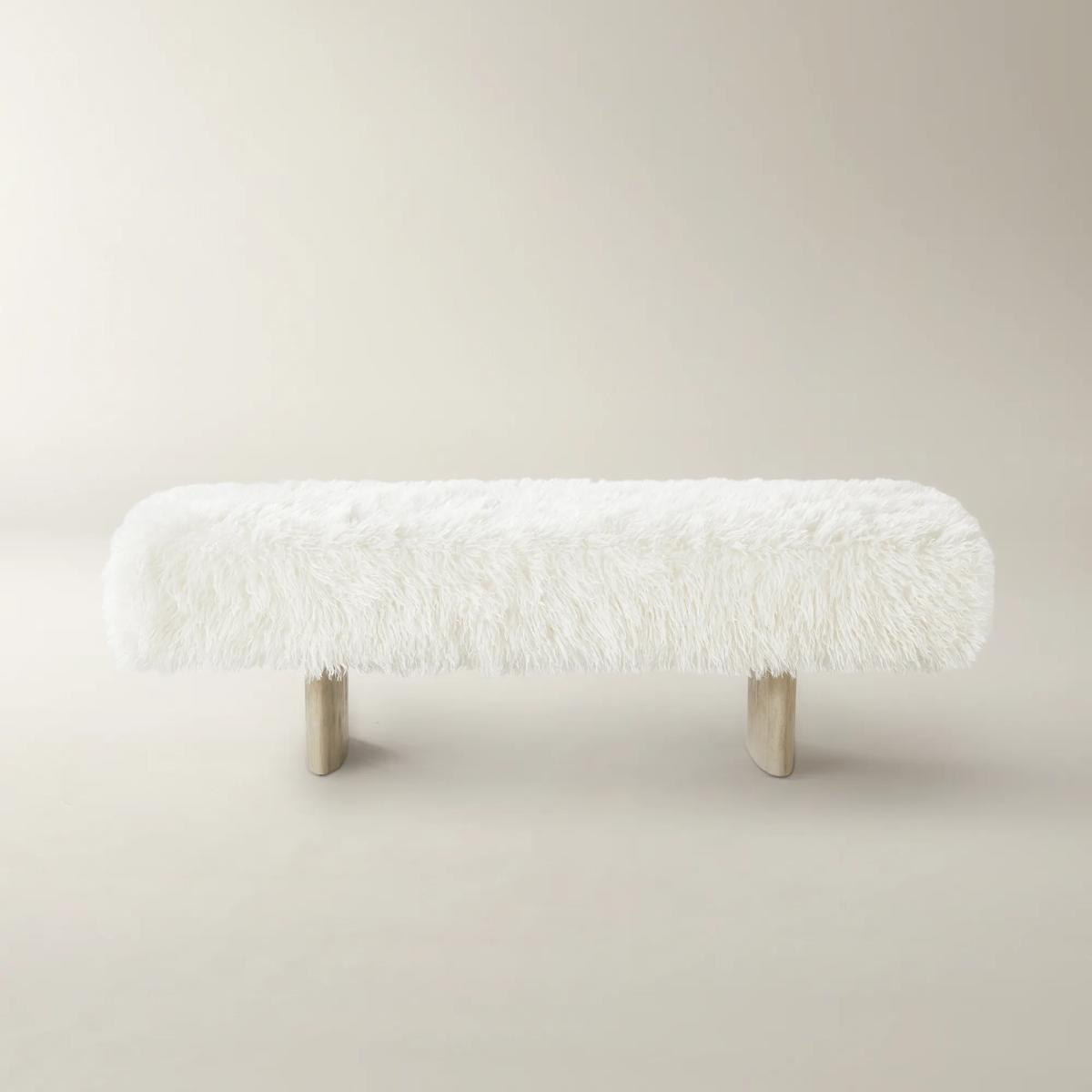 Micah Ivory Mongolian Faux Fur Bench With Rubberwood Legs (62.6")$699
An ivory faux Mongolian fur bench with high-density foam and sculptural solid rubberwood base for modern coziness.
Add To Cart -
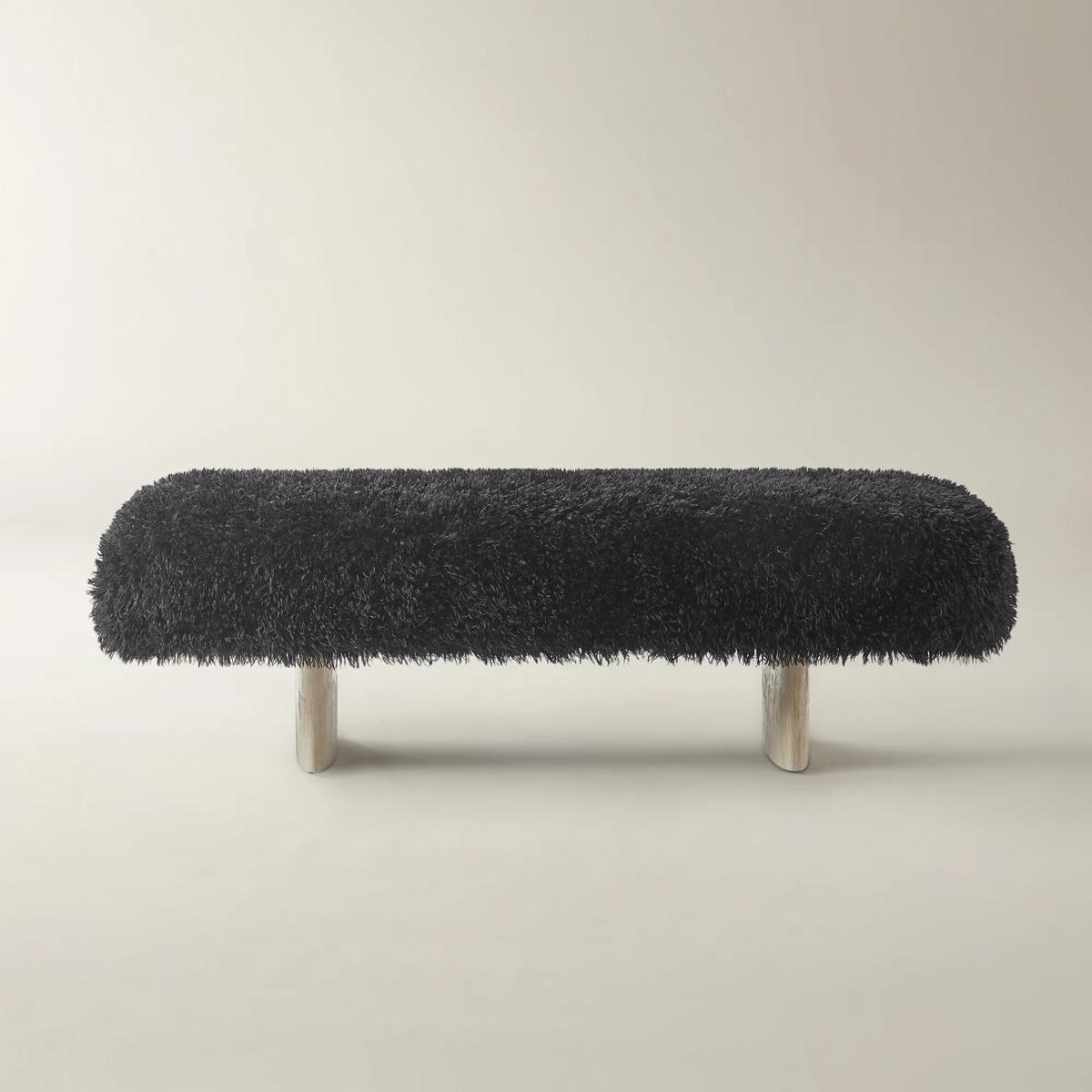 Micah Black Mongolian Fur Bench With Rubberwood Legs (62.6")$699
A striking black faux Mongolian fur bench with solid rubberwood legs for plush comfort and modern edge.
Add To Cart

Furniture For Organized Entryways
Step into a world where first impressions linger and elegance greets you at the door—Furniture for Organized Entryways transforms the ordinary threshold into an extraordinary stage. Here, every piece is curated to orchestrate harmony and grandeur, blending artistry with intention. Discover furnishings that not only command attention but also cultivate serenity, ensuring your entrance is as polished and purposeful as the life unfolding within. Elevate your arrival; let your foyer become a statement of impeccable taste and seamless organization.
Furniture for organized entryways brings storage, seating, and a place for daily essentials into one thoughtfully composed space. Console tables offer a landing surface for keys and mail, cabinets conceal shoes and bags, and storage benches pair a comfortable pause with room to tuck belongings out of sight. Together, these furniture categories give the entrance a clear purpose without surrendering its visual presence. A beautifully arranged entryway introduces the home’s personality before a guest reaches the living room: a sculptural silhouette suggests an artistic spirit, a gleaming finish adds drama, and richly grained wood lends depth to an otherwise spare passage. The most effective arrangement reflects the way the household actually arrives and departs. Someone who carries a work tote and a small set of essentials may need little more than a shallow console with drawers, while a household with several pairs of shoes, backpacks, and accessories benefits from more substantial enclosed storage. Furniture with distinct compartments helps prevent smaller belongings from disappearing beneath larger ones, and a designated surface keeps a handbag from becoming a permanent fixture on the floor. Open shelves can give frequently used belongings an accessible home, while doors and drawers maintain a quieter visual rhythm. Neither approach needs to feel purely practical. A cabinet with dimensional fronts can read as an expressive accent, and an upholstered bench can soften the geometry of a hallway while providing a place to fasten shoes. For apartment dwellers, homeowners, and anyone furnishing a shared entrance, the appeal lies in that balance of beauty and everyday ease. A compact foyer can feel deliberate rather than crowded when each piece serves a distinct role. In a larger entrance, a more generous storage silhouette can establish scale and give the architecture a compelling focal point. The result is an entrance where daily belongings have somewhere to go and the furniture still commands attention.
Proportion is especially important in entryway storage furniture because the entrance is both a furnished space and a route through the home. A slim console can preserve circulation in a narrow hall, but its usefulness also depends on drawer depth, leg placement, and the space needed to open nearby doors. A cabinet that looks beautifully balanced against a wall still needs clearance for its own doors, along with room for someone to stand in front of it. Overall dimensions tell only part of that story; interior shelf heights and compartment widths determine whether everyday shoes, taller footwear, or a structured bag will fit comfortably. Adjustable shelving, where included, offers flexibility as storage needs change. Benches deserve the same attention to scale. Seat height and depth affect comfort, while the footprint determines whether sitting down leaves enough room for someone else to pass. A bench intended for seating should be evaluated according to its stated use and weight capacity rather than appearance alone. In an entrance shared by several people, separate drawers or cubbies can make individual belongings easier to locate without turning the room into a visibly divided storage zone. For a home without a dedicated foyer, a compact cabinet near the entrance can define an arrival area within a larger living space. Furniture designed for hanging storage may suit coats and bags, provided its dimensions and stated capacity match the intended use. Enclosed storage brings particular value when the front door opens directly into a room used for entertaining, allowing practical belongings to recede behind a polished facade. Open storage feels more intentional when its contents have breathing room rather than filling every available inch. These details distinguish furniture that merely occupies the entrance from furniture that supports its daily rhythm. A place to set down a bag, a seat positioned within easy reach of footwear, and storage that opens without obstructing the passage can make the entire arrangement feel composed.
Materials and finishes give organized entryway furniture its character, while construction and appropriate care support its performance over time. Wood introduces warmth and natural variation; solid wood and wood veneers have different construction characteristics, and neither should be judged by appearance alone. Metal frames can create a slender, architectural outline, while glass and mirrored surfaces bring reflected light and a more luminous presence to the entrance. Those reflective finishes also make fingerprints and smudges more noticeable, an important consideration for a surface touched throughout the day. Upholstered seating adds texture and softness, whether the effect is smooth and tailored or plush and richly tactile. Fabric composition, cleaning instructions, and any stated performance properties matter more than an impression of durability based on texture. A household with children or pets may place particular value on an upholstery option with documented cleaning guidance and a finish suited to frequent handling. Hardware, drawer movement, shelf support, and stable construction all contribute to how furniture feels in regular use. Tall storage pieces should be secured according to manufacturer instructions, and care directions should govern the use of cleaners, water, and polishing products. Soft cloths, prompt attention to spills, and protective trays beneath frequently handled objects can help preserve surfaces without obscuring their beauty. The visual composition benefits from similar restraint: a richly textured bench can balance a sleek cabinet, while a narrow-legged console can lighten the presence of more substantial nearby furniture. Repeating a metal tone or echoing a curve creates continuity without requiring every piece to match. For further inspiration, Modern Entryway Furniture Ideas offers another perspective on shaping an expressive entrance. Ultimately, furniture for organized entryways earns its place through both presence and purpose. It gives everyday necessities a considered setting, supports the routines of the people who live there, and allows the entrance to feel as distinctive as the rooms beyond it.
FAQs
To achieve a beautifully organized entryway, look for multifunctional pieces such as hall trees with integrated hooks and benches, console tables with drawers, storage benches for shoes and bags, and tall cabinets or shelves that maximize vertical space. These selections blend artistry with practicality, ensuring every item has a dedicated place while adding a touch of drama and luxury to your home’s entrance.
Expressive design flourishes—like sculptural hooks, gleaming trays, and plush upholstered benches—allow you to infuse your entryway with personal flair. Choose furniture with bold silhouettes, luxe finishes, and tactile materials that reflect your unique taste. Layer in mirrors and decorative baskets to create a welcoming vignette that’s as functional as it is visually captivating.
Opt for pieces that offer concealed storage, such as benches with lift-top compartments, cabinets with interior shelves, or console tables with deep drawers. Decorative baskets and bins can be tucked onto lower shelves or inside cabinets to corral smaller items like gloves, scarves, or dog leashes, allowing you to maintain a clutter-free, elegant entryway while keeping necessities close at hand.
Absolutely. Thoughtfully selected entryway furniture makes a sophisticated and meaningful gift for new homeowners, newlyweds, or anyone celebrating a fresh start. These pieces offer both beauty and utility, helping loved ones create a welcoming, organized space that sets the tone for their entire home.
In a compact entryway, select narrow or vertical furniture to maximize every inch without overwhelming the space. Mirrors can visually expand the area and amplify light, while wall-mounted hooks and slim cabinets provide storage without sacrificing floor space. Prioritize pieces that offer multiple functions—such as a bench with hidden storage—to keep the entryway feeling open, orderly, and inviting.