French Style Dining Chairs
French Style Dining Chairs
-
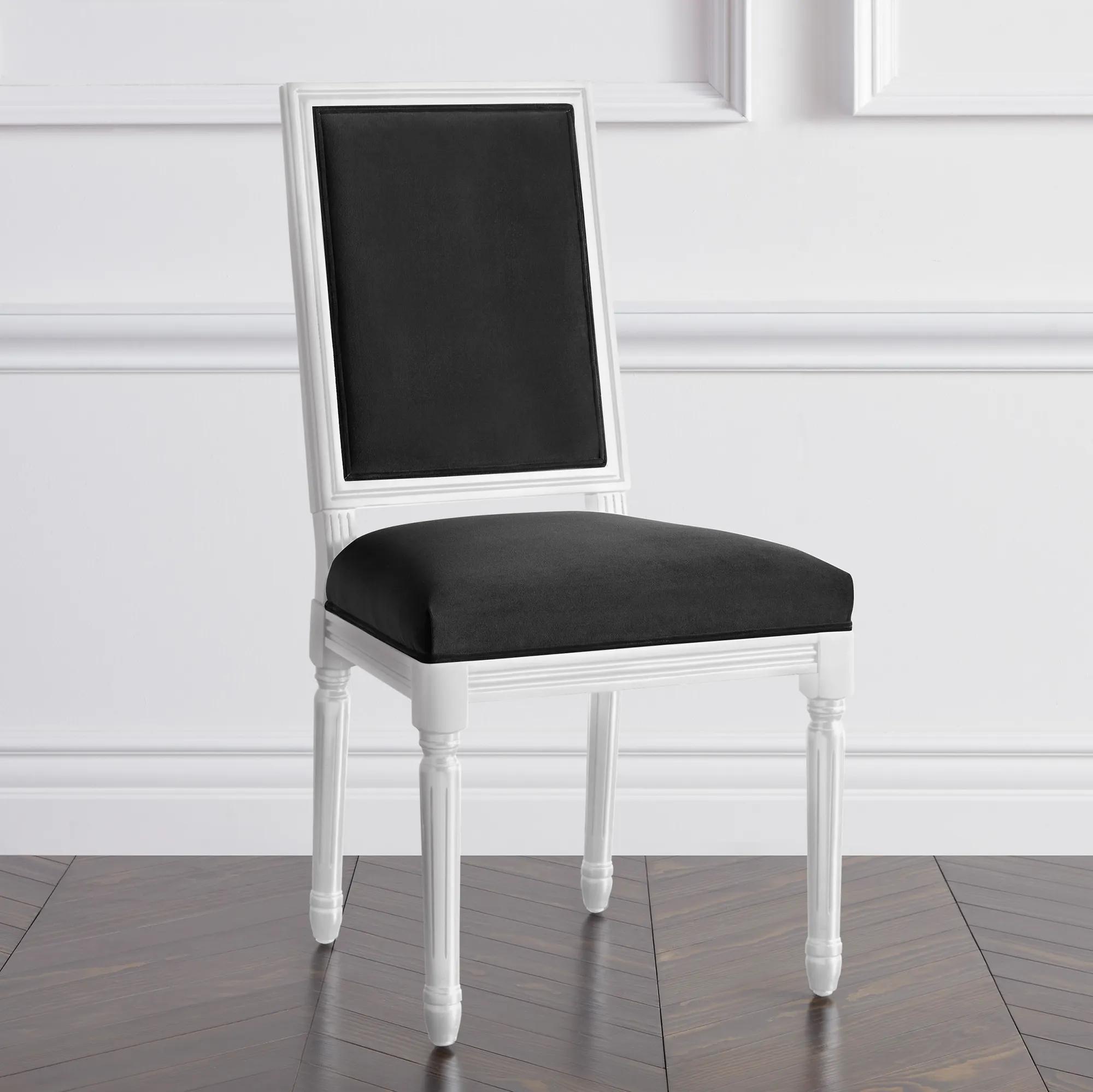
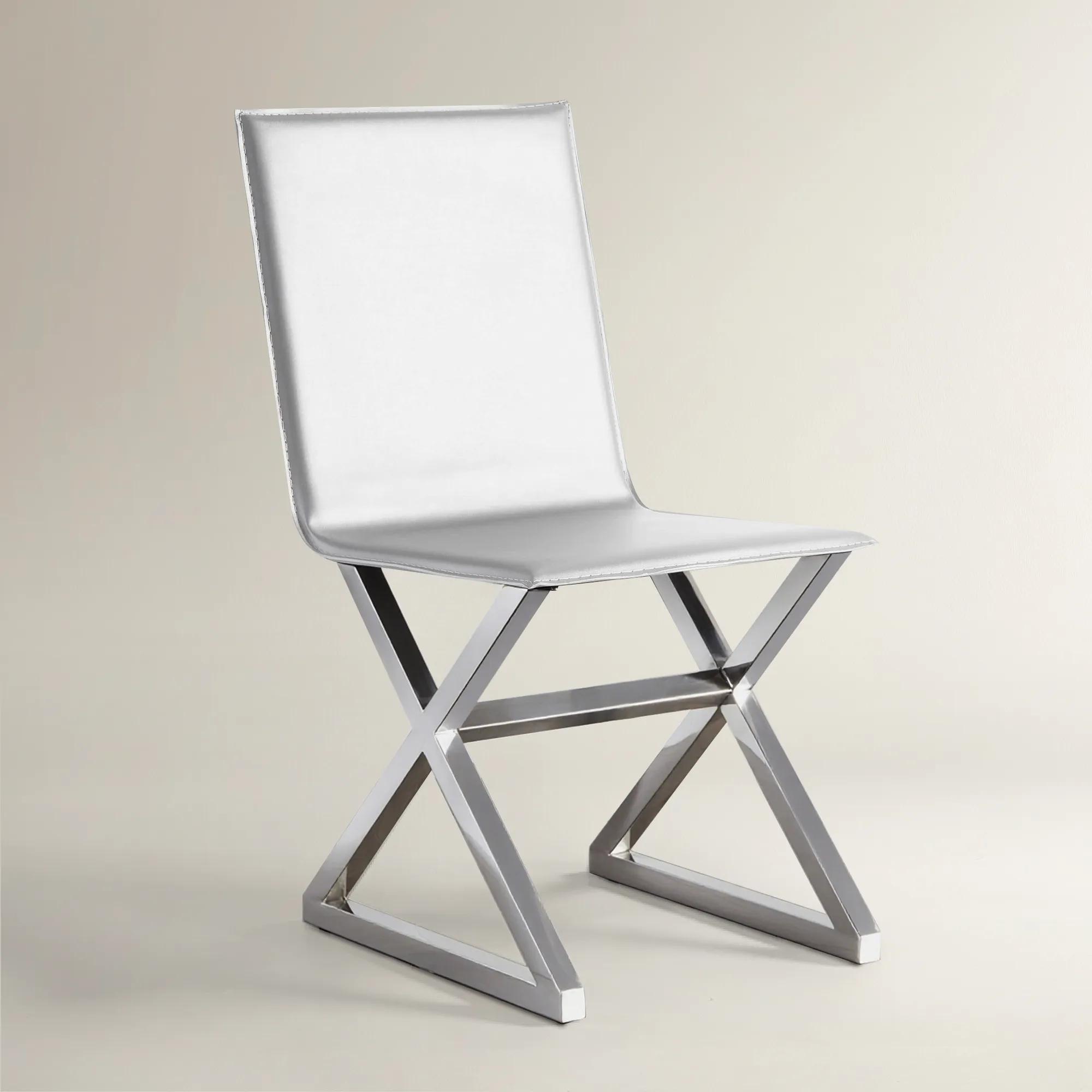
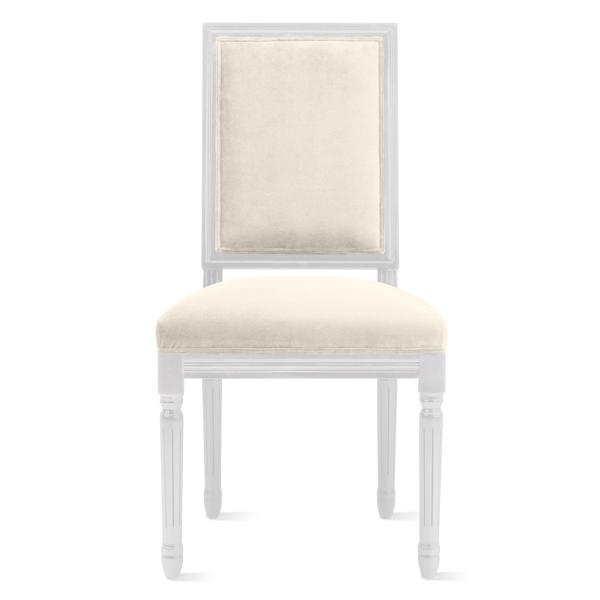 Callan Dining Chair - High Gloss White$599
A handcrafted dining chair featuring a high-gloss white finish, kiln-dried hardwood frame, and plush upholstery.
Add To Cart -
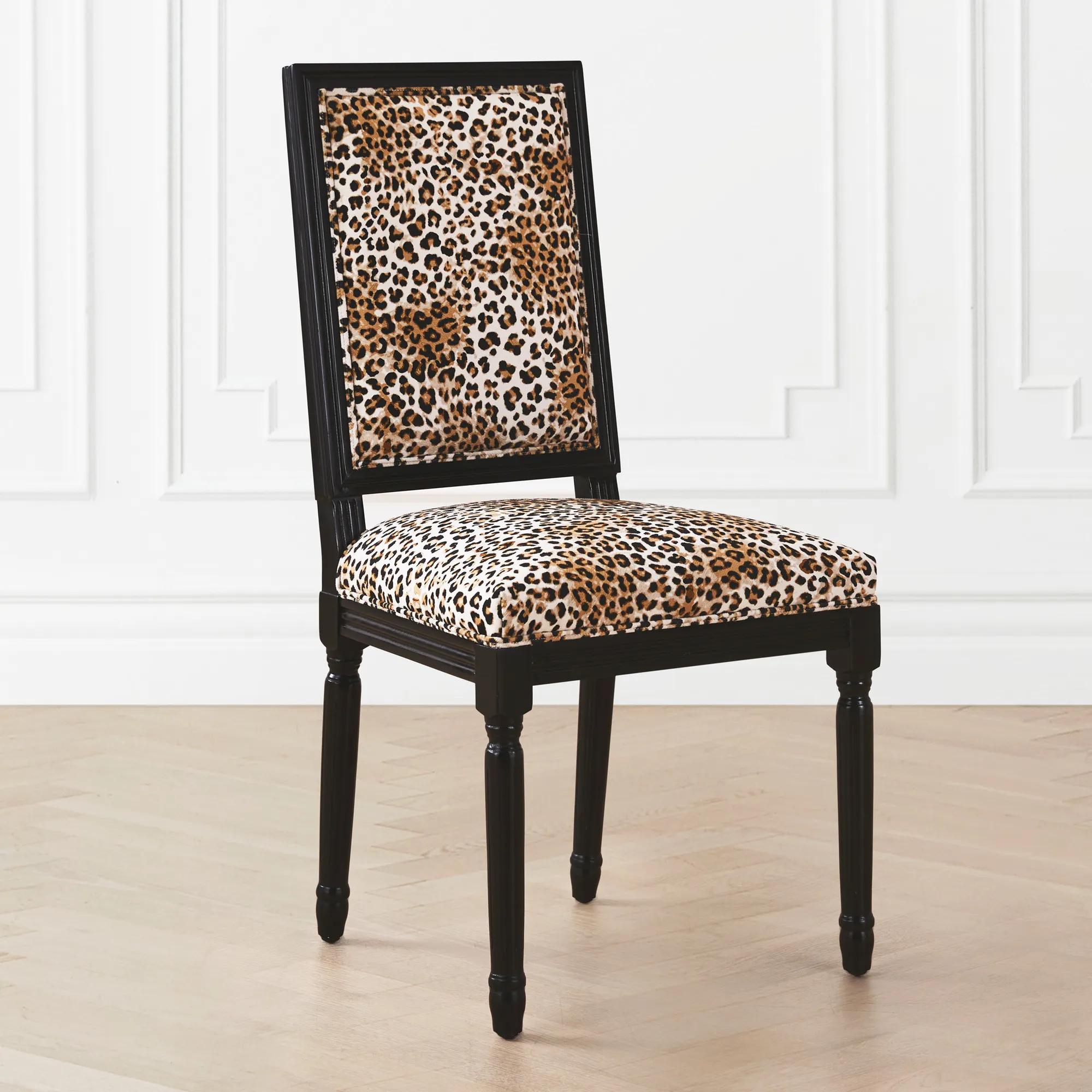
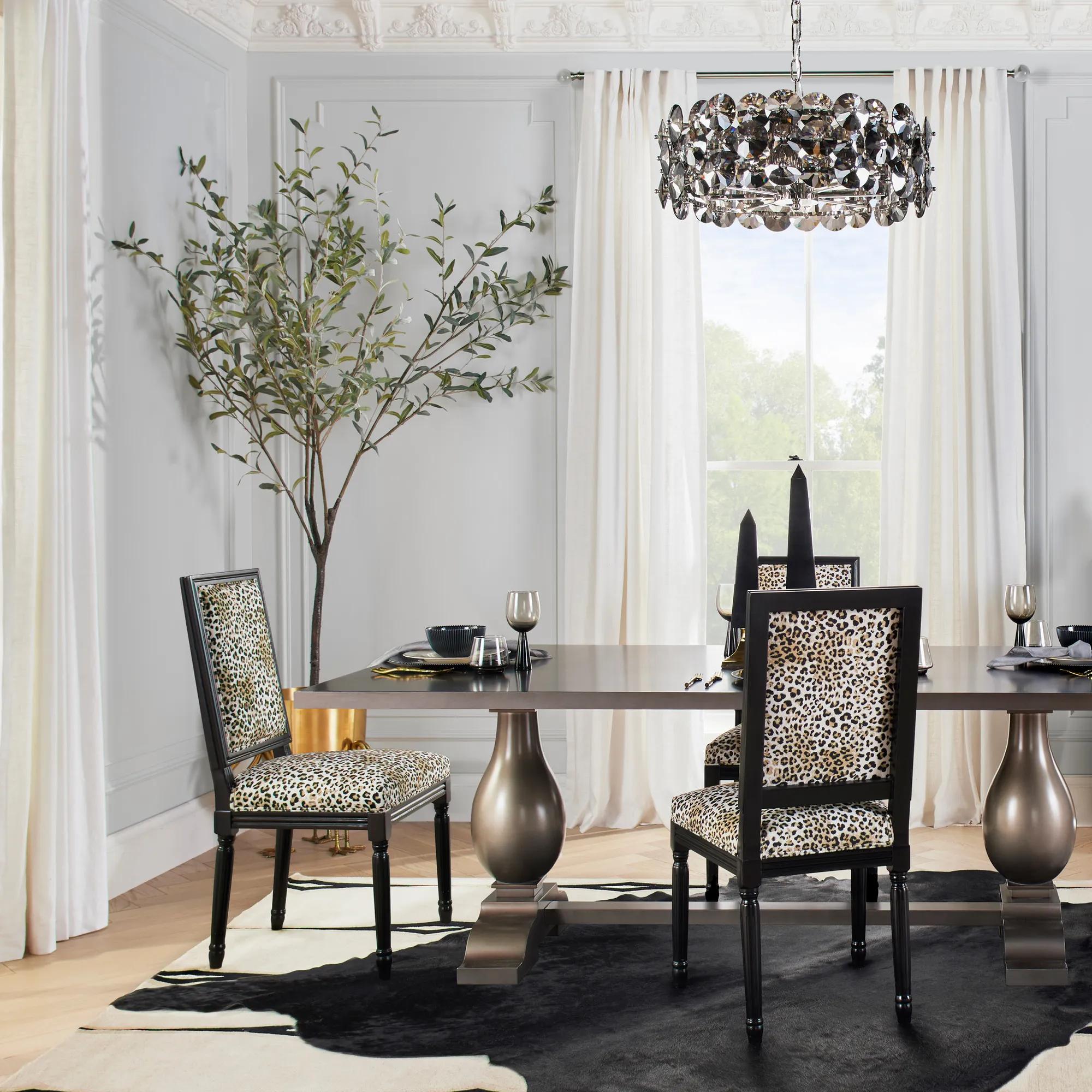 Callan Dining Chair$599
A handcrafted modern chair featuring classic upholstery, squared back, fluted legs, and high-gloss finish.
Add To Cart -
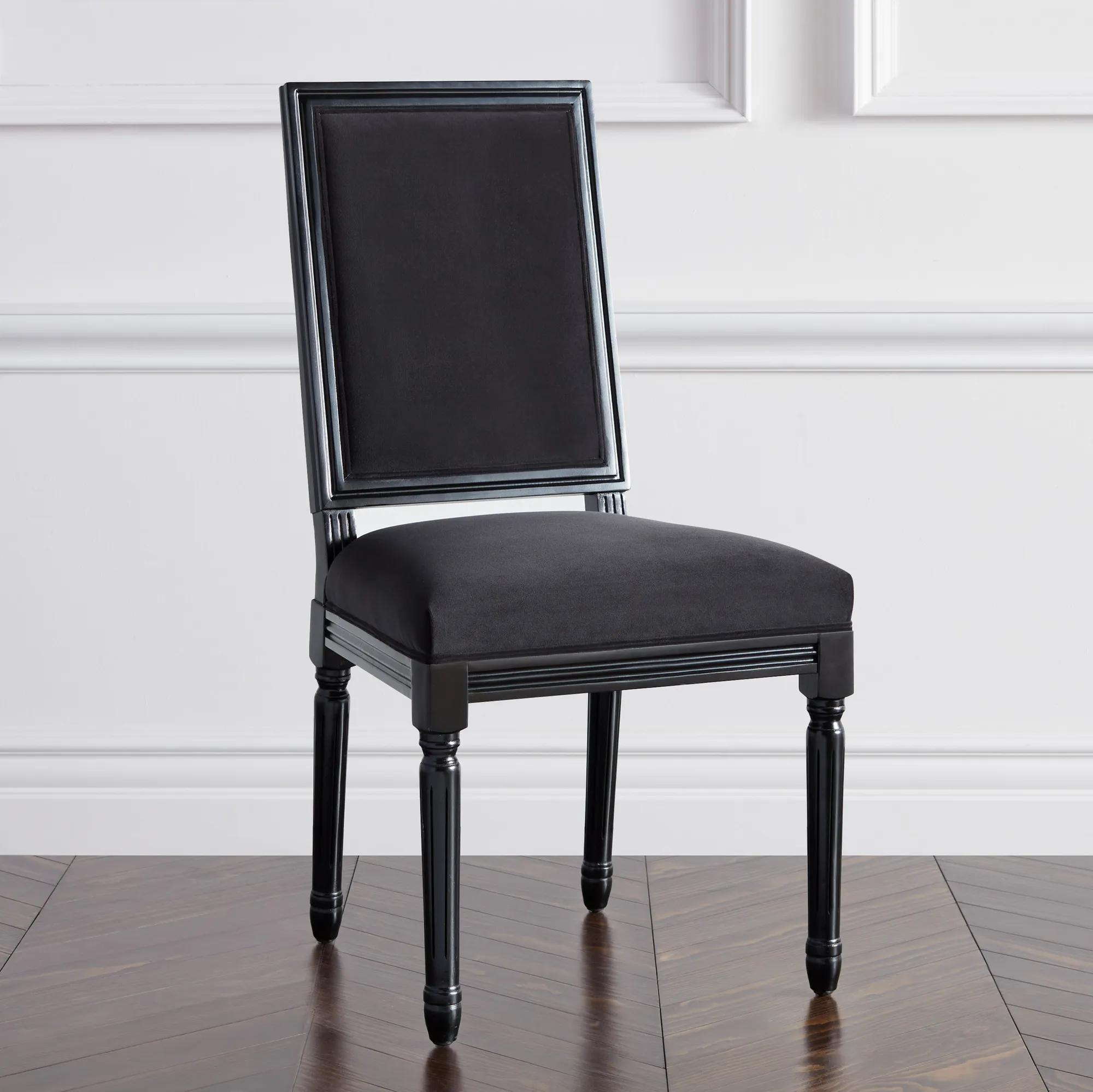
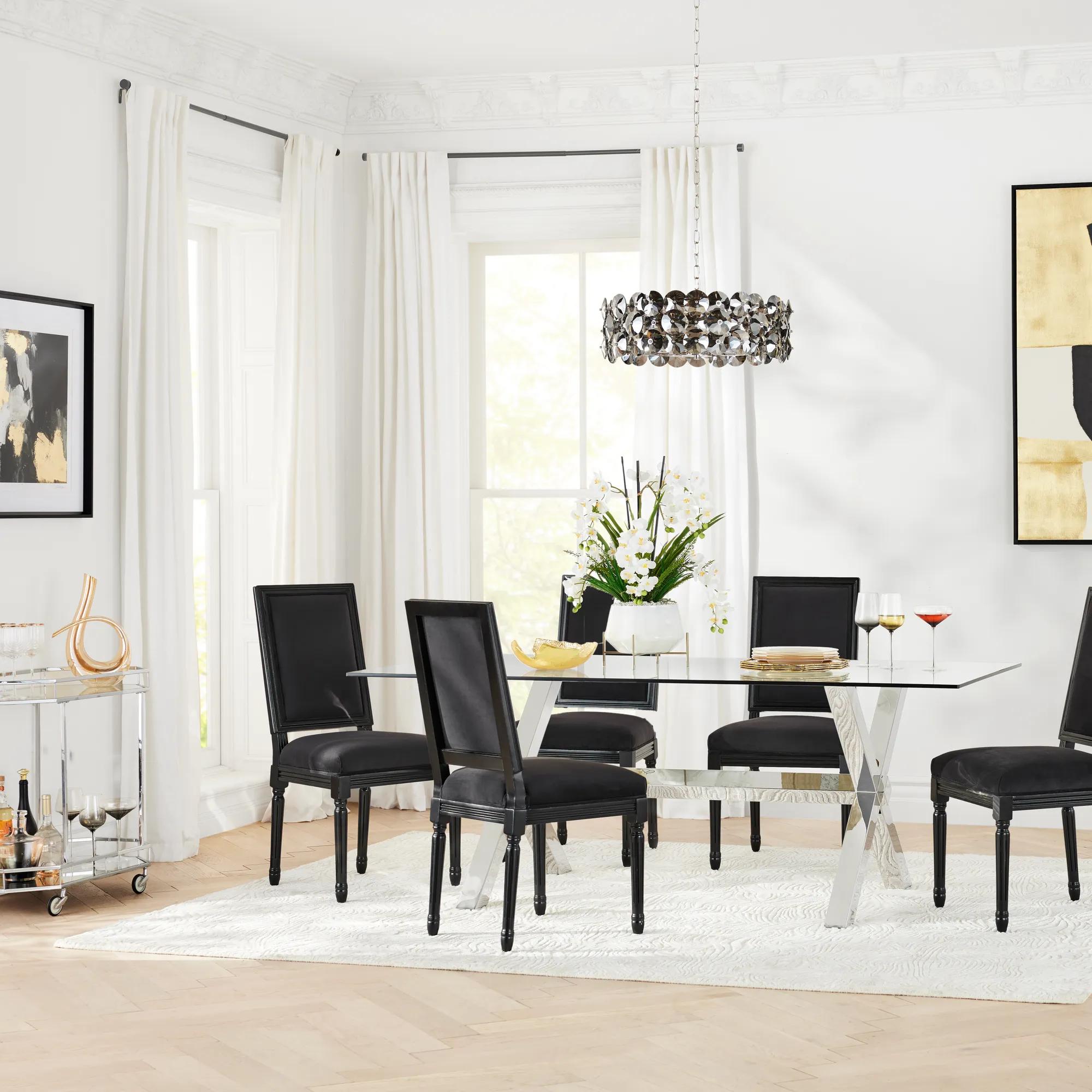 Callan Dining Chair - High Gloss Black$599
A handcrafted dining chair featuring high-gloss black Bella Velvet upholstery, fluted legs, and a squared back.
Add To Cart -
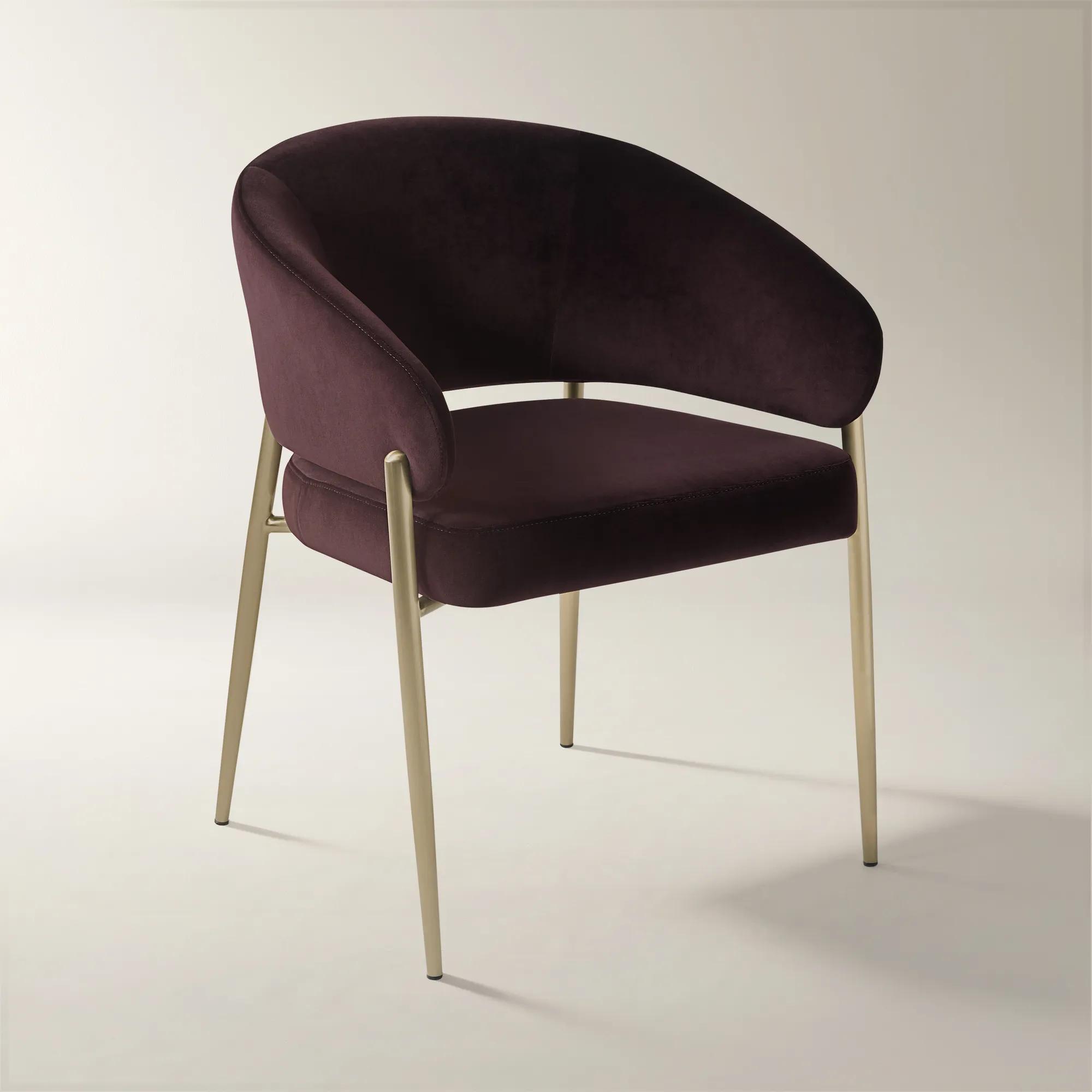 Nara Fig Velvet Dining Chair Set Of 2$599
A red velvet dining chair set with curved integrated armrests and brushed brass stainless-steel legs.
Add To Cart -
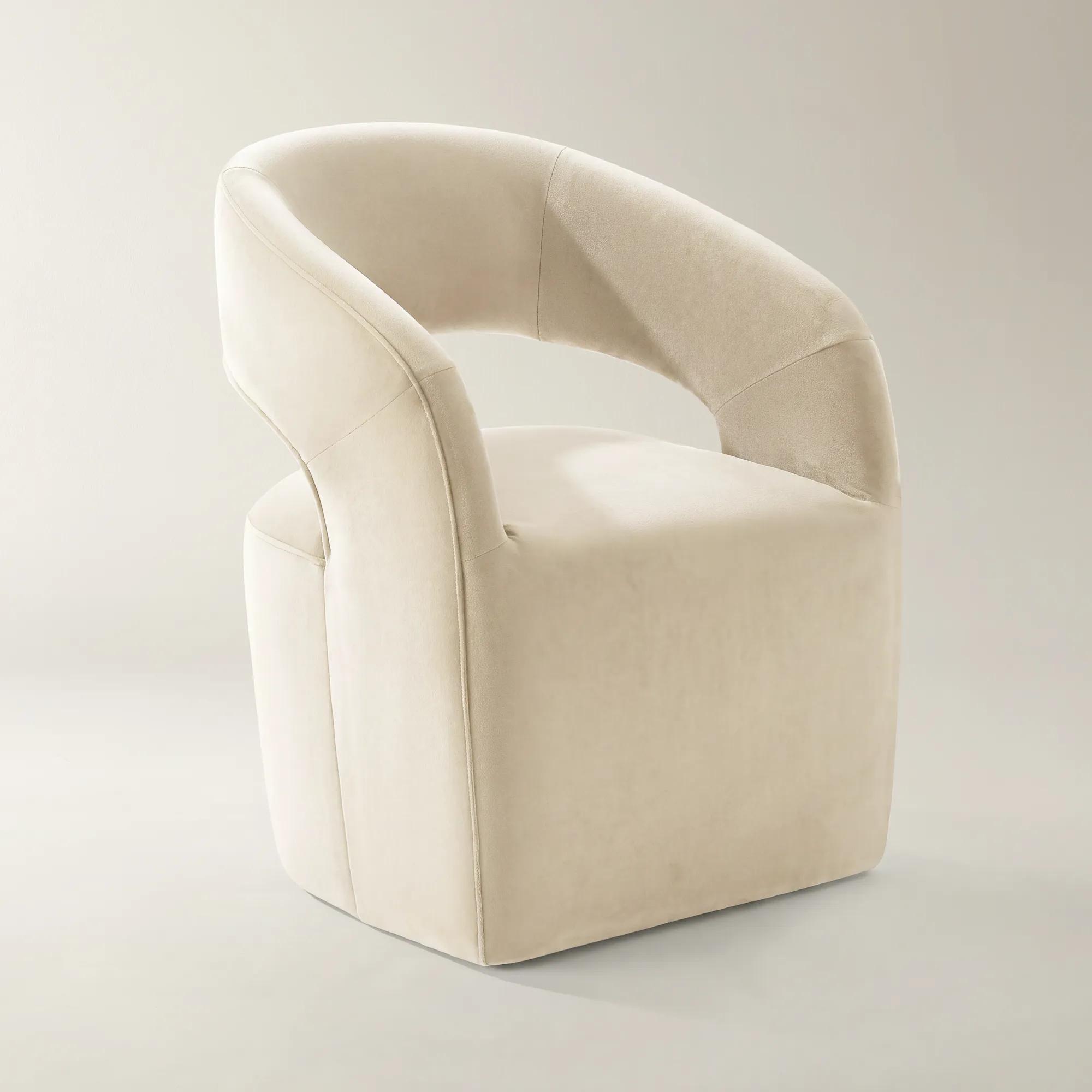
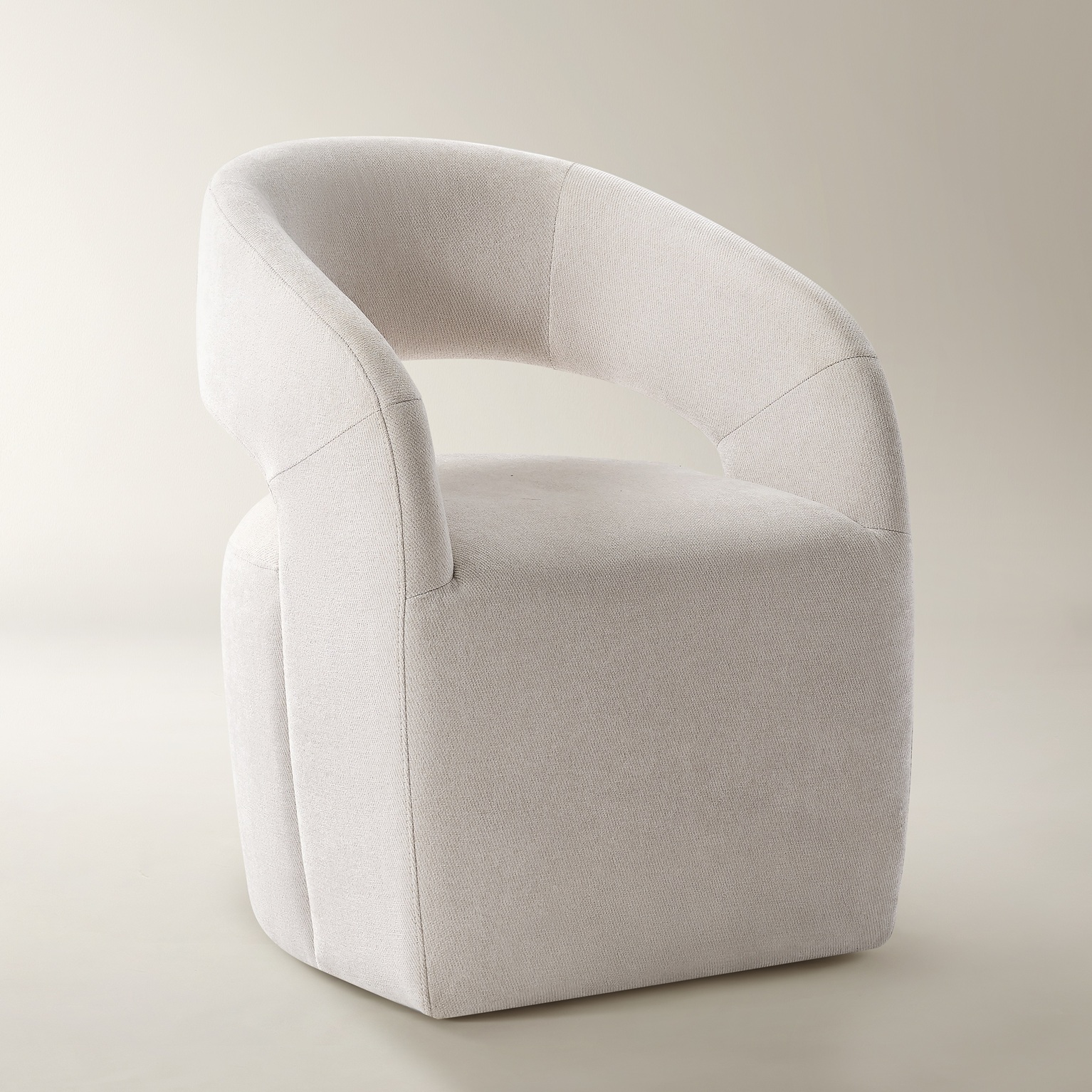 Harrison Oatmeal Velvet Dining Chair$499
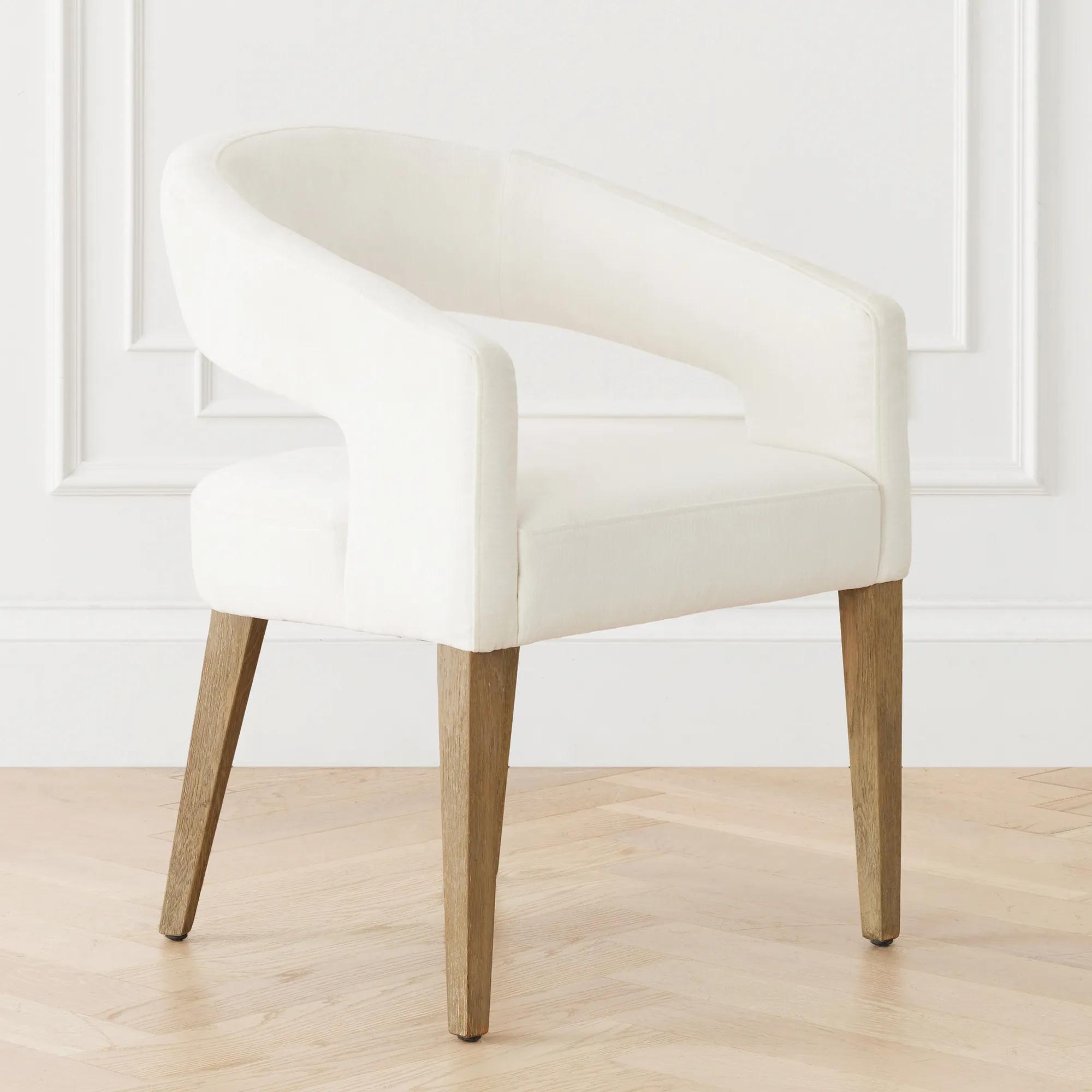
A sculptural dining chair upholstered in oatmeal velvet with a curved back, feather-blend seat, and integrated arms.
Add To Cart -
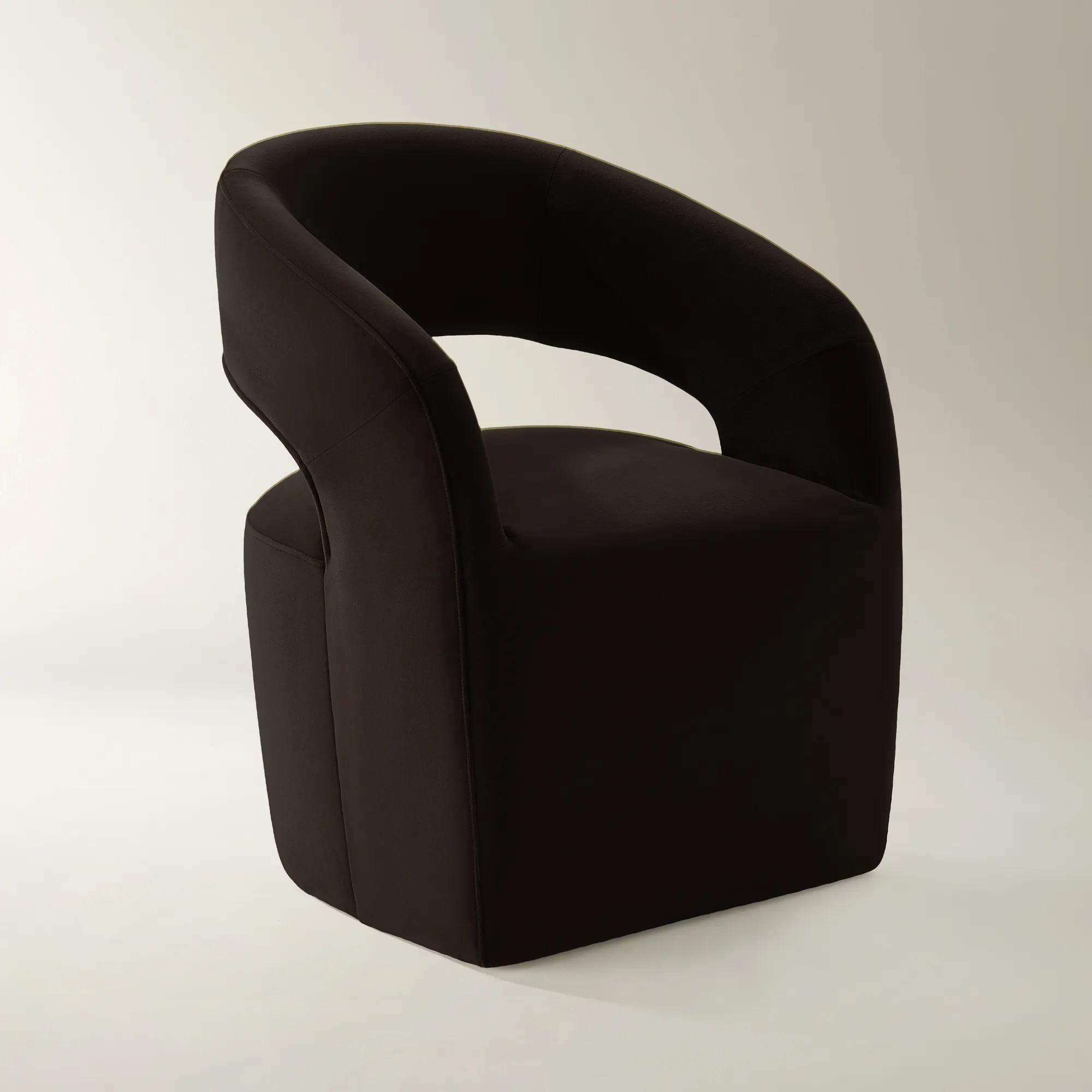
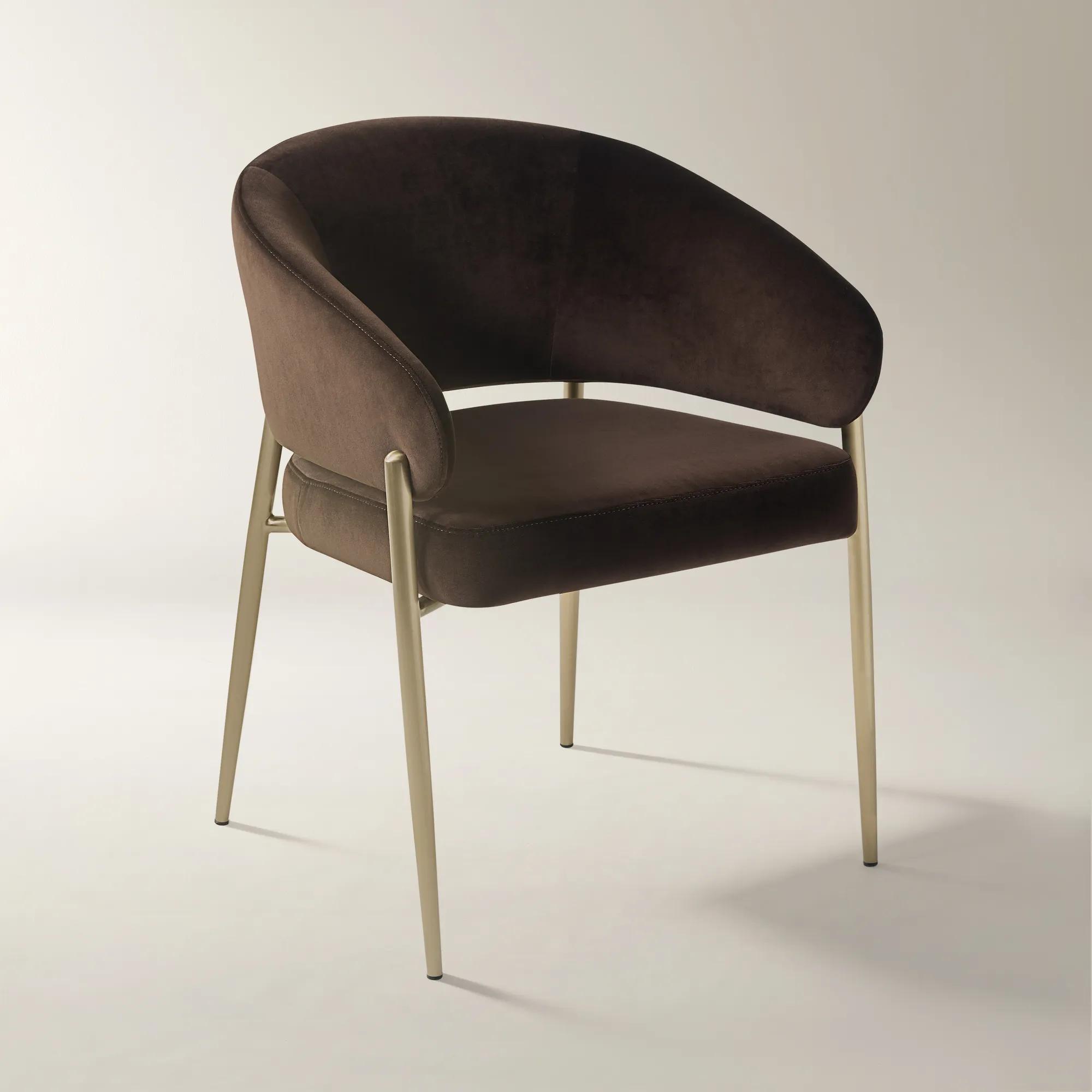 Nara Dark Chocolate Velvet Dining Chair Set Of 2$599
A pair of dark chocolate velvet chairs with curved backs and brushed brass stainless-steel legs for modern elegance.
Add To Cart -
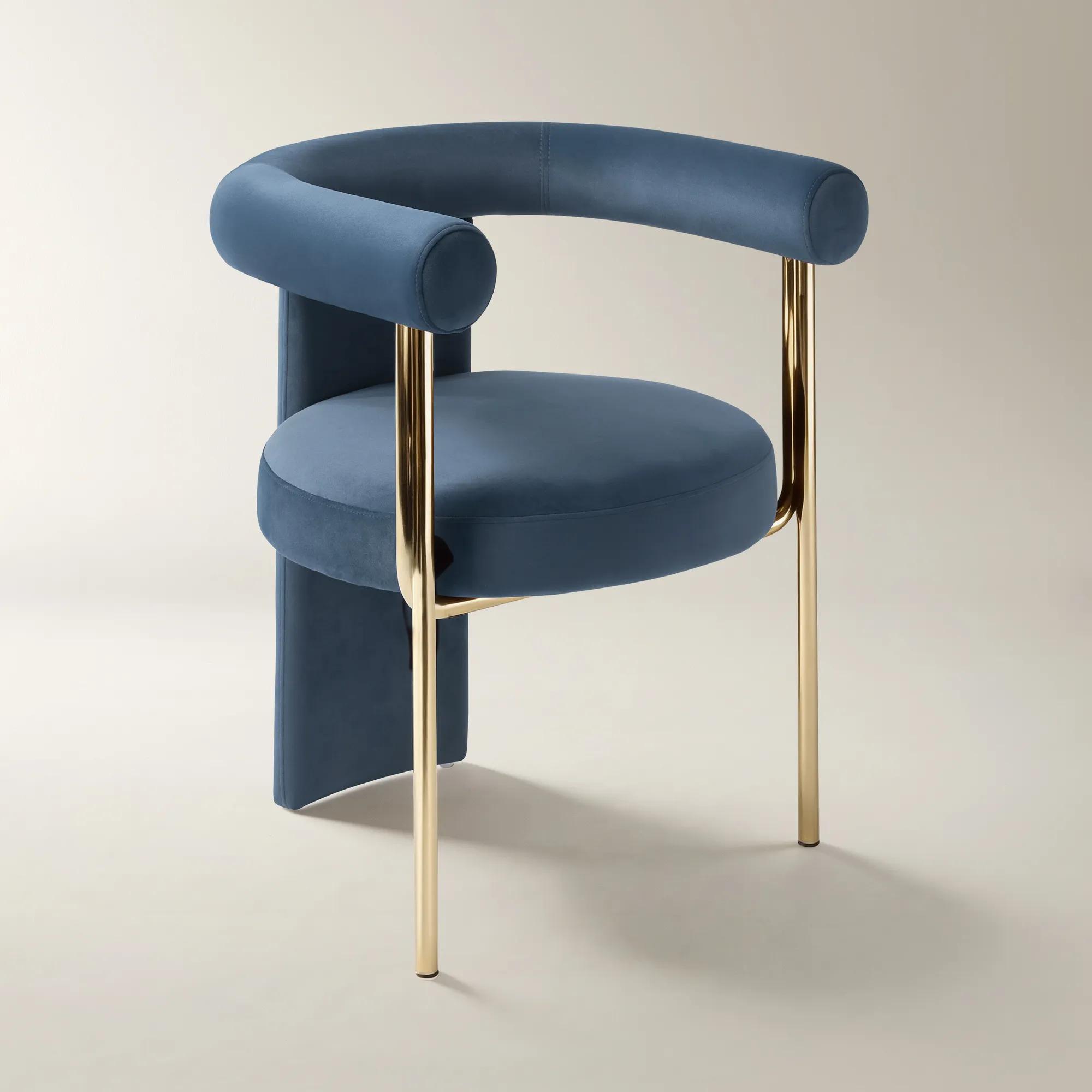 Davina Dusty Blue Velvet Dining Chair Set Of 2$899
A set of two dining chairs featuring dusty blue velvet upholstery and a polished gold metal frame.
Add To Cart -
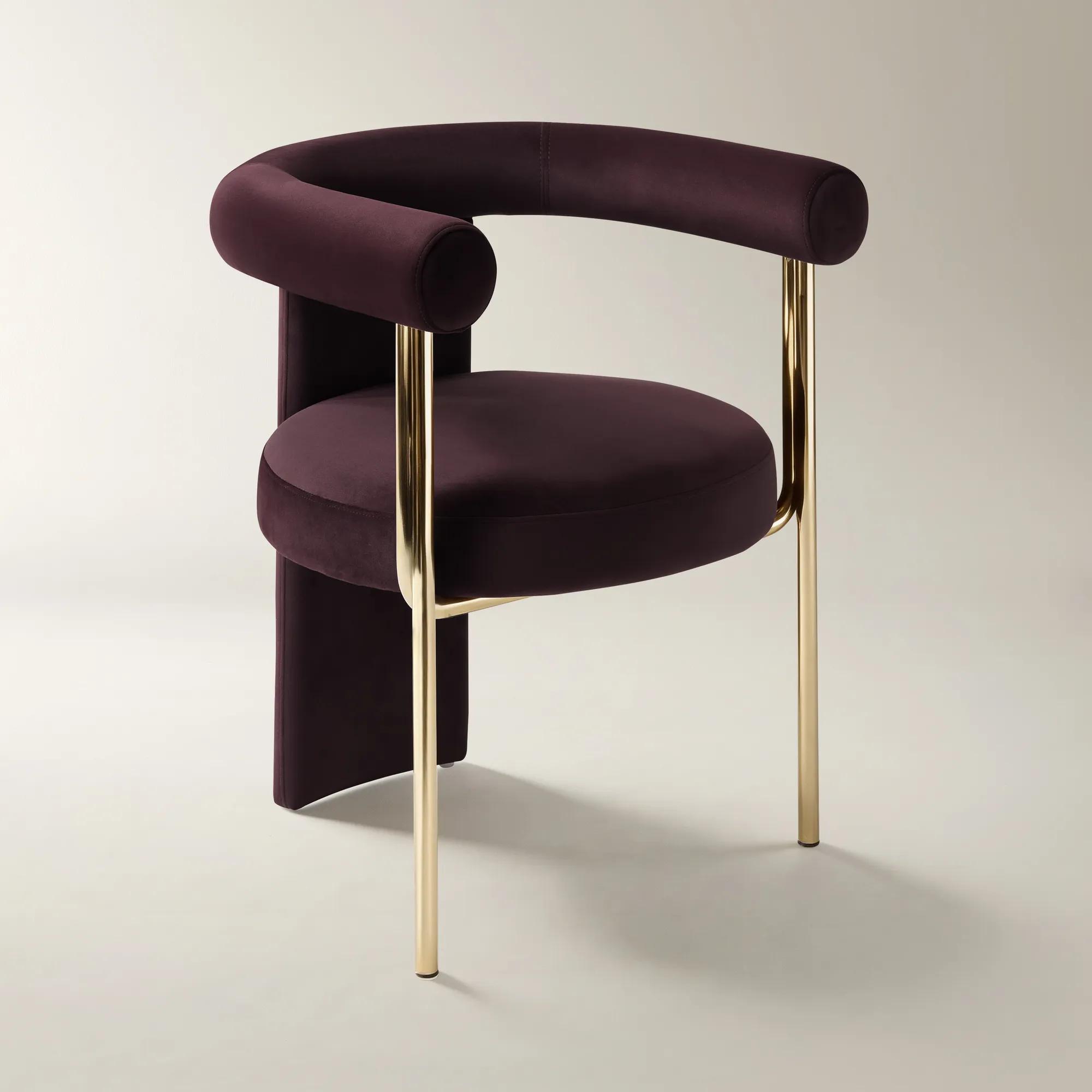 Davina Fig Velvet Dining Chair Set Of 2$899
A set of two dining chairs featuring plush fig velvet upholstery and a sleek gold-finished metal frame.
Add To Cart -
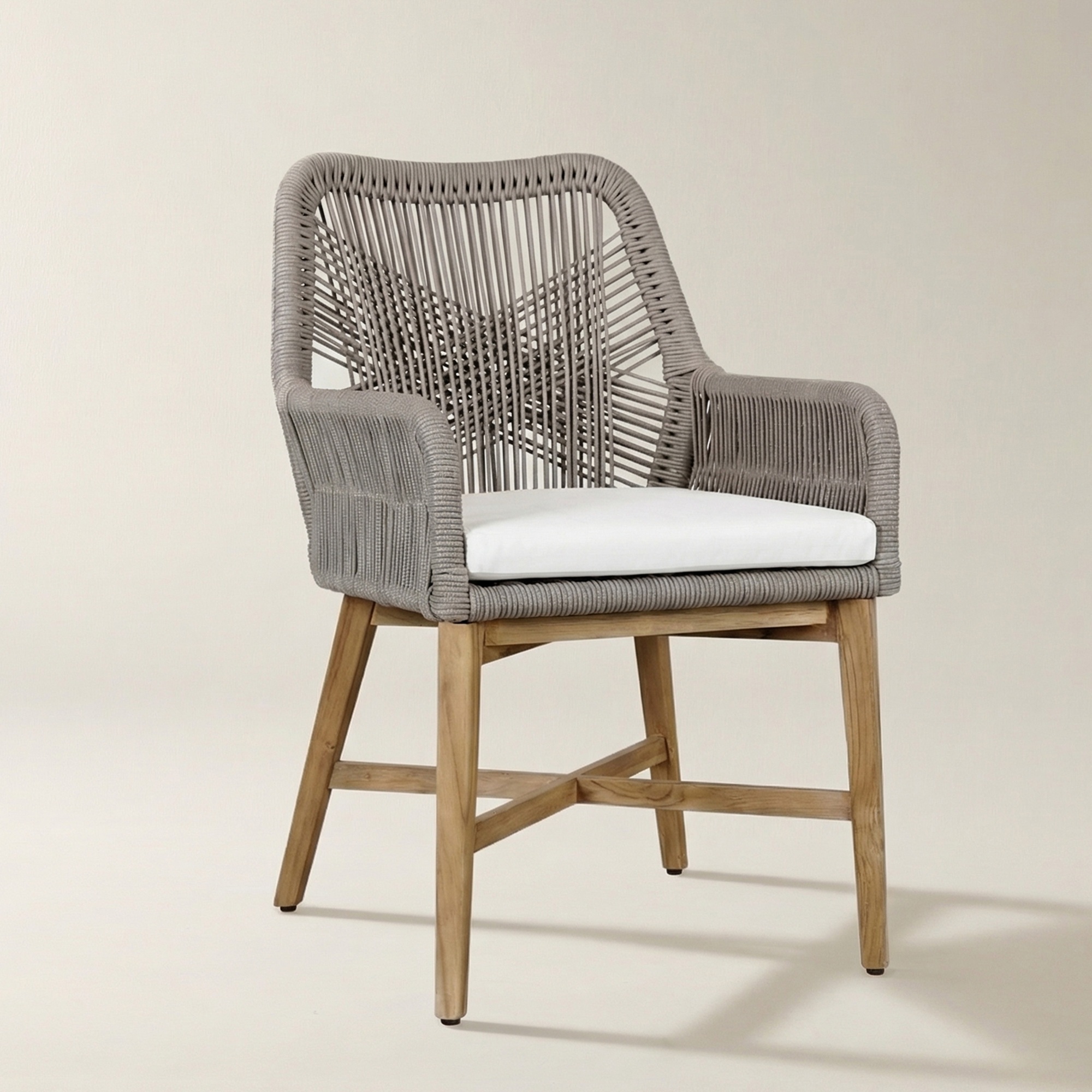
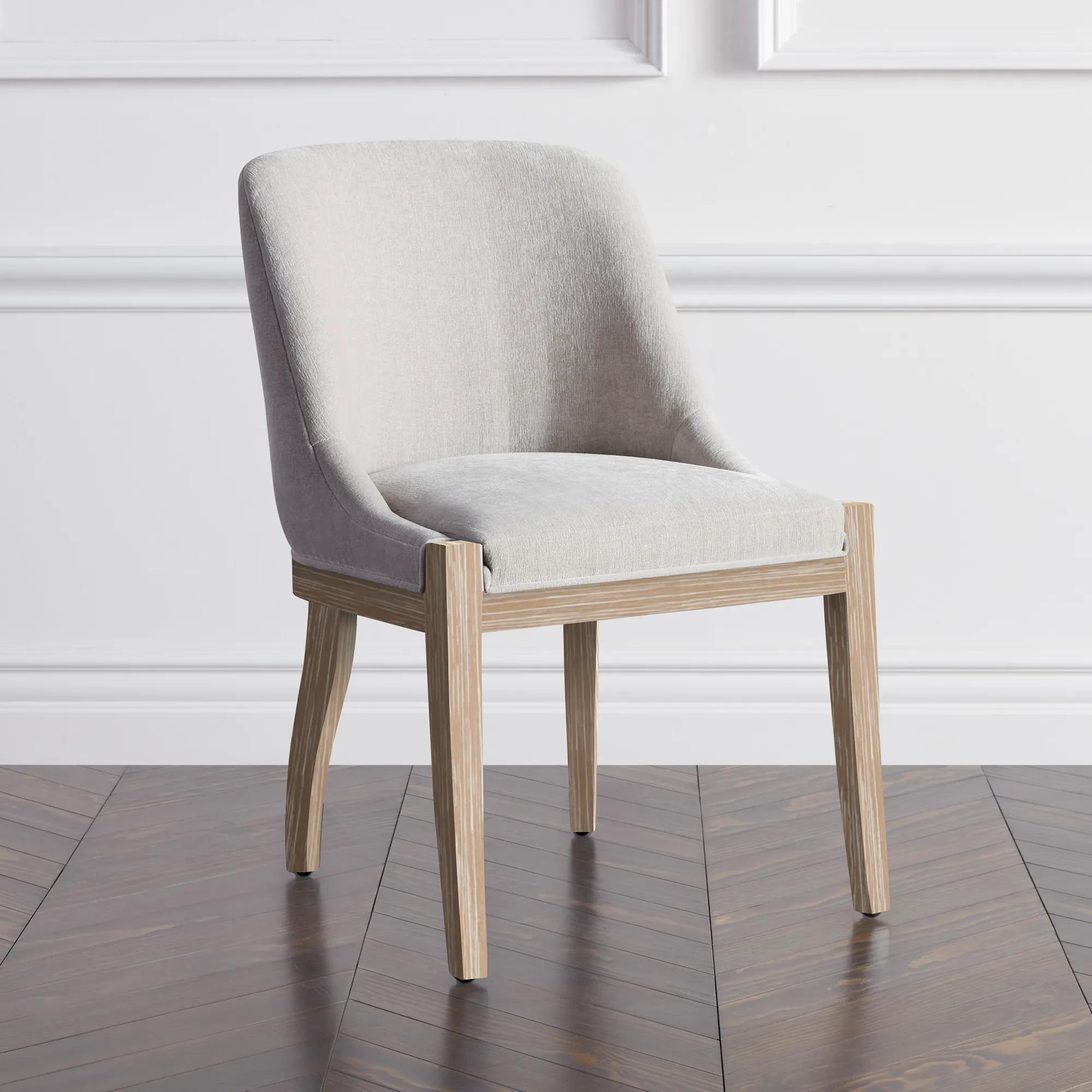
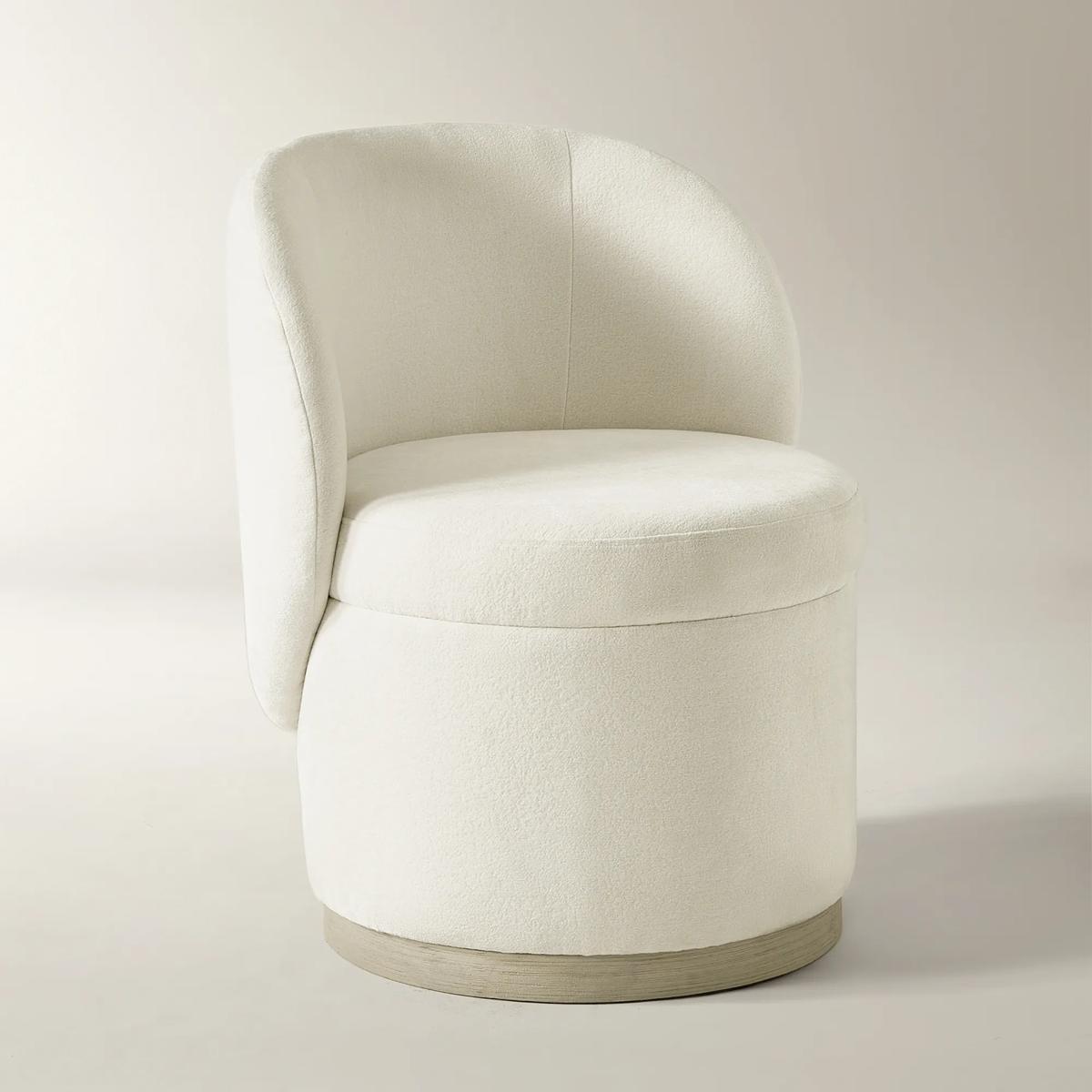 Stria Ivory Chenille Dining Chair With Oak Base$599
An ivory chenille chair featuring a plush, velvet-like finish and a handcrafted solid oak base.
Add To Cart -
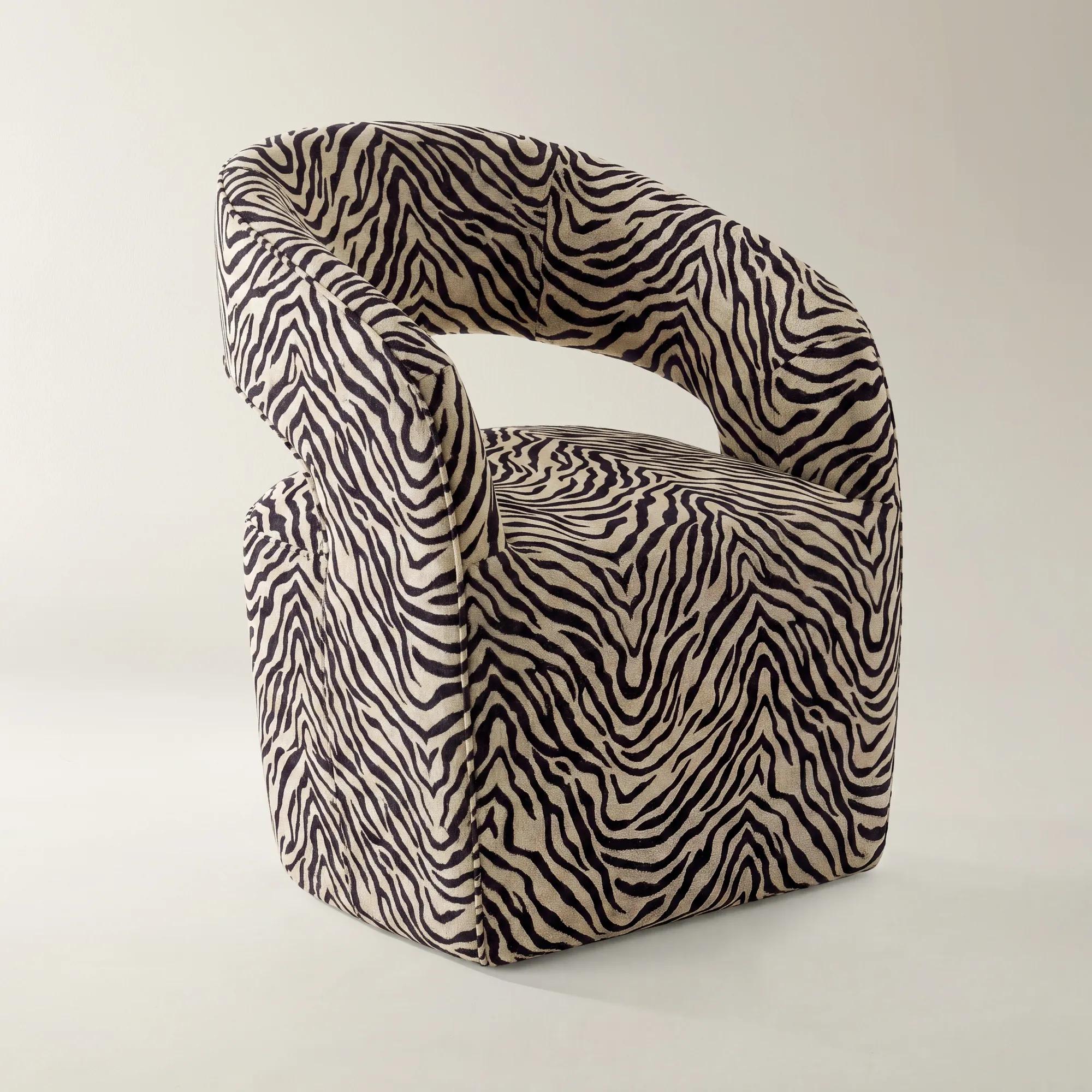 Harrison Zebra Performance Chenille Dining Chair$499
A sculptural dining chair upholstered in zebra performance chenille with a curved back and feather-blend comfort.
Add To Cart -
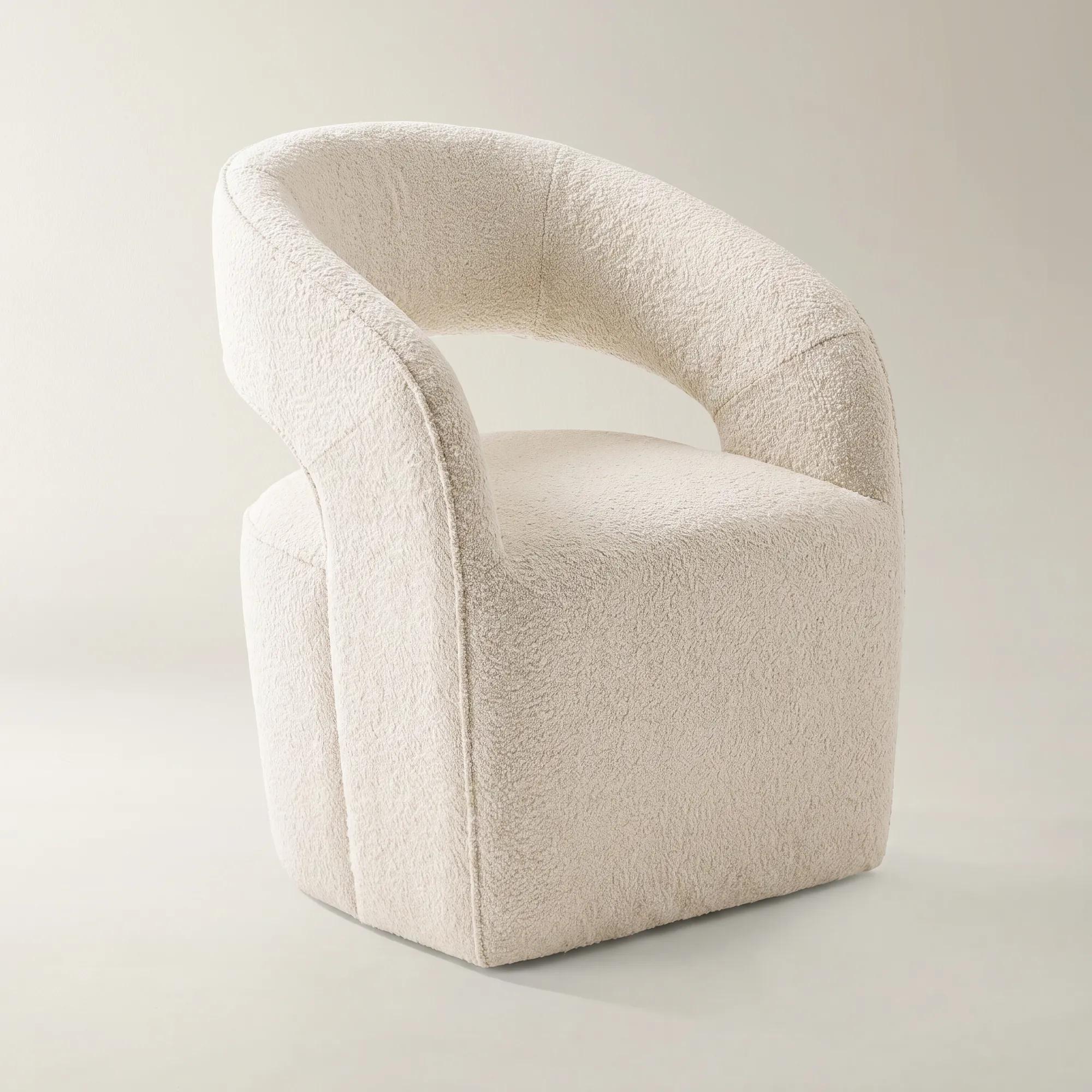 Harrison Utopia Sand Chenille Dining Chair$499
A sculptural dining chair upholstered in sand chenille with a curved back, feather-blend seat, and integrated arms.
Add To Cart -
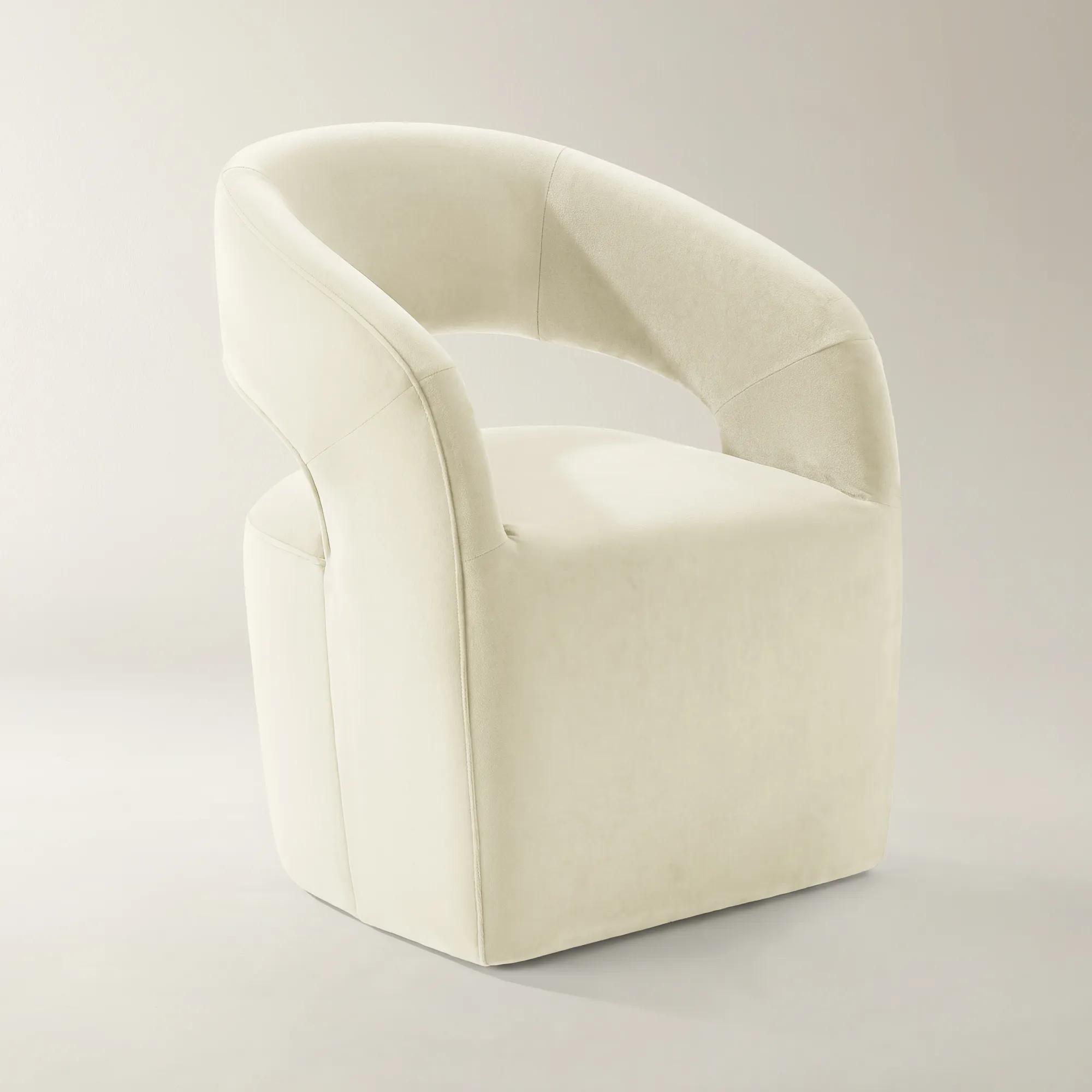 Harrison Cloud Velvet Dining Chair$499
A sculptural dining chair featuring cloud velvet upholstery, feather-blend cushioning, and a continuous curved back.
Add To Cart -
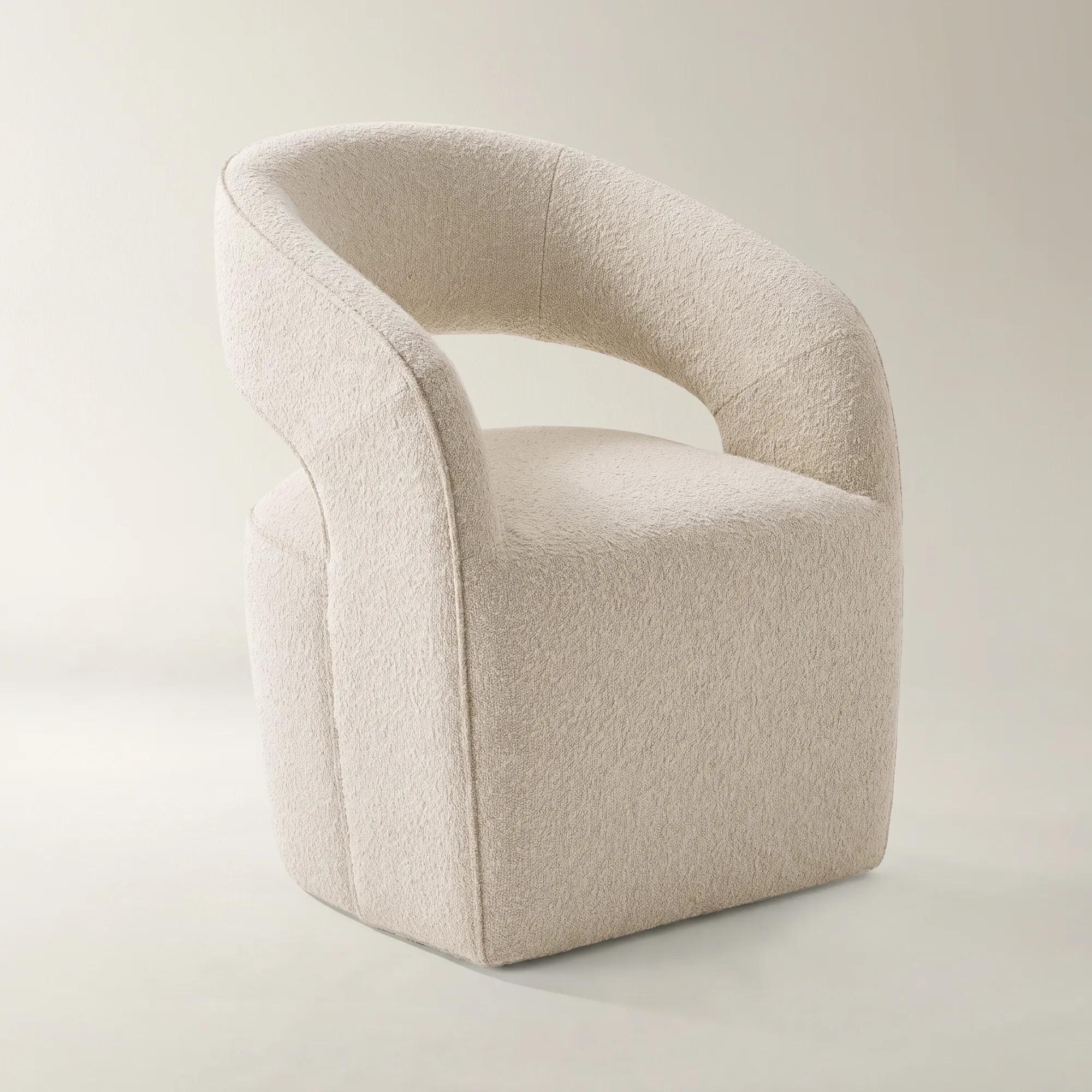 Harrison Ivory Performance Boucle Dining Chair$499
A sculptural dining chair in ivory performance boucle with a curved back, integrated arms, and feather-blend comfort.
Add To Cart -
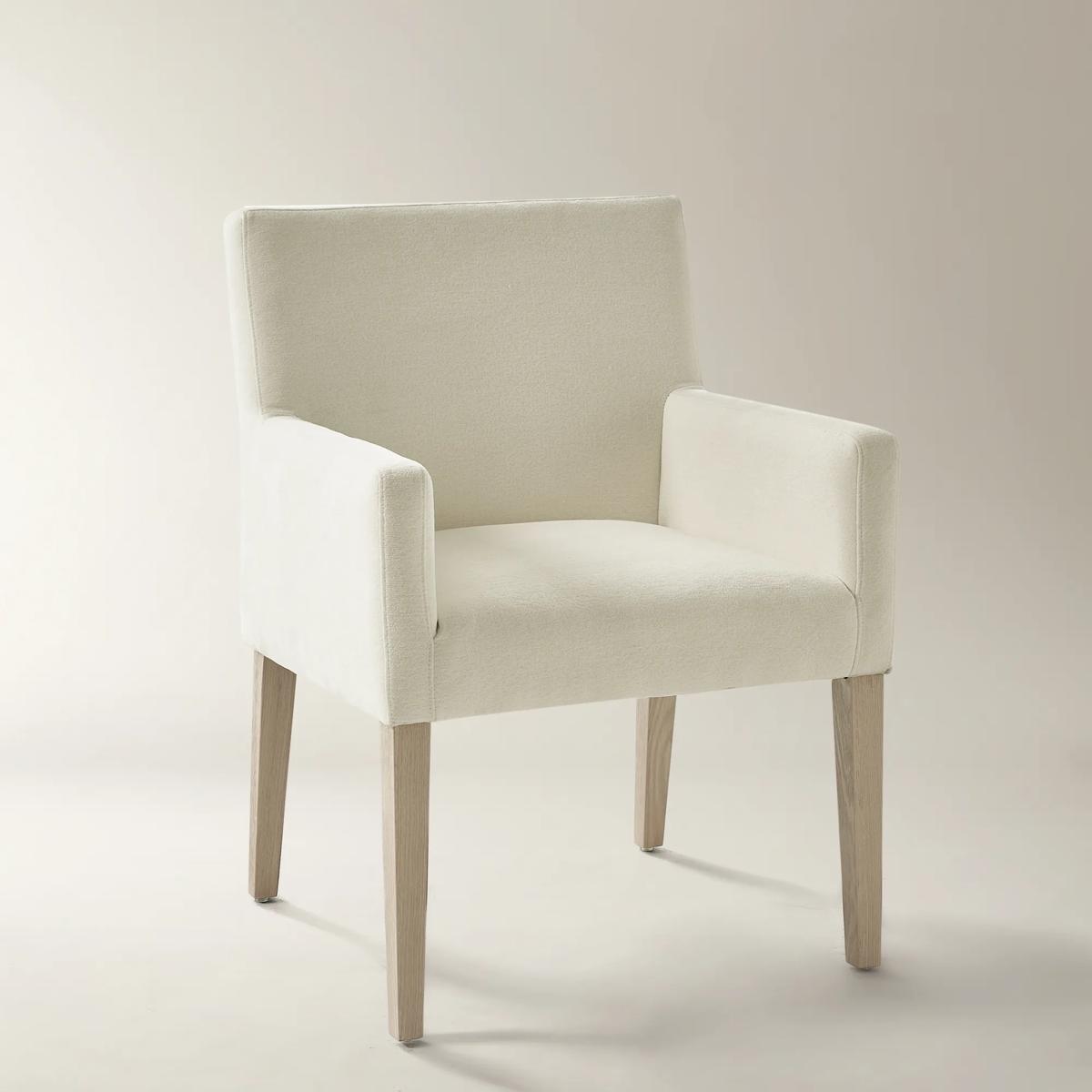
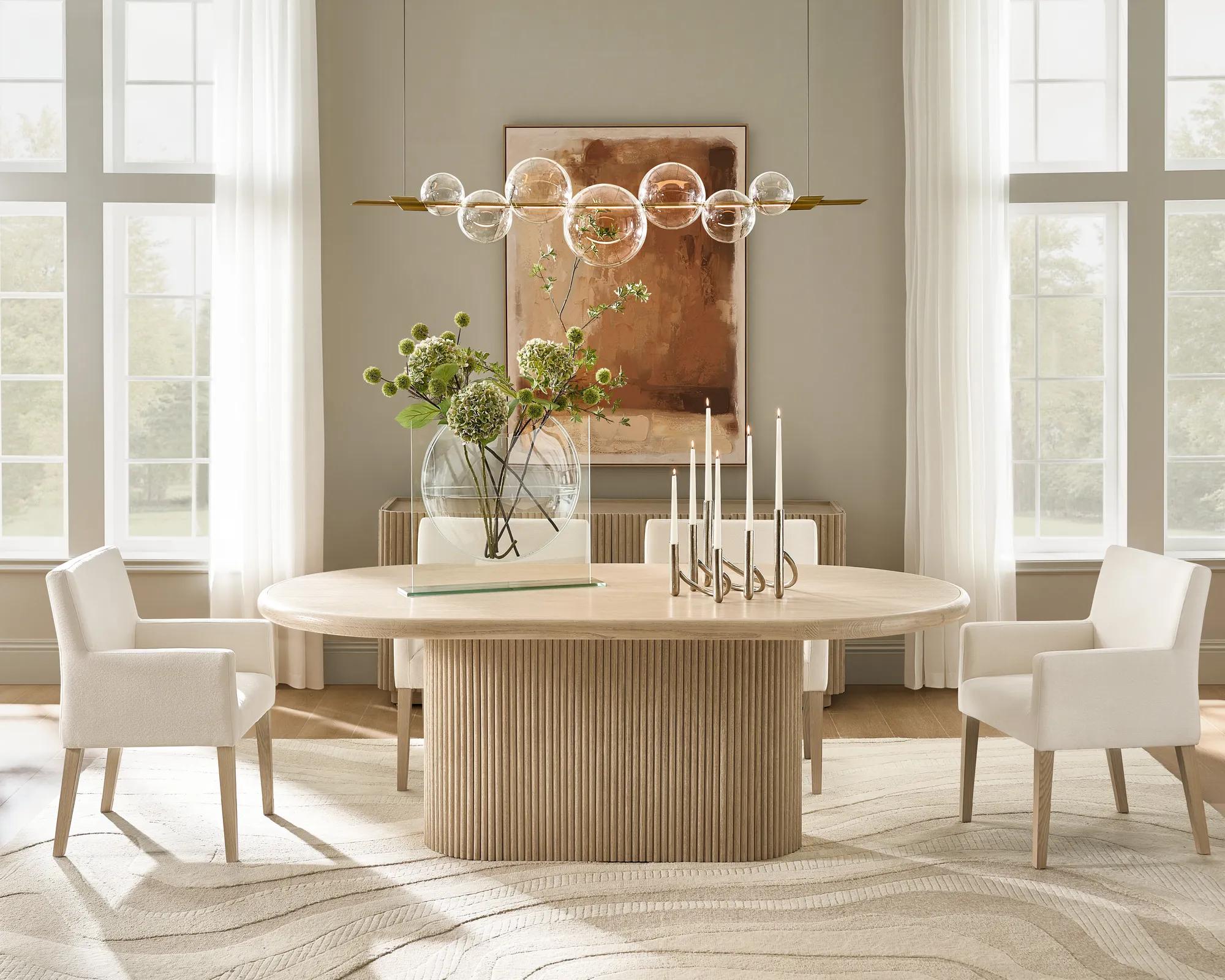 Stria Ivory Chenille Dining Chair Set Of 2$599
A pair of ivory chenille arm chairs with natural oak legs, offering plush comfort and modern elegance.
Add To Cart -
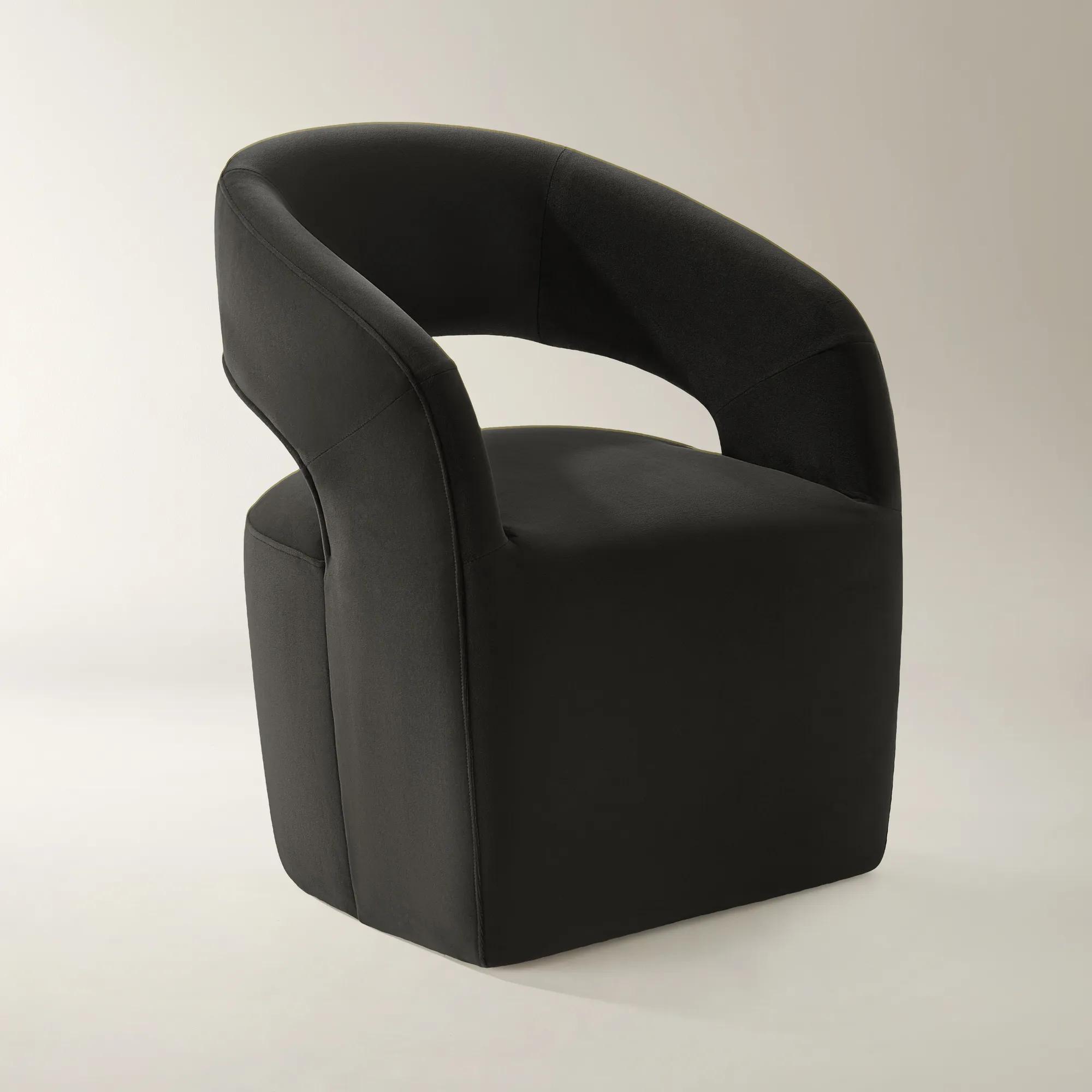 Harrison Charcoal Velvet Dining Chair$499
A sculptural dining chair upholstered in charcoal velvet with a continuous curved back and feather-blend comfort.
Add To Cart -
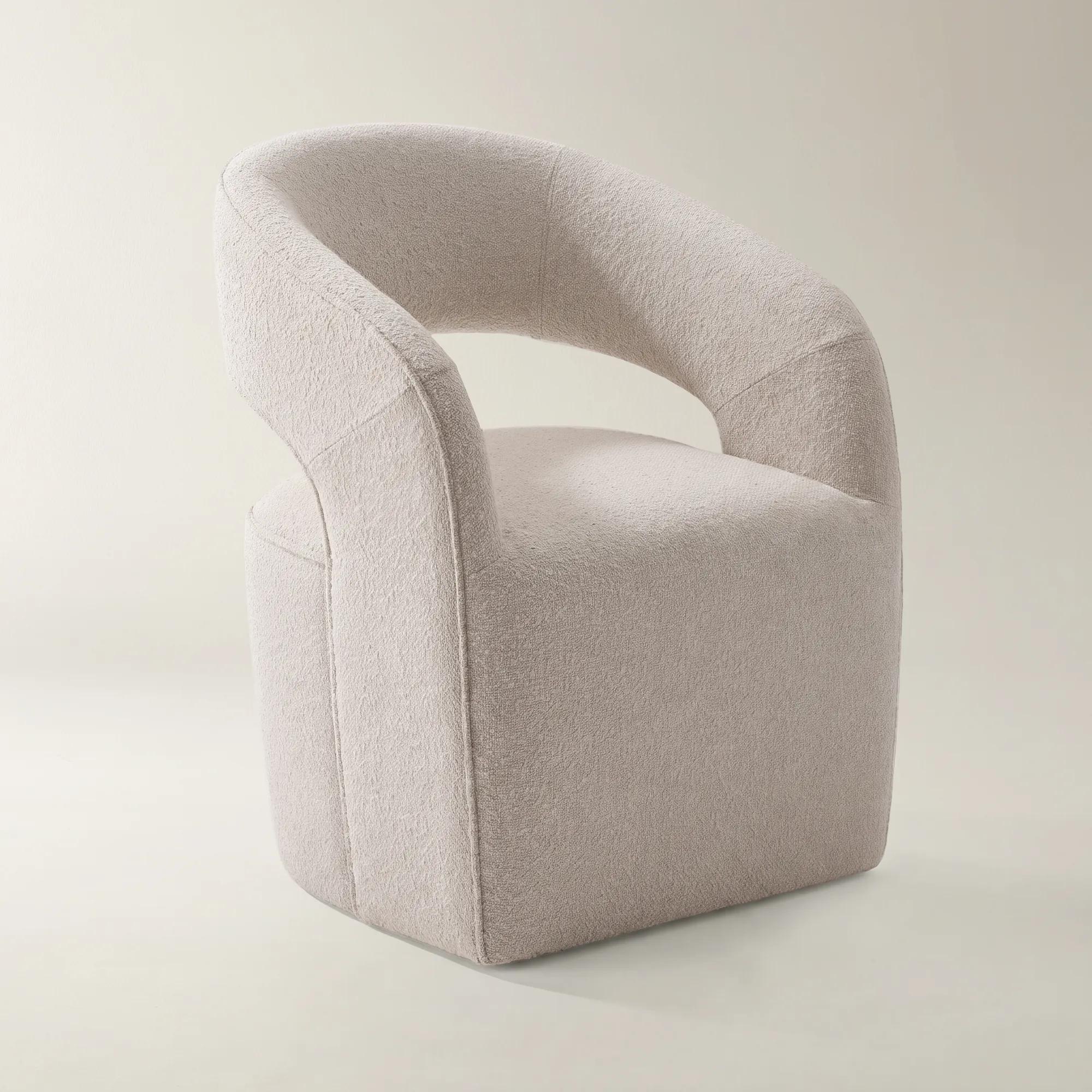 Harrison Ivory Performance Boucle Dining Chair$499
A sculptural dining chair in ivory performance boucle with a curved back, feather-blend seat, and modern elegance.
Add To Cart -
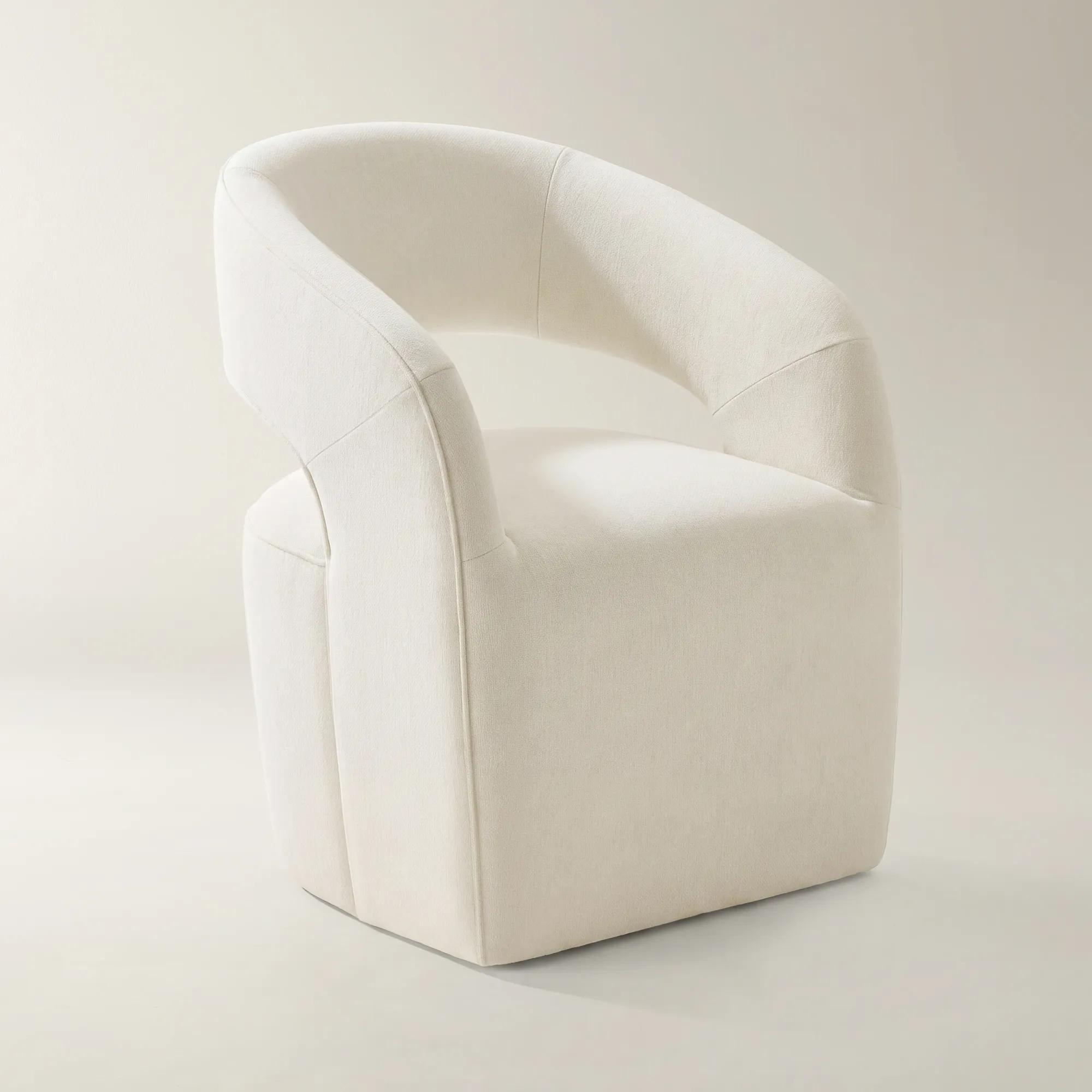 Harrison Ivory Performance Chenille Dining Chair$499
A sculptural ivory chenille chair featuring a continuous curved back, feather-blend comfort, and performance upholstery.
Add To Cart -
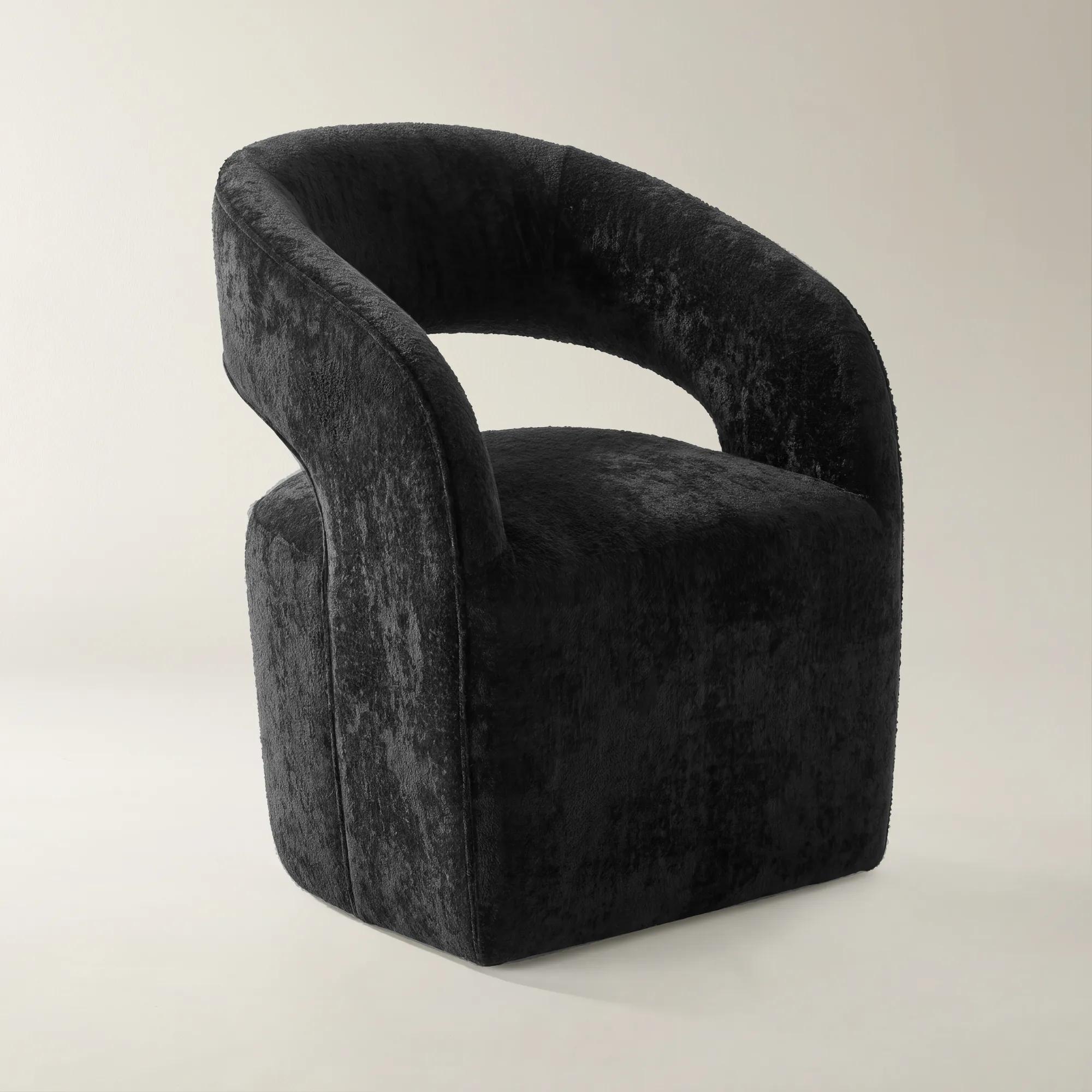 Harrison Black Chenille Dining Chair$499
A sculptural dining chair upholstered in charcoal chenille with a curved back, feather-blend seat, and integrated arms.
Add To Cart -
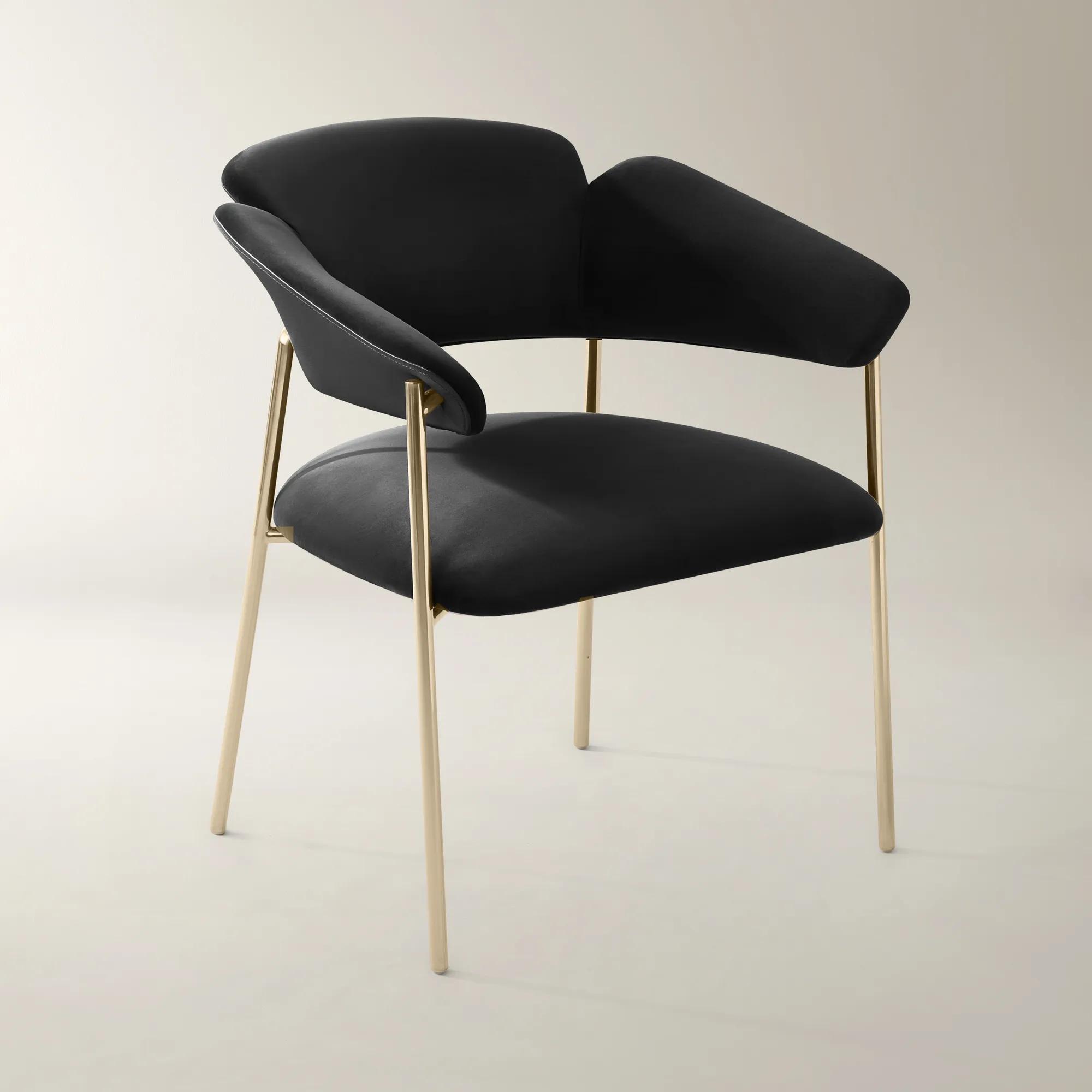 Odette Charcoal Velvet Dining Chair$499
A charcoal velvet chair featuring a wraparound open-back design, tonal faux leather accents, and gold metal legs.
Add To Cart -
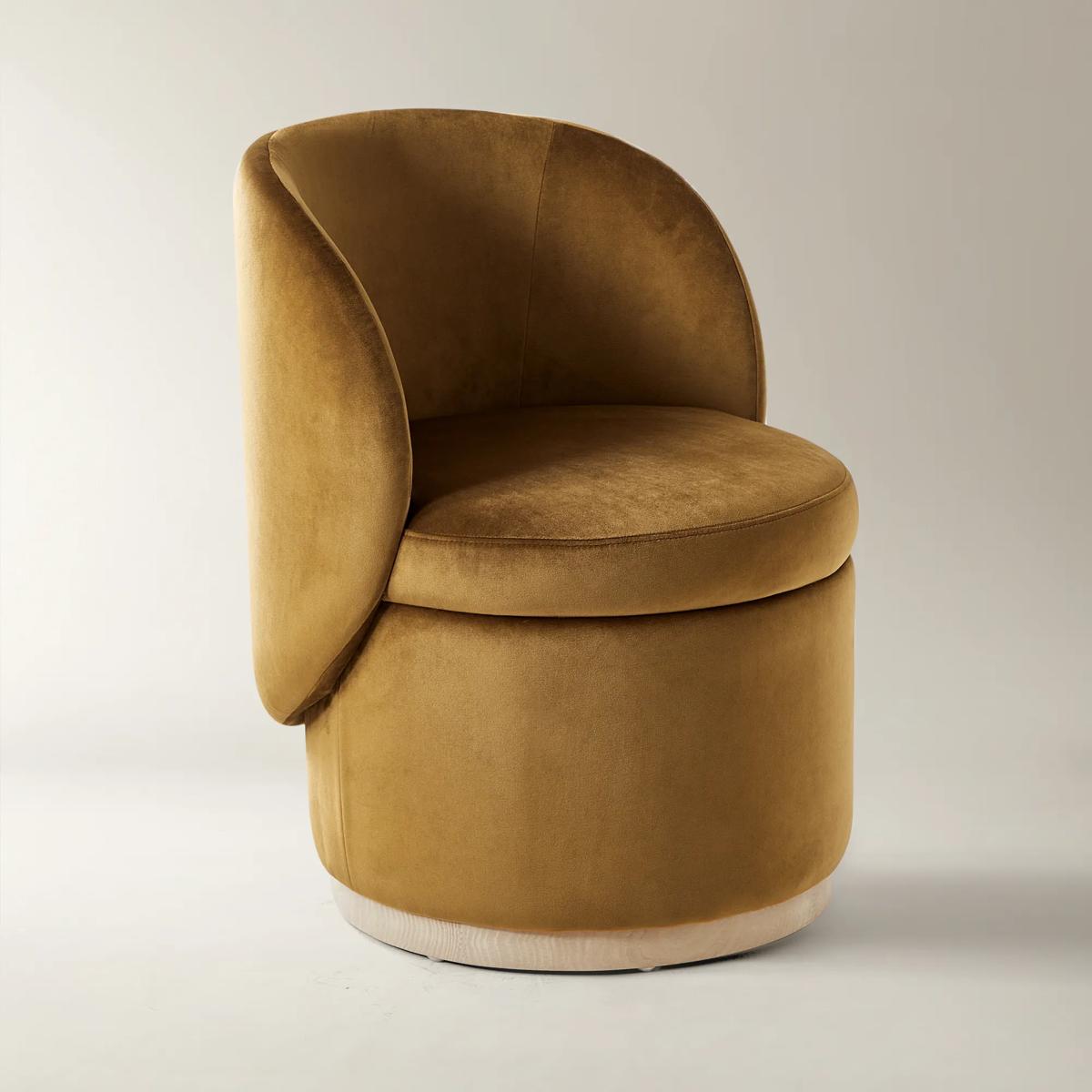
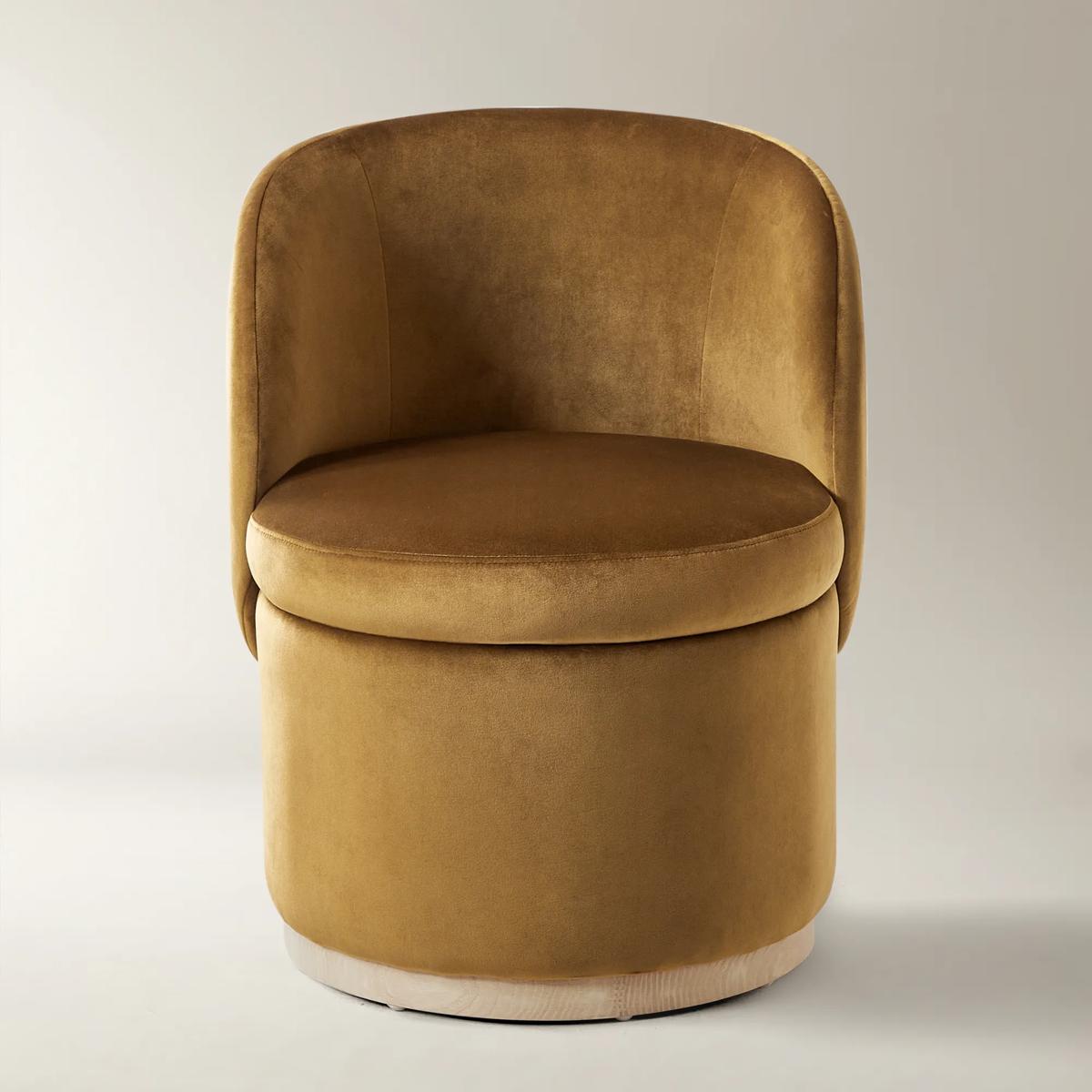 Stria Roasted Pecan Velvet Dining Chair With Oak Base$599
A khaki chenille chair featuring cozy upholstery and a handcrafted solid oak base for organic warmth.
Add To Cart -
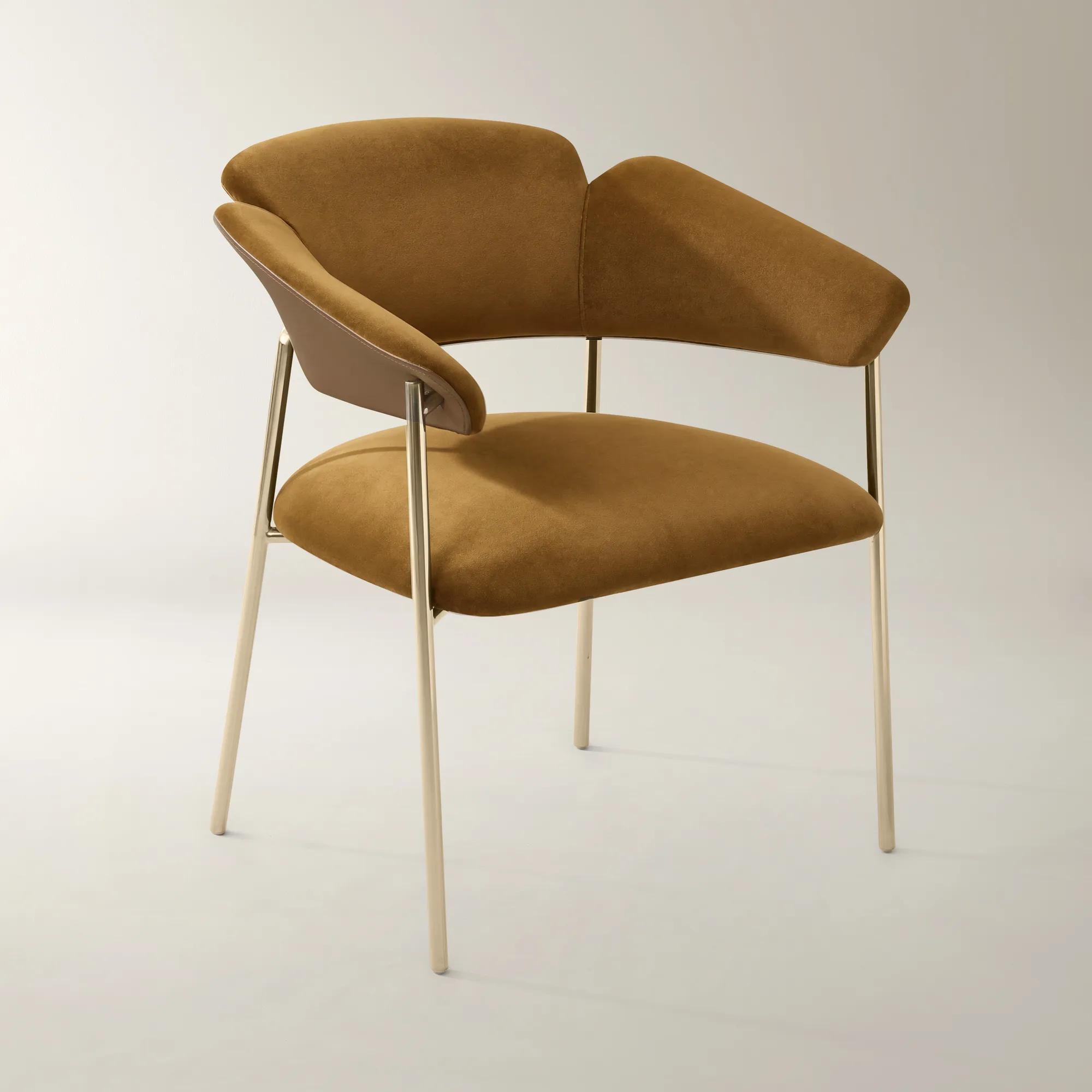 Odette Roasted Pecan Velvet Dining Chair$499
A sculptural dining chair featuring roasted pecan velvet, tonal faux leather accents, and gold stainless steel legs.
Add To Cart -
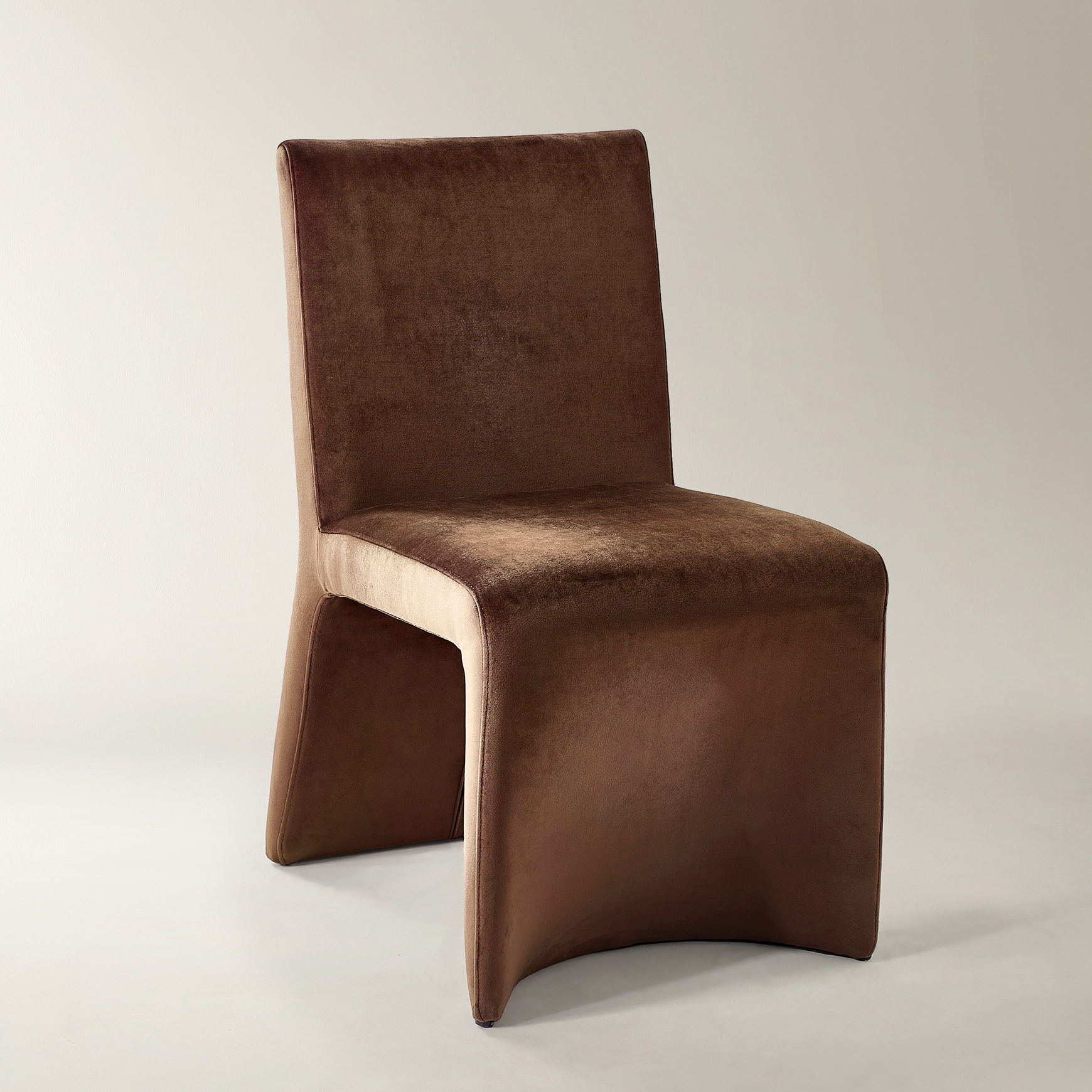 Elara Burnt Umber Velvet Dining Chair Set Of 2$799
A pair of brown velvet chairs with sinuous curves, ergonomic support, and hand-crafted, sculptural design.
Add To Cart -
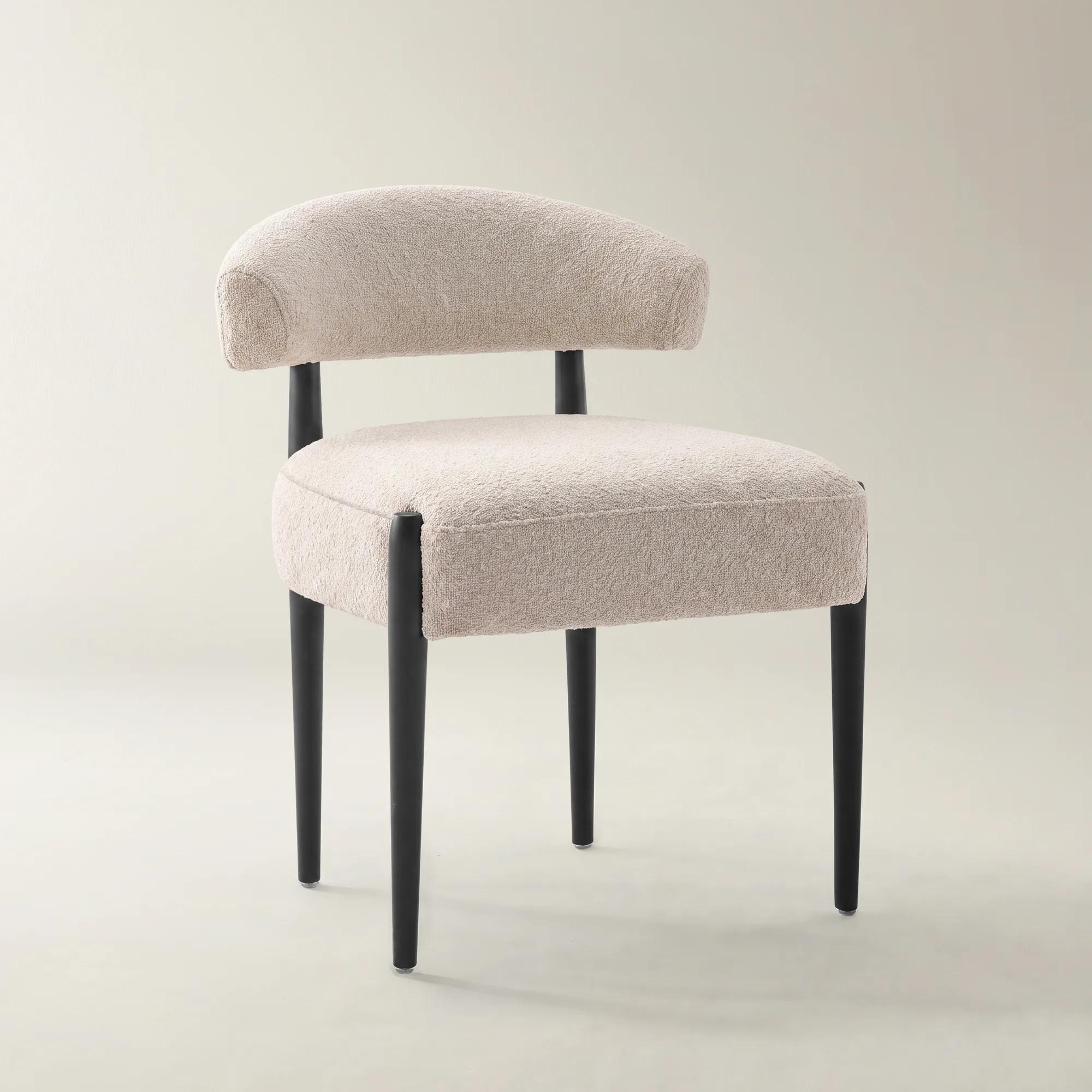
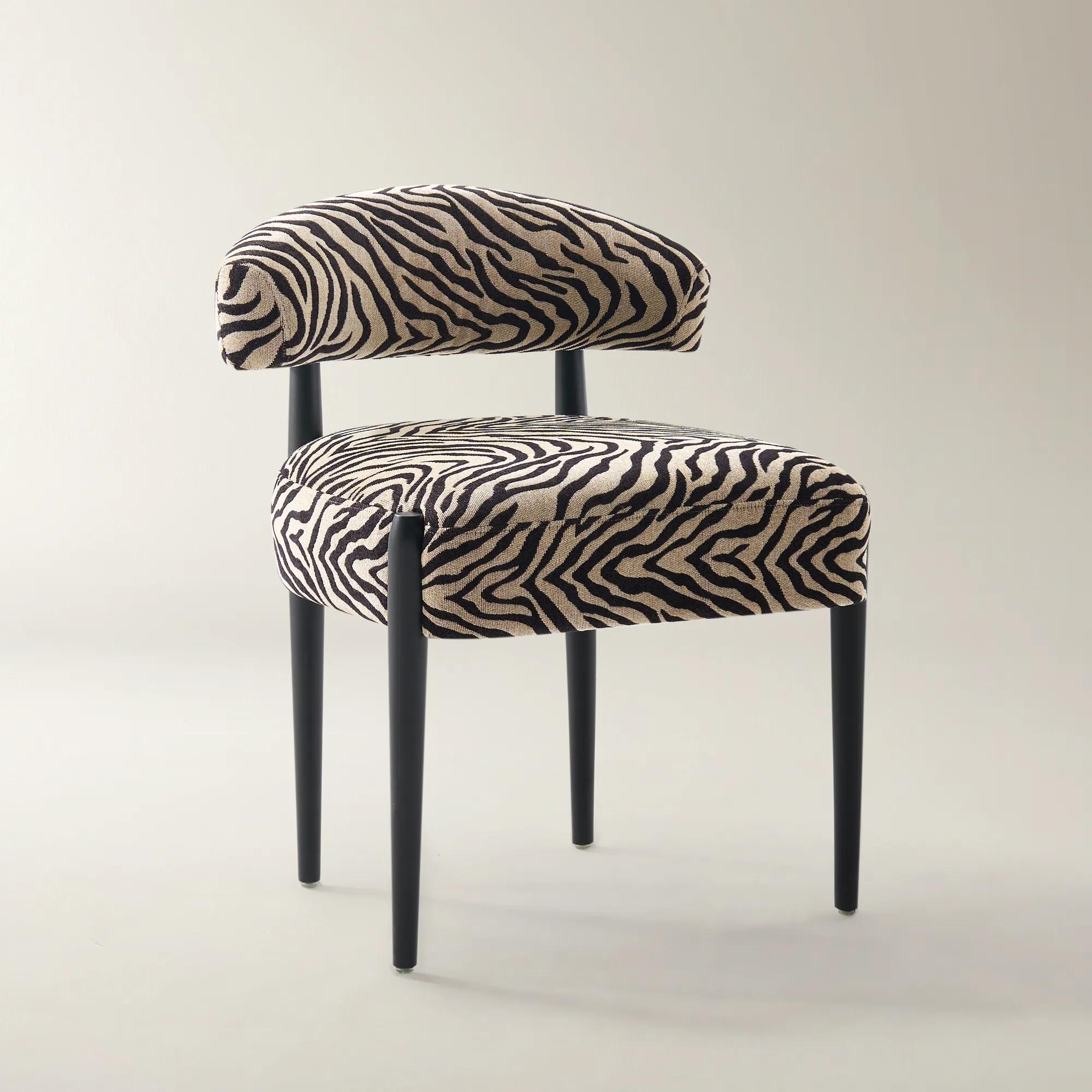 Anna Ivory Performance Boucle Dining Chair Set of 2$699
An ivory performance bouclé dining chair set with arched backs, high-density foam, and solid wood construction.
Add To Cart -
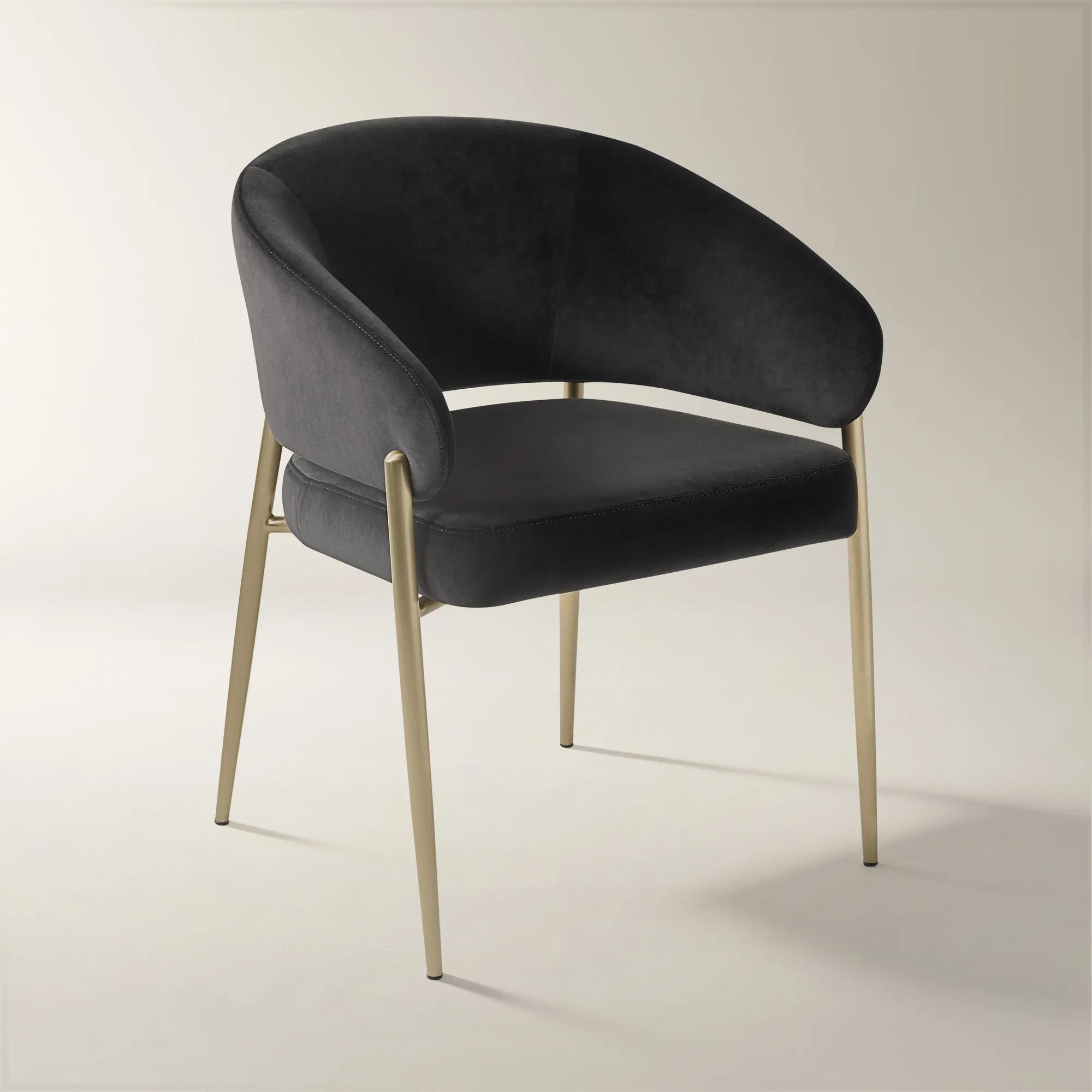 Nara Charcoal Velvet Dining Chair Set Of 2$599
A set of two charcoal velvet chairs featuring curved backs, plush upholstery, and brushed brass metal legs.
Add To Cart

French Style Dining Chairs
French style dining chairs invite a touch of Parisian grandeur to your dining space, where every meal becomes a celebration of artistry and allure. Defined by graceful silhouettes, intricate detailing, and an air of effortless sophistication, these chairs evoke the romance of candlelit soirées and sun-dappled brunches alike. Whether your vision leans toward ornate flourishes or understated elegance, french style dining chairs transform the ordinary into the extraordinary, infusing your home with a sense of timeless luxury and joie de vivre. Let your dining room become a stage for unforgettable moments—where every seat is a statement, and every gathering feels like an occasion.
French style dining chairs bring the sculptural elegance of French furniture into the dining room through shaped backs, carved frames, graceful legs, and carefully tailored upholstery. Familiar silhouettes include oval or medallion backs associated with Louis XVI–inspired design, along with the curved lines and cabriole legs often found in Louis XV–influenced pieces. Fluted legs, molded edges, and restrained floral or scroll details give these chairs their architectural character, while the finish determines whether that character feels softly aged or distinctly glamorous. Weathered wood and pale painted finishes create a more relaxed expression; deep wood tones, metallic accents, and luminous upholstery introduce greater drama. These details distinguish French-inspired seating from a simple upholstered chair without requiring an entirely traditional room. Against a streamlined dining table, a carved chair frame becomes an expressive outline. Beneath a statement chandelier, a row of medallion backs creates a rhythm that feels deliberate from every angle. The more relaxed character of French Provincial Style Dining Chairs often draws on regional French furniture traditions, with softened finishes, curved forms, and an emphasis on inviting proportions. French style dining chairs as a broader category can range from that understated provincial sensibility to more formal, ornamented interpretations. Linen upholstery lends a textured, tailored appearance, velvet introduces depth and a light-catching pile, and woven fabrics can soften the contrast between carved wood and polished surfaces. Some designs incorporate cane backs, allowing the frame’s shape to remain prominent while giving the dining arrangement a more open visual presence. Upholstered backs create a fuller silhouette and a more enveloping impression. For a dining room intended for leisurely meals and expressive entertaining, these distinctions matter as much as color: they establish whether the setting feels airy and composed, richly layered, or unapologetically theatrical. A narrow carved border offers a different presence from a deeply upholstered back, even when both chairs share the same silhouette. French influence is therefore less a single prescribed look than a recognizable vocabulary of proportion, ornament, and craftsmanship.
The appeal of French-inspired dining seating depends on how beautifully those decorative details support everyday use. Solid wood frames are traditional, although wood species, joinery, construction, and finish all influence long-term performance; appearance alone does not establish a chair’s strength. Secure joints, a stable stance, and upholstery suited to the intended setting deserve attention alongside carved flourishes. An upholstered seat with resilient cushioning can feel welcoming through an extended dinner, while the back’s angle and contour affect how comfortably the chair supports an upright dining position. Armchairs introduce a generous, composed presence at the ends of a rectangular table, and armless side chairs often allow easier movement along its length. Scale is especially important with curved arms, broad medallion backs, and substantial padding, which may occupy more room than their delicate detailing suggests. Many dining chairs have seat heights around 18 to 20 inches, while standard dining tables are commonly about 28 to 30 inches high, but the actual relationship between the seat, tabletop, and apron determines the fit. Arms also need clearance beneath the table if the chairs are intended to tuck in fully. Allowing roughly 24 to 30 inches of table edge per place setting can provide a useful starting point, with wider chairs requiring more space. The room needs to accommodate the chair when someone is seated or pulling it back, not simply when the table is neatly arranged. Fabric choice brings another layer of practicality. Linen offers natural texture but can wrinkle and requires care appropriate to its weave and finish. Polyester and blended upholstery may offer useful durability, though stain resistance and cleaning methods depend on the particular fabric rather than fiber content alone. Velvet’s pile can show changes in direction and pressure marks, contributing to its shifting appearance. In a frequently used breakfast area or a household with children, documented performance characteristics and clear care instructions can be especially valuable. In a more formal dining room, intricate carving and richly textured upholstery may take a larger role, provided the seating remains comfortable enough to invite another course.
French style dining chairs are particularly compelling in rooms that balance ornament with a confident sense of restraint. A glass tabletop leaves carved legs and curved seat frames visible, turning the seating into part of the room’s visual composition. A substantial wood table creates a grounded counterpart to pale upholstery, while a stone surface offers a crisp contrast to velvet or woven linen. Matching every finish is not essential; a shared undertone, repeated curve, or consistent upholstery color can connect the chairs to the rest of the space without making the arrangement feel rigid. Two upholstered armchairs at the table’s ends can frame a gathering with quiet authority, while coordinated side chairs keep the overall silhouette cohesive. In a smaller dining area, slimmer frames and open backs can preserve sightlines without surrendering decorative presence. In an expansive room, taller backs and more generous upholstery help the seating hold its own beneath artwork, mirrors, and statement lighting. These chairs can also lend character beyond the dining table: a single chair beside a console offers a poised place to pause, and an upholstered side chair at a writing desk introduces the same graceful profile, provided its dimensions and comfort suit the task. Preserving that character calls for care tailored to each material. Regular gentle vacuuming with an appropriate upholstery attachment helps remove dust from seams and carved edges, while spills should be blotted promptly rather than rubbed. Cleaning products and spot treatments should follow the upholstery label or manufacturer’s instructions, since some fabrics require professional attention. Wood frames benefit from a soft cloth and protection from excess moisture; abrasive cleaners can dull decorative finishes or damage painted details. Prolonged direct sunlight may fade fabric and alter wood tones, making placement part of thoughtful care. Chairs should be lifted rather than dragged, and suitable floor protectors can help safeguard both the legs and the surface beneath them. With attention to construction, proportion, and upkeep, French-inspired dining seating offers more than an ornamental accent. It gives everyday meals a beautifully considered setting, where a carved curve, a softly upholstered back, and the glow of the surrounding room each contribute to the experience.
FAQs
French style dining chairs are distinguished by their elegant silhouettes, often featuring curved or cabriole legs, intricate wood carvings, and upholstered seats or backs. These details create a sense of refined artistry and timeless sophistication, whether you prefer the ornate flourishes of French Provincial or the relaxed charm of French Country.
French modern dining chairs offer a fresh take on classic French design by blending traditional curves and details with streamlined profiles, neutral tones, and minimalist accents. They seamlessly elevate contemporary interiors, adding a touch of European glamour while maintaining a clean, versatile look that pairs beautifully with modern tables and décor.
These chairs are typically crafted from high-quality woods such as oak, beech, or walnut, and often feature luxurious upholstery in fabrics like velvet, linen, or leather. Many designs also incorporate natural elements such as cane, wicker, or rattan, especially in French Country and bistro-inspired styles.
Absolutely. The diverse range of French style dining chairs allows them to enhance both formal dining rooms and casual kitchen nooks. Ornate, upholstered designs lend themselves to grand, elegant spaces, while simpler, rustic chairs with natural finishes are perfect for creating a relaxed, welcoming atmosphere.
For a curated, collected look, consider blending different French chair styles around your table—pairing upholstered armchairs at the ends with open-back or cane side chairs. Mixing finishes, fabrics, and shapes adds depth and personality, while still maintaining the cohesive elegance that defines French-inspired dining.