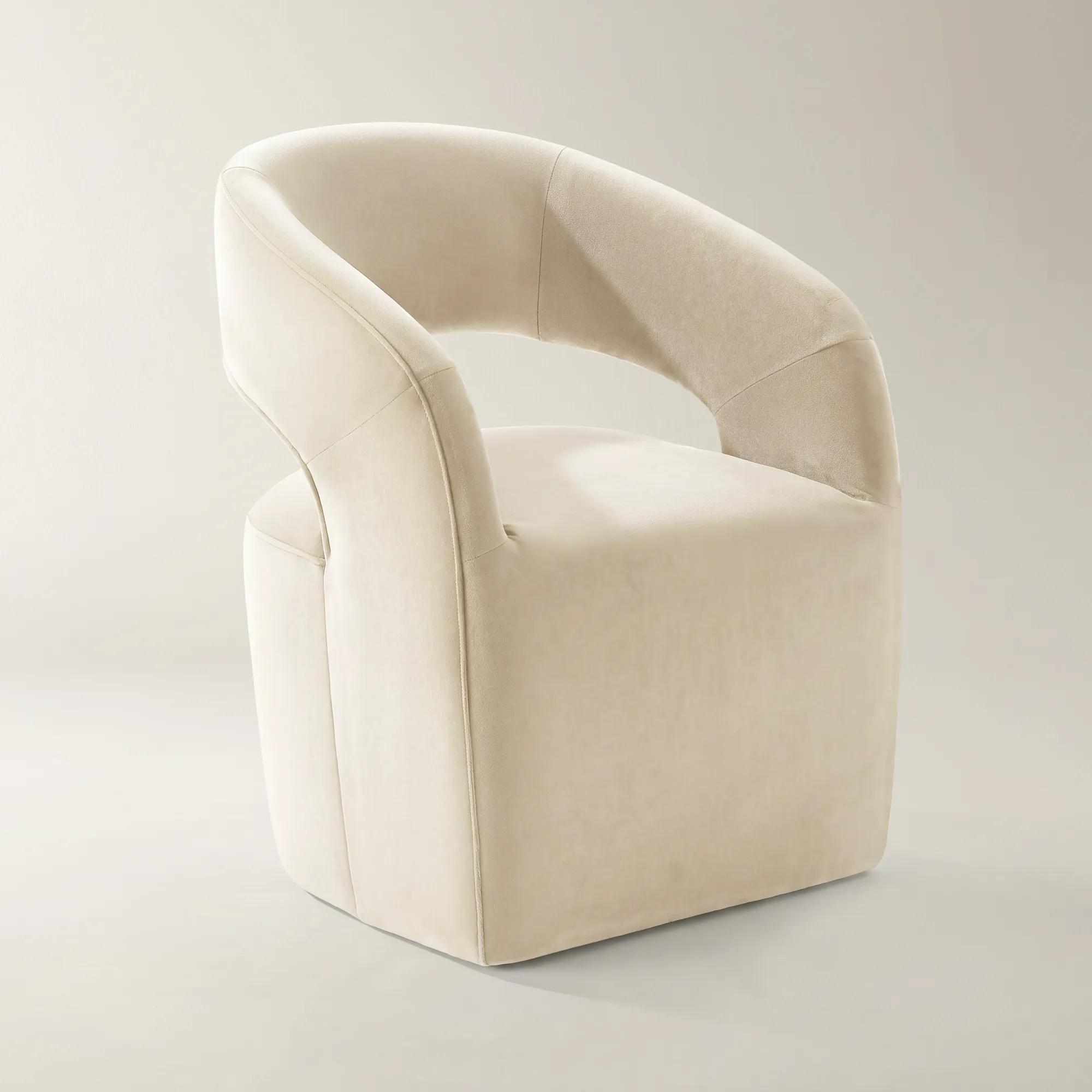
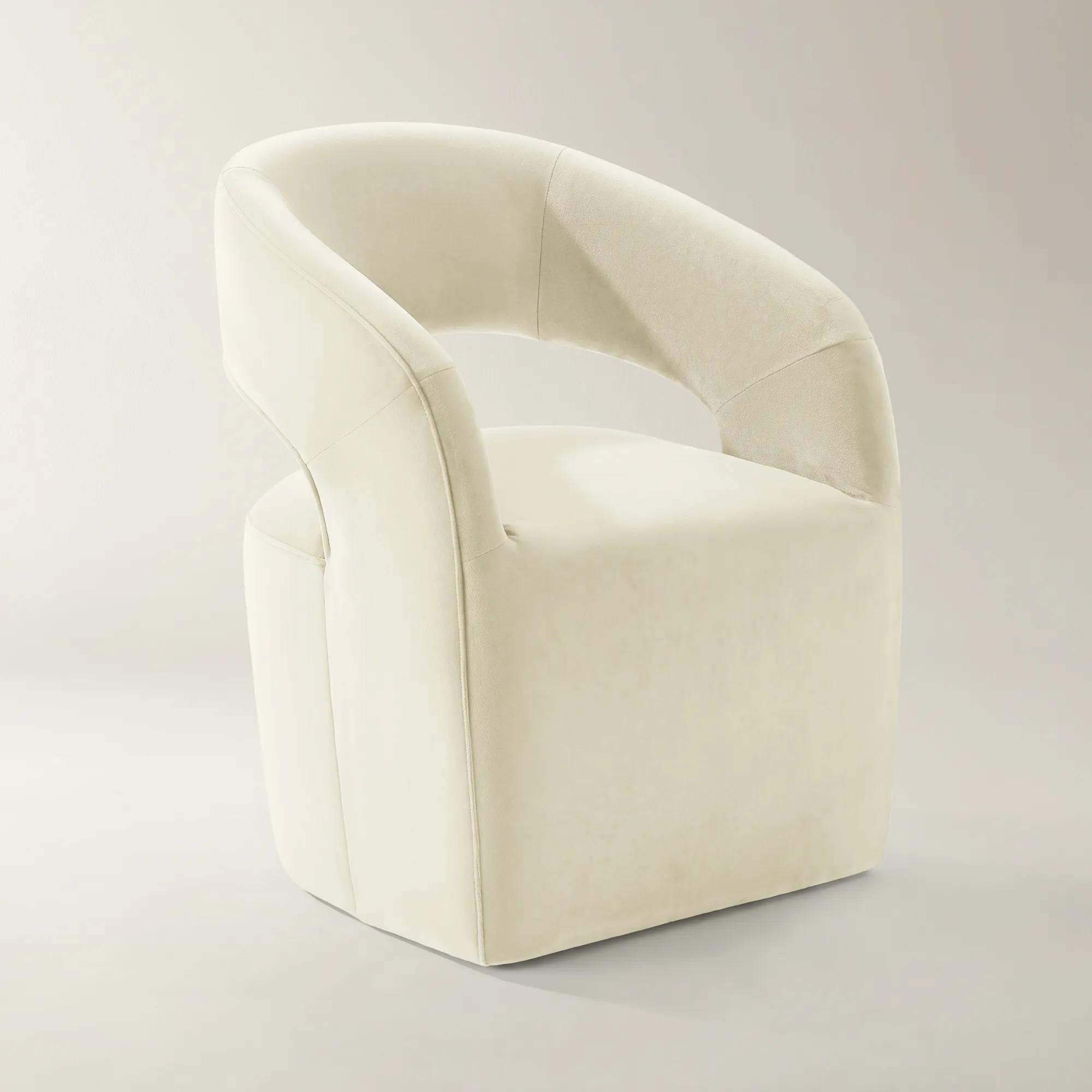
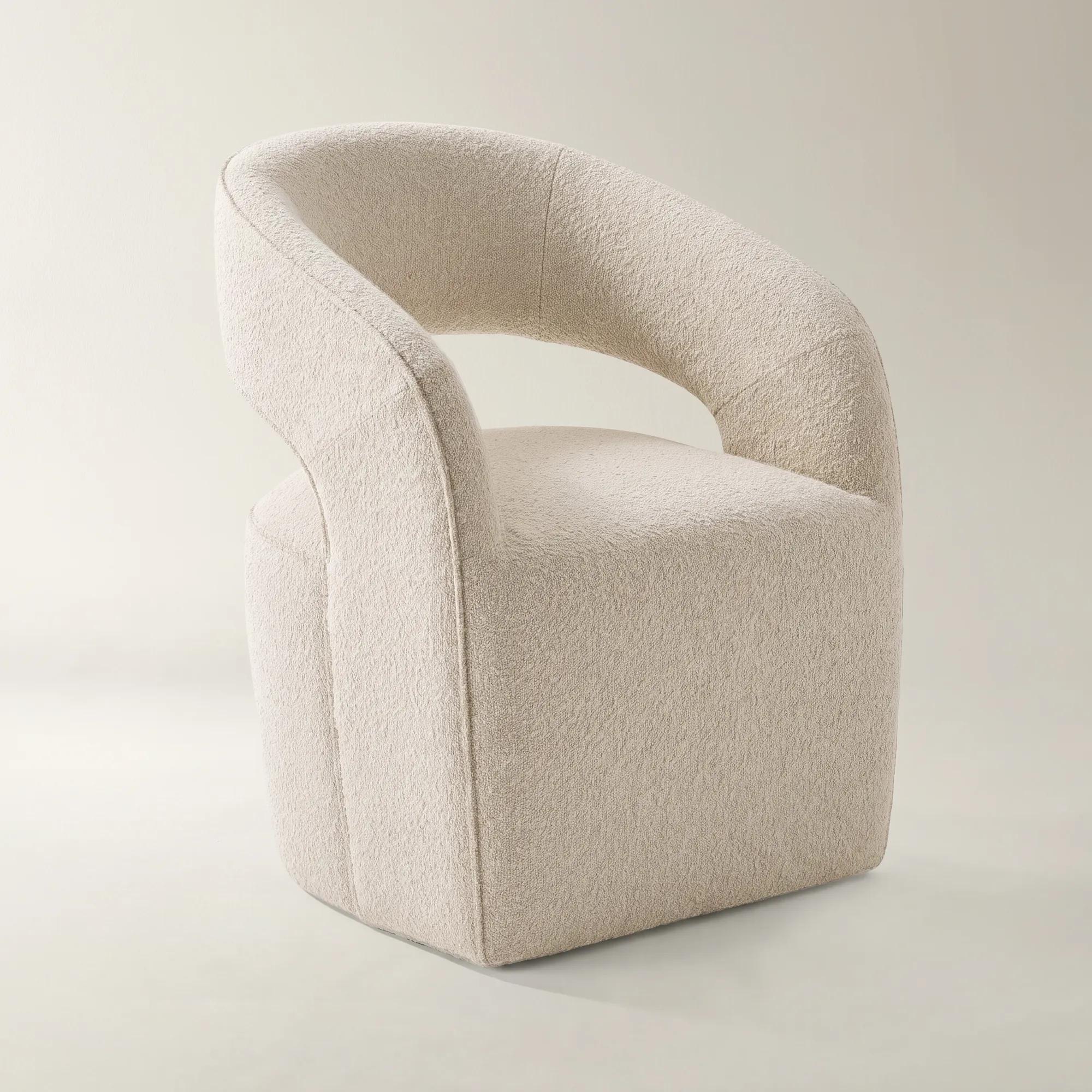
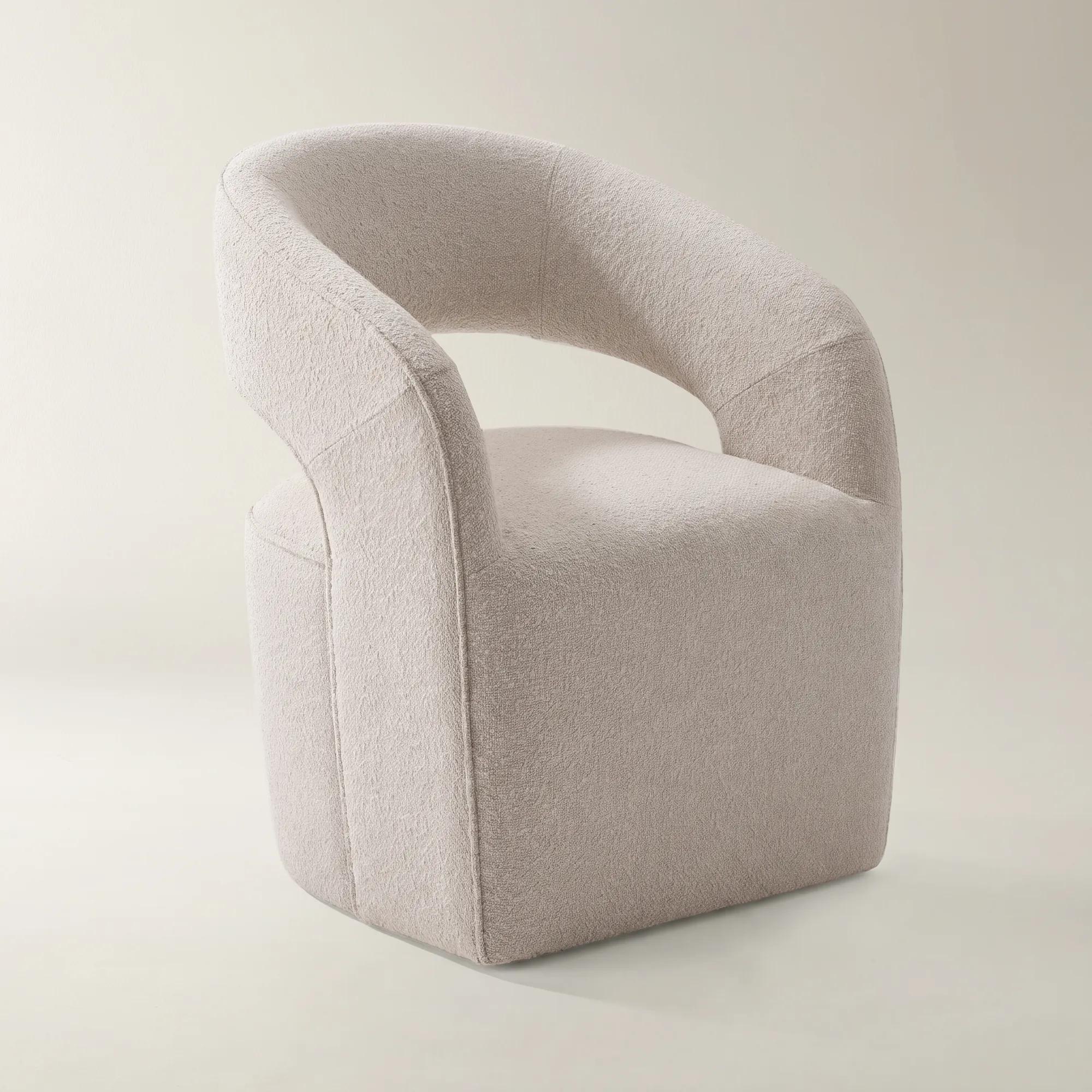
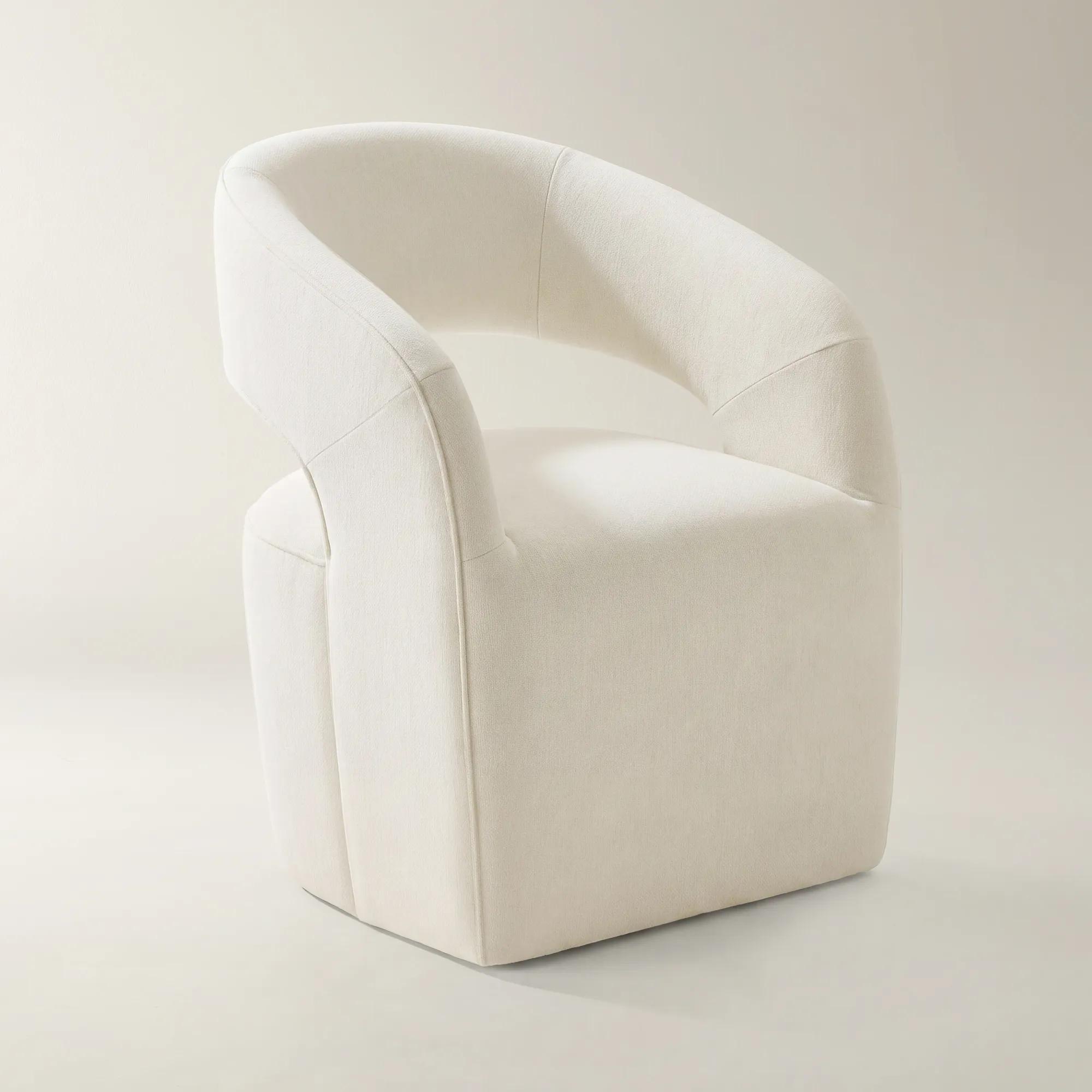
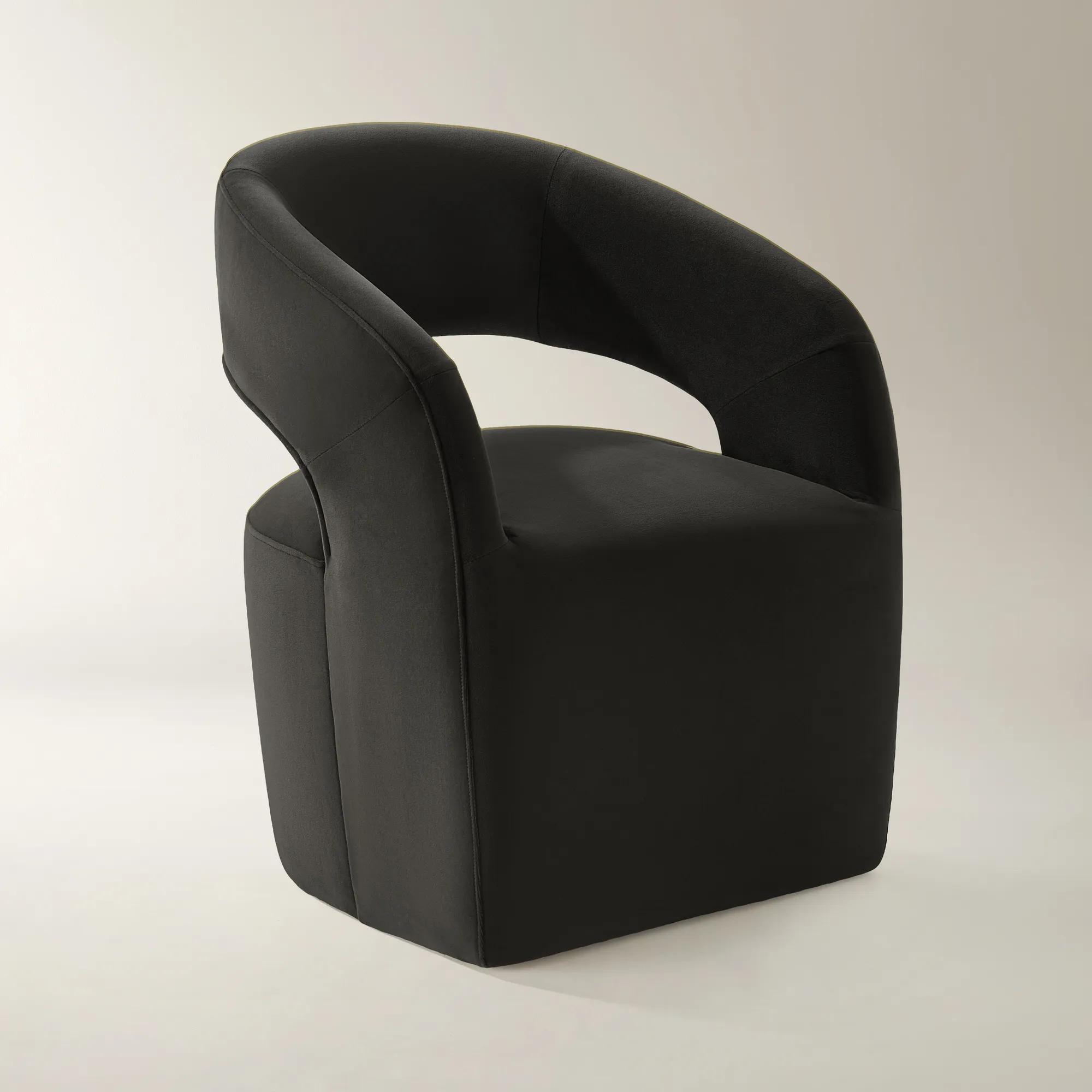
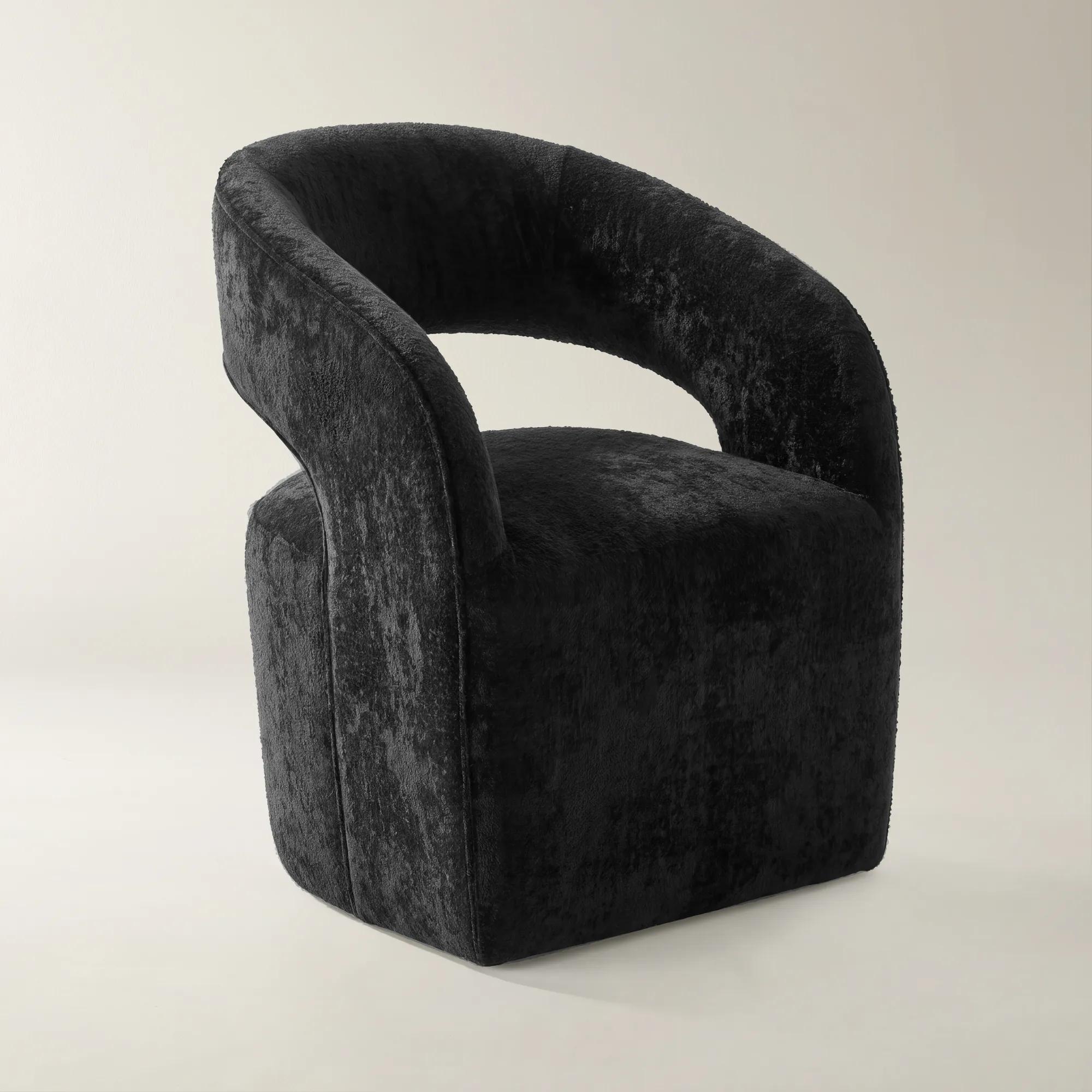
French Provincial Style Dining Chairs
French Provincial Style Dining Chairs
-
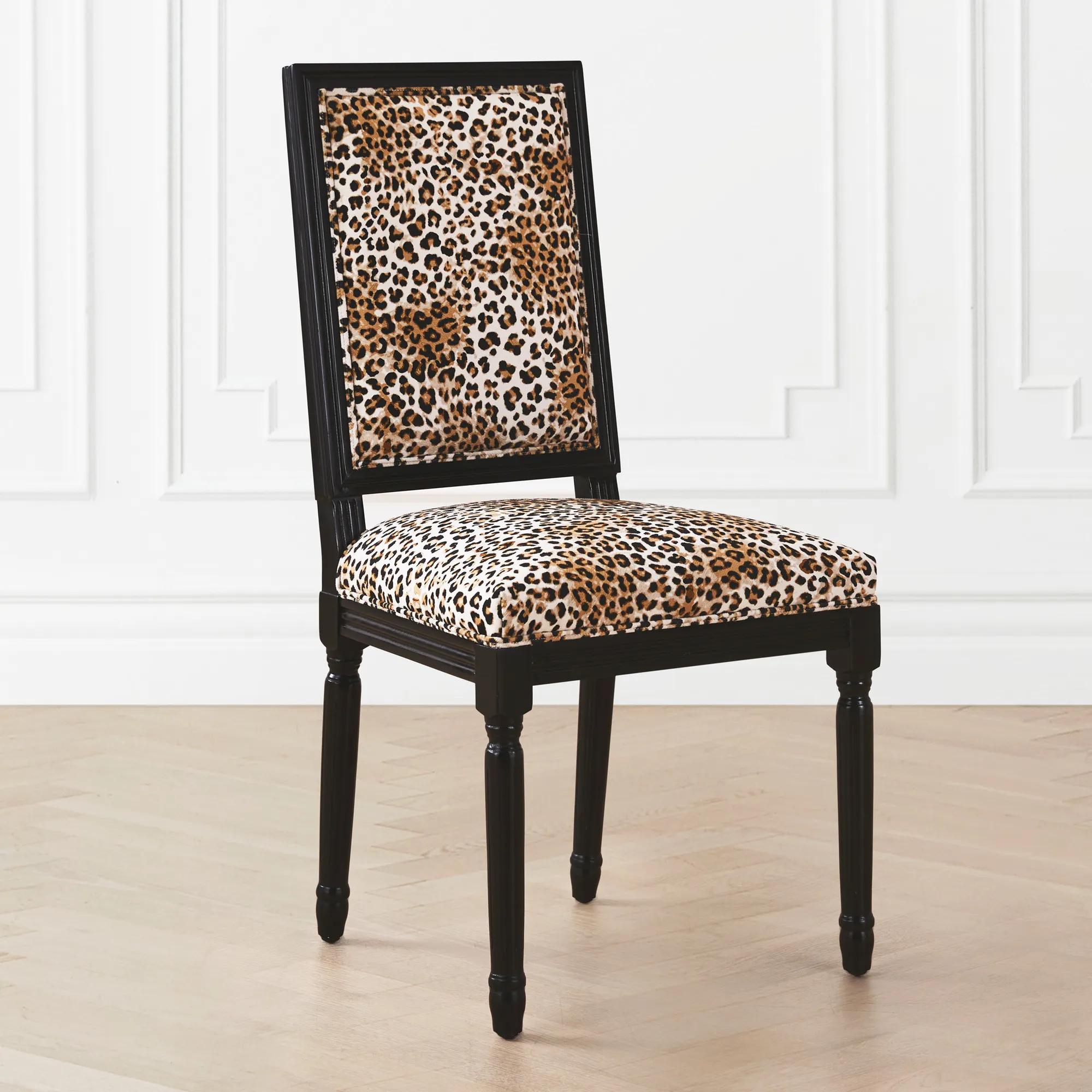
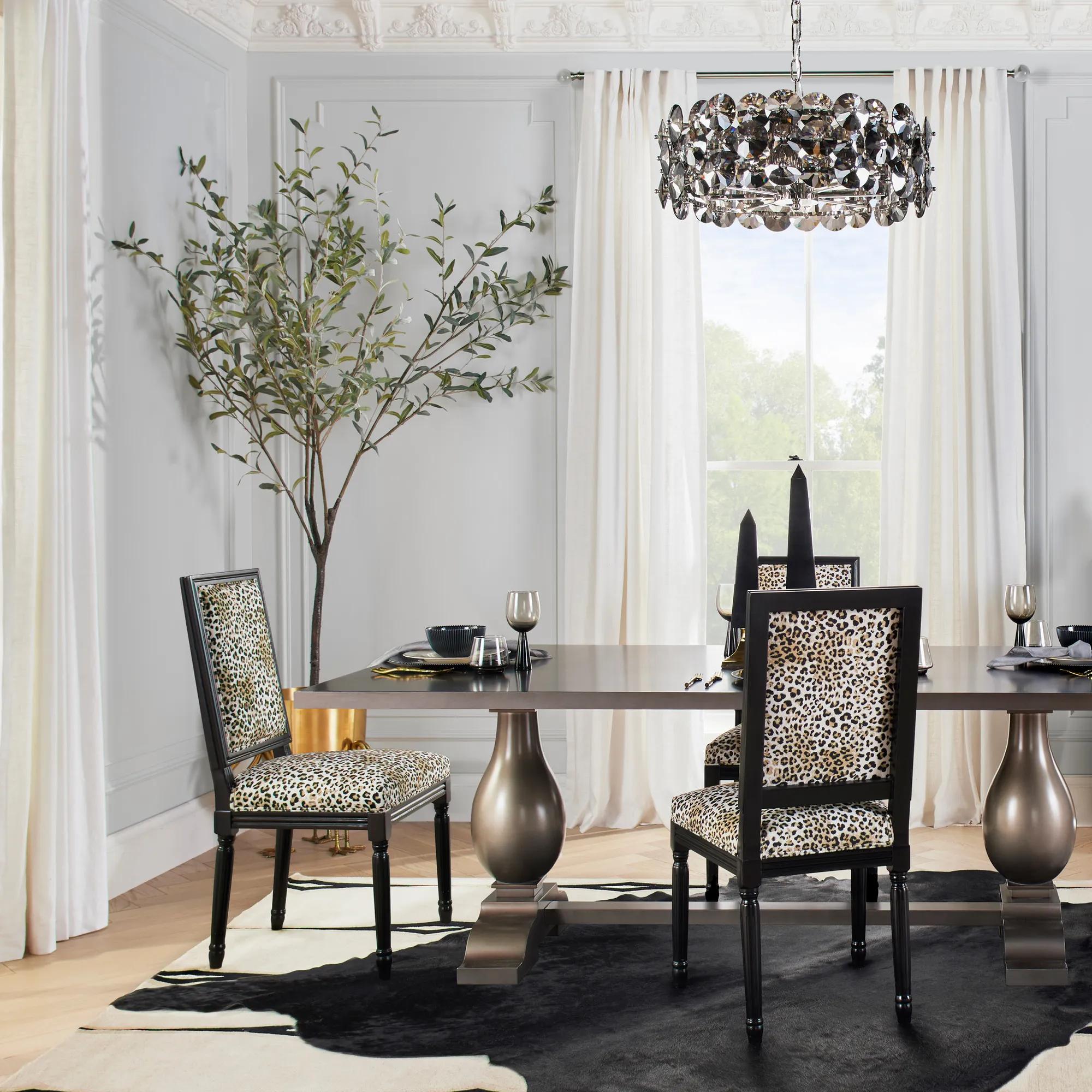 Callan Dining Chair$599
A handcrafted modern chair featuring classic upholstery, squared back, fluted legs, and high-gloss finish.
Add To Cart -
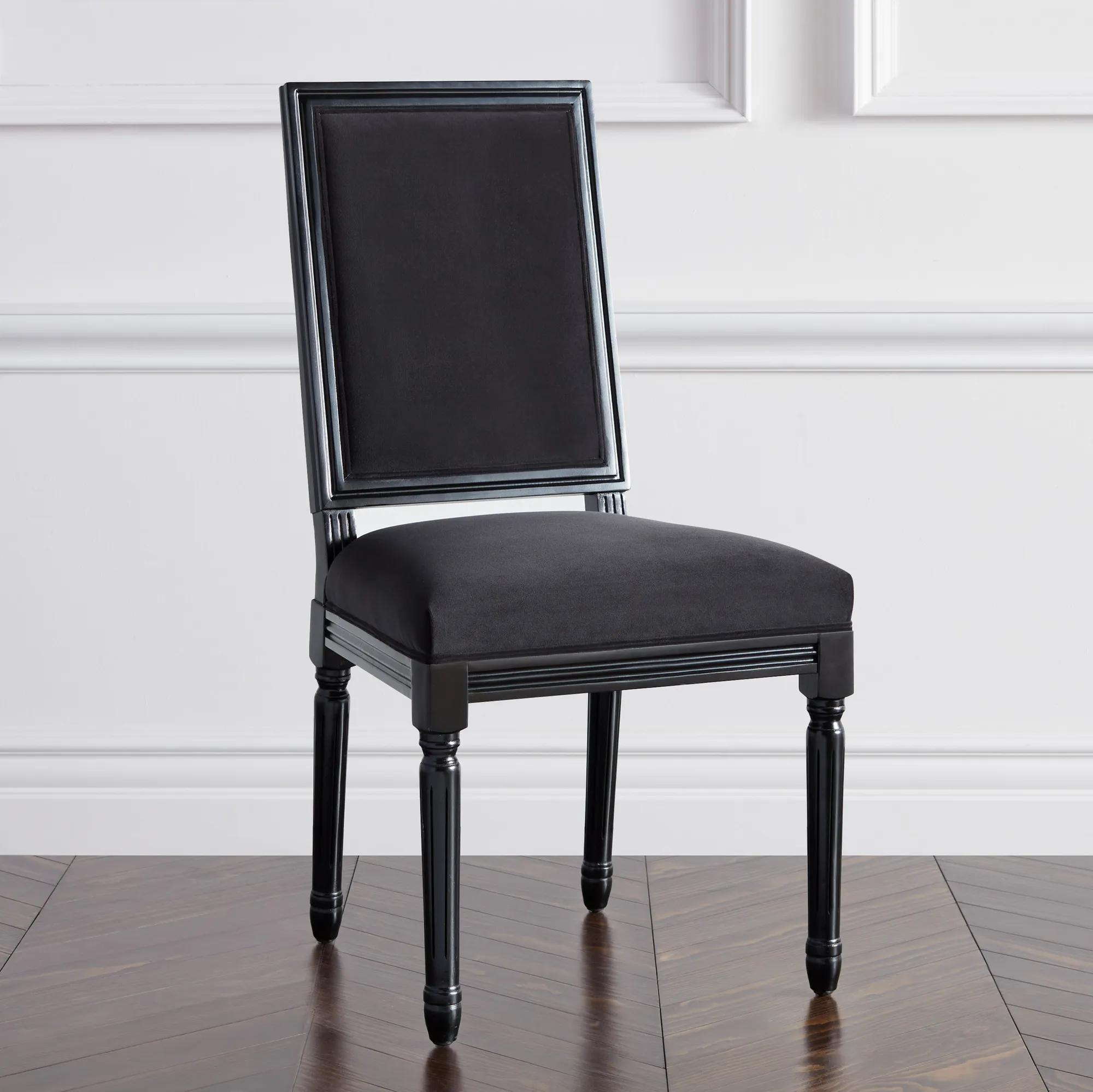
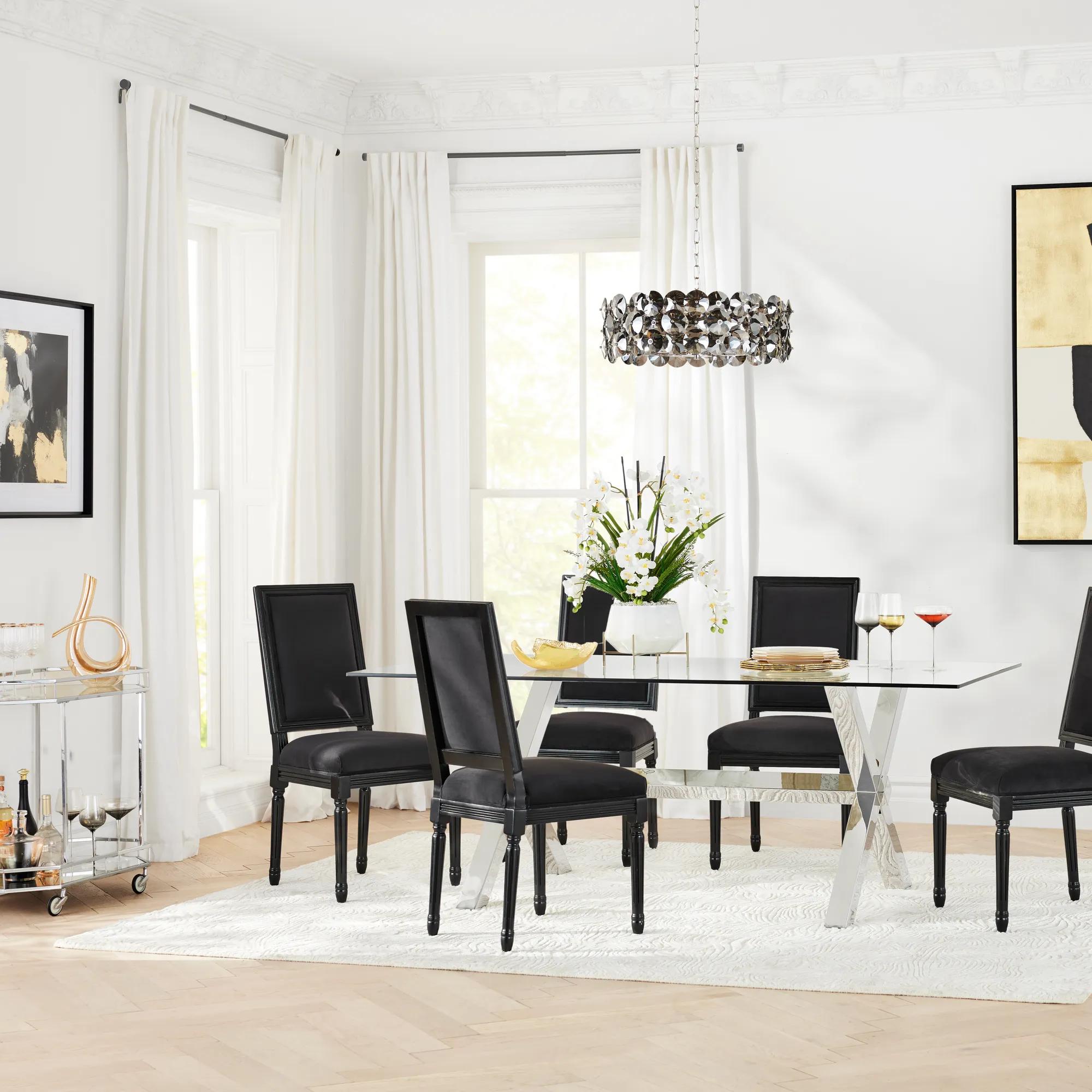 Callan Dining Chair - High Gloss Black$699
A handcrafted dining chair featuring high-gloss black Bella Velvet upholstery, fluted legs, and a squared back.
Add To Cart -
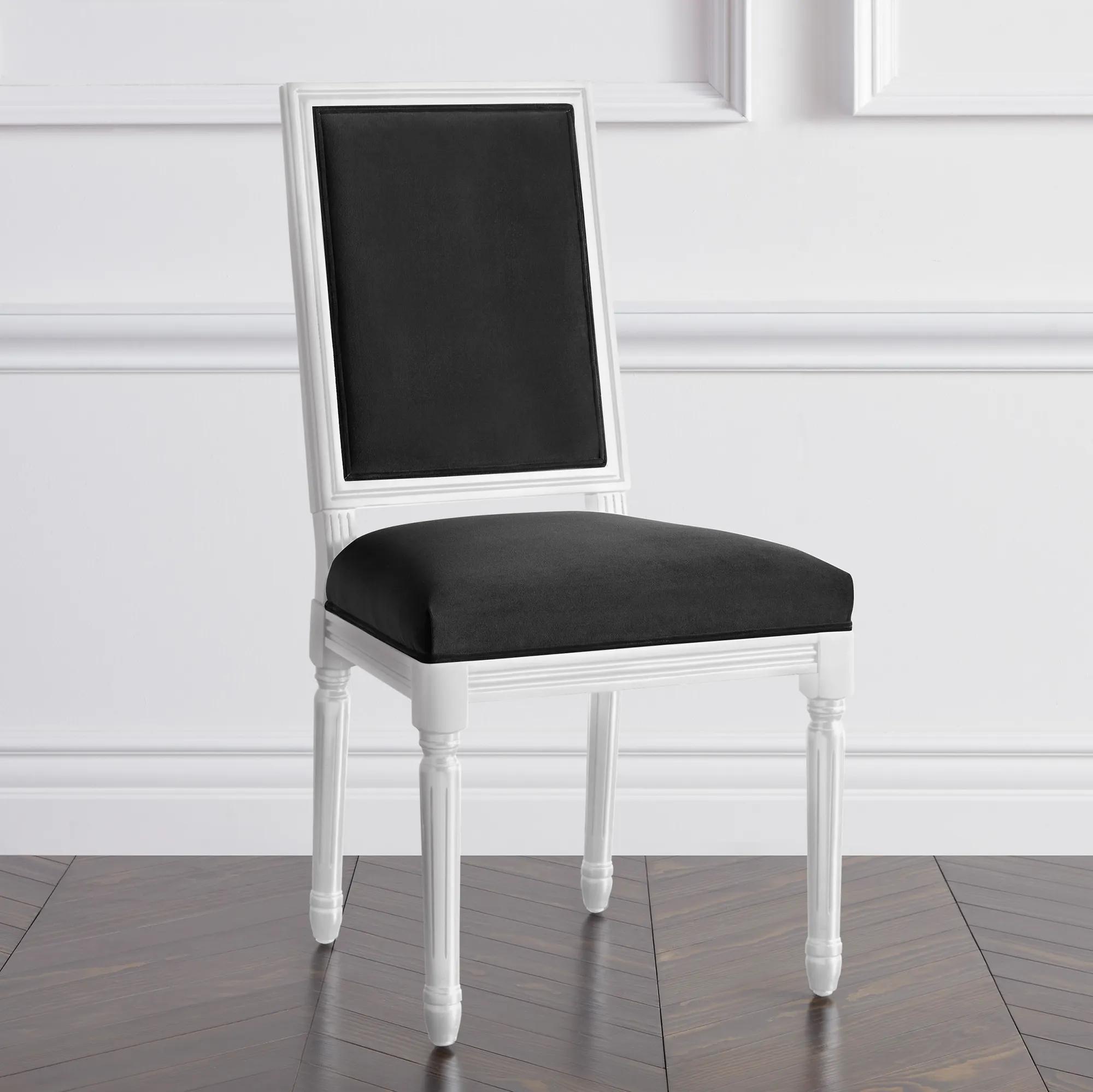
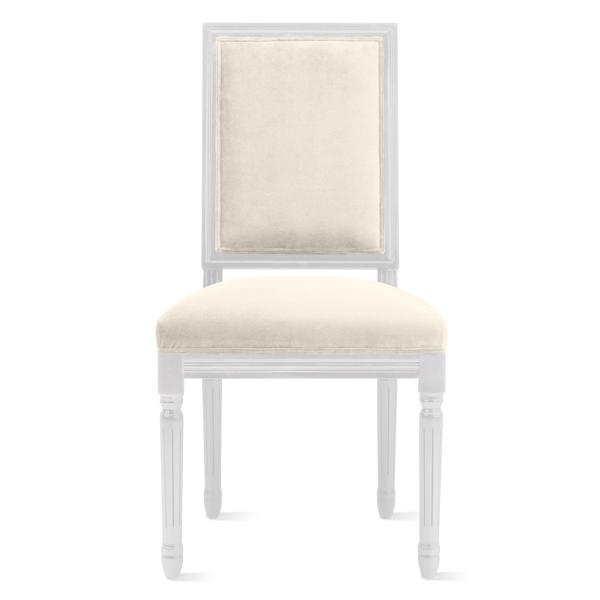 Callan Dining Chair - High Gloss White$599
A handcrafted dining chair featuring high-gloss white finish, kiln-dried hardwood frame, and plush velvet upholstery.
Add To Cart -
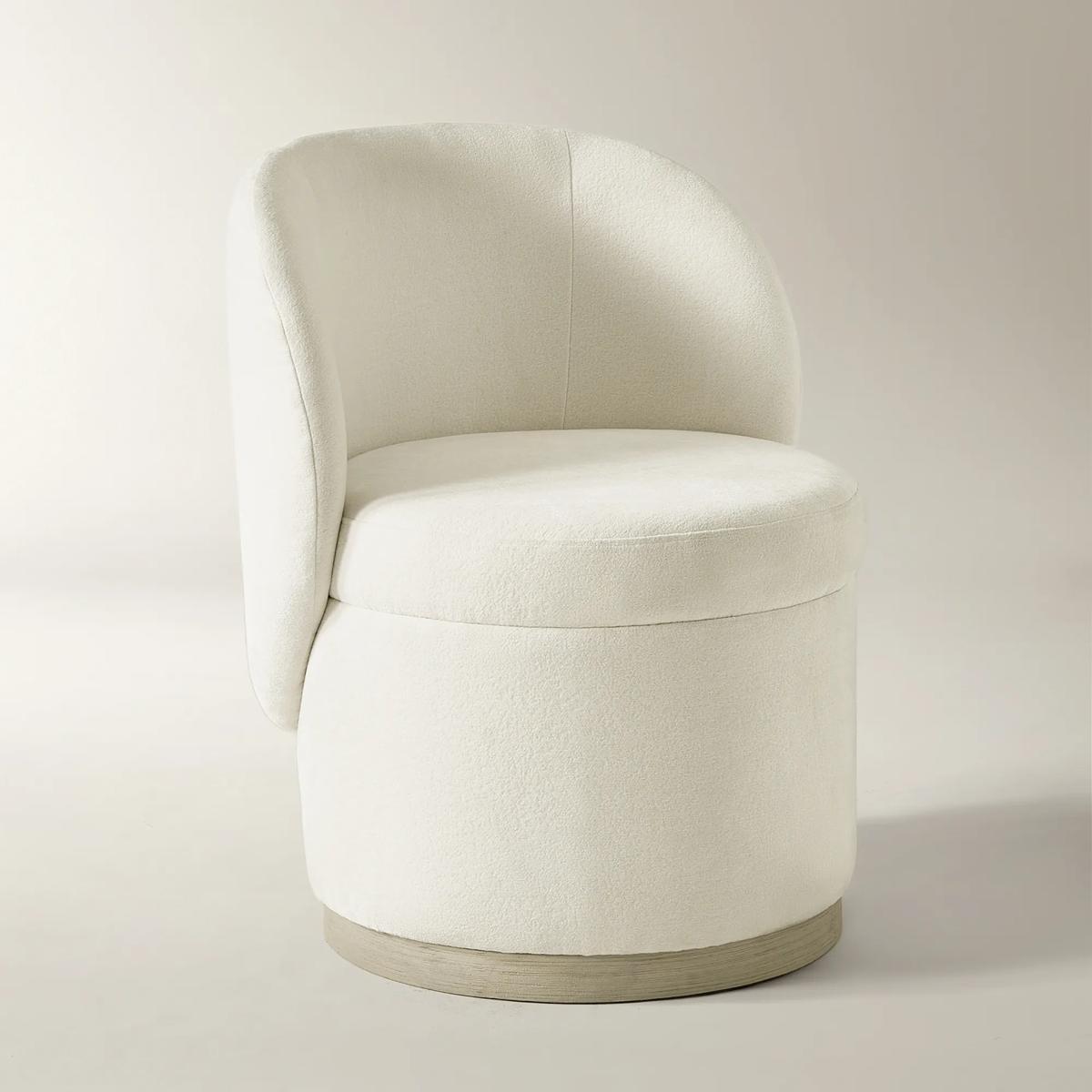 Stria Ivory Chenille Dining Chair With Oak Base$599
An ivory chenille chair featuring a plush, velvet-like finish and a handcrafted solid oak base.
Add To Cart -
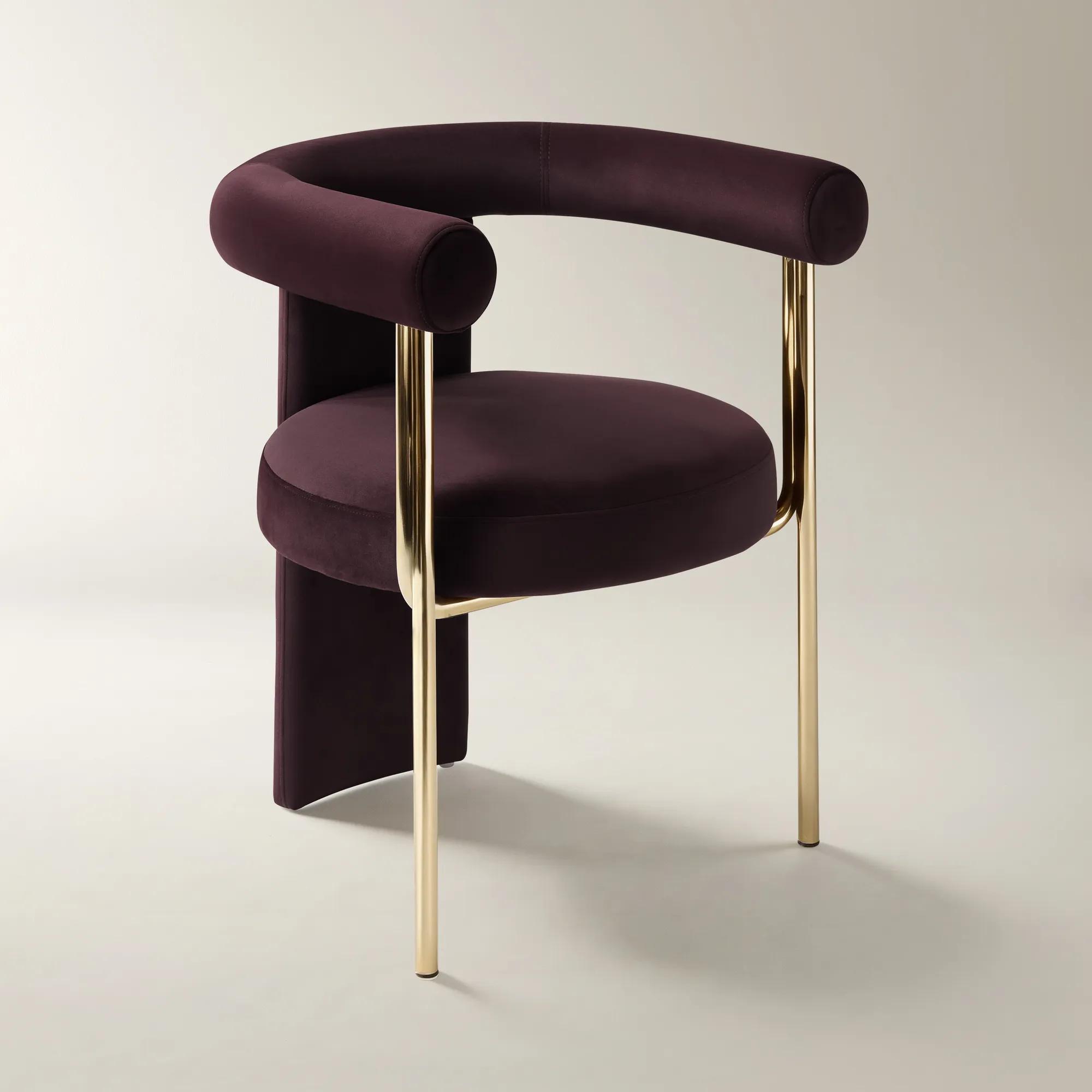 Davina Fig Velvet Dining Chair Set Of 2$899
A set of two dining chairs featuring plush fig velvet upholstery and a sleek gold-finished metal frame.
Add To Cart -
 Stria Ivory Chenille Swivel Dining Chair With Oak Base$699
An inviting ivory chenille arm chair with a solid oak swivel base and hand-crafted details.
Add To Cart -
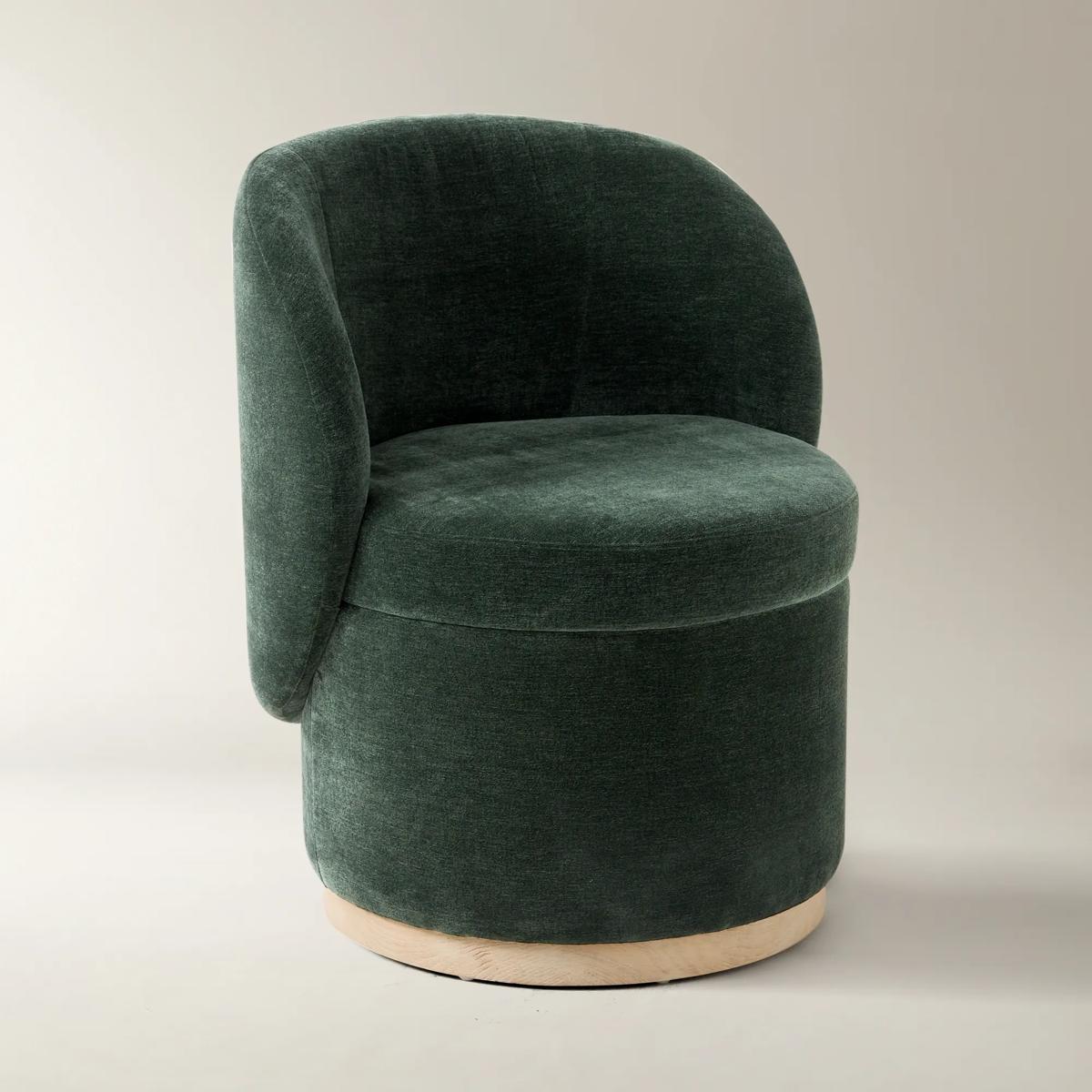
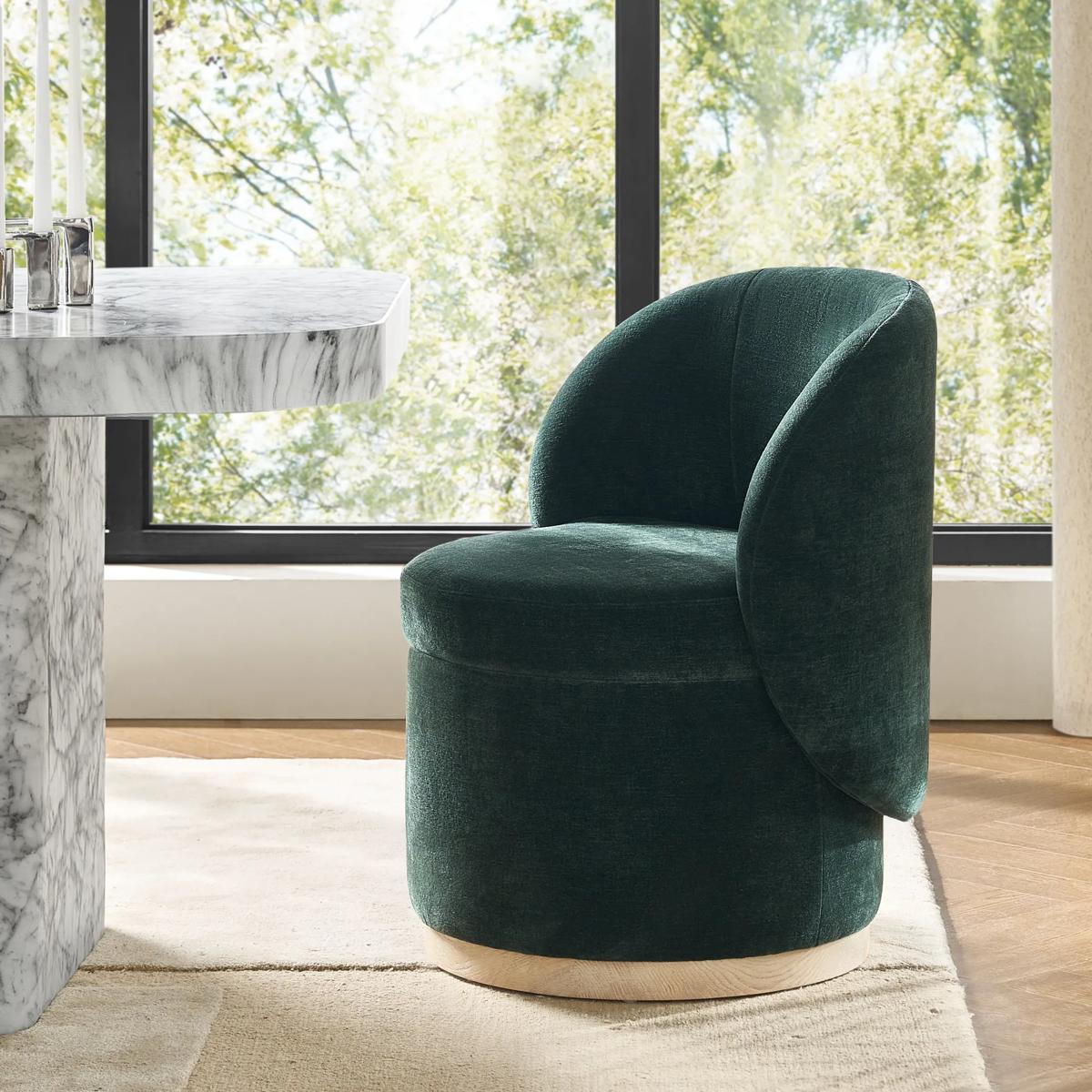 Stria Green Chenille Dining Chair With Oak Base$599
A green chenille dining chair with a handcrafted solid oak base and inviting, softly curved silhouette.
Add To Cart -
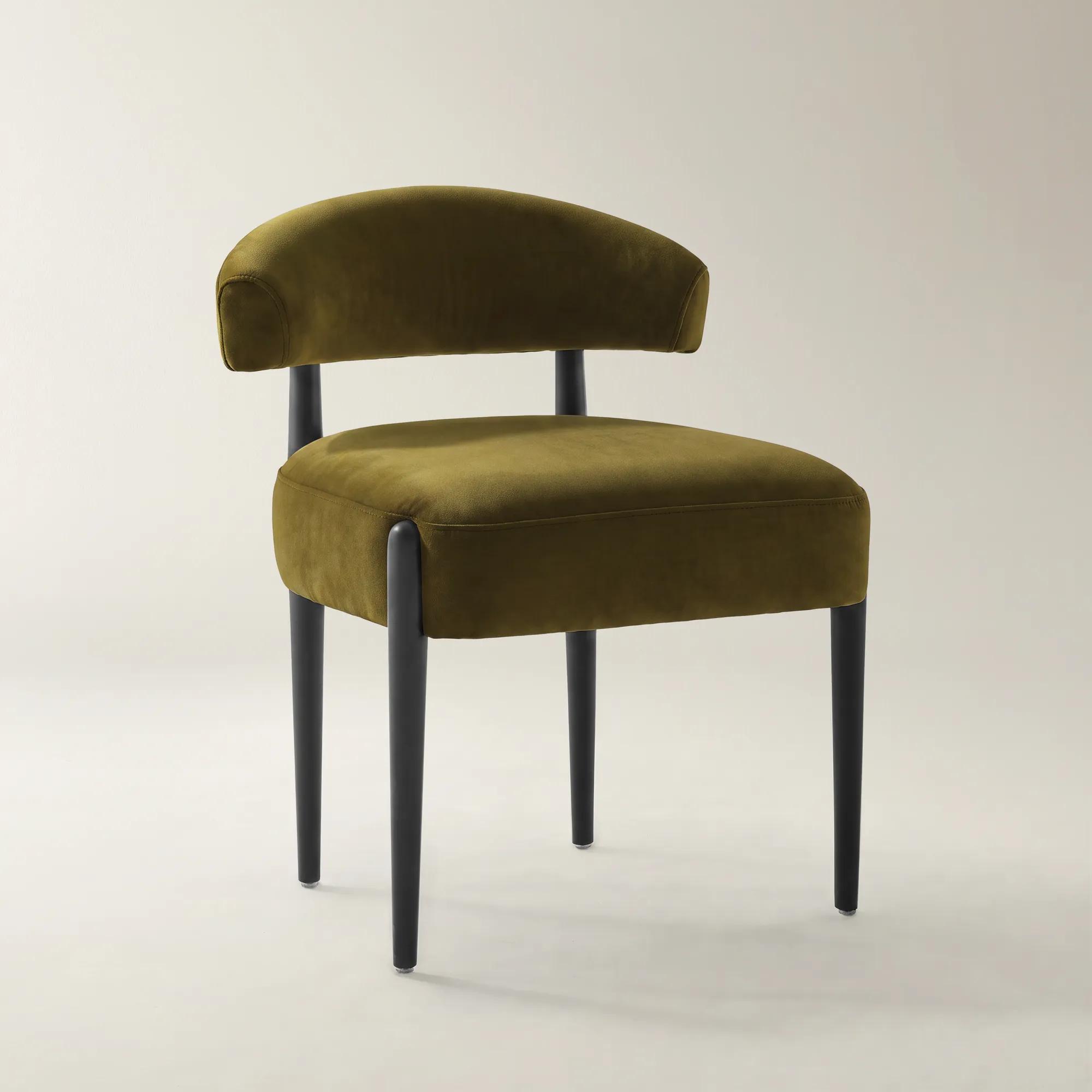
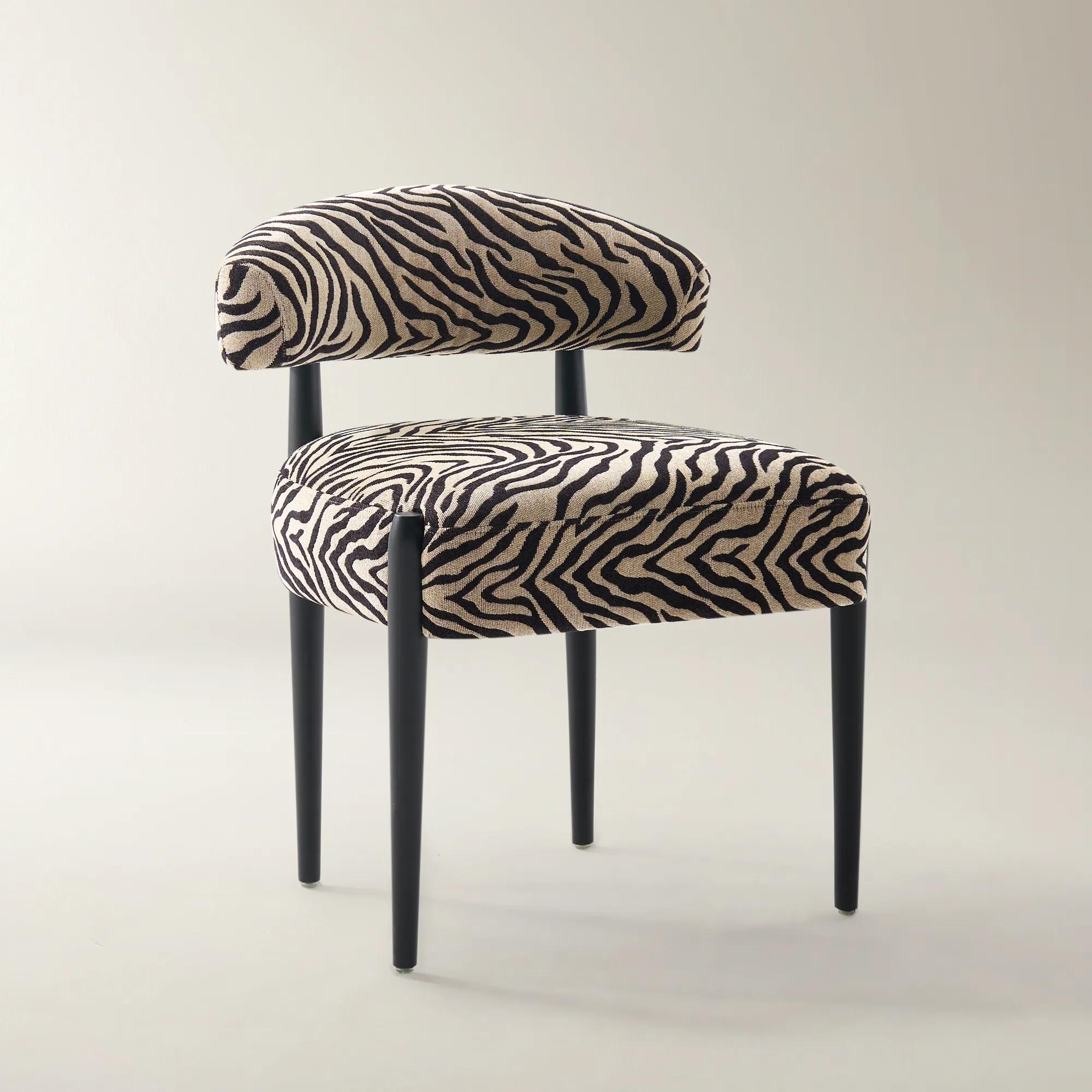 Anna Deep Olive Velvet Dining Chair Set of 2$599
A deep olive velvet dining chair with a tailored curved back, high-density cushioning, and solid rubberwood legs.
Add To Cart -
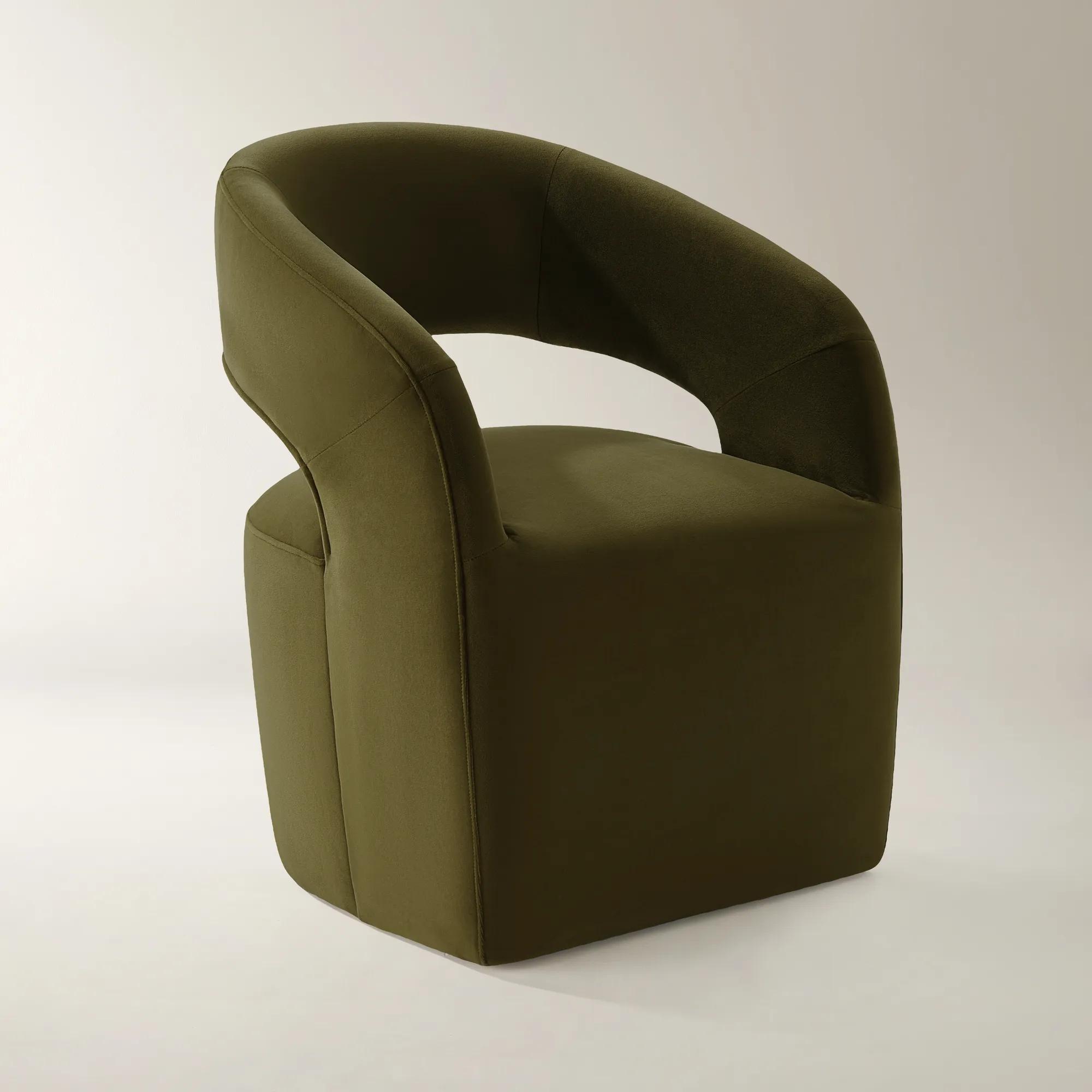 Harrison Deep Olive Velvet Dining Chair$499
A sculptural dining chair in deep olive velvet with a curved back, integrated arms, and plush feather-blend comfort.
Add To Cart -
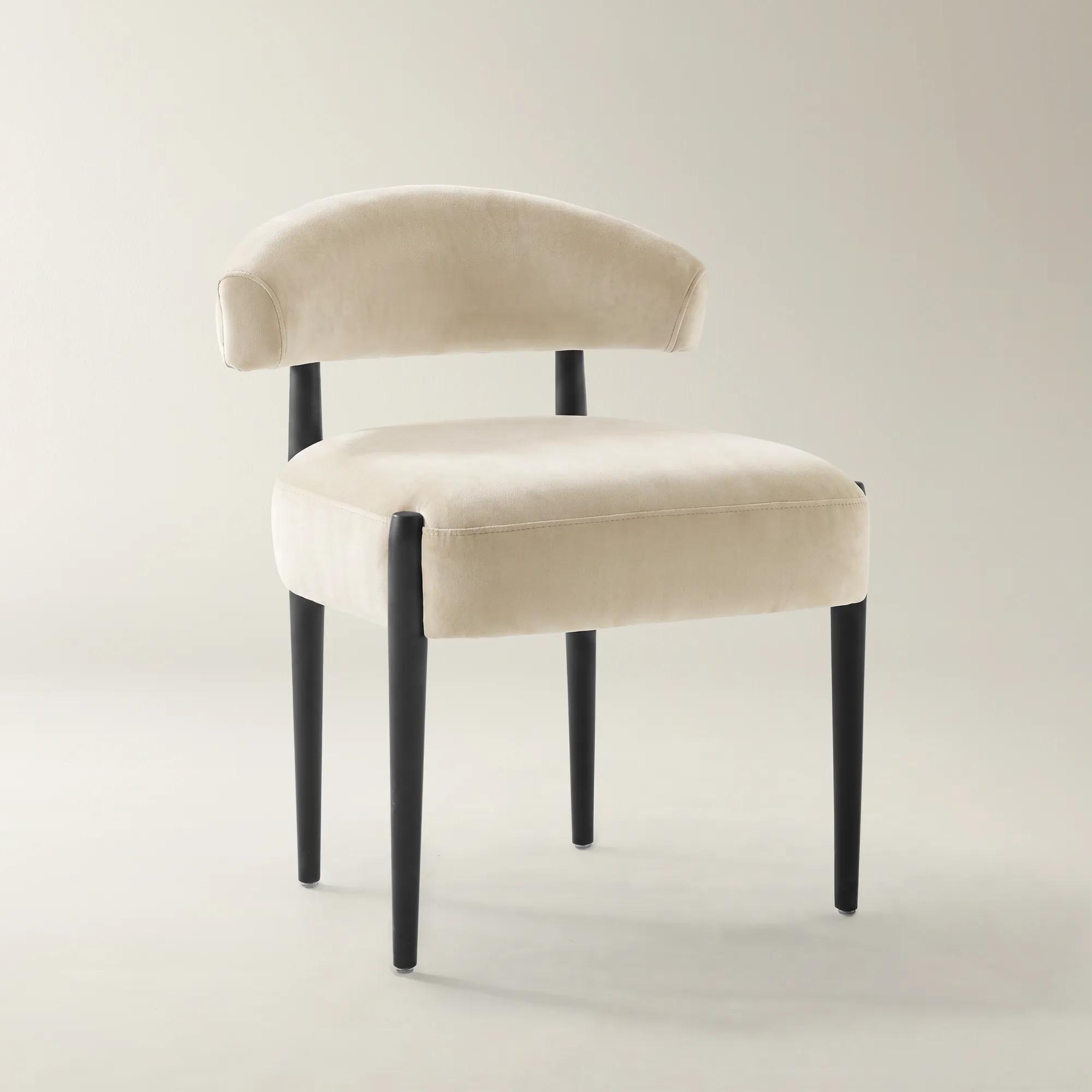 Anna Oatmeal Velvet Dining Chair Set of 2$599
A pair of oatmeal velvet dining chairs with arched backs, supportive foam cushioning, and rubberwood legs.
Add To Cart -
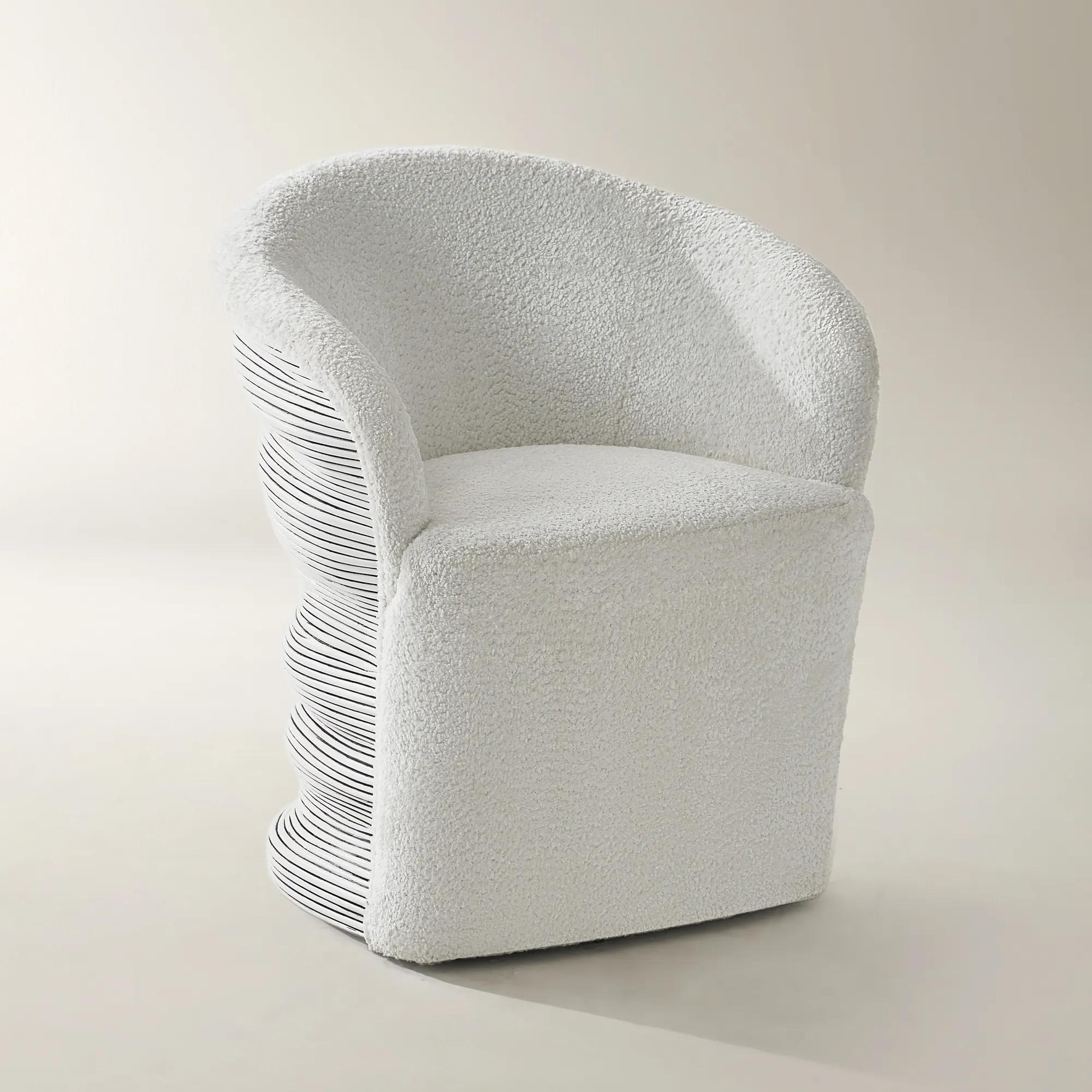
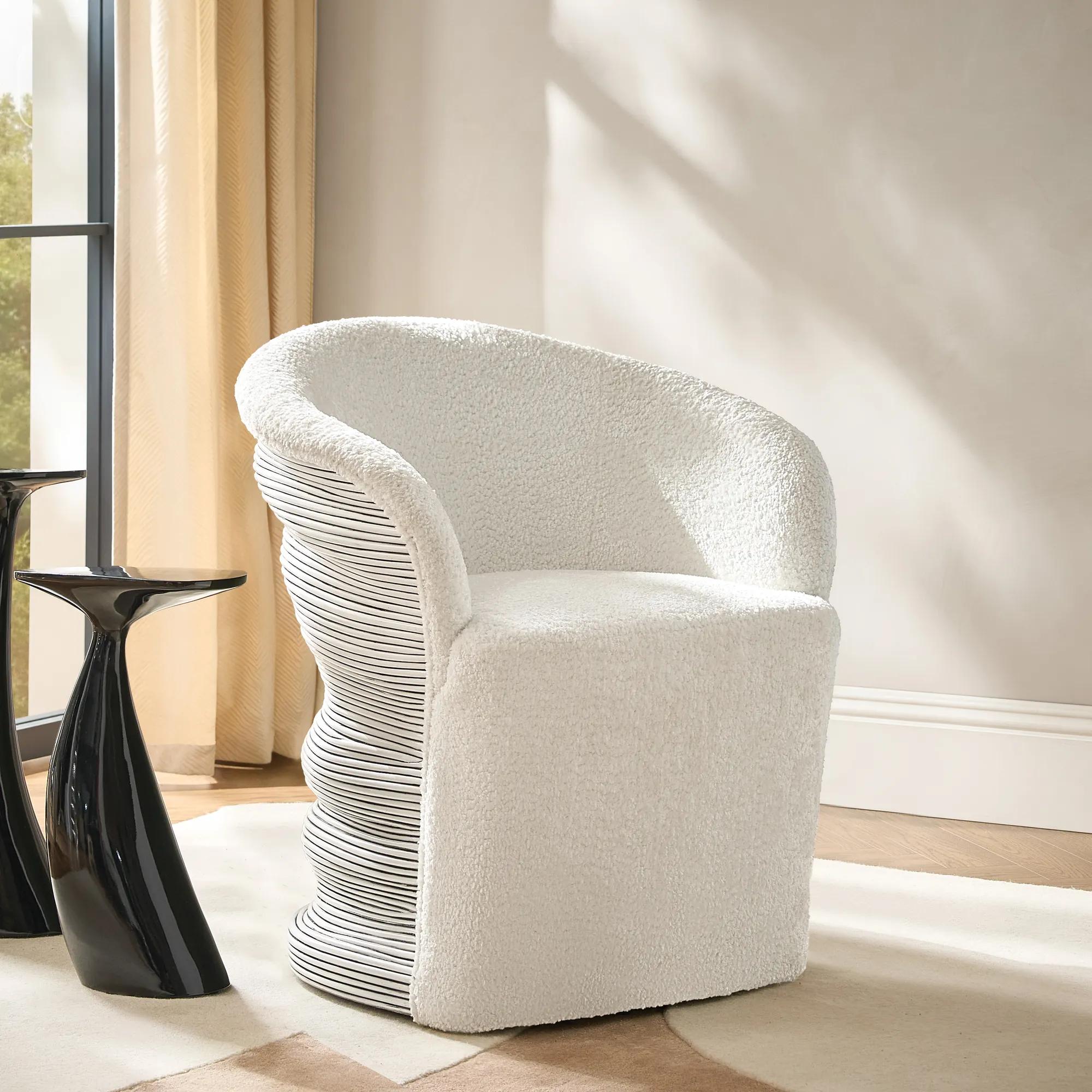 Cairo Rattan Ivory Chenille Dining Chair$999
An artisan-crafted swivel chair featuring handwoven natural rattan and plush ivory chenille upholstery for modern comfort.
Add To Cart -
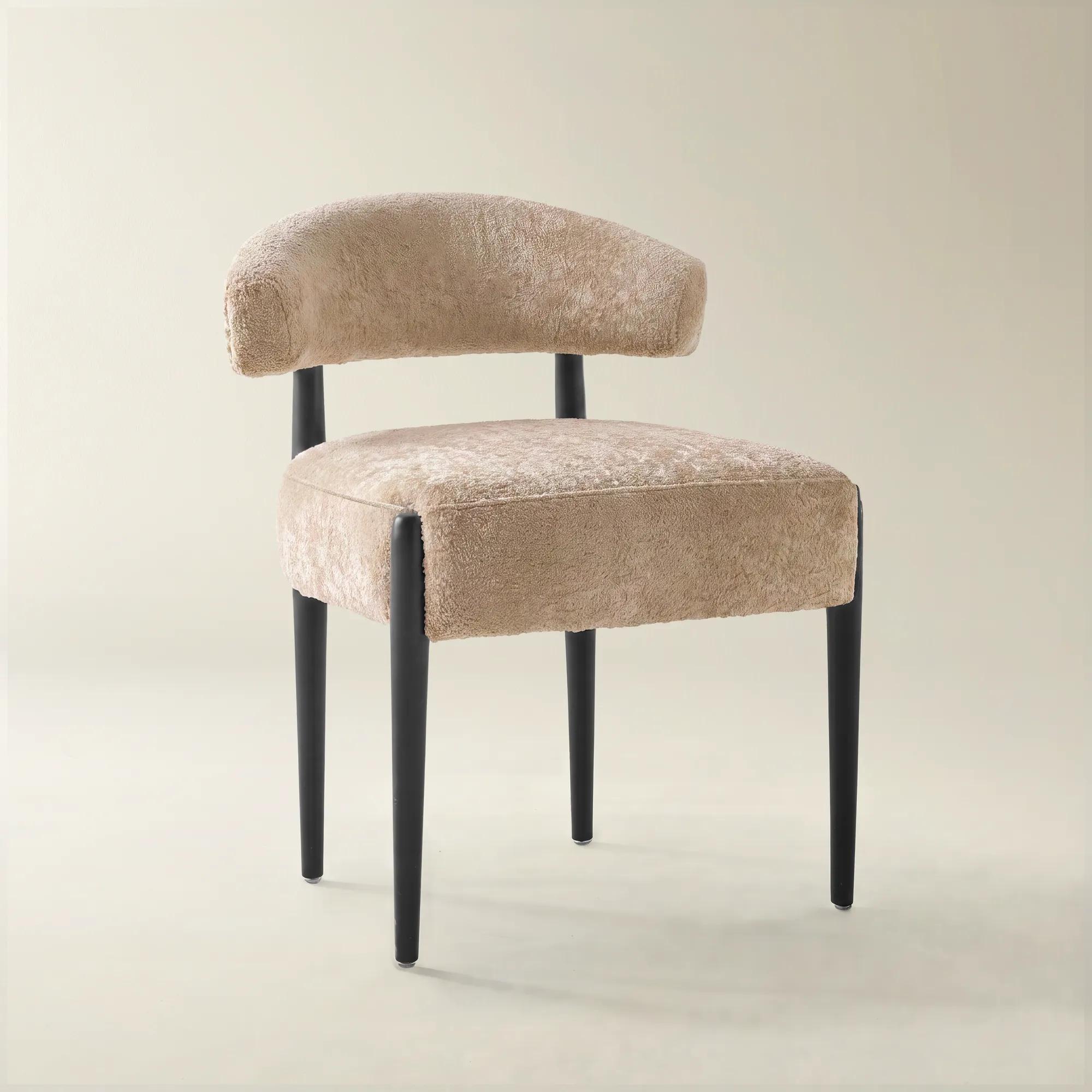 Anna Light Brown Chenille Dining Chair Set of 2$599
A light brown chenille chair set featuring arched backs, high-density foam cushioning, and solid rubberwood legs.
Add To Cart -
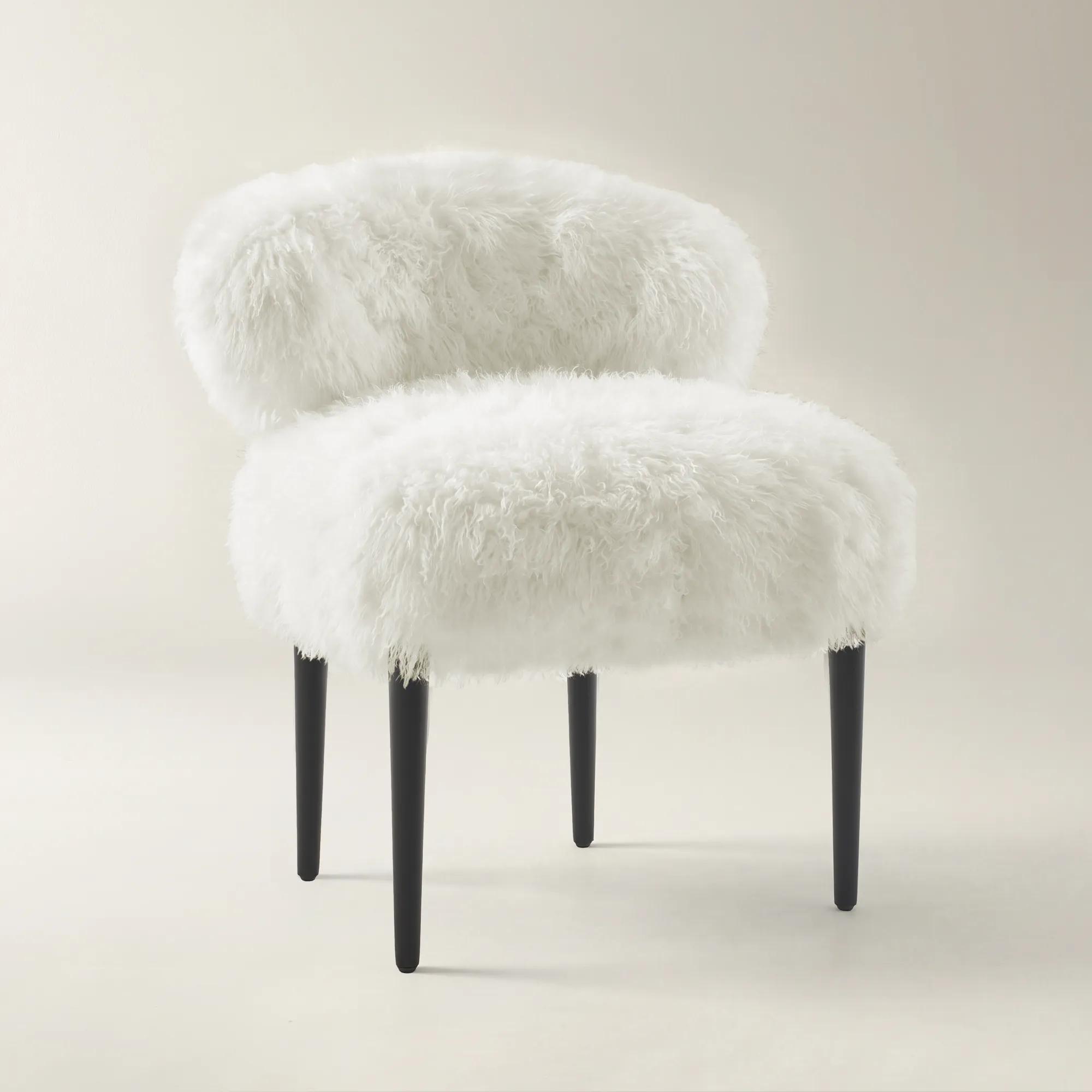 Anna Ivory Faux Fur Dining Chair Set of 2$699
A hand-upholstered ivory faux fur dining chair with a curved back, high-density foam cushioning, and rubberwood legs.
Add To Cart -
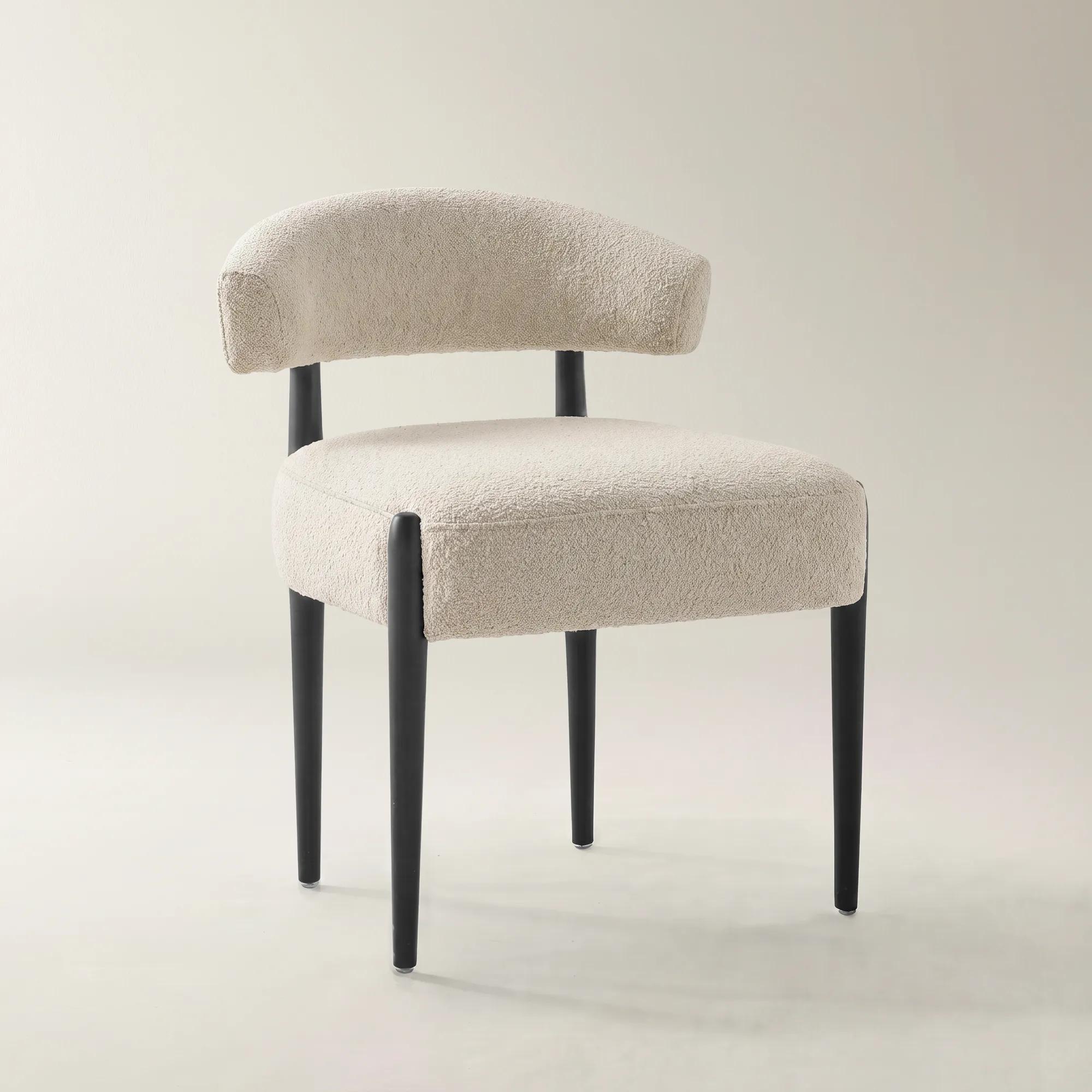 Anna Utopia Sand Chenille Dining Chair Set of 2$599
A sand chenille dining chair set featuring tailored armless curves, high-density cushioning, and solid rubberwood legs.
Add To Cart -
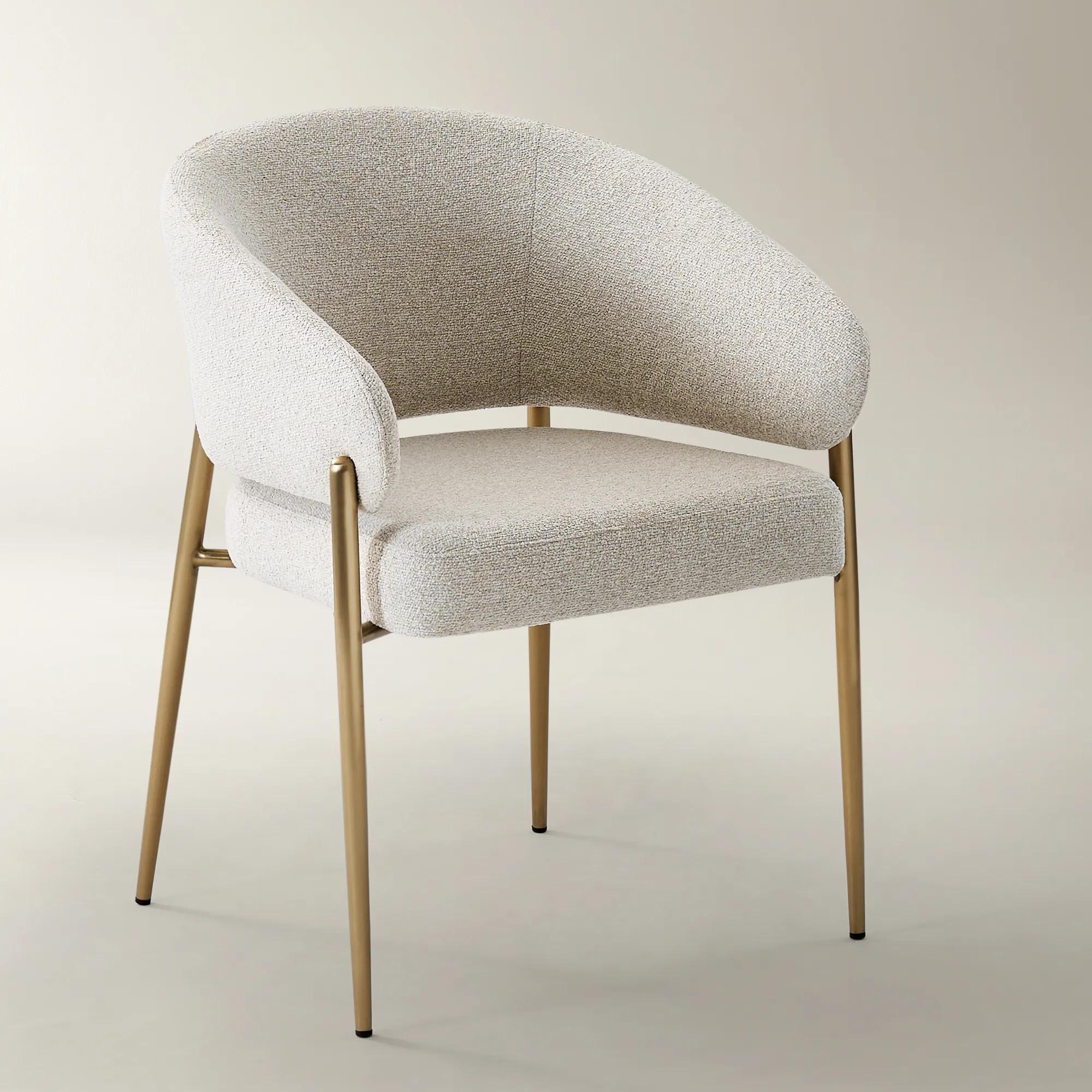
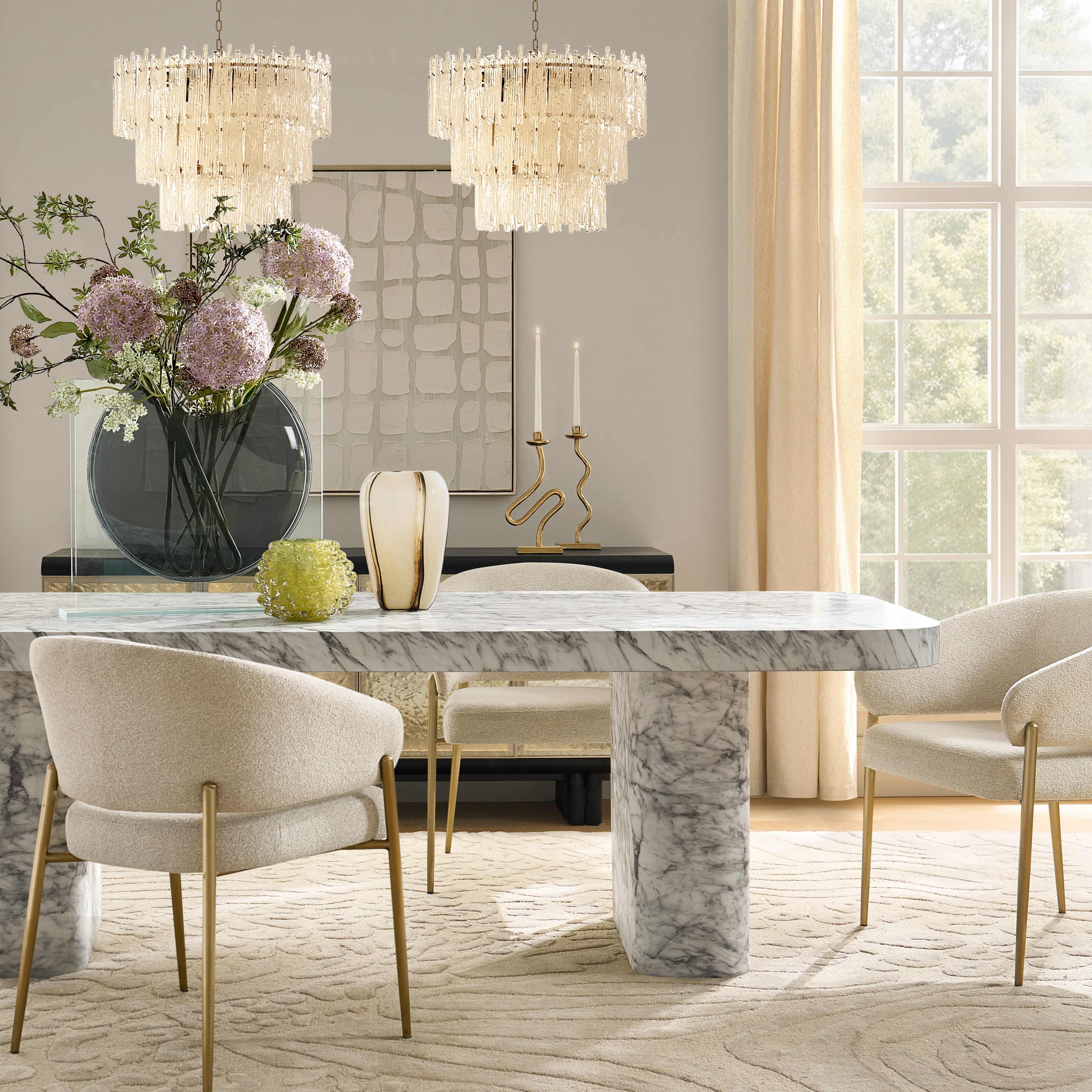 Nara Ivory Boucle Dining Chair Set Of 2$599
An ivory boucle dining chair set with a curved backrest and brushed stainless steel frame for modern elegance.
Add To Cart -
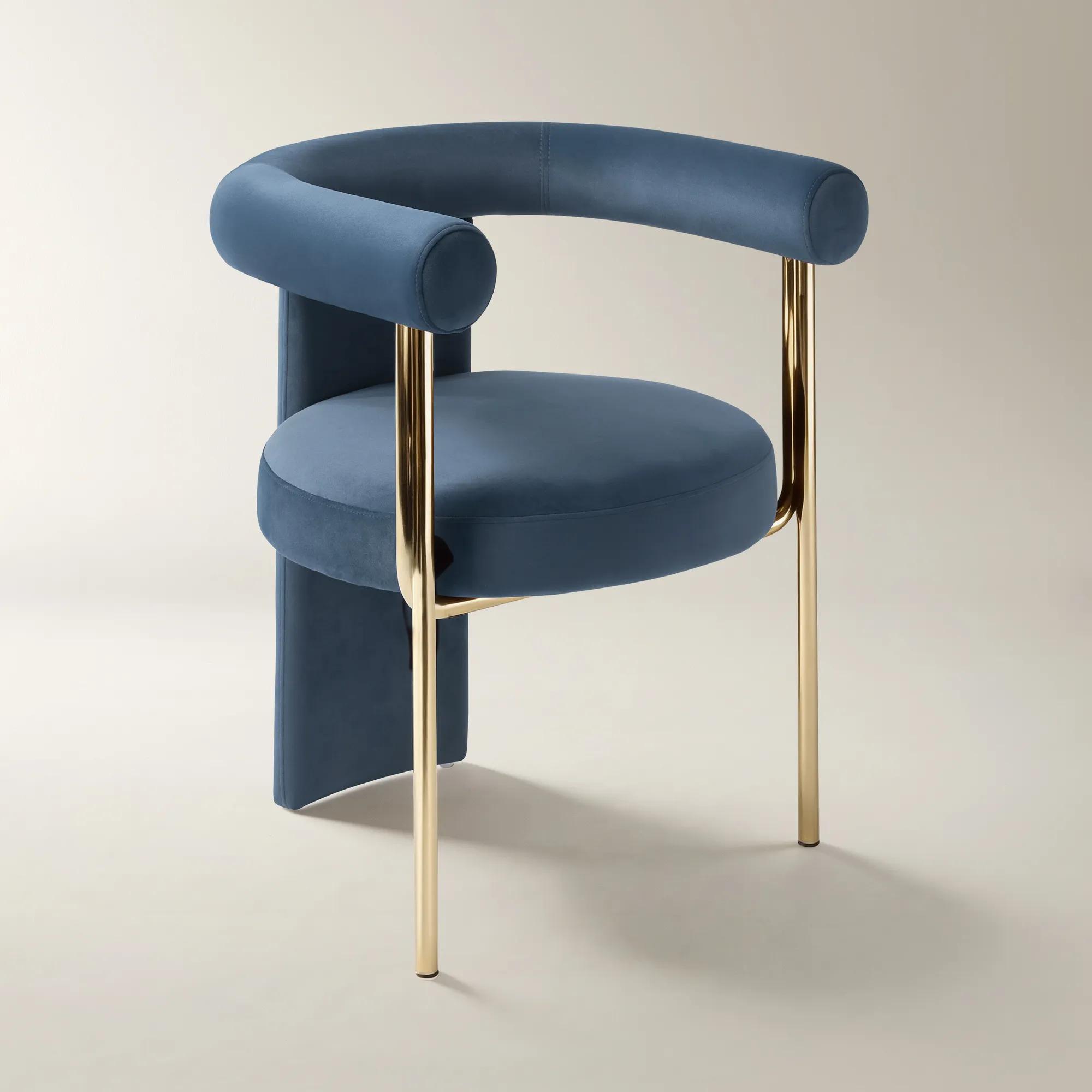 Davina Dusty Blue Velvet Dining Chair Set Of 2$899
A set of two dining chairs featuring dusty blue velvet upholstery and a polished gold metal frame.
Add To Cart -
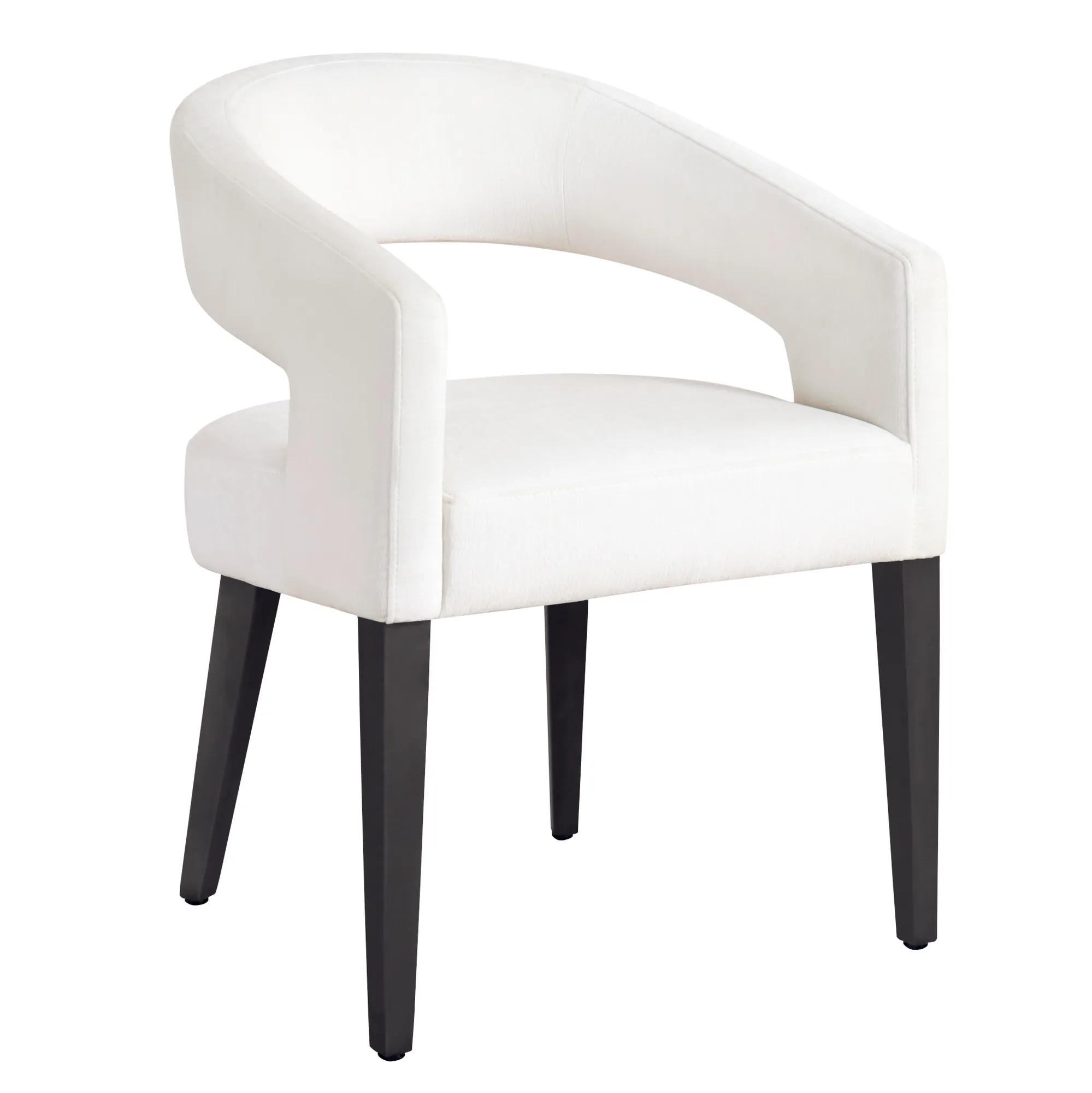
 Philippa Dining Chair - Espresso$845
A curved, upholstered chair with an espresso-finished hardwood frame and a sleek back cutout.
Add To Cart -
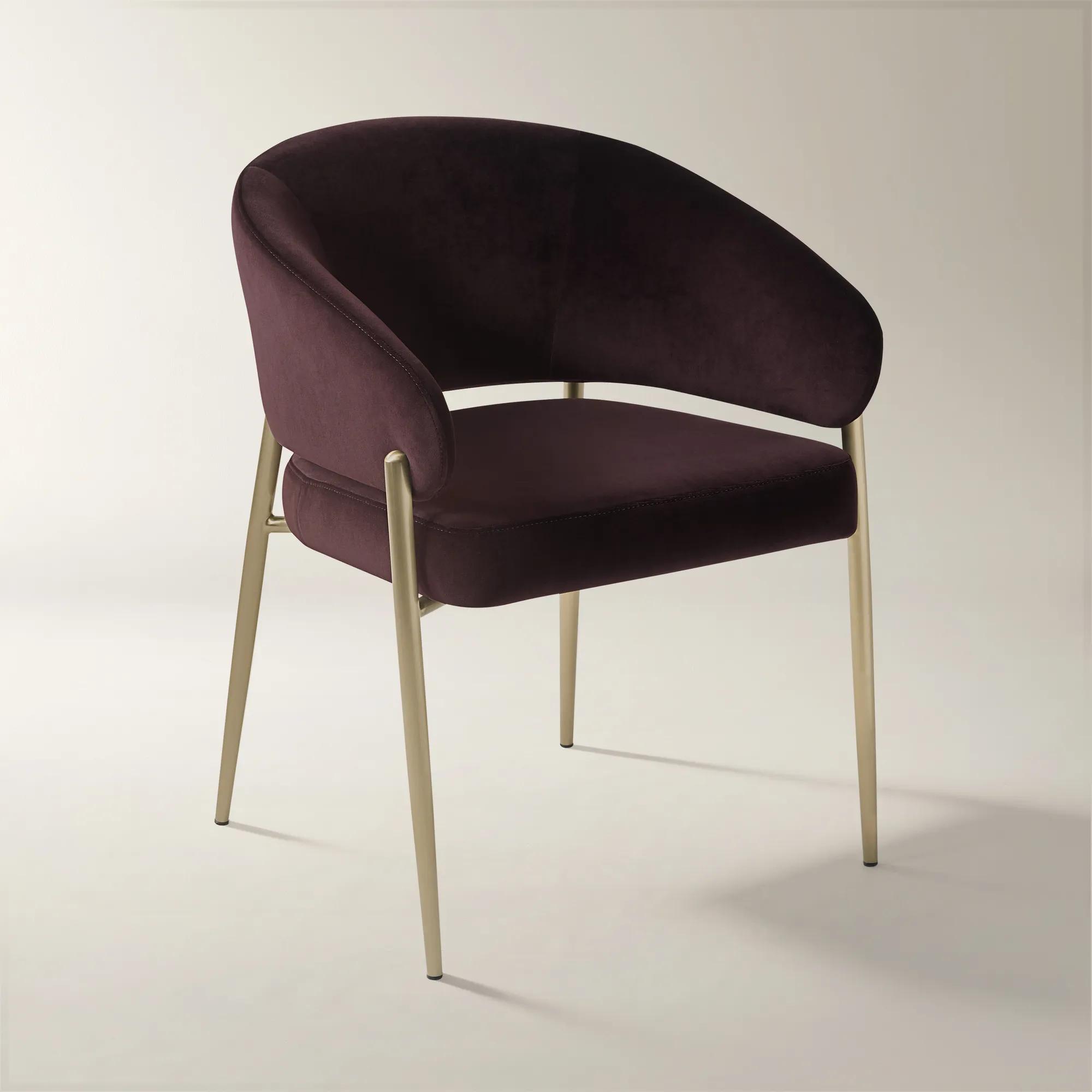 Nara Fig Velvet Dining Chair Set Of 2$599
A set of two dining chairs featuring plush fig velvet upholstery and brushed brass stainless-steel legs.
Add To Cart -
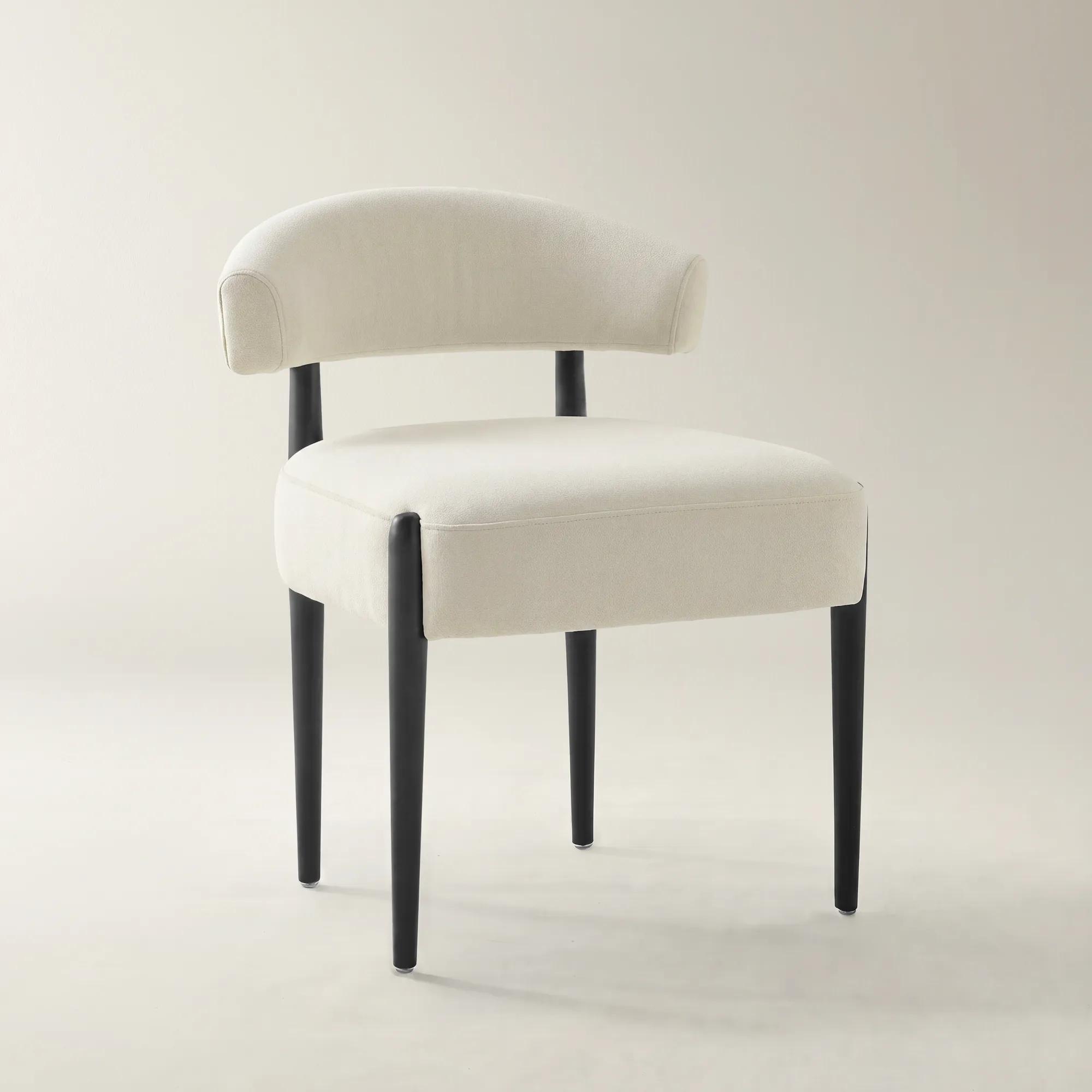 Anna Ivory Performance Chenille Dining Chair Set of 2$599
An ivory performance chenille chair pair featuring curved backs, high-density foam, and solid rubberwood legs.
Add To Cart -
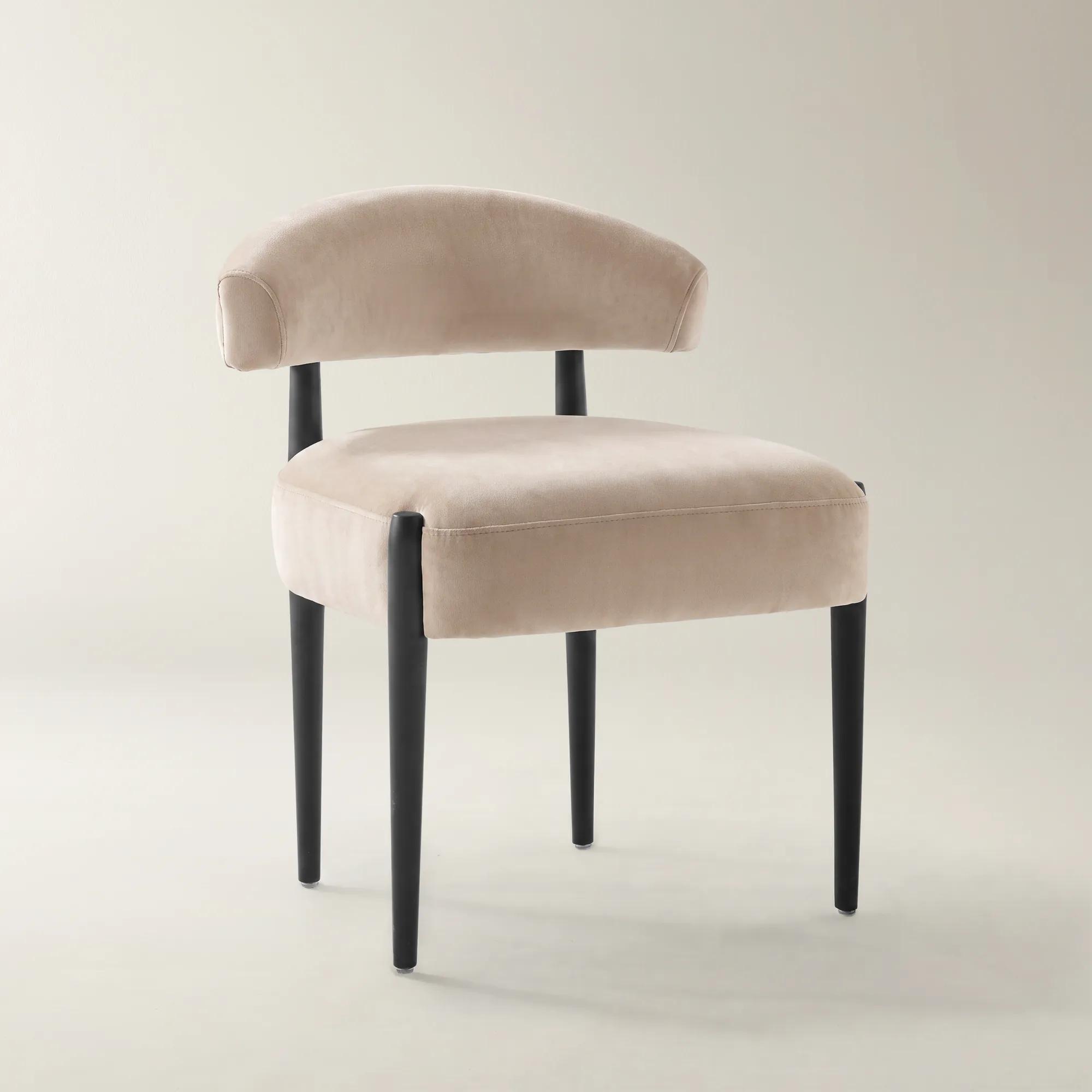 Anna Simply Taupe Velvet Dining Chair Set of 2$599
A taupe velvet dining chair featuring a tailored arched back, high-density foam cushioning, and rubberwood legs.
Add To Cart -
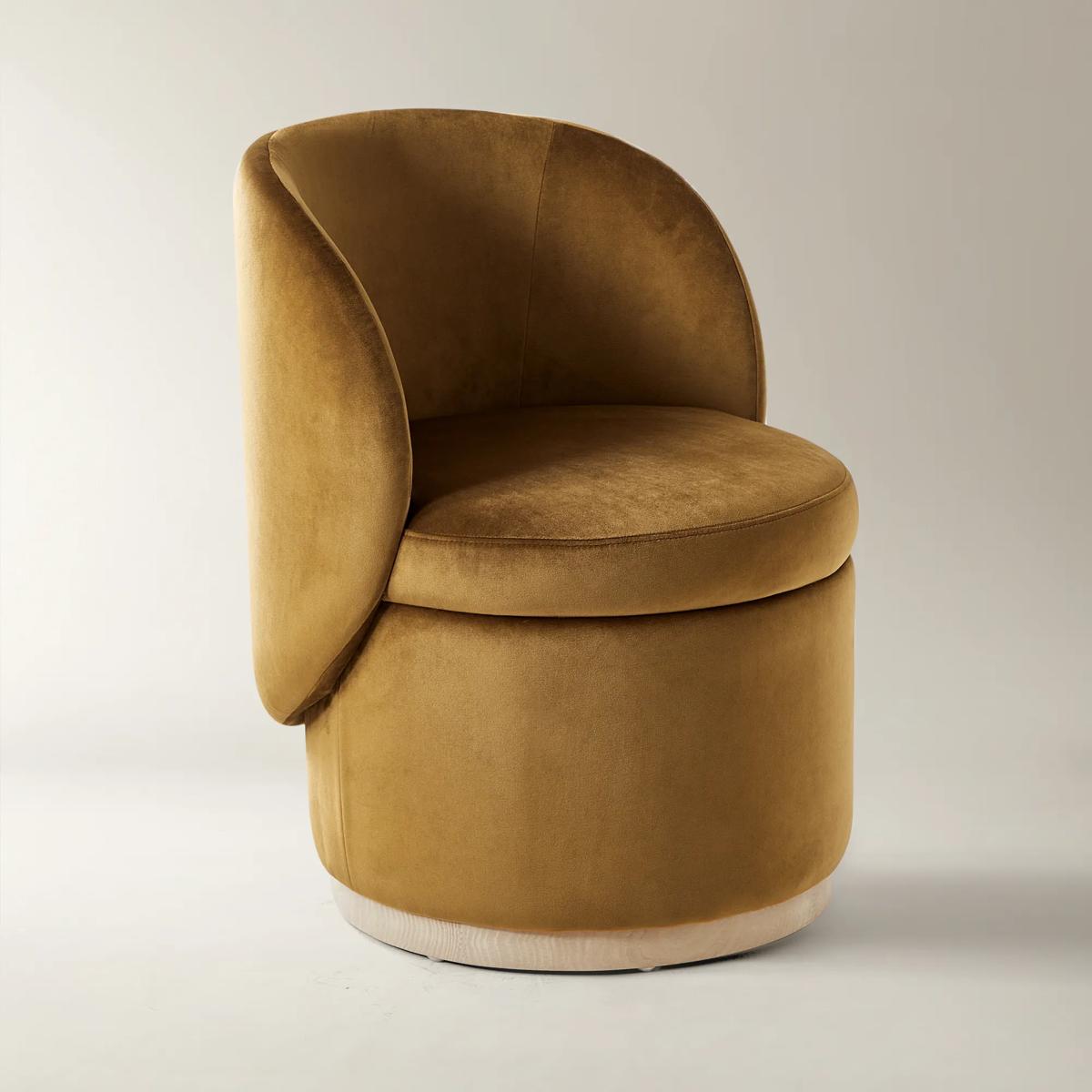
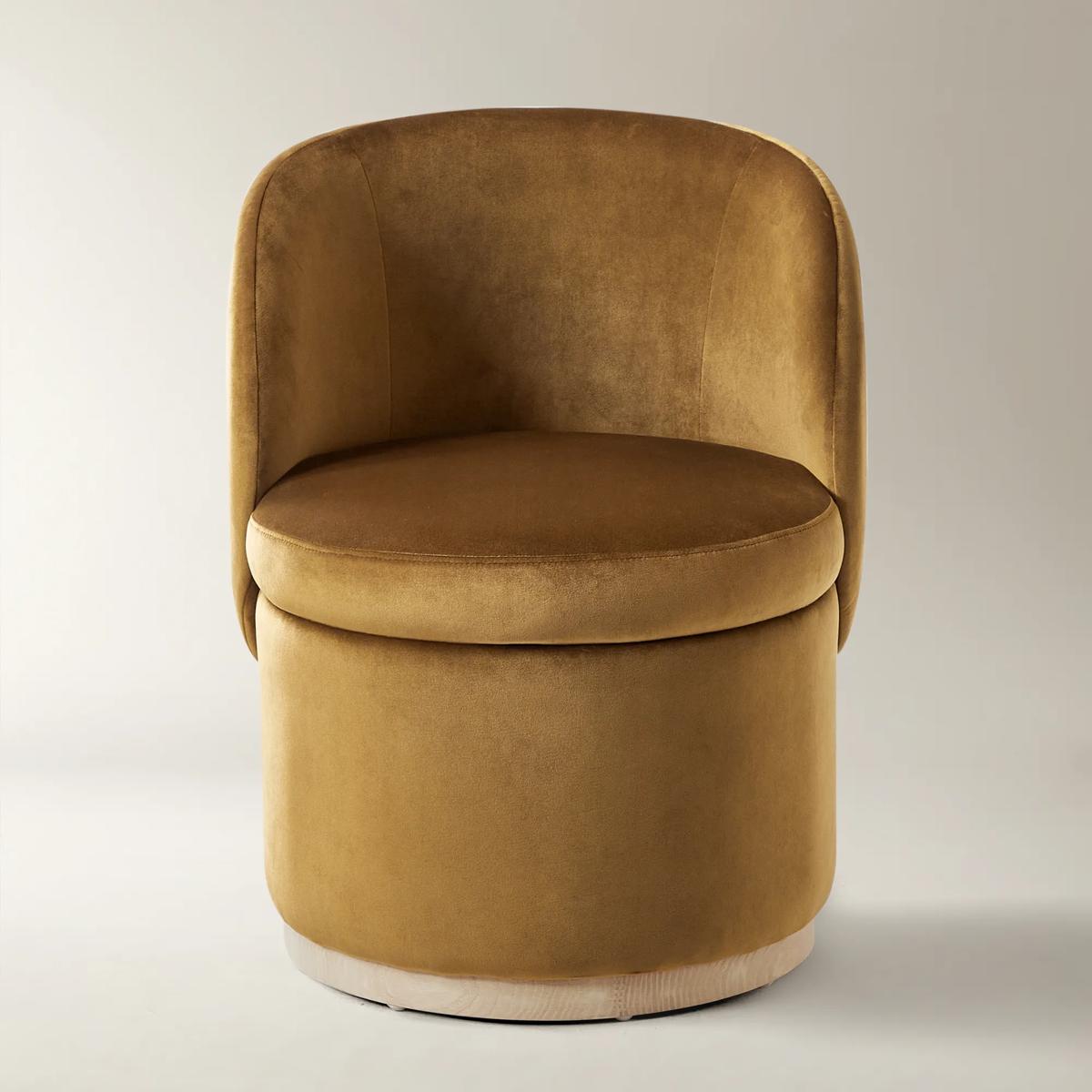 Stria Roasted Pecan Velvet Dining Chair With Oak Base$599
A khaki chenille chair featuring cozy upholstery and a handcrafted solid oak base for organic warmth.
Add To Cart -
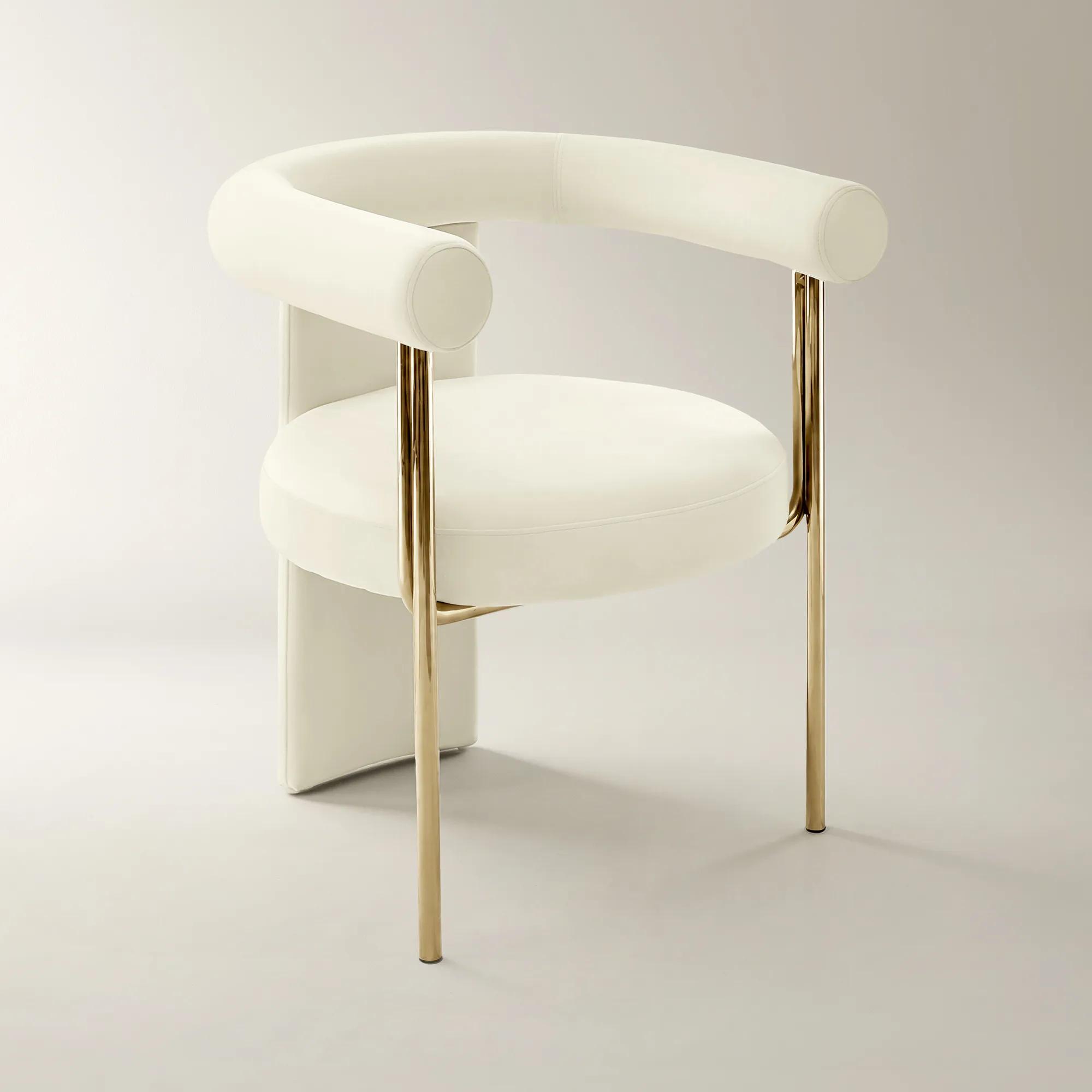 Davina Cloud Velvet Dining Chair Set Of 2$899
A set of two dining chairs featuring plush cloud velvet upholstery and a sculptural gold metal frame.
Add To Cart -
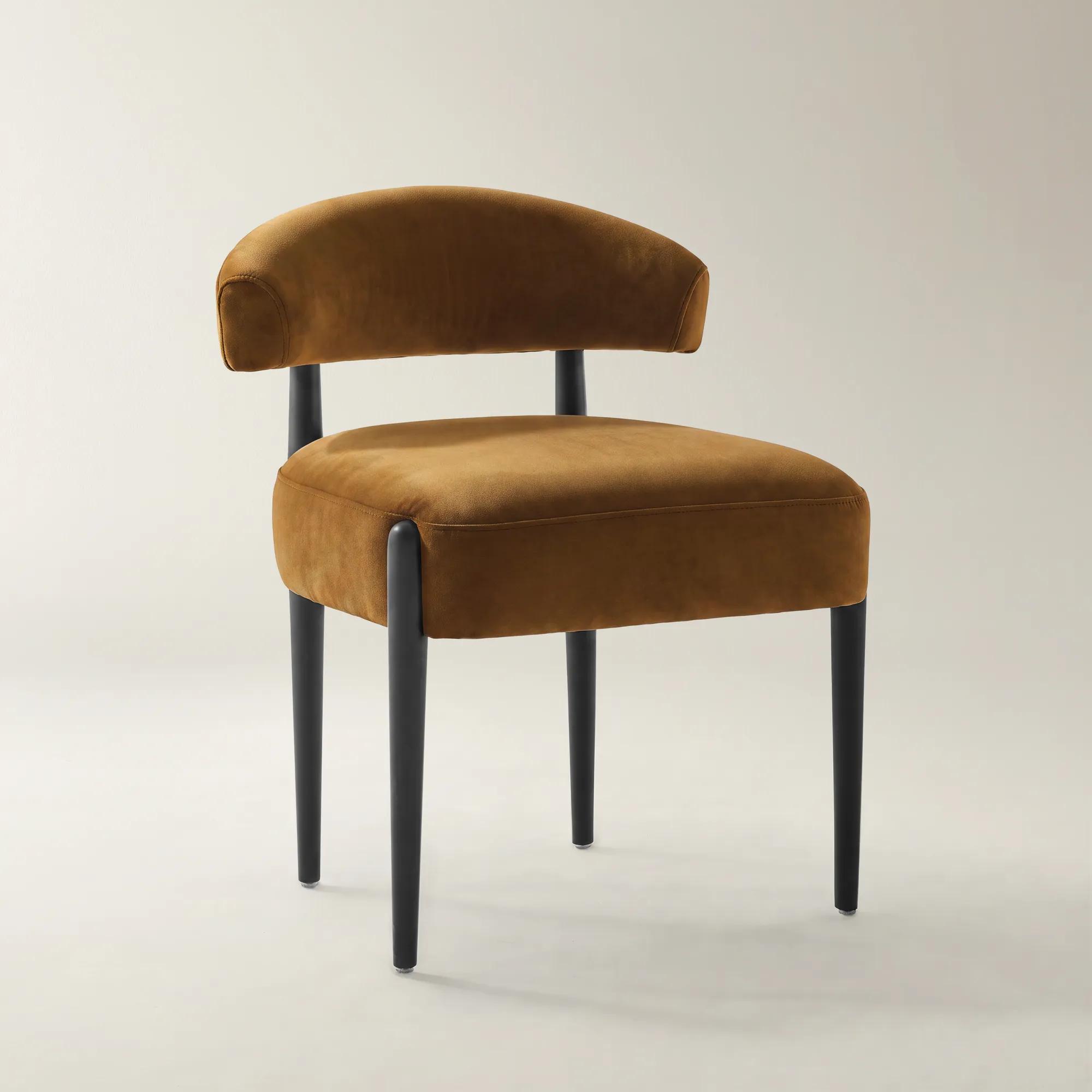 Anna Roasted Pecan Velvet Dining Chair Set of 2$599
A roasted pecan velvet dining chair set featuring a tailored curved back and high-density foam cushioning.
Add To Cart -
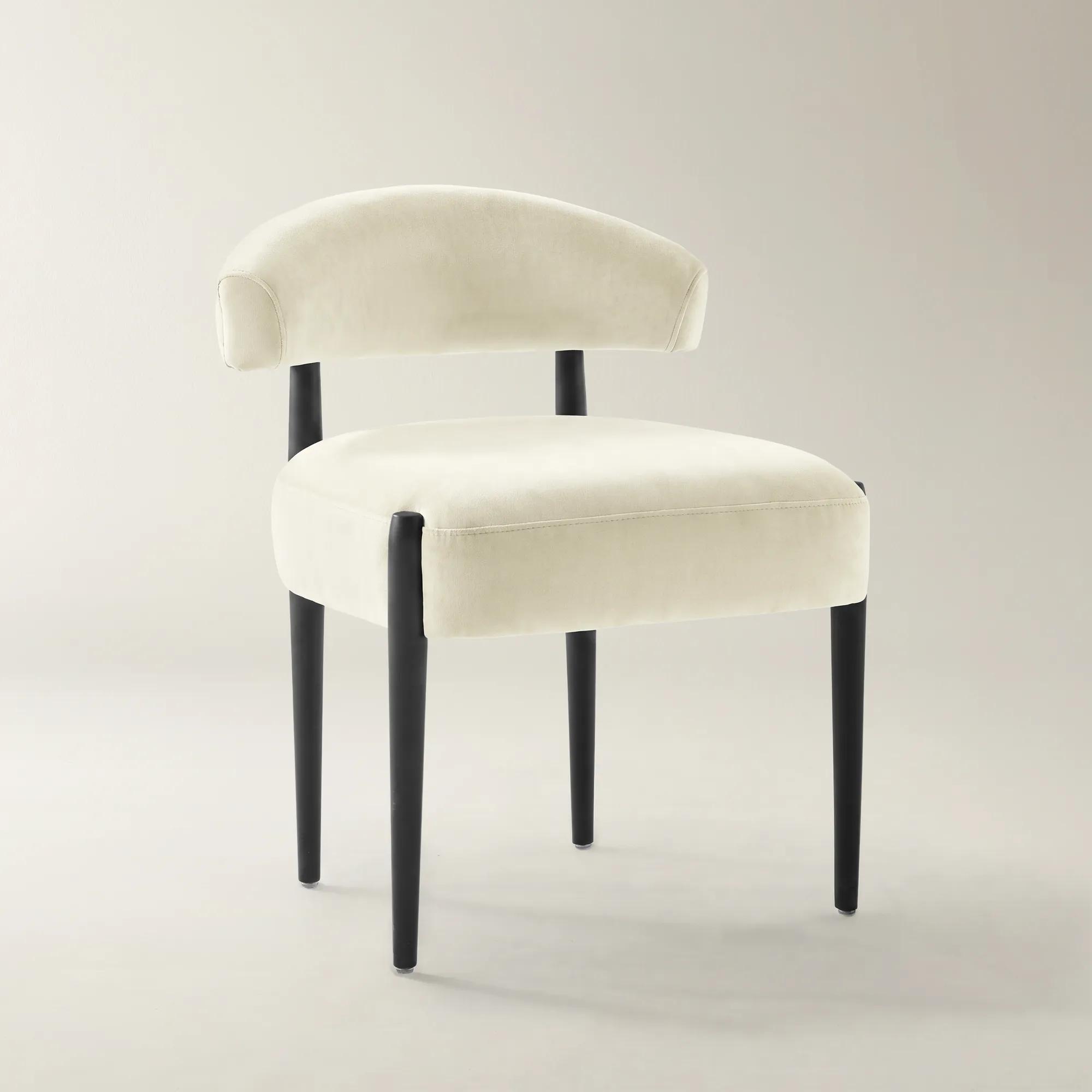 Anna Cloud Velvet Dining Chair Set of 2$599
A hand-upholstered Cloud velvet chair set featuring curved backs, high-density foam, and solid rubberwood legs.
Add To Cart

French Provincial Style Dining Chairs
French provincial style dining chairs conjure the romance of sun-drenched châteaux and timeless Parisian salons, bringing an air of effortless elegance to every gathering. With graceful silhouettes and artful flourishes, these chairs invite you to linger over candlelit dinners and sparkling conversation. Each piece captures the essence of refined European living—where sculpted forms, gentle curves, and sumptuous finishes transform your dining room into a stage for everyday grandeur. Elevate your space with seating that celebrates both tradition and expressive design, turning every meal into a moment of sophisticated allure.
French provincial style dining chairs bring the elegance of historic French interiors to the table through sculpted wood frames, graceful proportions, and finishes with a softly aged character. Rooted in the regional furniture traditions of 17th- and 18th-century France, the style interprets formal decorative influences with a more relaxed sensibility. Recognizable details include oval or medallion backs, curved cabriole legs, tapered fluted legs, and carved accents along the crest or seat rail. Not every chair includes every detail; a restrained frame with a delicate curve can convey the same heritage as a more ornate silhouette. Exposed wood gives these chairs their architectural presence, while upholstered seats, padded backs, or woven cane introduce contrasting textures. Depending on the design, frames may feature solid hardwoods such as beech or oak, with natural grain, painted finishes, or carefully distressed surfaces contributing different expressions of age and artistry. Ivory and cream emphasize carved contours, pale wood tones lend an airy elegance, and deeper finishes create a striking outline against light upholstery. French provincial dining chairs feel particularly expressive beside a substantial wood table, where their curves soften broad surfaces and strong lines. They can also introduce a collected quality to a room with a contemporary pedestal table, a luminous chandelier, or an oversized abstract painting. The appeal lies in that contrast: ornament without rigidity, refinement without a room that feels untouchable. A cane back allows light and sightlines to pass through, preserving the visual detail of the frame without the fullness of an upholstered back. A padded medallion silhouette offers a more enveloping presence, especially when repeated around a long table. For homes that favor expressive interiors, these chairs establish a graceful rhythm beneath statement lighting and give even a simple arrangement of glassware and flowers a more considered setting. Their character comes from the relationship between shape, texture, and finish rather than from ornament alone.
Comfort gives that visual appeal its purpose, whether the dining room hosts lingering celebrations or serves as the setting for everyday meals. Upholstered French provincial dining chairs often pair exposed wood borders with fabric-covered seats, allowing the frame and textile to share attention. Linen and linen blends contribute visible texture and an understated luster, while velvet gives curved backs a sumptuous depth. Performance upholstery may be worth considering in households where dining chairs see frequent use, though stain resistance, cleaning requirements, and durability depend on the particular fabric. Upholstered French style dining chairs offer a softer interpretation of the look, with padding that can make extended meals more comfortable when the seat depth, cushion firmness, and back angle suit the person seated. An oatmeal textile against pale carved wood creates a tonal composition; a rich charcoal or jewel-toned fabric can turn the same traditional silhouette into a dramatic focal point. Beyond upholstery, scale determines how successfully a chair belongs at the table. Many standard dining tables stand approximately 28 to 30 inches high, while dining chair seats commonly measure about 18 to 20 inches from the floor. Around 10 to 12 inches between the seat and the underside of the tabletop is a useful starting point, but a low apron can reduce usable clearance. Armchairs need particular attention because their arms must fit beneath the table if they are intended to tuck in. Chair width matters just as much: broad carved frames need room between neighboring seats, and pedestal bases or corner legs can affect where chairs sit comfortably. Approximately 24 inches of table edge per diner is a common starting allowance, with wider chairs requiring more space. Side chairs can keep a smaller dining area visually composed, while armchairs at the table ends create a more ceremonial arrangement. Matching finishes bring continuity; thoughtfully mixed silhouettes can suggest an interior assembled with confidence over time.
Lasting beauty depends on construction and care as much as silhouette. Dining chairs move repeatedly across the floor and carry weight through relatively slender frames, making secure joints, stable legs, and appropriate weight capacities important considerations. Solid wood can offer strength and the possibility of refinishing, but the quality of the joinery and the integrity of the finish also influence longevity. Well-executed mortise-and-tenon joints or other reinforced connections help a frame withstand regular use; carved detail alone does not indicate structural quality. For a family dining area or a room used daily, upholstery specifications, cushion resilience, and practical cleaning instructions deserve the same attention as the finish color. Pale fabric can look luminous against weathered wood, but it benefits from prompt attention to spills and a care routine suited to its fiber content. Regular vacuuming with an upholstery attachment helps remove crumbs and surface dust, including along welting and the edges where fabric meets the frame. Spills are best blotted rather than rubbed, and any cleaner should follow the manufacturer's instructions and be tested in an inconspicuous area first. Wood finishes generally benefit from gentle dusting and protection from excess moisture; abrasive cleaners can damage painted surfaces or alter intentional distressing. Cane requires its own care, with gentle dust removal and protection from concentrated pressure or excessive wetting. Felt pads beneath chair legs help protect flooring, provided they remain clean and are replaced when worn. Direct sunlight can gradually change both wood finishes and upholstery, so placement also affects how evenly a chair ages. These practical details preserve the qualities that make French provincial seating so compelling: the sweep of a leg, the contrast of woven texture and carved wood, the quiet sheen of fabric against a painted frame. Intended for dining rather than outdoor exposure, these chairs suit formal dining rooms, intimate breakfast spaces, and multipurpose rooms where seating needs to feel as distinguished as the surrounding furnishings. Around the table, their expressive lines create a setting that welcomes daily life without surrendering its sense of occasion.
FAQs
French Provincial dining chairs are celebrated for their elegantly curved cabriole legs, ornate hand-carved details, and refined yet rustic finishes. Signature elements include shield-shaped or oval backs, plush upholstered seats, and often a distressed or antiqued wood frame that evokes the charm of the French countryside. These chairs blend sophistication with a sense of lived-in comfort, making them a timeless choice for expressive, artfully curated dining spaces.
French Provincial chairs pair beautifully with a variety of aesthetics, from classic to contemporary. For a striking contrast, mix these ornate chairs with a sleek glass or marble table, or layer them with minimalist décor to let their sculptural qualities shine. Alternatively, blend them with other vintage-inspired pieces for a more traditional look. Their versatile design allows you to create a dining space that feels both curated and inviting, no matter your style.
Absolutely—comfort is a hallmark of French Provincial dining chairs. Many feature generously padded seats and backs, with upholstery ranging from soft linens to sumptuous velvets. The gentle curves and supportive arms of a French Provincial arm chair invite guests to linger at the table, making these chairs ideal for leisurely dinners, festive celebrations, and meaningful conversations that stretch into the evening.
French Provincial dining chairs are typically crafted from solid wood, such as oak or beech, and finished with hand-applied stains or paints to achieve a weathered, antique look. Upholstered versions often showcase luxurious fabrics like velvet, linen, or cotton, sometimes accented with tufting, caning, or decorative nailhead trim. These materials come together to create chairs that are both visually stunning and enduringly comfortable.
French Provincial dining chairs make a memorable gift for anyone who values artistry and elegance in their home. They’re especially meaningful for newlyweds starting their first home, friends celebrating a milestone, or family members who cherish entertaining. Their timeless beauty and craftsmanship ensure they’ll be treasured for years to come, turning every meal into a special occasion.