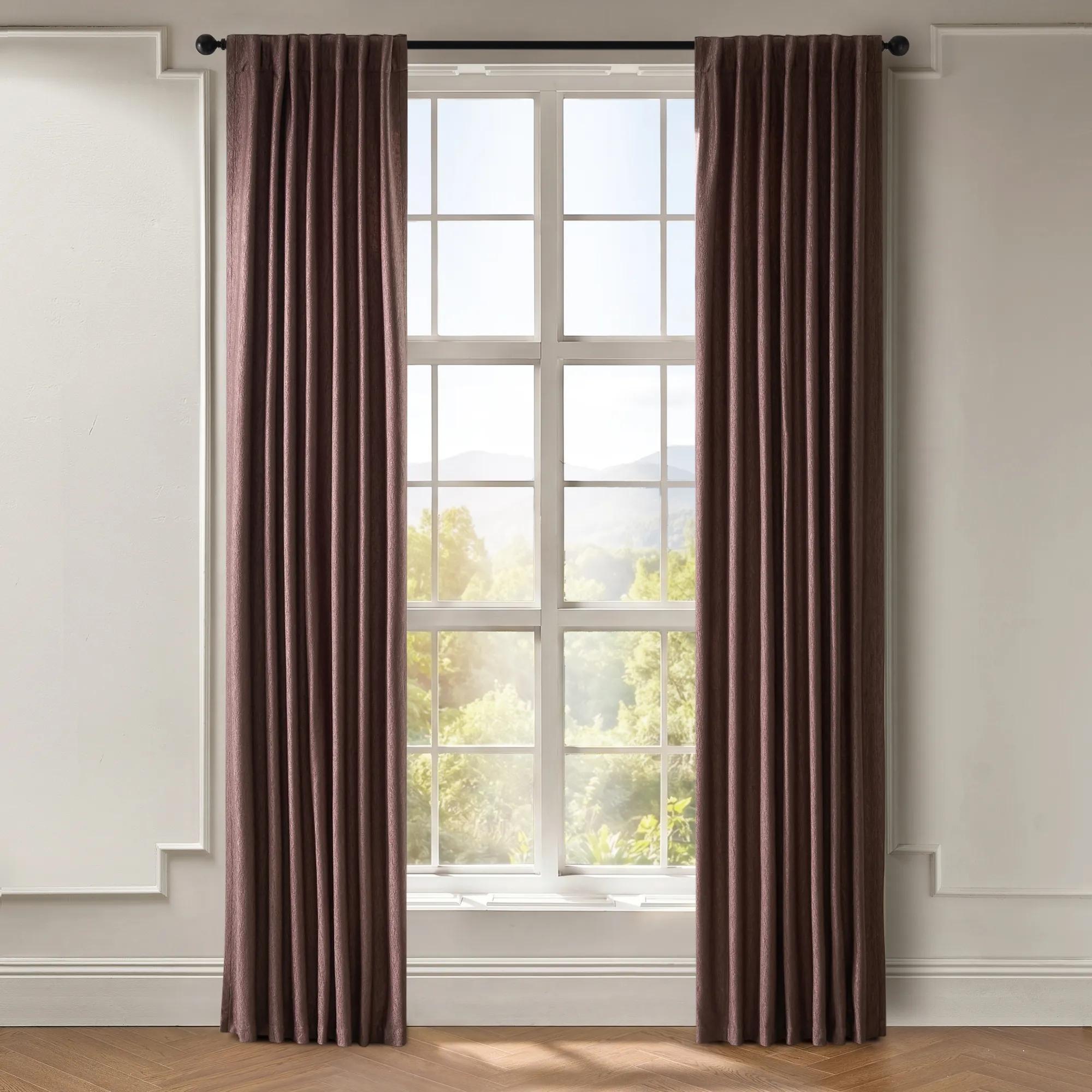
Elegant Silver Window Treatments
Elegant Silver Window Treatments
-
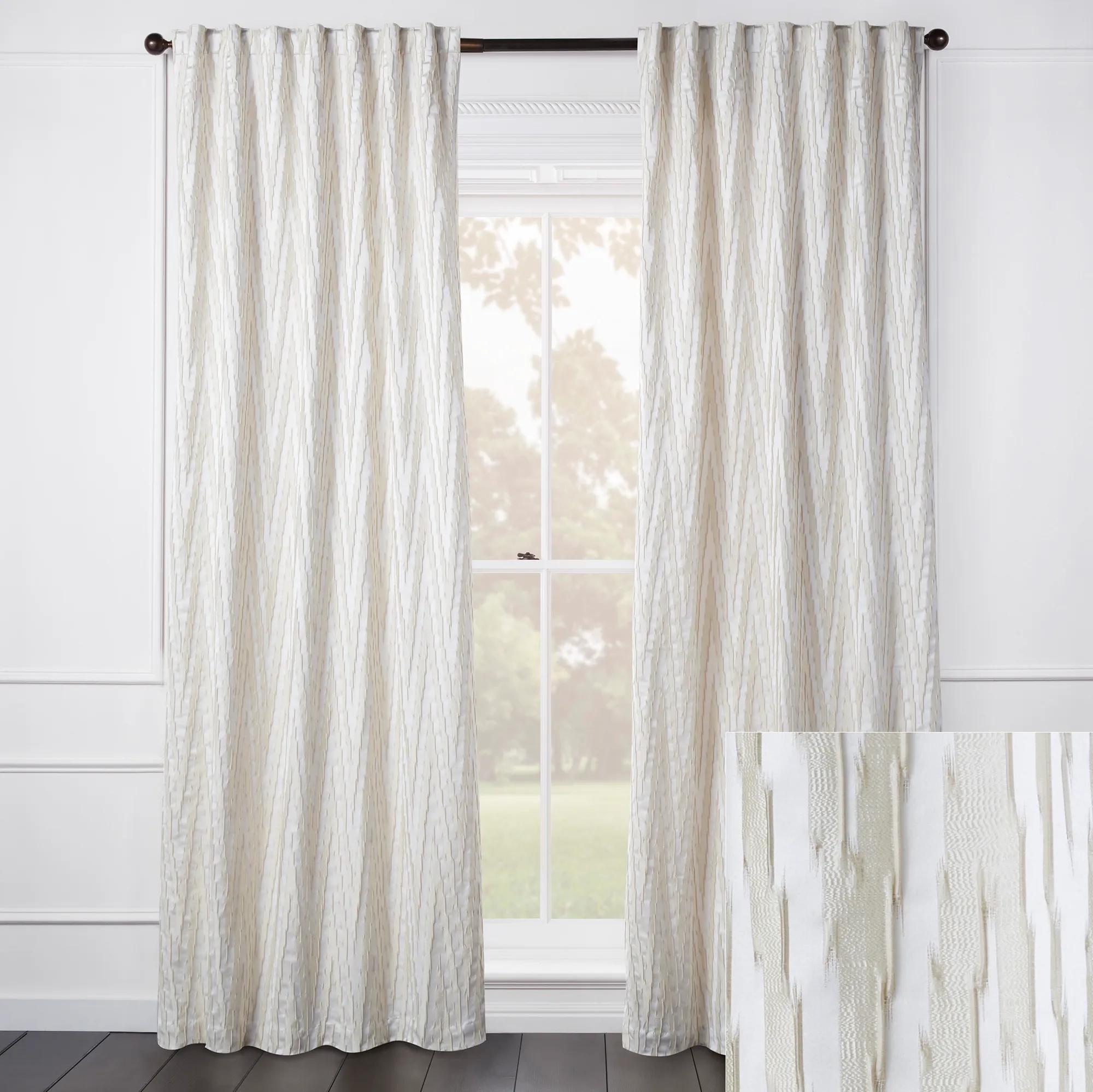
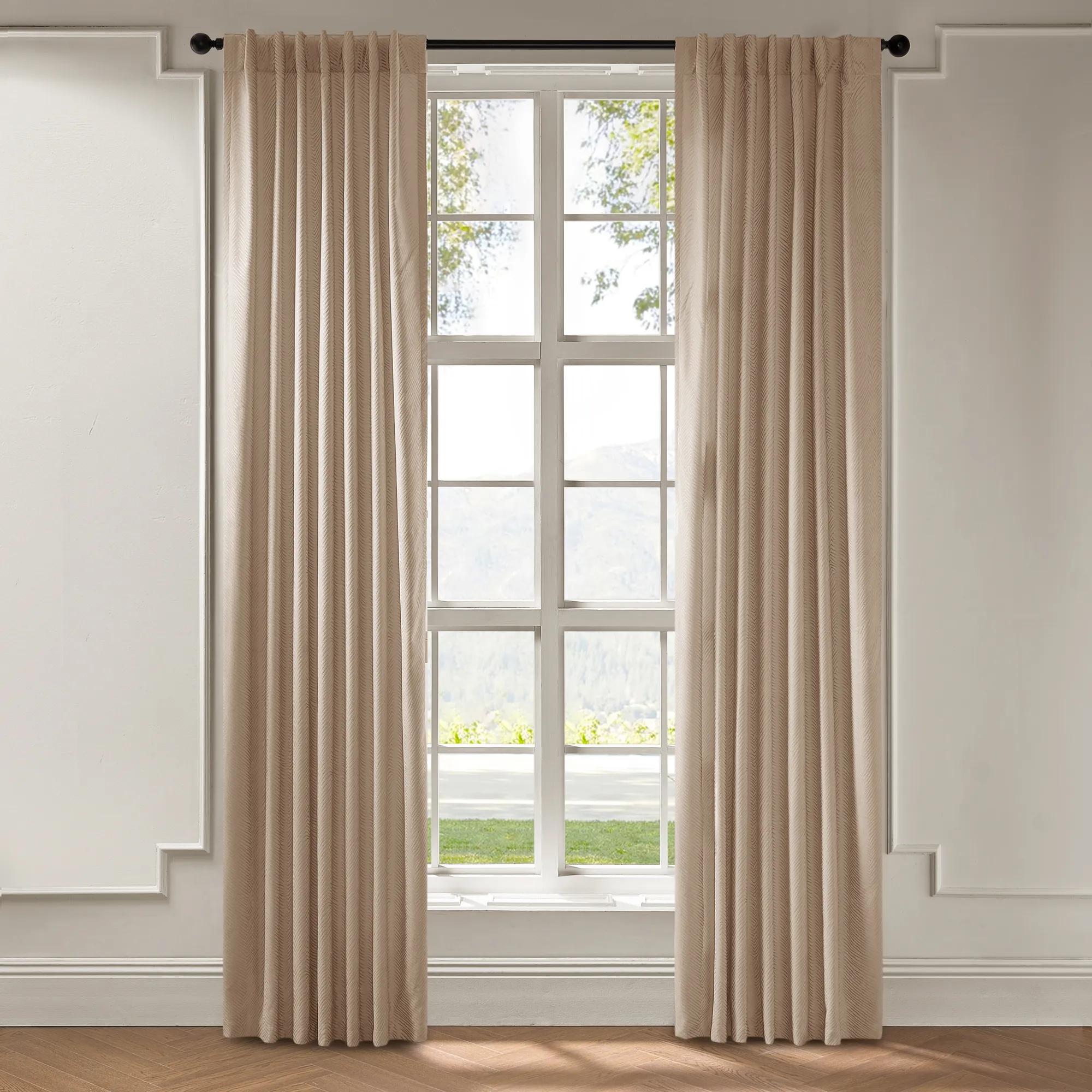
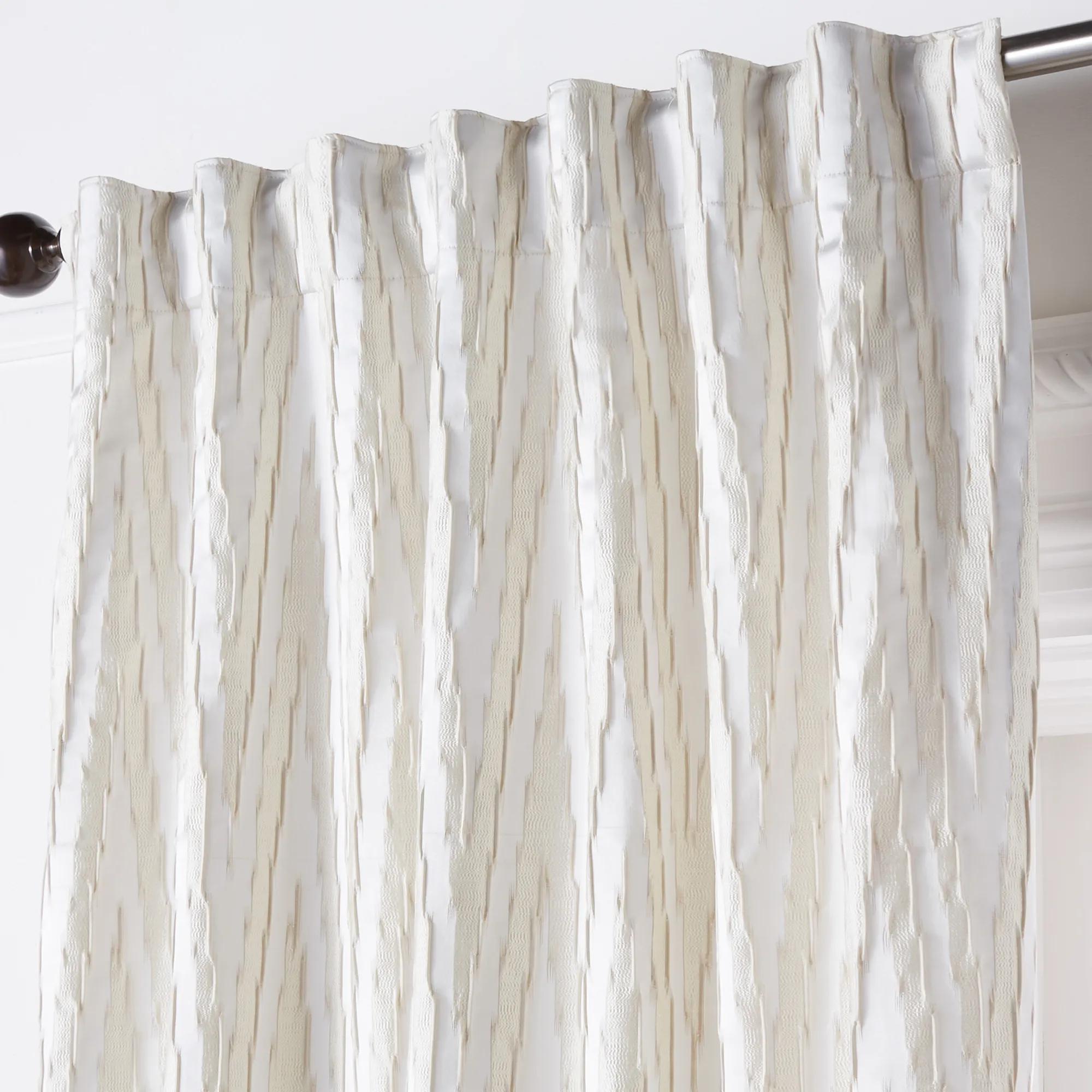 Minka Jacquard Pearl Window Curtain Panel Custom$259
A highly textured chevron curtain panel in pearl polyester, customizable with multiple header and color options.
Add To Cart -

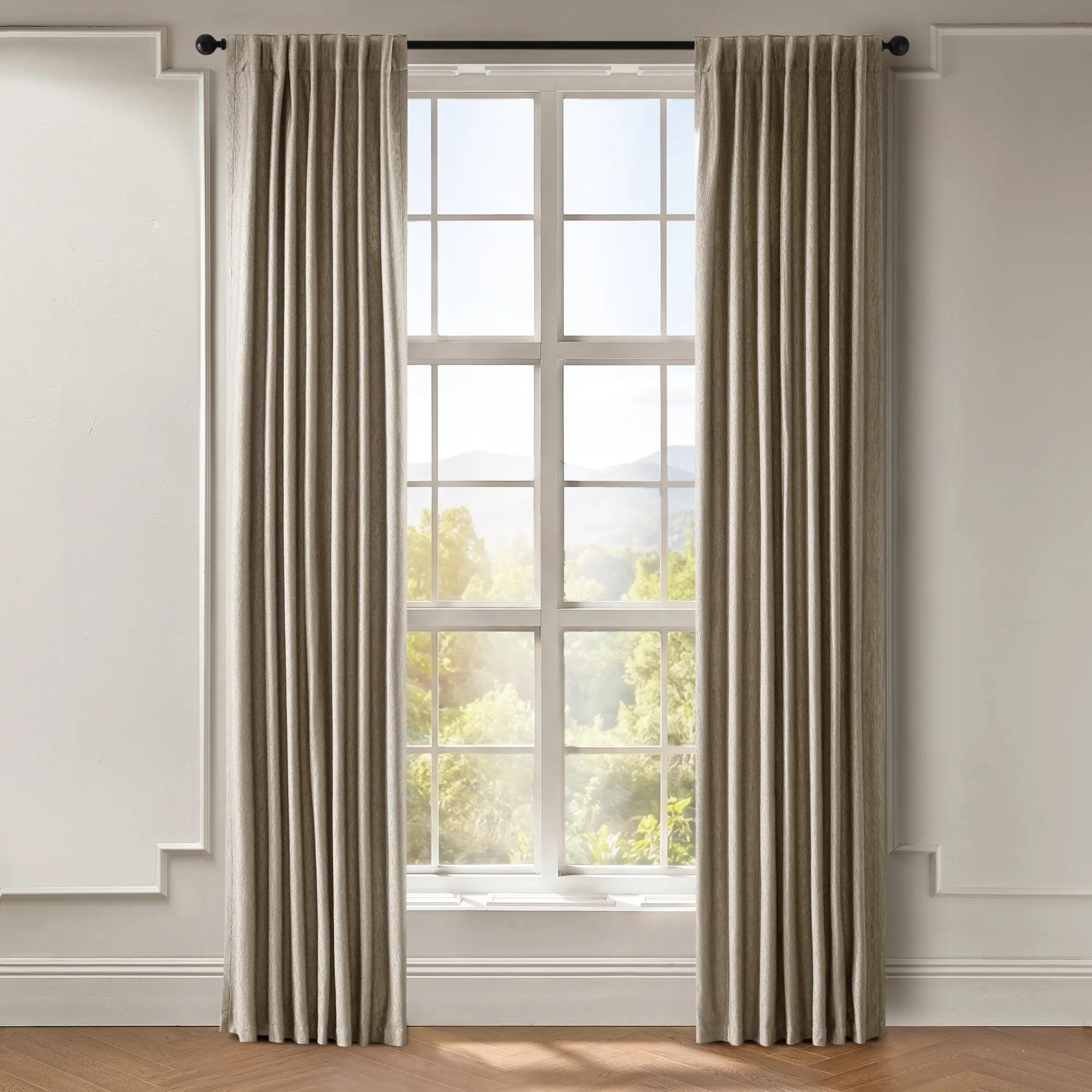
 Mabel Natural Velvet Swirl Window Curtain Panel$109
A warm neutral velvet curtain with a tonal swirl pattern and room-darkening, dual hanging options.
Add To Cart -
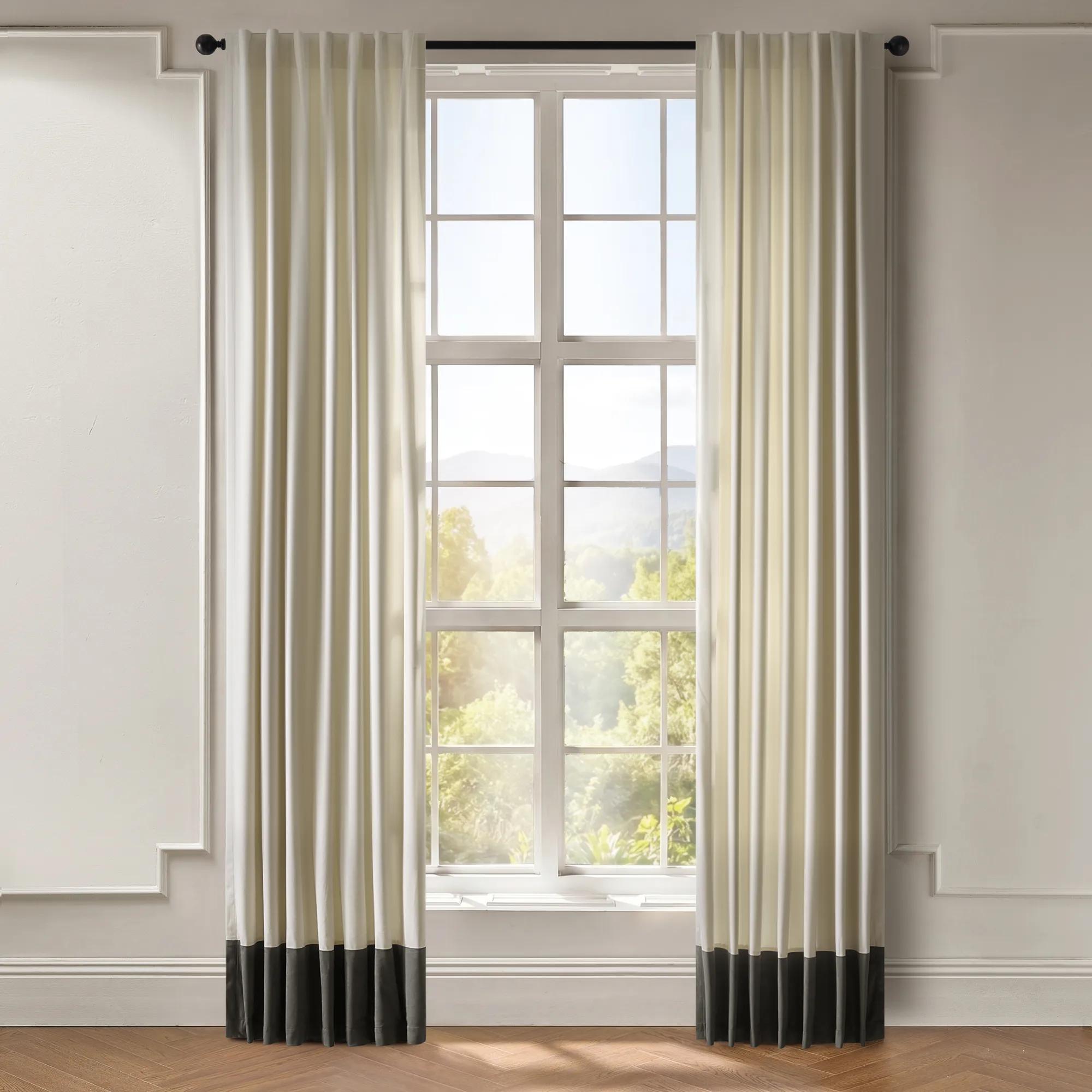
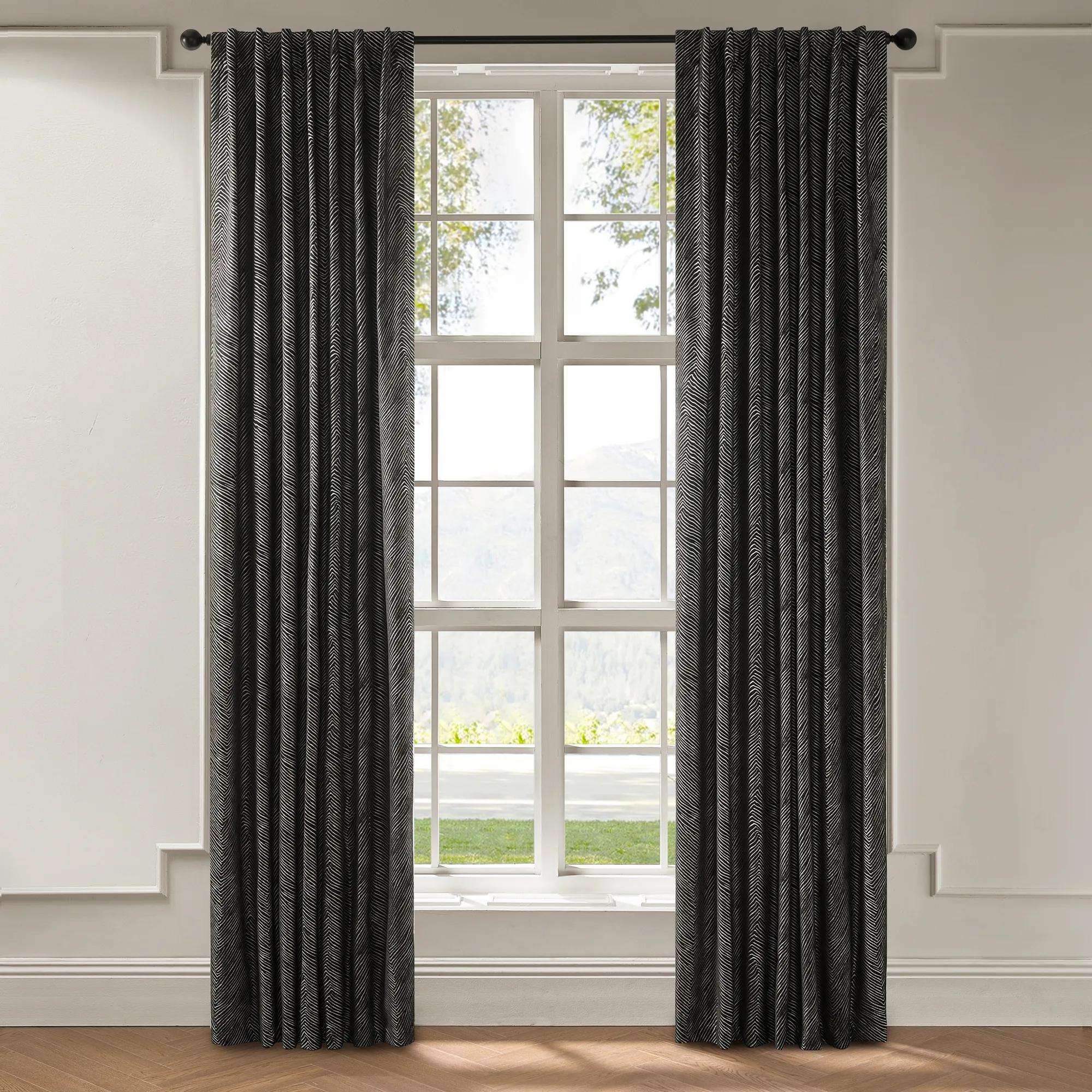
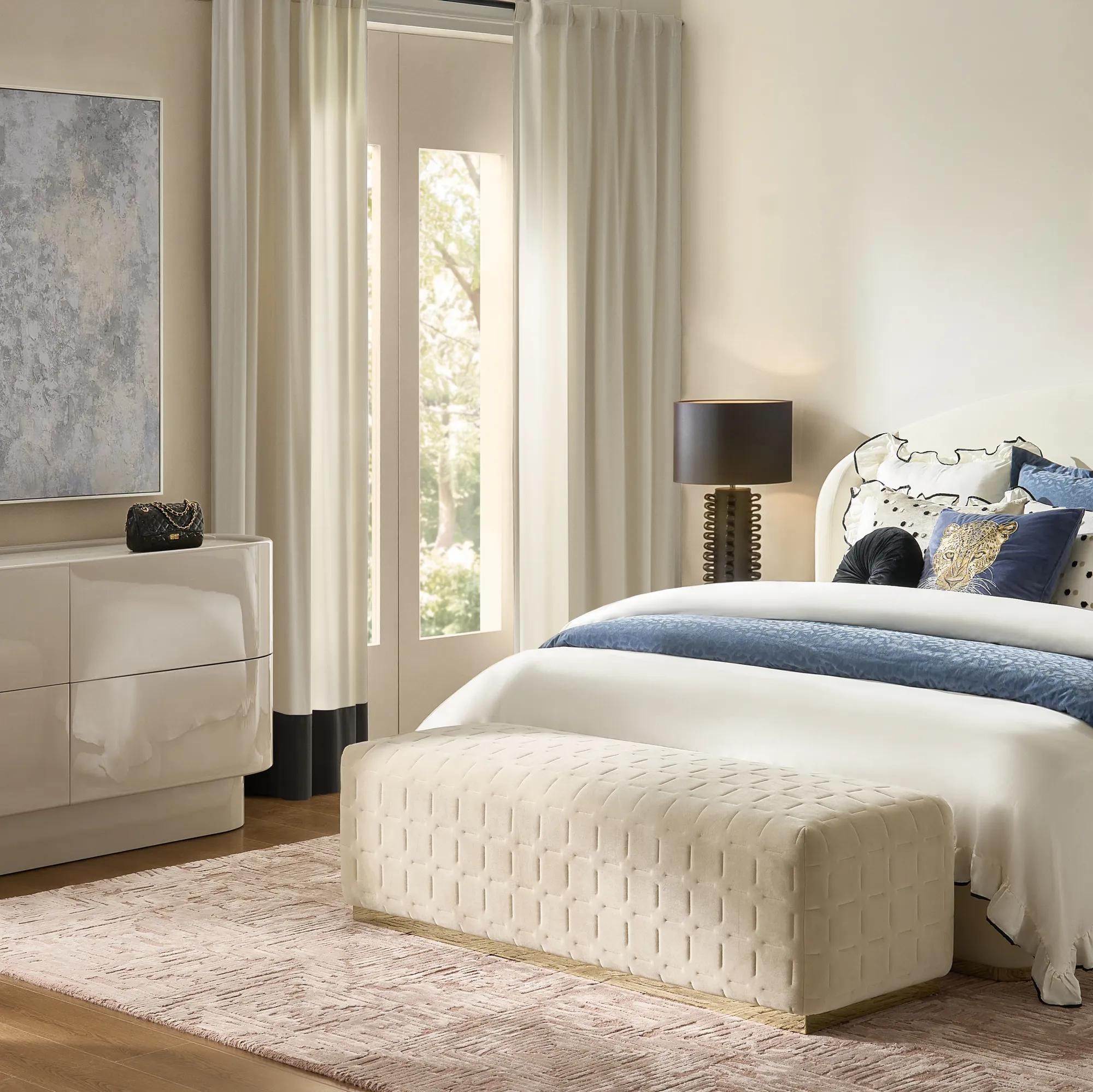 Bastien Ivory/Graphite Velvet Border Window Curtain Panel$109
A two-tone ivory and graphite velvet curtain panel with a Deco-inspired border and room-darkening design.
Add To Cart -
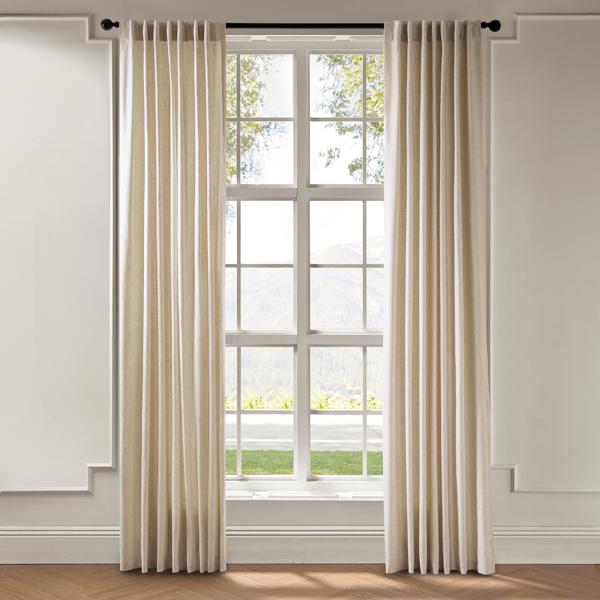
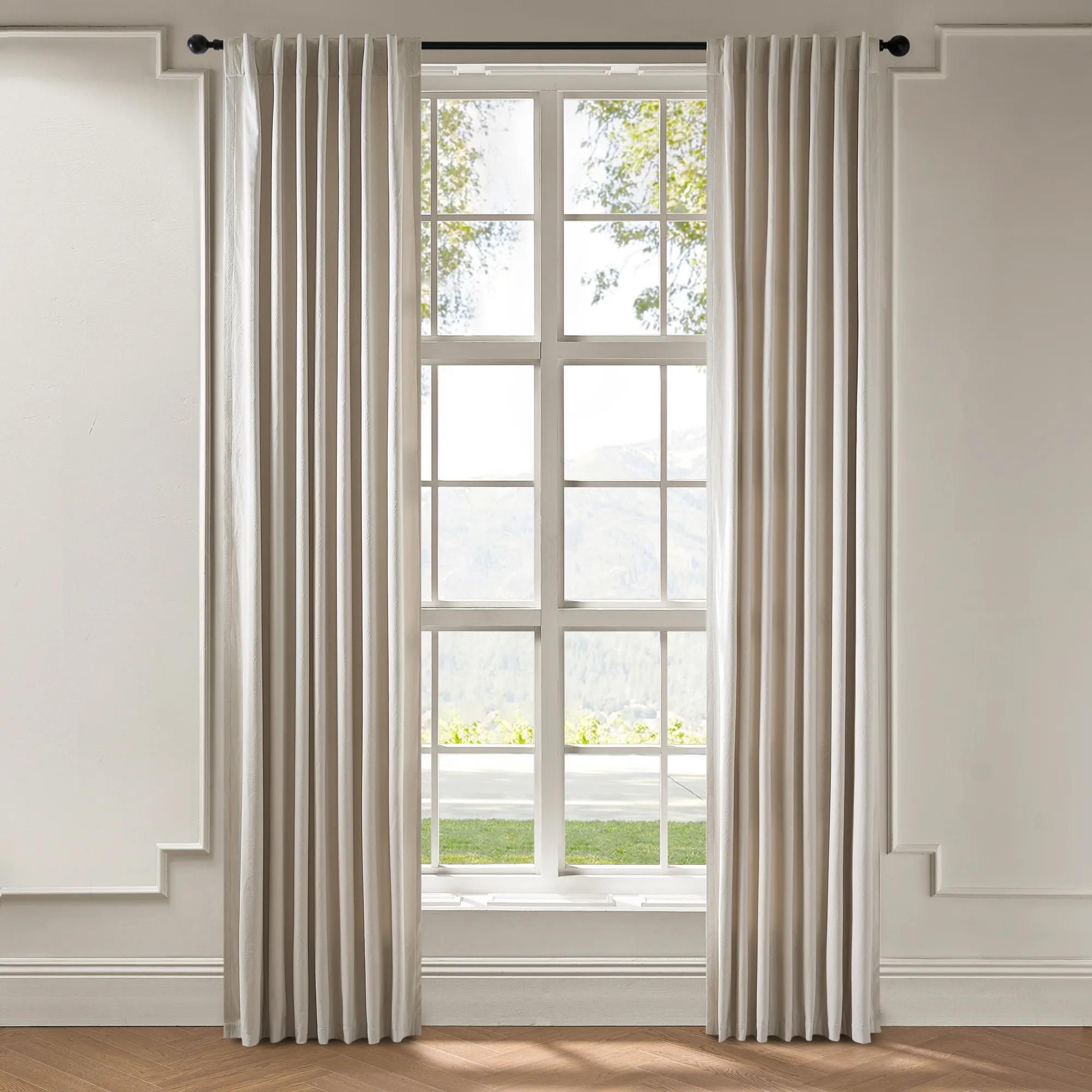
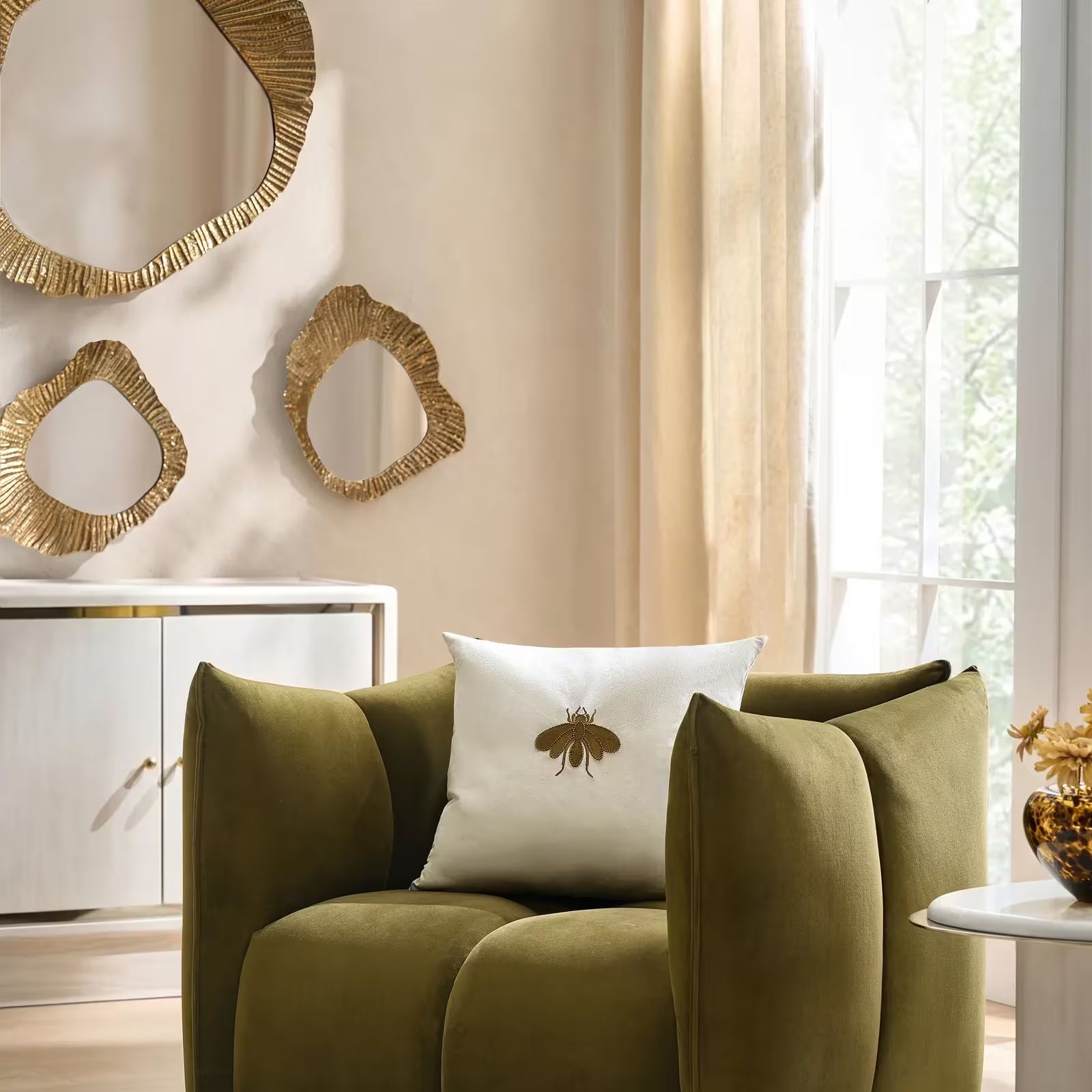 Anson Ivory Textured Window Curtain Panel$99
An elegant ivory curtain panel with a crushed, light-reflective texture for subtle shine and room darkening.
Add To Cart -
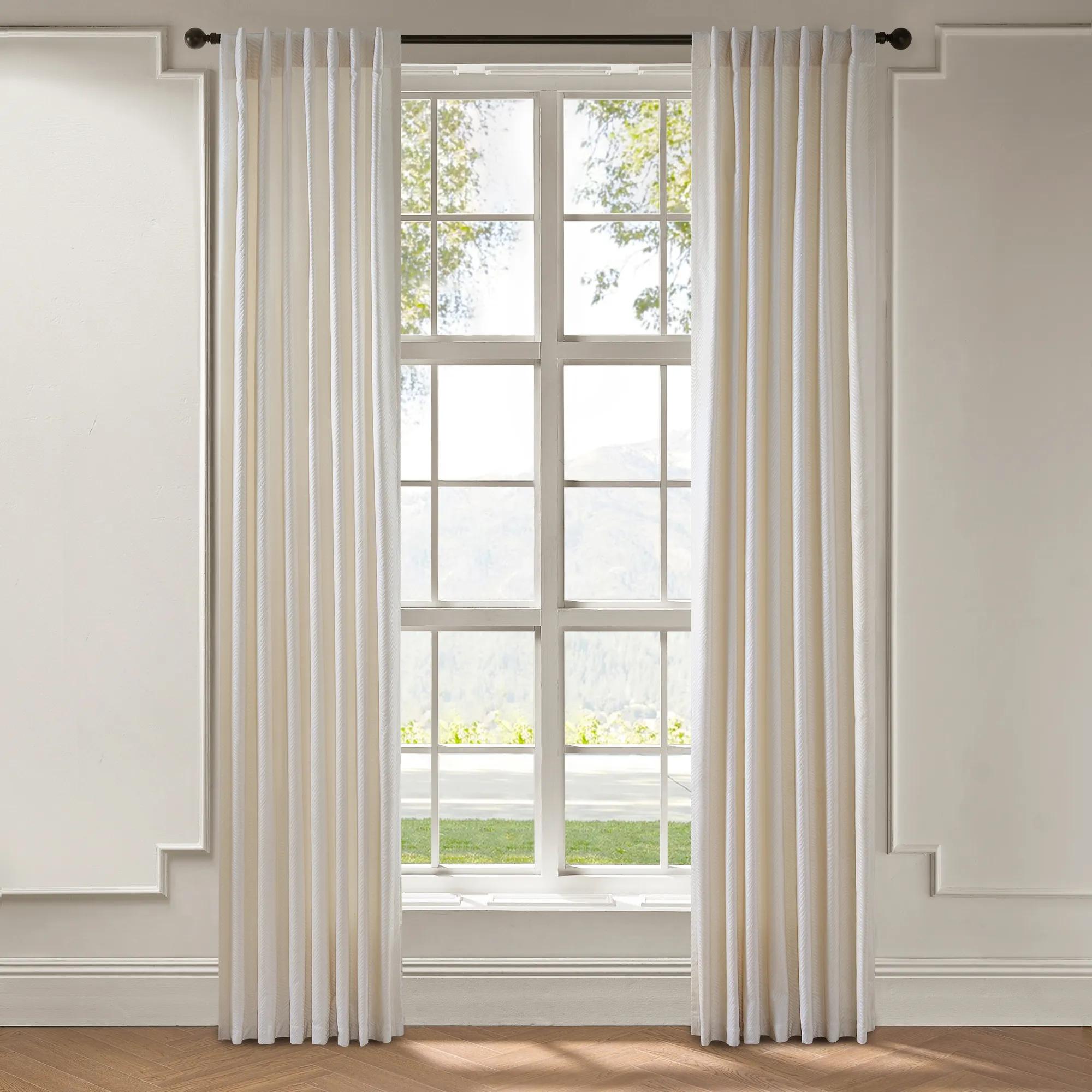
 Kenzo Chenille Curtain - White$139
A luxe white chenille jacquard curtain featuring a subtle high-contrast pattern and versatile dual construction.
Add To Cart

Elegant Silver Window Treatments
Elegant silver window treatments are the ultimate statement for those who believe every detail deserves its own spotlight. Shimmering with a luminous allure, these draperies and panels transform sunlight into a silken cascade, casting an ethereal glow that elevates any room from ordinary to extraordinary. Whether you crave the quiet drama of soft metallics or the bold sophistication of high-shine finishes, elegant silver window treatments invite you to envelop your space in artistry and opulence—where each fold and flourish becomes part of your home’s grand design narrative.
Elegant silver window treatments give a room a luminous architectural frame, drawing attention to the height of a window and the beauty of the furnishings around it. Their appeal lies in the range of effects a single color family can create: pale platinum feels airy against ivory walls, brushed silver adds definition to a monochromatic interior, and deeper pewter brings richness to spaces layered with charcoal, walnut, or jewel-toned upholstery. Silver curtains and drapes can be quietly tonal or deliberately expressive, depending on their weave, surface, and scale. A matte fabric with a faint silver cast creates a different atmosphere from a panel woven with metallic threads or finished with a reflective pattern. Jacquard lends dimension through its woven design, while embroidered details create a more intricate surface that rewards a closer look. Velvet introduces plush depth, allowing folds to appear lighter or darker as the pile changes direction. Sheer fabrics soften the outline of a window and lend movement without the visual weight of substantial drapery. Silver describes the color or effect rather than a particular fiber, so the fabric composition remains an important part of the choice. Polyester and blended fabrics may offer resilience and easier upkeep, while linen brings a more relaxed texture and silk contributes a distinctive luster with more demanding care requirements. The most compelling combinations let these differences become part of the room’s character. Against a sculptural console, silver panels can act as a restrained backdrop; beside a tufted headboard, they add another layer of softness and polish. Mirrored furniture and crystal accents amplify their gleam, while wood, ceramic, and matte finishes give that shine a grounded counterpoint. Even small details influence the result: a subtle geometric weave reads differently across a broad window than an oversized damask, and a smooth, uninterrupted panel can provide welcome balance beside richly patterned upholstery. The effect can be serene or theatrical without abandoning the sophistication that makes silver so versatile.
Beyond appearance, silver window coverings serve different purposes according to their fabric density, lining, and construction. Sheer silver curtains filter daylight and soften views, making them appealing in living rooms where brightness is part of the atmosphere. They generally do not provide dependable privacy after dark when interior lights are on. Light-filtering panels offer more coverage while preserving a gentle glow, although their privacy performance varies with the weave and lighting conditions. Room-darkening drapes reduce incoming light more substantially, while blackout designs use specialized fabric or lining to block light through the panel itself. Light can still enter around the edges, above the rod, or between panels, so the installed fit matters as much as the fabric designation. In a bedroom, layered sheers and opaque drapery allow the window to move from softly illuminated to more secluded without changing the room’s decorative language. In a media room, substantial panels with generous overlap can help control distracting glare. Silver Roman shades offer a more tailored profile, folding upward to reveal the window rather than gathering at its sides; their clean outline can complement decorative side panels where space allows. For curtains and drapes, fullness gives the fabric its rhythm. A combined panel width around one and a half to twice the rod width is a common starting point, though the appropriate amount depends on the heading style and the depth of folds desired. Listed dimensions also deserve attention, since measurements may describe one panel rather than a pair. Full-length drapery that just clears the floor creates a polished line and moves more freely than fabric allowed to pool. Mounting a rod above and beyond the window frame, where the wall and hardware permit, can emphasize height and give open panels somewhere to gather without covering as much glass. Grommets create broad, regular folds; rod pockets gather more softly; and pleated headings establish a structured cadence. Hardware should support the weight of the fabric and lining, with enough clearance for any layered treatments to operate smoothly.
The enduring elegance of silver drapery depends on how well its construction and care requirements suit everyday life. In a frequently used living room, fabric that holds its shape and tolerates regular handling may be more practical than a delicate surface that catches easily on jewelry or nearby furnishings. Lining can give a panel a more substantial fall and help shield its decorative face from light exposure, although no textile should be assumed immune to fading. Metallic prints, foil effects, embroidery, and textured weaves each need care suited to their finish; a silver appearance does not automatically mean a curtain is washable. The care label should determine whether laundering, professional cleaning, or another method is appropriate. Gentle vacuuming with a suitable upholstery attachment, when permitted, can help remove settled dust between deeper cleanings. Direct heat, vigorous rubbing, and unsuitable cleaning products may damage decorative surfaces, while steaming or ironing should follow the fabric’s specific instructions. These practical distinctions matter especially for panels that are opened daily, hang near an exterior door, or sit within reach of pets. Where children are present, cordless shades help avoid the hazards associated with accessible operating cords, and secure hardware remains essential for any treatment. Within those considerations, there is ample room for an expressive finish. A dining room can carry a stronger metallic accent alongside lacquered furniture, while a bedroom may feel more composed with pearl-silver fabric and a softly contrasting lining. For interiors drawn to fluid texture and a gentler sheen, Elegant Silk Window Coverings offer a related direction for shaping the window’s presence. Coordinating silver treatments across adjoining spaces can create continuity without requiring identical patterns in every room. A shared undertone, similar heading, or consistent hardware finish is often enough to connect the spaces. With proportion, texture, and function working together, silver window treatments become an integral part of the interior: framing the view, shaping the light, and giving the room a beautifully resolved finish.
FAQs
Silver window treatments evoke an air of refined glamour, infusing spaces with a luminous, upscale ambiance. The metallic sheen captures and reflects light, creating a dynamic interplay of shadow and shine that enhances both modern and classic décor. Silver’s versatility allows it to harmonize with a variety of color palettes and textures, making it a sophisticated foundation or accent for any room.
Layering is a favorite technique among design aficionados. Start with sheer silver panels to softly diffuse natural light, then add heavier drapes or custom roman shades porter square for depth and privacy. Mixing fabrics—such as pairing shimmering velvets with metallic linens—creates a tactile, multi-dimensional look. Incorporate decorative hardware in coordinating metallic finishes to complete the ensemble.
Absolutely. Silver window treatments bring a sense of artistry and light to living rooms, bedrooms, dining spaces, and even home offices. Their reflective quality can make smaller rooms feel more open and airy, while their elegant presence elevates formal entertaining areas. For a cohesive feel, consider custom window treatments porter square that echo silver accents throughout your home.
Yes, silver is a remarkably adaptable hue. In traditional settings, silver drapes or roman shades can add a regal touch when paired with rich textures and classic silhouettes. In contemporary spaces, sleek silver panels or custom window treatments ball square introduce a crisp, modern edge. The key is to select fabric finishes and styles that harmonize with your overall design vision.
Enhance the drama of silver window treatments with crystal or mirrored tiebacks, metallic tassels, and statement curtain rods. Layering with contrasting or complementary textiles—such as plush throws or metallic-accented pillows—can further amplify the luxe effect. For a curated look, coordinate your window treatments with other silver or chrome accents in lighting, artwork, or furniture.