Elegant Office Decor Ideas
Elegant Office Decor Ideas
-
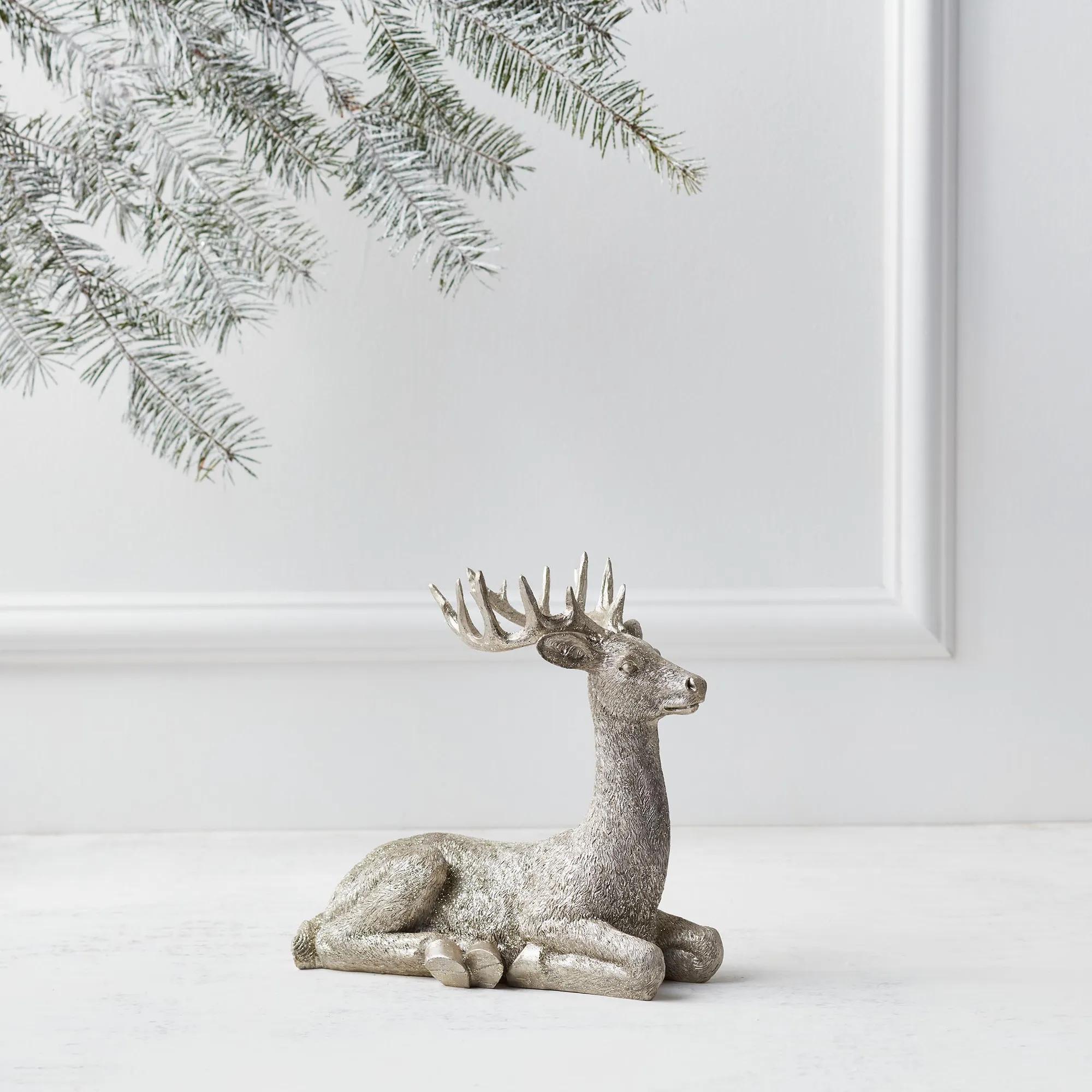
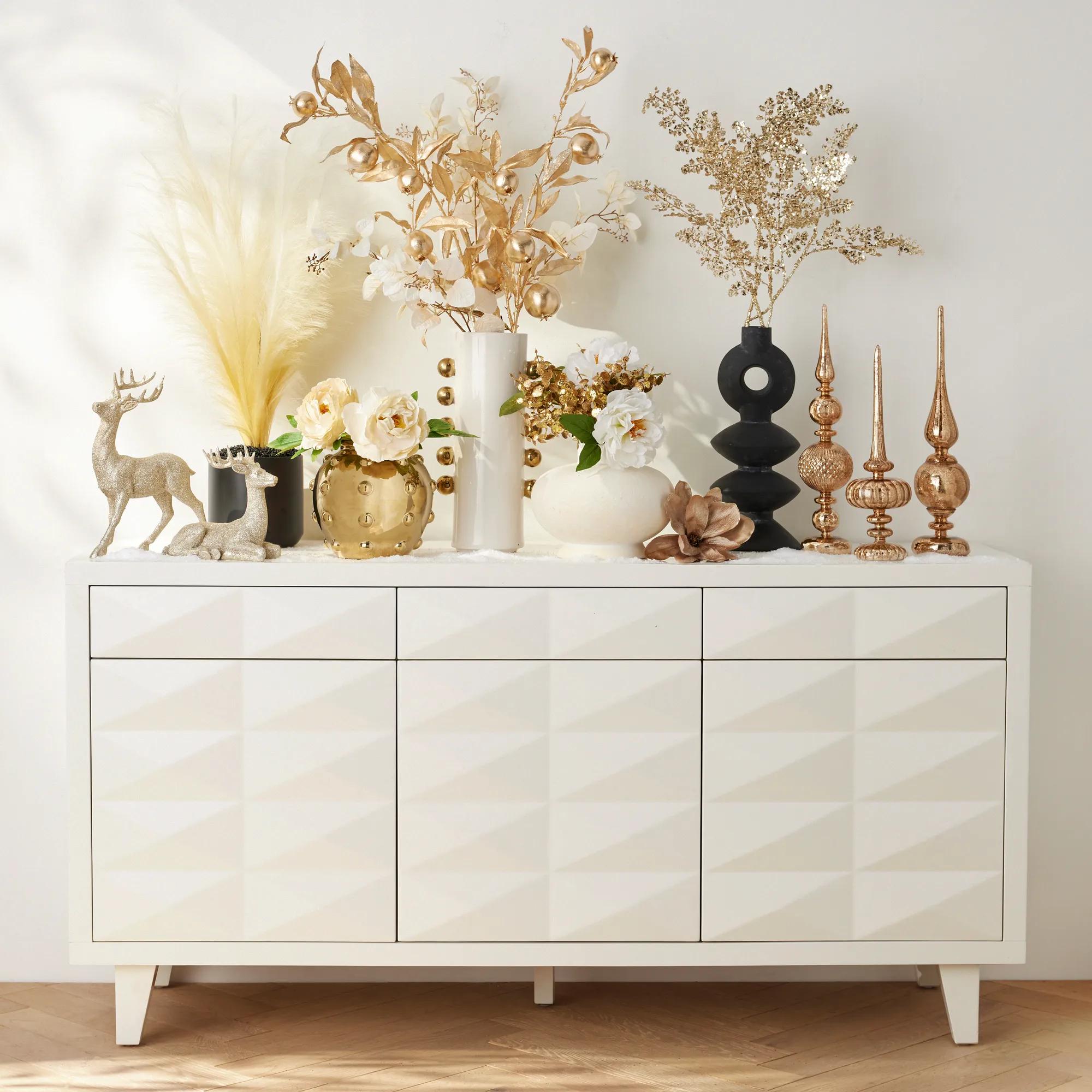 Majestic Deer Champagne Resin 8"$49
A pair of intricately detailed poly resin deer figures with a textured champagne metallic finish.
Add To Cart -
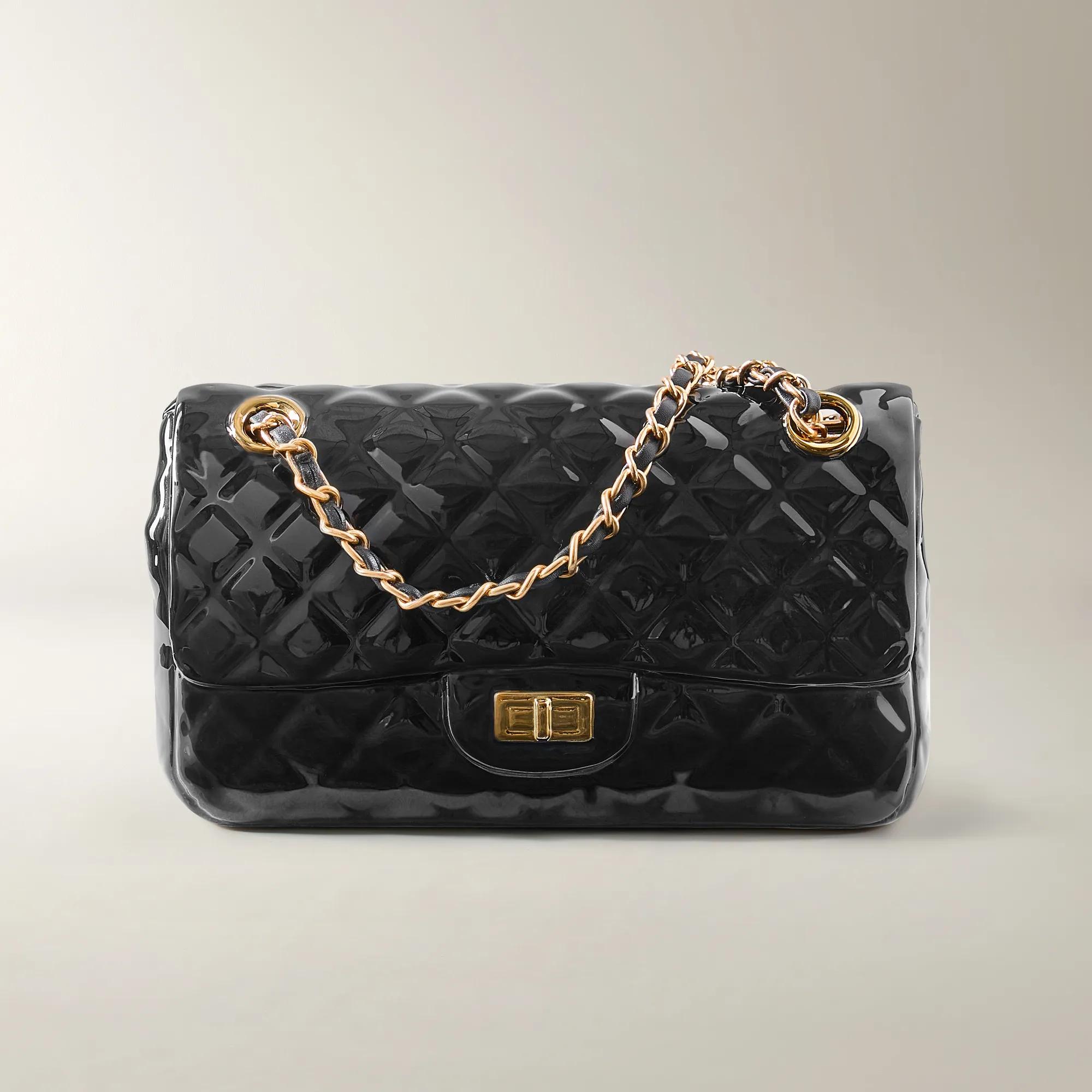
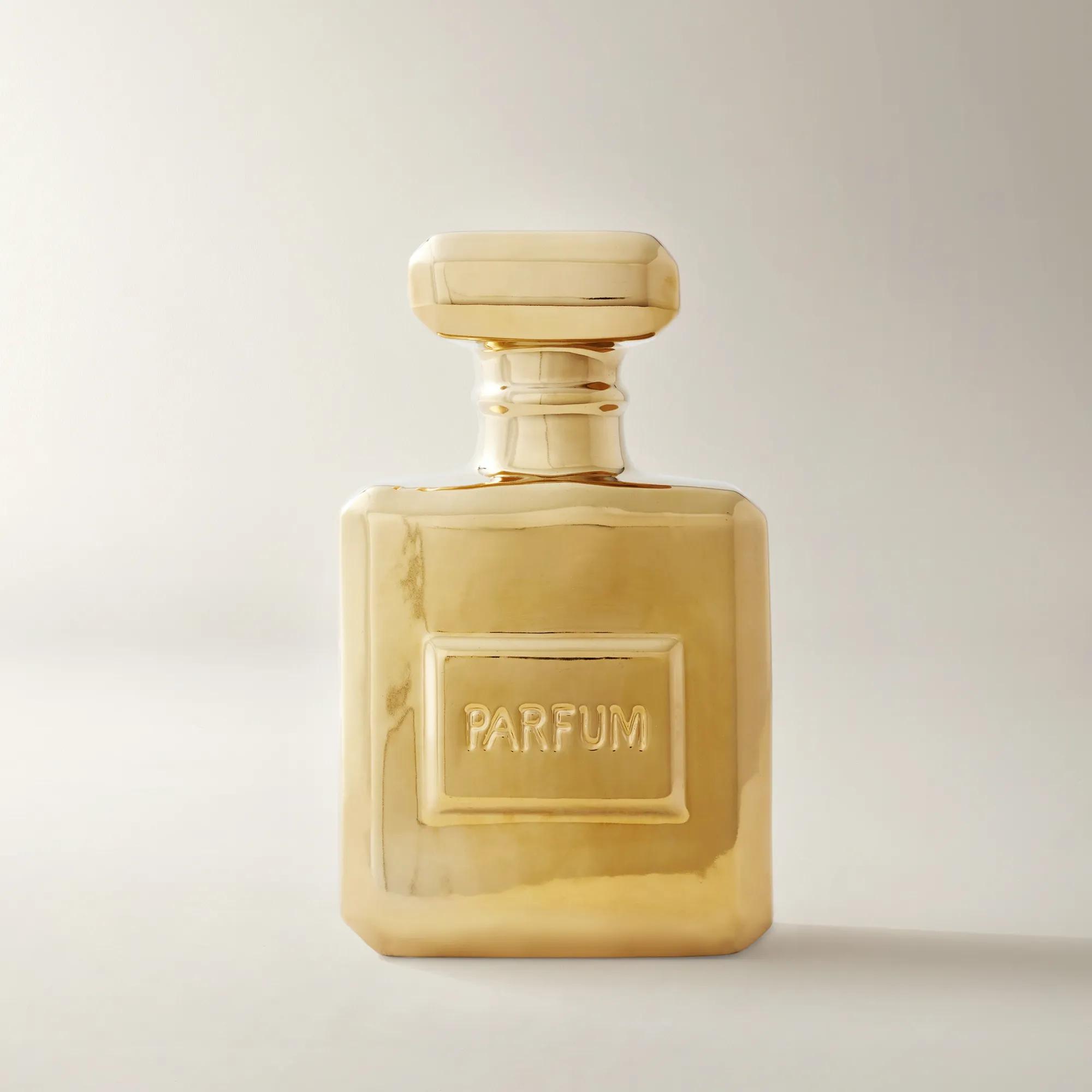 Parfum Bottle Gold Ceramic High Gloss Coin Bank$39
A chic ceramic coin bank in a metallic gold finish, styled like an elegant perfume bottle.
Add To Cart -
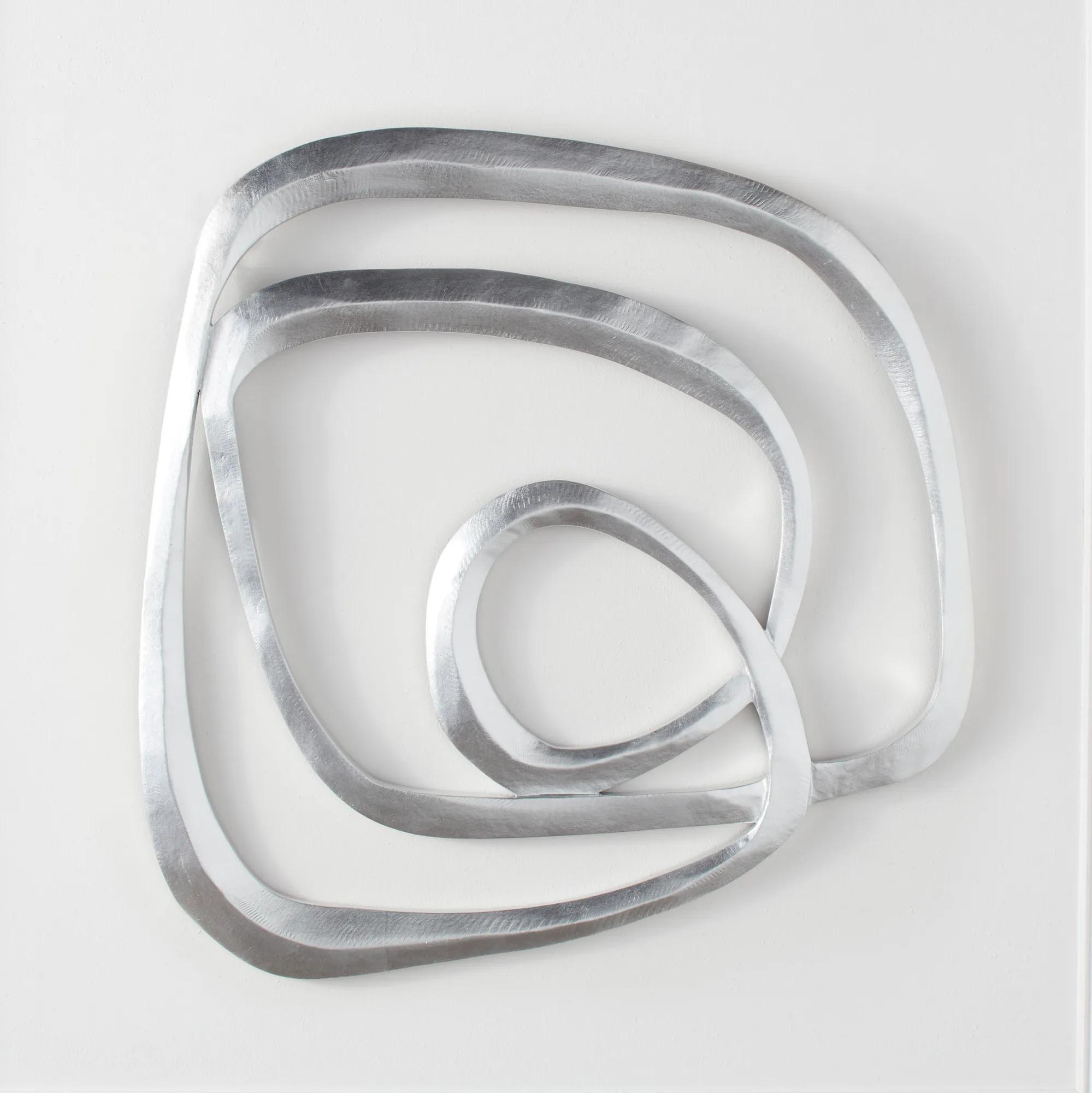 Infinity Silver Leaf Wood Wall Decor I 31.5" x 31.5"$299
A swirling wooden wall sculpture featuring a striking metallic silver finish for modern visual impact.
Add To Cart -
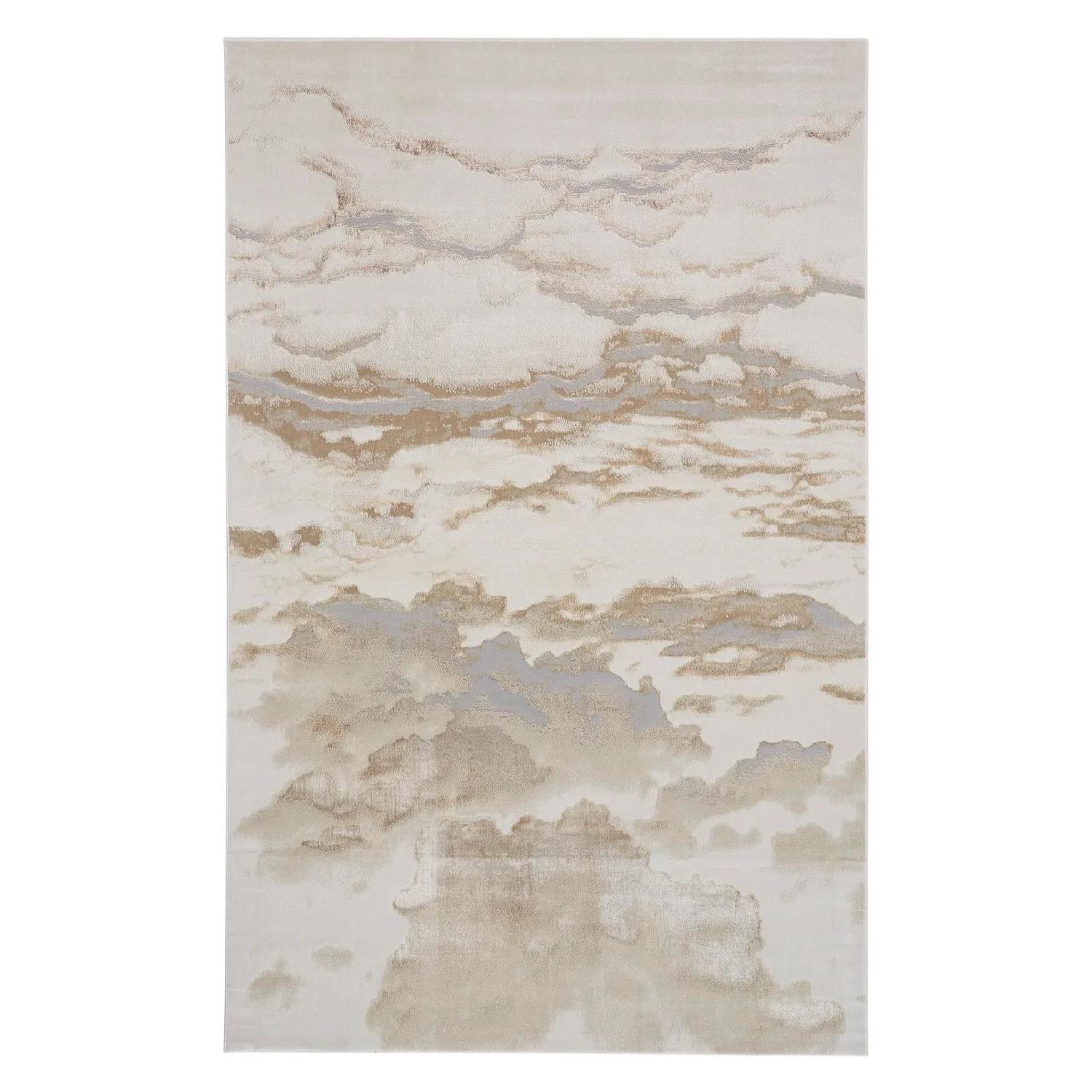
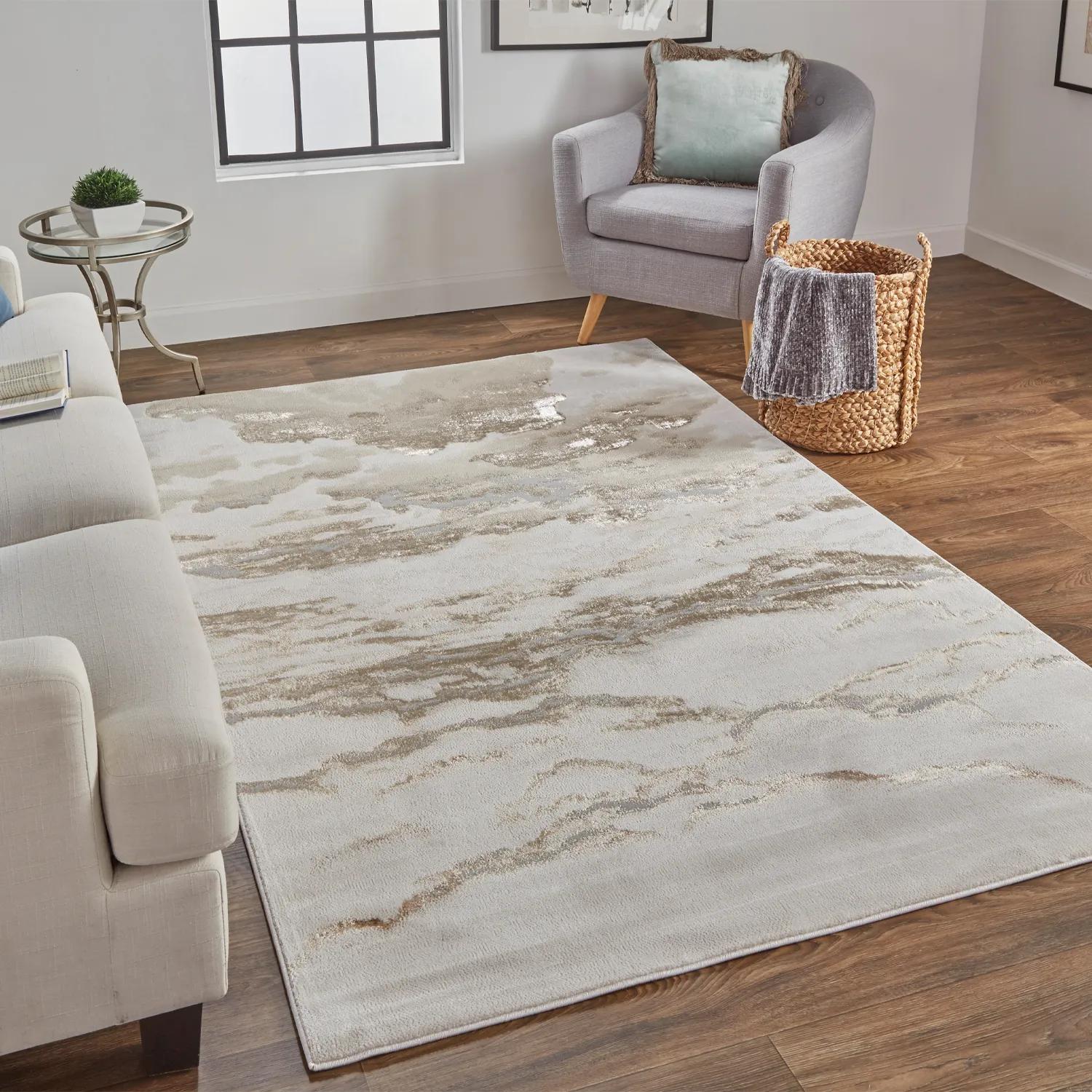 Tide Power-Loomed Beige/Gold/Ivory Rug$899
A machine-made rug in beige and gold, crafted from ultra-soft polyester and polypropylene for elegant spaces.
Add To Cart -
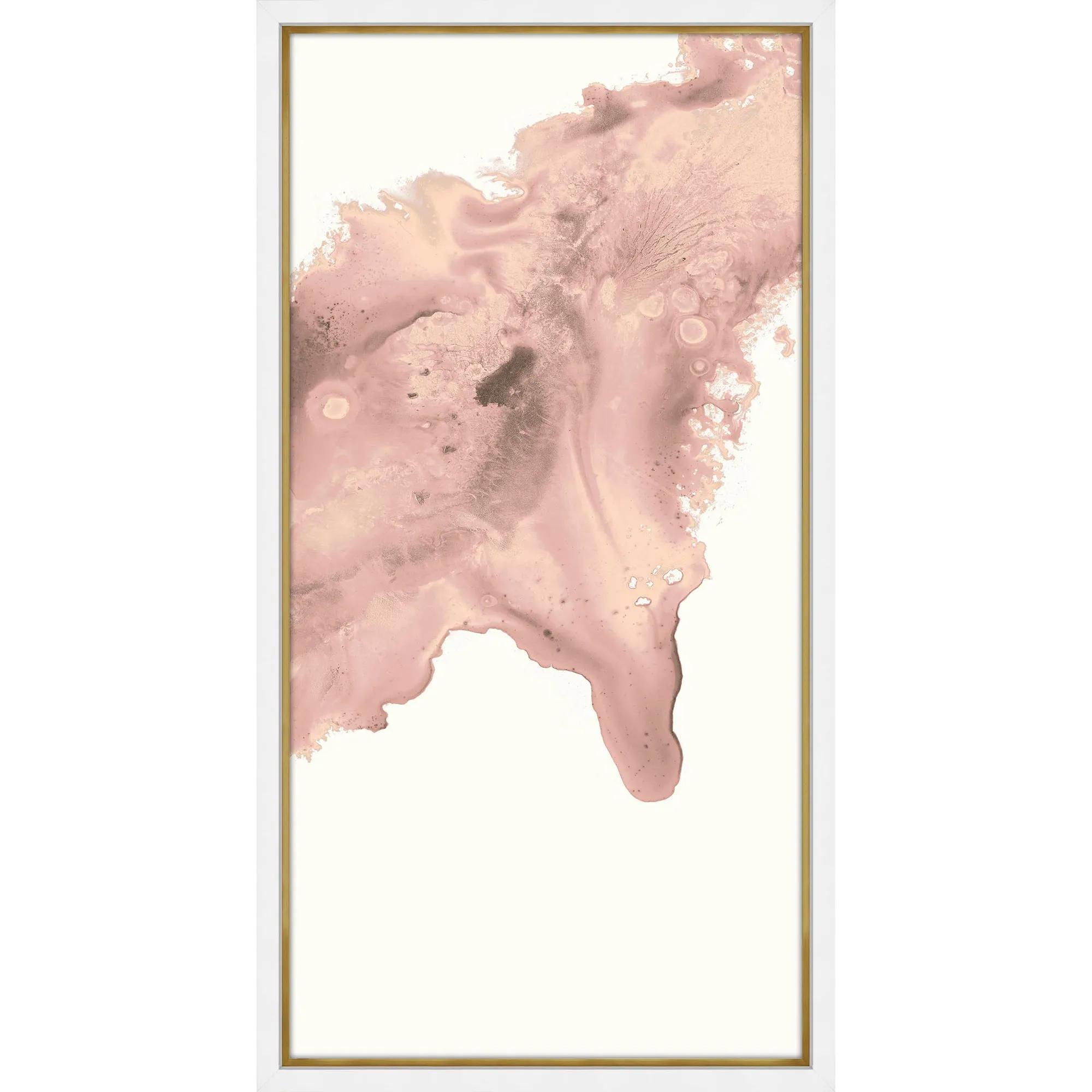
 Blush Conduit 2 Framed Wall Art 24" x 48"$849
A striking abstract print on pearl paper, elegantly framed in gold and matte white for modern appeal.
Add To Cart -
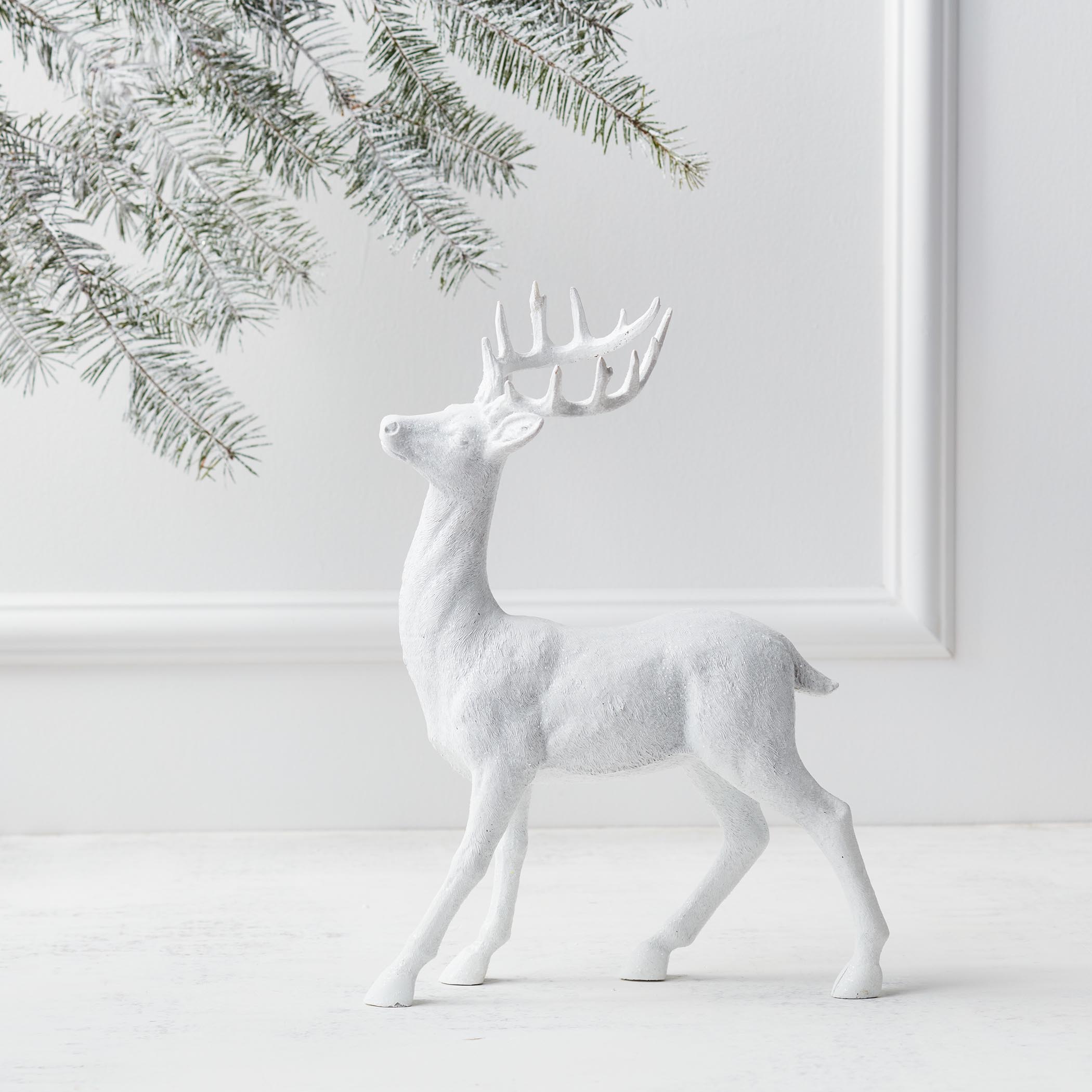 Majestic Deer White Resin 14"$59
A pair of intricately detailed white poly resin deer figures adorned with textured layers of glitter.
Add To Cart -
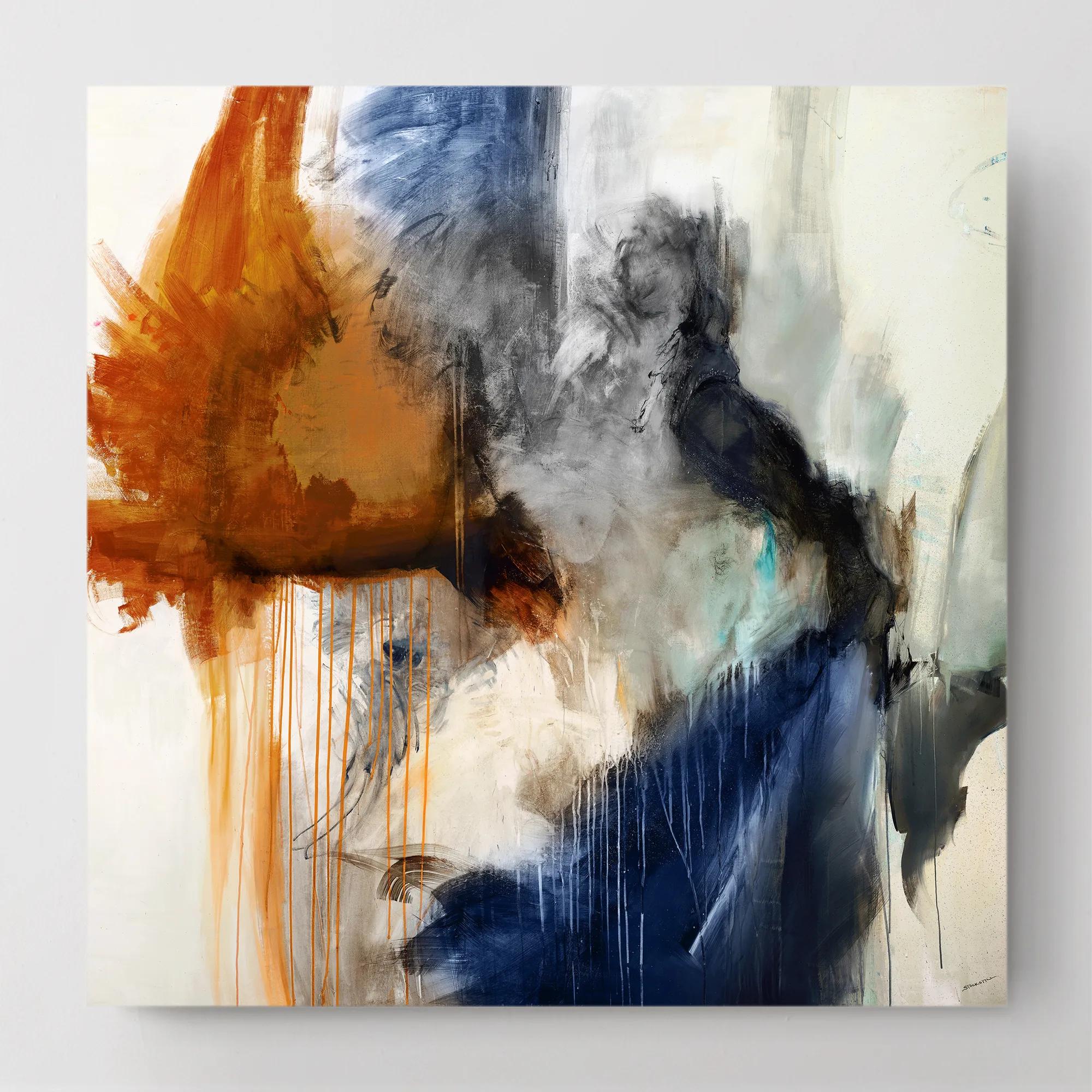
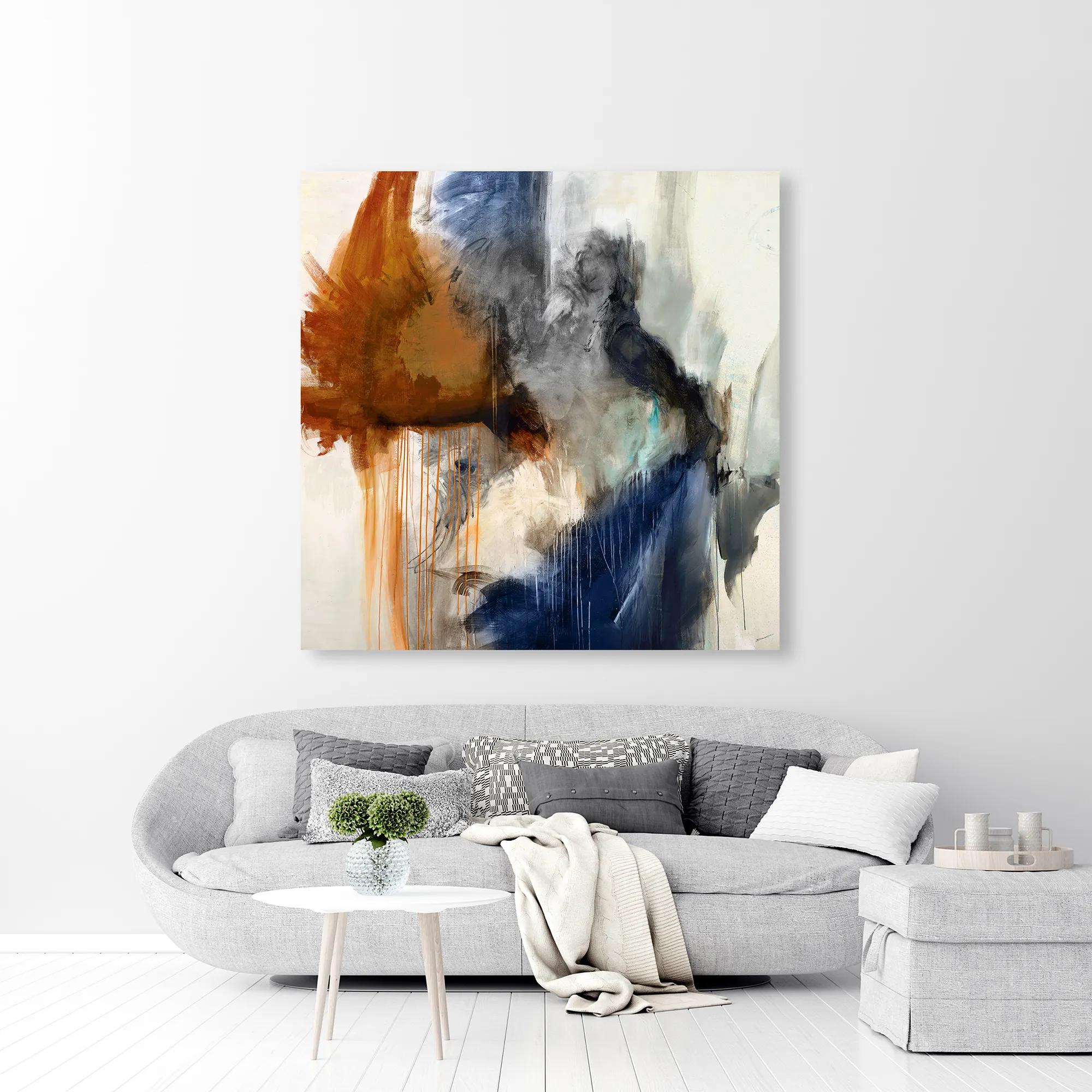 Swoon 6 Wall Art 54" x 54"$899
A gallery-wrapped canvas featuring a hand-applied image brush gel finish for a textured, artistic look.
Add To Cart -
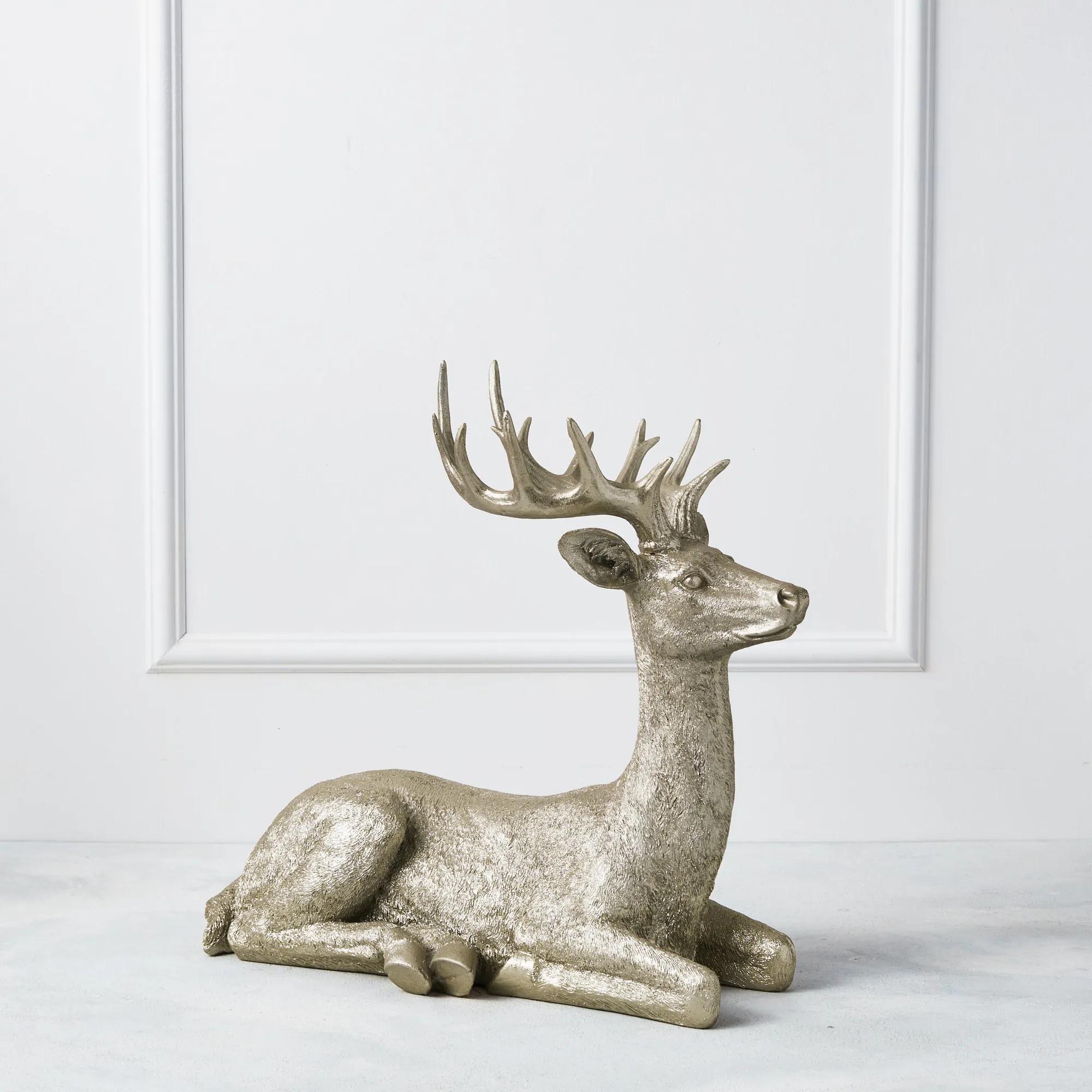
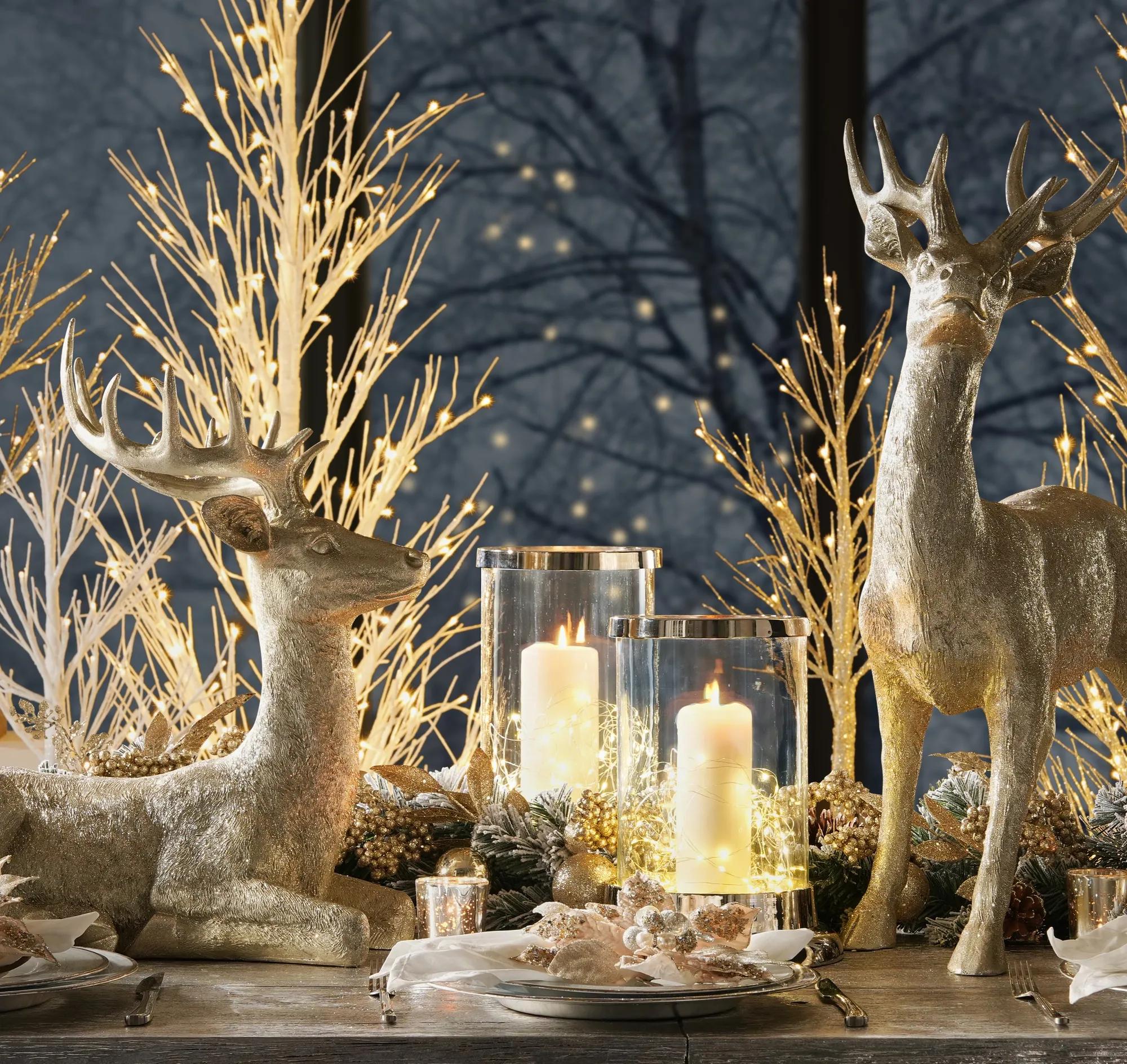 Majestic Deer Champagne Resin 22"$199
A pair of intricately detailed poly resin deer figures featuring textured champagne finishes and elegant poses.
Add To Cart -
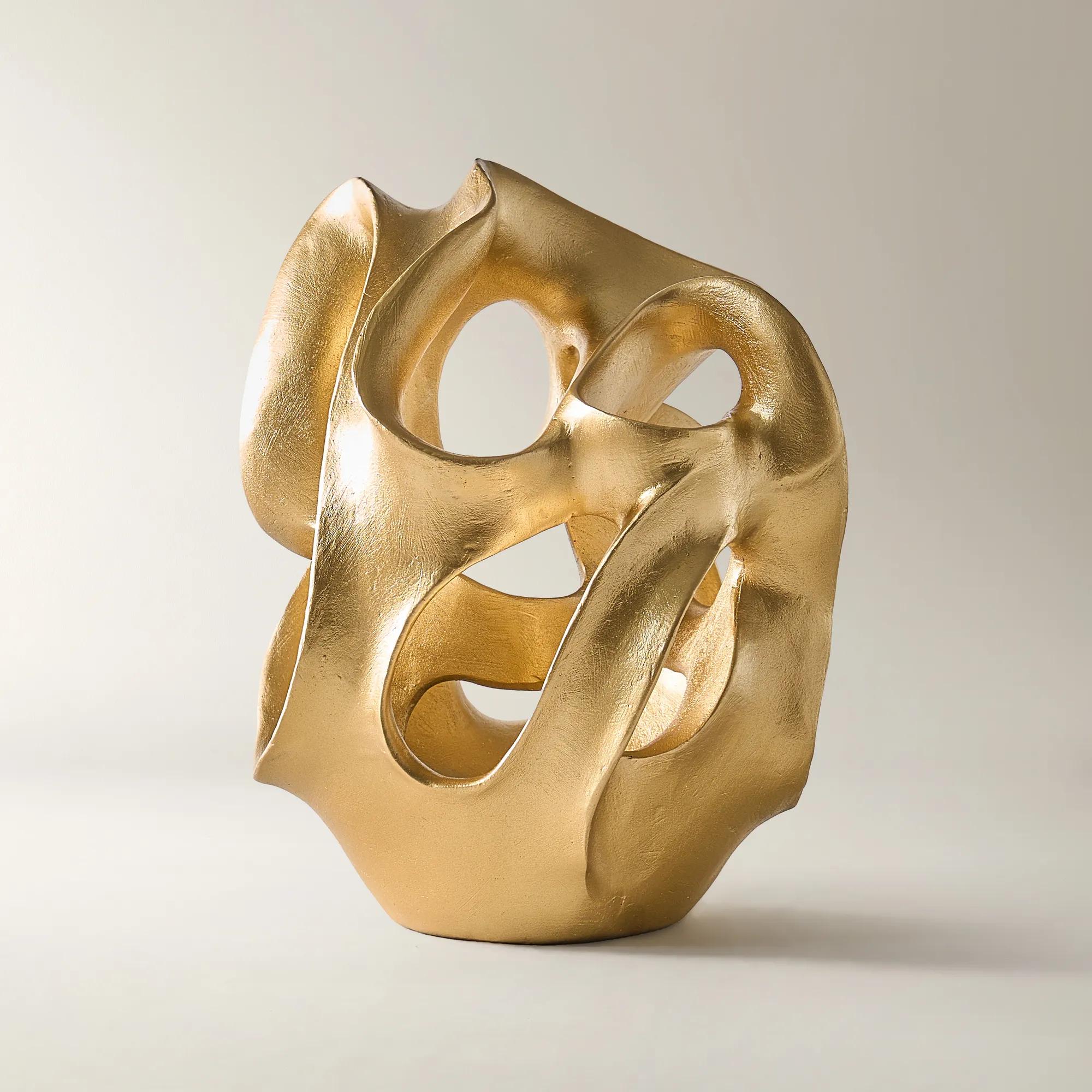
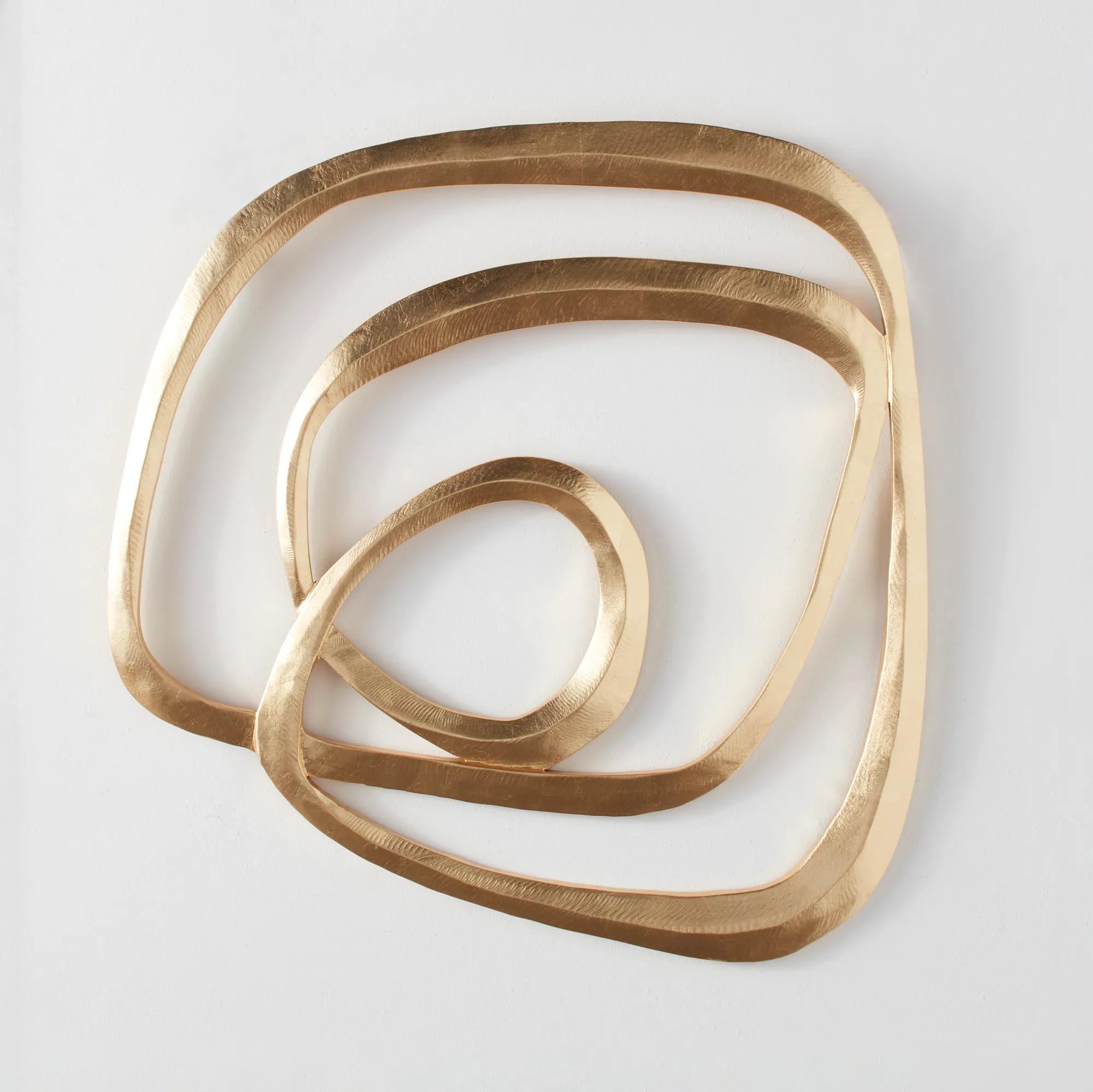 Infinity Gold Leaf Wood Wall Decor II 31.5" x 31.5"$299
A swirling wooden wall sculpture featuring a striking metallic gold finish for a modern statement.
Add To Cart -
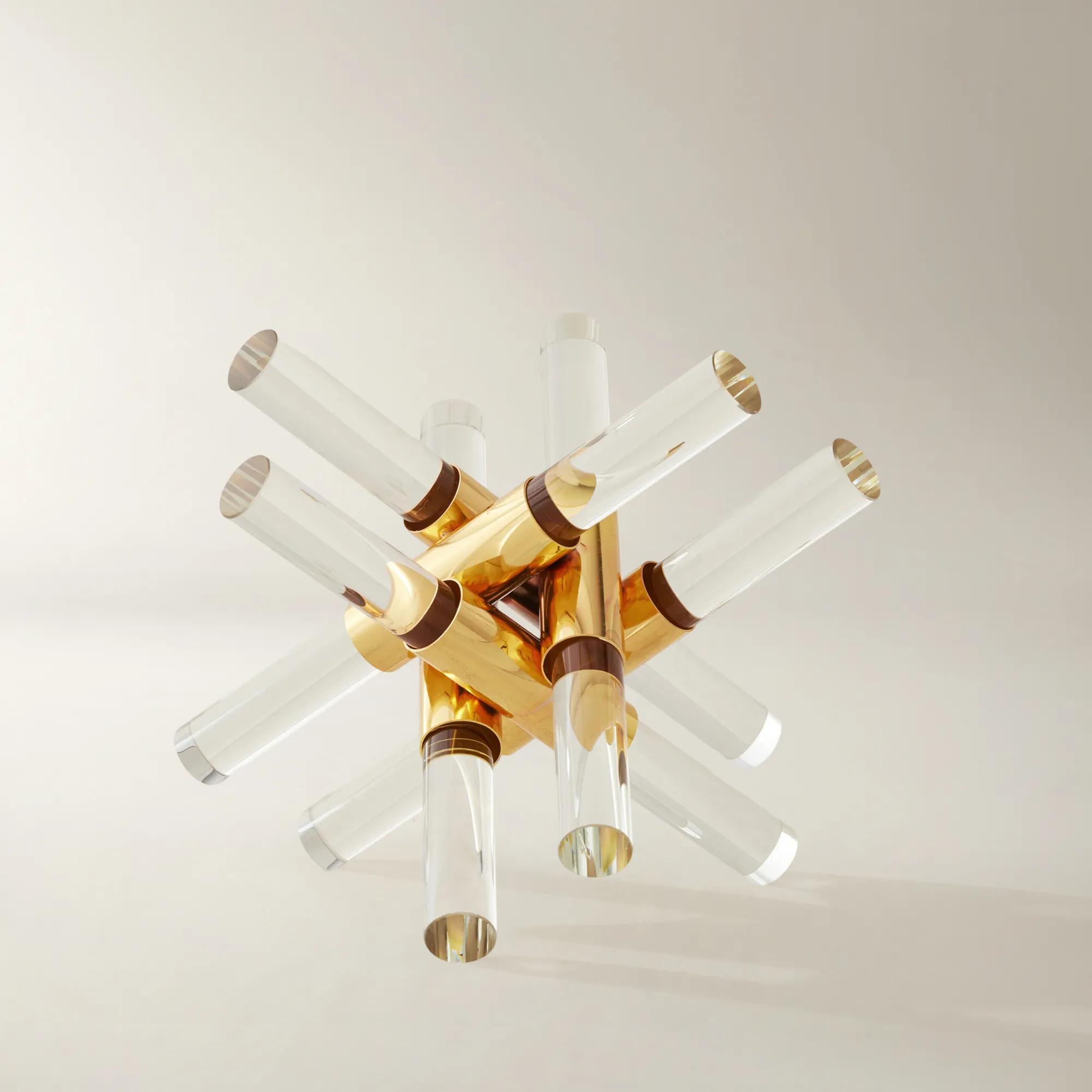
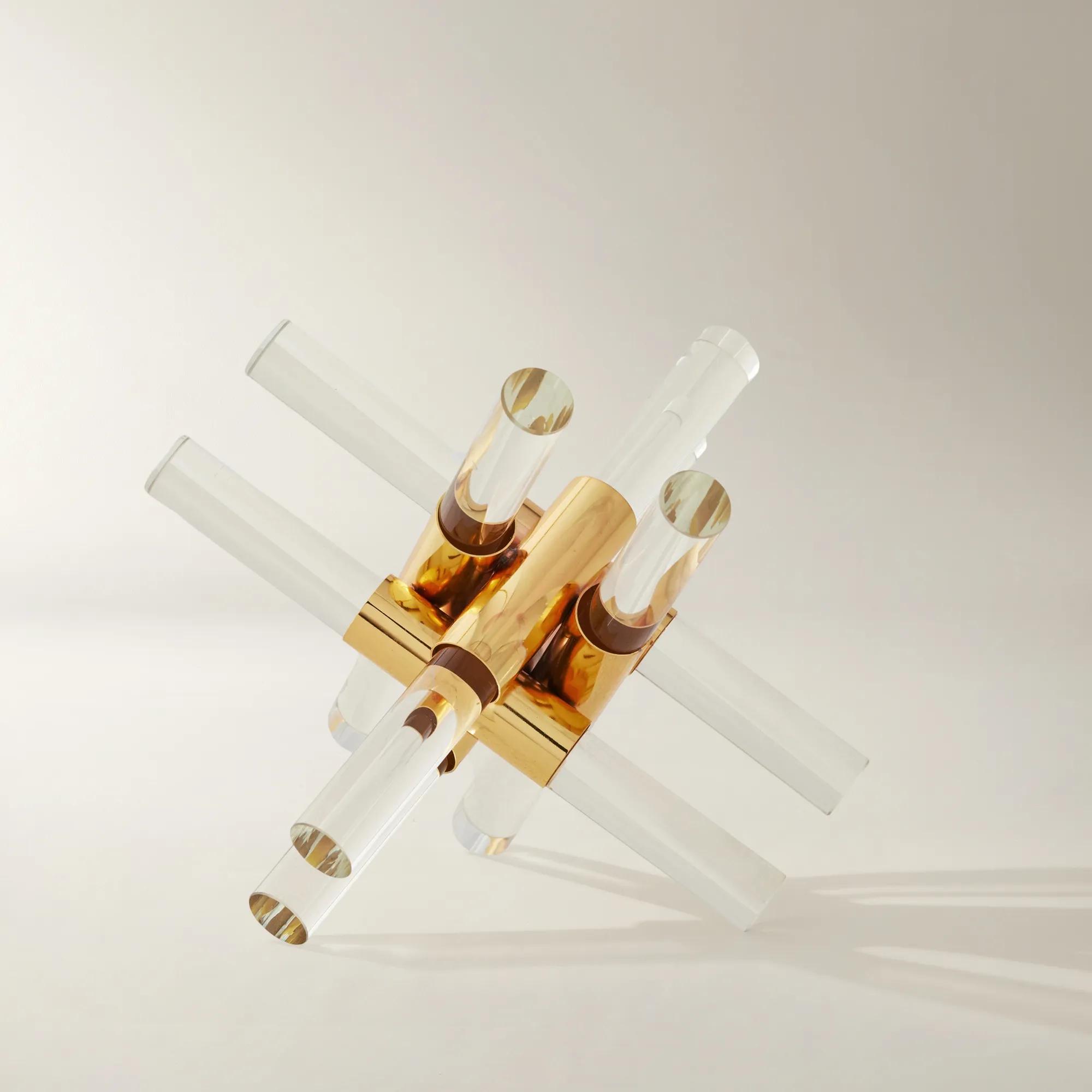 Crystal Glass And Gold Metal Decorative Object 8"$59
A striking decorative accent featuring clear glass rods and gold metal detailing for modern elegance.
Add To Cart -
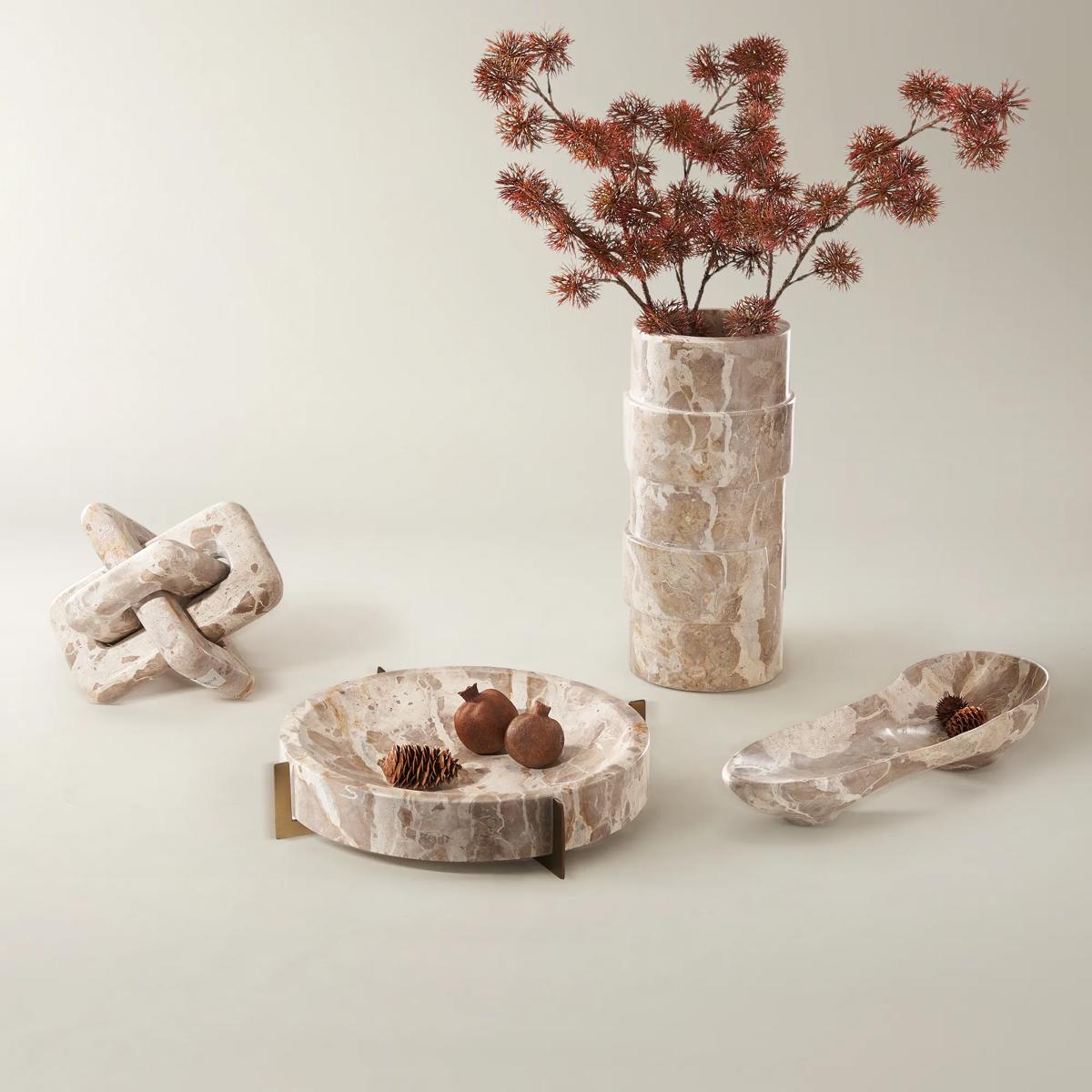
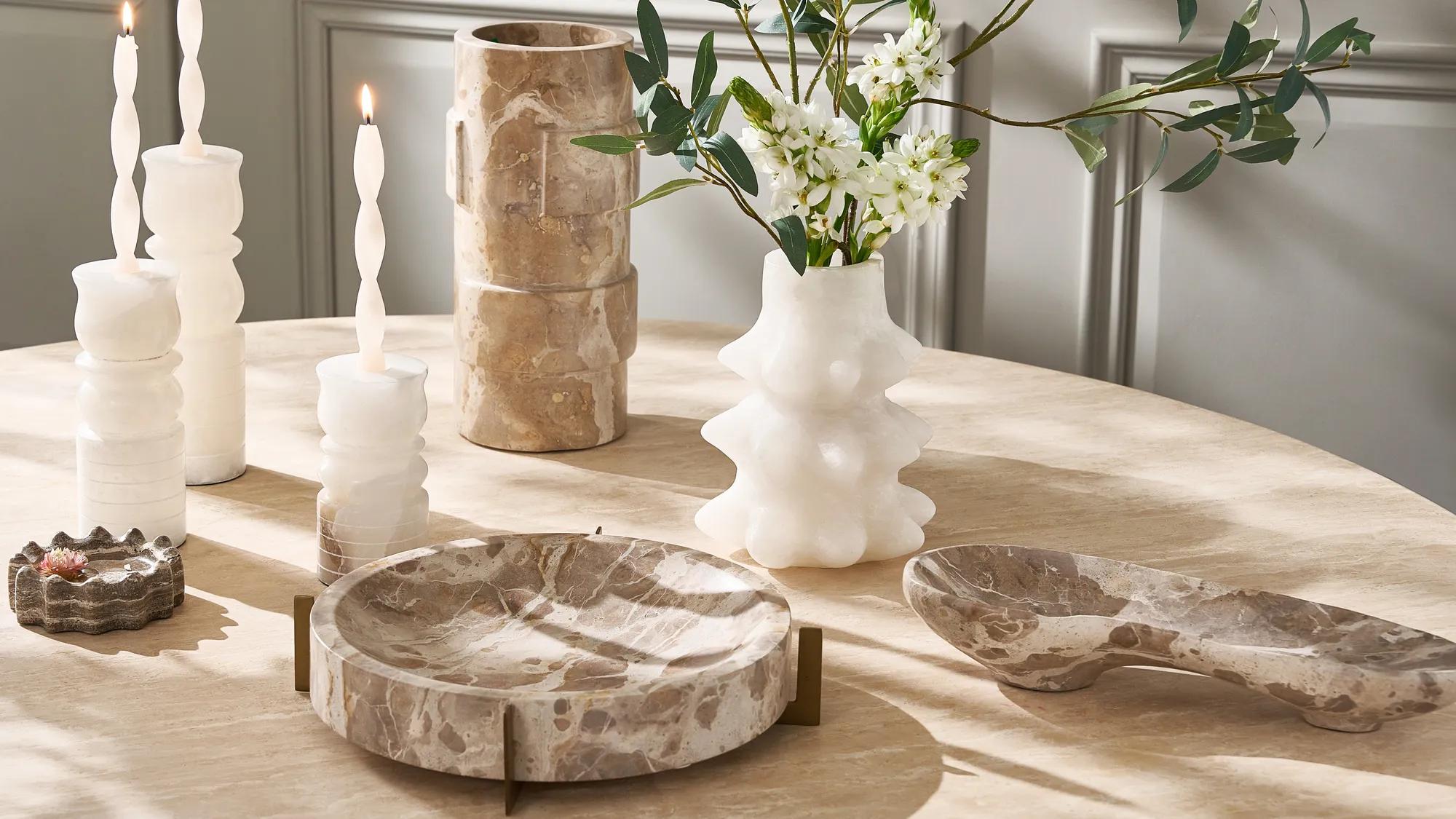 Neutral Marble Collection$109
A handcrafted marble decor collection featuring unique veining, natural neutral tones, and elegant metal accents.
Add To Cart -
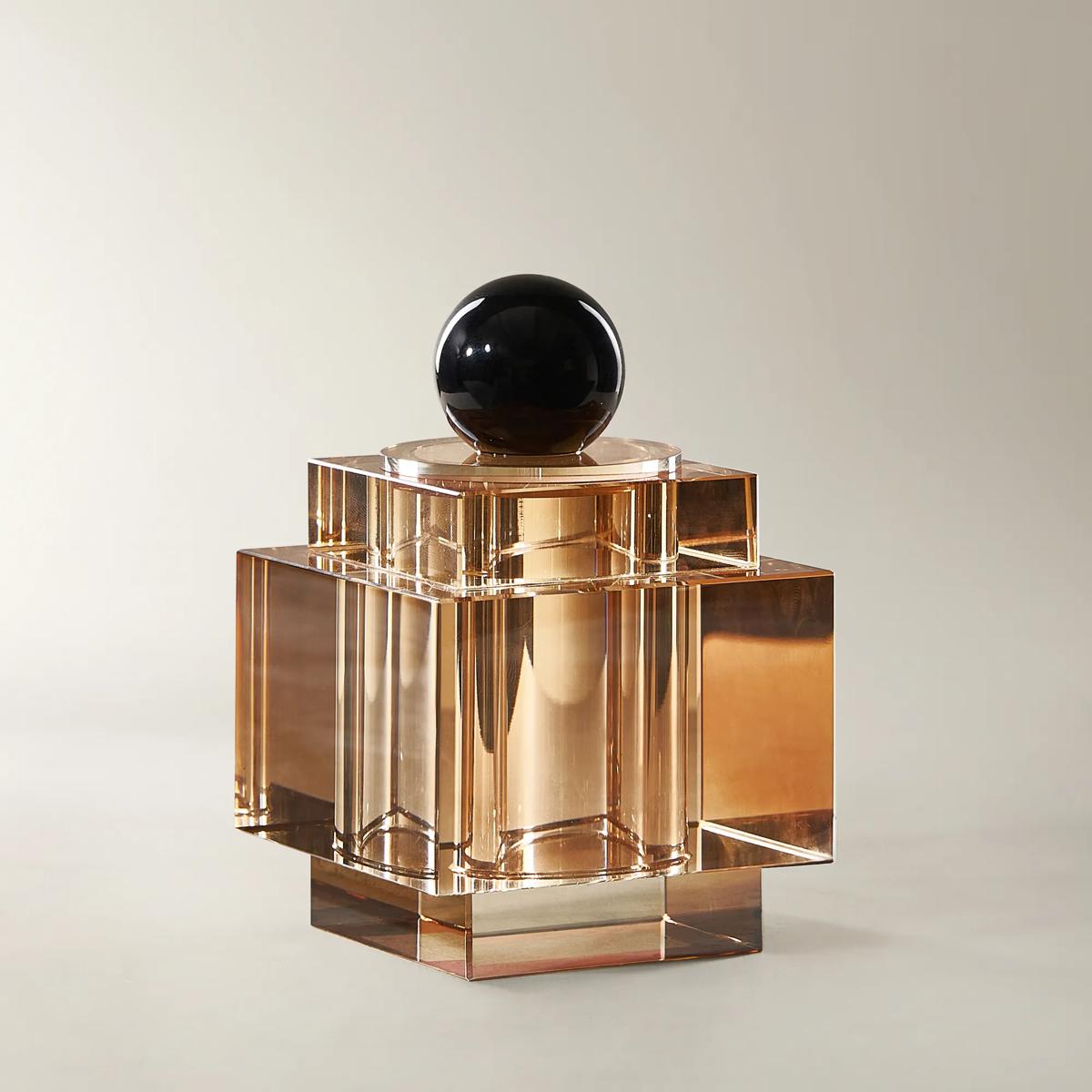
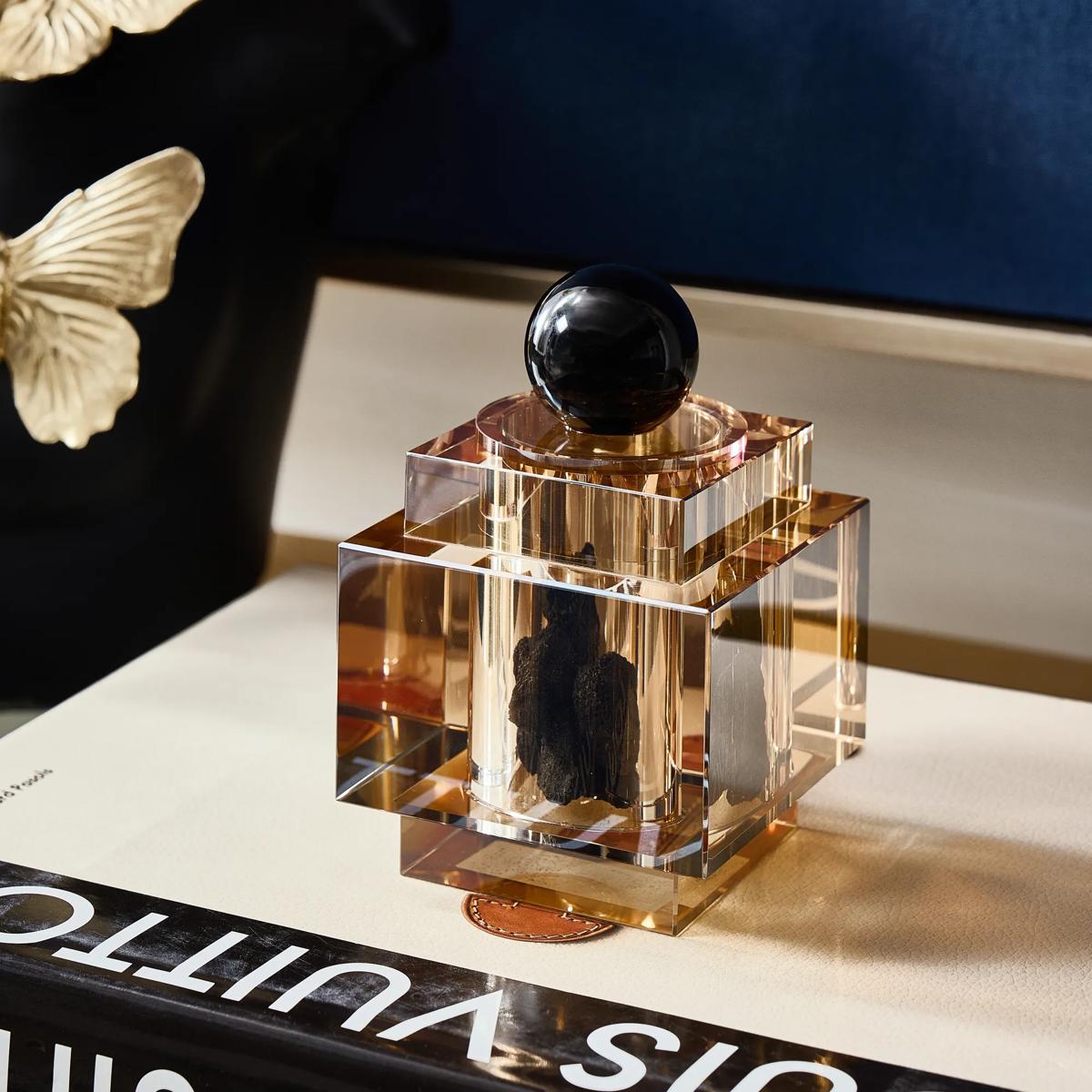 Deco Amber Crystal Glass Perfume Bottle$89
A faceted amber crystal glass accent topped with a glossy black sphere for vintage-inspired glamour.
Add To Cart -
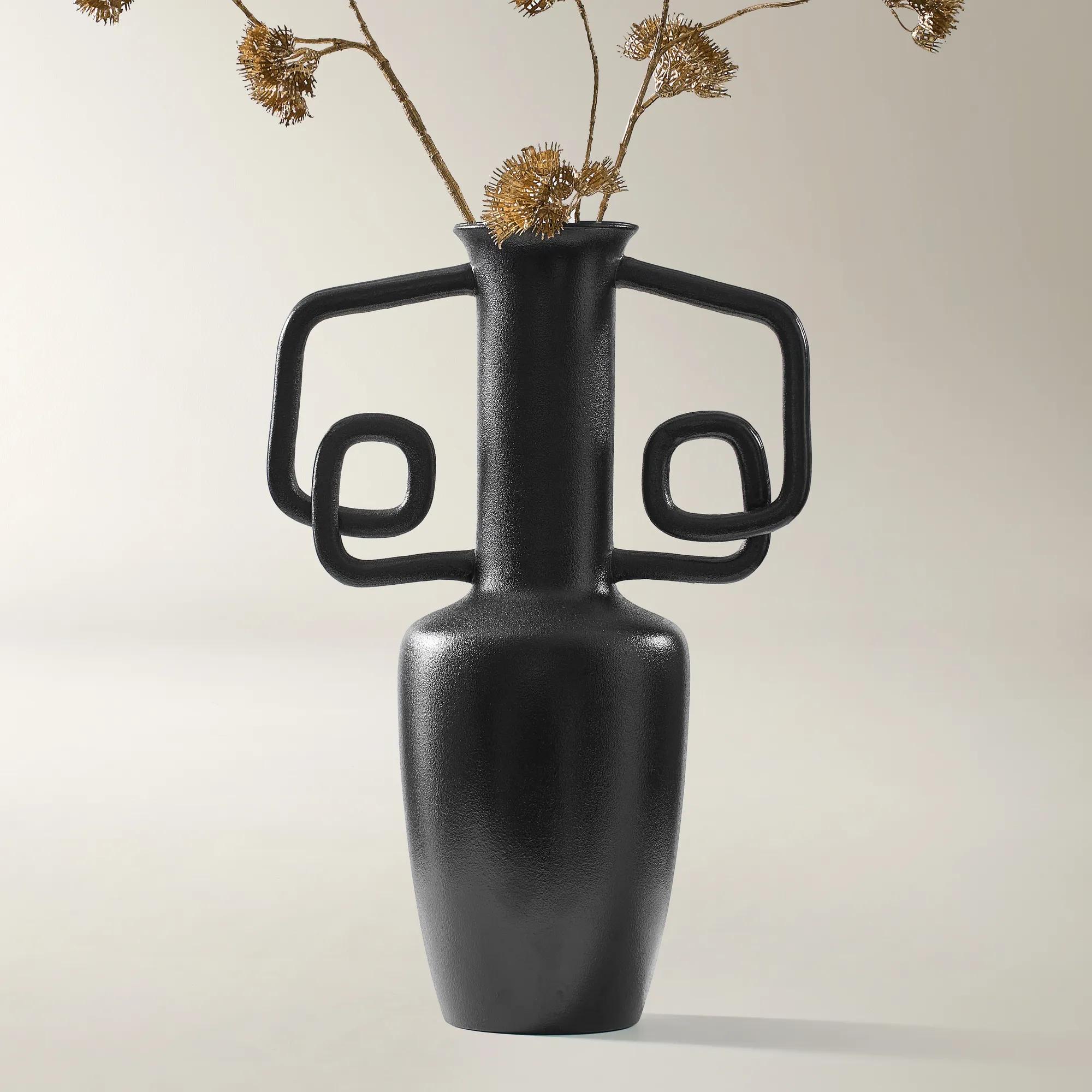 Cleo Handcrafted Black Porcelain Vase 19"$159
A sculptural black porcelain vase with exaggerated handles and a smooth, refined finish for modern decor.
Add To Cart -
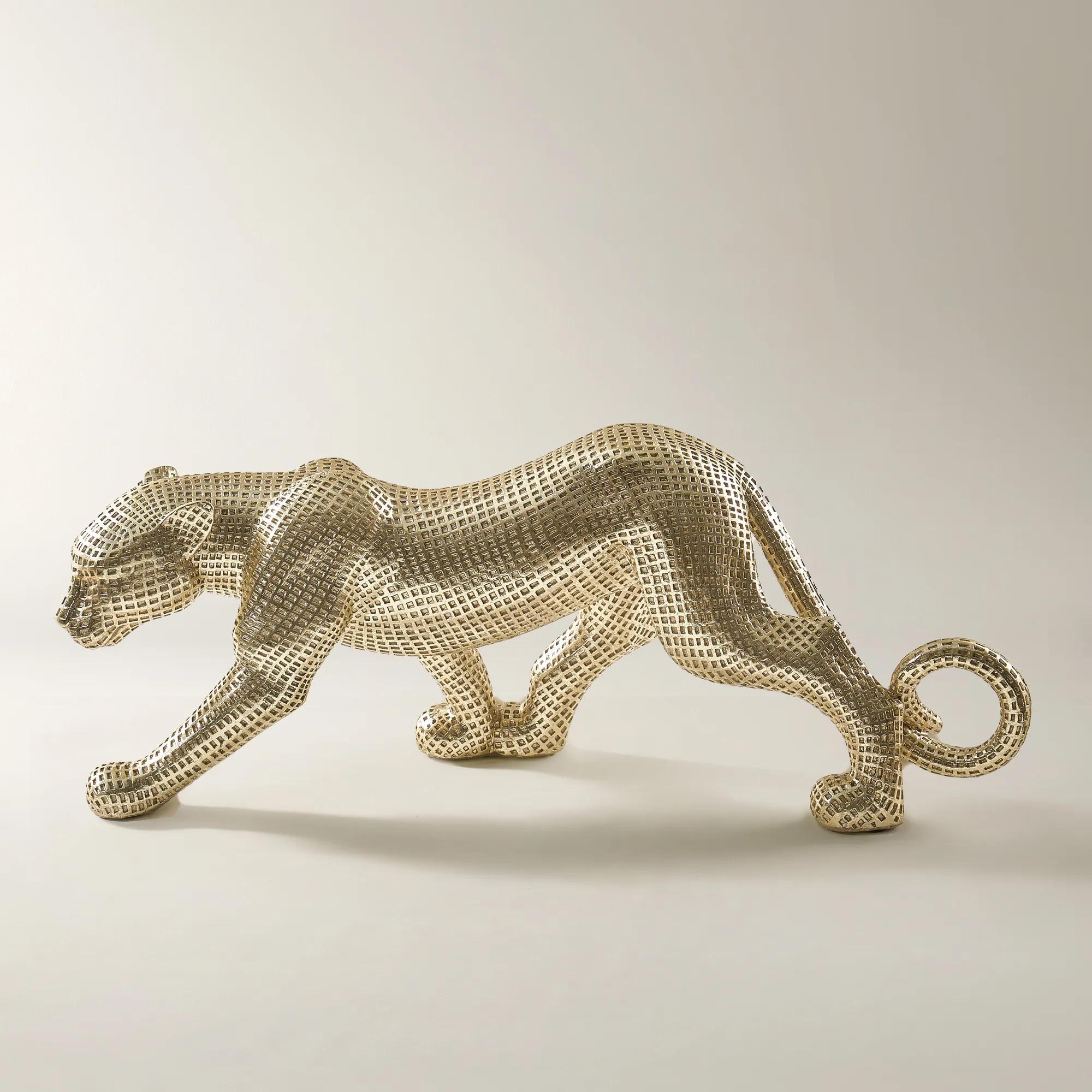
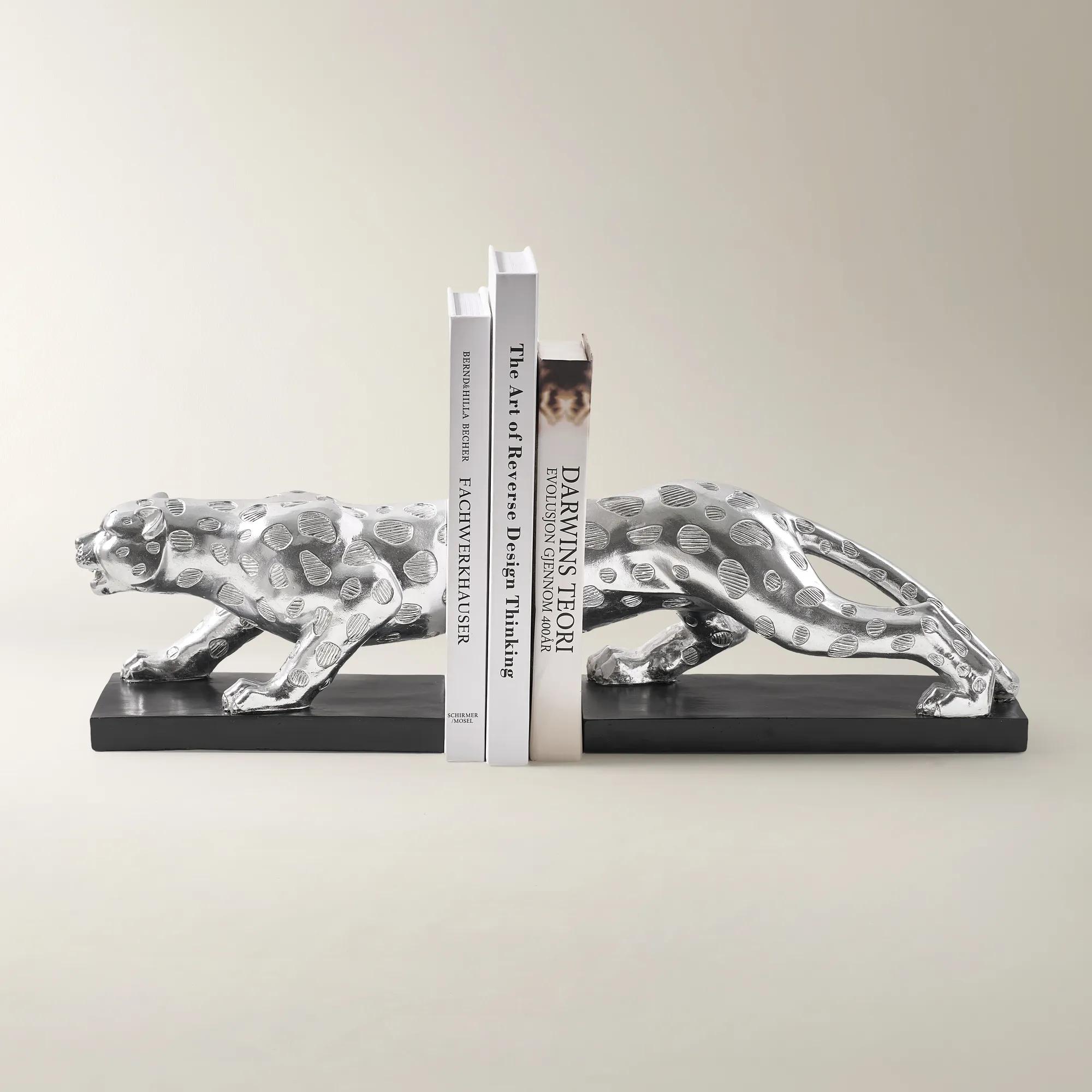 Pose Silver Resin Leopard Bookends$89
A sculptural pair of silver and black polyresin bookends inspired by Leopardo, adding modern glamour.
Add To Cart -
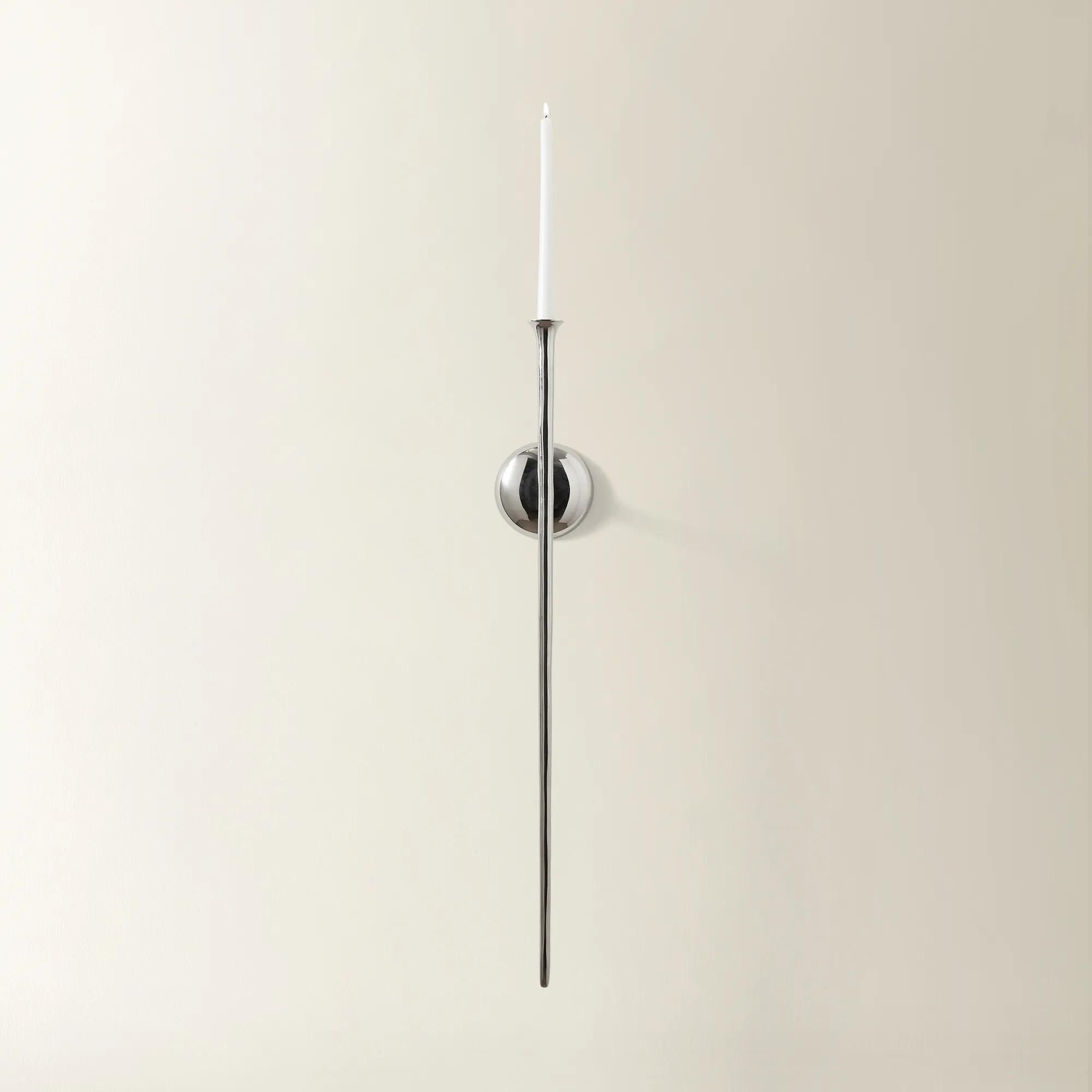 Aspar Wall Sconce$59
A slender, shiny silver aluminum sconce designed to hold a standard taper candle for elegant wall decor.
Add To Cart -
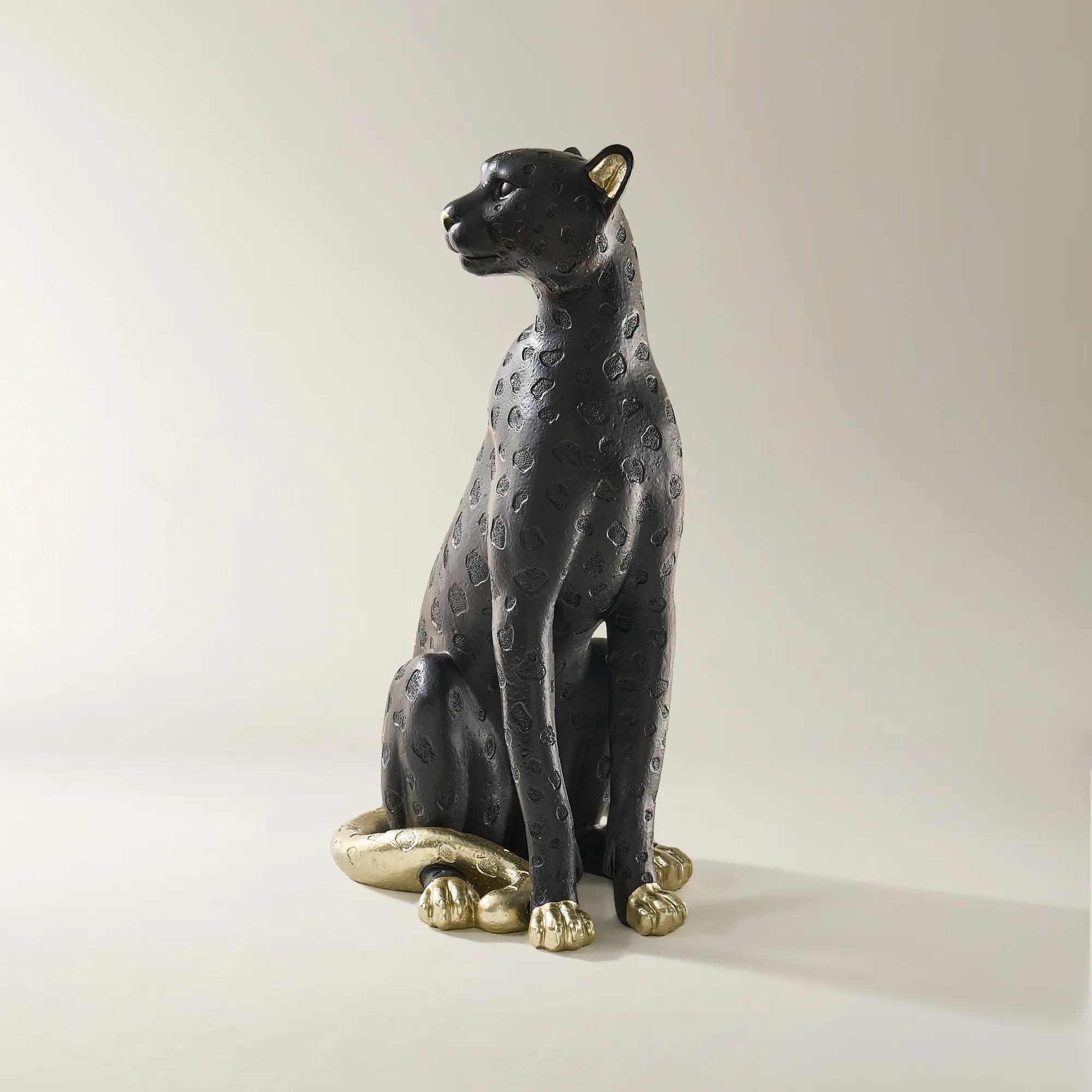
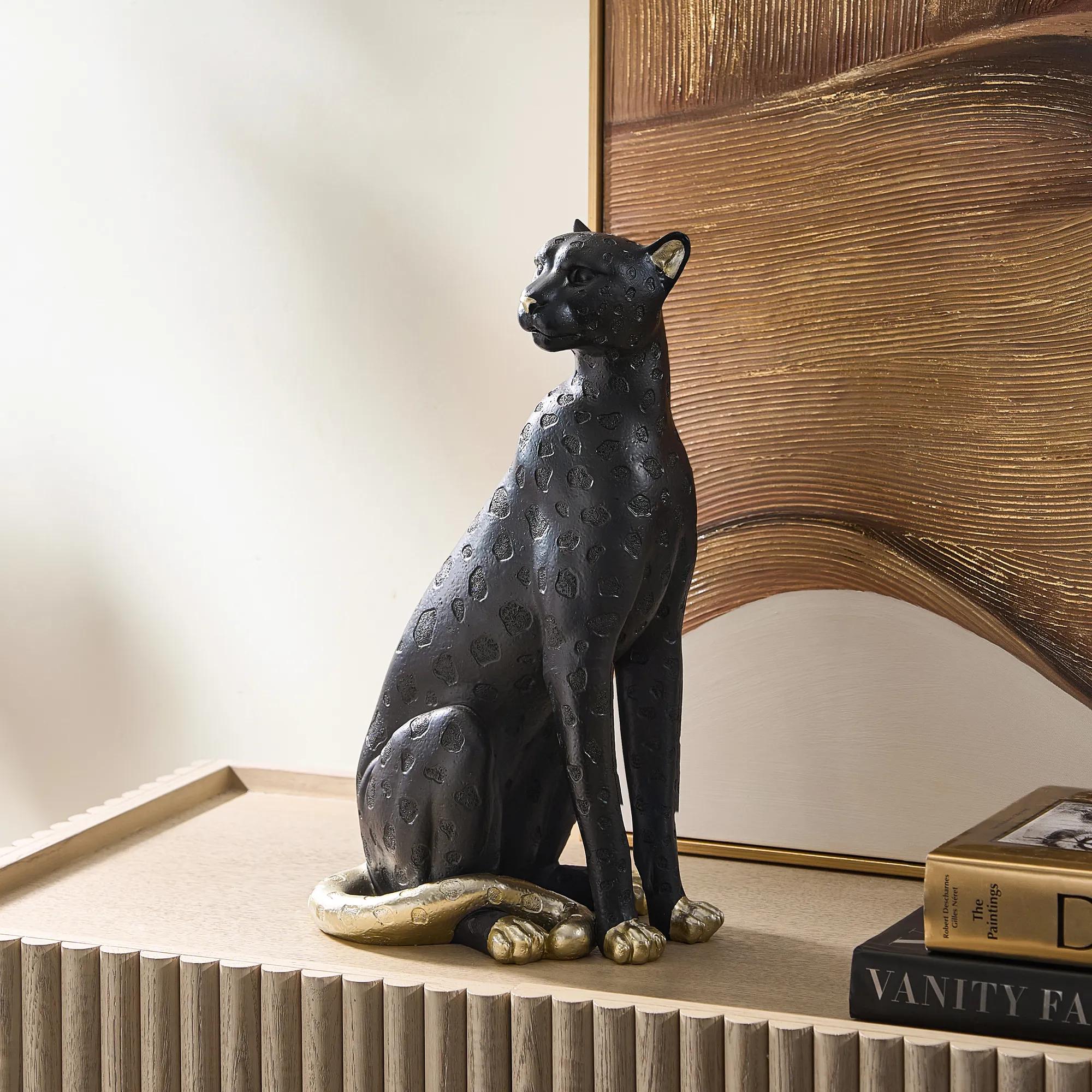 Midnight Leo Black And Gold Resin Object 17.75"$149
A sculpted black resin leopard with gilded gold accents adds bold, artistic glamour to any space.
Add To Cart -
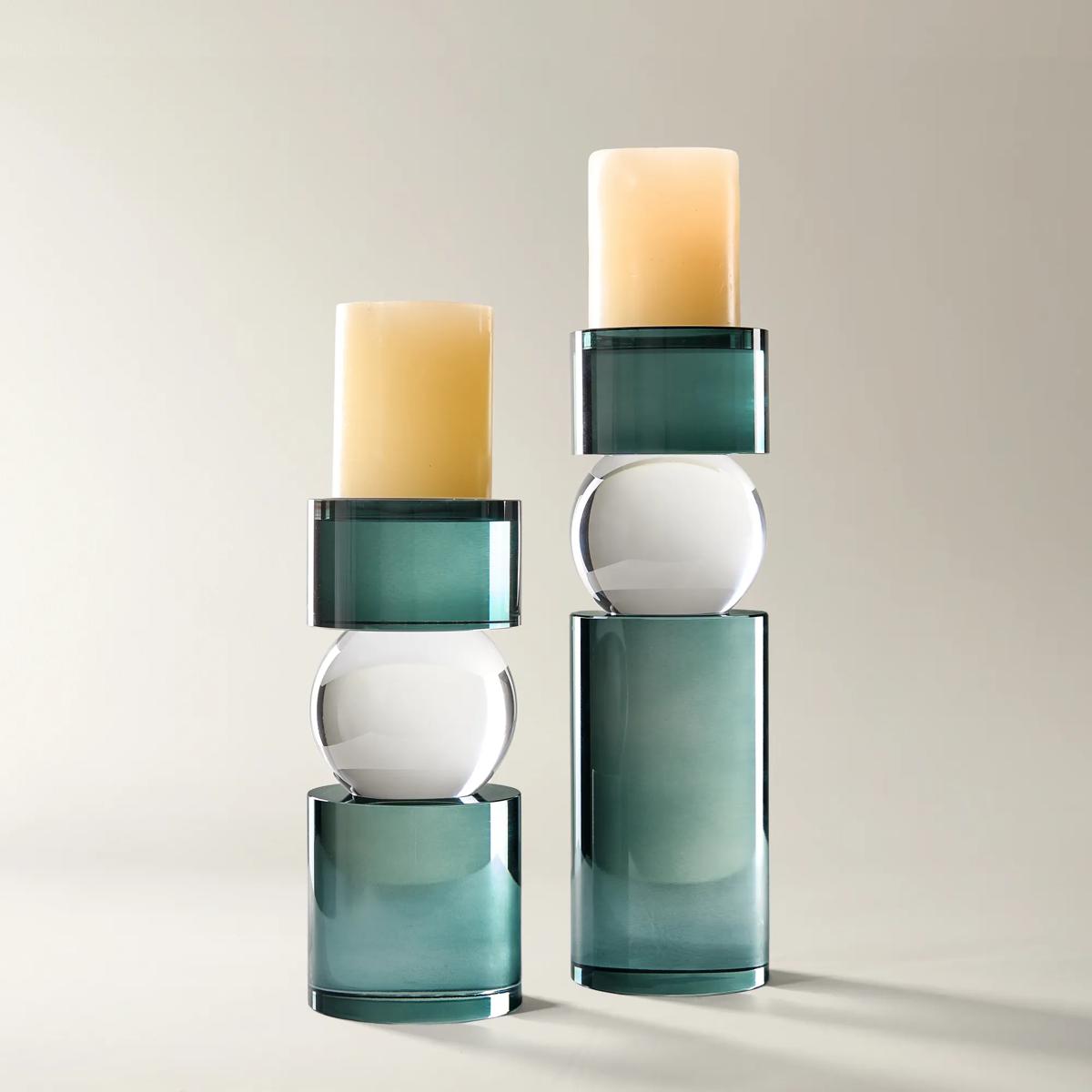 Leroy Teal Crystal Pillar Holder Large 12.5"$139
A stacked teal and clear crystal holder offering bold sculptural depth and instant ambiance to any space.
Add To Cart -
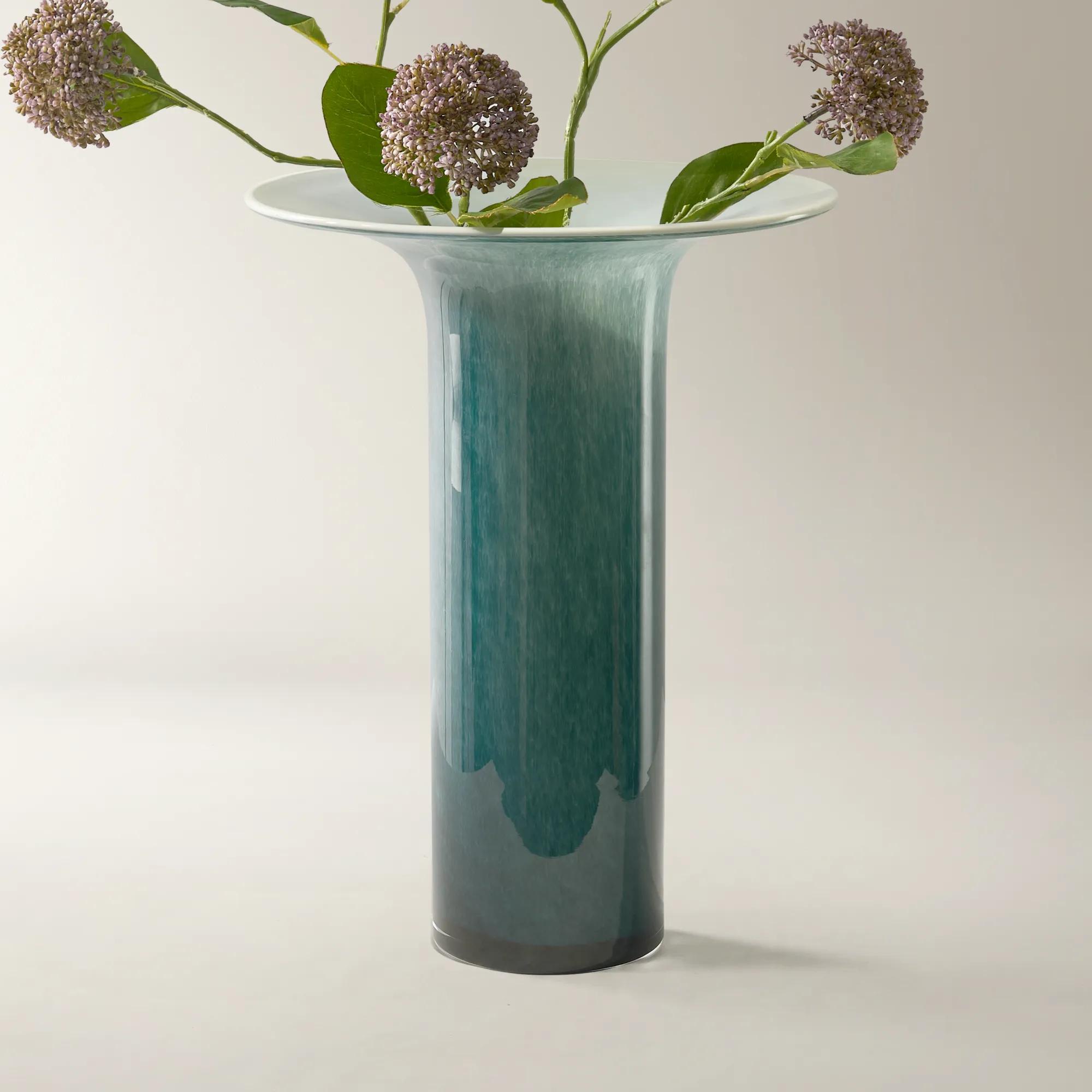 Loft Mouth Blown Deep Teal Glass Vase 15.75"$129
A handblown glass vase in deep teal with a sculptural column silhouette for bold, artful impact.
Add To Cart -
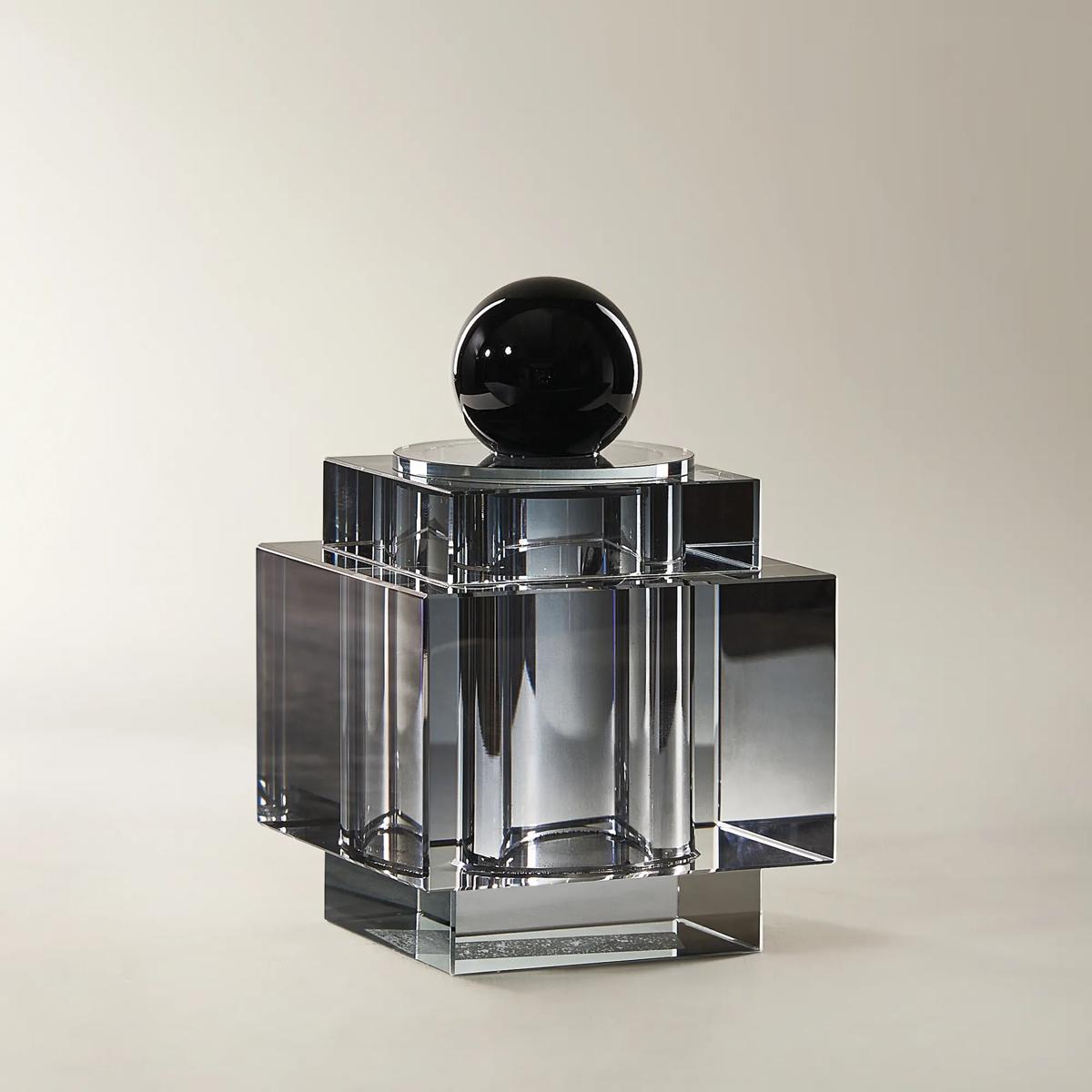 Deco Graphite Crystal Glass Perfume Bottle$89
A faceted crystal glass accent in deep graphite, topped with a high-gloss black sphere for glamour.
Add To Cart -
.jpeg?w=1200&h=1200)
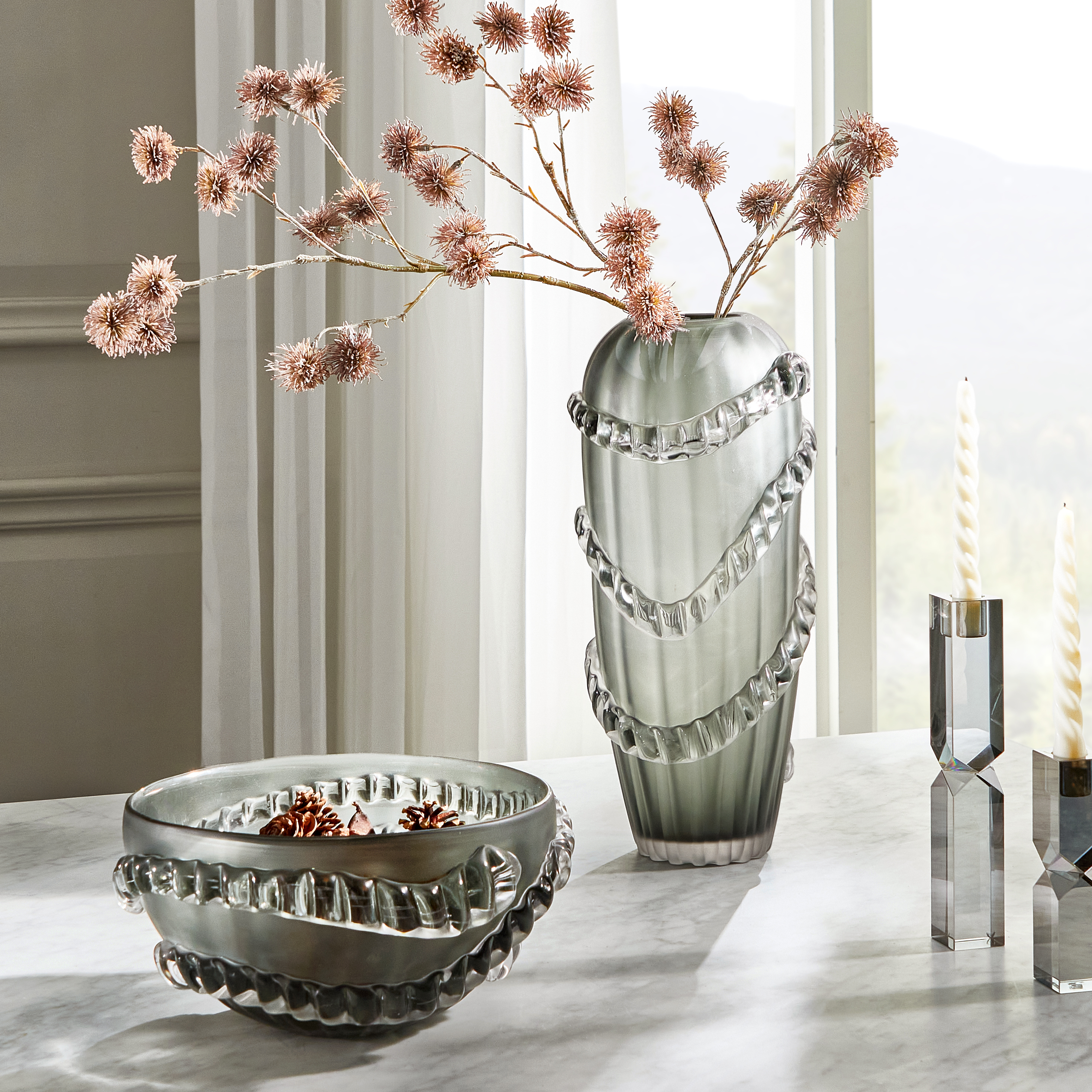 Helix Glass Collection$139
A hand-blown dark gray glass piece featuring fluted bodies and rippling sculptural ribbons for modern decor.
Add To Cart -
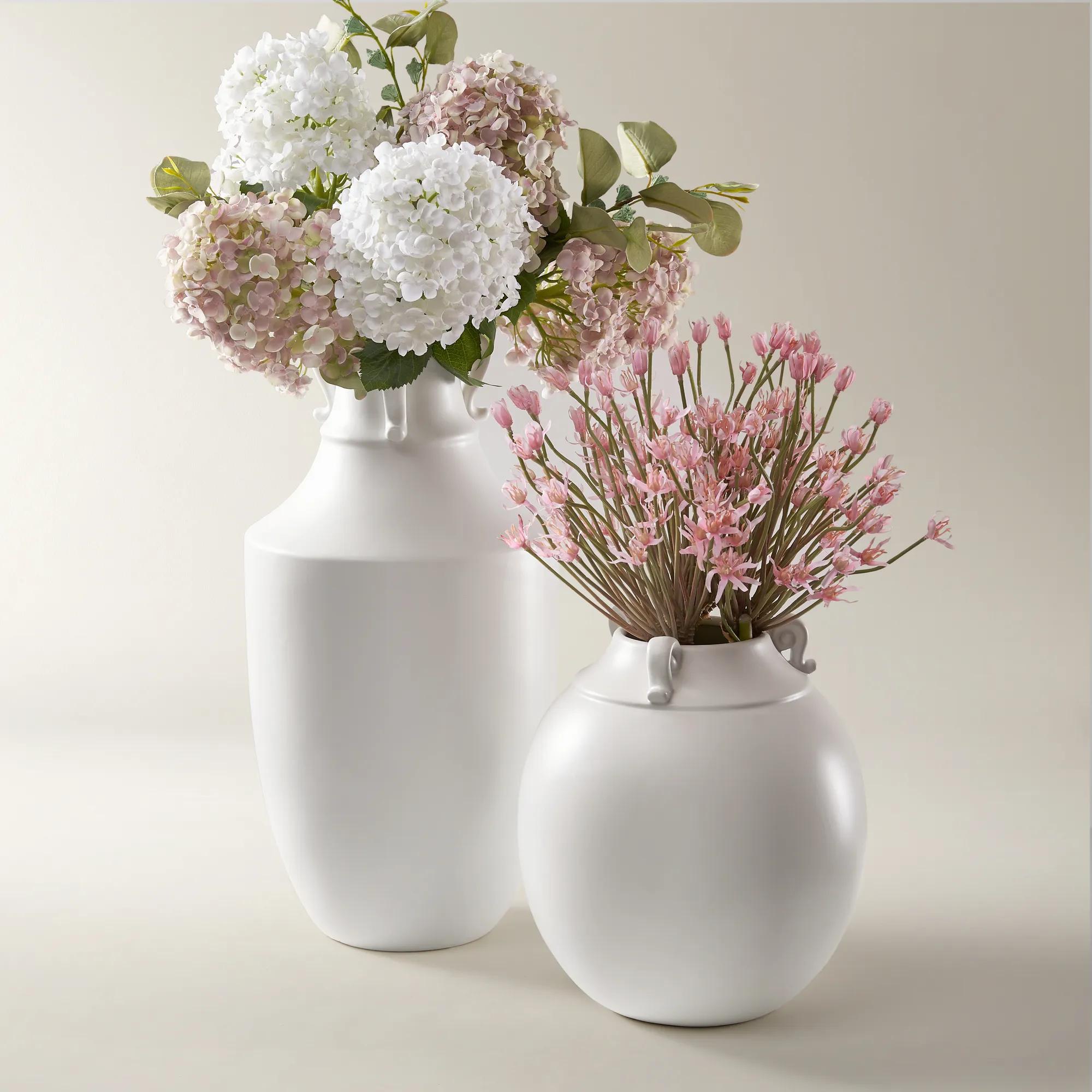 Amora Vase$79
A graceful white ceramic vase featuring smooth curves and a timeless, contemporary design.
Add To Cart -
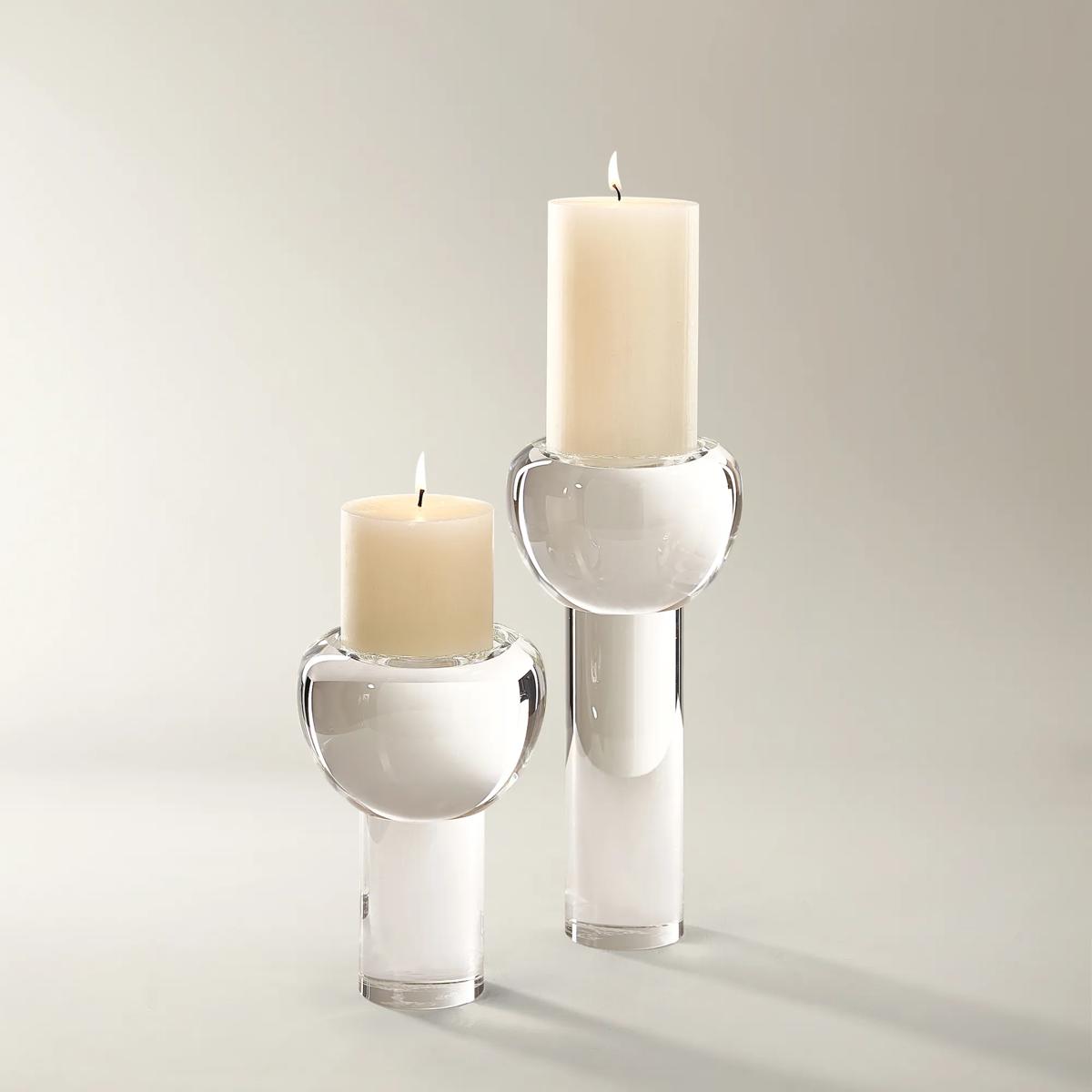
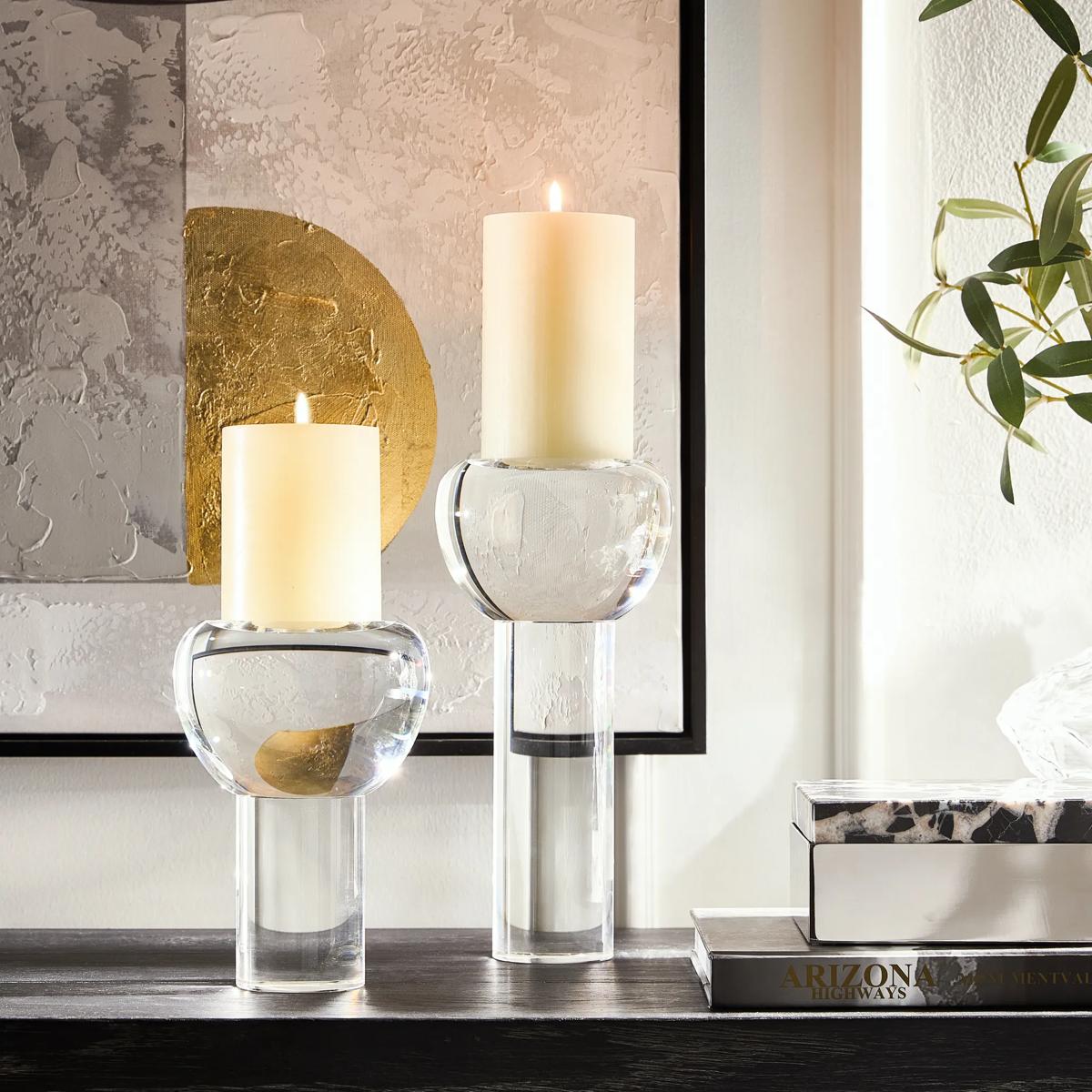 Serene Pillar Holder$109
A clear crystal glass holder with a sculptural, minimalist design that beautifully elevates candlelight.
Add To Cart -
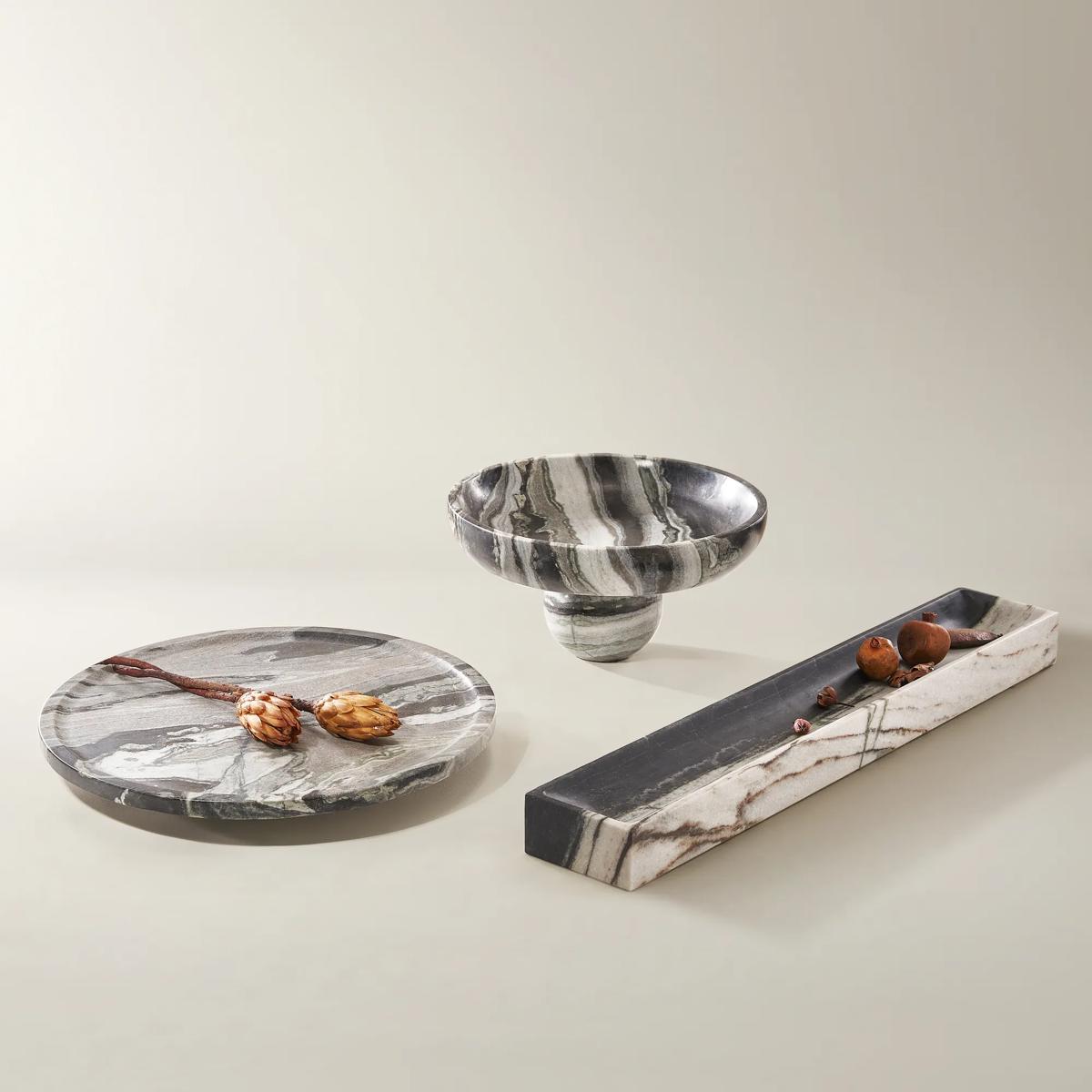
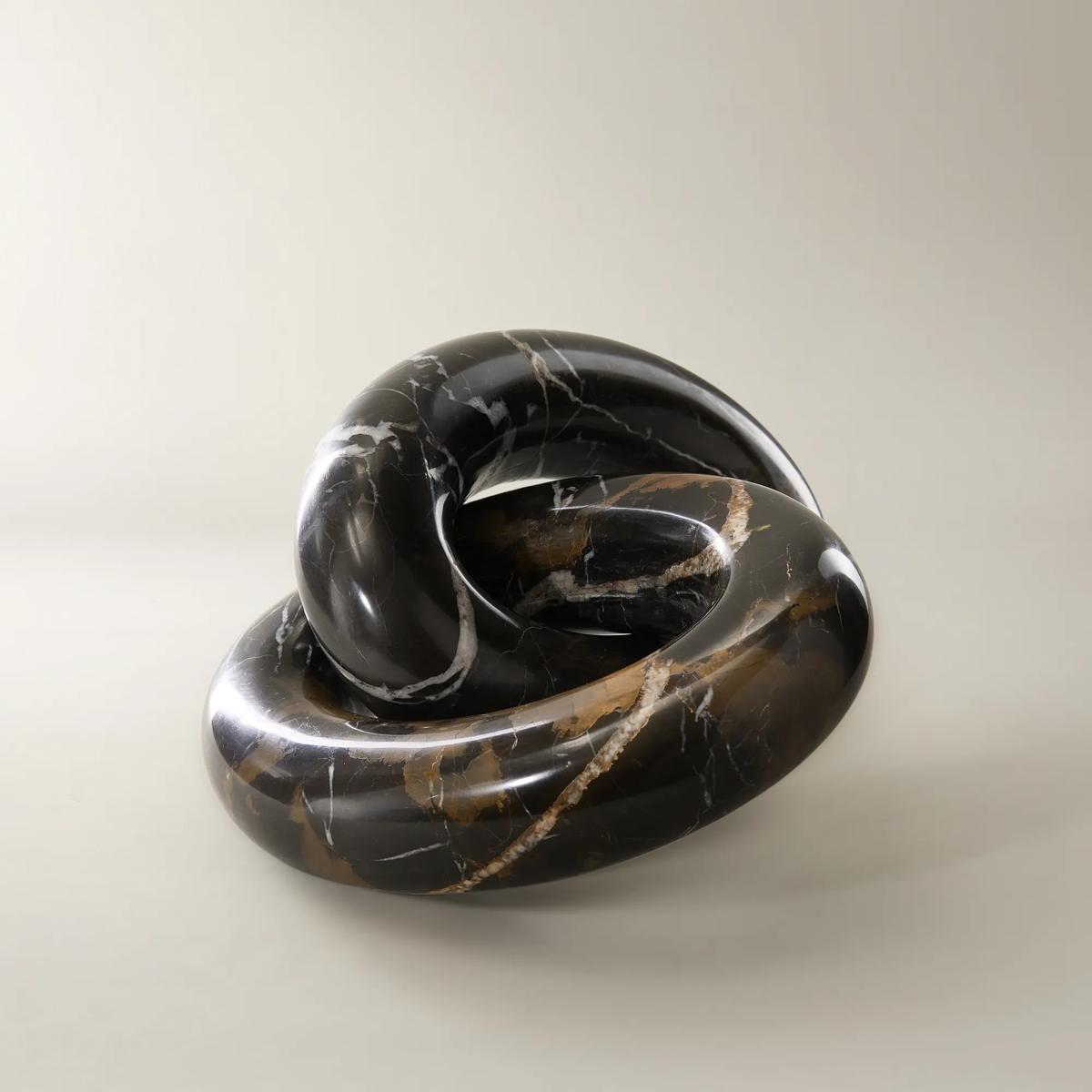
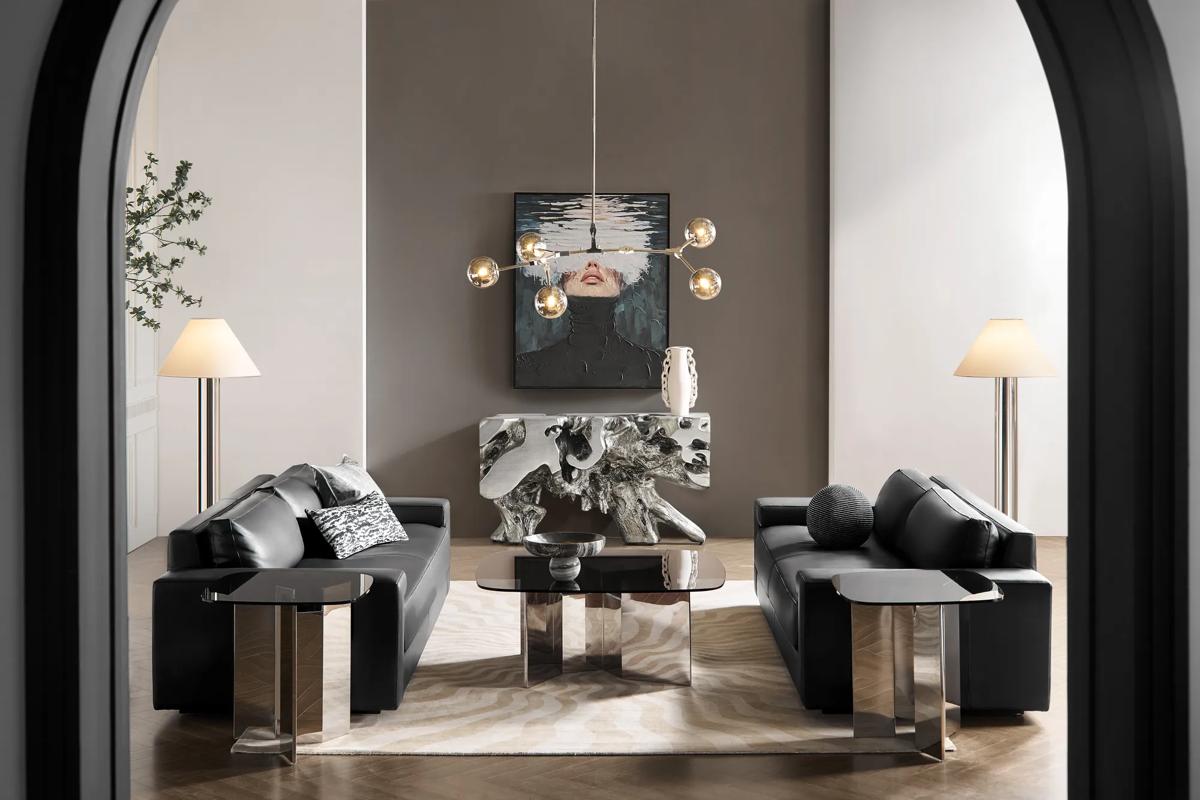 Luxe Marble Collection$149
A striking black marble decor collection featuring unique veining and elegant footed bowl, tray, and riser.
Add To Cart -
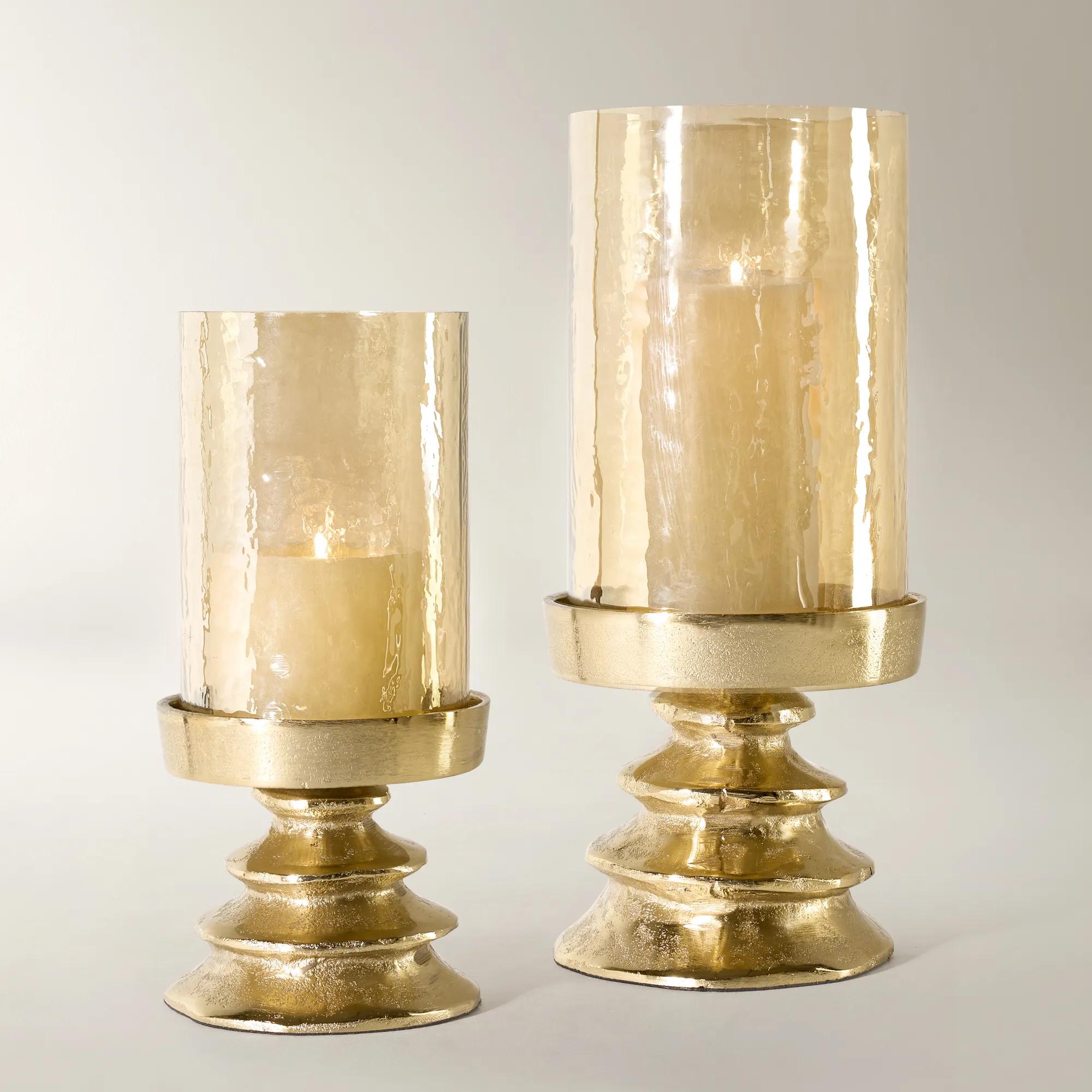
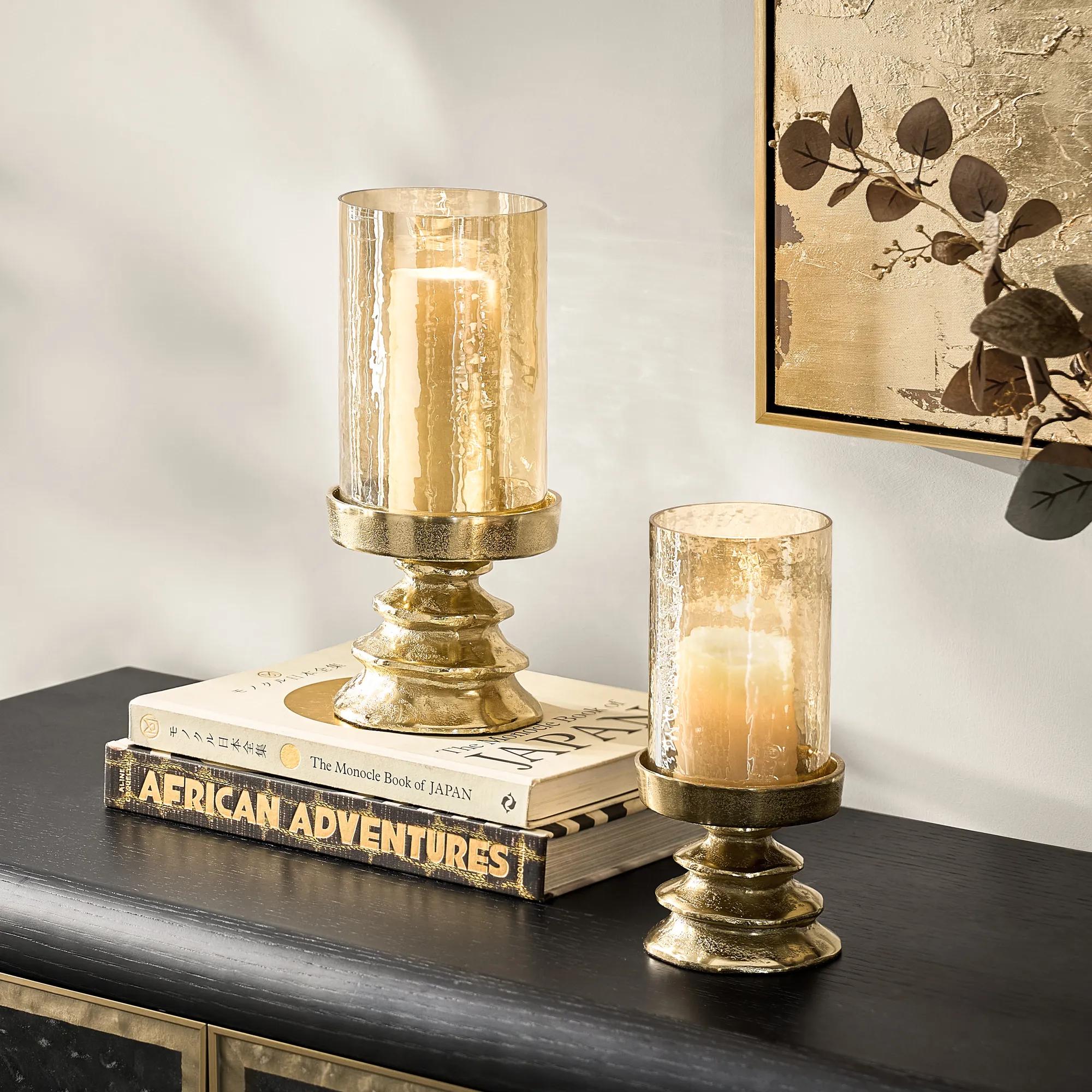 Elliot Soft Gold Aluminum Amber Glass Pillar Holders$99
A sculptural pillar holder blending glass and aluminum in a soft gold finish for elegant candle displays.
Add To Cart

Elegant Office Decor Ideas
Explore elegant office decor ideas to give your workspace a polished, expressive point of view. Discover decorative accents for styling a desk, bookshelf, or home office backdrop, with an eye for sculptural shape, texture, and visual balance. Create a striking focal point while leaving room for the way you work.
Elegant office decor ideas bring character to a space that often asks for both focus and imagination. A beautifully composed office can feel assured without becoming austere: a luminous surface catches the light, a sculptural accent interrupts a row of books, and artwork gives the room a point of view beyond the work taking place inside it. These decorative elements suit dedicated home offices, shared workspaces, creative studios, and writing corners tucked into larger living areas. Their appeal lies in the balance between visual drama and everyday ease. A restrained palette of ivory, charcoal, and warm neutrals can provide a backdrop for gleaming metallic finishes, while deeper jewel tones lend richness to a room with simpler architectural details. Contrast gives the arrangement dimension. Smooth glass against textured upholstery, a reflective frame beside matte ceramics, or a polished accent on a wood surface creates interest without requiring every piece to compete for attention. The most convincing combinations share a visual connection—a repeated curve, a similar undertone, or a finish that appears in more than one place—rather than matching exactly. In an office used for client conversations, a substantial decorative object and generously scaled artwork can establish a confident atmosphere. In a quiet workspace devoted to reading or writing, softer textures and diffused lighting may feel more inviting. Wall decor also shapes how the room is experienced from different angles, including the view from a doorway and the background visible during video calls. A strong composition behind the chair can lend presence to that background while leaving the desk itself open for work. Lighting adds another layer: ambient illumination gives the room depth, while a carefully positioned task light supports reading and detailed projects. The result is an office with a distinct visual identity, where decorative choices frame daily routines rather than interrupt them. Even a compact workspace can carry this sense of polish when the proportions feel deliberate and a few expressive details have room to stand out.
Materials and scale give elegant office accessories their lasting appeal, but they also influence how comfortably those pieces fit into daily use. Glass and mirrored finishes introduce luminosity and can make a vignette feel less visually heavy, though fingerprints and reflections deserve consideration on surfaces handled frequently. Metal accents bring definition through slender silhouettes, sculptural shapes, or richly textured finishes; coordinating their undertones helps separate decorative pieces feel connected. Wood contributes warmth and grain, while ceramic and stone introduce tactile contrast that looks especially compelling beside glossy surfaces. Natural materials may show variations in color, pattern, or texture, adding individuality to an arrangement rather than the uniformity of a perfectly matched set. Upholstered accents can soften an office’s harder edges, with velvet offering depth of color and woven textiles bringing a quieter texture. For seating intended for extended work, support, seat height, and clearance beneath the desk matter alongside the fabric and silhouette. Decorative appeal should complement a comfortable working position. Similar considerations apply to accessories: a tray needs enough surface area for its intended contents, a lamp should leave space for a monitor and writing materials, and a tall accent should not obstruct a frequently used shelf. In a narrow office, pieces with a smaller footprint can provide presence without crowding the passage between furniture. Rugs bring texture and definition beneath a workspace, but pile height, floor compatibility, and the movement of a rolling chair affect their suitability. Care is part of preserving the finish that makes these materials compelling. Manufacturer instructions should guide cleaning, especially for plated metals, mirrored surfaces, upholstery, and natural stone. Soft cloths and gentle, material-appropriate cleaning methods are generally preferable to abrasive tools that can scratch or dull a surface. Felt protection beneath decorative objects can help safeguard furniture, while prompt attention to spills reduces the chance of lingering marks. Pieces placed near direct sunlight may also require consideration for fading or heat exposure. These details support an office that remains polished through ordinary use, not just when it has been arranged for a photograph.
The personal side of office decor emerges in what deserves to be seen and what benefits from a more discreet home. Decorative boxes can hold small essentials while contributing color or texture to a shelf, and trays can give scattered accessories a defined place. A thoughtfully sized vessel, an expressive object, or a framed piece of art brings distinction to the practical surroundings of screens, chargers, and paperwork. Open shelving is particularly suited to this interplay: books create structure, sculptural accents introduce movement, and unfilled space allows individual forms to register clearly. Leaving breathing room around a striking object often gives it greater presence than surrounding it with several equally assertive pieces. Artwork can carry much of the room’s personality, whether through fluid abstraction, architectural lines, or a palette that echoes the upholstery and accents nearby. Its dimensions should relate to the furniture beneath it and the wall around it; a piece that feels commanding above a broad desk may overwhelm a compact writing nook. For offices within living rooms or bedrooms, repeated materials help the workspace belong to the larger interior without disappearing into it. A metallic detail that echoes a nearby frame, or a textile that relates to adjacent seating, creates continuity while preserving the office’s distinct purpose. Explore Upscale Home Office Decor Ideas for a complementary expression of this polished, personal approach. Decorative office accents also make thoughtful gifts for a graduate establishing a first professional workspace, a colleague celebrating a new role, or someone shaping a dedicated place for creative work. Smaller pieces with adaptable proportions can suit these occasions, particularly when their finish reflects the recipient’s taste rather than imposing an entirely new aesthetic. For someone who loves dramatic interiors, a richly textured or sculptural accent can feel especially personal. For someone with a carefully edited room, a single luminous detail may be enough. The enduring appeal is in that sense of recognition: an office furnished for the work it holds and decorated for the person who inhabits it.
FAQs
Create an expressive foundation with a sculptural desk, a sumptuous upholstered chair, and statement wall art. Layer in a metallic desk lamp, a decorative tray, and a distinctive vase for an artfully composed finish. Repeating a favorite material, such as brass or smoked glass, gives the room a cohesive design story without diminishing its drama.
Ivory, charcoal, and champagne create a sophisticated backdrop for elegant office decor. For a more dramatic mood, pair deep emerald or sapphire with warm metallic accents. Prefer a softer expression? Blend warm white, taupe, and blush, then introduce black details to give the palette definition.
Treat your desktop as a curated vignette. Pair a sculptural lamp with a refined pen holder, then use a decorative tray to gather everyday essentials. Add a personal flourish through a framed photograph or an artful object. Leave the main work surface uncluttered so each accent has room to make its statement.
Abstract artwork, architectural photography, and decorative mirrors bring distinct character to home office walls. Choose artwork that echoes your room’s palette, or introduce a contrasting hue for an unexpected focal point. Coordinated frames lend a gallery-inspired rhythm, while a sculptural mirror adds a gleaming counterpoint to upholstered furniture and textured accents.
Build contrast between sumptuous, polished, and natural surfaces. Velvet upholstery brings depth beside a glass desk, while a textured rug balances the gleam of metallic accents. Introduce wood or stone details for another layer of visual richness. Repeat select finishes throughout the room to make the mix feel intentional rather than competing.