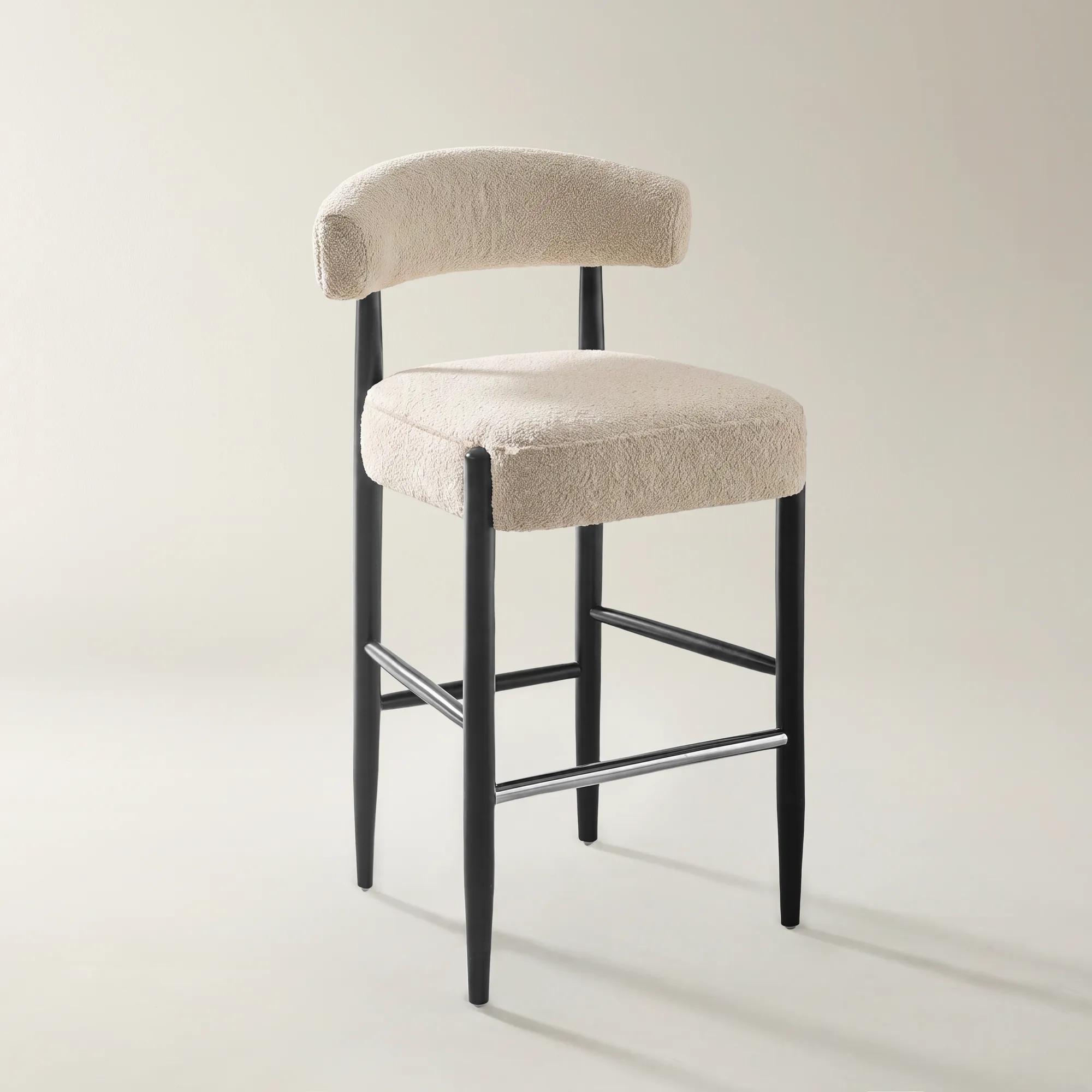
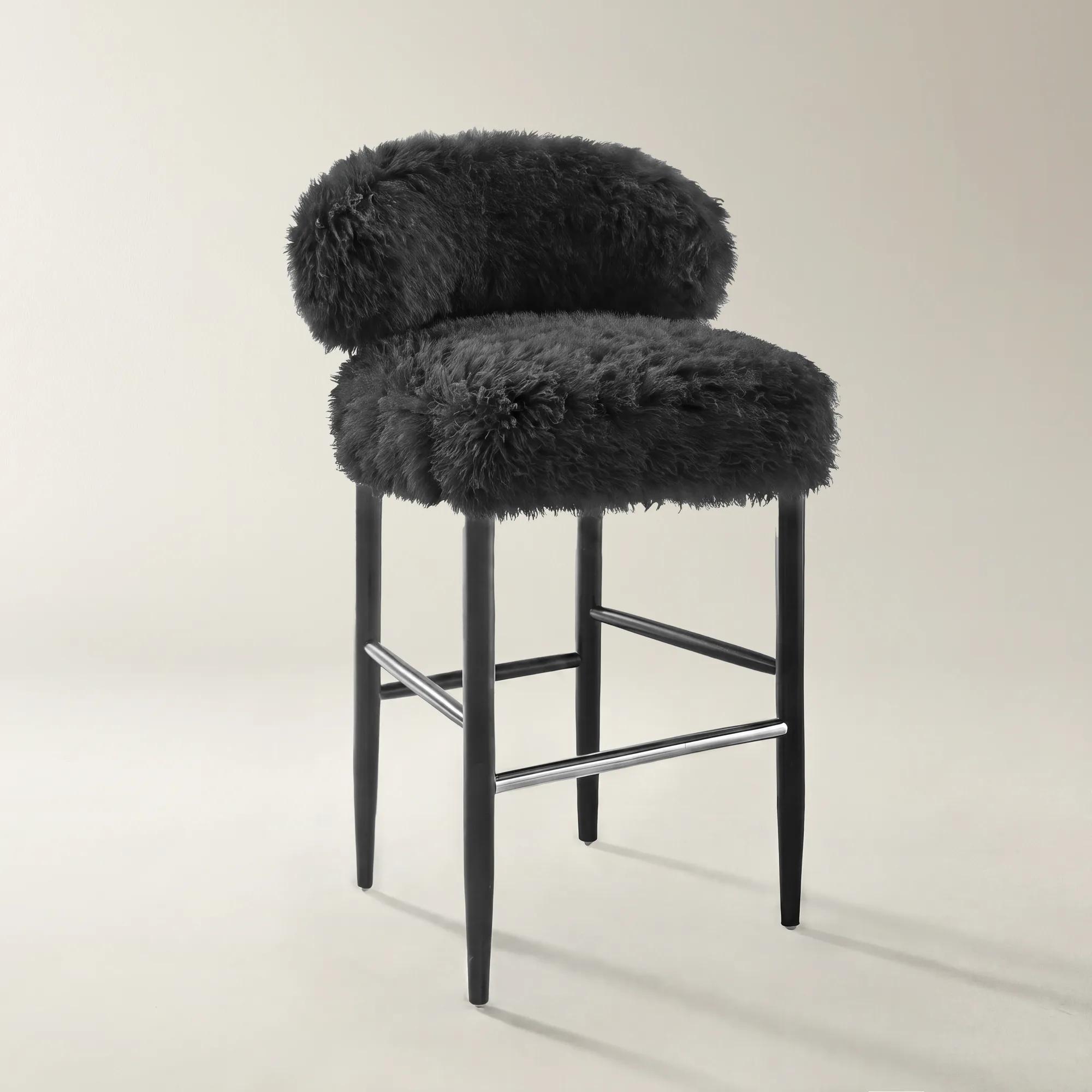
Elegant Dining Chairs With Curved Legs
Elegant Dining Chairs With Curved Legs
-
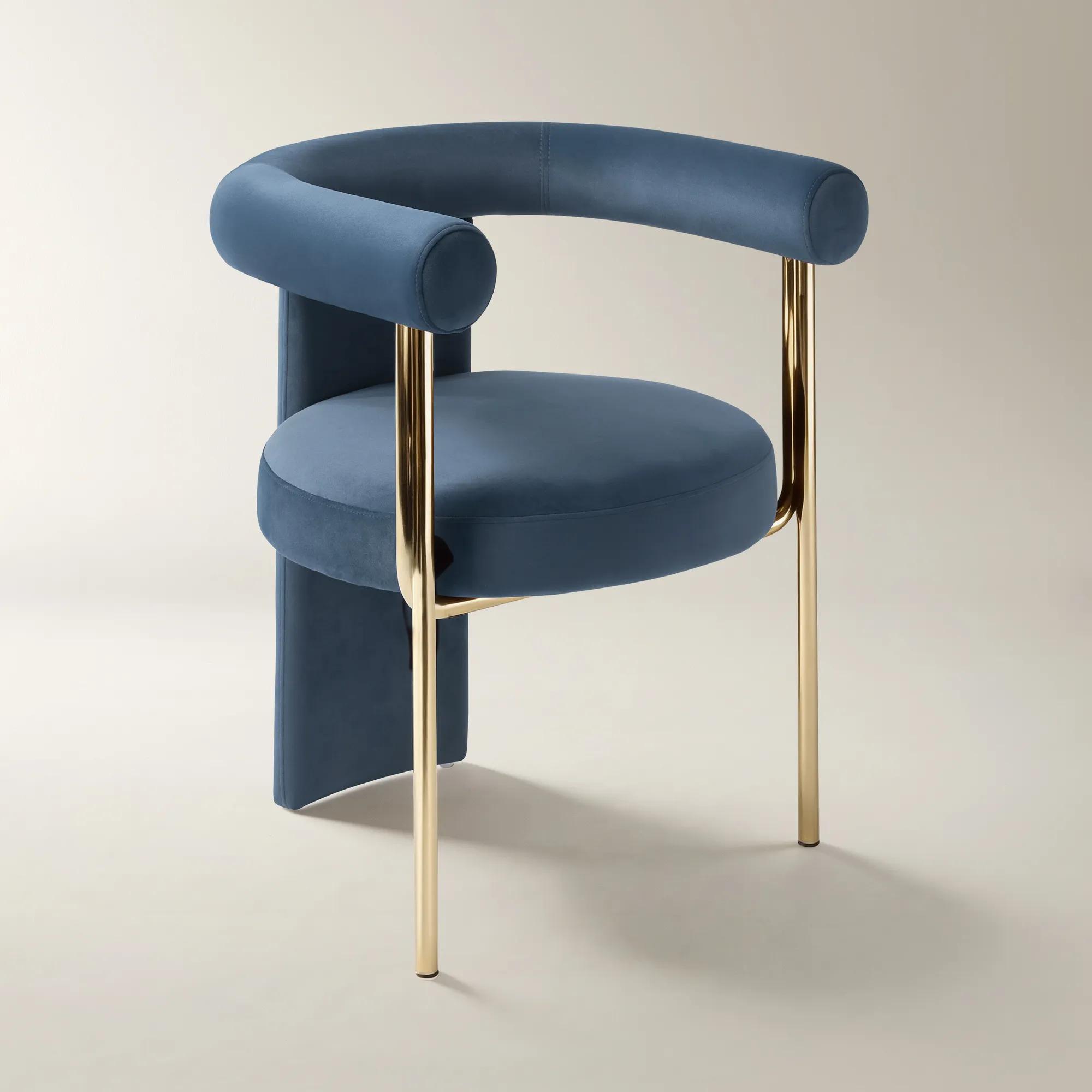 Davina Dusty Blue Velvet Dining Chair Set Of 2$899
A set of two dining chairs featuring dusty blue velvet upholstery and a polished gold metal frame.
Add To Cart -
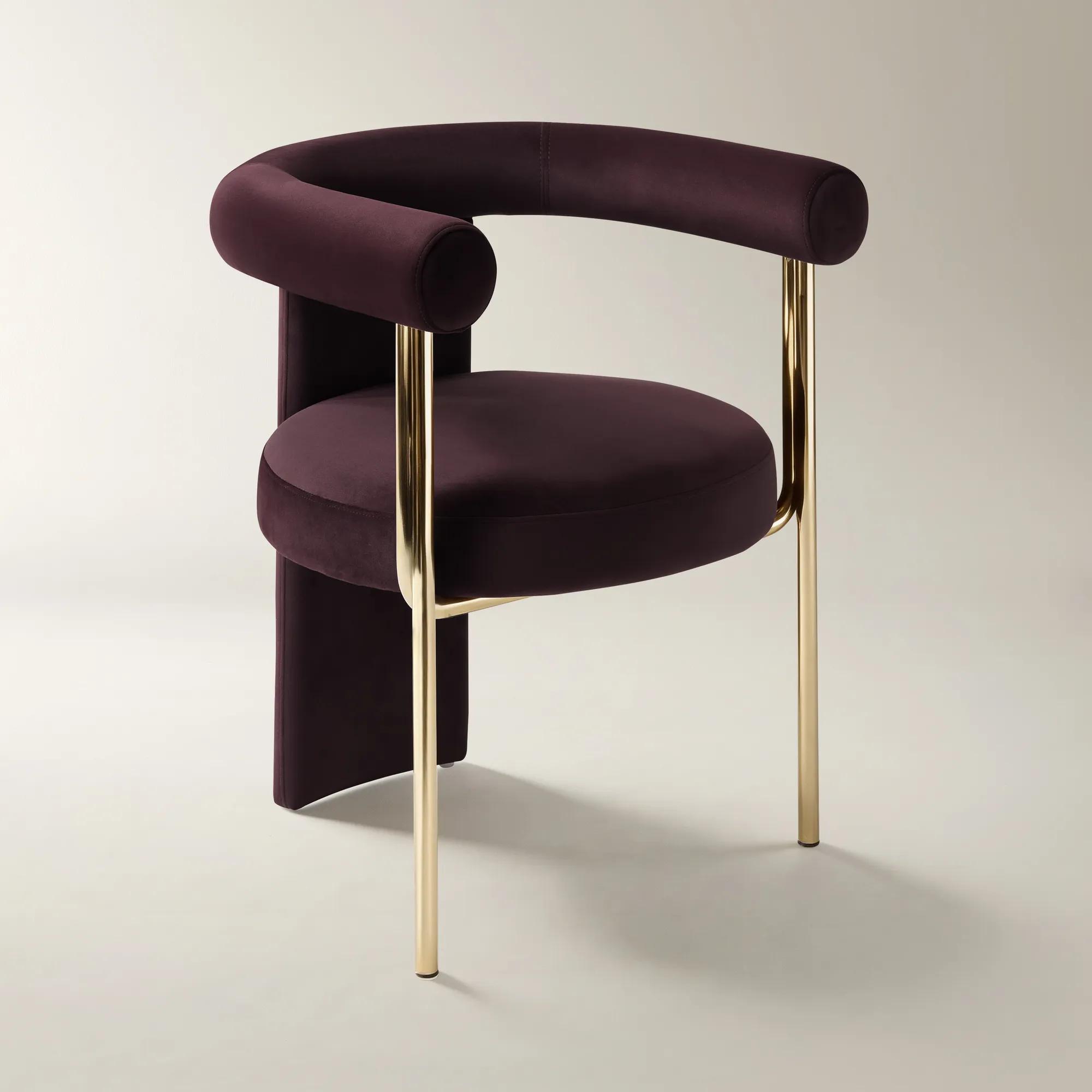 Davina Fig Velvet Dining Chair Set Of 2$899
A set of two dining chairs featuring plush fig velvet upholstery and a sleek gold-finished metal frame.
Add To Cart -
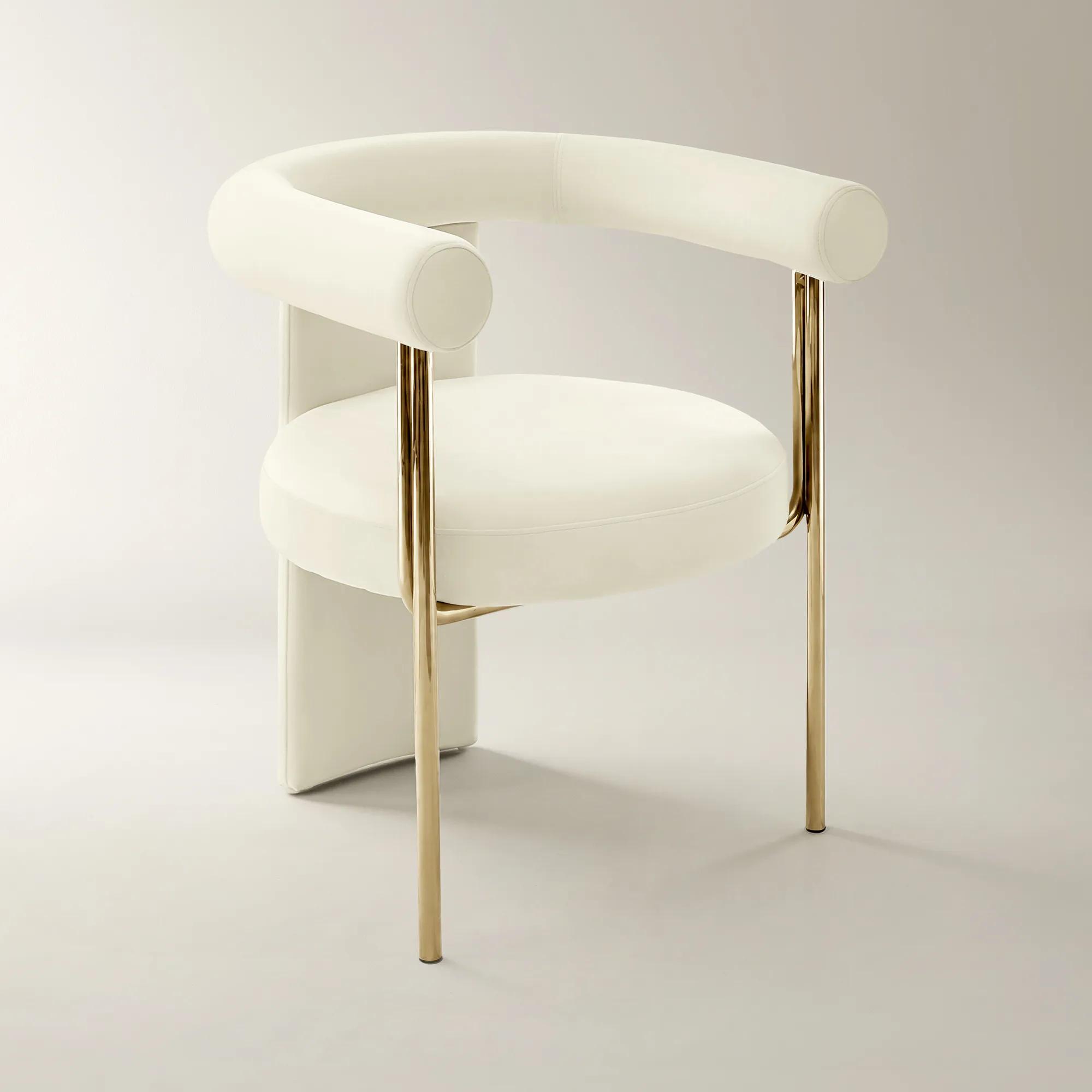 Davina Cloud Velvet Dining Chair Set Of 2$899
A set of two dining chairs featuring plush cloud velvet upholstery and a sculptural gold metal frame.
Add To Cart -
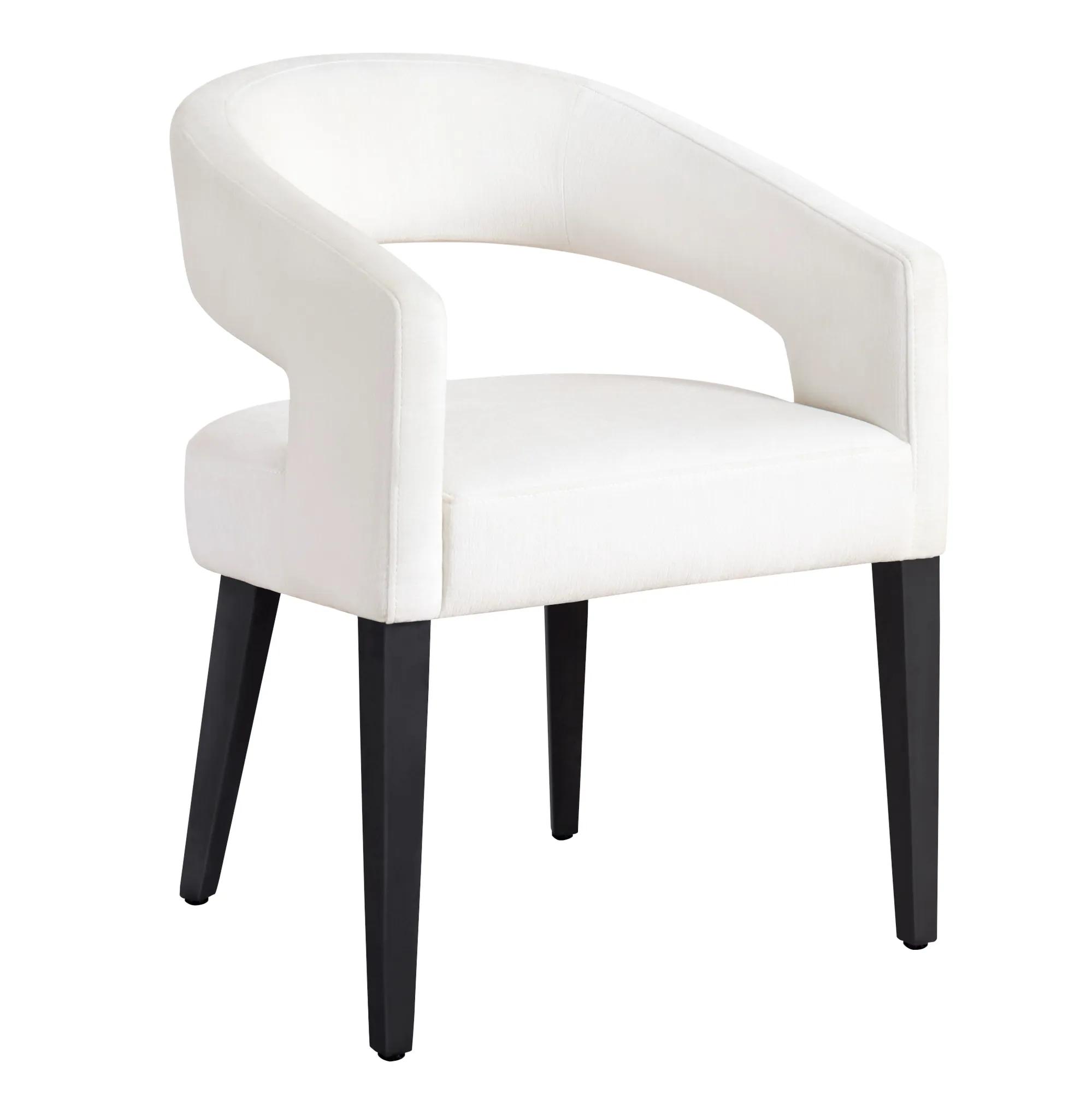
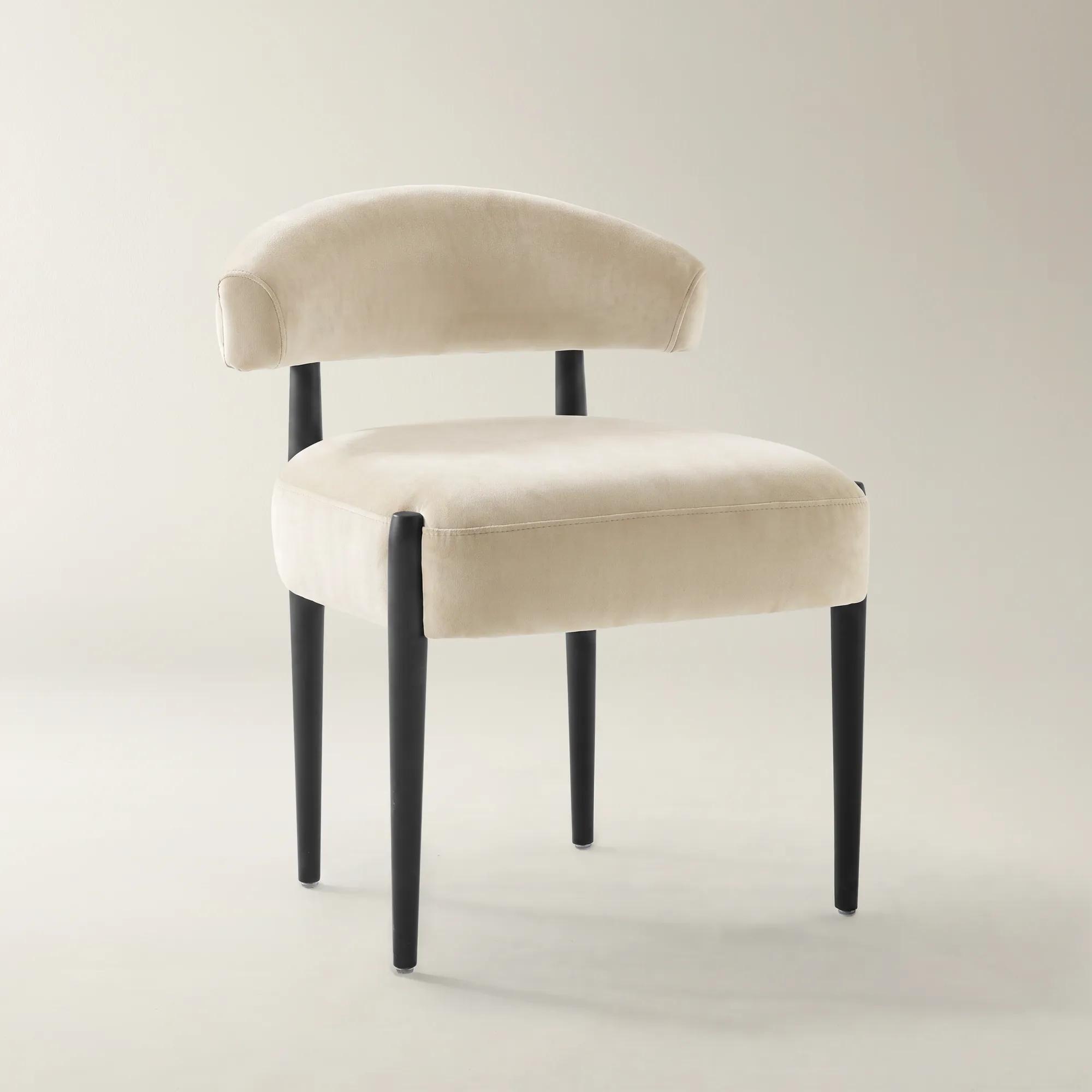
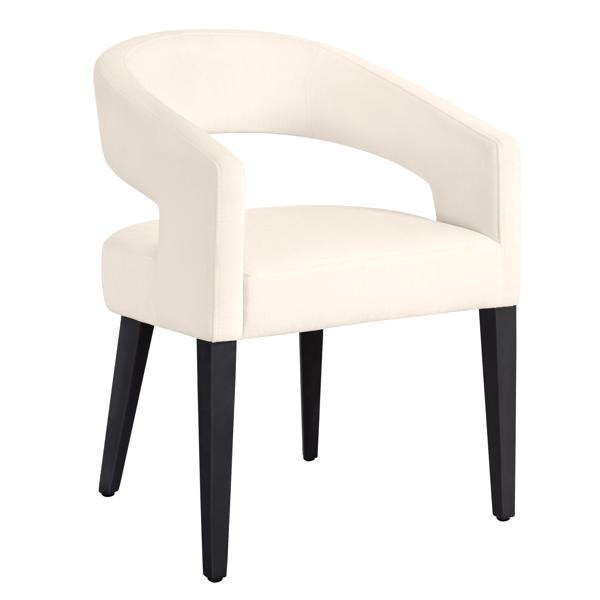 Philippa Dining Chair - Matte Black$599
A modern dining chair featuring a curved silhouette, matte black legs, and neatly tailored upholstery.
Add To Cart -
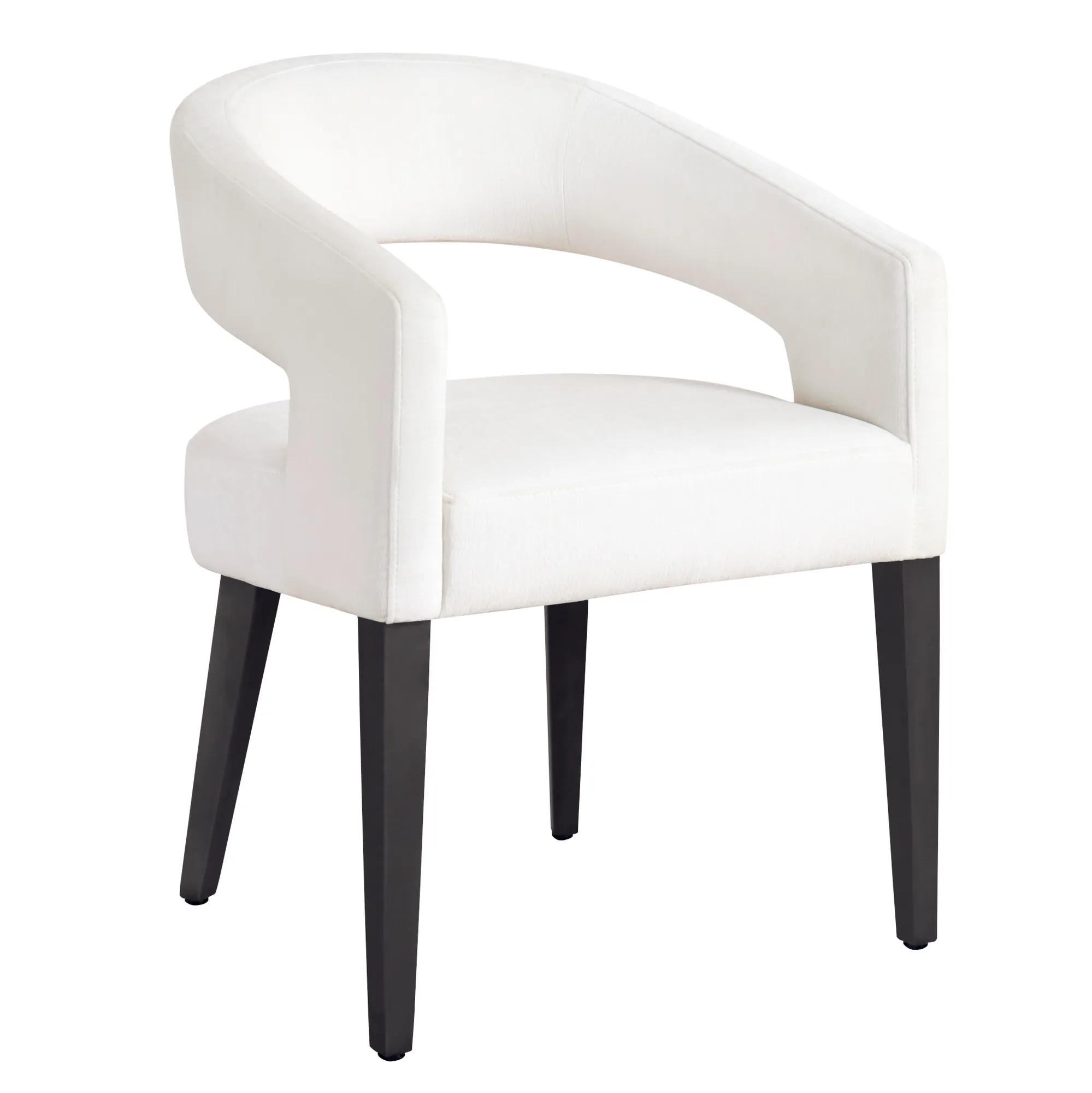
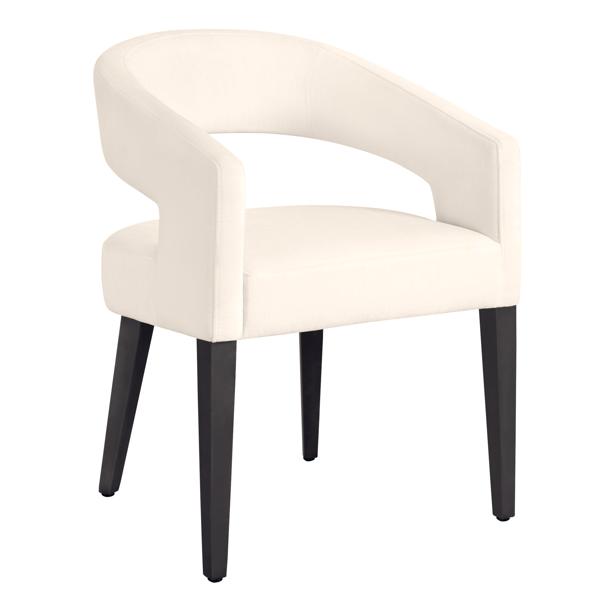 Philippa Dining Chair - Espresso$599
A modern dining chair featuring a curved silhouette, espresso legs, and neatly tailored chenille upholstery.
Add To Cart -
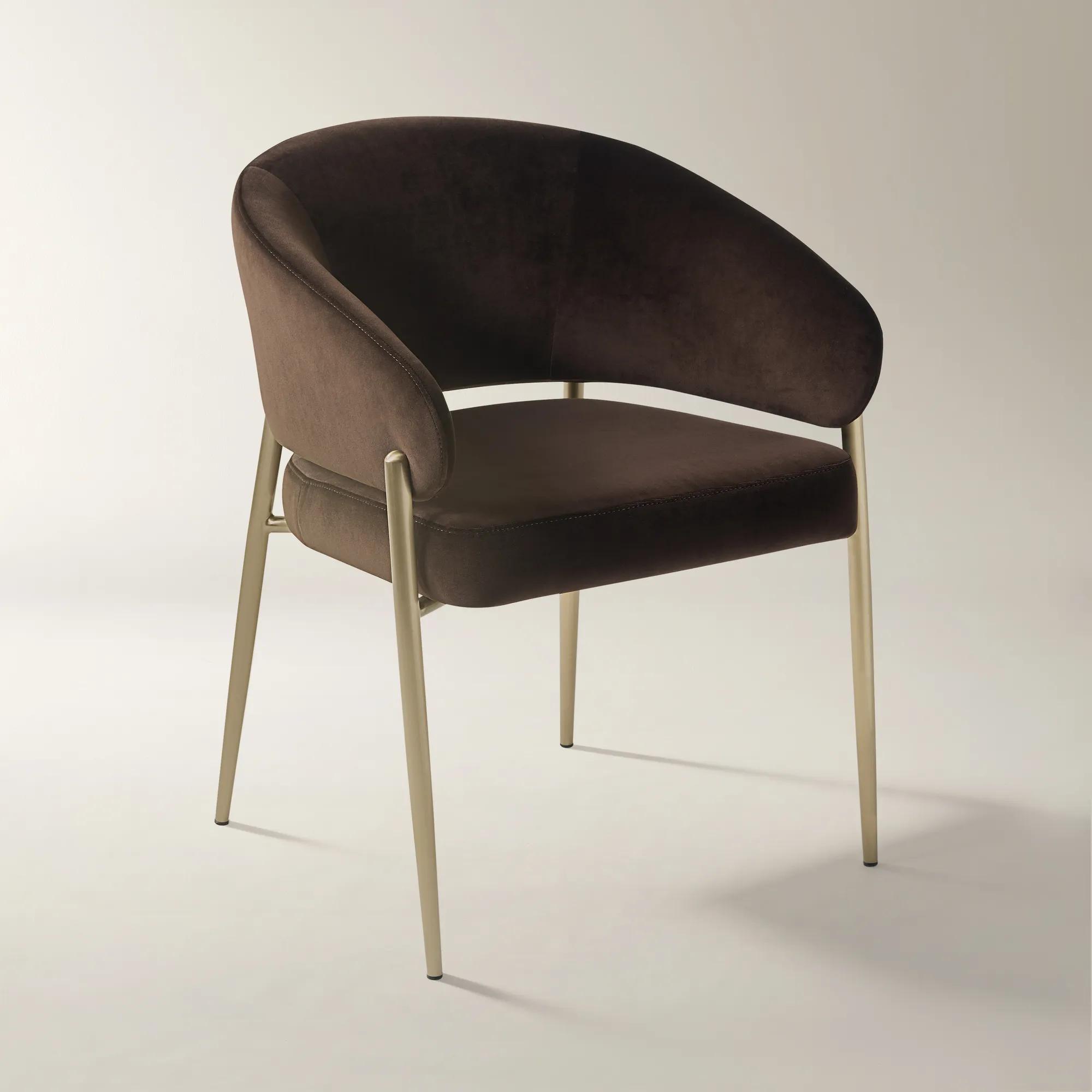 Nara Dark Chocolate Velvet Dining Chair Set Of 2$599
A pair of dark chocolate velvet chairs with curved backs and brushed brass stainless-steel legs for modern elegance.
Add To Cart -
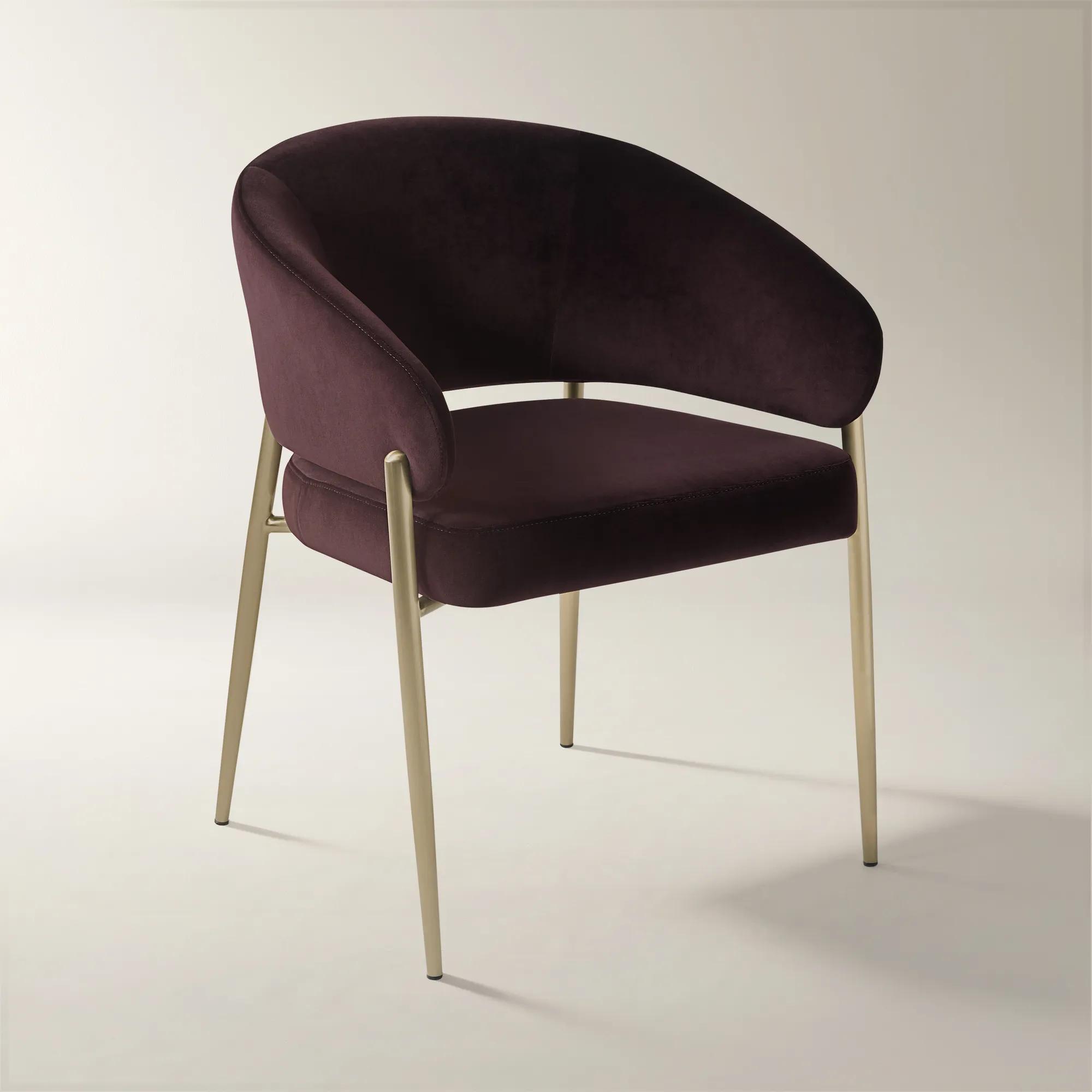 Nara Fig Velvet Dining Chair Set Of 2$599
A red velvet dining chair set with curved integrated armrests and brushed brass stainless-steel legs.
Add To Cart -
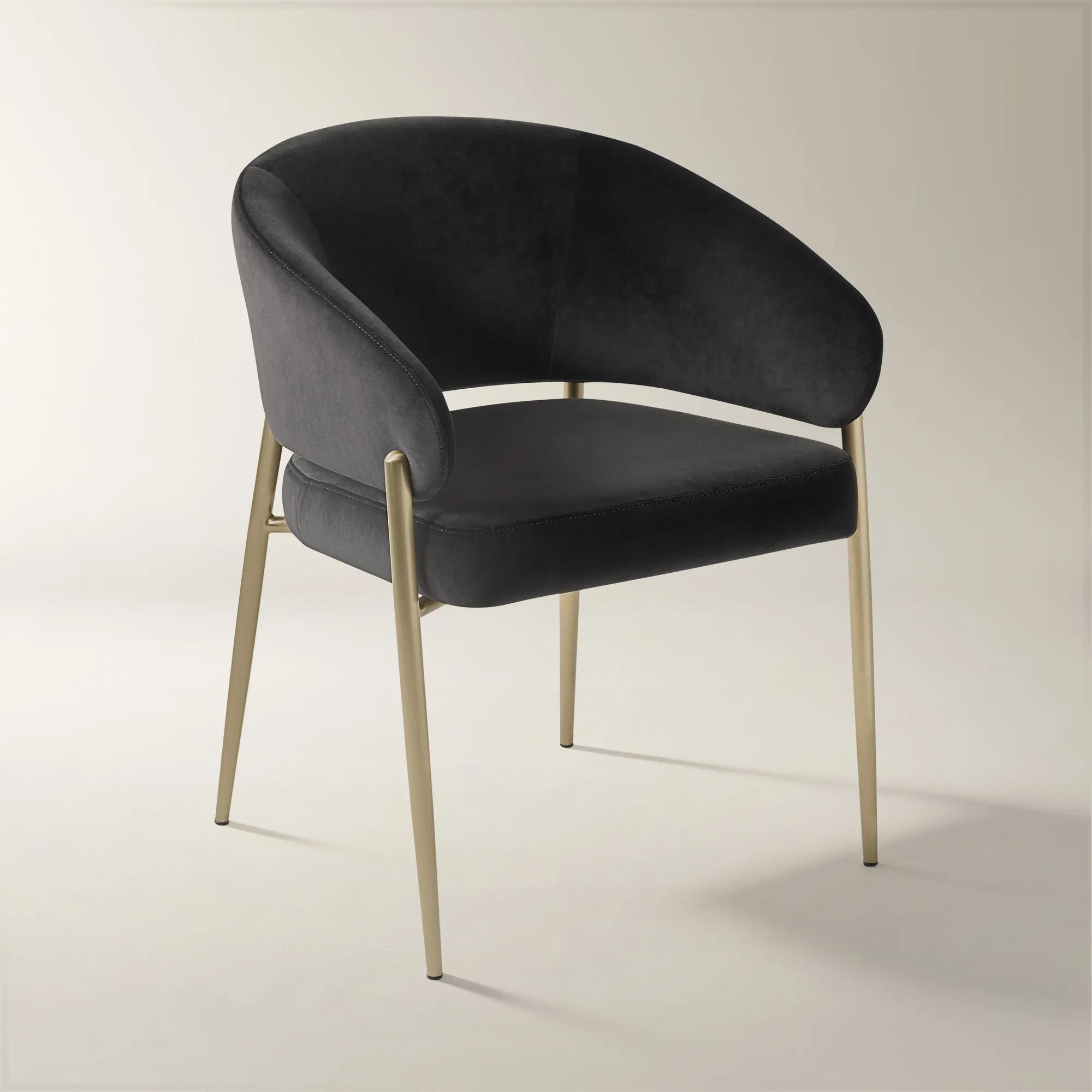 Nara Charcoal Velvet Dining Chair Set Of 2$599
A set of two charcoal velvet chairs featuring curved backs, plush upholstery, and brushed brass metal legs.
Add To Cart -
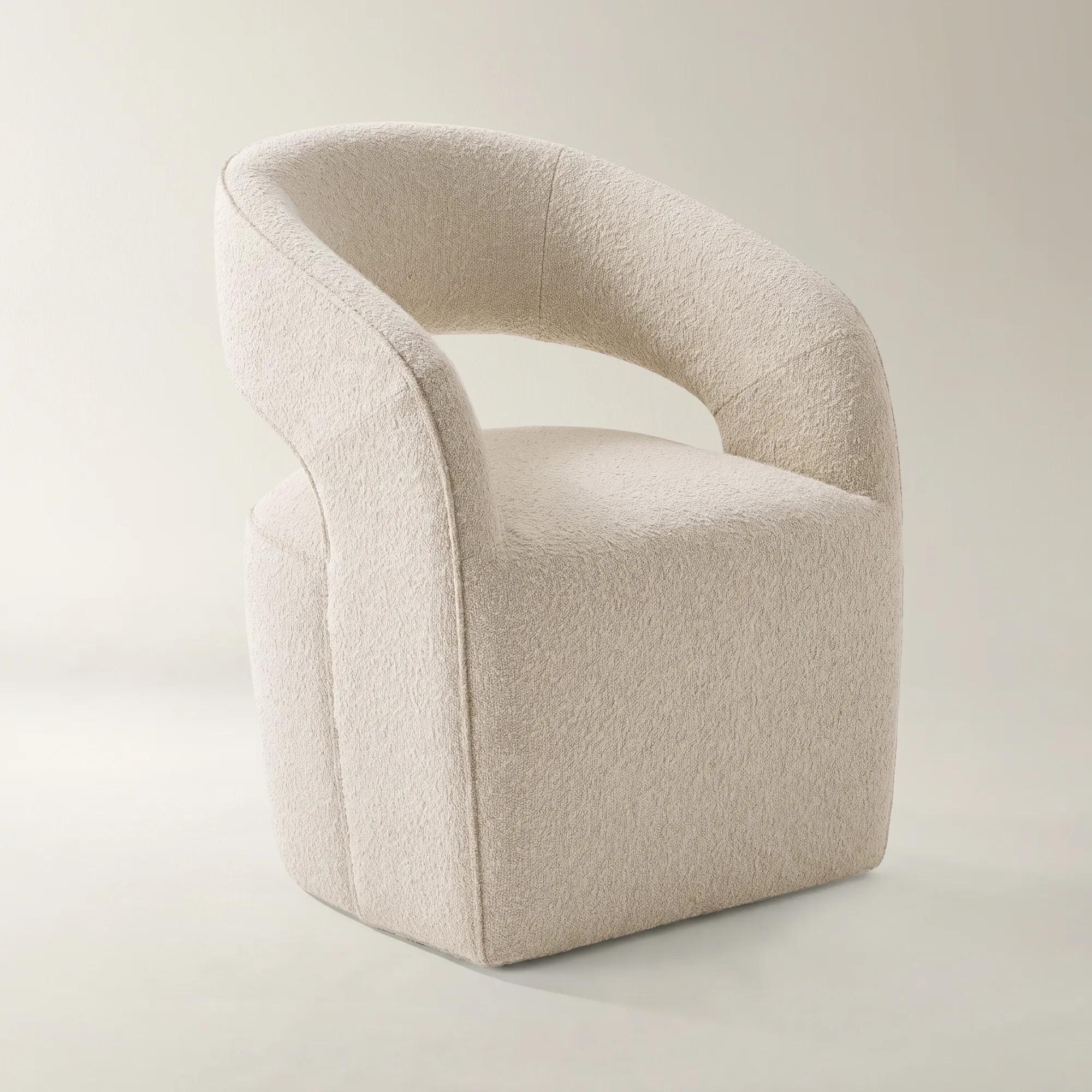
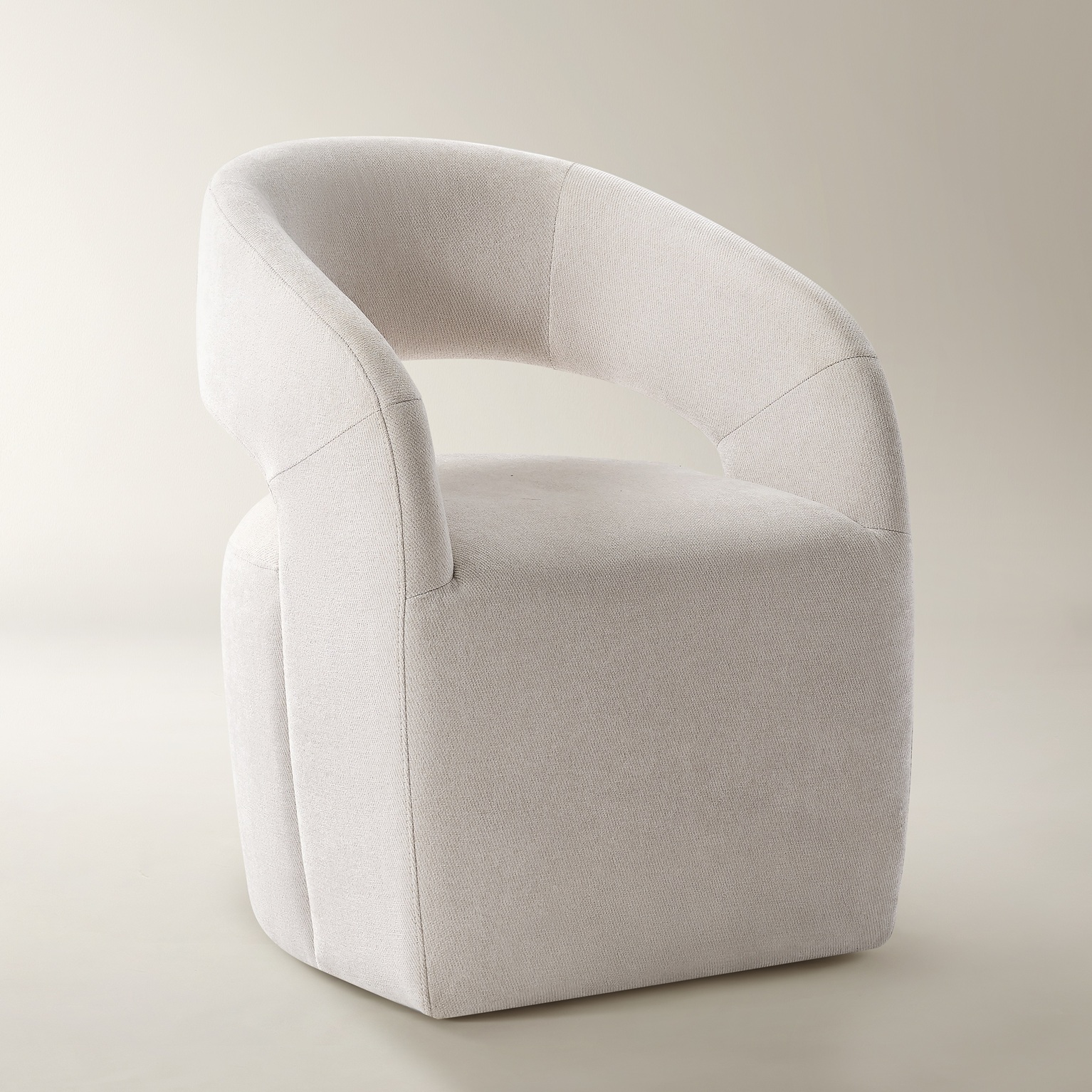 Harrison Ivory Performance Boucle Dining Chair$499
A sculptural dining chair in ivory performance boucle with a curved back, integrated arms, and feather-blend comfort.
Add To Cart -
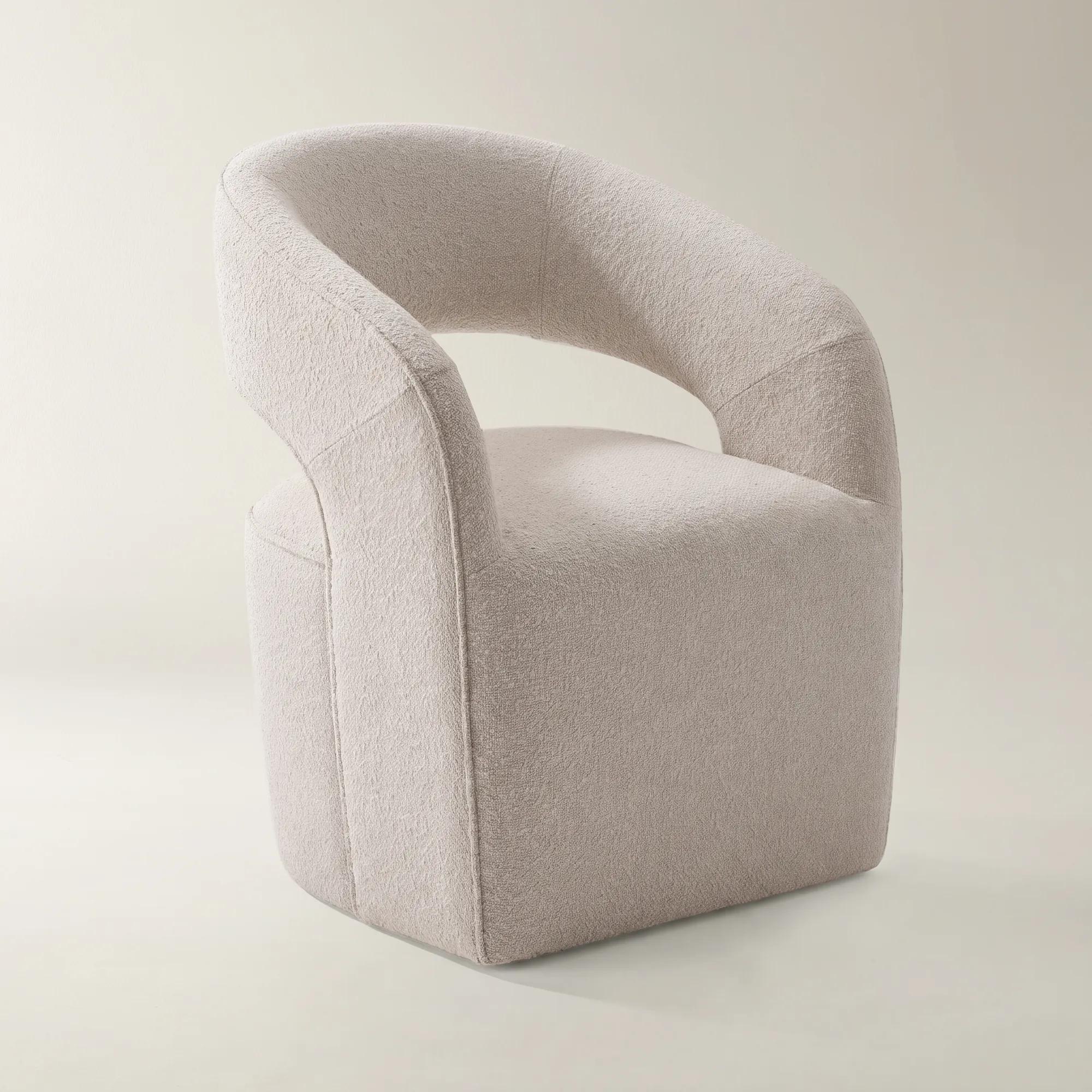 Harrison Ivory Performance Boucle Dining Chair$499
A sculptural dining chair in ivory performance boucle with a curved back, feather-blend seat, and modern elegance.
Add To Cart -
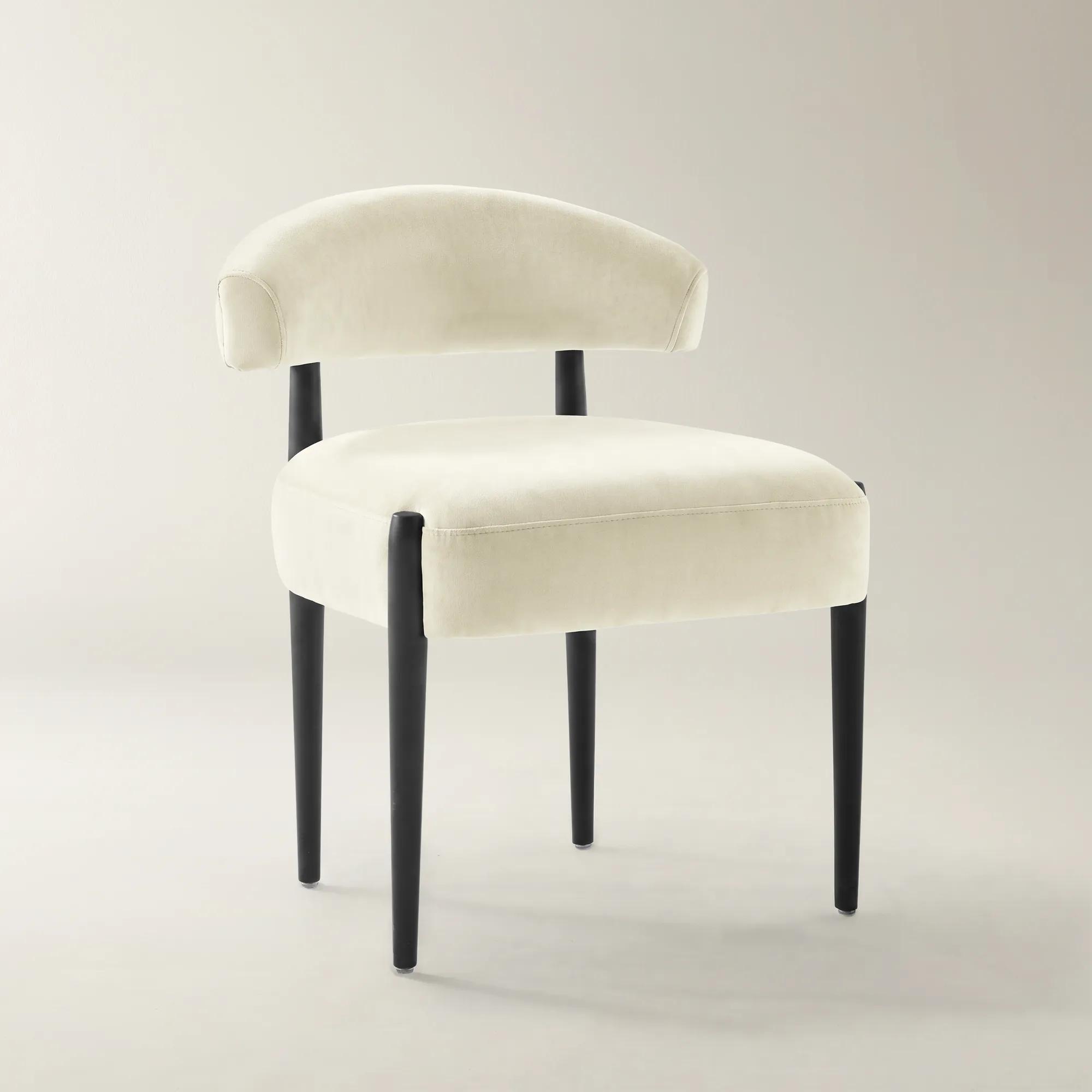
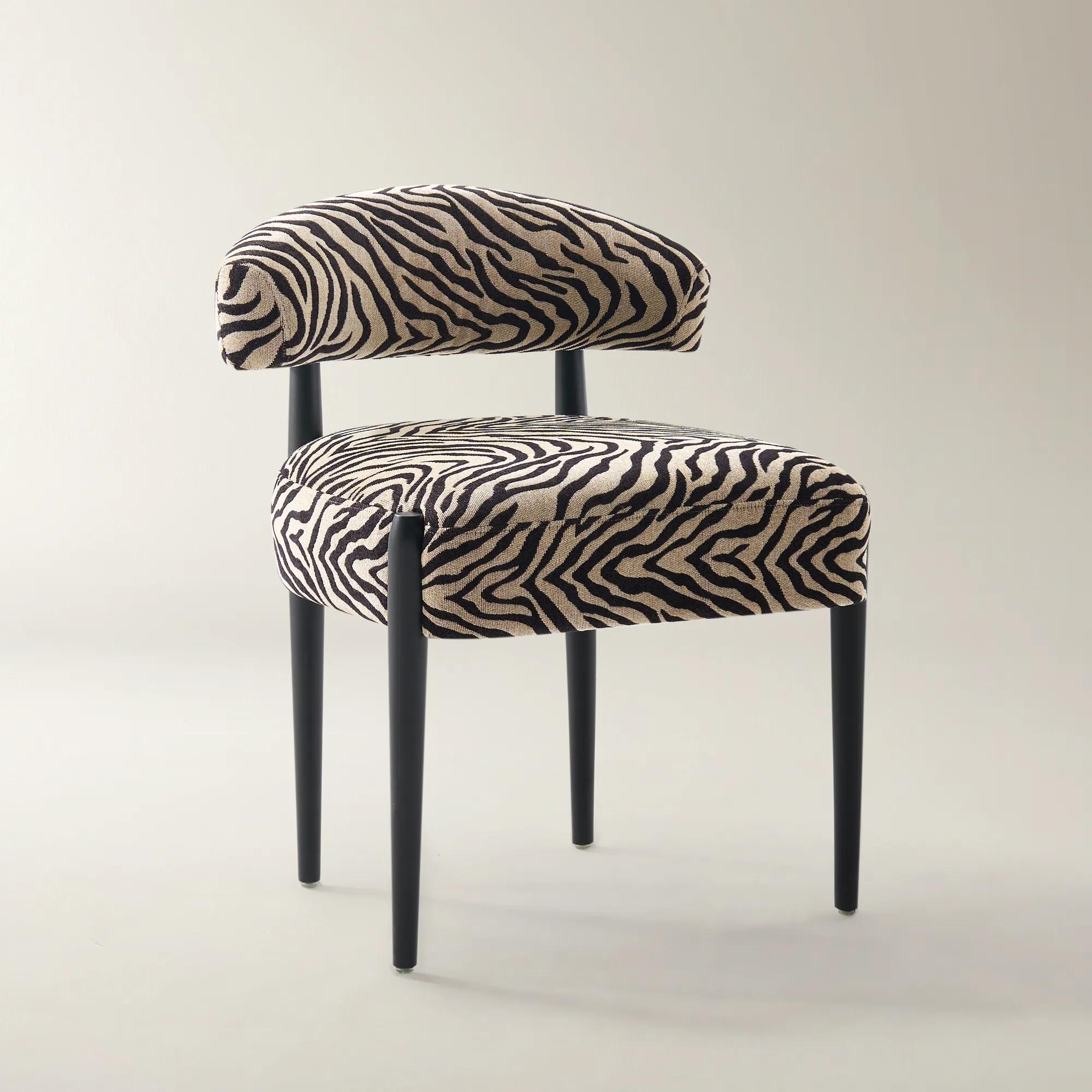 Anna Cloud Velvet Dining Chair Set of 2$699
A hand-upholstered Cloud velvet chair set featuring curved backs, high-density foam, and solid rubberwood legs.
Add To Cart -
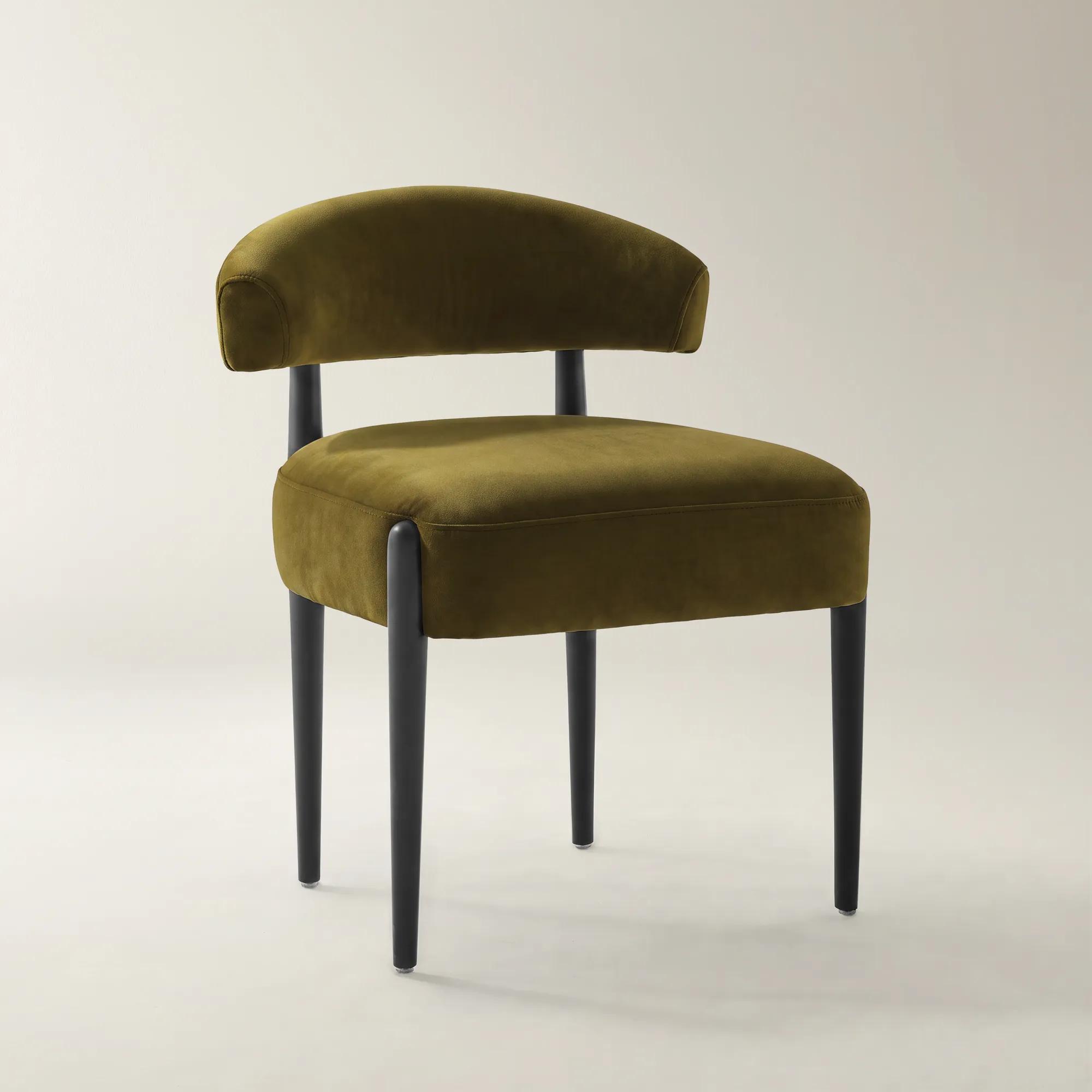 Anna Deep Olive Velvet Dining Chair Set of 2$699
A deep olive velvet dining chair with a tailored curved back, high-density cushioning, and solid rubberwood legs.
Add To Cart -
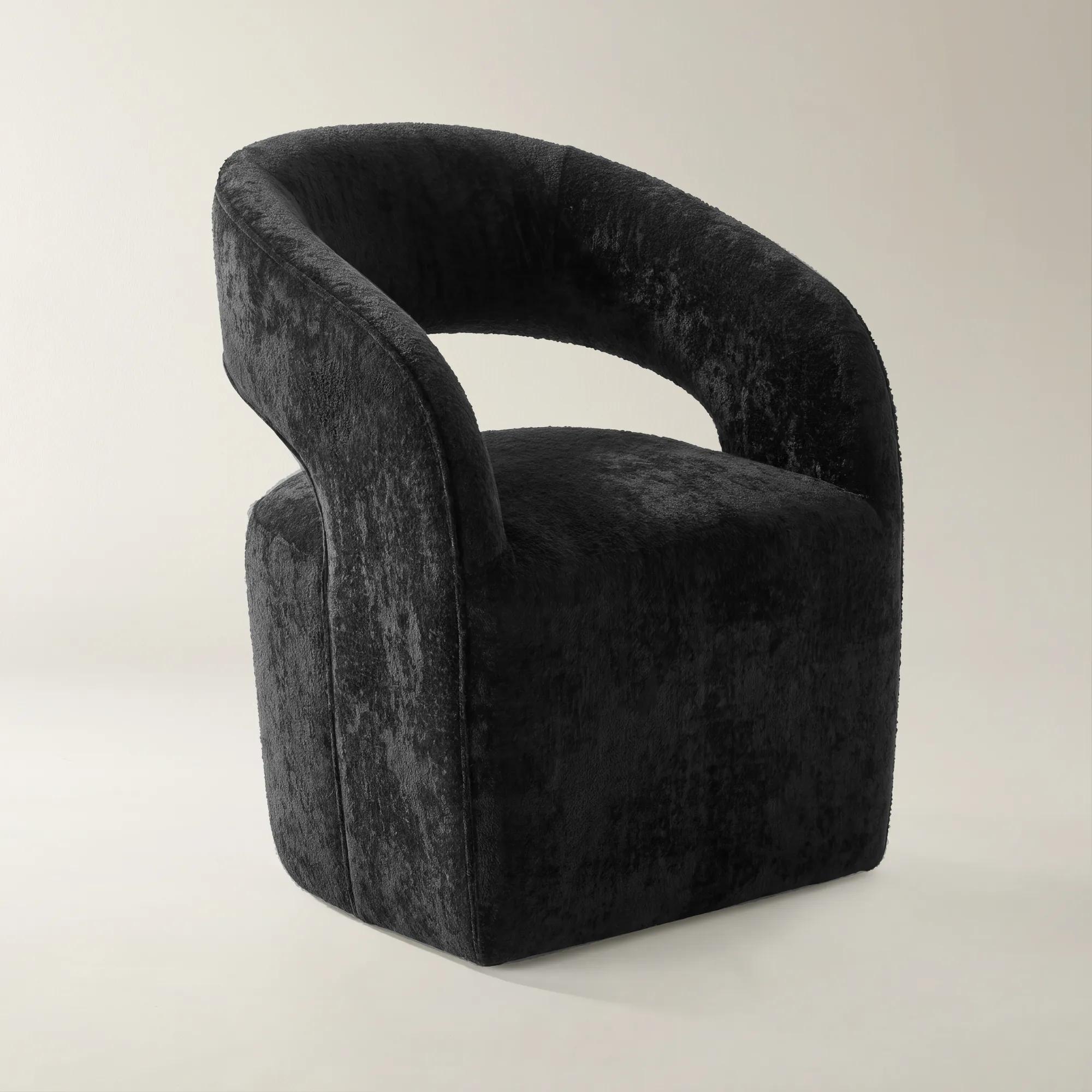 Harrison Black Chenille Dining Chair$499
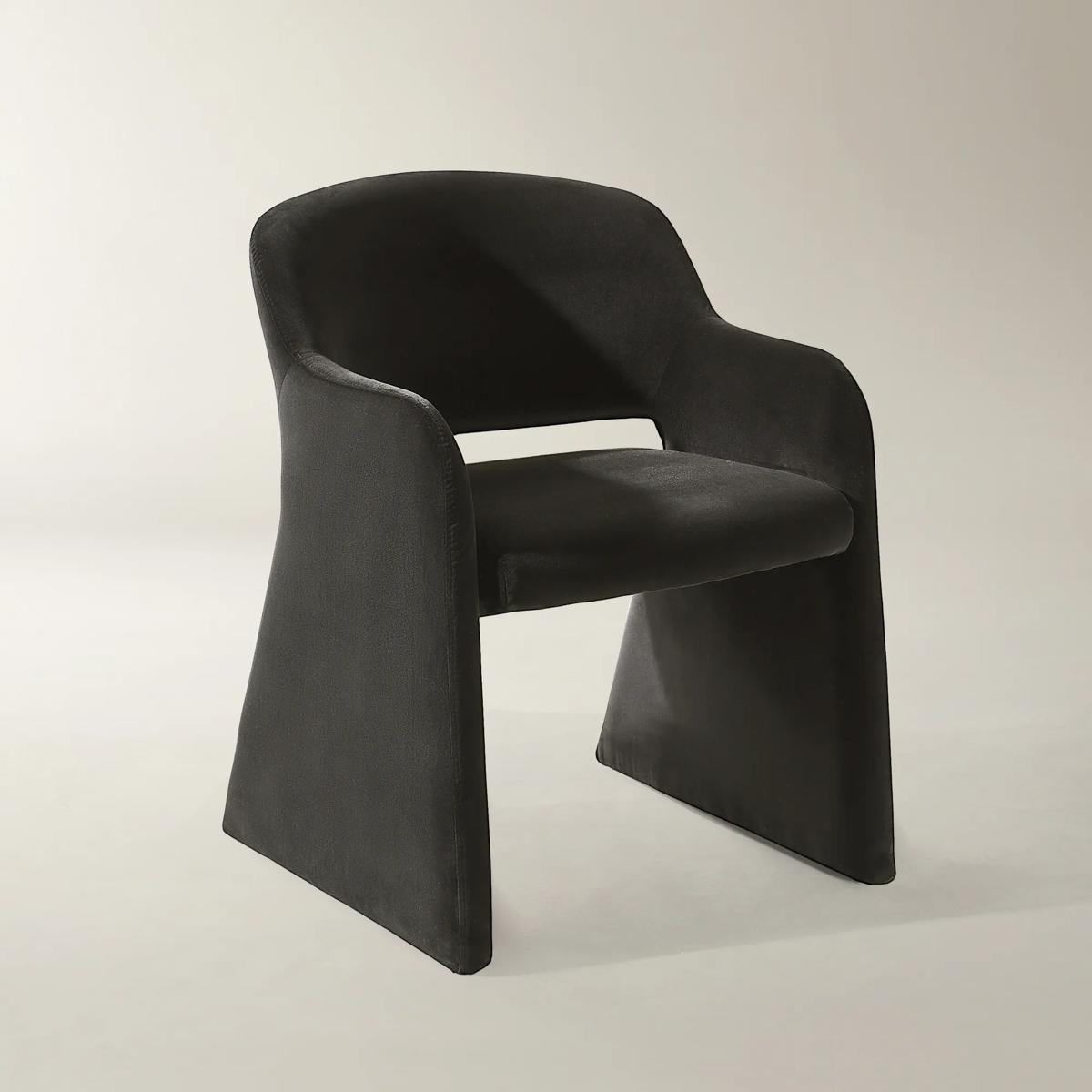
A sculptural dining chair upholstered in charcoal chenille with a curved back, feather-blend seat, and integrated arms.
Add To Cart -
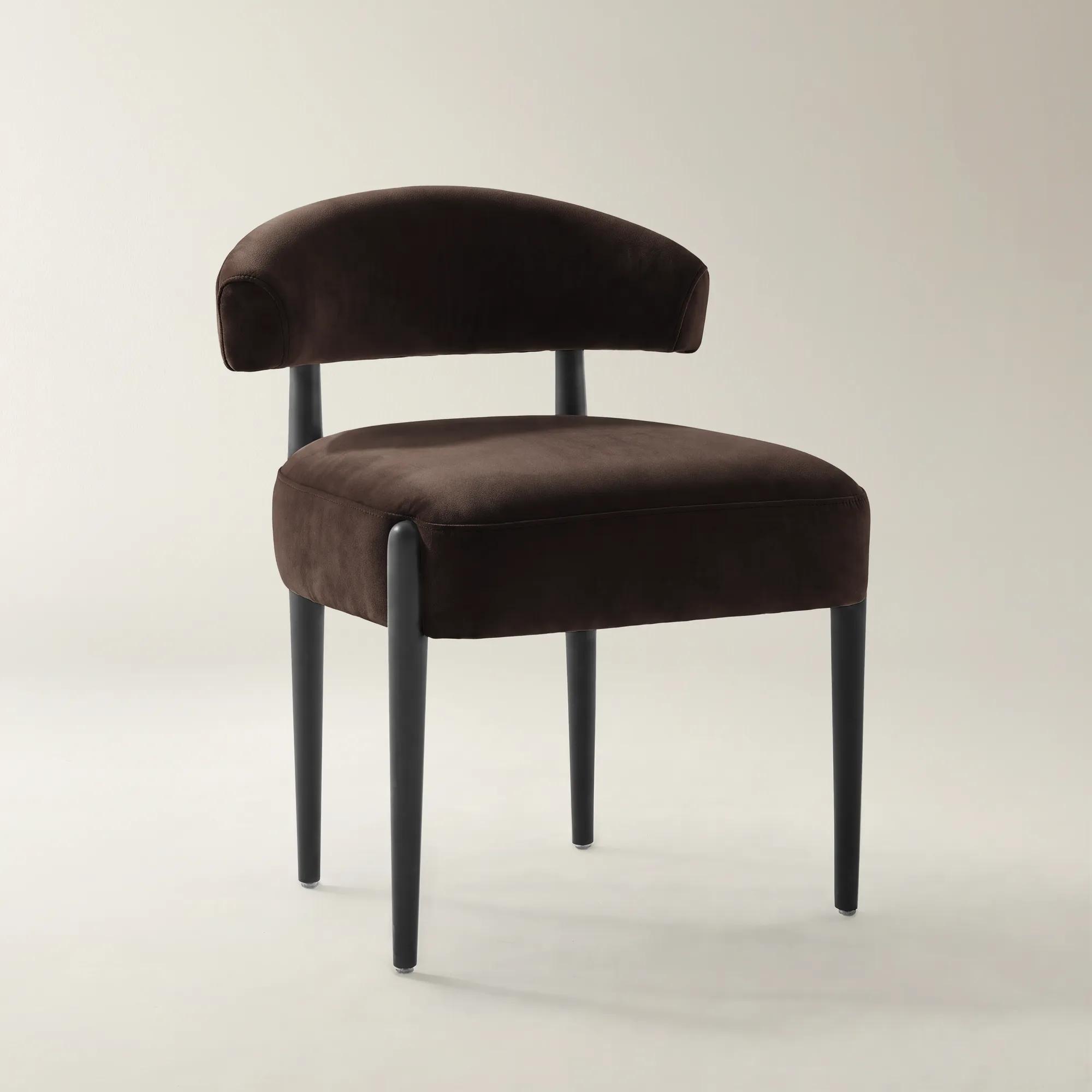 Anna Dark Chocolate Velvet Dining Chair Set of 2$699
A dark chocolate velvet dining chair set featuring an arched back, high-density foam, and solid wood construction.
Add To Cart -
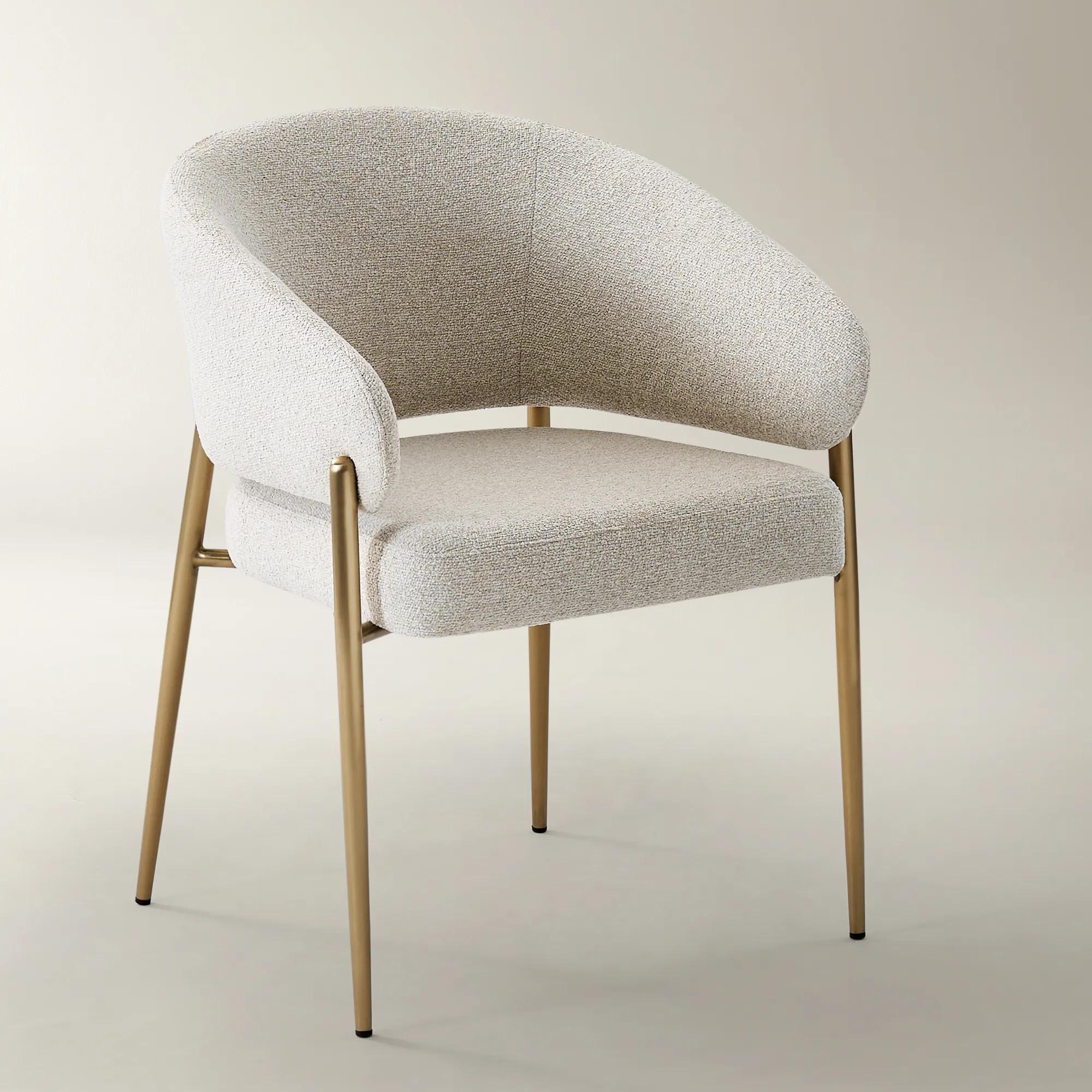
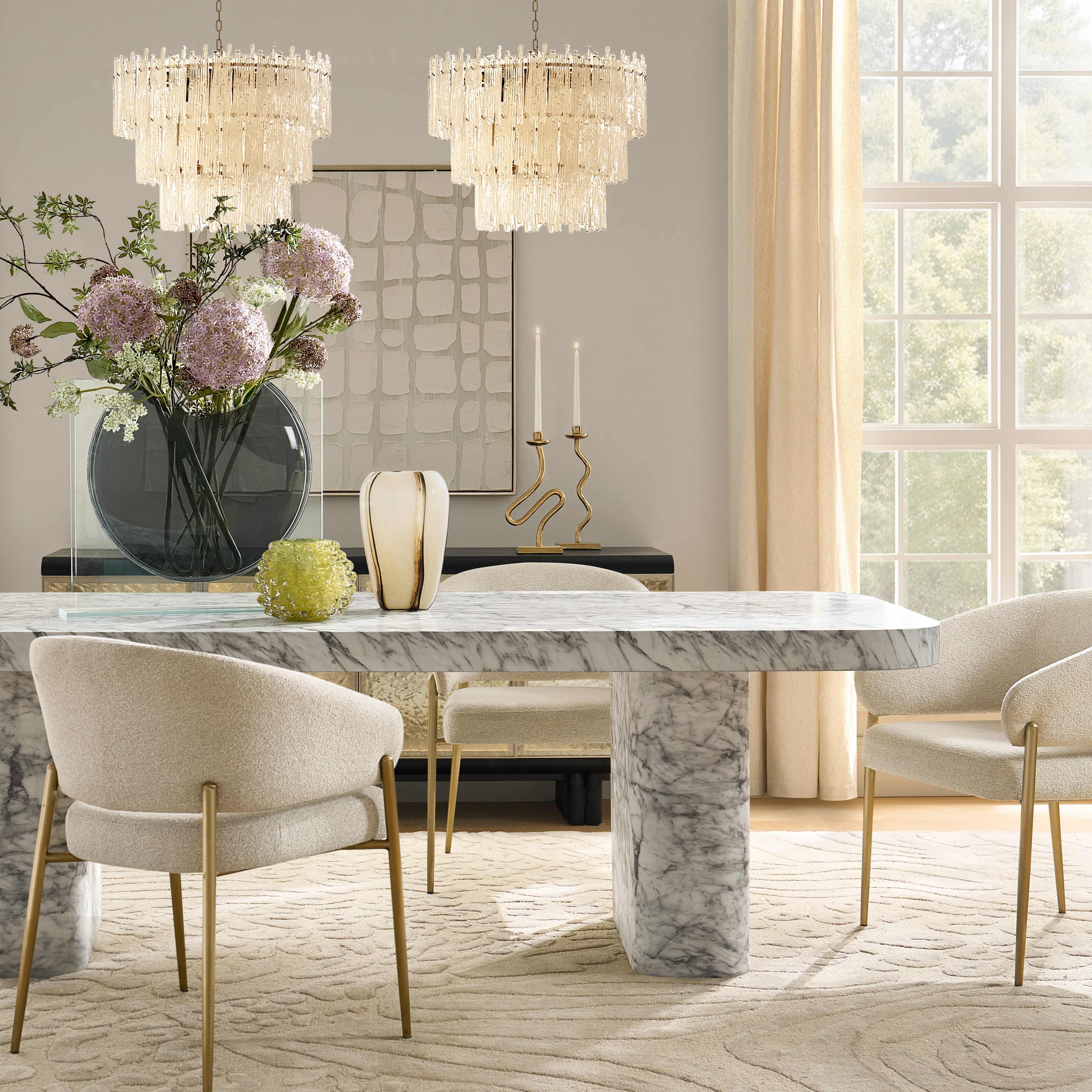 Nara Ivory Boucle Dining Chair Set Of 2$599
An ivory boucle dining chair set with a curved backrest and brushed stainless steel frame for modern elegance.
Add To Cart -
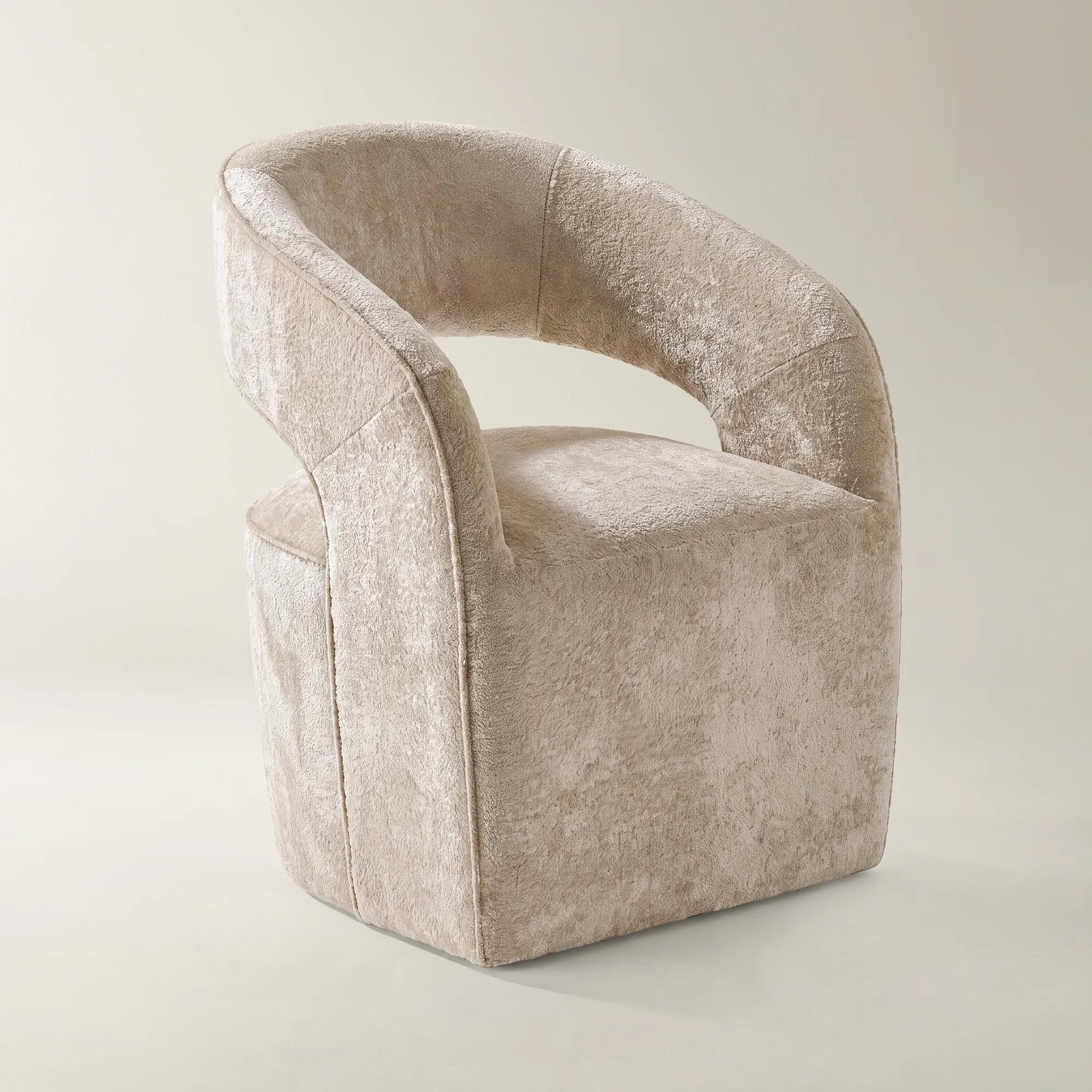 Harrison Light Brown Chenille Dining Chair$499
A sculptural dining chair upholstered in light brown chenille with a feather-blend cushion for plush comfort.
Add To Cart -
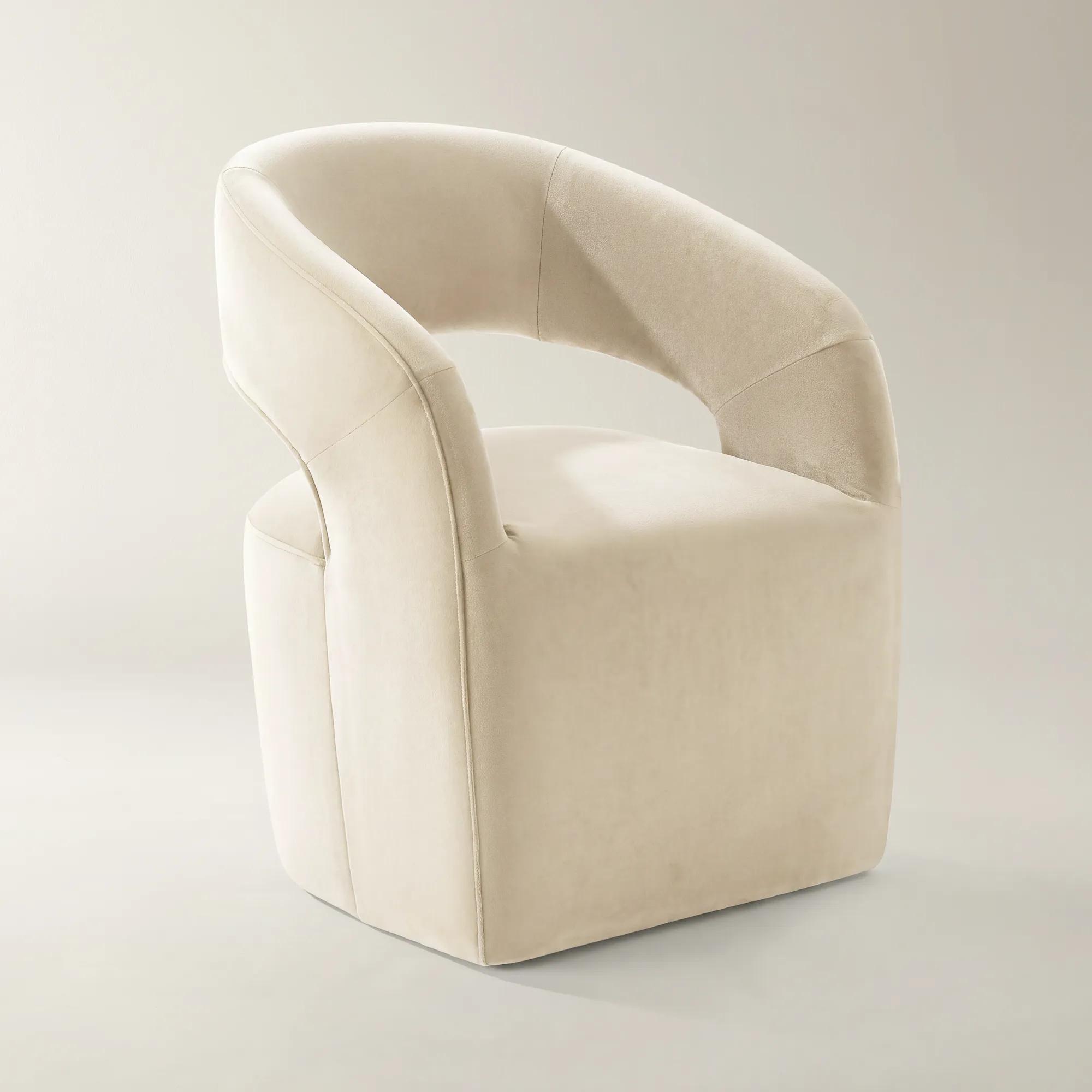 Harrison Oatmeal Velvet Dining Chair$499
A sculptural dining chair upholstered in oatmeal velvet with a curved back, feather-blend seat, and integrated arms.
Add To Cart -
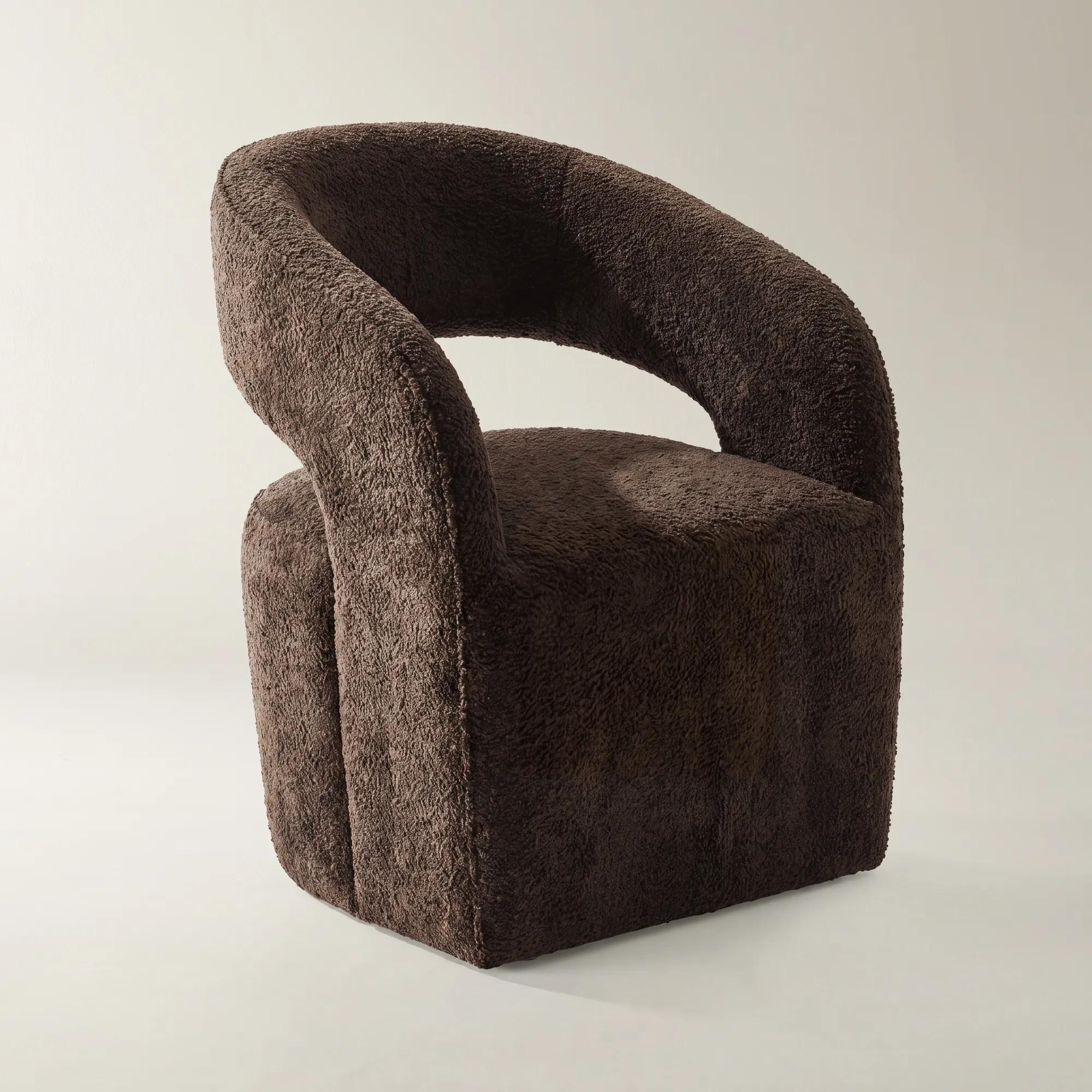 Harrison Dark Chocolate Chenille Dining Chair$499
A sculptural dining chair upholstered in dark chocolate chenille with feather-blend cushioning and curved arms.
Add To Cart -
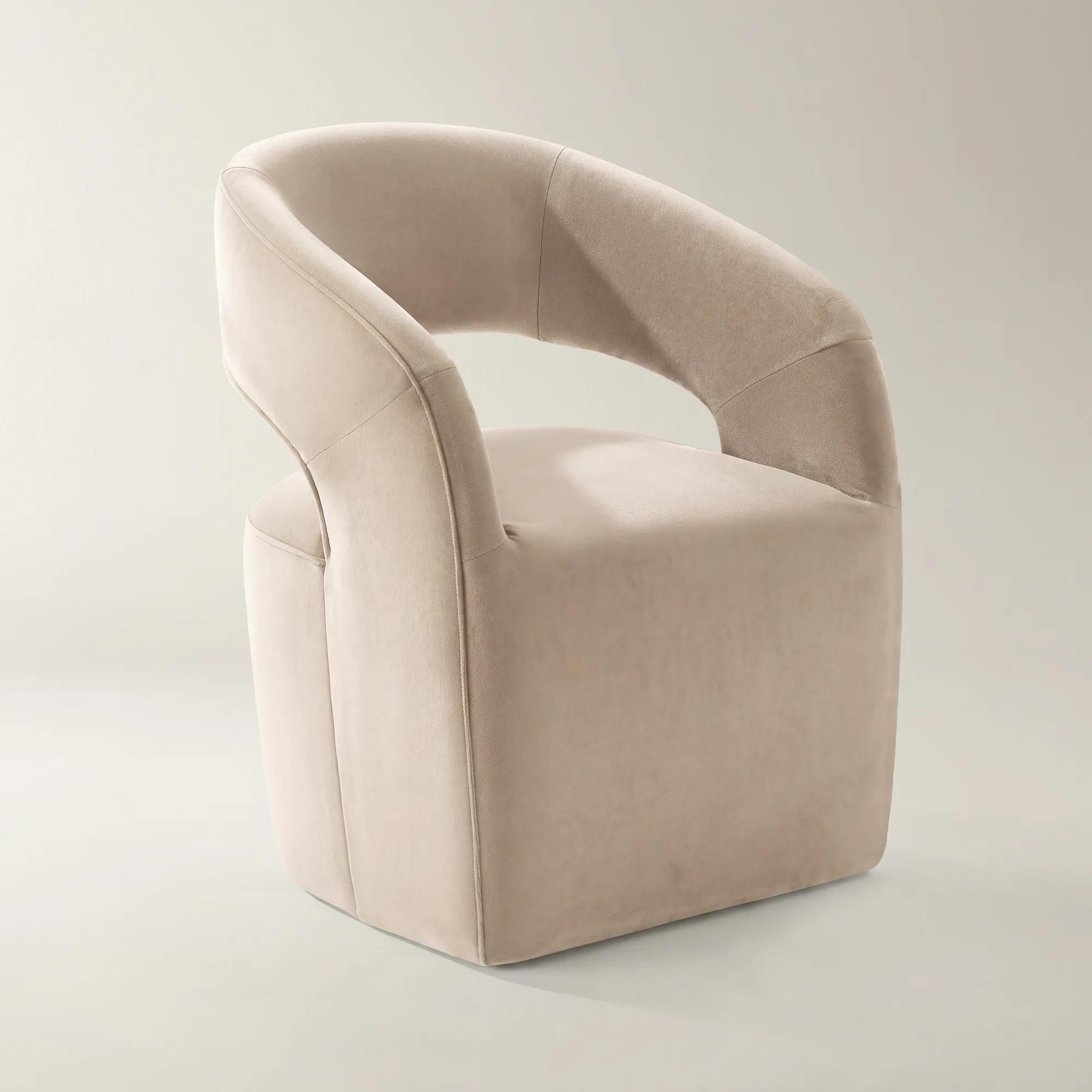 Harrison Simply Taupe Velvet Dining Chair$499
A sculptural dining chair in simply taupe velvet with a curved back, feather-blend seat, and modern elegance.
Add To Cart -
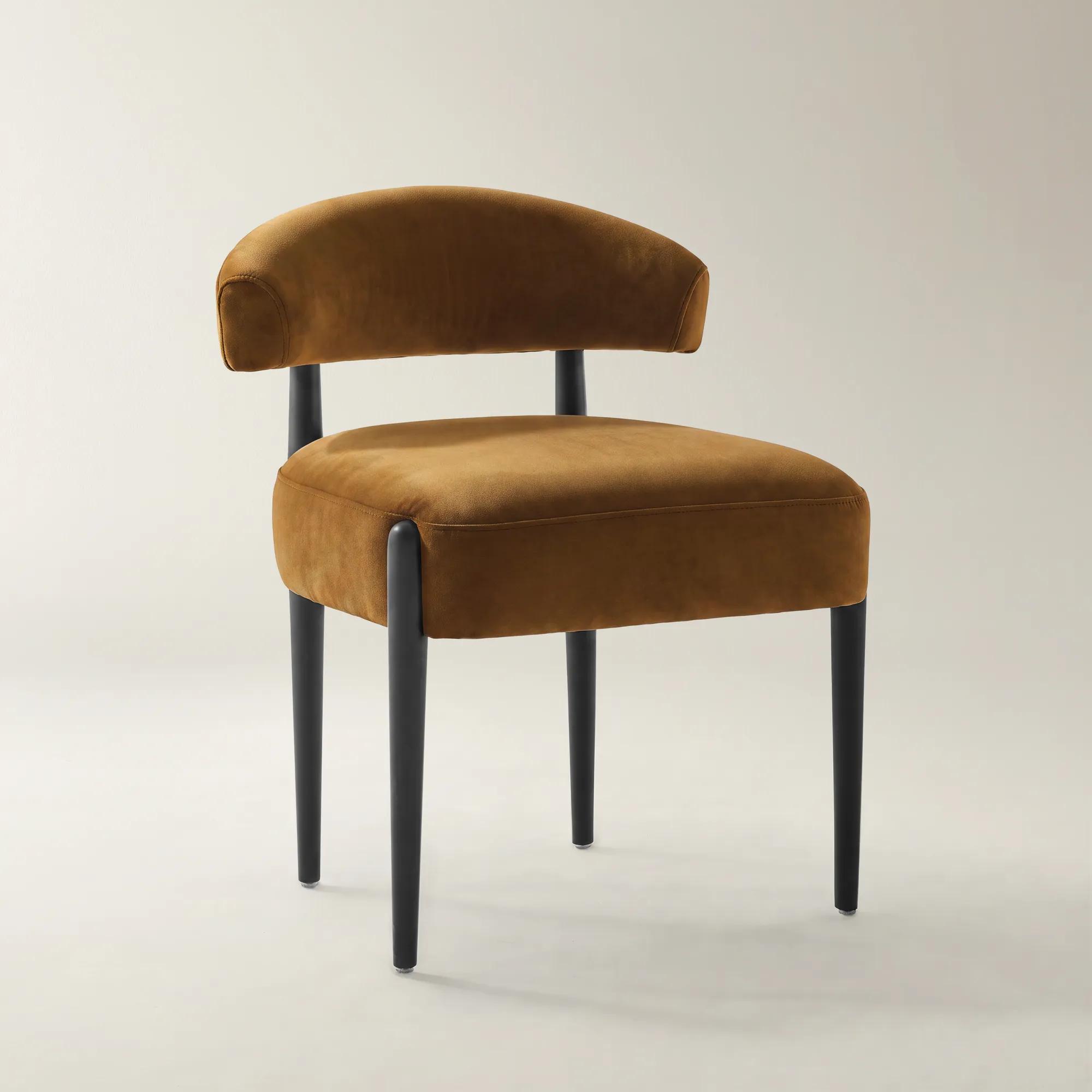 Anna Roasted Pecan Velvet Dining Chair Set of 2$699
A roasted pecan velvet dining chair set featuring a tailored curved back and high-density foam cushioning.
Add To Cart -
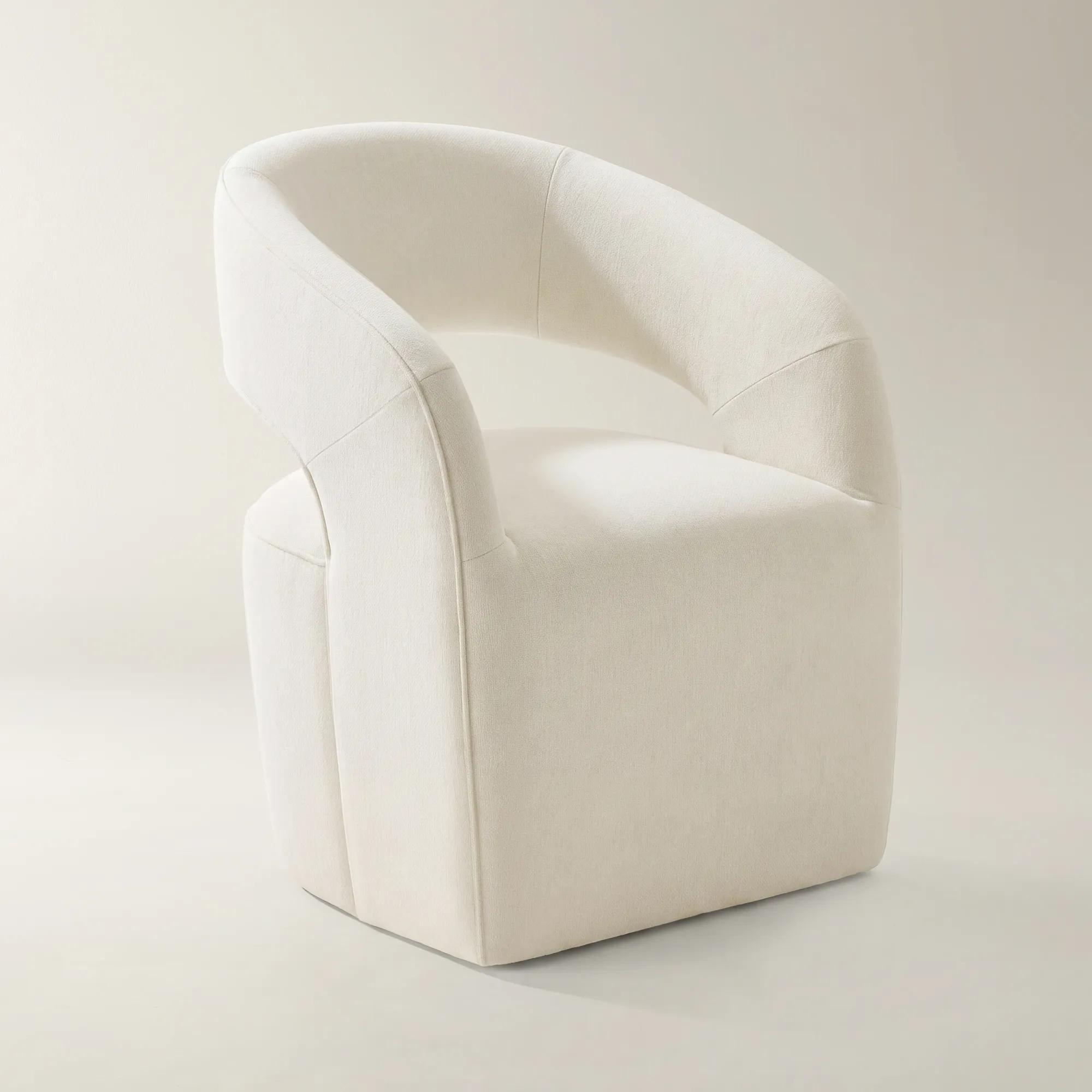 Harrison Ivory Performance Chenille Dining Chair$499
A sculptural ivory chenille chair featuring a continuous curved back, feather-blend comfort, and performance upholstery.
Add To Cart -
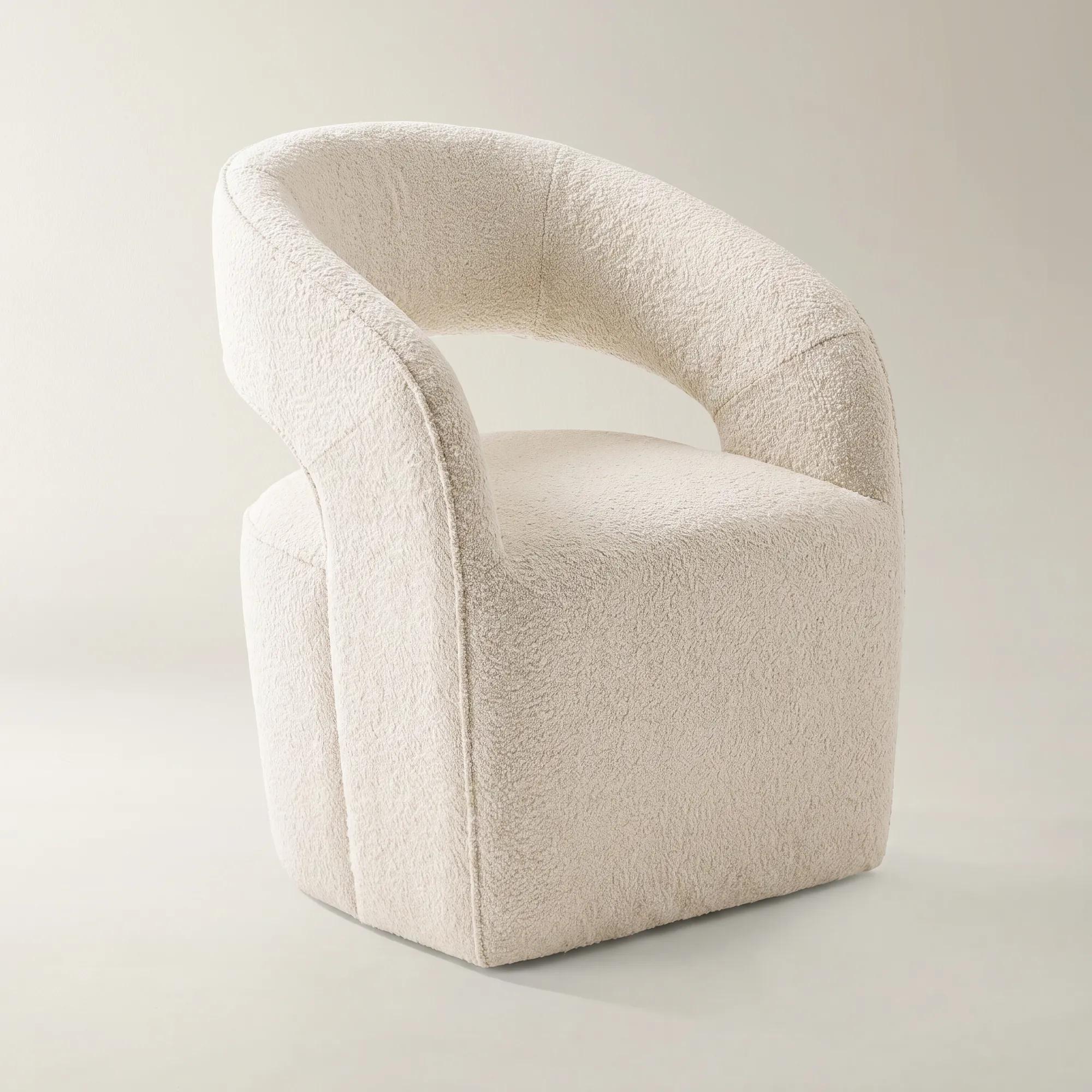 Harrison Utopia Sand Chenille Dining Chair$499
A sculptural dining chair upholstered in sand chenille with a curved back, feather-blend seat, and integrated arms.
Add To Cart -
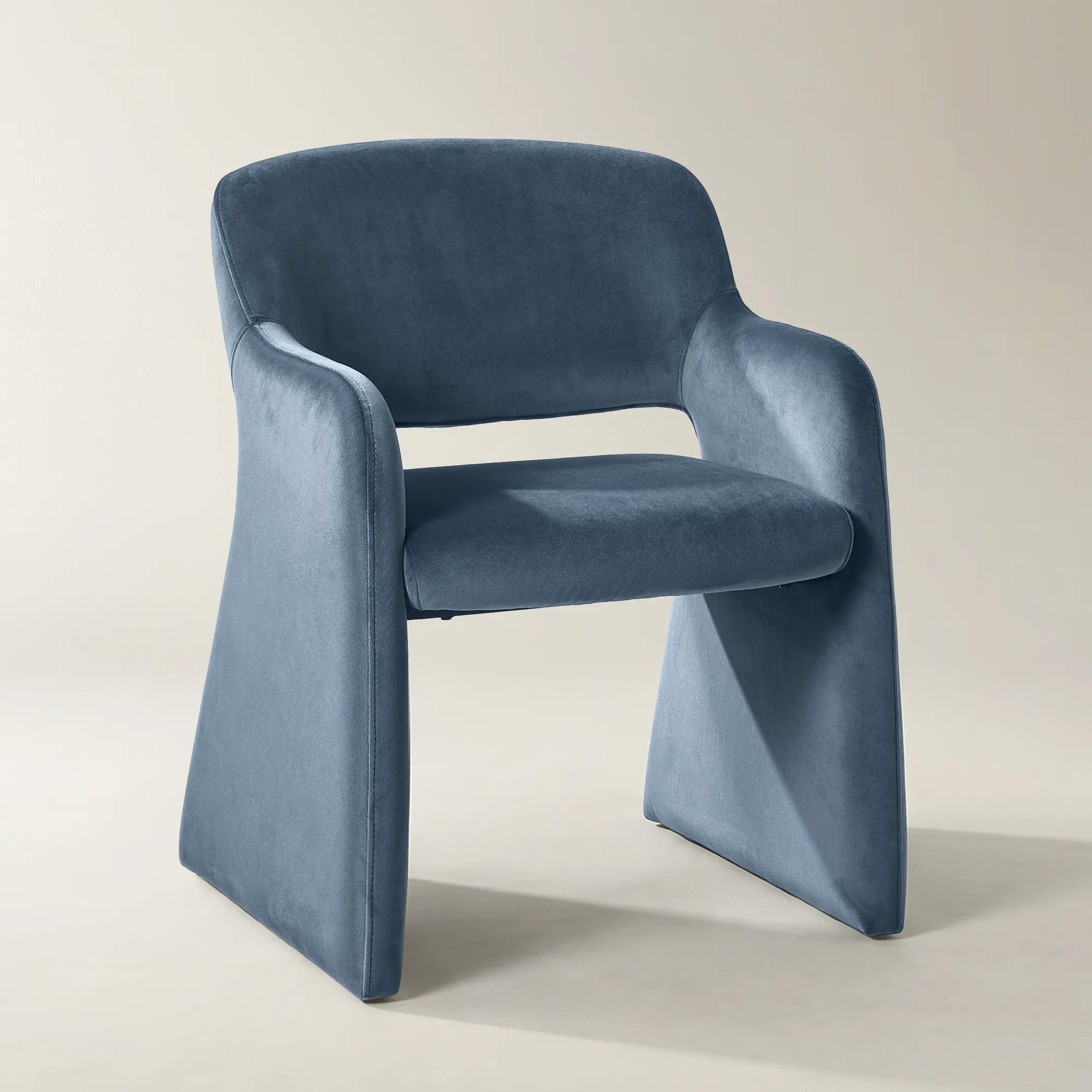 Elara Dusty Blue Velvet Dining Chair$449
A graceful dining chair featuring dusty blue velvet upholstery, integrated arms, and a seamless cantilevered silhouette.
Add To Cart -
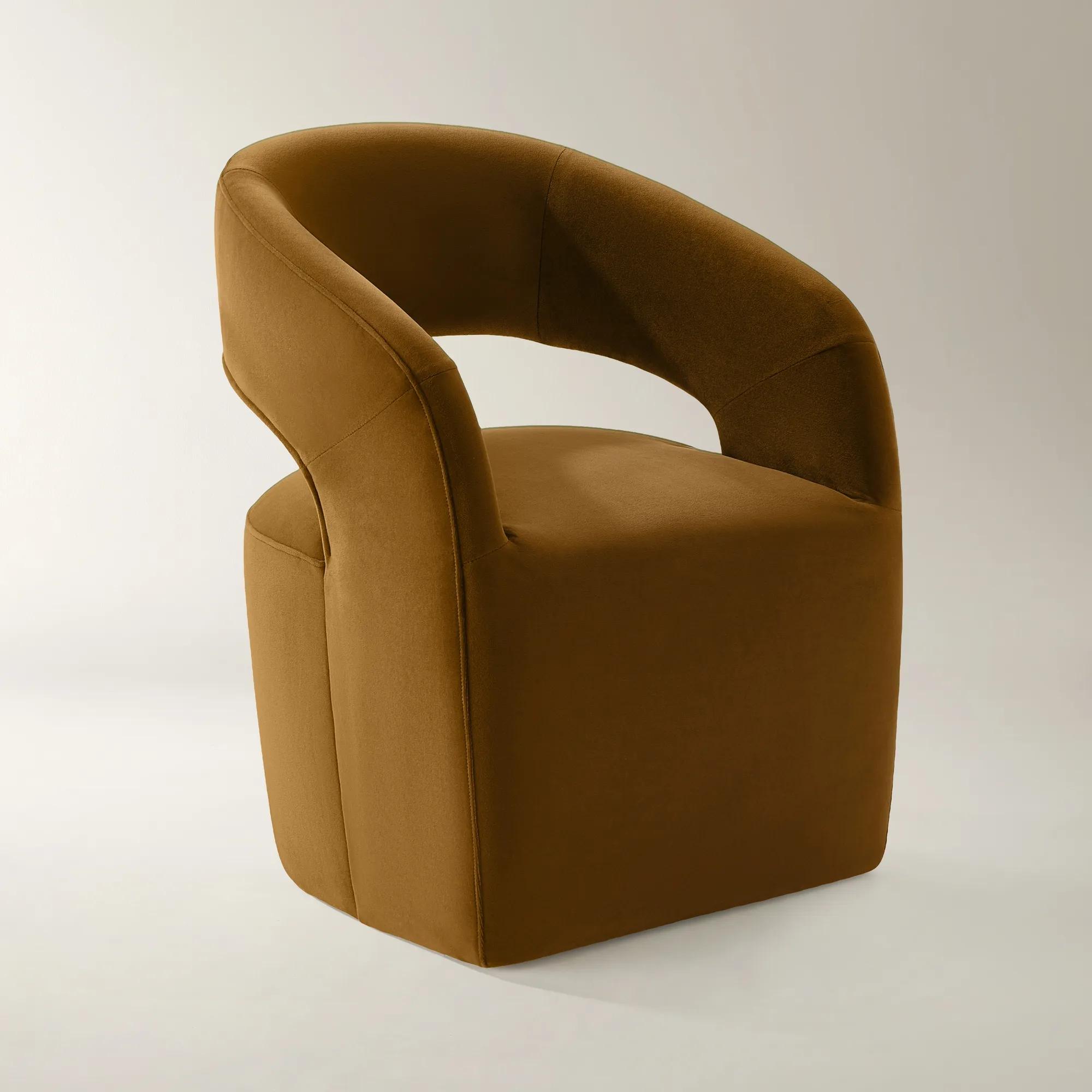 Harrison Roasted Pecan Velvet Dining Chair$499
A sculptural dining chair upholstered in roasted pecan velvet with feather-blend cushioning and integrated arms.
Add To Cart

Elegant Dining Chairs With Curved Legs
Step into a world where every meal becomes a grand occasion—elegant dining chairs with curved legs set the stage for unforgettable gatherings and everyday indulgence alike. These sculptural silhouettes invite you to linger, their graceful lines capturing the art of refined living with a whisper of old-world glamour and contemporary allure. In spaces designed for conversation and celebration, each chair is more than seating; it’s an invitation to savor the beauty in every detail, transforming your dining room into a masterpiece of style and sophistication.
Elegant dining chairs with curved legs bring movement to the room at a level that often goes unnoticed. A cabriole leg bows outward at the knee before drawing inward toward the foot, giving a chair the sculptural grace associated with traditional furniture. A saber leg takes a simpler, sweeping line, sometimes most visible in the rear legs when the chair is pulled away from the table. Either profile can feel at home in a modern dining room; the depth of the curve, the finish, and the shape of the seat make as much difference as the leg style itself. A slender sweep in dark-stained wood can bring definition to a pale stone table, while a fuller curve and a tailored seat can soften the straight edges of a rectangular table. Under glass, the legs become part of the view from above, so the rhythm of a matching set is especially striking. Around a round pedestal table, a quiet leg profile lets the base retain its presence without competing for attention. The silhouette also depends on material. Finished wood can show off grain along the bend or give it a more graphic outline in a painted finish. Slender metal legs can trace an arc with less visual weight, particularly where a gleaming finish picks up the light from a pendant. Upholstery changes the balance above the curve: velvet gives a broad seat a rich play of light and shade, chenille lends depth to a simple back, and a tightly woven fabric can make an ornate frame feel more restrained. The pairing need not be elaborate. An unadorned seat on a sharply defined leg can hold its own in a room with expressive artwork or a dramatic chandelier. In a quieter room, repeating the same curved silhouette around the table creates its own pattern, one that comes into full view whenever the chairs are drawn out for dinner.
At the table, the most satisfying fit is the one that leaves the silhouette visible without making anyone negotiate for space. Curved or flared feet may extend beyond the seat, so the widest point at floor level matters as much as the width across the upholstery. A chair that looks compact from above may meet a neighboring foot, a table leg, or the wide base of a pedestal before it tucks in all the way. About 24 inches of table edge per diner is a useful starting point, with more room for broad seats or arms. In a dining room with a sideboard or a busy route to the kitchen, roughly 36 inches from the table edge to the nearest wall or piece of furniture offers a starting point for pullout space; a regular passage behind seated guests calls for more. Vertical fit deserves the same attention. A gap of about 10 to 12 inches between the seat and tabletop works for many dining arrangements, but a deep apron can reduce the actual space for knees. On an armchair, the height of the arms in relation to the underside of the table determines whether it can slide in. These details make different silhouettes appealing for different rooms. Armless chairs leave more freedom to enter from the side at a close-set table, while armchairs at the ends can give a long table a sense of occasion without taking up elbow room along both sides. A smaller dining area may benefit from an open back that preserves the view across the room; for a table where dinner often turns into another hour of conversation, a supportive back and a cushioned seat may matter more. The curve of the leg is a visual feature rather than a measure of comfort. For a softer profile at seat and shoulder height as well, Elegant Dining Chairs With Curved Lines extends that sense of movement into the back, arms, or seat.
How often the chairs are pulled out, shifted, and sat in helps determine which details will be most rewarding to live with. At a dining table that doubles as a place for homework or a midday coffee, smooth finished wood and upholstery with straightforward care instructions can suit the daily routine. Velvet or a deeply textured weave brings a different kind of presence to a room devoted to long dinners, but texture alone does not tell how easily a fabric will release a mark. Even when upholstery is described as performance fabric, its specific care directions still matter. A lightly textured weave may disguise crumbs or lint between cleanings, while velvet can show changes in the direction of its nap that are part of the fabric’s character. For most upholstered seats, gentle vacuuming with a soft upholstery attachment helps keep debris from settling into seams. Spills are best blotted promptly rather than rubbed, with any cleaner chosen according to the upholstery instructions. A soft cloth can lift dust from finished legs, including the inside of a curve where it tends to collect. With frequent use, stable joinery and feet that sit evenly matter more to durability than whether a leg is straight or curved. Floor protectors suited to both the flooring and the chair feet can help limit scuffs, especially on hardwood where the same seats are drawn back night after night. For someone furnishing a new home, a pair can be a generous gift when the table dimensions, preferred seat feel, and finishes are already known; end chairs can complement a set without matching it exactly. In a room already furnished, a repeated detail is often enough to make the chairs feel at home: the dark line of a leg echoed in a picture frame, the sheen of metal answered by a light fixture, or a curve that picks up the rounded rim of the table. Those connections give dining chairs with curved legs their lasting appeal. The room feels considered from the doorway, and the detail still holds its interest from a seat at the table.
FAQs
Elegant dining chairs with curved legs harmonize beautifully with a wide array of design styles, from classic French and Louis XV-inspired spaces to modern, artful interiors. Their sculptural lines complement traditional dining tables with ornate details, while also providing a striking contrast to minimalist or contemporary settings. These chairs are especially captivating in transitional rooms, where their graceful curves bridge the gap between old-world charm and modern sophistication.
Curved back dining chairs are often crafted from luxurious materials such as solid oak, walnut, or ash for a warm, natural look. Upholstery options include plush velvet, performance bouclé, vegan leather, and rich tapestry fabrics. Metal legs—sometimes finished in gold or chrome—add a modern edge, while hand-carved wood frames evoke timeless elegance. The interplay of these materials enhances both comfort and visual impact.
Curved upholstered dining chairs are thoughtfully designed to cradle the body, supporting the natural contours of the back and encouraging relaxed, lingering conversation. Generous cushioning, ergonomic curves, and enveloping silhouettes create a cocoon of comfort, making them ideal for leisurely meals, festive gatherings, and holiday celebrations where guests are encouraged to stay and savor every moment.
Absolutely. The fluid lines and sculptural presence of a chair with curved legs make it a natural focal point in open-concept spaces. These chairs help define dining zones within larger rooms and can be styled to complement adjacent living areas. Their visually light design prevents the space from feeling crowded, while their artistic shapes add architectural interest from every angle.
Yes, curved leather chairs are versatile enough to serve as statement accent pieces in living rooms, home offices, or bedrooms. Their luxurious texture and distinctive silhouette bring a touch of sophistication to reading nooks, vanity tables, or entryways, allowing you to infuse artistry and comfort throughout your home.