Easy To Style Neutral Rugs
Easy To Style Neutral Rugs
-
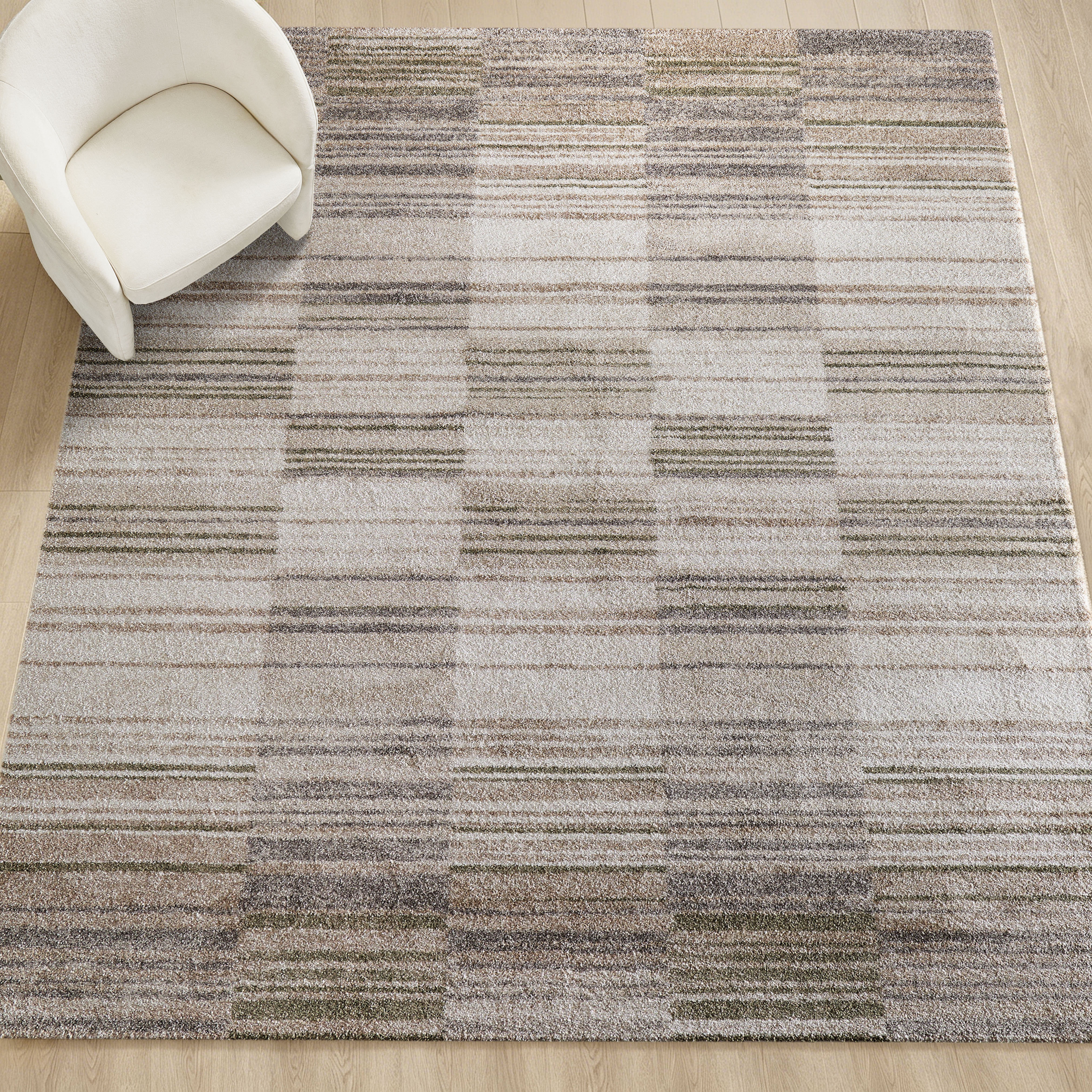
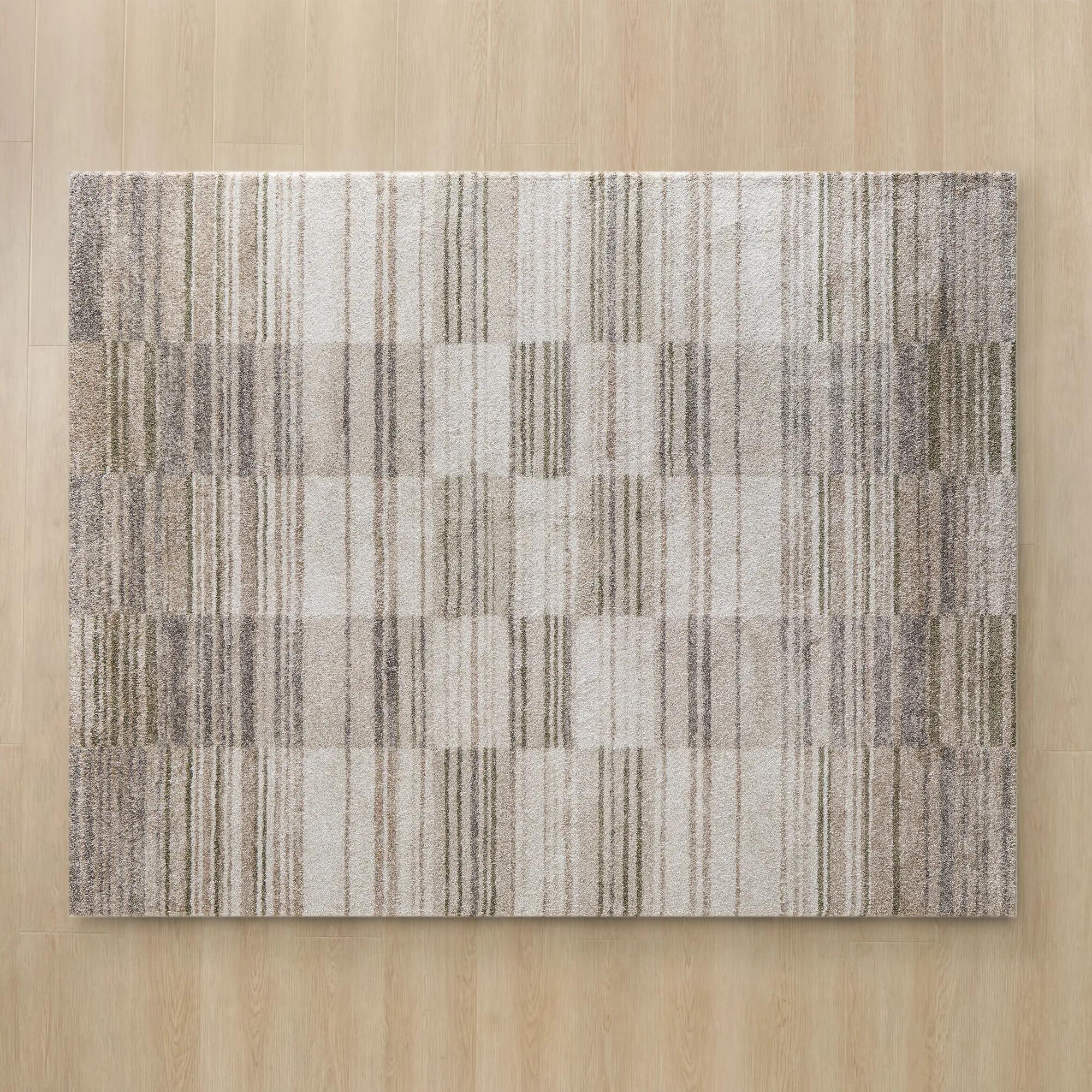 Checka Grey/Tan/Ivory/Soft Green Performance Power Loomed Rug$399
A plush, power-loomed rug featuring a soft check pattern in grey, tan, ivory, and green.
Add To Cart -

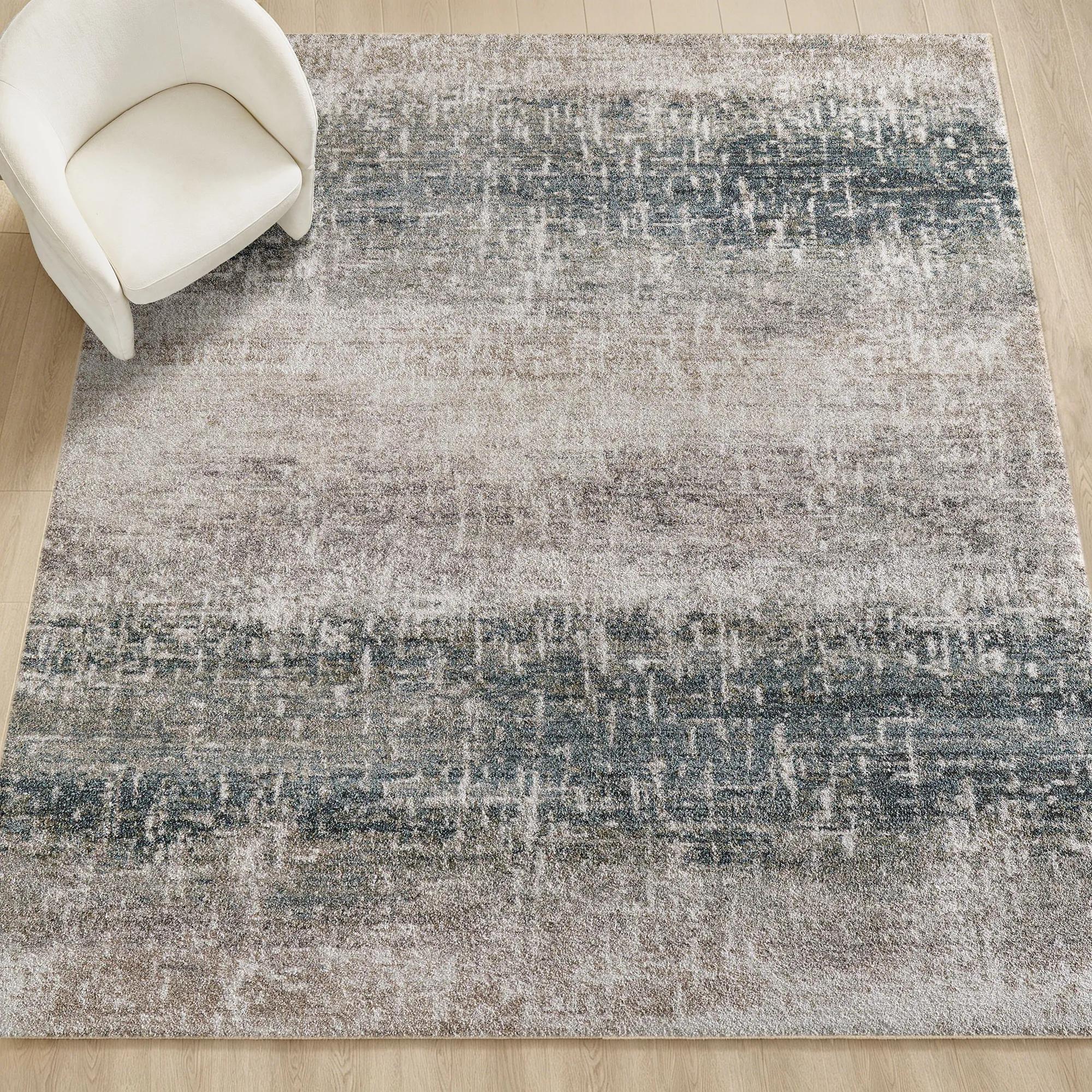
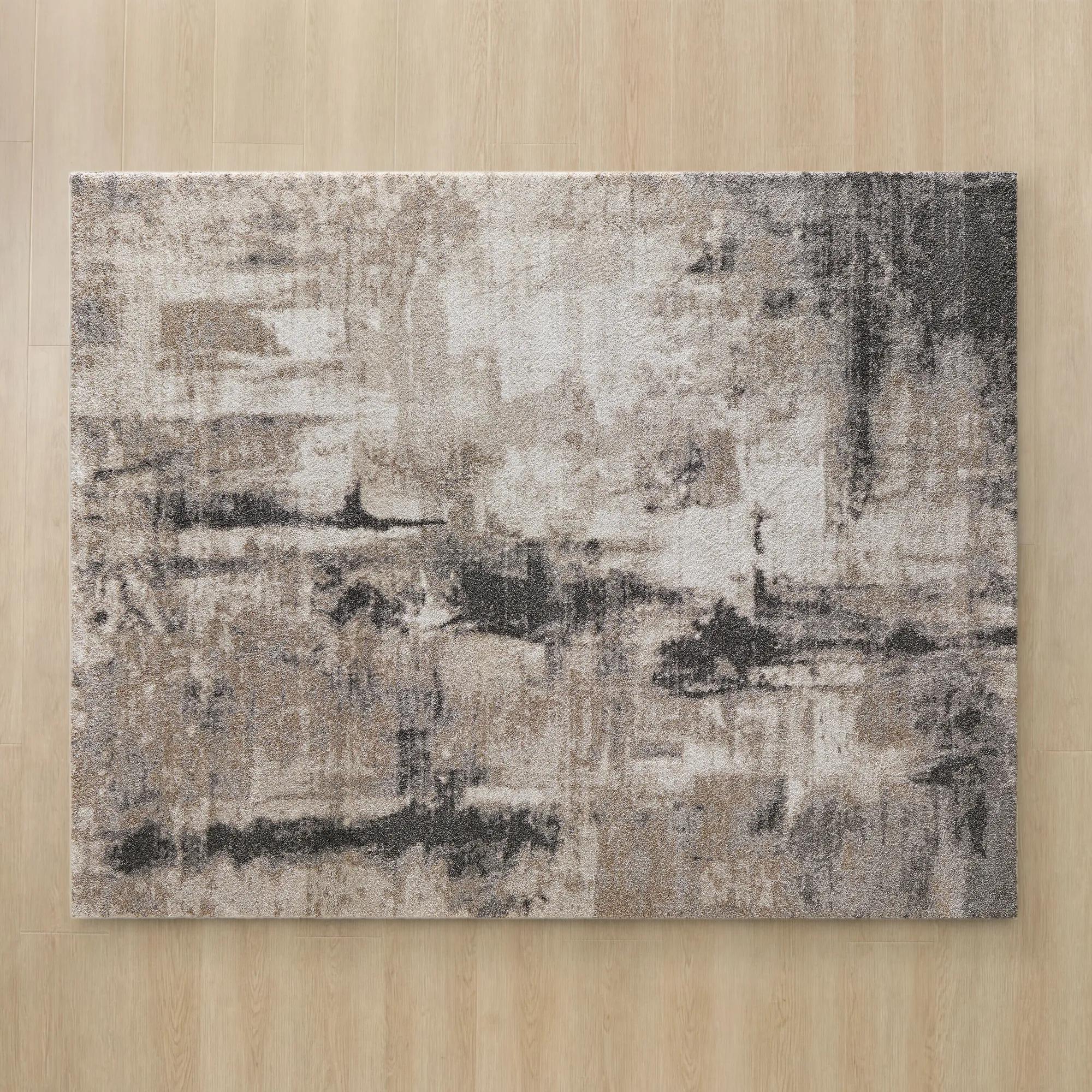 Atlas Abstract Grey/Taupe/Ivory/Charcoal Performance Power Loomed Rug$399
An abstract rug in grey, taupe, ivory, and charcoal with a plush, stain-resistant polypropylene blend.
Add To Cart -
 Juni Hand Woven Heathered Warm Beige Round Rug$1399
A handwoven round wool rug in heathered warm beige, offering refined texture and everyday durability.
Add To Cart -
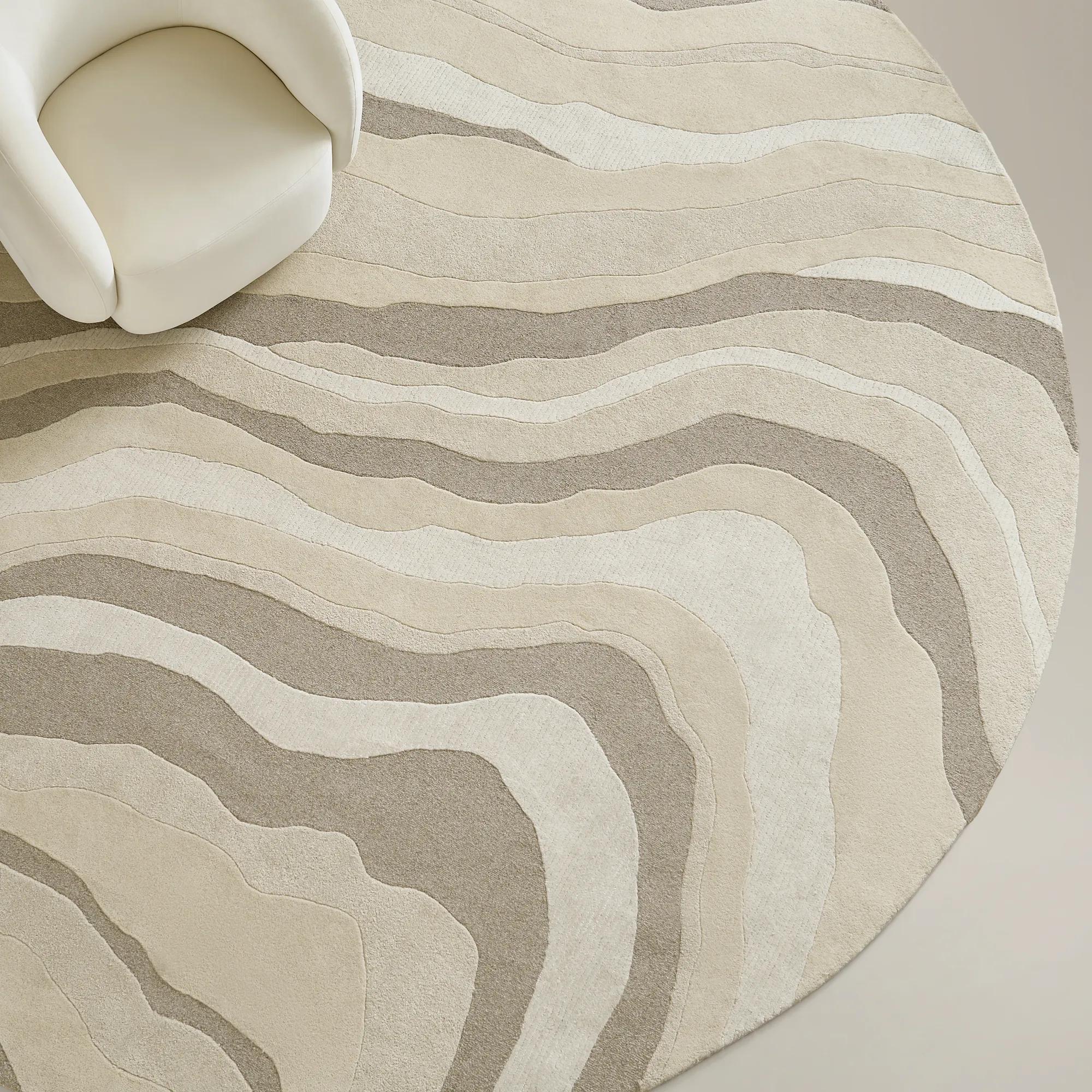 Kadence Hand-Tufted White/Ivory/Tan Wool Round Rug 12"$1799
A hand-tufted round rug in white, ivory, and tan, crafted from 100% wool for natural warmth.
Add To Cart -

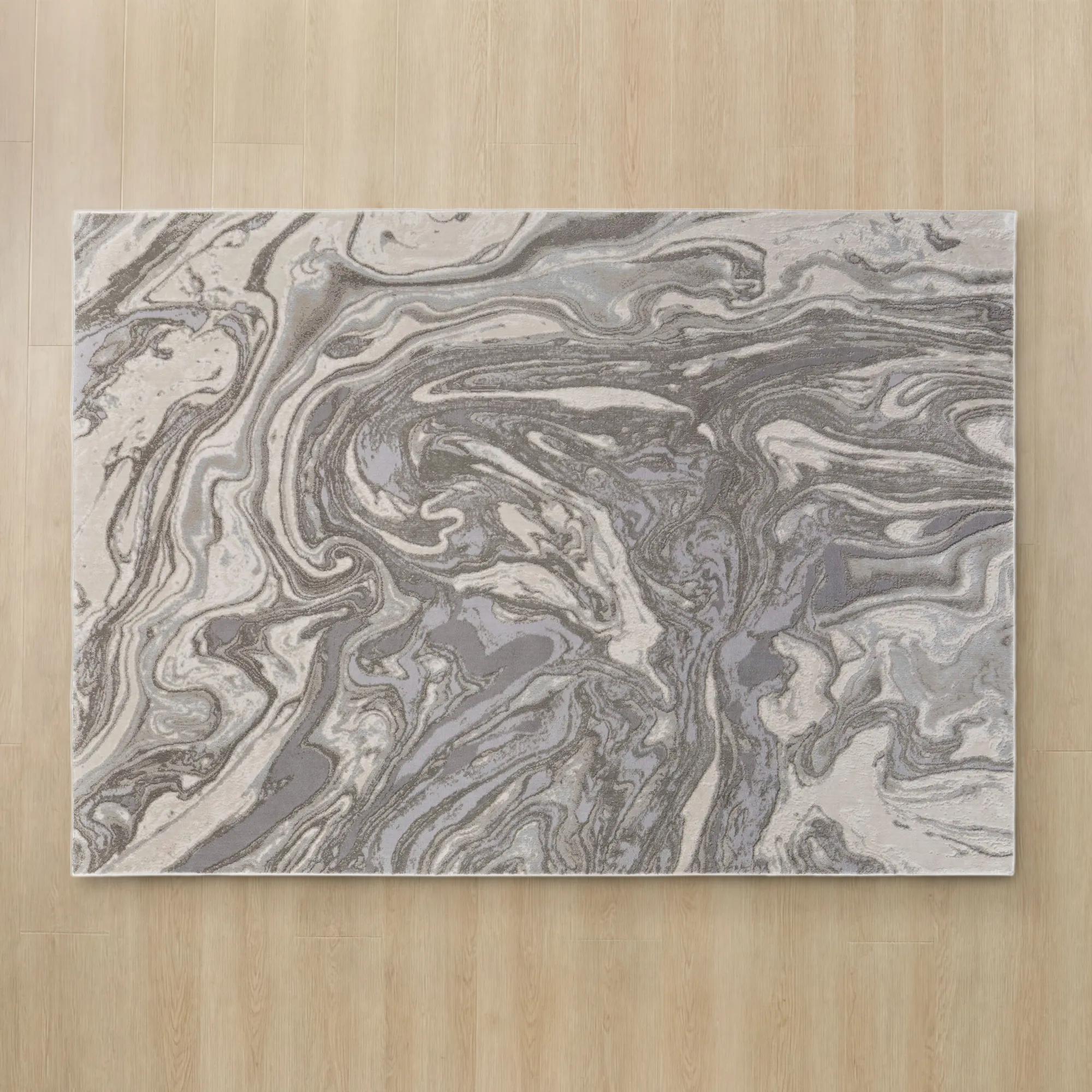 Marbre Marbled Grey/Taupe/Powder Blue Performance Power Loomed Rug$379
A softly marbled rug in grey, taupe, and powder blue with a textured, stain-resistant polypropylene blend.
Add To Cart -
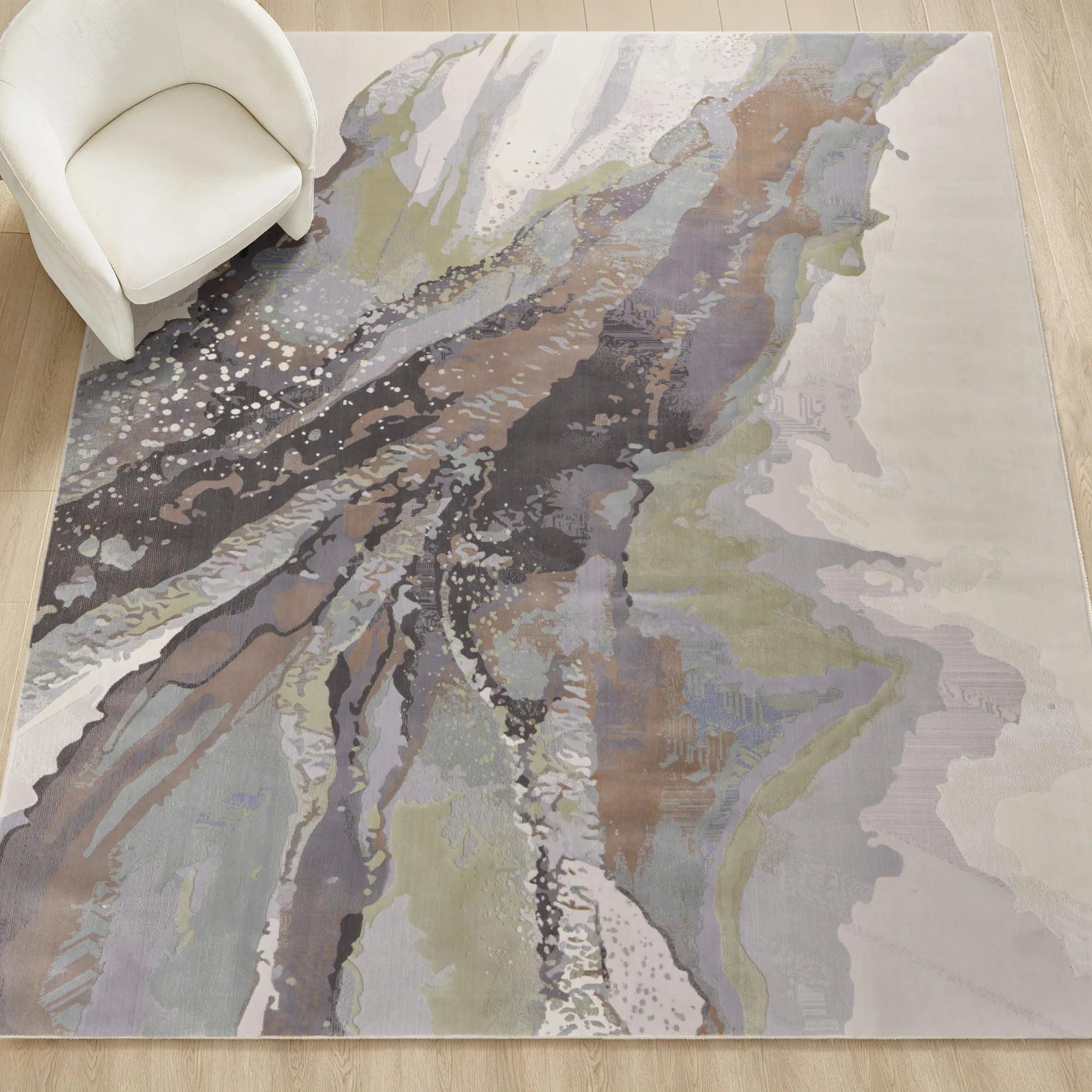
 Alarion Abstract Grey/Muted Blue/Ivory Performance Power Loomed Rug$379
A power-loomed rug featuring a grey, muted blue, and ivory abstract pattern with stain-resistant durability.
Add To Cart -
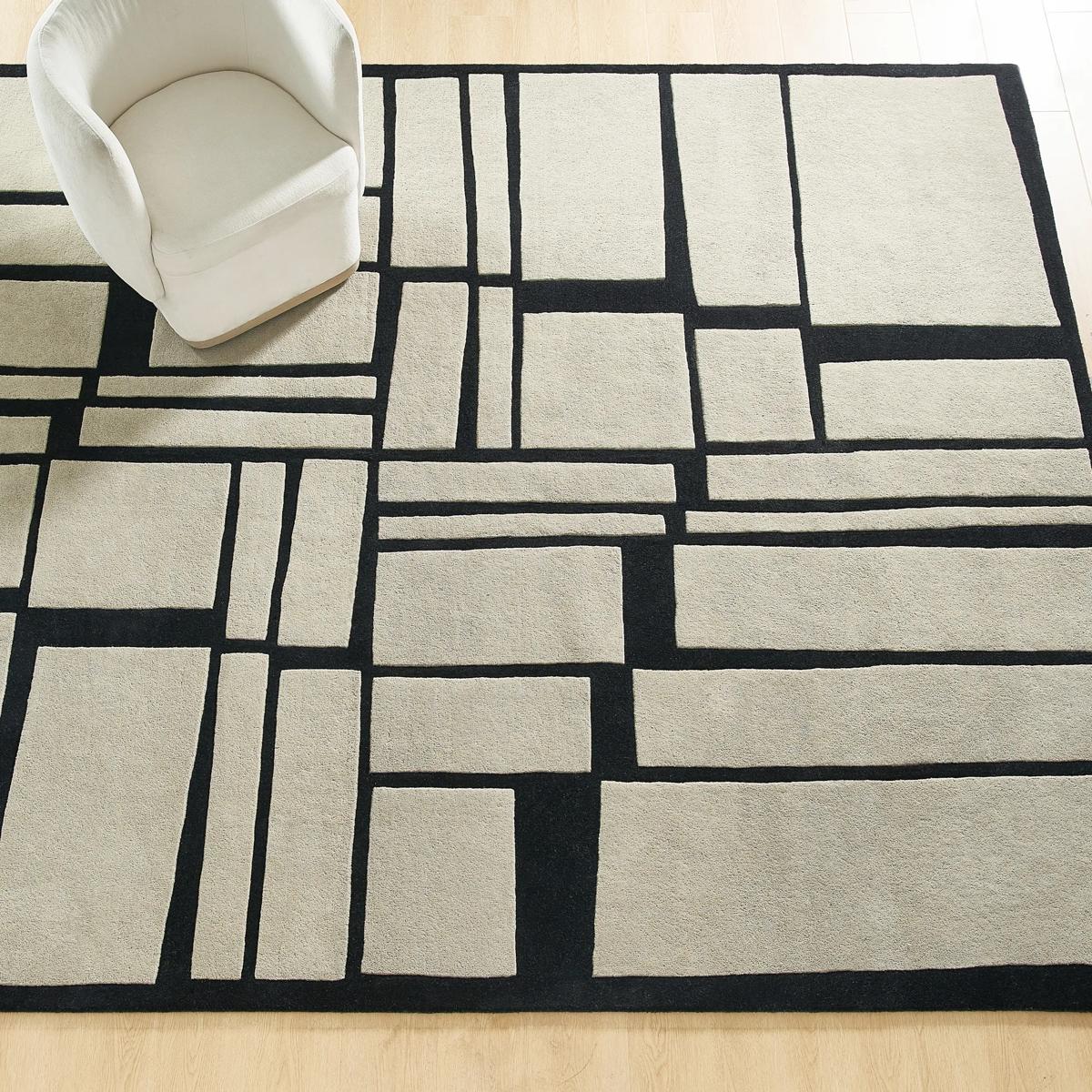 Novak Hand-Tufted Natural/Black Wool Rug$449
A hand-tufted wool rug featuring a bold black and natural grid design for modern visual impact.
Add To Cart -
 Juni Hand Woven Heathered Black Rug$799
A handwoven round wool rug in heathered black, offering durable texture and moody, contemporary style.
Add To Cart -
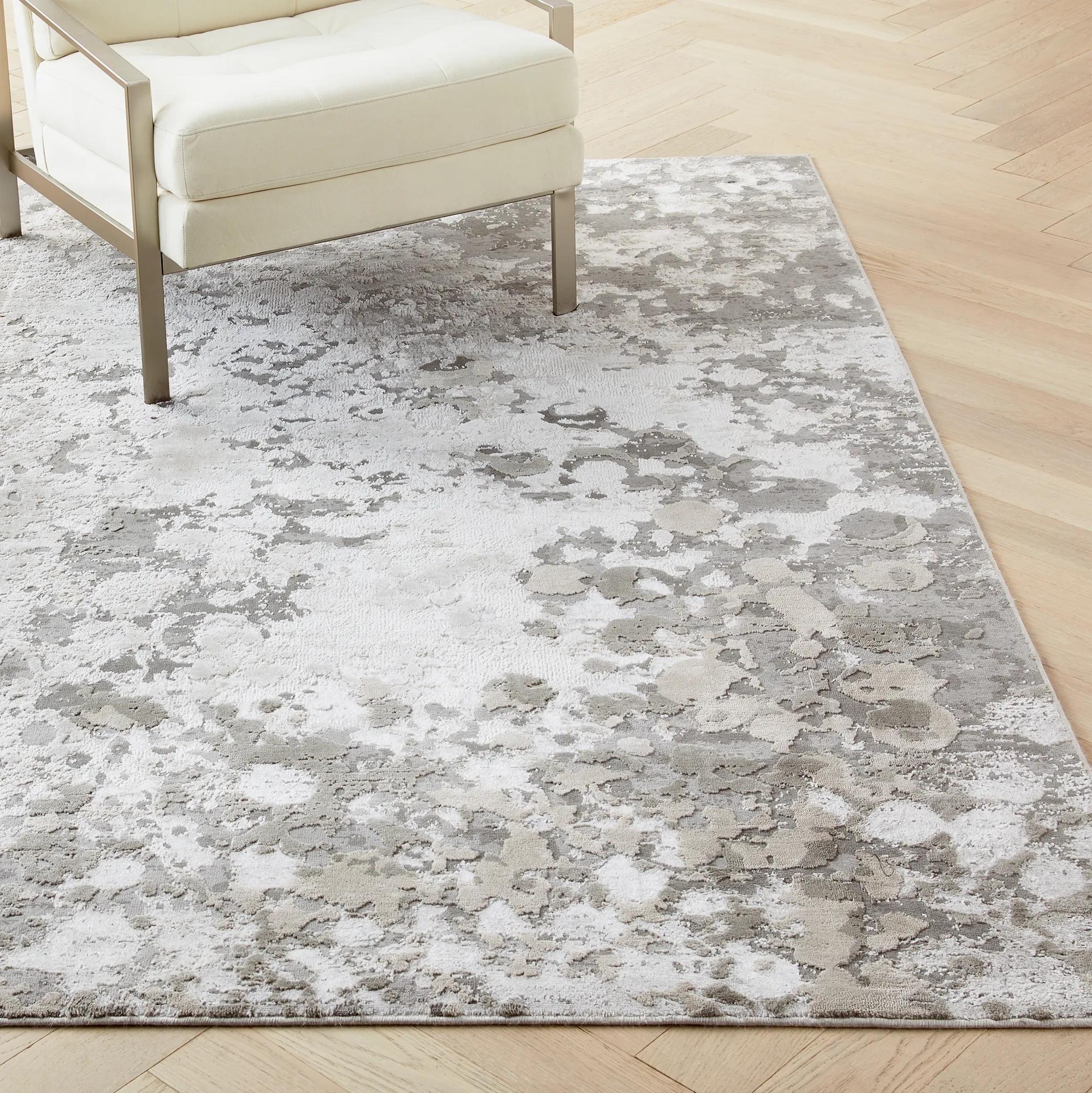 Mercury Power-Loomed Silver/Grey/Beige Rug$1649
A textured rug in silver, grey, and beige crafted from polyester, polypropylene, jute, and cotton.
Add To Cart -
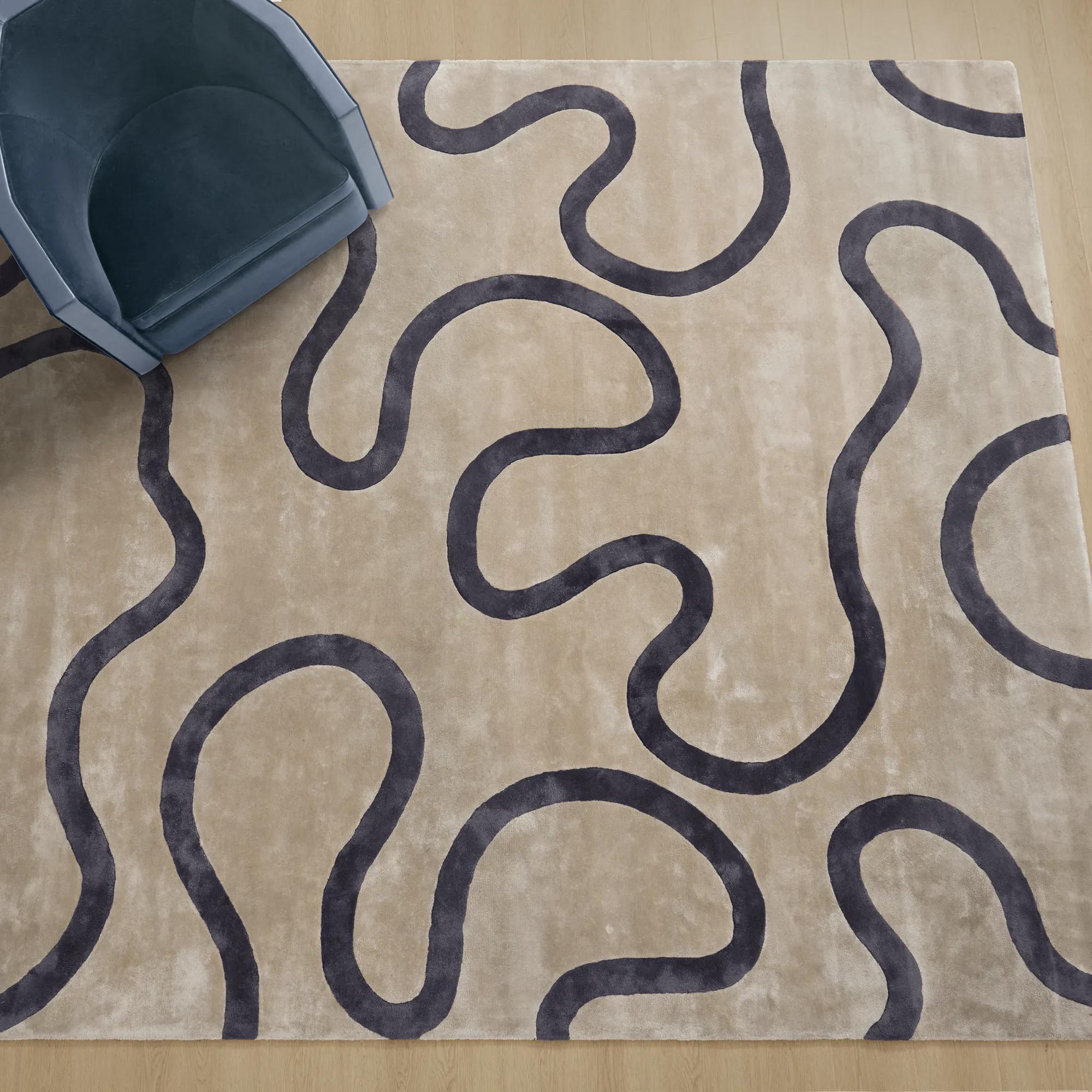 Seraphine Hand-Tufted Smoked Pearl/Taupe Viscose Loop Rugs$1799
A hand-tufted viscose rug in smoked pearl and taupe with bold Deco-inspired loop patterns and subtle sheen.
Add To Cart -
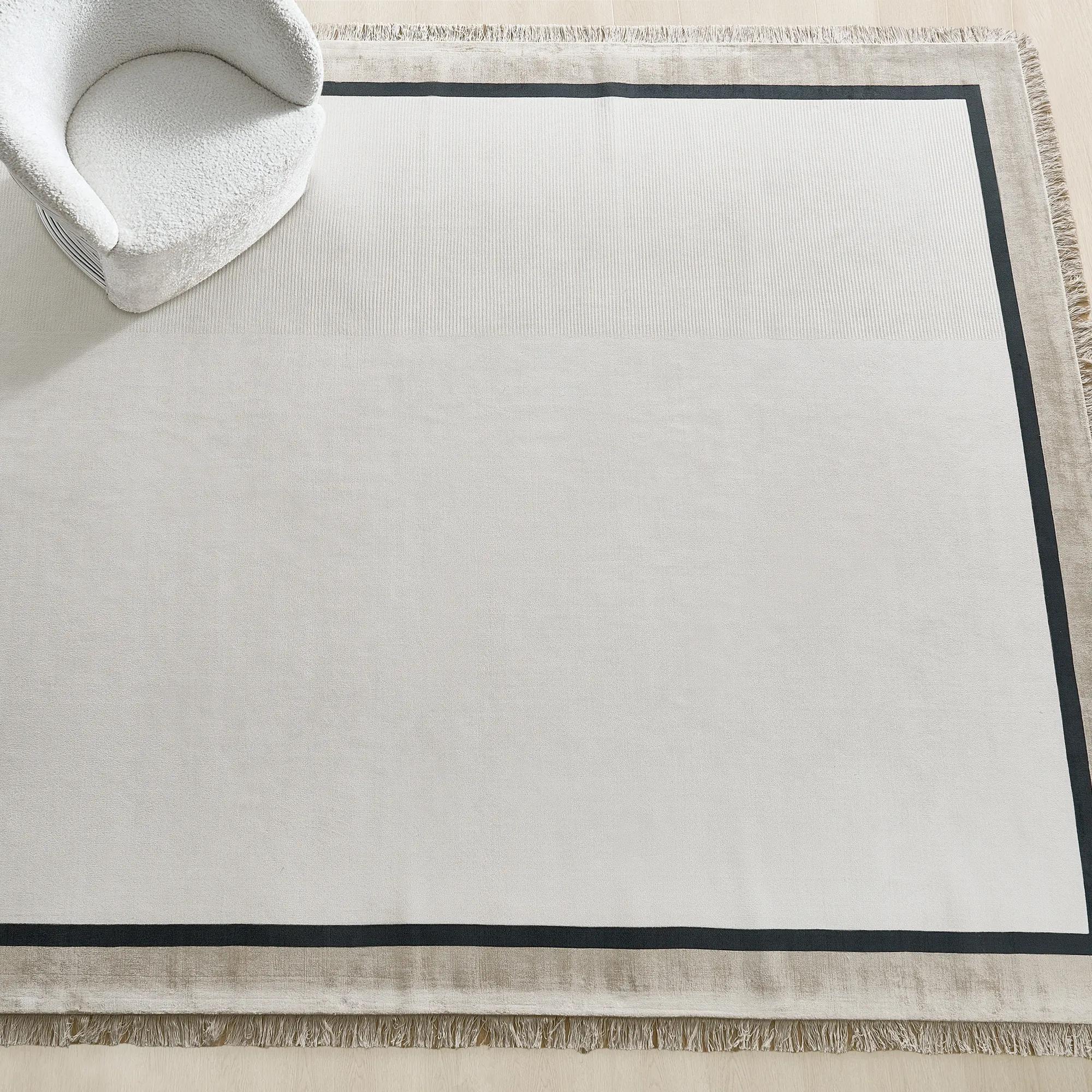 Fiona Hand-Tufted Ivory/Beige/Black Border Fringe Rug$1099
A hand-tufted ivory, beige, and black rug featuring a framed border and decorative fringe.
Add To Cart -
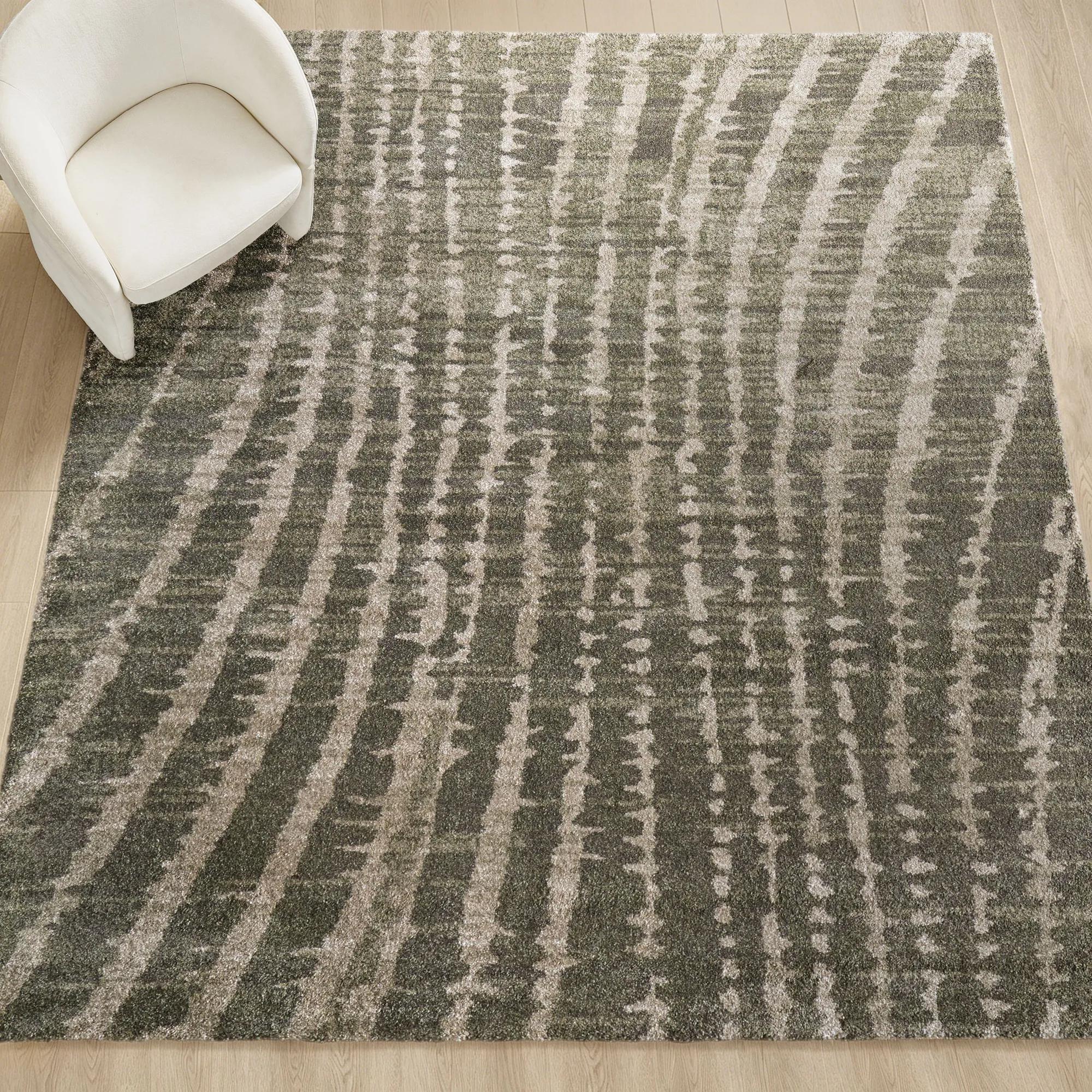
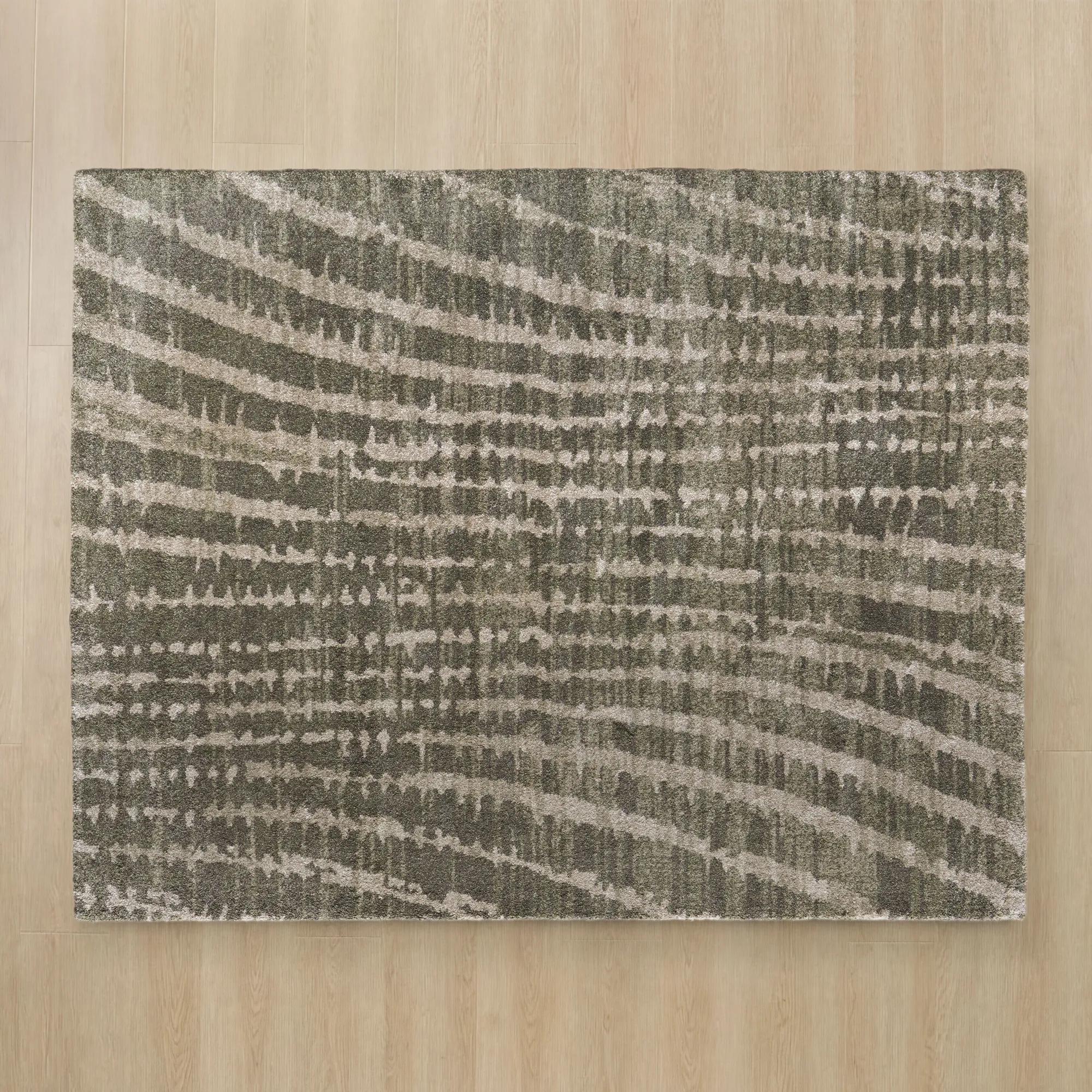 Tempo Green/Grey/Beige Performance Power Loomed Rug$399
An abstract charcoal grey and beige rug with plush cut pile and durable, stain-resistant polypropylene-polyester blend.
Add To Cart -
 Nautilus Power-Loomed Silver/Grey/Natural Rug$449
A machine-woven ivory rug featuring subtle tree ring-inspired patterns in durable polypropylene and viscose.
Add To Cart -

 Tide Power-Loomed Beige/Gold/Ivory Rug$449
A machine-made rug in beige and gold, crafted from ultra-soft polyester and polypropylene for elegant appeal.
Add To Cart -
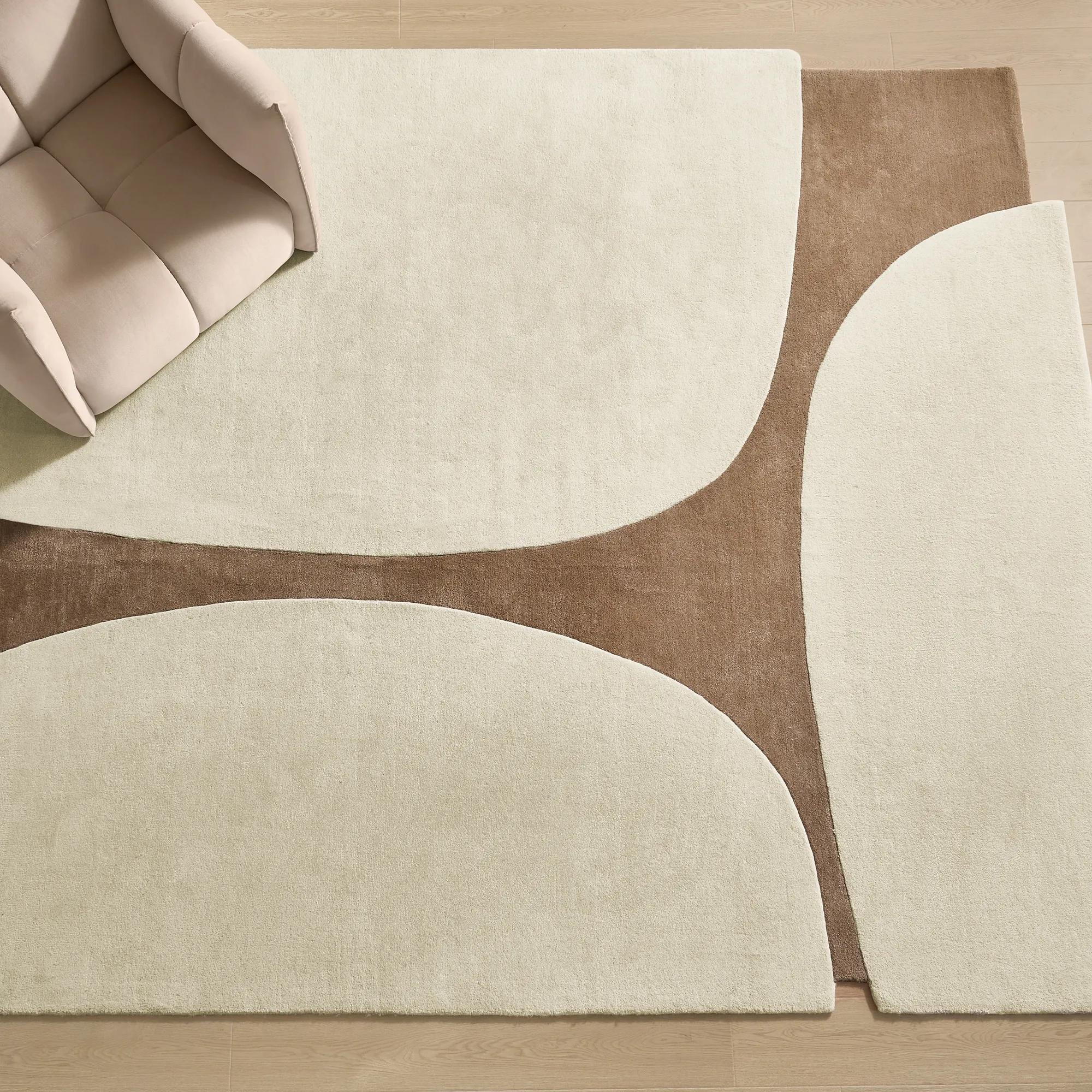
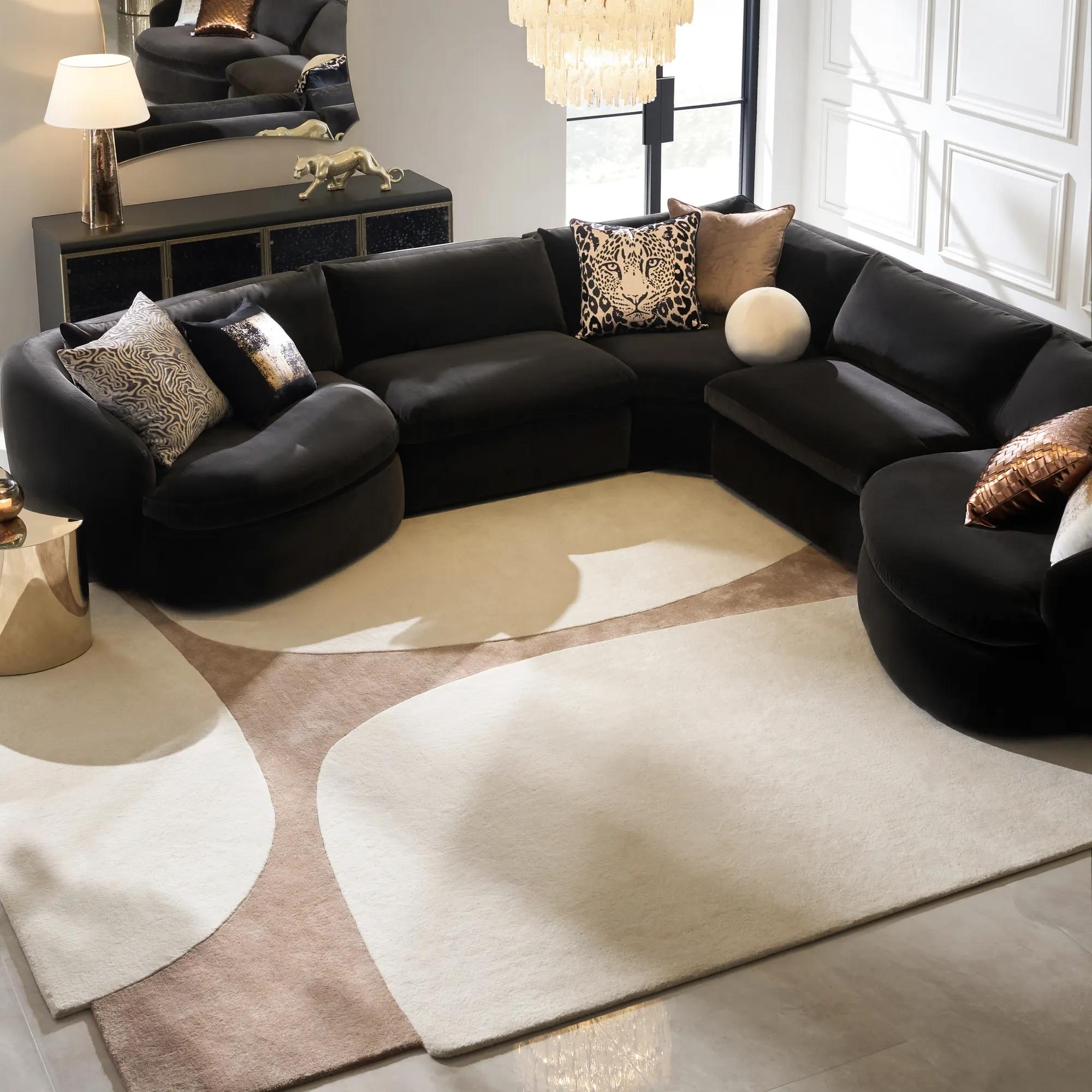 Contour Hand-Tufted Ivory/Ginger Root Wool Blend Rug$499
A hand-tufted wool rug blending ivory and ginger root tones for textured, modern warmth.
Add To Cart -
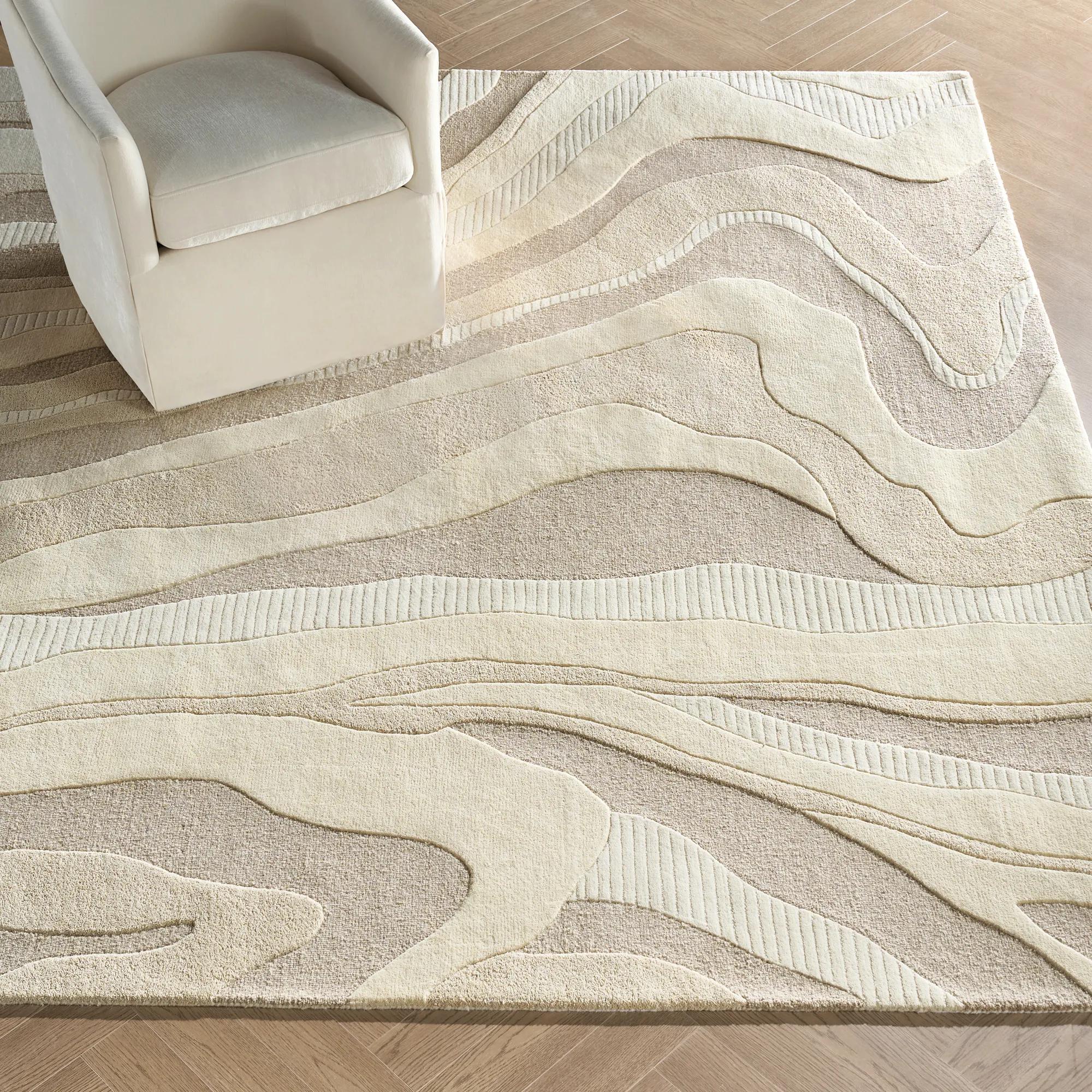 Kadence Hand-Tufted Ivory/Tan Wool Rug$499
A hand-tufted wool rug featuring a multi-textured swirl design in ivory and tan for elegant depth.
Add To Cart -
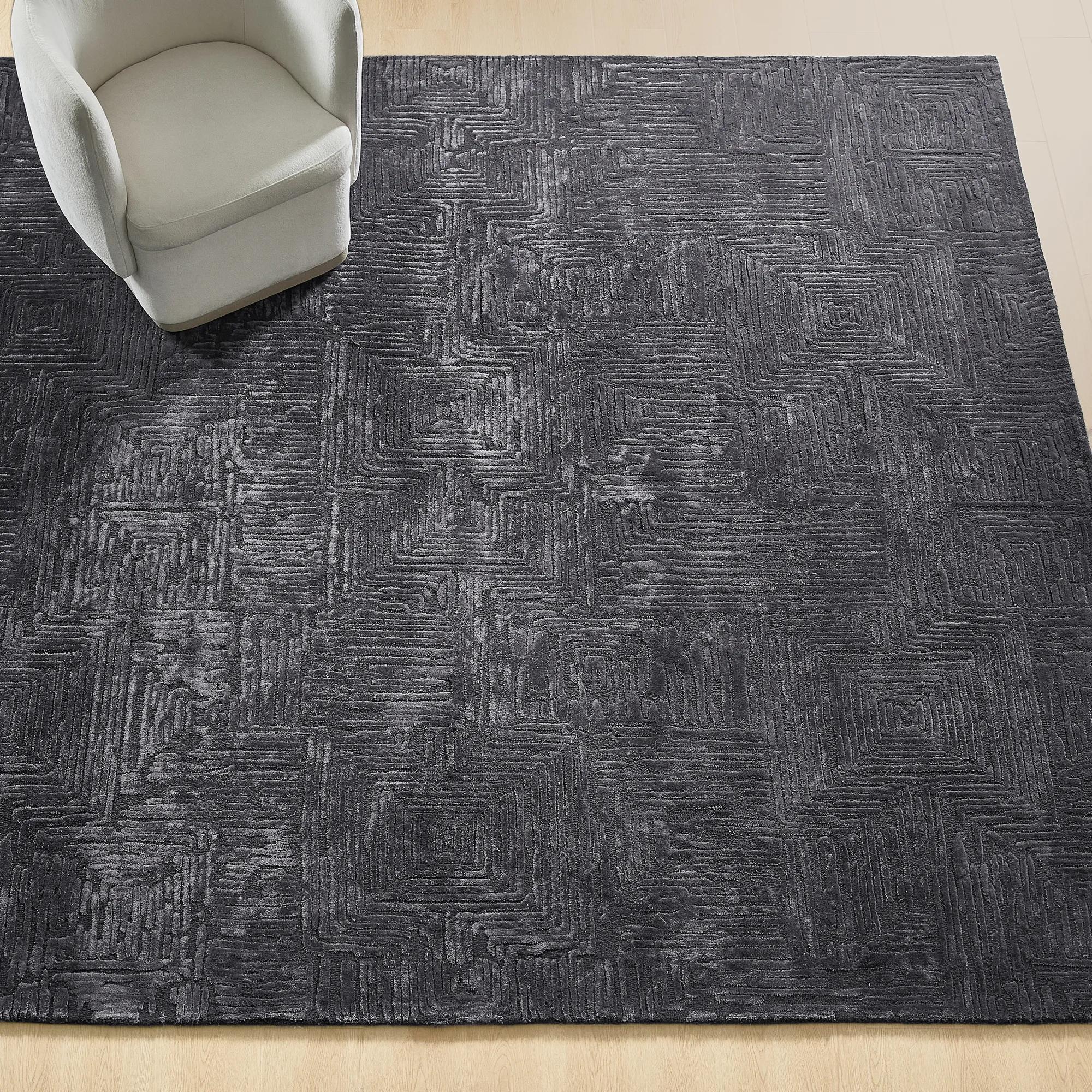
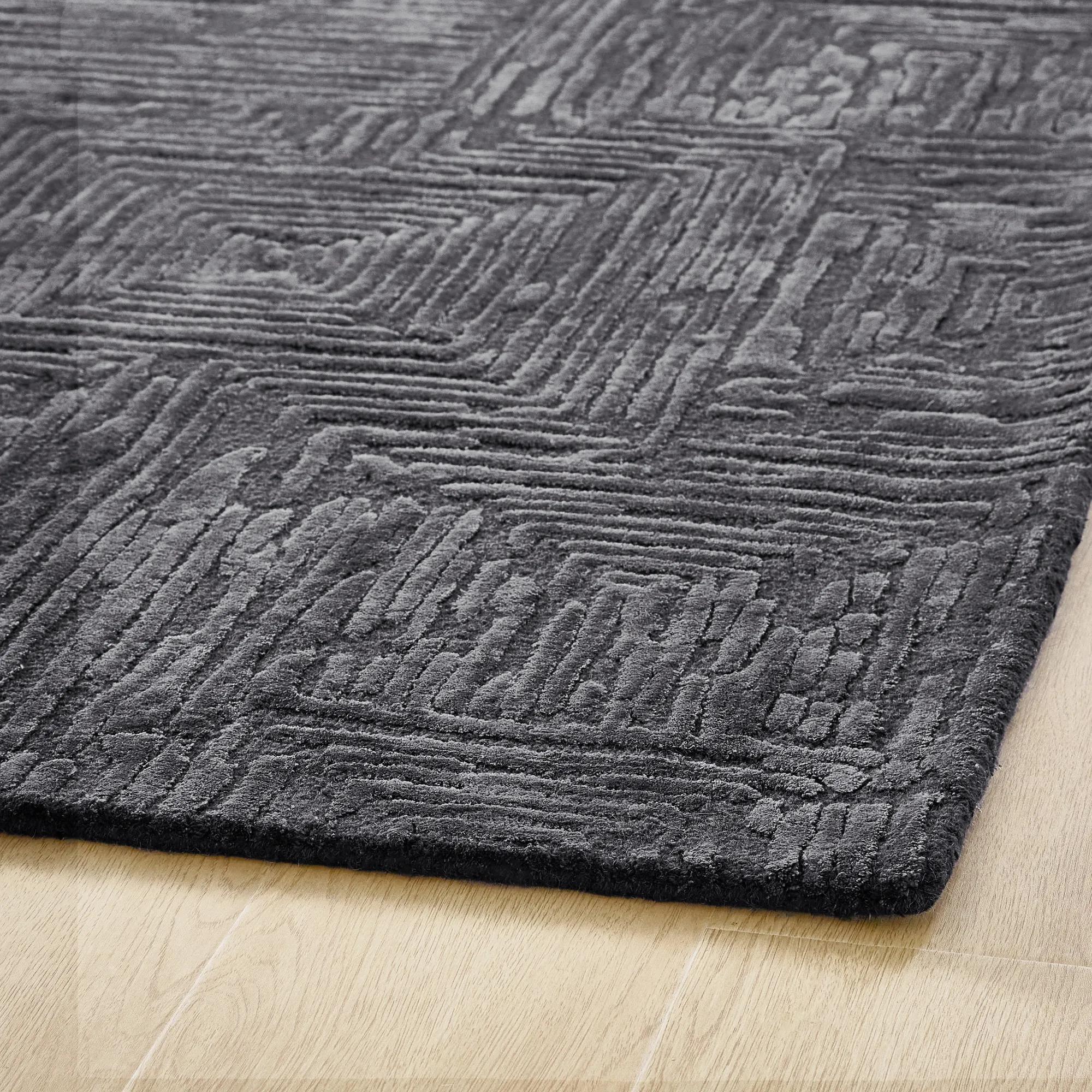 Andra Charcoal Hand-Tufted Wool Blend Dimensional Rug$1499
A hand-tufted viscose-wool rug in rich charcoal with a sculptural, dimensional pattern and plush texture.
Add To Cart -
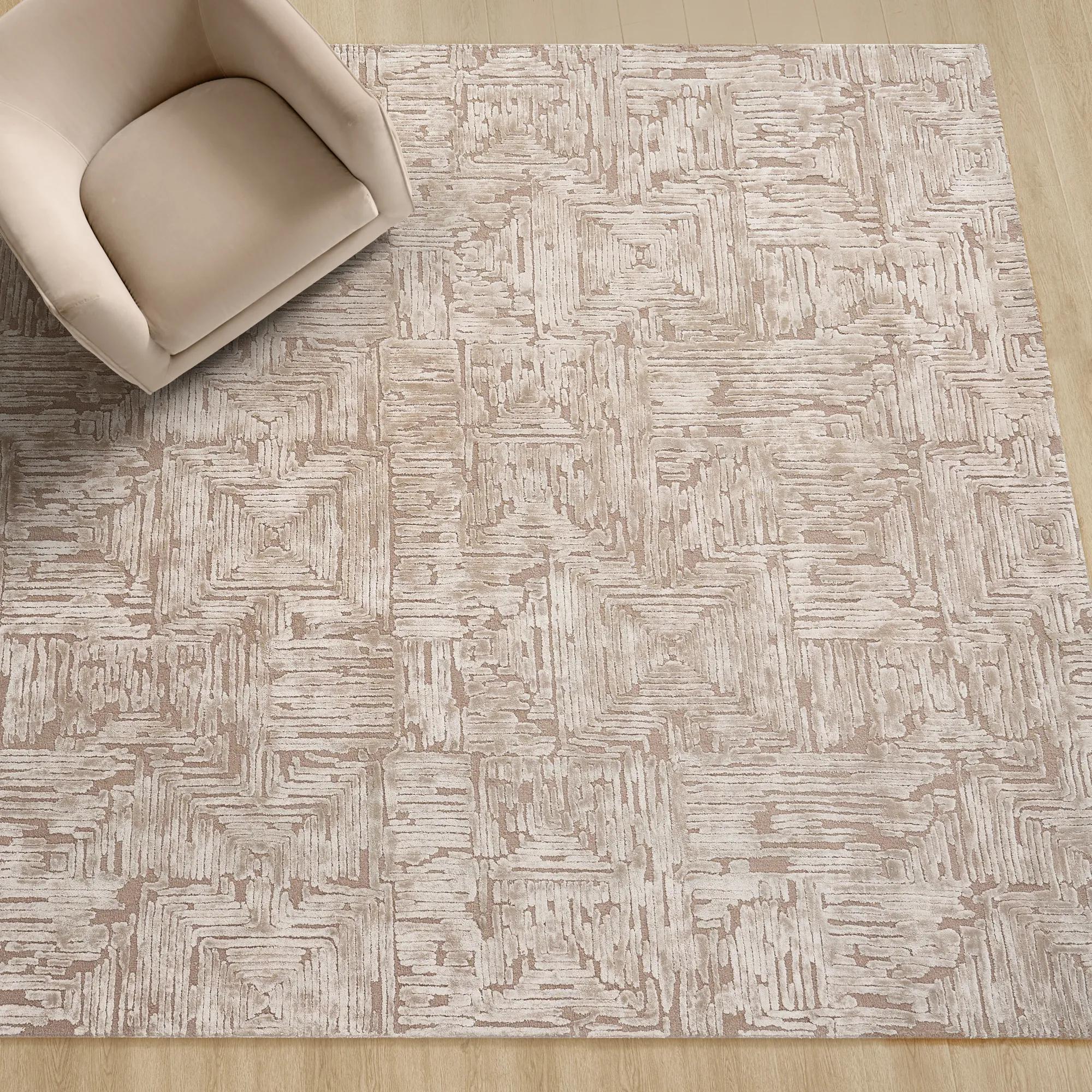
 Carved Maze Ivory Hand-Loomed Wool Blend Rug$1399
A hand-loomed ivory wool-blend rug featuring a carved maze pattern for modern textural appeal.
Add To Cart -
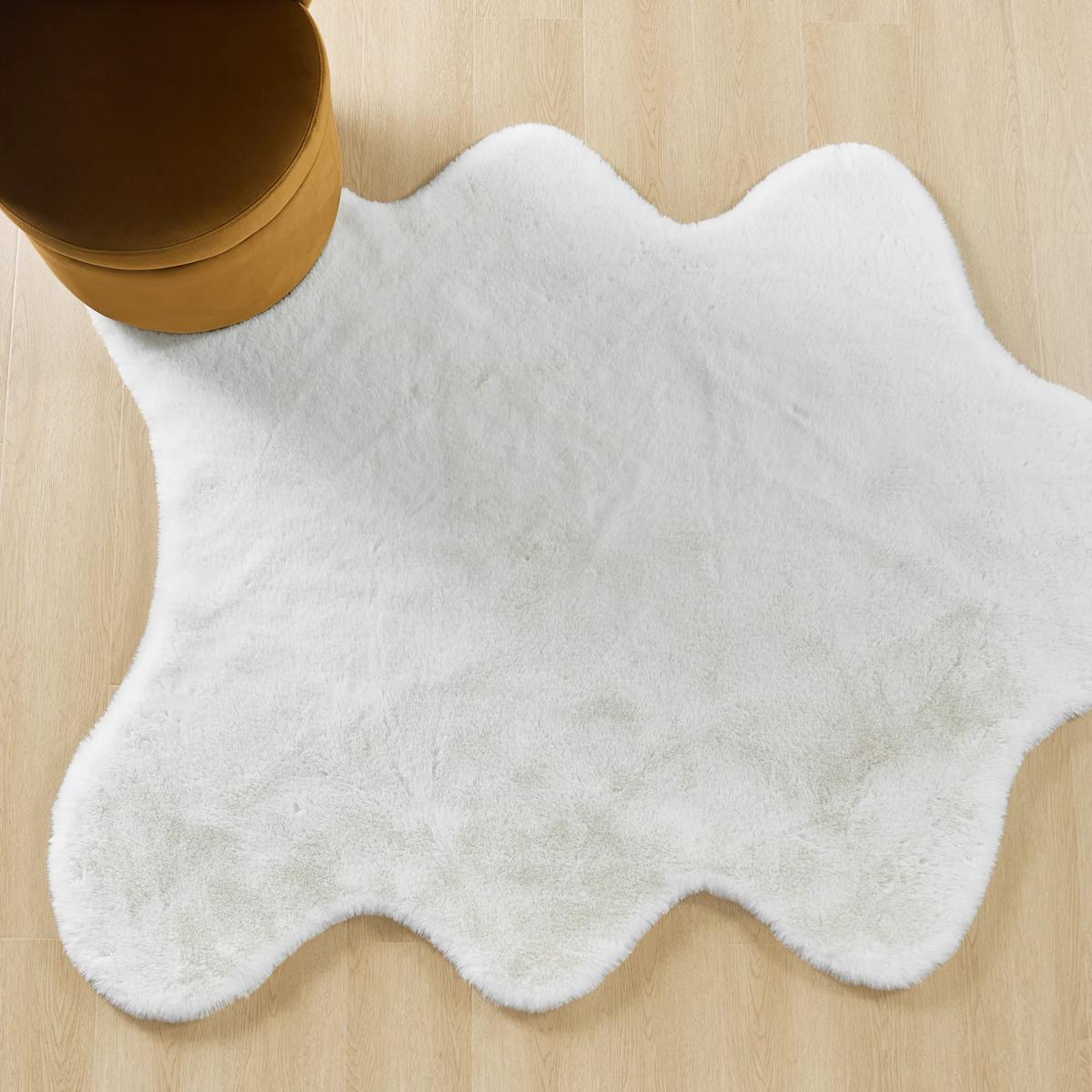
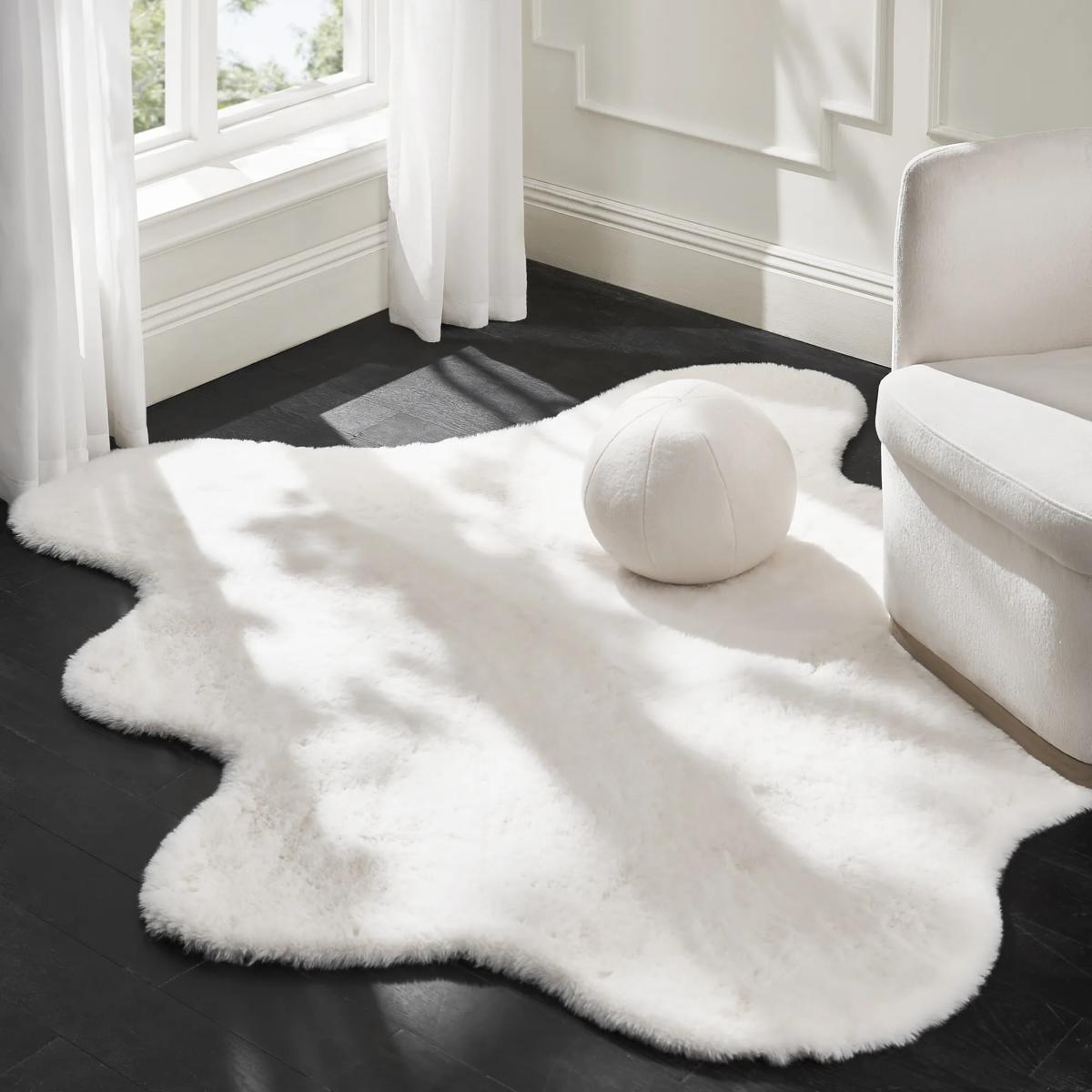 Odin Faux Fur White Shaped Rug 5' x 6'$249
A plush, cloud-shaped white rug with ultra-soft polyester pile and a practical non-slip backing.
Add To Cart -

 Nola Hand-Tufted Cool Grey Wool Blend Rug$849
A hand-tufted silver rug with contrasting pile heights, crafted from wool and viscose for plush texture.
Add To Cart -
 Andra Ivory Hand-Tufted Wool Blend Dimensional Rug$1499
A hand-tufted ivory rug in a viscose-wool blend with raised detailing and a subtle sheen.
Add To Cart -
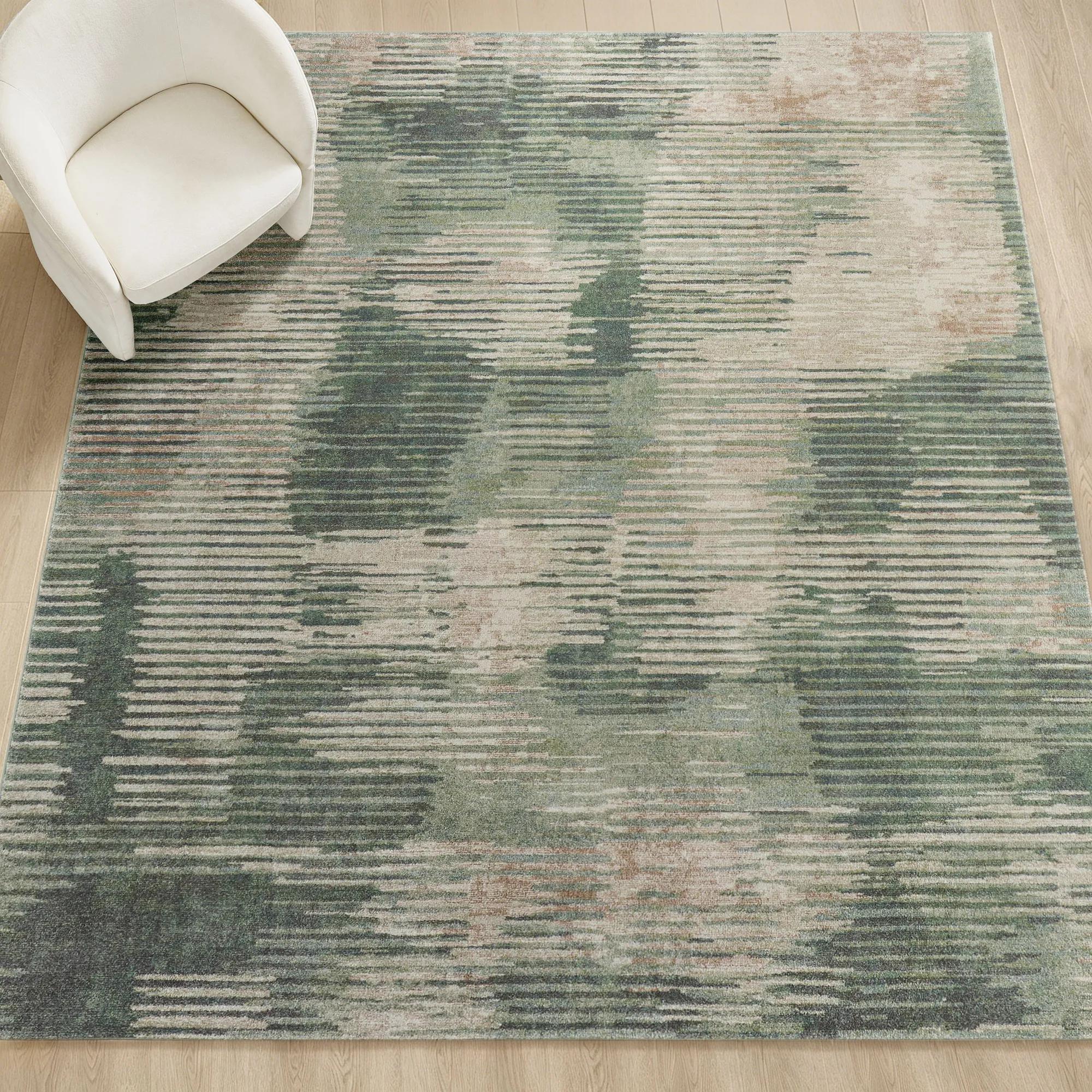
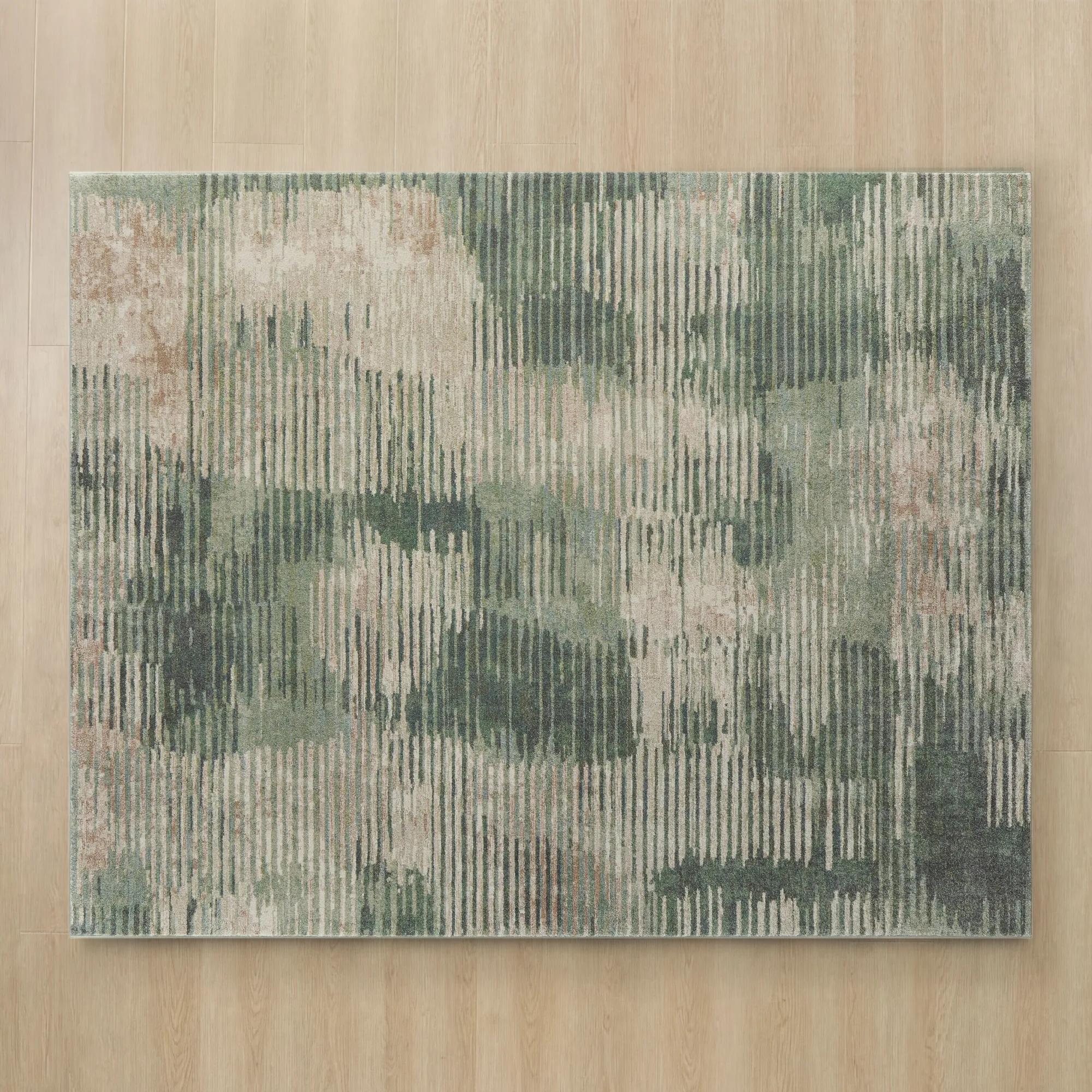 Sylvan Green/Beige Power Loomed Rug$689
A contemporary rug featuring a smoked olive green and beige organic pattern with a soft, power-loomed polypropylene pile.
Add To Cart -
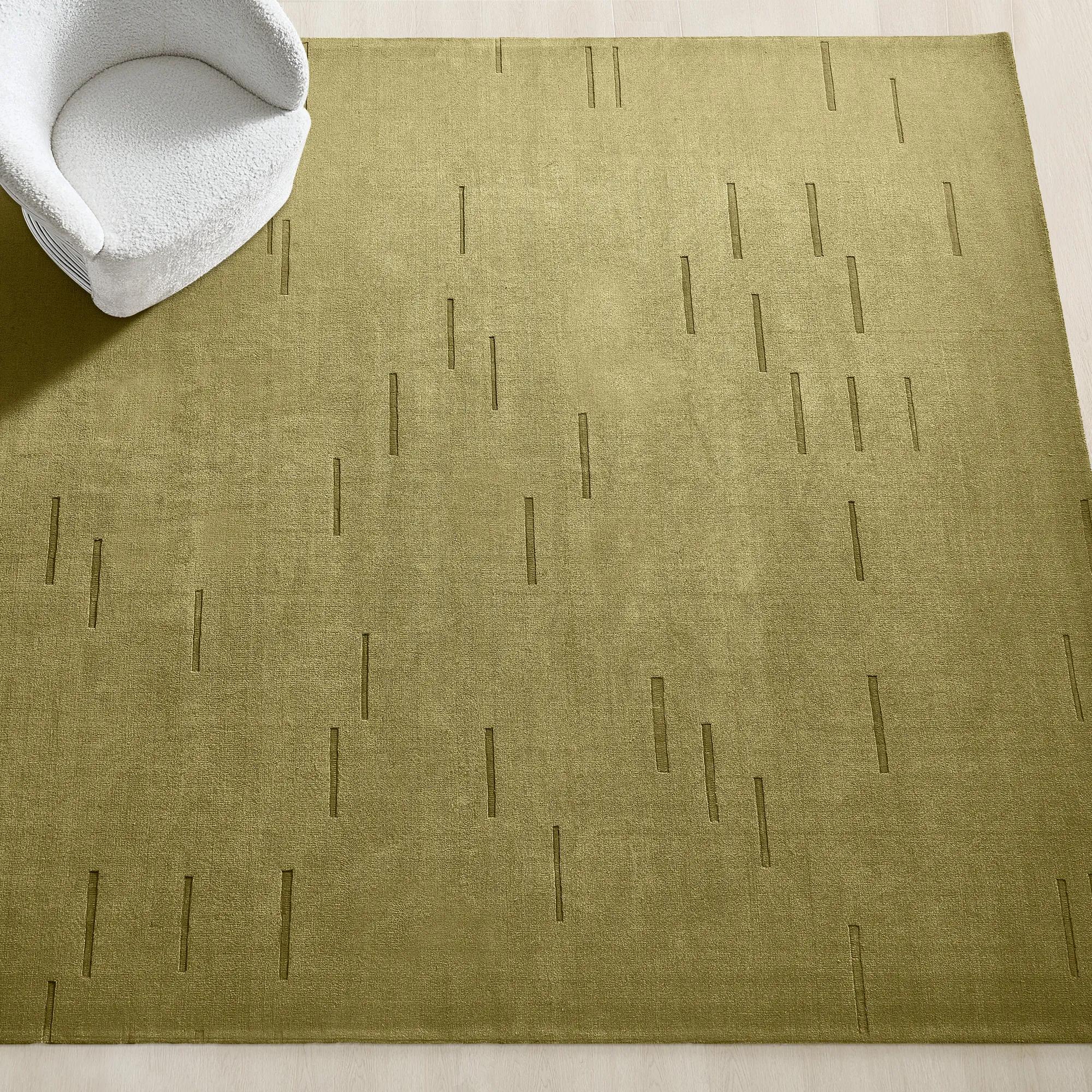
 Lamita Muted Olive Green Wool Blend Rug$1299
A muted olive green wool-blend rug adding soft texture and understated warmth to modern interiors.
Add To Cart -
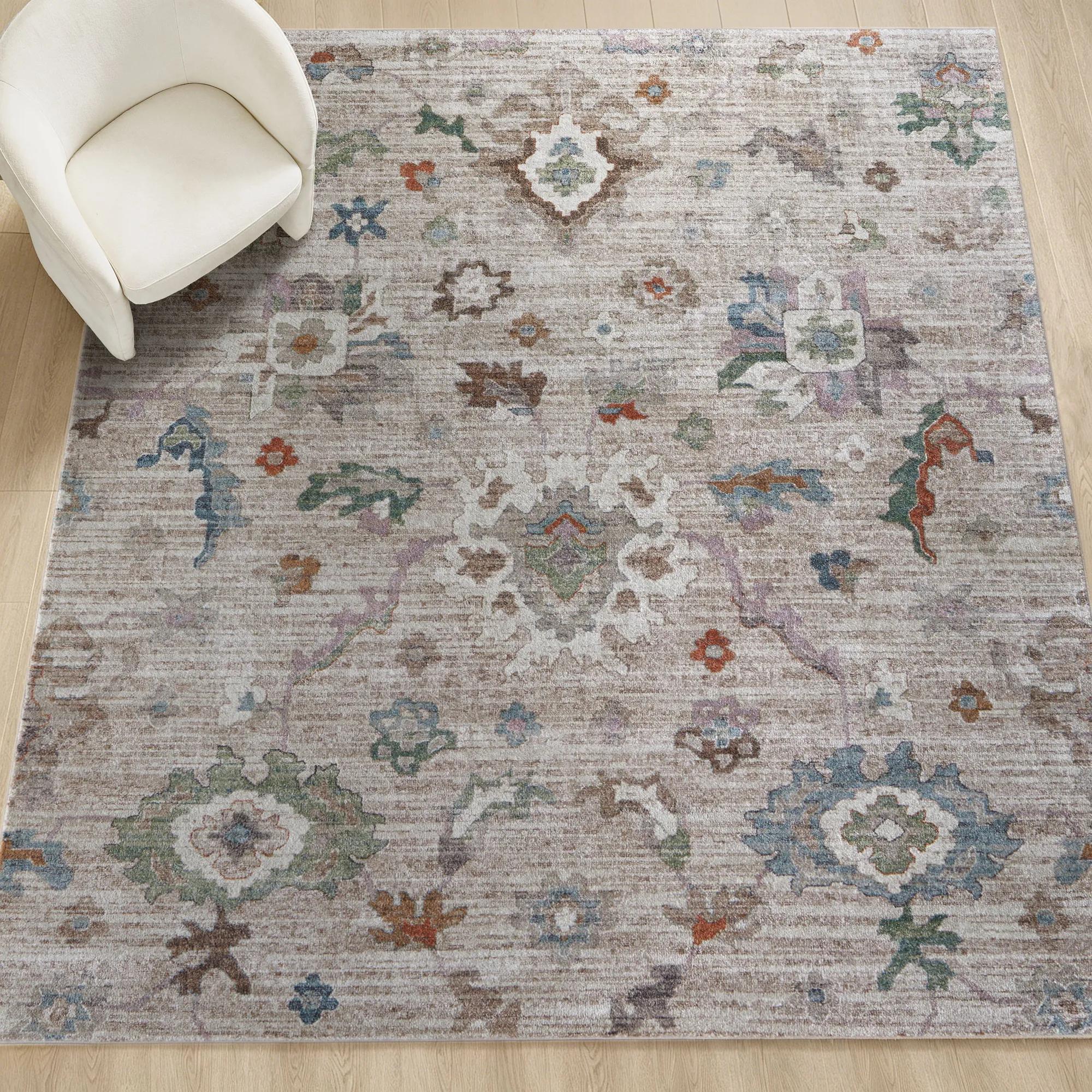
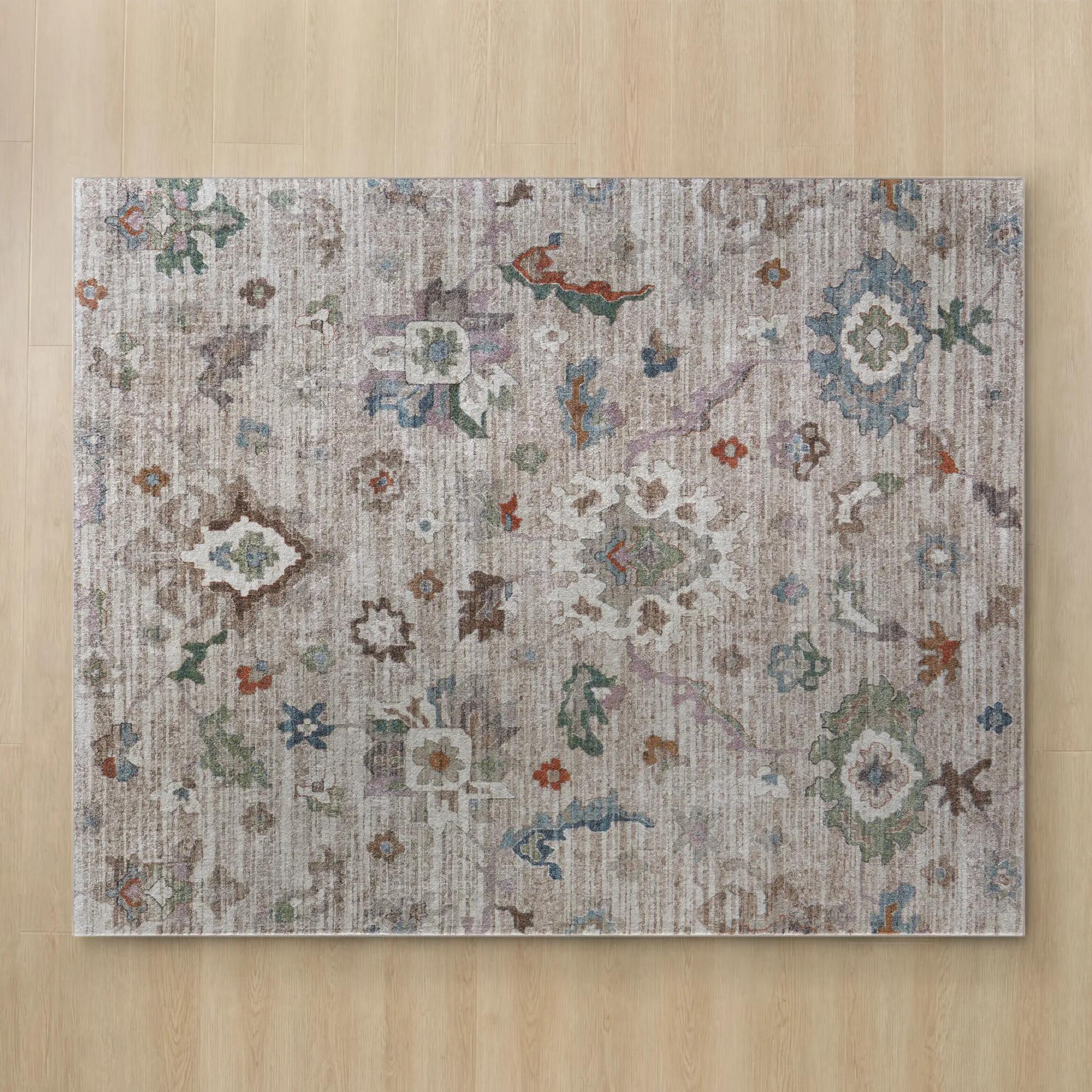 Ariella Floral Taupe/Ivory/Beige/Blue/Green Performance Power Loomed Rug$1499
A Persian-inspired rug in taupe, ivory, beige, blue, and green with a plush, power-loomed polypropylene pile.
Add To Cart

Easy To Style Neutral Rugs
Effortlessly chic and endlessly versatile, easy to style neutral rugs are the secret to a room that radiates understated elegance. These sophisticated foundations invite you to layer, play, and reimagine your space with every season—seamlessly blending with bold statements or quietly anchoring a serene retreat. From sunlit living rooms to intimate bedrooms, each rug sets the stage for artistry in motion, allowing your unique vision to flourish. Discover how easy to style neutral rugs can transform any setting into a masterpiece of balance and beauty.
Easy-to-style neutral rugs anchor a room with understated color, allowing furniture, art, and decorative accents to command attention. Shades of ivory, cream, beige, taupe, gray, and greige create a versatile foundation, while texture and pattern give that foundation its own distinctive presence. A warm oatmeal rug can soften the contrast between a dark sofa and a pale floor; a silvery gray design can echo polished metal accents without competing with a dramatic chandelier. The most compelling neutral palettes have nuance: flecks of charcoal, tonal striations, raised motifs, or softly shaded borders that reveal themselves as the eye moves across the room. These details bring dimension to a restrained color scheme and prevent a spacious seating area from feeling visually unfinished. Neutral area rugs work particularly well in interiors with expressive art, sculptural tables, richly upholstered seating, or mixed finishes because they establish a connection among pieces that might otherwise feel unrelated. They are equally effective in a tonal room, where an ivory rug beneath a cream sofa creates depth through differences in weave, sheen, and surface rather than strong color contrast. For a foundation with gentle visual movement, Soft Neutral Pattern Rugs introduce subtle motifs that complement both tailored furnishings and more expressive silhouettes. Color undertones make a meaningful difference: beige with a golden cast often feels harmonious beside warm wood and brass, while cooler gray can complement chrome, glass, and crisp white upholstery. Greige bridges warm and cool elements, making it useful in rooms that combine several finishes. Existing flooring also influences the effect. A pale rug stands out against dark hardwood, while a slightly deeper neutral can define a seating arrangement on light flooring. For someone refreshing an established room, this versatility offers room to change pillows, artwork, or accent furniture while keeping the larger composition cohesive. The rug becomes a deliberate part of the design, not simply a background surface.
Scale, shape, and construction determine how beautifully a neutral rug serves its space. In a living room, a generously proportioned area rug can connect a sofa, accent chairs, and a coffee table into one inviting arrangement. Positioning at least the front legs of the main seating pieces on the rug usually creates a stronger visual relationship than placing a small rug beneath the coffee table alone. Common dimensions such as 8 by 10 feet or 9 by 12 feet offer useful starting points, but the room’s measurements and furniture layout matter more than a standard size. A rug should support the intended seating area without obstructing doors or stretching awkwardly into adjacent walkways. In a dining room, enough coverage for chairs to remain on the rug when pulled out helps preserve both comfort and a polished appearance; allowing approximately 24 to 30 inches beyond the tabletop on each side is a practical starting point, subject to chair size and available space. A bedroom rug can frame the bed and provide a soft landing beside it, while a runner brings definition to a hallway or narrow entry. Round rugs can emphasize a curved table or soften an angular seating nook. Materials contribute another layer of character. Wool offers natural resilience and a substantial feel underfoot, with texture that can lend richness to even the simplest palette. Cotton can provide a lighter, more relaxed surface, although cleaning requirements depend on construction and backing. Synthetic fibers such as polypropylene and polyester are common choices for everyday areas because many offer practical resistance to wear or staining, depending on their treatment and weave. Viscose and other lustrous fibers can produce a luminous surface, but they often require more careful handling around moisture and spills. Low-pile and flatwoven rugs generally accommodate moving chairs and frequent foot traffic more readily, while a deeper pile creates a plush impression in lounging spaces. Hand-knotted, hand-tufted, and machine-made constructions can differ in density, backing, shedding, and maintenance needs, so those details deserve consideration alongside color. The right balance lets a rug feel sumptuous without asking it to perform beyond its intended use.
Easy styling is most rewarding when the rug also suits the household’s routines. A softly mottled taupe or beige design may make minor lint and everyday marks less conspicuous than a uniform ivory field, although no neutral color eliminates the need for care. In a busy family room, a dense, lower-pile surface can offer an elegant foundation that is easier to navigate with toys, side tables, and frequently moved seating. Homes with pets may benefit from considering tightly constructed surfaces rather than prominent loops that could catch claws, along with cleaning instructions that match the realities of the space. A quieter bedroom or formal sitting area allows greater freedom to emphasize plushness, delicate texture, or a light-reflective finish. A properly sized rug pad helps cushion the surface, reduce shifting, and limit friction against the floor; the pad should be compatible with both the rug backing and the flooring beneath it. Care remains material-specific. Regular vacuuming helps remove loose grit before it settles into the pile, but suction strength and brush settings should follow the manufacturer’s recommendations, especially for fringed edges, raised textures, and delicate fibers. Spills are best addressed promptly by blotting rather than rubbing, with any cleaner tested in an inconspicuous area and used only when suitable for the fiber. A washable appearance is not the same as a machine-washable construction, so washing should be reserved for rugs explicitly labeled for that method. Professional cleaning may be appropriate for certain fibers or more substantial stains. Occasional rotation can help distribute wear, particularly where a favorite chair or a main walking route concentrates activity. These practical considerations protect the qualities that make a neutral rug so expressive: a graceful tonal pattern, a beautifully defined border, or the tactile contrast between smooth flooring and a woven surface. Whether grounding a first home, refining an established living room, or bringing cohesion to an open-plan interior, a thoughtfully selected neutral rug gives bold furnishings room to shine while adding an unmistakable layer of comfort and polish.
FAQs
Neutral rugs are celebrated for their versatility, seamlessly blending with a wide spectrum of color palettes and design aesthetics. Their understated tones—ranging from soft ivories and warm taupes to gentle greiges—create a harmonious backdrop that allows statement furniture and vibrant accents to shine. Whether your space is modern, traditional, or eclectic, a neutral rug grounds the room and ties together disparate elements with effortless elegance.
Neutral rugs set the stage for tranquility and sophistication, bathing a room in subtle warmth and inviting a sense of calm. Their gentle hues reflect natural light and amplify the feeling of openness, while their textures—whether plush, woven, or flatweave—add tactile depth. Together, these qualities create an inviting environment that feels both timeless and fresh, perfect for relaxation or entertaining guests.
Absolutely. Many neutral rugs are crafted from durable, easy-care materials such as wool blends or machine-washable synthetics, making them a practical yet stylish option for busy households. Their forgiving color palettes can help mask minor spills or pet hair, while their construction often stands up beautifully to everyday activity, ensuring your space remains both polished and livable.
Yes, neutral rugs are ideal for layering, providing a subtle foundation that allows you to experiment with bolder patterns, colors, or textures on top. Layering a neutral base rug with a smaller, patterned accent rug or a plush throw can add dimension and visual interest, creating a richly curated look that’s both dynamic and inviting.
Neutral rugs are available in a range of luxurious materials, each offering its own unique character. Wool delivers plush softness and natural warmth, perfect for cozy living spaces. Jute and sisal bring organic texture and a touch of earthiness, ideal for creating a relaxed, coastal vibe. Synthetics, such as polypropylene, offer durability and ease of care, making them a smart choice for high-traffic areas. The material you choose will shape not only the visual appeal but also the tactile experience of your room.