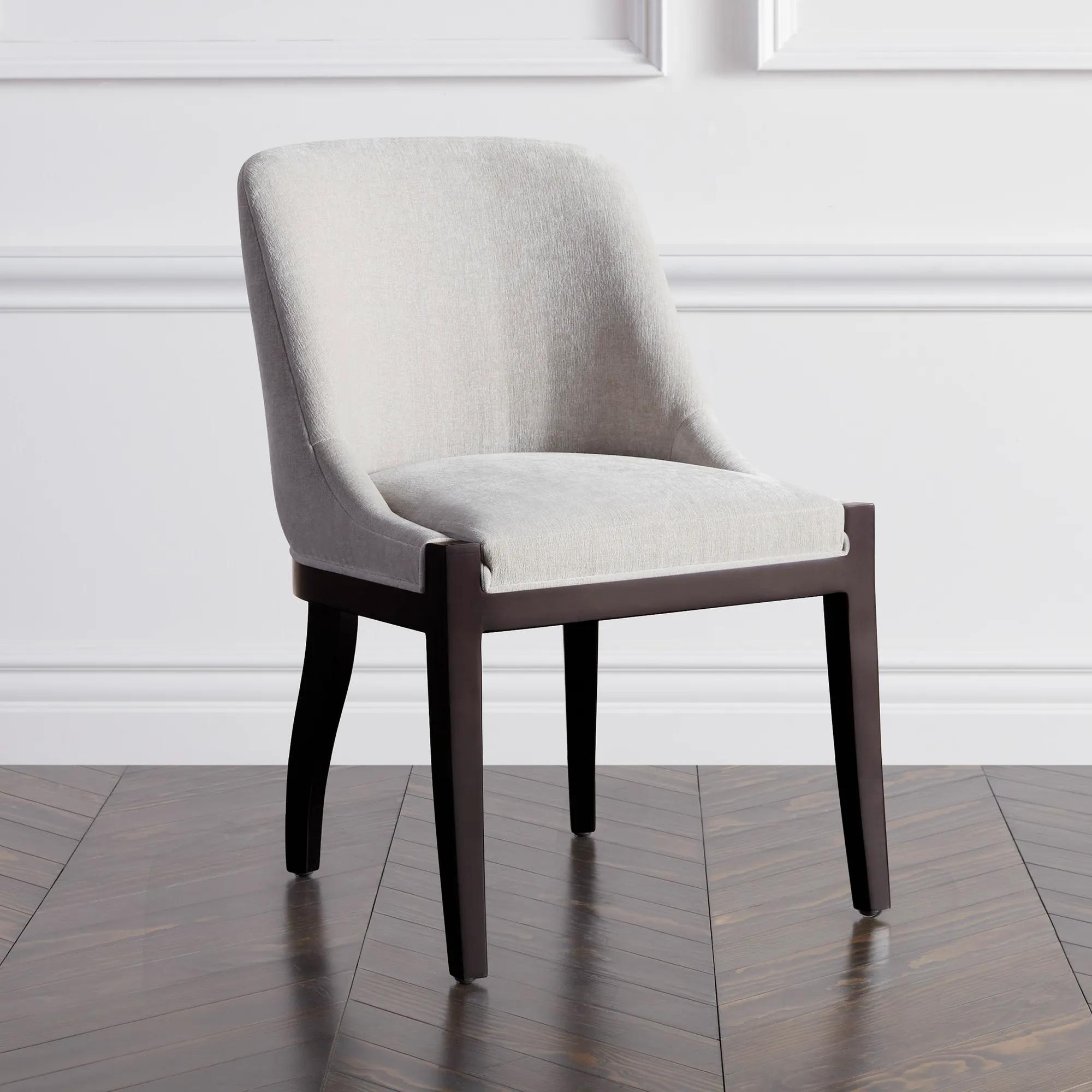
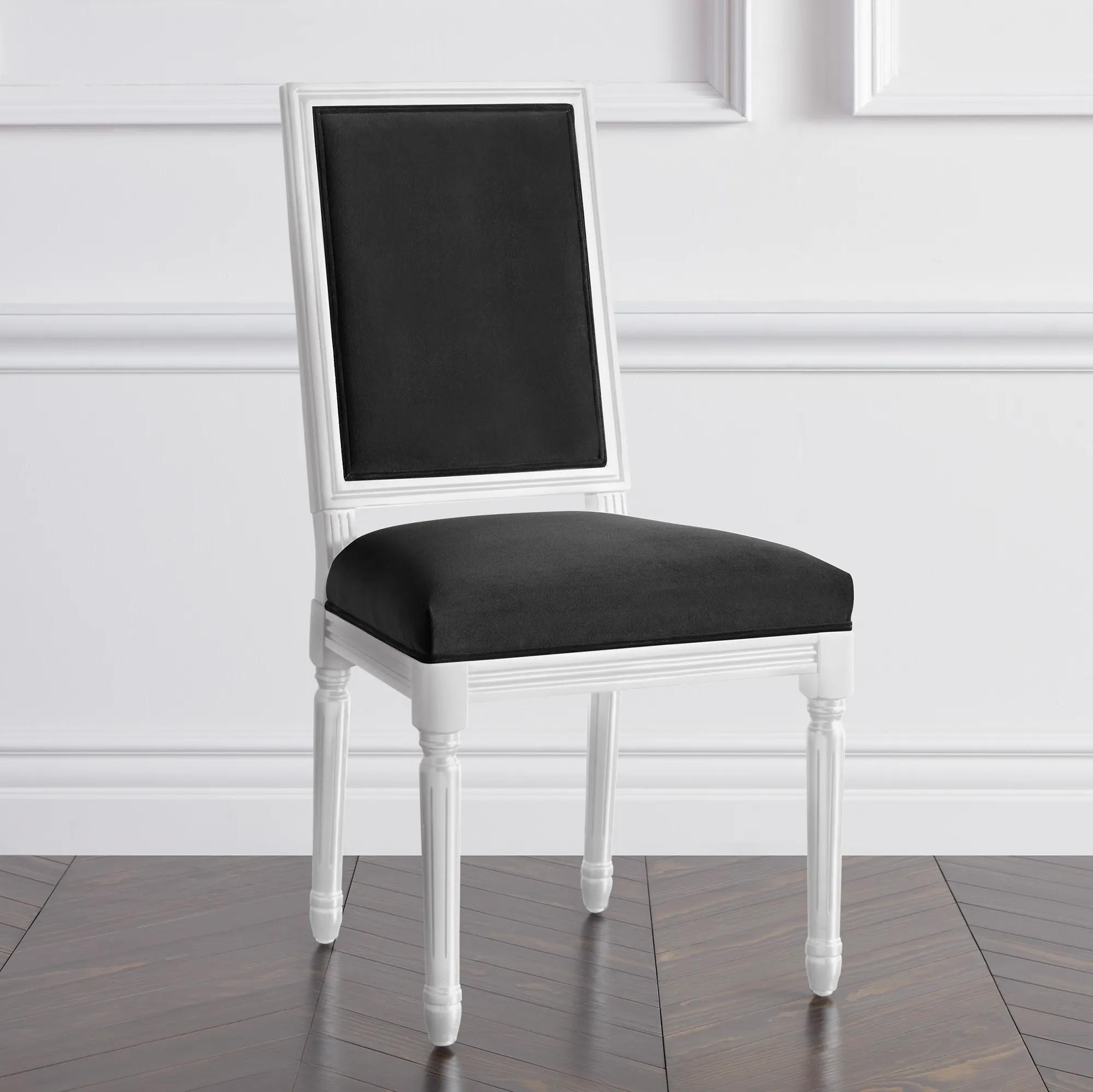
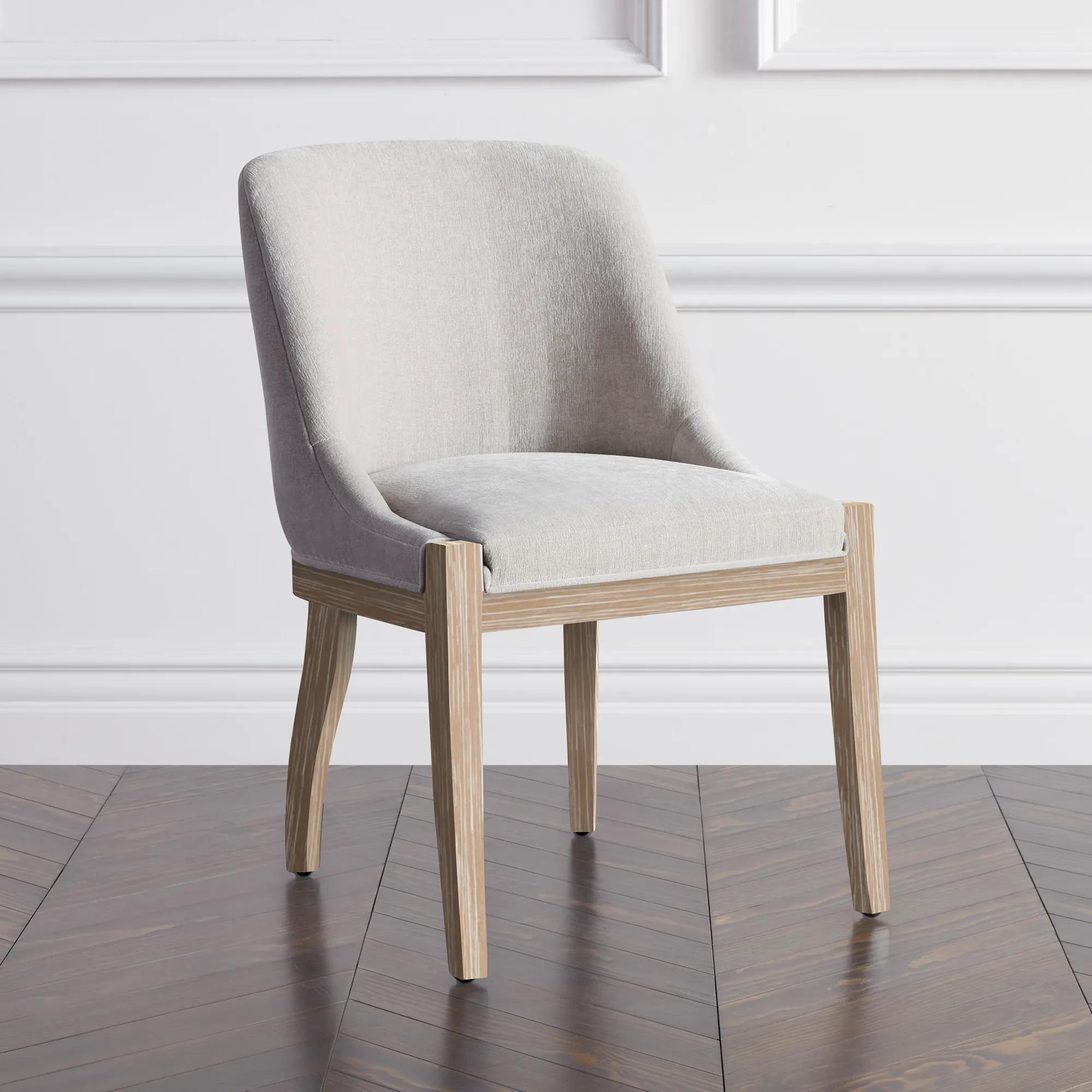
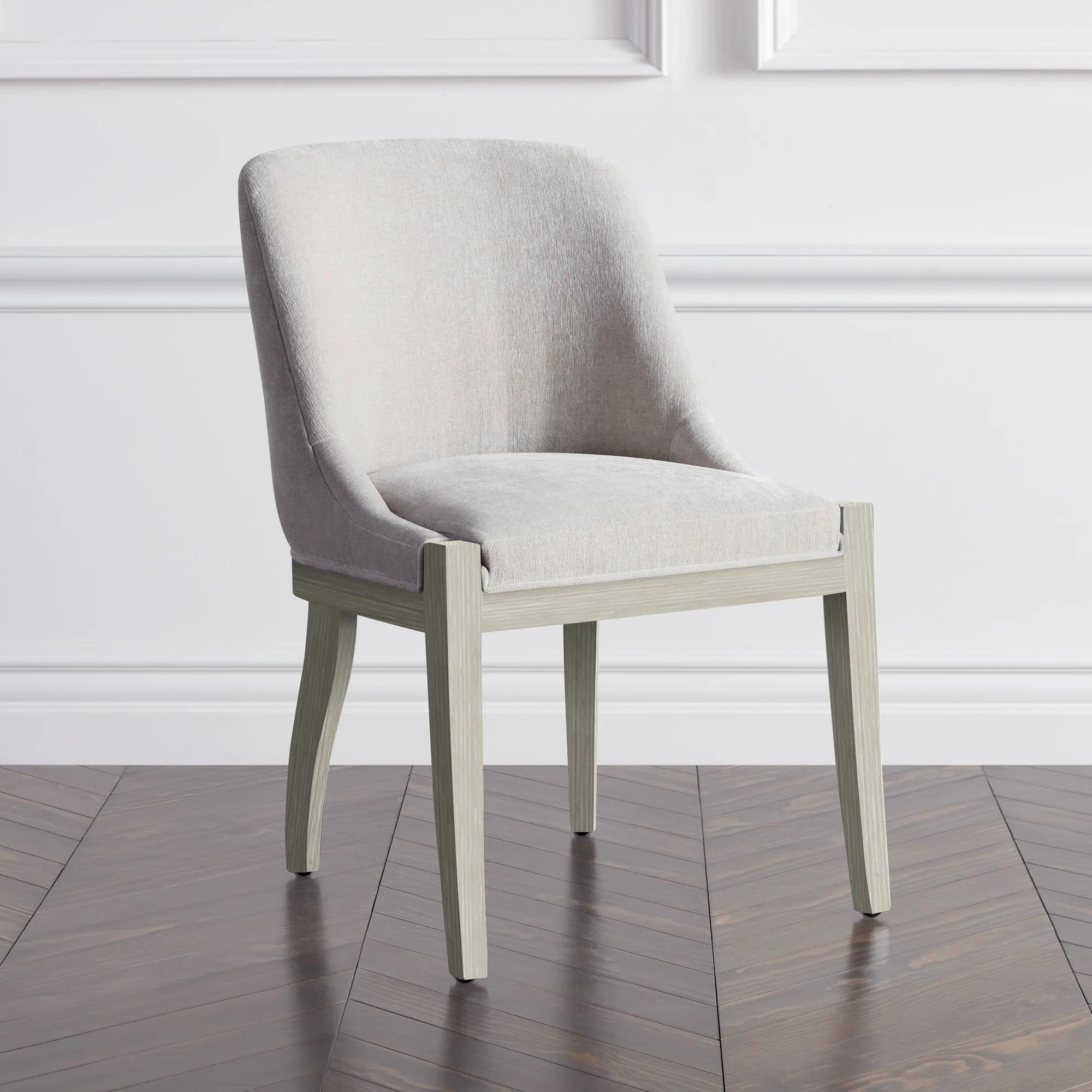
Durable Dining Chairs For Entertaining
Durable Dining Chairs For Entertaining
-
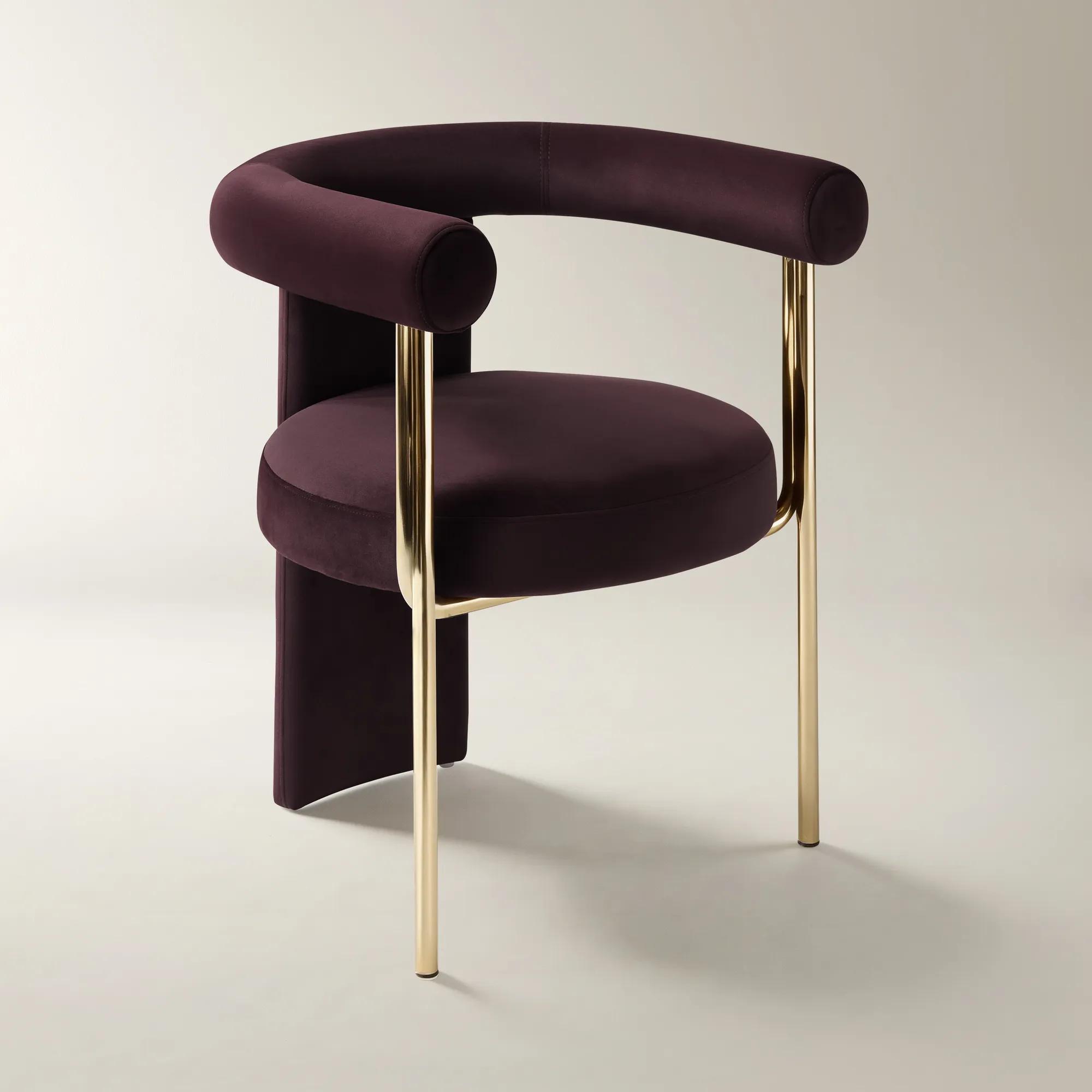 Davina Fig Velvet Dining Chair Set Of 2$899
A set of two dining chairs featuring plush fig velvet upholstery and a sleek gold-finished metal frame.
Add To Cart -
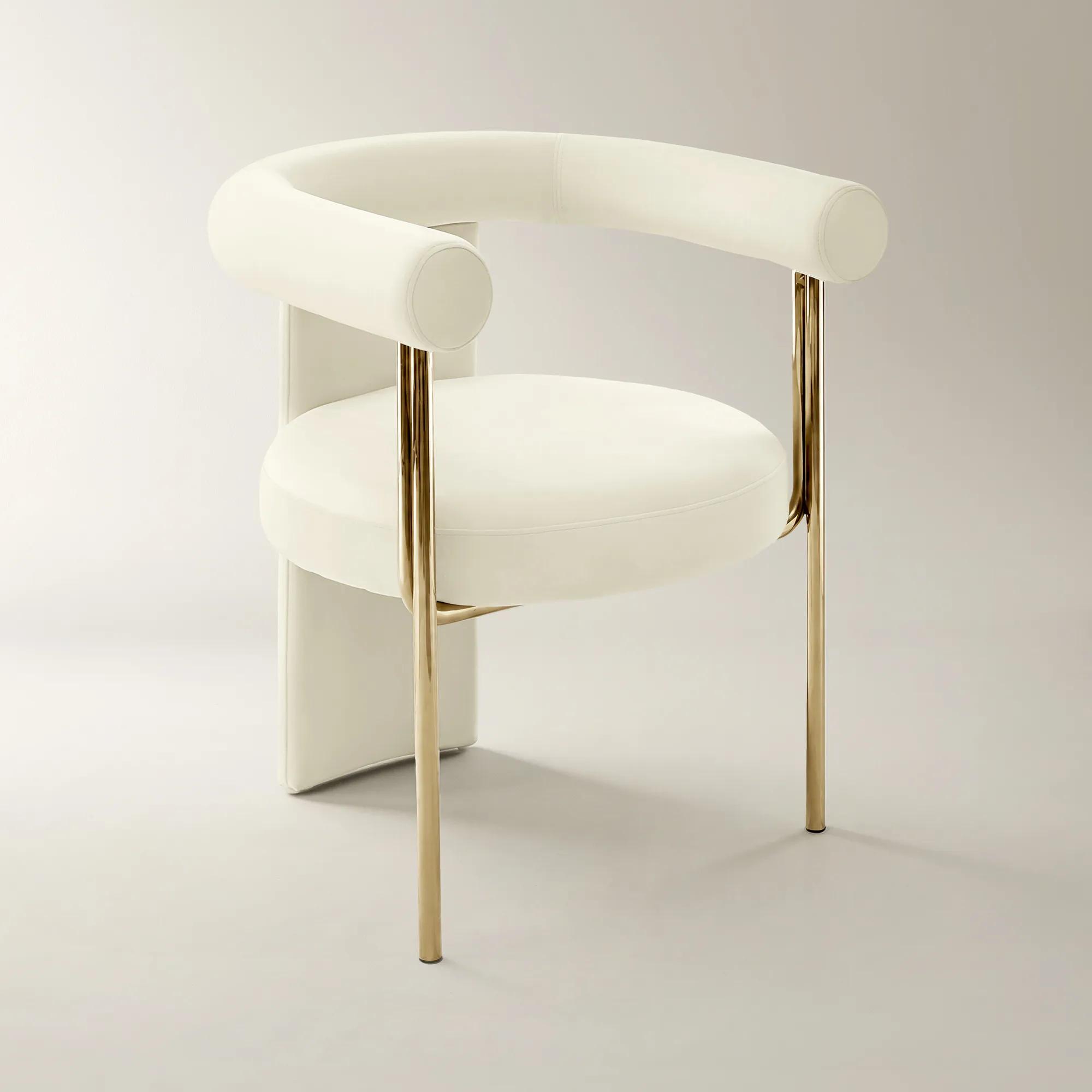 Davina Cloud Velvet Dining Chair Set Of 2$899
A set of two dining chairs featuring plush cloud velvet upholstery and a sculptural gold metal frame.
Add To Cart -
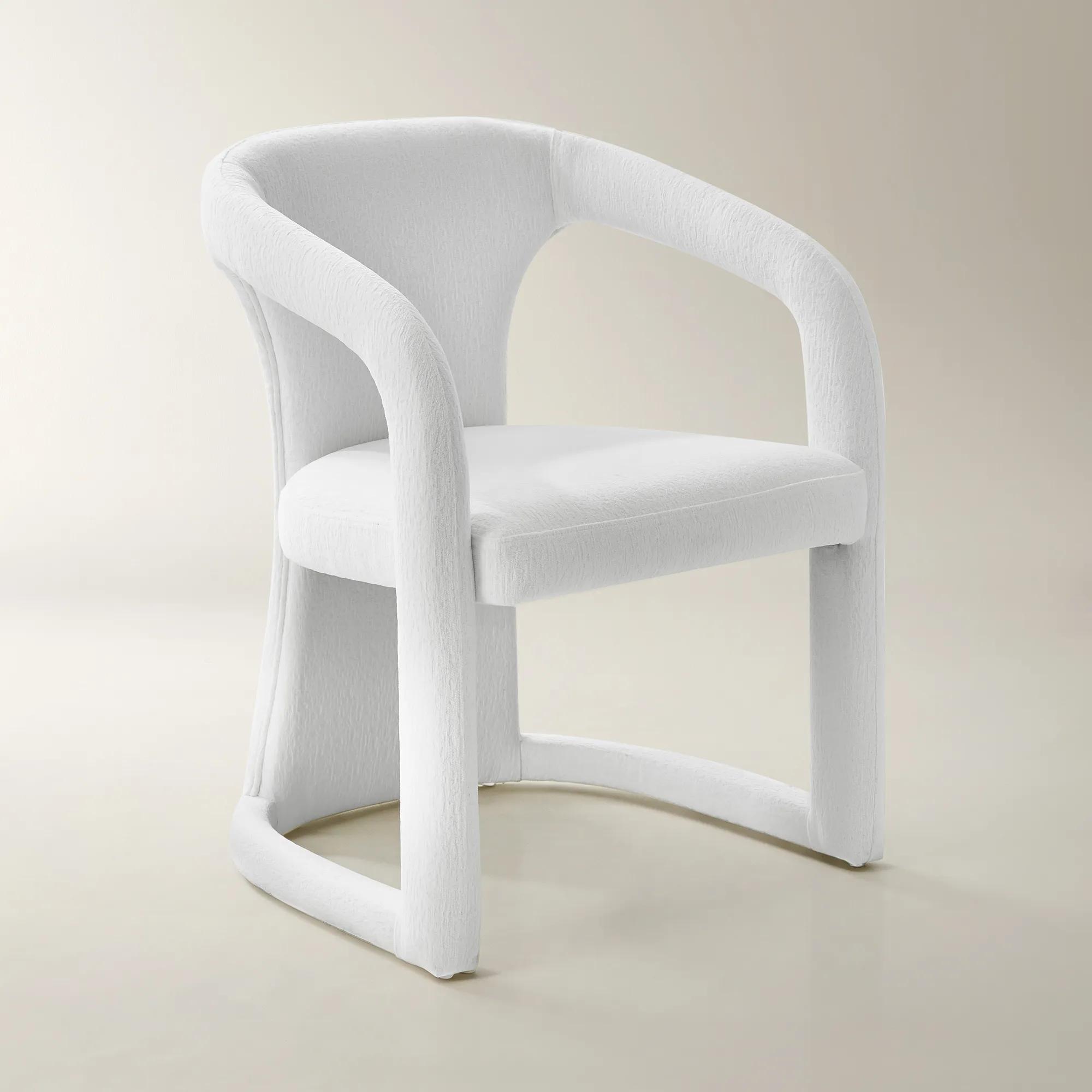
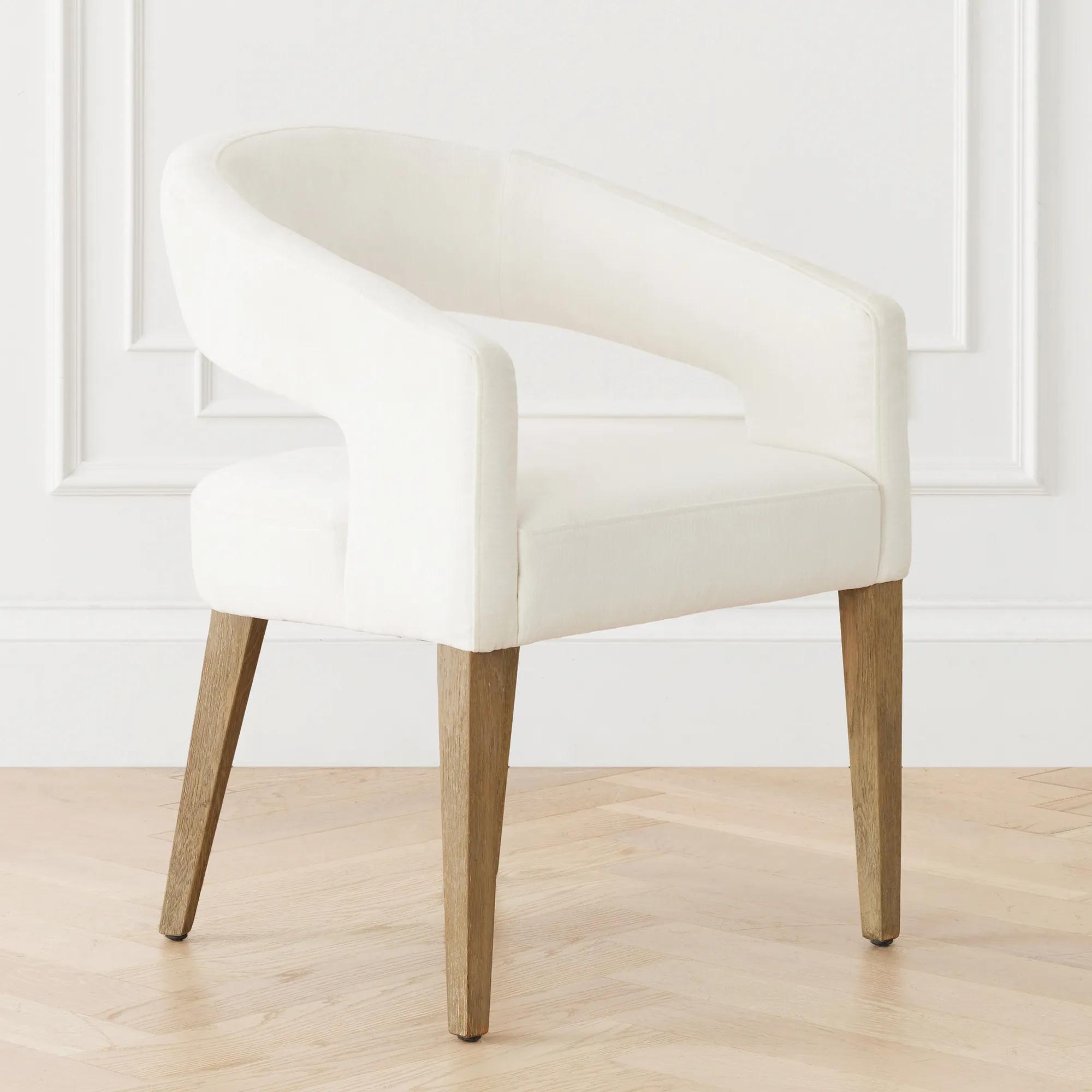
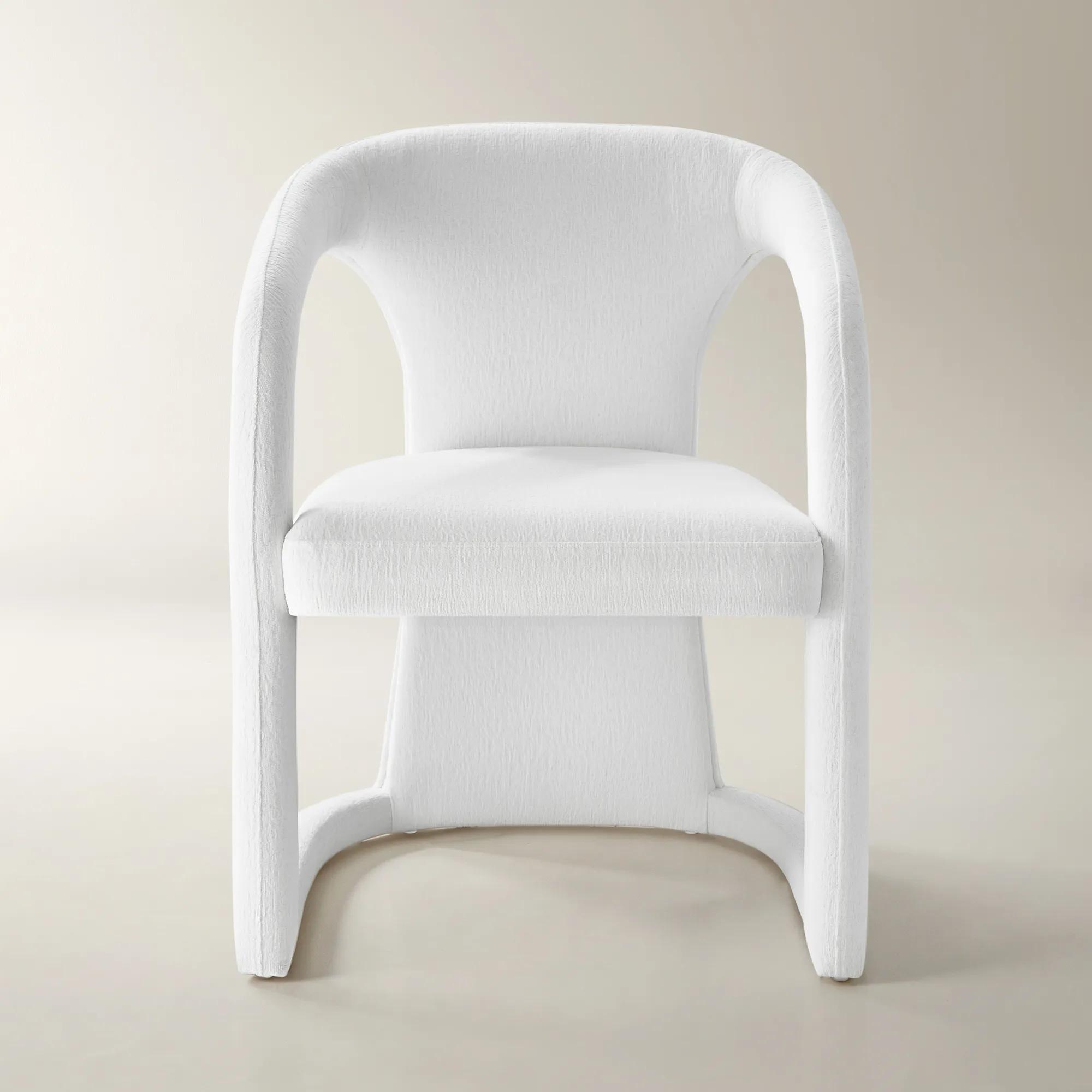 Arco White Performance Chenille Indoor/Outdoor Dining Chair$699
A sculptural white chenille dining chair with plush padding, moisture resistance, and indoor/outdoor versatility.
Add To Cart -
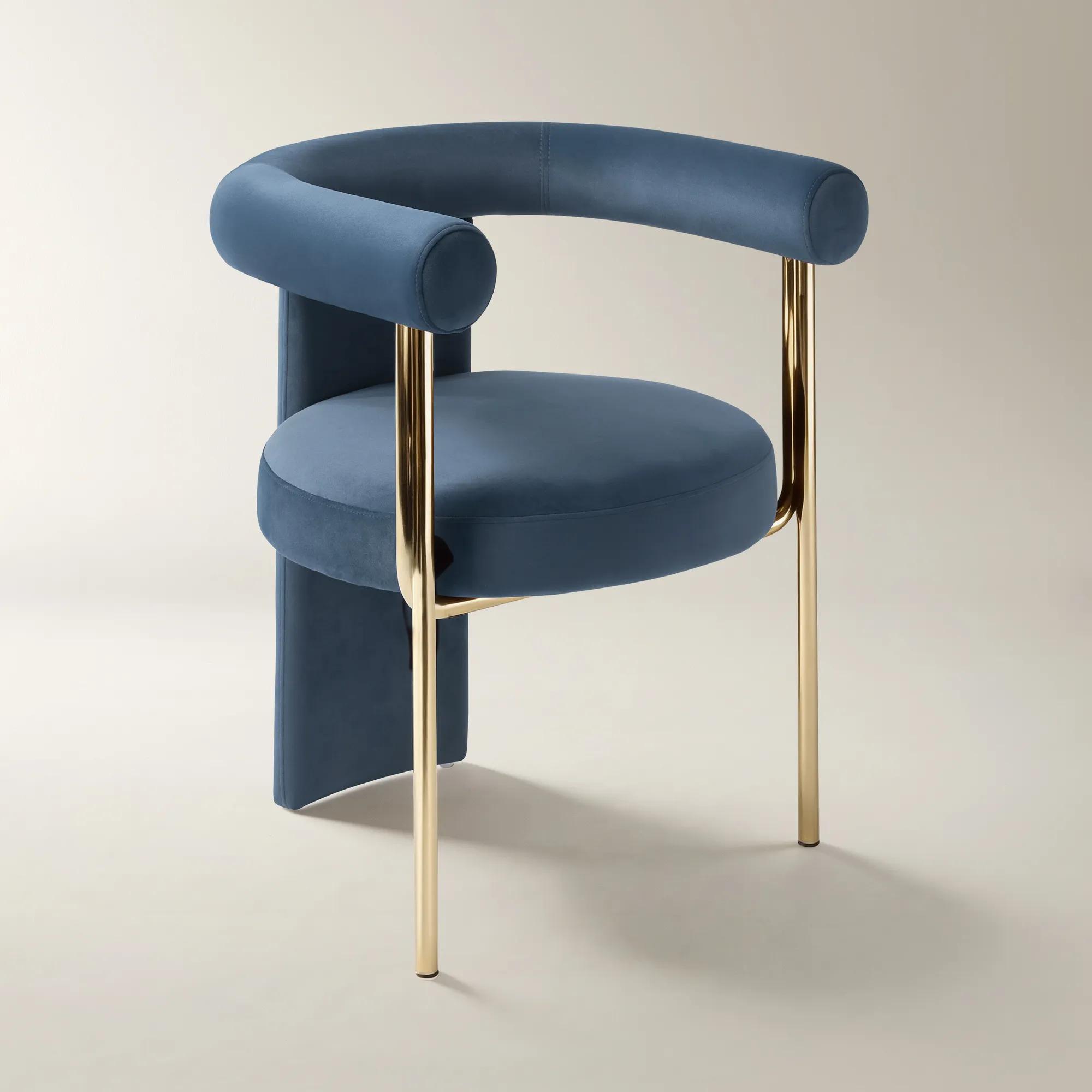 Davina Dusty Blue Velvet Dining Chair Set Of 2$899
A set of two dining chairs featuring dusty blue velvet upholstery and a polished gold metal frame.
Add To Cart -
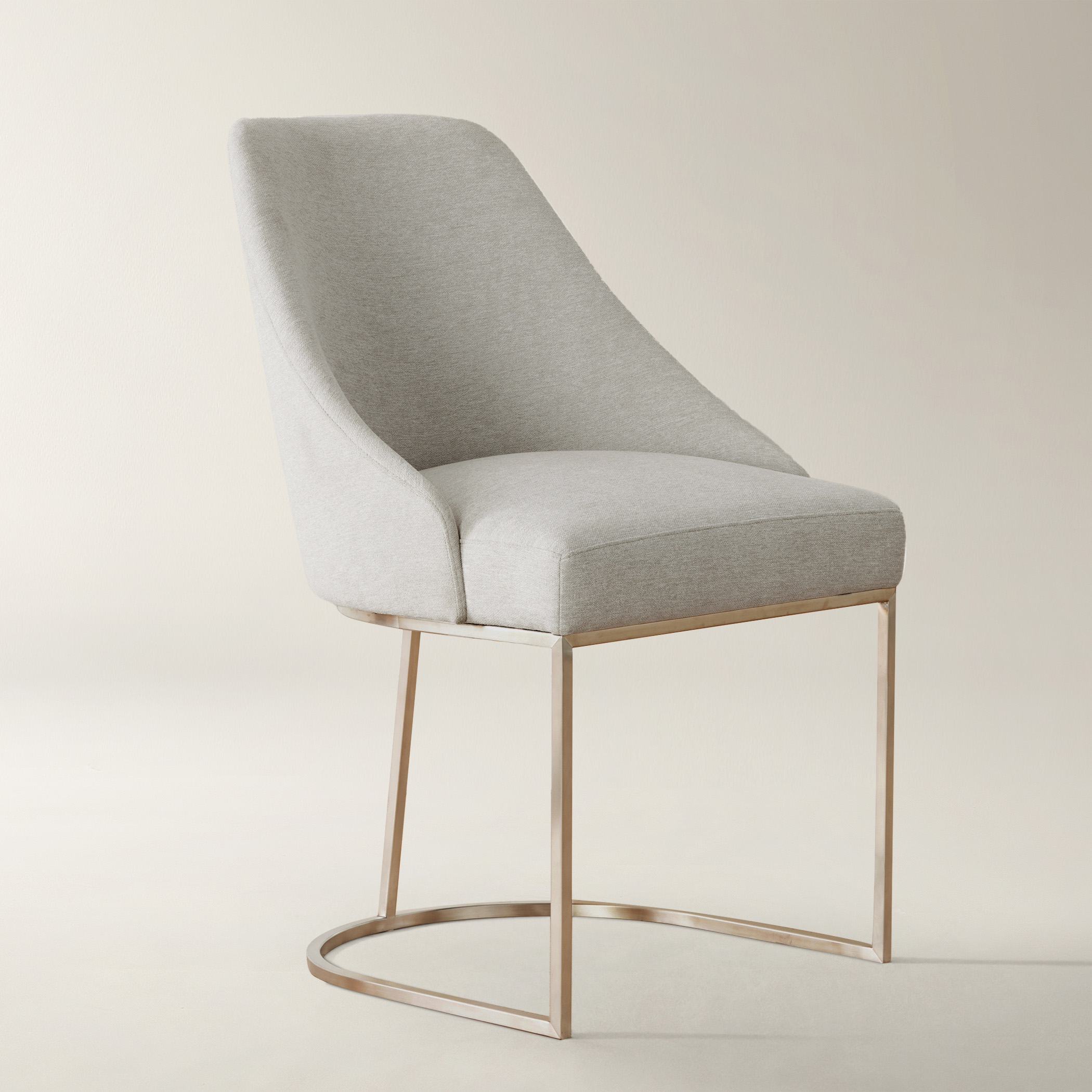
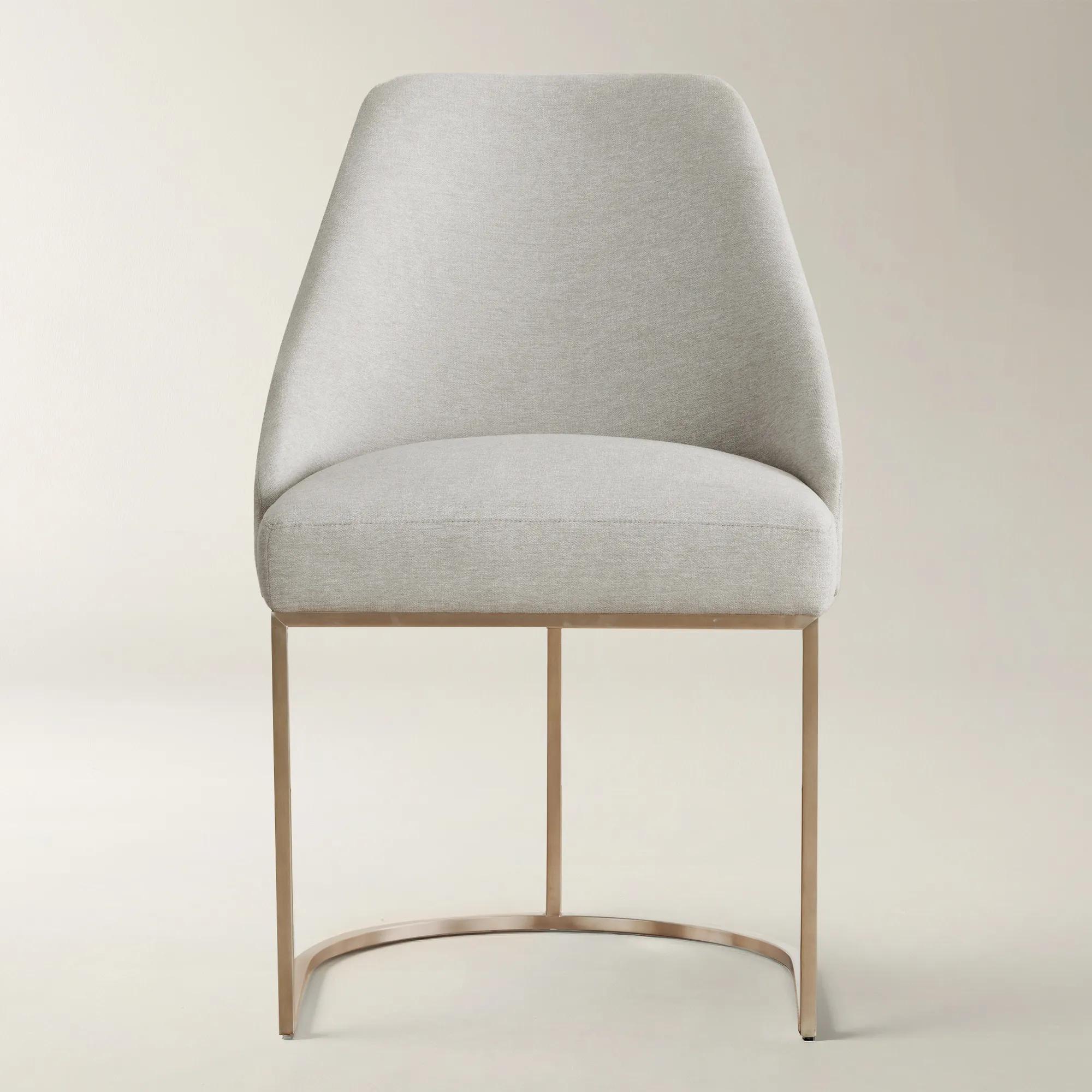 Rowan Ivory Fabric Dining Chair$599
A modern chair featuring brushed stainless steel legs and stain-resistant, water-repellent Roxboro Frost fabric.
Add To Cart -
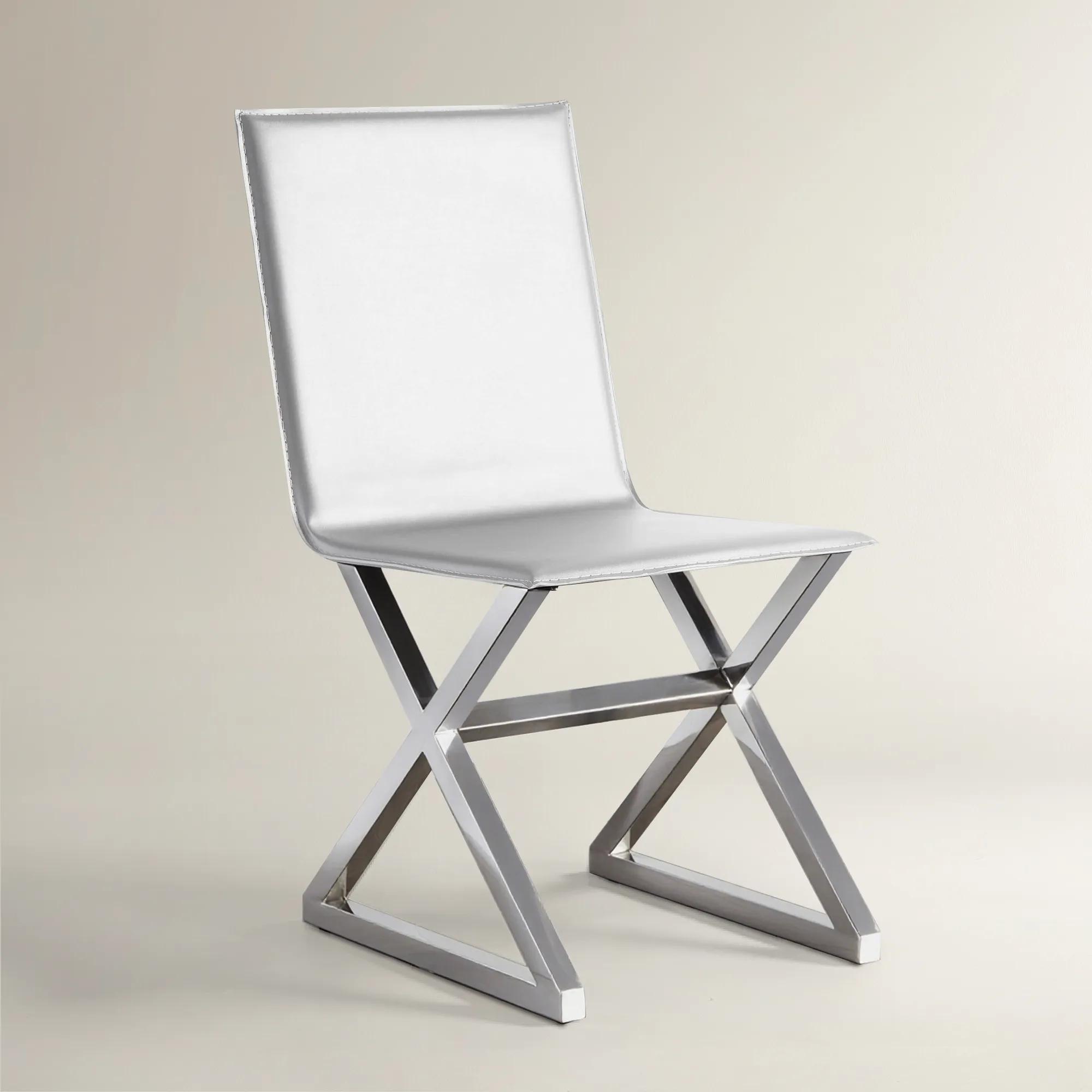
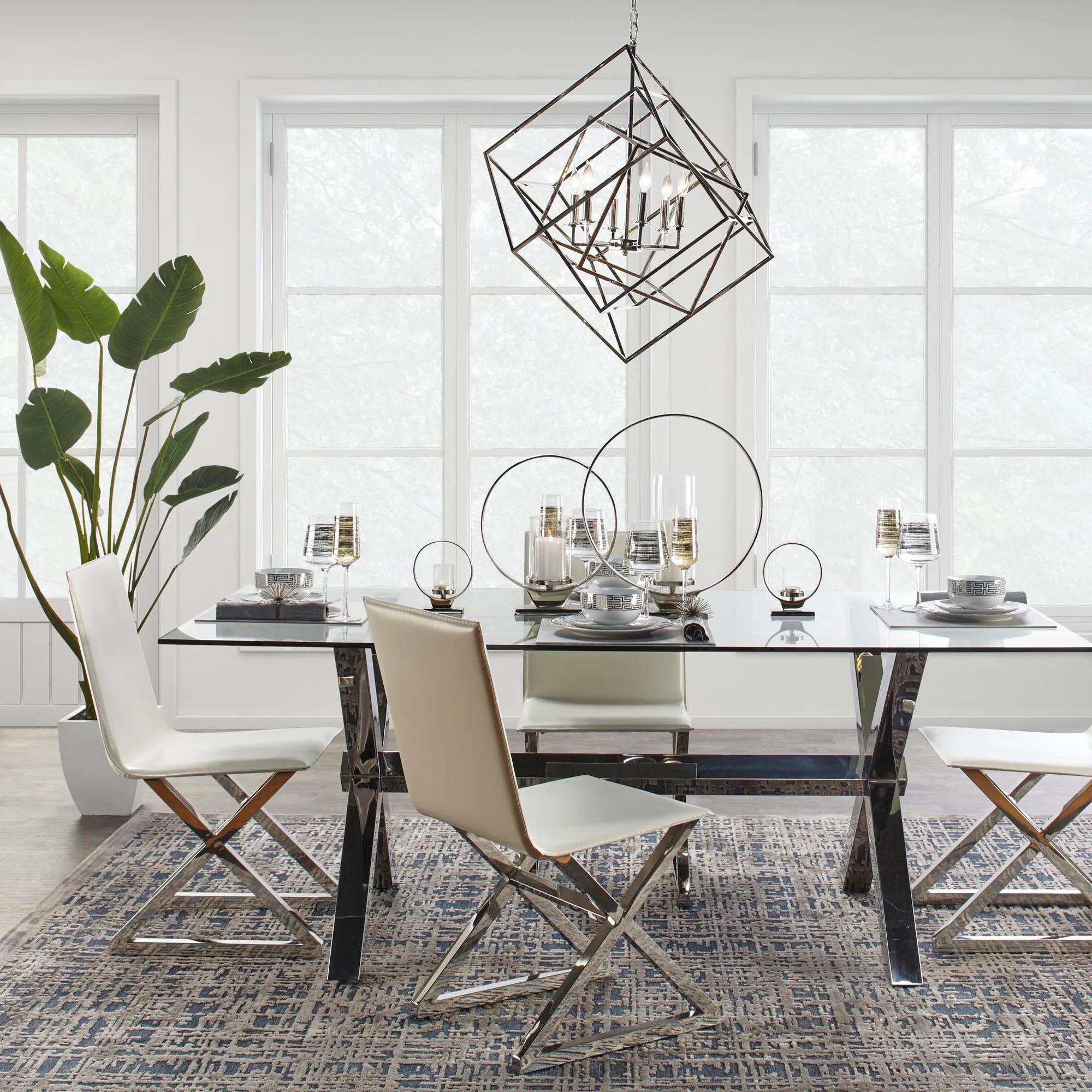 Axis Dining Chair - Set of 2$399
A contemporary chair set featuring white bonded leather upholstery and a polished stainless steel base.
Add To Cart -
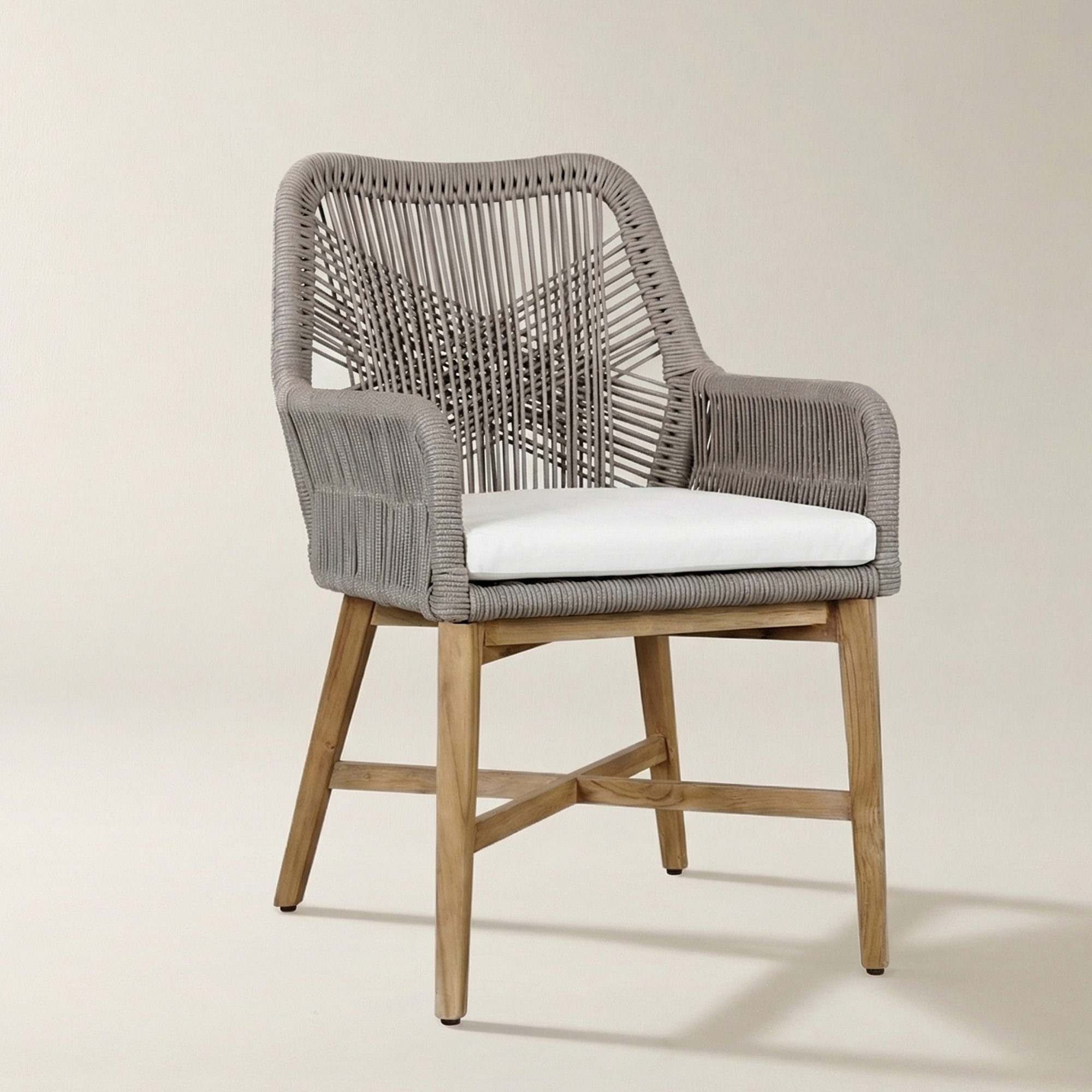 Marley Gray Outdoor Dining Chair$659
A modern gray outdoor dining chair designed to bring stylish comfort to alfresco gatherings.
Add To Cart -
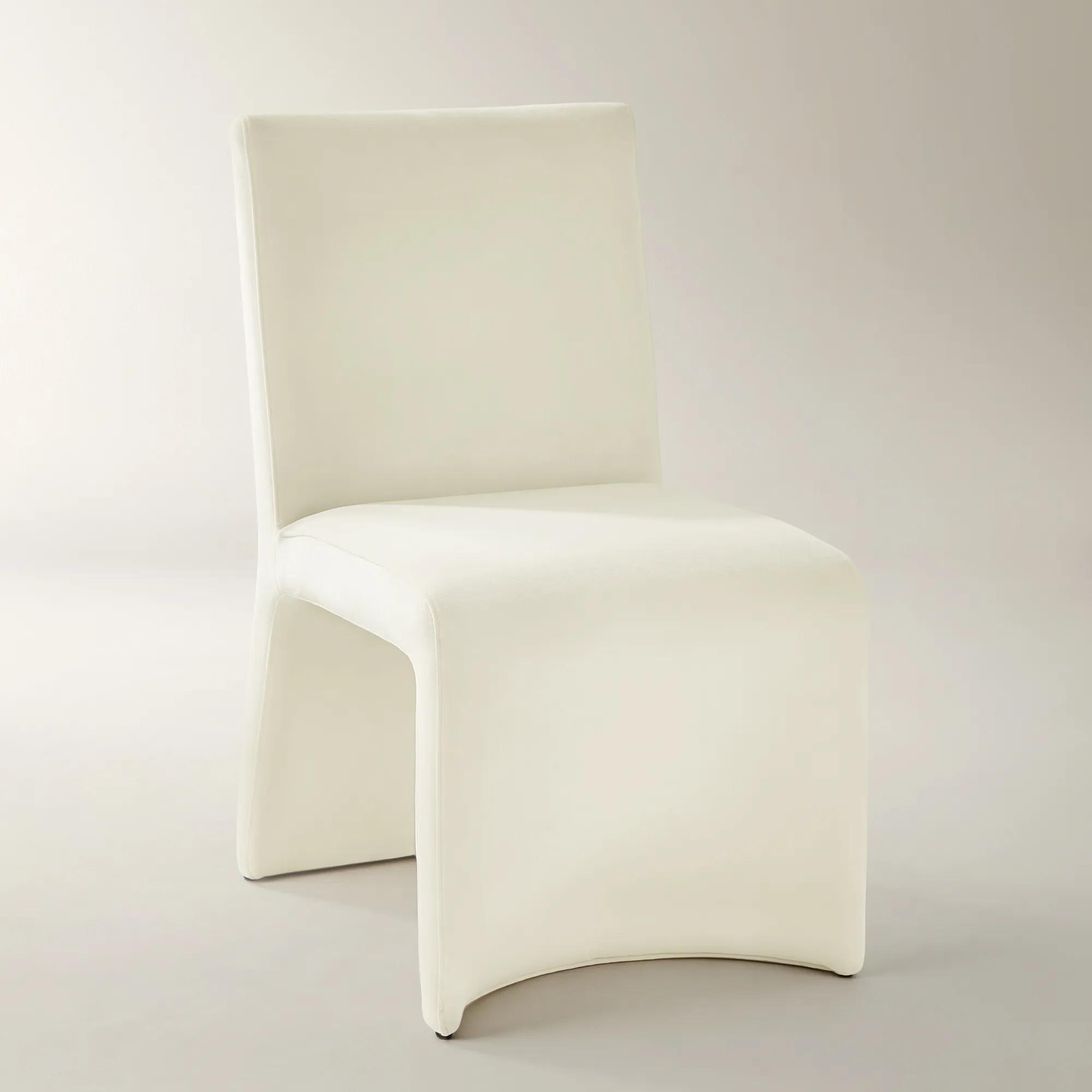 Elara Cloud Velvet Dining Chair Set Of 2$799
A set of two dining chairs featuring plush velvet upholstery, a seamless curved silhouette, and a sturdy steel frame.
Add To Cart -
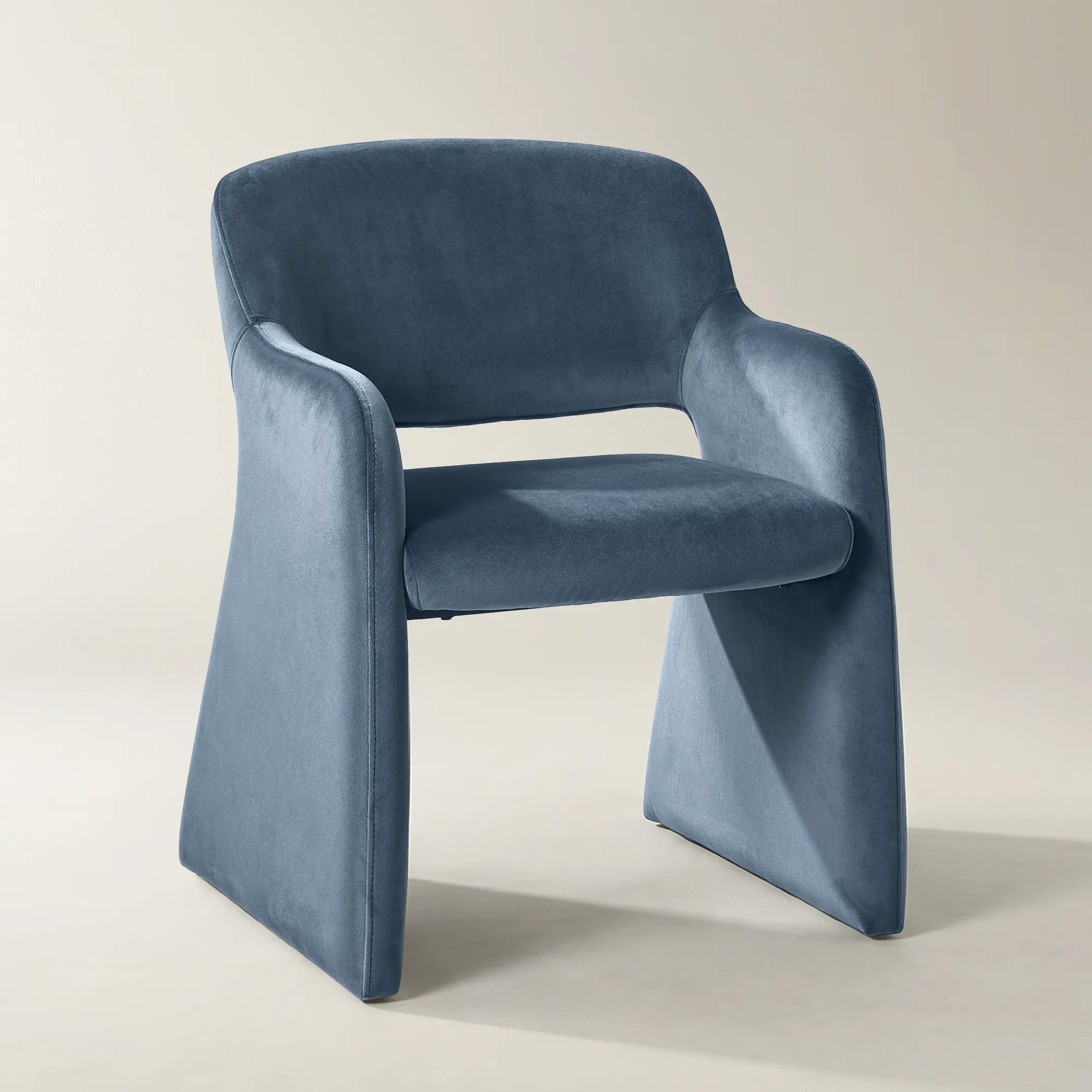 Elara Dusty Blue Velvet Dining Chair$449
A graceful dining chair featuring dusty blue velvet upholstery, integrated arms, and a seamless cantilevered silhouette.
Add To Cart -
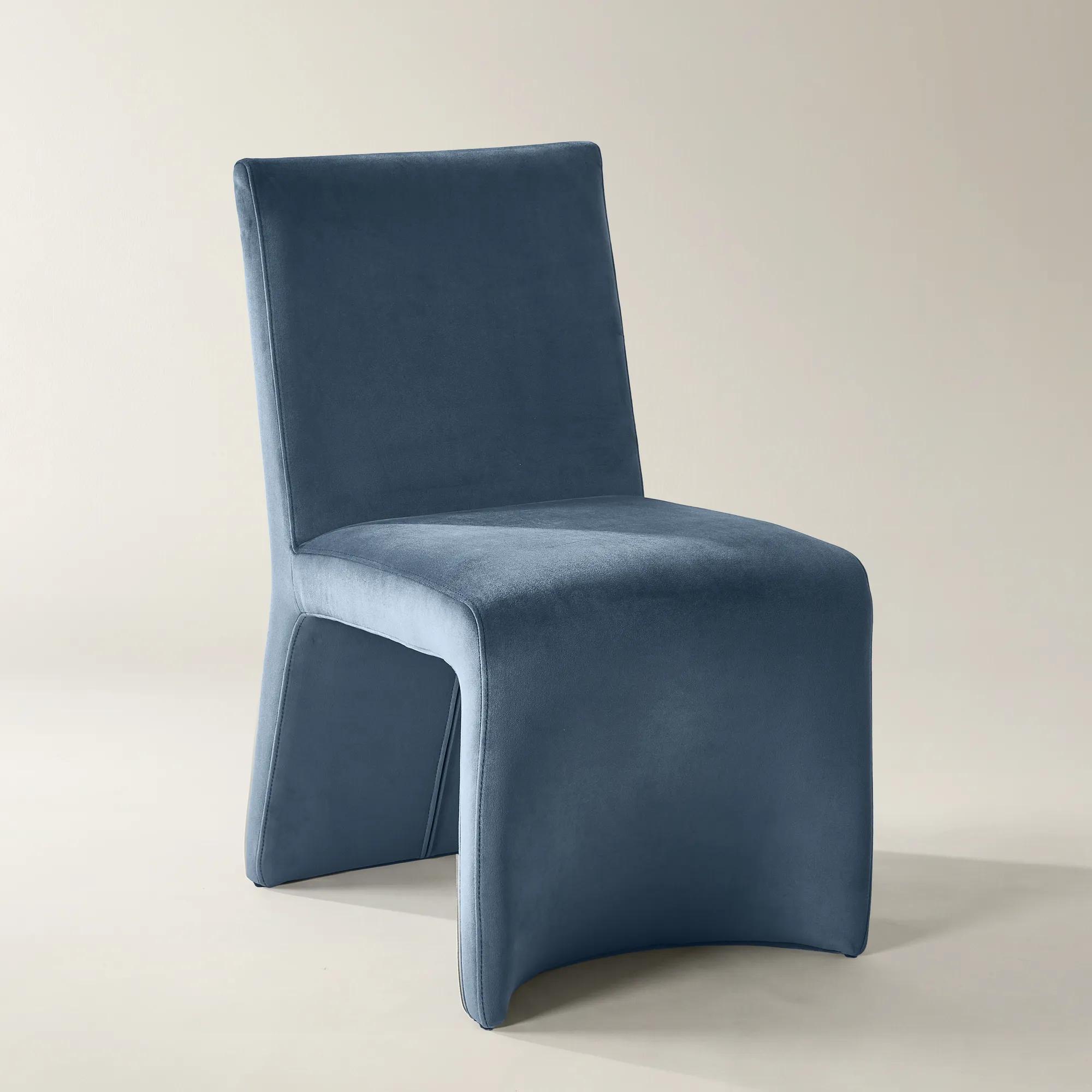 Elara Dusty Blue Velvet Dining Chair Set Of 2$799
A set of two dining chairs featuring plush dusty blue velvet upholstery and a seamless, artful silhouette.
Add To Cart -
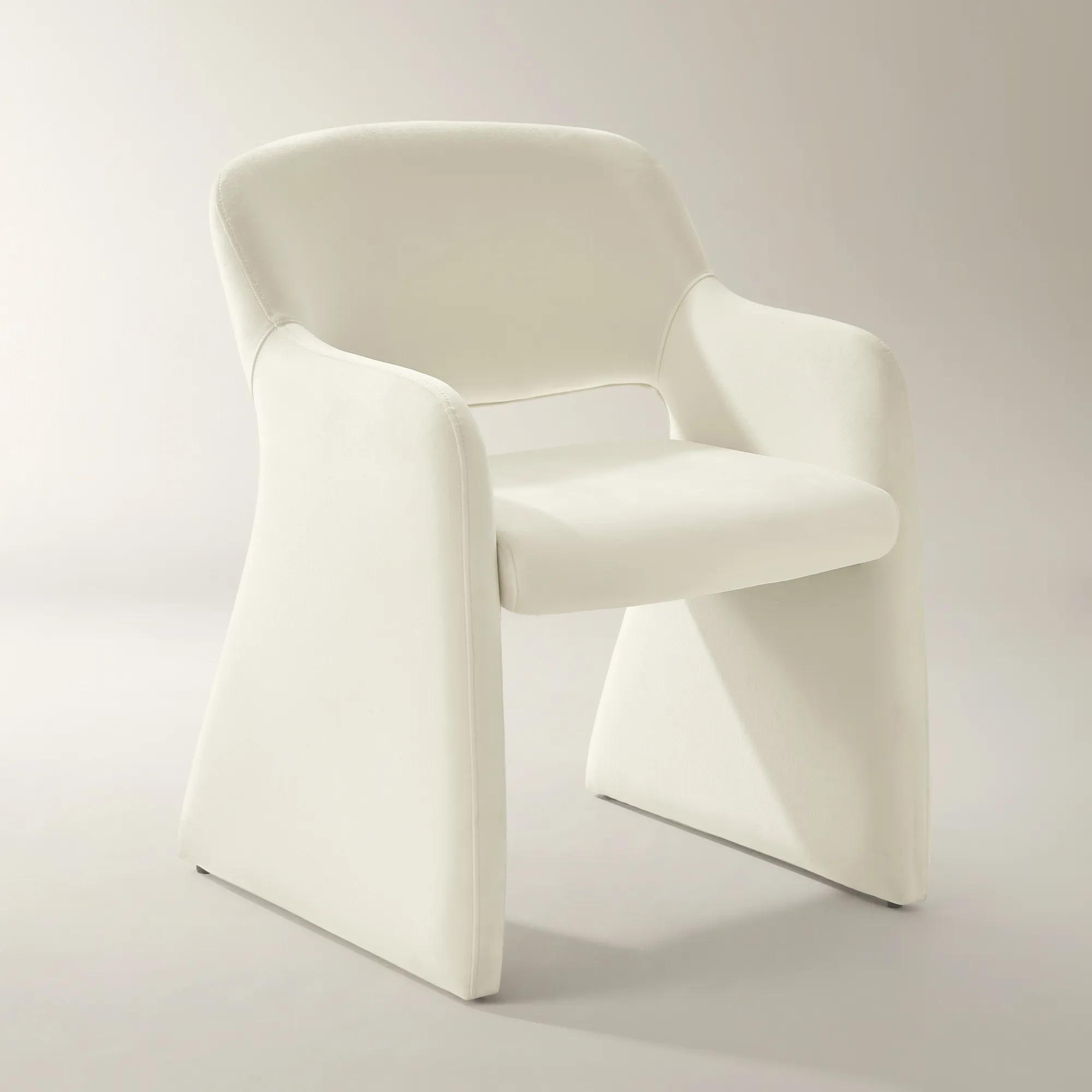 Elara Cloud Velvet Dining Chair$449
A plush velvet dining chair featuring a seamless wraparound silhouette and supportive carbon steel frame.
Add To Cart -
 Elara Burnt Umber Velvet Dining Chair Set Of 2$799
A pair of brown velvet chairs with sinuous curves, ergonomic support, and hand-crafted, sculptural design.
Add To Cart -
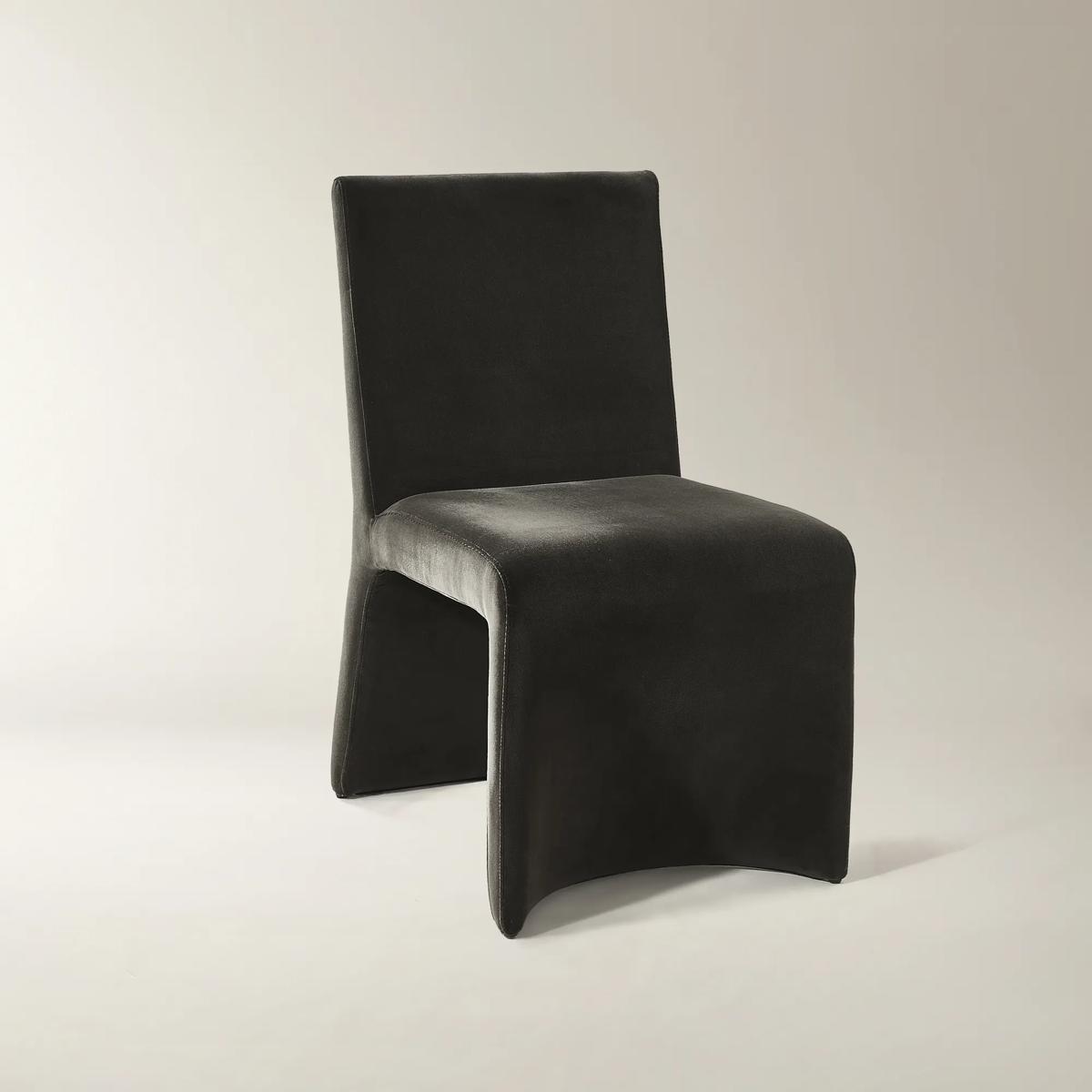
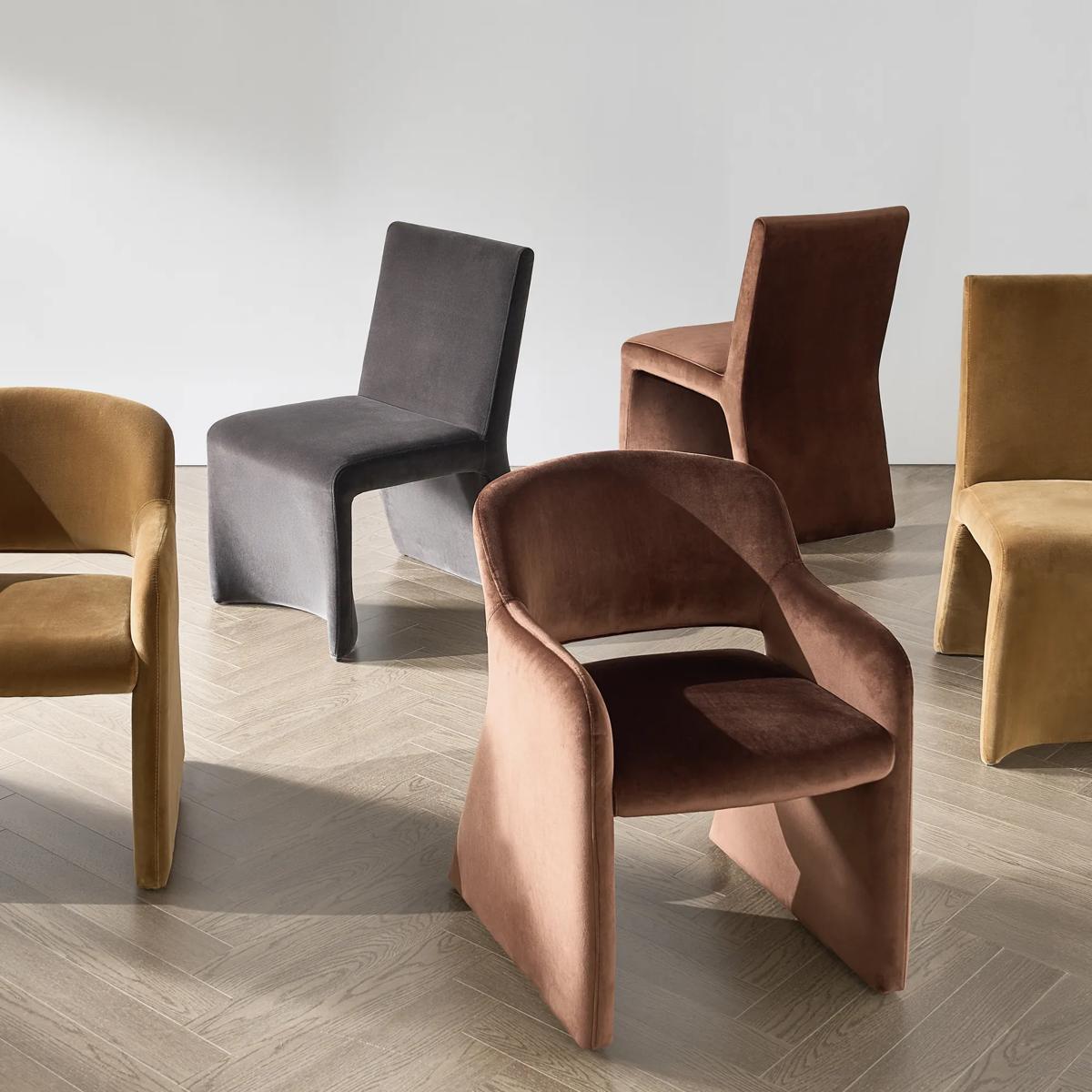 Elara Charcoal Velvet Dining Chair Set Of 2$799
A pair of charcoal velvet dining chairs featuring curved ergonomic silhouettes, plush upholstery, and hand-crafted details.
Add To Cart -
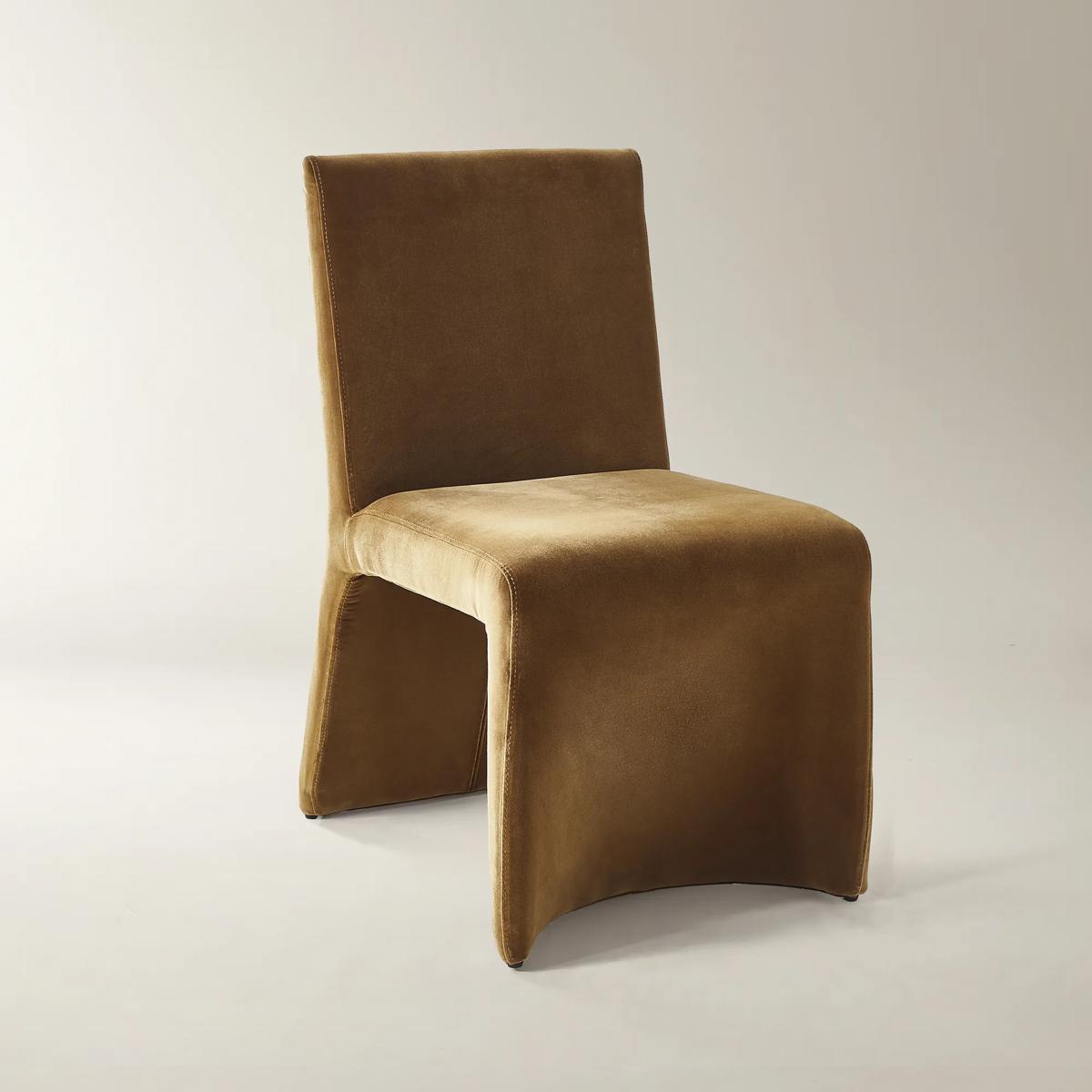 Elara Roasted Pecan Velvet Dining Chair Set Of 2$799
A pair of mustard velvet dining chairs featuring curved ergonomic silhouettes and hand-upholstered, reinforced construction.
Add To Cart -
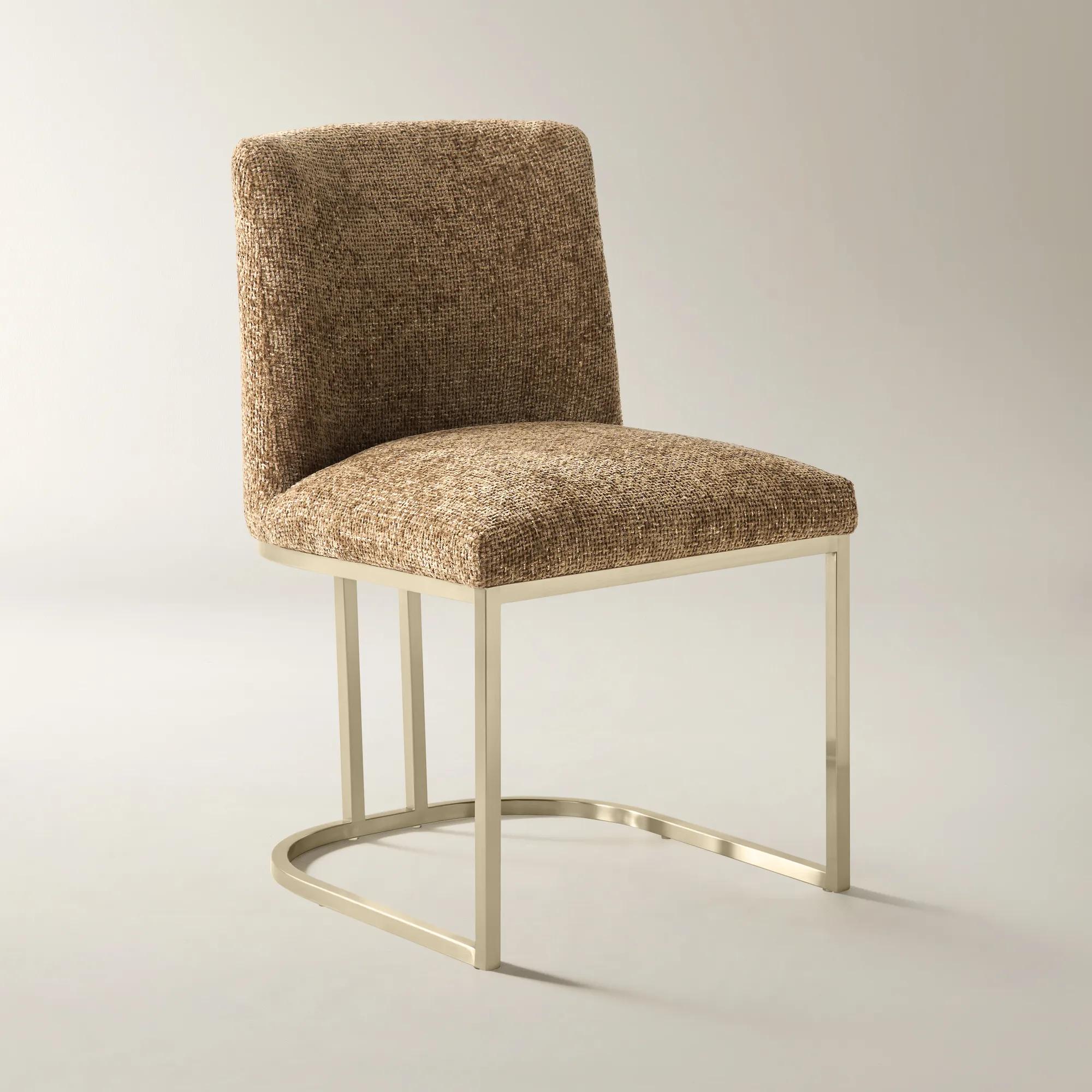 Bergen Bronze Chenille Dining Chair Set Of 2$549
A set of two dining chairs featuring bronze chenille upholstery and a sculptural brushed gold metal base.
Add To Cart -
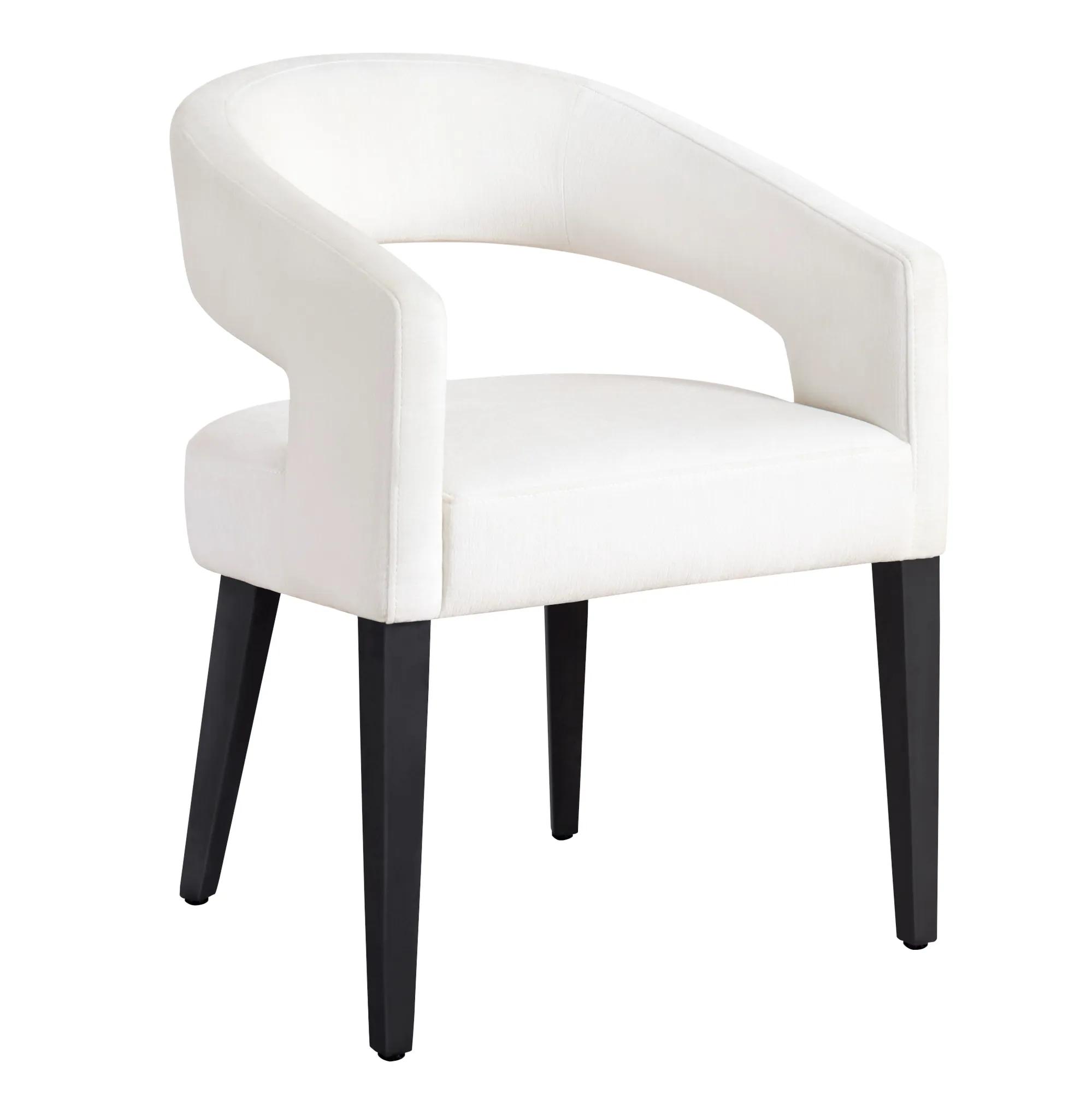
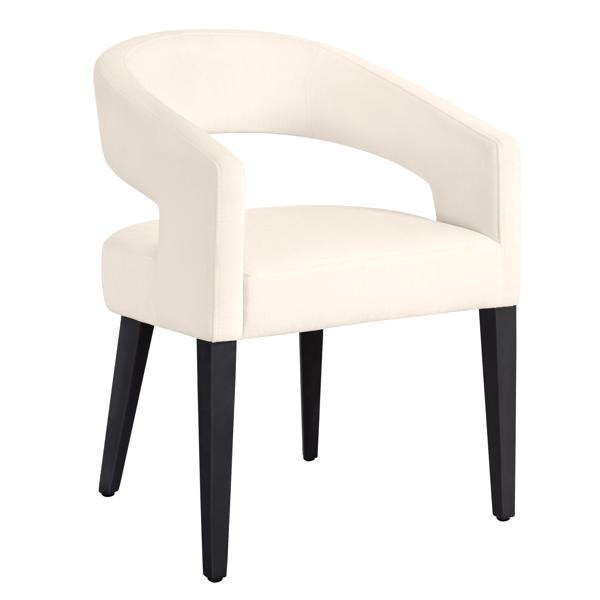 Philippa Dining Chair - Matte Black$599
A modern dining chair featuring a curved silhouette, matte black legs, and neatly tailored upholstery.
Add To Cart -
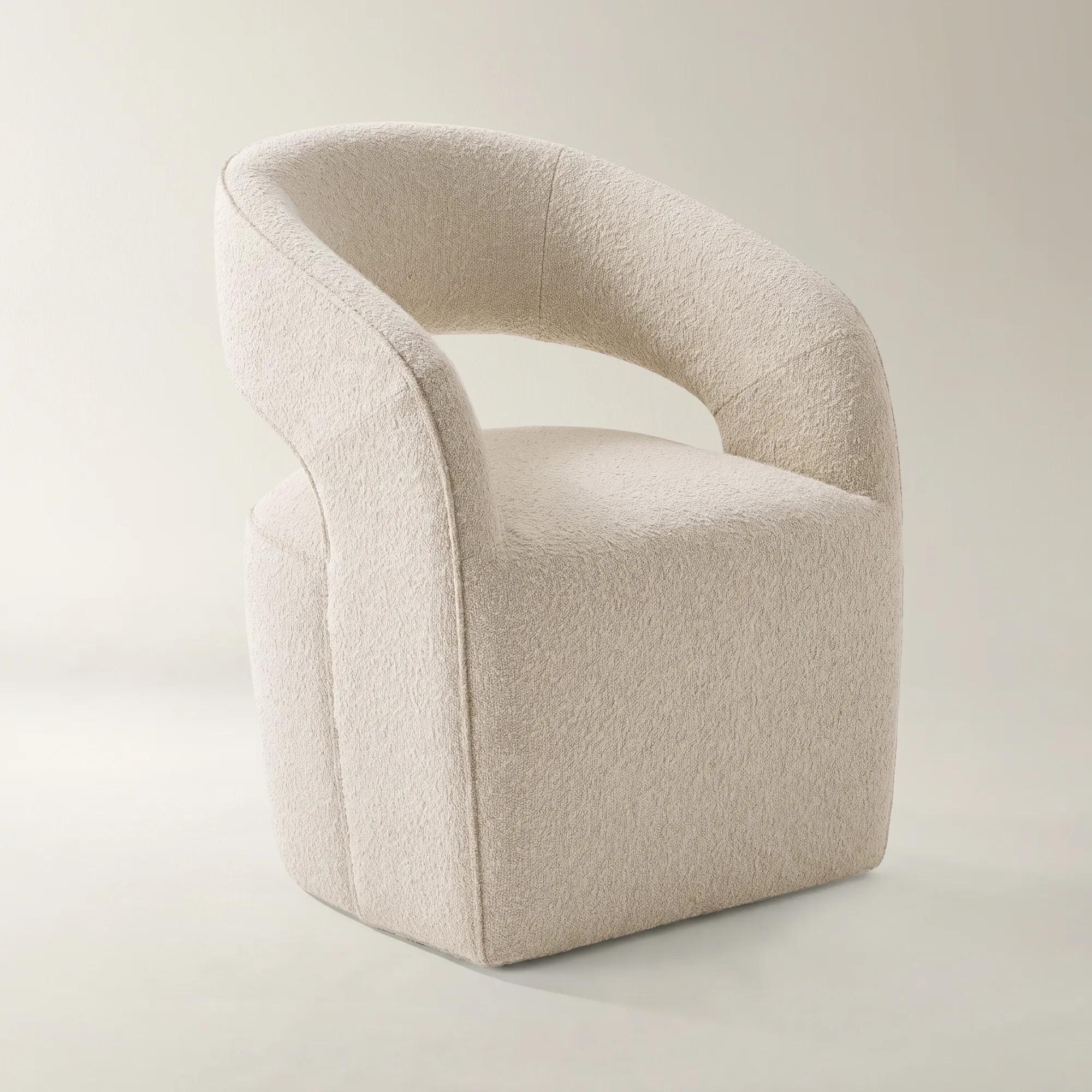
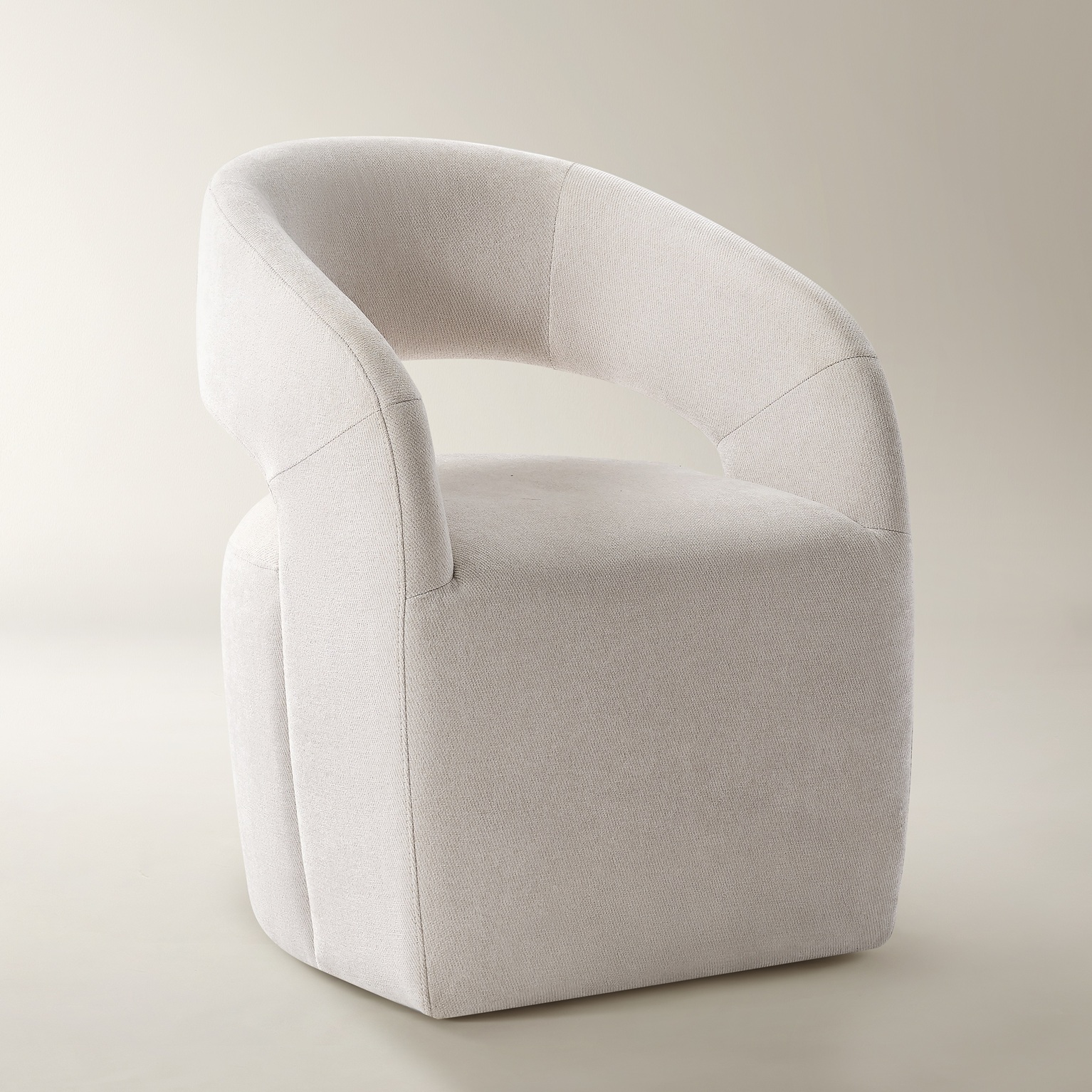 Harrison Ivory Performance Boucle Dining Chair$499
A sculptural dining chair in ivory performance boucle with a curved back, integrated arms, and feather-blend comfort.
Add To Cart -
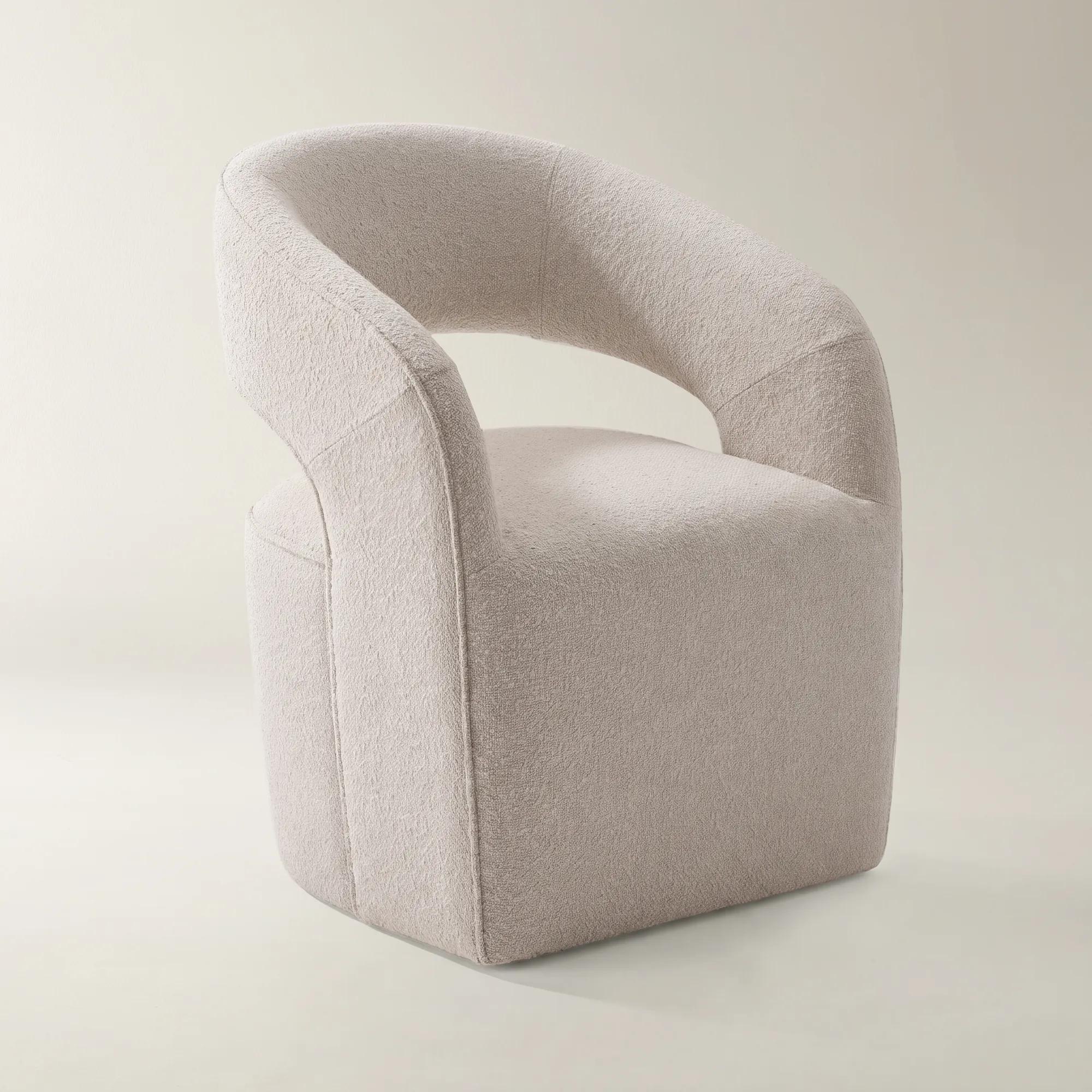 Harrison Ivory Performance Boucle Dining Chair$499
A sculptural dining chair in ivory performance boucle with a curved back, feather-blend seat, and modern elegance.
Add To Cart -
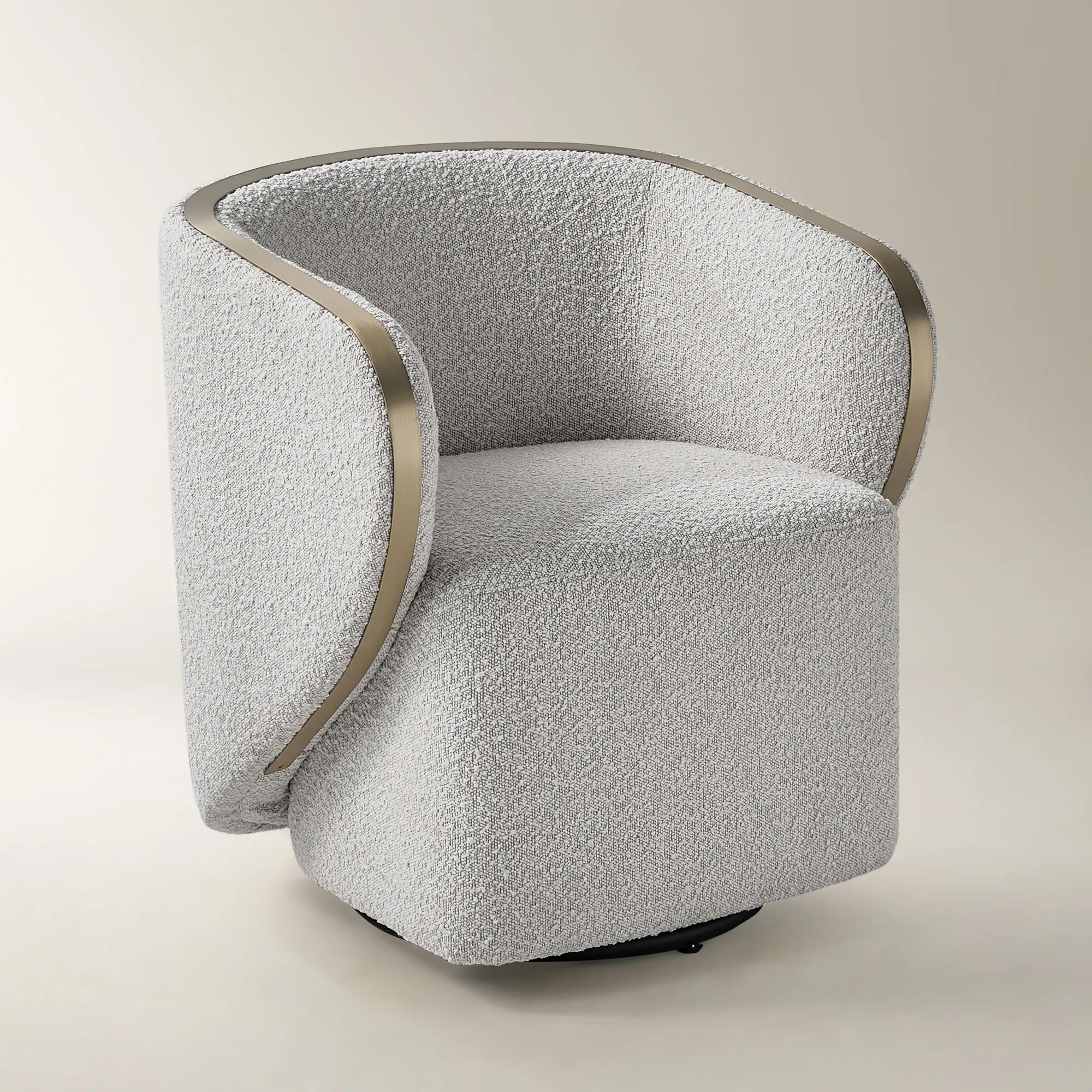 Nova Light Grey Performance Boucle Swivel Dining Chair$699
A sculptural light grey chair in water-repellent boucle with metallic trim and a smooth 360° swivel base.
Add To Cart -
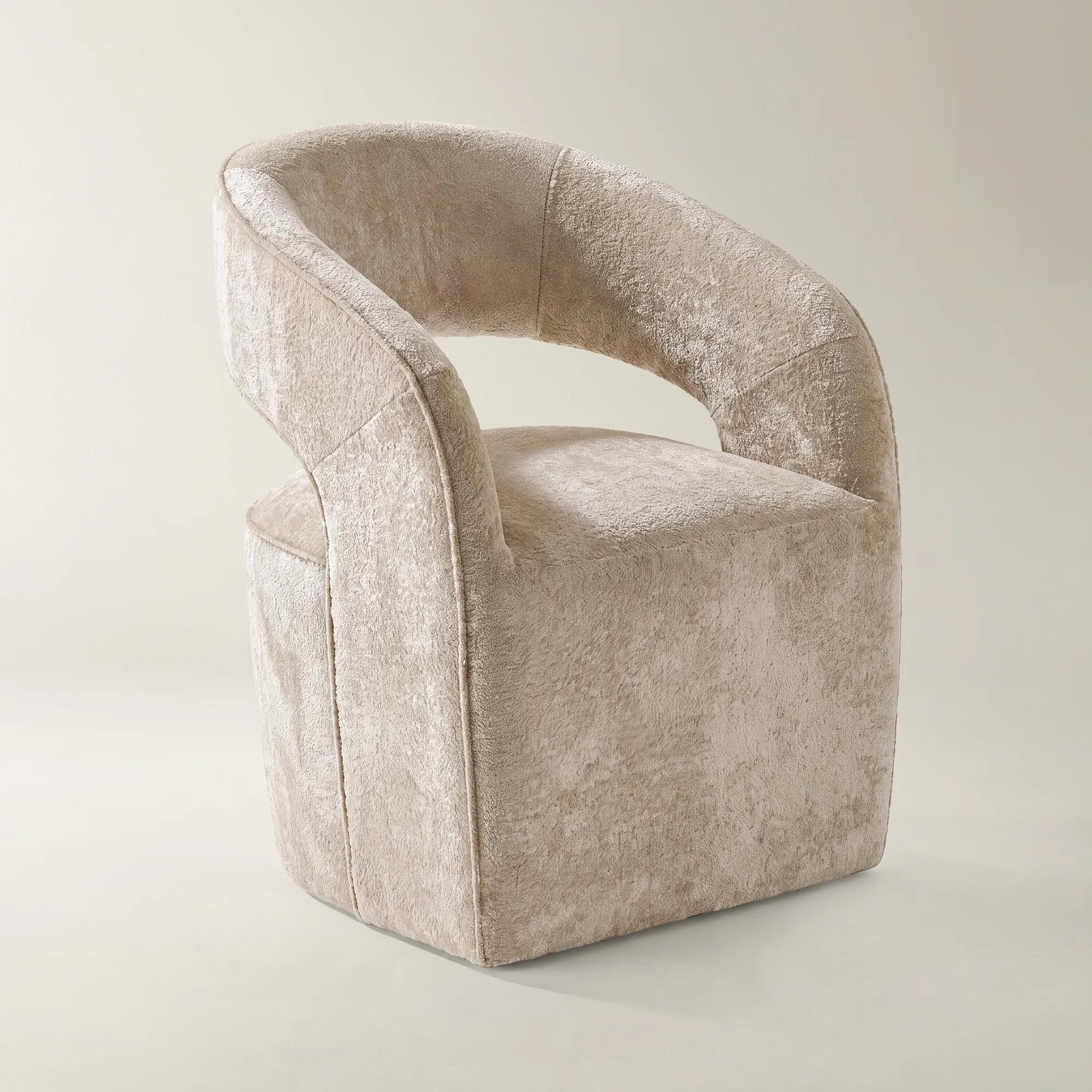 Harrison Light Brown Chenille Dining Chair$499
A sculptural dining chair upholstered in light brown chenille with a feather-blend cushion for plush comfort.
Add To Cart -
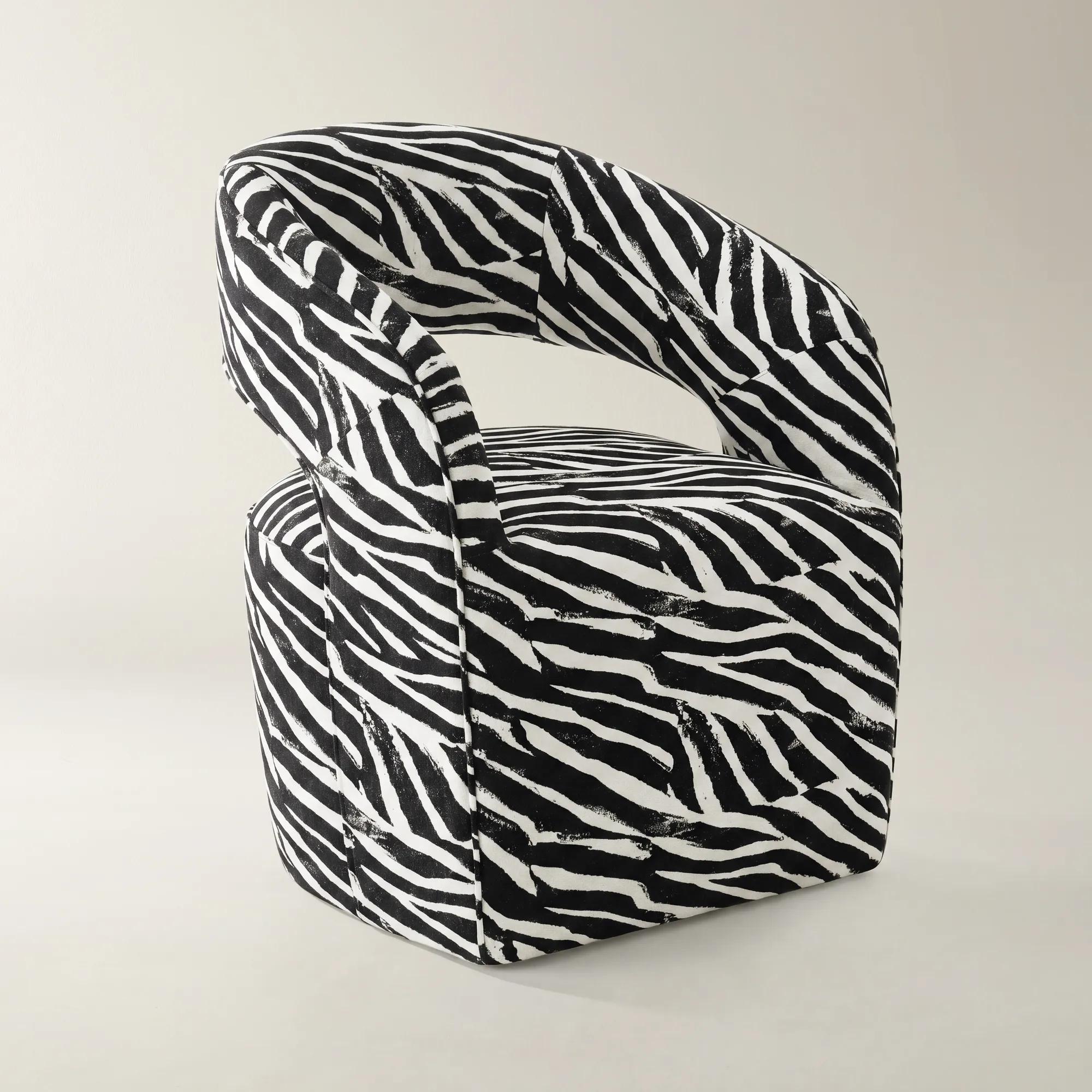 Harrison White/Black Performance Chenille Dining Chair$499
A sculptural dining chair in white and black performance chenille with plush feather-blend cushioning and curved arms.
Add To Cart -
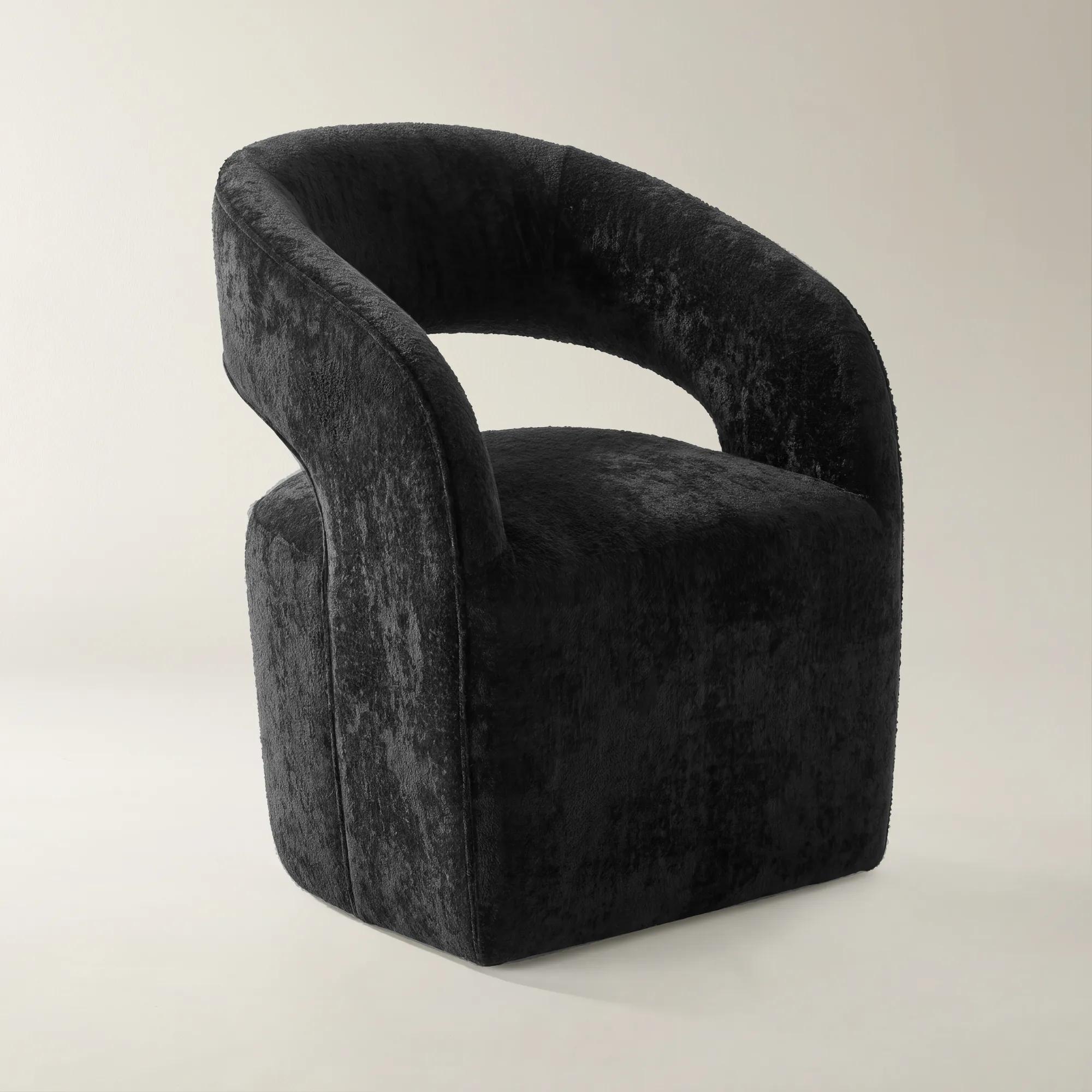 Harrison Black Chenille Dining Chair$499
A sculptural dining chair upholstered in charcoal chenille with a curved back, feather-blend seat, and integrated arms.
Add To Cart -
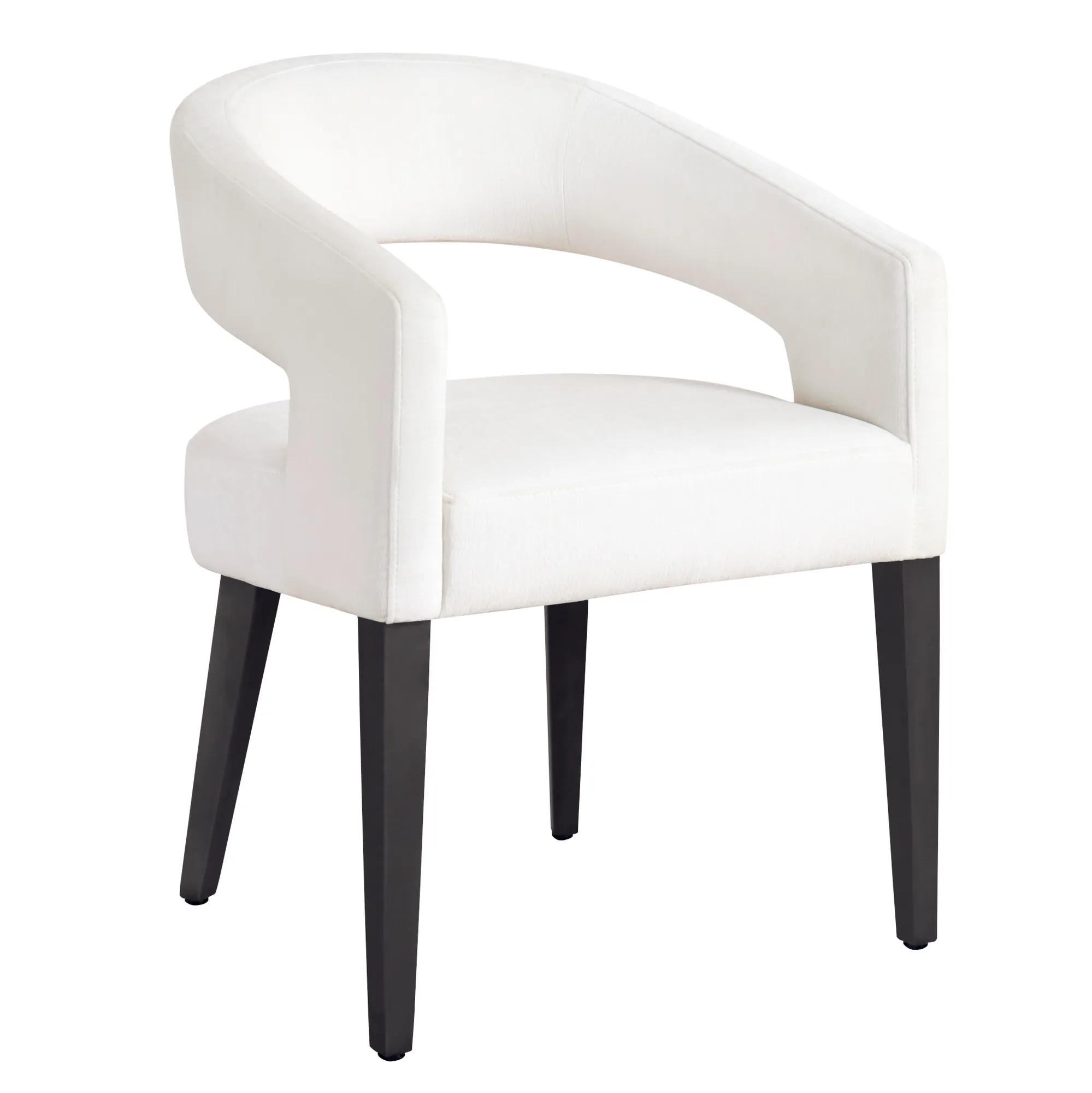
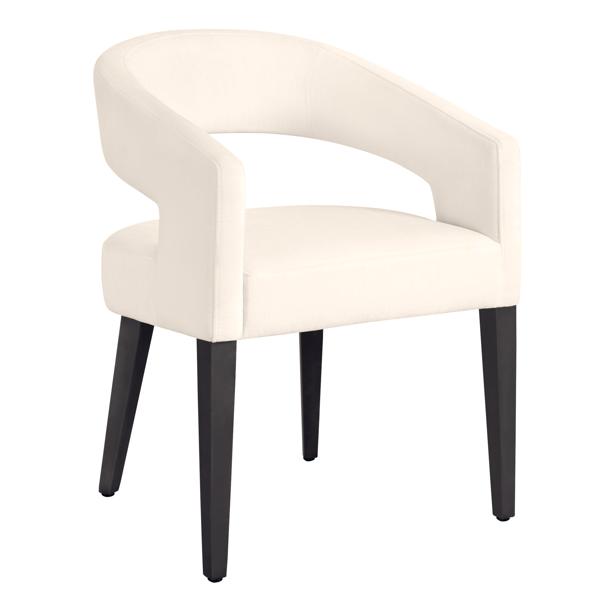 Philippa Dining Chair - Espresso$699
A modern dining chair featuring a curved silhouette, espresso legs, and neatly tailored chenille upholstery.
Add To Cart -
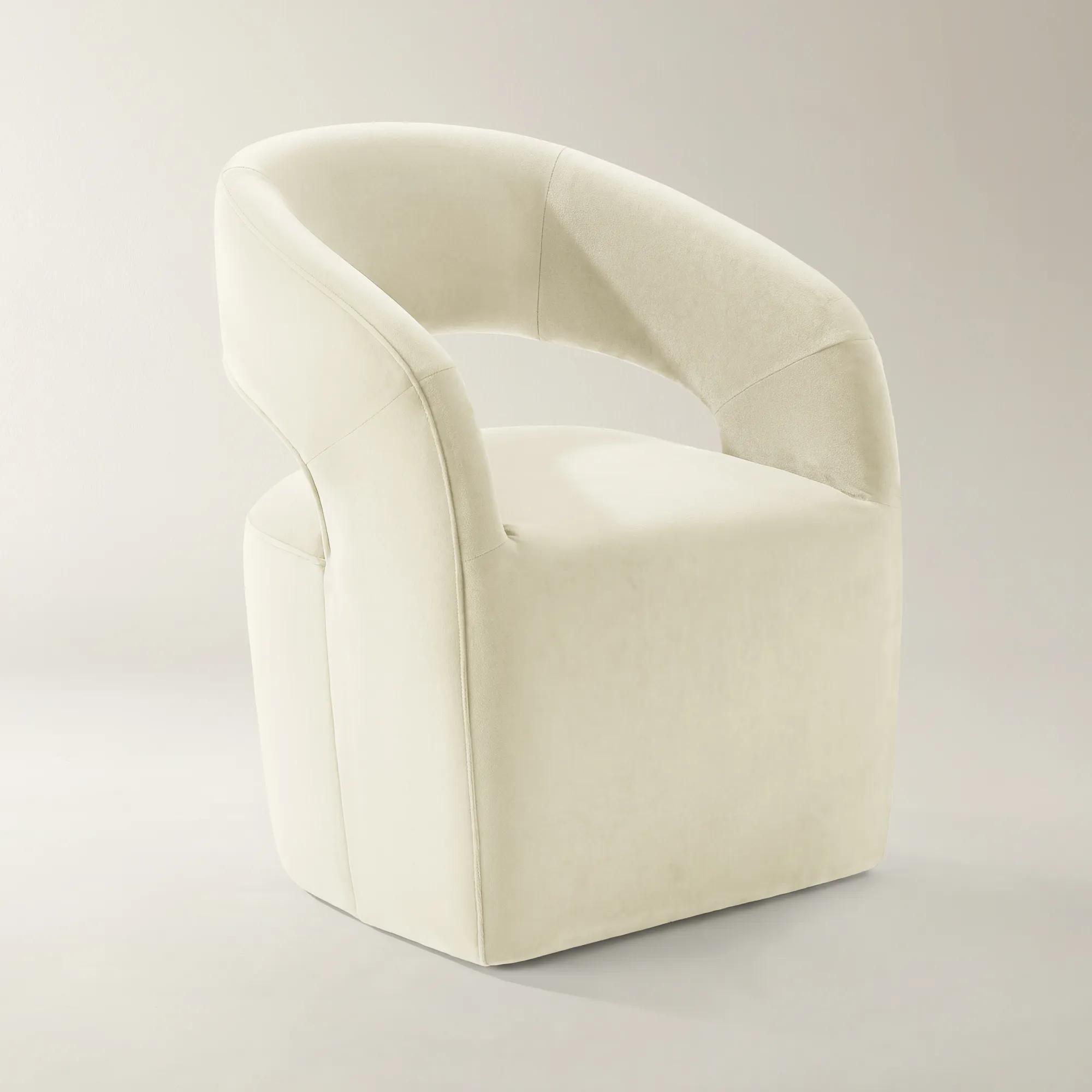 Harrison Cloud Velvet Dining Chair$499
A sculptural dining chair featuring cloud velvet upholstery, feather-blend cushioning, and a continuous curved back.
Add To Cart

Durable Dining Chairs For Entertaining
Gatherings become grand affairs when every seat is an invitation to linger, laugh, and indulge. Durable dining chairs for entertaining transform your dining space into a stage for unforgettable moments, where style meets substance in every curve and finish. Crafted to captivate the eye and cradle guests in comfort, these statement pieces promise not just resilience but a sense of occasion—elevating soirées and intimate dinners alike. Let your dining room dazzle with chairs that embody both enduring elegance and the art of hospitality, ensuring every celebration unfolds in impeccable taste.
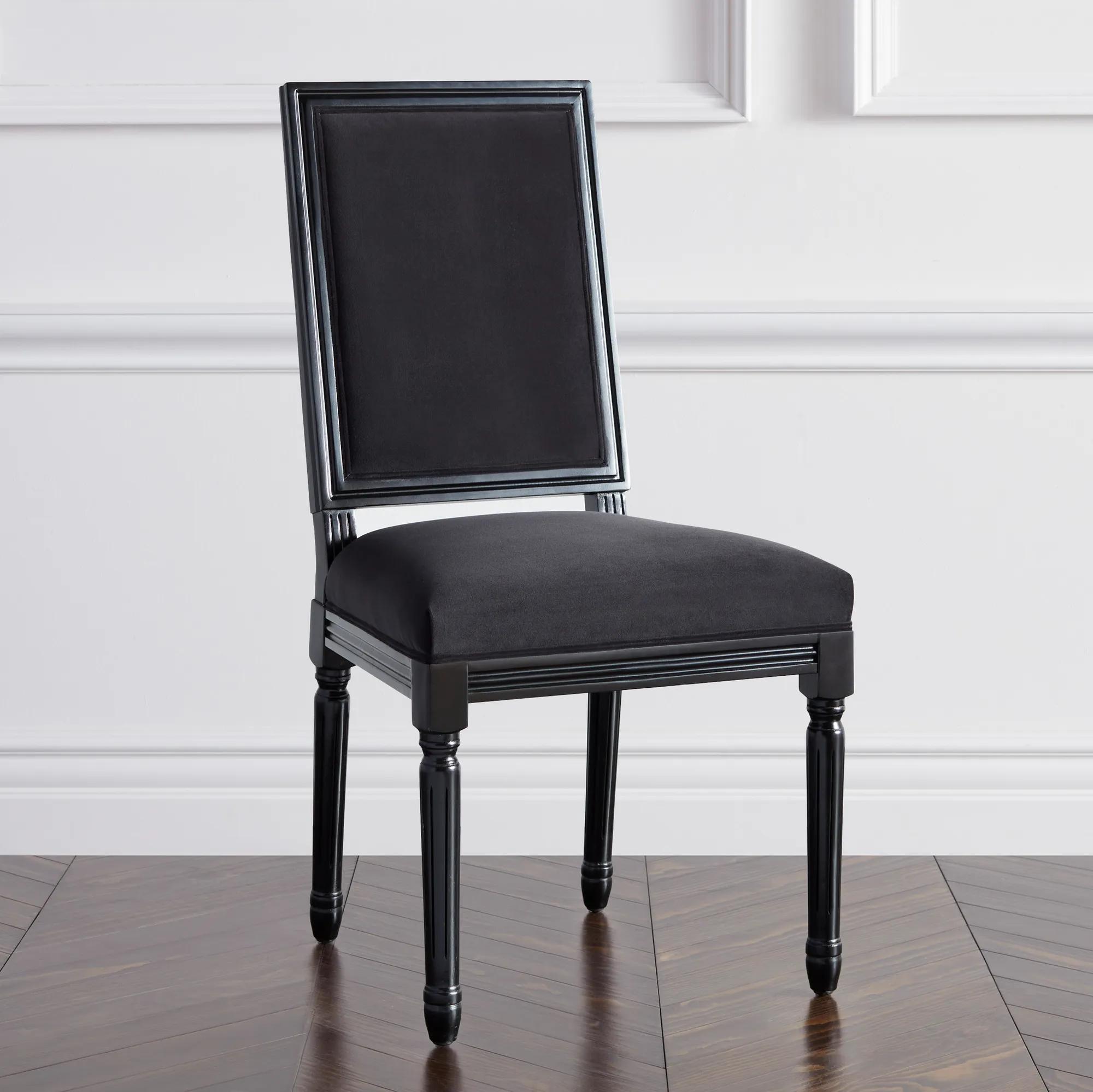
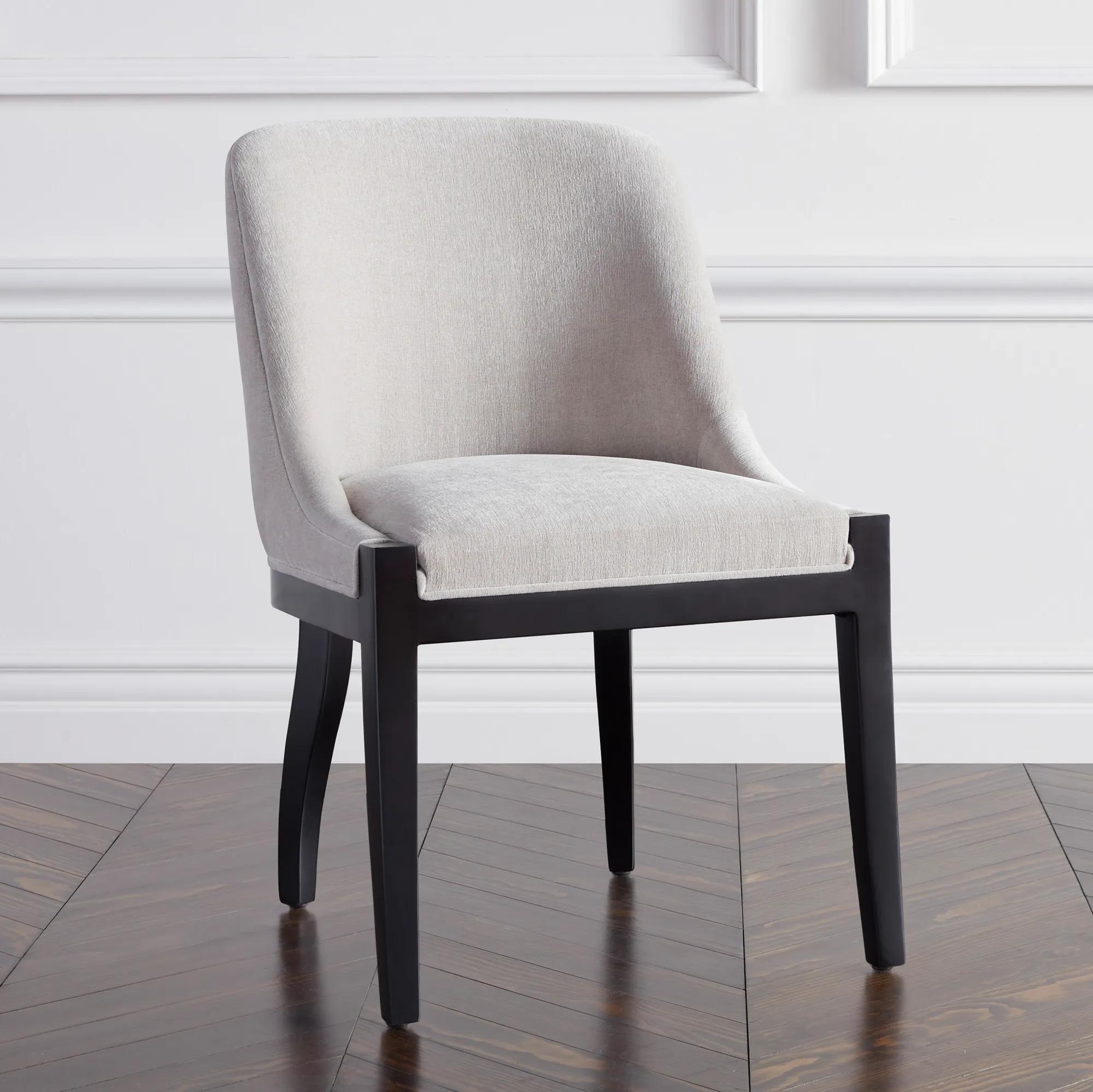
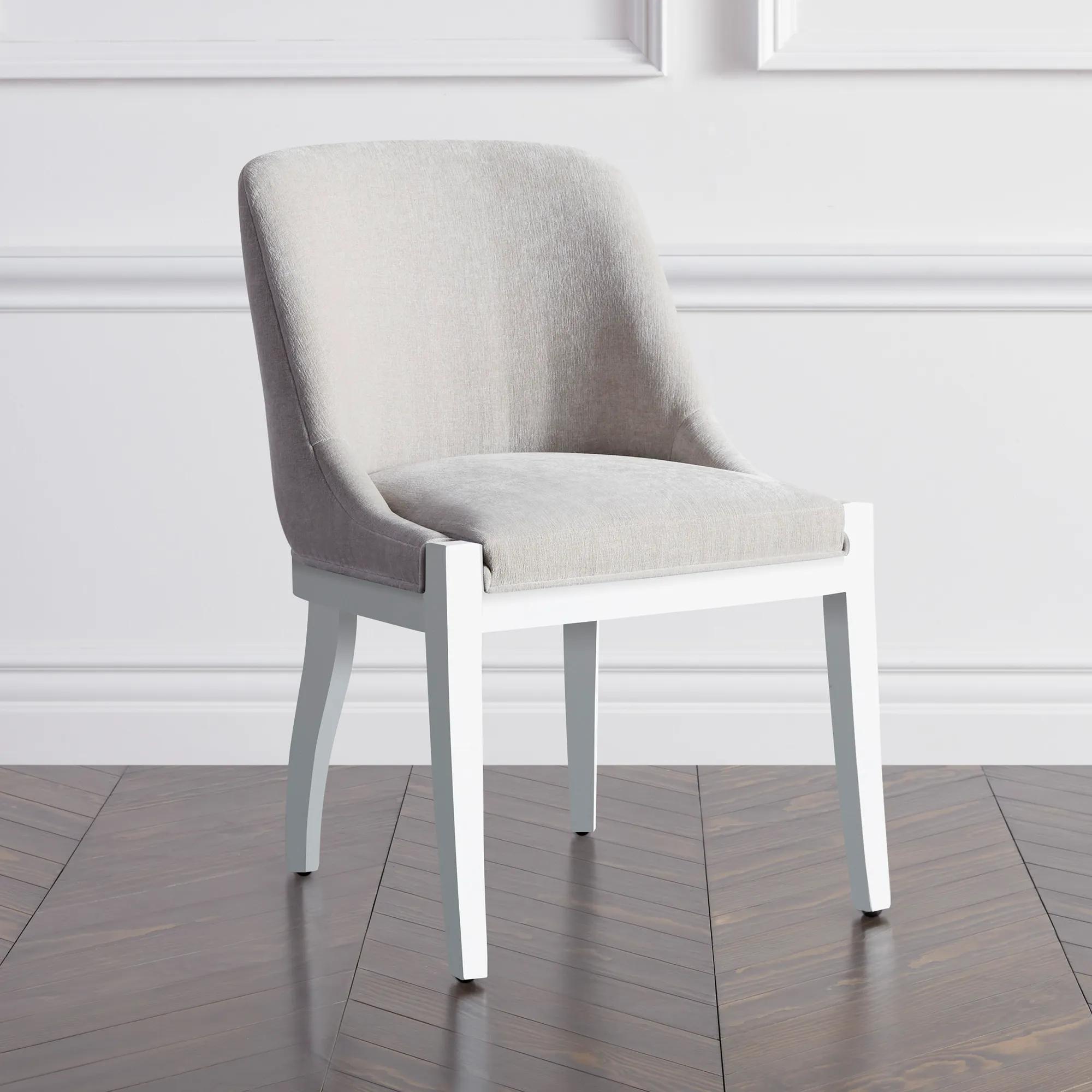
Durable dining chairs for entertaining combine sturdy frames, resilient upholstery or wipeable surfaces, and supportive proportions that keep guests comfortable through an unhurried meal. Their appeal goes beyond standing up to frequent use: these are the seats that give a dining room its presence, framing a table with sculptural lines, sumptuous texture, or a gleam of polished metal. For households that gather friends often, durability means a chair can move gracefully between everyday dinners and a full table of guests without demanding delicate handling. Construction matters more than appearance alone. Well-made wood frames rely on sound joinery and secure connections, while metal frames benefit from stable bases, clean welds, and protective finishes suited to regular indoor use. A substantial silhouette does not automatically indicate strength, and a slender profile need not mean fragility; the frame design, assembly, and stated weight capacity tell a more useful story. Upholstery adds another layer of consideration. Performance fabrics may offer stain resistance, but their capabilities vary, making fabric specifications and care instructions essential. Tightly woven textiles can offer a smooth, tailored surface, while velvet brings depth and a luminous shift in tone that makes even a restrained dining setting feel richly composed. Velvet is not inherently stain resistant, so its suitability depends on the particular fabric and finish. Leather and leather-look upholstery can offer surfaces that are easier to wipe clean when their care instructions permit, although each has different requirements and vulnerabilities. Exposed wood or metal details introduce definition around an upholstered seat, balancing softness with architectural structure. For frequent hosts, the strongest combination is beauty supported by practical details: secure legs, upholstery appropriate to the household, and cushioning that feels supportive rather than simply plush. A chair should look compelling beneath a chandelier and feel equally considered when conversation continues long after the plates have been cleared.
Comfort and fit determine how naturally dining chairs work within an entertaining space. A generous seat can feel inviting, but its width needs to suit both the table and the number of people gathered around it. Many standard dining tables stand approximately 28 to 30 inches high, and dining chair seats commonly fall around 18 to 20 inches high; the actual pairing matters more than either measurement in isolation. Roughly 10 to 12 inches between the seat and the underside of the tabletop generally provides comfortable legroom, with extra attention needed for thick table aprons or deep seat cushions. Armchairs bring a distinctive sense of occasion to the ends of a rectangular table, yet their arms must clear the apron if the chairs are intended to tuck underneath. Armless silhouettes often allow greater flexibility along the sides, especially when place settings include broad chargers, substantial glassware, and serving pieces passed between guests. Allowing about 24 inches of table edge per person is a useful starting point, while wider chairs and more elaborate place settings may need additional space. Clearance behind the chairs matters just as much: approximately 36 inches between the table edge and a wall or furnishing is a common starting point, with more room preferable along an active serving route. These proportions help preserve the ease of the evening, allowing someone to leave the table without interrupting an entire row of guests. Back shape, seat depth, and padding also influence comfort. A gently contoured back can feel more supportive than a dramatic silhouette with little contact, and an excessively deep seat may leave shorter guests perched forward. Visually, durable dining room chairs can create drama through repetition or contrast. A coordinated set gives the table a strong rhythm, while complementary host chairs introduce distinction without competing for attention. Rich upholstery beside a gleaming table base, or a clean-lined frame against a richly grained tabletop, gives the room dimension without sacrificing function.
Care is part of lasting beauty, particularly in a room where red wine, salad dressing, and lively conversation share the same table. Stain resistance offers valuable breathing room, not a promise that spills can be ignored. Prompt attention and the correct cleaning method help preserve upholstery, finishes, and the details that make a dining chair distinctive. Fabric care codes and manufacturer instructions should determine whether a material can tolerate water-based cleaning, solvent-based treatment, or professional care. Blotting rather than rubbing is generally the gentler response to a fresh spill, while any cleaner should be appropriate for the surface and tested as directed in an inconspicuous area. Regular removal of crumbs and dust helps prevent debris from settling into seams and textured fabrics. Velvet may need gentle brushing or another approved method to maintain its pile, and leather requires products suited to its specific finish rather than an all-purpose household spray. Wood and metal surfaces also deserve care matched to their coatings; abrasive tools and harsh cleaners can diminish a polished effect. Beneath the seat, floor-compatible glides or protective pads help reduce scuffing, and lifting chairs rather than dragging them protects both the furniture and the floor. Periodic checks of fasteners, where applicable, can address loosening before it becomes a wobble. The same priorities carry into spaces that host breakfast, homework, and impromptu company, making Durable Kitchen Dining Chairs a related consideration for homes where gathering is not confined to a formal room. Families may value surfaces that accommodate frequent cleanup, while devoted dinner-party hosts may place equal emphasis on supportive seating and a striking profile. For either setting, indoor dining chairs should be used within their intended conditions and stated capacity. Thoughtful construction, suitable materials, and consistent care allow expressive design to remain part of daily life, giving every gathering a setting that feels generous, polished, and distinctly personal.
FAQs
For entertaining, look for dining chairs crafted from solid hardwoods such as oak or walnut, or sturdy metal frames with expertly joined construction. Upholstery in performance fabrics like bouclé, velvet, or faux leather offers both resilience and a touch of luxury, making them ideal for frequent gatherings and long evenings around the table.
Performance fabrics are specially engineered to resist stains, spills, and daily wear, making them a smart choice for dining chairs in high-traffic entertaining spaces. These textiles maintain their beauty and texture over time, allowing you to host guests with confidence and ease, even during lively celebrations.
Comfort-forward features such as padded seats, supportive backrests, armrests, and swivel mechanisms ensure your guests can relax and enjoy long, leisurely meals. Thoughtful ergonomics and plush cushioning invite everyone to stay at the table and savor each moment.
Absolutely. Slipcovered dining chairs offer a blend of style and practicality, with removable covers that can be easily laundered. This versatility makes them perfect for homes where entertaining is frequent, and where effortless elegance is always on display.
Durable dining chairs make a thoughtful and lasting gift for newlyweds, new homeowners, or anyone who loves to gather friends and family around the table. They’re a meaningful way to celebrate milestones, mark special occasions, or simply elevate the everyday ritual of shared meals.