
Dining Tables With Pedestal Bases
Dining Tables With Pedestal Bases
-
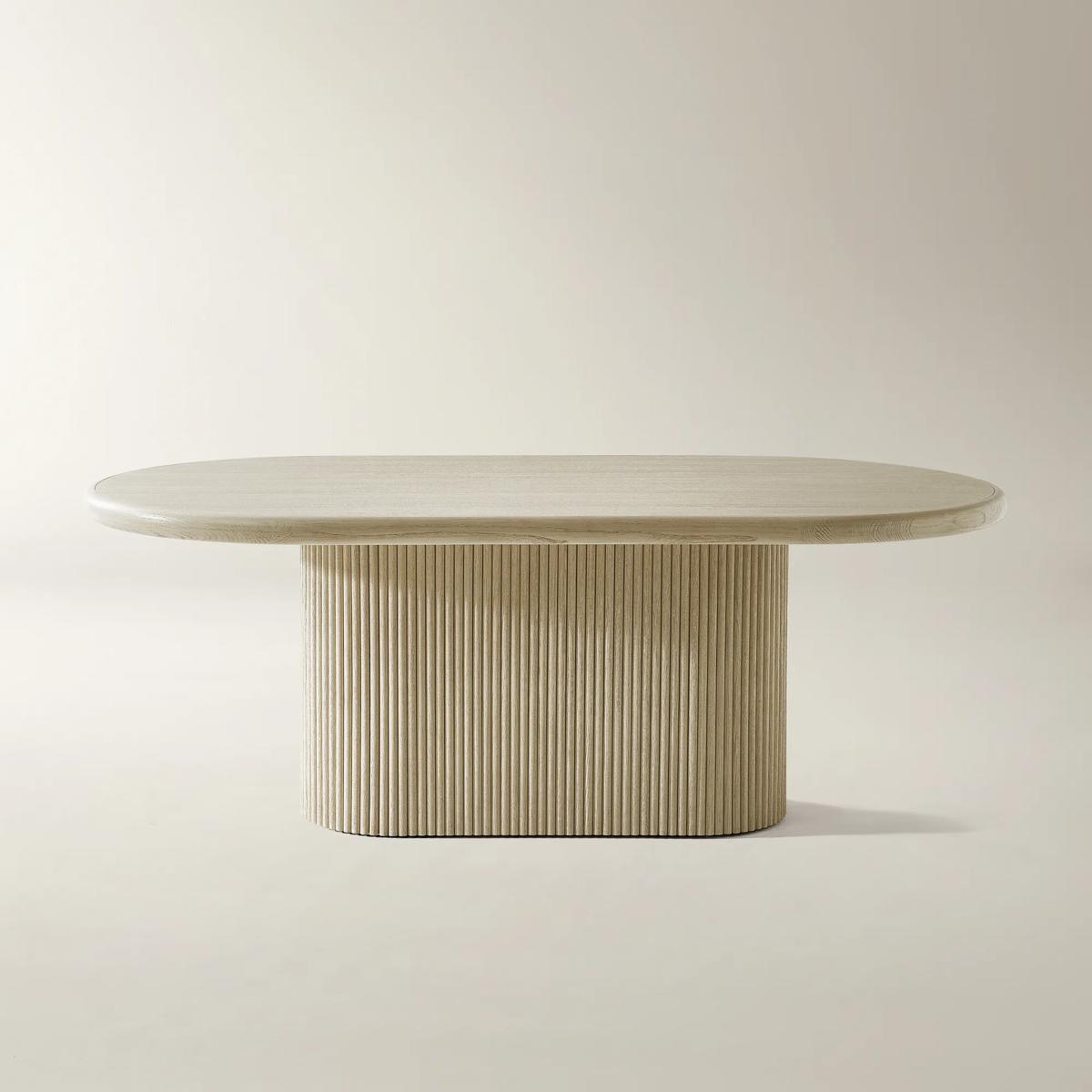
 Stria Oval Reeded White Oak Dining Table (82")$2199
A sculptural oval dining table featuring reeded oak, a single pedestal base, and gold-plated steel trim.
Add To Cart -
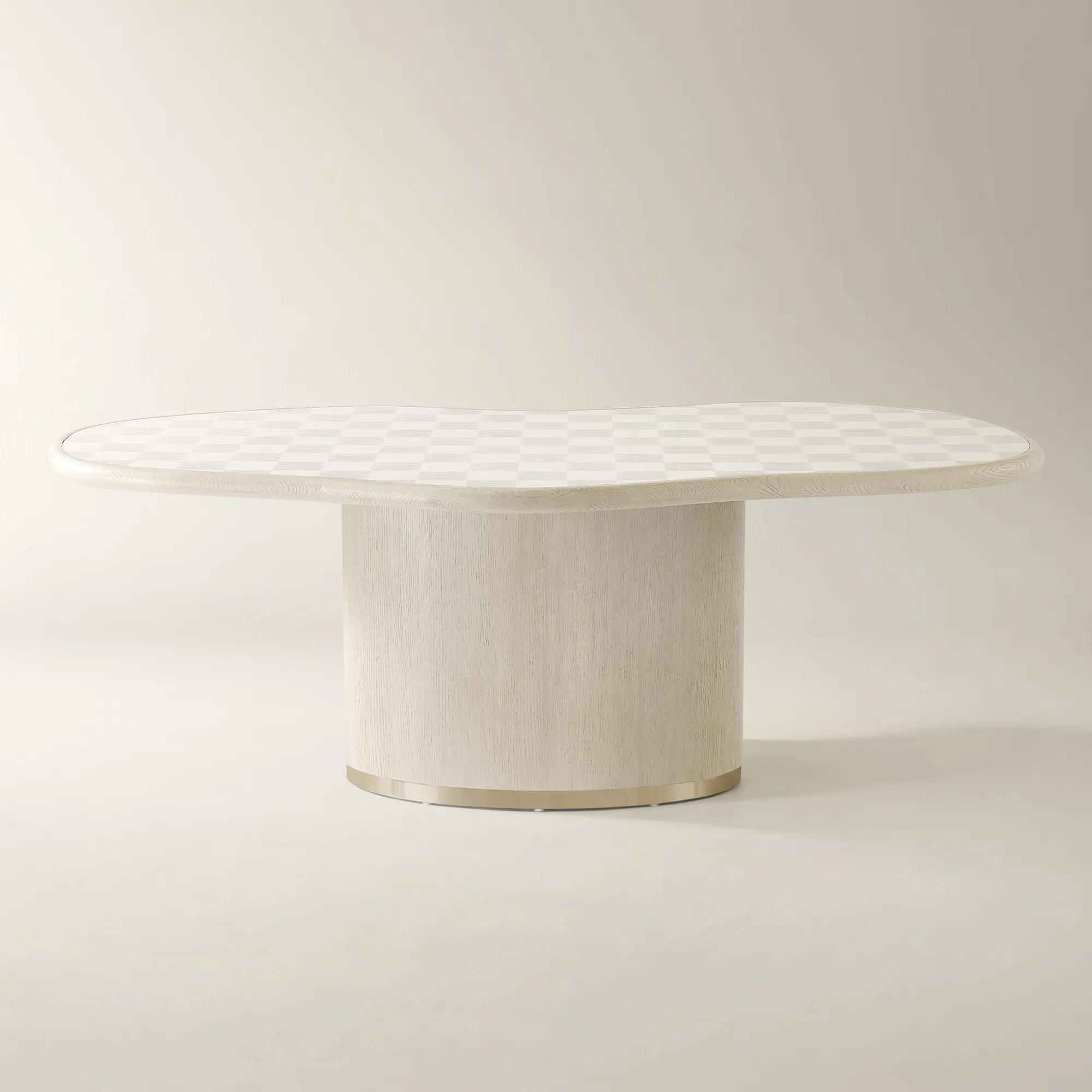 Vetra Checkerboard Oak and Maple Dining Table (84")$2399
A striking dining table featuring a hand-arranged oak and maple checkerboard veneer with soft gold accents.
Add To Cart -

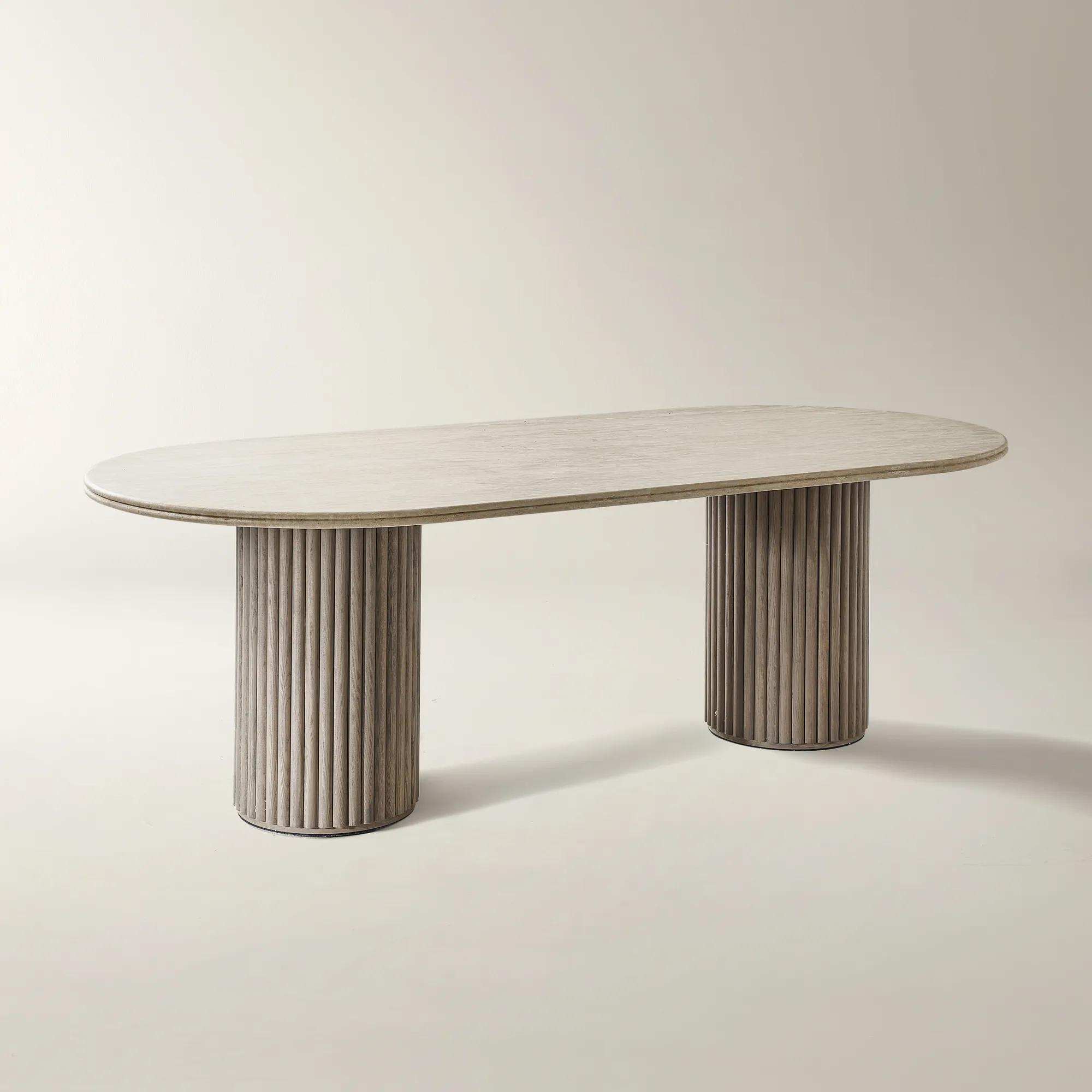 Bond Oval Reeded Travertine and Wood Dining Table (94.25")$4599
A natural travertine stone top pairs with a fluted solid ash base for refined, organic elegance.
Add To Cart -
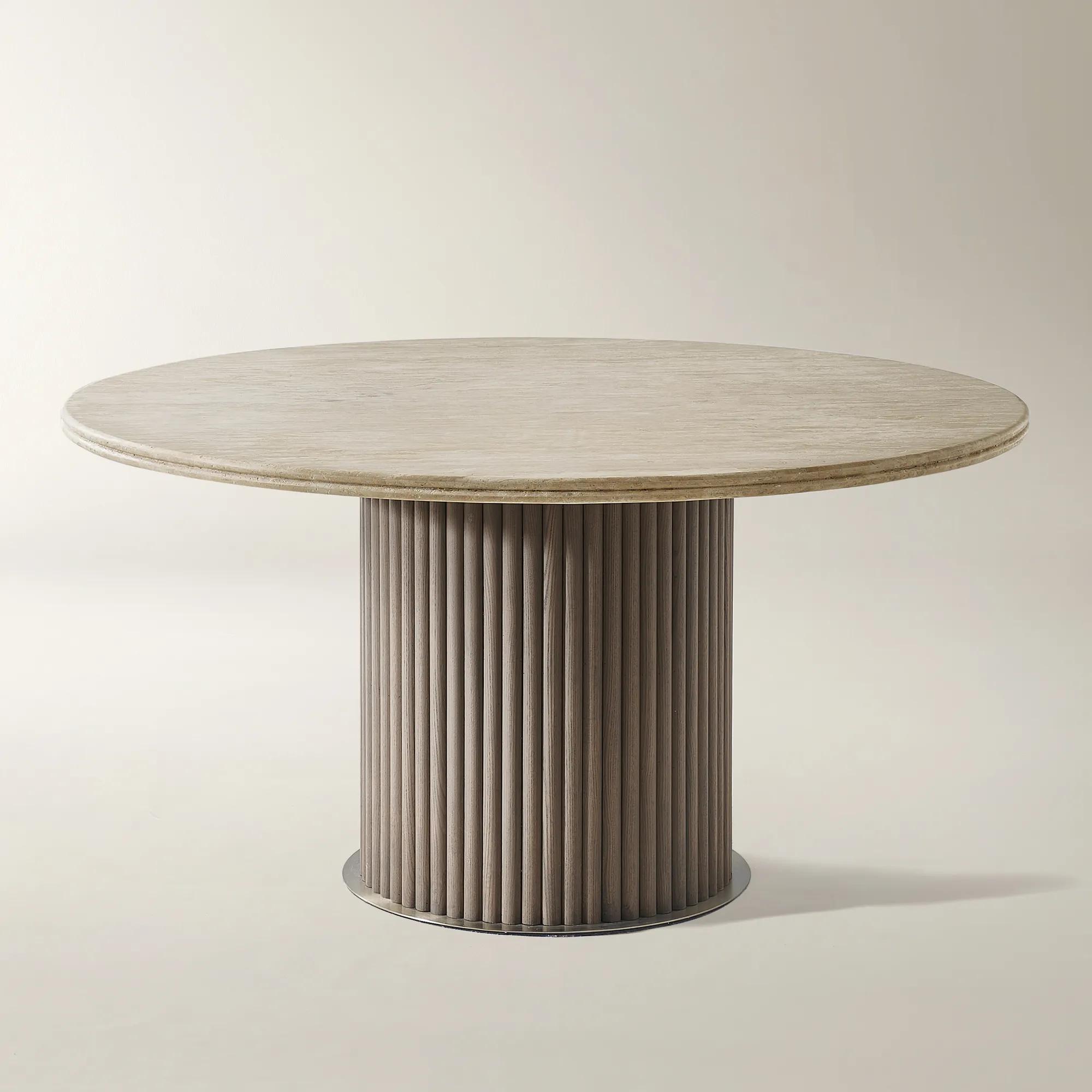 Bond Round Reeded Travertine and Wood Dining Table (59")$3499
A round dining table featuring a genuine natural travertine stone top and a fluted solid ash base.
Add To Cart -
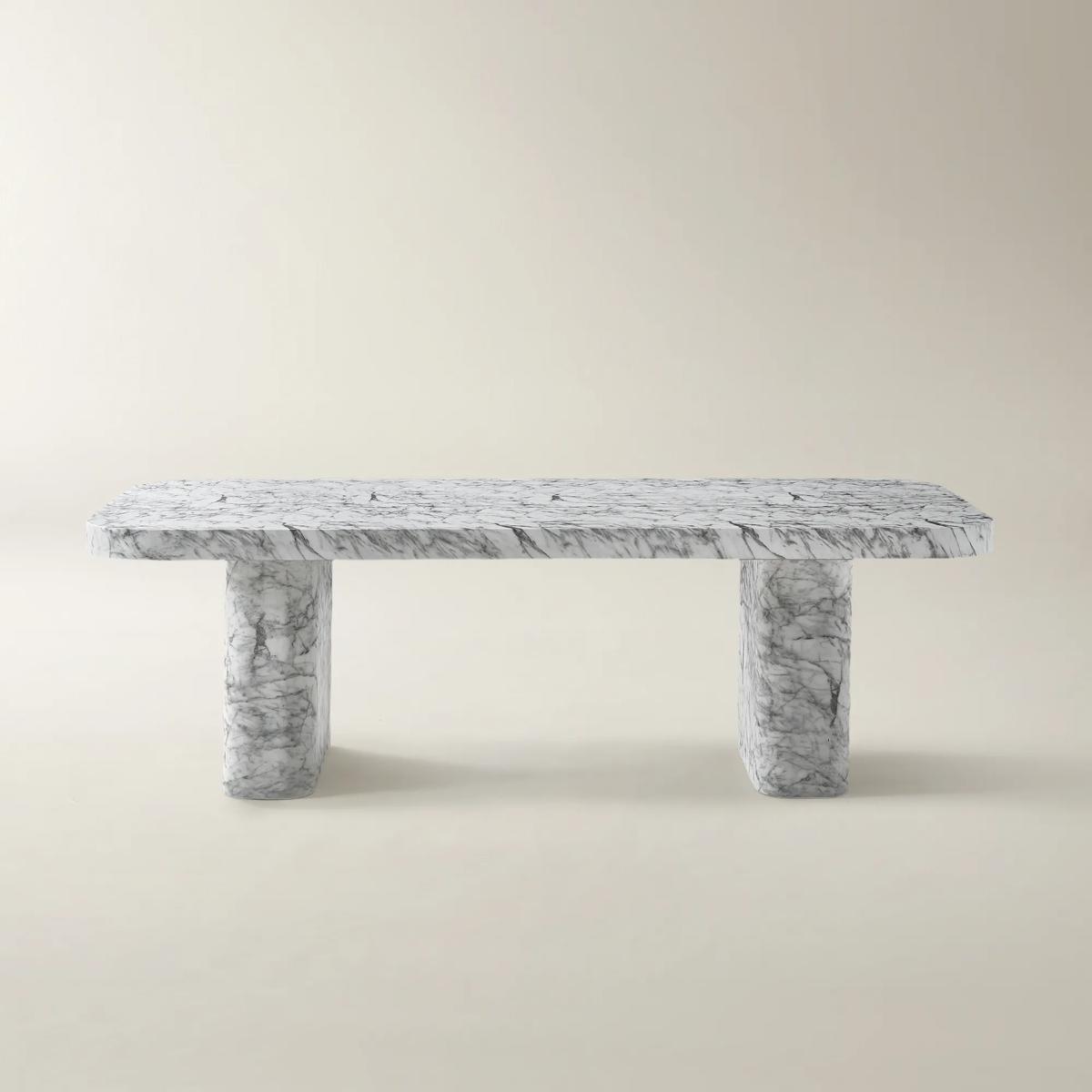
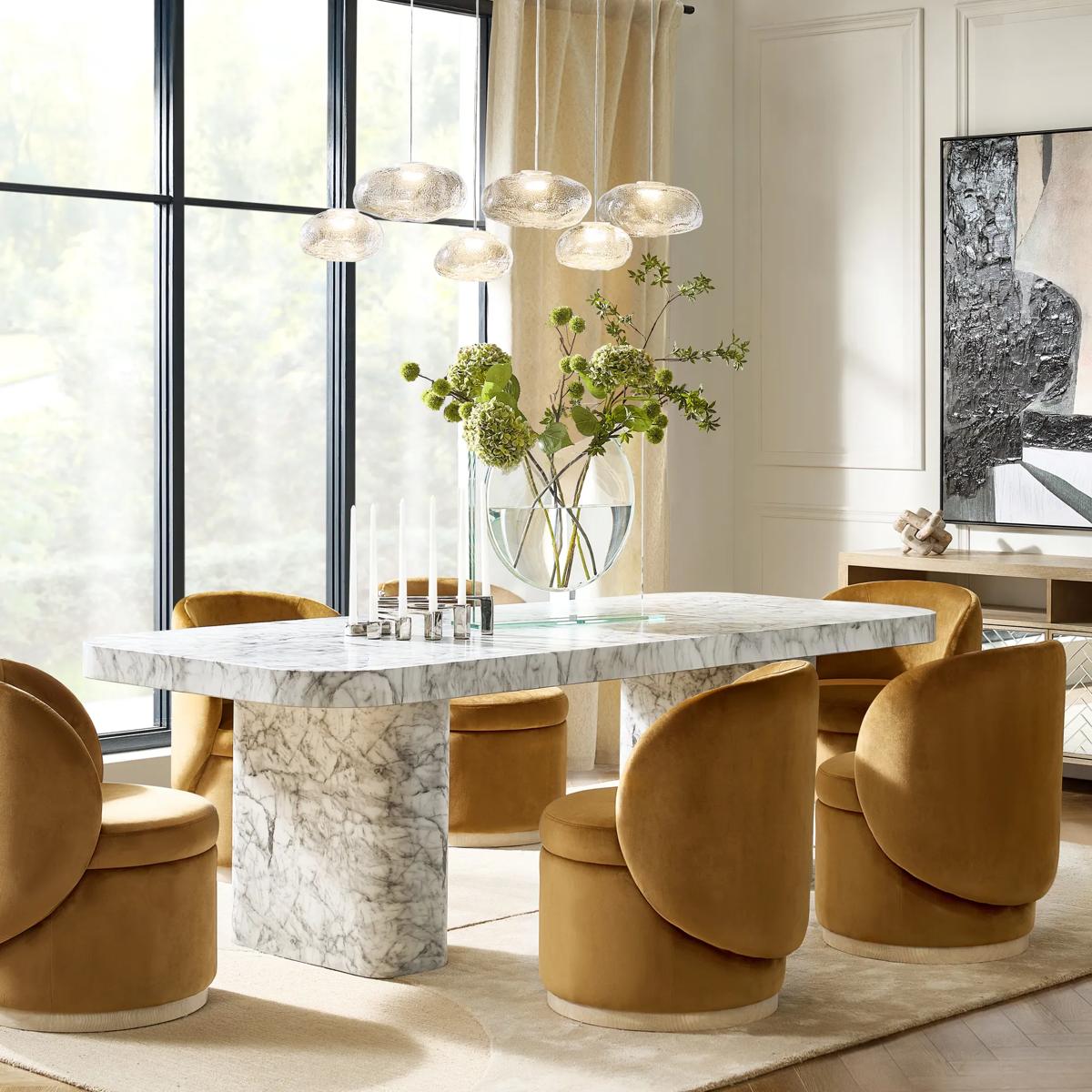 Silex Rectangular White Concrete Indoor/Outdoor Dining Table (94.5")$1999
A white concrete dining table with a sculptural pedestal base, marble-inspired veining, and indoor-outdoor versatility.
Add To Cart -
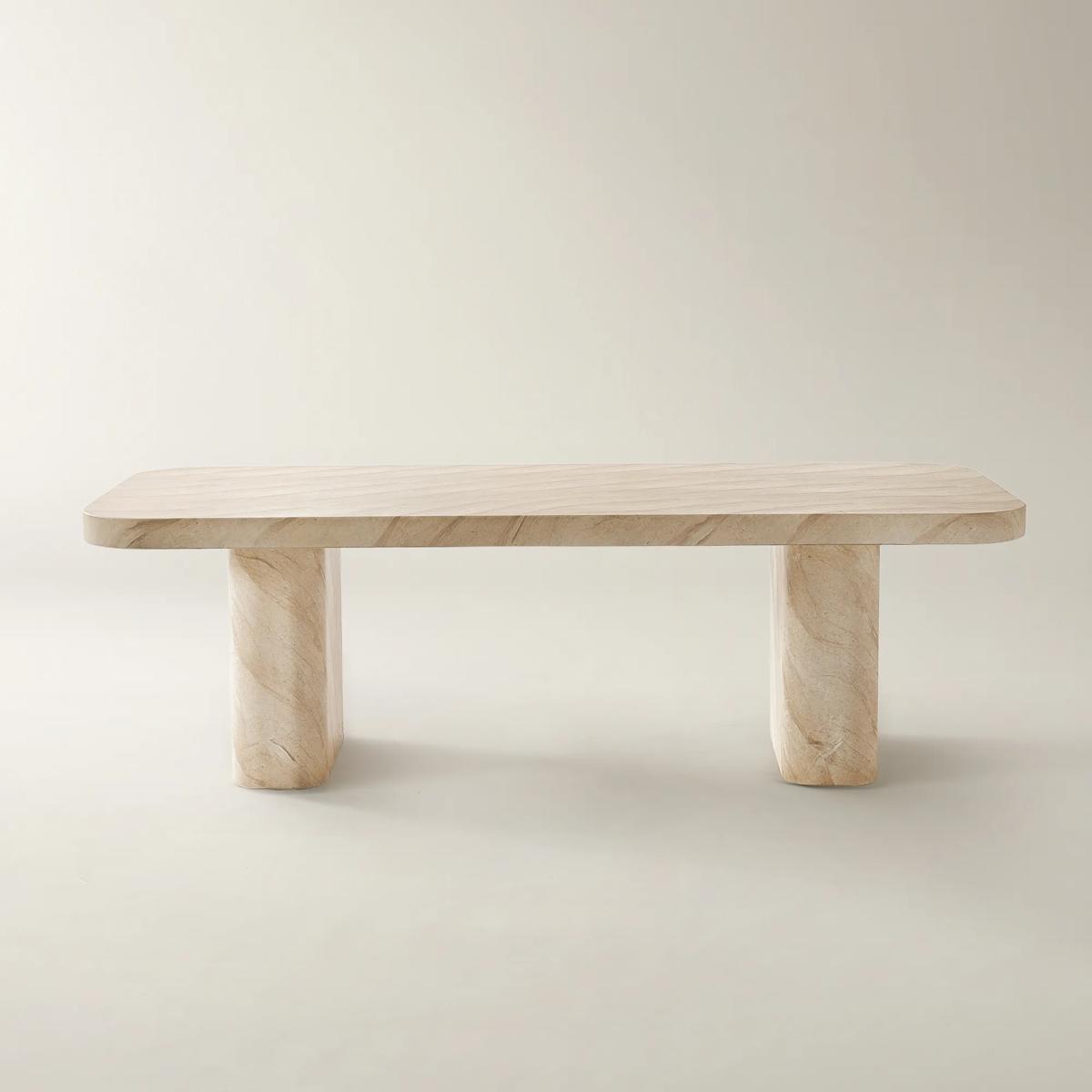 Silex Rectangular Travertine Concrete Indoor/Outdoor Dining Table (94.5")$1999
A rectangular dining table with pedestal legs, travertine-inspired veining, and resilient fiber concrete for indoor-outdoor use.
Add To Cart -
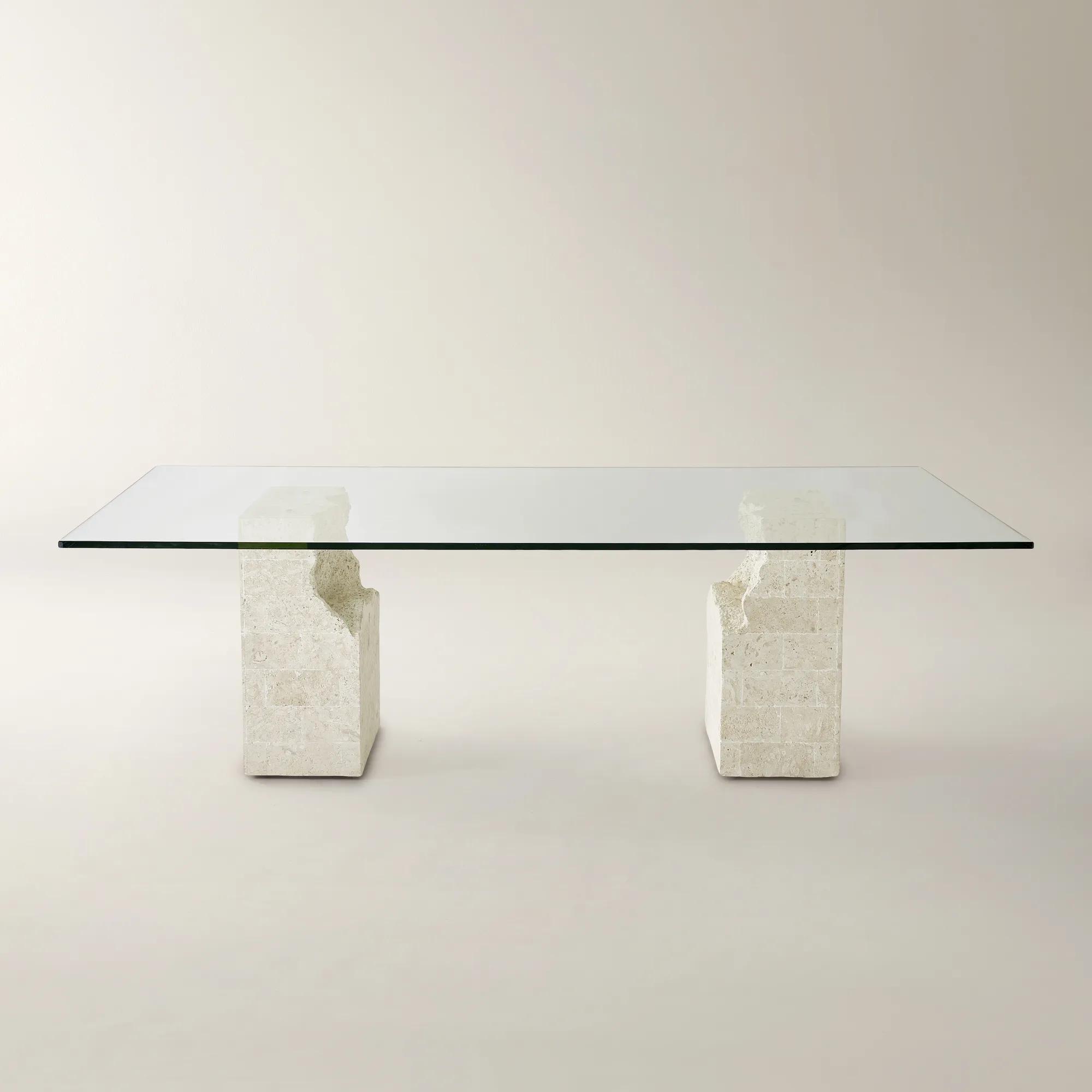 Cairo Rectangular Mactan Stone Dining Table With Glass Top (96")$2599
A contemporary dining table featuring a clear tempered glass top over hand-carved Mactan stone bases.
Add To Cart -
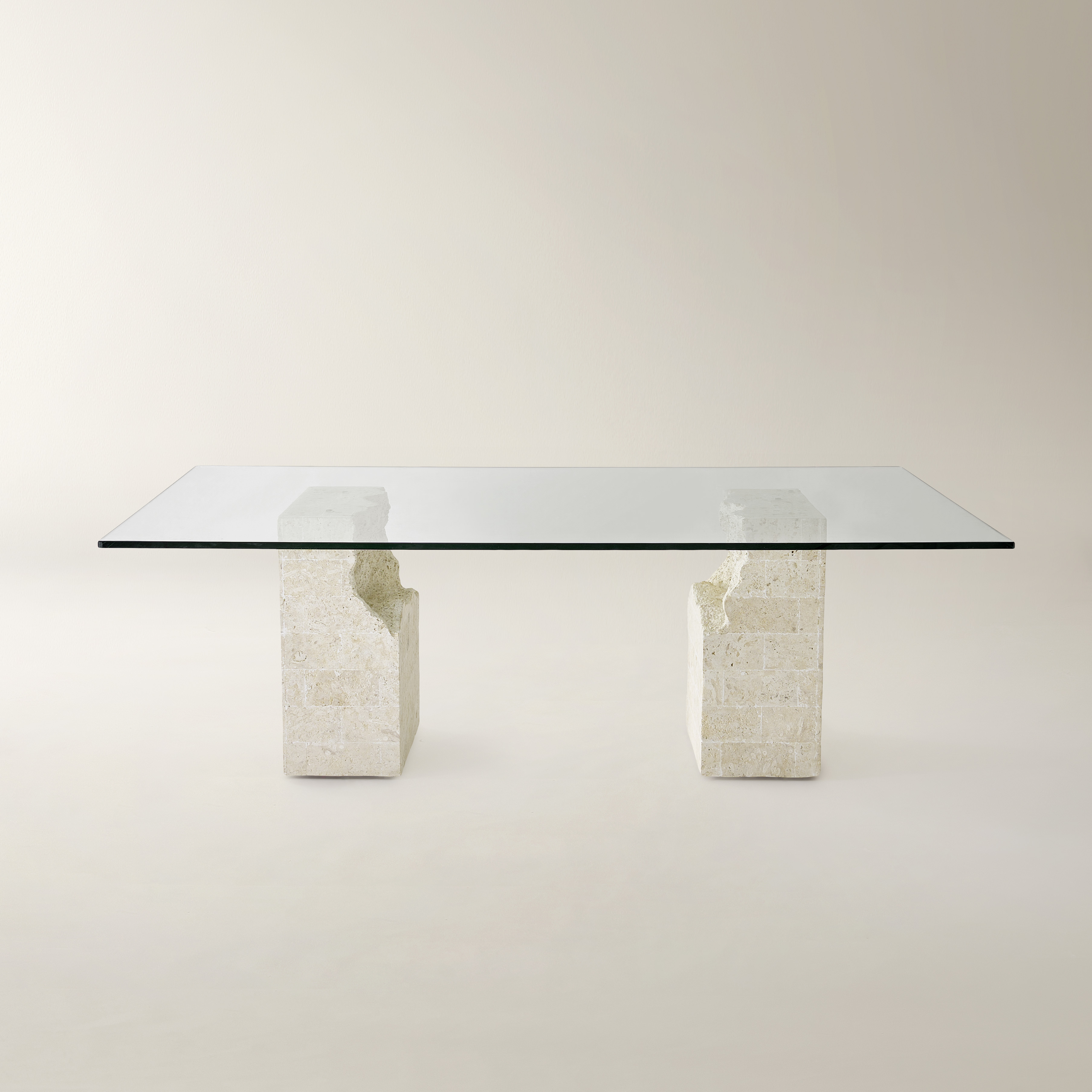 Cairo Rectangular Mactan Stone Dining Table With Glass Top (86.6")$2399
A contemporary dining table featuring a clear tempered glass top over hand-carved Mactan stone bases.
Add To Cart -
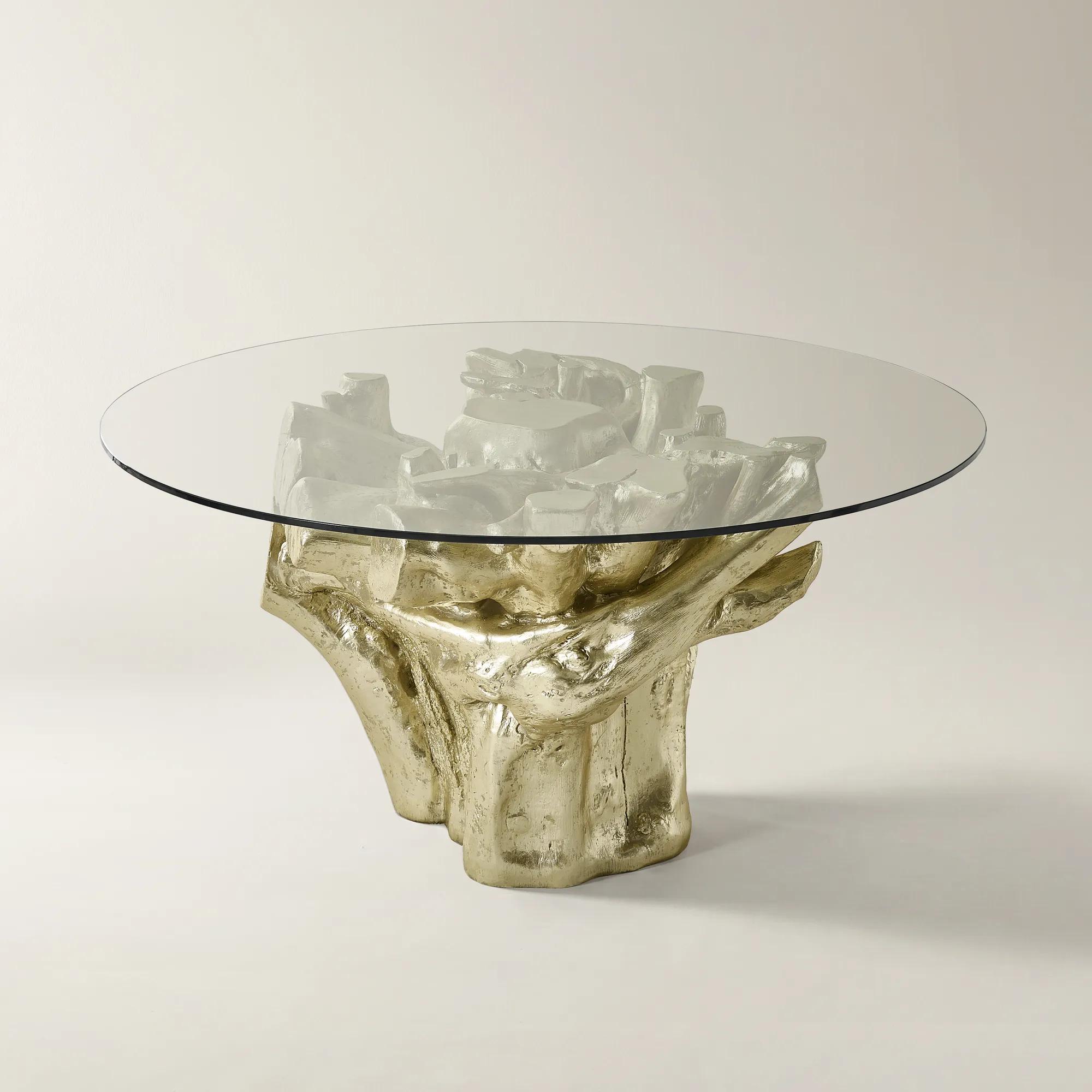 Sequoia Champagne Gold Resin Dining Table With Glass Top (60")$2199
A sculptural resin dining table with a champagne gold leaf base and a clear tempered glass top.
Add To Cart -
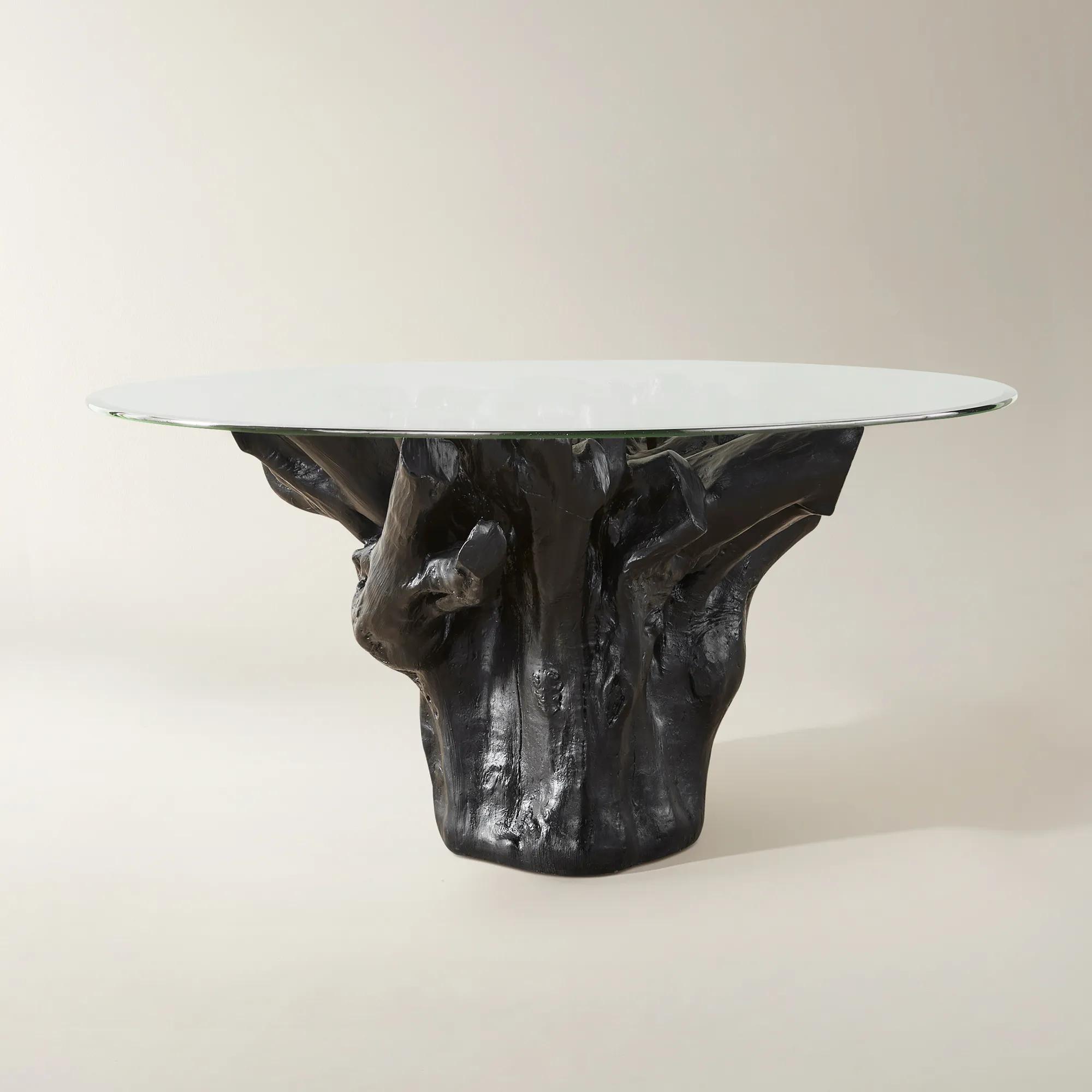 Sequoia Black Resin Dining Table With Glass Top (60")$2299
A sculptural black resin base with real stone fragments supports a round tempered glass top for organic elegance.
Add To Cart -
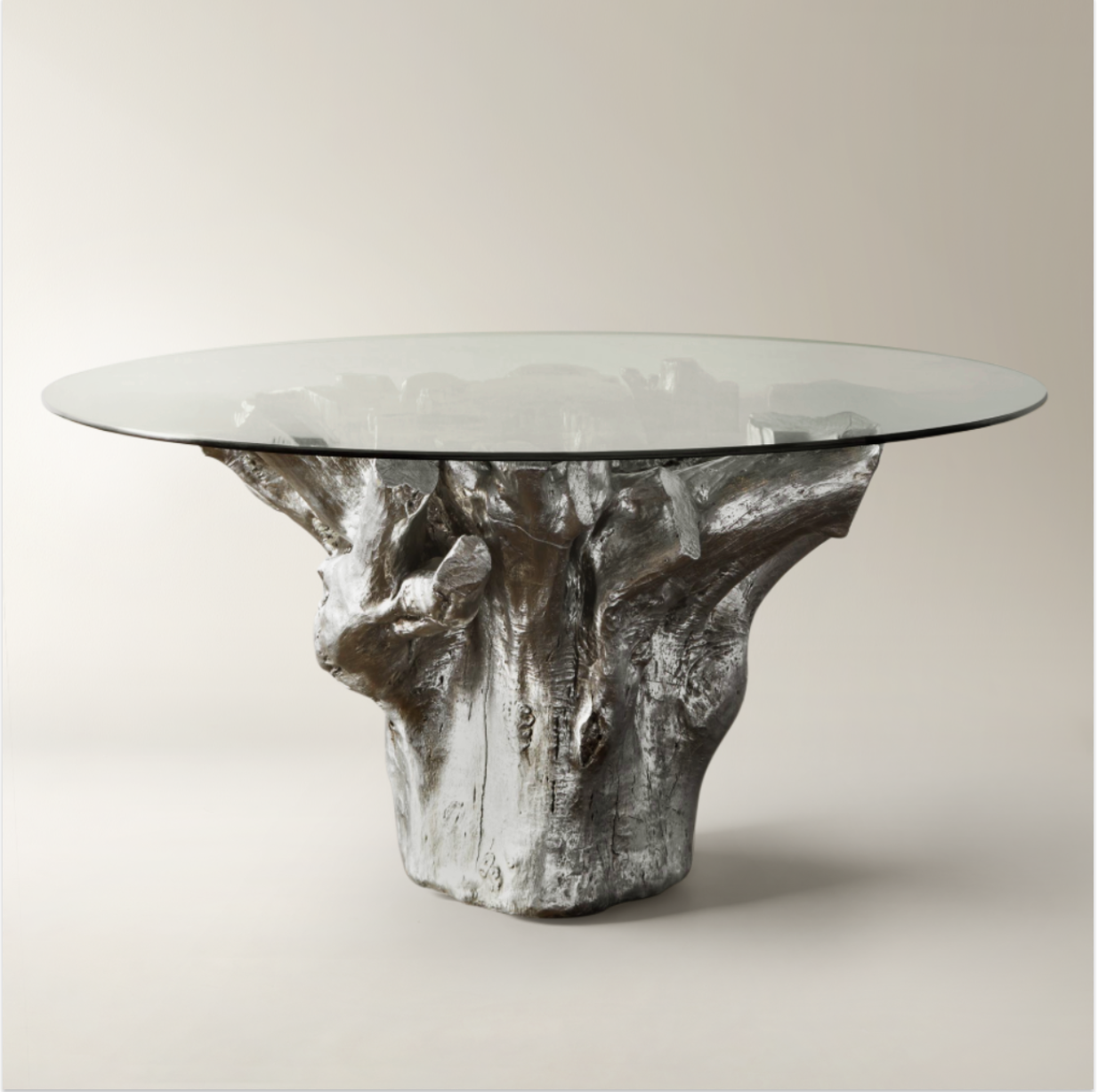 Sequoia Silver Resin Dining Table With Glass Top (60")$2199
A sculptural resin base with hand-applied silver leaf supports a round tempered glass top for modern elegance.
Add To Cart -
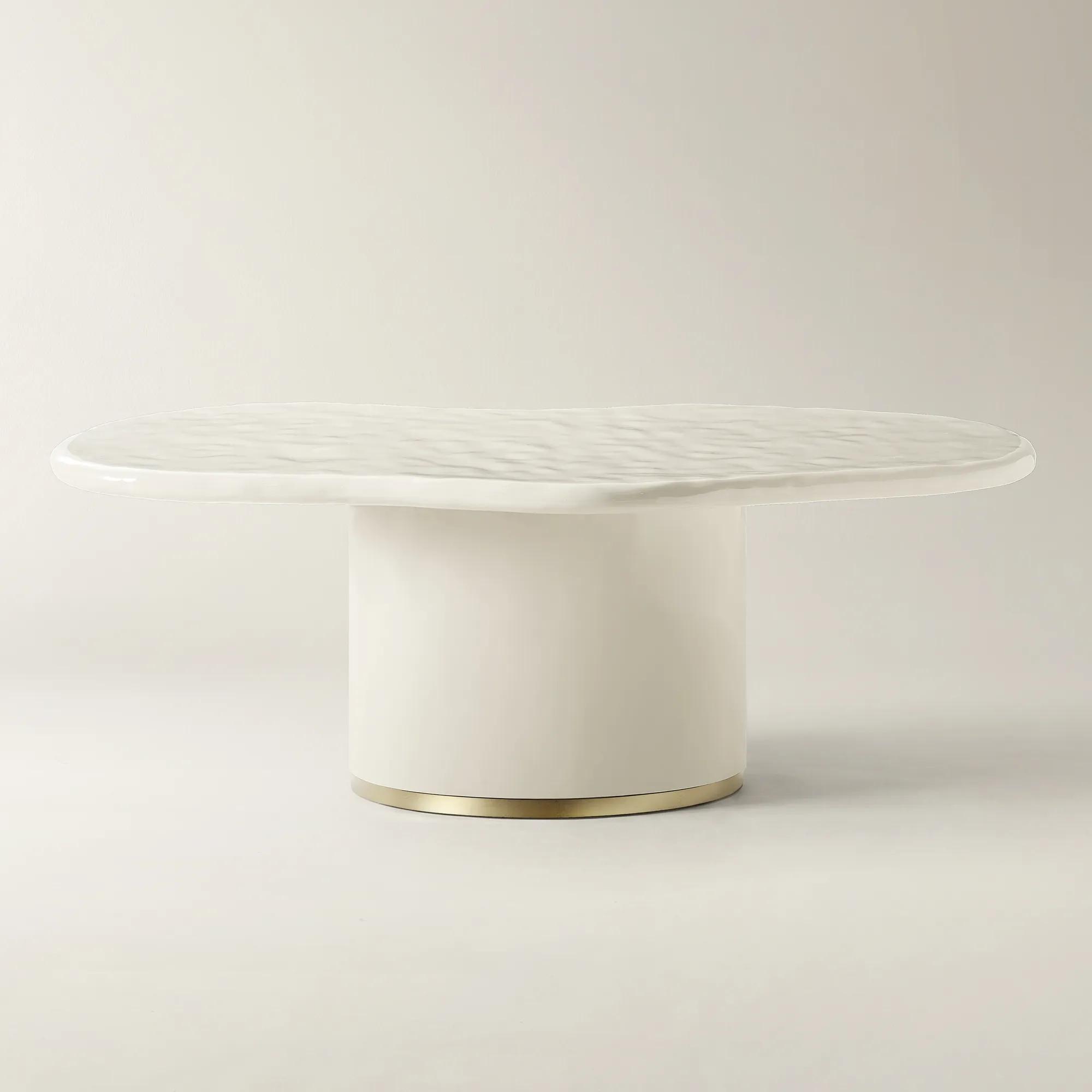 Celia Lacquered Cloud Resin Indoor/Outdoor Dining Table (84")$1999
A sculptural, high-gloss resin dining table with gold stainless steel accents for indoor or covered outdoor use.
Add To Cart -
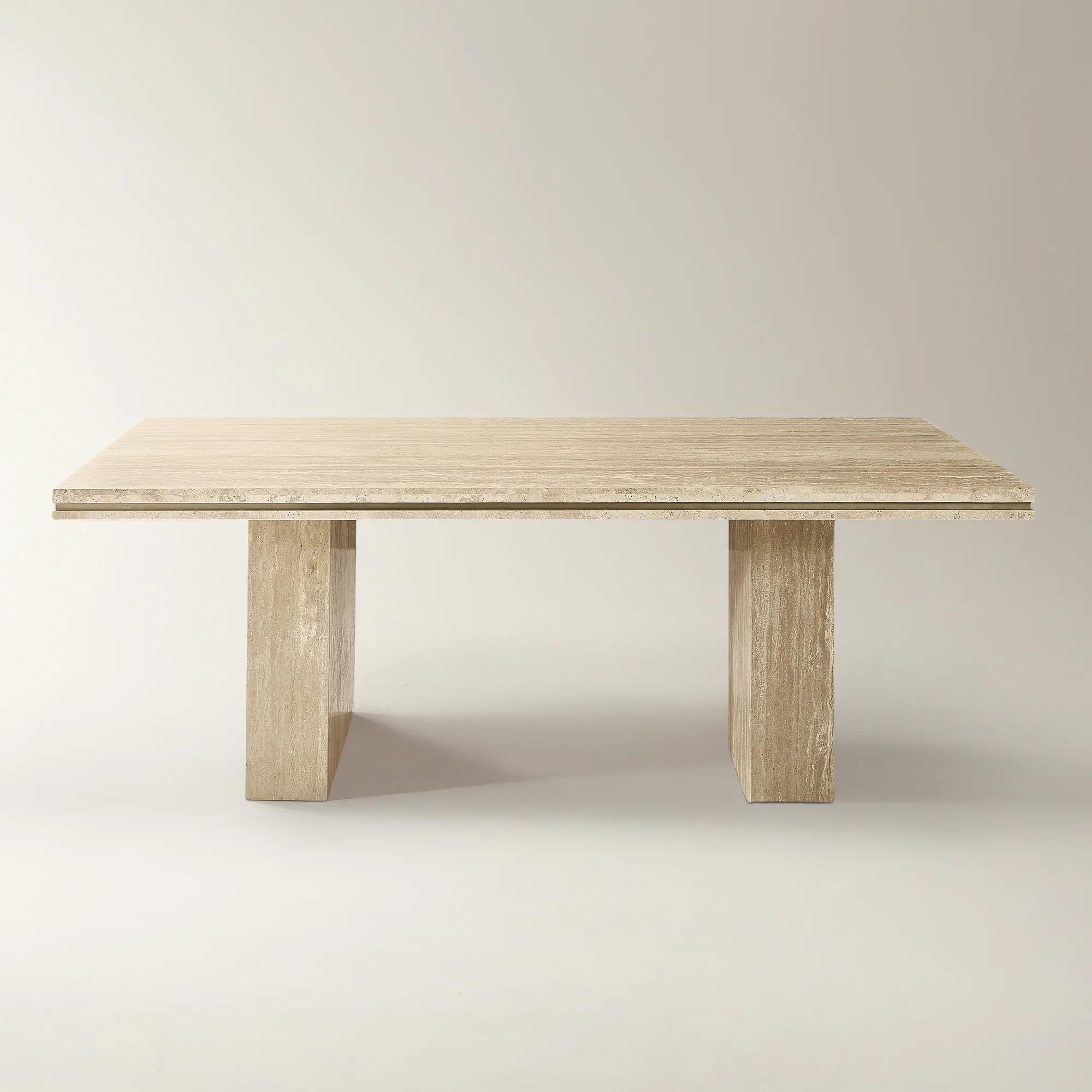 Vanta Rectangular Travertine Dining Table (84")$4199
A natural travertine dining table featuring a soft gold stainless-steel inlay and sculptural twin-panel base.
Add To Cart -
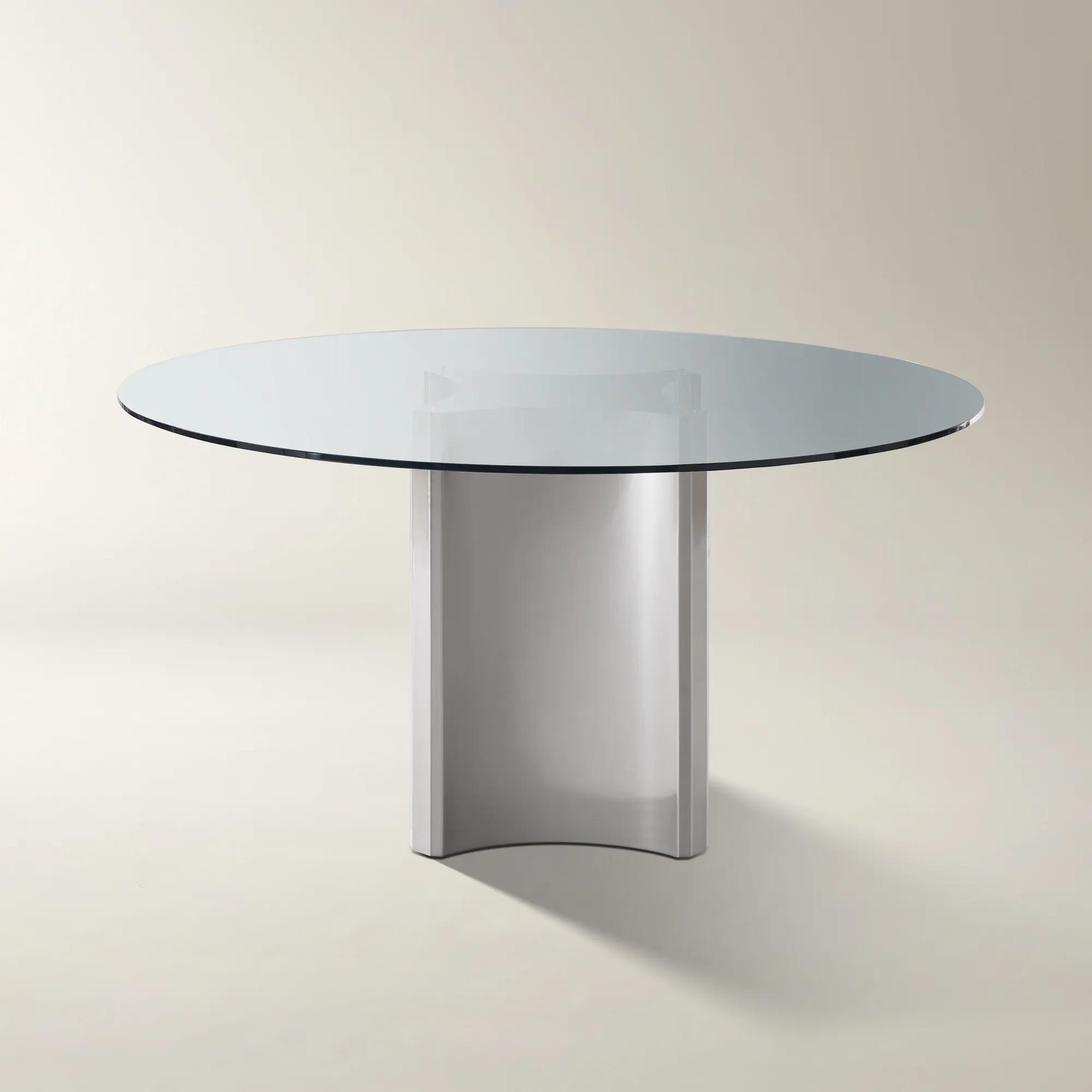 Ventane Round Clear Glass and Stainless steel Dining Table (58")$1499
A modern dining table featuring a clear tempered glass top and polished stainless steel base with anti-fingerprint finish.
Add To Cart -
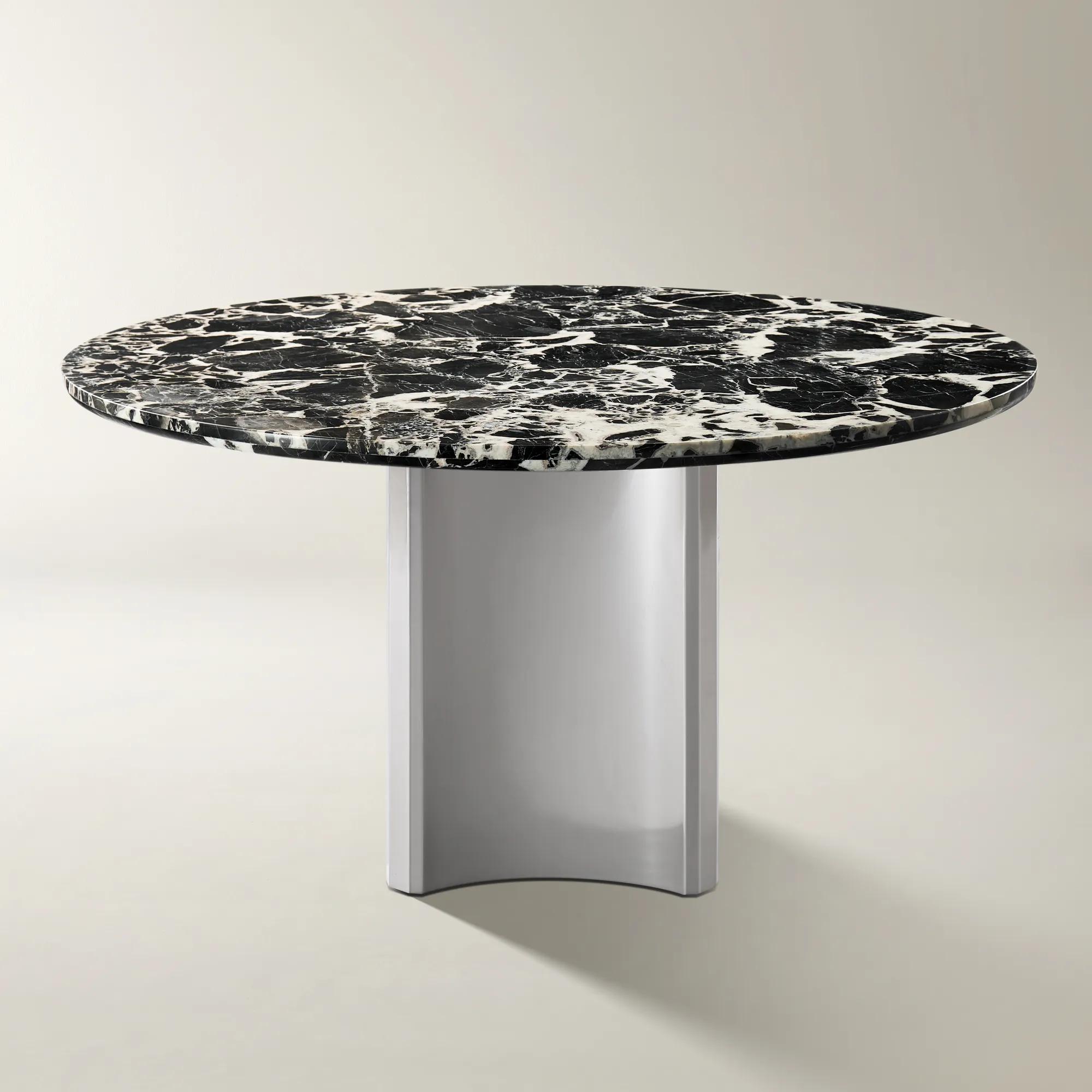
 Ventane Round Black Marble and Stainless steel Dining Table (58")$2999
A dramatic round dining table featuring a natural black marble top and polished stainless steel base.
Add To Cart -
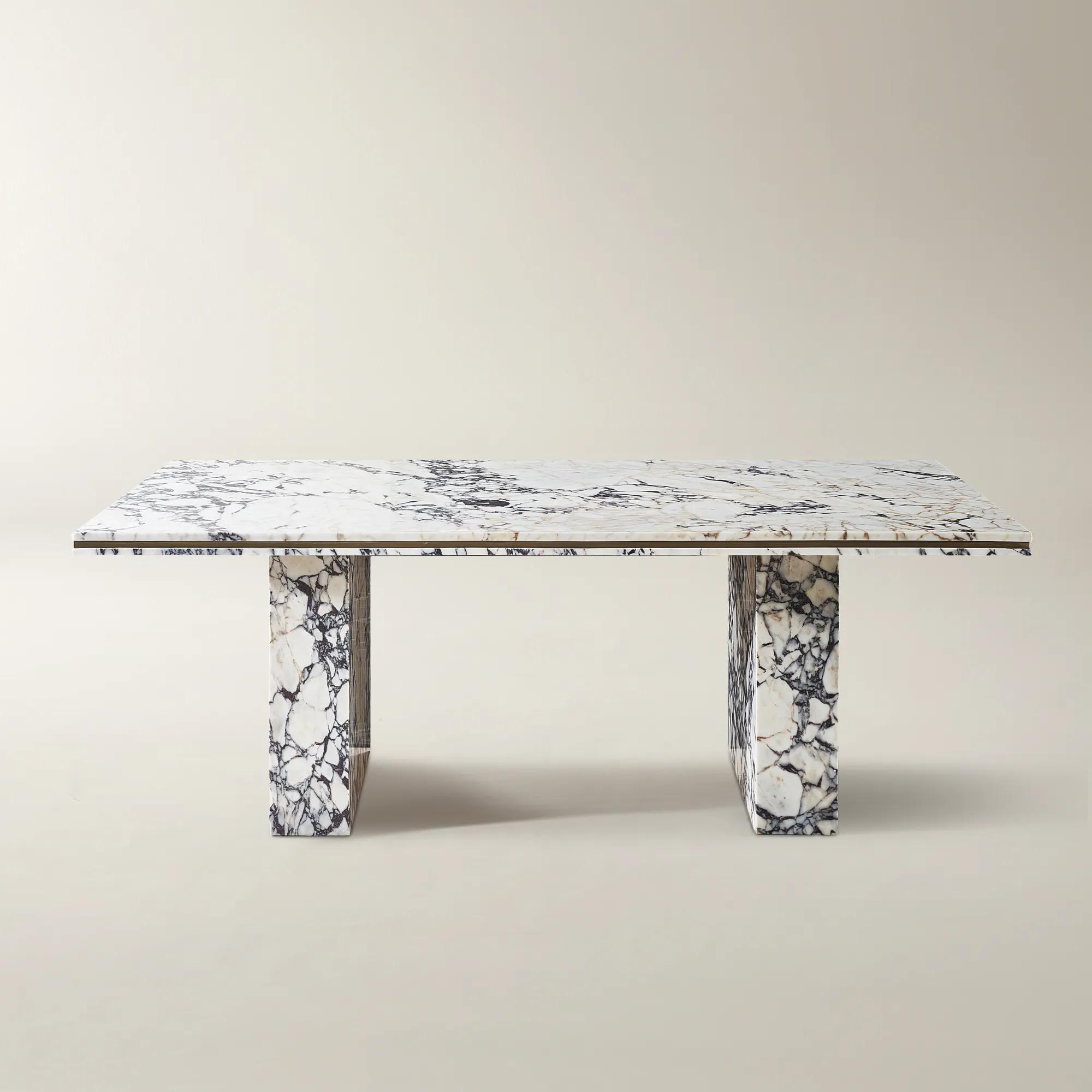
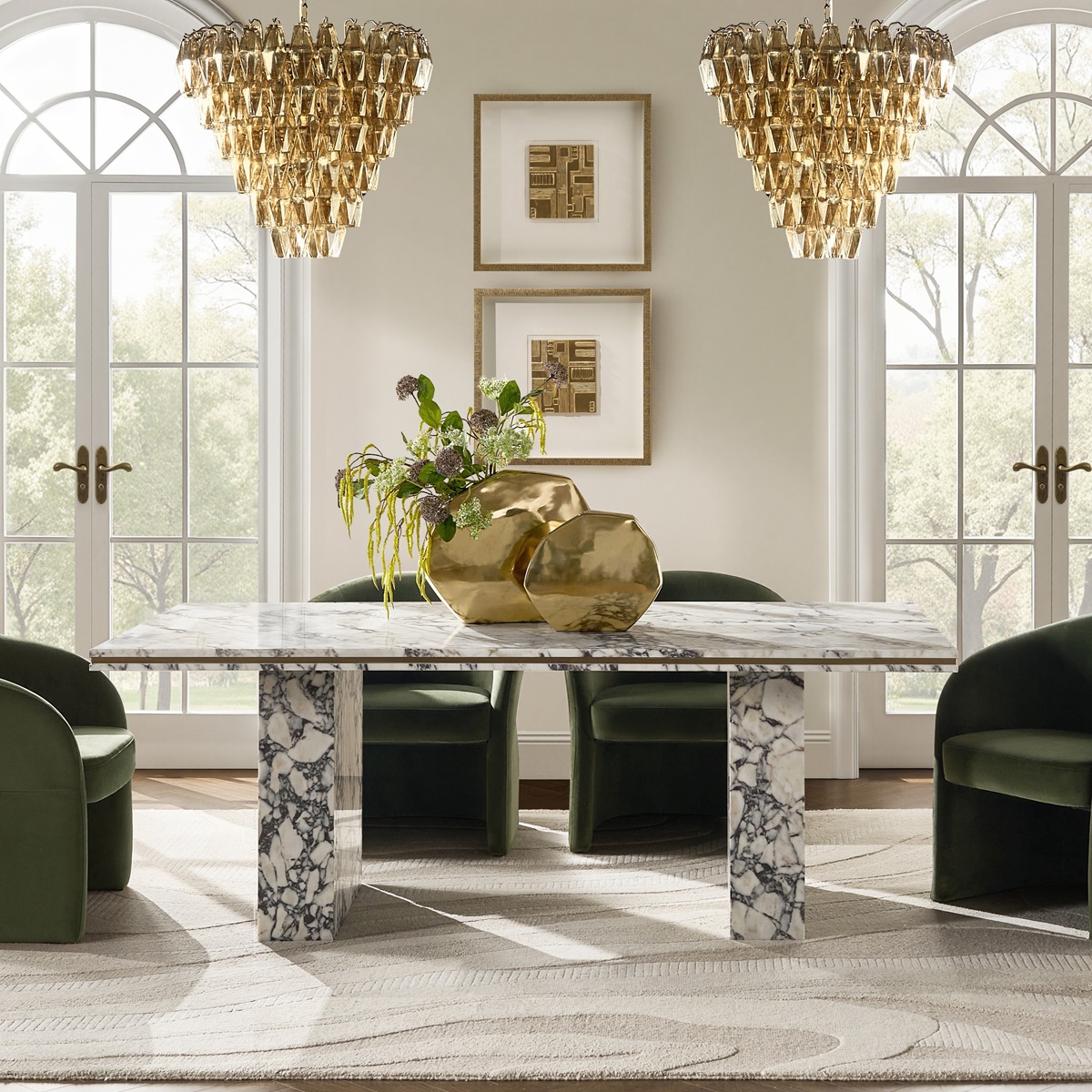 Vanta Rectangular Viola Calacatta Marble Dining Table (84")$6599
A marble dining table with dramatic violet veining, soft-gold inlay, and a sculptural twin-panel base.
Add To Cart -
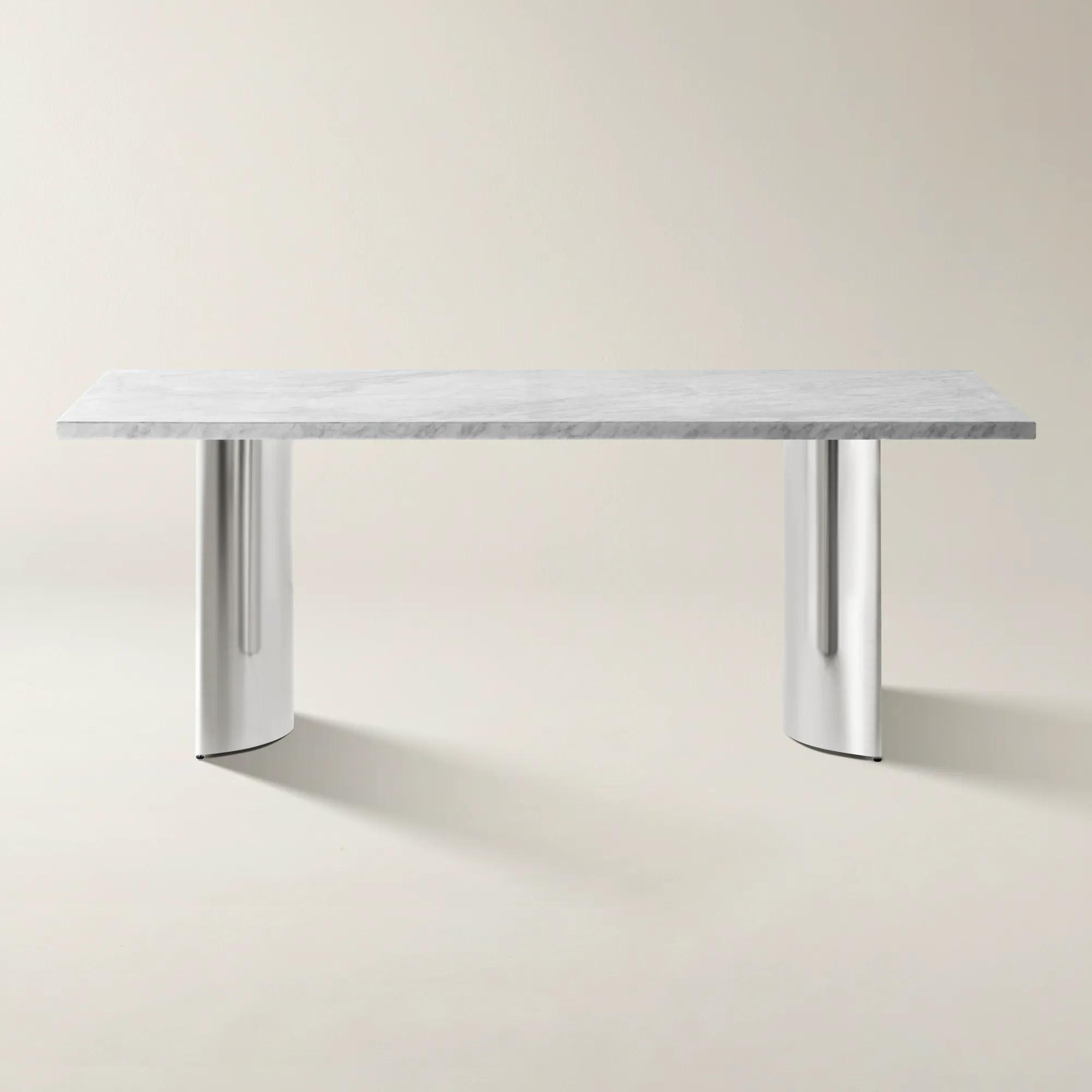 Muscat Rectangular White Marble Dining Table With Stainless Steel Base (84")$3099
A striking dining table featuring a natural white marble top with unique veining and a polished stainless steel base.
Add To Cart -

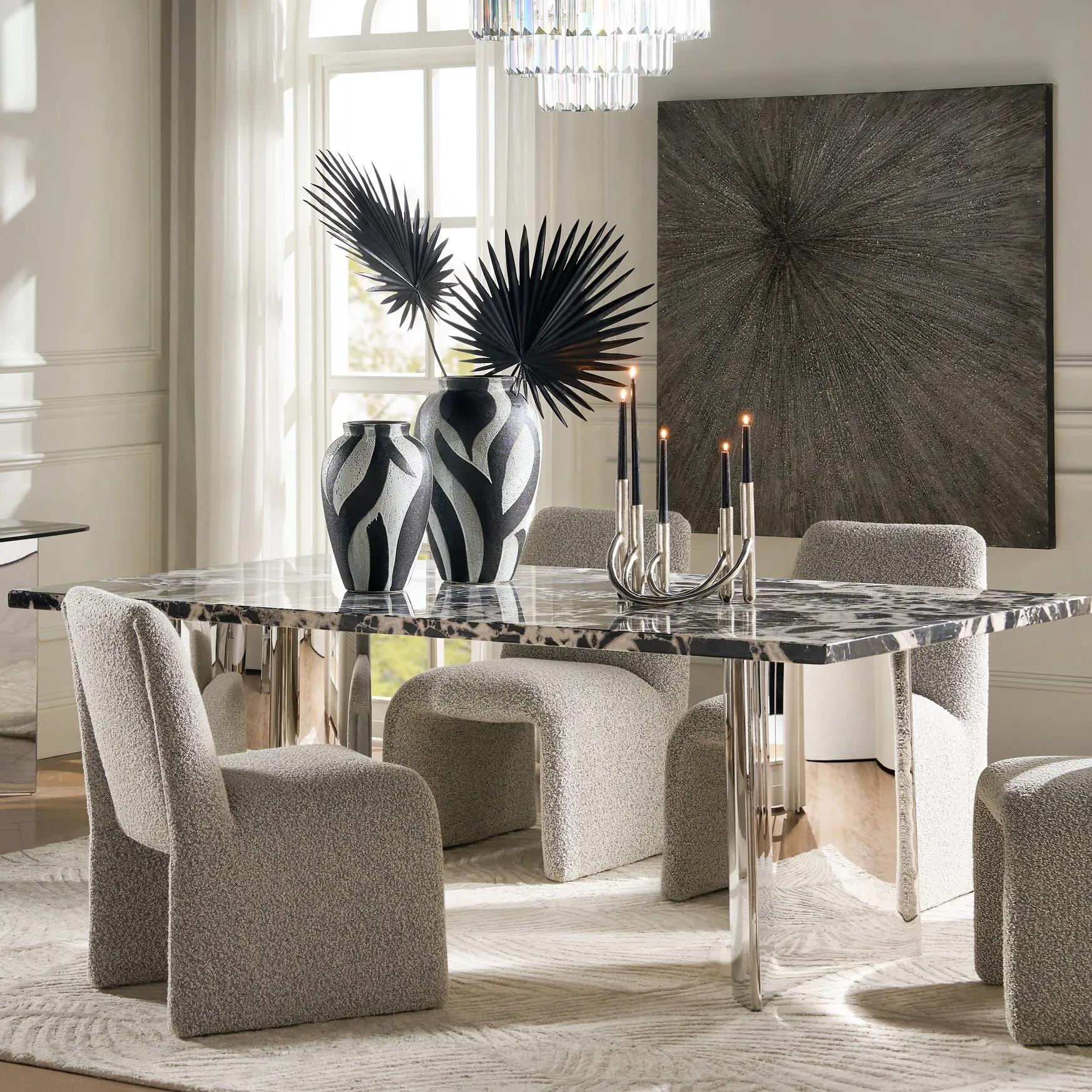 Muscat Rectangular Black Marble Dining Table With Stainless Steel Base (84")$3099
A dramatic black marble dining table with unique veining and a polished stainless steel base.
Add To Cart -
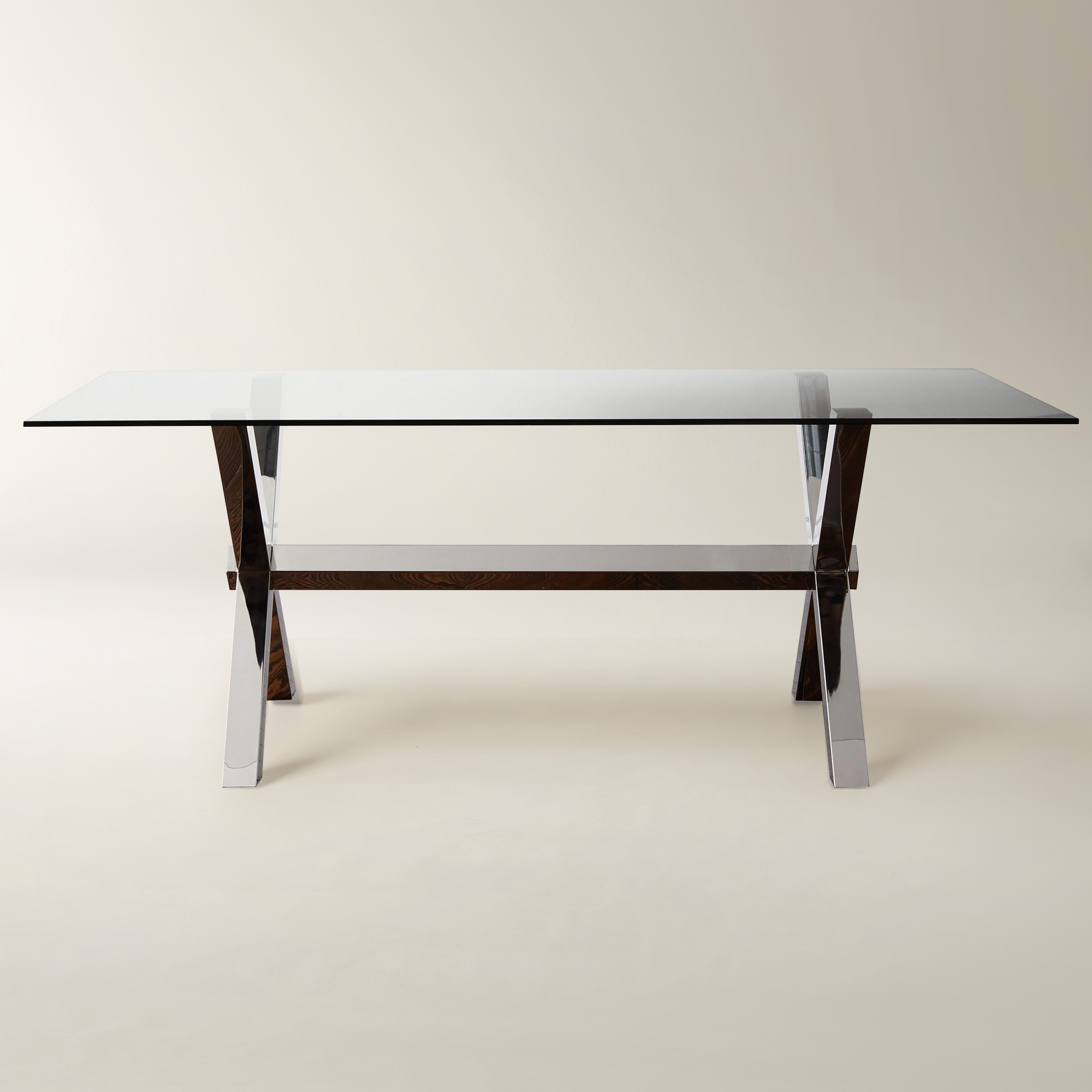
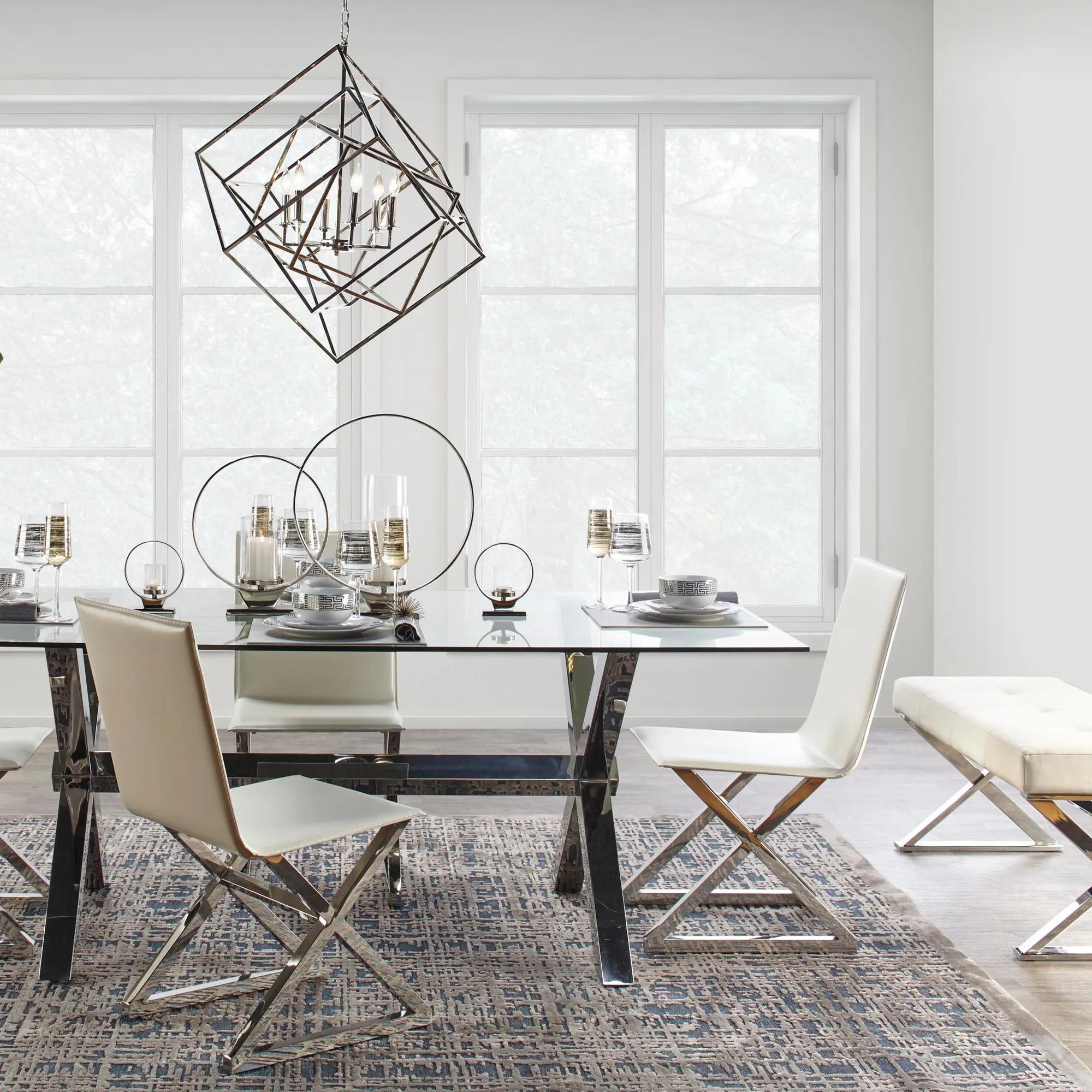 Axis Rectangular Silver Dining Table With Glass Top (78")$1199
A contemporary dining table featuring a polished stainless steel base and durable tempered glass top.
Add To Cart -
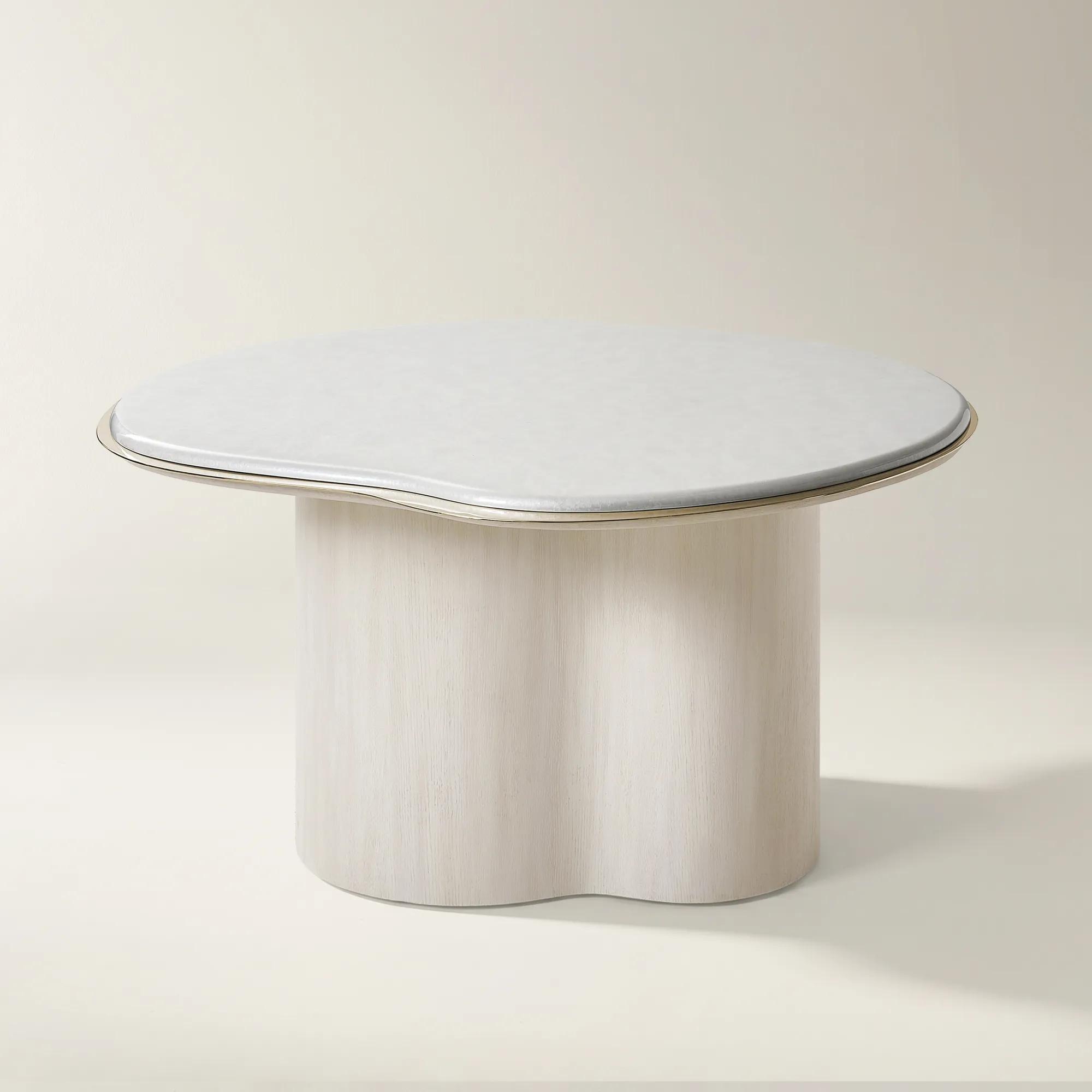 Lumina Bleached Oak Dining Table With Pearl Lacquered Top (58")$2699
A sculptural dining table featuring a pearl lacquered top, bleached oak base, and champagne gold trim.
Add To Cart -

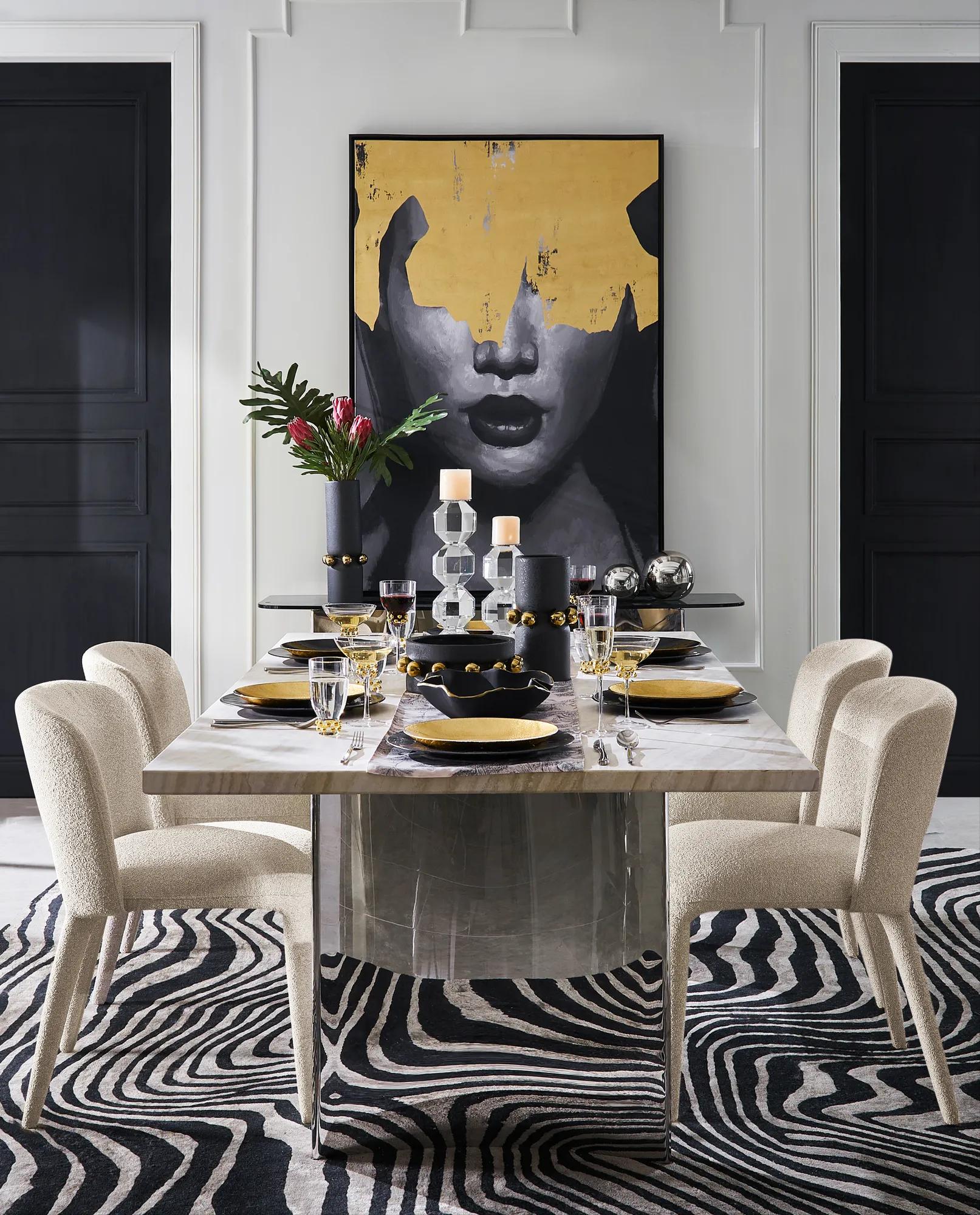 Muscat Rectangular Tan Marble Dining Table With Stainless Steel Base (84")$3099
A sophisticated dining table featuring a tan travertine marble top and polished stainless steel base.
Add To Cart -

 Matera Rectangular White Marble Dining Table With Stainless Steel Base (86.61")$2499
A modern dining table featuring a white marble top and polished stainless steel base for timeless elegance.
Add To Cart -
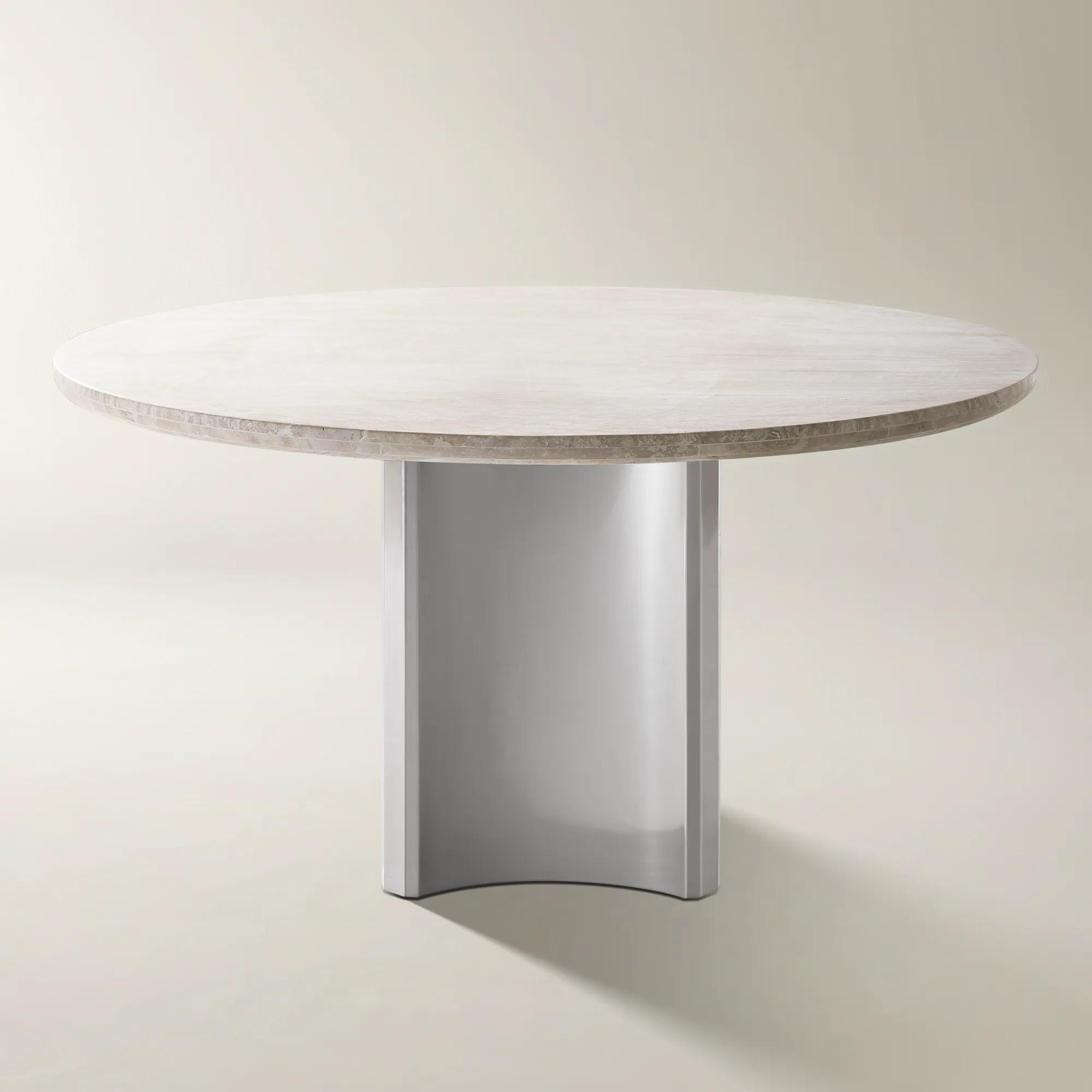 Ventane Round Tan Marble and Stainless steel Dining Table (58")$2999
A round tan travertine marble table with a polished stainless steel base for modern, elegant dining spaces.
Add To Cart -
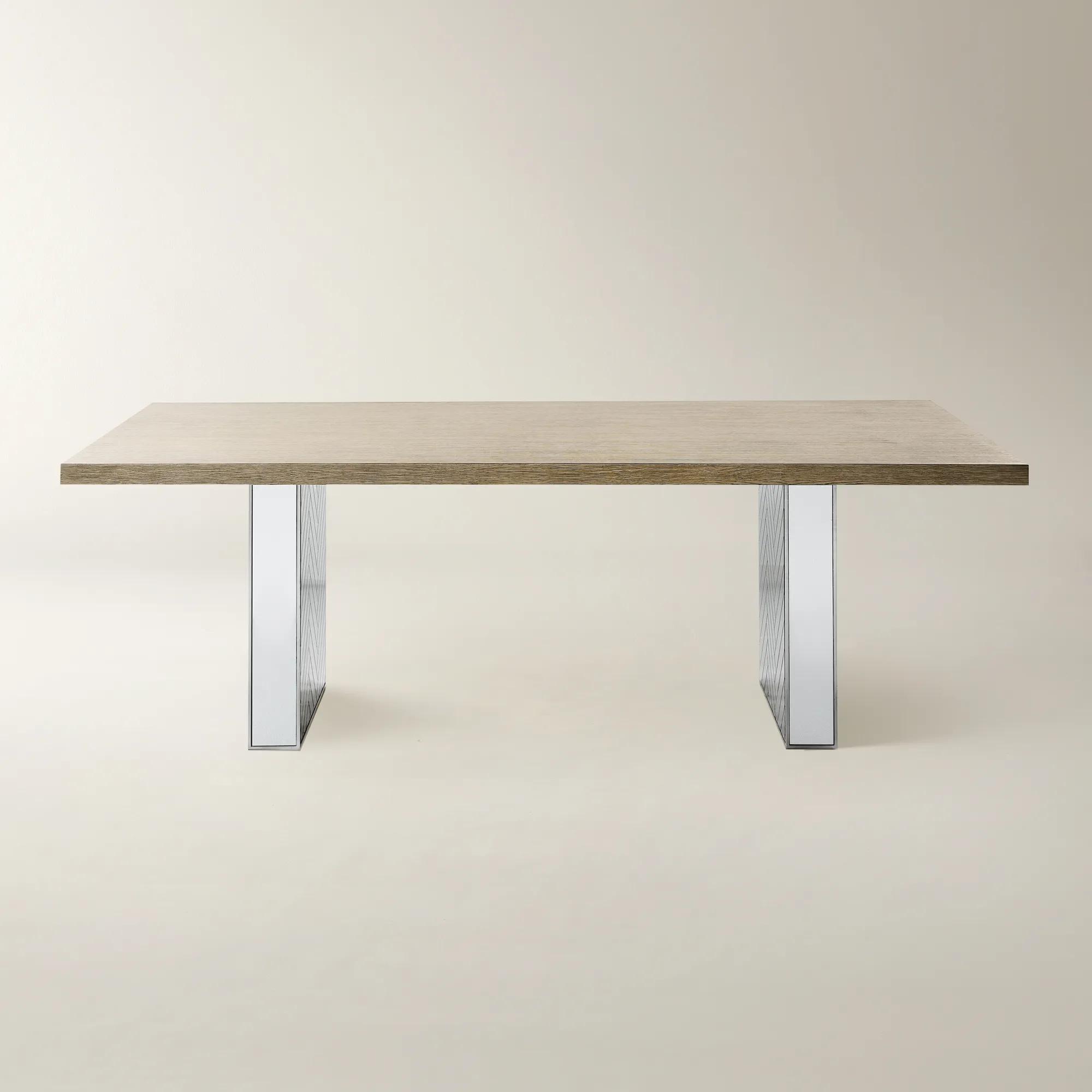
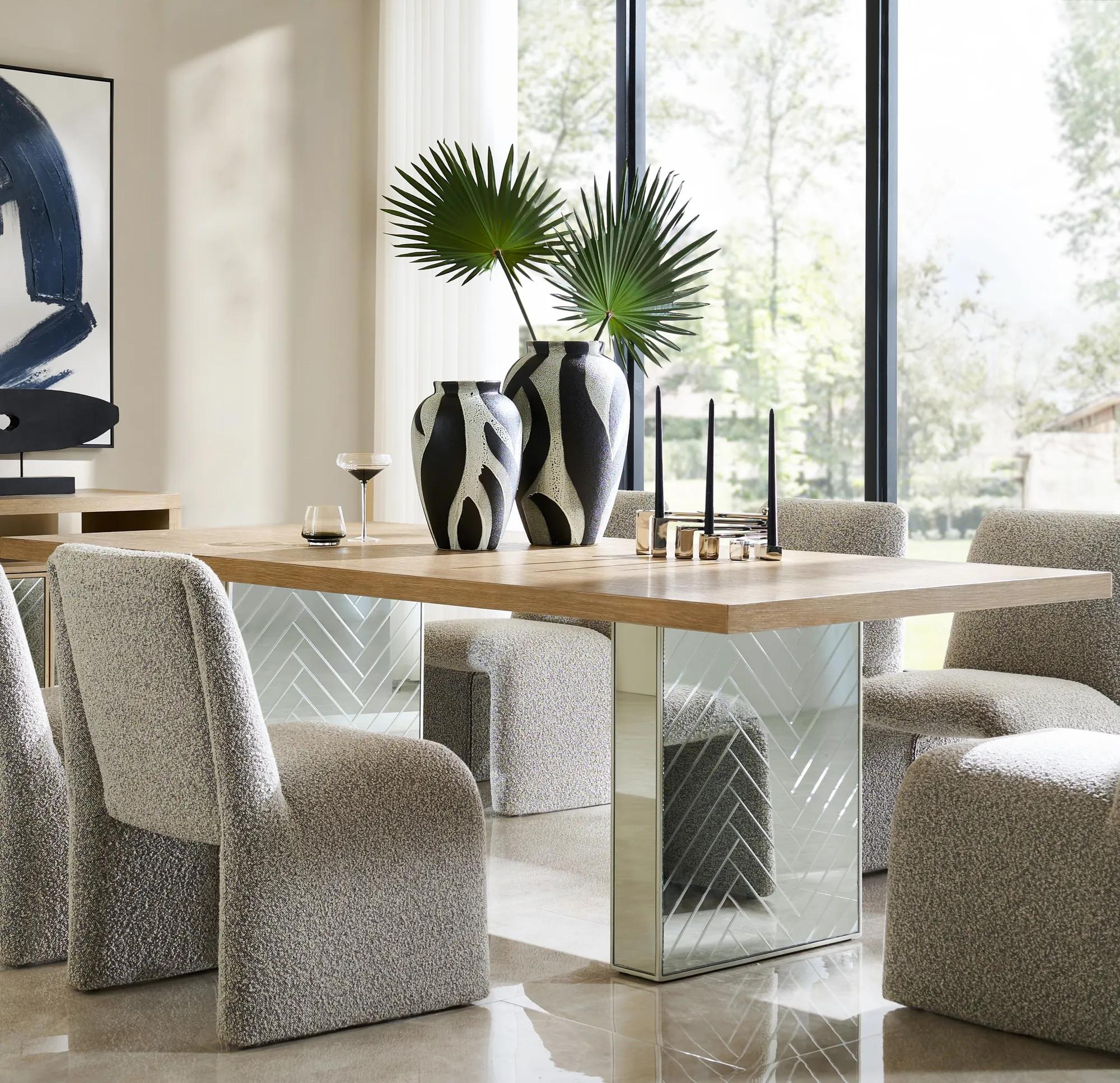 Glimmer Rectangular Seadrift Oak Dining Table With Mirrored Base (90.5")$1799
A modern dining table featuring a warm oak veneer top and a silver mirror-faced parquet base.
Add To Cart

Dining Tables With Pedestal Bases
Dining Tables With Pedestal Bases command attention with sculptural silhouettes and a sense of effortless grandeur. These tables invite you to linger, transforming every meal into an occasion and every gathering into a showcase of style. A pedestal base not only frees up visual space—it becomes the dramatic centerpiece, anchoring your dining room with artistic flair and architectural presence. For those who crave both sophistication and statement-making design, Dining Tables With Pedestal Bases offer the perfect blend of elegance and expressive impact, turning your dining area into a gallery-worthy experience.
Dining tables with pedestal bases give the dining room a distinctive focal point: an expansive surface poised above a central support, with the architecture of the base becoming part of the room’s expression. A pedestal dining table replaces traditional corner legs with one central support or, on some elongated designs, two supports positioned beneath the tabletop. This arrangement can create more open space around the edges, allowing greater flexibility in chair placement and reducing the interruptions that corner legs introduce. The benefit is especially appealing during a lingering dinner, when guests turn toward one another and seating needs a little freedom. Legroom still depends on the pedestal’s shape and footprint; a broad floor plate, flared column, or substantial sculptural base may occupy space where feet naturally rest. Beyond function, the silhouette establishes a mood. A rounded column beneath a circular top feels composed and architectural, while an angular pedestal introduces a sharper, more expressive rhythm. Round pedestal dining tables encourage an intimate arrangement where conversation moves easily across the table, making them compelling for breakfast areas, apartment dining spaces, and rooms that serve more than one purpose. Oval tops offer a longer dining surface with softened ends, creating an elegant transition between a living area and a dining zone. Rectangular dining tables with double pedestal bases can bring a more formal presence to a dedicated dining room, balancing generous proportions with a visually considered support structure. Each shape creates a different relationship between the table and the surrounding space. A circular silhouette can echo the curve of upholstered chairs or a statement light fixture; a long oval can draw the eye toward artwork beyond the table. For households that gather over everyday meals as readily as celebratory dinners, the appeal lies in that combination of sculptural presence and genuine usefulness. The table anchors the room without requiring every surrounding piece to compete for attention.
Materials lend pedestal dining tables their depth, character, and tactile appeal. Wood brings grain, tonal variation, and a sense of warmth that can temper glossy finishes elsewhere in the room. Depending on construction, a tabletop may use solid wood, wood veneer over an engineered core, or a combination of materials, each with its own care requirements. Veneer is a real-wood surface rather than an imitation grain, and its longevity depends on the quality of the construction, finish, and daily treatment. Stone introduces a different kind of drama: marble veining can make the tabletop feel like a broad, expressive canvas, while the visual weight of the material gives even a restrained silhouette remarkable presence. Natural stone varies from piece to piece, and its maintenance deserves consideration. Marble is vulnerable to acidic spills and etching, so wine, citrus, and vinegar-based dressings should not linger on the surface. Sealing may be appropriate when recommended for the particular stone and finish, but it does not make marble immune to damage. Glass offers visual lightness and reveals the pedestal beneath, allowing an artful base to remain fully in view. It also shows fingerprints readily and needs careful handling around its edges. Metal bases can introduce a polished gleam, a brushed sheen, or a deep matte contrast, although their resistance to scratches and staining depends on the specific finish. Durability comes from the complete construction rather than the material name alone: a properly proportioned base, secure connections, and a tabletop designed for its support all matter. Daily care is most effective when it respects those differences. Soft cloths, prompt spill cleanup, placemats, coasters, and protective trivets help preserve the dining surface without diminishing its beauty. Abrasive pads and harsh cleaners can compromise delicate finishes, while excessive moisture can damage wood surfaces or seams. Manufacturer care directions remain the best reference for cleaning products and any periodic maintenance, allowing the table’s character to remain the focus rather than preventable wear.
The most inviting pedestal dining table feels generous in use and proportionate to its setting. Tabletop dimensions alone do not determine the fit; the relationship among the base, chairs, surrounding furniture, and walking space is equally important. Around 24 inches of table edge per diner is a useful starting point, with more room often needed for broad upholstered chairs or a relaxed, expansive place setting. A round top measuring roughly 42 to 48 inches across commonly accommodates four diners, although chair width and pedestal placement affect comfort. Approximately 36 inches between the table edge and a wall or nearby furnishing generally allows chairs to pull back, while 42 to 48 inches can better accommodate circulation behind seated guests. In a dining area beside a kitchen or living room, that passage may be part of the household’s everyday route, not simply space used during dinner. Chair arms should clear the tabletop or apron, and seat height should leave comfortable room beneath the dining surface. A pedestal’s lower profile matters just as much: chairs may tuck beneath the top yet stop short against a wide base. These details distinguish an arrangement that merely looks composed from one that feels effortless over a long meal. For a design direction defined by clean geometry and expressive proportions, Contemporary Pedestal Dining Tables extend the conversation between practical dining furniture and sculptural form. Upholstered seating can soften a substantial stone or metal table, while chairs with slender frames allow an intricate pedestal to remain visible. A rug grounds the composition when it extends far enough to keep chair legs supported as seats pull away from the table. Above, lighting scaled to the tabletop creates a deliberate focal point without overwhelming the setting. A low centerpiece preserves sightlines across a round table; a restrained arrangement along an oval top emphasizes its length. With thoughtful proportions and materials suited to daily routines, a pedestal dining table becomes more than a striking silhouette: it gives shared meals, impromptu conversations, and beautifully set occasions an enduring place in the home.
FAQs
A pedestal base dining table creates an open, inviting atmosphere by eliminating corner legs, allowing guests to sit comfortably around the table without obstruction. The central base also provides a dramatic focal point, transforming your dining area into a sophisticated setting perfect for memorable gatherings and lively conversation.
Pedestal dining tables are remarkably versatile, effortlessly enhancing a variety of décor aesthetics. From sleek glass-topped tables with sculptural metallic bases for a modern, glamorous look, to richly grained wood pedestals that anchor traditional or transitional spaces, these tables adapt to your personal style while adding a touch of artistry and elegance.
Yes, pedestal base dining tables are an inspired choice for smaller dining areas. Their central support maximizes legroom and seating flexibility, making the space feel less crowded while maintaining a sense of grandeur. Round and oval pedestal tables, in particular, can soften compact rooms and encourage intimate, effortless conversation.
Pedestal bases are crafted from a range of luxurious materials, including polished metals, hand-carved wood, gleaming marble, and even mirrored finishes. Each material brings its own character—metallics shimmer with contemporary glamour, wood offers warmth and texture, and marble exudes timeless opulence, allowing you to tailor your table to your desired mood.
Absolutely. A pedestal base dining table is designed to capture attention and anchor the dining zone within an open-concept layout. Its sculptural form draws the eye and defines the space, making it a natural centerpiece that elevates the entire room with artistic flair and expressive sophistication.


