Designer Dining Benches
Designer Dining Benches
-
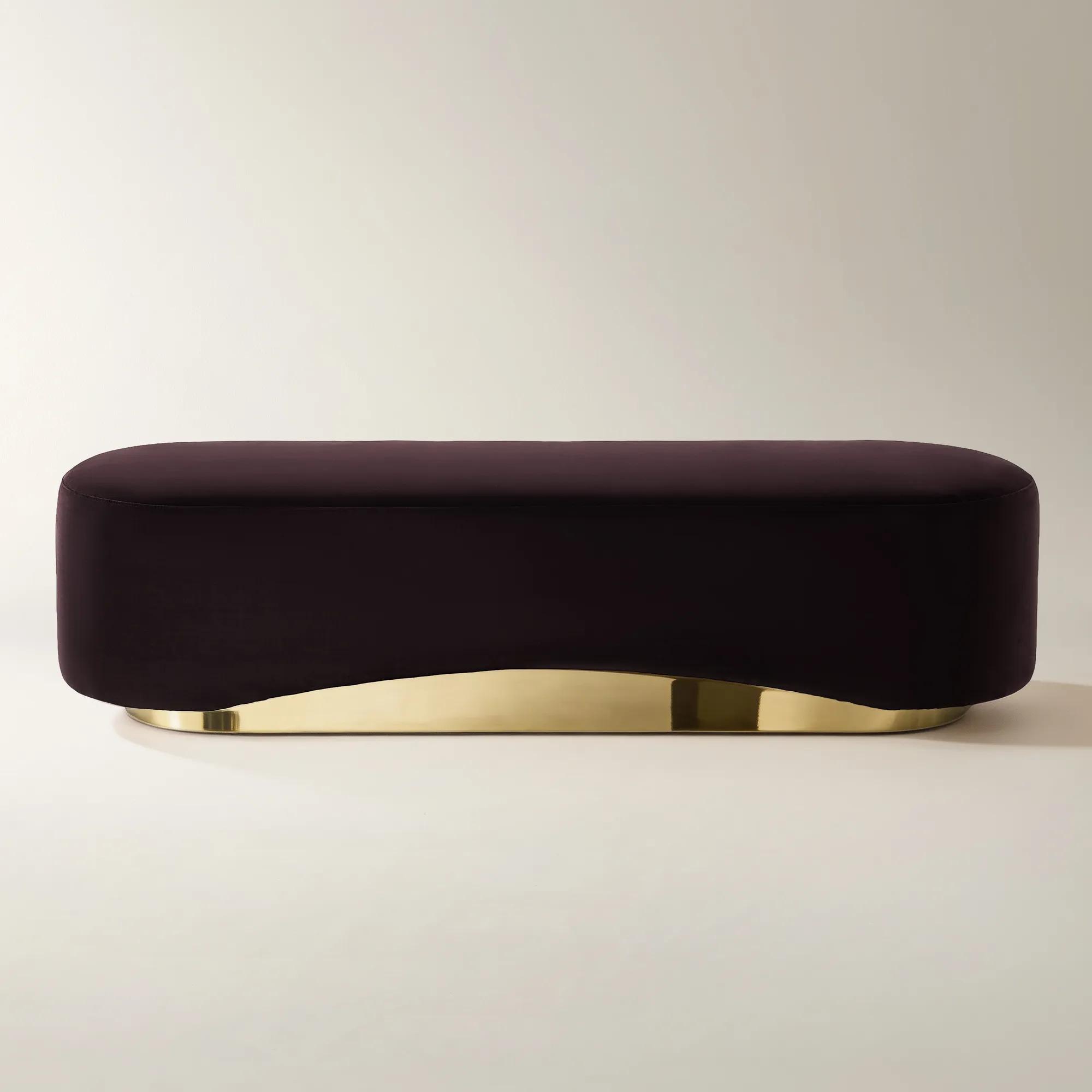 Kendra Fig Velvet Bench (70.47")$799
A plush fig velvet bench with an elongated oval silhouette and a polished gold stainless steel base.
Add To Cart -
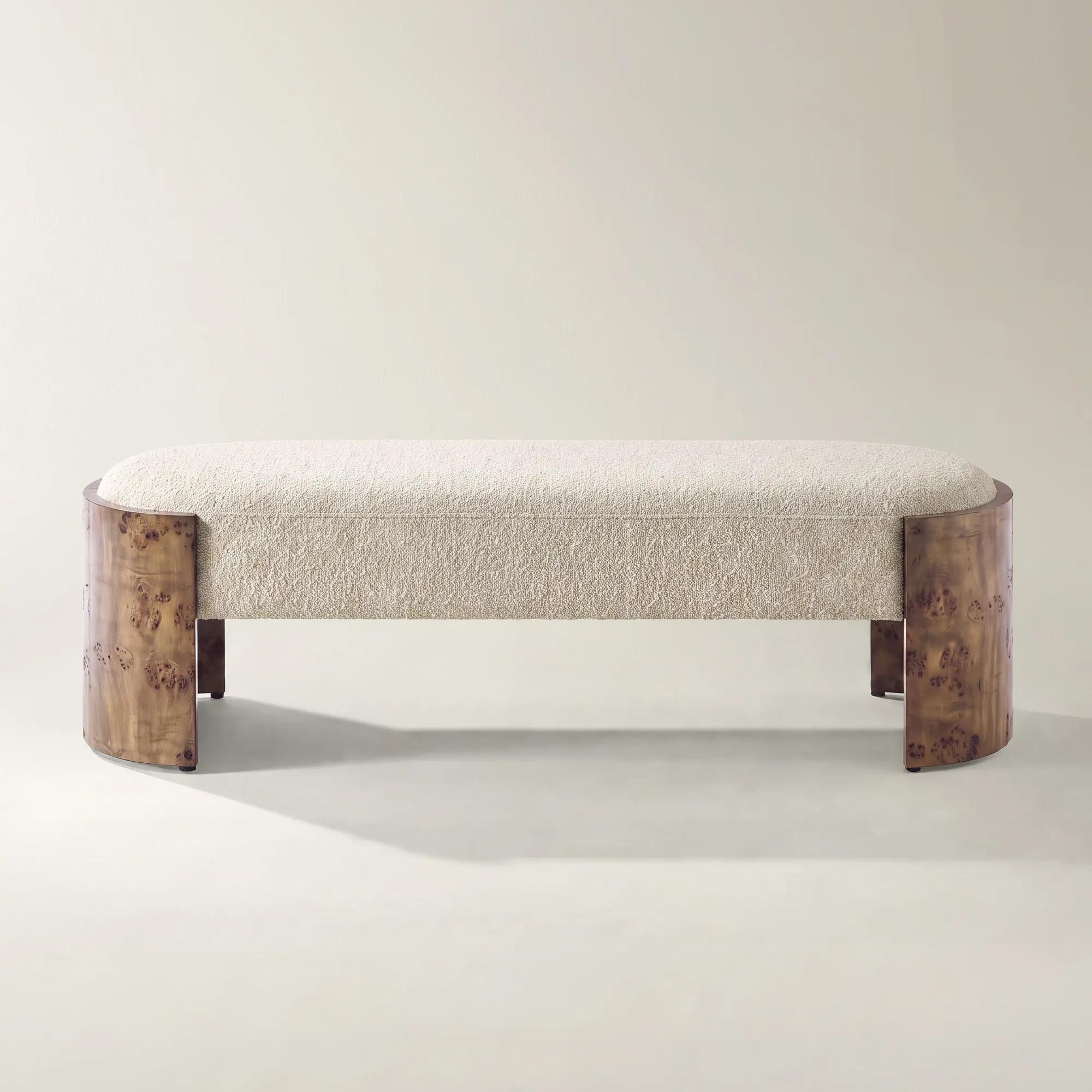
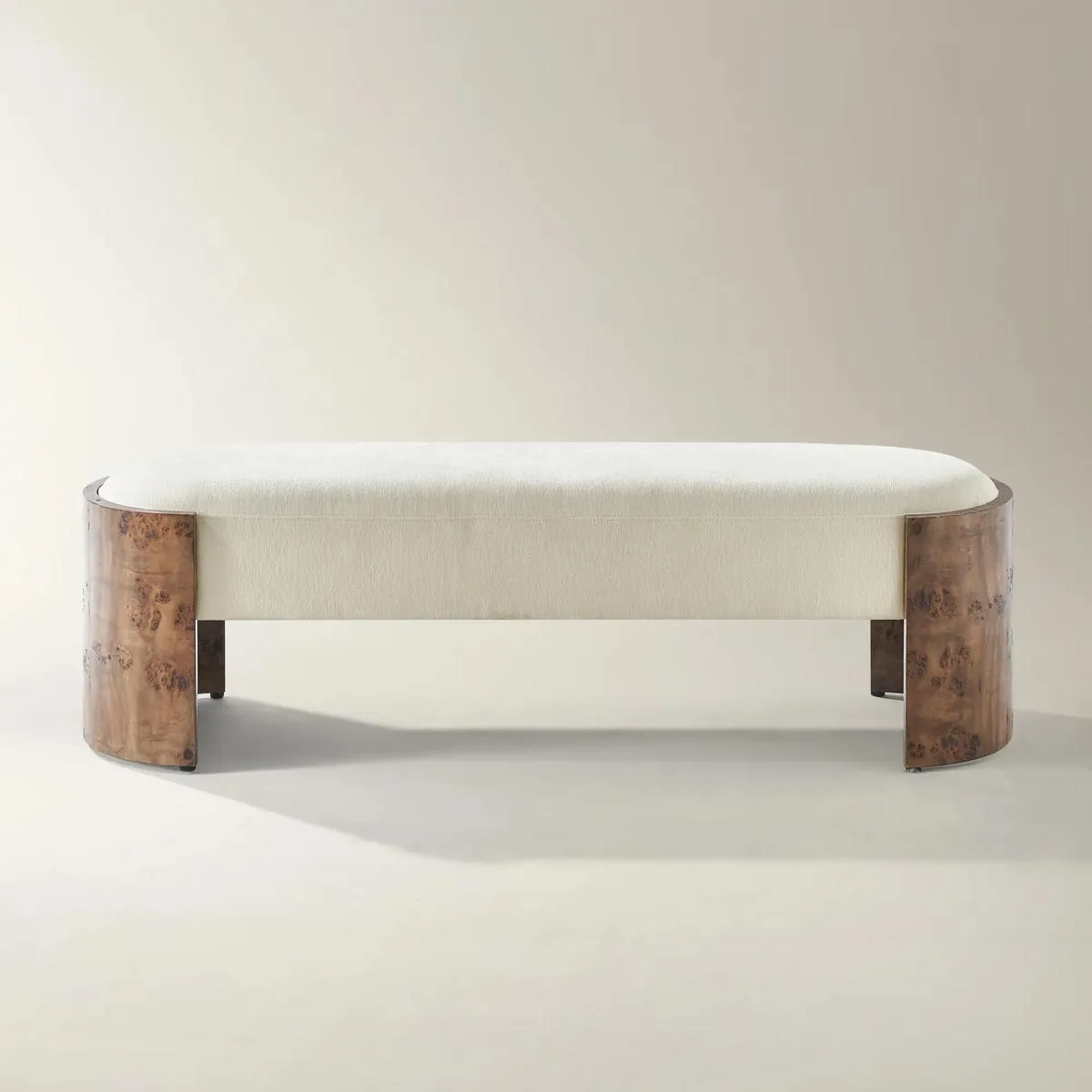 Cora Ivory Performance Boucle With Ash Wood Bench (60.6")$999
An ivory performance boucle bench with curved bookmatched ash burl panels and supportive foam cushioning.
Add To Cart -
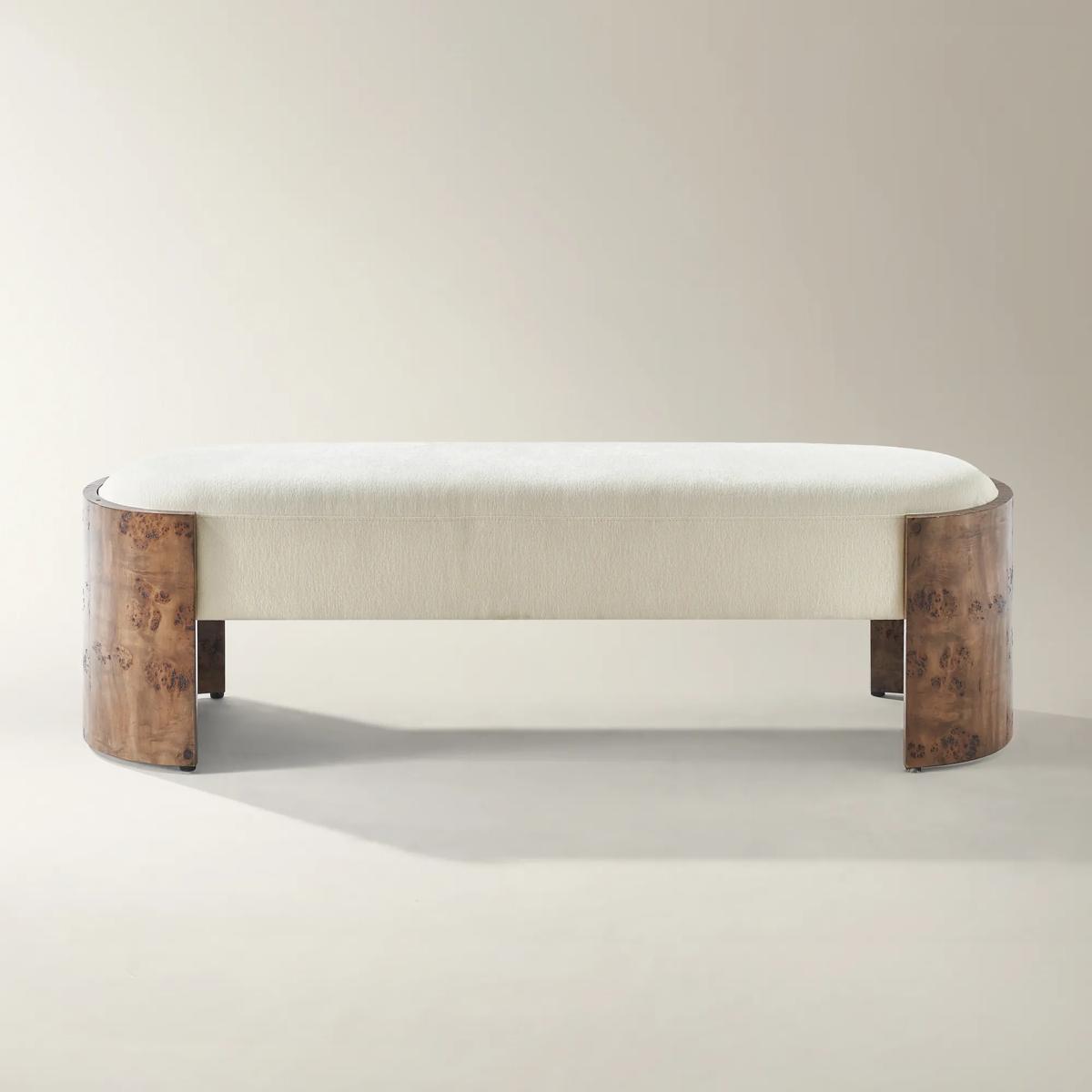 Cora Ivory Chenille With Ash Wood Bench (60.6")$999
An ivory chenille bench with curved ash burl veneer panels, blending plush comfort with striking wood artistry.
Add To Cart -
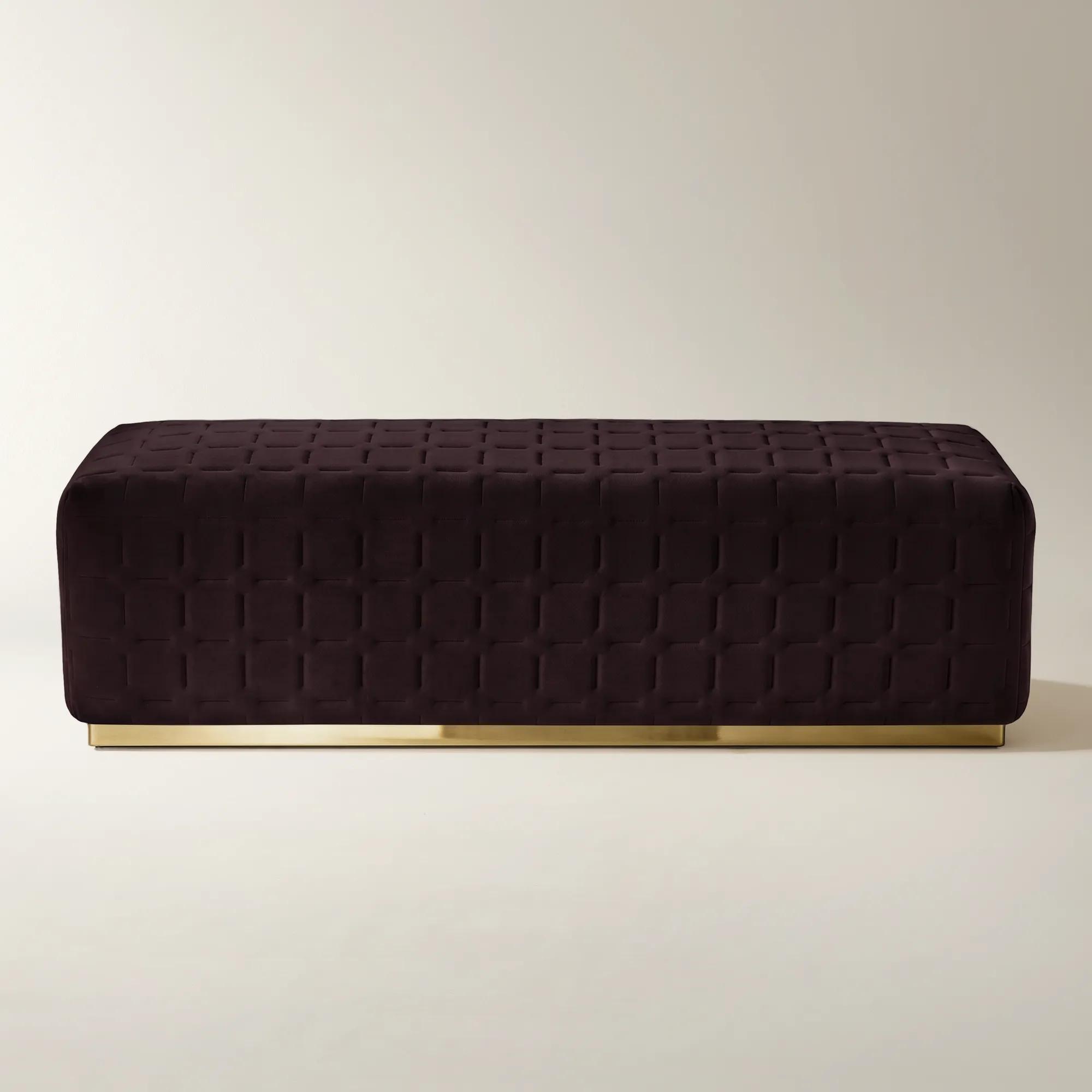
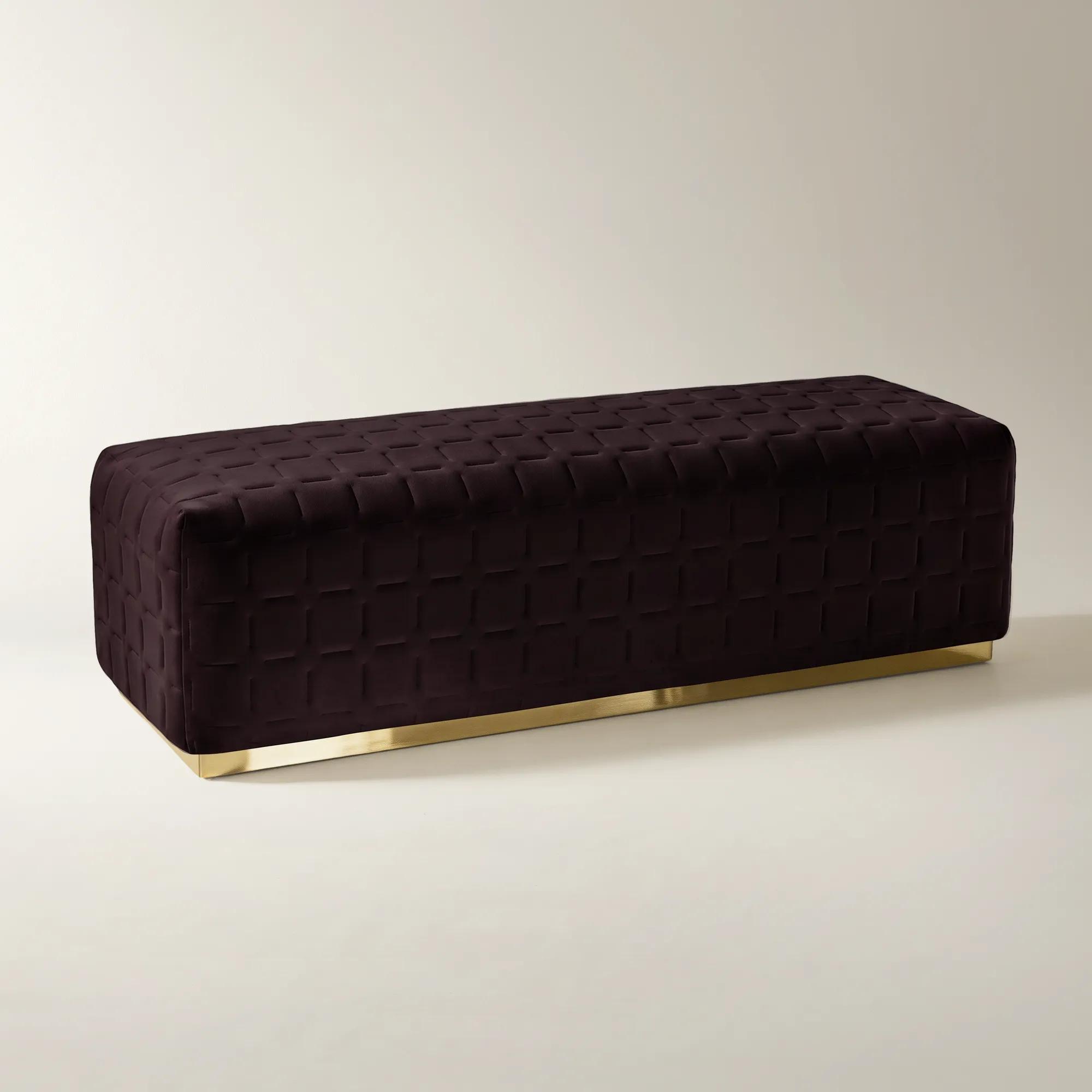 Vanta Quilted Fig Velvet Bench (64.6")$899
A plush fig velvet bench featuring checker quilted tufting and a sleek gold stainless steel base.
Add To Cart -
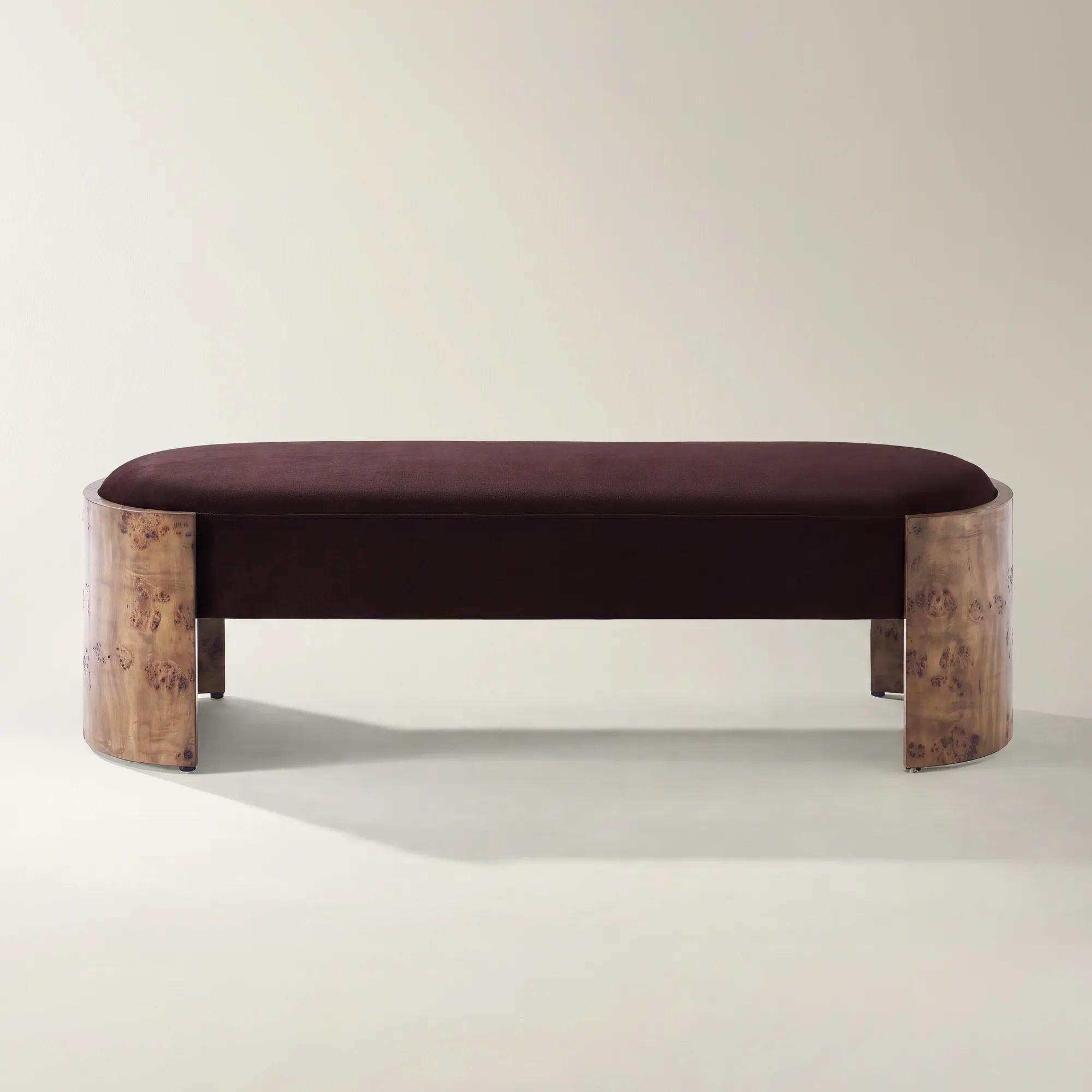 Cora Fig Velvet With Ash Wood Bench (60.6")$999
A sculptural bench with fig velvet upholstery, bookmatched ash burl panels, and supportive high-resiliency foam cushioning.
Add To Cart -
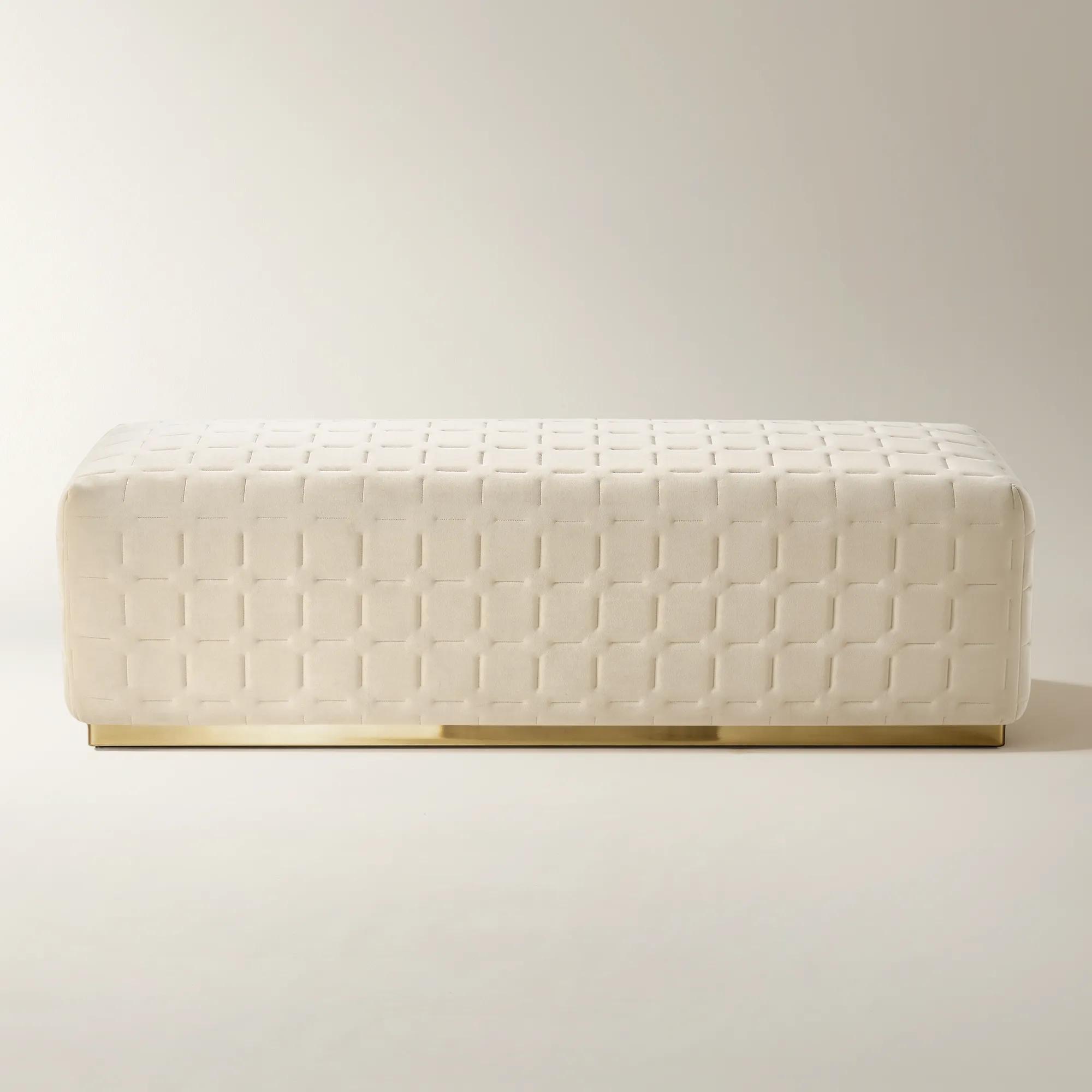
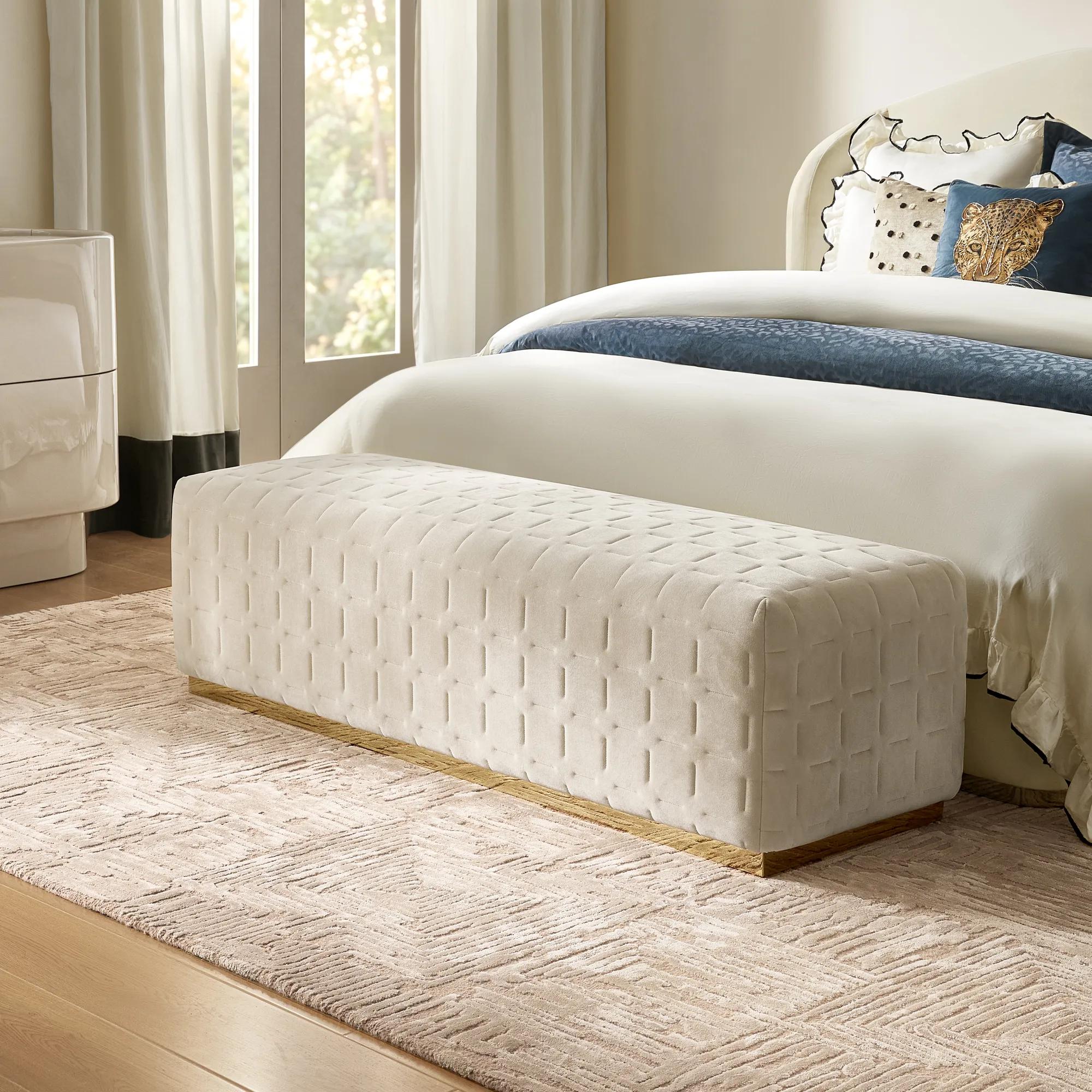 Vanta Quilted Oatmeal Velvet Bench (64.6")$899
A plush oatmeal velvet bench featuring checker quilted tufting and a sleek gold stainless steel base.
Add To Cart -
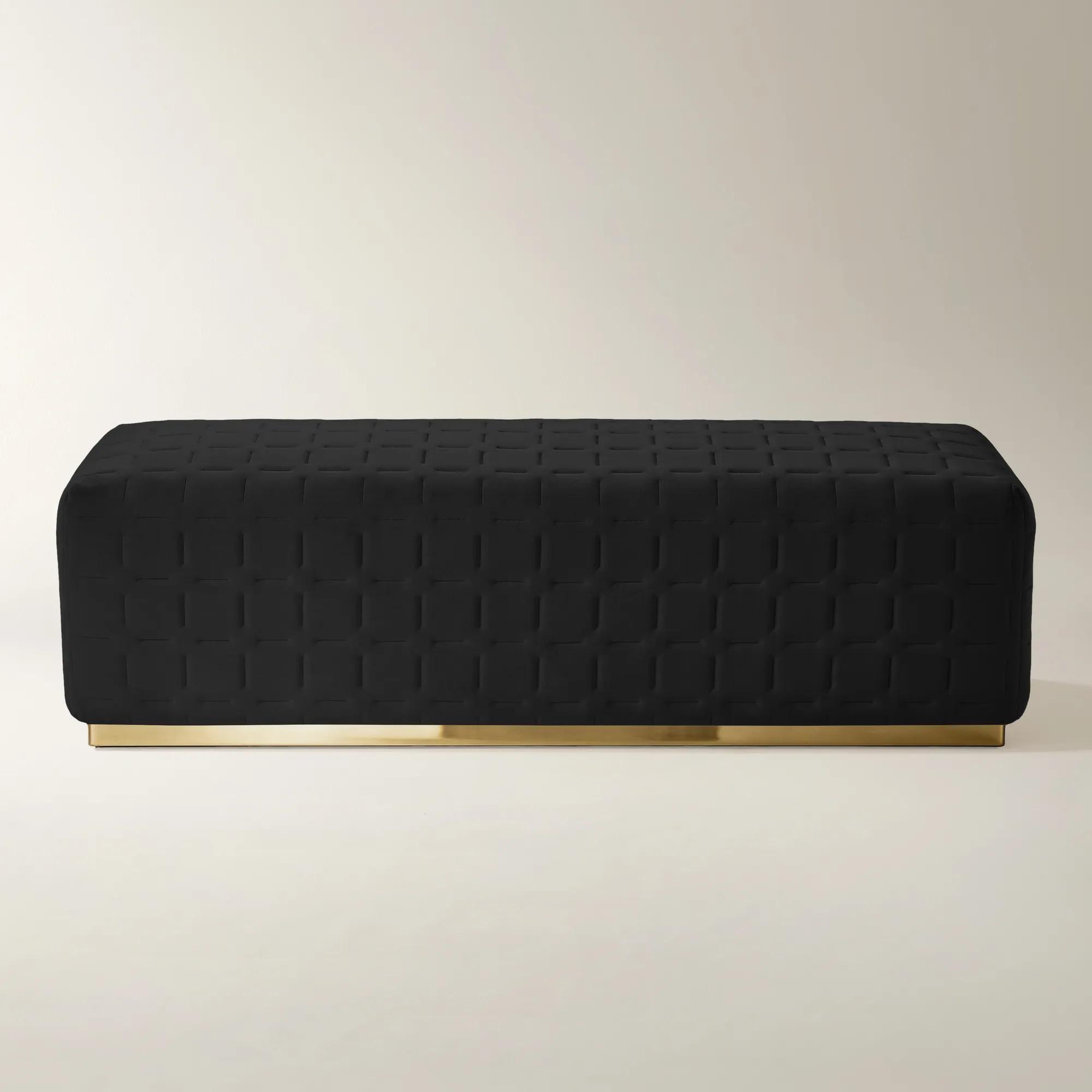 Vanta Quilted Charcoal Velvet Bench (64.6")$899
A charcoal velvet bench featuring checker quilted tufting and a gold stainless steel base for modern elegance.
Add To Cart -
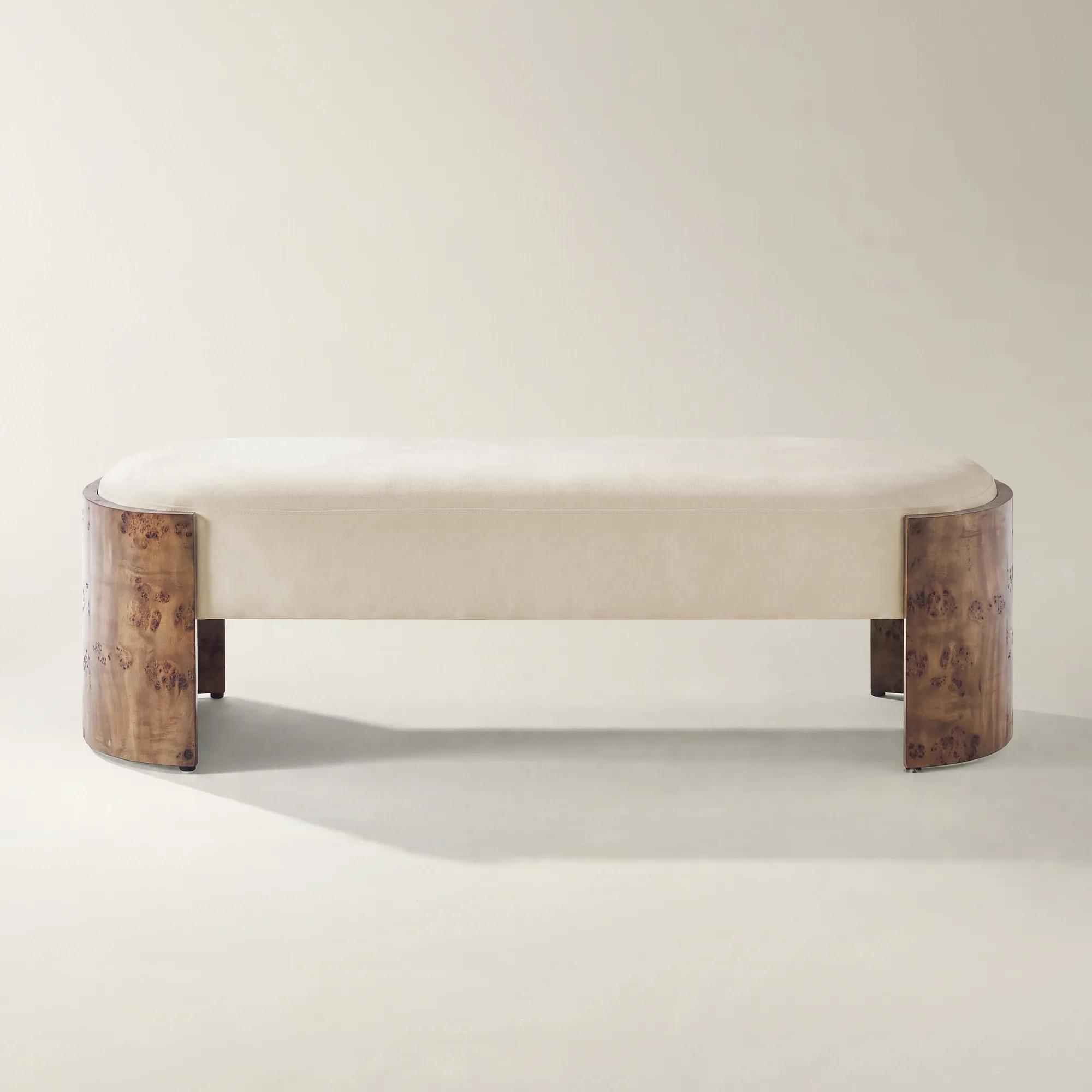 Cora Oatmeal Velvet With Ash Wood Bench (60.6")$999
A sculptural oatmeal velvet bench with curved ash burl wood panels and supportive foam cushioning.
Add To Cart -
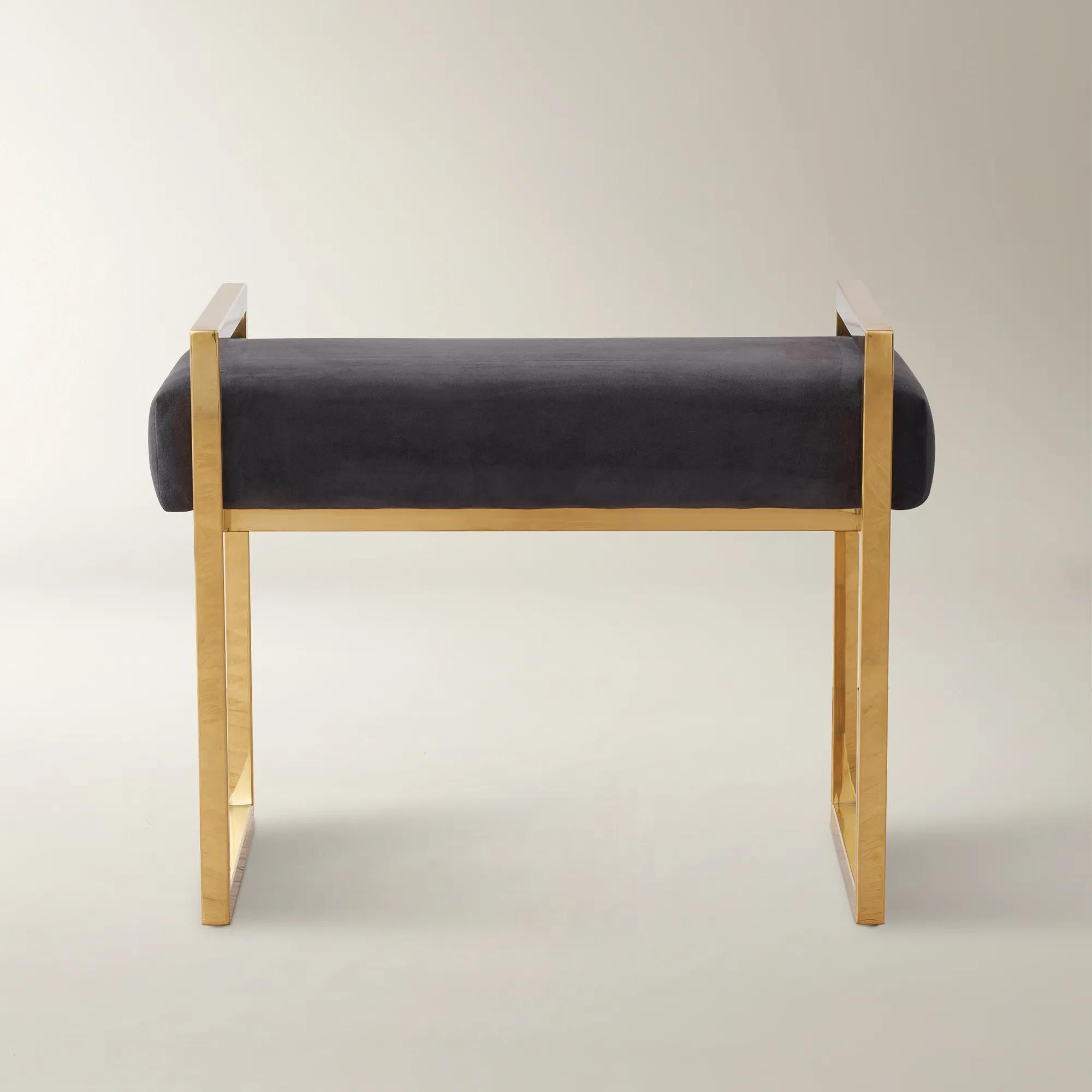
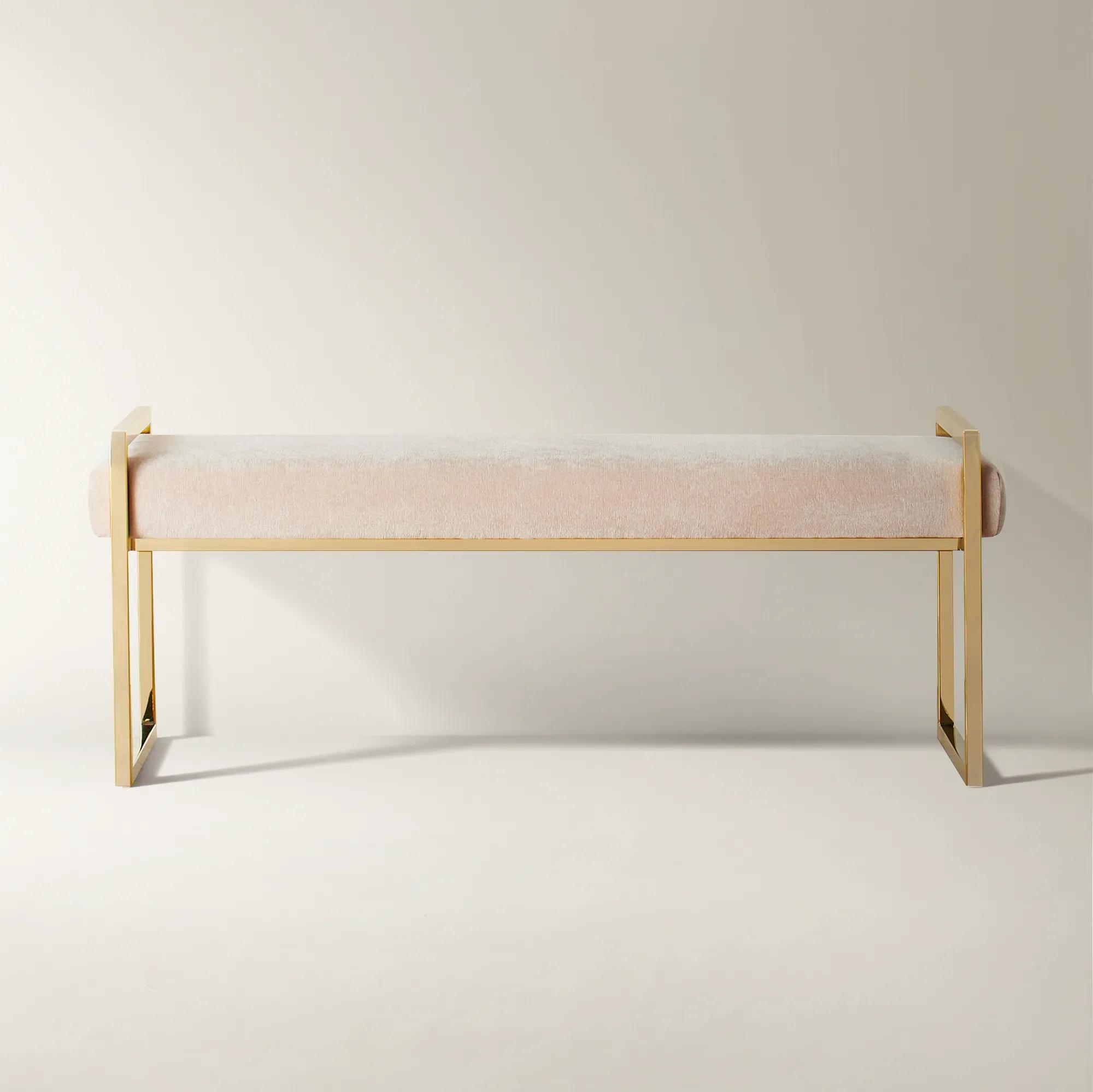 Clara Bench$699
A chic bench featuring a plush chenille seat and polished gold metal legs for modern elegance.
Add To Cart -
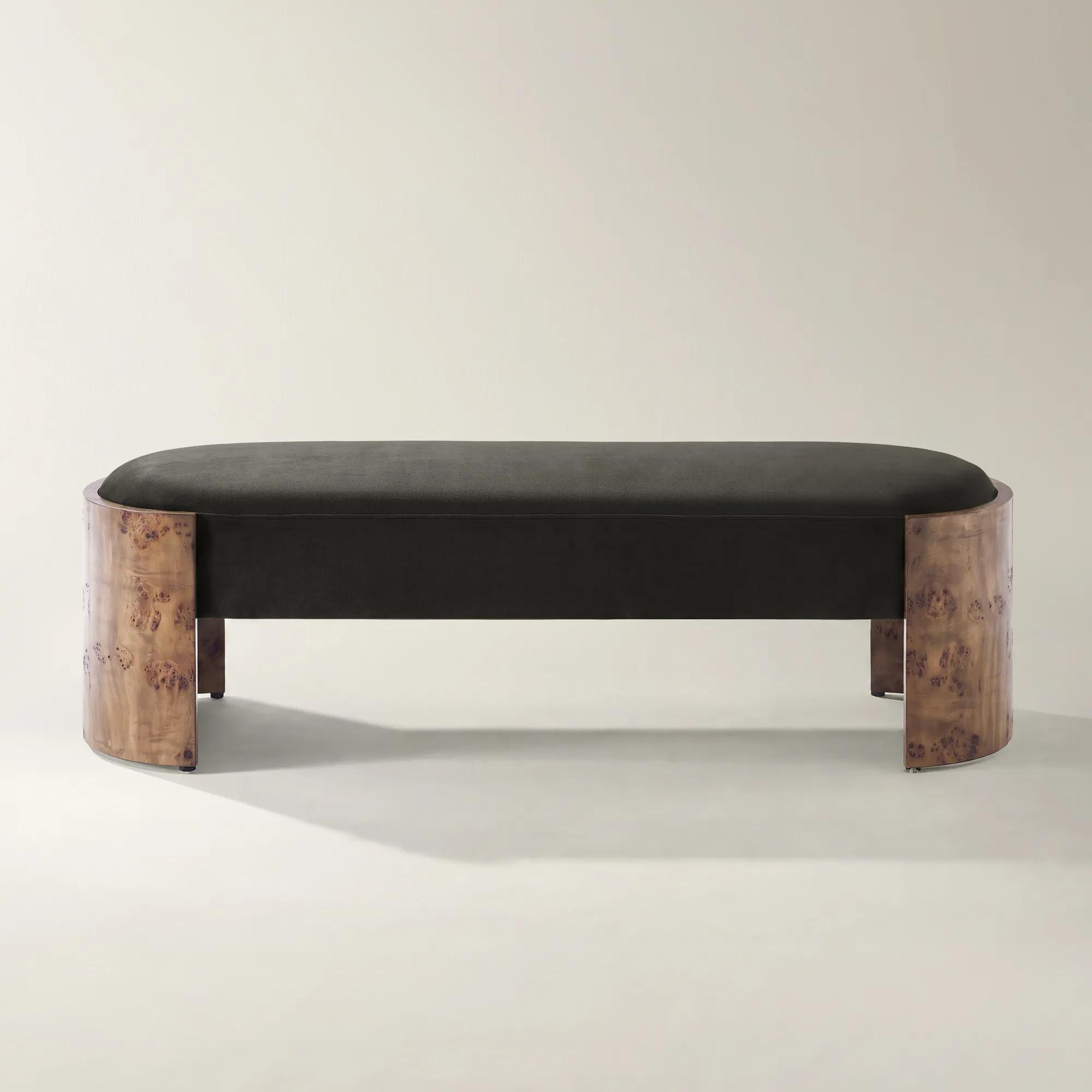 Cora Charcoal Velvet With Ash Wood Bench (60.6")$999
A sculpted charcoal velvet bench with curved bookmatched ash burl panels and supportive foam cushioning.
Add To Cart -
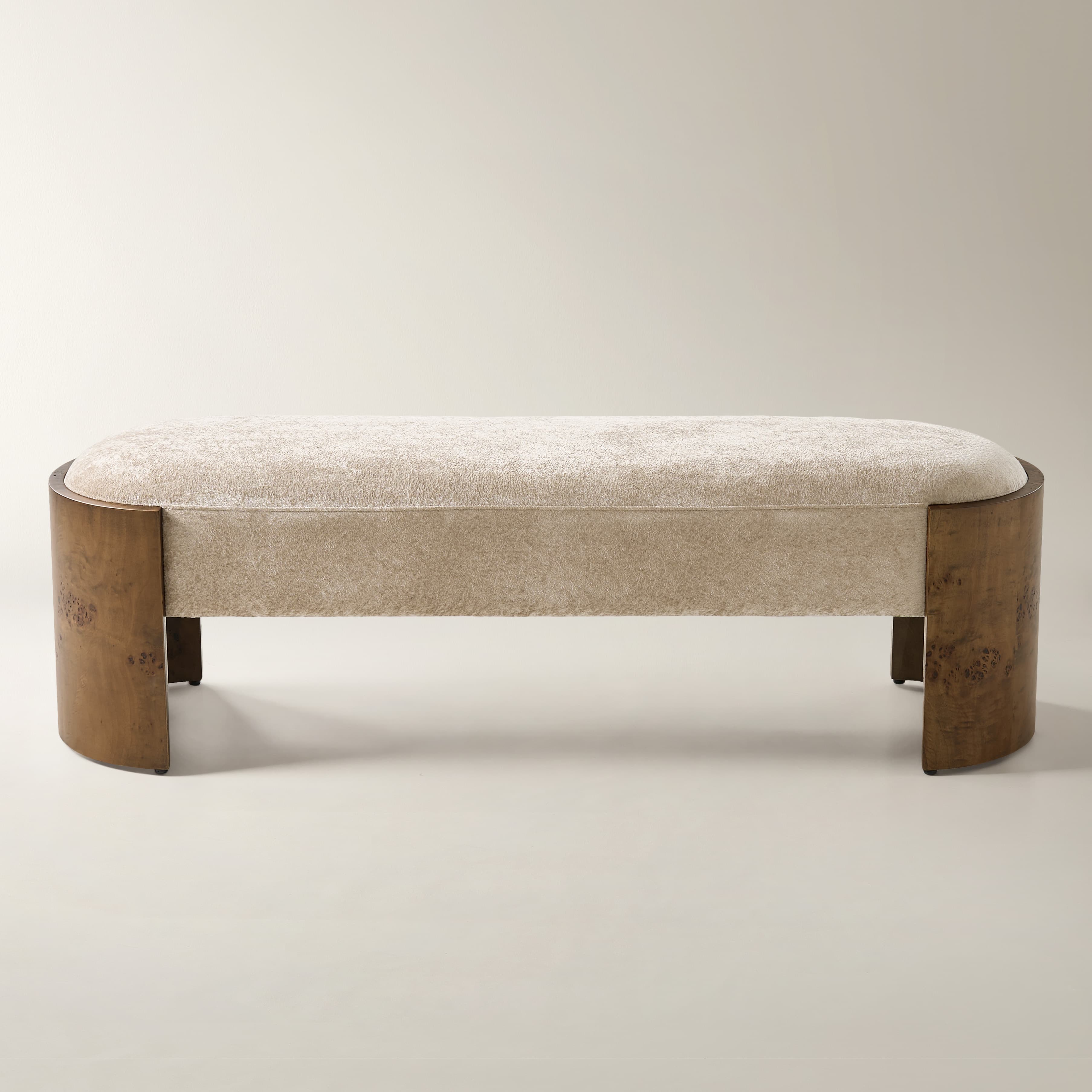 Cora Light Brown Chenille With Ash Wood Bench (60.6")$999
A light brown chenille bench with curved ash burl veneer panels, blending plush comfort and organic artistry.
Add To Cart -
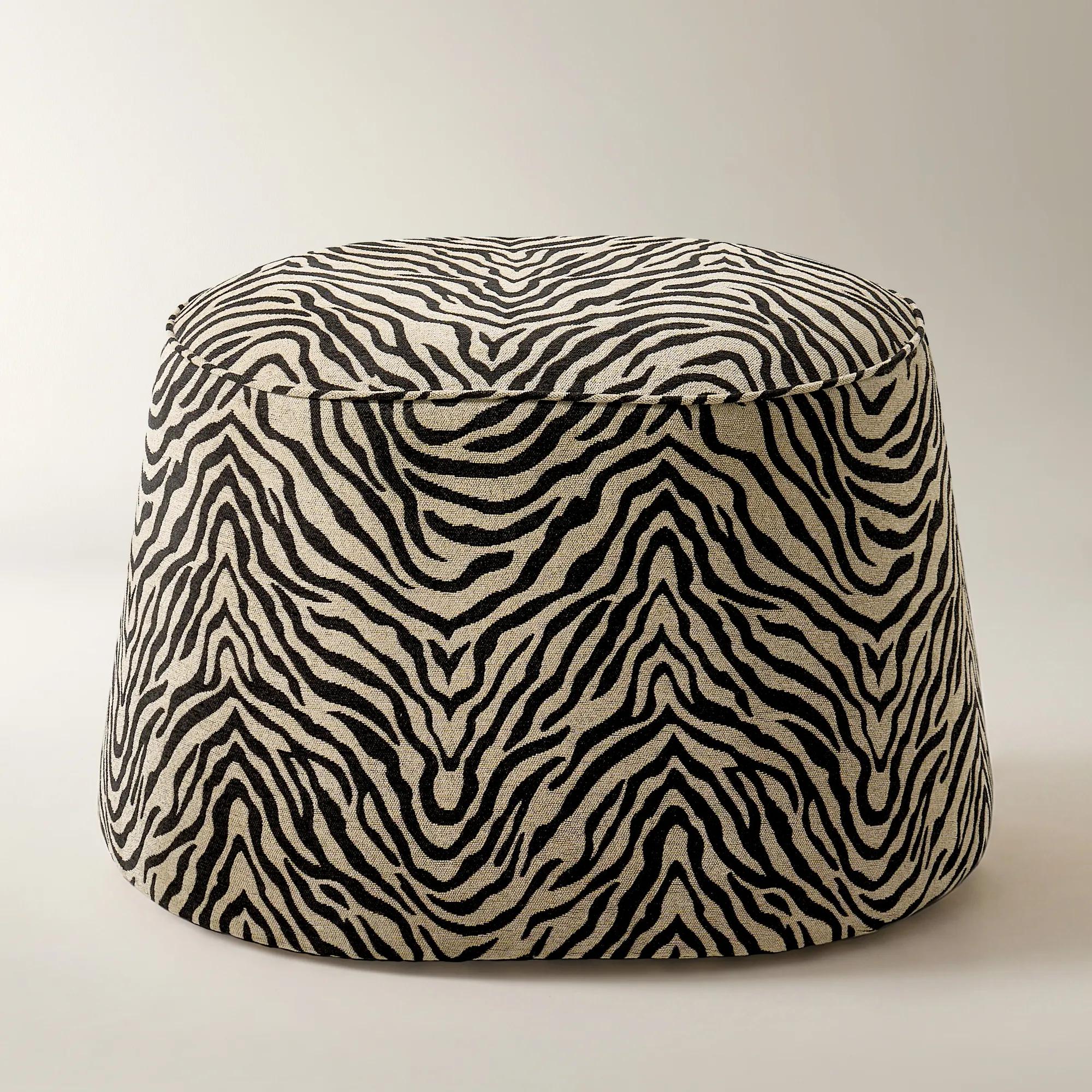
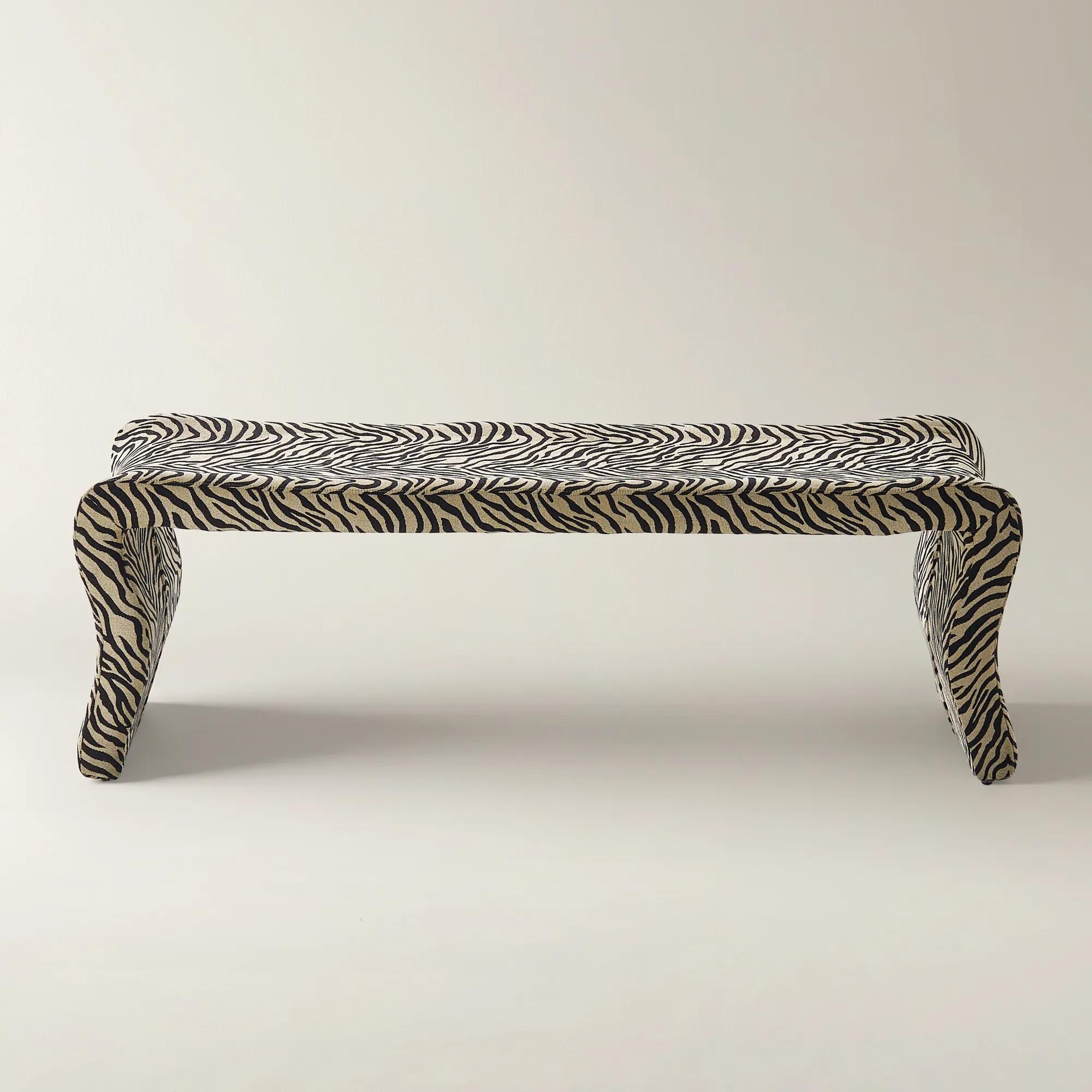 Romy Zebra Performance Chenille Bench (61.5")$899
A sculptural bench wrapped in zebra-patterned performance chenille with a wave-like silhouette and full foam construction.
Add To Cart -
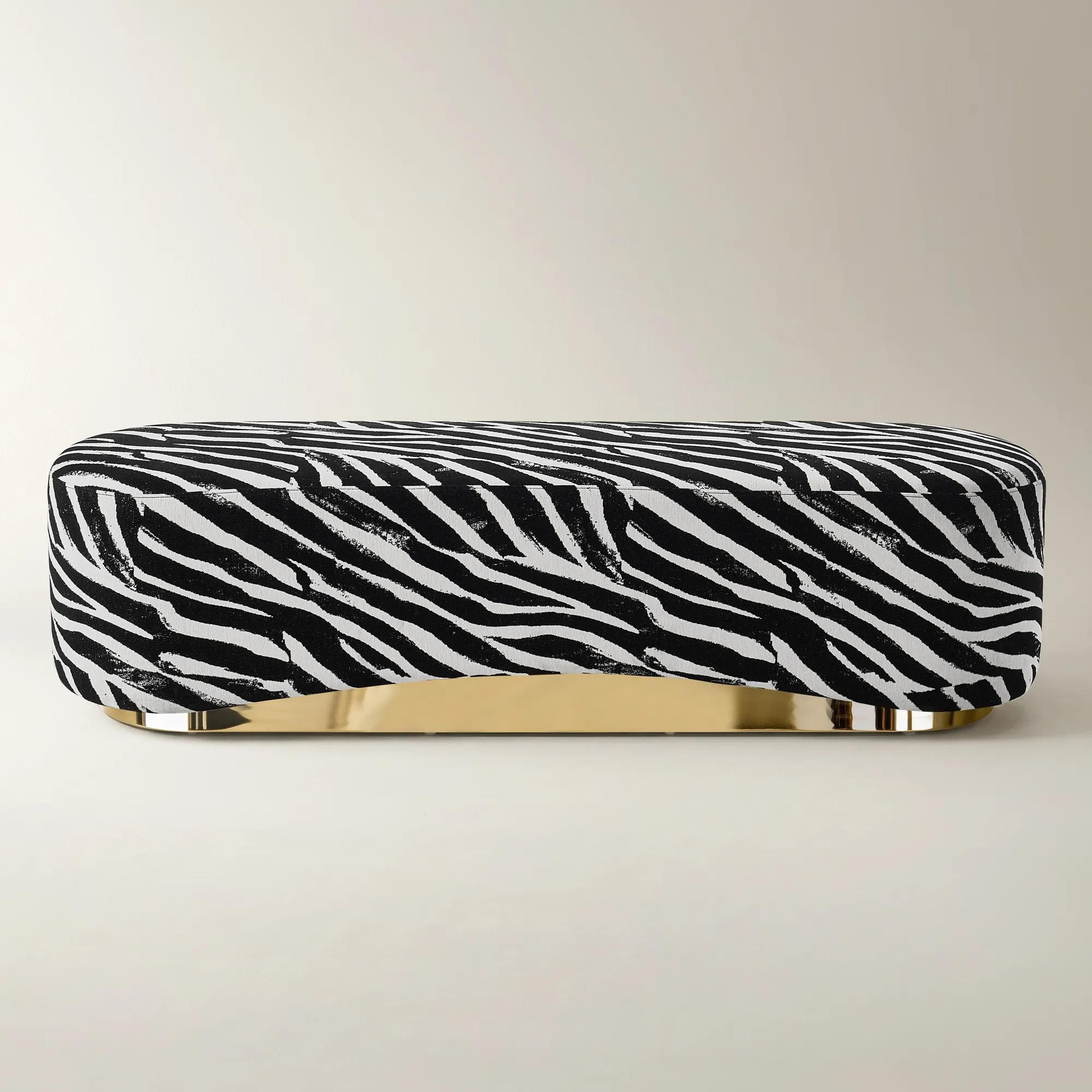
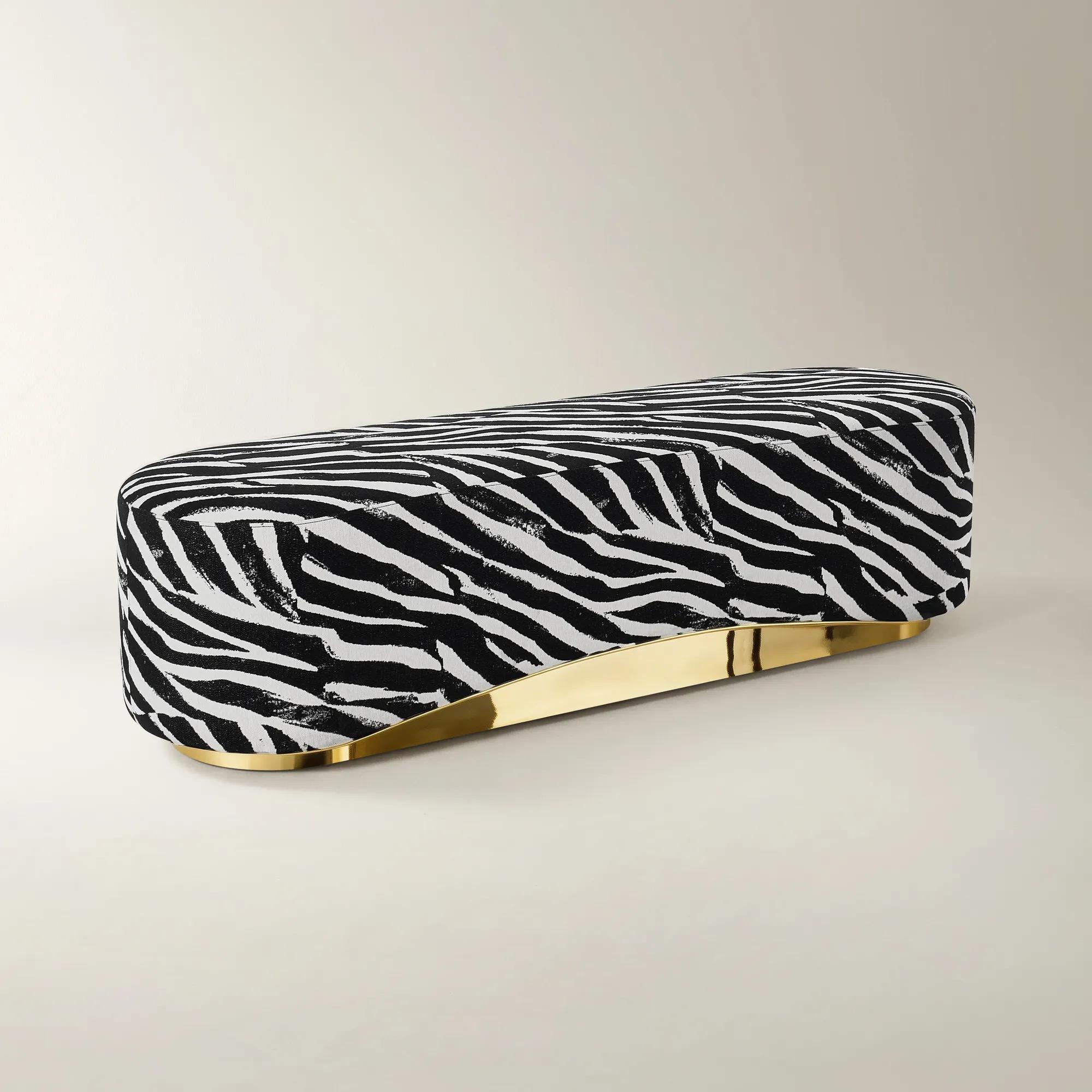 Kendra White/Black Performance Chenille Bench (70.47")$799
An elongated oval bench upholstered in white and black performance chenille with a polished gold stainless steel base.
Add To Cart -
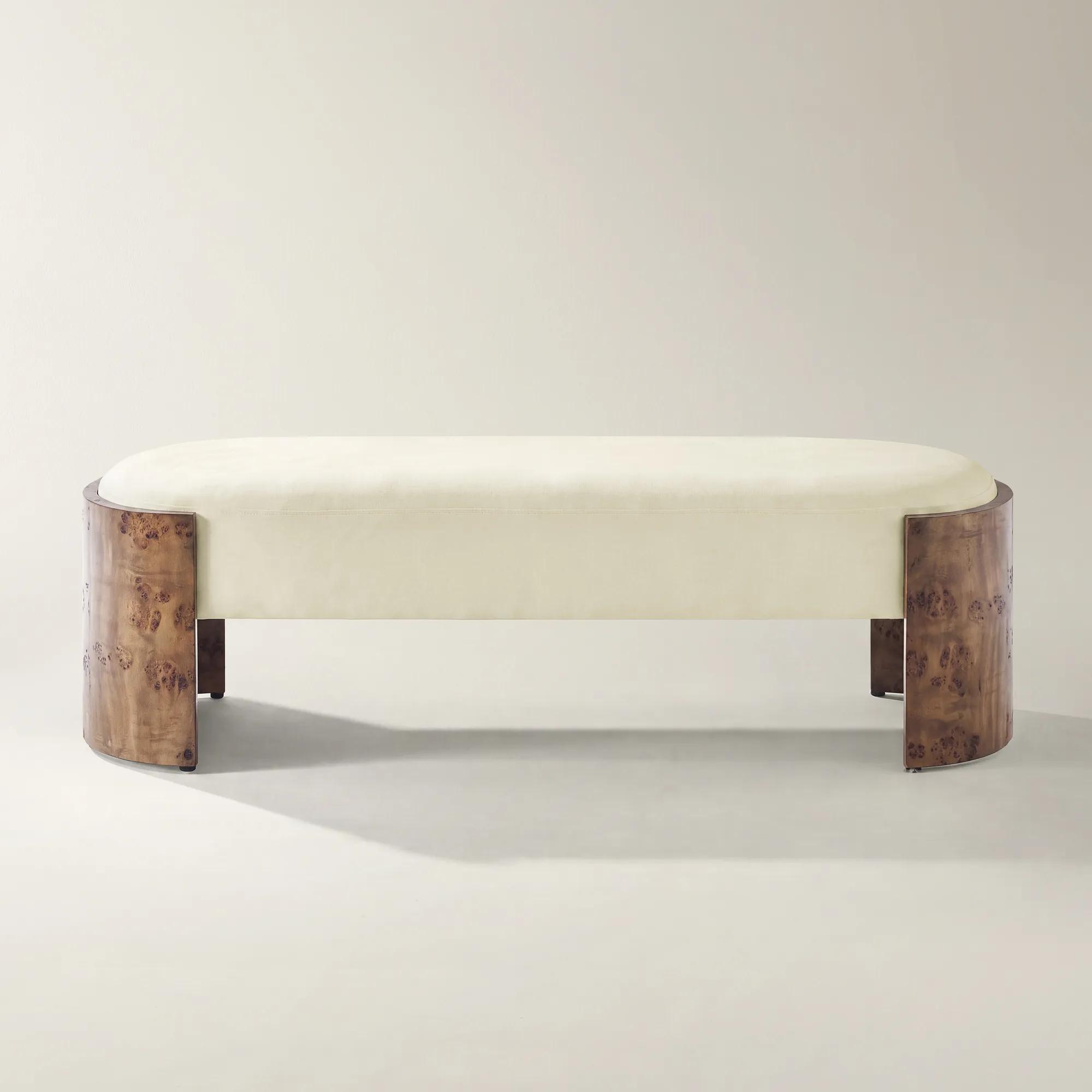 Cora Cloud Velvet With Ash Wood Bench (60.6")$999
A cloud velvet bench with bookmatched ash burl panels and supportive foam cushioning.
Add To Cart -
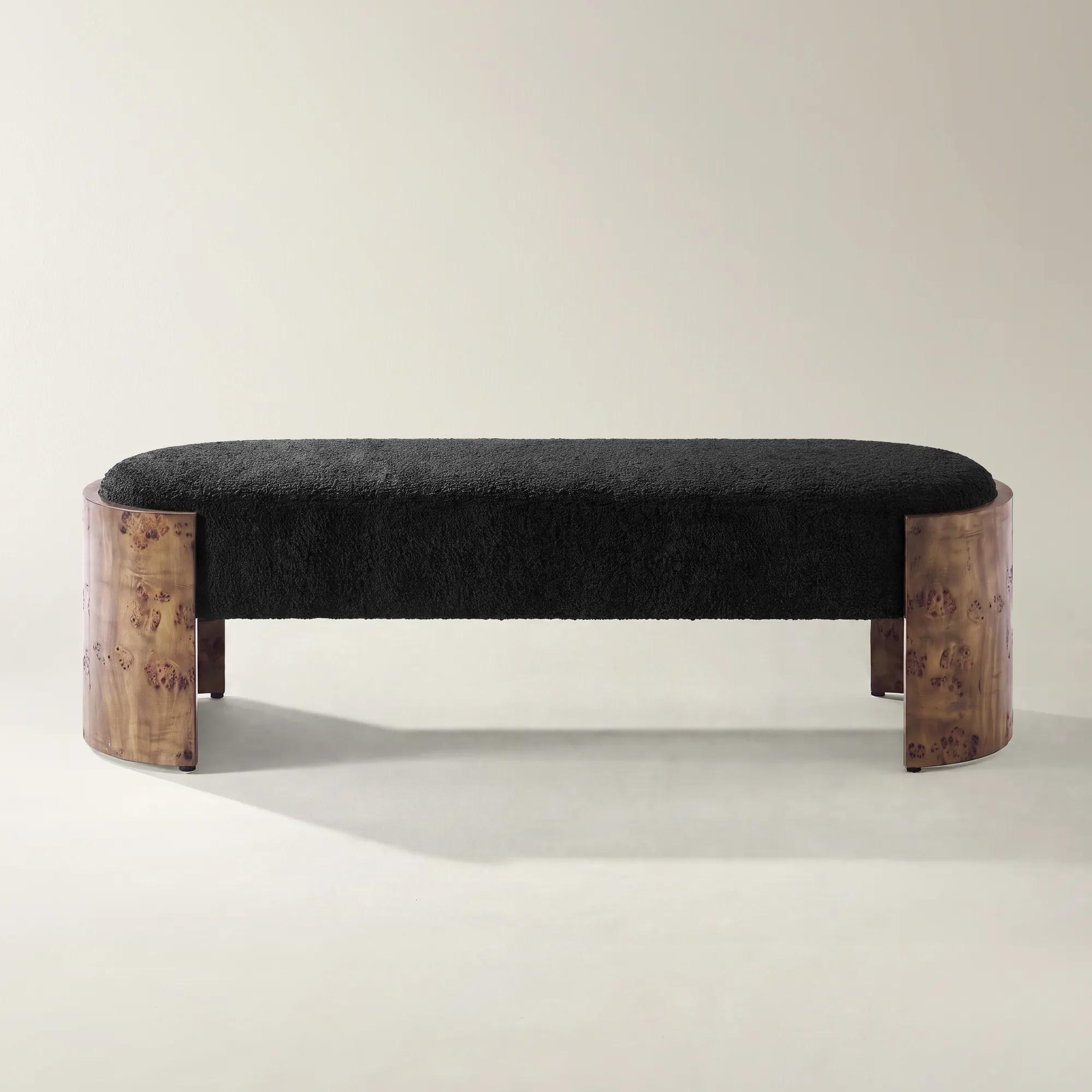 Cora Black Chenille With Ash Wood Bench (60.6")$999
A sculpted charcoal chenille bench featuring curved bookmatched ash burl panels and supportive foam cushioning.
Add To Cart -
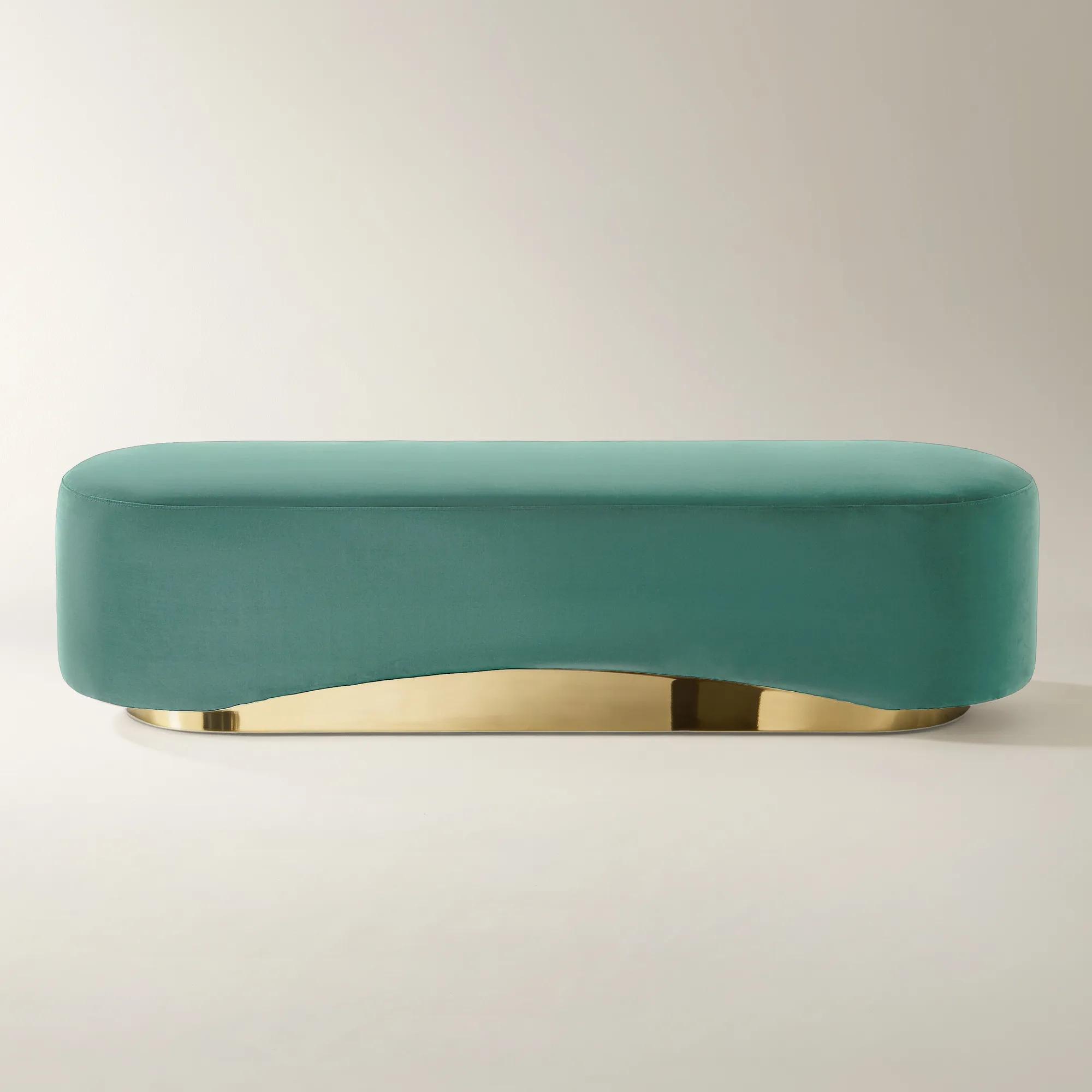 Kendra Ocean Teal Velvet Bench (70.47")$799
An elongated oval bench in ocean teal velvet with a plush seat and polished gold stainless steel base.
Add To Cart -
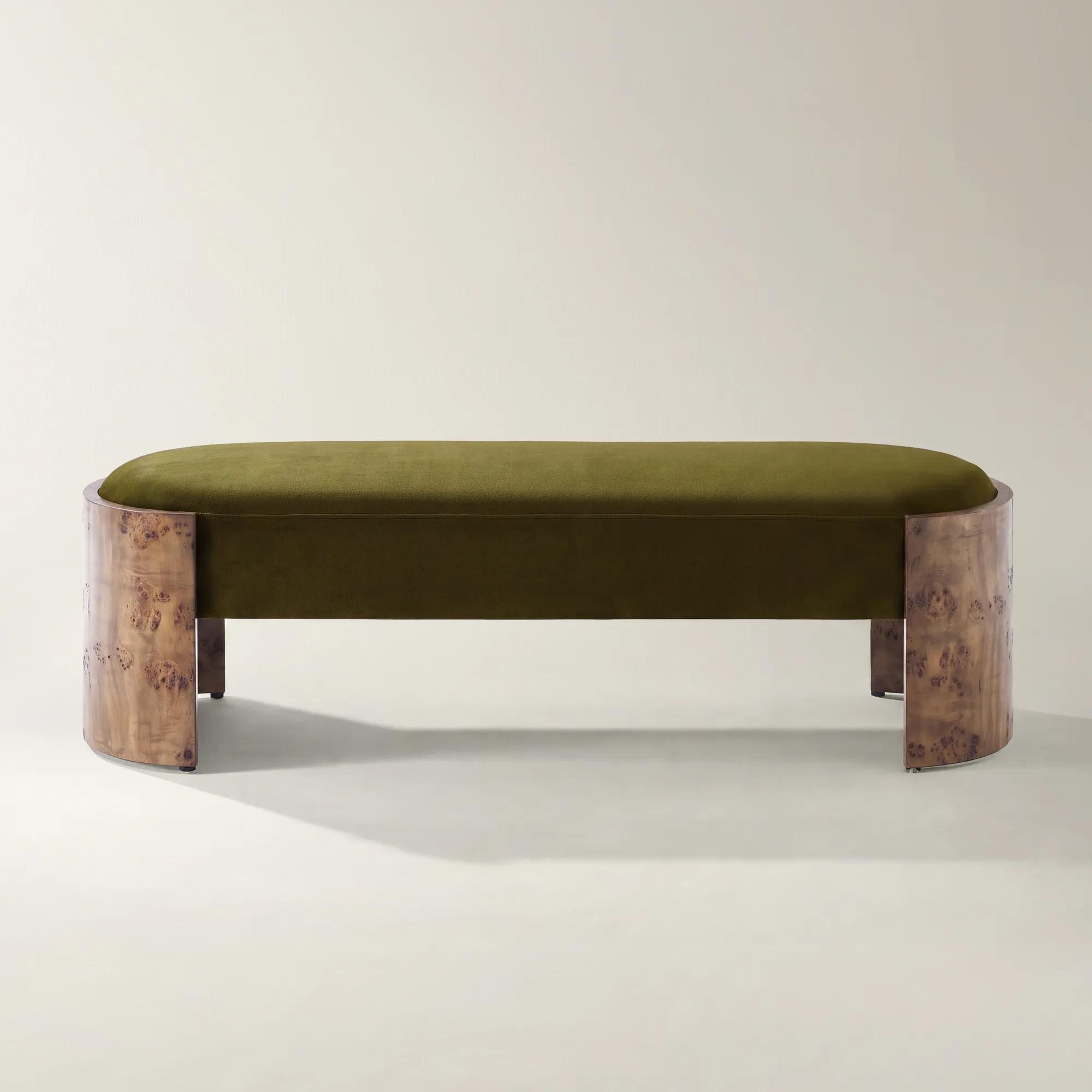 Cora Deep Olive Velvet With Ash Wood Bench (60.6")$999
A sculpted deep olive velvet bench featuring curved ash burl end panels and supportive foam cushioning.
Add To Cart -
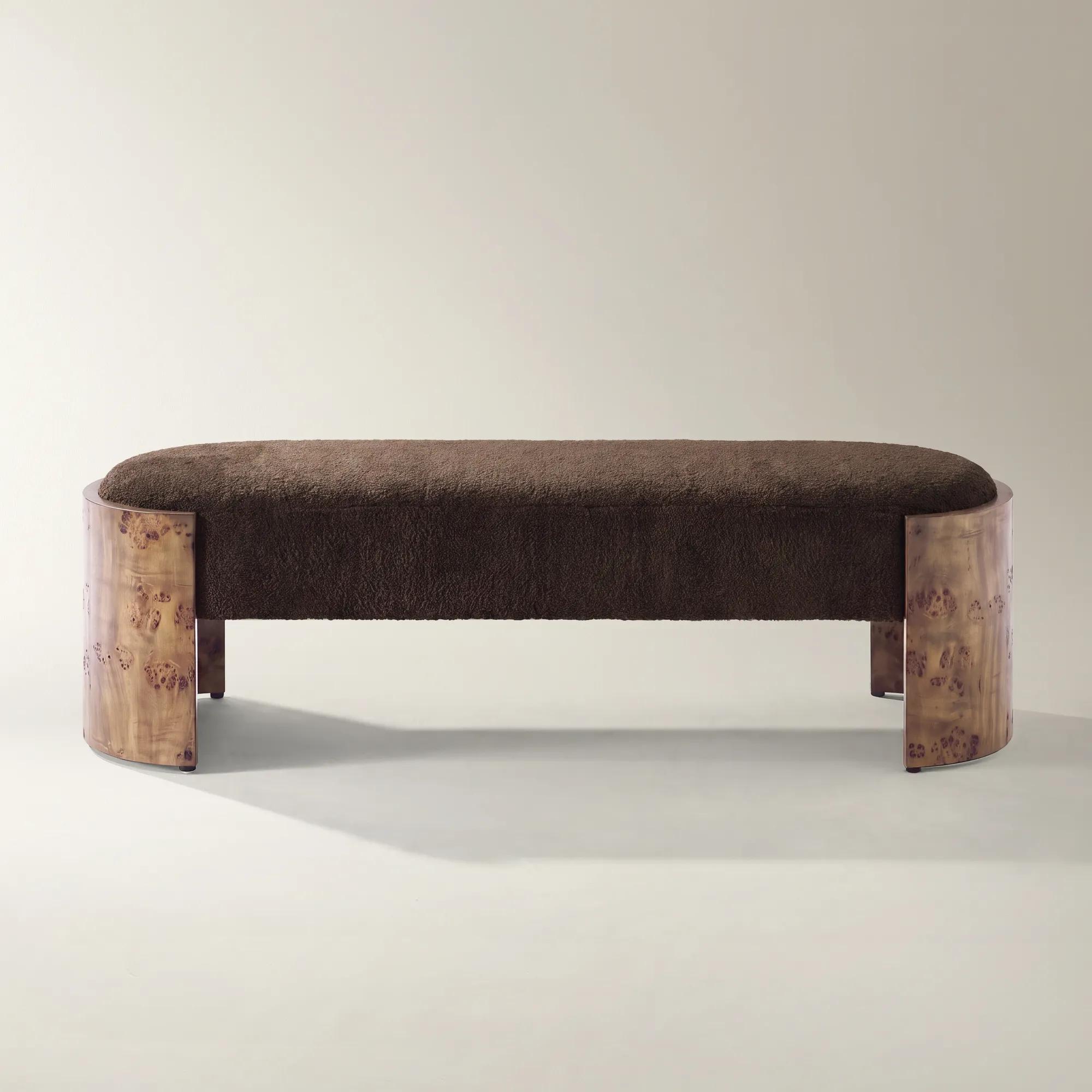 Cora Dark Chocolate Chenille With Ash Wood Bench (60.6")$999
A sculpted dark chocolate chenille bench with curved ash burl end panels and supportive foam cushioning.
Add To Cart -
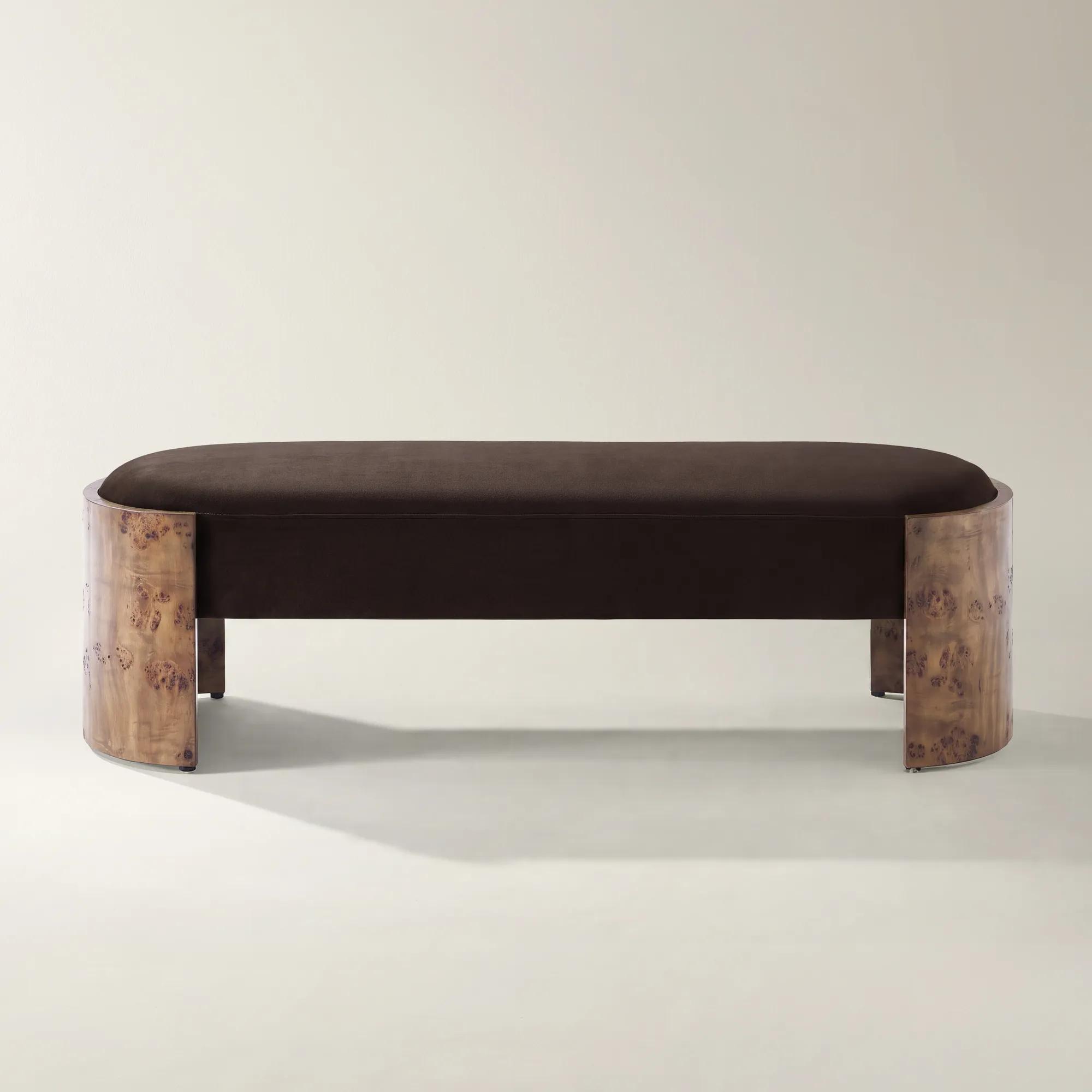 Cora Dark Chocolate Velvet With Ash Wood Bench (60.6")$999
A dark chocolate velvet bench with sculpted bookmatched ash burl end panels and high-resiliency foam cushioning.
Add To Cart -
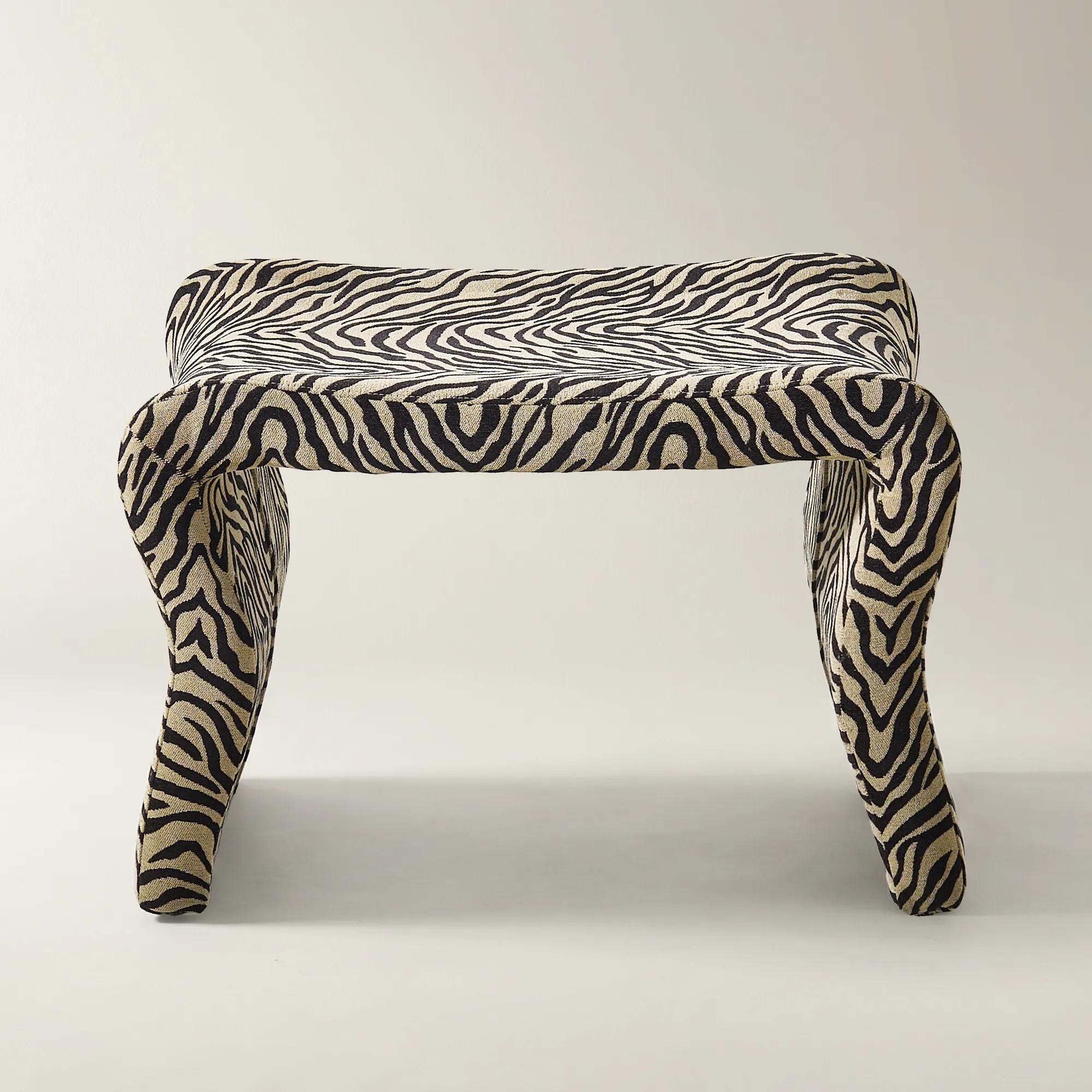
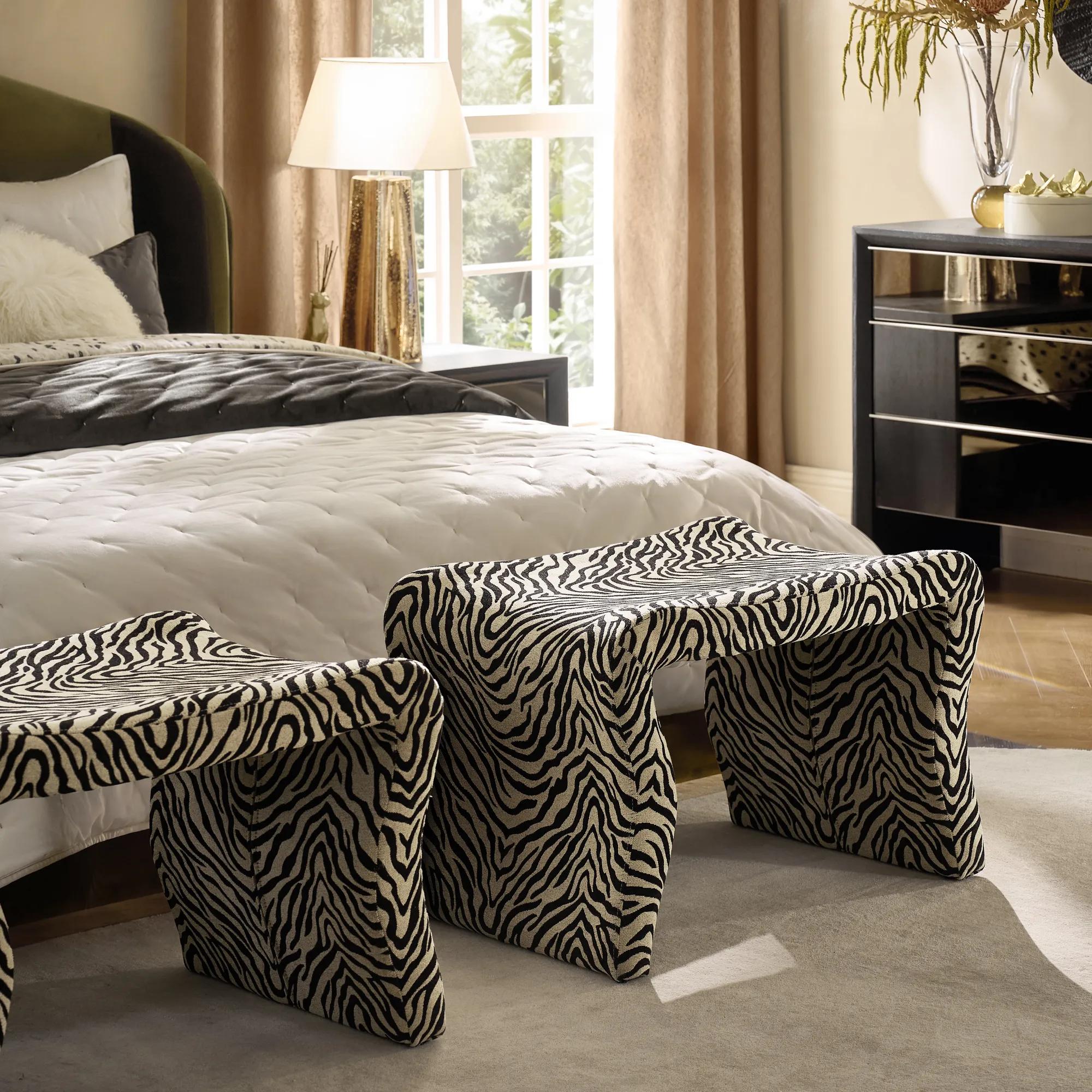 Romy Zebra Performance Chenille Bench (30.75")$499
A sculptural bench wrapped in zebra-patterned performance chenille with a wave-like silhouette and full foam construction.
Add To Cart -
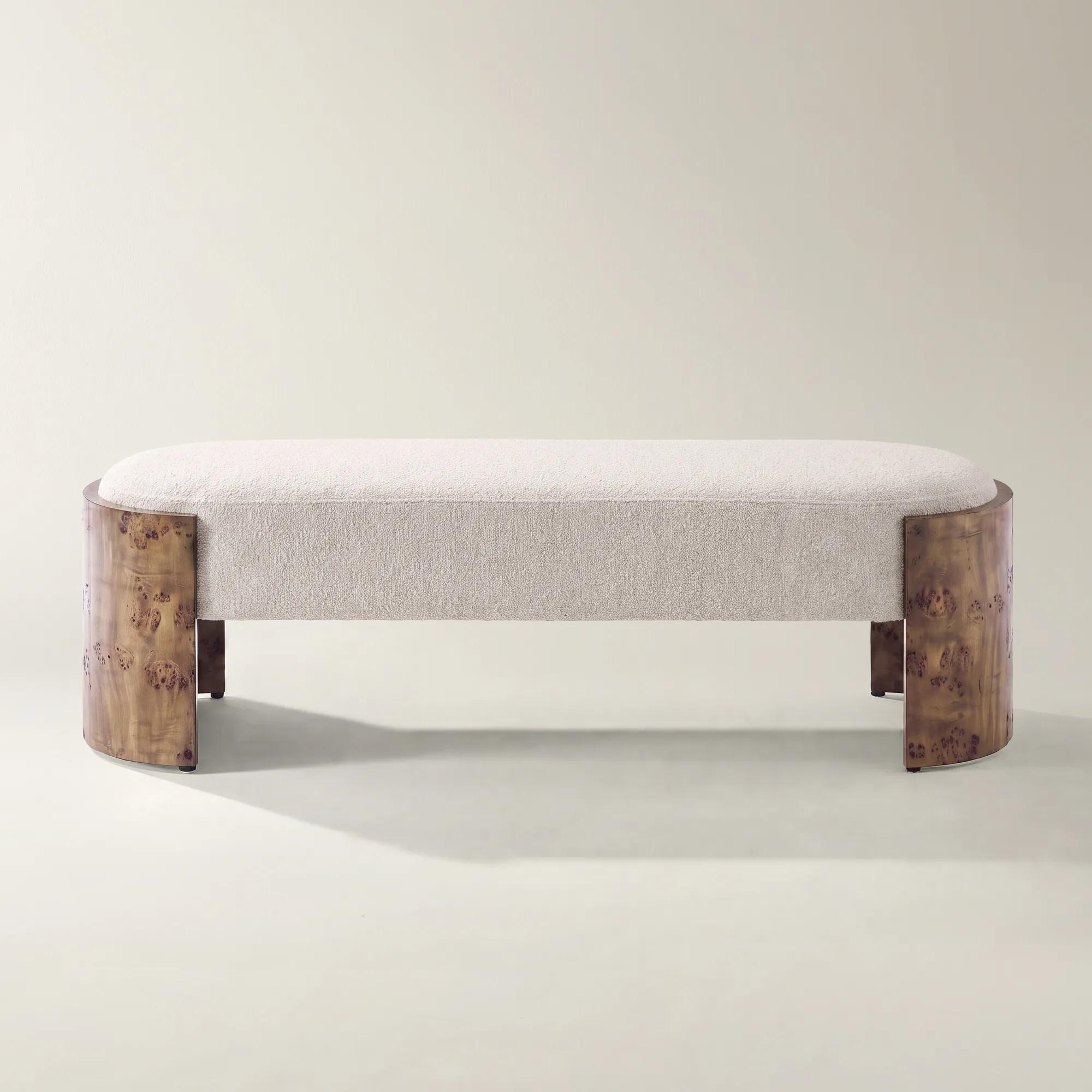 Cora Ivory Performance Boucle With Ash Wood Bench (60.6")$999
A sculpted ivory performance bouclé bench with curved bookmatched ash burl panels and supportive foam cushioning.
Add To Cart -
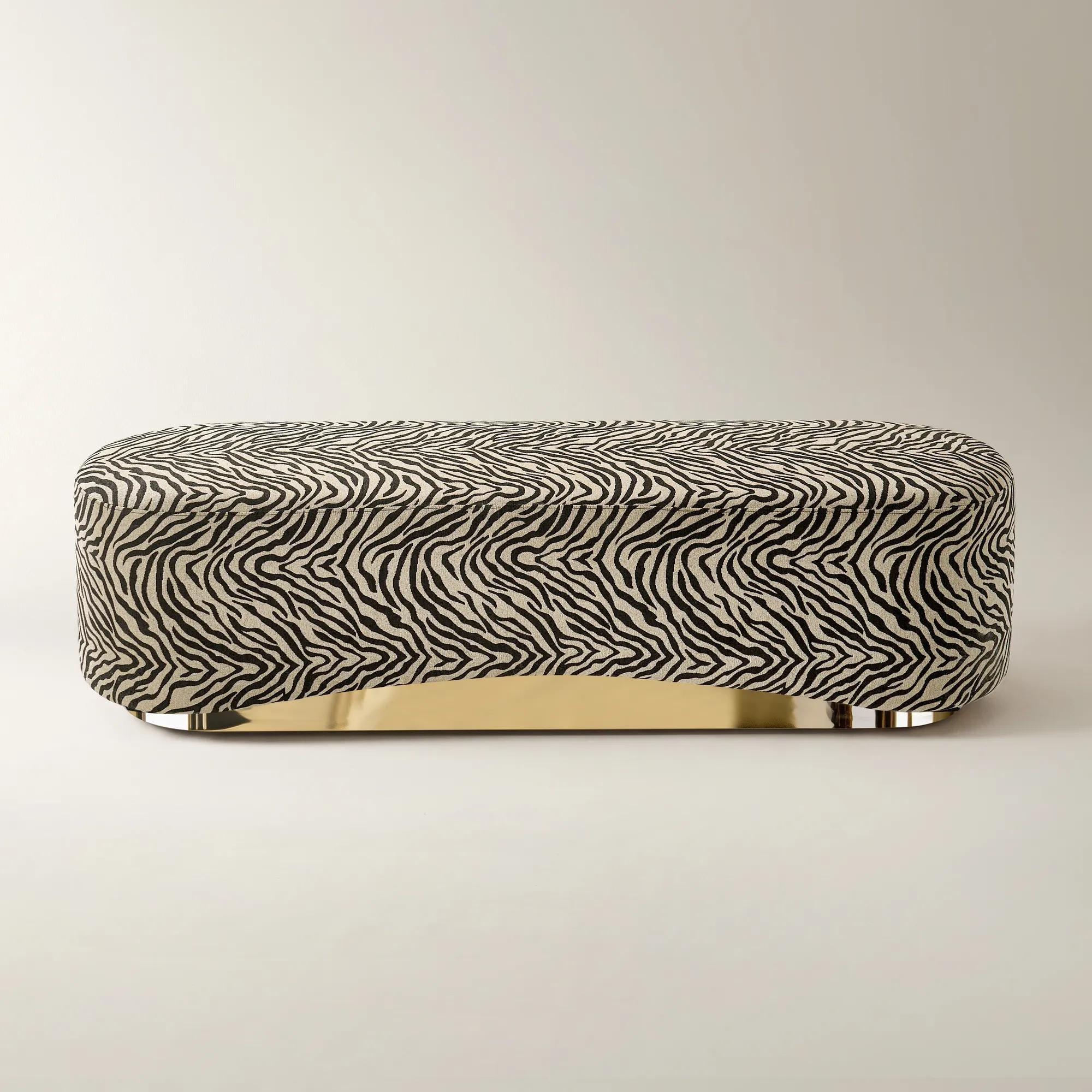
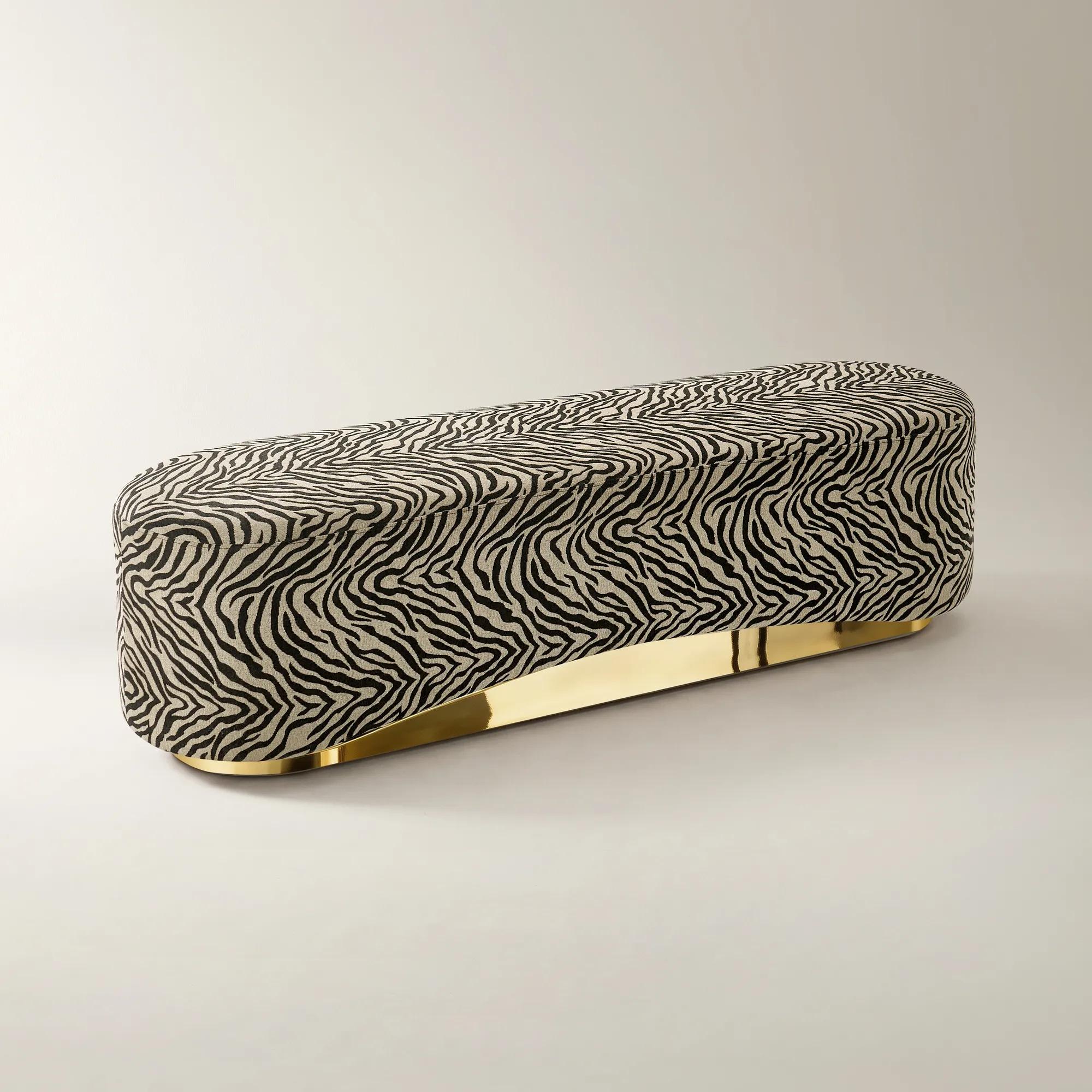 Kendra Zebra Performance Chenille Bench (70.47")$799
An elongated oval bench upholstered in textured zebra-pattern chenille with a polished gold stainless steel base.
Add To Cart

Designer Dining Benches
Explore designer dining benches for a striking alternative to individual dining chairs, with a focus on silhouette, scale, and how the seating complements your table. Compare bench length and seat height, and check clearance between the table legs if you want it to tuck underneath. Thoughtful proportions make room for both comfortable gathering and expressive dining room style.
Designer dining benches combine sculptural frames, considered proportions, and expressive materials to make shared seating an integral part of a room’s design. Unlike an occasional bench chosen primarily for an entryway or the foot of a bed, a dining bench needs to work comfortably with a table’s height, base, and everyday rhythm. Its elongated silhouette creates an uninterrupted line along one side of the table, offering a striking counterpoint to individual dining chairs. The effect can be architectural or richly upholstered: a wood frame brings visible grain and substance, a gleaming metal base introduces a jewelry-like accent, and a padded seat adds softness to the composition. Upholstered dining benches feel especially inviting in rooms where meals linger into conversation, while exposed wood designs emphasize shape, finish, and the beauty of their construction. Velvet can lend a dining space luminous depth, textured woven fabric introduces dimension, and leather offers a distinctive surface that may develop character with use, depending on its finish. Each material also changes how a bench relates to its surroundings. Against a polished stone tabletop, upholstery creates a sumptuous contrast; beside a richly grained wood table, a slender metal frame adds definition without competing with the surface. Backless dining benches preserve sightlines and allow the table to remain visually prominent. Designs with backs create a more enveloping seating experience, with a taller profile that deserves attention from every angle. Neither approach requires every finish in the room to match. A repeated curve, a shared undertone, or a single metallic detail can connect the bench to nearby chairs and lighting while leaving room for individuality. For those who prefer a dining room with a collected rather than uniform appearance, a bench offers a substantial design gesture without making every seat identical.
Proportion determines whether that dramatic silhouette feels as good as it looks. A dining bench should complement the table’s usable seating area, not simply echo its overall length. Trestle supports, pedestal bases, and corner legs all affect where people can sit and how easily they can move into place. A bench intended to tuck beneath the tabletop needs clearance between the table legs, as well as room for its upholstery, arms, or back, if present. Seat height matters just as much: the relationship between the seat, tabletop, and underside apron should leave comfortable thigh room without placing diners too low to enjoy a meal naturally. Cushion compression can change that relationship, particularly with deeply padded seating. About 24 inches of width per adult is a useful starting point for planning, though the bench’s stated seating capacity and individual comfort needs should take precedence. In a compact dining area, a backless bench that slides fully under the table can keep the composition visually open when not in use. In a larger room, a substantial upholstered bench can anchor one side of a long table while chairs at the ends add sculptural punctuation. Everyday routines deserve equal consideration. Someone seated in the middle of a long bench may need others to move before getting up, while a bench positioned against a wall can be less convenient to enter than one with open access. Firm, supportive cushioning generally suits dining better than a seat that sinks so deeply that the table feels elevated. A supportive back may be welcome for extended meals, while an open profile allows more freedom of movement. Strong joints, a stable base, secure upholstery, and an appropriate weight rating contribute to dependable daily use. For households with children or frequent guests, those practical details help preserve the pleasure of a beautifully composed room.
Materials and care requirements shape how designer dining benches live with a household over time. Dining seating encounters crumbs, spills, clothing friction, and repeated movement, so fabric selection should reflect more than color alone. Performance upholstery may offer useful stain resistance, but that designation does not mean every spill will disappear or that every cleaning method is suitable. The manufacturer’s care instructions and upholstery cleaning code remain the authority, especially for velvet, textured weaves, and fabrics that require professional attention. Prompt blotting rather than rubbing can help limit the spread of a spill when permitted by the care directions, while regular gentle vacuuming removes debris from seams and crevices. Wood finishes benefit from protection against standing moisture and harsh cleaners; leather requires products appropriate to its particular treatment; polished metal can lose its luster when cleaned with abrasive materials. These distinctions matter in a room used for both everyday breakfasts and elaborate dinner gatherings. A pale upholstered bench can create a luminous focal point, provided its maintenance suits the household, while a richly toned or subtly patterned textile may make everyday marks less conspicuous without replacing proper care. Durability also depends on intended use: an indoor dining bench should not be treated as outdoor seating unless the manufacturer specifically rates it for that environment. Beyond the dining room, designer accent benches offer another way to introduce expressive seating in an entry, bedroom, or living space, where proportions and comfort priorities may differ. Within the dining room itself, the most compelling arrangement gives the bench room to be appreciated. A low centerpiece preserves the sweep of its silhouette, a pendant draws attention to the table’s length, and contrasting chairs bring rhythm to the ensemble. The result is a dining space with presence and purpose: generous enough for conversation, composed enough for a memorable gathering, and distinctive even before the table is set.
FAQs
A designer dining bench brings an intentional point of view to the dining room through its silhouette, detailing, and visual character. Look for expressive lines, distinctive contours, or artful finishing touches that make the bench feel like part of a composed interior—not simply a place at the table.
Create a dialogue between the two pieces rather than matching every detail. A sculptural dining bench can introduce drama beside a streamlined table, while a more restrained silhouette lets an expressive table lead. Repeat a color, curve, or finish to give the pairing a deliberate, collected feel.
Pairing a dining bench with chairs creates an editorial dining arrangement with distinct personalities around the table. Establish one shared design element, such as a similar back profile or complementary color, then let the silhouettes differ. Statement chairs at the ends can add a striking finishing note.
Decide whether your dining bench should anchor the palette or become its most expressive accent. A rich, saturated hue can bring depth and drama, while a nuanced neutral lets shape and detailing take focus. Draw inspiration from nearby artwork or a rug for a connection that feels considered.
Give the bench a clear role in the room’s visual story. Echo its curves in a centerpiece or connect its color to a bold work of art. Keep tabletop accents thoughtfully edited so the bench’s distinctive design remains visible, then layer in expressive lighting to complete the mood.