Decorative Objects For Gifting
Decorative Objects For Gifting
-
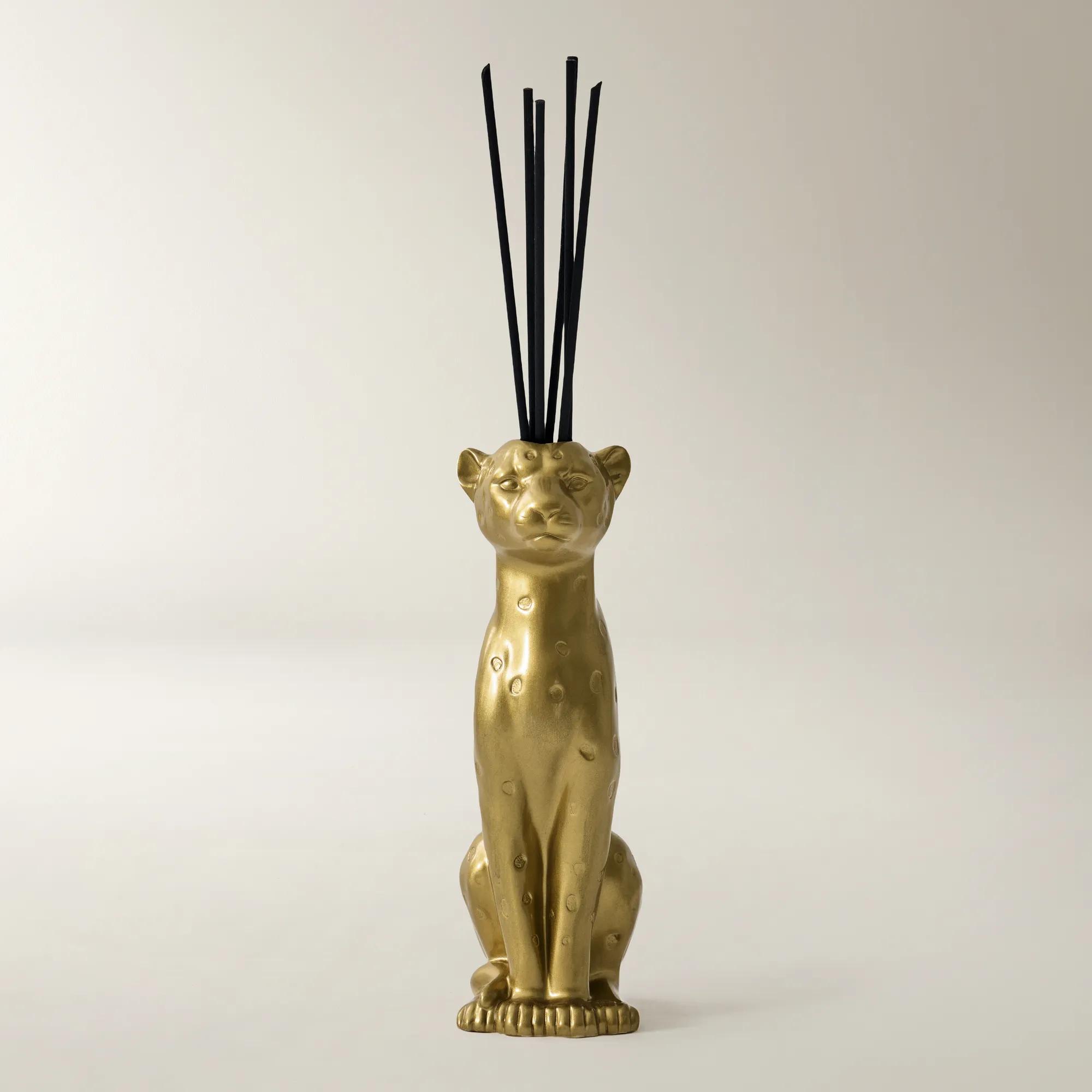
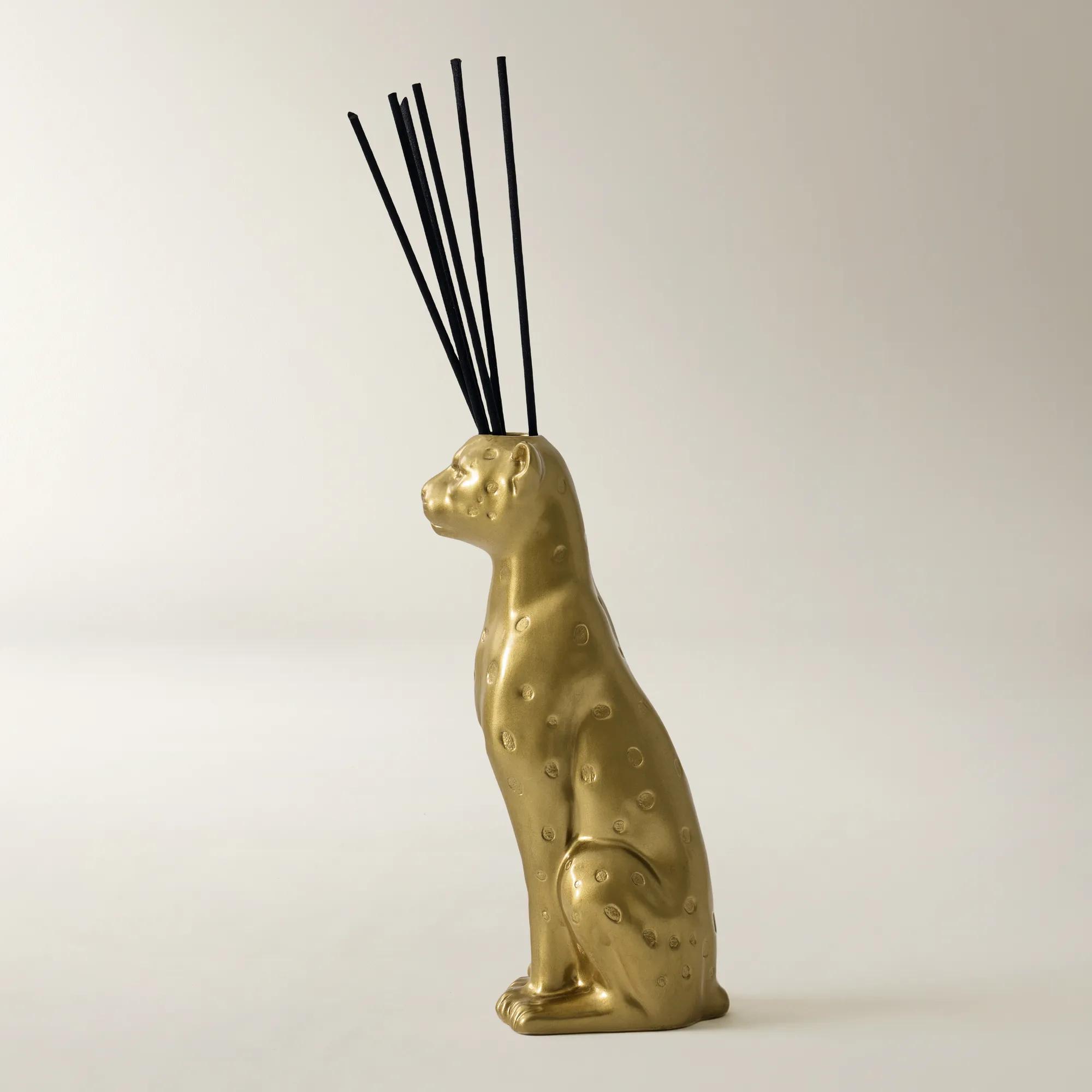 Leo Soft Gold Ceramic Diffuser Gift Set$99
A sculptural porcelain reed diffuser in soft gold, featuring sandalwood and amberwood notes for warm, radiant fragrance.
Add To Cart -

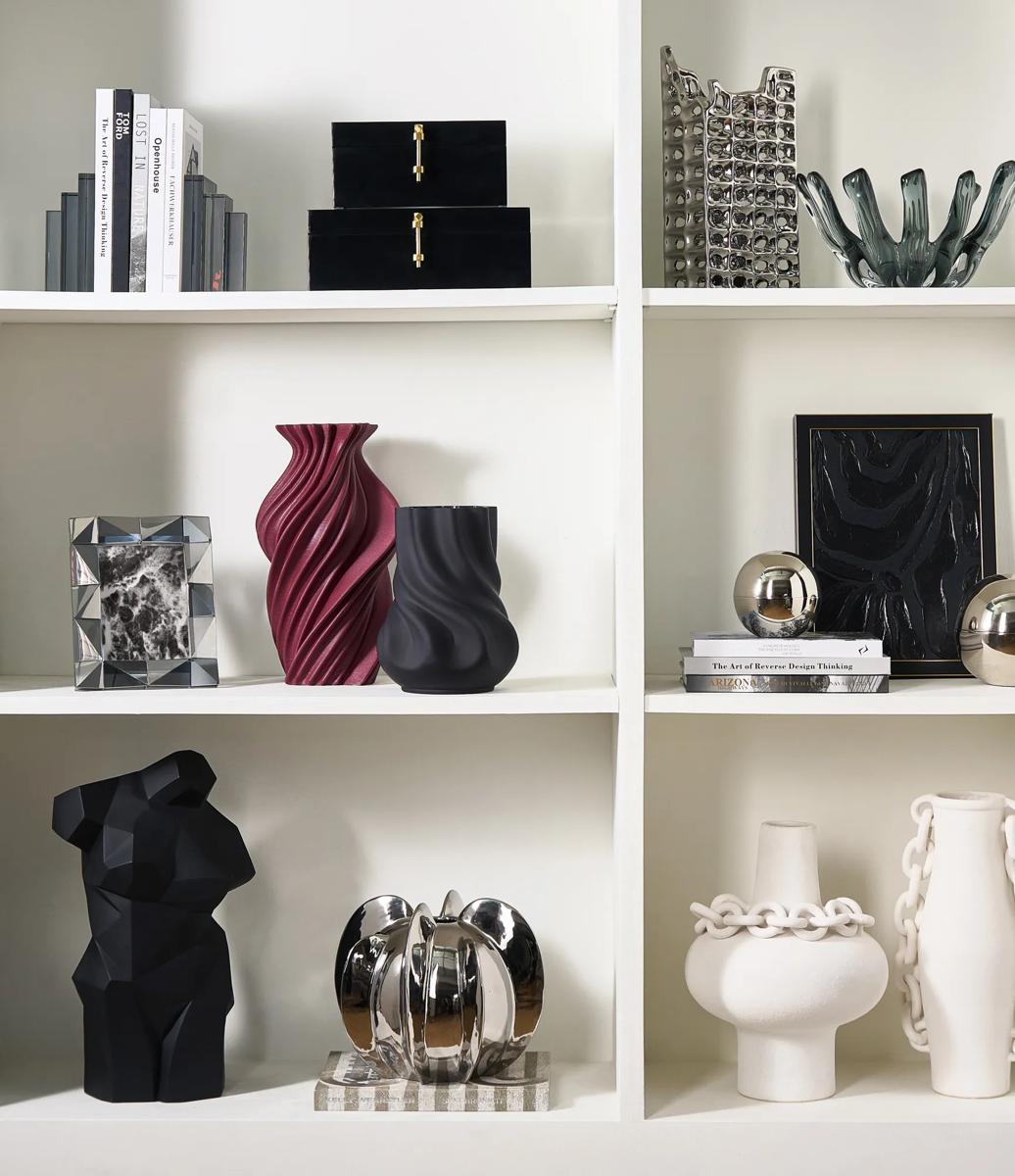 Pose Black Resin Decorative Object 19.75"$99
A sculptural matte black resin accent featuring a faceted geometric design and modern artistic appeal.
Add To Cart -
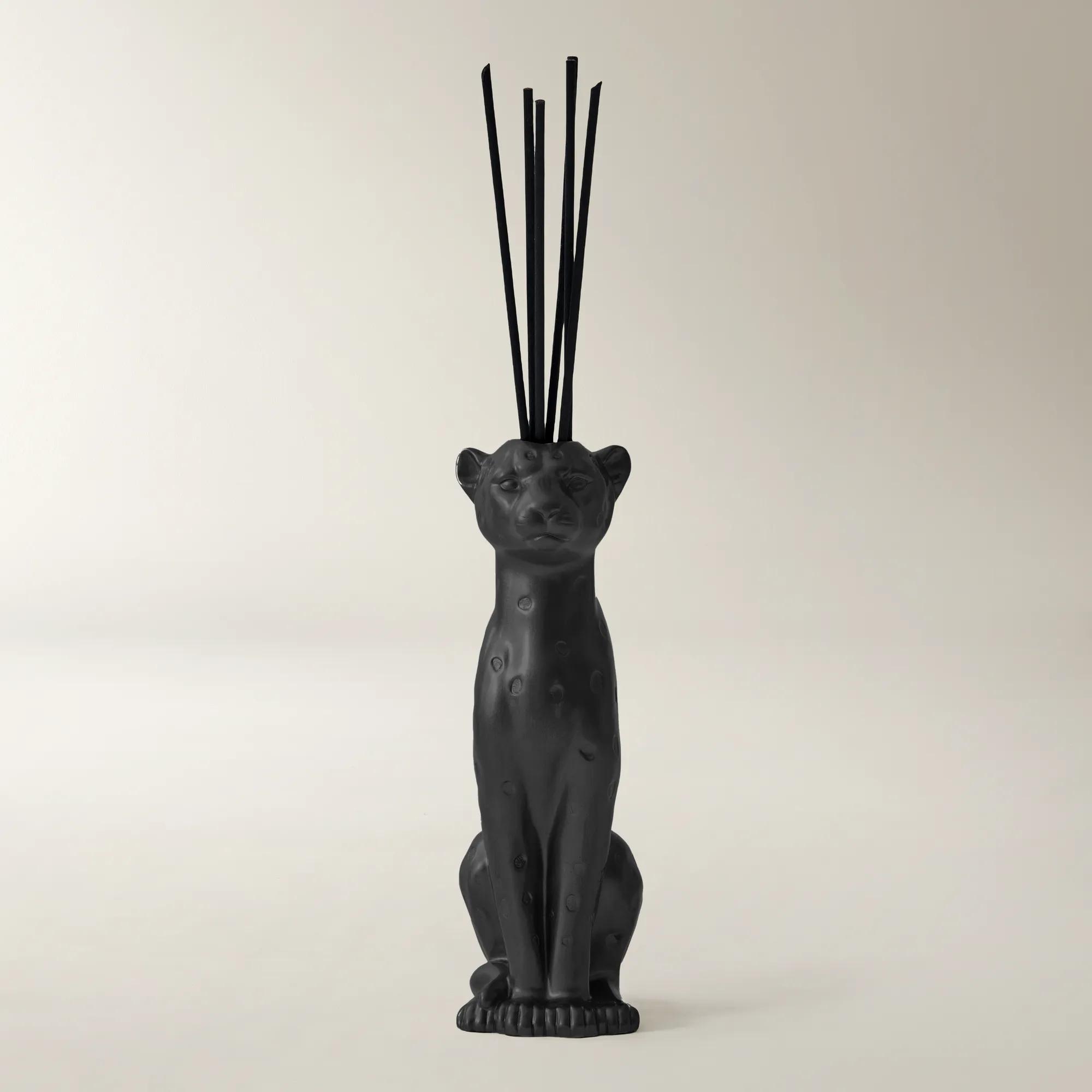
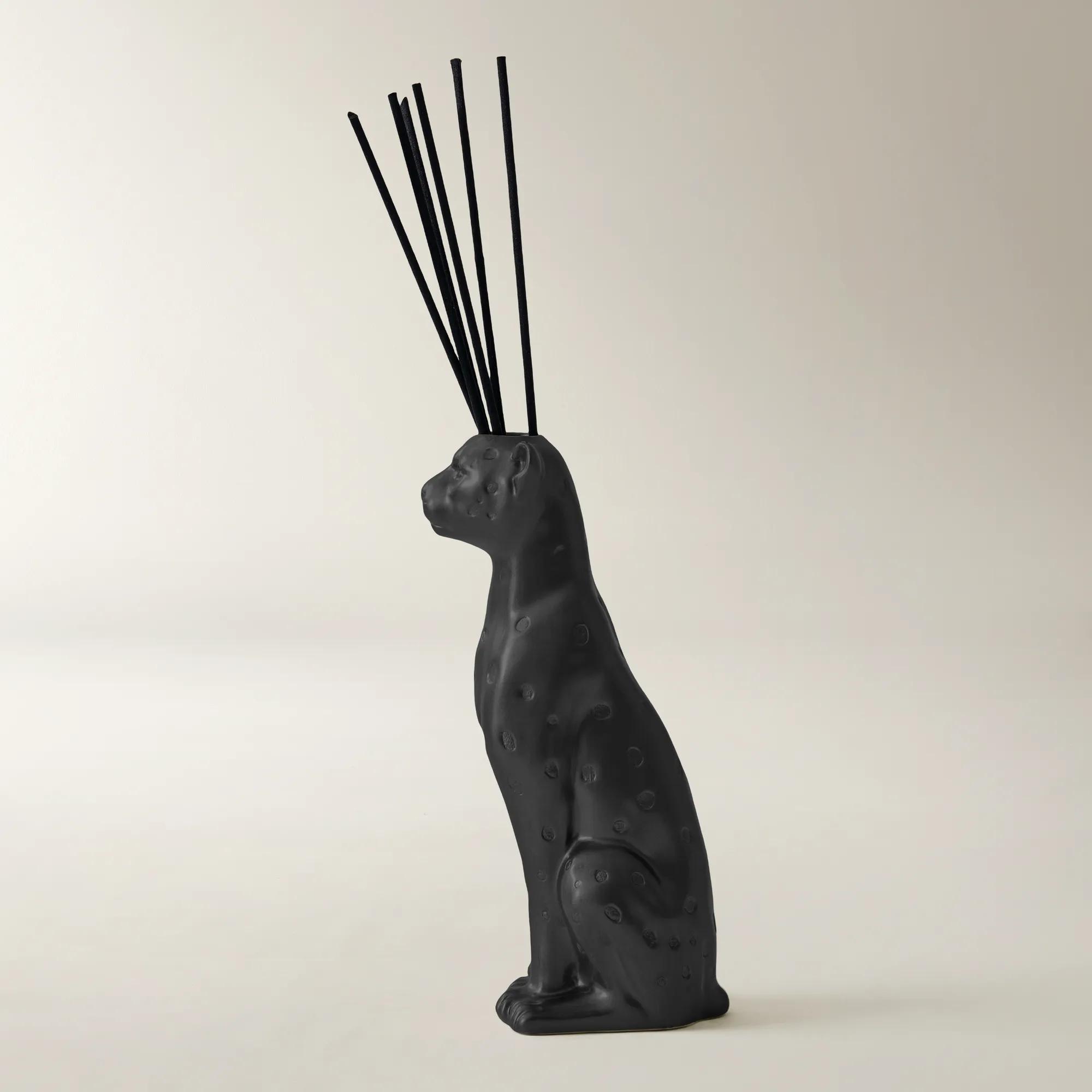 Leo Charcoal Ceramic Diffuser Gift Set$99
A charcoal porcelain reed diffuser featuring a warm, rich Santal Obscur scent and sculptural leopard design.
Add To Cart -

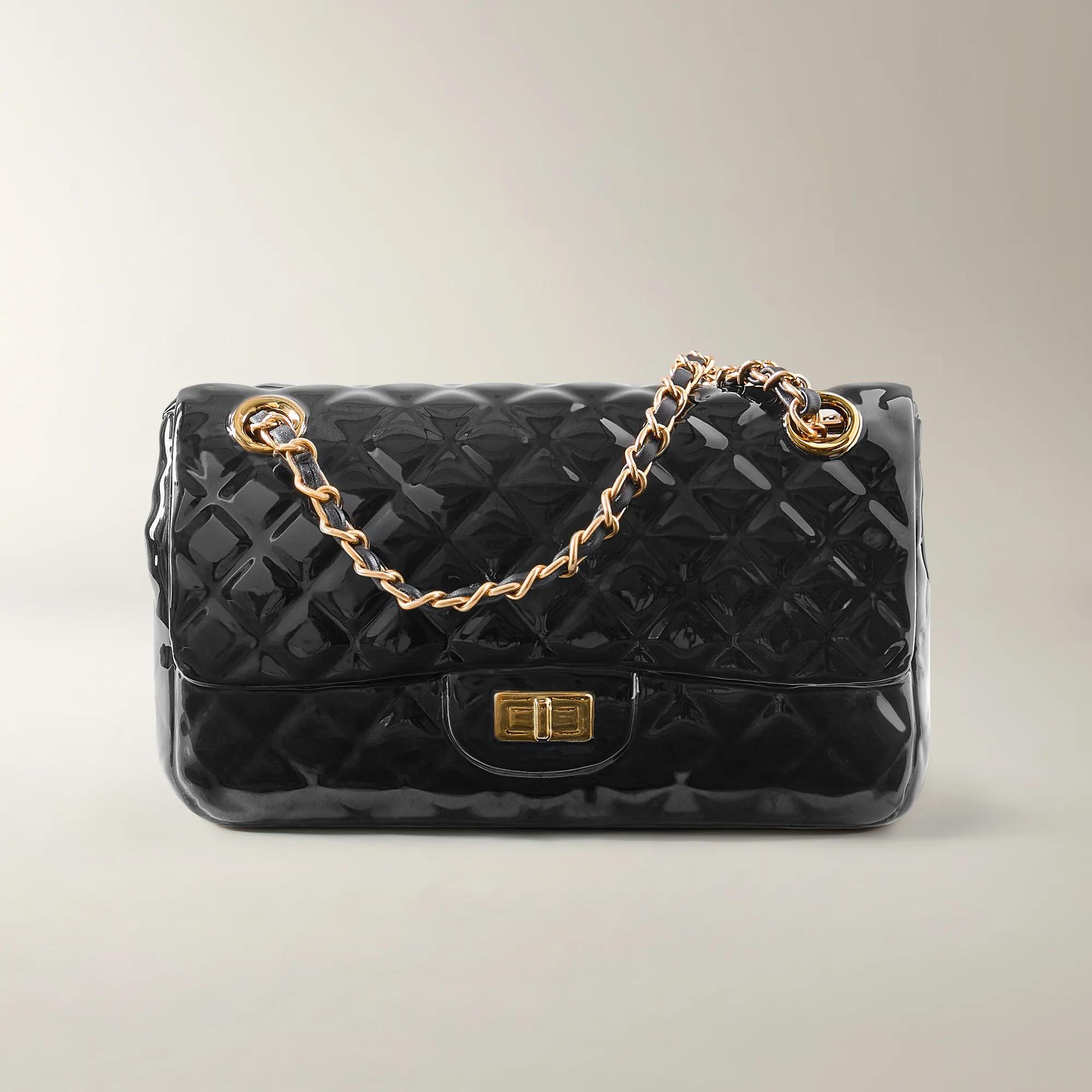
 Handbag Flap Black Ceramic High Gloss Coin Bank 10" x 5.75"$89
A chic black ceramic coin bank with a high-gloss finish and playful handbag-inspired silhouette.
Add To Cart -
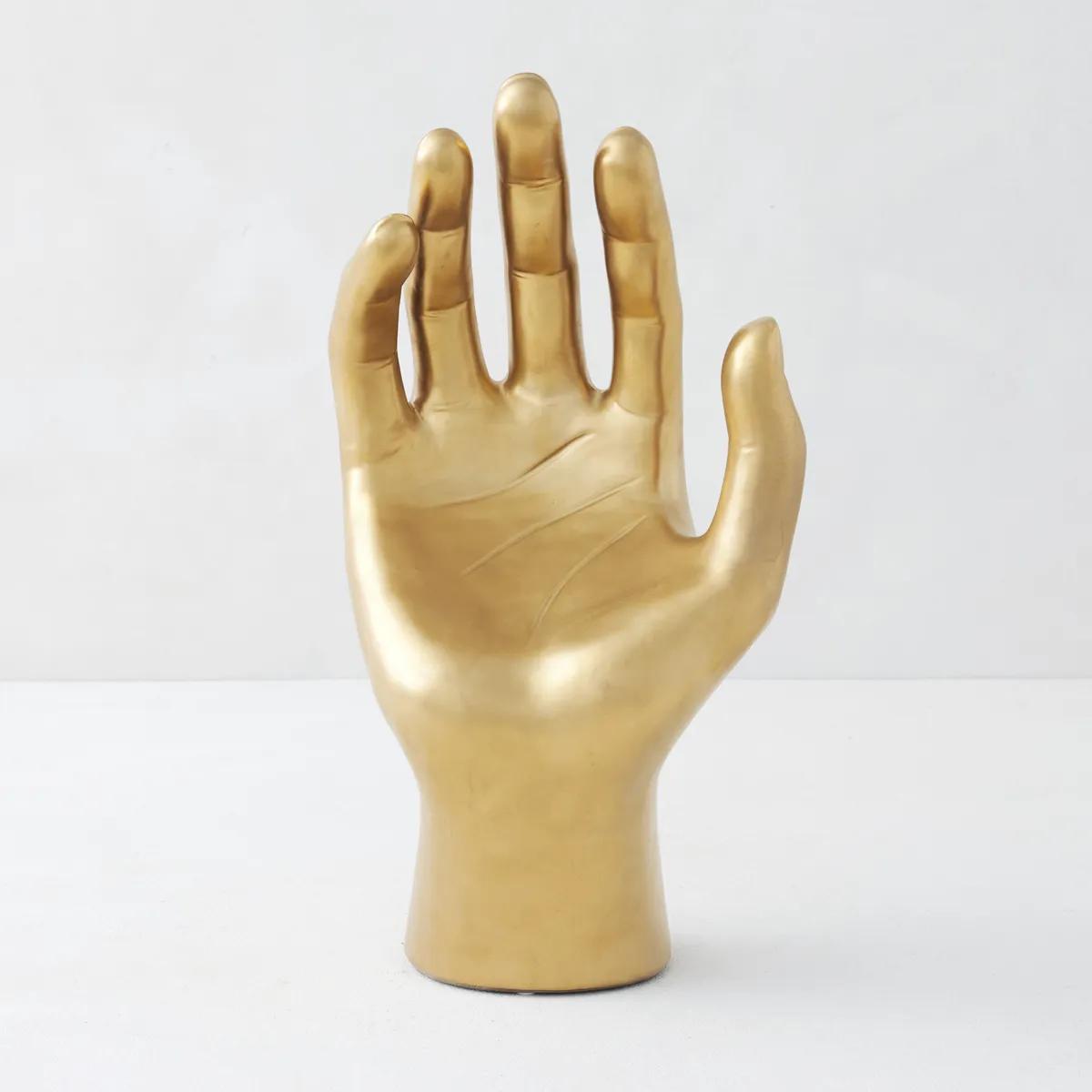
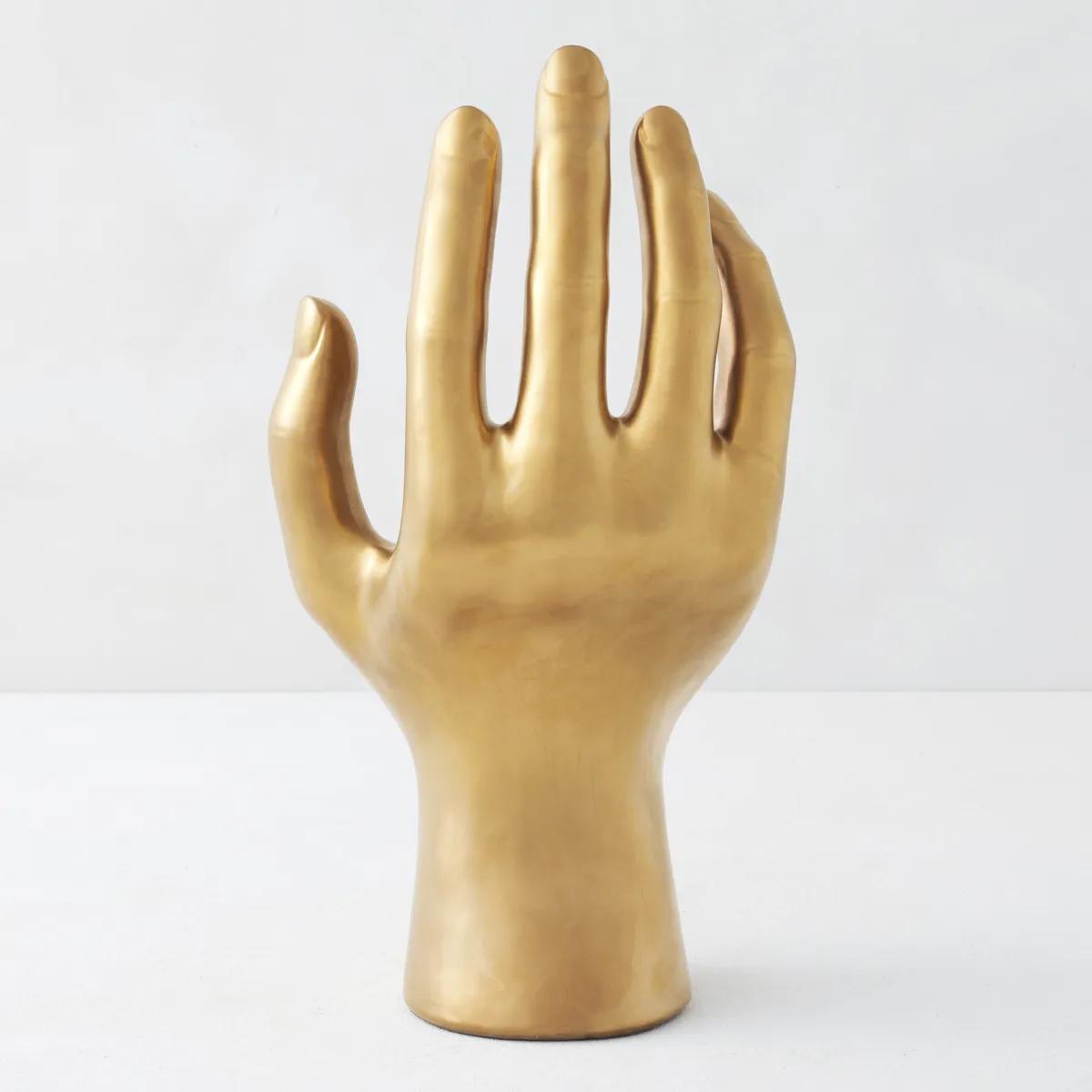 Ceramic Hand Metallic Gold Decorative Object 17.75"$69
A striking ceramic sculpture with a metallic gold finish, perfect for displaying jewelry or as decor.
Add To Cart -
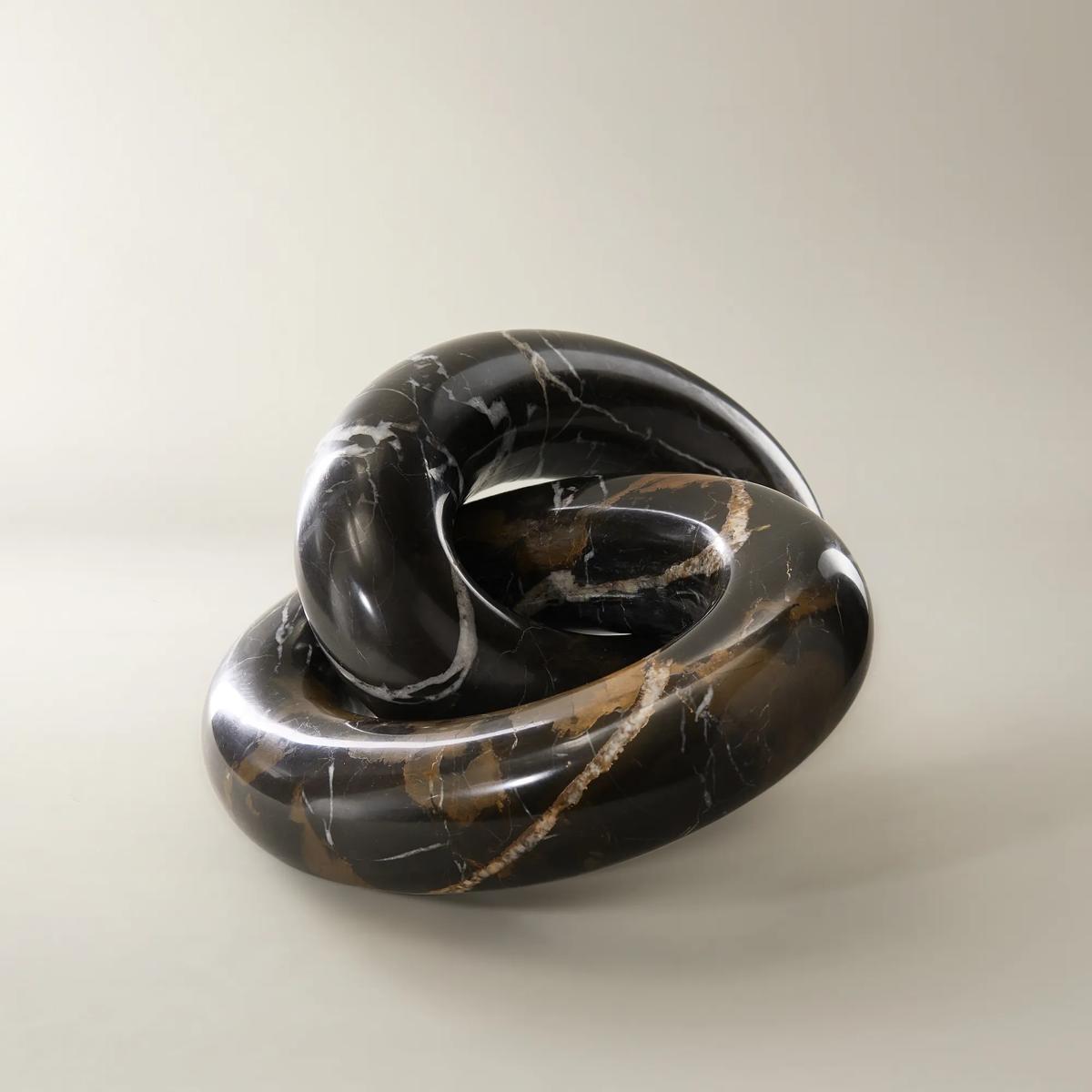 Marble Links Object - Brown$179
A sculptural accent featuring interlocking ovals carved from richly veined, one-of-a-kind brown marble.
Add To Cart -
 Fashion Black Resin Glitter Globe 5.25"$59
A black water-filled globe with LED light, featuring sparkling glitter for a festive decorative touch.
Add To Cart -
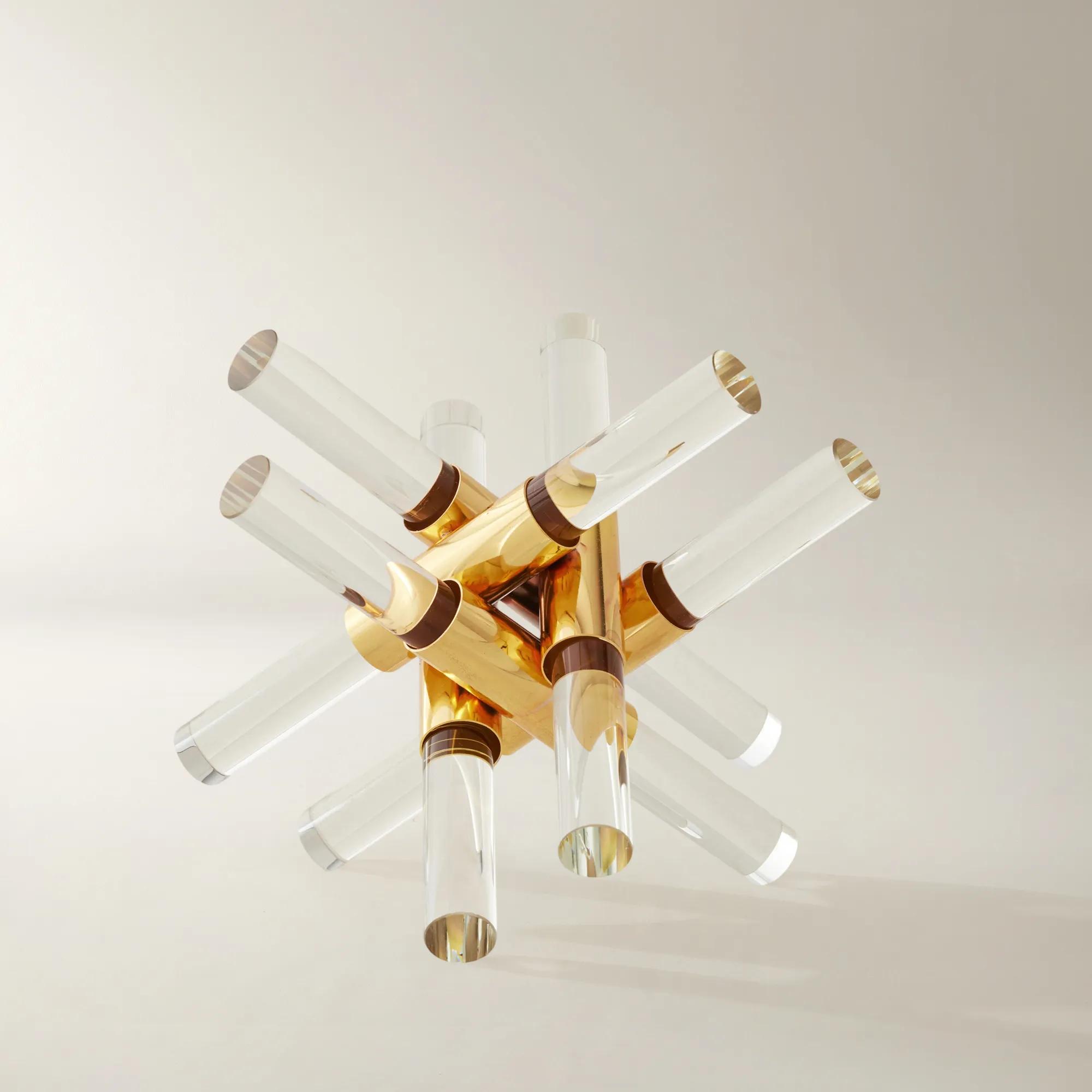
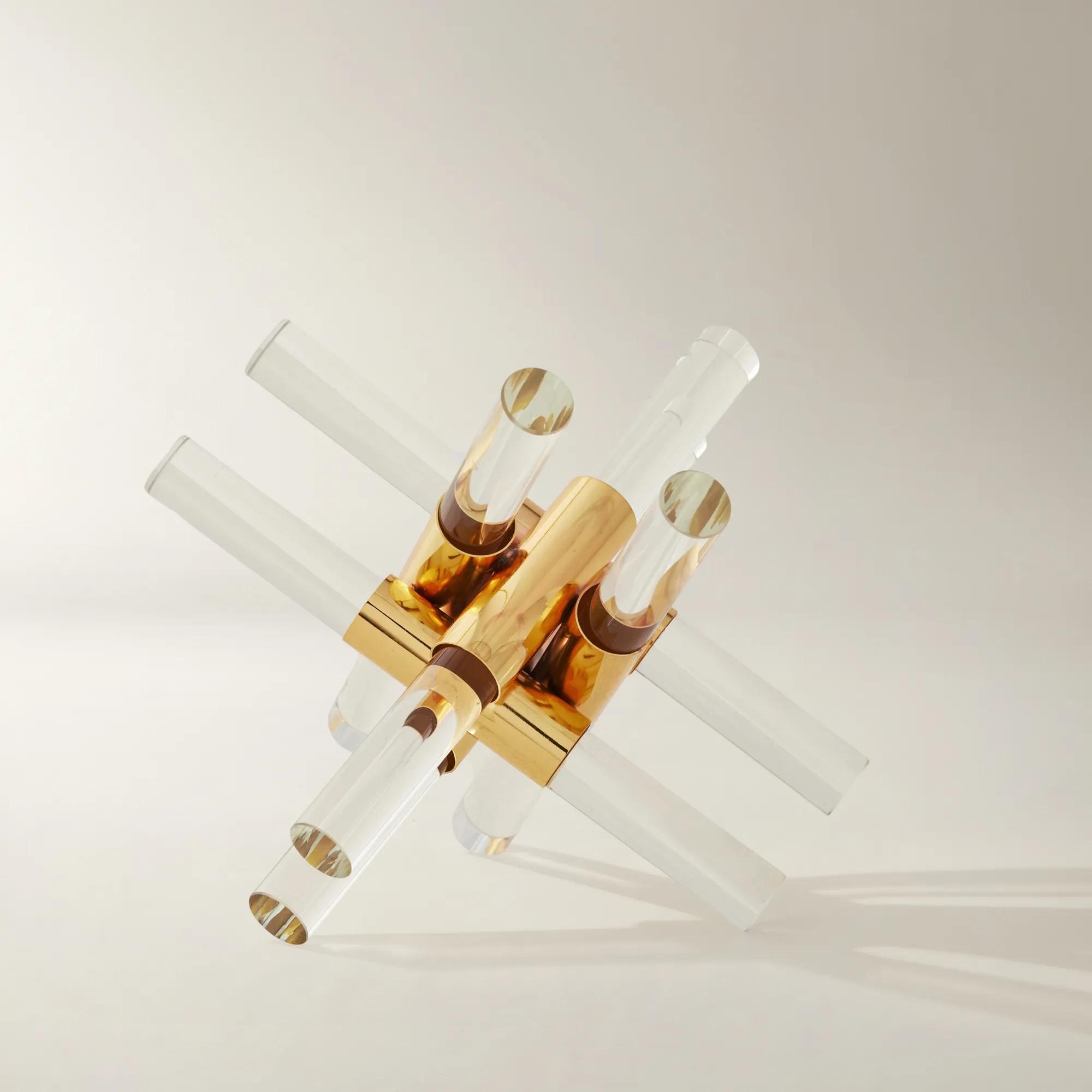 Crystal Glass And Gold Metal Decorative Object 8"$59
A striking decorative accent featuring clear glass rods and gold metal detailing for modern elegance.
Add To Cart -
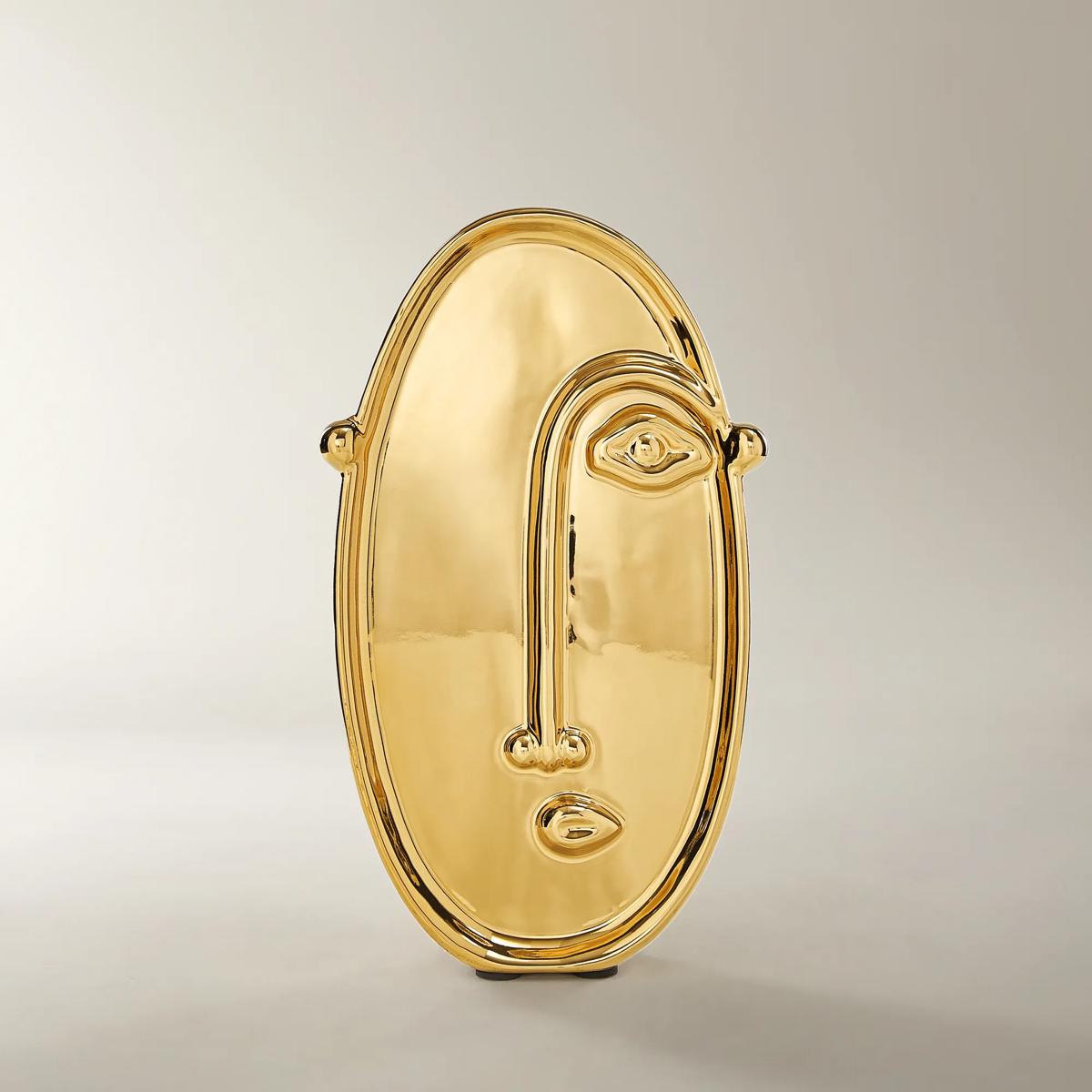
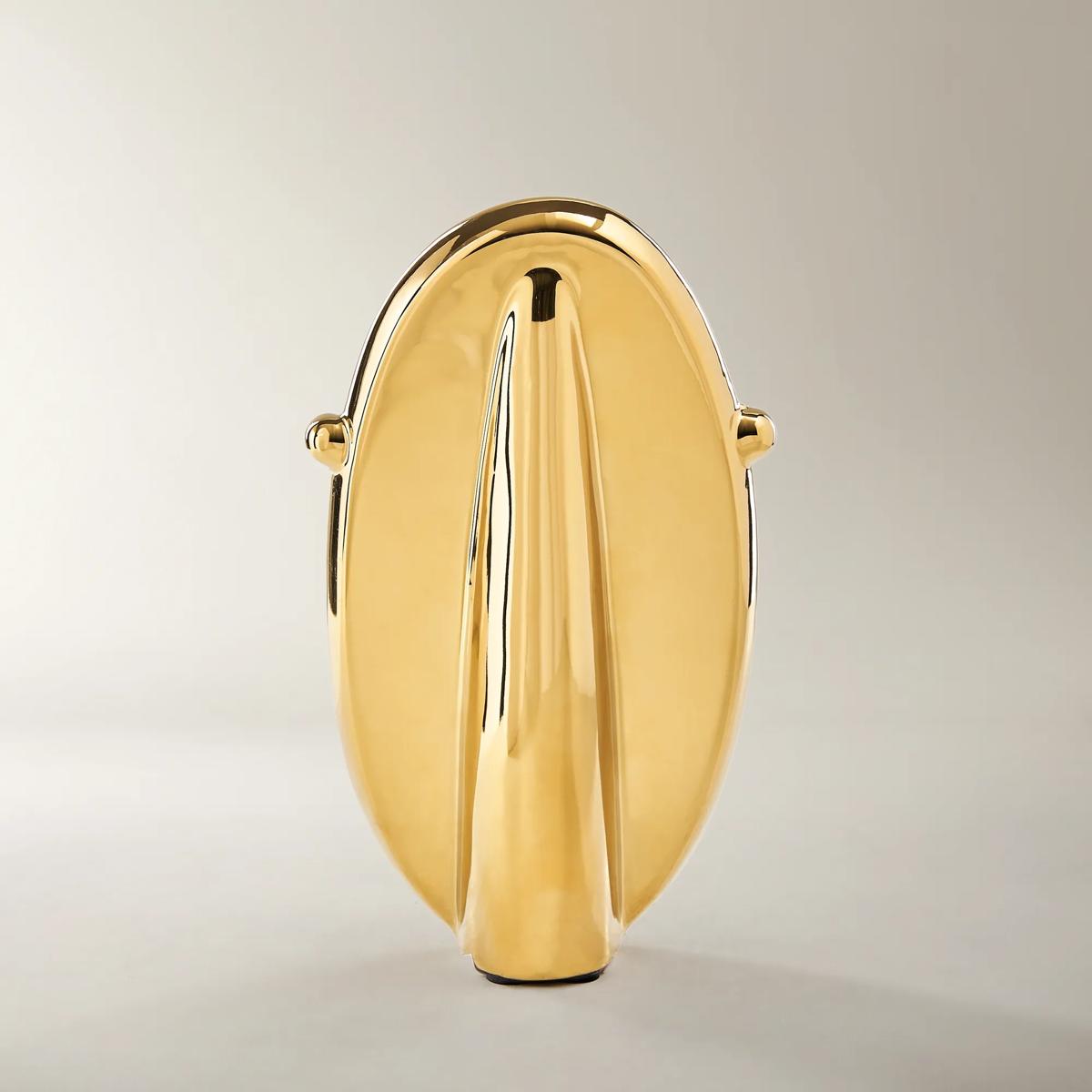 Golden Eye Ceramic Decorative Object 8"$39
A radiant gold ceramic sculpture featuring abstract, elongated facial details for a bold, modern accent.
Add To Cart -

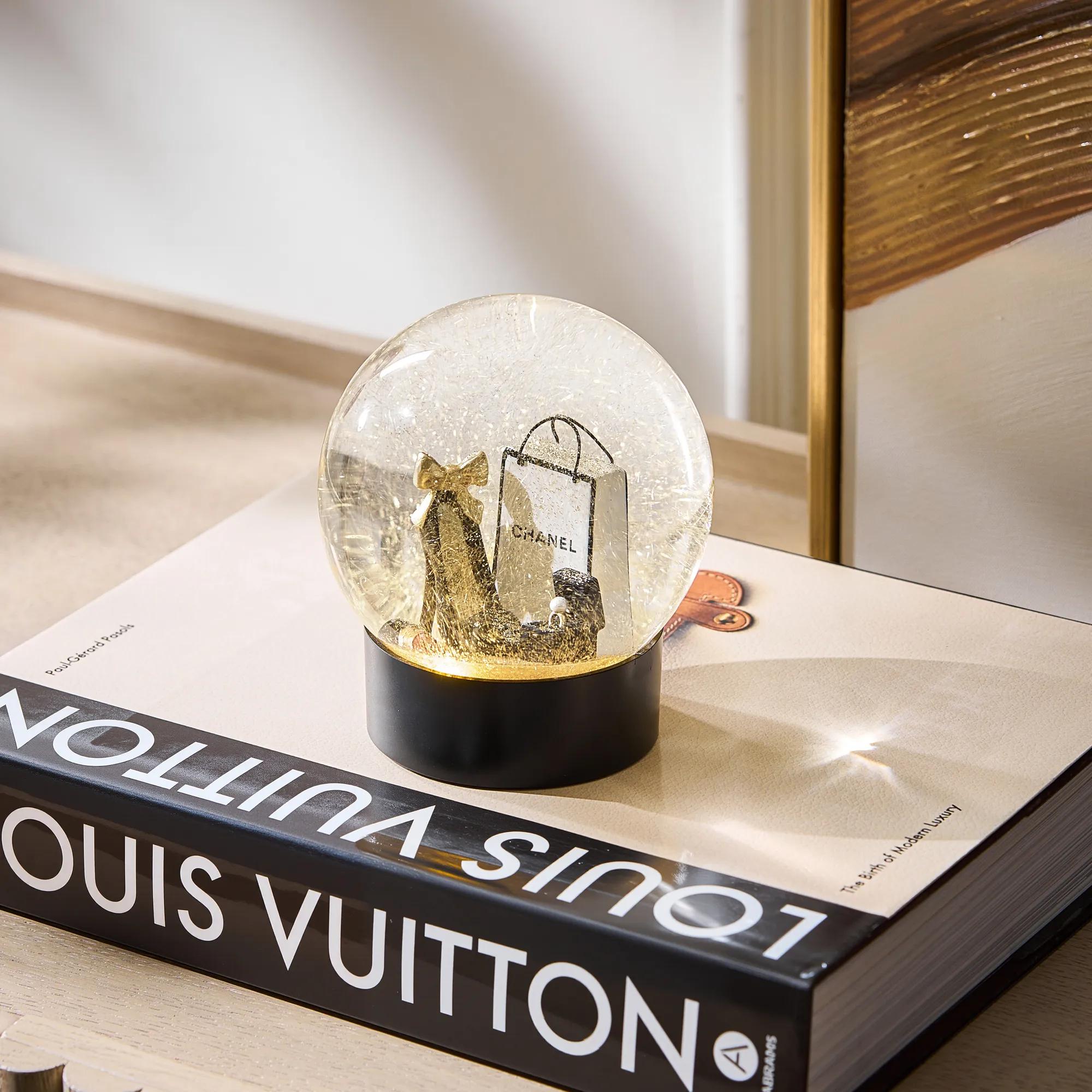 Shopping Black Resin Glitter Globe 5.25"$59
A whimsical shopping-themed snow globe adding festive charm to decorative displays.
Add To Cart -
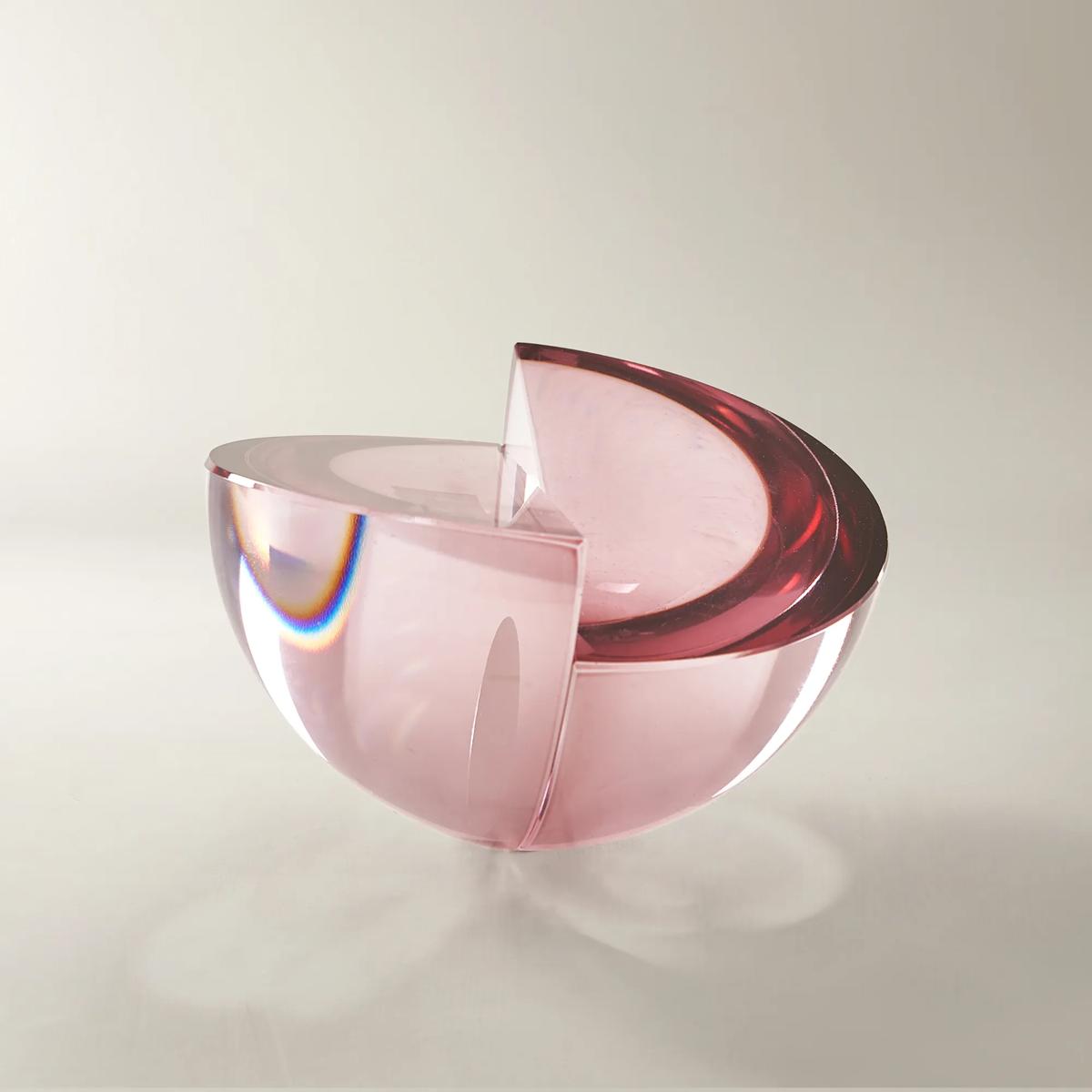 Rose' Crystal Glass Decorative Object 3.25"$79
A sculptural accent crafted from rich purple crystal glass, reflecting light with modern elegance and intrigue.
Add To Cart -
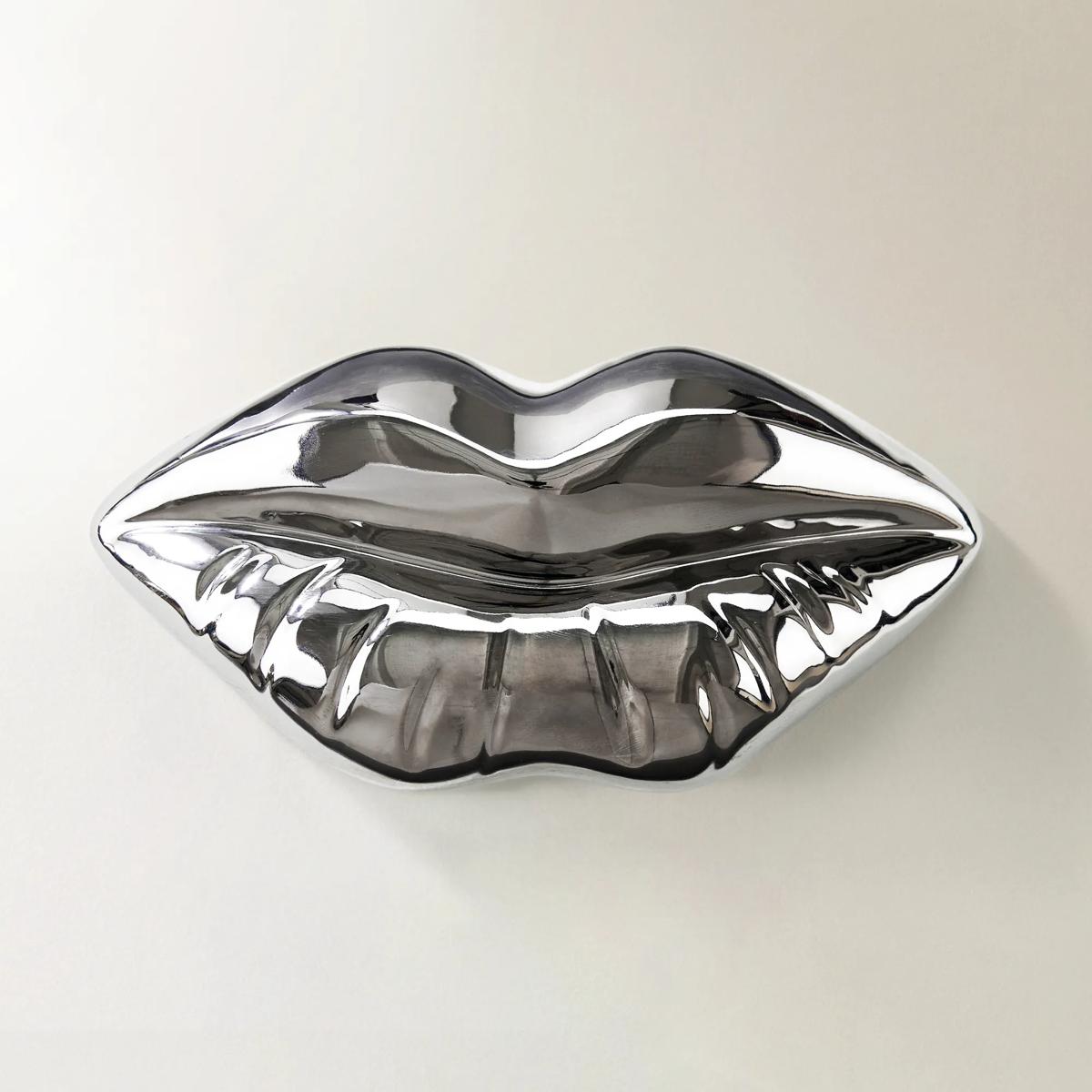 Chrome Lips Ceramic Decorative Object 5.25"$29
A high-shine silver ceramic sculpture that adds modern pop art flair and playful sophistication to any space.
Add To Cart -
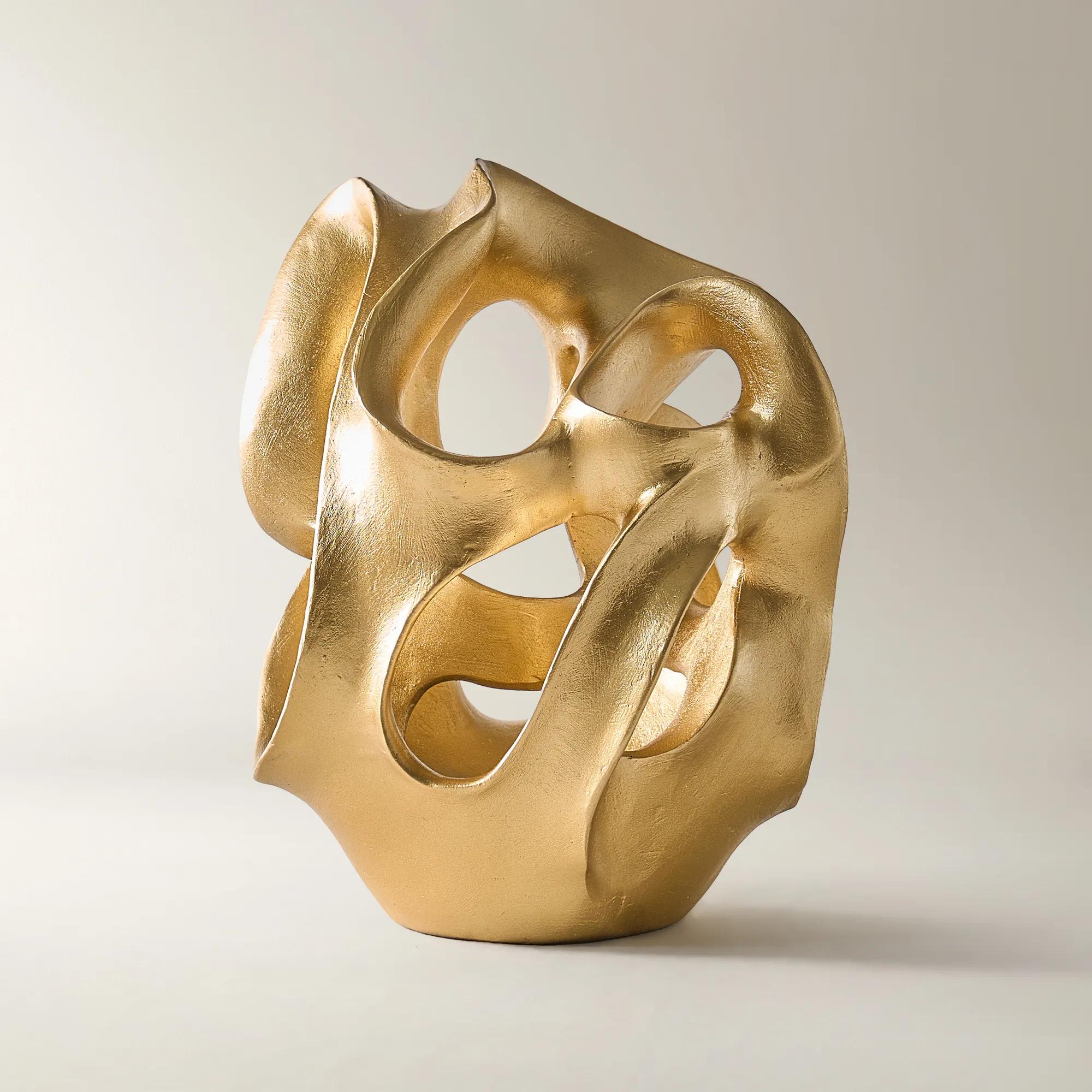
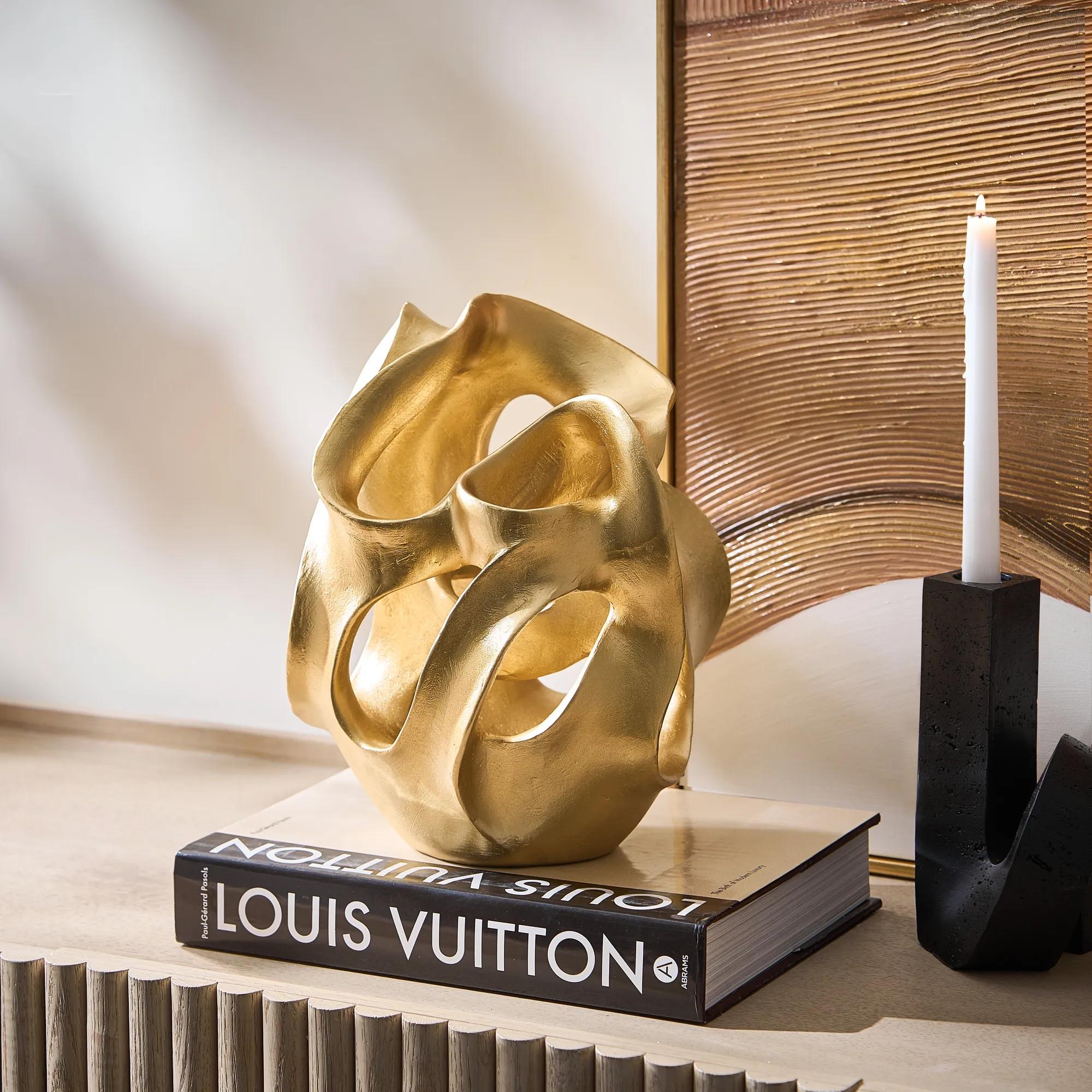 Payal Gold Resin Decorative Object 12"$99
A gold-finished resin sculpture with a fluid open silhouette adds architectural elegance and organic movement.
Add To Cart -

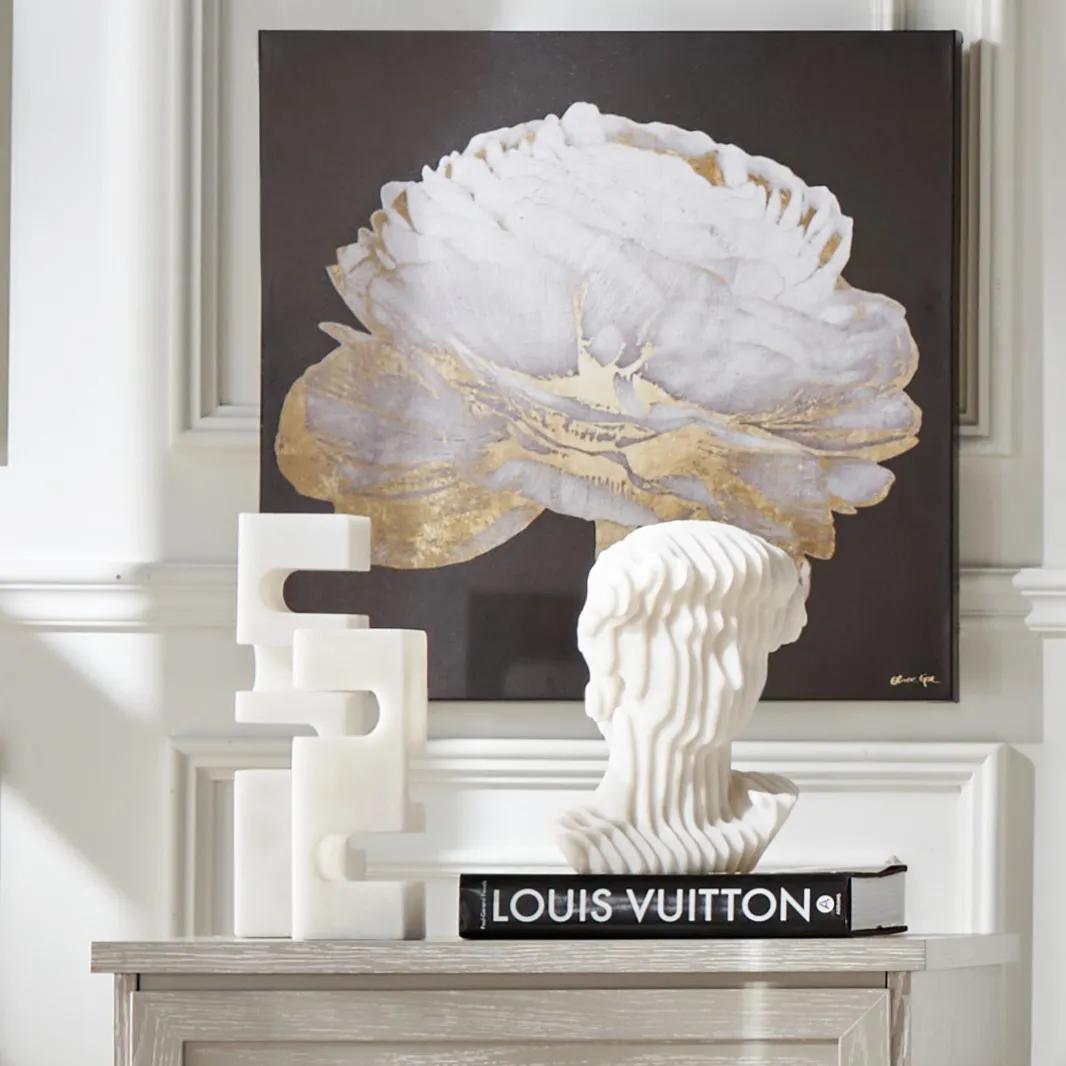 Modern David Bust White Resin Decorative Object 12"$99
A white resin and stone powder bust featuring a Cubist-inspired, contemporary take on a classic icon.
Add To Cart -
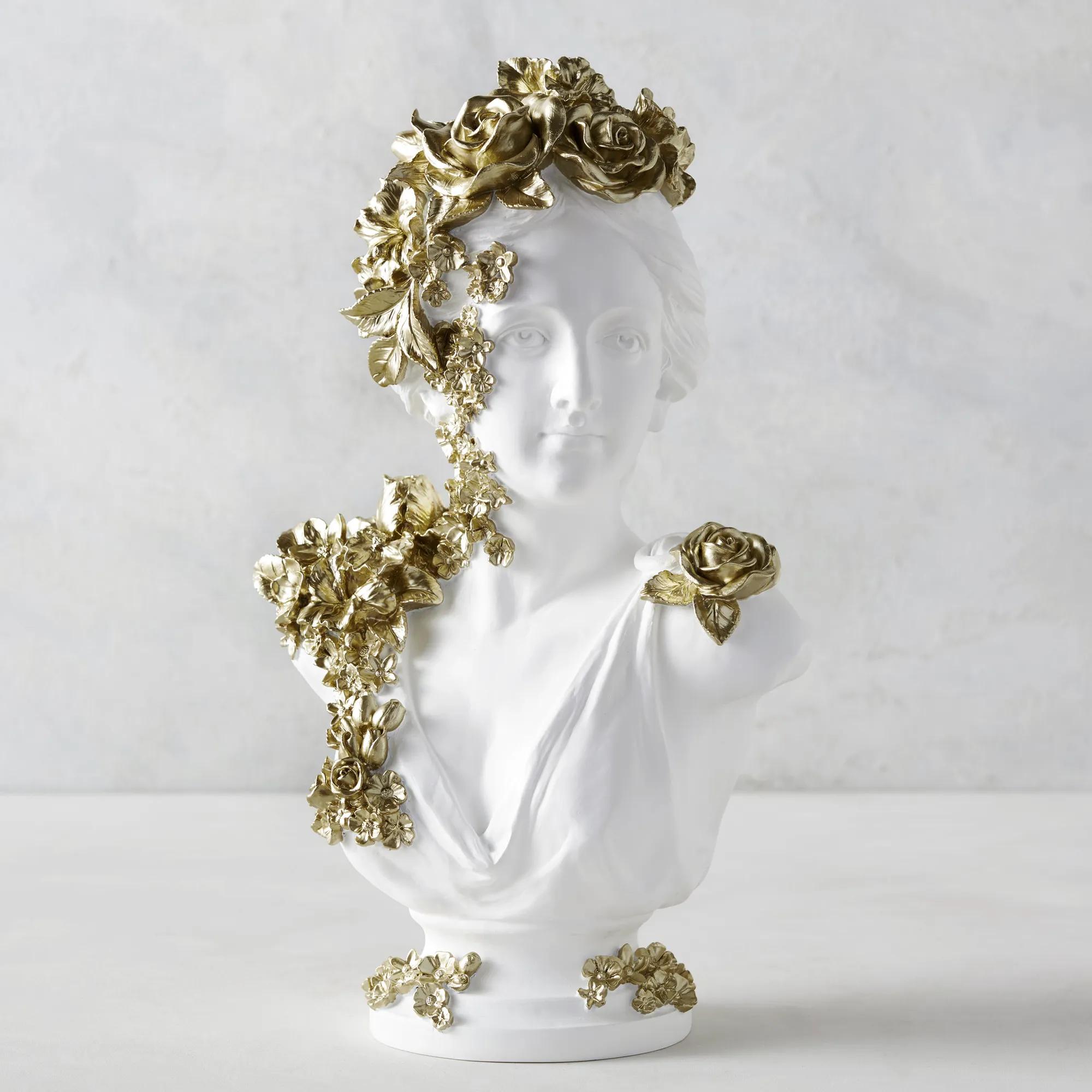 Gold Floral Bust Resin Decorative Object 16.5"$79
A striking resin bust adorned with intricate gold floral embellishments for a bold decorative accent.
Add To Cart -
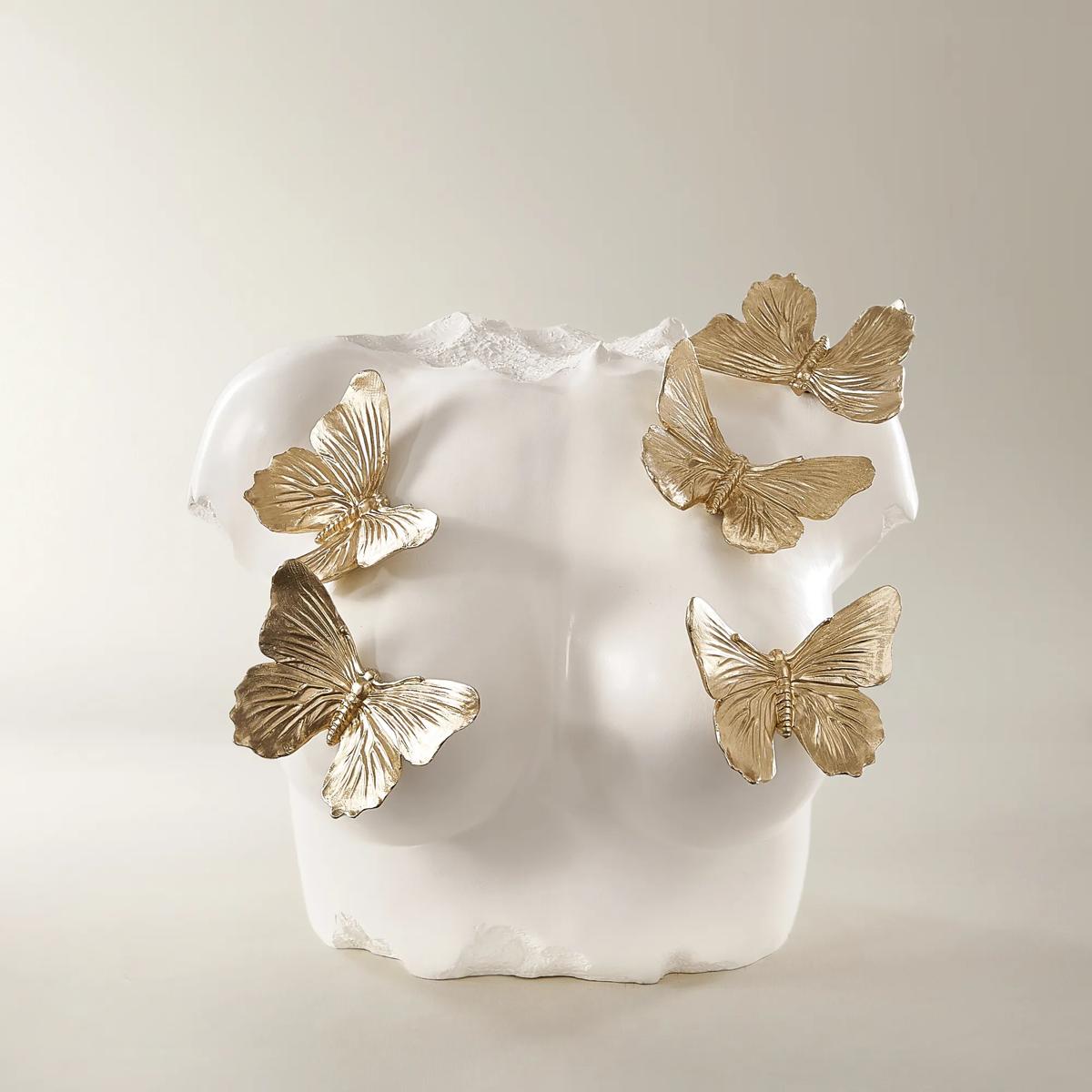
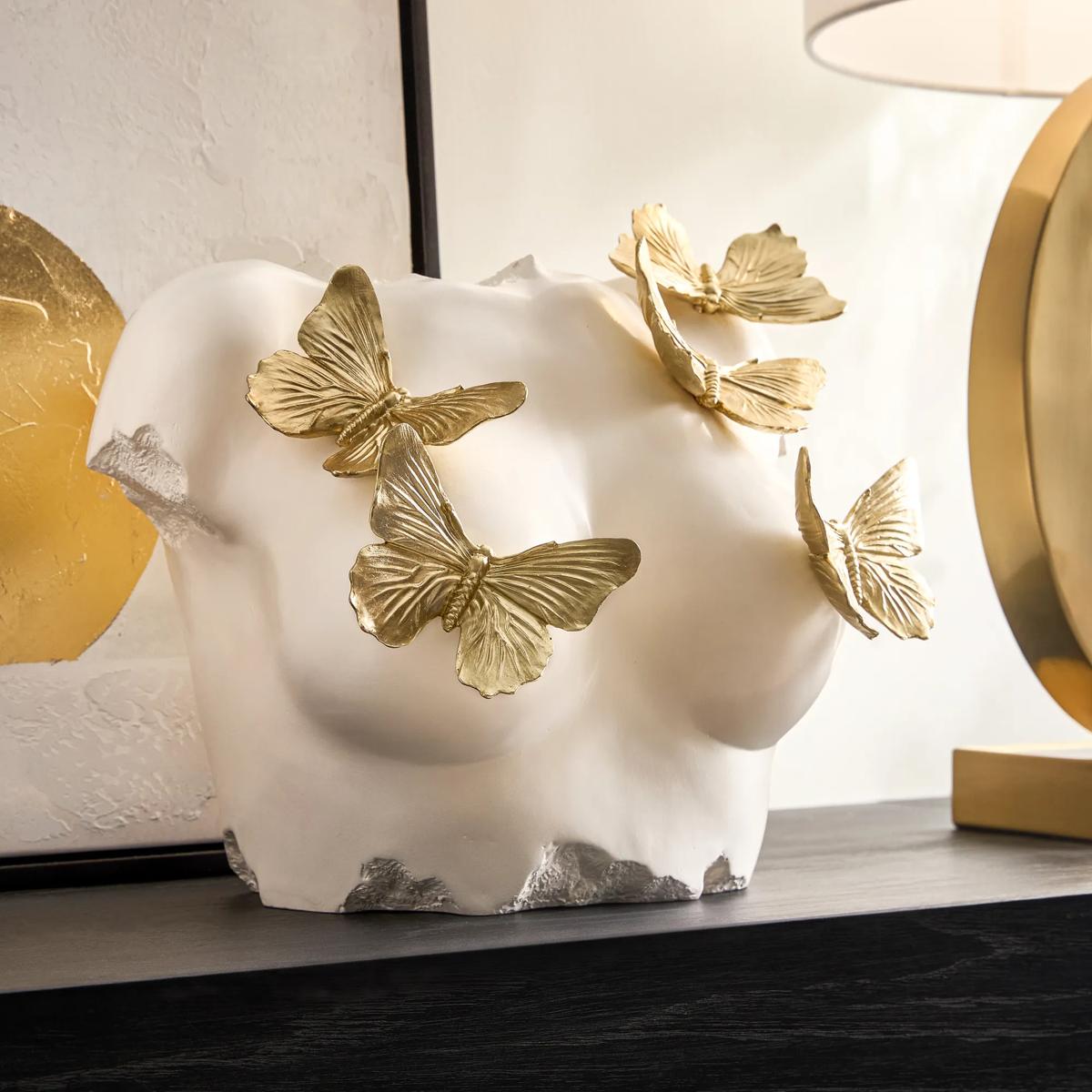 Butterfly Bust Ivory And Gold Resin Decorative Object 11.75"$149
An ivory resin bust adorned with gilded butterflies, offering poetic movement and feminine elegance.
Add To Cart -
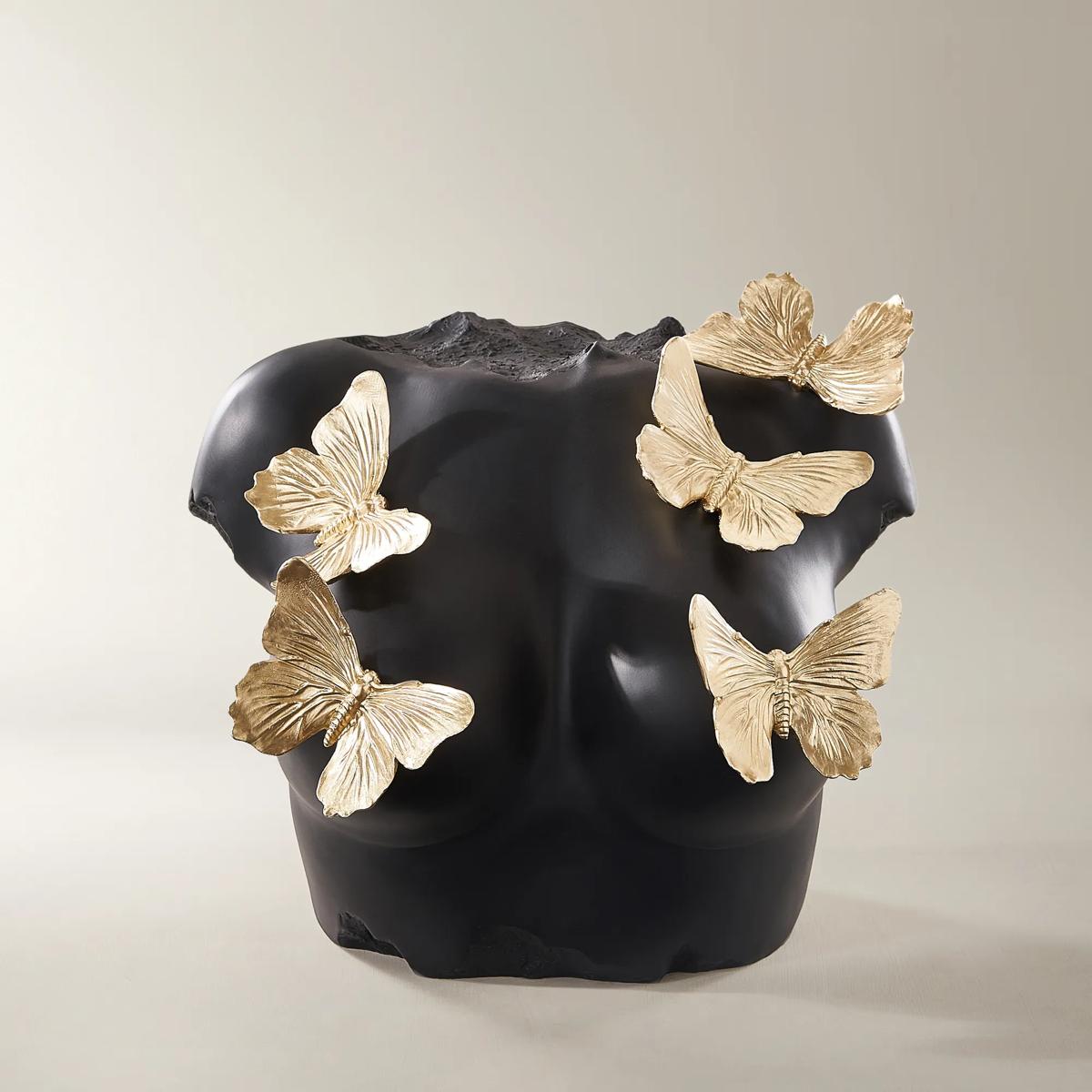 Butterfly Bust Black And Gold Resin Decorative Object 11.75"$149
A matte black resin bust adorned with gilded butterflies, offering poetic movement and modern elegance.
Add To Cart -

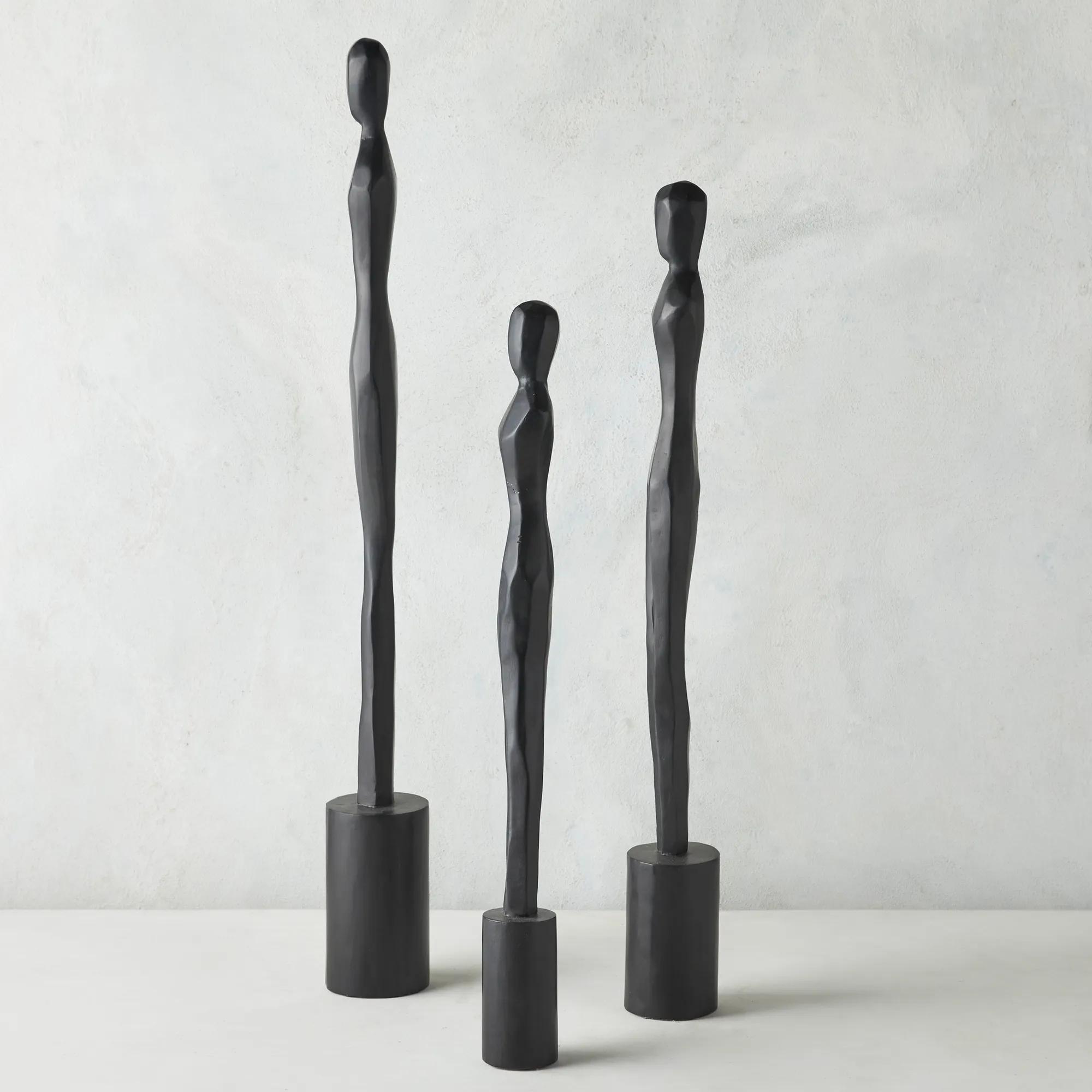 Nikki Chu Female Figure Black Wood Decorative Object Set of 3$129
A striking set of three black mango wood sculptures featuring graceful, elegant female silhouettes.
Add To Cart -

 Hourglass Marble Object - Brown$139
A sculptural hourglass accent hand-carved from deep espresso brown marble with unique natural veining.
Add To Cart -
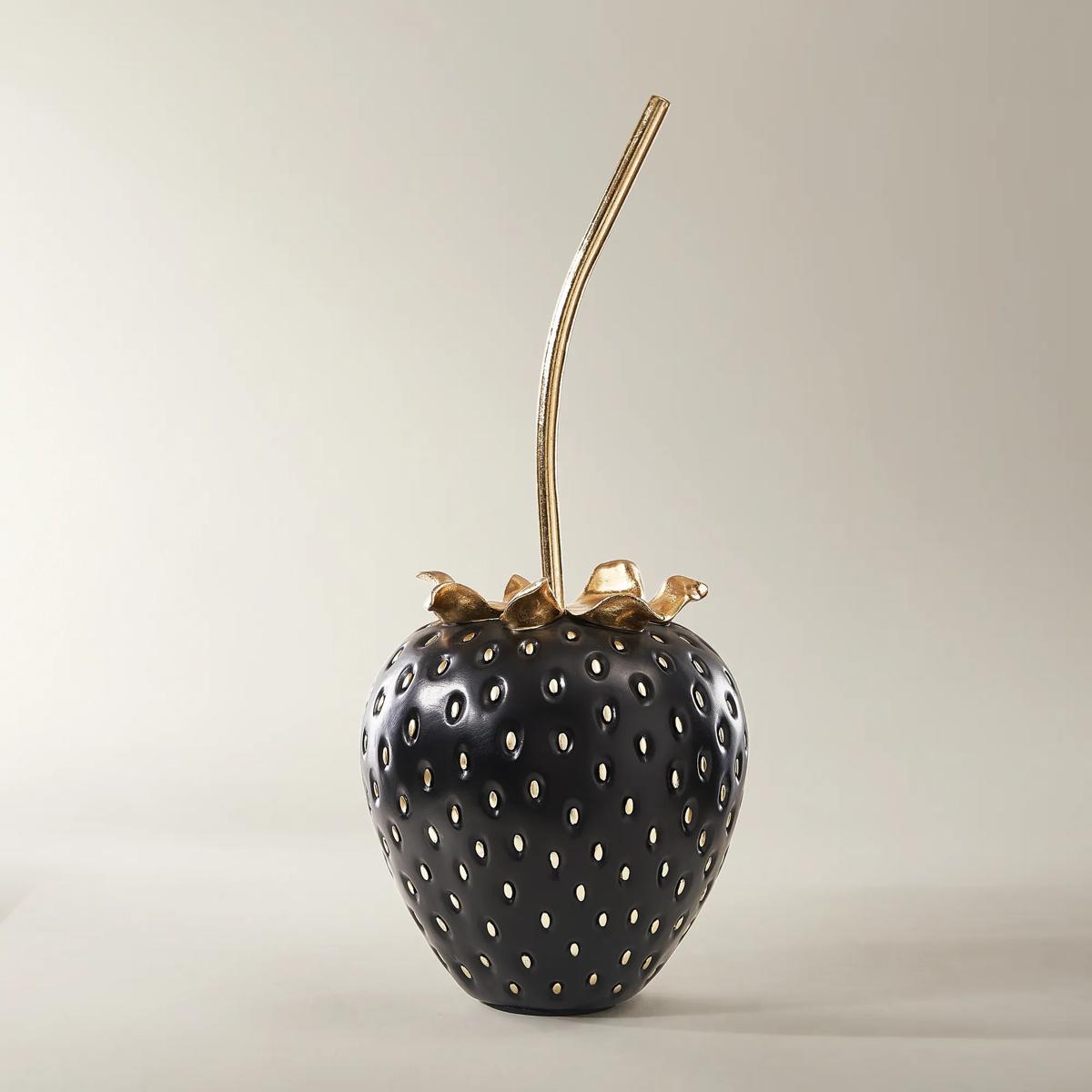 Grand Strawberry Gold And Black Resin Decorative Object 20.25"$129
A bold resin decorative accent in black and gold, adding whimsical elegance to any modern space.
Add To Cart -

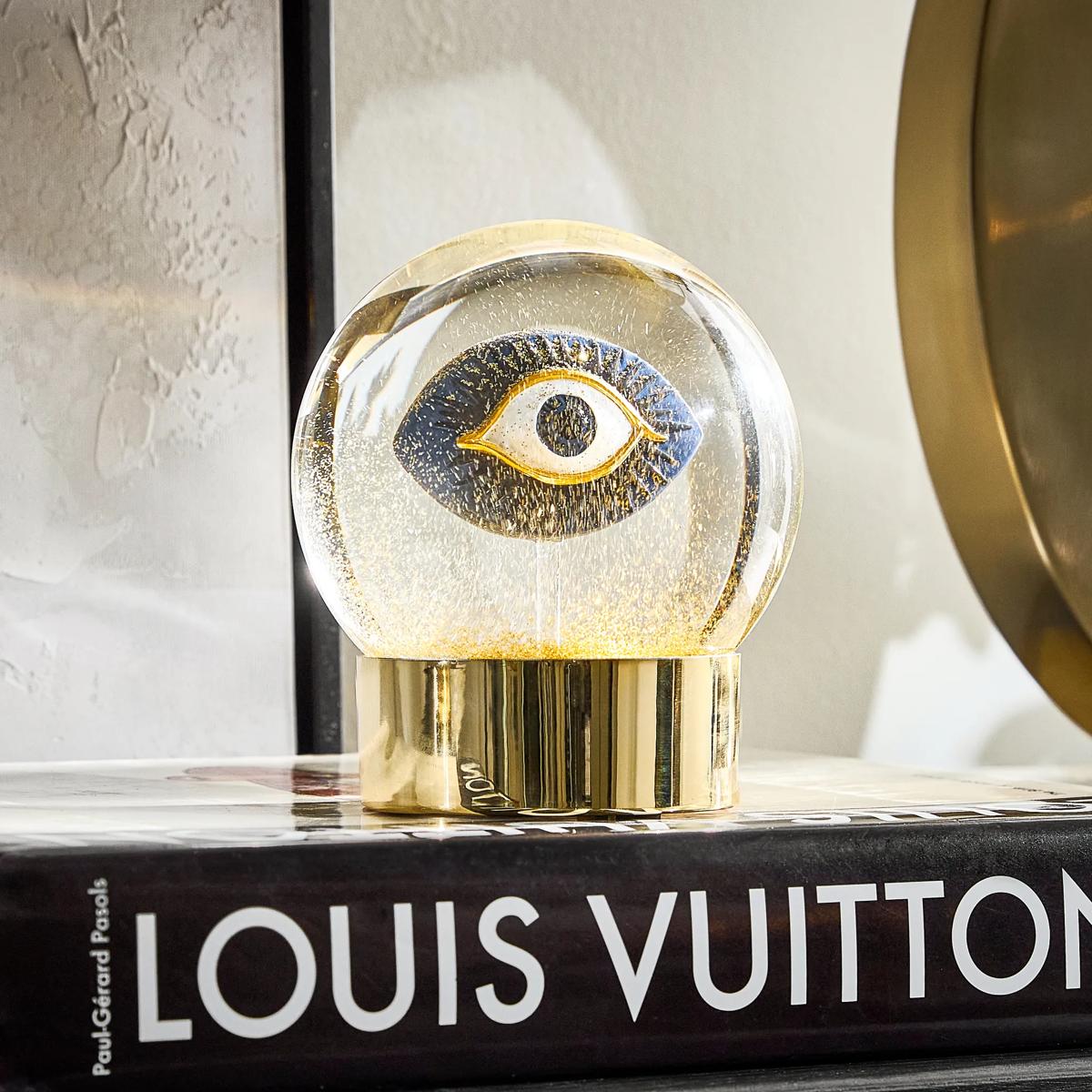 Evil Eye Blue Resin Glitter Globe 5.25"$59
A mystical blue and gold evil eye floats in swirling glitter within a crystal-clear glass dome.
Add To Cart -
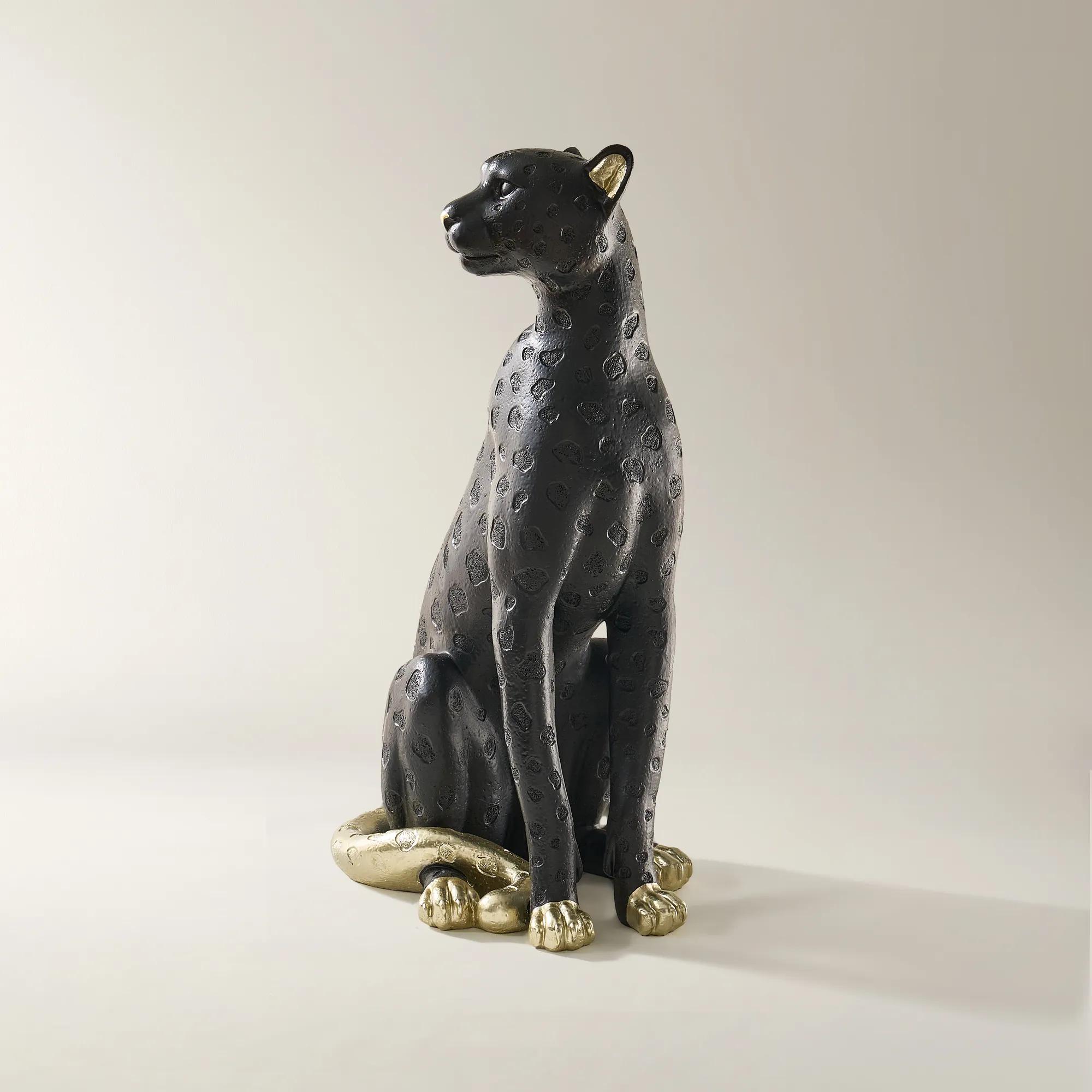
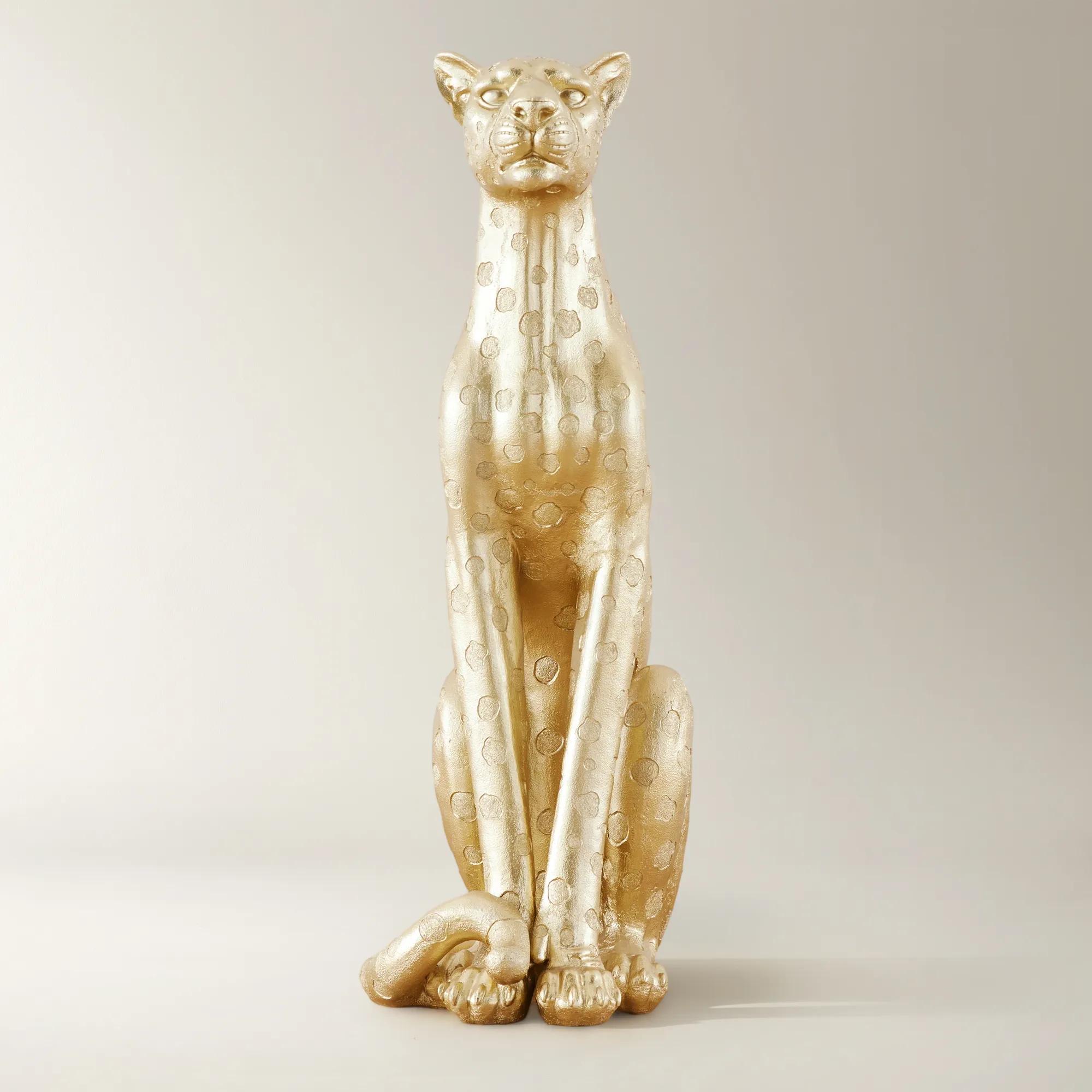 Leopardo Gold Resin Decorative Object 35"$329
A striking gold resin leopard statue that adds a touch of regal elegance to any space.
Add To Cart -
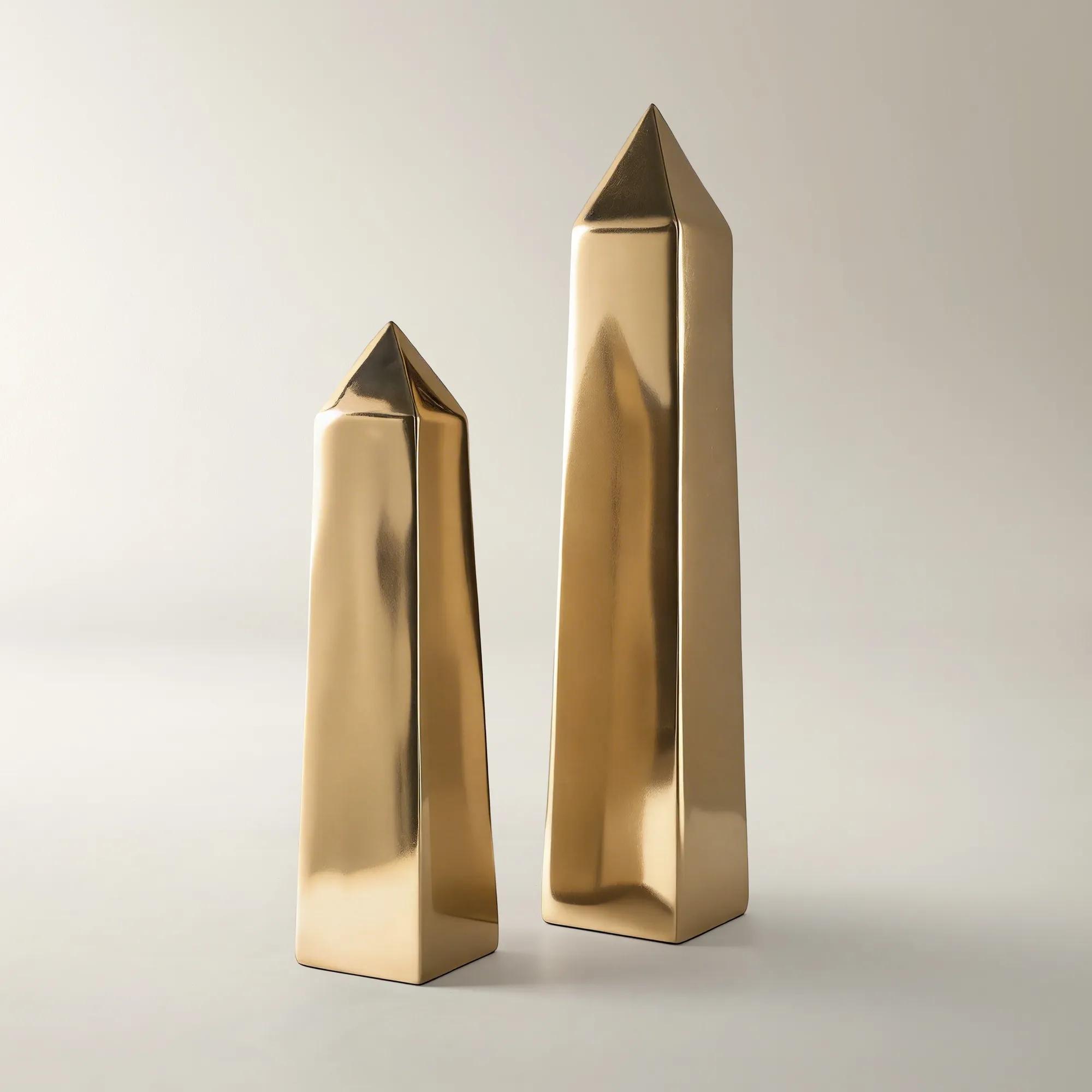
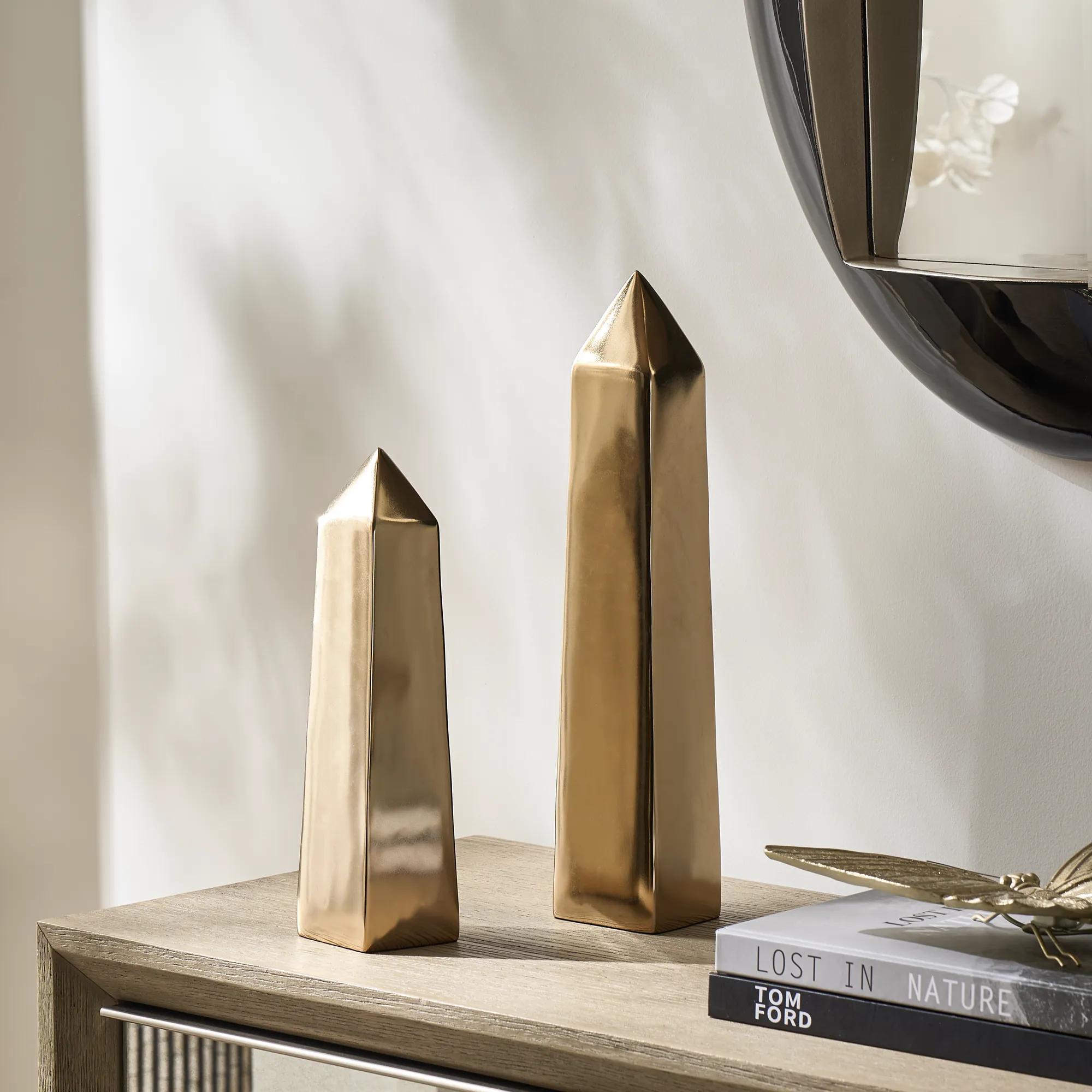 Golden Aluminum Obelisks$59
A sculptural aluminum accent in a soft gold finish that adds modern glamour and architectural drama.
Add To Cart -
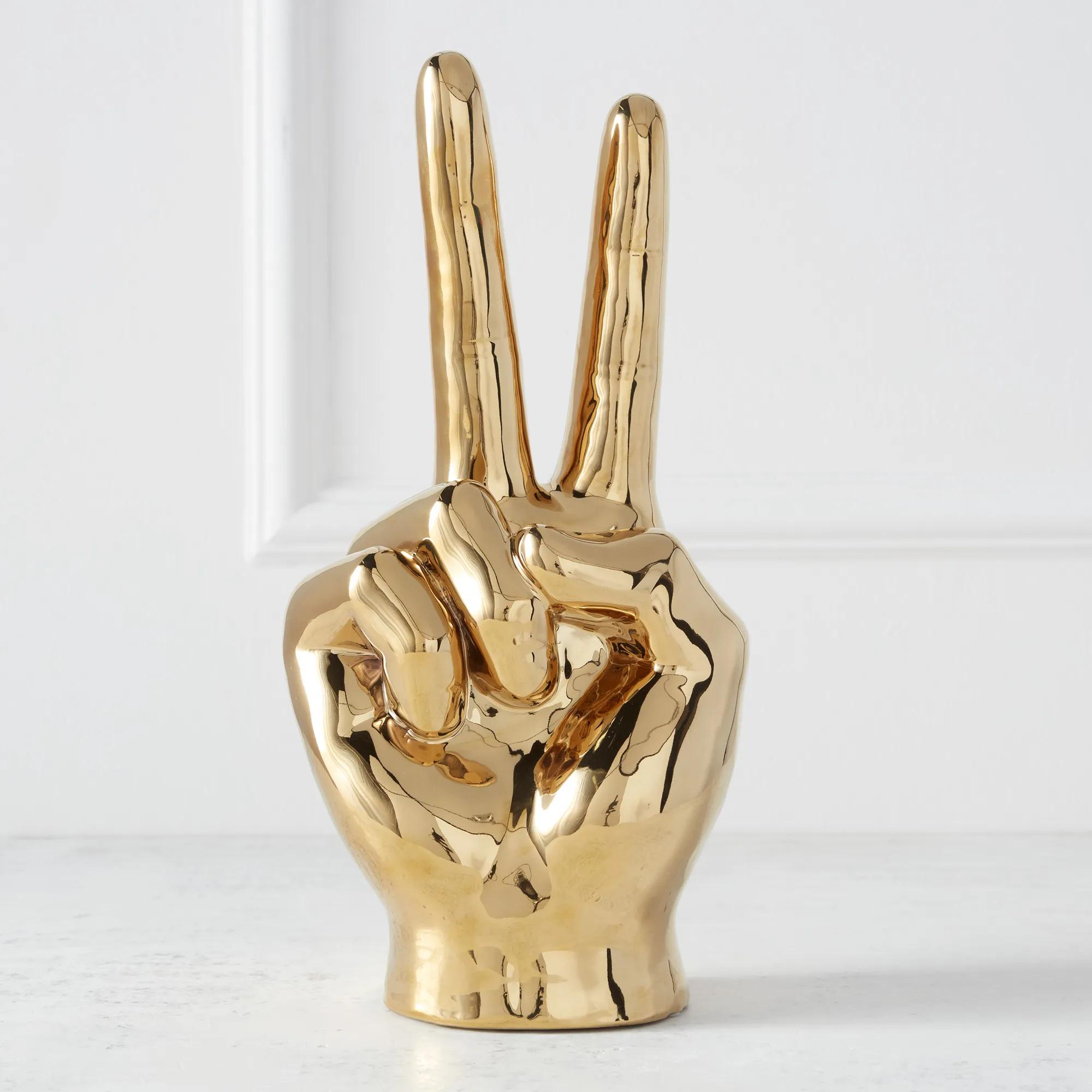 Peace Sign Gold Hand Ceramic Decorative Object 14"$49
A metallic gold ceramic hand sculpture perfect for displaying jewelry or as a decorative accent.
Add To Cart

Decorative Objects For Gifting
Elevate the art of giving with decorative objects for gifting—each piece a dazzling gesture, destined to enchant and inspire. These are not mere accents, but curated treasures designed to spark joy and transform any space into a gallery of self-expression. Whether you seek a sculptural marvel for the bold aesthete or a gleaming keepsake for the lover of luxe, discover objets d’art that turn every occasion into an unforgettable celebration of style. With decorative objects for gifting, every present becomes a statement—wrapped in allure, ready to delight.
Decorative objects for gifting bring artful form, texture, and personality into the spaces someone inhabits every day. Sculptures, decorative bowls, vases, and ornamental bookends offer a lasting expression of personal taste, whether displayed on a living room console or beside a favorite stack of books. Their appeal is both visual and personal: an abstract silhouette can echo a recipient’s love of contemporary art, while a luminous finish can complement the metallic details already woven through a room. These home decor gifts suit housewarmings, birthdays, weddings, anniversaries, and thoughtful gestures of appreciation, with a presence that continues long after the wrapping is removed. For a new homeowner, a sculptural accent can give an otherwise unfinished entryway a sense of arrival. For a devoted host, an expressive vessel can enrich a dining room sideboard without requiring a complete rearrangement. A desk accessory with an architectural profile can lend distinction to a home office, making even a working corner feel considered. The strongest connection comes from noticing how someone lives: the friend who arranges art books with precision, the couple drawn to dramatic silhouettes, or the family member whose shelves hold treasures from years of travel. Scale matters as much as style. A compact object can feel substantial on a narrow shelf when its outline is distinctive, while a larger surface often benefits from a form with enough height or breadth to hold its own. The space around an object is part of its impact, allowing curves, cutouts, and reflective edges to remain visible. Decorative gifts need not match every furnishing to belong; a shared color, finish, or recurring shape can create a connection while leaving room for surprise. That balance makes an ornamental accent feel personal rather than prescribed, adding another layer to the recipient’s home rather than asking them to reinvent it.
Materials give decorative objects much of their character, influencing their appearance, weight, durability, and everyday care. Ceramic can carry a richly glazed surface or a tactile matte finish, with contours that feel especially expressive when light moves across them. Glass introduces transparency, depth, and reflection, bringing dimension to a vignette without necessarily making it feel visually crowded. Metal can emphasize crisp geometry or fluid, sculptural lines, while polished and brushed finishes create distinctly different effects. Natural stone offers weight and variation in veining; wood contributes grain and warmth that can temper a gleaming arrangement. Resin can accommodate intricate detail and unexpected shapes, although its weight and resilience vary by construction. No single material guarantees durability, and delicate projections, narrow necks, applied embellishments, and surface coatings deserve consideration regardless of the underlying material. A broad, stable base is particularly relevant for an accent destined for a frequently used desk or console. In homes with children or pets, placement beyond busy edges helps protect both the object and the surrounding space. Intended use is equally important. A decorative bowl may be designed for display rather than food contact, and an ornamental vessel should not be assumed to hold water unless its care information confirms that purpose. Bookends intended to support books need sufficient weight and a suitable base, not merely an appealing silhouette. These distinctions preserve the pleasure of the gift by aligning its beauty with the way it will be enjoyed. Surface compatibility also deserves attention: a heavy stone accent or an unfinished base can mark delicate furniture, making an appropriate protective pad useful where recommended. For a recipient who enjoys rearranging shelves and tabletops, a manageable size and balanced form can offer more flexibility than an oversized, fragile statement. The result is a gift with a clear place in daily life, whether it serves a practical role or exists simply to be admired.
The most memorable decorative gifts feel chosen for a person, not just for a room. An expressive shape might recall a shared gallery visit; a deep, saturated hue might connect with the color someone wears often or repeats throughout their home. For an established collector, an unexpected texture or distinctive proportion can be more compelling than another object in an identical finish. For someone beginning to furnish a space, a versatile sculptural accent offers a point of inspiration around which future details can gather. The same appreciation for individuality makes Gifts for Decorative Collectors a natural destination for recipients who take pleasure in composing displays with meaning. A gift can stand beautifully alone on a pedestal or join a layered arrangement of books, framed photographs, and treasured keepsakes. On a coffee table, a lower profile preserves conversation and sightlines; on a mantel, a taller silhouette can draw the eye upward without competing with nearby artwork. Considering those familiar settings helps the gesture feel effortless to receive. Care should be equally compatible with the recipient’s routine. A soft, dry cloth is often suitable for routine dusting, but the manufacturer’s instructions should govern cleaning, especially for porous stone, unsealed wood, delicate glazes, and plated finishes. Abrasive cleaners, prolonged moisture, and harsh chemicals can damage many decorative surfaces, while direct sunlight may affect certain colors and materials over time. Objects with intricate recesses may require more patient dusting than smooth, open forms, a meaningful distinction for someone who prefers uncomplicated upkeep. With thoughtful placement and material-appropriate care, decorative objects can remain part of a home through changing arrangements and new addresses. Their lasting value comes from that continued relationship: the flash of reflected light beside a reading chair, the confident curve on an entry table, or the familiar form that makes a workspace feel unmistakably personal. Beauty becomes part of the everyday, carrying the thought behind the gift into the recipient’s surroundings.
FAQs
Decorative gifts can be tailored to suit any personality or aesthetic. For the art lover, sculptural vases or abstract figurines add a gallery-inspired touch. Book enthusiasts may appreciate elegant bookends or a curated coffee table book. Those who love ambiance often cherish candle holders, diffusers, or unique lighting accents. For the sentimental, a beautifully crafted keepsake box or a distinctive picture frame can hold treasured memories. Each object can be chosen to reflect the recipient’s passions and style, making the gift truly personal.
Consider the recipient’s color palette, preferred materials, and overall design sensibility. Look for decorative objects that echo their current style—such as metallic finishes for a glam space, organic shapes for a modern home, or vintage-inspired details for eclectic interiors. Observing the textures, patterns, and tones they already love will help you select a piece that feels harmonious and intentional, ensuring your gift becomes a cherished addition rather than an afterthought.
Absolutely. Decorative objects are ideal for celebrating milestones such as housewarmings, anniversaries, weddings, graduations, or even personal achievements. They also make meaningful tokens of appreciation for hosts, mentors, or friends embarking on new adventures. Because these pieces are both beautiful and functional, they serve as lasting reminders of the occasion and the relationship you share.
A memorable decorative gift is one that captures the recipient’s unique spirit and enhances their daily environment. Look for objects with artisanal craftsmanship, distinctive design, or a story behind their creation. Pieces that offer both aesthetic allure and practical use—like trays, bowls, or mirrors—tend to become beloved fixtures in the home. The most lasting gifts are those that evoke emotion, inspire conversation, and become woven into the recipient’s everyday rituals.
Presentation elevates the gifting experience. Consider wrapping the object in luxurious paper or a beautiful box, and include a handwritten note that shares why you chose the piece. For added flair, pair the decorative object with a complementary item—such as a candle with a holder, or a photo frame with a cherished picture. Thoughtful presentation transforms the act of giving into a memorable moment, making the recipient feel truly celebrated.