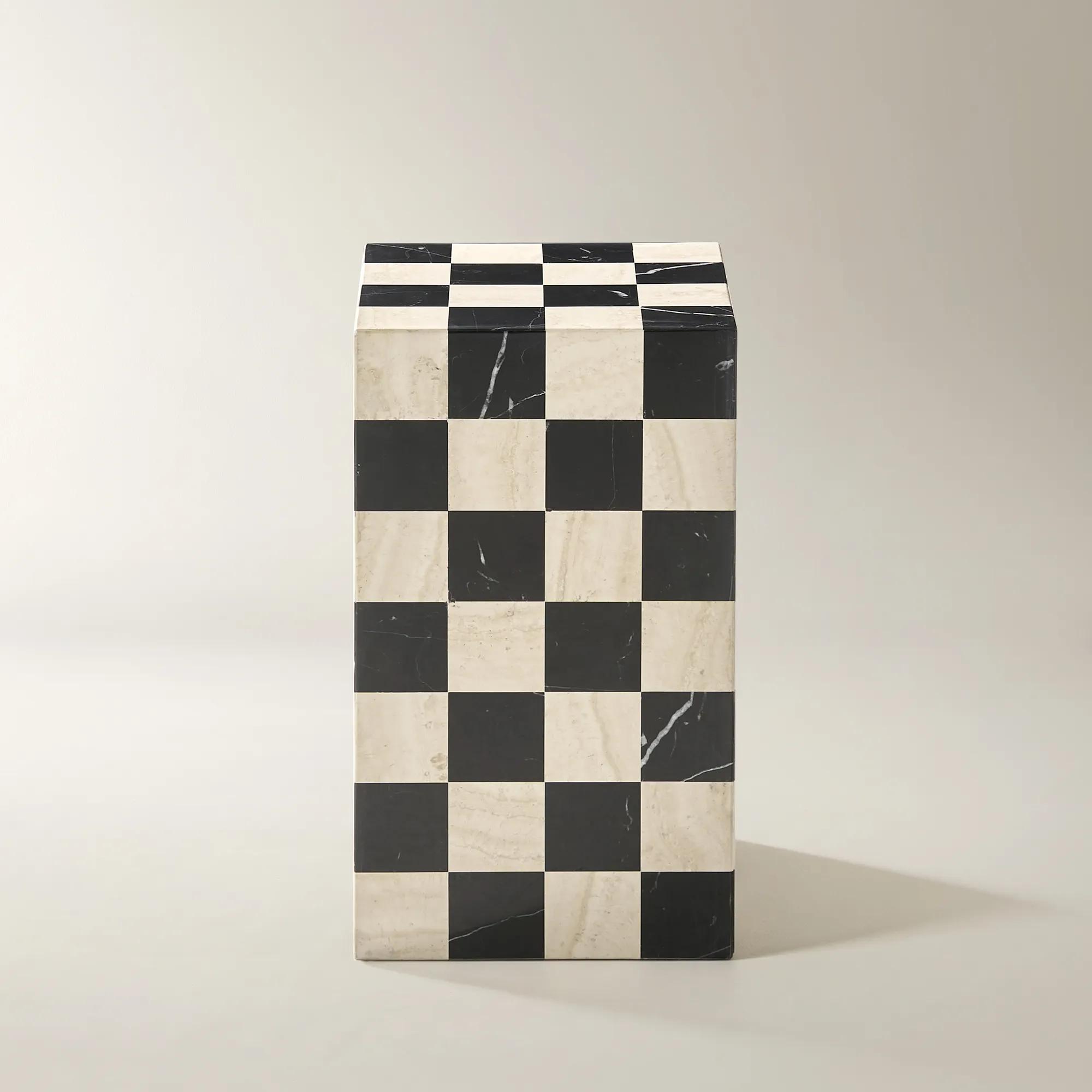
Decorative Gold And White Tables
Decorative Gold And White Tables
-
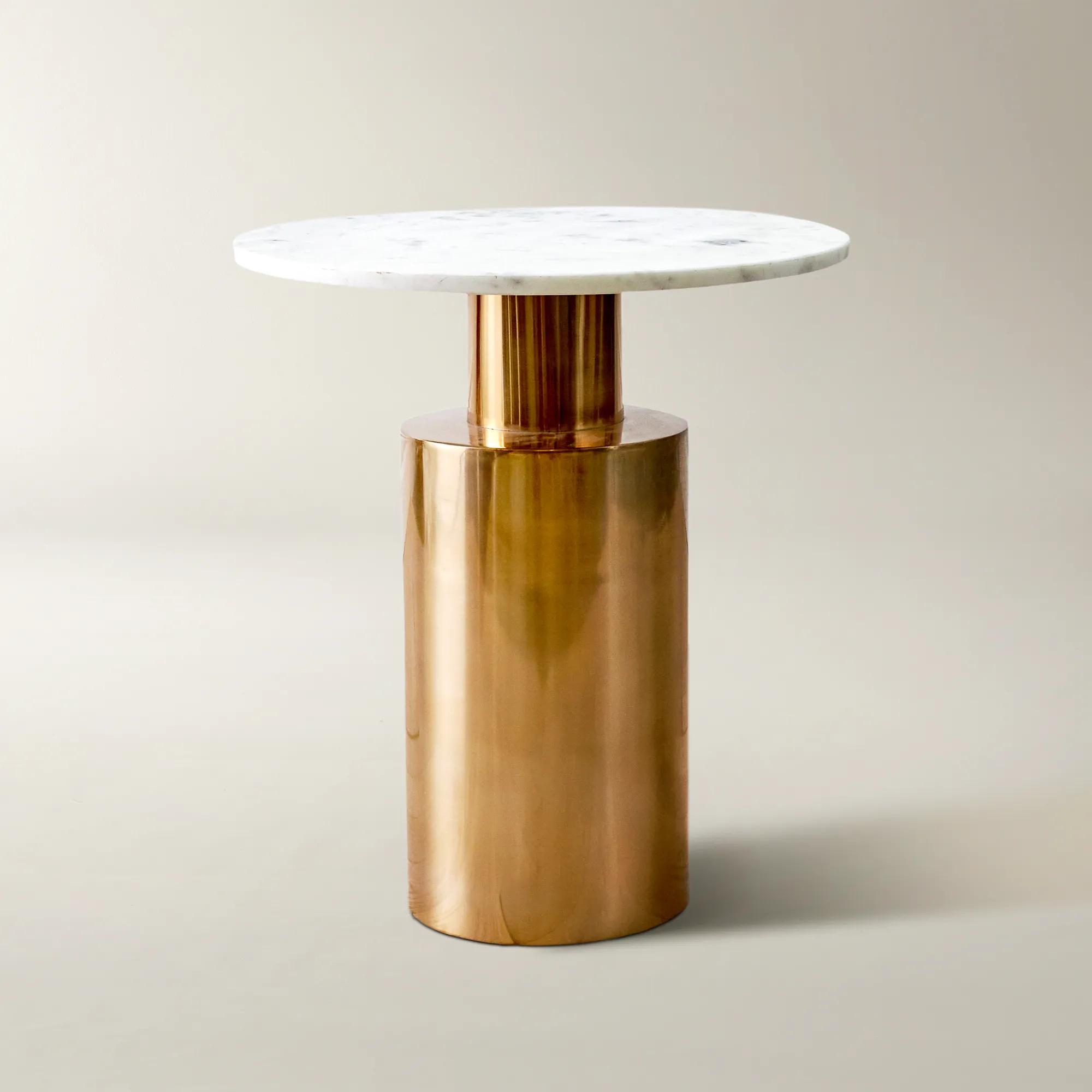 Capri Round White Marble Accent Table (16")$299
A striking accent table featuring a white marble top and gold-finished stainless steel base.
Add To Cart -
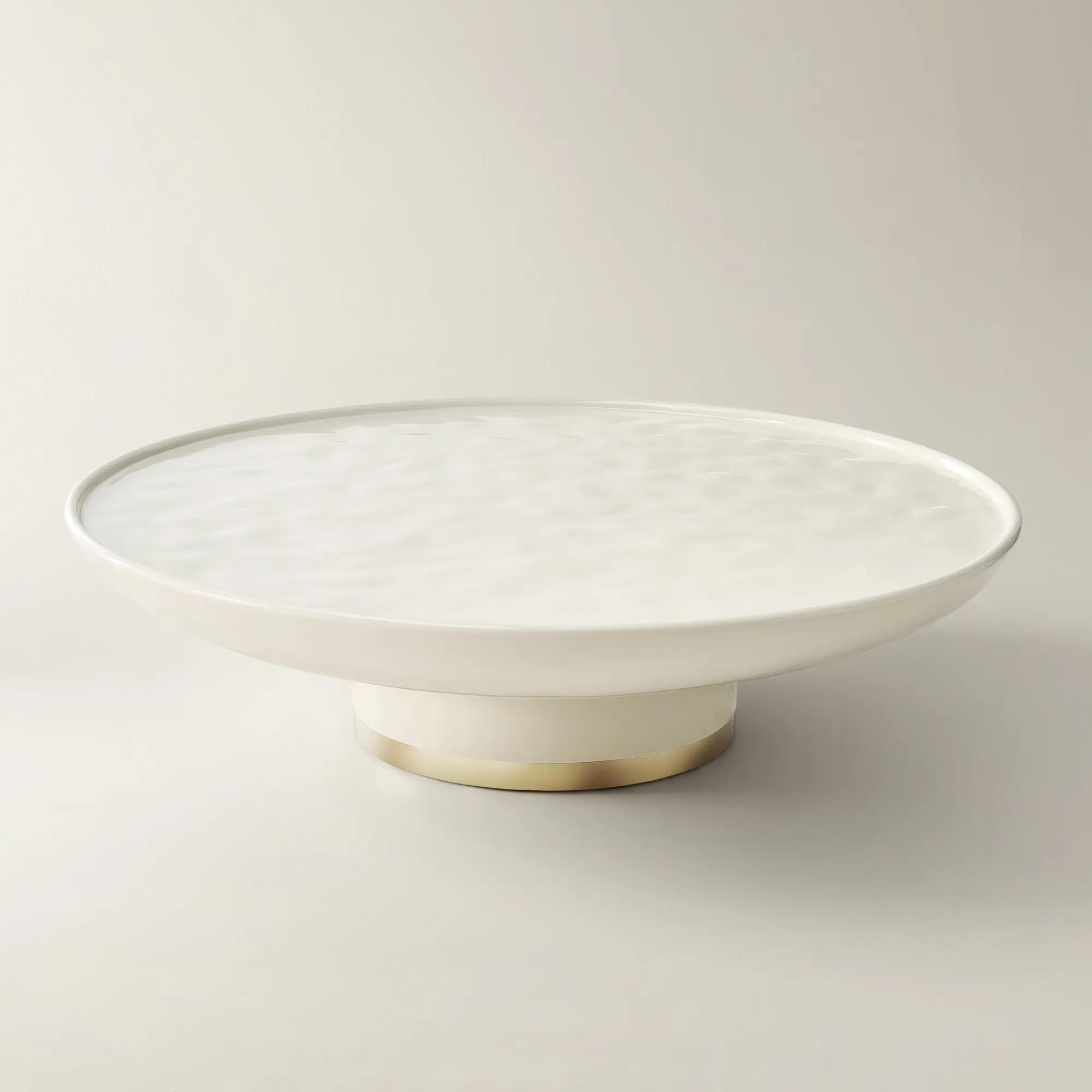
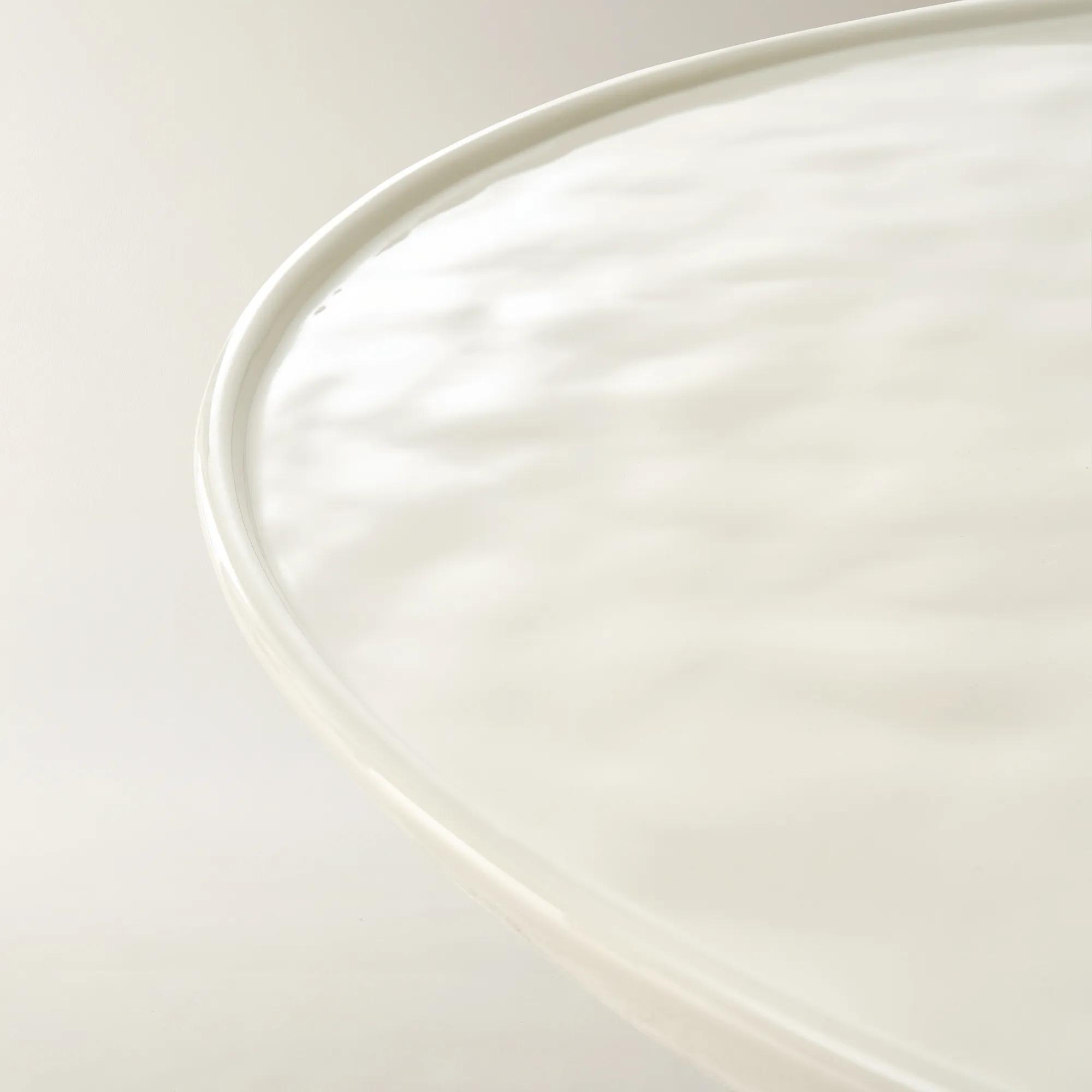 Celia Lacquered Cloud Resin Indoor/Outdoor Coffee Table (54")$1399
A sculptural one-piece resin coffee table with a high-gloss warm finish and gold stainless steel base.
Add To Cart -
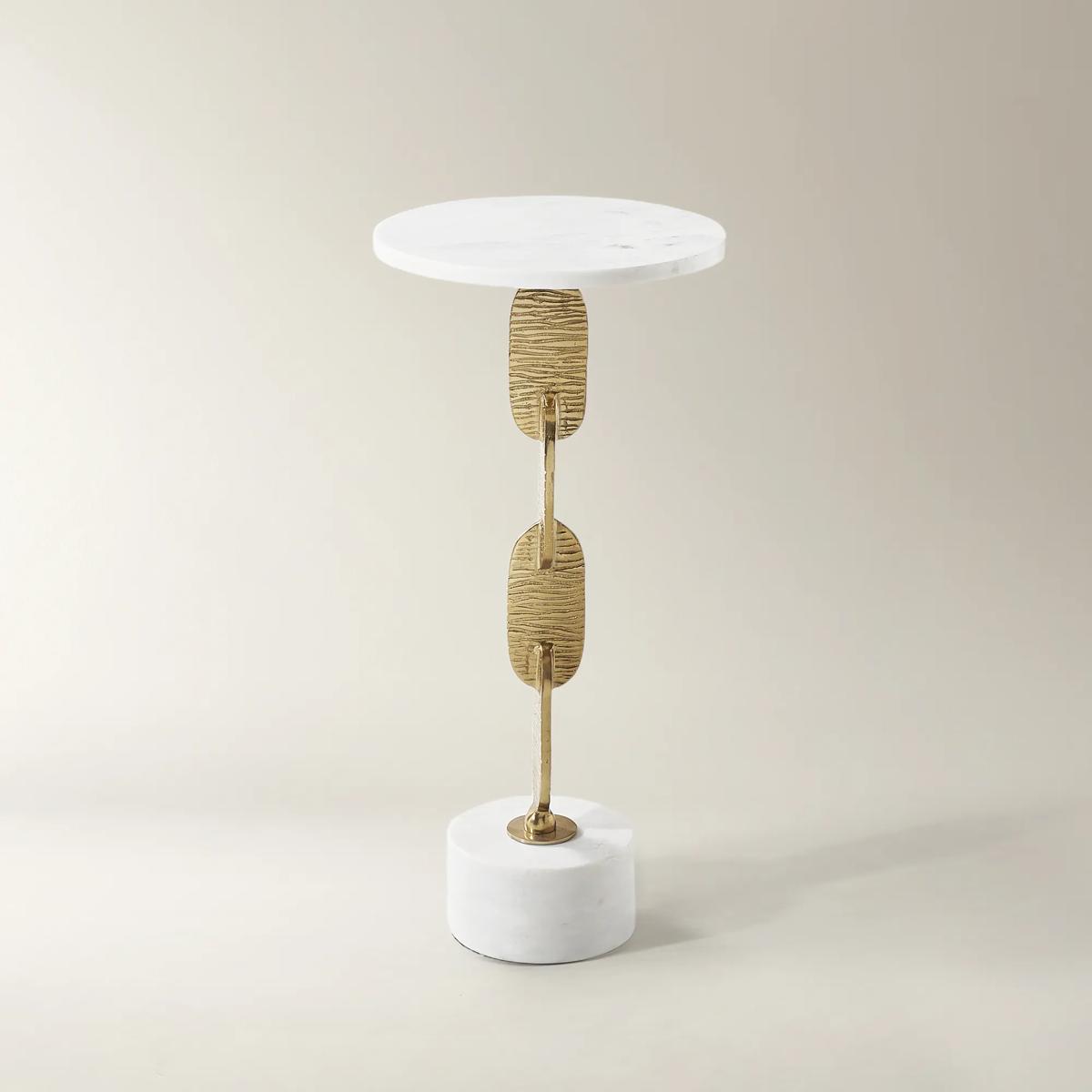
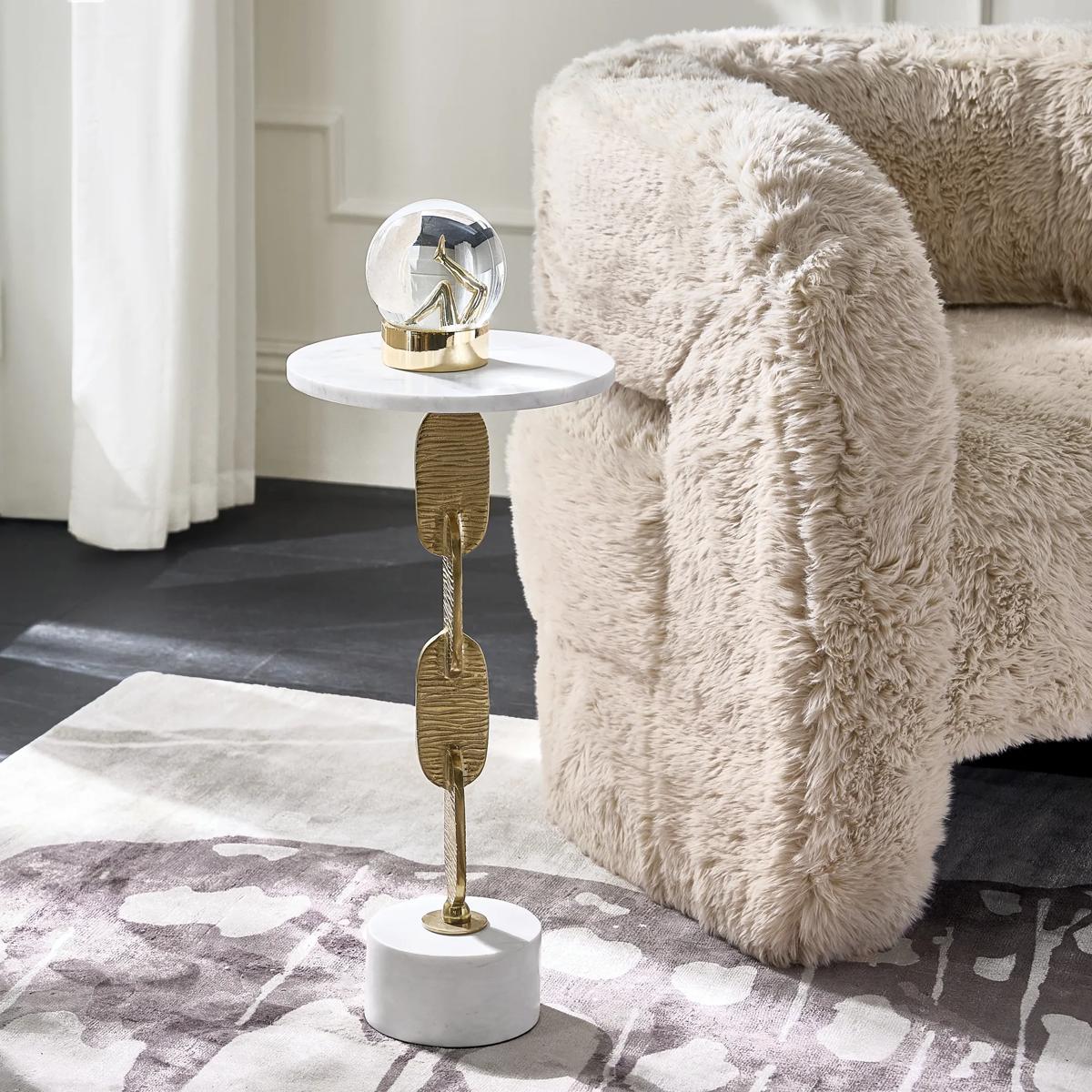 Luna Round White Marble Side Table (11.25")$199
A sculptural side table featuring a genuine white marble top and an open gold-finished metal frame.
Add To Cart -
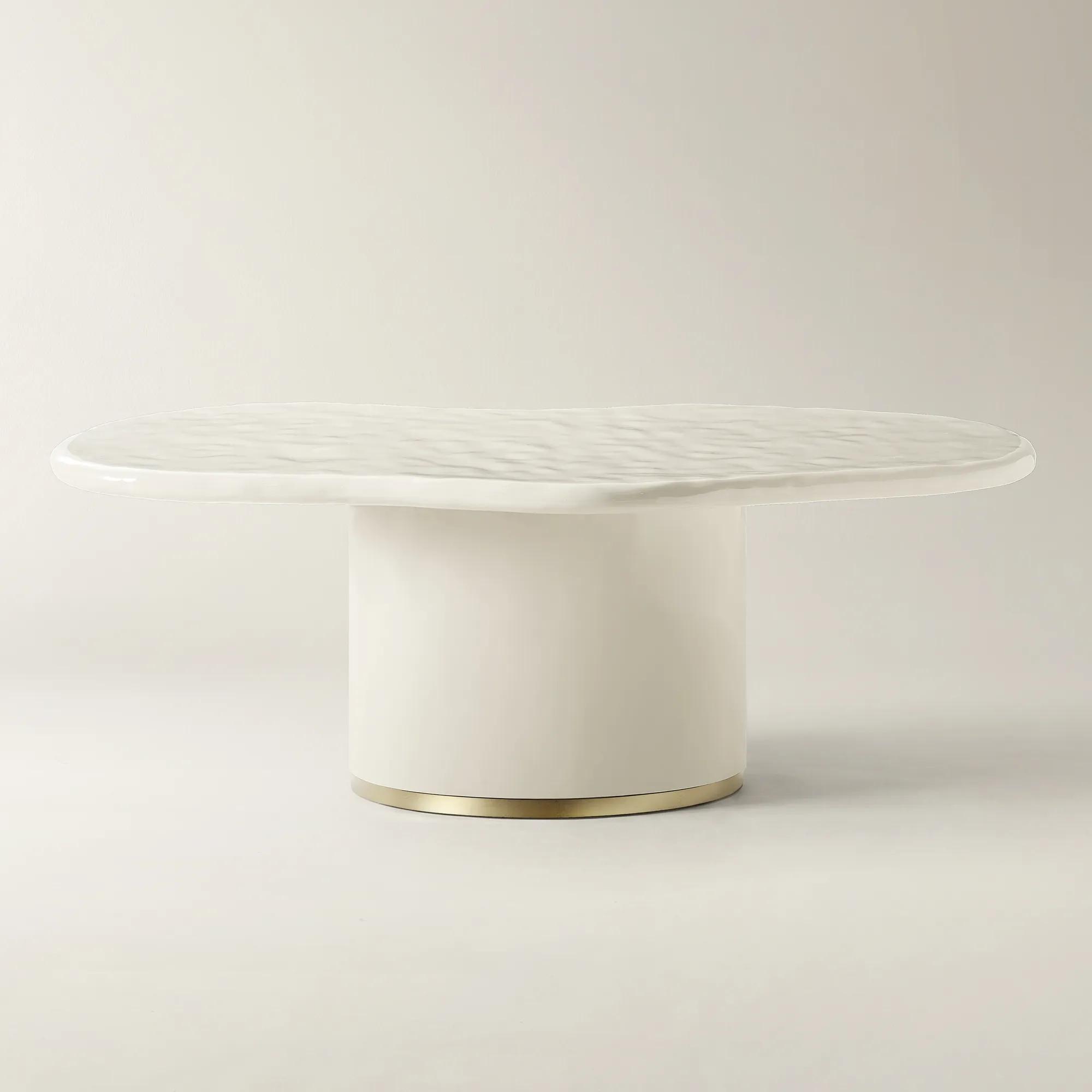 Celia Lacquered Cloud Resin Indoor/Outdoor Dining Table (84")$1999
A sculptural, high-gloss resin dining table with gold stainless steel accents for indoor or covered outdoor use.
Add To Cart -
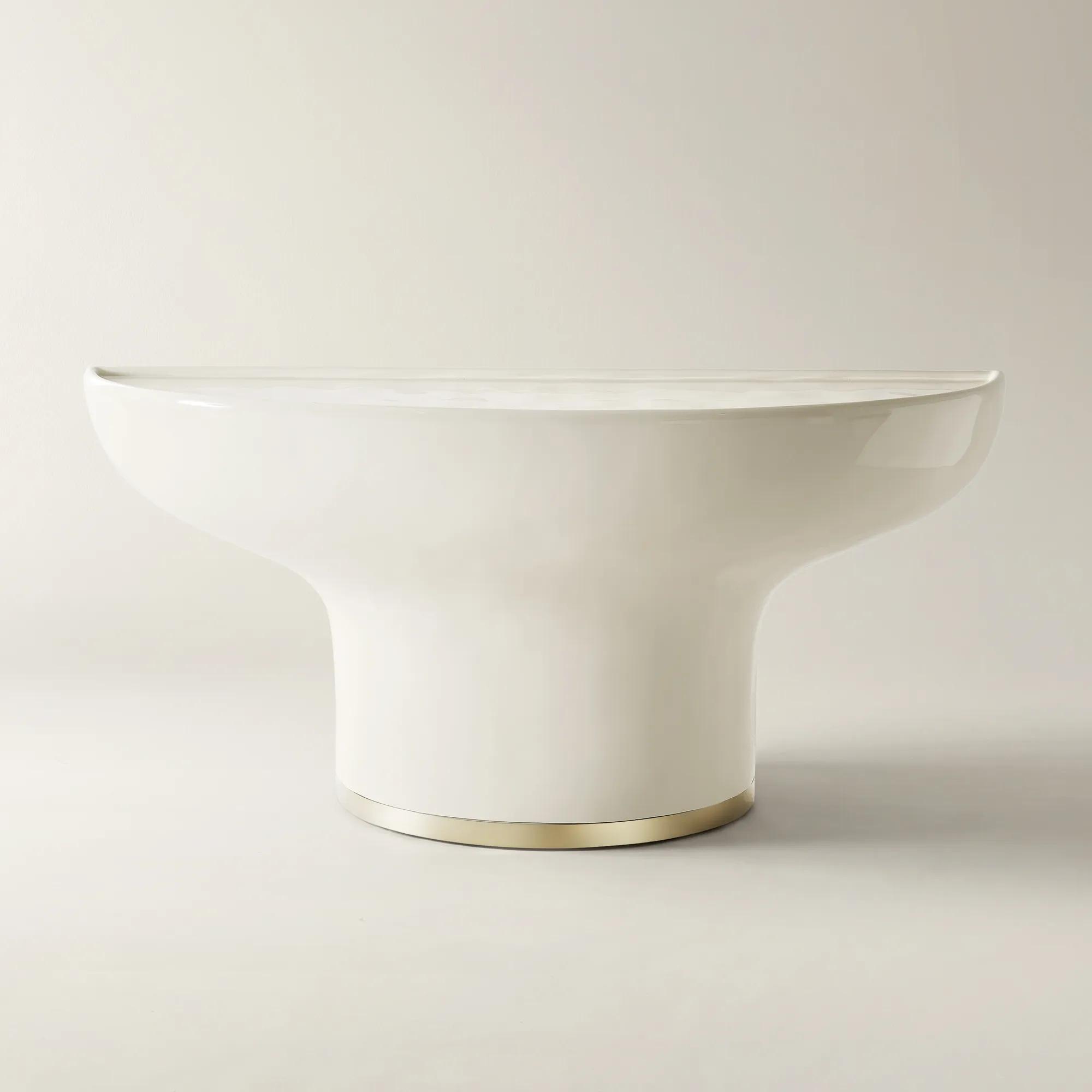 Celia Lacquered Cloud Resin Indoor/Outdoor Console Table (63")$1499
A sculptural one-piece resin console table with a warm high-gloss finish and gold stainless steel base.
Add To Cart -
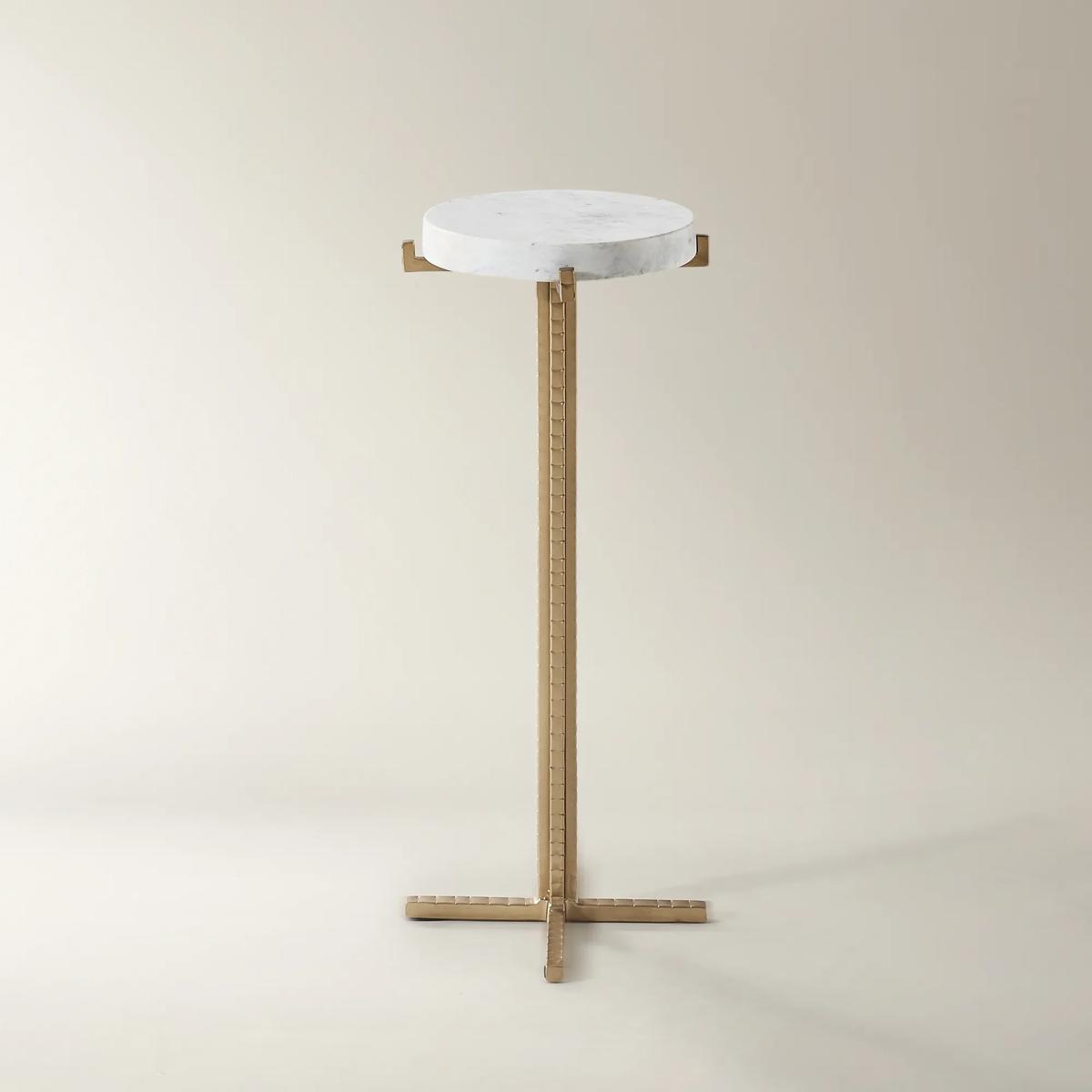 Anya Round White Marble Side Table (10")$199
A sculptural side table featuring a genuine white marble top and gold-finished metal pedestal base.
Add To Cart -
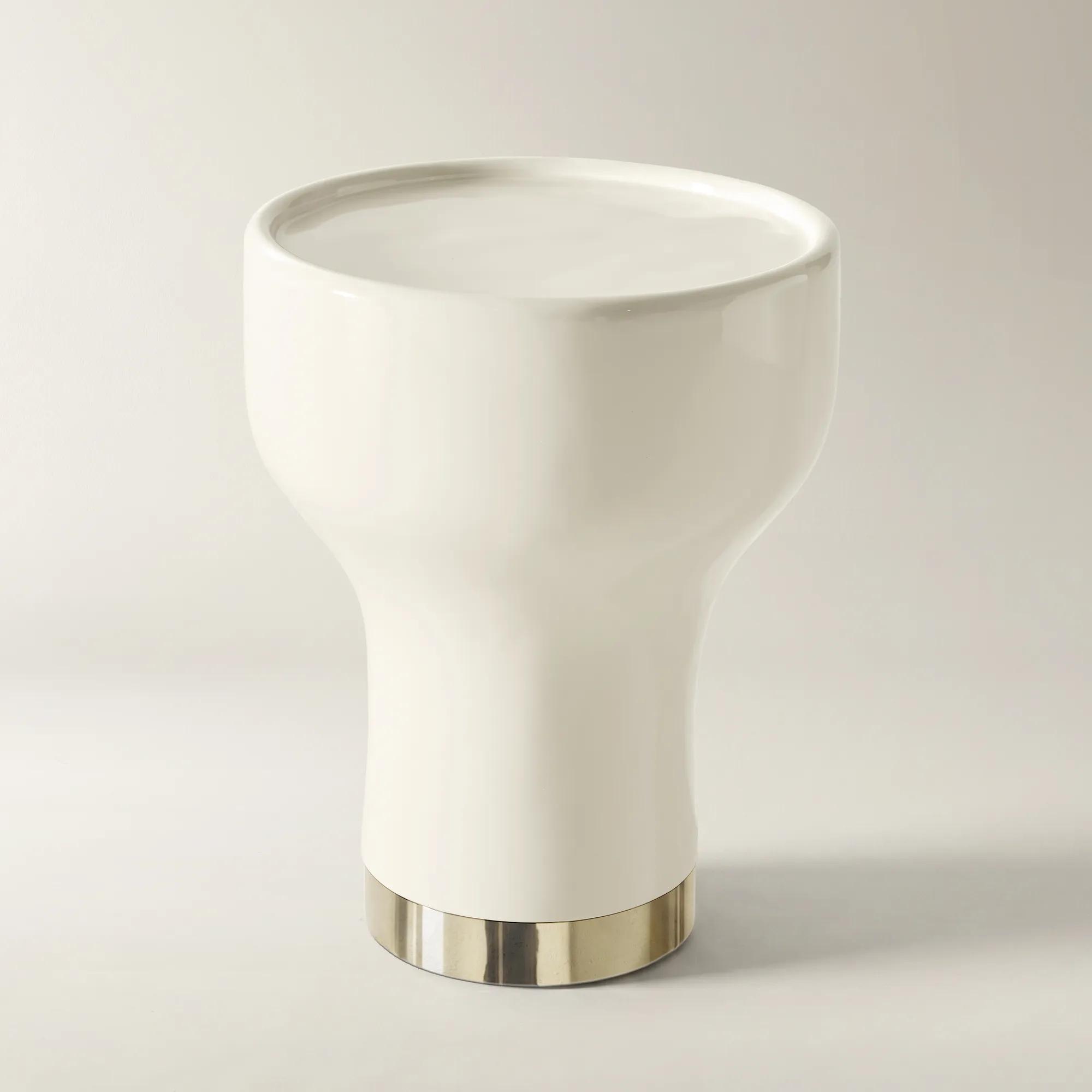
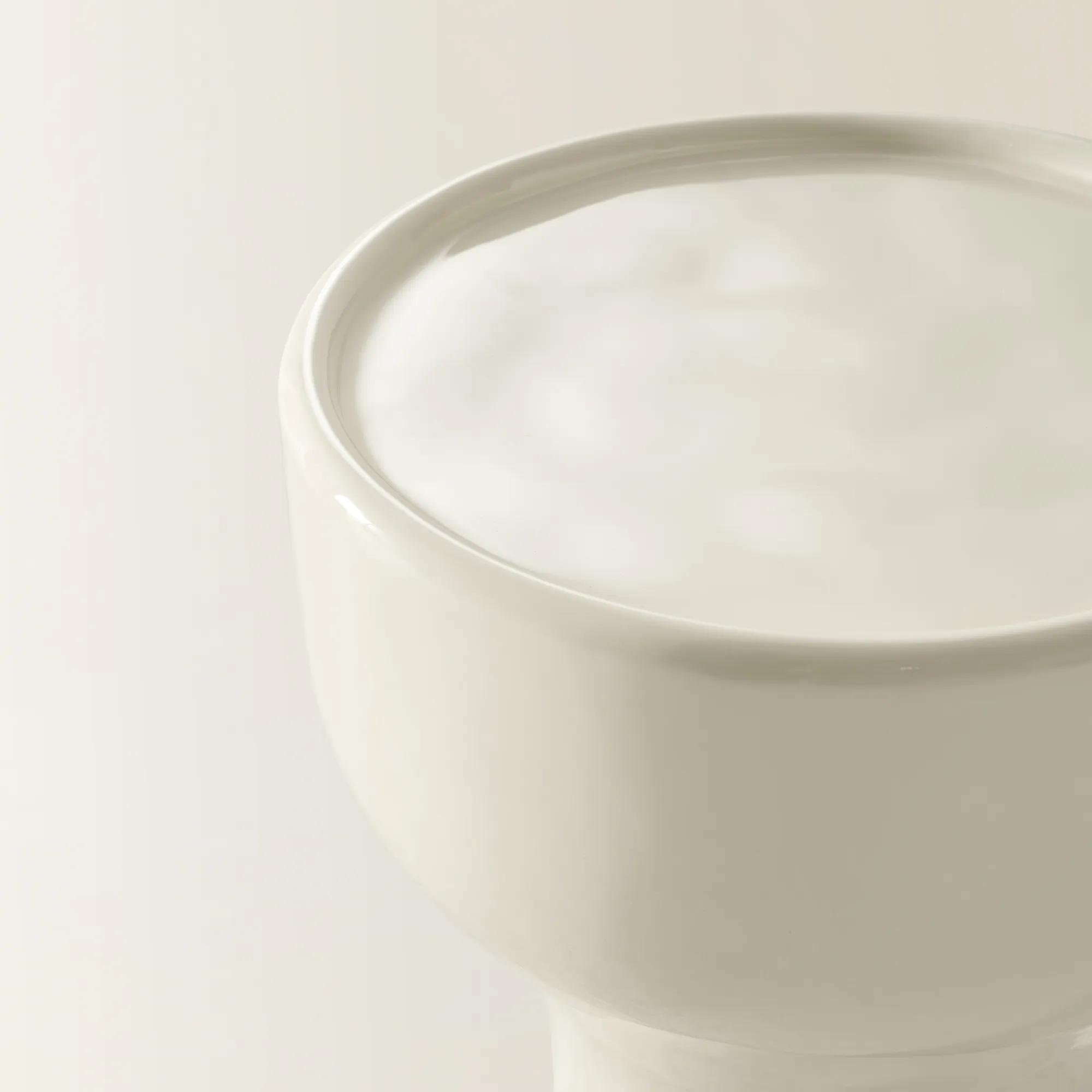 Celia Lacquered Cloud Resin Indoor/Outdoor End Table (16")$399
A sculptural one-piece resin end table with a warm high-gloss finish and gold stainless steel base.
Add To Cart -
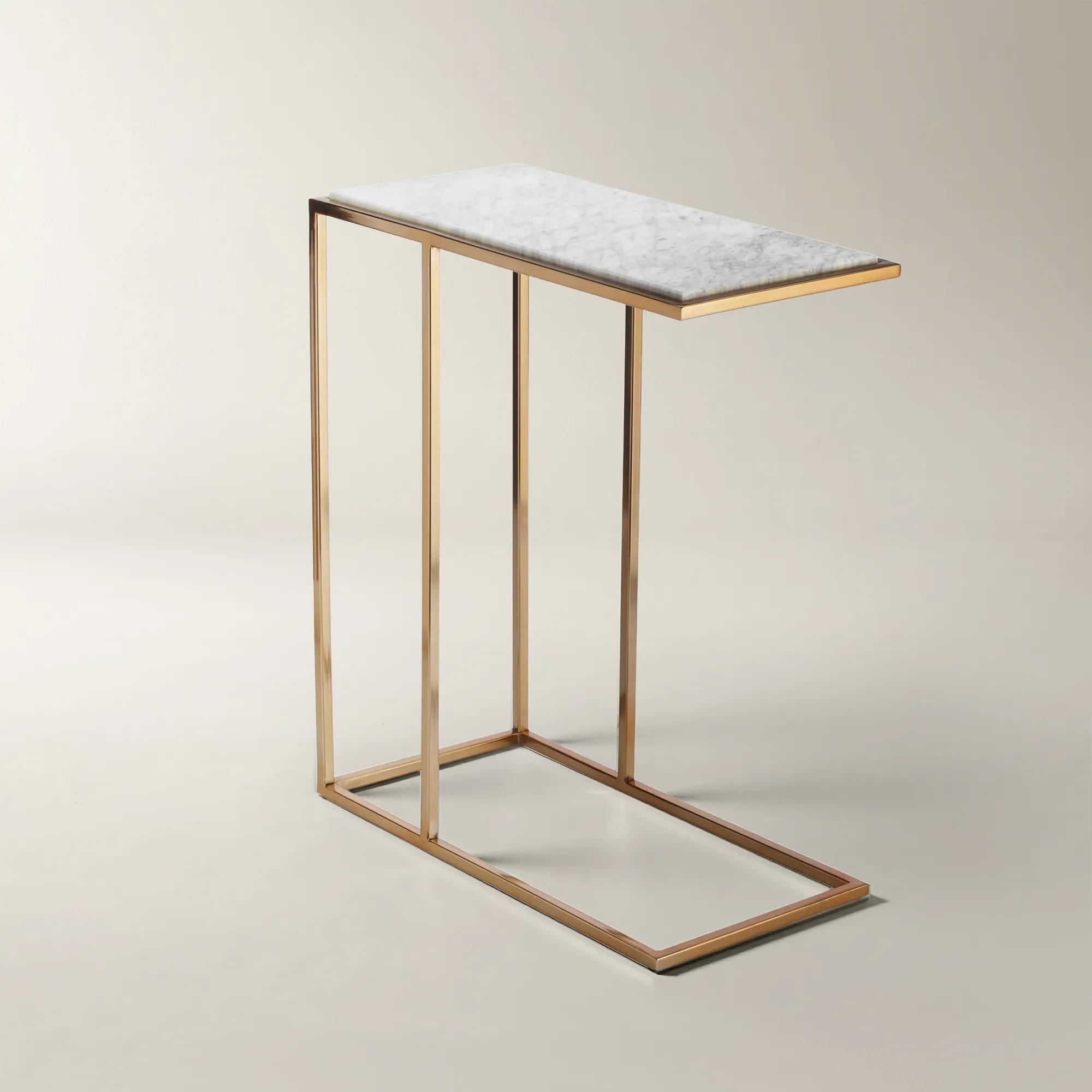
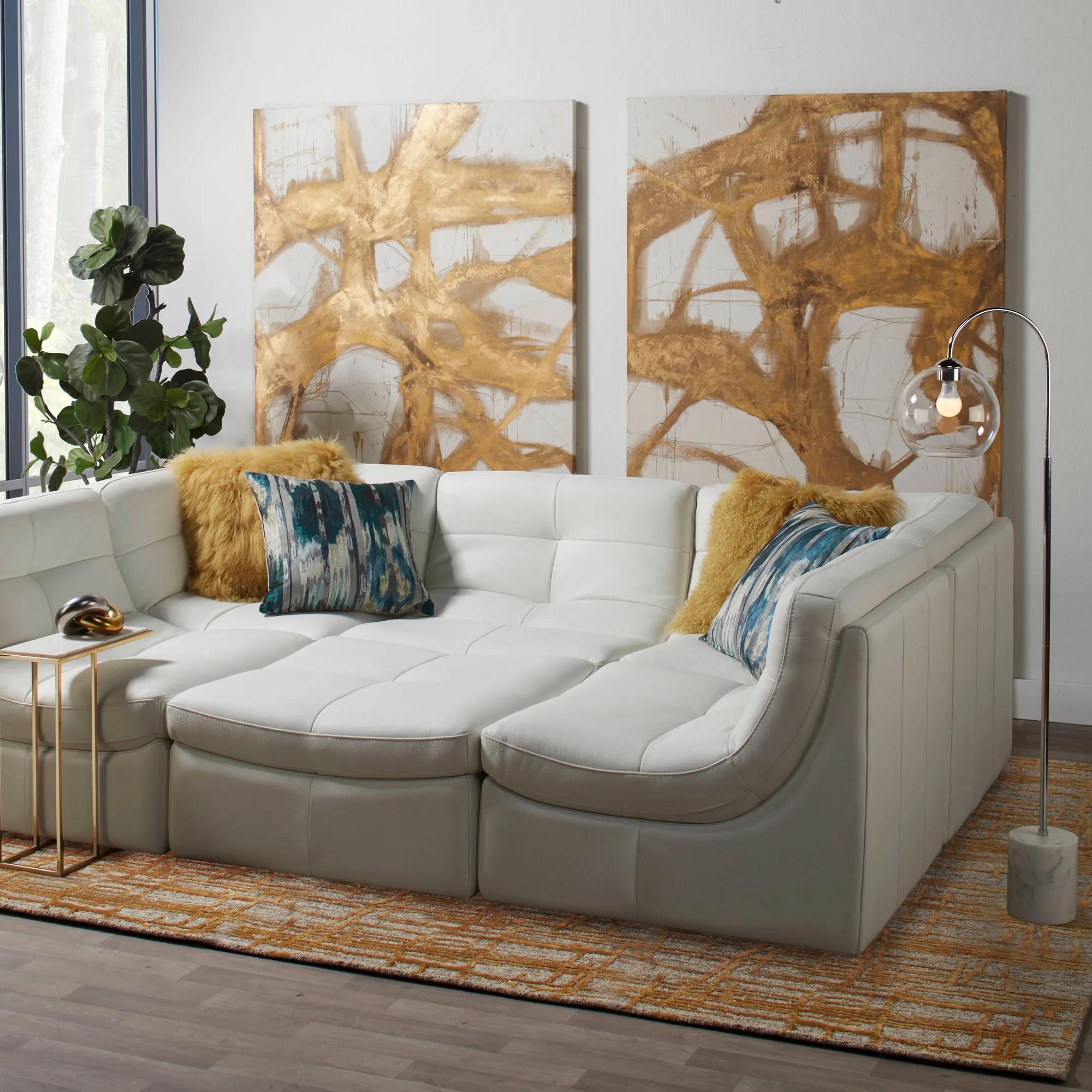 Lawton Rectangular Gold Stainless steel Accent Table With Marble Top (19.75")$259
A space-saving table featuring a white marble top and gold-finished stainless steel base.
Add To Cart -
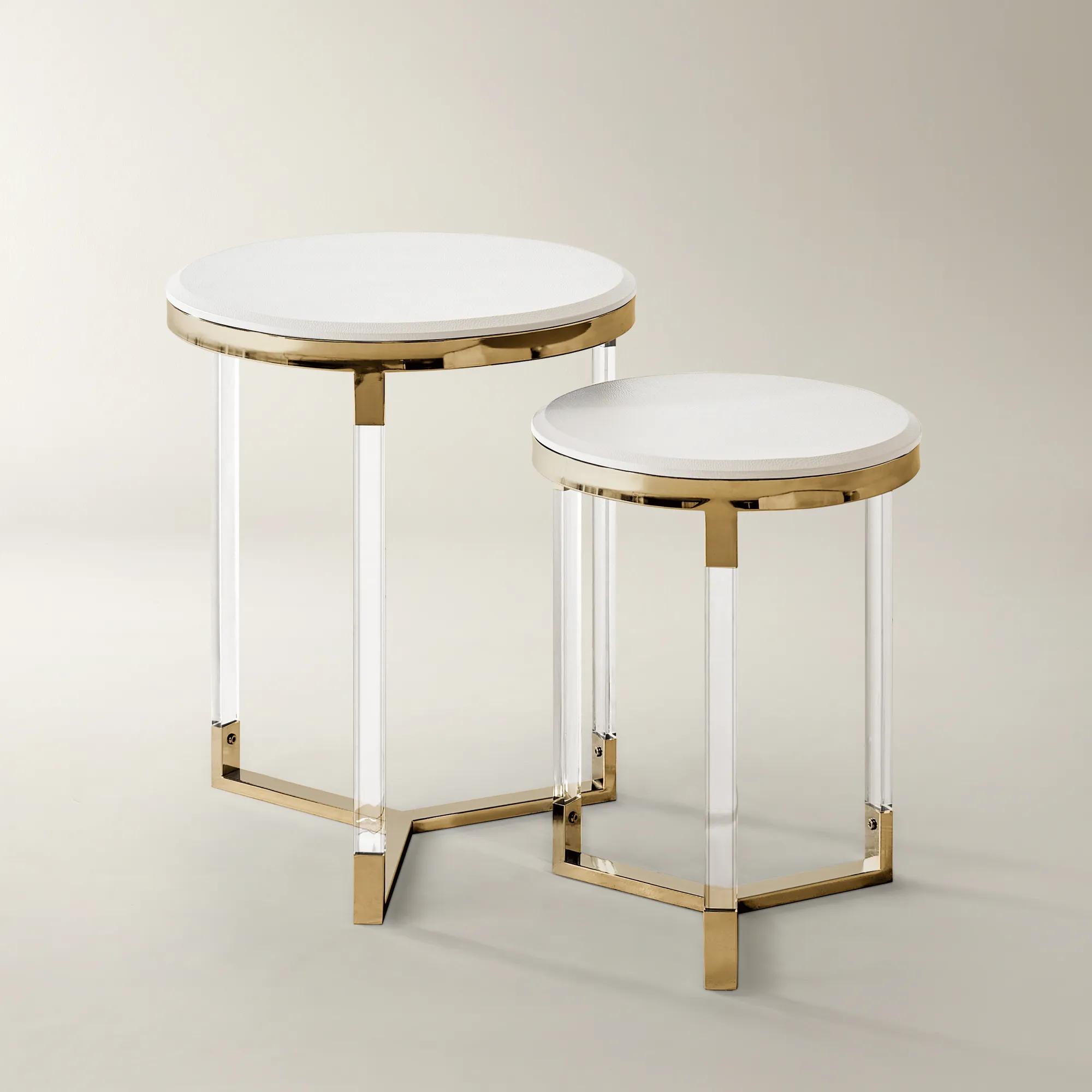
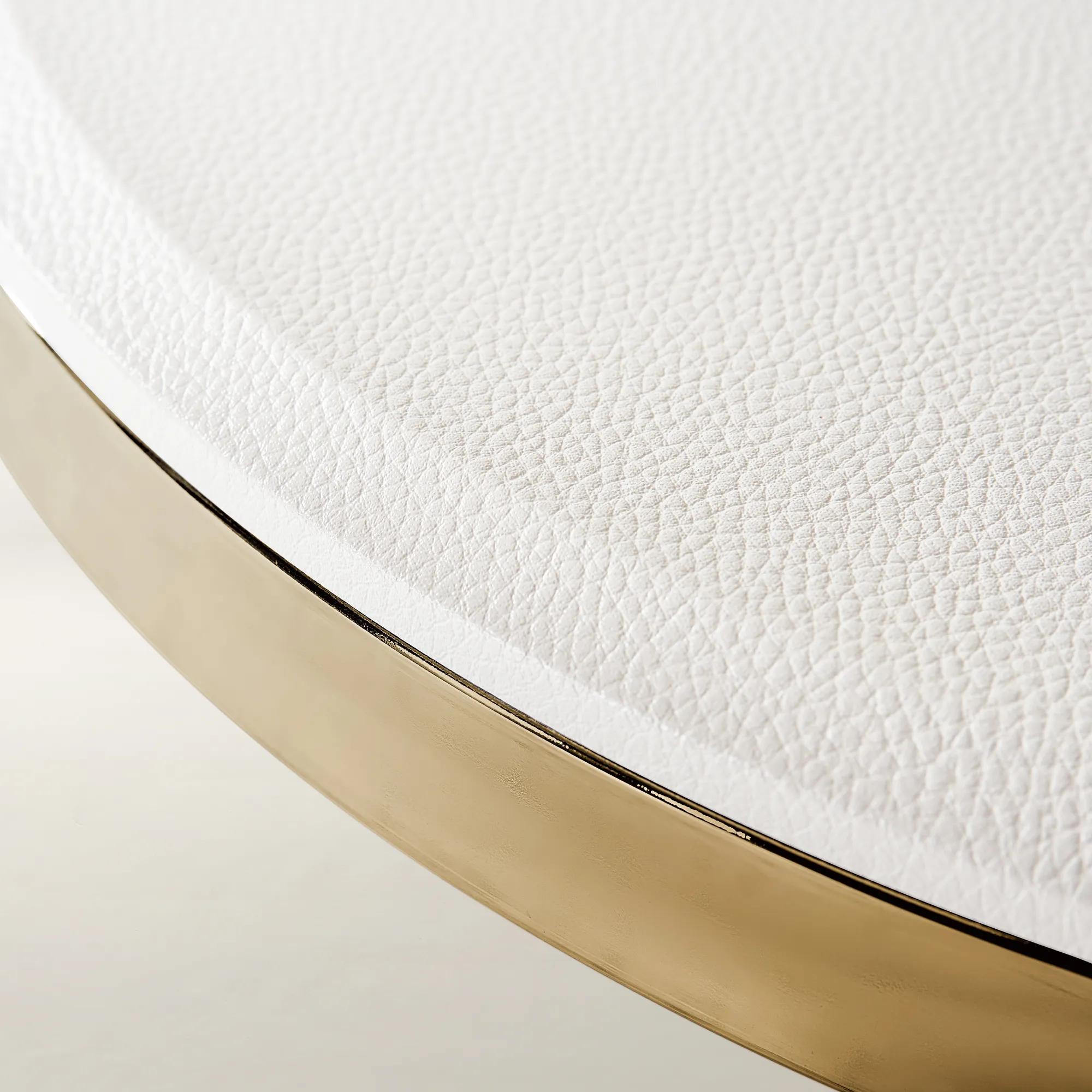 Murano Round White Accent Table With Faux Leather Top Set Of 2 (14.5"-18.5")$399
A set of two accent tables featuring mixed woods, faux leather tops, and acrylic legs with metallic finishes.
Add To Cart -
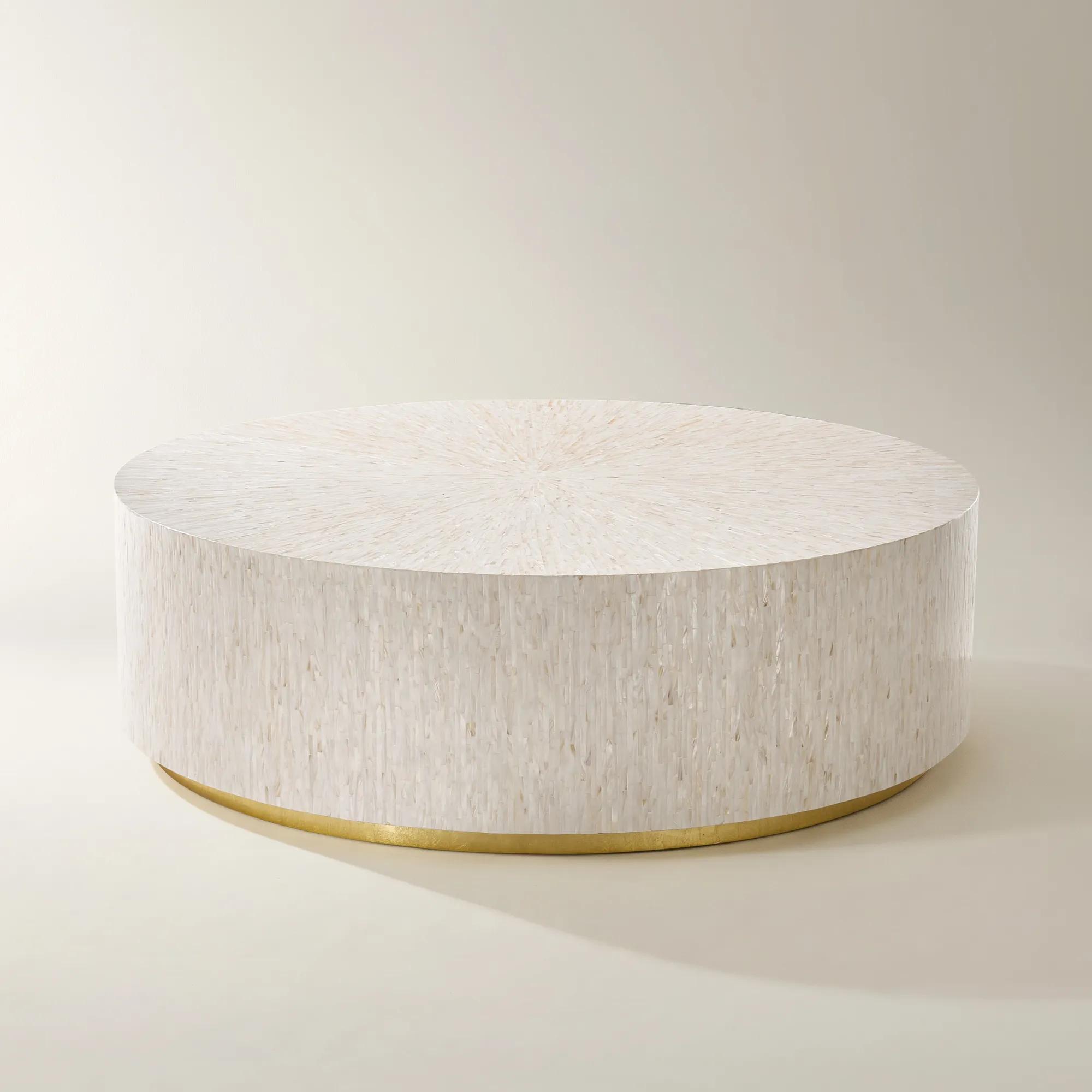 Alexandria Round Mosaic Platinum Coffee Table (52")$1399
A luminous mother-of-pearl mosaic coffee table with a sculptural round form and gold leaf–accented base.
Add To Cart -
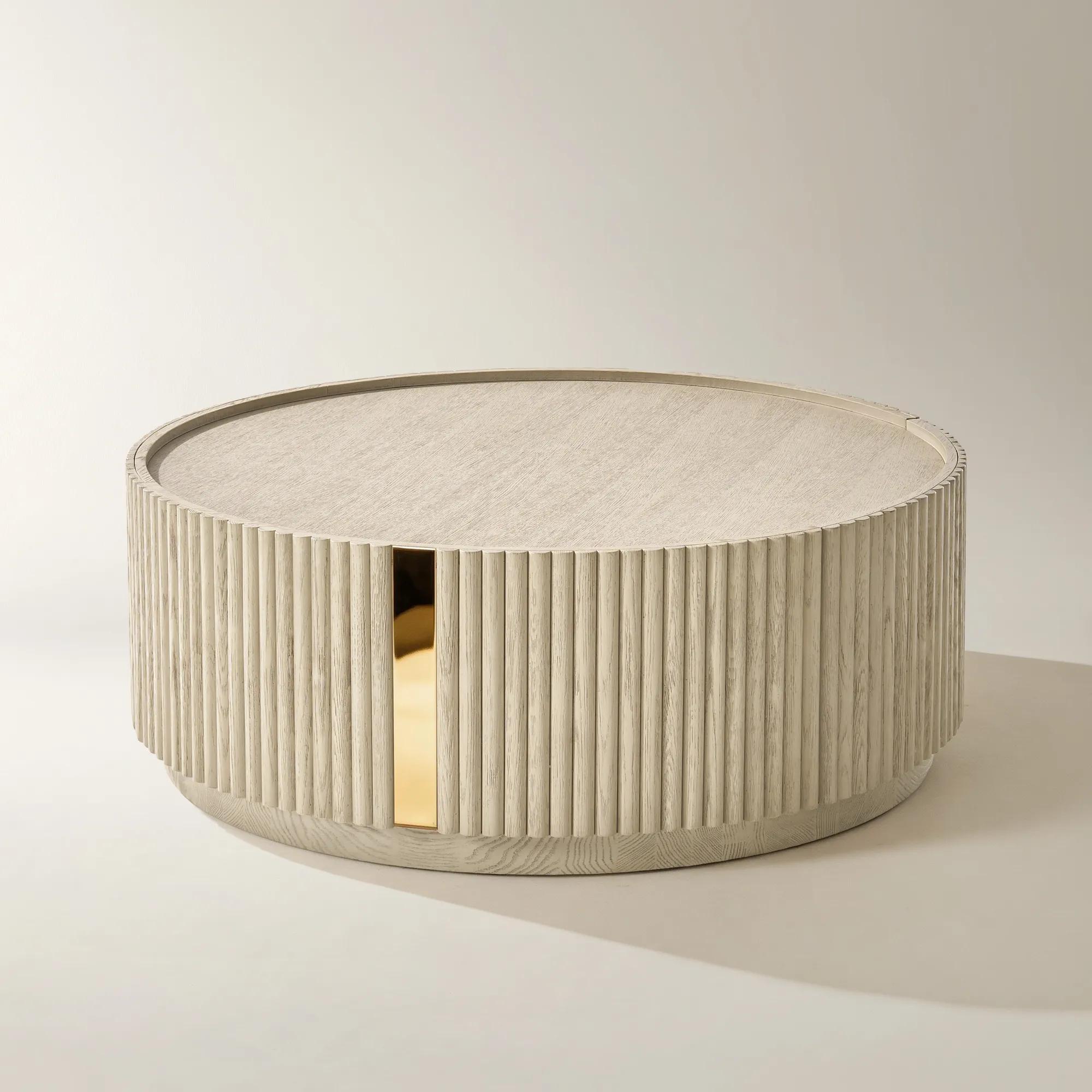 Stria Round Reeded White Oak Coffee Table with Drawer (42.3")$1499
A round coffee table featuring reeded white oak, soft gold metal trim, and a concealed soft-close drawer.
Add To Cart -
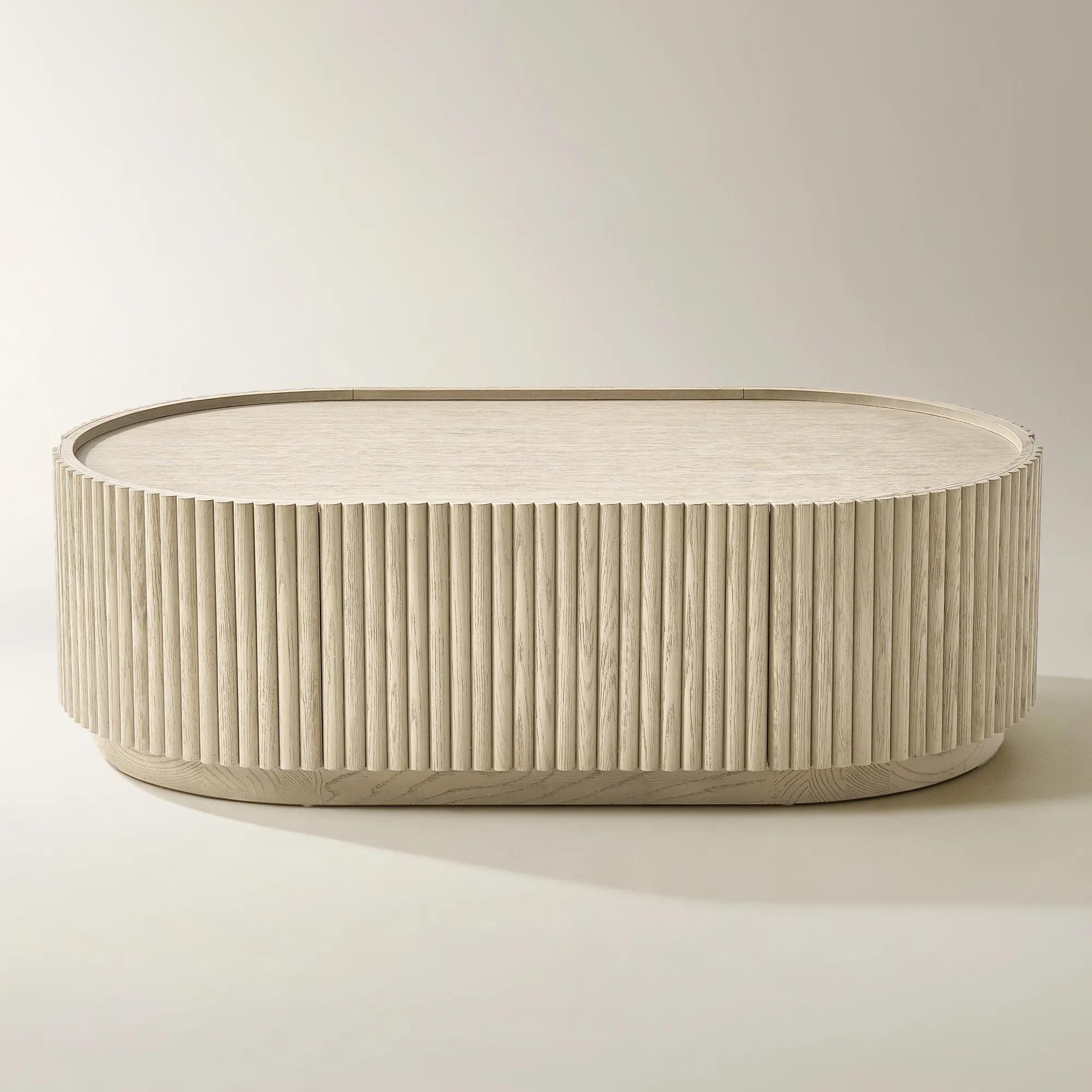
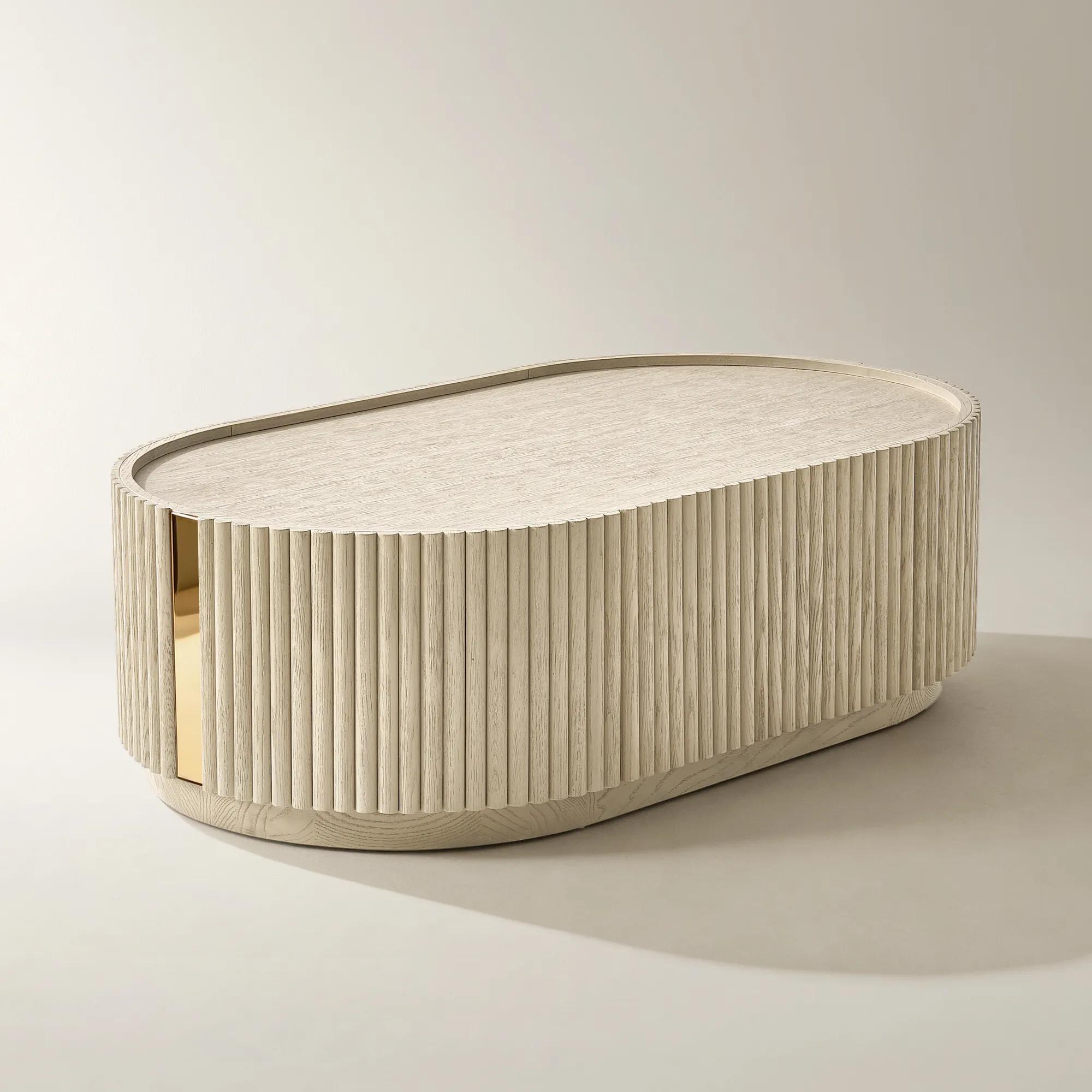 Stria Oval Reeded White Oak Coffee Table with Drawer (52")$1399
A reeded white oak coffee table with soft gold accents, recessed tabletop, and concealed soft-close drawer.
Add To Cart -
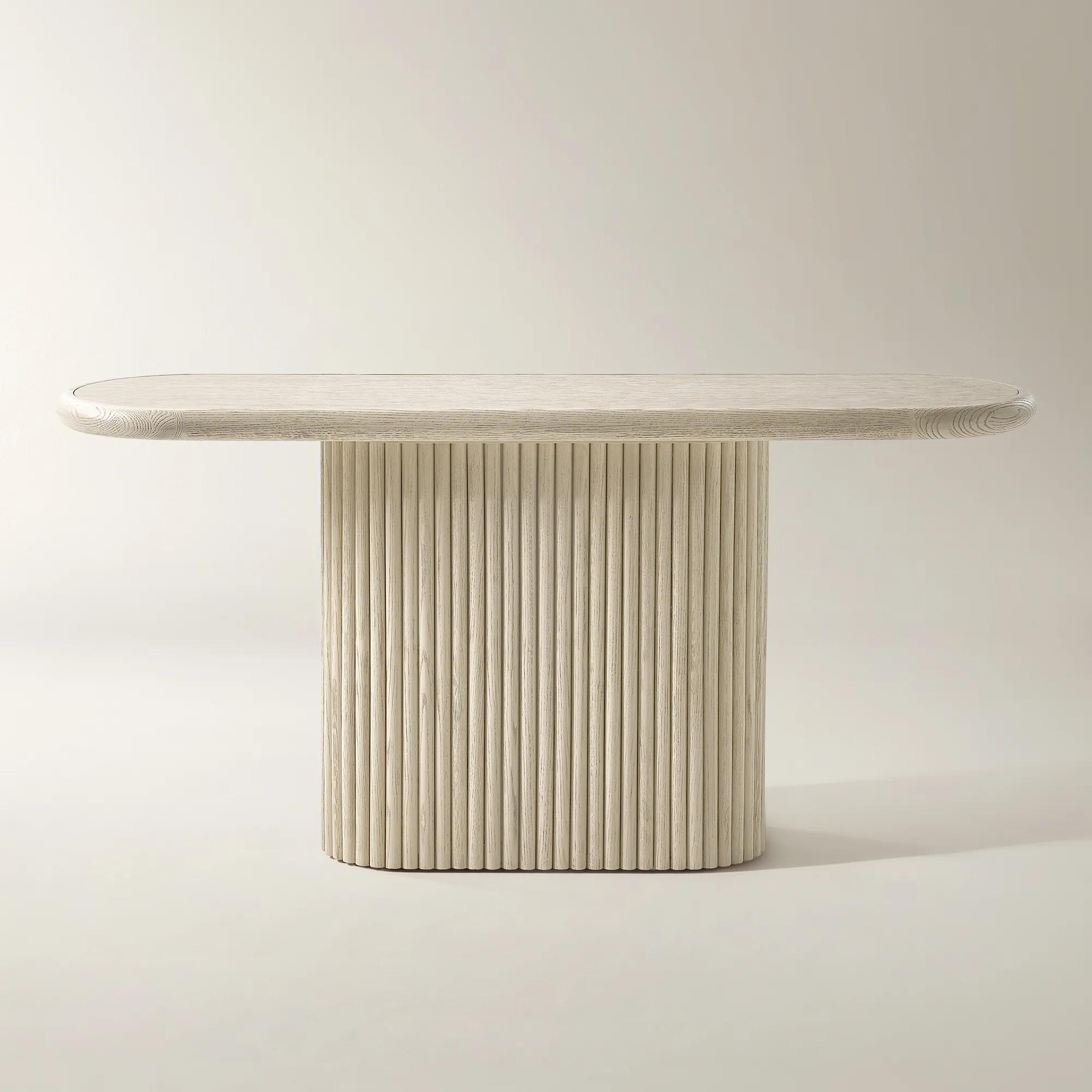
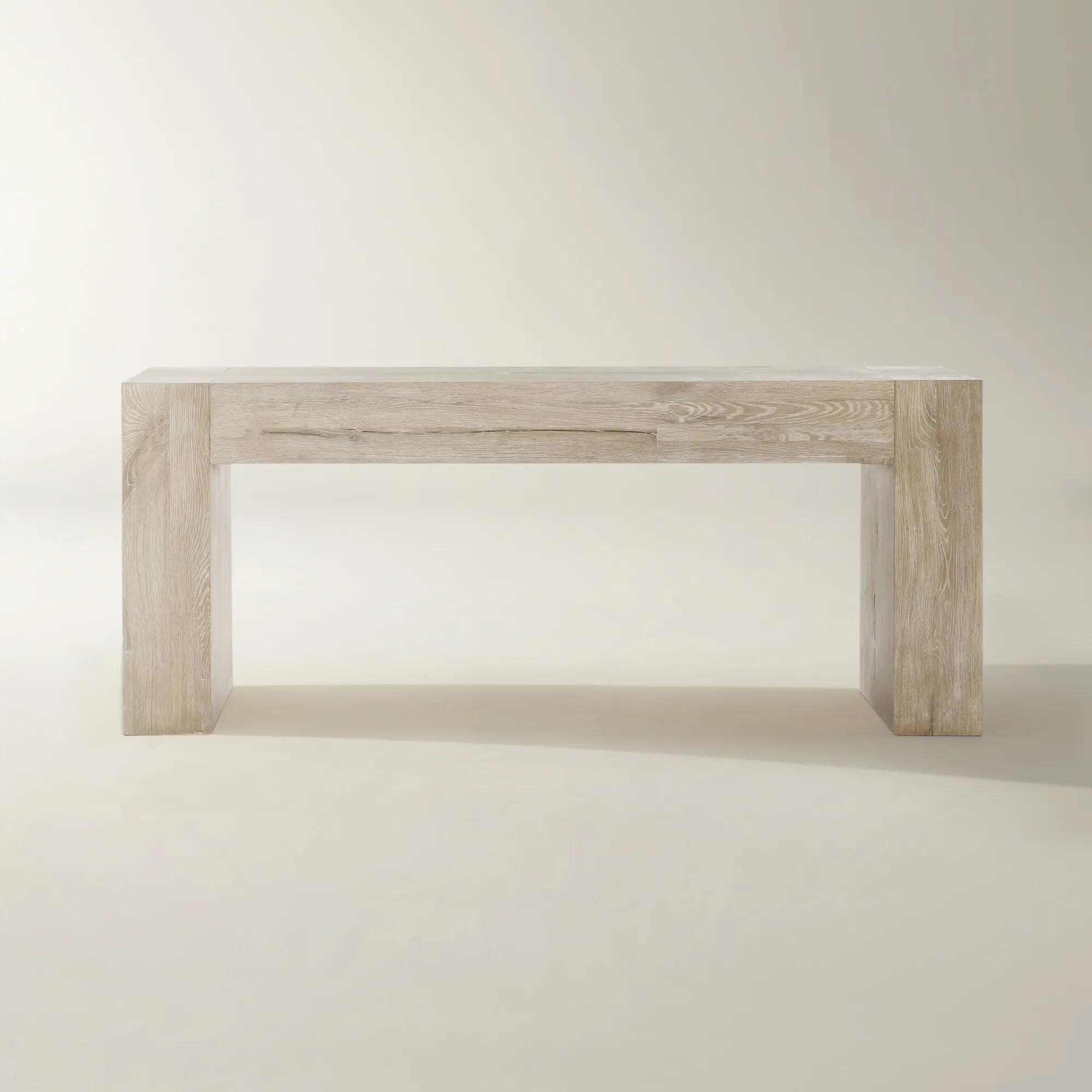
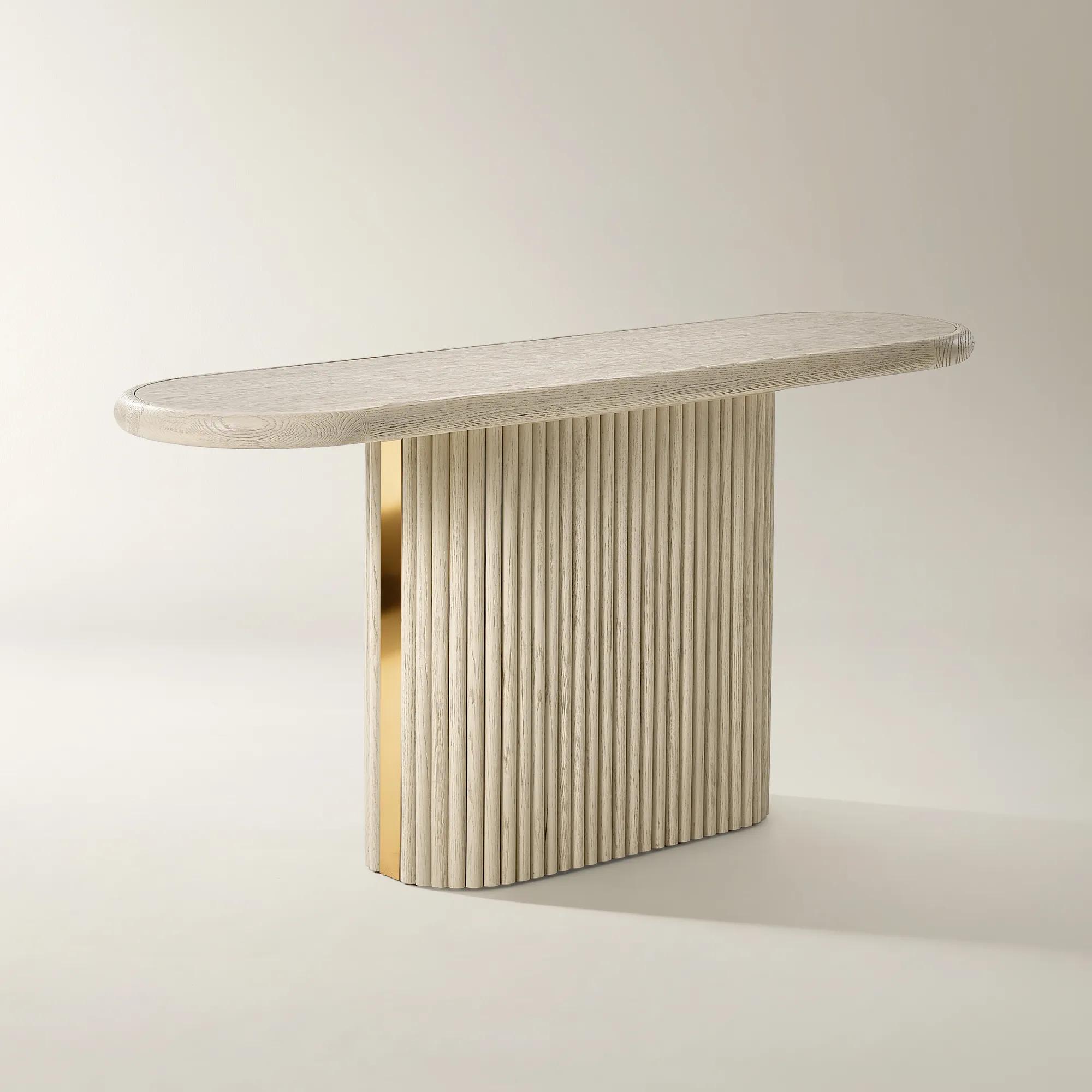 Stria Oval Reeded White Oak Console Table (63")$1399
A sculptural console table featuring reeded white oak, soft gold metal trim, and an architectural pedestal base.
Add To Cart -
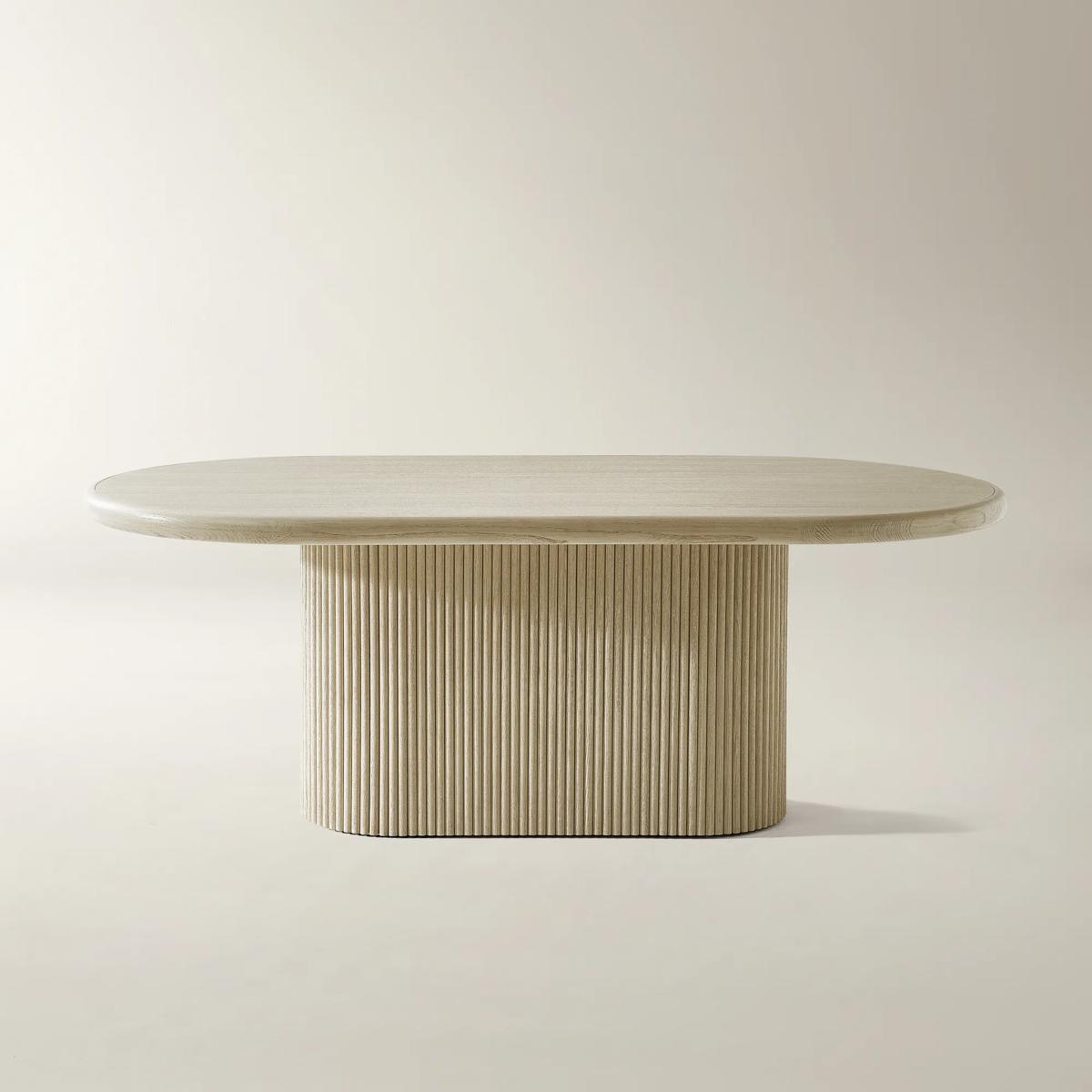
 Stria Oval Reeded White Oak Dining Table (82")$2199
A sculptural oval dining table featuring reeded oak, a single pedestal base, and gold-plated steel trim.
Add To Cart -
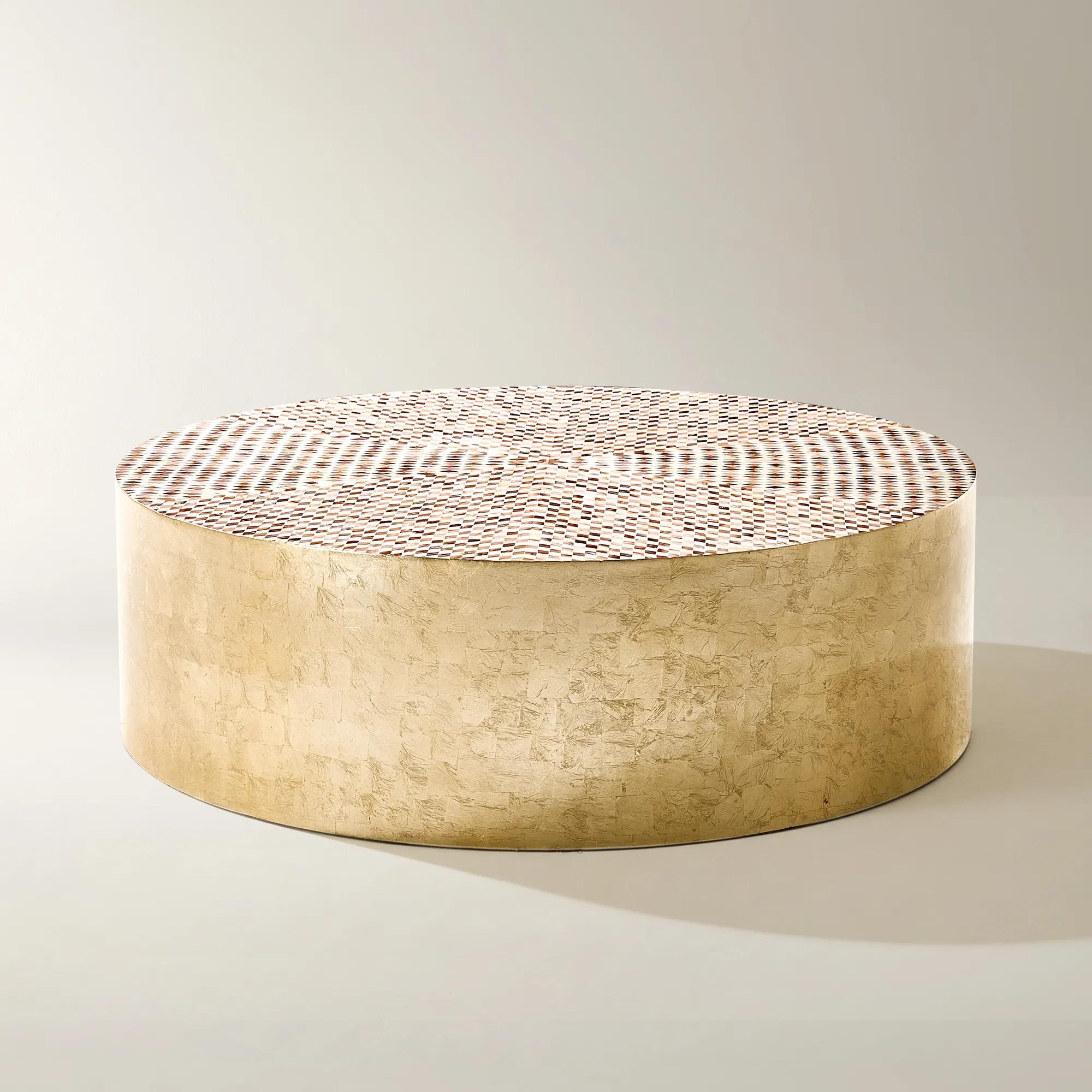
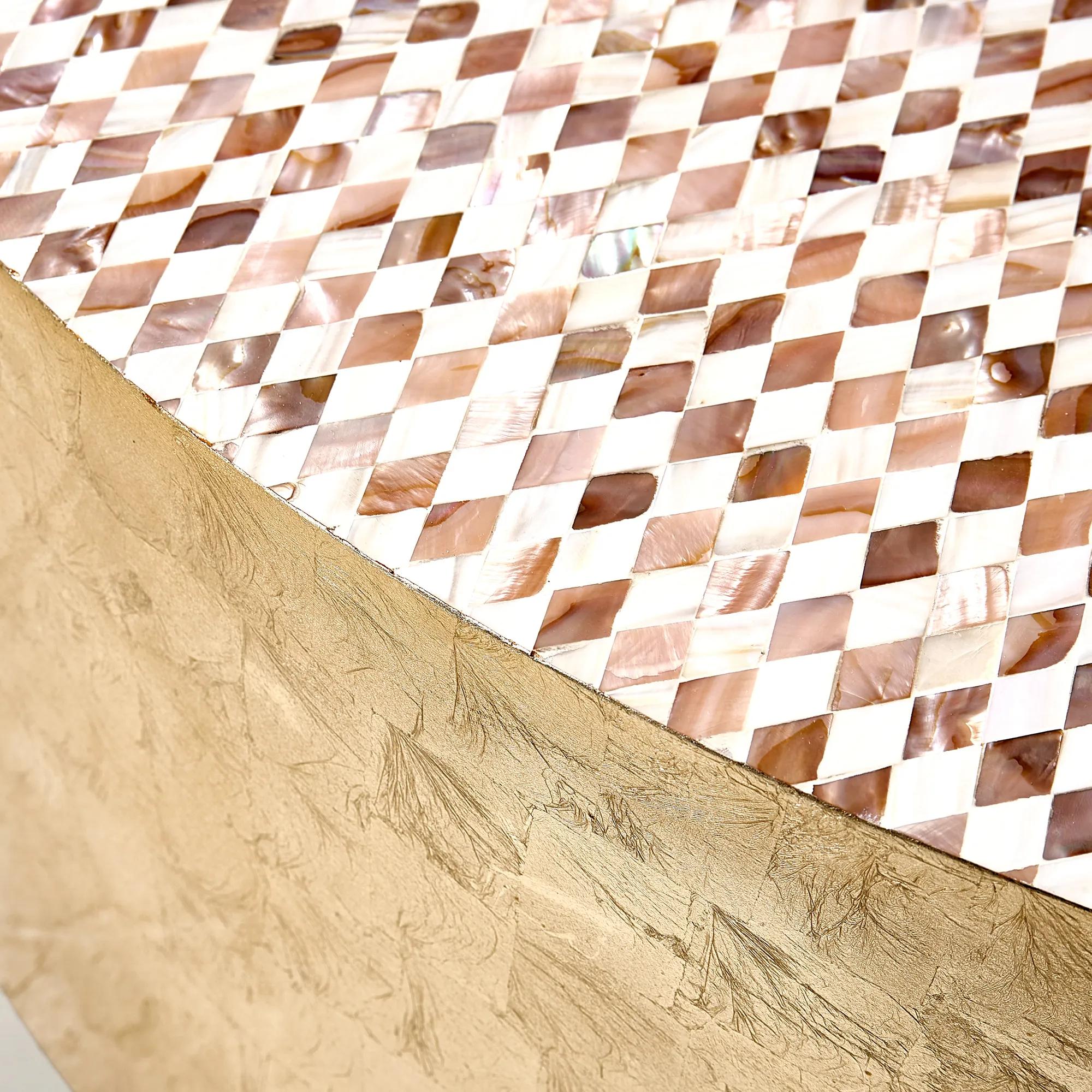 Lucien Round Diamond Coffee Table (47.24")$1299
A sculptural round coffee table featuring a hand-laid mother-of-pearl diamond mosaic and gold leaf sides.
Add To Cart -
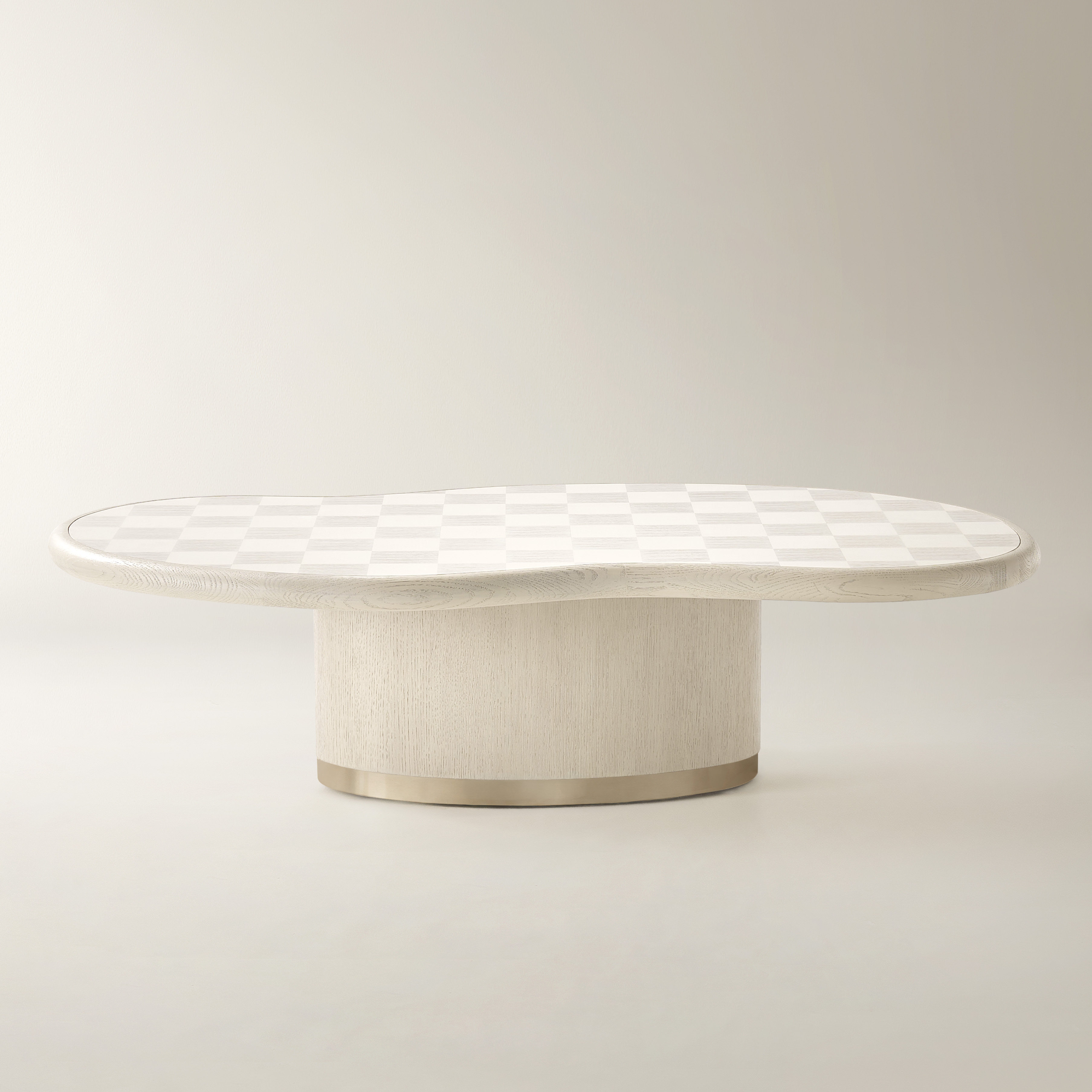 Vetra Checkerboard Oak and Maple Coffee Table (60")$1299
A sculptural coffee table featuring a hand-arranged oak and maple checkerboard top with gold-accented base.
Add To Cart -
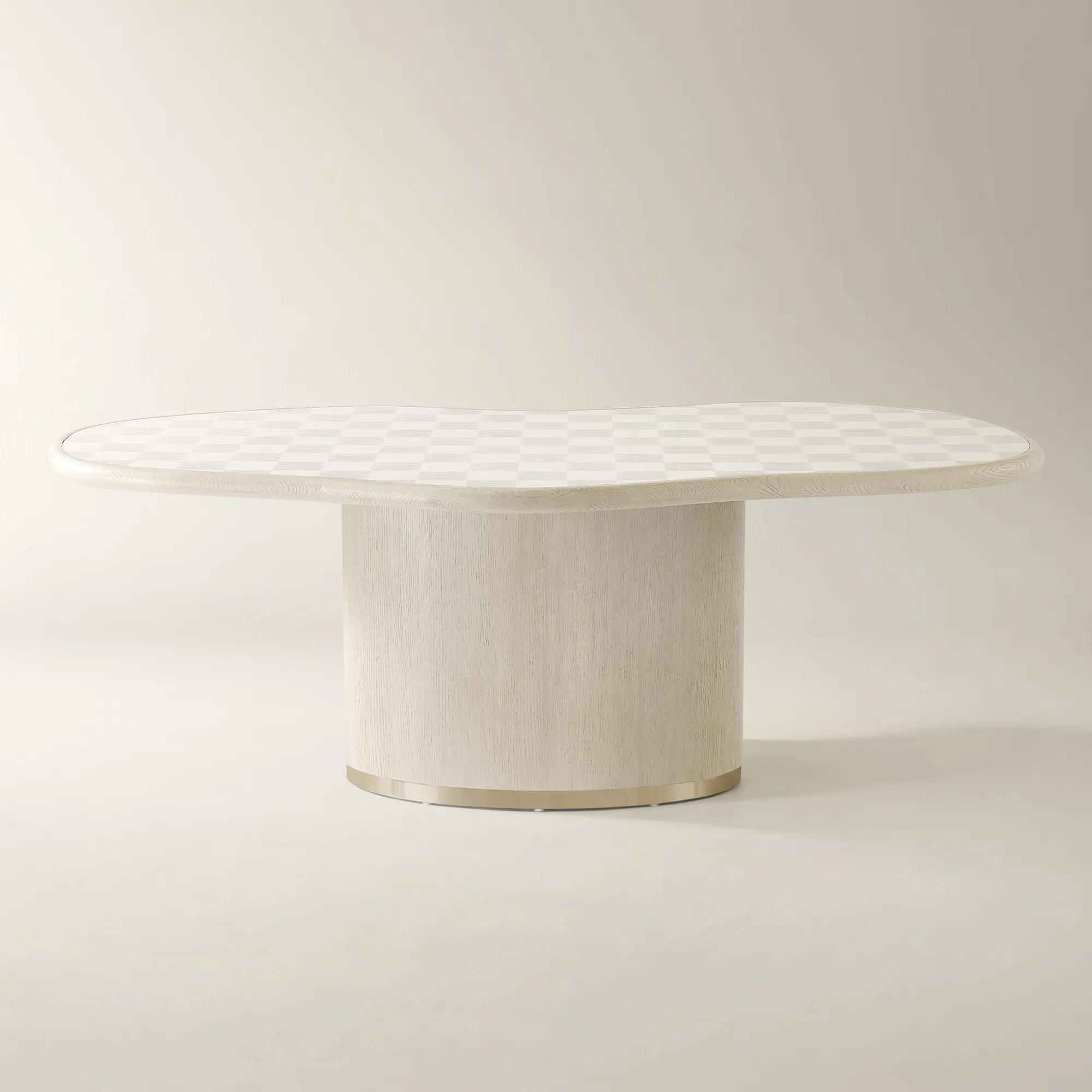 Vetra Checkerboard Oak and Maple Dining Table (84")$2399
A striking dining table featuring a hand-arranged oak and maple checkerboard veneer with soft gold accents.
Add To Cart -
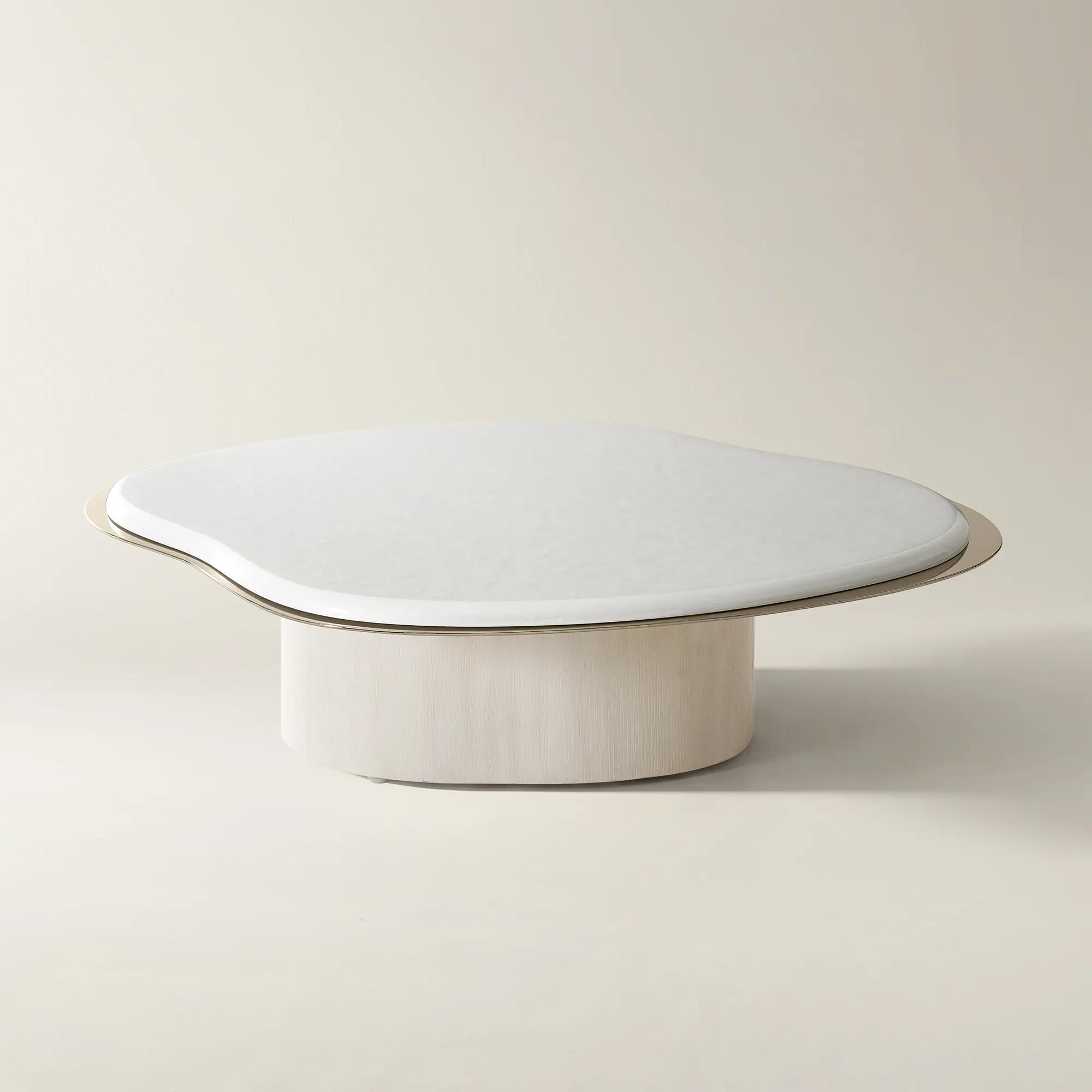
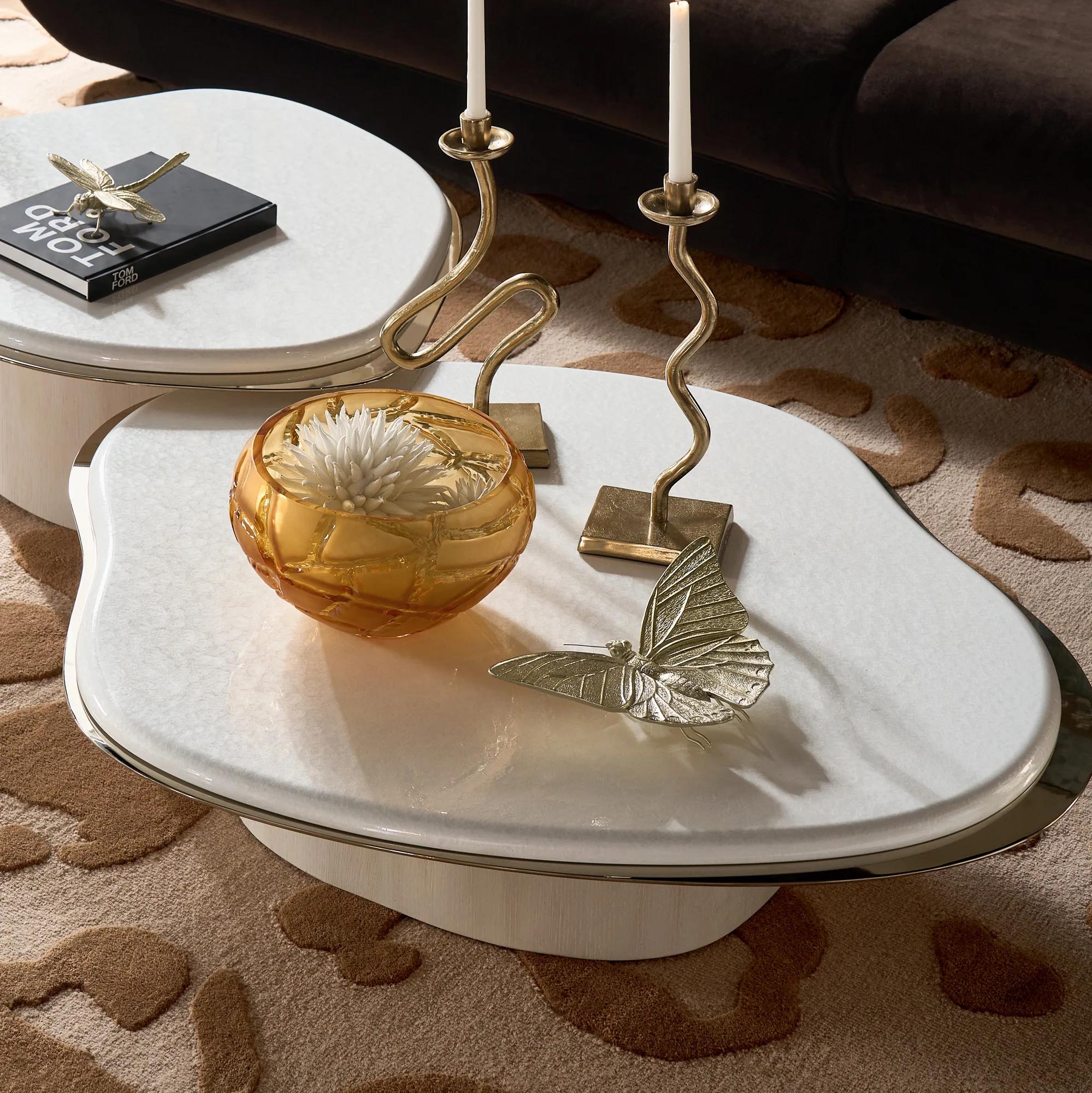 Lumina Bleached Oak Coffee Table With Pearl Lacquered Top (41")$1199
A sculptural coffee table featuring a pearl lacquered top, bleached oak base, and champagne gold trim.
Add To Cart -
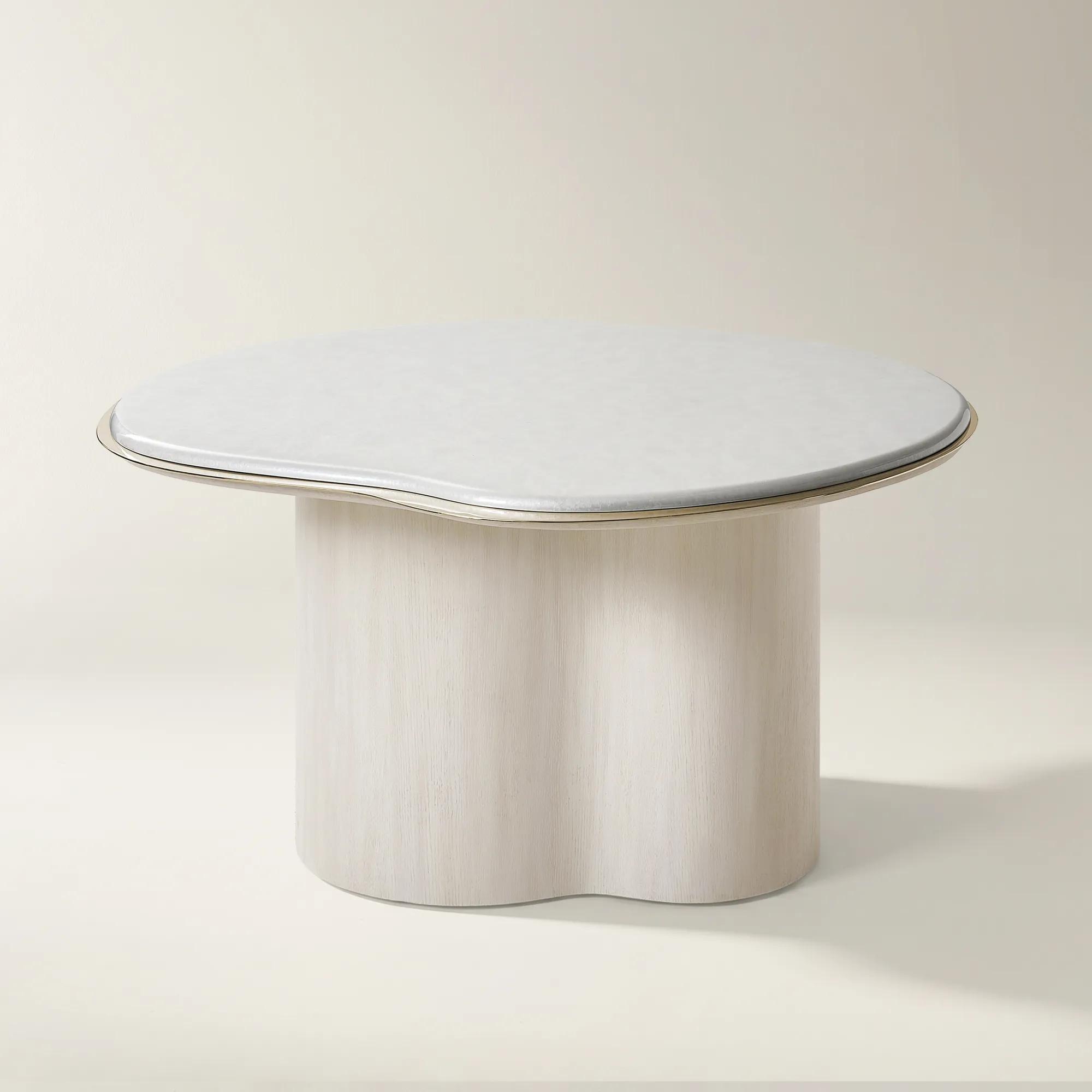 Lumina Bleached Oak Dining Table With Pearl Lacquered Top (58")$2699
A sculptural dining table featuring a pearl lacquered top, bleached oak base, and champagne gold trim.
Add To Cart -
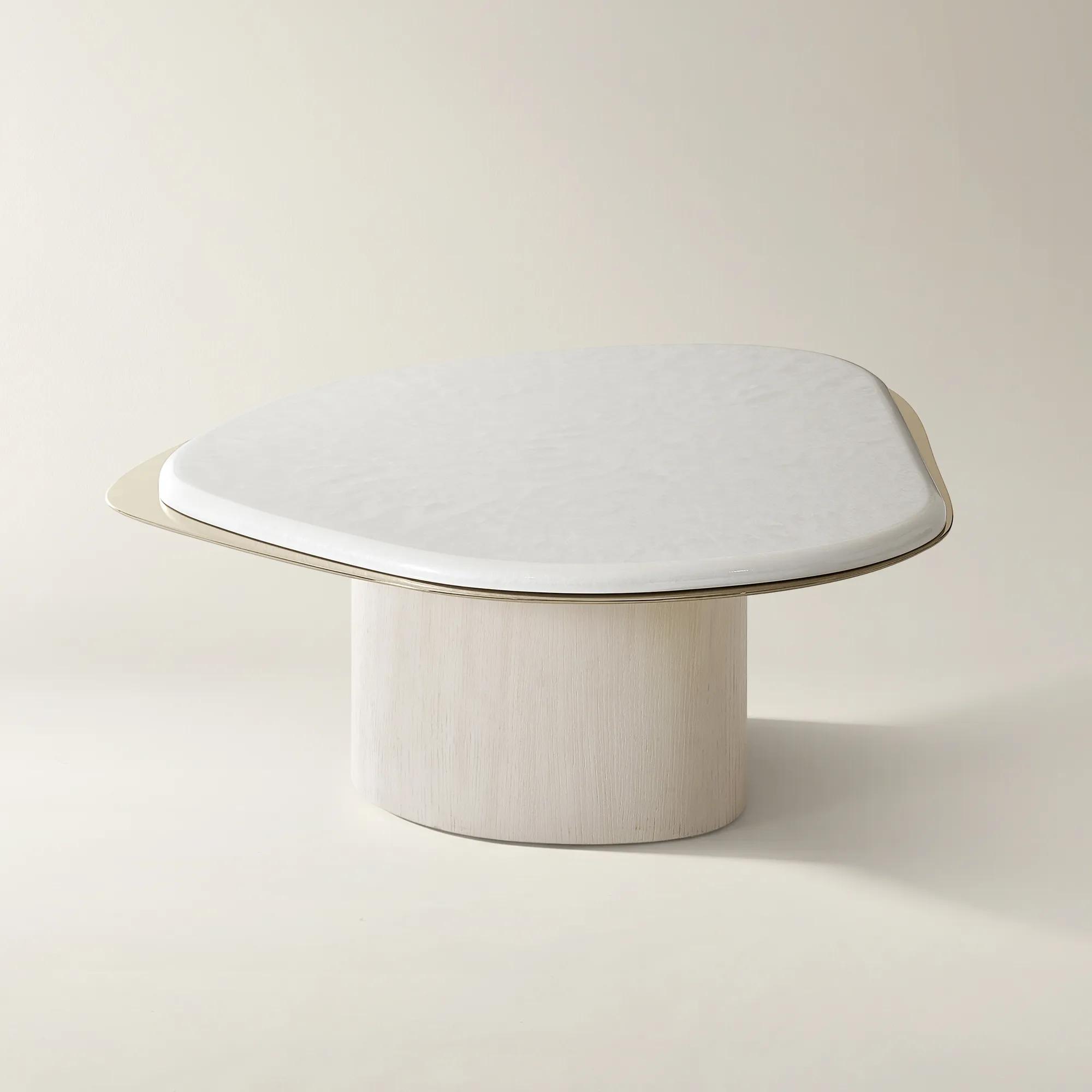
 Lumina Bleached Oak Coffee Table With Pearl Lacquered Top (32")$899
A sculptural coffee table featuring a pearl lacquered top, bleached oak base, and champagne gold trim.
Add To Cart -
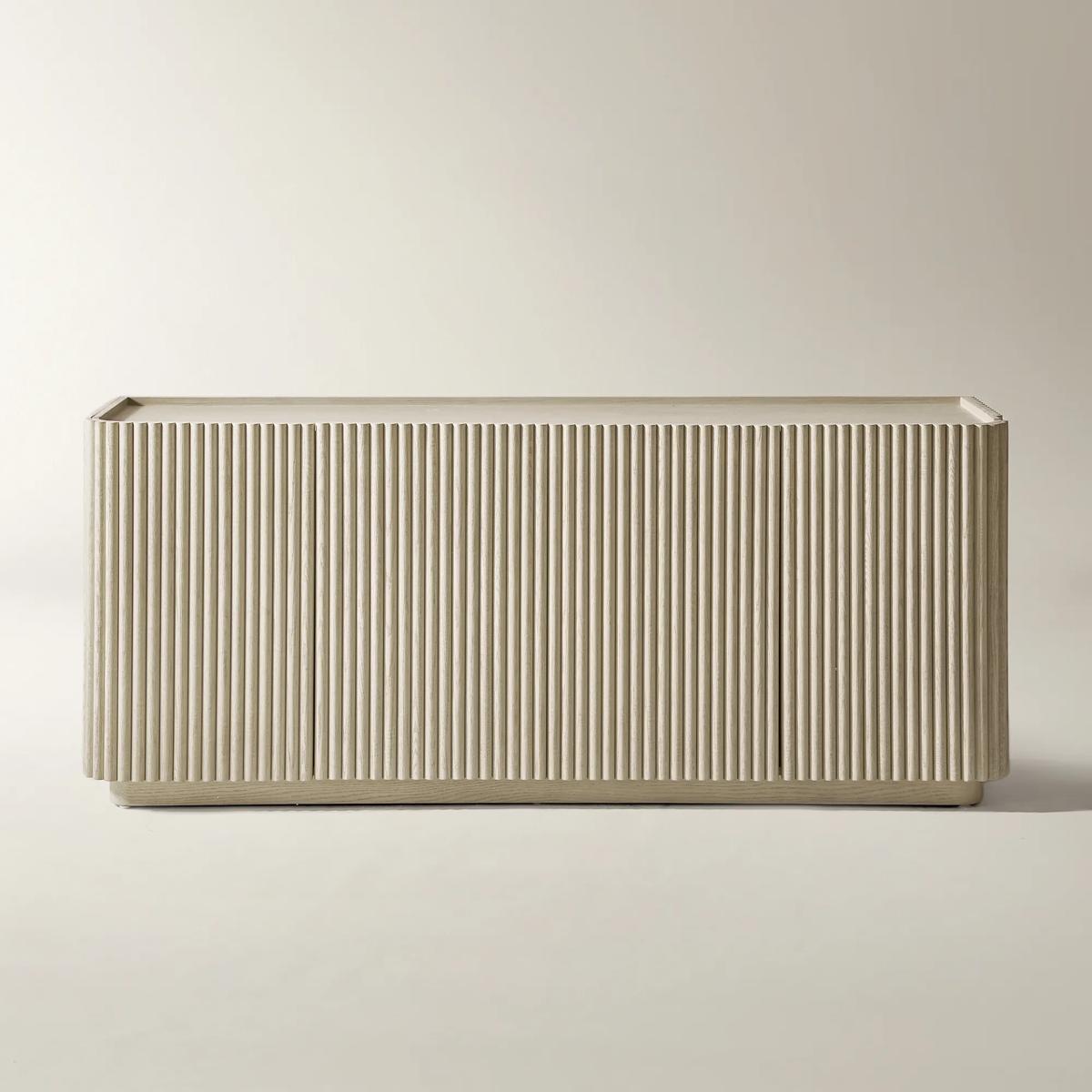
 Stria Reeded White Oak Buffet (72")$2199
A sculptural oak buffet featuring reeded detailing, gold-plated trim, and adjustable storage behind four doors.
Add To Cart -
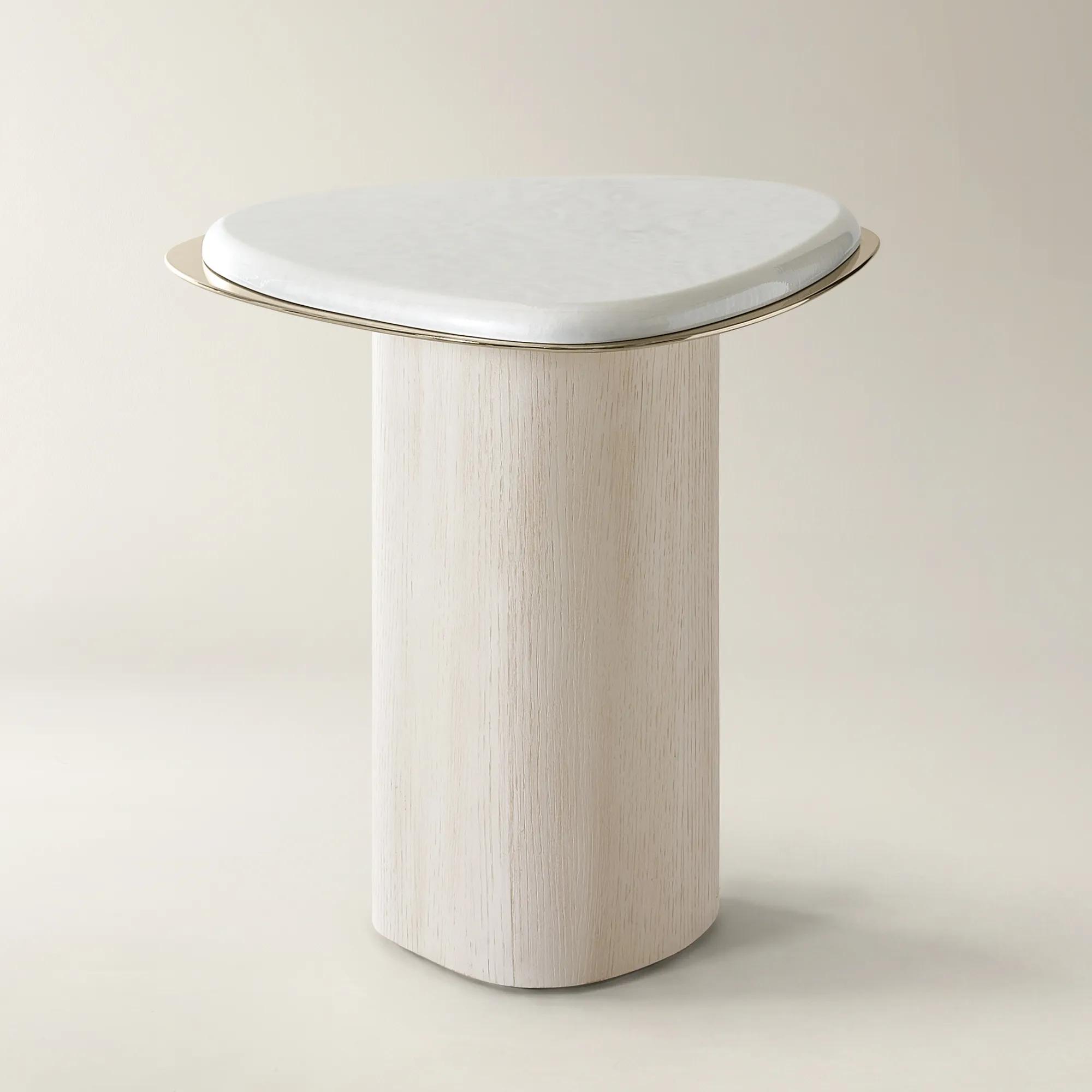
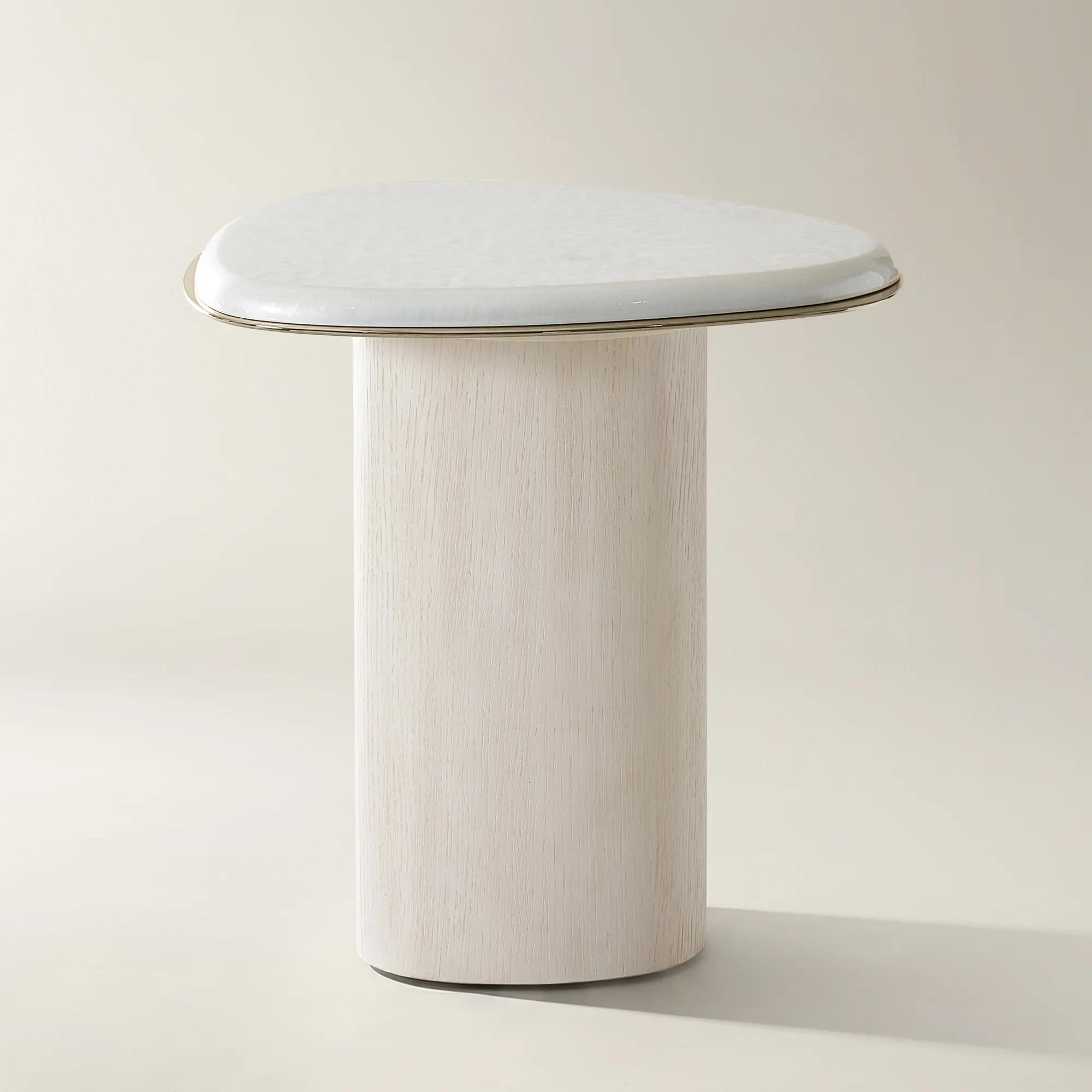 Lumina Bleached Oak End Table With Pearl Lacquered Top (18")$499
A sculptural end table featuring a pearl lacquered top, bleached oak base, and champagne gold trim.
Add To Cart -
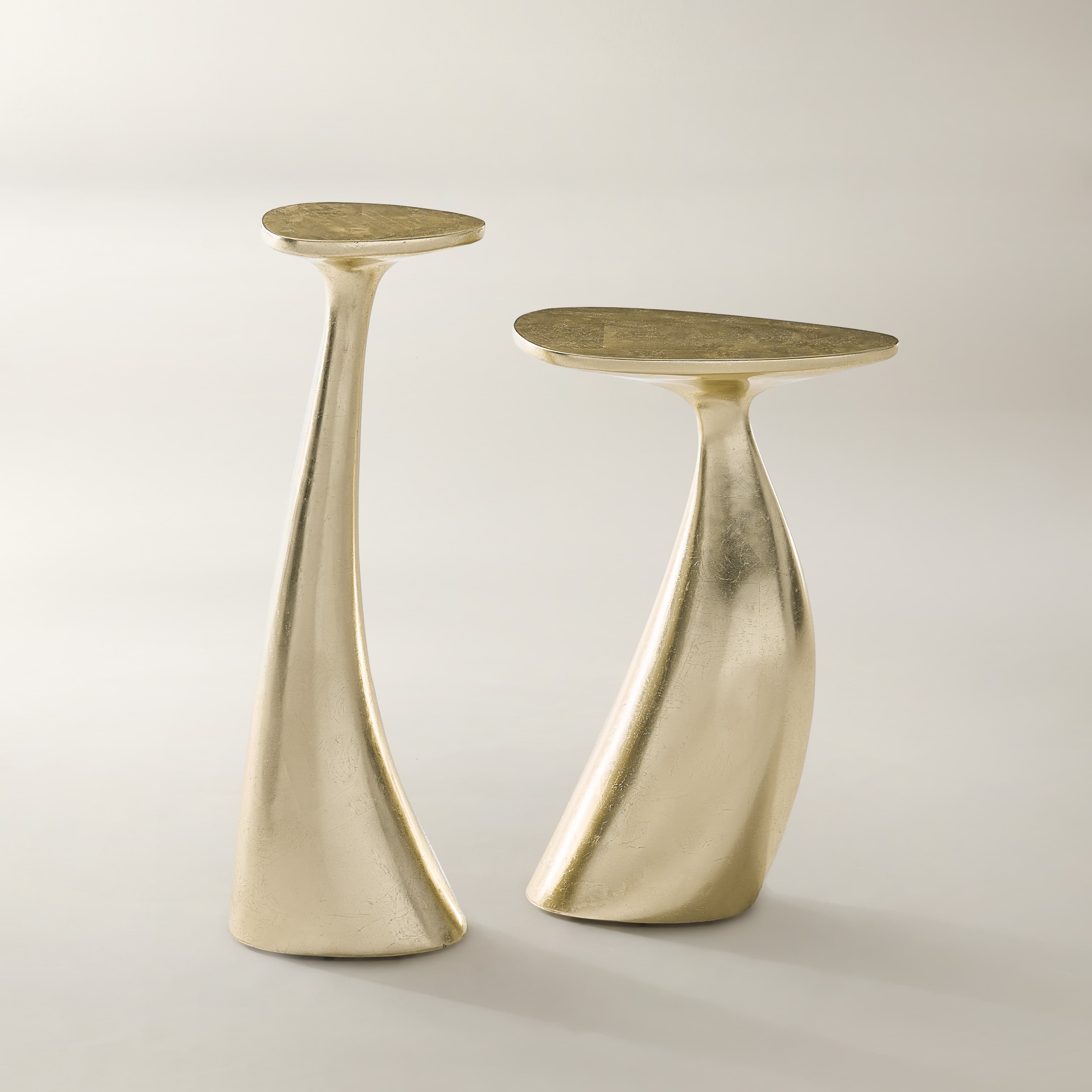 Thalia Soft Gold Side Table Set Of 2 (8"-12.5")$699
A sculptural duo of gold leaf fiberglass tables with fluid lines and a warm, luminous finish.
Add To Cart -

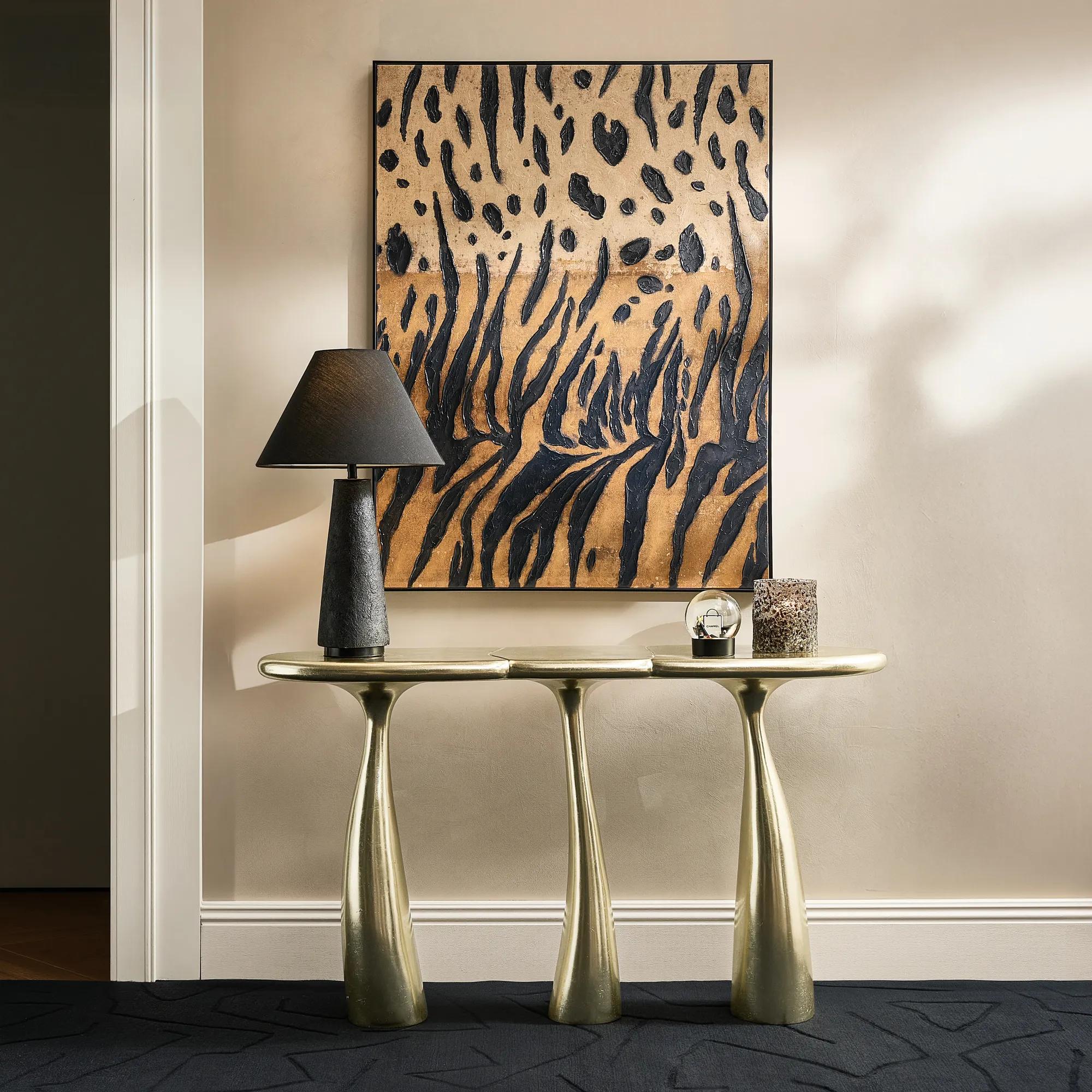 Thalia Soft Gold Console Table (52.4")$999
A sculptural console table hand-molded from fiberglass with a luminous, hand-applied gold leaf finish.
Add To Cart

Decorative Gold And White Tables
Decorative Gold and White Tables transform any room into a stage for your personal style, infusing every corner with luminous elegance and modern allure. Each piece is a celebration of contrast—where radiant gold meets crisp white, creating a tableau that dazzles the eye and elevates the everyday. Whether anchoring a dramatic living space or adding a touch of opulence to an intimate nook, these tables invite you to craft moments of artistry and sophistication throughout your home. Let sculptural silhouettes and gleaming finishes paint your canvas boldly, turning functional surfaces into unforgettable statements.
Decorative gold and white tables bring together a luminous surface and a warm metallic accent, creating furniture that feels as considered as the objects displayed on it. The pairing can appear in a white tabletop framed by slender gold-finished legs, a pale stone surface resting on a sculptural metal pedestal, or a painted silhouette defined by gleaming hardware. Gold typically describes the finish rather than solid gold construction, while white may refer to natural stone, a marble-look material, lacquer, glass, or a painted surface. Those distinctions give the palette its range: softly veined white stone introduces movement, a smooth opaque top creates a crisp outline, and brushed gold lends a quieter glow than a highly polished finish. Across accent tables, end tables, coffee tables, and consoles, the combination balances visual lightness with a distinct sense of occasion. A small round table beside a velvet chair creates an inviting place for a drink and a favorite book; a broad coffee table establishes a generous centerpiece for conversation. Along an entry wall, a narrow console gives a sculptural lamp, a ceramic vessel, and a catchall tray a composed setting without requiring the depth of a larger cabinet. The shape of the base matters as much as the surface above it. Open metal frames let a patterned rug remain visible, while a substantial pedestal gives the room a more architectural presence. Curved profiles soften the angles of a tailored sofa, and geometric frames echo the clean lines of contemporary seating. White keeps the overall composition bright and defined; gold adds warmth and a point of reflection. Together, they sit comfortably beside ivory upholstery, richly colored textiles, dark wood, and black accents. The effect depends less on repeating the same finish everywhere than on giving each element enough space to register. One gold and white table can be the focal point of a reading corner, while a coordinated pair can bring symmetry to opposite ends of a sofa.
Material and construction shape how decorative gold and white tables look, feel, and hold up to daily use. Natural marble has individual veining and tonal variation, making each surface visually distinctive, but its beauty comes with particular care needs. Acidic spills can etch marble, and some stone surfaces are vulnerable to staining; coasters, protective trays, and prompt cleanup help preserve the finish. A sealer may reduce absorption where recommended, but it does not make marble impervious to damage. Marble-look tops offer a similar visual language through different materials, including printed laminates, engineered surfaces, and other composites, so their care requirements and performance should be understood on their own terms. Painted and lacquered white tops create a smooth field of color that can look especially striking against a gold frame, though abrasive cleaners and rough-bottomed accessories may dull or scratch the coating. White or opaque glass contributes a sleek, reflective surface; edges, weight limits, and protection from impact deserve attention wherever glass is used. Beneath the top, metal construction can support an airy profile or a more substantial sculptural form, but long-term stability depends on the design, joints, assembly, and intended load—not simply the appearance of the material. Gold-toned surfaces may be plated, painted, or otherwise coated, and a metallic finish should not be treated as bare metal unless the care instructions specify it. For everyday dust, a soft cloth is a gentle starting point; cleaning marks calls for the method recommended for the particular surface, followed by thorough drying when appropriate. Felt beneath decorative objects helps limit friction, while a coaster keeps condensation from sitting directly on the tabletop. These details are especially relevant for a table that holds morning coffee, serves guests, or supports a bedside lamp every evening. Pieces intended for indoor use belong in interior spaces unless their construction and finish are expressly rated for outdoor conditions.
Scale gives this expressive color pairing its place in the room. A decorative table should feel connected to the seating, wall, or passage around it rather than appearing as an isolated ornament. Beside a sofa, an end table near the height of the arm keeps a glass or reading light comfortably within reach; next to a low lounge chair, a taller tabletop may feel awkward despite its elegant proportions. A coffee table generally needs enough separation from the sofa for legs and movement, with roughly 14 to 18 inches serving as a useful starting point before accounting for the room and its users. Narrow walkways call for particular attention to depth and projecting corners. Rounded edges can soften circulation routes, though no shape replaces stable construction and thoughtful placement. A compact drink table suits a chair-side position where a full end table would overwhelm the arrangement, while nesting tables can provide additional surface area when their design allows them to separate and tuck together. For a closer look at this seating-side category, the Stylish Gold and White Side Tables collection centers the same luminous palette on a smaller footprint. Styling feels most assured when the tabletop retains room for its everyday purpose. A lamp and a low dish can be enough beside a sofa; on a larger surface, a stack of art books offers a horizontal counterpoint to a tall vessel. Leaving some white surface exposed lets the veining, sheen, or silhouette remain part of the composition. In a bedroom, the same palette can frame an upholstered headboard with a warm metallic glint, provided the table offers the right height and space for nighttime essentials. For a housewarming or wedding gift, a small accent table can be a lasting gesture when the recipient’s dimensions and taste are known. Whether chosen for a dramatic living room or an intimate corner, the strongest impression comes from proportion, material character, and a clear role in daily life.
FAQs
Gold and white tables are remarkably versatile, effortlessly complementing a range of aesthetics from Hollywood Regency and Art Deco to contemporary glam and modern classic. Their luminous finishes and clean lines can add a touch of opulence to minimalist interiors or provide a sophisticated anchor in eclectic, layered spaces.
For winter and early spring, accentuate the crisp elegance of your table with crystal candleholders, mirrored trays, or white ceramic vases filled with seasonal blooms. In summer, swap in vibrant florals, metallic bowls, or colorful art books to create a lively, sunlit vignette that celebrates the changing light.
Absolutely. In living rooms, these tables make striking coffee or side tables, adding a layer of sophistication to your seating area. In bedrooms, they serve beautifully as nightstands or accent pieces, bringing a touch of glamour and cohesion to your personal retreat.
Gold and white accent tables often feature a mix of luxurious materials such as polished metals, gold leaf, marble, lacquered wood, and glass. This blend of textures not only enhances visual interest but also elevates the overall ambiance of your space.
Yes, a gold and white table makes an unforgettable gift for housewarmings, anniversaries, weddings, or milestone celebrations. Its timeless elegance and artistic flair ensure it will be cherished as a statement piece in any home.