Customizable Dining Chairs
Customizable Dining Chairs
-
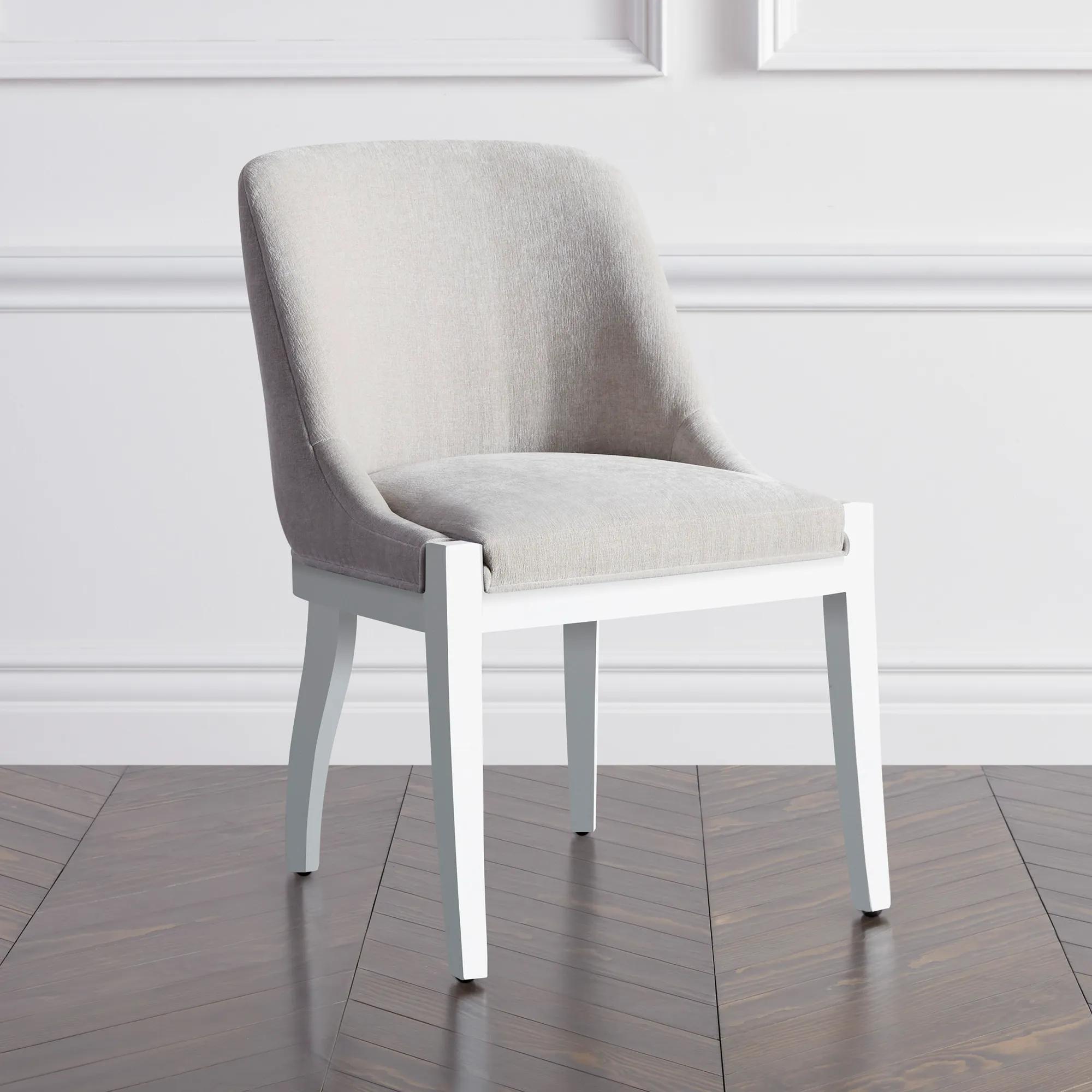
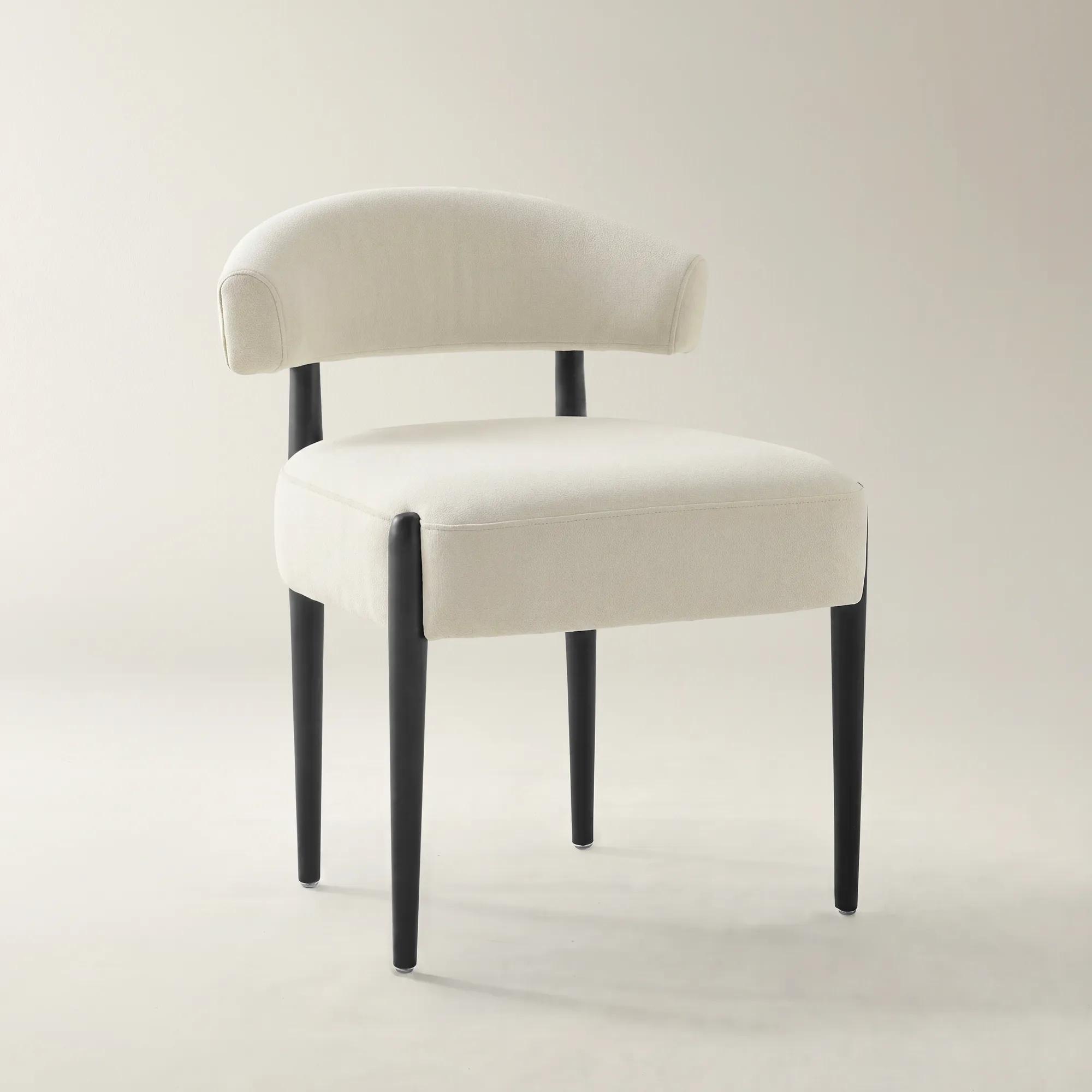
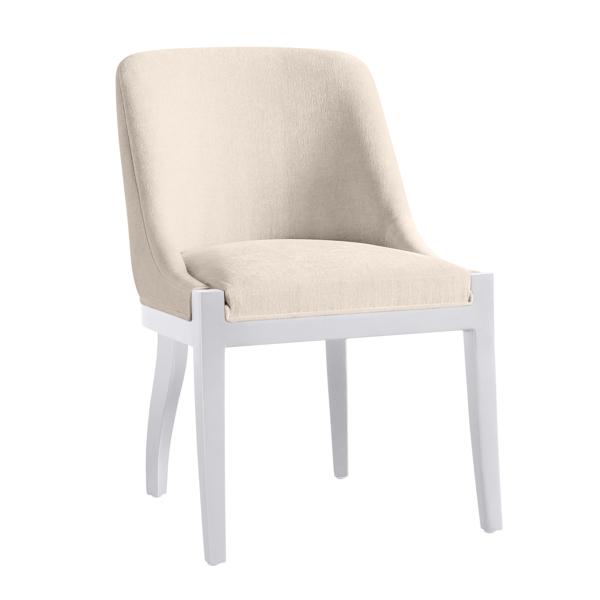 Lily Dining Chair - High Gloss White$649
A modern dining chair featuring kiln-dried hardwood, high-gloss white legs, and neatly tailored upholstery.
Add To Cart -
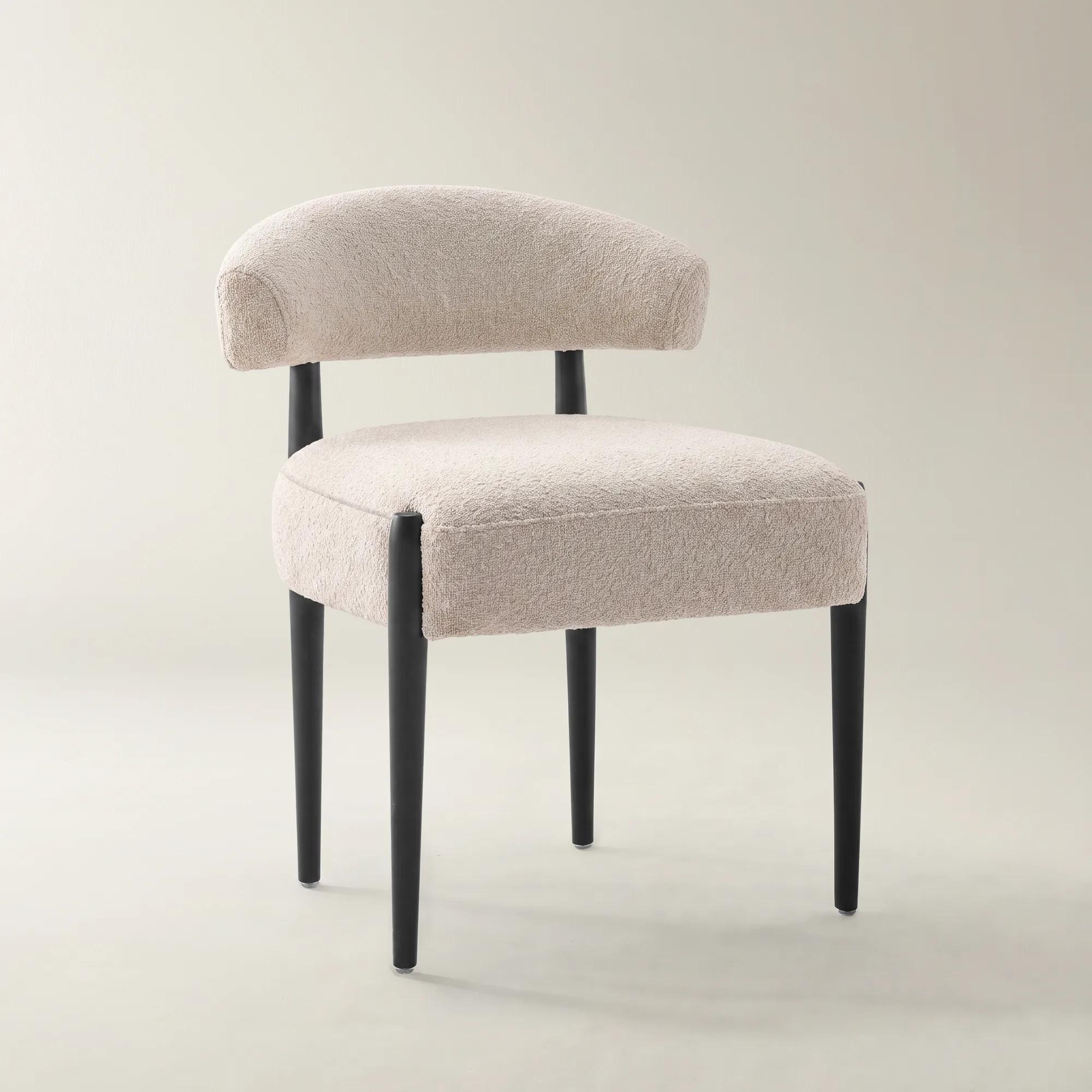
 Philippa Dining Chair - Natural Grey$845
A modern dining chair featuring a curved silhouette, grey upholstery, and a kiln-dried hardwood frame.
Add To Cart -
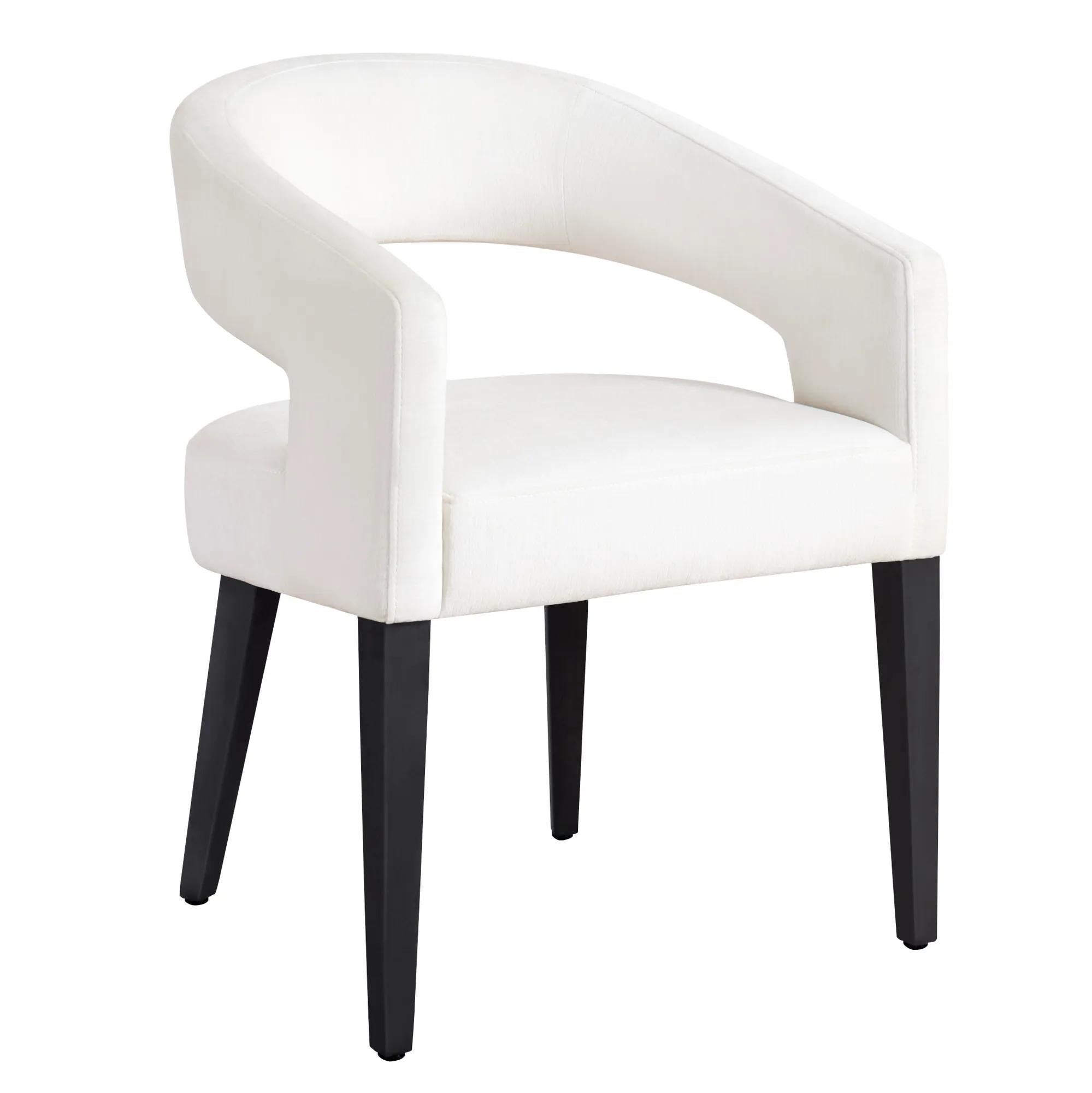
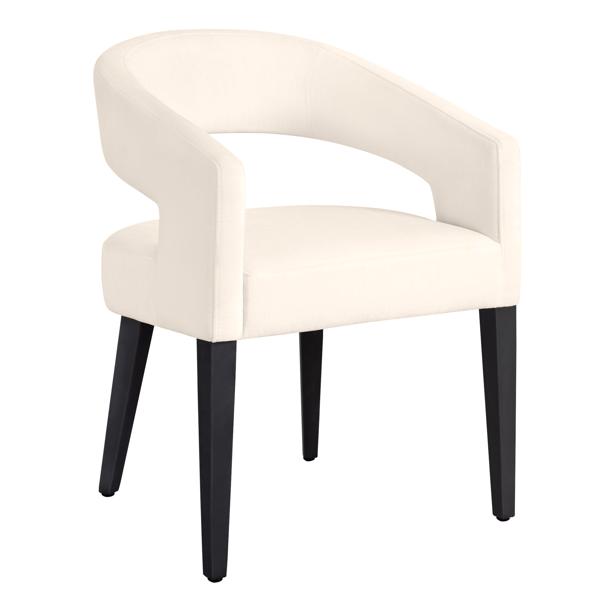 Philippa Dining Chair - Matte Black$599
A modern dining chair featuring a curved silhouette, matte black legs, and neatly tailored upholstery.
Add To Cart -
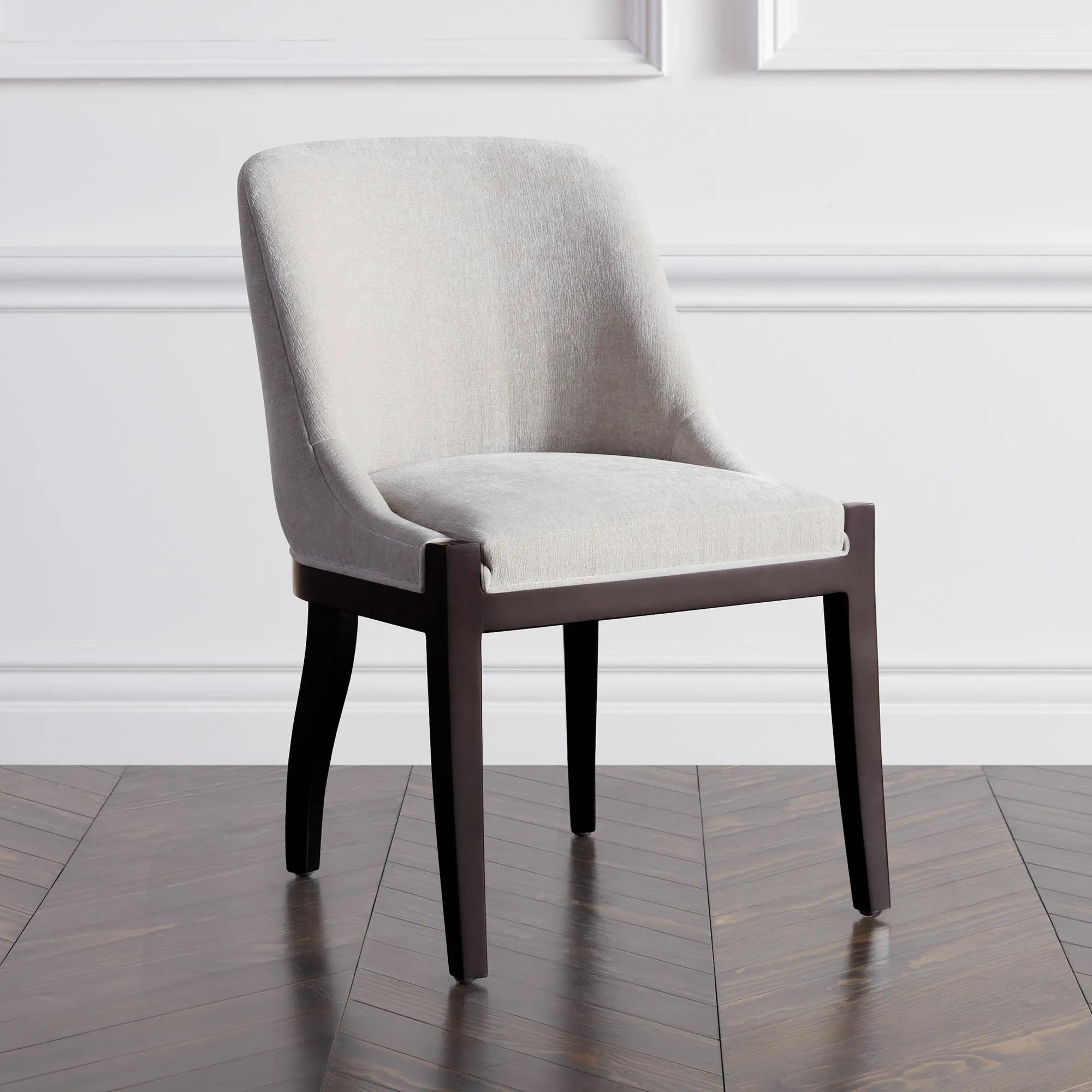
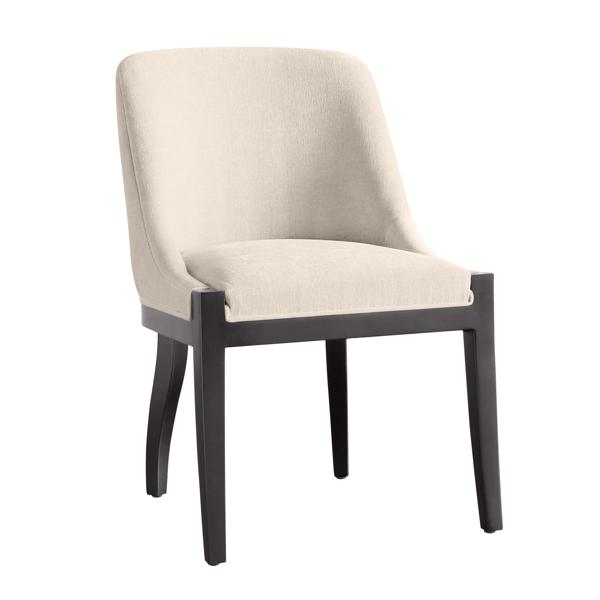 Lily Dining Chair - Espresso$649
A modern dining chair with espresso-finished hardwood frame and plush, tailored upholstery for lasting comfort.
Add To Cart -
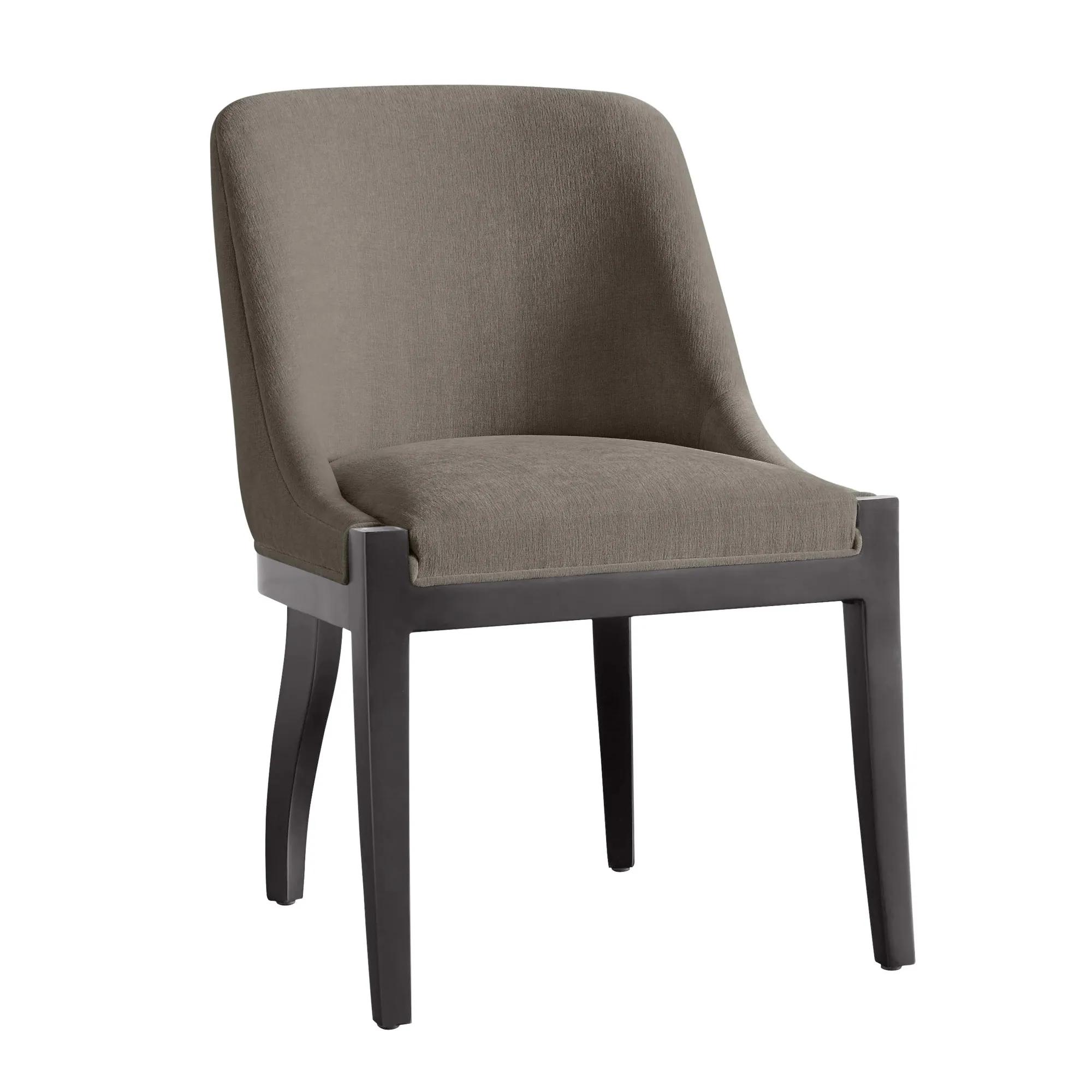 Lily Dining Chair - Espresso$649
A modern dining chair featuring espresso-finished hardwood, curvaceous silhouette, and plush tailored upholstery.
Add To Cart -
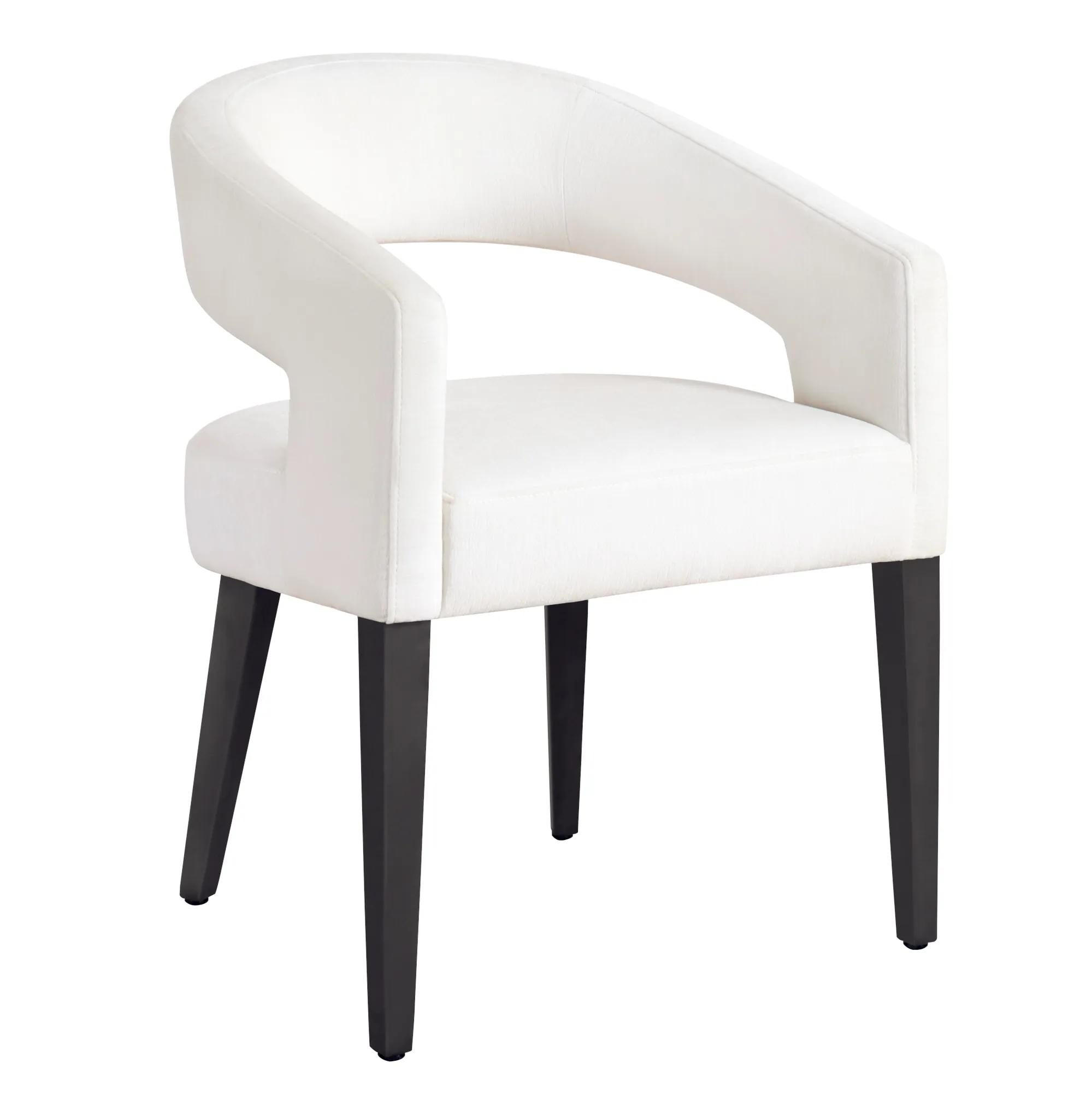
 Philippa Dining Chair - Espresso$649
A modern dining chair featuring a curved silhouette, espresso legs, and neatly tailored chenille upholstery.
Add To Cart -
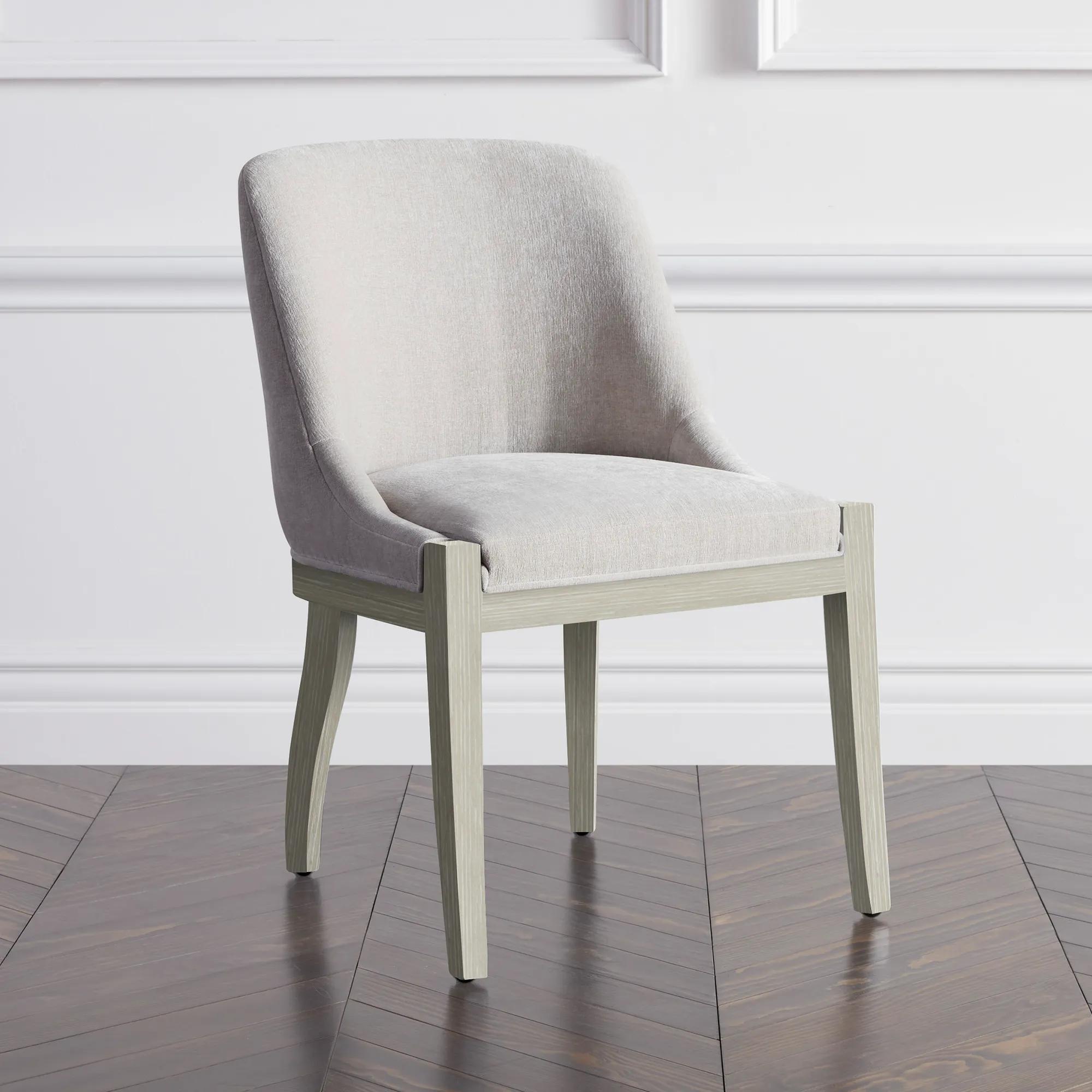 Lily Dining Chair - Natural Grey$649
A modern dining chair featuring kiln-dried hardwood, natural grey upholstery, and cushioned foam-and-fiber comfort.
Add To Cart -
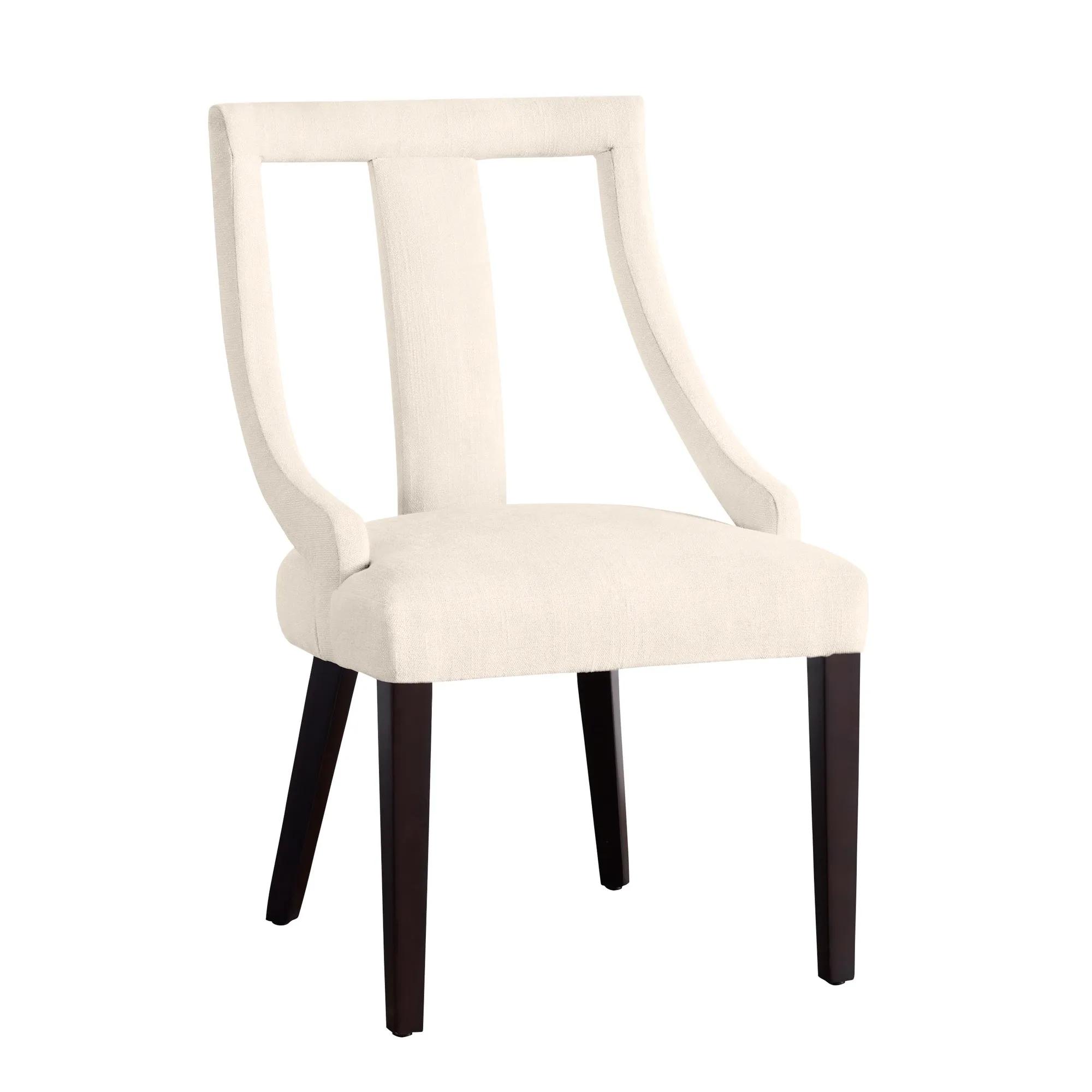
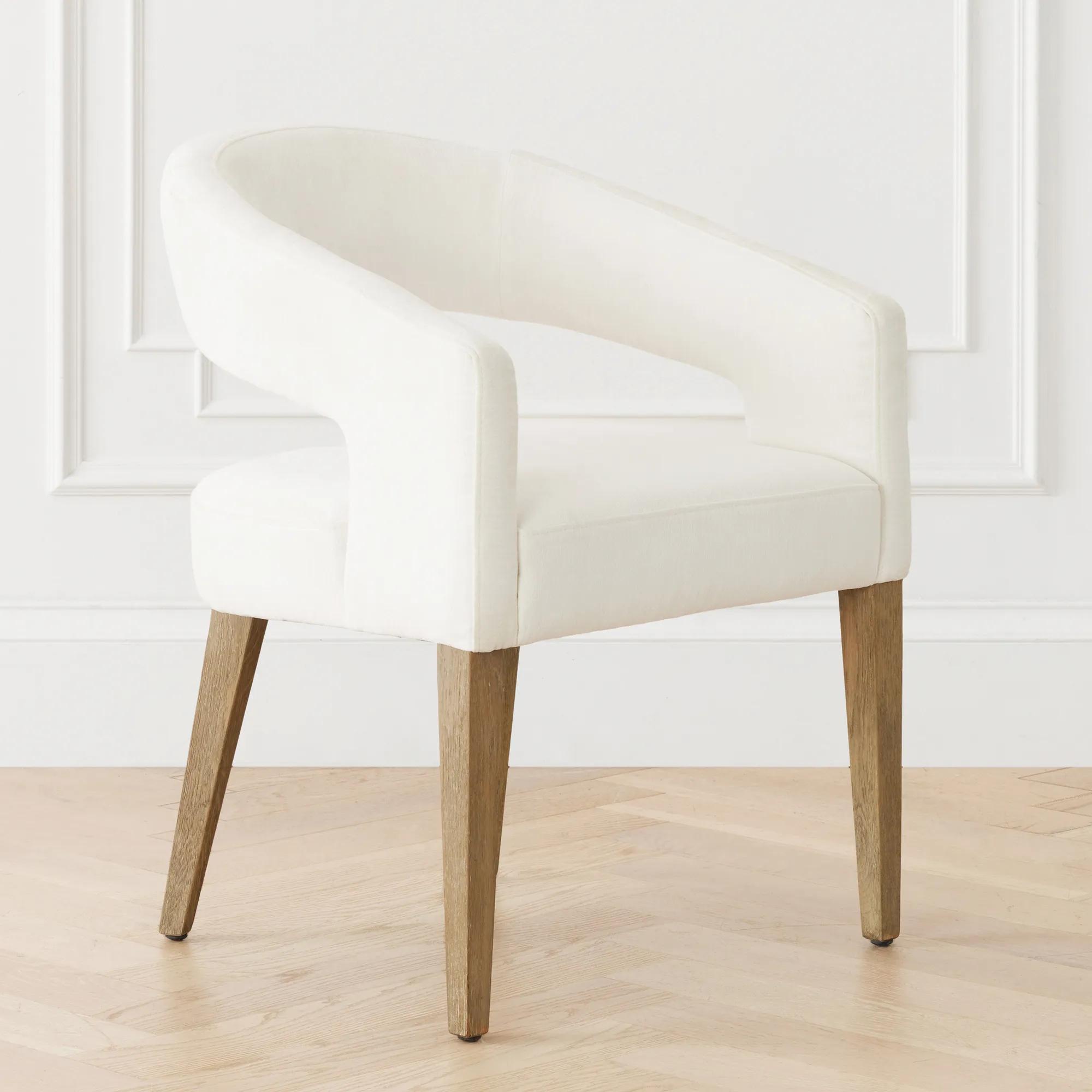
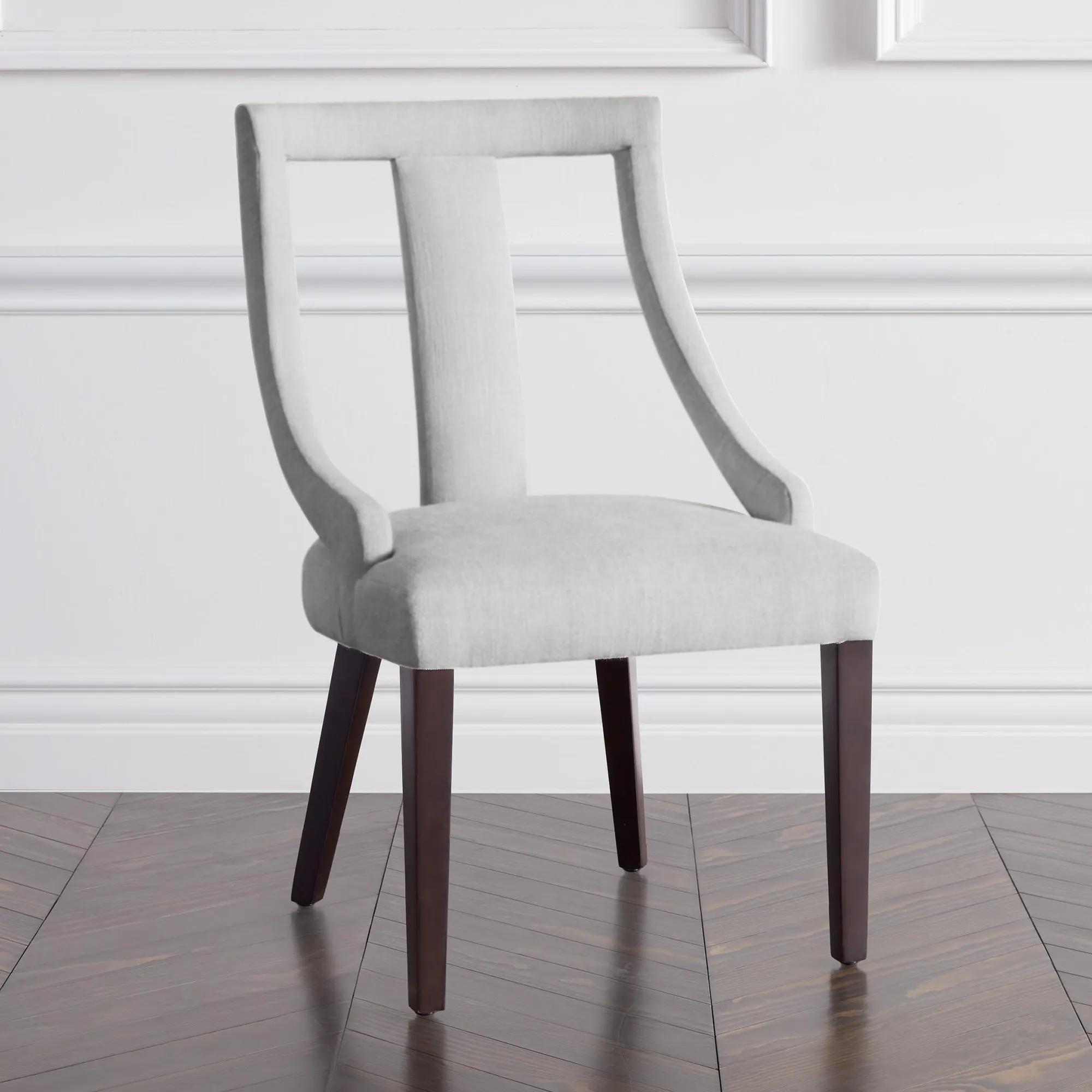 Jade Dining Chair - Espresso$649
A modern dining chair featuring a cutout back, espresso legs, and plush velvet upholstery for lasting comfort.
Add To Cart -
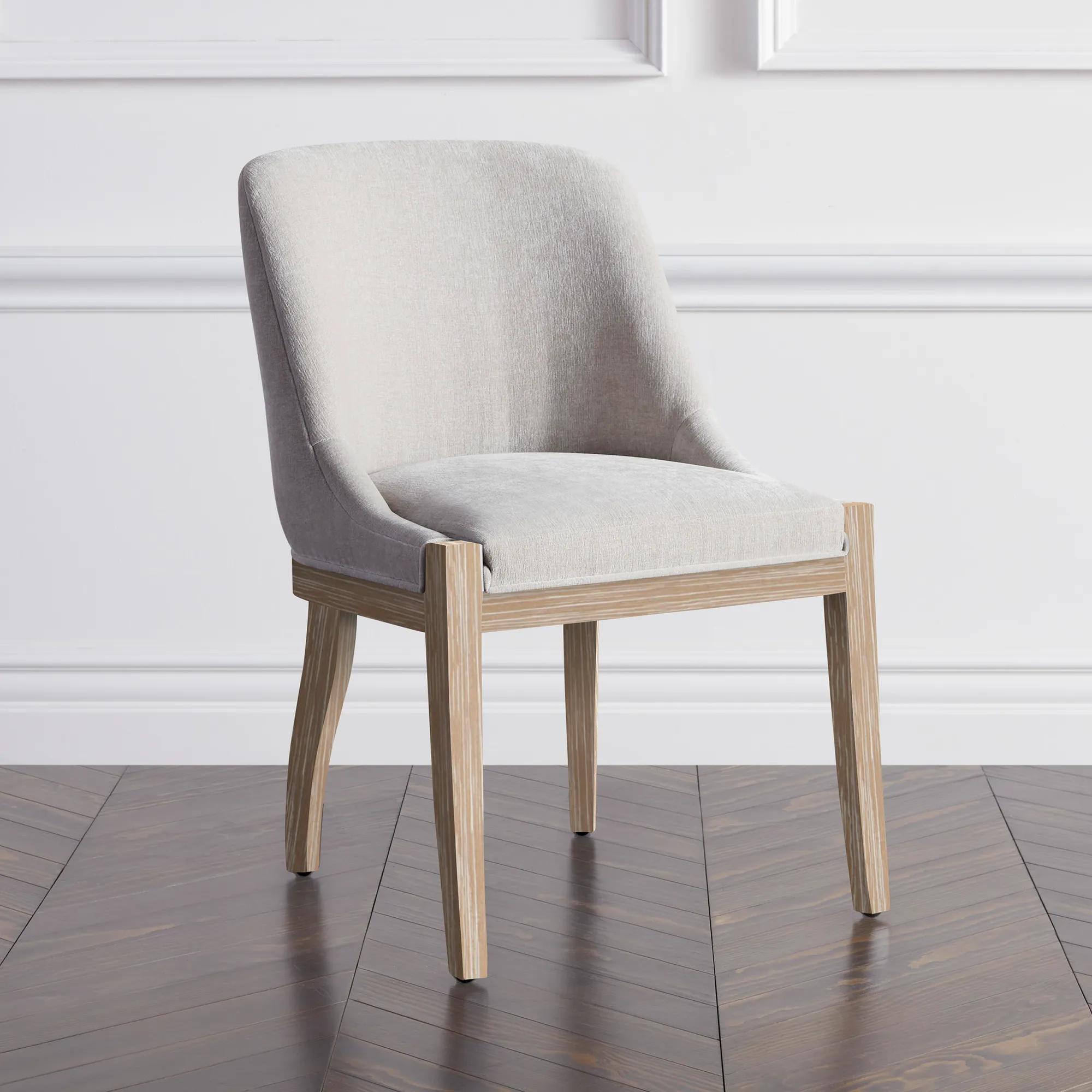
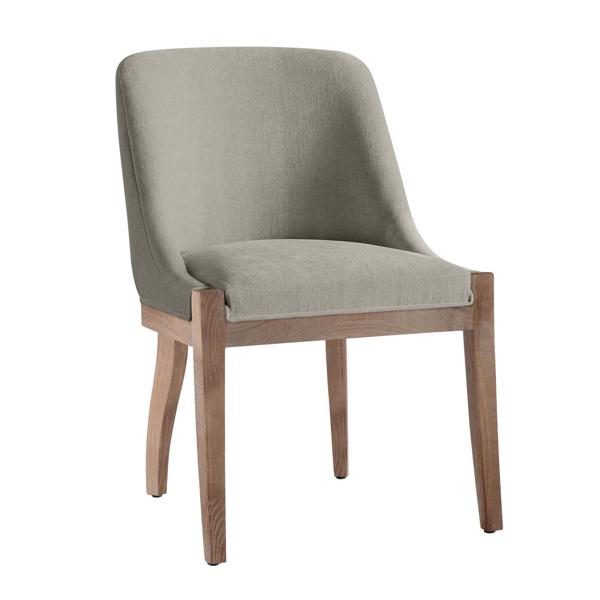 Lily Dining Chair - Wash Oak$749
A modern dining chair featuring a kiln-dried hardwood frame, wash oak legs, and tailored chenille upholstery.
Add To Cart -
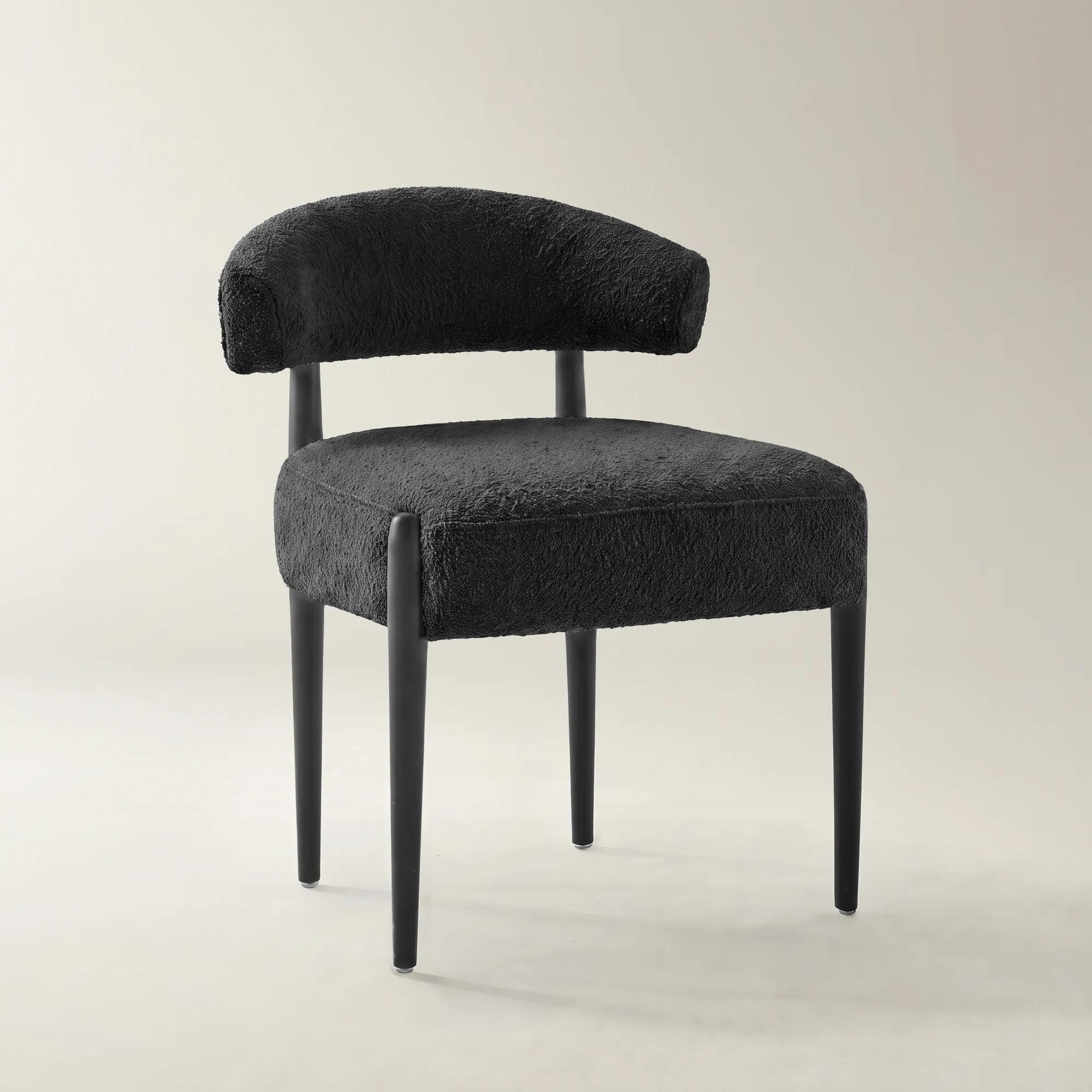
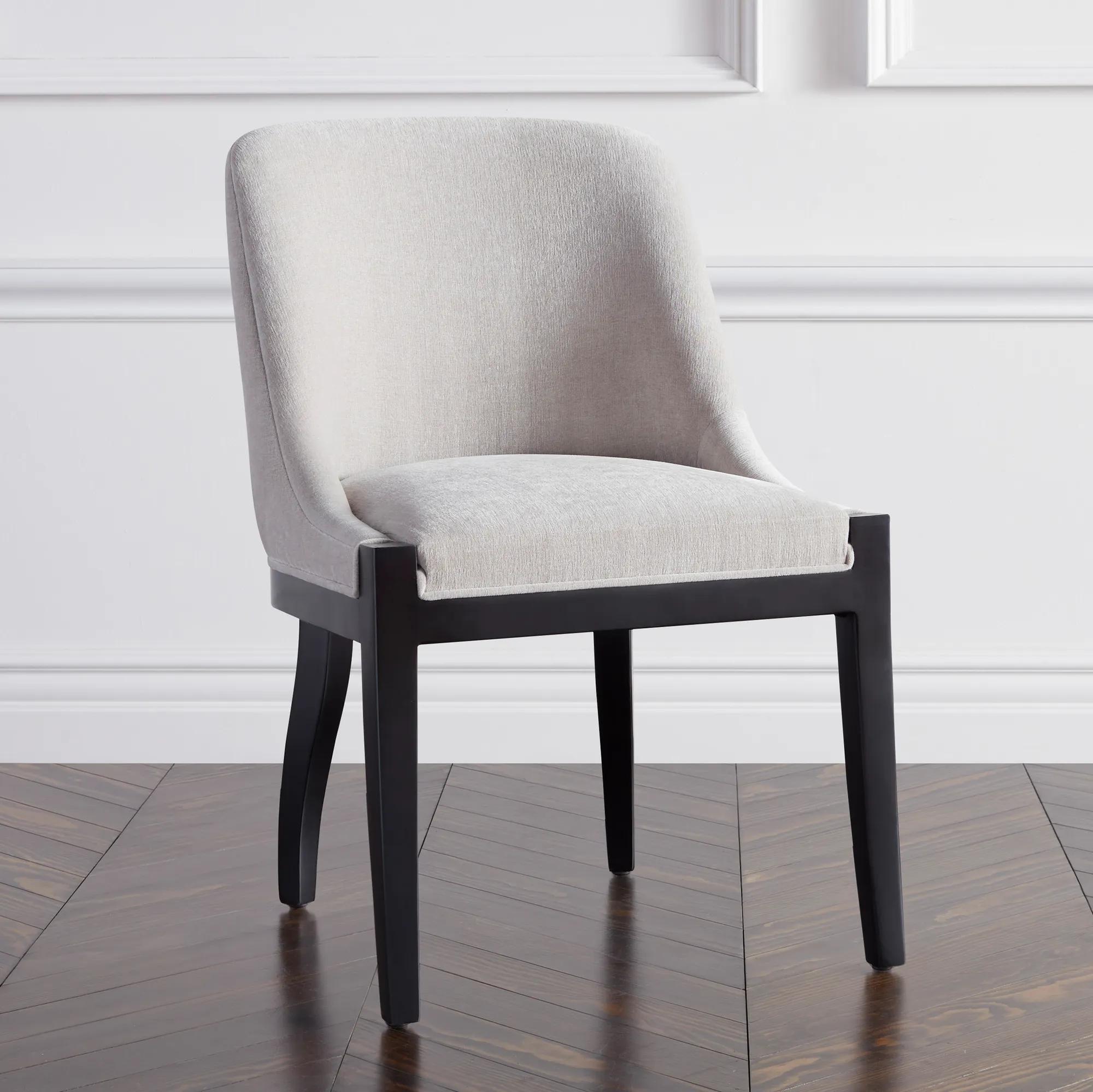 Lily Dining Chair - Matte Black$599
A modern dining chair with a kiln-dried hardwood frame, matte black legs, and plush tailored upholstery.
Add To Cart -
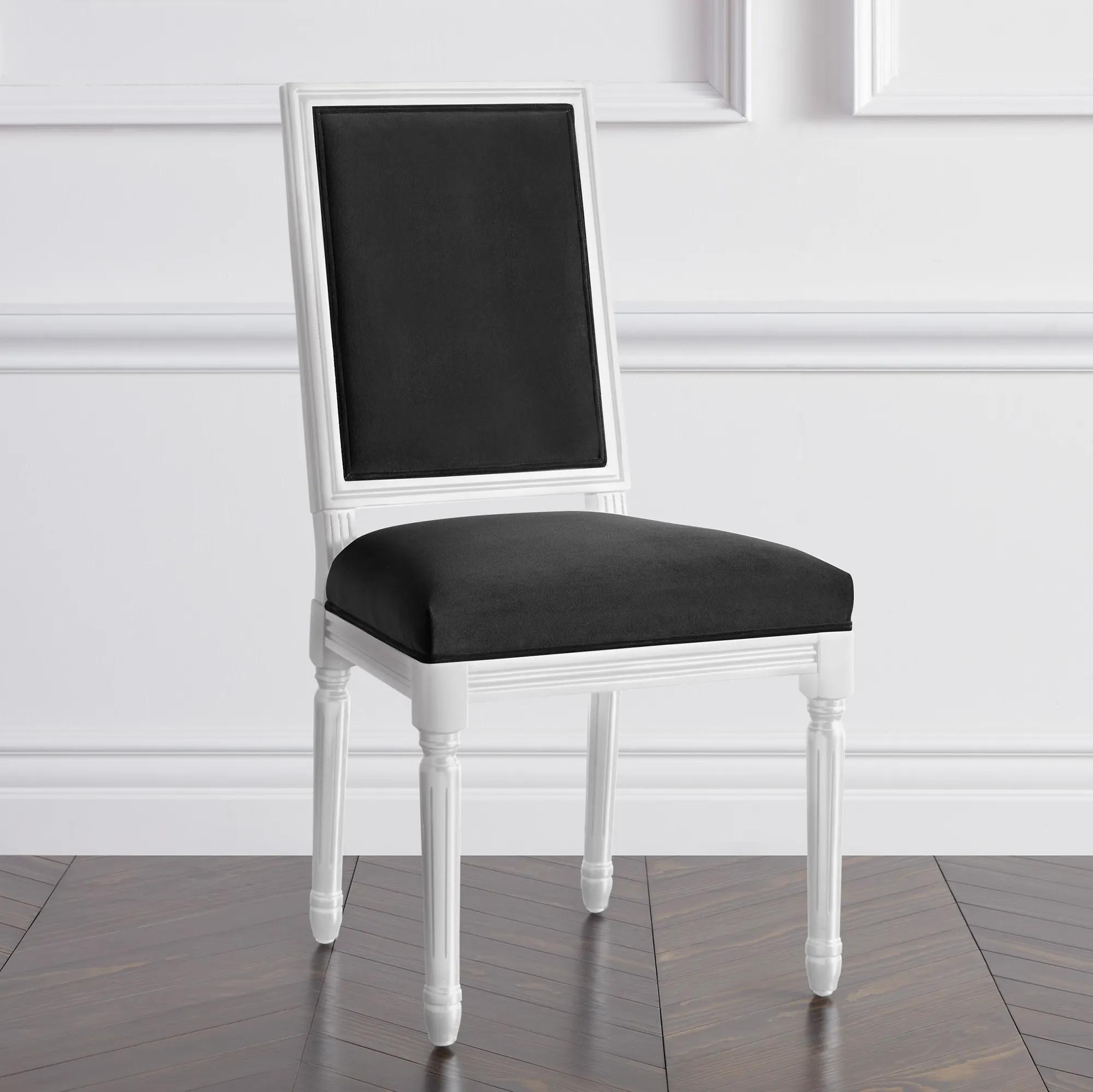
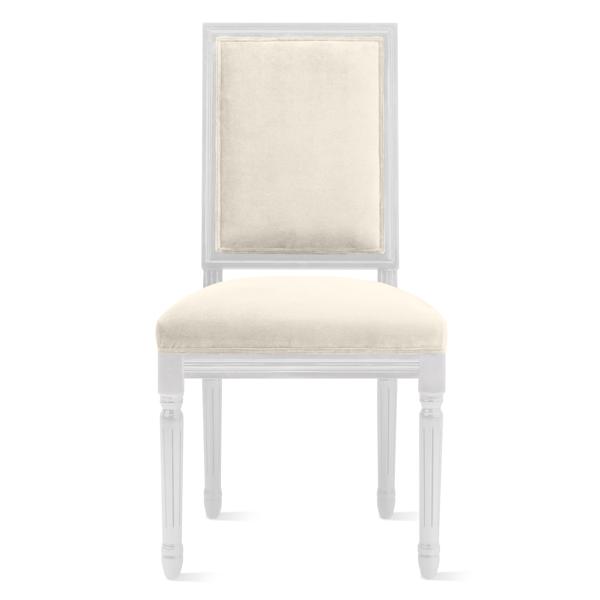 Callan Dining Chair - High Gloss White$549
A handcrafted dining chair featuring a high-gloss white finish, kiln-dried hardwood frame, and classic velvet upholstery.
Add To Cart -
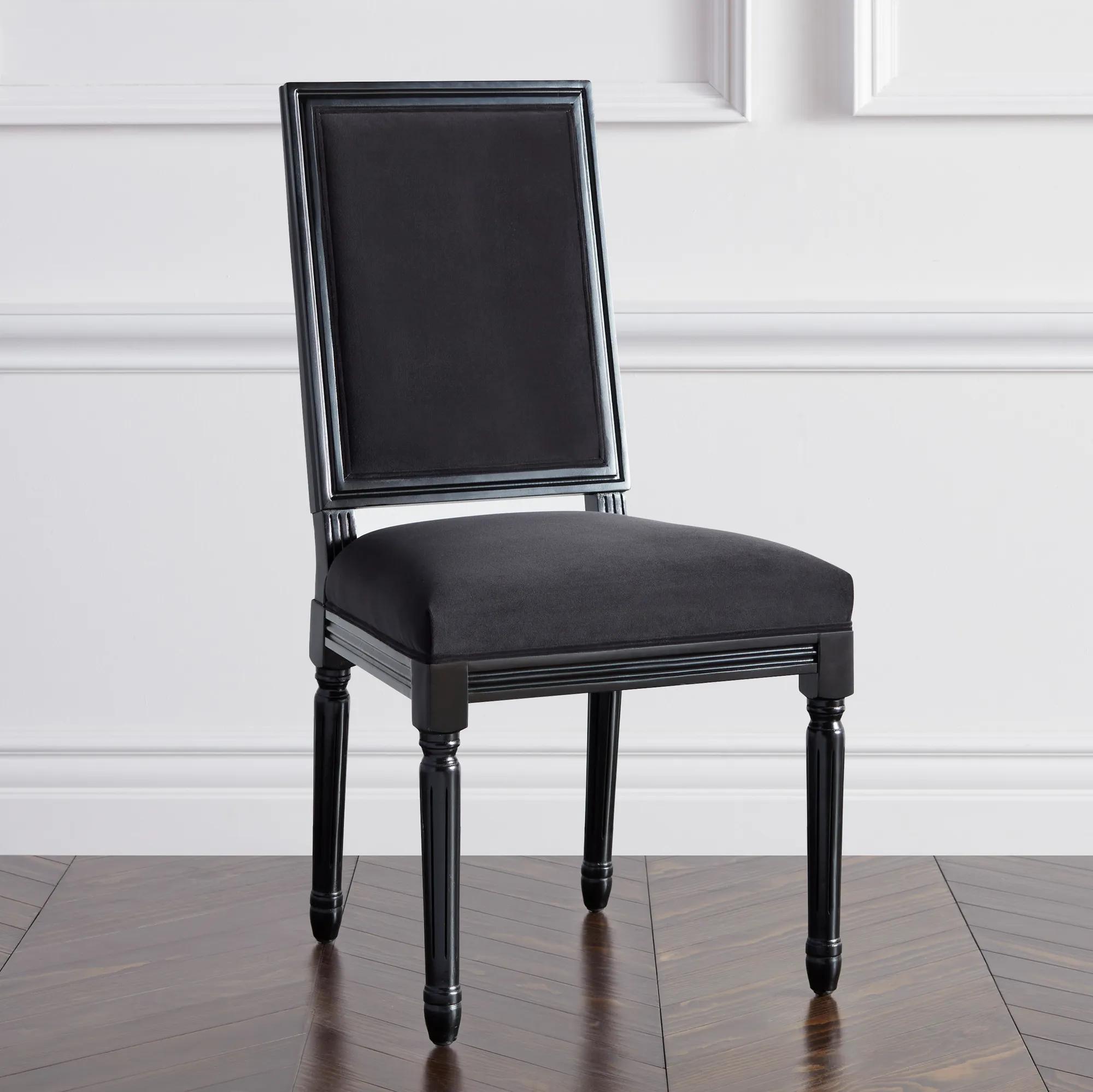
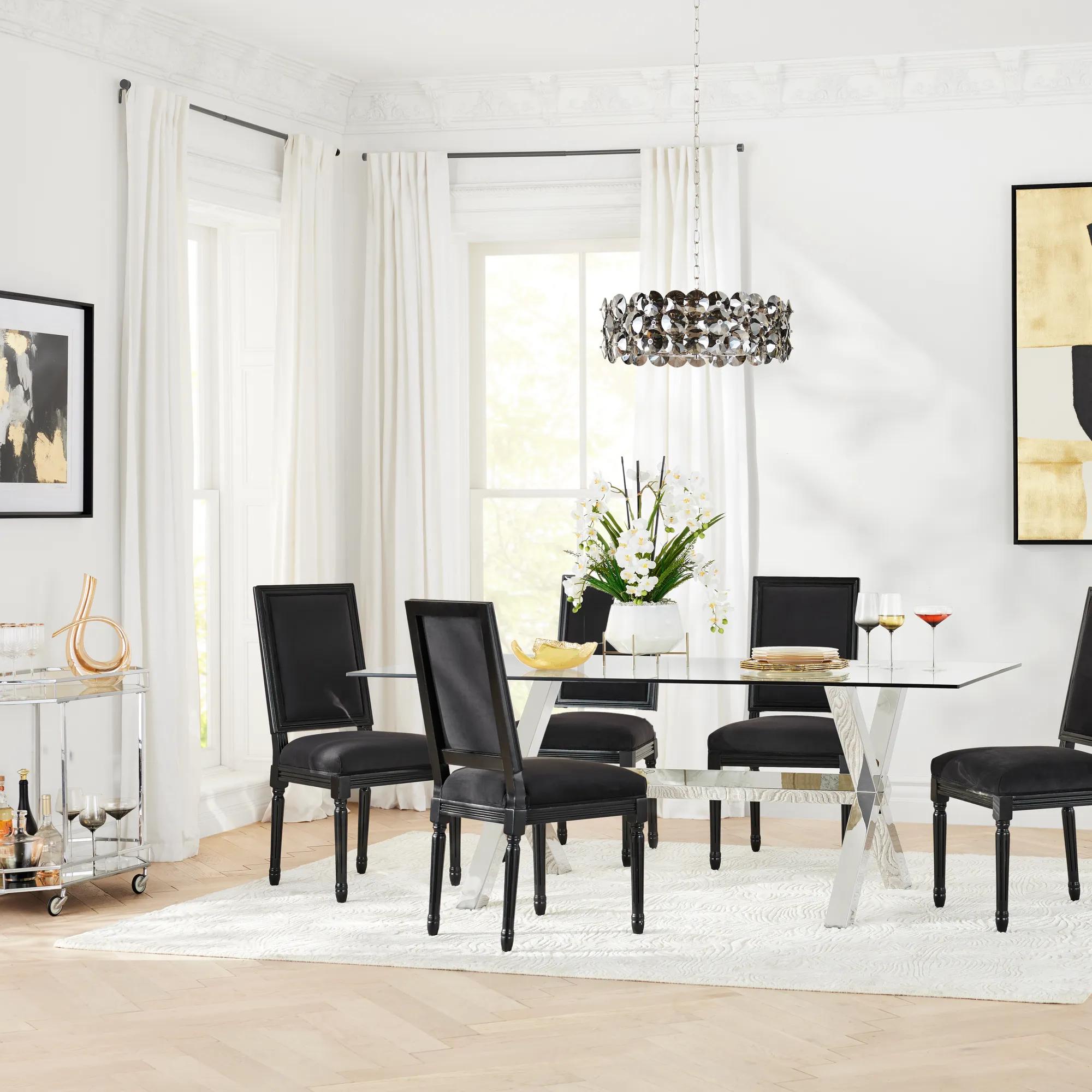 Callan Dining Chair - High Gloss Black$549
A handcrafted dining chair featuring high-gloss black finish, Bella Velvet upholstery, and classic French-inspired details.
Add To Cart -
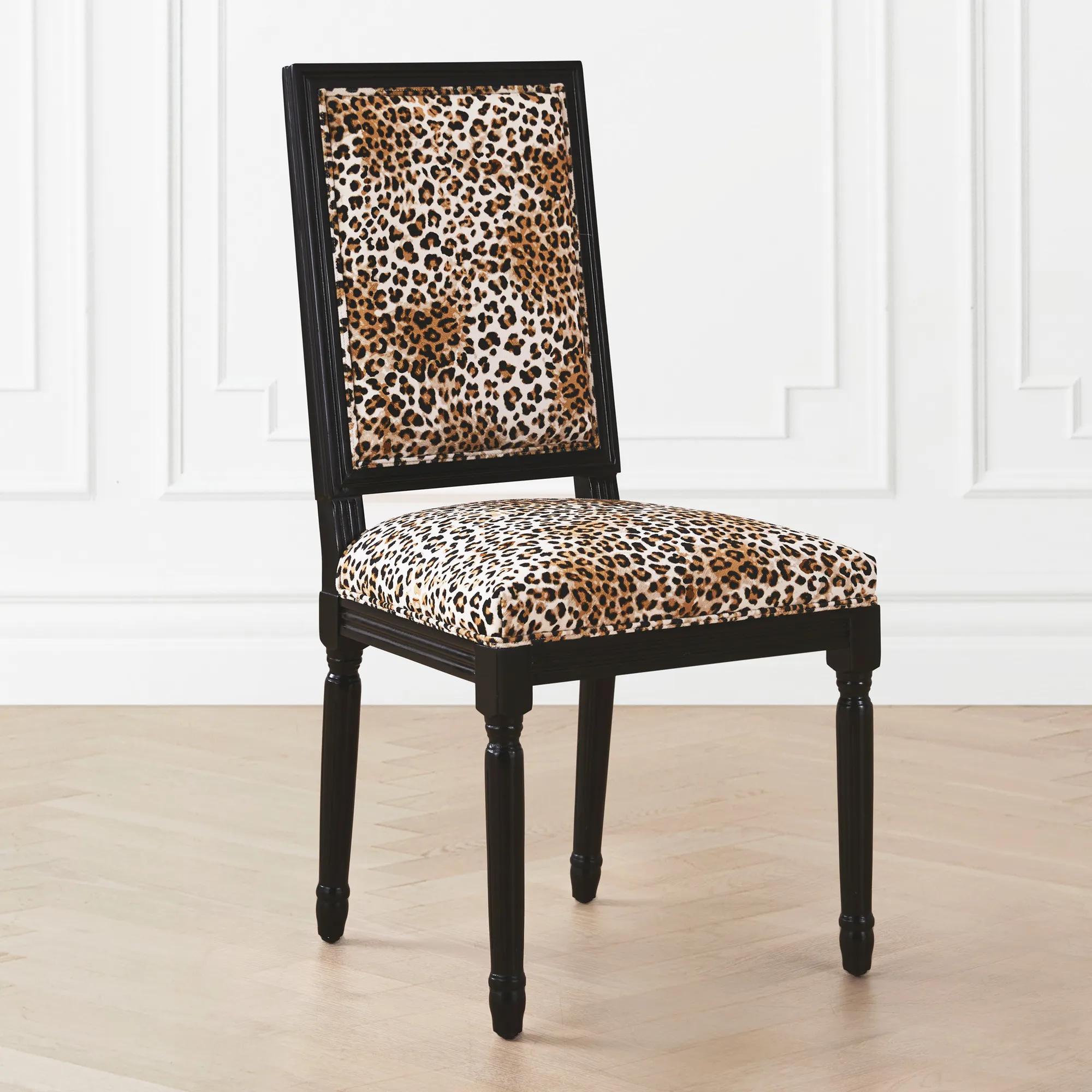
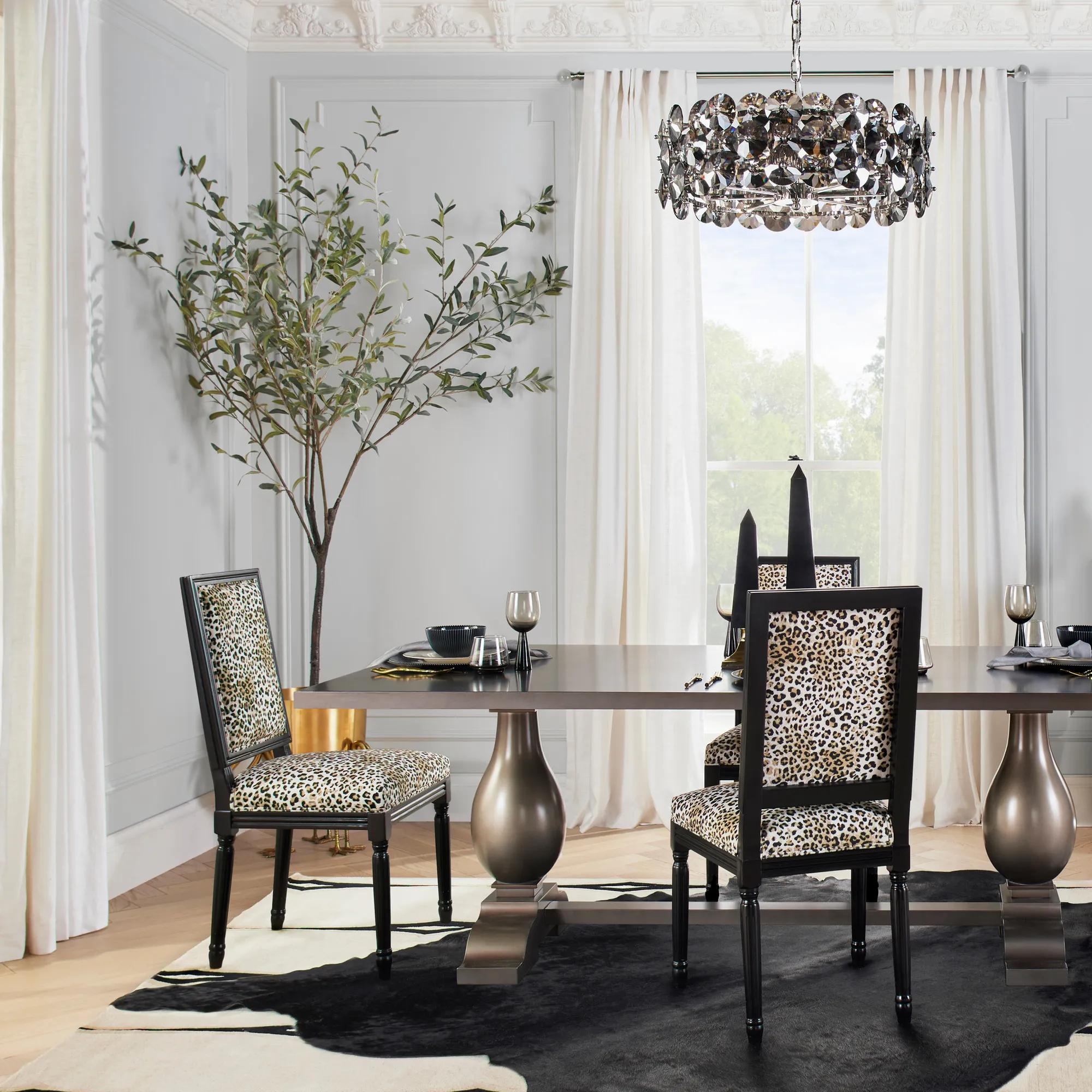 Callan Dining Chair$599
A handcrafted modern chair featuring classic upholstery, squared back, fluted legs, and high-gloss finish.
Add To Cart -
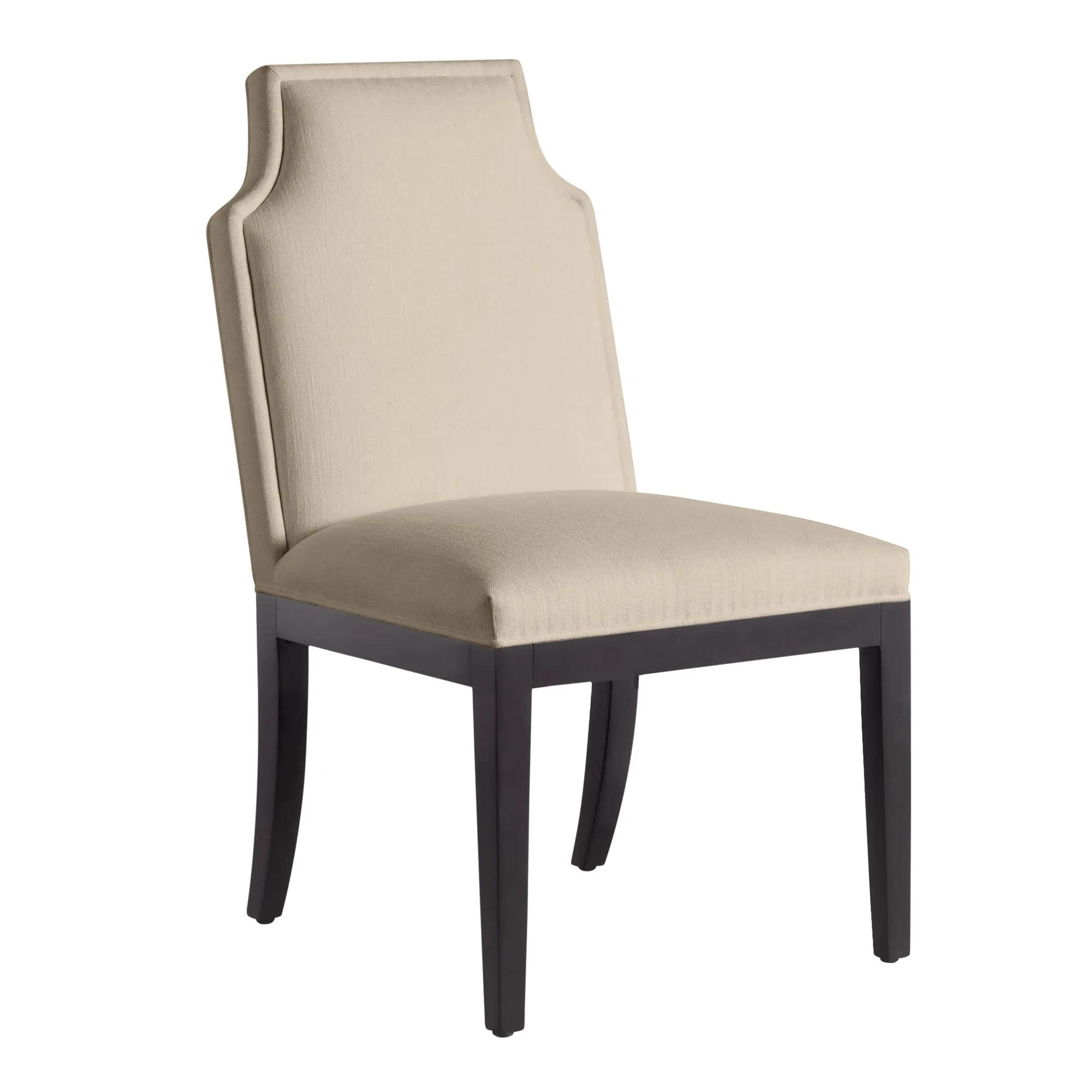
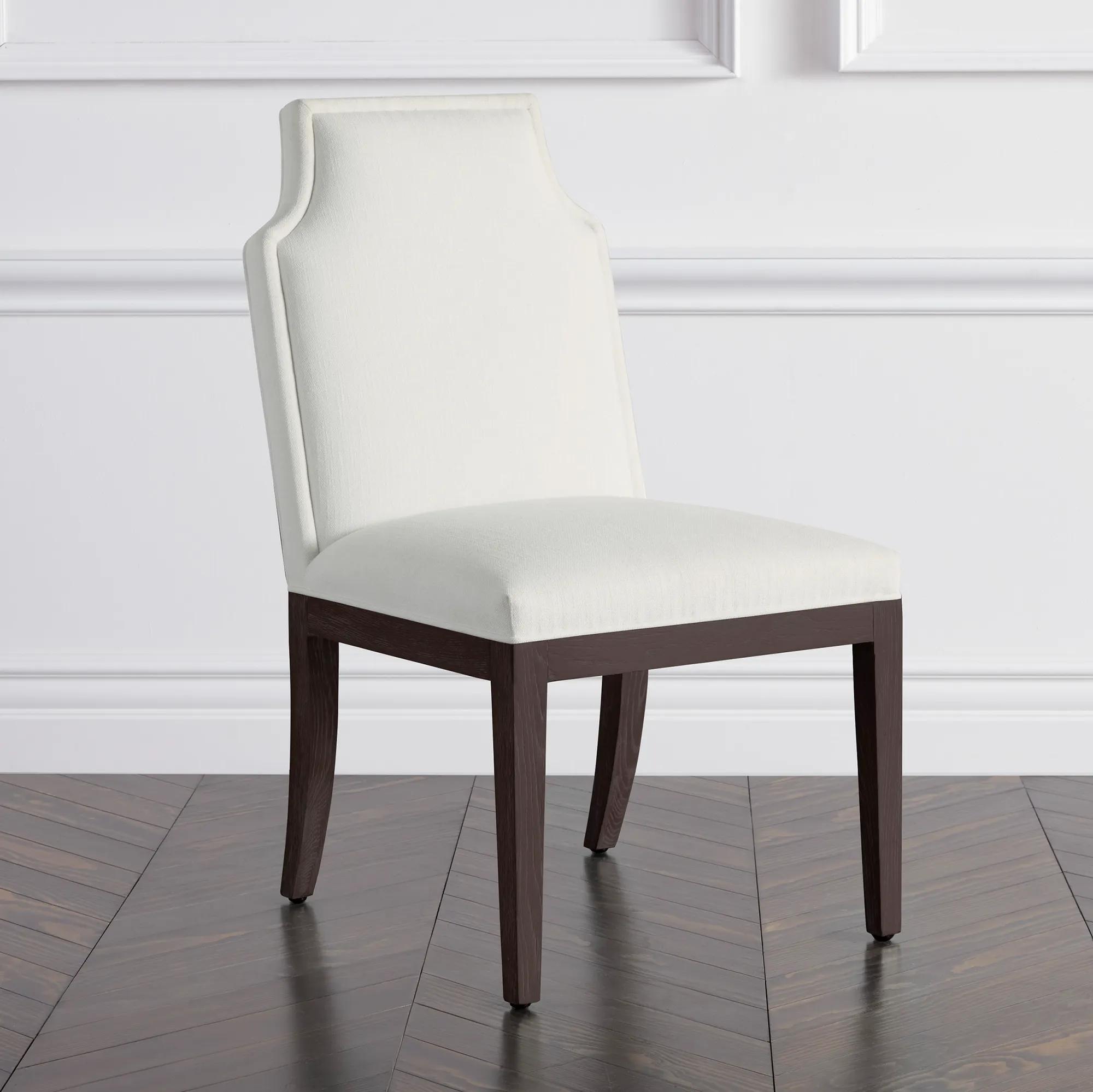 Jasmine Dining Chair - Espresso$649
A chic dining chair featuring a notched back, espresso legs, and plush upholstery for lasting comfort.
Add To Cart -
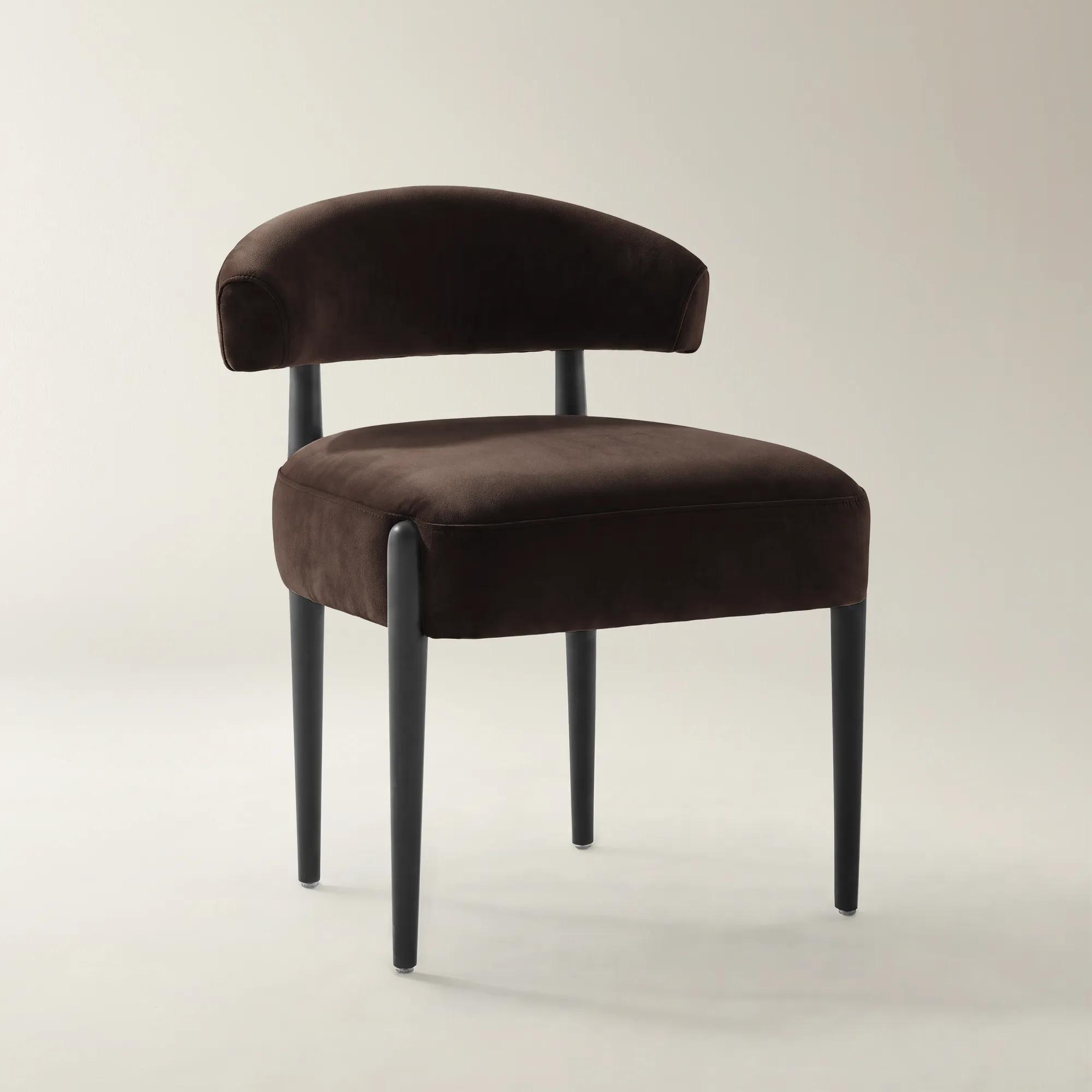
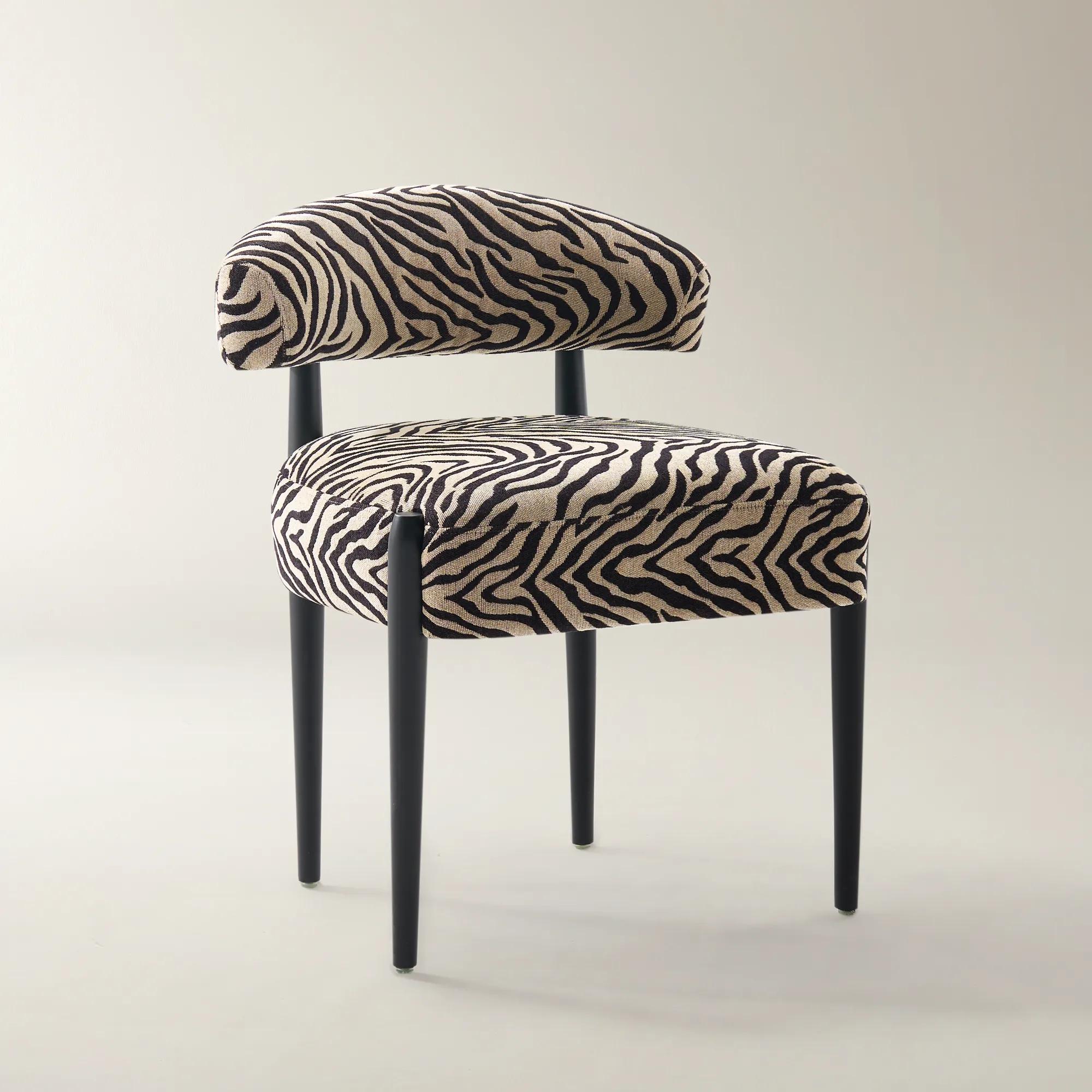 Anna Dark Chocolate Velvet Dining Chair Set of 2$599
A dark chocolate velvet dining chair set featuring an arched back, high-density foam, and solid wood construction.
Add To Cart -
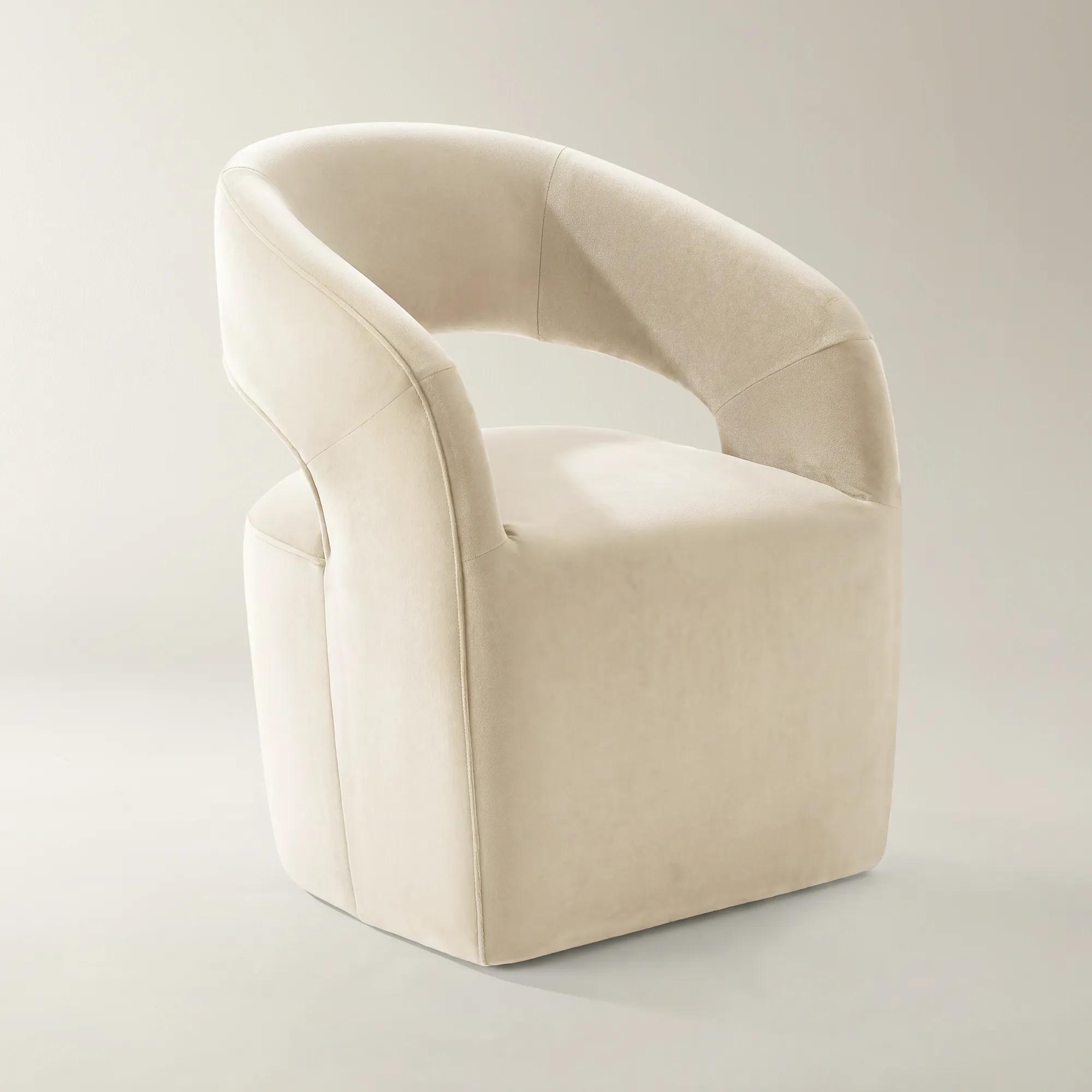
-2.jpg?w=1200&h=1200) Harrison Oatmeal Velvet Dining Chair$449
Harrison Oatmeal Velvet Dining Chair$449A sculptural dining chair upholstered in oatmeal velvet with a curved back, feather-blend seat, and integrated arms.
Add To Cart -
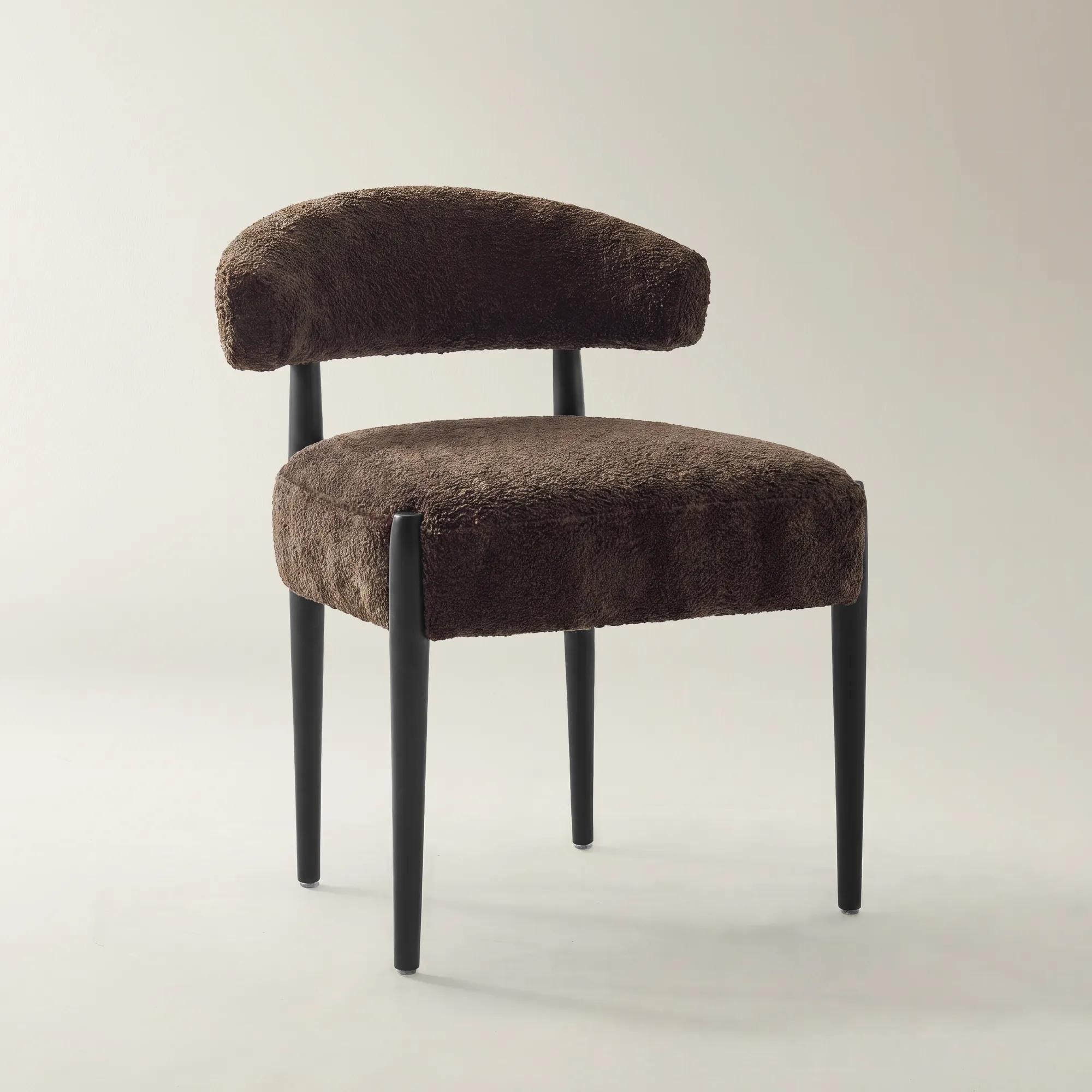 Anna Dark Chocolate Chenille Dining Chair Set of 2$599
A dark chocolate chenille chair pair featuring tailored curved backs, high-density foam, and solid rubberwood legs.
Add To Cart -
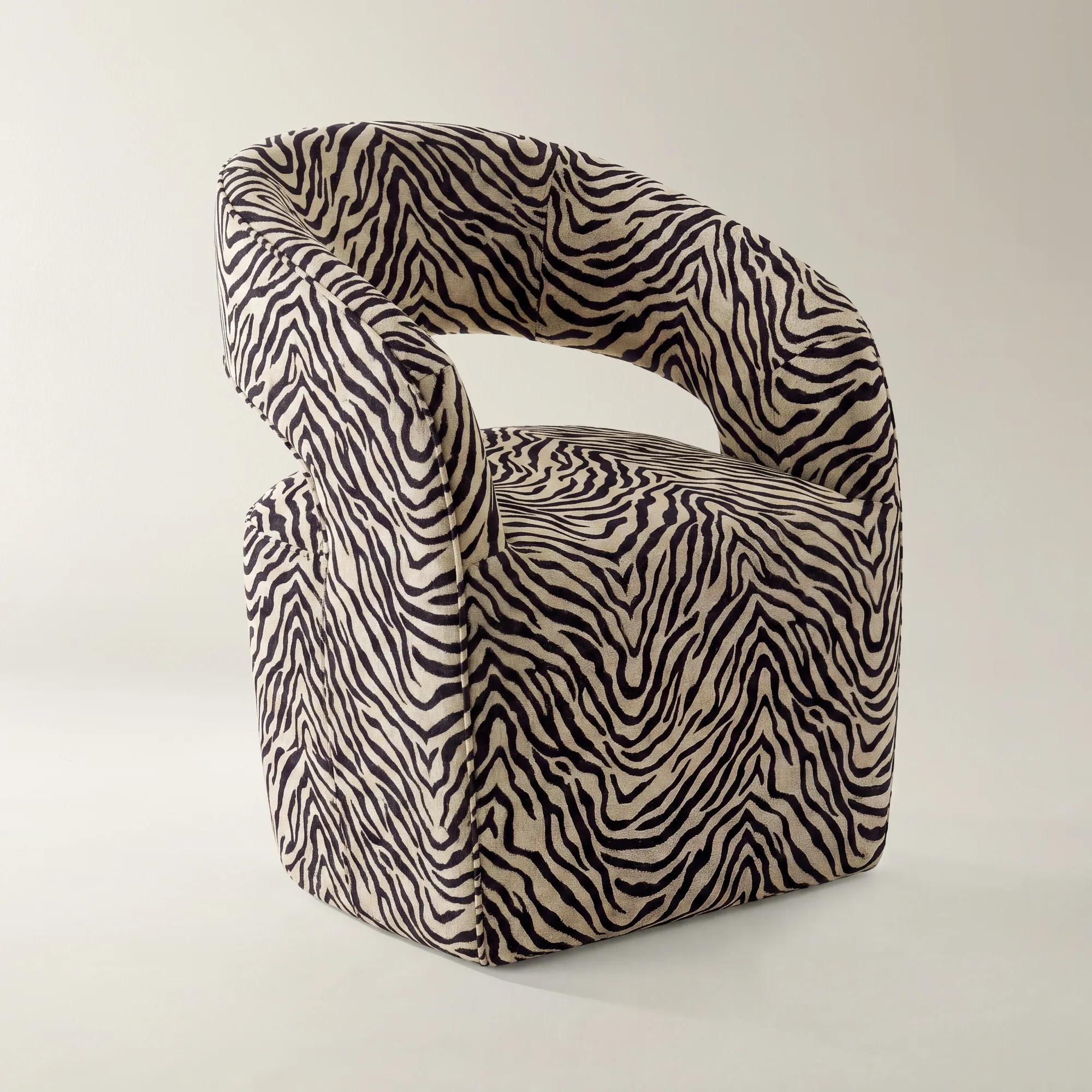 Harrison Zebra Performance Chenille Dining Chair$449
A sculptural dining chair upholstered in zebra performance chenille with a curved back and feather-blend comfort.
Add To Cart -
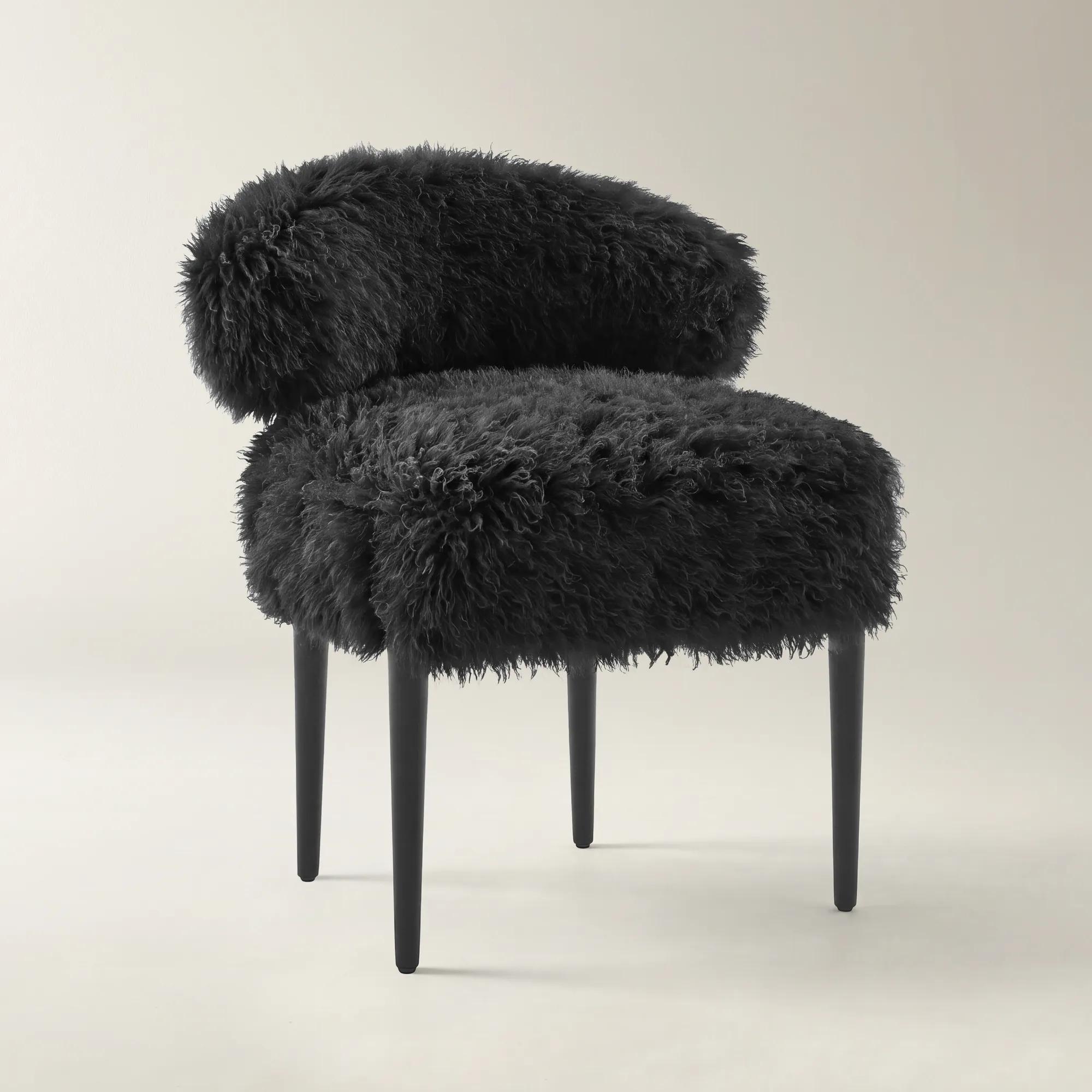 Anna Black Faux Fur Dining Chair Set of 2$699
A black faux fur chair set with arched backs, foam cushioning, and solid wood legs.
Add To Cart -
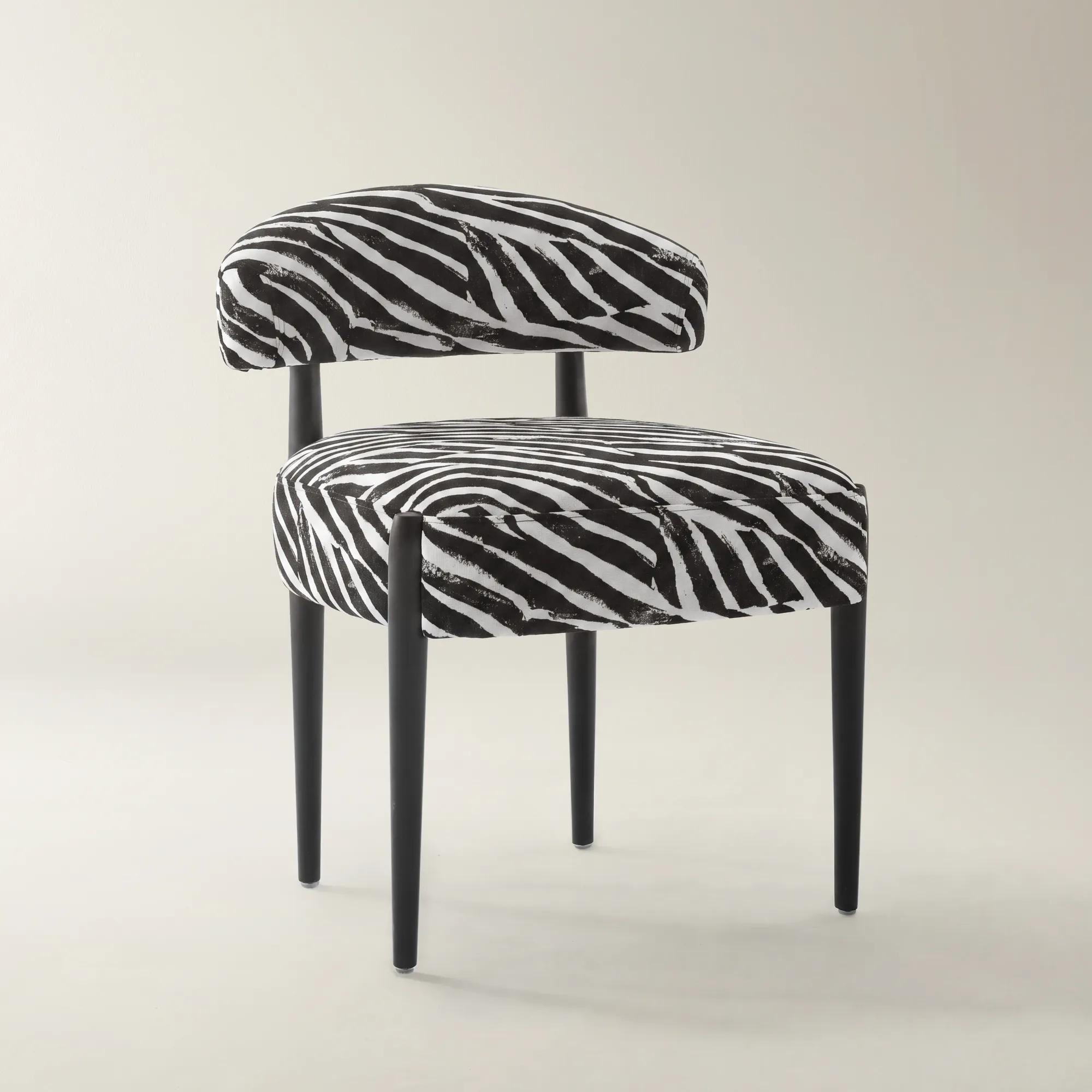 Anna White/Black Performance Chenille Dining Chair Set of 2$599
A black-and-white performance chenille chair set with arched backs, high-density foam, and solid rubberwood legs.
Add To Cart -
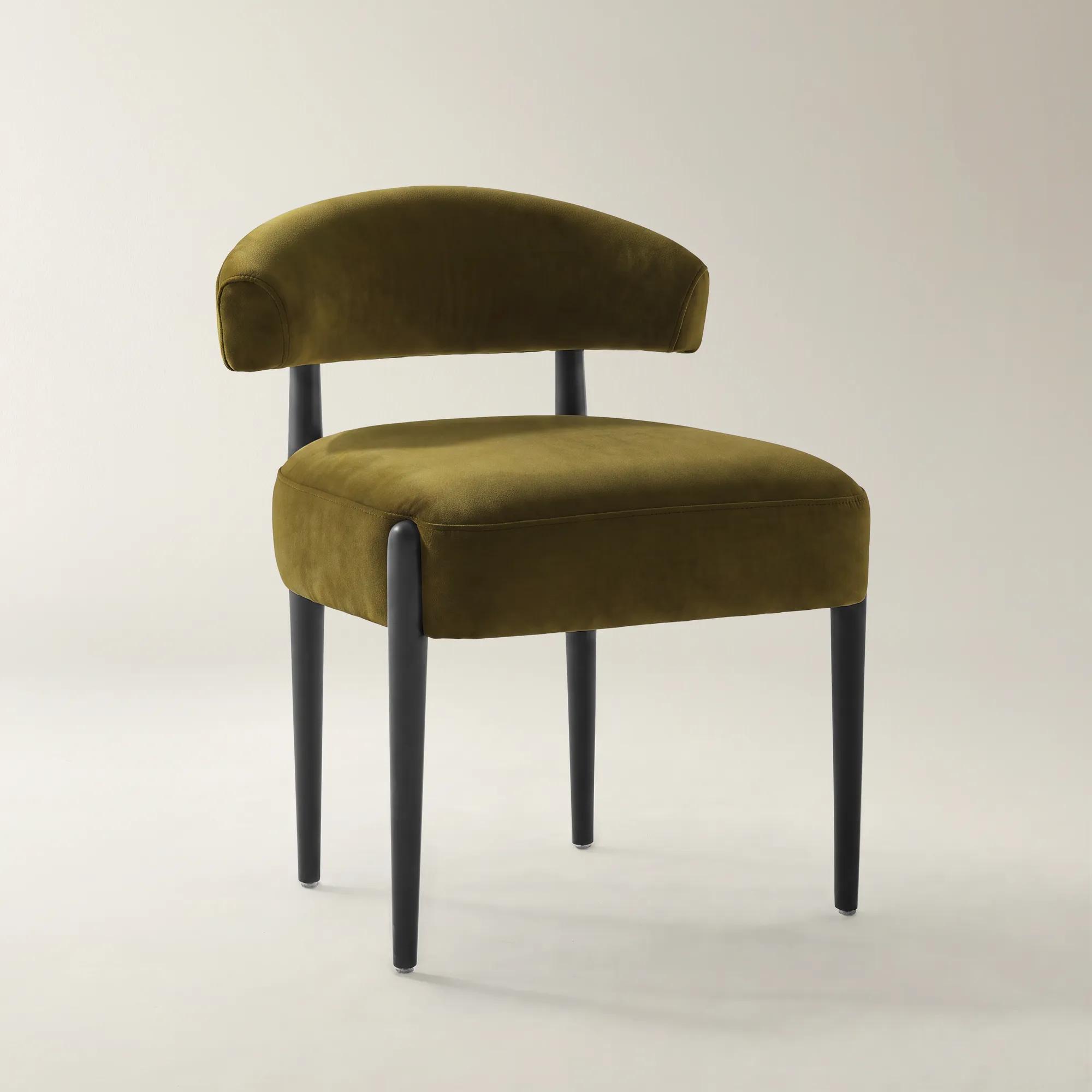 Anna Deep Olive Velvet Dining Chair Set of 2$599
A deep olive velvet dining chair with a tailored curved back, high-density cushioning, and solid rubberwood legs.
Add To Cart -
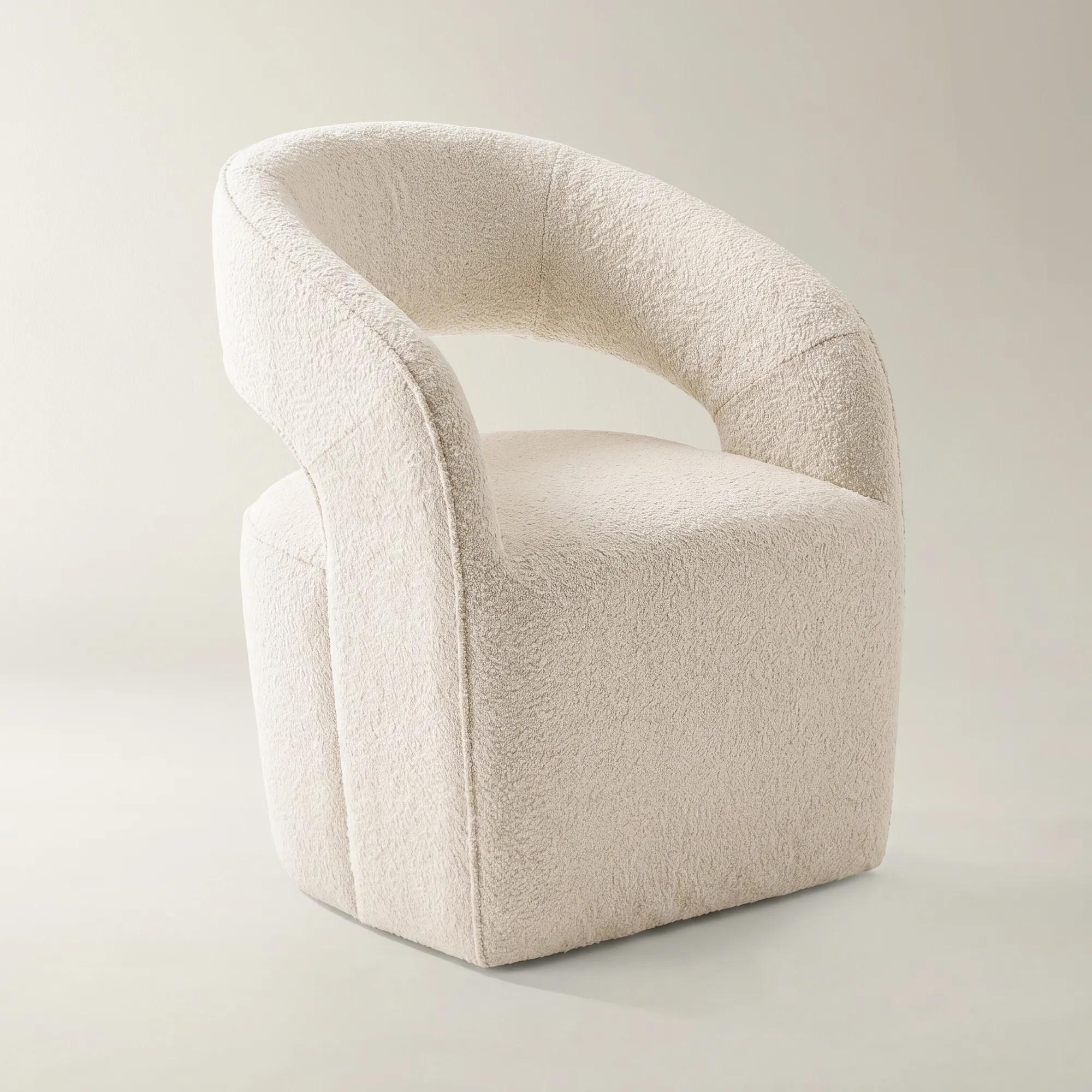 Harrison Utopia Sand Chenille Dining Chair$449
A sculptural dining chair upholstered in sand chenille with a curved back, feather-blend seat, and integrated arms.
Add To Cart -
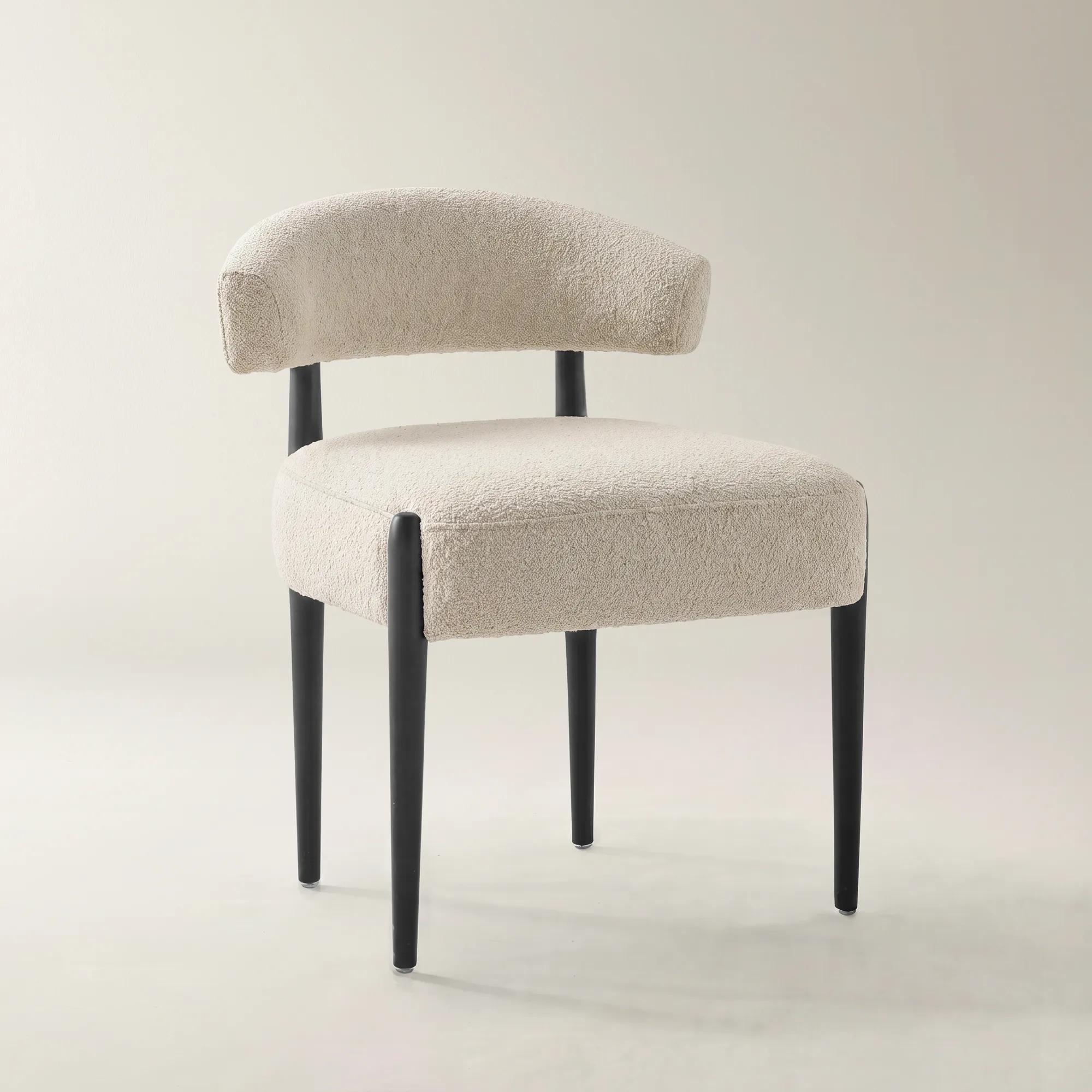 Anna Utopia Sand Chenille Dining Chair Set of 2$599
A sand chenille dining chair set featuring tailored armless curves, high-density cushioning, and solid rubberwood legs.
Add To Cart -
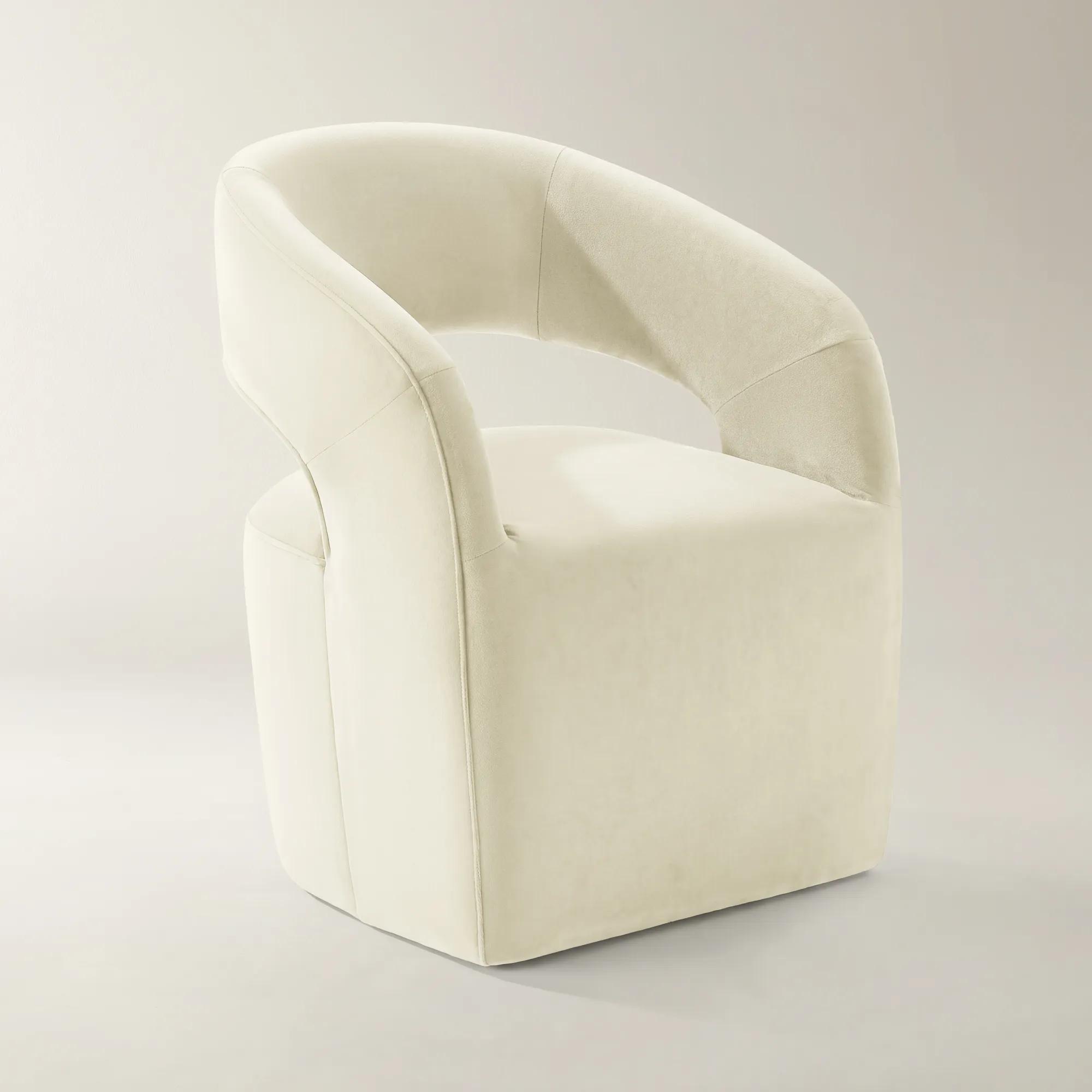 Harrison Cloud Velvet Dining Chair$449
A sculptural dining chair featuring cloud velvet upholstery, feather-blend cushioning, and a continuous curved back.
Add To Cart

Customizable Dining Chairs
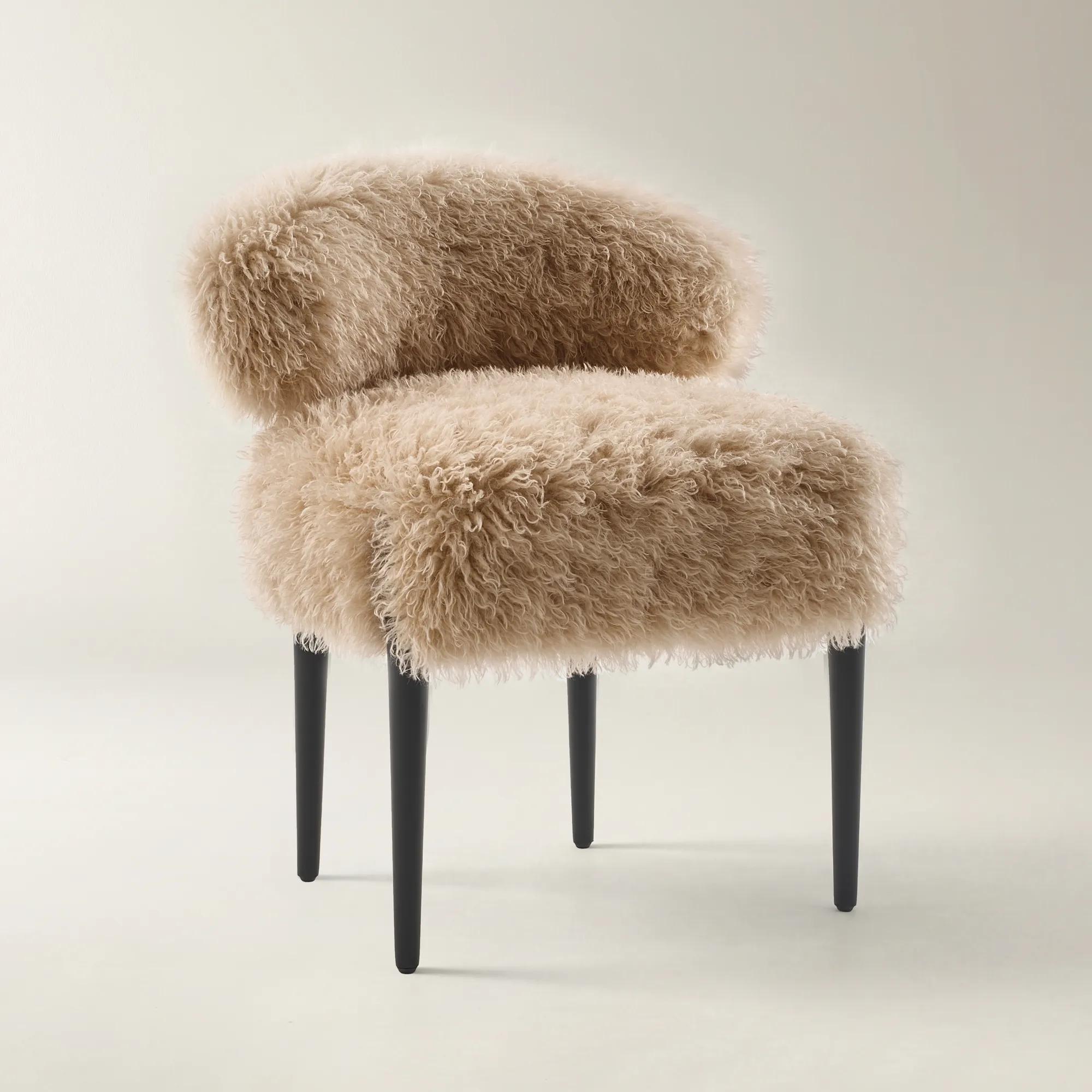
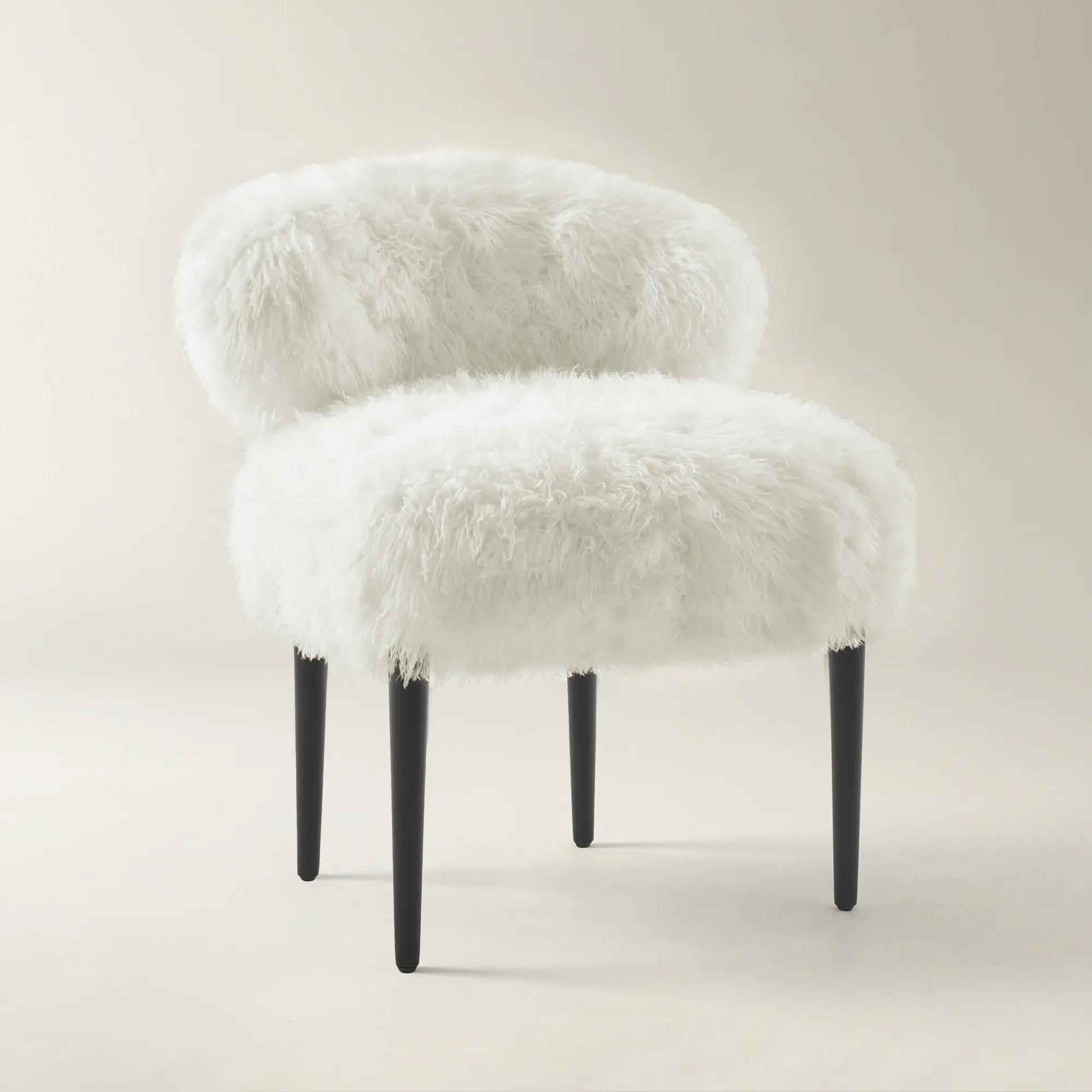
Explore customizable dining chairs to give your dining space a signature look. Compare silhouettes and available customization options, then consider chair dimensions alongside your table’s height and layout to choose dining seating that balances a comfortable fit with an expressive, beautifully composed room.
Customizable dining chairs give a dining room its own signature, bringing color, texture, and silhouette into a setting that feels distinctly personal. A table establishes the gathering place; the chairs shape its atmosphere, from the sweep of a curved back to the gleam of a slender leg. Upholstered seating can soften the crisp edges of a stone tabletop, while a richly finished wood frame lends depth beside glass or polished metal. Customization allows those relationships to become more intentional, whether the desired effect is tonal and enveloping or boldly contrasted. Depending on the design, choices may include upholstery fabrics, colors, leg finishes, or decorative details, each contributing a different note to the finished composition. Velvet offers a particularly expressive surface, catching light across its pile so that a single color reveals subtle variations as the room is viewed from different angles. Woven upholstery brings another kind of richness, with visible texture that can echo the grain of a table or the intricate pattern of a rug. Smooth leather, where offered, introduces a tailored presence and develops character according to its finish and use. For a pairing of plush texture and natural warmth, customizable velvet dining chairs with wood legs bring a tactile counterpoint to sleek dining surfaces. Color deserves equal attention: ivory can illuminate a dark table, charcoal can sharpen a pale room, and a saturated jewel tone can turn seating into the focal point. Fabric samples, when provided, help reveal undertones and texture alongside existing furnishings, particularly under the lighting used during dinner. A shade that looks luminous beside a window may appear deeper beneath a chandelier. The most compelling arrangements do not need every finish to match precisely. Repeating a warm wood tone, a metallic accent, or a color from nearby artwork can create a connection while leaving room for contrast. The result is dining furniture that belongs to the room without disappearing into it, with enough presence to make even a simple place setting feel considered.
Beautiful proportions matter as much as beautiful upholstery. Customizable dining chairs should suit both the table and the people who gather around it, with a scale that supports comfortable meals rather than simply filling the perimeter. Seat height, overall width, seat depth, and back height all influence that balance. A comfortable arrangement often leaves approximately 10 to 12 inches between the top of the seat and the tabletop, although a thick tabletop, a low apron, or a deeply cushioned seat can change how the fit feels. Armchairs require a separate check: the arms must clear the table’s underside if the chairs are intended to tuck in fully. Around a rectangular table, allowing roughly 24 to 30 inches of table edge per person is a useful starting point, with wider chairs and generous arms requiring more room. Pedestal bases, trestles, and corner legs can also affect where seats sit comfortably, so tabletop dimensions alone do not tell the whole story. Consider the space behind the chairs as well. About 36 inches between the table edge and a wall or nearby furnishing is a common planning starting point for pulling out a chair, while a busy walkway may need more. In a dining area connected to a living room, the backs of the chairs remain part of the view throughout the day; a sculptural curve or neatly tailored upholstery can make that view especially striking. For households that linger over conversation, supportive backs and cushions that balance softness with structure deserve particular attention. For a more formal setting, taller backs can establish a stately rhythm around the table, while lower profiles let artwork and lighting take greater visual prominence. Mixing armchairs at the ends with armless chairs along the sides can introduce distinction without overwhelming the arrangement. Keeping upholstery, finish, or silhouette consistent across that mix helps the composition feel deliberate. These considerations make personalized dining seating relevant to compact breakfast areas, expansive dining rooms, and open-plan spaces alike, with comfort and visual impact working together.
Materials and construction determine how gracefully dining chairs live beyond their first impression. Wood frames can contribute warmth and visible grain, while metal frames can offer a crisp outline and reflective accents; either material benefits from sound joinery, stable support, and a finish suited to everyday contact. Upholstery durability depends on the fabric’s composition, weave, backing, and intended use, not simply its appearance or thickness. Where performance fabrics are offered, review the stated care requirements and resistance characteristics rather than assuming every stain or spill will behave the same way. A household with young children, frequent guests, or daily meals at the dining table may place greater importance on cleanability, tightly woven surfaces, and finishes that tolerate regular handling. A room reserved for occasional entertaining may invite a more delicate texture, though dependable construction still matters. Velvet’s pile can show changes in direction or impressions from use, part of its distinctive surface character, while textured fabrics may conceal some everyday variation. Care should always follow the upholstery and frame instructions. Gentle vacuuming with an appropriate attachment can remove crumbs and dust from seams, and spills are generally best addressed promptly by blotting rather than rubbing, using only methods approved for the material. Unapproved cleaners, excessive moisture, and abrasive tools can damage fabric or finishes. Prolonged direct sunlight may also alter upholstery color, making placement and window treatments worth considering when selecting a vivid shade. Beneath the chair, suitable floor protectors help reduce marking, while the relationship between the legs and a rug affects how smoothly the seat moves. A dining rug should extend far enough beyond the table for chairs to remain supported when pulled out for use. For hosts who love a beautifully dressed table, couples creating a shared home, or anyone refining a long-established room, customization offers a way to connect practical needs with a strong design point of view. Sumptuous upholstery, thoughtful proportions, and a finish chosen with the surrounding space in mind give dining chairs lasting relevance: seats made for gathering, and forms that hold their own even when the table is quiet.
FAQs
Customizable dining chairs can offer a choice of upholstery, color, leg finish, and decorative accents, depending on the design. Consider sumptuous velvet for a glamorous dining room or a richly textured weave for understated depth. Each selection adds another layer to a dining space that feels distinctly yours.
Begin with the atmosphere you want to create. Velvet brings a luminous richness to candlelit dinners, while woven fabrics introduce tactile dimension. Consider how the fabric looks alongside your table, rug, and window treatments, and review upholstery swatches in your room’s lighting before making your selection.
Dining chairs do not need to match your table to create a cohesive look. A sculptural table can pair beautifully with softly upholstered chairs, while a wood table gains a glamorous edge from gleaming metal accents. Repeat a color, finish, or design detail to give the contrast a deliberate, artful rhythm.
Mixing dining chair styles creates an expressive, collected look. Try distinctive upholstered chairs at the heads of the table with a complementary design along the sides. A shared fabric color or leg finish connects the silhouettes, allowing their differences to become part of the room’s visual drama.
Ivory, charcoal, and warm taupe offer a sophisticated foundation for richly layered decor. Emerald, sapphire, and deep burgundy bring a more theatrical presence, especially alongside metallic accents. Draw inspiration from a favorite artwork or a patterned rug to create a dining room palette with a personal point of view.