Crystal Vases For Dining Tables
Crystal Vases For Dining Tables
-
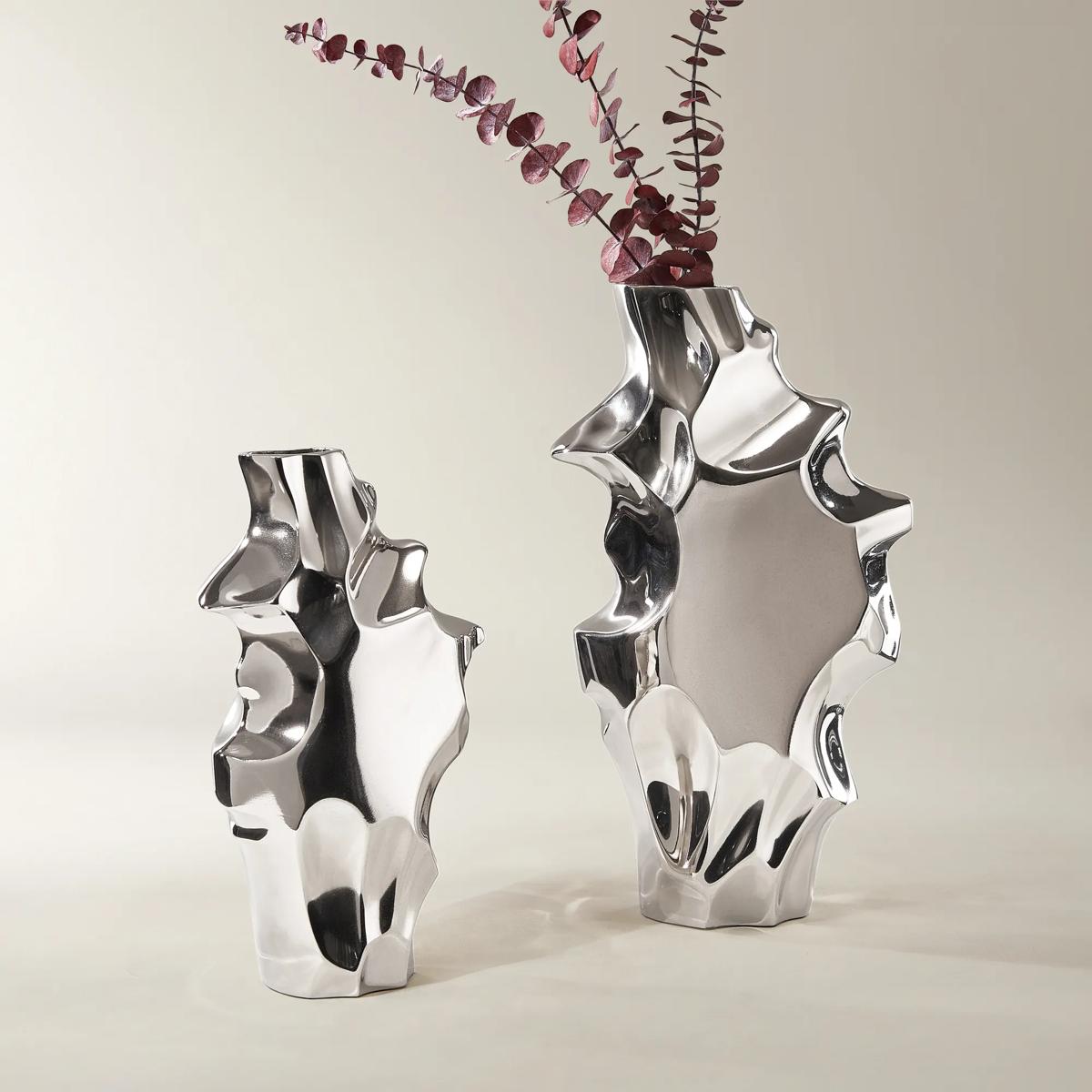
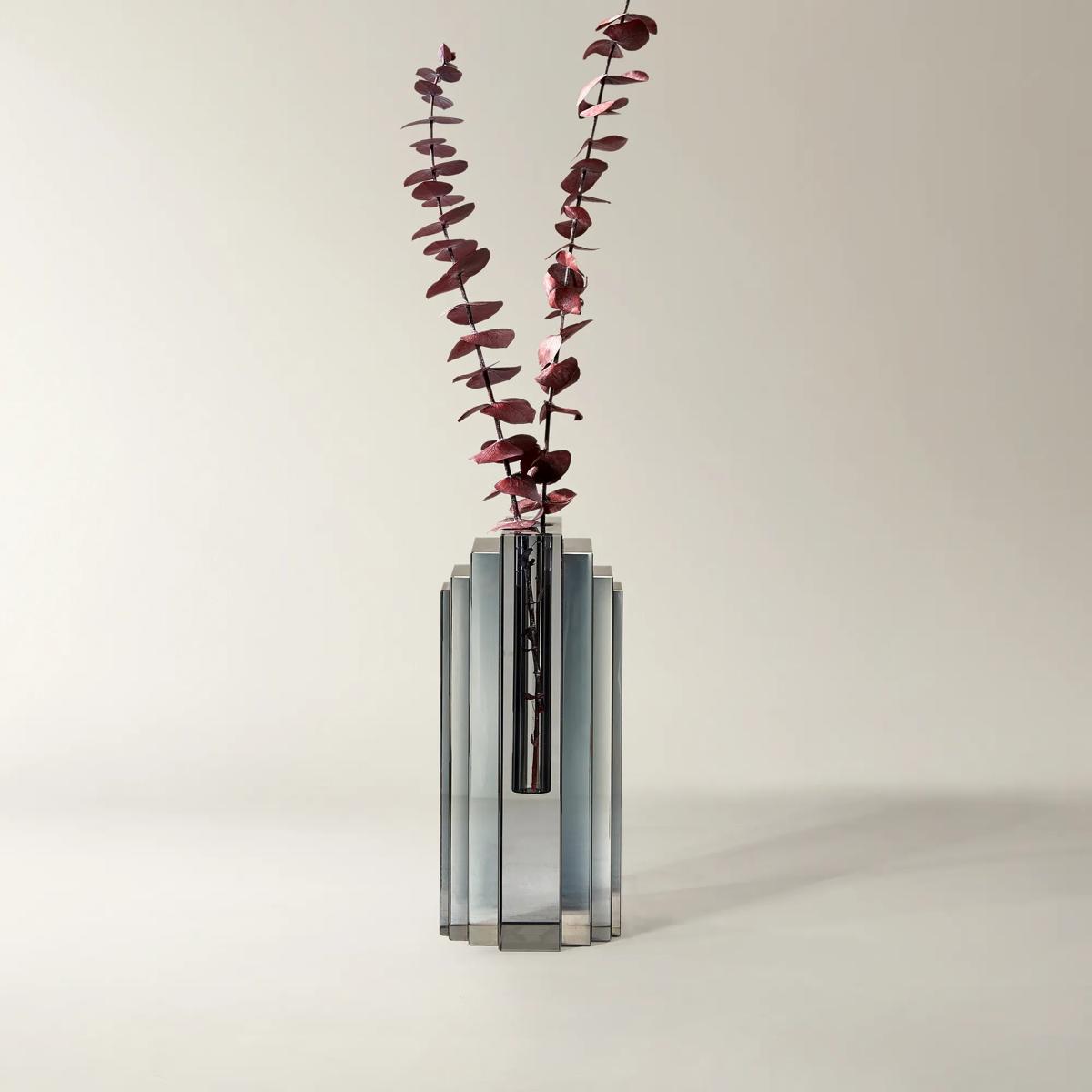 Lucca Crystal Vase - Mirrored Graphite$109
A mirrored graphite crystal vase with a multifaceted geometric design that reflects light for sculptural brilliance.
Add To Cart -
 Lucca Crystal Vase - Mirrored Amber$129
A geometric mirrored crystal glass vase in warm amber, reflecting light for a sculptural, modern statement.
Add To Cart -
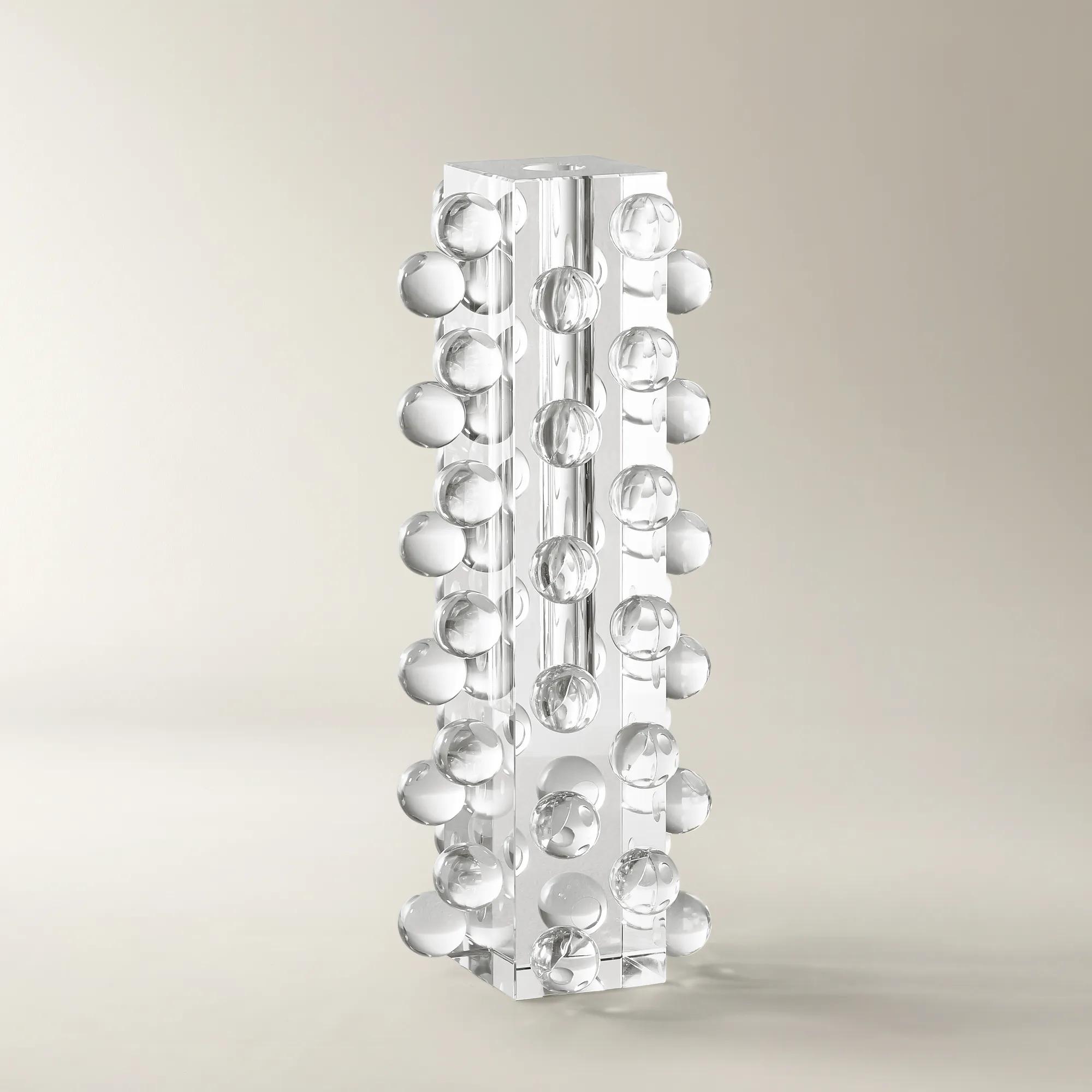
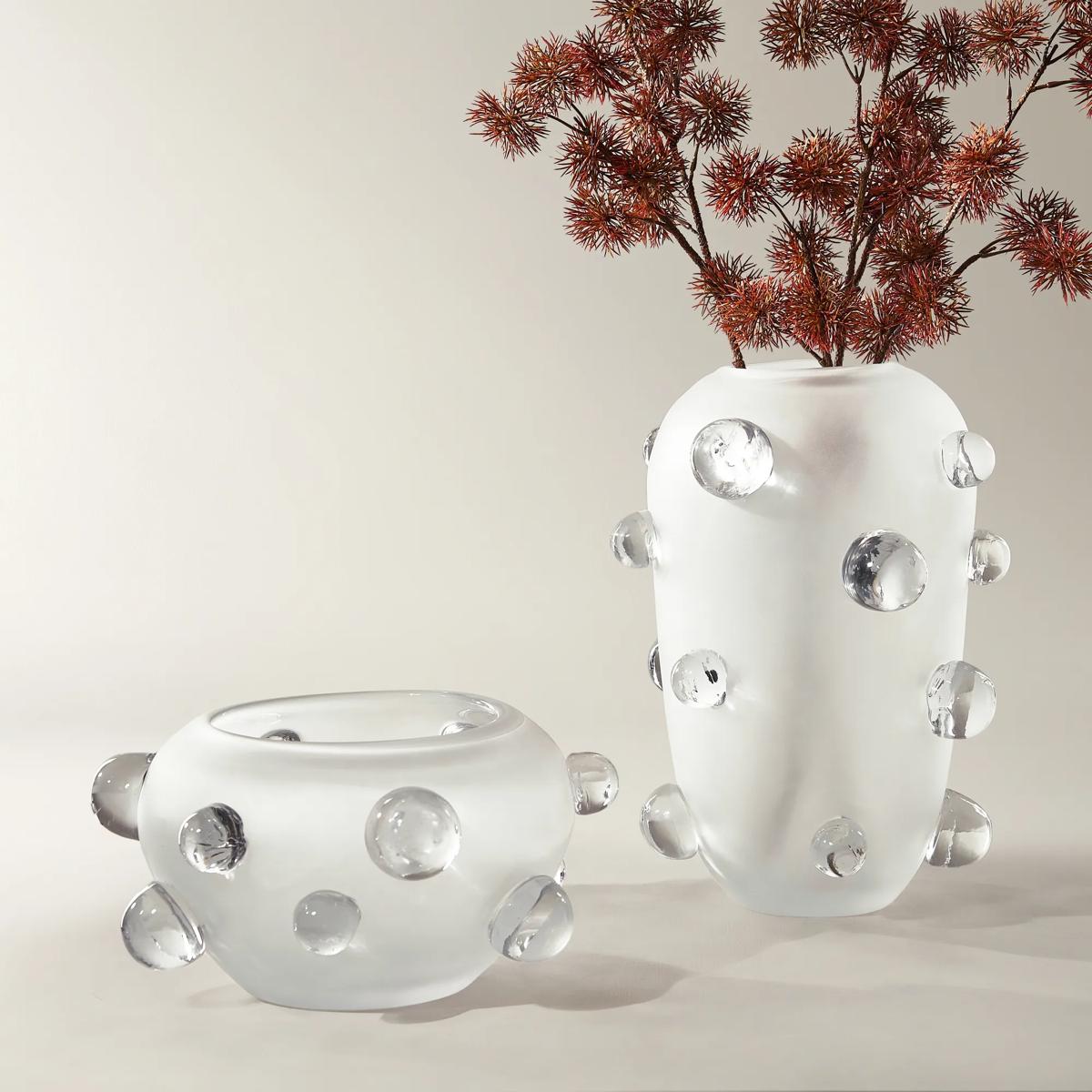
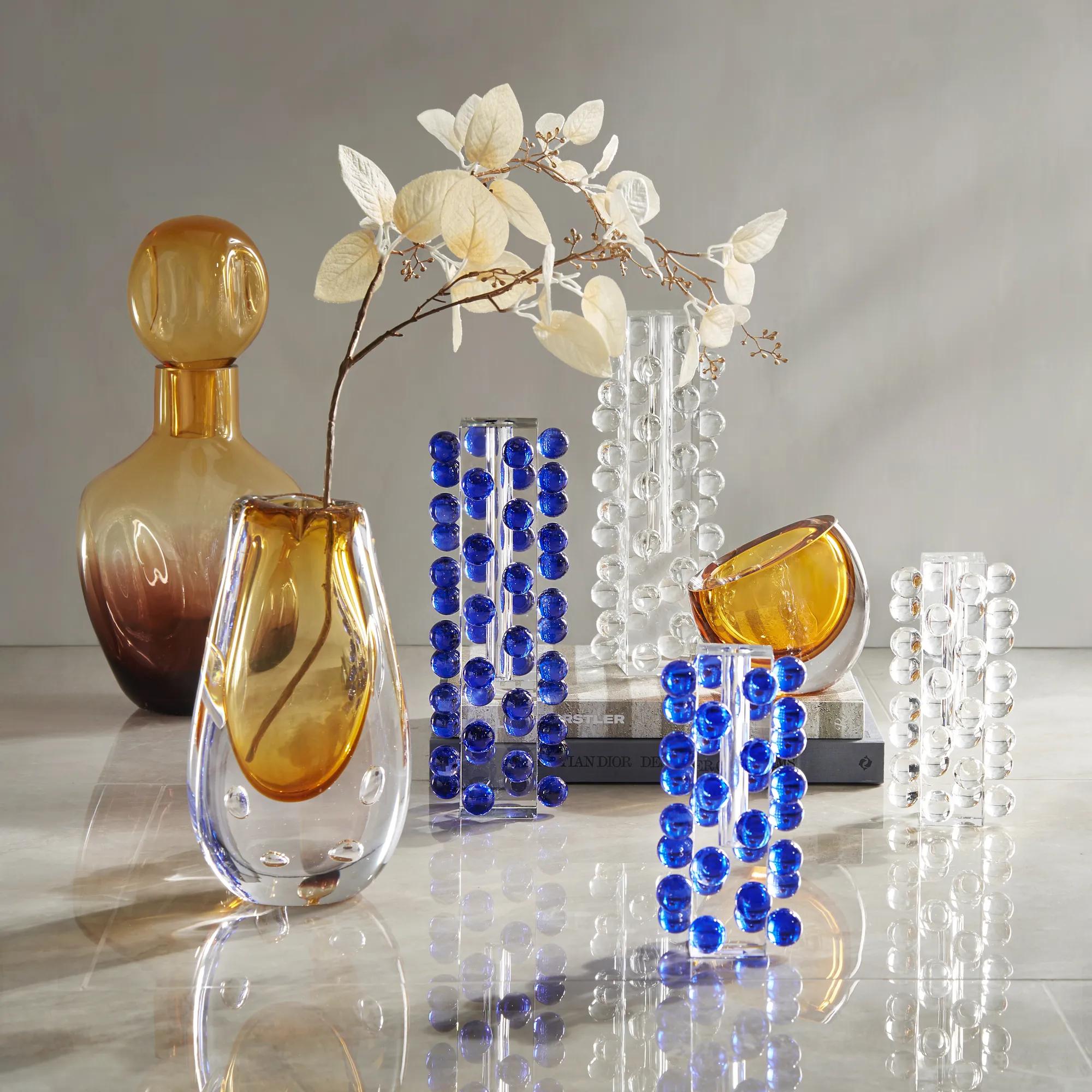 Bubble Vase Clear$119
A sculptural clear crystal glass vase featuring a cluster of transparent spheres for modern visual interest.
Add To Cart -
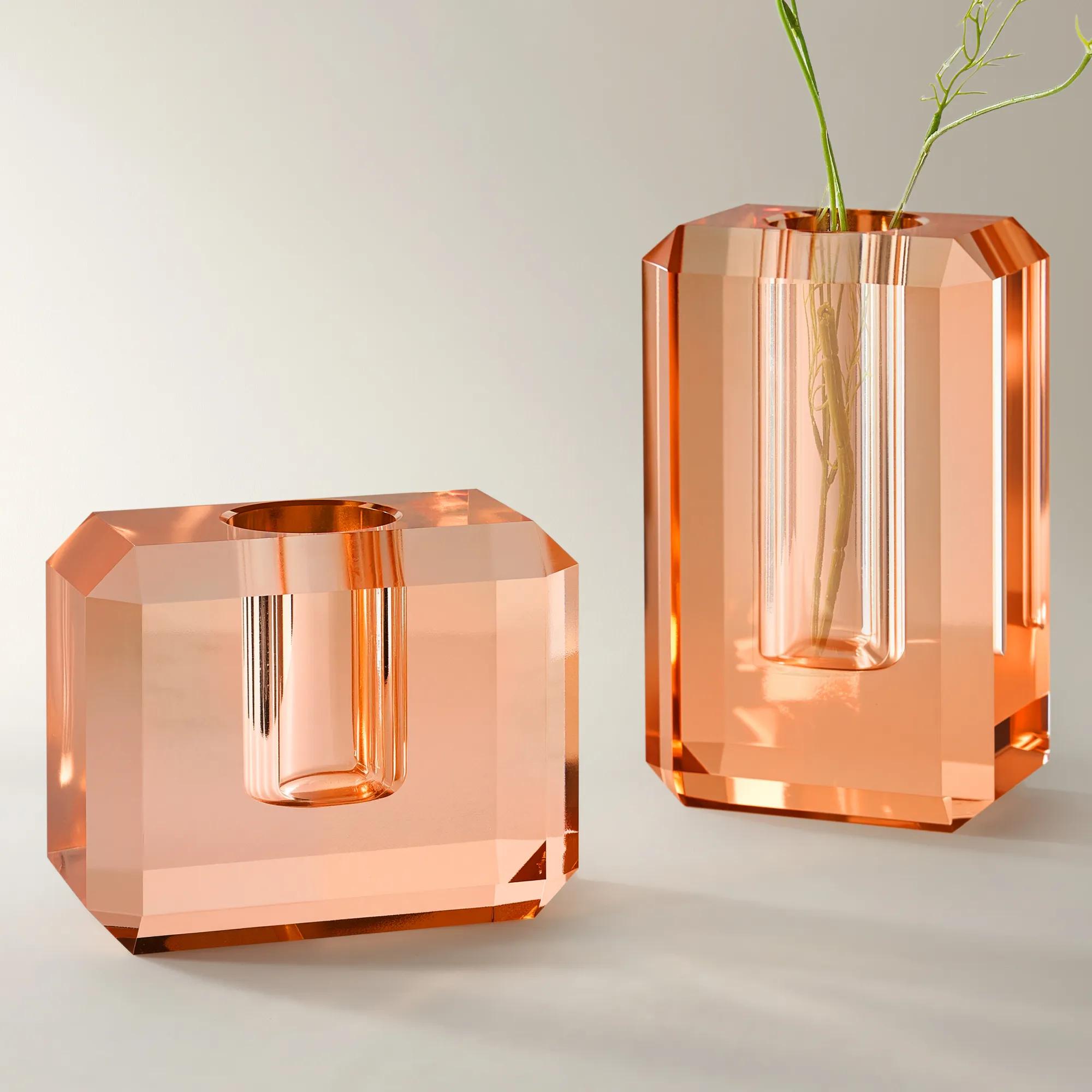
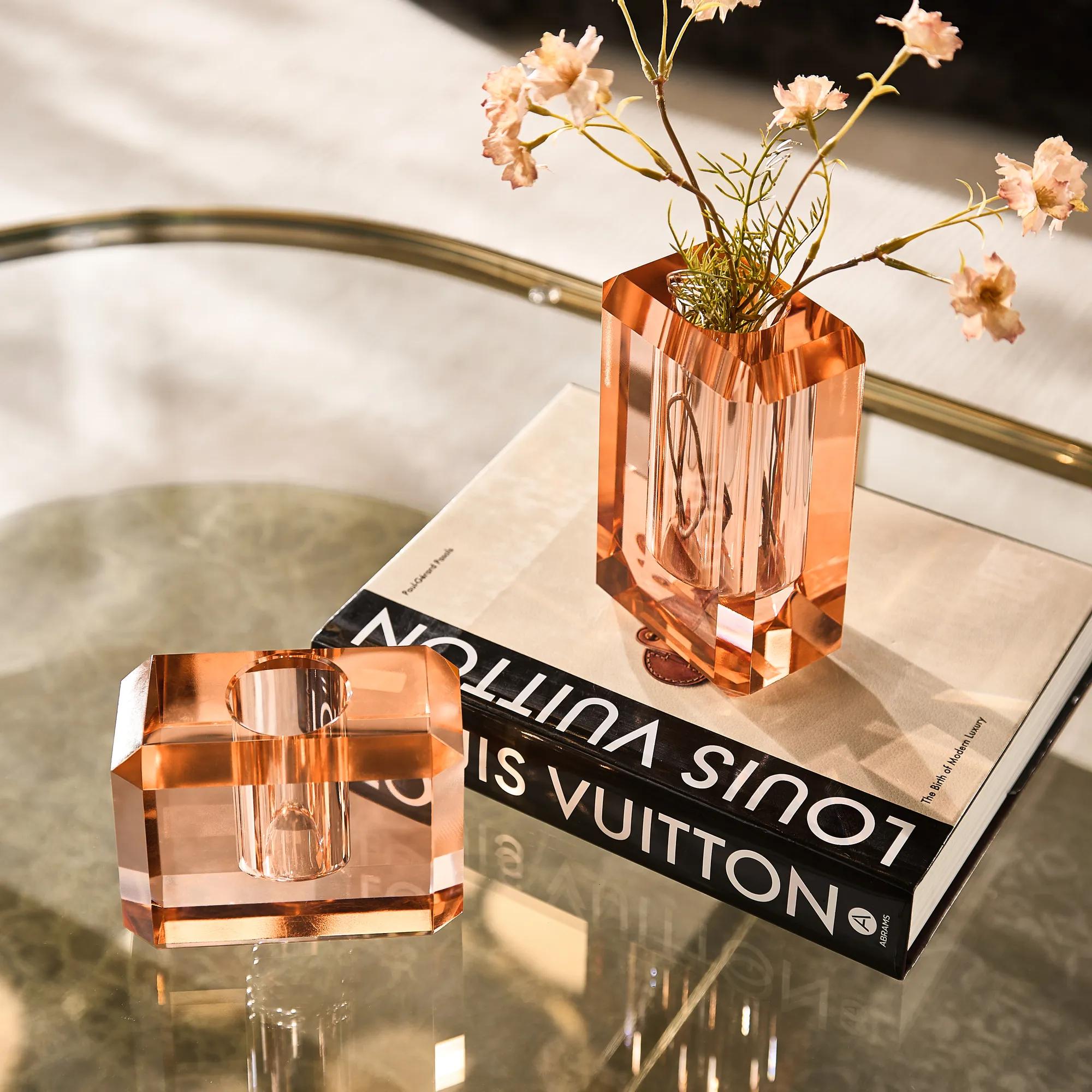 Corina Crystal Glass Bud Vase$99
A delicate crystal glass bud vase adding shimmering elegance to modern floral arrangements.
Add To Cart -
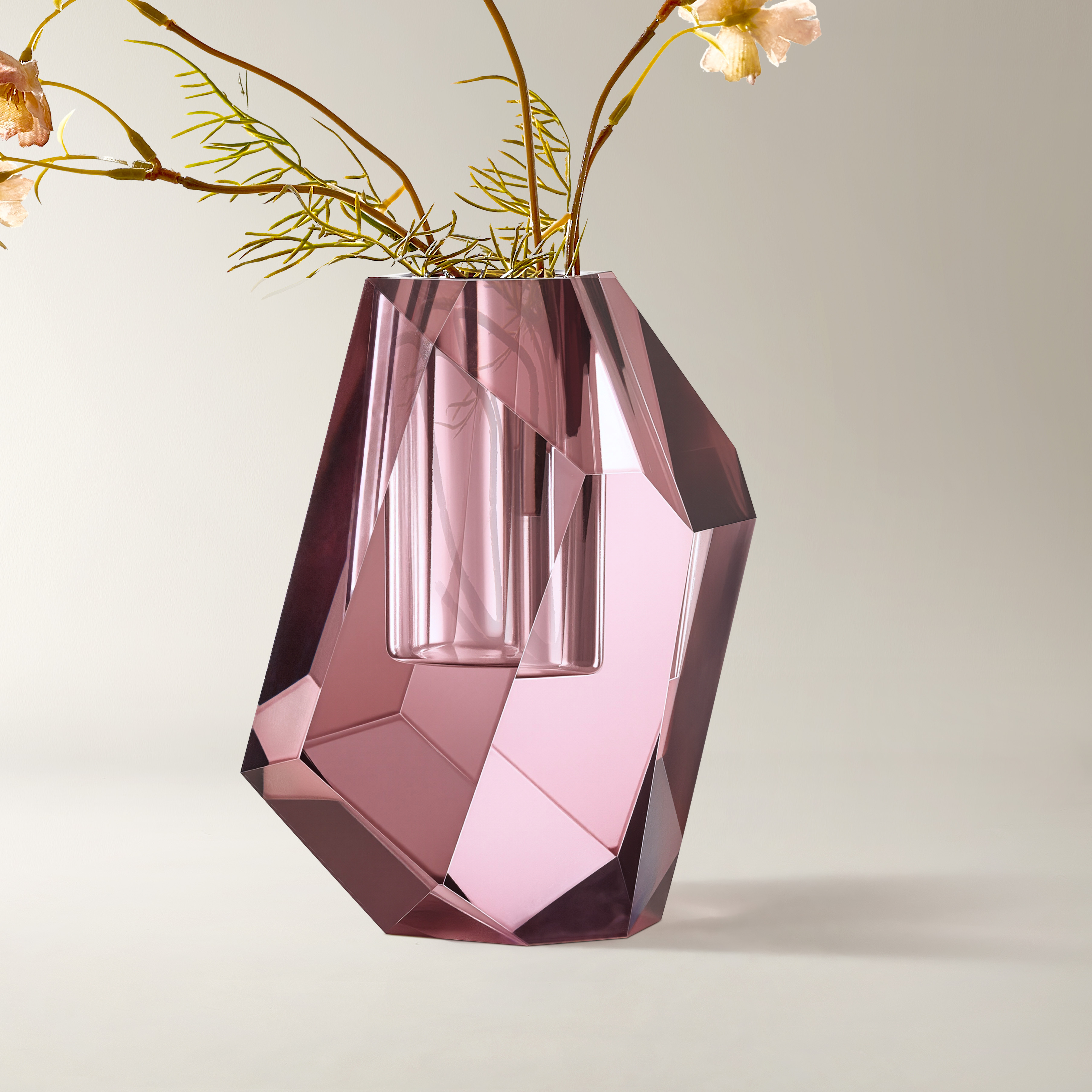 Merci Plum Crystal Glass Bud Vase 7.5"$139
A plum-hued crystal glass bud vase adding jewel-toned elegance to modern decorative arrangements.
Add To Cart -
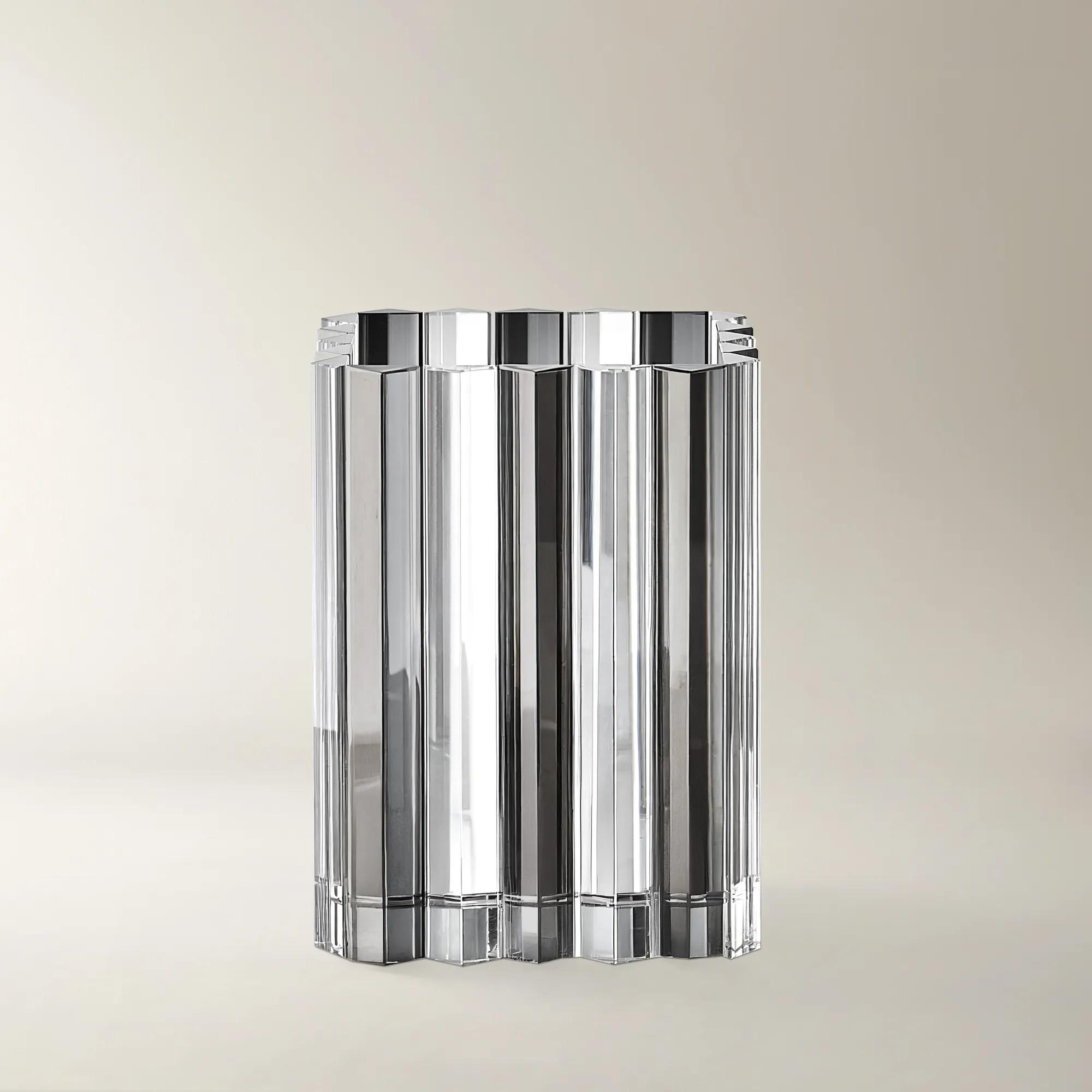 Bande Crystal Glass Candle Holder$129
A sparkling crystal glass candle holder adding elegant glamour to any décor.
Add To Cart -
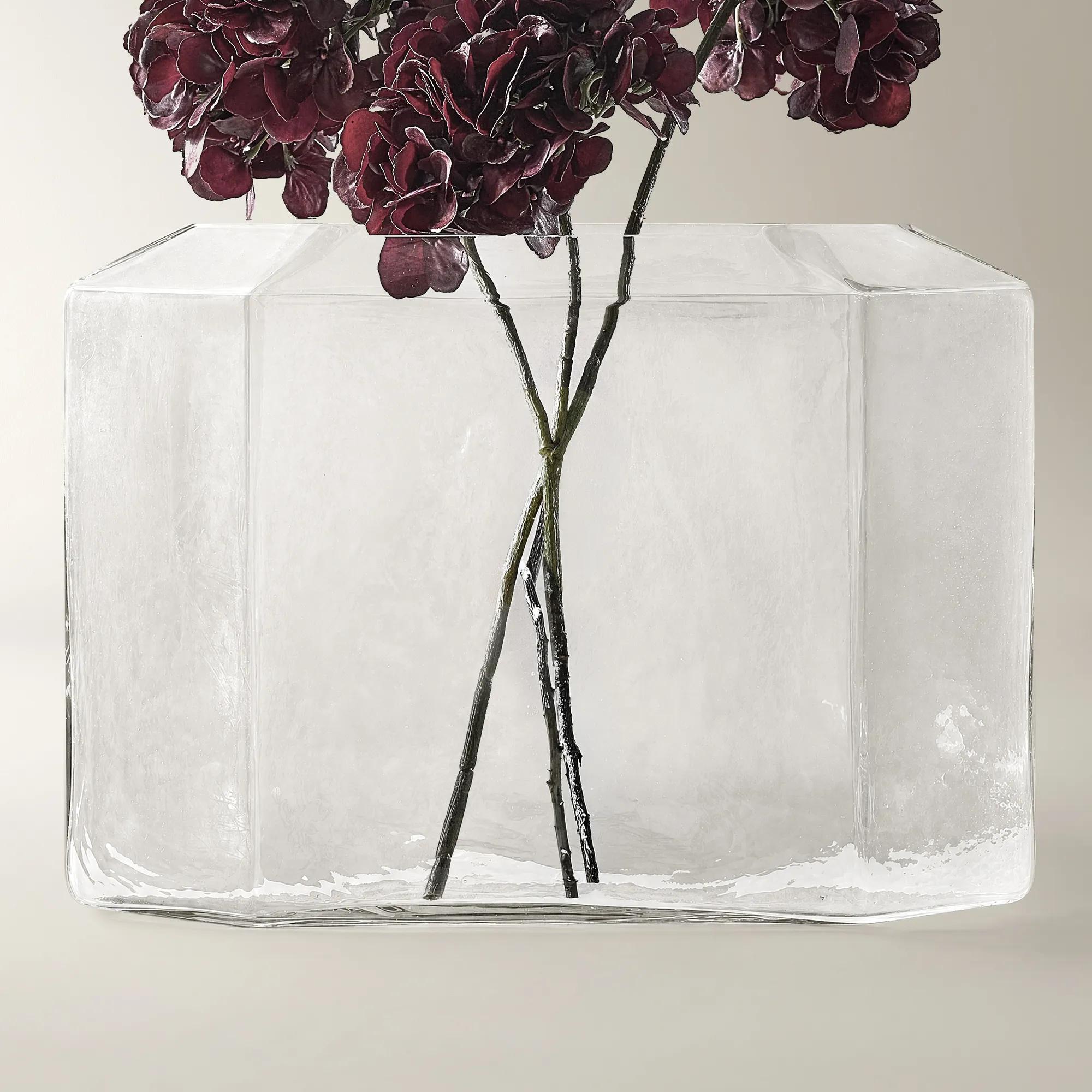 Studio Mouth Blown Clear Glass Vase 13.75"$199
A handblown clear glass vase with faceted detailing that beautifully reflects light for modern elegance.
Add To Cart -
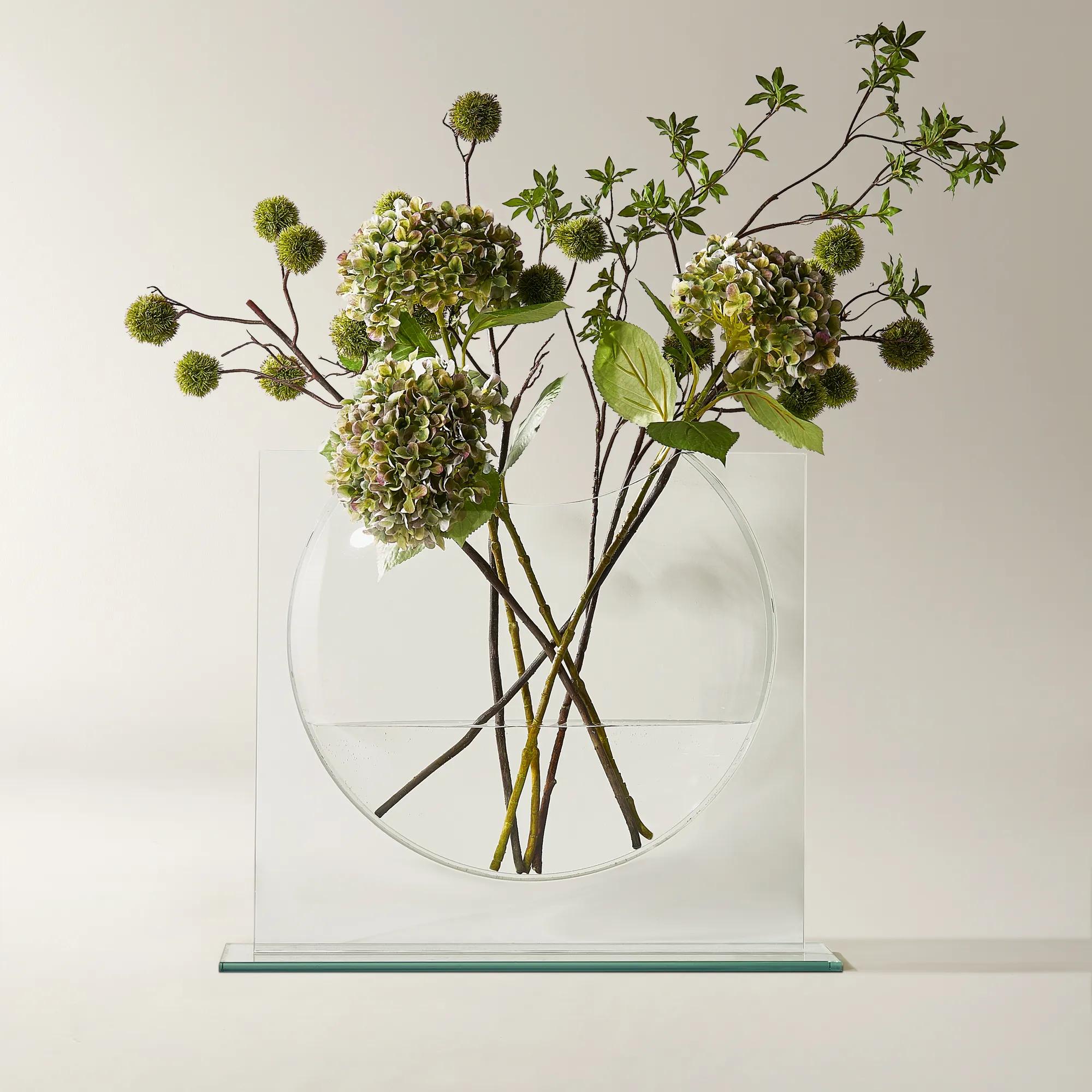
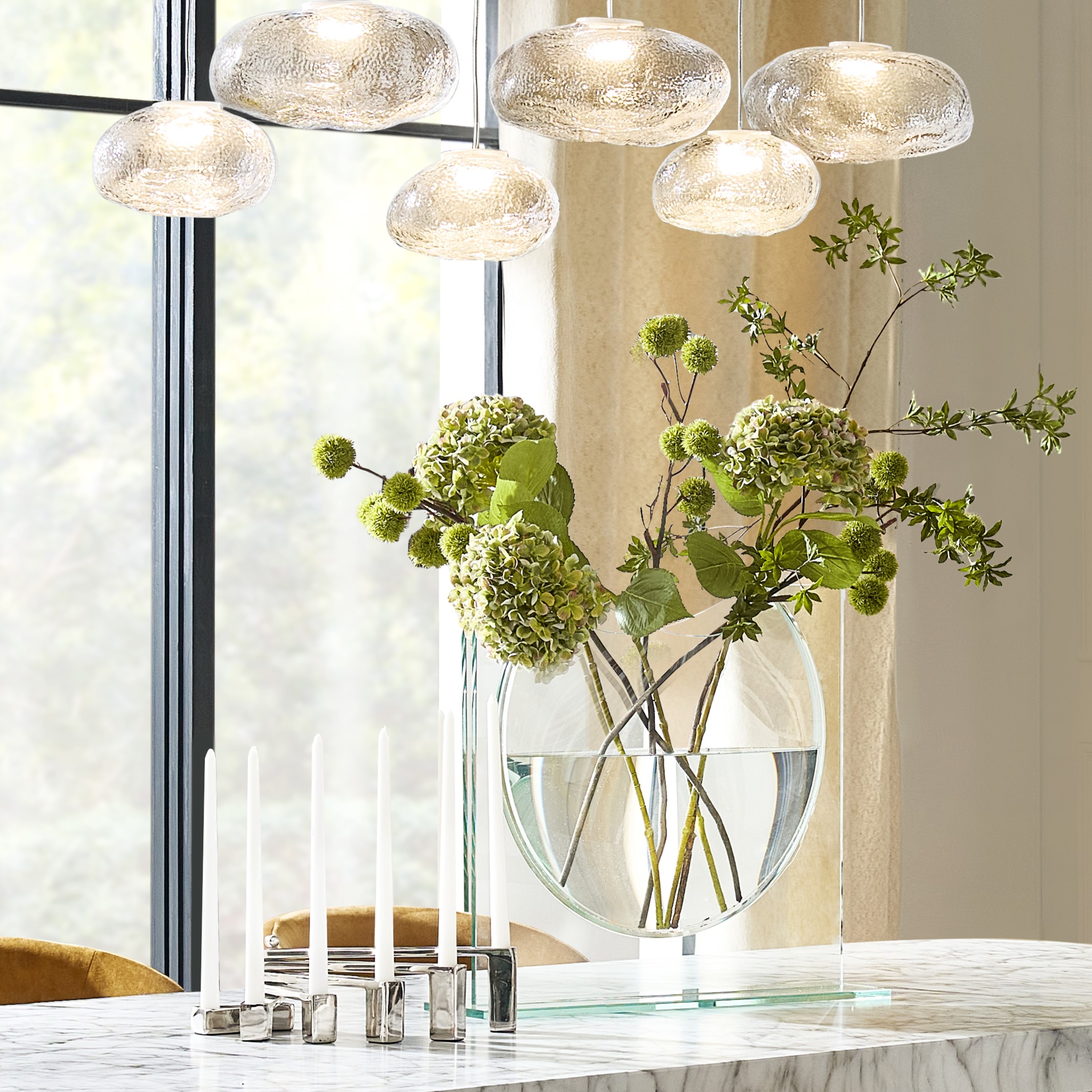 Ellipse Clear Glass Vase 20"$259
A sleek elliptical glass vase offering a modern, functional accent for fresh floral arrangements.
Add To Cart -
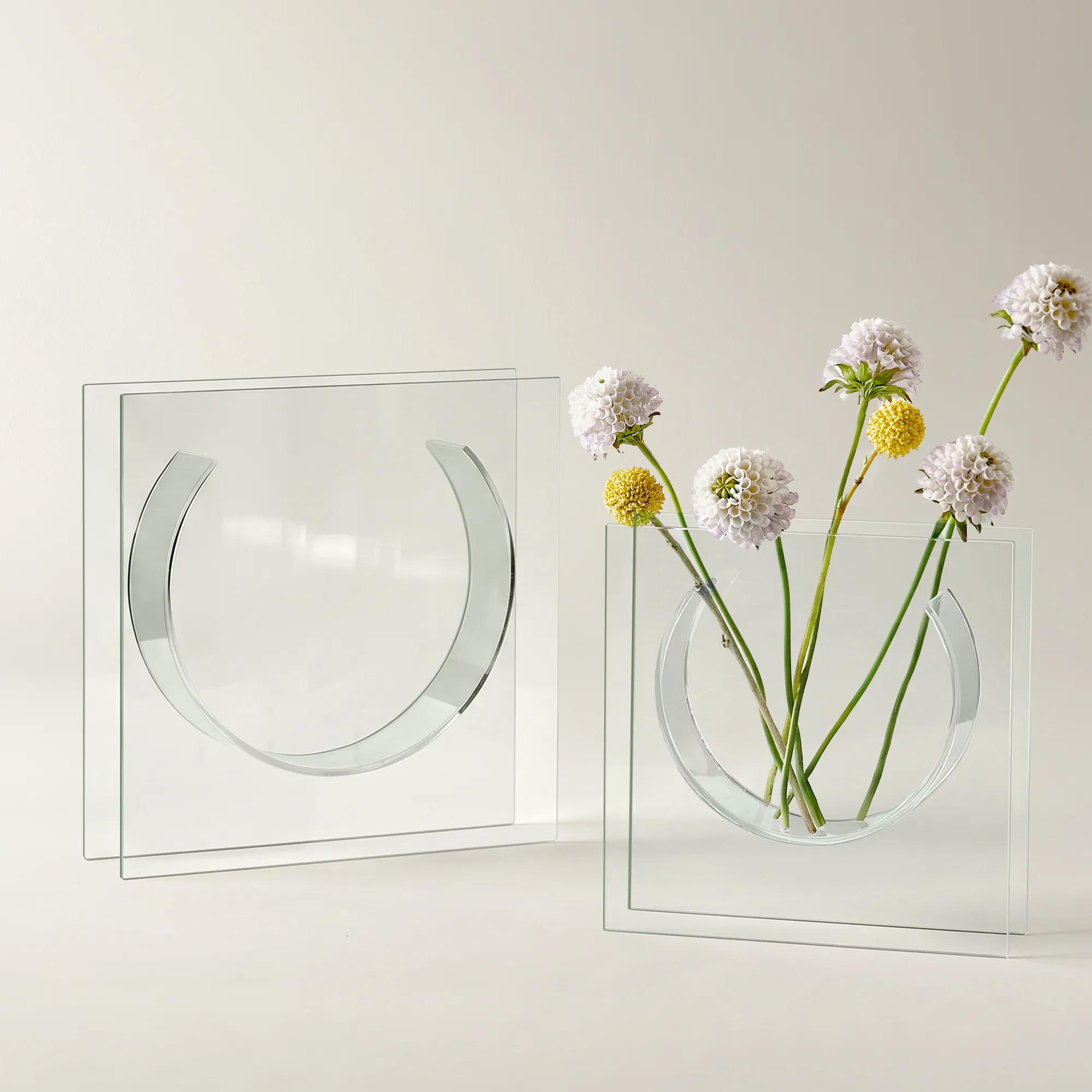
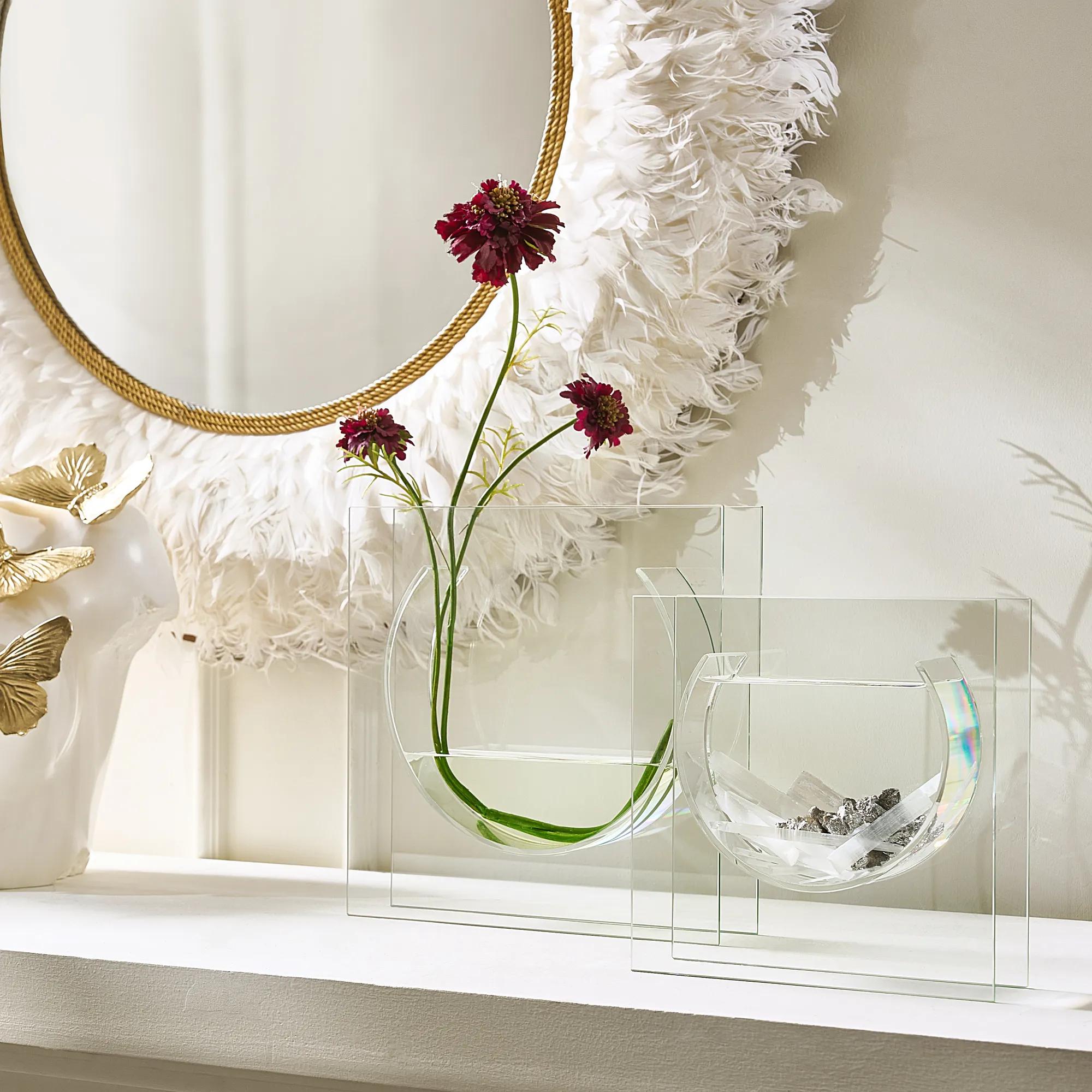 Solaris Clear Glass Vases$39
A bold modern vase crafted from clear glass with an elliptical bowl between two sleek glass panels.
Add To Cart -
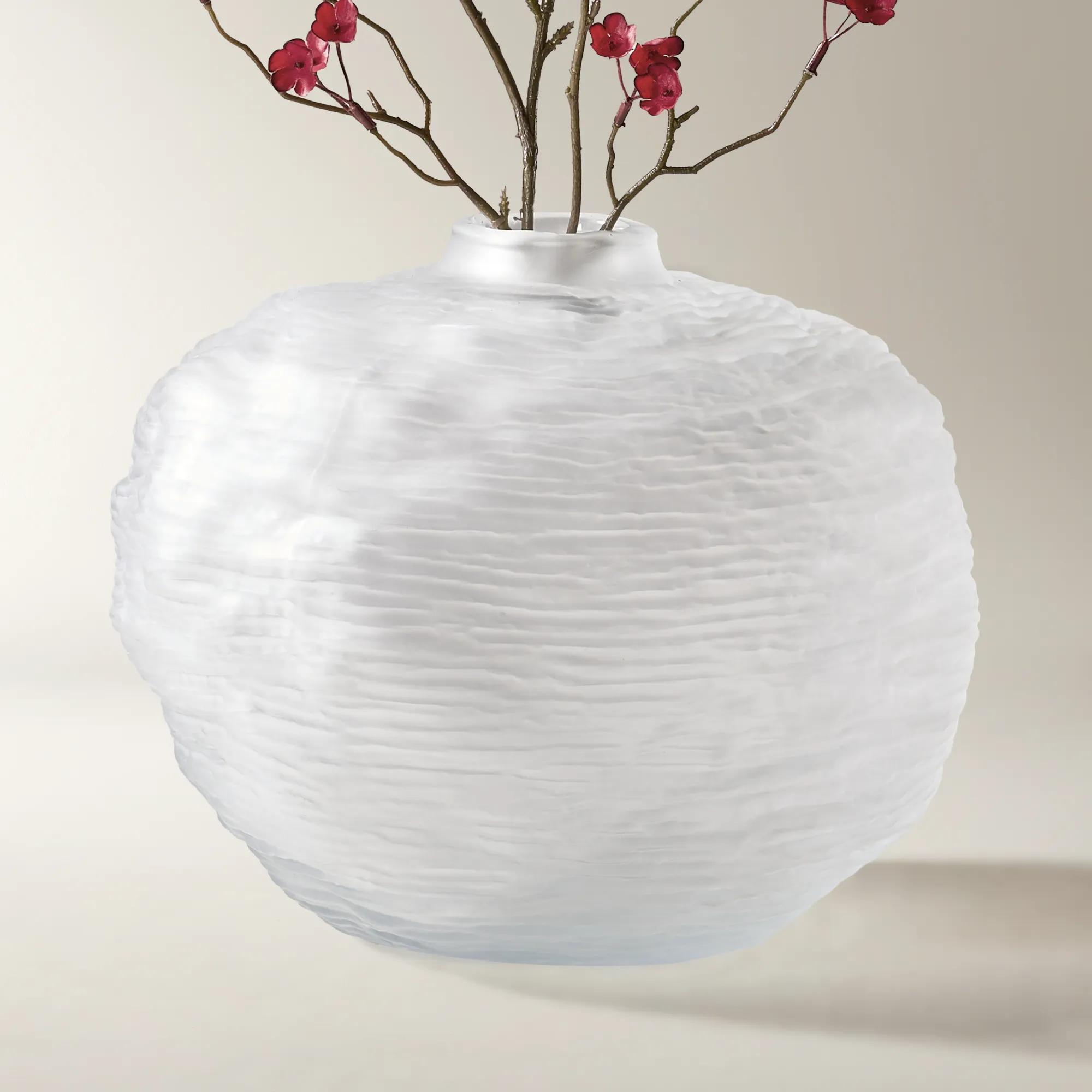 Lucid Mouth Blown Frosted Glass Vase 9.25"$99
A handblown frosted white glass vase with a sculptural, softly textured surface for modern elegance.
Add To Cart

Crystal Vases For Dining Tables
Crystal vases for dining tables are the ultimate expression of refined artistry—a shimmering invitation to indulge in everyday opulence. Each piece transforms a tablescape into a gallery-worthy display, capturing and refracting light to create moments of pure enchantment. Whether poised as a dramatic centerpiece or accentuating an intimate gathering, these crystal vessels elevate every meal into an occasion, infusing your dining space with sophistication and sculptural allure. Let your table tell a story of glamour and grace, where every detail dazzles and every setting feels unforgettable.
Crystal vases for dining tables bring light, dimension, and a sense of occasion to the place where everyone gathers. For a centerpiece that feels luxurious without interrupting conversation, a compact vase with a stable base and flowers kept below seated eye level offers an inviting balance of presence and practicality. The height of the complete arrangement matters more than the height of the vessel alone: a modest vase filled with arching branches can occupy more visual space than a taller silhouette holding a few carefully placed stems. Low, rounded forms lend themselves to lush clusters of blooms, while slender profiles give individual stems a sculptural quality. Clear crystal allows the colors of flowers, linens, and surrounding finishes to remain part of the composition, making it particularly versatile across formal dining rooms and more intimate eating spaces. Cut facets scatter points of light across the tabletop; smooth surfaces create a quieter brilliance that emphasizes shape, clarity, and the graceful line of a stem. Fluted walls introduce rhythm without requiring an elaborate arrangement, and a substantial base gives even a restrained silhouette visual weight. On a richly veined stone table, transparent crystal adds dimension without concealing the surface beneath it. Against dark wood, its gleam creates a striking contrast; on a glass tabletop, a distinctive profile helps the centerpiece retain definition. These pieces can feel equally expressive with a tightly gathered bouquet or a single dramatic bloom. An empty crystal vase can also hold its own as a sculptural accent, particularly when its contours catch light from a nearby chandelier. The effect depends on proportion rather than excess: enough brilliance to give the table a focal point, with room left for the pleasures of dining. For households that use the dining table every day, a vase that is comfortable to lift and reposition makes it easier to move between an intimate meal, a generous spread of serving dishes, and a more composed setting for guests.
The relationship between vase shape, table size, and floral style determines how naturally a centerpiece belongs in the room. A round table often suits a single rounded vessel, with enough clearance around it for glasses, plates, and shared dishes. A long rectangular table can accommodate an elongated composition or a rhythm of smaller vases spaced along its center, creating visual continuity without concentrating every stem in one oversized bouquet. Narrow tables benefit from a smaller footprint, while broad surfaces can support fuller forms without making place settings feel crowded. Measurements are most useful when considered alongside the actual dining arrangement: the width of the vase, the spread of the flowers, and the space needed to reach a serving bowl all contribute to a comfortable fit. A wide opening encourages an abundant silhouette but may require more stems to achieve fullness; a narrower neck supports a smaller number of flowers and keeps their placement more controlled. Tall, top-heavy arrangements need particular attention to base width and stability, especially on tables where dishes are frequently passed. Fresh flowers call for a vessel confirmed suitable for holding water, since not every decorative vase is designed for direct contact with moisture. Dried stems and lifelike botanicals offer another way to emphasize crystal’s contours, although rigid branches should never be forced into a narrow opening. For a richly layered setting, crystal pairs beautifully with porcelain dinnerware, luminous metallic accents, and textured linens, allowing contrasting surfaces to create depth. Repeated details, such as curved vase walls alongside rounded glassware, can make an elaborate table feel considered rather than crowded. For a more dramatic contrast, black glass vases for dining tables introduce an opaque, sculptural counterpoint to clear crystal. Each approach gives flowers a different presence: transparent vessels reveal the architecture of the stems, while darker glass concentrates attention on the outline above the rim. The most compelling choice echoes the room’s character without competing with every other element on the table.
Material, construction, and care are as important as silhouette when a decorative centerpiece becomes part of everyday life. Crystal formulations vary, and the term does not by itself establish whether a piece contains lead, is lead-free, is handmade, or is suitable for a dishwasher. Individual material descriptions and care instructions provide the clearest basis for those decisions. Compared with ordinary glass, crystal is often valued for its optical brilliance and the definition of its decorative details, but appearance and weight vary with composition and design. A substantial feel can be appealing in use, yet weight alone is not a measure of quality or resistance to damage. Rims, projecting details, and sharply defined edges still deserve careful handling. Unless the manufacturer specifies otherwise, gentle handwashing with mild soap, lukewarm water, and a soft cloth is a cautious approach; abrasive cleaners and sudden temperature changes can damage delicate surfaces. Support the body of the vase while washing rather than lifting a heavy piece by its rim, and dry it with a lint-free cloth to preserve its clarity. For vessels approved for fresh flowers, refreshing the water and removing submerged leaves helps keep the arrangement clean and limits buildup inside the vase. Narrow-necked forms may take more patience to clean, making accessibility worth considering for frequent use. A discreet, nonabrasive protective layer beneath the base can help shield a sensitive tabletop, provided it does not compromise stability. Decorative vases should not be treated as food or beverage containers unless specifically designated for that purpose. With thoughtful handling, a crystal vase can become a familiar part of family dinners, anniversary celebrations, and evenings devoted to entertaining. It also makes a meaningful wedding or housewarming gift for someone who enjoys flowers, collects expressive objects, or delights in setting a memorable table. A versatile shape gives the recipient freedom to create lavish bouquets or spare, architectural arrangements, letting the piece reflect a personal point of view. Its enduring appeal lies in that flexibility: crystal gives everyday flowers a more luminous setting and an empty dining table an unmistakable sense of intention.
FAQs
Styling a crystal vase as a centerpiece begins with your desired mood—think lush floral arrangements for dramatic elegance, or single sculptural branches for modern minimalism. Place your vase at the center of the table, allowing the crystal’s clarity to catch and reflect surrounding light. For added artistry, cluster multiple vases in varying heights and shapes, or layer with candles and metallic accents to create a multidimensional tablescape that dazzles from every angle.
Crystal vases are remarkably versatile and pair beautifully with everything from opulent bouquets of roses and peonies to minimalist displays of orchids or eucalyptus. In winter, consider white blooms, evergreens, or even bare branches for a sophisticated seasonal statement. The vase’s design—tall and slender or wide and sculptural—will help guide the arrangement’s shape, ensuring a harmonious and eye-catching display.
Absolutely. Crystal vases are timeless gifts that convey thoughtfulness and refined taste, making them ideal for weddings, anniversaries, housewarmings, or milestone celebrations. Their enduring beauty and craftsmanship ensure they’ll be treasured for years to come, serving as both functional pieces and decorative heirlooms that elevate any space.
Crystal vases pair elegantly with a variety of decor elements—combine them with metallic chargers, rich textiles, or bold dinnerware for a layered, curated look. For added visual intrigue, consider mixing crystal with contrasting materials, such as ceramics or colored glass. Incorporating complementary pieces, like those found in our <a href="https://zgallerie.com/o/black-glass-vases-for-dining-table">Black Glass Vases For Dining Table</a> collection, can create a striking interplay of light, color, and texture.
Yes, crystal vases are truly chameleonic—classic cut designs lend themselves beautifully to traditional settings, while sleek, geometric silhouettes make a stunning statement in contemporary spaces. Their inherent brilliance and sculptural quality allow them to seamlessly elevate any aesthetic, serving as a luminous focal point or a subtle accent depending on your vision.