Creating A Welcoming Home
Creating A Welcoming Home
-
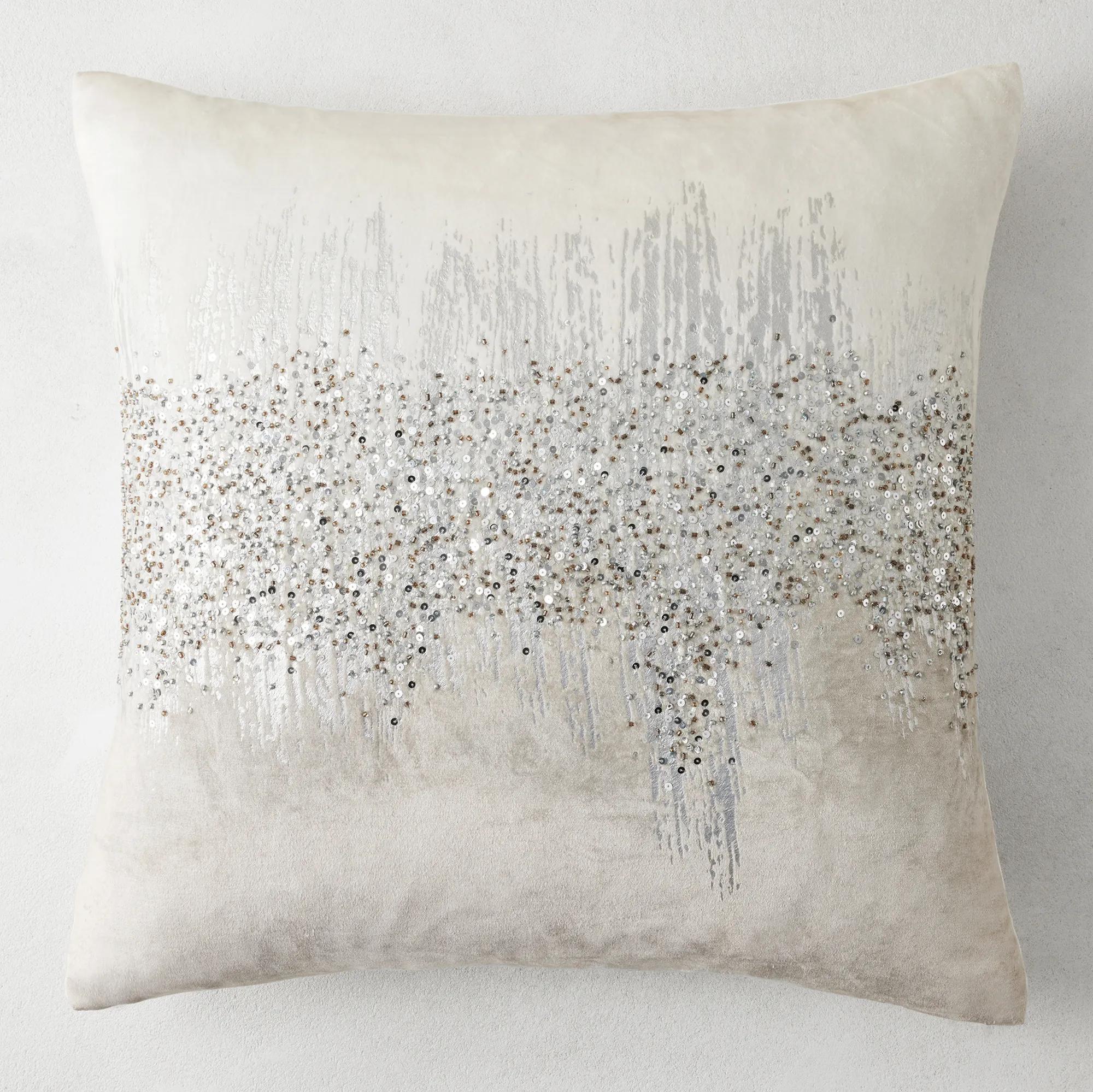
 Joie De Vivre Pillow 22" - Grey$99.95
A hand-dyed grey velvet pillow featuring a shimmering metallic foil print and intricate hand-beaded details.
Add To Cart -

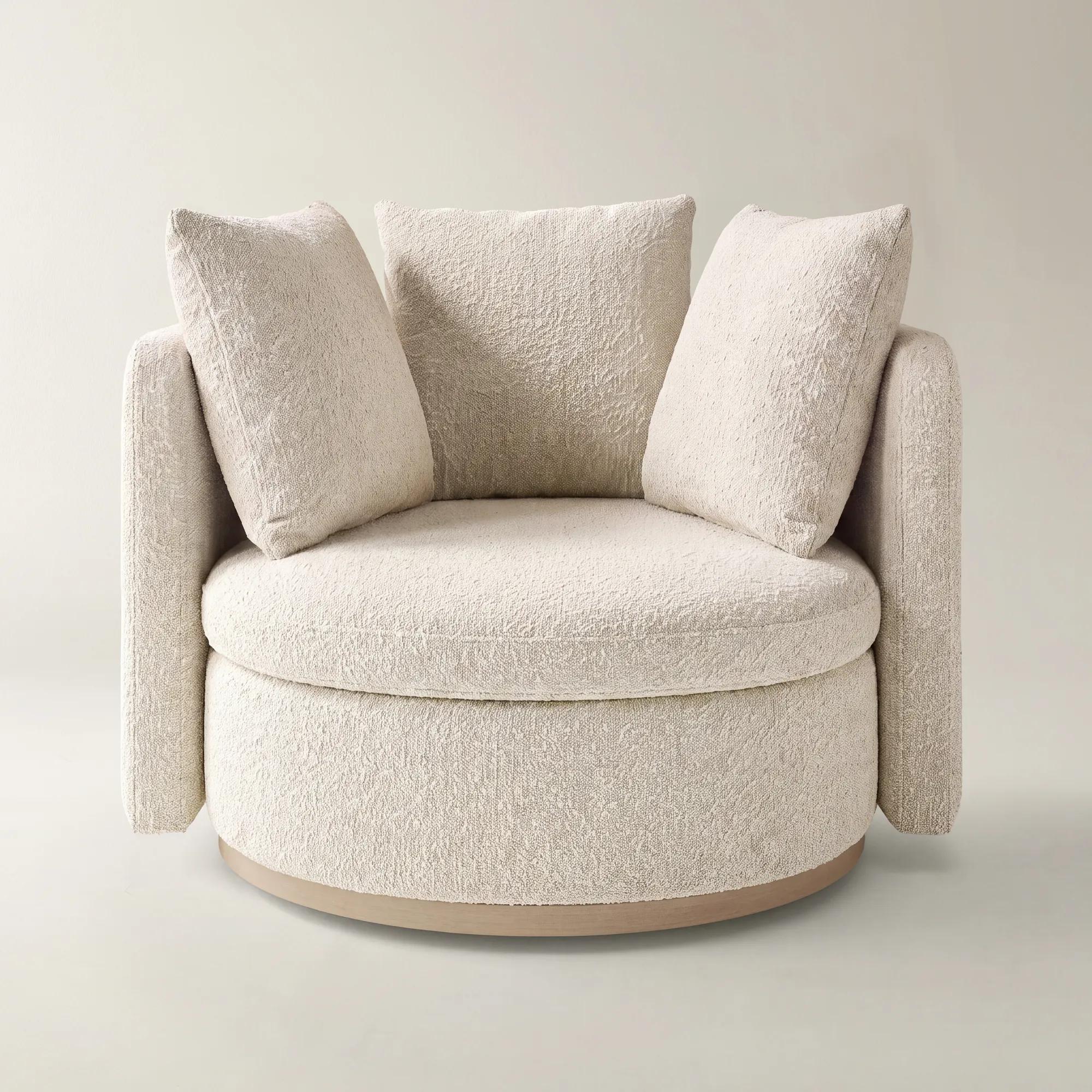
 Stria Light Brown Chenille Swivel Accent Chair$1499
A light brown chenille accent chair featuring triple-layer cushioning, a 360° swivel, and a solid oak base.
Add To Cart -
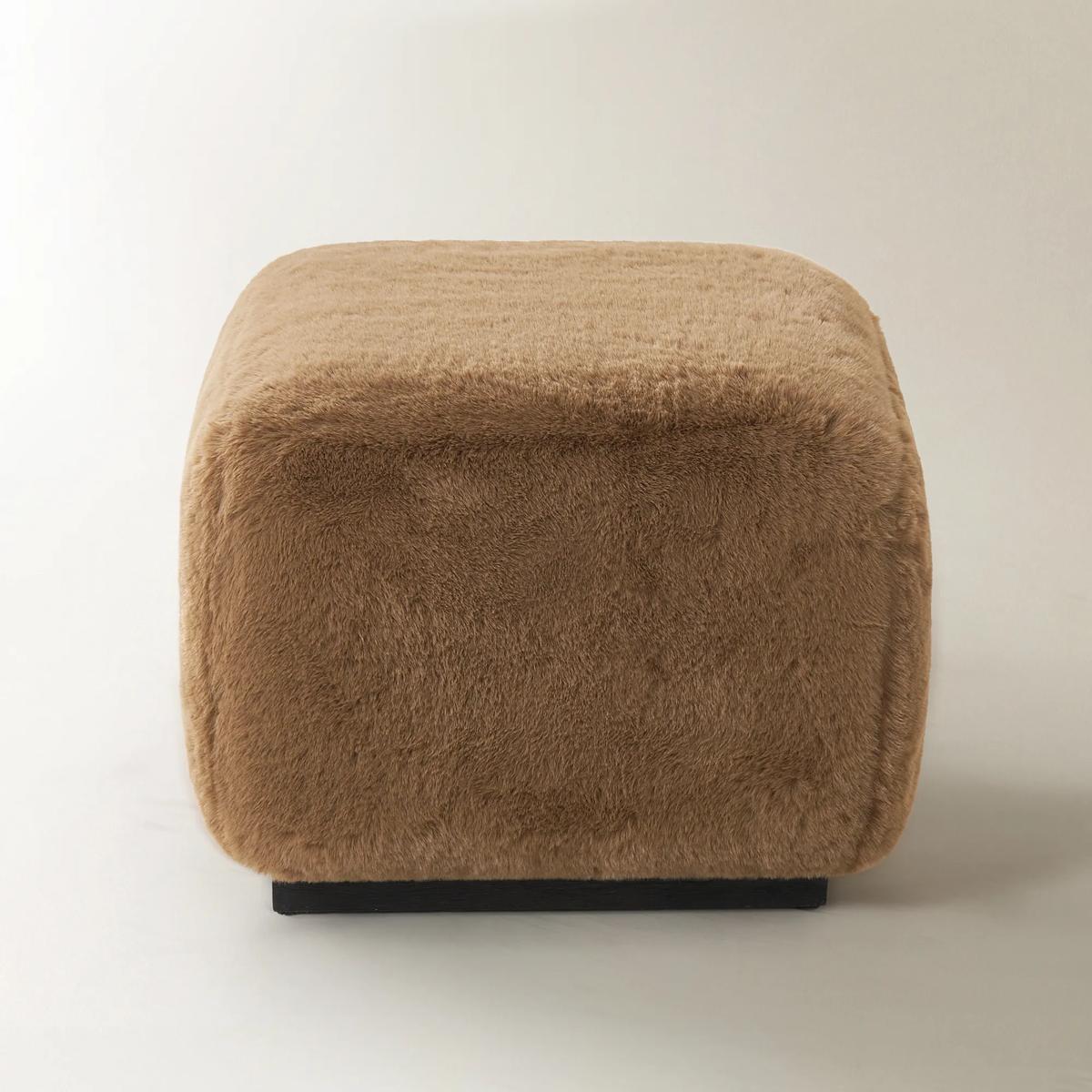
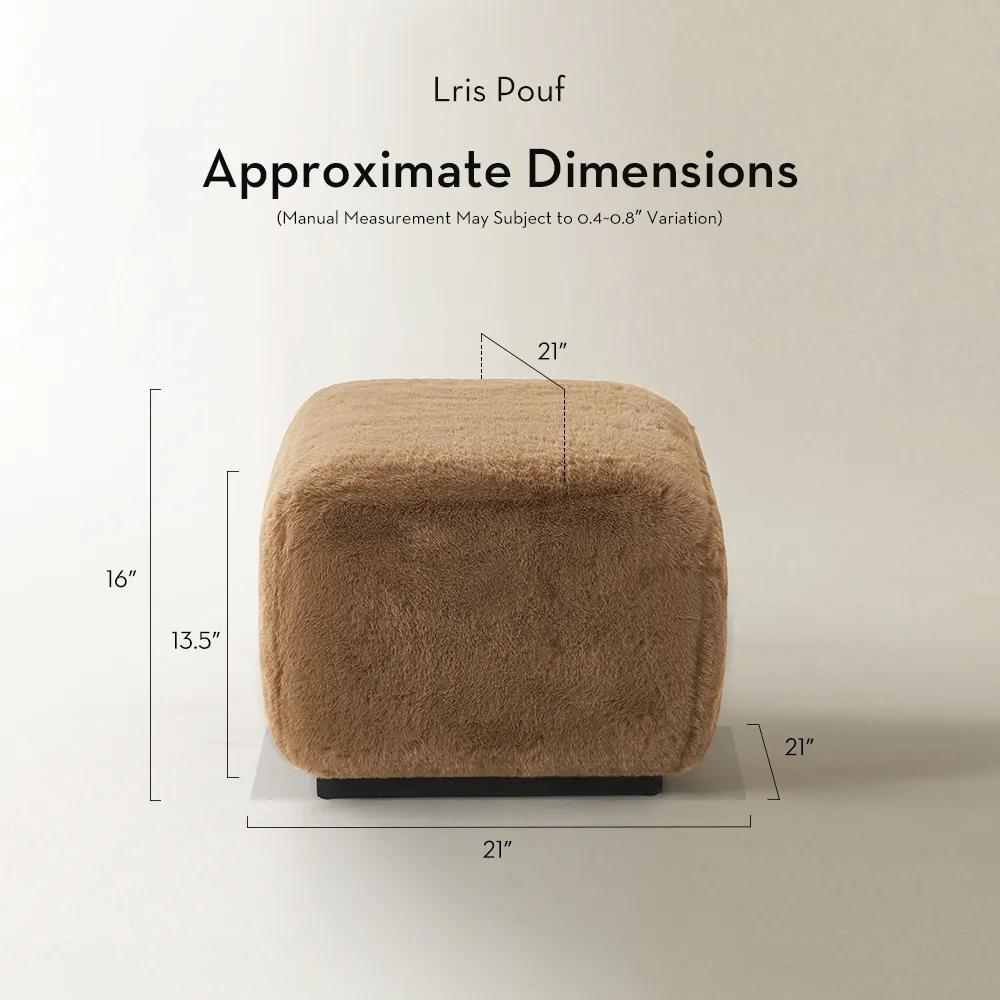 Lris Camel Faux Fur Stool (21")$299
A camel faux fur pouf with a solid rubberwood base, offering cozy warmth and modern sophistication.
Add To Cart -

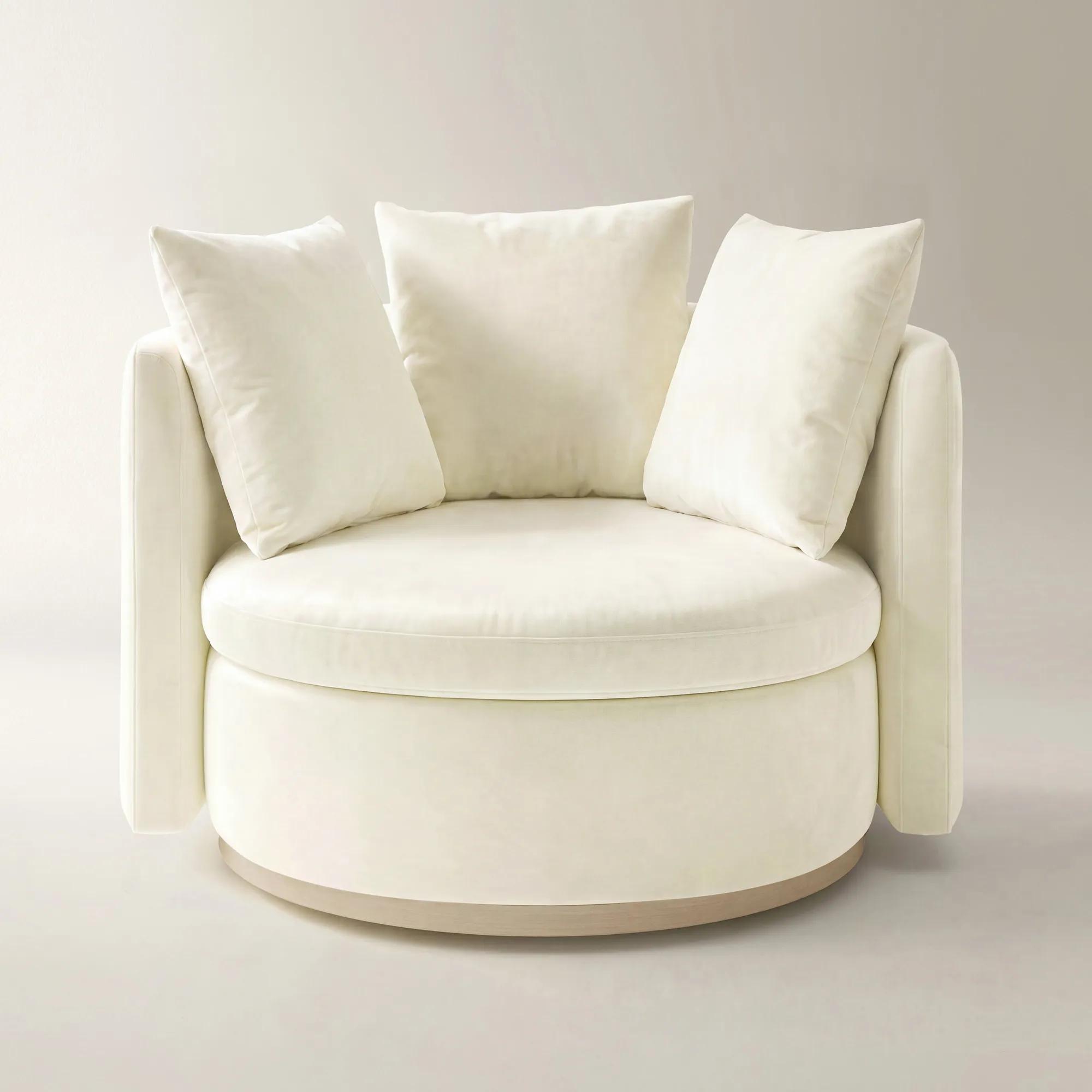
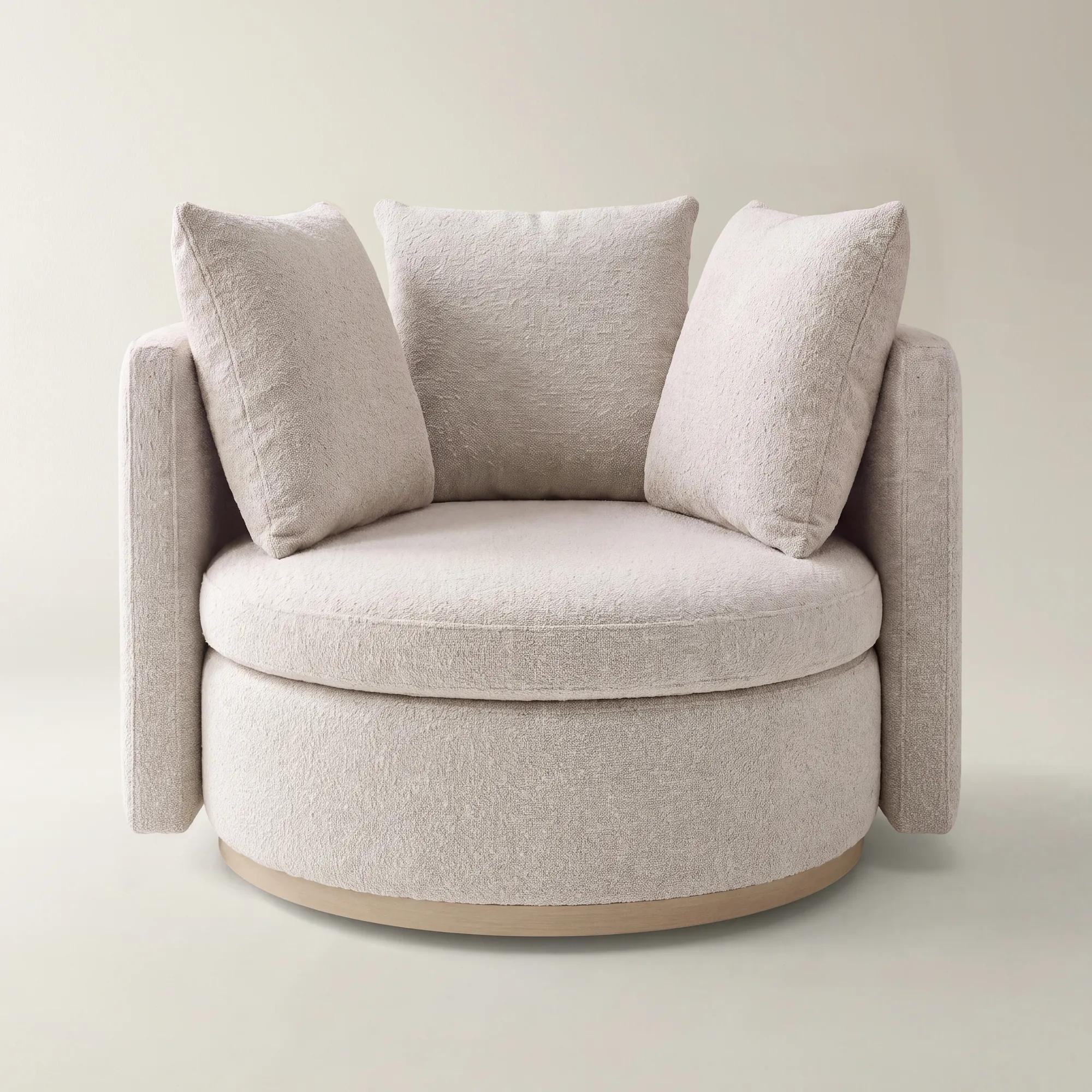
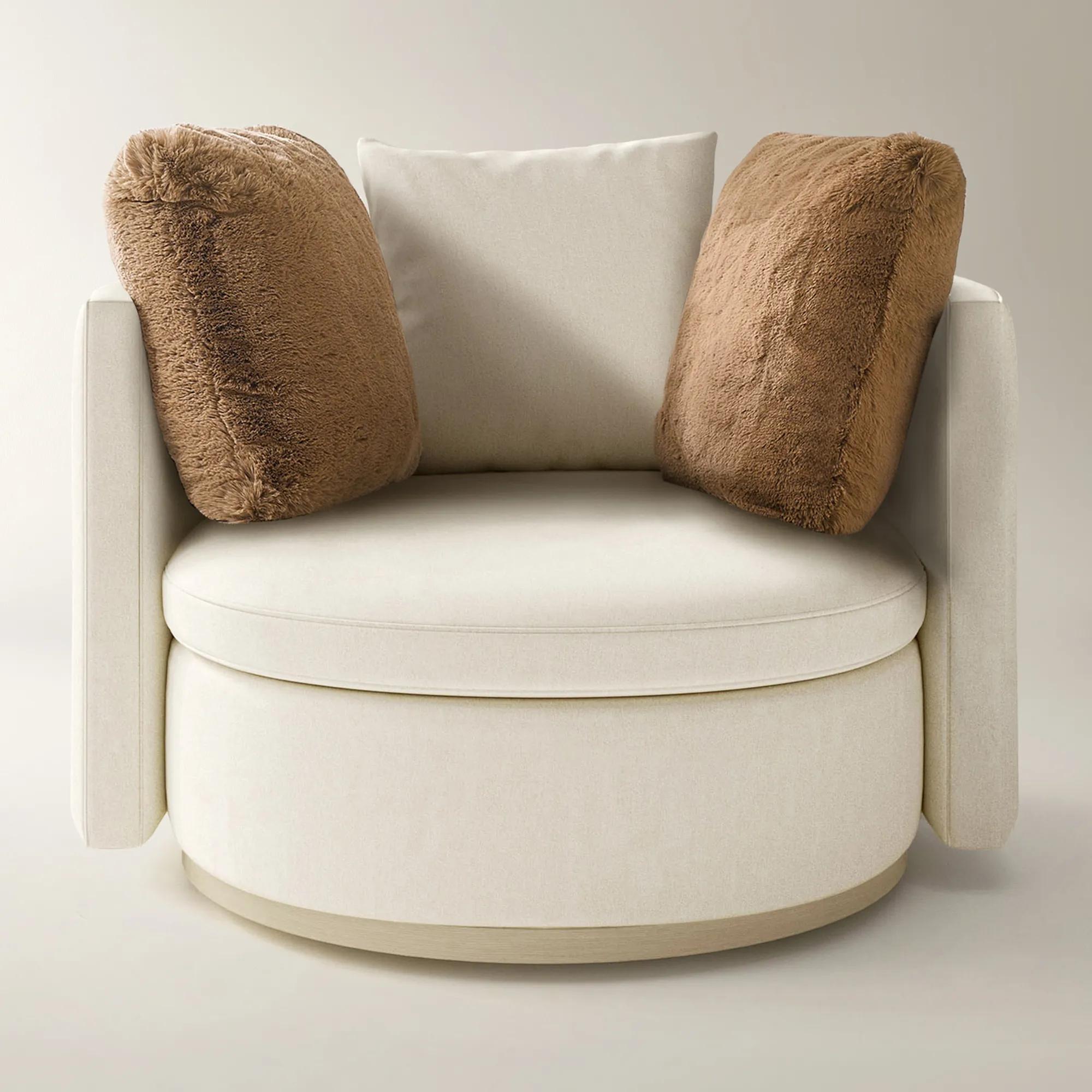 Stria Ivory Chenille Swivel Accent Chair$1499
An ivory chenille accent chair with triple-layer cushioning, ergonomic curves, and a smooth 360-degree swivel.
Add To Cart -
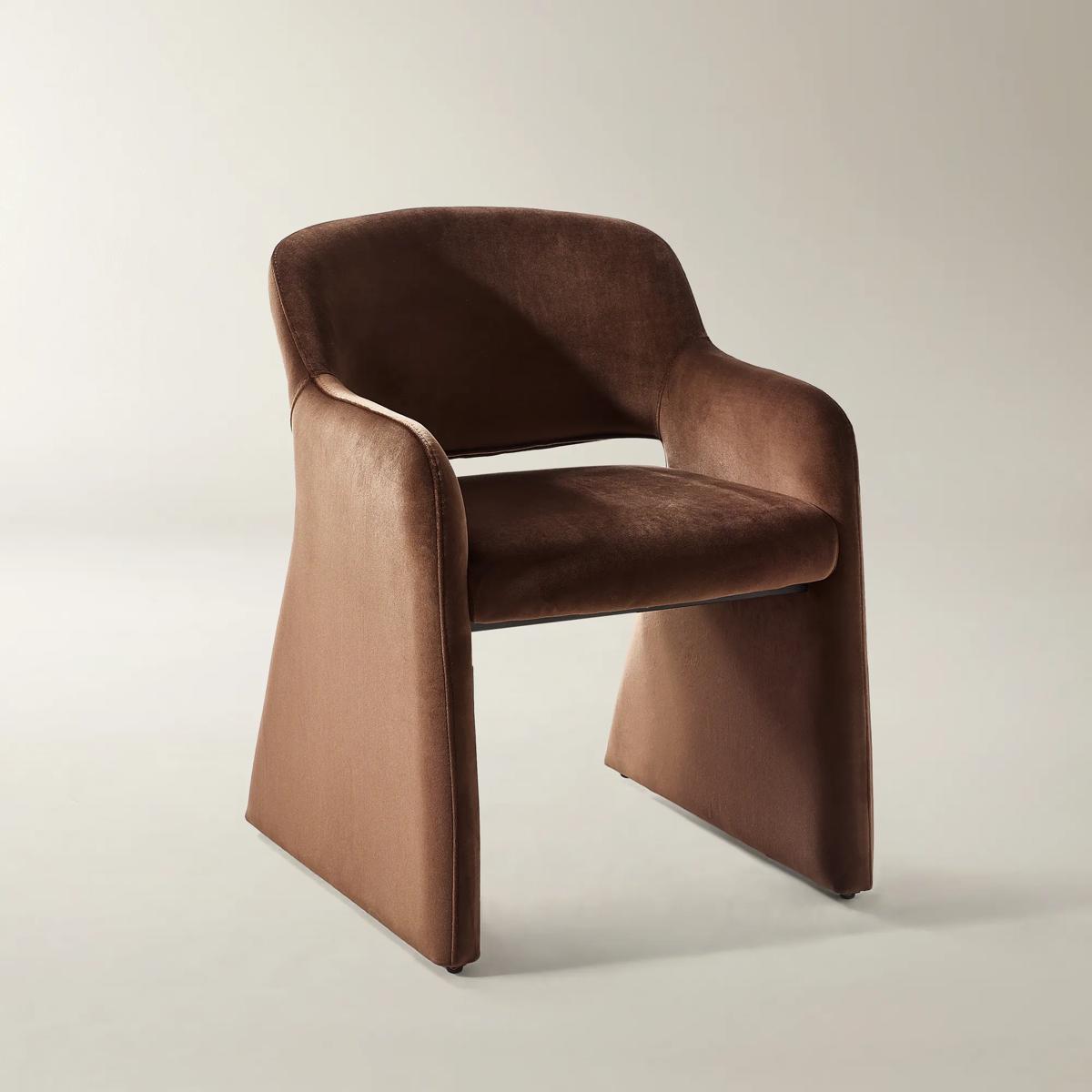
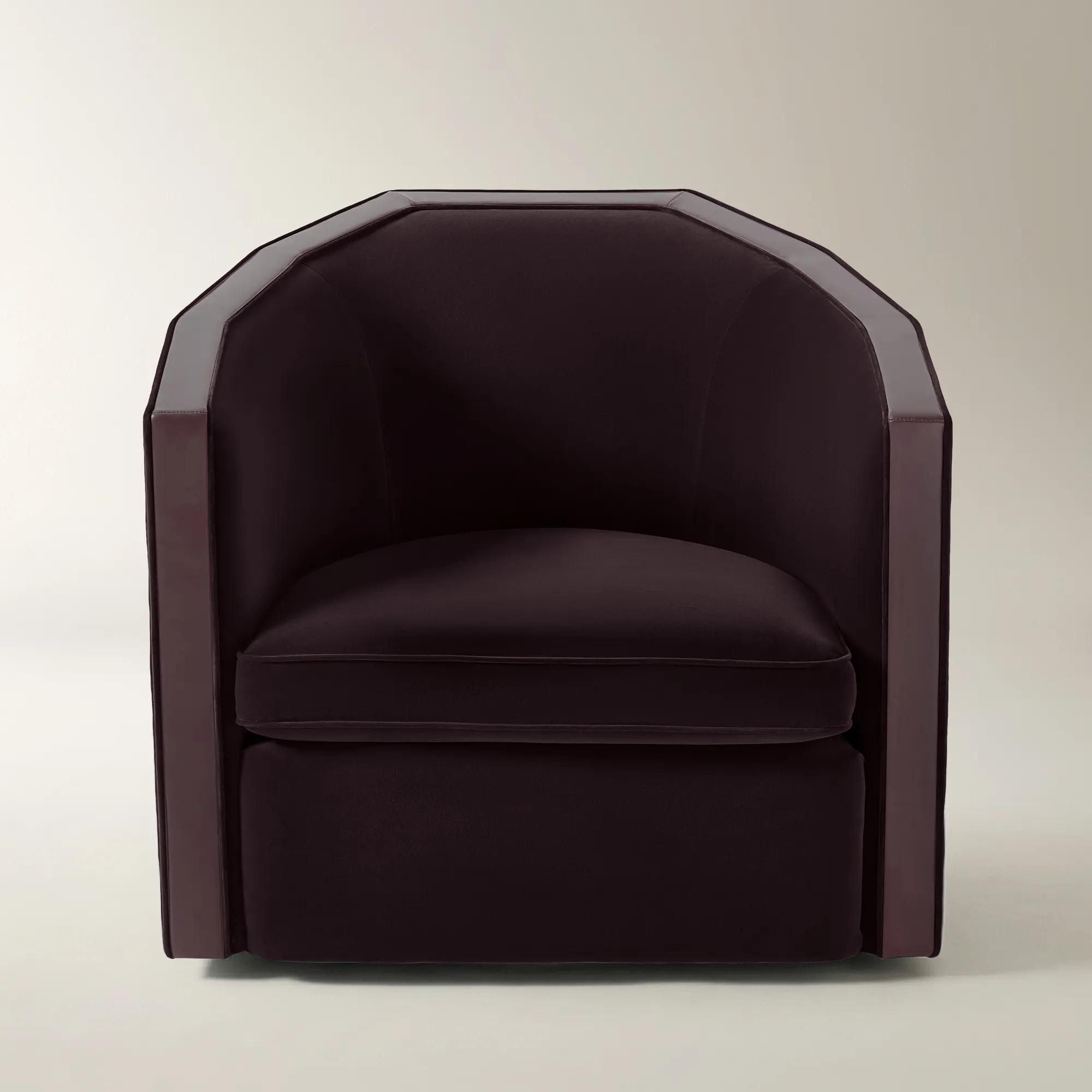
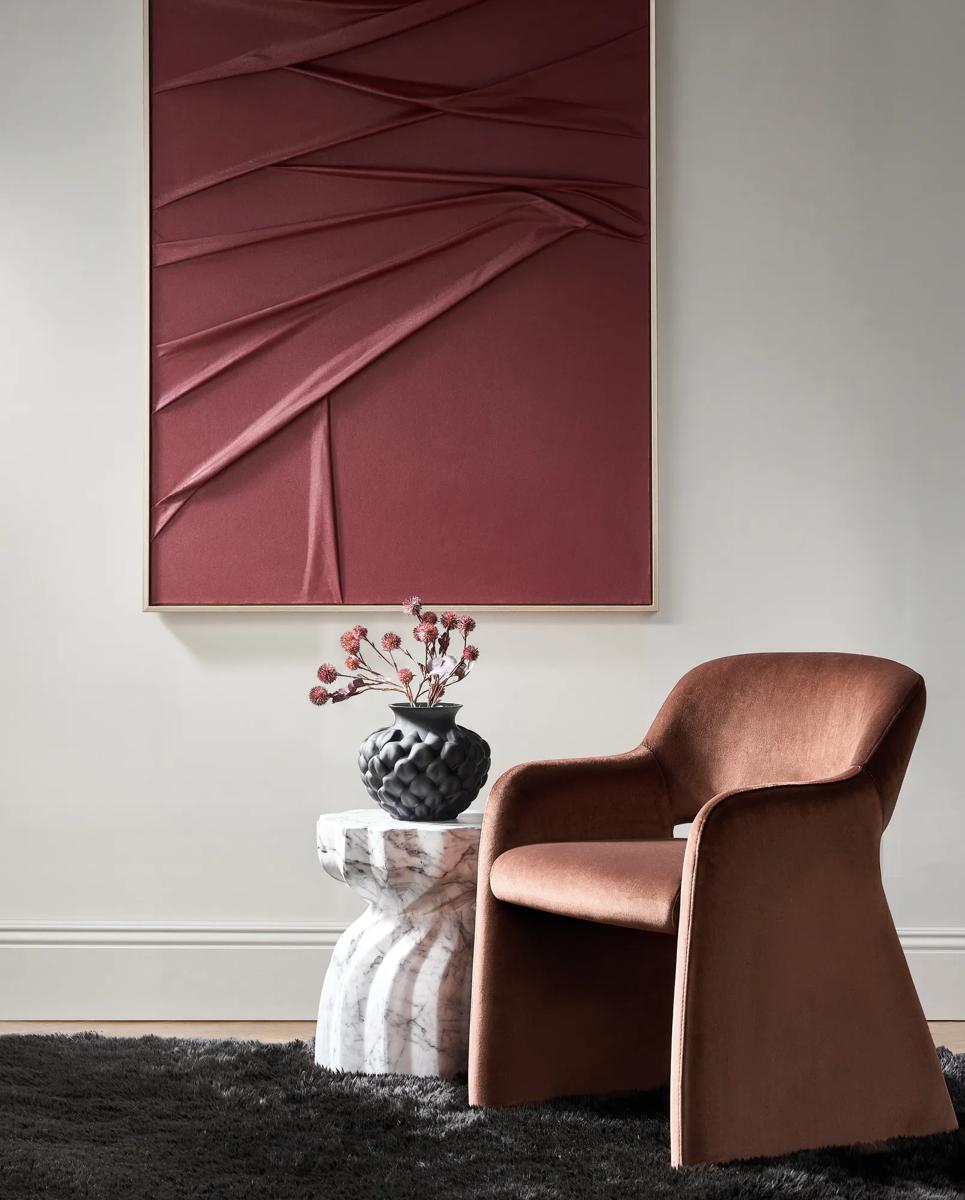 Elara Burnt Umber Velvet Dining Chair$449
A plush brown velvet armchair with sinuous curves, ergonomic support, and hand-crafted, reinforced details.
Add To Cart -
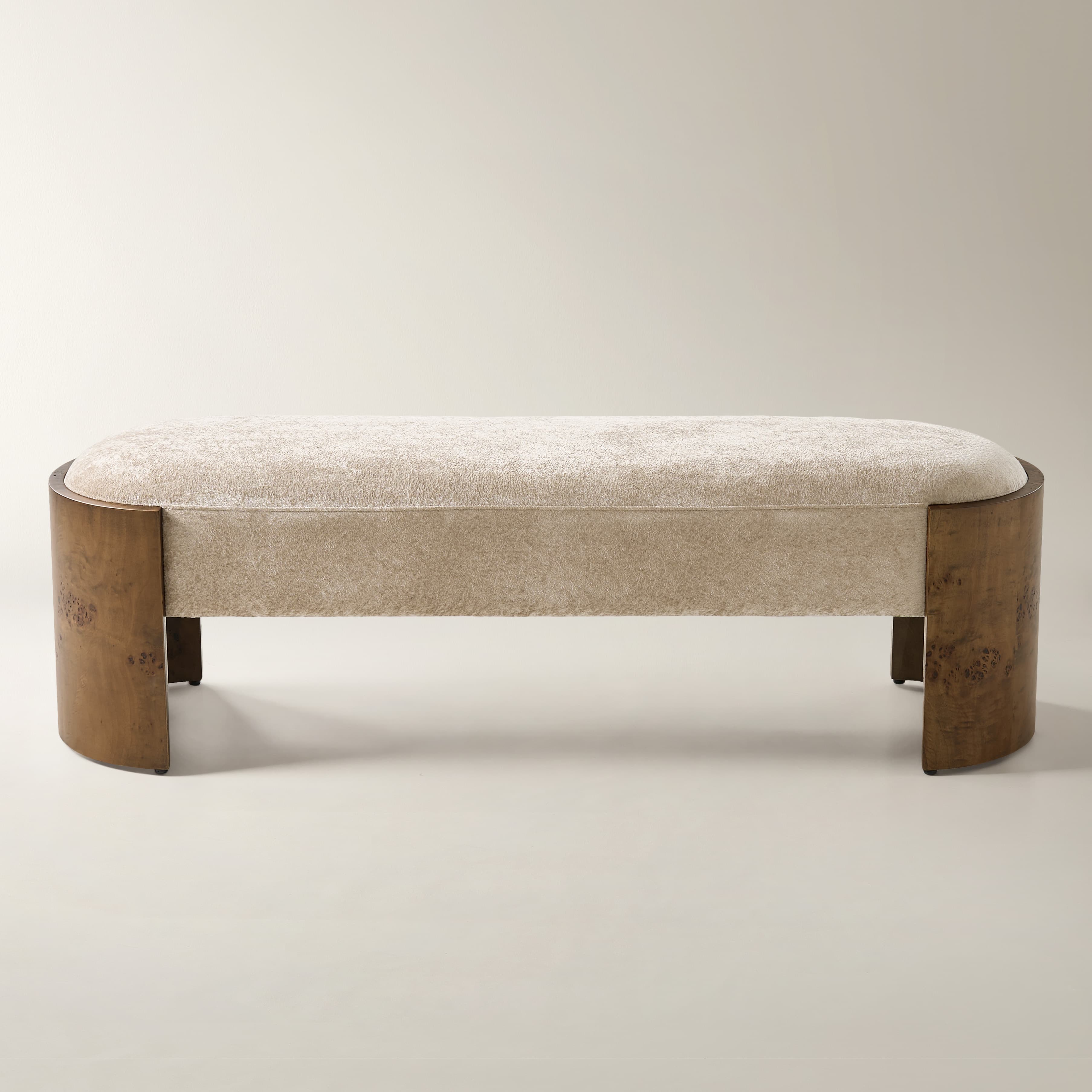 Cora Light Brown Chenille With Ash Wood Bench (60.6")$999
A light brown chenille bench with curved ash burl veneer panels, blending plush comfort and organic artistry.
Add To Cart -
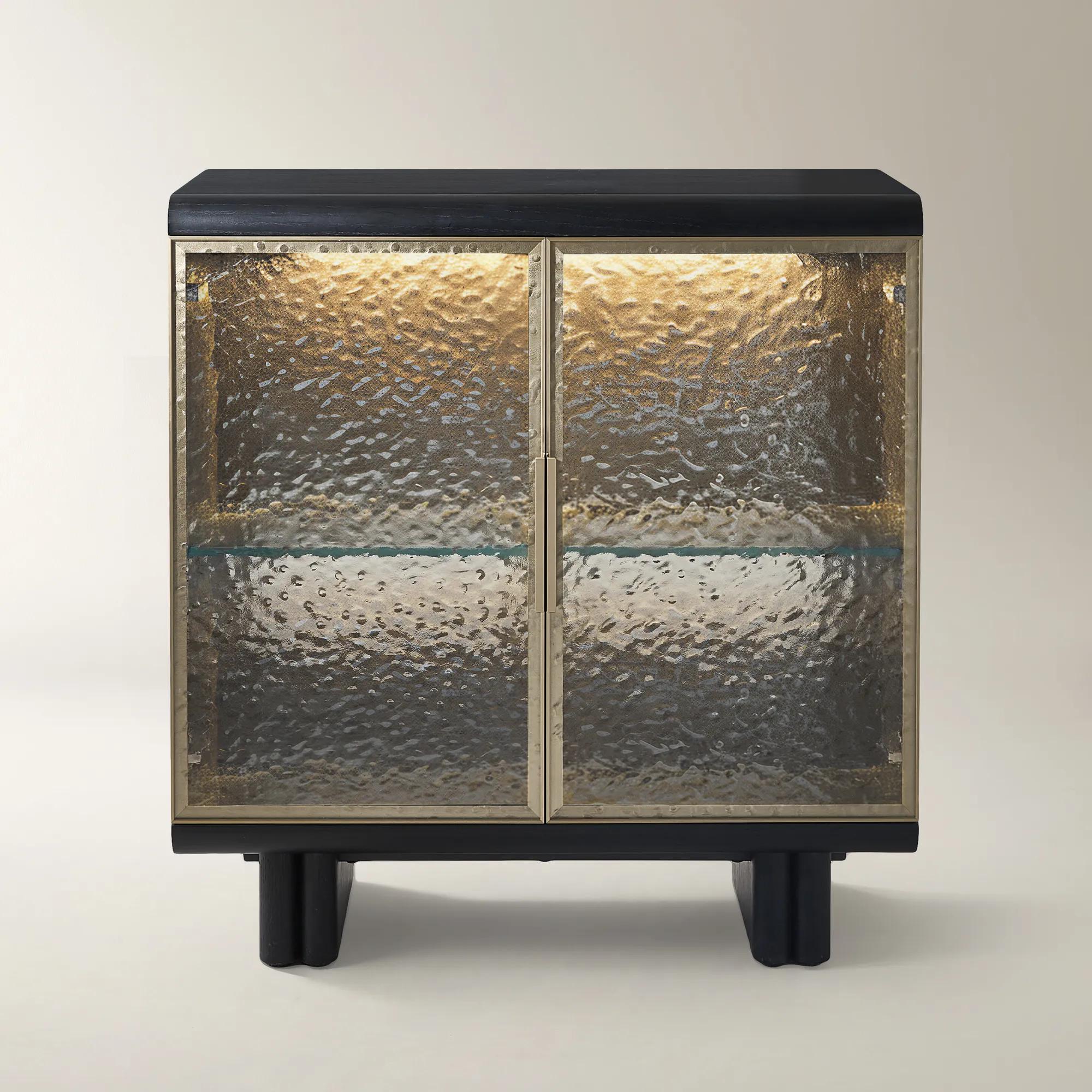
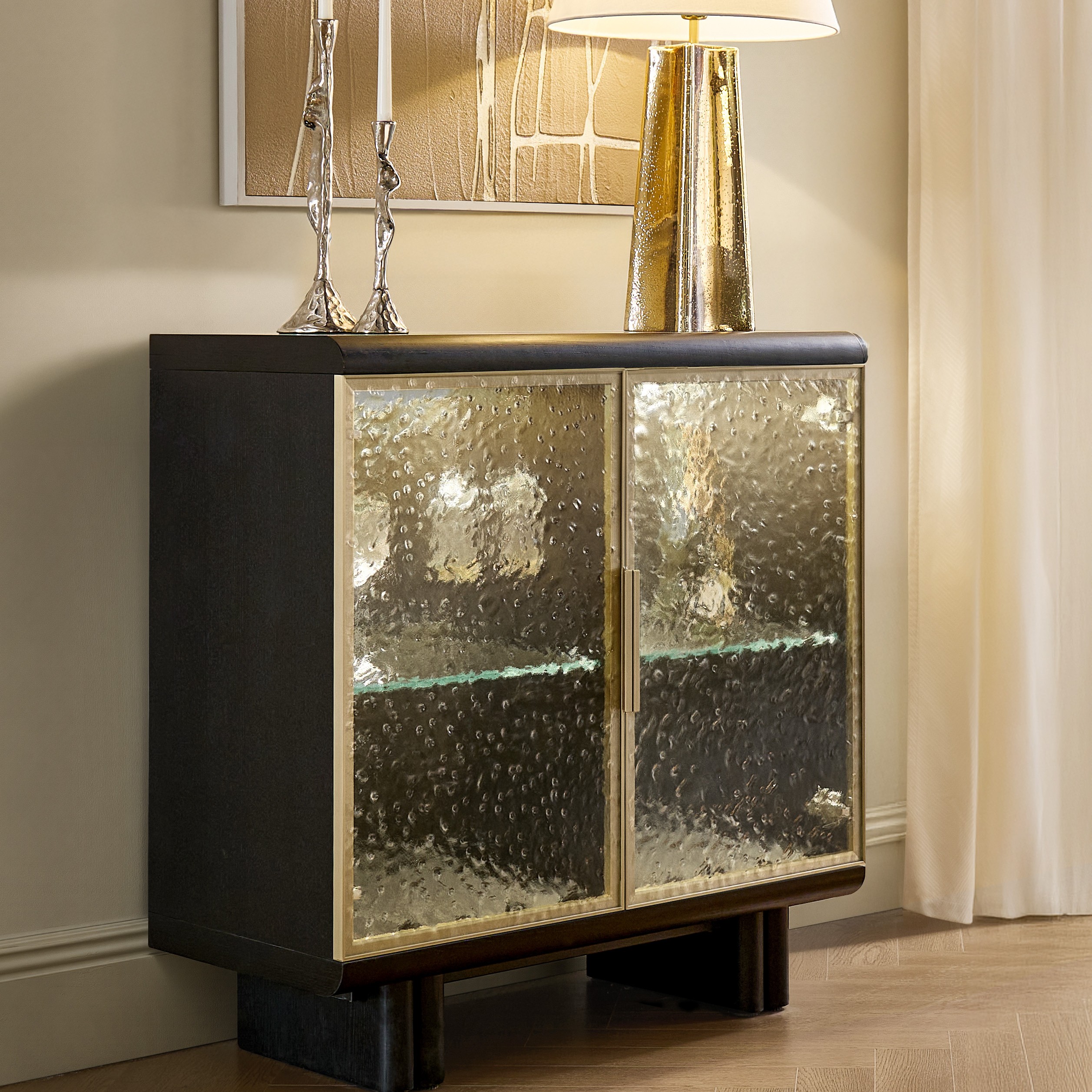 Eleanor Cerused Black Oak Buffet With Wavy Glass Door (38")$1599
A matte black oak veneer buffet with wavy glass doors, mirrored back, and touch-control LED lighting.
Add To Cart -
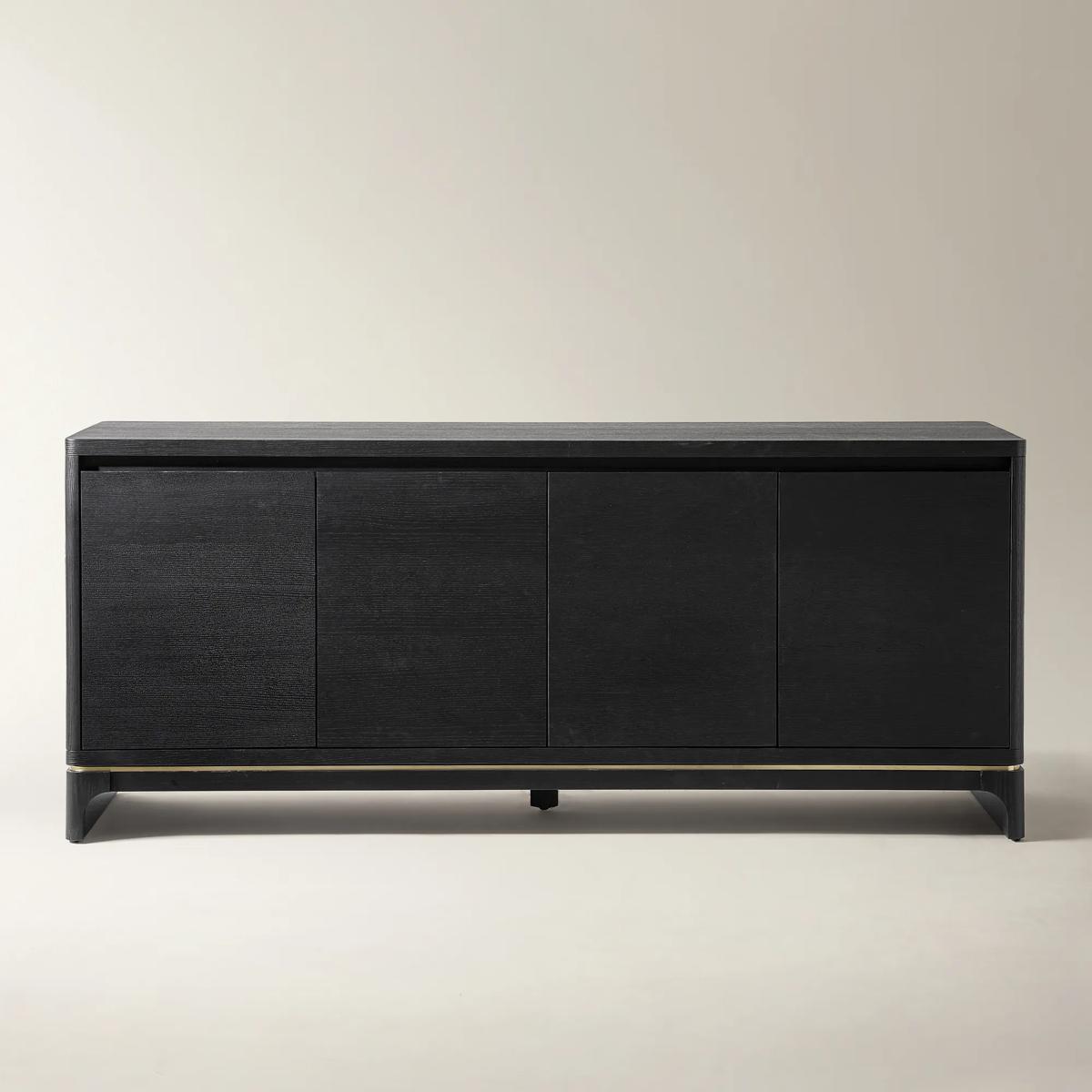
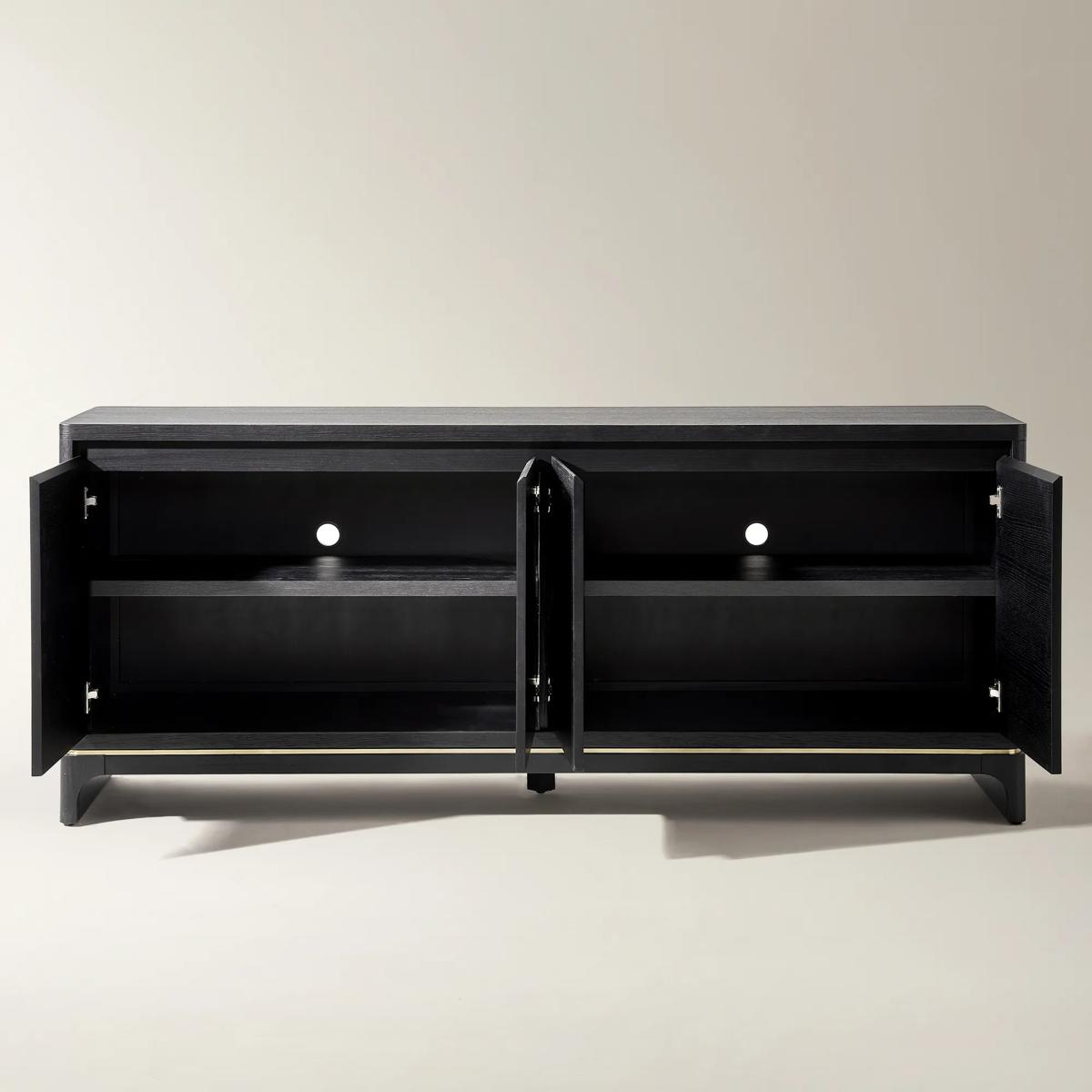 Vanta Black Oak Buffet (72")$1999
A matte black oak sideboard with gold stainless steel trim and concealed pulls for modern, elegant storage.
Add To Cart -
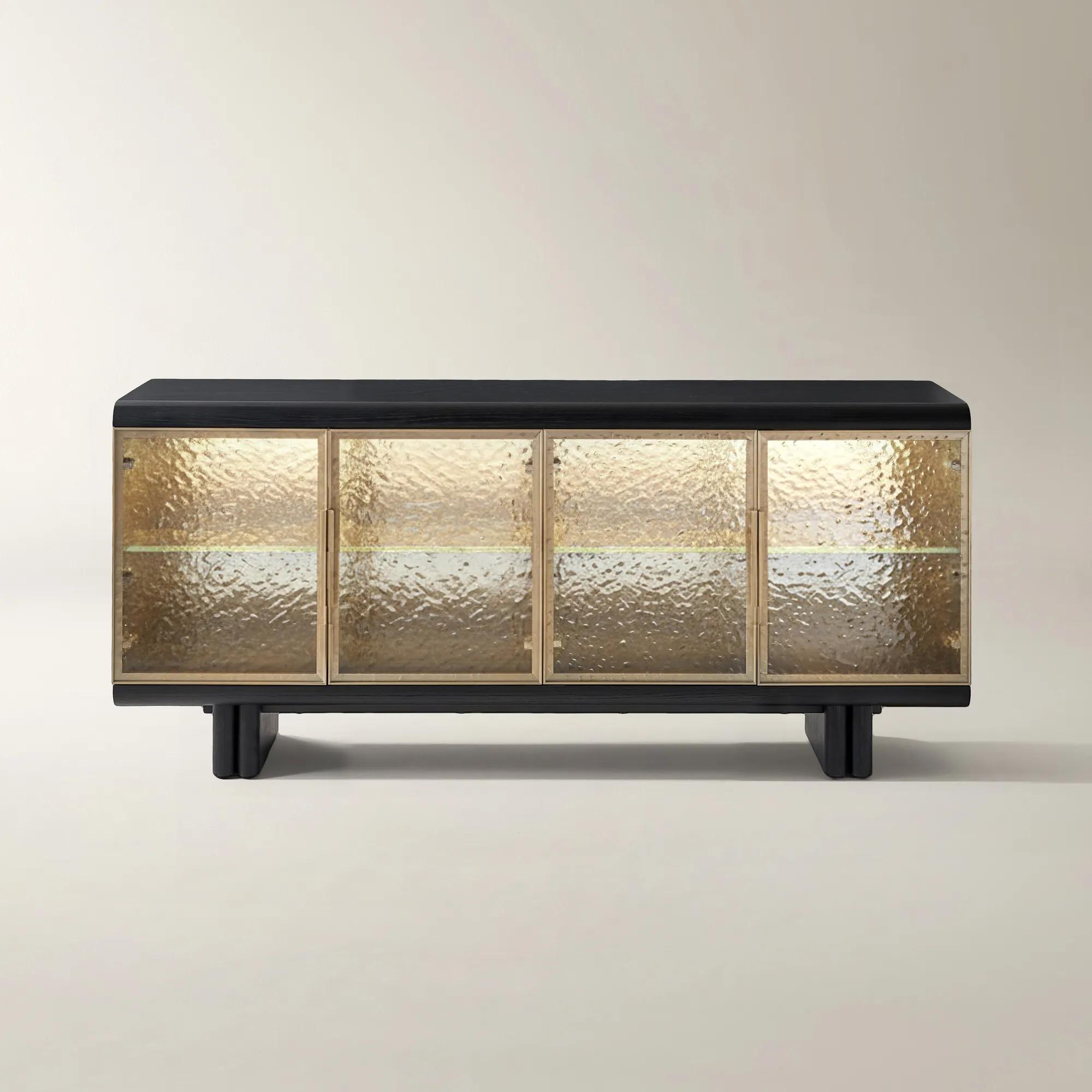 Eleanor Cerused Black Oak Buffet With Wavy Glass Door (72")$2099
A matte black oak veneer buffet featuring wavy art-glass doors, mirrored back, and integrated LED lighting.
Add To Cart -
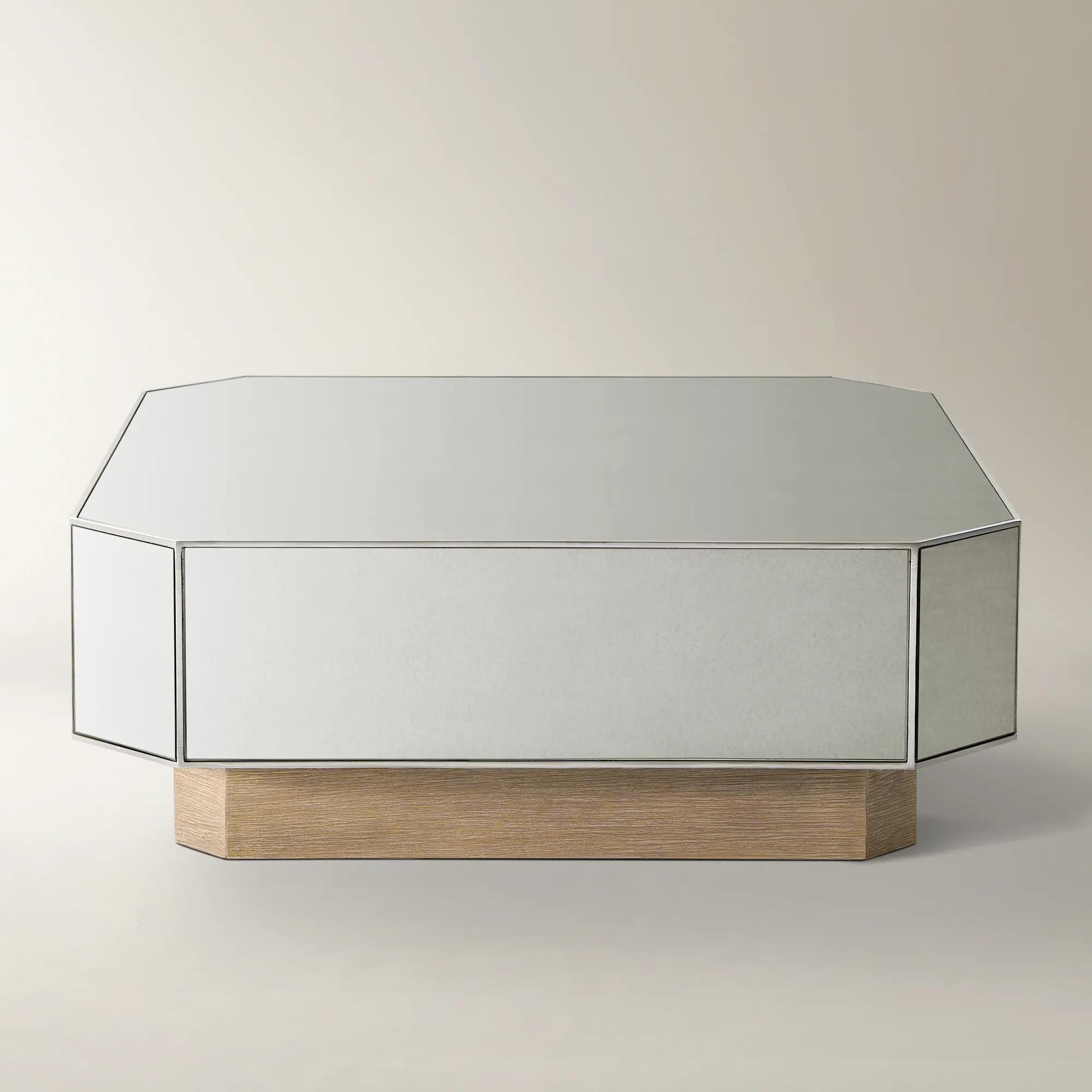 Glimmer Silver Mirrored Coffee Table (44")$1699
A luminous coffee table featuring an antique silver mirror top and warm oak veneer base with handcrafted details.
Add To Cart -
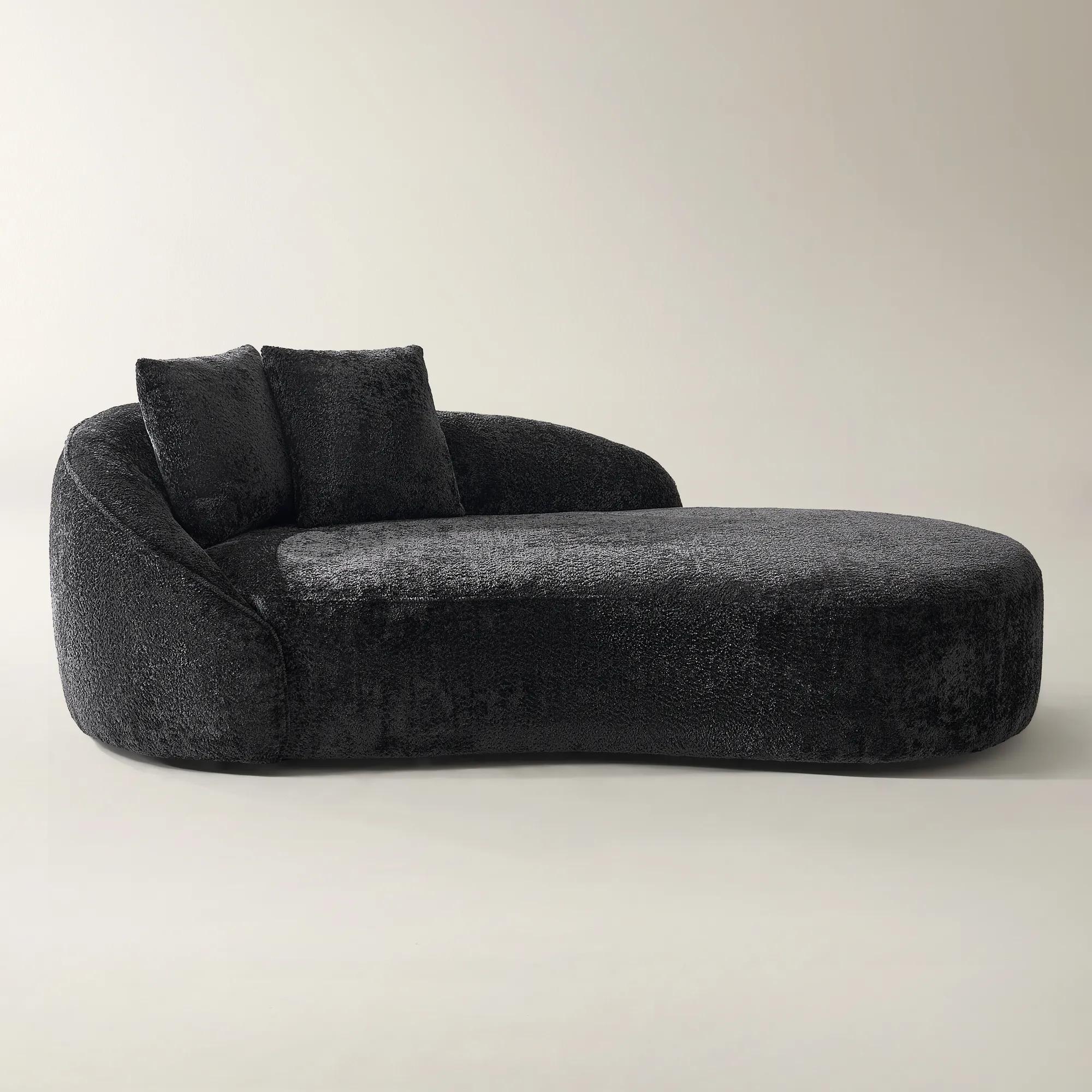 Irene Black Chenille Chaise$1899
A sculptural chaise in charcoal chenille with high-resiliency foam cushions and artisan hand-finished details.
Add To Cart -
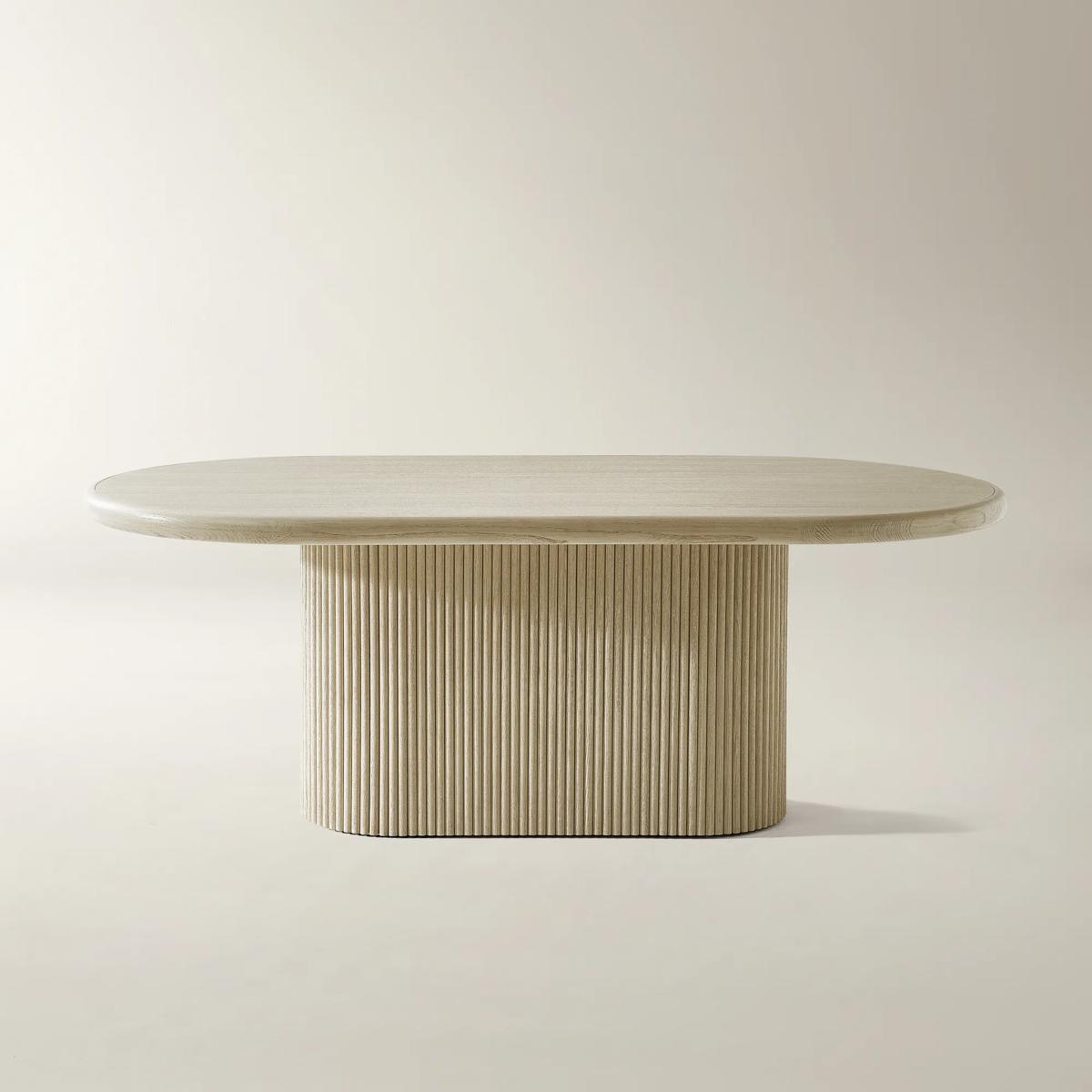
 Stria Oval Reeded White Oak Dining Table (82")$2199
A sculptural oval dining table featuring reeded oak, a single pedestal base, and gold-plated steel trim.
Add To Cart -
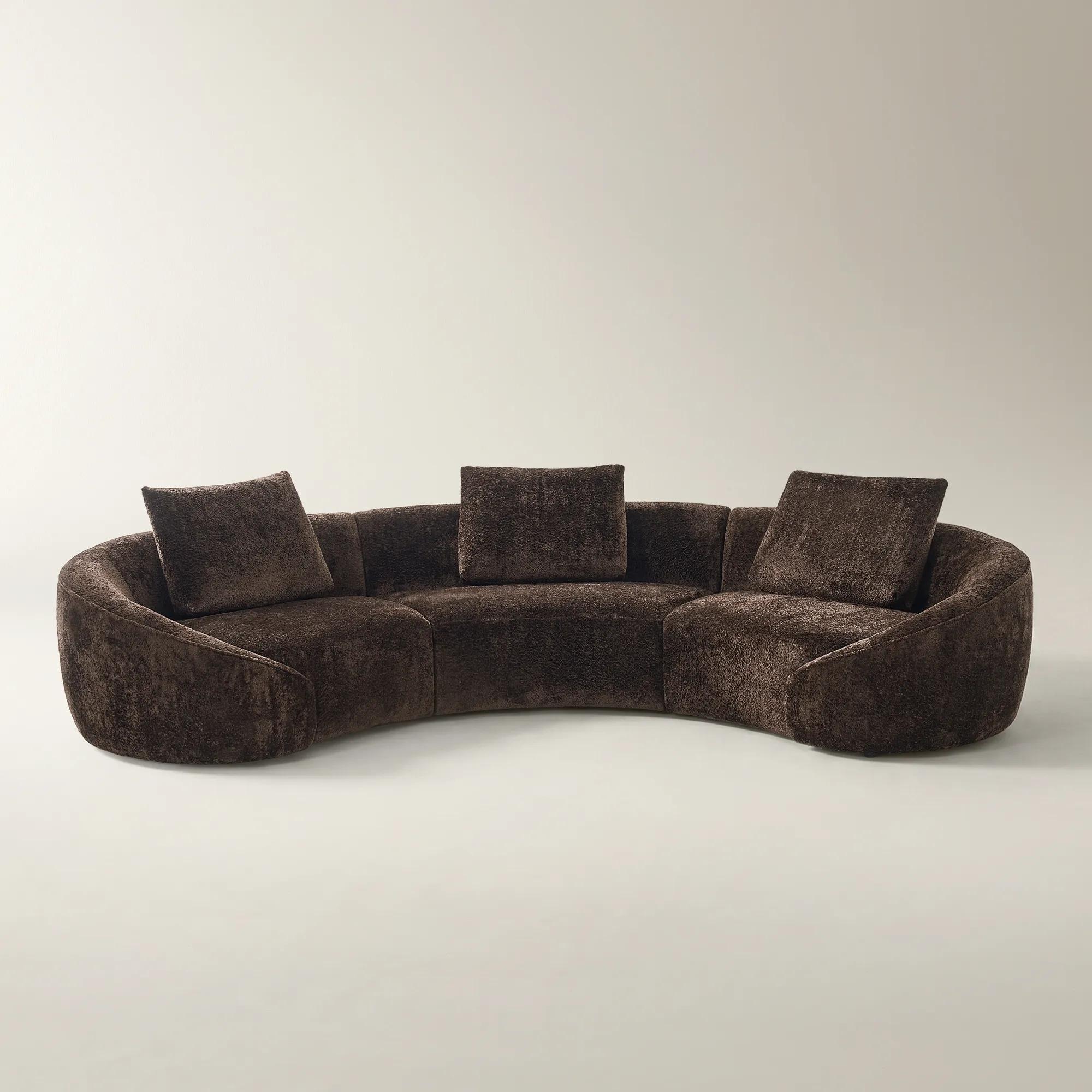 Irene 3-Piece Dark Chocolate Chenille Sectional Sofa$3899
A sculptural, hand-finished sectional wrapped in dark chocolate chenille with plush foam cushions and accent pillows.
Add To Cart -

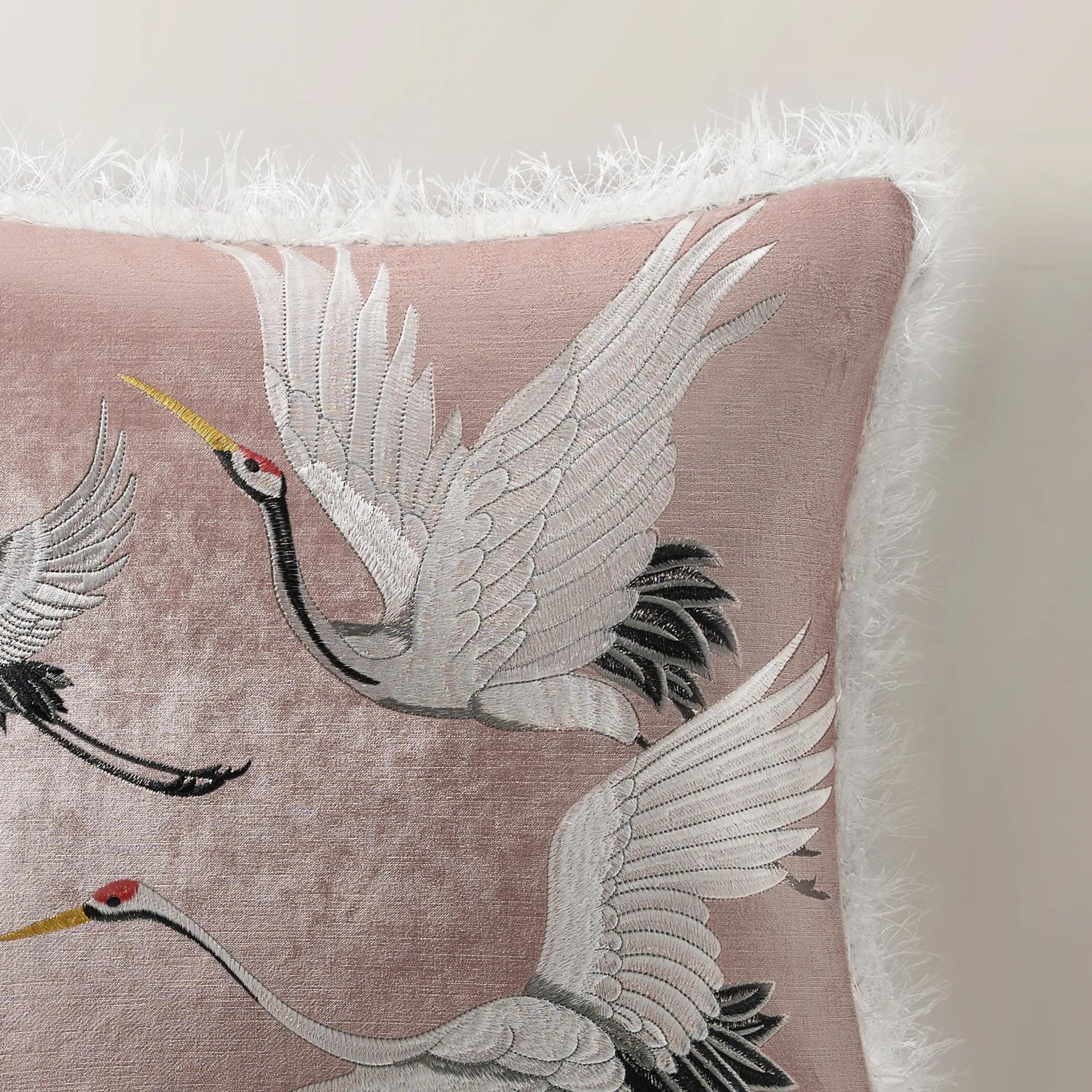 Crane Embroidered Dusty Rose Velvet Pillow 20" x 20"$119
An embroidered velvet pillow in dusty rose featuring delicate crane motifs and playful eyelash fringe.
Add To Cart -
 Shay Faux Fur Floor Pillow 30" - Rich Mocha$129
A plush faux fur floor pillow in rich mocha with a feather-down insert for cozy sophistication.
Add To Cart -
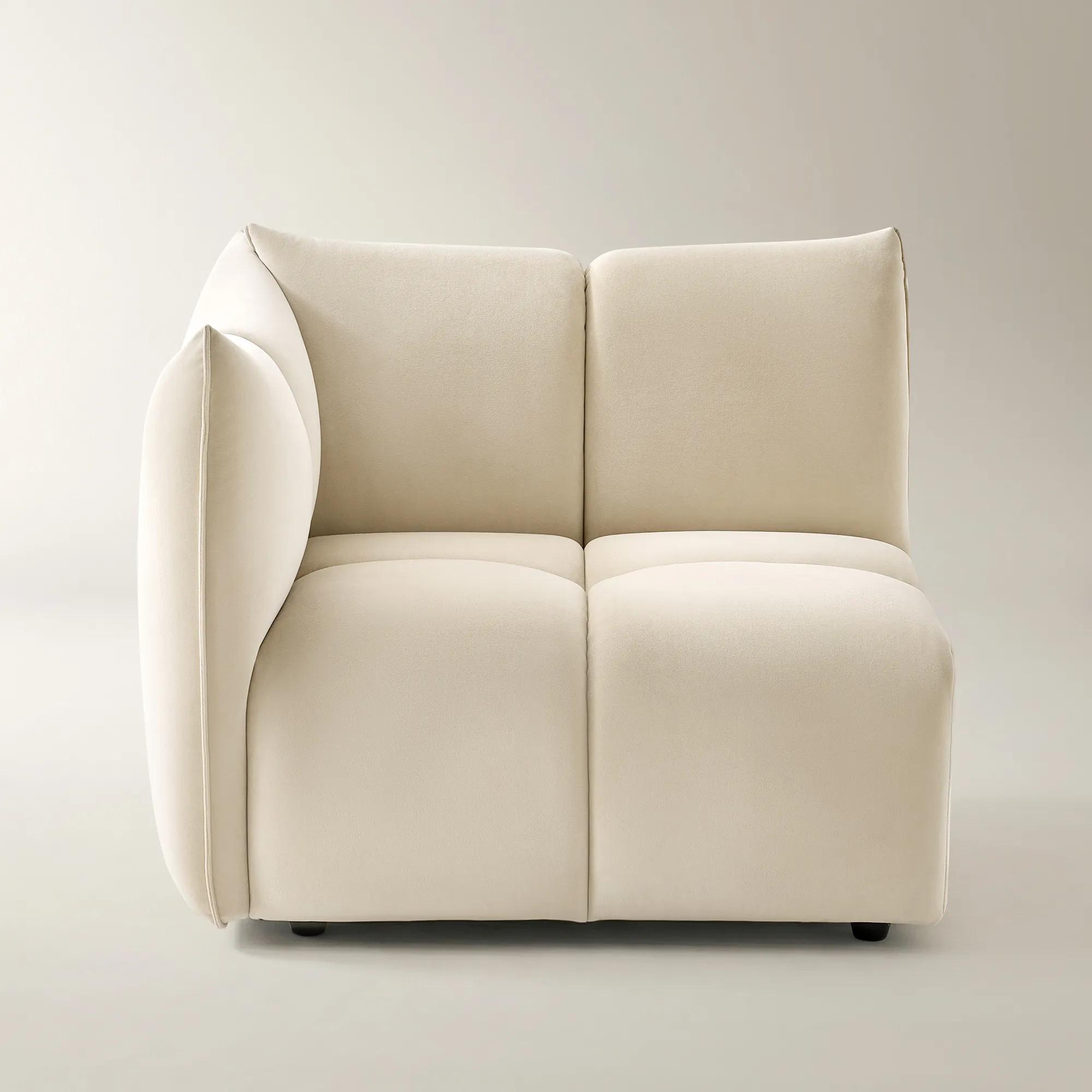 Reina Tufted Oatmeal Velvet Left-Arm Chair$899
A left-arm chair in oatmeal velvet featuring channel tufting, deep seating, and an architectural winged profile.
Add To Cart -
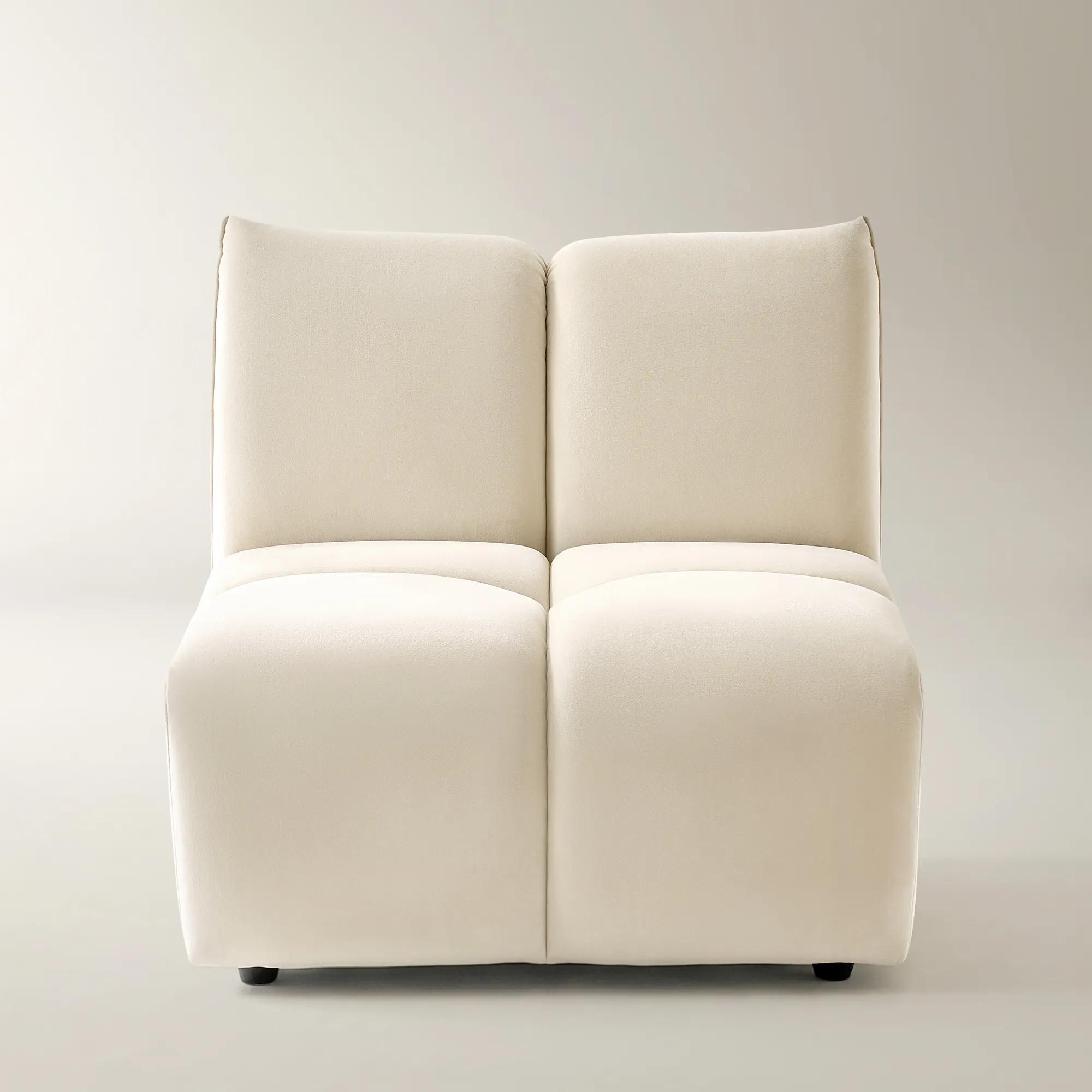
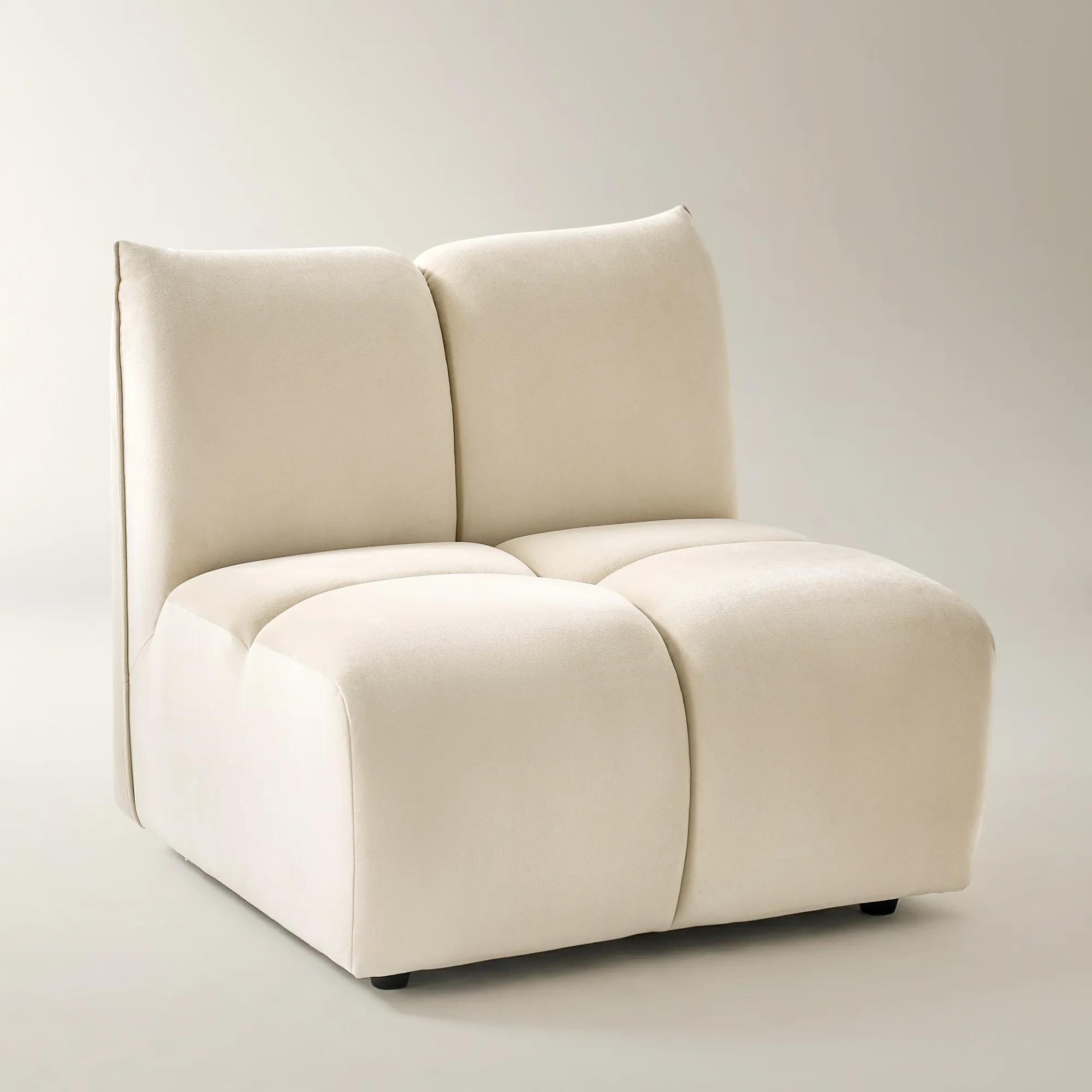 Reina Tufted Oatmeal Velvet Armless Chair$799
A plush oatmeal velvet armless chair featuring channel tufting, deep seating, and an architectural winged profile.
Add To Cart -
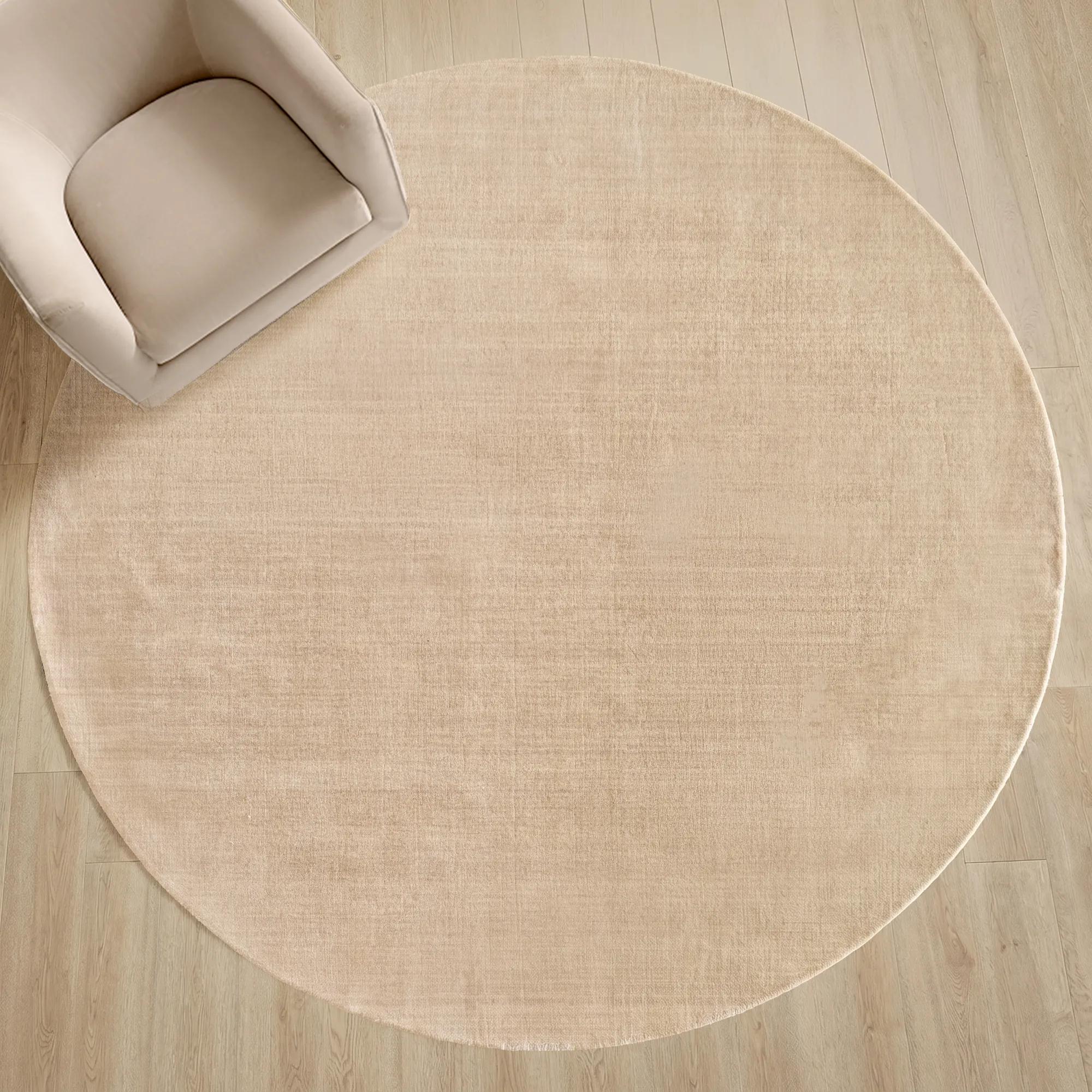 Juni Hand Woven Heathered Warm Beige Round Rug$1399
A handwoven round wool rug in heathered warm beige, offering refined texture and everyday durability.
Add To Cart -
 Willa Natural Alabaster Chandelier 13"D x 17"H$599
An artful chandelier featuring hand-cut alabaster panels and a brushed brass frame for a diffused, elegant glow.
Add To Cart -
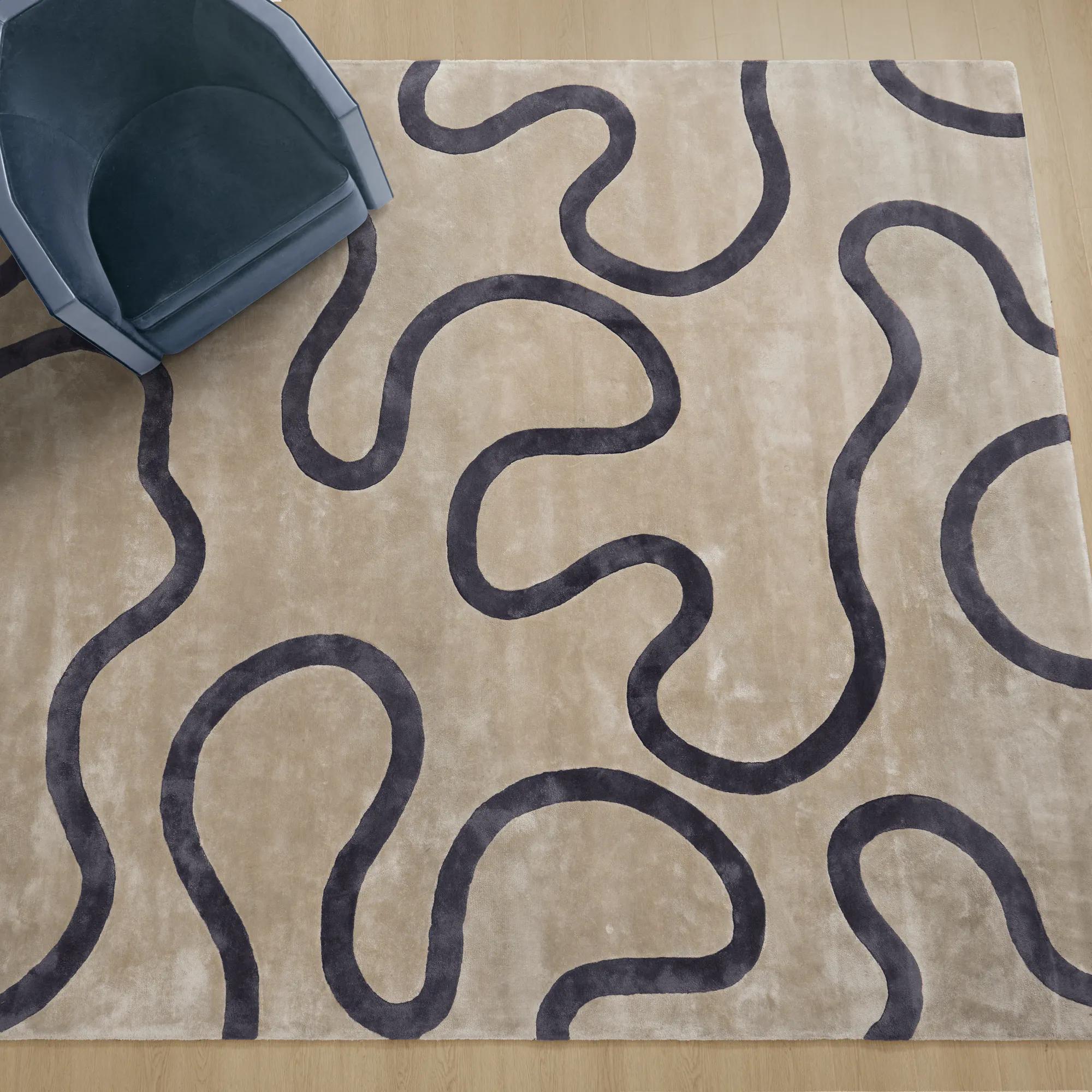 Seraphine Hand-Tufted Smoked Pearl/Taupe Viscose Loop Rugs$1199
A hand-tufted viscose rug featuring bold loop patterns in smoked pearl and taupe for modern elegance.
Add To Cart -

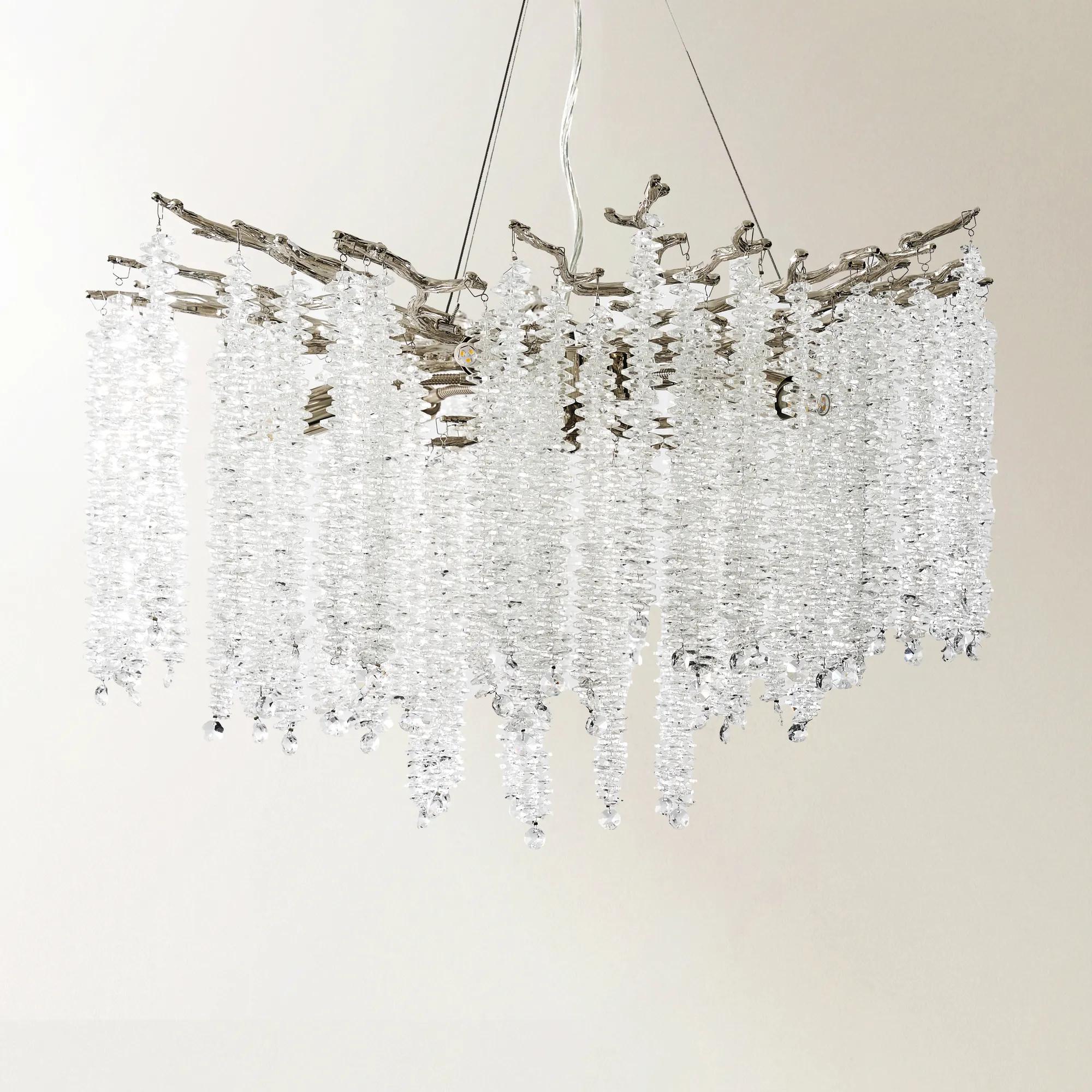 Cassia Clear Cut Crystal Chandelier 23.75"W x 13.75"H$599
A cascading waterfall of clear crystal beads and a nickel frame create a dazzling, contemporary lighting statement.
Add To Cart -
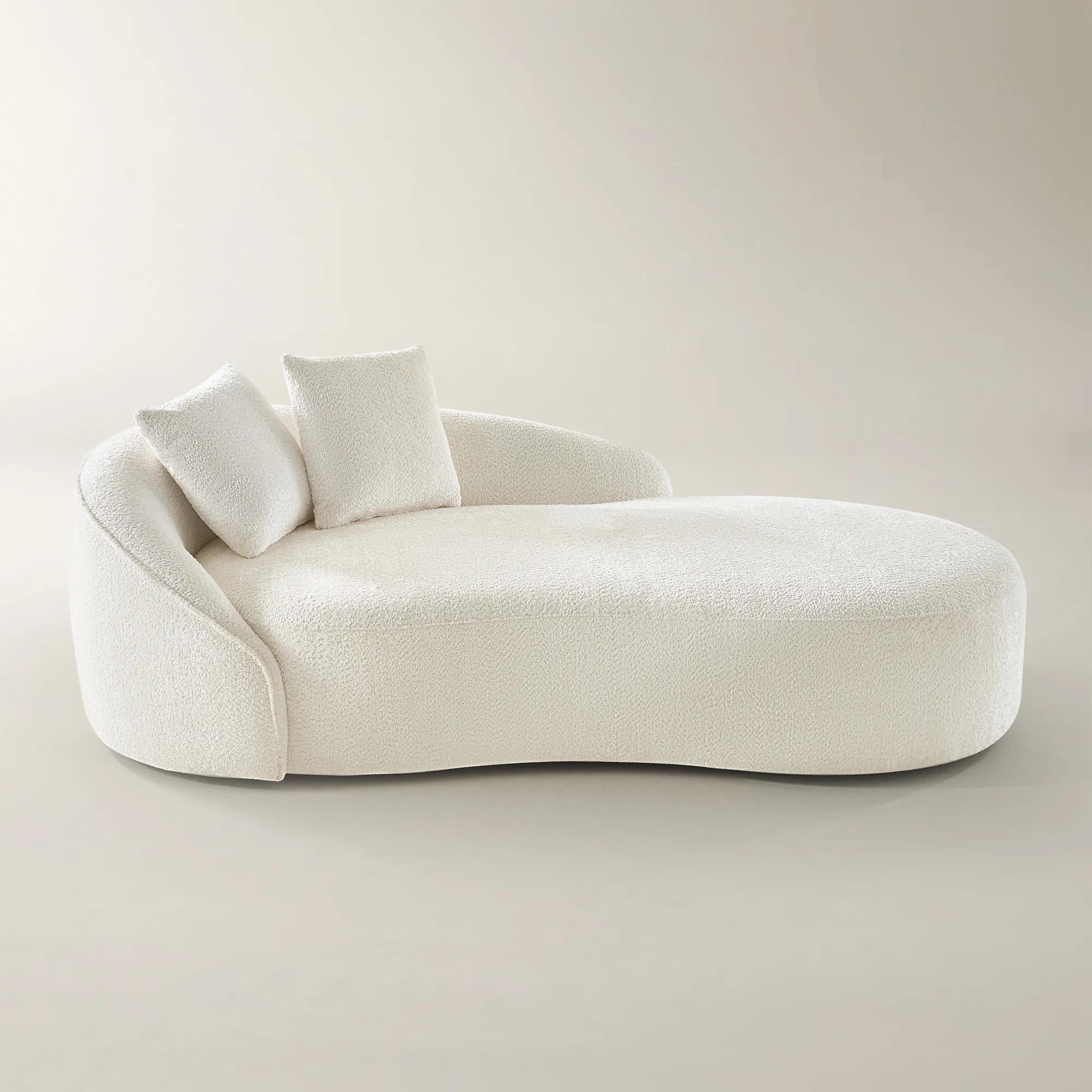 Irene Utopia Sand Chenille Chaise$1899
A sculptural chaise in creamy Utopia Sand chenille, featuring plush foam cushions and artisan hand-finished details.
Add To Cart -
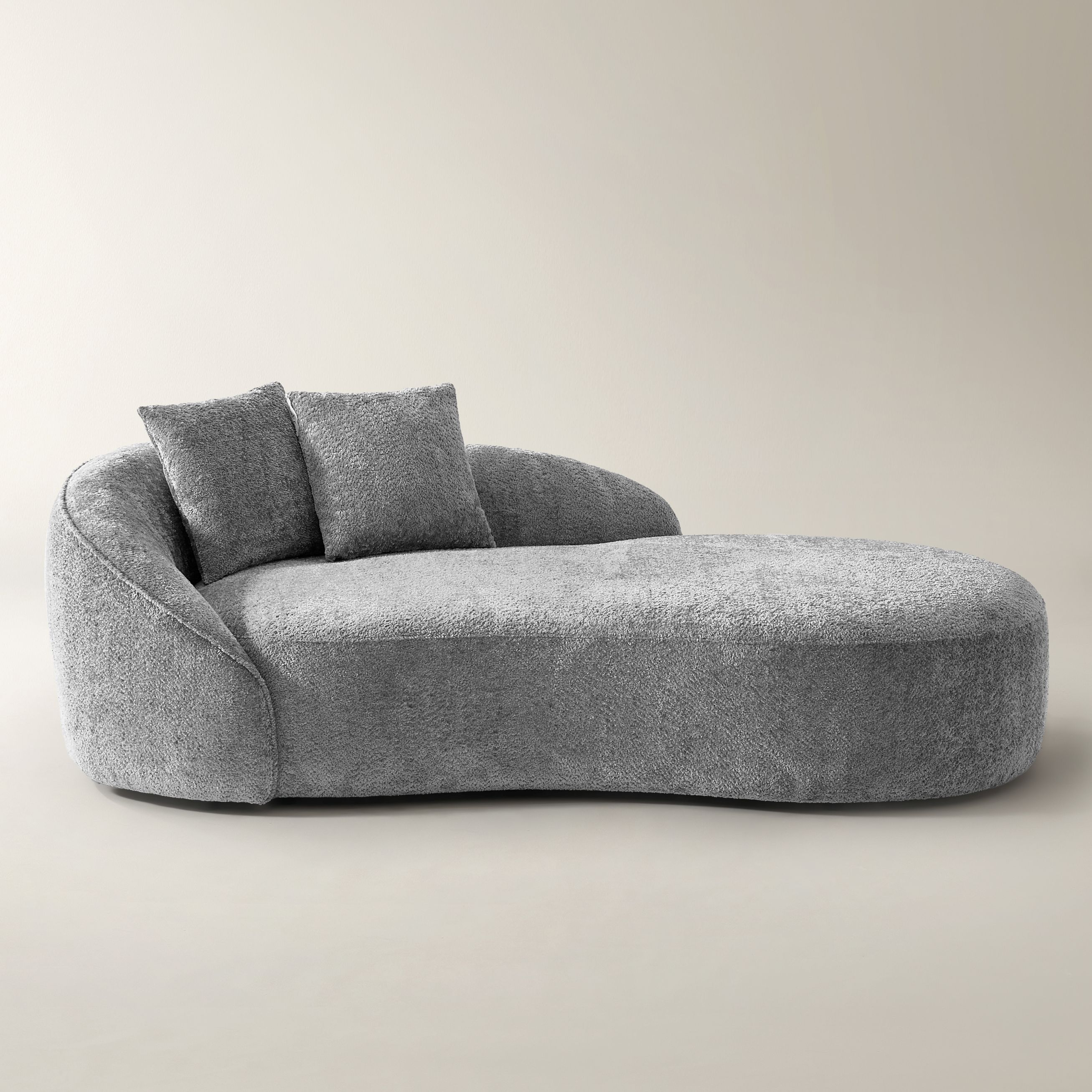 Irene Grey Chenille Chaise$1899
A sculptural chaise in light gray chenille with high-resiliency foam cushions and artisan hand-finished details.
Add To Cart -
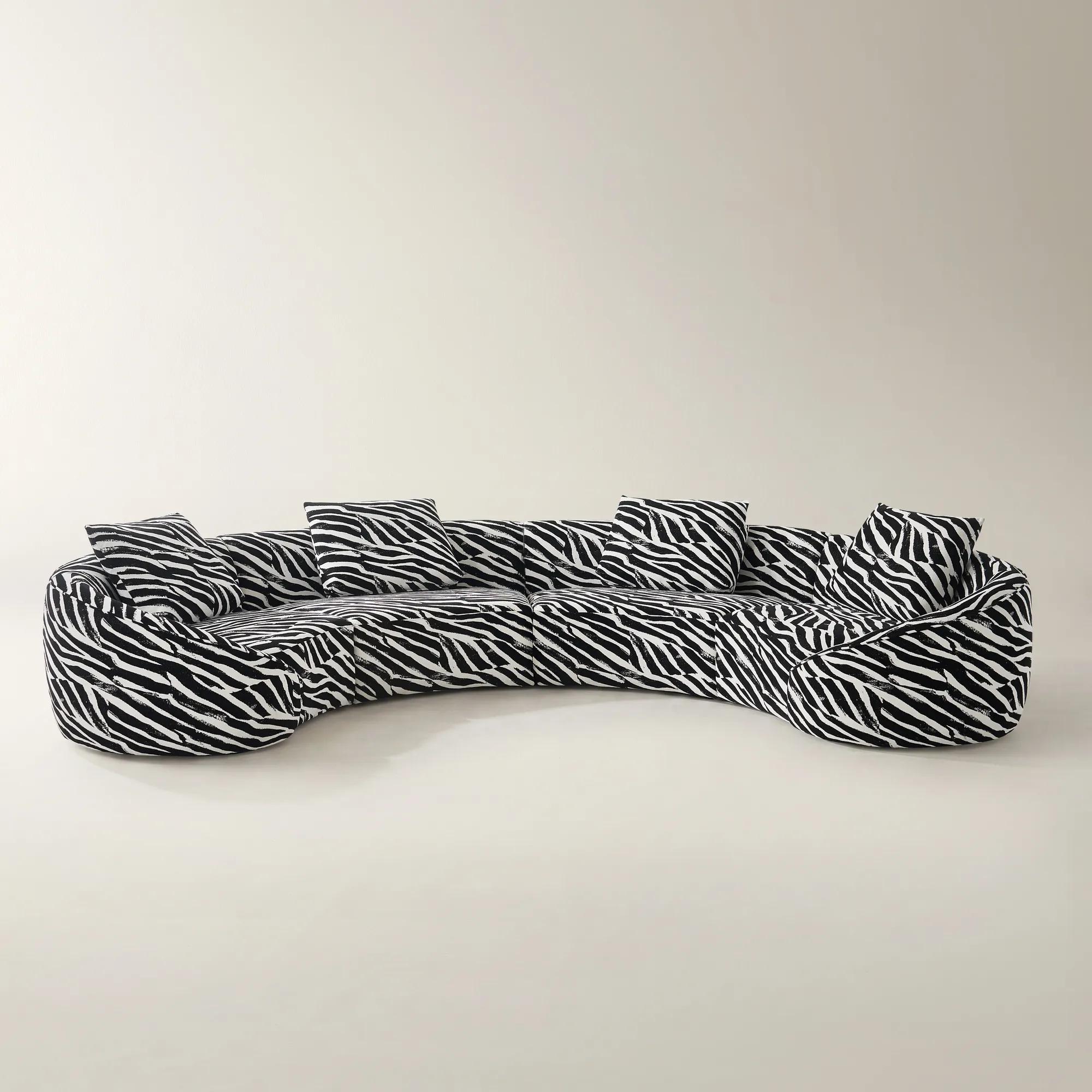 Irene 4-Piece White/Black Performance Chenille Sectional Sofa$4999
A sculptural sectional wrapped in white and black performance chenille with high-resiliency foam cushions.
Add To Cart

Creating A Welcoming Home
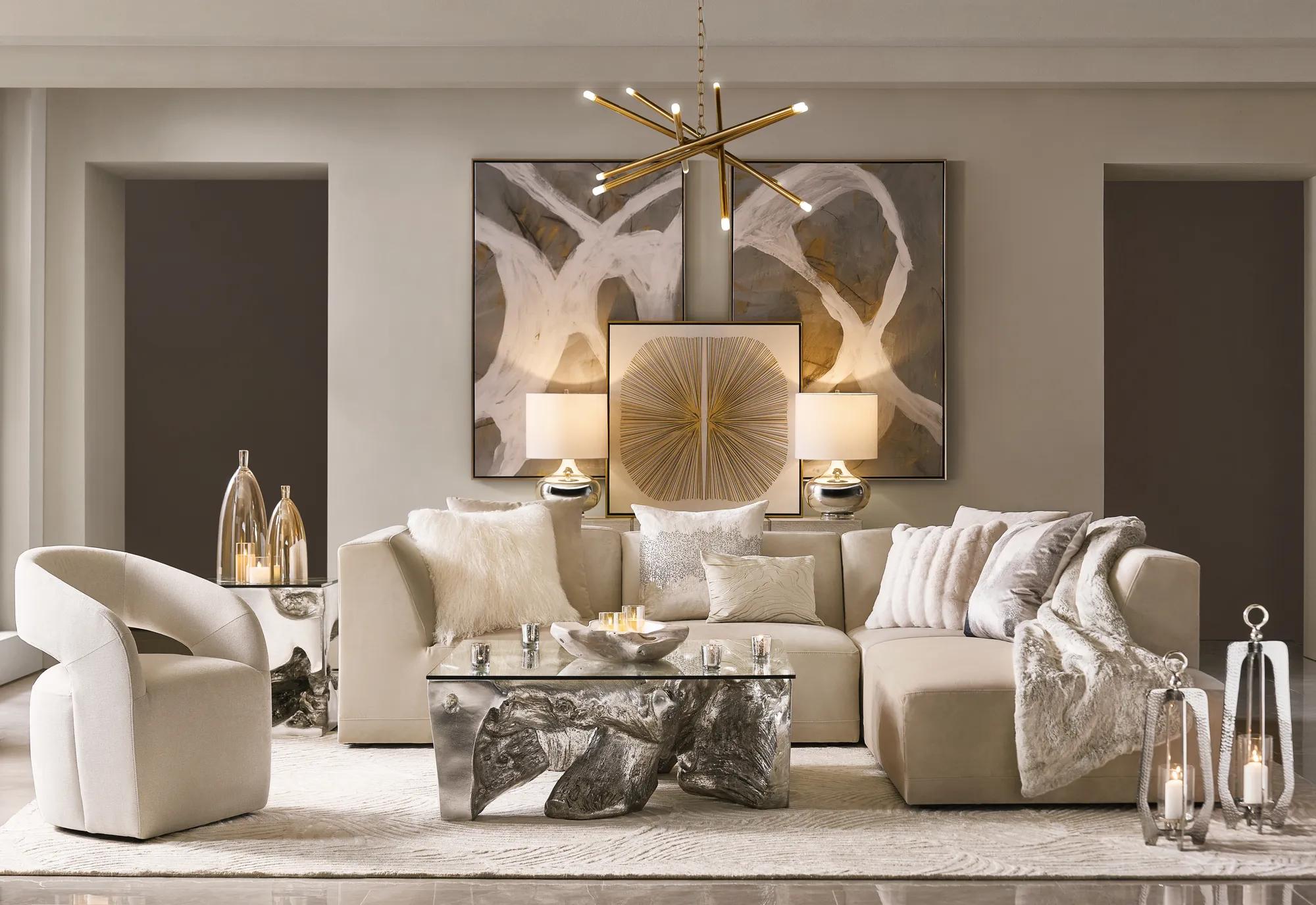
Step inside a world where every detail whispers invitation and every corner glows with possibility—this is the art of Creating A Welcoming Home. Here, ambiance is orchestrated with intention, layering sumptuous textures, luminous finishes, and expressive silhouettes to craft spaces that beckon guests to linger just a little longer. Whether you’re curating an entryway that dazzles at first glance or a living room that radiates warmth and hospitality, each piece becomes part of a larger story—one that celebrates comfort, connection, and the transformative power of extraordinary design.
Creating a welcoming home begins with comfortable furniture, layered lighting, tactile textiles, and personal details that make a space feel considered rather than staged. The effect is immediate: a softly illuminated entry, a generous place to sit, a beautiful surface with room for a guest’s glass. Furniture and home decor shape that experience through proportion, texture, and the way each piece supports everyday life. In an entryway, a slender console can establish a graceful arrival without crowding the passage, while a decorative tray gives keys and other small essentials a deliberate place to land. A mirror above it brings depth and reflects light; its placement matters as much as its frame, especially when the reflection captures artwork or an appealing view into the room. For narrower entrances, shallow furniture and a clear door swing preserve an effortless path inside. A rug introduces pattern underfoot and helps define the space, but its pile should allow doors to open freely, with an appropriate rug pad helping reduce movement on compatible flooring. These practical details leave room for expressive ones: a sculptural vase, a gleaming metallic accent, or a richly textured vessel filled with greenery. A restrained arrangement of substantial accents often feels more inviting than a surface crowded with small objects, particularly when there is still somewhere to set down a bag. Color creates continuity beyond the threshold. Cream, charcoal, and warm wood tones can form a composed backdrop for jewel-toned upholstery, dramatic artwork, or luminous glass. Repeating one finish or accent color in neighboring rooms gives the home a visual rhythm without making every space identical. For a first apartment, a newly shared home, or a familiar room ready for a different mood, New Home Decor Essentials offers a complementary starting point for a layered interior. The most compelling welcome comes from that balance of beauty and ease: enough drama to express a point of view, enough openness to let people settle in.
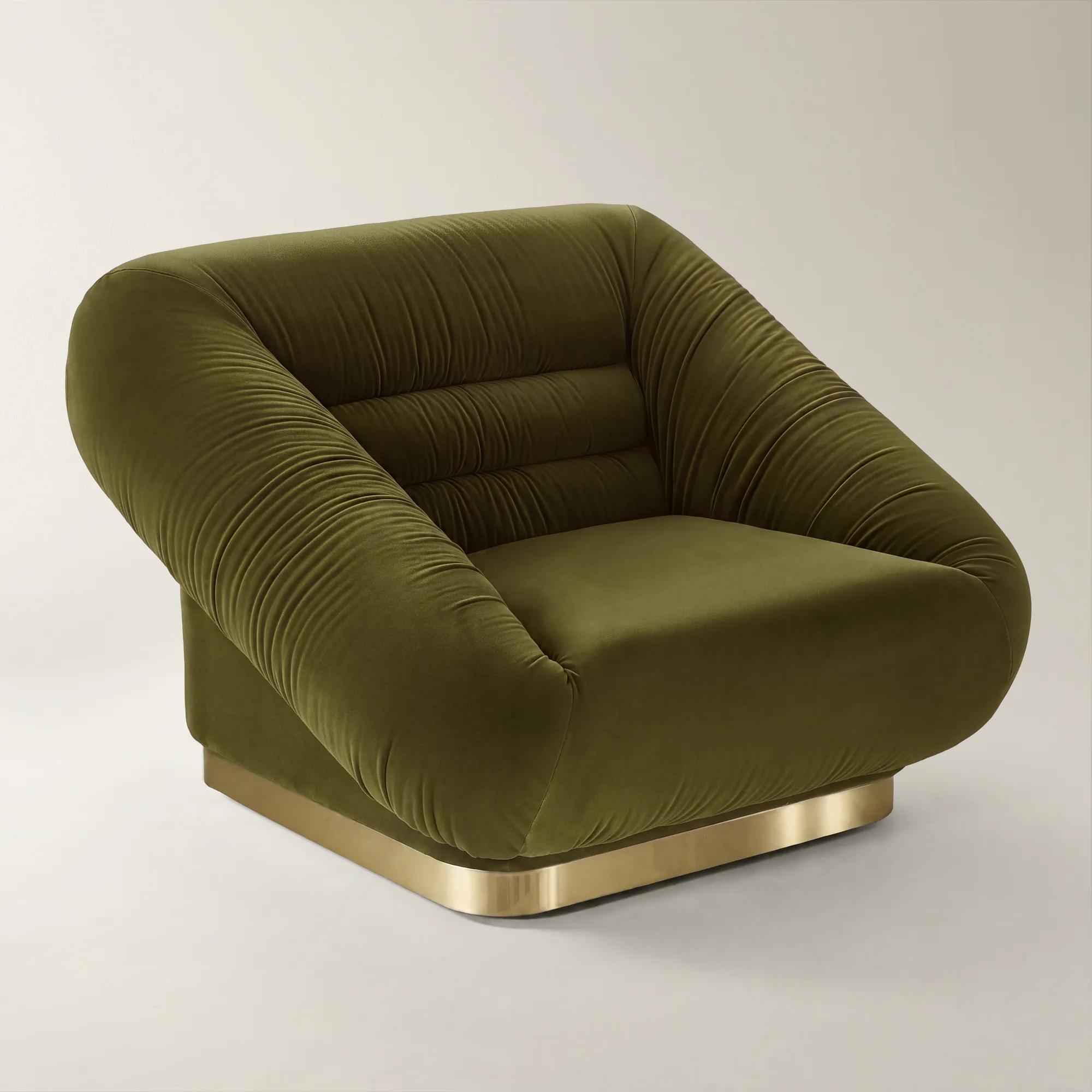
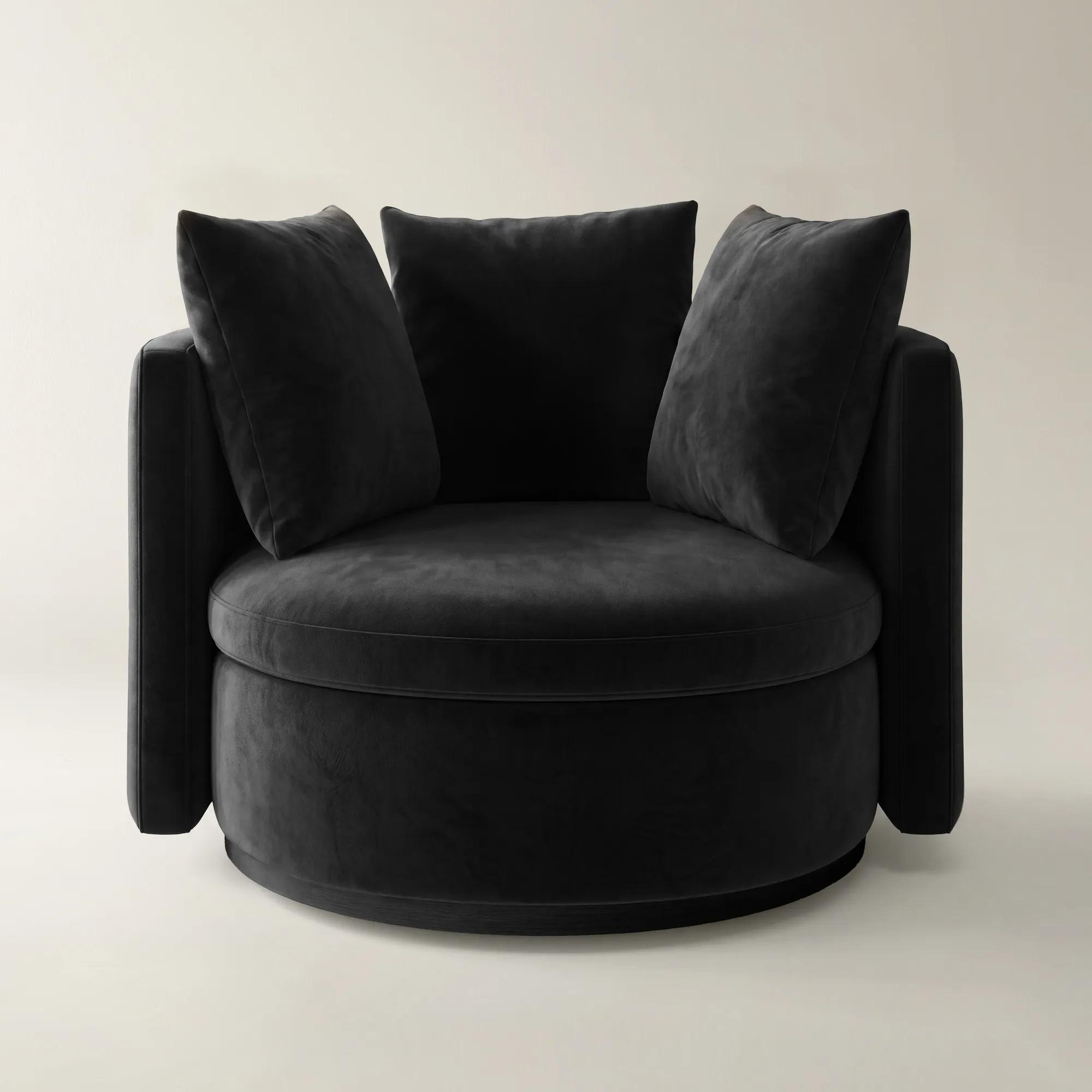
Living room furniture carries that welcome into the spaces where conversation unfolds. Sofas and accent chairs feel especially inviting when their proportions suit both the room and the people using them. A deep seat encourages lounging, while a more upright silhouette may better suit guests who prefer supportive seating and an easier rise. Upholstery changes the atmosphere just as decisively: velvet lends depth and a subtle play of light, woven fabrics contribute dimension, and leather introduces a distinctive surface that may develop character with use, depending on its finish. For homes with children, pets, or frequent company, fabric construction, abrasion resistance, and the manufacturer’s cleaning guidance deserve as much attention as color. Performance-labeled upholstery varies, so specific stain-resistance and care information matters more than the designation alone. Arranging seats to face or gently angle toward one another supports conversation without requiring every piece to match. A nearby side table makes a chair more useful, and clear passages between seating areas let guests move through the room without navigating a maze of furniture. Before choosing larger pieces, measuring the room, doorways, stair turns, and delivery path helps ensure that an expansive silhouette feels generous rather than overwhelming. An area rug can visually gather the seating arrangement, with dimensions that allow at least the front legs of principal pieces to rest on it comfortably. Plush cushions and a softly draped throw add tactile contrast, but leaving usable seat space keeps the invitation genuine. Lighting supplies the finishing layer. Ambient light establishes the overall glow, table and floor lamps create intimate pools of illumination, and accent lighting draws attention to art or architectural detail. Warm-white bulbs around 2700 to 3000 Kelvin often create a relaxed residential atmosphere; compatible dimmers offer flexibility for reading, conversation, or an evening gathering. Shades that diffuse light help soften glare at seated eye level. Against this luminous backdrop, mirrored and metallic finishes introduce brilliance in measured touches, allowing sumptuous textures to remain the room’s quieter counterpoint.
Welcoming home decor also gives daily rituals a sense of occasion, whether that means a dining table set for close friends or a guest bedroom prepared with thoughtful comforts. On a dining surface, low decorative arrangements preserve sightlines and leave space for serving dishes, while washable table linens bring softness without demanding precious handling. Glassware, ceramic accents, and polished finishes create depth through contrast, though decorative vessels should only hold food or beverages when explicitly designated for that use. In a bedroom, layered bedding, an accessible bedside surface, and a reading light within reach offer hospitality that feels personal rather than elaborate. Throws and decorative pillows can connect these spaces through color while allowing each room its own expression. Their materials should reflect how they will be used: cotton and linen offer distinct natural textures, wool brings resilient softness in many rug constructions, and synthetic fibers may offer practical cleaning or wear characteristics depending on the weave and finish. Durability comes from the combination of material, construction, placement, and care—not appearance alone. Furniture in a busy household benefits from sturdy joints and finishes suited to repeated use; delicate embellishments and easily marked surfaces are better placed away from frequent contact. Following care labels, blotting spills promptly rather than rubbing, and testing permitted cleaners in an inconspicuous area can help preserve fabrics and finishes. Wood surfaces benefit from coasters and protection from prolonged moisture, while mirrored glass and metal should be cleaned with products appropriate to their particular coatings. Regular rug care should follow fiber-specific instructions, especially for plush piles or decorative fringe. For housewarming gifts or hosts who enjoy entertaining, decorative textiles, vessels, and tabletop accents can feel thoughtful when their scale, care requirements, and palette suit the recipient’s home. Personal photographs, collected objects, and art give these polished foundations their emotional depth. A welcoming interior does not need every surface perfected; it needs beautiful, useful places for life to happen, with expressive details that make guests feel included and residents feel unmistakably at home.
FAQs
To create a welcoming atmosphere in your living room during the winter, focus on layering plush textures such as velvet pillows, faux fur throws, and soft area rugs. Incorporate warm, ambient lighting with table lamps and candles to cast a cozy glow. Scented candles or diffusers with notes of vanilla, cedar, or spice can evoke comfort, while a thoughtfully arranged seating area—like an L-shaped sectional—encourages conversation and relaxation.
Thoughtful touches include providing a signature home scent, offering a tray of refreshments, and setting out extra blankets or slippers for guests. Displaying personal mementos or curated art creates a sense of intimacy, while music played softly in the background can set a welcoming mood. A tidy entryway with a stylish console and functional storage makes arrival and departure effortless for visitors.
Select statement pieces that speak to your personality—such as bold artwork, sculptural vases, or unique accent chairs—while balancing them with timeless essentials in neutral or complementary tones. Incorporate meaningful objects, like travel souvenirs or heirlooms, to add authenticity. Mixing textures, materials, and finishes creates depth, ensuring your space feels curated yet approachable to all who enter.
Absolutely. Luxe materials like velvet, brushed gold, marble, and hand-blown glass instantly elevate a room’s ambiance. Soft textiles add comfort and warmth, while reflective surfaces such as mirrors or metallic accents amplify light and create a sense of spaciousness. Layering these materials thoughtfully brings both visual and tactile richness to your home.
Scent is a powerful element in shaping the mood of a space. A signature fragrance—achieved through candles, diffusers, or fresh flowers—can evoke feelings of comfort and familiarity. Seasonal scents, such as pine in winter or citrus in spring, add a dynamic layer to your home’s atmosphere. Welcoming aromas linger in memory, making guests feel truly at home.