Corner Blocked Frame Beds
Corner Blocked Frame Beds
-
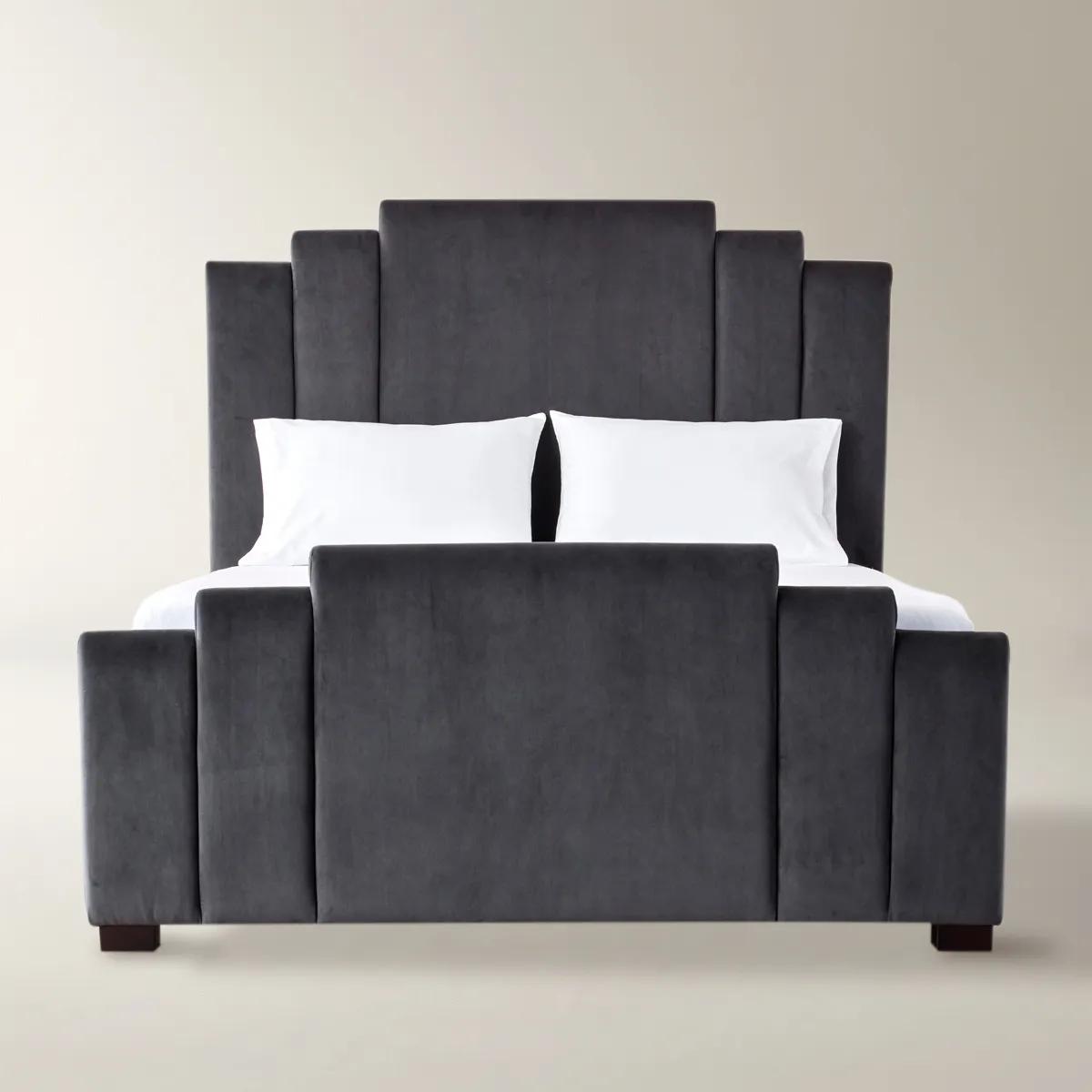 Marlow Bed$2349
A dramatic bed handcrafted from kiln-dried hardwood and plush gunmetal velvet with striking channel detailing.
Add To Cart -
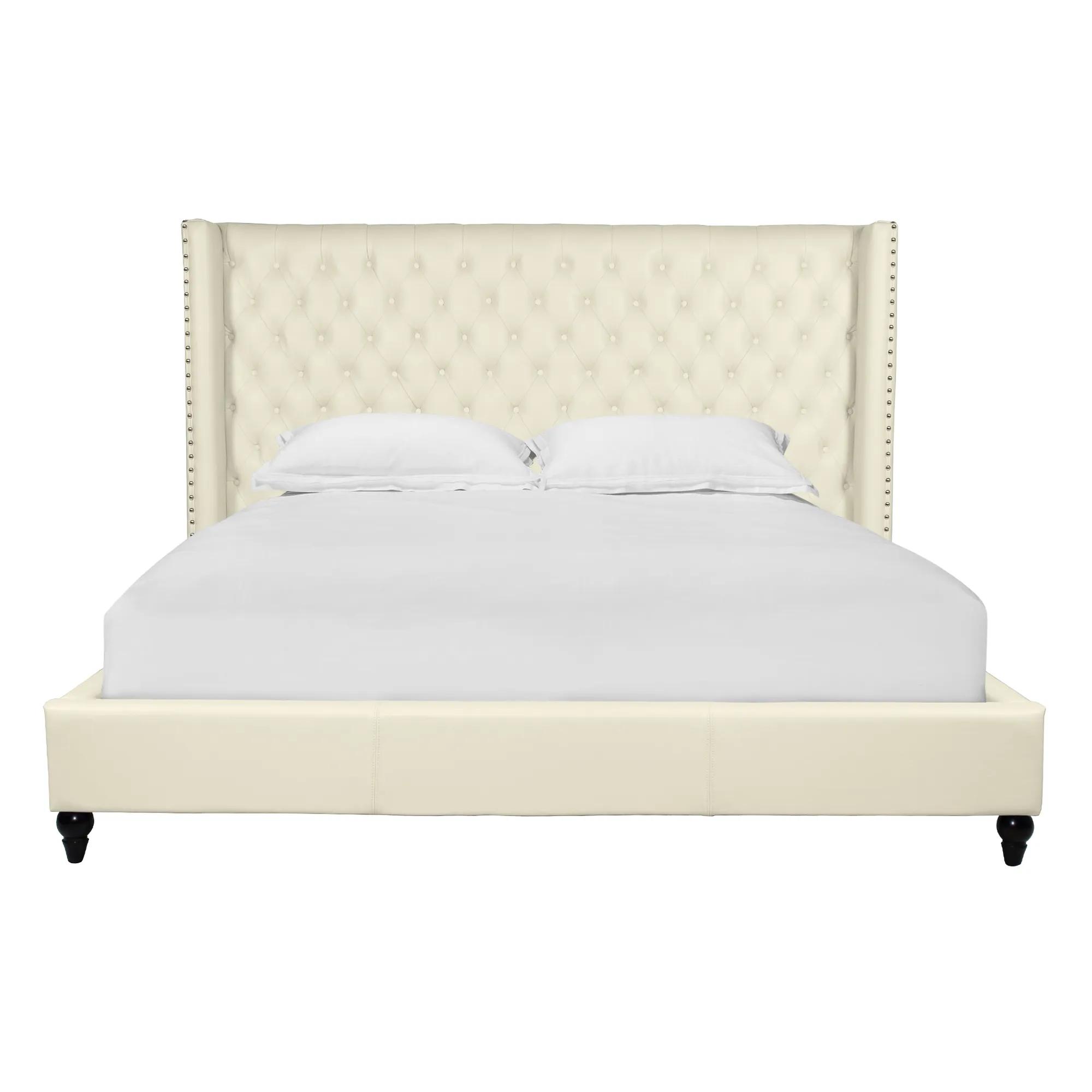
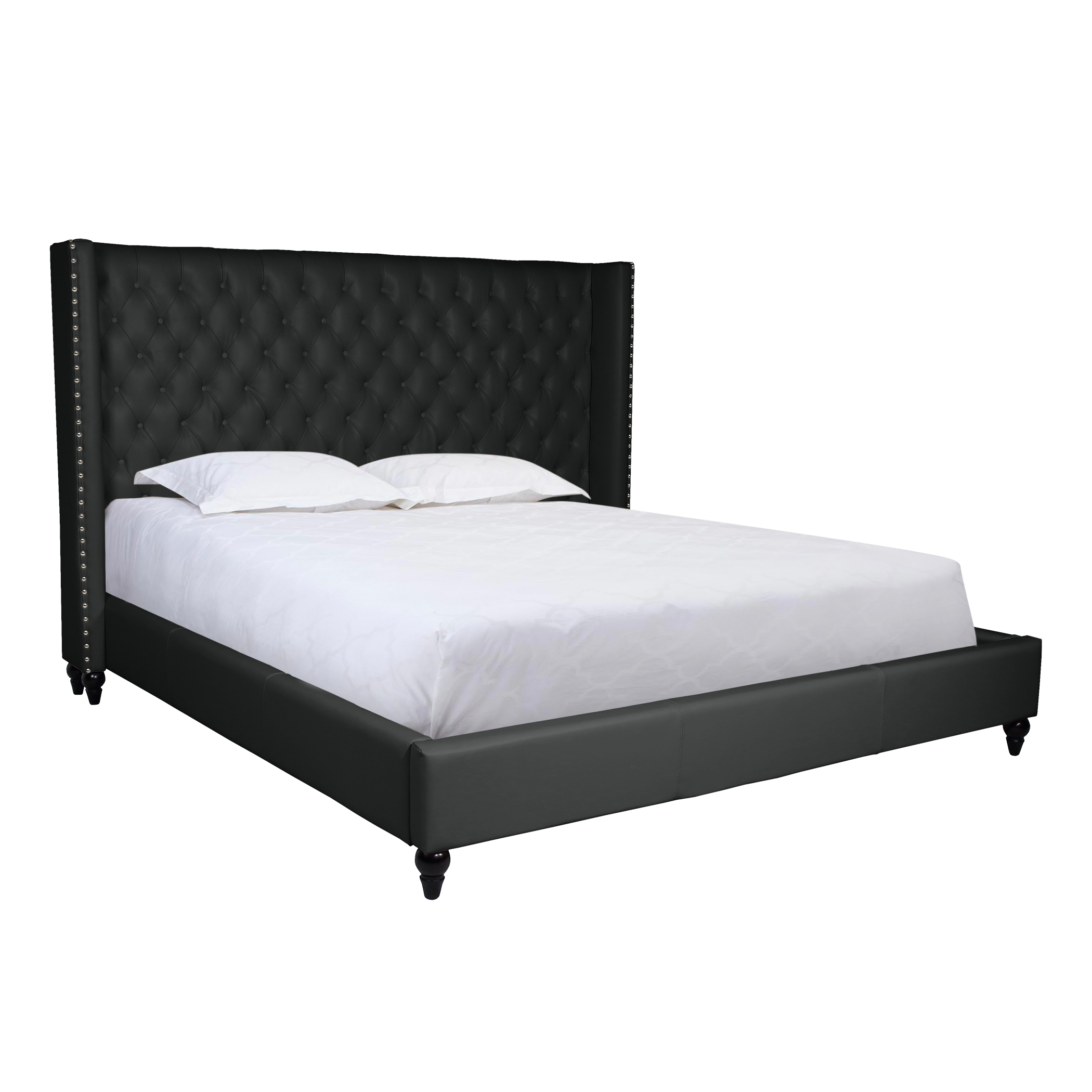 Roberto Leather Bed$3449
A stately bed featuring white top grain leather, diamond tufting, and hand-applied bright nickel nailheads.
Add To Cart -
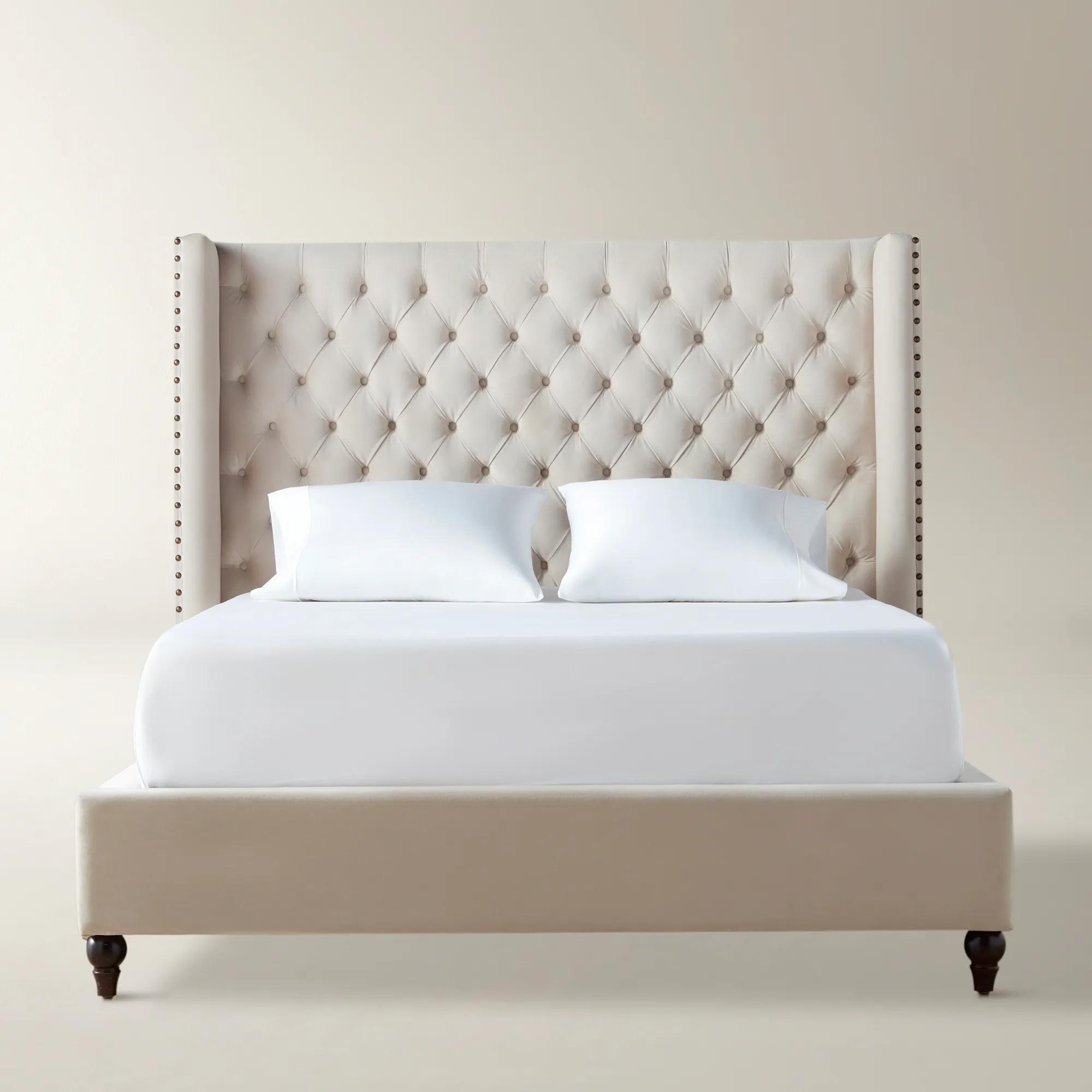
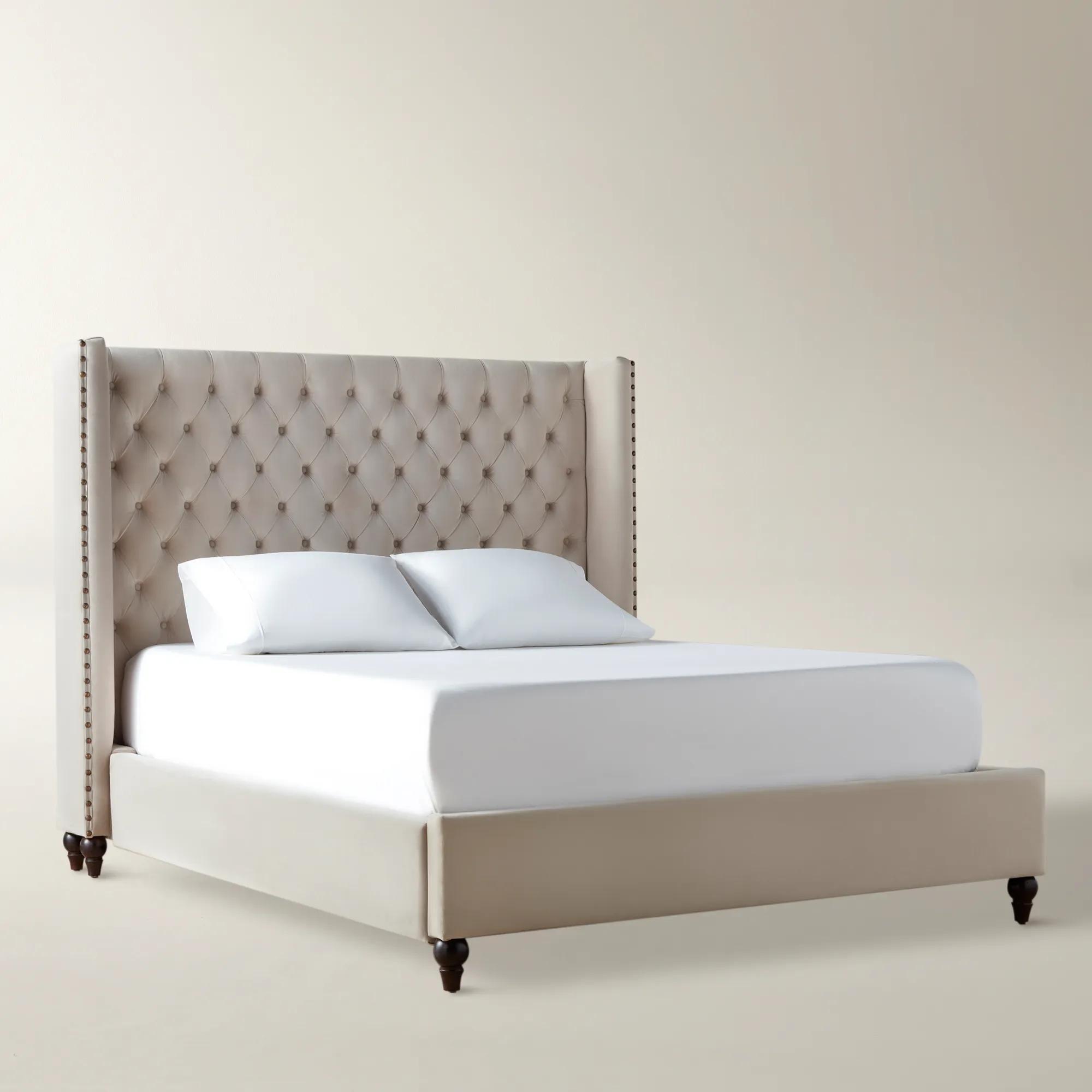 Roberto Bed$2149
A stately bed featuring diamond tufting, hand-applied nailheads, and a kiln-dried hardwood frame in velvet upholstery.
Add To Cart -
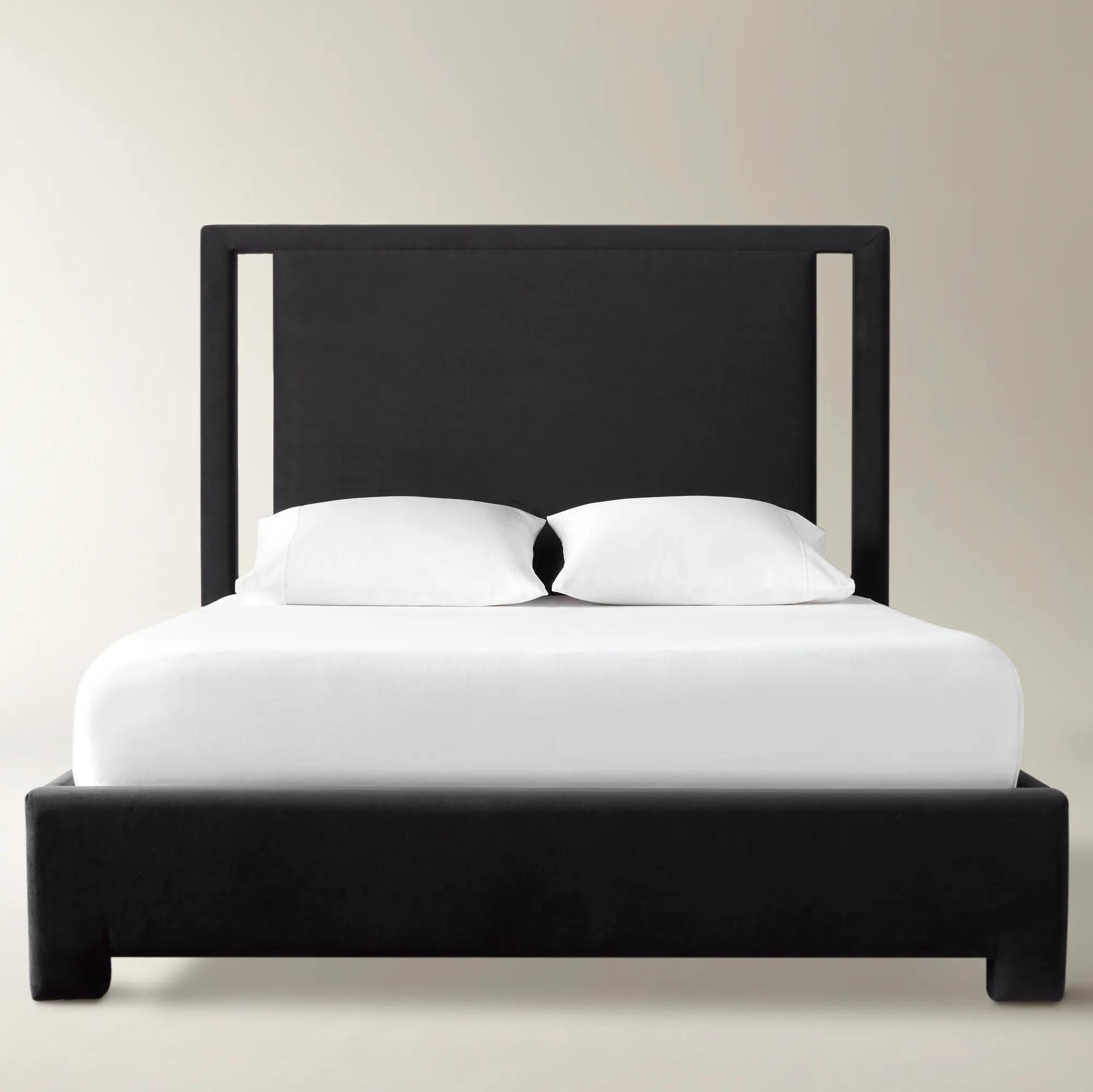
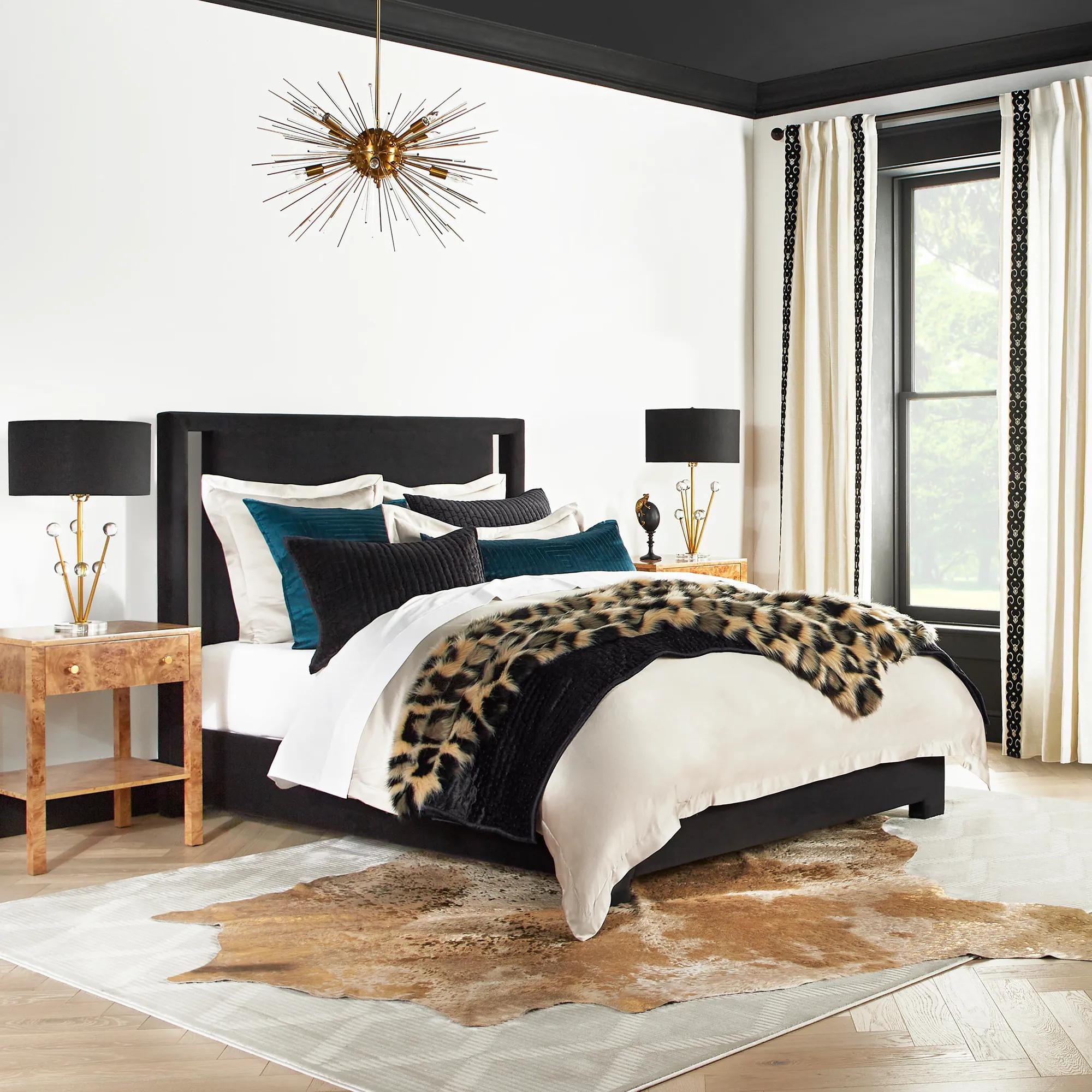 Roya Platform Bed$2149
An elegant platform bed featuring kiln-dried hardwood, hand-upholstered velvet, and dramatic headboard cutouts.
Add To Cart -
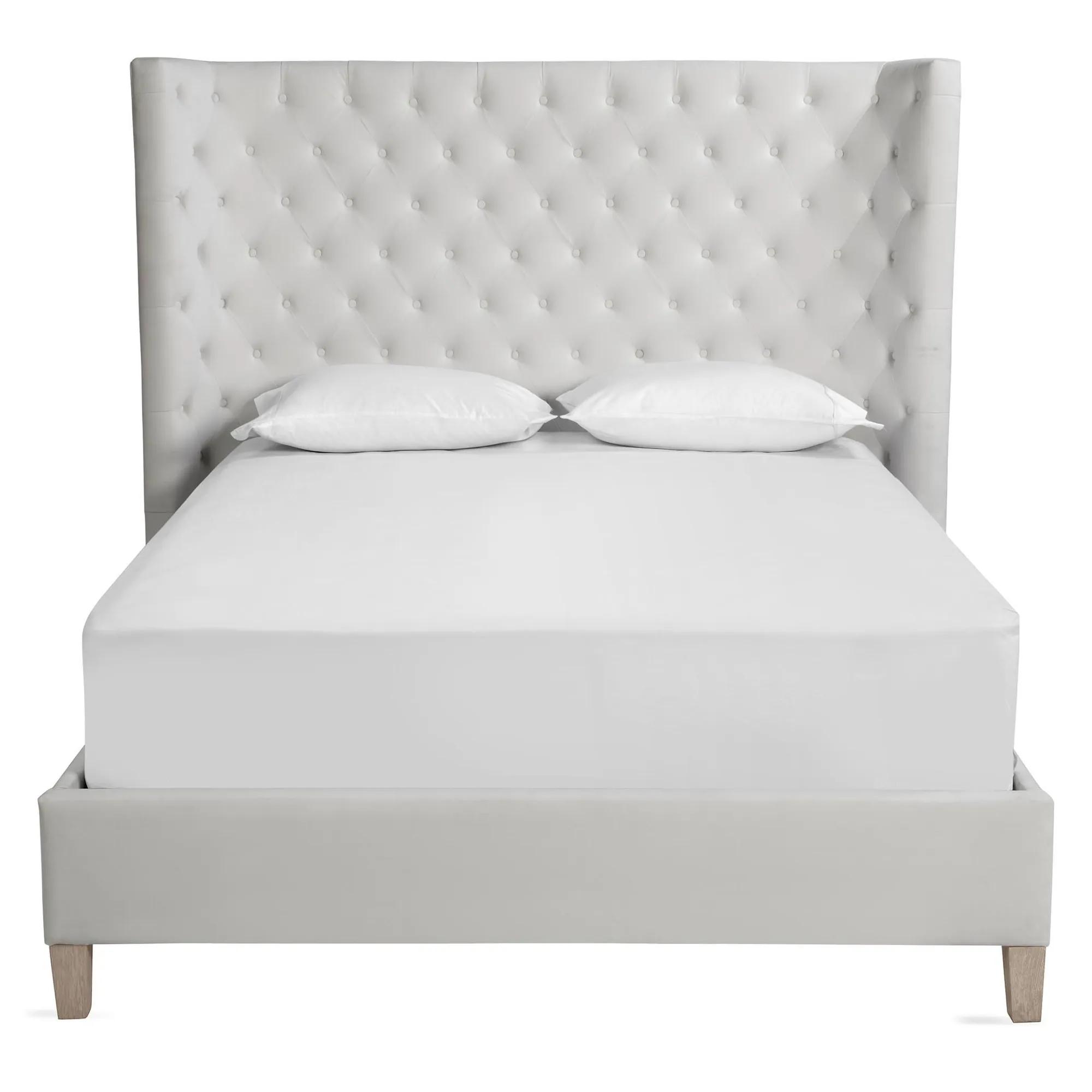
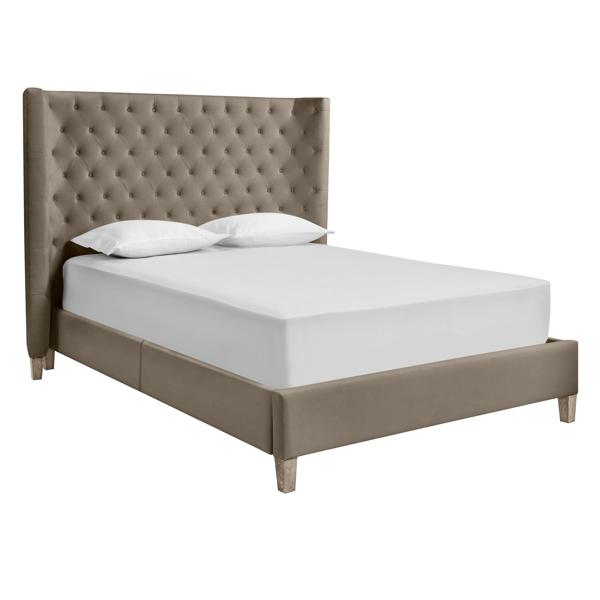 Jen Storage Bed$3349
A glamorous wingback storage bed with hand-tufted diamond upholstery and four fully upholstered drawers.
Add To Cart -
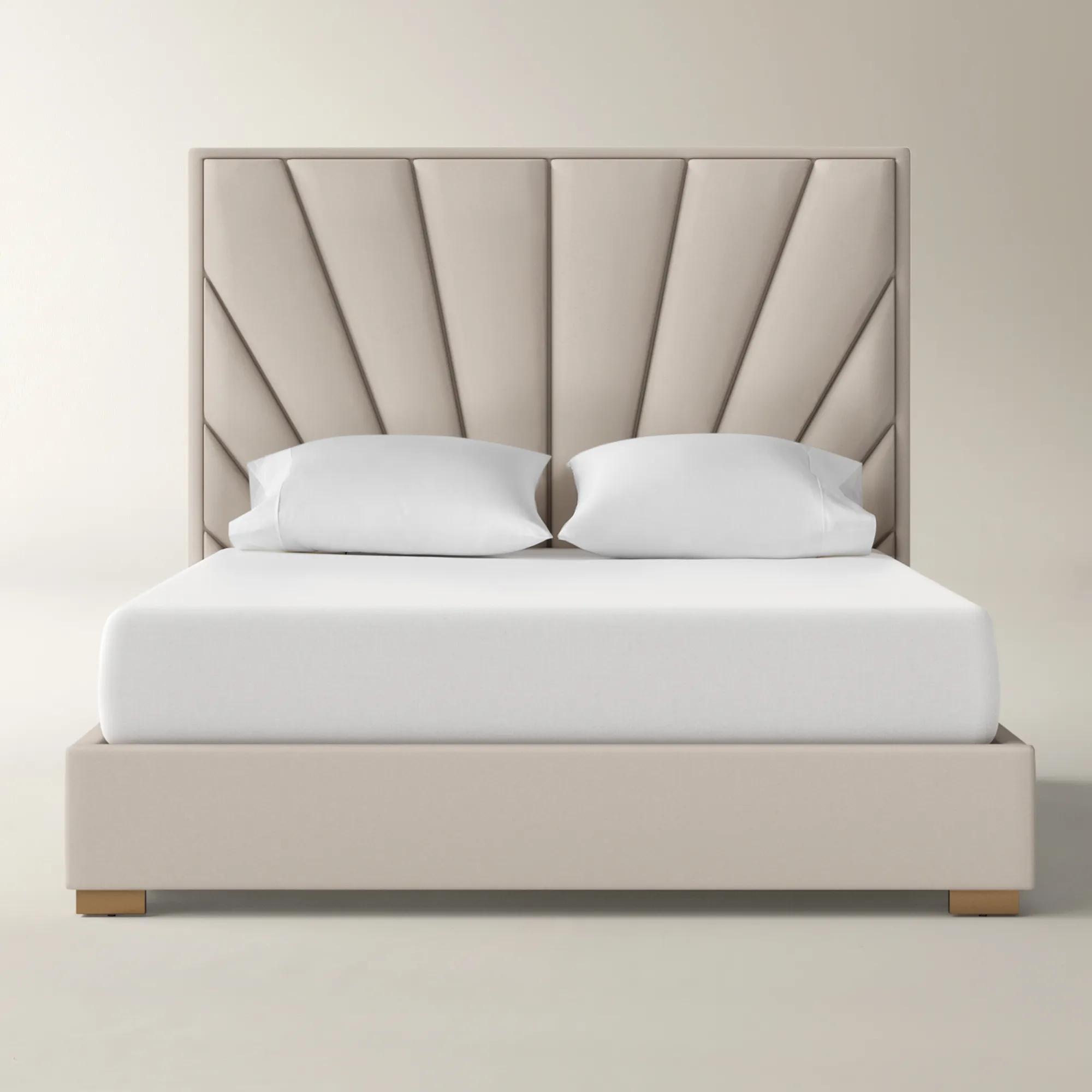 Adriana Platform Bed - 68"H$2649
A hand-crafted platform bed featuring a fan-patterned, upholstered headboard in plush velvet or chenille fabric.
Add To Cart -
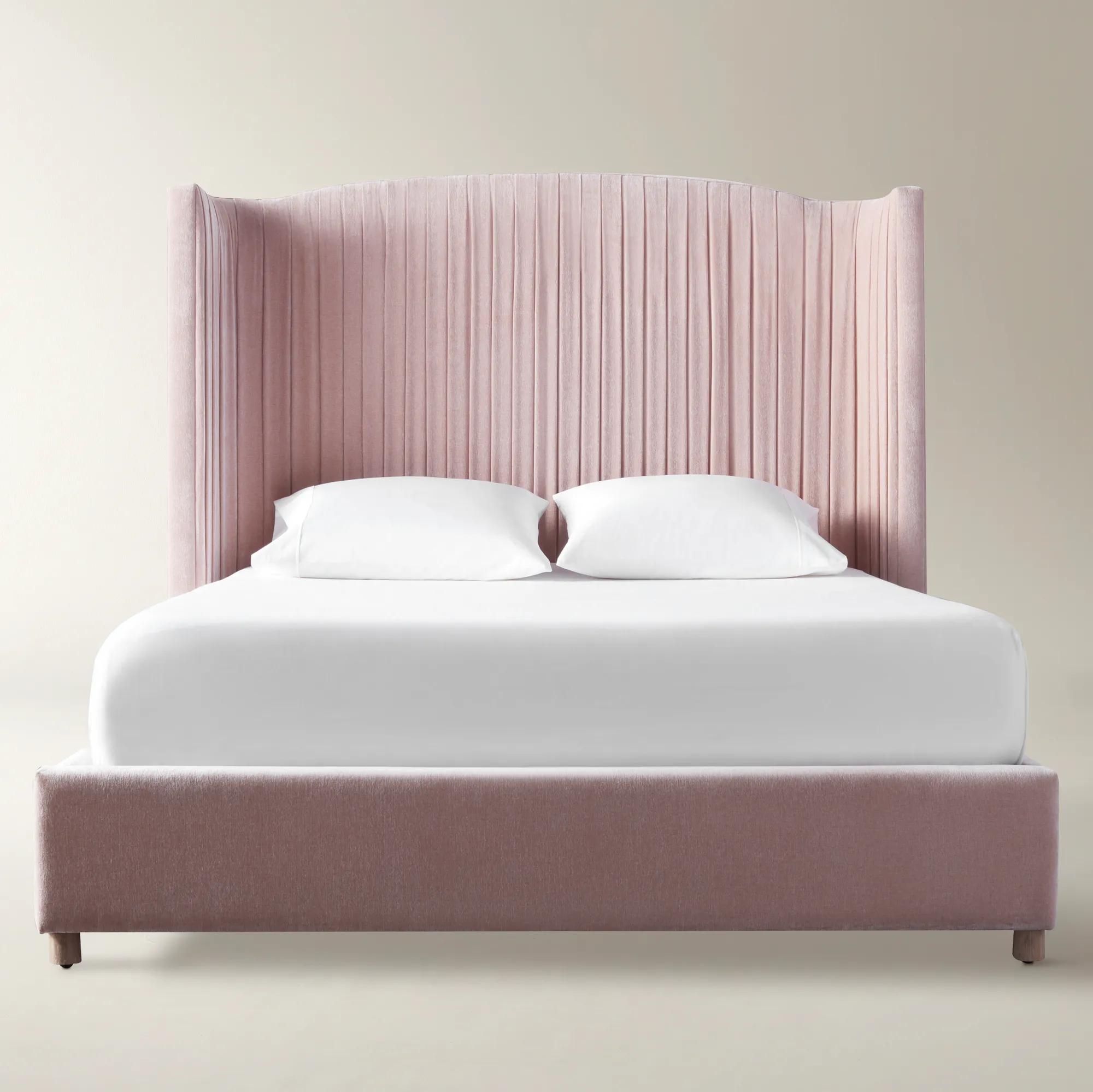
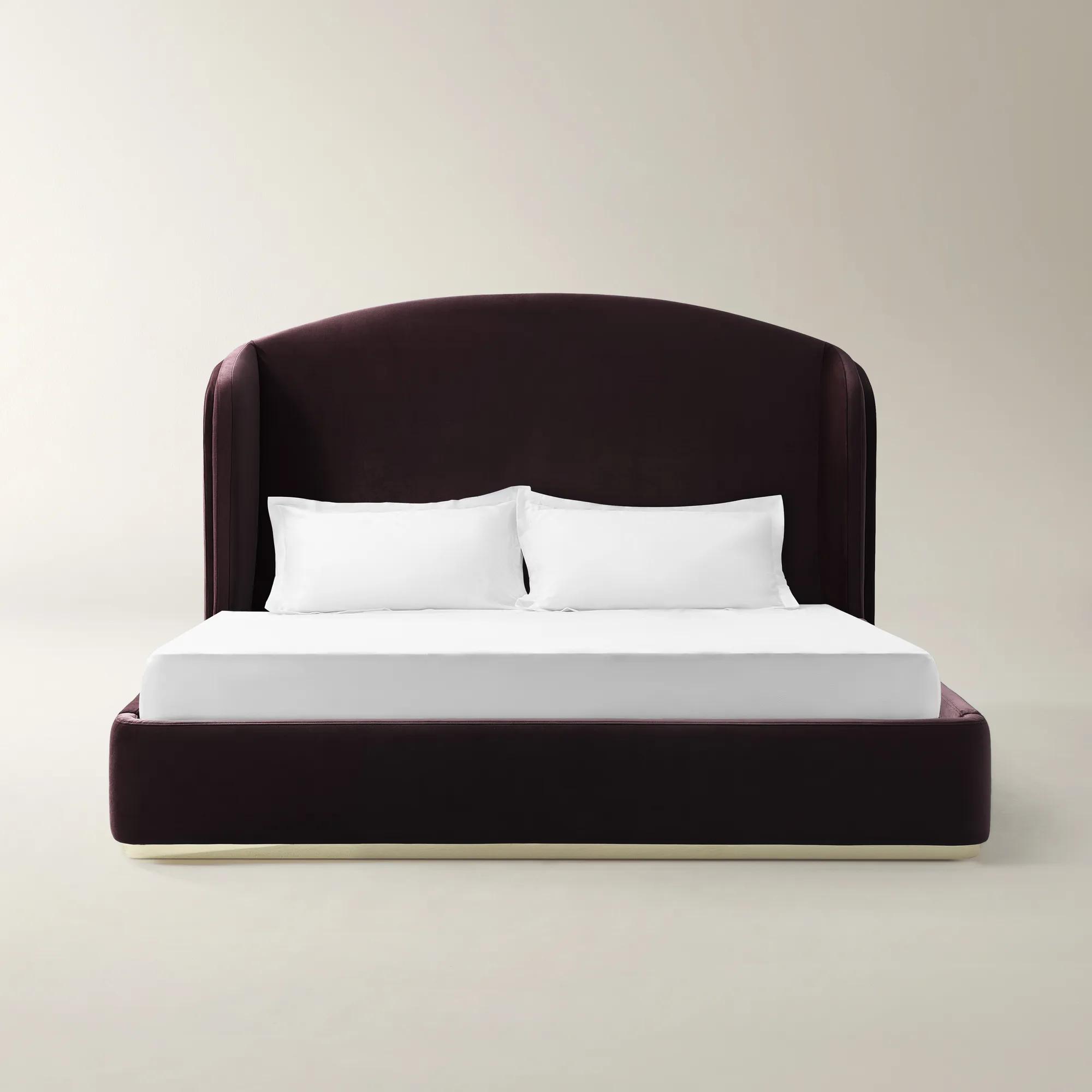
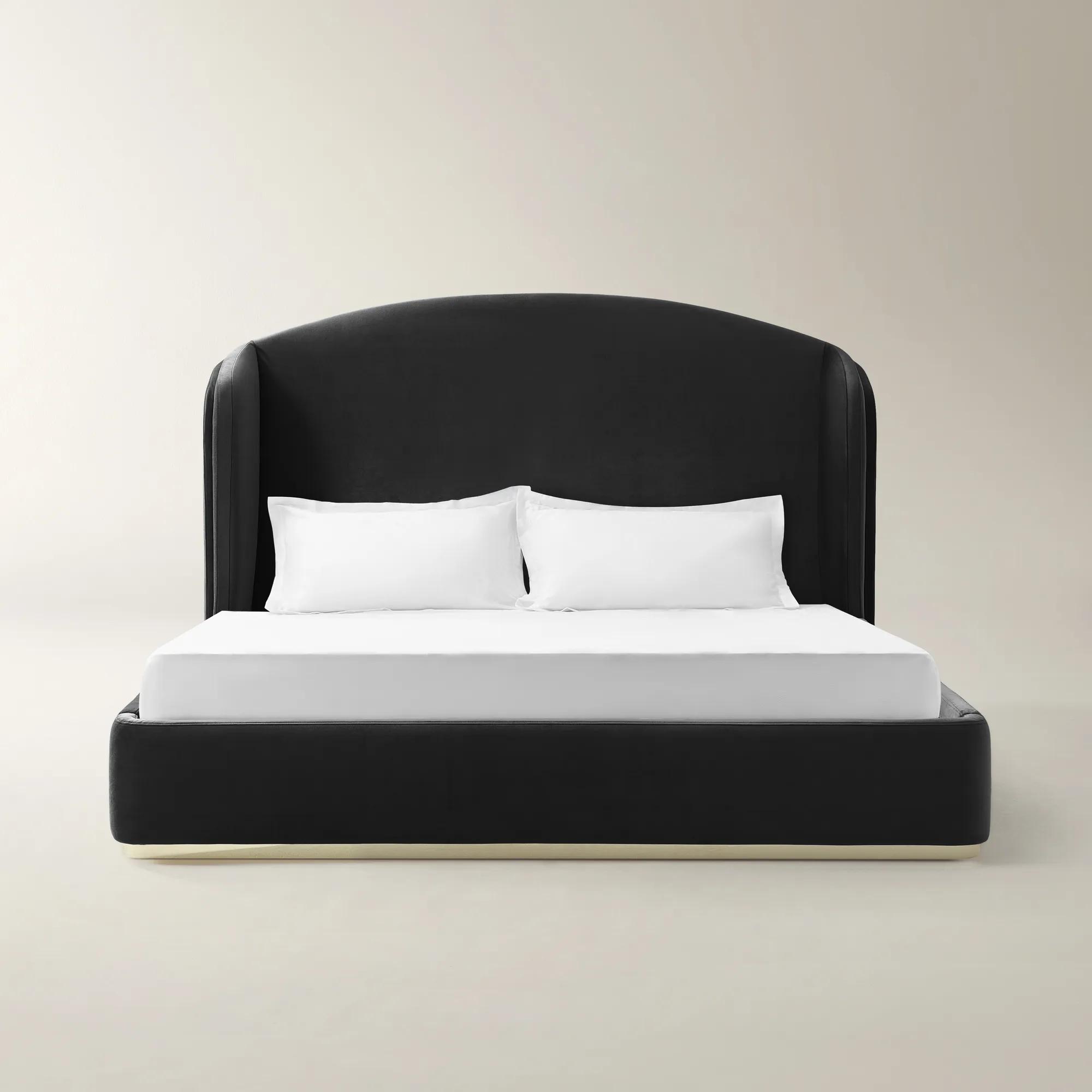
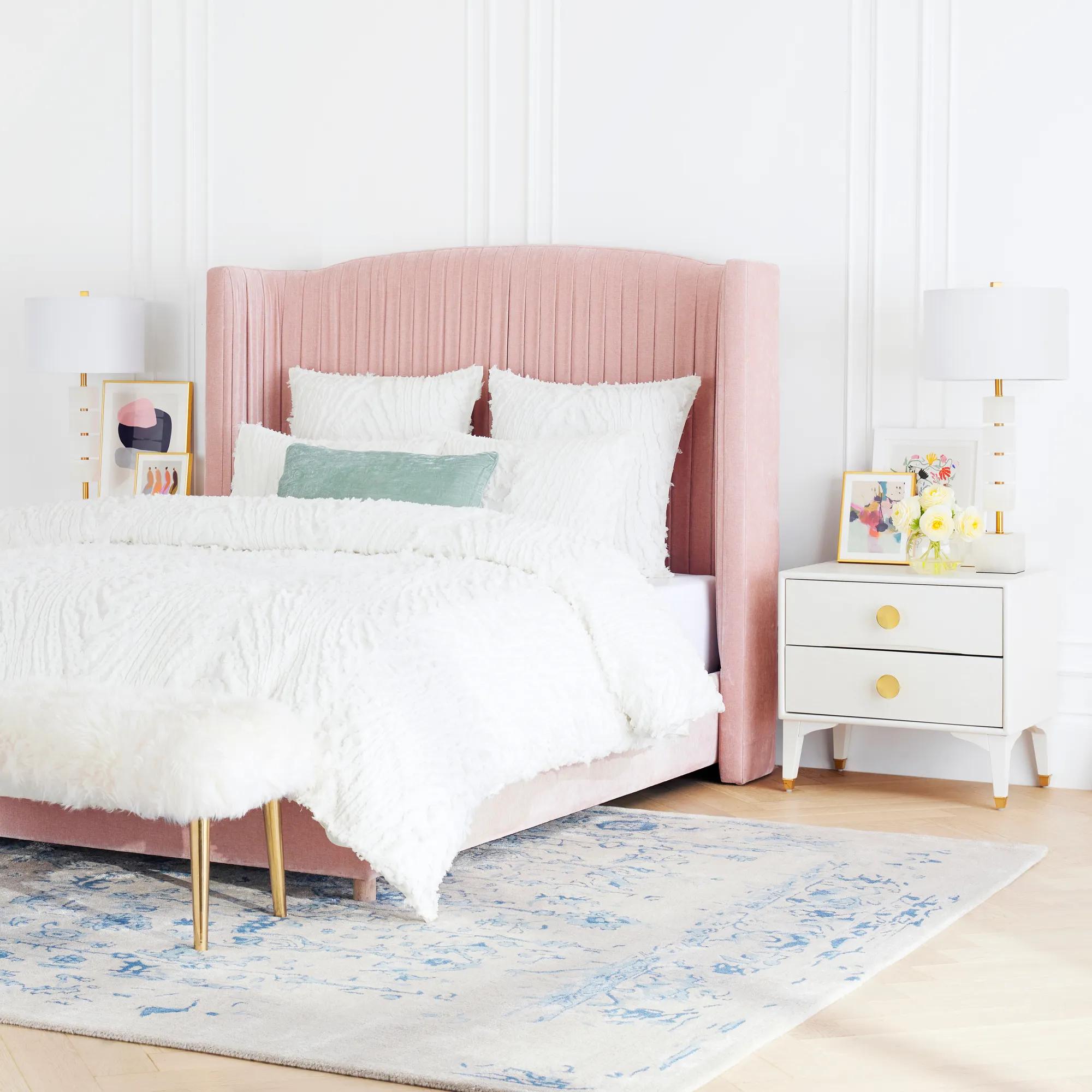 Larissa Platform Bed$2549
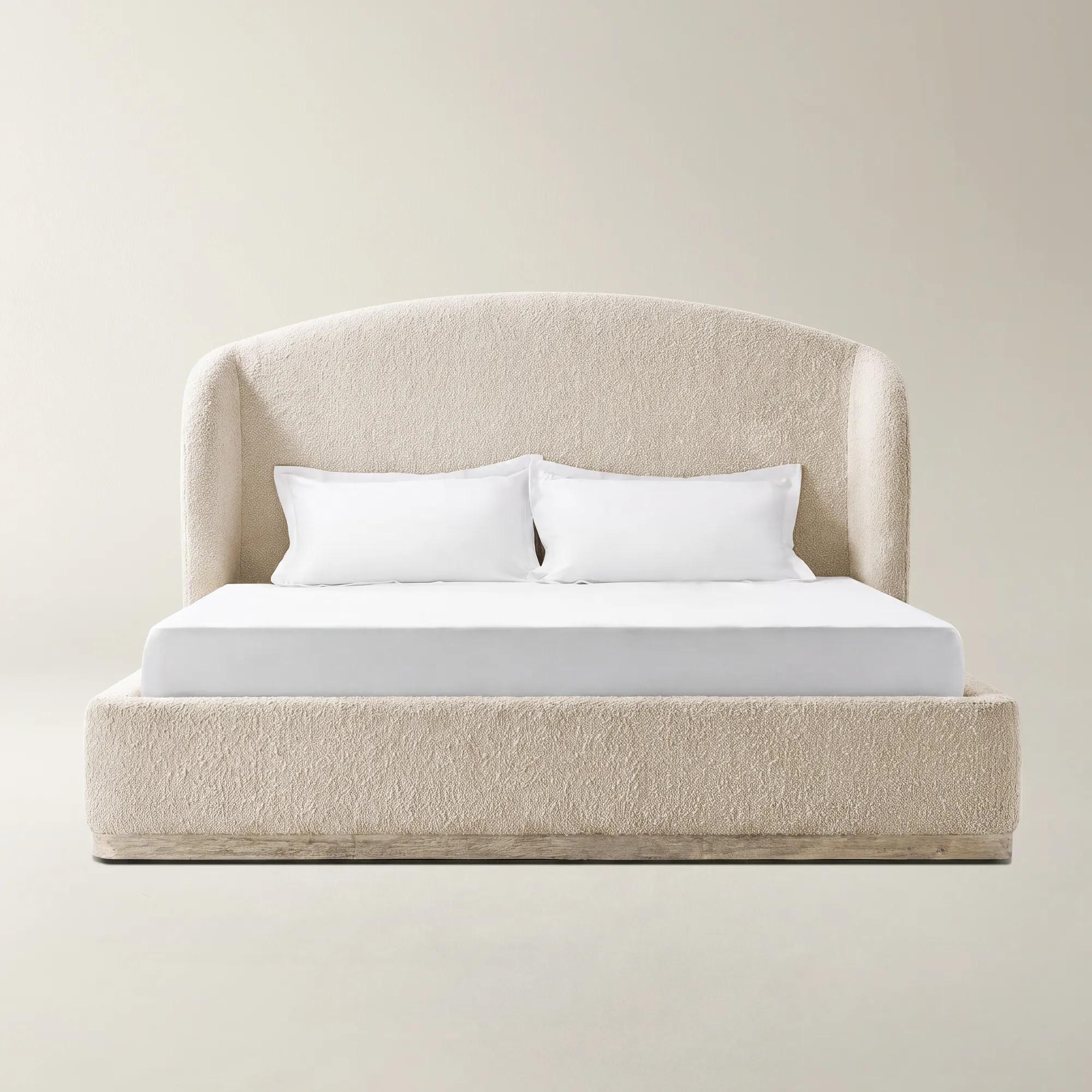
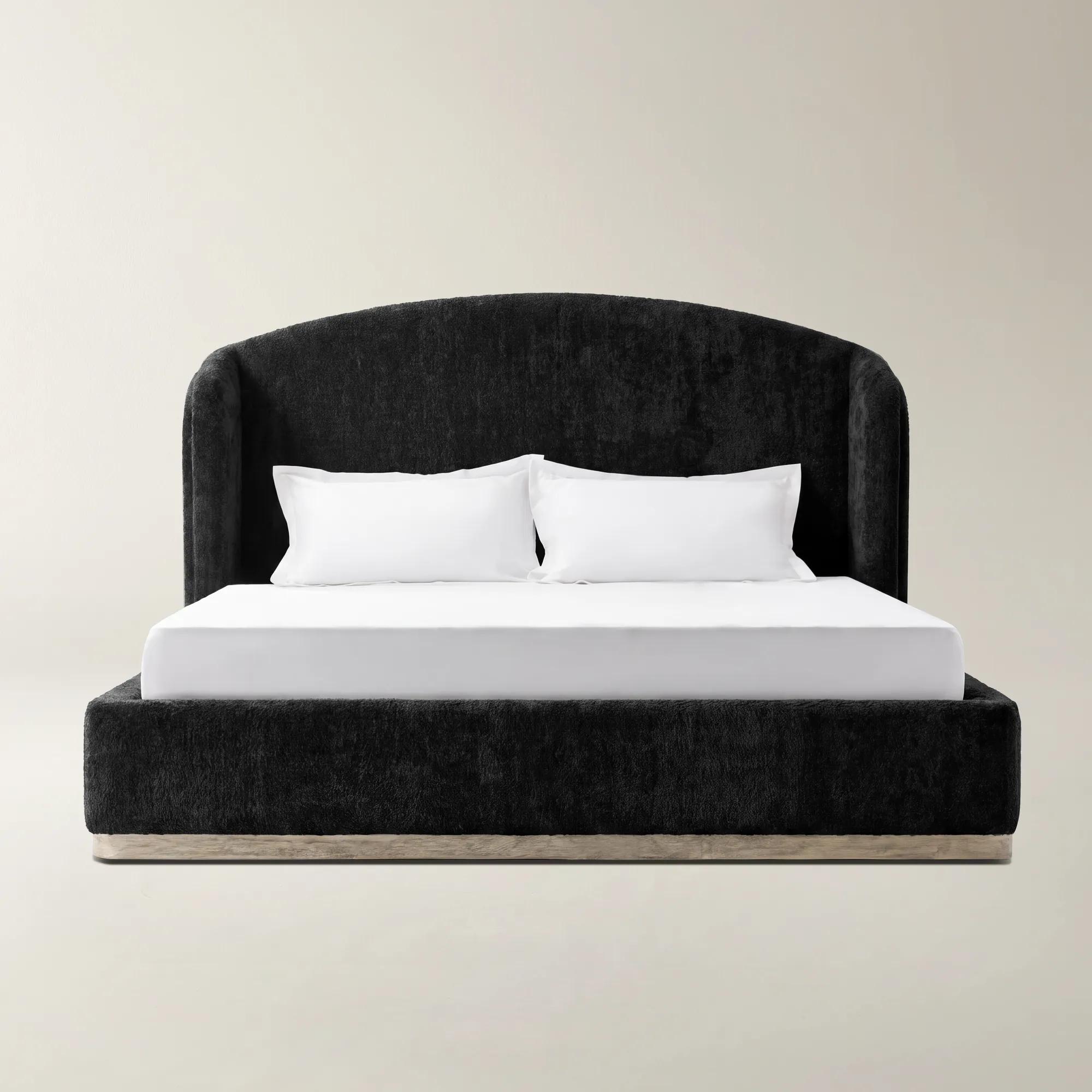
An elegantly curved wingback bed with hand-pleated chenille upholstery and a kiln-dried hardwood frame.
Add To Cart -
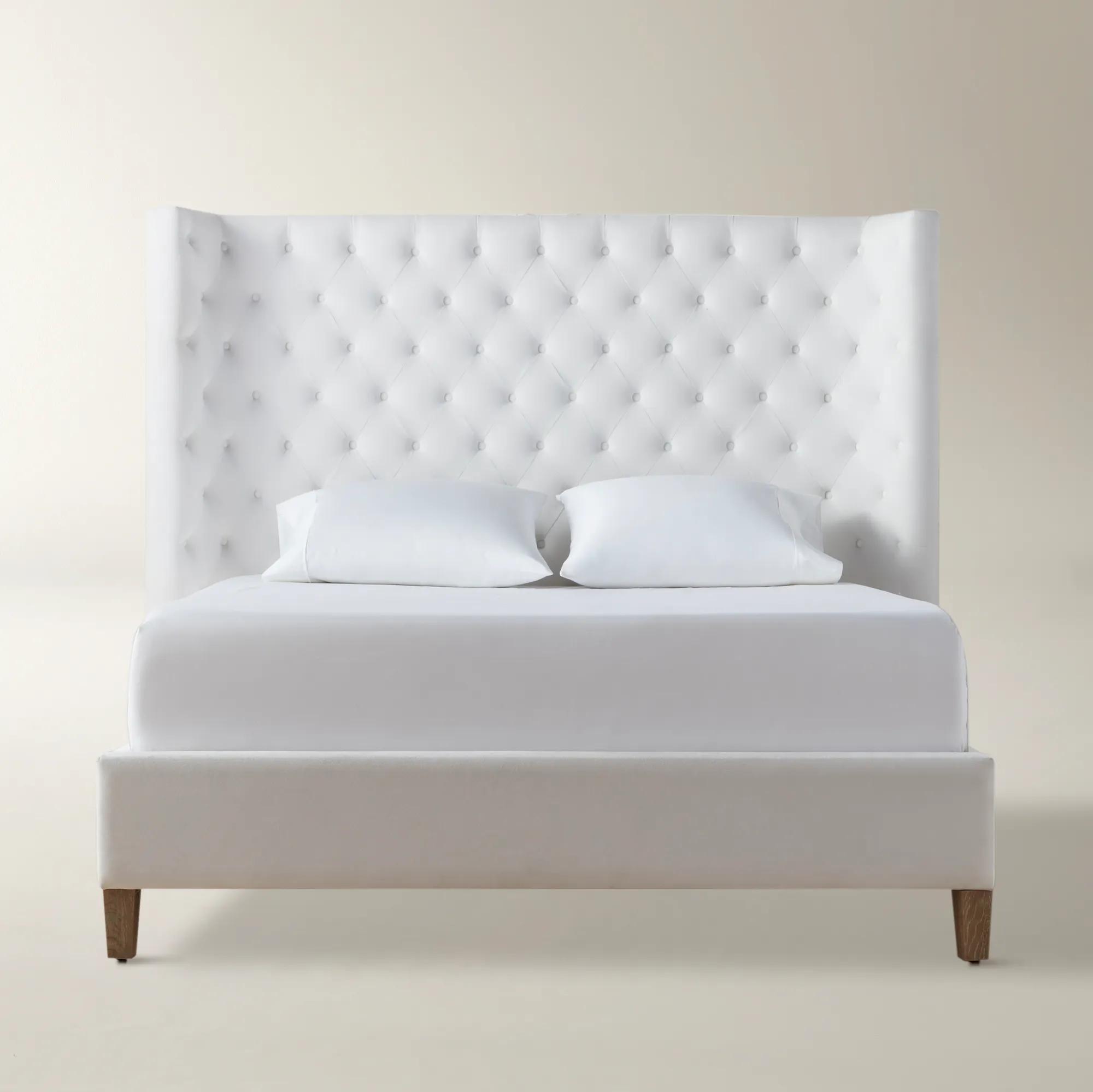 Jen Bed$2199
A glamorous wingback bed with hand-applied diamond button tufting and plush white velvet upholstery.
Add To Cart -
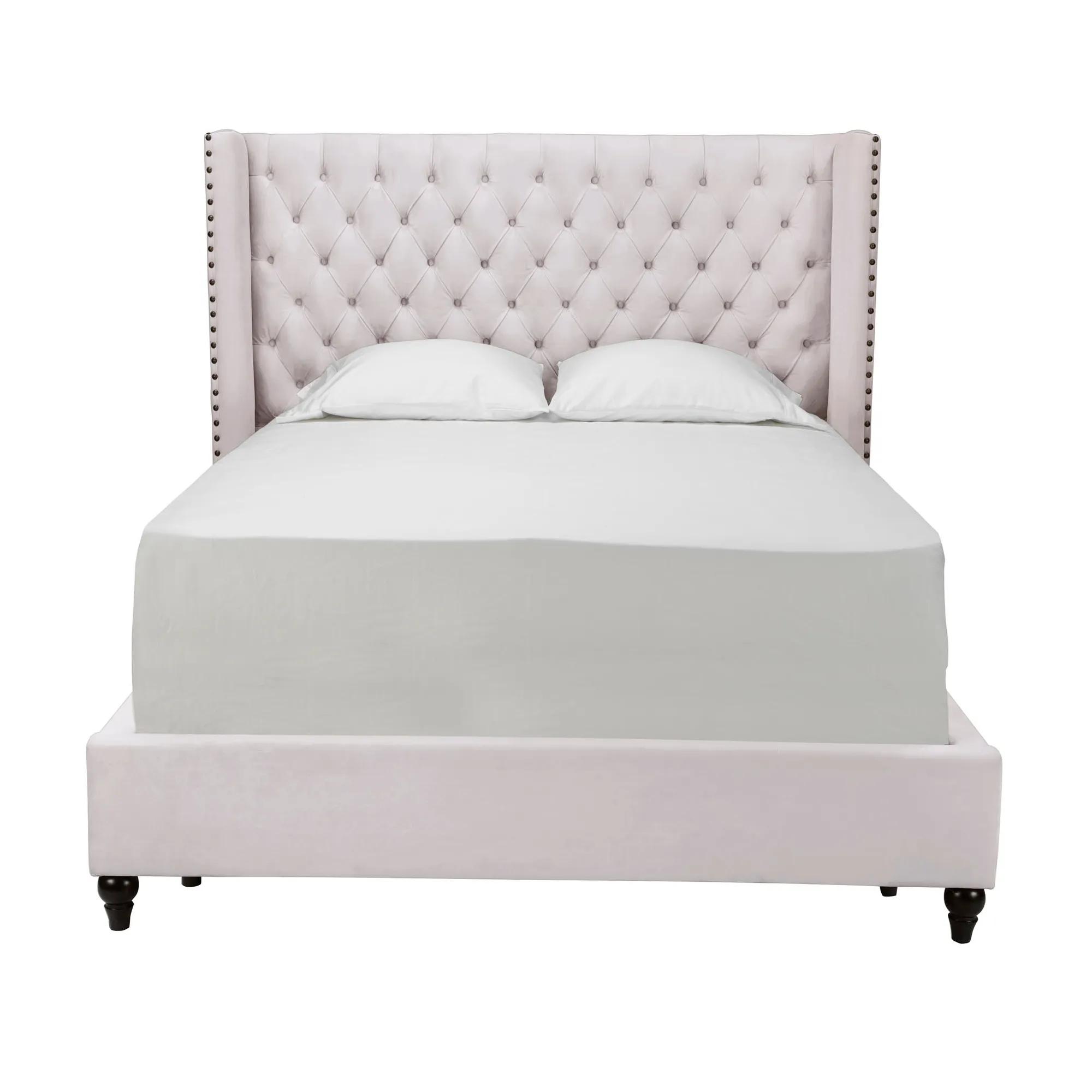
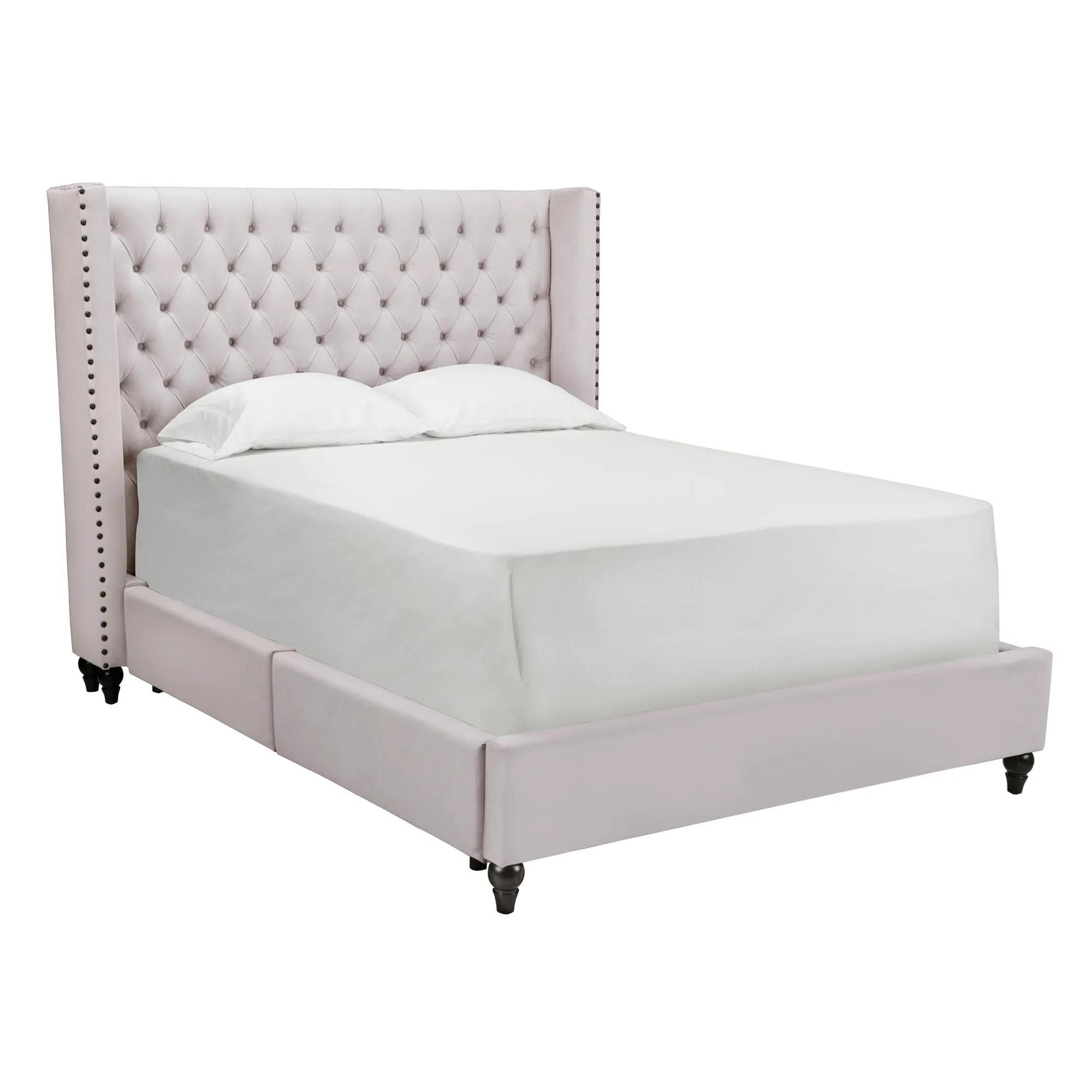 Roberto Storage Bed$3249
A handcrafted velvet-upholstered storage bed featuring diamond tufting, turned legs, and hand-applied antique brass nailheads.
Add To Cart -
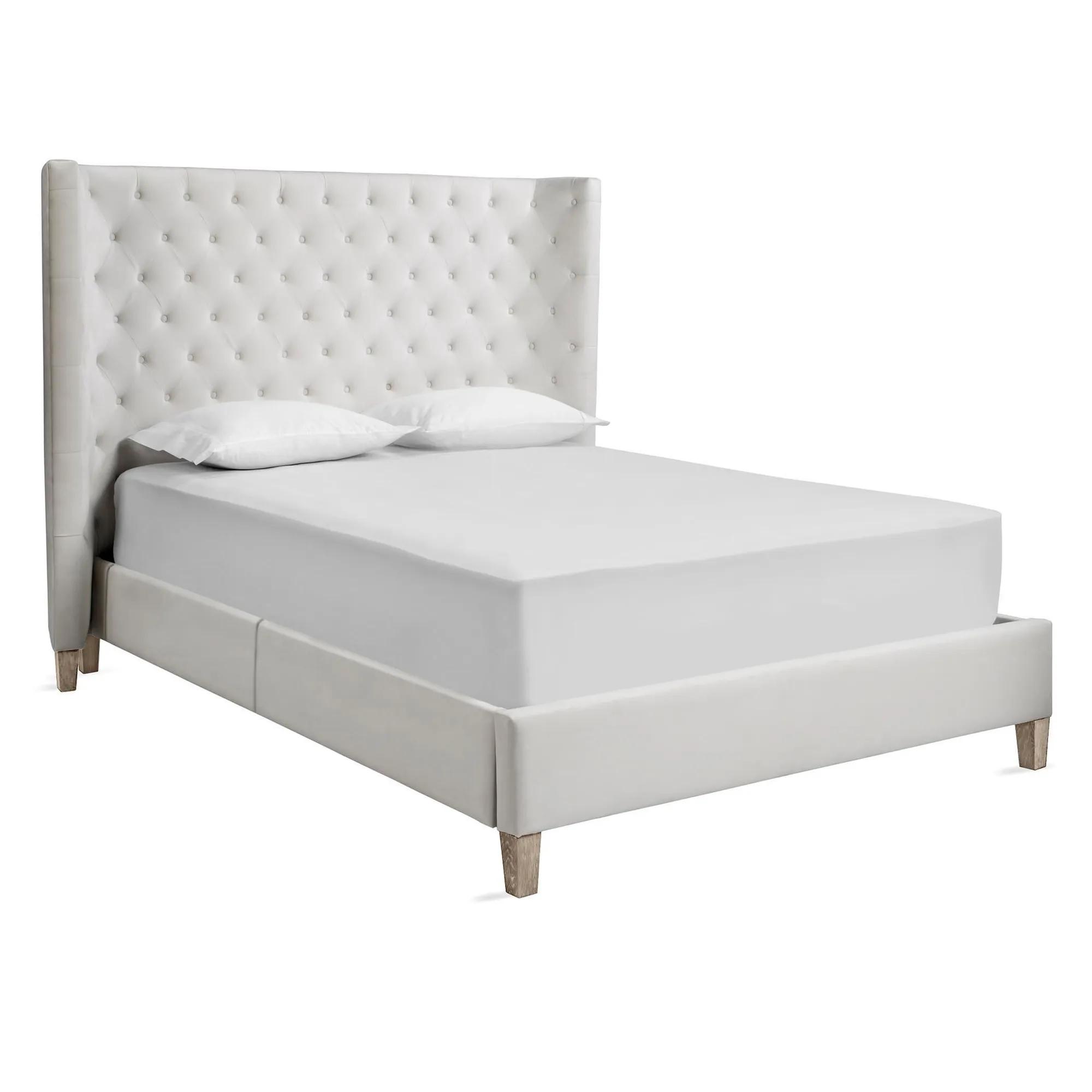 Jen Storage Bed$3399
A glamorous platform bed with a curved wingback headboard, hand-tufted velvet upholstery, and four storage drawers.
Add To Cart -
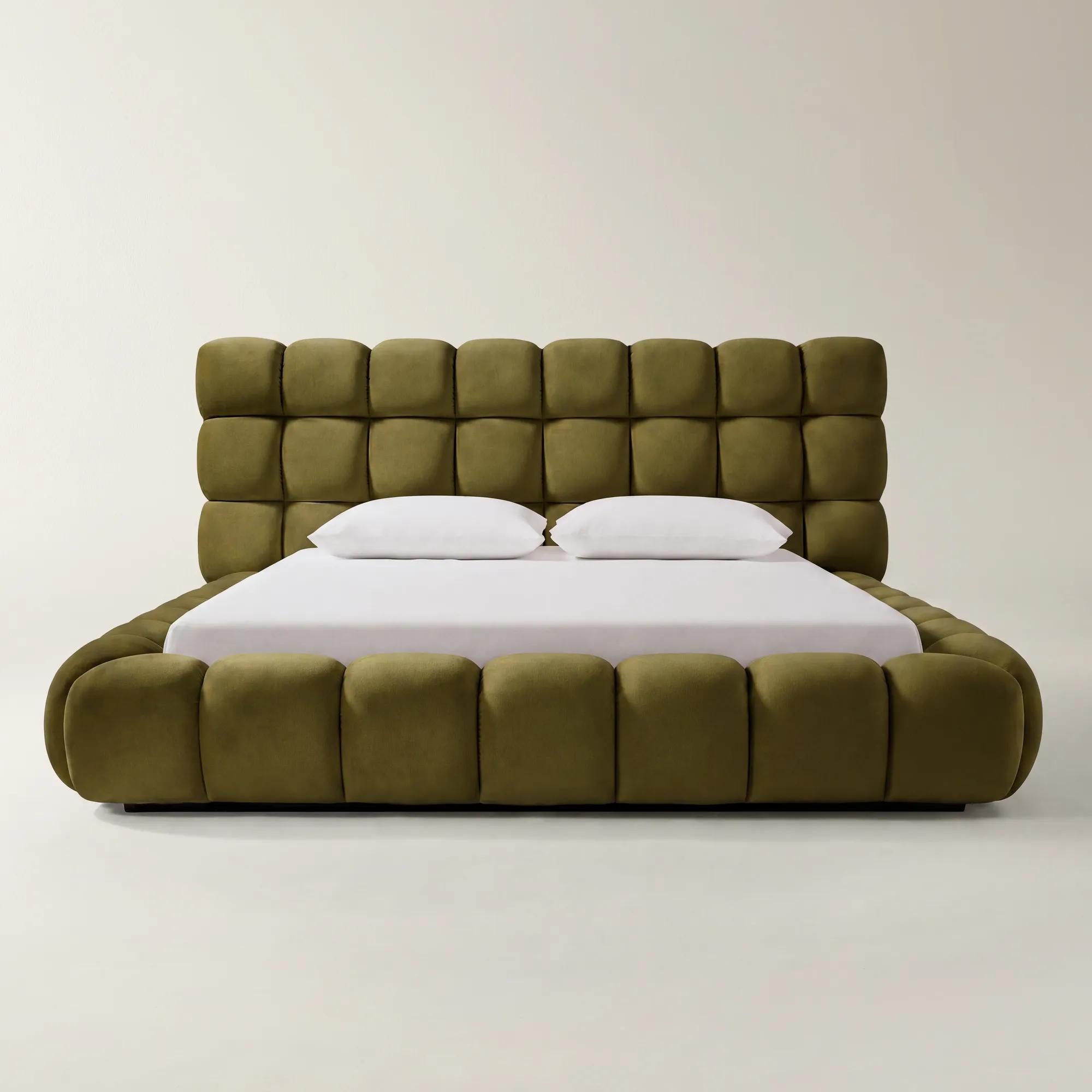
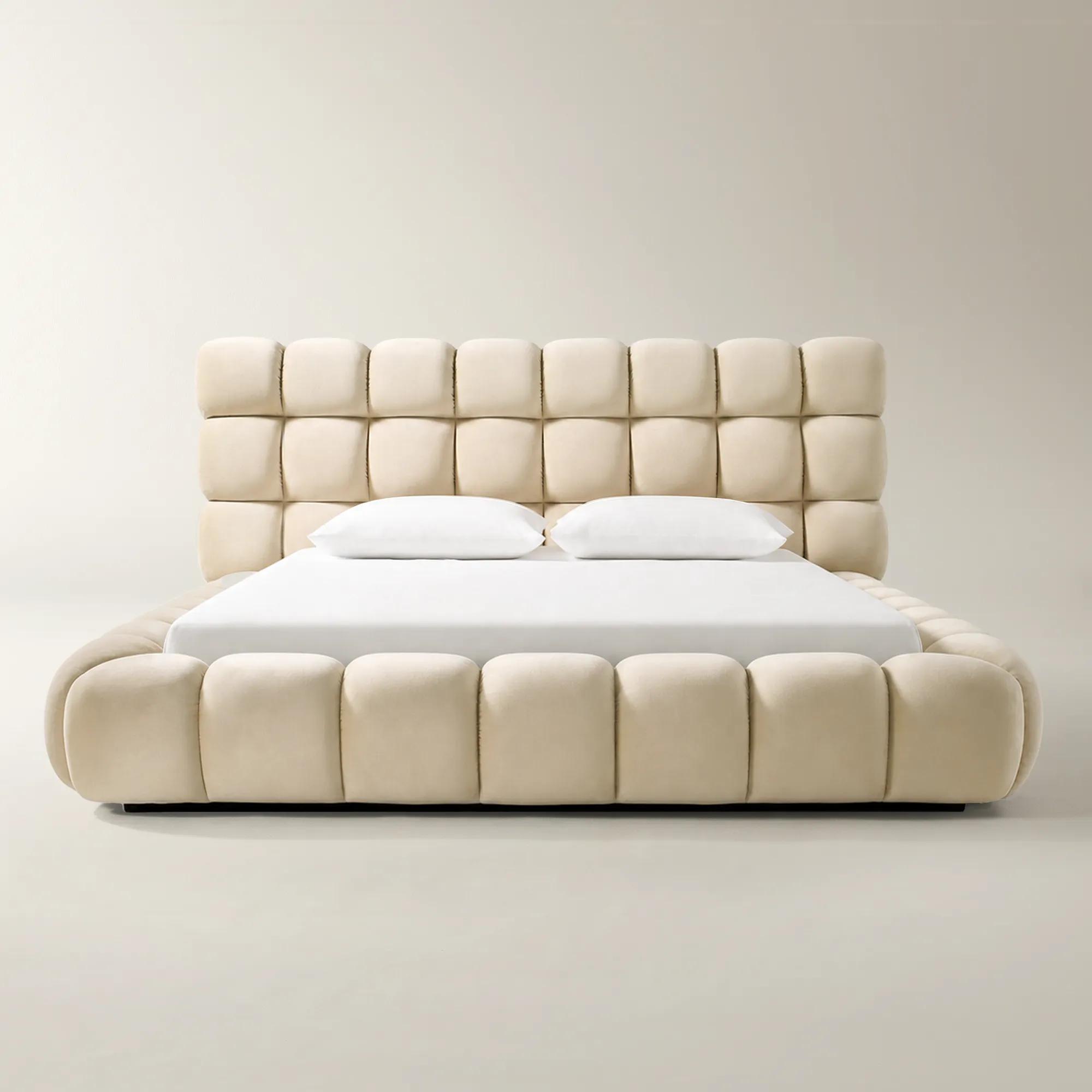 Paloma Tufted Oatmeal Velvet Upholstered Queen Platform Bed$2399
A sculptural platform bed upholstered in plush oatmeal velvet with oversized tufted blocks and solid wood frame.
Add To Cart -
Paloma Tufted Oatmeal Velvet Upholstered King Platform Bed$2599
A sculptural platform bed upholstered in oatmeal velvet with plush tufted blocks and fully wrapped design.
Add To Cart -
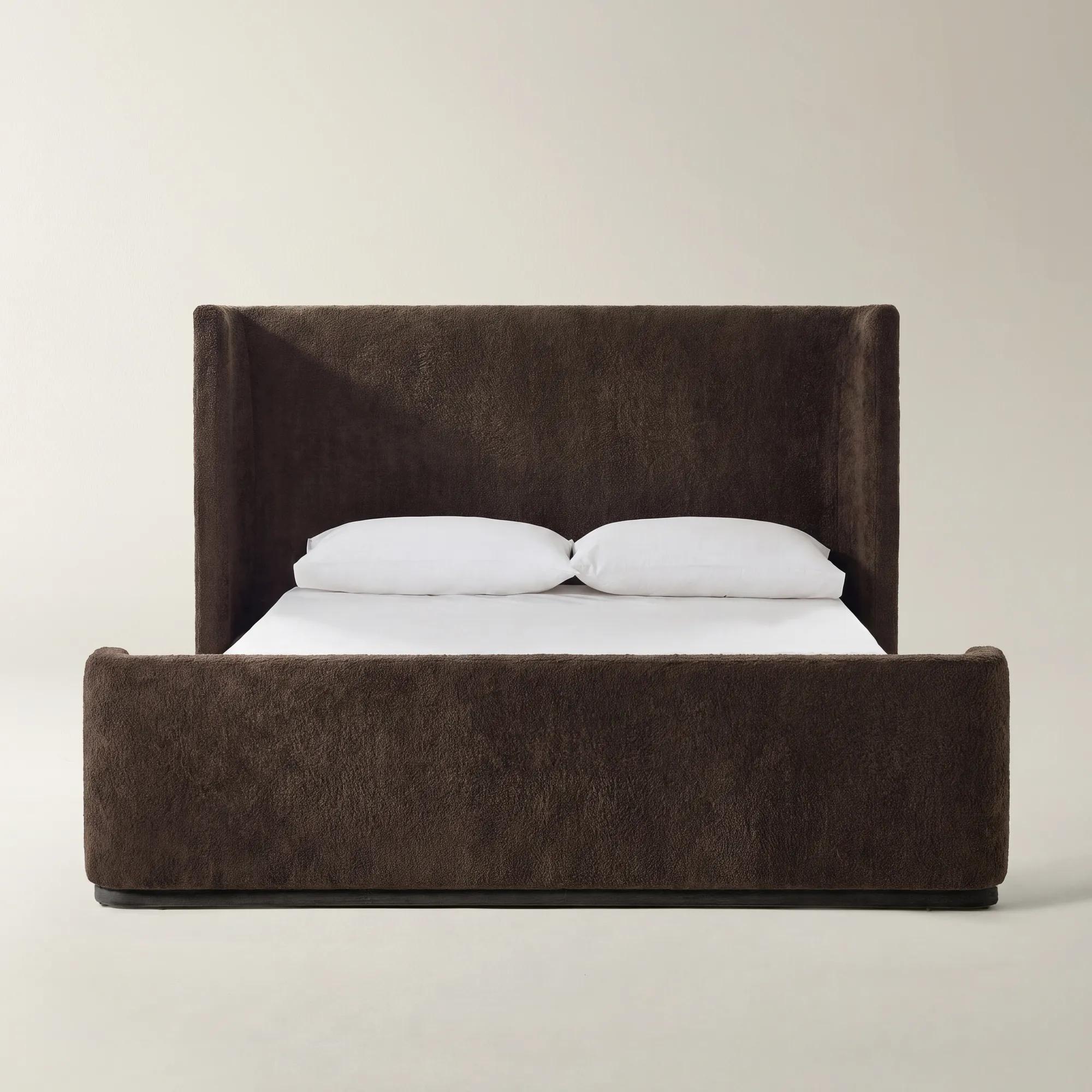
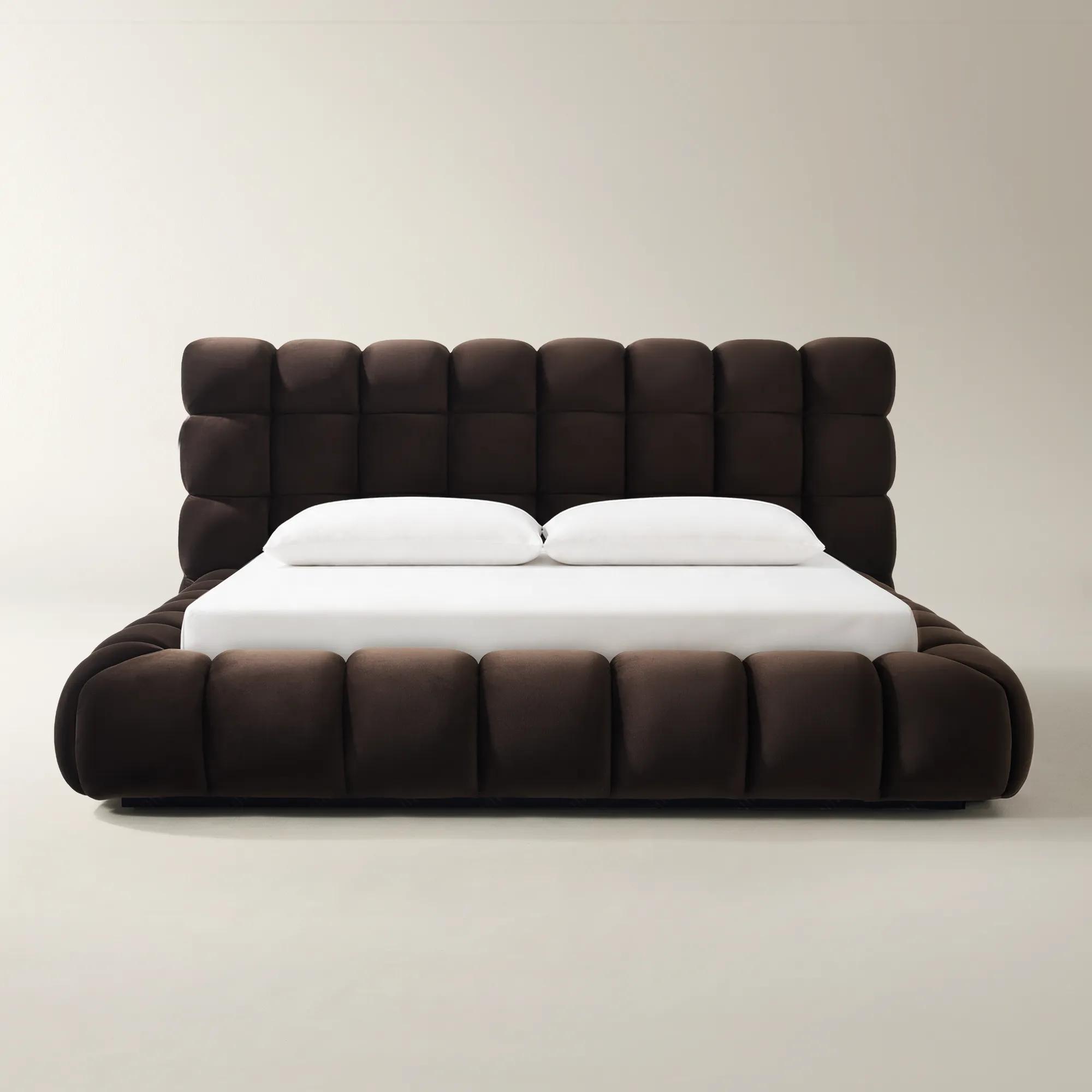 Paloma Tufted Dark Chocolate Velvet Upholstered Queen Platform Bed$2399
A sculptural platform bed upholstered in dark chocolate velvet with plush, oversized tufted blocks for modern elegance.
Add To Cart

Corner Blocked Frame Beds
Corner blocked frame beds are the foundation of a truly show-stopping sanctuary—where artistry meets architecture and every detail is designed to dazzle. With bold silhouettes and sculptural presence, these beds transform your bedroom into a stage for self-expression, inviting you to indulge in layers of luxury and drama. Each piece promises not just support, but a statement: a celebration of craftsmanship that elevates both comfort and style. Discover how corner blocked frame beds can anchor your space with confidence, turning dreams into design masterpieces.
Corner-blocked frame beds pair a composed silhouette with reinforcement where structural joints need extra support. Corner blocking refers to blocks, typically made of wood, fitted inside the corners of a furniture frame to help brace adjoining members against movement. Depending on the design, these blocks may be secured with adhesive, screws, or a combination of fasteners. Their purpose is to strengthen the connection and help the frame resist racking—the side-to-side movement that can strain joints over time. This construction can contribute to a more stable bed and help reduce movement-related noise, although no reinforcement method guarantees a completely silent frame. Assembly, hardware, mattress support, and the floor beneath the bed all influence performance. The term describes an internal construction detail, not an L-shaped bed or a bed designed specifically for placement in a room’s corner. Its appeal is the marriage of substance and style: concealed reinforcement beneath an exterior that can be richly upholstered, crisply tailored, or dramatically sculptural. A sweeping headboard establishes an architectural focal point, while a low-profile frame creates a poised foundation for layered linens and luminous bedside accents. Deep tufting brings dimension and shadow; smooth upholstery lets a bold outline command attention. For a primary bedroom, this balance offers visual presence alongside construction intended to support everyday use. In a guest room, it creates an inviting centerpiece that feels considered rather than incidental. Corner blocking is one meaningful detail within the larger structure, not a substitute for sound materials, suitable support, and well-executed joinery. A bed’s lasting appeal comes from those elements working together, allowing its expressive shape to remain the focus while its underlying frame performs a quieter, equally important role. That distinction matters when comparing beds with similar profiles: two equally striking silhouettes can differ substantially beneath the upholstery, and visible drama alone says little about how their joints are reinforced.
Materials shape both the character of corner-blocked frame beds and their day-to-day performance. Solid wood, plywood, engineered wood, and metal components may appear in different combinations, with each serving a particular structural purpose. The quality of those materials, their dimensions, the fastening method, and the overall frame design matter more than a single construction label. Upholstery introduces another layer of expression. Velvet offers a light-catching surface with depth and a changing sheen, while textured woven fabrics can lend a tailored, dimensional finish. Fabric composition, abrasion resistance, and cleaning requirements deserve attention in bedrooms shared with children or pets, where an upholstered rail may encounter climbing paws, frequent contact, or an occasional spill. Scale is equally consequential. Mattress size does not describe the full footprint of a bed: padded side rails, a substantial footboard, and winged headboards can extend beyond the sleeping surface. Overall dimensions help establish whether a design leaves comfortable passage beside a dresser, space for nightstand drawers to open, and clearance around a doorway. Headboard height also changes the room’s composition, especially beneath windows or alongside large-scale artwork. A generous silhouette can make a spacious suite feel anchored; a streamlined profile can preserve breathing room without surrendering presence. Designs described as designer platform beds with corner blocked frames bring the same construction consideration into a platform format, but corner blocking alone does not determine mattress compatibility. A platform bed may support a mattress without a box spring when its specified support system allows it. Other designs require a foundation. Slat spacing, center supports, support legs, mattress requirements, and stated weight limits all remain essential details. Finished sleeping height deserves consideration, too: the combined height of frame, foundation, and mattress affects how comfortably someone sits down or rises. For a taller mattress, a lower frame may keep the composition balanced and leave more of an upholstered headboard visible. For someone who prefers a higher sleeping surface, the complete setup matters more than the frame’s appearance alone.
Thoughtful care protects the polished appearance and structural integrity that make a bed feel enduring. For upholstered frames, regular gentle vacuuming with an appropriate upholstery attachment helps lift dust from seams, tufting, and the junction between the headboard and side rails. Cleaning should follow the fabric’s care code and the manufacturer’s directions; some materials tolerate water-based treatments, while others require solvent-based care or professional attention. Blotting rather than rubbing can help limit the spread of a fresh spill, but any treatment should be suitable for the upholstery and tested in an inconspicuous area when directed. Velvet may show pressure marks or shifts in its pile that alter how the surface reflects light, so its care differs from that of a flat woven textile. Exposed wood and metal details also benefit from finish-appropriate cleaning rather than abrasive products or indiscriminate polishing. Structural care is less visible but just as valuable. Proper assembly, correctly seated support components, and periodic hardware checks according to the manufacturer’s instructions help preserve the intended fit of the frame. An uneven floor or a center support that does not make proper contact can undermine stability even when the corners are reinforced. When relocating a bed, lifting it with adequate help—or disassembling it as directed—avoids the twisting forces that dragging can place on joints. Corner blocks reinforce connections; they do not make a bed immune to misuse or eliminate the need to respect its weight limits. For couples furnishing a primary suite, individuals creating a more expressive retreat, or households appointing a guest bedroom, these practical details support a more satisfying choice. The decorative finish can then carry the mood: a richly textured headboard behind crisp bedding, a sculptural frame balanced by restrained nightstands, or a softly upholstered profile framed with gleaming lighting. The result is a bedroom with both presence and purpose, where the bed delivers a striking visual statement supported by considered construction.
FAQs
A corner blocked frame bed features reinforced joints, where solid wood blocks are expertly glued and screwed into each corner of the frame. This construction technique dramatically increases stability and durability, ensuring the bed remains steadfast and resists wobbling or loosening over time, even with daily use.
Absolutely. Corner blocked frame beds are available in a wide array of designs, from sleek, contemporary silhouettes with clean lines to more classic, upholstered styles. Their robust construction serves as a foundation for both dramatic, modern statements and timeless, elegant retreats.
Many corner blocked frame beds offer thoughtful enhancements such as built-in storage drawers, open shelving, USB charging ports, and even integrated LED lighting. These features add functionality and convenience, making the bed a true centerpiece of both style and utility.
A corner blocked frame bed makes a memorable and meaningful gift for newlyweds creating their first home, young adults moving into a new apartment, or anyone celebrating a milestone. Its blend of enduring quality and dramatic design makes it a treasured addition to any space.
Many modern corner blocked frame beds feature sturdy slat systems that provide ample support for your mattress, eliminating the need for a separate box spring. This not only streamlines the look but also enhances the bed’s overall stability and comfort.