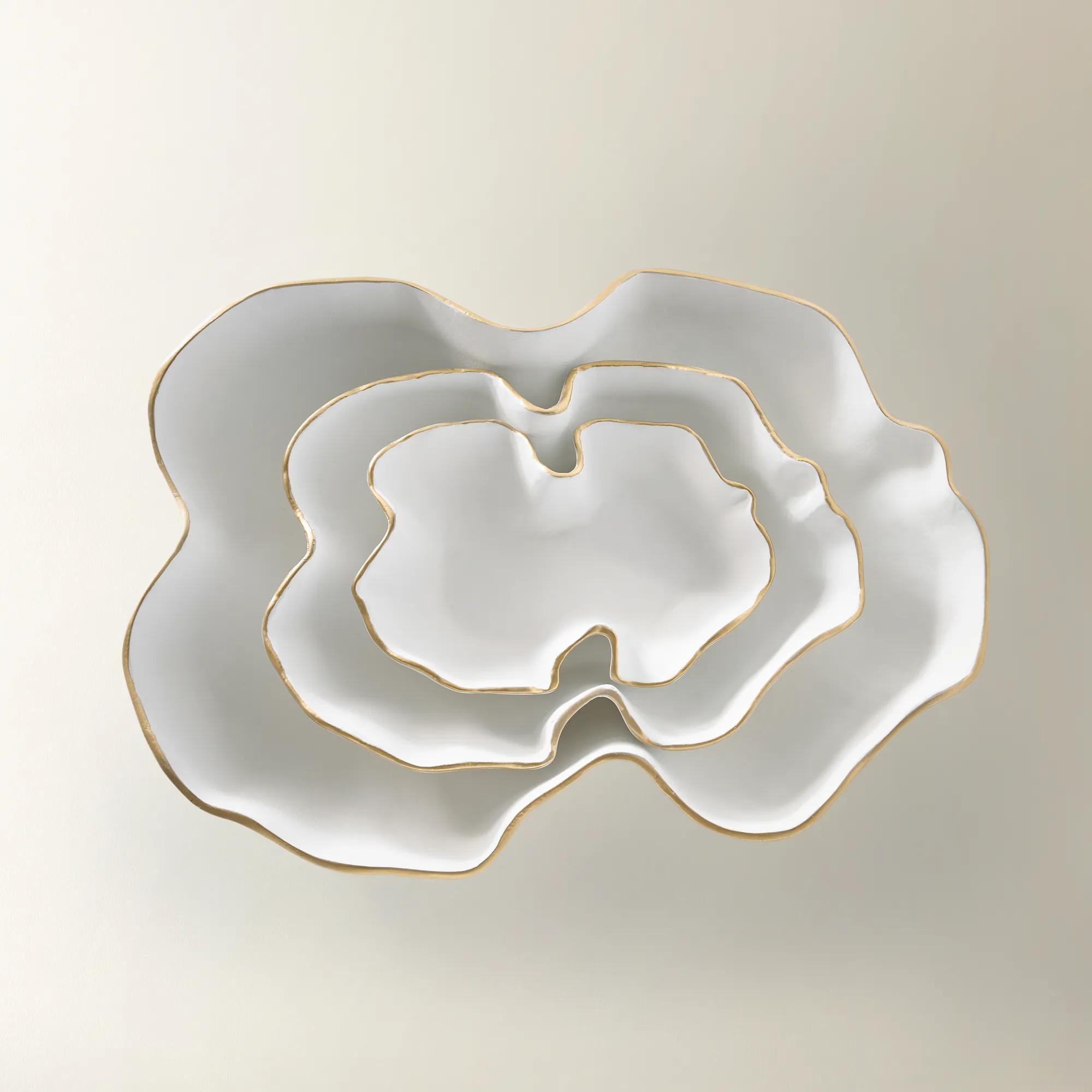
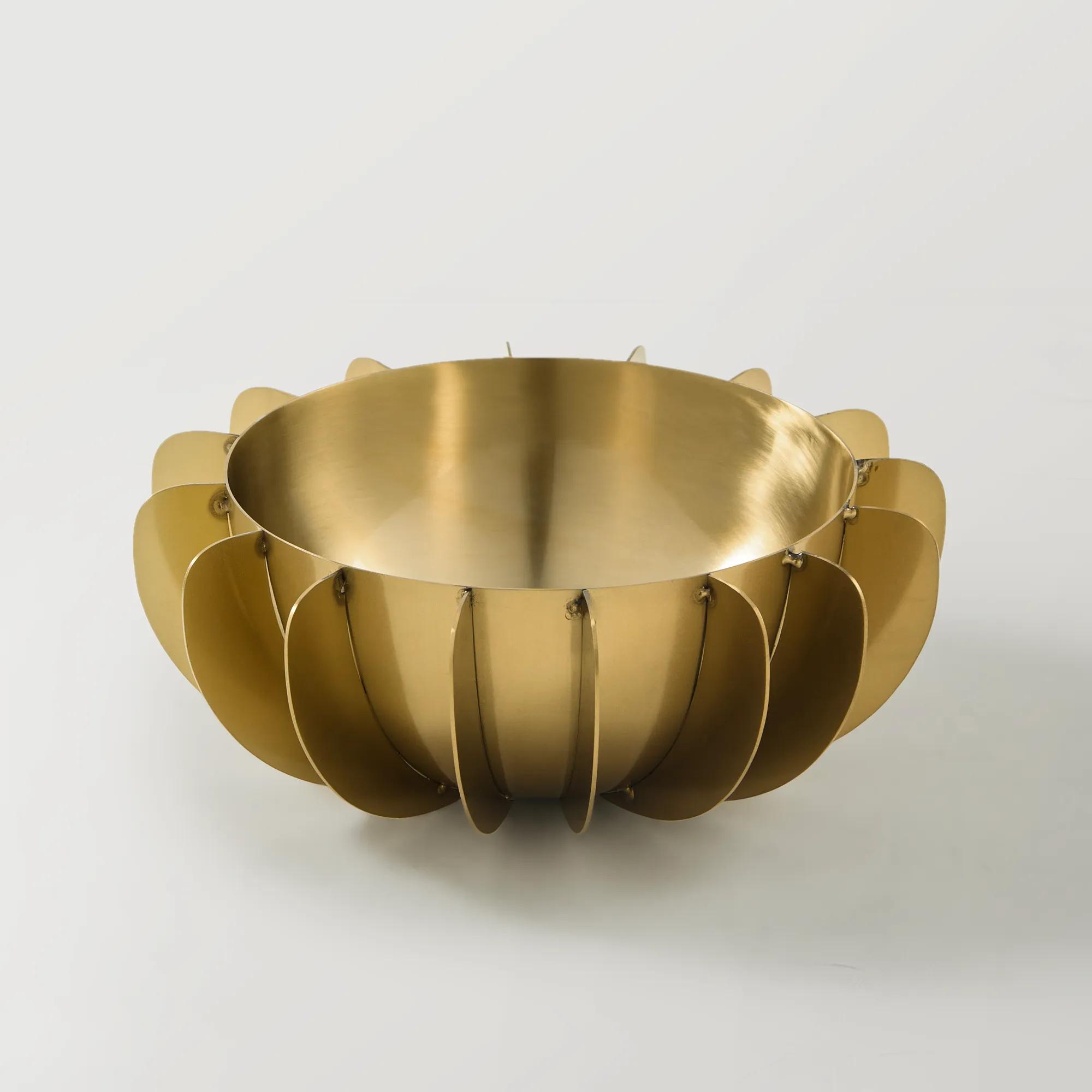
Contemporary Serving Bowls
Contemporary Serving Bowls
-
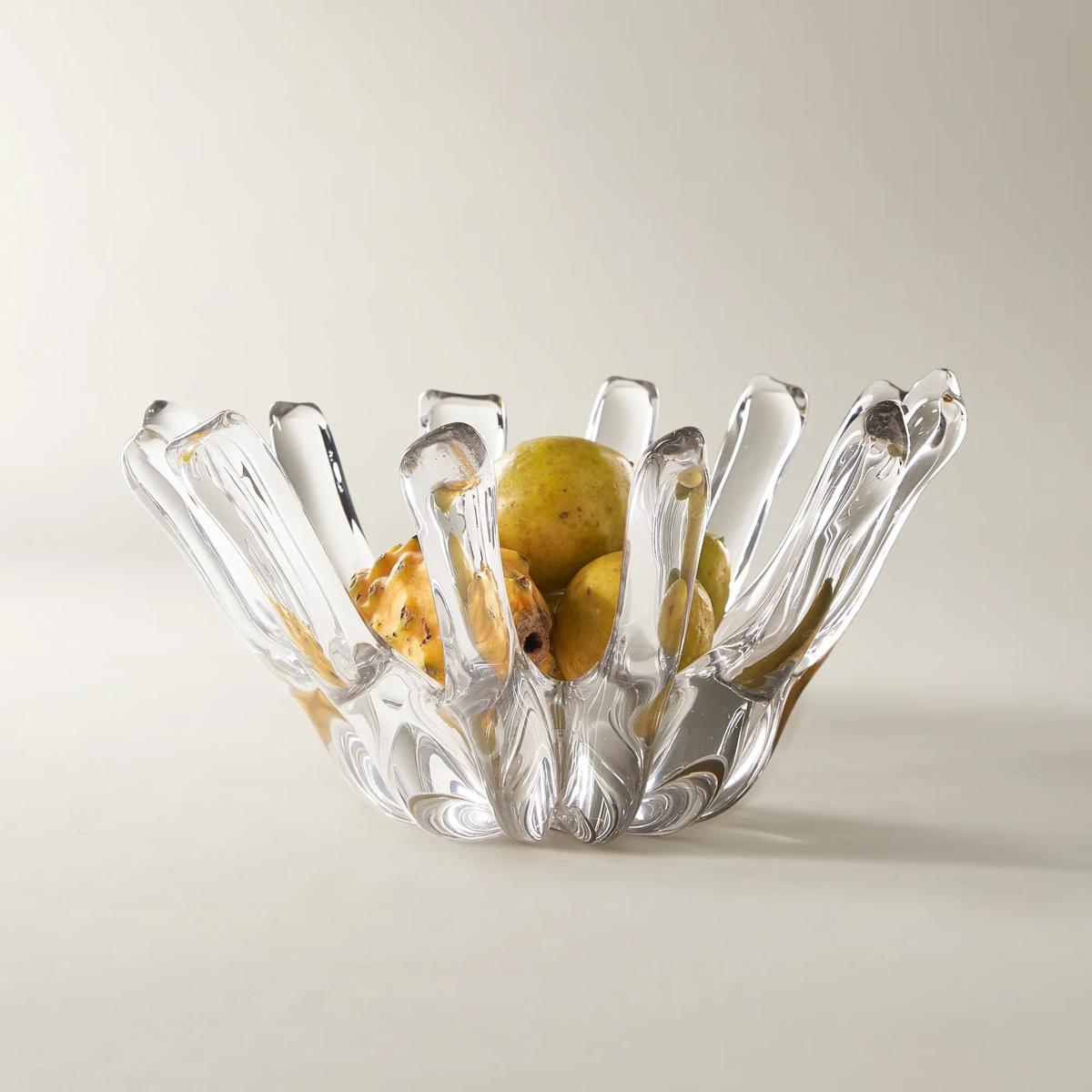
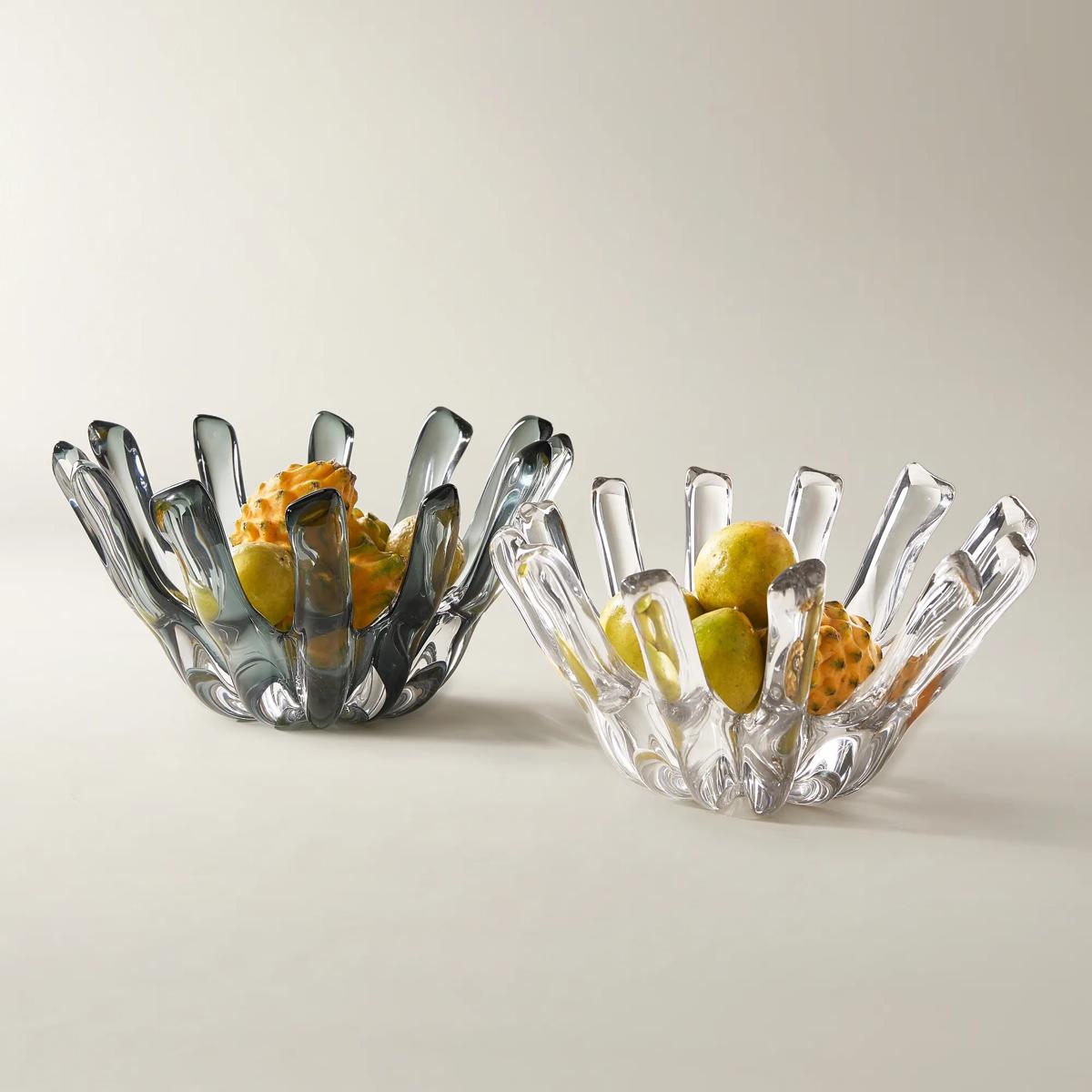 Bossa Clear Handblown Glass Decorative Bowl 13" x 7"$129
A hand-blown clear glass bowl featuring an expressive, sculptural form for modern decorative displays.
Add To Cart -
.jpeg?w=1200&h=1200)
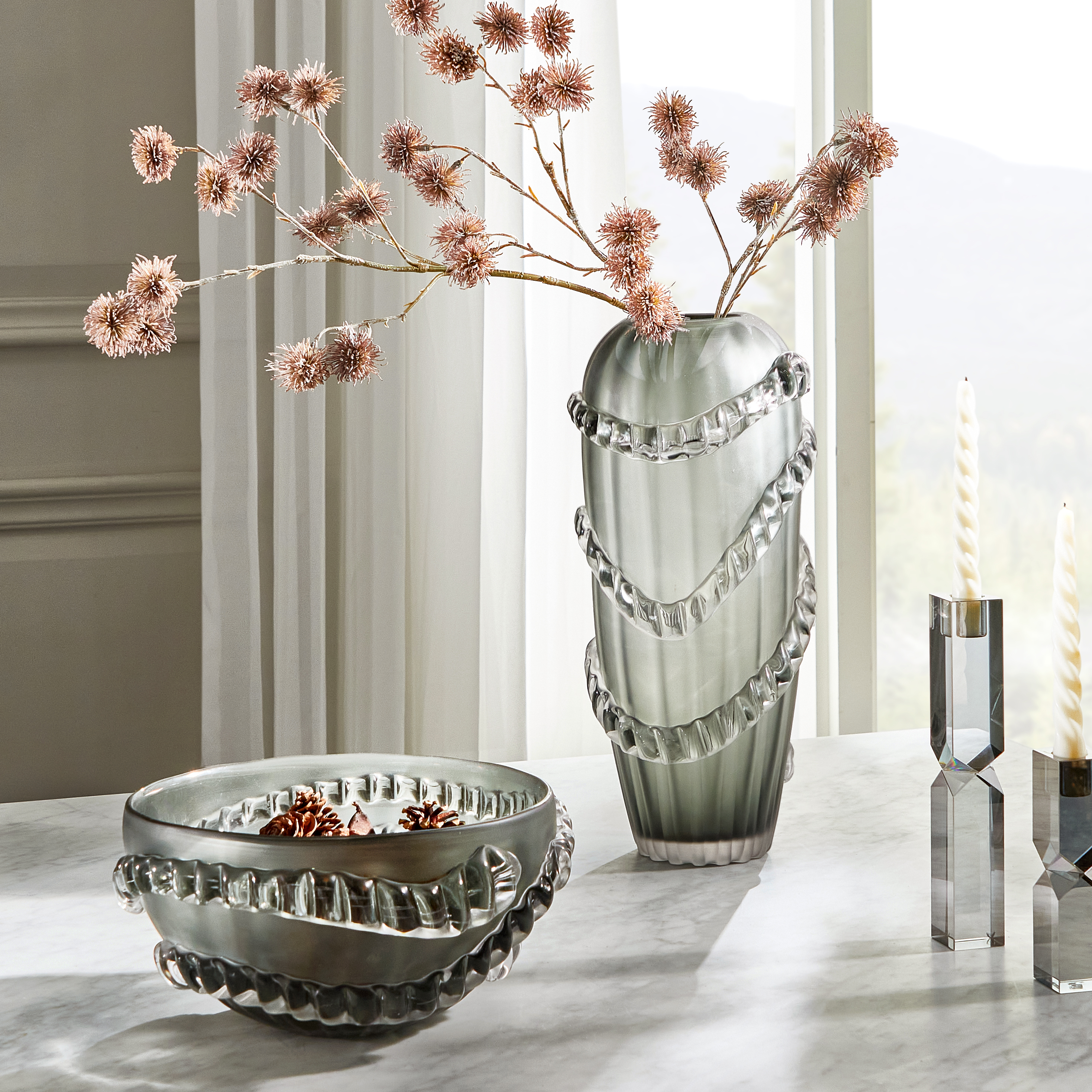 Helix Glass Collection$129
A hand-blown dark gray glass piece featuring fluted bodies and rippling sculptural ribbons for modern elegance.
Add To Cart -
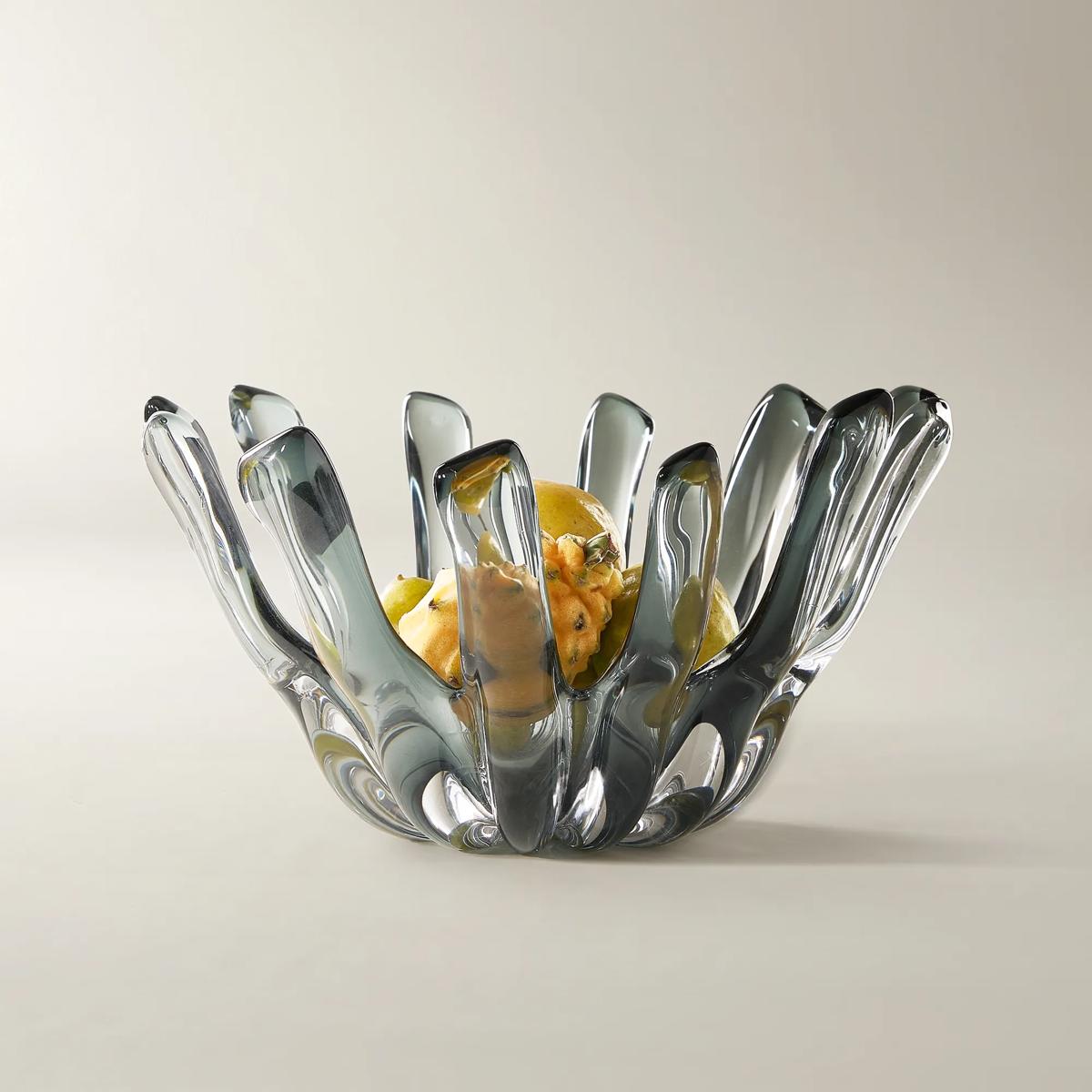 Bossa Smoke Handblown Glass Decorative Bowl 13" x 7"$129
A hand-blown smoky grey glass bowl featuring an expressive, sculptural design for modern decorative displays.
Add To Cart -
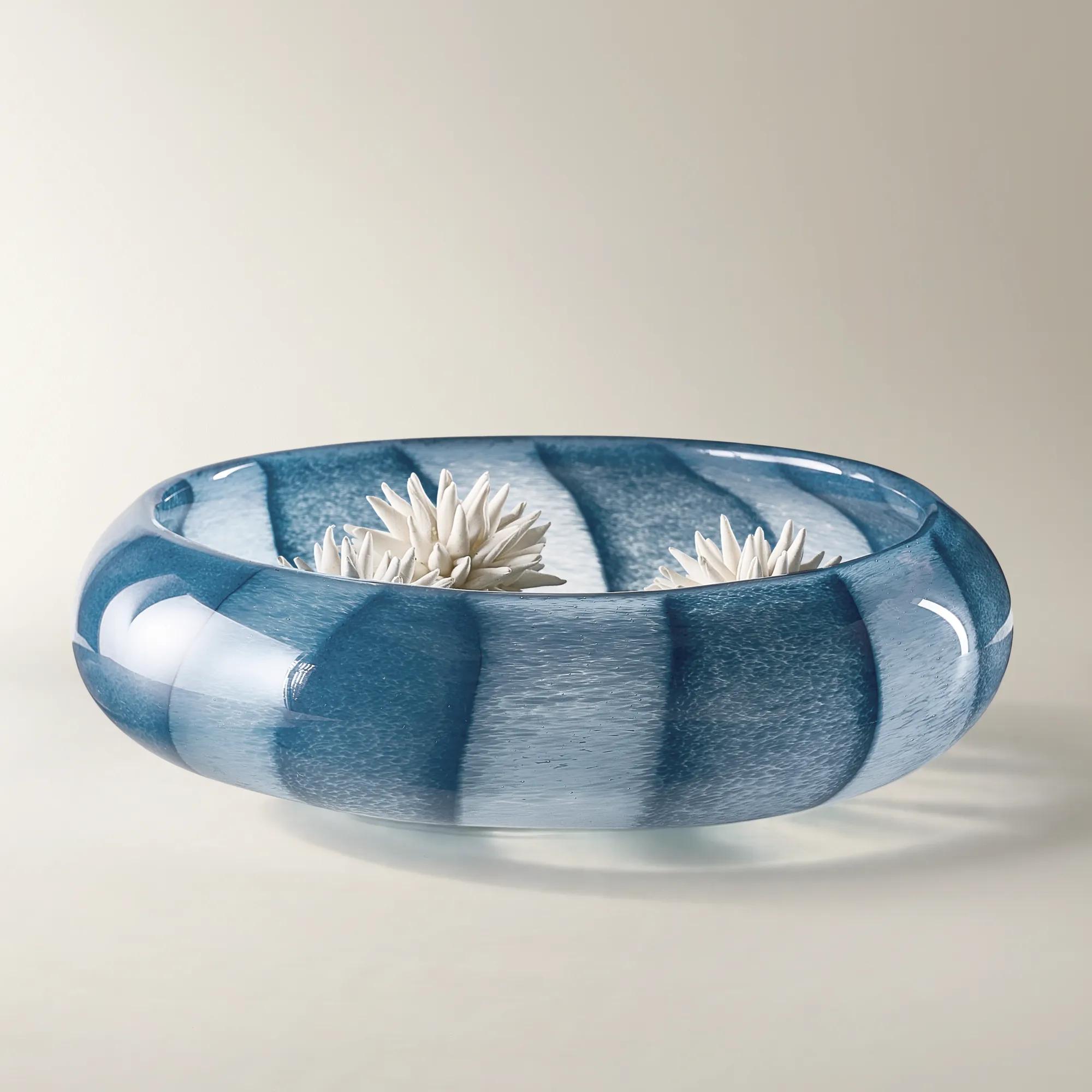 Jonah Mouth Blown Dusty Blue Glass Decorative Bowl 11.75" x 3.5"$89
A handblown glass bowl featuring dusty blue stripes and a sculptural, low rounded silhouette for decor.
Add To Cart -
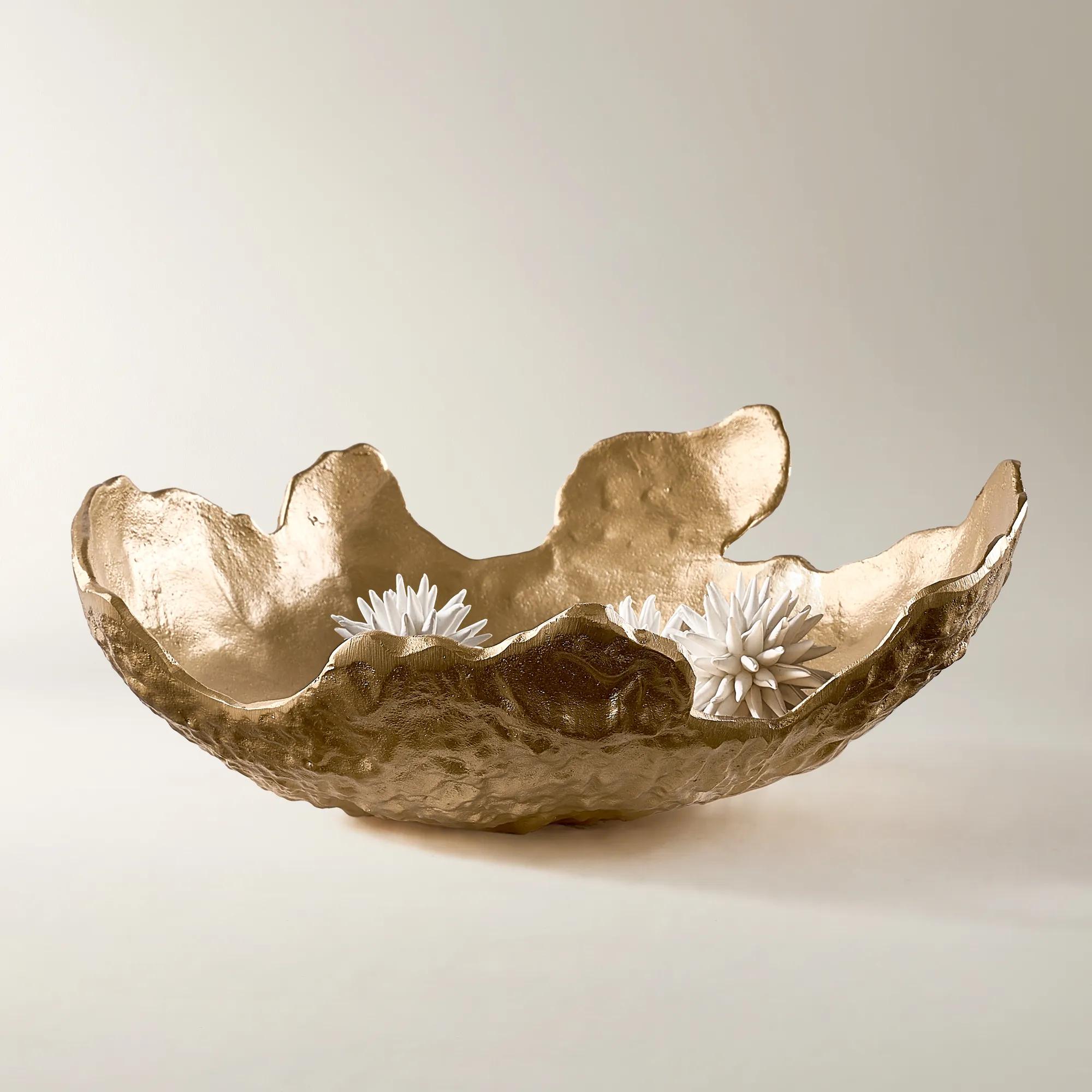 Crush Gold Aluminum Decorative Bowl 16" x 5.75"$169
A sculptural aluminum bowl with a soft gold finish and organic, crushed silhouette for modern decor.
Add To Cart -
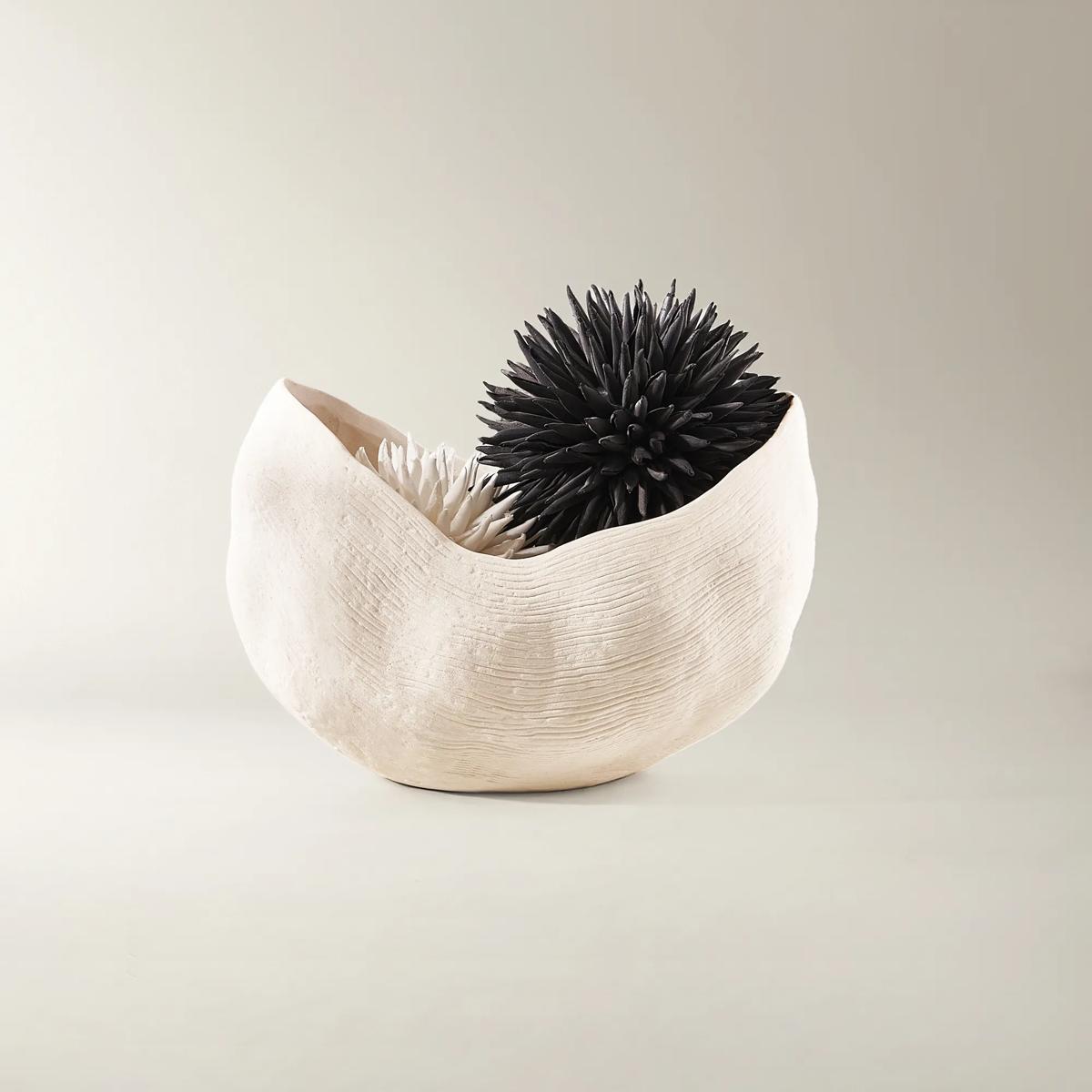 Baz Ivory Porcelain Bowl$119
A sculptural ivory porcelain bowl with a matte, textured finish and organic, free-flowing silhouette.
Add To Cart -
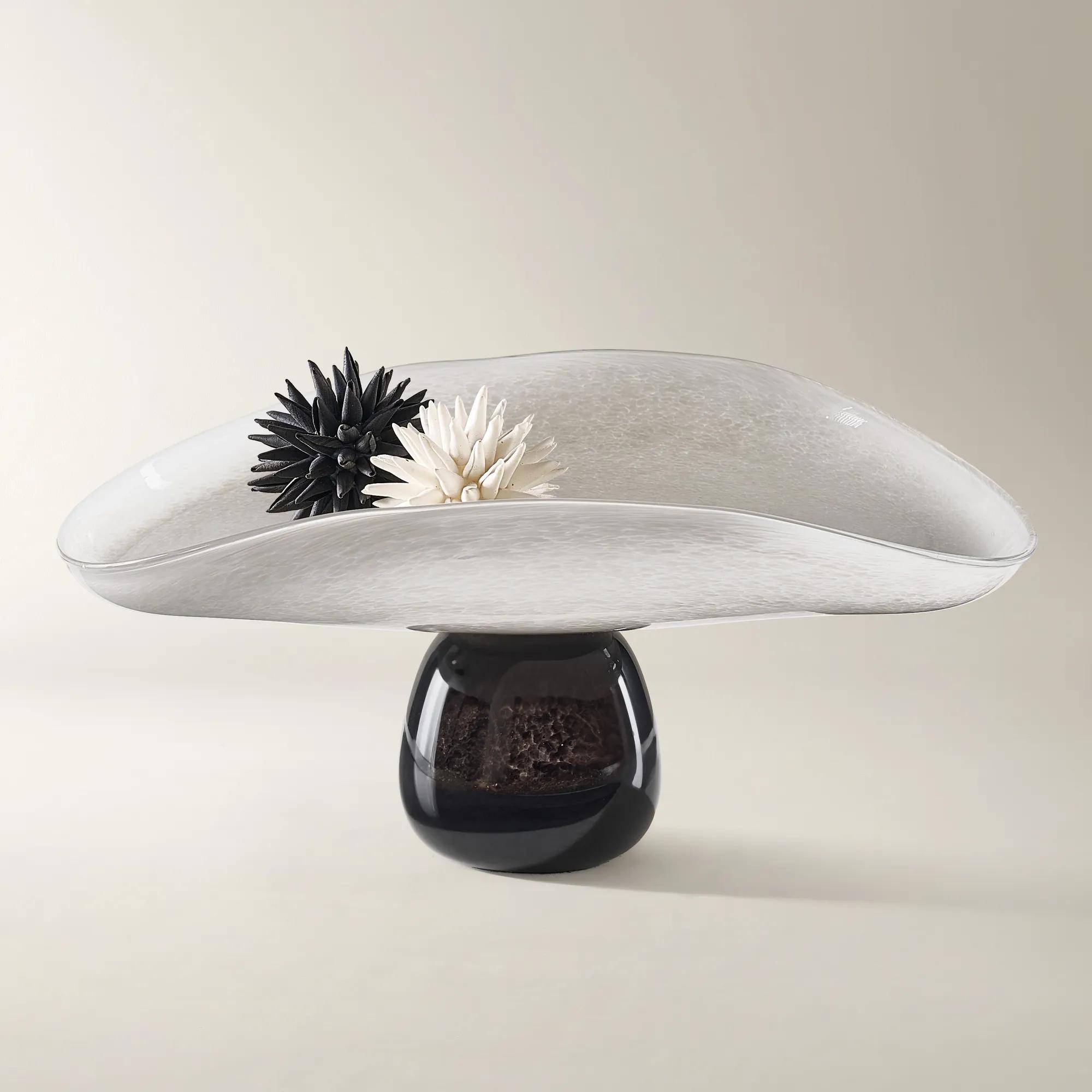 Elois Mouth Blown White Black Pedestal Bowl 14.5" x 7"$149
A handblown glass pedestal bowl featuring striking black and white contrast for a sculptural, modern accent.
Add To Cart -
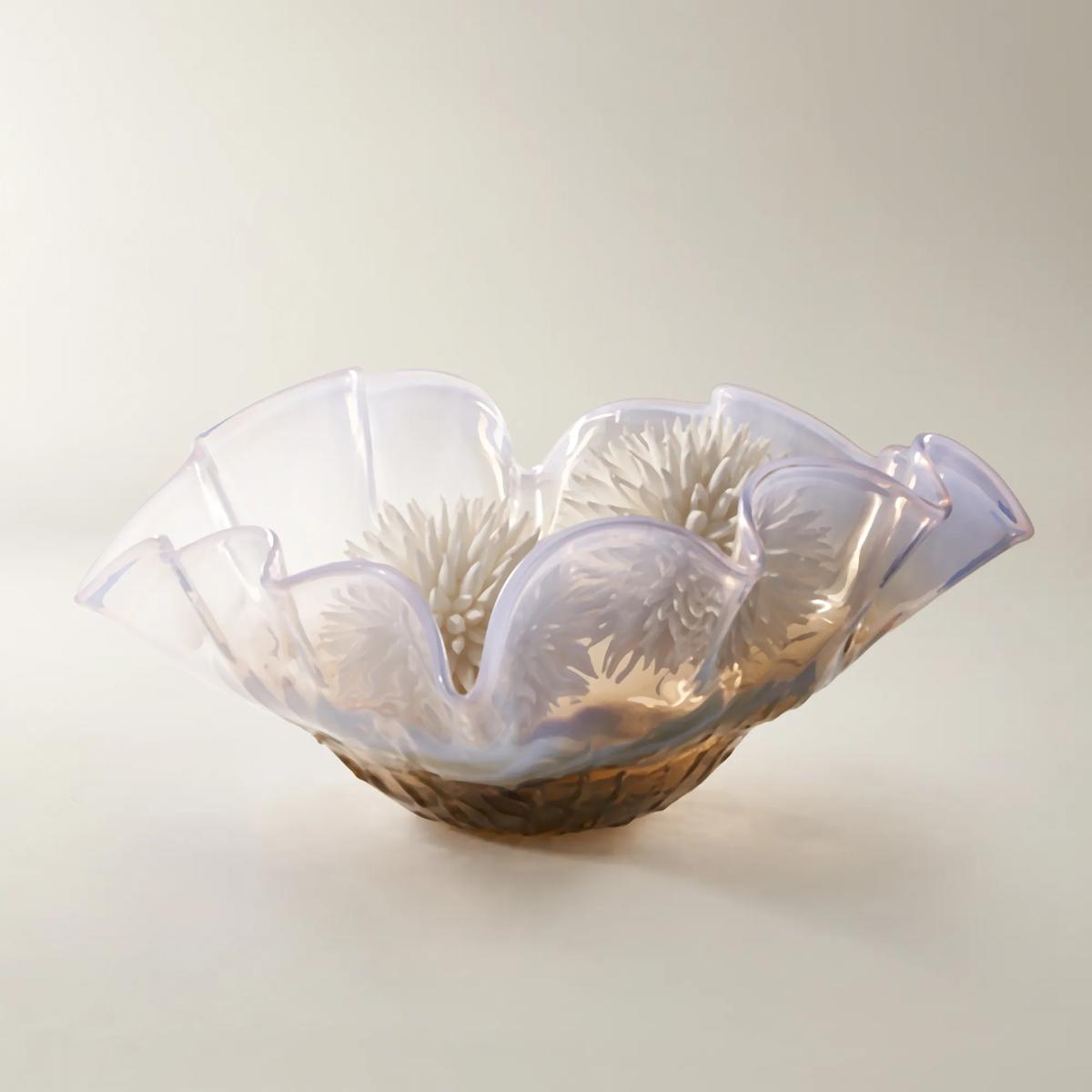
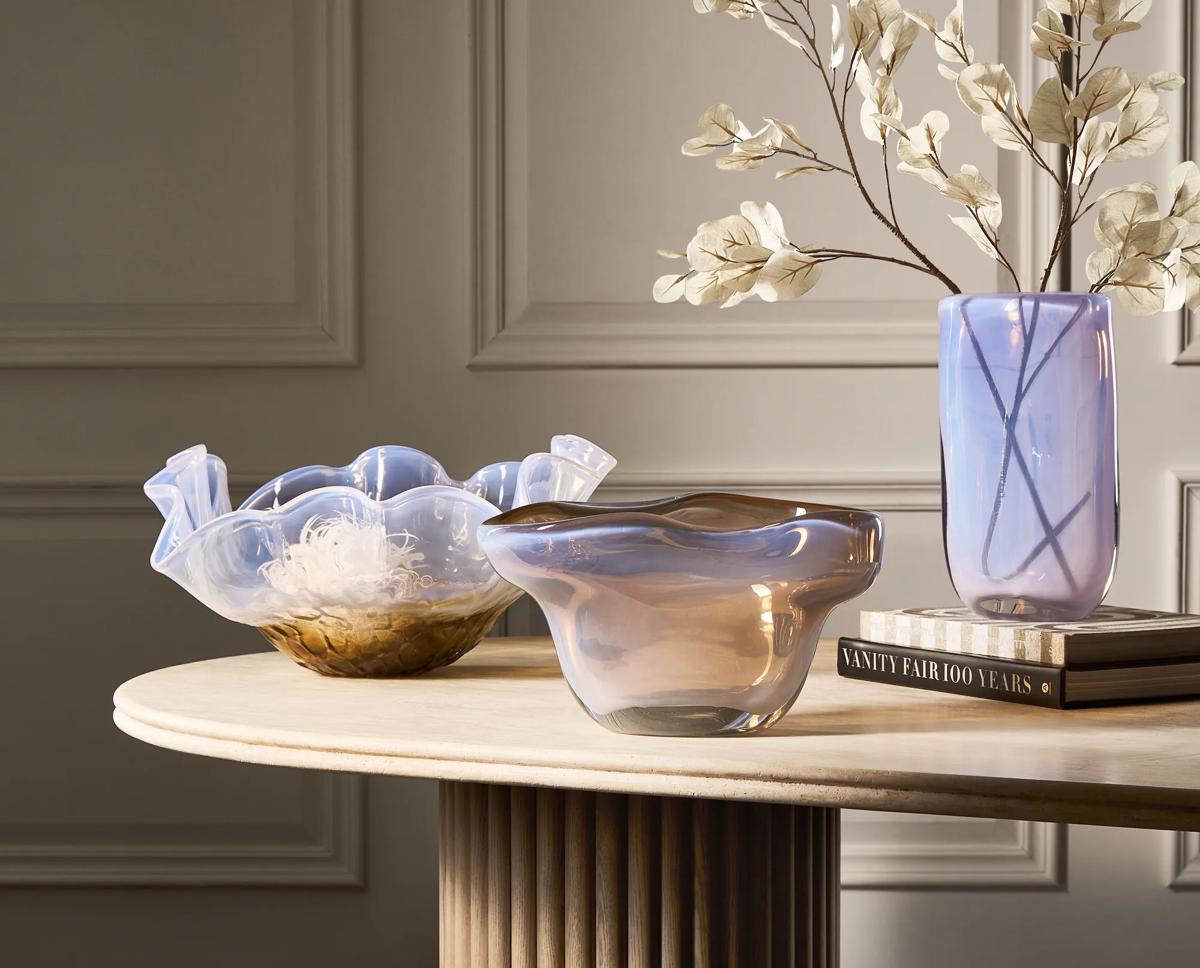 Glacier Glass Bowl$269
A hand-blown glass bowl featuring scalloped edges and swirling lavender and amber hues for artistic elegance.
Add To Cart -
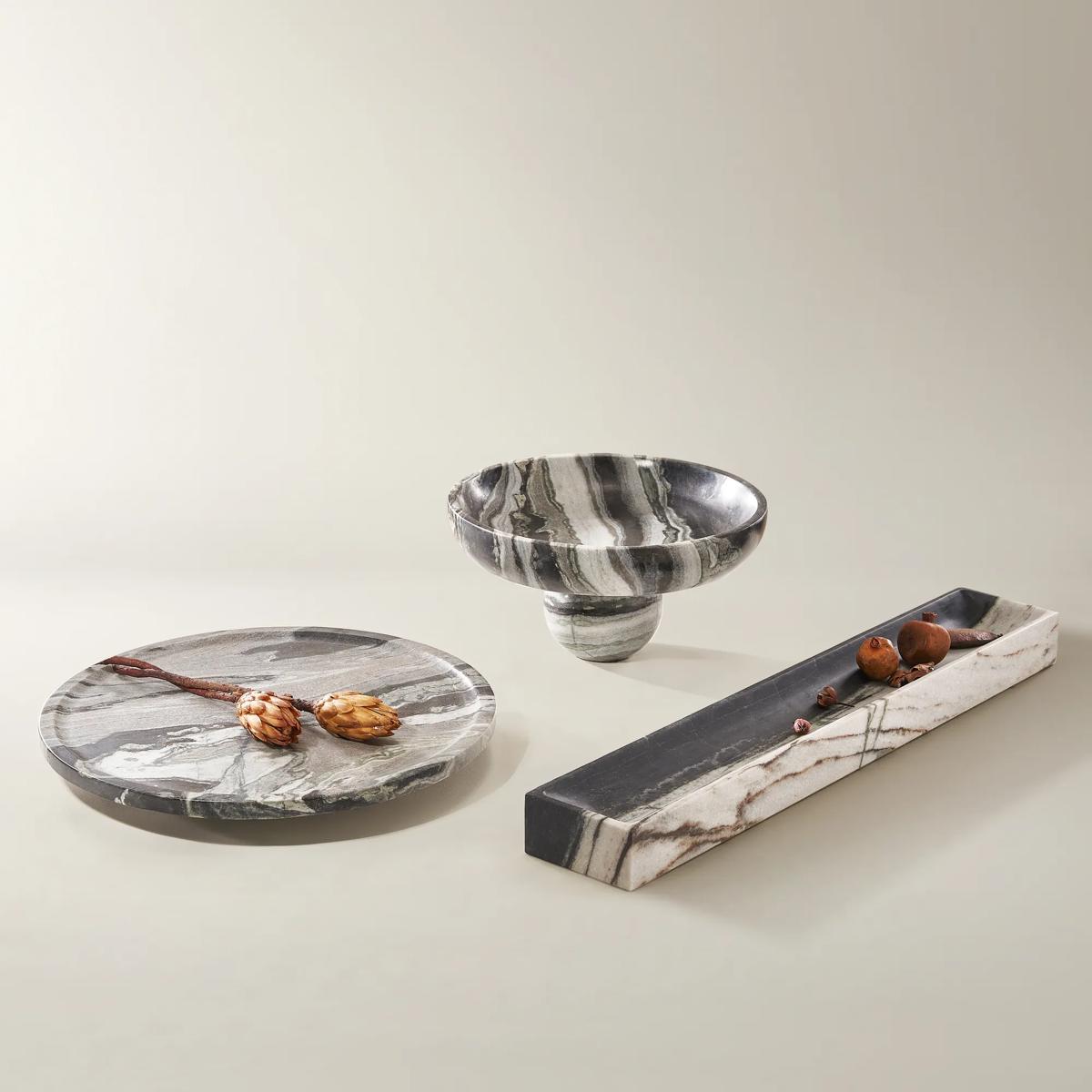
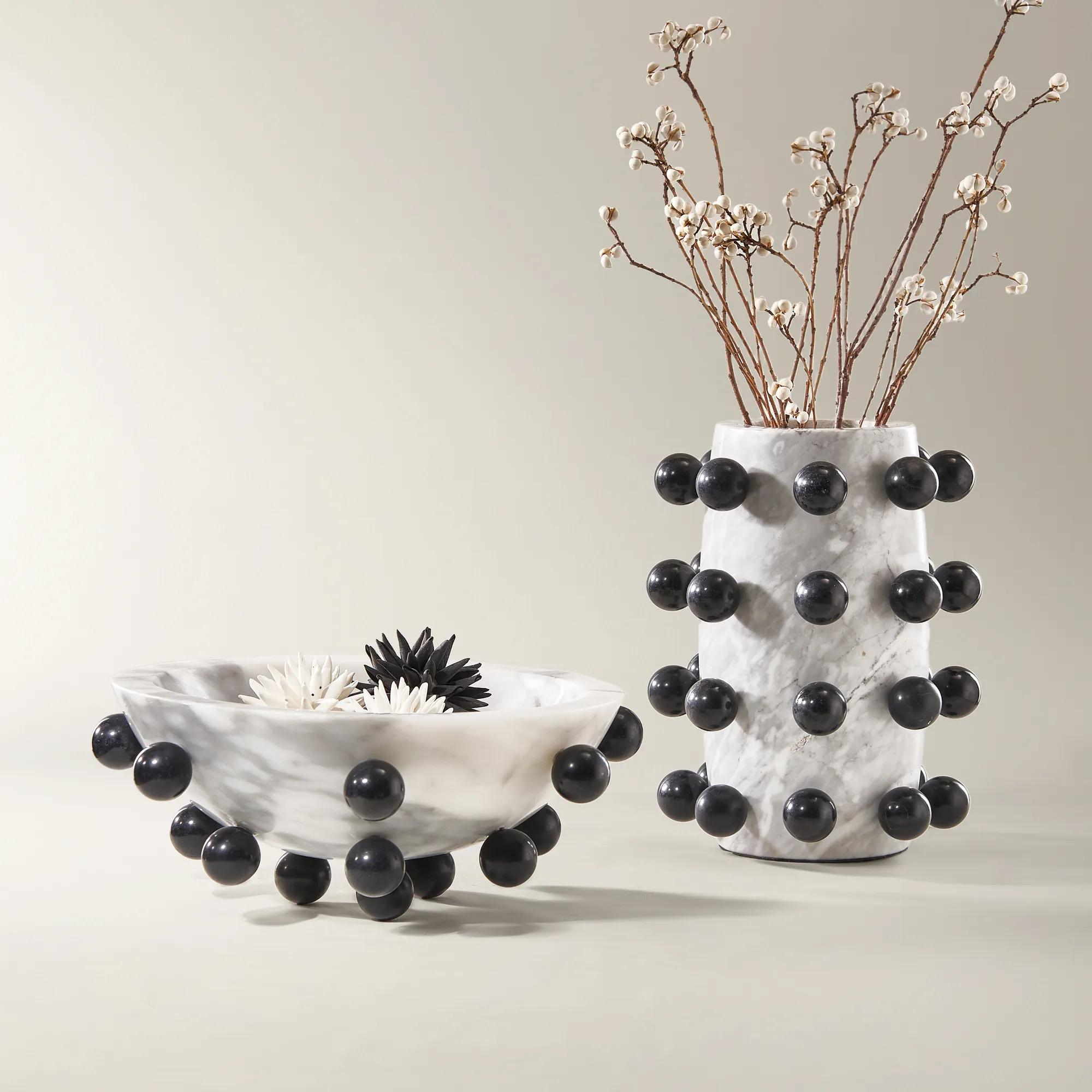 Borra Grey Black Marble Vase & Bowl$219
A sculptural grey marble accent featuring bold black orbs and unique natural veining for modern drama.
Add To Cart -
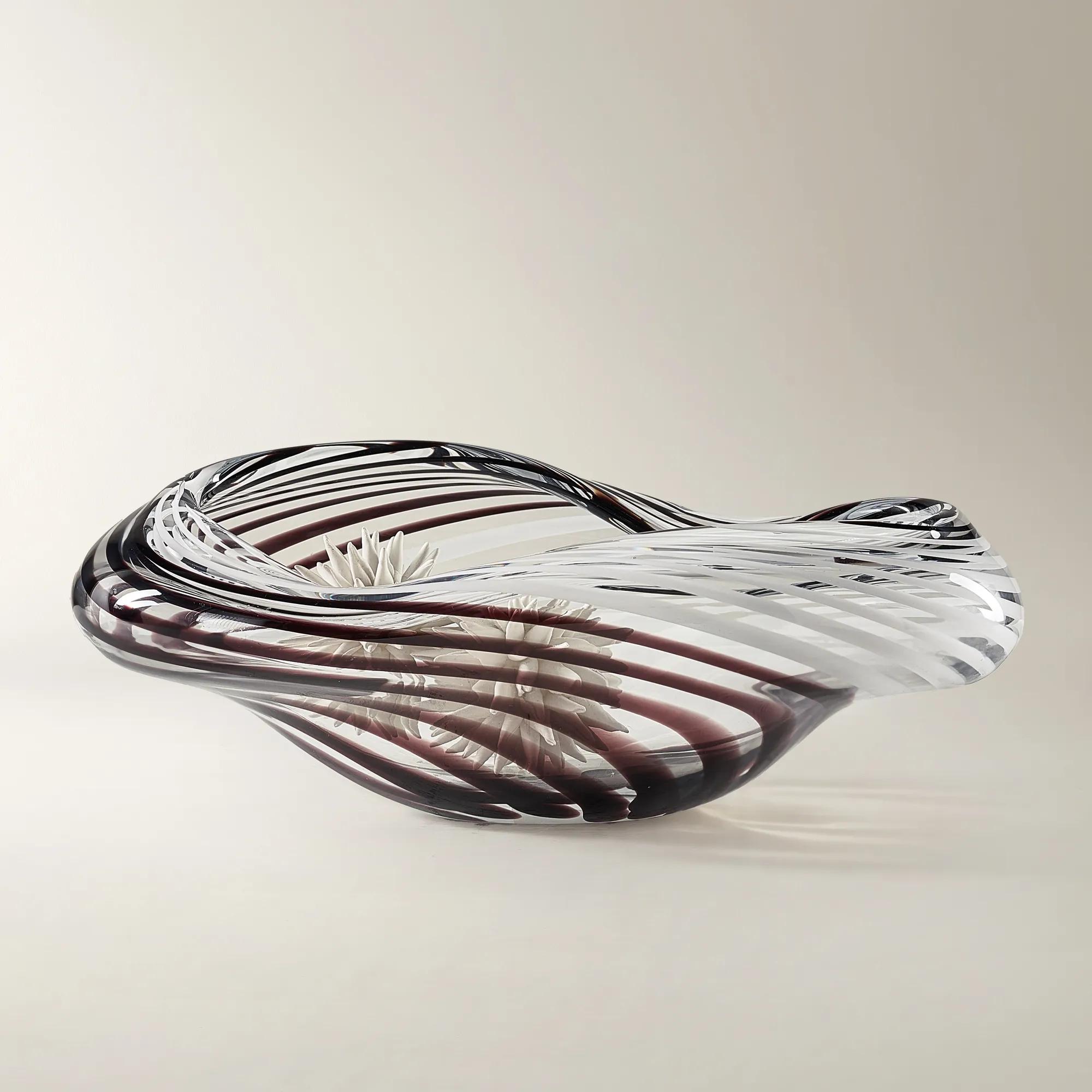 Optic Mouth Blown Black/White Glass Decorative Bowl 17.25" x 5.5"$99
A handblown glass bowl featuring charcoal stripes and a sculptural, Deco-inspired silhouette for decorative display.
Add To Cart -
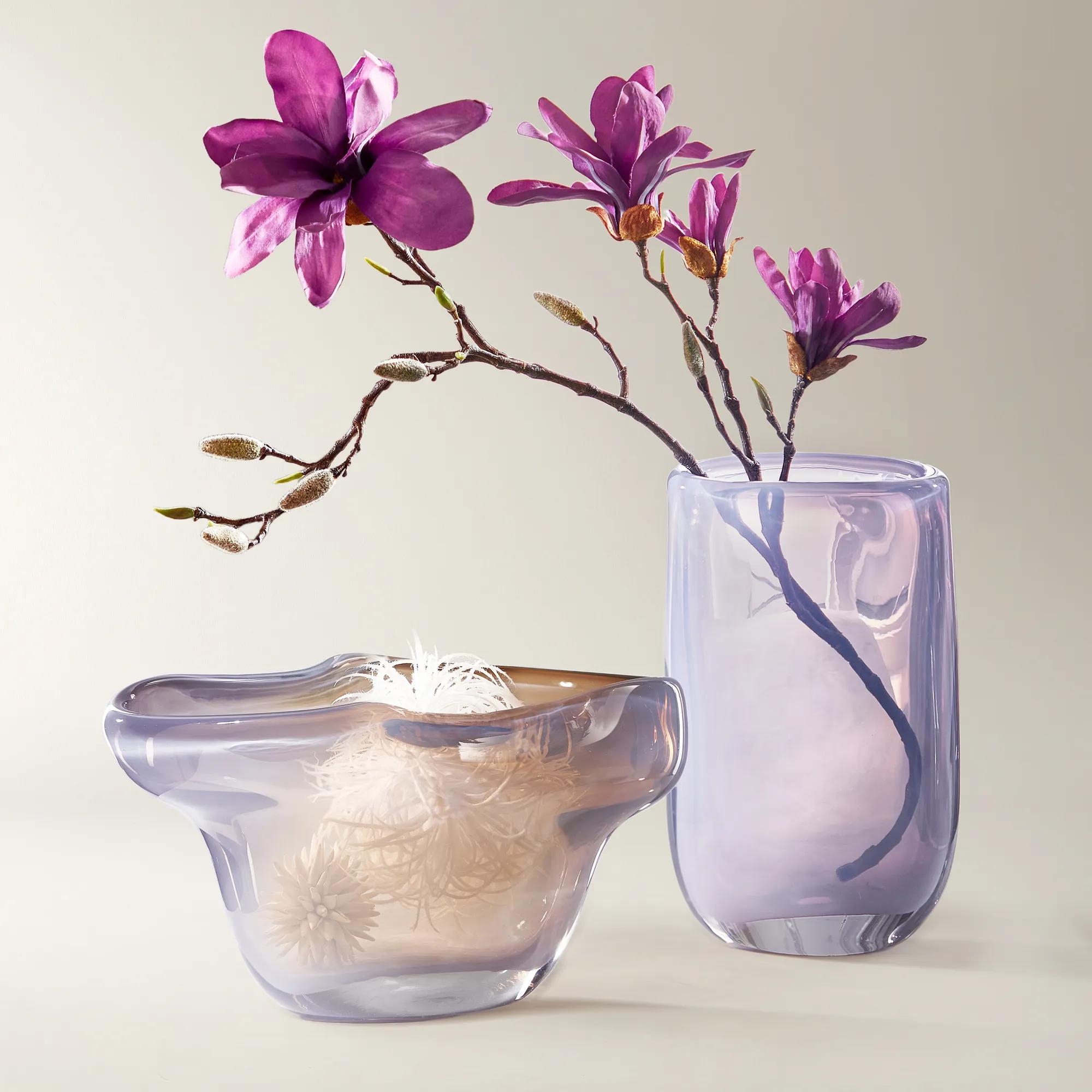
.jpeg?w=1200&h=1200) Aura Collection$189
Aura Collection$189A hand-blown glass accent in dreamy lavender, showcasing fluid curves and modern sculptural artistry.
Add To Cart -
.jpeg?w=1200&h=1200)
 Coral Ivory Porcelain Vase & Bowl$139
Coral Ivory Porcelain Vase & Bowl$139An ivory porcelain accent featuring flowing, coral-inspired curves for a modern, gallery-worthy display.
Add To Cart -
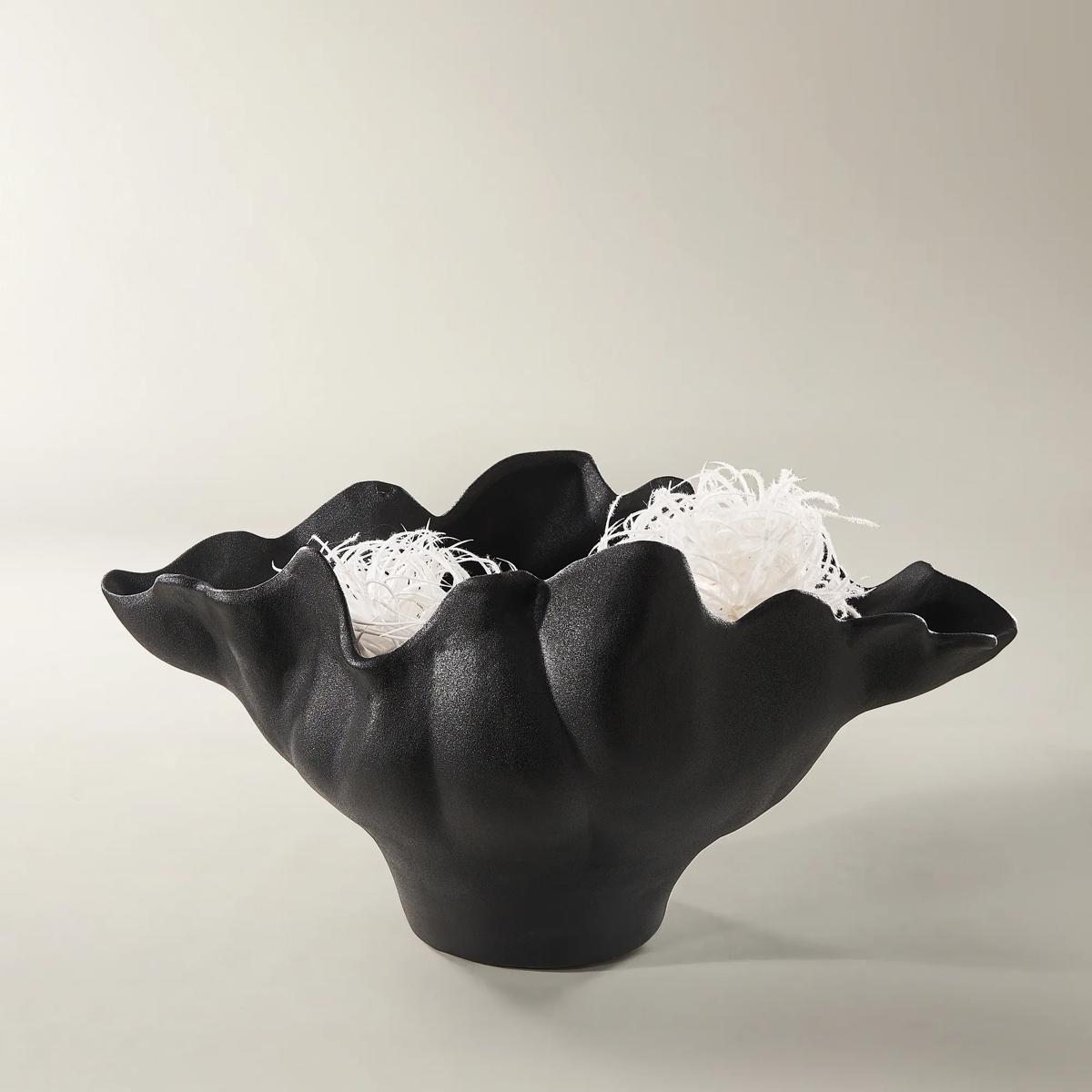
 Ebba Black Porcelain Decorative Bowl 20.25" x 10.25"$199
A sculptural matte black porcelain bowl with undulating petal-like edges for bold, artistic elegance.
Add To Cart -
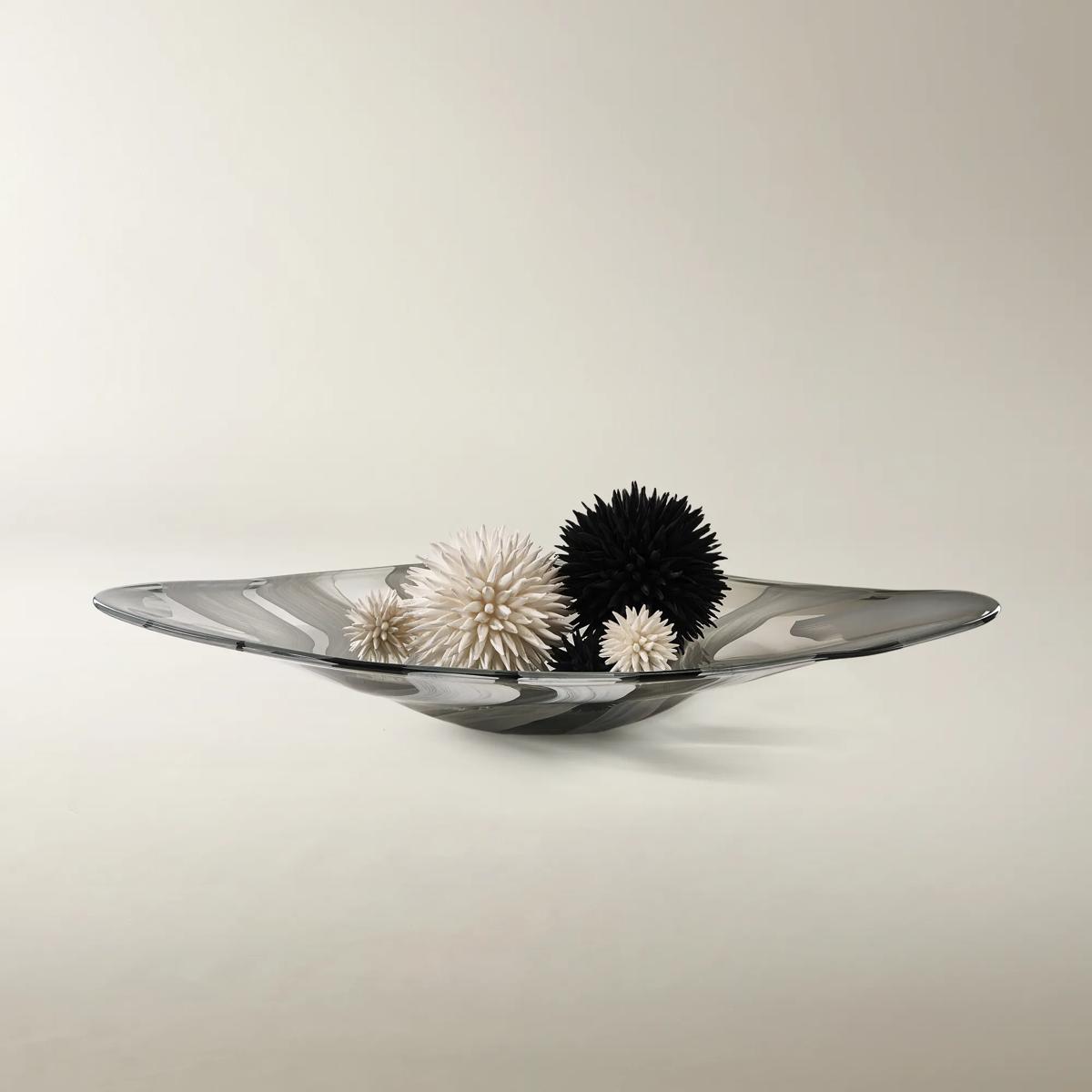
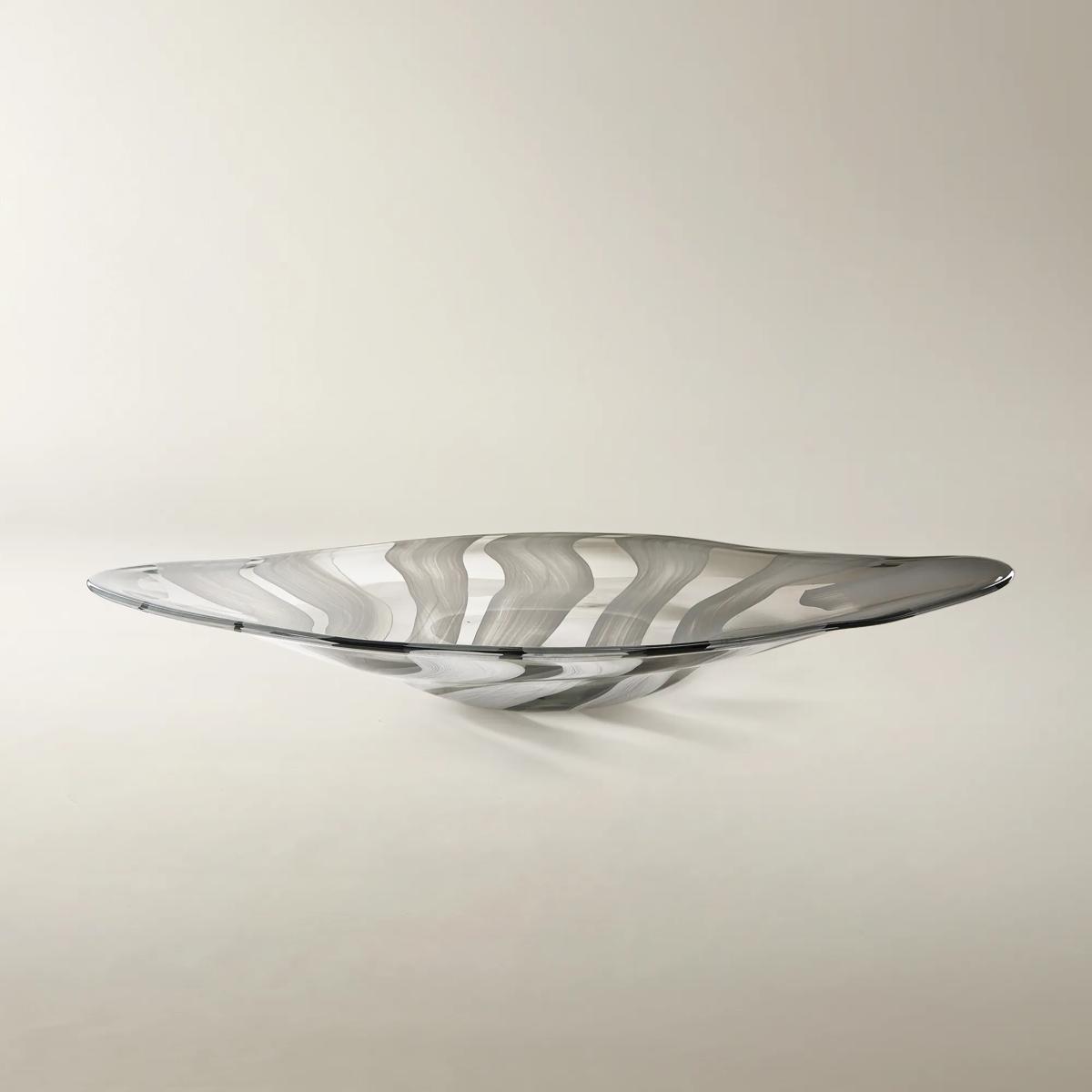 Zoya Glass Bowl$349
A hand-blown grey glass bowl with a marbled pattern and organic silhouette for modern decor.
Add To Cart -
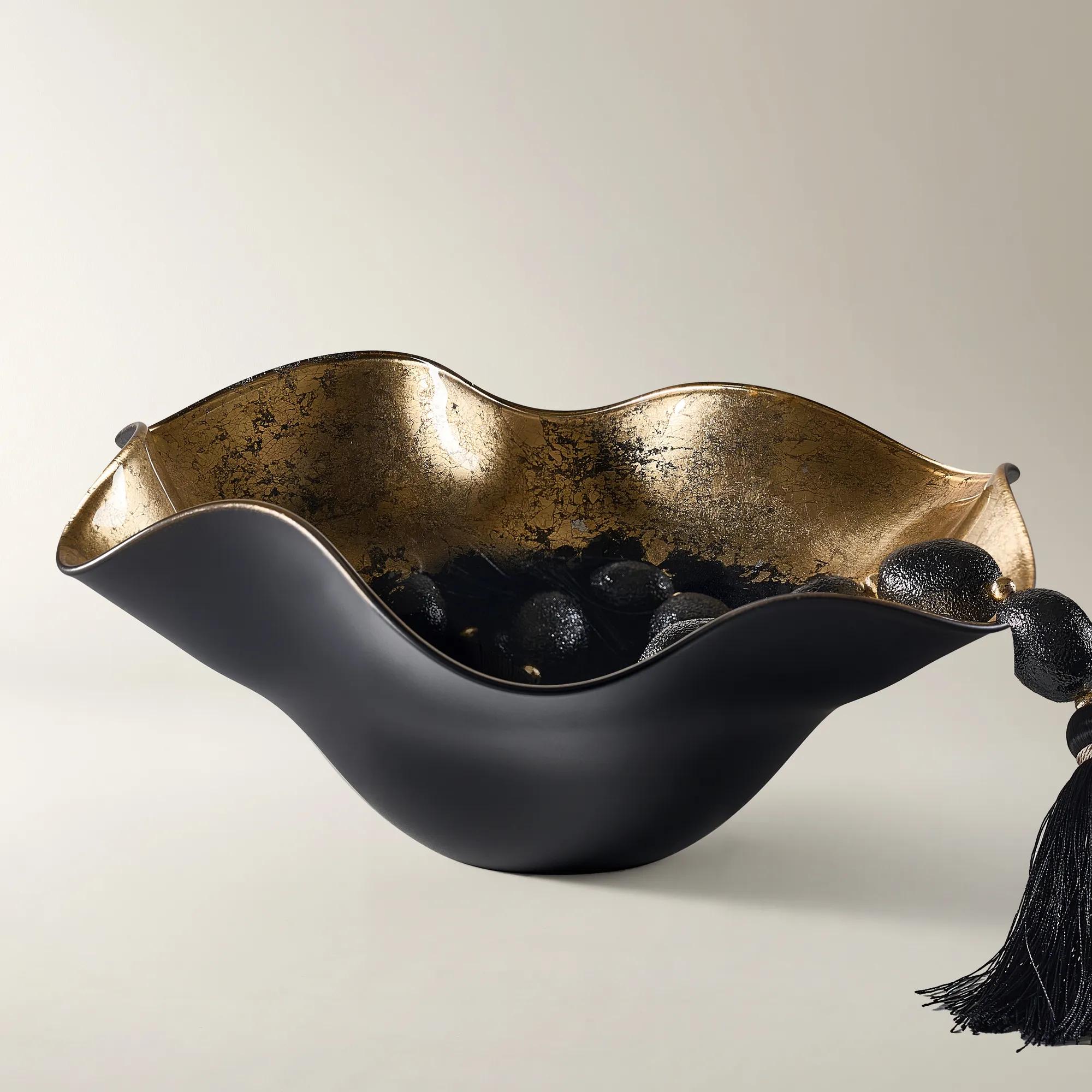
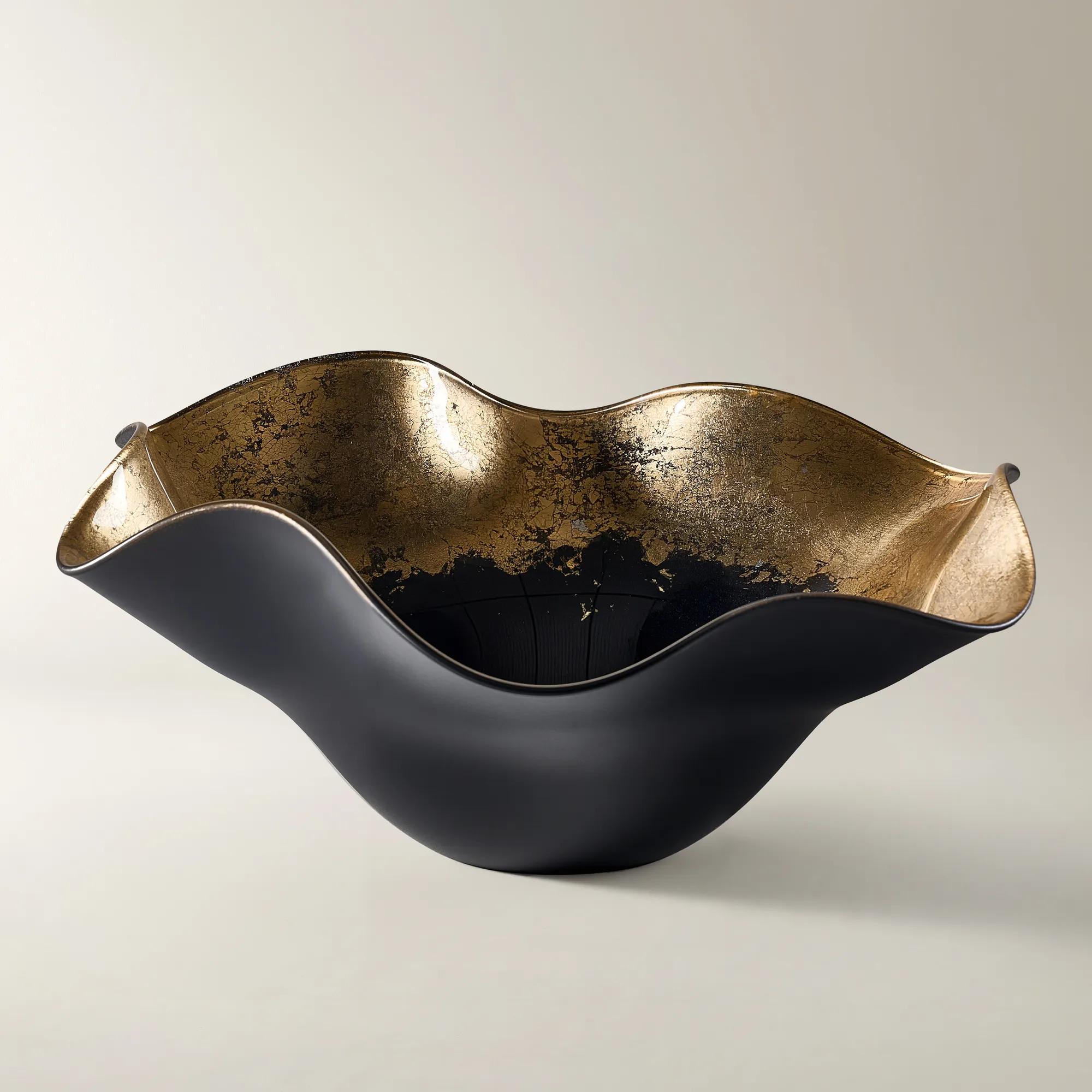 Goldie Mouth Blown Gold Black Glass Decorative Bowl 15.5" x 8.75"$199
A handblown glass bowl in soft gold and black with an organic, sculptural silhouette for modern decor.
Add To Cart -
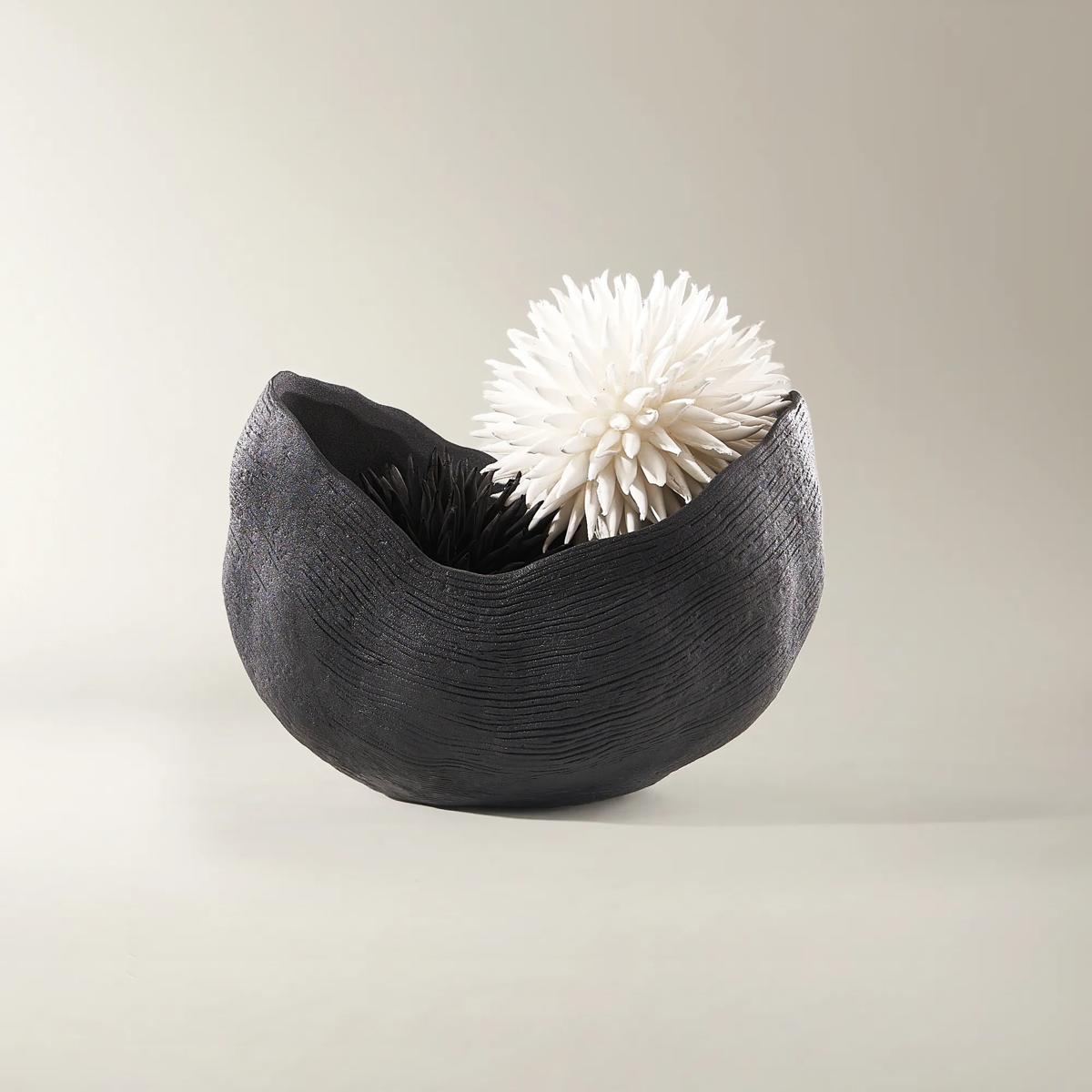 Baz Bowl - Black$119
A sculptural black porcelain bowl with a matte, ridged texture for bold, modern decor accents.
Add To Cart -
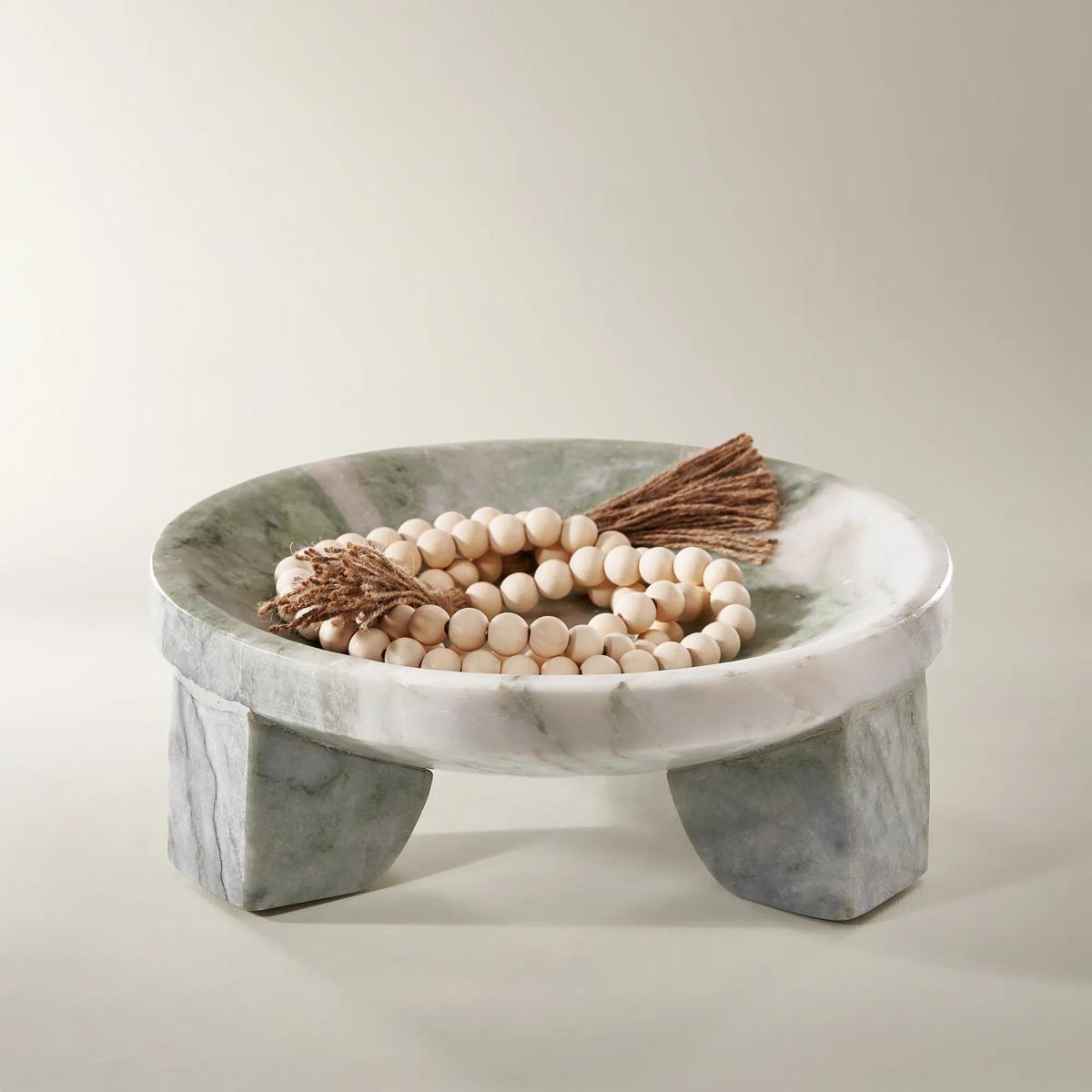
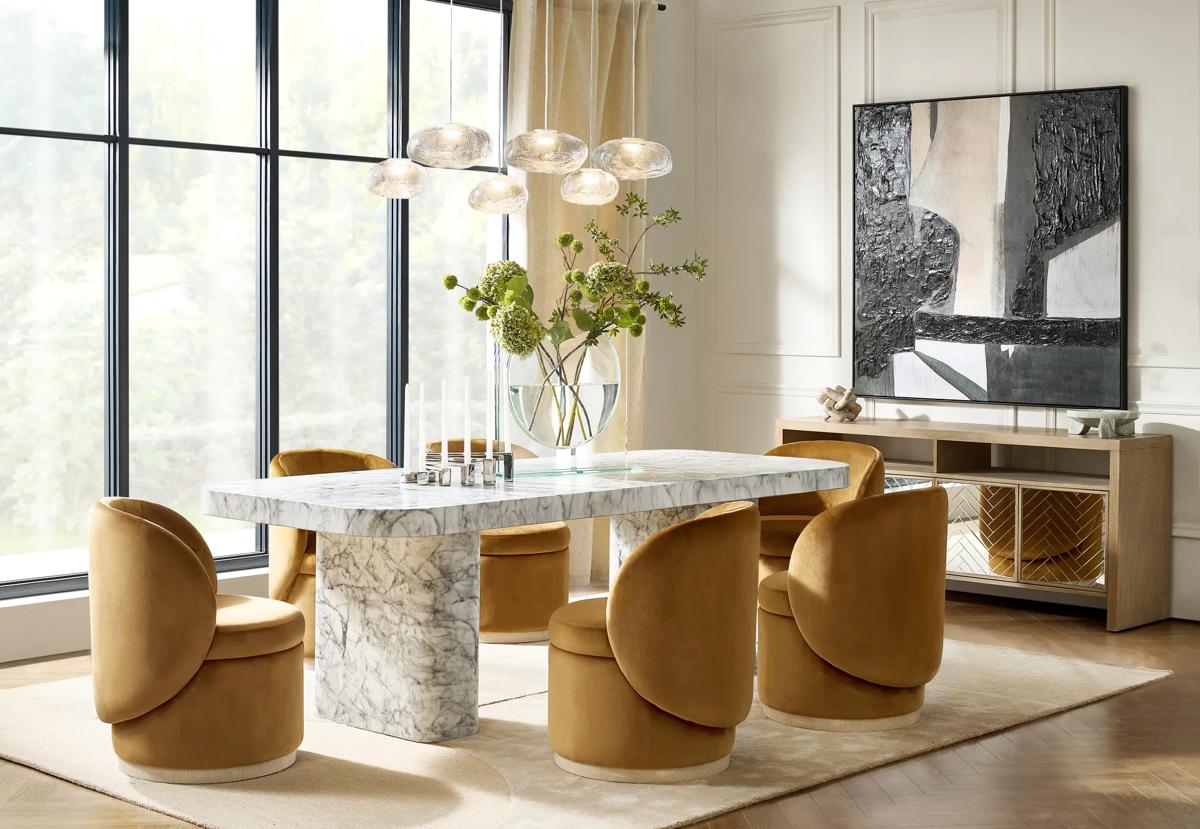 Light Green Marble Footed Bowl$199
A hand-carved onyx bowl featuring soft green marbling and sculptural feet for organic elegance.
Add To Cart -
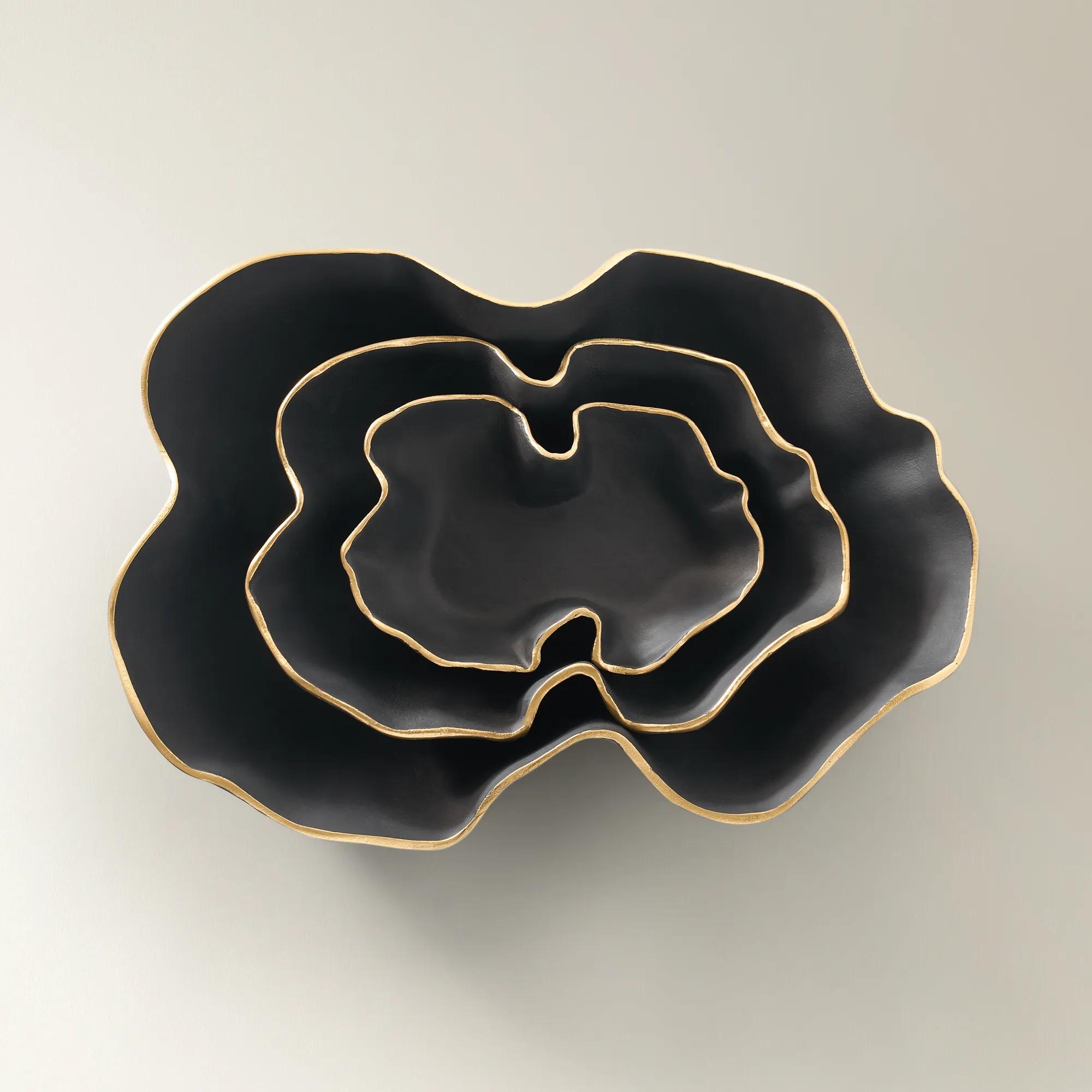 Lava Black Gold Aluminum Decorative Nesting Bowls$39
A deep black aluminum bowl with golden edges, featuring an organic, volcanic-inspired design for decorative display.
Add To Cart -
.jpg?w=1200&h=1200) Calla Mouth Blown Blue Glass Decorative Bowl 15.35" x 5.7"$79
Calla Mouth Blown Blue Glass Decorative Bowl 15.35" x 5.7"$79A handblown blue glass bowl featuring unique curves and translucent artistry for striking decorative appeal.
Add To Cart -
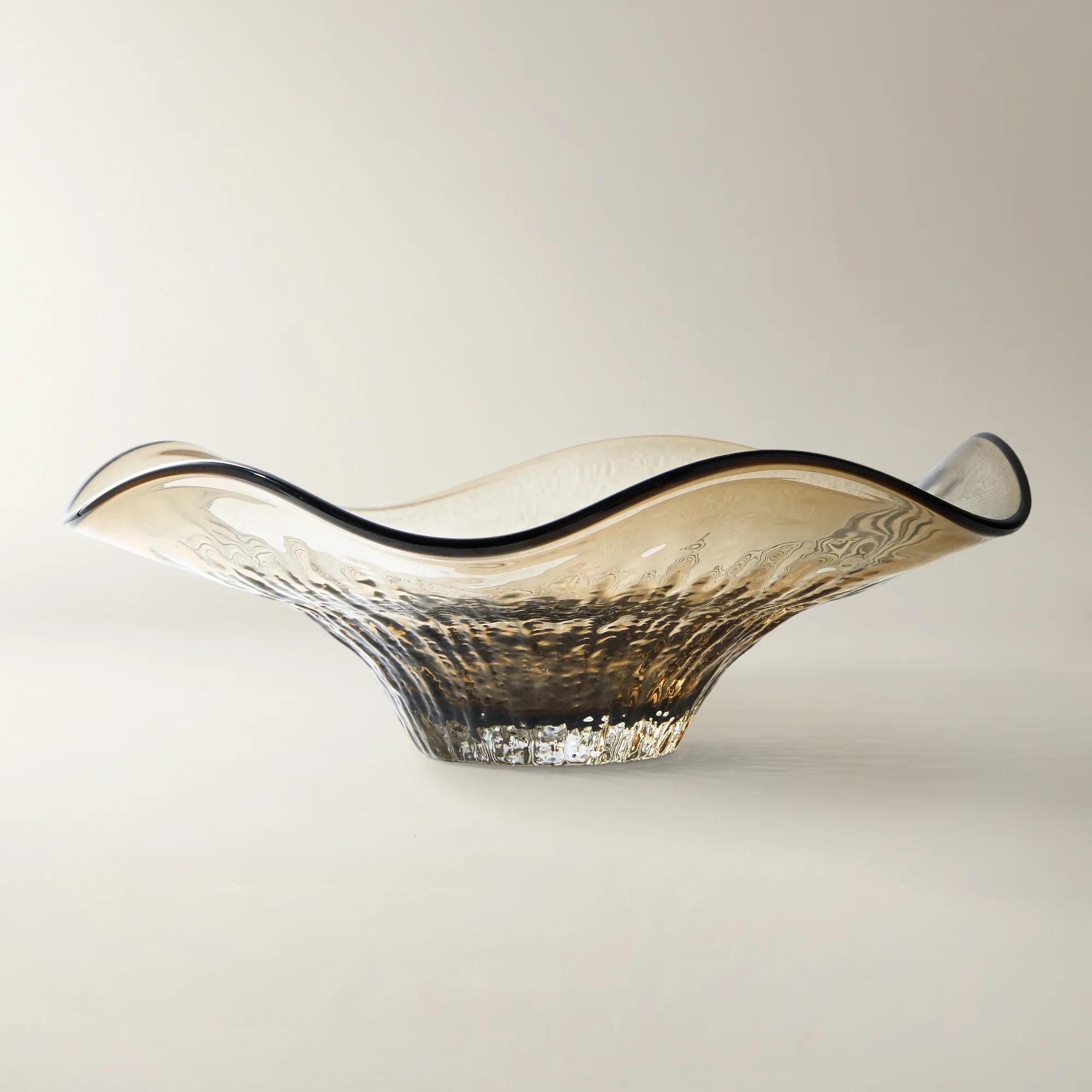 Corsi Brown Handblown Glass Decorative Bowl 15.35" x 5.1"$99
A hand-blown glass bowl in warm amber with organic shape and intricate textural details.
Add To Cart -
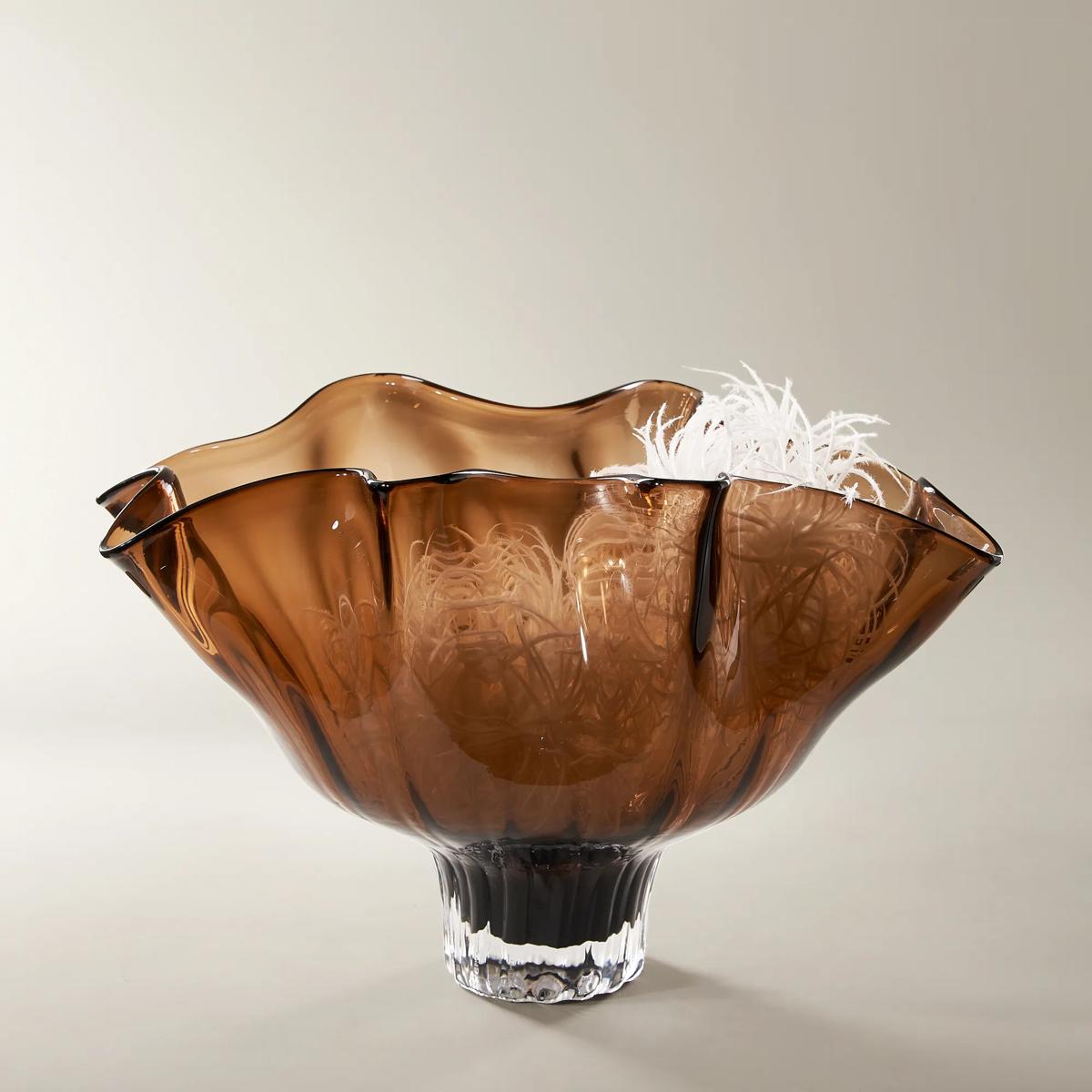
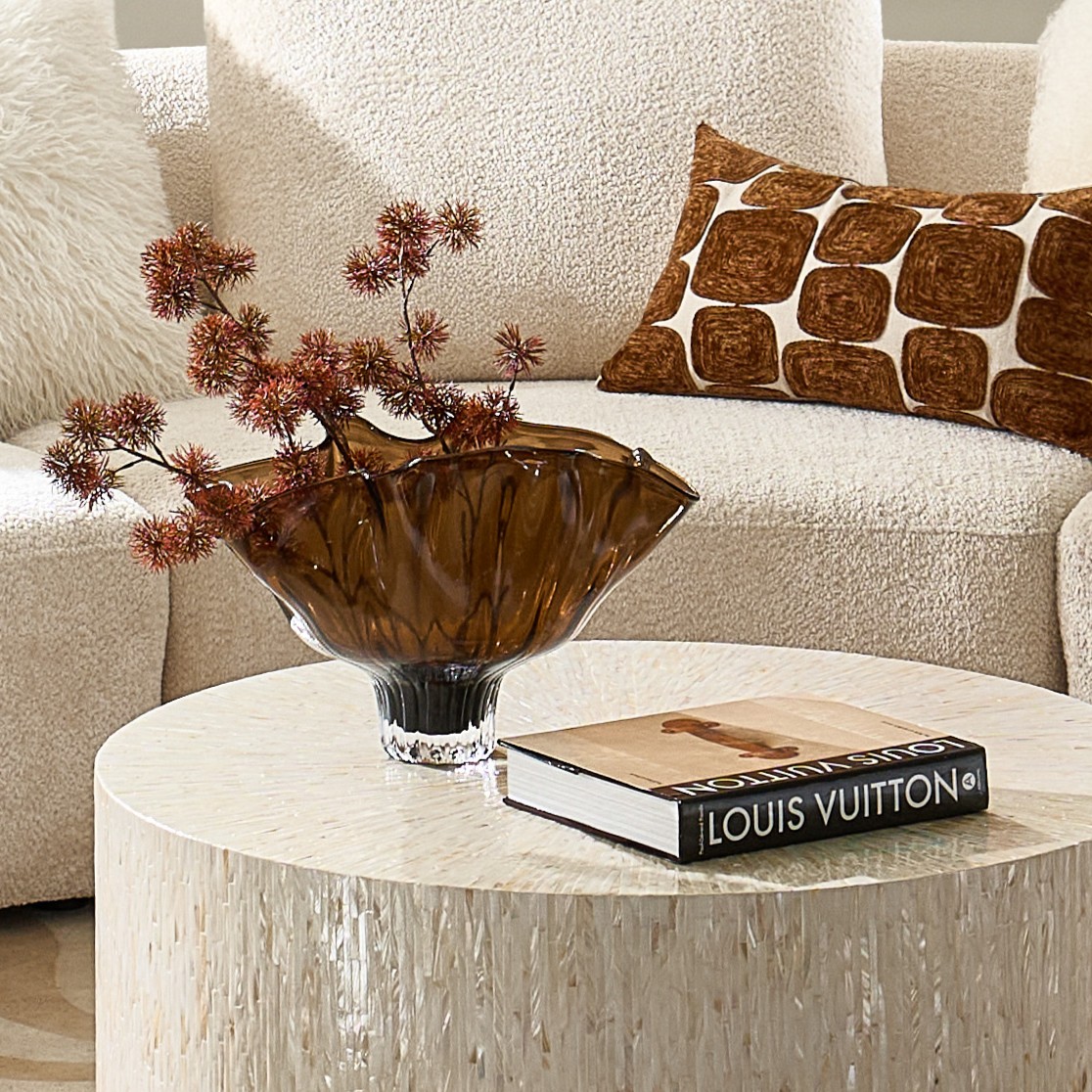 Coco Mouthblown Brown Glass Bowl 17" x 9.75"$139
A hand-blown brown glass bowl with an undulating rim and clear tapered base for sculptural elegance.
Add To Cart -
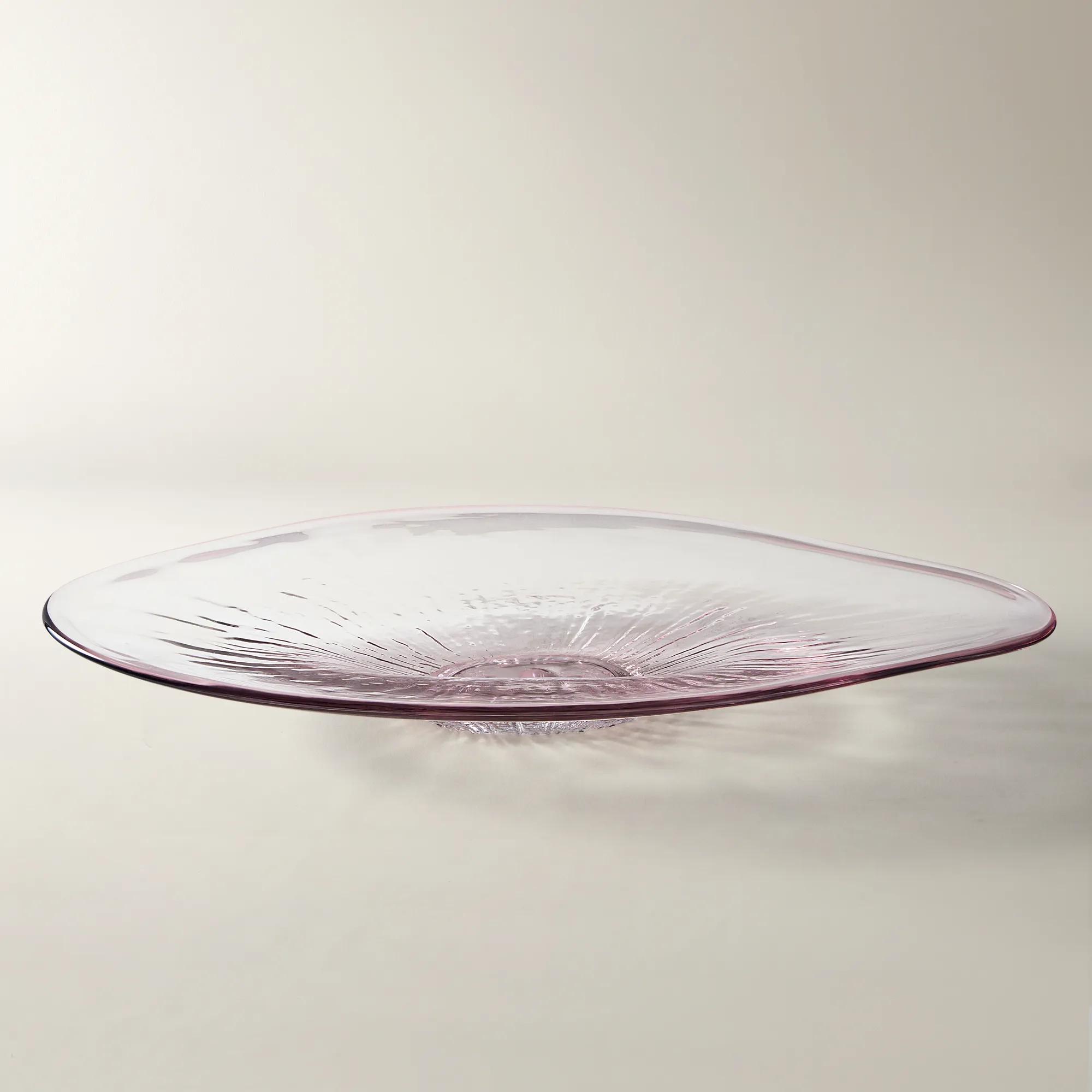 Cortina Decorative Bowl$129
A handblown glass bowl in an ethereal pink hue that brings artistic flair to modern interiors.
Add To Cart -
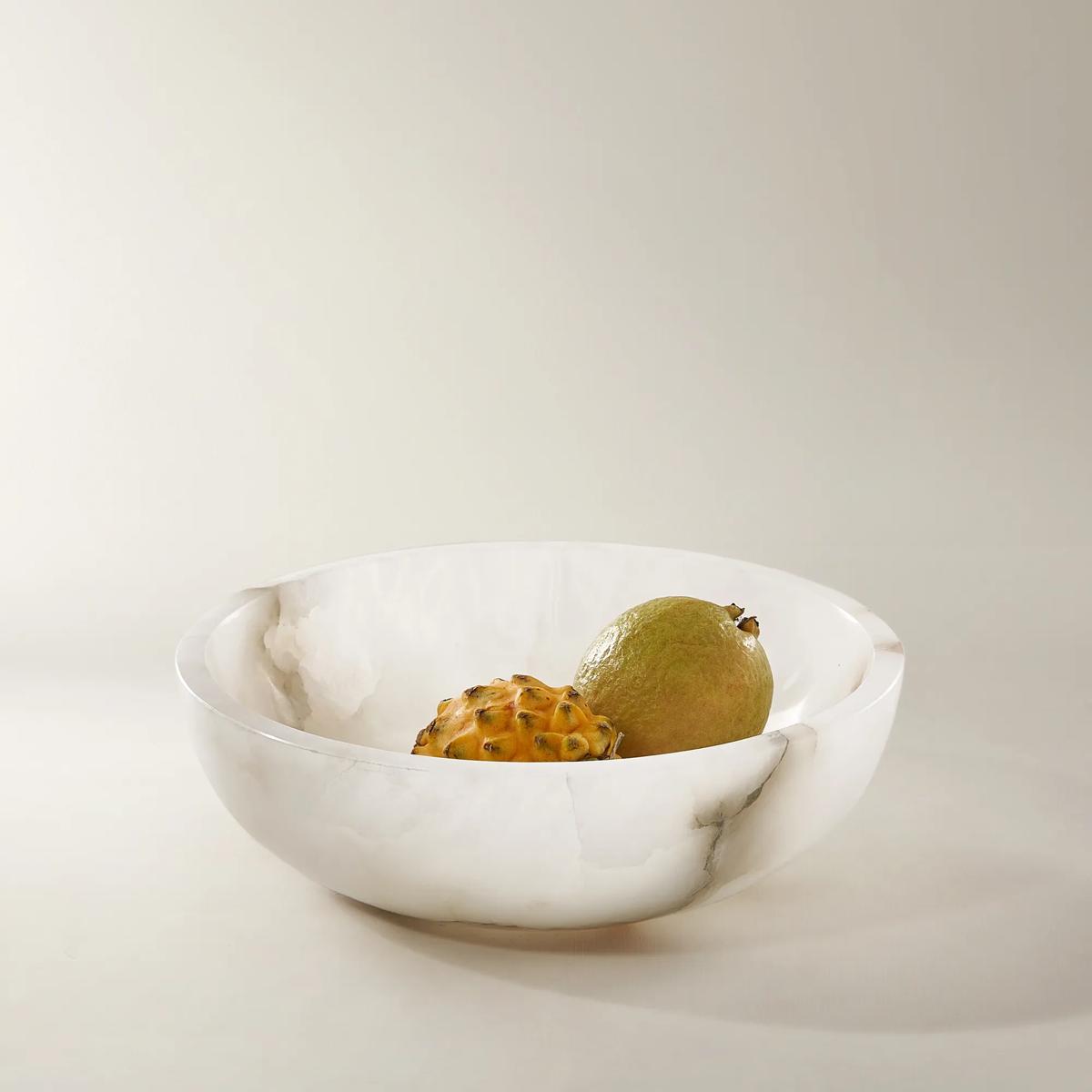 Alabaster Bowl$369
A hand-sculpted alabaster bowl featuring organic veining and soft, milky white translucence.
Add To Cart -
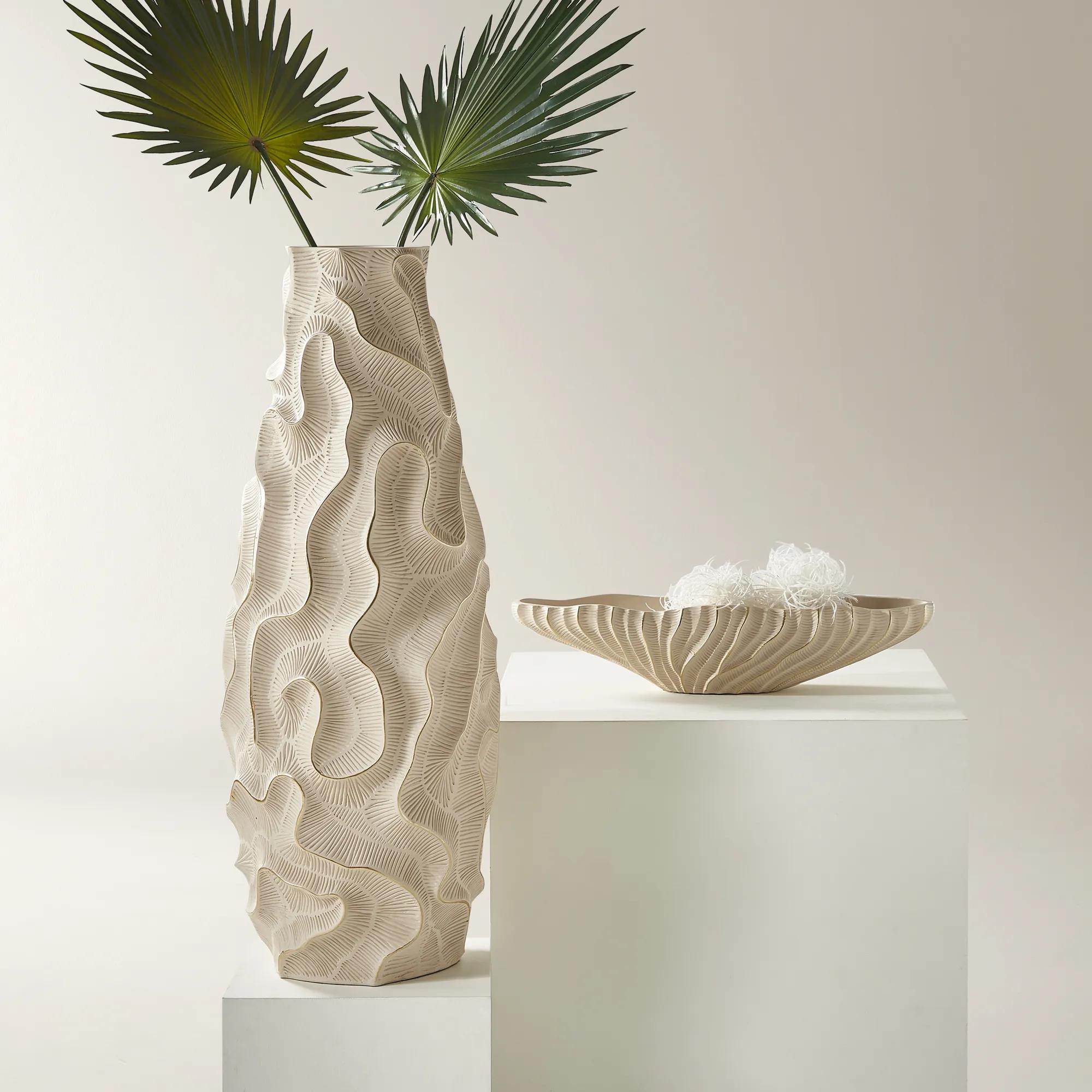
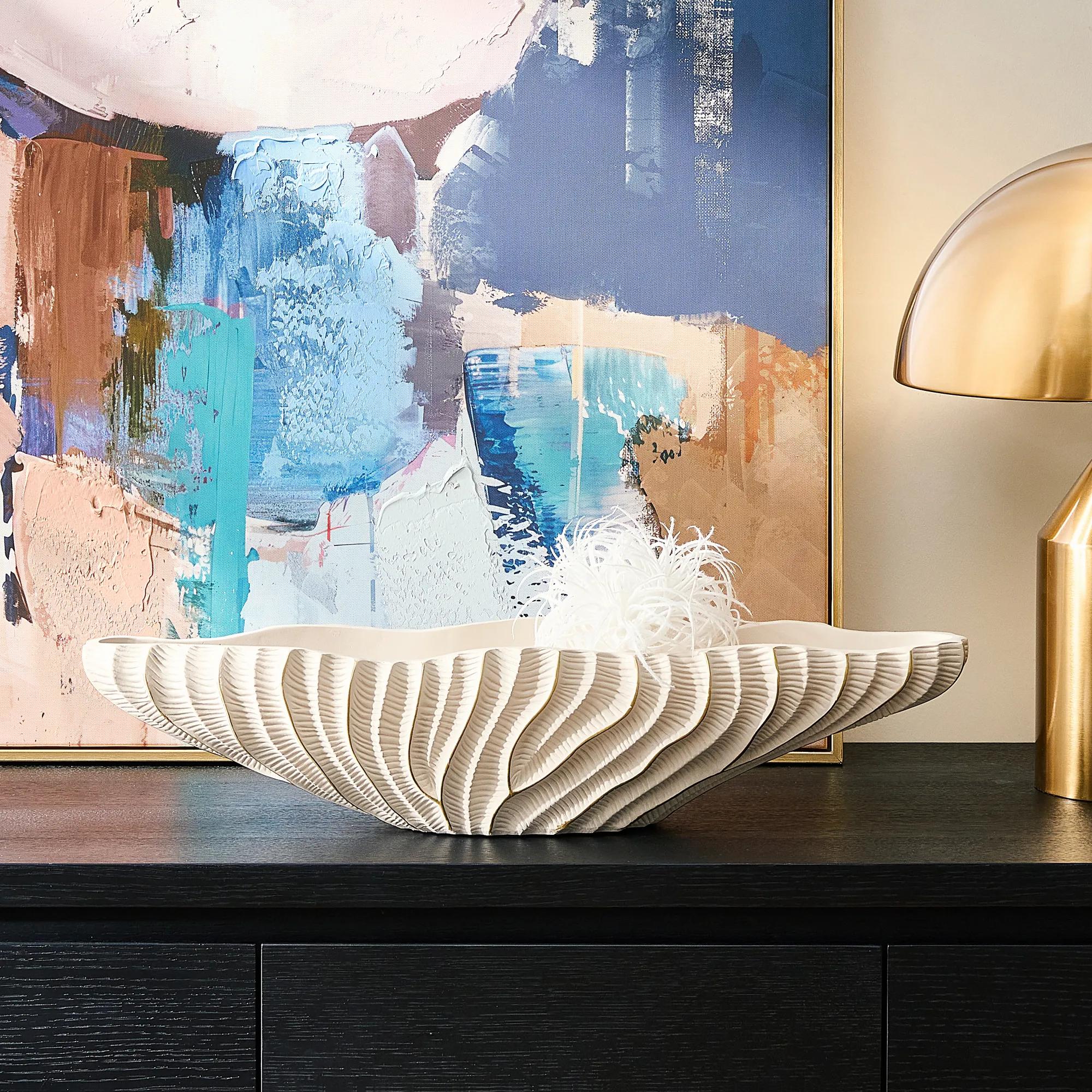 Rouche Ivory And Gold Etched Resin Floor Vase & Bowl$79
An ivory resin collection featuring sculptural, hand-etched textures and undulating organic contours.
Add To Cart

Contemporary Serving Bowls
Contemporary Serving Bowls transform every gathering into a curated experience, where artistry meets function and the everyday becomes extraordinary. Sculptural silhouettes and gleaming finishes command attention, setting the stage for moments that linger long after the last bite. Whether anchoring a dramatic tablescape or adding a whisper of modern elegance to casual entertaining, these statement pieces invite you to serve with confidence and style. Let your table become a canvas—each bowl an invitation to celebrate taste, texture, and elevated living.
Contemporary serving bowls bring expressive form to the table, pairing the generous proportions of communal dining with sculptural silhouettes, distinctive surfaces, and considered color. Defined more by their design language than by a single material, these bowls may feature sweeping curves, asymmetric rims, crisp geometric profiles, or luminous finishes that turn a shared dish into a striking presentation. Their appeal lies in that balance: a bowl should frame the food beautifully while remaining comfortable to carry, easy to serve from, and proportionate to its setting. A broad, shallow bowl gives a composed salad room to reveal its layers, from jewel-toned beets to ribbons of greens, while a deeper vessel gathers pasta or grain dishes into an abundant centerpiece. Glossy white creates a vivid backdrop for richly colored ingredients; smoky glass introduces transparency and depth; textured stoneware lends dimension to an otherwise polished arrangement. Contemporary design also welcomes contrast. An organic silhouette can soften the geometry of a rectangular dining table, while a sharply defined bowl brings structure to a table dressed in fluid linens. For everyday meals, one substantial serving bowl can give a simple spread a deliberate focal point. For entertaining, a grouping of different heights and widths creates rhythm without requiring every piece to match. Repeating a finish, a curve, or a tonal accent keeps the composition cohesive while leaving room for personality. These are pieces for hosts who enjoy an expressive tablescape, households that favor family-style meals, and anyone who appreciates objects that earn their place through both beauty and use. The strongest choice reflects what is served most often, not simply the largest gathering imaginable. A bowl that accommodates a favorite chopped salad and passes comfortably between place settings can feel just as luxurious as an oversized centerpiece. Thoughtful proportions allow the food, the vessel, and the surrounding tableware to share the scene rather than compete for attention.
Material shapes both the visual character and the practical performance of modern serving bowls. Porcelain often offers a refined profile and a smooth glazed surface, making it an elegant canvas for colorful salads, vegetables, and composed side dishes. Stoneware frequently has a more substantial presence, with glazes that can range from silken and uniform to subtly varied and tactile. Neither appearance nor weight alone establishes durability: firing, construction, finish, and proper handling all influence how a ceramic bowl holds up to repeated use. Glass brings another kind of drama, allowing layered ingredients to become part of the presentation and giving a full table a sense of visual openness. Clear, tinted, and textured glass can produce distinctly different effects, but glass should never be assumed suitable for heating simply because it looks substantial. Wood introduces rich grain and a sculptural warmth, particularly alongside glossy dinnerware or gleaming flatware; its suitability for dressings, acidic ingredients, or prolonged contact with liquids depends on the wood, finish, and care instructions. Metal can offer a sleek silhouette or a reflective accent, although food compatibility varies by metal and coating. Across all materials, a serving bowl intended for direct contact with food should be explicitly identified as food-safe. A dramatic finish is not, by itself, evidence that a piece is appropriate for salads, sauces, or shared dishes. For settings where visual impact takes priority over food service, decorative serving bowls offer a related design direction, with each piece’s intended use deserving the same attention. Care requirements matter just as much as appearance. Dishwasher, microwave, and oven suitability are separate specifications, not interchangeable promises. Metallic embellishment generally rules out microwave use, and delicate finishes may require gentle hand-washing. Follow the stated instructions for detergents, soaking, drying, and storage; protect rims from knocks, avoid abrupt temperature changes, and use soft separators when stacking surfaces that could scratch. Such habits help preserve the crisp edges, depth of glaze, and surface detail that give a bowl its distinction.
Size and shape determine how gracefully a contemporary serving bowl moves from kitchen to dining table. Diameter describes its footprint, but capacity and depth reveal more about what it can hold: two bowls with the same width may serve very different purposes if one is shallow and the other has tall sides. An approximately 8- to 11-inch-wide bowl can suit side dishes or smaller shared salads, depending on its depth, while a vessel with a stated capacity of roughly 72 to 110 fluid ounces may accommodate a more generous family-style presentation. Those measurements are reference points rather than serving guarantees; leafy greens occupy space differently from rice, and a bowl filled to the rim leaves little room for tossing or passing. Allow enough open space for serving utensils to move without sending ingredients over the edge. Wide mouths make it easier to lift delicate vegetables or arrange a dish with visible layers, while deeper profiles can help contain loose grains and sauced preparations. A stable base is especially valuable when a bowl sits within reach of several guests, and a pronounced rim or a shape that is easy to grasp can make carrying more controlled. Consider the bowl’s weight when filled, not only when empty, and leave room on the table for glasses, plates, and elbows. On a narrow dining surface, two moderate bowls may create a more comfortable arrangement than one expansive vessel. Storage deserves similar attention: measure cabinet depth and shelf height, and check whether nested pieces can rest without pressure on delicate edges. For a wedding or housewarming gift, a versatile serving bowl offers enduring appeal when its scale and care needs suit the recipient’s home. Someone who loves elaborate dinners may welcome a daring silhouette, while a frequent family-style host may value generous capacity and straightforward cleanup above ornament. In either setting, the most compelling contemporary serving bowls make practical details feel beautifully resolved, lending shared meals a sense of occasion without allowing the presentation to overwhelm the pleasure of gathering.
FAQs
Contemporary serving bowls are crafted from a variety of luxurious materials, including gleaming metals such as chrome and stainless steel, hand-glazed ceramics, fine porcelain, glass, and even sculpted resin. Each material offers a unique visual and tactile experience, allowing you to curate a tablescape that reflects your personal style and the mood of your gathering.
Contemporary decorative bowls are incredibly versatile and can be styled to suit any occasion. For festive gatherings, fill them with vibrant fruits, ornaments, or floating candles to create a dramatic centerpiece. For everyday elegance, use them to serve fresh salads, artisan breads, or display seasonal décor. Their bold shapes and finishes make them statement pieces whether used alone or layered with other tabletop accents.
Absolutely. Contemporary serving bowls make exquisite gifts for housewarmings, weddings, anniversaries, or holiday celebrations. Their artistic design and functional beauty ensure they are both memorable and practical, perfect for recipients who appreciate expressive home décor or love to entertain in style.
Yes, mixing and matching contemporary bowls with other tableware is a wonderful way to express your individuality. Pair a chrome-finished bowl with matte dinner plates for striking contrast, or combine patterned ceramics with minimalist glassware for a curated, eclectic look. For a cohesive modern tablescape, coordinate with pieces like contemporary dining plates to create visual harmony.
Contemporary serving bowls stand out for their sculptural forms, bold finishes, and the way they capture light and attention. They serve as both functional pieces and artistic statements, transforming everyday meals and special occasions alike into moments of visual delight. Their versatility and expressive design make them essential for anyone who views their home as a canvas for creativity.

.jpeg?w=3739&h=3739)