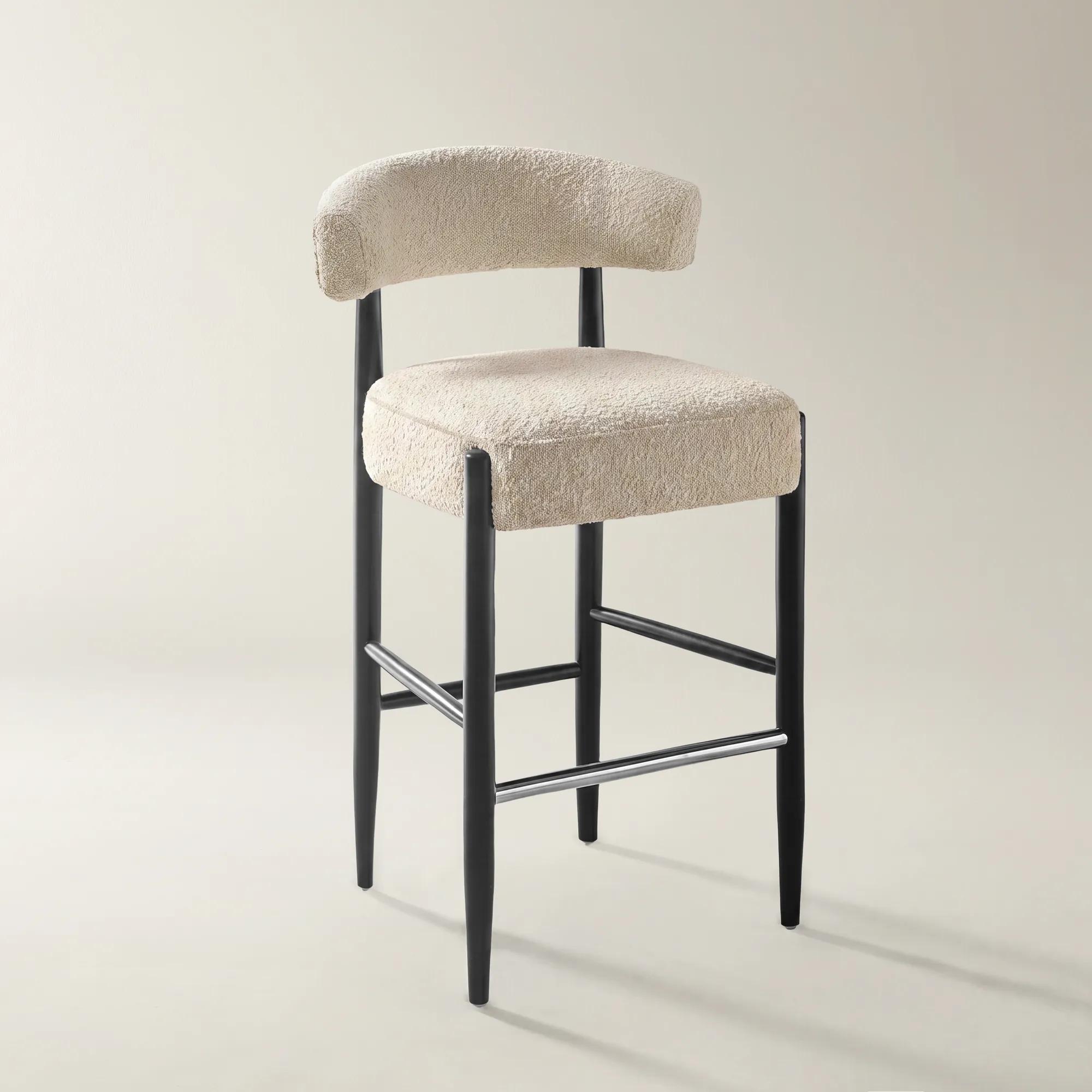
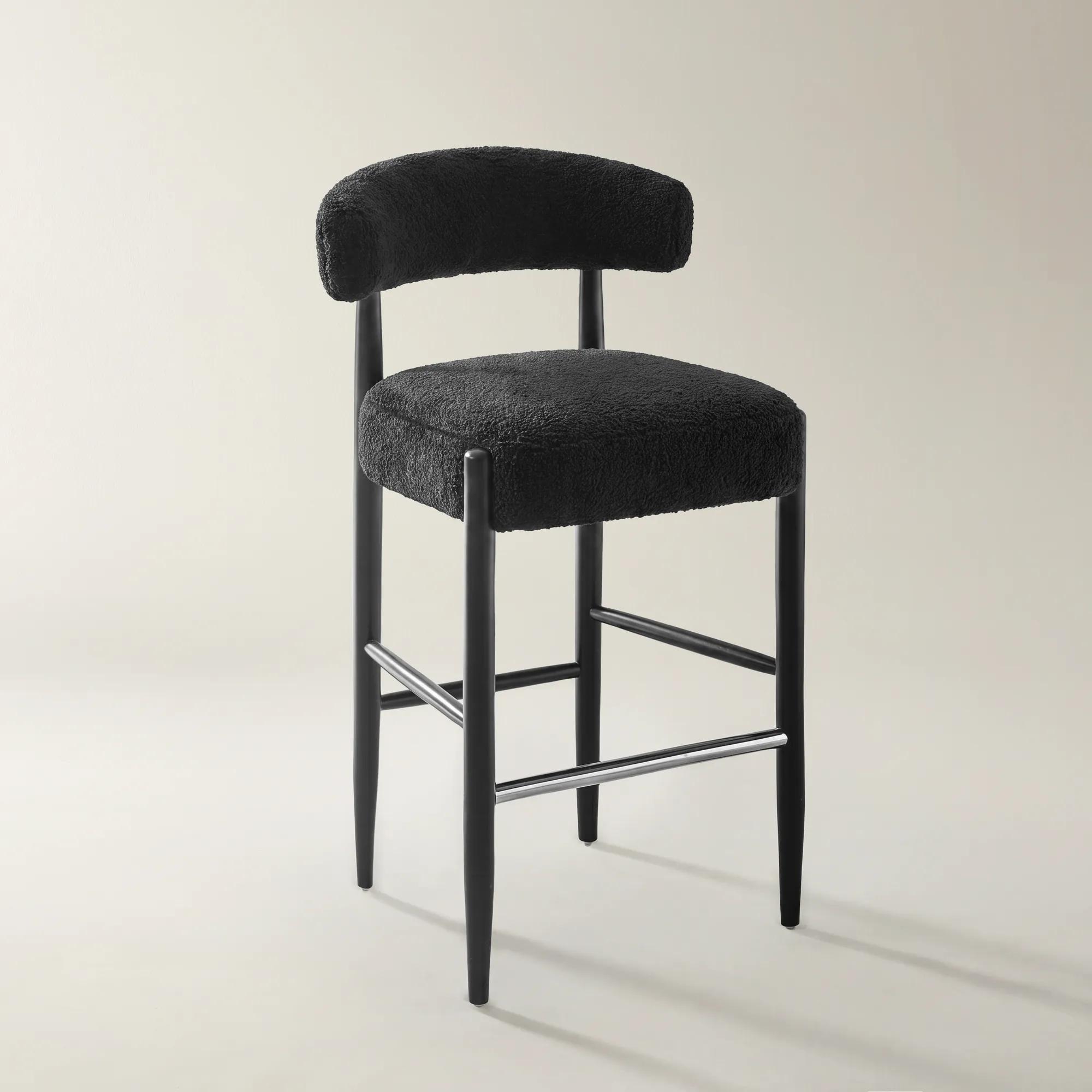
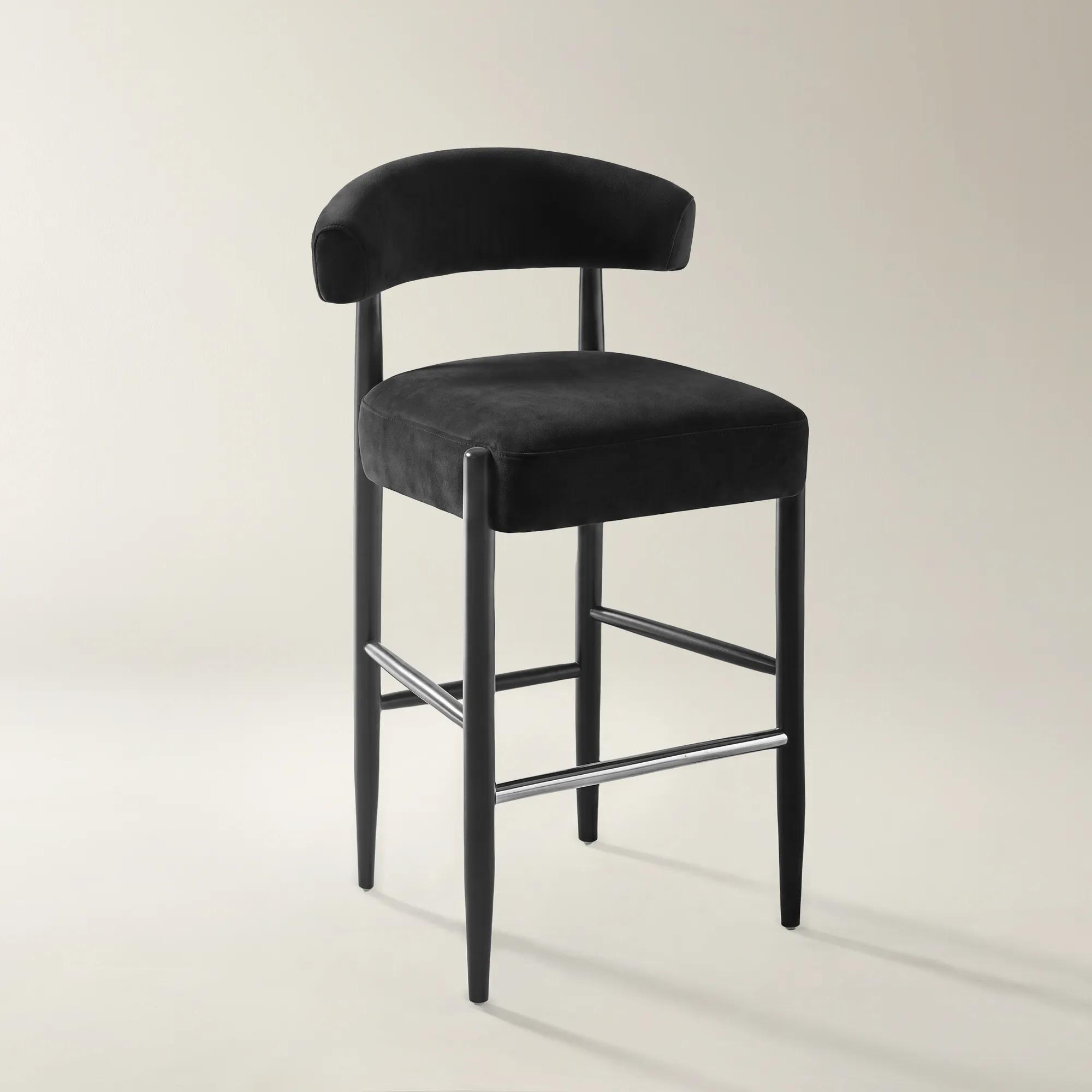
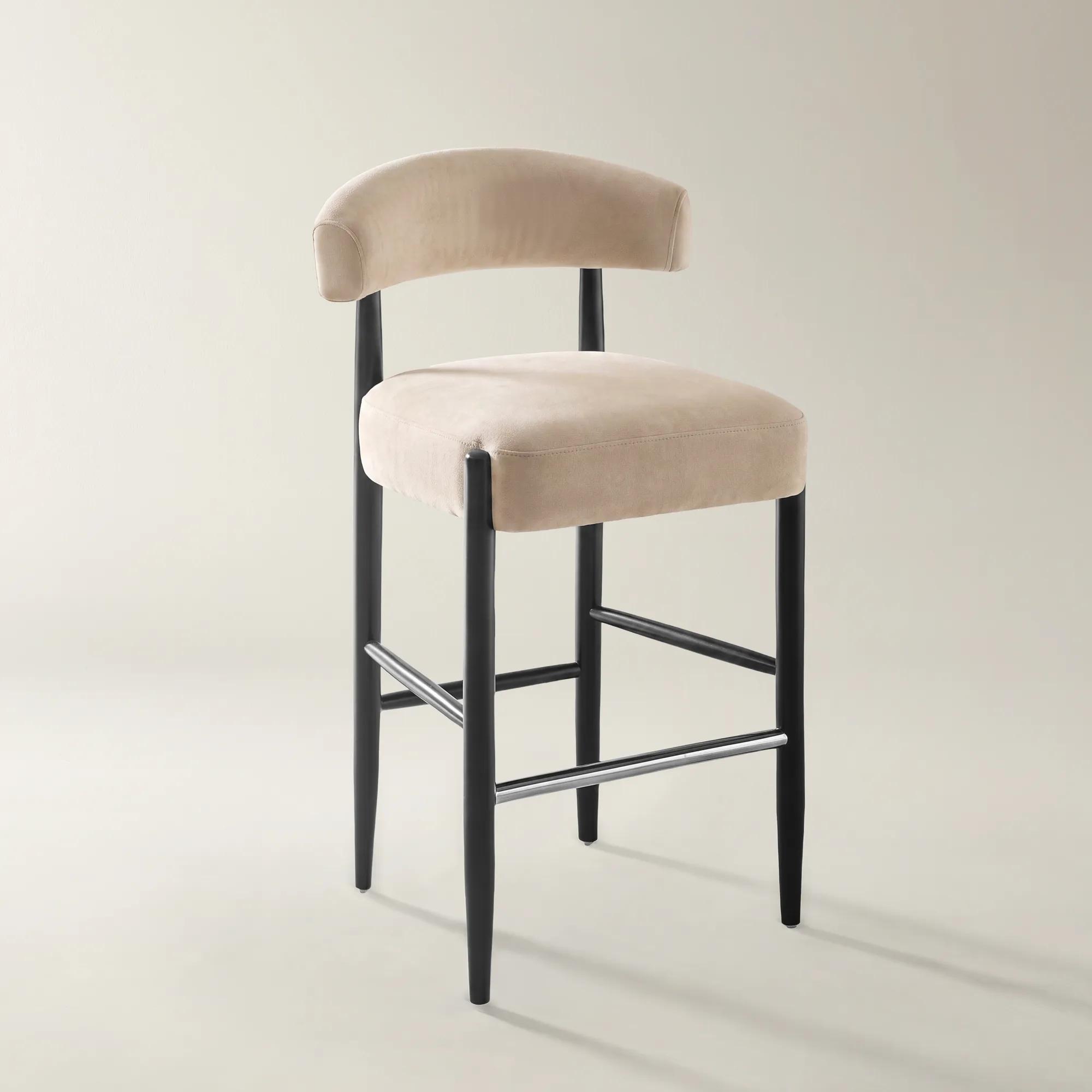
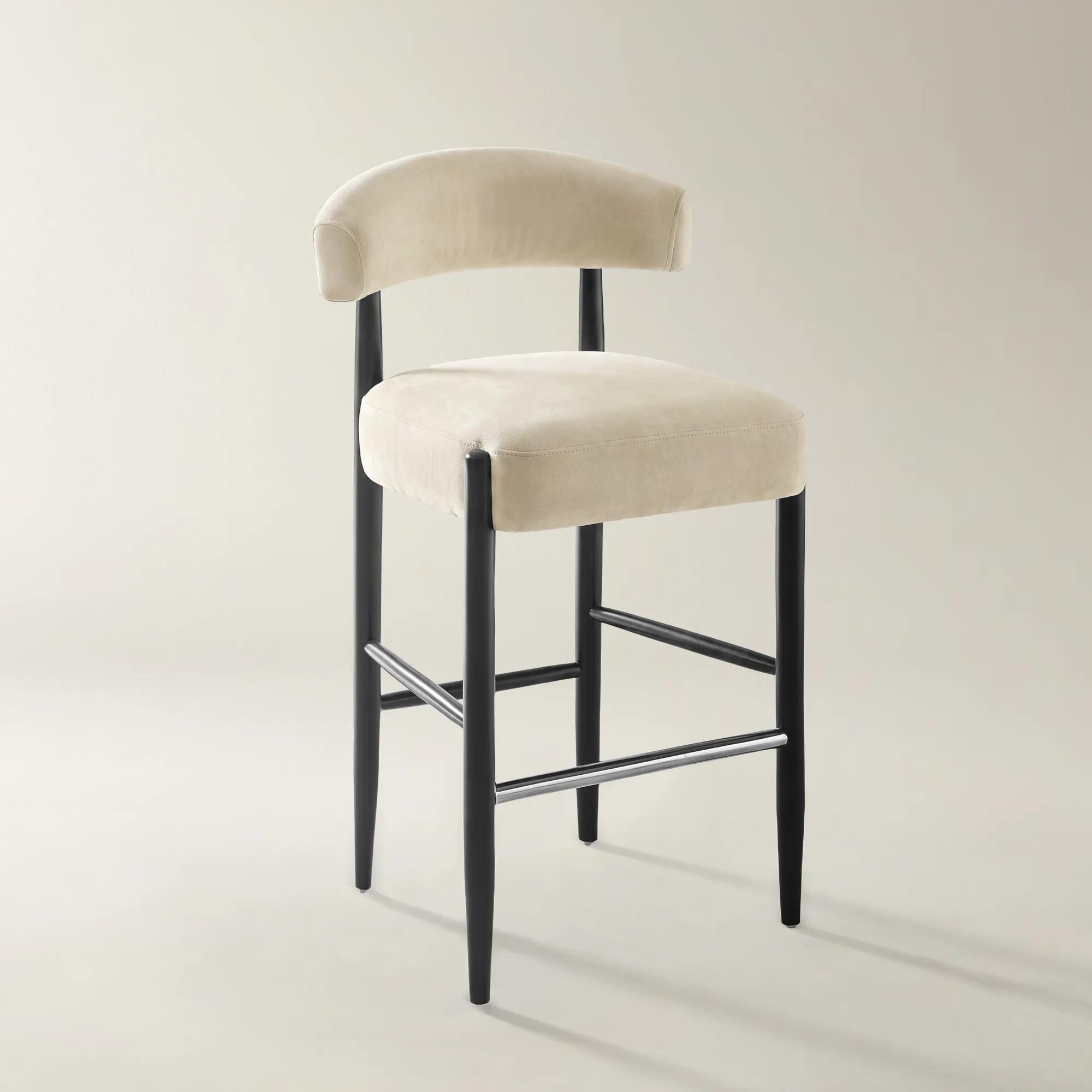
Comfortable Wood Dining Chairs
Comfortable Wood Dining Chairs
-
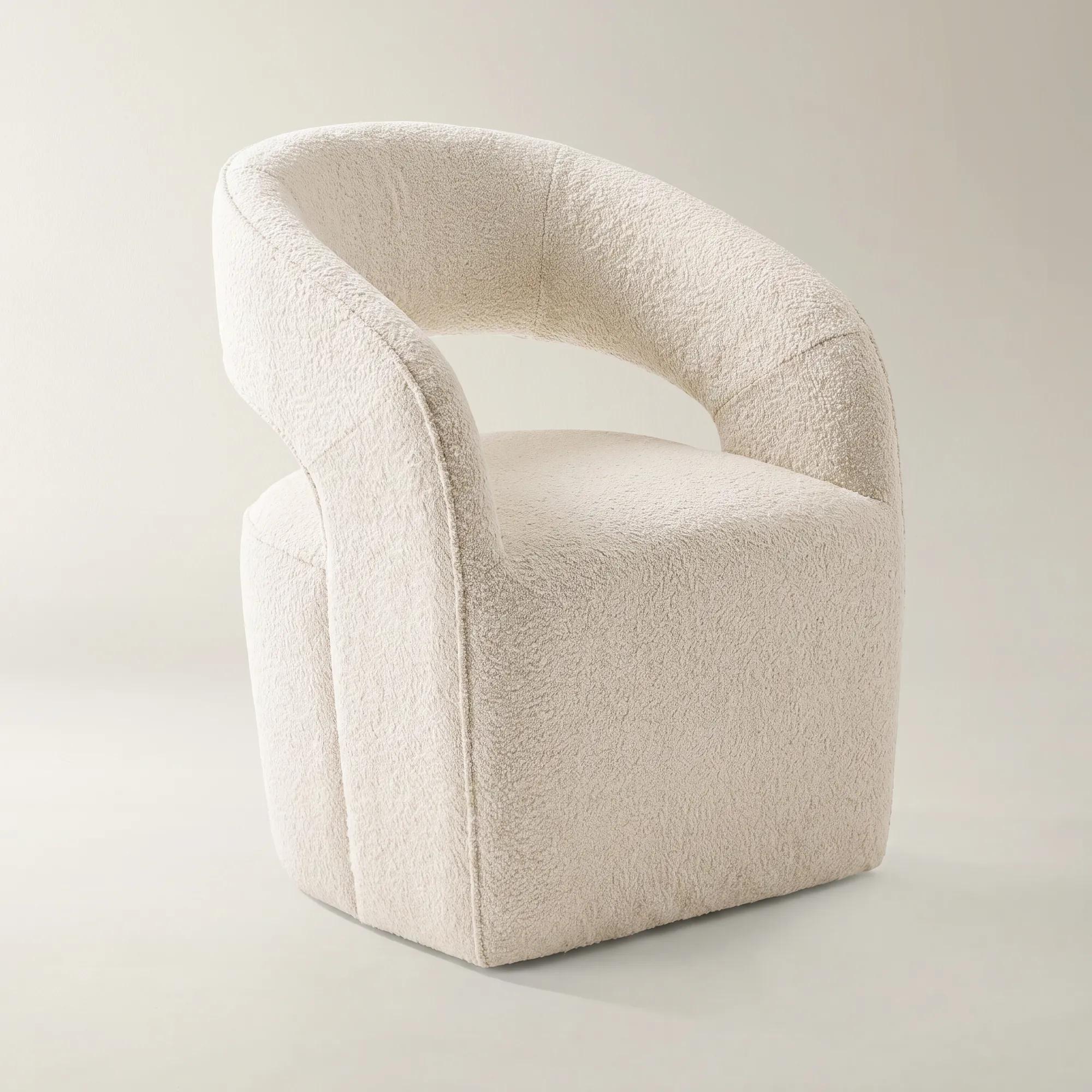
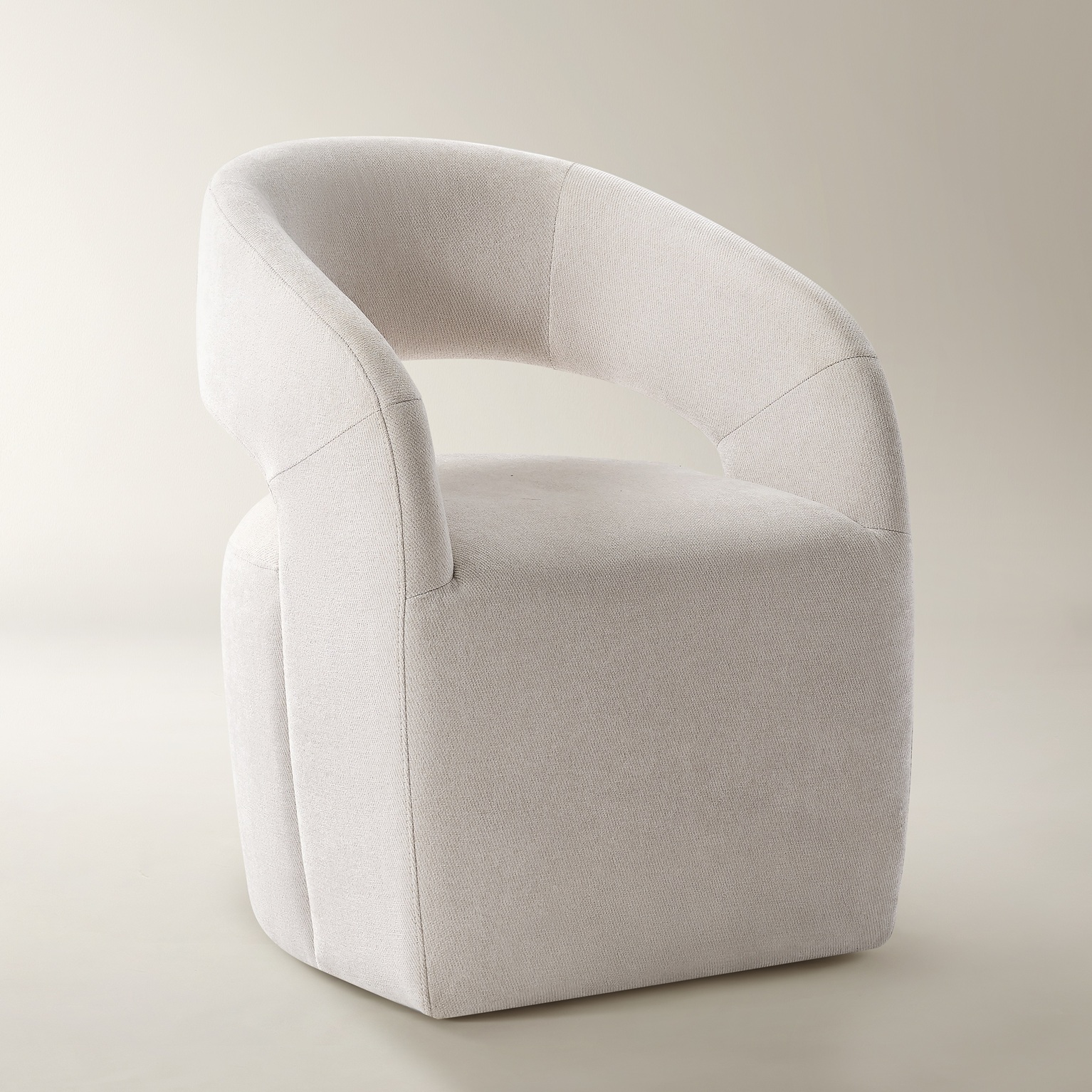 Harrison Utopia Sand Chenille Dining Chair$499
A sculptural dining chair upholstered in sand chenille with a curved back, feather-blend seat, and integrated arms.
Add To Cart -
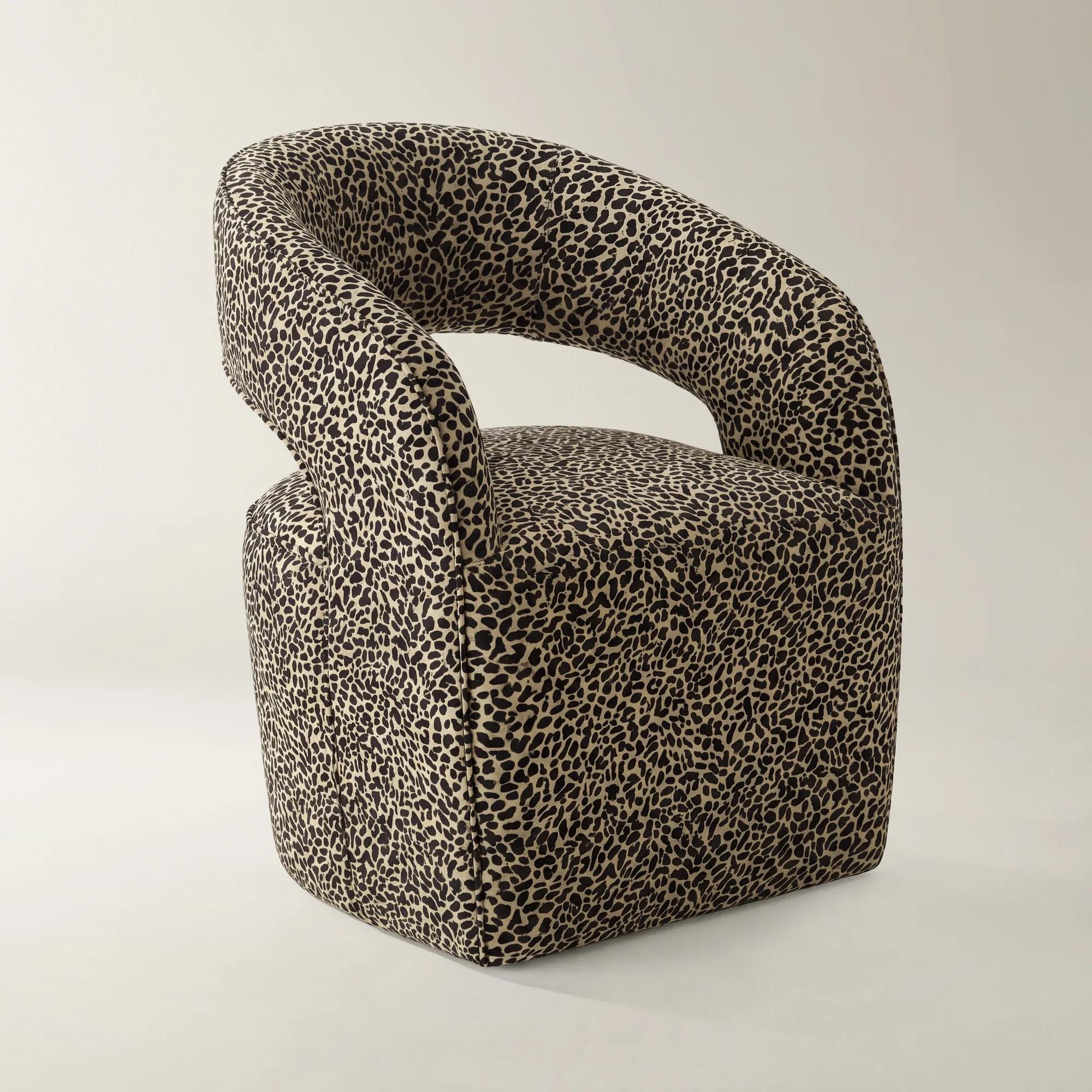 Harrison Leopard Performance Chenille Dining Chair$499
A sculptural dining chair featuring leopard performance chenille upholstery, feather-blend cushioning, and a curved silhouette.
Add To Cart -
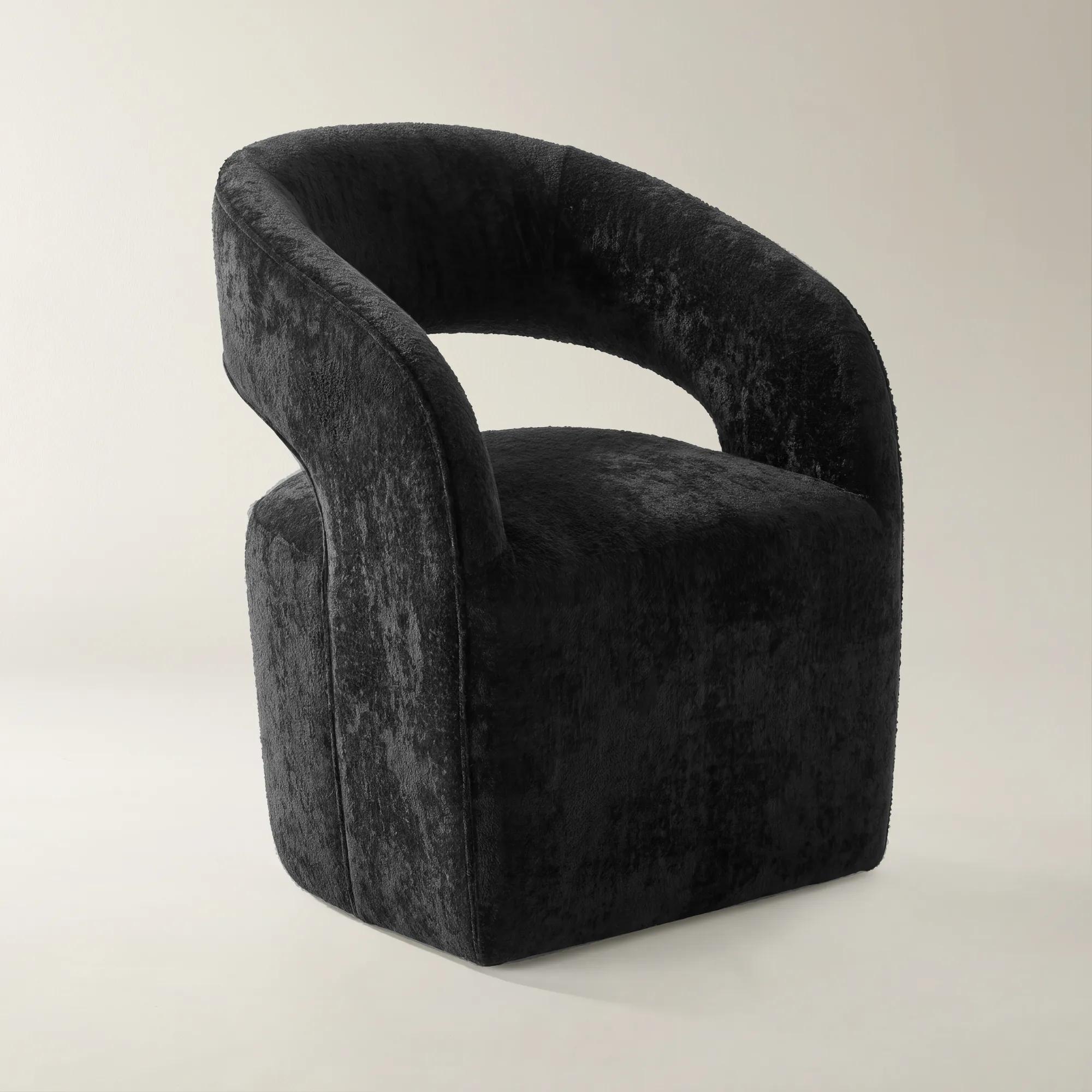 Harrison Black Chenille Dining Chair$499
A sculptural dining chair upholstered in charcoal chenille with a curved back, feather-blend seat, and integrated arms.
Add To Cart -
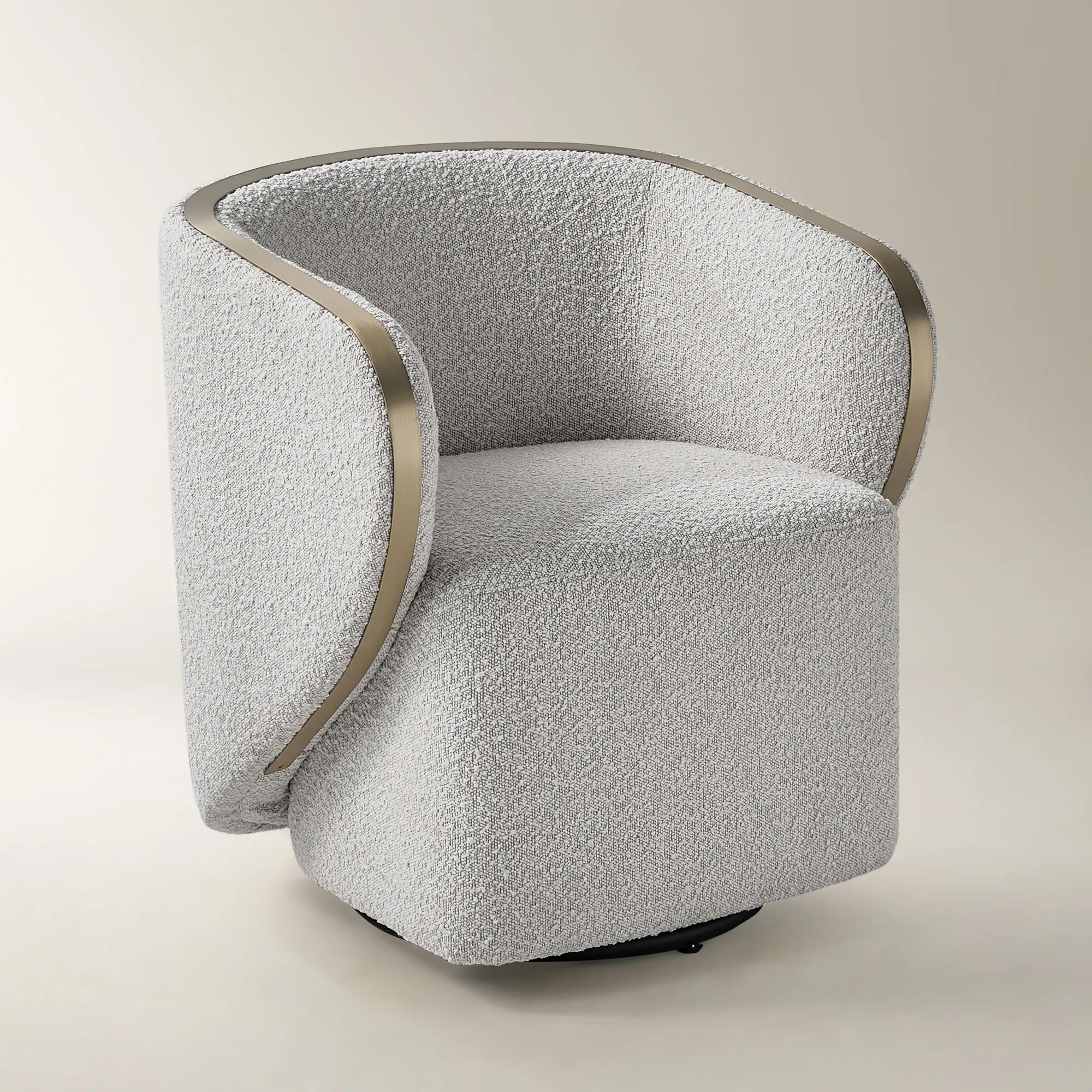 Nova Light Grey Performance Boucle Swivel Dining Chair$699
A sculptural light grey chair in water-repellent boucle with metallic trim and a smooth 360° swivel base.
Add To Cart -
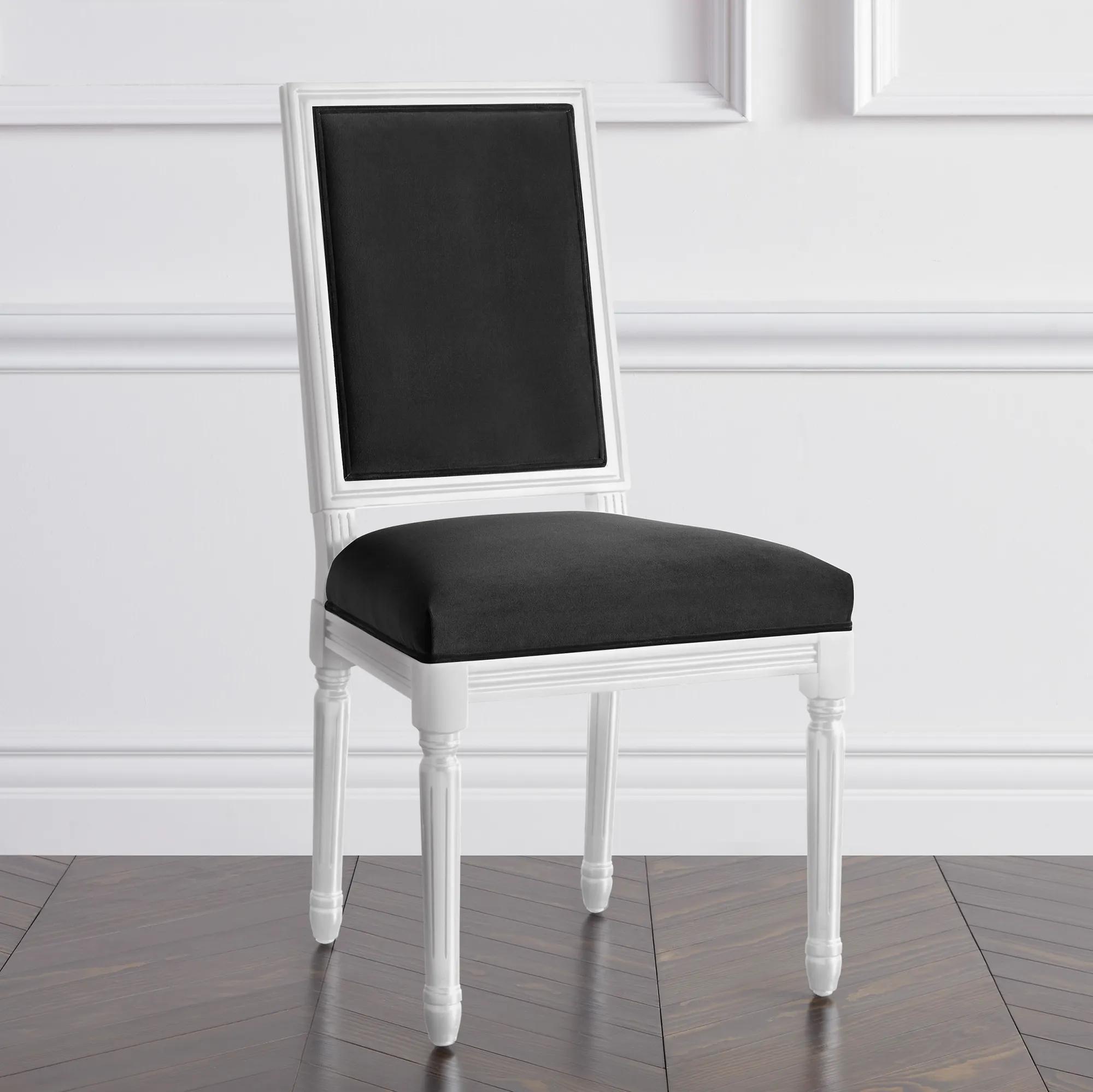
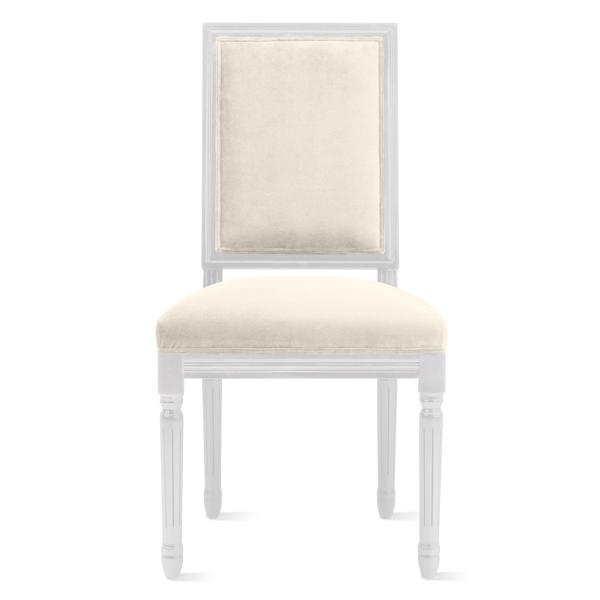 Callan Dining Chair - High Gloss White$599
A handcrafted dining chair featuring high-gloss white finish, kiln-dried hardwood frame, and plush velvet upholstery.
Add To Cart -

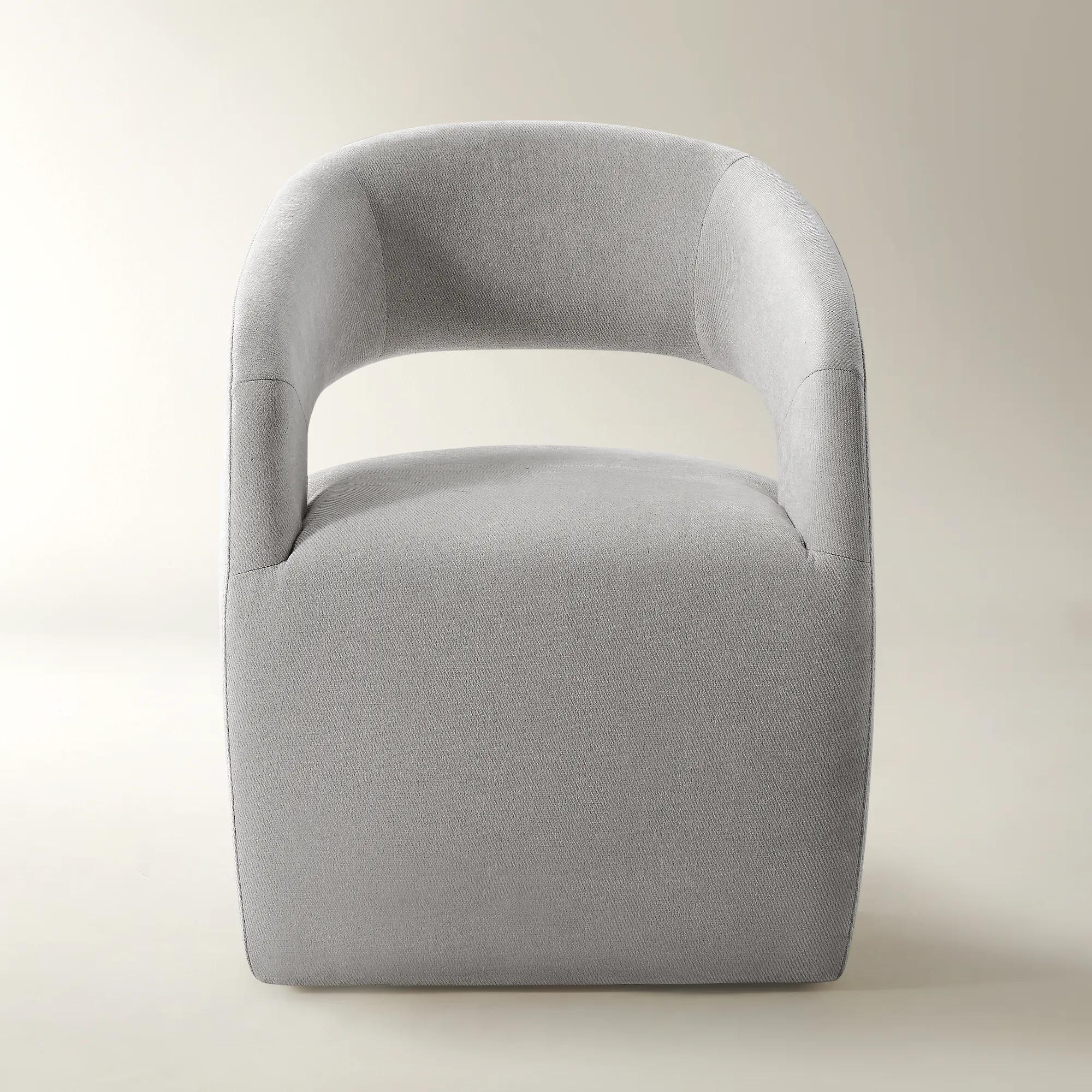 Harrison Flint Chenille Dining Chair$499
A fully upholstered flint chenille dining chair with high-density foam cushioning for superior comfort and style.
Add To Cart -
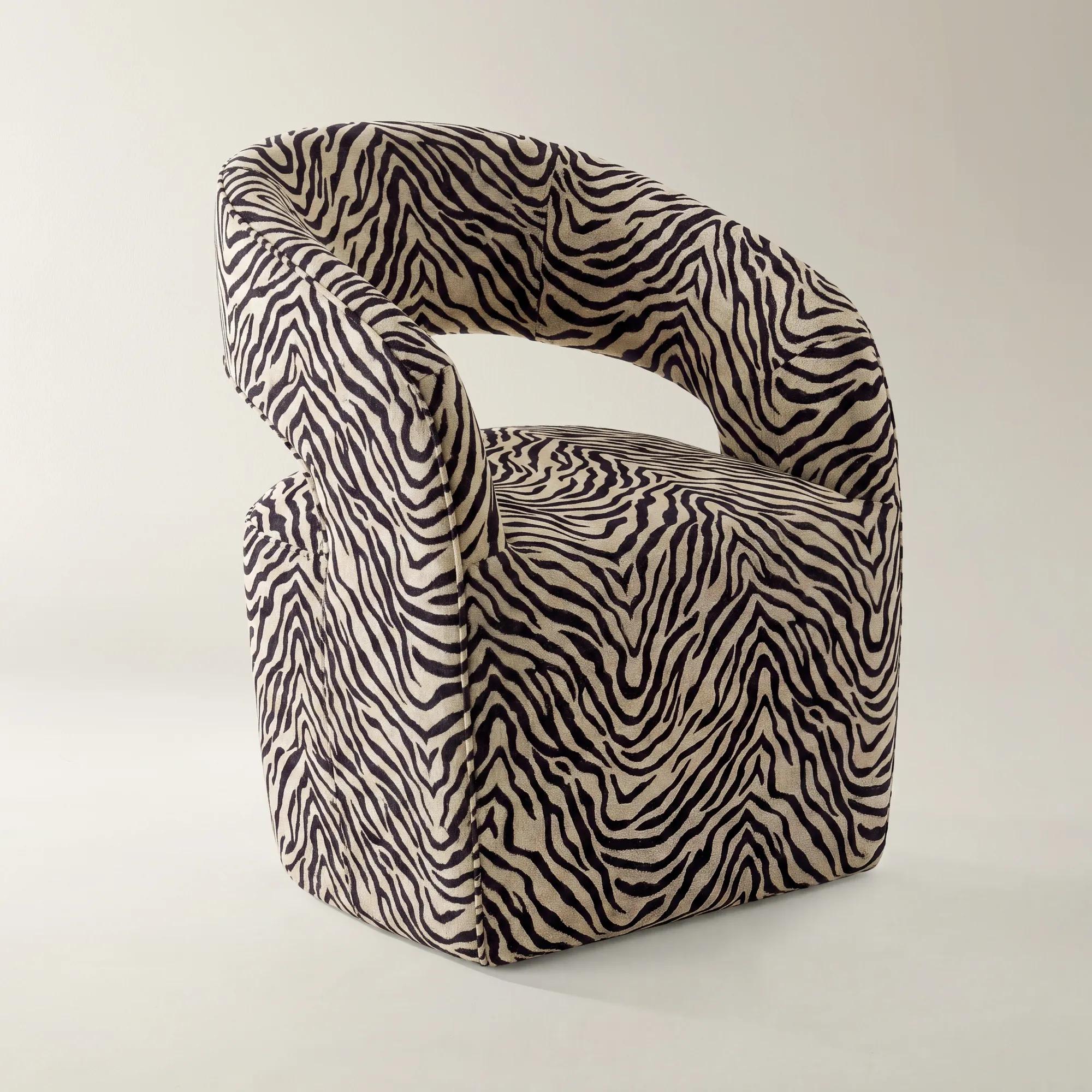 Harrison Zebra Performance Chenille Dining Chair$499
A sculptural dining chair upholstered in zebra performance chenille with a curved back and feather-blend comfort.
Add To Cart -
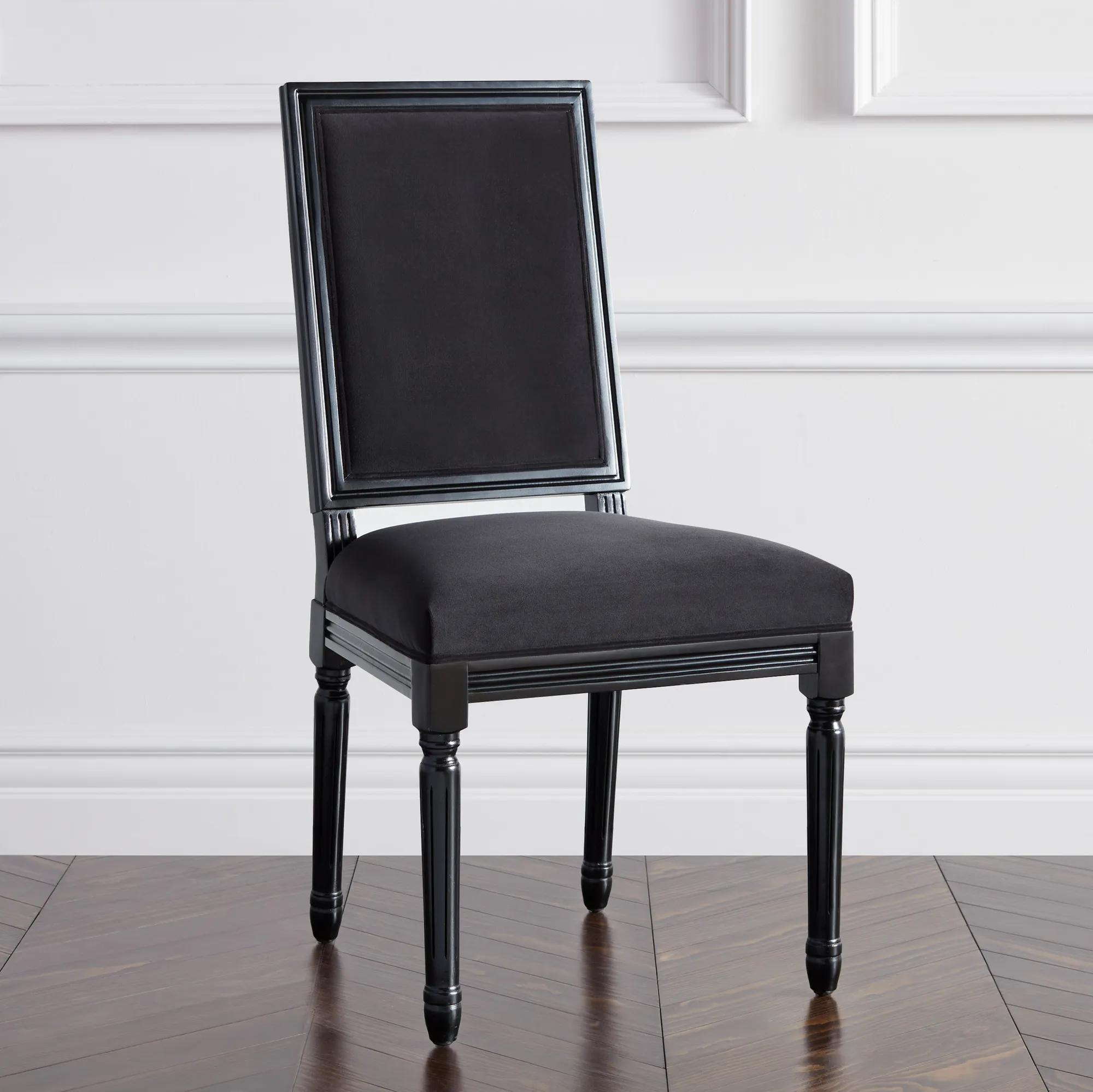
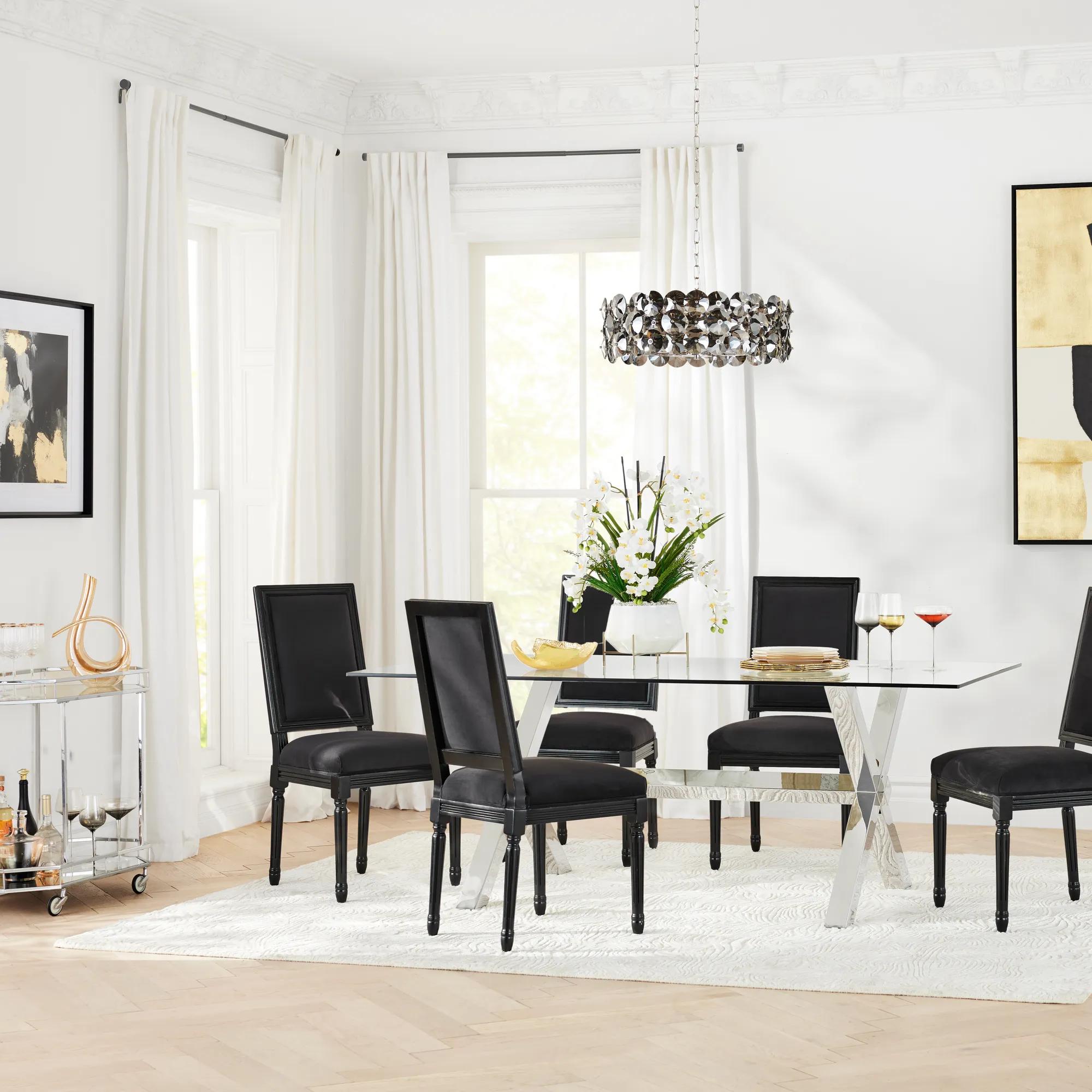 Callan Dining Chair - High Gloss Black$599
A handcrafted dining chair featuring high-gloss black Bella Velvet upholstery, fluted legs, and a squared back.
Add To Cart -
 Harrison Cream Chenille Dining Chair$499
A fully upholstered cream chenille chair with high-density foam cushioning for exceptional comfort and contemporary style.
Add To Cart -
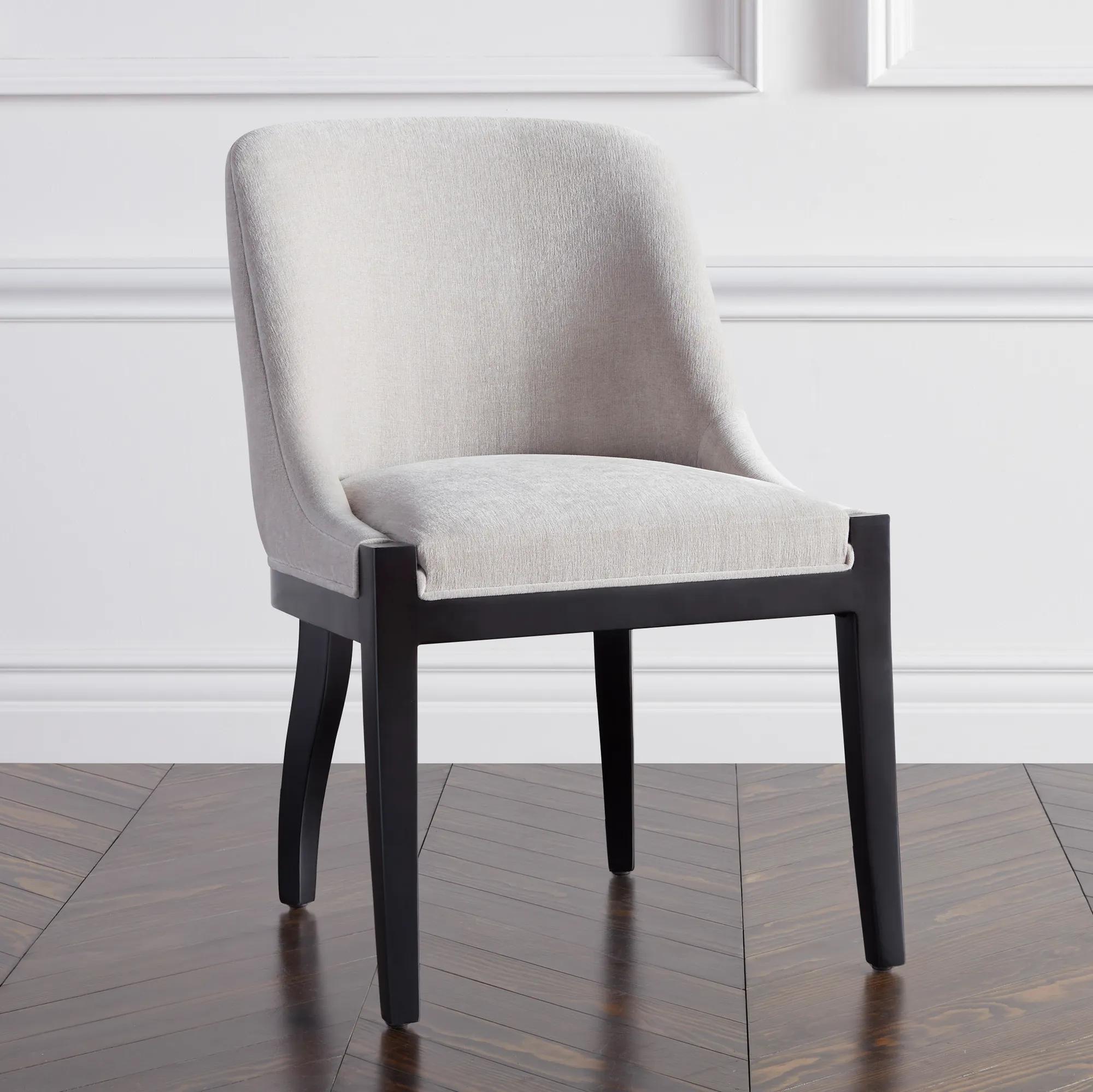 Lily Dining Chair - Matte Black$599
A modern dining chair featuring a matte black hardwood frame and plush, tailored upholstery for lasting comfort.
Add To Cart -
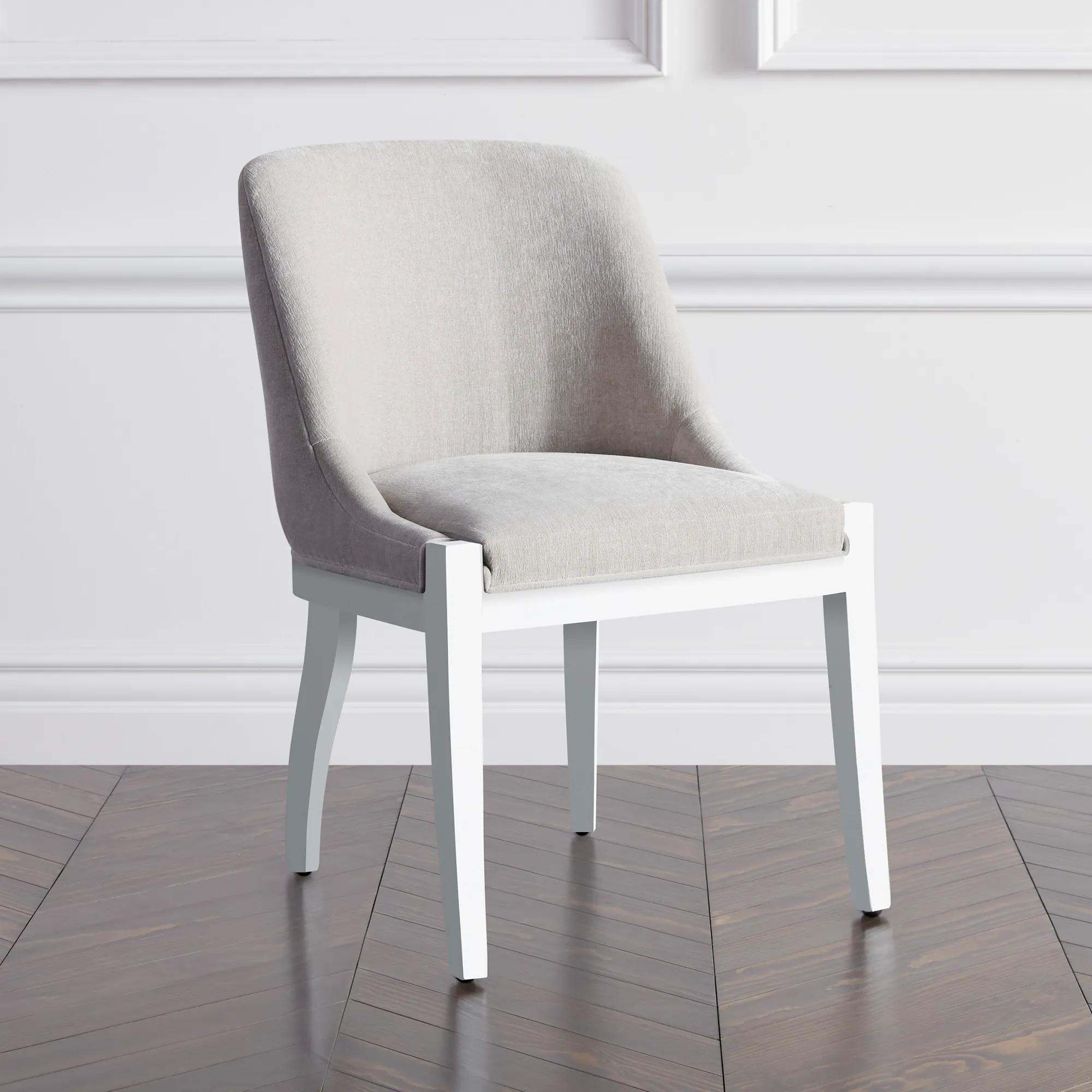
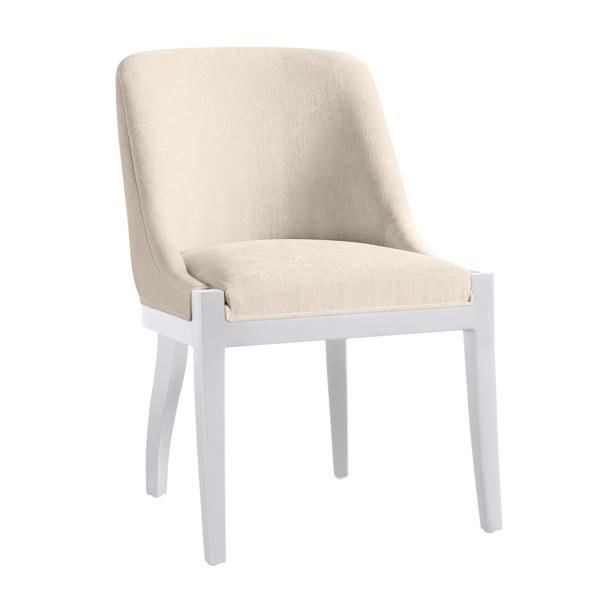 Lily Dining Chair - High Gloss White$649
A modern white dining chair featuring kiln-dried hardwood, high-gloss legs, and plush tailored upholstery.
Add To Cart -
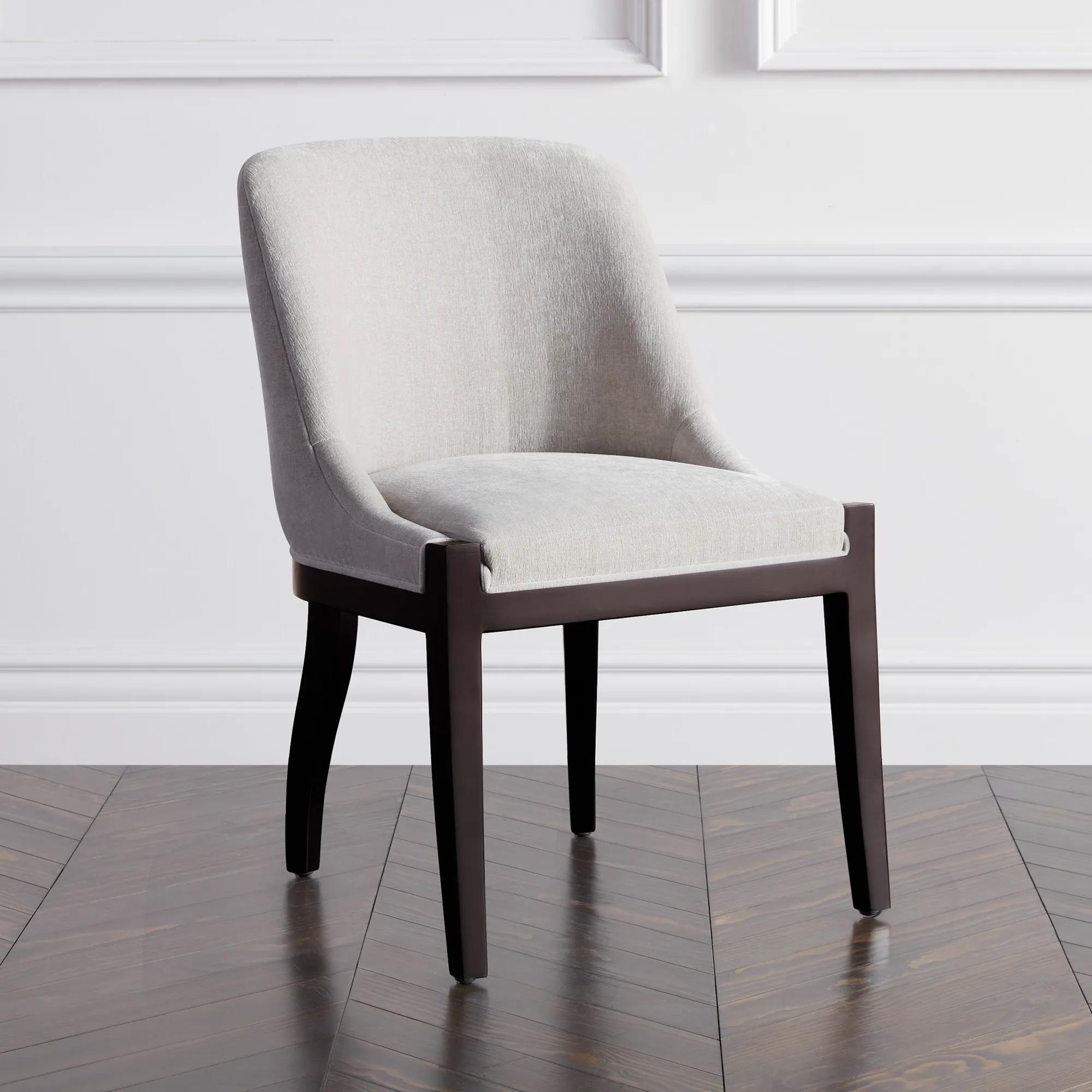
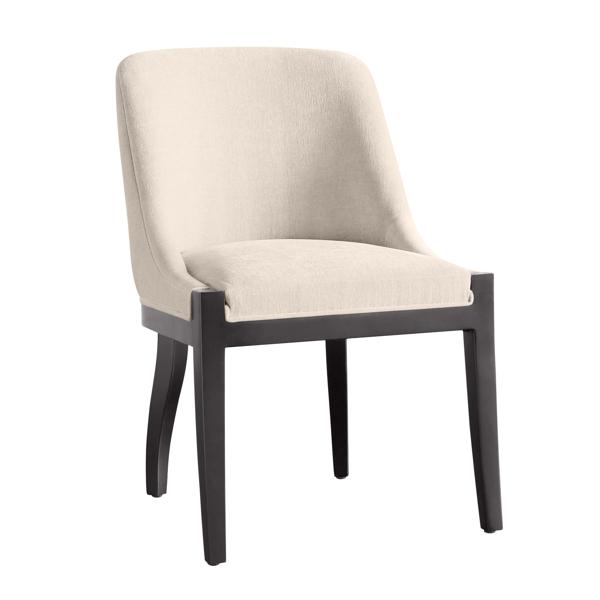 Lily Dining Chair - Espresso$599
A modern dining chair with kiln-dried hardwood frame, espresso legs, and plush, tailored upholstery.
Add To Cart -
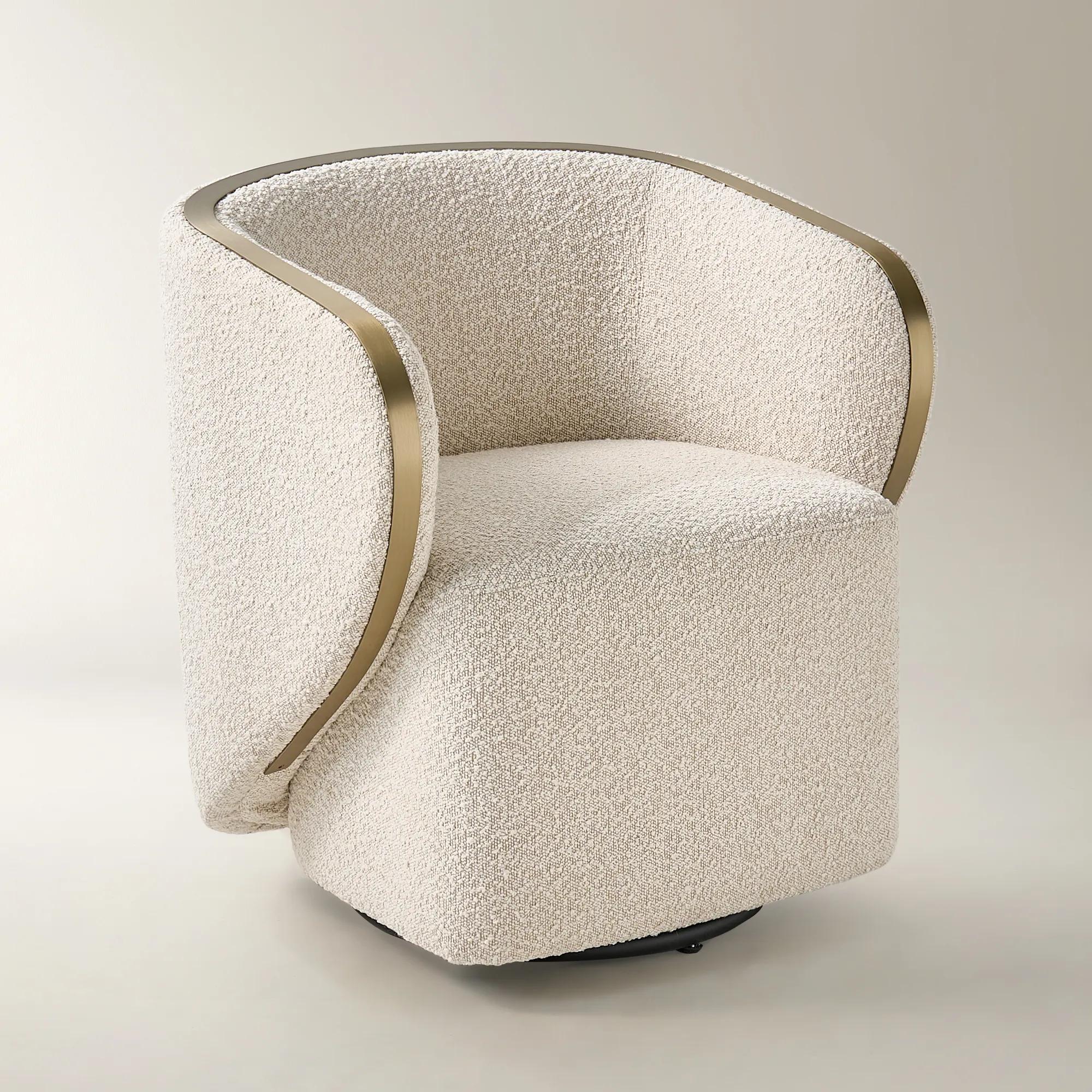 Nova Ivory Performance Boucle Swivel Dining Chair$699
An ivory boucle swivel chair featuring a sculptural wraparound silhouette and elegant metallic trim accents.
Add To Cart -
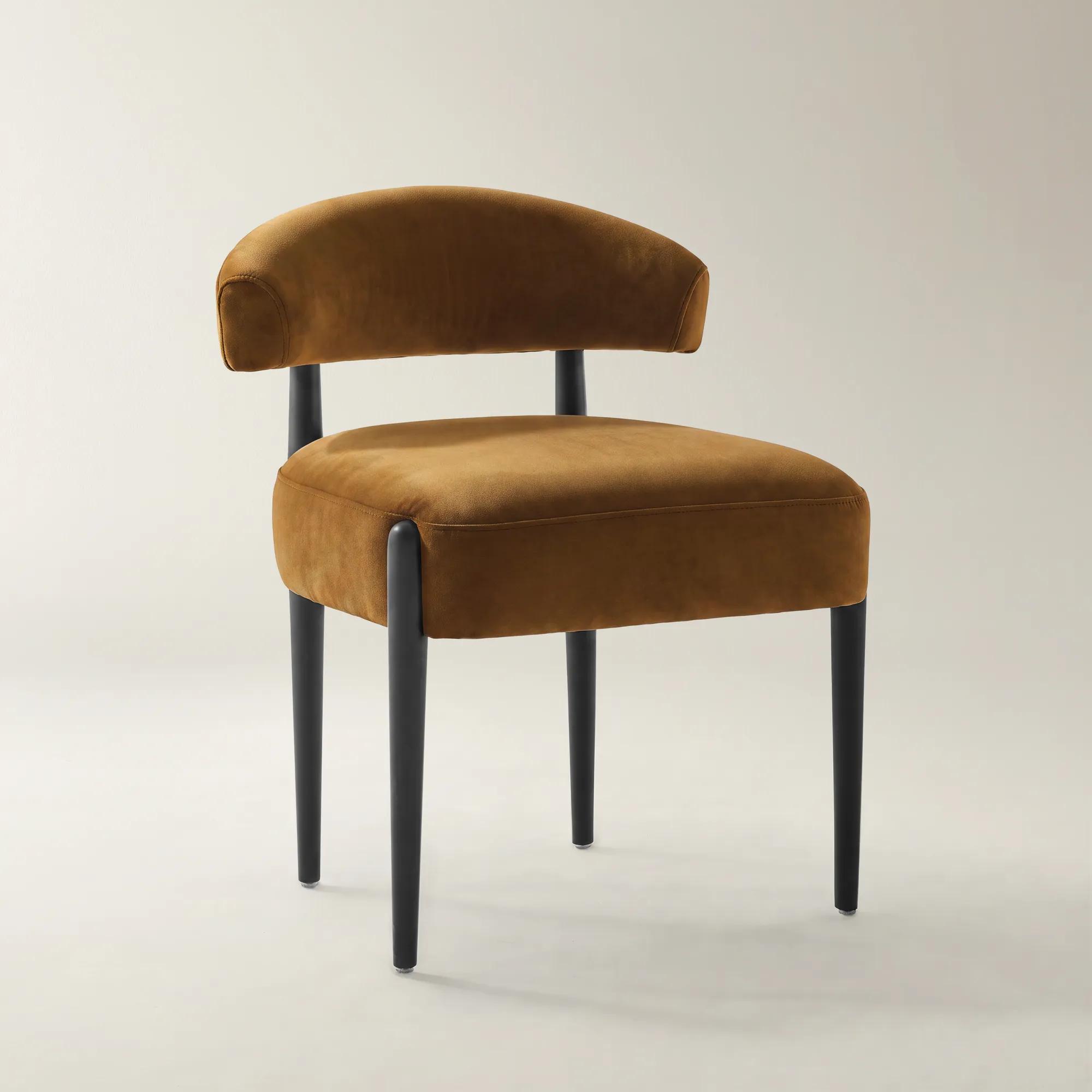
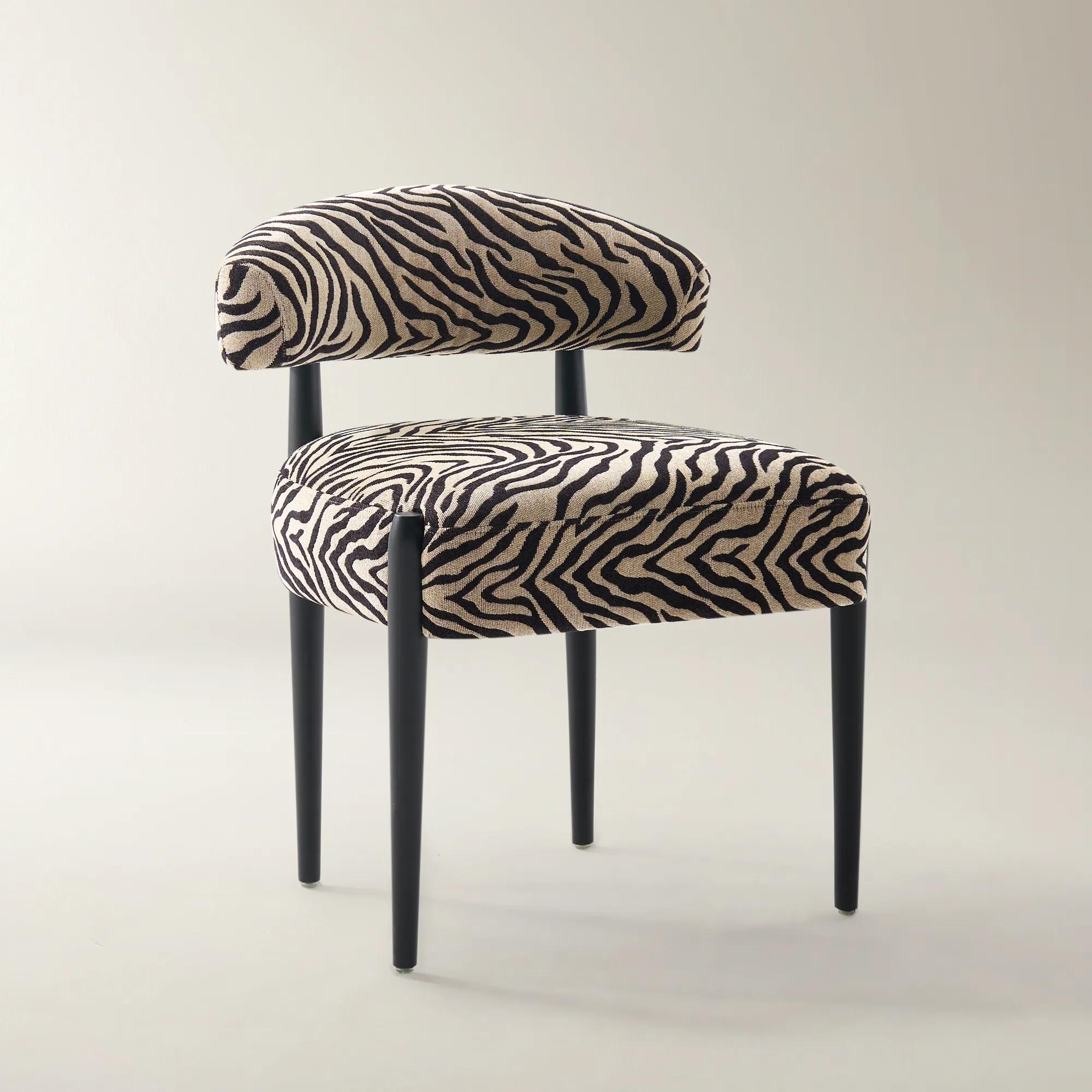 Anna Roasted Pecan Velvet Dining Chair Set of 2$699
A roasted pecan velvet dining chair set featuring a tailored curved back and high-density foam cushioning.
Add To Cart -
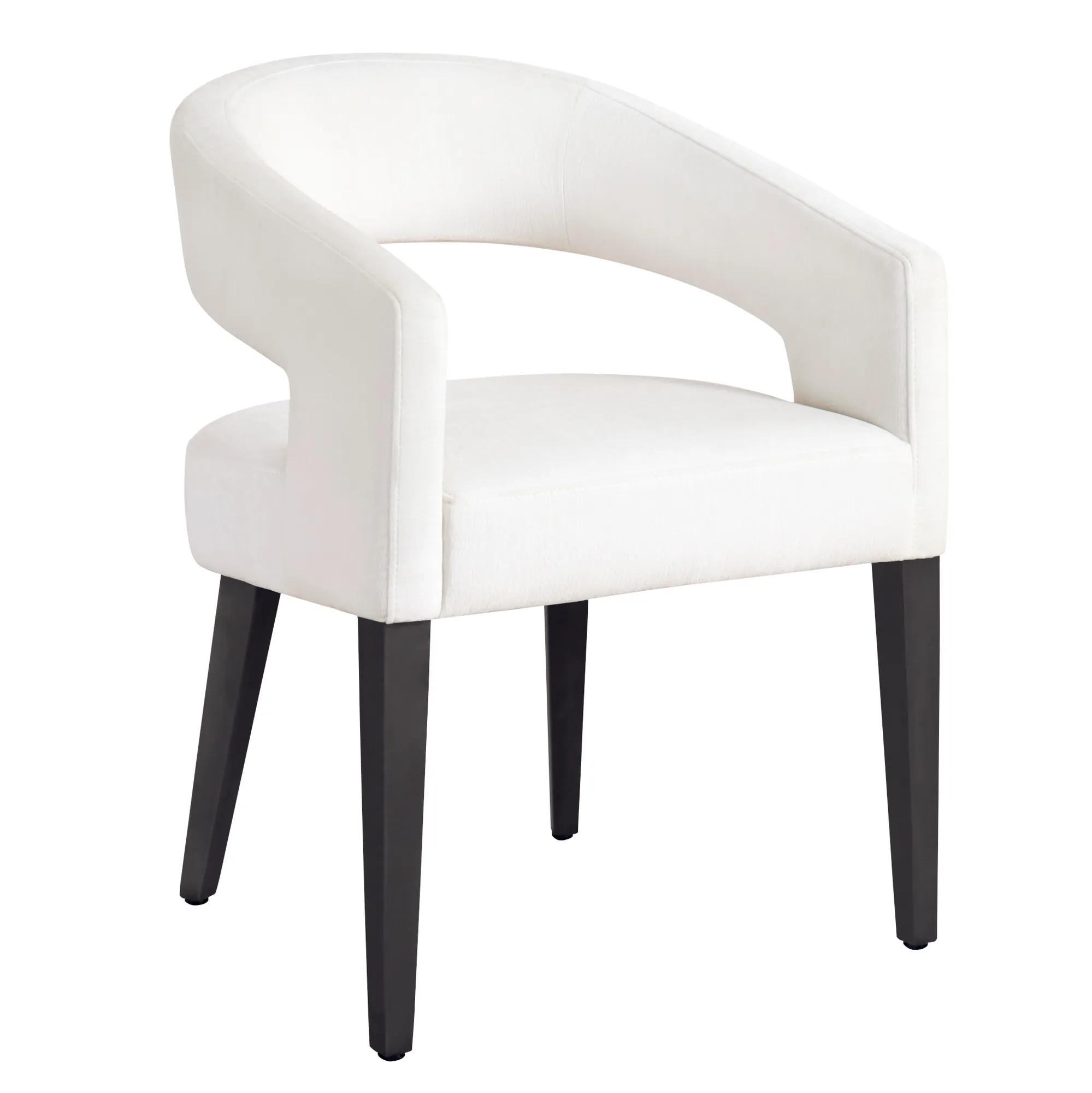
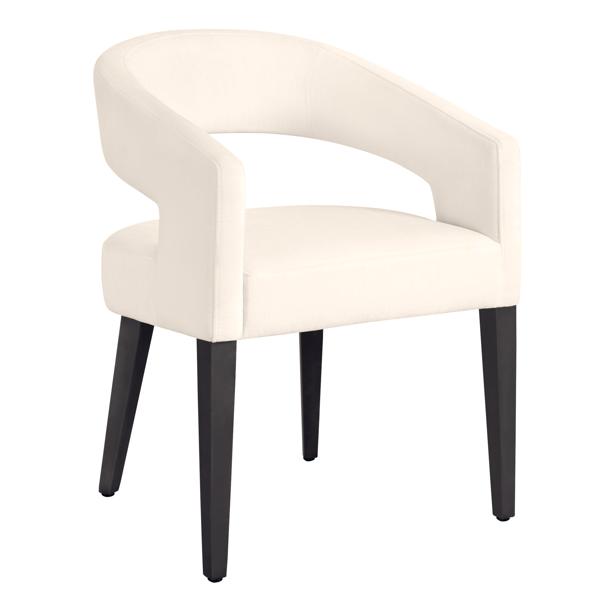 Philippa Dining Chair - Espresso$599
A modern dining chair featuring a curved silhouette, espresso legs, and neatly tailored chenille upholstery.
Add To Cart -
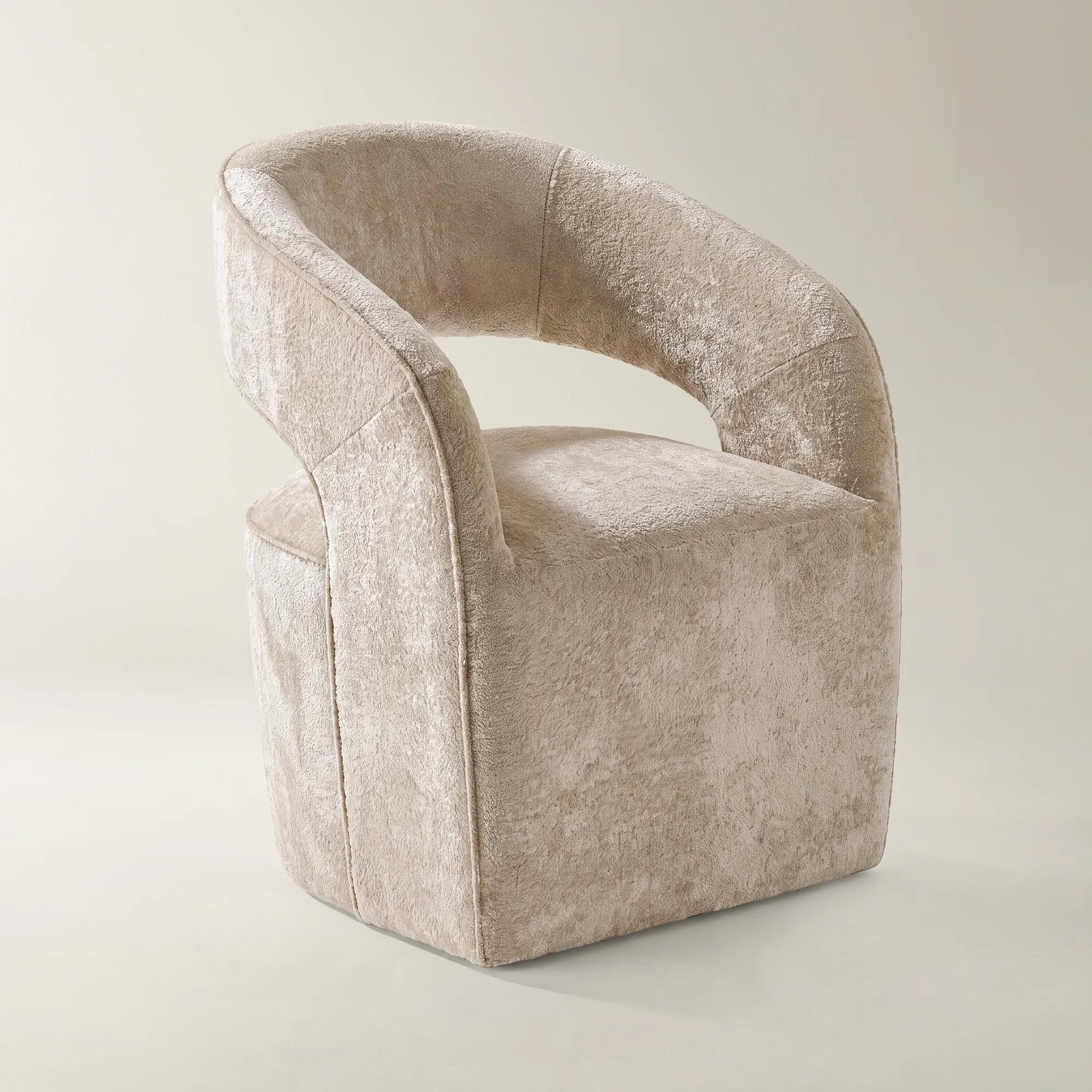 Harrison Light Brown Chenille Dining Chair$499
A sculptural dining chair upholstered in light brown chenille with a feather-blend cushion for plush comfort.
Add To Cart -
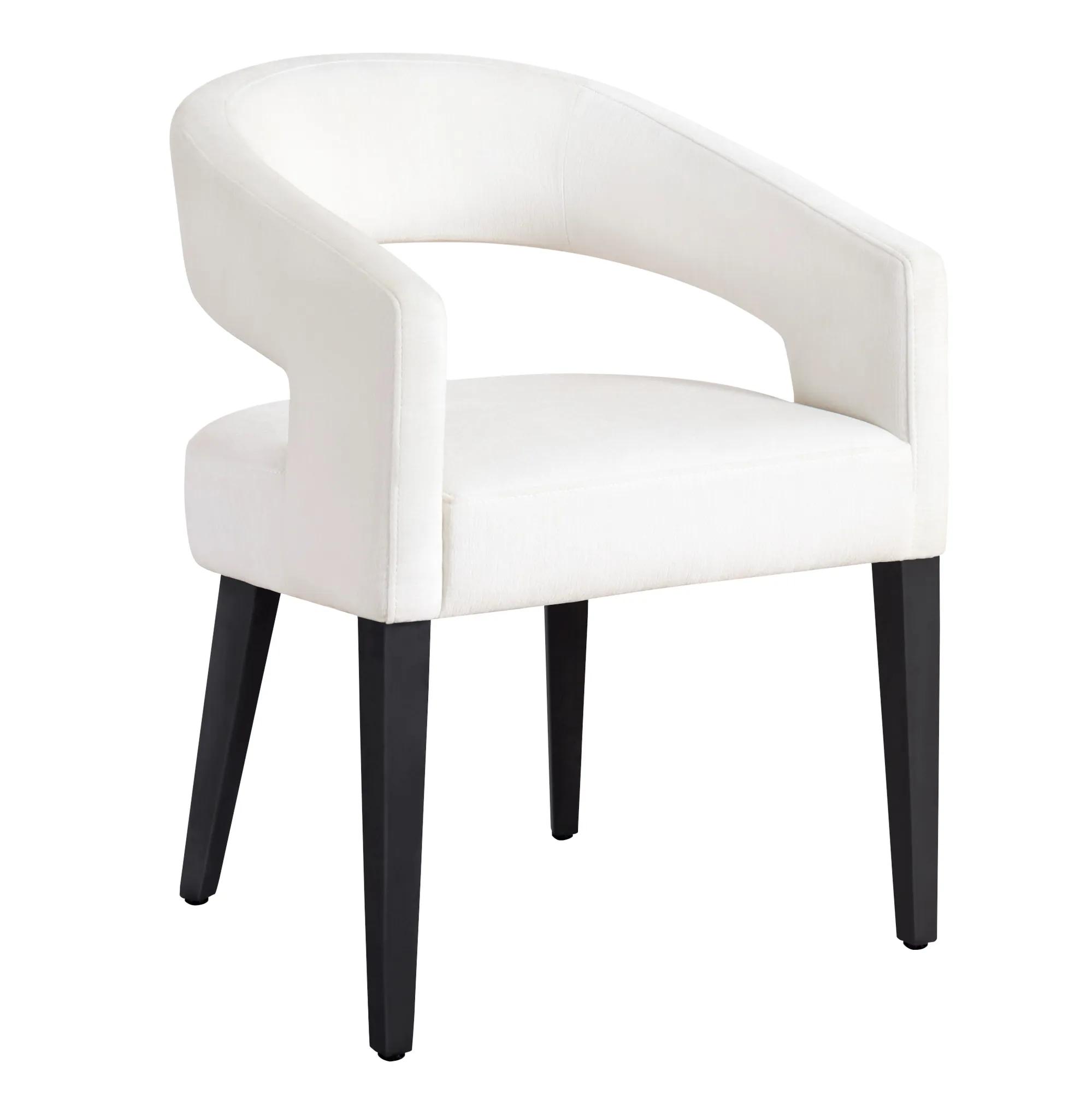
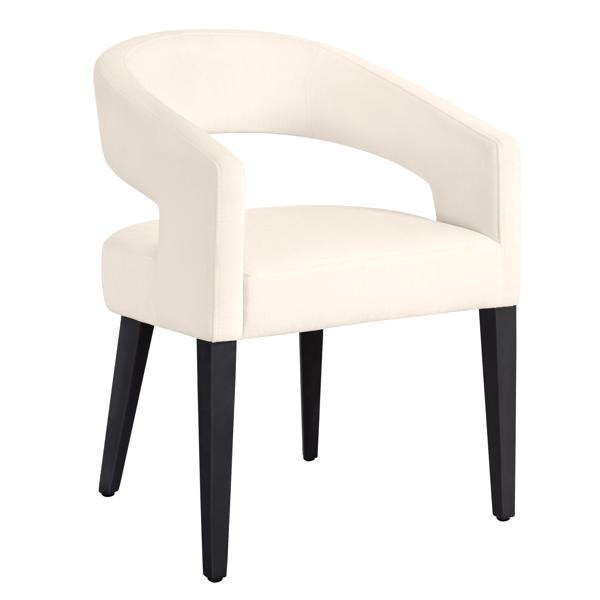 Philippa Dining Chair - Matte Black$599
A modern dining chair featuring a curved silhouette, matte black legs, and neatly tailored upholstery.
Add To Cart -
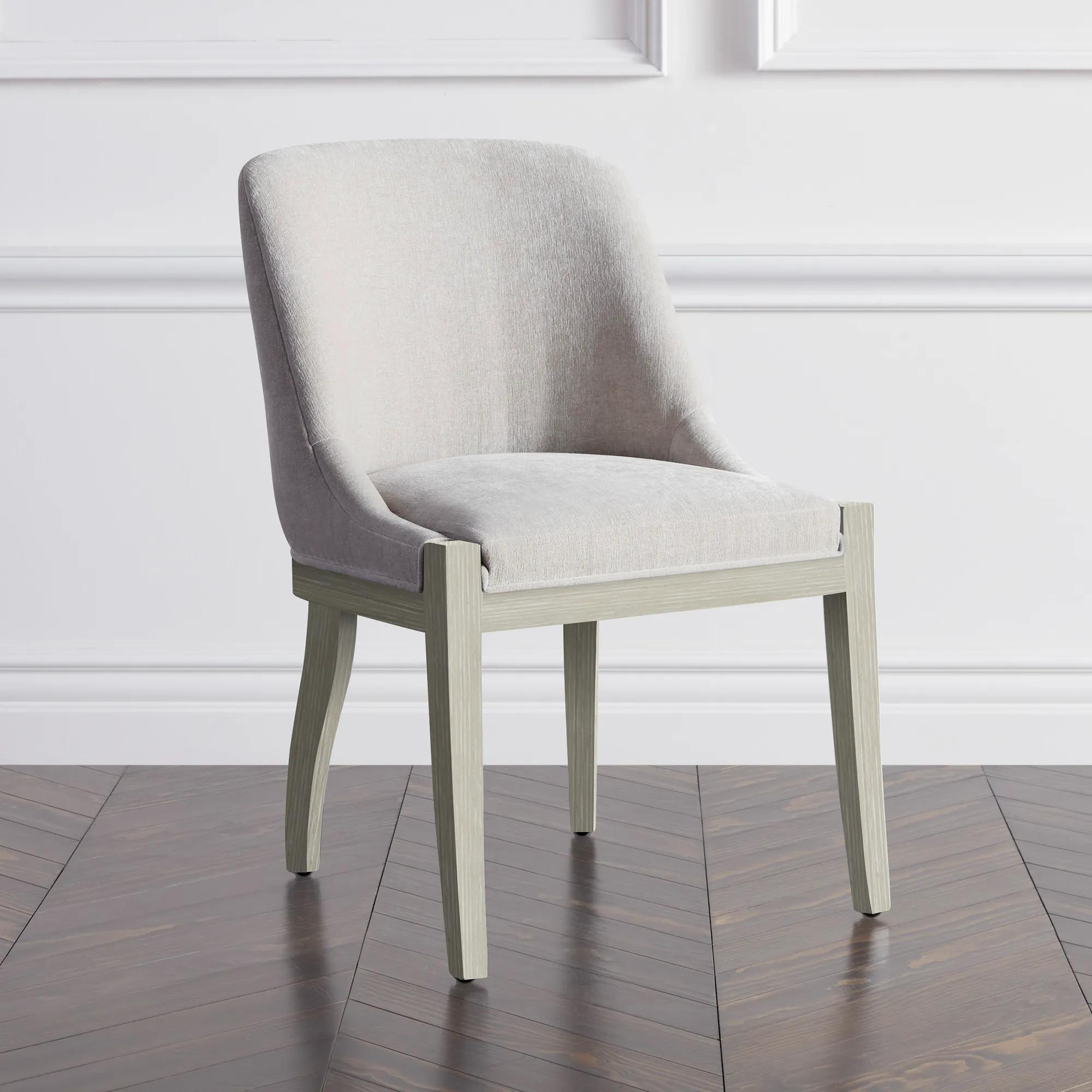 Lily Dining Chair - Natural Grey$649
A modern dining chair featuring kiln-dried hardwood, natural grey upholstery, and cushioned foam-and-fiber comfort.
Add To Cart -
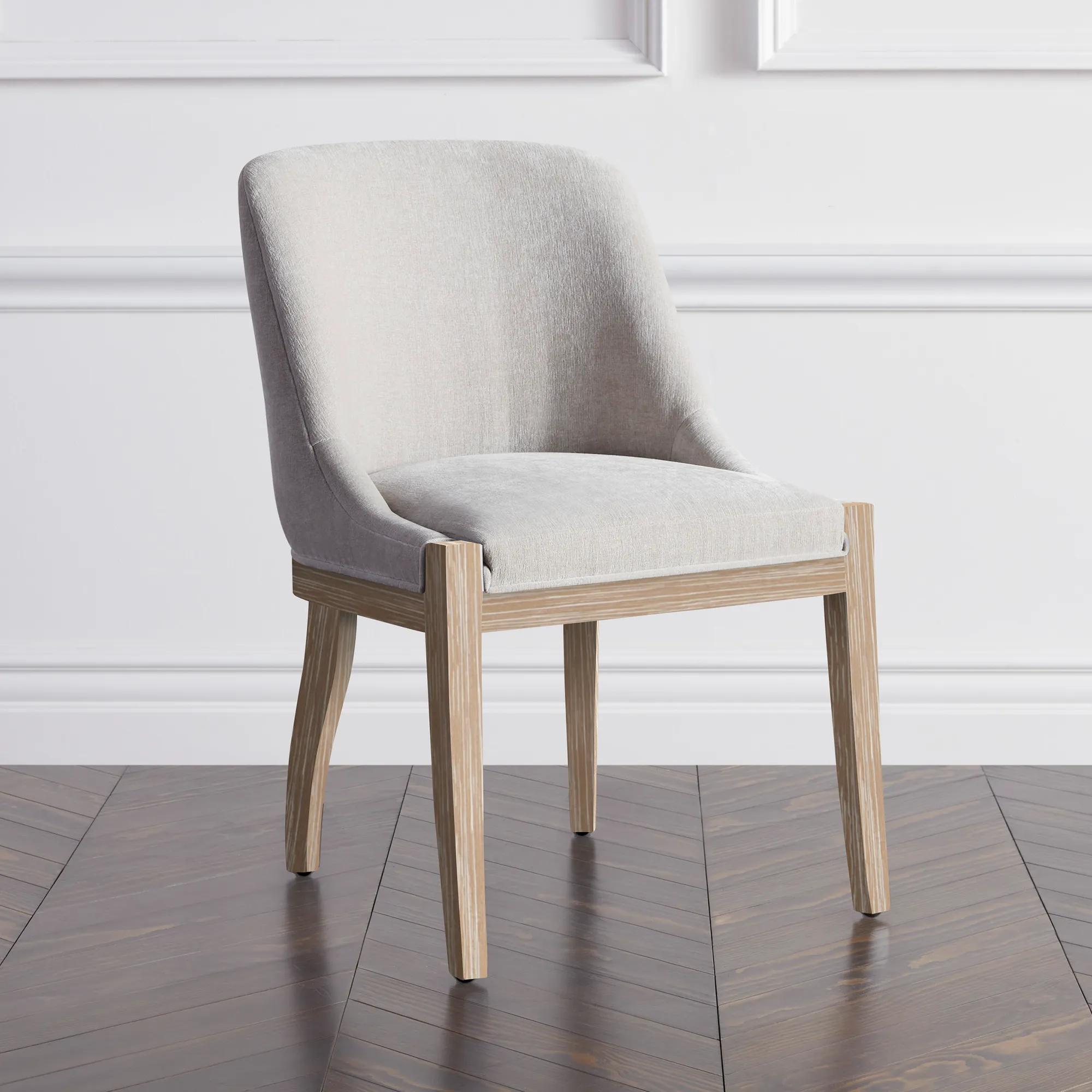
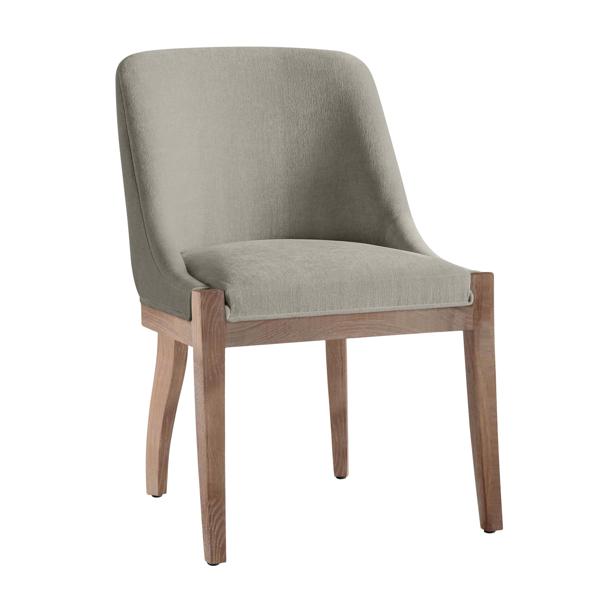 Lily Dining Chair - Wash Oak$749
A modern dining chair featuring a kiln-dried hardwood frame, wash oak legs, and tailored chenille upholstery.
Add To Cart -
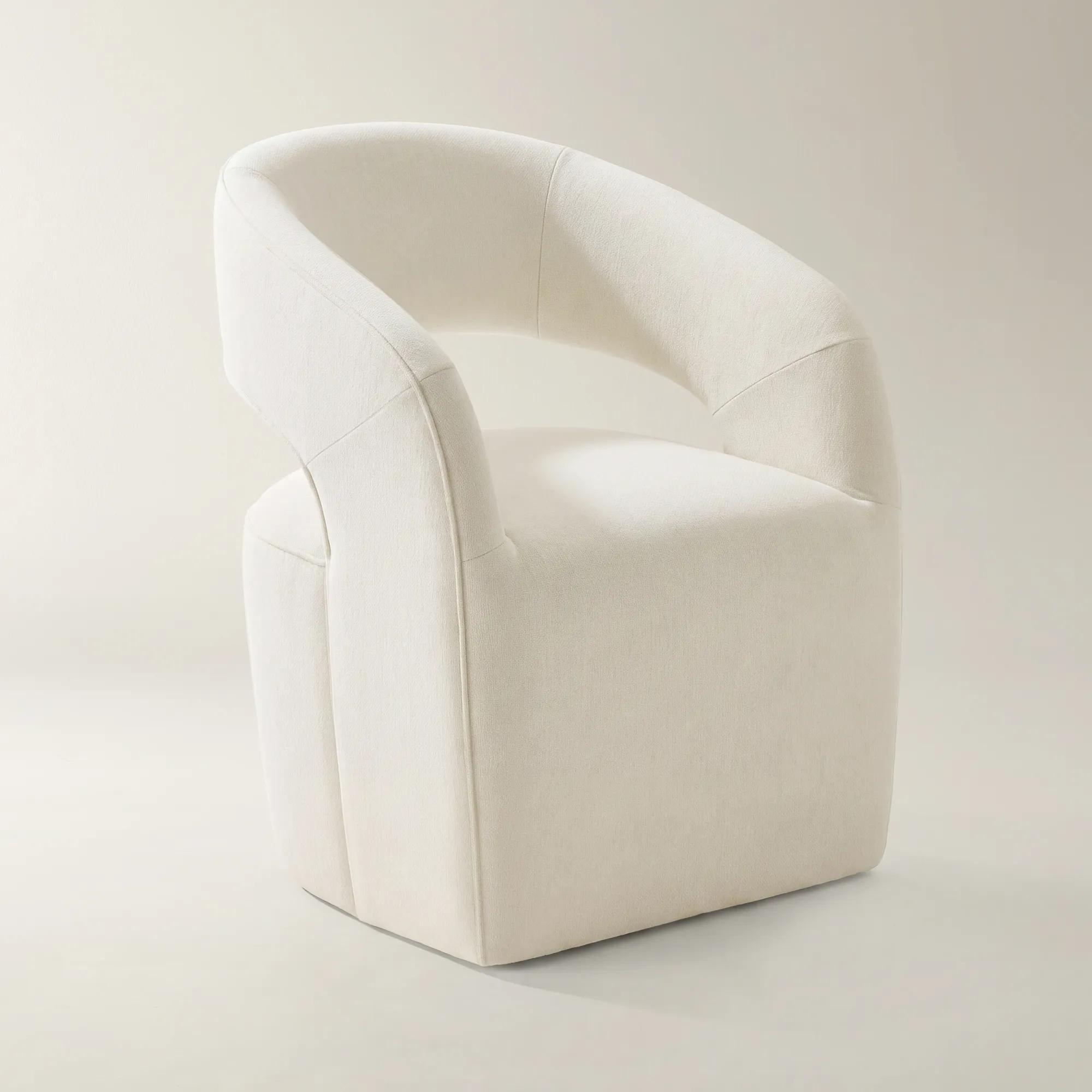 Harrison Ivory Performance Chenille Dining Chair$499
A sculptural ivory chenille chair featuring a continuous curved back, feather-blend comfort, and performance upholstery.
Add To Cart -
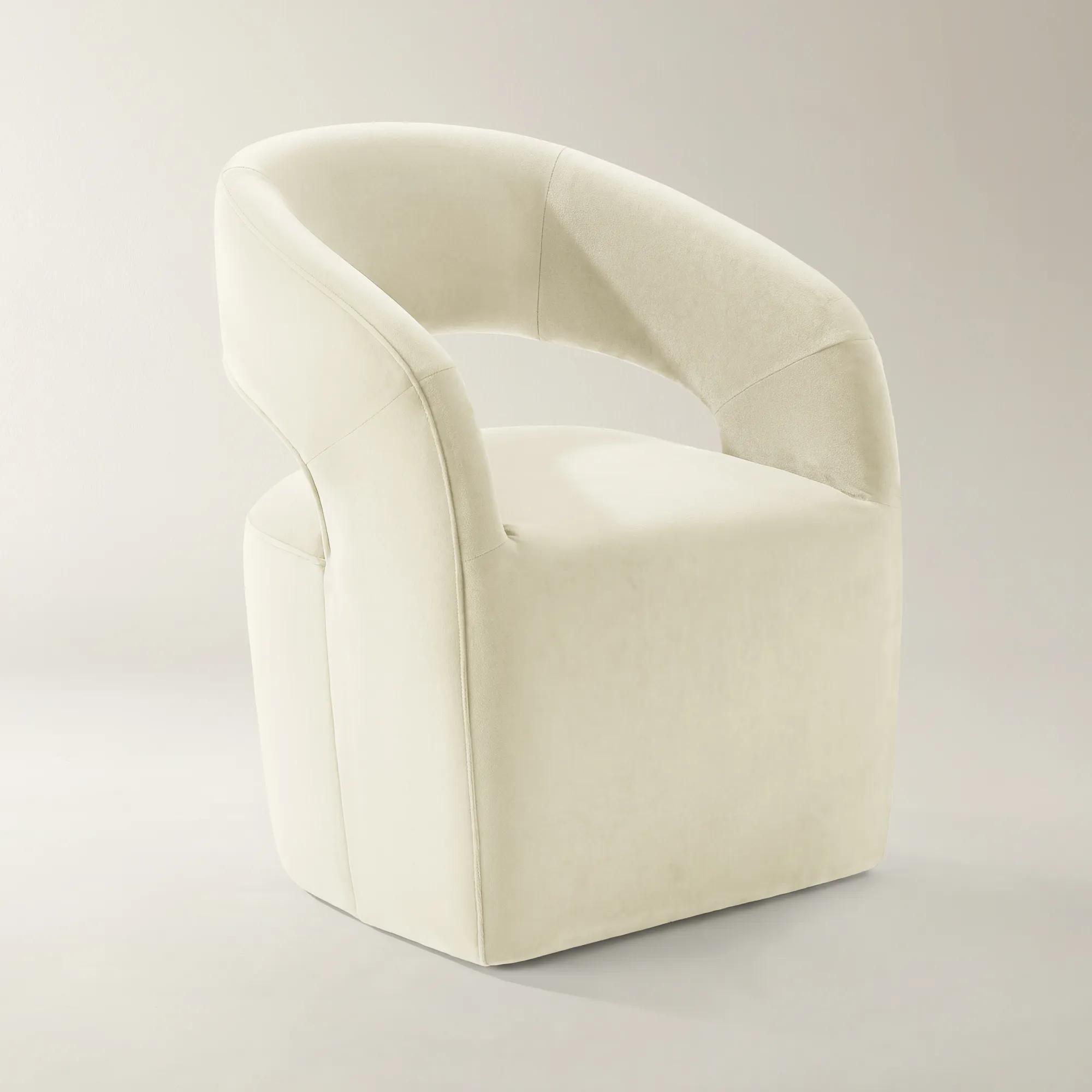 Harrison Cloud Velvet Dining Chair$499
A sculptural dining chair featuring cloud velvet upholstery, feather-blend cushioning, and a continuous curved back.
Add To Cart -
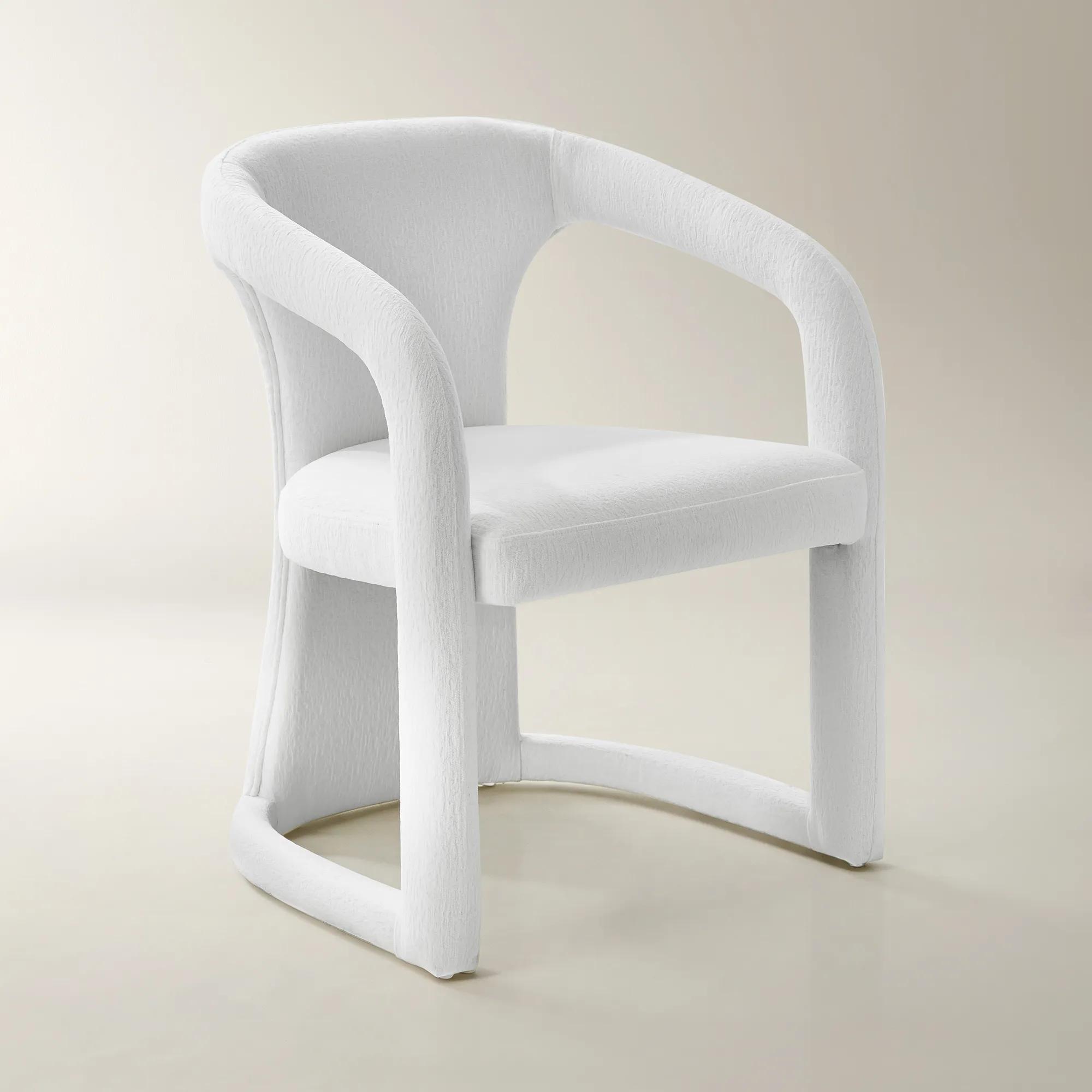
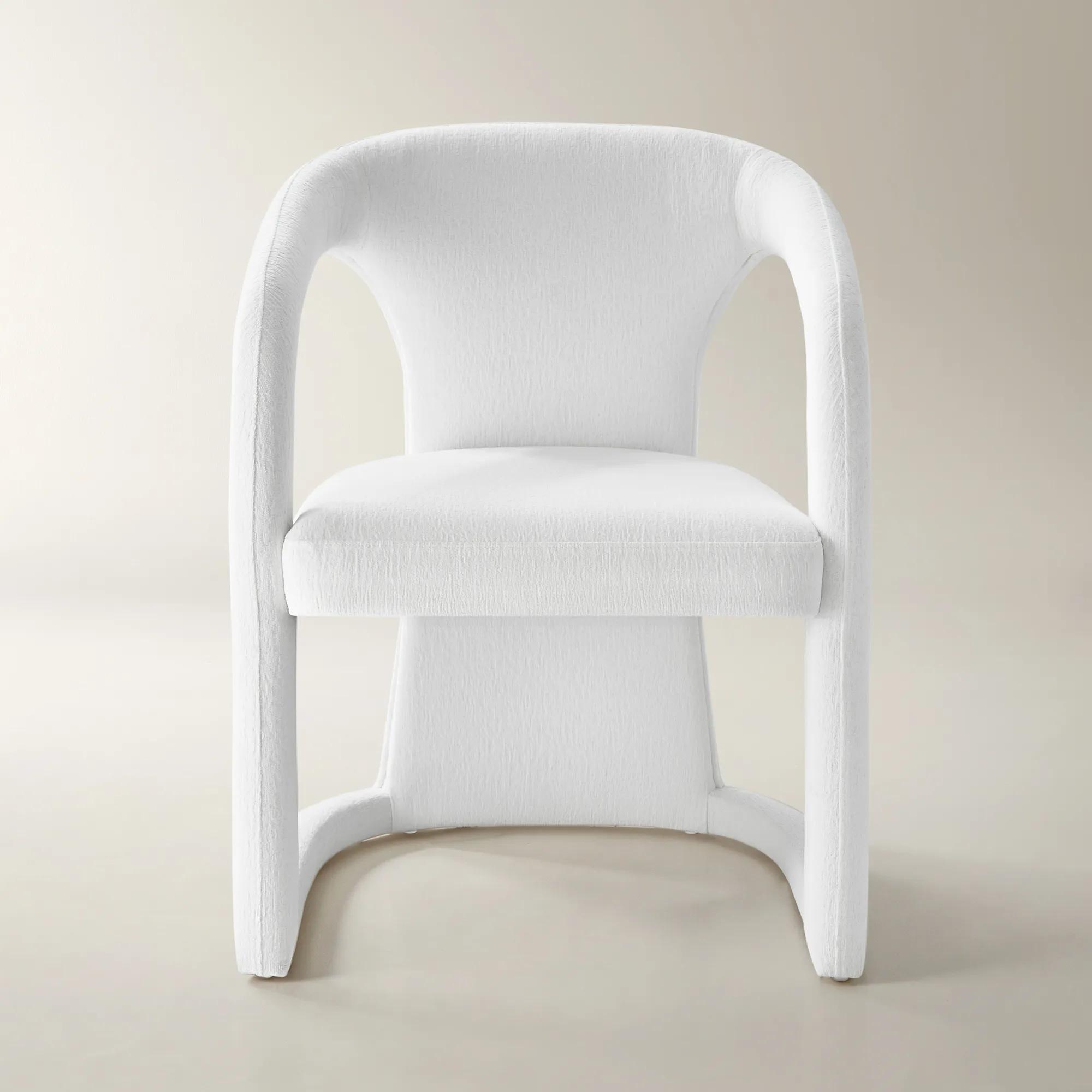 Arco White Performance Chenille Indoor/Outdoor Dining Chair$699
A sculptural white chenille dining chair with plush padding, moisture resistance, and indoor/outdoor versatility.
Add To Cart -
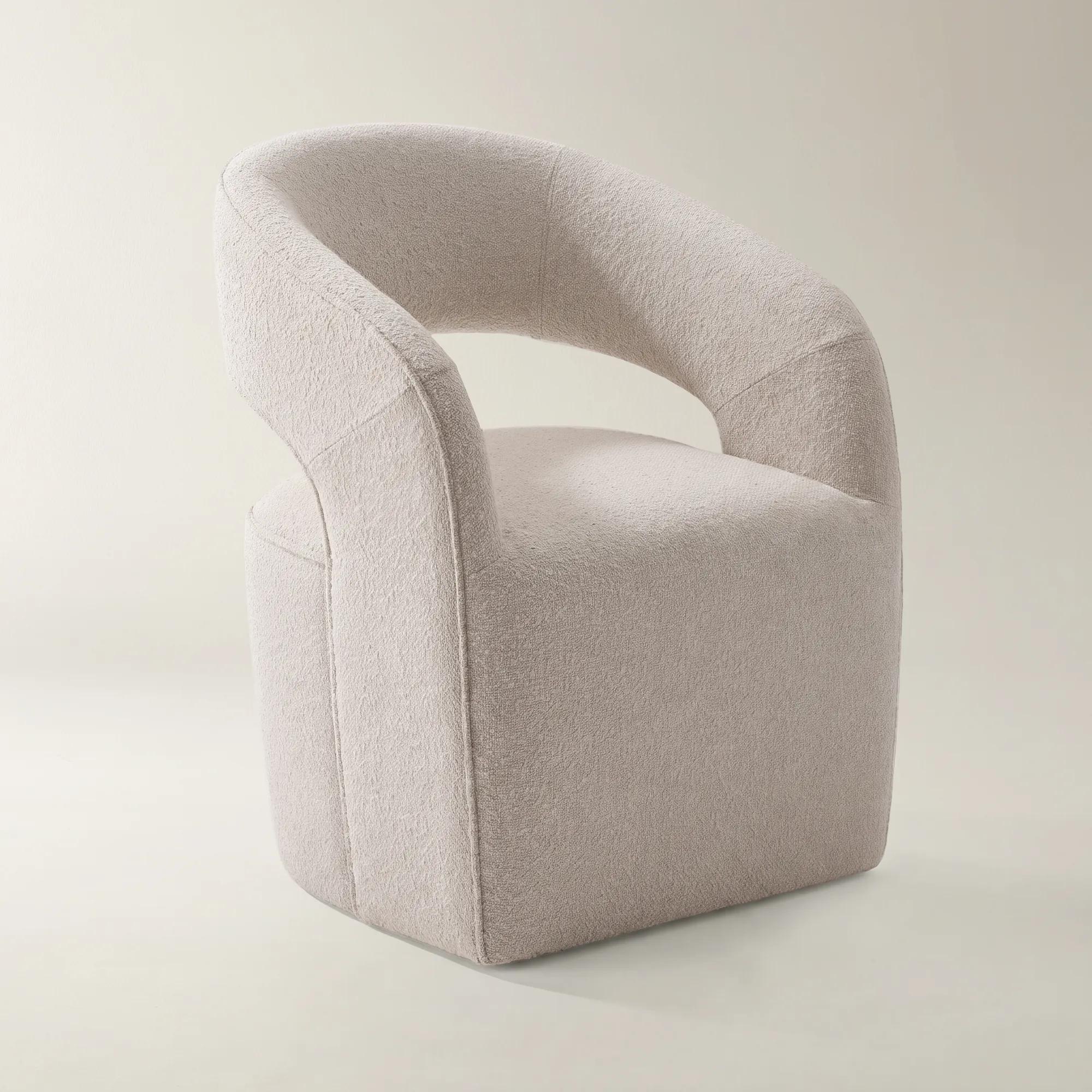 Harrison Ivory Performance Boucle Dining Chair$499
A sculptural dining chair in ivory performance boucle with a curved back, feather-blend seat, and modern elegance.
Add To Cart -
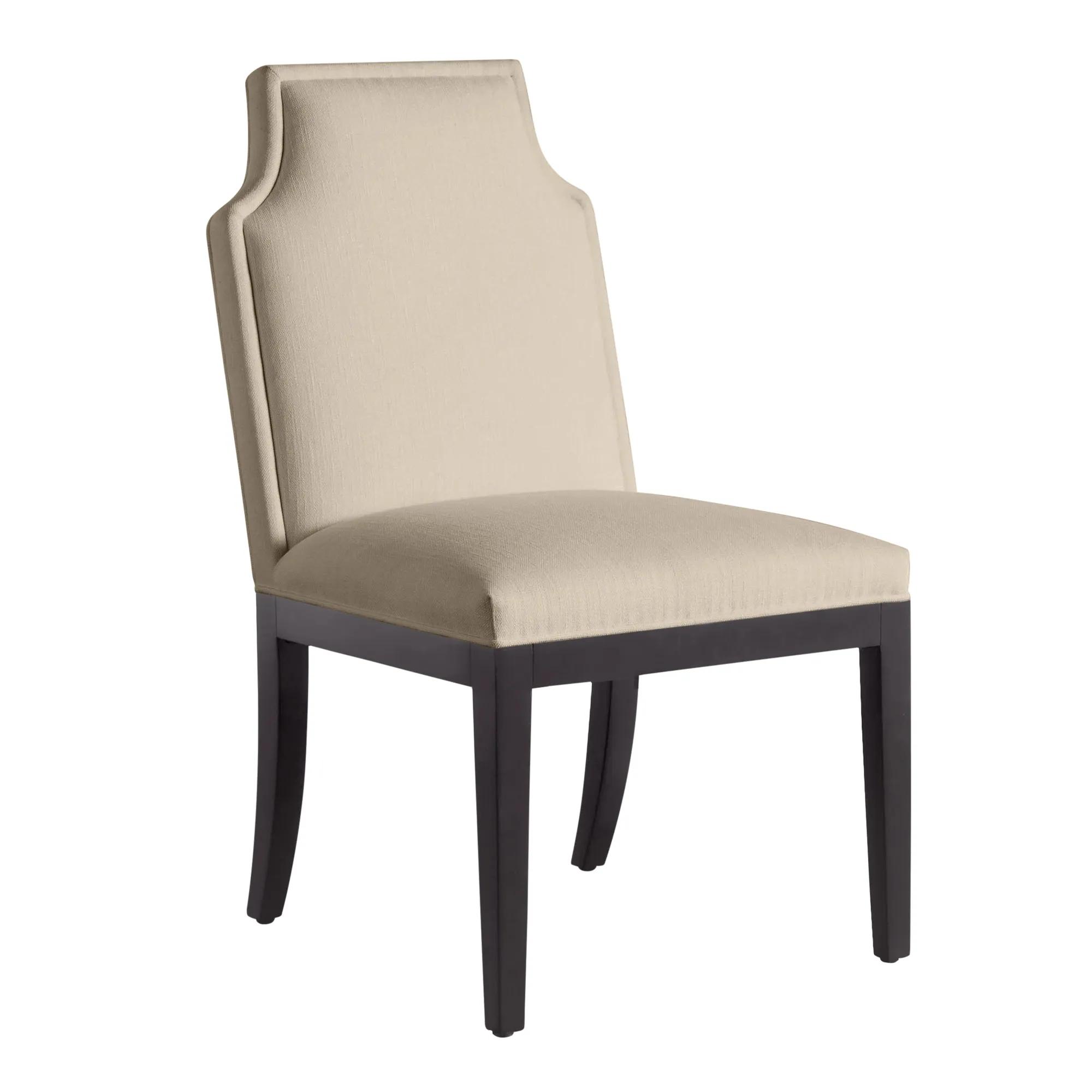
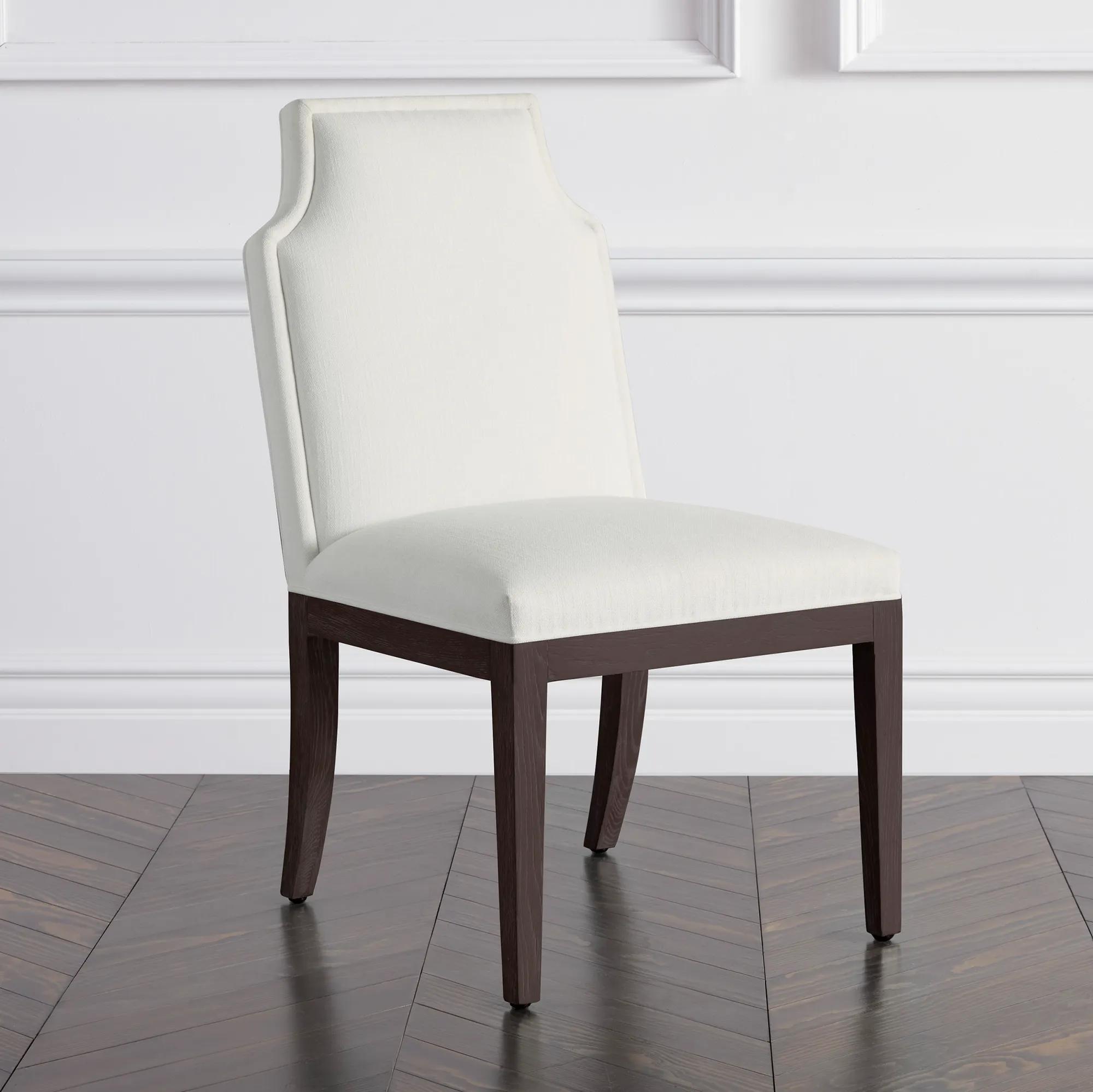 Jasmine Dining Chair - Espresso$649
A chic dining chair featuring a notched back, espresso legs, and plush upholstery for lasting comfort.
Add To Cart

Comfortable Wood Dining Chairs
Find comfortable wood dining chairs that bring warmth and a distinctive presence to your dining space. As you compare designs, consider seat dimensions, backrest shape, and clearance beneath your dining table to choose seating that balances everyday comfort with the scale and style of your room.
Comfortable wood dining chairs balance a supportive frame with a well-proportioned seat and a backrest that welcomes the body rather than simply framing it. A gently curved back, a contoured seat, and smoothly finished edges can make wood seating feel inviting without concealing its sculptural beauty. Upholstered seats introduce another layer of comfort, while upholstered backs soften the point of contact during conversations that linger over dinner. Neither padding nor a dramatic silhouette tells the whole story: comfort depends on how seat height, depth, firmness, and back angle work together for the person sitting there. A deeper seat may feel generous to a taller guest but leave someone shorter without comfortable back support. A shallow seat can feel restrictive when there is too little room to settle in. The strongest balance is a chair that supports relaxed, upright sitting, allows feet to rest on the floor, and leaves space to move naturally at the table. That thoughtful construction gives wood its enduring place in expressive dining rooms, where everyday breakfasts and elaborate celebrations deserve equal consideration. Oak and ash introduce distinctive grain, walnut is known for its rich natural color, and beech often offers a more understated surface for a polished finish. Stains and coatings can significantly alter those natural appearances, so the finished effect matters as much as the species name. Pale wood can set off a deeply colored seat, while a dark frame creates a striking outline against luminous upholstery. Exposed grain brings movement to an otherwise tailored room; a smooth painted finish emphasizes the architecture of the chair itself. For households that gather around the table for meals, conversation, or an occasional afternoon of correspondence, these details create seating with presence and purpose. The result is not merely a handsome arrangement, but a dining space that feels considered the moment a guest pulls out a chair.
Scale gives that sense of welcome room to unfold. Many dining tables stand approximately 28 to 30 inches high, and dining chair seats often measure about 17 to 19 inches from the floor, although individual dimensions vary. Around 10 to 12 inches between the seat and the underside of the tabletop is a useful starting point for legroom, with table aprons, seat cushions, and personal proportions affecting the actual fit. An upholstered seat may compress when occupied, so its listed height does not always describe the final sitting position. Armchairs bring a gracious, enveloping quality to the ends of a rectangular table, but their arms need clearance beneath the apron if they are intended to tuck in. Armless wood dining chairs often allow easier movement along the sides of the table, especially where the room must also accommodate a sideboard or a path to an adjoining living area. Roughly 24 inches of table edge per diner is a common planning baseline; broad chairs, substantial arms, or an expansive place setting may require more. The chair’s full footprint matters, too, including a back that angles outward or legs that extend beyond the seat. Within the broader category of Comfortable Dining Chairs, wood offers a particularly expressive connection between furniture and architecture. Its grain can echo cabinetry, contrast with a glossy tabletop, or temper the brilliance of metallic accents. Matching every wood finish is not essential to a cohesive room. A shared undertone, a repeated curve, or a consistent upholstery color can connect different pieces with greater depth than an exact match. Around a round table, curved backs can reinforce the flowing shape; beside a long rectangular surface, taller backs can establish a stately rhythm. A rug adds another layer of texture, provided it extends far enough for chair legs to remain supported when the seating is pulled out. These relationships let a dramatic dining room function with quiet ease, keeping proportion as compelling as ornament.
Lasting appeal depends on construction and care as much as appearance. Solid hardwood components can provide durable structure, while engineered wood and veneered elements may be used in seats or back panels to achieve particular shapes and finishes; the materials and assembly of each chair deserve individual attention. Well-fitted joints, secure connections, and a stable stance contribute to dependable everyday use. Wood is a natural material that responds to its environment, and a protective finish helps preserve its surface without making it impervious to scratches, spills, or wear. A soft cloth used regularly keeps dust from collecting along carved details, stretchers, and the meeting points between the seat and frame. Spills are best blotted promptly, with cleaning methods matched to the manufacturer’s instructions rather than an all-purpose treatment. Excess water, abrasive pads, and harsh solvents can damage finishes, while prolonged direct sunlight may change the appearance of wood and upholstery. Cushioned wood dining chairs call for attention to both materials: gentle vacuuming can lift crumbs from seams, and any spot treatment should follow the fabric’s care directions. Tightly woven upholstery may suit frequent meals, while textured fabrics offer a more dimensional, tactile effect; any stain-resistant or performance claims should be confirmed for the particular fabric. For homes with children or frequent guests, accessible seat edges and surfaces that are straightforward to maintain can be especially valuable. Floor protectors appropriate to the flooring help reduce scuffing, and occasional checks of fasteners can address loosening where the construction allows adjustment. Wood dining chairs are designed for seated use, not for climbing or balancing on the back legs, regardless of how substantial the frame appears. With thoughtful proportions and attentive care, their natural character becomes part of the room’s identity: the sweep of a backrest against the table, the richness of grain beneath a chandelier, and the reassuring comfort that invites everyone to remain for another conversation.
FAQs
Consider the seat, backrest, and upholstery rather than appearance alone. Contoured seats, shaped backs, and cushioned upholstery are details worth exploring, though comfort is personal. A sculptural wood frame brings visual drama, while thoughtful seating details create an inviting setting for lingering conversations.
Upholstered wood dining chairs introduce softness and texture, lending a sumptuous note to the room. Unupholstered designs place the emphasis on wood grain, finish, and silhouette for a more sculptural statement. Let your preferred seating feel and the atmosphere you want to create guide your choice.
Deep wood tones can create a dramatic foundation, while lighter finishes offer an airy backdrop for expressive decor. Painted finishes bring another layer of personality. For a glamorous composition, pair your chosen finish with luminous lighting, richly textured accents, or a striking centerpiece.
Wood dining chairs do not need an identical finish or style to feel beautifully composed. Connect the pieces through a shared undertone, repeated curve, or complementary texture. Contrasting a sleek table with expressive chair silhouettes can give the dining room a distinctive, collected character.
Follow the manufacturer's care guidance for both the wood finish and upholstery. Dust wood surfaces with a soft cloth, address spills promptly, and use only cleaning methods recommended for each material. Consistent, finish-conscious care helps preserve the details that give your dining chairs their distinctive presence.