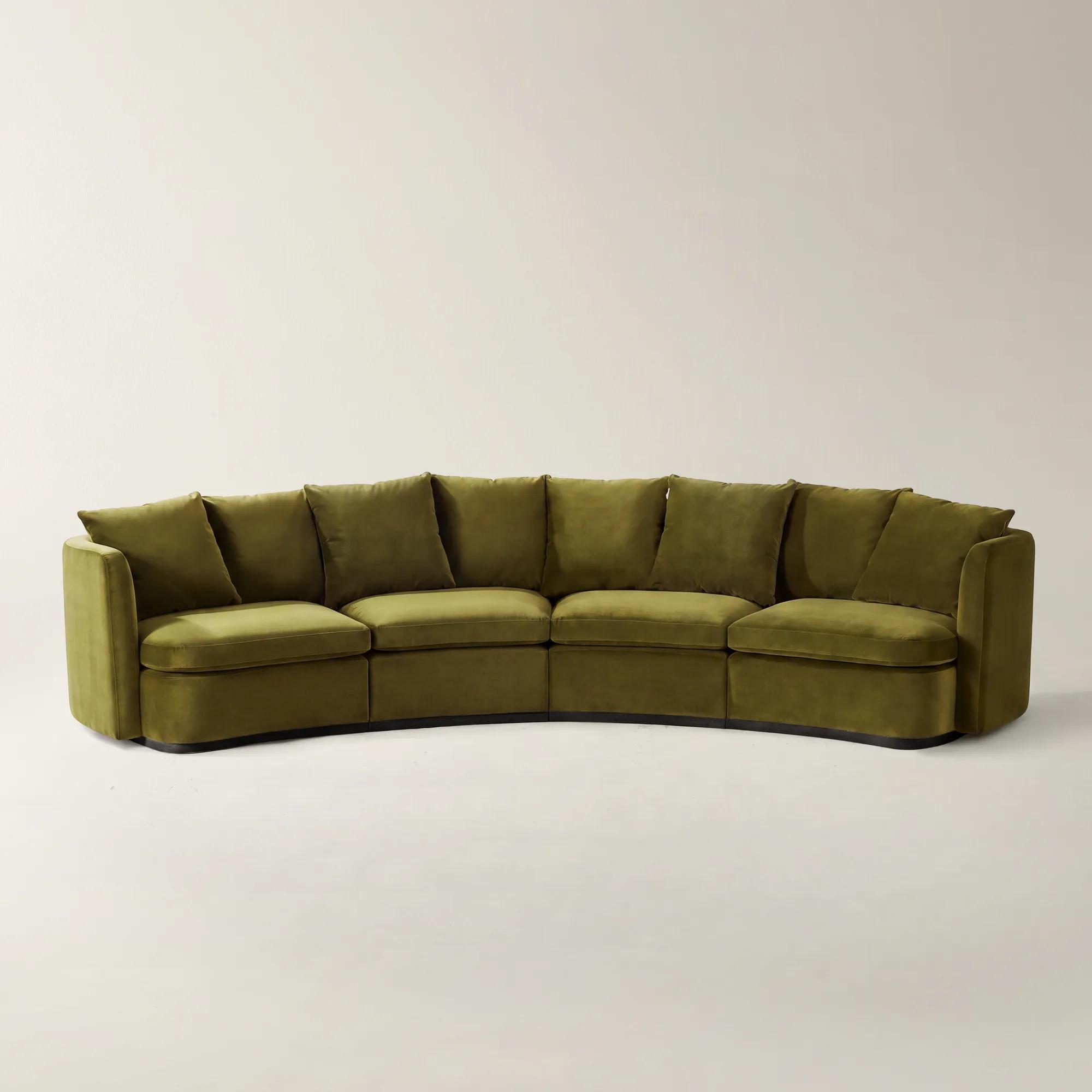
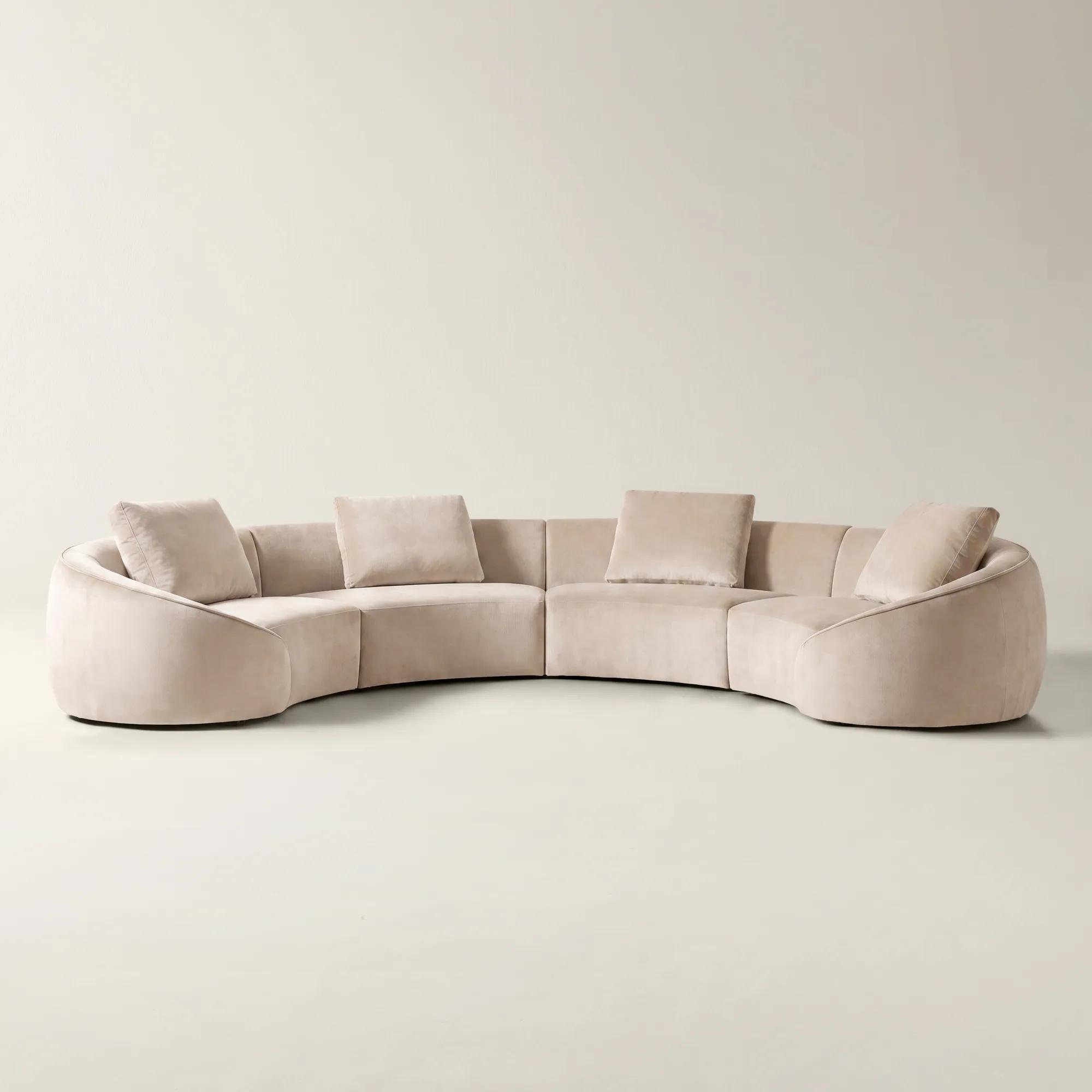
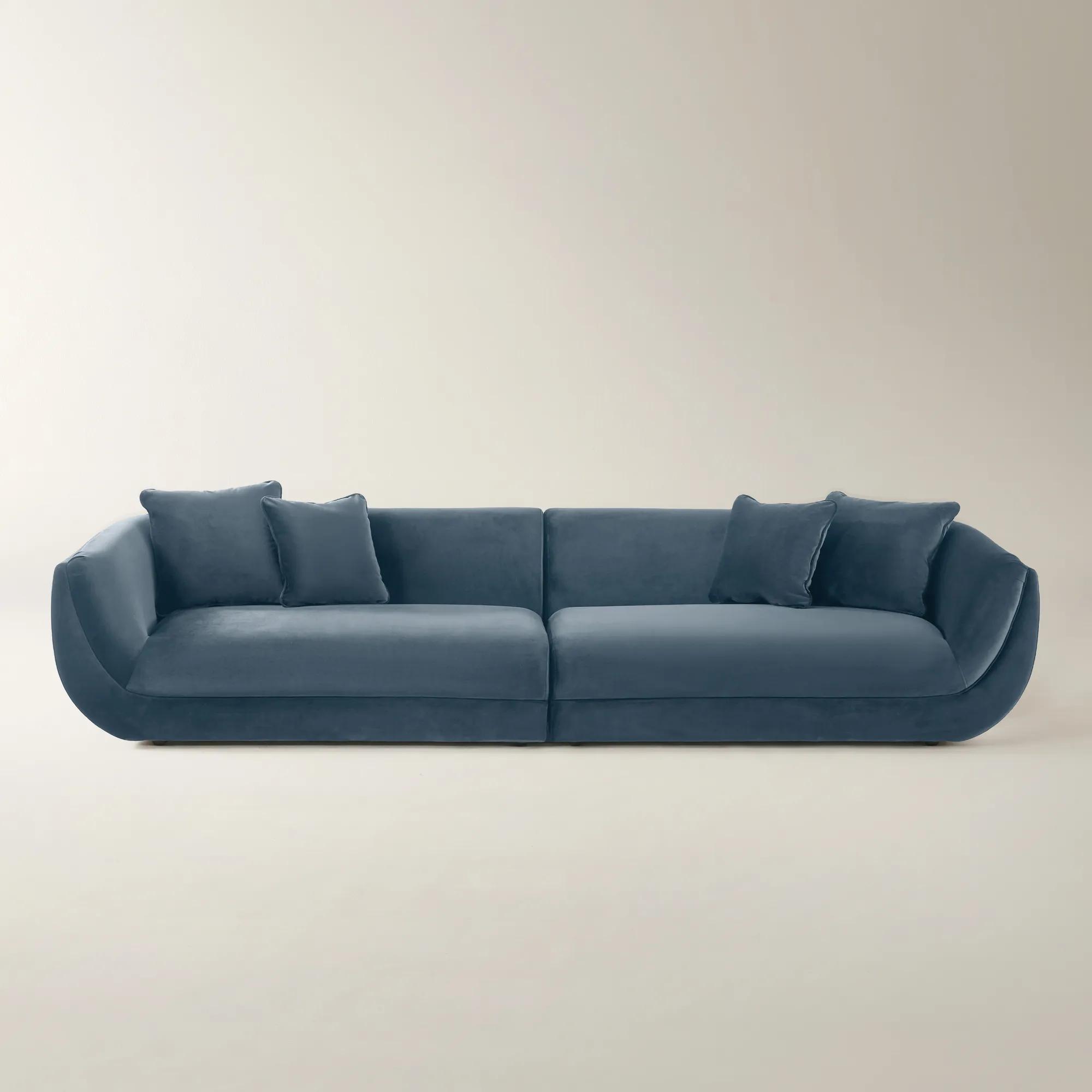
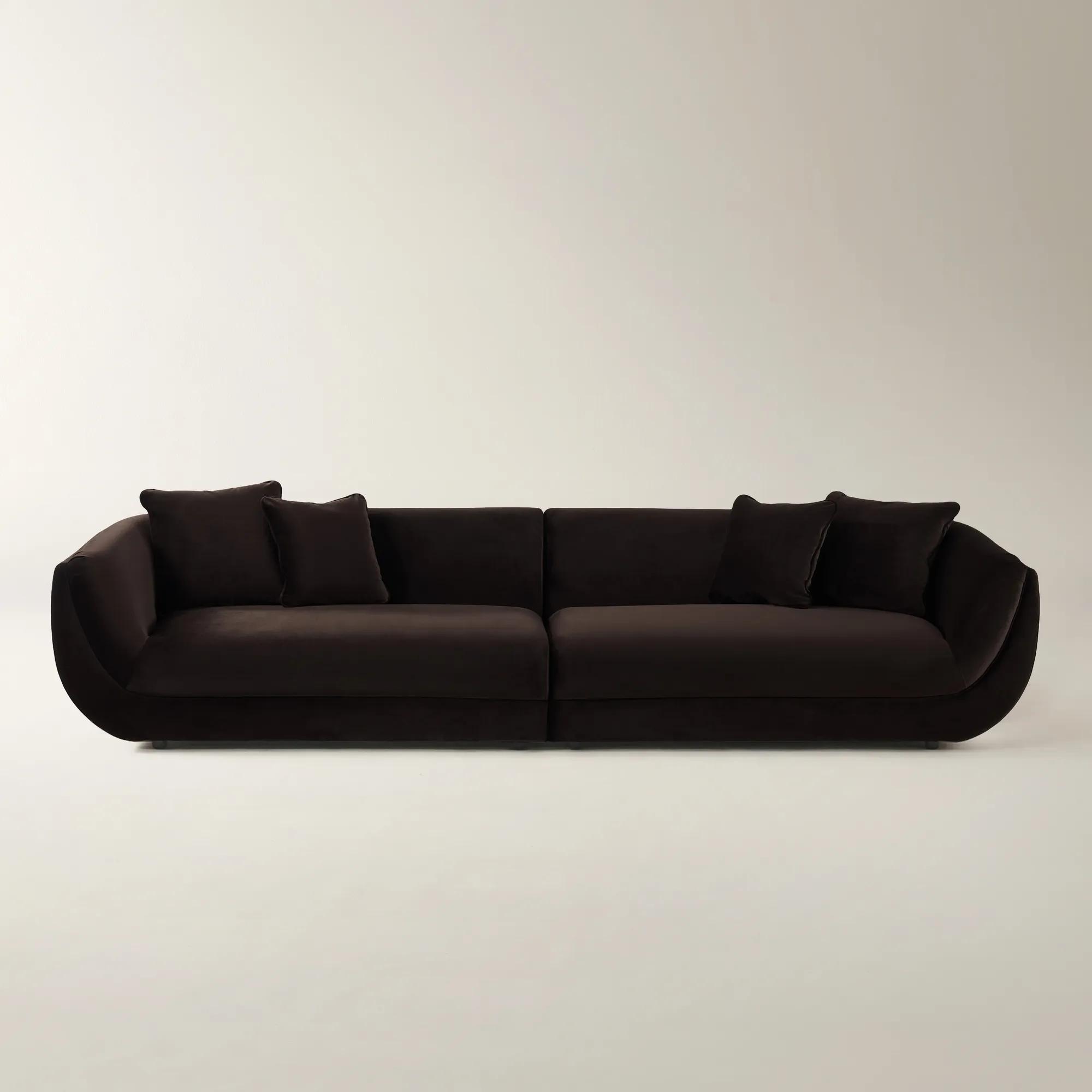
Comfortable Living Room Chairs
Comfortable Living Room Chairs
-
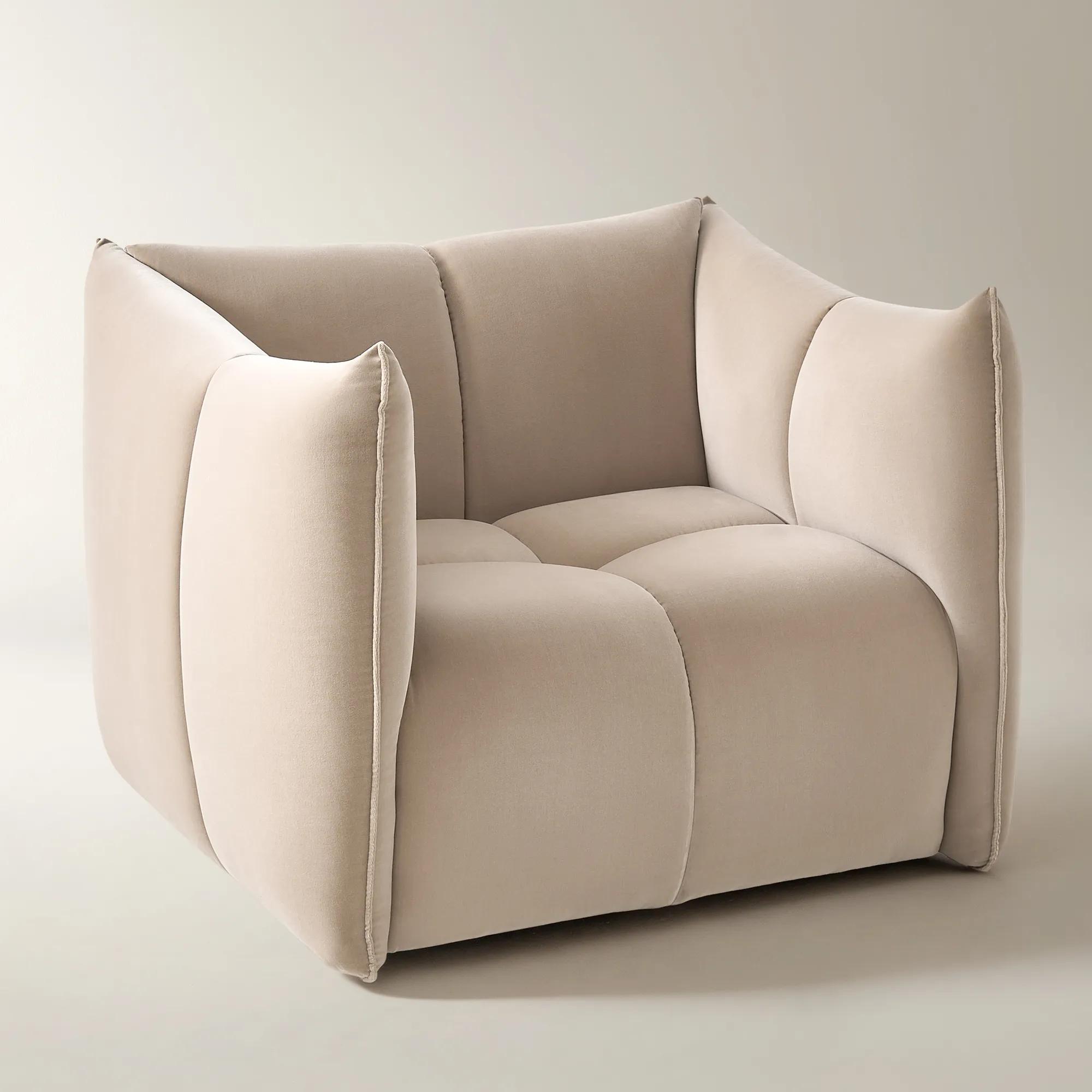 Reina Tufted Simply Taupe Velvet Swivel Chair$1099
A taupe velvet swivel chair with channel tufting, an architectural winged profile, and plush, sculpted comfort.
Add To Cart -
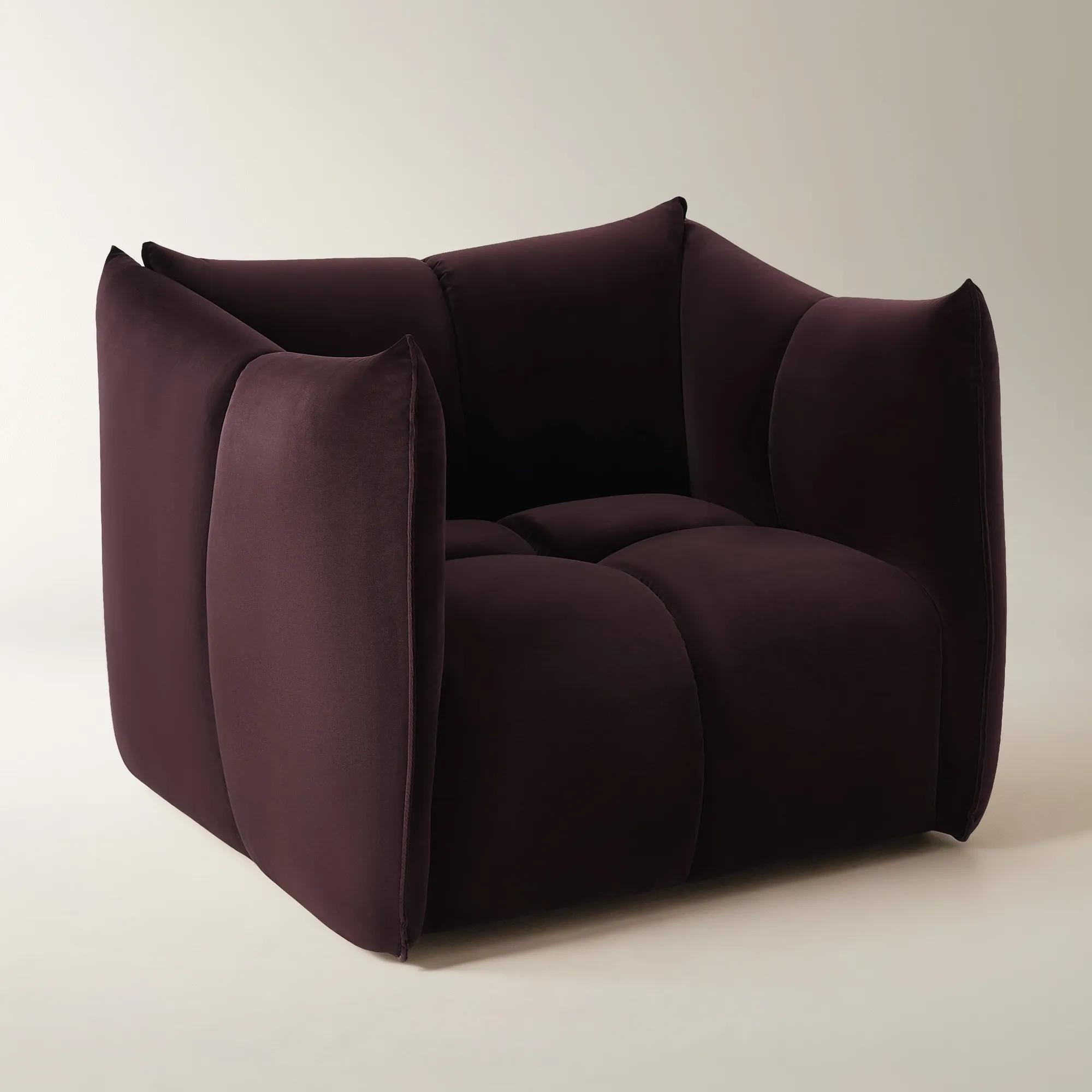 Reina Tufted Fig Velvet Swivel Chair$1099
A fig velvet swivel chair with channel tufting, a sculptural wingback profile, and plush foam cushioning.
Add To Cart -
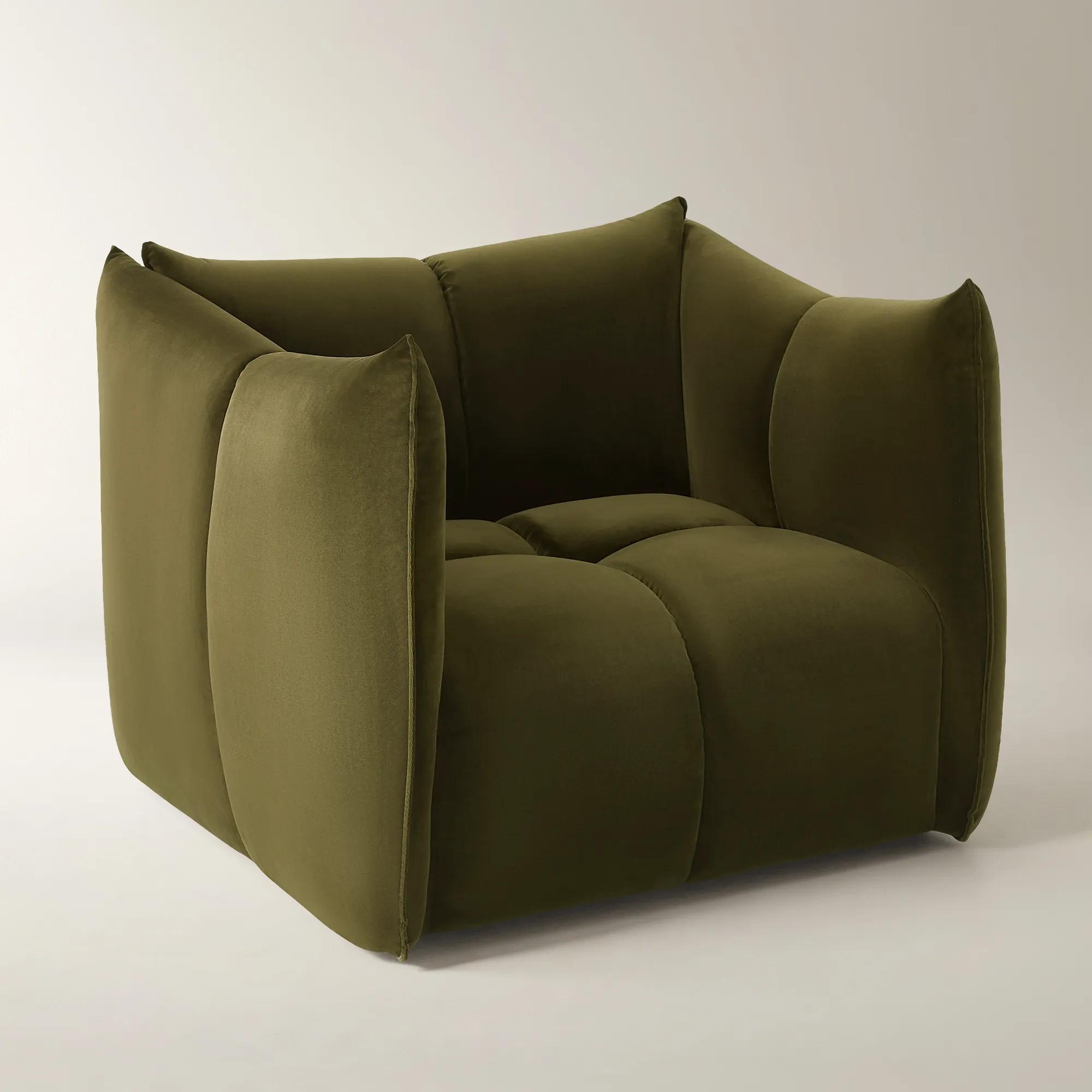 Reina Tufted Deep Olive Velvet Swivel Chair$1099
A green velvet swivel chair with channel tufting, winged architecture, and plush high-density foam comfort.
Add To Cart -
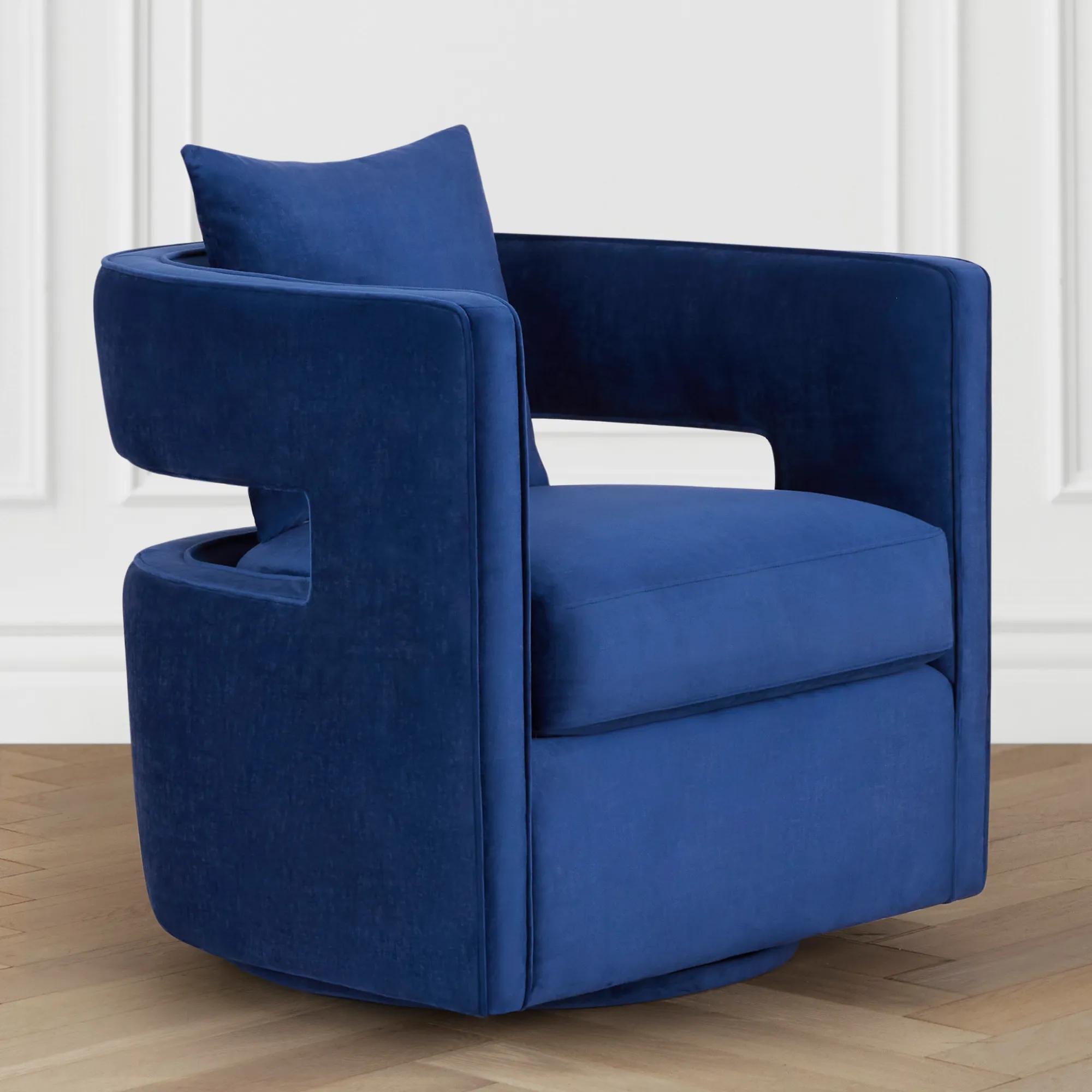
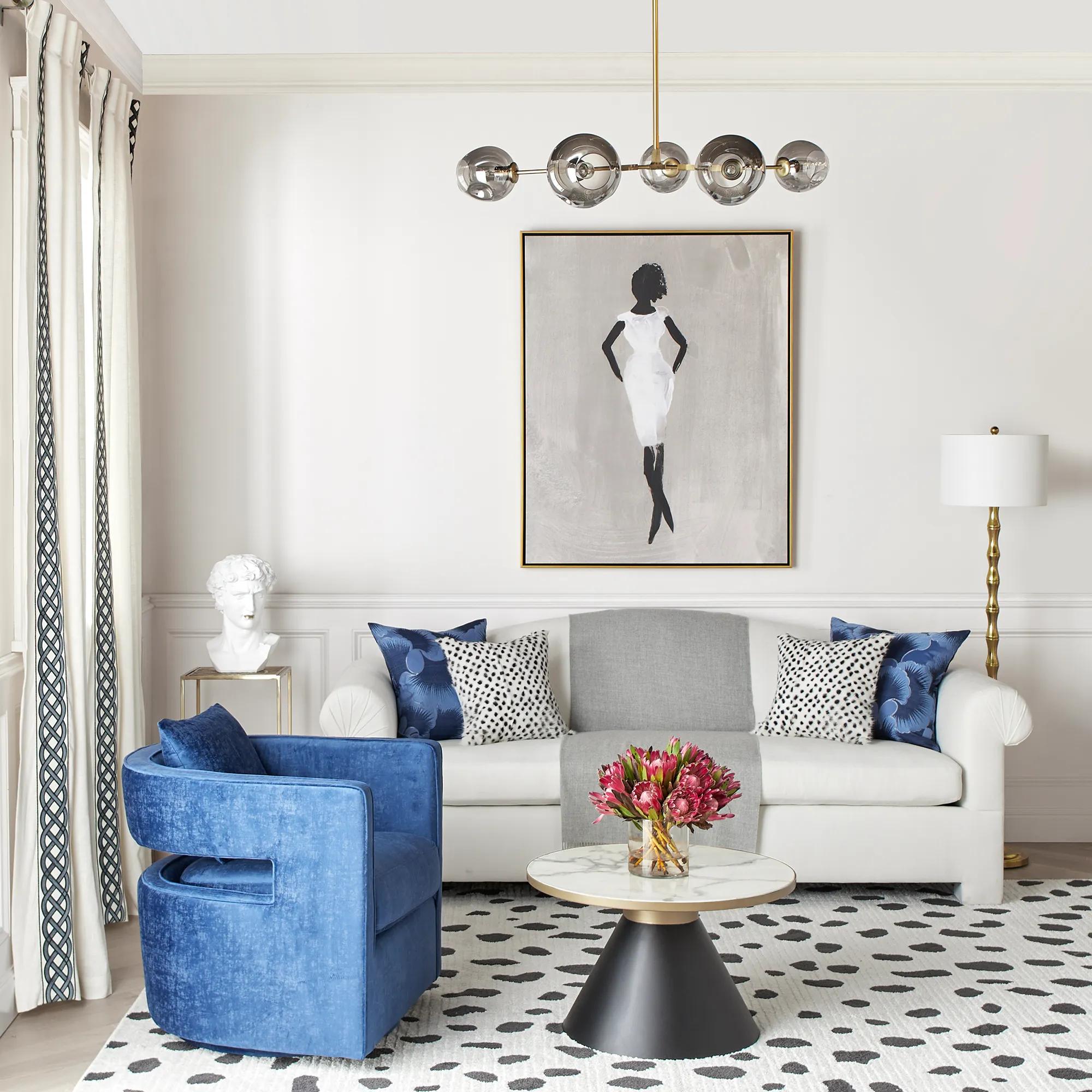 Lottie Navy Velvet Swivel Accent Chair$999
A navy velvet swivel accent chair featuring a sculpted barrel silhouette, open arms, and supportive cushioning.
Add To Cart -

 Aria Pleated Swivel Chair$1349
A barrel-style swivel chair crafted from kiln-dried hardwood and shown in luxurious Bella Velvet Pearl upholstery.
Add To Cart -
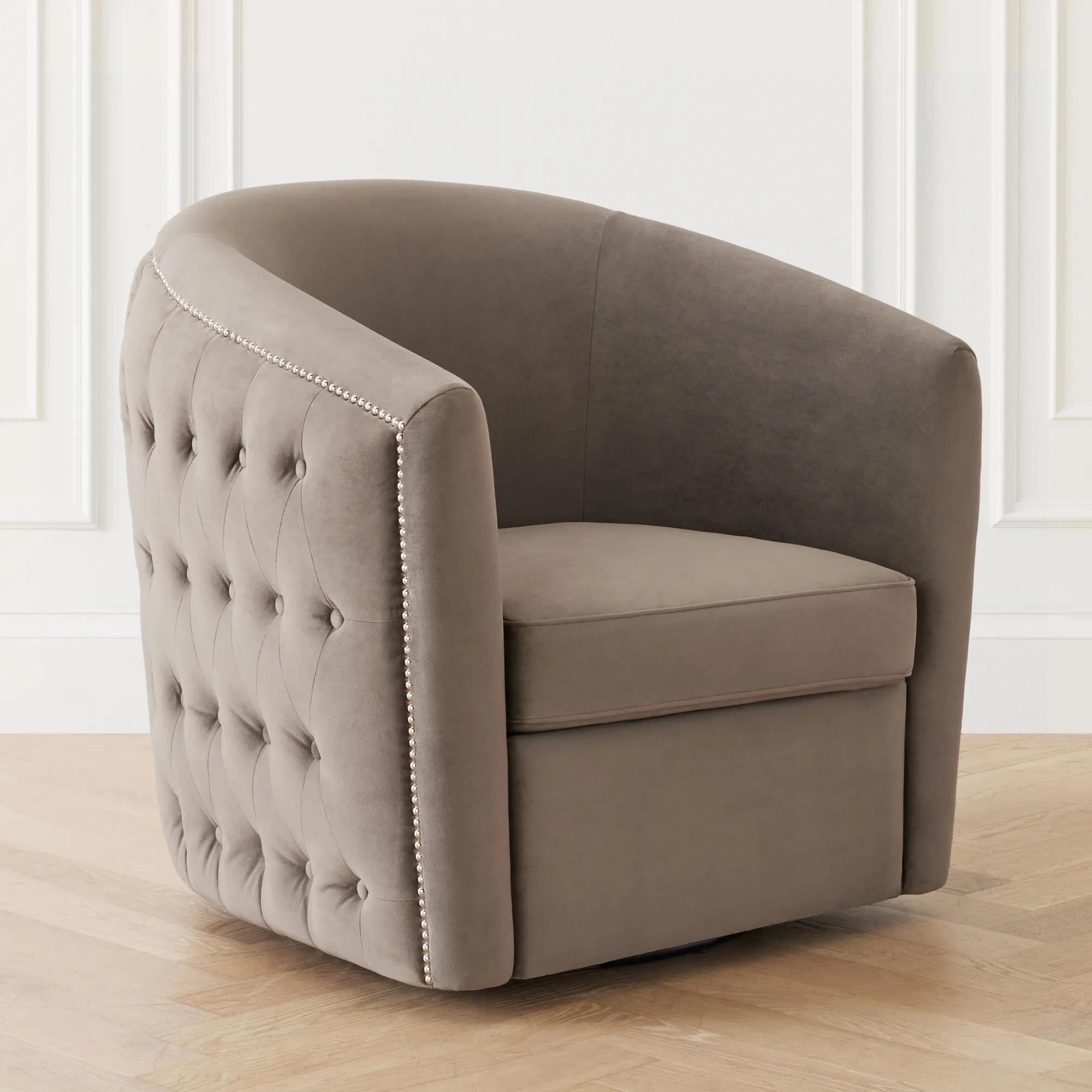
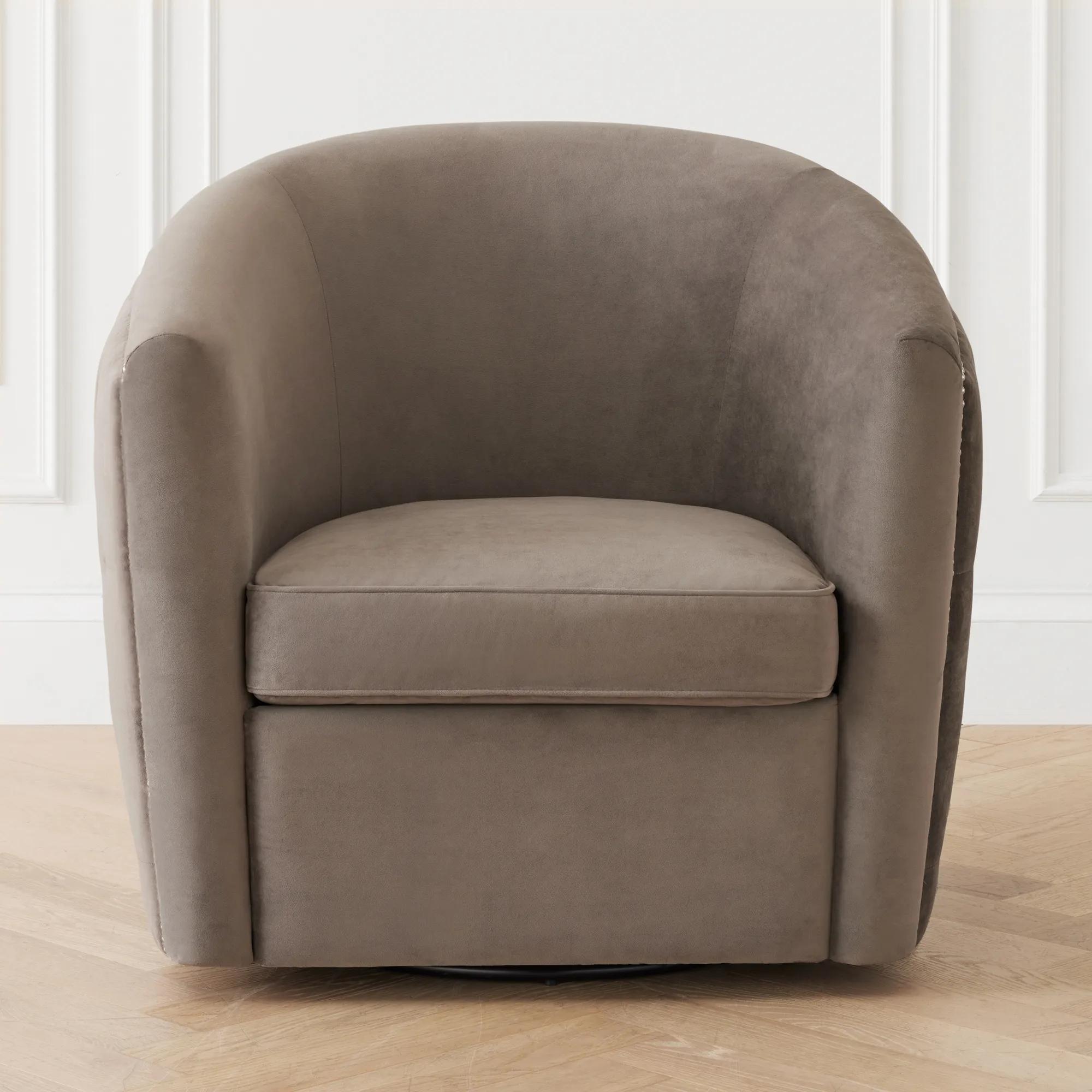 Aria Tufted Swivel Chair$1299
A barrel silhouette swivel chair in kiln-dried hardwood, shown in Bella Velvet Otter with bright nickel nailheads.
Add To Cart -
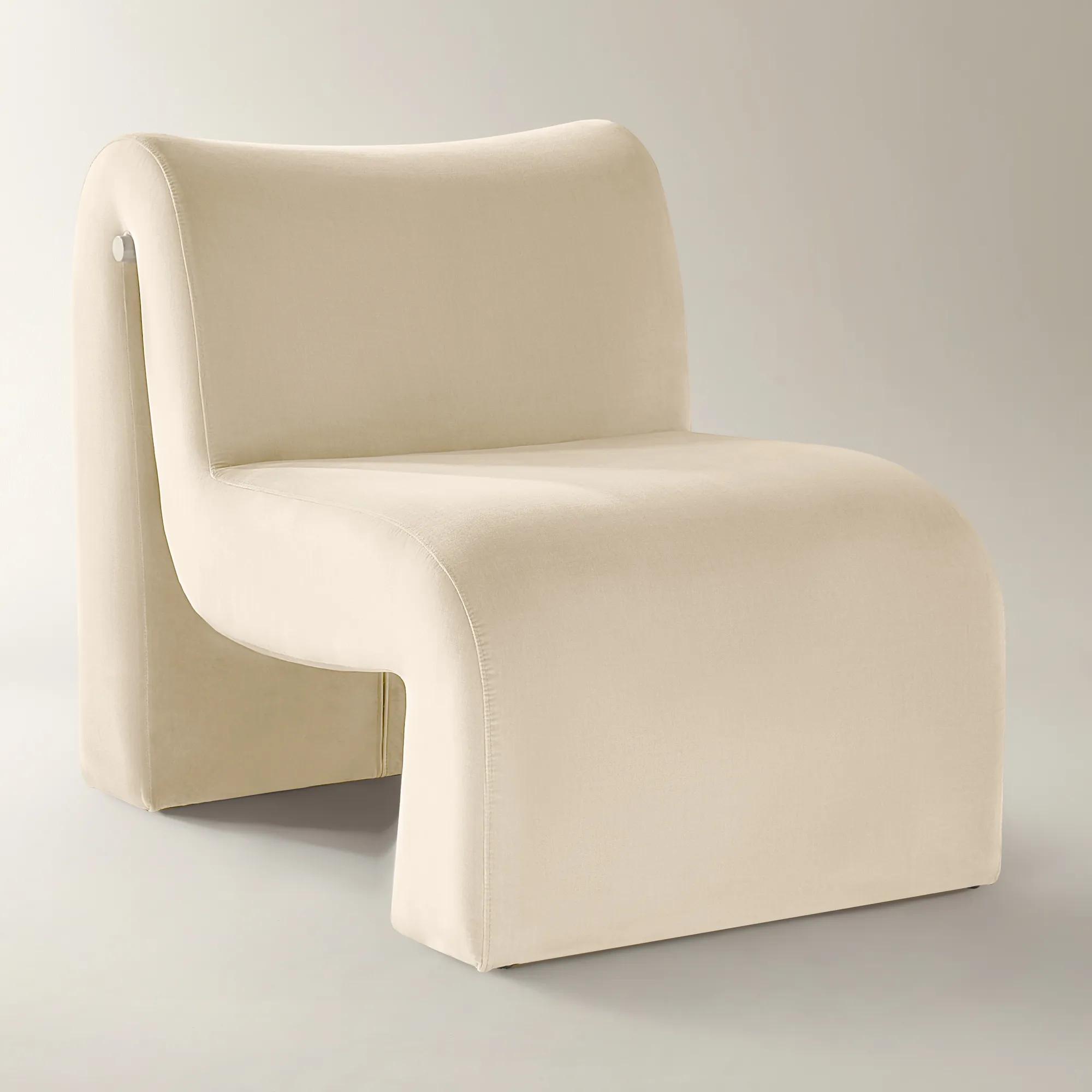 Cora Ivory Velvet Accent Chair$899
A sculpted ivory velvet chair featuring a continuous curved silhouette and a gold stainless-steel accent.
Add To Cart -
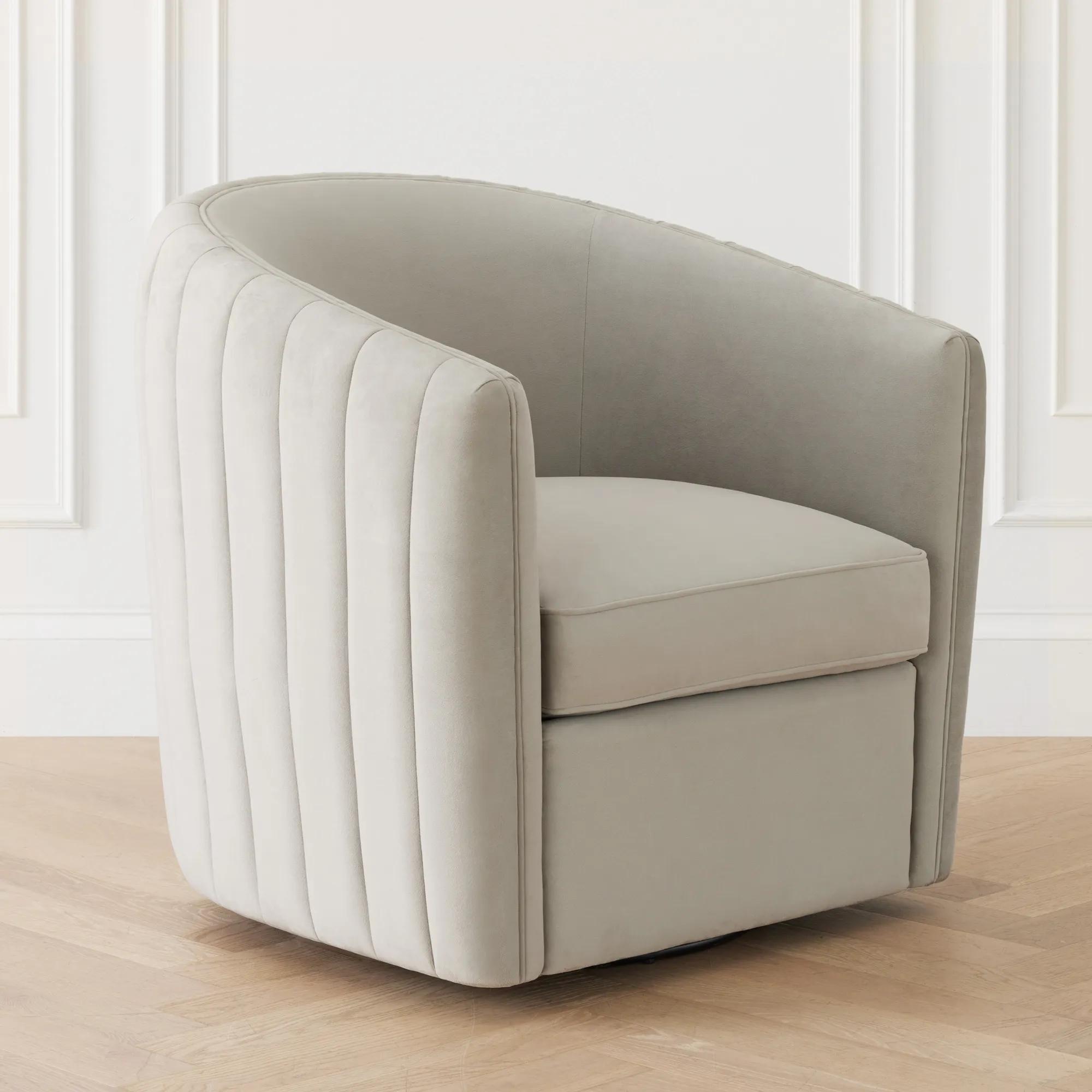
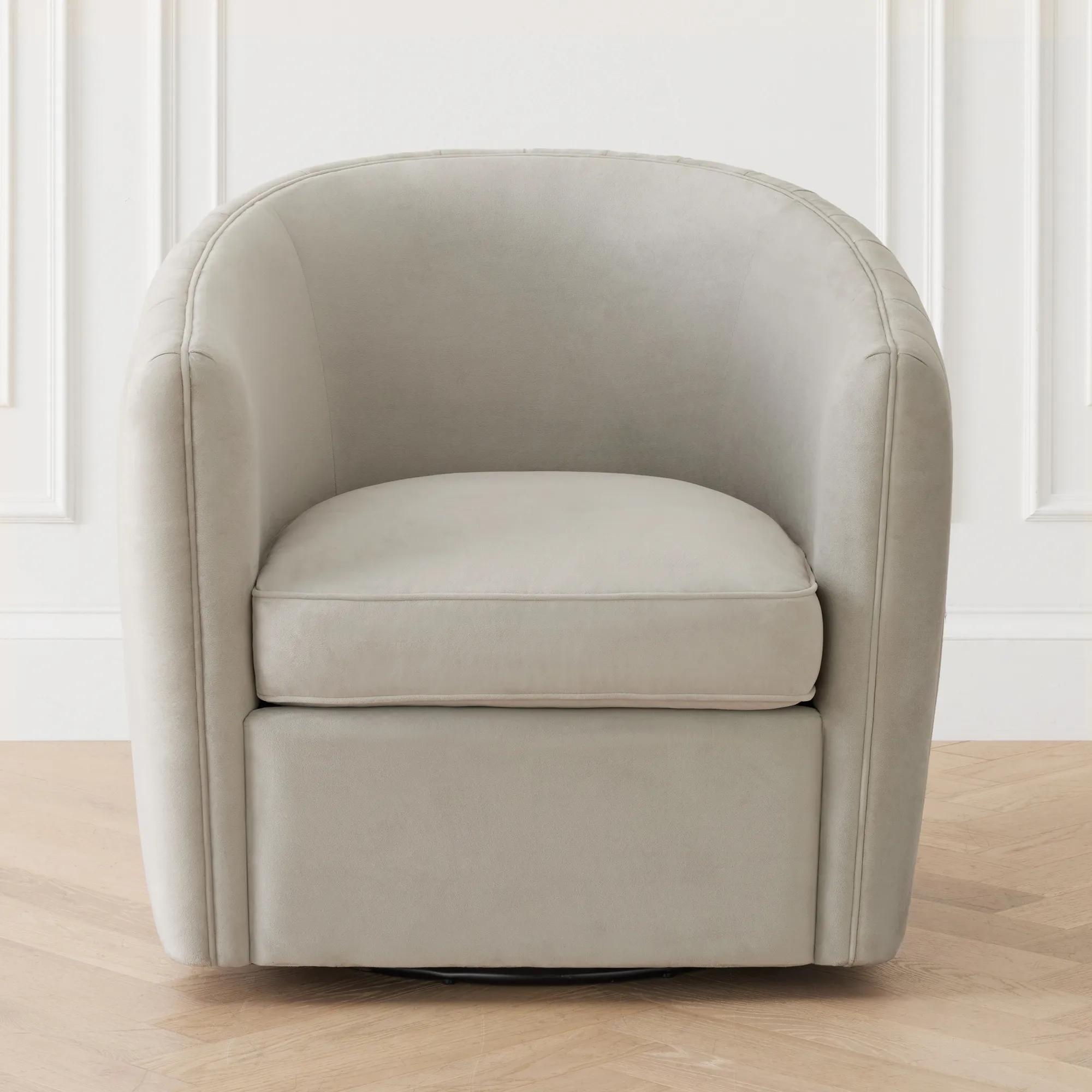 Aria Channeled Swivel Chair$1249
A modern barrel chair in kiln-dried hardwood with channeled velvet upholstery and a smooth swivel base.
Add To Cart -
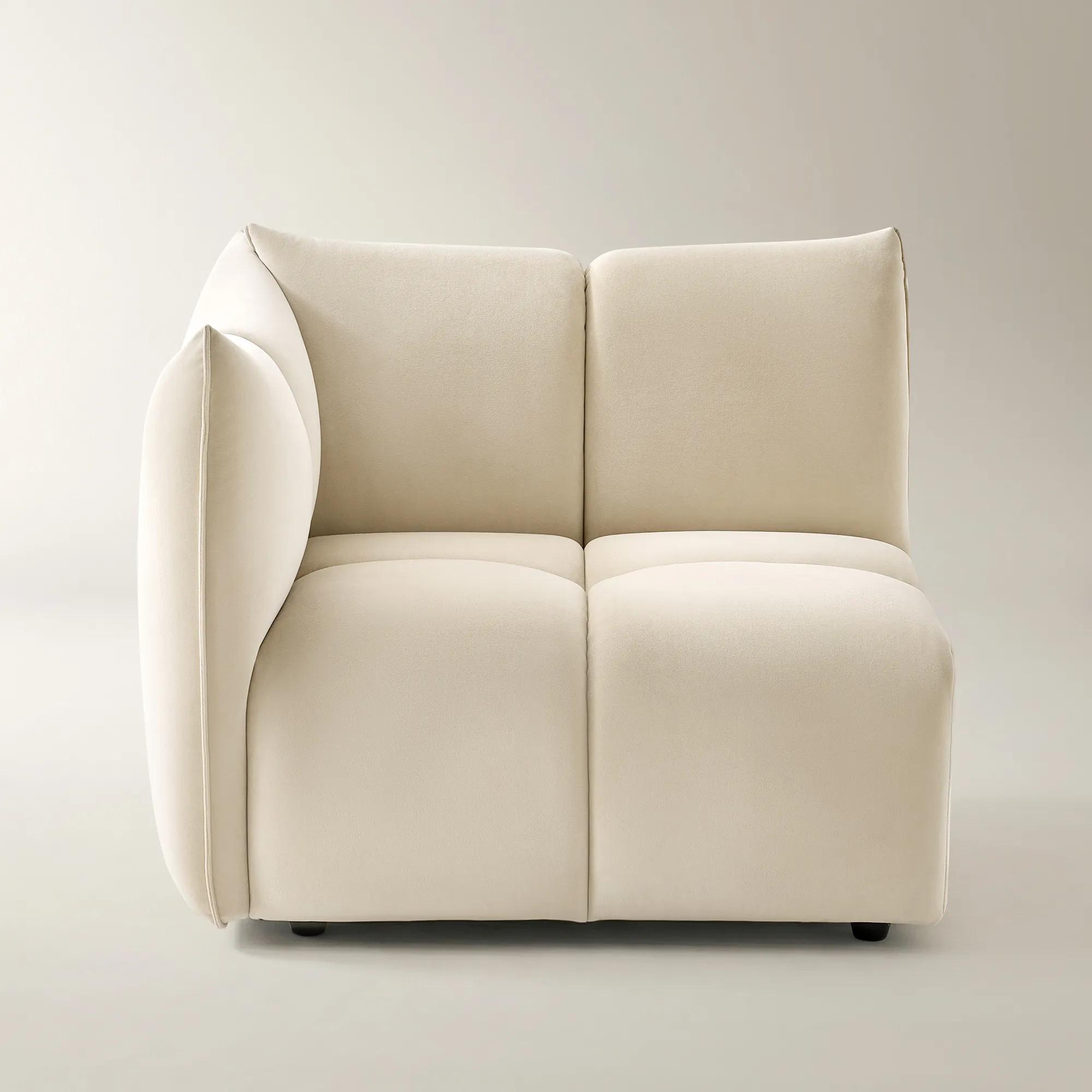 Reina Tufted Oatmeal Velvet Left-Arm Chair$899
A left-arm chair in oatmeal velvet featuring channel tufting, deep seating, and an architectural winged profile.
Add To Cart -
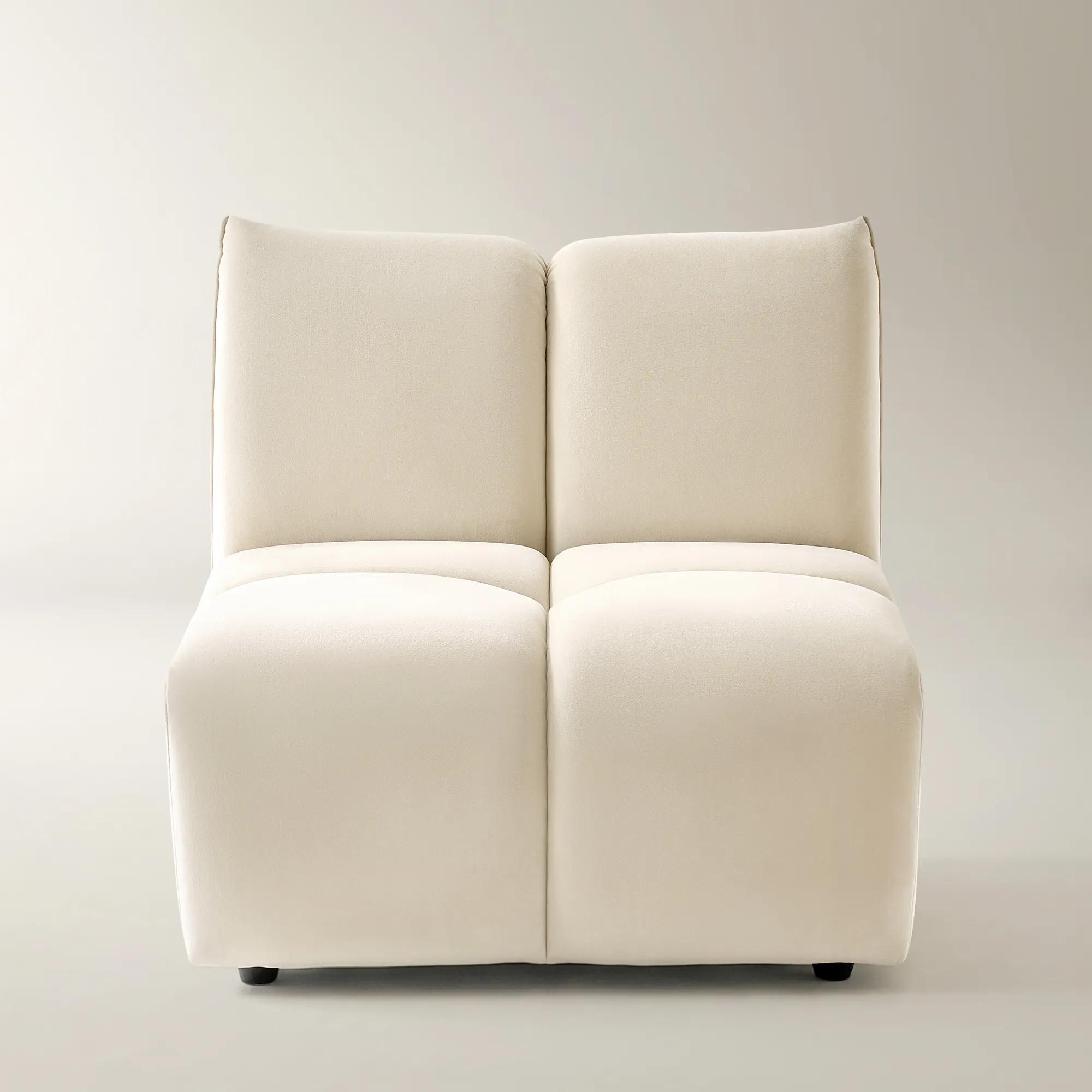
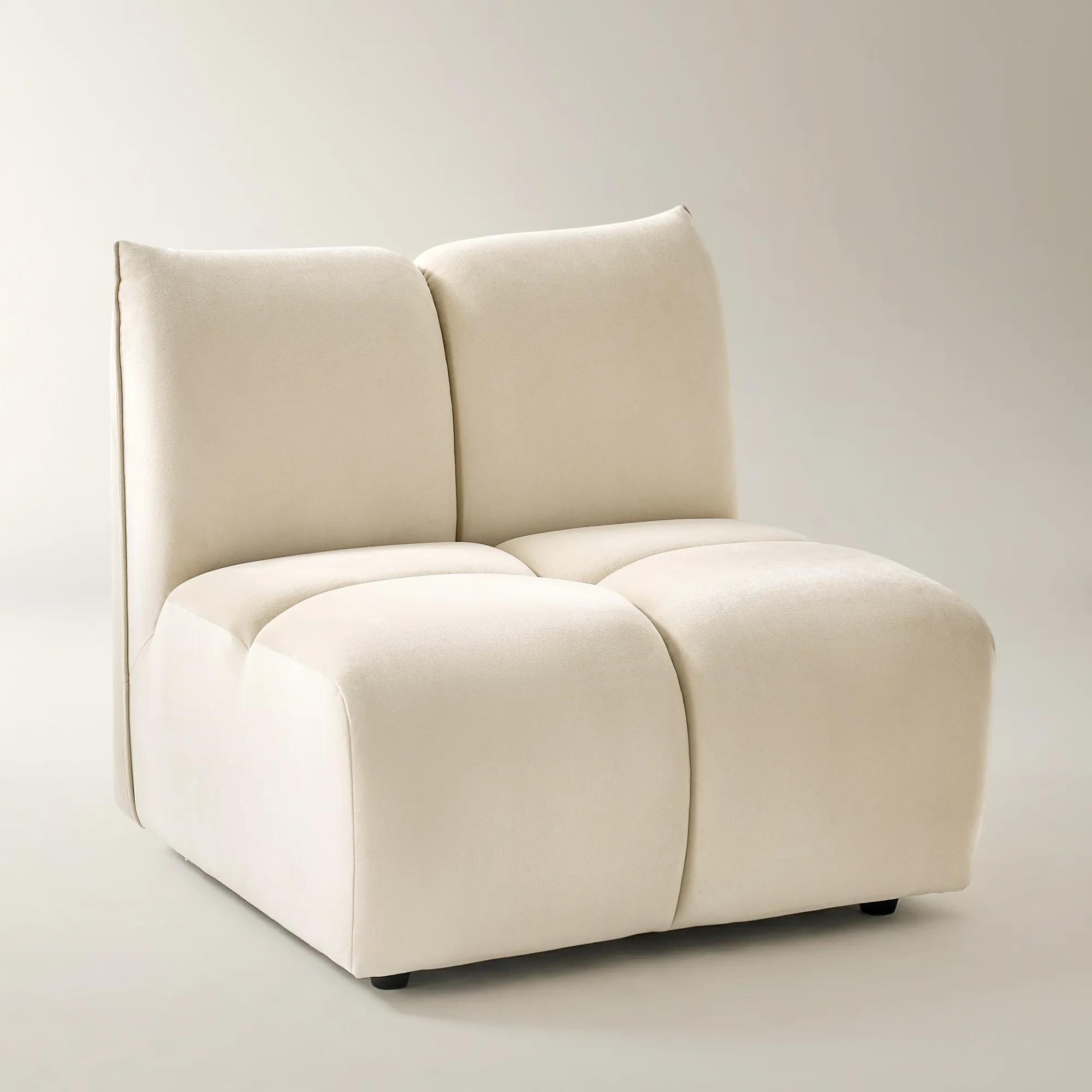 Reina Tufted Oatmeal Velvet Armless Chair$799
A plush oatmeal velvet armless chair featuring channel tufting, deep seating, and an architectural winged profile.
Add To Cart -
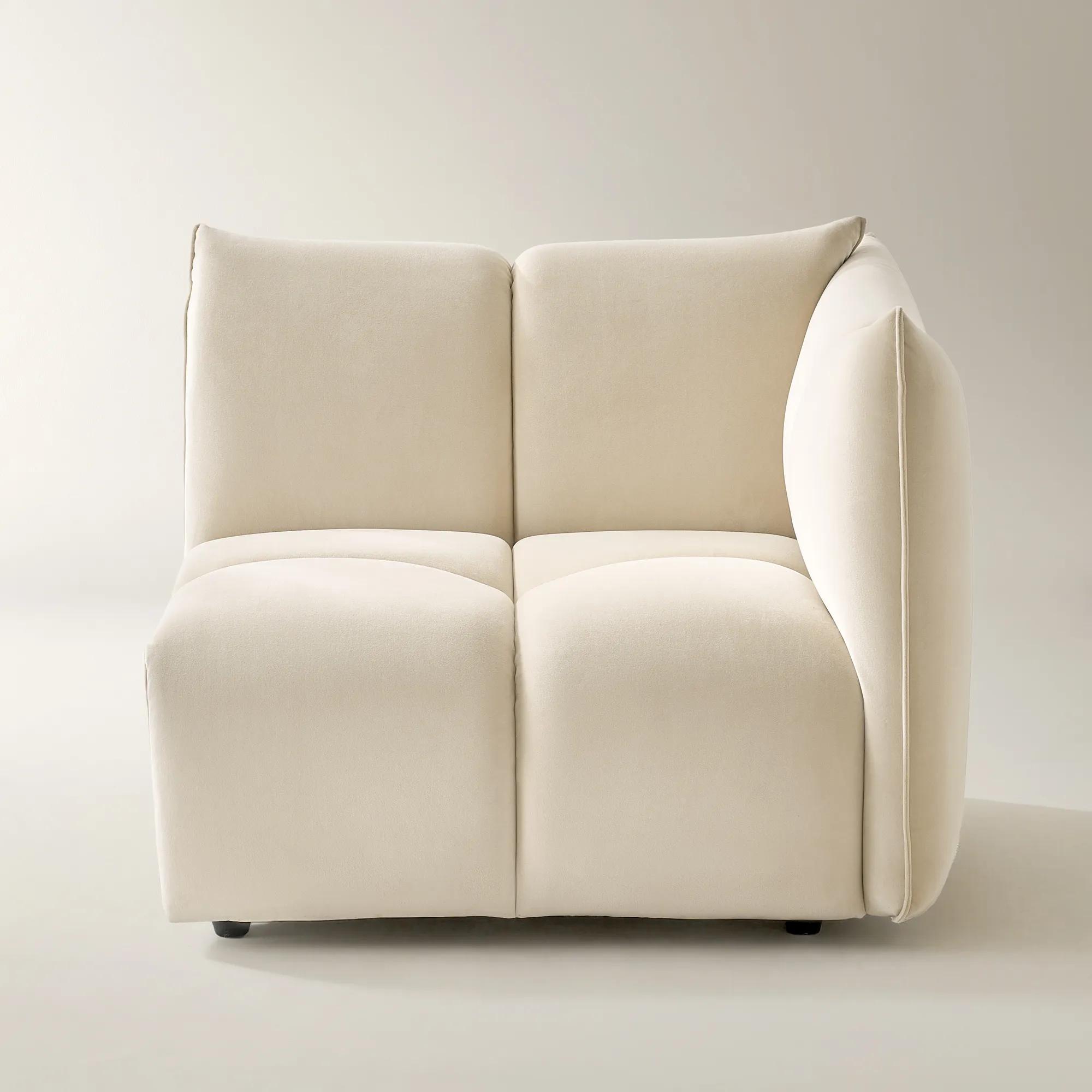
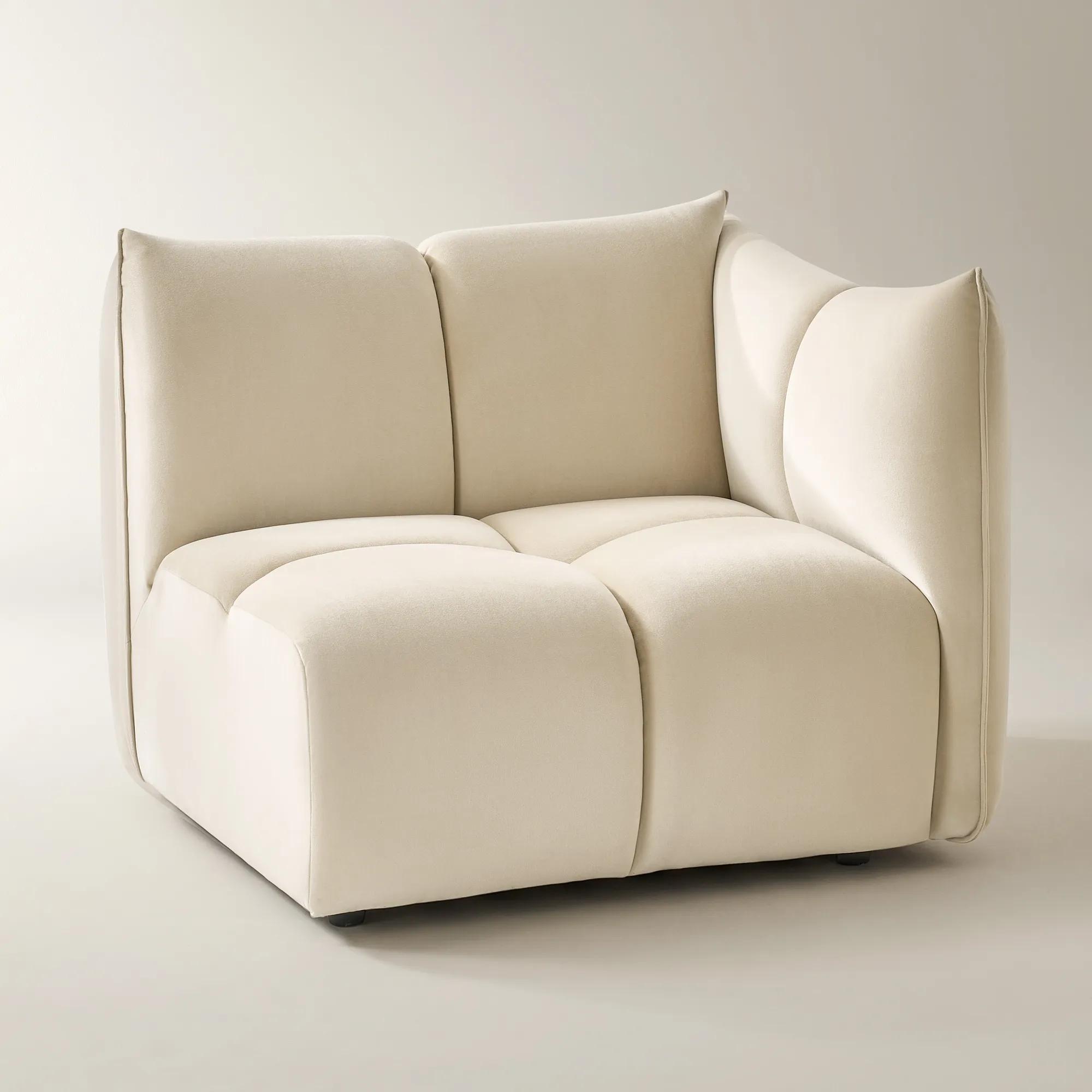 Reina Tufted Oatmeal Velvet Right-Arm Chair$899
A right-arm chair in oatmeal velvet featuring channel tufting, winged sides, and deep, plush seating.
Add To Cart -
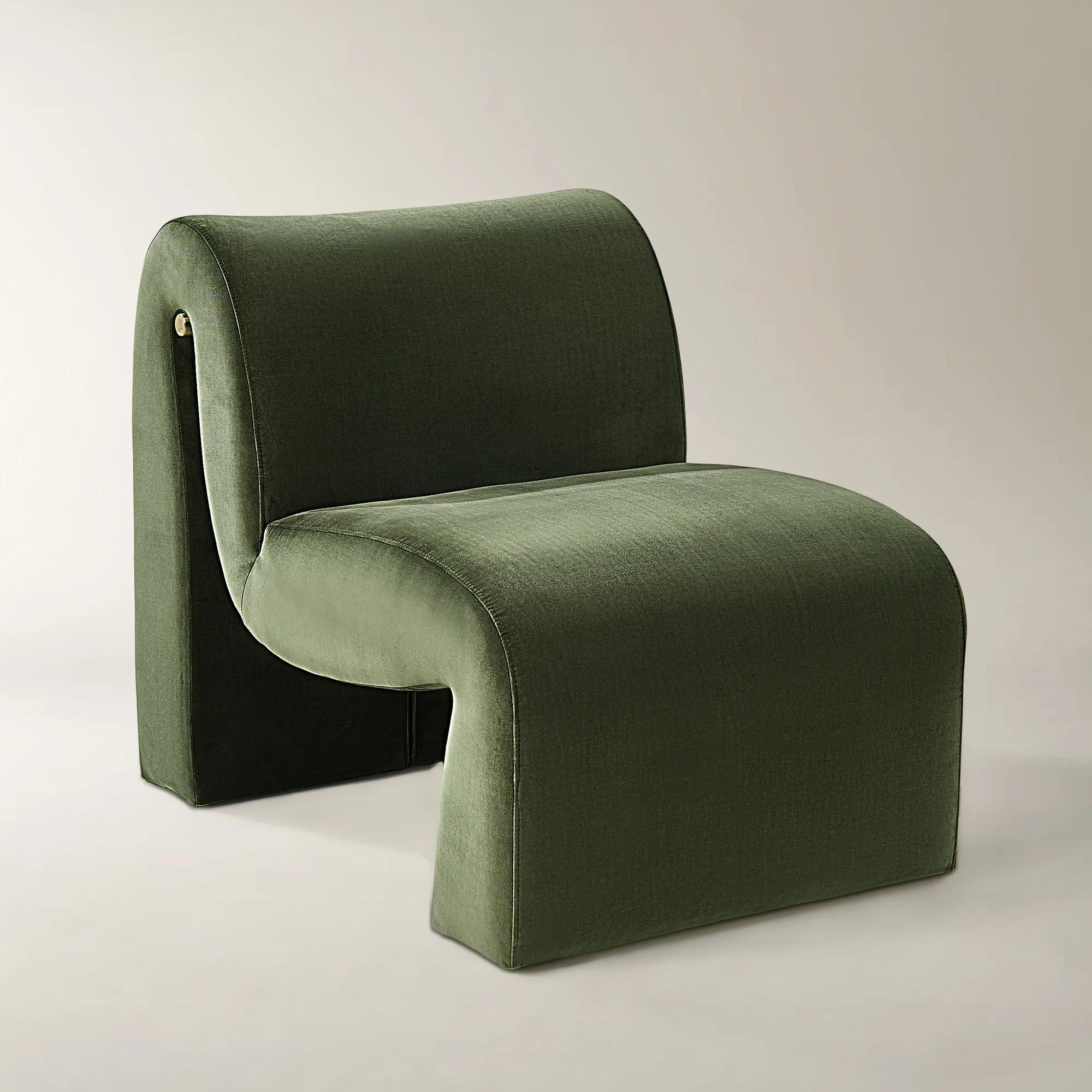
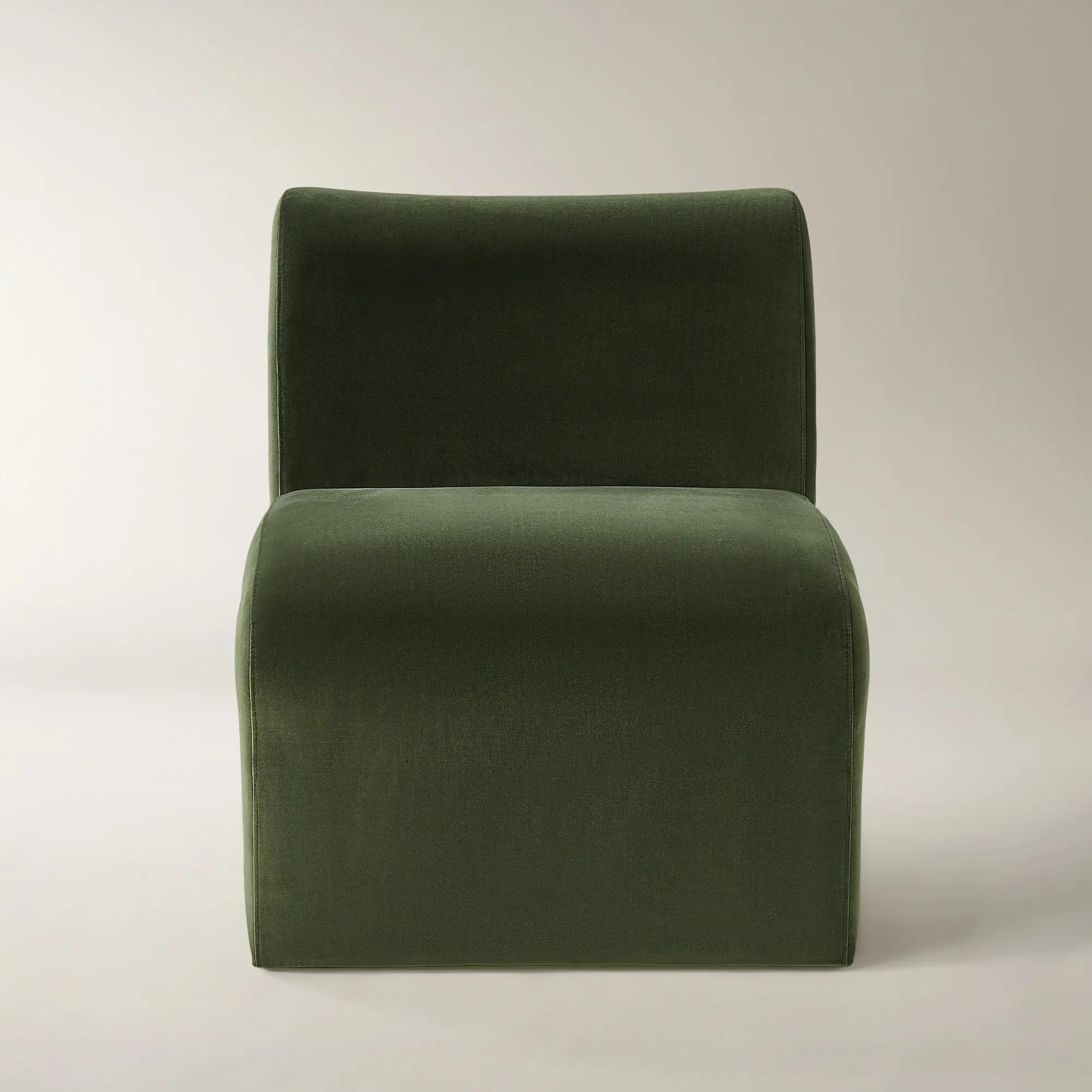 Cora Jade Green Velvet Accent Chair$899
A sculpted accent chair in jade green velvet with a gold stainless-steel inlay for refined glamour.
Add To Cart -
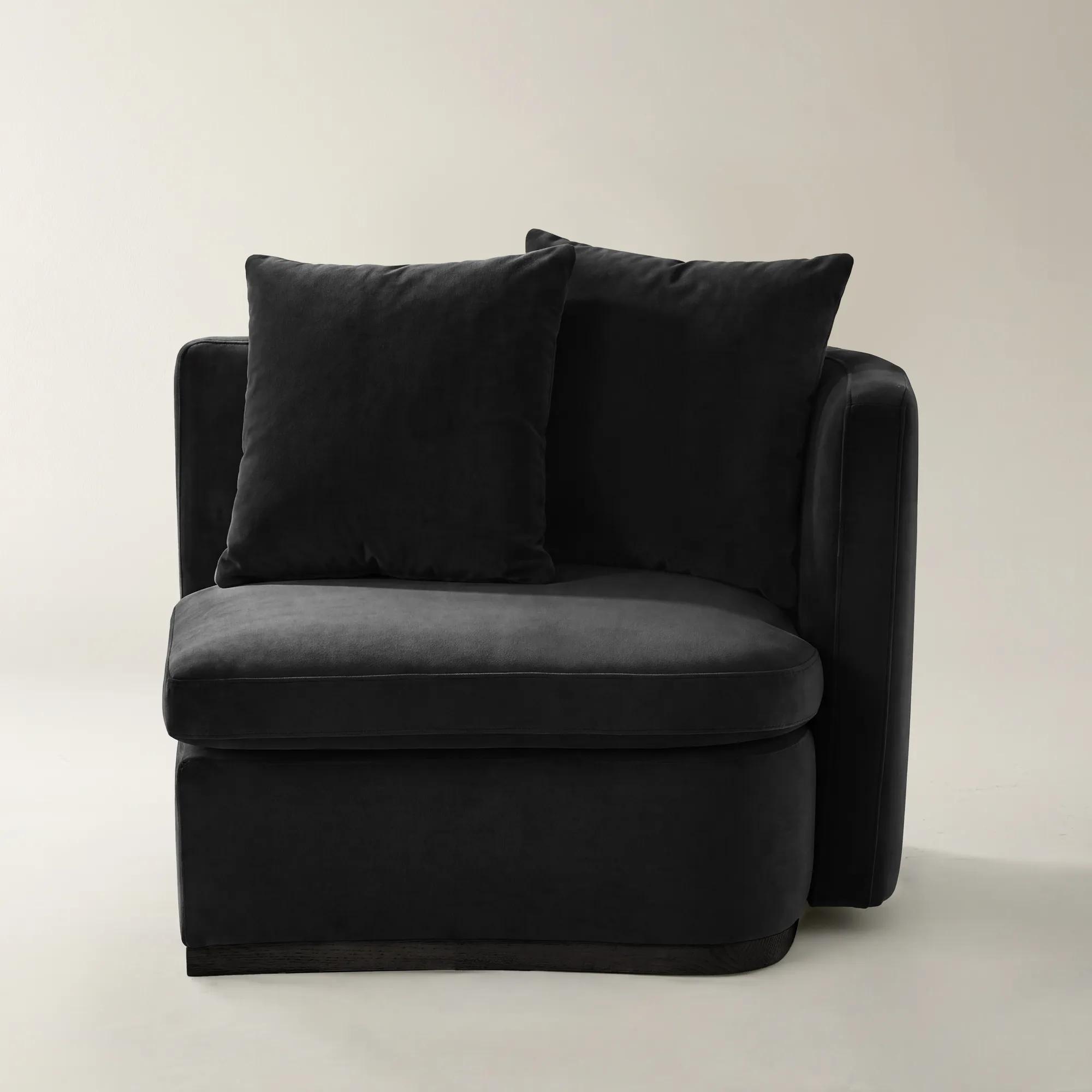 Stria Charcoal Velvet Right-Arm Chair$1199
A charcoal velvet chair featuring a kiln-dried wood frame, solid oak base, and layered down-blend cushioning.
Add To Cart -
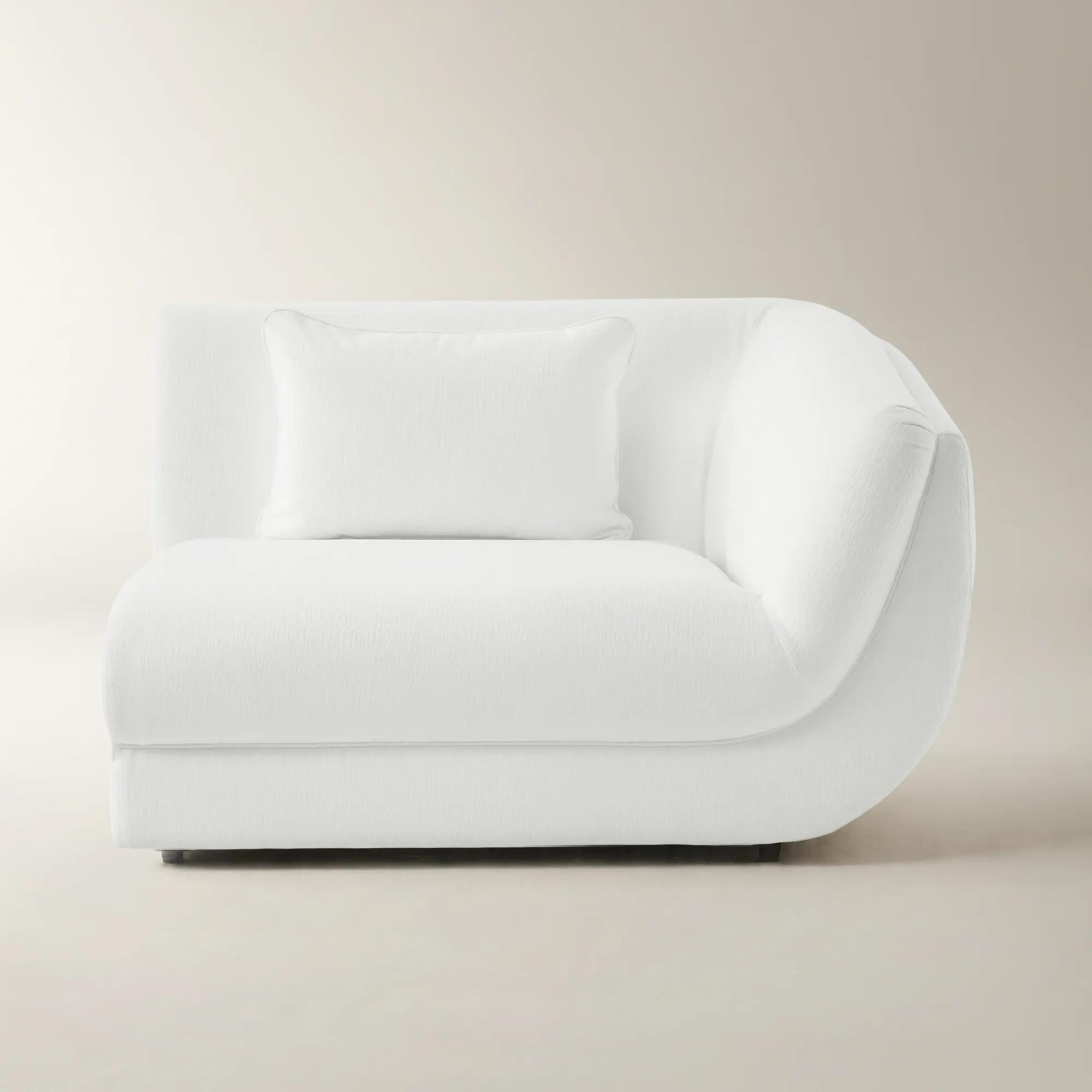 Curvia White Performance Chenille Indoor/Outdoor Right-Arm Chair$1449
A sculptural right-arm chair in white performance chenille, designed for plush comfort indoors or outdoors.
Add To Cart -
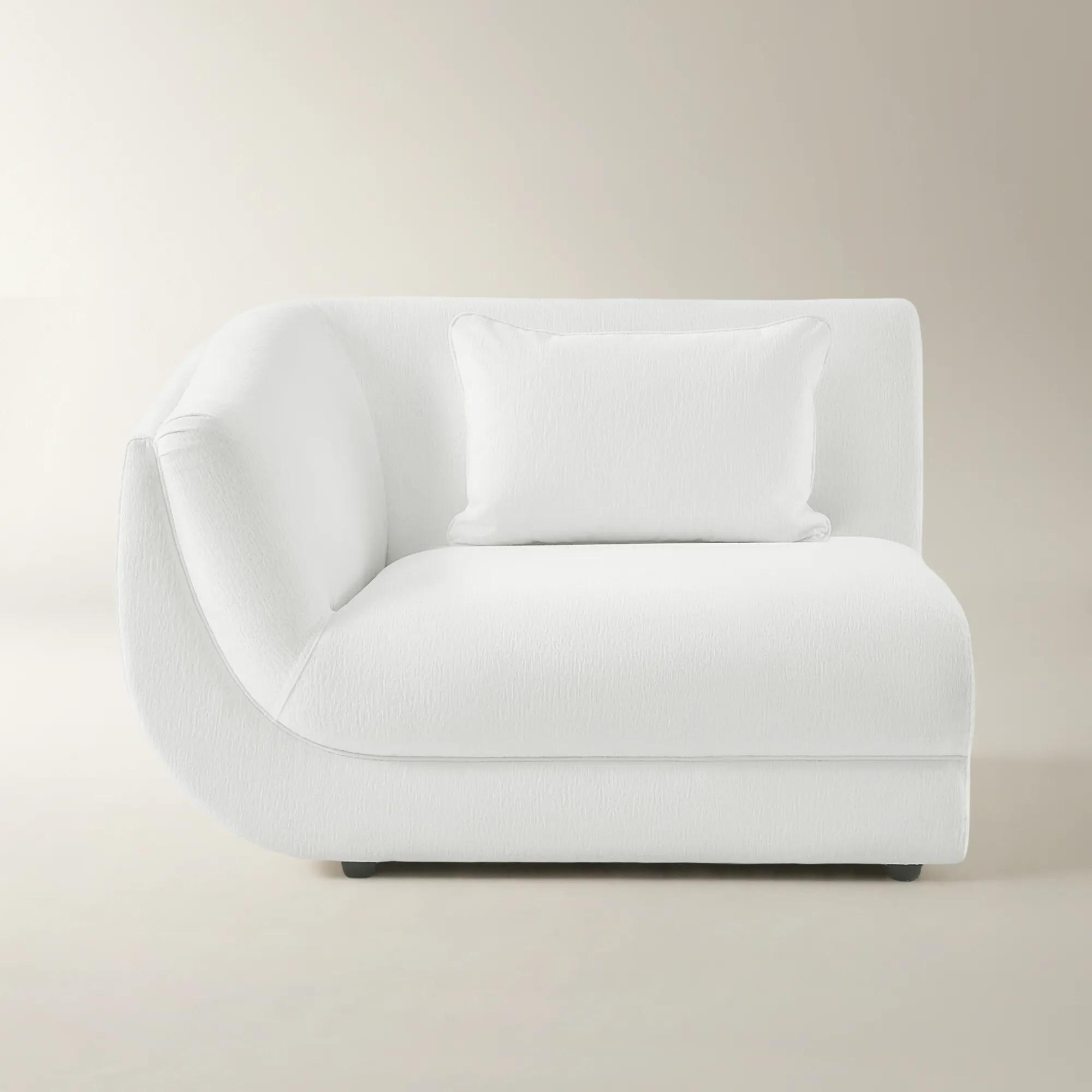 Curvia White Performance Chenille Indoor/Outdoor Left-Arm Chair$1449
A sculptural white chenille chair with plush cushioning, moisture-resistant backing, and indoor/outdoor versatility.
Add To Cart -
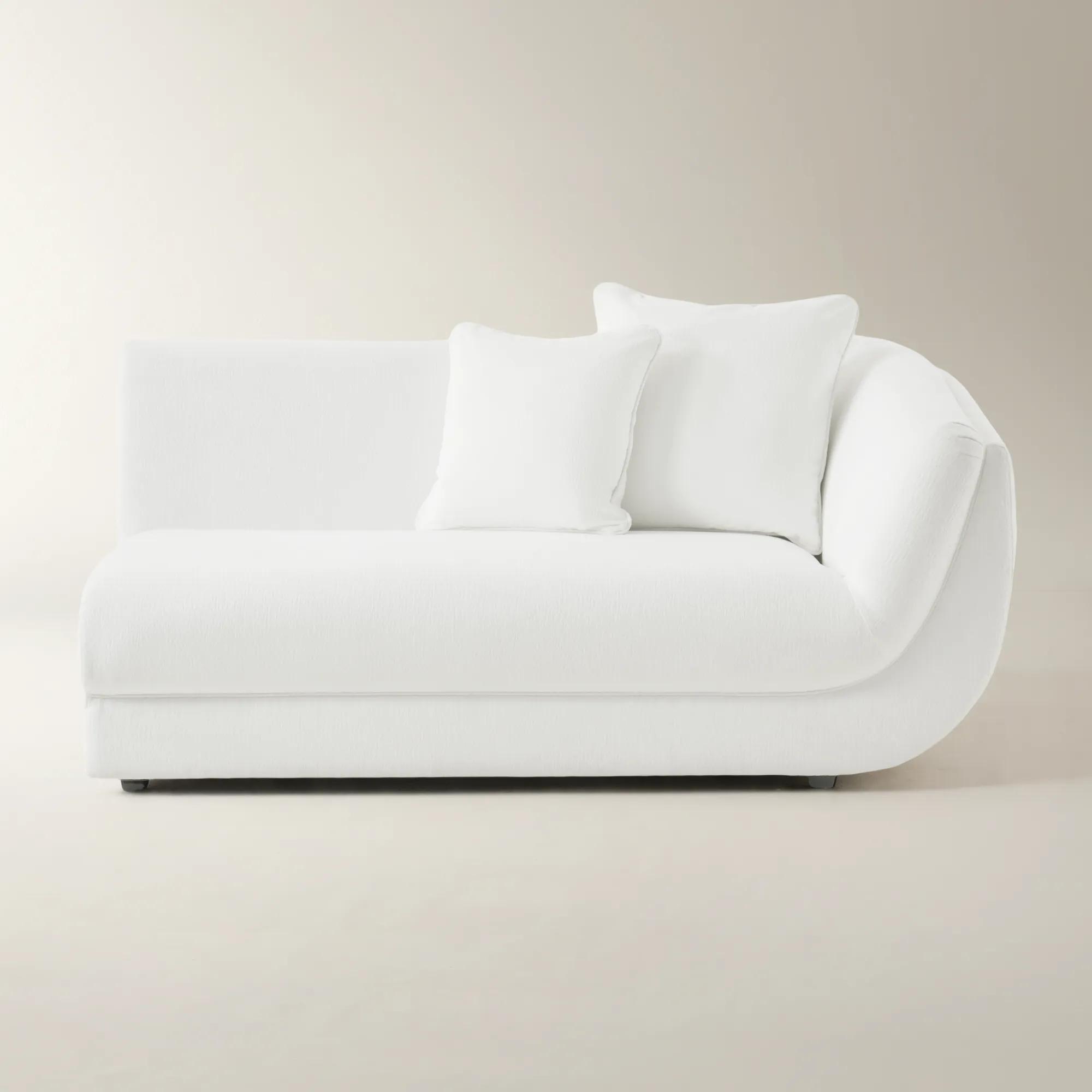 Curvia White Performance Chenille Indoor/Outdoor Grand Right-Arm Chair$1549
A sculptural white chenille chair featuring plush cushions, weather-resistant design, and indoor/outdoor versatility.
Add To Cart -
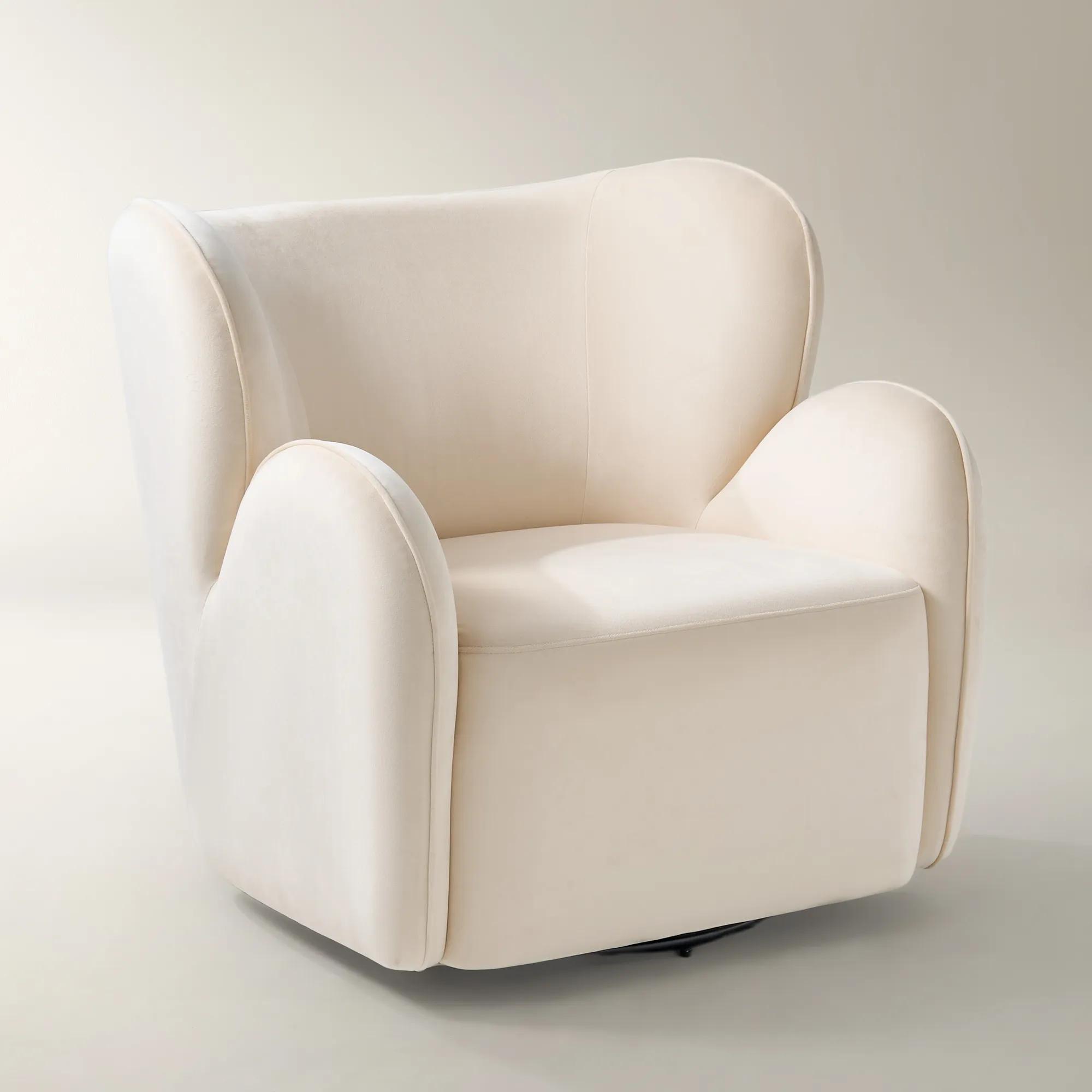
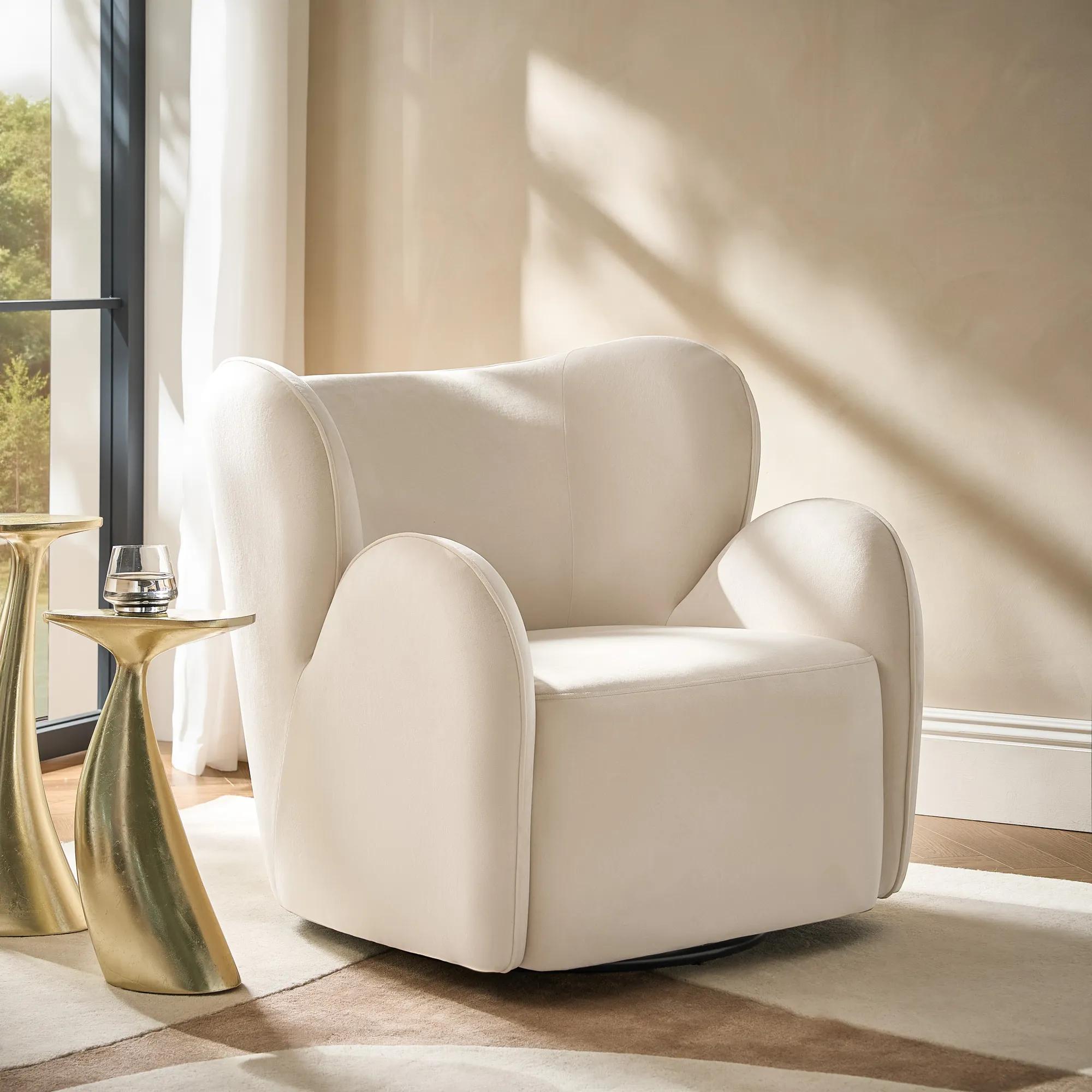 Ceres Ivory Velvet Swivel Accent Chair$799
An ivory velvet accent chair featuring a curved silhouette, 360° swivel, and plush, supportive cushioning.
Add To Cart -
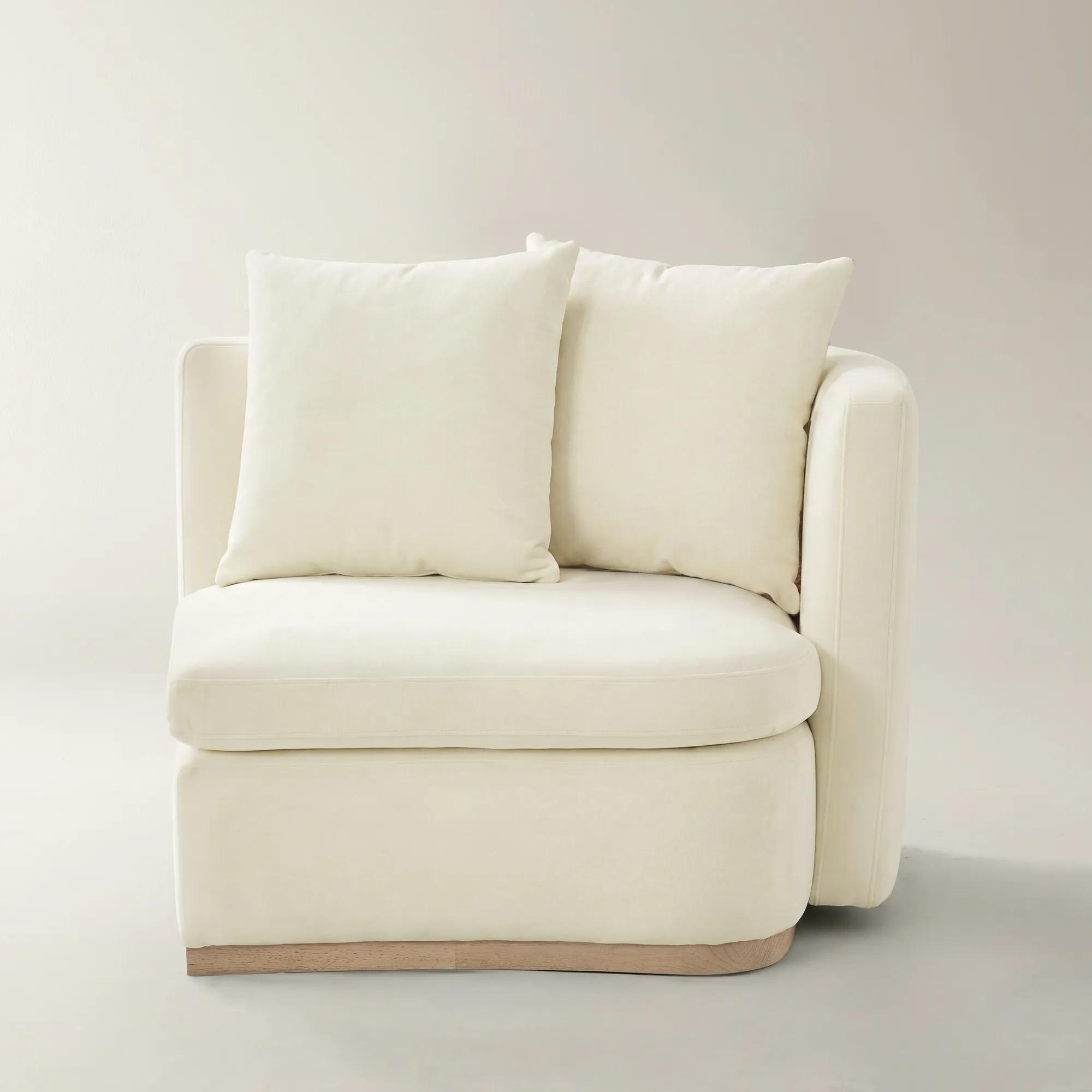 Stria Cloud Velvet Right-Arm Chair$1199
A sculptural chair upholstered in cloud velvet, featuring layered cushioning, softly curved edges, and a solid oak base.
Add To Cart -
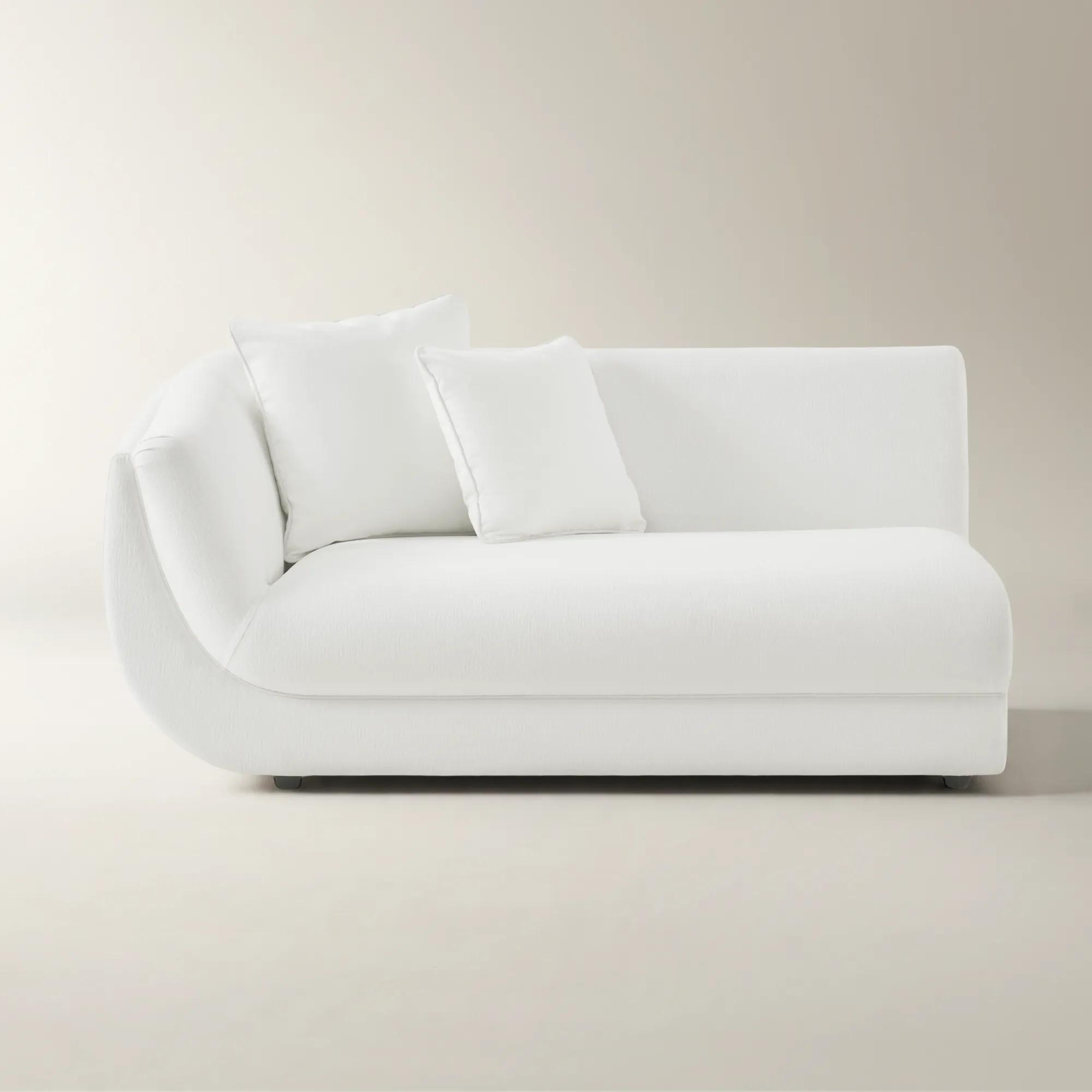
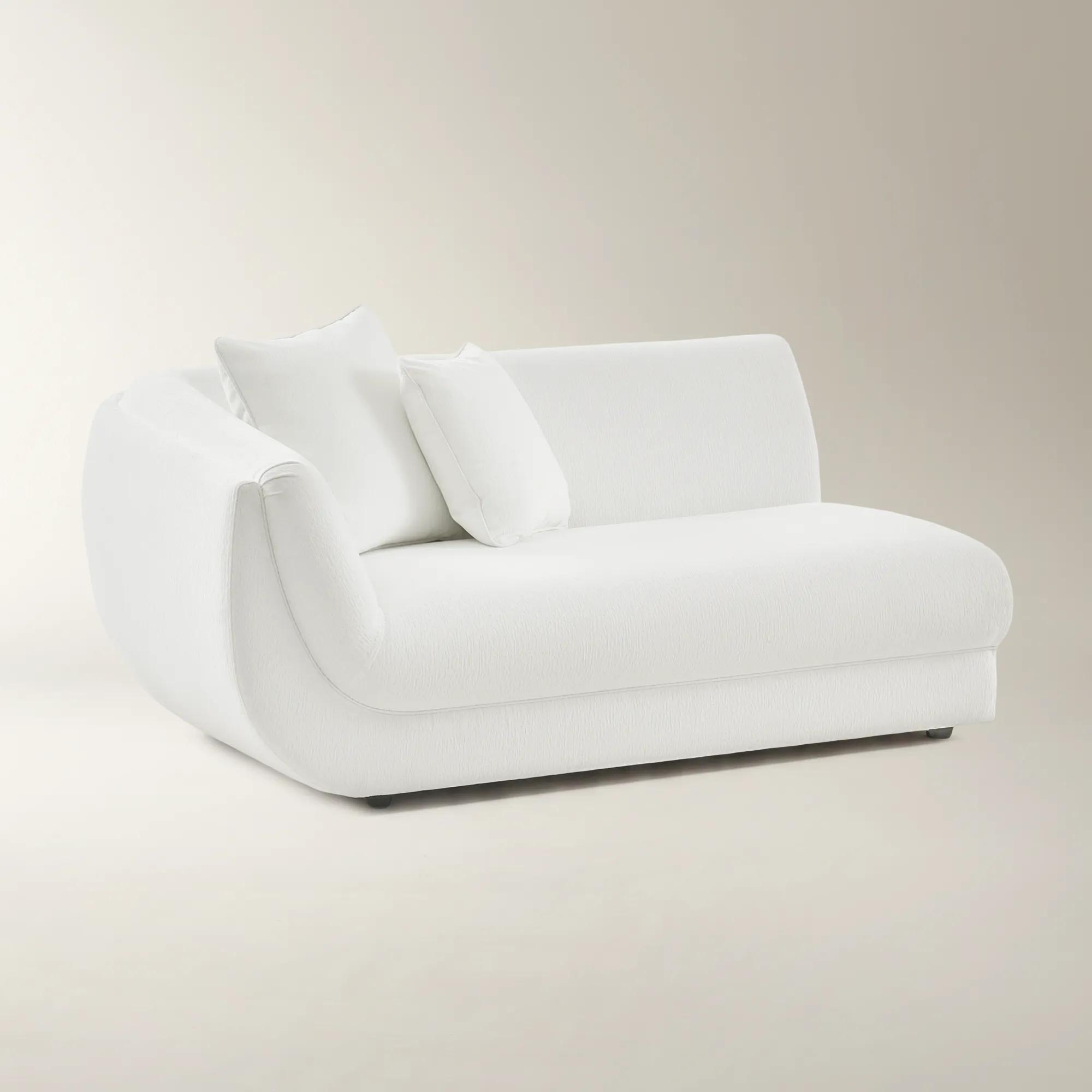 Curvia White Performance Chenille Indoor/Outdoor Grand Left-Arm Chair$1549
A sculptural left-arm chair in white performance chenille, designed for indoor or outdoor lounging comfort.
Add To Cart -
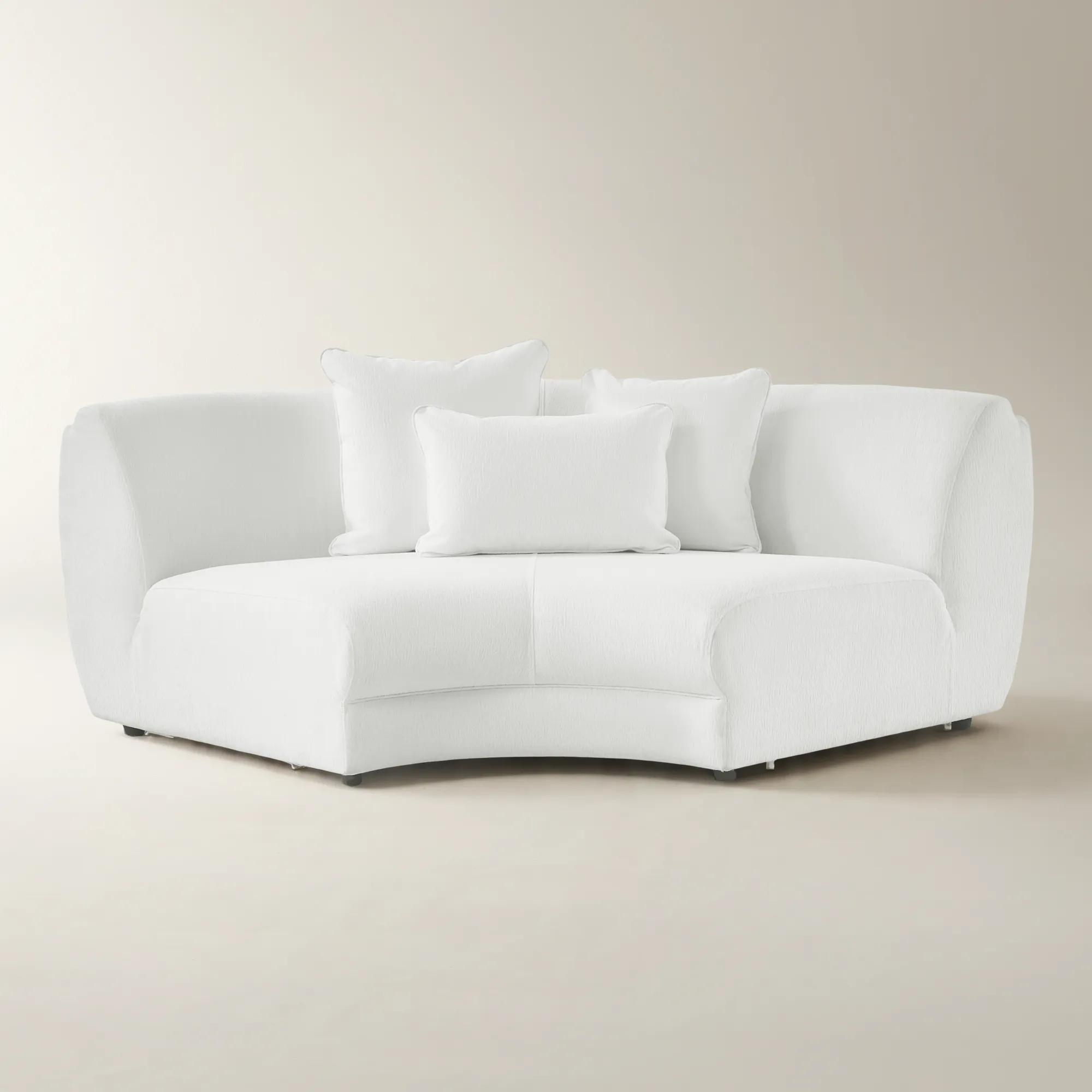 Curvia White Performance Chenille Indoor/Outdoor Corner Chair$1649
A sculptural white corner chair upholstered in performance chenille for plush, weather-resistant indoor or outdoor lounging.
Add To Cart -
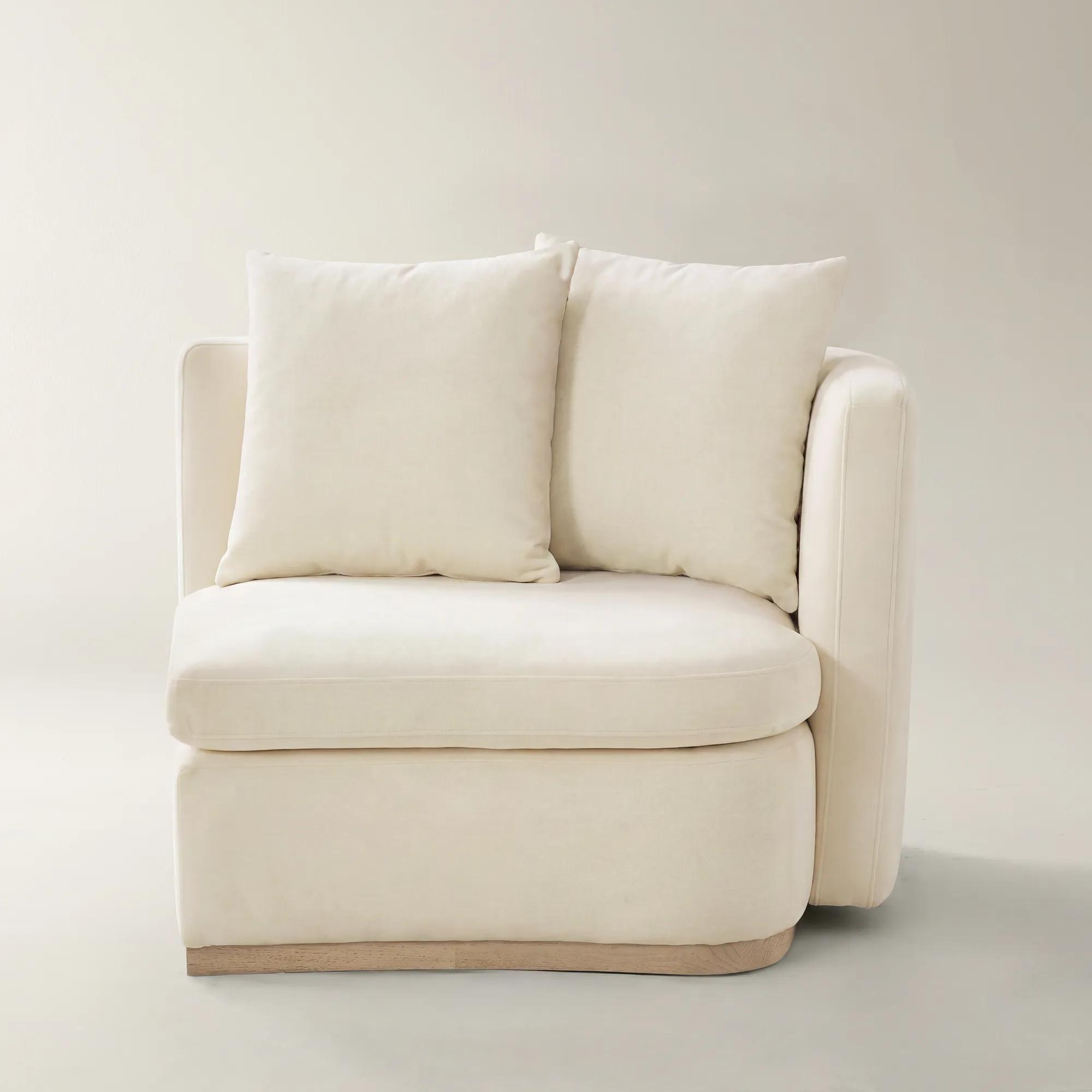 Stria Oatmeal Velvet Right-Arm Chair$1199
A sculptural oatmeal velvet chair with a curved silhouette, oak base, and layered foam-and-down cushioning.
Add To Cart -
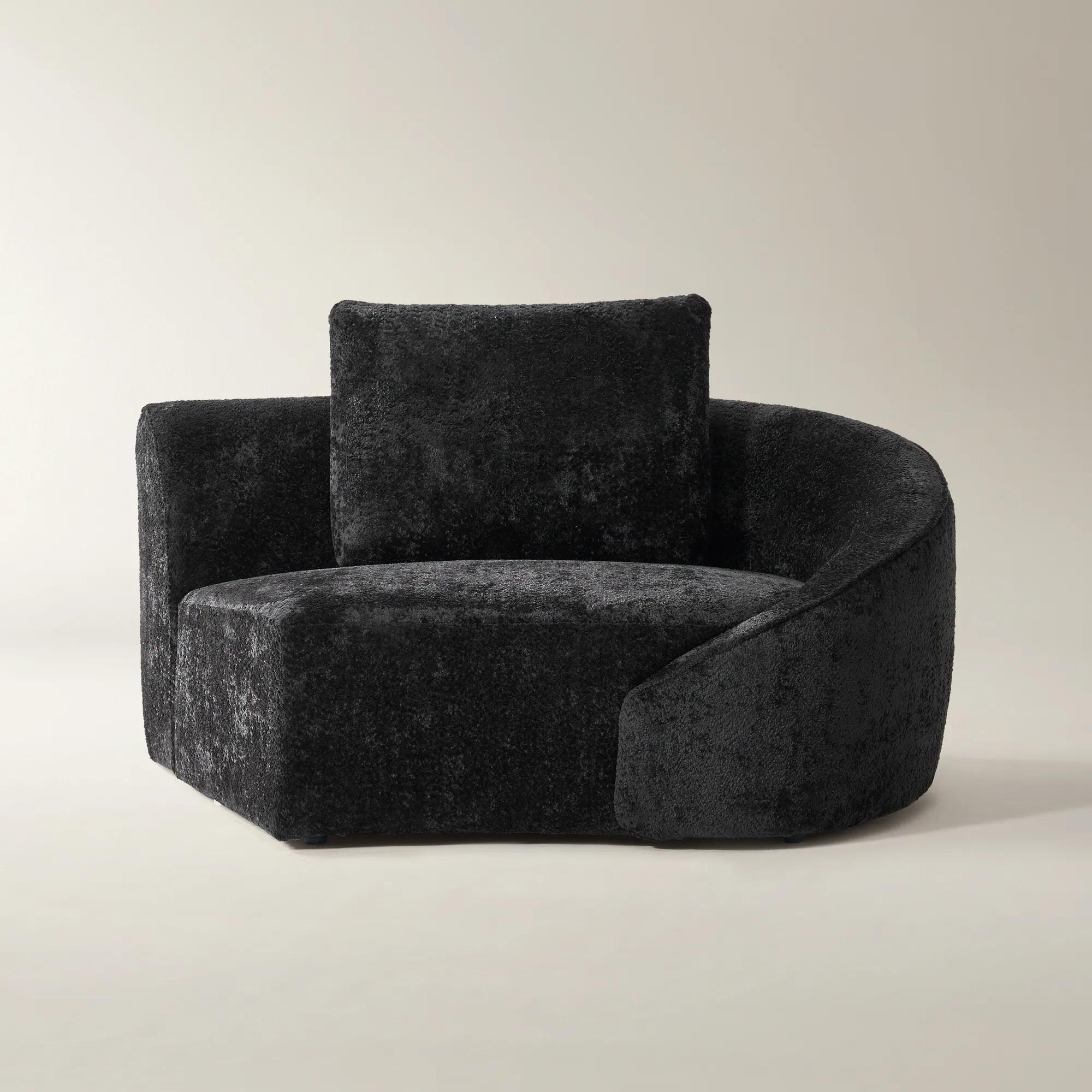
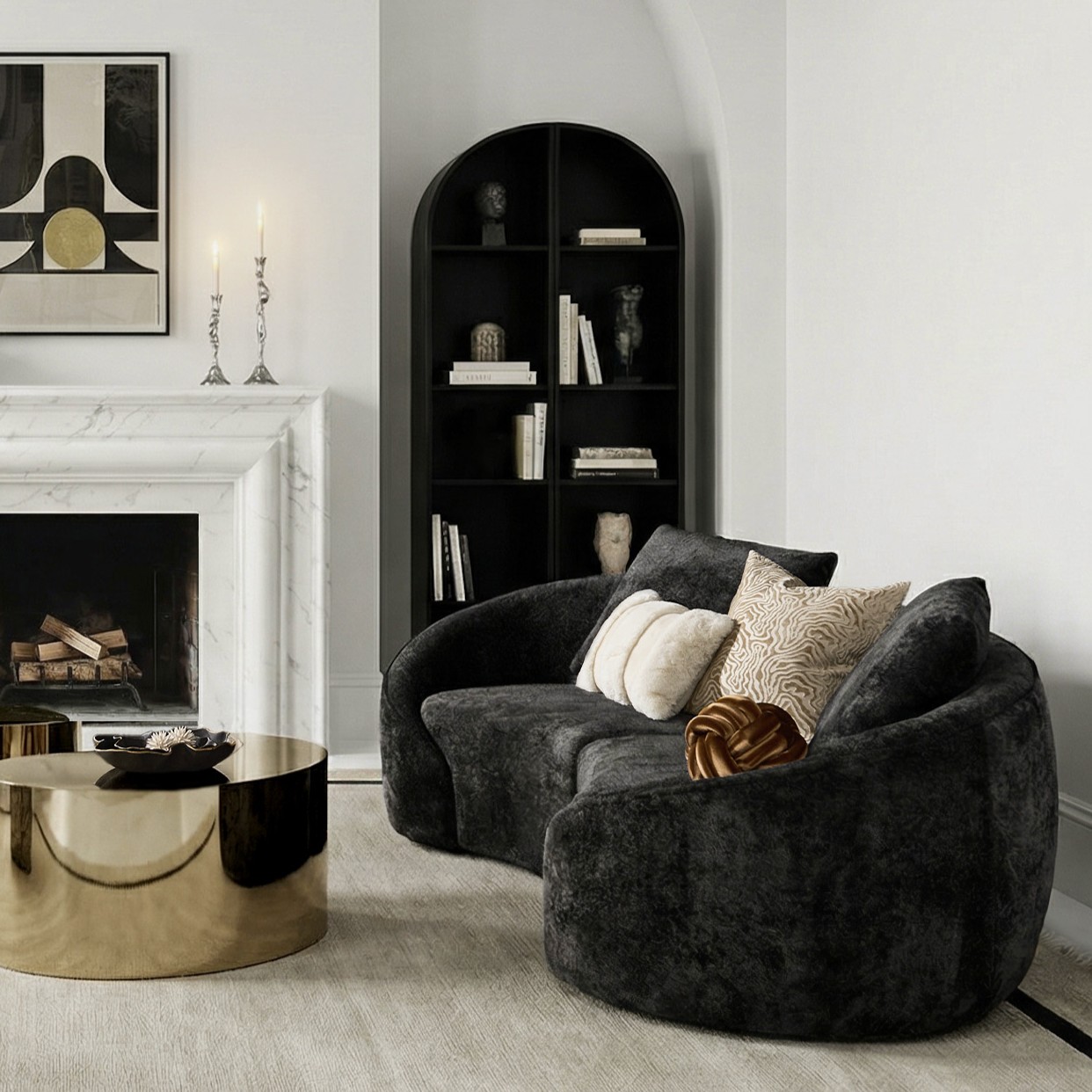 Irene Black Chenille Right-Arm Chair$1399
A customizable collection of modular living room chairs designed for personalized comfort and modern style.
Add To Cart -
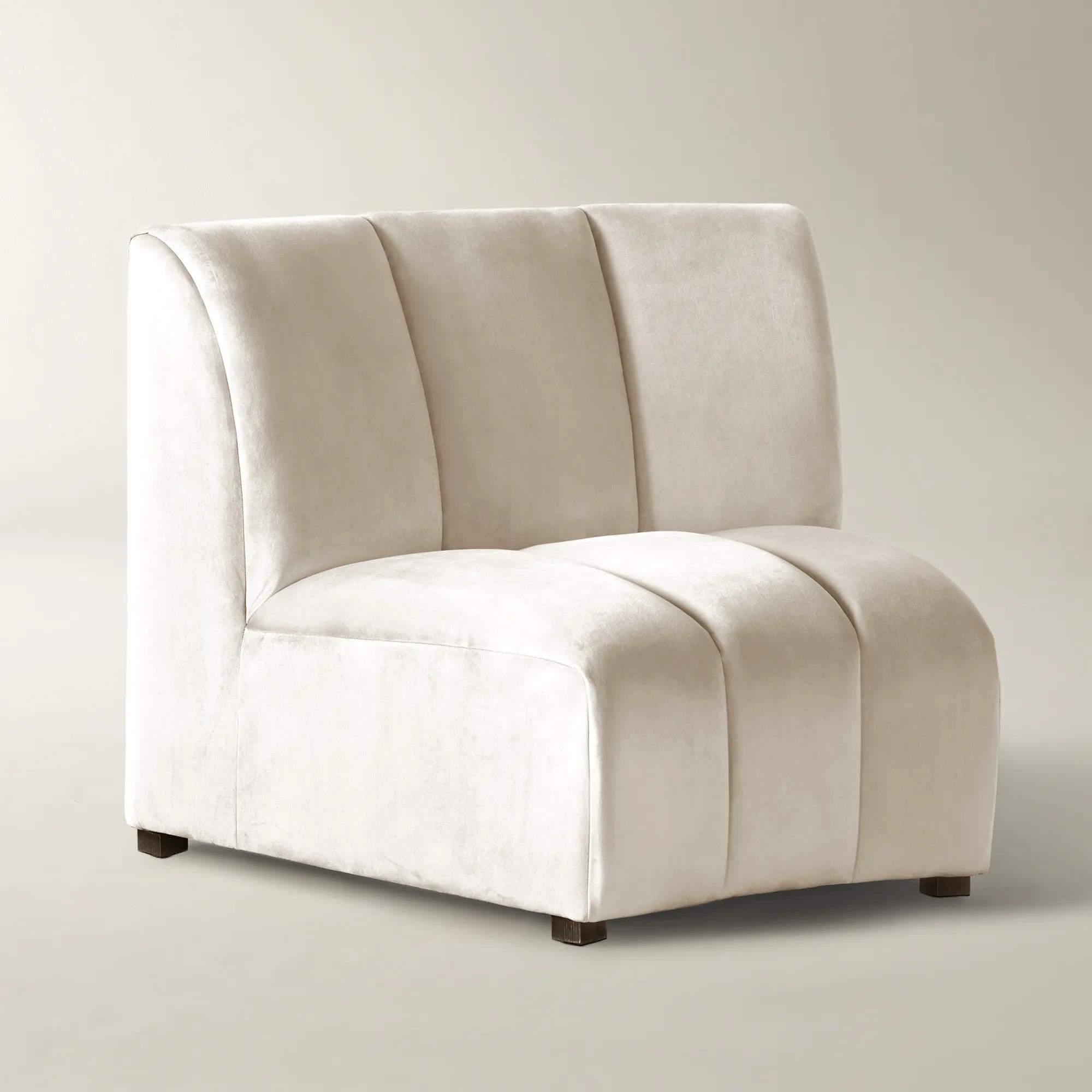 Jayce Channel-Tufted Ivory Velvet Armless Chair$949
A modern armless chair in water-repellent, stain-resistant Velvet Ivory with deep channel tufting and plush padding.
Add To Cart -
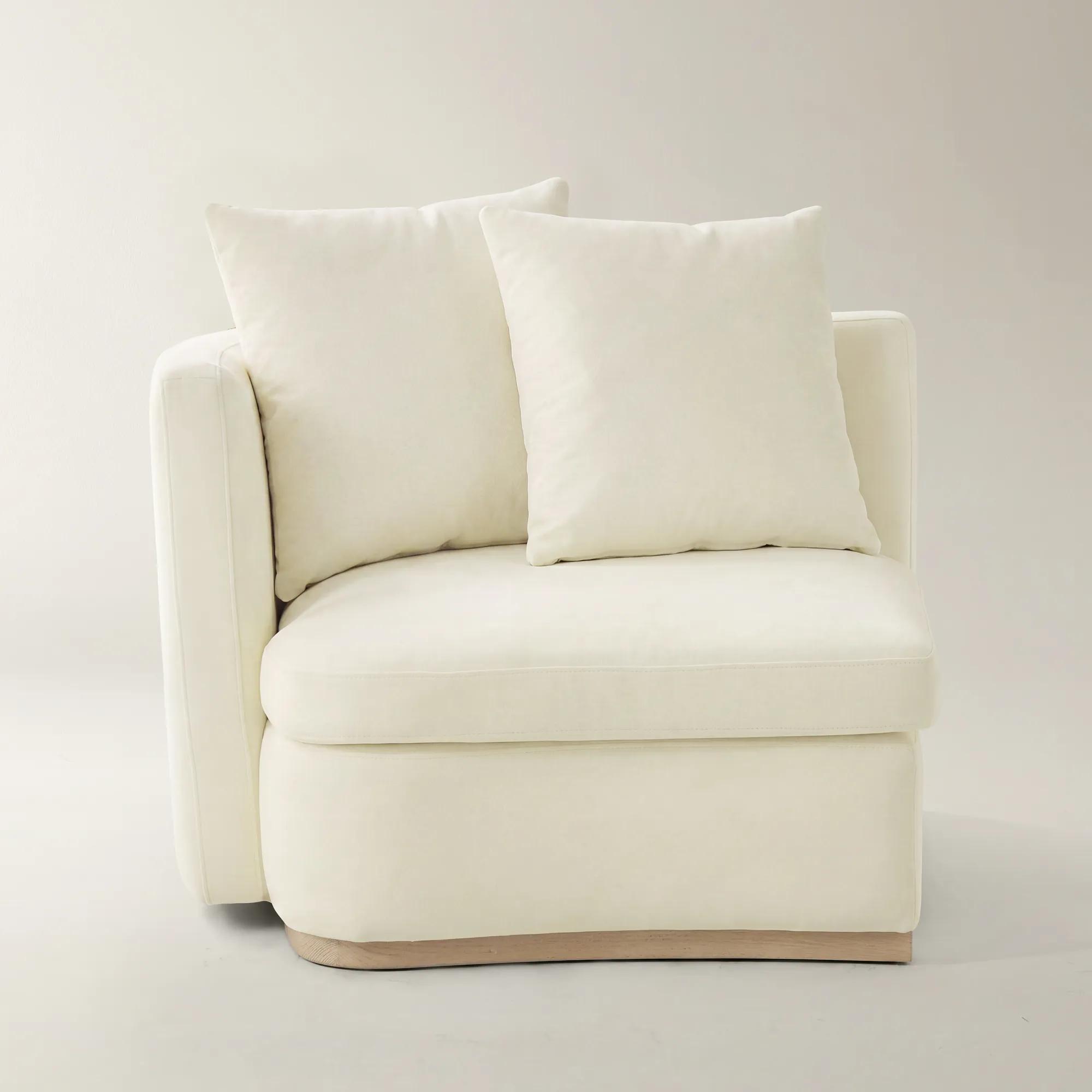 Stria Cloud Velvet Left-Arm Chair$1199
A sculptural cloud-velvet chair with curved edges, layered cushioning, and modular connectors for tailored comfort.
Add To Cart

Comfortable Living Room Chairs
Comfortable living room chairs are more than a place to sit—they invite you to sink into a world where relaxation meets refined style. Imagine sculptural silhouettes draped in sumptuous fabrics, each piece curating a sanctuary of comfort and elegance. With every graceful curve and plush cushion, these chairs transform your living space into an oasis of effortless luxury. Whether you’re hosting soirées or savoring quiet moments, comfortable living room chairs set the stage for indulgence, artistry, and everyday escape. Paint your home boldly—let comfort take center stage.
Comfortable living room chairs give a room its most personal invitation: a place to settle into a novel, linger over conversation, or enjoy a quiet pause without surrendering style. Comfort comes from the relationship between seat depth, seat height, cushioning, back support, and the person using the chair—not from generous padding alone. A sculptural armchair can feel wonderfully supportive with a relatively tailored seat, while a deep lounge chair offers space to curl up and stretch out. For reading or conversation, a more upright back and a seat that allows feet to rest comfortably on the floor can make sitting feel natural. Those who prefer a relaxed posture may enjoy a deeper seat, a gently reclined back, or an accompanying ottoman. Supportive arms provide a resting place for elbows, while their height and shape influence whether a chair feels enveloping or open. A broad, softly rounded arm creates a different experience from a slim, upholstered track arm, even when the overall chair dimensions are similar. Cushion construction matters just as much: resilient foam generally offers a more defined sit, while fiber or feather-and-down blends can create a softer surface that may need regular fluffing. Neither firmness nor softness guarantees lasting comfort; the right balance keeps the body supported without making the seat feel rigid. A higher back may suit someone who enjoys resting their shoulders, while a low barrel back can wrap a conversation seat in an elegant curve. For households with different preferences, a pair of complementary accent chairs can offer distinct seating experiences while sharing a color, fabric, or silhouette. The result feels collected rather than prescribed: a sumptuous reading chair beside a slender floor lamp, a poised armchair facing the sofa, or an expansive chair-and-a-half that gives a dedicated lounger room to settle in. Each brings its own rhythm to the living room, making everyday rituals feel more considered.
Scale gives comfortable seating its place in the larger composition. In a smaller living room, compact accent chairs with narrower arms or exposed legs can preserve usable floor space and allow more of the surrounding rug to remain visible. An armless slipper chair offers an open silhouette, though someone who relies on armrests for support may prefer a compact armchair instead. A swivel chair can serve an open-concept layout especially well, turning toward the sofa for conversation and then toward an adjoining dining area without requiring the entire chair to be repositioned. Its base still needs sufficient clearance to rotate freely, particularly near side tables, drapery, and other seating. Larger rooms can accommodate deeper lounge chairs, substantial barrel chairs, or a chair-and-ottoman arrangement that gives a seating area greater presence. Two chairs angled toward a sofa create a natural setting for guests, while a single statement chair beside a bookcase makes a quieter destination within the same room. Proportion matters more than filling every corner: a dramatic silhouette needs enough surrounding space for its curves, upholstery, and finish to register. Overall width and depth describe the footprint, but usable seat measurements reveal more about how the chair will feel. Thick arms can make a chair look generous while leaving a comparatively narrow seat, and an especially deep cushion may require a supportive pillow for a shorter sitter. Seat height also deserves attention when several people will use the room, since a very low chair may be harder for some guests to rise from. Reclining designs need clearance in their extended position, and an ottoman requires room for both relaxed legs and easy passage. Checking dimensions against doorways, hallways, and stair turns helps ensure that a beautifully proportioned chair can reach its intended setting. Paired with a side table positioned within comfortable reach, the right chair becomes a fully realized place to read, host, or unwind rather than simply an accent at the edge of the room.
Upholstered living room chairs introduce another layer of expression through fabric, texture, and tailoring. Velvet catches light across its pile, giving even a restrained silhouette a richly dimensional presence; its surface can also show pressure marks or shading that changes with the direction of the nap. Bouclé creates a sculptural, textured effect, although looped fabrics deserve consideration in homes where pet claws may catch on the surface. Tightly woven upholstery offers a more tailored appearance, with durability depending on fiber content, weave, construction, and use rather than texture alone. Leather brings depth and character, with care requirements and wear patterns that vary by finish. Performance fabrics can be useful in frequently used living rooms, but resistance to stains does not make upholstery stainproof, and a removable cushion cover is not necessarily machine washable. The manufacturer’s cleaning instructions should determine how spills and routine care are handled. Gentle vacuuming with an appropriate upholstery attachment helps remove dust and debris; prompt blotting, rather than rubbing, can help keep a fresh spill from spreading. Testing an approved cleaner in an inconspicuous area is a sensible precaution. Cushions may benefit from rotation or flipping when their construction allows it, while softer fills often need reshaping to maintain an inviting appearance. Beneath the upholstery, a well-constructed frame, secure joints, suitable suspension, and resilient cushioning contribute to how well a chair holds its shape through repeated use. Stated weight capacity and care information deserve attention alongside the visual details. A chair used every evening calls for a different level of wear resistance than an occasional seat reserved for entertaining. Color completes that practical foundation with atmosphere: luminous ivory emphasizes sculptural lines, charcoal gives curves a tailored edge, and a saturated jewel tone makes a confident focal point. With thoughtful proportions, tactile upholstery, and enduring support, a comfortable chair can deliver both the drama a living room deserves and the ease that makes it genuinely welcoming.
FAQs
A truly comfortable living room chair combines generous cushioning, supportive seat depth, and ergonomic design. Look for plush, resilient upholstery, well-padded arms, and a gently angled backrest that encourages relaxation. Details like soft, tactile fabrics and thoughtful proportions transform a chair into a daily retreat for reading, lounging, or entertaining.
A stylish chair can serve as a bold focal point or a harmonious accent, depending on your vision. Choose a chair that complements your room’s color palette or introduces a new texture for visual interest. Position it beside a statement lamp or sculptural side table to create a vignette, or pair it with a sumptuous throw to invite lingering and conversation.
Absolutely—a beautifully crafted chair is a luxurious and thoughtful gift, perfect for housewarmings, anniversaries, or milestone celebrations. It’s a gesture that offers both comfort and artistry, becoming a cherished part of the recipient’s daily life and an enduring symbol of your care.
Upholstery choices like velvet, chenille, and boucle are renowned for their soft touch and rich texture, instantly elevating the sense of warmth and coziness in a living room. These fabrics catch the light beautifully, add depth to your space, and encourage guests to relax and unwind.
Arrange two or more comfortable living room chairs in a semi-circle or opposite a sofa to foster intimacy and connection. Add a central coffee table or ottoman for shared functionality, and layer in accent lighting or a plush rug to ground the space. This arrangement not only enhances flow but also invites guests to gather and linger in style.