Bold Living Room Curtains
Bold Living Room Curtains
-

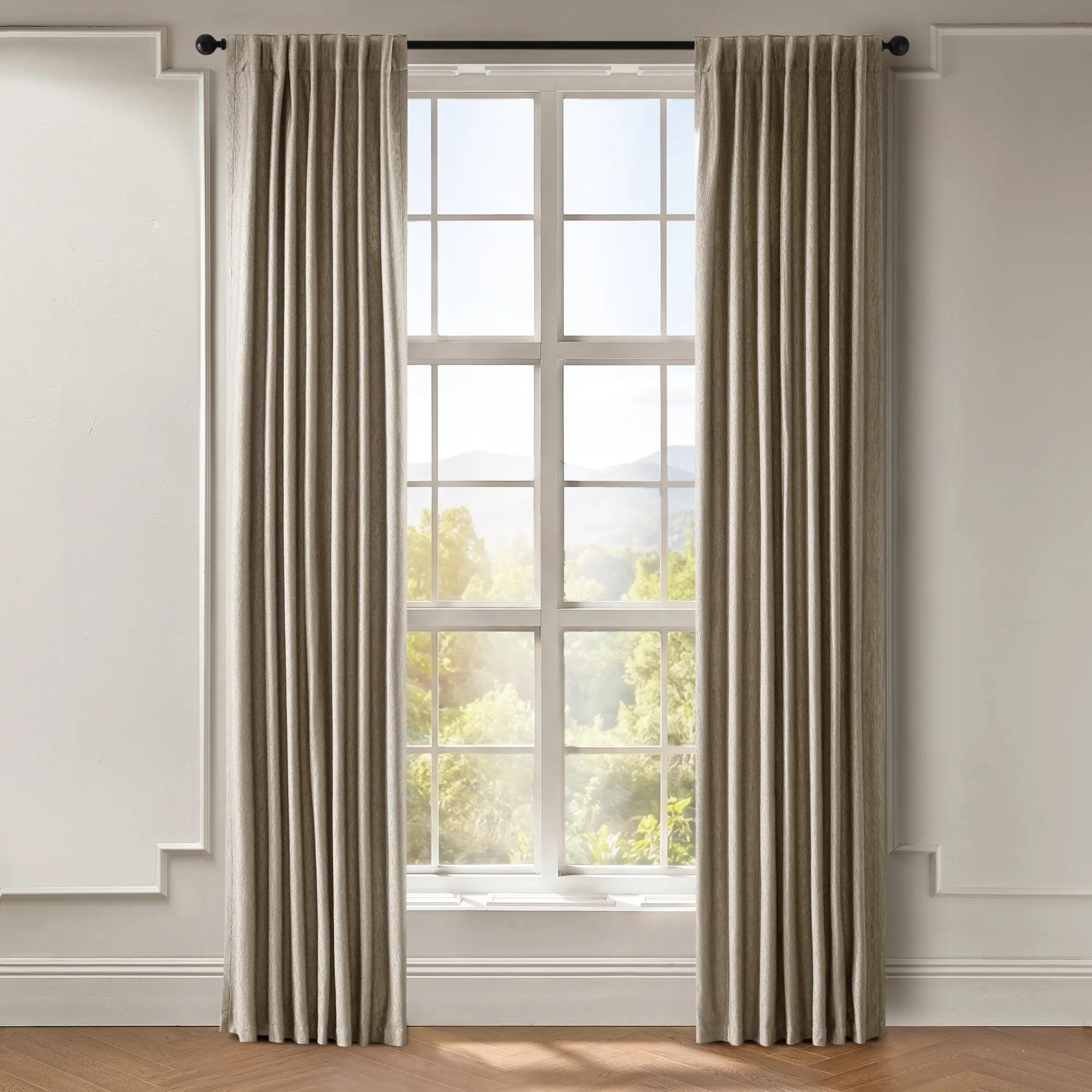
 Adair Midnight Blue Solid Velvet Window Curtain Panel$79
A sumptuous midnight blue velvet curtain that adds rich dimension and room-darkening elegance to any space.
Add To Cart -
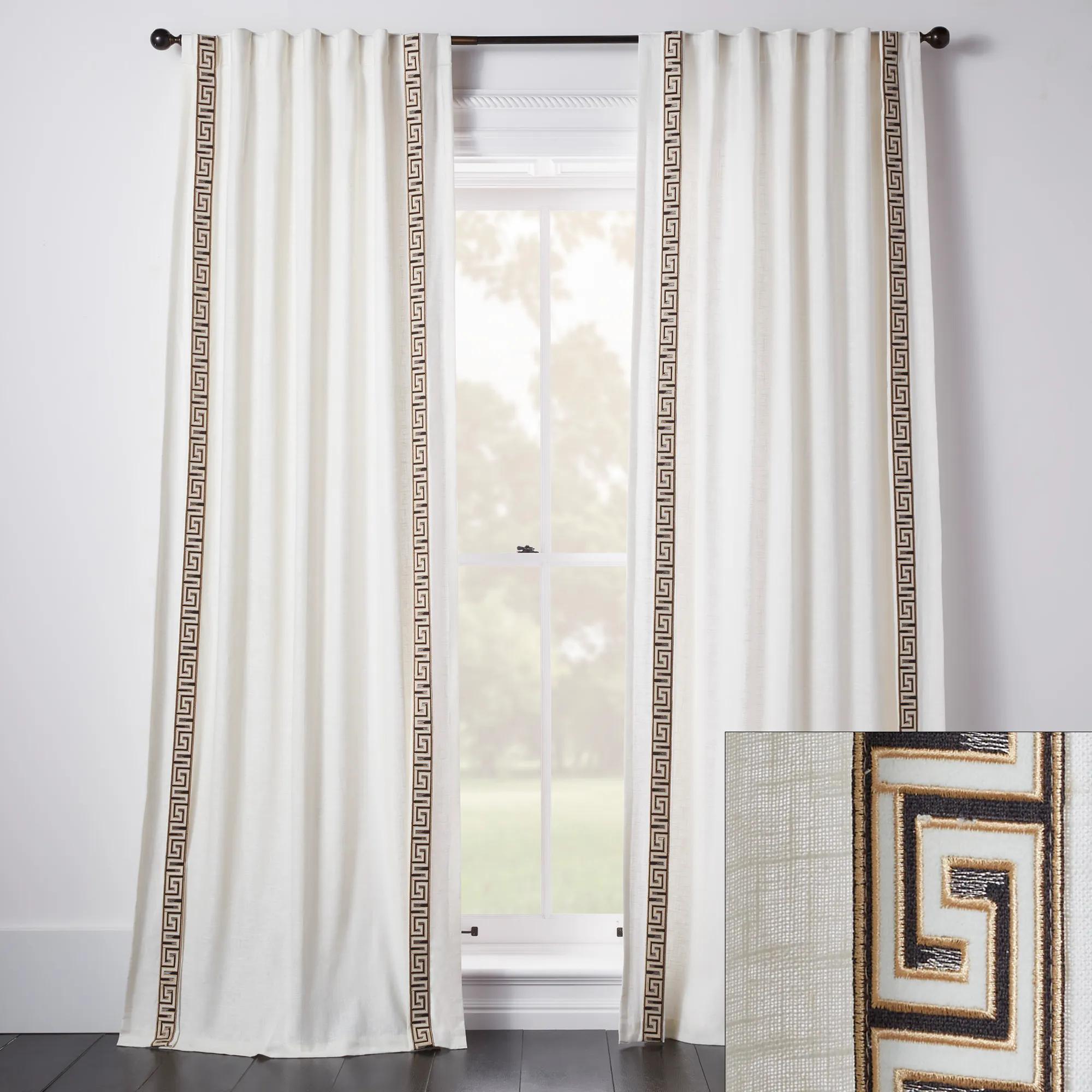 Chole Greek Key Border Velvet Widow Curtain Panels Custom$369
A white linen-blend curtain featuring a black and gold embroidered velvet Greek key border for modern elegance.
Add To Cart -
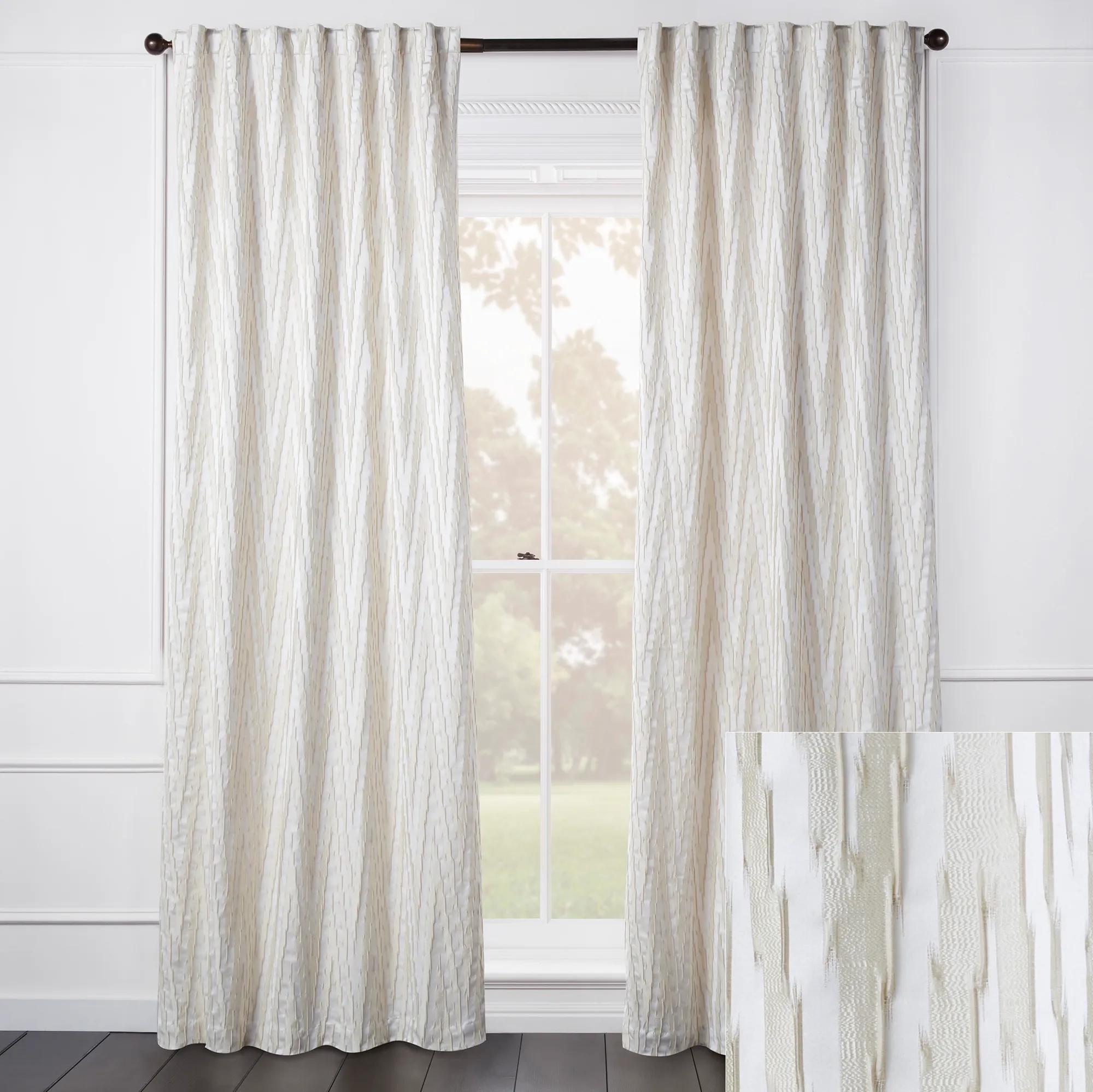
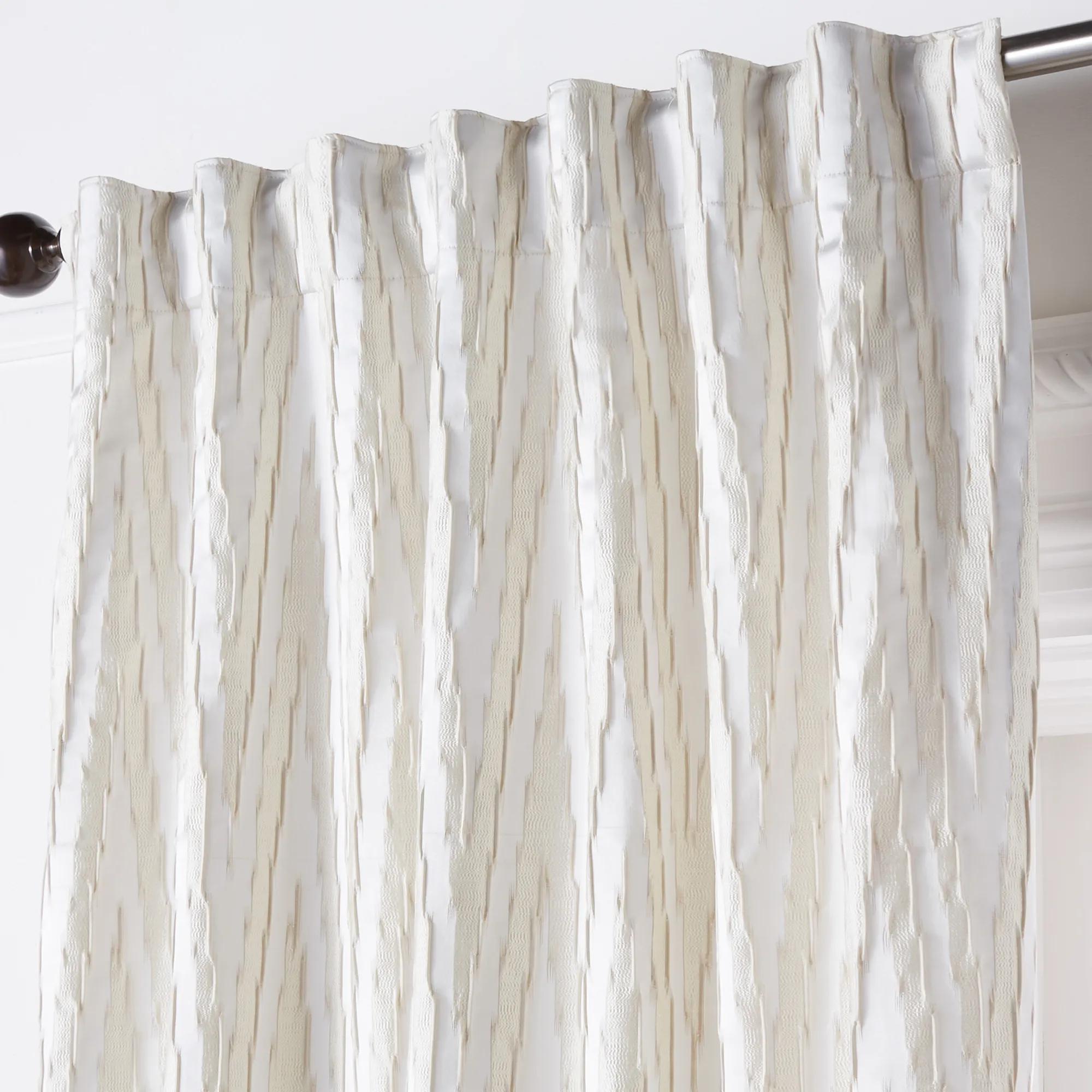 Minka Jacquard Pearl Window Curtain Panel Custom$239
A highly textured chevron curtain panel in pearl, grey, or natural, crafted from soft polyester blend.
Add To Cart -
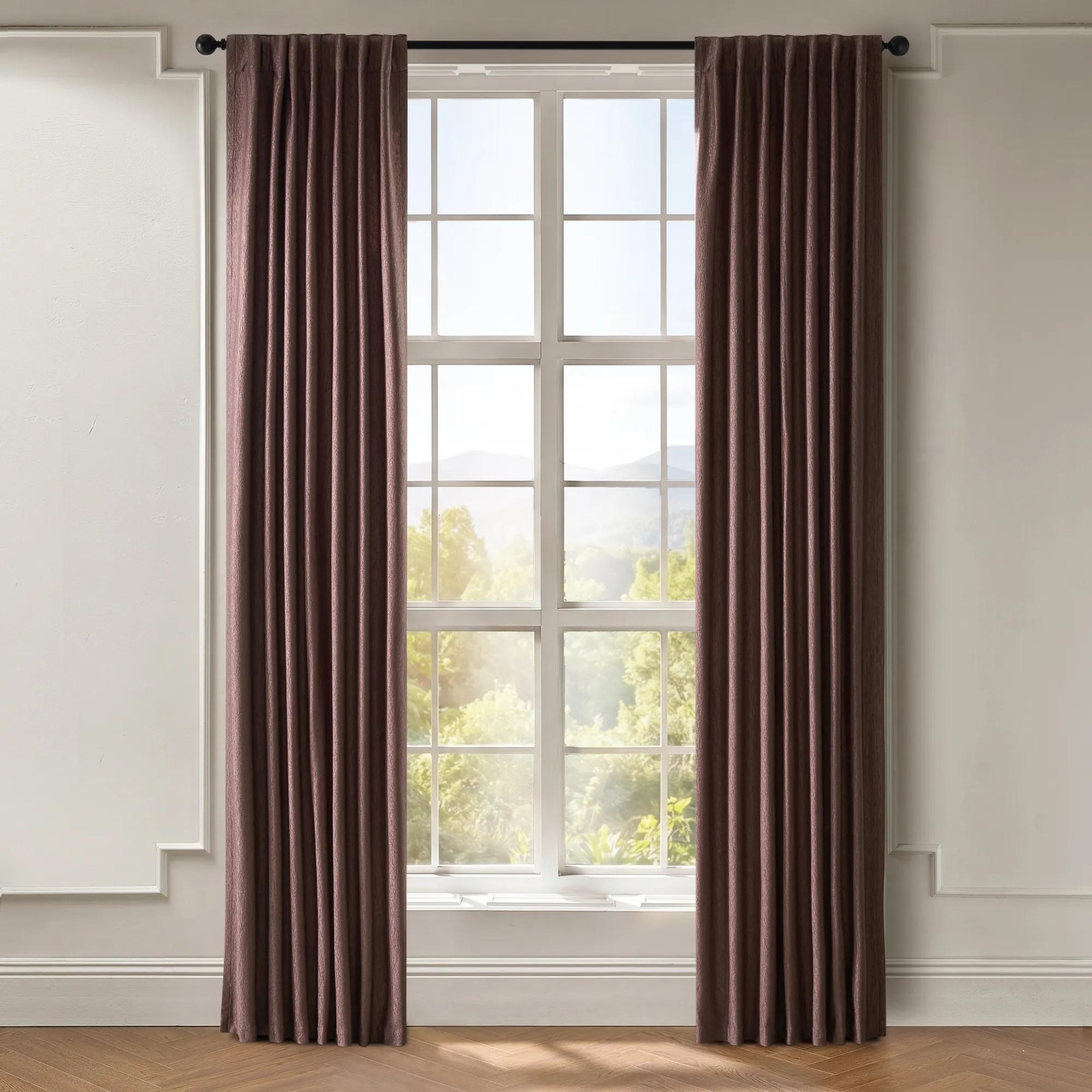
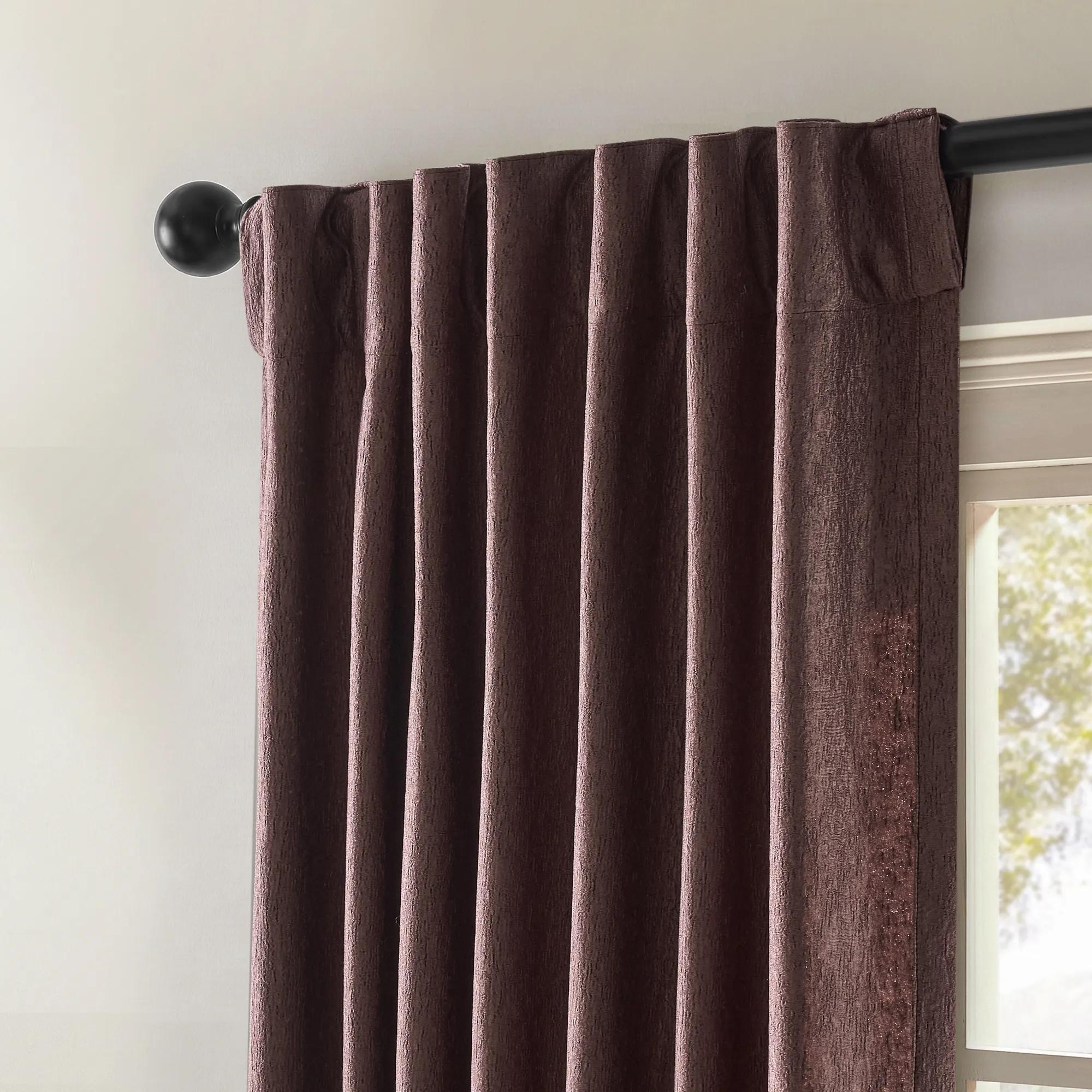 Anson Fig Textured Window Curtain Panel$89
A deep fig curtain panel with crushed sheen texture and room-darkening, dual hanging design in polyester.
Add To Cart -

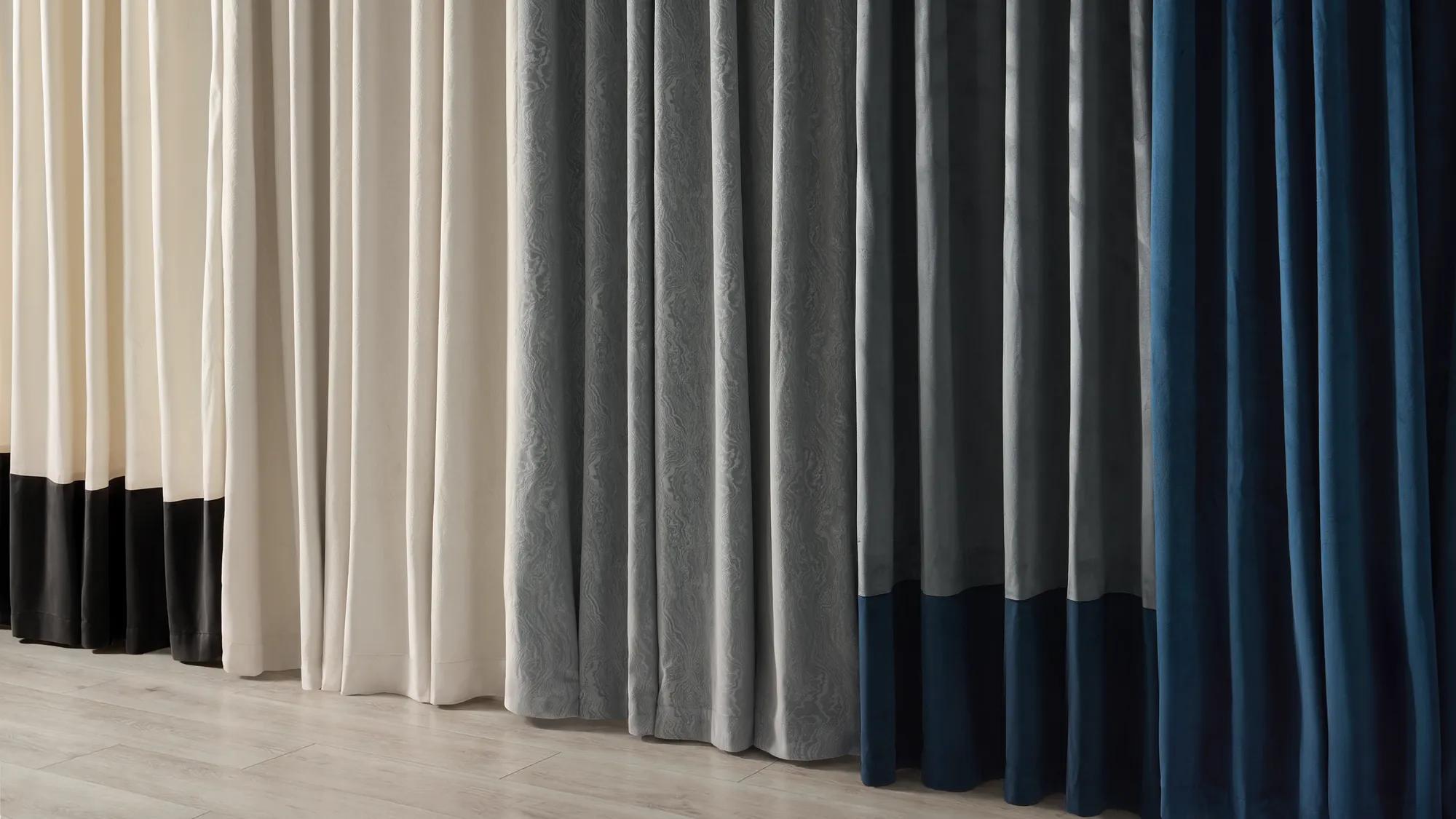 Mabel Velvet Swirl Curtain - Grey Blue$109
A grey blue velvet curtain featuring a tonal swirl pattern and versatile dual hanging options.
Add To Cart -
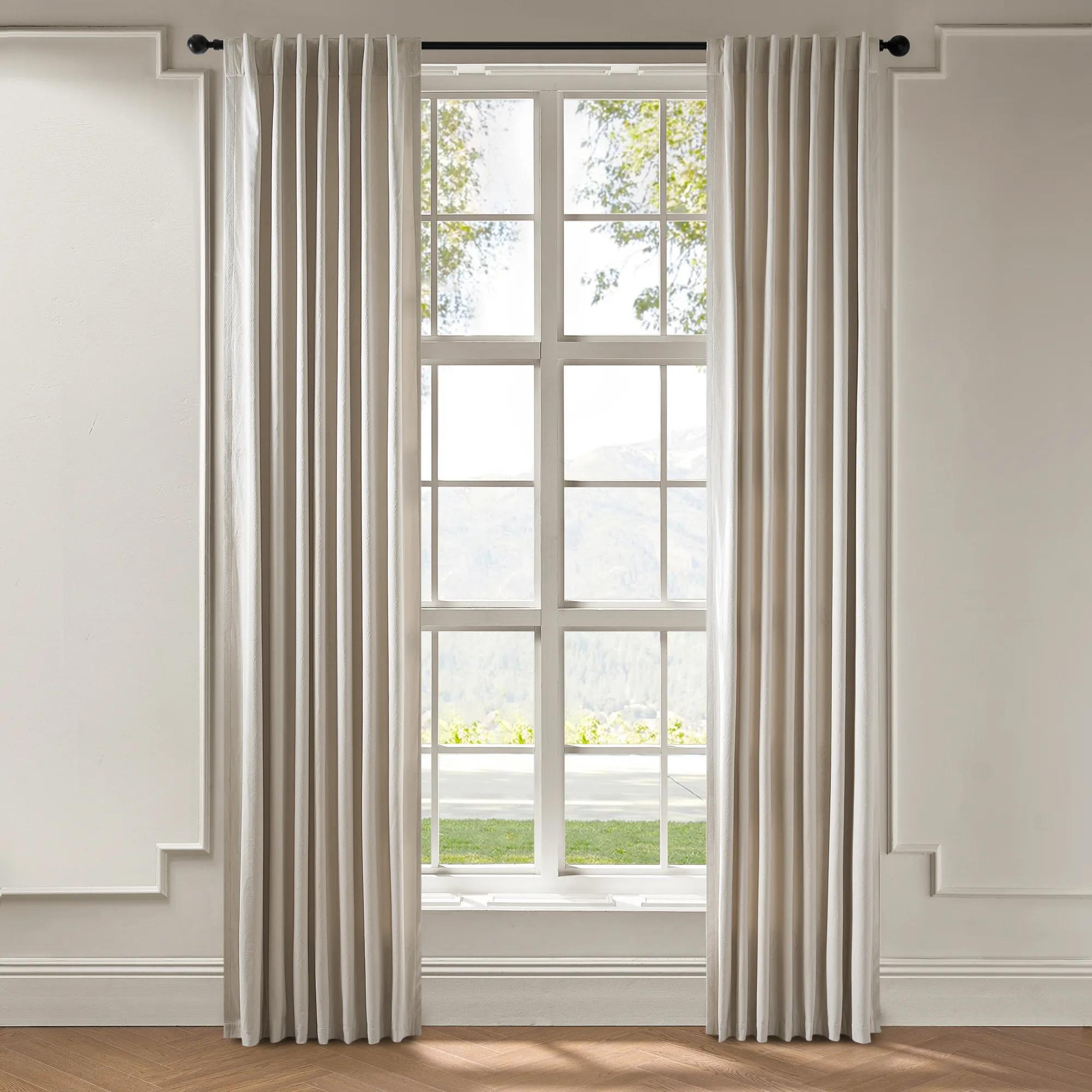
 Mabel White Velvet Swirl Window Curtain Panel$89
A crisp white velvet curtain featuring a tonal swirl texture and versatile dual hanging options.
Add To Cart -
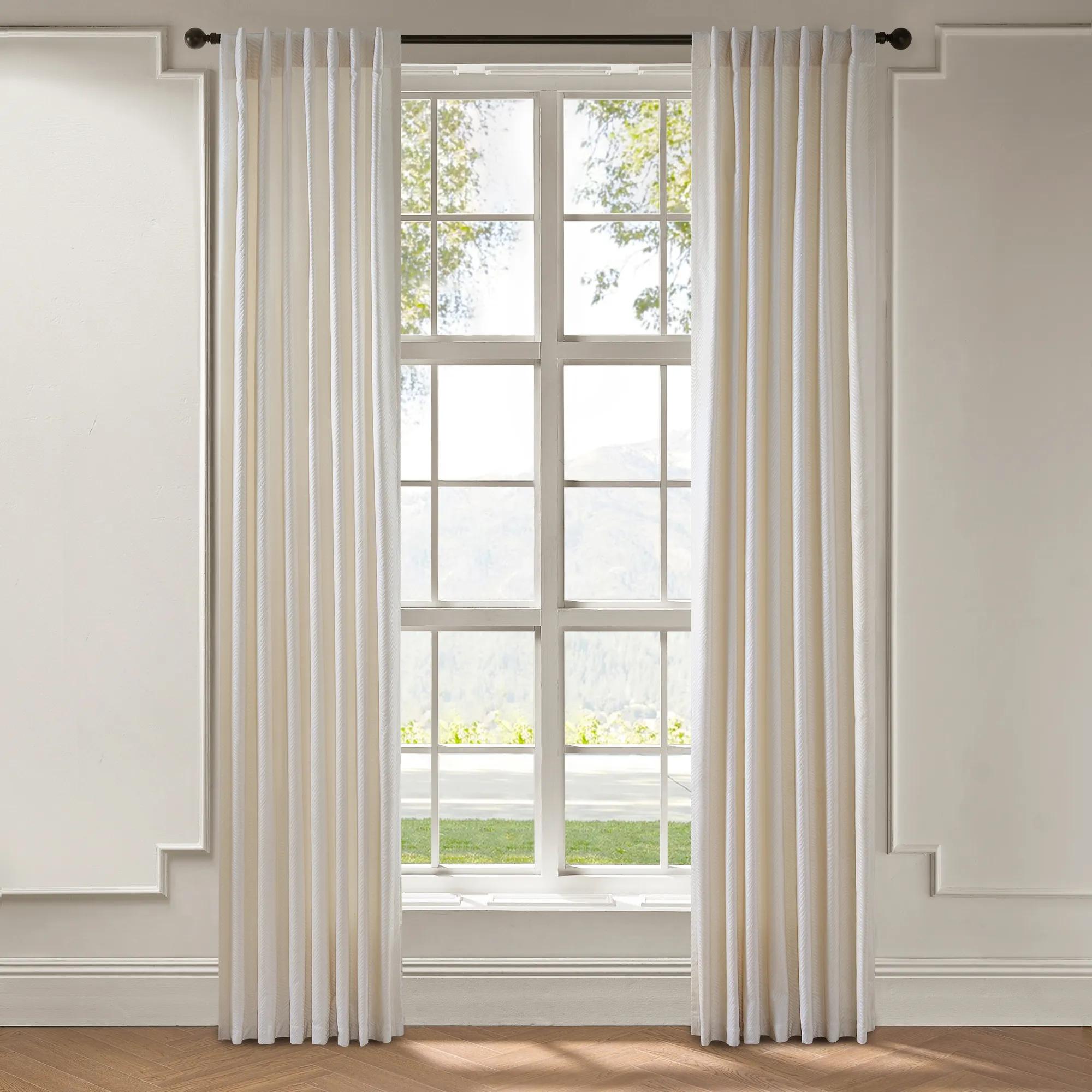
 Kenzo Chenille Curtain - White$139
A luxe white chenille jacquard curtain featuring a subtle high-contrast pattern and versatile dual construction.
Add To Cart -
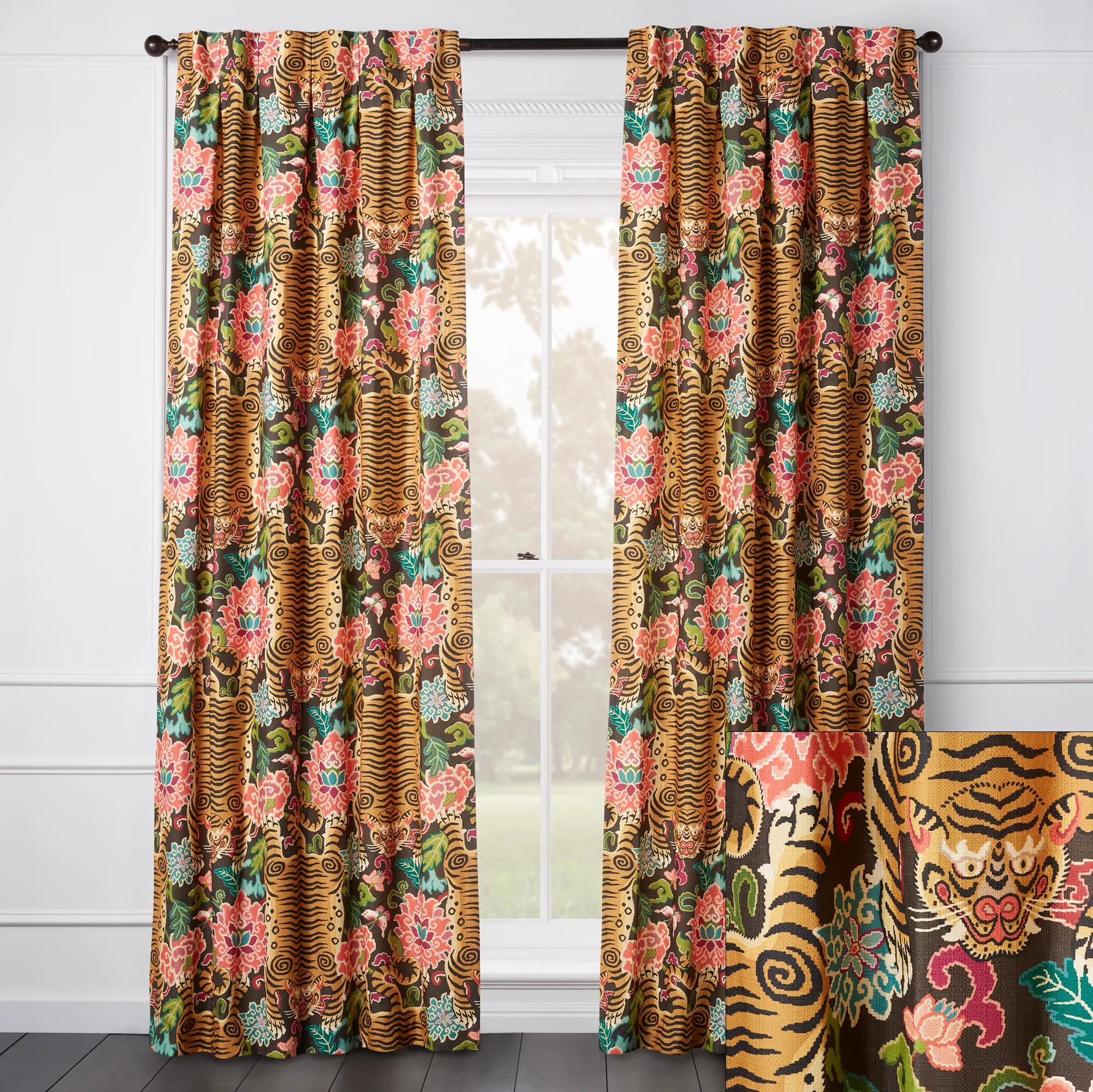
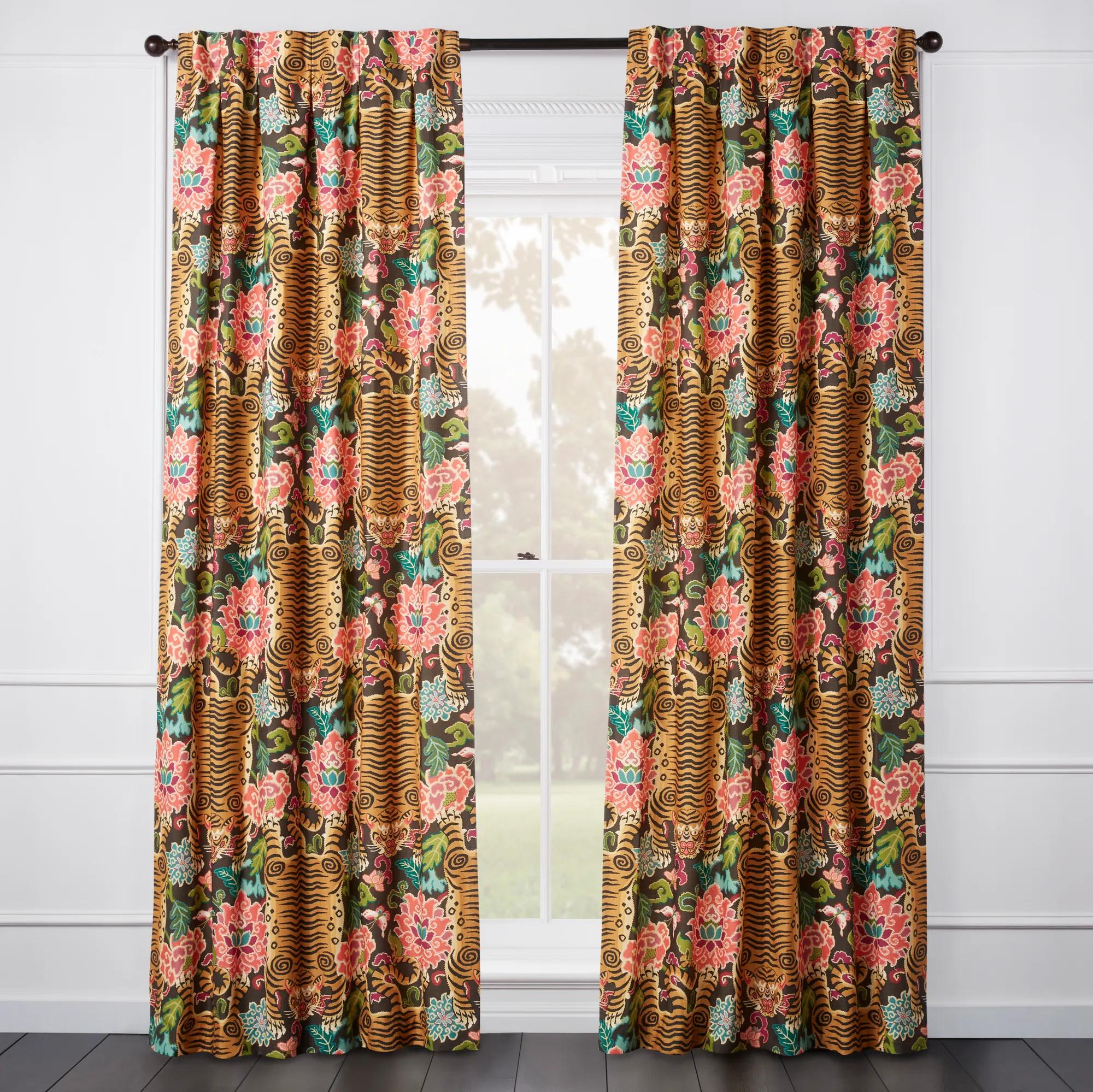 Nimer Gold/Multi Printed Slubbed Cotton Window Curtain Panel$259
A bold gold and multi-colored cotton curtain panel featuring a lively tiger print and customizable options.
Add To Cart -
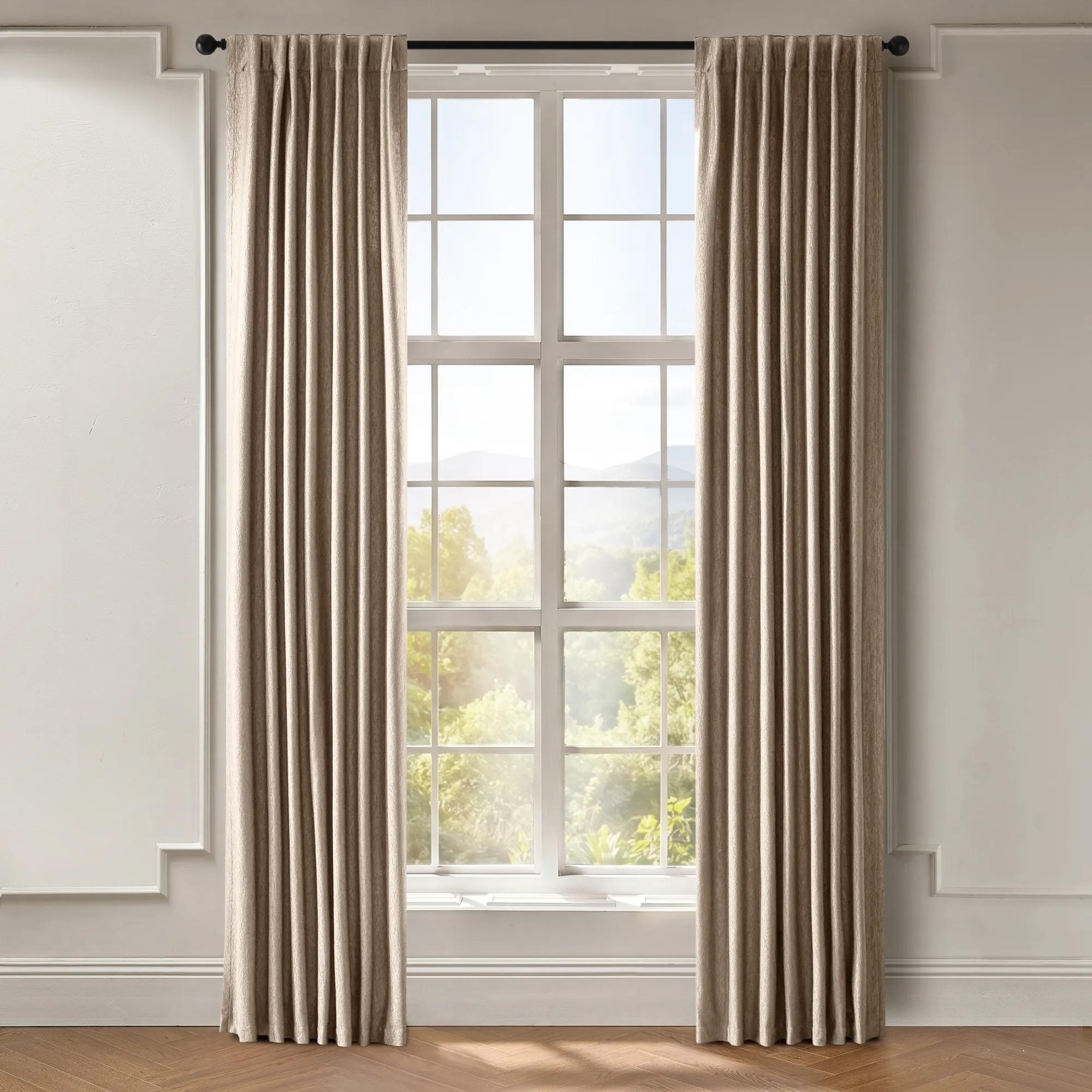 Anson Mocha Rose Textured Window Curtain Panel$109
A light mocha rose curtain panel with crushed sheen texture and room-darkening, dual hanging design.
Add To Cart -
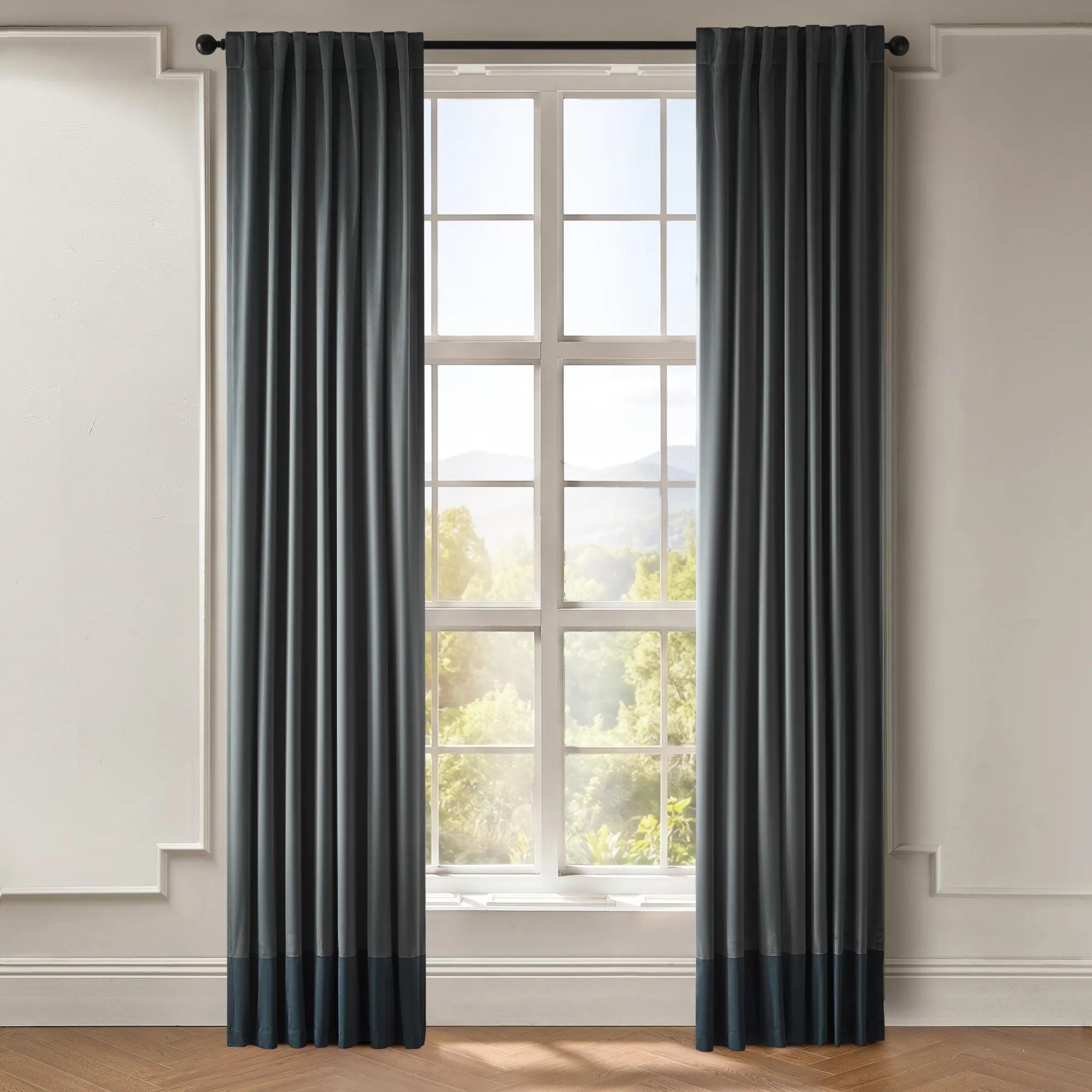
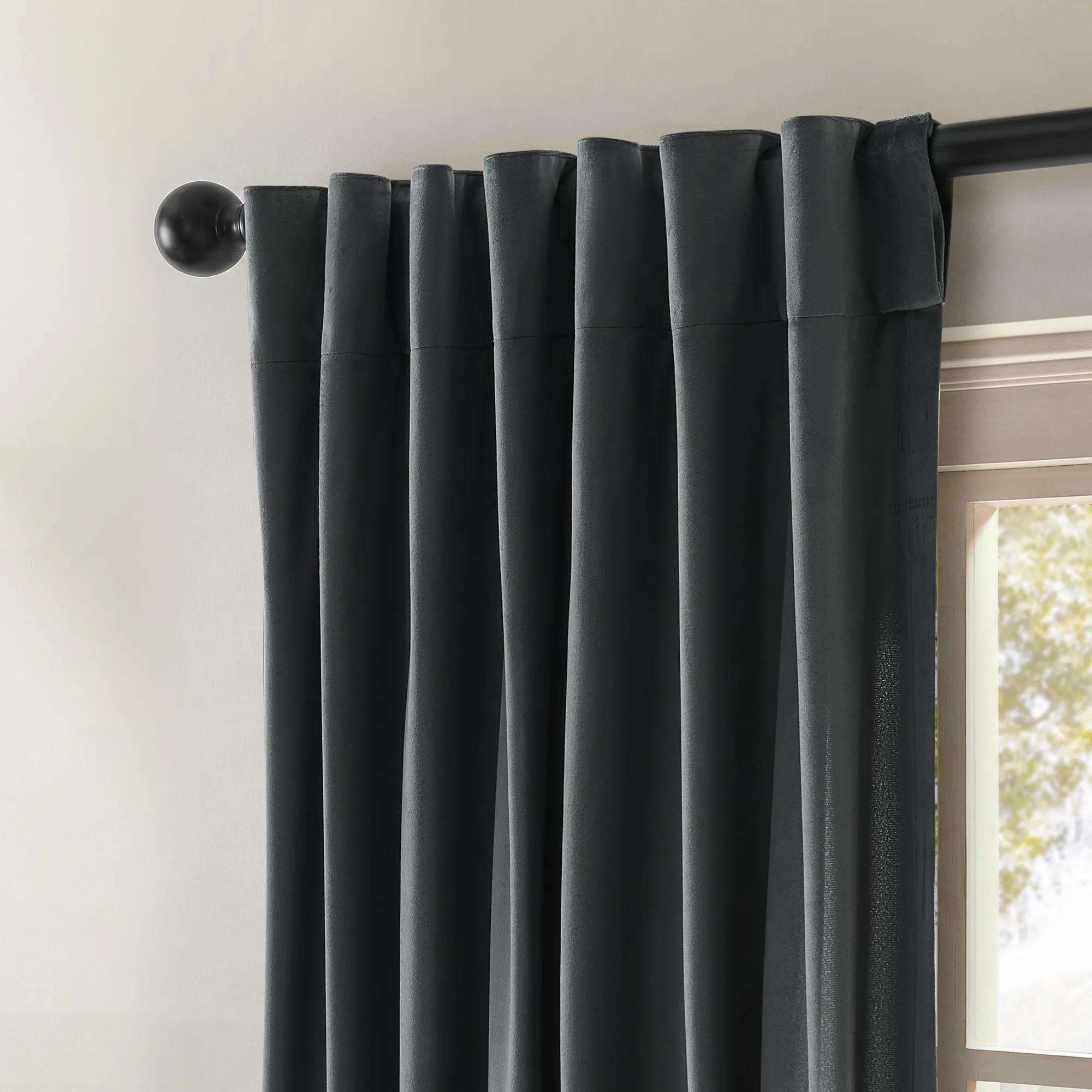 Bastien Blue/Midnight Velvet Border Window Curtain Panel$99
A two-tone dusty and midnight blue velvet curtain panel with a Deco-inspired border and room-darkening design.
Add To Cart -
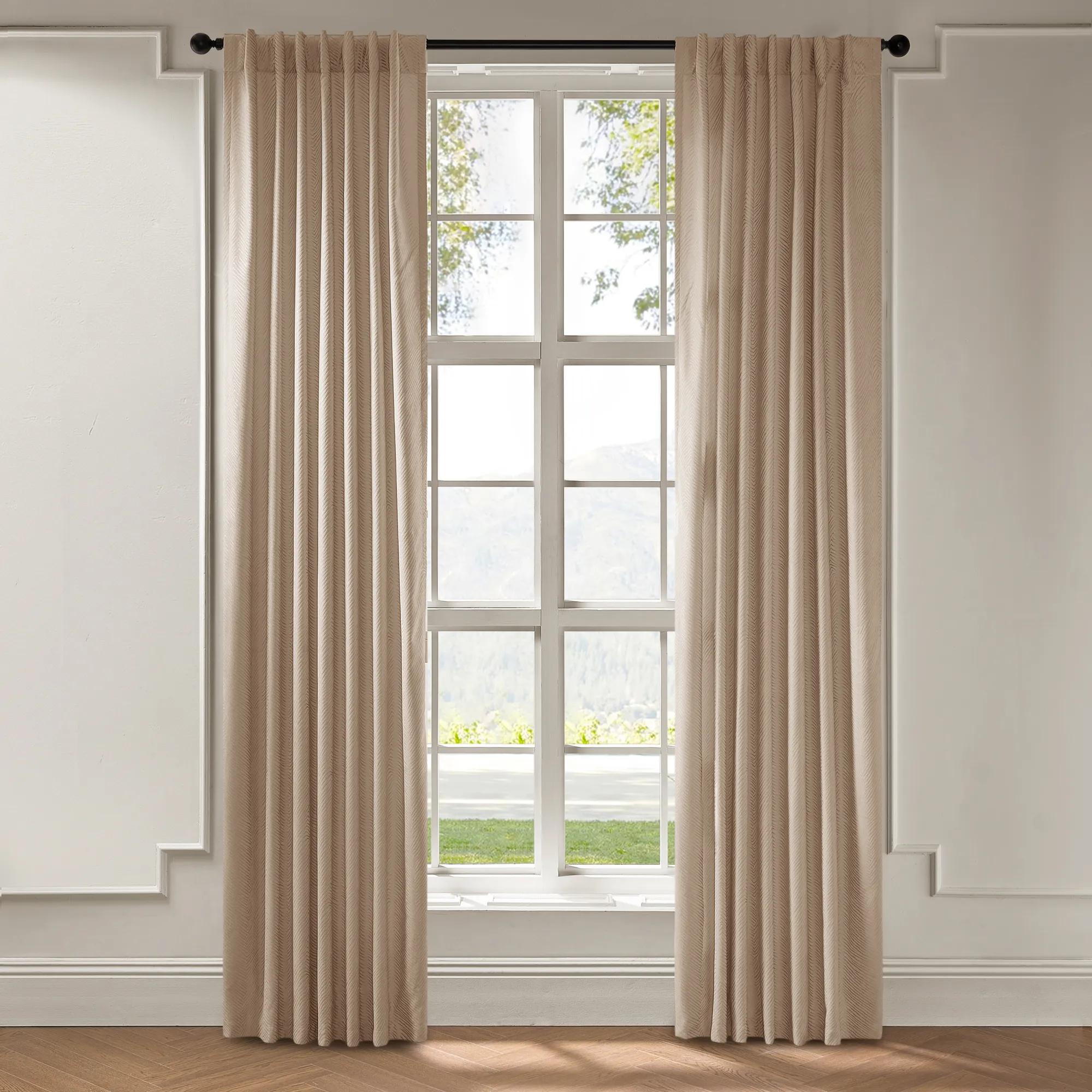 Kenzo Jacquard Beige Chenille Window Curtain Panel$139
A warm beige chenille jacquard curtain with a subtle sheen and versatile rod pocket or back tab hanging.
Add To Cart -

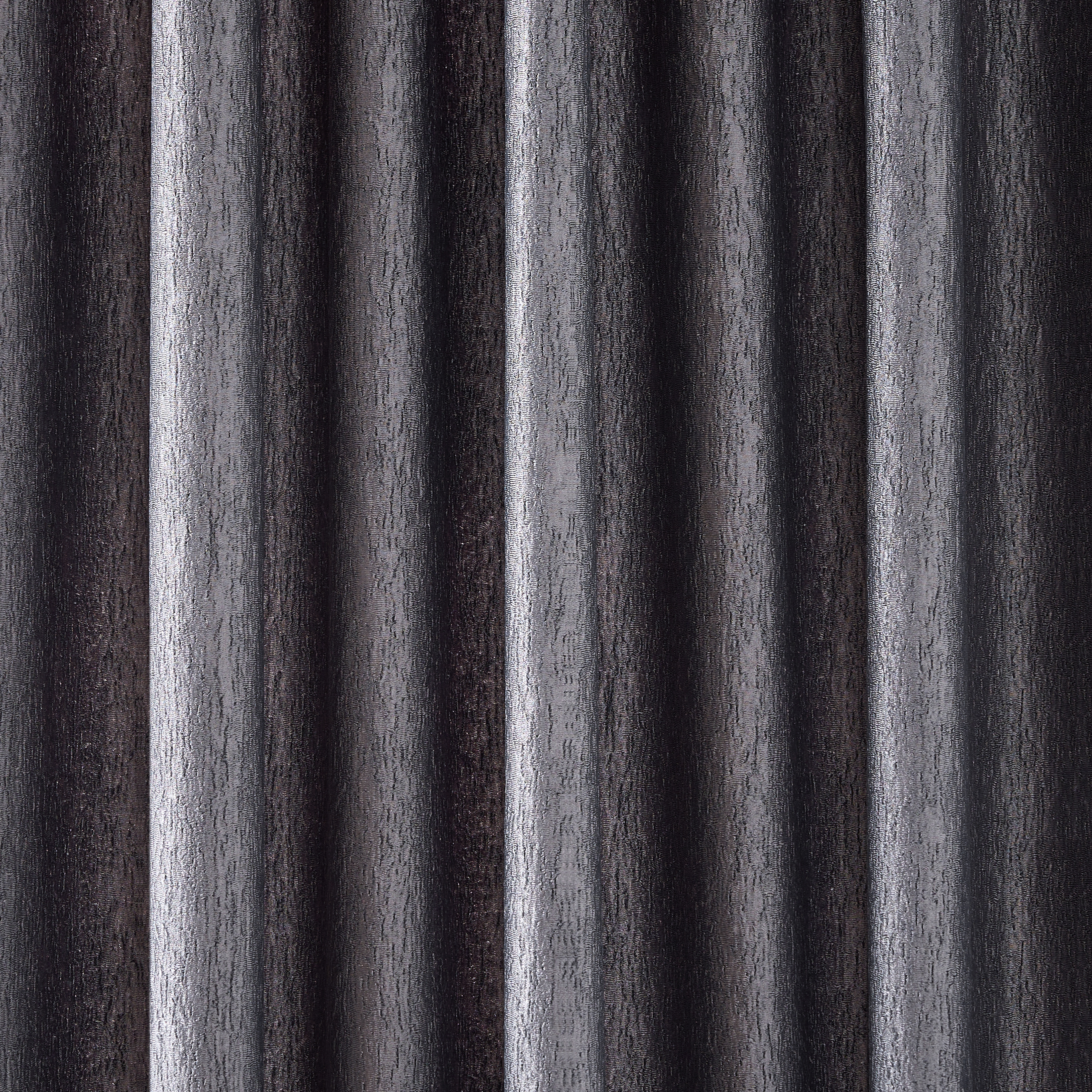 Anson Charcoal Textured Window Curtain Panel$99
A moody charcoal curtain with crushed polyester texture and subtle sheen for stylish, room-darkening appeal.
Add To Cart -
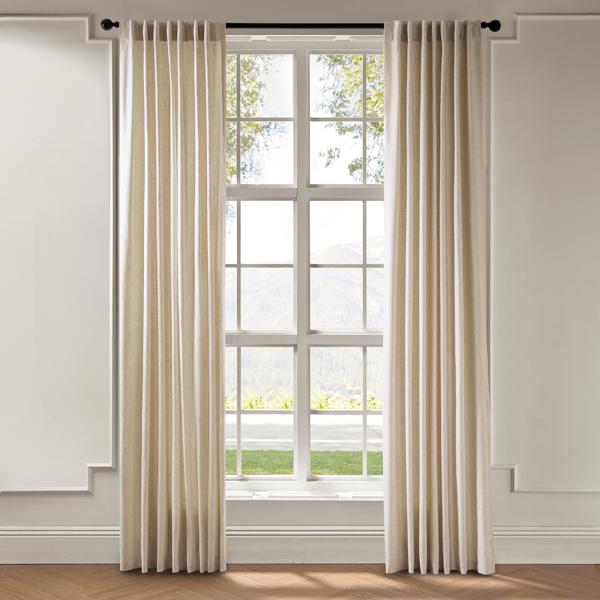
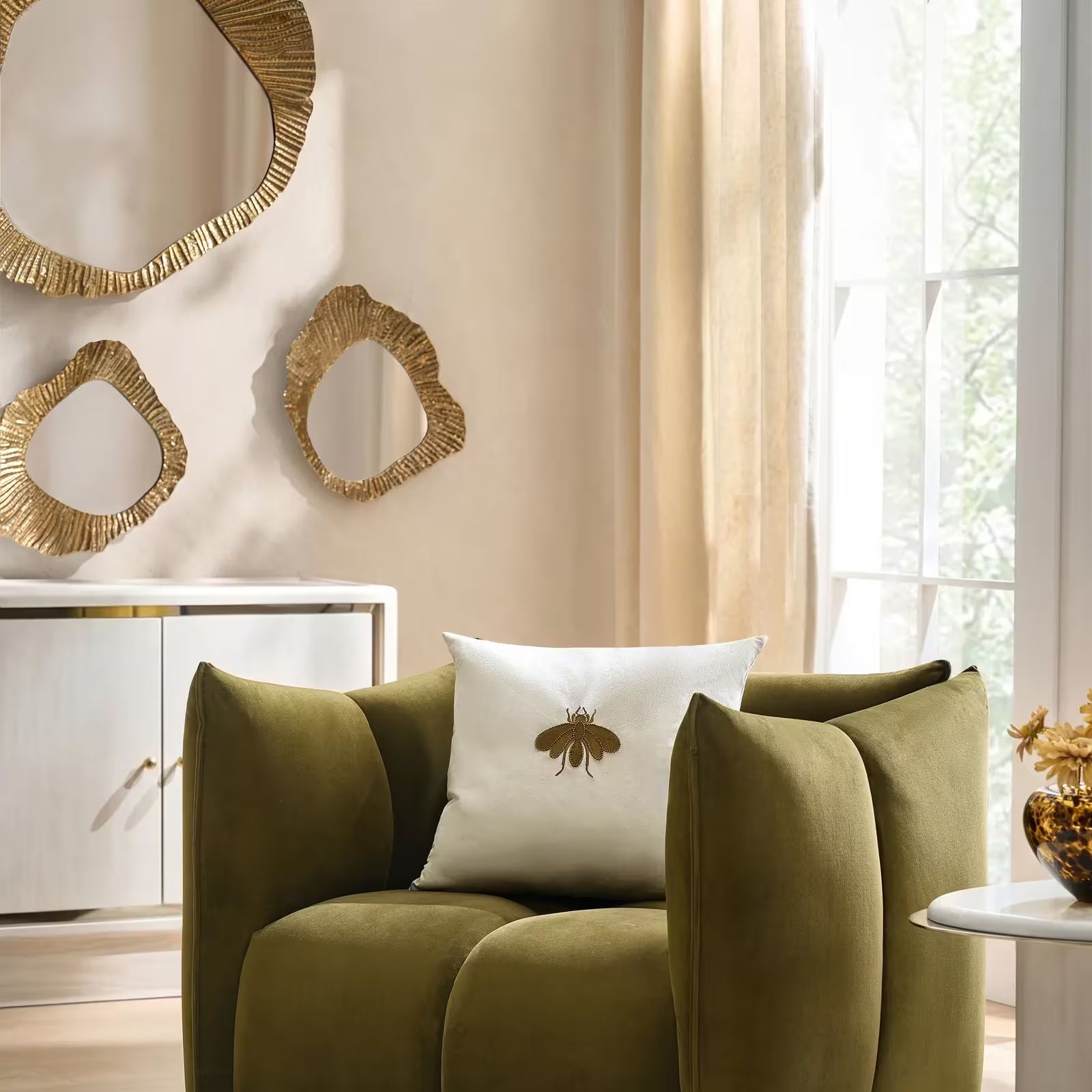 Anson Ivory Textured Window Curtain Panel$99
An elegant ivory curtain panel with a crushed, light-reflective texture for subtle shine and room darkening.
Add To Cart -

 Mabel Natural Velvet Swirl Window Curtain Panel$109
A warm neutral velvet curtain with a tonal swirl pattern and room-darkening, dual hanging options.
Add To Cart -
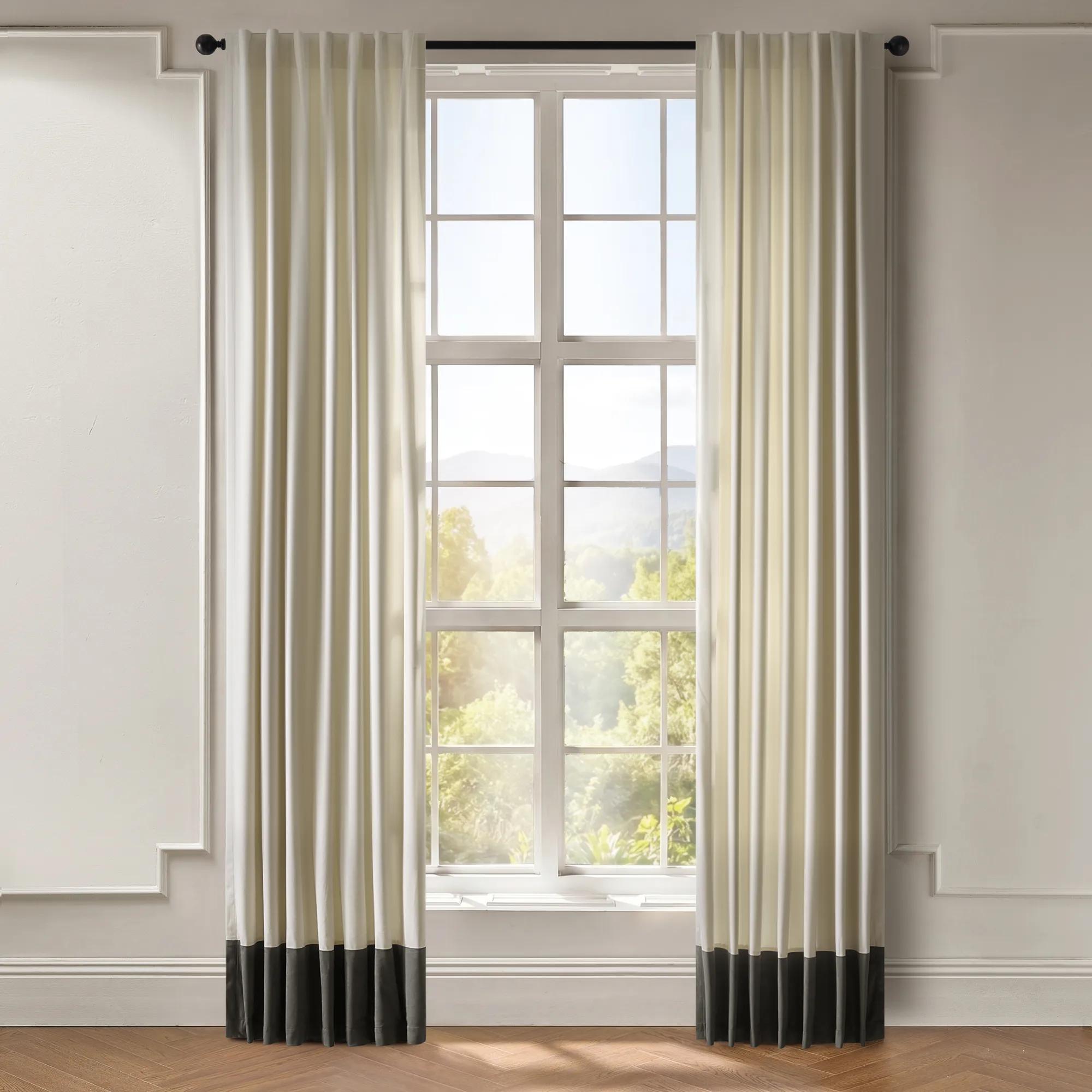
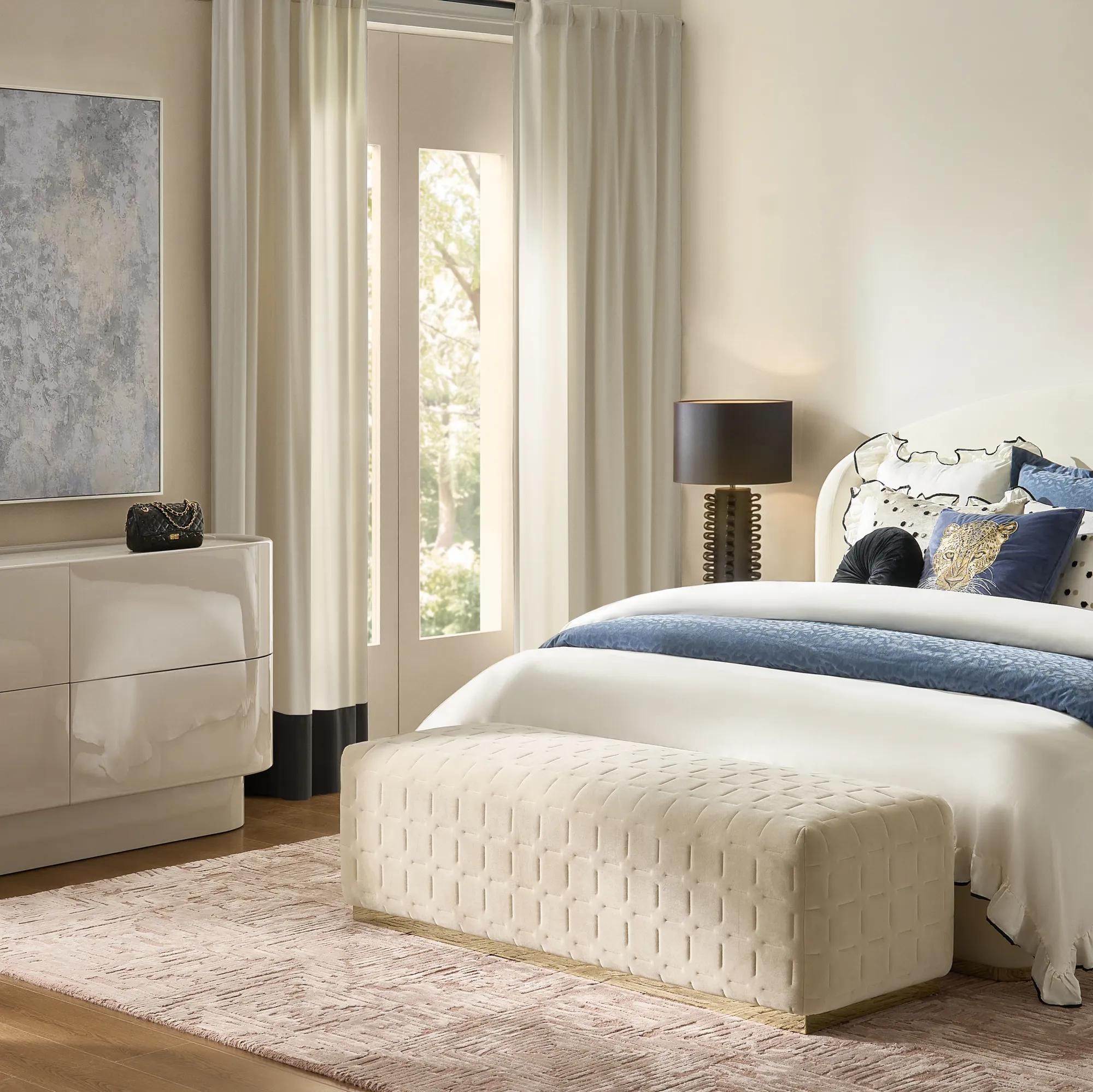 Bastien Ivory/Graphite Velvet Border Window Curtain Panel$89
A two-tone ivory and graphite velvet curtain panel with room-darkening design and versatile hanging options.
Add To Cart -
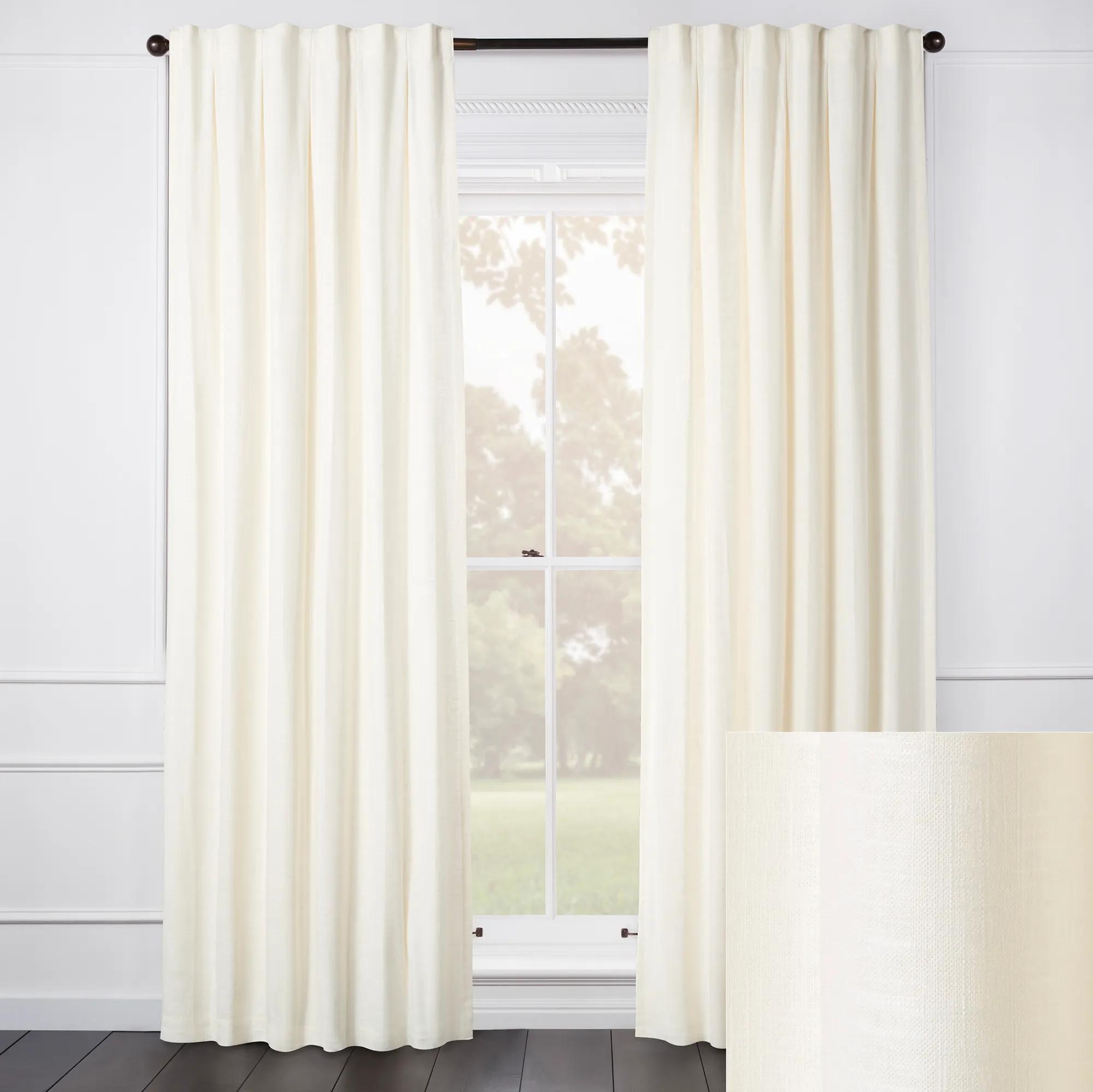
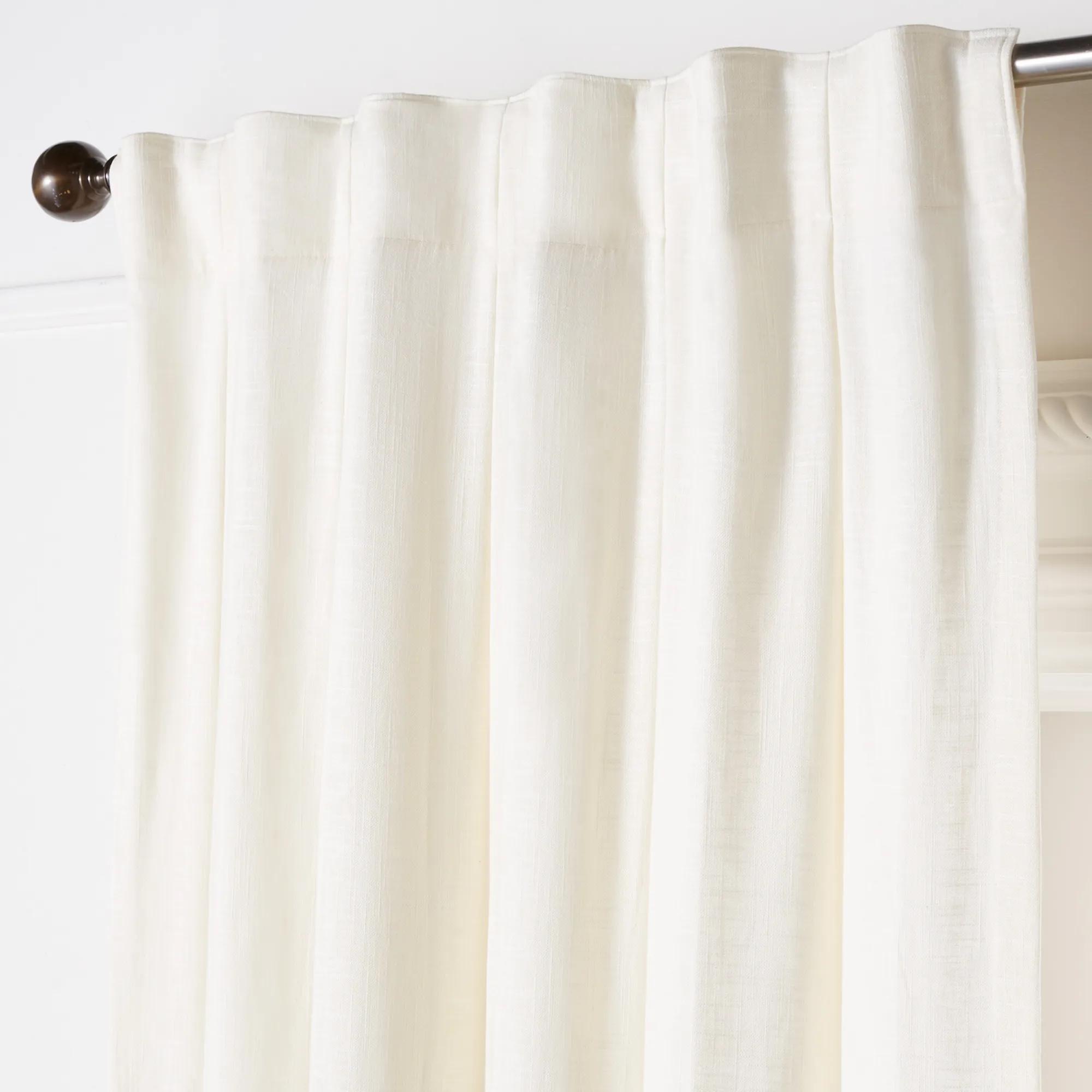 Audrey Linen Ivory Curtain - Custom$269
An ivory linen-blend curtain panel with lining, offering customizable lengths and two elegant header styles.
Add To Cart

Bold Living Room Curtains
Find bold living room curtains that give your windows a commanding presence. Explore expressive window treatments with your room’s palette and scale in mind, considering how they’ll complement your furniture and artwork. Measure for panel length and width to create a balanced frame that brings drama to the room without overwhelming it.
Bold living room curtains turn a window into an architectural focal point through saturated color, expressive pattern, rich texture, or generous scale. Their impact can come from a single decisive gesture: emerald fabric against ivory walls, an oversized geometric motif beside a streamlined sofa, or luminous folds that catch the light without relying on print. These are window treatments for rooms with a point of view, whether the mood is jewel-toned and theatrical or restrained with one striking accent. Deep blue, garnet, and plum create a plush backdrop for conversation, while black and white deliver graphic contrast that feels equally compelling beside polished metal or sculptural wood. Pattern introduces another layer of expression. Abstract designs lend a painterly quality, sweeping botanical forms soften angular furniture, and broad stripes emphasize the height of a window. The strongest statement is not necessarily the busiest one; a solid panel with substantial texture can have as much presence as an intricate print. In a living room anchored by patterned upholstery or a richly detailed rug, curtains in one confident color can give the eye a place to settle. Against quieter furnishings, a larger motif brings movement and personality to the entire composition. Color relationships also shape the atmosphere. Curtains that echo a secondary shade in artwork create continuity without making every surface match, while a contrasting hue draws attention to the window itself. A small fabric sample can look very different when imagined across an entire wall, making undertones and pattern scale especially important. A blue with a green cast feels distinct from an inky violet-blue, and a metallic thread may appear subtle in shade but pronounced under a lamp. Bold living room curtains suit expressive decorators, art collectors, and anyone who wants a gathering space to feel considered rather than conventional. They frame the room’s most visible transitions, lending depth to the view by day and creating a composed backdrop for an evening spent entertaining.
Fabric determines how that visual drama takes shape. Velvet offers a dense, light-catching surface and substantial folds, making it particularly compelling where a room needs softness against glass, stone, or metal. Linen and linen blends bring a more tactile expression, with visible texture that keeps saturated color from feeling overly uniform. Cotton can carry crisp printed designs, while many polyester fabrics offer dimensional stability and comparatively straightforward maintenance; the exact performance depends on the weave, finish, and construction. Silk introduces an unmistakable luster, though its sensitivity to sunlight and cleaning makes protective lining and careful placement especially relevant. None of these materials guarantees a particular level of privacy or light control on its own. Sheer curtains diffuse daylight but generally offer limited privacy, especially when interior lights are brighter than the view outside. Light-filtering curtains soften incoming light without fully darkening a room, while room-darkening fabrics reduce more light and blackout constructions are designed to block light through the fabric itself. Gaps around the top and sides can still admit light, so coverage matters alongside the material. For a living room used for movie nights, glare reduction may be as important as color; for a street-facing sitting area, privacy may take priority. Layered sheers and opaque panels offer flexibility, allowing the window to shift from softly illuminated to more secluded without changing the room’s decorative identity. Lining can also give a curtain more body, help the face fabric hang smoothly, and provide some protection from direct light, although benefits vary by construction. The reverse side deserves attention when windows are visible from a patio, neighboring building, or shared courtyard. A consistent lining color can create a composed exterior appearance even when the interior palette is richly varied. Texture, opacity, and lining work together to determine whether a bold curtain feels airy and painterly, tailored and graphic, or sumptuous enough to anchor the room.
Proportion gives bold curtains their polish. Panels need enough combined width to form deliberate folds when closed rather than stretching flat across the glass; the appropriate fullness depends on the heading style, fabric weight, and desired effect. Length changes the impression just as noticeably. A hem that barely clears the floor creates a tailored line and is practical in a frequently used living room, while fabric resting on the floor feels more languid but collects dust and can interfere with foot traffic. Hanging panels above the window frame can emphasize height, and extending the rod beyond the frame allows open curtains to sit farther from the glass, preserving more of the view. These choices need to account for surrounding walls, furniture, and the window’s operation rather than following a single formula. In a compact seating area, clear space around a side table or reading chair keeps generous drapery from feeling crowded. Across a broad window, a supported rod and hardware rated for the combined fabric weight help maintain a clean line. Pleated headings create ordered folds, grommets introduce a visible metal detail, and rod pockets offer a softer gathered effect, though ease of movement varies. For a more streamlined expression, modern living room curtains bring the same attention to proportion into a cleaner visual language. Long-term appeal also depends on care suited to the fabric. Some panels are machine washable, while others require professional cleaning, and embellishments, linings, or specialty finishes can change those requirements. Care labels take precedence over assumptions based on fiber alone. Gentle dust removal, when permitted, helps keep folds defined; a vacuum’s upholstery attachment should be used cautiously at low suction rather than pulled across delicate surfaces. In homes with children or pets, hems clear of the floor and secure hardware make everyday use easier. Thoughtful construction and realistic upkeep allow dramatic curtains to remain an enduring part of the room’s character, framing intimate conversations, lively gatherings, and quiet hours with equal presence.
FAQs
Bold living room curtains turn a practical layer into an expressive design statement through saturated color, striking patterns, or sumptuous texture. Whether your style leans toward jewel-toned glamour or graphic contrast, choose a look that gives the room a distinct point of view.
Draw inspiration from a compelling detail already in the room, such as a painting, accent pillow, or sculptural accessory. Emerald, sapphire, and burgundy create a richly layered mood, while a sharp black-and-white palette brings graphic drama. Repeat a touch of the curtain color elsewhere for a deliberate, artfully composed look.
Yes—confident pattern mixing can give a living room an expressive, collected feel. Connect the curtains and rug through a shared color, then contrast their motifs, such as fluid curves against crisp geometry. Let one pattern take the lead while the other plays a supporting role.
Texture adds visual richness even when the color palette stays restrained. A lustrous surface brings a luminous accent, while dimensional detailing creates depth and an inviting sense of opulence. Contrast the curtains with sleek furniture or gleaming decorative objects to make those tactile qualities more pronounced.
Treat bold curtains as part of the room’s artistic composition. Echo a color or motif in your artwork, then introduce a few distinctive accessories that complement rather than compete with the fabric. Give each statement room to shine—the result should feel expressive and intentional, not crowded.