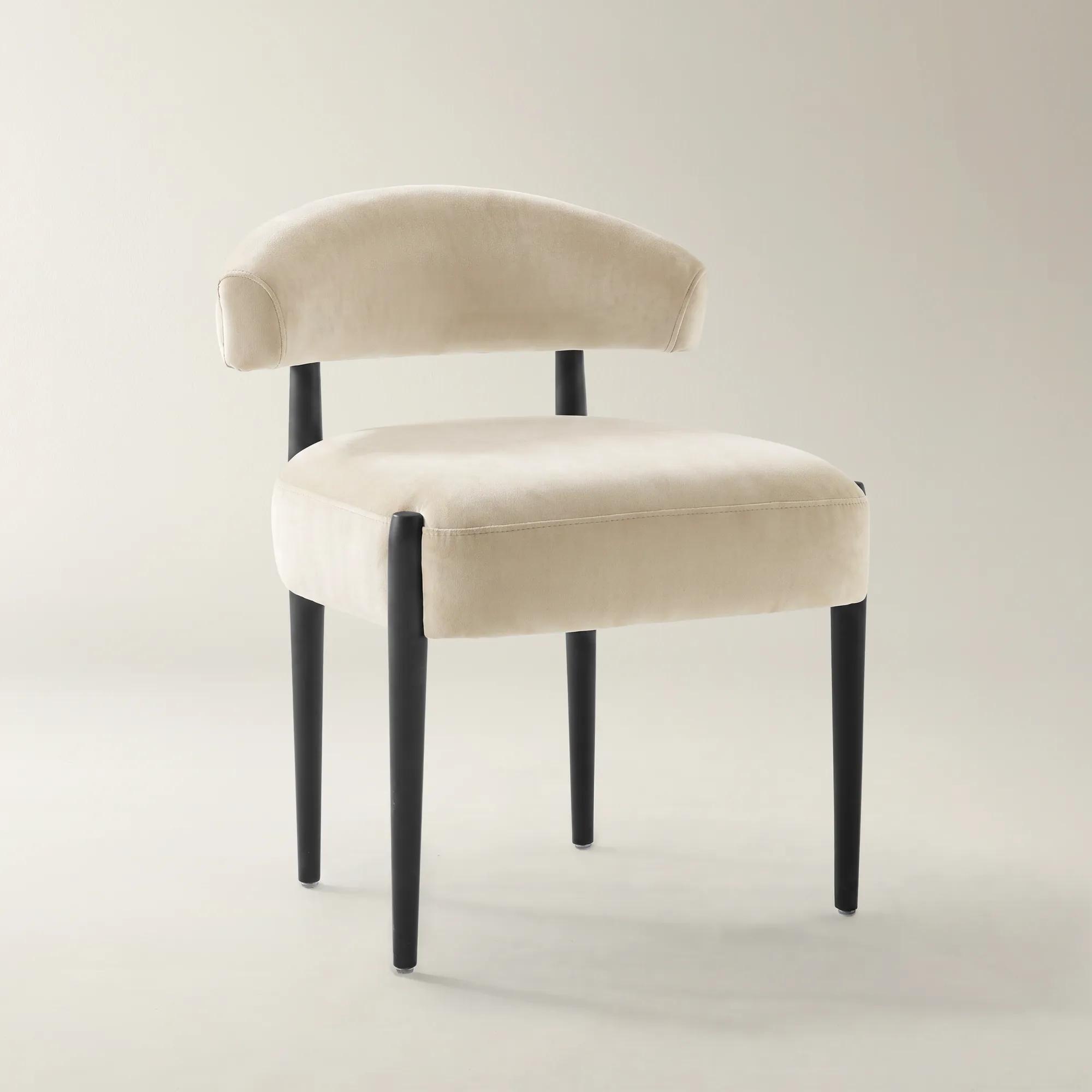
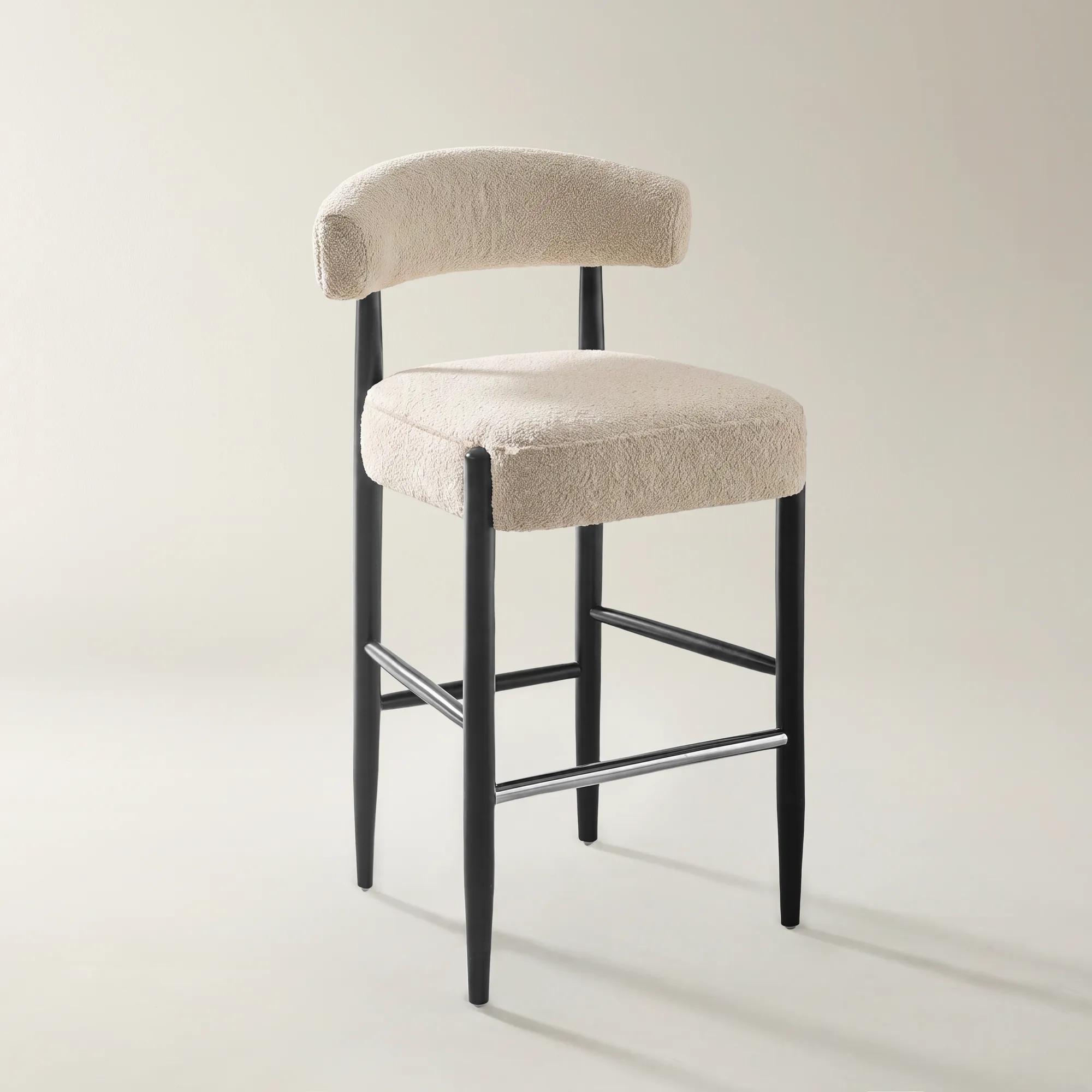
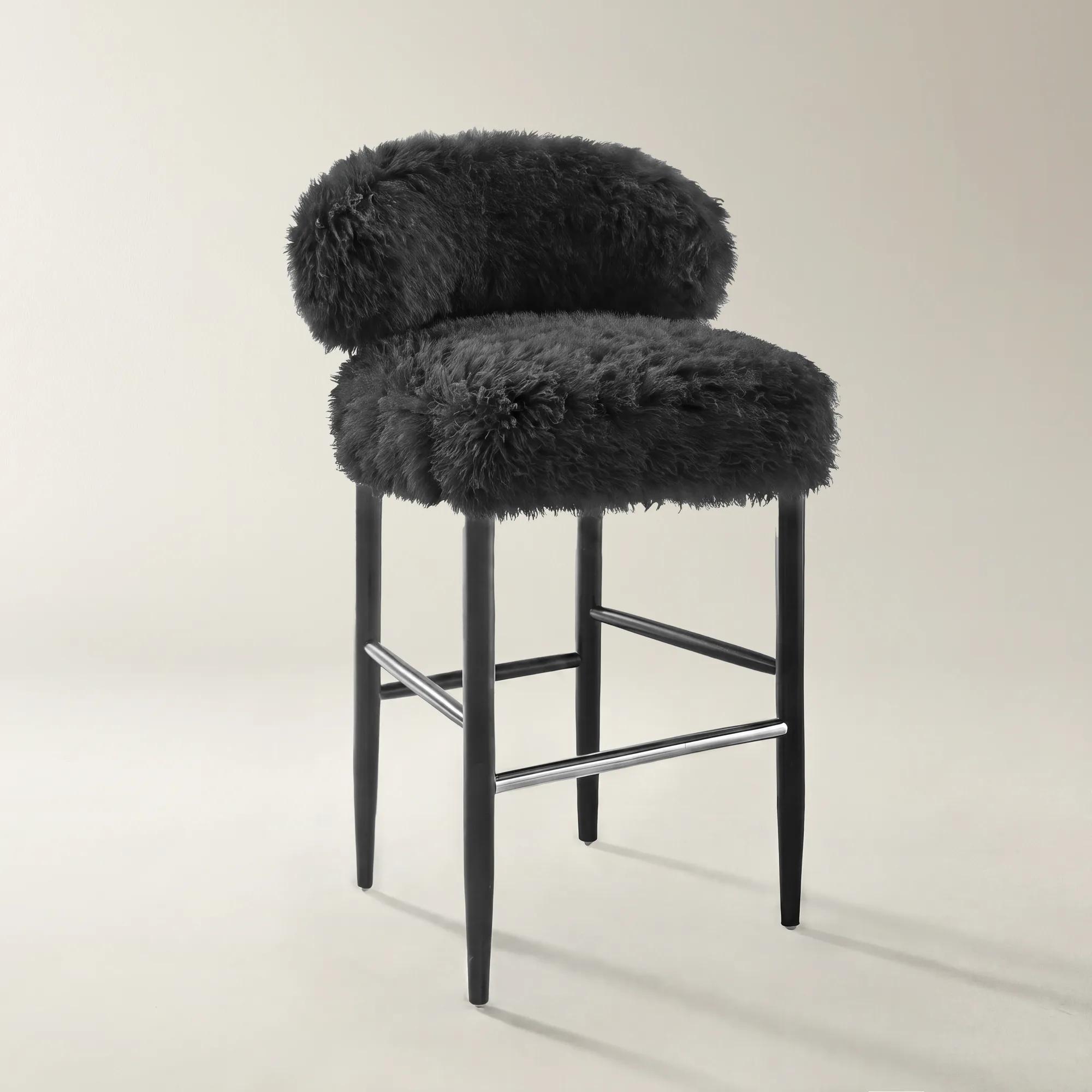
Black Dining Chairs For Rectangular Tables
Black Dining Chairs For Rectangular Tables
-
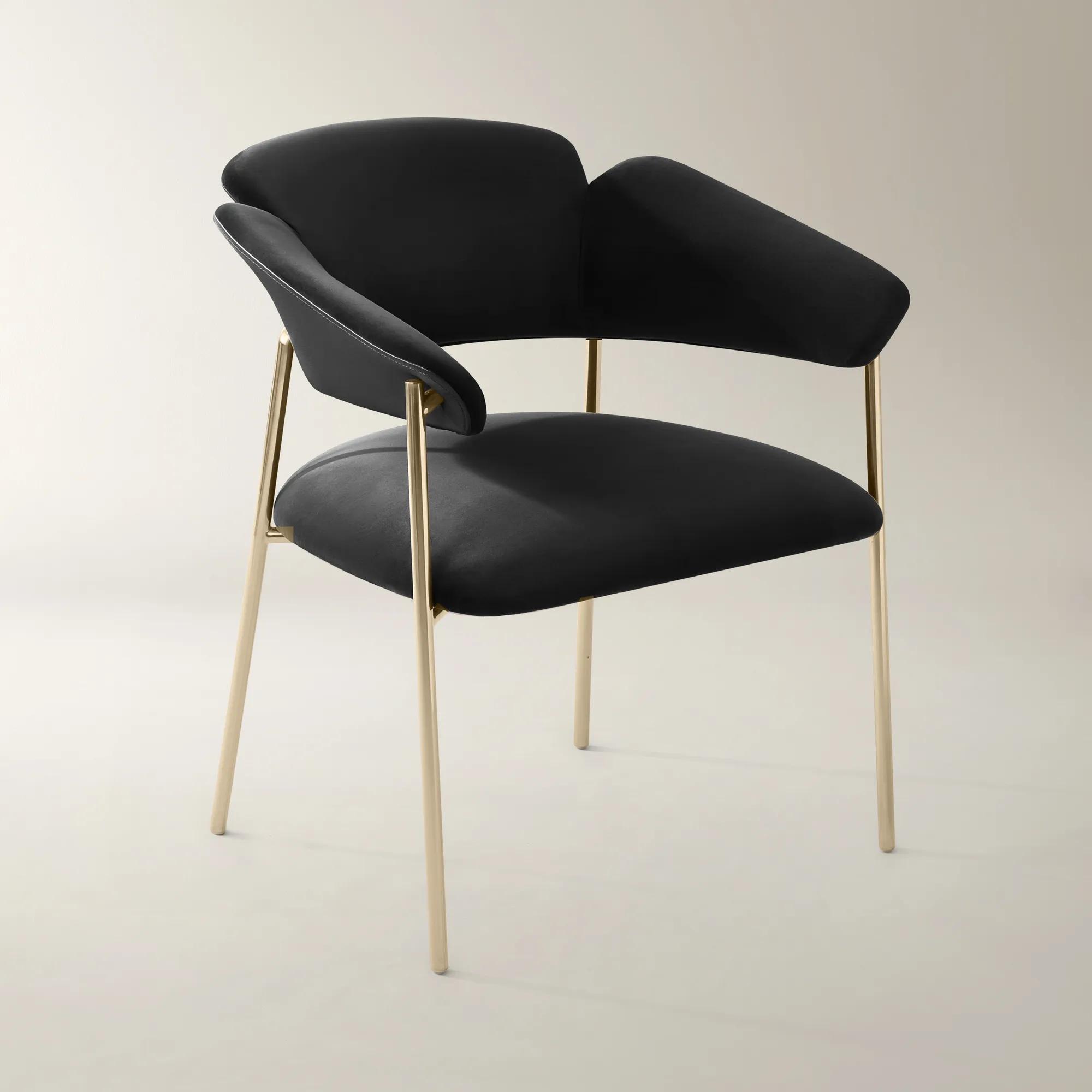 Odette Charcoal Velvet Dining Chair$499
A charcoal velvet chair featuring a wraparound open-back design, tonal faux leather accents, and gold metal legs.
Add To Cart -
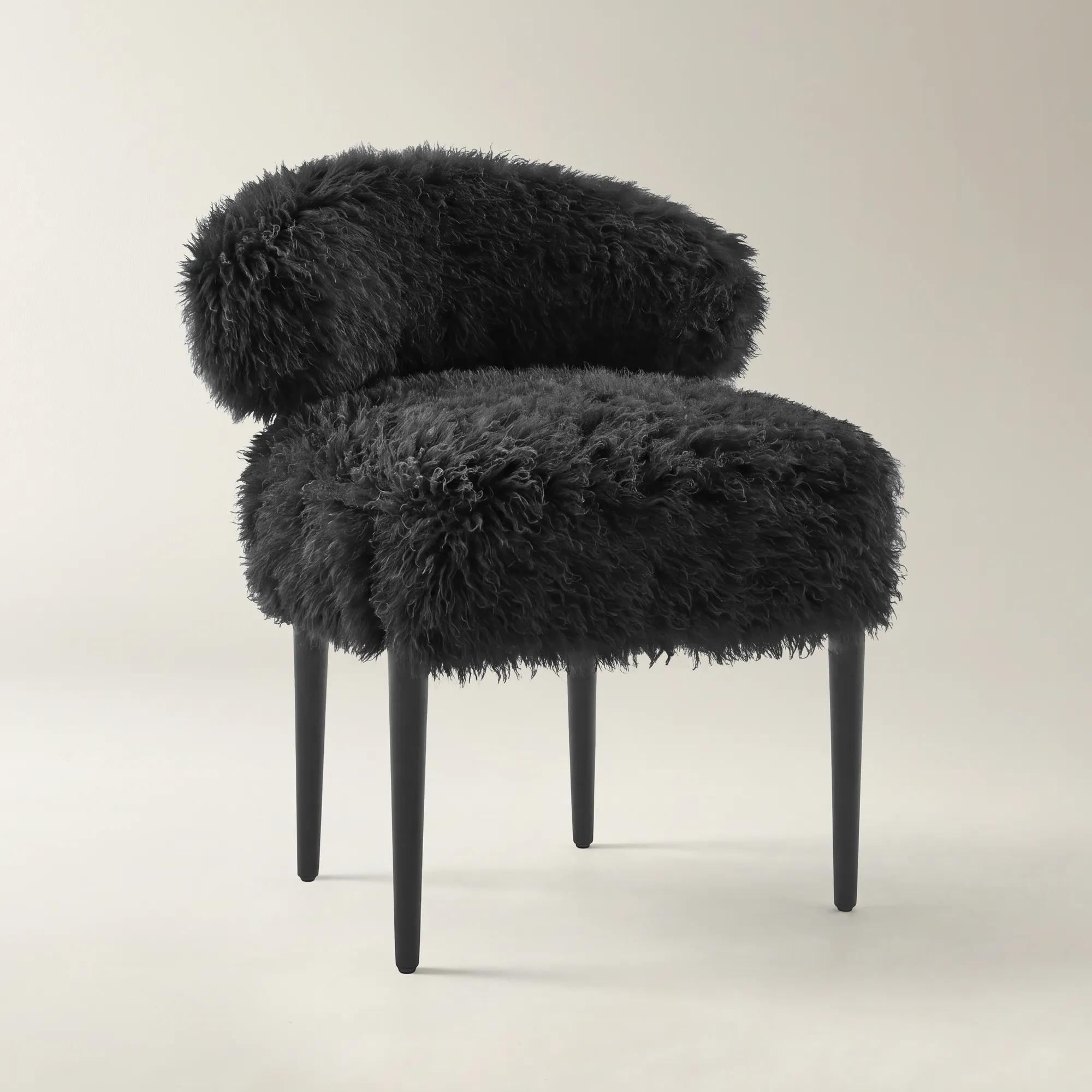
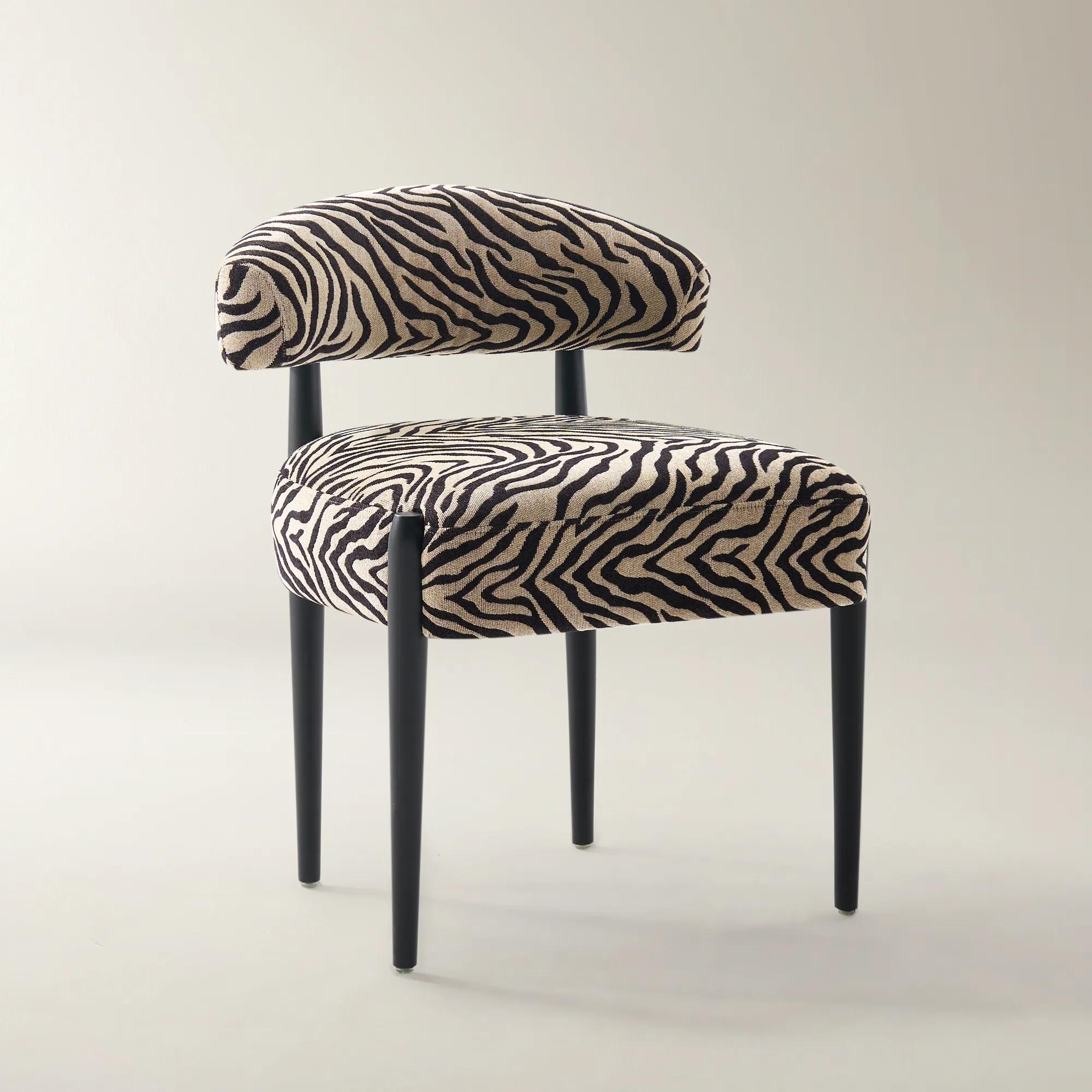 Anna Black Faux Fur Dining Chair Set of 2$799
A black faux fur chair set with arched backs, foam cushioning, and solid wood legs.
Add To Cart -
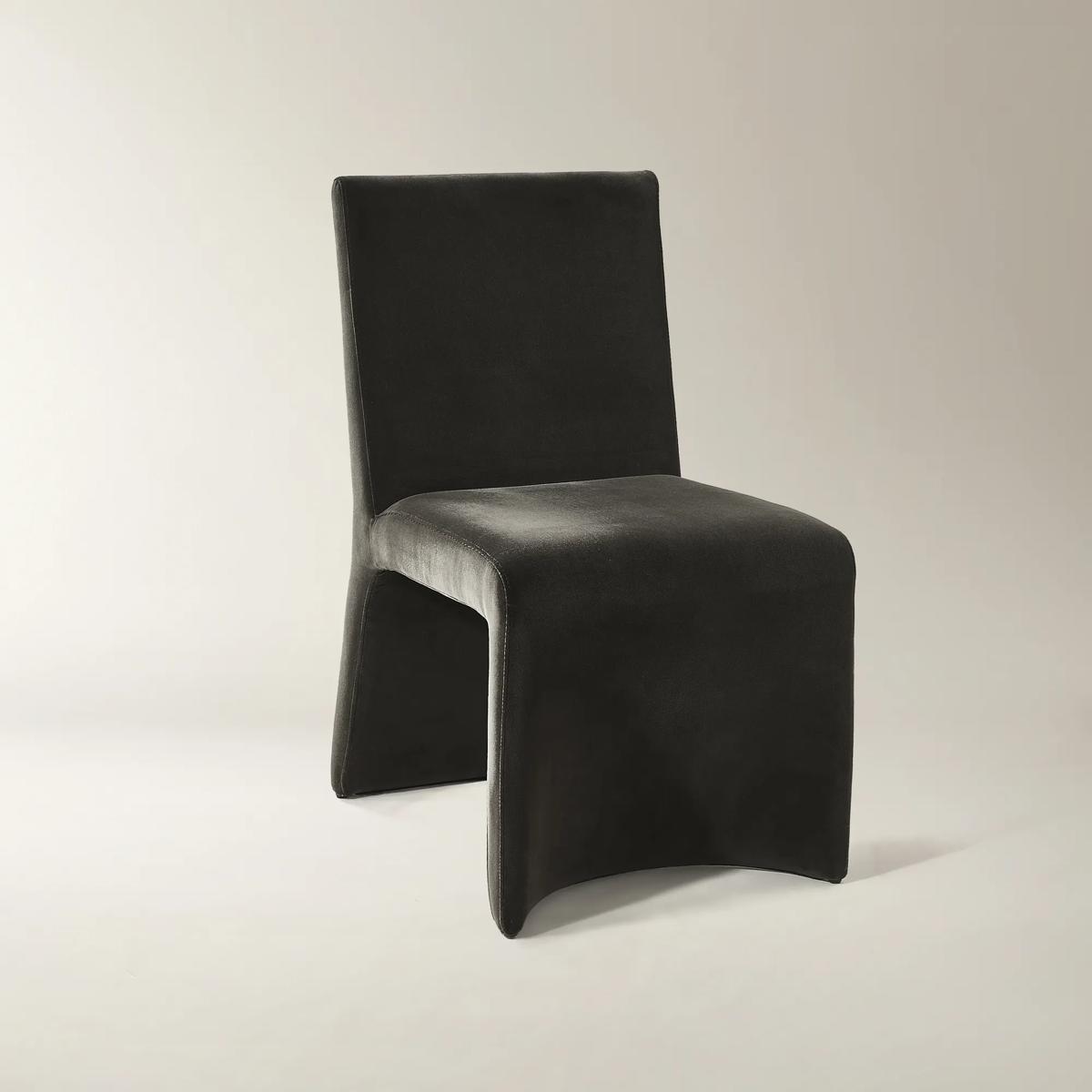
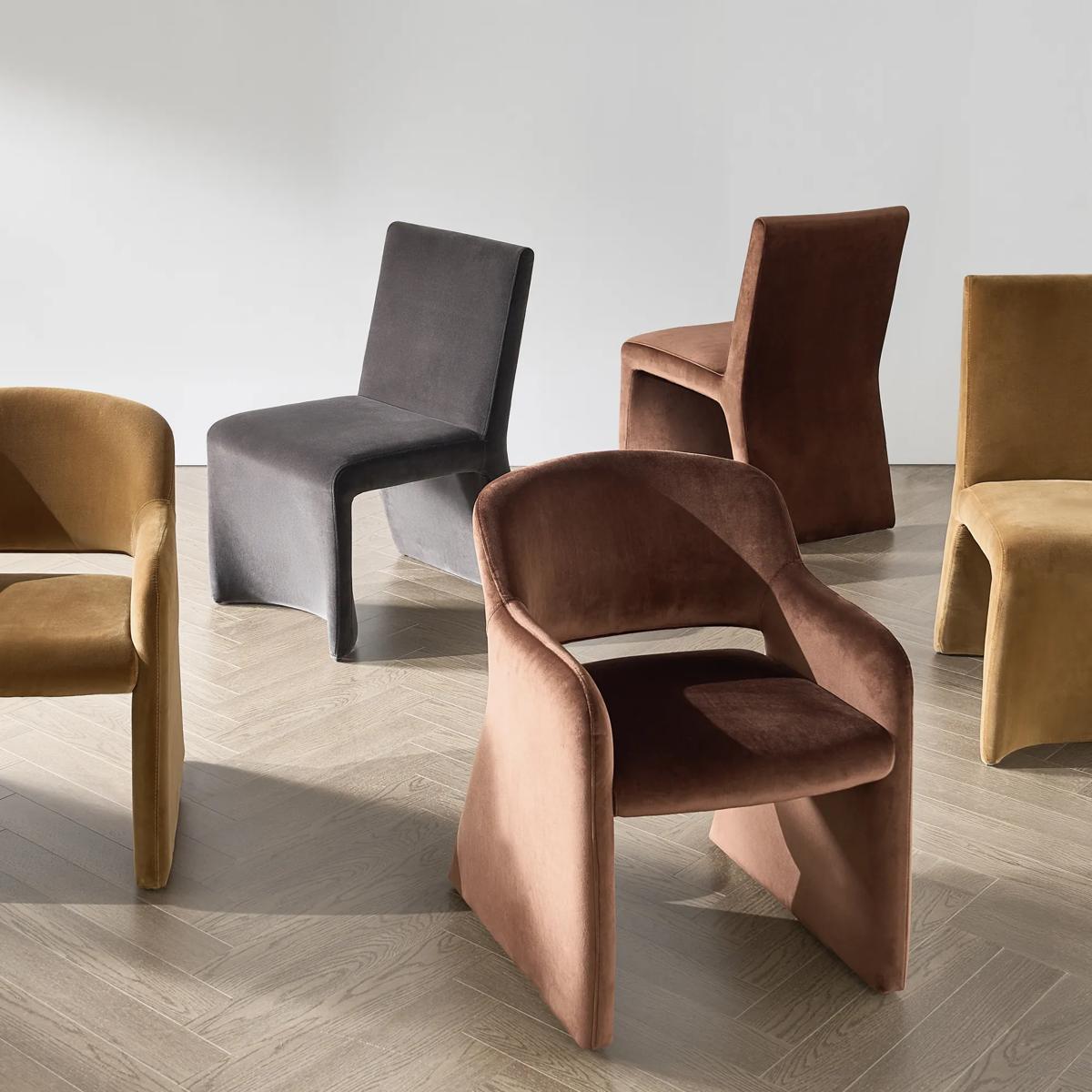 Elara Charcoal Velvet Dining Chair Set Of 2$799
A pair of charcoal velvet dining chairs featuring curved ergonomic silhouettes, plush upholstery, and hand-crafted details.
Add To Cart -
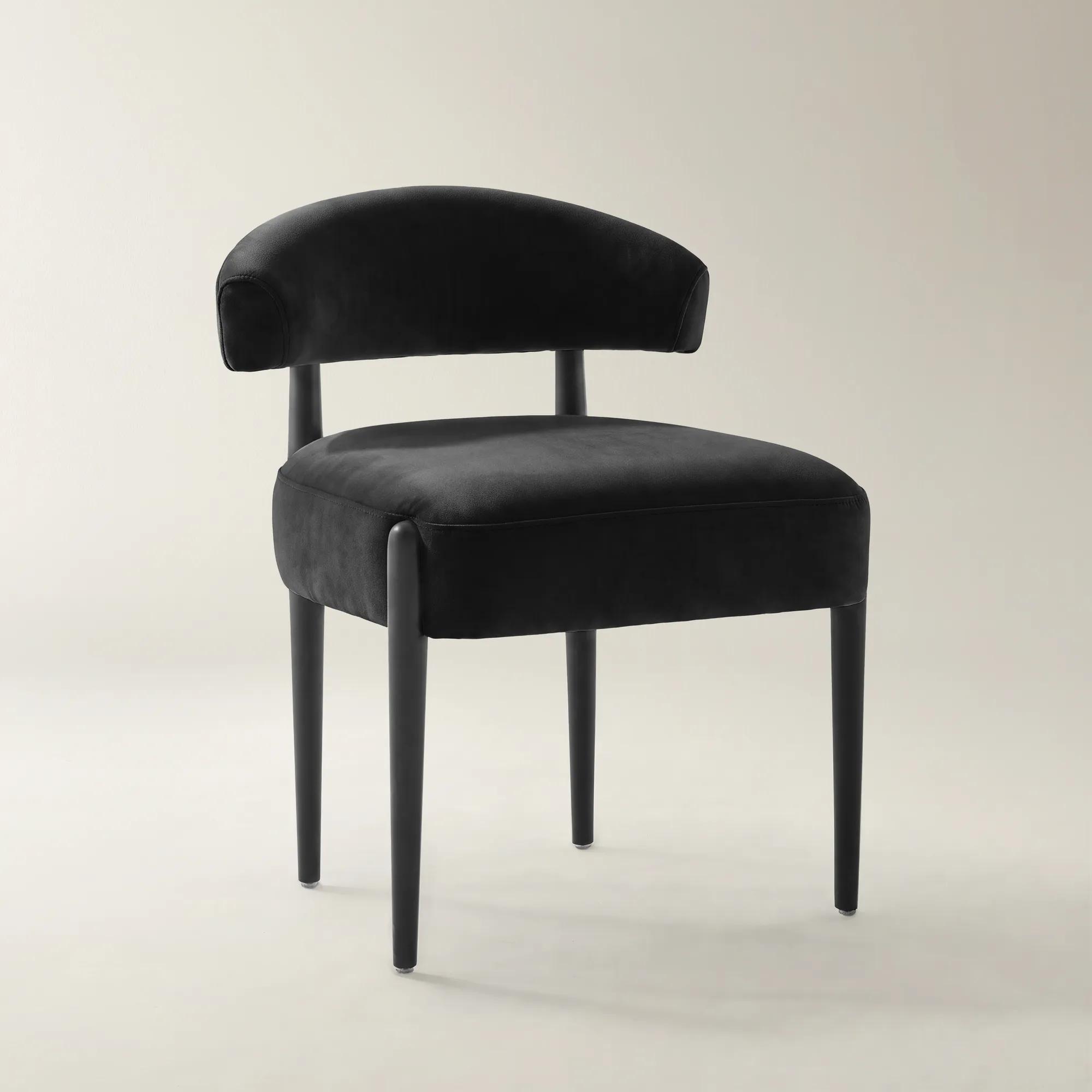 Anna Charcoal Velvet Dining Chair Set of 2$699
A charcoal velvet dining chair with an arched back, supportive foam cushioning, and solid rubberwood legs.
Add To Cart -
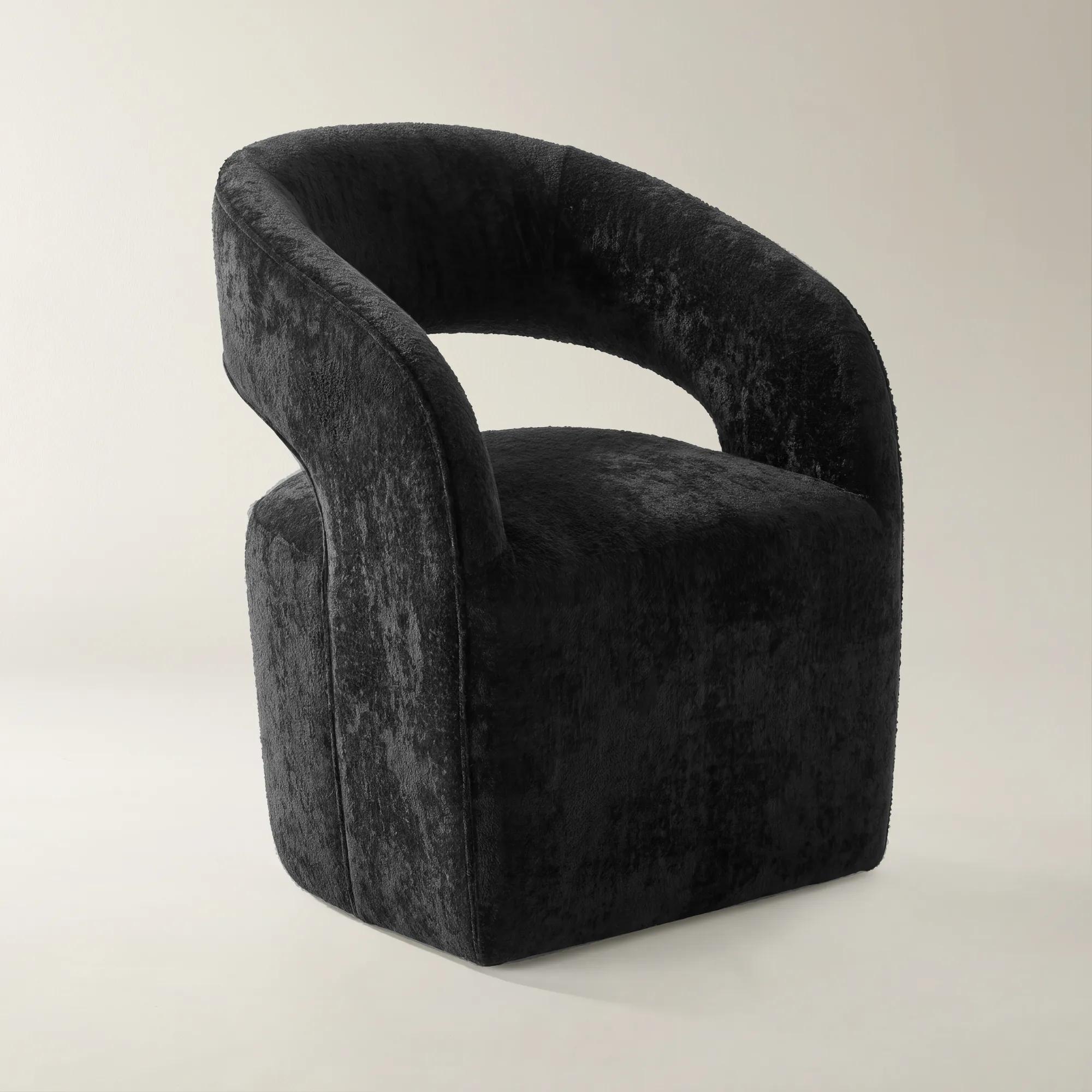 Harrison Black Chenille Dining Chair$499
A sculptural dining chair upholstered in charcoal chenille with a curved back, feather-blend seat, and integrated arms.
Add To Cart -
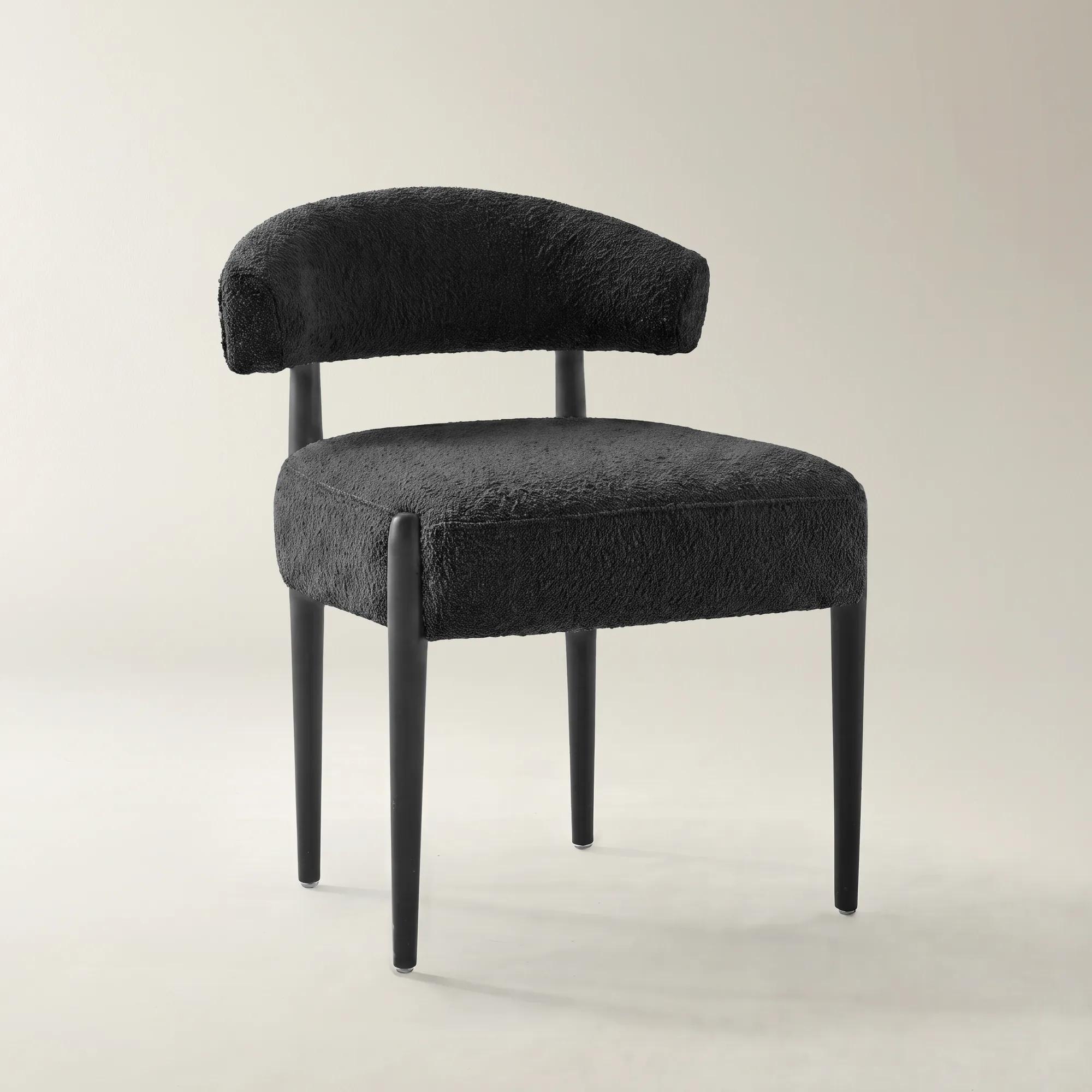 Anna Black Chenille Dining Chair Set of 2$699
A charcoal chenille dining chair set with curved backs, high-density foam cushioning, and rubberwood legs.
Add To Cart -
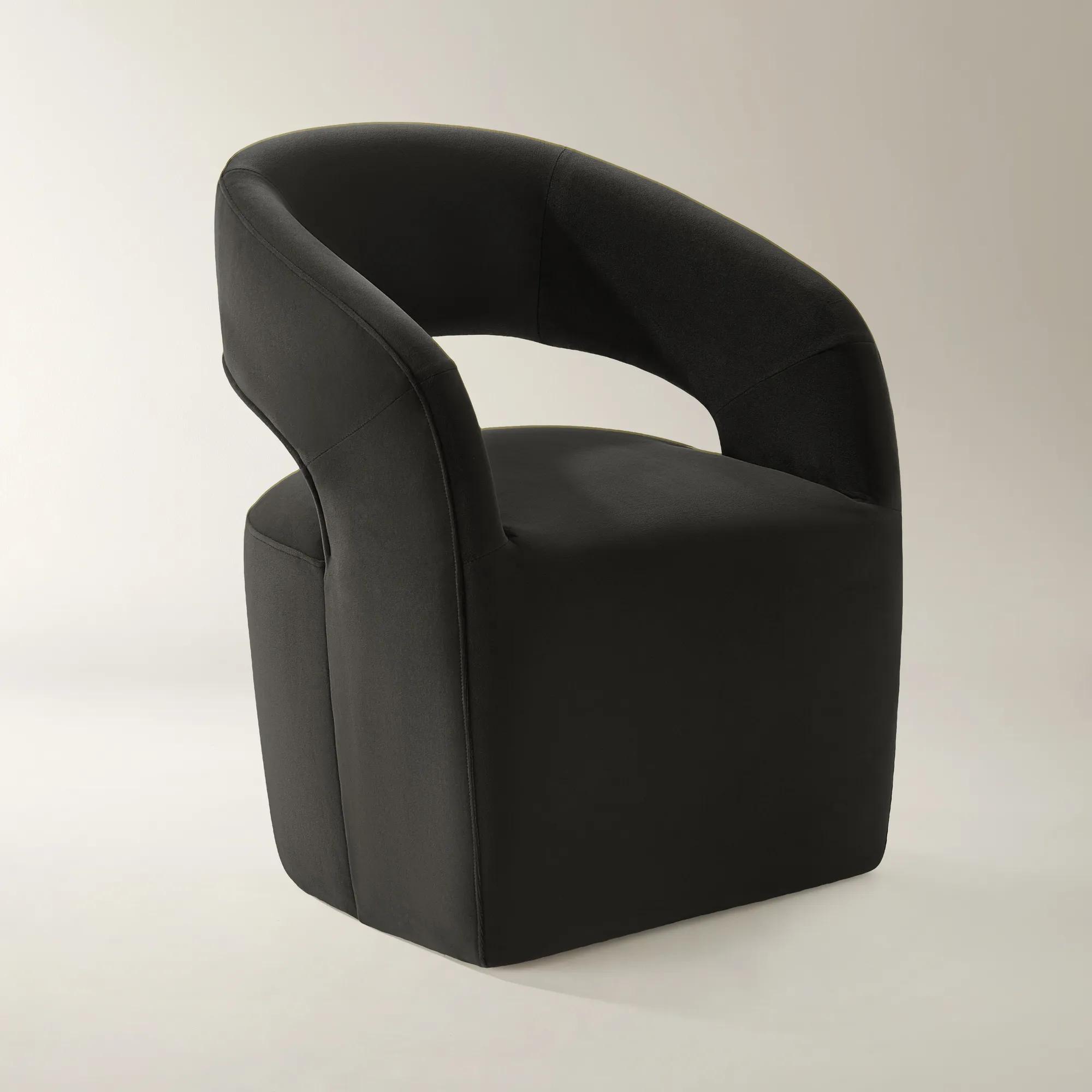 Harrison Charcoal Velvet Dining Chair$499
A sculptural dining chair upholstered in charcoal velvet with a continuous curved back and feather-blend comfort.
Add To Cart -
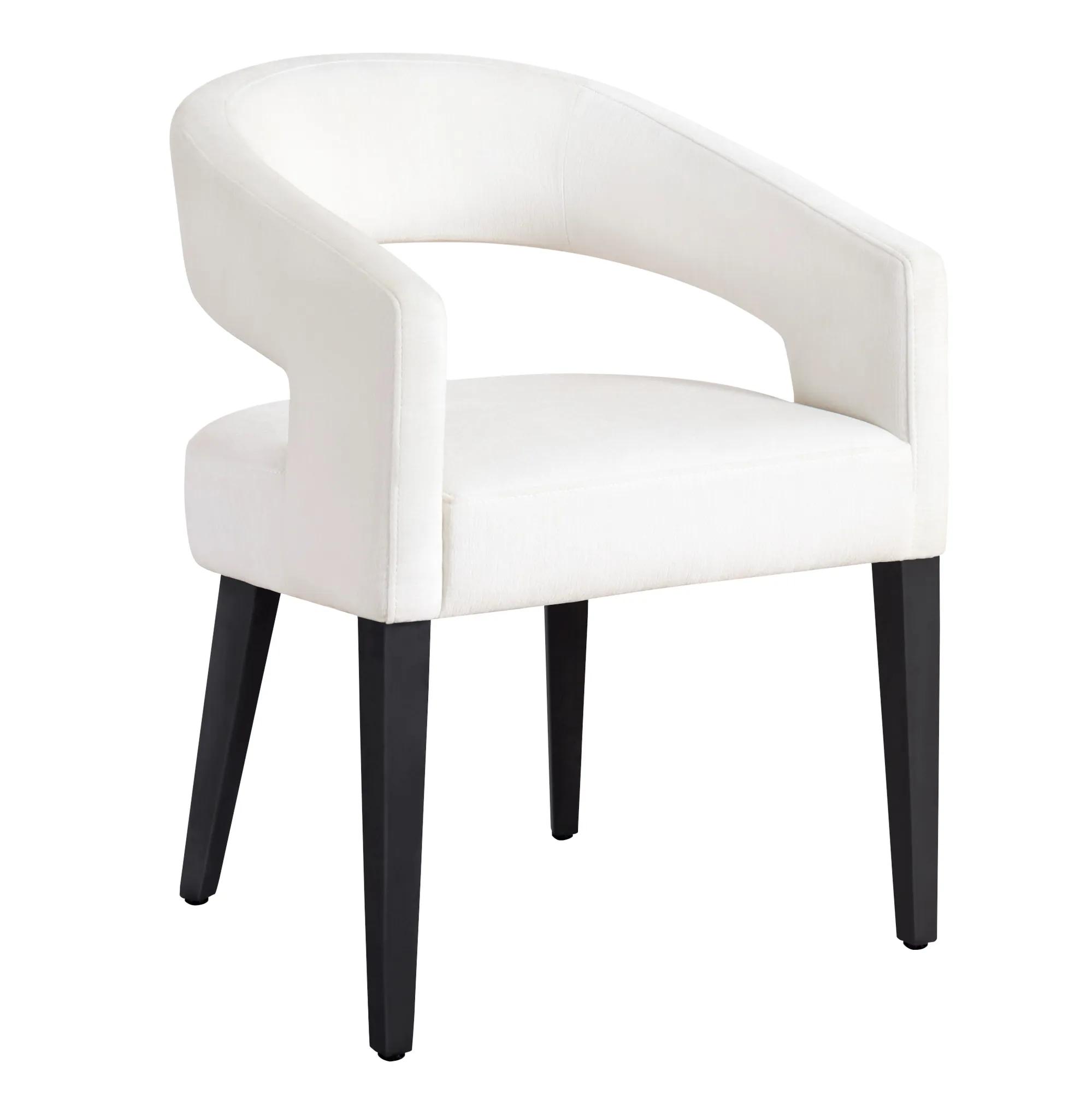
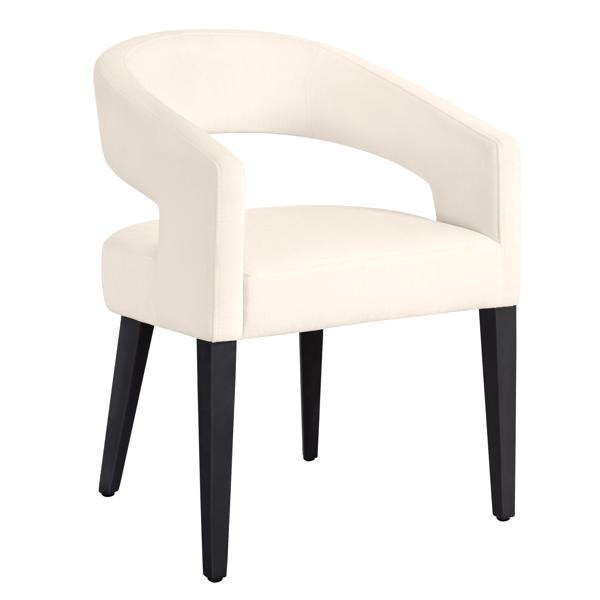 Philippa Dining Chair - Matte Black$599
A modern dining chair featuring a curved silhouette, matte black legs, and neatly tailored upholstery.
Add To Cart -
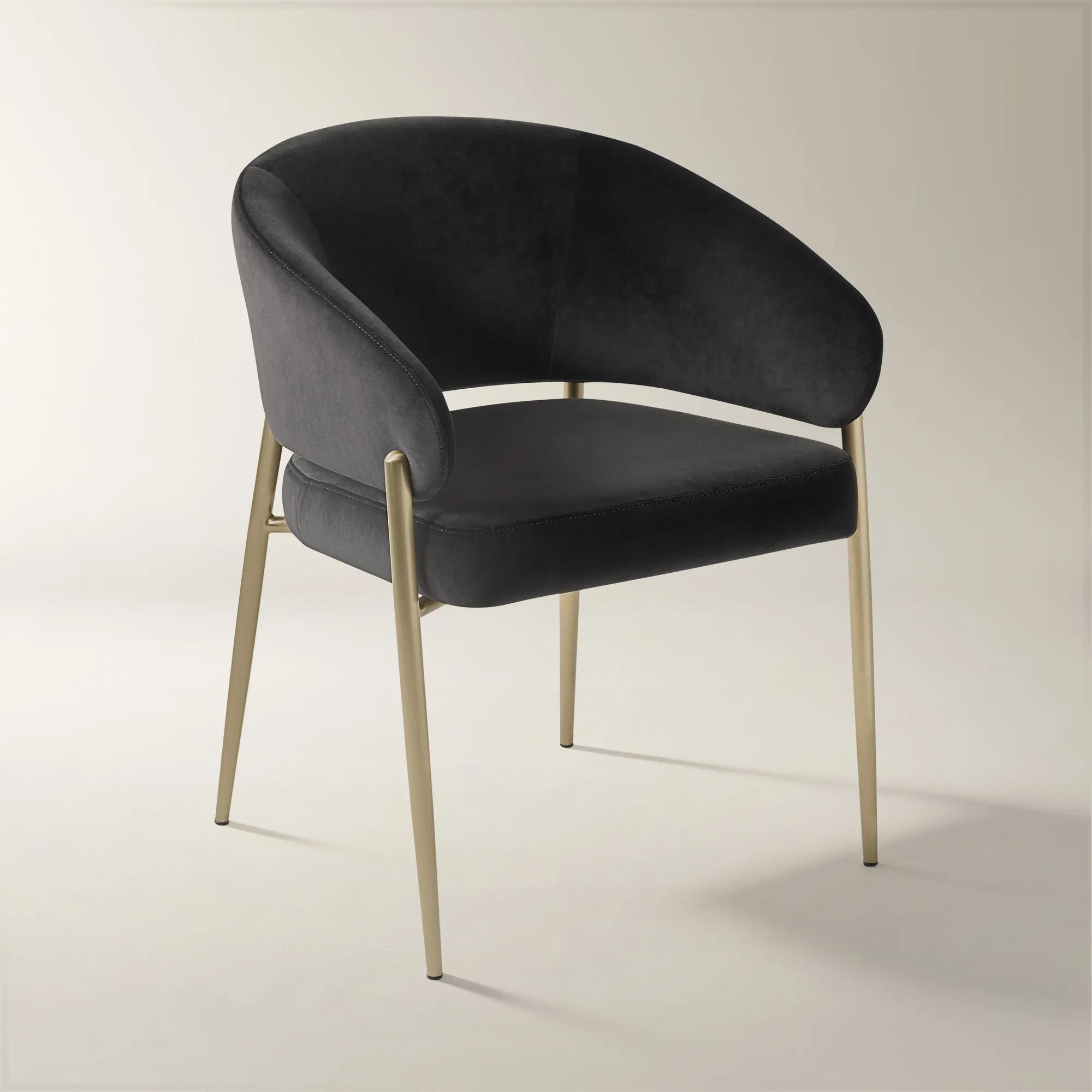 Nara Charcoal Velvet Dining Chair Set Of 2$599
A set of two charcoal velvet chairs featuring curved backs, plush upholstery, and brushed brass metal legs.
Add To Cart -
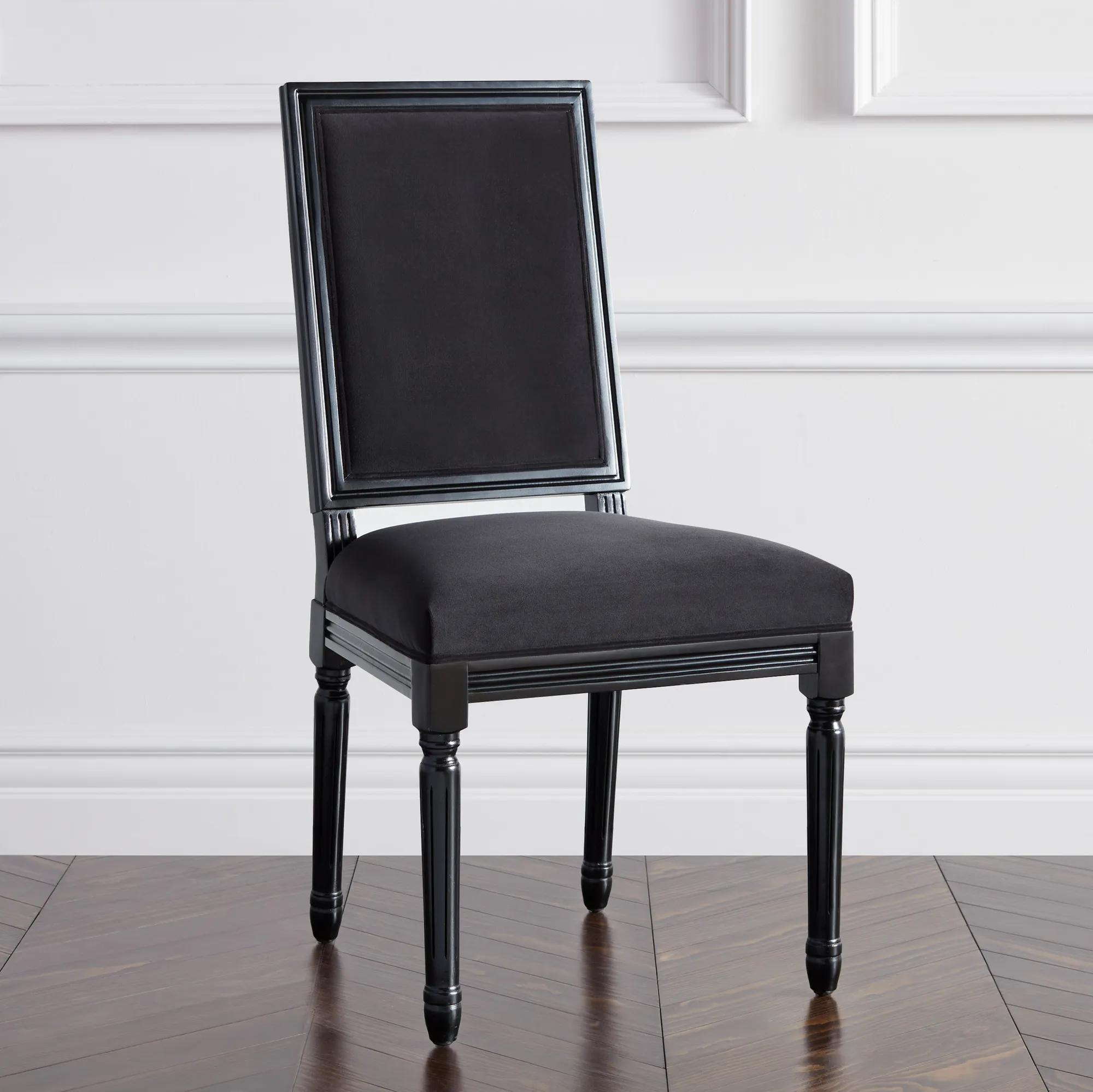
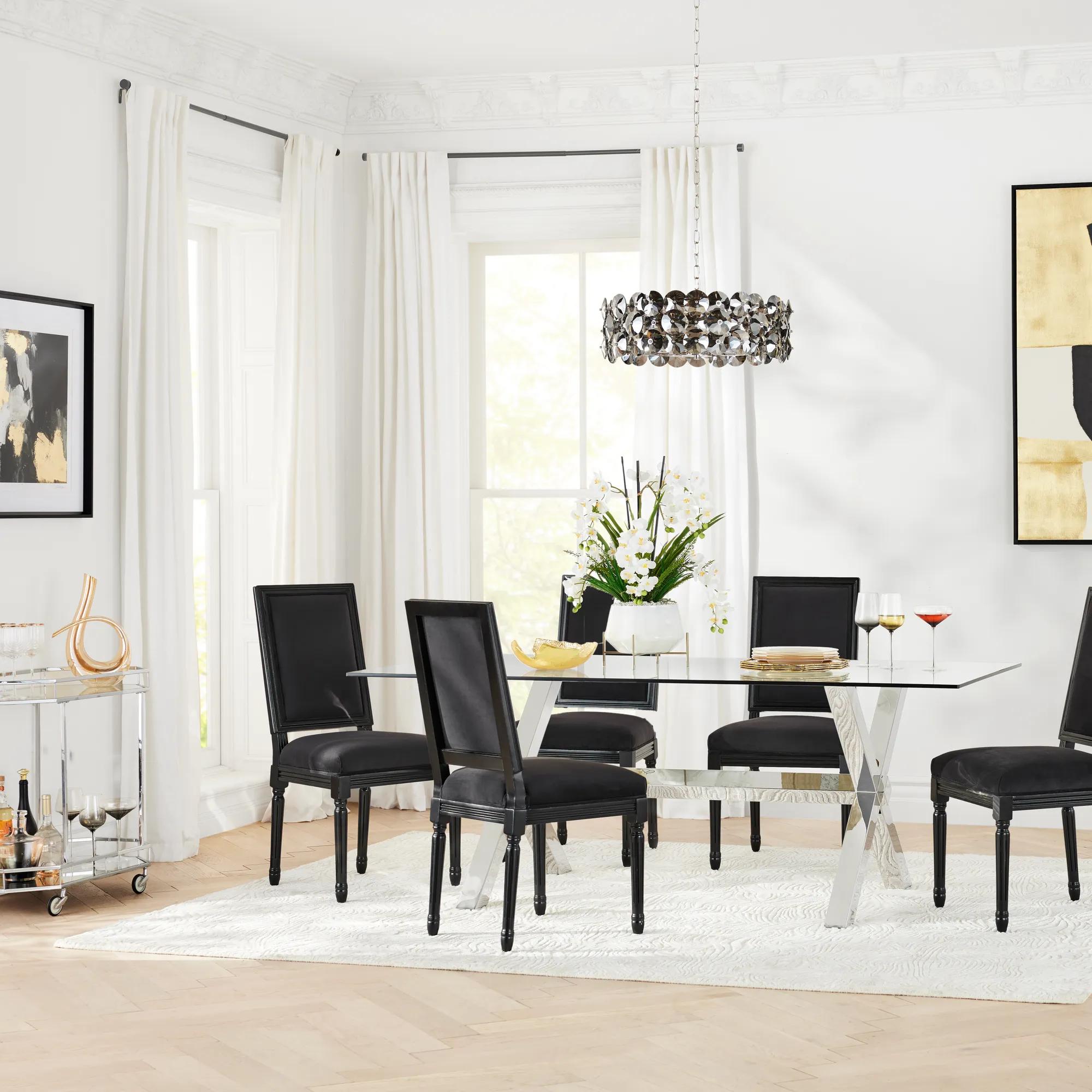 Callan Dining Chair - High Gloss Black$599
A handcrafted dining chair featuring high-gloss black Bella Velvet upholstery, fluted legs, and a squared back.
Add To Cart -
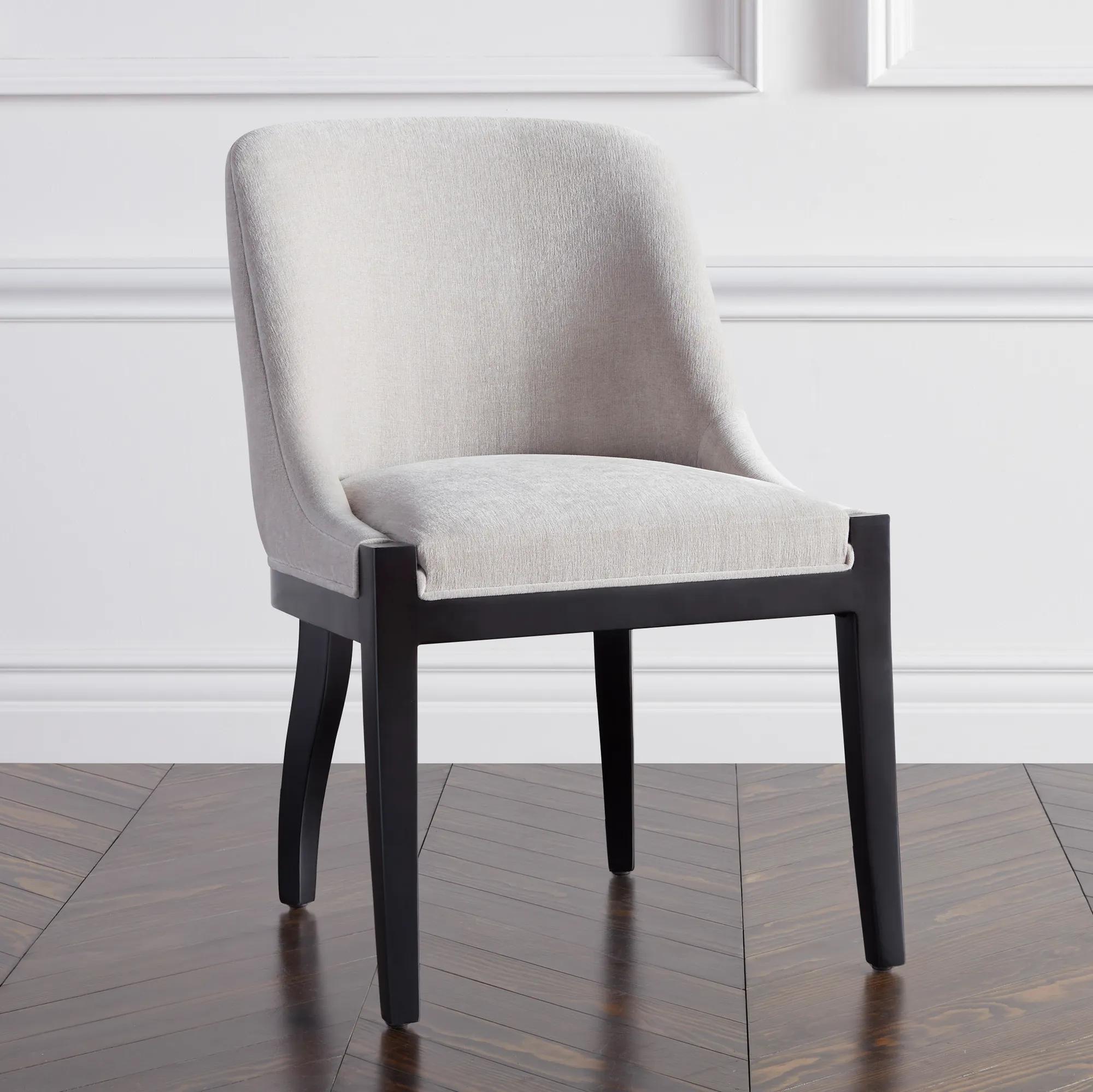 Lily Dining Chair - Matte Black$599
A modern dining chair featuring a matte black hardwood frame and plush, tailored upholstery for lasting comfort.
Add To Cart -
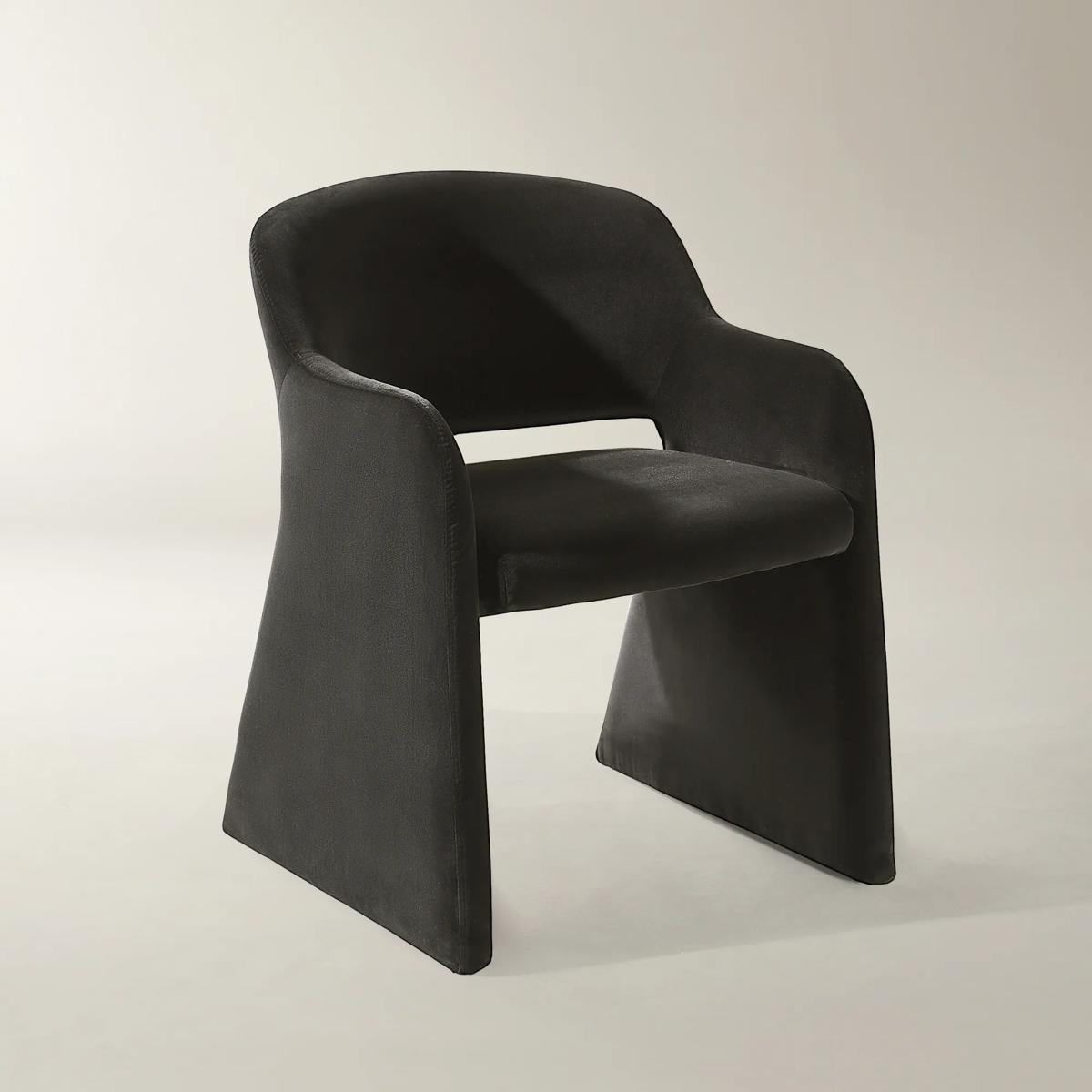 Elara Charcoal Velvet Dining Chair$449
A charcoal velvet armchair with sinuous curves, supportive embrace, and hand-crafted, reinforced construction.
Add To Cart -
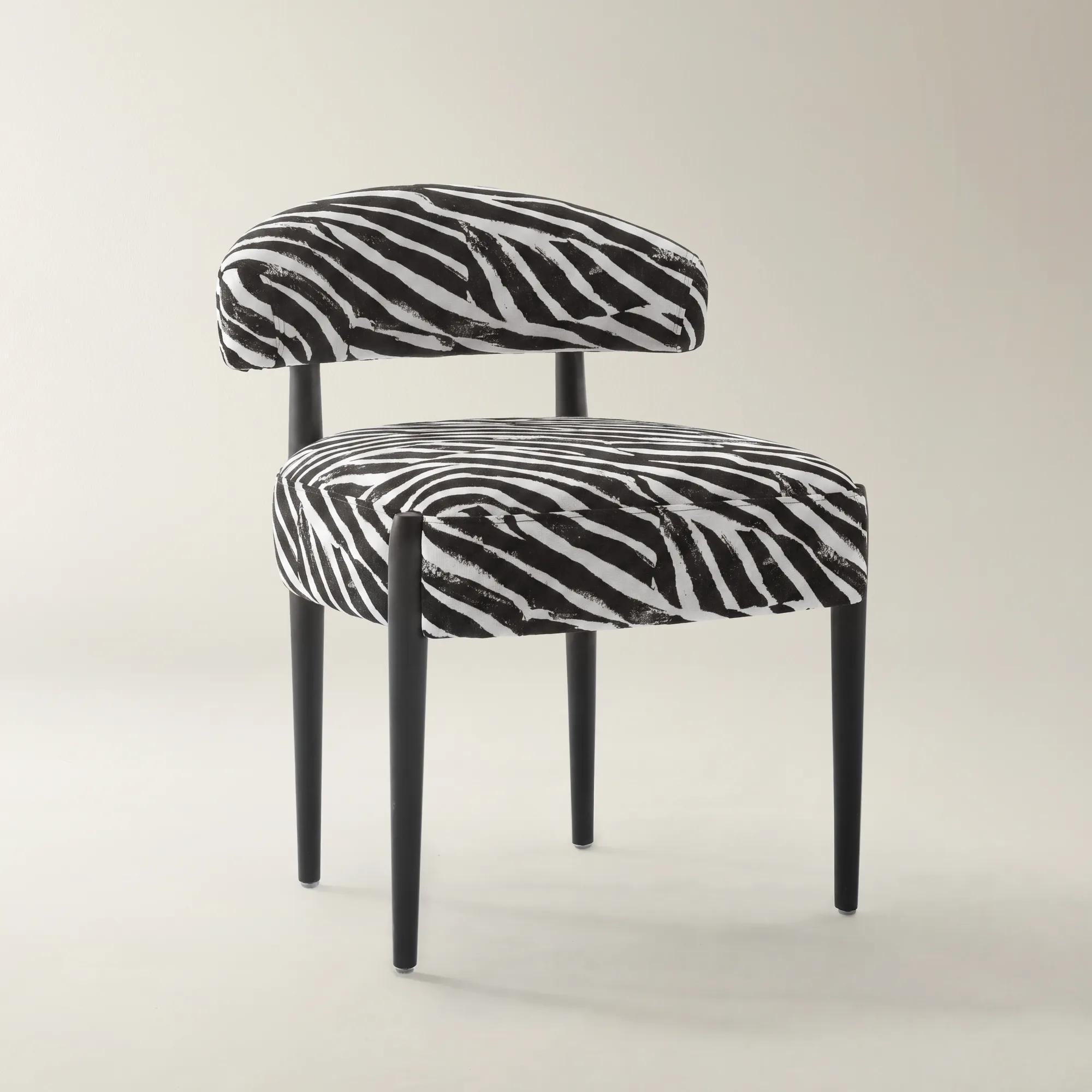 Anna White/Black Performance Chenille Dining Chair Set of 2$699
A black-and-white performance chenille chair set with arched backs, high-density foam, and solid rubberwood legs.
Add To Cart -
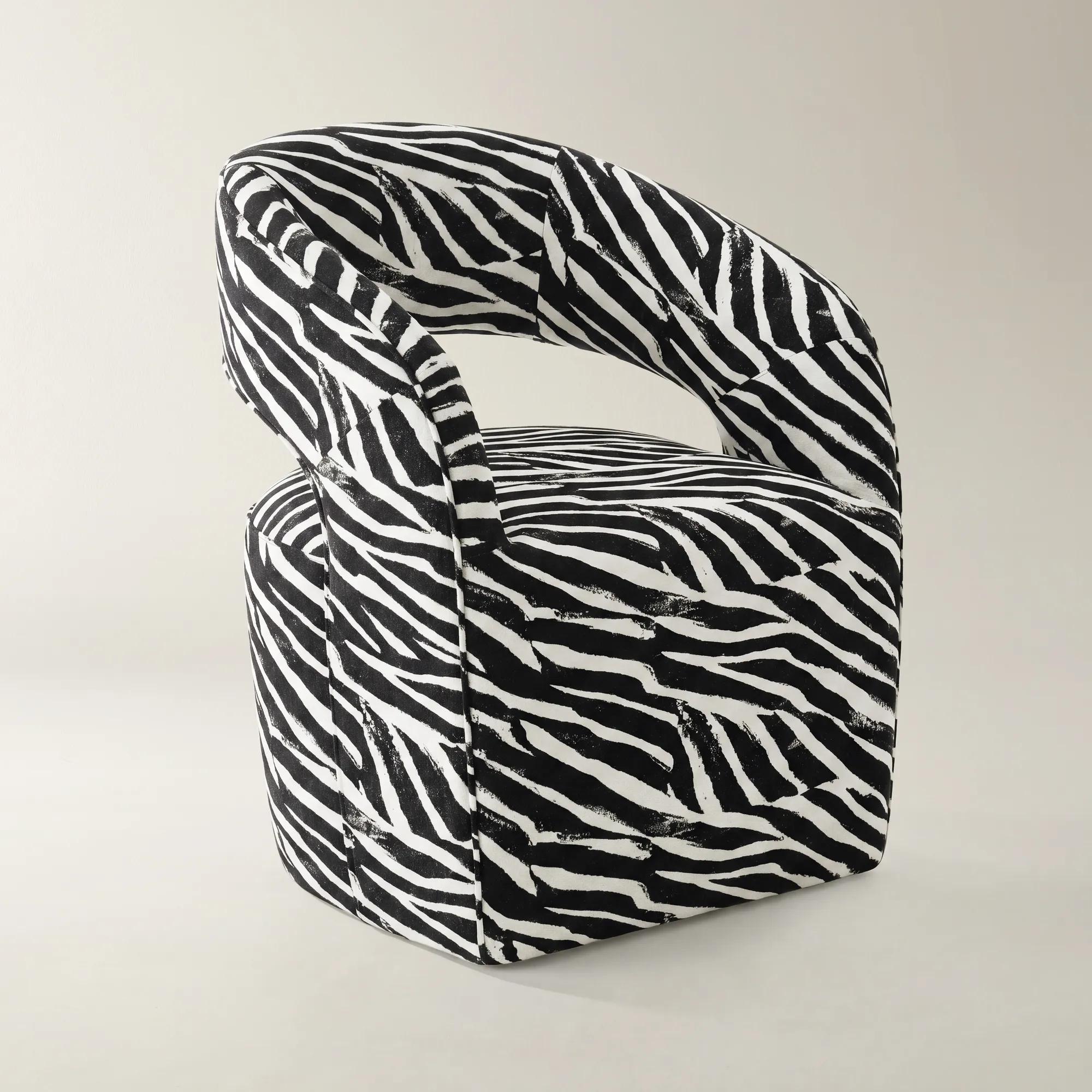
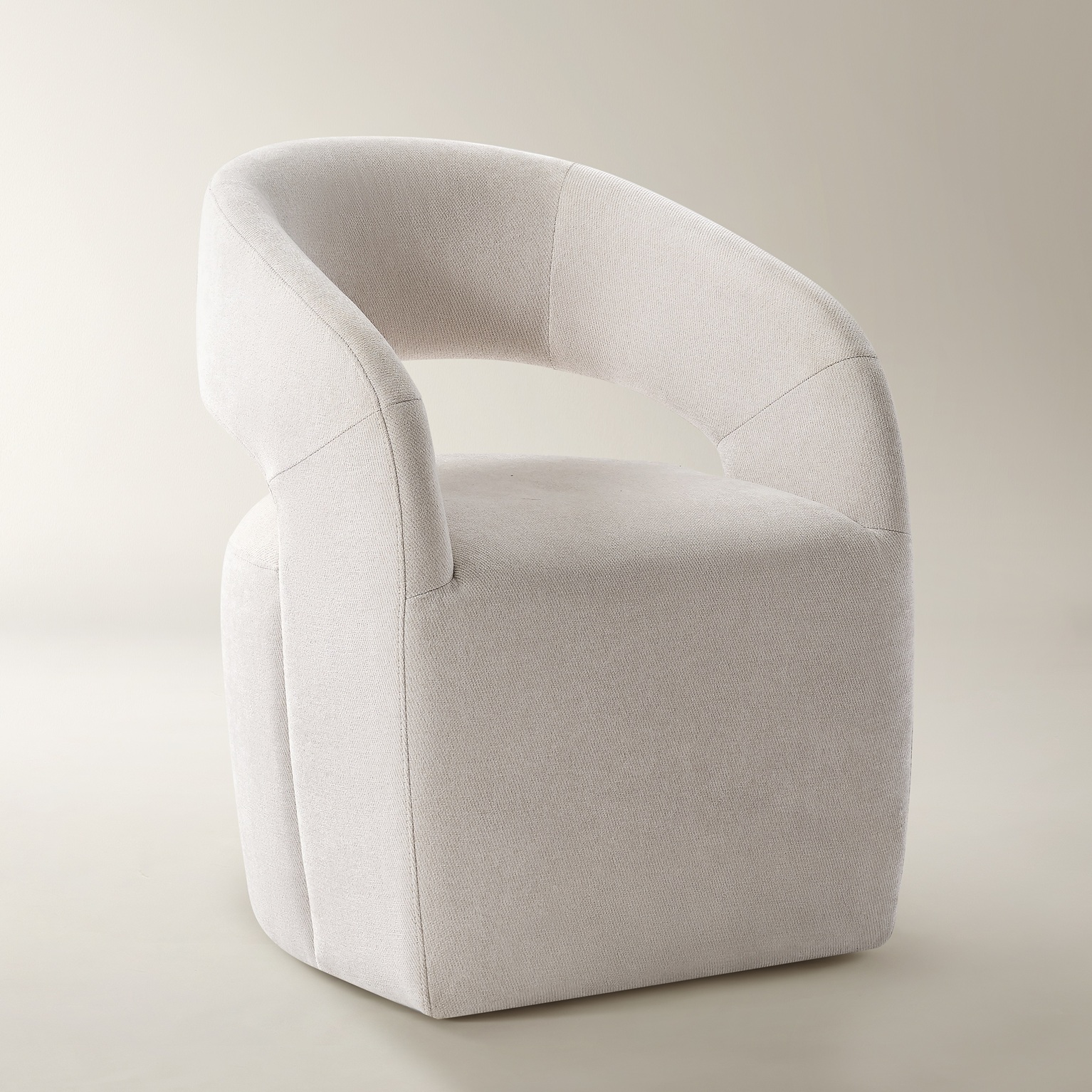 Harrison White/Black Performance Chenille Dining Chair$499
A sculptural dining chair in white and black performance chenille with plush feather-blend cushioning and curved arms.
Add To Cart -
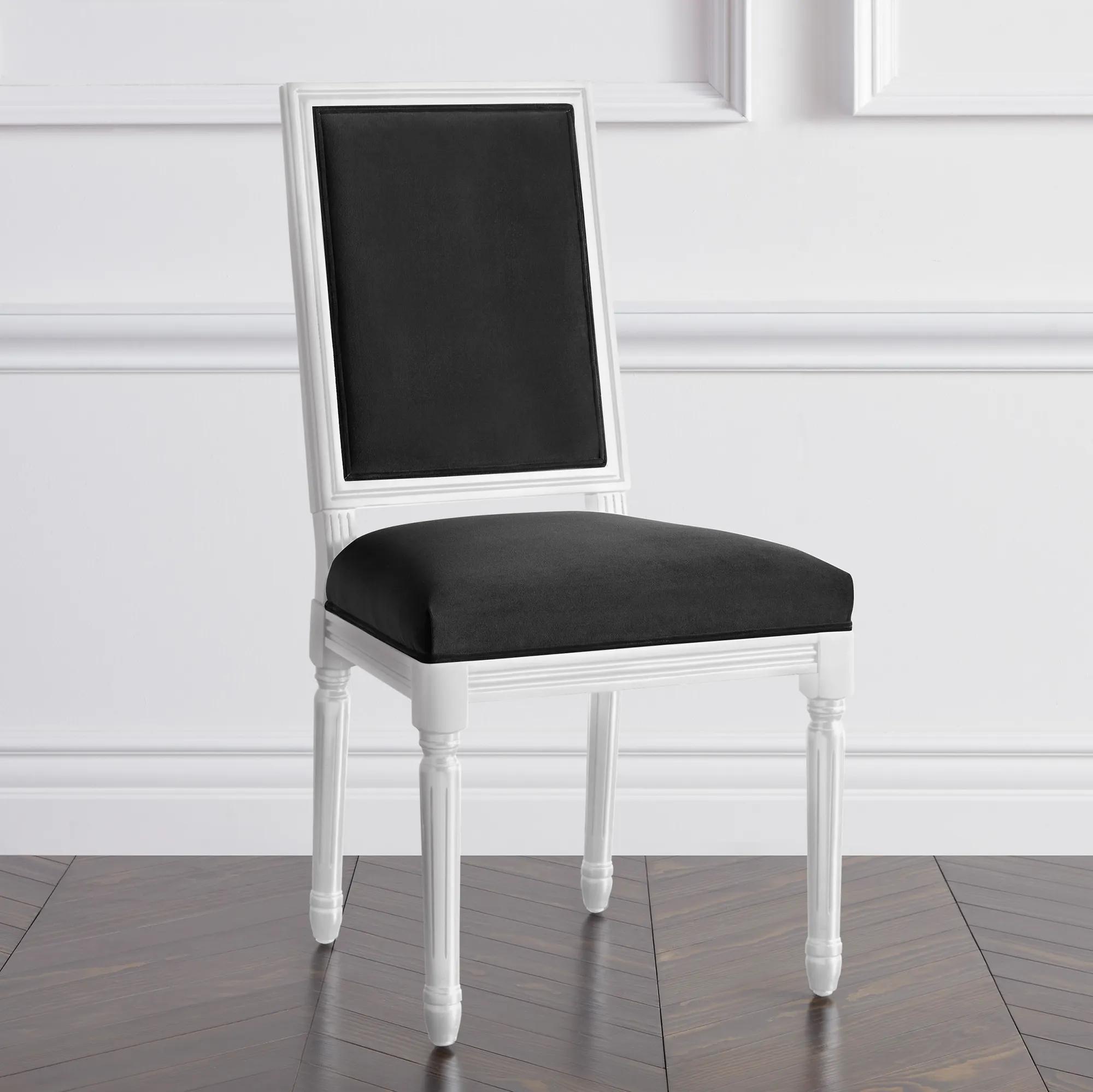
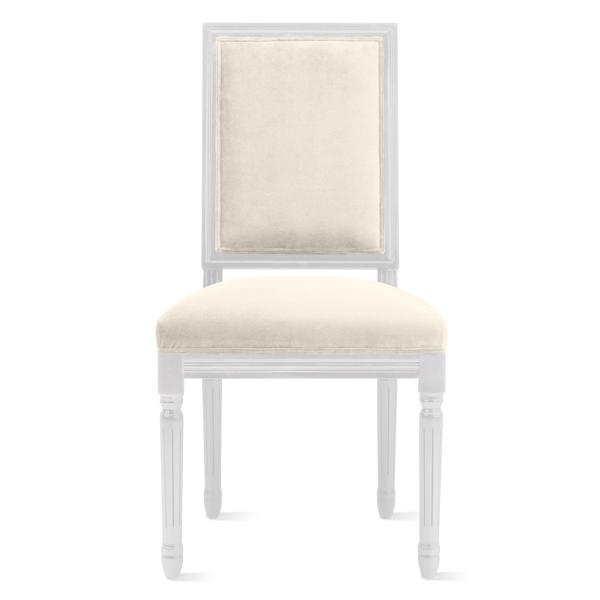 Callan Dining Chair - High Gloss White$549
A handcrafted dining chair featuring high-gloss white finish, kiln-dried hardwood frame, and plush velvet upholstery.
Add To Cart -
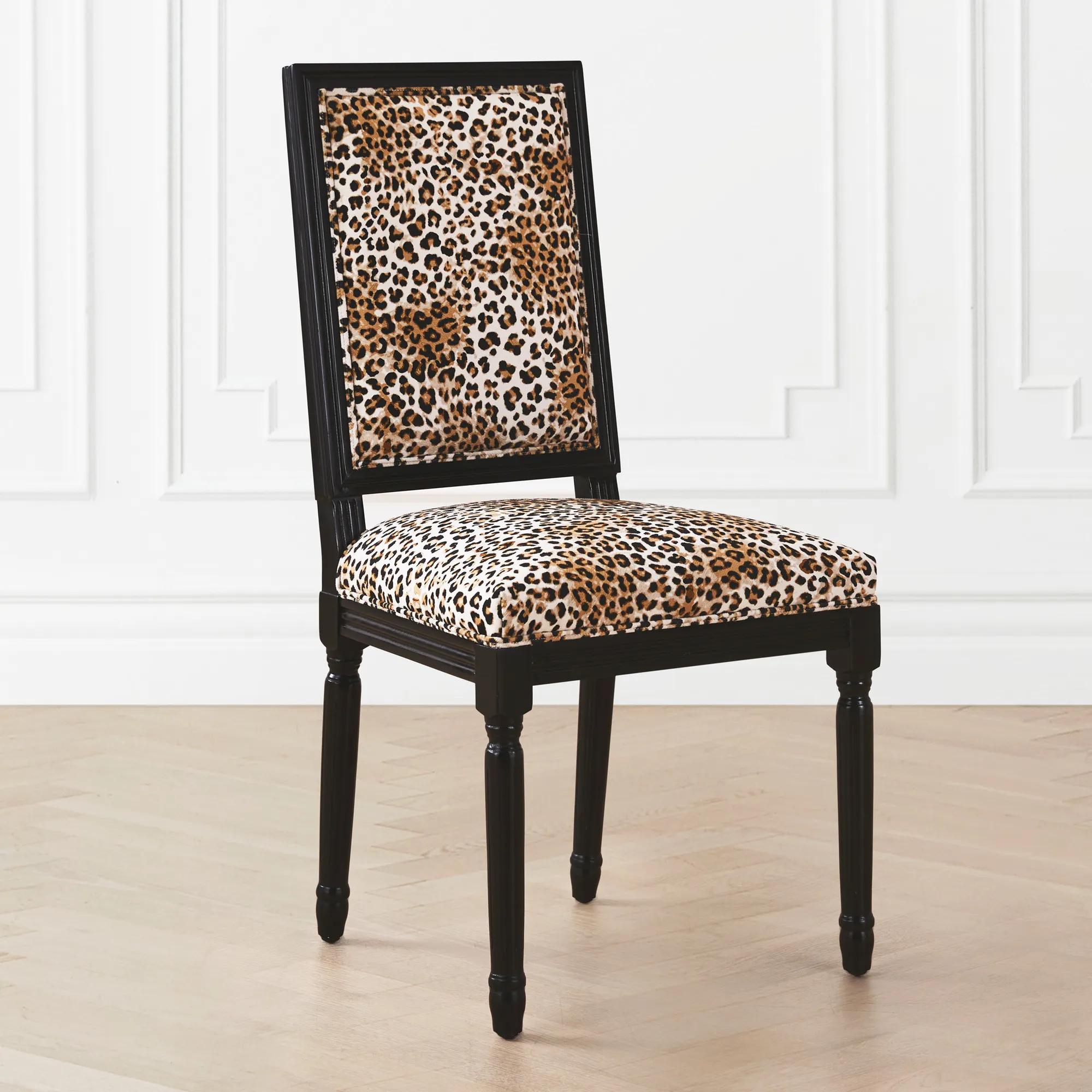
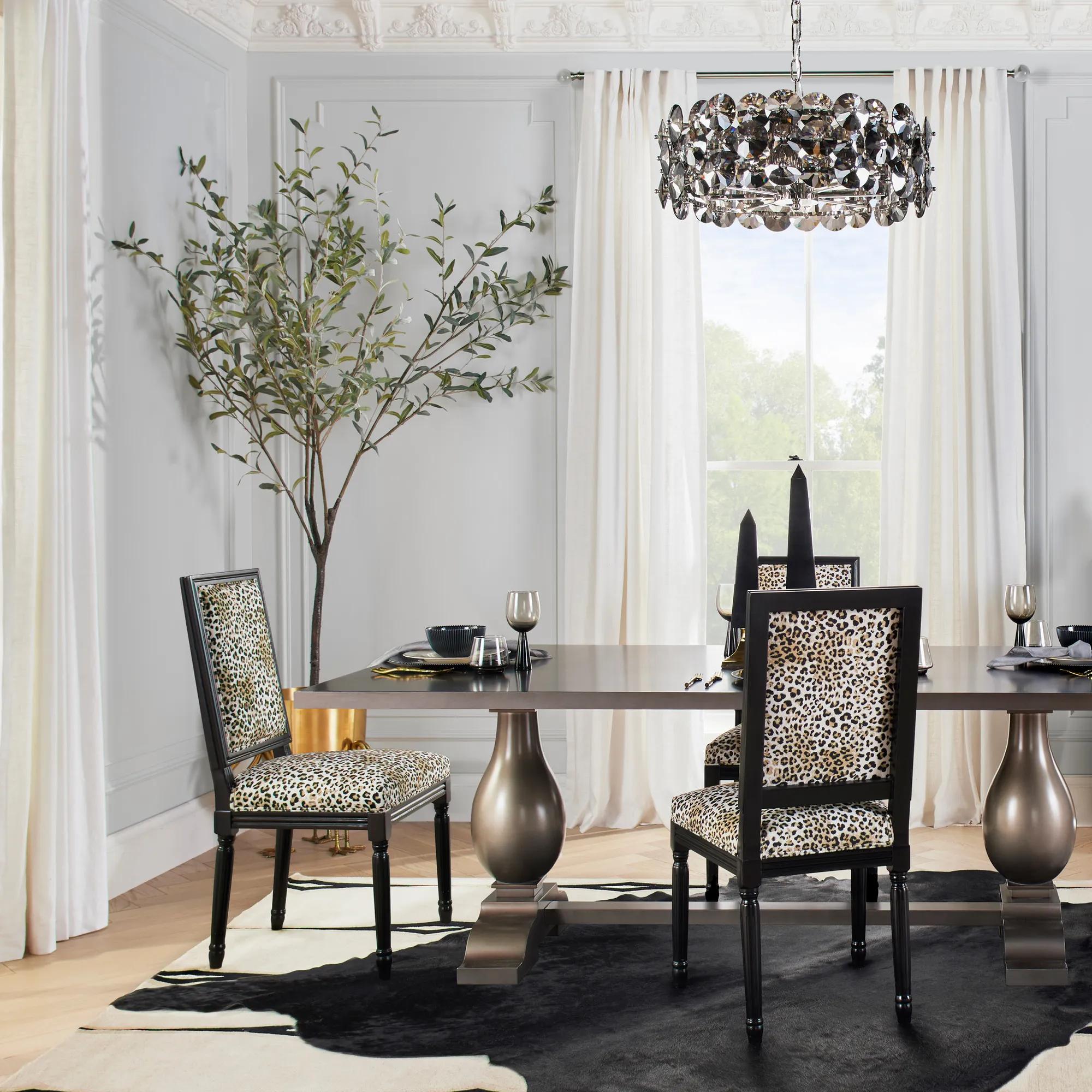 Callan Dining Chair$599
A handcrafted modern chair featuring classic upholstery, squared back, fluted legs, and high-gloss finish.
Add To Cart -
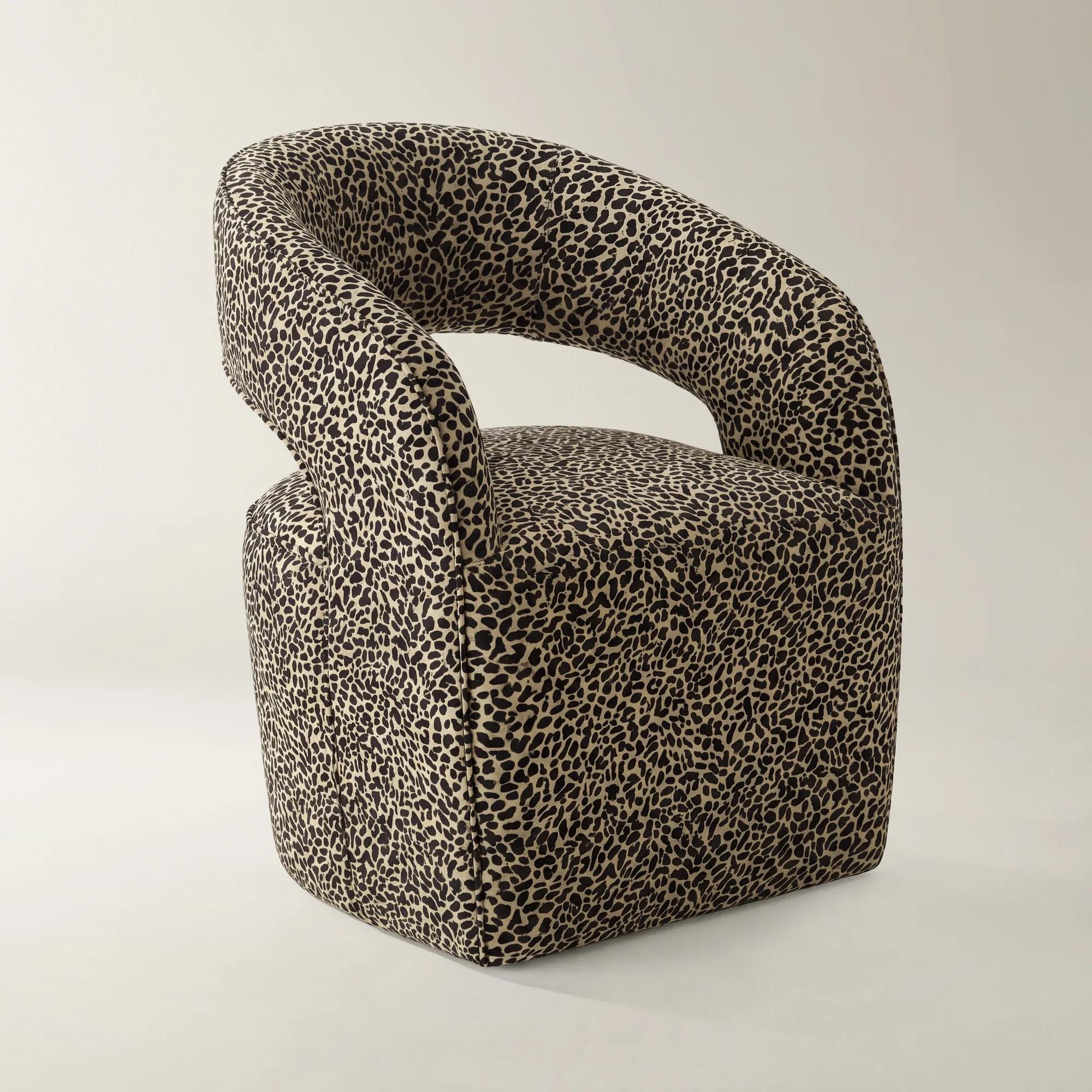 Harrison Leopard Performance Chenille Dining Chair$499
A sculptural dining chair featuring leopard performance chenille upholstery, feather-blend cushioning, and a curved silhouette.
Add To Cart -
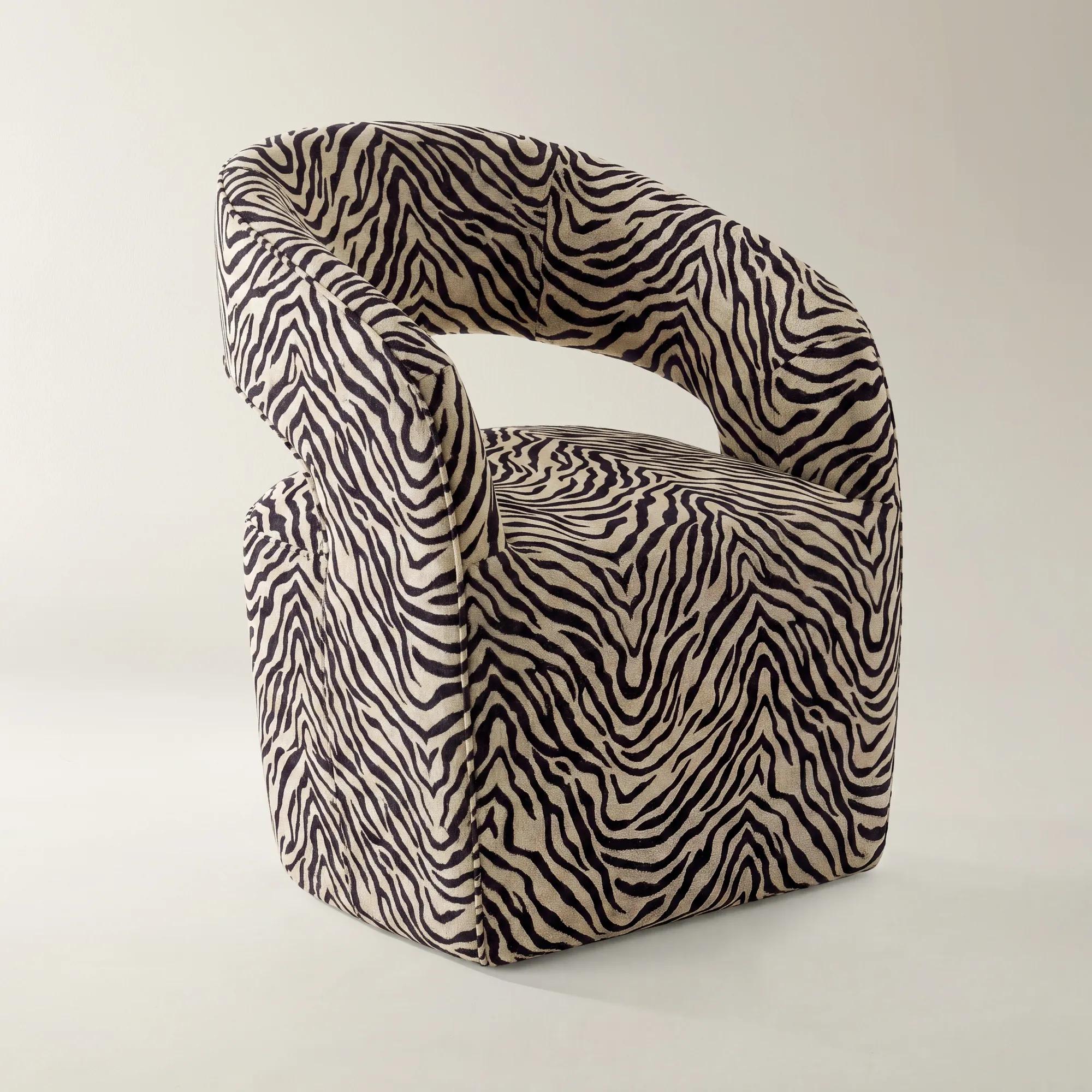 Harrison Zebra Performance Chenille Dining Chair$499
A sculptural dining chair upholstered in zebra performance chenille with a curved back and feather-blend comfort.
Add To Cart

Black Dining Chairs For Rectangular Tables
Black dining chairs for rectangular tables are the ultimate statement in modern sophistication—where sculptural silhouettes meet the allure of inky, dramatic finishes. Each chair transforms your dining area into a gallery-worthy scene, framing your table with an air of confidence and artistry. Whether you’re curating a space for lively gatherings or intimate dinners, these striking seats invite conversation and admiration, grounding your room in bold contrast and timeless elegance. With black dining chairs for rectangular tables, every meal becomes an occasion, every setting a masterpiece.
Black dining chairs for rectangular tables create a defined dining space, offering striking contrast with light wood or marble and a richly layered look beside a dark tabletop. Their appeal lies in the way black outlines each seat: a sculpted back becomes more expressive, a slender frame reads like a drawn line, and plush upholstery gains depth beneath a chandelier’s glow. Along the length of a rectangular table, repeated black silhouettes establish rhythm without competing with the tabletop’s natural grain or veining. Against pale oak, the effect is crisp and architectural; beside walnut, it feels warm and composed. A white marble surface introduces luminous contrast, while glass allows the chairs’ profiles and bases to become part of the room’s visual composition. A black table paired with black seating can be equally compelling when finishes vary. Matte wood, softly lustrous fabric, and polished metal prevent a monochromatic arrangement from feeling one-dimensional. Shape matters just as much as color. Curved chair backs soften the straight edges of a rectangular table, while tailored, angular seating reinforces a more structured interior. Open backs preserve sightlines in a dining area that shares space with a living room, and fuller upholstered silhouettes bring a sense of ceremony to a dedicated dining room. For an expressive arrangement, substantial armchairs at the table’s ends can frame slimmer side chairs along its length. Keeping a shared detail, such as black upholstery, a similar leg finish, or a related back shape, makes that variation feel deliberate. The result can suit intimate dinners, lively family meals, or an evening when the table is dressed with sculptural vessels and gleaming glassware. Black provides a steady visual foundation, leaving room for a dramatic centerpiece, richly textured linens, or art that commands attention beyond the table. Even when the table is left largely unadorned, the contrast between a strong rectangular surface and thoughtfully proportioned chairs gives the dining area a finished presence.
The most successful pairing gives every chair enough room to function as beautifully as it looks. Table length alone does not determine seating capacity; chair width, leg placement, and the shape of the table base all affect the arrangement. Allowing approximately 24 to 26 inches of table edge per diner is a useful starting point, with more space often needed for broad seats or arms. A rectangular table with legs near the corners may accommodate chairs differently from one with a central pedestal or trestle base, so the usable span between supports deserves particular attention. End chairs also need sufficient knee room, especially where a crossbar or inset base occupies space beneath the tabletop. For comfortable dining, approximately 10 to 12 inches between the seat surface and the tabletop is a common reference, though a deep apron can reduce the actual clearance for thighs and knees. Upholstered seats may compress under weight, making the seated height as relevant as the listed dimensions. Arm height matters when chairs are intended to tuck beneath the table; an elegant curved arm loses its practical appeal if it catches against the underside every time someone stands. Around the table, roughly 36 inches from the tabletop edge to a wall or nearby furniture generally provides room to pull out a chair, while a busier passage may benefit from 42 to 48 inches. These measurements help preserve the room’s sense of ease rather than filling every available inch with seating. In a narrower dining area, armless chairs and lighter-looking frames can keep the composition open without sacrificing the richness of black. Taller backs create a more commanding silhouette, while lower backs leave artwork and decorative lighting more visible. In homes with a separate breakfast area or another dining space, Black Dining Chairs For Round Tables can extend the same palette into a different layout, with proportions suited to a curved edge rather than a long, linear arrangement.
Materials determine how black dining chairs feel in daily use, how they catch the light, and how gracefully they respond to a busy household. Velvet brings a sumptuous surface with subtle shifts in tone as its pile changes direction, lending even a restrained silhouette a sense of depth. Woven upholstery offers a different character, with texture that can soften the contrast between dark seating and a polished tabletop. Leather and leather-look upholstery deliver a more tailored expression, but their care requirements and resistance to wear vary by composition and finish; neither should be treated as automatically stainproof or maintenance-free. Wood frames introduce warmth and visible craftsmanship, while metal frames can sharpen the overall profile with slender lines and reflective accents. A black finish may appear satin-smooth, softly brushed, or richly glossy, and those differences become especially noticeable under direct lighting. For chairs used through long conversations as well as meals, supportive backs, balanced seat depth, and cushioning that feels comfortable without excessive sinking deserve attention. A chair that looks sculptural from across the room should still feel welcoming when dinner extends into conversation. In households where the dining table also hosts homework or creative projects, a stable frame and upholstery suited to frequent use take on greater importance. Construction details such as secure joints, reinforced connections, and an appropriate weight rating offer more meaningful durability cues than appearance alone. Care should follow the material-specific instructions: blot spills promptly rather than rubbing, use suitable upholstery attachments for routine vacuuming, and avoid harsh cleaners that can alter fabric, leather, or a dark finish. Black surfaces can reveal dust, pale crumbs, and pet hair, so a brief, regular care routine helps preserve their depth. Protective glides appropriate to the flooring can reduce scuffs as chairs move, while checking fasteners periodically helps keep compatible assembled frames secure. With considered proportions and materials that suit everyday habits, black dining chairs give a rectangular table both visual authority and lasting purpose—a place as inviting for a quiet meal as it is for a beautifully orchestrated gathering.
FAQs
Black dining chairs in a range of styles—from sleek mid-century silhouettes to classic Windsor backs and tailored Parsons designs—can all beautifully complement a rectangular table. The key is to consider the overall mood you wish to create: sculptural metal frames lend a modern edge, while upholstered seats in sumptuous fabrics evoke glamour and comfort. Mixing styles at the head and sides of the table can also add a layer of curated sophistication.
Black dining chairs act as a bold anchor, bringing a sense of drama and refinement to the room. Their deep hue grounds the space, allowing other design elements—such as lighting, art, and tableware—to shine. Whether your dining room is awash in neutrals or bursting with color, black chairs add timeless elegance and a touch of modernity, transforming every meal into a memorable occasion.
Absolutely. Black dining chairs are remarkably versatile, easily adapting to both formal dinner parties and relaxed family meals. For a formal look, opt for chairs with luxurious upholstery or intricate detailing. For a more casual setting, consider minimalist designs in matte finishes or classic wooden frames. Their adaptability ensures they enhance the style and function of any dining environment.
Black dining chairs are crafted from a variety of materials to suit different aesthetics and preferences. Popular options include solid wood for warmth and tradition, metal for an industrial or contemporary vibe, and faux or genuine leather for a touch of luxury. Many designs incorporate plush fabric upholstery for added comfort and visual interest, making it easy to find a chair that complements your table and décor.
Mixing black dining chairs with other colors or finishes is a sophisticated way to personalize your dining space. Pairing black chairs with white, gold, or natural wood tones can create striking contrast and visual intrigue. For a curated, designer look, consider using black chairs at the ends of a rectangular table and coordinating side chairs in a complementary hue or material for a collected-yet-cohesive feel.