Rectangular Dining Tables
Rectangular Dining Tables
-
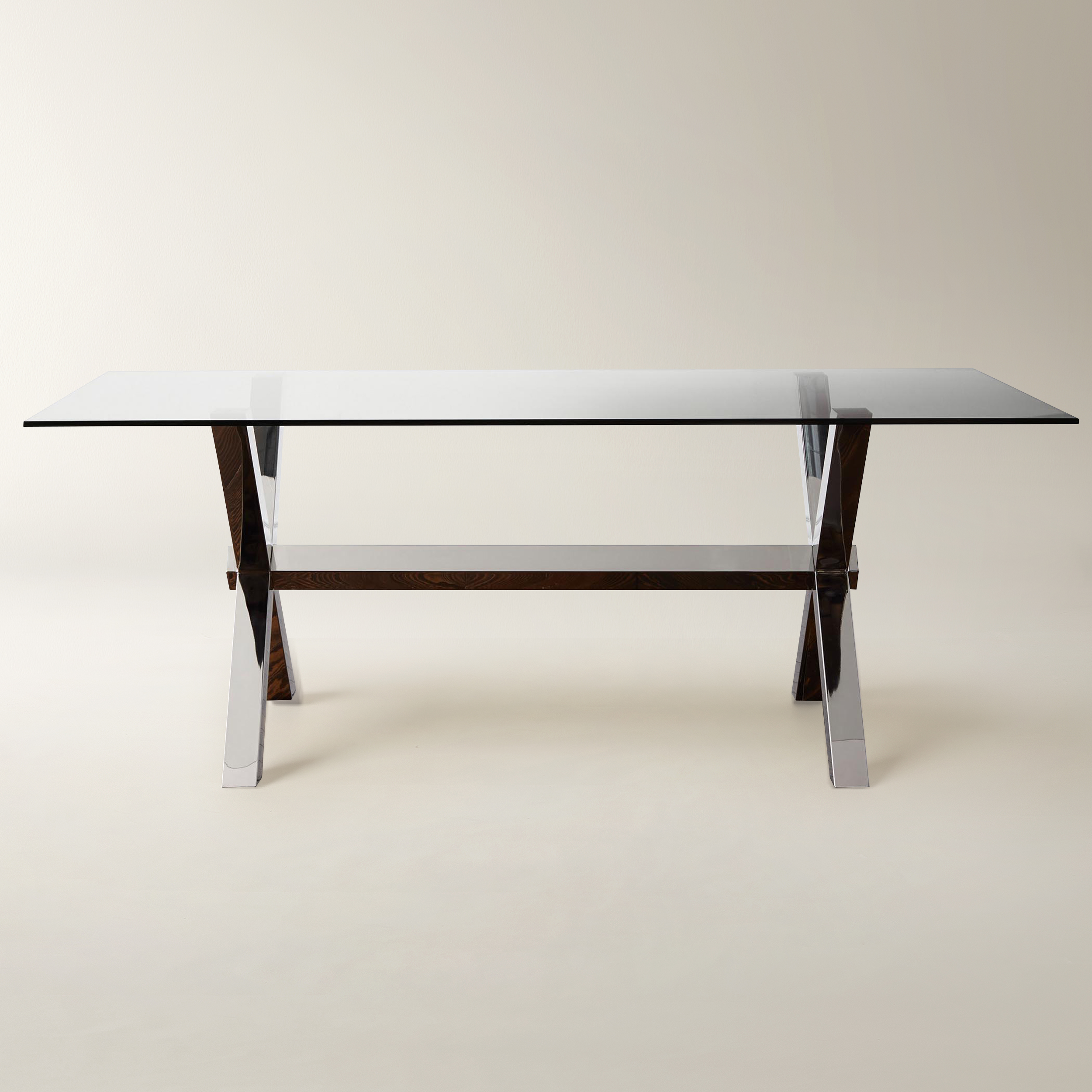
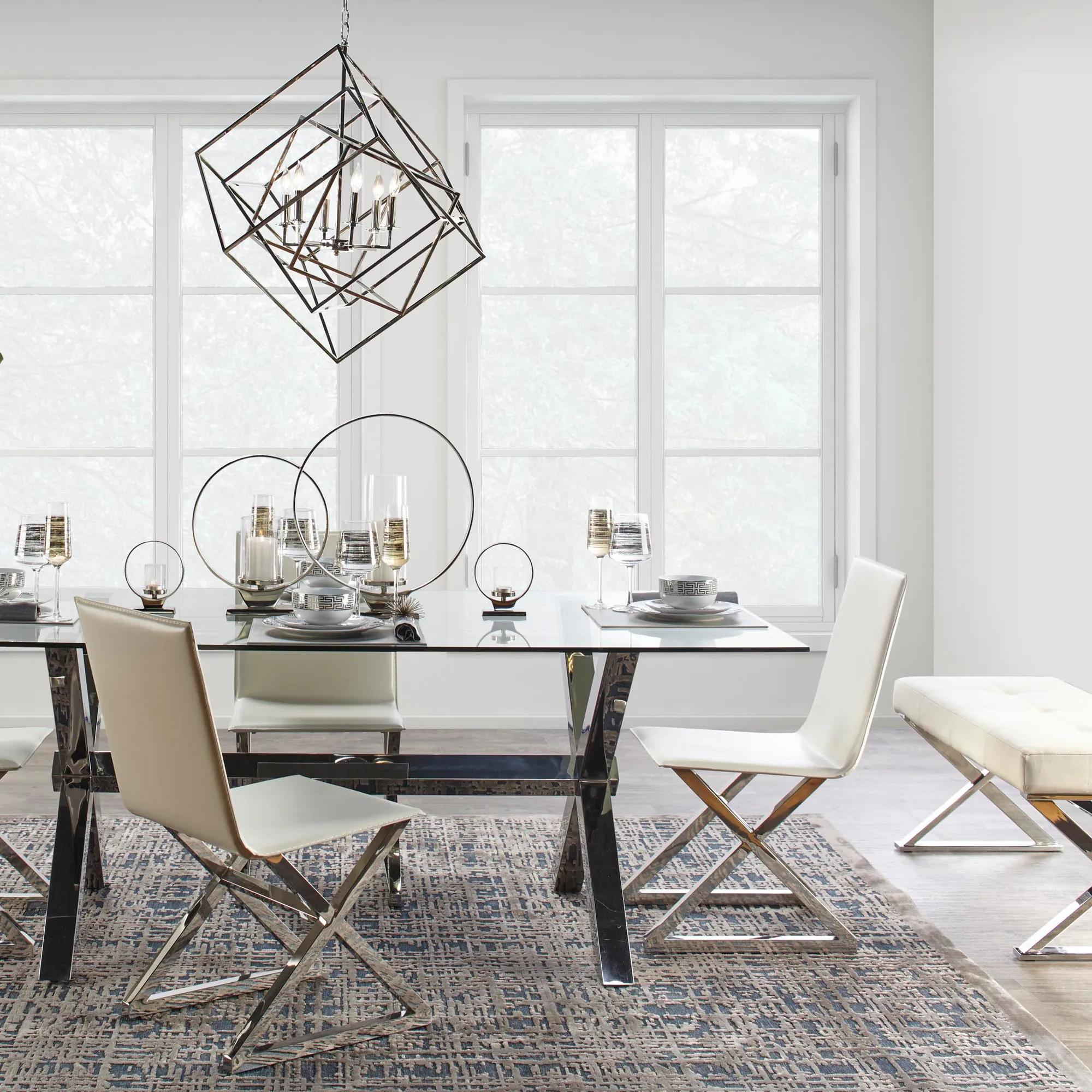 Axis Rectangular Silver Dining Table With Glass Top (78")$1199
A contemporary dining table featuring a polished stainless steel base and durable tempered glass top.
Add To Cart -
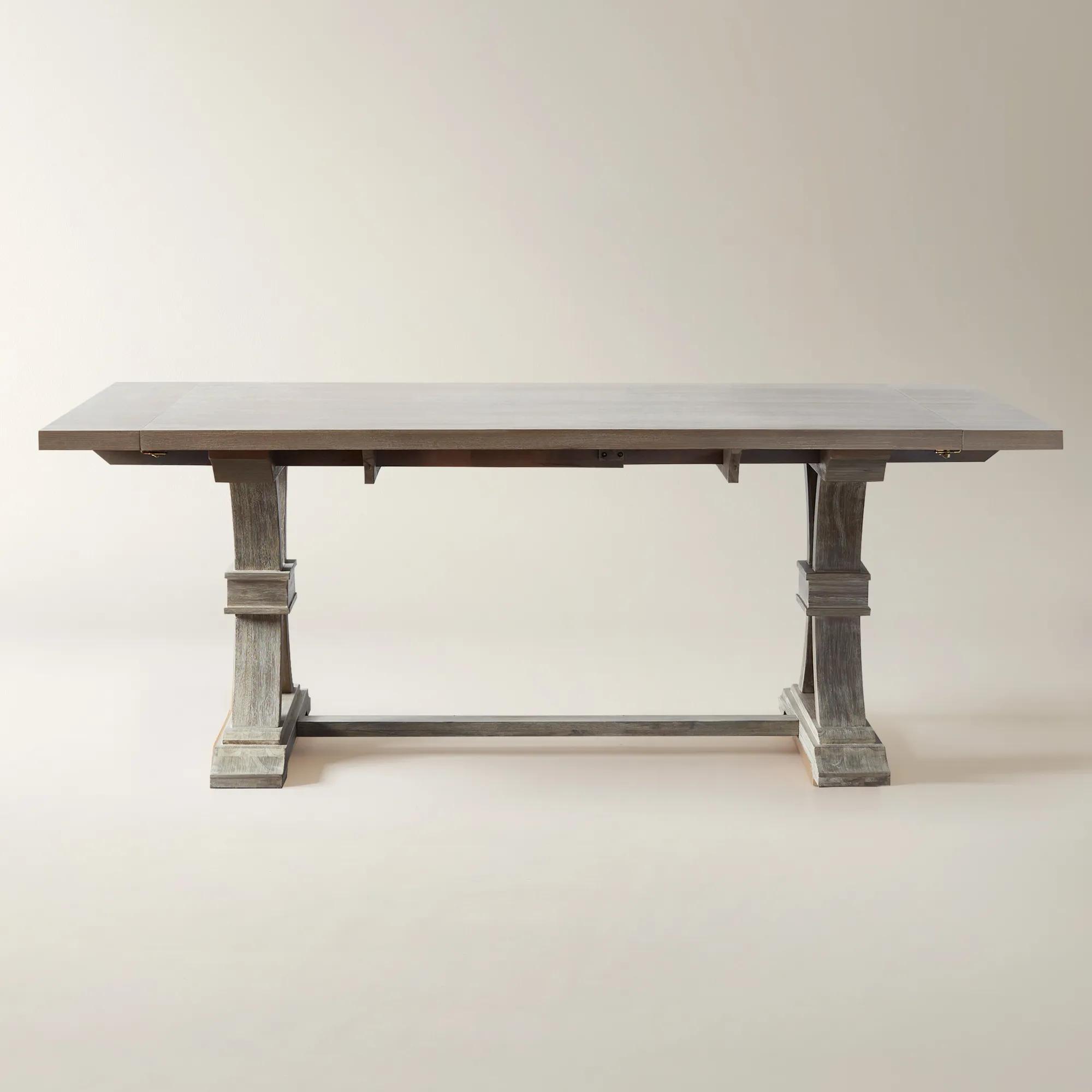 Archer Rectangular Grey Acacia Wood Extending Dining Table (78" - 110")$2499
A weathered grey acacia wood dining table with removable leaves and a kiln-dried hardwood frame.
Add To Cart -
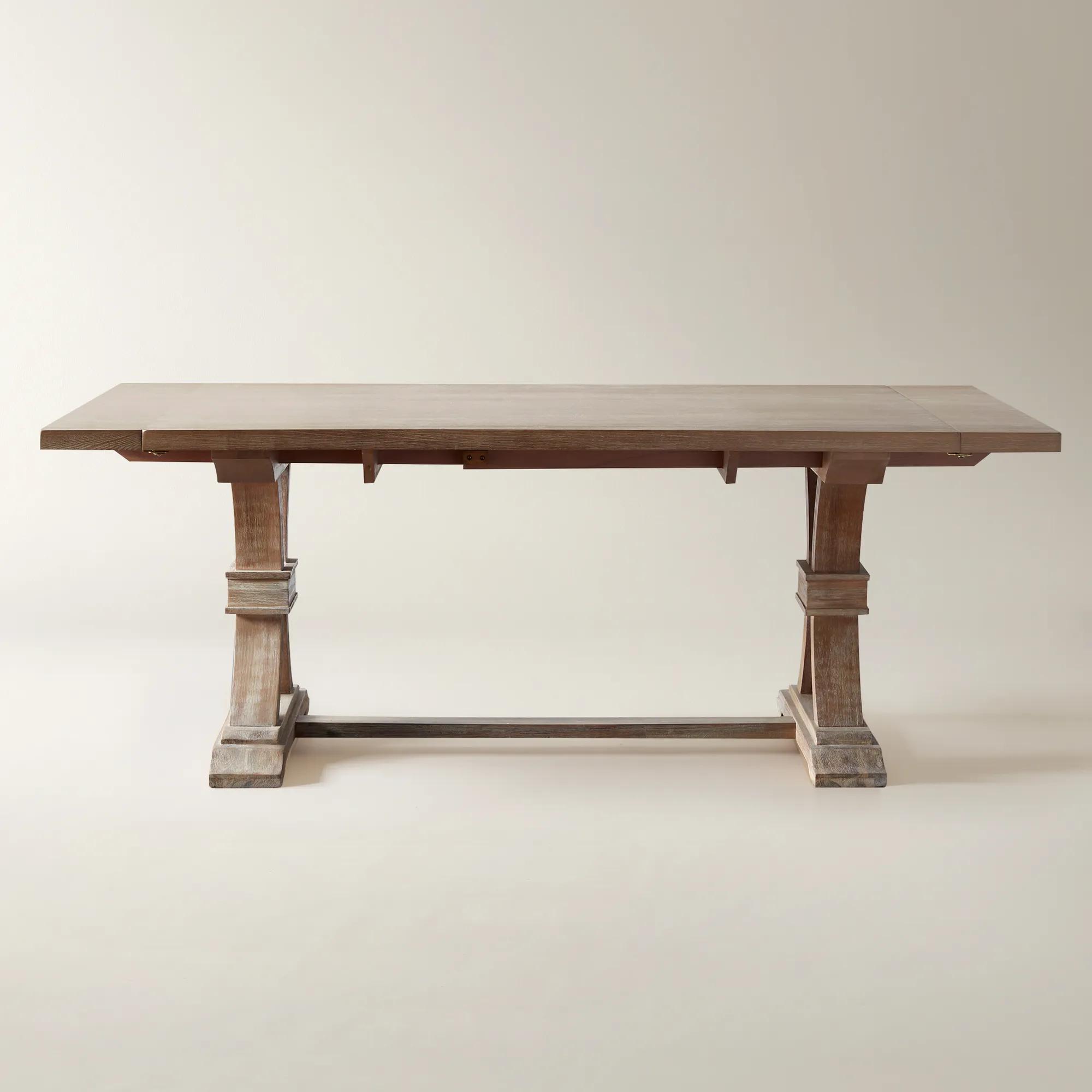 Archer Rectangular Whitewashed Acacia Wood Extending Dining Table (78" - 110")$2499
An extending dining table crafted from kiln-dried hardwood with a whitewashed oak finish and acacia veneer.
Add To Cart -
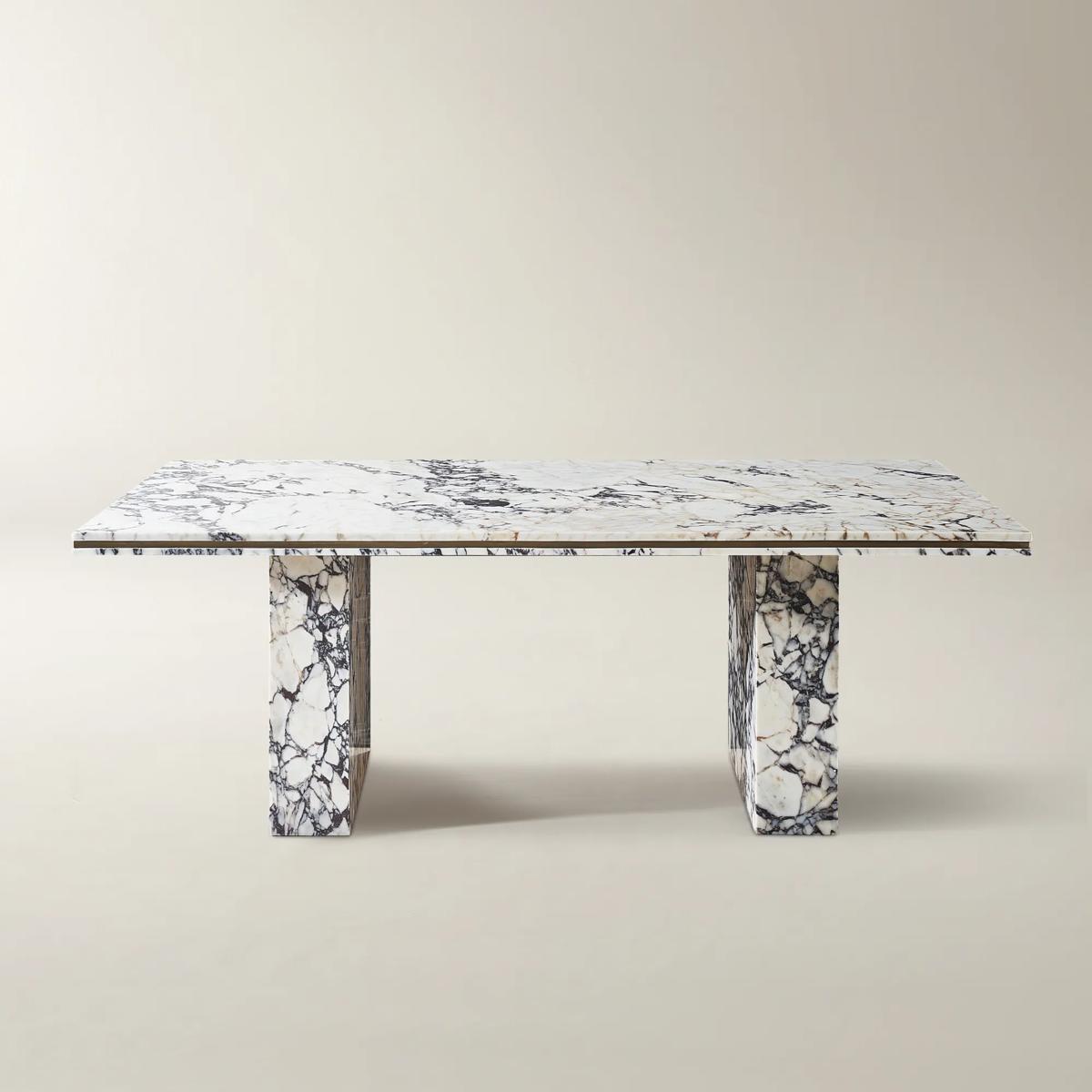
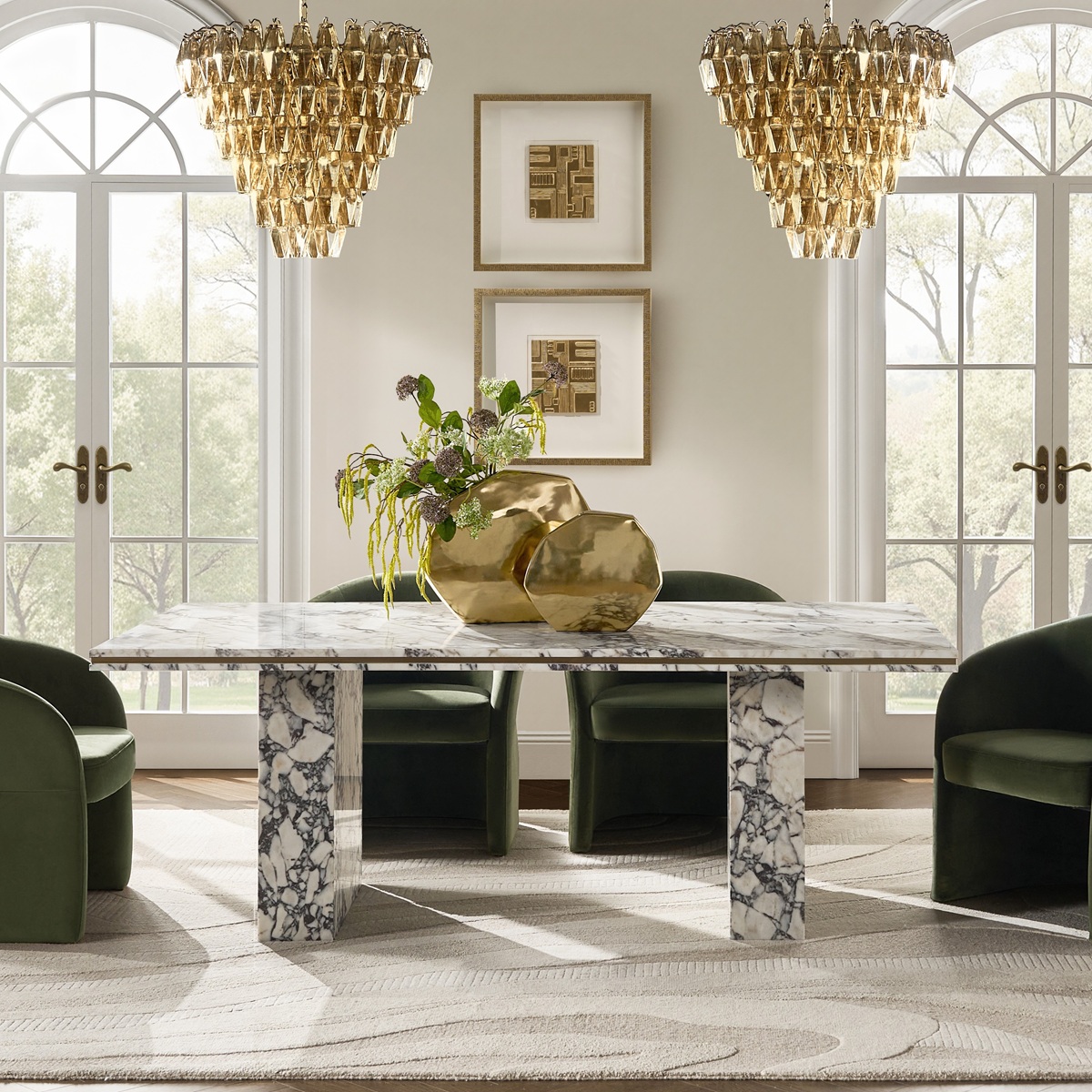 Vanta Rectangular Viola Calacatta Marble Dining Table (84")$6599
A striking Calacatta Viola marble table with vivid violet veining, gold stainless steel inlay, and aluminum core.
Add To Cart -
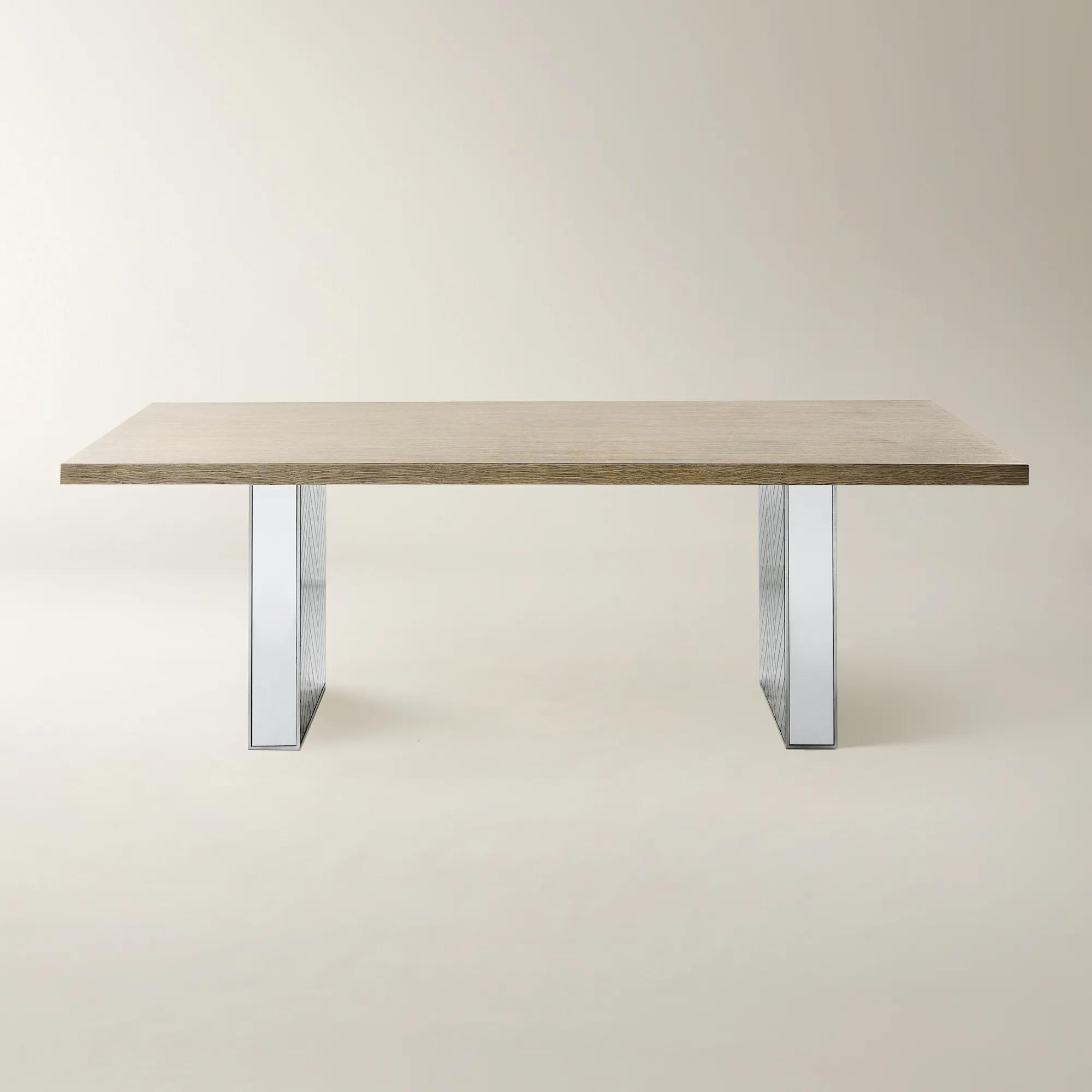
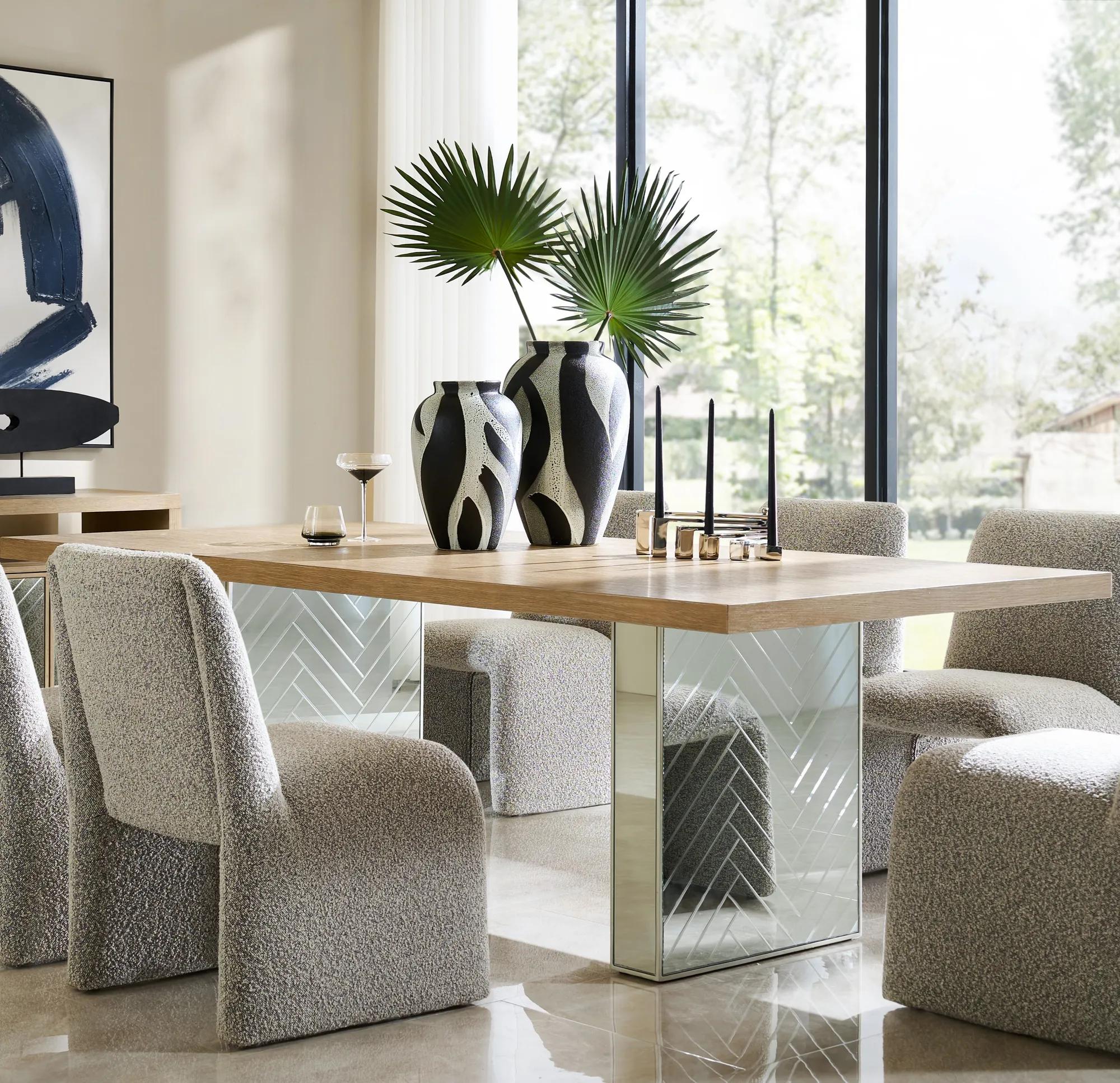 Glimmer Rectangular Seadrift Oak Dining Table With Mirrored Base (90.5")$1799
A modern dining table featuring a warm oak veneer top and a silver mirror-faced parquet base.
Add To Cart -
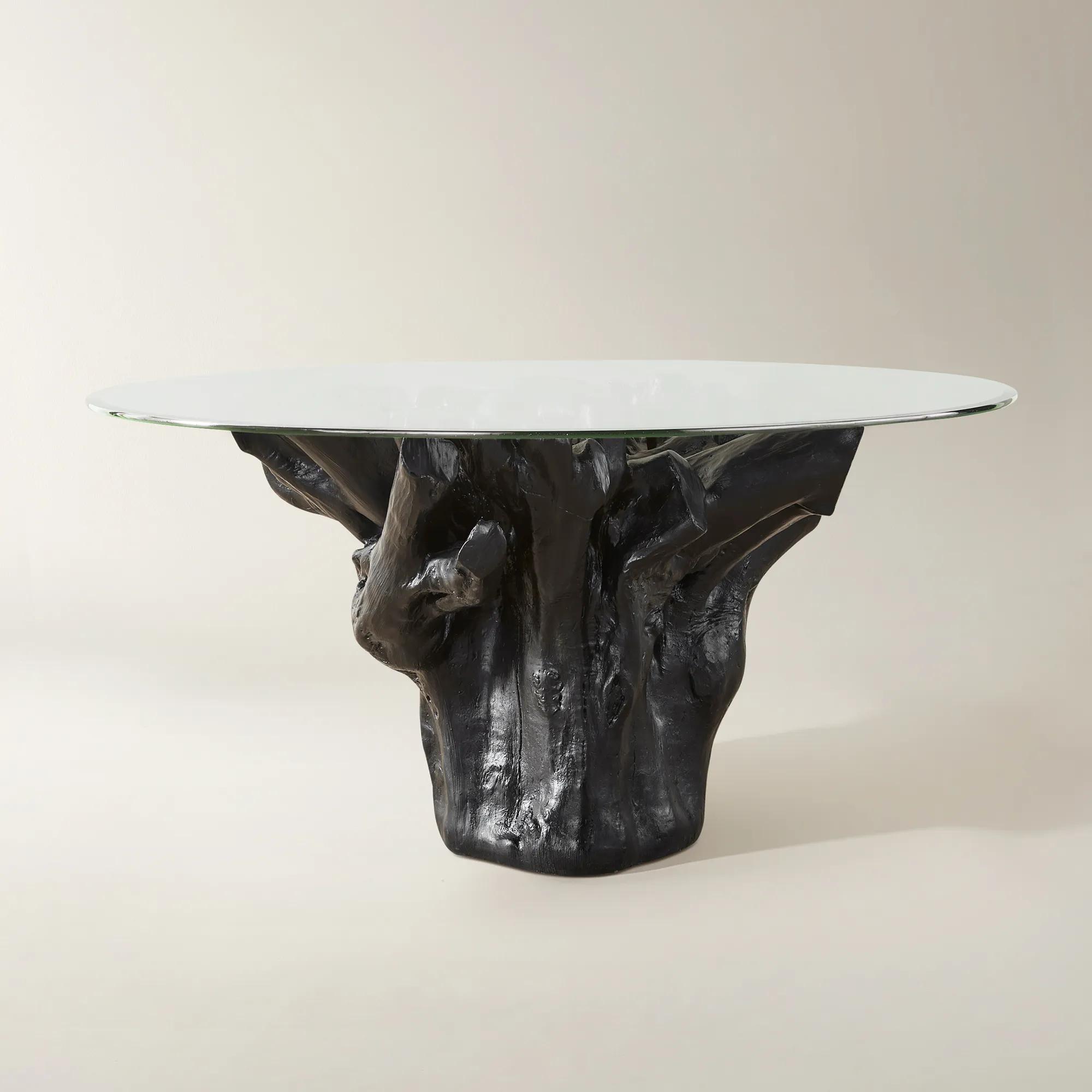
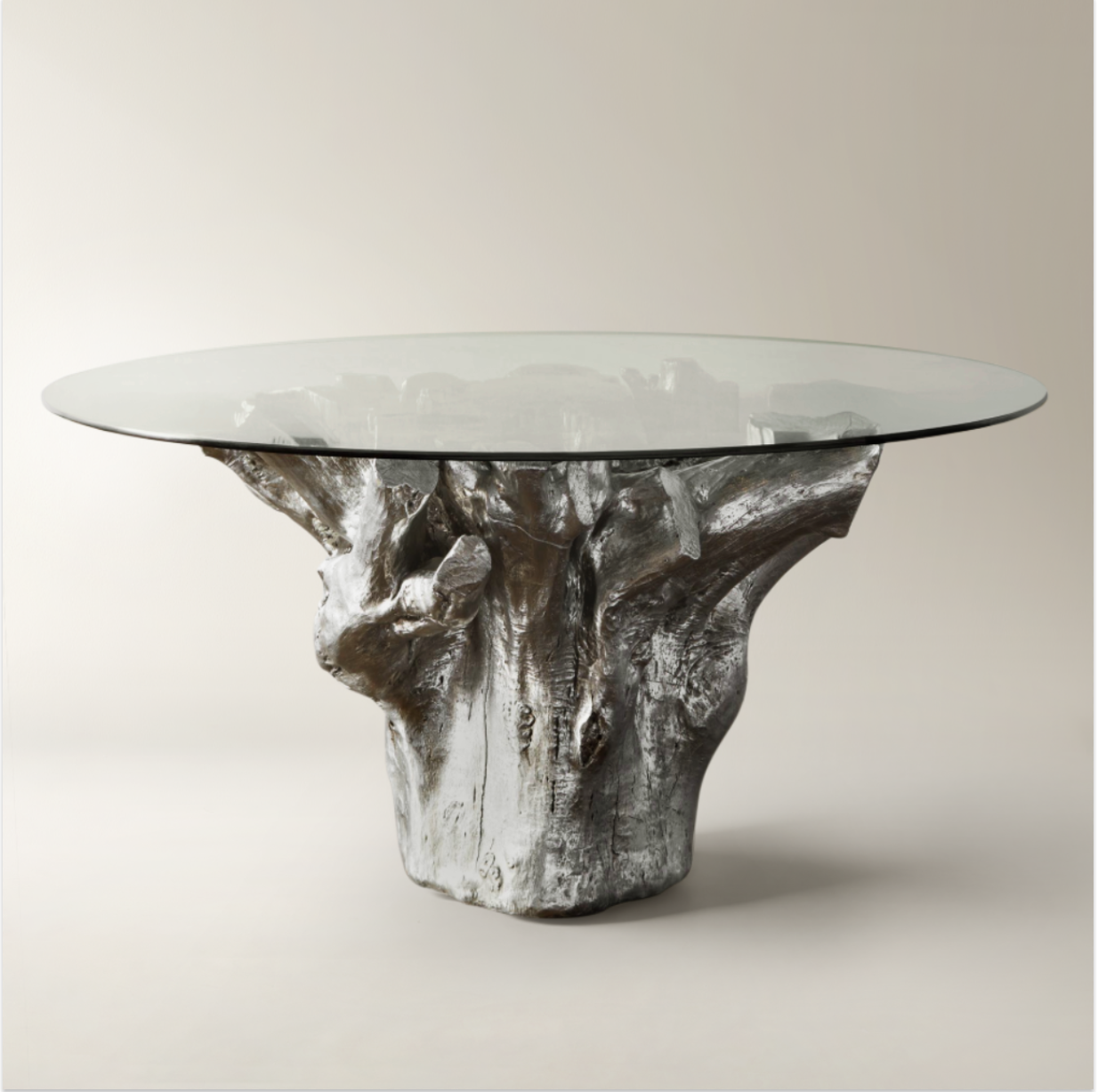
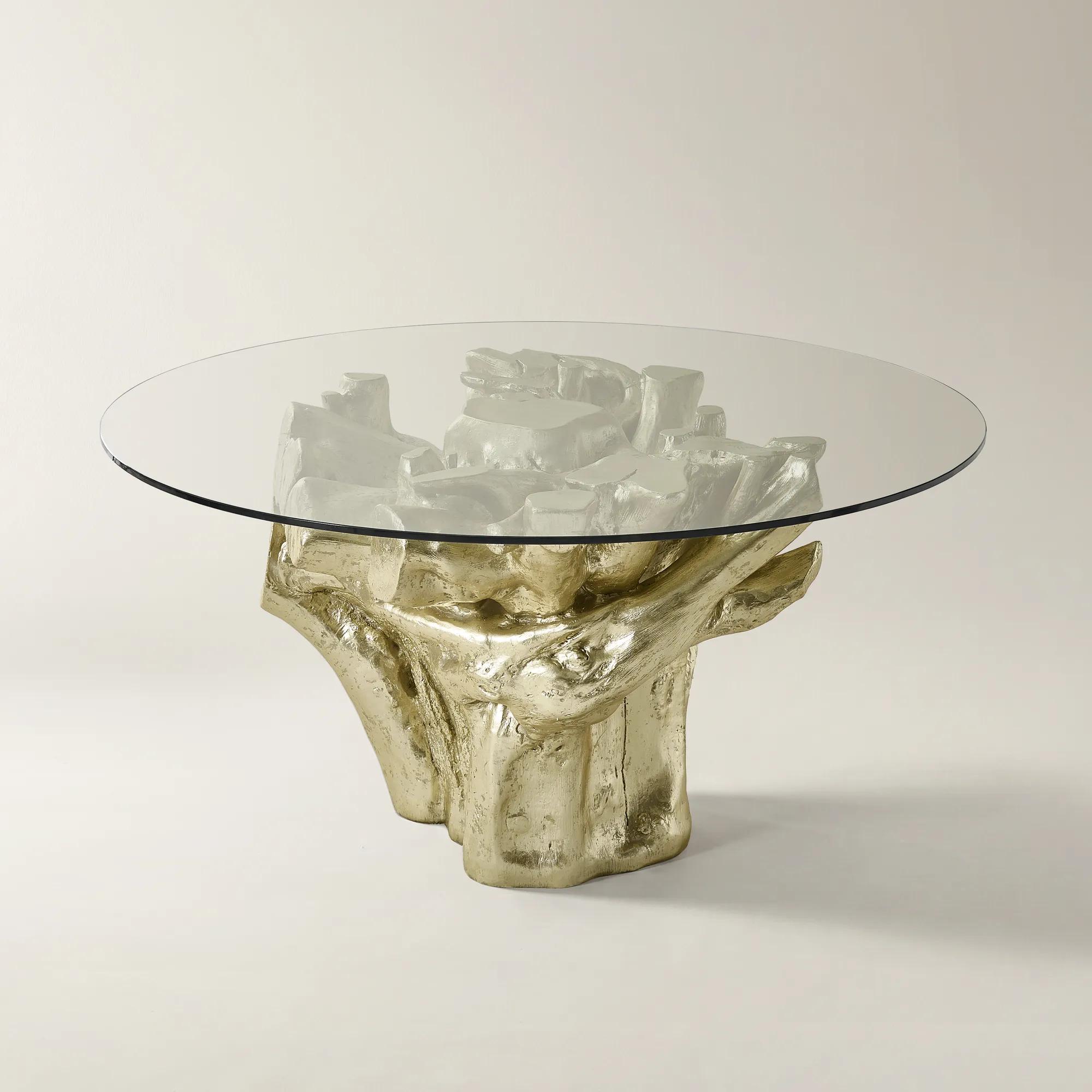 Sequoia Champagne Gold Resin Dining Table With Glass Top (60")$2199
A sculptural resin dining table with a champagne gold leaf base and a clear tempered glass top.
Add To Cart -
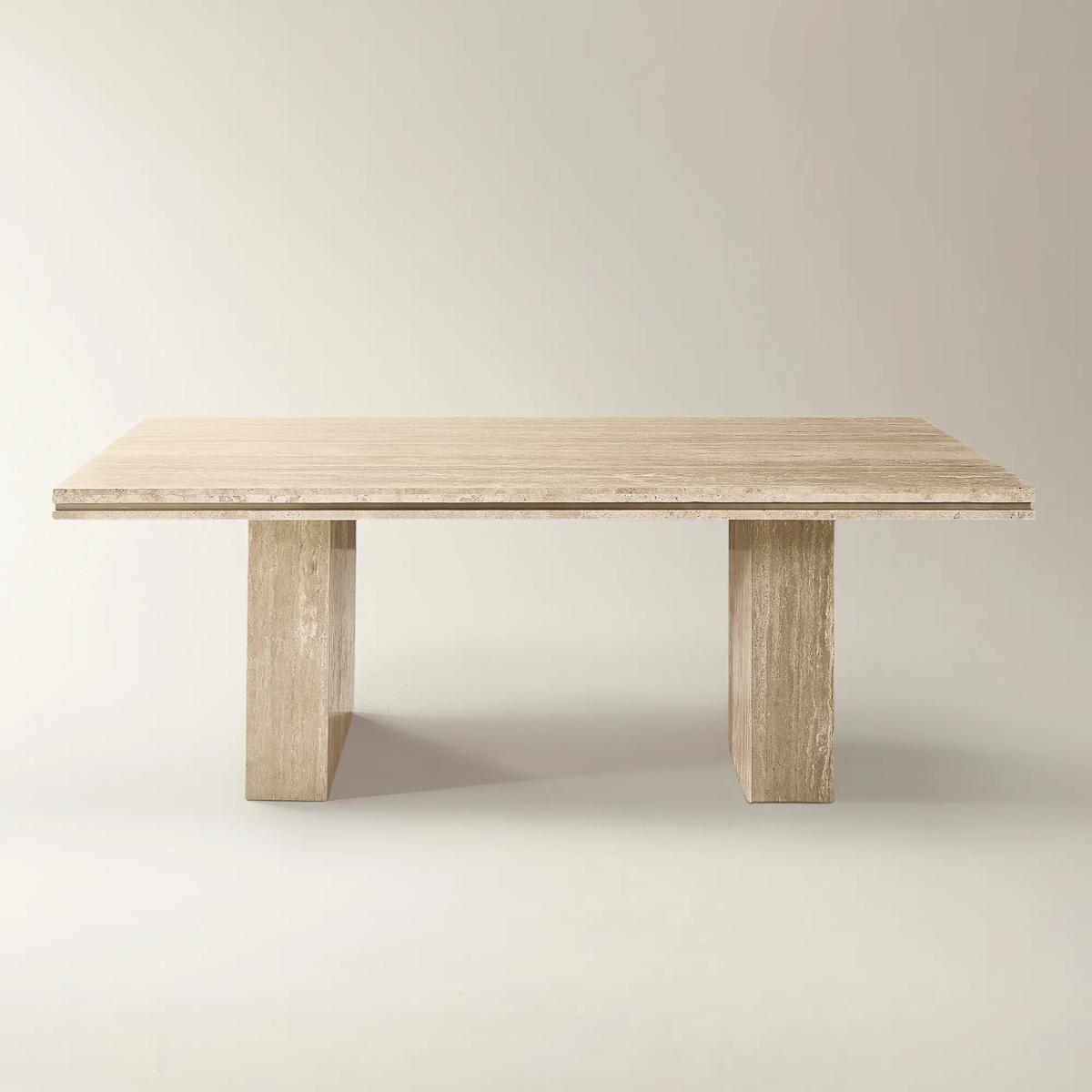 Vanta Rectangular Travertine Dining Table (84")$4199
A genuine travertine dining table with ivory-gold hues and a shimmering gold stainless steel inlay.
Add To Cart -
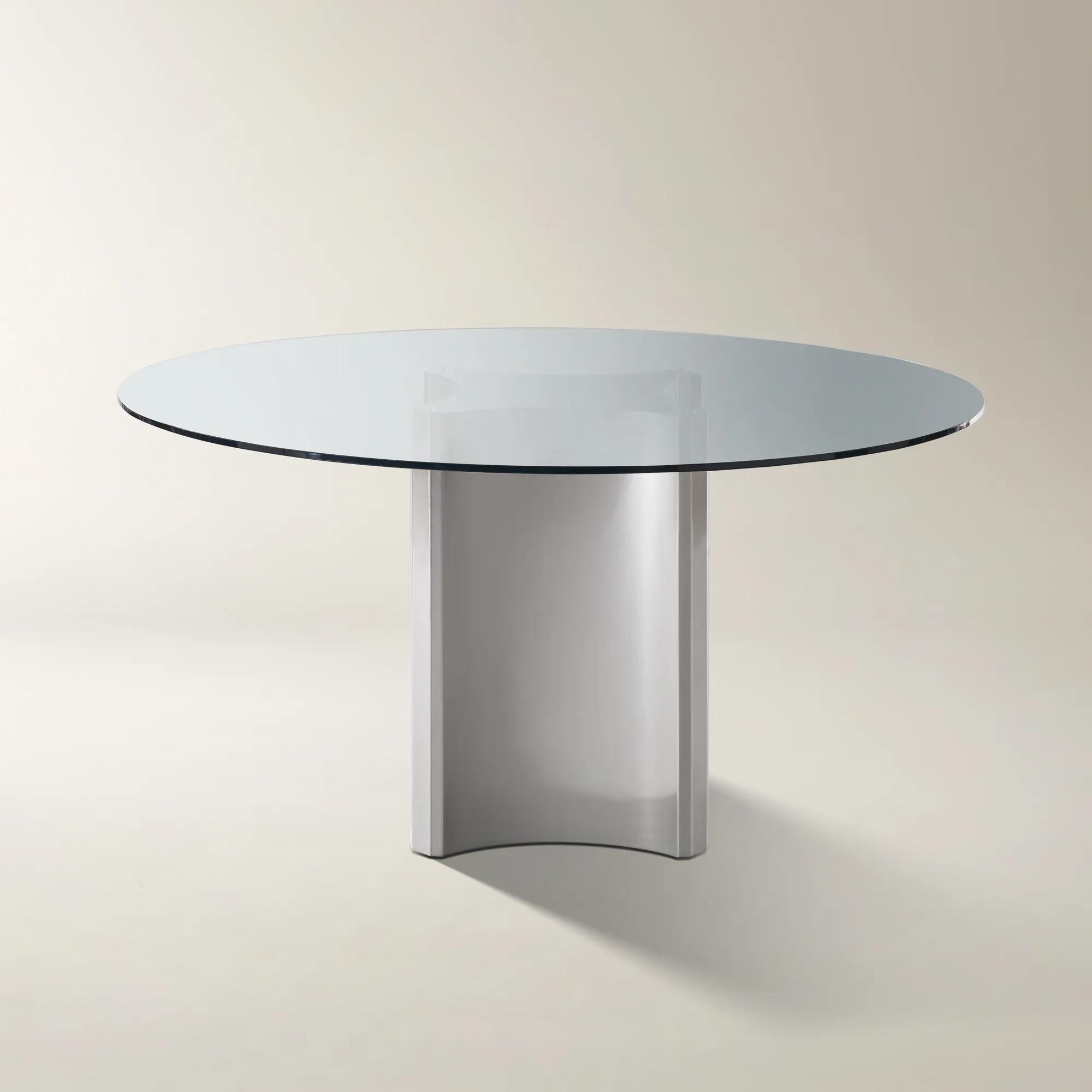 Ventane Round Clear Glass and Stainless steel Dining Table (58")$1499
A modern dining table featuring a clear tempered glass top and polished stainless steel base with anti-fingerprint finish.
Add To Cart -
.jpeg?w=1200&h=1200)
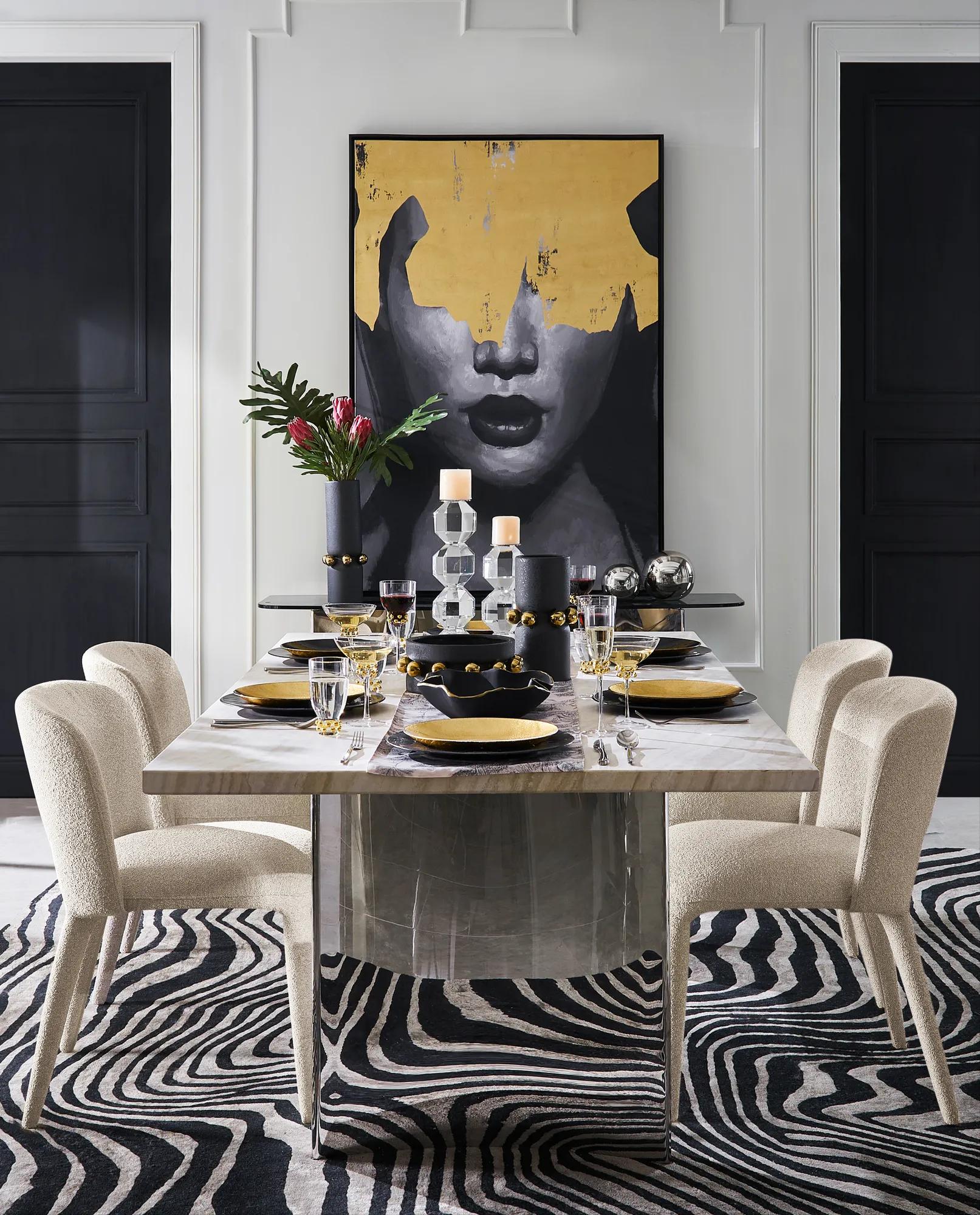 Muscat Rectangular Tan Marble Dining Table With Stainless Steel Base (84")$3099
A sophisticated dining table featuring a tan travertine marble top and polished stainless steel base.
Add To Cart -
.jpeg?w=1200&h=1200)
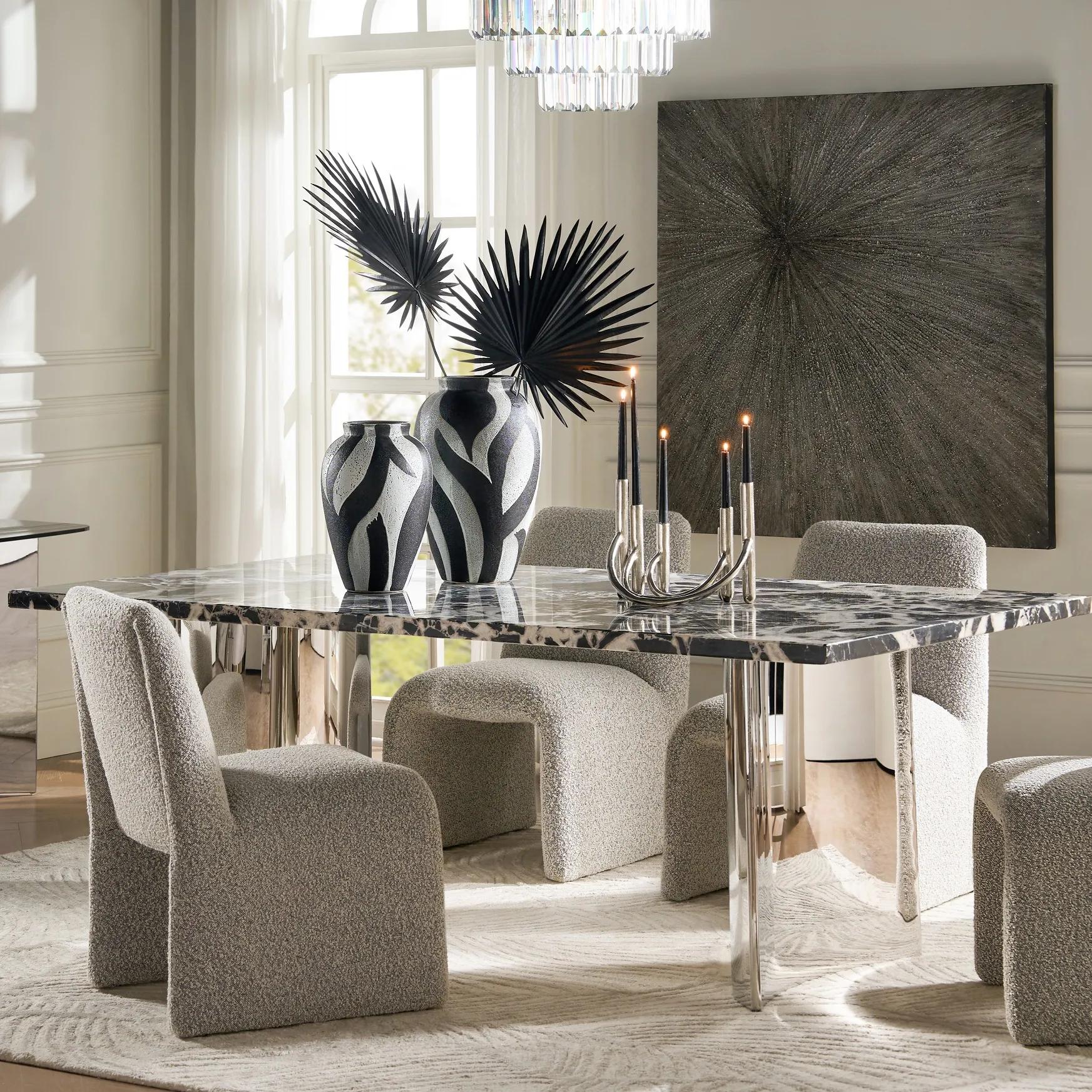 Muscat Rectangular Black Marble Dining Table With Stainless Steel Base (84")$3099
A dramatic black marble dining table with unique veining and a polished stainless steel base.
Add To Cart -
.jpeg?w=1200&h=1200)
.jpg?w=1200&h=1200) Matera Rectangular White Marble Dining Table With Stainless Steel Base (86.61")$2499
Matera Rectangular White Marble Dining Table With Stainless Steel Base (86.61")$2499A modern dining table featuring a white marble top and polished stainless steel base for timeless elegance.
Add To Cart -
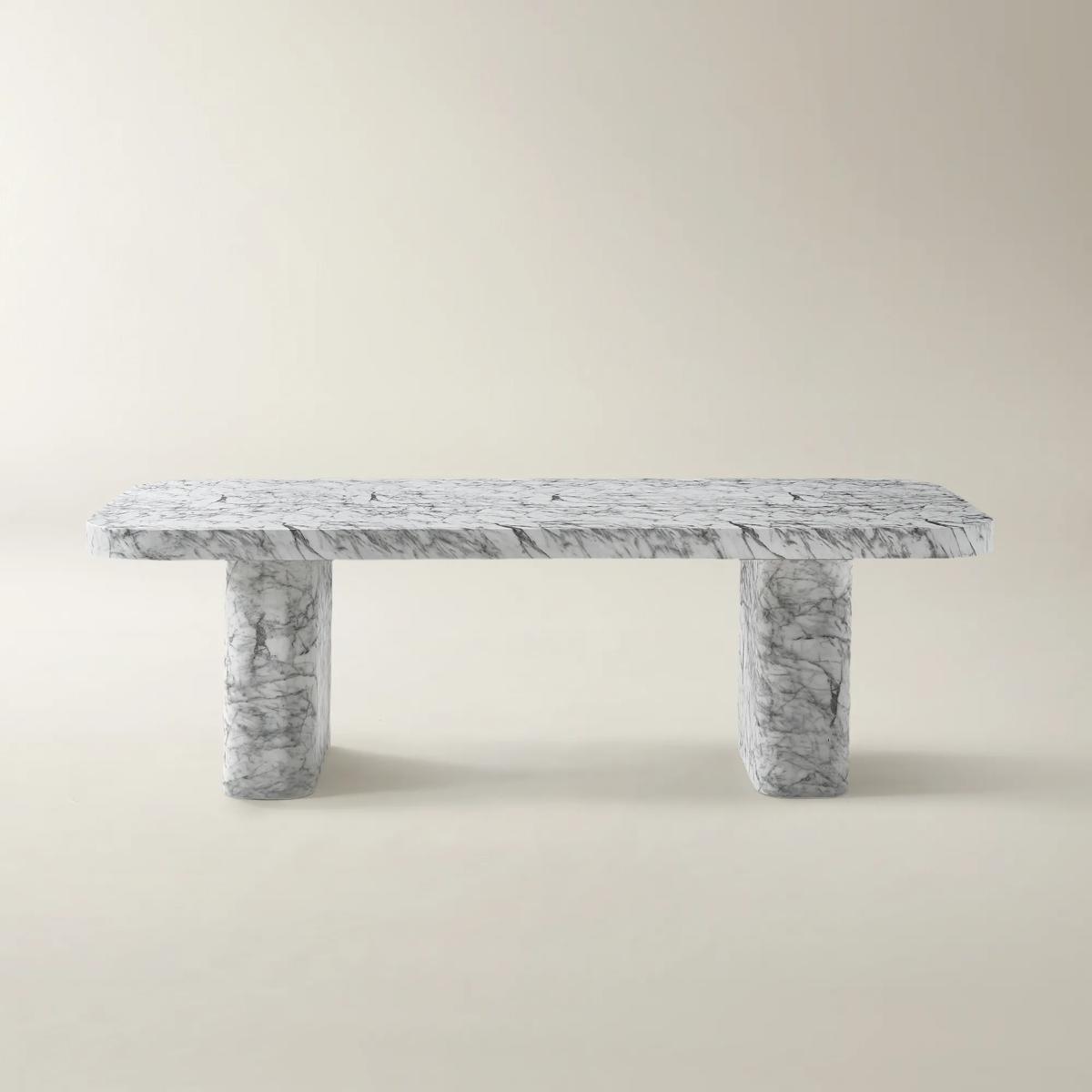
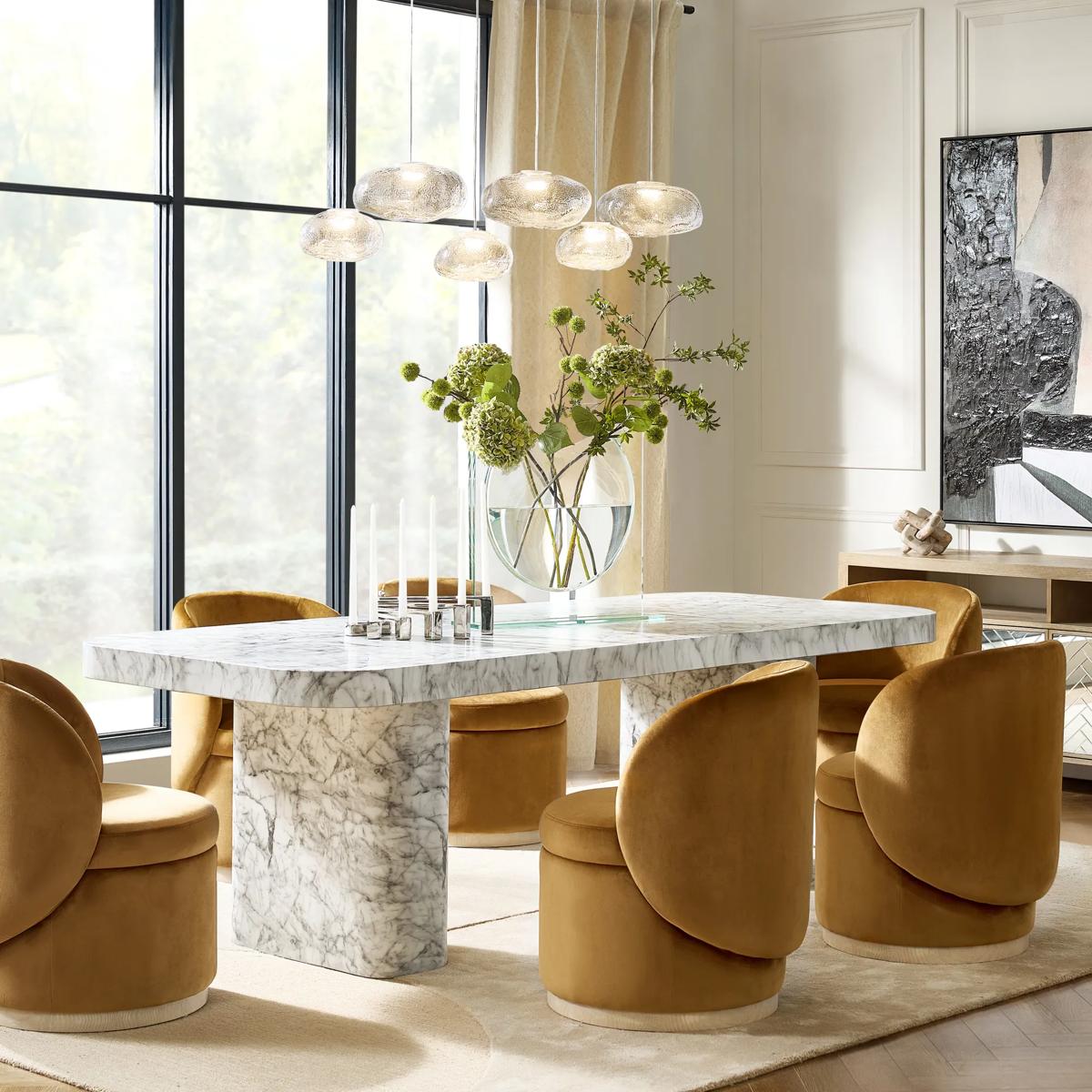 Silex Rectangular White Concrete Indoor/Out Door Dining Table (94.5")$1999
A white marble-look dining table crafted from ultra-rigid, lightweight fiber concrete for indoor or outdoor use.
Add To Cart -
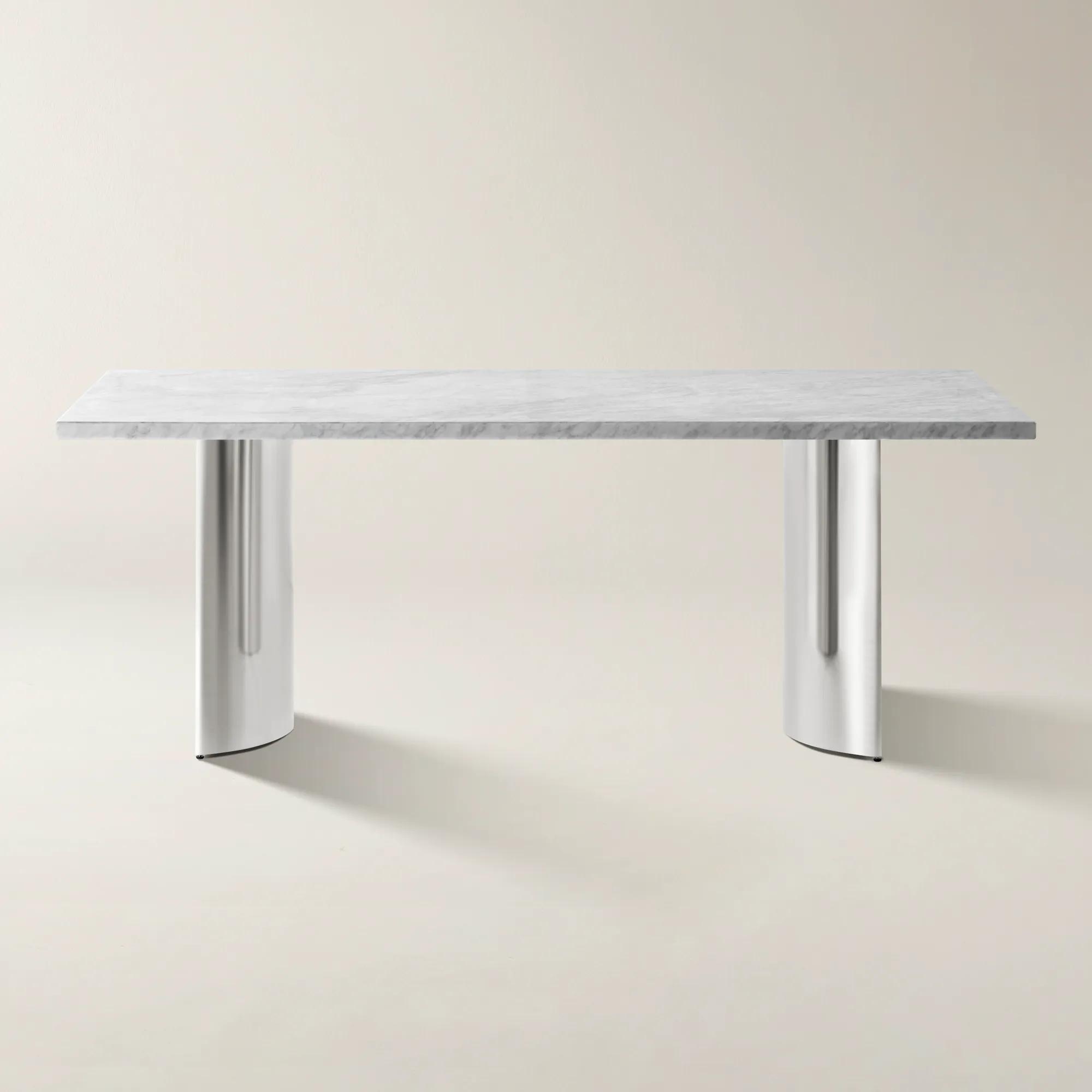 Muscat Rectangular White Marble Dining Table With Stainless Steel Base (84")$3099
A striking dining table featuring a natural white marble top with unique veining and a polished stainless steel base.
Add To Cart -
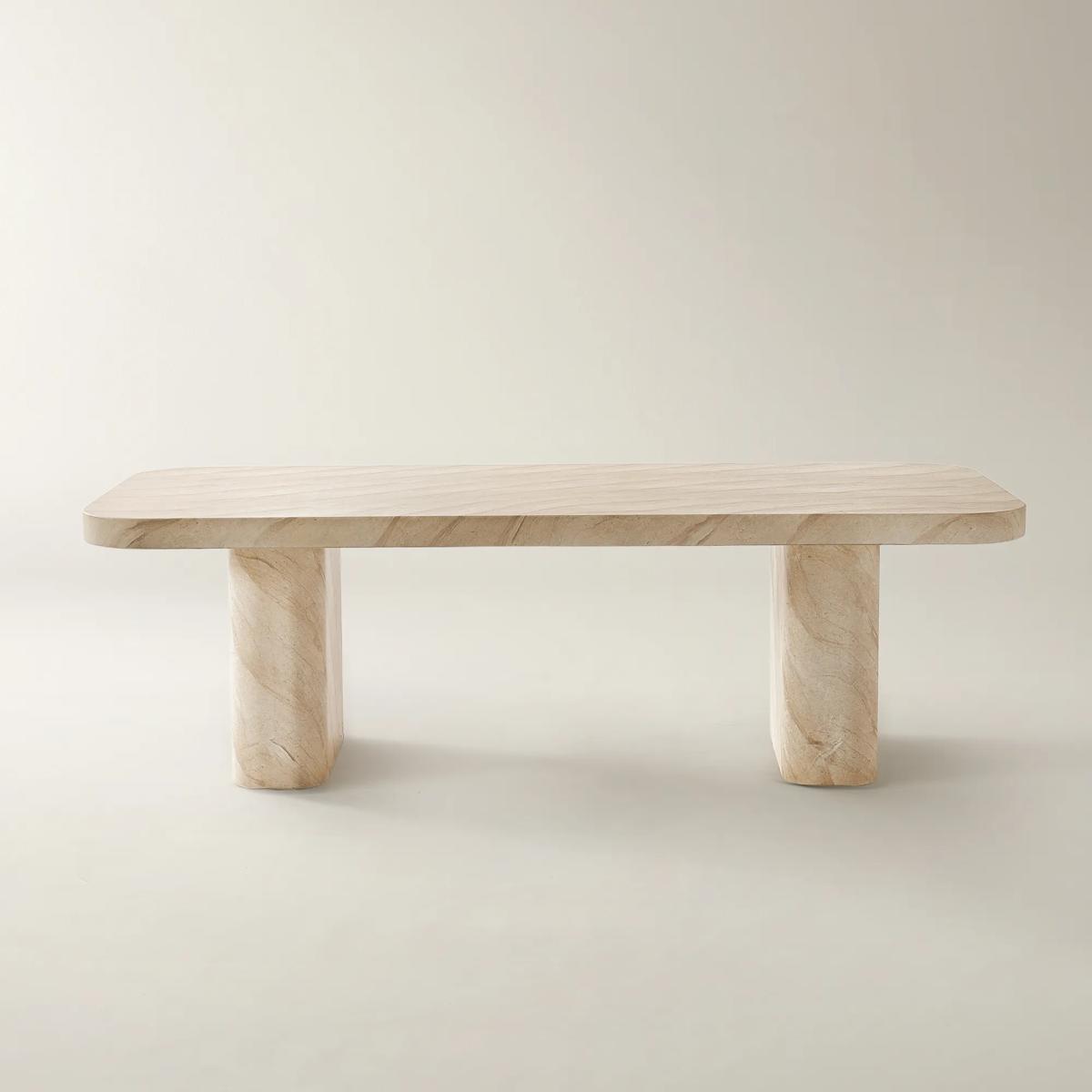 Silex Rectangular Travertine Concrete Indoor/Out Door Dining Table (94.5")$1999
A seamless travertine-look dining table crafted from ultra-rigid, water-resistant fiber concrete for indoor or outdoor use.
Add To Cart -
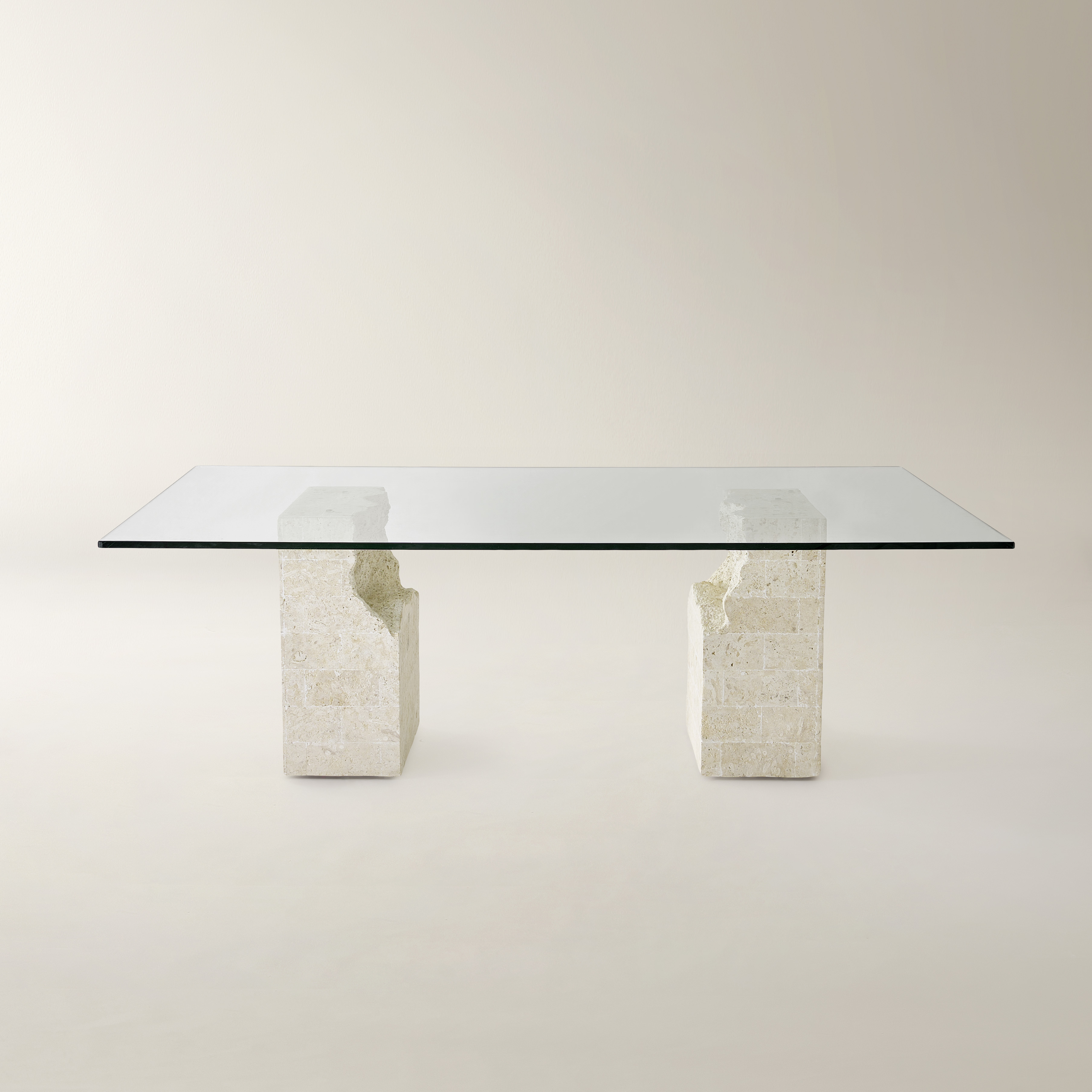 Cairo Rectangular Mactan Stone Dining Table With Glass Top (86.6")$2399
A contemporary dining table featuring a clear tempered glass top over hand-carved Mactan stone bases.
Add To Cart -
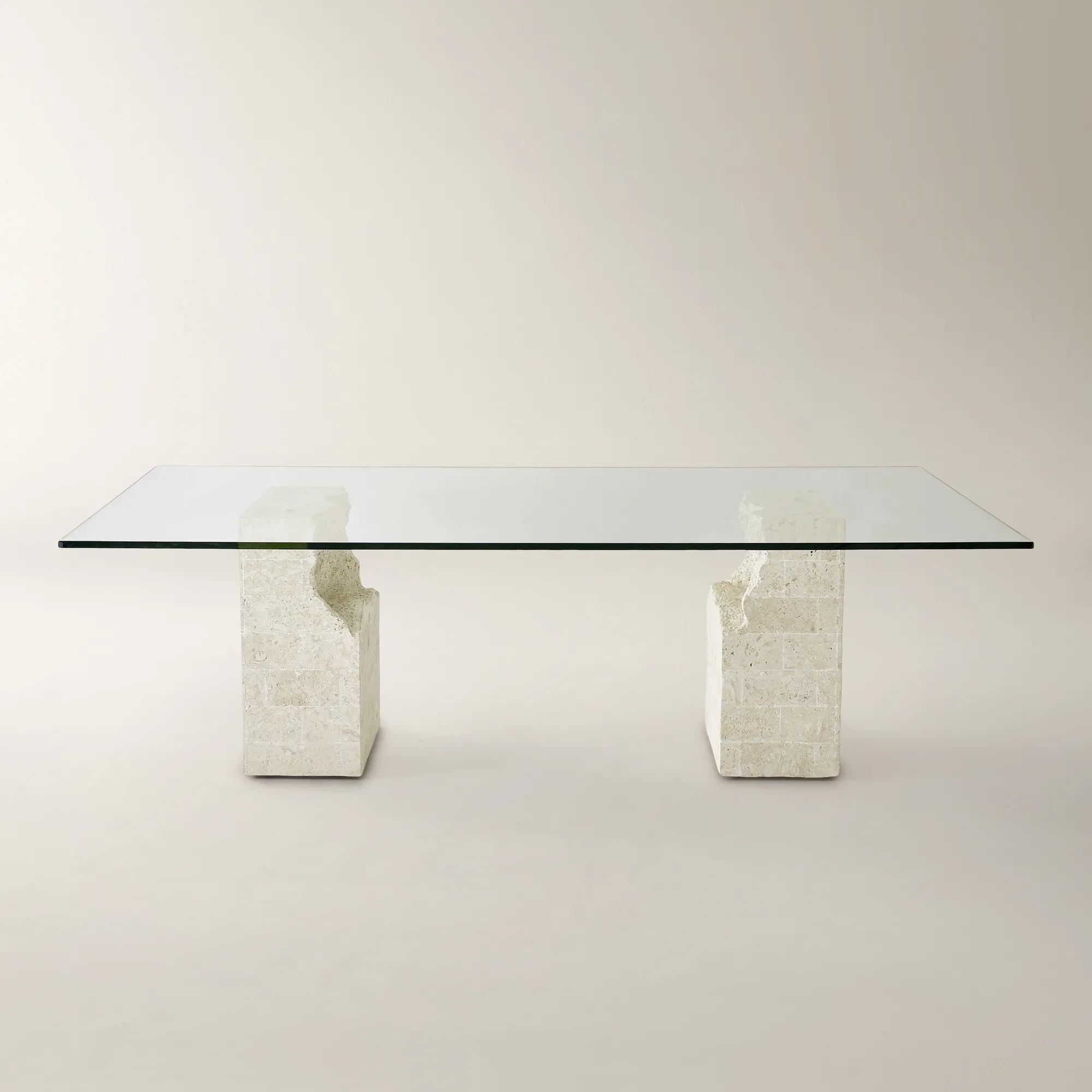 Cairo Rectangular Mactan Stone Dining Table With Glass Top (96")$2599
A contemporary dining table featuring a clear tempered glass top over hand-carved Mactan stone bases.
Add To Cart -
.jpg?w=1200&h=1200)
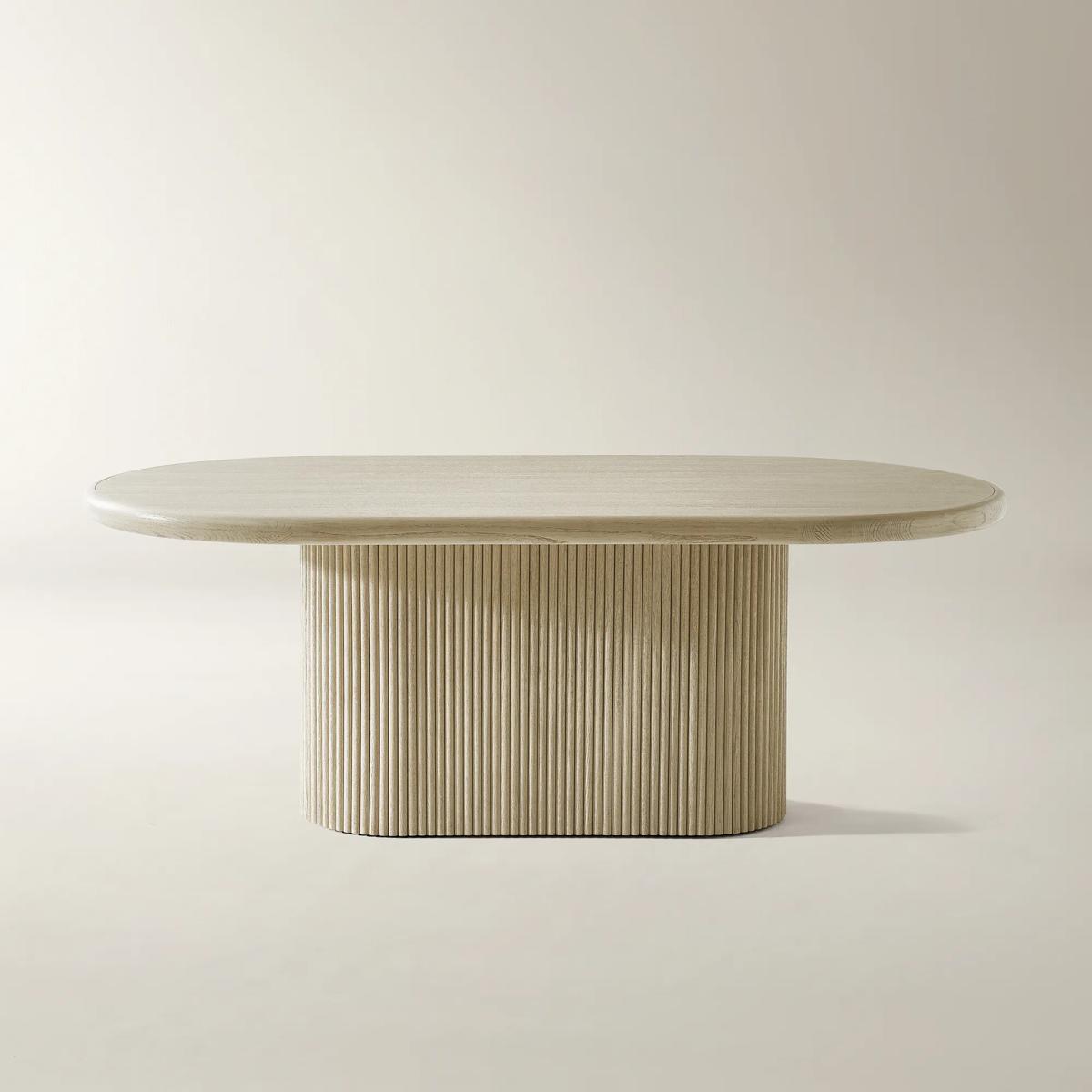
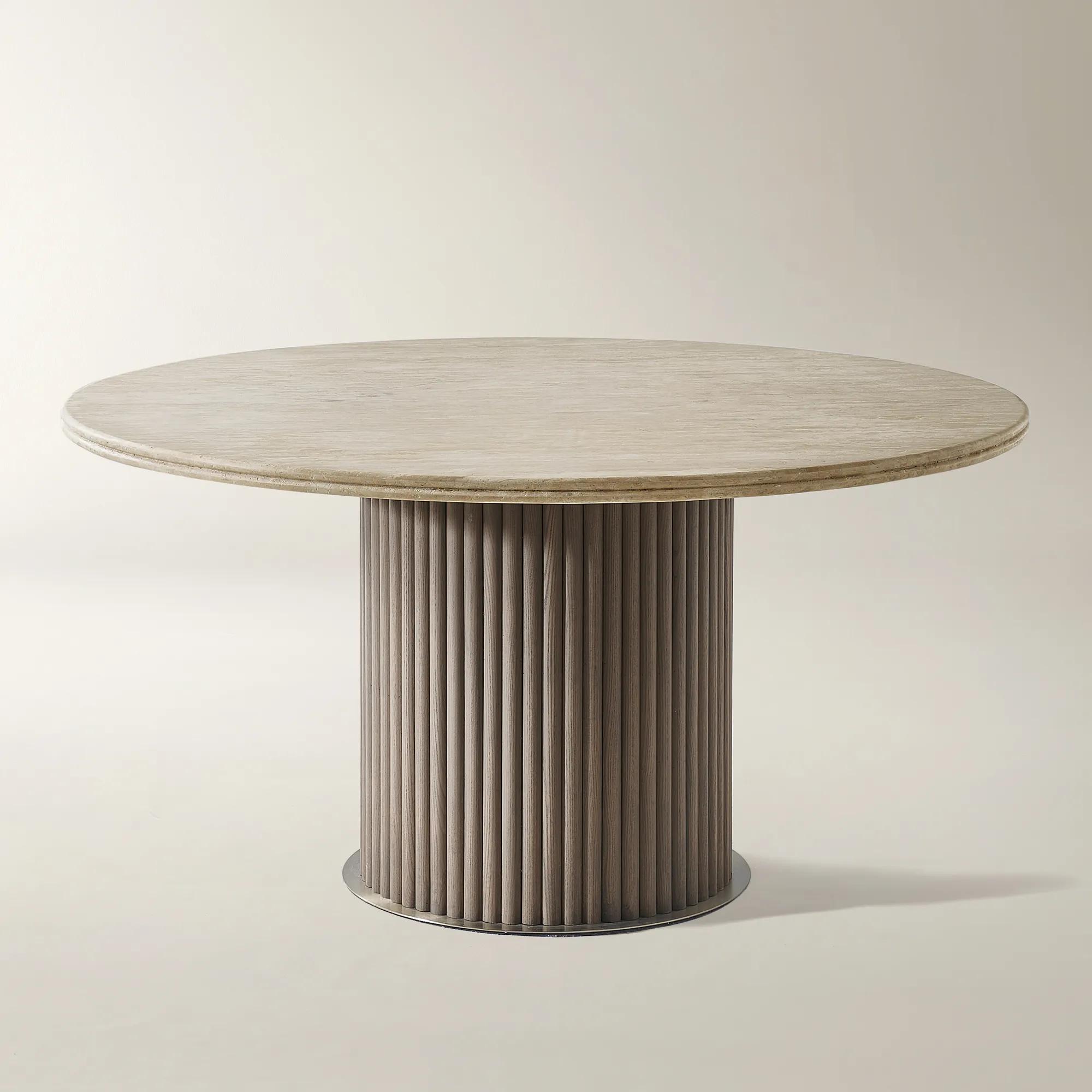
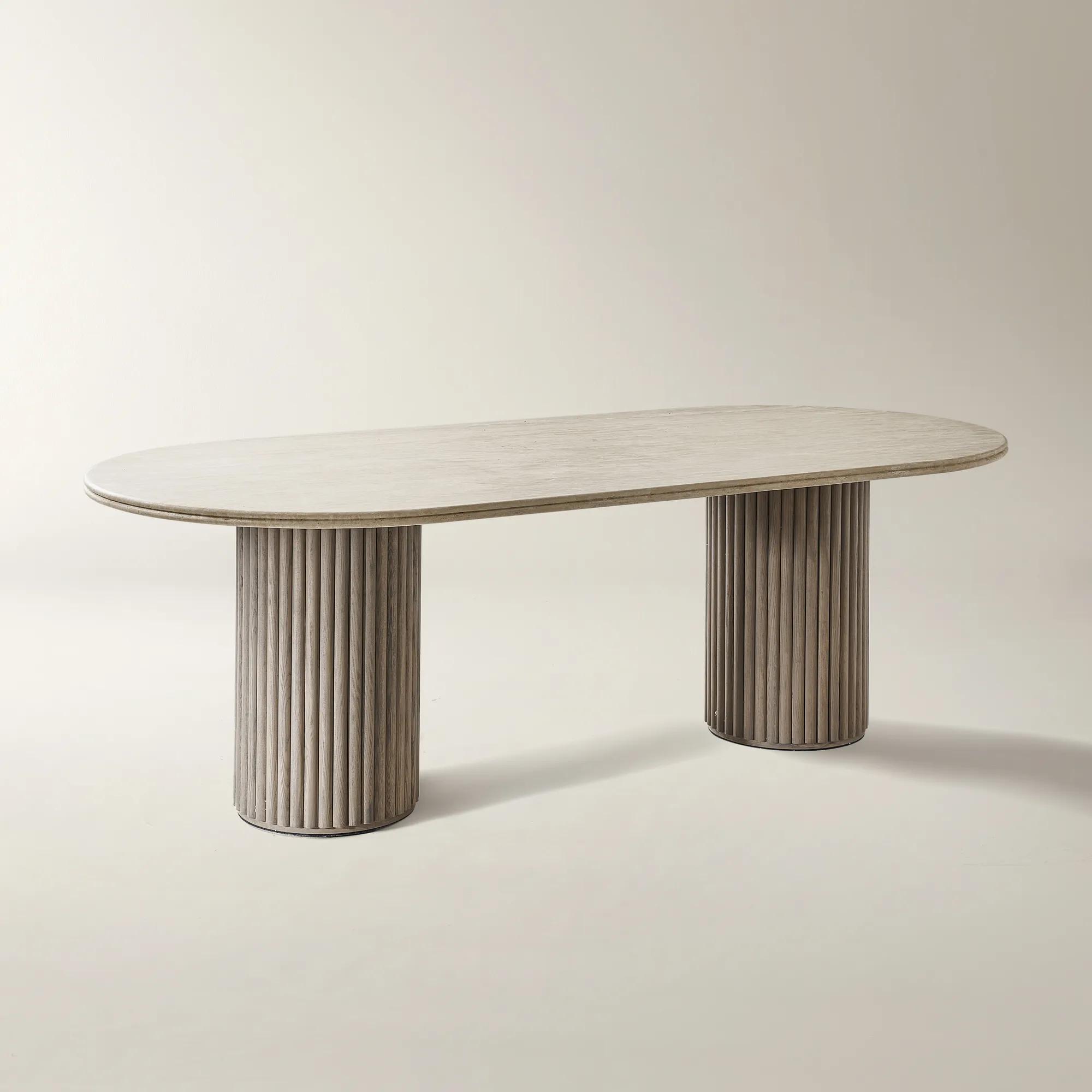 Bond Oval Reeded Travertine and Wood Dining Table (94.25")$4599
A natural travertine stone top pairs with a fluted solid ash base for refined, organic elegance.
Add To Cart -
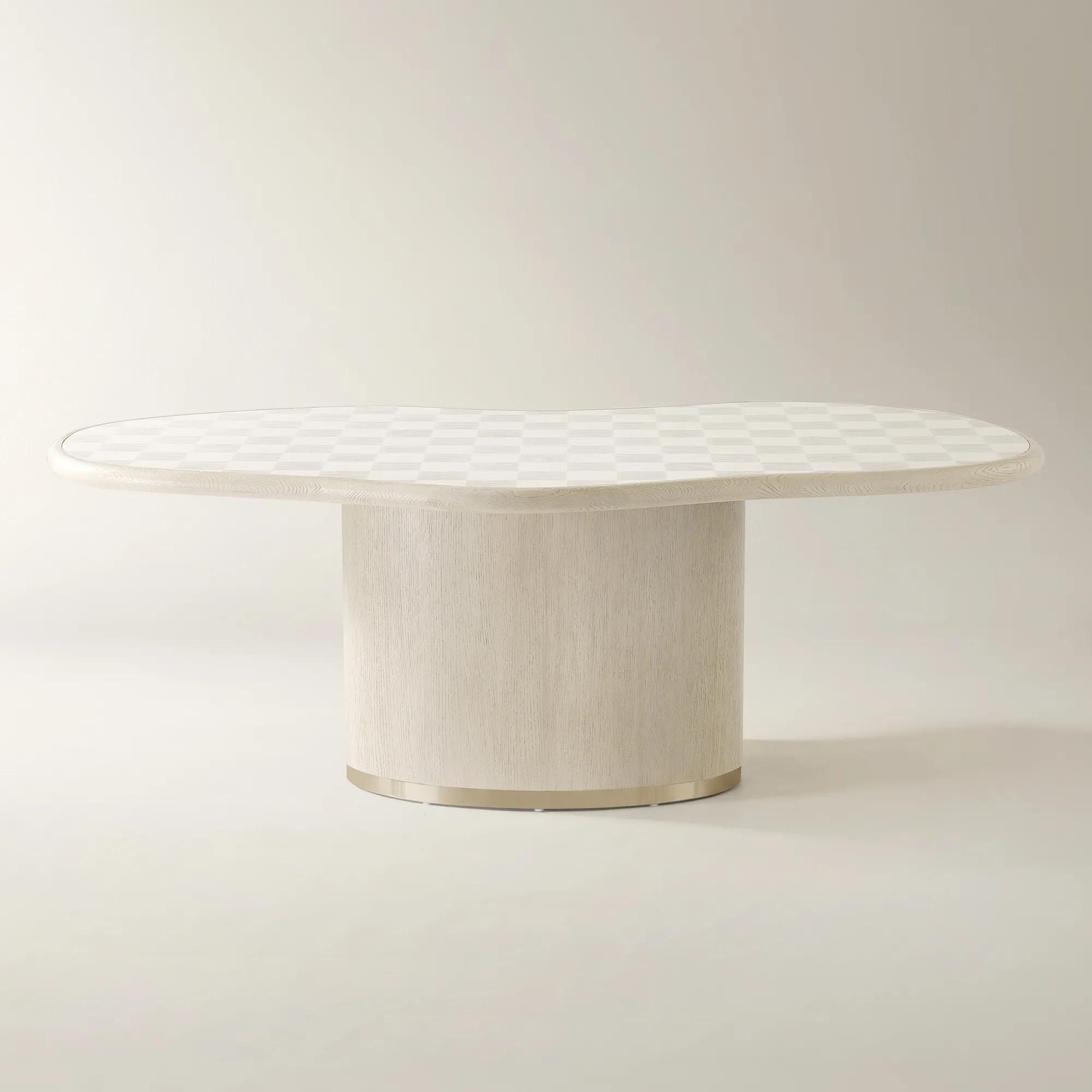 Vetra Checkerboard Oak and Maple Dining Table (84")$2399
A striking dining table featuring a hand-arranged oak and maple checkerboard veneer with soft gold accents.
Add To Cart

Rectangular Dining Tables
Rectangular dining tables command attention with their timeless silhouette and captivating presence, transforming every meal into an occasion worth savoring. Their elongated form invites conversation and connection, creating a stage for culinary artistry and unforgettable gatherings. Whether set beneath a cascade of chandelier light or surrounded by sculptural seating, rectangular dining tables anchor your dining room with confidence and sophistication—offering the perfect canvas for bold centerpieces, lavish linens, and the drama of daily living reimagined.
Rectangular dining tables give a room a strong architectural line and a generous setting for everything from quiet breakfasts to candlelit dinners that linger well beyond dessert. Their elongated shape complements long dining rooms, defines a dining area within an open floor plan, and creates a natural center for conversation, shared dishes, and expressive styling. A richly grained top can bring warmth to polished surroundings, while a luminous surface above a sculptural base turns the dining area into a striking composition. Beyond their visual presence, rectangular tables make seating arrangements easy to understand: guests sit along both sides, with additional places at the ends when the dimensions and base allow. As a general starting point, a 48-inch rectangular dining table often seats four; a 60- to 72-inch table typically accommodates six; a 78- to 96-inch table can accommodate eight; and a table around 108 inches long may seat ten. These are planning ranges rather than guarantees, since chair width, table width, leg placement, and the generosity of each place setting affect actual capacity. Allow approximately 24 inches of table edge per person for everyday seating, with closer to 30 inches offering more elbow room for broad upholstered chairs or layered dinner settings. A table measuring roughly 36 to 42 inches wide often balances conversation with space for plates and serving pieces, while a wider top creates a more expansive stage for entertaining. For a household that shares meals daily but hosts larger gatherings occasionally, an extendable rectangular dining table offers a compelling balance of intimacy and scale. Its smaller footprint keeps ordinary evenings comfortable, while an added leaf makes room for a fuller guest list. Fixed-length tables have their own appeal, particularly when a continuous surface or dramatic base is central to the room’s design. Either silhouette can support a dining space with real personality, whether the mood is softly glamorous, richly layered, or crisp and architectural. The most successful choice feels as considered during a simple supper as it does beneath glowing pendants with every place beautifully set.
Proportion determines whether that beautiful centerpiece feels gracious in daily use. Measure the room with sideboards, cabinets, and other furnishings in place, then allow at least 36 inches between the table edge and the nearest wall or obstruction so chairs can pull out comfortably. Around 42 to 48 inches is preferable along frequently used walkways, particularly where someone needs to pass behind a seated guest. For example, a 72-by-40-inch table needs an unobstructed footprint of approximately 12 feet by 9 feet 4 inches to provide 36 inches of clearance on every side; additional furniture and circulation may call for a larger room. An extension table should be measured both closed and fully open, with room for the extra chairs it will require. In a combined living and dining area, placing the table along the room’s longer axis often establishes a clear, composed layout without interrupting movement between spaces. Pay equal attention beneath the tabletop. Corner legs can limit seating near the ends, a trestle may affect foot placement, and a pedestal or recessed base may provide greater flexibility, depending on its shape. Most standard dining tables stand approximately 28 to 30 inches high and pair with seats around 17 to 19 inches high, but the distance from the seat to the underside of the tabletop or apron matters more than those numbers alone. About 10 to 12 inches generally allows comfortable legroom; upholstered seat compression and individual preferences can change the fit. Armchairs also need enough clearance to tuck beneath the apron if a neatly pulled-in arrangement is important. Exploring Dining Chairs For Rectangular Tables can help bring the proportions and mood into focus, from tailored side chairs to commanding host chairs at either end. A coordinated arrangement feels serene, while contrasting upholstery, finishes, or silhouettes can create deliberate visual tension. When anchoring the setting with a rug, look for one that extends approximately 24 to 30 inches beyond each table edge, keeping chair legs supported as guests pull away from the table.
Materials shape both the atmosphere of a rectangular dining table and the attention it needs over time. Solid wood brings distinctive grain and tonal variation, with a surface that may develop character through years of use; its response to humidity makes a stable indoor environment important. Wood veneer can create beautifully matched grain patterns over an engineered core, though refinishing options depend on the veneer’s thickness and construction. Glass offers visual lightness, allowing a sculptural base or richly textured rug to remain part of the composition, but fingerprints and smudges tend to show readily. Marble and other natural stones lend expressive veining and substantial presence, with variations that make each surface visually individual. Their care requirements differ: marble is particularly vulnerable to acidic spills, and sealing, when recommended, does not make a stone surface immune to staining or etching. Ceramic, porcelain, and other engineered surfaces may offer useful resistance to everyday wear, but performance depends on the material and finish rather than appearance alone. Metal bases can introduce a gleaming accent or a darker architectural outline, while their protective finishes still need gentle treatment. For any material, follow the manufacturer’s care instructions, wipe spills promptly, and use coasters, placemats, and trivets to separate the surface from moisture, scratches, and hot serving dishes. Avoid dragging heavy centerpieces or textured ceramics across the top, and use only cleaning products suited to the finish. Durability also depends on sound joinery, a stable base, secure hardware, and, for extendable designs, a well-supported leaf mechanism. A table used for family meals, homework, and occasional laptop sessions benefits from a forgiving finish and protective mats; a formal entertaining space may place greater emphasis on intricate surfaces and sculptural detail. During the cooler months, a low arrangement of branches, richly woven linens, and warm candlelight can deepen the table’s presence without crowding conversation. Leave enough open surface for the meal itself: the finest dining setting makes room for both expressive design and the people gathered around it.
FAQs
Rectangular dining tables offer a generous, linear surface that encourages conversation and creates a sense of occasion. Their shape allows for dramatic tablescapes, easy serving, and flexible seating arrangements—making them the preferred choice for hosts who love to entertain, whether it’s an intimate dinner or a festive holiday feast.
Styling a rectangular dining table is an opportunity to express your creativity and embrace the current season. In autumn, consider layering the table with rich, textured linens, metallic accents, and lush florals in jewel tones. As the seasons shift, swap in lighter fabrics, fresh greenery, or sculptural objects to keep the look fresh and inspiring year-round.
Rectangular dining tables come in a range of luxurious materials, each imparting a distinct atmosphere. Marble or glass tops evoke modern glamour and reflect light beautifully, while solid wood brings warmth and artisanal charm. Metallic finishes add a hint of drama, while lacquered surfaces feel sleek and contemporary—allowing you to choose a table that aligns with your vision for the space.
A rectangular dining table makes an extraordinary gift for newlyweds setting up their first home, families celebrating a milestone, or anyone who delights in hosting and gathering loved ones. It’s a statement piece that becomes the foundation for years of shared meals, celebrations, and cherished memories.
Selecting chairs for your rectangular dining table is about balancing comfort, style, and proportion. Consider chairs that echo the table’s design elements or introduce a complementary texture for added interest. For a curated look, explore options like upholstered seats for softness or sculptural silhouettes for visual intrigue. Discover inspiration in our curated collection of Dining Chairs For Rectangular Tables, designed to elevate every dining experience.