Unique Rectangular Dining Tables
Unique Rectangular Dining Tables
-
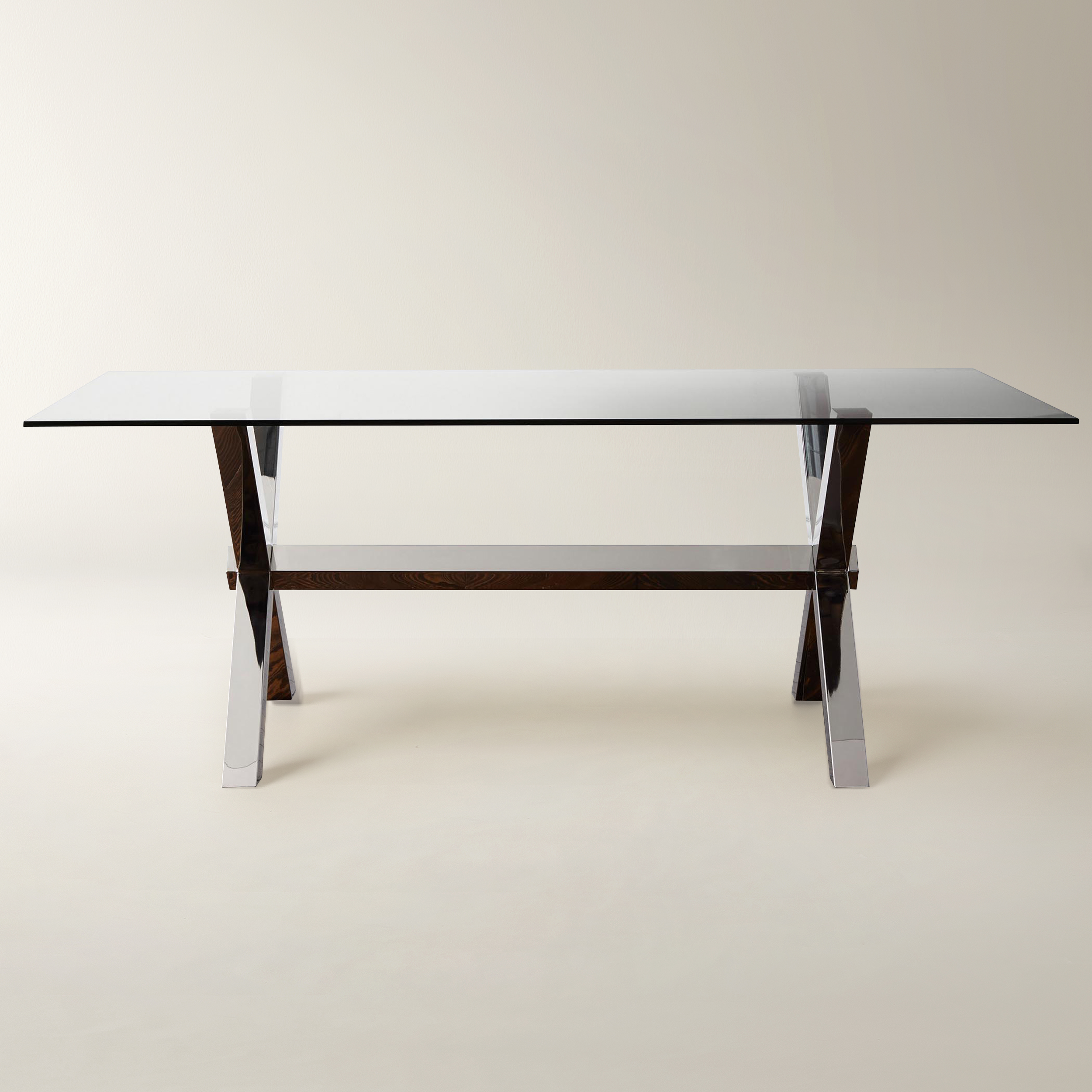
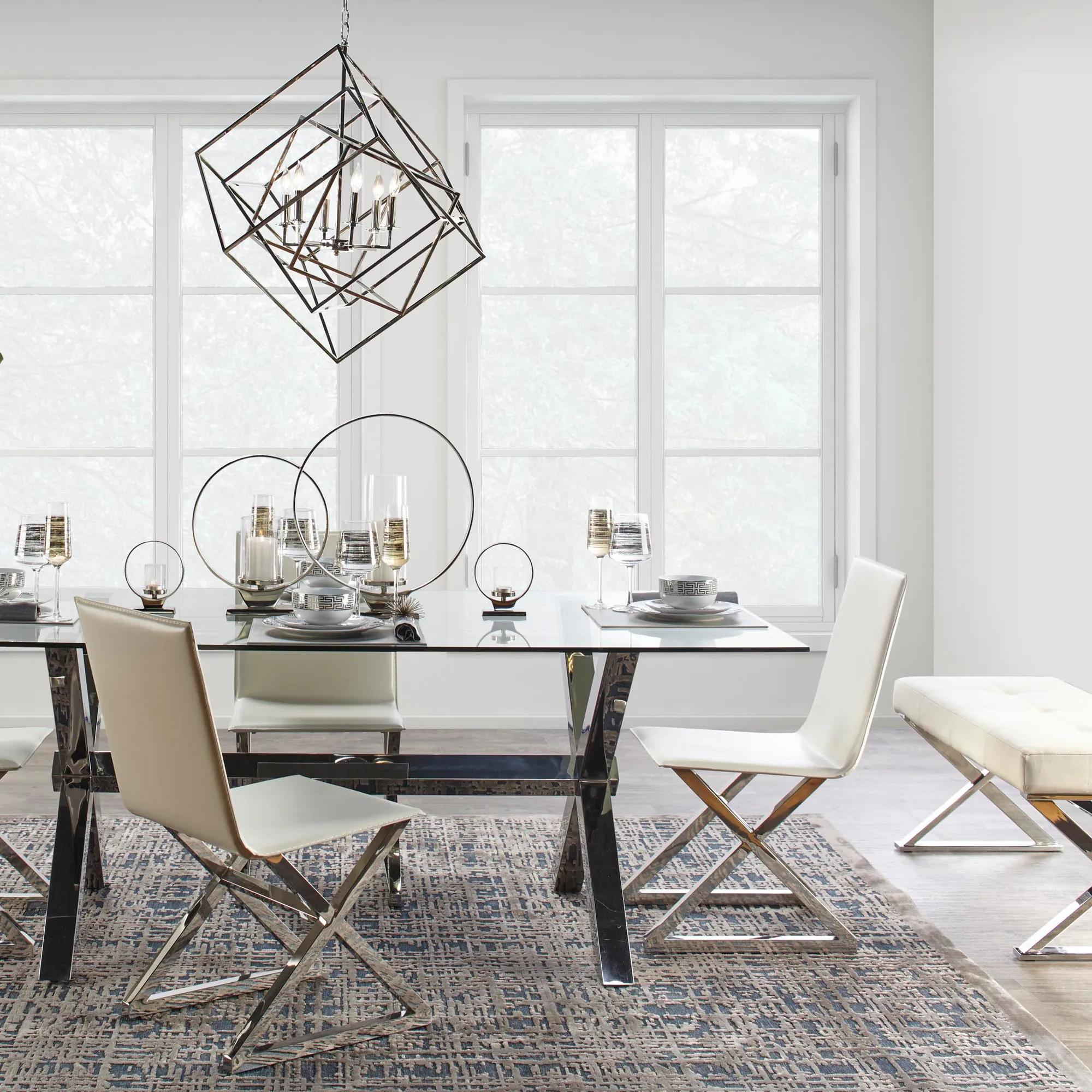 Axis Rectangular Silver Dining Table With Glass Top (78")$1199
A contemporary dining table featuring a polished stainless steel base and durable tempered glass top.
Add To Cart -
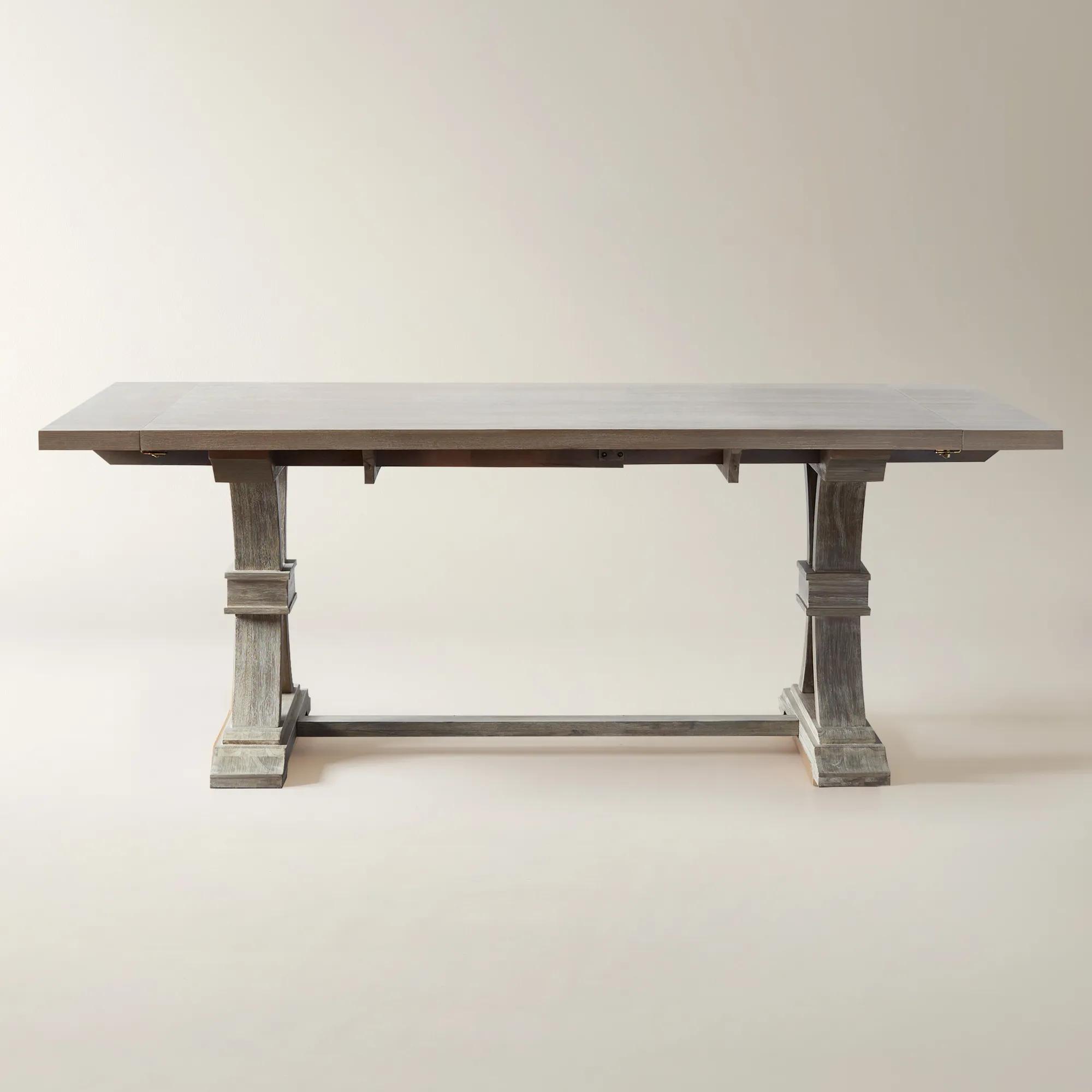 Archer Rectangular Grey Acacia Wood Extending Dining Table (78" - 110")$2499
A weathered grey acacia wood dining table with removable leaves and a kiln-dried hardwood frame.
Add To Cart -
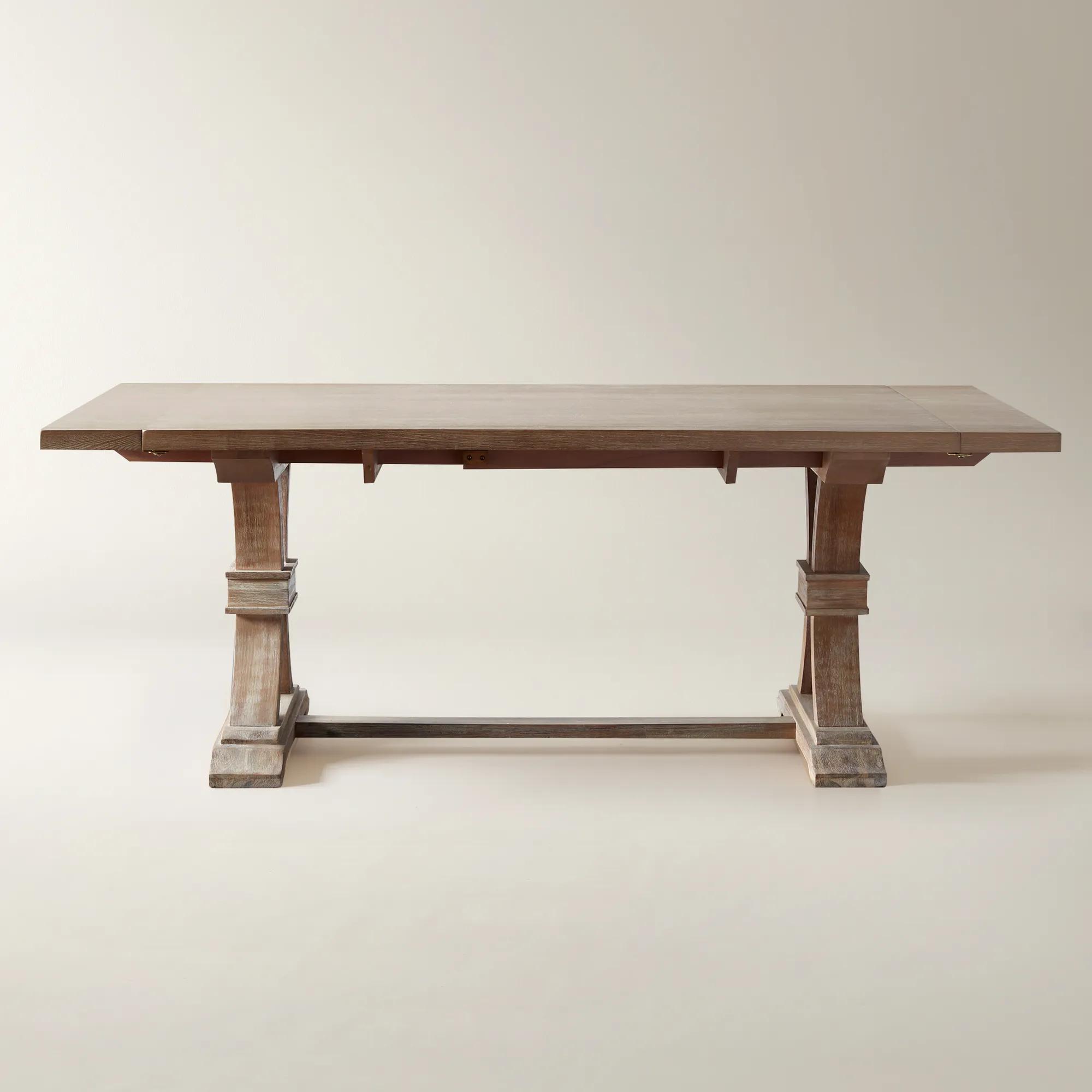 Archer Rectangular Whitewashed Acacia Wood Extending Dining Table (78" - 110")$2499
An extending dining table crafted from kiln-dried hardwood with a whitewashed oak finish and acacia veneer.
Add To Cart -
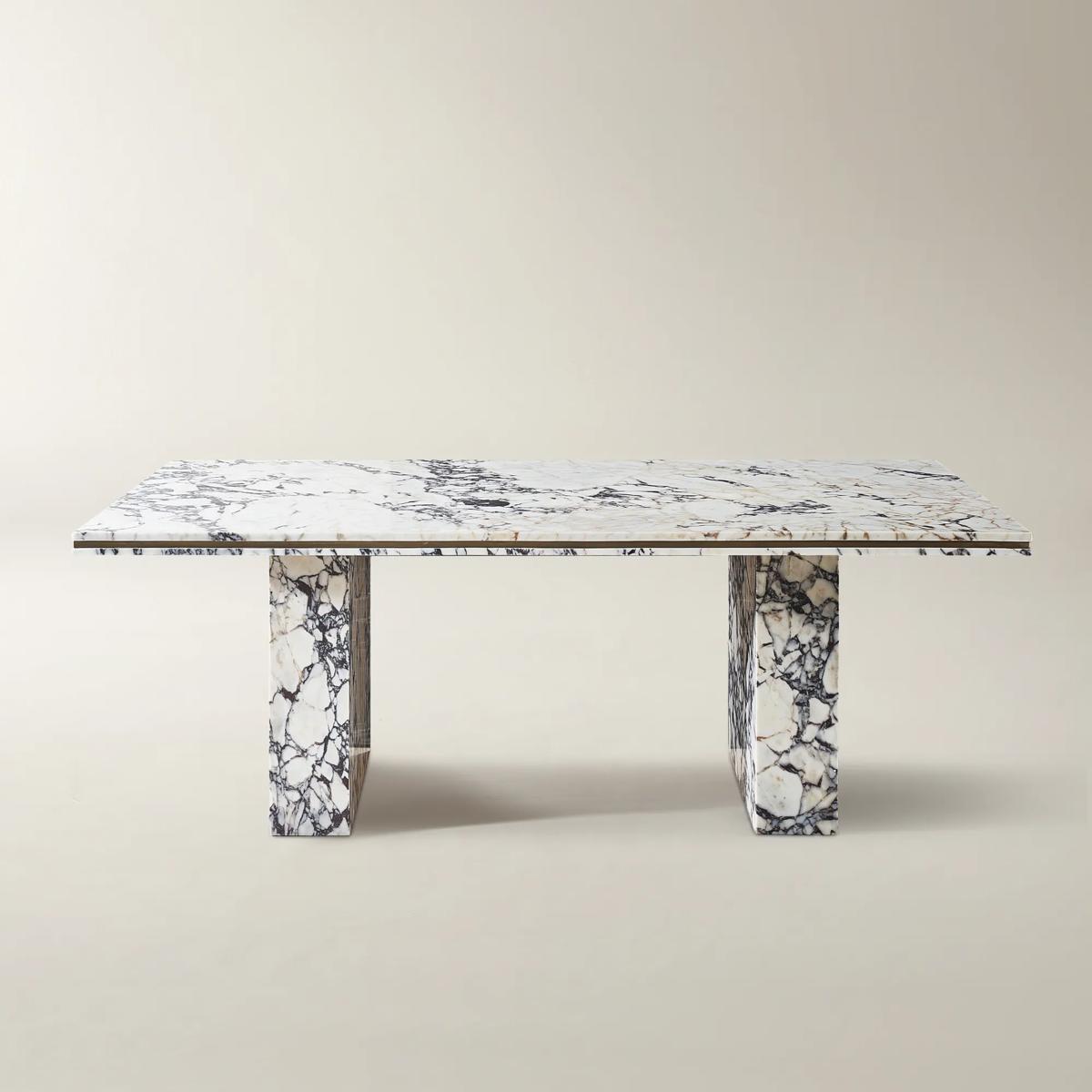
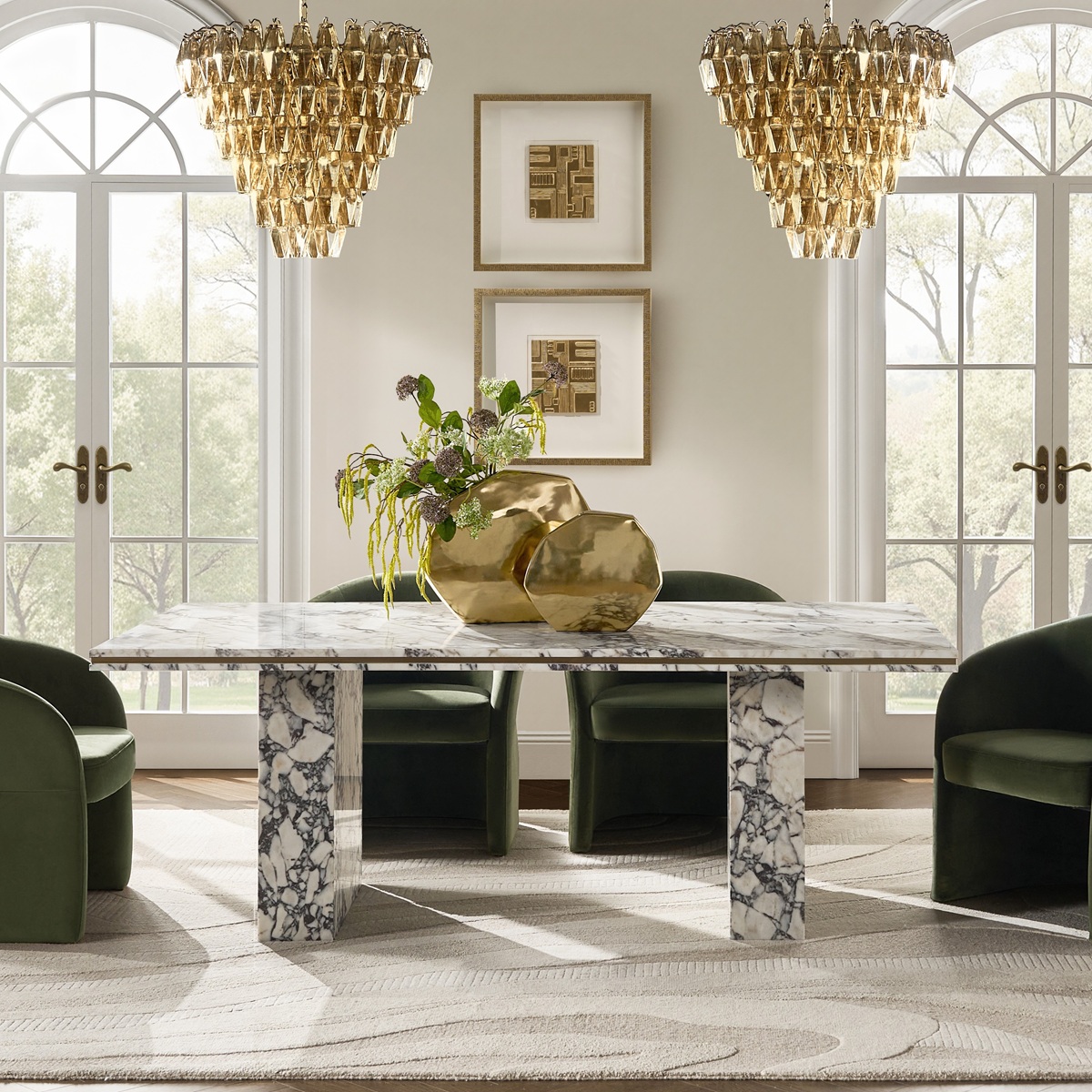 Vanta Rectangular Viola Calacatta Marble Dining Table (84")$6599
A striking Calacatta Viola marble table with vivid violet veining, gold stainless steel inlay, and aluminum core.
Add To Cart -
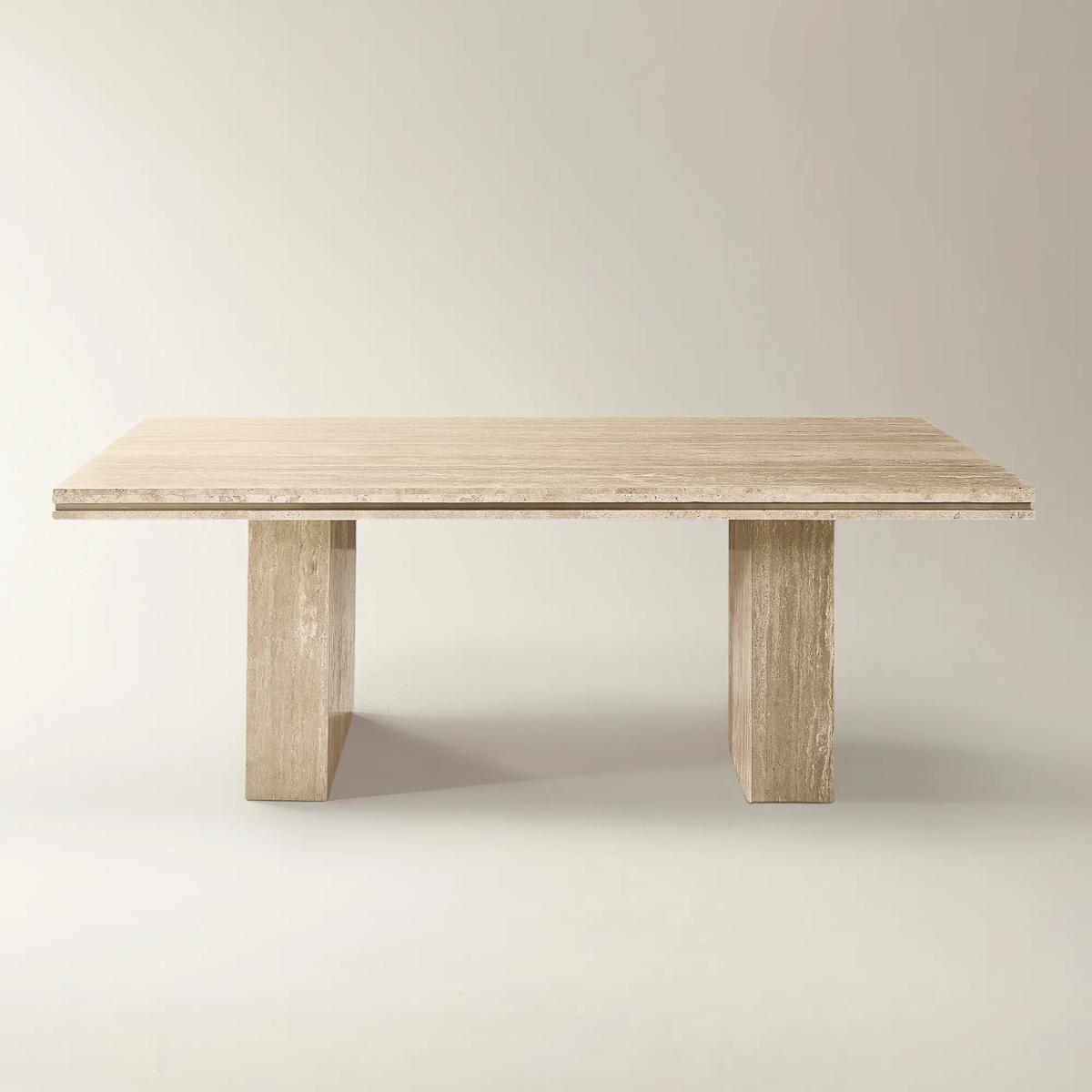 Vanta Rectangular Travertine Dining Table (84")$4199
A genuine travertine dining table with ivory-gold hues and a shimmering gold stainless steel inlay.
Add To Cart -
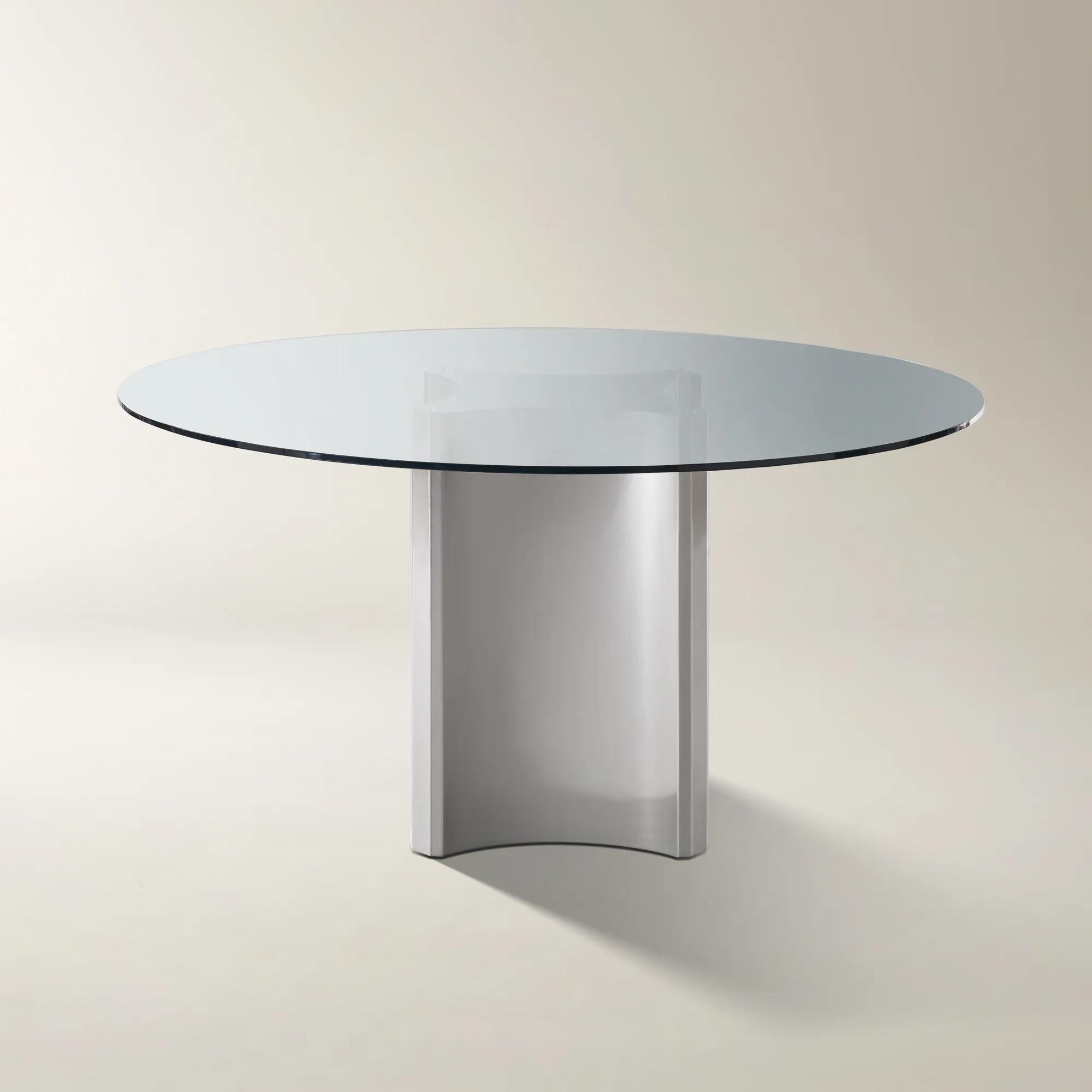 Ventane Round Clear Glass and Stainless steel Dining Table (58")$1499
A modern dining table featuring a clear tempered glass top and polished stainless steel base with anti-fingerprint finish.
Add To Cart -
.jpeg?w=1200&h=1200)
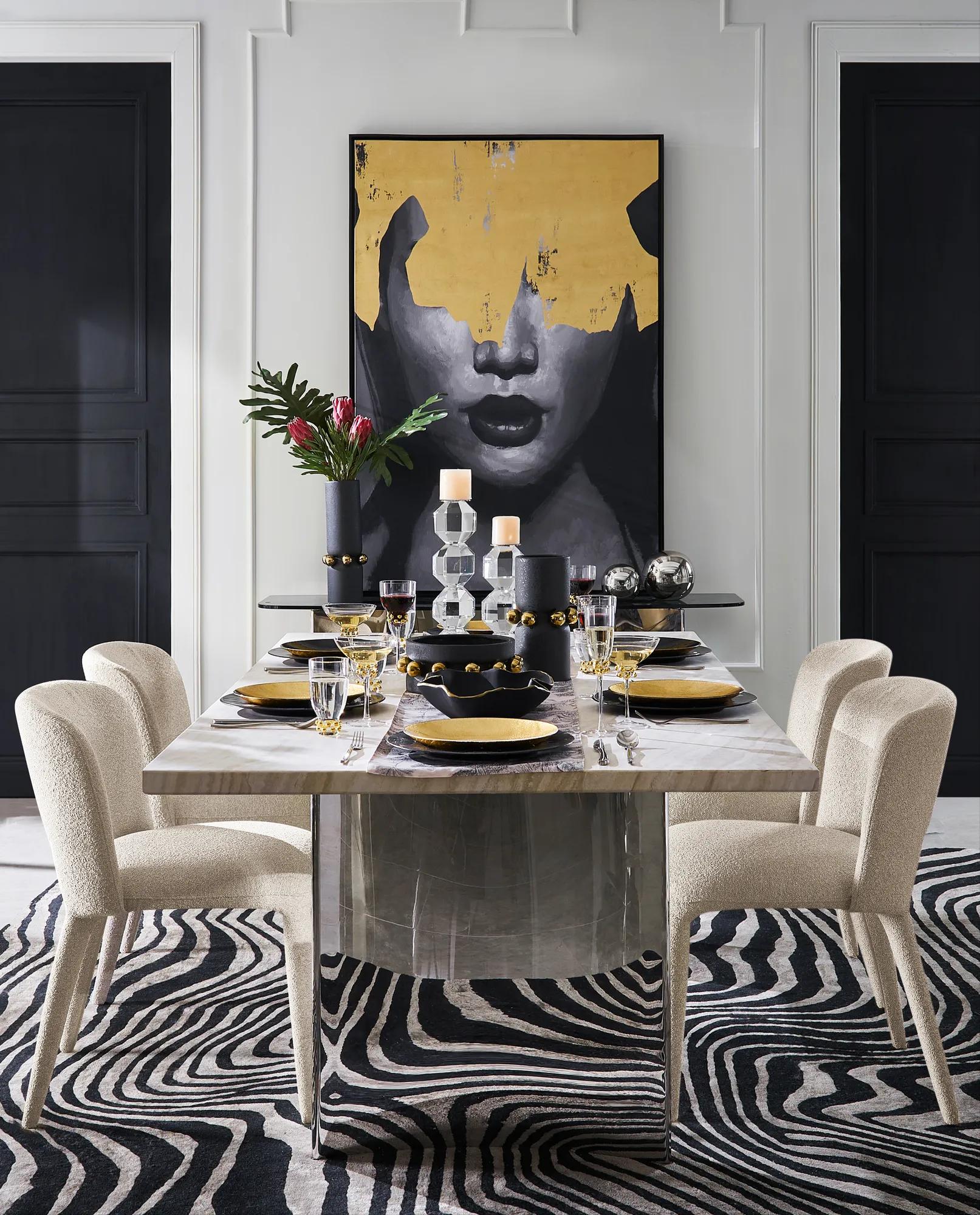 Muscat Rectangular Tan Marble Dining Table With Stainless Steel Base (84")$3099
A sophisticated dining table featuring a tan travertine marble top and polished stainless steel base.
Add To Cart -
.jpeg?w=1200&h=1200)
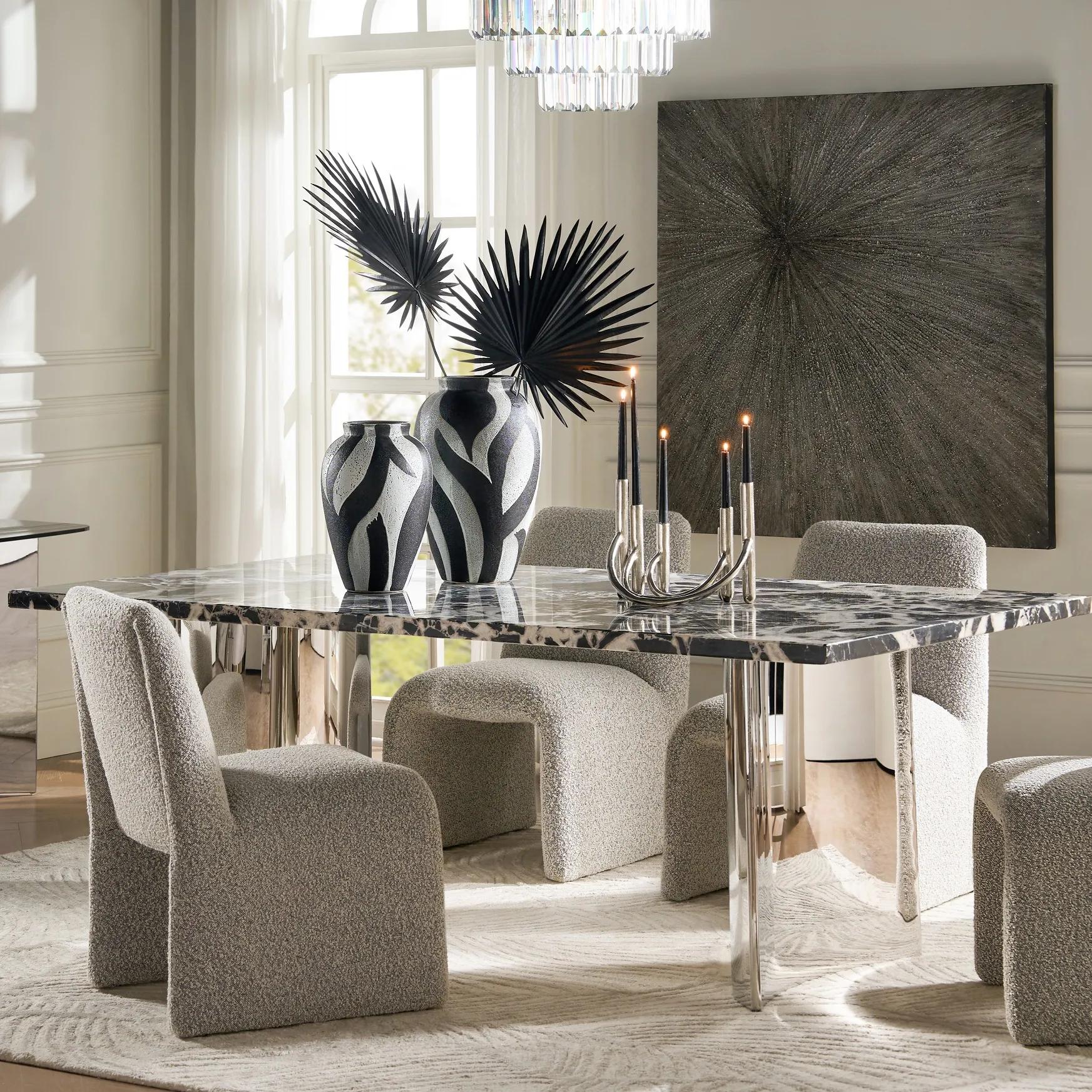 Muscat Rectangular Black Marble Dining Table With Stainless Steel Base (84")$3099
A dramatic black marble dining table with unique veining and a polished stainless steel base.
Add To Cart -
.jpeg?w=1200&h=1200)
.jpg?w=1200&h=1200) Matera Rectangular White Marble Dining Table With Stainless Steel Base (86.61")$2499
Matera Rectangular White Marble Dining Table With Stainless Steel Base (86.61")$2499A modern dining table featuring a white marble top and polished stainless steel base for timeless elegance.
Add To Cart -
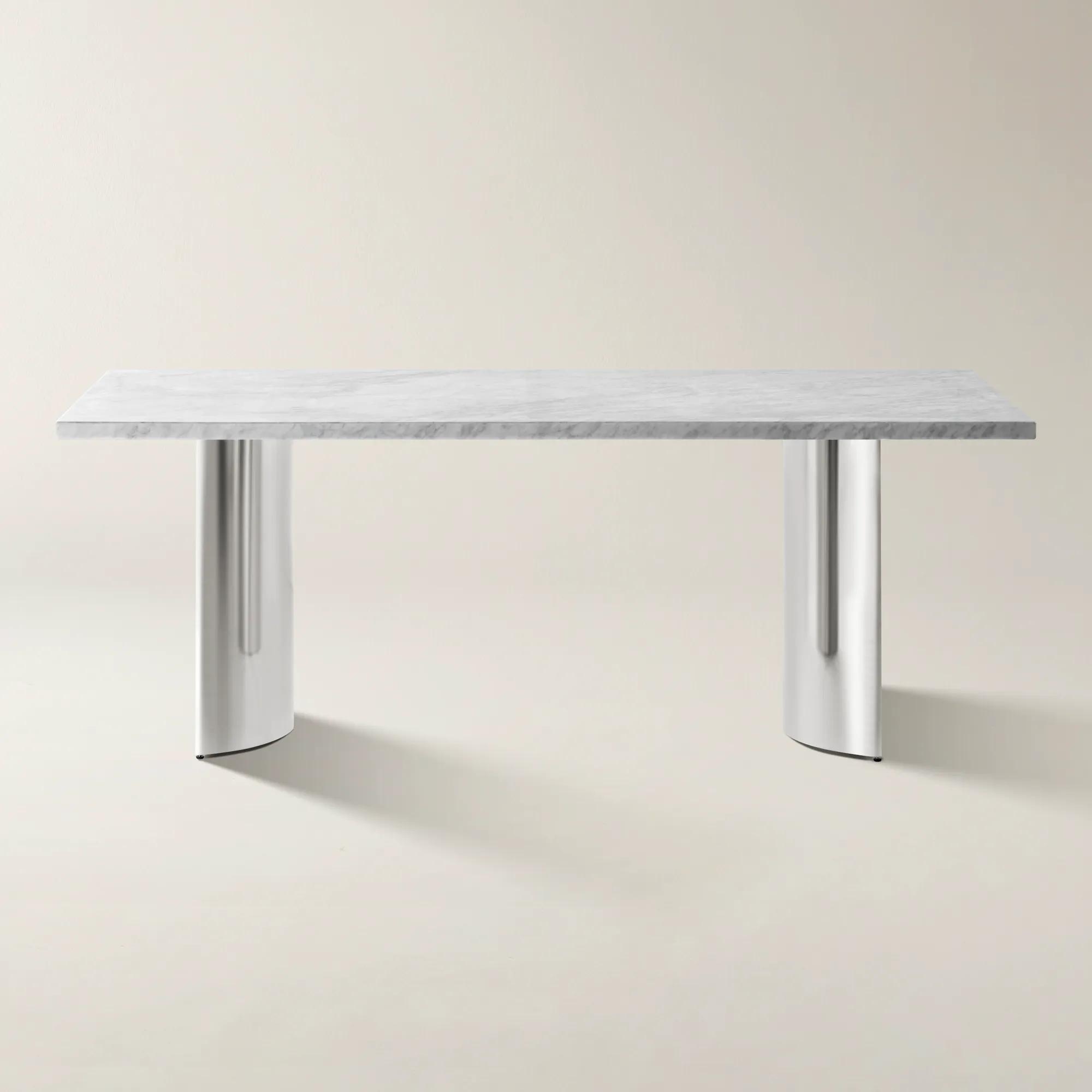 Muscat Rectangular White Marble Dining Table With Stainless Steel Base (84")$3099
A striking dining table featuring a natural white marble top with unique veining and a polished stainless steel base.
Add To Cart -
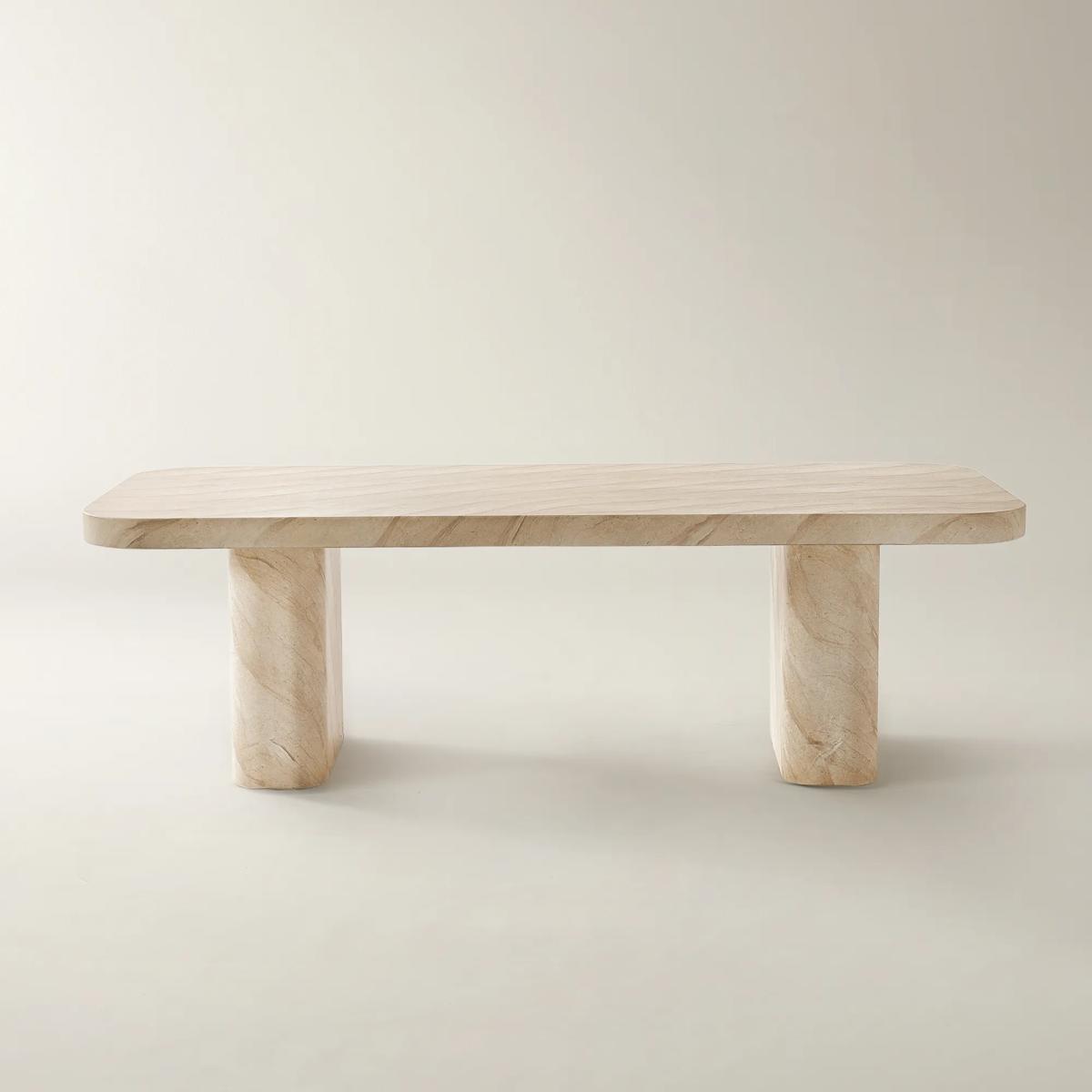 Silex Rectangular Travertine Concrete Indoor/Out Door Dining Table (94.5")$1999
A seamless travertine-look dining table crafted from ultra-rigid, water-resistant fiber concrete for indoor or outdoor use.
Add To Cart -
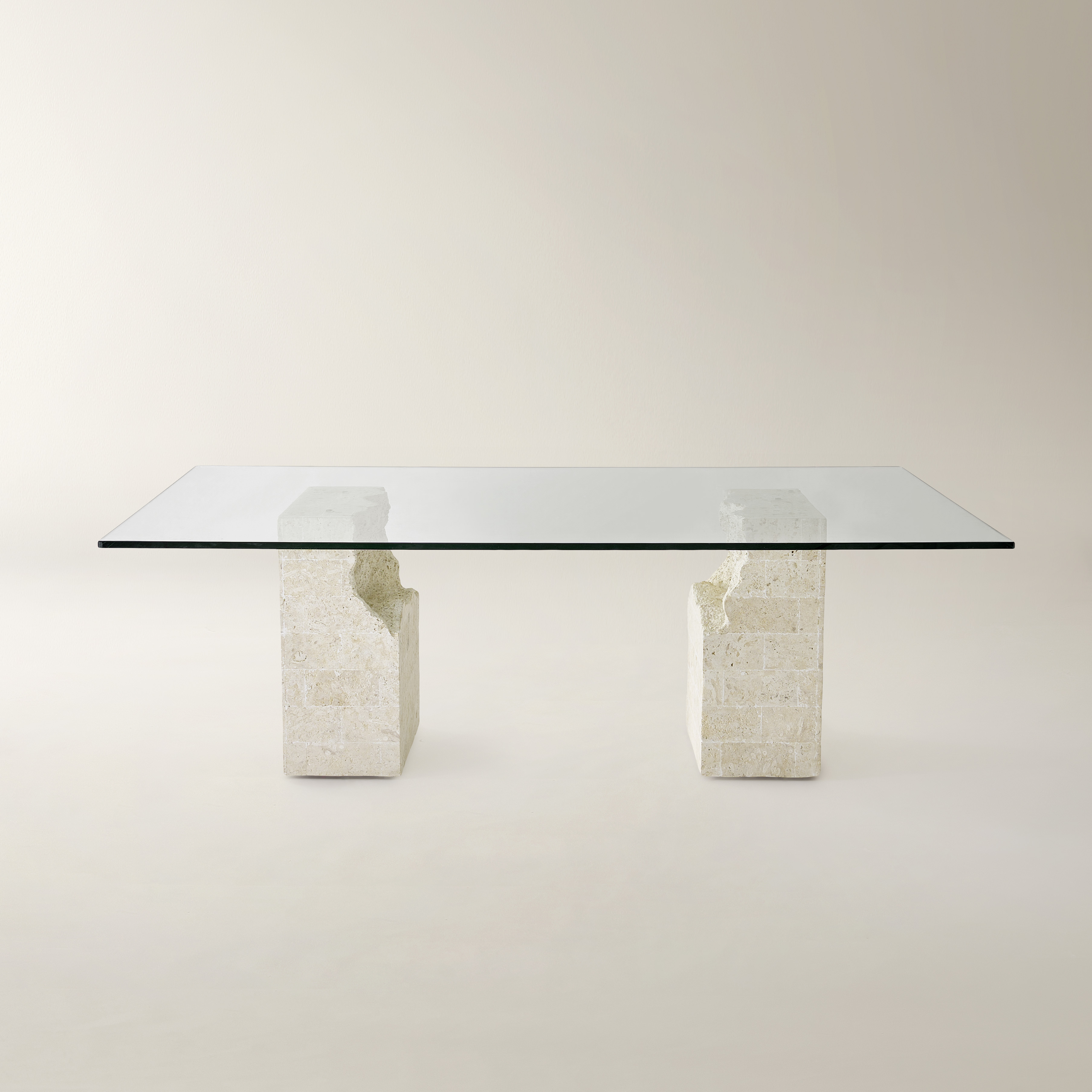 Cairo Rectangular Mactan Stone Dining Table With Glass Top (86.6")$2399
A contemporary dining table featuring a clear tempered glass top over hand-carved Mactan stone bases.
Add To Cart -
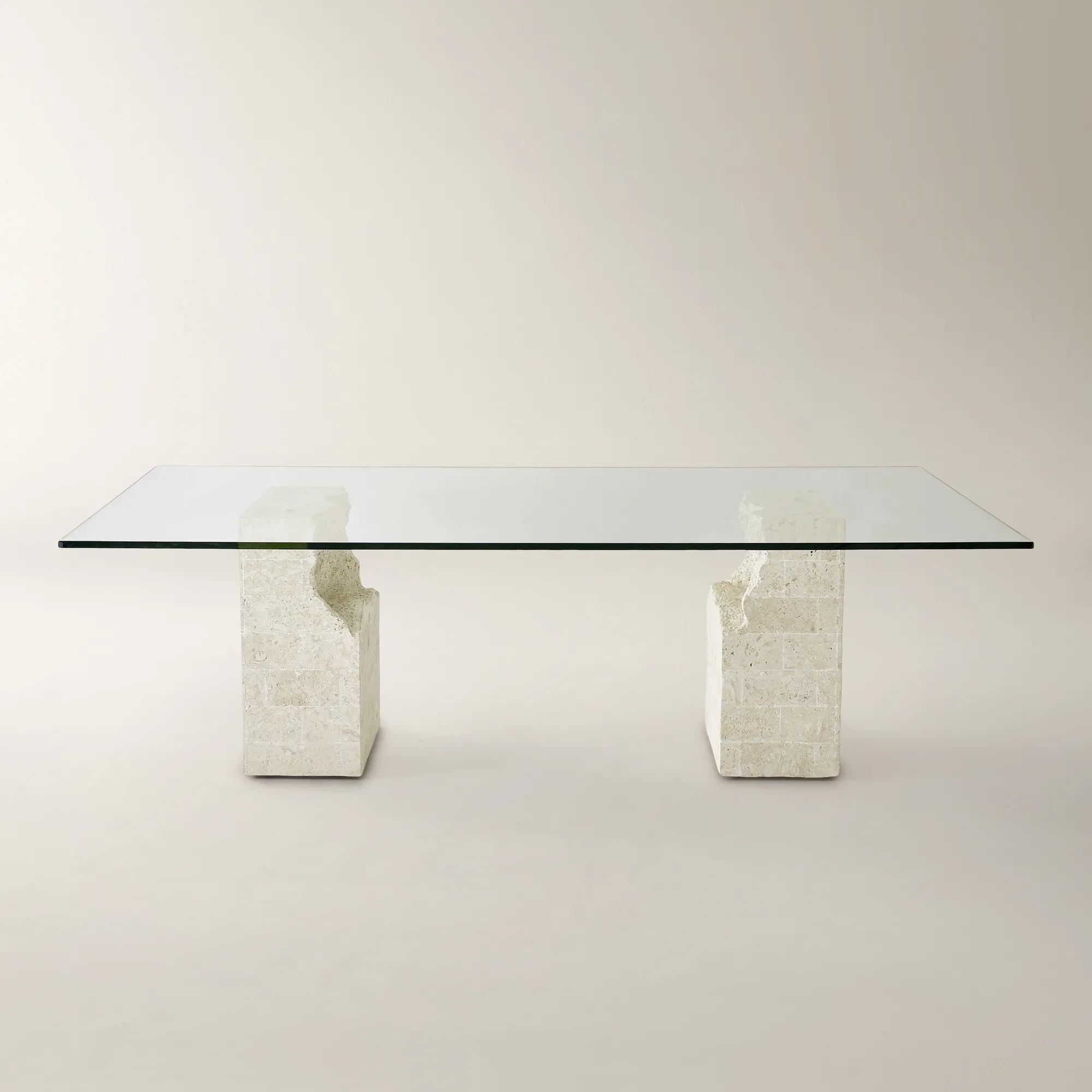 Cairo Rectangular Mactan Stone Dining Table With Glass Top (96")$2599
A contemporary dining table featuring a clear tempered glass top over hand-carved Mactan stone bases.
Add To Cart -
.jpg?w=1200&h=1200)
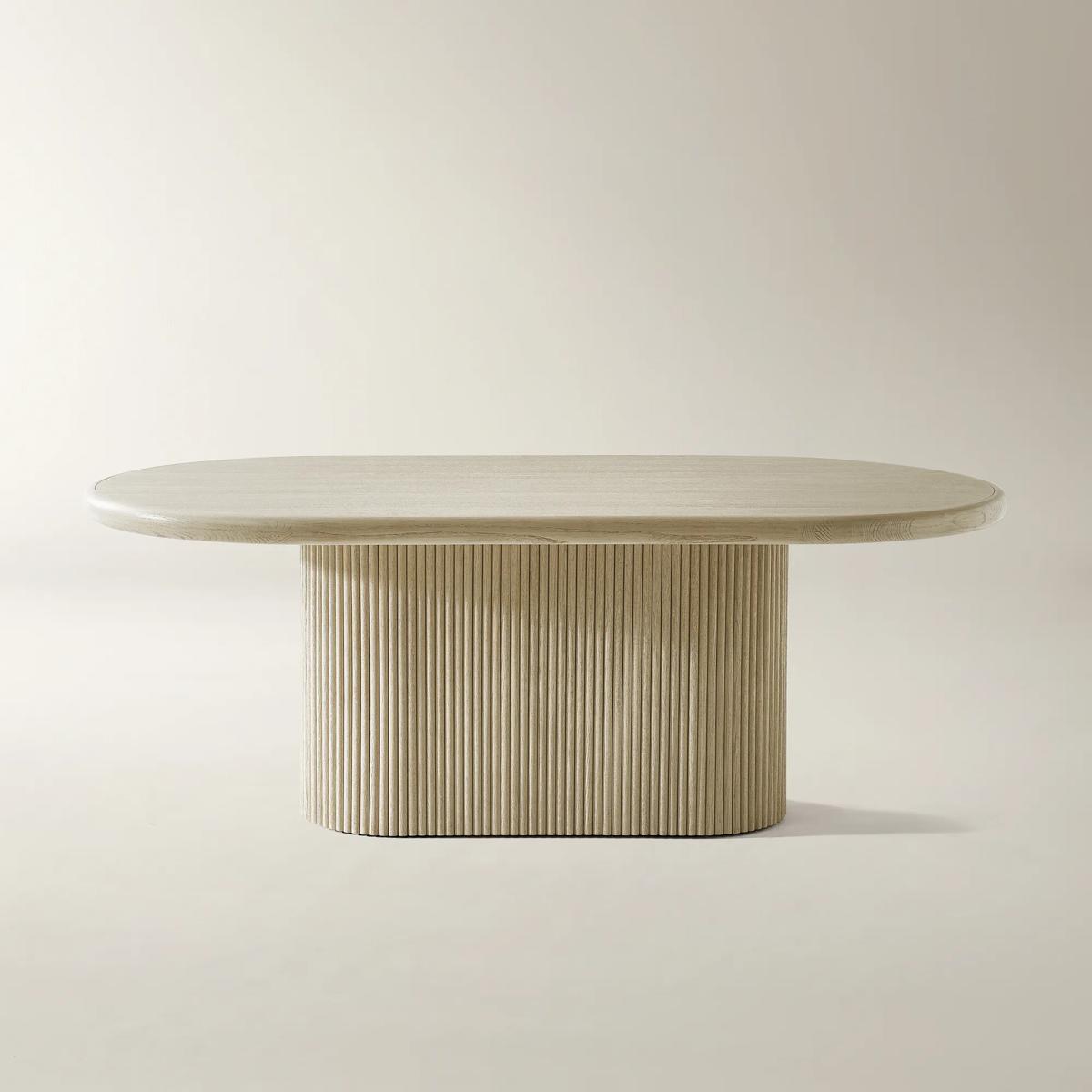
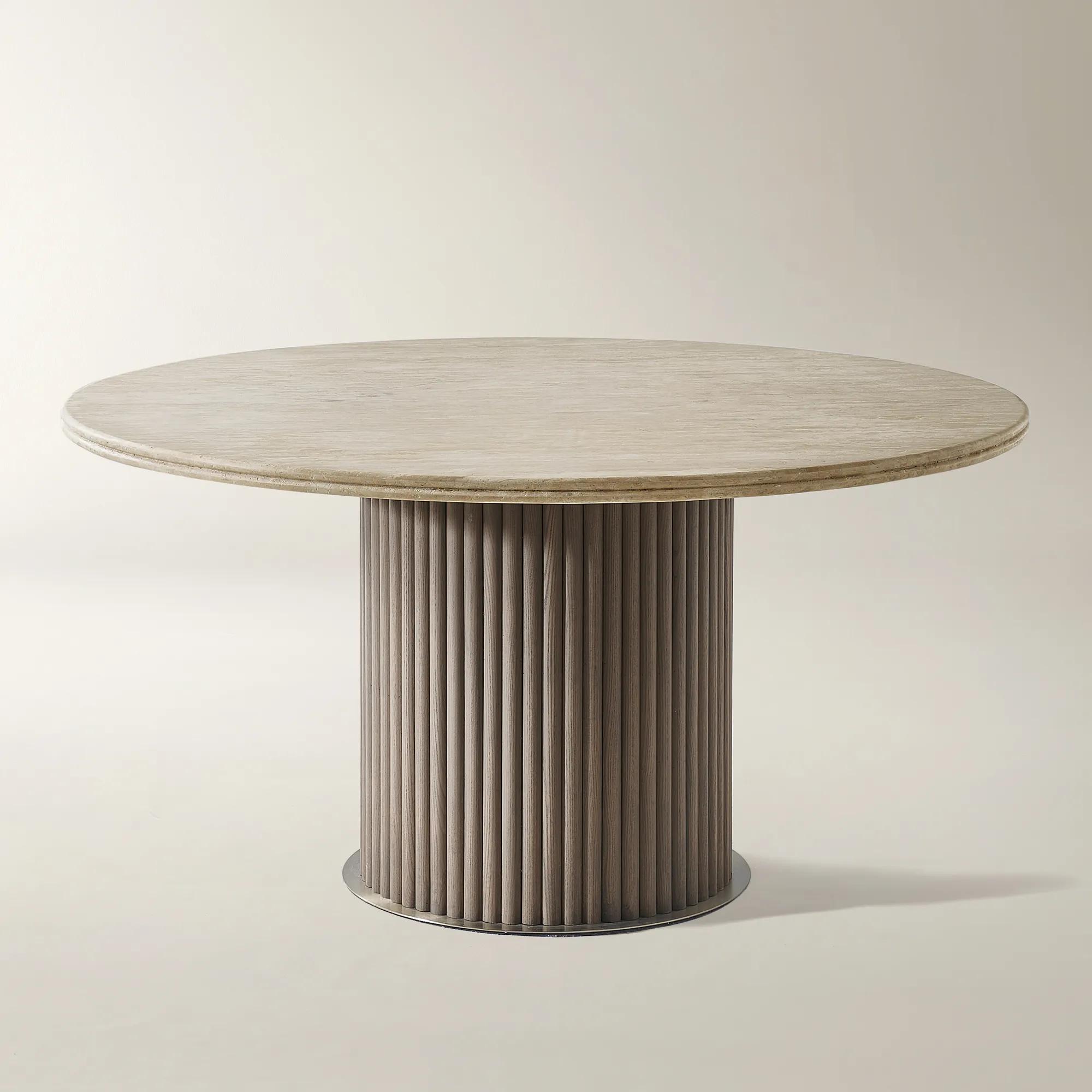
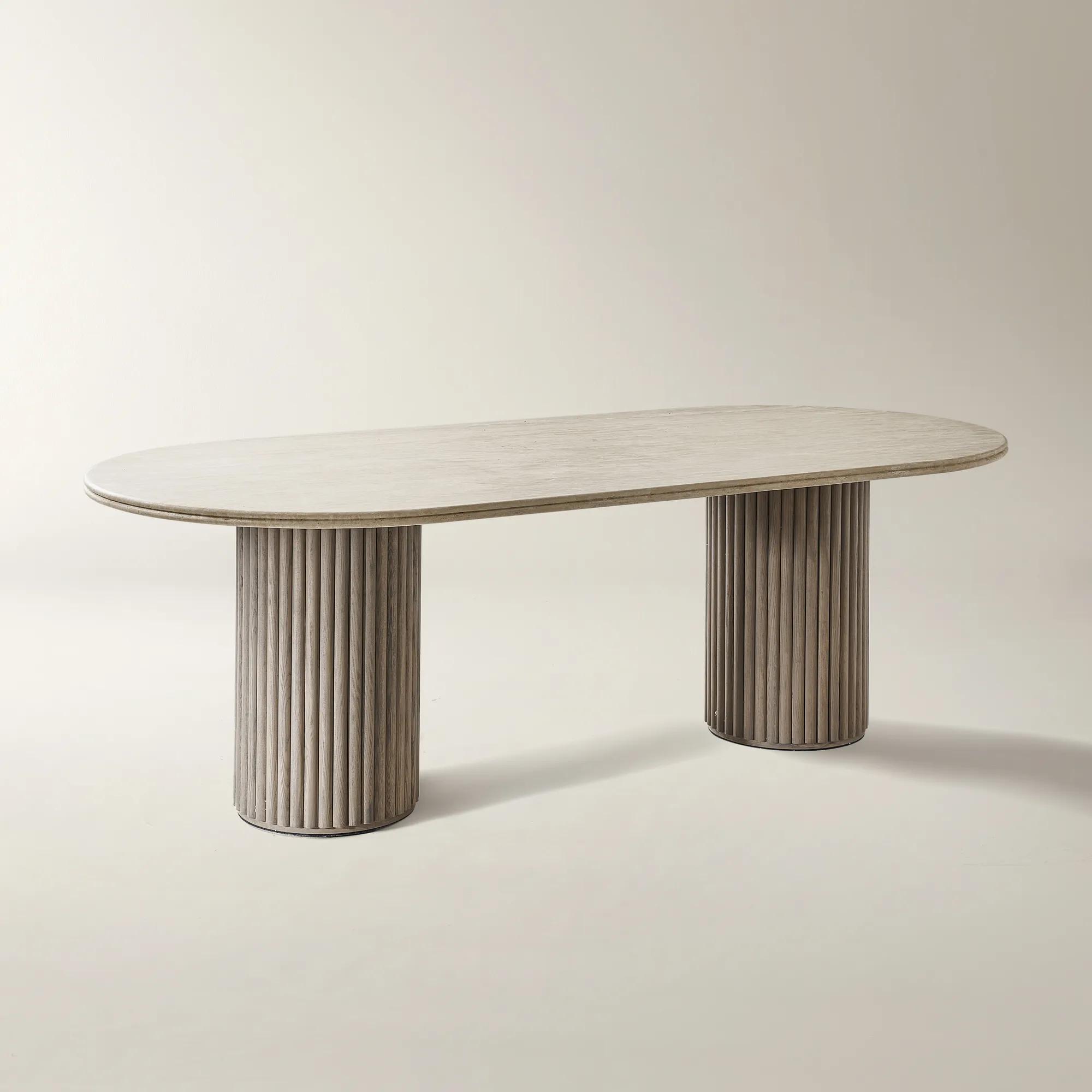 Bond Oval Reeded Travertine and Wood Dining Table (94.25")$4599
A natural travertine stone top pairs with a fluted solid ash base for refined, organic elegance.
Add To Cart -
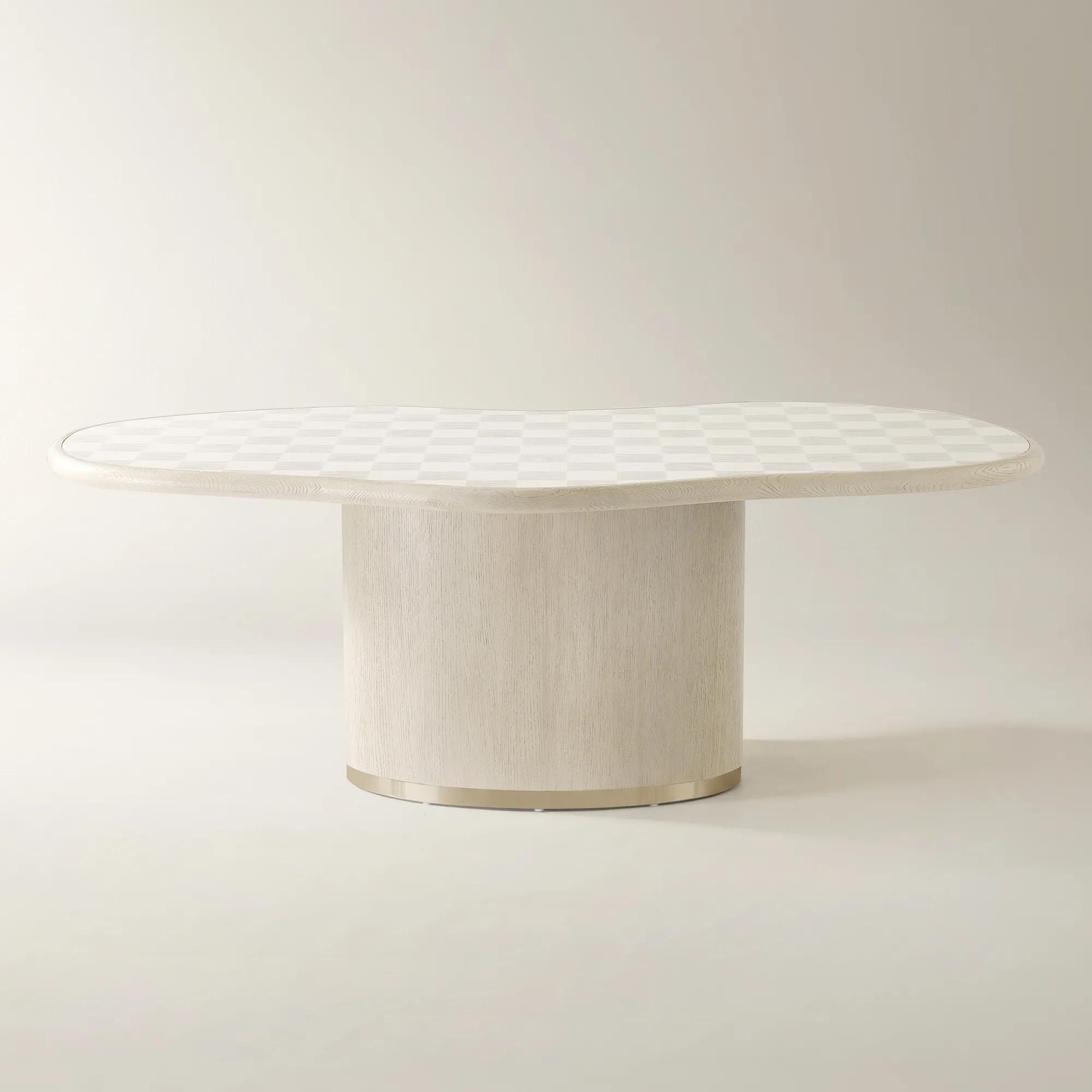 Vetra Checkerboard Oak and Maple Dining Table (84")$2399
A striking dining table featuring a hand-arranged oak and maple checkerboard veneer with soft gold accents.
Add To Cart -
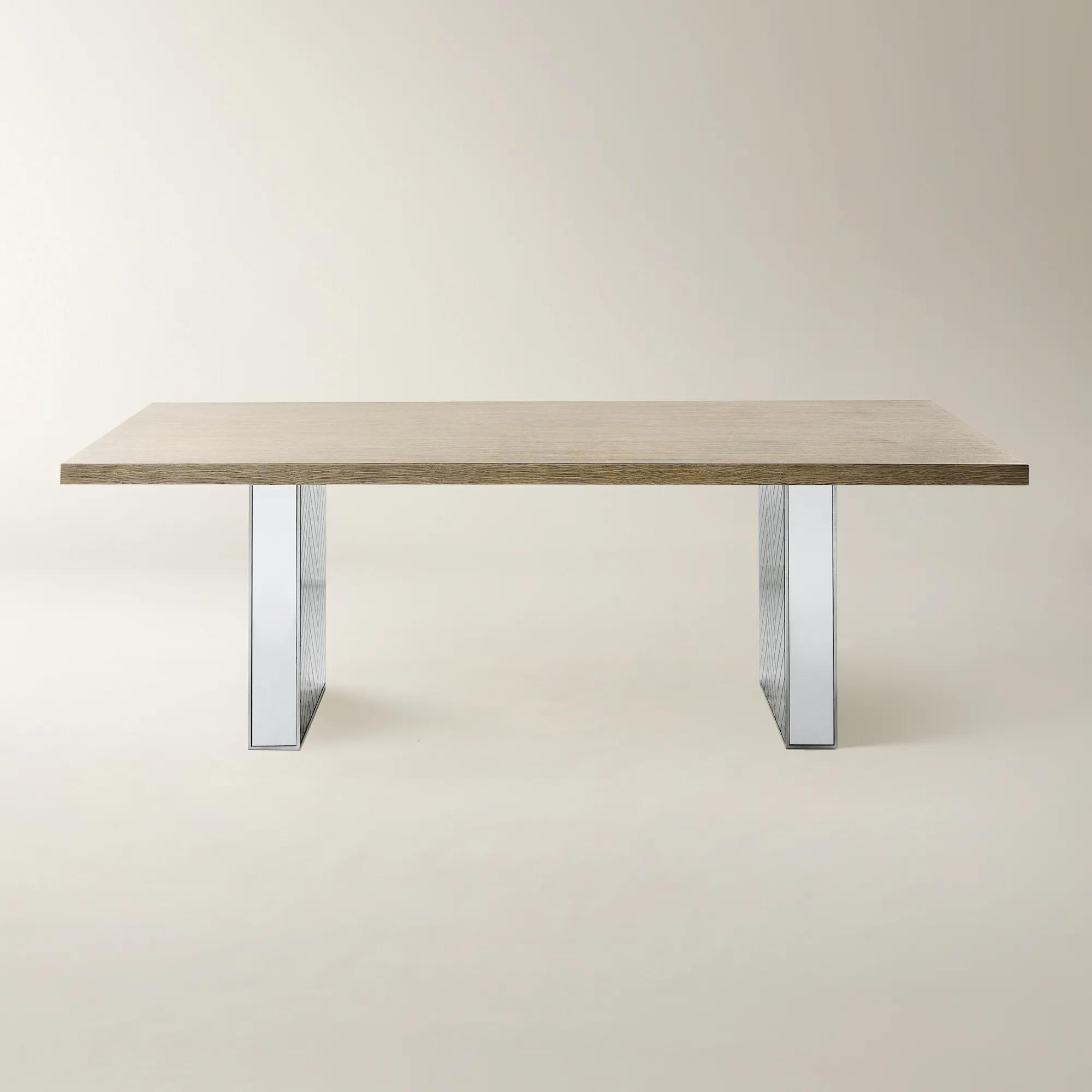
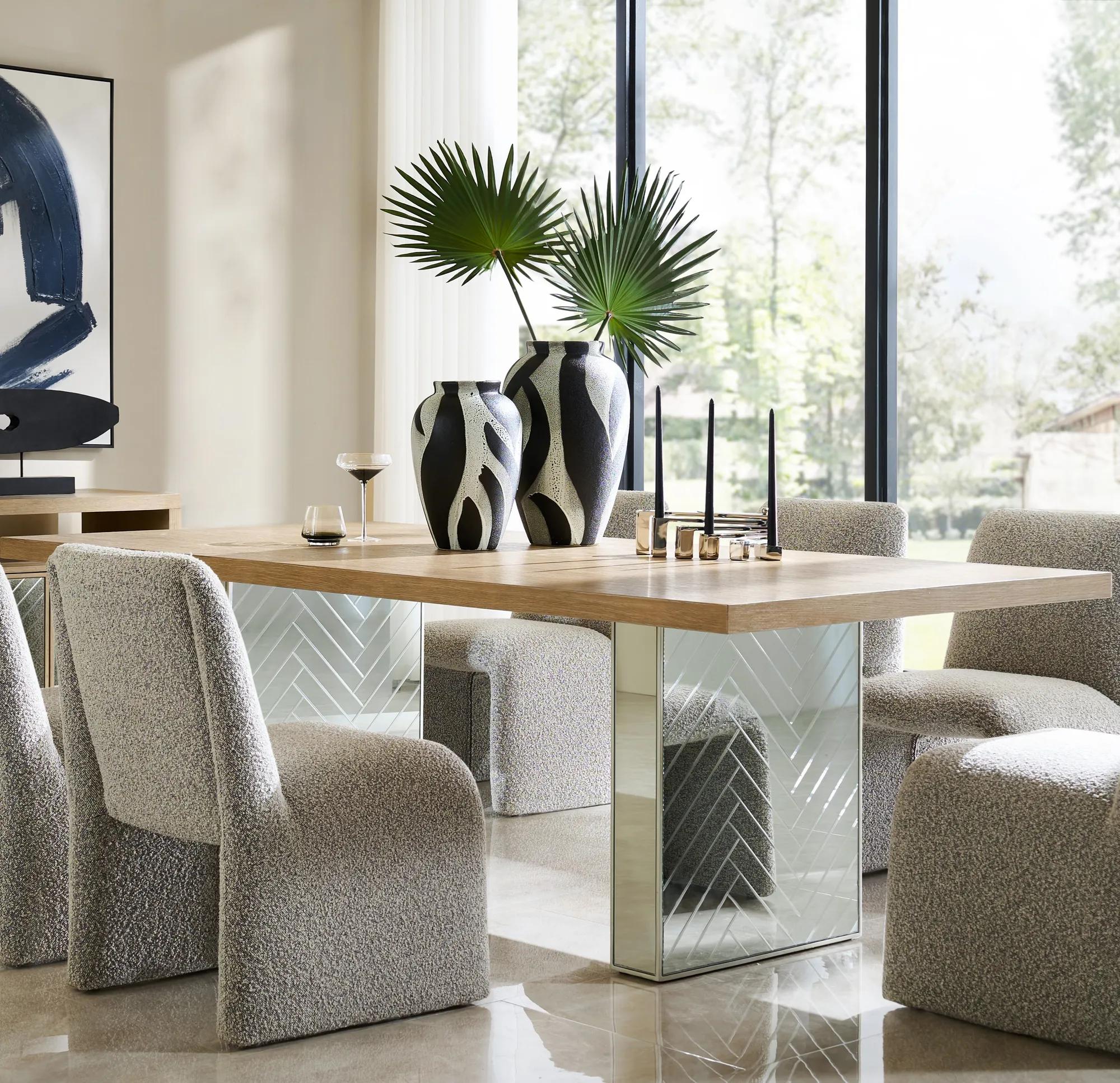 Glimmer Rectangular Seadrift Oak Dining Table With Mirrored Base (90.5")$1799
A modern dining table featuring a warm oak veneer top and a silver mirror-faced parquet base.
Add To Cart -
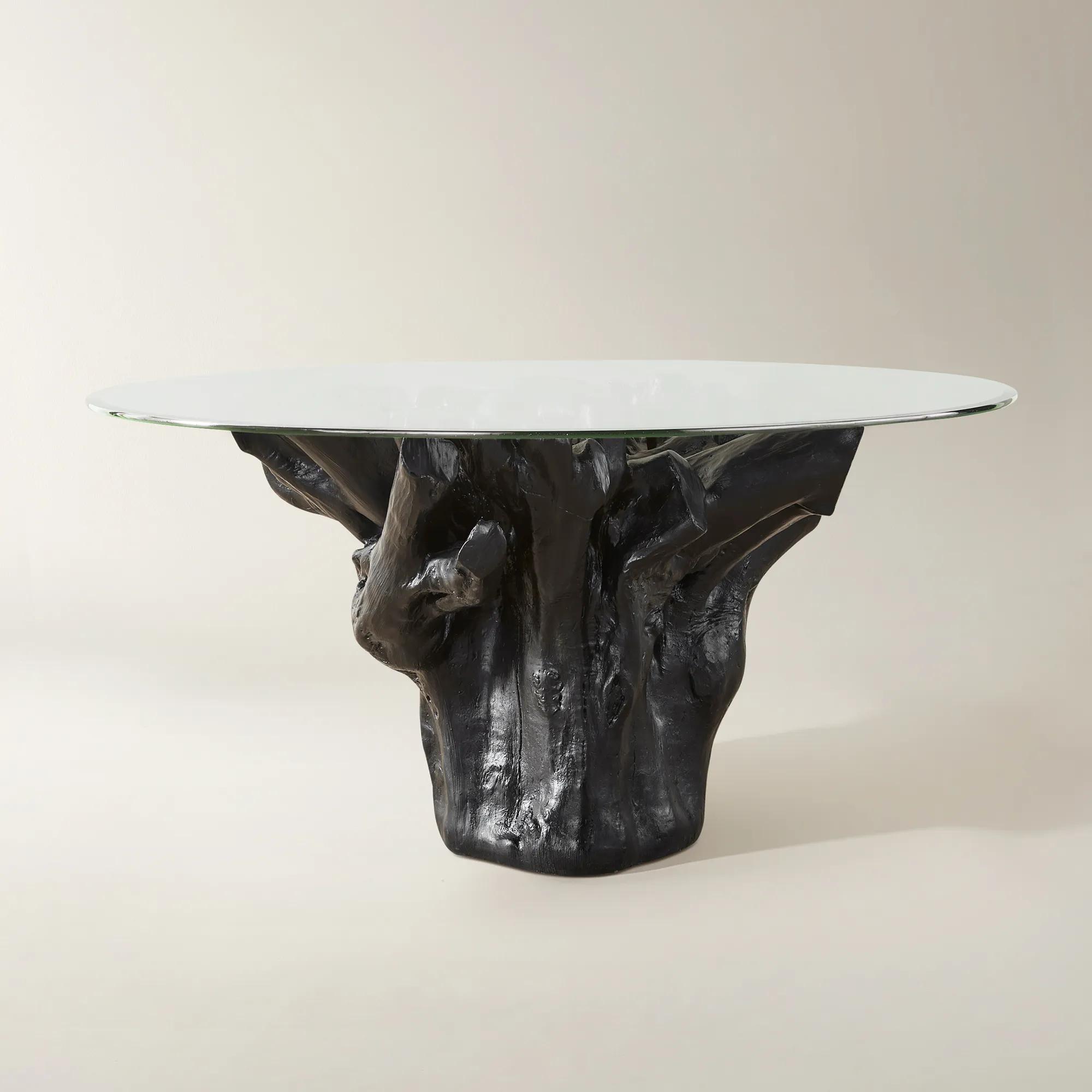
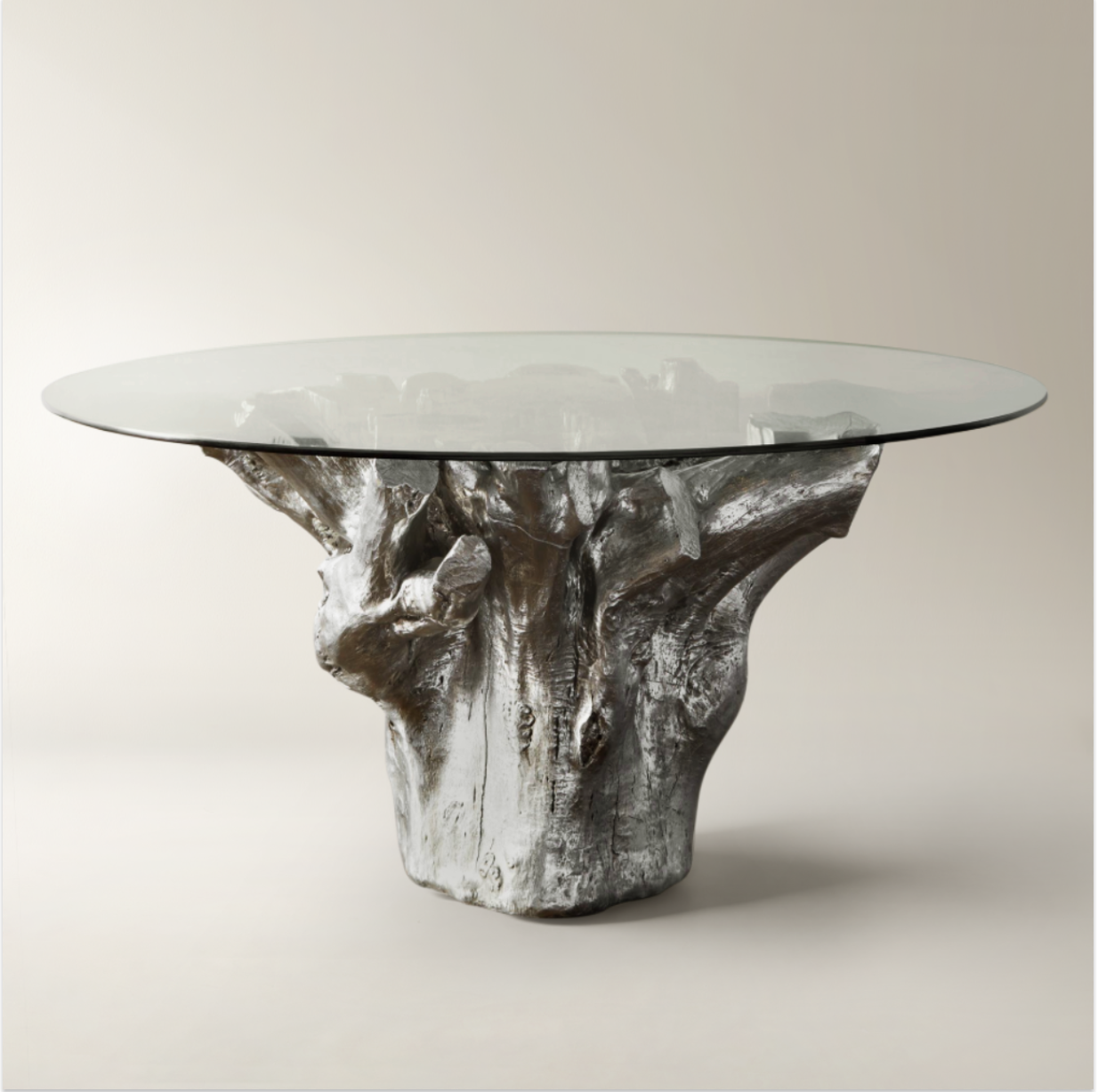
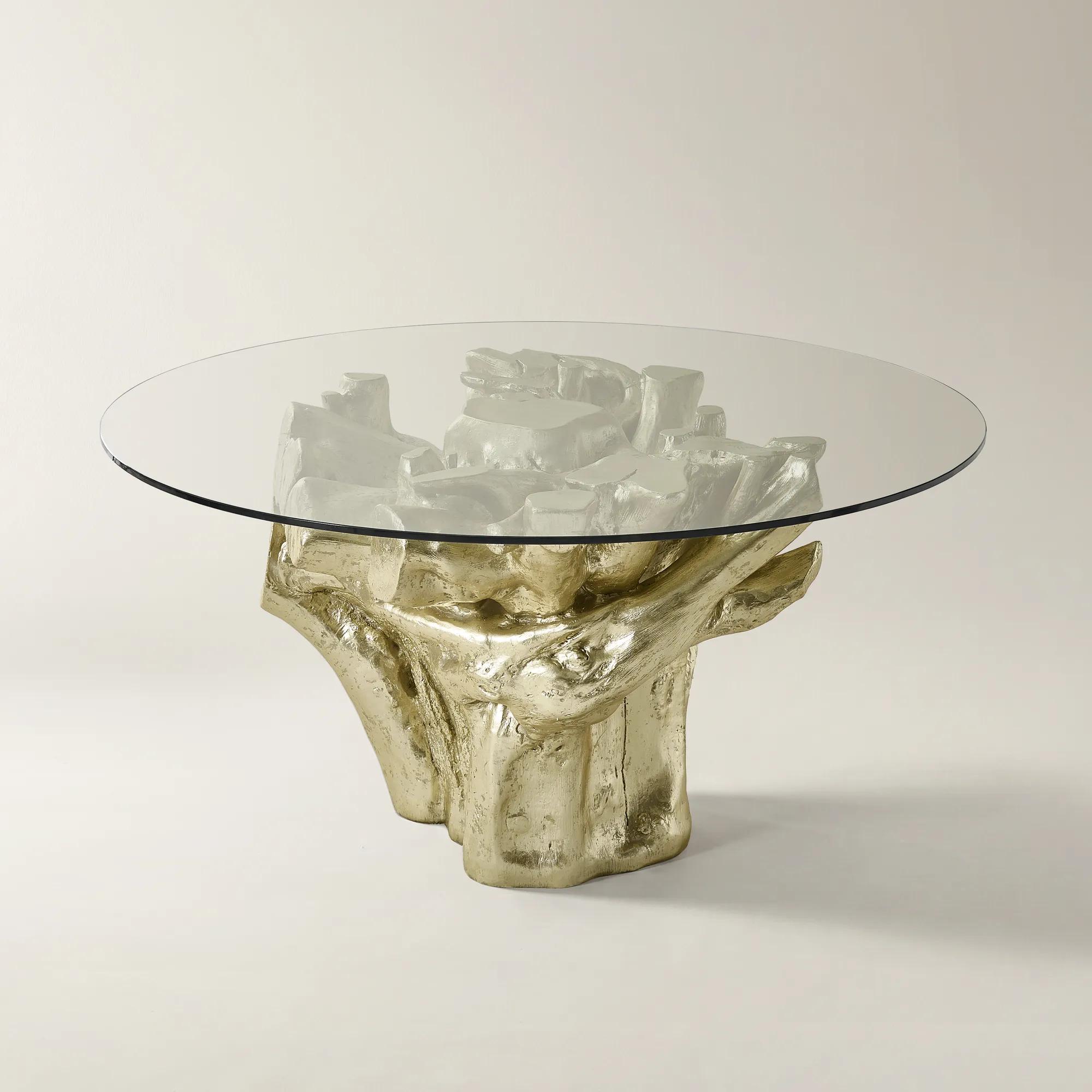 Sequoia Champagne Gold Resin Dining Table With Glass Top (60")$2199
A sculptural resin dining table with a champagne gold leaf base and a clear tempered glass top.
Add To Cart -
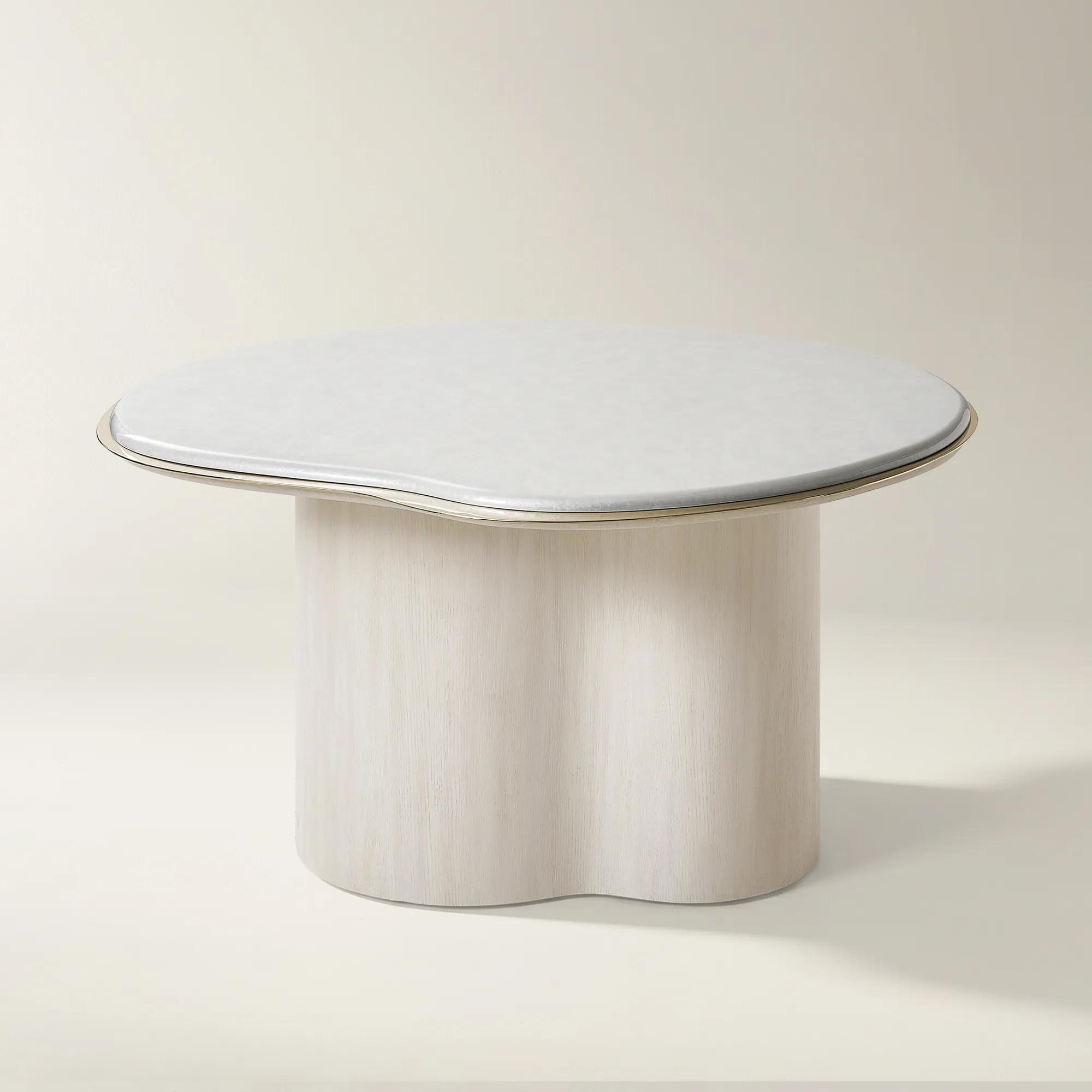 Lumina Bleached Oak Dining Table With Pearl Lacquered Top (58")$2599
A sculptural dining table featuring a pearl lacquered top, bleached oak base, and champagne gold trim.
Add To Cart -
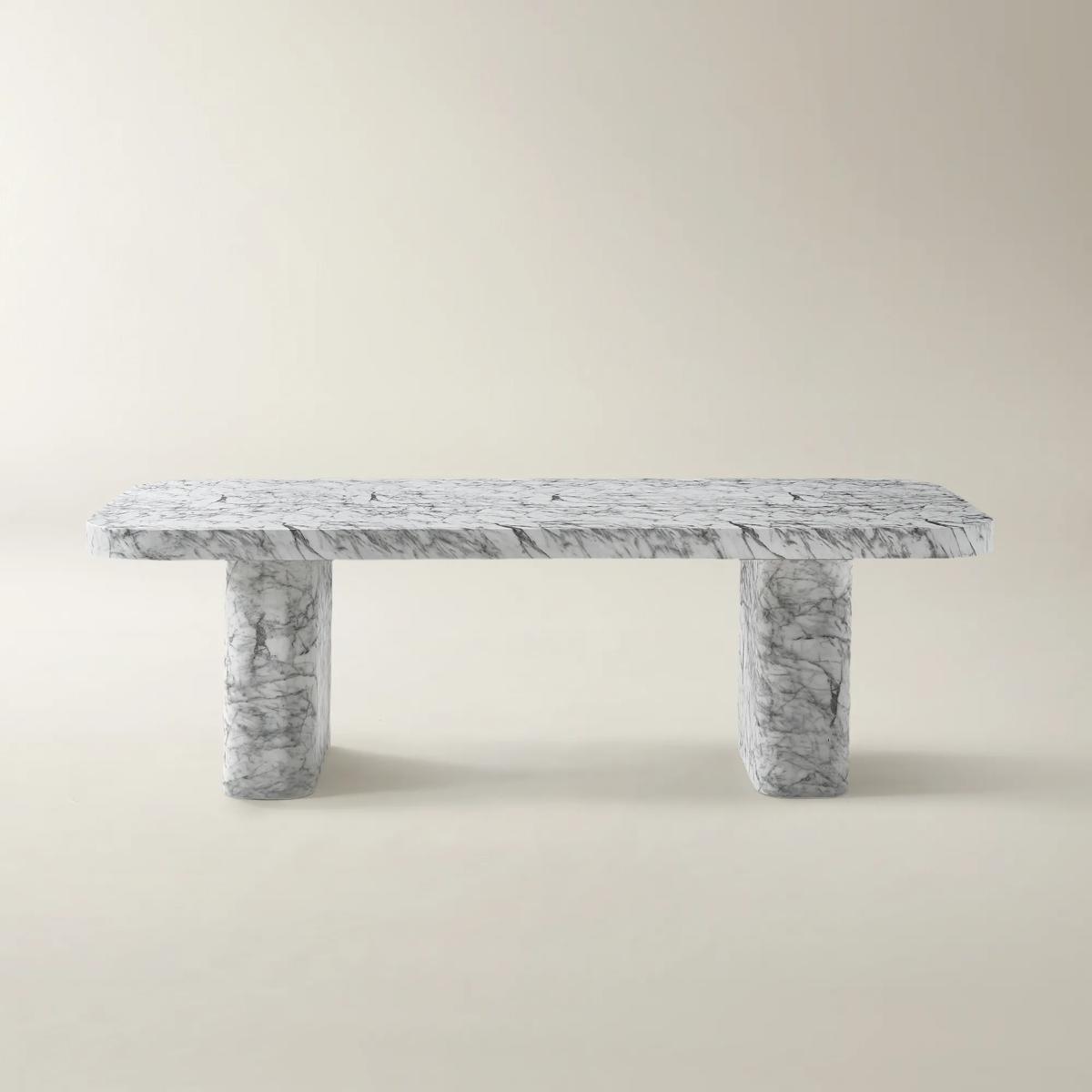
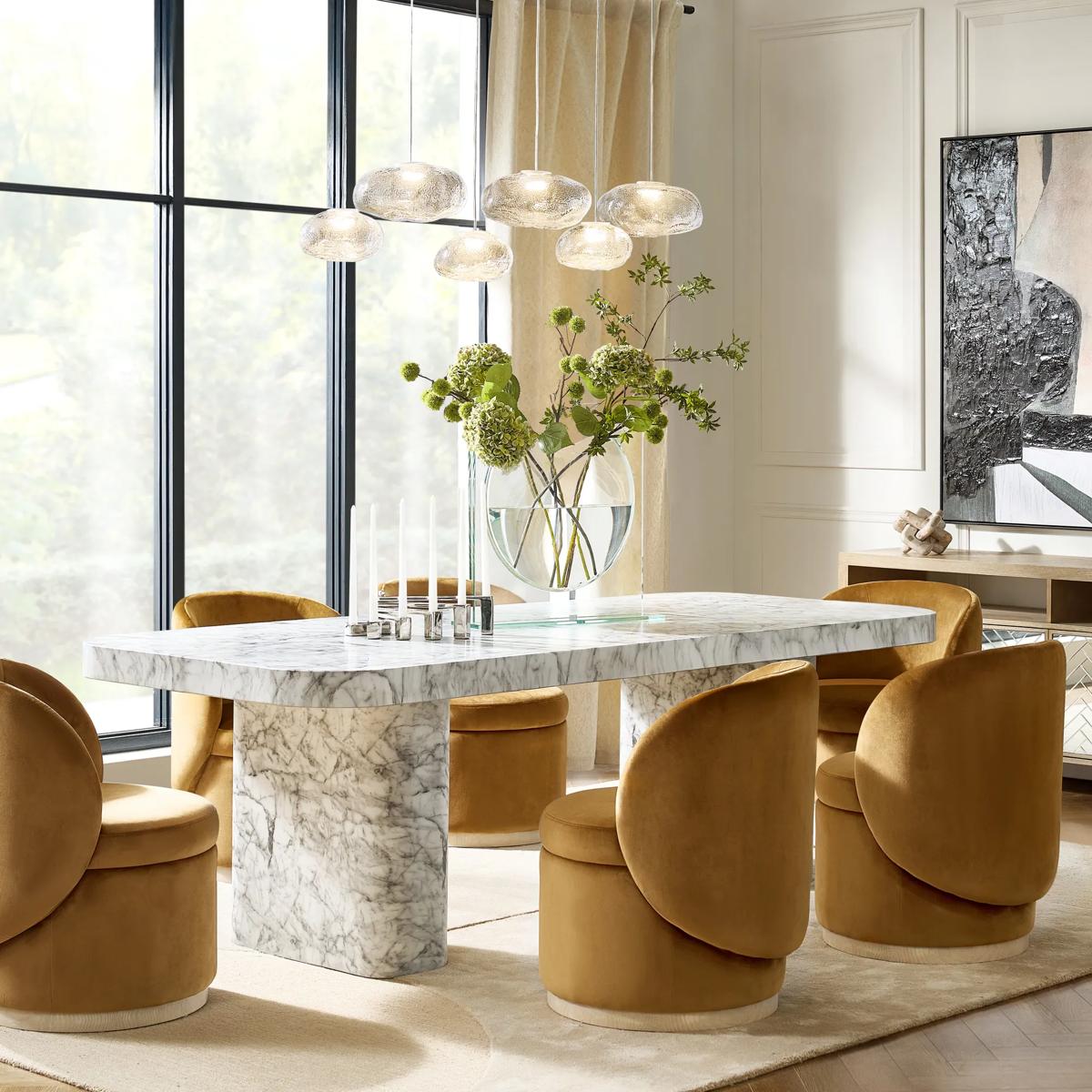 Silex Rectangular White Concrete Indoor/Out Door Dining Table (94.5")$1999
A white marble-look dining table crafted from ultra-rigid, lightweight fiber concrete for indoor or outdoor use.
Add To Cart

Unique Rectangular Dining Tables
Unique Rectangular Dining Tables invite you to reimagine the heart of your home as a stage for artistry and connection. Each table is a statement in sculptural form—bold lines, dramatic silhouettes, and unexpected details converge to create an unforgettable dining experience. Whether hosting lavish soirées or intimate gatherings, these tables transform everyday meals into moments of grandeur. Elevate your space with pieces that don’t just serve a purpose—they command attention, reflect your individuality, and set the scene for stories yet to unfold.
Unique rectangular dining tables pair the clean geometry of a classic dining shape with expressive materials, distinctive proportions, and bases that deserve a closer look. Their appeal is in the contrast: a long, orderly surface above a fluted pedestal, an angular metal framework, or an arrangement of sculptural supports. The rectangular silhouette creates a natural axis for a room, bringing chairs, lighting, and artwork into a composition with presence. In an open living area, that clear outline can define the dining space without closing it off; in a dedicated dining room, it gives a dramatic chandelier an equally compelling counterpart. What makes a rectangular dining table distinctive is not necessarily elaborate ornament. A richly figured wood grain, a striking sweep of marble veining, or the meeting of a slender top and a substantial architectural base can deliver the entire statement. Glass introduces another kind of drama, revealing the structure beneath it and allowing an intricate rug or upholstered dining chairs to remain part of the visual story. Mixed-material dining tables create depth through contrast, balancing the warmth of wood against cool stone or a gleaming metal accent. Live-edge wood offers a more organic interpretation, preserving irregular contours within an otherwise elongated form, while reclaimed wood may carry knots, tonal shifts, and traces of its earlier life. These natural variations can make individual surfaces feel singular rather than perfectly repeated. For households that gather over leisurely dinners, hosts who enjoy an artfully set table, and design enthusiasts furnishing a first home or reimagining a familiar room, the right table becomes a place to live as well as something to admire. Its long surface accommodates an intimate dinner at one end or a fuller arrangement of place settings, serving pieces, and candlelight. A distinctive dining table earns its presence through that balance of everyday usefulness and visual impact, making even a simple meal feel thoughtfully composed.
Materials shape both the atmosphere of a rectangular dining table and the way it performs over time. Solid wood brings tactile warmth and grain that continues across the surface, with character that may deepen through use. Because wood responds to changes in indoor humidity, consistent conditions and protection from prolonged direct sunlight help preserve its appearance. Wood veneer offers another expressive possibility: a thin layer of real wood over a supporting core can create beautifully matched grain patterns and expansive, visually cohesive surfaces. Veneer is not inherently an indication of lesser quality; its durability depends on the substrate, construction, finish, and care, and it generally allows less aggressive refinishing than solid wood. Marble and other natural stones contribute substantial visual weight, with veining that can make the tabletop resemble a large-scale abstract painting. Their characteristics vary, however, and marble is particularly susceptible to acidic spills that can etch the surface even when it has been sealed. Coasters, placemats, prompt spill cleanup, and care products approved for the material help protect the finish without concealing its beauty. Engineered stone and ceramic surfaces can offer different levels of resistance to staining, scratching, and heat, so the stated specifications matter more than a broad material label. Glass feels luminous and visually open, especially when the base is a defining feature, though fingerprints and surface marks may be more noticeable. Where glass is used, its thickness, edge treatment, and safety specifications deserve attention. Metal bases can introduce polished brilliance, a soft brushed sheen, or a darker architectural outline; nonabrasive cleaning helps protect their finish. Across materials, durability also comes from stable joinery, properly secured supports, and a finish suited to the intended use. A table that hosts meals, homework, and occasional laptop sessions benefits from protective mats and straightforward maintenance. Soft cloths, trivets beneath hot serving dishes, and manufacturer-directed cleaning preserve the details that first made the table compelling. Even a substantial-looking surface should never be assumed to be scratchproof, stainproof, or impervious to heat.
Scale determines whether a striking table feels gracious in daily life. Rectangular dining tables work particularly well in elongated rooms because their proportions echo the surrounding architecture, but overall length is only part of the fit. Width affects the distance between diners and the space left for shared platters, while the position of the base determines where chairs can sit comfortably. As a general planning allowance, about 24 inches of table edge per diner provides a useful starting point; generous upholstered chairs, wide place settings, and a more spacious entertaining style may require additional room. A table approximately 72 inches long often seats six comfortably, while one around 96 inches may accommodate eight, depending on its width, supports, and chair dimensions. For rooms designed around a longer gathering space, large rectangular dining tables offer proportions suited to an expansive dining arrangement. Allow roughly 36 inches between the table edge and nearby walls or furniture for chair movement, with 42 to 48 inches preferable where people regularly pass behind seated guests. Measure with sideboards, console tables, and other furnishings in place, rather than relying on the room’s empty dimensions. Pedestal and trestle bases can free the corners from legs, but their footprint may still affect knees, feet, or chair placement. Armchairs also need adequate clearance beneath the tabletop and apron. An extension design can support different hosting needs, provided the room accommodates the table at its full length and any removable leaves have suitable storage. In a compact dining area, a visually open base can keep a bold table from feeling overly dense; in a broad room, substantial supports can give the arrangement a sense of permanence. The final composition comes alive through contrast and proportion: sumptuous upholstery against a crisp stone edge, curved chair backs beside a linear top, or a low centerpiece that leaves conversation unobstructed. With materials, seating, and circulation in harmony, a unique rectangular dining table becomes the room’s defining gesture—expressive enough to command attention and comfortable enough to gather around every day.
FAQs
Unique rectangular dining tables are remarkably versatile and can complement a wide range of design styles. For a modern, sophisticated look, pair with sculptural chairs and metallic accents. If you favor classic elegance, choose tufted seating and ornate lighting. For eclectic spaces, mix materials—such as marble, glass, or rich wood—with bold decorative accessories to create a curated, gallery-inspired atmosphere.
Transform your rectangular dining table to suit the season or event by changing out centerpieces, linens, and dinnerware. For winter gatherings, layer with velvet runners, crystal candleholders, and silver accents. For more casual affairs, opt for lush greenery, artisanal ceramics, and textured placemats. The elongated surface provides ample space for creative tablescapes, allowing you to set the mood for any occasion.
A unique rectangular dining table makes a remarkable gift for newlyweds, new homeowners, or anyone who loves to entertain in style. It’s also a thoughtful present for those embarking on a new chapter—such as celebrating a milestone birthday or anniversary—offering them a sophisticated centerpiece for years of shared memories and gatherings.
Materials and finishes are key to setting the tone of your dining space. A marble-topped table exudes luxury and timelessness, while high-gloss lacquer brings a modern, luminous edge. Warm wood tones offer comfort and organic beauty, and mirrored or metallic accents introduce a glamorous, light-reflective quality. Choose materials that speak to your personal style and the atmosphere you want to create.
To showcase your dining table, consider dramatic overhead lighting such as a statement chandelier or a row of pendant lights. Anchor the space with a bold area rug that frames the table, and use artful centerpieces—like sculptural vases or cascading florals—to draw the eye. Mixing chair styles or adding a bench can introduce visual interest and reinforce the table as the room’s focal point.