Black Chairs For Home Staging
Black Chairs For Home Staging
-
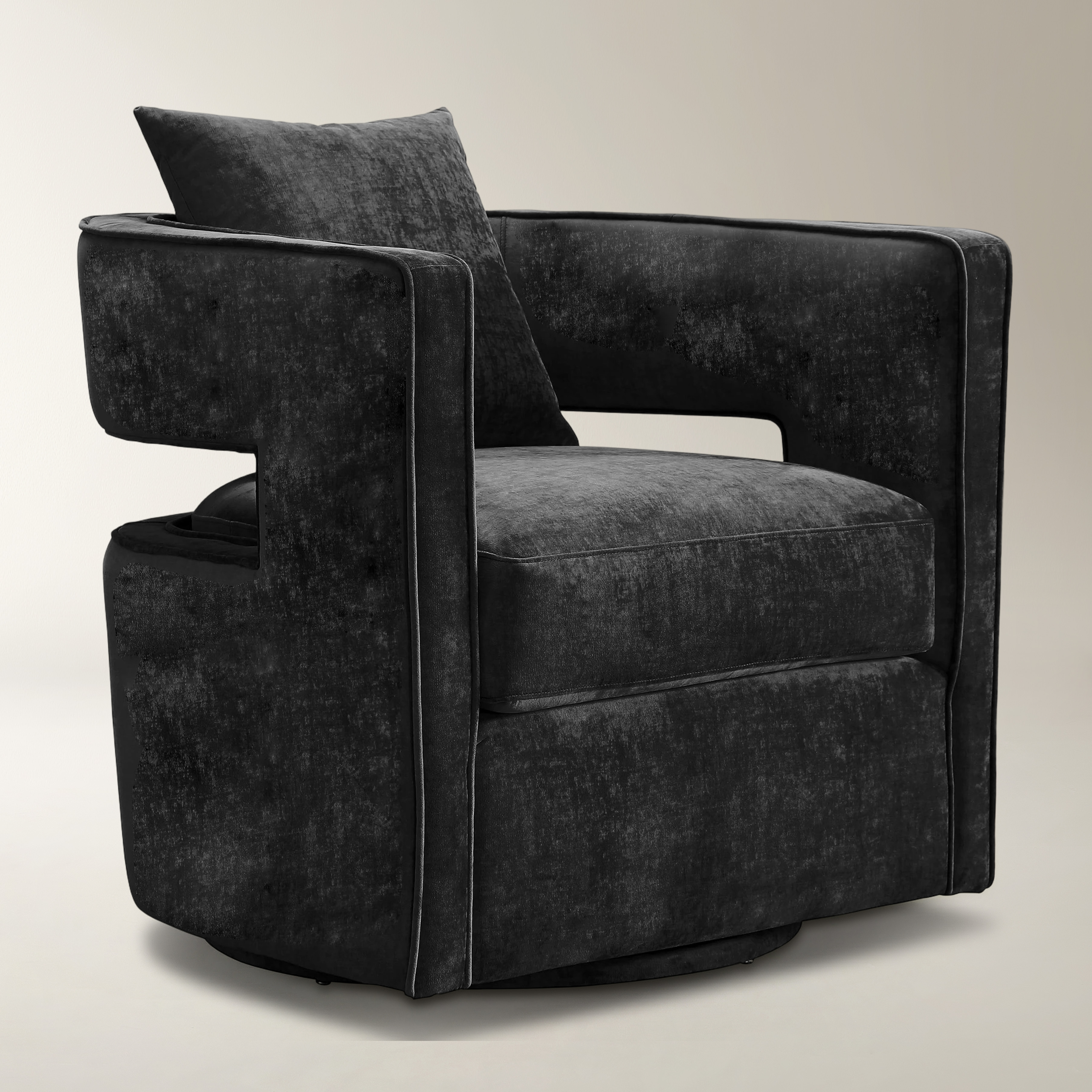 Lottie Black Velvet Swivel Accent Chair$999
A black velvet swivel accent chair with a sculpted barrel silhouette, open arms, and supportive cushioning.
Add To Cart -
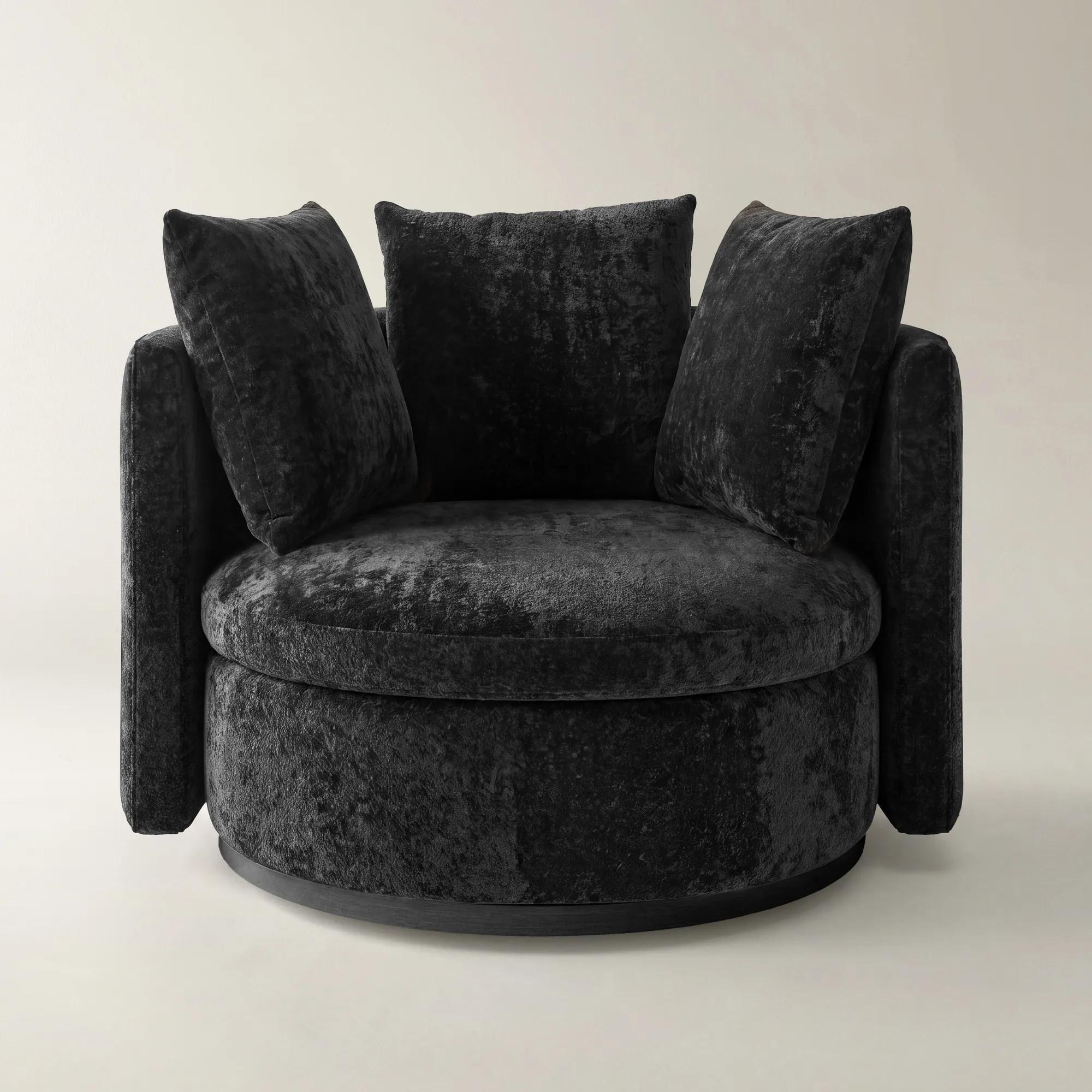
 Stria Black Chenille Swivel Accent Chair$1599
A black chenille accent chair with enveloping curves, foam-and-down comfort, and a concealed 360-degree swivel.
Add To Cart -
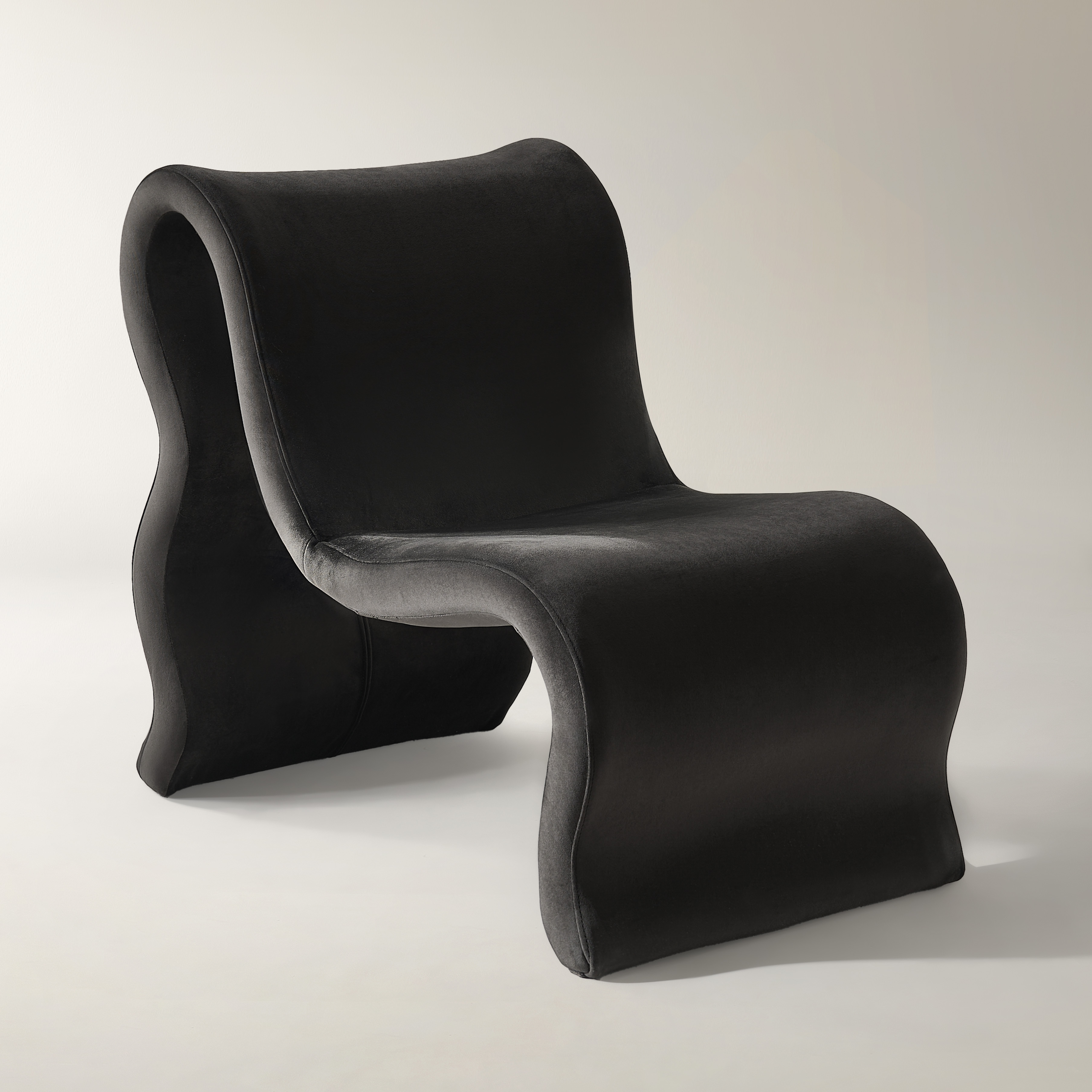 Romy Charcoal Velvet Accent Chair$999
A sculptural accent chair in charcoal velvet with a wave-like silhouette and full foam construction.
Add To Cart -
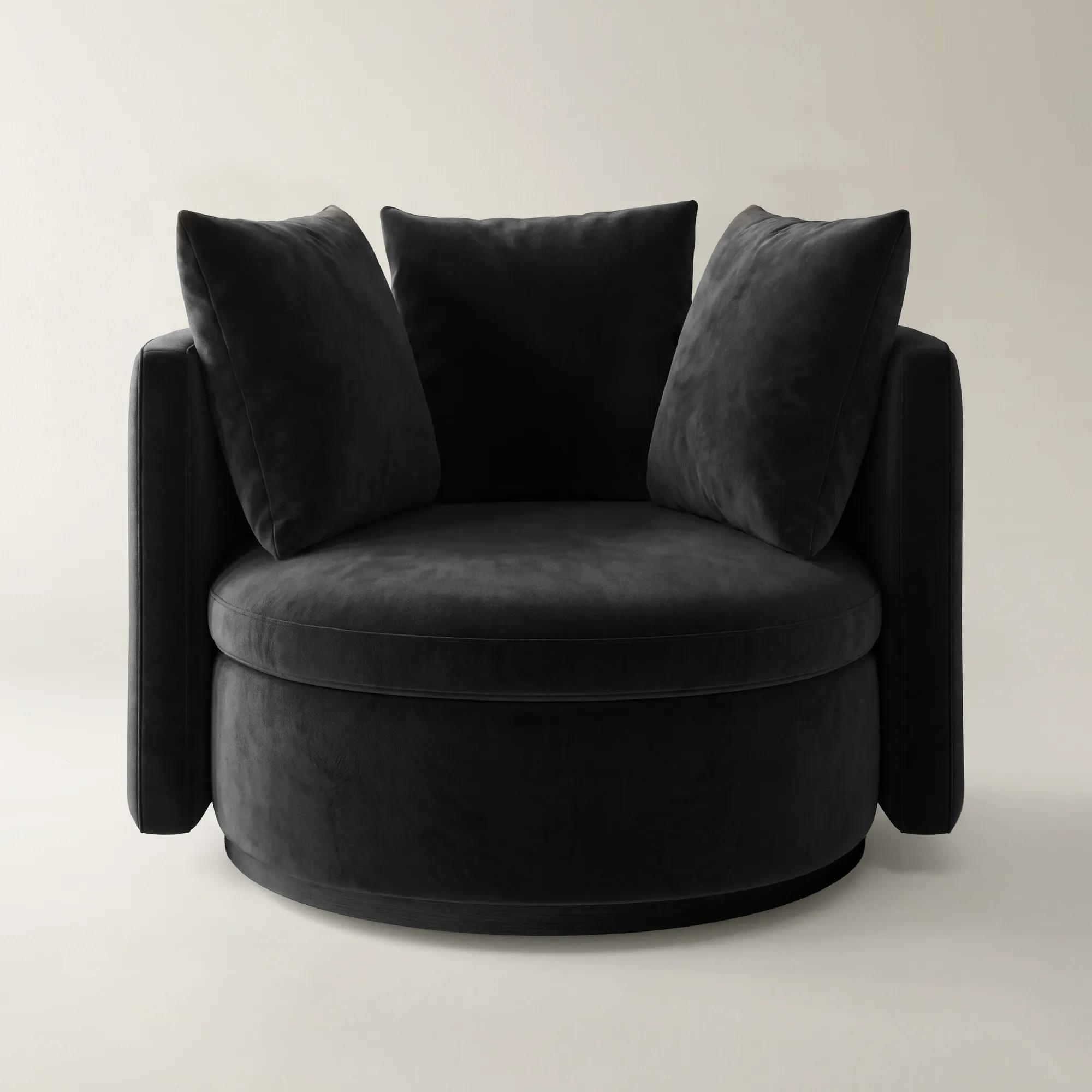
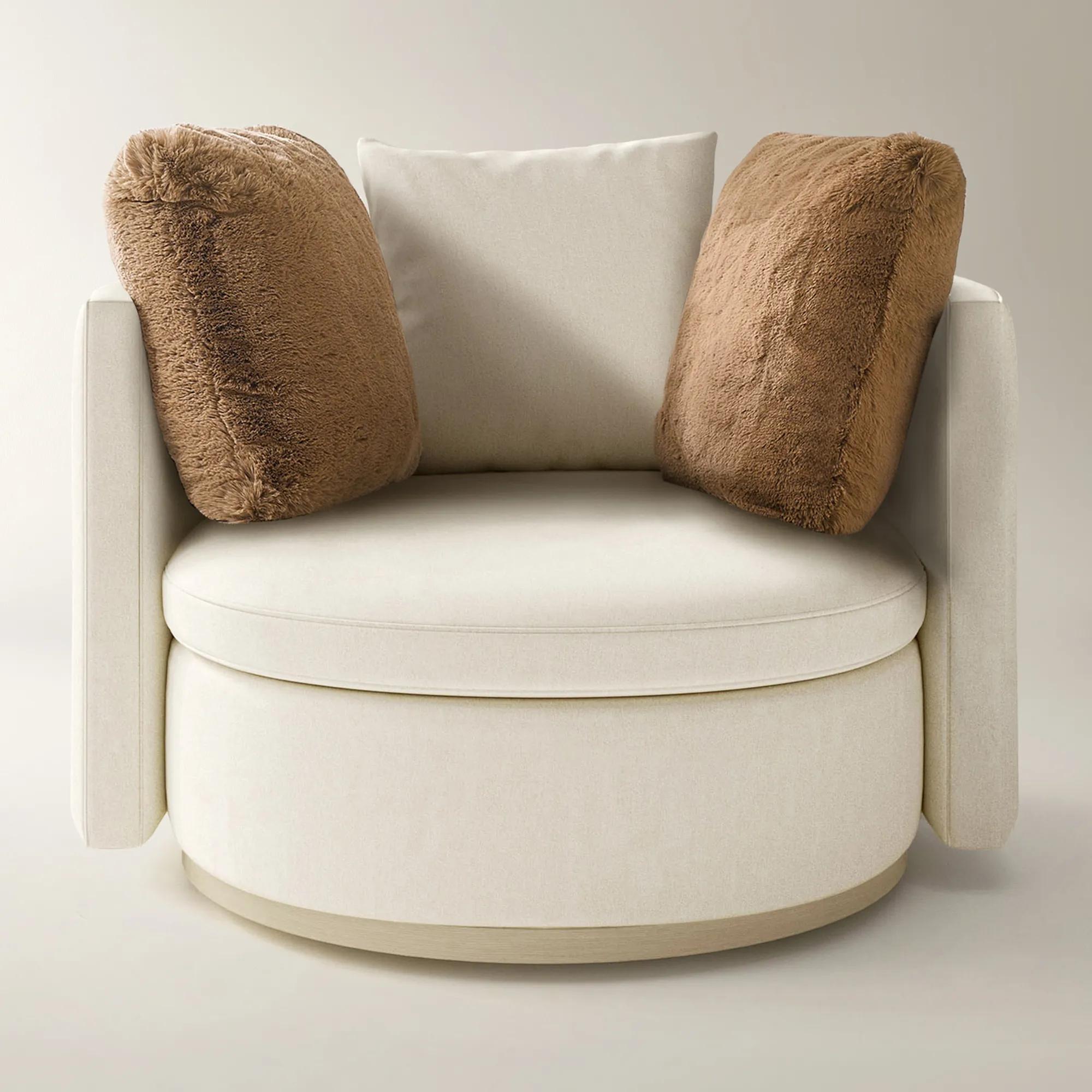 Stria Charcoal Velvet Swivel Accent Chair$1499
A sculptural charcoal velvet accent chair with enveloping curves, layered cushioning, and a concealed 360-degree swivel.
Add To Cart -
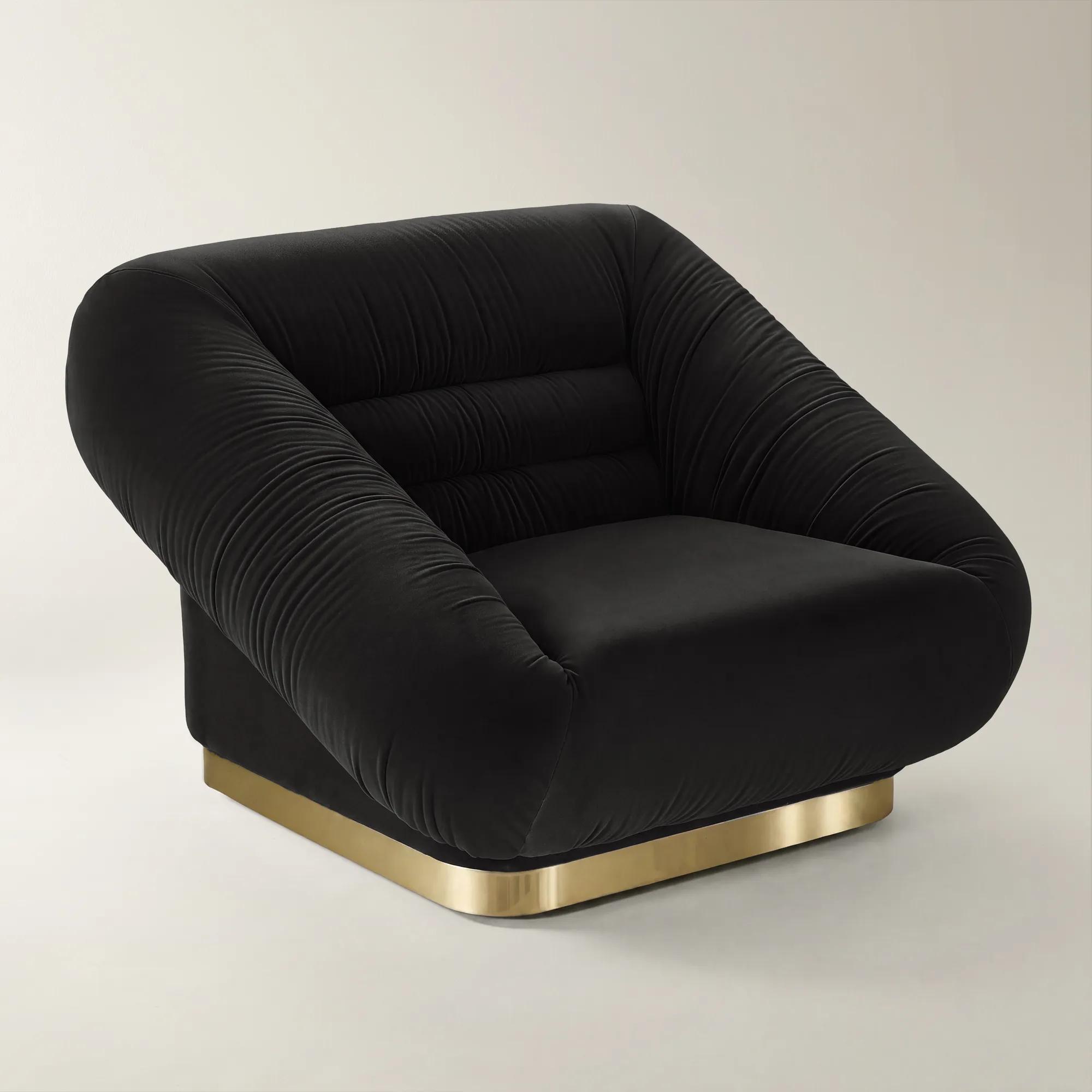
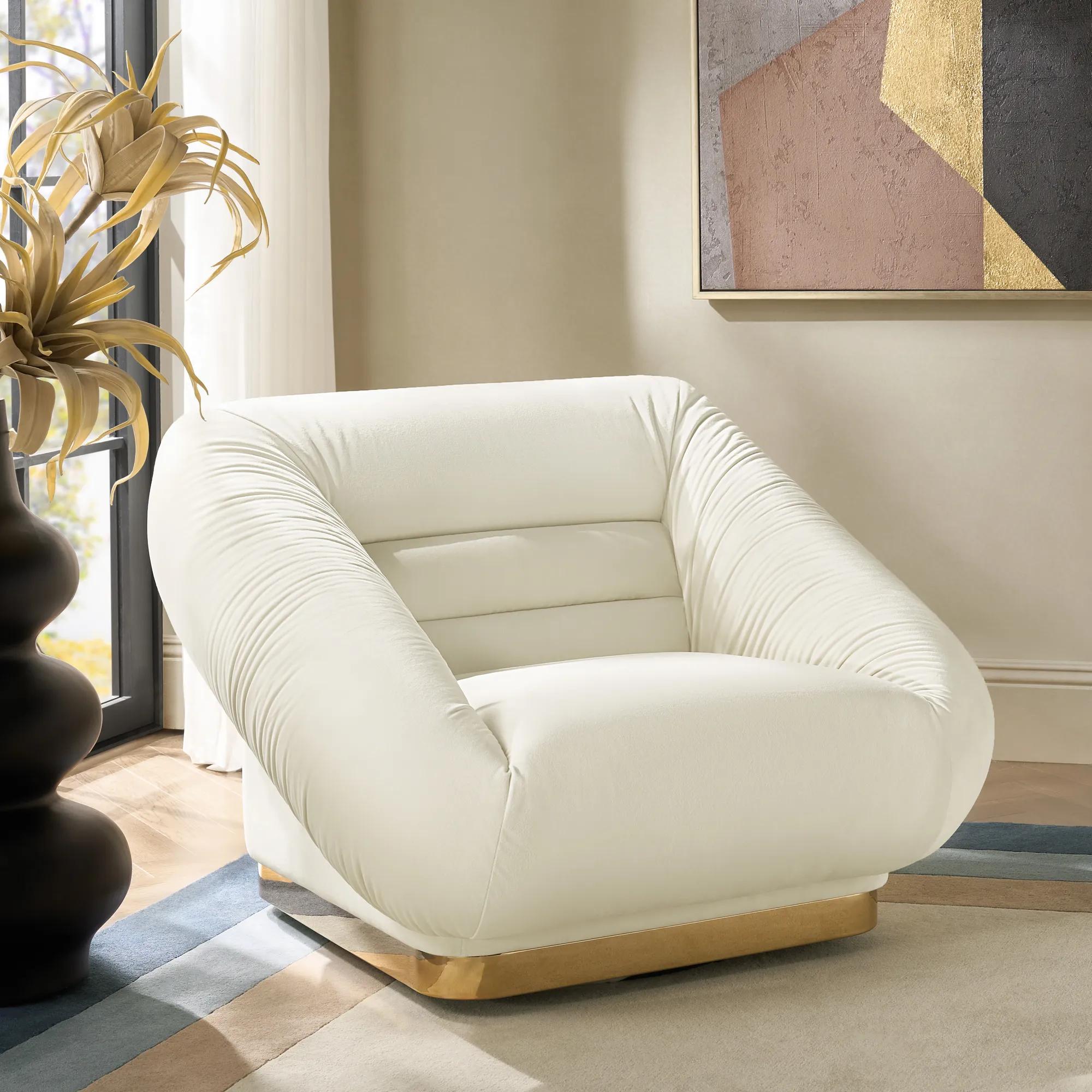 Dover Charcoal Velvet Swivel Accent Chair$1299
A sculptural charcoal velvet accent chair with gathered upholstery, a soft gold–finished stainless steel base, and smooth 360° swivel.
Add To Cart -
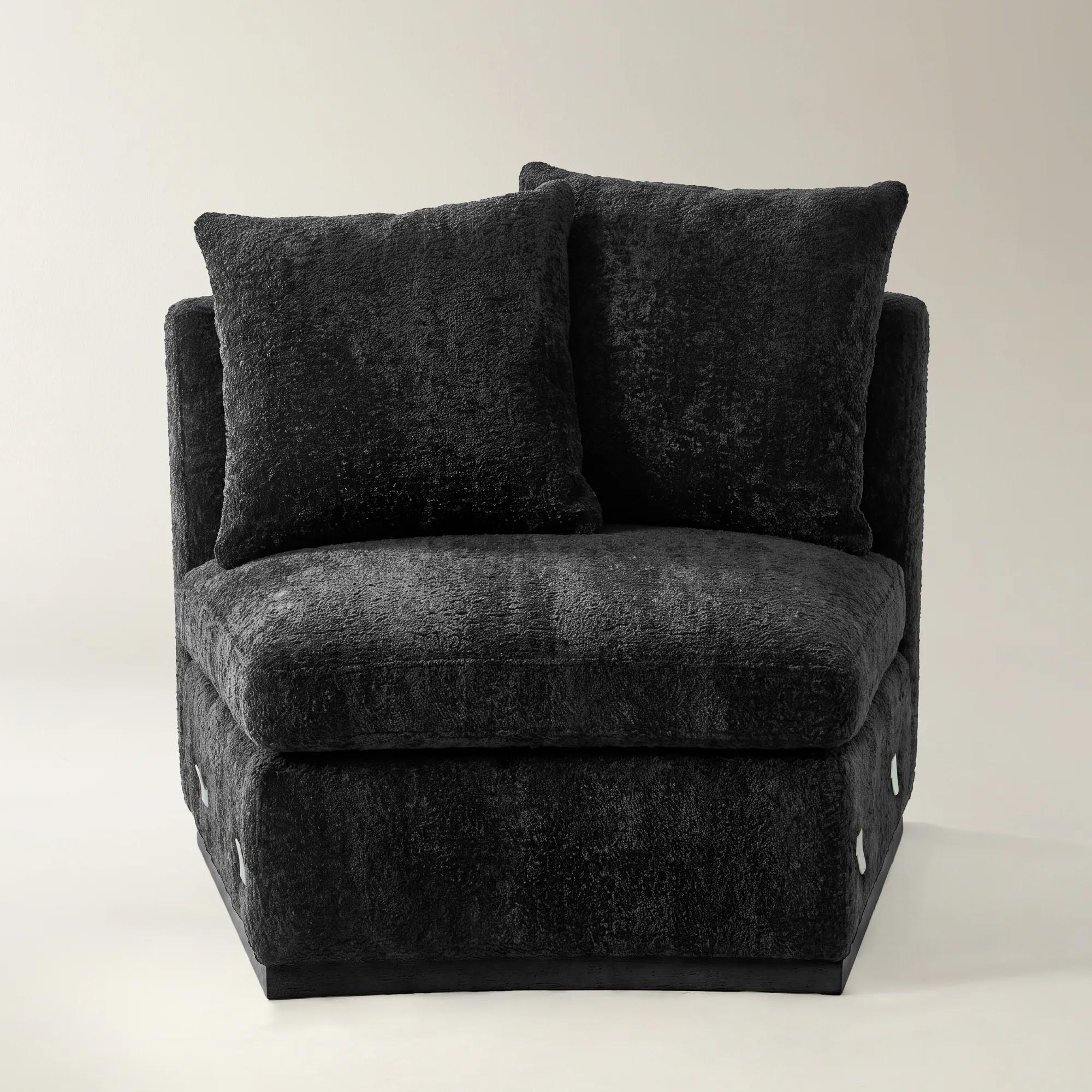
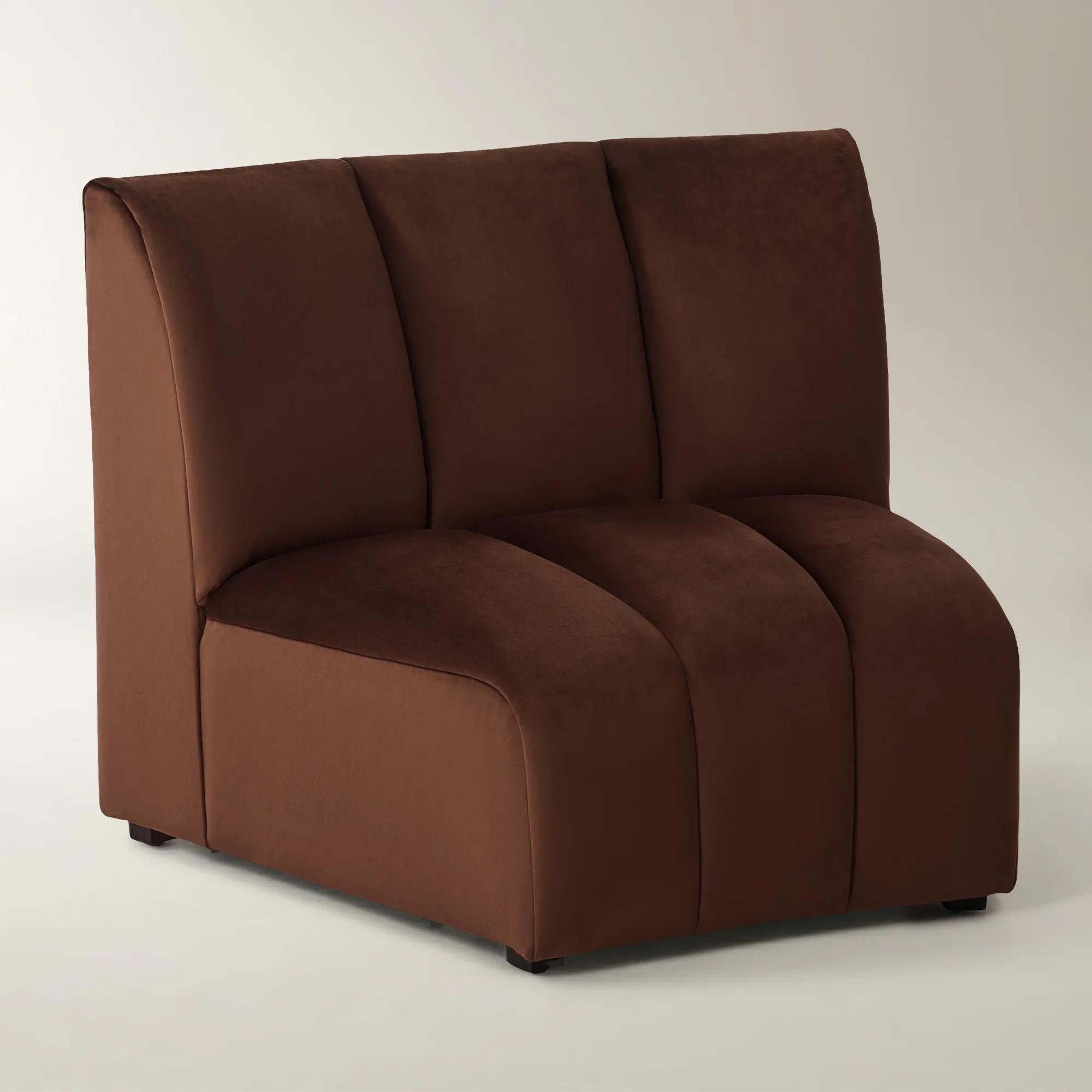
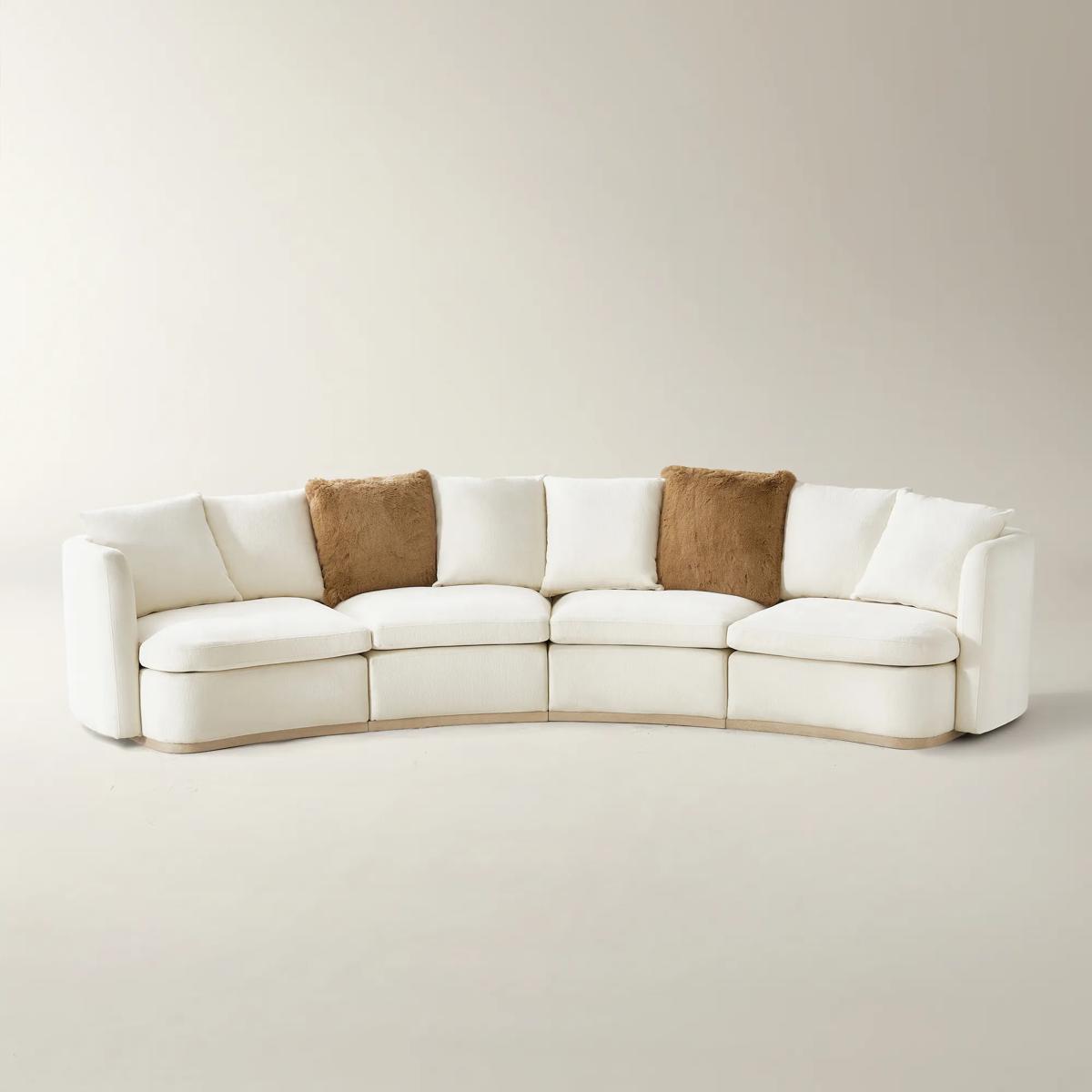 Stria Black Chenille Armless Chair$1099
A sculptural black chenille armless chair with kiln-dried wood construction, solid oak base, and layered cushioning.
Add To Cart -
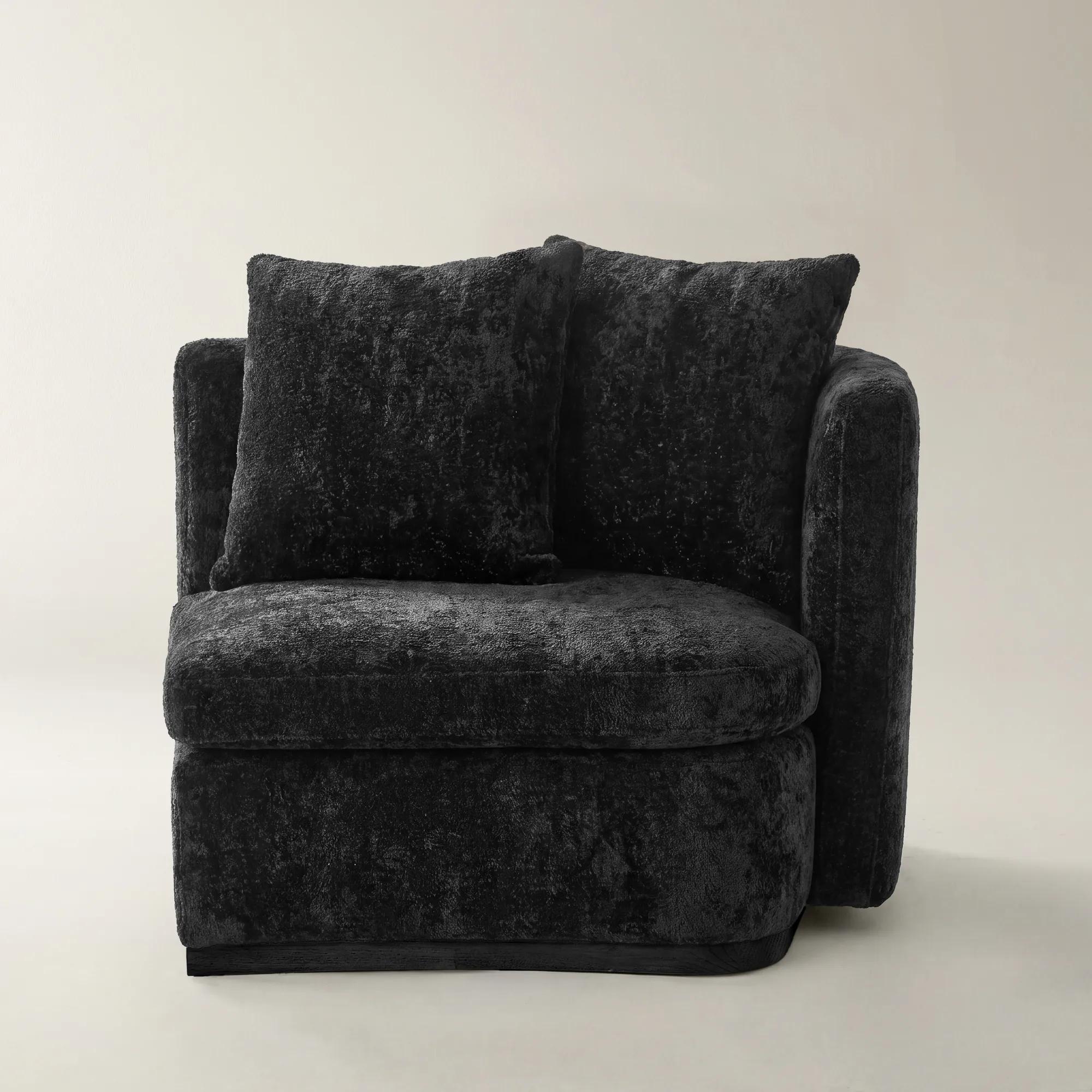 Stria Black Chenille Right-Arm Chair$1199
A sculptural black chenille chair featuring a flowing silhouette, layered foam-and-down cushioning, and modular connectors.
Add To Cart -
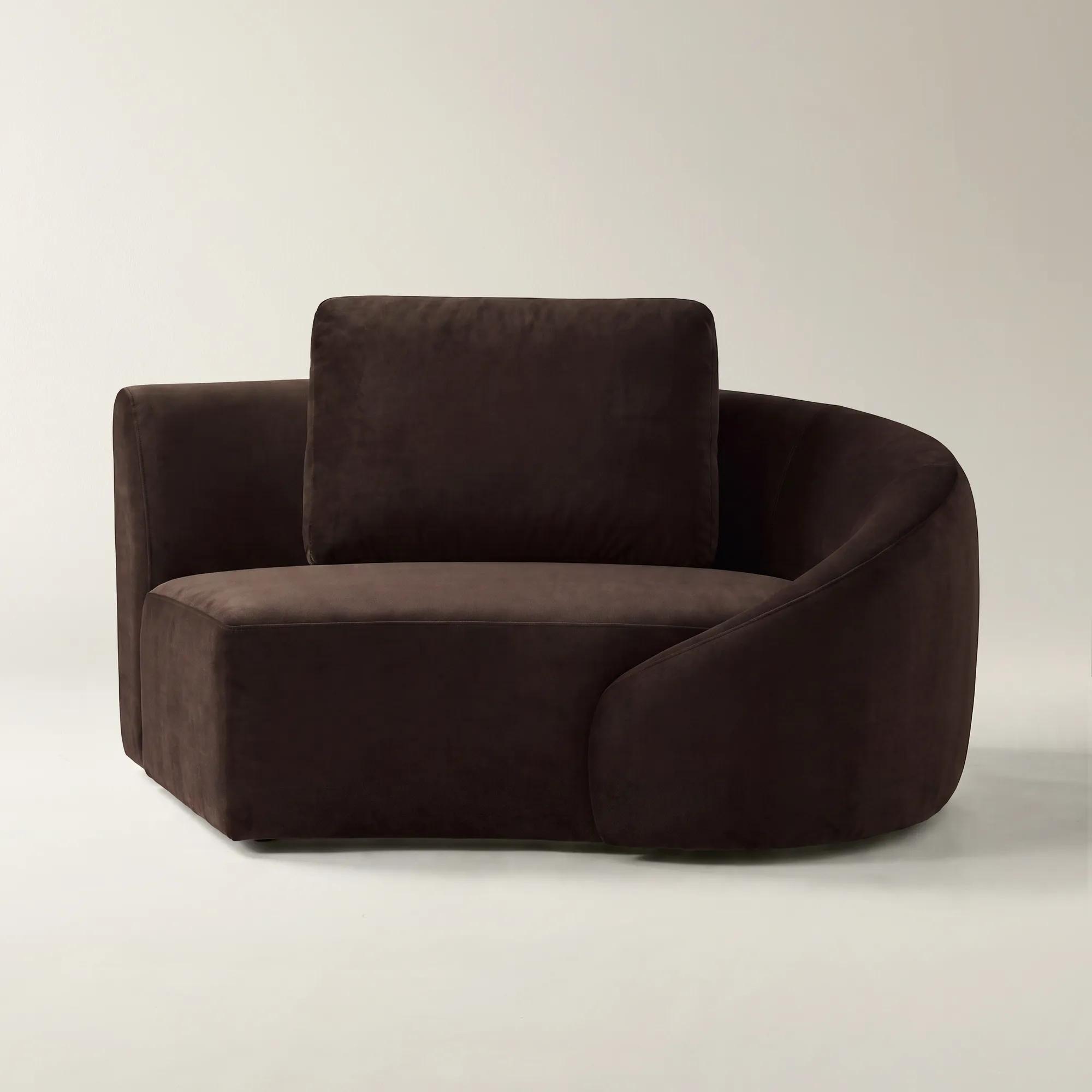
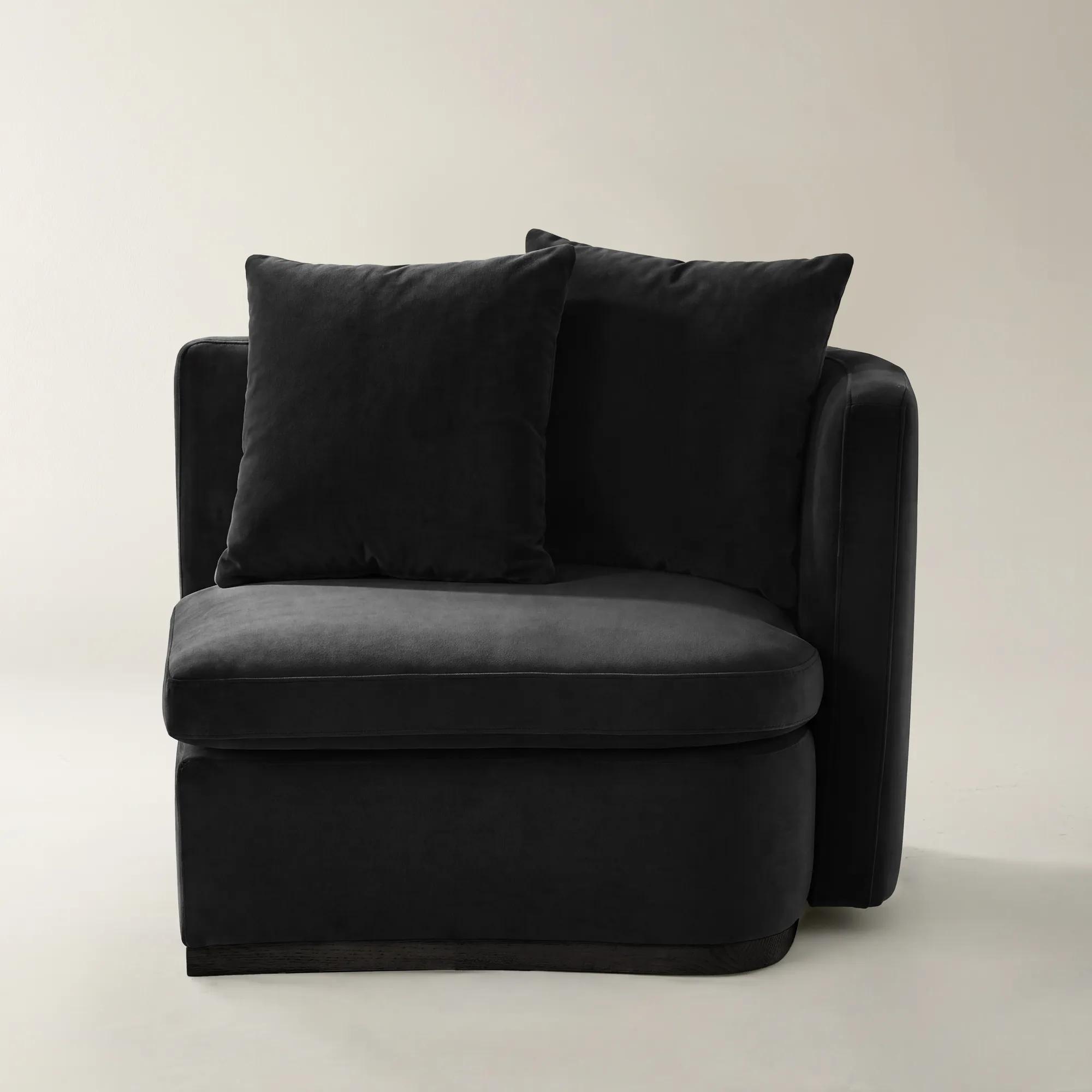 Stria Charcoal Velvet Right-Arm Chair$1199
A charcoal velvet chair featuring a kiln-dried wood frame, solid oak base, and layered down-blend cushioning.
Add To Cart -
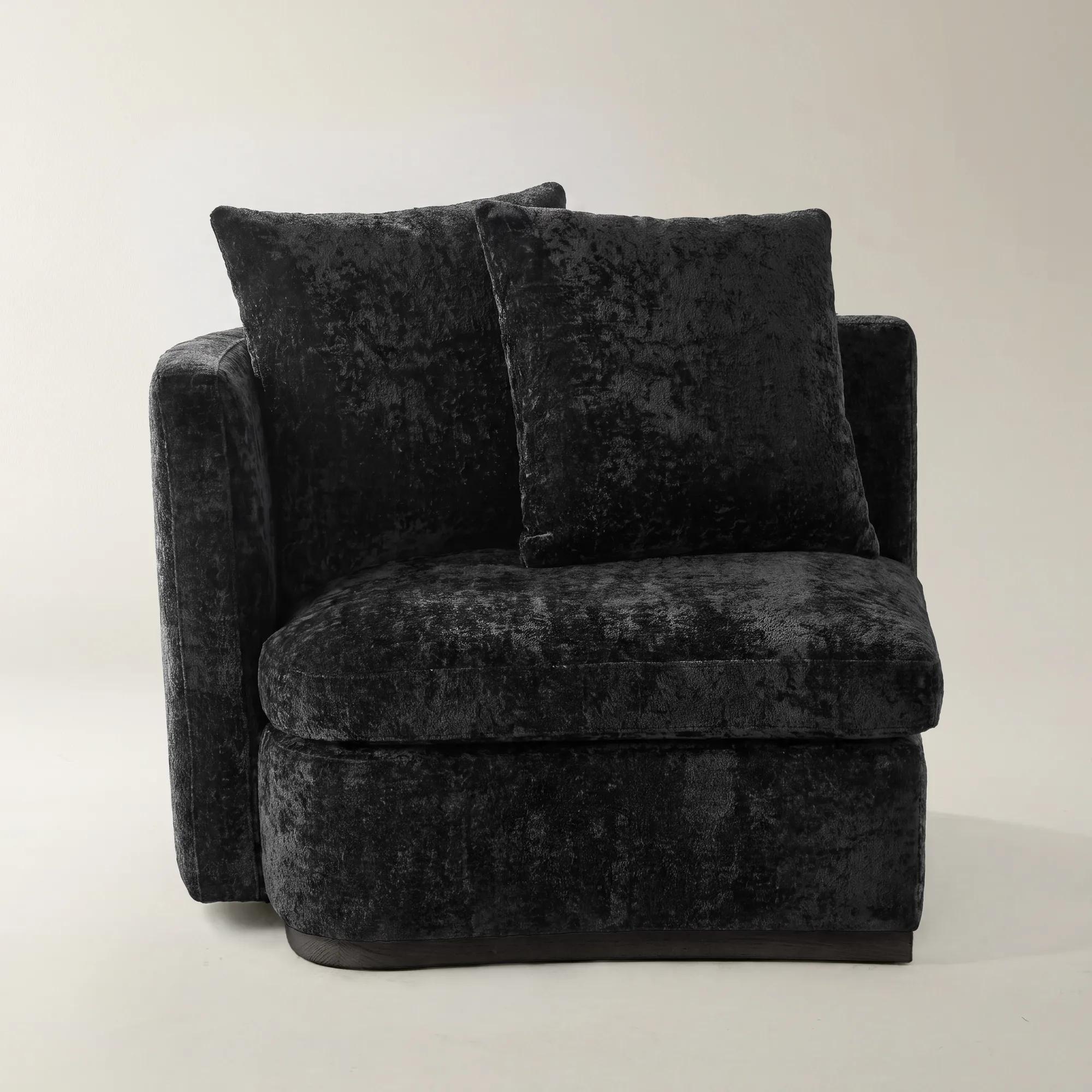 Stria Black Chenille Left-Arm Chair$1199
A sculptural black chenille chair featuring layered foam-and-down cushioning, curved edges, and a kiln-dried wood frame.
Add To Cart -
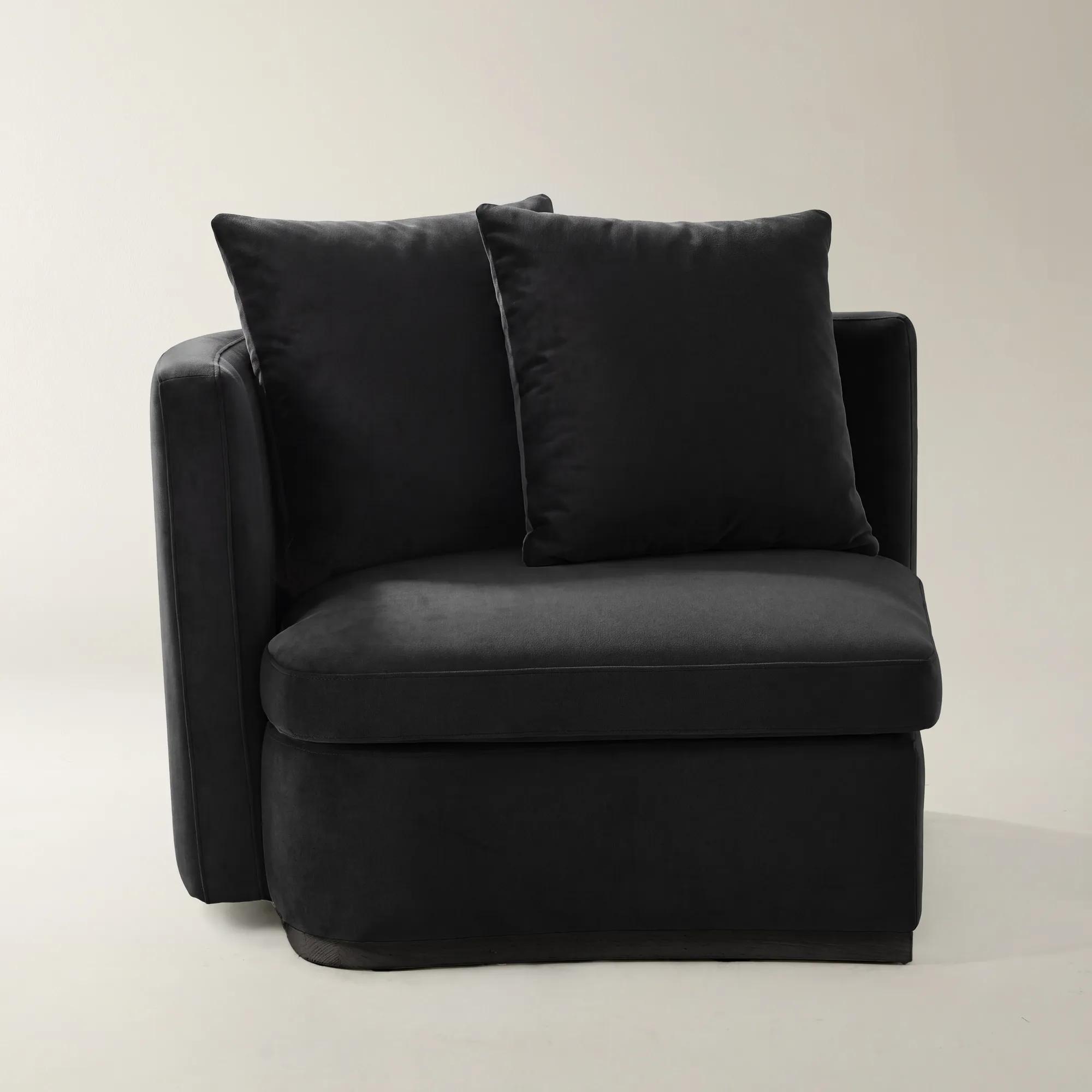 Stria Charcoal Velvet Left-Arm Chair$1199
A sculptural charcoal velvet armchair featuring layered foam-and-down cushioning, curved edges, and a kiln-dried wood frame.
Add To Cart -
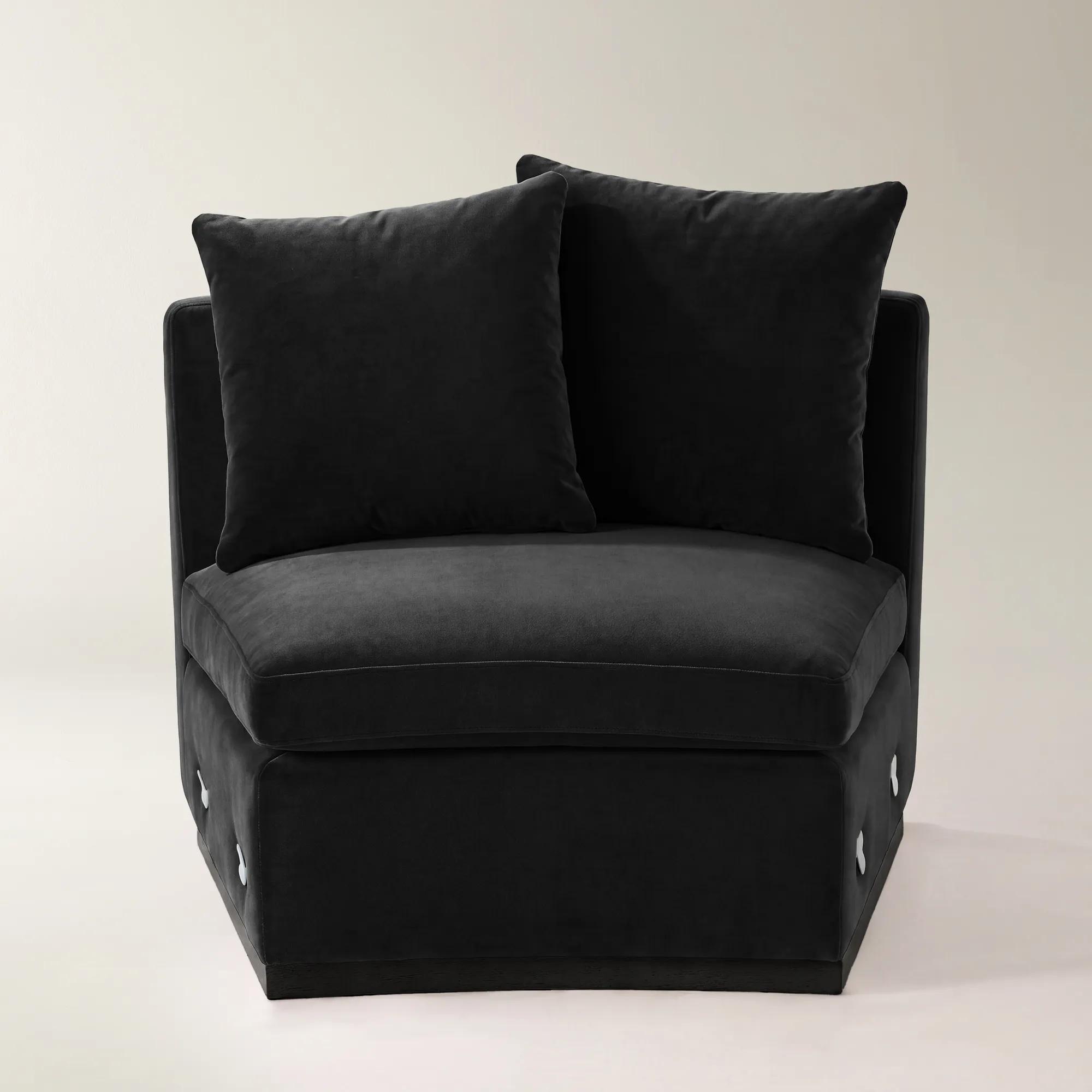 Stria Charcoal Velvet Armless Chair$1099
A sculptural charcoal velvet armless chair featuring layered foam-and-down cushioning and a kiln-dried wood frame.
Add To Cart -
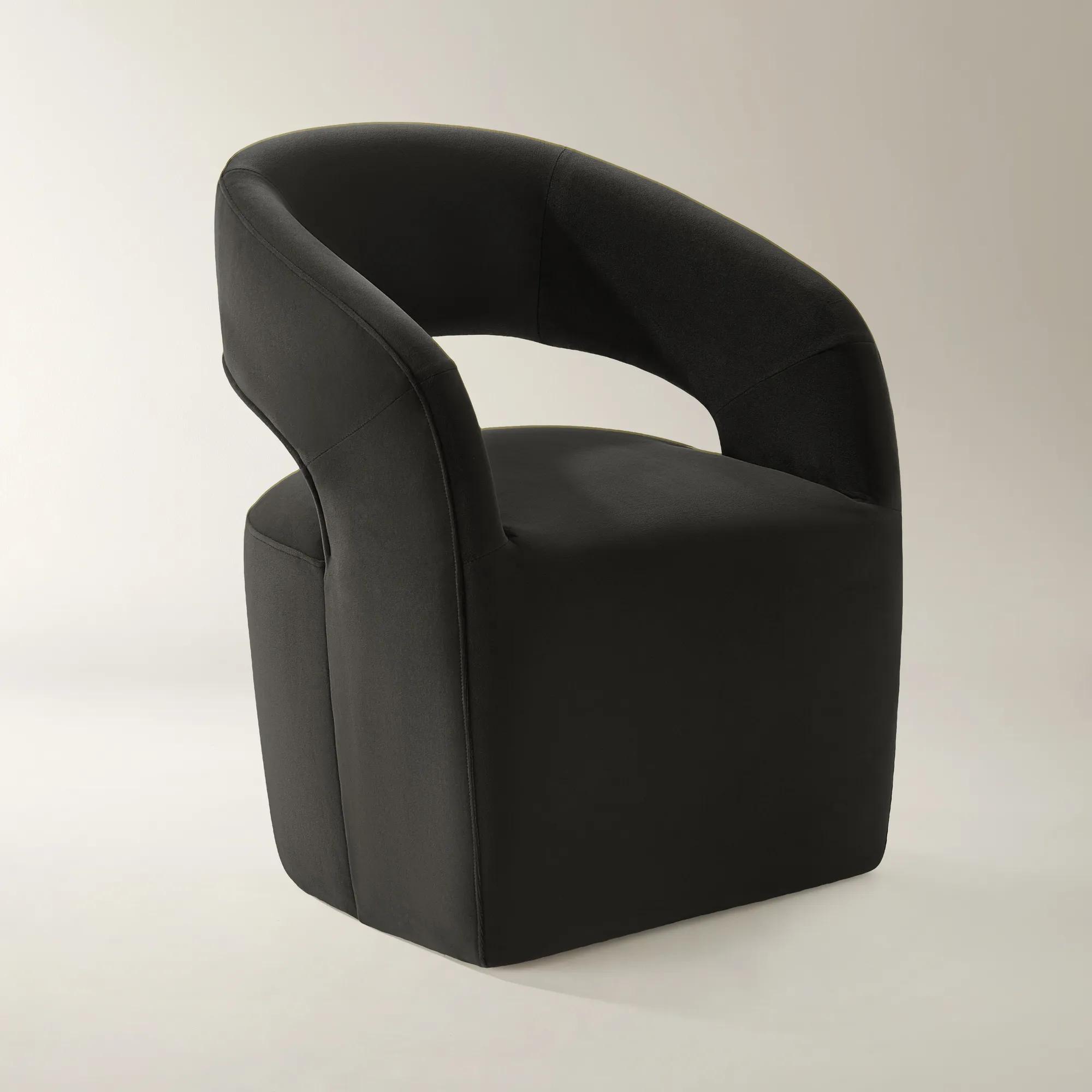 Harrison Charcoal Velvet Dining Chair$499
A sculptural dining chair upholstered in charcoal velvet with a continuous curved back and feather-blend comfort.
Add To Cart -
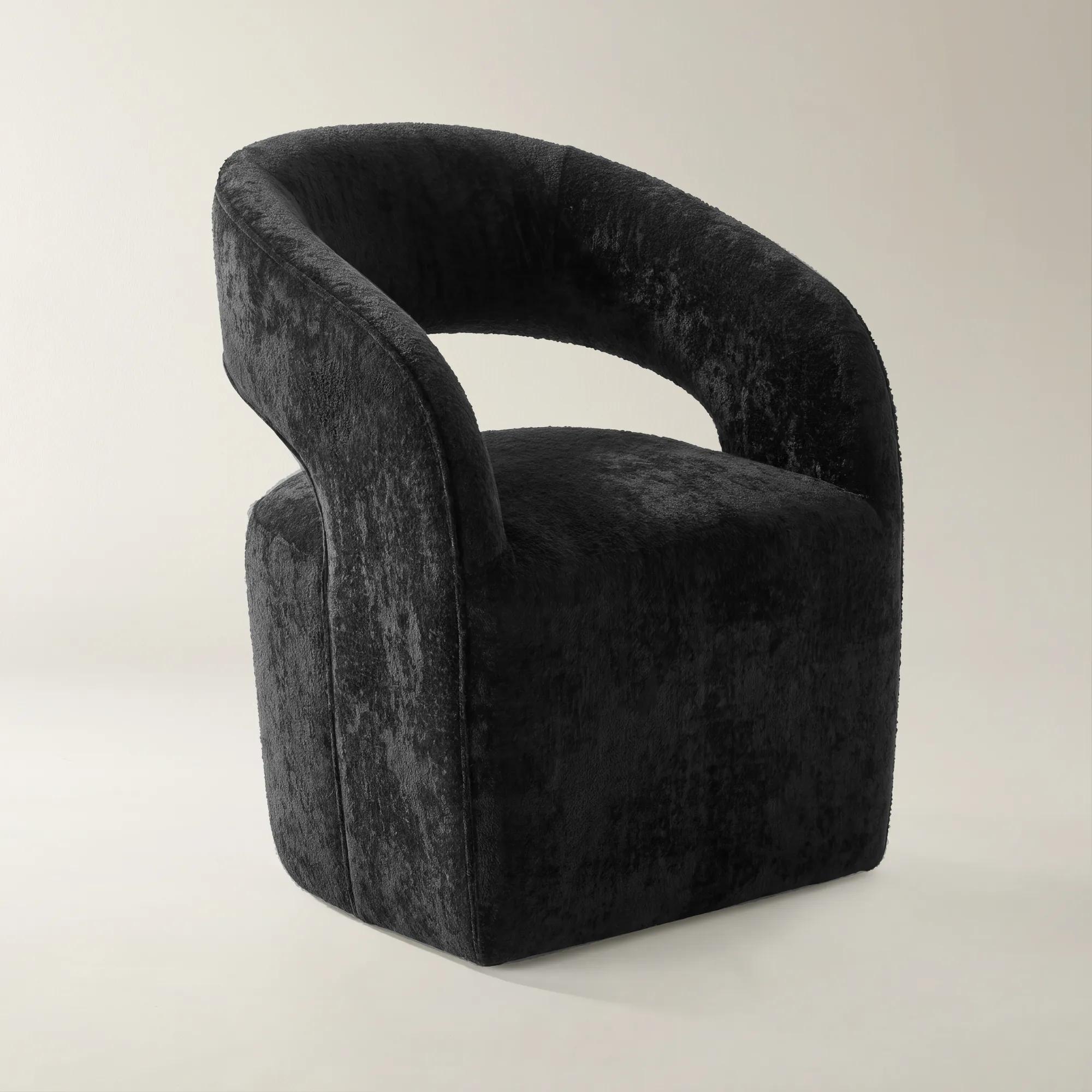 Harrison Black Chenille Dining Chair$499
A sculptural dining chair upholstered in charcoal chenille with a curved back, feather-blend seat, and integrated arms.
Add To Cart -
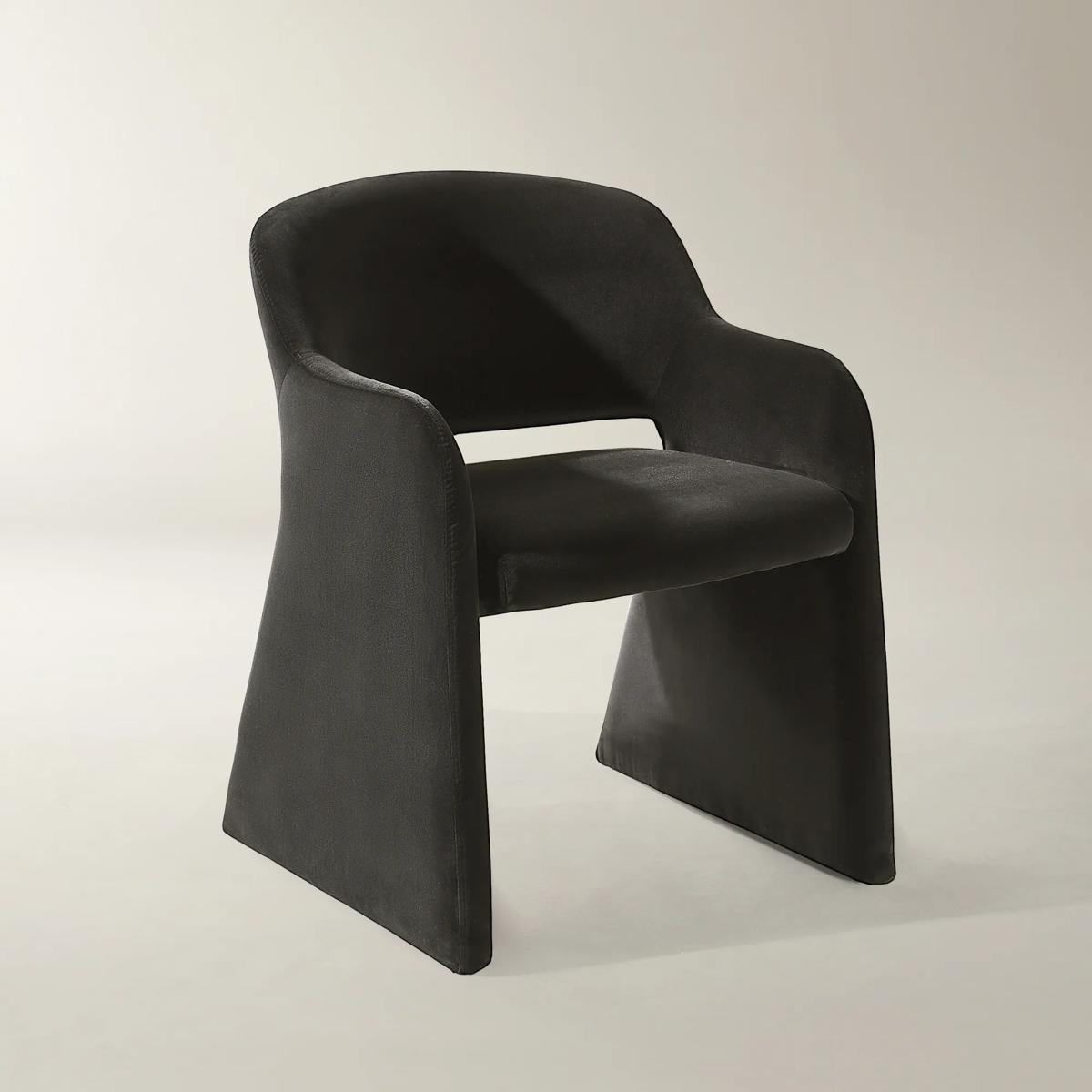 Elara Charcoal Velvet Dining Chair$449
A charcoal velvet armchair with sinuous curves, supportive embrace, and hand-crafted, reinforced construction.
Add To Cart -
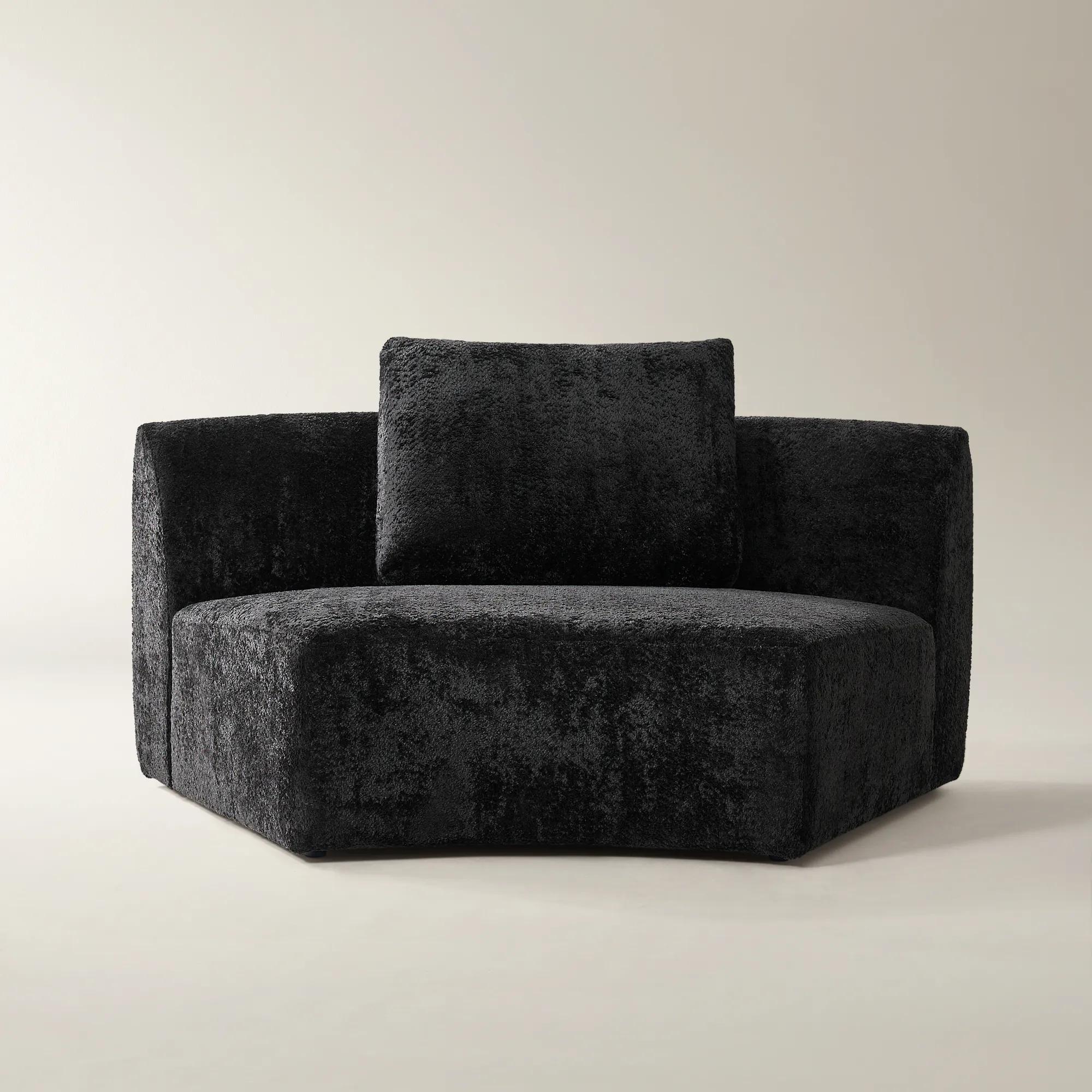
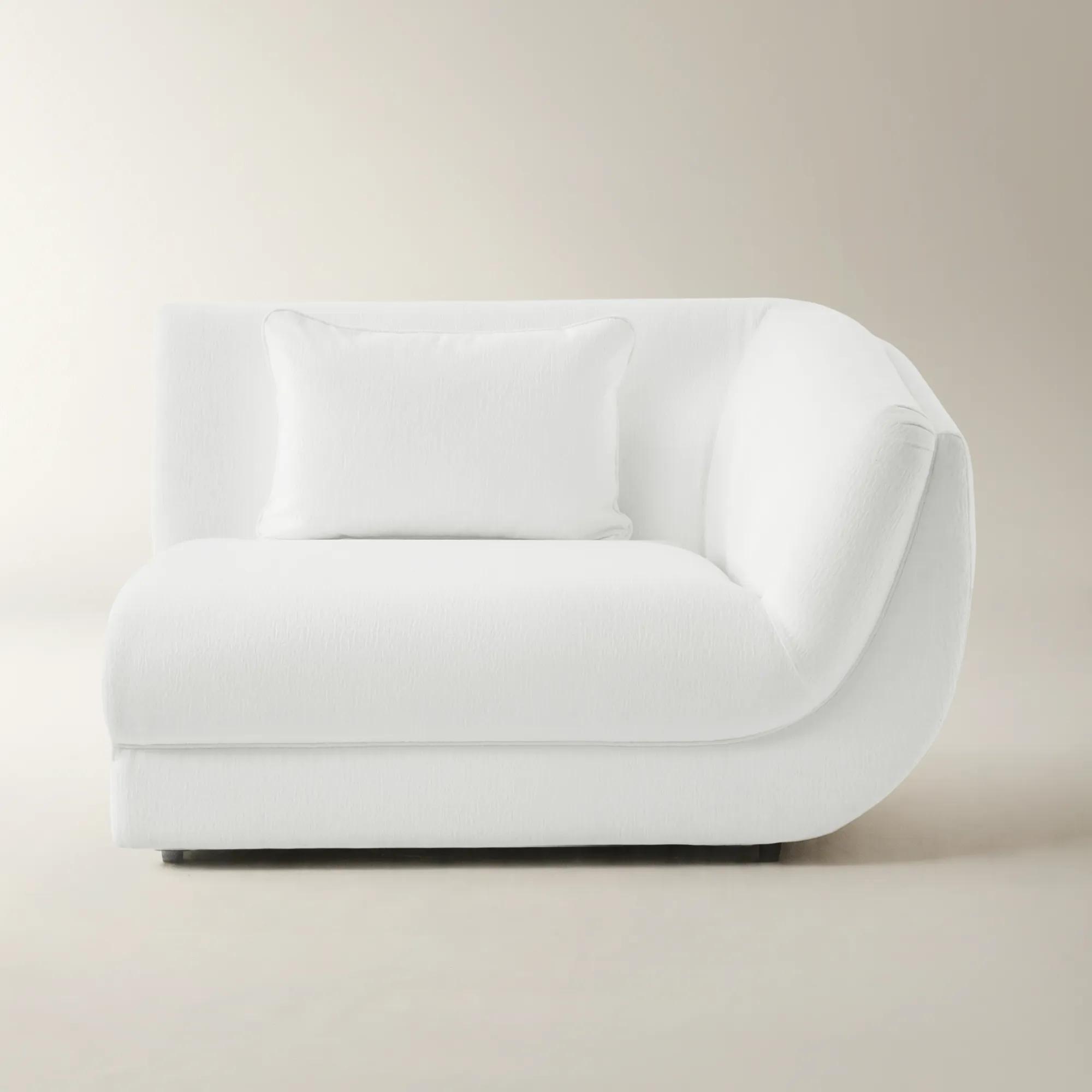
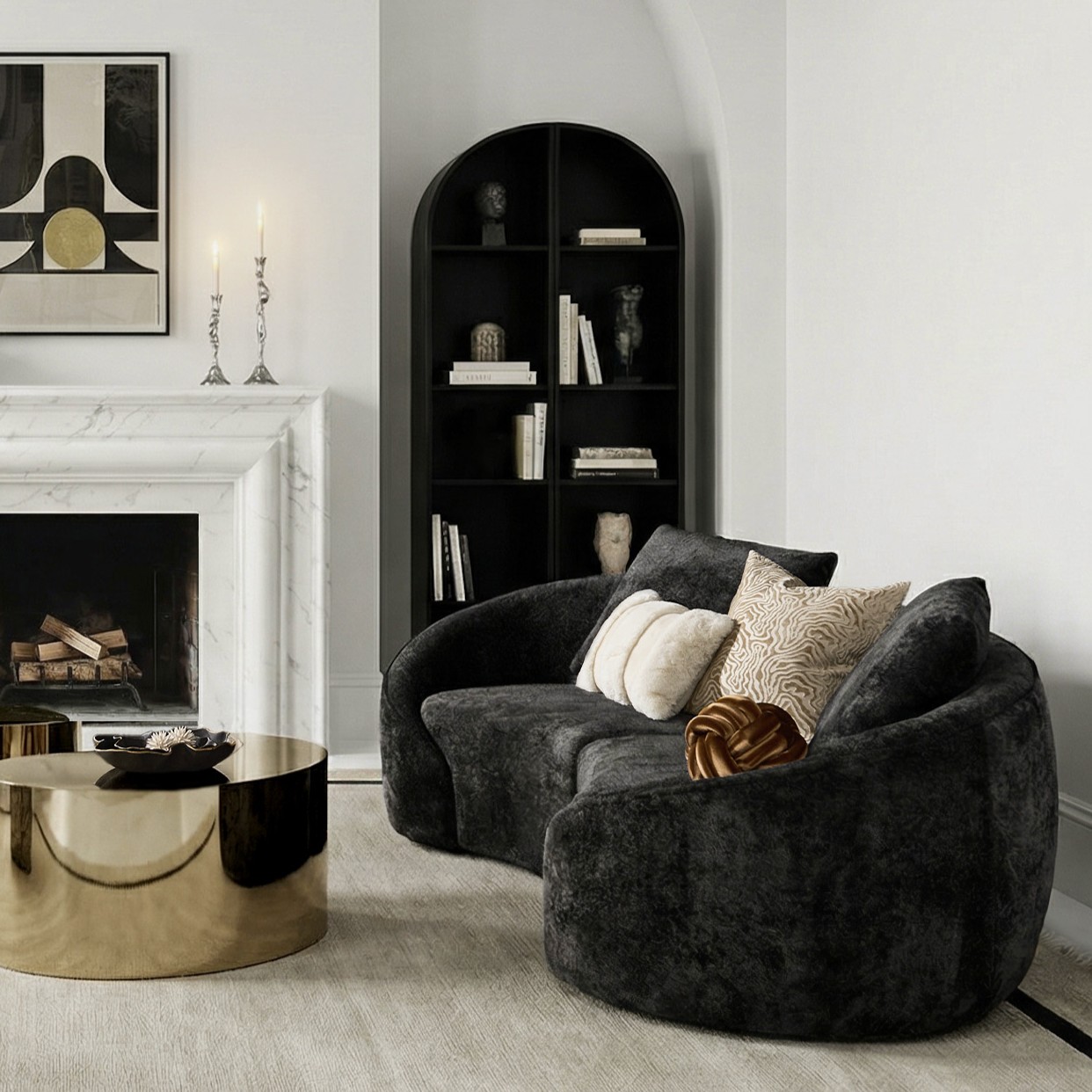 Irene Black Chenille Armless Chair$1199
A customizable seating collection featuring left arm, right arm, and armless chair components for versatile arrangements.
Add To Cart -
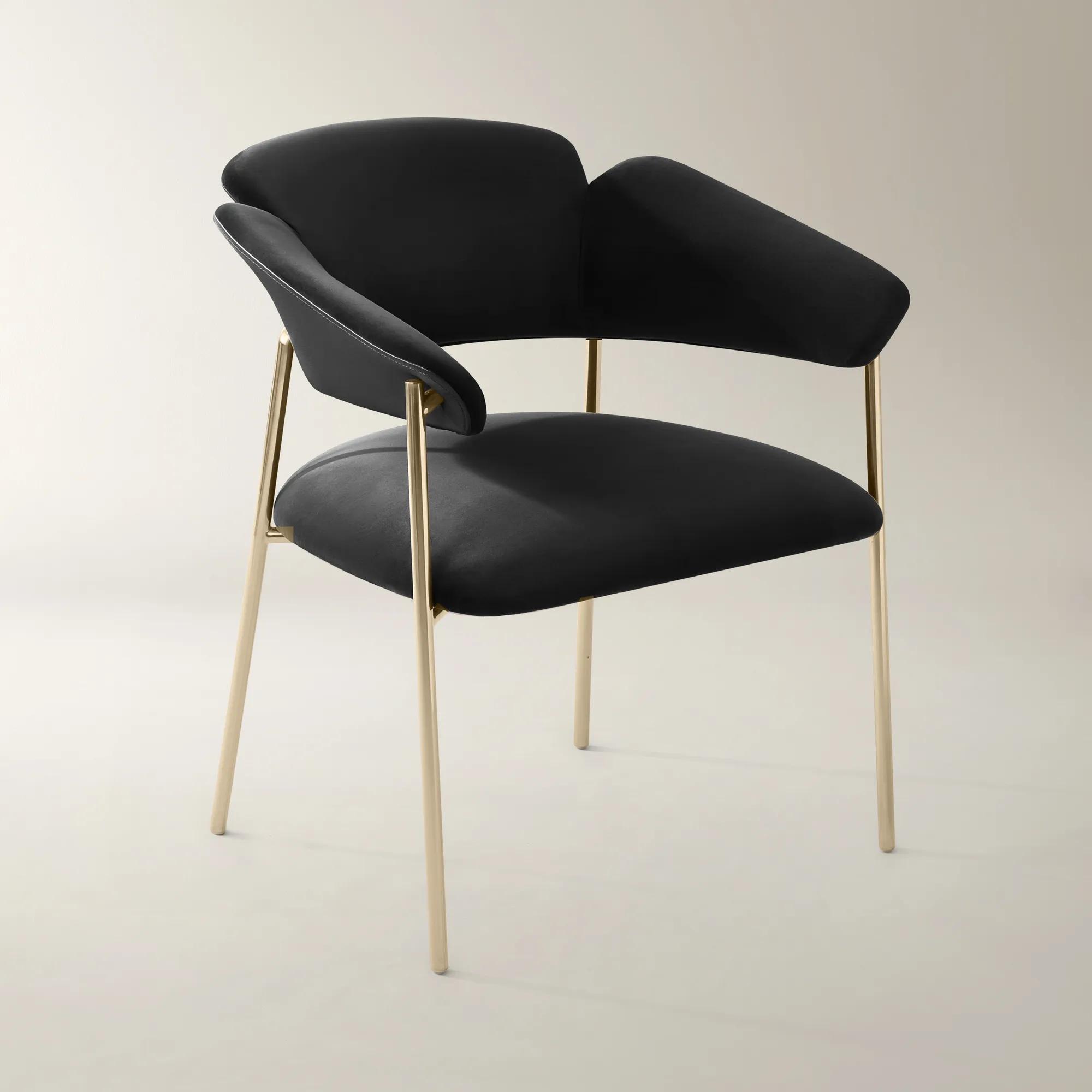 Odette Charcoal Velvet Dining Chair$499
A charcoal velvet chair featuring a wraparound open-back design, tonal faux leather accents, and gold metal legs.
Add To Cart -
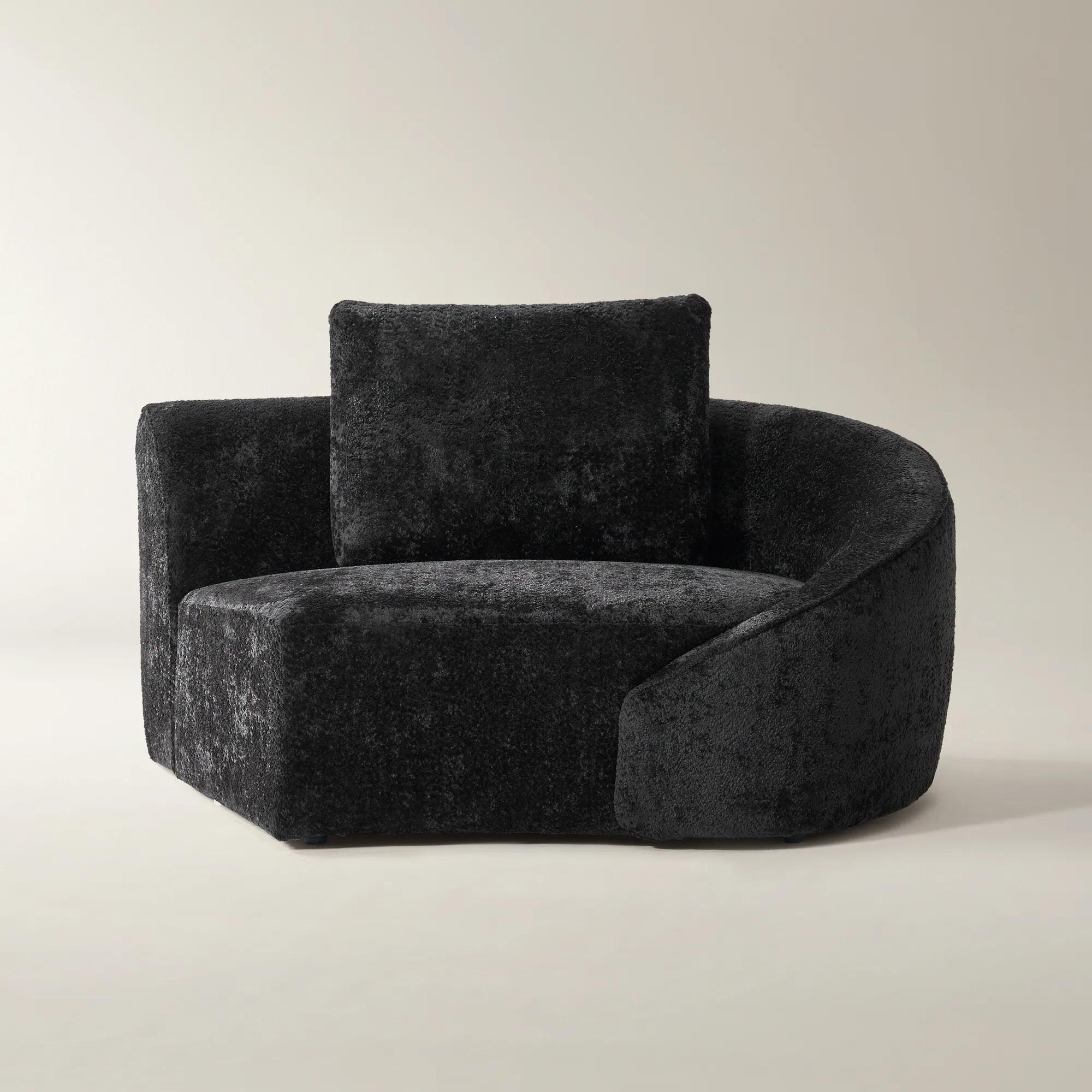 Irene Black Chenille Right-Arm Chair$1399
A customizable collection of modular living room chairs designed for personalized comfort and modern style.
Add To Cart -
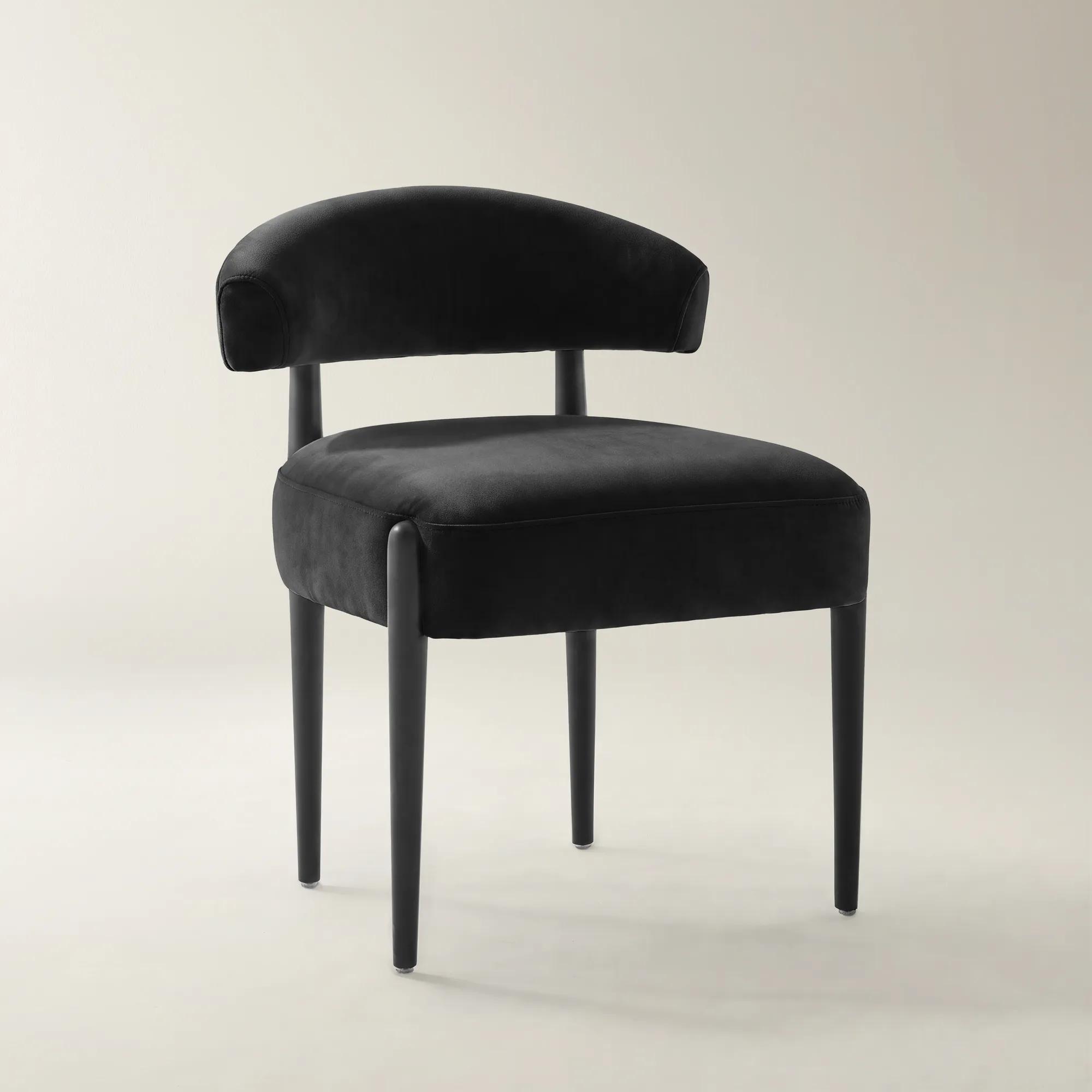
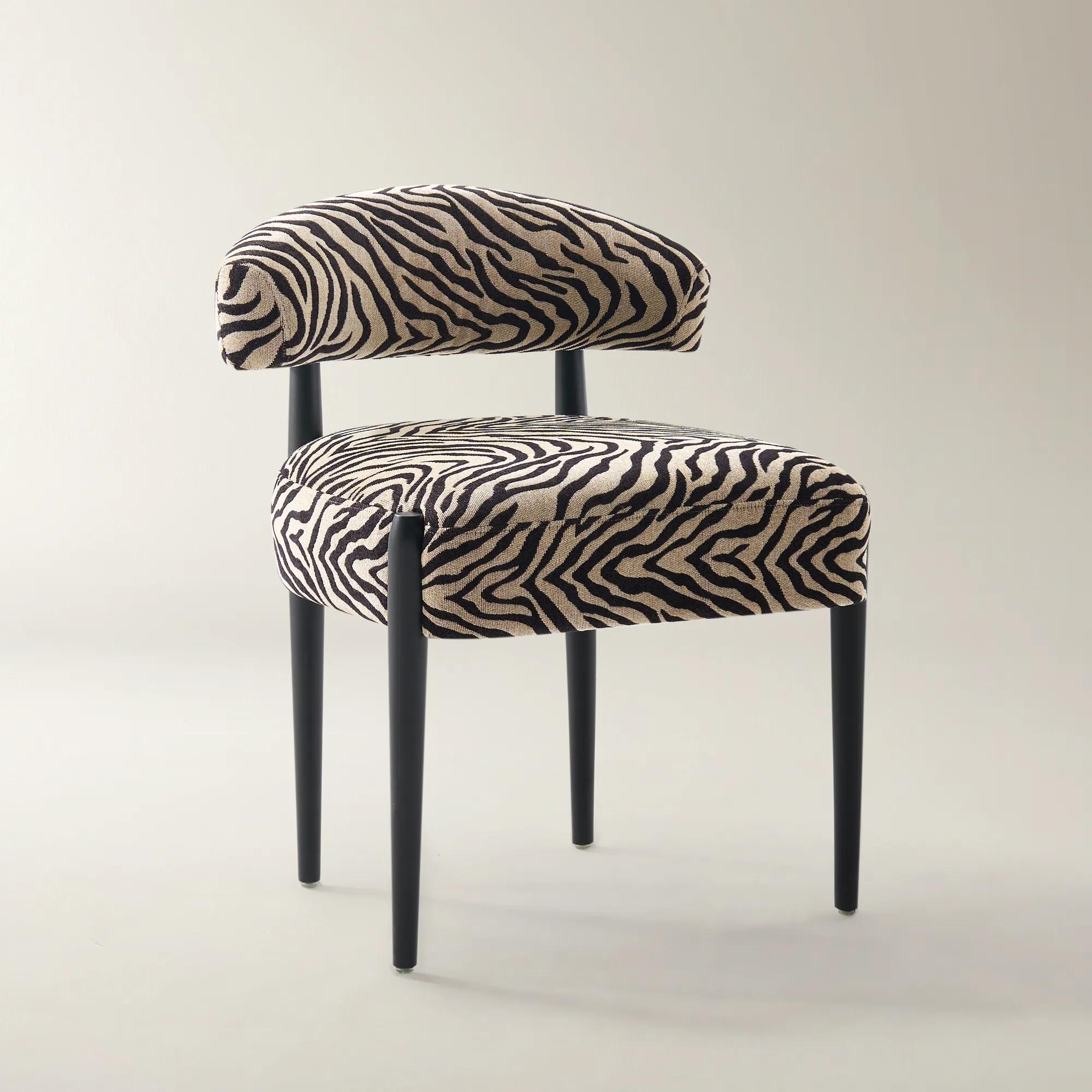 Anna Charcoal Velvet Dining Chair Set of 2$699
A charcoal velvet dining chair with an arched back, supportive foam cushioning, and solid rubberwood legs.
Add To Cart -
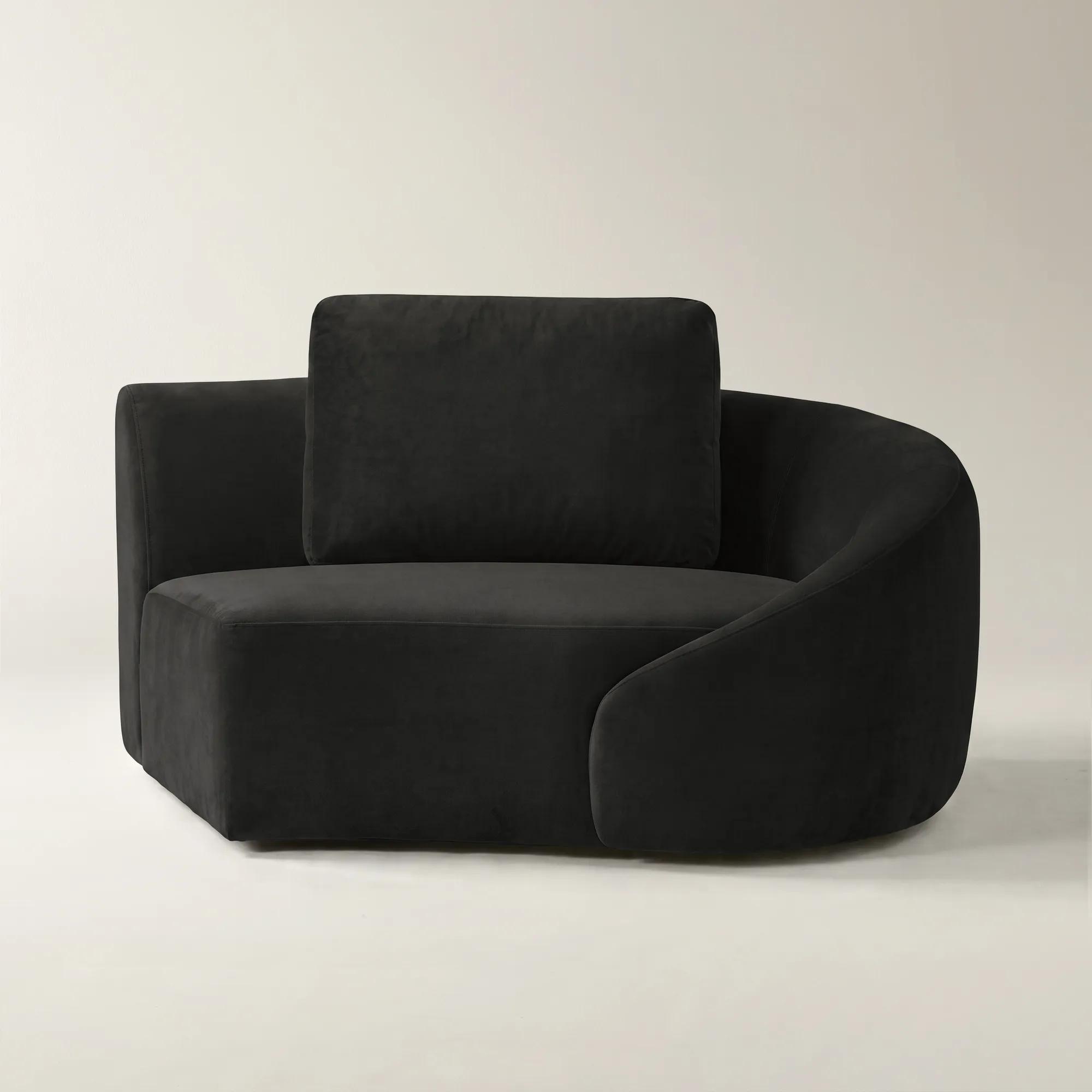
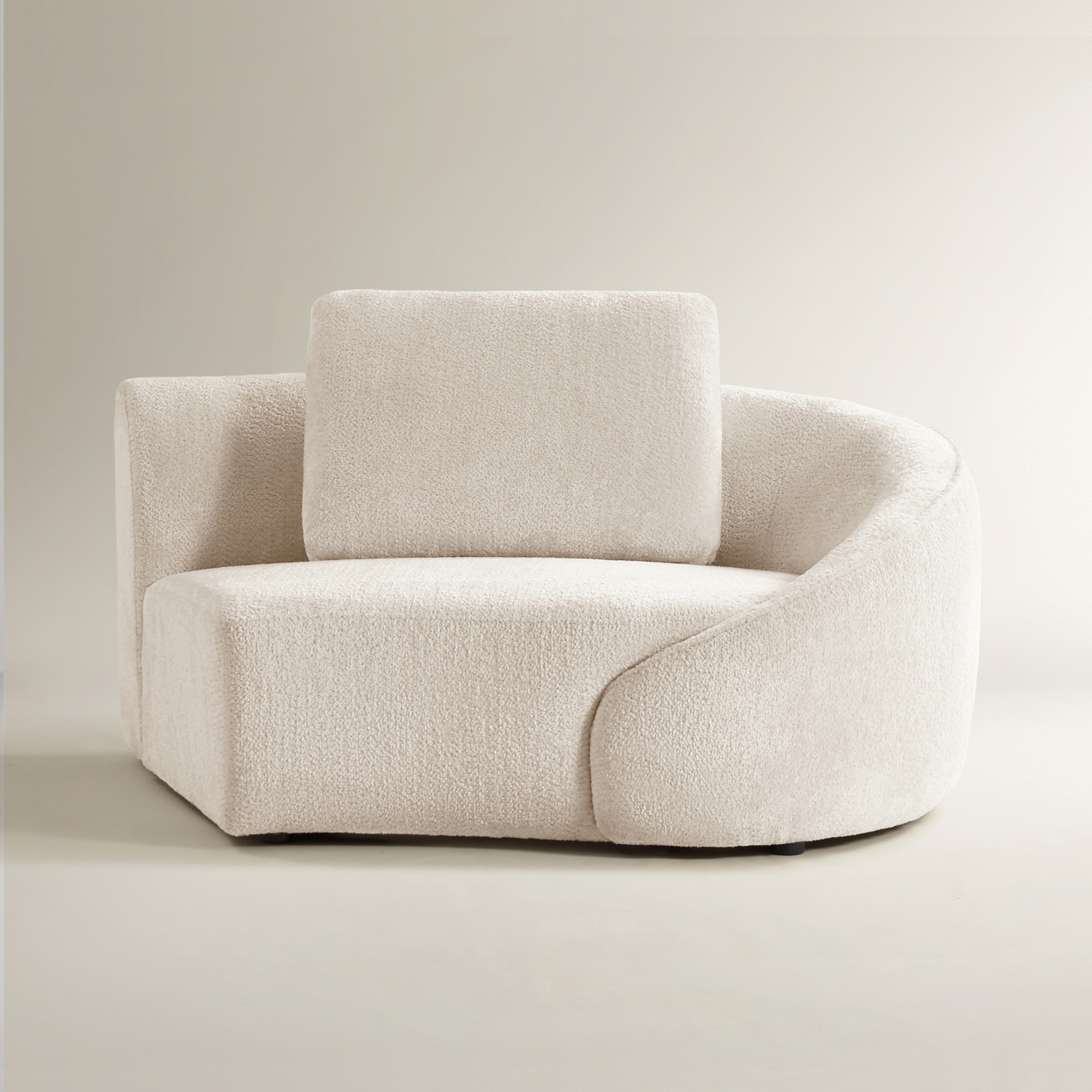 Irene Charcoal Velvet Right-Arm Chair$1399
A sculptural right-arm chair in charcoal velvet with high-resiliency foam cushions and artisan hand-finished details.
Add To Cart -
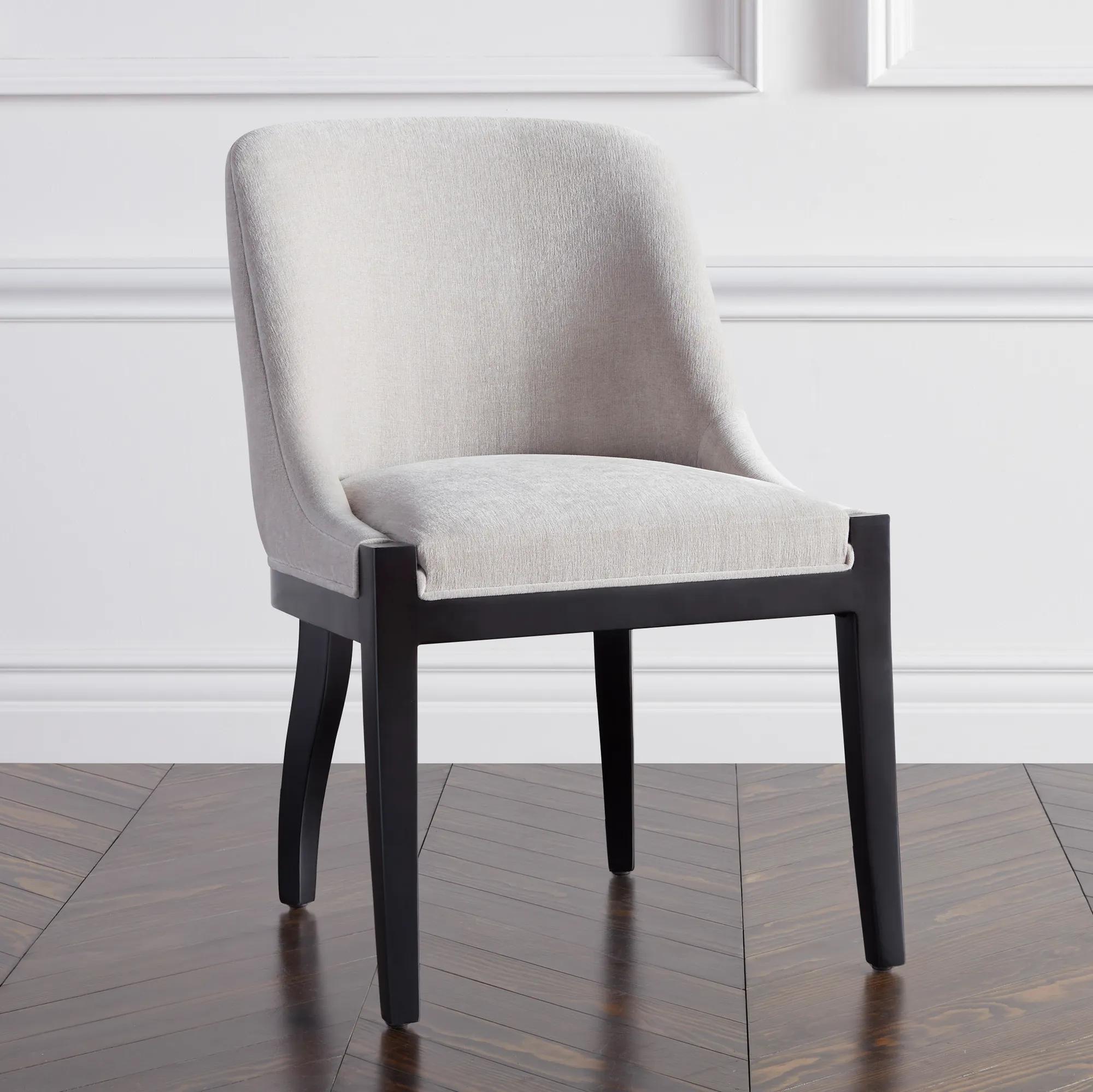 Lily Dining Chair - Matte Black$599
A modern dining chair featuring a matte black hardwood frame and plush, tailored upholstery for lasting comfort.
Add To Cart -
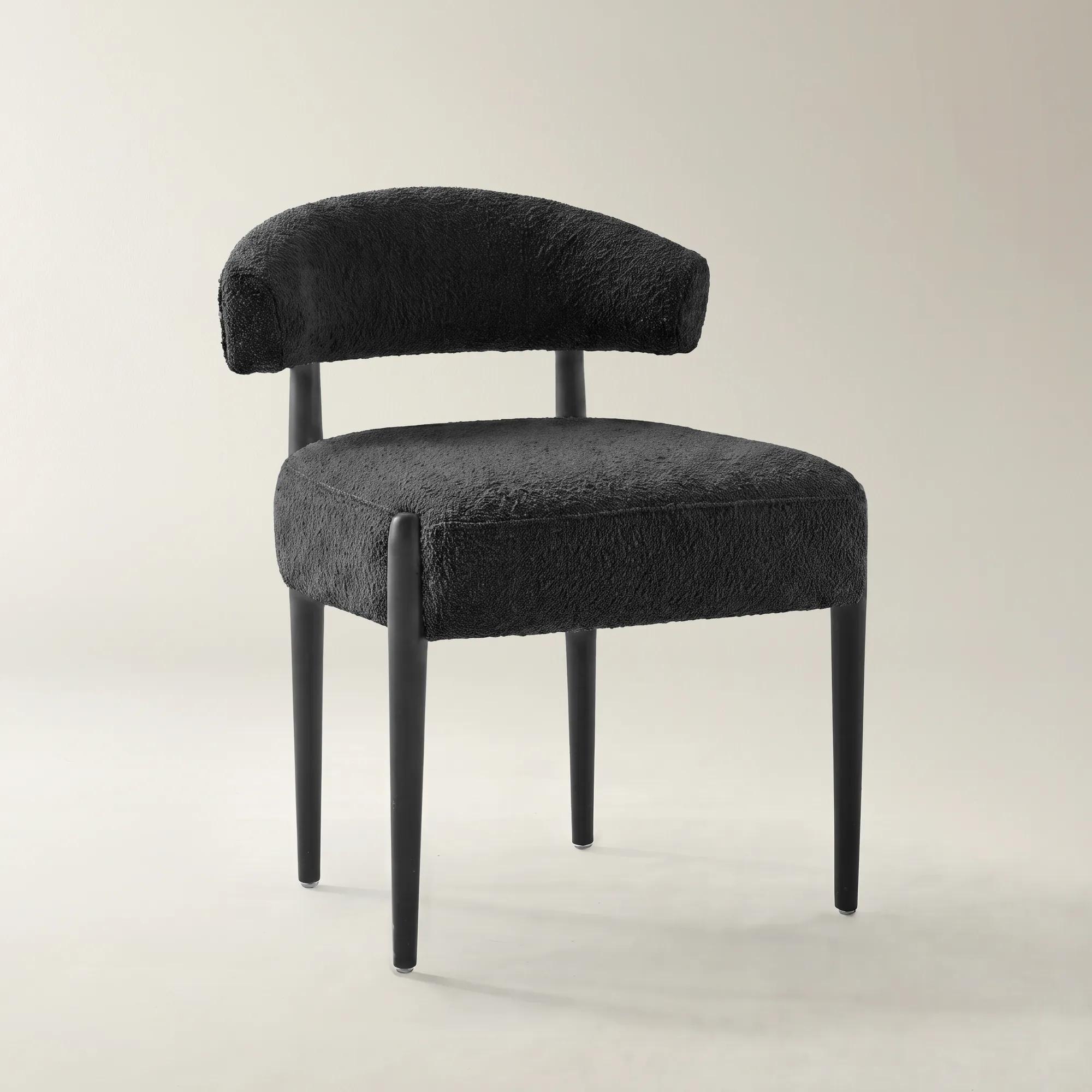 Anna Black Chenille Dining Chair Set of 2$699
A charcoal chenille dining chair set with curved backs, high-density foam cushioning, and rubberwood legs.
Add To Cart -
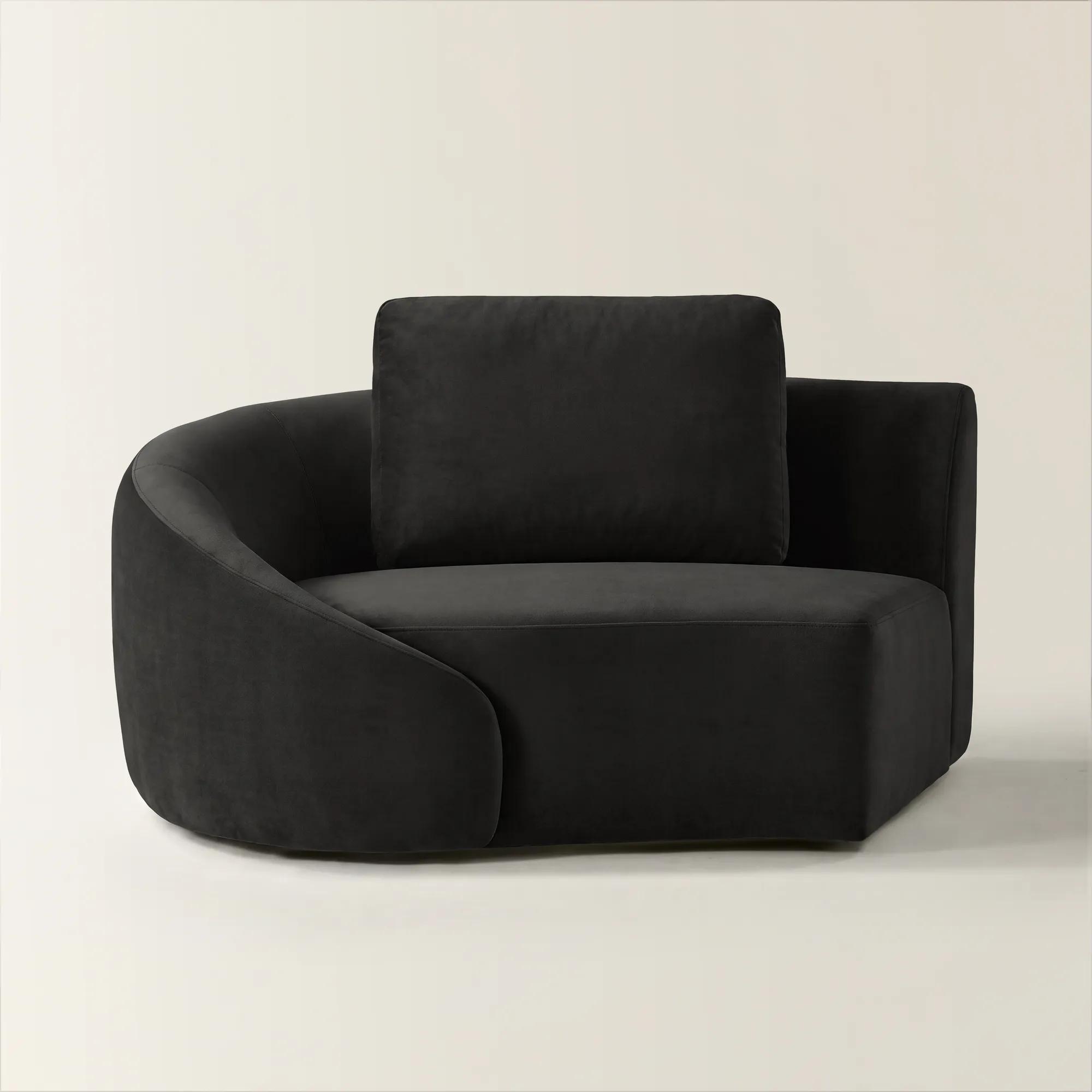
 Irene Charcoal Velvet Left-Arm Chair$1399
A sculptural left-arm chair in charcoal velvet with high-resiliency foam cushions and artisan hand-finished details.
Add To Cart -
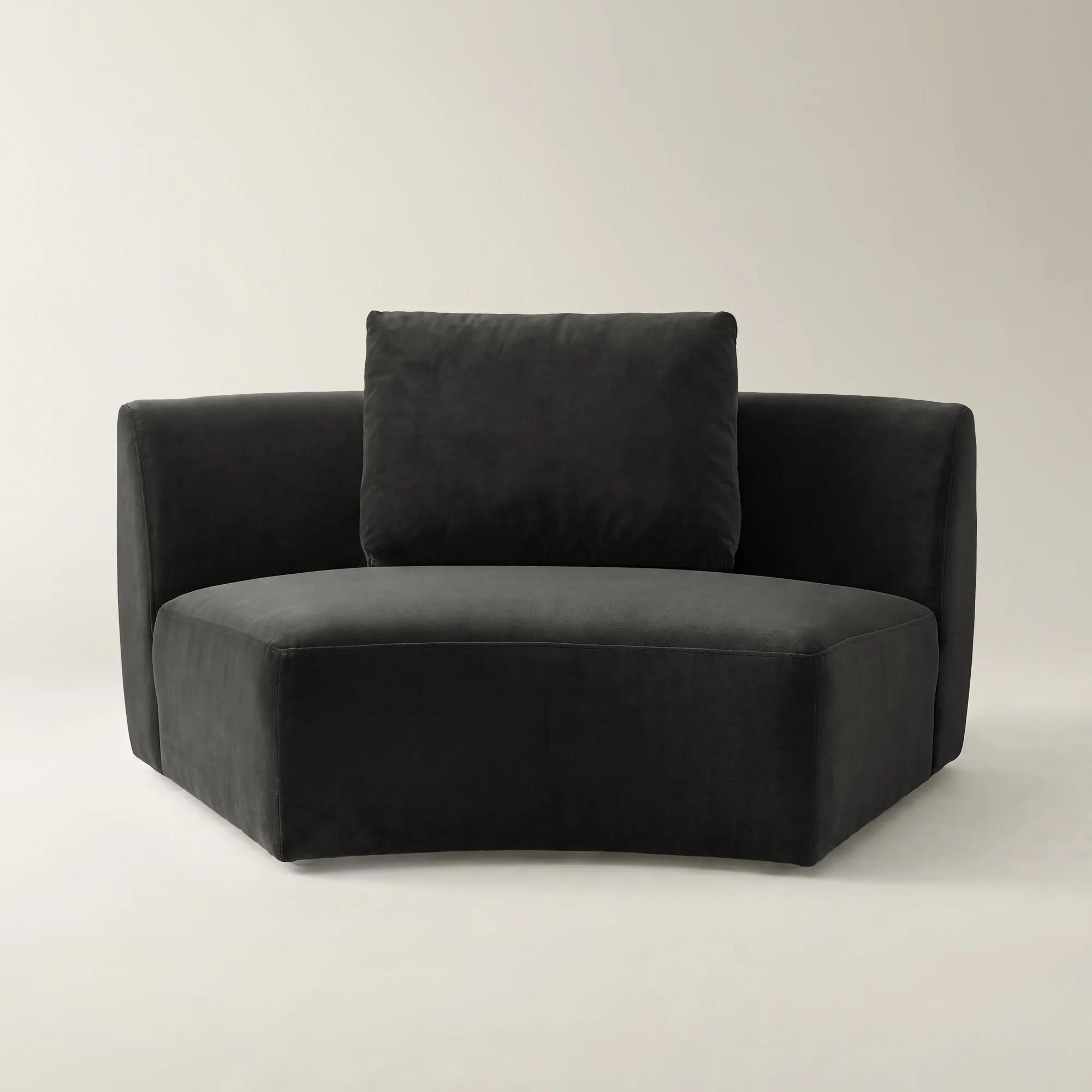
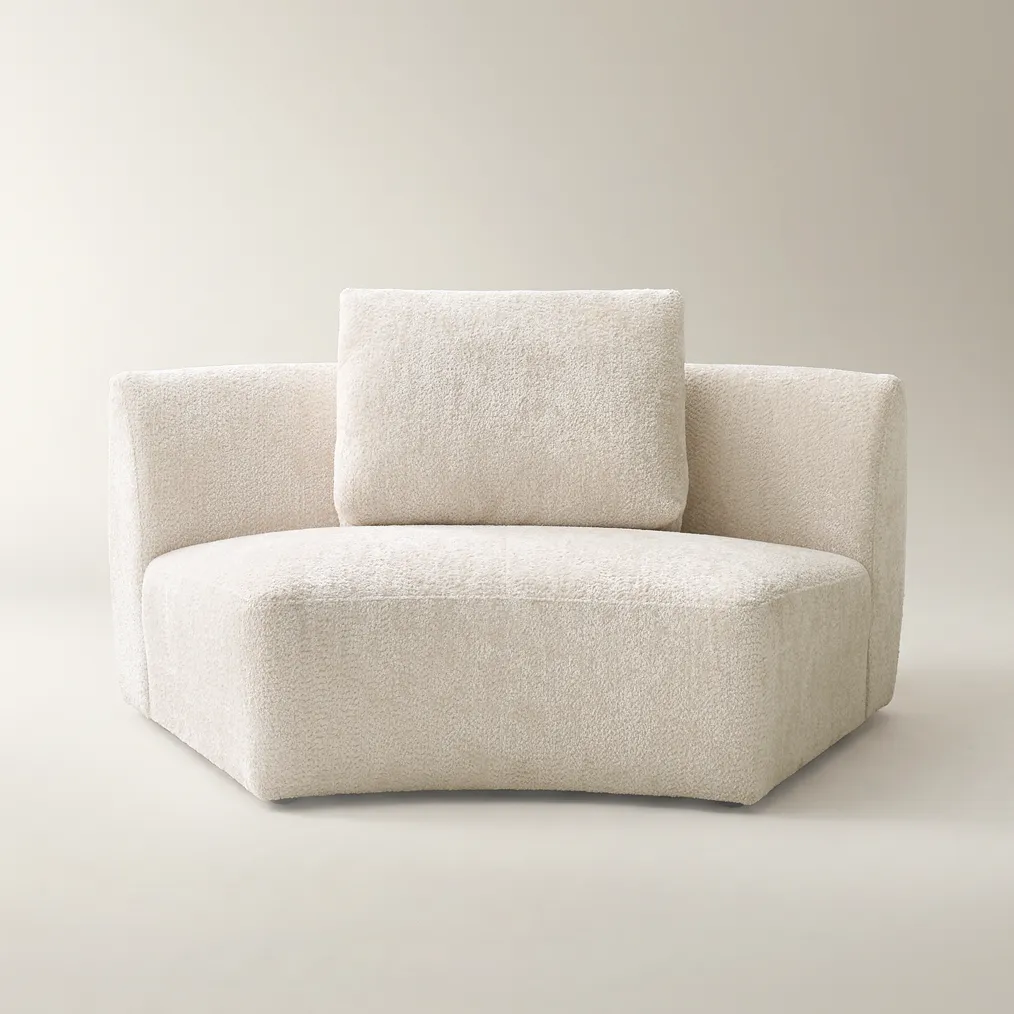 Irene Charcoal Velvet Armless Chair$1199
A sculptural armless chair upholstered in charcoal velvet with high-resiliency foam cushions and artisan detailing.
Add To Cart -
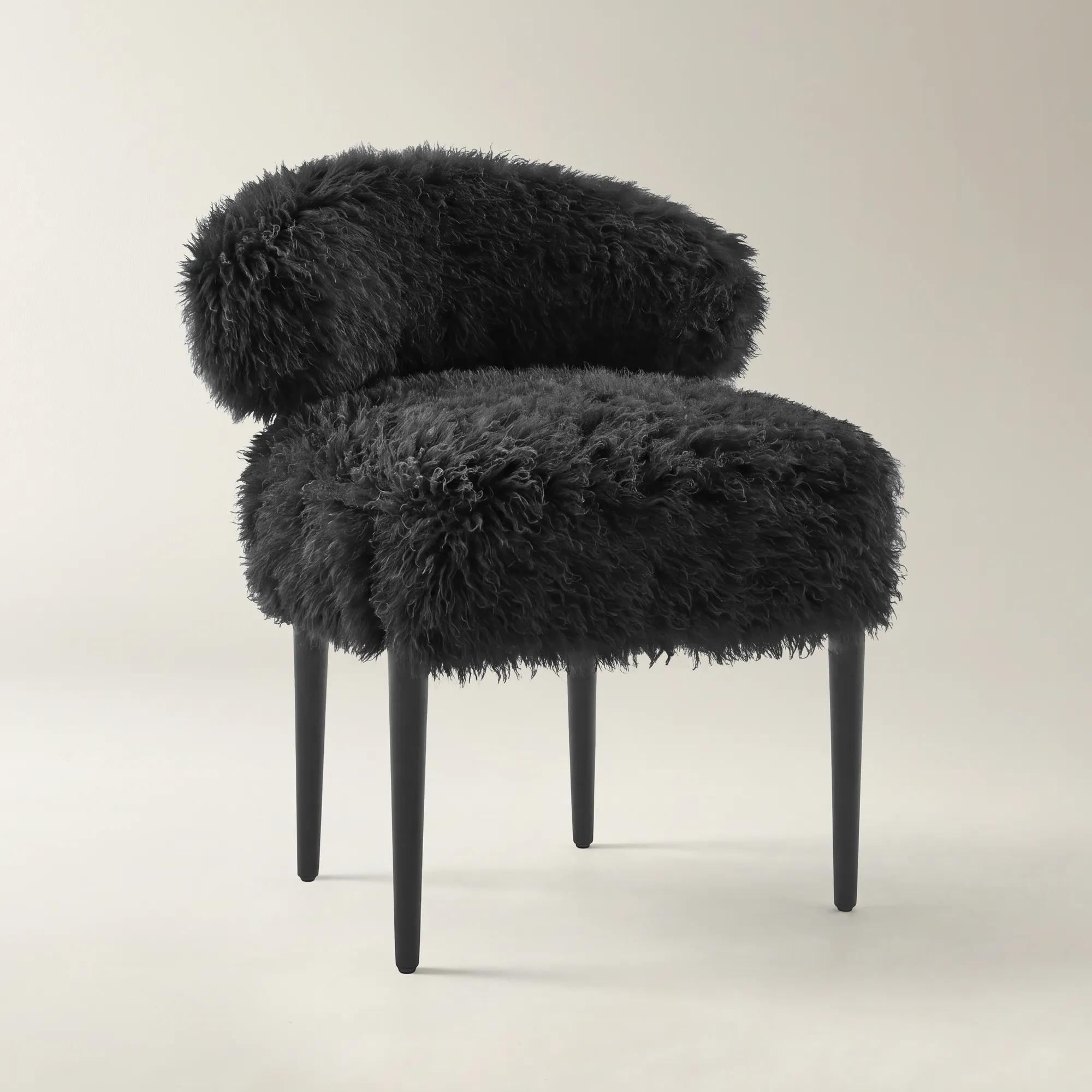 Anna Black Faux Fur Dining Chair Set of 2$799
A black faux fur chair set with arched backs, foam cushioning, and solid wood legs.
Add To Cart

Black Chairs For Home Staging
Black chairs for home staging are the secret weapon of the design world—infusing every room with an air of sophistication and effortless drama. Their striking silhouettes and deep, inky tones create instant contrast, anchoring spaces with a sense of refinement that commands attention. Whether poised around a dining table or accenting a sunlit corner, these chairs lend an aura of artistry and intention, elevating interiors from ordinary to unforgettable. Perfect for those who believe every detail deserves its own moment in the spotlight, black chairs for home staging set the stage for bold impressions and captivating style.
Black chairs for home staging are versatile, high-contrast furnishings that ground a room, define seating areas, and bring sculptural presence to a neutral interior. Their appeal lies in the balance between visual authority and flexibility: black can sharpen a pale dining room, give a living area a deliberate focal point, or bring polish to an otherwise undefined corner. Against ivory upholstery, warm wood, or softly textured walls, a black chair creates a distinct silhouette that helps the room feel composed rather than simply furnished. Shape makes that contrast expressive. A curved back introduces softness, an angular frame emphasizes architectural lines, and a generous upholstered seat suggests an inviting place to settle. Black accent chairs lend themselves to conversation areas and reading corners, while dining and side chairs establish rhythm around a table without requiring an elaborate arrangement. For professional home stagers, real estate professionals, and homeowners preparing a property for photography or showings, that versatility makes black seating useful across different rooms and design styles. A pair of slender chairs opposite a pale sofa can define a conversation area while preserving the openness of the floor plan. A single sculptural chair beside a small table can give an empty alcove a recognizable purpose. The strongest settings balance that dark outline with breathing room: a light rug, a warm metallic accent, or artwork with generous negative space lets the chair register clearly without making the room feel crowded. Black also connects details that might otherwise seem unrelated, echoing window frames, cabinet hardware, or a fireplace surround. The result is a space with continuity and character, where seating feels integrated into the architecture. Rather than disappearing into a neutral scheme, black chairs introduce the depth that allows lighter surfaces, expressive textures, and distinctive architectural features to stand out.
Material and finish determine how black chairs carry that presence, as well as how they perform through handling and everyday use. Black velvet offers a rich, light-responsive surface, with highlights that reveal the curve of an arm or the sweep of a backrest. Its pile can appear lighter or darker from different angles, an effect worth considering in rooms photographed from several viewpoints. Woven upholstery brings a more textured finish, while leather offers a tailored surface whose grain and sheen contribute their own character. Faux leather creates a similarly streamlined impression, although its care requirements and resistance to wear depend on the specific material and construction. Black wood frames can emphasize grain or create a crisp, painted outline; metal frames introduce slender geometry and a more architectural mood. A matte finish absorbs more light, while a polished surface reflects surrounding windows and lamps, changing how substantial the chair appears. Durability matters particularly when seating moves between staged properties or shifts frequently for photographs and showings. Secure joints, stable legs, firmly attached upholstery, and suitability for the intended use deserve as much attention as the silhouette. Protective furniture pads appropriate for the flooring can help reduce surface scratches, and lifting chairs rather than dragging them helps protect both the frame and the room. Upholstered pieces benefit from gentle vacuuming with an attachment approved for the fabric, especially along seams where dust gathers. Dark upholstery may conceal some discoloration, but lint, pet hair, and pale dust can remain conspicuous under bright lighting. Wood, metal, leather, and synthetic upholstery each require finish-specific care, so cleaning should follow the manufacturer’s directions rather than a universal routine. Any permitted cleaner should be tested discreetly before broader use. Thoughtful maintenance preserves the depth of black finishes and the crispness of upholstery, keeping the chair’s defining details—not incidental marks—the focus of the setting.
Scale turns a striking black chair into a convincing part of the home. Overall width, depth, back height, and arm height affect both the visual balance and the way people move through a staged room. Exposed legs and open arms allow more of the floor and surrounding furnishings to remain visible, making them especially useful where space is limited. A fuller upholstered armchair creates a more enveloping impression, with enough presence to balance a substantial sofa or anchor a generous bedroom corner. Neither approach depends on the chair being small; the important relationship is between its proportions, neighboring furniture, and usable circulation space. In a dining setting, seat height should work comfortably with the table, and arms need clearance beneath the apron if the chairs are intended to tuck in. Adequate room behind each seat allows visitors to understand how the dining area functions rather than seeing only a tightly arranged photograph. In a living room, chairs positioned toward the sofa suggest conversation, while a chair beside a lamp and small table makes a reading corner feel purposeful. Seating used in a home office should match the expected activity; a decorative side chair may suit occasional use without providing the adjustability needed for extended desk work. For a wider range of silhouettes and design expressions, Designer Chairs for Home Staging brings the focus to seating as a defining element of the room. Black chairs can support that expression without overwhelming it. A cream cushion can soften a dark upholstered back, a glass tabletop can reveal an elegant frame, and a restrained brass detail can introduce a gleaming contrast. Used with intention, these chairs make rooms feel expressive yet legible, helping prospective buyers recognize both the personality of a space and the everyday life it could accommodate.
FAQs
Black chairs are remarkably versatile, seamlessly complementing a range of design aesthetics—from the crisp lines of modern minimalism to the ornate details of Art Deco or the warmth of transitional and farmhouse interiors. Their rich hue serves as an anchor, allowing you to layer in metallics, lush fabrics, or natural textures for a curated, sophisticated look.
Black chairs introduce a sense of drama and depth, instantly elevating the atmosphere of any space. Their bold presence can create a striking focal point, while their timeless elegance adds a layer of intrigue and sophistication, making rooms feel more intentional and inviting to potential buyers.
Absolutely—black chairs can be styled in virtually any room, from the dining area to the living room, bedroom, or even a home office. Their adaptability allows them to shine as statement pieces or blend harmoniously into a larger ensemble, depending on your staging vision.
Popular choices include sumptuous velvet, sleek leather, high-gloss lacquer, and matte metal. Each material offers a unique visual and tactile experience: velvet adds plushness and warmth, leather exudes modern luxury, and metal or lacquered finishes introduce a chic, contemporary edge.
Position black chairs near large windows or light sources to accentuate their silhouette and prevent the room from feeling too heavy. Pair them with light-toned rugs, mirrors, or metallic accents to reflect and amplify the natural light, ensuring the space remains open, airy, and visually balanced.