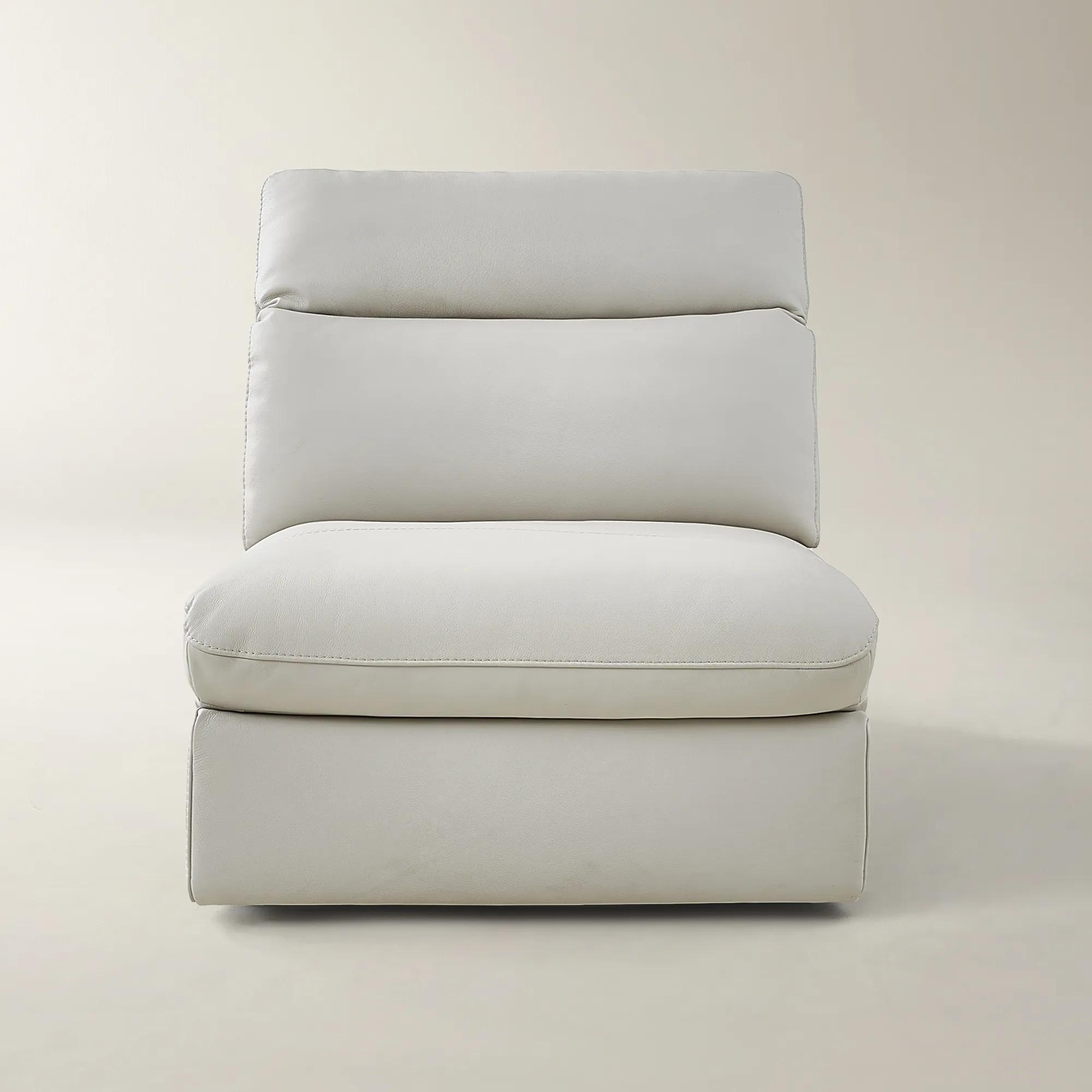
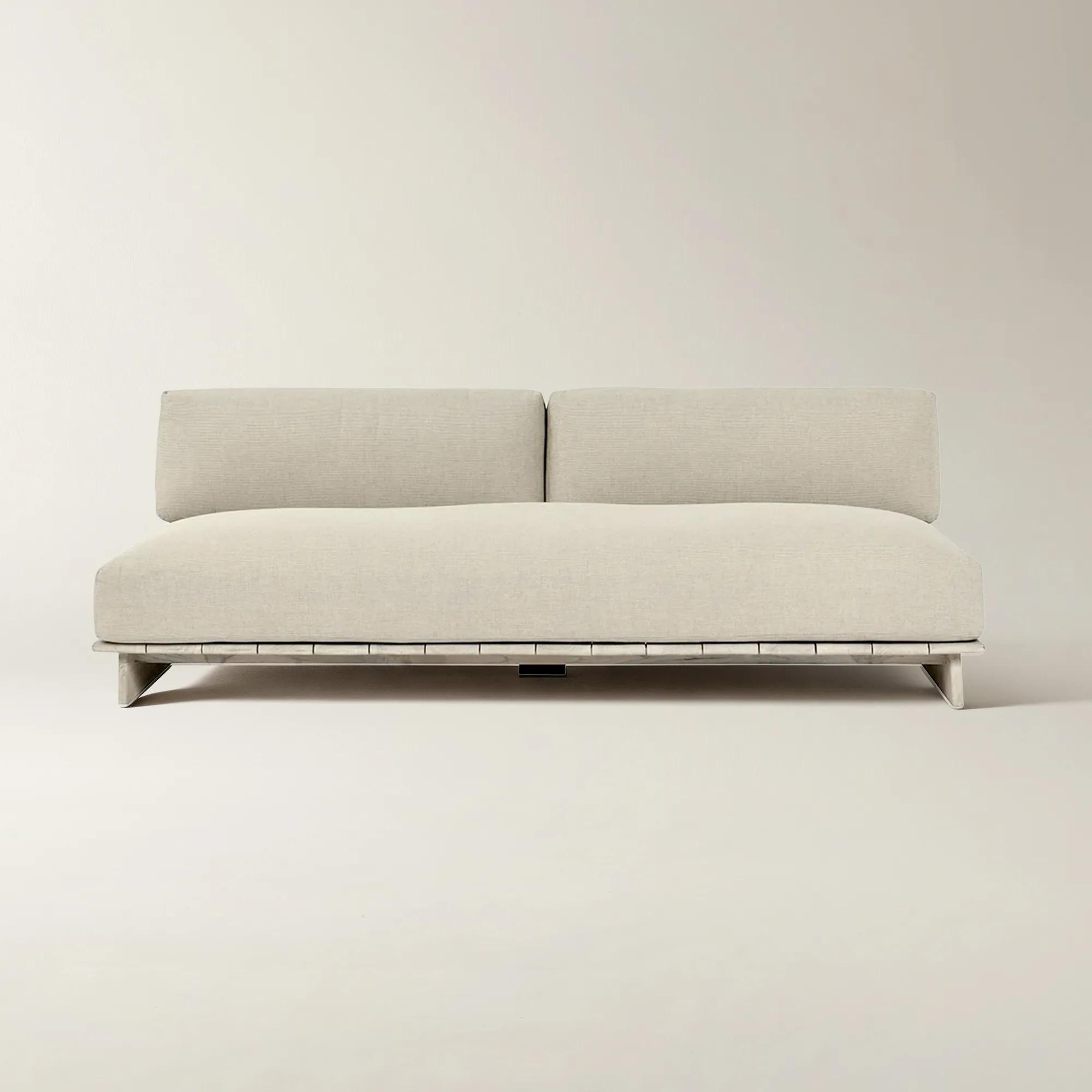
Designer Chairs For Home Staging
Designer Chairs For Home Staging
-
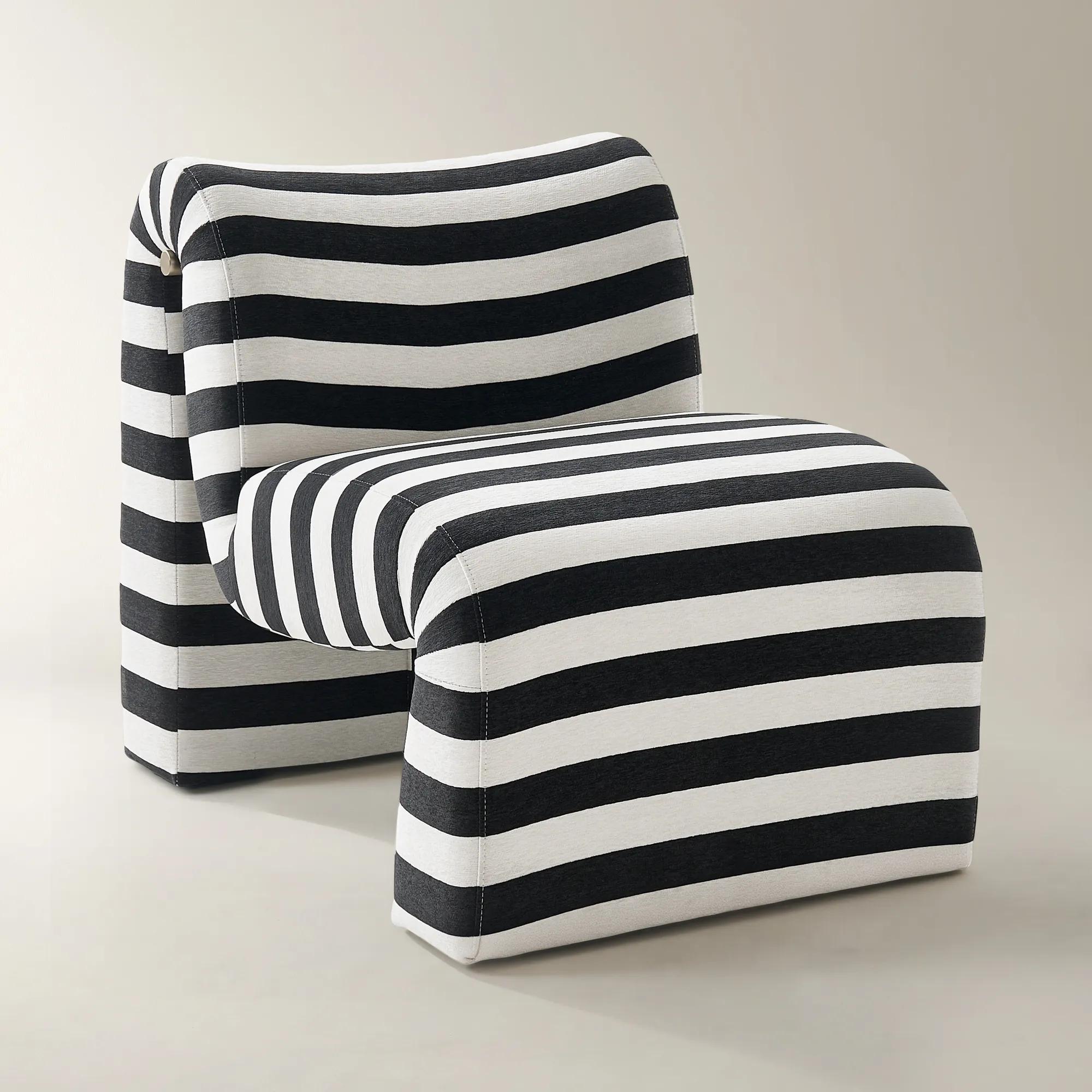 Cora Stripe Chenille Accent Chair$899
A bold black-and-white striped accent chair featuring water-repellent chenille and a gold stainless-steel inlay.
Add To Cart -
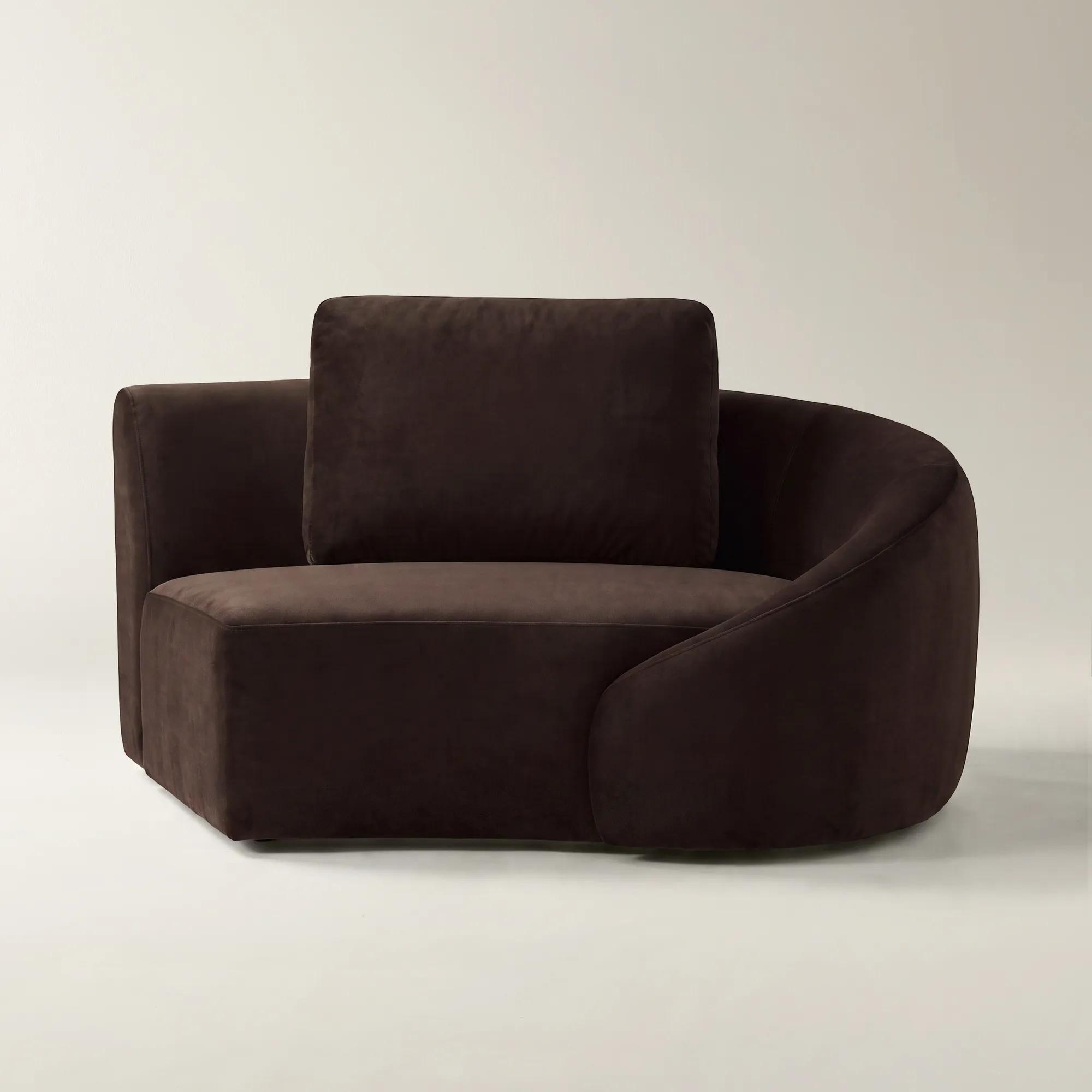
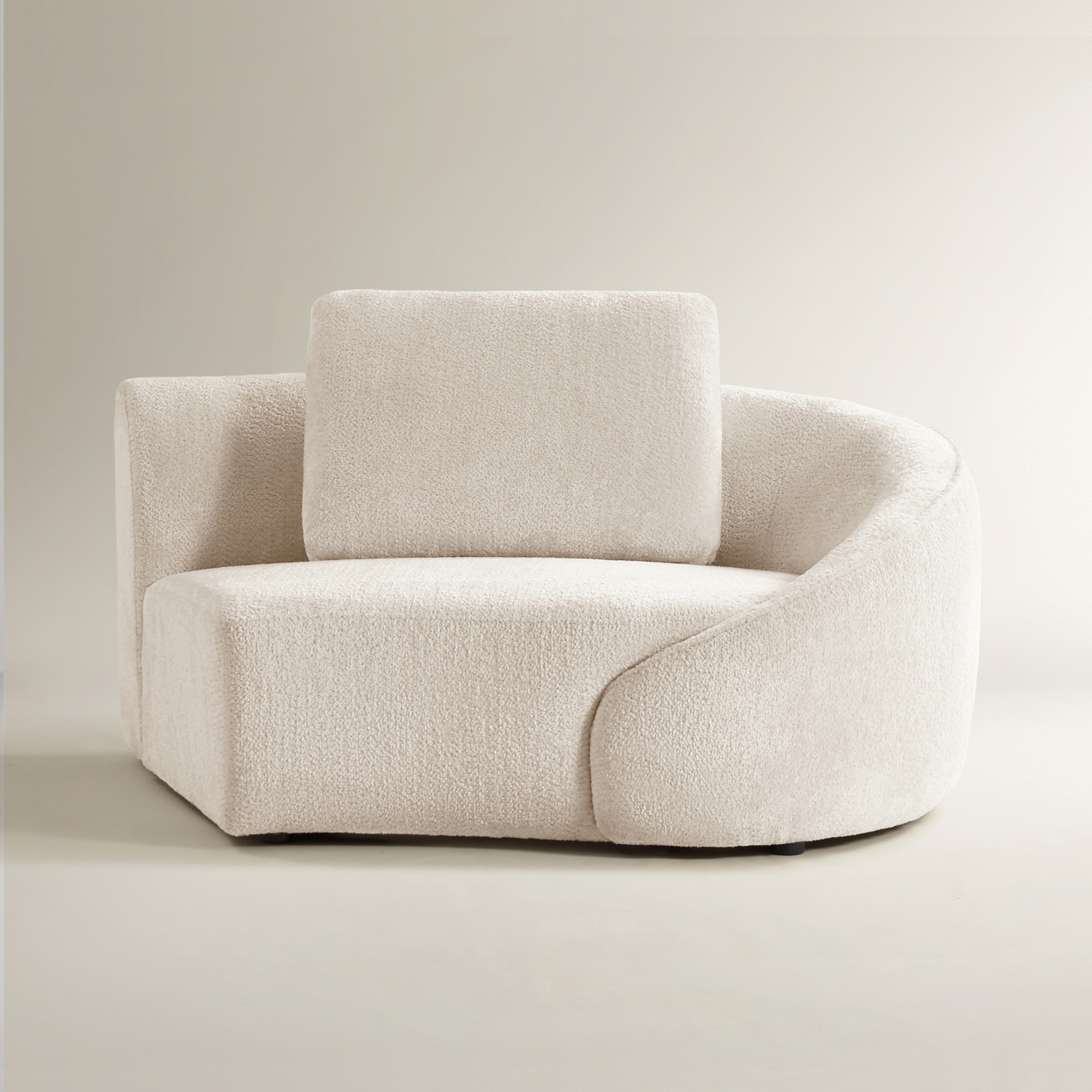 Irene Dark Chocolate Velvet Right-Arm Chair$1299
A sculptural right-arm chair in dark chocolate velvet with high-resiliency foam cushions and artisan detailing.
Add To Cart -
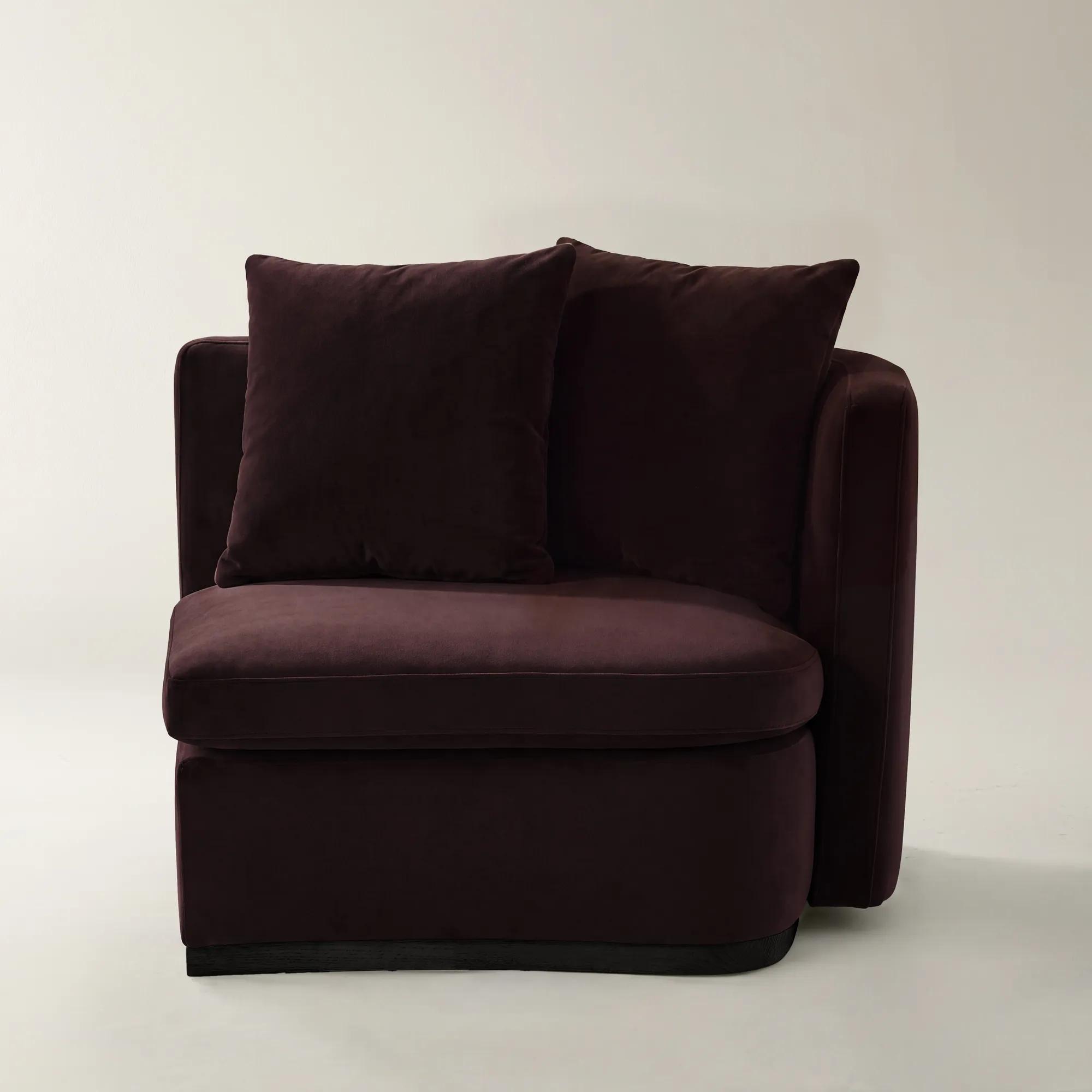 Stria Fig Velvet Right-Arm Chair$1099
A sculptural fig velvet right-arm chair with kiln-dried wood construction and layered foam-down cushioning.
Add To Cart -
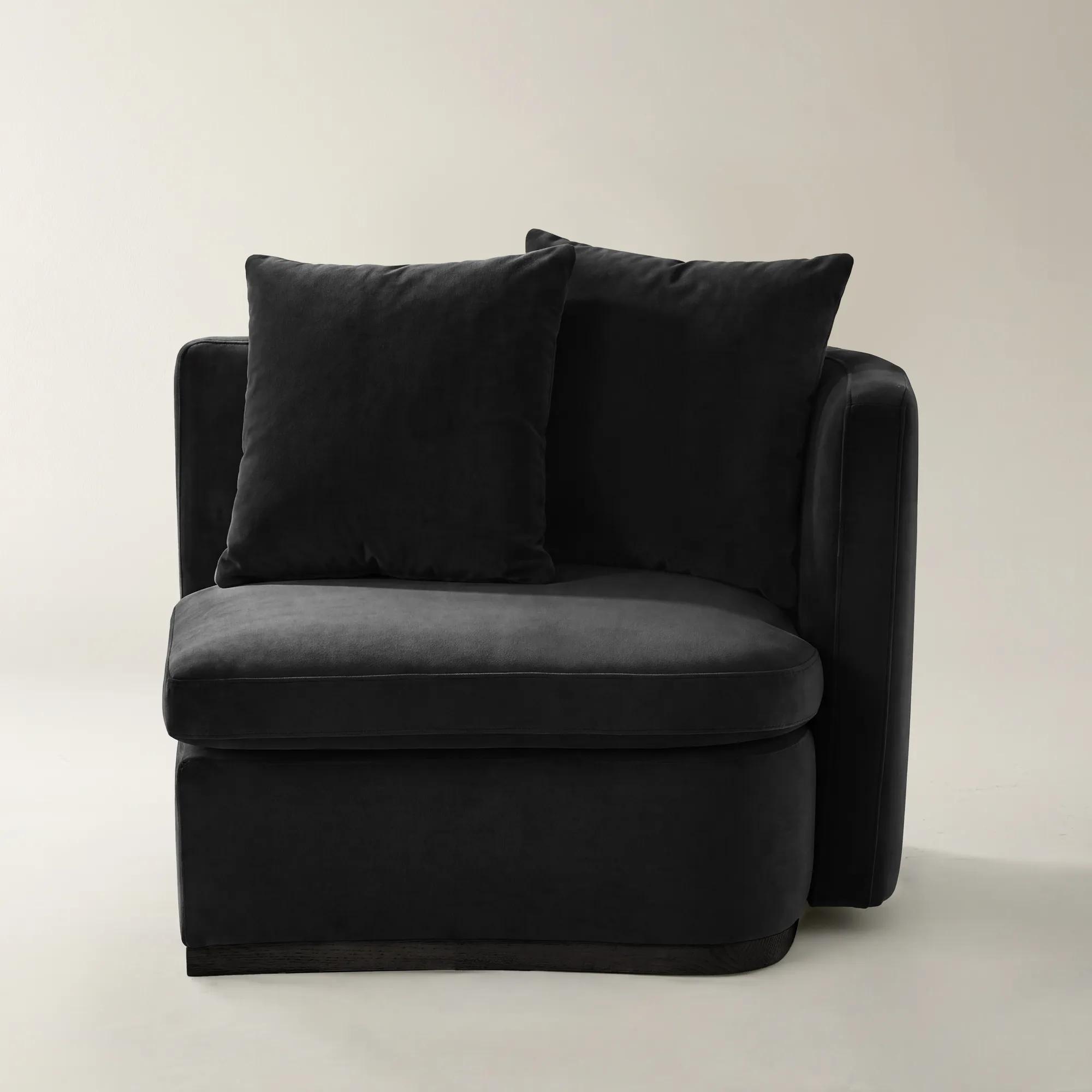 Stria Charcoal Velvet Right-Arm Chair$1099
A charcoal velvet chair featuring a kiln-dried wood frame, solid oak base, and layered down-blend cushioning.
Add To Cart -
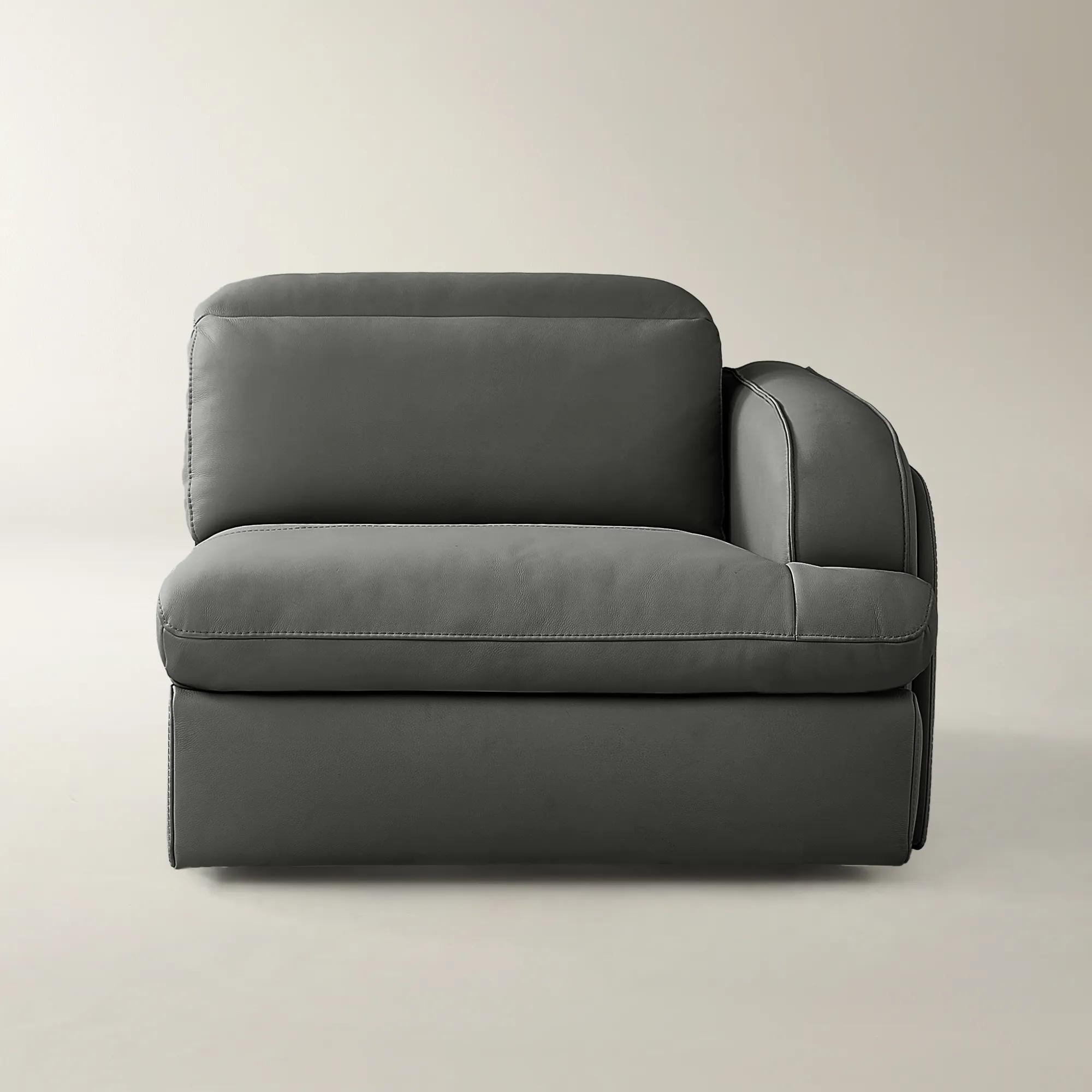
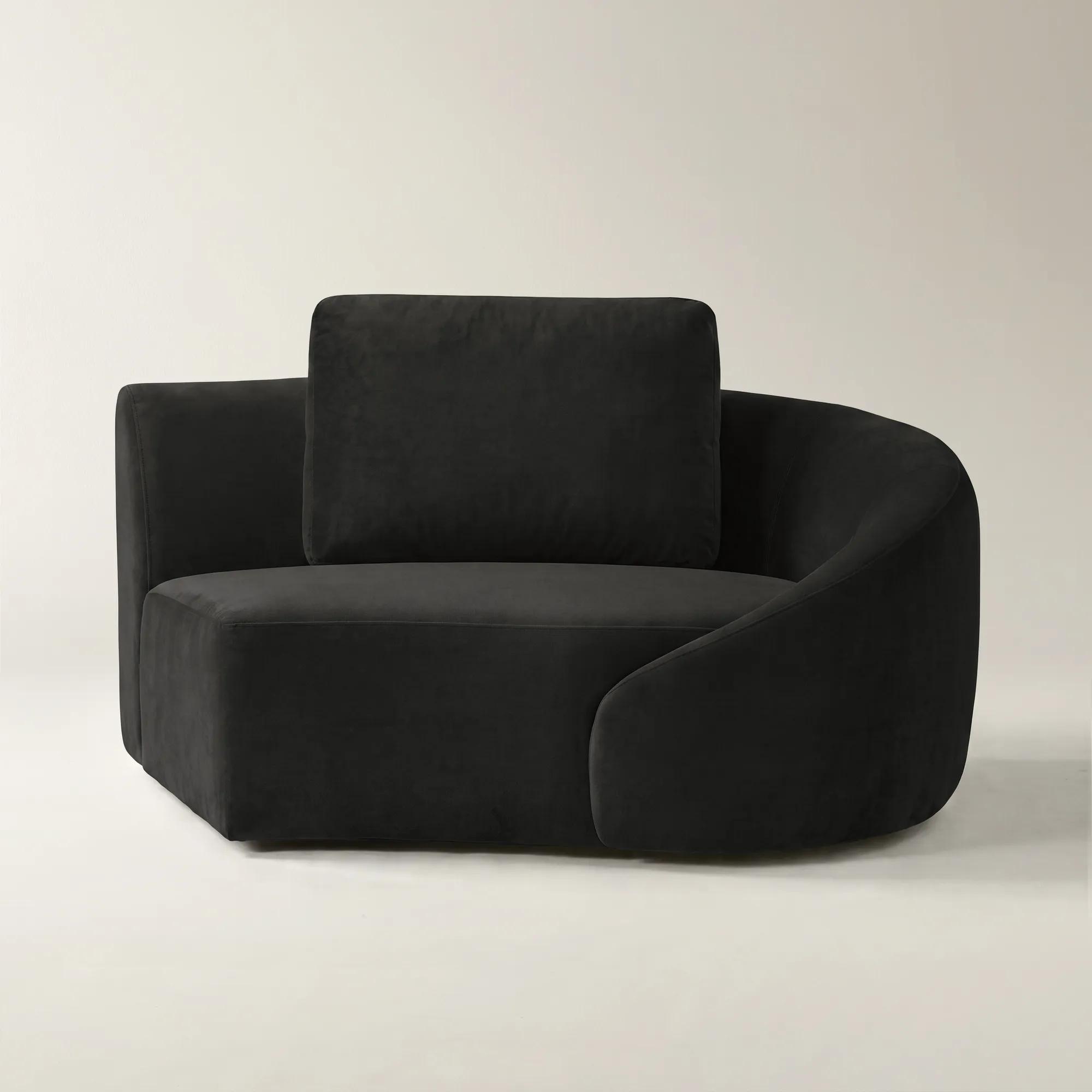 Irene Charcoal Velvet Right-Arm Chair$1299
A sculptural right-arm chair in charcoal velvet with high-resiliency foam cushions and artisan hand-finished details.
Add To Cart -
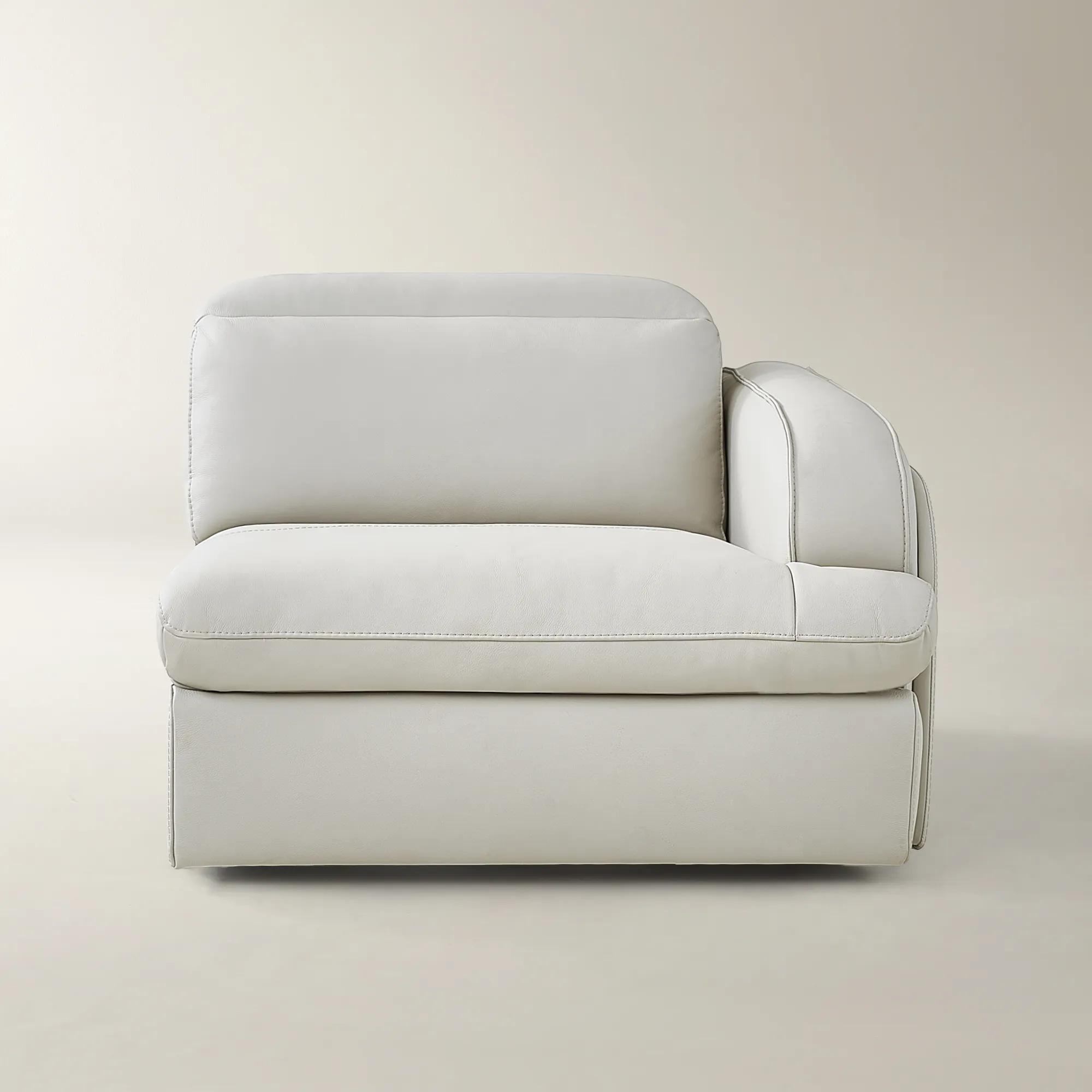
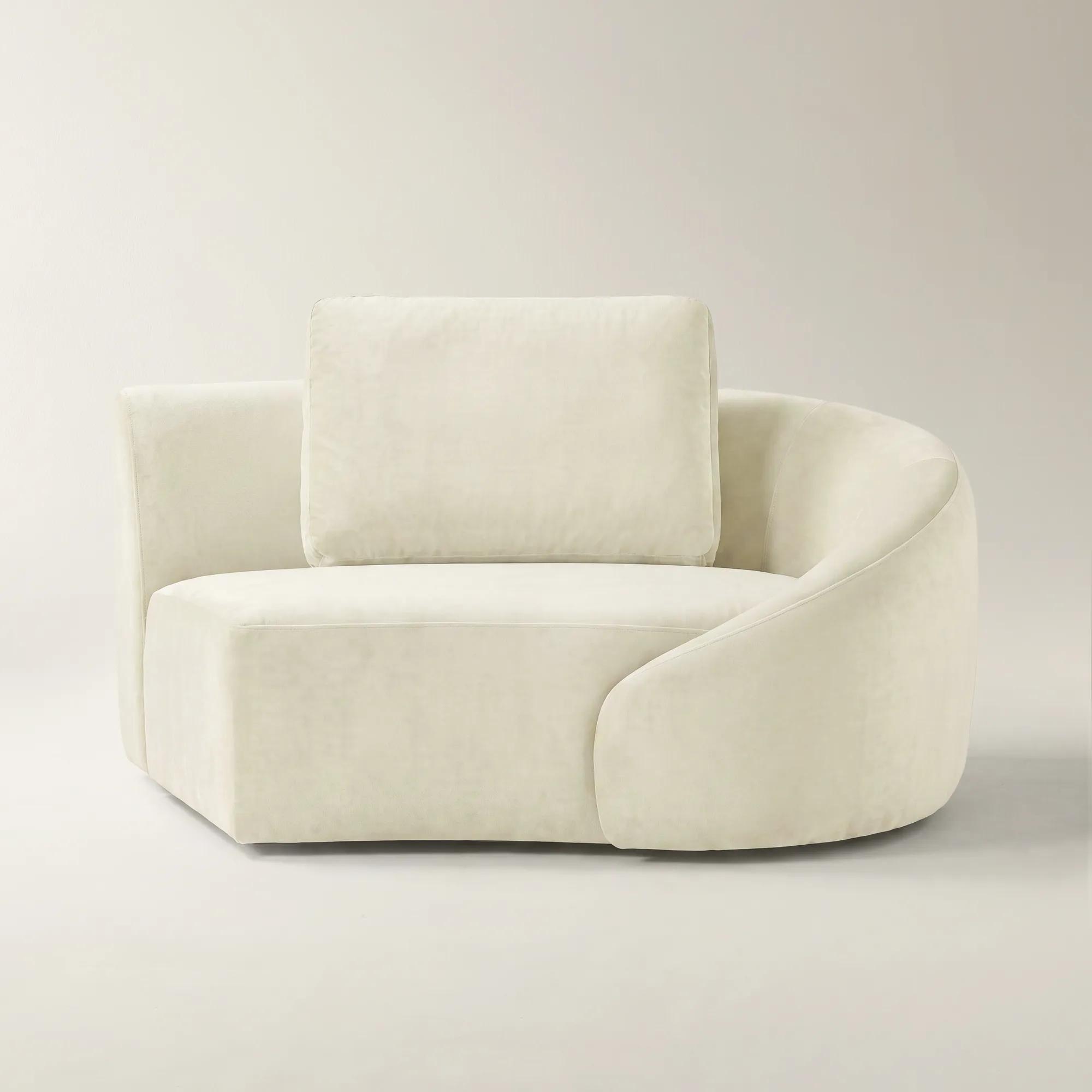 Irene Cloud Velvet Right-Arm Chair$1299
A sculptural right-arm chair upholstered in cloud velvet with high-resiliency foam cushions and artisan detailing.
Add To Cart -
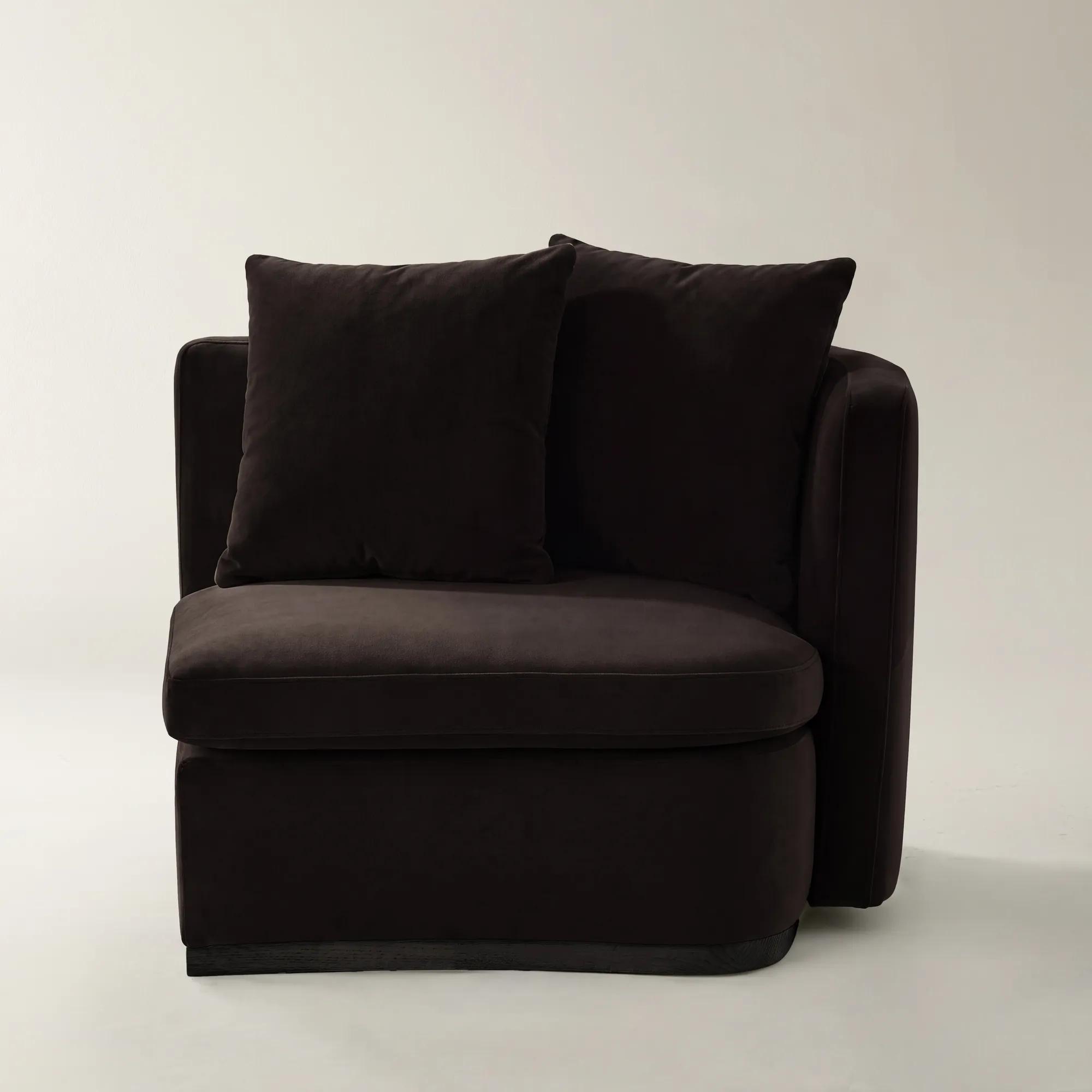 Stria Dark Chocolate Velvet Right-Arm Chair$1099
A sculptural dark chocolate velvet right-arm chair featuring layered cushioning and a solid oak base.
Add To Cart -
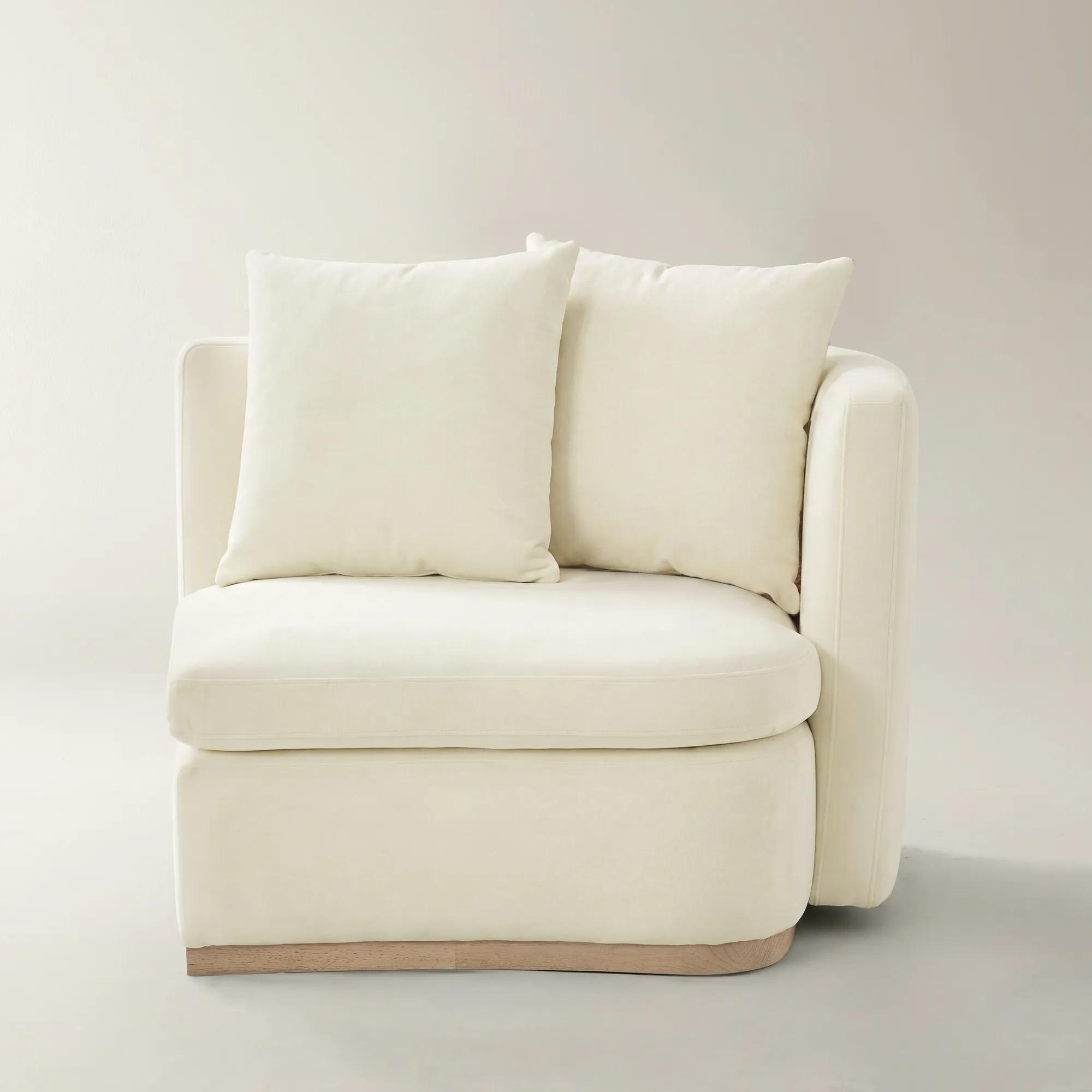 Stria Cloud Velvet Right-Arm Chair$1099
A sculptural chair upholstered in cloud velvet, featuring layered cushioning, softly curved edges, and a solid oak base.
Add To Cart -
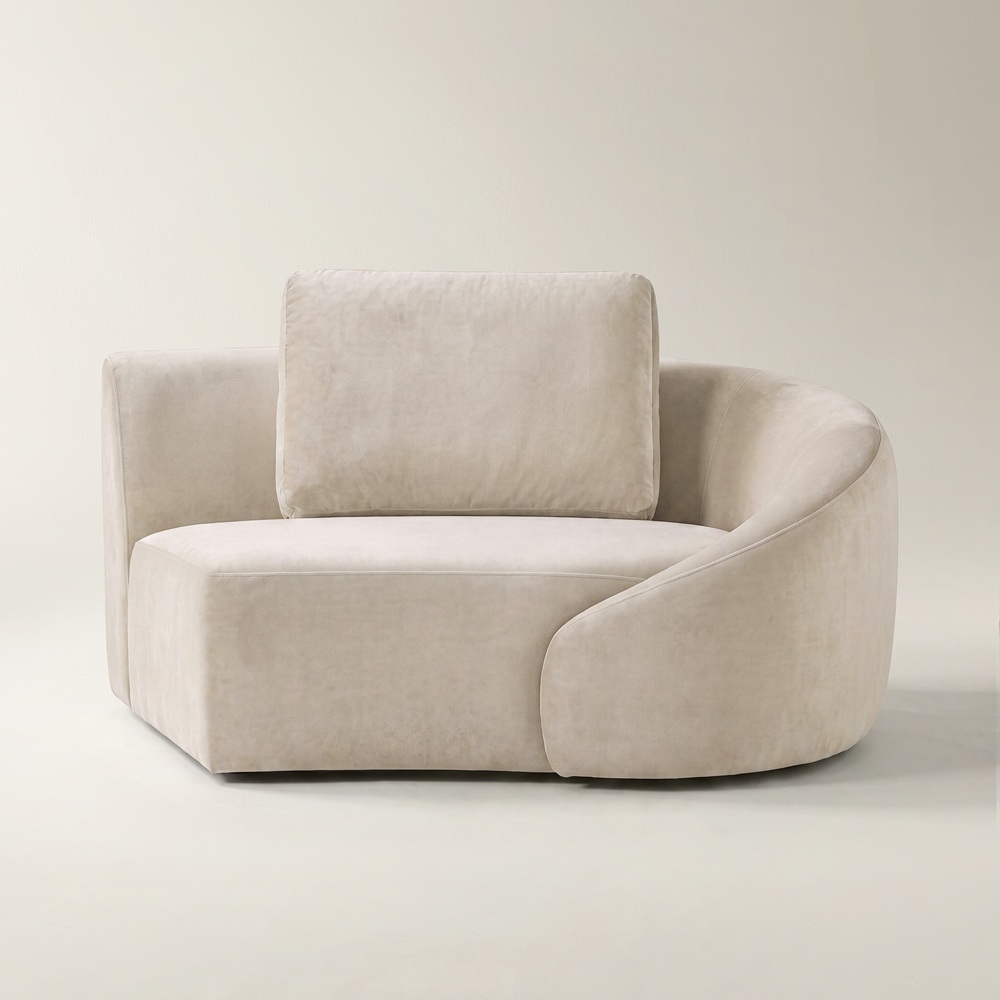 Irene Oatmeal Velvet Right-Arm Chair$1299
An oatmeal velvet right-arm chair featuring sculptural curves, high-resiliency foam, and artisan hand-finished upholstery.
Add To Cart -
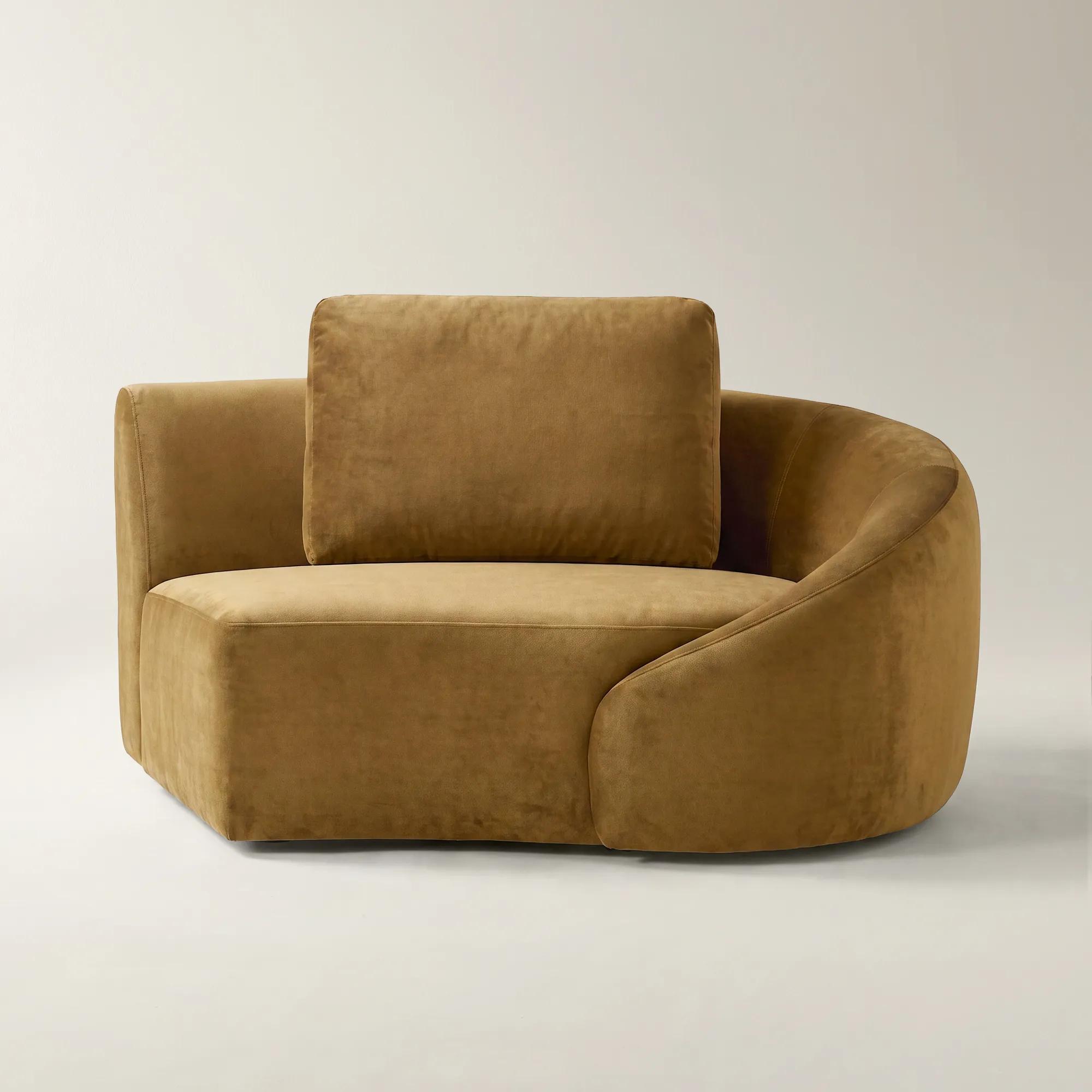 Irene Roasted Pecan Velvet Right-Arm Chair$1299
A sculptural right-arm chair in roasted pecan velvet with high-resiliency foam cushions and artisan detailing.
Add To Cart -
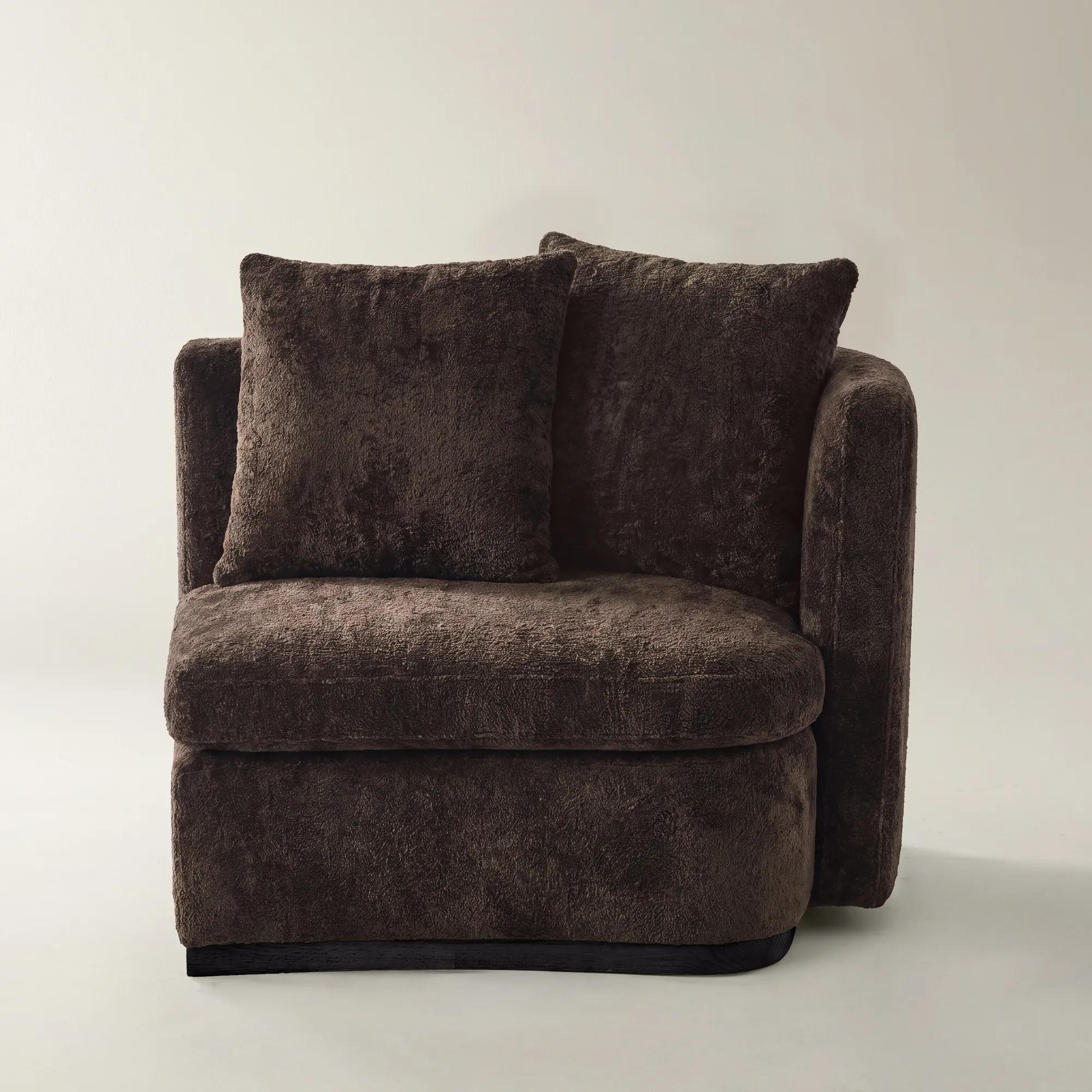 Stria Dark Chocolate Chenille Right-Arm Chair$1099
A sculptural dark chocolate chenille chair with layered cushioning, curved edges, and a supportive, sink-in seat.
Add To Cart -
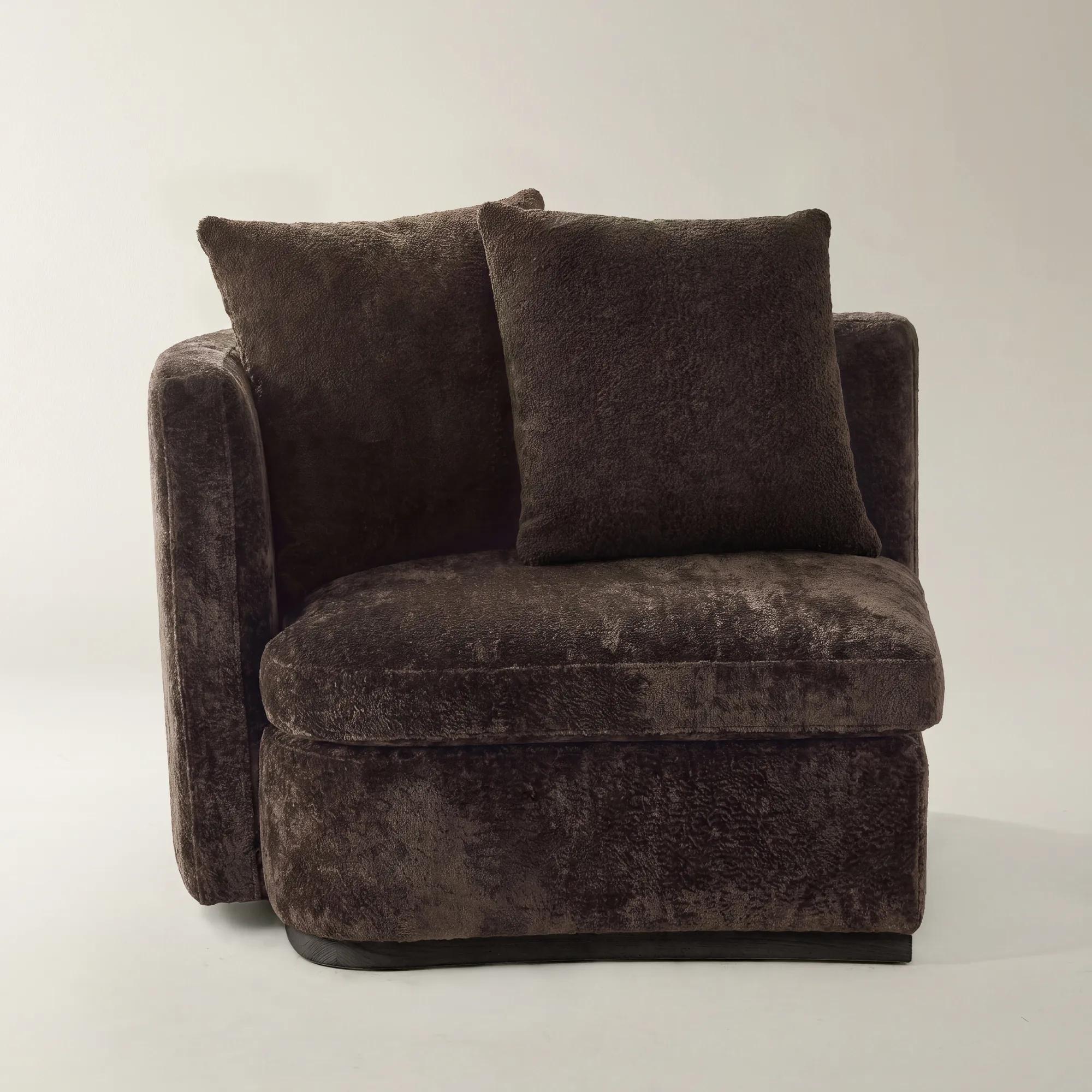 Stria Dark Chocolate Chenille Left-Arm Chair$1099
A sculptural dark chocolate chenille chair with curved edges, layered cushioning, and a kiln-dried wood frame.
Add To Cart -
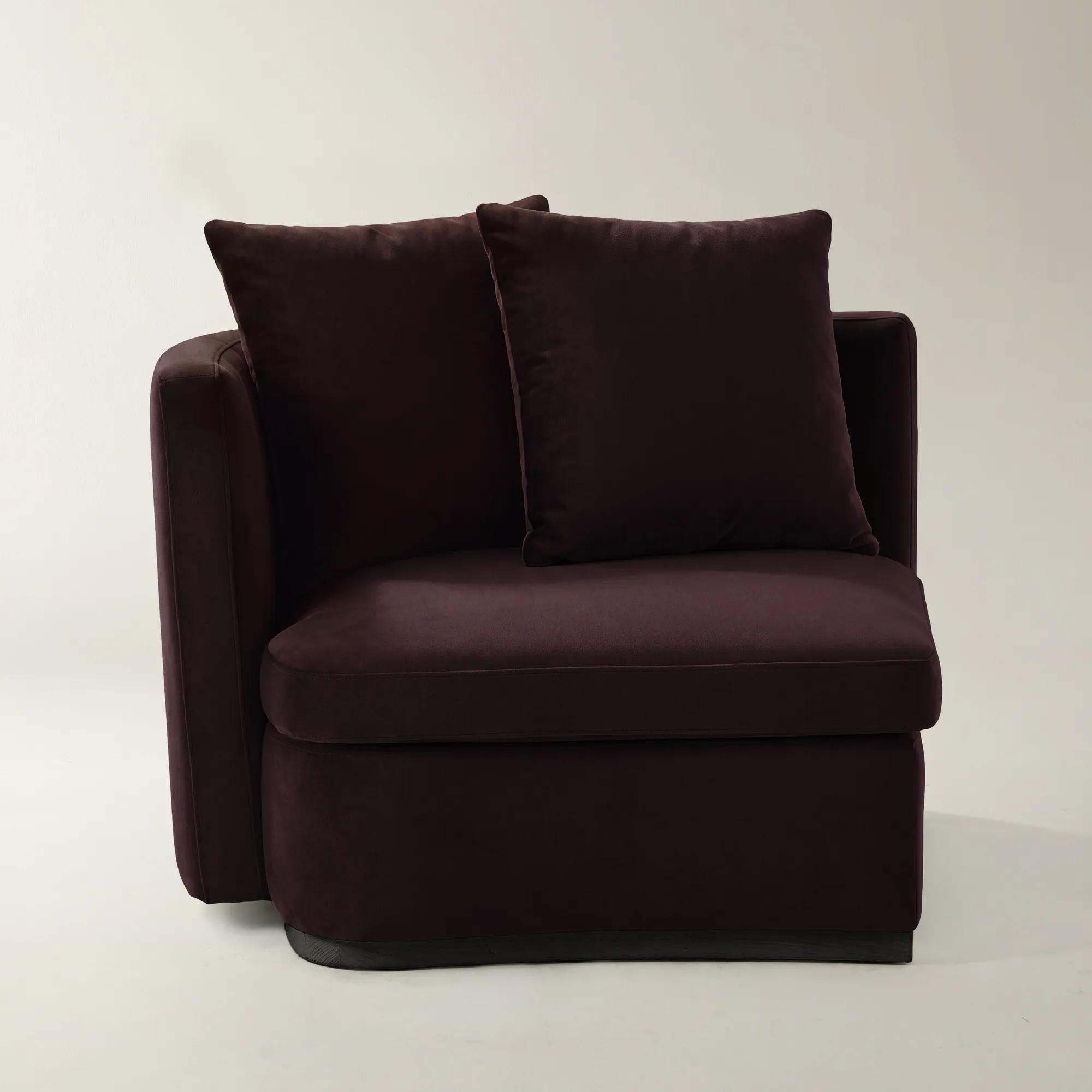 Stria Fig Velvet Left-Arm Chair$1099
A sculptural fig velvet chair featuring a low flowing silhouette, oak base, and layered down-blend cushioning.
Add To Cart -
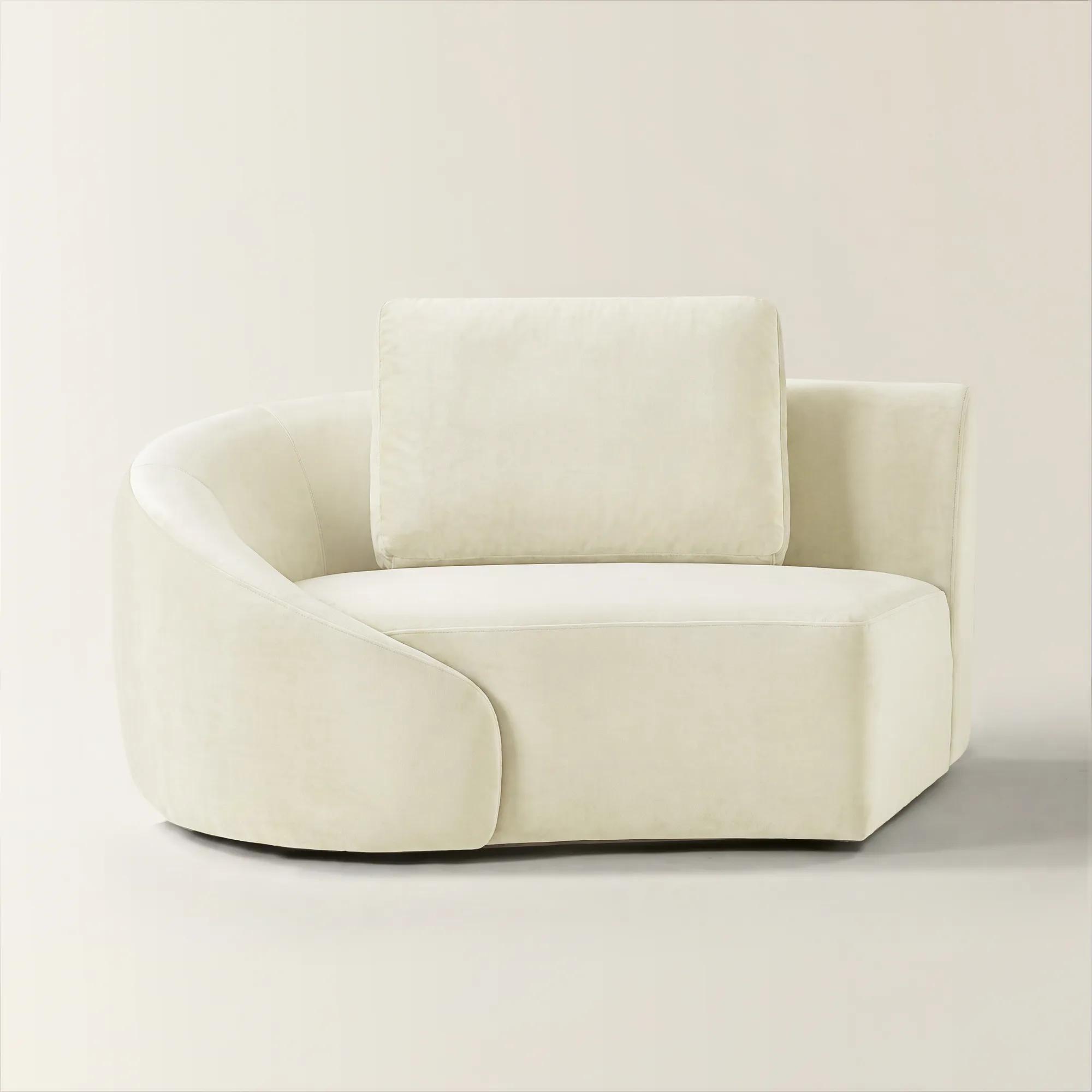
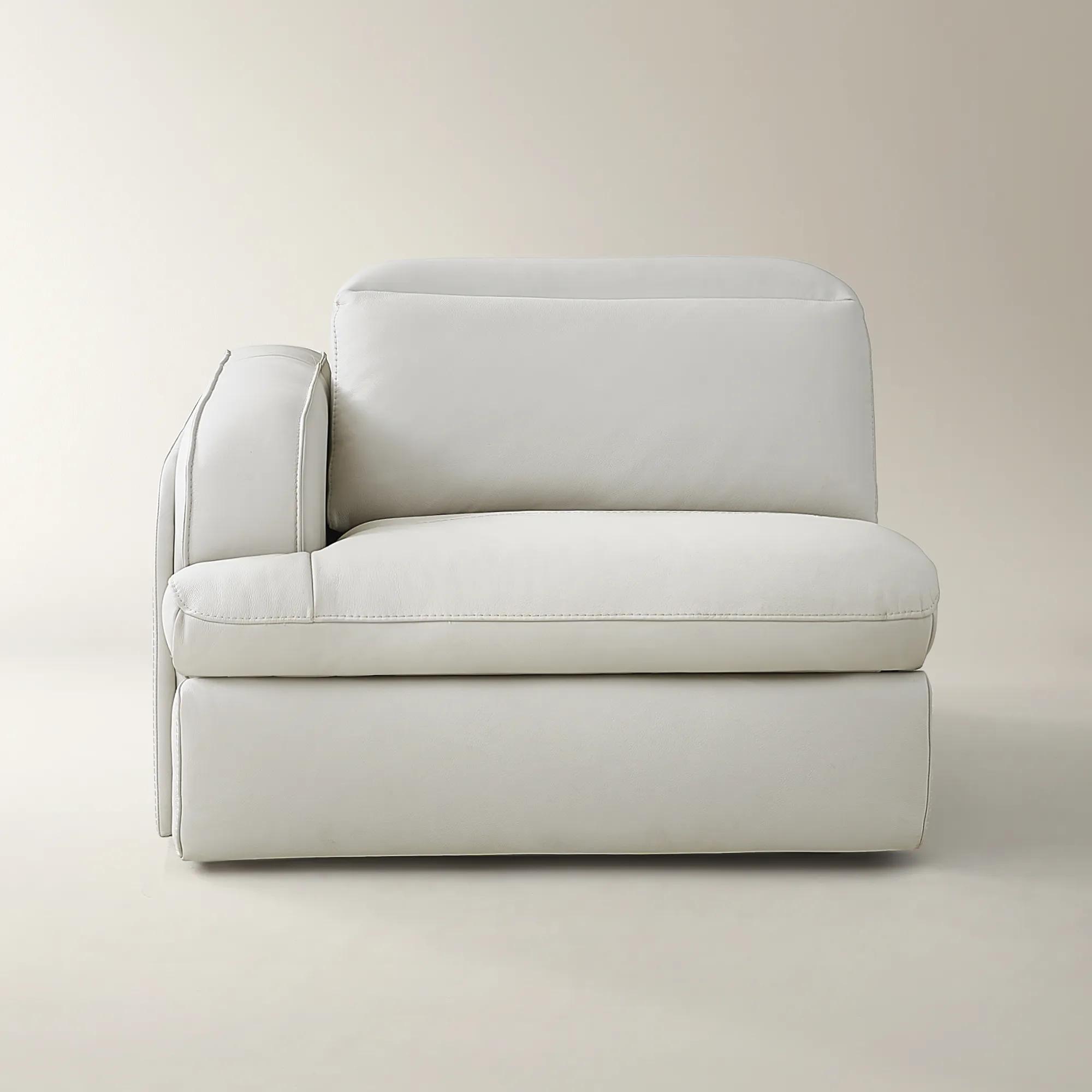
 Irene Cloud Velvet Left-Arm Chair$1299
A sculptural left-arm chair upholstered in cloud velvet, featuring high-resiliency foam cushions and artisan detailing.
Add To Cart -
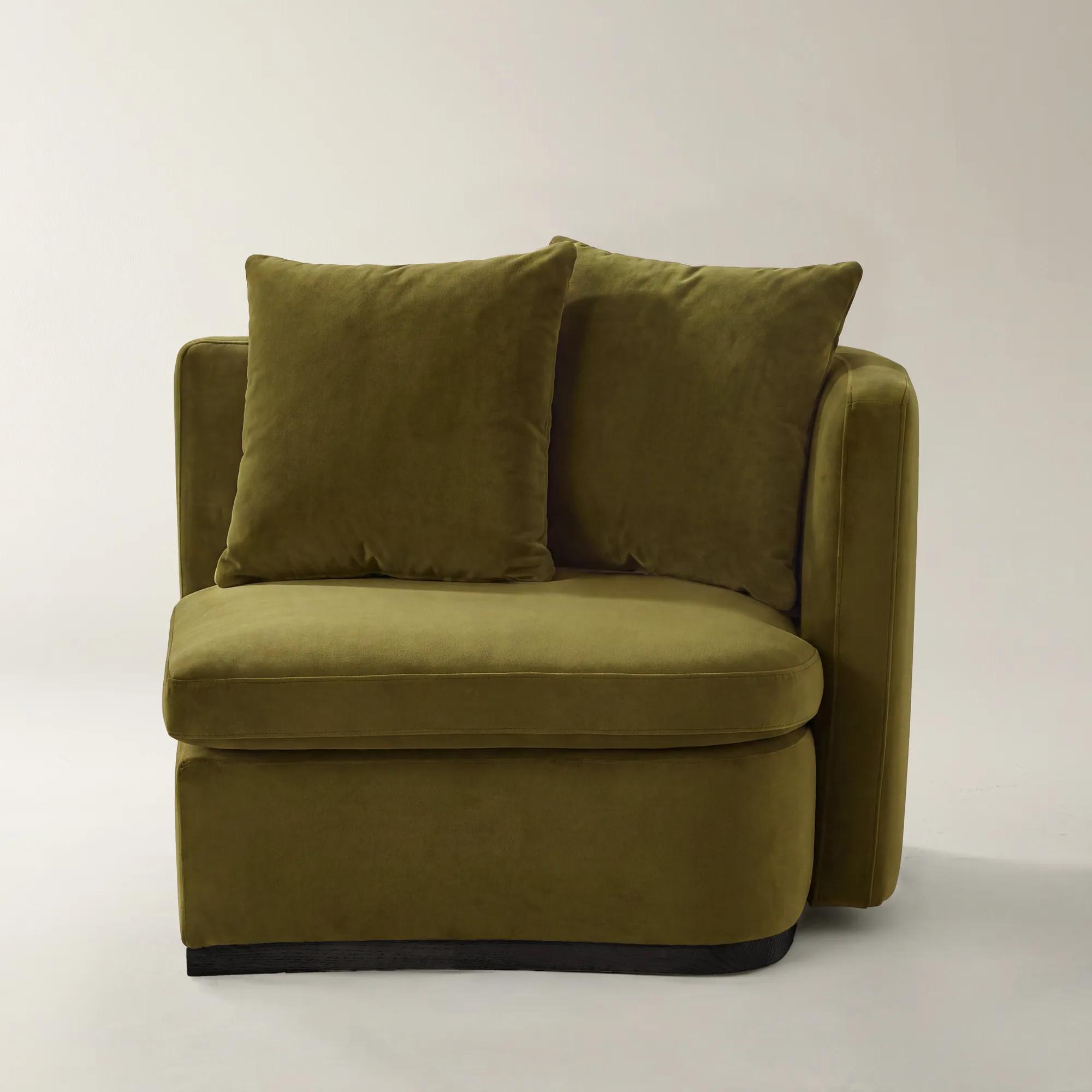 Stria Deep Olive Velvet Right-Arm Chair$1099
A sculptural deep olive velvet chair with curved styling, layered cushioning, and a kiln-dried wood frame.
Add To Cart -
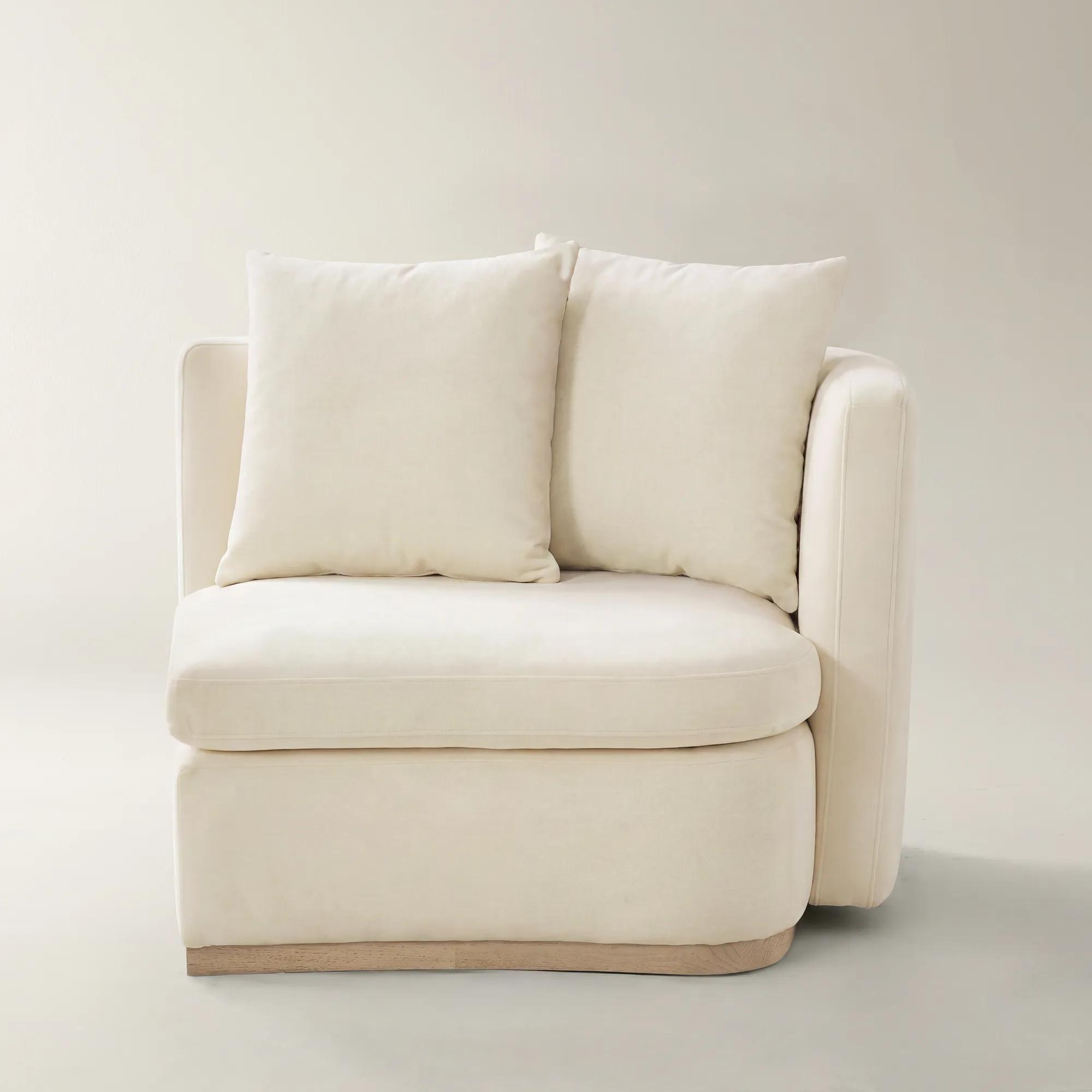 Stria Oatmeal Velvet Right-Arm Chair$1099
A sculptural oatmeal velvet chair with a curved silhouette, oak base, and layered foam-and-down cushioning.
Add To Cart -
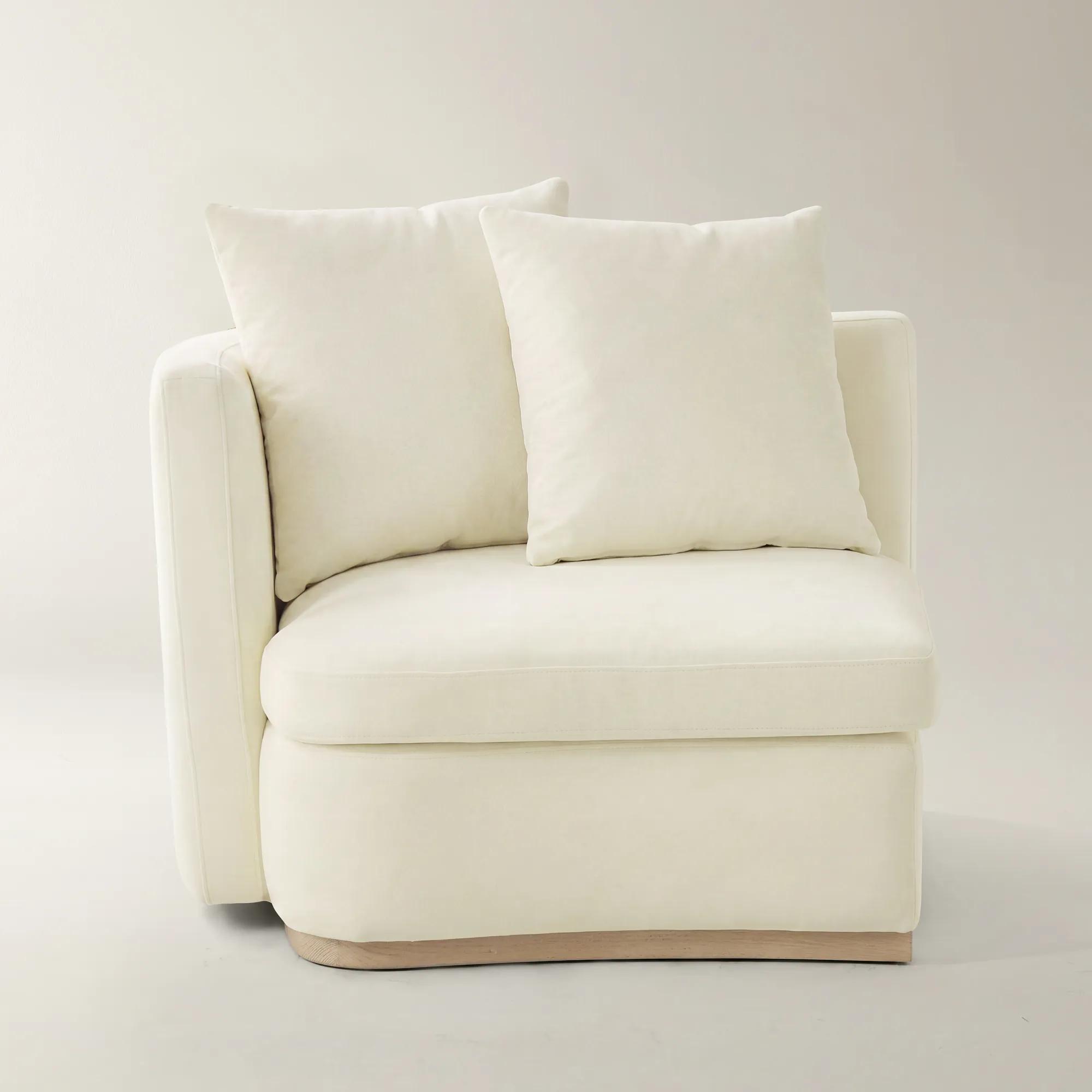 Stria Cloud Velvet Left-Arm Chair$1099
A sculptural cloud-velvet chair with curved edges, layered cushioning, and modular connectors for tailored comfort.
Add To Cart -
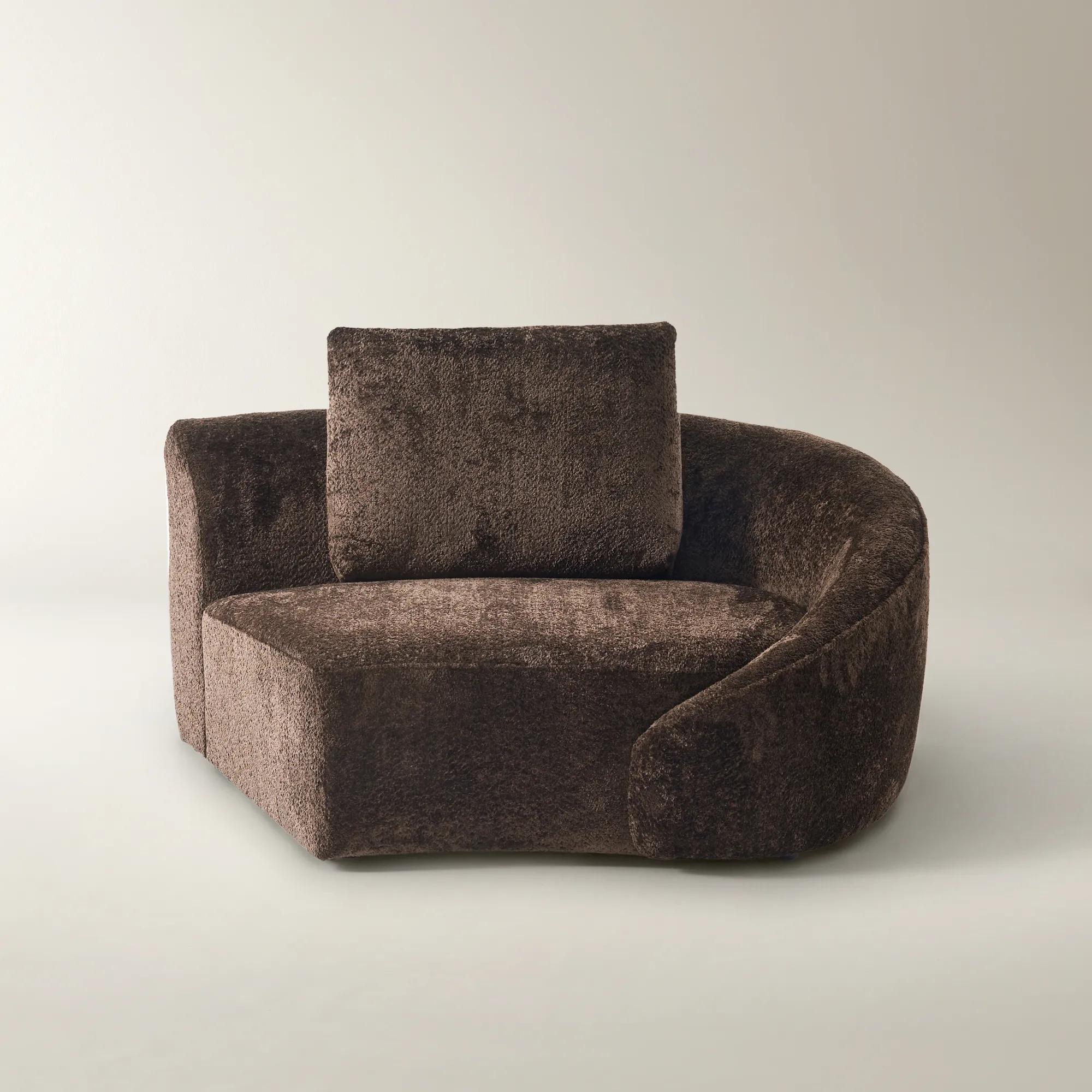
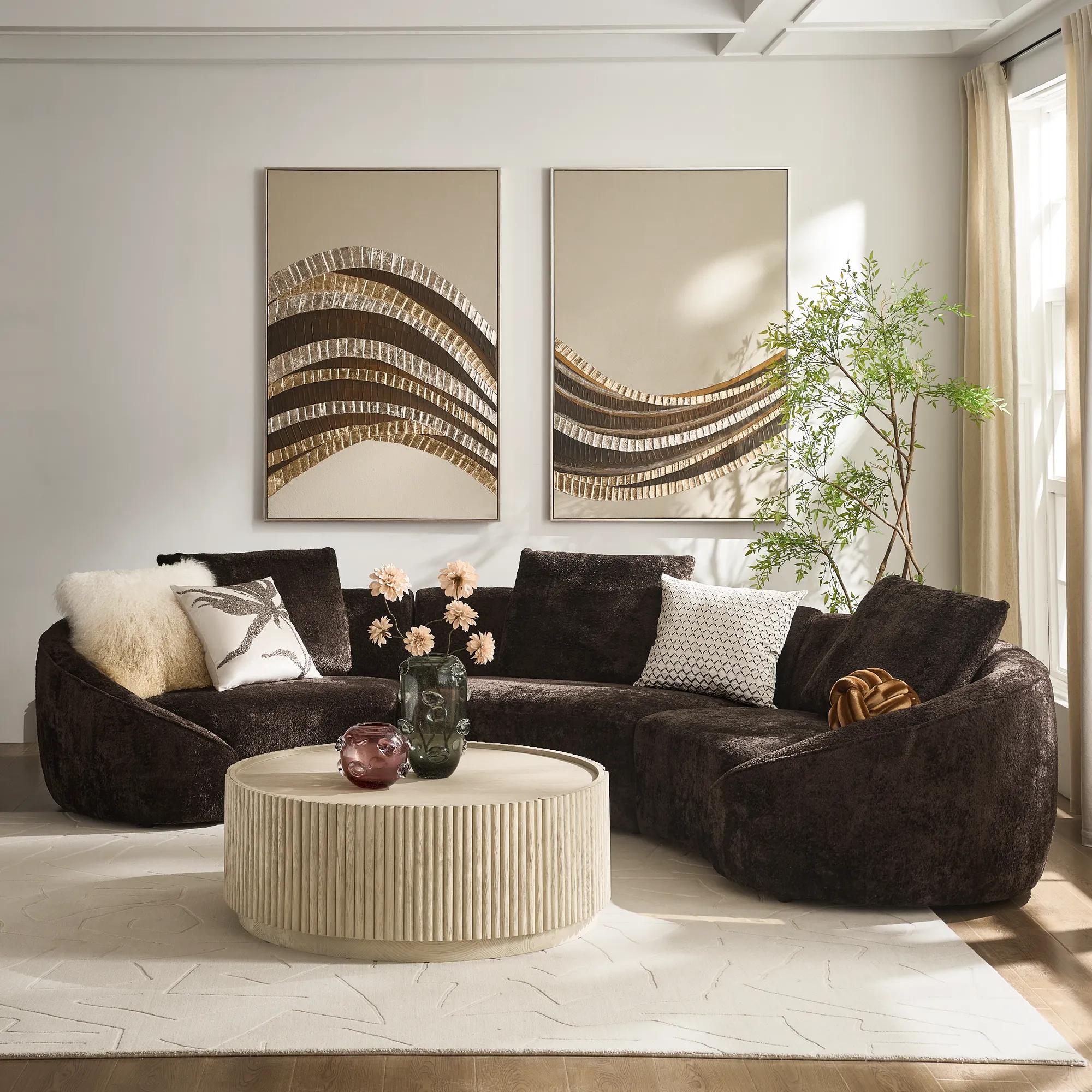 Irene Dark Chocolate Chenille Right-Arm Chair$1399
A sculptural right-arm chair in dark chocolate chenille, featuring plush upholstery and artisan hand-finished details.
Add To Cart -
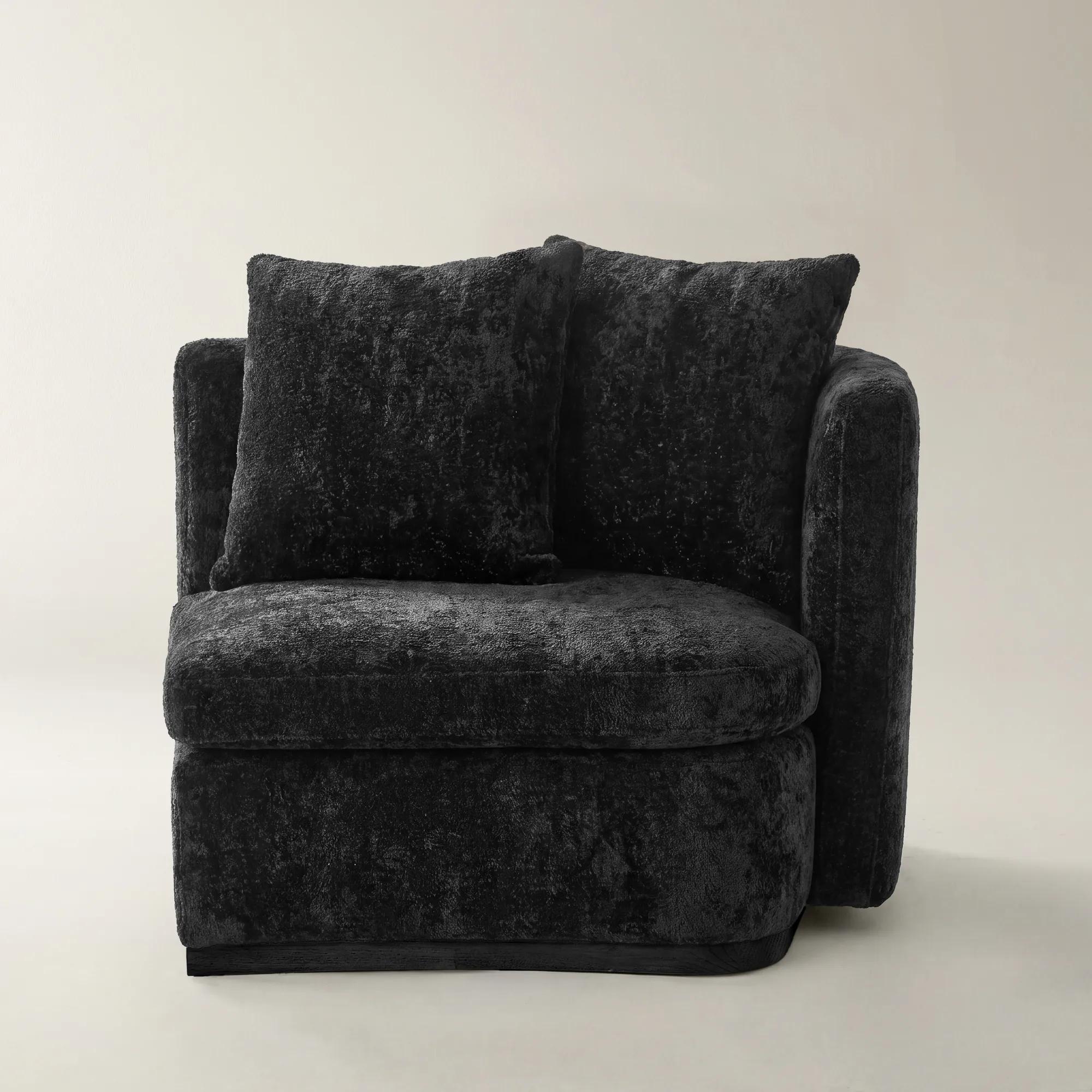 Stria Black Chenille Right-Arm Chair$1099
A sculptural black chenille chair featuring a flowing silhouette, layered foam-and-down cushioning, and modular connectors.
Add To Cart -
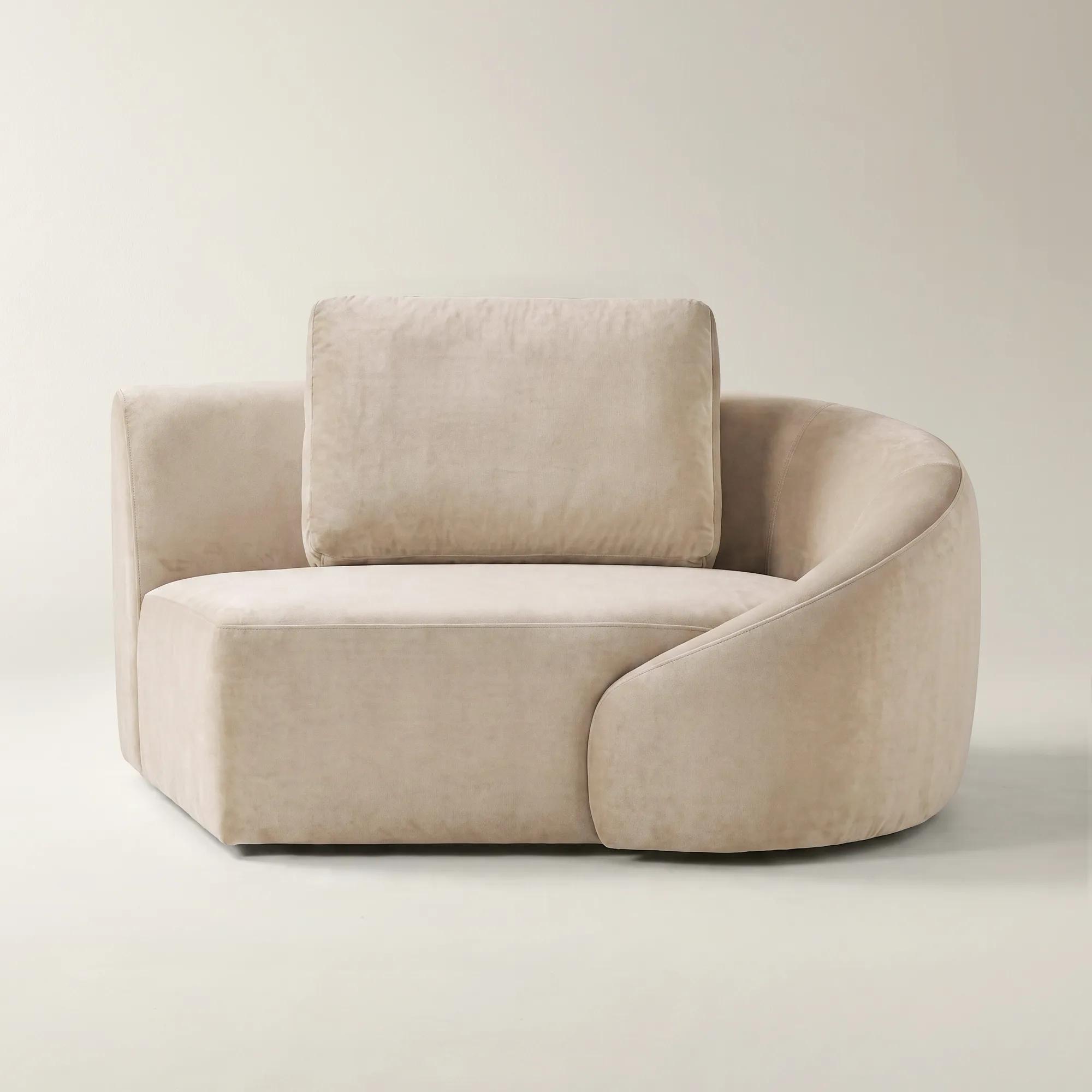 Irene Simply Taupe Velvet Right-Arm Chair$1299
A sculptural right-arm chair in simply taupe velvet with high-resiliency foam cushions and artisan detailing.
Add To Cart -
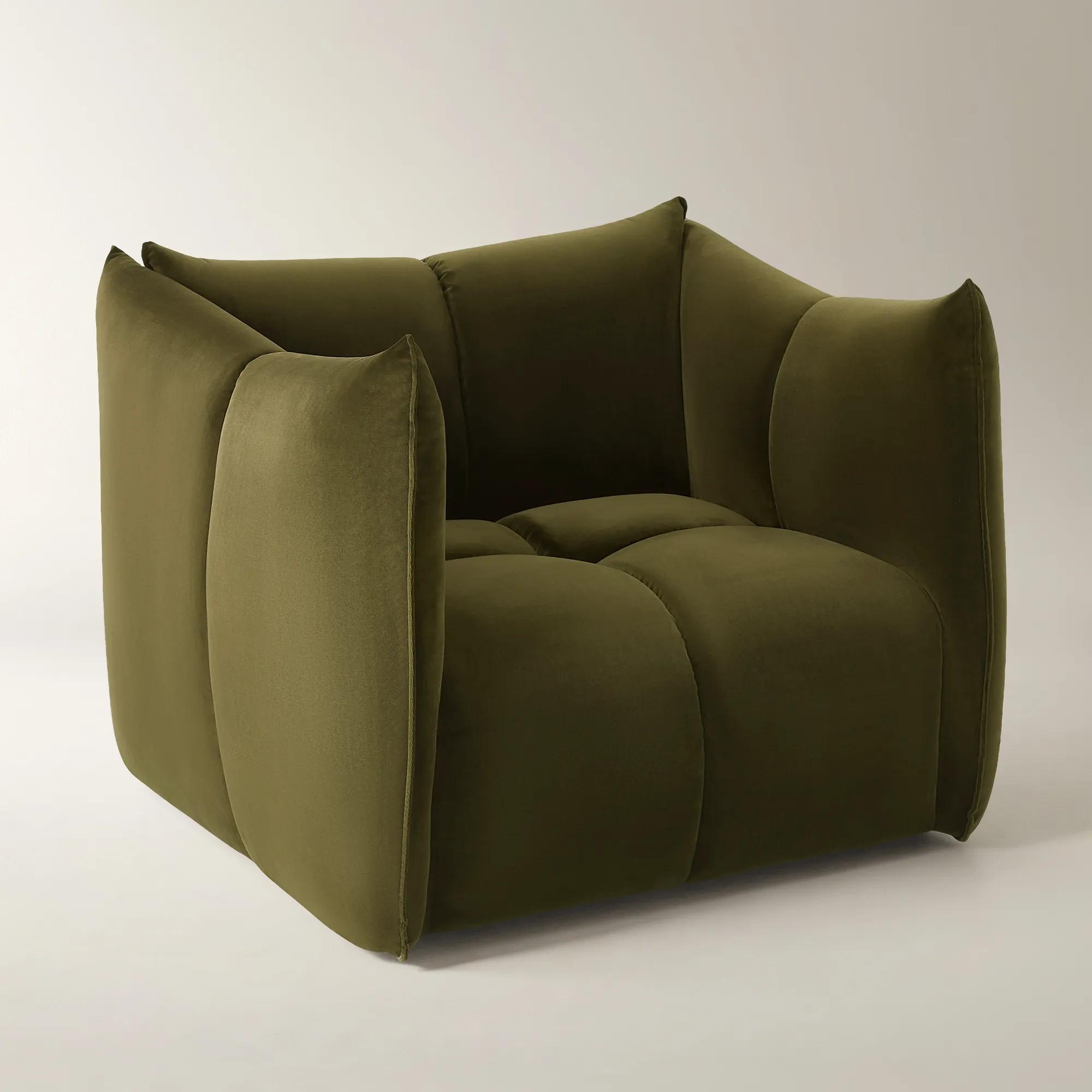 Reina Tufted Deep Olive Velvet Swivel Chair$1099
A deep olive green velvet swivel chair featuring blocked channel tufting and an architectural winged profile.
Add To Cart -
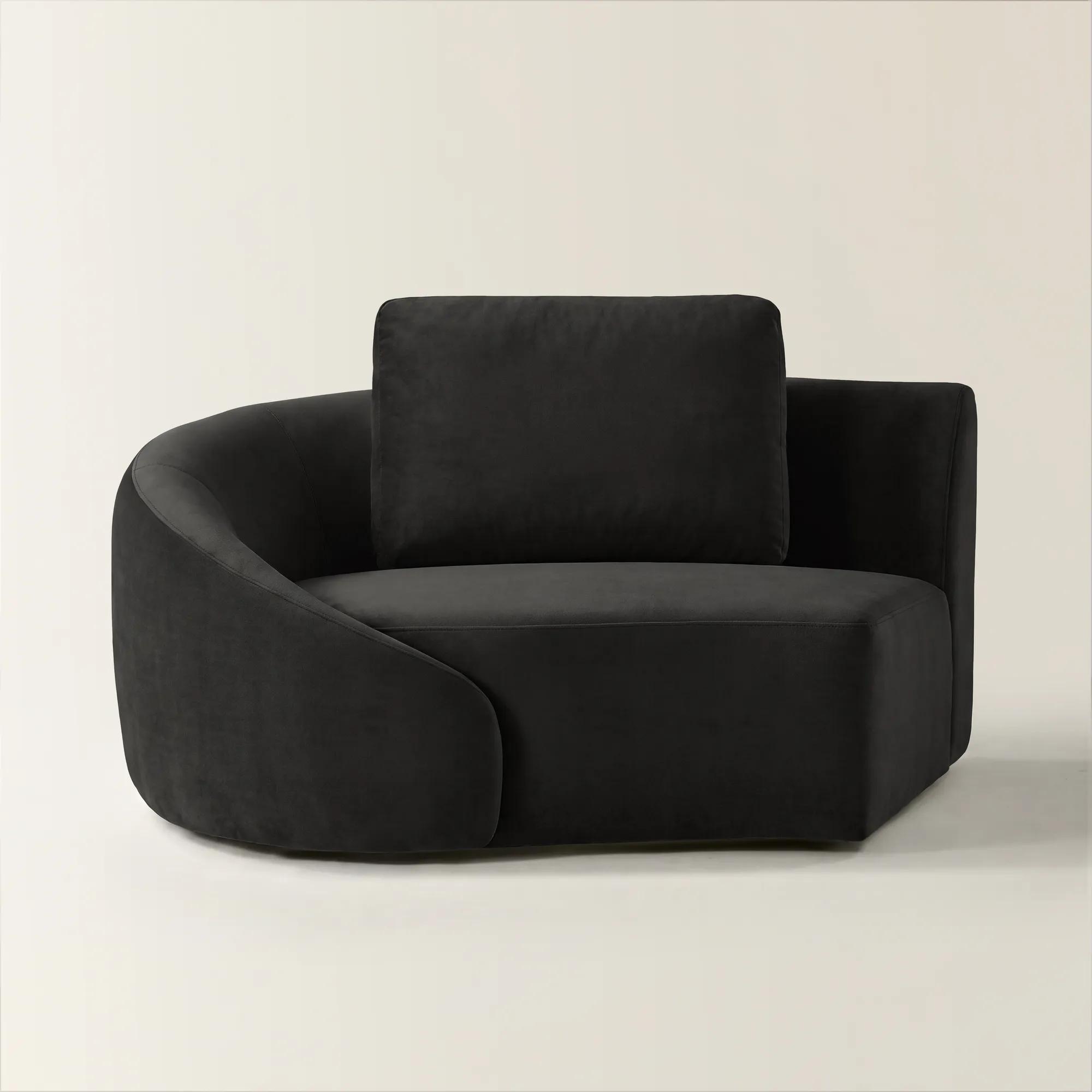 Irene Charcoal Velvet Left-Arm Chair$1299
A sculptural left-arm chair in charcoal velvet with high-resiliency foam cushions and artisan hand-finished details.
Add To Cart -
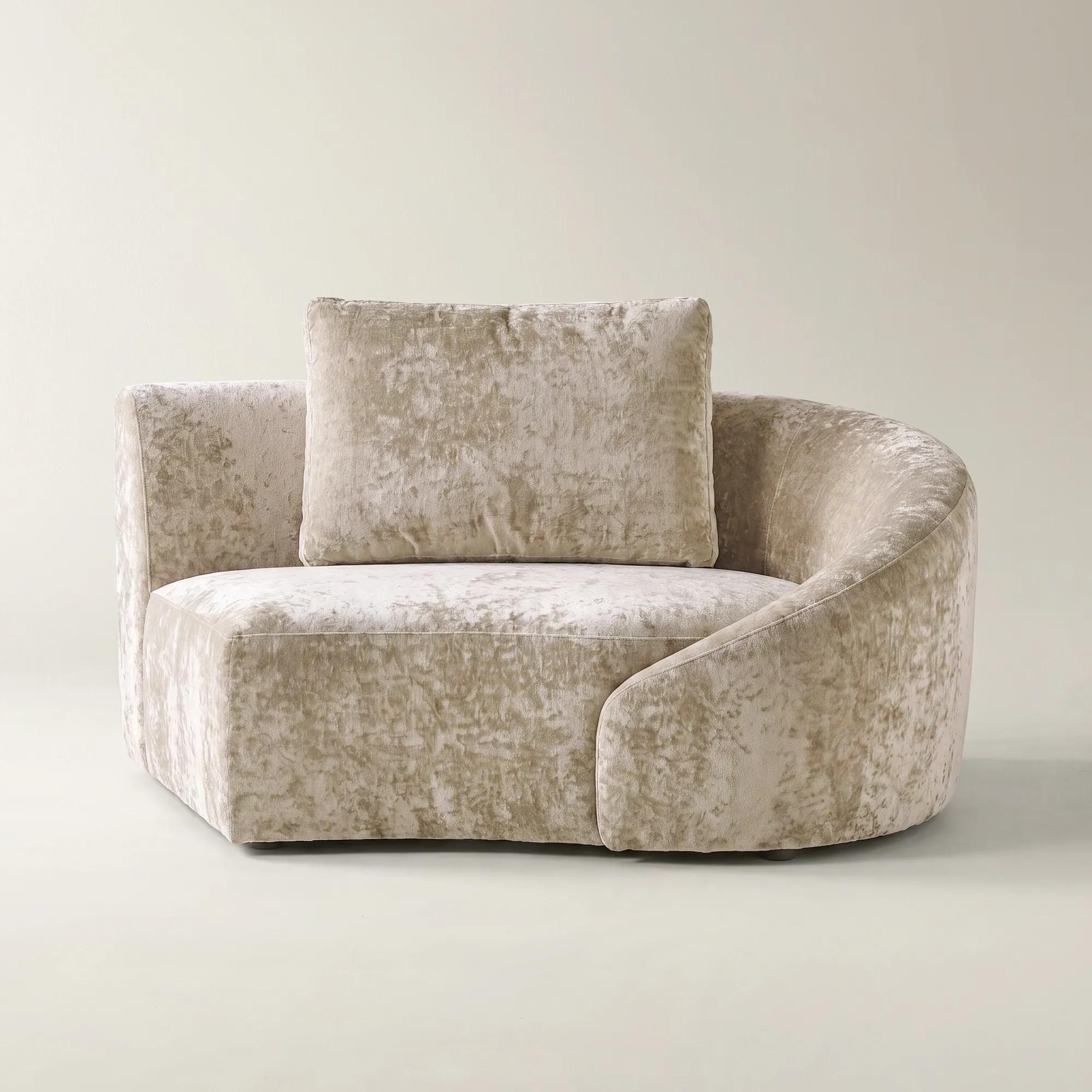 Irene Light Brown Chenille Right-Arm Chair$1299
A sculptural right-arm chair in light brown chenille with high-resiliency foam cushions and artisan detailing.
Add To Cart -

 Aria Pleated Swivel Chair$1799
A modern barrel chair in kiln-dried hardwood and pleated velvet, featuring a smooth swivel mechanism.
Add To Cart

Designer Chairs For Home Staging
Designer Chairs for Home Staging transform mere spaces into unforgettable statements—each silhouette a curated brushstroke in the art of first impressions. Whether you’re setting the stage for a grand entrance or elevating an intimate corner, these chairs invite admiration and spark imagination. Sculptural lines, sumptuous textures, and audacious details coalesce to capture attention and inspire desire, ensuring every room feels both aspirational and inviting. With Designer Chairs for Home Staging, every seat becomes a scene-stealer, turning your property into a gallery of irresistible possibility.
Designer chairs for home staging bring a room into focus through silhouette, proportion, and texture, creating an impression of considered luxury without overwhelming the architecture. A sculptural accent chair can give an otherwise quiet living room its defining gesture; a pair of tailored armchairs can make an open seating area feel composed and ready for conversation. For home stagers, interior designers, real estate professionals, and homeowners preparing a property for photography or showings, these pieces do more than occupy an empty corner. They establish how a space might be enjoyed. A curved back beside a window suggests a place to linger over a book, while an elegant lounge chair angled toward a sofa gives a formal room a more welcoming rhythm. The strongest choices have a recognizable shape from across the room and enough detail to reward a closer look: sweeping arms, a beautifully finished frame, dimensional upholstery, or a gleaming base. In listing photographs, that outline helps the furniture read clearly, especially against pale walls or expansive flooring. Open frames and exposed legs allow more of the floor to remain visible, which can preserve a sense of openness in compact rooms. Fuller, upholstered silhouettes bring visual weight to larger spaces where delicate seating might feel lost. Neither approach needs to disappear into the background. Ivory, taupe, and charcoal can feel richly expressive when rendered in velvet, bouclé, or subtly woven fabric, while a deeper accent color can echo a painting or draw attention to an architectural feature. Designer accent chairs are most persuasive in a staged home when their drama has a purpose: framing a fireplace, balancing the length of a sofa, or giving an overlooked alcove a clear identity. The result is a room that feels furnished for a life someone can imagine, rather than arranged solely for a photograph.
Materials give staging chairs their visual character, but they also influence how the pieces feel, wear, and respond to regular handling. Velvet offers depth and a shifting luster that emphasizes curved upholstery, making even a restrained silhouette feel sumptuous. Its pile can show pressure marks or changes in shading, so a consistent grooming approach matters before photography. Bouclé introduces a nubby, dimensional surface that lends distinction to tonal interiors, though looped textures may catch on sharp accessories or rough handling. Tightly woven upholstery can create a more tailored impression, with durability depending on fiber content, construction, and the manufacturer’s testing rather than appearance alone. Where performance fabrics are specified, their documented stain-resistance and cleaning requirements are worth reviewing; the description does not mean every spill or cleaning solution is harmless. Leather brings a smooth contrast to layered textiles and may develop creasing or patina with use, while wood and metal frames add definition around a cushioned seat. Visible wood grain can temper a glamorous room with warmth, and polished metal can catch the light like a fine decorative accent. Those reflective surfaces also reveal fingerprints, making careful handling part of maintaining their finish. For chairs that move between properties, secure joints, stable bases, well-fitted upholstery, and protected edges deserve as much attention as the profile. Weight and dimensions affect transport, and projecting arms or delicate details may require additional protection through doorways. Routine care should follow the upholstery label and manufacturer’s instructions, with gentle vacuuming where appropriate and spills blotted promptly rather than rubbed. Wood, metal, and upholstered surfaces may need different cleaning methods, so a single all-purpose treatment is rarely the right assumption. Prolonged direct sunlight can alter some fabrics and finishes, another consideration for seating placed near large windows. These practical details help preserve the polished presentation that makes a designer chair compelling, whether it serves one carefully staged residence or becomes part of a professional’s frequently transported furniture collection.
Fit is where a striking chair becomes a convincing part of the home. Overall width and depth determine its footprint, while seat height, seat depth, arm height, and back support shape the experience of sitting down. A generous lounge chair may be magnificent in a spacious primary bedroom yet crowd a narrow passage beside the bed; a more upright accent chair can suggest a dressing or reading area without absorbing the room. In a living room, seating feels more intentional when chairs relate to the sofa and coffee table rather than sitting disconnected along the walls. A slight inward angle can reveal the curve of a back or the craftsmanship of an arm while inviting conversation. Circulation still needs to feel effortless, particularly on the route from an entry to the main living area. About 36 inches of clear width is a useful planning target for primary walkways where space permits, with additional room where doors swing, chairs pull out, or accessibility needs require it. Measurements should account for the chair’s full shape, not just its seat, and swivel designs need clearance throughout their movement. Dining chairs introduce another set of proportions: seat height must work with the tabletop and apron, arms need room to tuck beneath the table if that is intended, and diners need space to sit and rise comfortably. In adjoining rooms, white dining chairs for home staging can extend a luminous palette while allowing living room seating to carry a bolder texture or silhouette. Coordination feels more sophisticated when it comes from a shared curve, finish, or undertone rather than identical furniture throughout. A bedroom chair might repeat the rounded lines of the living room seating, for example, while a wood-framed dining chair picks up the tone of an accent table. Accessories can remain selective: one cushion that supports the palette, a nearby lamp that makes the seat feel usable, or a small table within reach. With the right proportions and material contrasts, designer chairs give staged interiors both distinction and believable comfort, allowing expressive design to feel like a natural part of everyday living.
FAQs
Designer chairs for home staging often showcase luxurious materials such as plush velvet, tactile boucle, sleek leather, and polished metals. These materials not only offer visual richness but also create inviting sensory experiences that help potential buyers envision themselves in the space.
Designer chairs act as visual focal points, adding personality and sophistication to any room. Their unique silhouettes, textures, and finishes can instantly elevate a space, making it feel curated and memorable. By thoughtfully placing chairs in key areas, you guide the flow of the room and spark the imagination of buyers.
Absolutely. Swivel chairs and sculptural accent chairs work beautifully in living rooms and offices to encourage conversation and movement. Sleek, upholstered dining chairs—especially in light or neutral tones—bring elegance to dining areas, while plush, cozy designs are ideal for bedrooms and reading nooks.
Color and finish are essential in setting the mood and highlighting a home's best features. Lighter hues like crisp white or soft neutrals can create a sense of space and brightness, while rich finishes such as deep jewel tones or shimmering metallics add drama and allure. The right combination draws attention and complements the overall design scheme.
Designer chairs make exceptional gifts, especially for those who appreciate artistry and statement-making décor. A thoughtfully chosen chair can become a signature piece in a new home, offering both comfort and a lasting reminder of a special milestone or celebration.