Designer Dining Room Chairs
Designer Dining Room Chairs
-
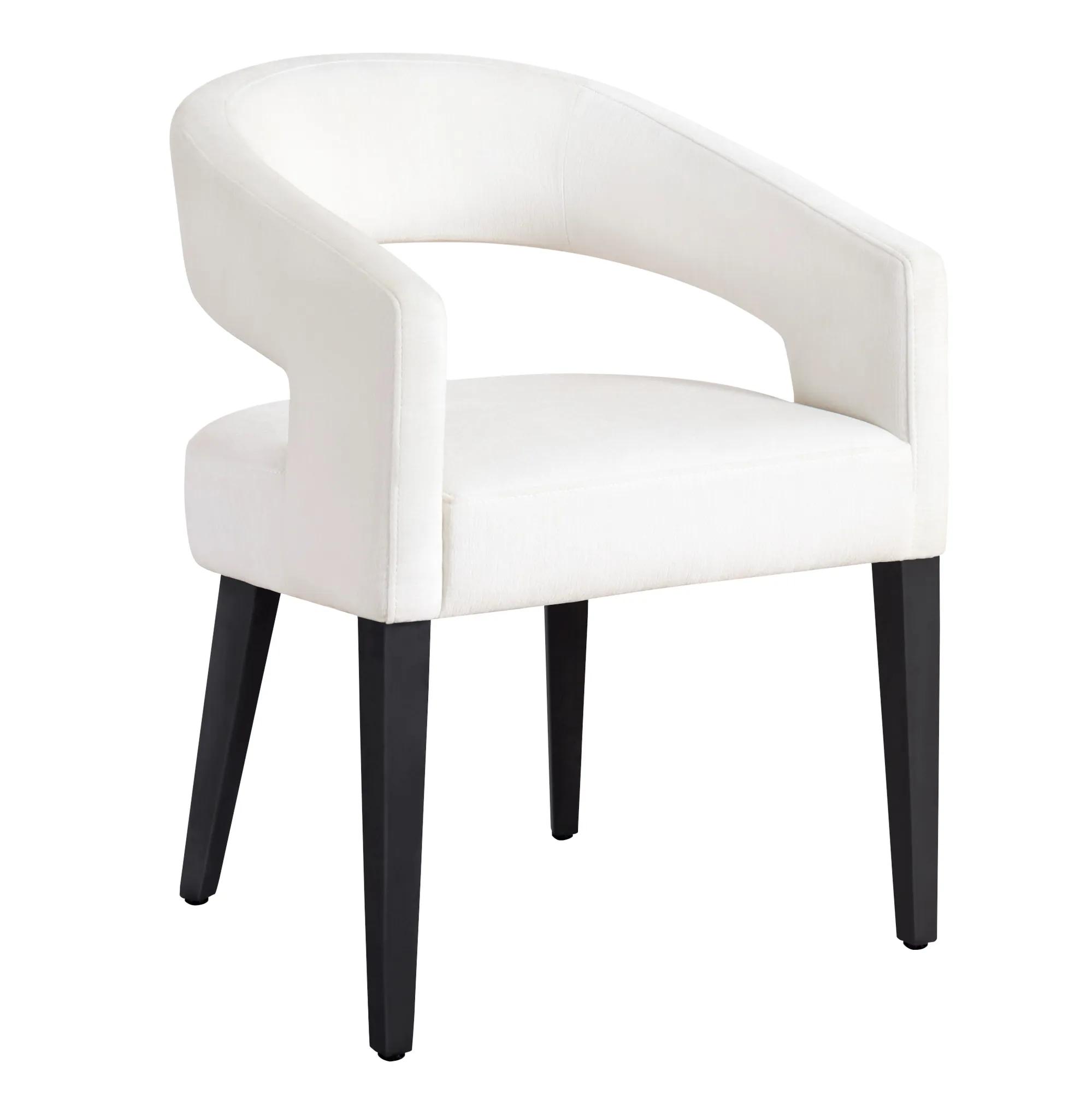
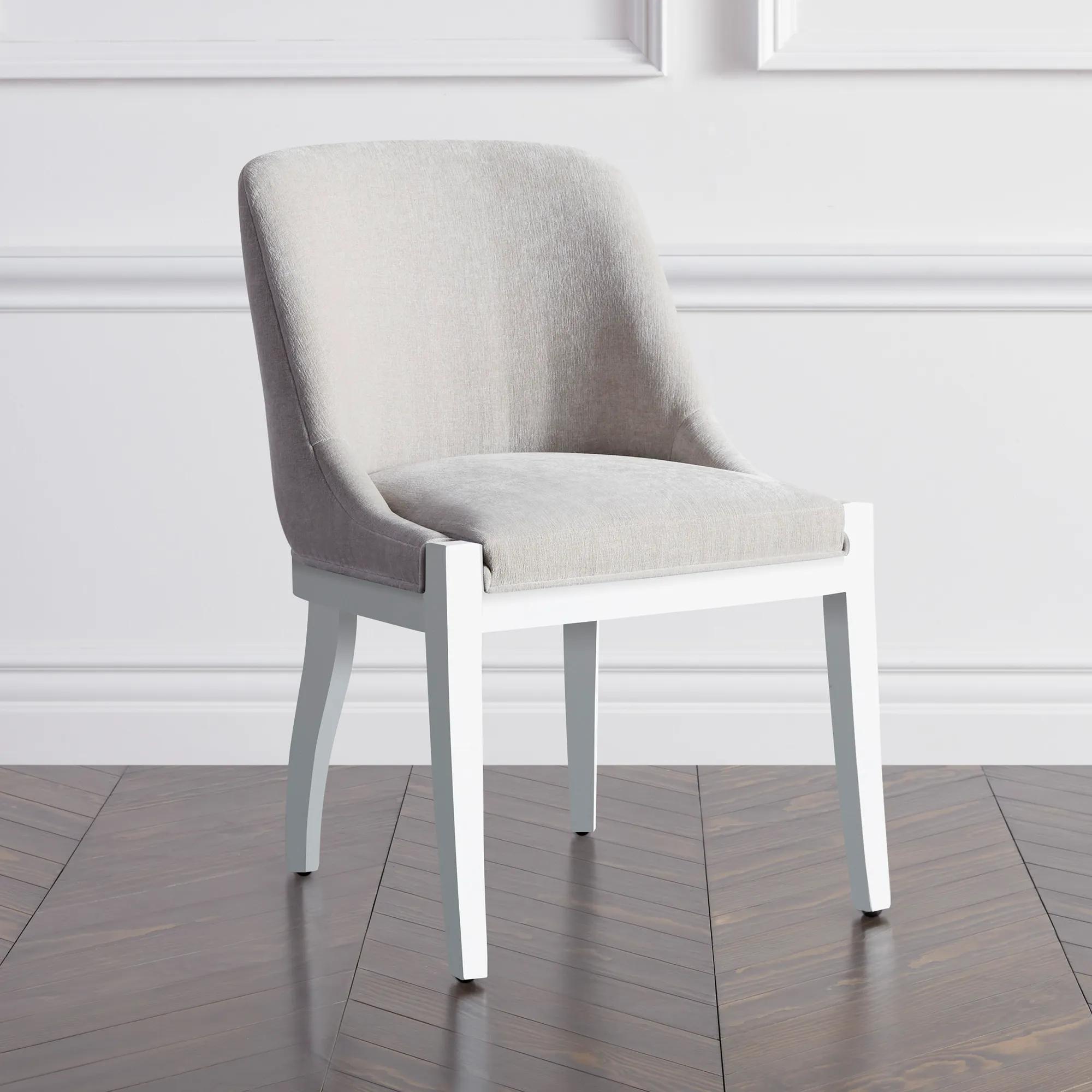
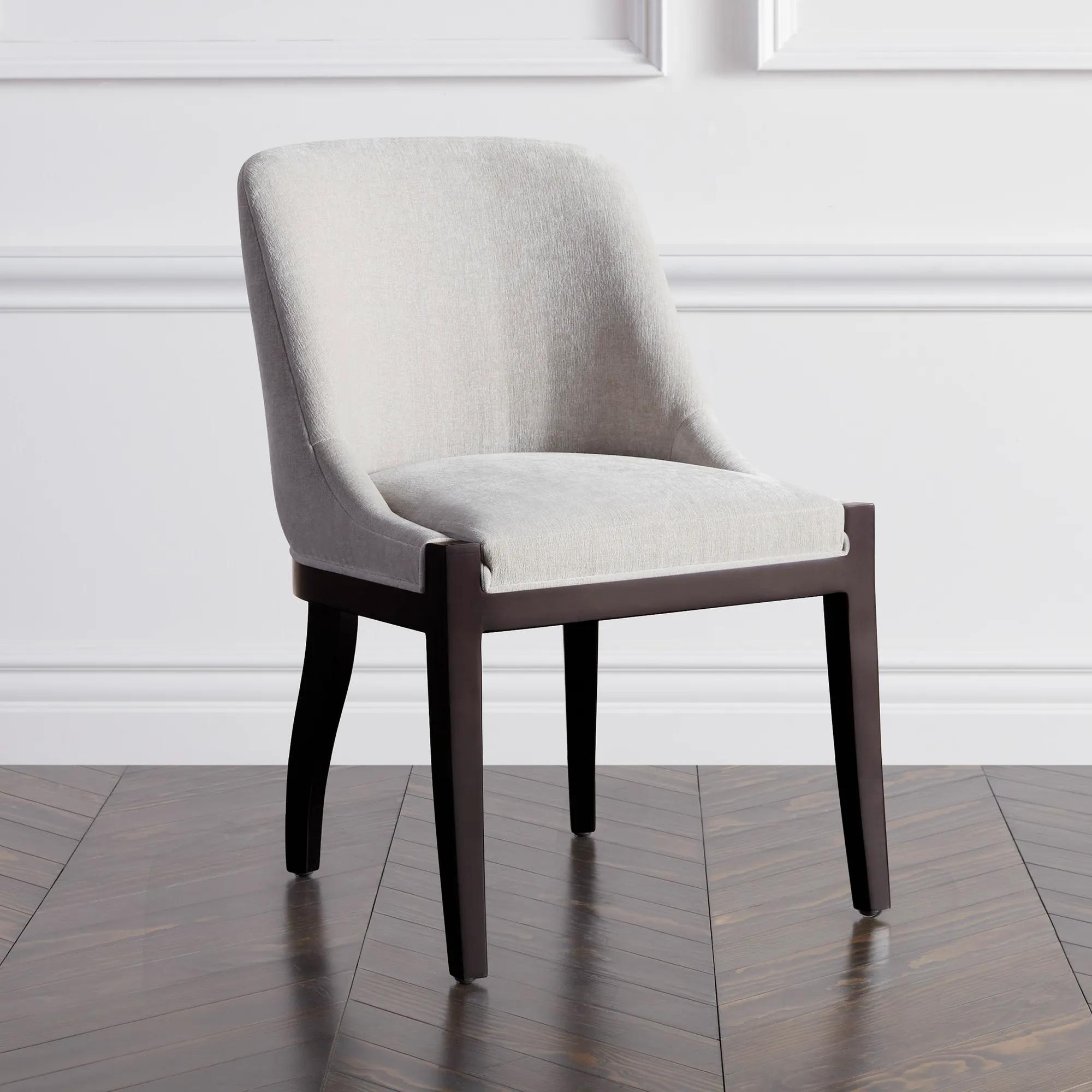
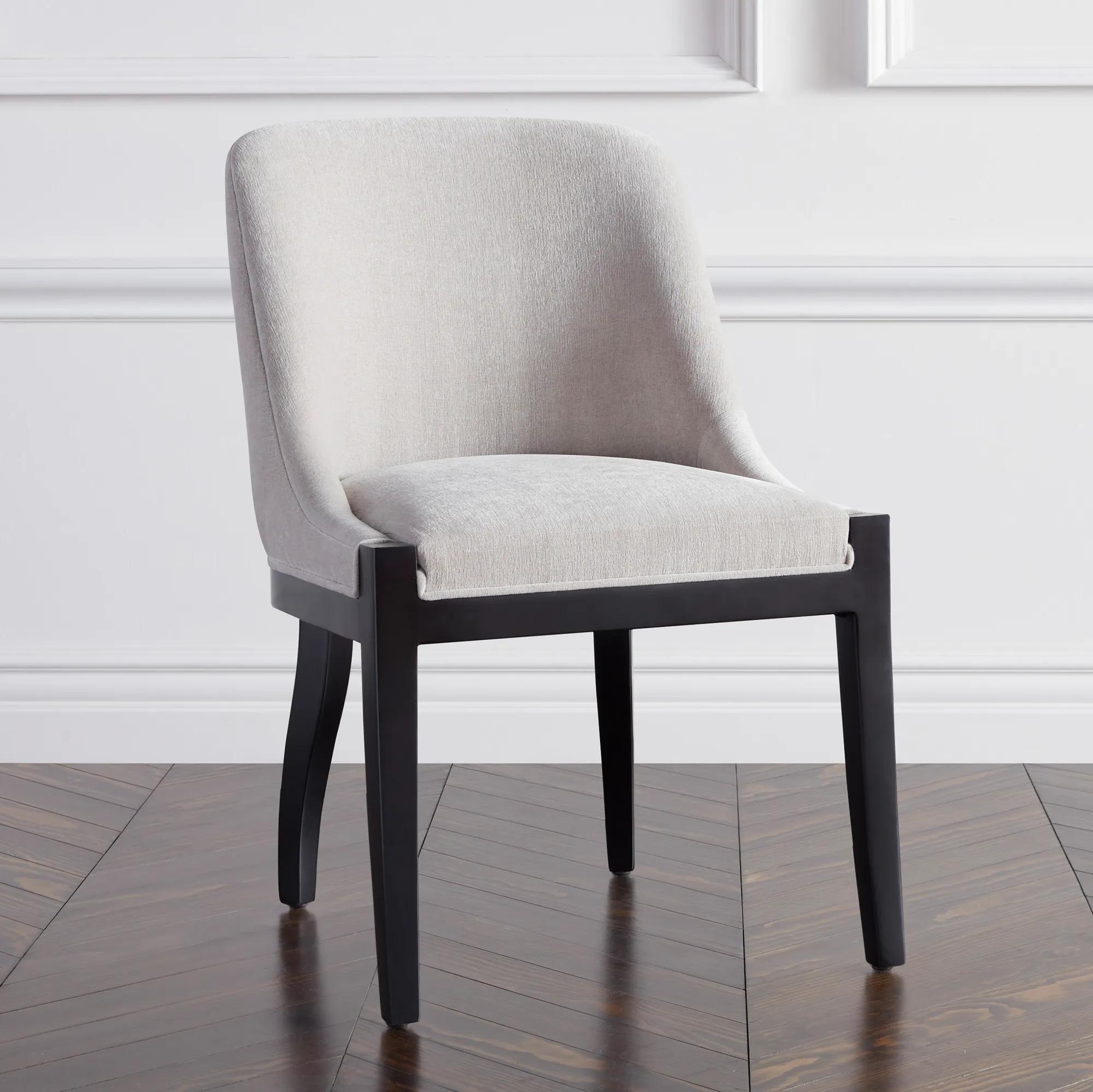
 Philippa Dining Chair - Matte Black$599
A modern dining chair featuring a curved silhouette, matte black legs, and neatly tailored upholstery.
Add To Cart -
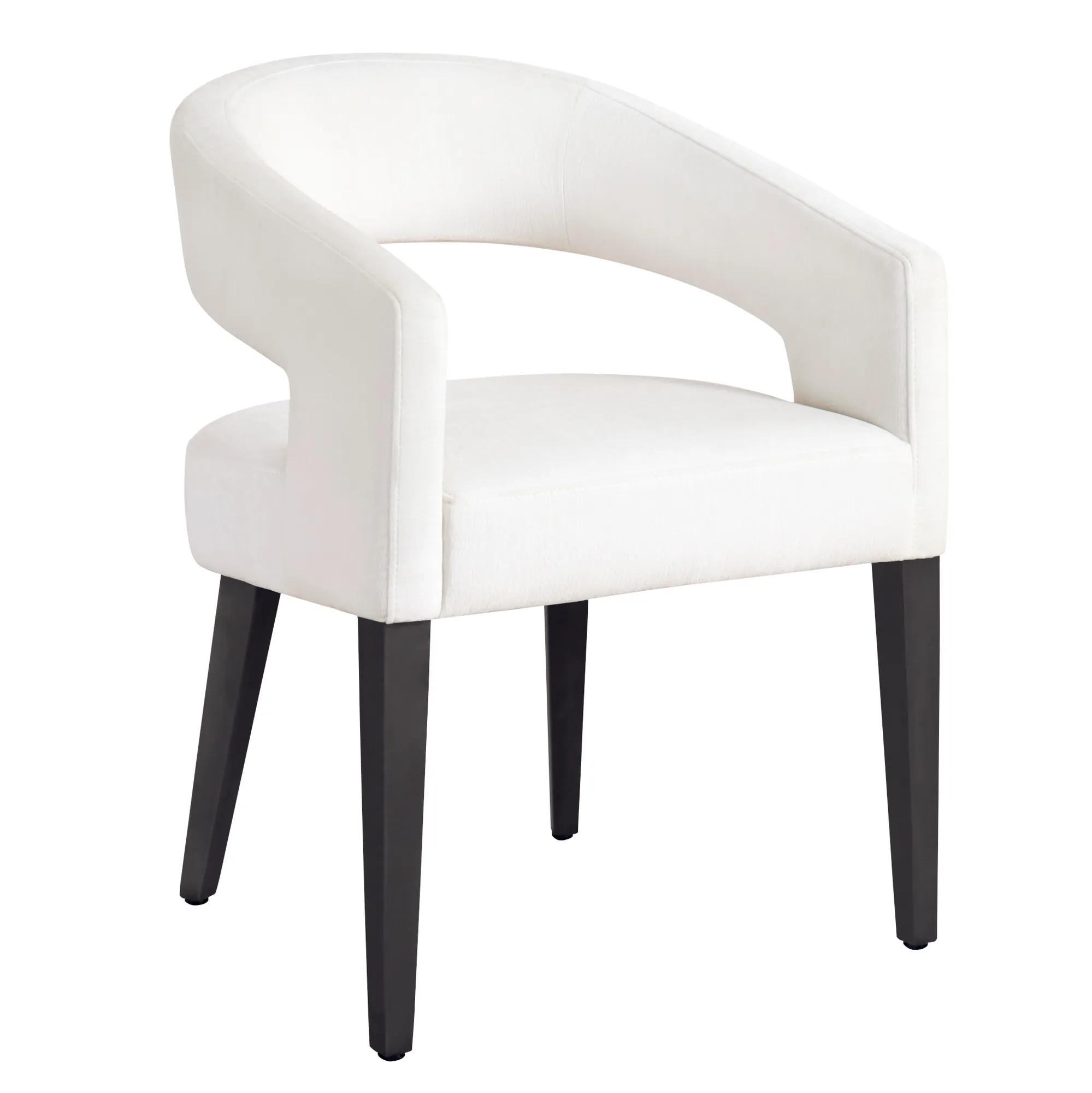
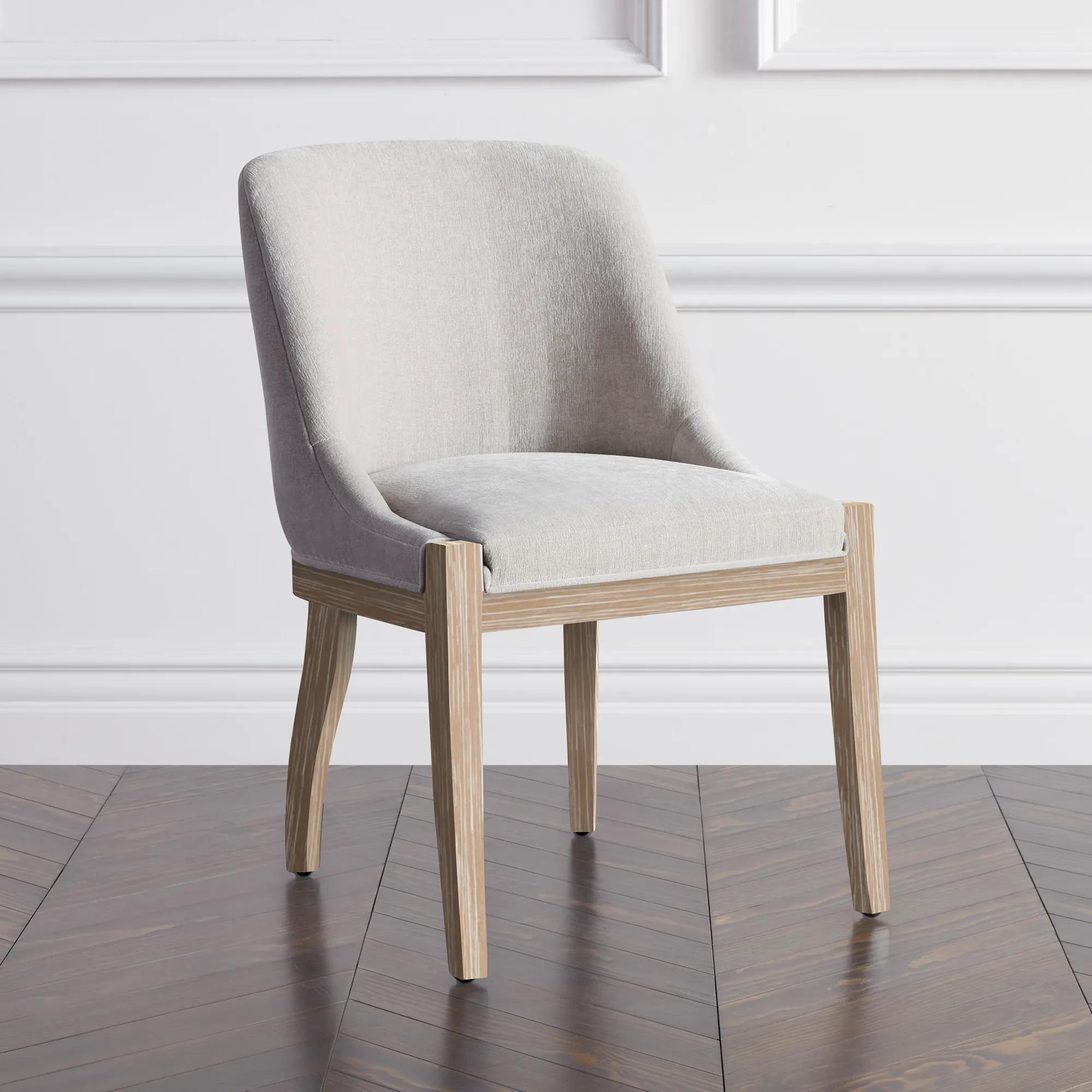
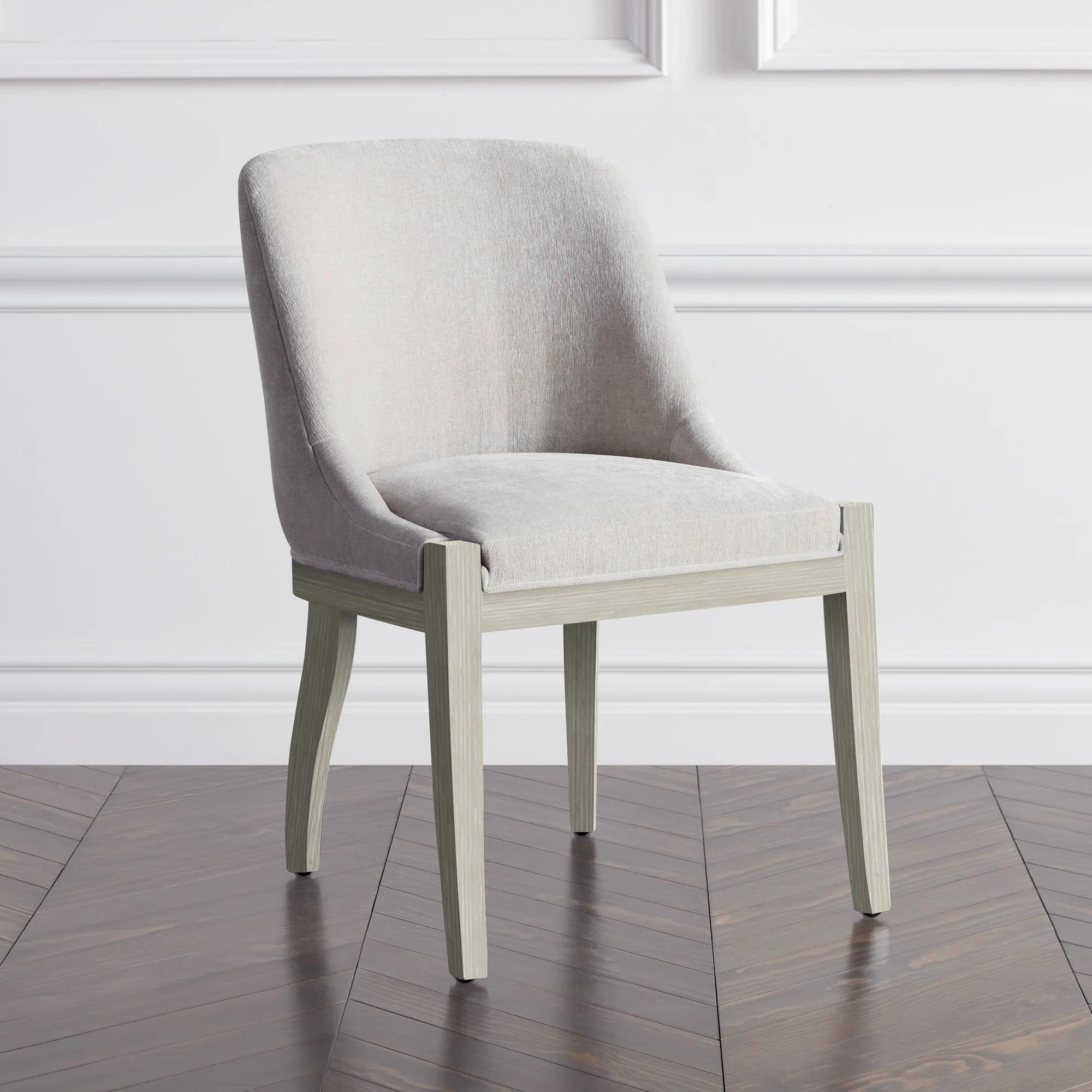
 Philippa Dining Chair - Espresso$599
A modern dining chair featuring a curved silhouette, espresso legs, and neatly tailored chenille upholstery.
Add To Cart -
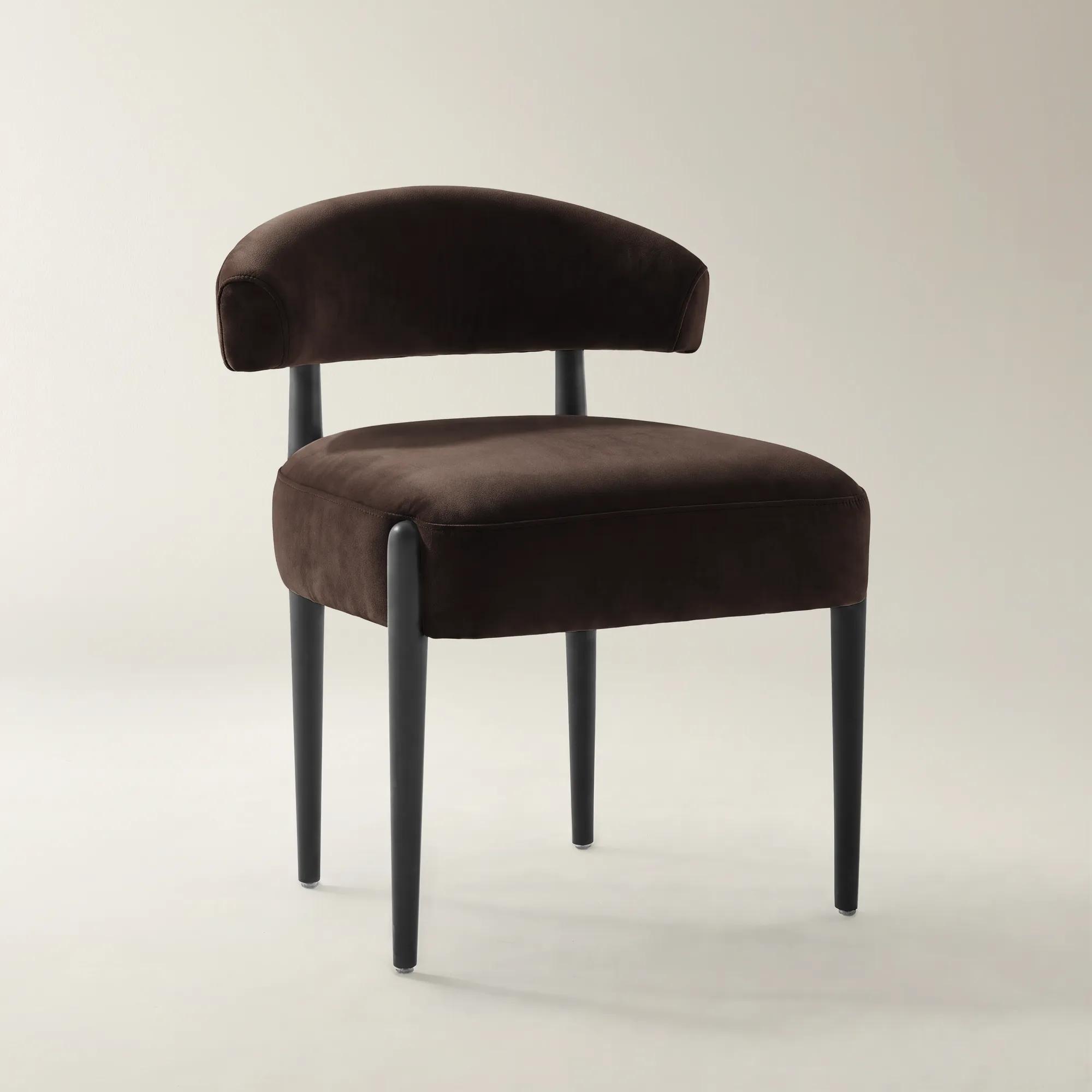
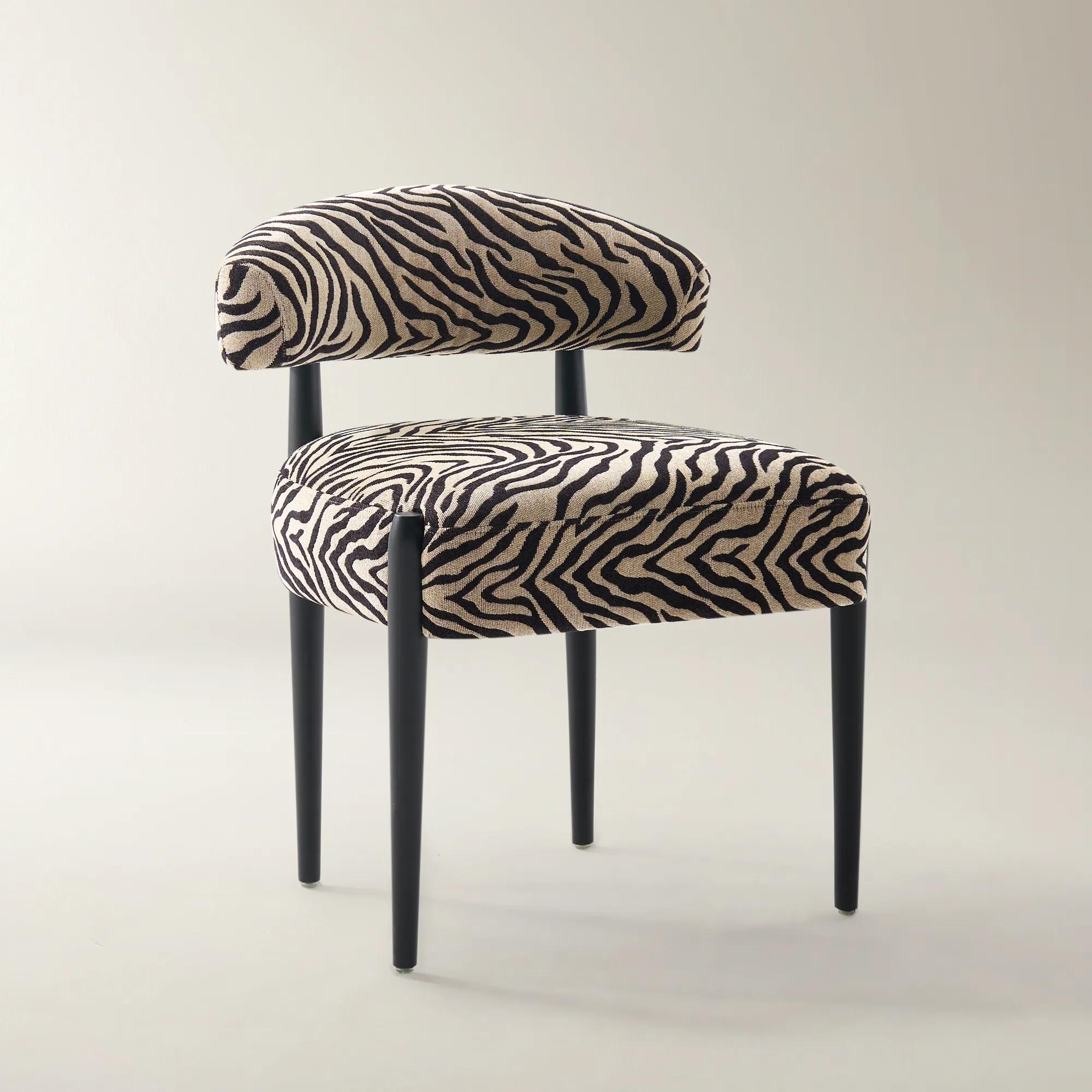 Anna Dark Chocolate Velvet Dining Chair Set of 2$699
A dark chocolate velvet dining chair set featuring an arched back, high-density foam, and solid wood construction.
Add To Cart -
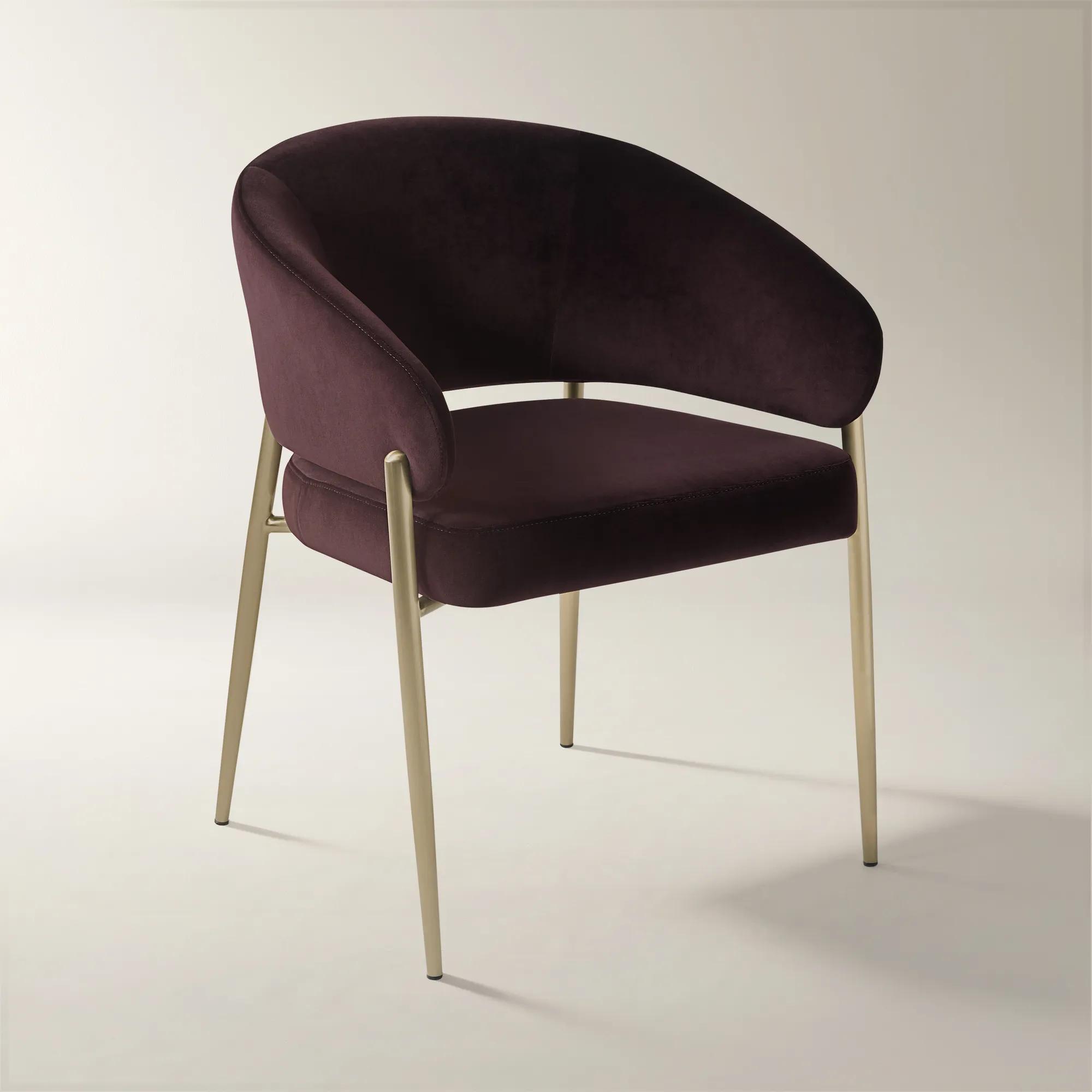 Nara Fig Velvet Dining Chair Set Of 2$599
A set of two dining chairs featuring plush fig velvet upholstery and brushed brass stainless-steel legs.
Add To Cart -
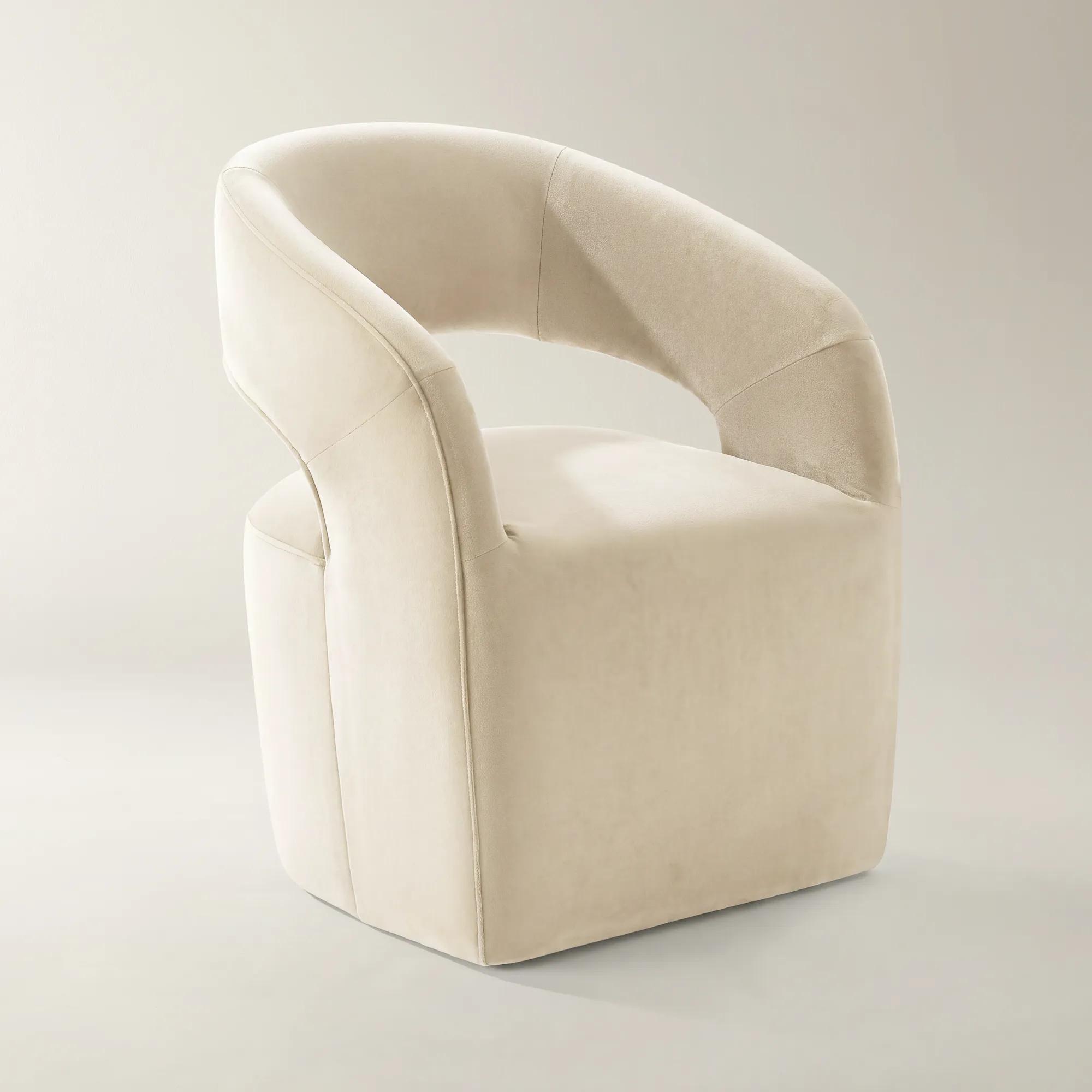
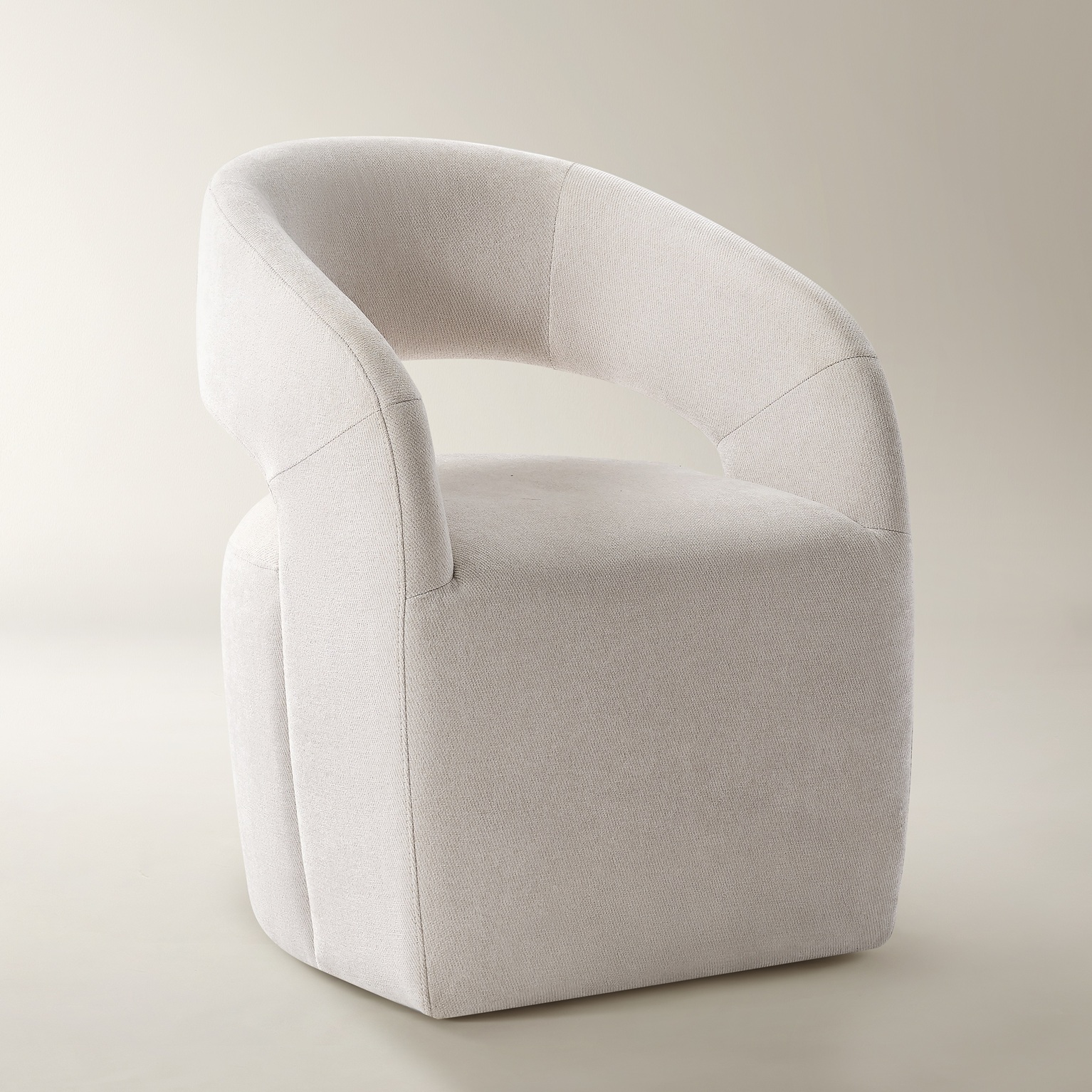 Harrison Oatmeal Velvet Dining Chair$499
A sculptural dining chair upholstered in oatmeal velvet with a curved back, feather-blend seat, and integrated arms.
Add To Cart -
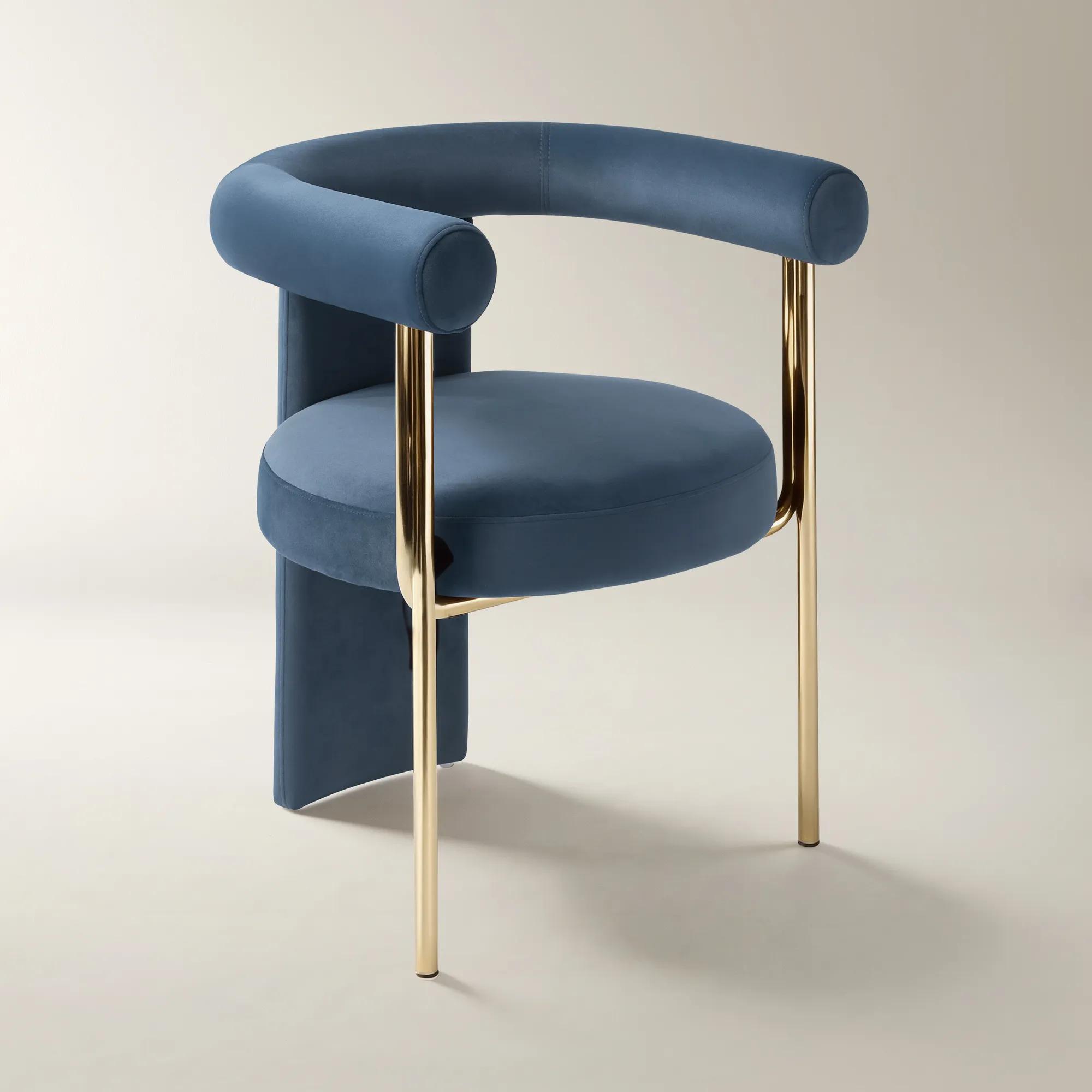 Davina Dusty Blue Velvet Dining Chair Set Of 2$899
A set of two dining chairs featuring dusty blue velvet upholstery and a polished gold metal frame.
Add To Cart -
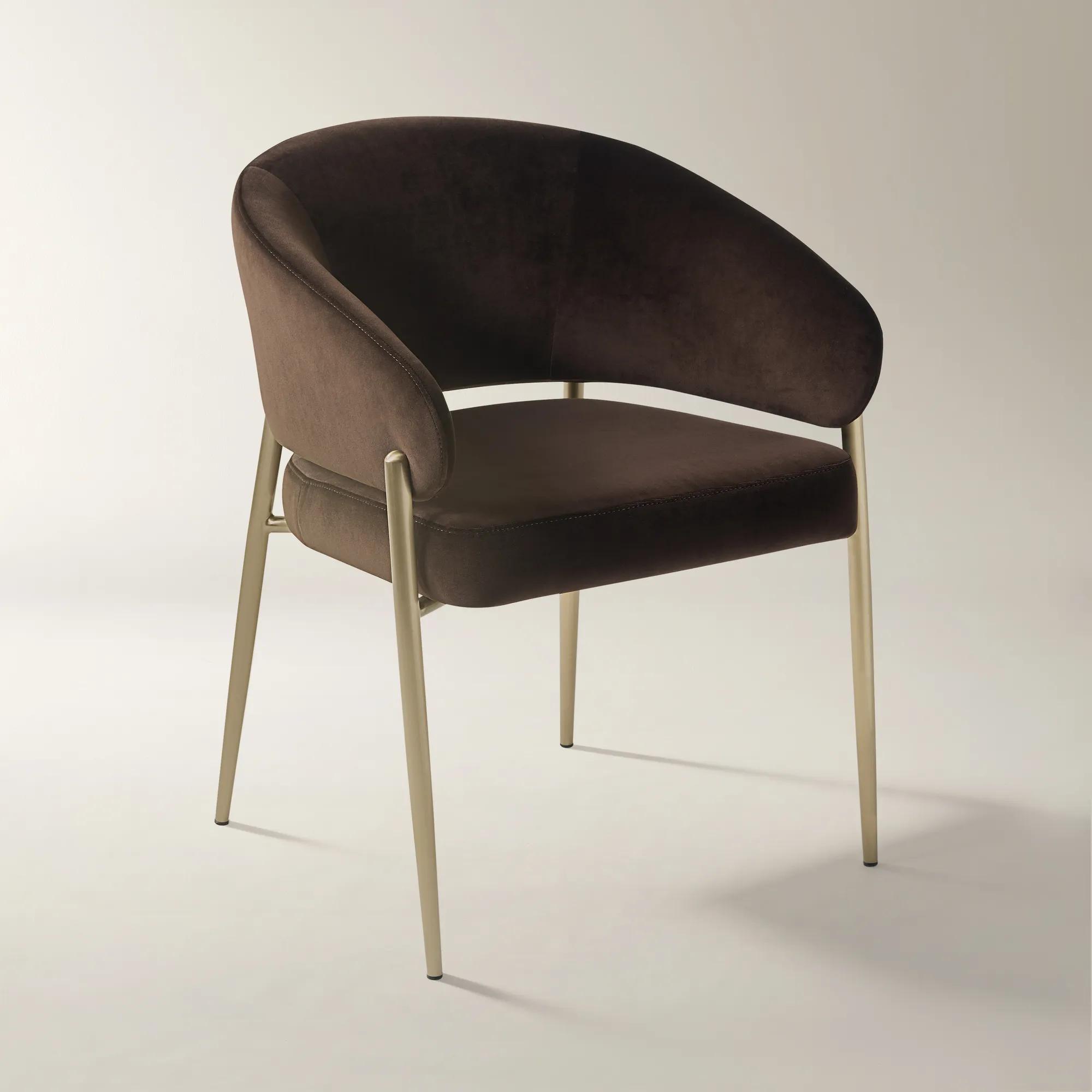 Nara Dark Chocolate Velvet Dining Chair Set Of 2$599
A pair of dark chocolate velvet chairs with curved backs and brushed brass stainless-steel legs for modern elegance.
Add To Cart -
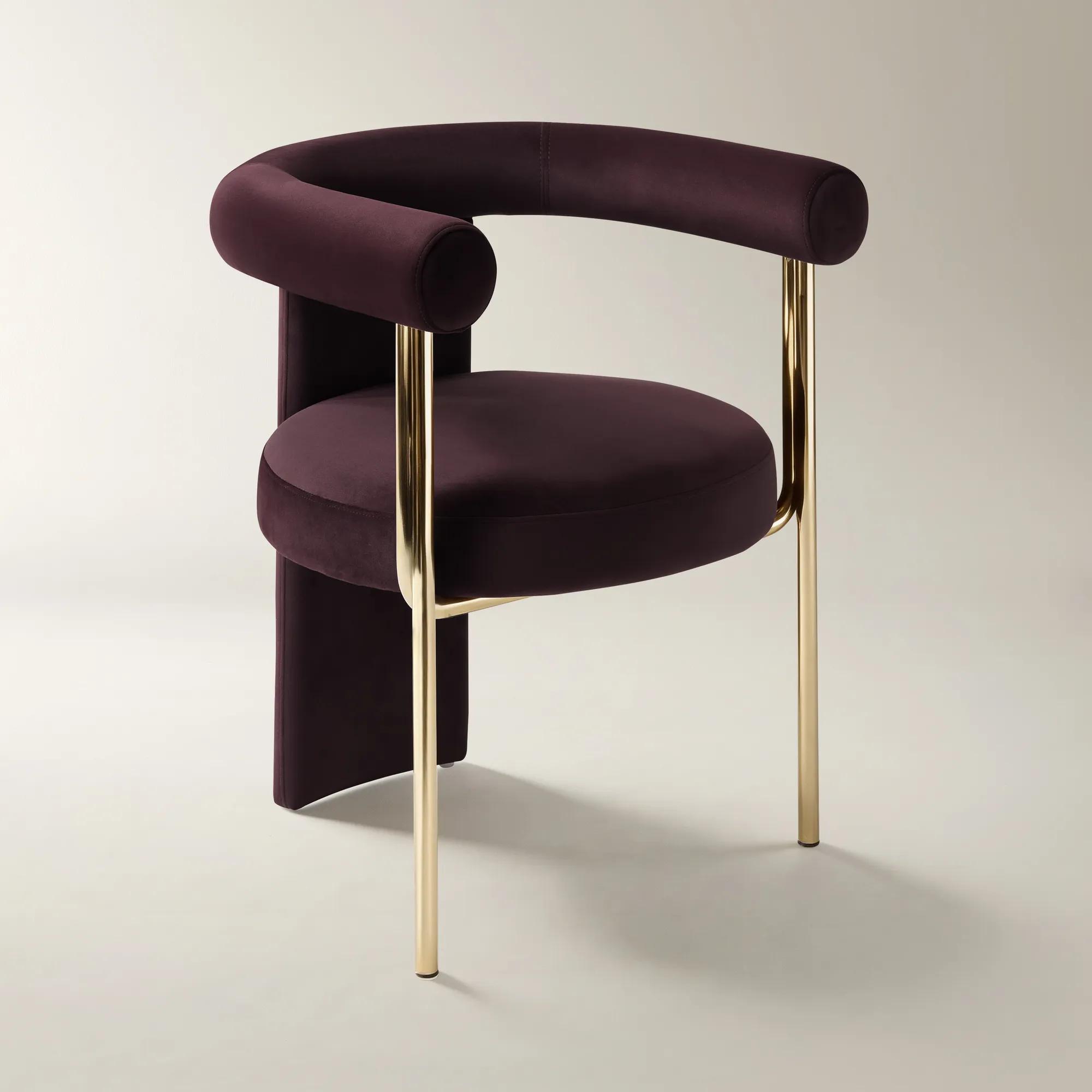 Davina Fig Velvet Dining Chair Set Of 2$899
A set of two dining chairs featuring plush fig velvet upholstery and a sleek gold-finished metal frame.
Add To Cart -
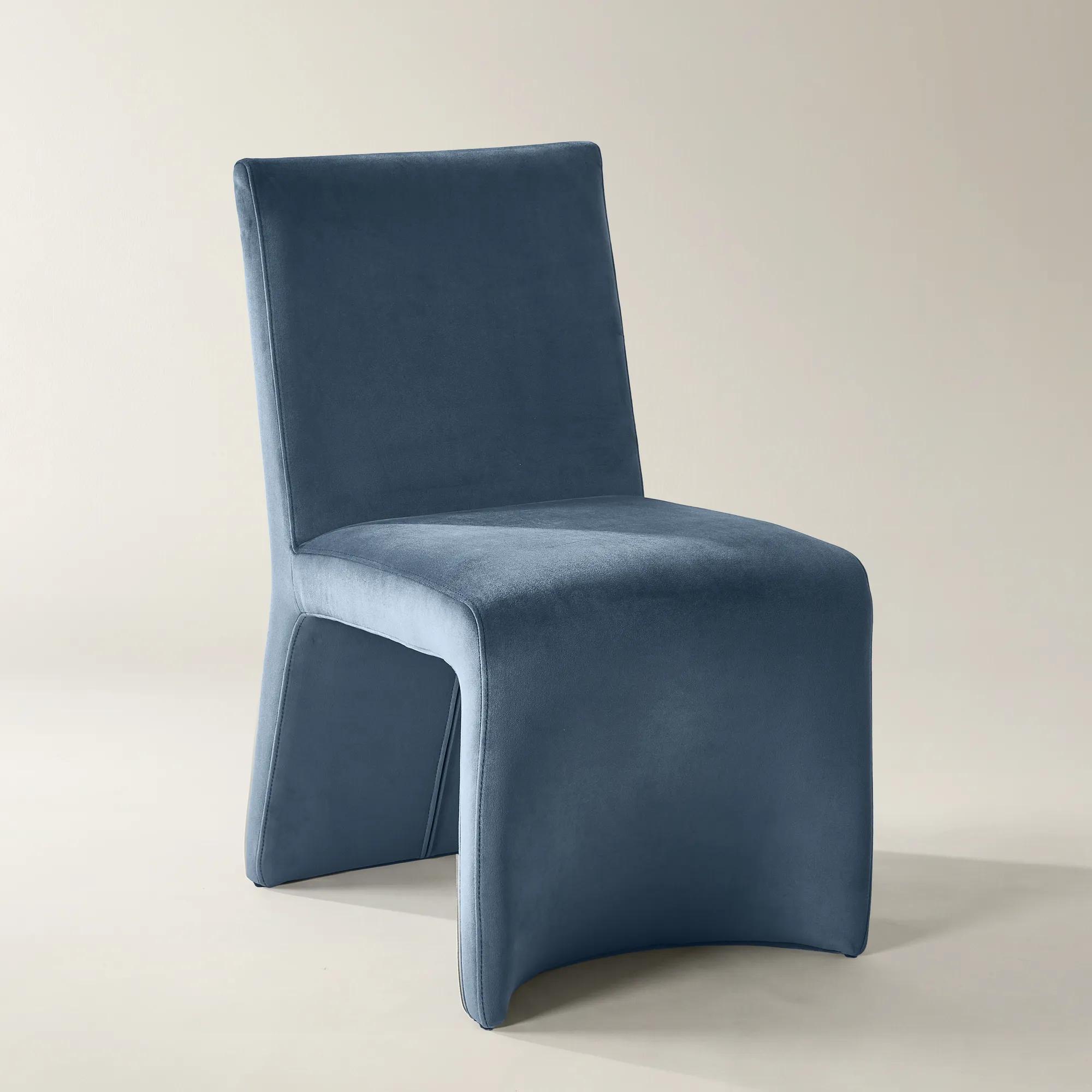 Elara Dusty Blue Velvet Dining Chair Set Of 2$799
A set of two dining chairs featuring plush dusty blue velvet upholstery and a seamless, artful silhouette.
Add To Cart -
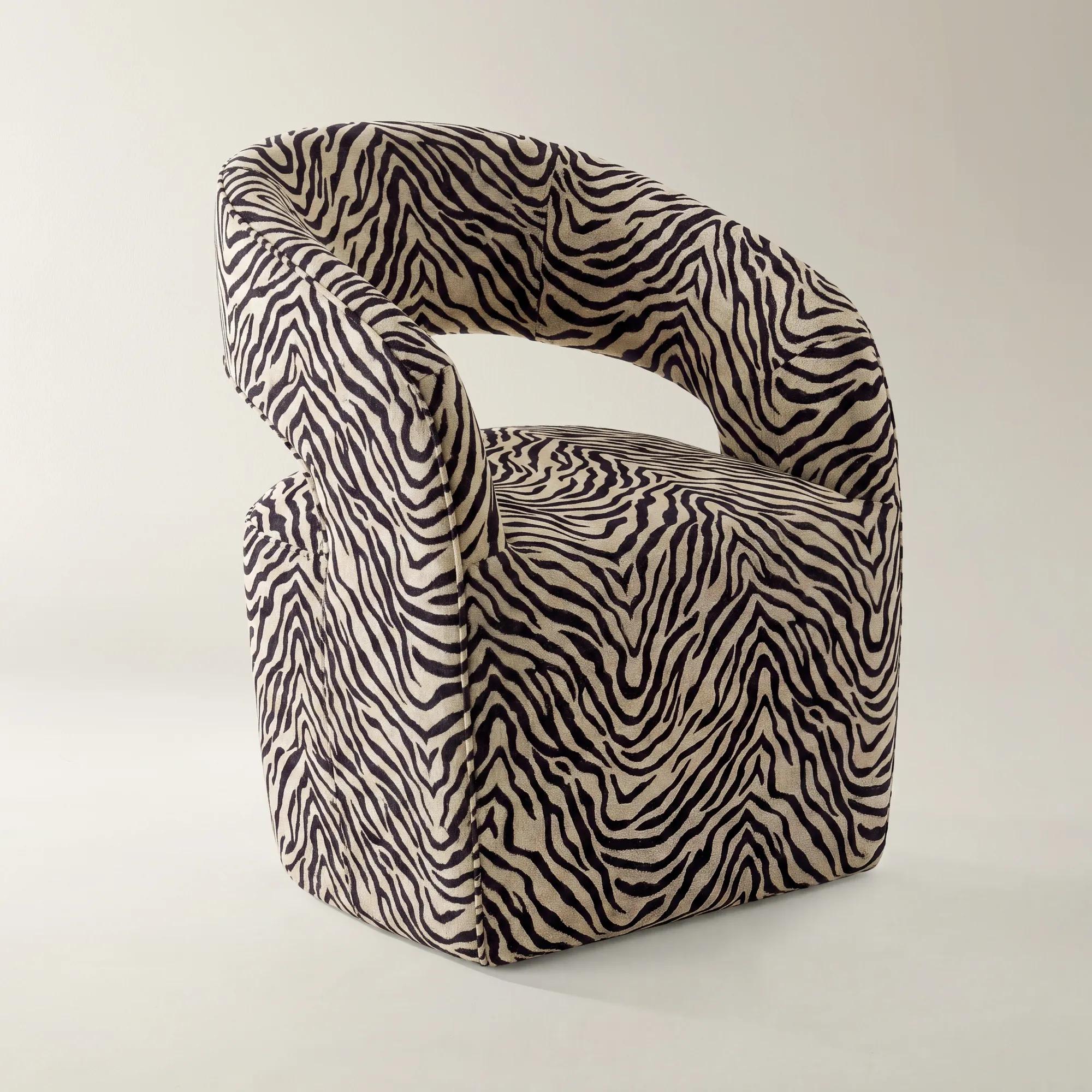 Harrison Zebra Performance Chenille Dining Chair$499
A sculptural dining chair upholstered in zebra performance chenille with a curved back and feather-blend comfort.
Add To Cart -
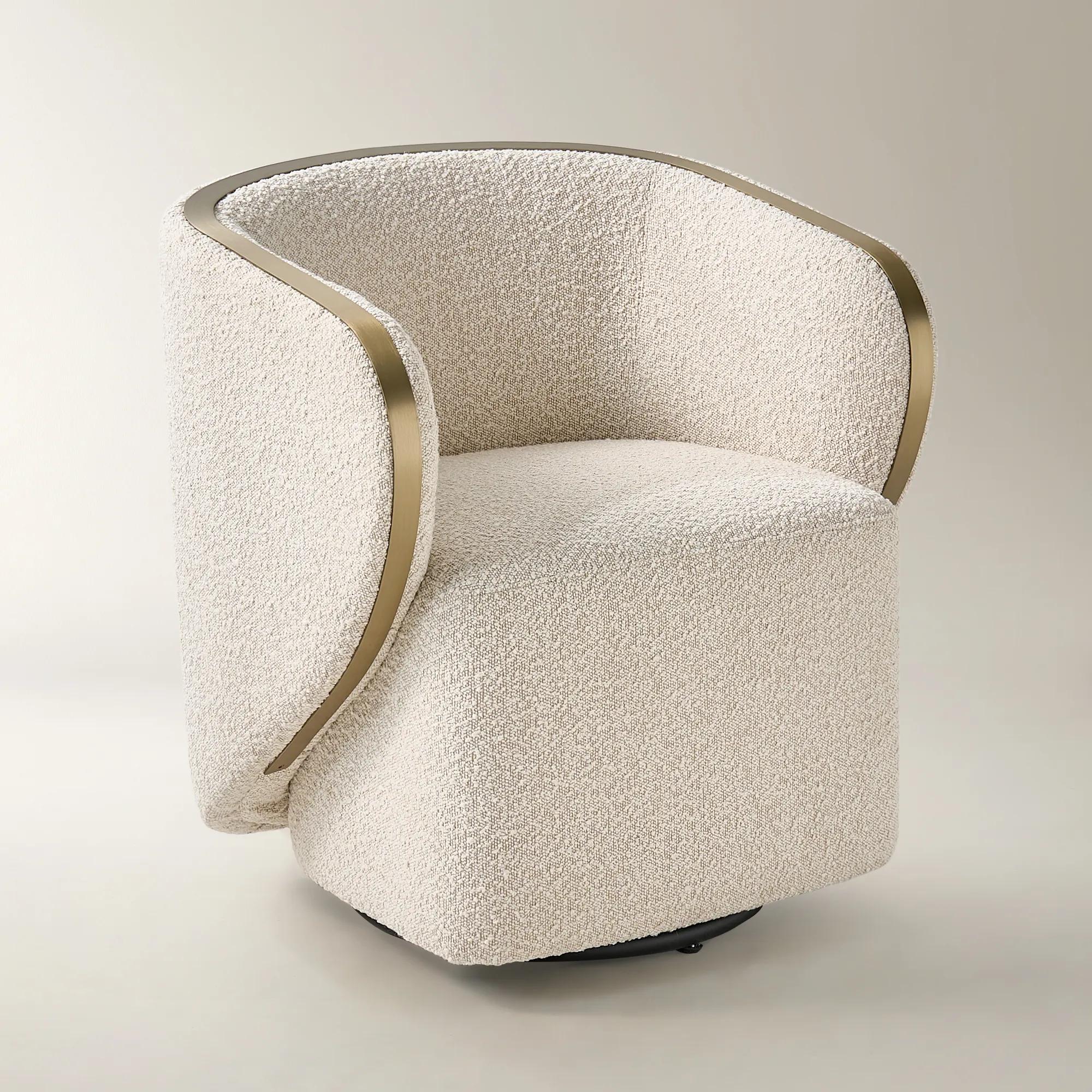 Nova Ivory Performance Boucle Swivel Dining Chair$699
An ivory boucle swivel chair featuring a sculptural wraparound silhouette and elegant metallic trim accents.
Add To Cart -
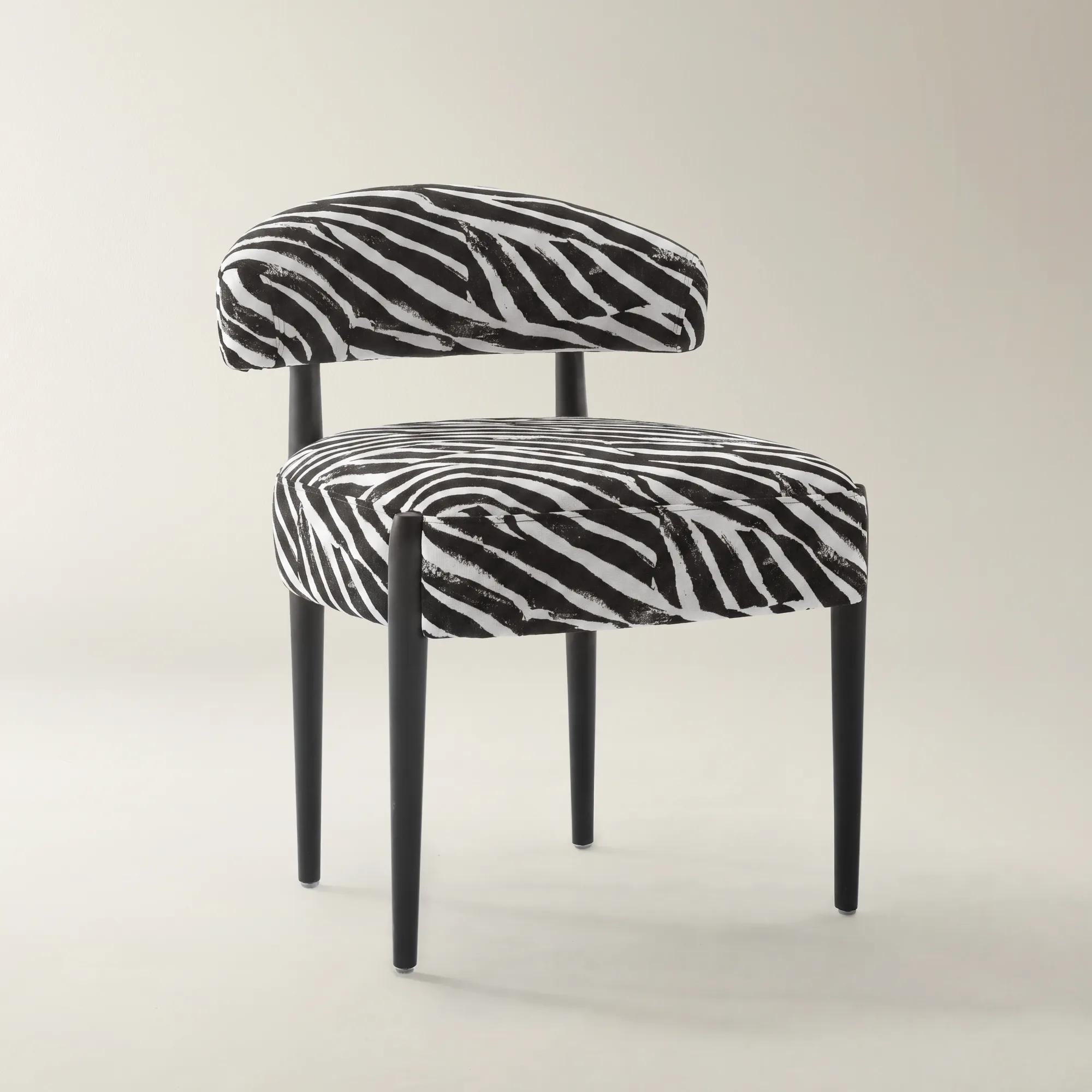 Anna White/Black Performance Chenille Dining Chair Set of 2$699
A black-and-white performance chenille chair set with arched backs, high-density foam, and solid rubberwood legs.
Add To Cart -
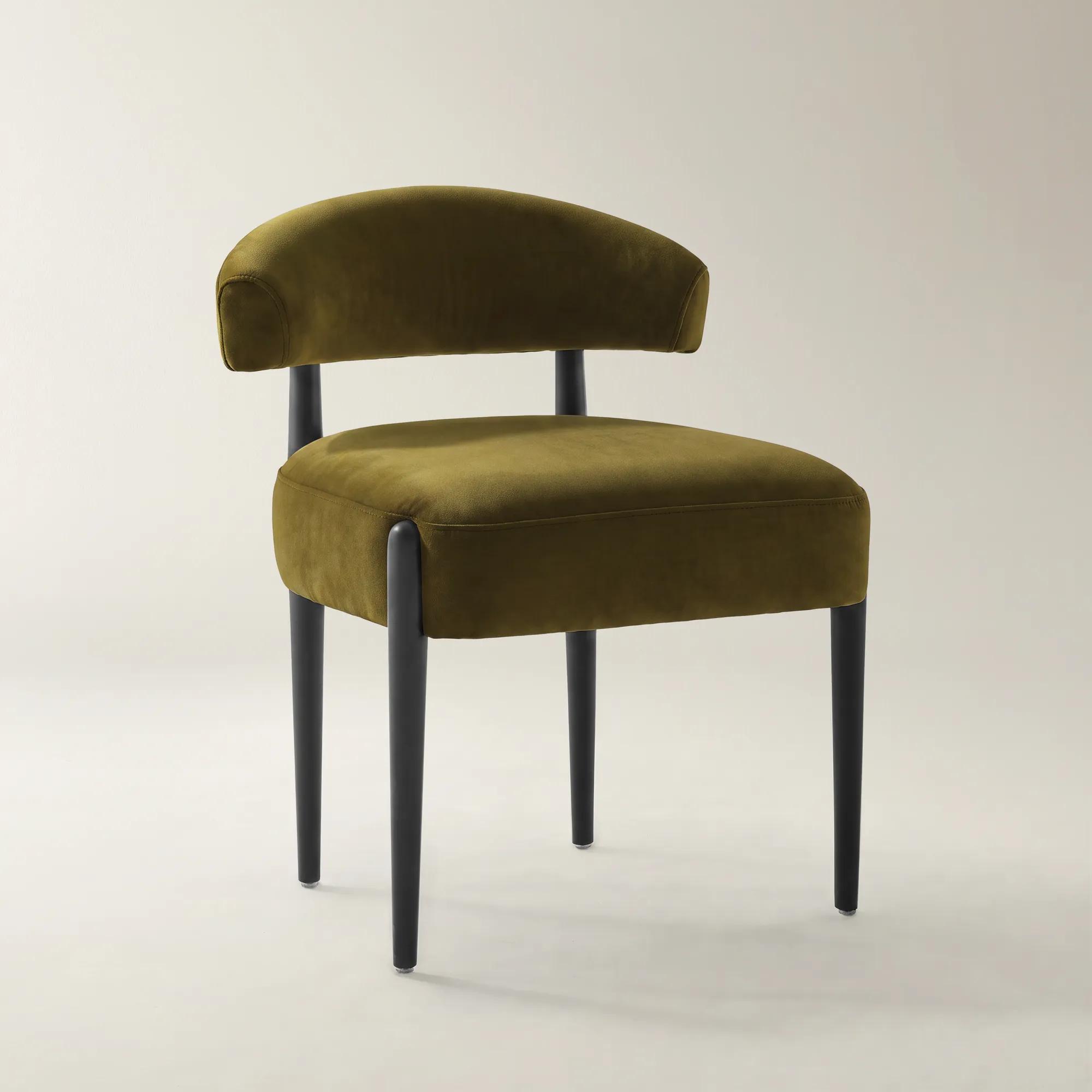 Anna Deep Olive Velvet Dining Chair Set of 2$699
A deep olive velvet dining chair with a tailored curved back, high-density cushioning, and solid rubberwood legs.
Add To Cart -
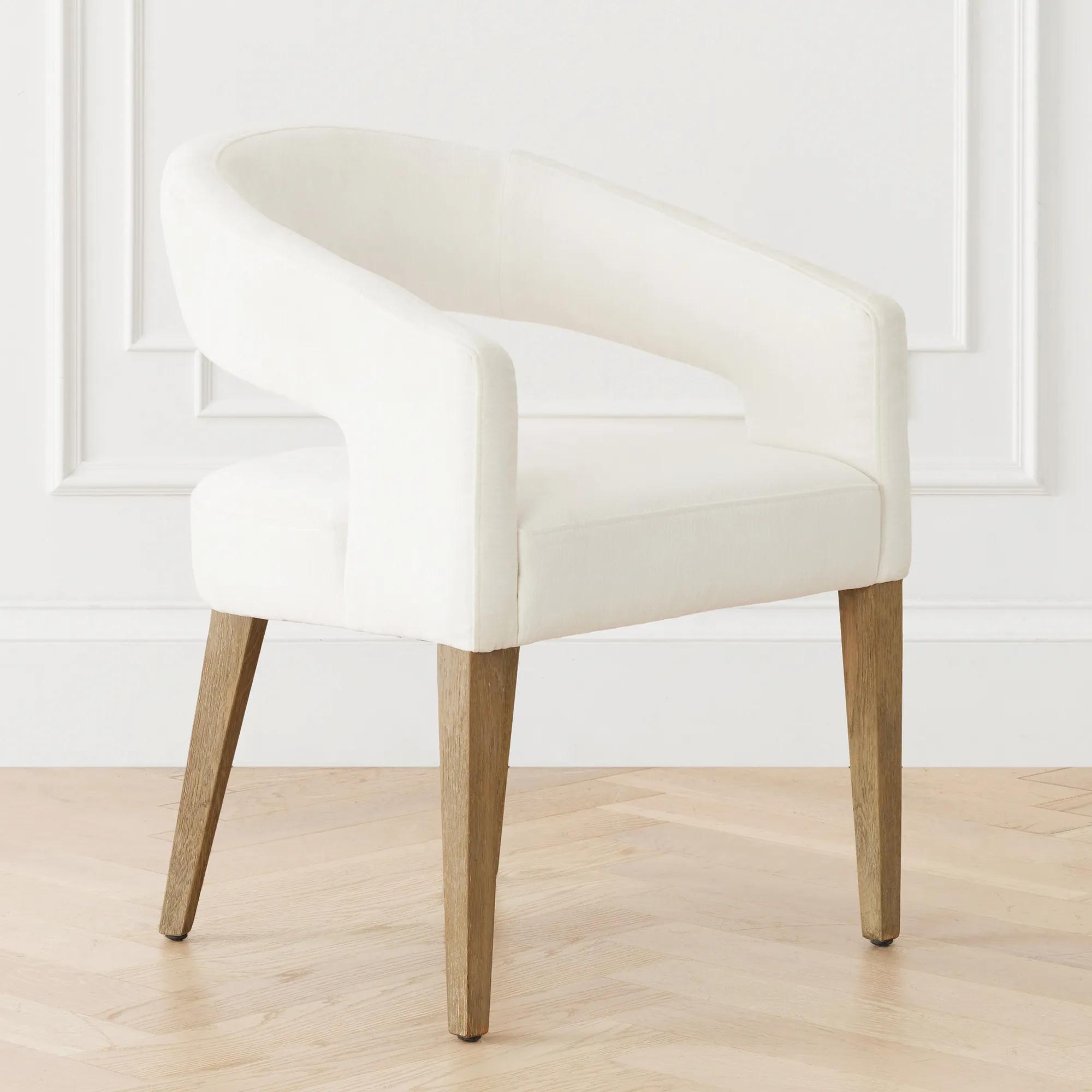
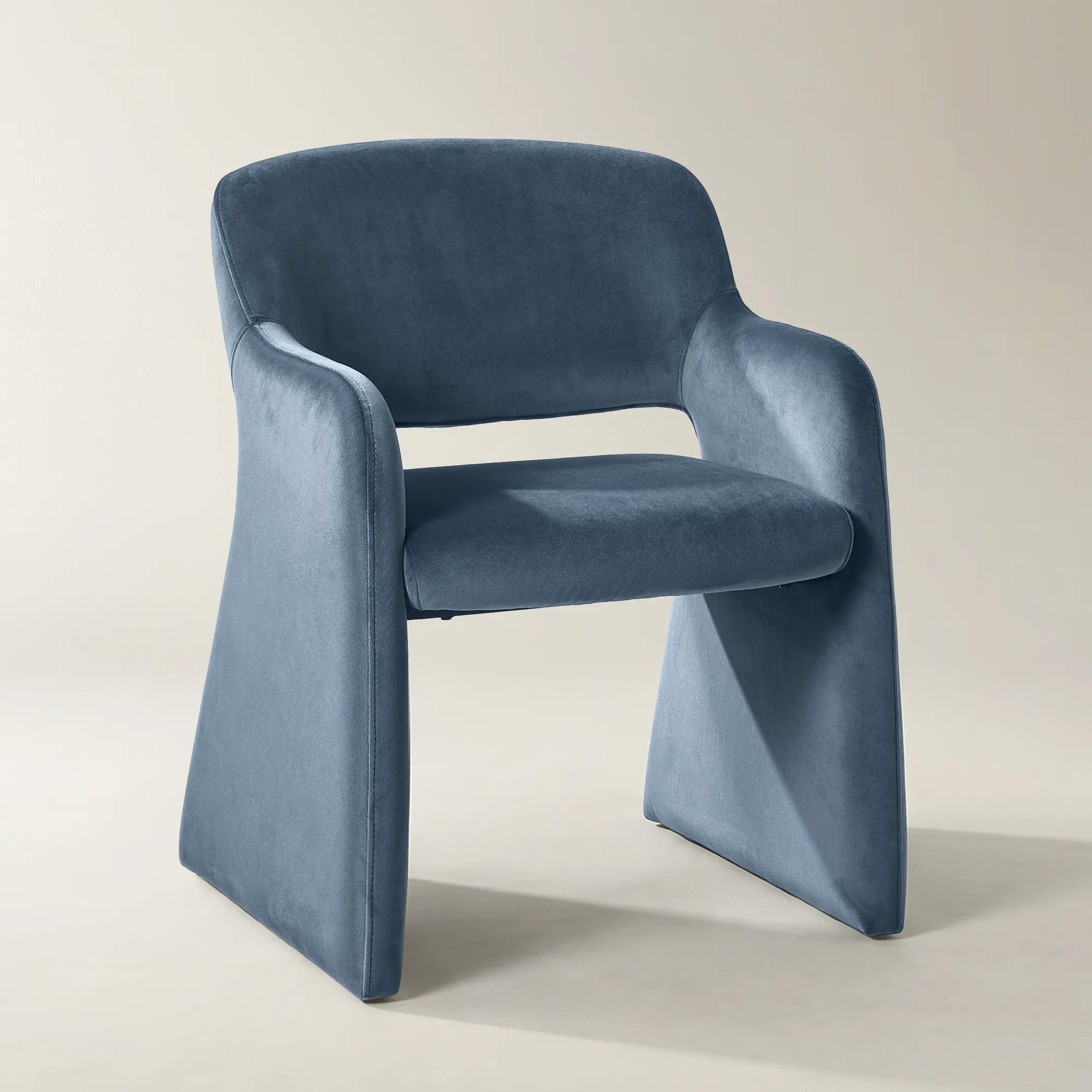 Elara Dusty Blue Velvet Dining Chair$449
A graceful dining chair featuring dusty blue velvet upholstery, integrated arms, and a seamless cantilevered silhouette.
Add To Cart -
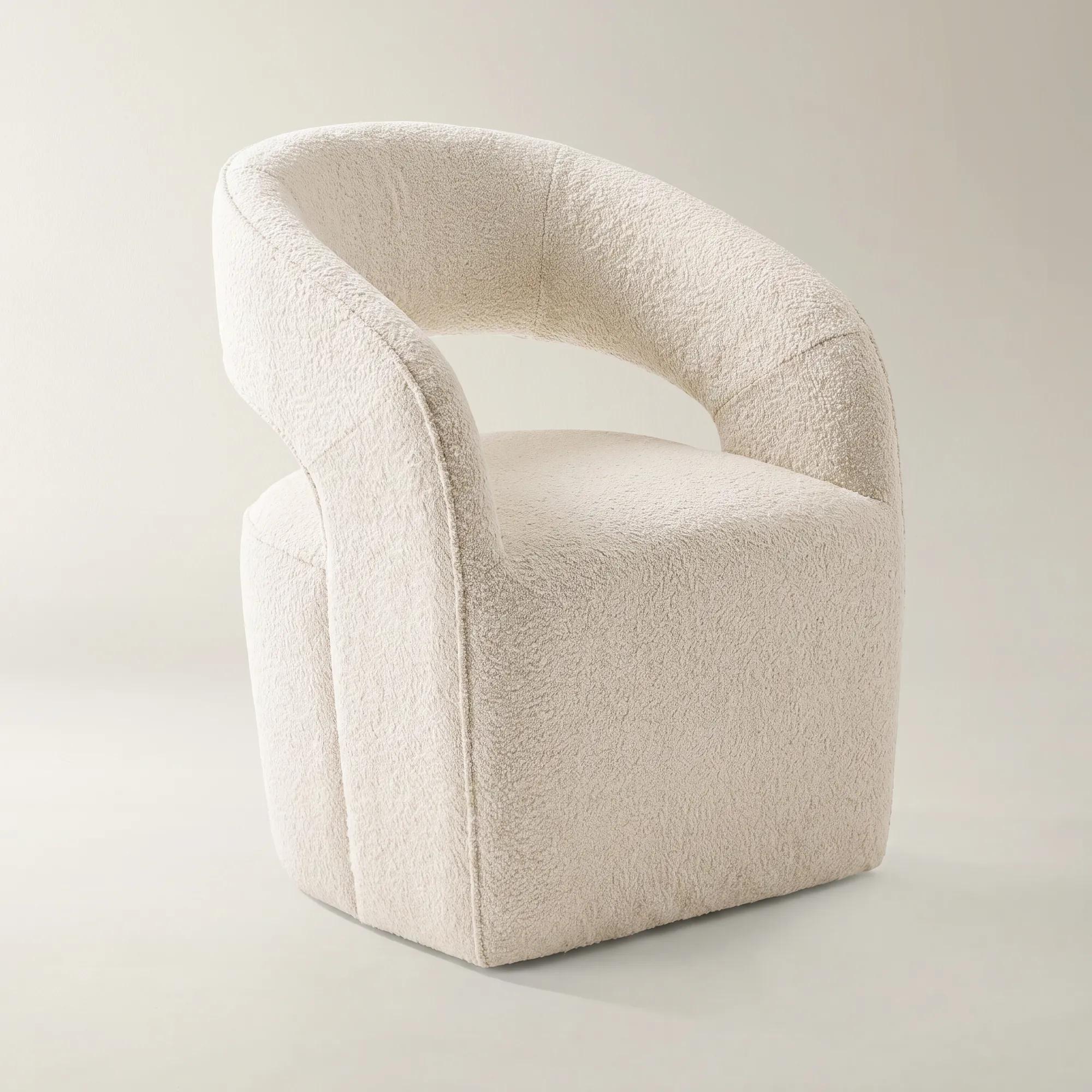 Harrison Utopia Sand Chenille Dining Chair$499
A sculptural dining chair upholstered in sand chenille with a curved back, feather-blend seat, and integrated arms.
Add To Cart -
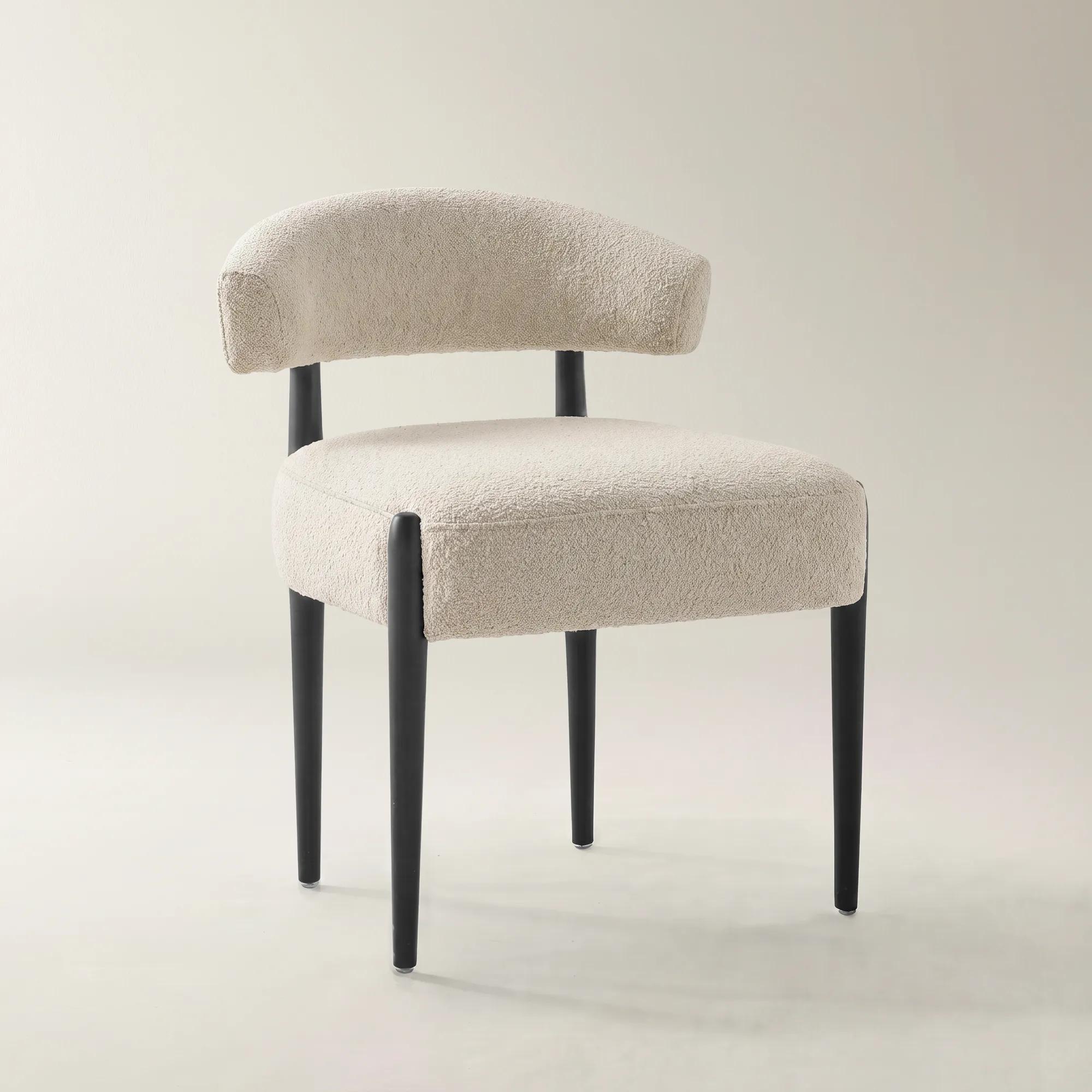 Anna Utopia Sand Chenille Dining Chair Set of 2$699
A sand chenille dining chair set featuring tailored armless curves, high-density cushioning, and solid rubberwood legs.
Add To Cart -
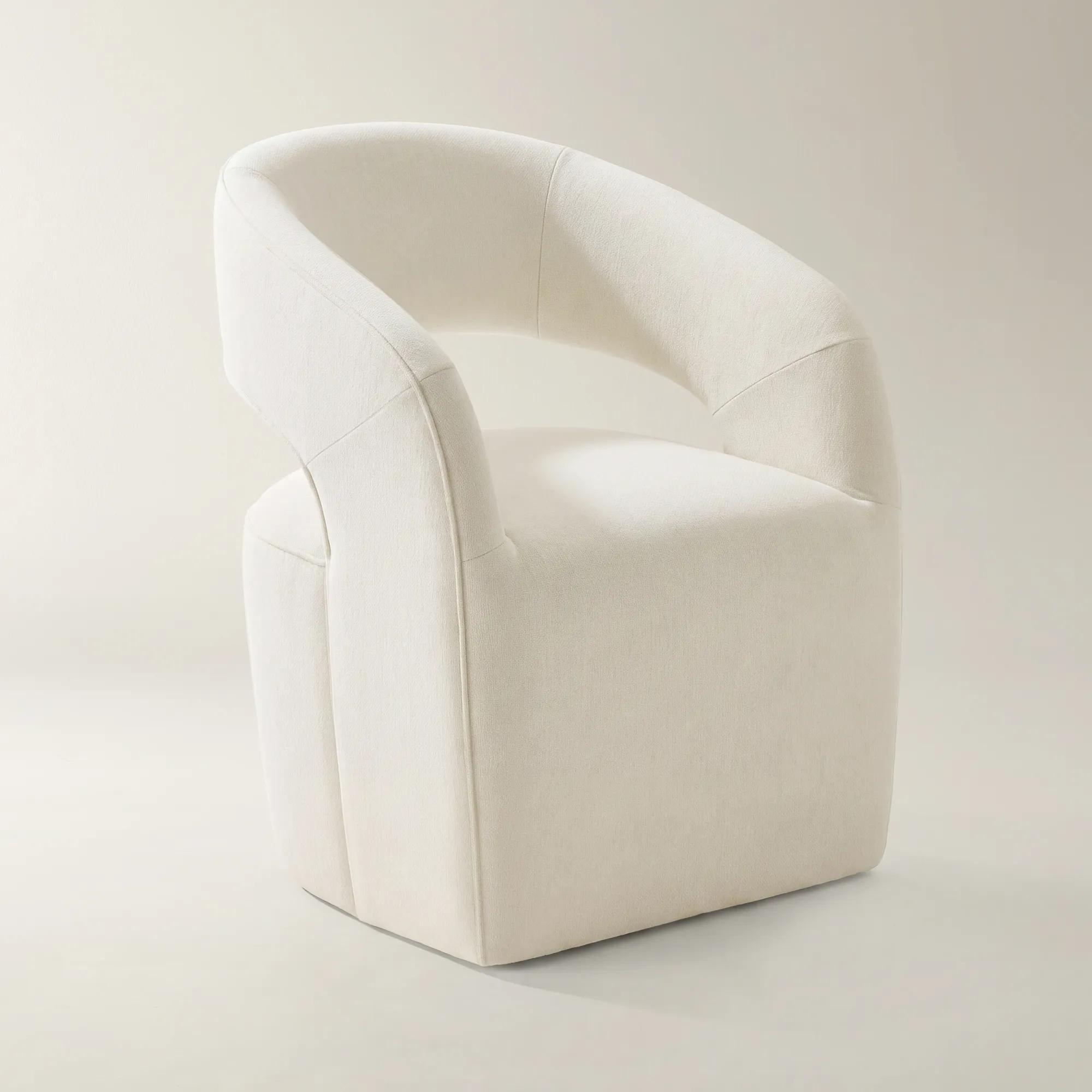 Harrison Ivory Performance Chenille Dining Chair$499
A sculptural ivory chenille chair featuring a continuous curved back, feather-blend comfort, and performance upholstery.
Add To Cart -
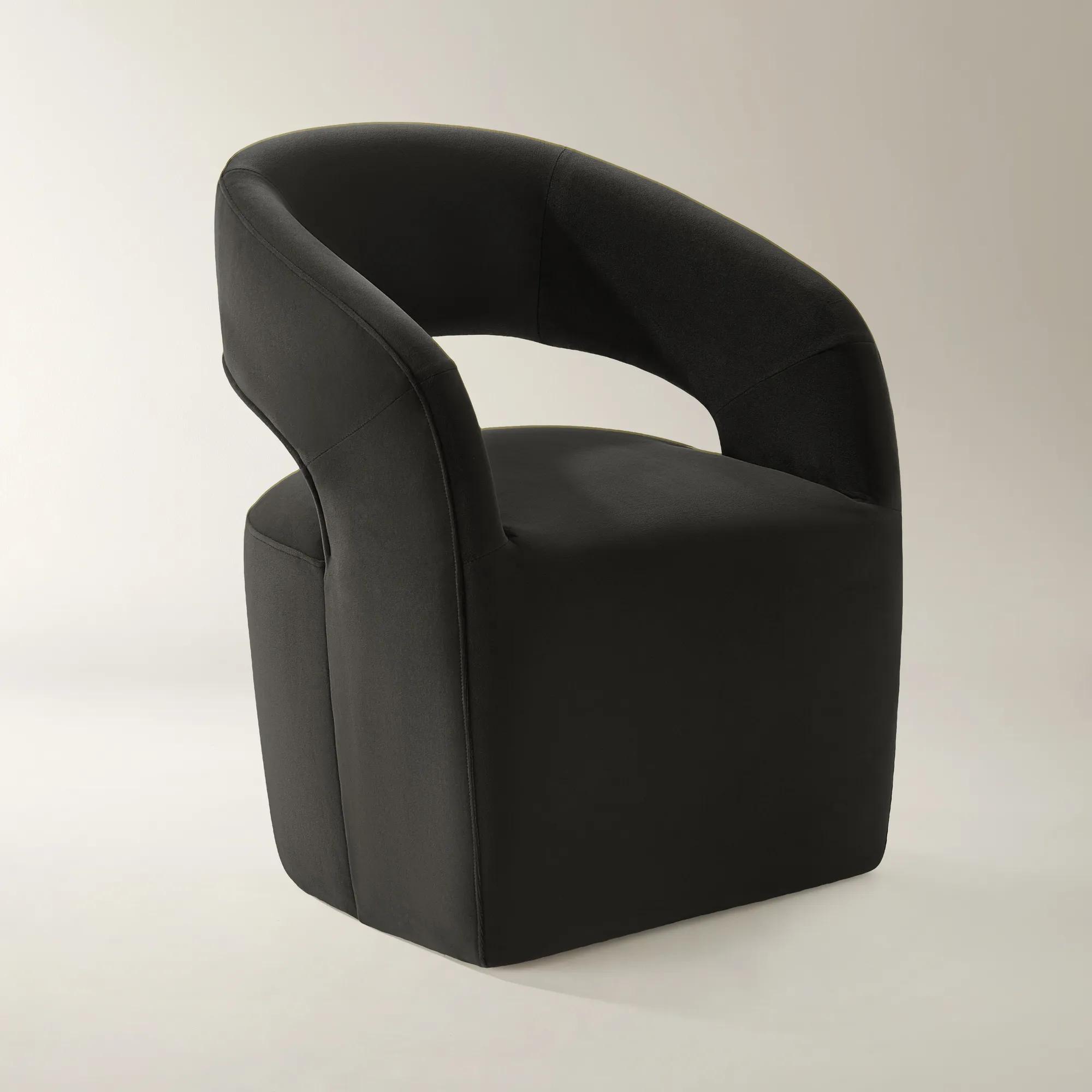 Harrison Charcoal Velvet Dining Chair$499
A sculptural dining chair upholstered in charcoal velvet with a continuous curved back and feather-blend comfort.
Add To Cart -
Anna Zebra Chenille Dining Chair Set Of 2$699
A set of zebra-print chenille dining chairs with high-density foam cushions and sturdy rubberwood legs.
Add To Cart -
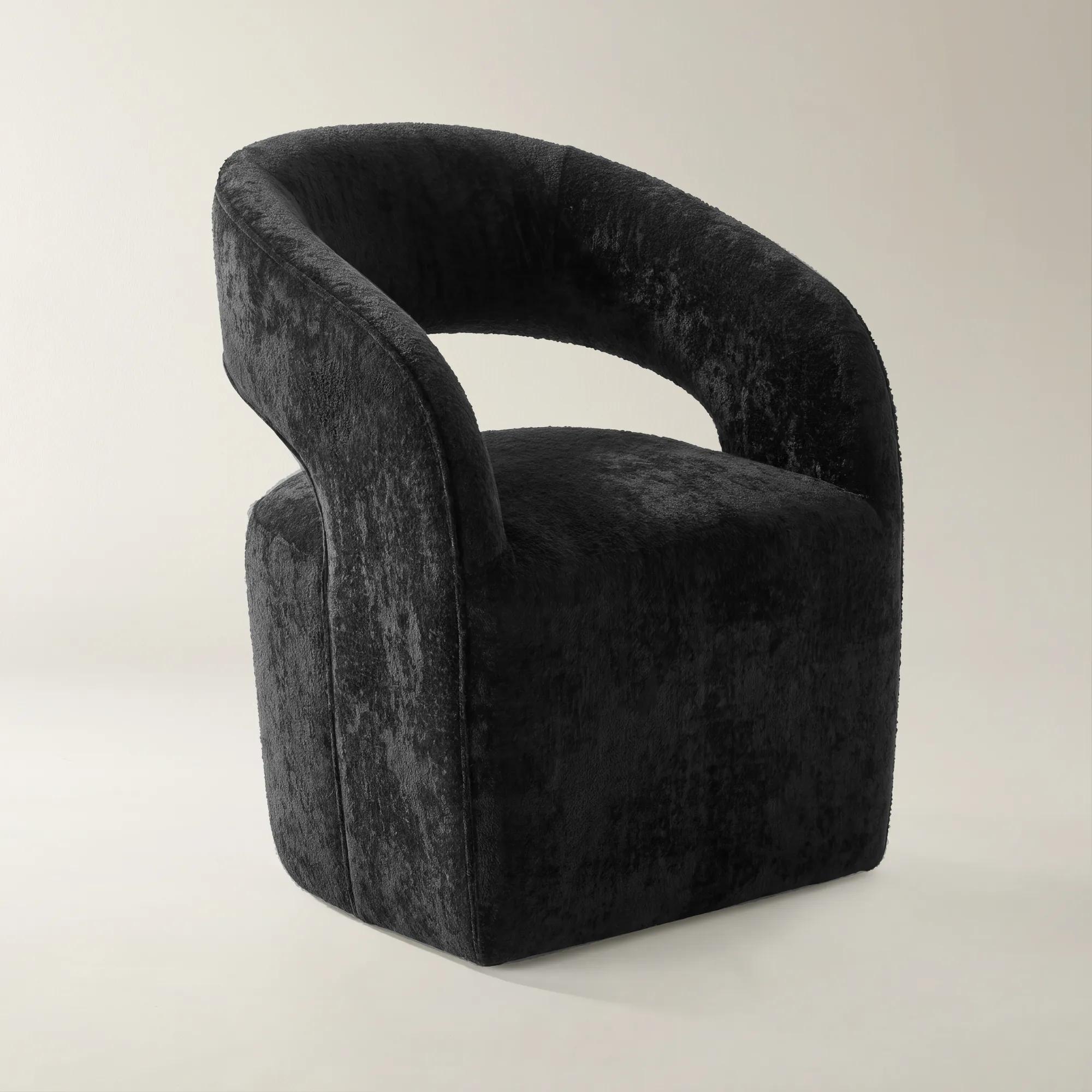 Harrison Black Chenille Dining Chair$499
A sculptural dining chair upholstered in charcoal chenille with a curved back, feather-blend seat, and integrated arms.
Add To Cart -
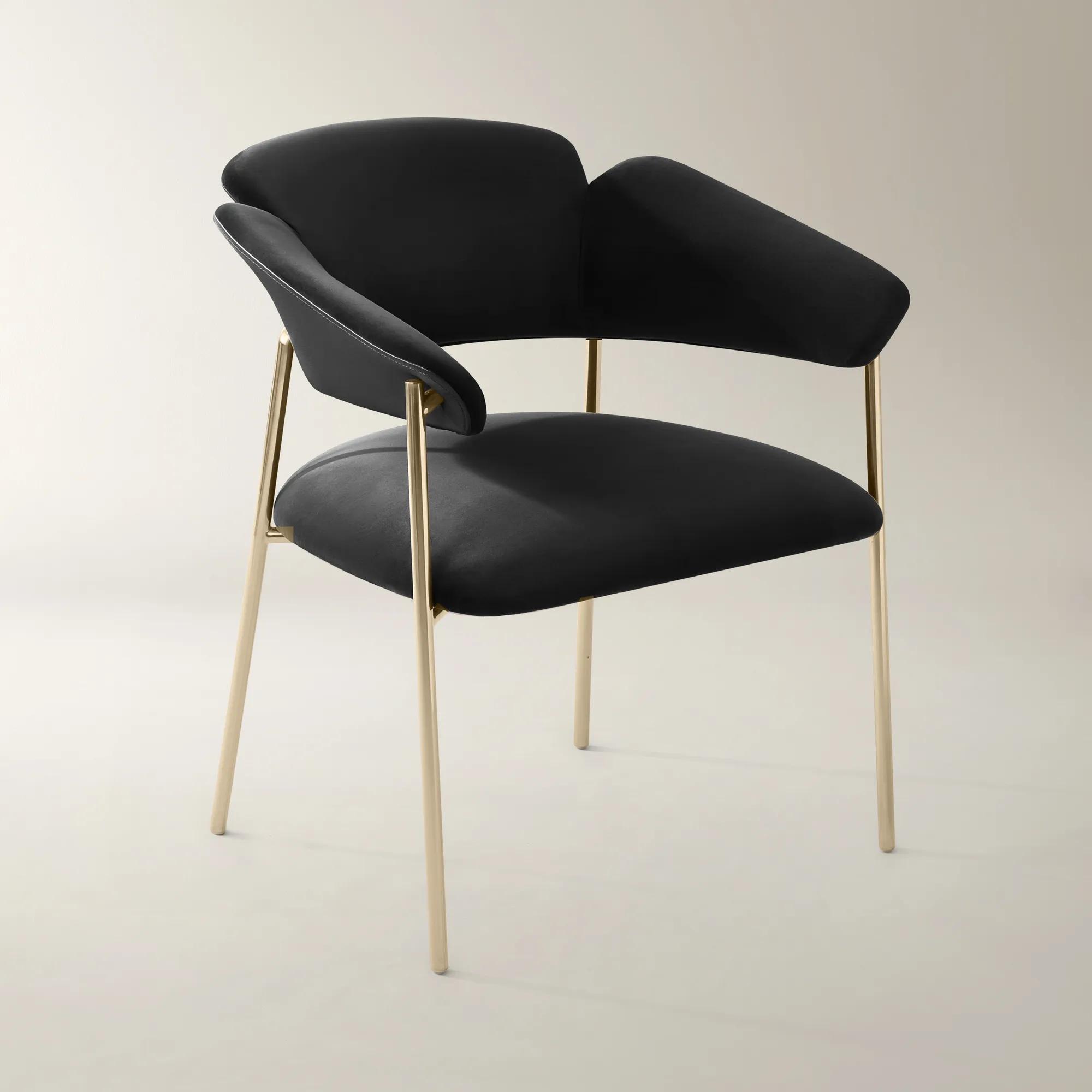 Odette Charcoal Velvet Dining Chair$499
A charcoal velvet chair featuring a wraparound open-back design, tonal faux leather accents, and gold metal legs.
Add To Cart -
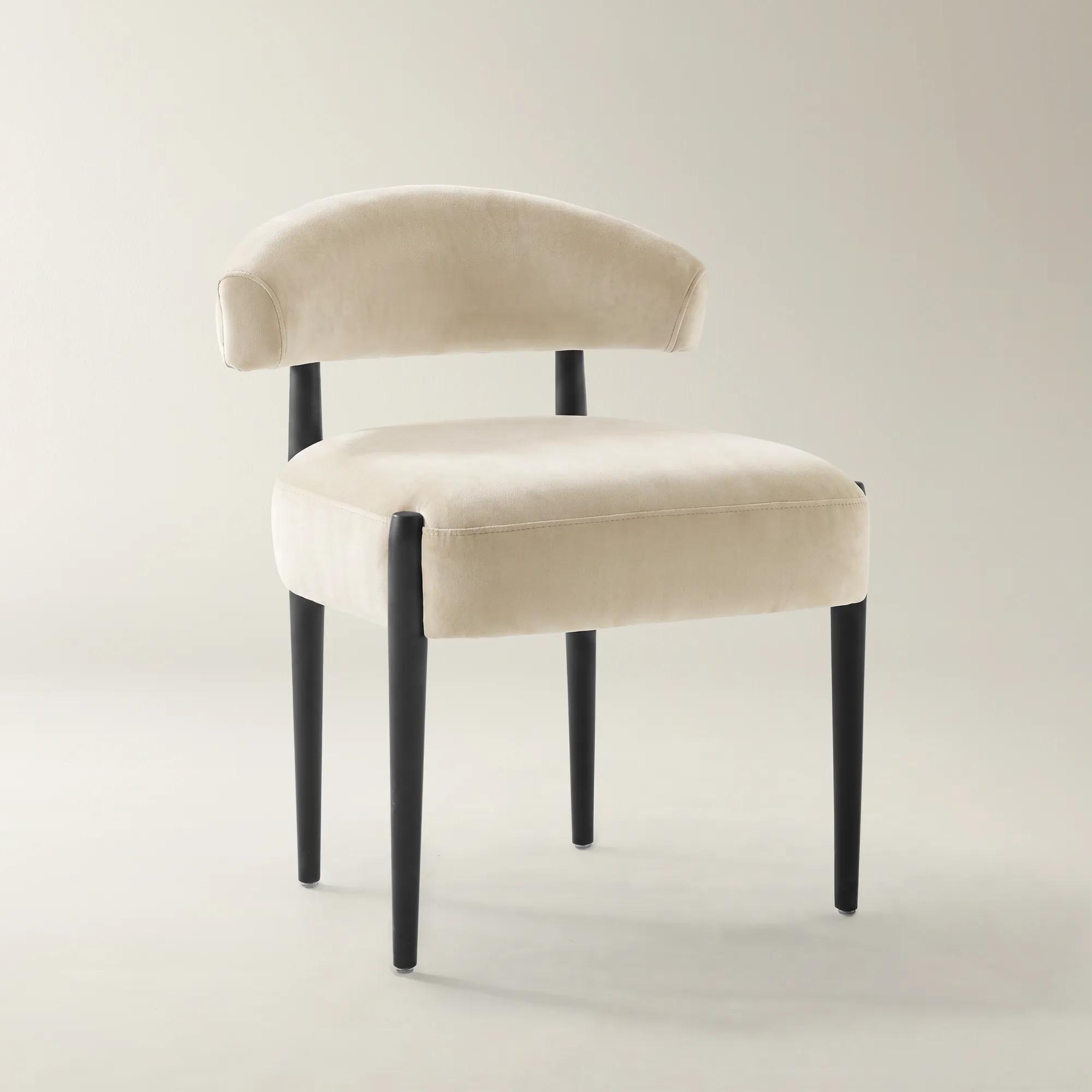 Anna Oatmeal Velvet Dining Chair Set of 2$699
A pair of oatmeal velvet dining chairs with arched backs, supportive foam cushioning, and rubberwood legs.
Add To Cart -
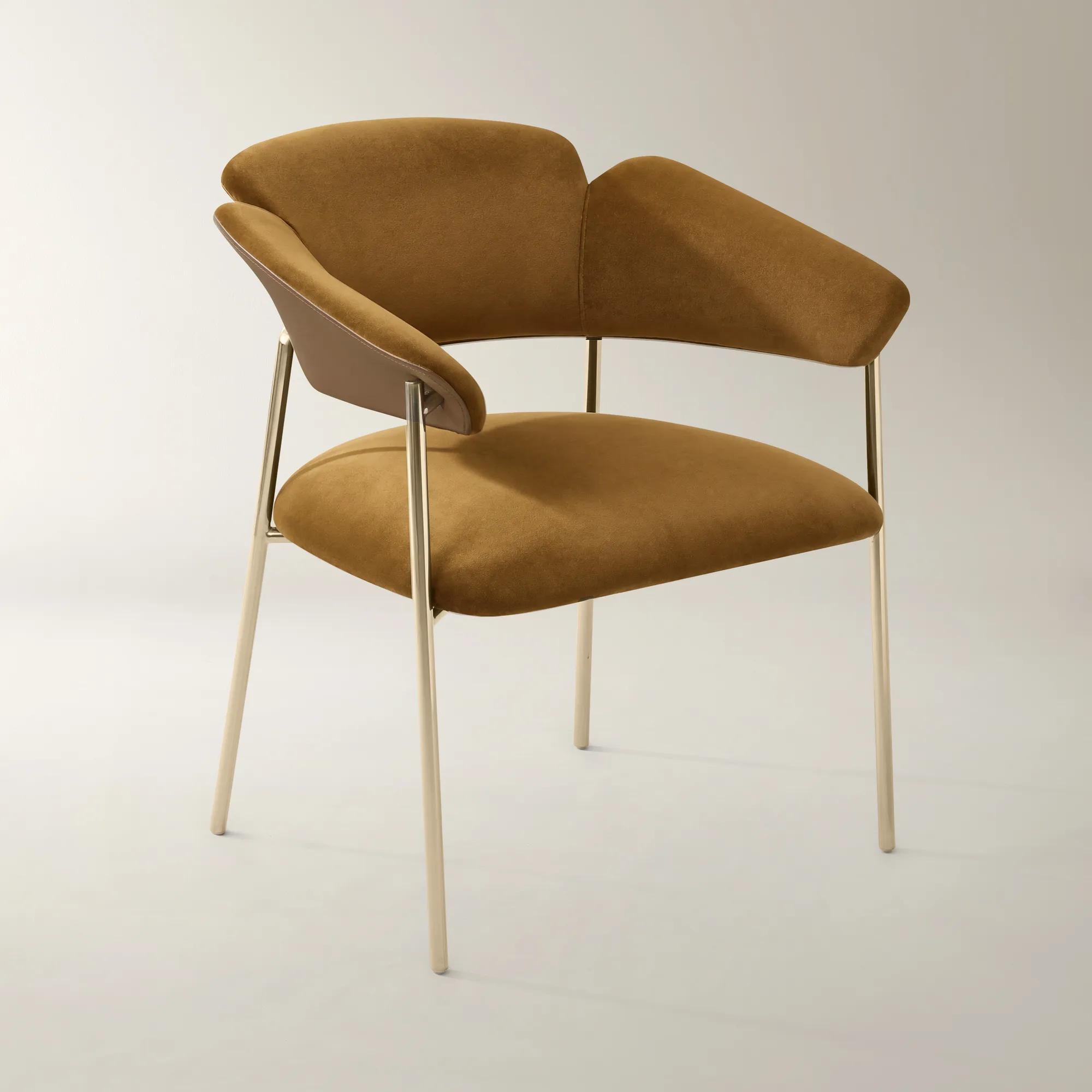 Odette Roasted Pecan Velvet Dining Chair$499
A sculptural dining chair featuring roasted pecan velvet, tonal faux leather accents, and gold stainless steel legs.
Add To Cart -
 Elara Burnt Umber Velvet Dining Chair Set Of 2$799
A pair of brown velvet chairs with sinuous curves, ergonomic support, and hand-crafted, sculptural design.
Add To Cart

Designer Dining Room Chairs
Explore designer dining room chairs that bring expressive style to your table, whether you’re refreshing your seating or creating a dramatic dining space. Compare silhouettes, proportions, and design details to find chairs that complement your table and surrounding décor, keeping seat height and spacing in mind for a beautifully balanced arrangement.
Designer dining room chairs combine expressive silhouettes, thoughtful proportions, and refined materials to make seating an essential part of a room’s composition. Their appeal lies in the relationship between form and function: a sculptural back creates presence from across the room, while a supportive seat makes lingering over dinner feel effortless. Around a glass table, sumptuous upholstery introduces softness without obscuring the tabletop’s reflective character. Beside richly grained wood, a gleaming metal frame adds a deliberate contrast; against stone, curved chair backs temper the table’s substantial profile. Upholstered dining chairs can lend the room a tailored, enveloping quality, with details such as piping, channel stitching, and precisely placed seams shaping the overall impression. Velvet brings depth as its pile catches light, creating subtle variations across a jewel-toned or neutral surface. Textured woven fabrics offer a different kind of dimension, revealing their character up close while reading as a cohesive color from a distance. Leather provides a smooth, substantial surface, though its feel, finish, and aging characteristics depend on the type selected. Wood dining chairs emphasize grain, joinery, and the artistry of the frame itself, while metal introduces slender lines, architectural angles, or a polished accent. Material choice also influences everyday use. An upholstered seat may suit extended meals and conversation, while an exposed wood or metal frame can keep the arrangement visually open. Fully upholstered backs create a continuous fabric silhouette, especially striking when the dining area is visible from an adjoining living room. Open backs let more of the table and surrounding space remain in view. For households that entertain frequently, seating should feel as considered from behind as it does from the front; chair backs often become the dominant visual detail when viewed from a doorway. A compelling dining room does not require every surface to match. Repeating a tone, curve, or finish can connect distinct materials while preserving the contrast that gives an interior its individual character.
The most successful dining chair arrangement balances that visual expression with dimensions that suit the table and the people using it. Standard dining tables are commonly about 28 to 30 inches high, and dining chair seats often measure approximately 18 to 20 inches high. These ranges are starting points, not a guarantee of compatibility. Aim for roughly 10 to 12 inches between the seat surface and the tabletop, then check whether an apron or support rail reduces usable legroom beneath it. Upholstered seats can compress when occupied, so cushioning also affects how the chair feels at the table. Allow about 24 to 26 inches of table edge per diner as a starting point, with additional space for broad seats, generous armrests, or a more expansive place setting. Chair width alone does not determine seating capacity: table legs, pedestal bases, and the curve of a round tabletop can change where chairs fit comfortably. Armchairs make an expressive choice at the ends of a rectangular table, but their arms should clear the underside if the chairs need to tuck in. Armless side chairs generally offer greater flexibility along the table’s length and can simplify entry and exit. Beyond the table, allow approximately 36 inches between its edge and a wall or other furniture for pulling chairs out; closer to 42 to 48 inches is preferable where people need to pass behind seated guests. Actual comfort depends on chair depth and room layout, so review the full dimensions rather than relying on a photograph. A supportive back, a seat that does not press behind the knees, and enough room to shift position matter during a leisurely meal. For interiors that favor sculptural profiles and distinctive material pairings, Modern Designer Dining Chairs offer a related expression of this aesthetic. A coordinated set creates a strong rhythm, while contrasting head chairs can introduce scale and texture. In an open dining area, repeating one finish or upholstery color from the adjoining room helps the seating feel connected without making the entire space overly uniform.
Durability and care deserve the same attention as silhouette, particularly when dining chairs move between intimate dinners, family meals, and larger gatherings. A beautiful finish alone does not establish lasting quality; frame construction, secure joints, upholstery tailoring, and materials suited to the intended use all contribute. Solid wood can offer strength and distinctive grain, but its performance depends on the species, construction, and finish. Metal frames likewise vary in weight, rigidity, and protective coating. For upholstered seating, look for information about the frame, cushioning, fabric composition, and recommended cleaning method. Performance upholstery may be useful in a frequently used dining room, but the designation does not mean every fabric resists the same spills or accepts the same cleaners. Follow the care instructions for the specific material, and test an approved cleaning product in an inconspicuous area when directed. Blot spills promptly rather than rubbing them into the fibers. Regular gentle vacuuming with an upholstery attachment helps remove crumbs and dust from seams; velvet may need additional attention to preserve the direction of its pile. Leather should be cared for according to its finish, since products intended for one type may damage another. Wood and metal surfaces generally benefit from soft cloths and manufacturer-approved cleaning methods rather than abrasive pads or harsh chemicals. Felt pads or suitable floor protectors can help reduce scraping as chairs move, and checking accessible fasteners periodically may help maintain stability where the construction allows. Direct sunlight can alter some fabrics and finishes over time, so placement is worth considering in a bright dining area. For a household with young children, cleanability and accessible seating may take priority alongside style; for frequent hosts, comfort and ease of movement become especially important. Chairs chosen for a new home or given as a substantial furnishing gift should reflect the recipient’s table dimensions, aesthetic, and daily routines. With those practical details resolved, designer dining room chairs can deliver their fullest effect: a richly composed setting where the seating feels inviting, the materials reward a closer look, and the room expresses a confident point of view.
FAQs
Designer dining room chairs bring an intentional point of view to the table through distinctive silhouettes, expressive materials, and considered detailing. Sculptural backs, sumptuous upholstery, and gleaming metal accents turn everyday seating into an artistic statement, giving your dining room a character all its own.
Velvet lends dining chairs rich color and a luminous finish, while bouclé introduces tactile depth with its softly looped texture. Leather offers a tailored aesthetic, and woven fabrics add subtle dimension. Choose upholstery that complements the atmosphere you want to create, from jewel-toned drama to a layered palette of ivory and champagne.
Look for a visual connection in the shapes, materials, or finishes, then introduce contrast. Curved upholstered dining chairs soften an angular table, while polished metal frames add brilliance beside richly grained wood. With a glass dining table, sculptural chair silhouettes remain visible, making the seating an integral part of the room’s composition.
Mixing dining chair styles creates a collected, expressive setting when one design element ties them together. Pair distinctive host chairs with simpler side chairs in a shared upholstery color, or combine different silhouettes with the same metal finish. Give one detail the leading role—such as channel tufting or a sweeping curved back—and let the other chairs complement it.
Let your dining chairs establish the room’s design language. Echo a curved back in a sculptural chandelier, draw an upholstery hue into wall art, or repeat a metallic accent in candleholders. A textured rug and thoughtfully layered table setting add depth, allowing the chairs to anchor a dining room that feels personal and artfully composed.