Beds With Vertical Tufting
Beds With Vertical Tufting
-
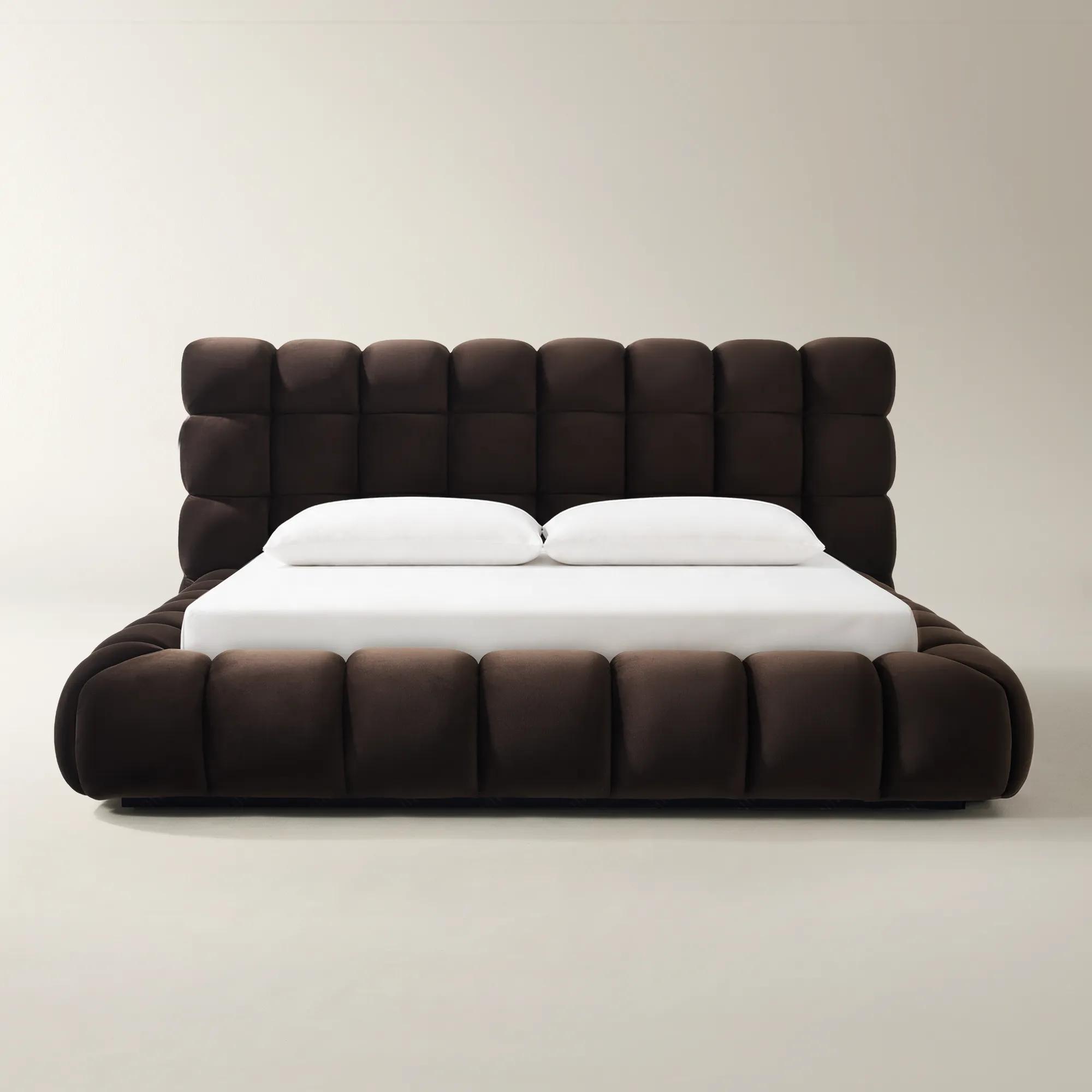 Paloma Tufted Dark Chocolate Velvet Upholstered Queen Platform Bed$2399
A sculptural platform bed upholstered in dark chocolate velvet with plush, oversized tufted blocks for modern elegance.
Add To Cart -
Paloma Tufted Dark Chocolate Velvet Upholstered King Platform Bed$2599
A sculptural platform bed wrapped in dark chocolate velvet with plush tufted blocks and solid wood construction.
Add To Cart -
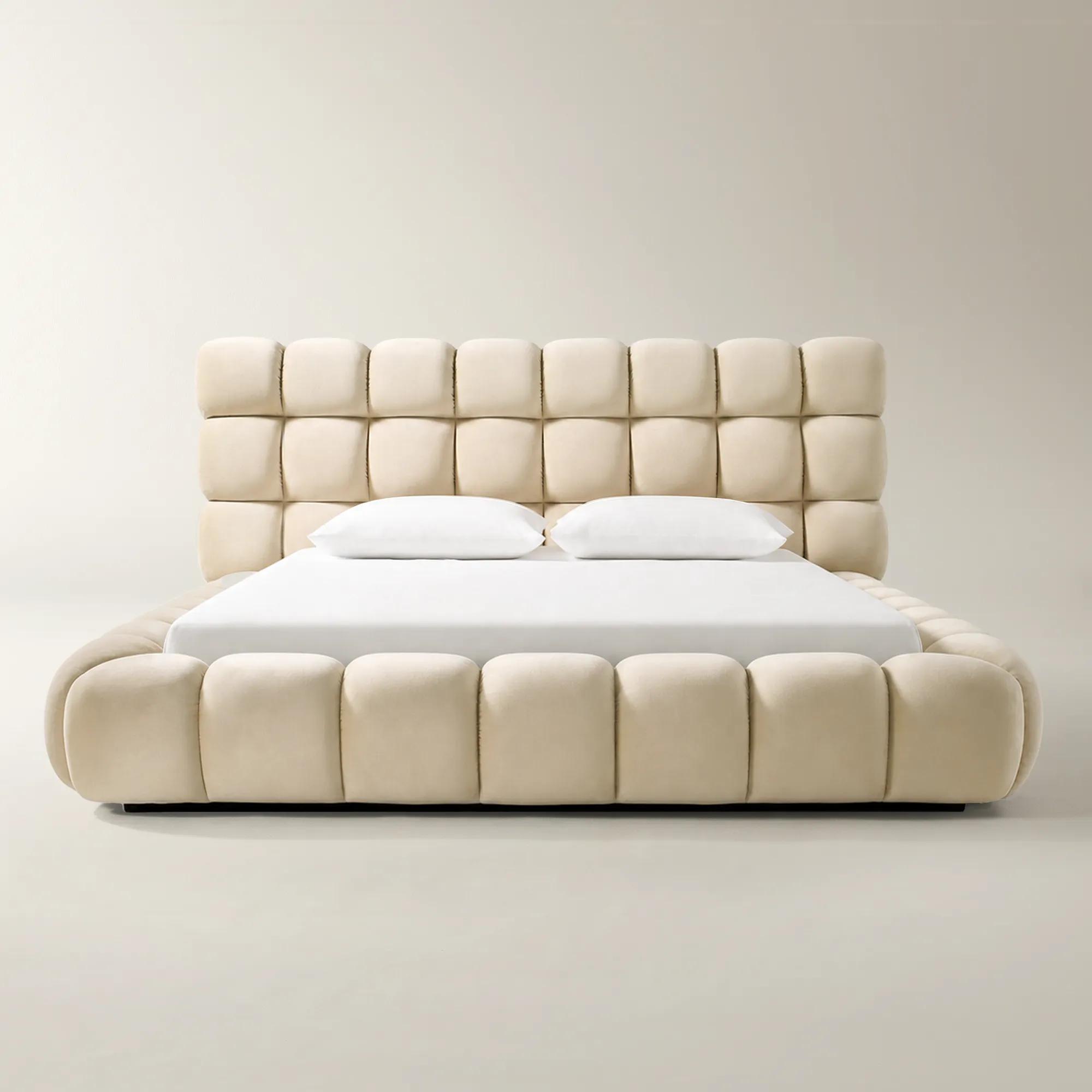 Paloma Tufted Oatmeal Velvet Upholstered King Platform Bed$2599
A sculptural platform bed upholstered in oatmeal velvet with plush tufted blocks and fully wrapped design.
Add To Cart -
Paloma Tufted Oatmeal Velvet Upholstered Queen Platform Bed$2399
A sculptural platform bed upholstered in plush oatmeal velvet with oversized tufted blocks and solid wood frame.
Add To Cart -
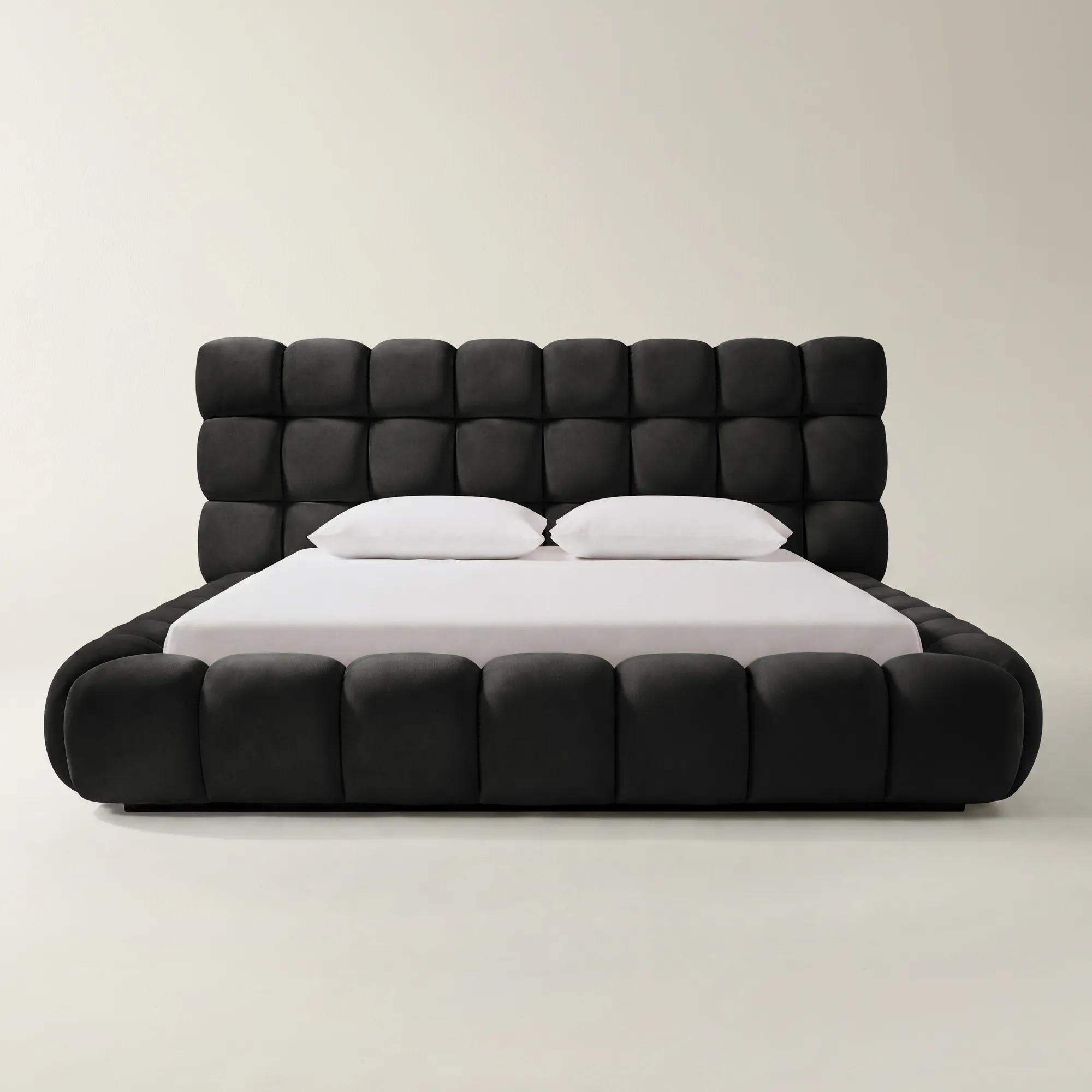 Paloma Tufted Charcoal Velvet Upholstered King Platform Bed$2599
A sculptural charcoal velvet platform bed with plush wrapped upholstery, solid wood construction, and slat support.
Add To Cart -
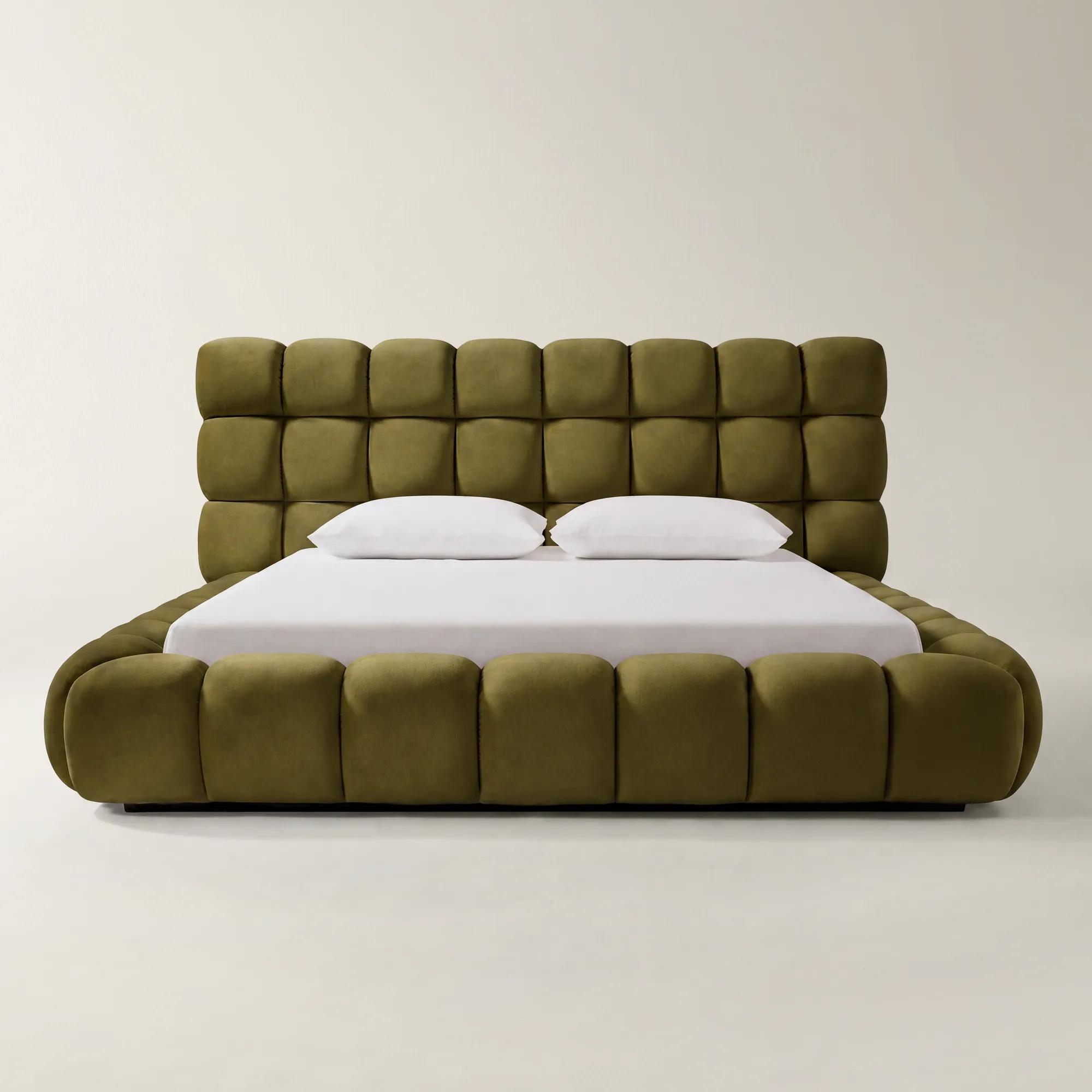 Paloma Tufted Deep Olive Velvet Upholstered Queen Platform Bed$2399
A sculptural deep olive velvet platform bed with wrapped upholstery, plush padding, and durable wood construction.
Add To Cart -
Paloma Tufted Deep Olive Velvet Upholstered King Platform Bed$2599
A sculptural deep olive velvet platform bed with plush padding, fully wrapped upholstery, and wood construction.
Add To Cart -
Paloma Tufted Charcoal Velvet Upholstered Queen Platform Bed$2399
A sculptural charcoal velvet platform bed with plush wrapped upholstery, solid wood construction, and supportive slats.
Add To Cart -
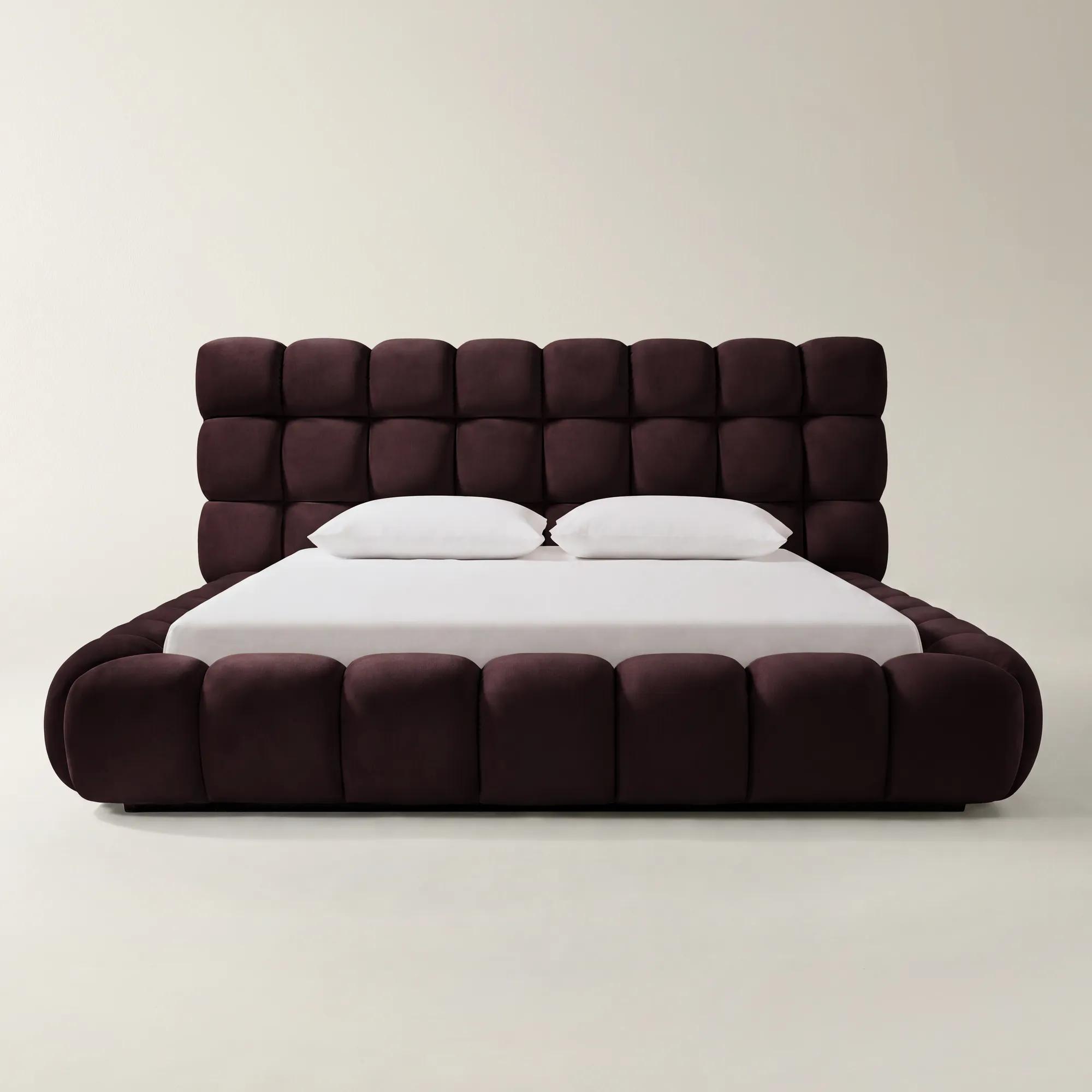 Paloma Tufted Fig Velvet Upholstered Queen Platform Bed$2399
A fig velvet upholstered platform bed featuring plush padding, solid wood construction, and supportive wooden slats.
Add To Cart -
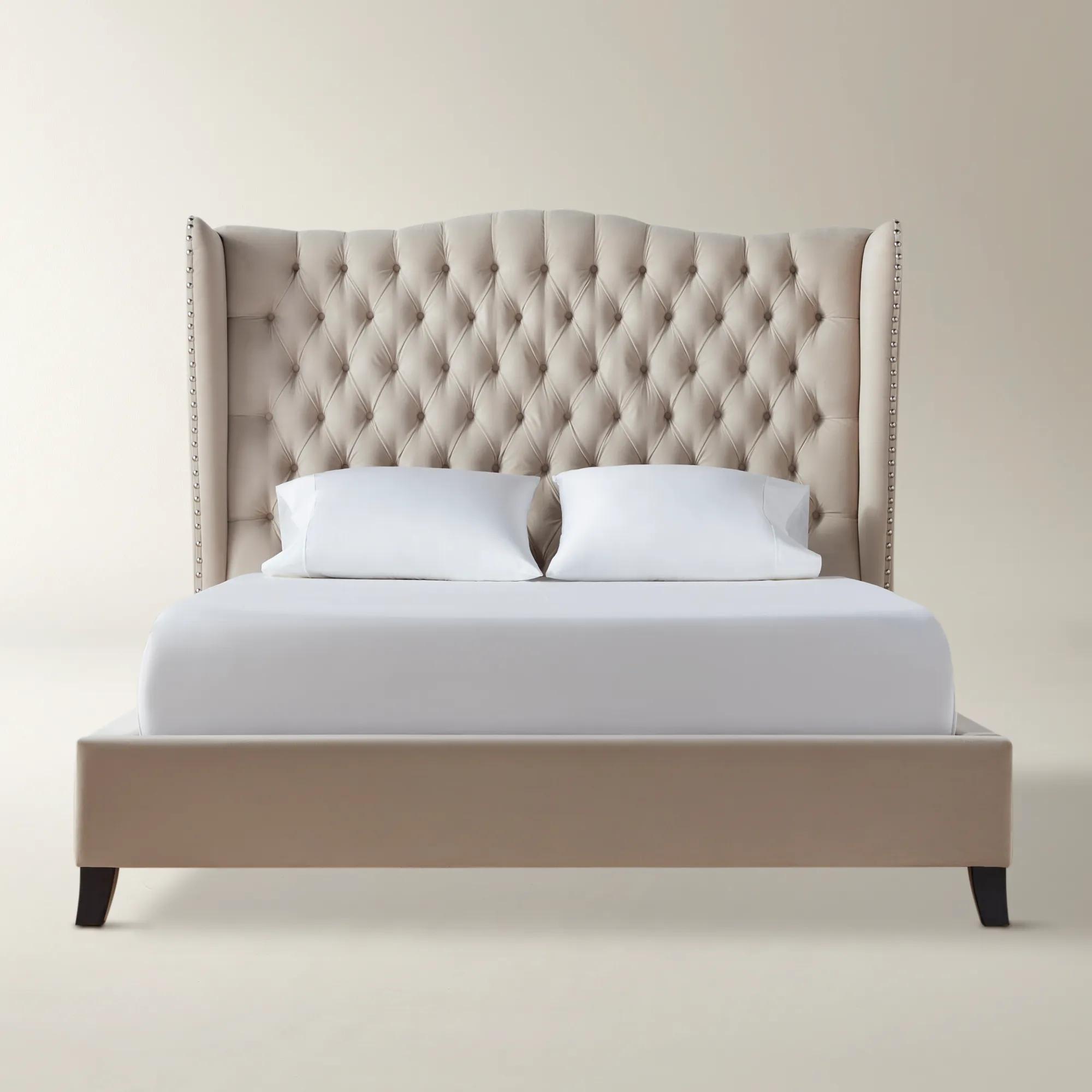
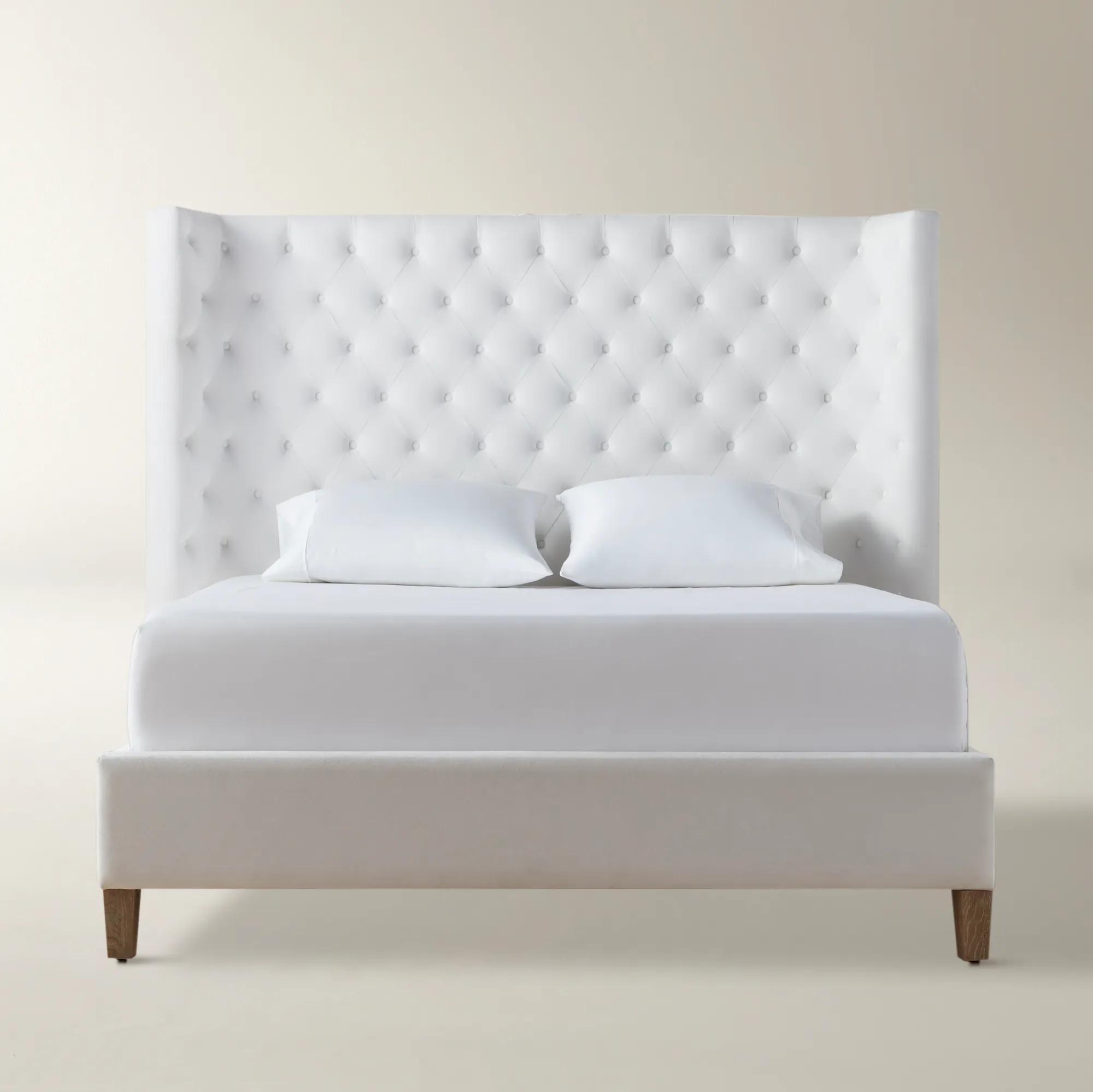
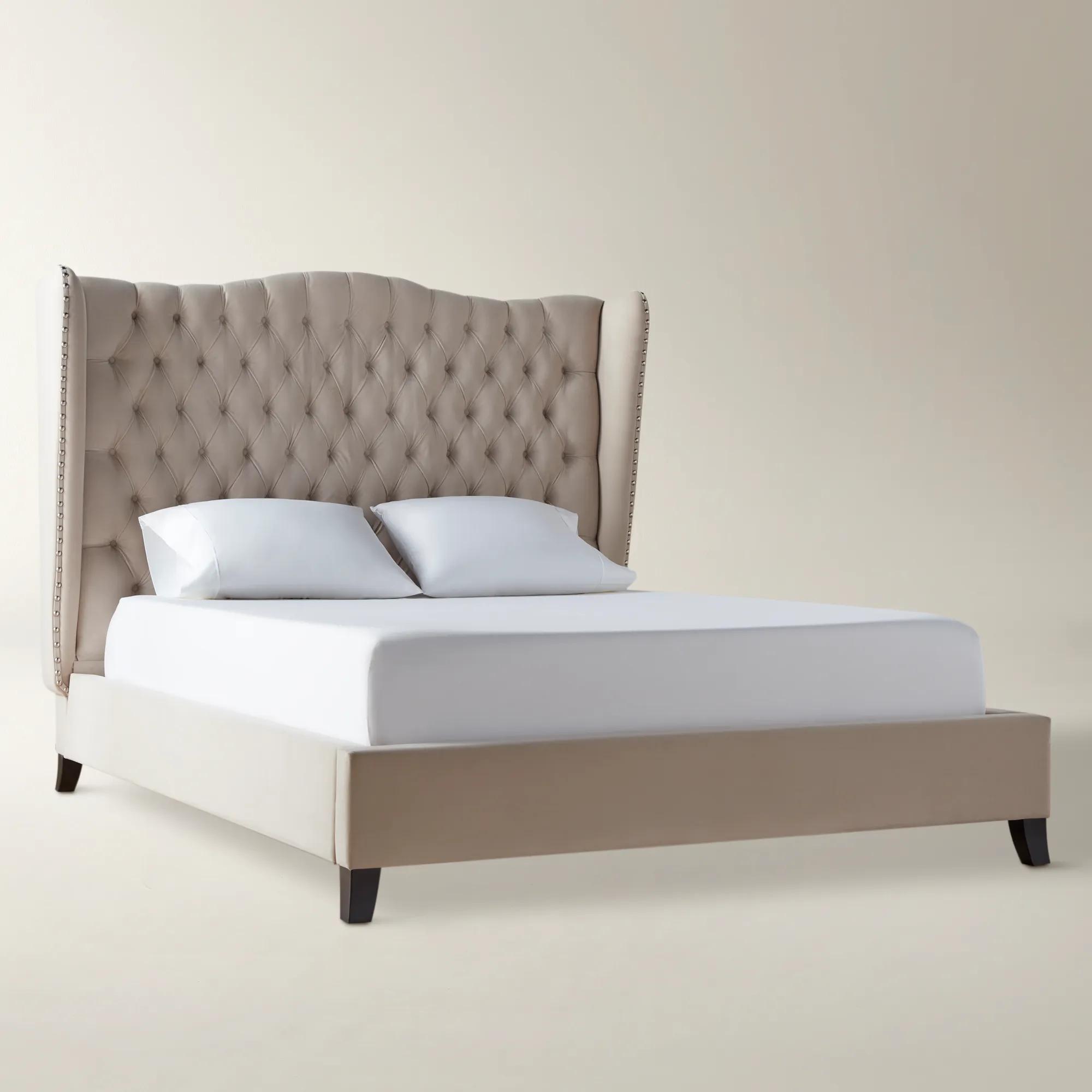 Jameson Bed$1899
A plush velvet bed featuring a camelback silhouette, hand-applied button tufting, and decorative nailhead trim.
Add To Cart -
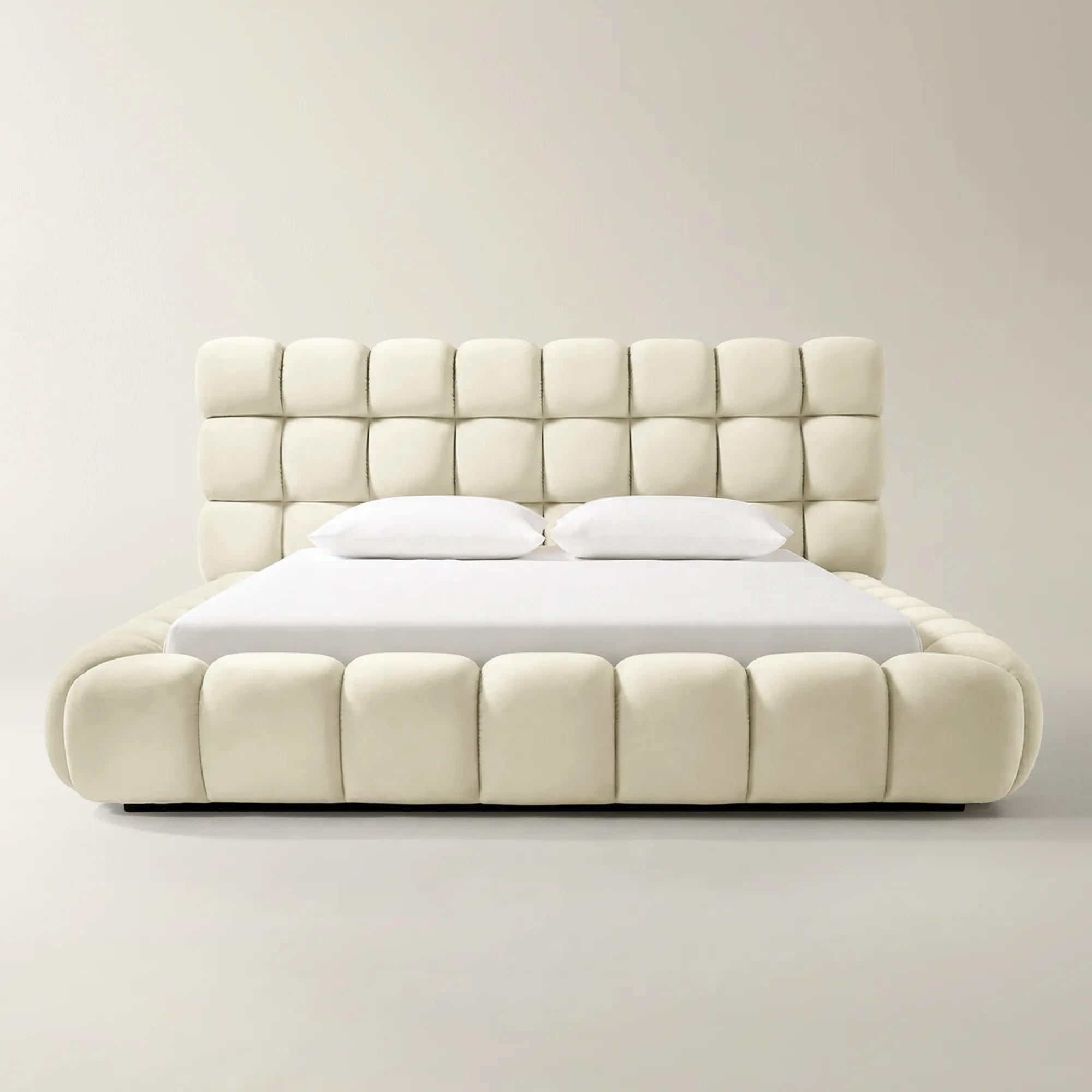 Paloma Tufted Cloud Velvet Upholstered Queen Platform Bed$2399
A sculptural velvet platform bed with plush padding, solid wood construction, and a fully wrapped silhouette.
Add To Cart -
Paloma Tufted Fig Velvet Upholstered King Platform Bed$2599
A sculptural fig velvet upholstered platform bed with plush padding and durable solid wood construction.
Add To Cart -
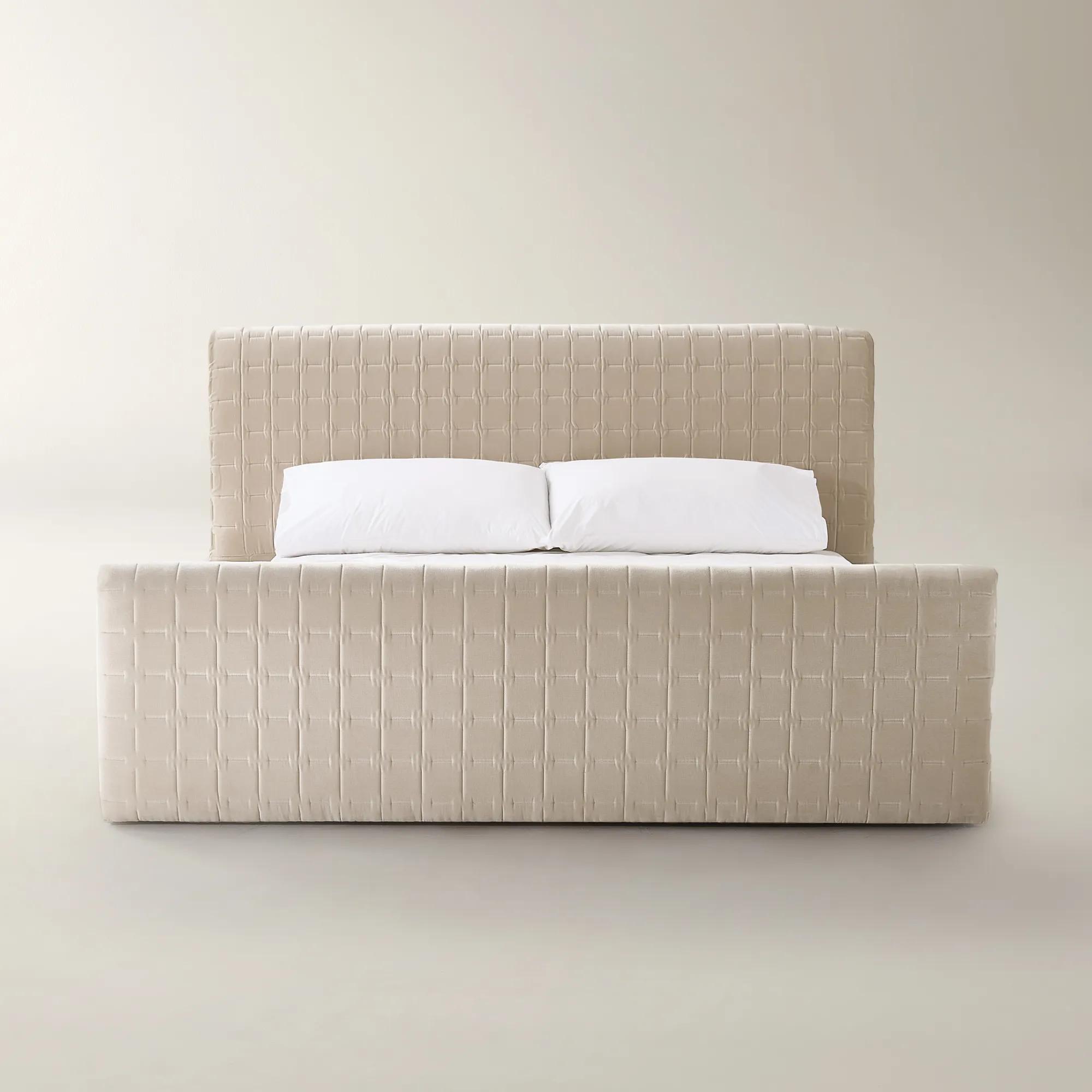
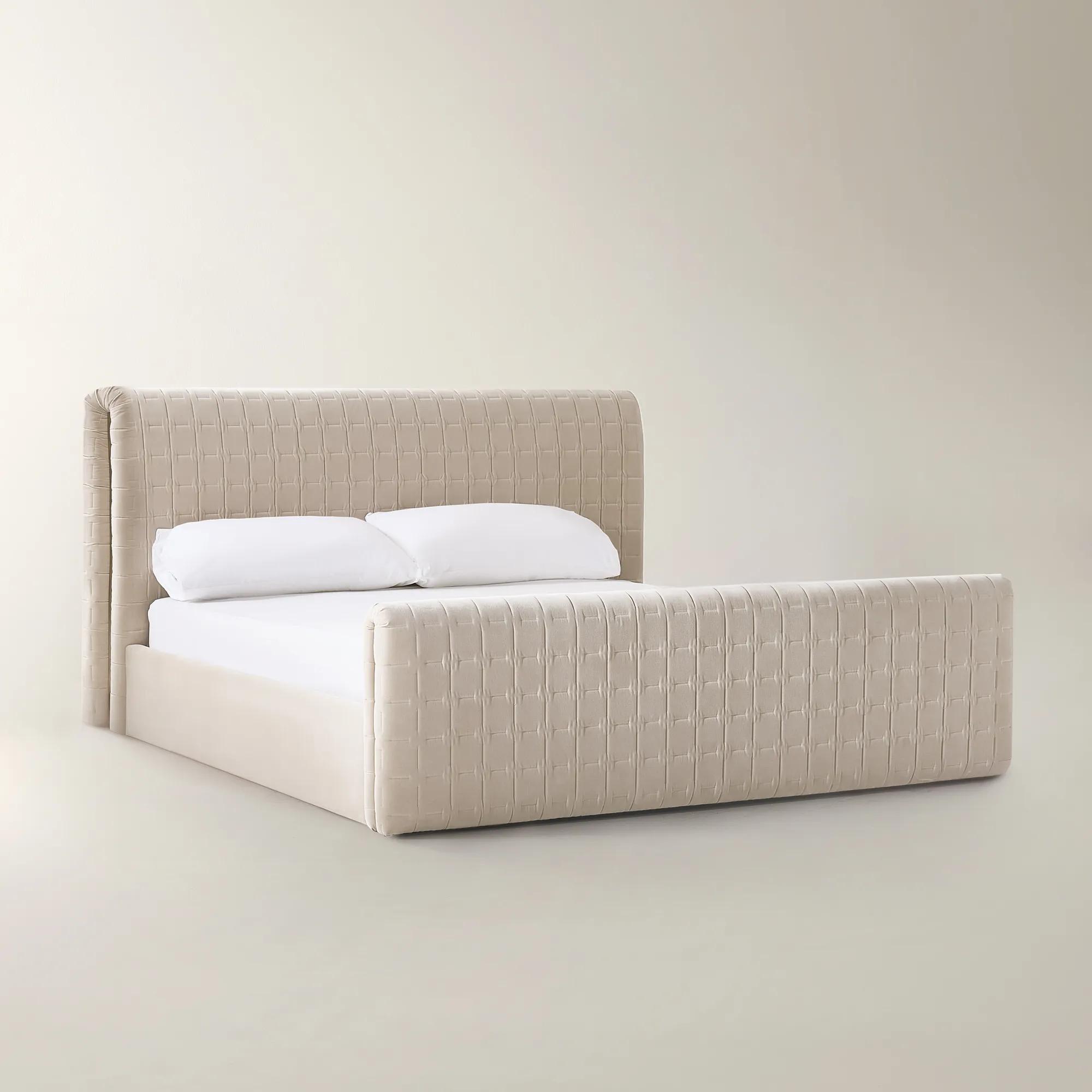 Vanta Oatmeal Velvet Upholstered King Platform Bed$2499
An oatmeal velvet-upholstered bed featuring a checker-quilted headboard and elegant gold-toned metal inlays.
Add To Cart -
Paloma Tufted Cloud Velvet Upholstered King Platform Bed$2599
A sculptural velvet platform bed featuring oversized upholstered blocks, plush cushioning, wood construction, and supportive slats.
Add To Cart -
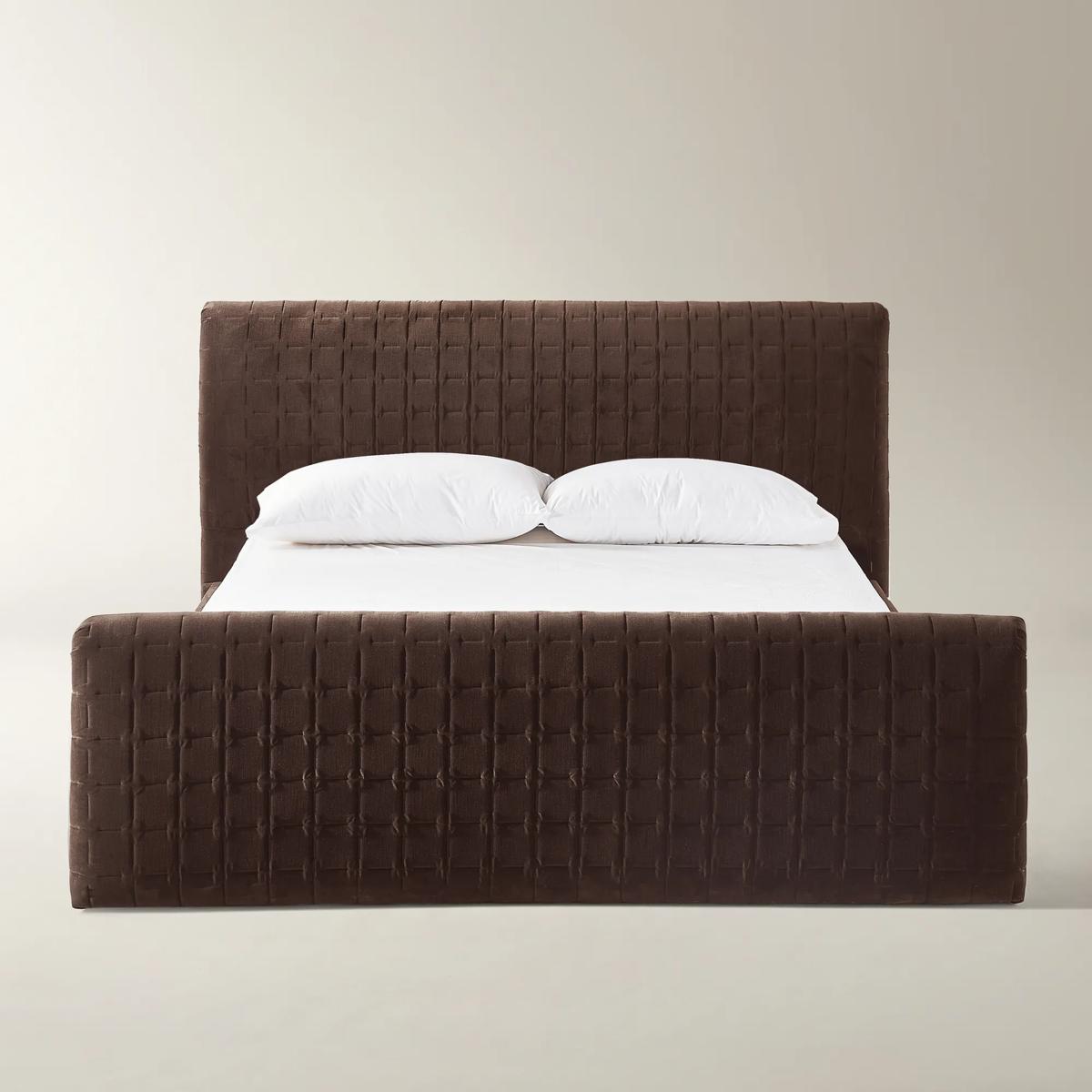
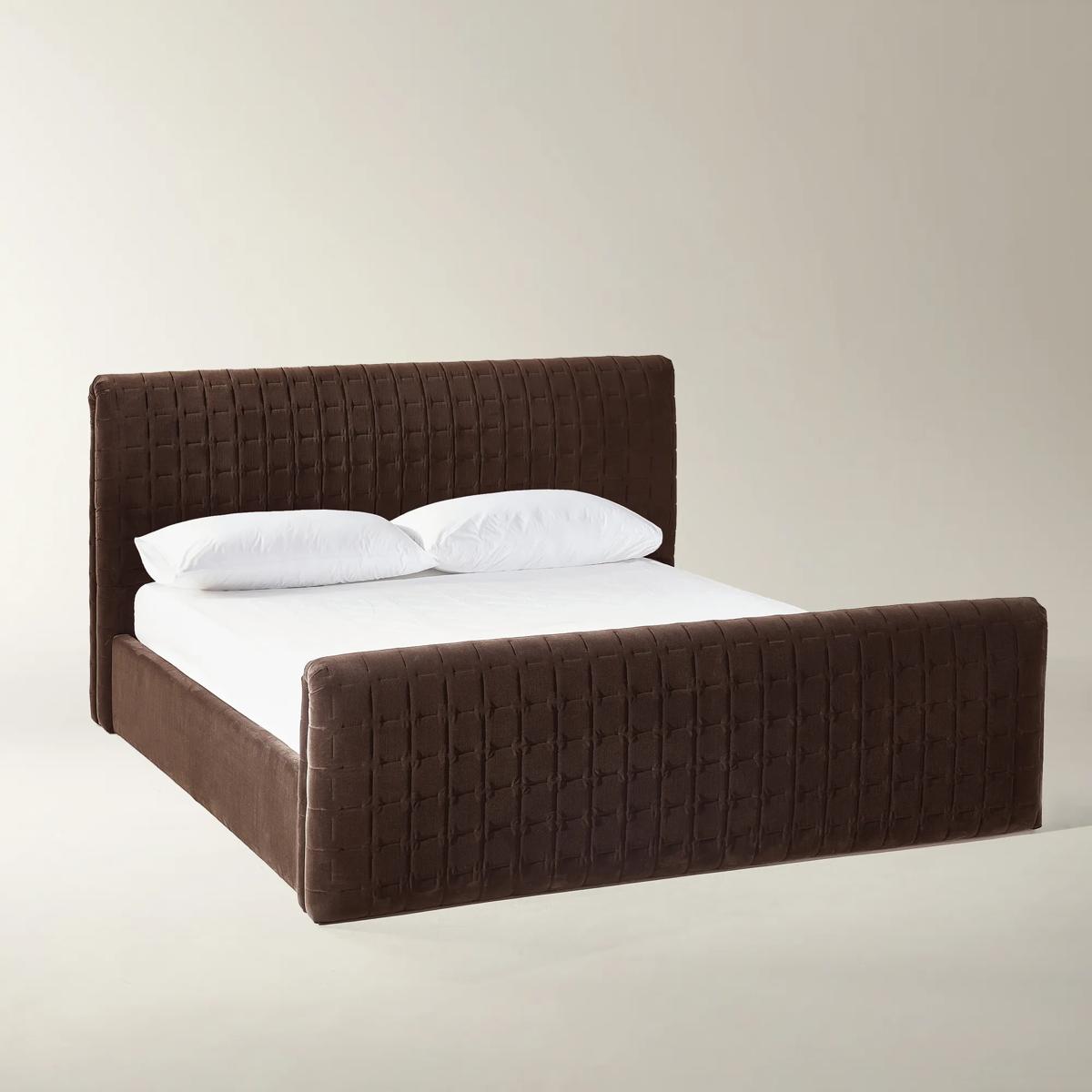 Vanta Burnt Umber Velvet Upholstered King Platform Bed$2499
A hand-tufted chocolate velvet bed with brushed stainless steel inlays for a plush, sculptural statement.
Add To Cart -
Vanta Burnt Umber Velvet Upholstered California King Platform Bed$2499
A chocolate velvet bed with hand-tufted checker quilting and brushed stainless steel inlays for modern elegance.
Add To Cart -
Vanta Oatmeal Velvet Upholstered Queen Platform Bed$2299
A modern oatmeal velvet bed featuring a checker-quilted headboard and gold-toned metal inlay accents.
Add To Cart -
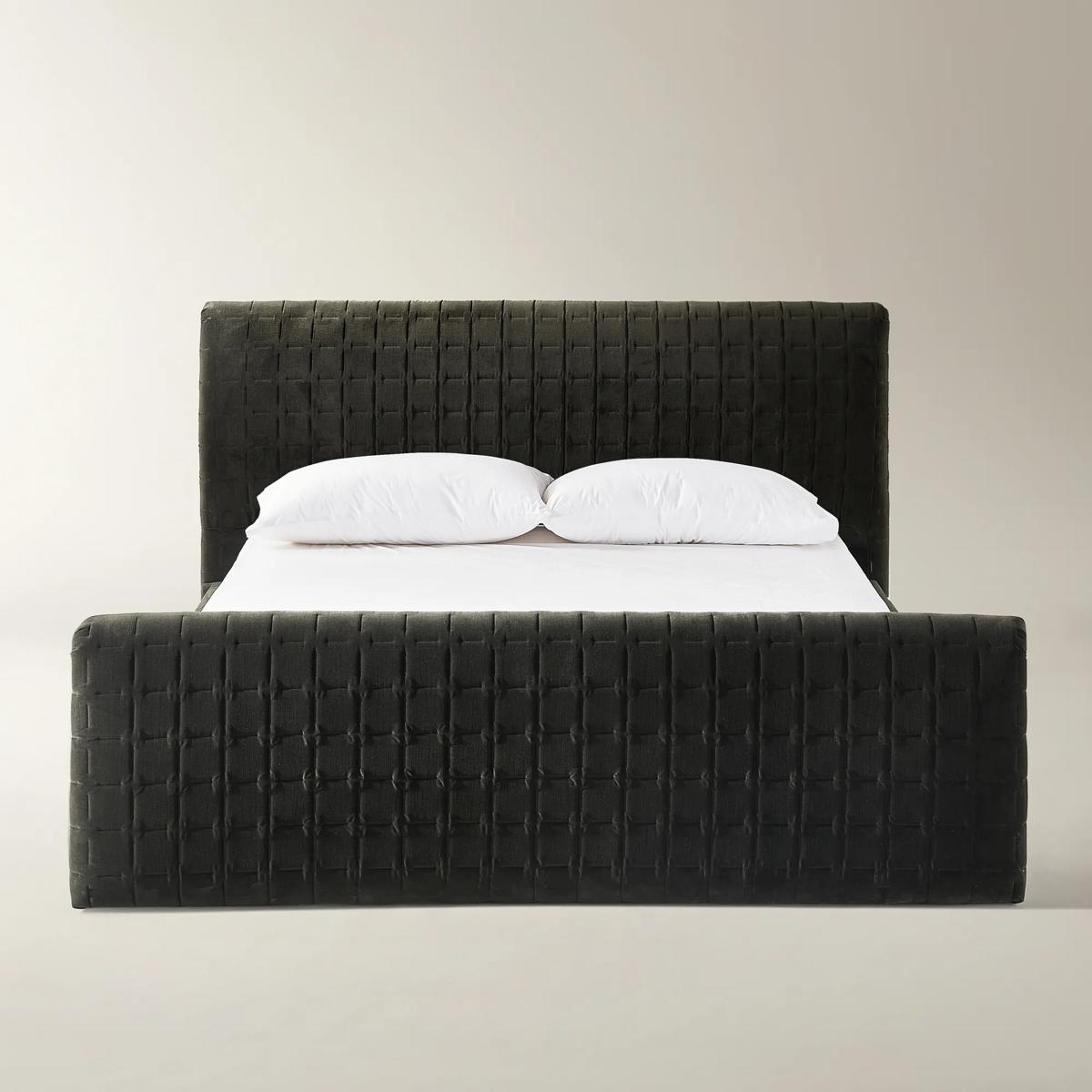 Vanta Charcoal Velvet Upholstered King Platform Bed$2499
A charcoal velvet bed with hand-tufted checker quilting and stainless steel inlays for modern sophistication.
Add To Cart -
Vanta Charcoal Velvet Upholstered Queen Platform Bed$2299
A sculptural bed featuring charcoal velvet upholstery, three-dimensional checker quilting, and sleek stainless steel inlays.
Add To Cart -
Vanta Burnt Umber Velvet Upholstered Queen Platform Bed$2299
A chocolate velvet bed with hand-tufted checker quilting and brushed stainless steel inlays for modern elegance.
Add To Cart -
Vanta Charcoal Velvet Upholstered California King Platform Bed$2499
A charcoal velvet bed featuring hand-tufted checker quilting and stainless steel inlays for sculptural elegance.
Add To Cart -
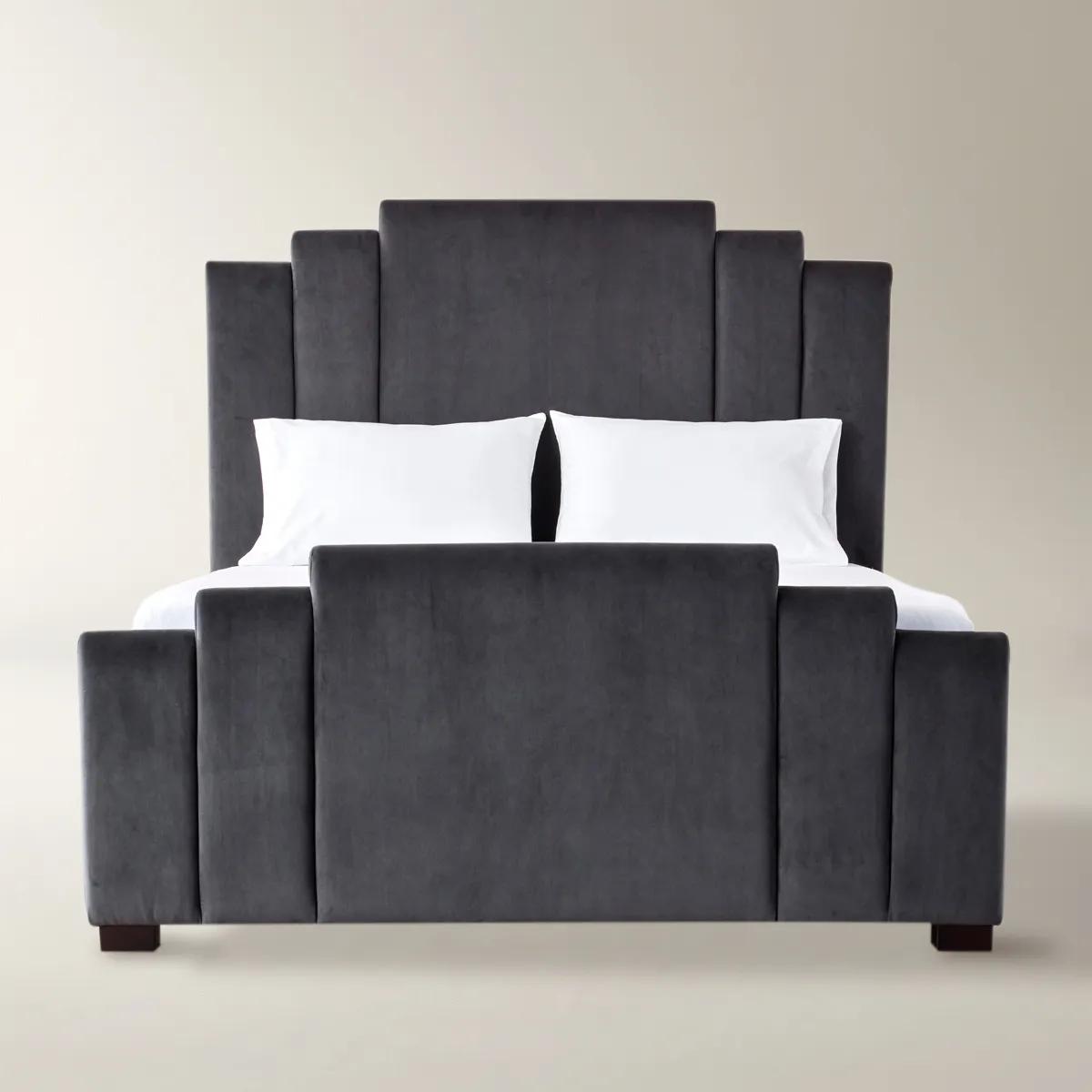 Marlow Bed$2549
A dramatic bed handcrafted from kiln-dried hardwood and plush gunmetal velvet with dimensional channel detailing.
Add To Cart -
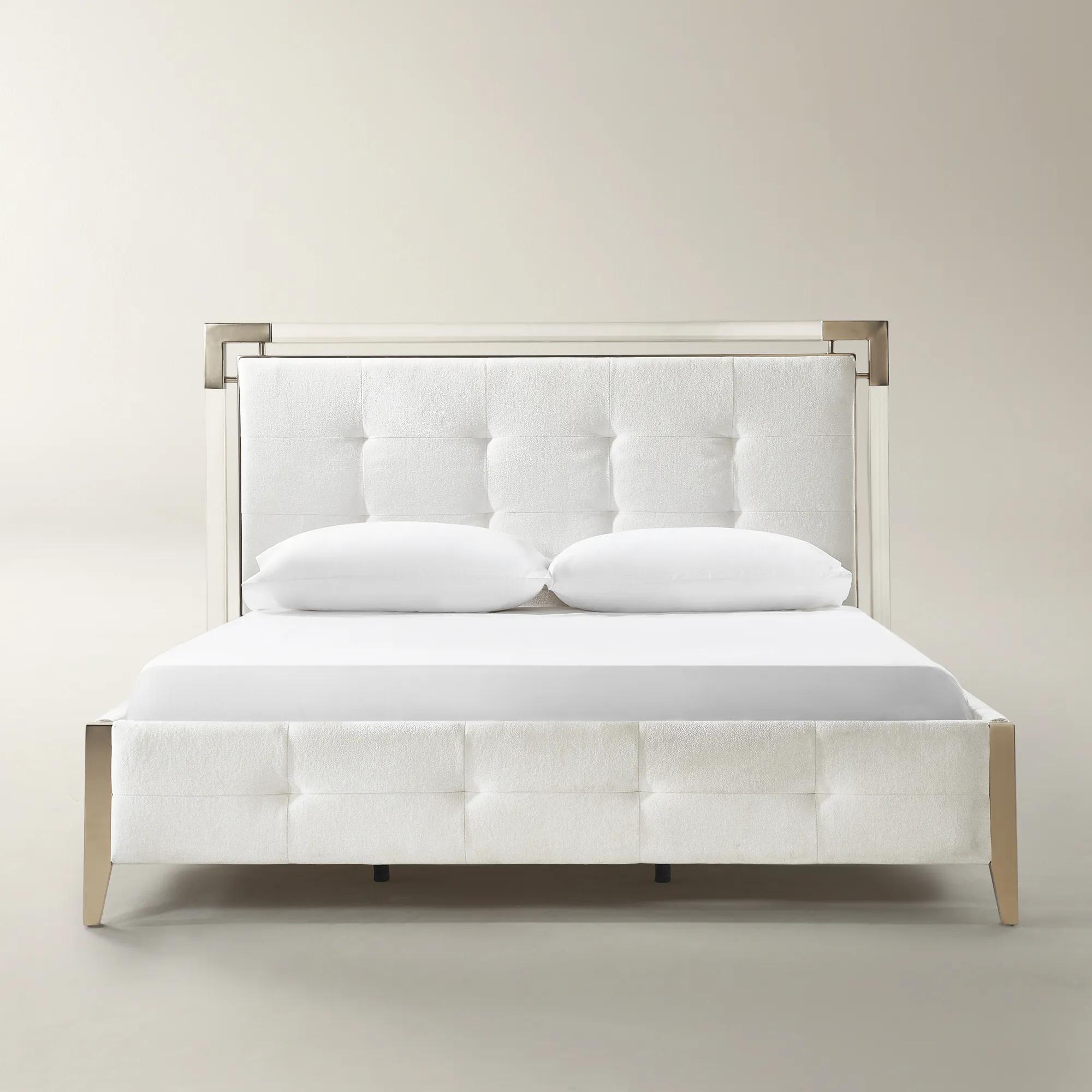
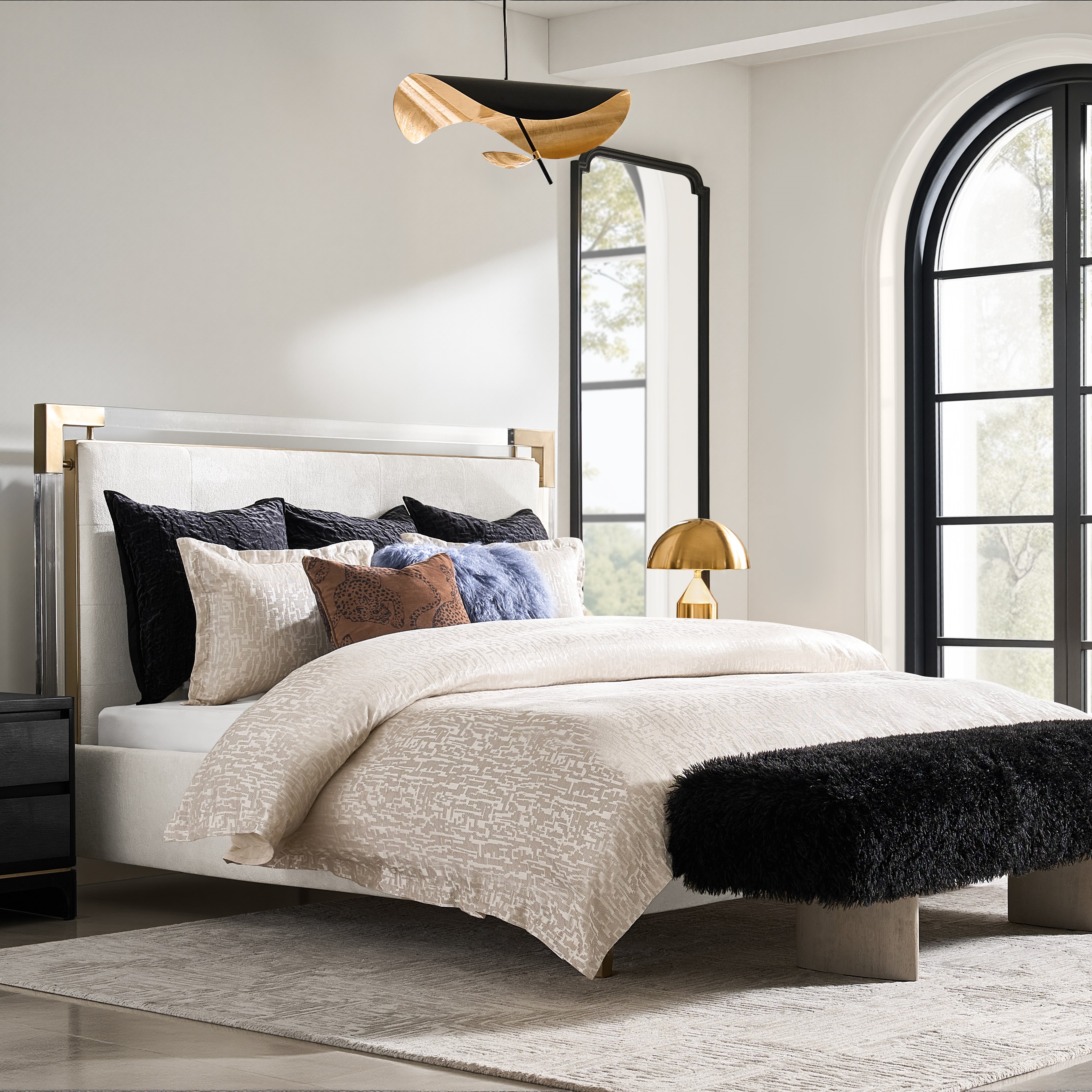 Vitrina Box-Tufted Ivory Velvet Upholstered King Platform Bed$2999
An ivory velvet upholstered bed featuring grid-tufted details, acrylic accents, and champagne-finished stainless steel trim.
Add To Cart -
Vitrina Box-Tufted Ivory Velvet Upholstered Queen Platform Bed$2799
An ivory velvet upholstered bed with grid-tufted headboard, acrylic accents, and champagne-finished stainless steel details.
Add To Cart

Beds With Vertical Tufting
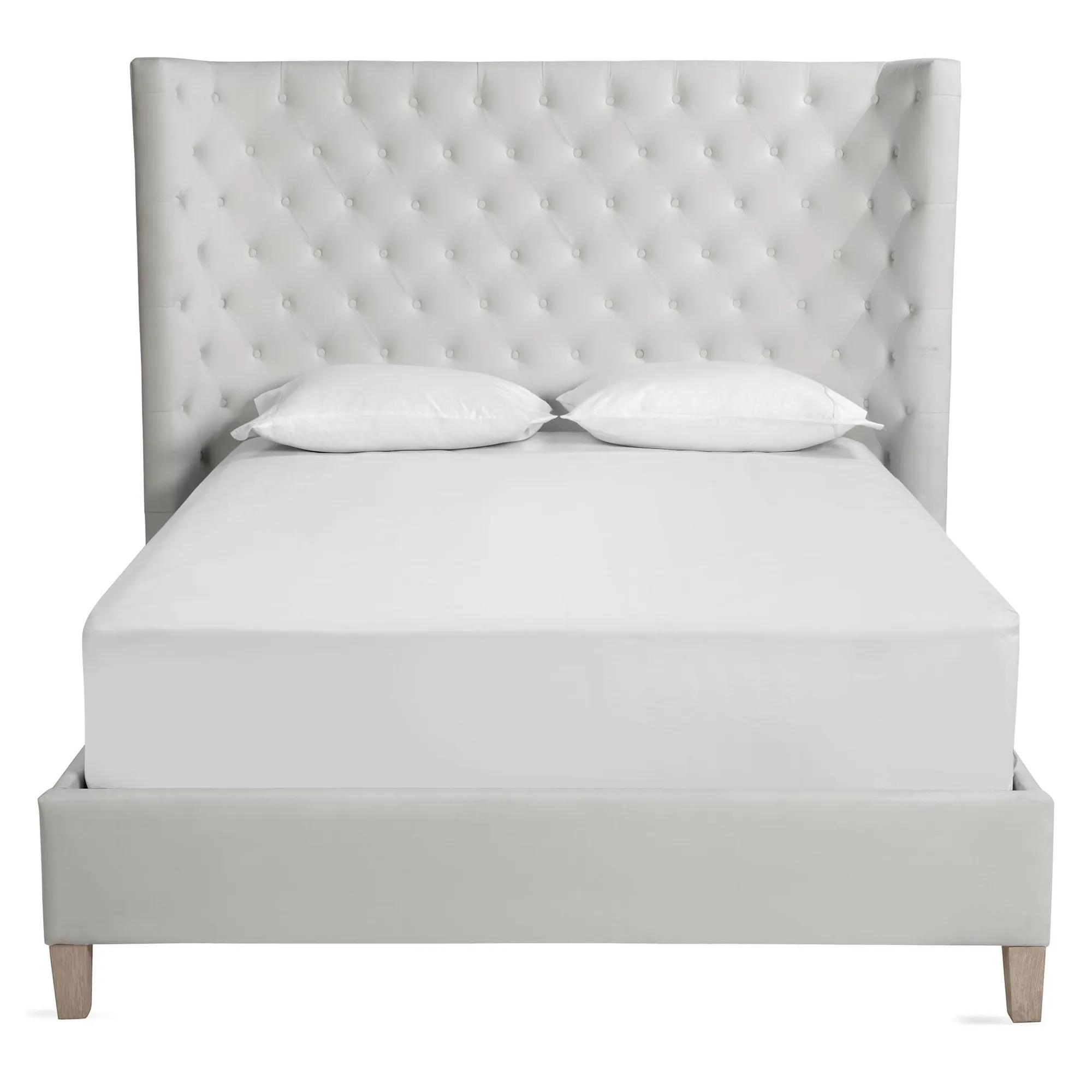
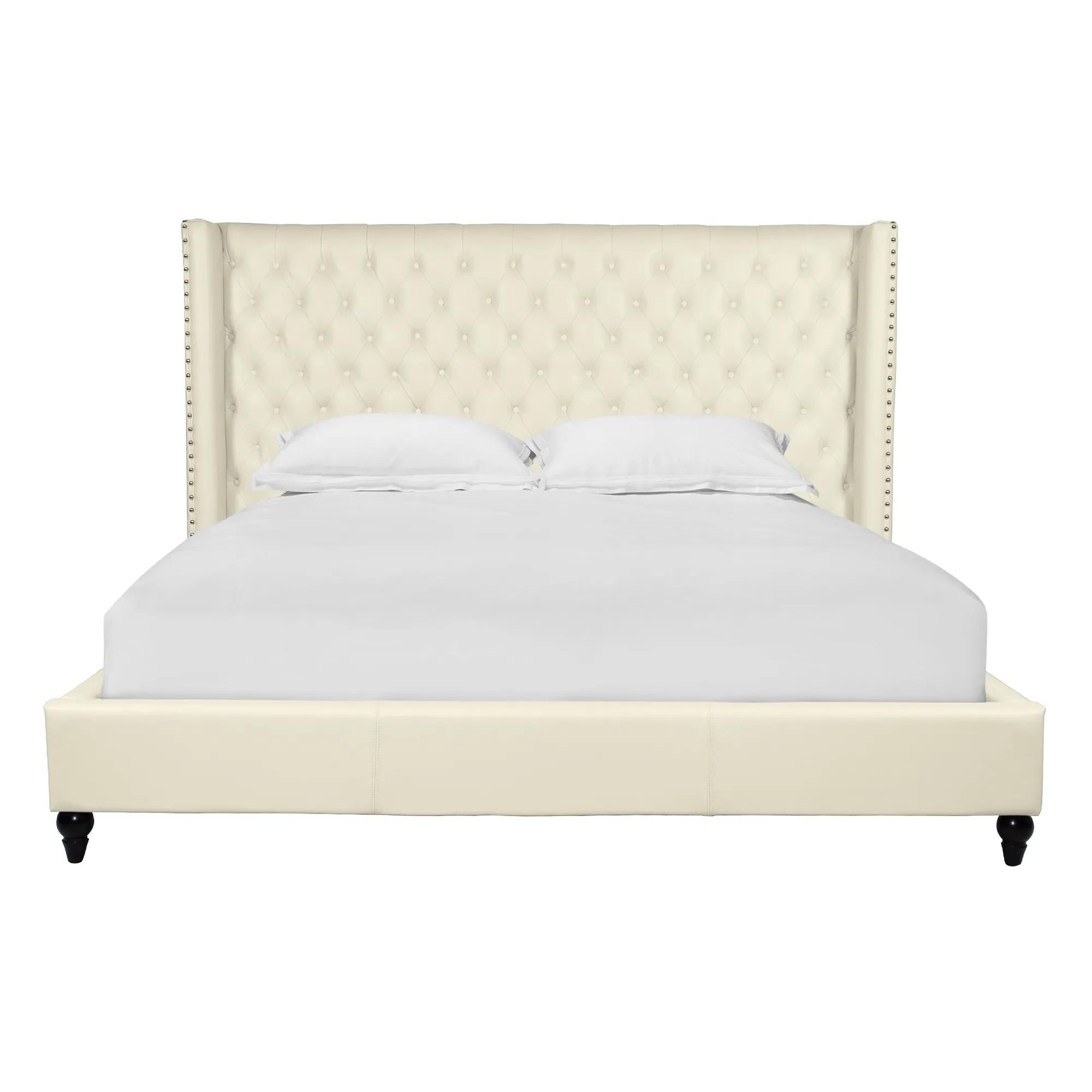
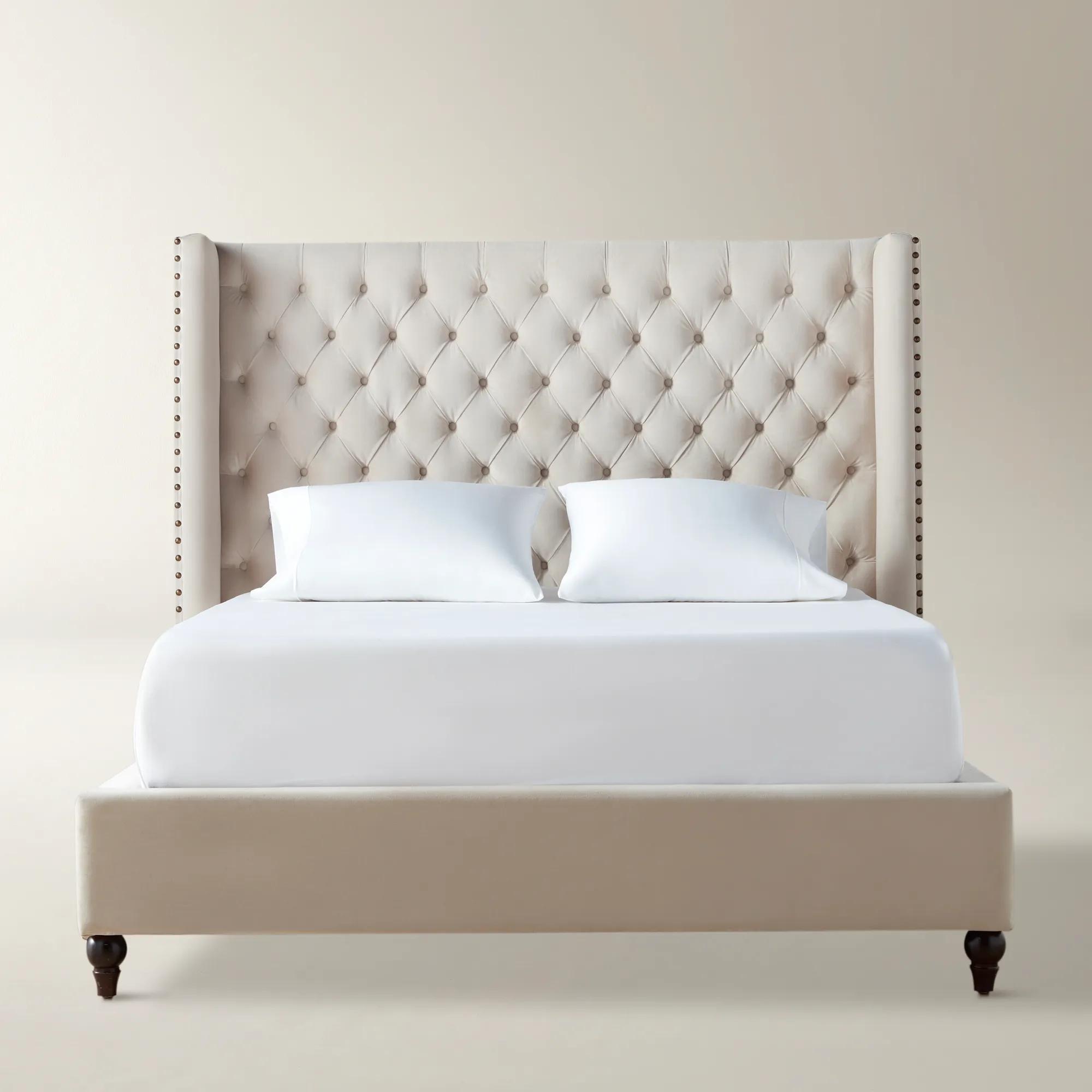
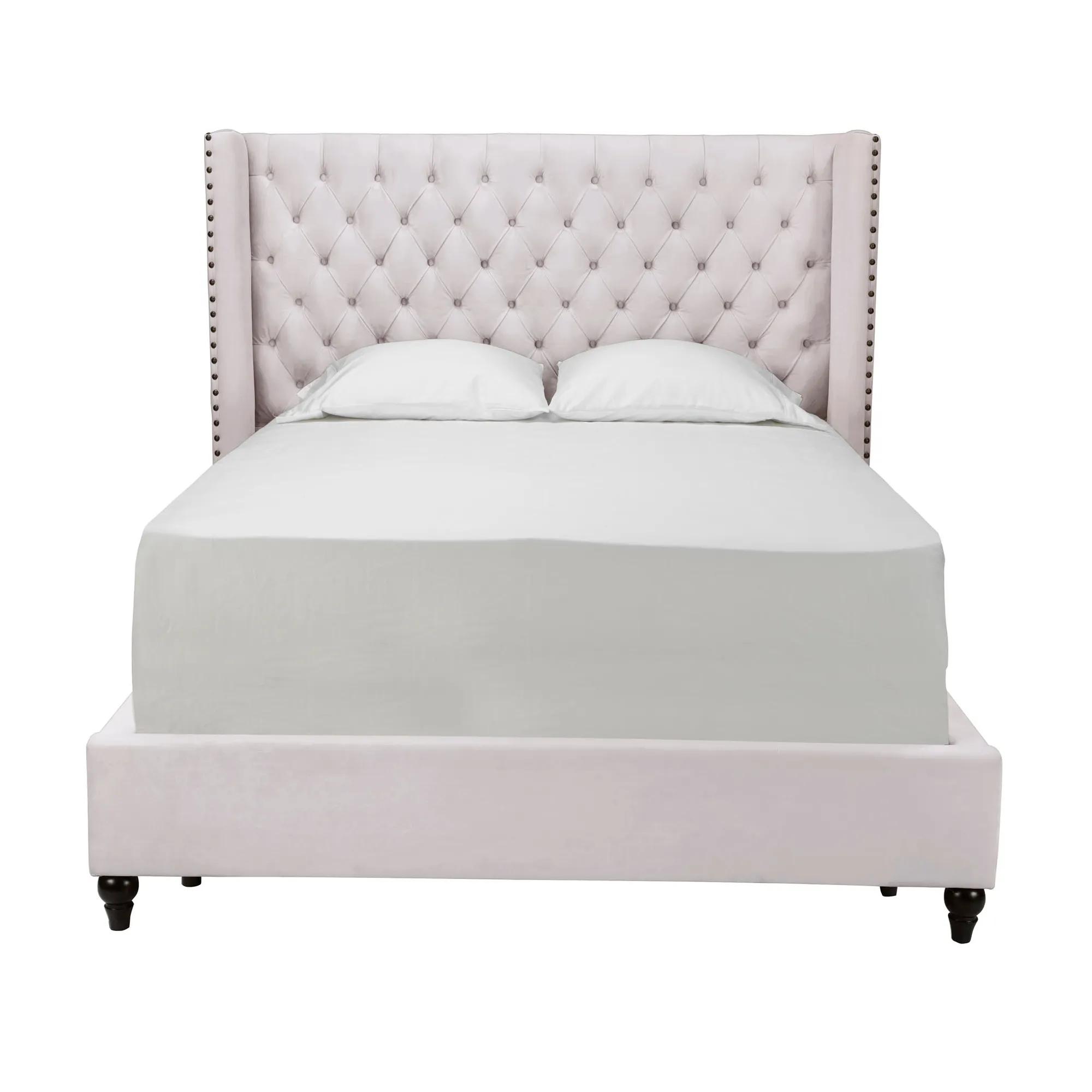
Beds with vertical tufting transform the bedroom into a sanctuary of sculptural elegance, where every line draws the eye upward and invites admiration. These statement pieces capture the essence of modern glamour—bold, structured, and undeniably chic. Vertical tufting creates a sense of height and drama, infusing your space with architectural intrigue and a tailored sophistication that feels both timeless and avant-garde. Elevate your nightly retreat with beds that don’t just promise comfort, but deliver an artful focal point worthy of your most imaginative dreams.
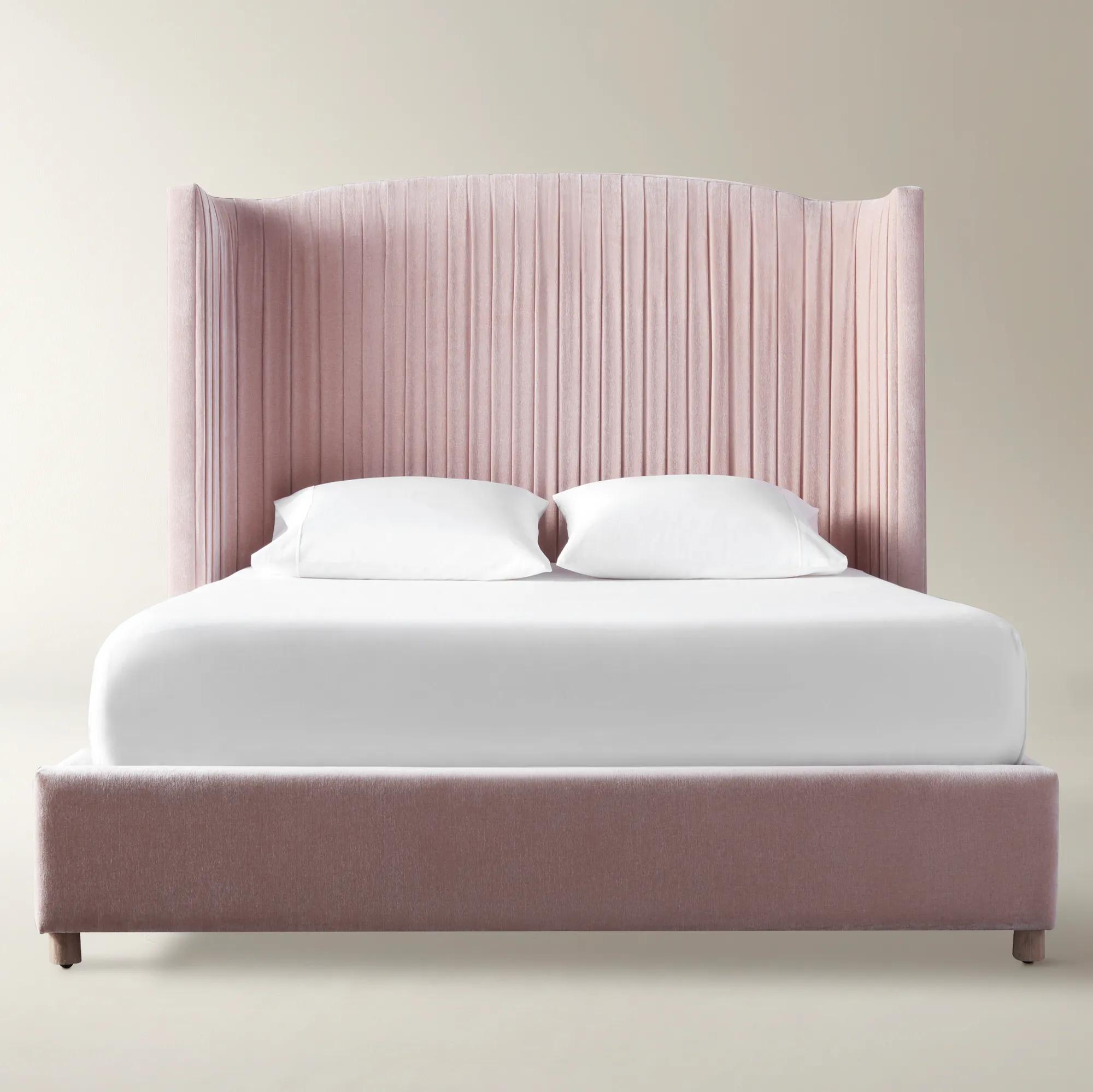
Beds with vertical tufting feature padded upholstery arranged in upright channels across the headboard, creating a sculptural backdrop that draws the eye upward. Often described as vertical channel tufted beds, these designs bring rhythm and dimension to the bedroom without relying on intricate ornament. Unlike the diamond pattern associated with traditional button tufting, vertical channels emphasize long, clean lines; their depth, width, and spacing determine whether the effect feels quietly tailored or gloriously dramatic. Narrow channels create a finely pleated appearance, while broader panels give the headboard a more substantial, architectural presence. The upholstery softens that structure, balancing a commanding silhouette with an inviting surface for evenings spent reading or lingering over a film. A padded headboard can make sitting up in bed more comfortable, though supportive pillows still have a place in the arrangement. This combination of visual confidence and everyday comfort suits primary bedrooms, thoughtfully appointed guest rooms, and personal retreats where the bed deserves to be the centerpiece. Taller vertical lines can suggest greater height, particularly when the headboard stands against an uncluttered wall, although the overall effect depends on the room’s proportions. Lower profiles offer the same linear detail with a less expansive visual footprint, making them appealing beneath artwork or in rooms with sloped ceilings. For a more soaring focal point, beds with tall tufted headboards extend the upholstered statement farther up the wall. Color adds another layer of expression: ivory and warm beige let shadows within the channels define the pattern, charcoal sharpens its architectural character, and saturated jewel tones lend the bedroom a richly theatrical mood. With crisp bedding, the lines read as polished and precise; with layered coverlets and generous pillows, they become the framework for a sumptuous retreat. The appeal is not simply softness or height, but the way repeated vertical detail gives an entire room a sense of composition.
Upholstery determines how a vertically tufted bed catches the light, feels to the touch, and fits into daily life. Velvet brings a luminous surface to the channels, with highlights and shadows shifting as its pile changes direction. That variation can make a single color appear richly layered, especially beside softly glowing bedside lamps. Linen and linen-blend fabrics offer a more matte expression, allowing the tailored lines and natural-looking texture to share attention. Bouclé introduces a nubby surface that softens the geometry, while faux leather can give the same channel pattern a sleek, defined finish. Fiber content and construction matter as much as the fabric name: two fabrics described as velvet, for example, may have different cleaning requirements and wear characteristics. In a bedroom shared with pets, tightly woven upholstery may be a more practical choice than an open or looped texture that can catch claws, though no upholstery should be assumed to resist scratching. Fabric samples, when obtainable, help reveal undertones in daylight and lamplight, as well as how the surface feels against bare skin. Care should follow the upholstery’s cleaning code and the manufacturer’s directions rather than a universal routine. Gentle vacuuming with an appropriate upholstery attachment can remove dust from the recessed channels, where lint may gather unnoticed. Spills generally call for prompt blotting instead of rubbing, with any permitted cleaner tested first in an inconspicuous area. Some fabrics require solvent-based or professional cleaning rather than water, and excessive moisture can affect both the covering and the padding beneath it. Direct sunlight may fade upholstery over time, so window treatments have a protective role as well as a decorative one. Durability also rests beneath the surface: a stable frame, secure connections, suitable mattress supports, and neatly finished seams all contribute to lasting performance. Regularly checking accessible hardware as directed can help preserve stability, while avoiding pressure on decorative wings or headboard edges protects elements not intended to bear weight. These details allow the bed’s artistry to remain compatible with the routines of an actively used bedroom.
Scale gives beds with vertical tufting their most convincing presence, and mattress size is only part of that equation. A standard queen mattress measures 60 by 80 inches, a standard king measures 76 by 80 inches, and a California king measures 72 by 84 inches; upholstered rails, footboards, and winged headboards can extend the bed’s overall footprint beyond those dimensions. The complete measurements matter when placing nightstands, opening dresser drawers, or preserving a comfortable route to a closet or bathroom. In a generous primary suite, a broad headboard can anchor the wall and hold its own beside substantial bedside furniture. In a more intimate room, a slimmer frame and carefully balanced headboard height can deliver drama without overwhelming the space. Mattress thickness also changes the finished composition: a deep mattress and stacked pillows may conceal much of the tufting on a lower headboard, while a thinner mattress can leave more upholstery exposed. Platform construction often uses slats or a solid support surface, but the need for a box spring or foundation depends on the bed’s design and the mattress manufacturer’s requirements. Slat spacing, center supports, weight limits, and adjustable-base compatibility deserve confirmation rather than assumption. Headboard attachment and delivery access are equally important, particularly with tall upholstered sections that must pass through narrow hallways or turn on a staircase. Once the proportions are resolved, the surrounding textures can make the vertical pattern feel intentional rather than isolated. Smooth sheets set off plush upholstery, a softly patterned rug grounds the silhouette, and rounded lamps or curved nightstands provide a graceful counterpoint to the straight channels. Art can sit above a lower headboard, while an especially tall design may supply enough visual interest to stand alone. During the cooler months, a folded quilt or tactile throw adds warmth without obscuring the bed’s defining lines. Whether furnishing a couple’s primary bedroom or creating a guest space with the polish of a private suite, a vertically tufted bed offers a distinctive balance: an architectural focal point, an upholstered sense of comfort, and a generous canvas for personal expression.
FAQs
Beds with vertical tufting are remarkably versatile, complementing everything from Art Deco-inspired glamour to modern minimalist spaces. Their tailored lines and plush texture bring a sense of drama to contemporary bedrooms, while also adding a touch of opulence to more traditional or transitional interiors. For a truly curated look, pair your tufted bed with mirrored nightstands, metallic accents, or bold artwork that echoes the headboard’s sculptural rhythm.
Vertical tufting isn’t just visually striking—it also adds a layer of sumptuous comfort. The padded channels provide gentle support for lounging, reading, or enjoying breakfast in bed. The upholstery’s tactile richness invites you to lean back and relax, making the headboard as functional as it is beautiful.
Absolutely. Vertical tufting draws the eye upward, creating an illusion of height and spaciousness even in more intimate rooms. Opt for lighter fabrics or neutral tones to keep the space feeling airy, or embrace a bold hue to make the bed the dramatic focal point of your sanctuary.
You’ll often find vertical tufted beds upholstered in luxurious materials such as velvet, linen, or performance fabrics. Velvet offers a luminous sheen and a plush hand, while linen brings a crisp, tailored elegance. Performance fabrics are ideal for those seeking both beauty and durability, especially in homes with pets or children.
Beds with vertical tufting are perfect for guest rooms, instantly elevating the space and making visitors feel pampered. The sculptural headboard creates a memorable first impression, while the inviting upholstery ensures comfort and warmth—transforming any guest stay into a luxurious experience.