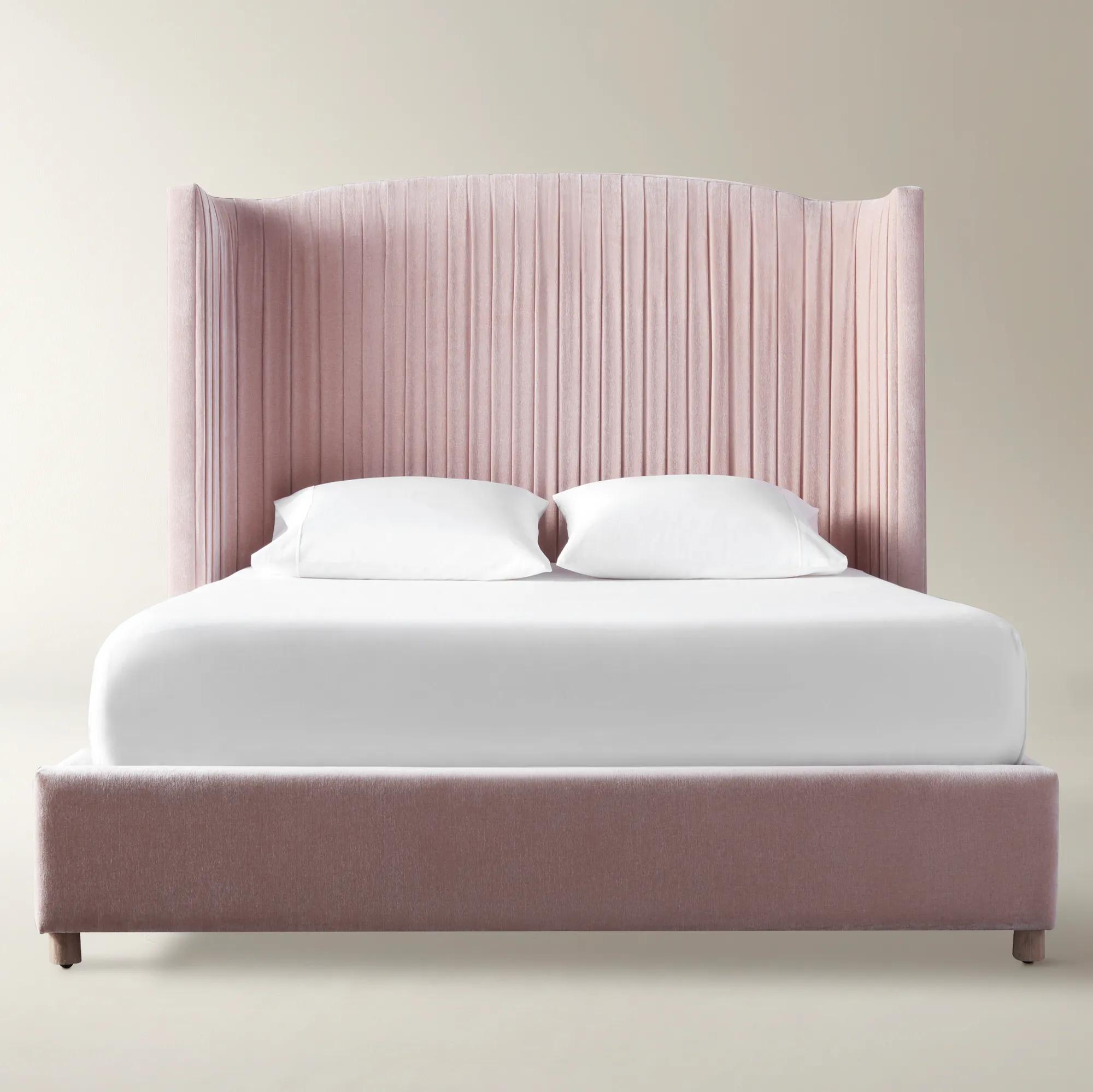
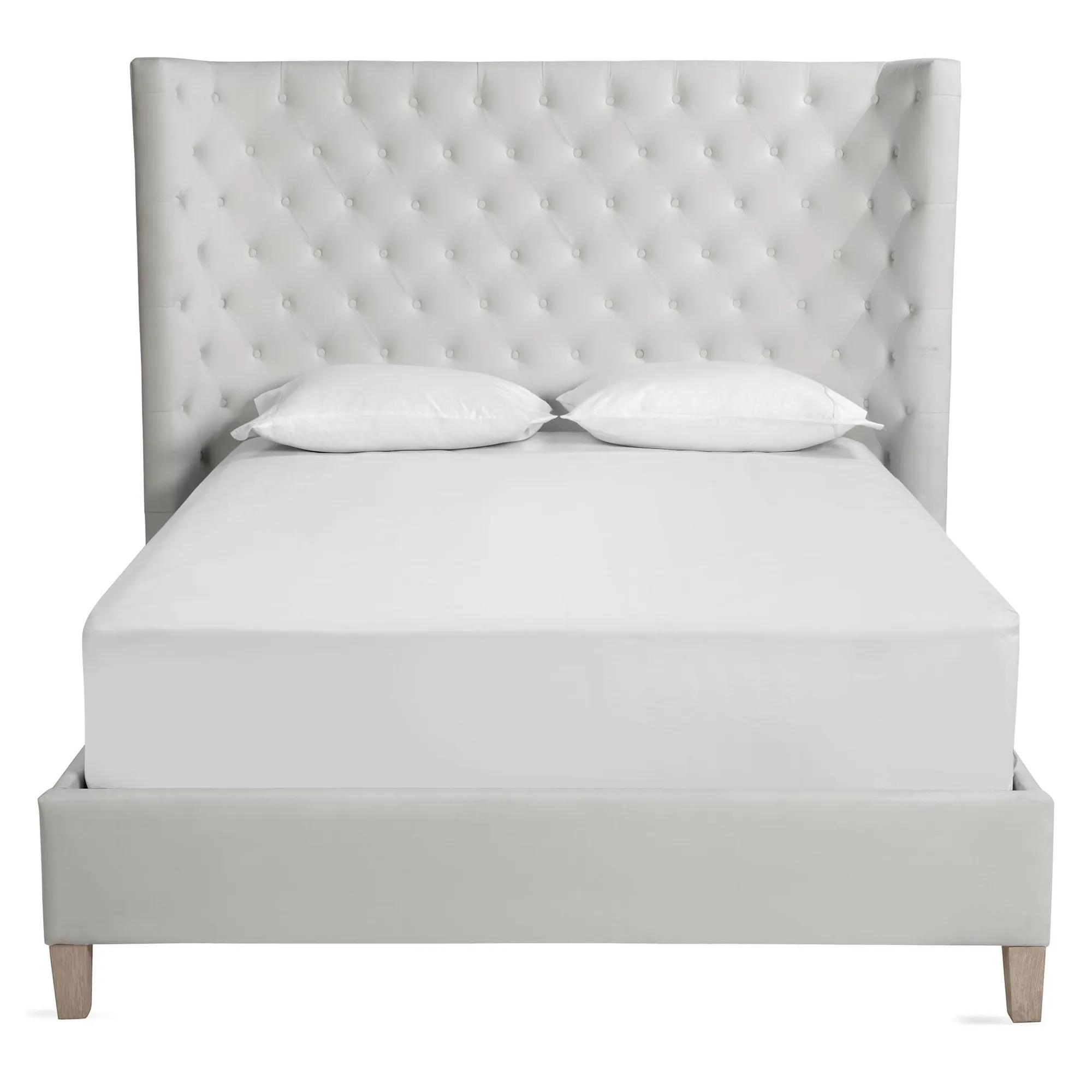
Contemporary Tufted Beds
Contemporary Tufted Beds
-
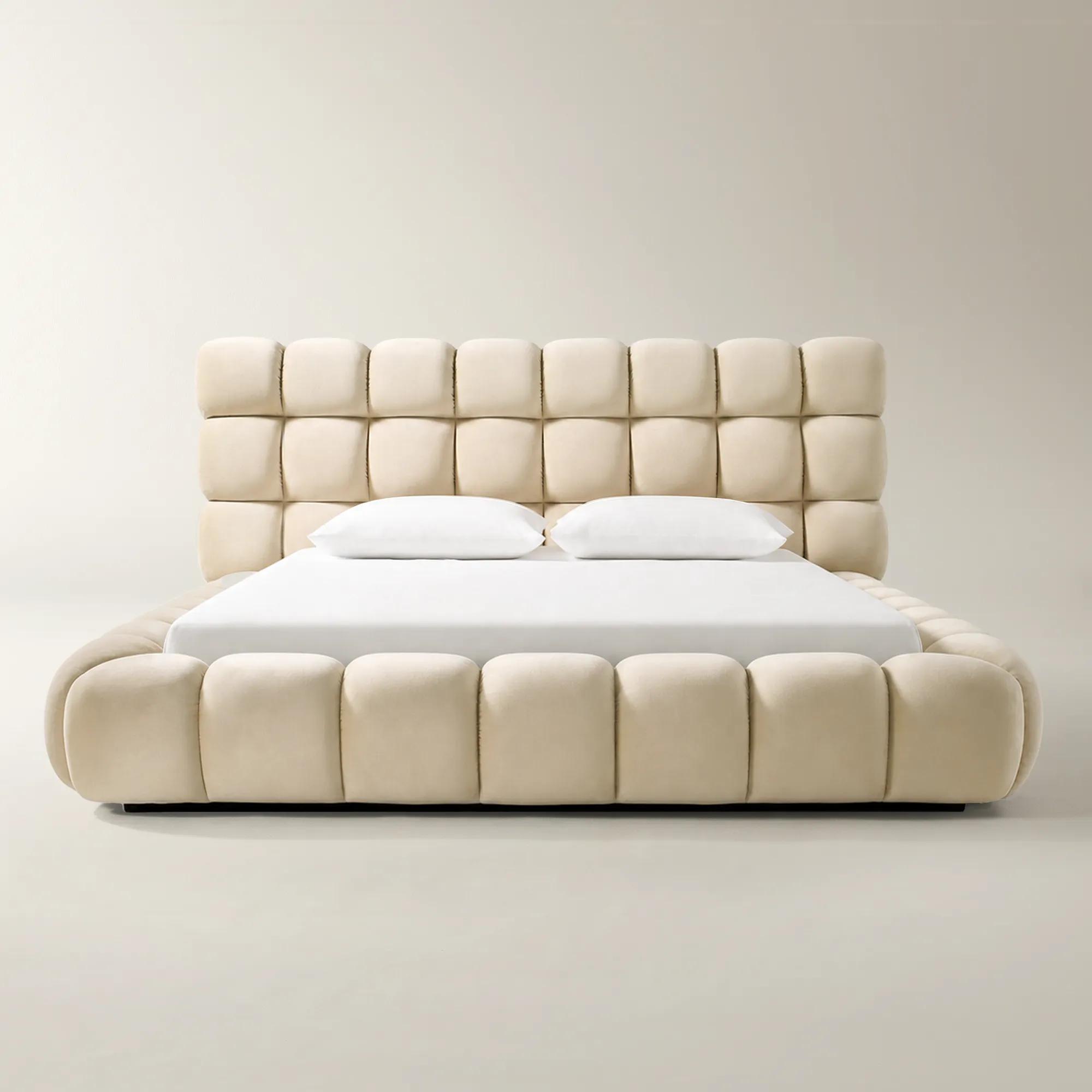 Paloma Tufted Oatmeal Velvet Upholstered Queen Platform Bed$2399
A sculptural platform bed upholstered in plush oatmeal velvet with oversized tufted blocks and solid wood frame.
Add To Cart -
Paloma Tufted Oatmeal Velvet Upholstered King Platform Bed$2599
A sculptural platform bed upholstered in oatmeal velvet with plush tufted blocks and fully wrapped design.
Add To Cart -
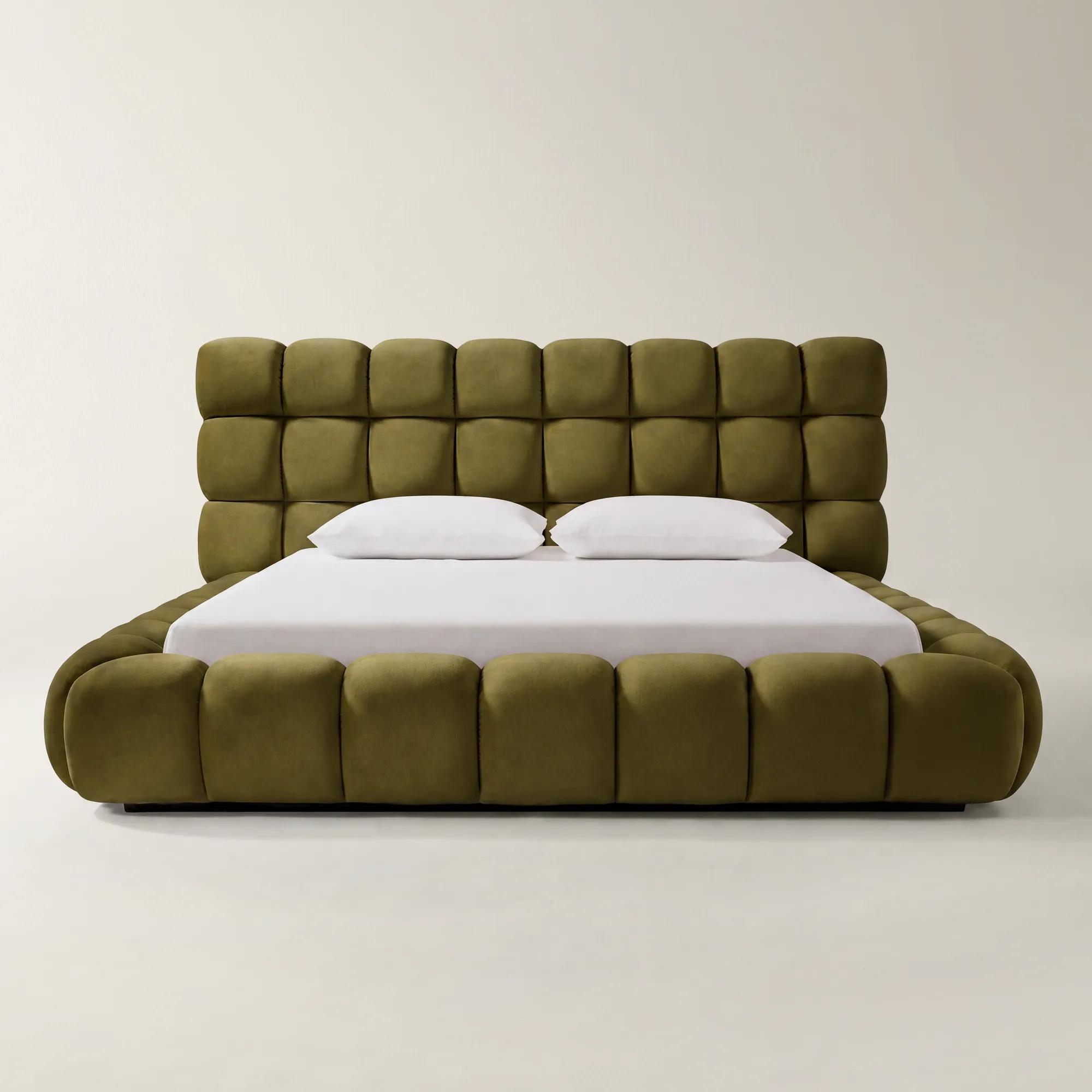 Paloma Tufted Deep Olive Velvet Upholstered Queen Platform Bed$2399
A sculptural deep olive velvet platform bed with wrapped upholstery, plush padding, and durable wood construction.
Add To Cart -
Paloma Tufted Deep Olive Velvet Upholstered King Platform Bed$2599
A sculptural deep olive velvet platform bed with plush padding, fully wrapped upholstery, and wood construction.
Add To Cart -
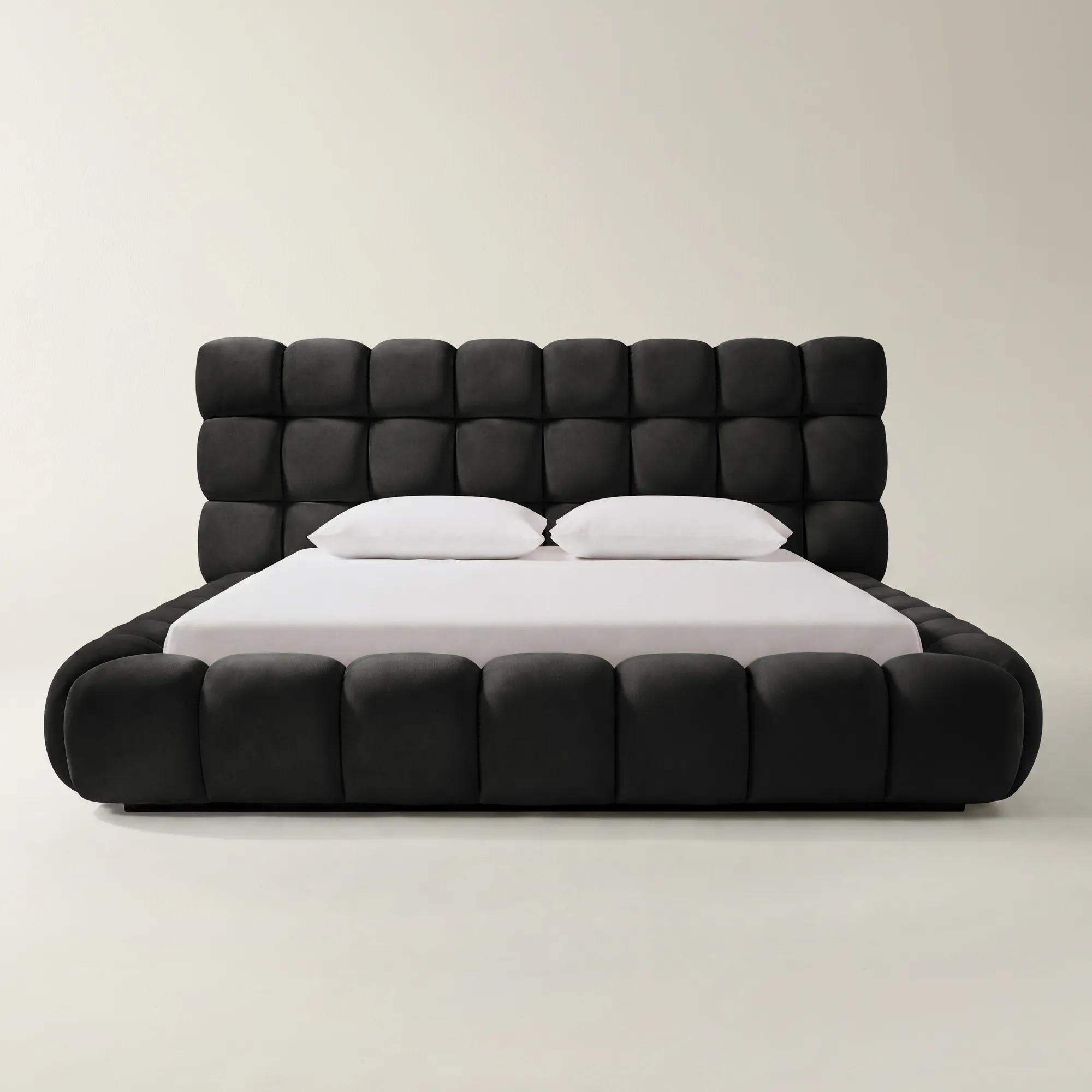 Paloma Tufted Charcoal Velvet Upholstered King Platform Bed$2599
A sculptural charcoal velvet platform bed with plush wrapped upholstery, solid wood construction, and slat support.
Add To Cart -
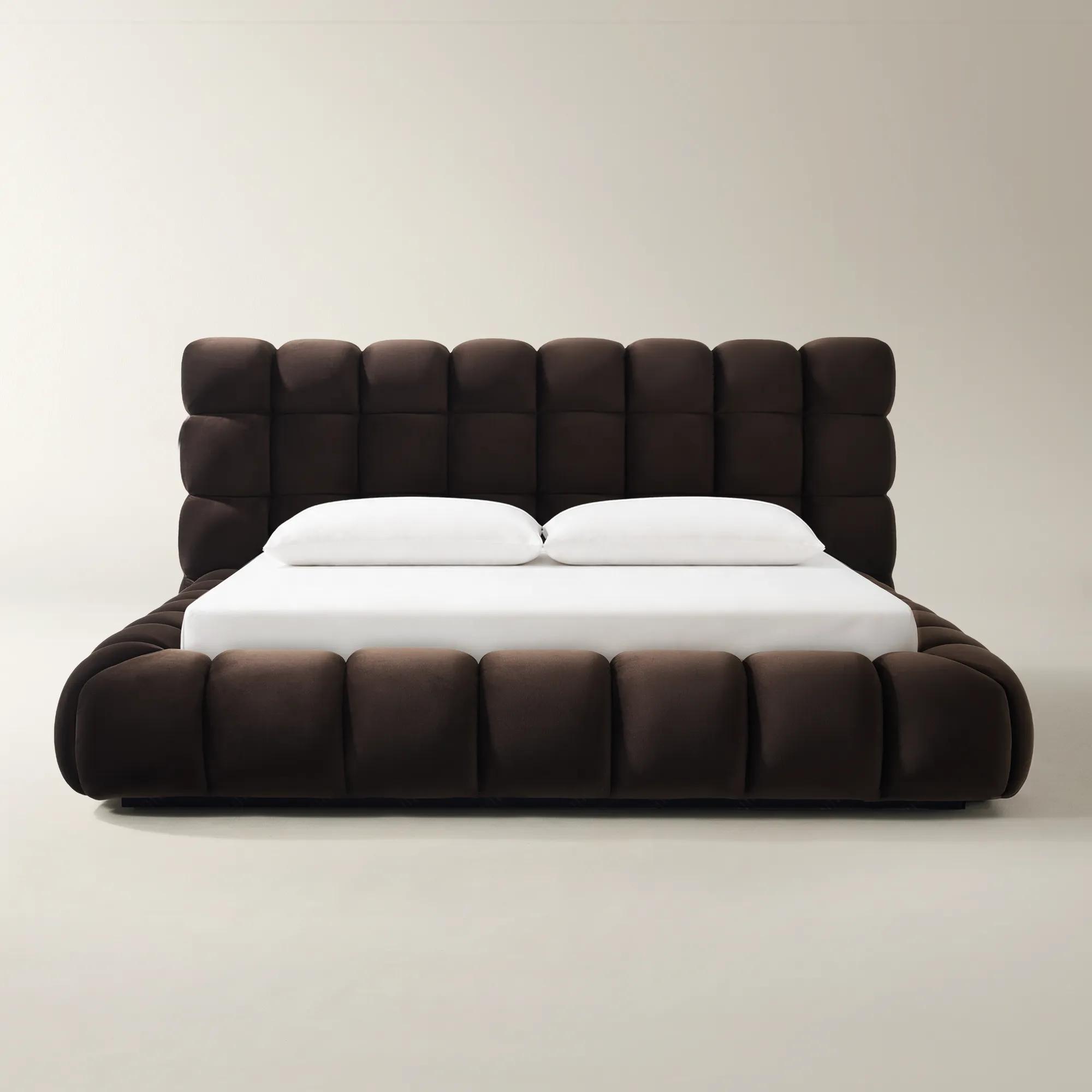 Paloma Tufted Dark Chocolate Velvet Upholstered Queen Platform Bed$2399
A sculptural platform bed upholstered in dark chocolate velvet with plush, oversized tufted blocks for modern elegance.
Add To Cart -
Paloma Tufted Charcoal Velvet Upholstered Queen Platform Bed$2399
A sculptural charcoal velvet platform bed with plush wrapped upholstery, solid wood construction, and supportive slats.
Add To Cart -
Paloma Tufted Dark Chocolate Velvet Upholstered King Platform Bed$2599
A sculptural platform bed wrapped in dark chocolate velvet with plush tufted blocks and solid wood construction.
Add To Cart -
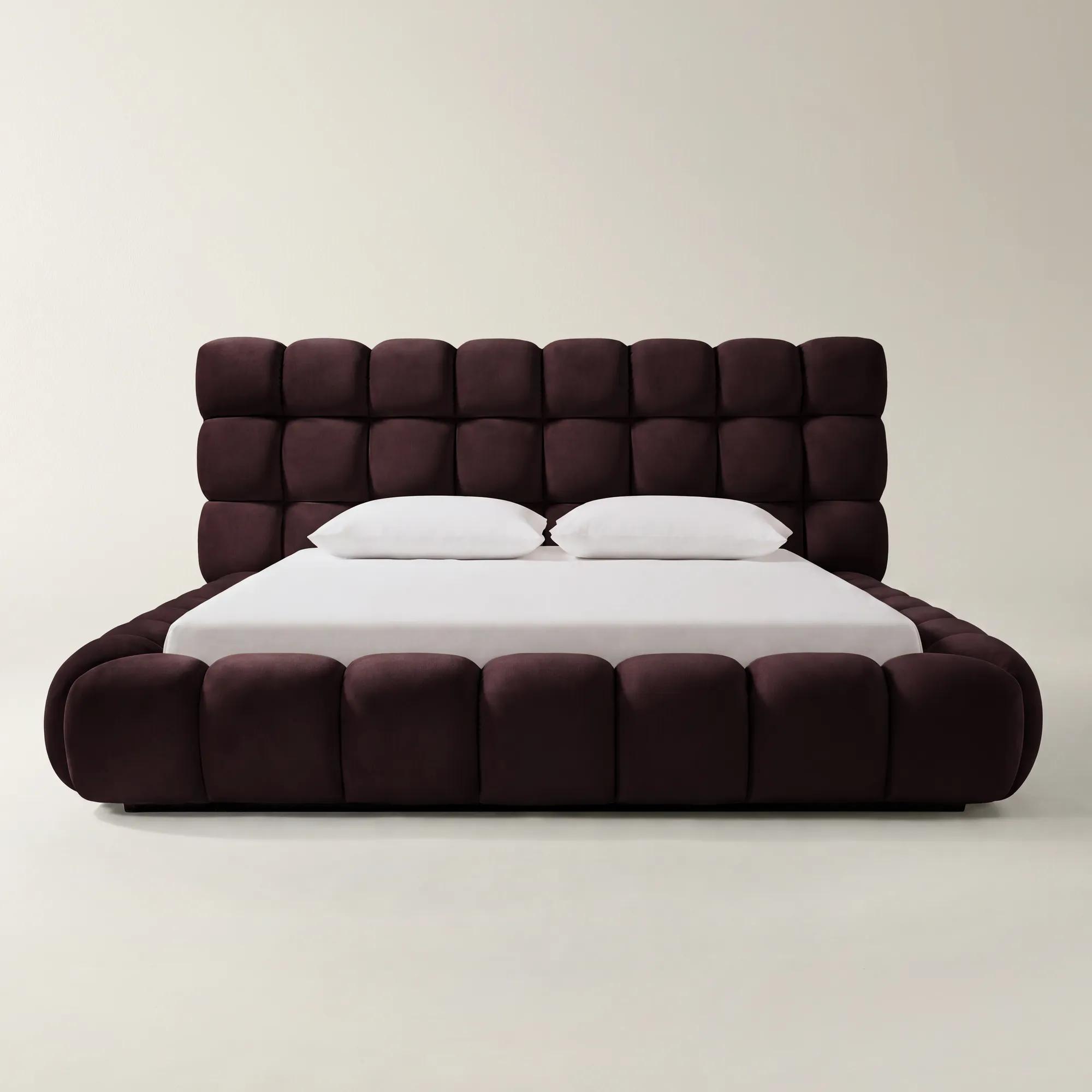 Paloma Tufted Fig Velvet Upholstered Queen Platform Bed$2399
A fig velvet upholstered platform bed featuring plush padding, solid wood construction, and supportive wooden slats.
Add To Cart -
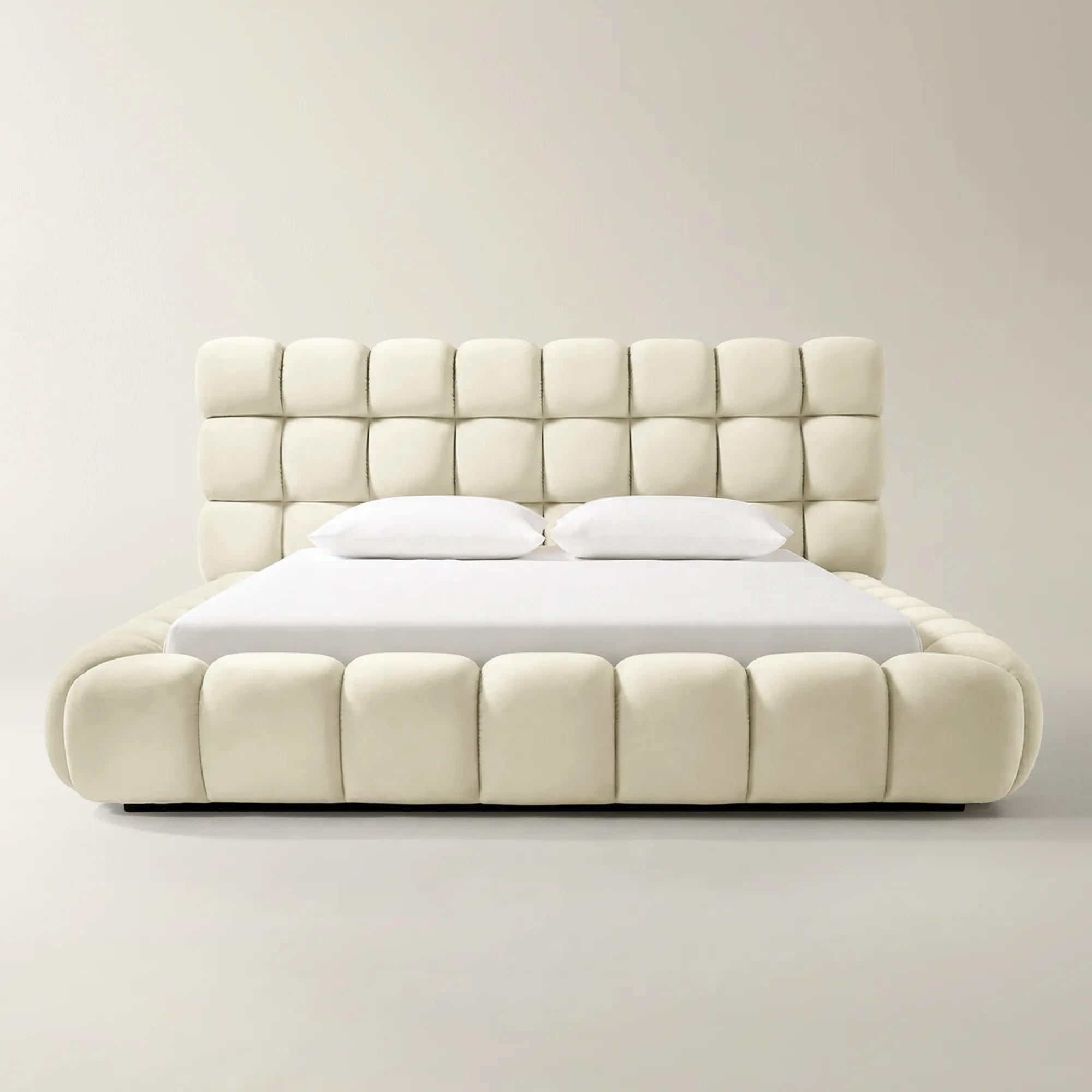 Paloma Tufted Cloud Velvet Upholstered Queen Platform Bed$2399
A sculptural velvet platform bed with plush padding, solid wood construction, and a fully wrapped silhouette.
Add To Cart -
Paloma Tufted Fig Velvet Upholstered King Platform Bed$2599
A sculptural fig velvet upholstered platform bed with plush padding and durable solid wood construction.
Add To Cart -
Paloma Tufted Cloud Velvet Upholstered King Platform Bed$2599
A sculptural velvet platform bed featuring oversized upholstered blocks, plush cushioning, wood construction, and supportive slats.
Add To Cart -
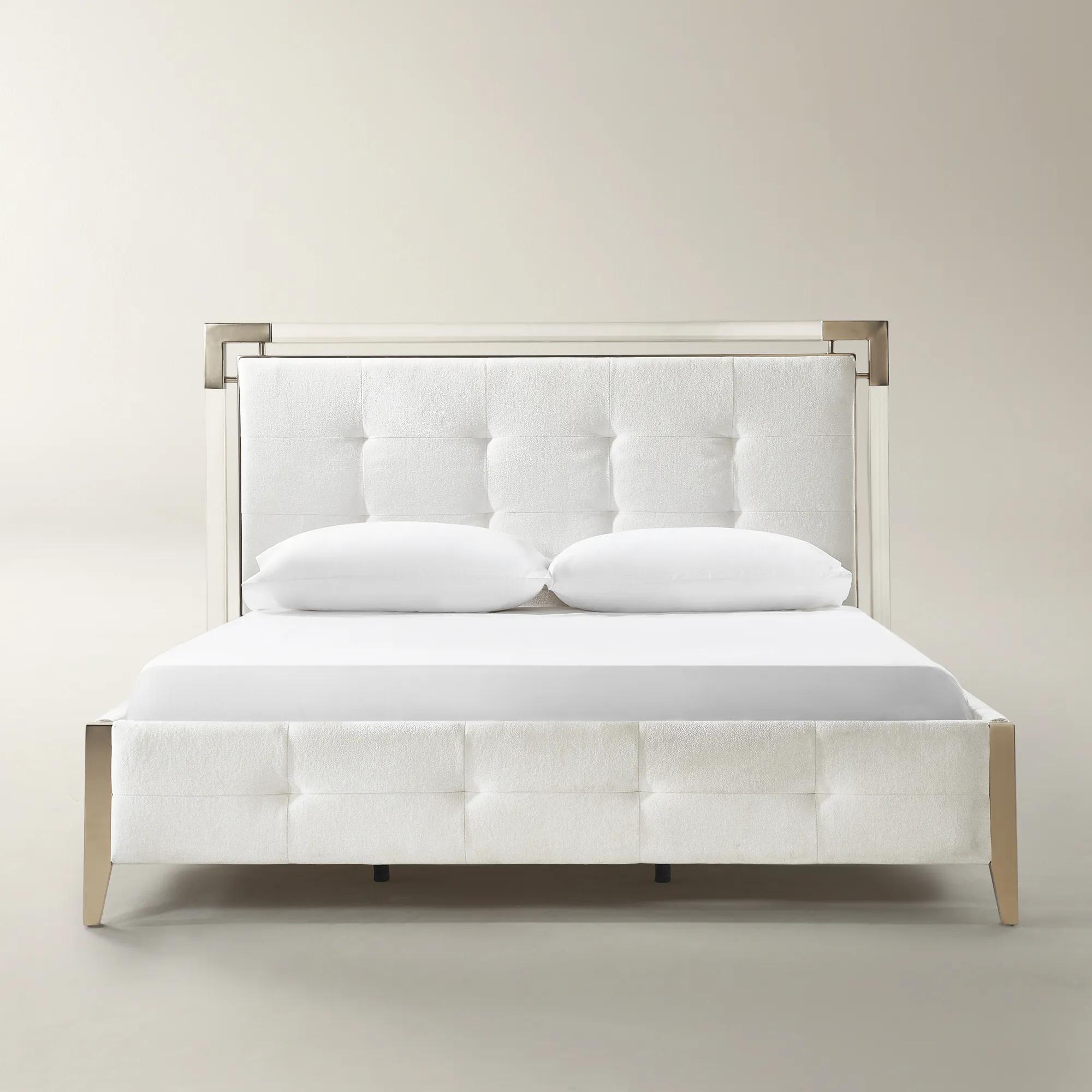
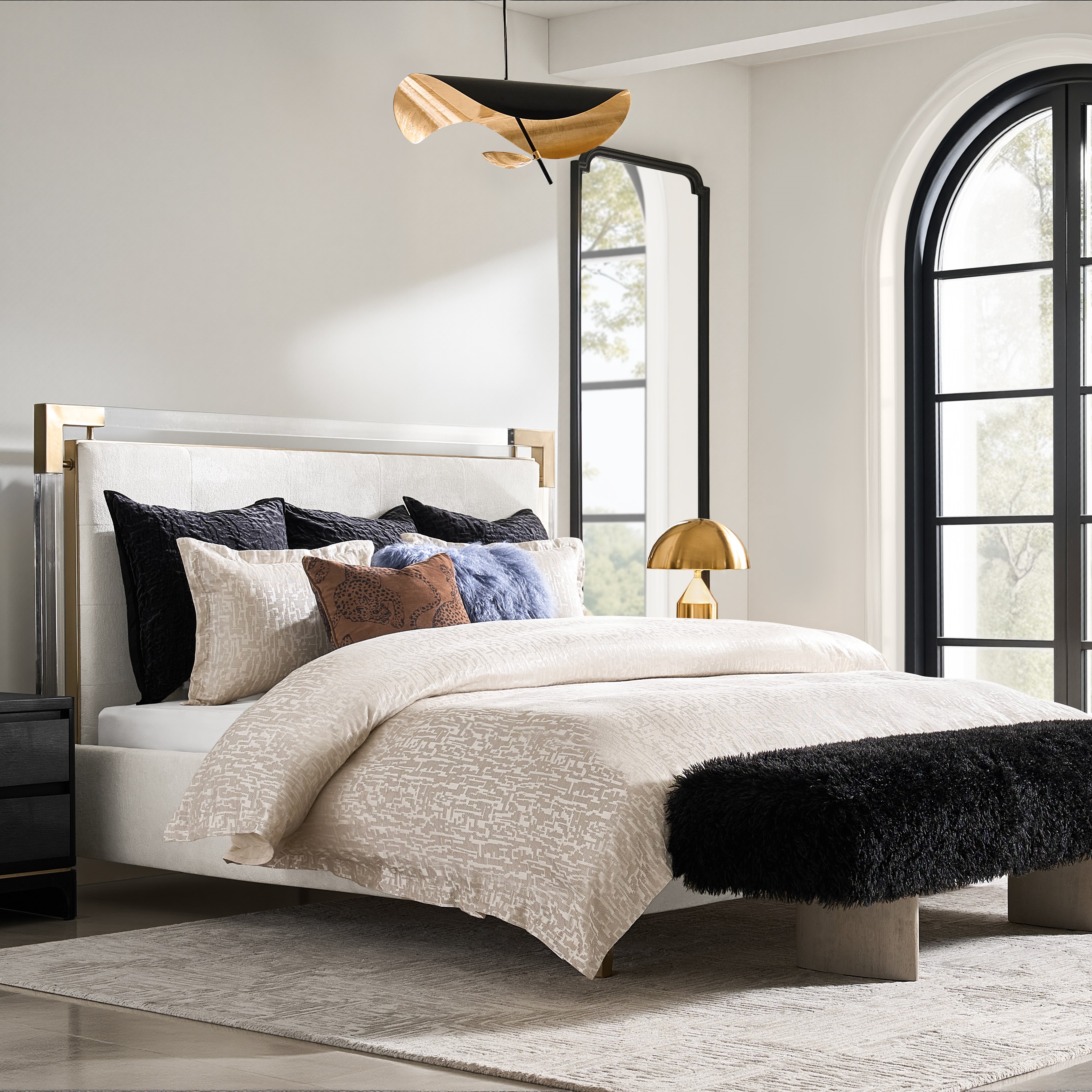 Vitrina Box-Tufted Ivory Velvet Upholstered King Platform Bed$2999
An ivory velvet upholstered bed featuring grid-tufted details, acrylic accents, and champagne-finished stainless steel trim.
Add To Cart -
Vitrina Box-Tufted Ivory Velvet Upholstered Queen Platform Bed$2799
An ivory velvet upholstered bed with grid-tufted headboard, acrylic accents, and champagne-finished stainless steel details.
Add To Cart -
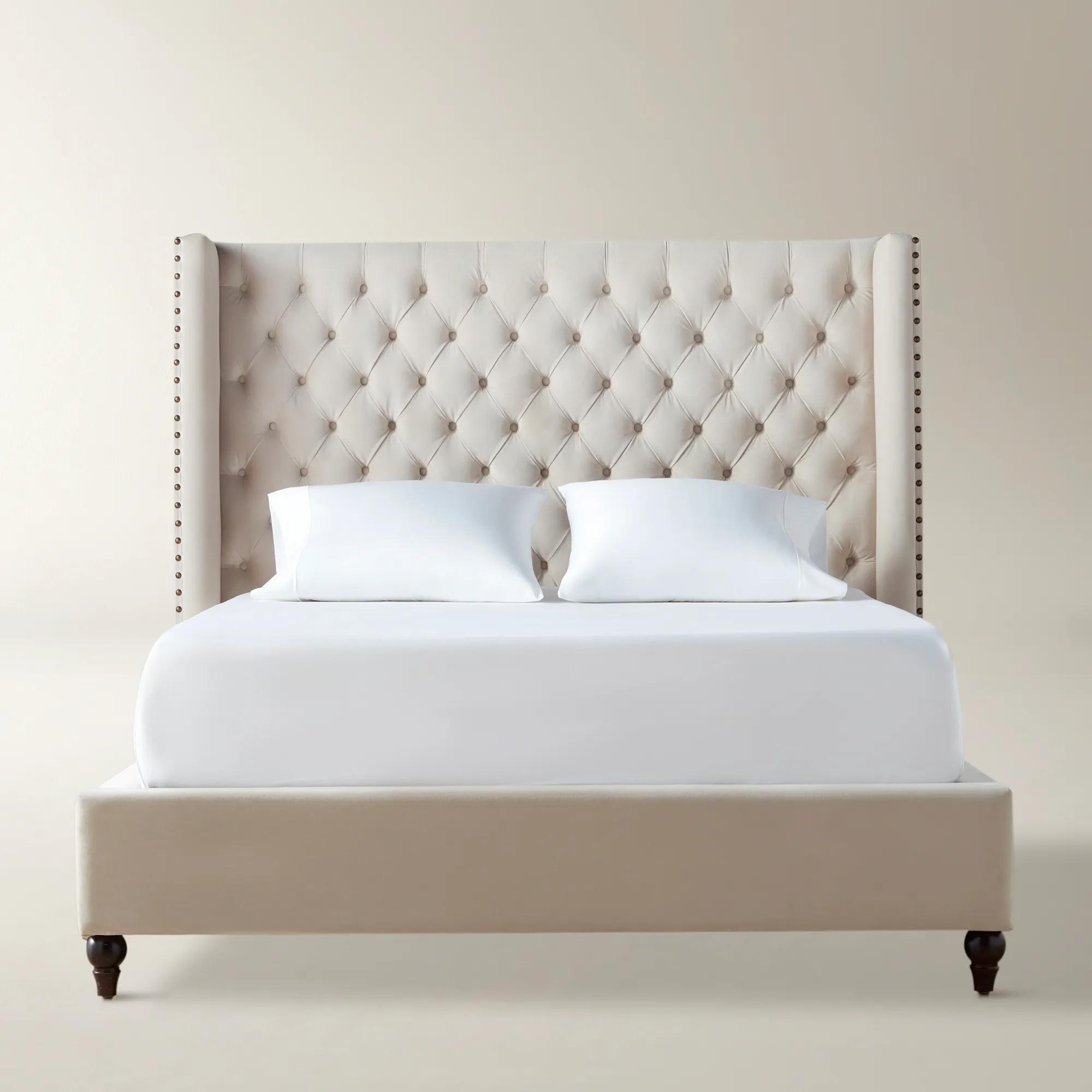
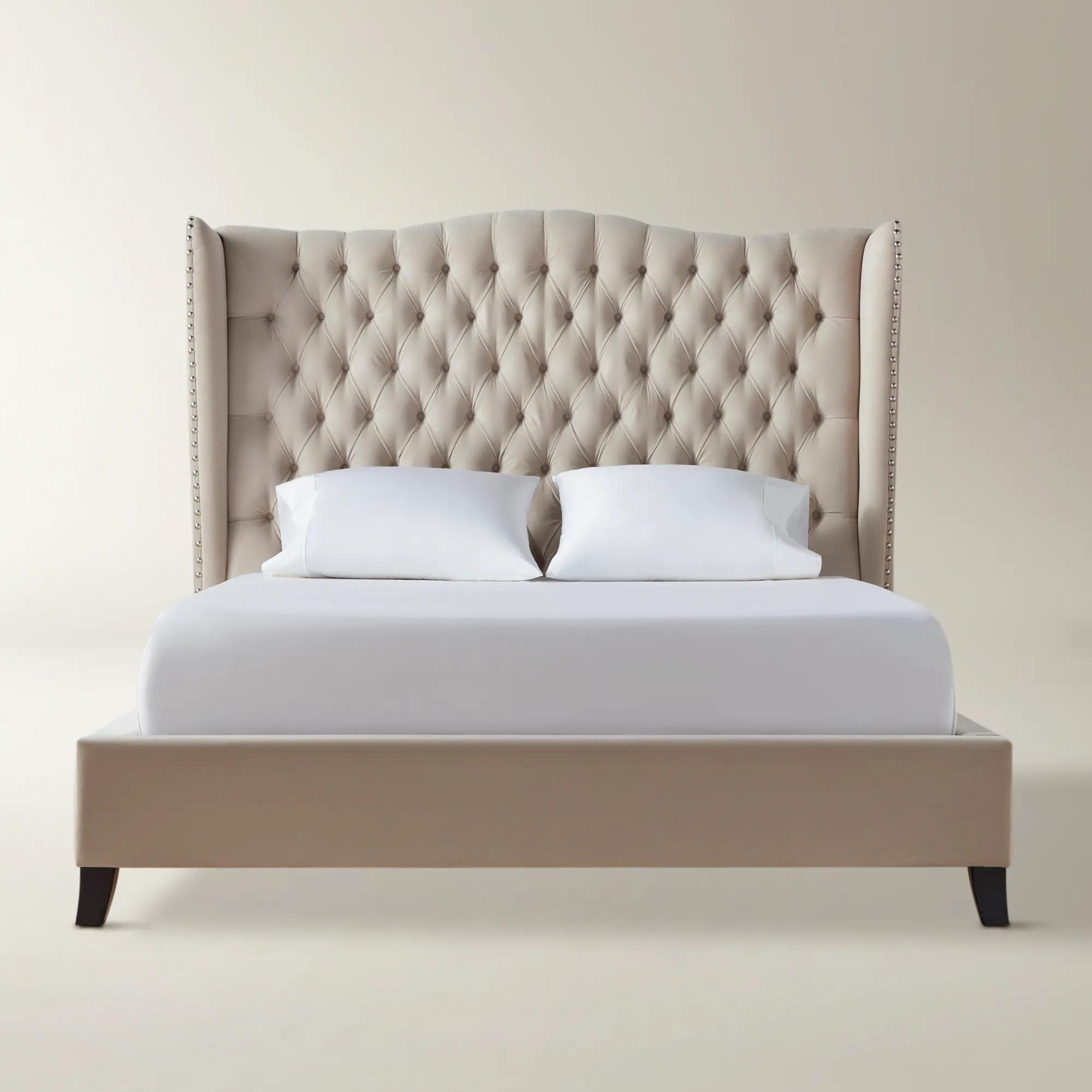
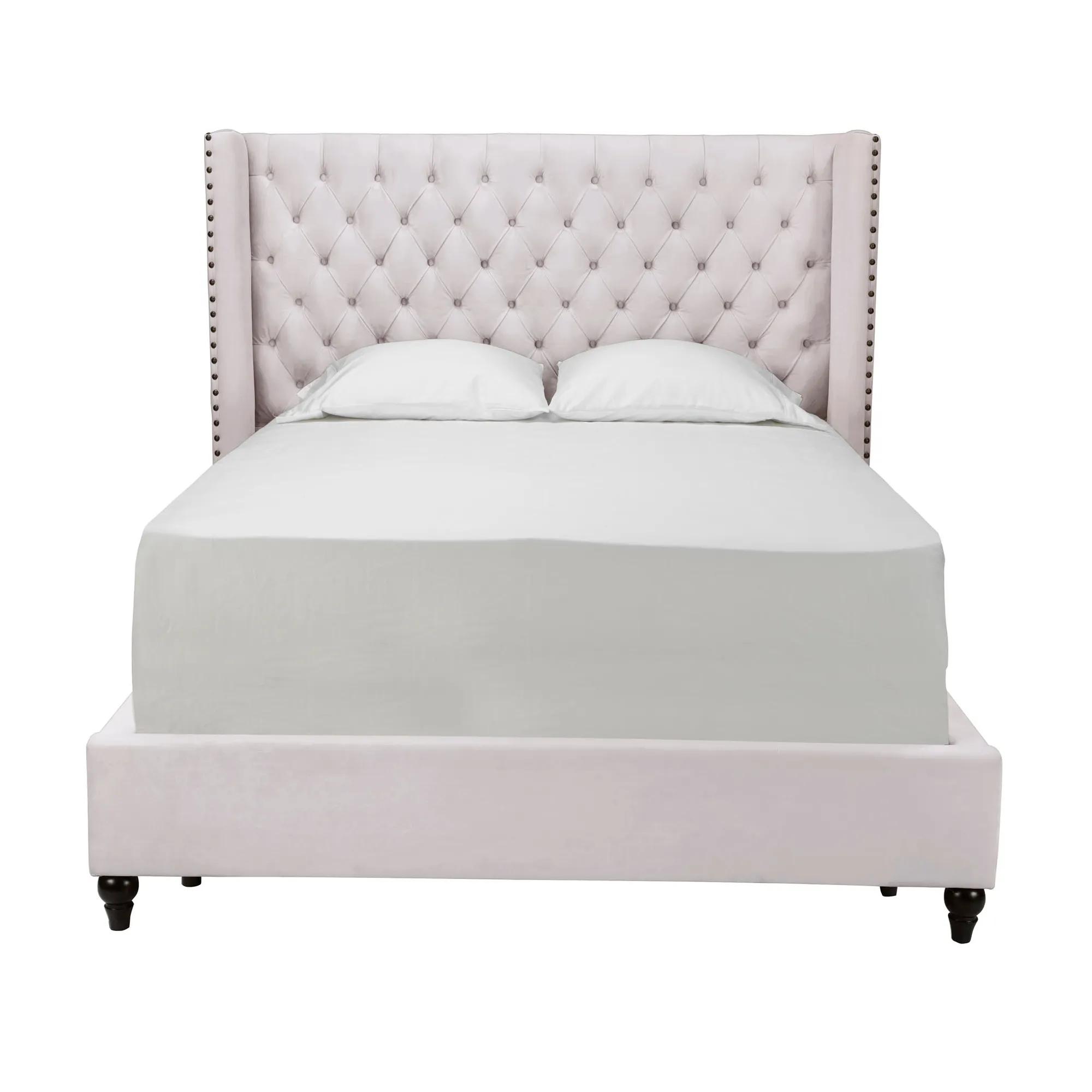
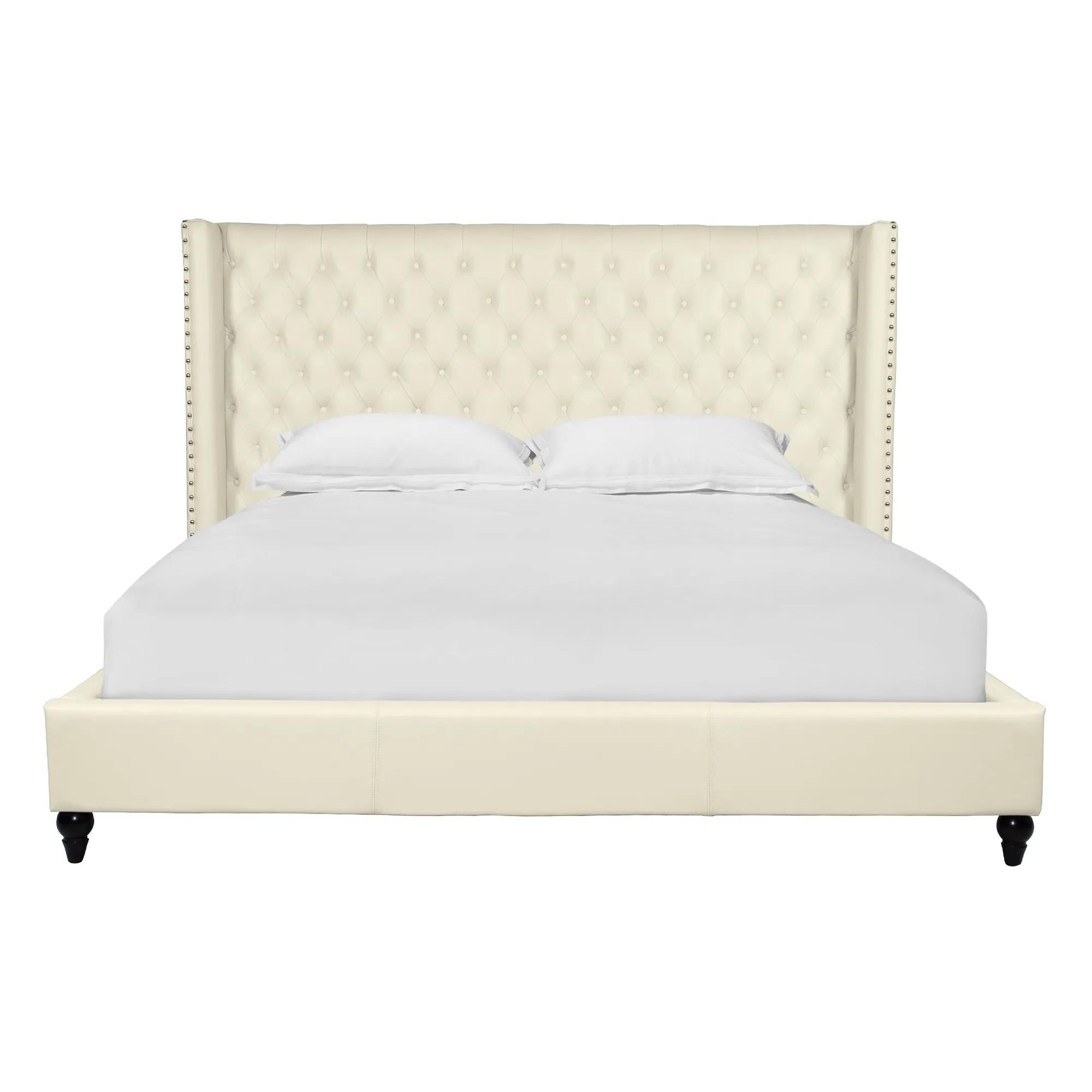
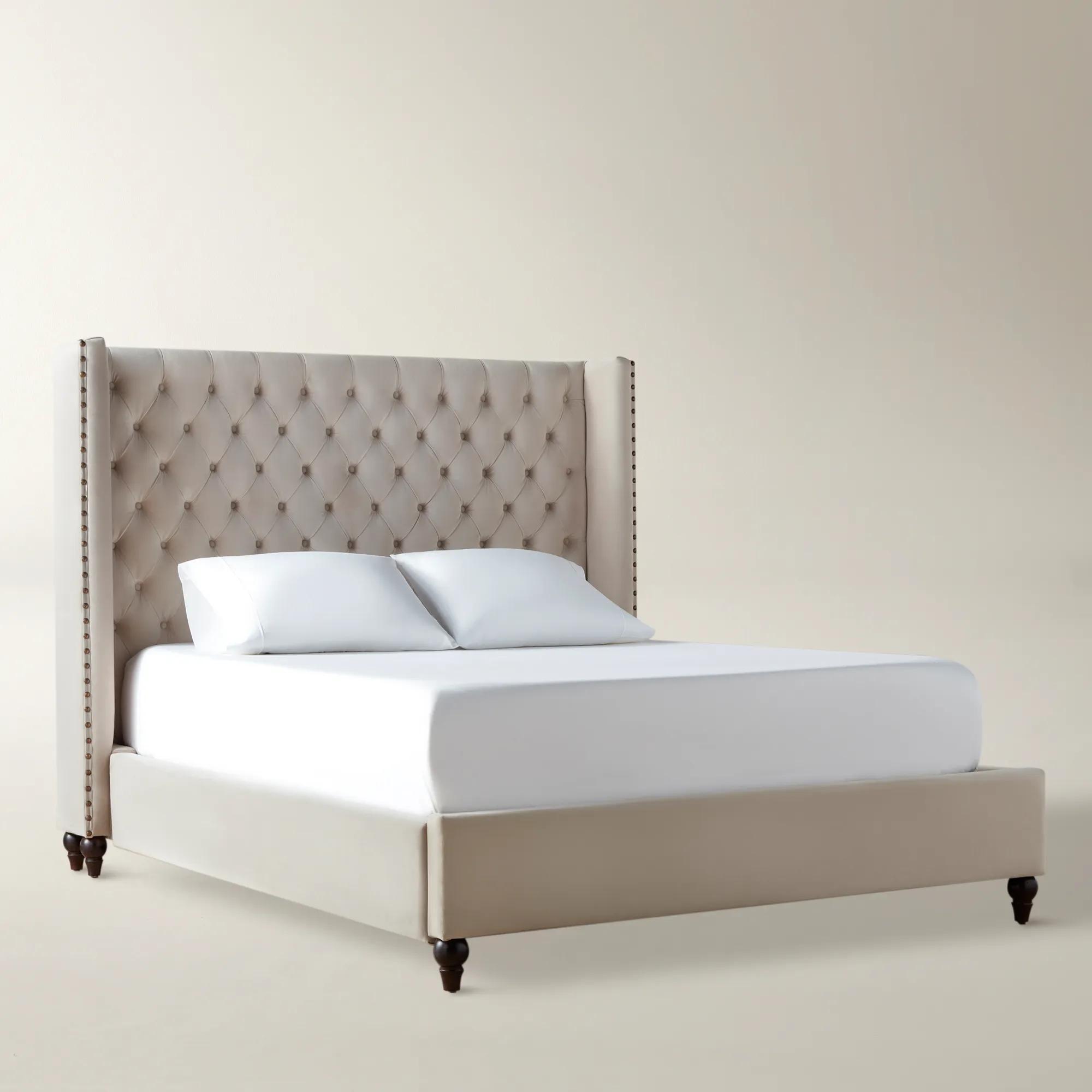 Roberto Bed$1799
A stately bed featuring diamond tufted velvet upholstery, kiln-dried hardwood frame, and hand-applied nailhead trim.
Add To Cart -
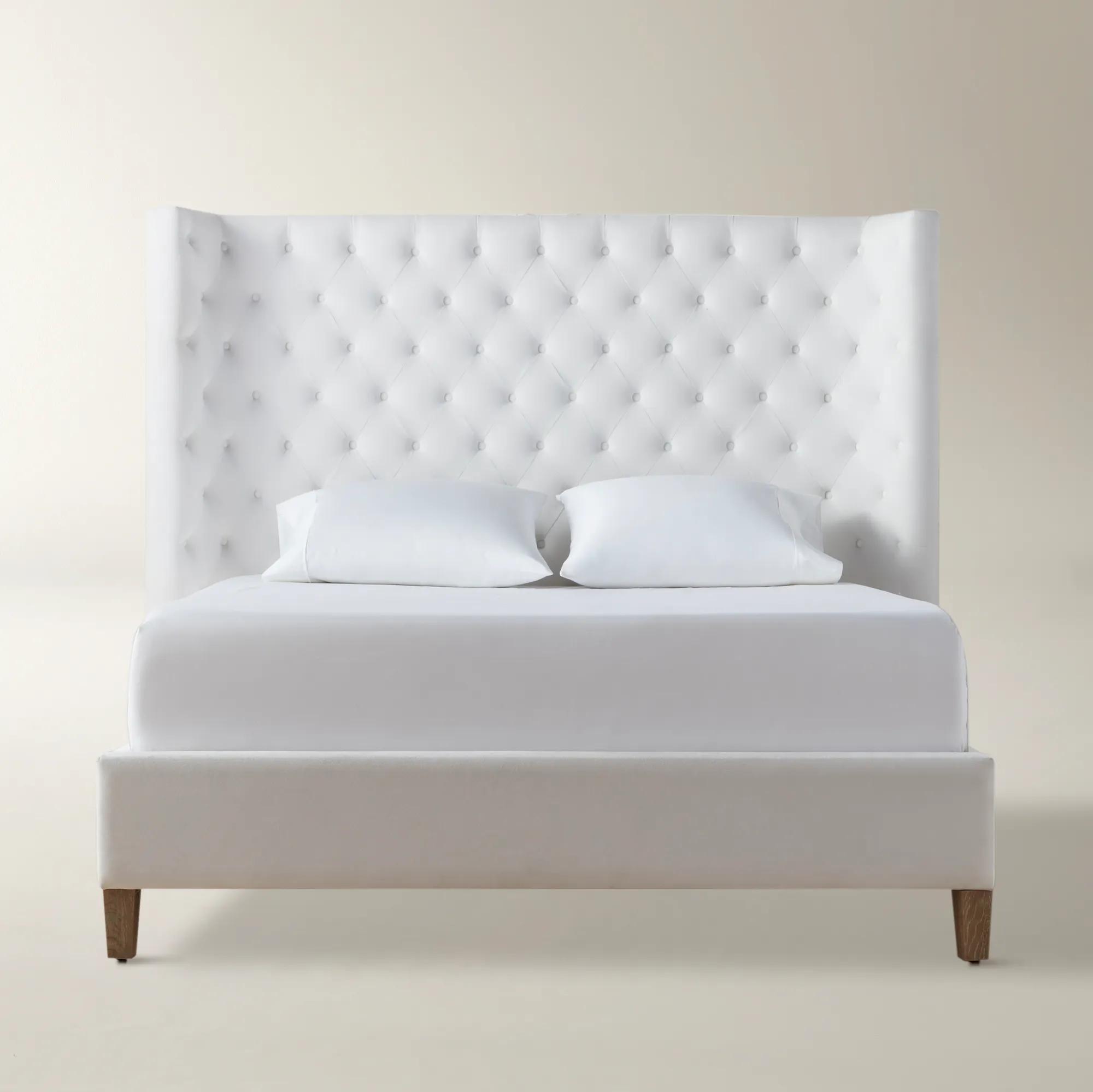 Jen Bed$2649
A glamorous wingback bed with hand-tufted diamond upholstery and a kiln-dried hardwood frame.
Add To Cart -
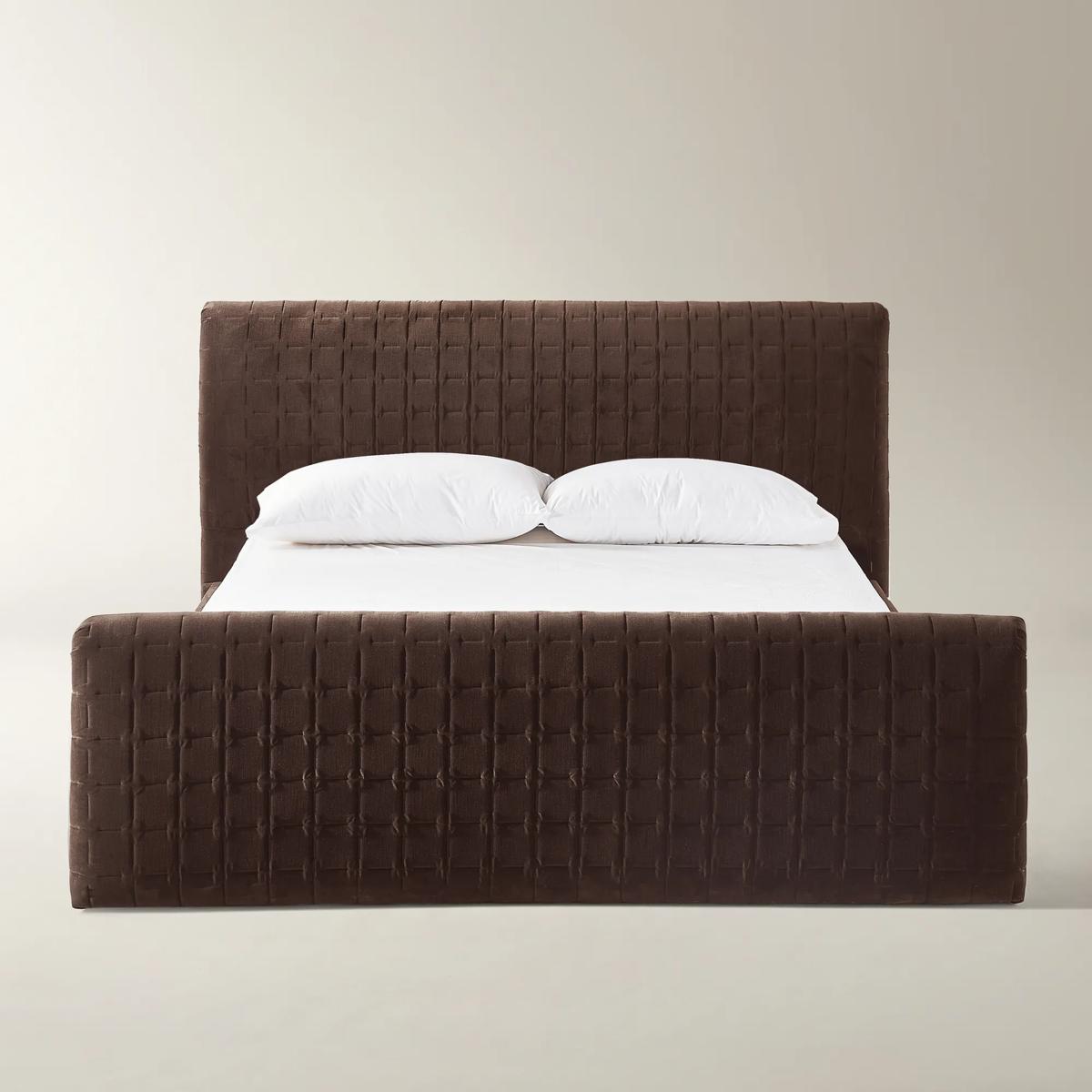
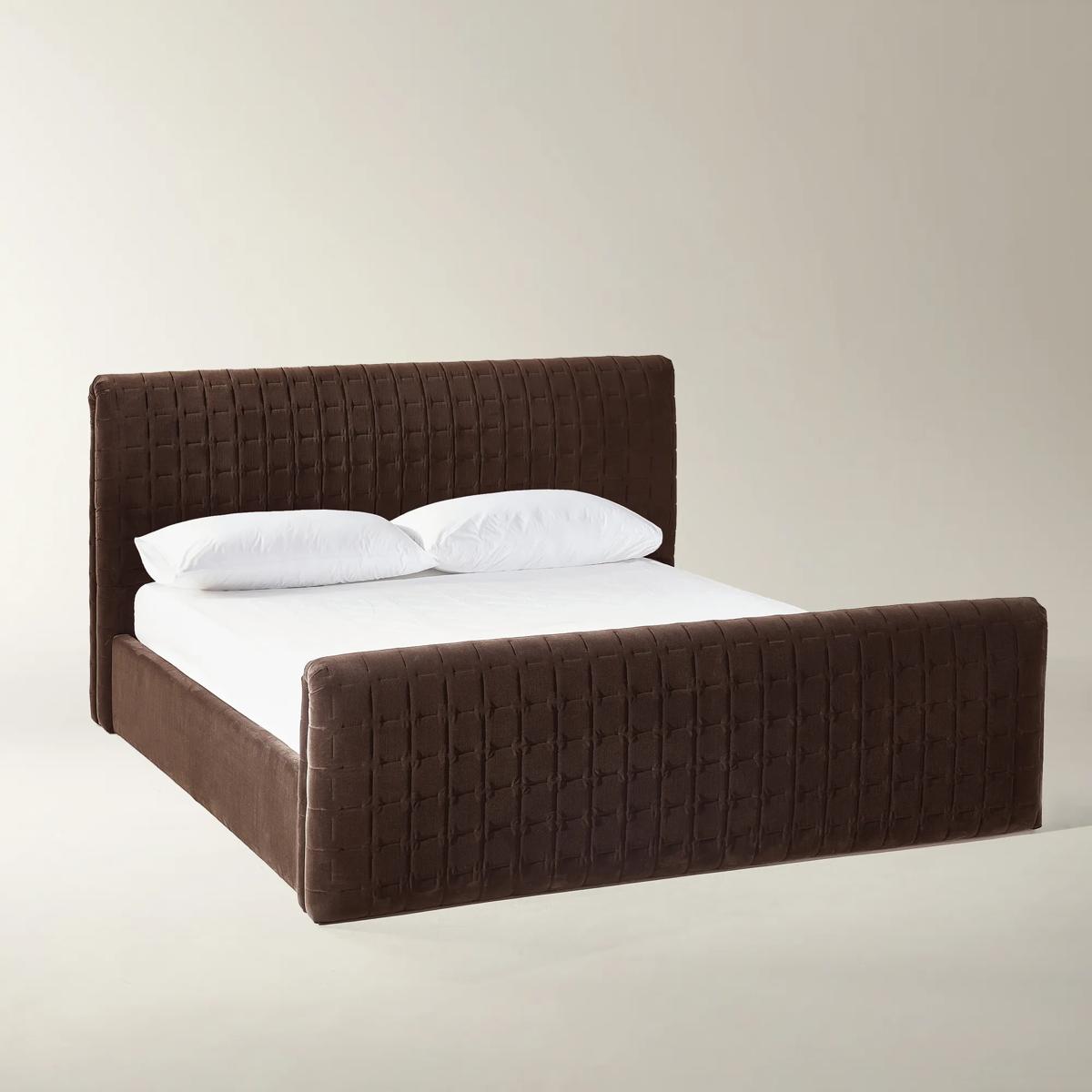 Vanta Burnt Umber Velvet Upholstered King Platform Bed$2499
A hand-tufted chocolate velvet bed with brushed stainless steel inlays for a plush, sculptural statement.
Add To Cart -
Vanta Burnt Umber Velvet Upholstered Queen Platform Bed$2299
A chocolate velvet bed with hand-tufted checker quilting and brushed stainless steel inlays for modern elegance.
Add To Cart -
Vanta Burnt Umber Velvet Upholstered California King Platform Bed$2499
A chocolate velvet bed with hand-tufted checker quilting and brushed stainless steel inlays for modern elegance.
Add To Cart -
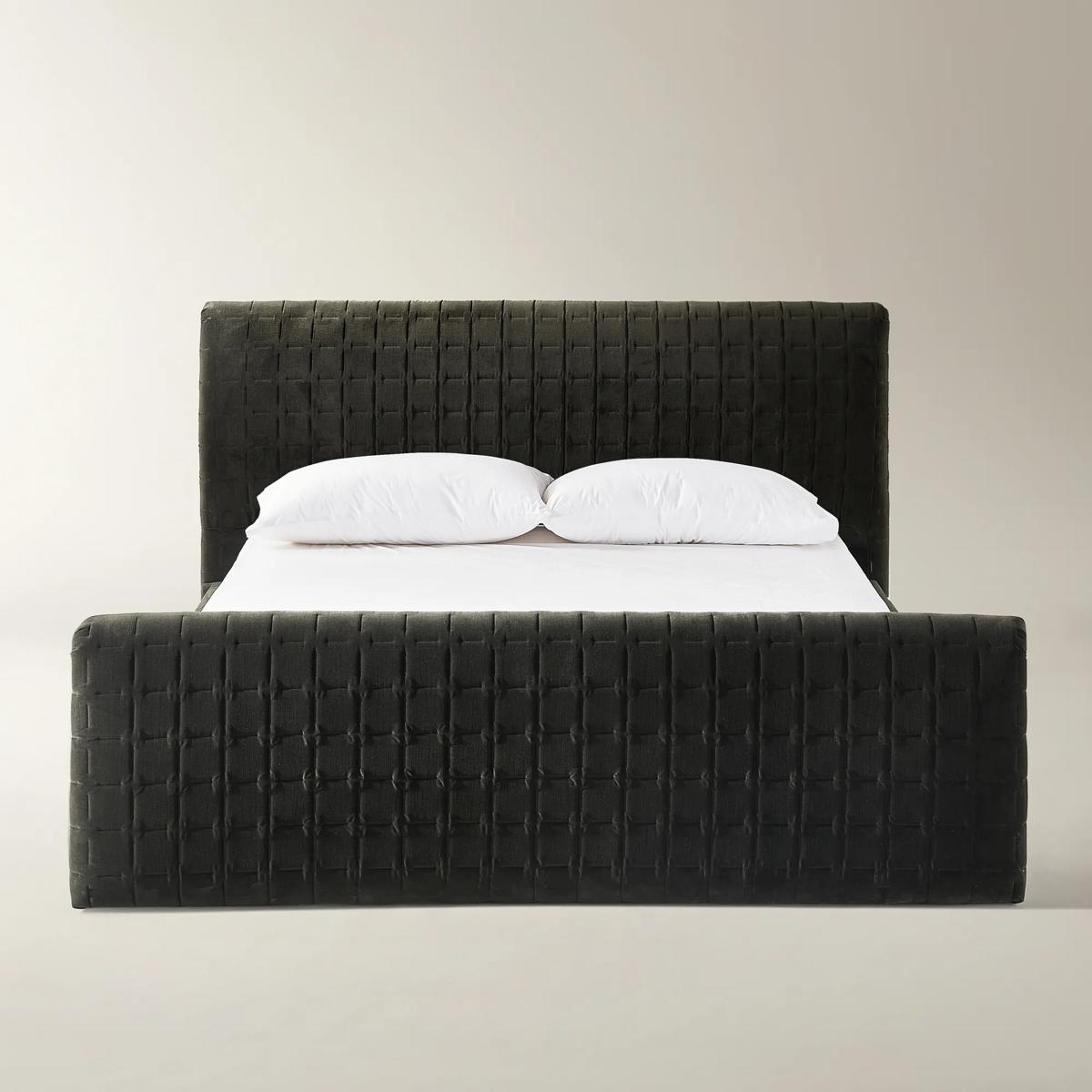 Vanta Charcoal Velvet Upholstered King Platform Bed$2499
A charcoal velvet bed with hand-tufted checker quilting and stainless steel inlays for modern sophistication.
Add To Cart -
Vanta Charcoal Velvet Upholstered Queen Platform Bed$2299
A sculptural bed featuring charcoal velvet upholstery, three-dimensional checker quilting, and sleek stainless steel inlays.
Add To Cart -
Vanta Charcoal Velvet Upholstered California King Platform Bed$2499
A charcoal velvet bed featuring hand-tufted checker quilting and stainless steel inlays for sculptural elegance.
Add To Cart -
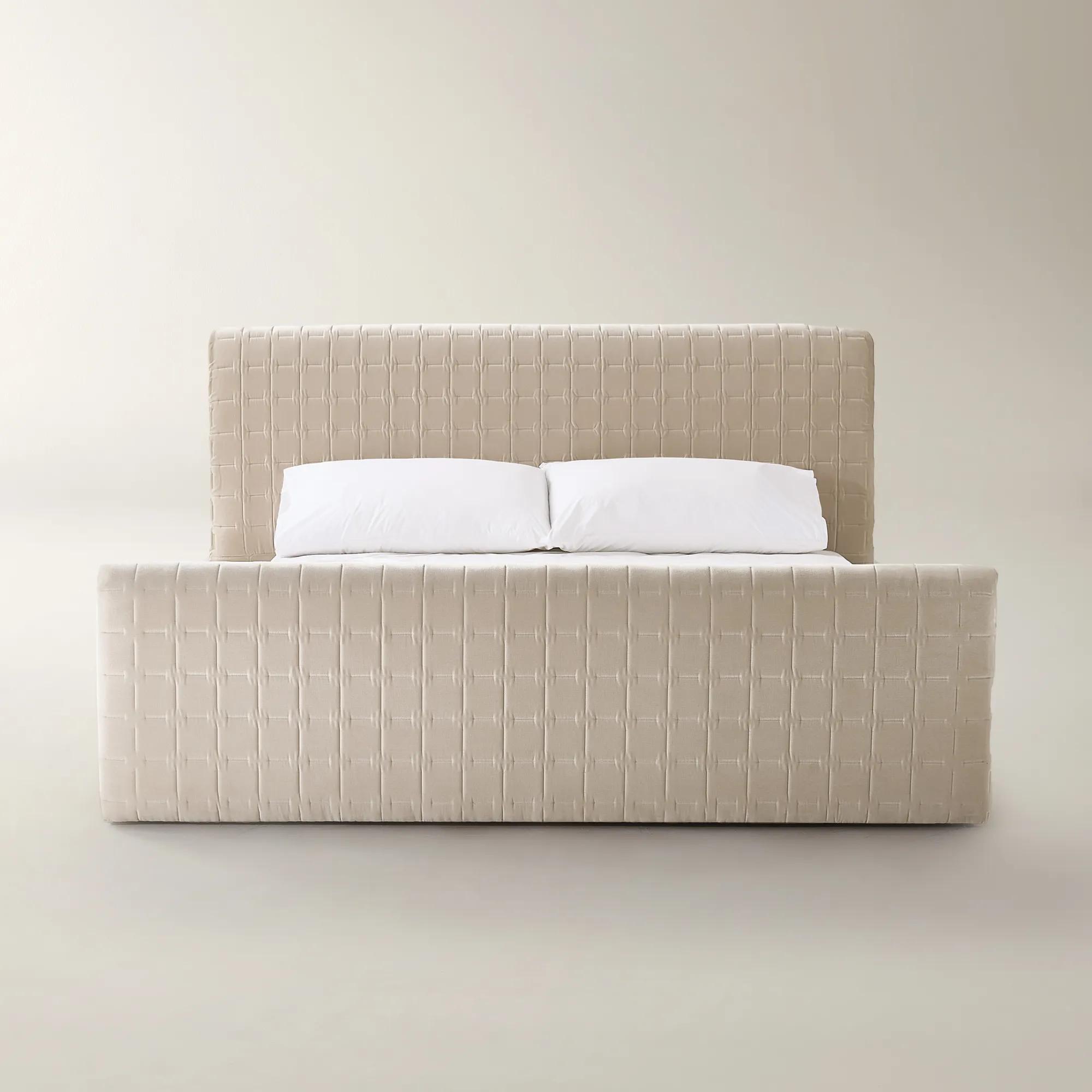
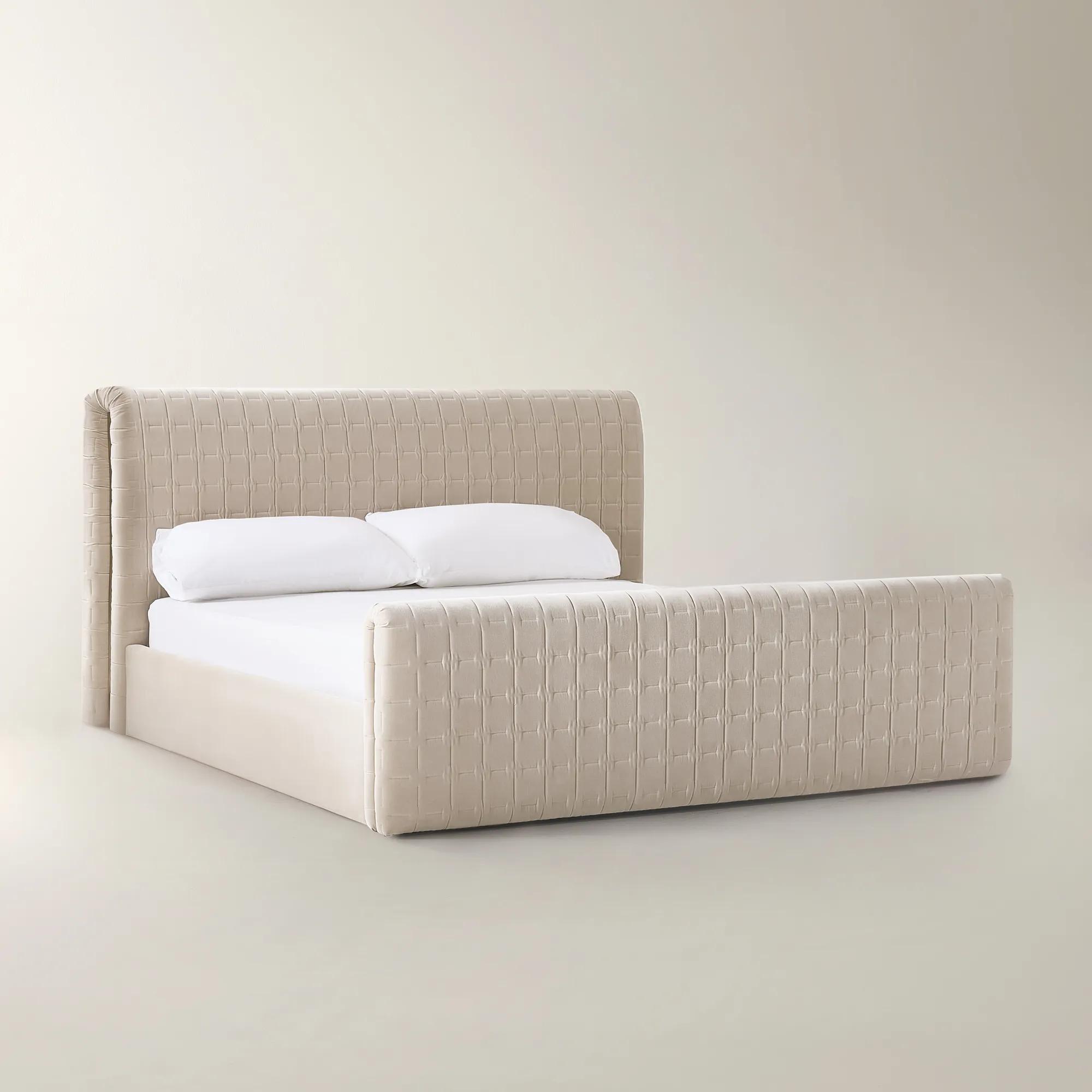 Vanta Oatmeal Velvet Upholstered King Platform Bed$2499
An oatmeal velvet-upholstered bed featuring a checker-quilted headboard and elegant gold-toned metal inlays.
Add To Cart -
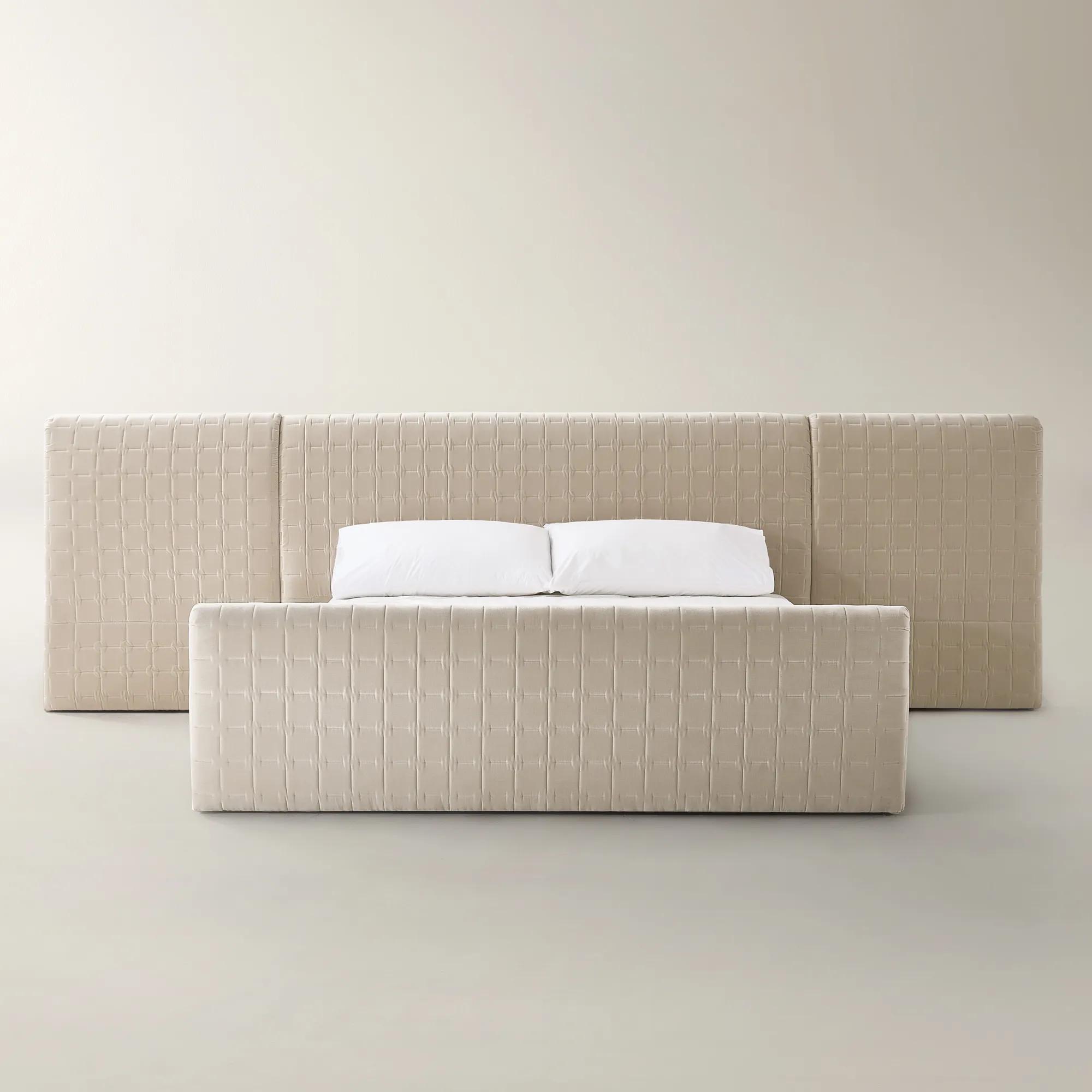
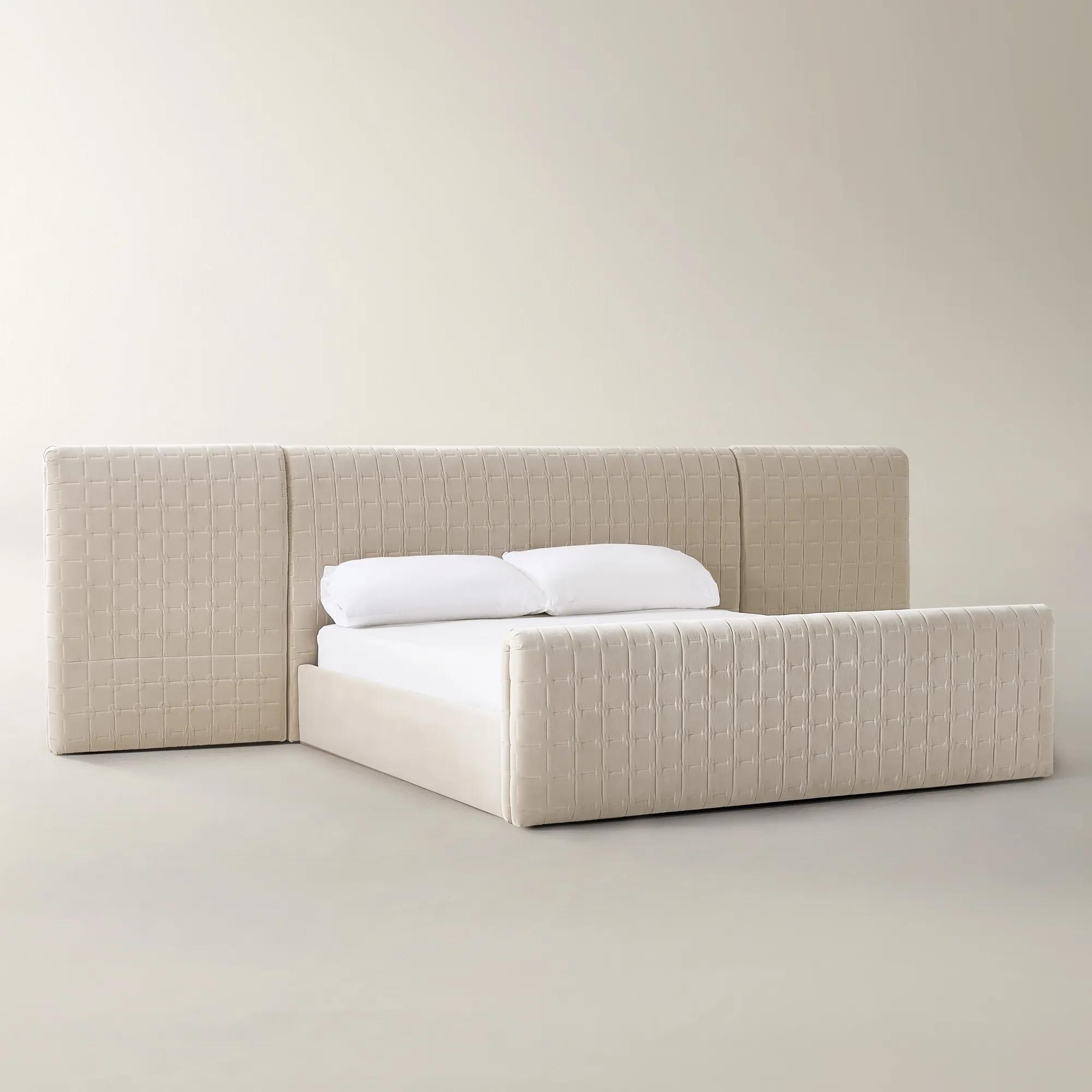 Vanta Oatmeal Velvet Upholstered King Extended Bed$2899
An oatmeal velvet platform bed featuring an extended checker-quilted headboard with elegant gold metal inlays.
Add To Cart

Contemporary Tufted Beds
Contemporary tufted beds transform the bedroom into a sanctuary of sculptural elegance and sumptuous comfort. Each silhouette is an invitation to indulge in artistry, where tailored lines and plush textures converge in a striking interplay of light and shadow. These beds are more than a place to rest—they are the dramatic centerpiece, anchoring your personal retreat with undeniable glamour. Envision a space where every detail whispers luxury and every moment feels curated; contemporary tufted beds offer the perfect canvas for bold self-expression and elevated living.
Contemporary tufted beds bring clean architectural lines together with the softness of upholstered fabric, creating a bedroom centerpiece that feels both sculptural and inviting. Their defining detail is tufting: recessed stitching, buttons, or patterned sections that give a padded surface depth and dimension. Unlike more ornate traditional silhouettes, contemporary designs often balance this texture with streamlined frames, restrained trim, and generous, uncluttered shapes. Vertical channel tufting draws the eye upward, lending a headboard an elegant sense of height; horizontal channels stretch the composition across the wall for a broader, more expansive effect. Square tufting introduces a tailored rhythm, while diamond tufting can feel distinctly modern when paired with a simple outline and understated legs. The result is furniture with presence, even in a bedroom furnished with only a few carefully chosen pieces. A tall, upholstered headboard can anchor a wall much like a large artwork, while a lower profile leaves room for a dramatic painting or an arrangement of framed photography above it. Fabric changes the impression just as powerfully as shape. Velvet catches light across its pile, revealing subtle shifts in color that emphasize every ridge and recess. Woven upholstery brings a more tactile, softly structured character, with visible threads that temper the precision of a geometric headboard. Pale neutrals make the tufting itself the focal point, while saturated hues create a richer field of color behind crisp bedding. These beds suit expressive primary bedrooms, polished guest suites, and personal retreats where comfort deserves as much attention as composition. Paired with gleaming bedside lamps, a tufted surface creates a striking contrast between reflected light and plush texture. Against matte walls and sculptural wood furniture, it adds softness without sacrificing definition. The strongest arrangements allow that dimensional upholstery to remain visible, using pillows and layered bedding to complement the pattern rather than conceal it. A carefully edited palette lets the bed establish the mood, whether the room leans toward luminous glamour, graphic contrast, or a quieter expression of luxury.
Scale determines how gracefully that statement fits into daily life. Mattress size is only the beginning: upholstered side rails, a substantial footboard, and a wide headboard can extend the bed’s overall footprint well beyond the sleeping surface. Standard queen mattresses measure 60 by 80 inches, making contemporary tufted queen beds a compelling proportion for many primary bedrooms and guest rooms. A standard king mattress measures 76 by 80 inches, offering more width for shared sleeping, but the surrounding frame needs additional floor space. Overall dimensions matter especially in rooms with inward-swinging doors, closet access beside the bed, or a dresser opposite the footboard. Comfortable circulation keeps an upholstered silhouette feeling generous rather than crowded; approximately 30 inches of clearance along accessible sides is a useful planning target when the room permits. Headboard height also deserves attention in relation to ceiling height, windows, and the finished mattress position. A deep mattress or mattress-and-foundation combination can hide a substantial portion of the tufting, while a lower sleeping surface may reveal more of the headboard than expected. Bed construction determines the appropriate support underneath: some platform frames are designed for a mattress alone, while other configurations require a compatible foundation. Slat spacing, weight limits, and mattress manufacturer requirements should agree before the pieces are paired. Adjustable bases need particular care because compatibility depends on the frame’s interior dimensions, support structure, and clearance, not simply the nominal bed size. The journey into the room matters, too. Oversized headboard panels may be difficult to maneuver through narrow staircases or tight hallway turns, even when the assembled bed fits beautifully. For a shared bedroom, upholstered edges can offer a softer surface to brush against, though padding does not replace adequate walking space. For someone who enjoys reading or lingering over morning coffee in bed, a padded headboard can provide a more welcoming backdrop than a bare hard surface, with supportive pillows completing the arrangement. These practical proportions allow the visual drama to feel effortless rather than imposed.
The lasting appeal of an upholstered tufted bed rests on the relationship between fabric, padding, and the structure beneath them. A well-designed frame supports the mattress securely, while sound joinery, appropriate center support, and firmly attached hardware help maintain stability through everyday use. Dense, resilient padding helps preserve the headboard’s contours, particularly where shoulders and pillows rest repeatedly. Upholstery composition deserves the same attention as color: natural fibers, synthetic fibers, and blends each bring different textures and care requirements, and appearance alone does not establish resistance to wear or staining. Performance fabrics may offer useful protective qualities, but the specific fabric specifications should identify which benefits apply. In a frequently used bedroom, a tightly woven surface may be worth considering alongside a more textured weave; in a guest suite, a lustrous velvet can turn a largely decorative headboard into a memorable focal point. Homes with pets benefit from considering snag potential, visible hair, and how easily the fabric can be maintained. Tufted recesses naturally create places where dust and lint can gather, so gentle vacuuming with a suitable upholstery attachment helps keep the pattern defined. Cleaning should always follow the manufacturer’s fabric care instructions, since some textiles accept certain water-based treatments while others require solvent-based or professional care. Blotting a spill promptly with a clean, dry cloth is generally preferable to rubbing it into the fibers, and any approved cleaner should be tested in an inconspicuous area first. Direct sunlight can alter upholstery color over time, making thoughtful placement and window treatments worthwhile where strong light reaches the headboard. Periodic checks of accessible fasteners, following the assembly instructions, can help keep the frame secure. With those details addressed, contemporary tufting offers more than an ornamental finish. It creates a layered backdrop for smooth cotton sheets, a richly textured coverlet, or an oversized lumbar pillow, bringing depth to the room without demanding a crowded arrangement. The bed becomes a confident expression of personal style: substantial, tactile, and composed around the pleasure of a beautifully considered space.
FAQs
Contemporary tufted beds are often crafted with a variety of luxurious upholstery materials such as velvet, linen, or high-performance fabrics. The frames are typically constructed from kiln-dried hardwood or engineered wood for long-lasting stability and support, while the tufting may feature hand-applied buttons or stitching for added artistry.
To create a dramatic bedroom look, pair your tufted bed with bold accent pieces like mirrored nightstands, gleaming metallic lamps, and plush throws. Layering textures—think faux fur, silk, or high-thread-count cotton—enhances the sense of luxury. Statement art, sculptural lighting, and rich, moody wall colors can further amplify the room’s expressive atmosphere.
Absolutely. While tufted beds have a distinctly contemporary edge, their versatile design language allows them to complement a wide range of aesthetics. Choose sleek lines and subtle tufting for a modern vibe, or opt for ornate detailing and sumptuous fabrics to echo a more classic or transitional style.
A tufted headboard offers both visual and functional benefits. The plush padding provides a comfortable backrest for reading or relaxing in bed, while the intricate tufting adds depth, character, and a sense of tailored luxury to your space. It also serves as a striking focal point, instantly elevating the overall design of the room.
To keep your tufted bed looking pristine, regularly vacuum the upholstery with a soft brush attachment to remove dust and debris. For spills, gently blot the area with a clean, damp cloth—avoid rubbing, as it may damage the fabric. Periodically rotate and fluff any removable cushions or pillows to maintain their shape and loft.