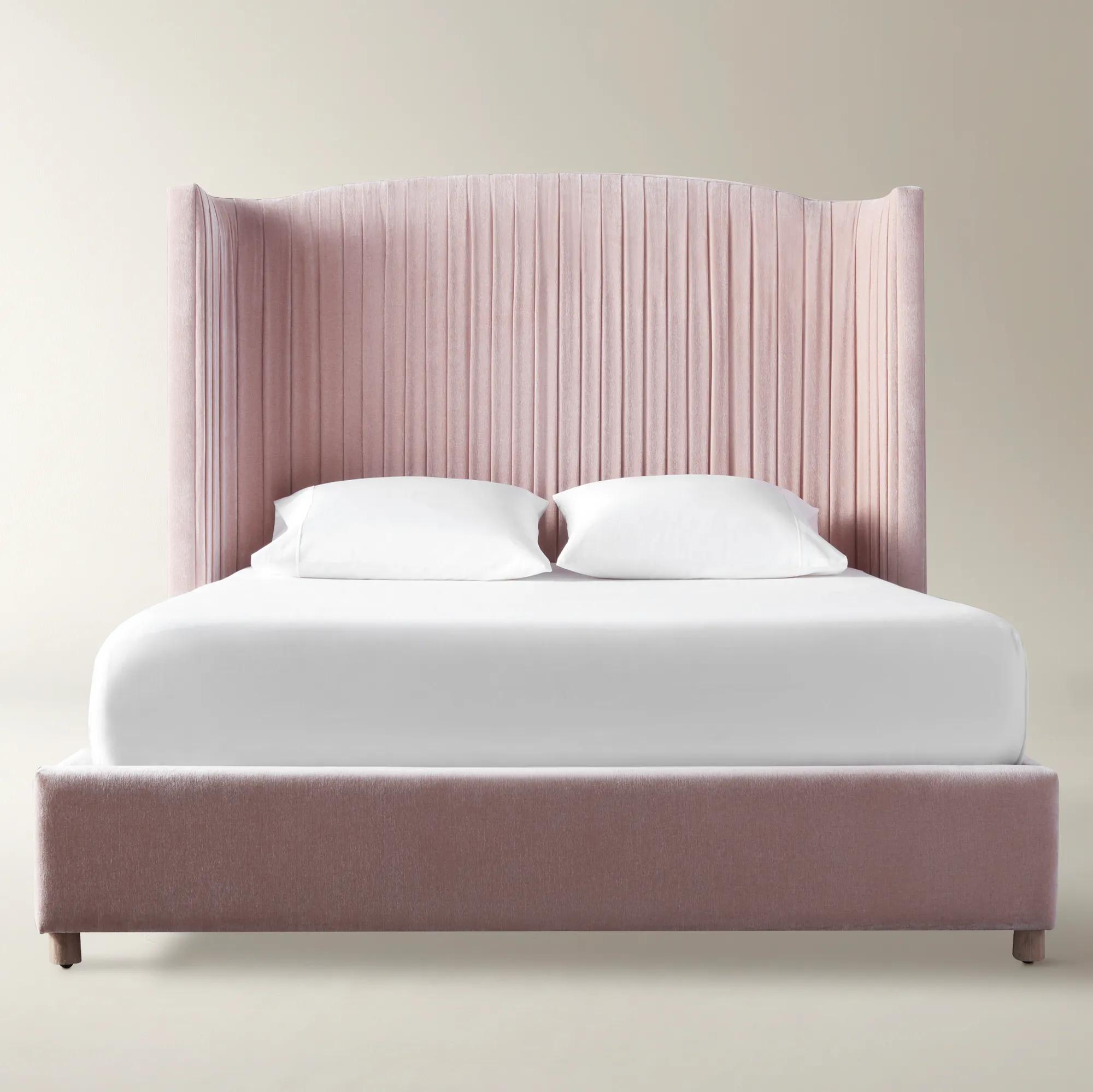
Beds With Plush Foam Fill
Beds With Plush Foam Fill
-

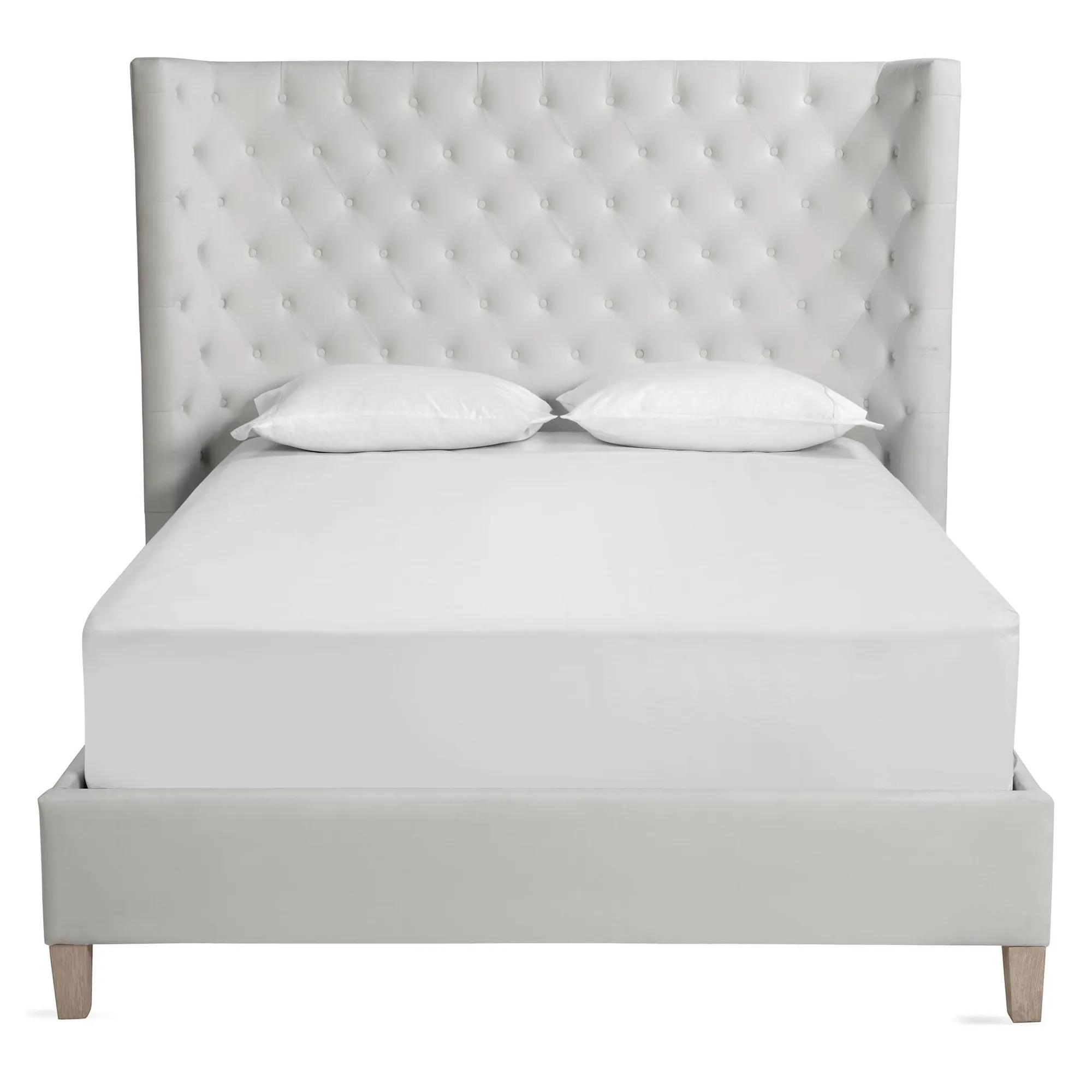
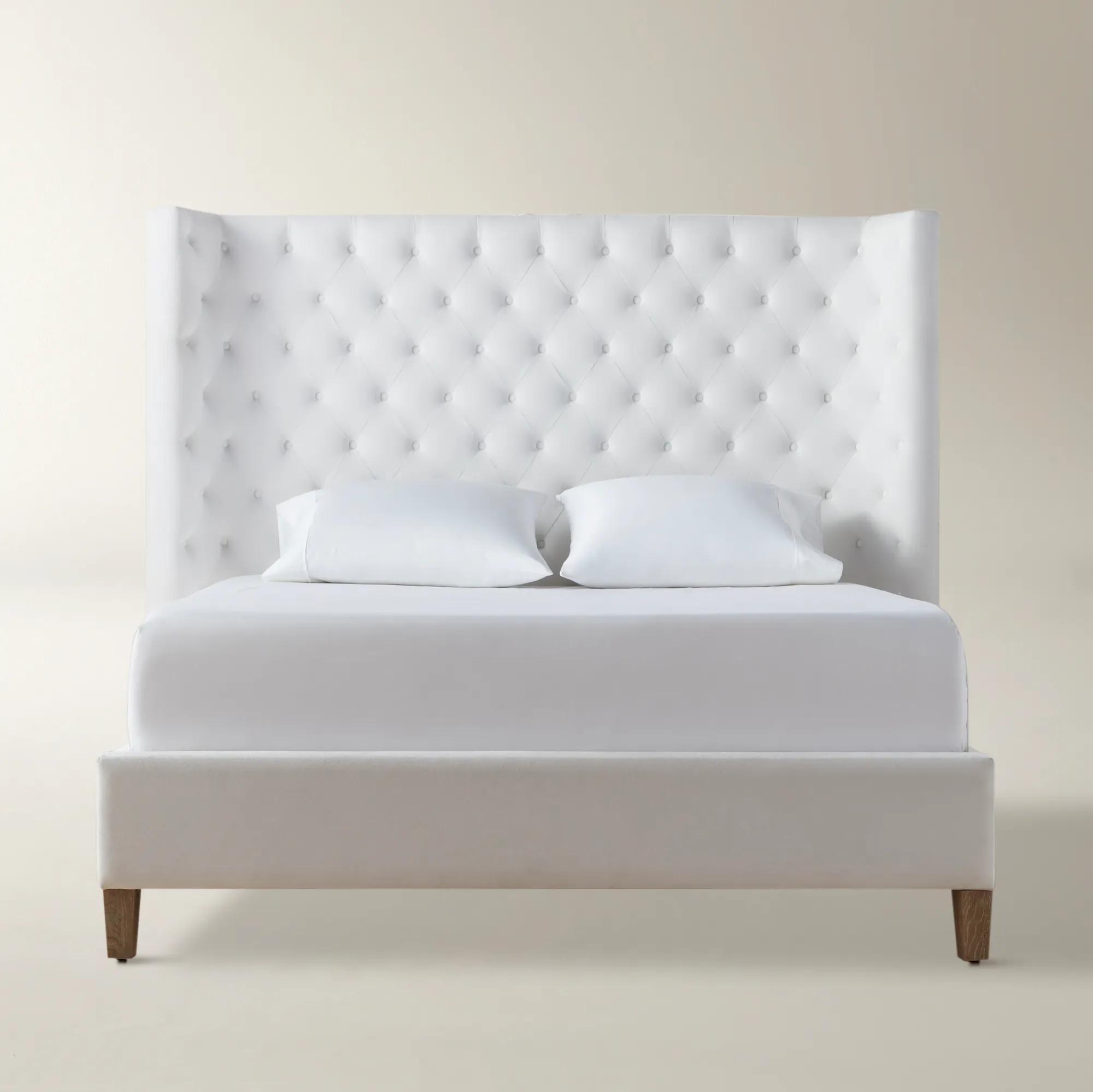
 Tenley Bed$2299
A modern bed with a kiln-dried hardwood frame and plush, high-density foam headboard in oyster linen.
Add To Cart -
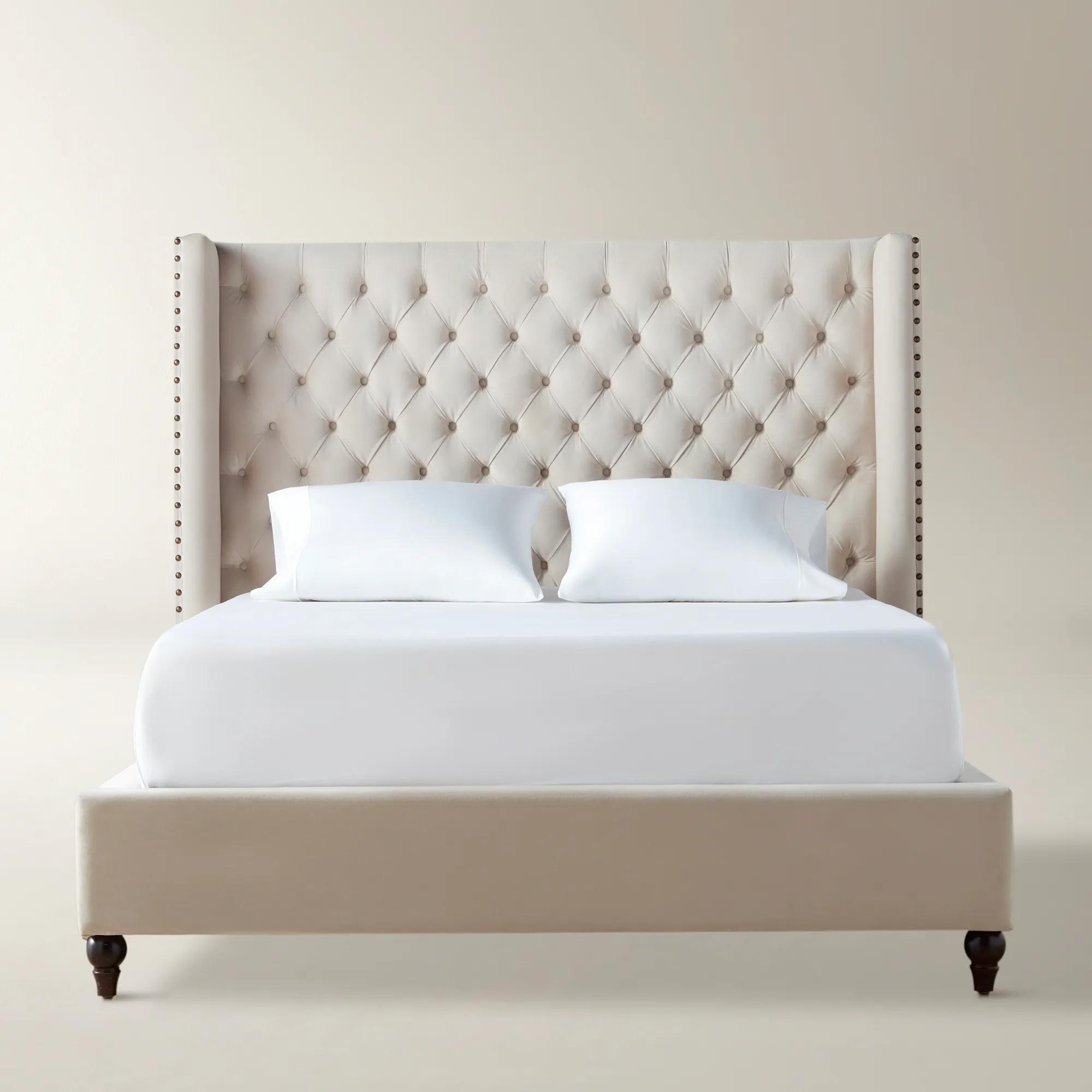
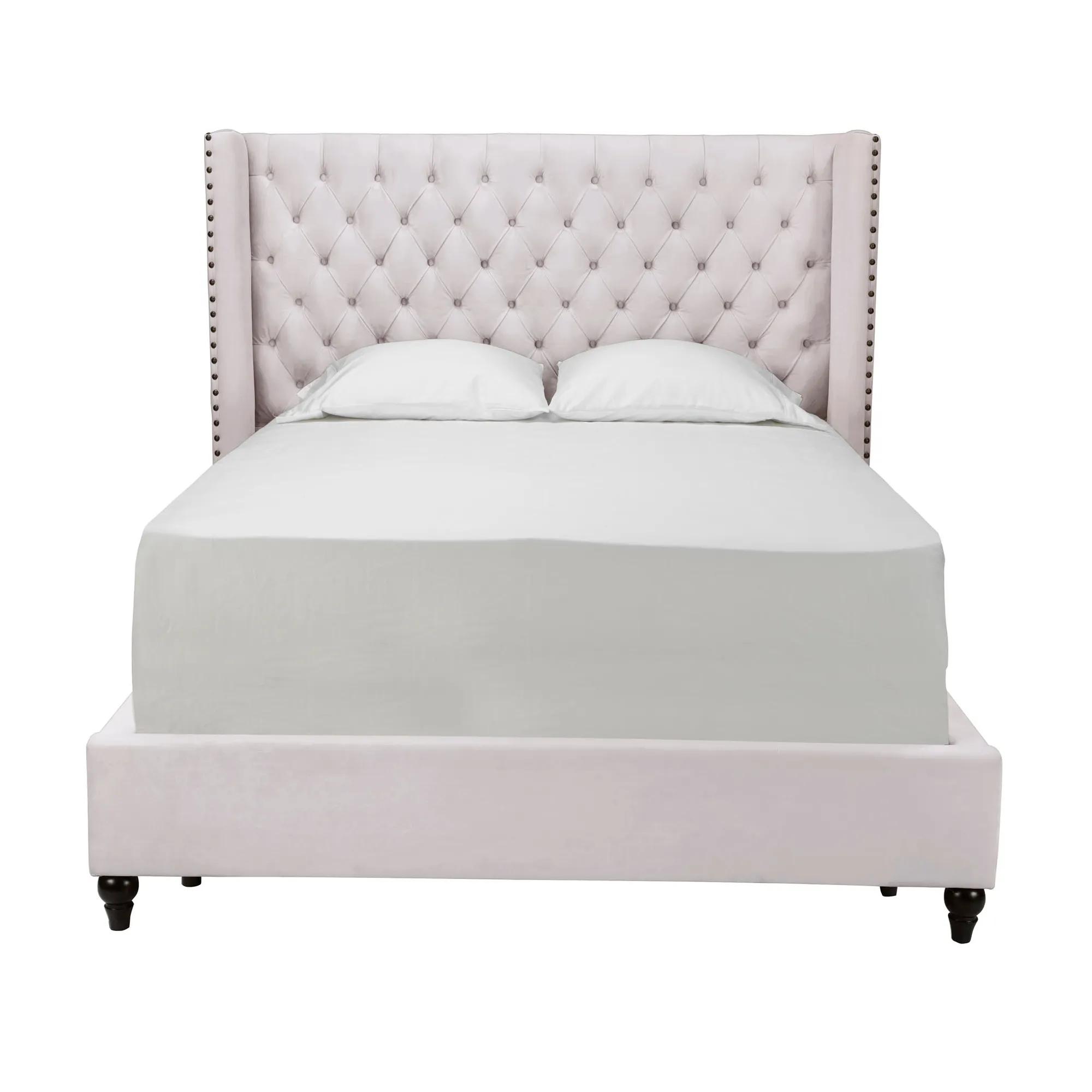
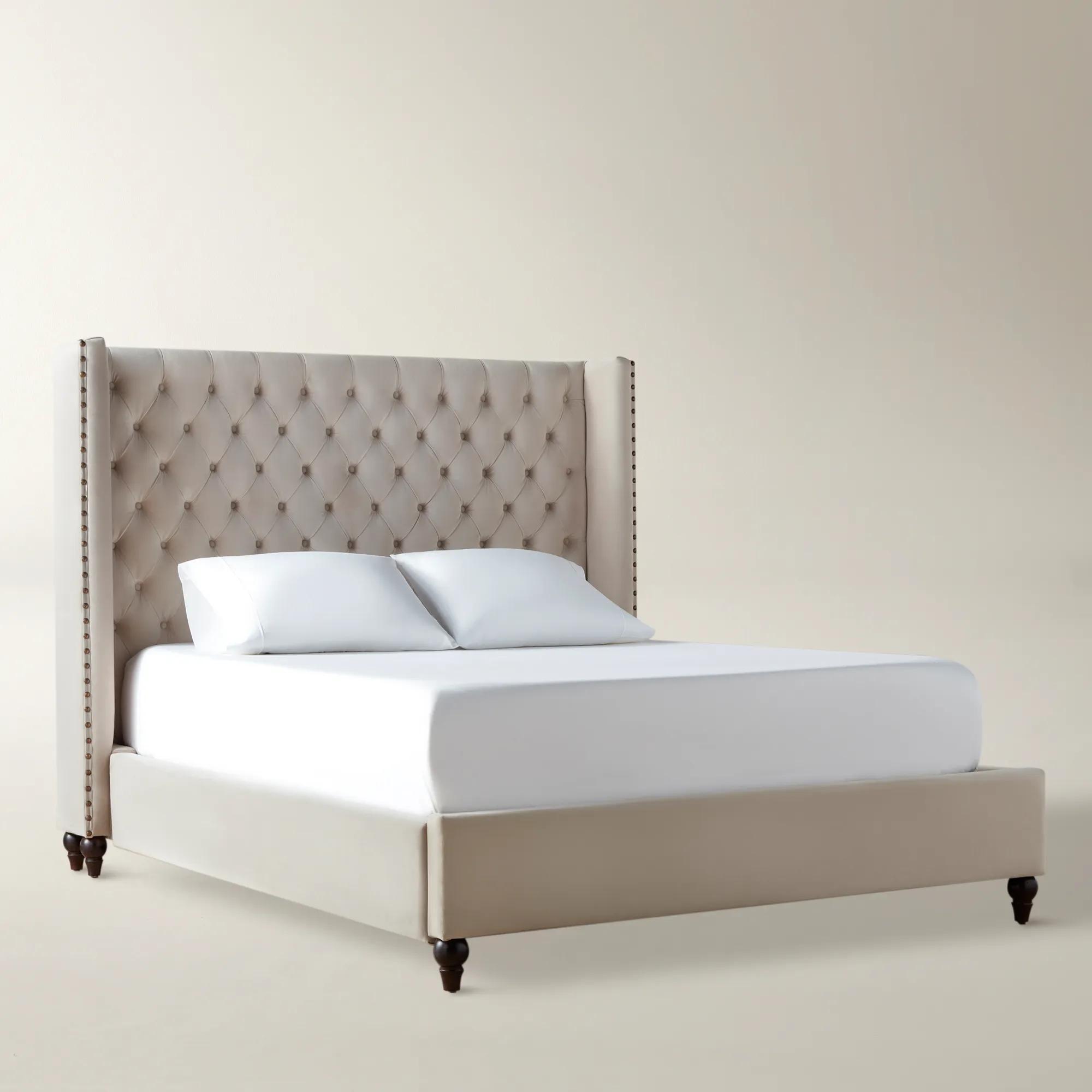 Roberto Bed$2149
A stately bed featuring diamond tufted Bella Velvet Pearl upholstery, kiln-dried hardwood frame, and antique brass nailheads.
Add To Cart -
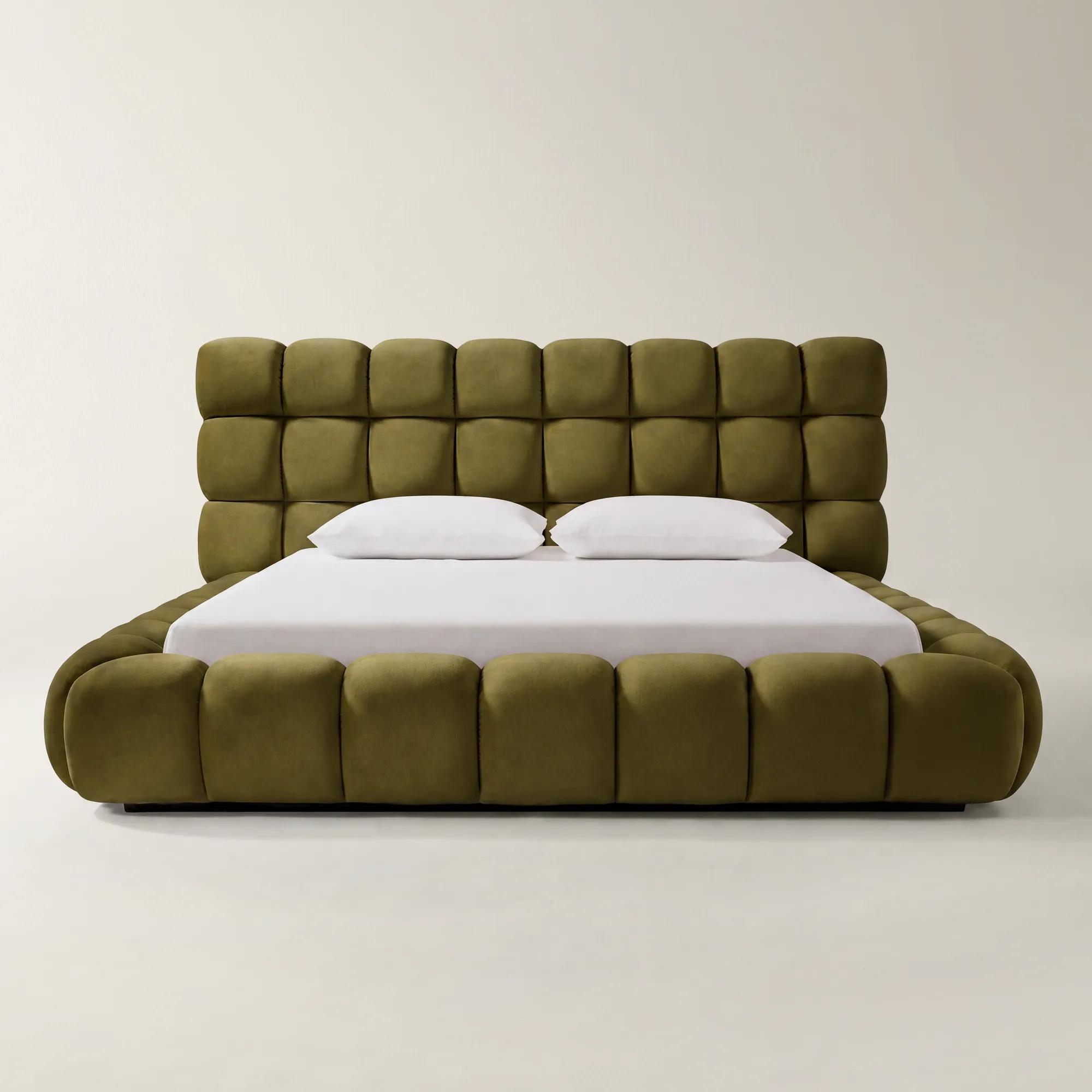
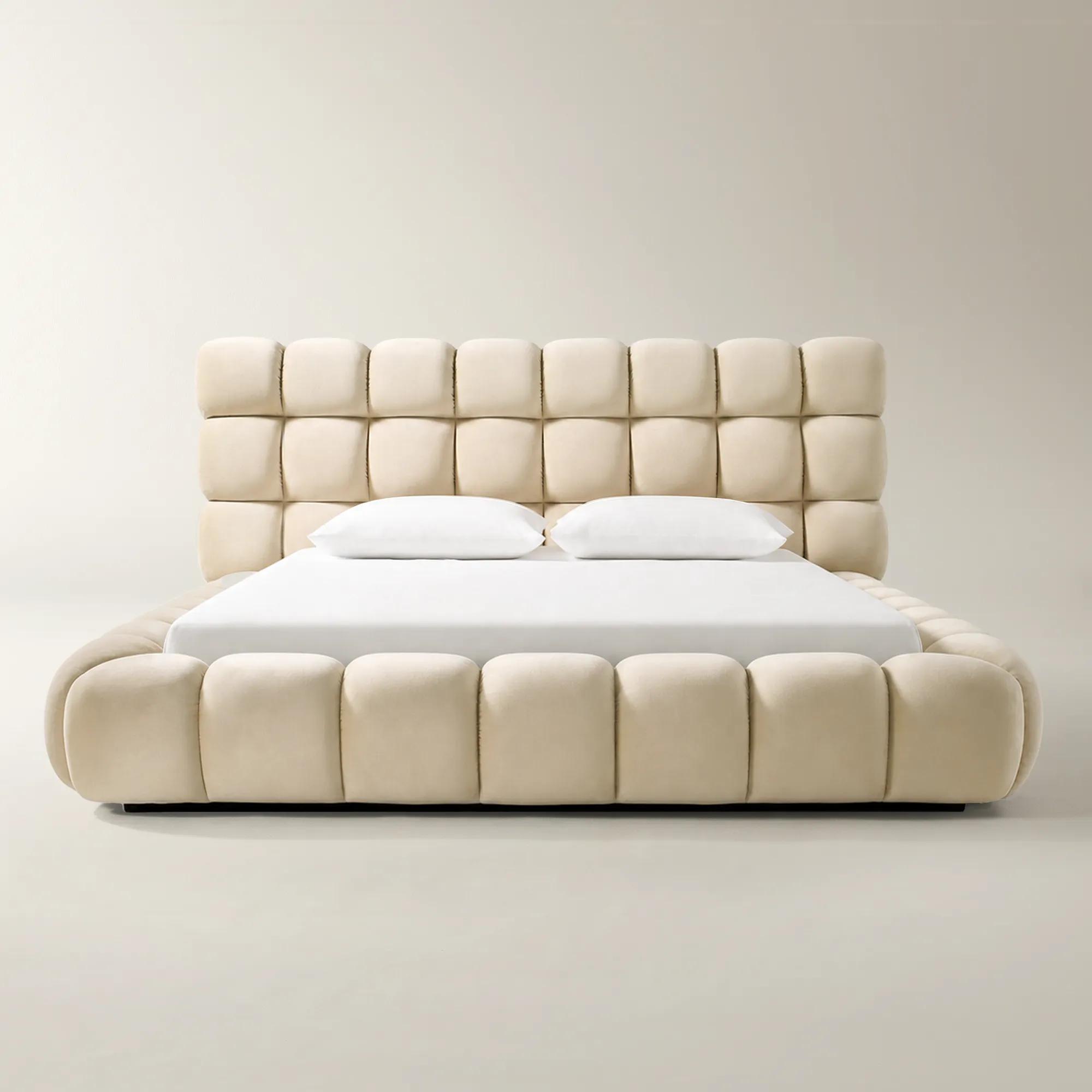 Paloma Tufted Deep Olive Velvet Upholstered Queen Platform Bed$2399
A sculptural deep olive velvet platform bed with wrapped upholstery, plush padding, and durable wood construction.
Add To Cart -
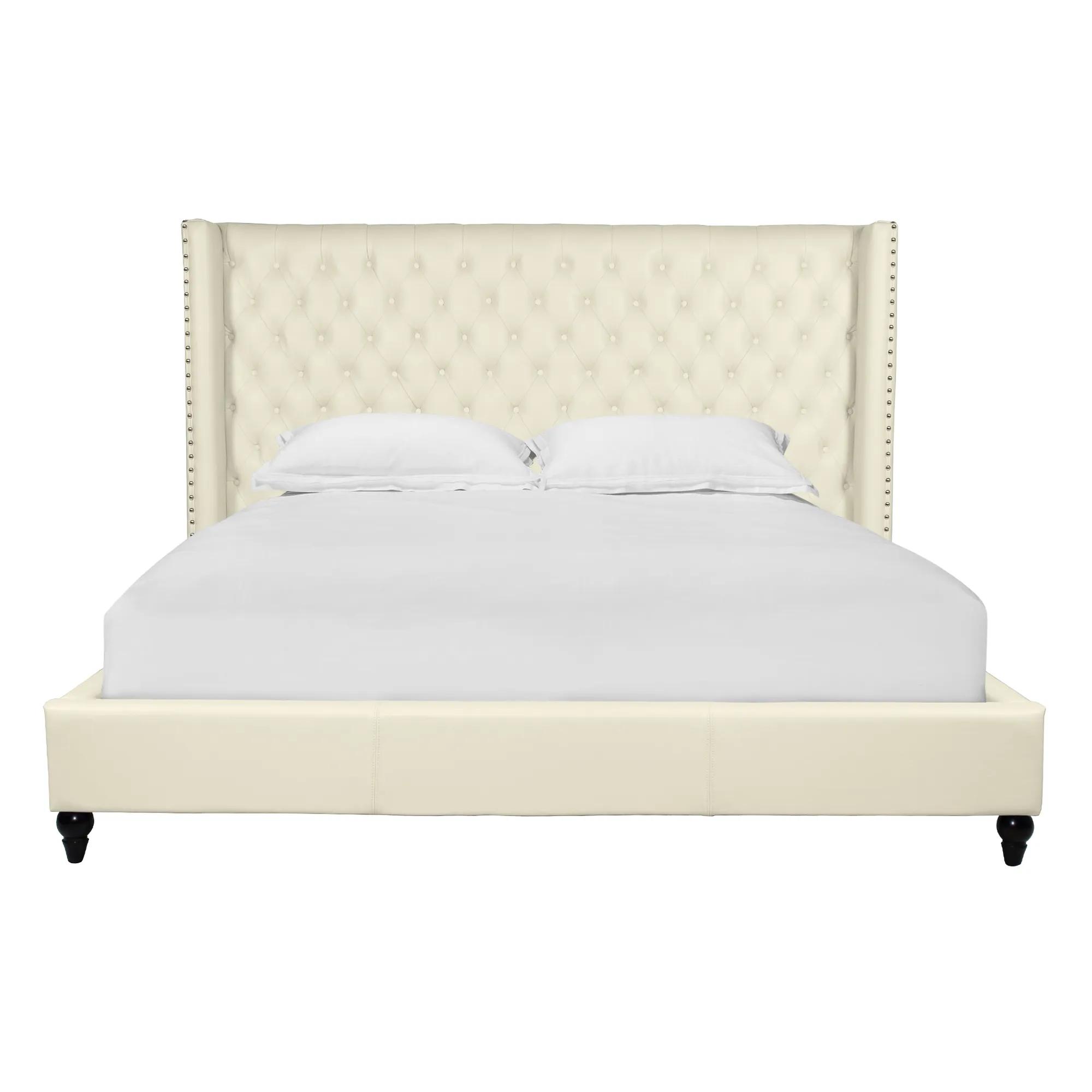
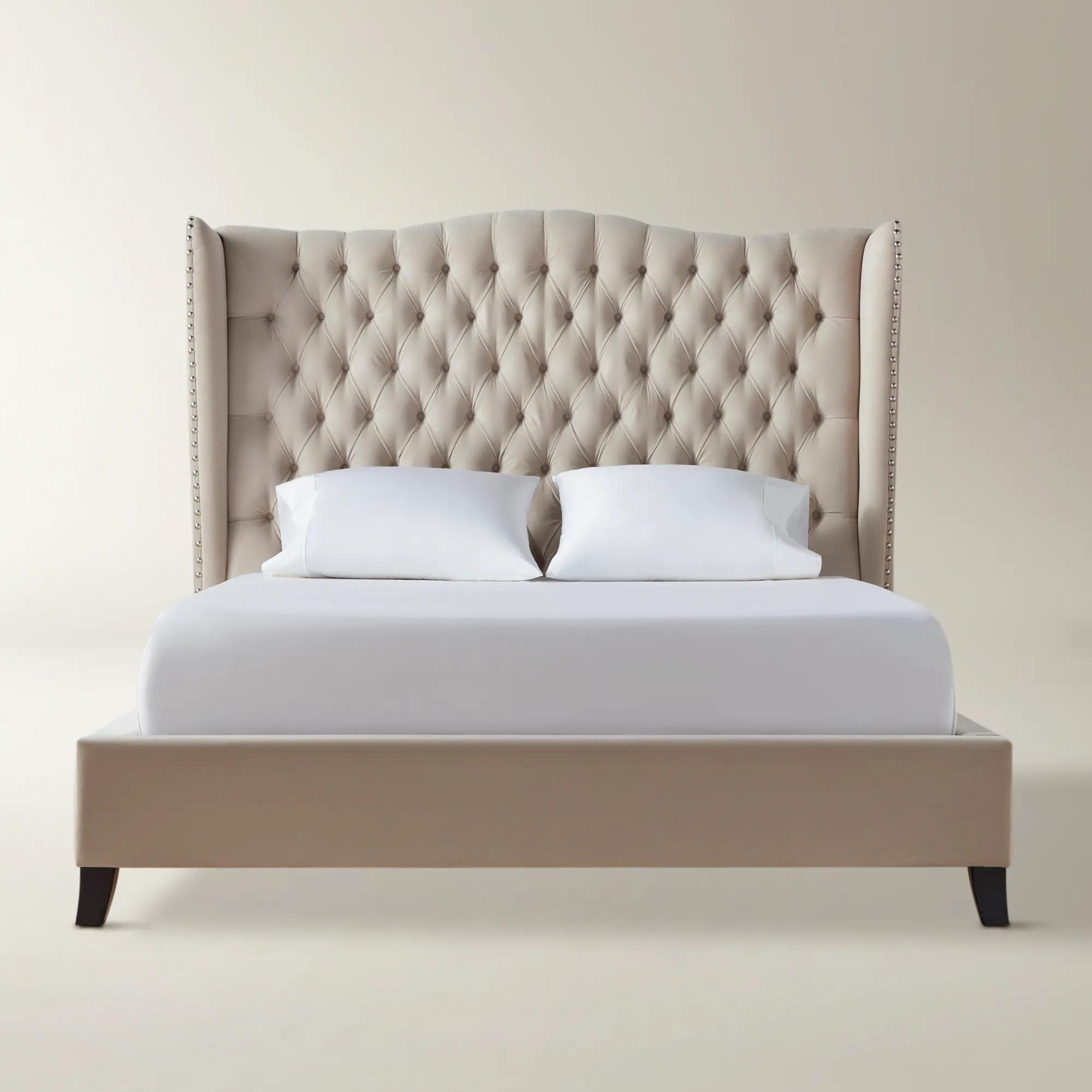
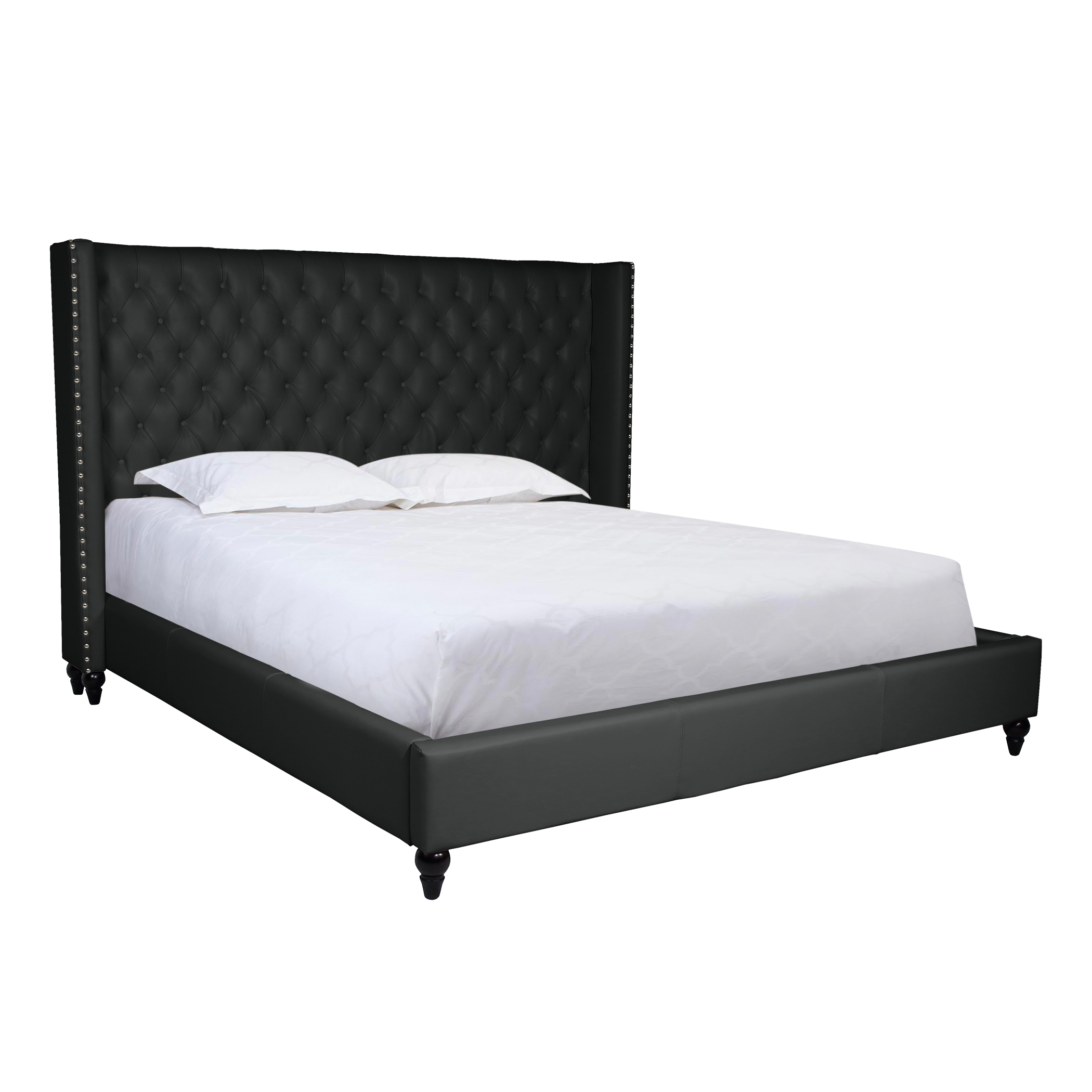 Roberto Leather Bed$3449
A stately bed featuring diamond tufting, hand-applied nailheads, and luxurious top grain leather upholstery.
Add To Cart -
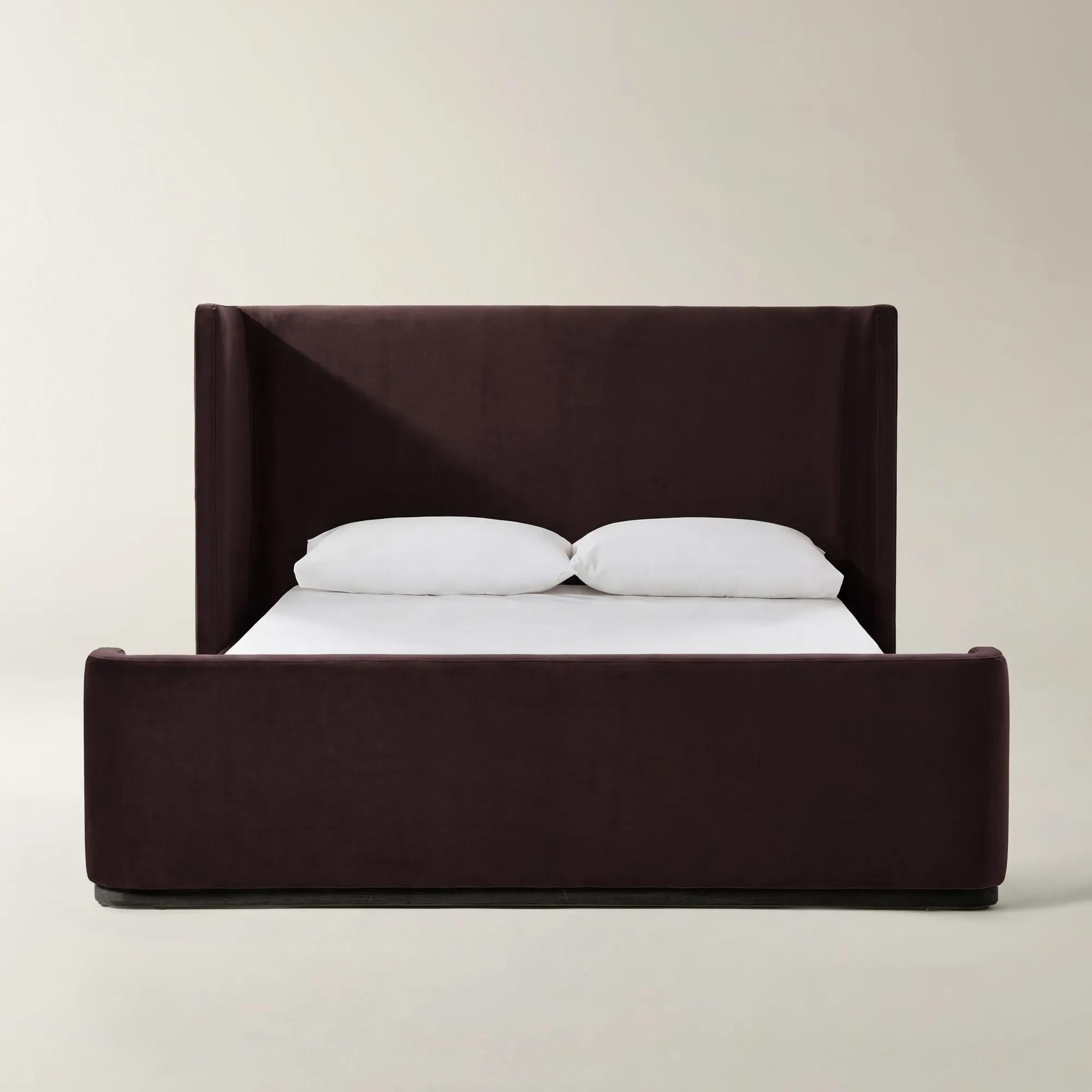
 Stria Fig Velvet Upholstered King Platform Bed$2299
A sculptural fig velvet wingback platform bed with an FSC-certified solid oak base and supportive construction.
Add To Cart -
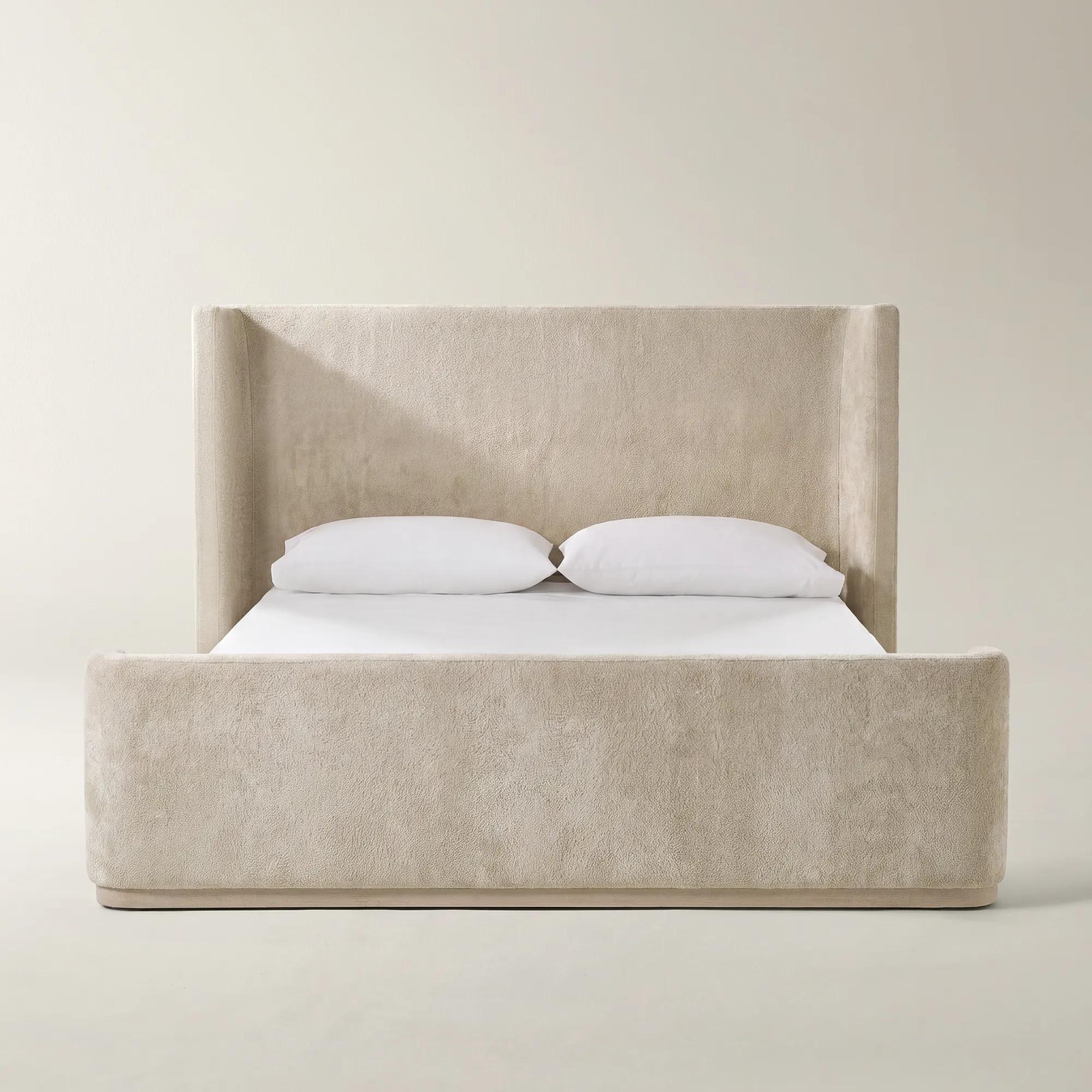 Stria Light Brown Chenille Upholstered King Platform Bed$2299
A sculptural brown chenille upholstered bed featuring a wingback headboard and FSC-certified solid oak base.
Add To Cart -
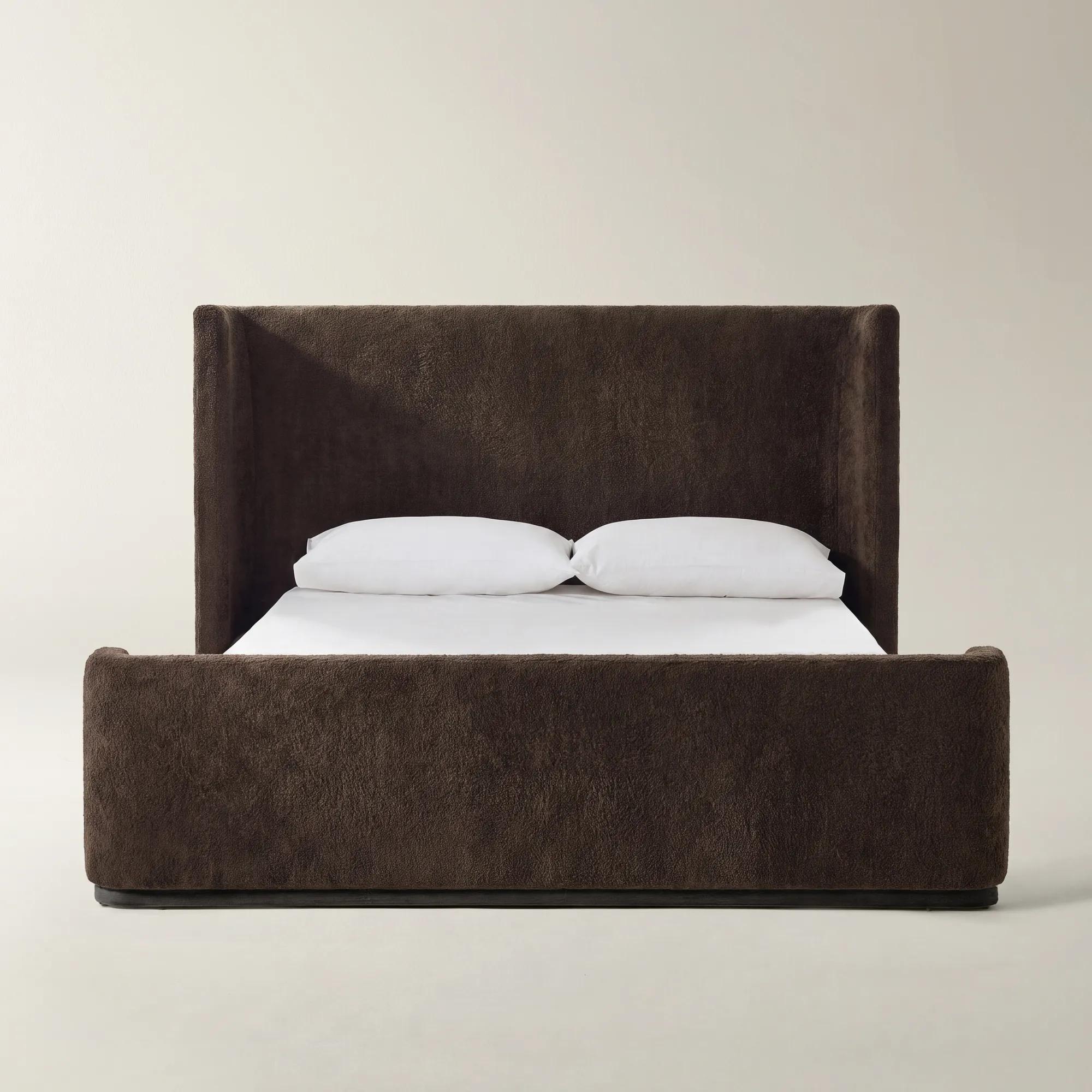 Stria Dark Chocolate Chenille Upholstered King Platform Bed$2299
A dark chocolate chenille upholstered platform bed featuring a wingback headboard and FSC-certified solid oak base.
Add To Cart -
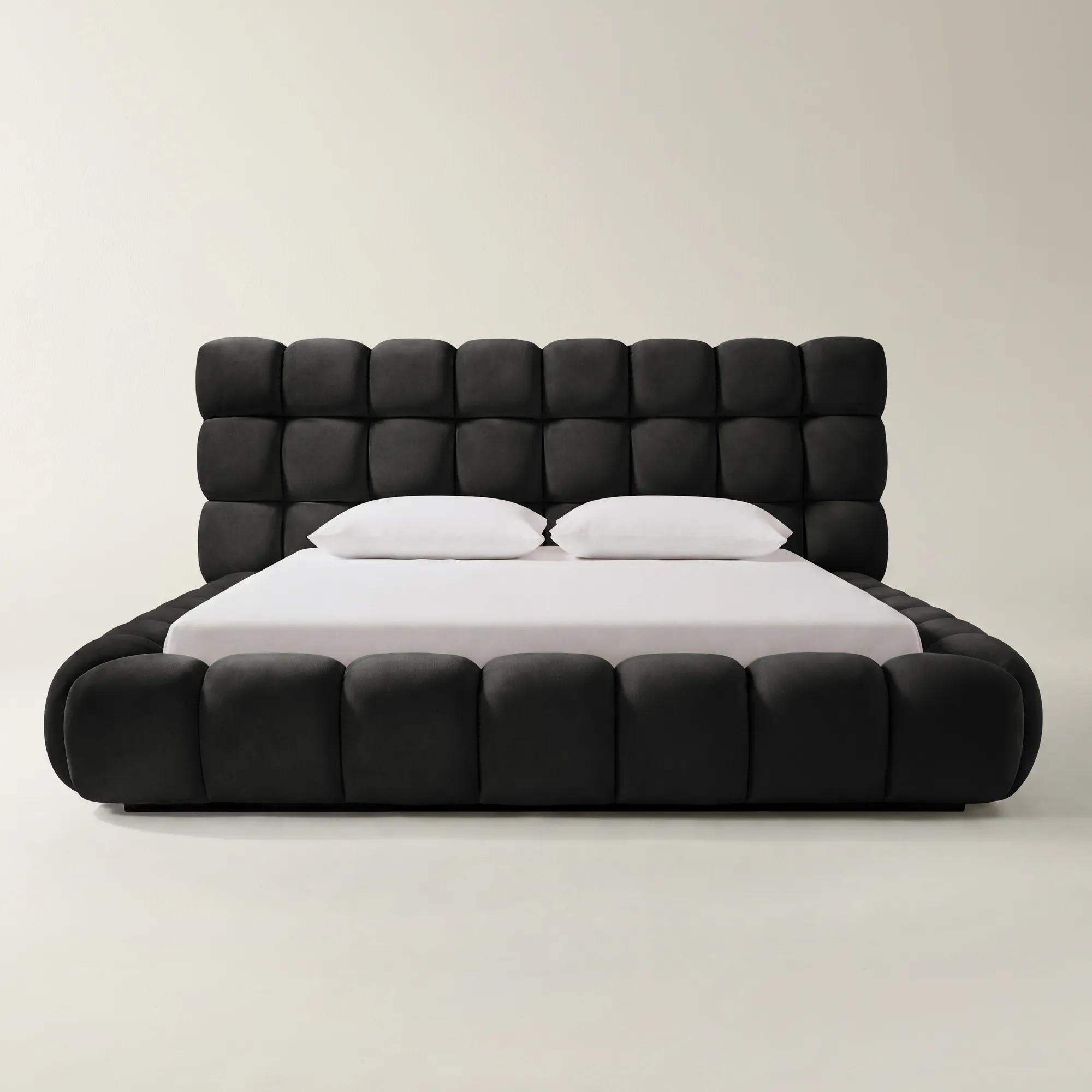 Paloma Tufted Charcoal Velvet Upholstered Queen Platform Bed$2399
A sculptural charcoal velvet platform bed with plush wrapped upholstery, solid wood construction, and supportive slats.
Add To Cart -
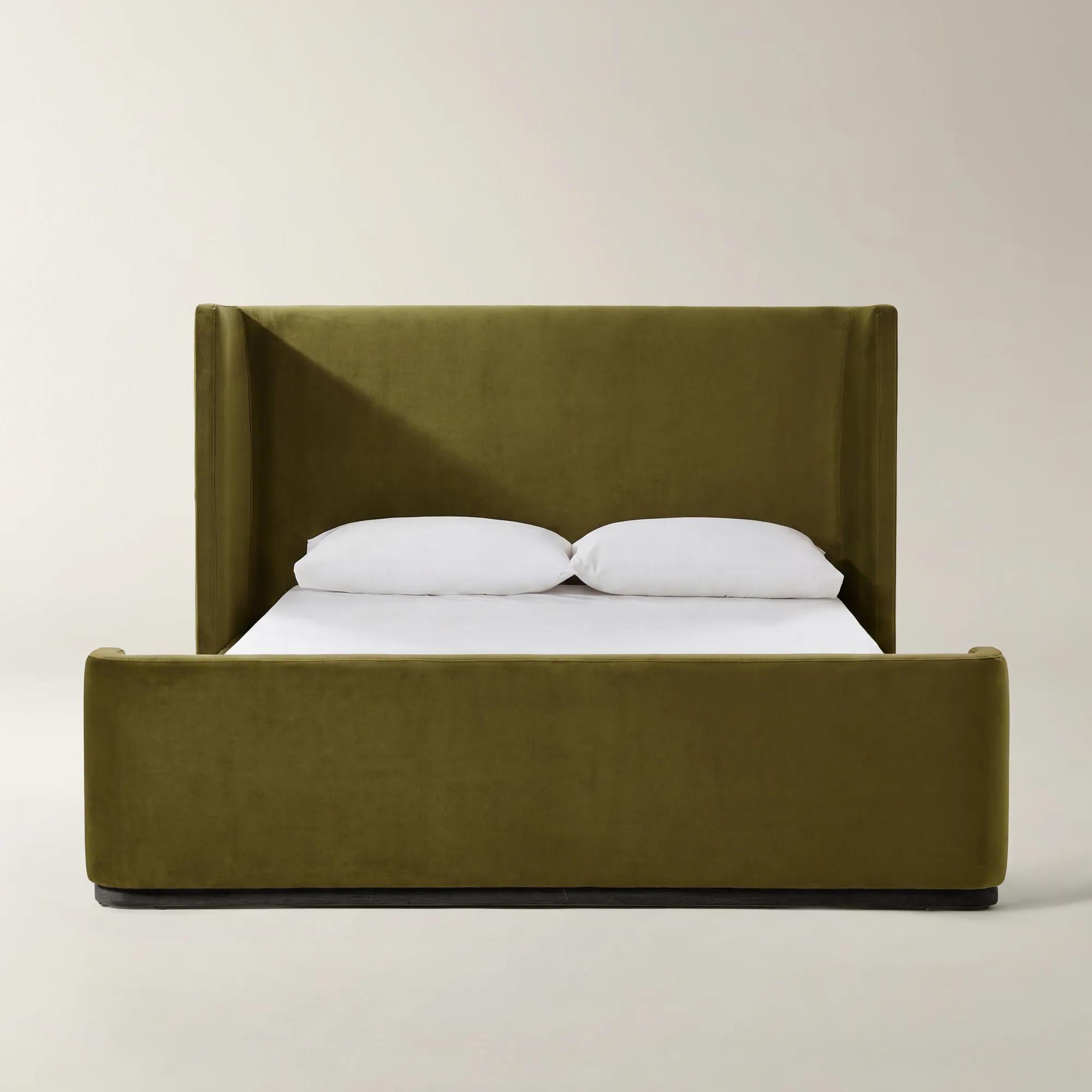
 Stria Deep Olive Velvet Upholstered King Platform Bed$2299
A deep olive velvet platform bed with a sculptural wingback headboard and FSC-certified oak base.
Add To Cart -
Stria Light Brown Chenille Upholstered Queen Platform Bed$2099
A light brown chenille-upholstered platform bed with a sculptural wingback headboard and FSC-certified oak base.
Add To Cart -
Stria Dark Chocolate Chenille Upholstered Queen Platform Bed$2099
A dark chocolate chenille platform bed featuring a sculptural wingback headboard and FSC-certified solid oak base.
Add To Cart -
Paloma Tufted Charcoal Velvet Upholstered King Platform Bed$2599
A sculptural charcoal velvet platform bed with plush wrapped upholstery, solid wood construction, and slat support.
Add To Cart -
Paloma Tufted Deep Olive Velvet Upholstered King Platform Bed$2599
A sculptural deep olive velvet platform bed with plush padding, fully wrapped upholstery, and wood construction.
Add To Cart -
Stria Deep Olive Velvet Upholstered Queen Platform Bed$2099
A deep olive velvet bed with a sculptural wingback headboard, supportive cushioning, and FSC-certified oak base.
Add To Cart -
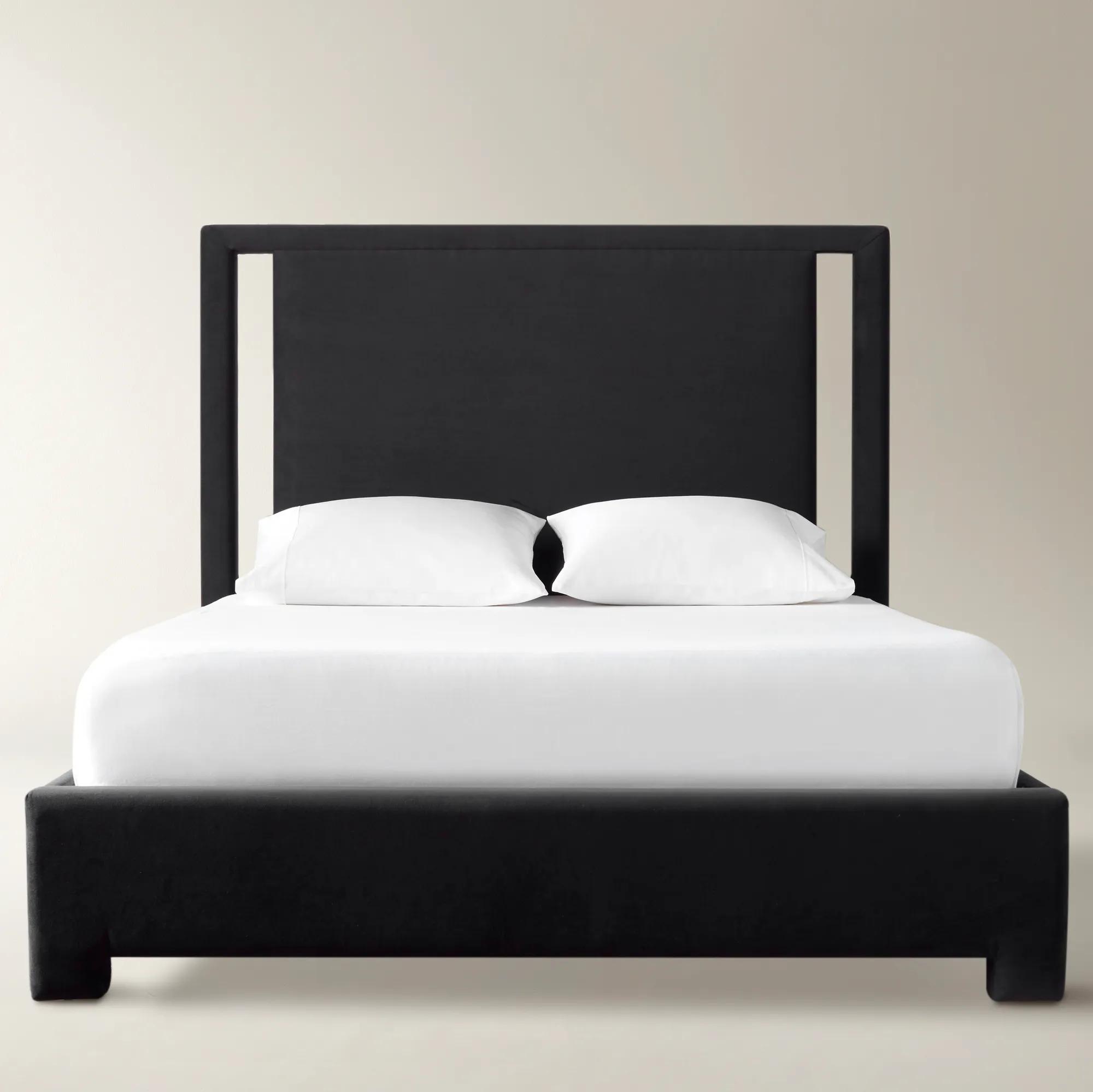
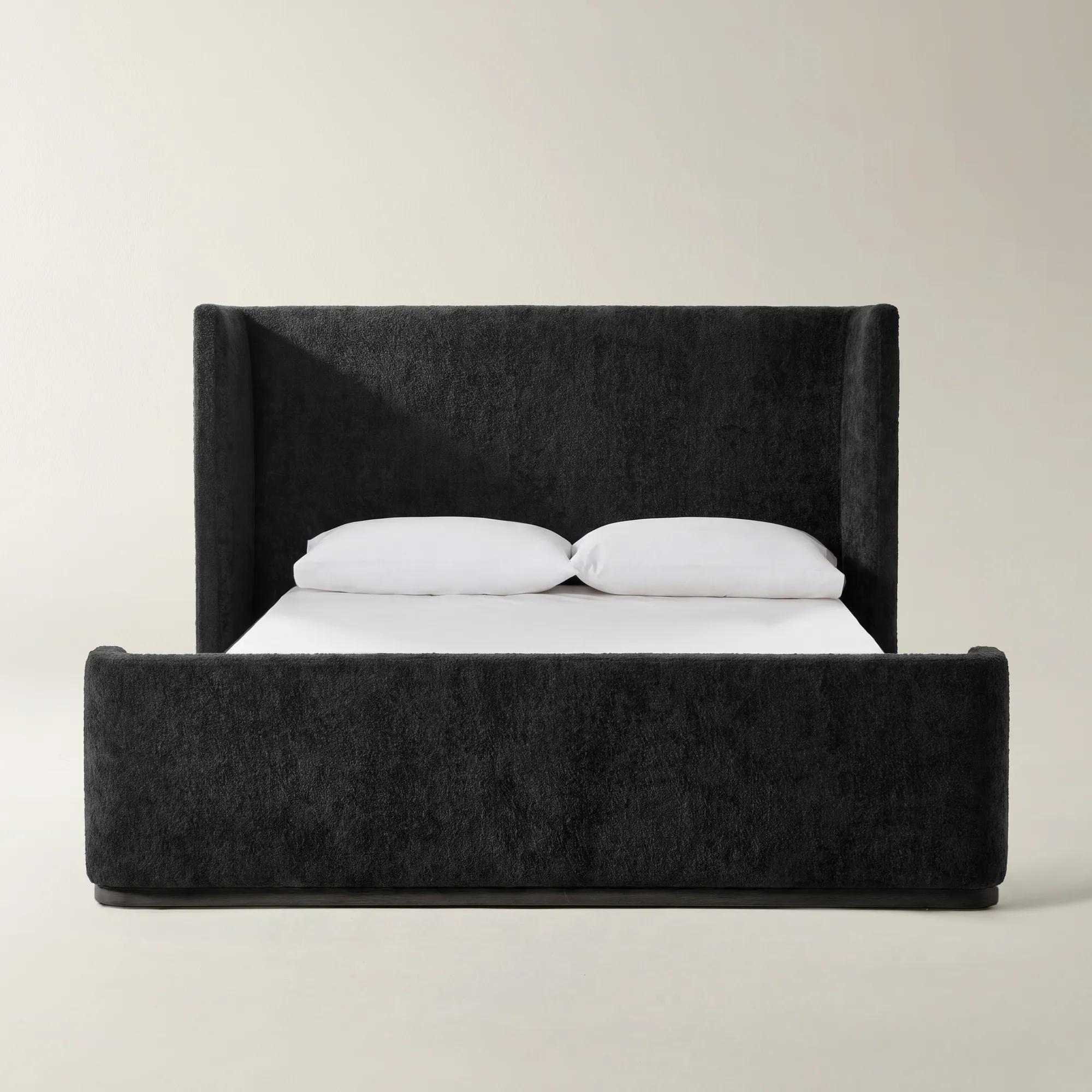 Stria Black Chenille Upholstered King Platform Bed$2299
A sculptural black chenille wingback platform bed with an FSC-certified solid oak base and supportive construction.
Add To Cart -
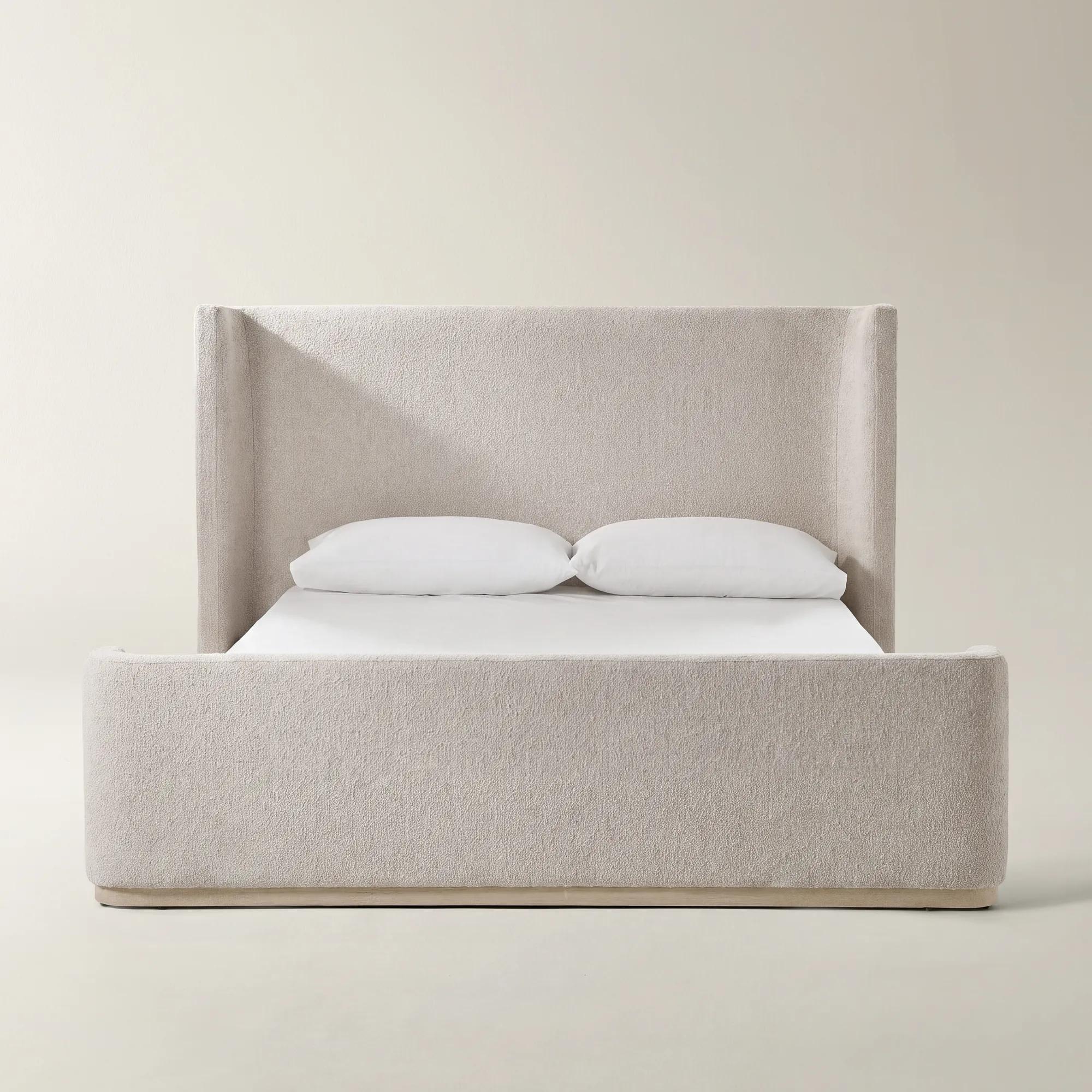 Stria Ivory Performance Boucle Upholstered King Platform Bed$2399
An ivory performance boucle platform bed with wingback headboard, FSC-certified oak base, and supportive hardwood construction.
Add To Cart -
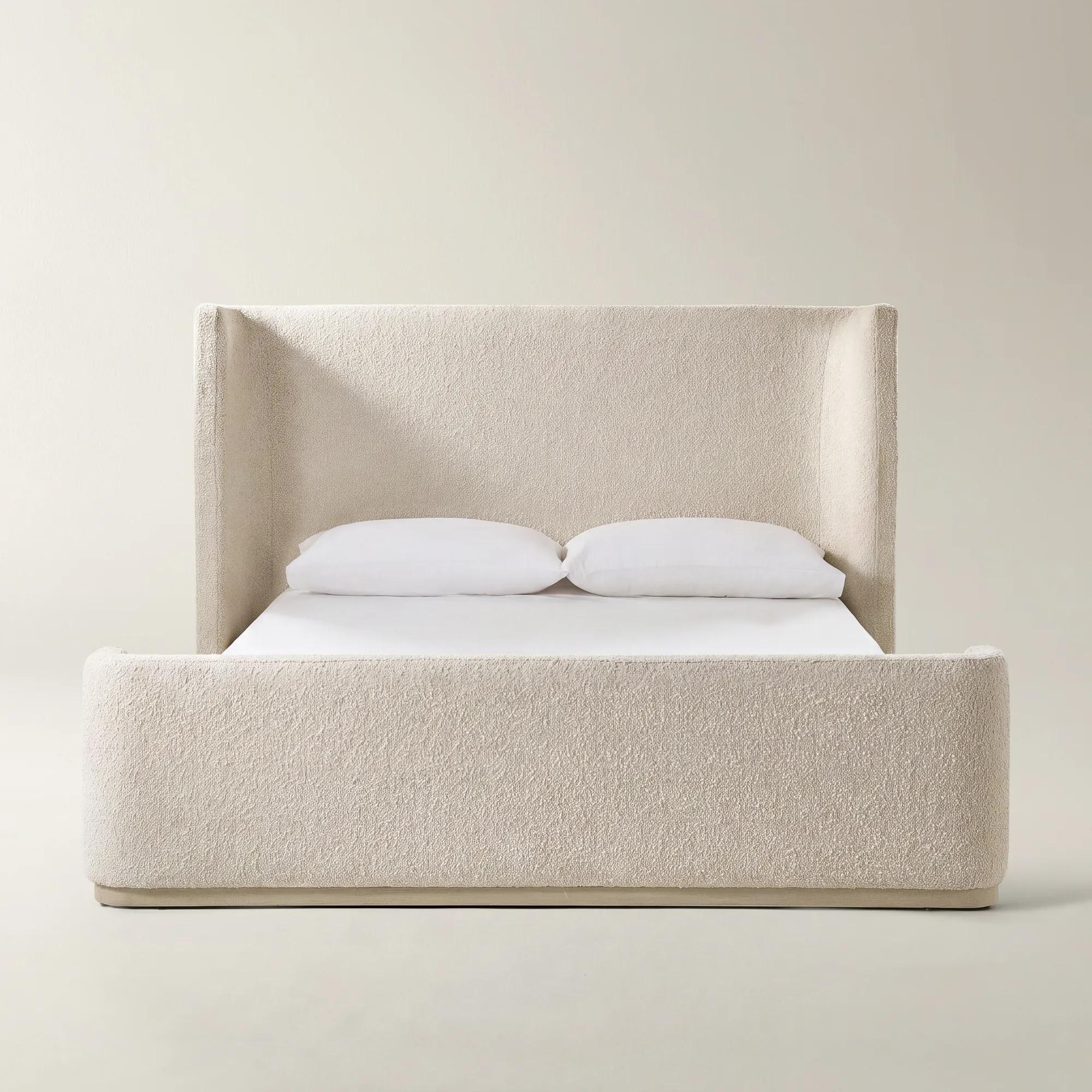 Stria Ivory Performance Boucle Upholstered King Platform Bed$2399
An ivory boucle platform bed with a wingback headboard, FSC-certified oak base, and supportive construction.
Add To Cart -
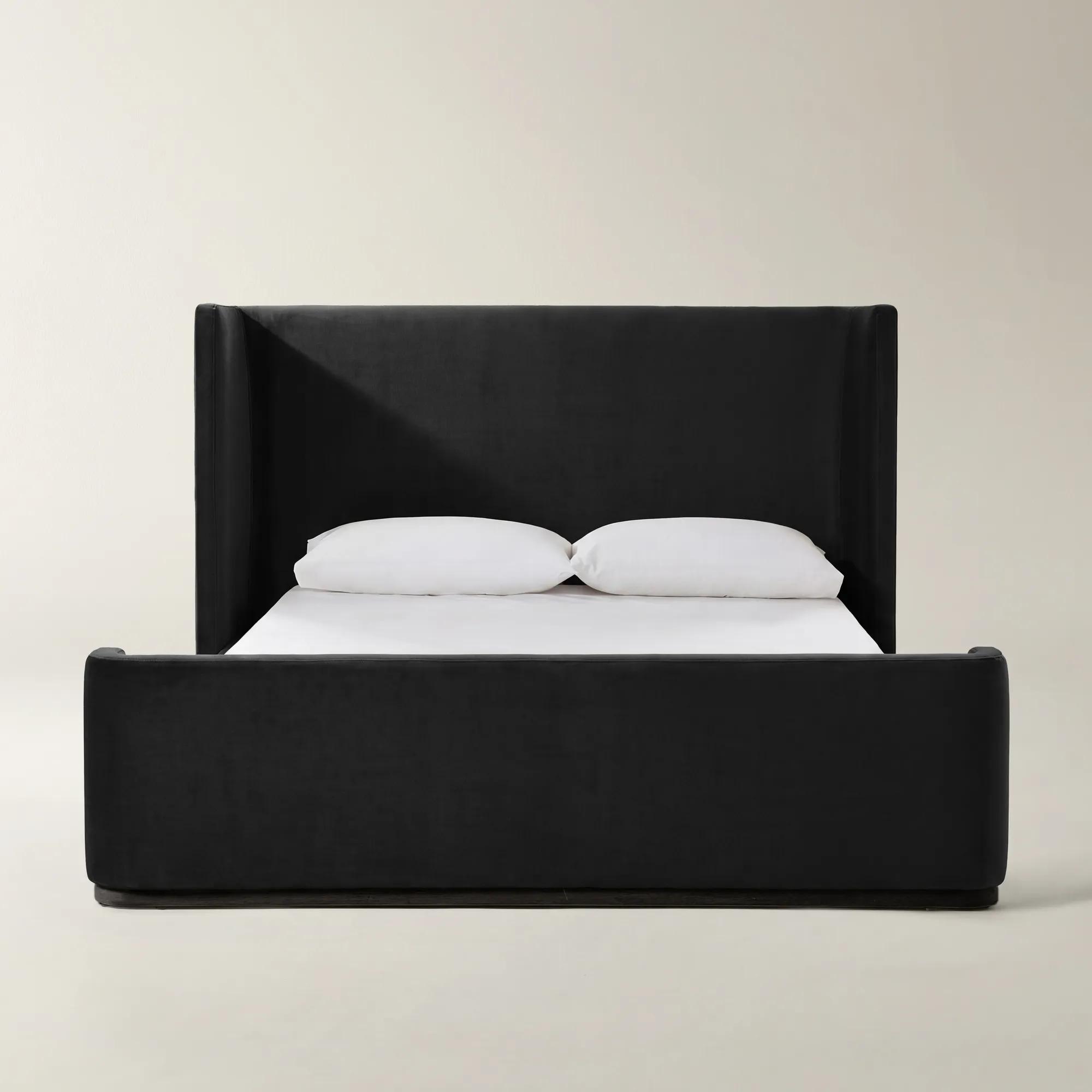 Stria Charcoal Velvet Upholstered King Platform Bed$2299
A charcoal velvet platform bed featuring a sculptural wingback headboard and FSC-certified solid oak base.
Add To Cart -
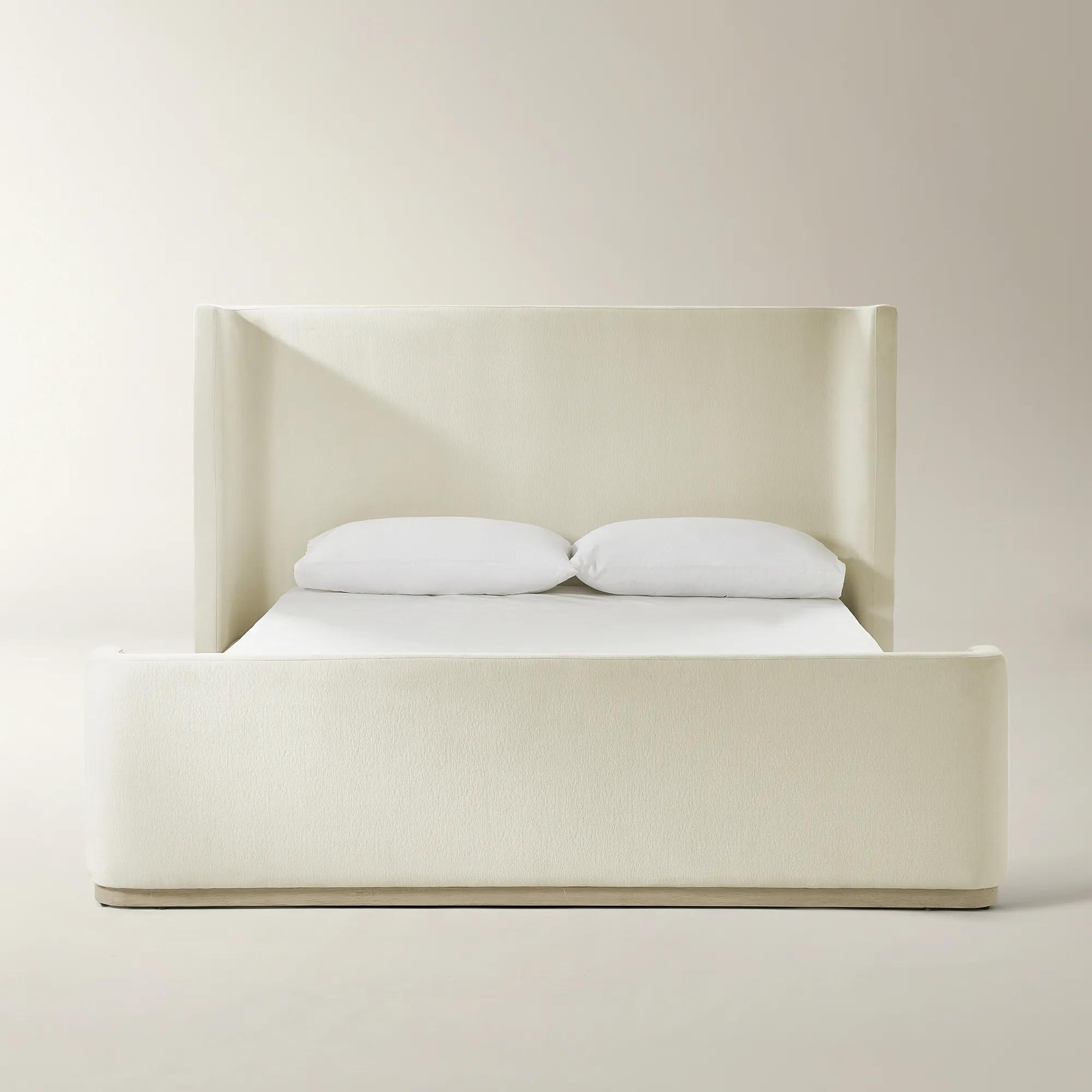 Stria Cloud Velvet Upholstered Queen Platform Bed$2099
A sculptural wingback platform bed with plush cloud velvet upholstery and an FSC-certified solid oak base.
Add To Cart -
Stria Ivory Performance Boucle Upholstered Queen Platform Bed$2199
A sculptural ivory performance bouclé platform bed featuring a wingback headboard and FSC-certified solid oak base.
Add To Cart -
Stria Ivory Performance Boucle Upholstered Queen Platform Bed$2199
A sculptural ivory performance boucle platform bed featuring a wingback headboard and FSC-certified solid oak base.
Add To Cart -
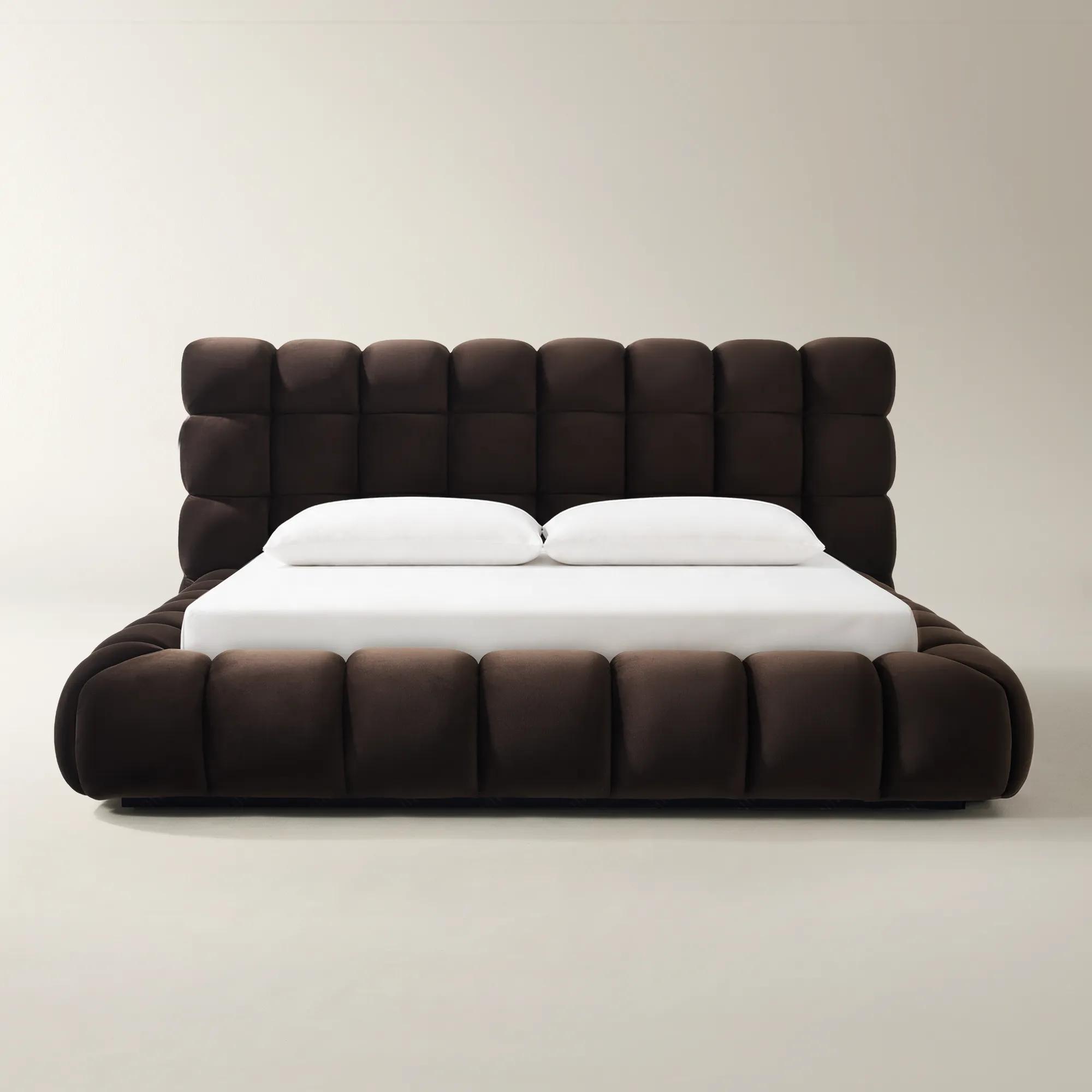 Paloma Tufted Dark Chocolate Velvet Upholstered Queen Platform Bed$2399
A sculptural platform bed upholstered in dark chocolate velvet with plush, oversized tufted blocks for modern elegance.
Add To Cart -
Stria Black Chenille Upholstered Queen Platform Bed$2099
A sculptural black chenille platform bed featuring a tall wingback headboard and FSC-certified solid oak base.
Add To Cart -
Stria Fig Velvet Upholstered Queen Platform Bed$2099
A sculptural fig velvet wingback platform bed with an FSC-certified oak base and supportive foam-padded construction.
Add To Cart

Beds With Plush Foam Fill
Beds with plush foam fill invite you to surrender to a world where comfort reigns and elegance is effortless. Each piece transforms the ordinary act of rest into a nightly ritual of indulgence, enveloping you in layers of sumptuous softness and sculptural form. Designed for those who believe that every detail should delight the senses, these beds become the centerpiece of your sanctuary—an invitation to linger longer, dream deeper, and awaken renewed. Elevate your bedroom with beds that blend artistry and allure, setting the stage for evenings draped in luxury and mornings touched by serenity.
Beds with plush foam fill bring a distinctly tactile kind of luxury to the bedroom: generous upholstery, softened edges, and a headboard that gives the room depth before the first pillow is placed. In an upholstered bed, foam fill typically refers to the cushioning beneath the fabric on the headboard, footboard, or side rails, rather than the material inside the mattress. That distinction matters. A padded frame creates a softer surface for leaning back with a book and lends visual fullness to the bed, while the mattress determines the feel and support of the sleeping surface. Together, they can create a retreat that feels considered from every angle. The upholstery shapes that impression as much as the padding beneath it. Velvet catches light across its pile, giving a broad headboard a rich, dimensional appearance; textured woven fabric introduces a more tailored finish while preserving the inviting character of a cushioned silhouette. Smooth panels allow the fabric and proportions to take center stage, while tufting, channeling, and carefully placed seams add rhythm and definition. A tall, generously padded headboard can anchor an expansive wall, whereas a lower profile offers softness without competing with artwork or architectural details. Foam thickness influences fullness, but thickness alone does not establish quality or lasting comfort. Density, resilience, upholstery tension, and the supporting structure all contribute to how the padding holds its shape with use. A deeply cushioned appearance can still feel relatively firm, particularly when the foam is covered by tightly tailored fabric. For a primary bedroom, an upholstered bed offers a substantial focal point with an approachable softness. In a guest room, it creates a welcoming backdrop that feels furnished rather than merely functional. For anyone who enjoys reading or lingering over a quiet morning, a padded headboard adds comfort at the point where daily routines meet expressive design.
The most convincing bedroom composition begins with proportion, and beds with plush foam fill deserve attention beyond the mattress size printed in their dimensions. Upholstered side rails, winged headboards, and substantial footboards can extend the frame several inches beyond the sleeping surface, affecting walkways, nightstand placement, and the opening space for dresser drawers. A queen mattress and a queen upholstered bed do not occupy exactly the same footprint; the frame’s full width, length, and height are the measurements that establish its relationship to the room. In a narrower bedroom, a low footboard can preserve sightlines and make the space feel more open without sacrificing the drama of a generously upholstered headboard. In a larger suite, a broad silhouette can hold its own beside substantial nightstands and layered bedding. Mattress height also changes the composition. A thick mattress on a raised foundation may conceal decorative upholstery, while a lower sleeping surface can reveal more of the headboard but alter the ease of sitting down and standing up. The frame’s required support system should therefore guide the pairing: some beds use slats or a platform designed for a compatible mattress, while others require an additional foundation. Slat spacing, center supports, and weight limits remain important even when the visible design is all softness. Plush foam fill in the frame should not be confused with a plush mattress comfort layer. Memory foam, latex foam, and hybrid mattresses combine cushioning and support in different ways, and their suitability depends on the complete construction, body weight, and preferred sleeping position. A softer mattress may cushion a side sleeper’s shoulders and hips, but excessive sink can feel less supportive for some back or stomach sleepers. The upholstered frame contributes atmosphere and padded contact surfaces; it does not determine mattress firmness, pressure relief, or temperature regulation. Keeping those functions separate makes it easier to create a bed that looks sumptuous and feels appropriate for the person sleeping in it.
Lasting beauty depends on the details beneath the upholstery as well as the care given to its surface. A sound frame, secure connections, and an appropriate mattress support system give plush padding the structure it needs to remain composed through everyday use. Foam that rebounds after light compression helps preserve the contours of a headboard or rail, while neatly finished seams and well-positioned upholstery keep the silhouette defined. Durability also reflects how the bed is used: a headboard that regularly supports someone sitting upright experiences different wear from a decorative footboard, and fabric near a frequently used bedside can receive more contact than the opposite side. Material-specific care helps protect these touchpoints. Regular vacuuming with a clean, soft upholstery attachment removes dust from seams and tufted recesses before it becomes embedded. Spills are best addressed promptly by blotting rather than rubbing, with cleaning methods selected according to the fabric’s care instructions; saturating upholstery can affect both the textile and the foam beneath it. Velvet may need gentle attention to its pile, while textured weaves can require particular care around loose fibers. Direct sunlight can fade some fabrics, and repeated contact with abrasive accessories can mark delicate surfaces. Practical placement supports the same polished result: leave room for curtains to move freely, keep upholstery clear of surfaces that may transfer color, and check frame connections as directed by the manufacturer. Beyond maintenance, the bed’s plush character invites a thoughtful mix of textures. Crisp sheets provide contrast against a cushioned headboard, a substantial coverlet introduces weight and dimension, and a restrained arrangement of accent pillows allows upholstery details to remain visible. Gleaming bedside lighting can sharpen the outline of a soft silhouette, while artwork gives the wall above it a deliberate focal point. Explore Beds For Plush Bedroom Comfort for a related expression of this inviting aesthetic. The finished room feels luxurious not because every surface is embellished, but because softness, scale, and structure work together with intention.
FAQs
Beds with plush foam fill are designed to provide a soft, enveloping sensation that cradles the body and offers deep pressure relief. Unlike traditional spring mattresses, plush foam beds contour to your unique shape, minimizing pressure points and enhancing comfort—especially for side sleepers and those who crave a luxurious, sink-in feel.
Plush foam beds are ideal for anyone seeking a restful, cloud-like sleep experience. They are particularly well-suited for side sleepers, individuals with joint sensitivities, or anyone desiring a touch of opulence in their bedroom. Couples also appreciate the motion isolation properties, which help minimize disturbances from a partner's movements.
A plush foam bed instantly elevates the atmosphere of a bedroom, combining tactile luxury with visual drama. When paired with elegant frames—such as those crafted from oak—the bed becomes a centerpiece that blends softness with sculptural beauty, transforming the room into a sanctuary of comfort and style.
Absolutely. Plush foam beds make thoughtful, impactful gifts for milestone occasions such as weddings, anniversaries, or housewarmings. Their blend of comfort and artistry ensures that the recipient enjoys both a practical upgrade and a daily indulgence.
Look for beds with multiple layers of premium foam, cooling gel infusions, and breathable covers to ensure both comfort and temperature regulation. Additional features like motion isolation and a supportive base enhance the overall sleeping experience, while details such as an oak frame can add a touch of timeless elegance.