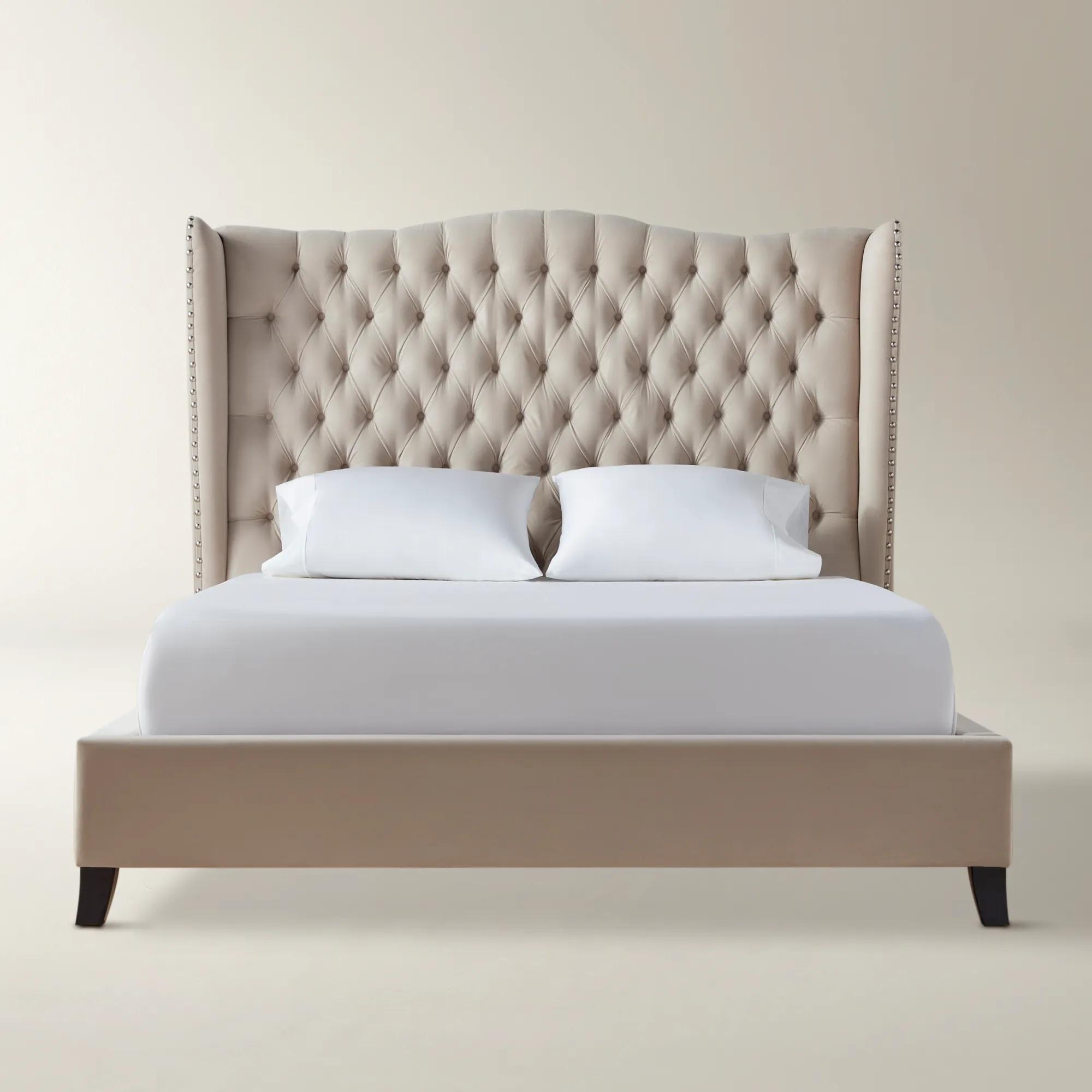
Beds With Soft And Durable Upholstery
Beds With Soft And Durable Upholstery
-
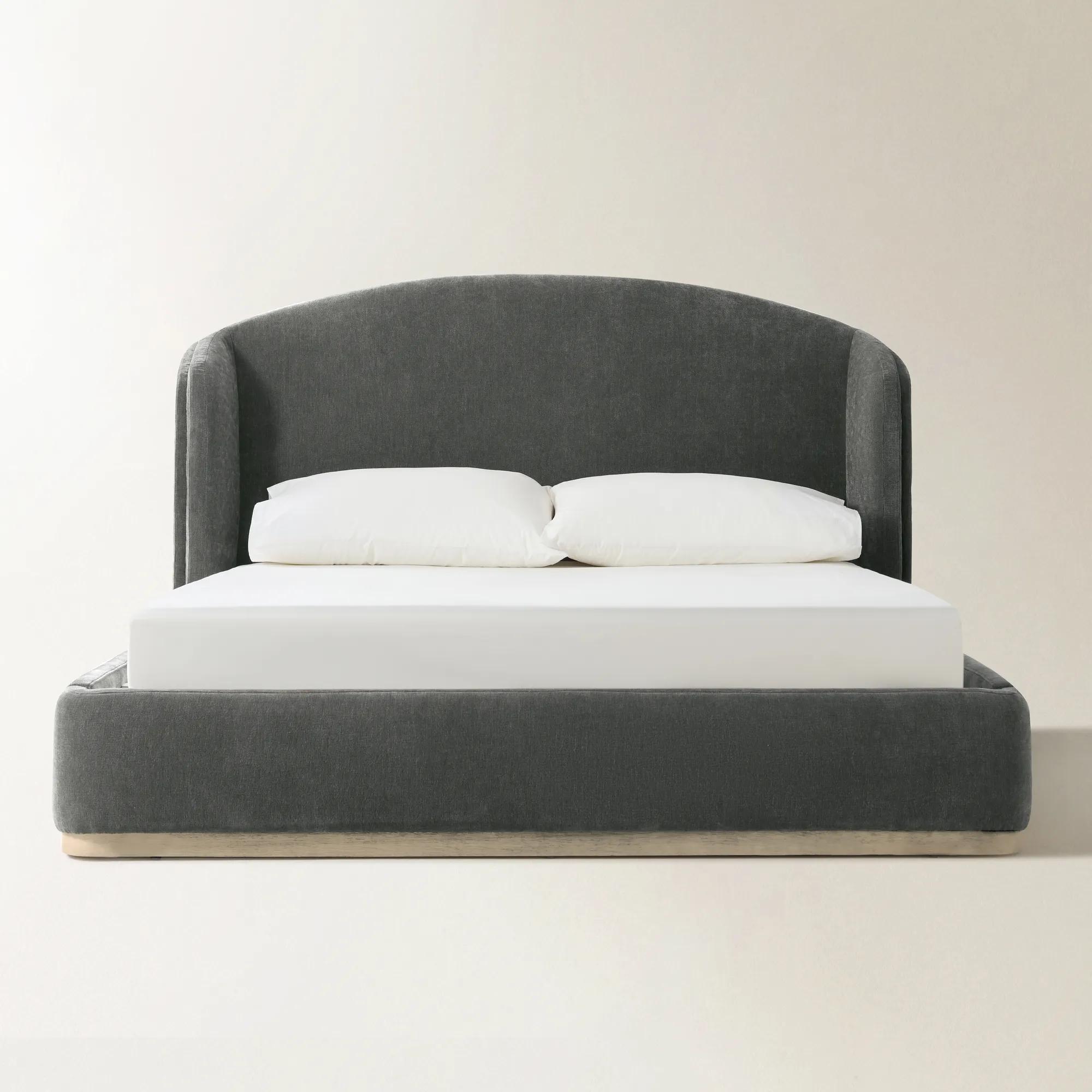 Glimmer Grey Performance Chenille Upholstered Queen Platform Bed$2099
A plush boucle-upholstered bed with a curved, double-layered headboard and sturdy solid rubberwood base.
Add To Cart -
Glimmer Grey Performance Chenille Upholstered King Platform Bed$2299
A plush boucle-upholstered bed in soft beige or grey with a curved, double-layered handcrafted headboard.
Add To Cart -
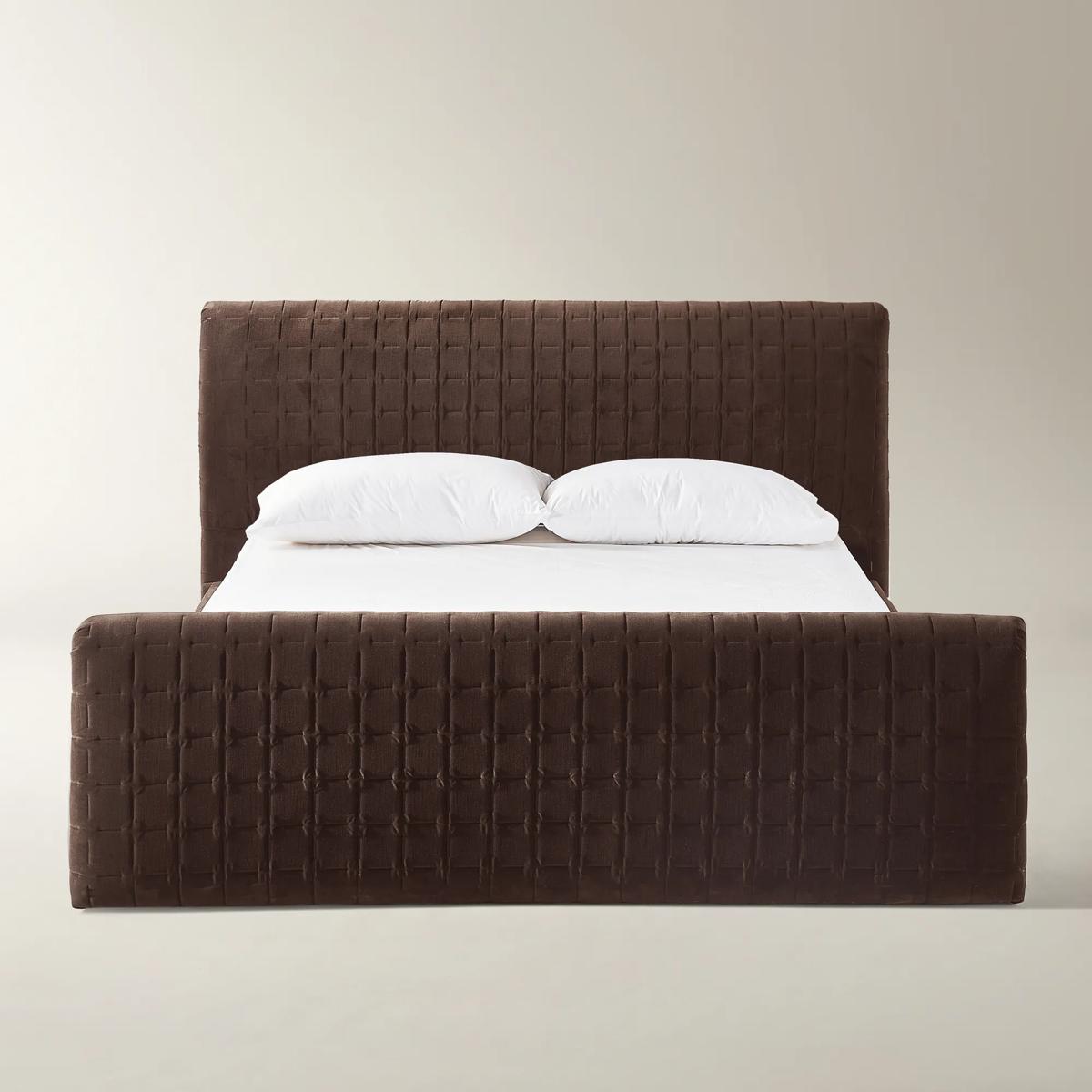
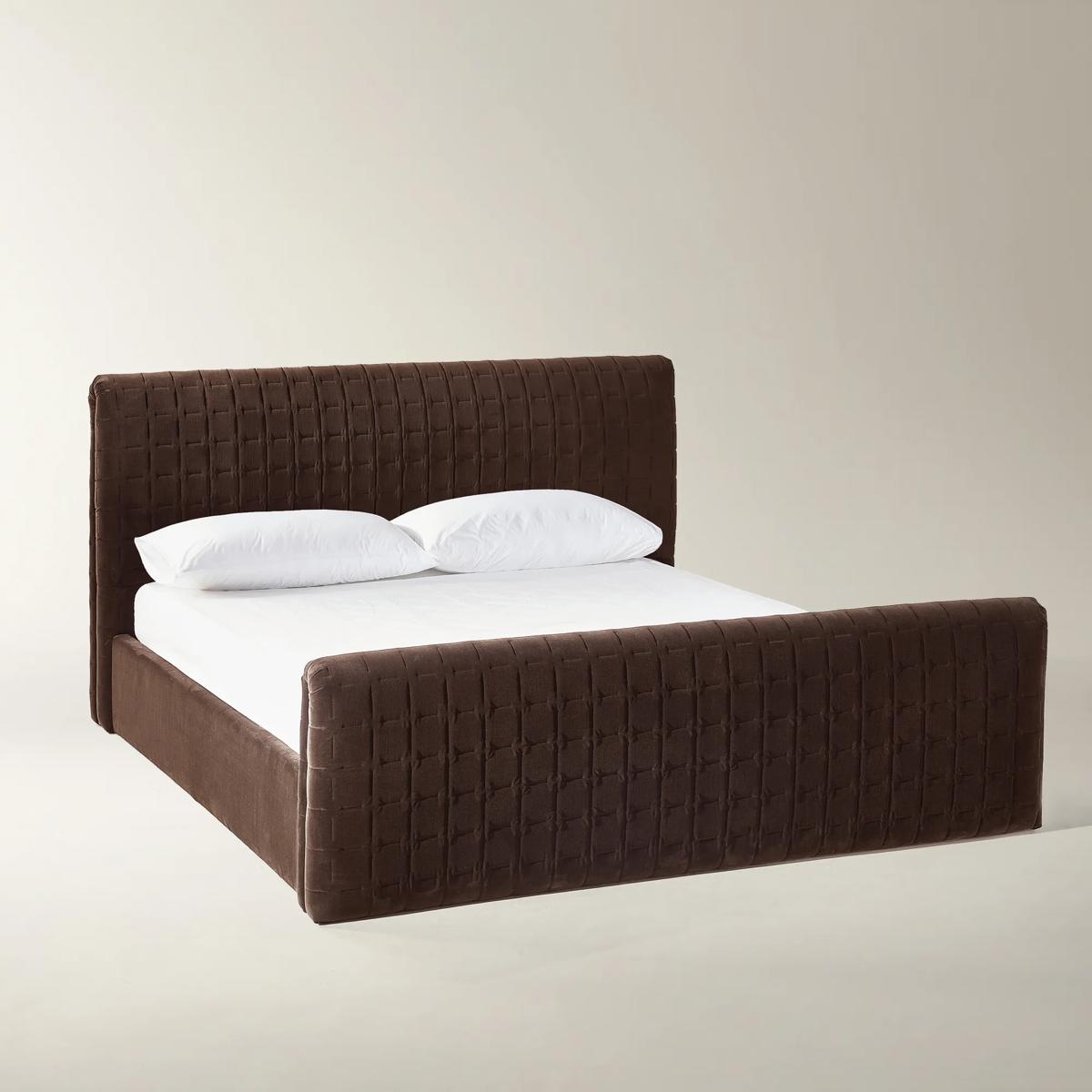 Vanta Burnt Umber Velvet Upholstered Queen Platform Bed$2299
A chocolate velvet bed with hand-tufted checker quilting and brushed stainless steel inlays for modern elegance.
Add To Cart -
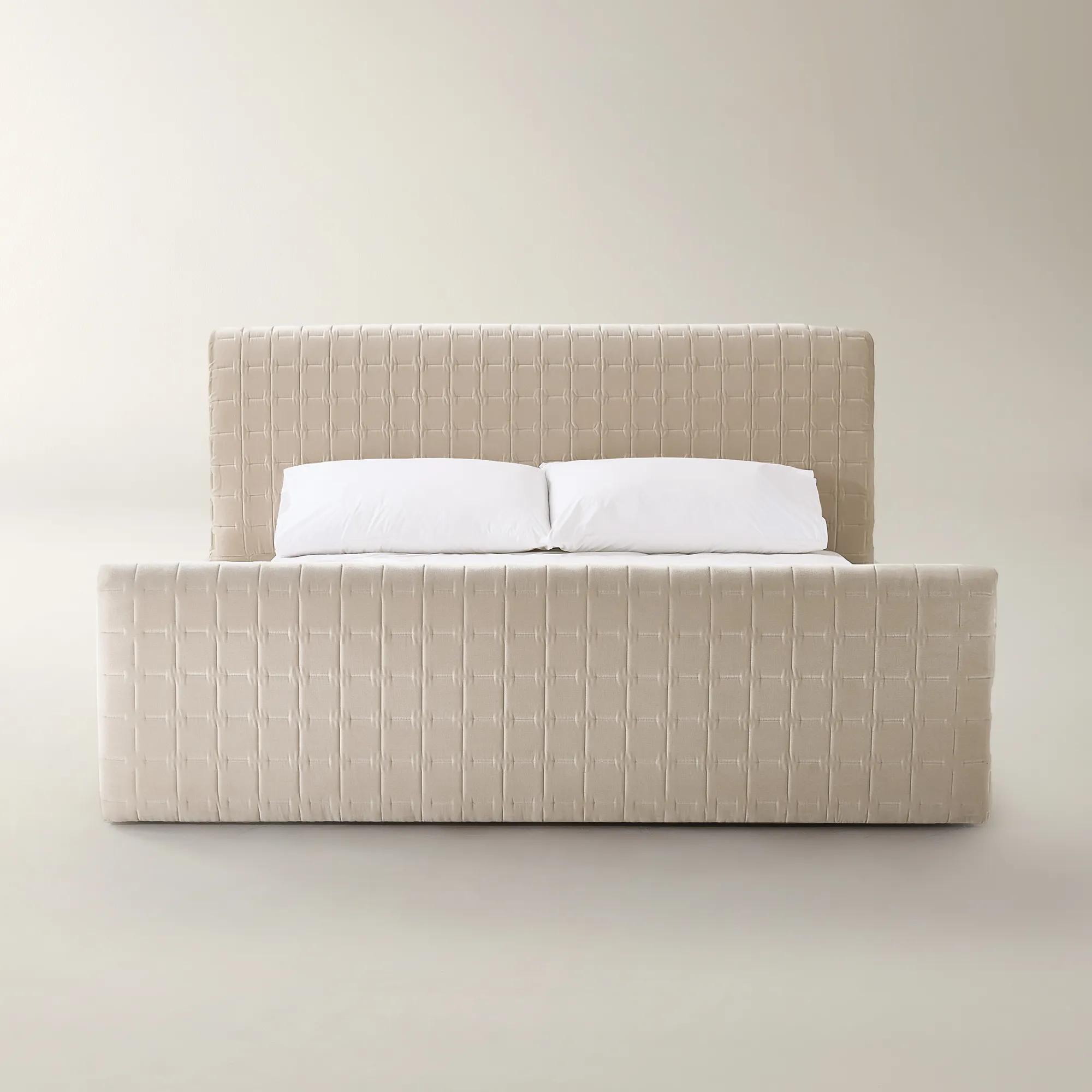
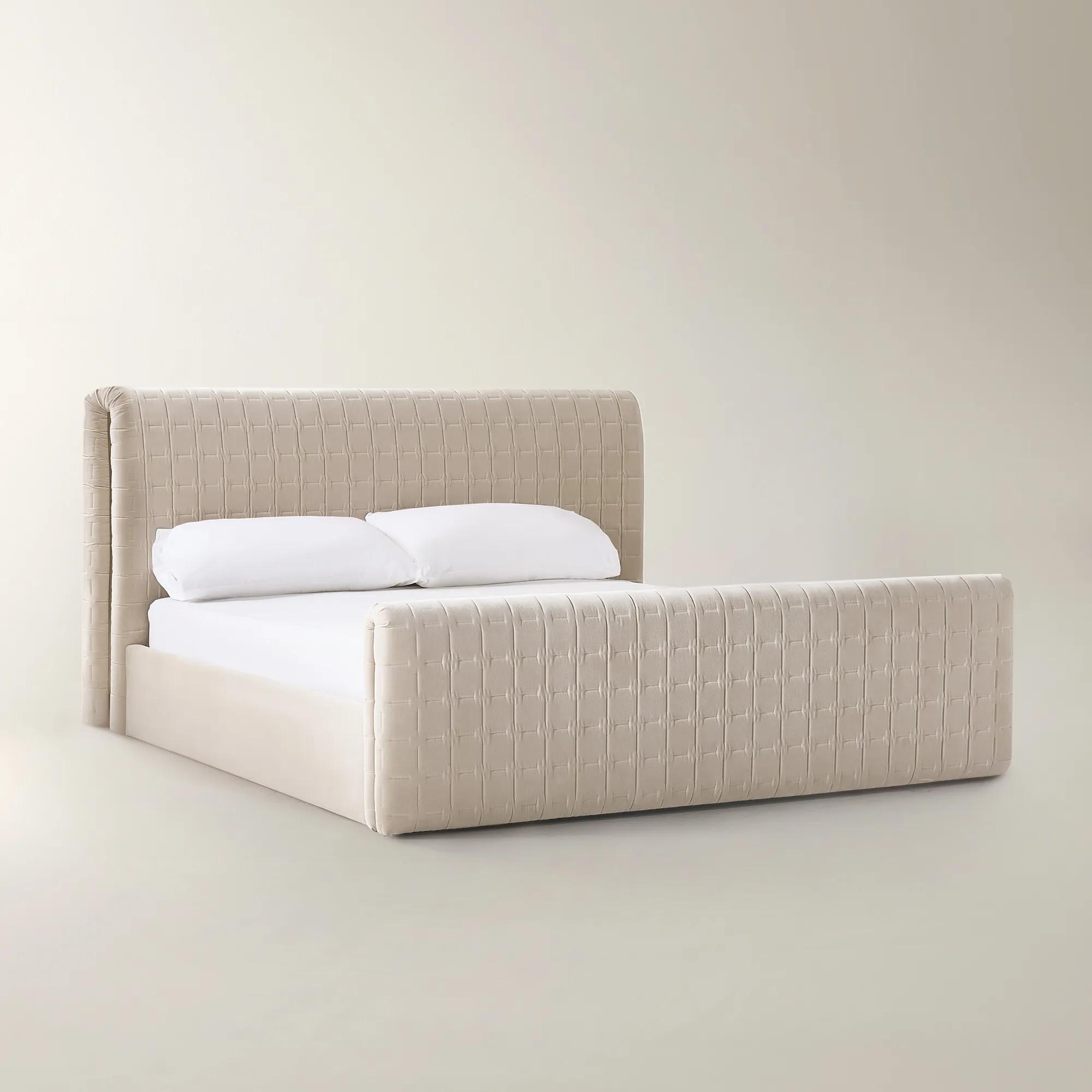 Vanta Oatmeal Velvet Upholstered Queen Platform Bed$2299
A modern oatmeal velvet bed featuring a checker-quilted headboard and gold-toned metal inlay accents.
Add To Cart -
Vanta Burnt Umber Velvet Upholstered California King Platform Bed$2499
A chocolate velvet bed with hand-tufted checker quilting and brushed stainless steel inlays for modern elegance.
Add To Cart -
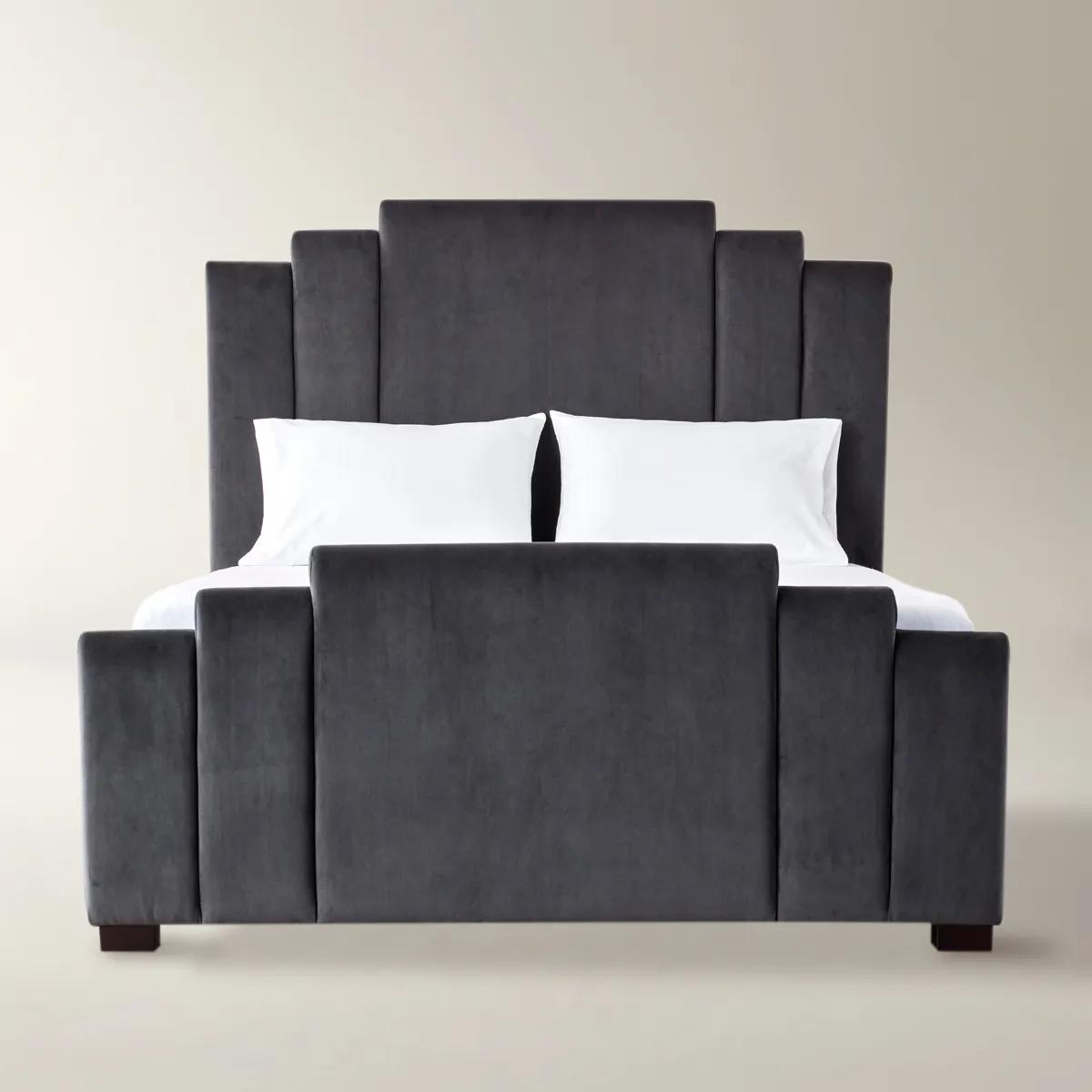
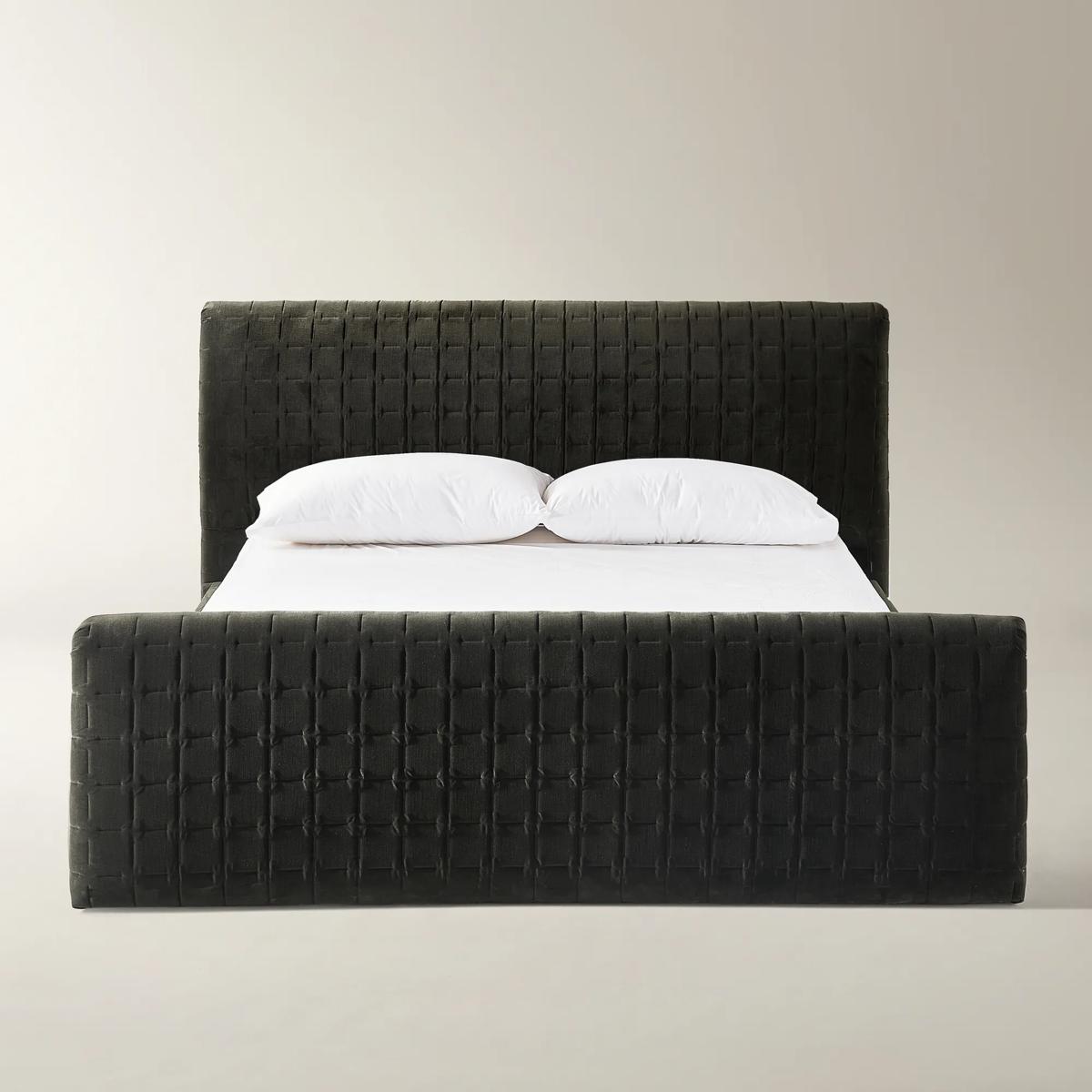 Vanta Charcoal Velvet Upholstered Queen Platform Bed$2299
A sculptural bed featuring charcoal velvet upholstery, three-dimensional checker quilting, and sleek stainless steel inlays.
Add To Cart -
Vanta Burnt Umber Velvet Upholstered King Platform Bed$2499
A hand-tufted chocolate velvet bed with brushed stainless steel inlays for a plush, sculptural statement.
Add To Cart -
Vanta Charcoal Velvet Upholstered King Platform Bed$2499
A charcoal velvet bed with hand-tufted checker quilting and stainless steel inlays for modern sophistication.
Add To Cart -
Vanta Charcoal Velvet Upholstered California King Platform Bed$2499
A charcoal velvet bed featuring hand-tufted checker quilting and stainless steel inlays for sculptural elegance.
Add To Cart -
Vanta Oatmeal Velvet Upholstered King Platform Bed$2499
An oatmeal velvet-upholstered bed featuring a checker-quilted headboard and elegant gold-toned metal inlays.
Add To Cart -
.jpg?w=1200&h=1200) Stria Ivory Performance Chenille Upholstered King Platform Bed$2499
Stria Ivory Performance Chenille Upholstered King Platform Bed$2499An ivory chenille wingback bed with plush upholstery and a hand-finished solid oak base for modern comfort.
Add To Cart -
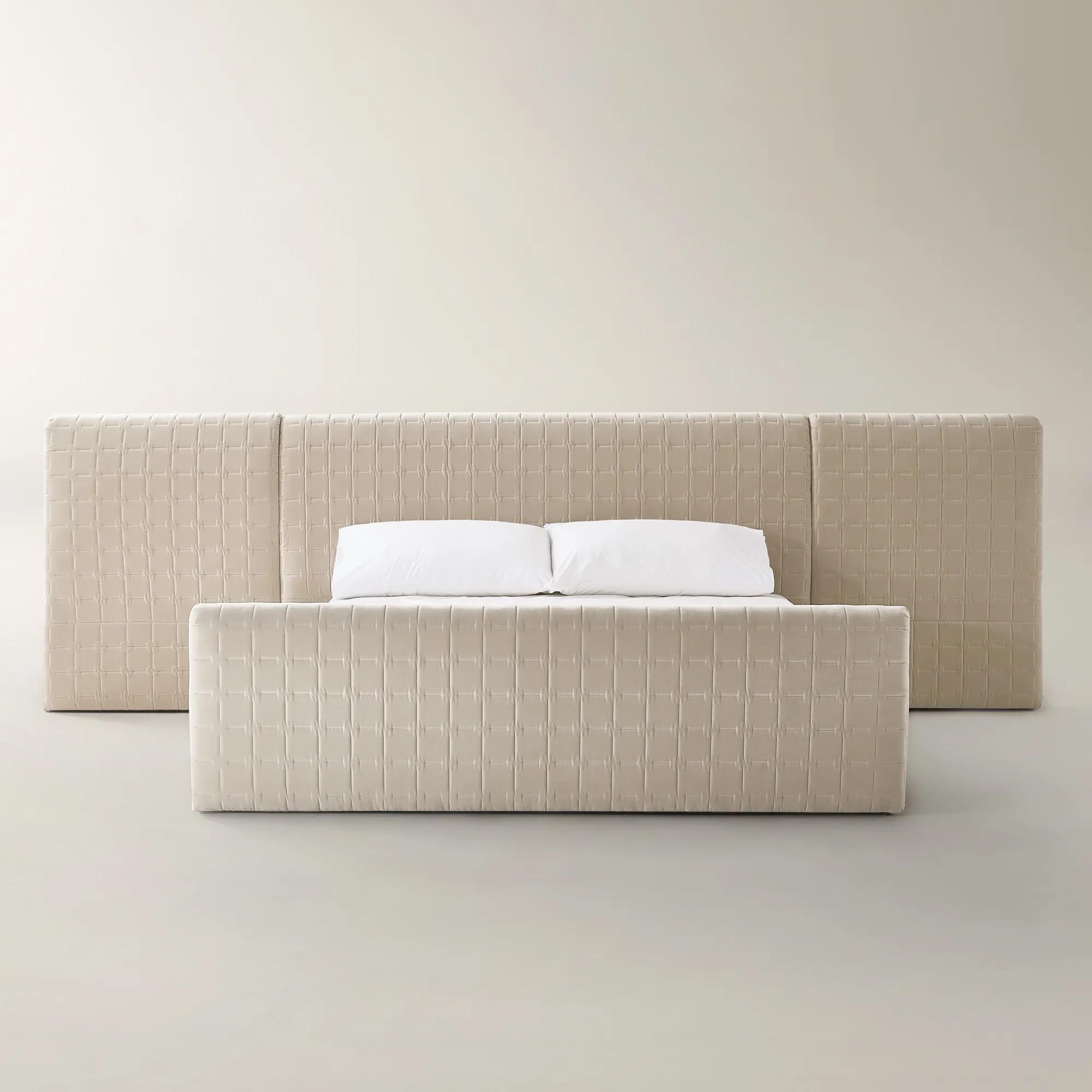
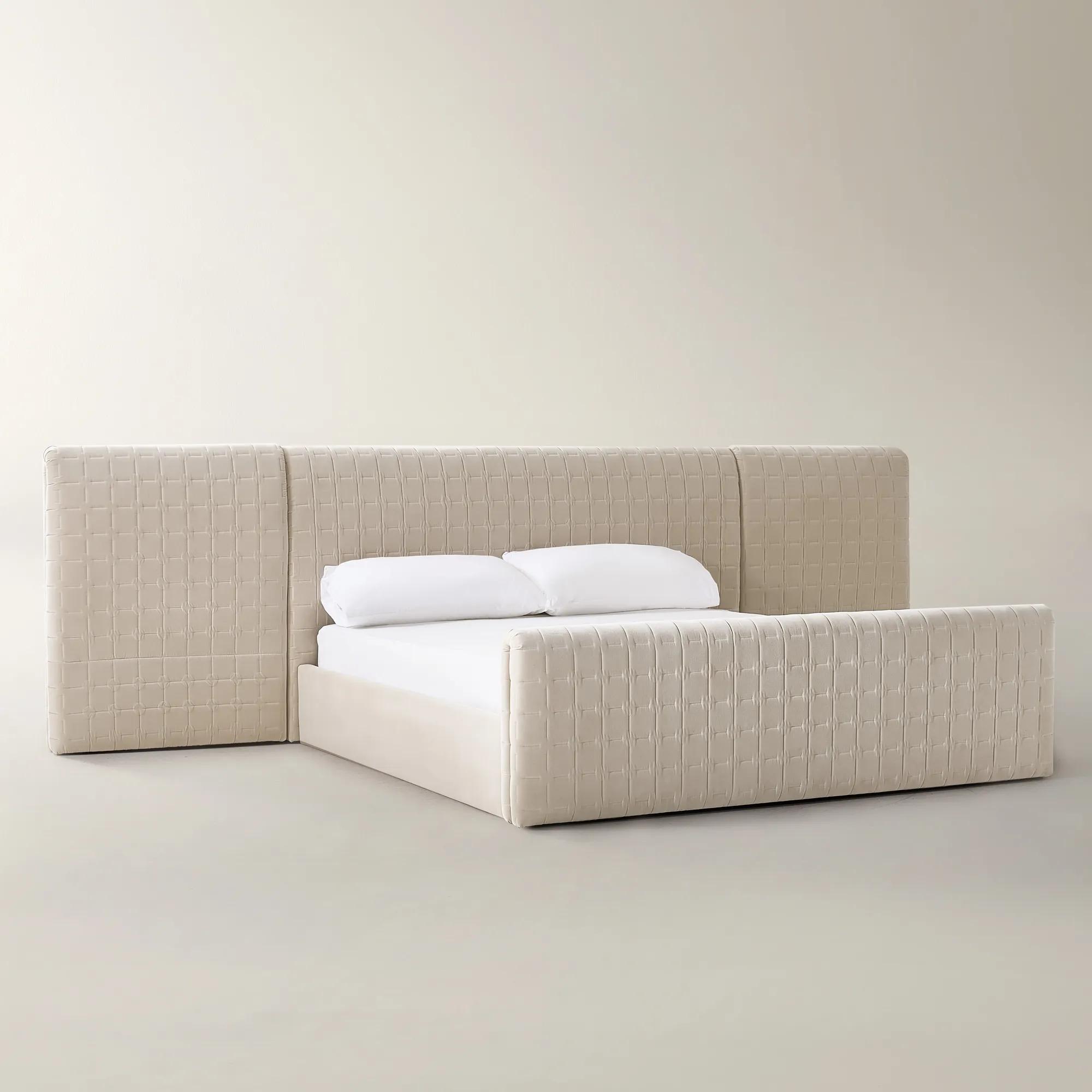 Vanta Oatmeal Velvet Upholstered King Extended Bed$2899
An oatmeal velvet platform bed featuring an extended checker-quilted headboard with elegant gold metal inlays.
Add To Cart -
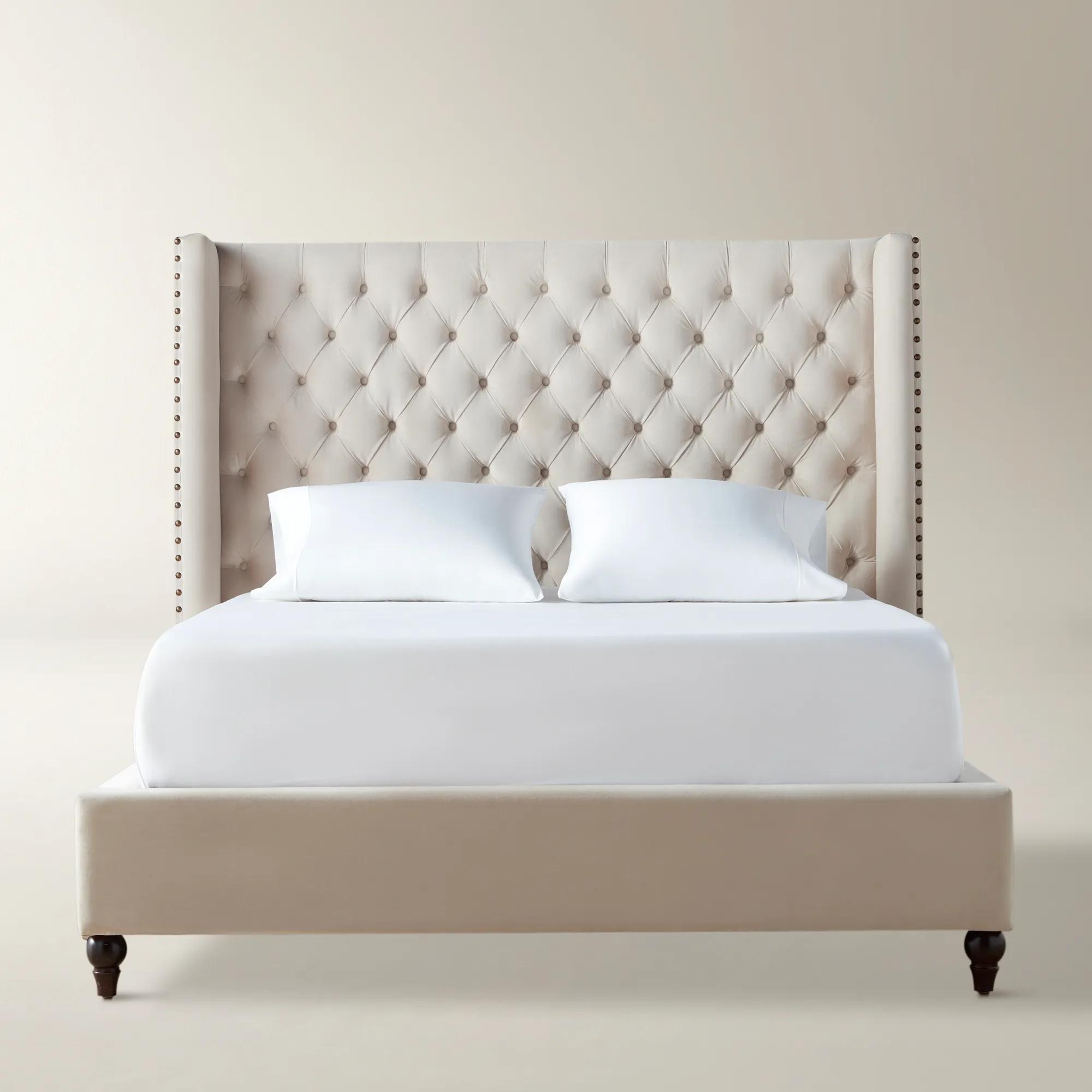
Stria Ivory Performance Chenille Upholstered Queen Platform Bed$2299
An ivory chenille wingback bed with plush upholstery and a hand-finished solid oak base for modern comfort.
Add To Cart -
Vanta Oatmeal Velvet Upholstered Queen Extended Bed$2699
An oatmeal velvet platform bed with an extended checker-quilted headboard and elegant gold-toned metal inlays.
Add To Cart -
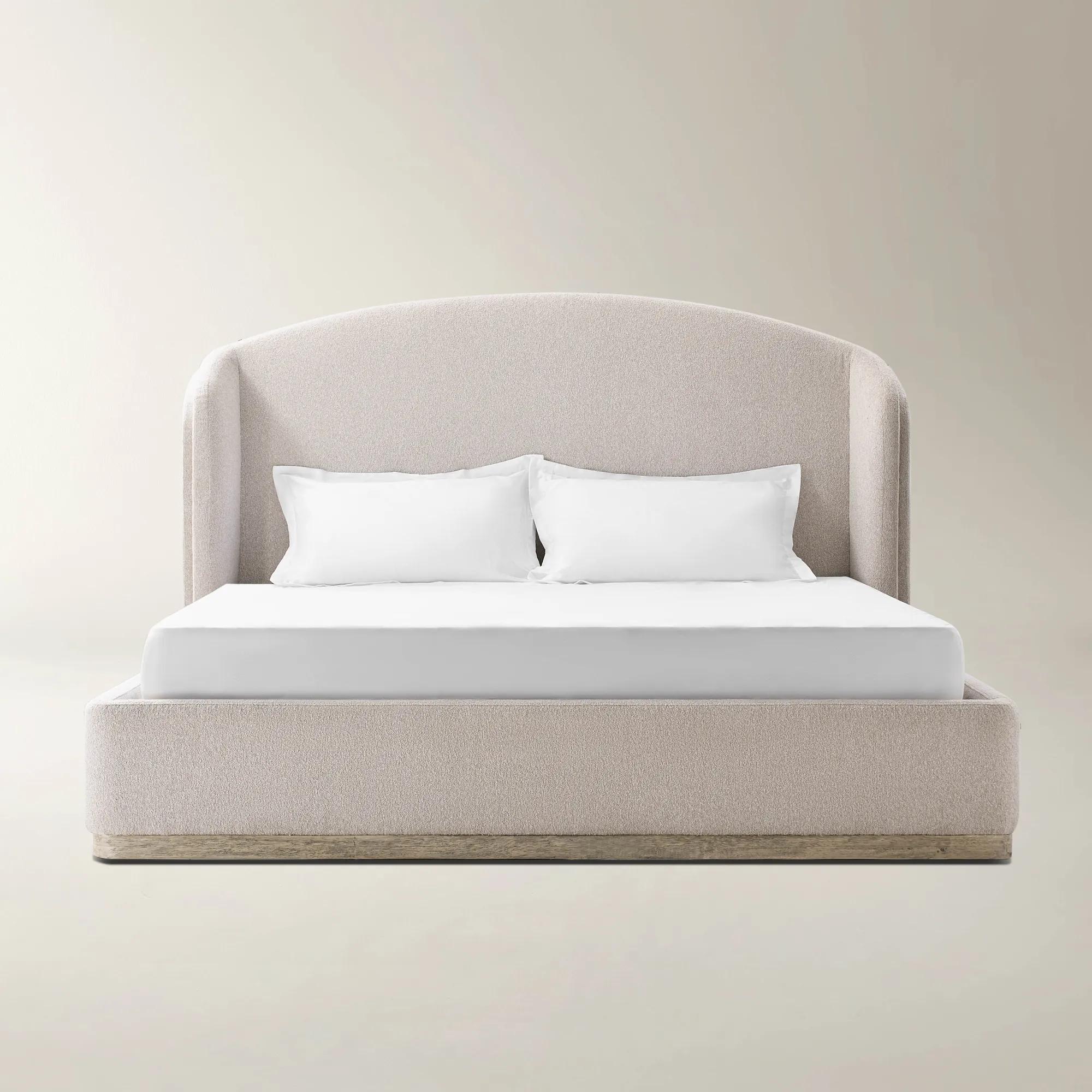
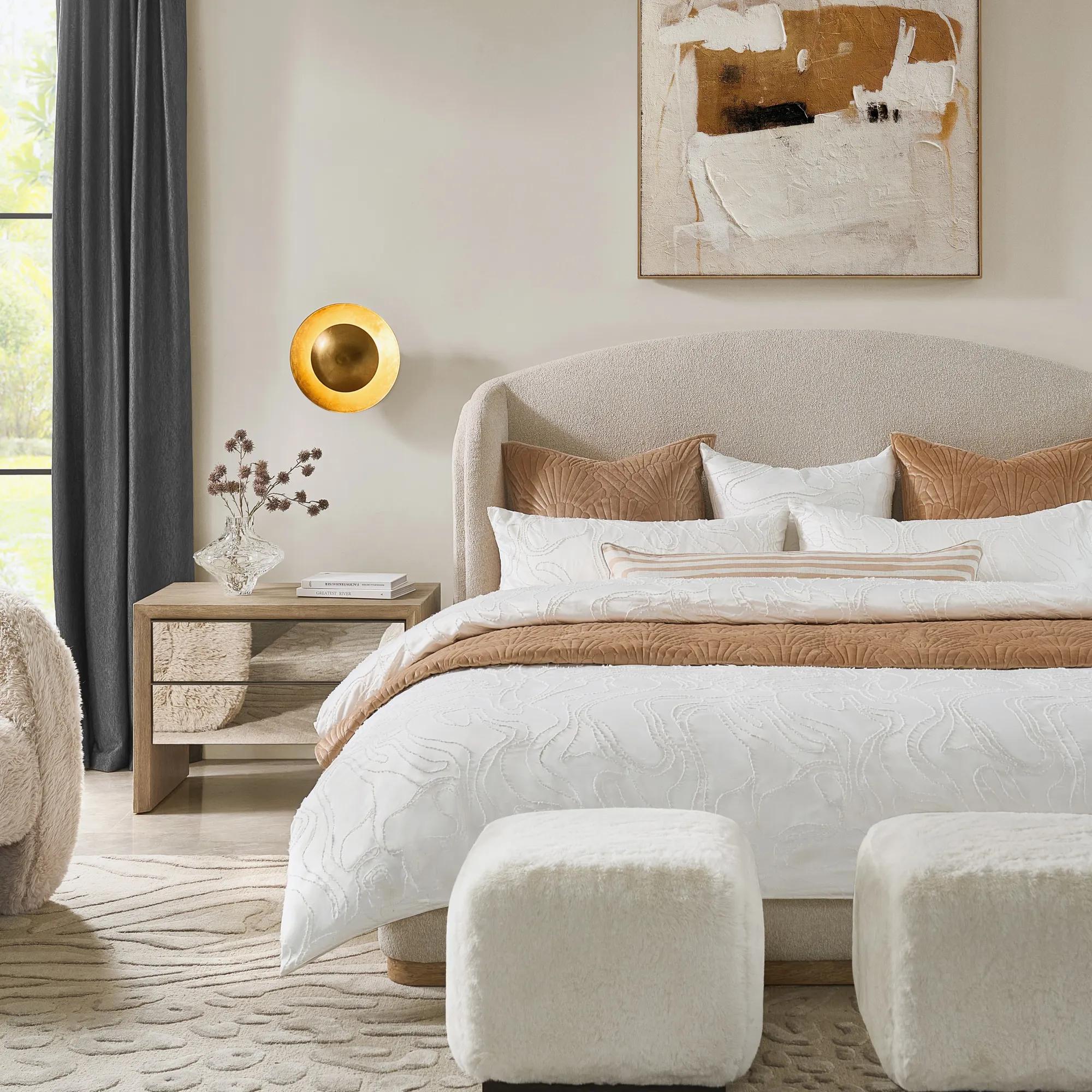 Glimmer Ivory Performance Boucle Upholstered King Platform Bed$2299
A plush boucle-upholstered bed in soft beige or grey with a curved, double-layered headboard and solid rubberwood base.
Add To Cart -
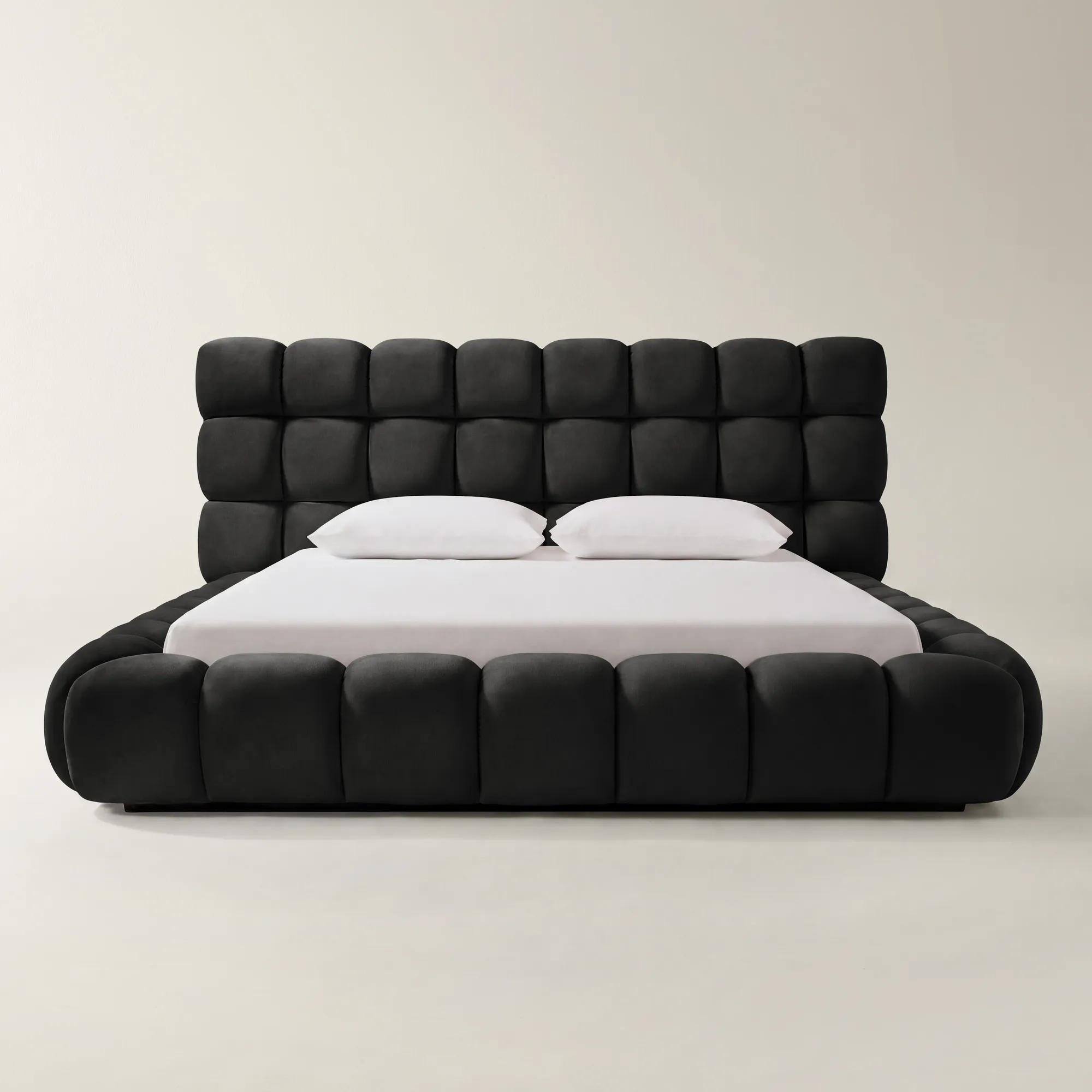
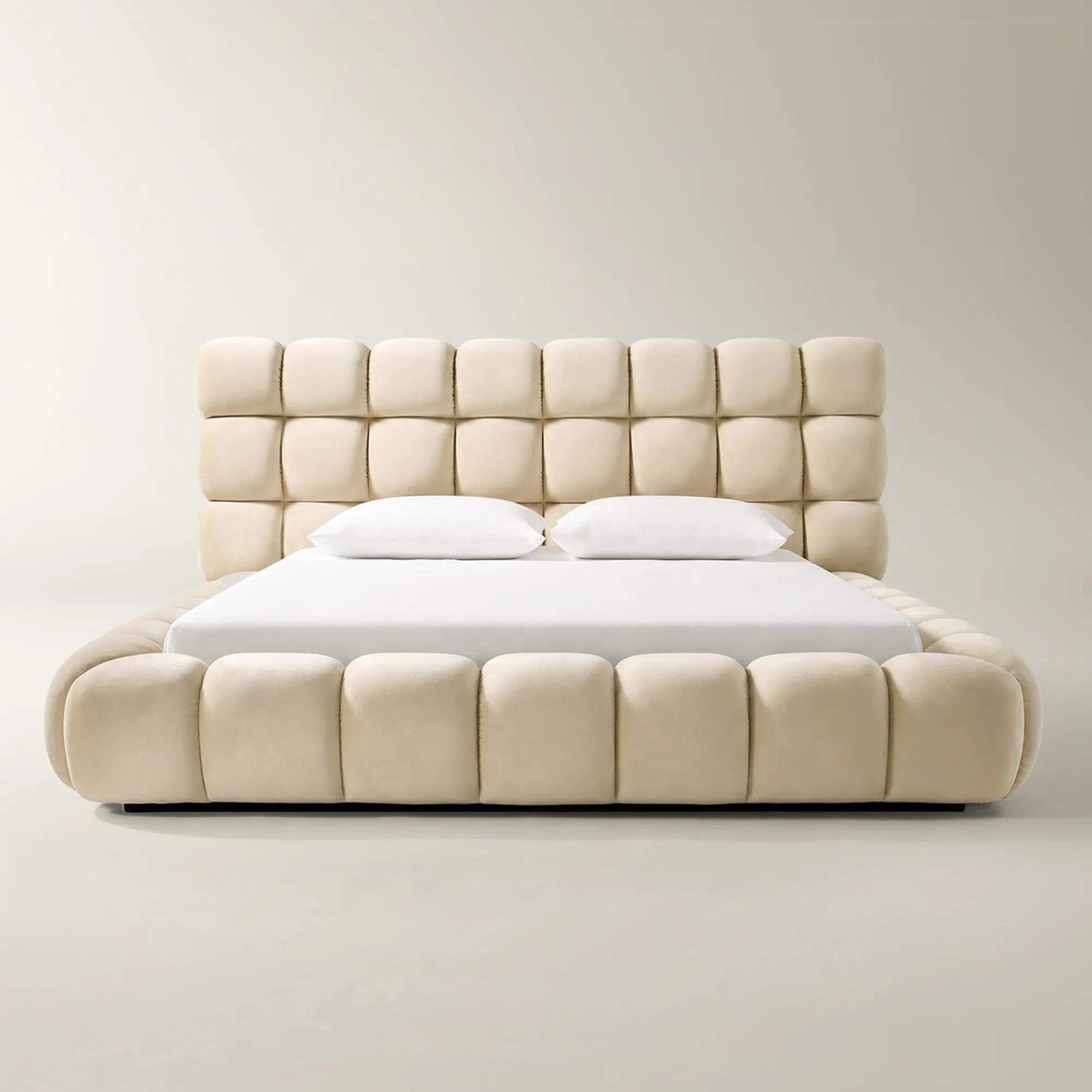 Paloma Tufted Charcoal Velvet Upholstered King Platform Bed$2599
A sculptural charcoal velvet platform bed with plush wrapped upholstery, solid wood construction, and slat support.
Add To Cart -
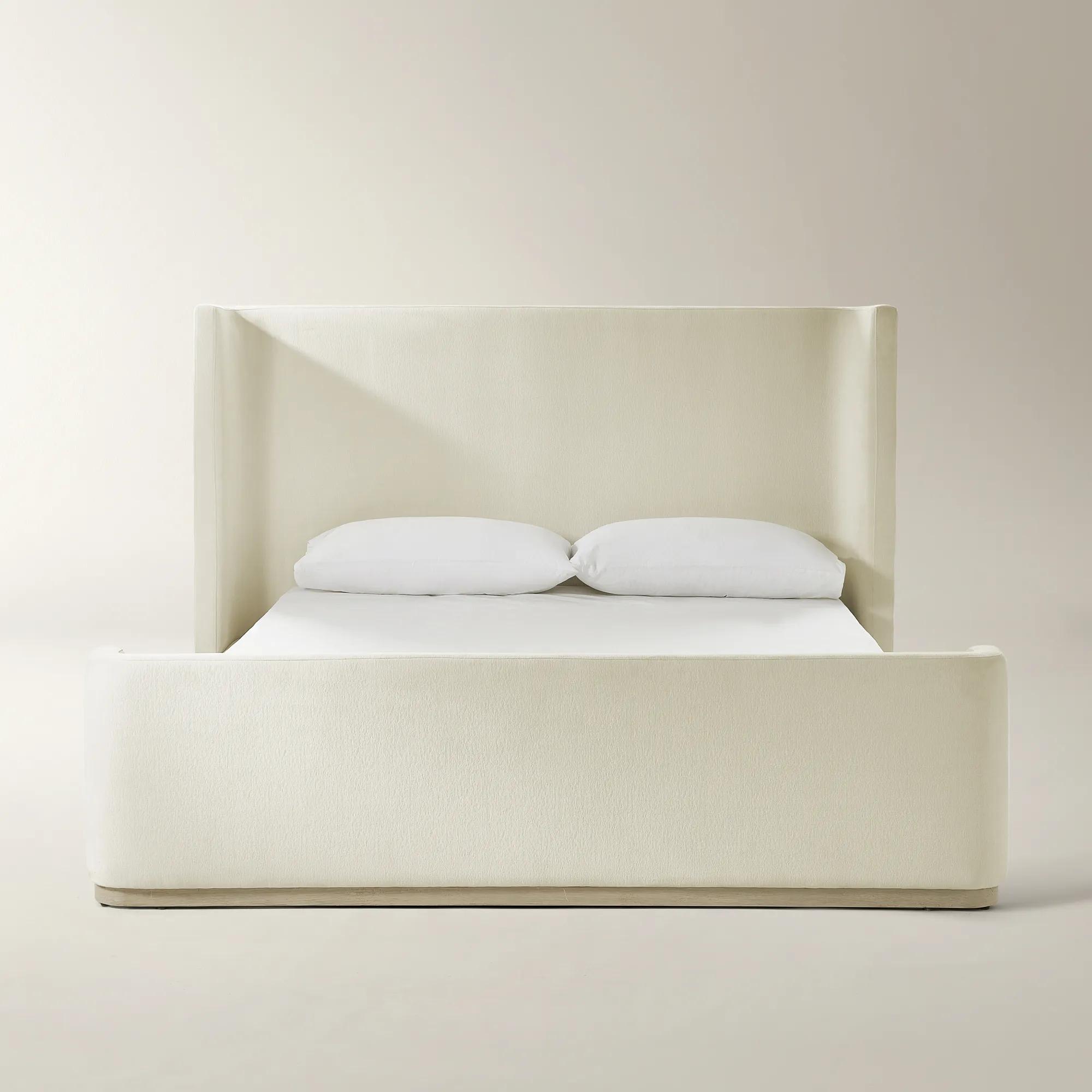 Stria Cloud Velvet Upholstered King Platform Bed$2299
A cloud velvet wingback platform bed with a warm FSC-certified oak base and supportive construction.
Add To Cart -
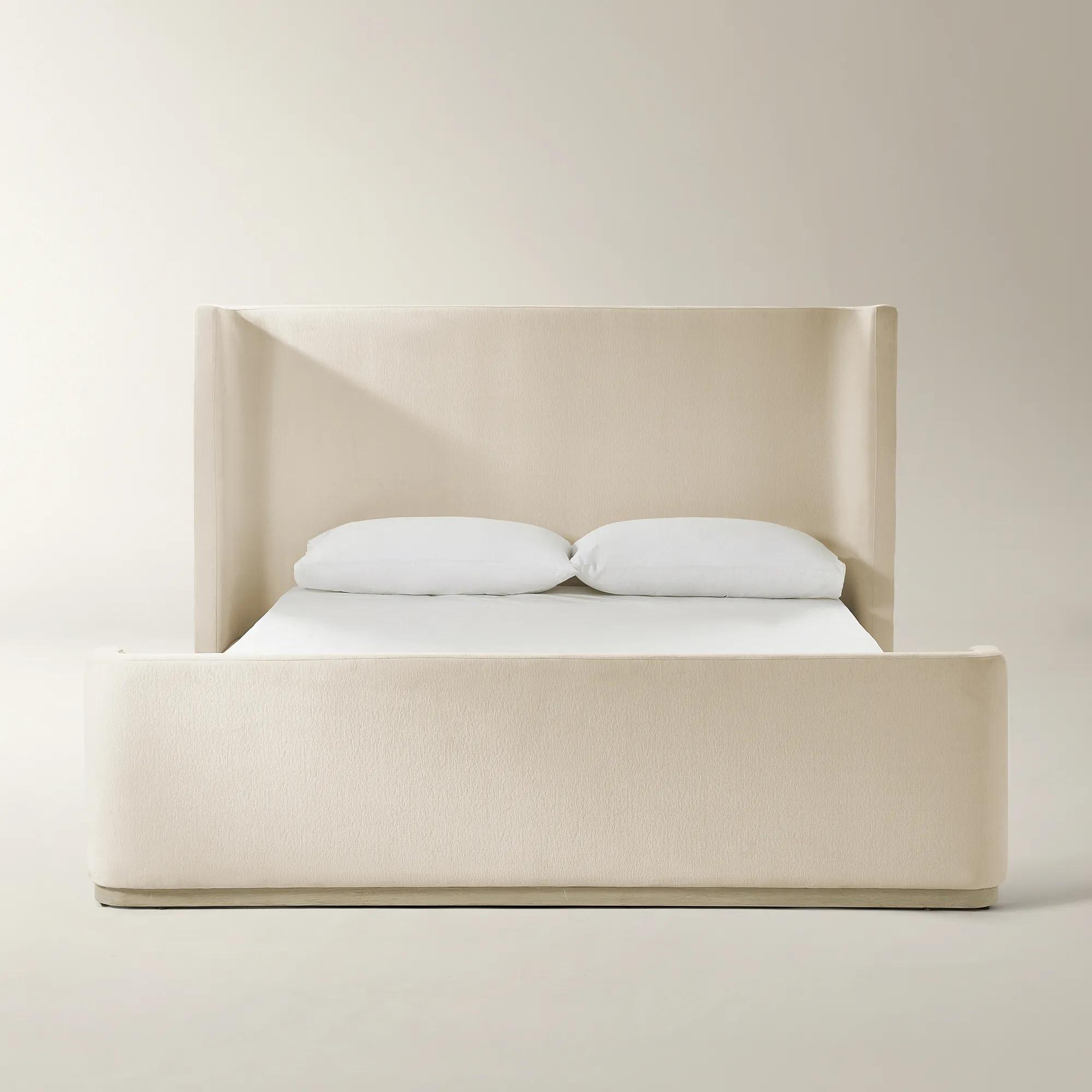 Stria Oatmeal Velvet Upholstered King Platform Bed$2299
A sculptural oatmeal velvet platform bed featuring a wingback headboard and FSC-certified oak base.
Add To Cart -
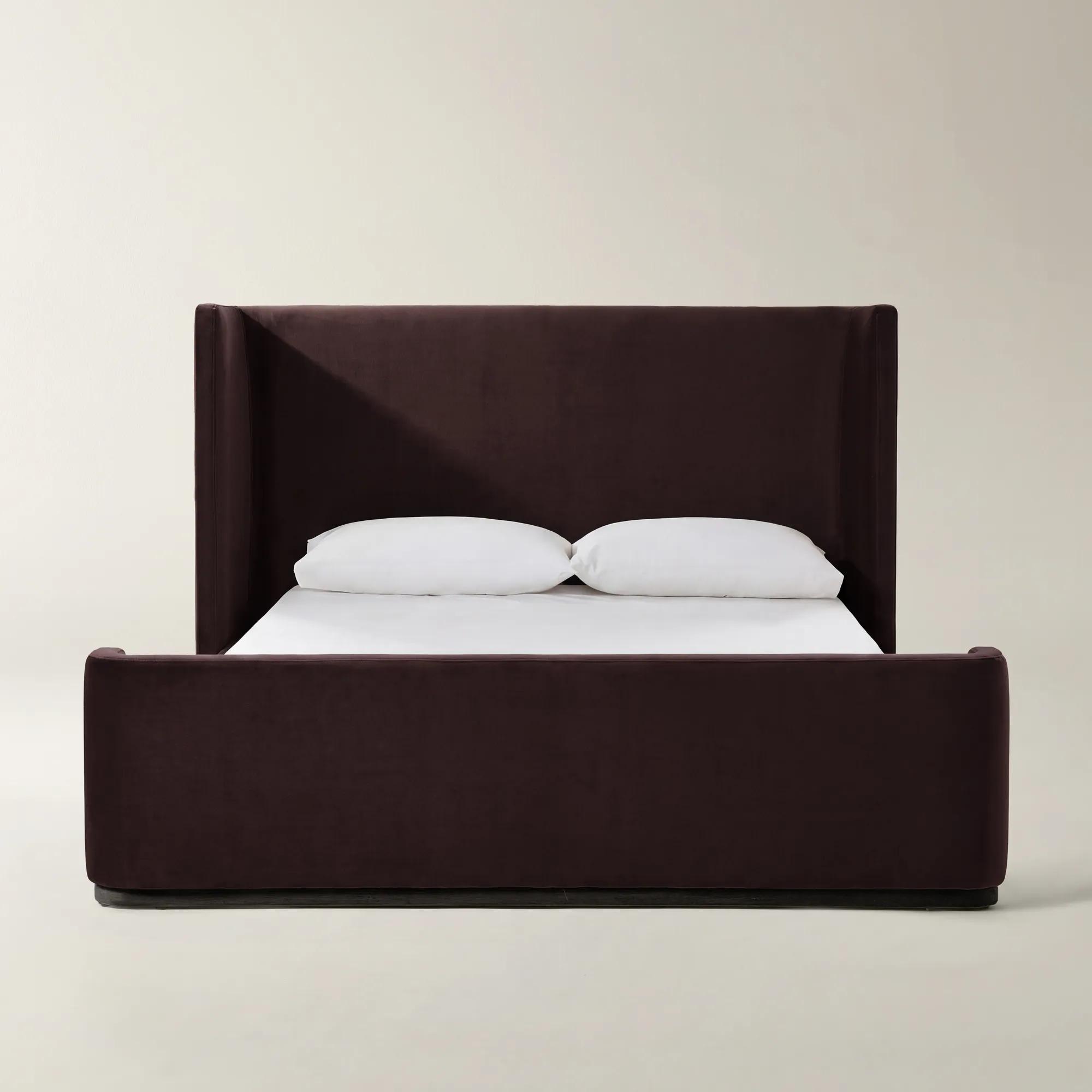 Stria Fig Velvet Upholstered King Platform Bed$2299
A sculptural fig velvet wingback platform bed with an FSC-certified solid oak base and supportive construction.
Add To Cart -
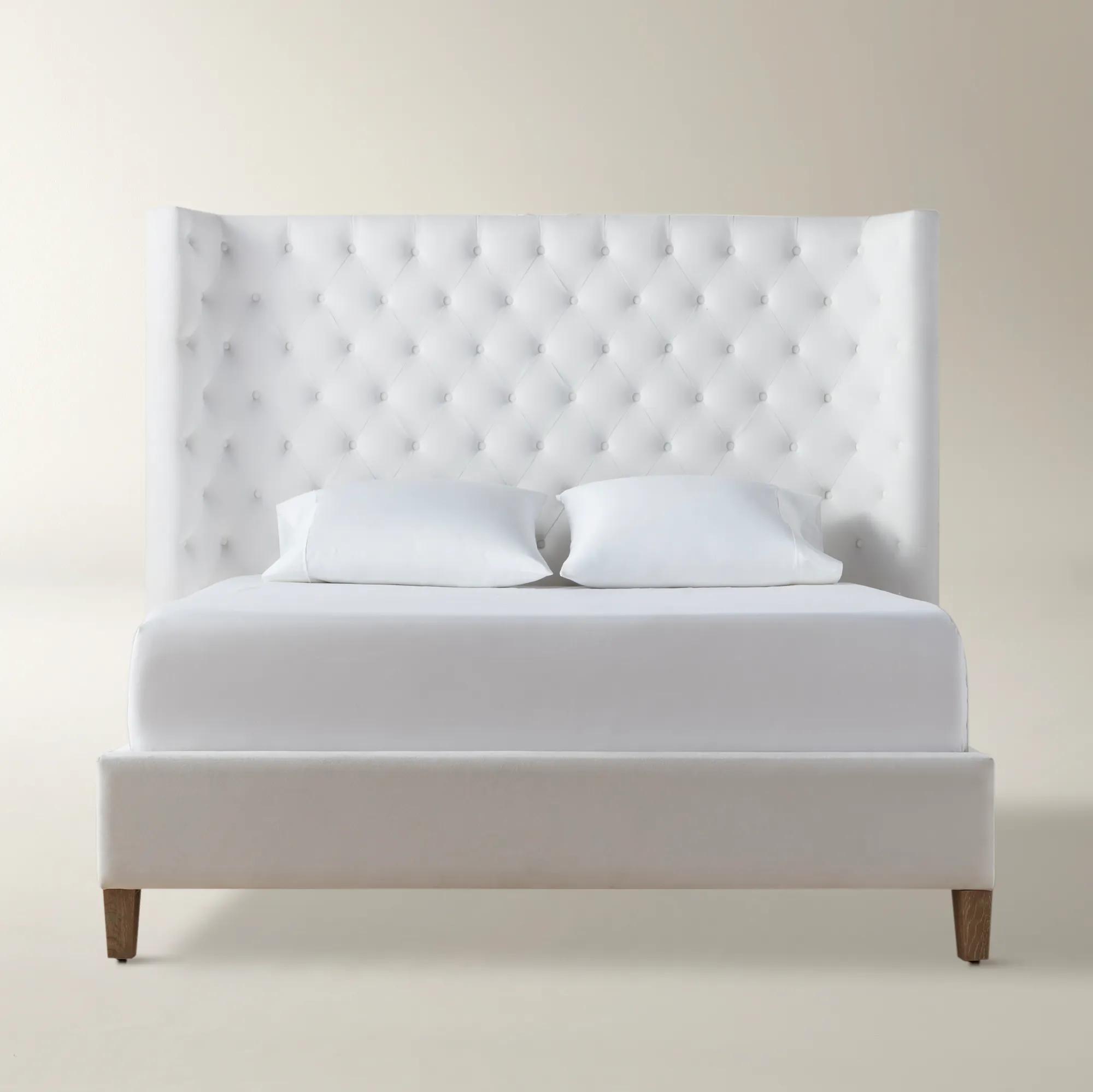
Stria Oatmeal Velvet Upholstered Queen Platform Bed$2099
A sculptural oatmeal velvet platform bed with a tall wingback headboard and FSC-certified solid oak base.
Add To Cart -
Stria Cloud Velvet Upholstered Queen Platform Bed$2099
A sculptural wingback platform bed with plush cloud velvet upholstery and an FSC-certified solid oak base.
Add To Cart -
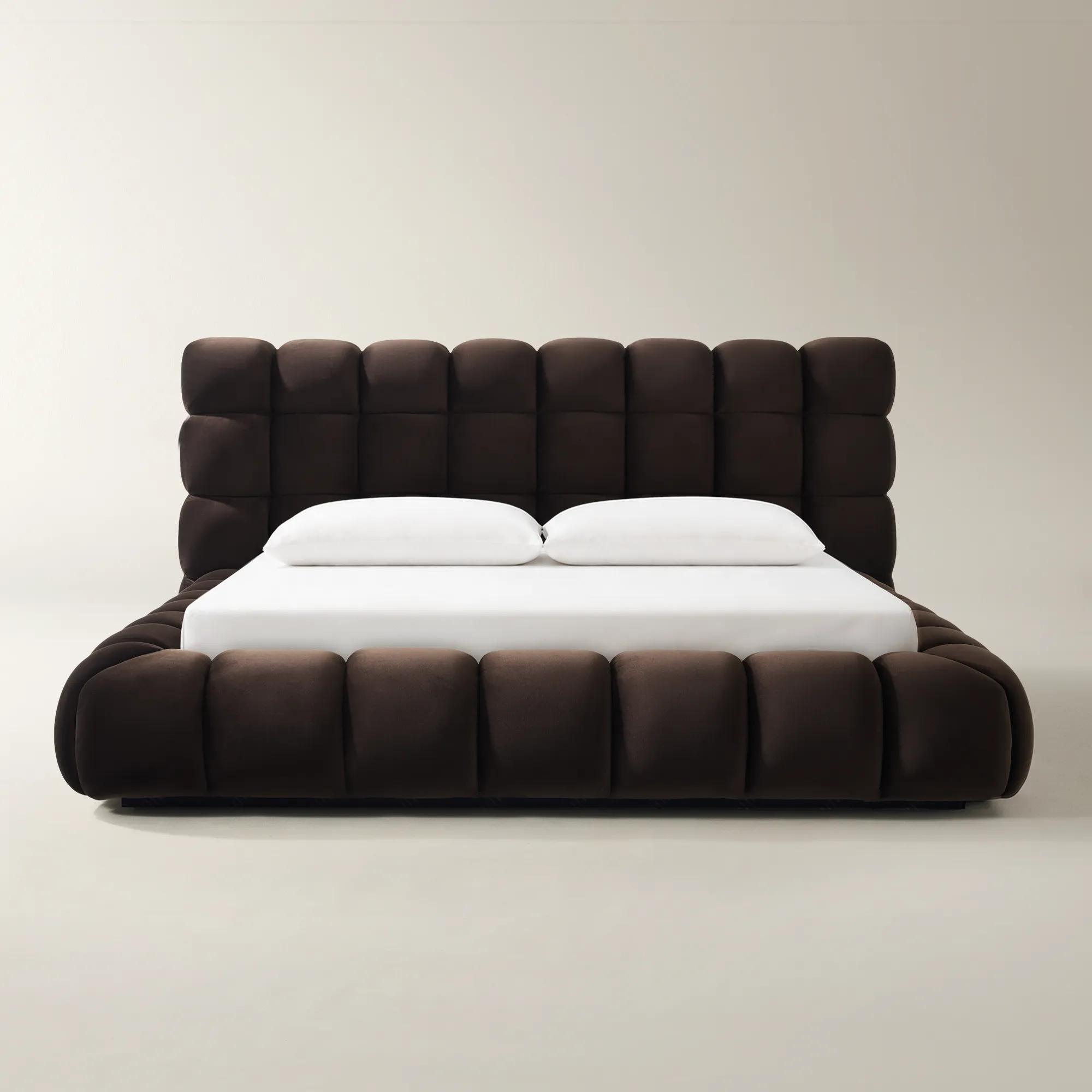 Paloma Tufted Dark Chocolate Velvet Upholstered King Platform Bed$2599
A sculptural platform bed wrapped in dark chocolate velvet with plush tufted blocks and solid wood construction.
Add To Cart -
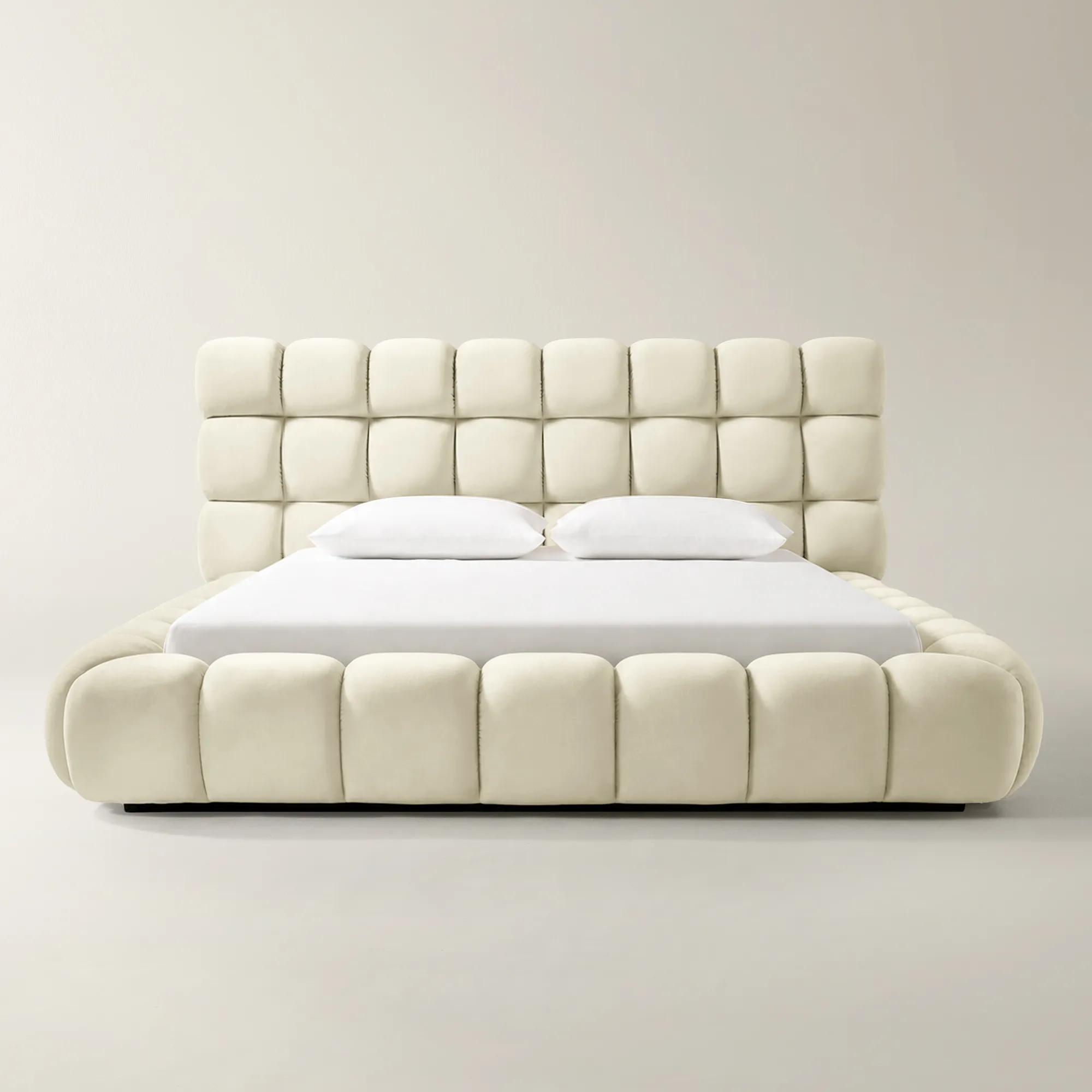 Paloma Tufted Cloud Velvet Upholstered Queen Platform Bed$2399
A sculptural velvet platform bed with plush padding, solid wood construction, and a fully wrapped silhouette.
Add To Cart -
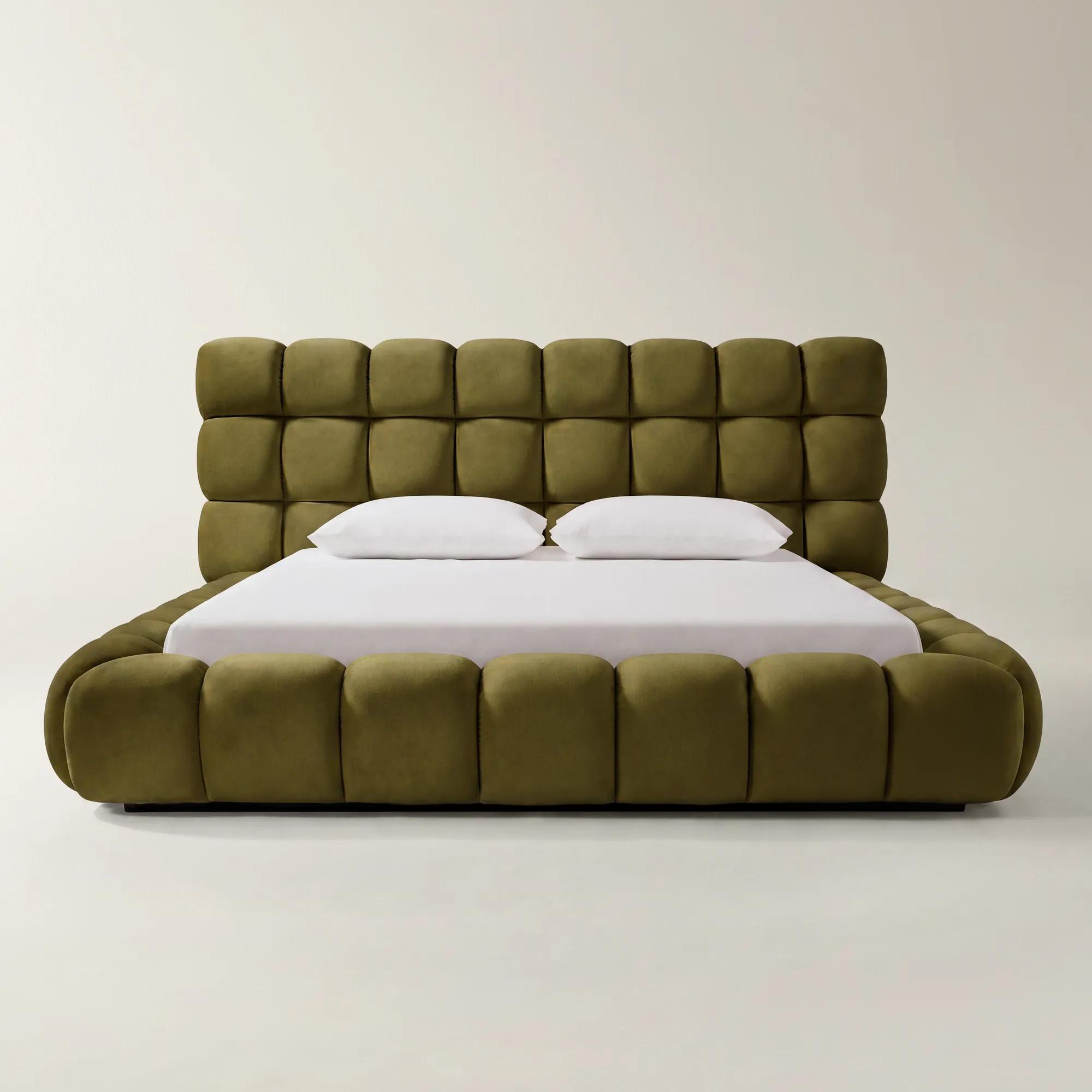 Paloma Tufted Deep Olive Velvet Upholstered Queen Platform Bed$2399
A sculptural deep olive velvet platform bed with wrapped upholstery, plush padding, and durable wood construction.
Add To Cart

Beds With Soft And Durable Upholstery
Beds with soft and durable upholstery invite you to indulge in a world where comfort meets couture. Each piece is meticulously crafted to transform your bedroom into a sanctuary of tactile luxury, enveloping you in sumptuous textures that promise both elegance and endurance. Imagine the gentle embrace of plush fabrics, the tailored lines that exude sophistication, and the resilient finishes designed to withstand the rhythms of daily life—these beds are more than mere furniture; they are an invitation to dream boldly and rest beautifully. Elevate your retreat with beds that offer a harmonious balance of opulent softness and lasting strength, turning every night into an experience worth savoring.
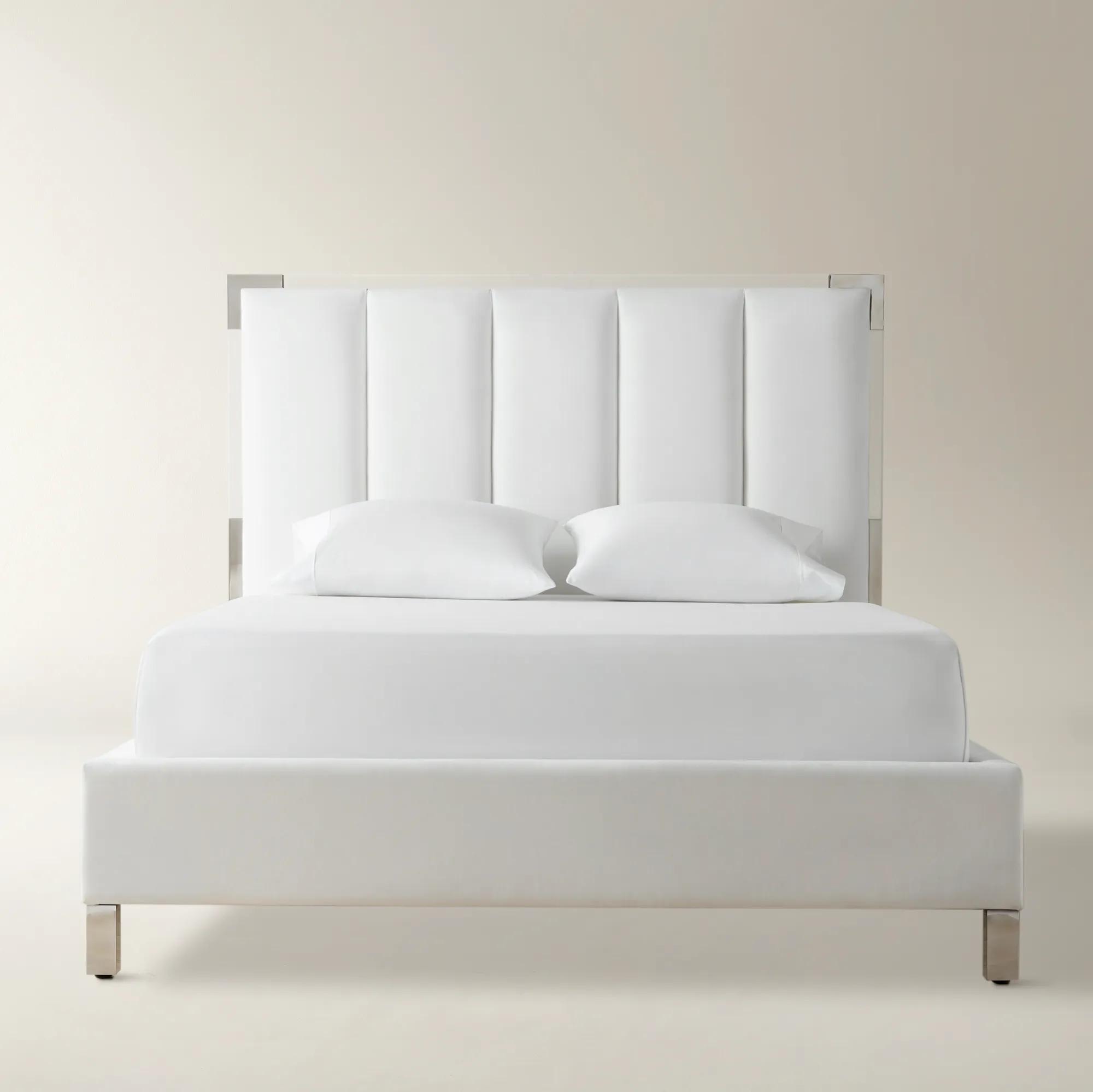
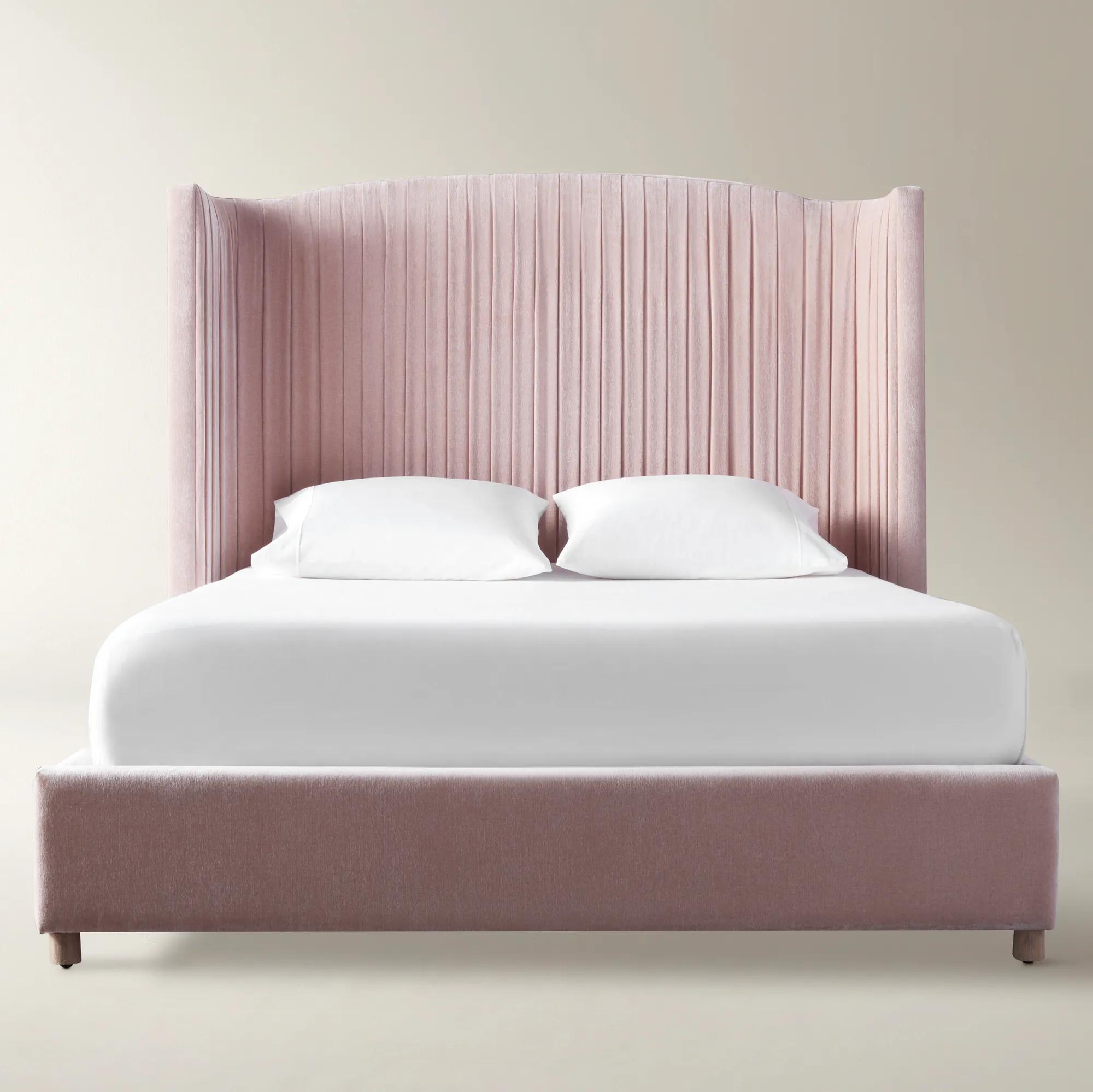
Beds with soft and durable upholstery bring a tactile richness to the bedroom, pairing a welcoming surface with fabric and construction suited to everyday use. A padded headboard creates an inviting backdrop for reading before sleep, while an upholstered frame gives the room a composed, enveloping presence. The appeal lies in that balance: softness where the body meets the bed, resilience where fabric encounters bedding, clothing, and daily movement. Velvet, chenille, textured woven fabrics, and linen blends can each deliver a distinctive expression of comfort, though their performance depends on fiber content, weave, backing, and finishing. Velvet lends depth to color as its pile catches the light, shifting from luminous highlights to richly shaded folds. Chenille offers a plush, softly textured touch, while a tightly woven linen blend can introduce subtle variation without overwhelming patterned bedding or expressive artwork. Polyester and blended-fiber upholstery may offer useful abrasion resistance and straightforward care, depending on the fabric specification. No single material name guarantees durability; a beautifully soft fabric should also have a stable weave and a care routine that suits the household. For a bedroom with a glamorous point of view, a tall upholstered headboard can anchor a wall like a large-scale work of art. Channel detailing draws the eye along clean, rhythmic lines, while tufting creates pockets of shadow that give a neutral fabric surprising dimension. A smooth, gently curved silhouette offers a quieter kind of drama, letting texture and proportion carry the composition. Ivory, taupe, and warm gray establish a luminous foundation for layered linens; deeper tones create a cocooning effect beside gleaming lamps and sculptural nightstands. Each approach makes the bed more than a place to sleep. It becomes the visual center of the room, with upholstery that feels considered against both bare hands and the surrounding palette. During the cooler months, this softness pairs naturally with a substantial coverlet or folded throw, although its appeal extends well beyond the season.
Lasting comfort begins beneath the fabric. An upholstered bed relies on the relationship between its frame, joinery, padding, and mattress support, not simply the thickness of its headboard. Kiln-dried hardwood can help limit the movement associated with changes in moisture, while well-designed engineered-wood components can also contribute to a stable structure. Neither material alone establishes quality; secure connections, appropriate support, and correct assembly matter just as much. Padding should feel even and supportive, with sufficient recovery to retain its shape through regular contact. Upholstery should sit neatly around corners and seams rather than appearing strained at one point or loose at another. For the fabric itself, documented abrasion testing can offer useful evidence of resistance to rubbing, but test results do not predict every aspect of household wear. Pilling, snagging, fading, and seam strength are separate considerations. Performance upholstery may include stain-resistant fibers or protective treatments, yet the designation does not mean a fabric is waterproof, scratchproof, or immune to marks. In a home where a dog naps at the foot of the bed, a close, smooth weave may be less inviting to claws than an open or looped texture, and a washable throw can help protect a favored resting spot. In a frequently used bedroom, softly mottled color can make minor surface variation less conspicuous than a uniform pale shade. Care is equally important to preserving the finish. Gentle vacuuming with an upholstery attachment, when permitted by the manufacturer, helps remove dust before it settles into seams and tufting. Spills should be blotted promptly with a clean, absorbent cloth rather than rubbed across the surface. Cleaning codes determine whether water-based products, solvents, or professional treatment are appropriate, so those instructions take precedence over general household remedies. Avoid soaking the padding, and test any approved cleaner in an inconspicuous area first. Velvet may show pressure shading as its pile changes direction; follow fabric-specific instructions before attempting to brush or lift it. Keeping upholstery away from prolonged direct sunlight and concentrated heat also helps preserve its appearance.
Scale gives a soft upholstered bed its architectural presence, and the right fit involves more than choosing a mattress size. The exterior dimensions of the frame may extend noticeably beyond the mattress, particularly with generously padded side rails, winged headboards, or a substantial footboard. Those extra inches can look magnificent in a spacious primary bedroom but deserve careful consideration beside a narrow walkway or an inward-swinging closet door. Measure the complete footprint and leave comfortable access to nightstands, dresser drawers, and both sides of the bed where the layout allows. Headboard height changes the composition, too: a towering silhouette adds ceremony beneath a high ceiling, while a lower profile can leave room for artwork and keep a compact bedroom visually balanced. Mattress thickness affects how much upholstery remains visible and where the finished sleep surface sits. A deep mattress paired with lofty pillows may conceal decorative details that initially drew the eye, while an unusually low mattress can expose a gap if the frame is not designed for it. Slat spacing, center support, and any foundation requirements should align with the mattress manufacturer's specifications; compatibility with an adjustable base should be confirmed rather than assumed. Delivery access matters for large upholstered components, especially along staircases, around tight landings, and through older doorways. Once proportions and support are resolved, texture becomes a rewarding way to refine the room's character. A closer look at beds with premium fabric upholstery can offer another perspective on the interplay of fabric, finish, and silhouette. For a primary suite, a plush headboard offers a comfortable surface to lean against during an evening chapter. In a guest bedroom, durable upholstery and manageable care help maintain a welcoming setting between visits. A softly tailored frame can also suit a teenager's room as tastes evolve, providing a sophisticated foundation for changing bedding and art. The most compelling choice brings tactile pleasure, dependable construction, and proportion into alignment, creating a bedroom that feels expressive without sacrificing the ease of living beautifully every day.
FAQs
Upholstery beds are often crafted with luxurious materials such as velvet, linen, chenille, and performance blends. Each fabric offers a distinct look and feel—velvet exudes rich, tactile glamour, while linen provides a breezy, organic elegance. Performance fabrics are engineered for durability, making them ideal for active households and those who love to entertain in style.
An upholstered bed instantly elevates a bedroom by adding texture, depth, and a sense of refined comfort. The soft, cushioned headboard invites you to linger, whether you’re reading, unwinding, or simply admiring the artistry of your space. Upholstery beds serve as a dramatic focal point, helping to create a cozy, inviting retreat that reflects your personal taste.
Yes, many upholstered beds are designed with both beauty and resilience in mind. Performance fabrics and tightly woven textiles resist stains and wear, making them a practical choice for families with pets or children. Look for beds with easy-to-clean materials and durable construction to ensure your investment remains stunning for years to come.
Upholstered beds are versatile enough to complement a variety of design styles. For a cohesive look, coordinate the fabric color with your existing palette or use the bed as a statement piece by choosing a bold hue or dramatic texture. Layer with throws, pillows, and accent pieces to create a personalized, curated vignette that brings your vision to life.
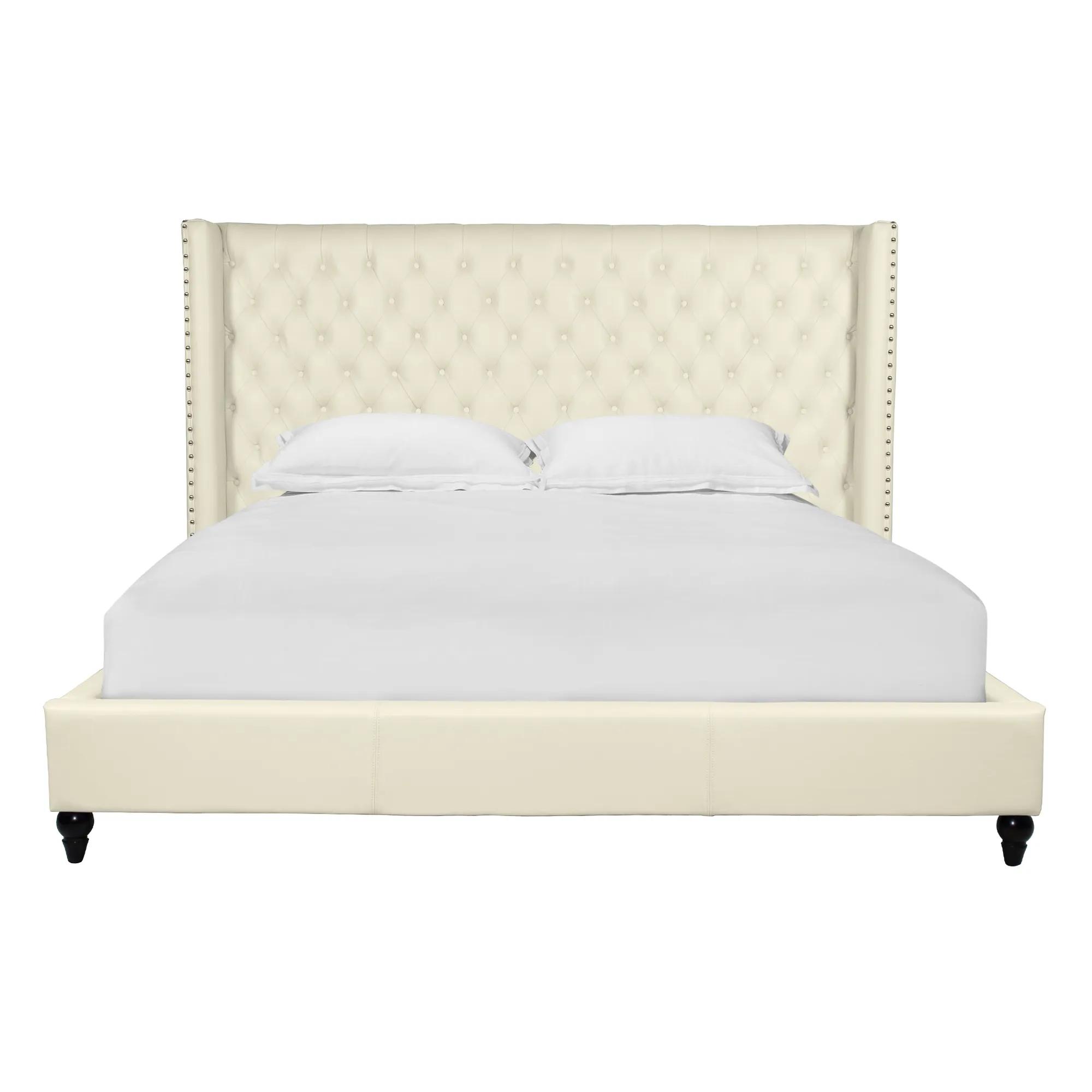
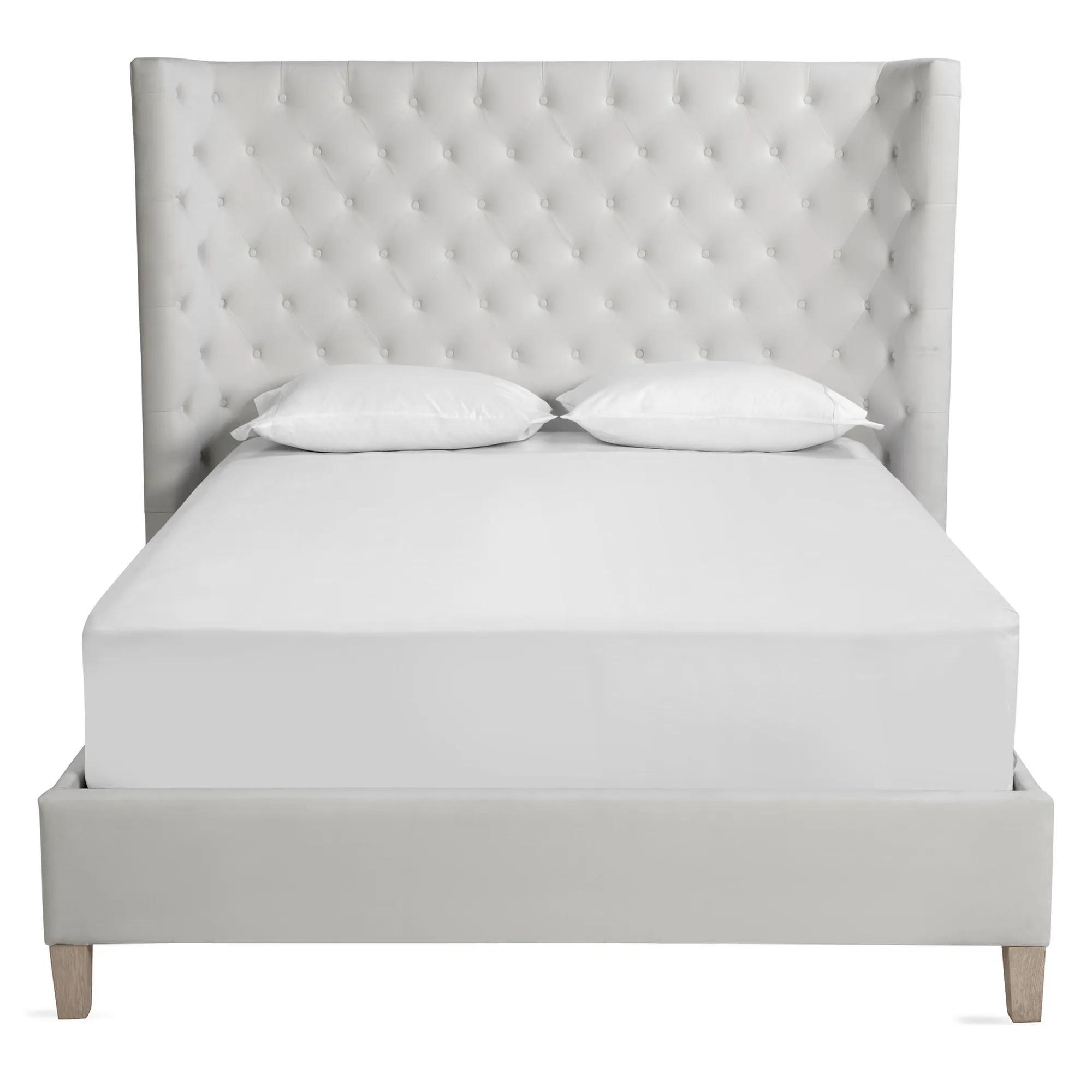
Consider features such as tufted headboards, sculptural wings, or metallic nailhead trim to add visual interest and sophistication. The silhouette and scale of the bed should suit your room’s proportions, while the fabric and craftsmanship should reflect your desire for both comfort and artistry. These thoughtful details ensure your bed is not just functional, but a true work of design.