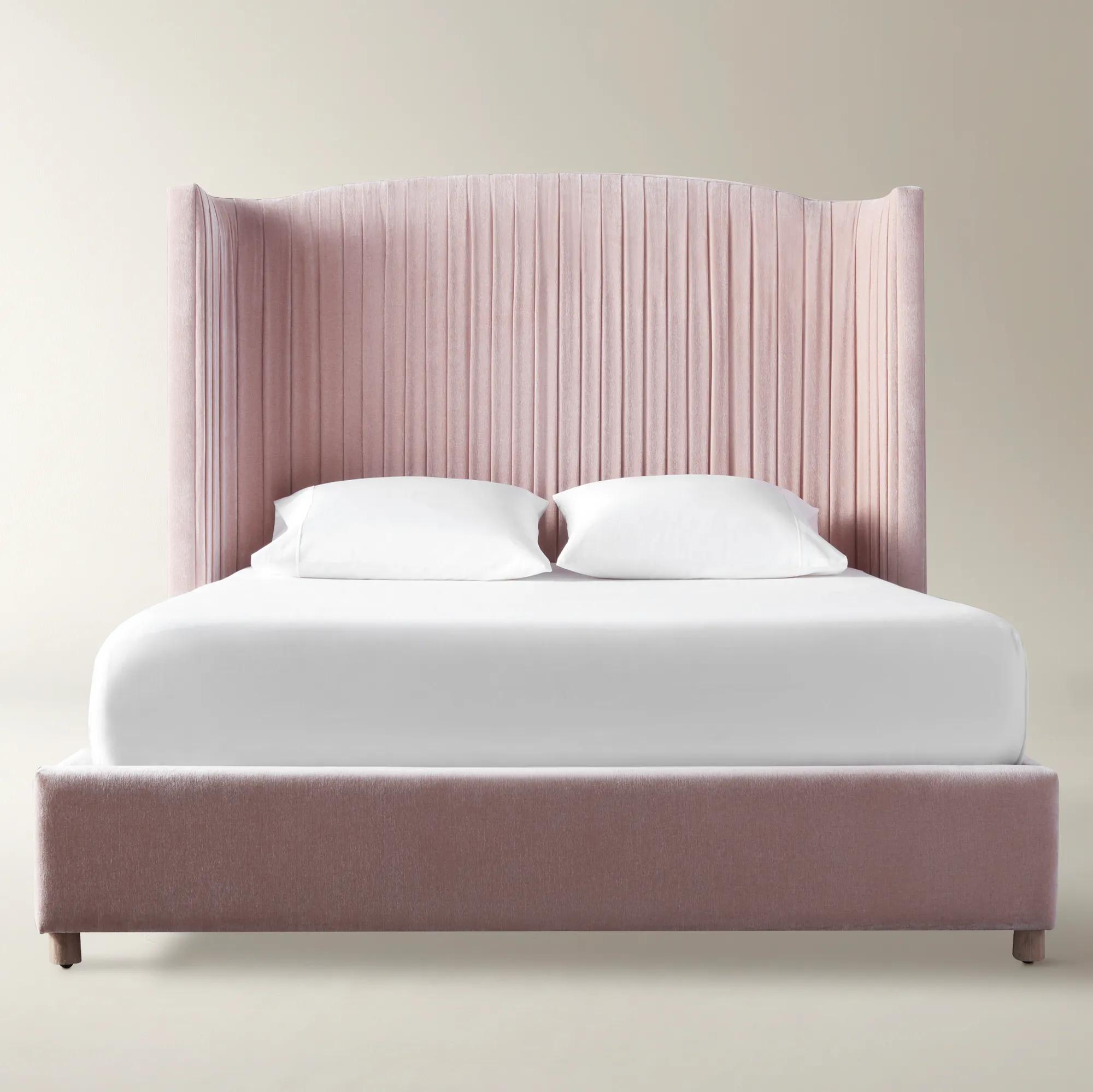
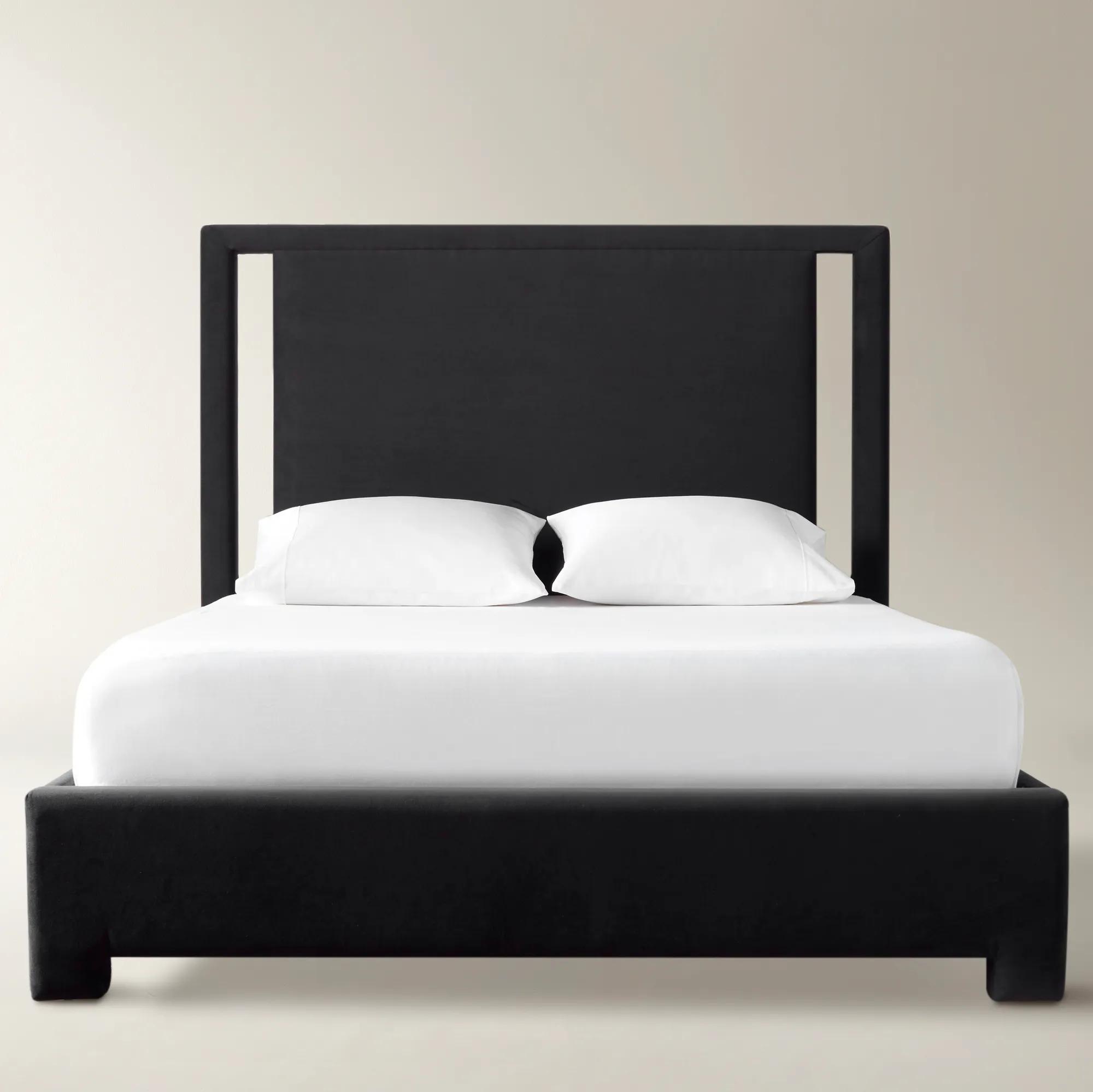
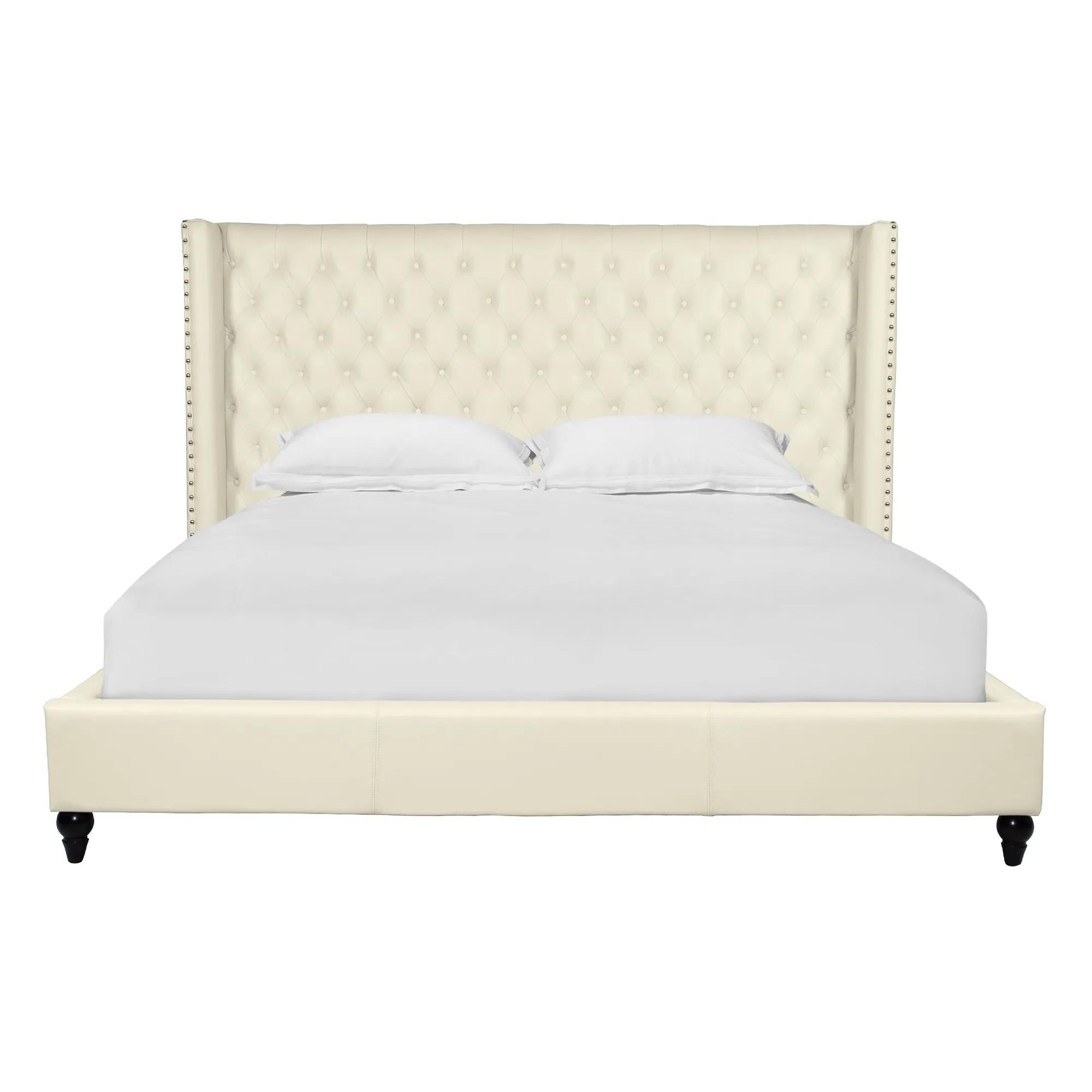
Beds For Plush Bedroom Decor
Beds For Plush Bedroom Decor
-
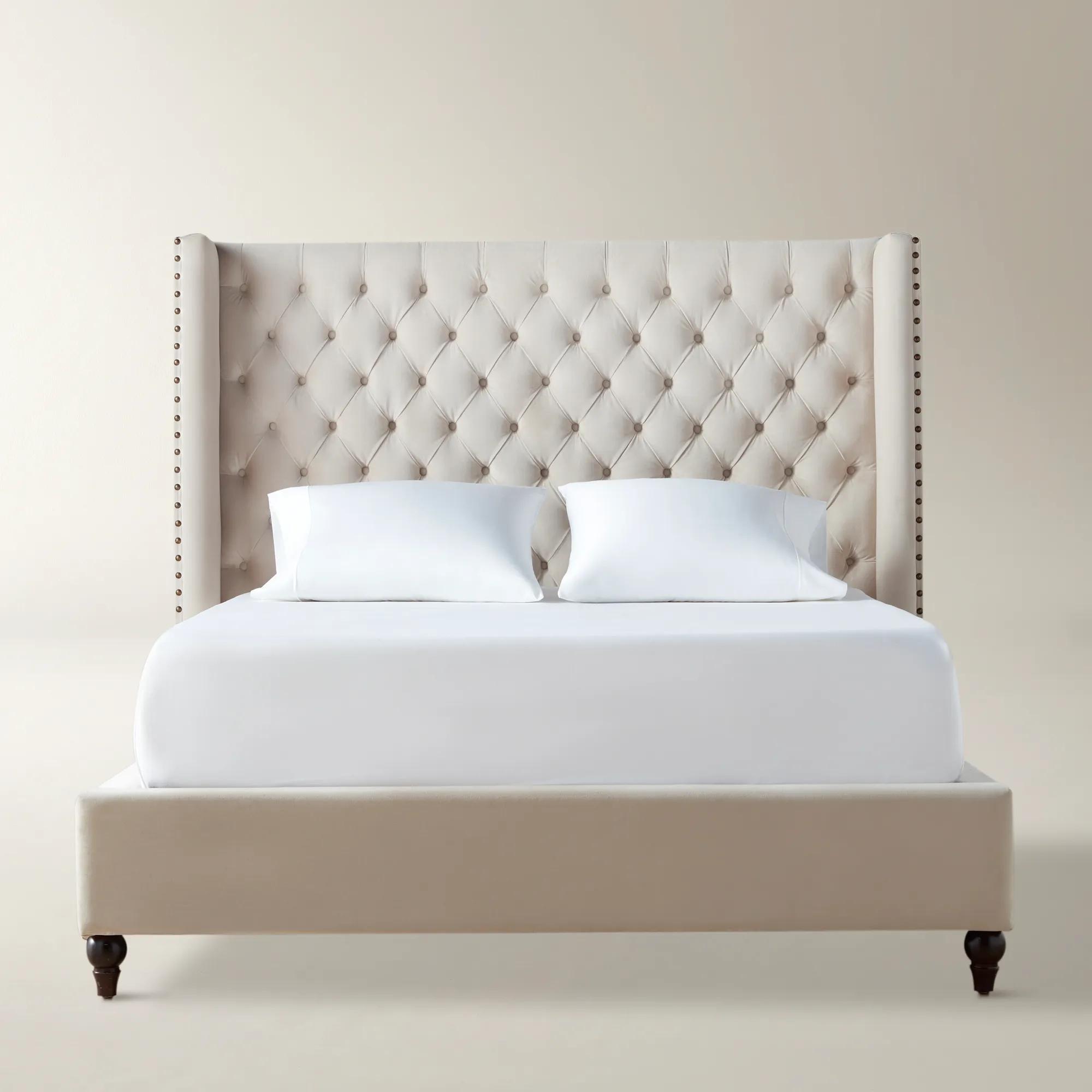
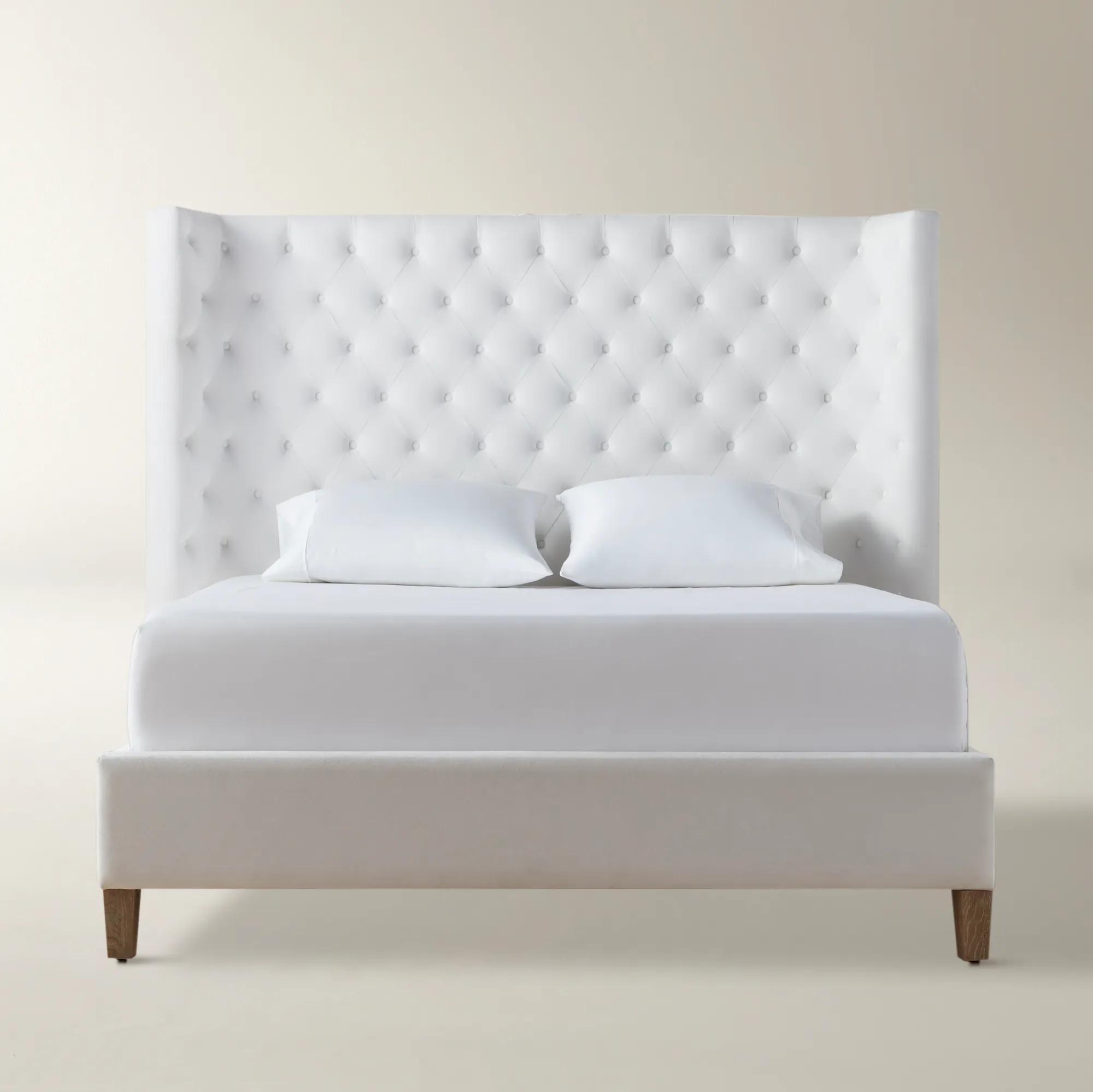
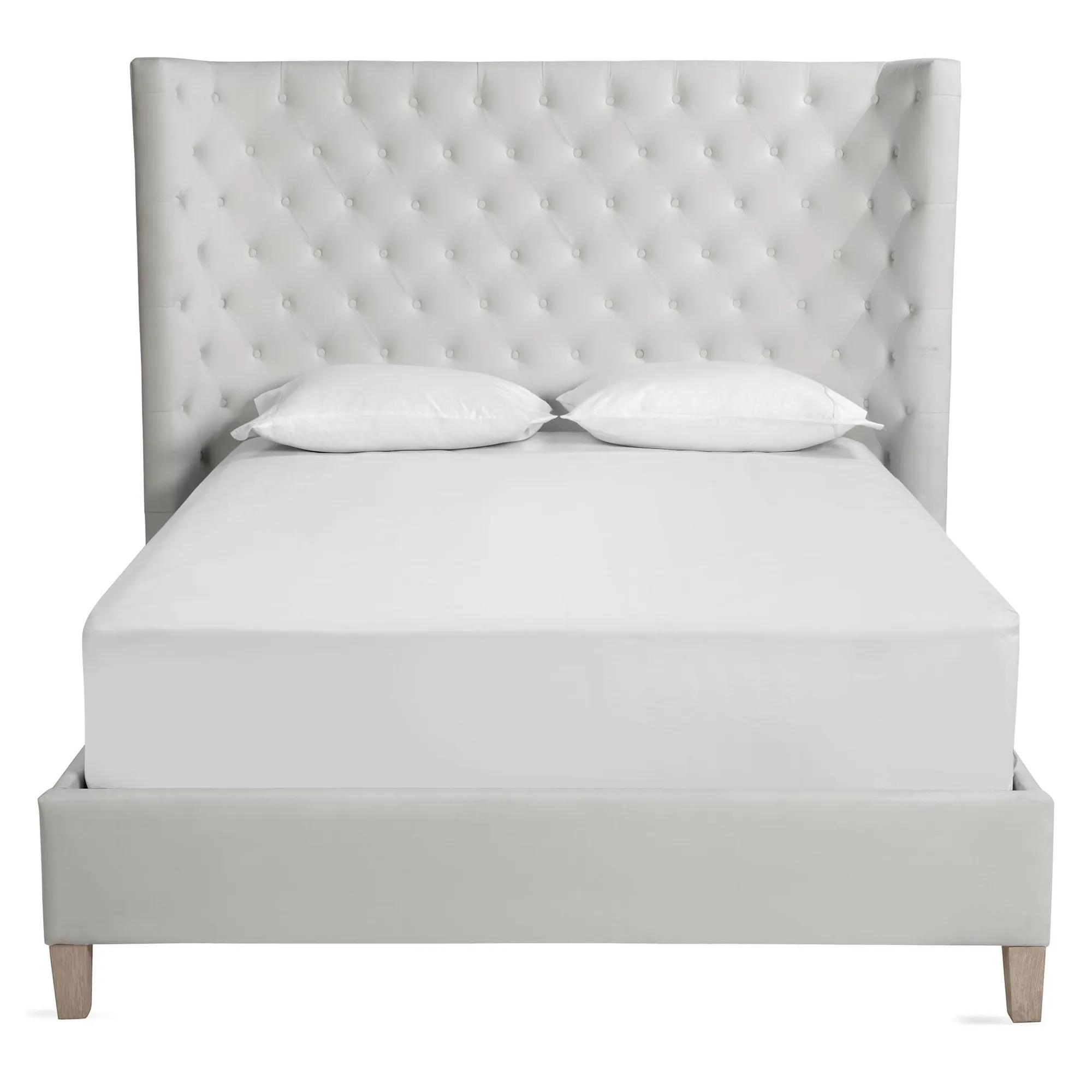
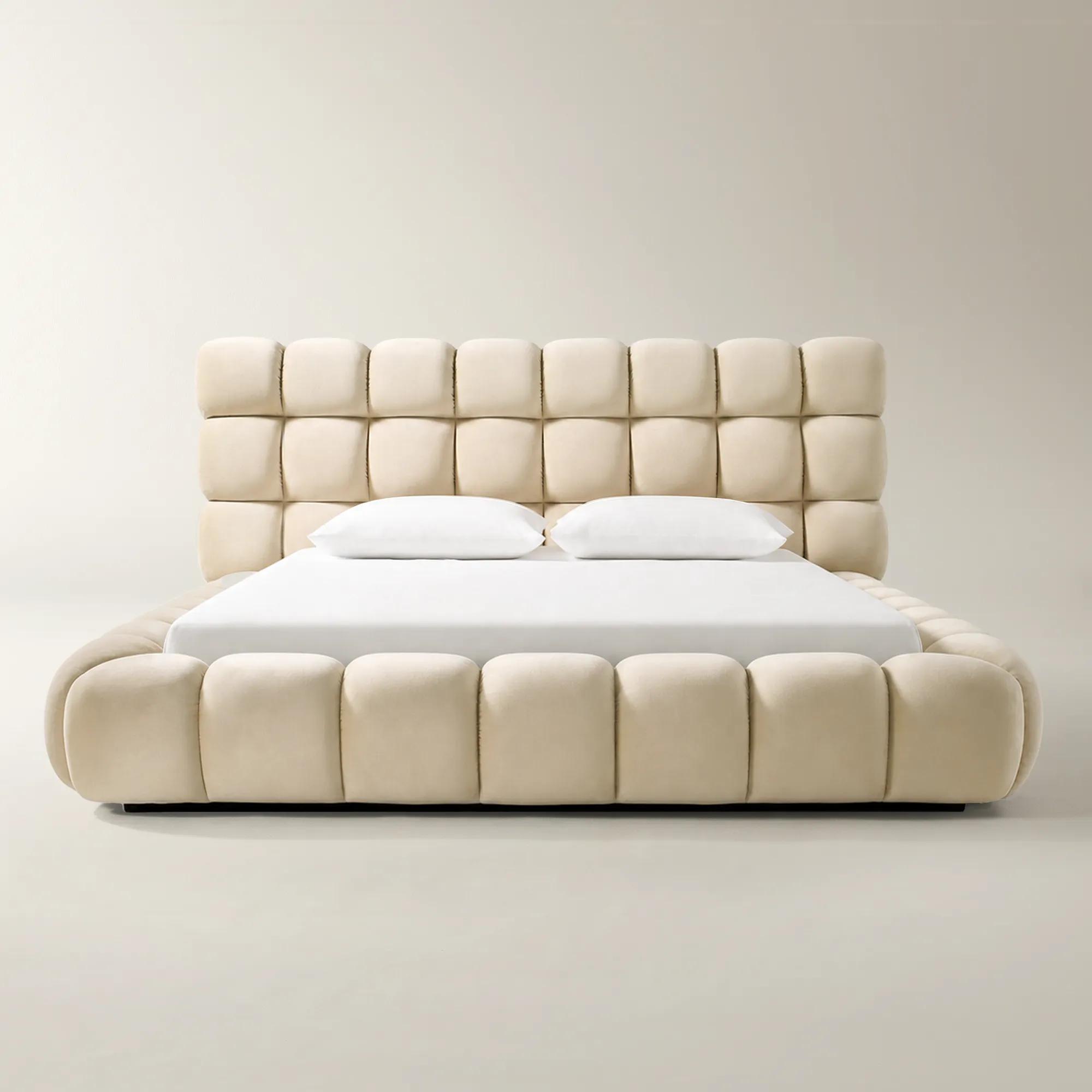 Paloma Tufted Oatmeal Velvet Upholstered King Platform Bed$2599
A sculptural platform bed upholstered in oatmeal velvet with plush tufted blocks and fully wrapped design.
Add To Cart -
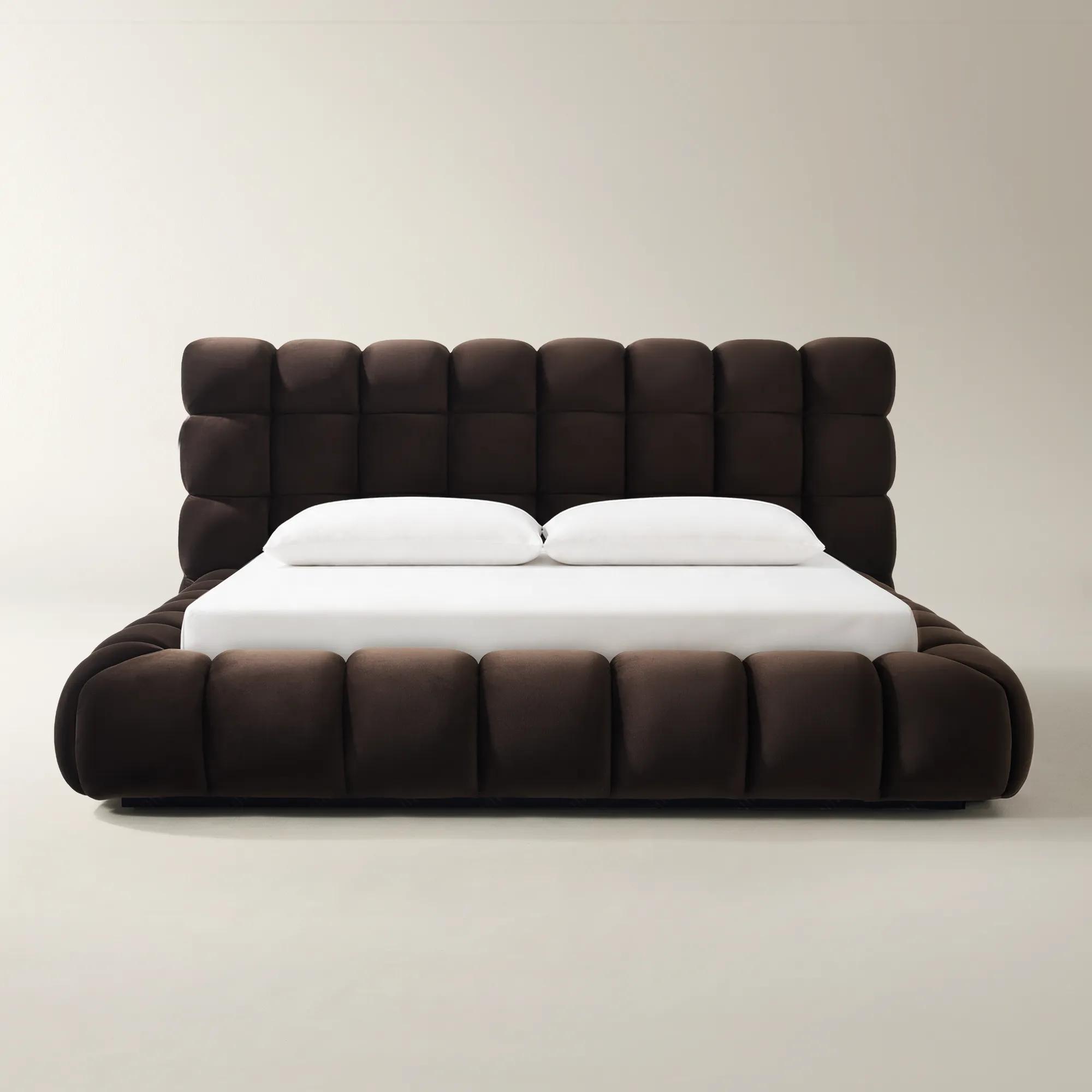 Paloma Tufted Dark Chocolate Velvet Upholstered King Platform Bed$2599
A sculptural platform bed wrapped in dark chocolate velvet with plush tufted blocks and solid wood construction.
Add To Cart -
Paloma Tufted Oatmeal Velvet Upholstered Queen Platform Bed$2399
A sculptural platform bed upholstered in plush oatmeal velvet with oversized tufted blocks and solid wood frame.
Add To Cart -
Paloma Tufted Dark Chocolate Velvet Upholstered Queen Platform Bed$2399
A sculptural platform bed upholstered in dark chocolate velvet with plush, oversized tufted blocks for modern elegance.
Add To Cart -
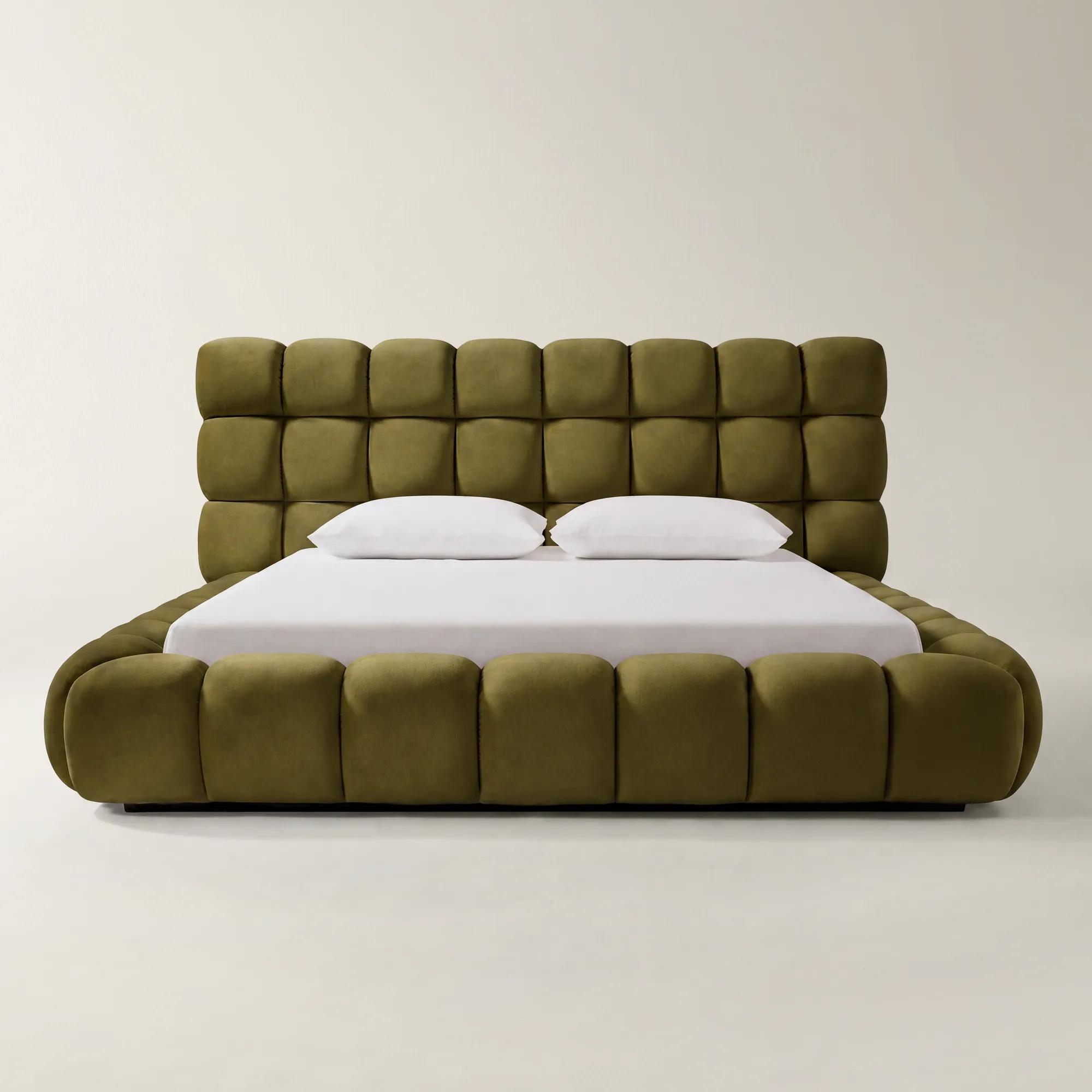 Paloma Tufted Deep Olive Velvet Upholstered King Platform Bed$2599
A sculptural deep olive velvet platform bed with plush padding, fully wrapped upholstery, and wood construction.
Add To Cart -
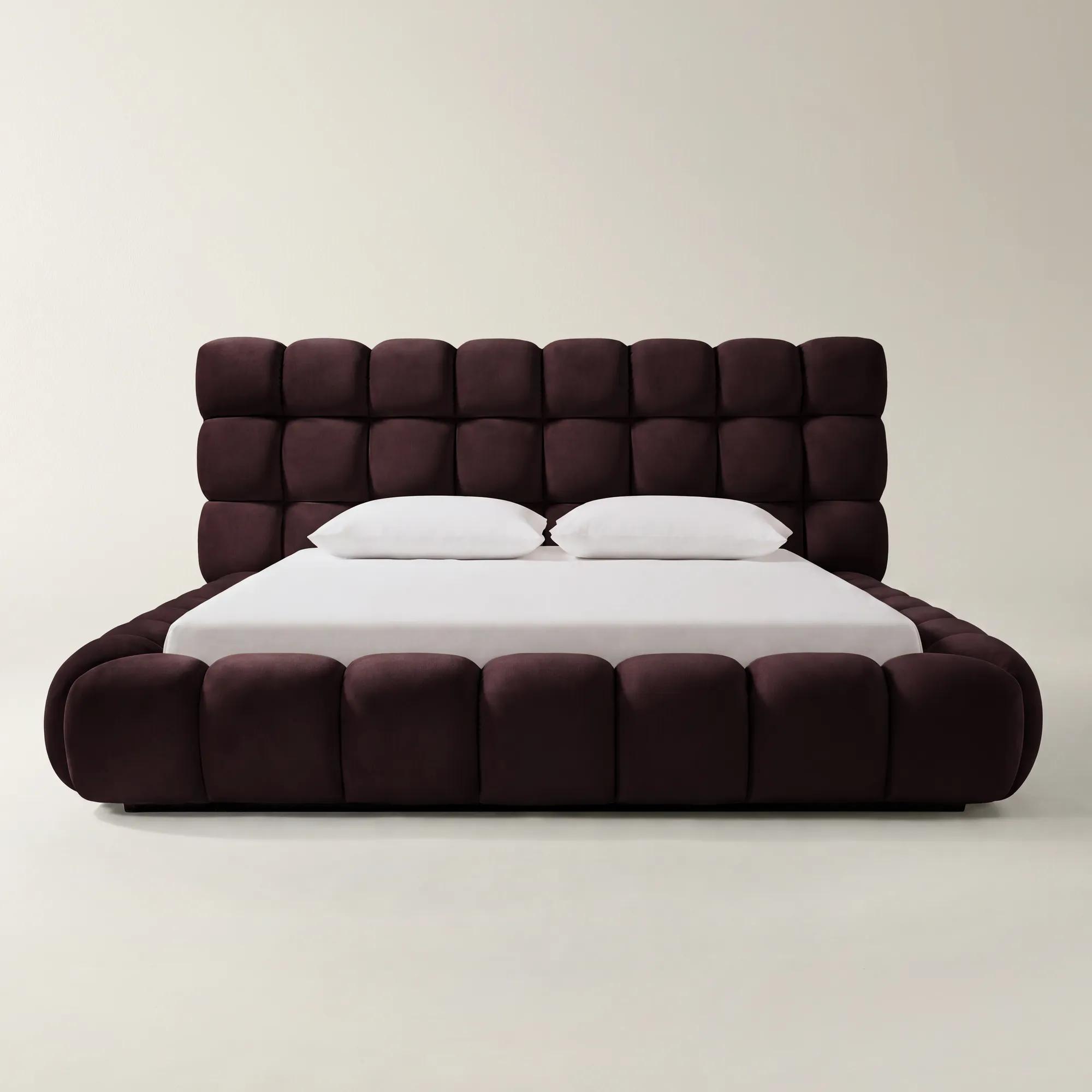 Paloma Tufted Fig Velvet Upholstered Queen Platform Bed$2399
A fig velvet upholstered platform bed featuring plush padding, solid wood construction, and supportive wooden slats.
Add To Cart -
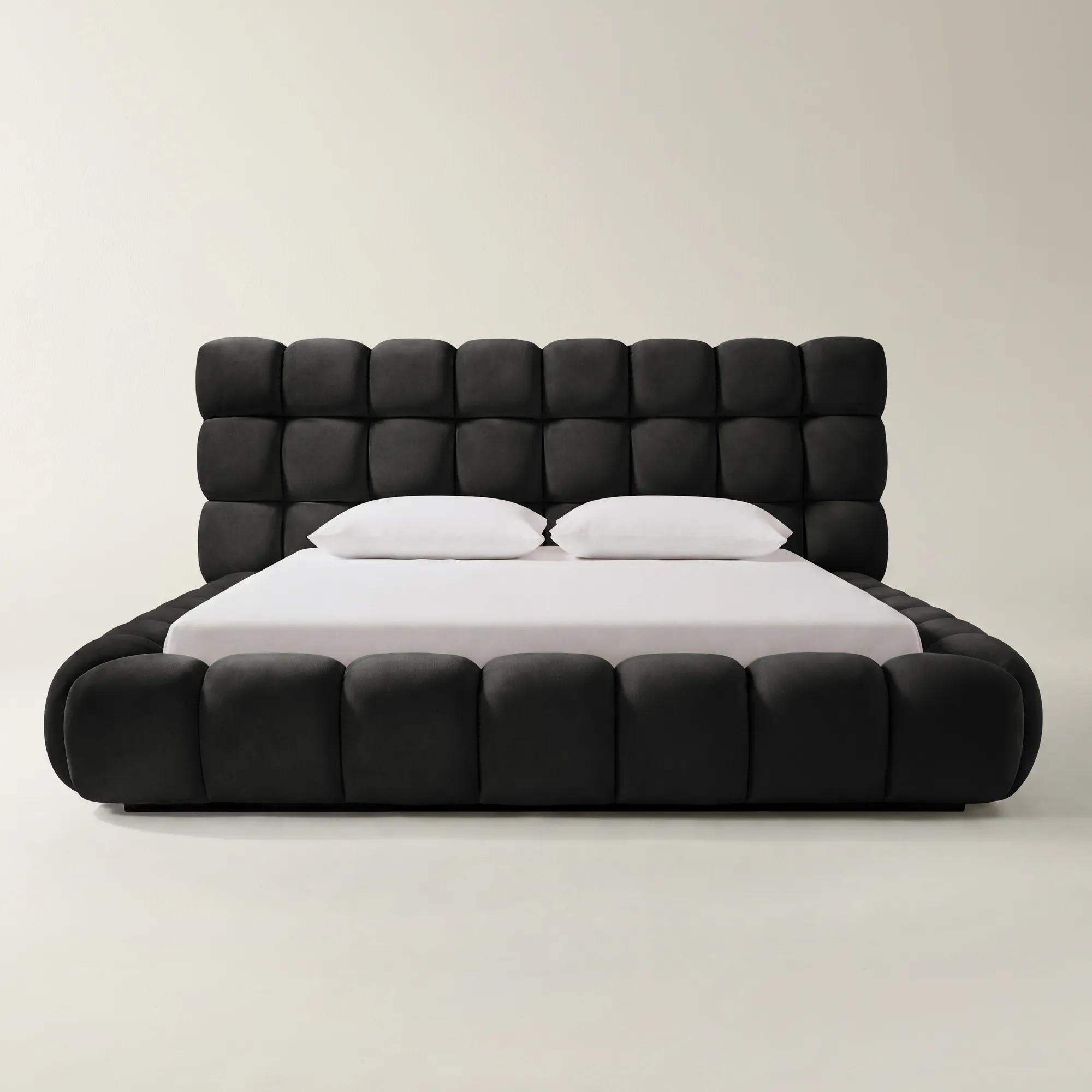 Paloma Tufted Charcoal Velvet Upholstered Queen Platform Bed$2399
A sculptural charcoal velvet platform bed with plush wrapped upholstery, solid wood construction, and supportive slats.
Add To Cart -
Paloma Tufted Charcoal Velvet Upholstered King Platform Bed$2599
A sculptural charcoal velvet platform bed with plush wrapped upholstery, solid wood construction, and slat support.
Add To Cart -
Paloma Tufted Deep Olive Velvet Upholstered Queen Platform Bed$2399
A sculptural deep olive velvet platform bed with wrapped upholstery, plush padding, and durable wood construction.
Add To Cart -
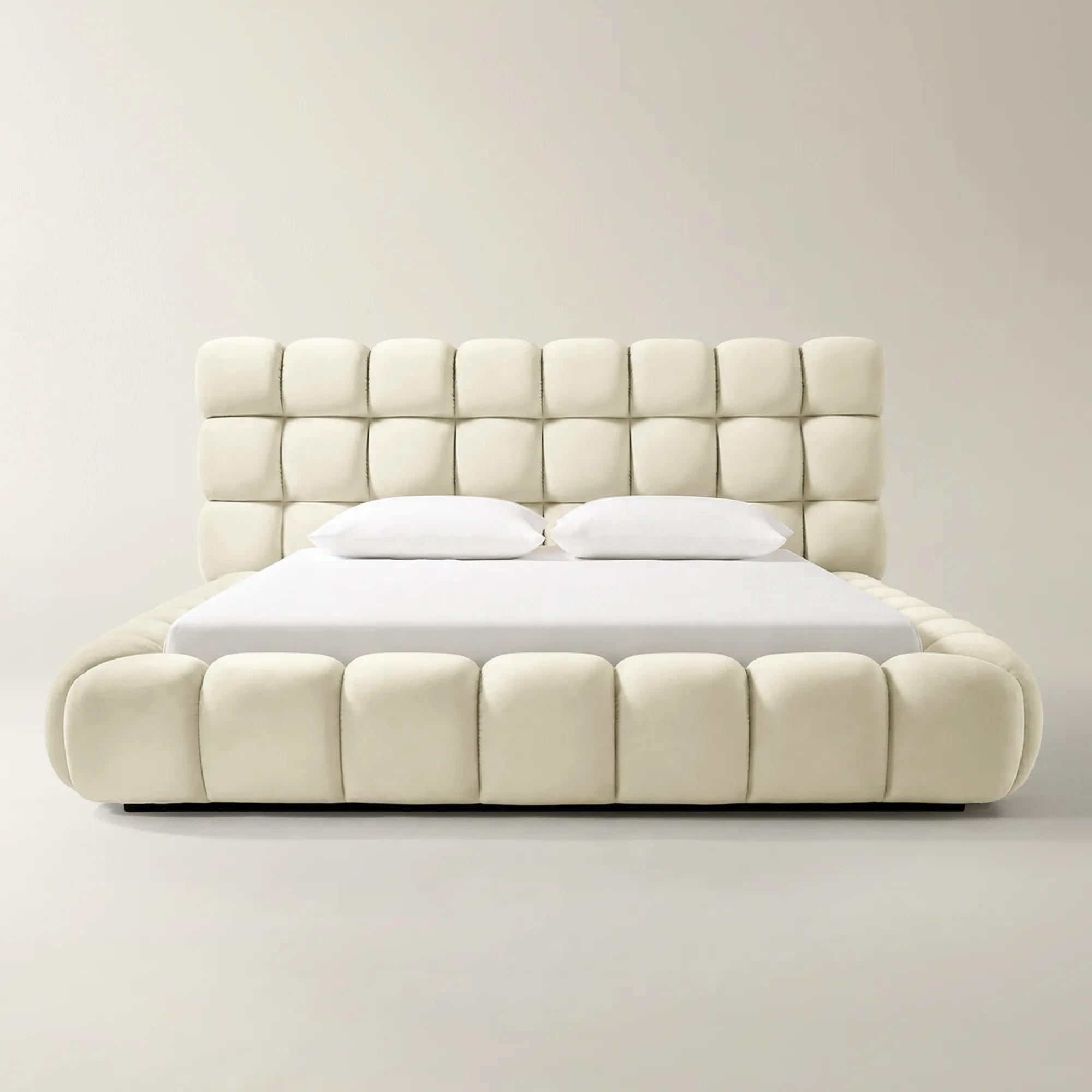 Paloma Tufted Cloud Velvet Upholstered Queen Platform Bed$2399
A sculptural velvet platform bed with plush padding, solid wood construction, and a fully wrapped silhouette.
Add To Cart -
Paloma Tufted Cloud Velvet Upholstered King Platform Bed$2599
A sculptural velvet platform bed featuring oversized upholstered blocks, plush cushioning, wood construction, and supportive slats.
Add To Cart -
Paloma Tufted Fig Velvet Upholstered King Platform Bed$2599
A sculptural fig velvet upholstered platform bed with plush padding and durable solid wood construction.
Add To Cart -
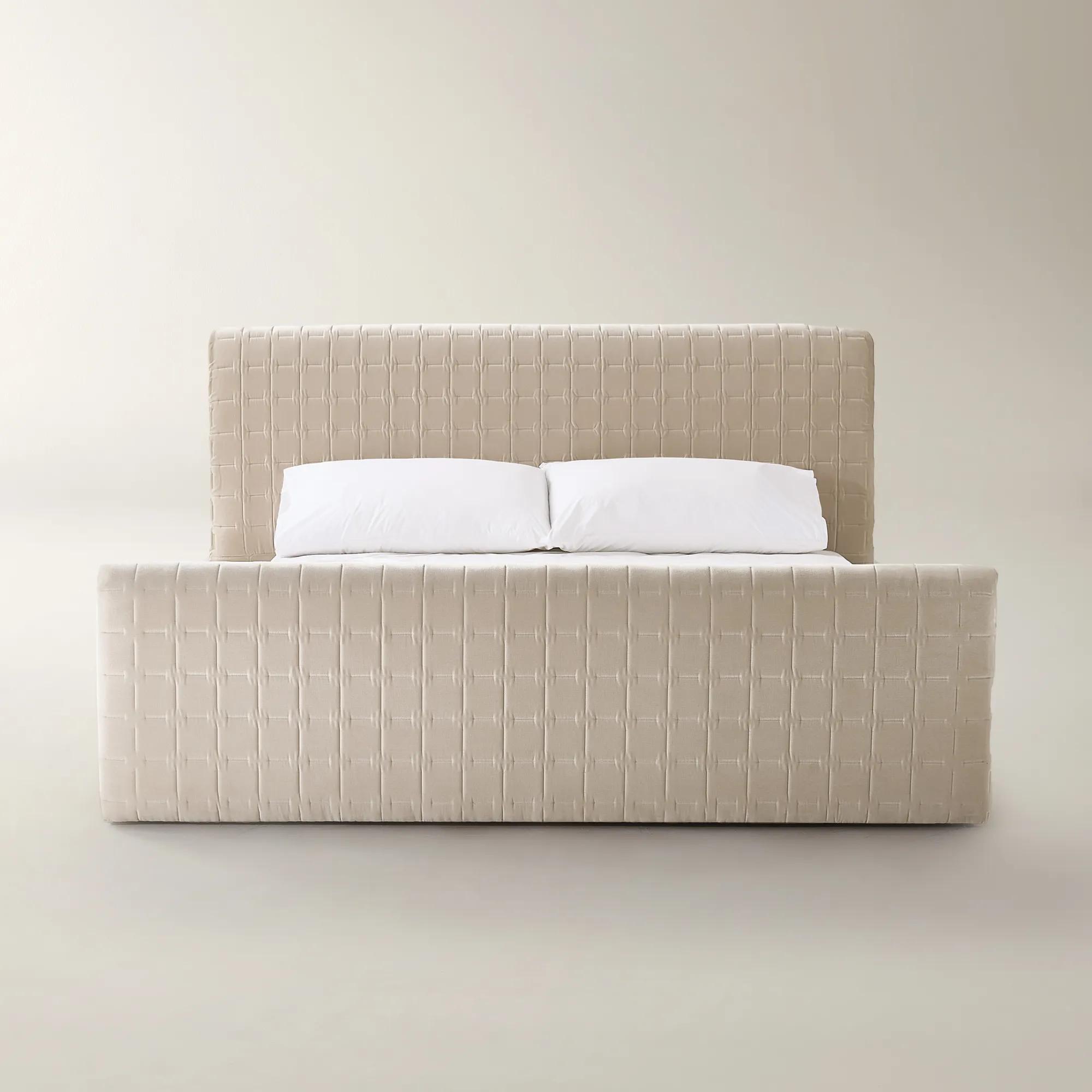
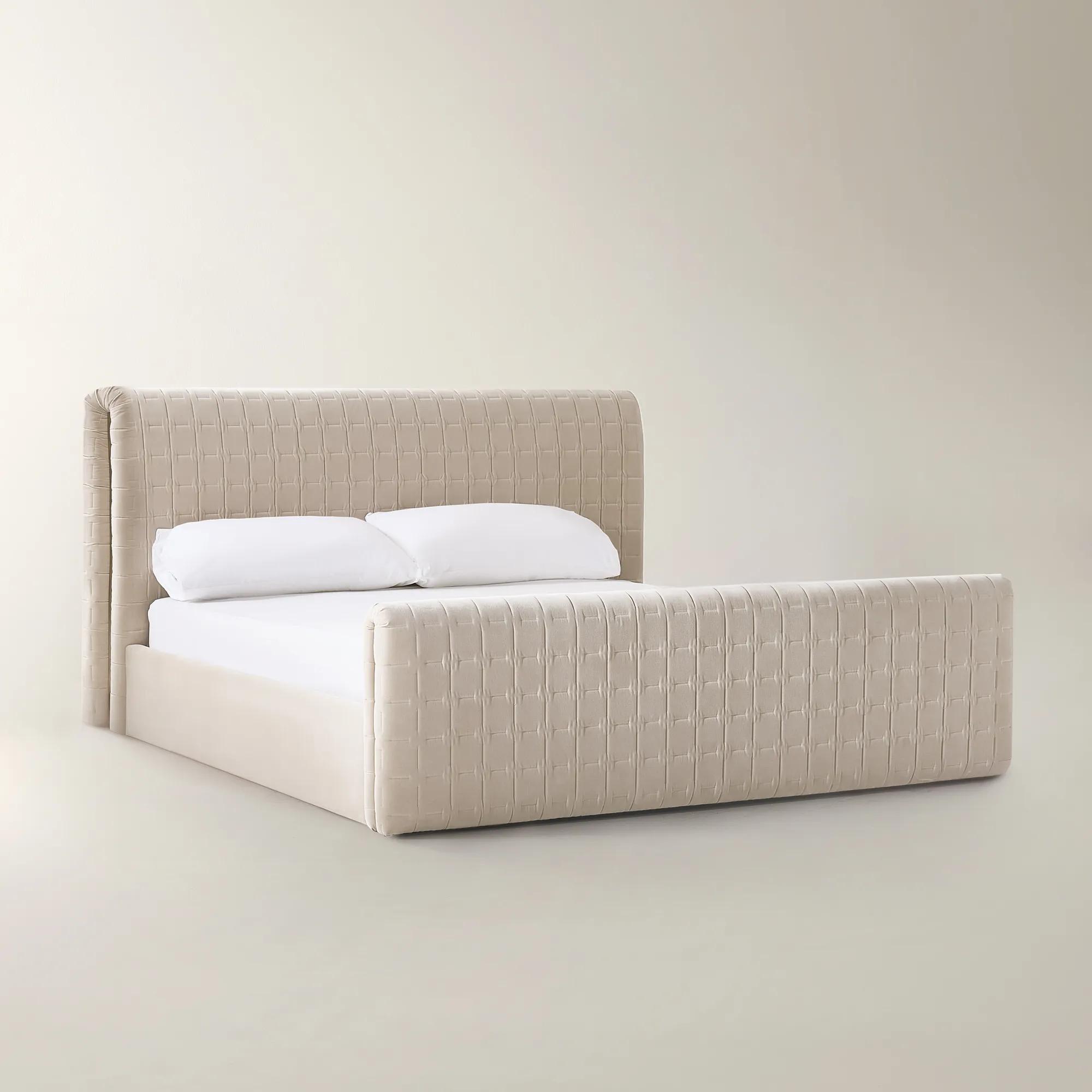 Vanta Oatmeal Velvet Upholstered King Platform Bed$2499
An oatmeal velvet-upholstered bed featuring a checker-quilted headboard and elegant gold-toned metal inlays.
Add To Cart -
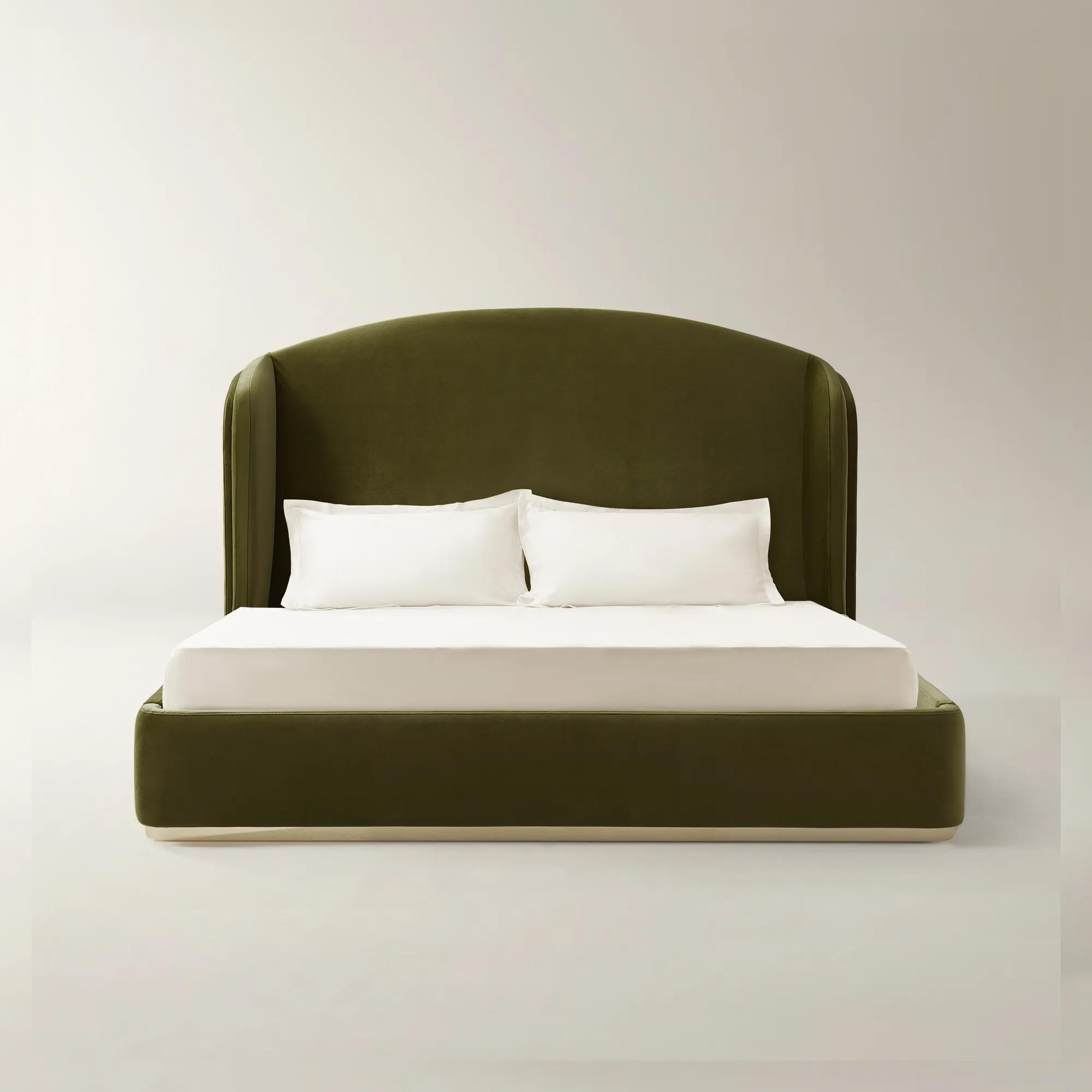
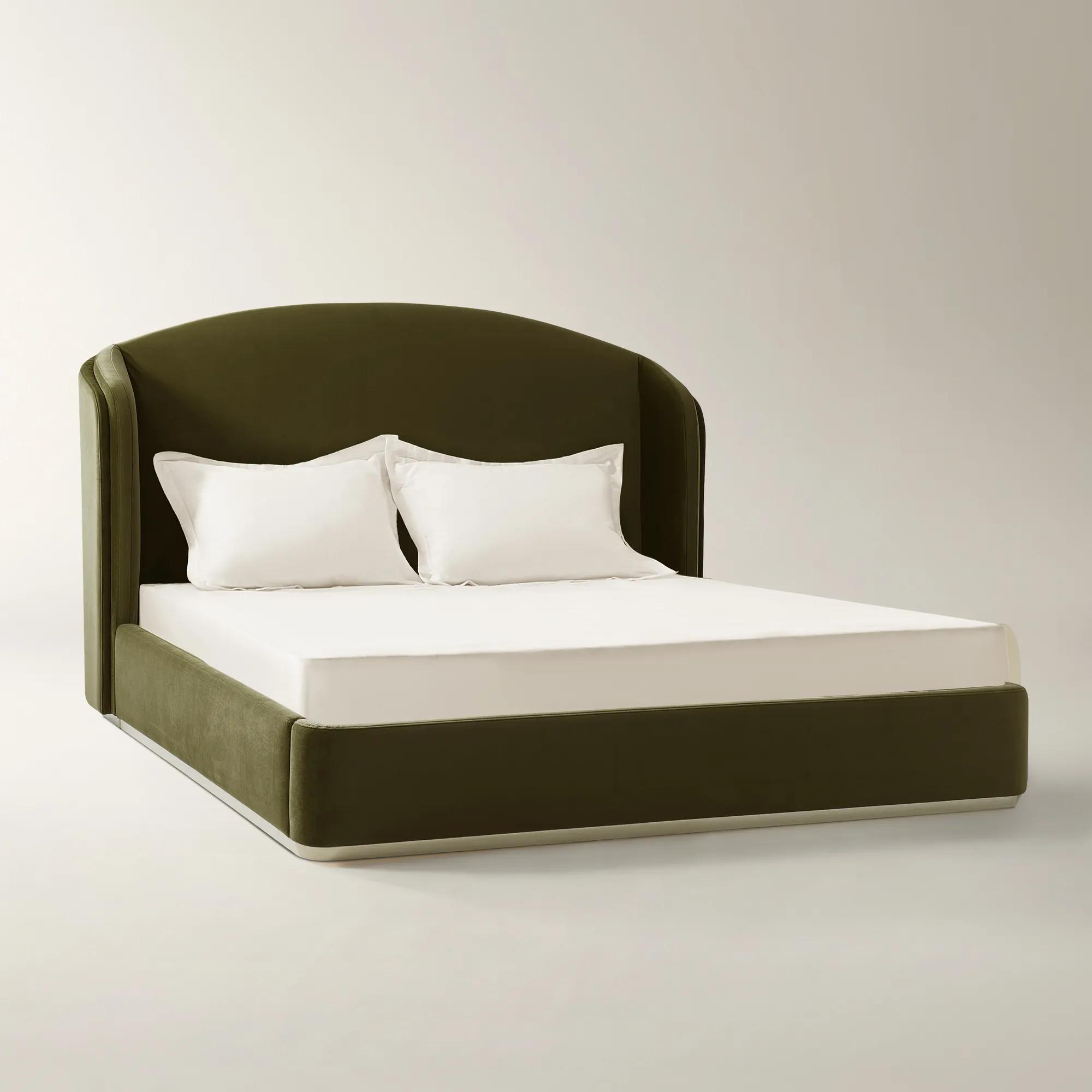 Glimmer Deep Olive Velvet Upholstered King Platform Bed$2299
A deep olive velvet platform bed featuring a sculpted headboard and gold-toned metallic base for modern elegance.
Add To Cart -
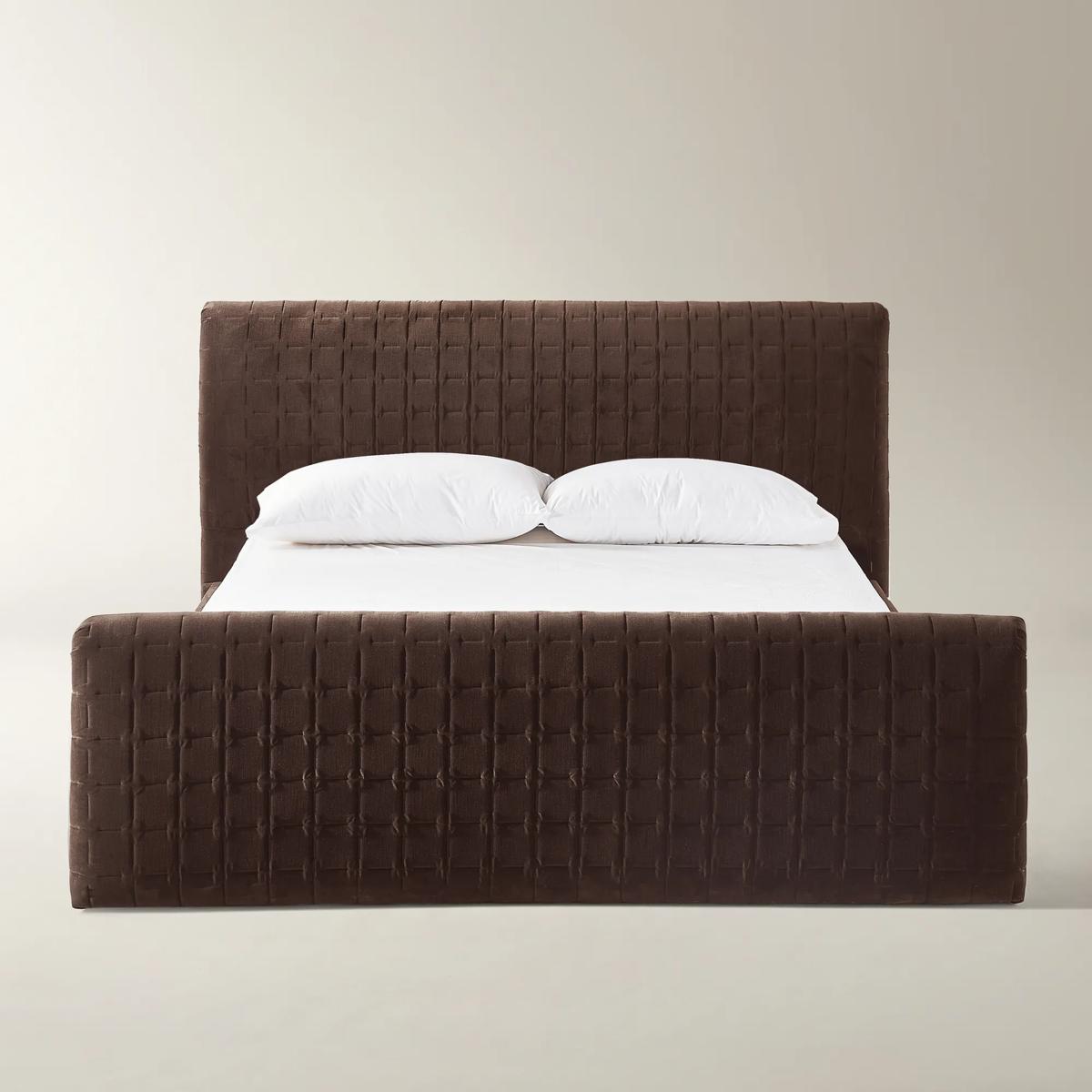
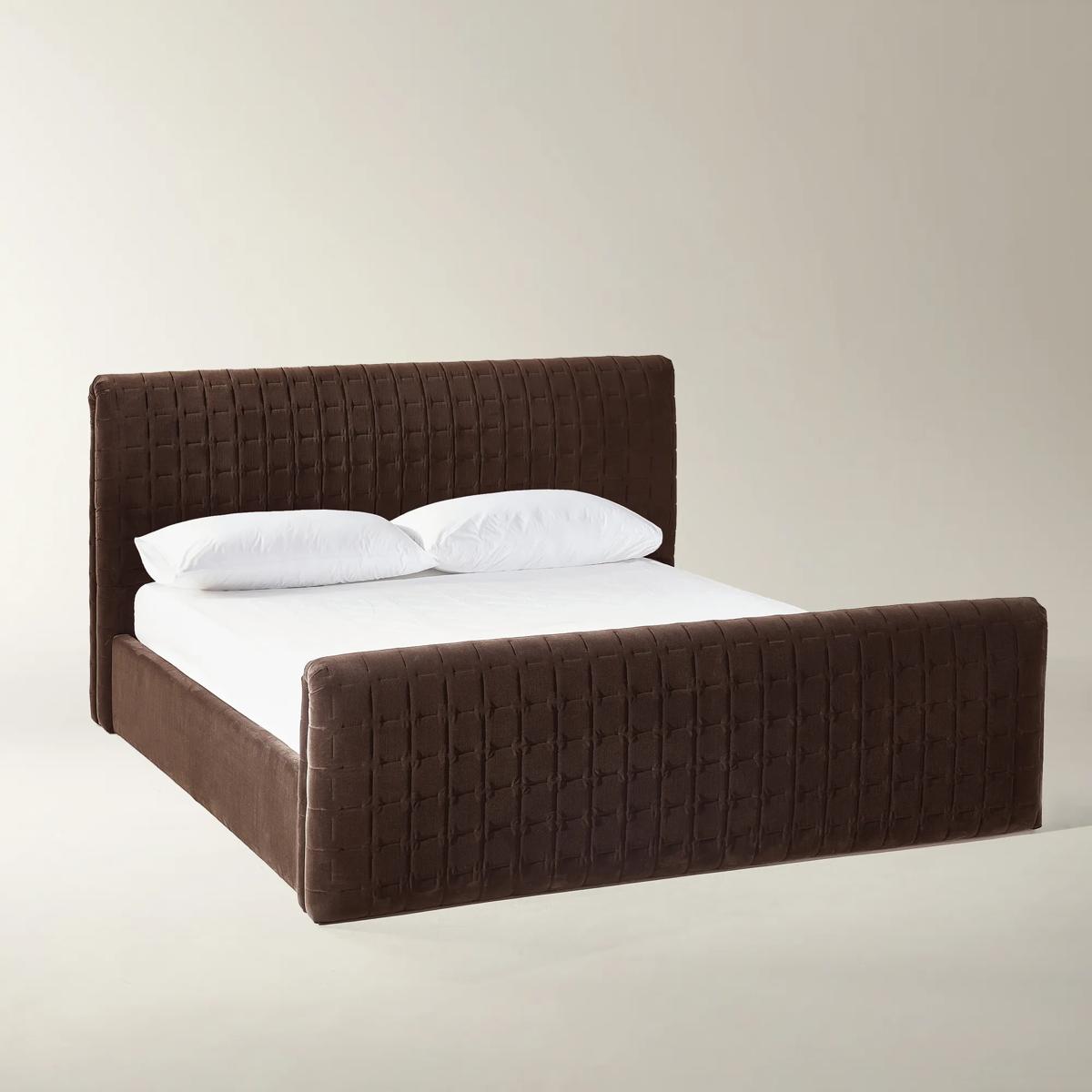 Vanta Burnt Umber Velvet Upholstered King Platform Bed$2499
A hand-tufted chocolate velvet bed with brushed stainless steel inlays for a plush, sculptural statement.
Add To Cart -
Vanta Burnt Umber Velvet Upholstered Queen Platform Bed$2299
A chocolate velvet bed with hand-tufted checker quilting and brushed stainless steel inlays for modern elegance.
Add To Cart -
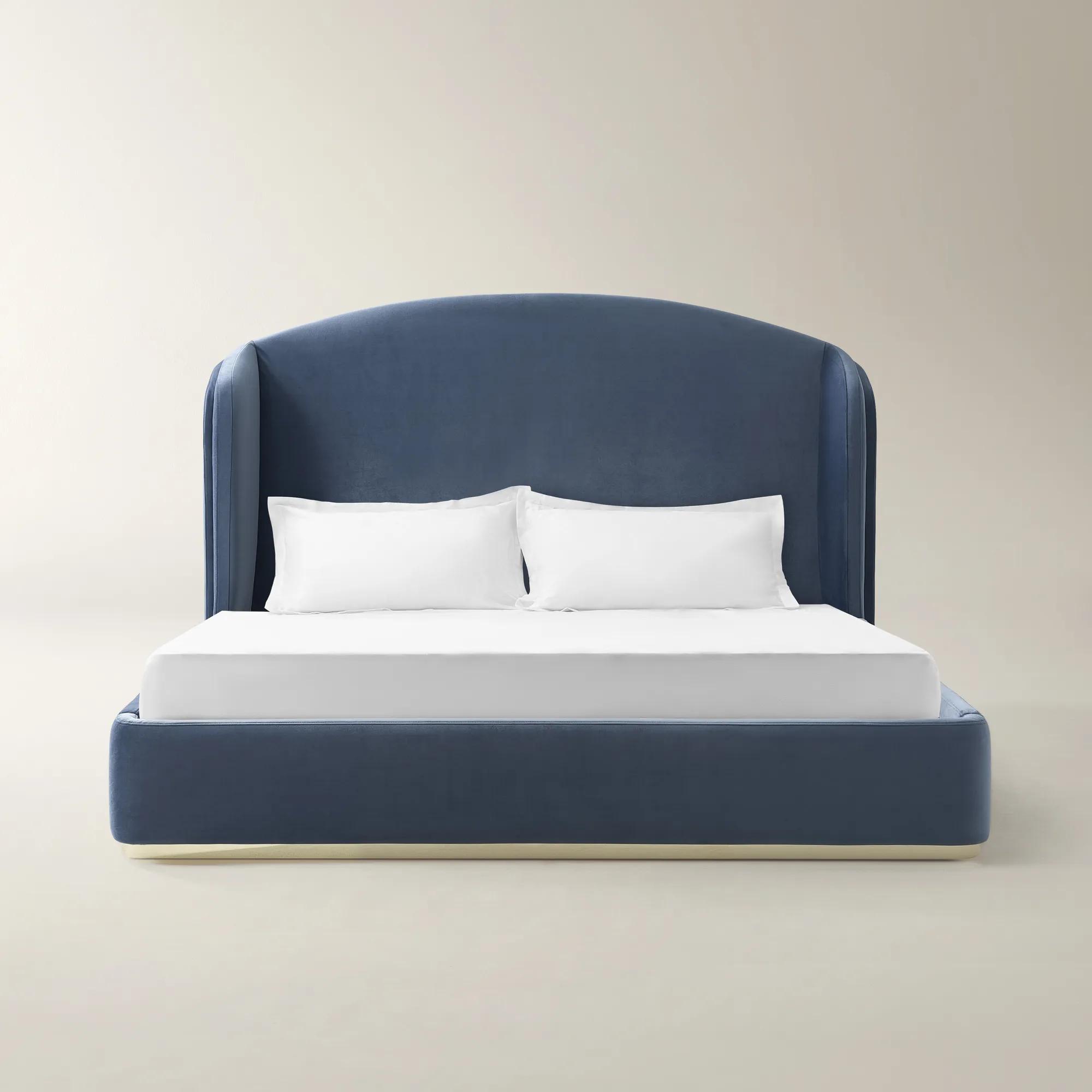
 Glimmer Dusty Blue Velvet Upholstered King Platform Bed$2299
A sculpted double-layer headboard and gold-finished base elevate this hand-upholstered dusty blue velvet bed.
Add To Cart -
Glimmer Deep Olive Velvet Upholstered Queen Platform Bed$2099
A deep olive velvet platform bed featuring a sculpted headboard and gold-toned metallic base for modern elegance.
Add To Cart -
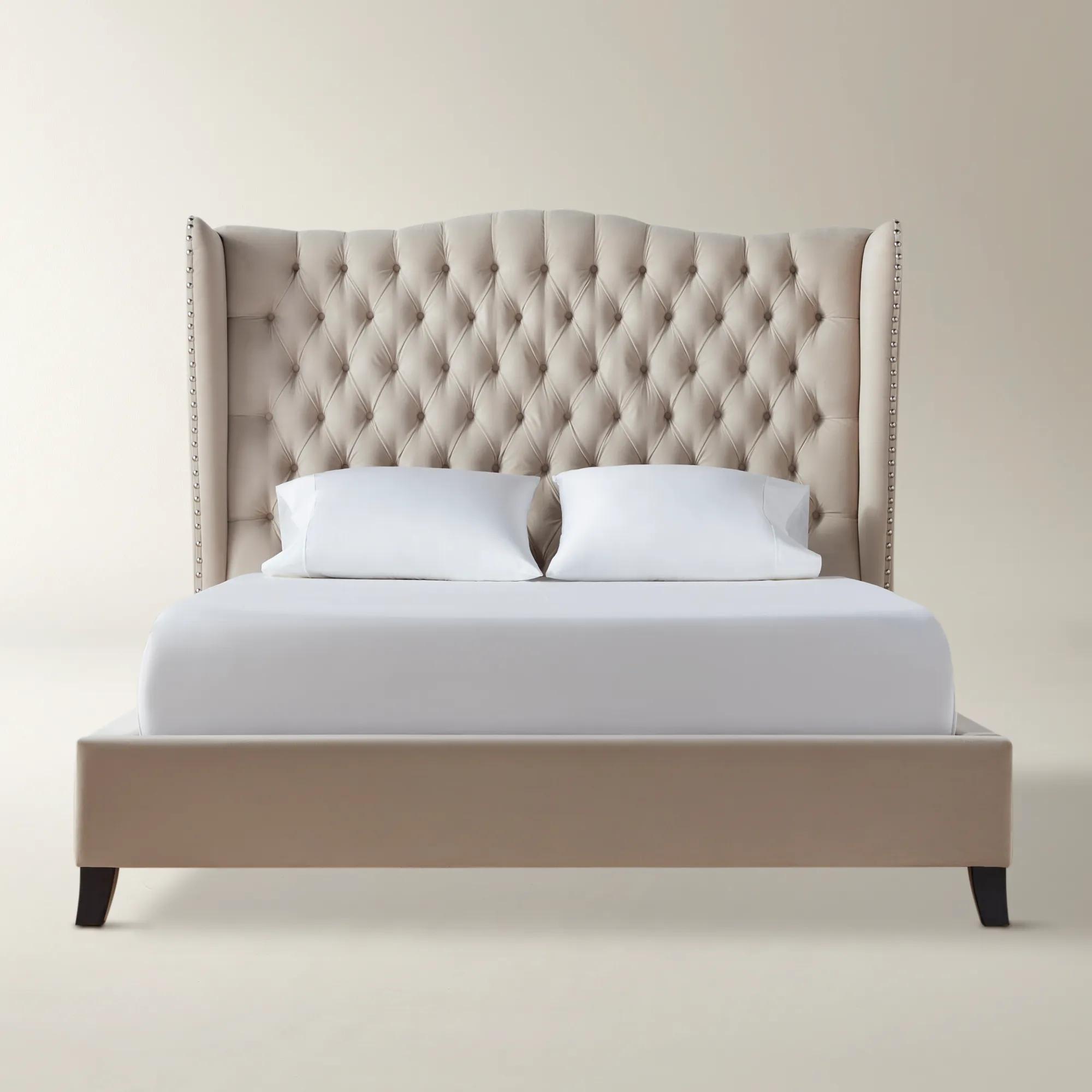
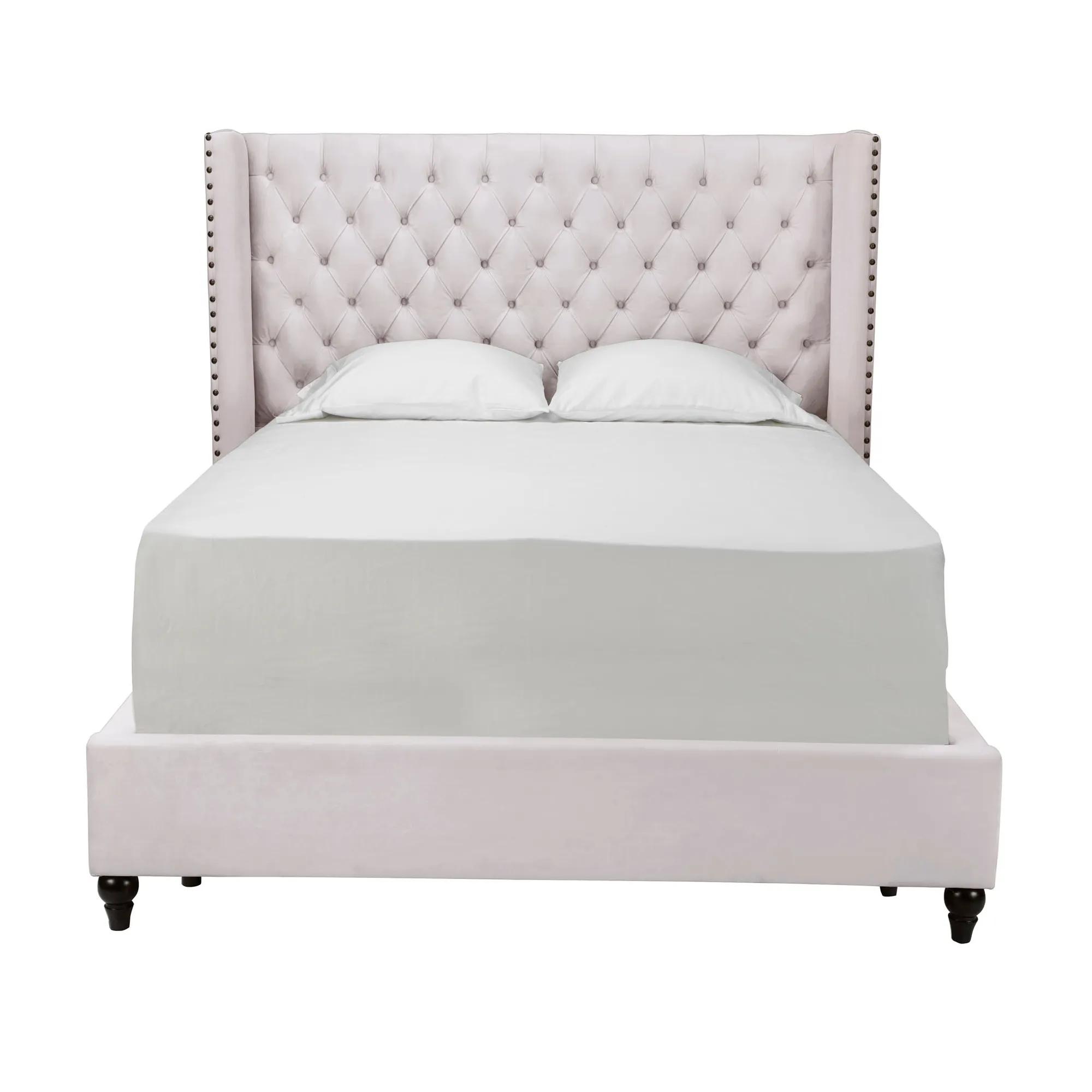
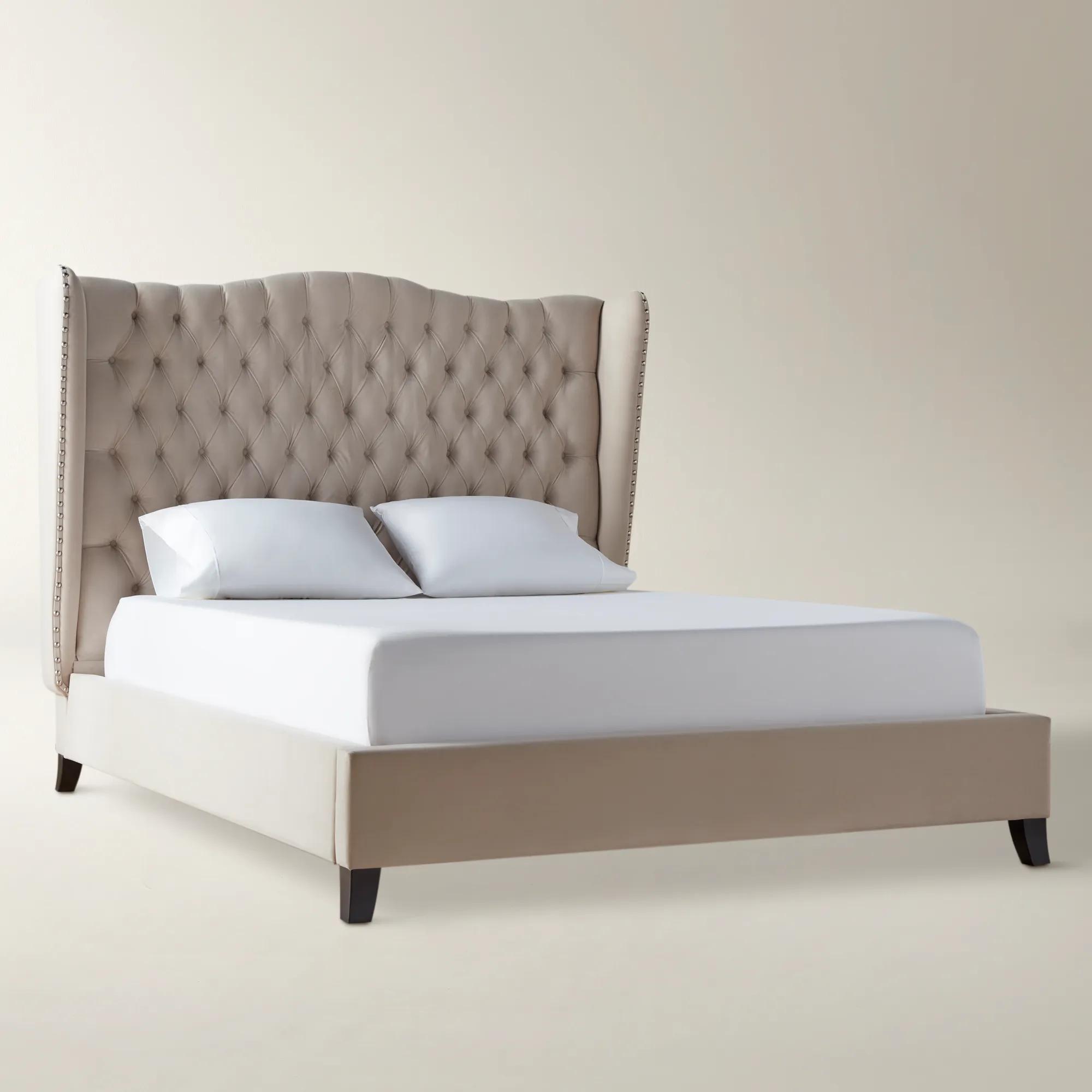 Jameson Bed$2249
A plush camelback bed in Bella Velvet Pearl, featuring hand-applied button tufting and brushed silver nailheads.
Add To Cart -
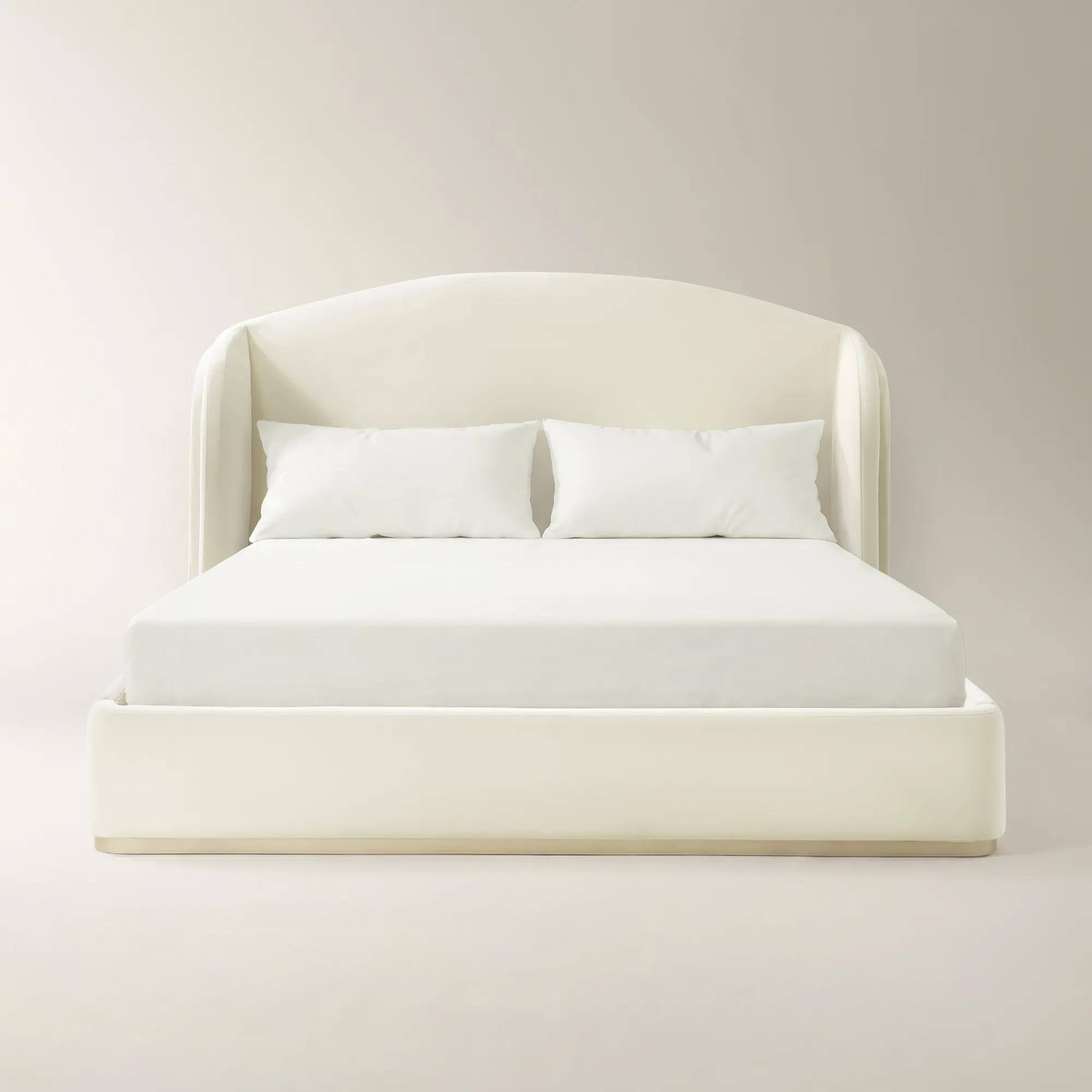 Glimmer Cloud Velvet Upholstered King Platform Bed$2299
A luxurious king platform bed featuring plush velvet upholstery, a sculpted headboard, and a gold metallic base.
Add To Cart -
Vanta Burnt Umber Velvet Upholstered California King Platform Bed$2499
A chocolate velvet bed with hand-tufted checker quilting and brushed stainless steel inlays for modern elegance.
Add To Cart -
Glimmer Dusty Blue Velvet Upholstered Queen Platform Bed$2099
A sculpted double-layer headboard and gold-finished base elevate this hand-upholstered dusty blue velvet bed.
Add To Cart -
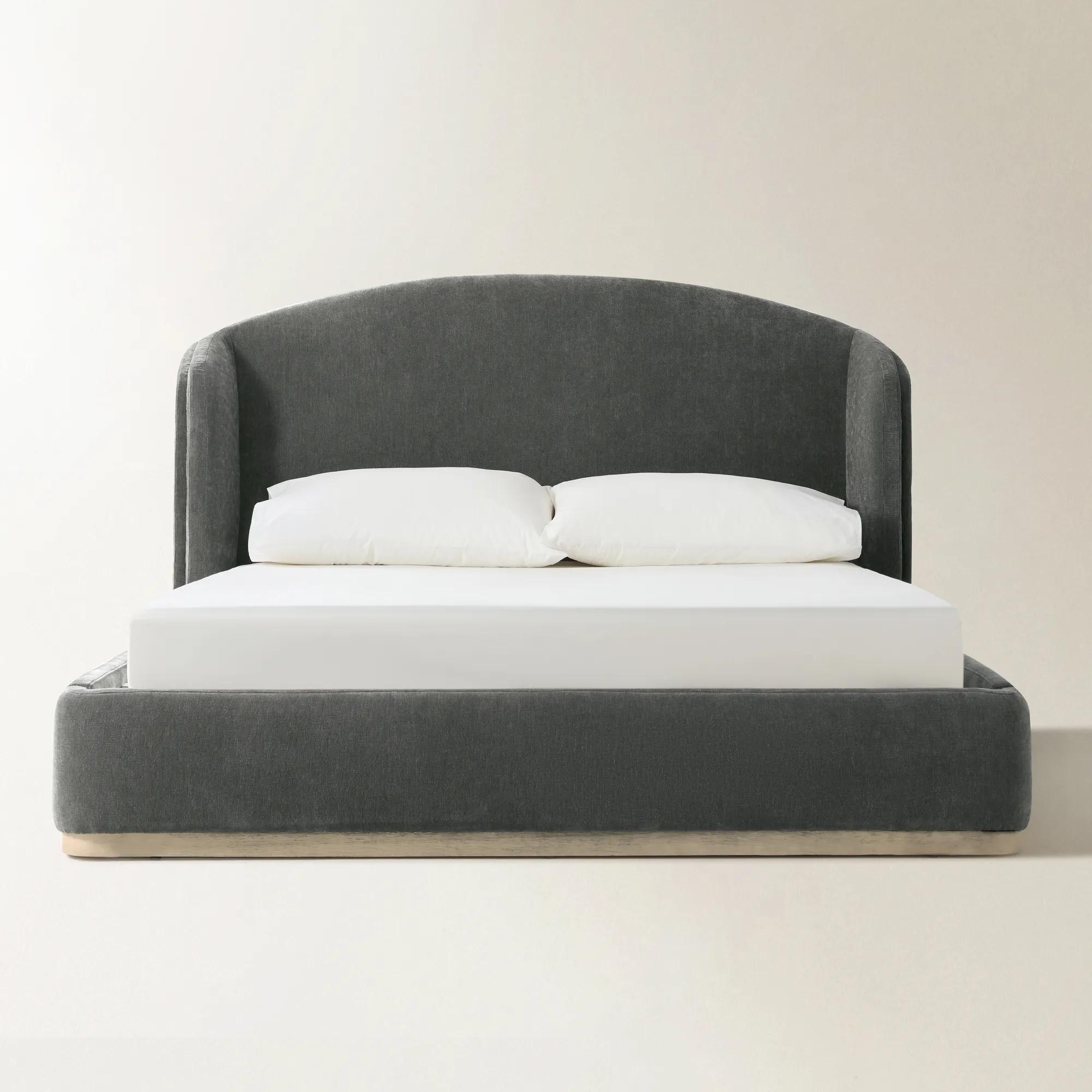 Glimmer Grey Performance Chenille Upholstered Queen Platform Bed$2099
A plush boucle-upholstered bed with a curved, double-layered headboard and sturdy solid rubberwood base.
Add To Cart -
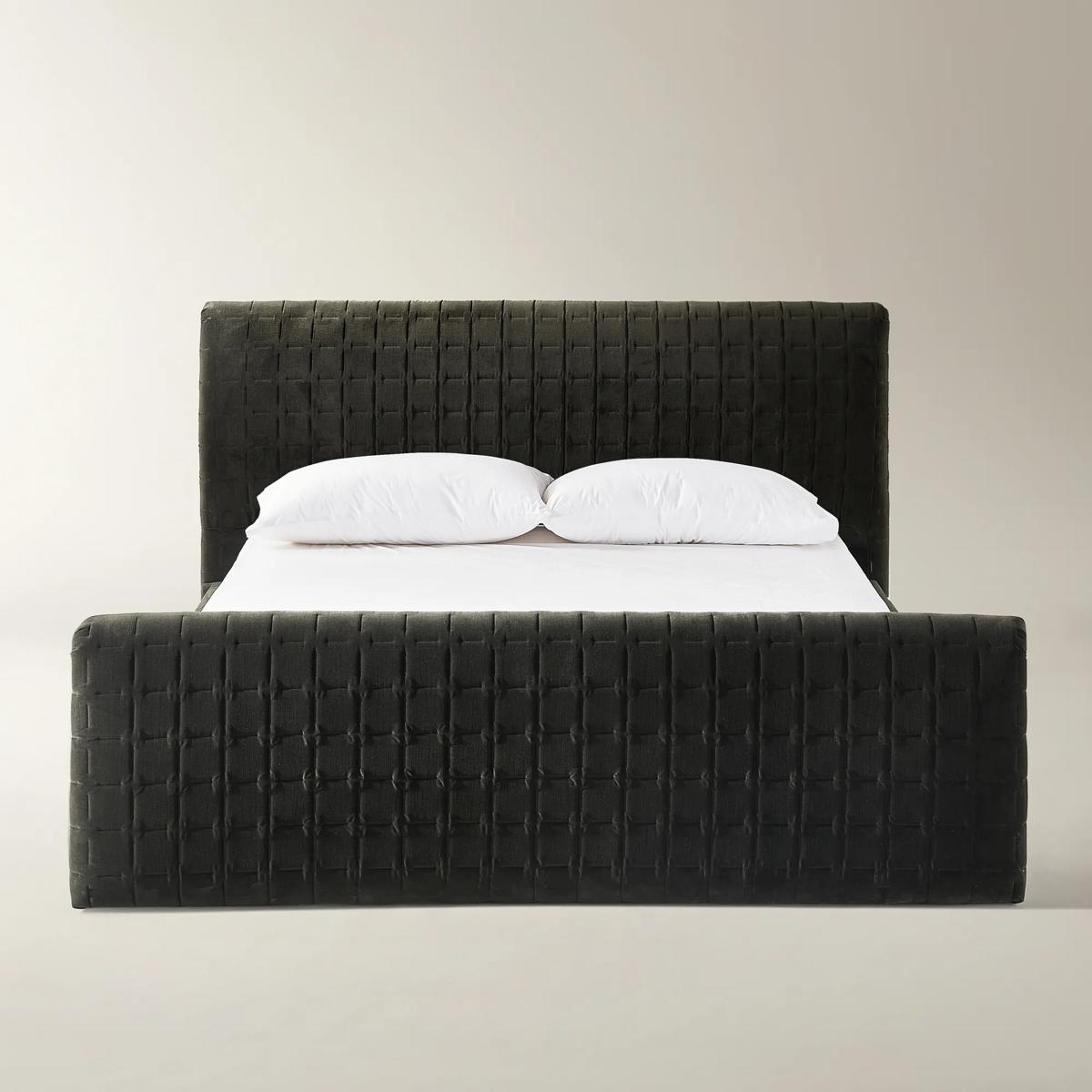 Vanta Charcoal Velvet Upholstered Queen Platform Bed$2299
A sculptural bed featuring charcoal velvet upholstery, three-dimensional checker quilting, and sleek stainless steel inlays.
Add To Cart

Beds For Plush Bedroom Decor
Beds for Plush Bedroom Decor invite you to indulge in the art of luxurious slumber. Imagine a sanctuary where every curve, texture, and silhouette is curated for maximum impact—a space where sumptuous fabrics and sculptural lines transform rest into a ritual of beauty. Here, the bed becomes more than a place to sleep; it’s the dramatic centerpiece that anchors your personal oasis, enveloping you in comfort while setting an unmistakably glamorous mood. Elevate your nights and awaken your senses with beds designed to inspire, captivate, and cocoon you in plush perfection.
Beds for plush bedroom decor bring together a softly upholstered frame, a padded headboard, and a silhouette that gives the room a generous, inviting presence. Velvet, chenille, bouclé, and textured woven fabrics each create a different expression of softness, from luminous and tailored to richly tactile. The effect begins with the bed itself: a broad headboard establishes a dramatic backdrop, while upholstered side rails carry the fabric around the mattress for a cohesive finish. Deep button tufting creates dimension through shadow and repetition; channel detailing introduces a more linear rhythm; smooth upholstery lets an arched or sculptural outline take the lead. These details influence more than appearance. A cushioned headboard can provide a comfortable surface for sitting upright with a book, provided its height and padding suit the mattress and the person using it. Velvet catches light across its pile, giving a pale neutral surprising depth or making a jewel tone feel saturated and expressive. Chenille offers a soft, textured surface, while bouclé adds the visual richness of looped yarns. Linen-blend upholstery tends to emphasize the weave, creating a quieter backdrop for glossy accents and generously layered bedding. Fabric composition matters as much as the name: blends, backing, finishes, and construction all affect how upholstery feels and wears. A performance designation should be evaluated by its stated properties rather than treated as a promise that every stain will disappear. In a primary bedroom, a plush upholstered bed can anchor an intimate space with the confidence of a substantial furniture piece. In a guest room, it makes the sleeping area feel considered and welcoming without requiring elaborate decoration. Ivory and taupe allow texture to become the focal point, while charcoal, sapphire, or other saturated hues give the bed a commanding presence. The most compelling choice is one whose fabric, proportions, and detailing support the room’s character, whether that means sweeping glamour or a restrained arrangement with one unmistakably expressive centerpiece.
Scale determines how gracefully a plush bed belongs in the room. Standard queen mattresses measure 60 by 80 inches, and standard king mattresses measure 76 by 80 inches, but an upholstered frame extends beyond those dimensions. Thick side rails, a winged headboard, or a padded footboard can add considerable width and length, so the bed’s full exterior measurements are more useful for planning than the mattress size alone. A queen can leave room for substantial nightstands and comfortable circulation, while a king creates a broader focal point when the space can accommodate it. Twin and full sizes can bring the same upholstered richness to smaller bedrooms without allowing the frame to overwhelm the floor plan. In a compact room, a low footboard preserves a more open sight line; in a room with generous ceiling height, a taller headboard can give the bed appropriate architectural weight. Clearance around dresser drawers, closet doors, and bedroom entryways matters, as does the delivery route through hallways and stair turns. Mattress height also changes the finished composition. A deep mattress and thick topper may conceal the lower portion of a tufted headboard, while a lower mattress can expose more of its detailing. Beyond the upholstery, lasting support depends on the frame, joinery, hardware, and mattress foundation. Wood, engineered wood, and metal components may be used individually or together, and their suitability depends on the complete construction rather than material alone. Secure connections, appropriate center support, and a slat system designed for the intended mattress help maintain a stable sleeping surface. Platform beds may support a mattress without a box spring, but the bed’s specifications and the mattress manufacturer’s requirements should determine the setup, including allowable slat spacing. Compatibility with an adjustable base also needs confirmation. For everyday use, plushness should come from the visible upholstery and padding without replacing the structural support that makes a bed dependable. Clearly stated weight limits and assembly requirements are essential parts of evaluating that balance.
A plush bed sets the tone for the textiles and furnishings around it, but a richly layered bedroom does not require every surface to compete for attention. Against velvet upholstery, crisp cotton sheets and a softly quilted coverlet create a contrast that feels deliberate rather than crowded. A textured woven headboard can support a more lustrous duvet or a restrained arrangement of decorative pillows. Euro shams add height, while a single lumbar pillow can introduce pattern without hiding the headboard’s most distinctive details. Leaving some upholstery visible preserves the bed’s sculptural impact. An area rug that extends beyond the sides of the frame adds softness underfoot and visually connects the bed to nearby furnishings; its dimensions should account for the room’s layout and the placement of nightstands. Mirrored surfaces, metallic accents, and sculptural lighting can bring brightness to a fabric-rich setting, particularly when their finishes repeat a detail elsewhere in the room. Complementary Plush Bedroom Furniture can extend that sense of softness and proportion beyond the bed, creating an arrangement that feels expressive yet composed. Maintaining the upholstered centerpiece begins with its care label. Where permitted, gentle vacuuming with an upholstery attachment helps remove dust from seams, tufting, and fabric surfaces. Spills are generally best addressed promptly by blotting rather than rubbing, with cleaning products and methods chosen according to the upholstery instructions. Water, solvents, and steam are not interchangeable treatments, and an inconspicuous spot test is appropriate when the care directions allow a cleaning solution. Velvet’s pile may show changes in direction or pressure marks; bouclé’s loops can be vulnerable to snagging, making fabric selection especially relevant in homes with pets. Direct sunlight may affect color over time, so placement and window treatments deserve attention. With suitable care, correctly assembled support, and textiles chosen for daily use, a plush bed offers more than a dramatic first impression: it gives the bedroom a tactile, enduring focal point around which the rest of the space can unfold.
FAQs
Plush beds often feature rich materials such as velvet, chenille, linen blends, or soft woven fabrics. Headboards and frames may be generously padded with high-density foam for an inviting, cloud-like effect. Details like deep tufting, channel stitching, and gleaming metallic accents further enhance the sense of luxury and tactile delight.
A plush bed serves as a dramatic focal point, instantly amplifying the sense of comfort and sophistication in any bedroom. The tactile richness and sculptural presence invite relaxation and self-indulgence, while the visual impact sets the stage for expressive décor, layered textiles, and statement lighting. The result is a space that feels curated, glamorous, and deeply personal.
A plush bed makes a memorable gift for newlyweds setting up their first home, style-savvy friends celebrating a milestone, or loved ones seeking to refresh their personal sanctuary. It’s an especially meaningful gesture for anyone who values artistry, comfort, and the transformative power of beautiful interiors.
Pair plush beds with luxe bedding, statement throws, and an array of decorative pillows for maximum impact. Mirrored nightstands, metallic lamps, and textured rugs complement the softness of the bed, while bold artwork and dramatic drapery complete the look. The interplay of sheen, color, and texture creates a bedroom that feels both inviting and editorial.
During colder months, plush beds offer an irresistible retreat with their enveloping upholstery and tactile warmth. Layering with cozy blankets and faux fur accents enhances the cocooning effect, turning the bedroom into a haven of relaxation and style—a place to linger with a book or enjoy a slow morning as winter unfolds outside.