Beds For Family Homes
Beds For Family Homes
-
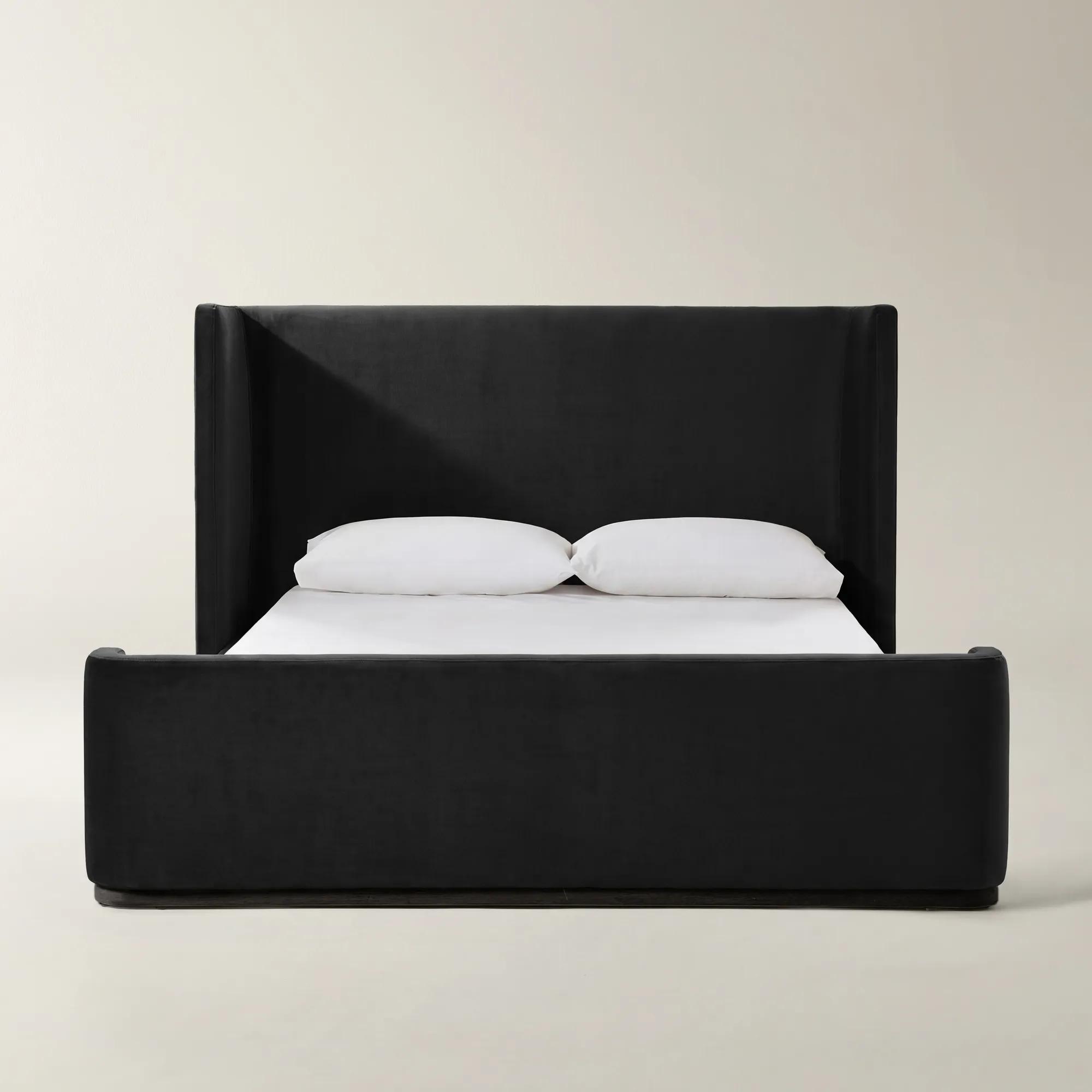
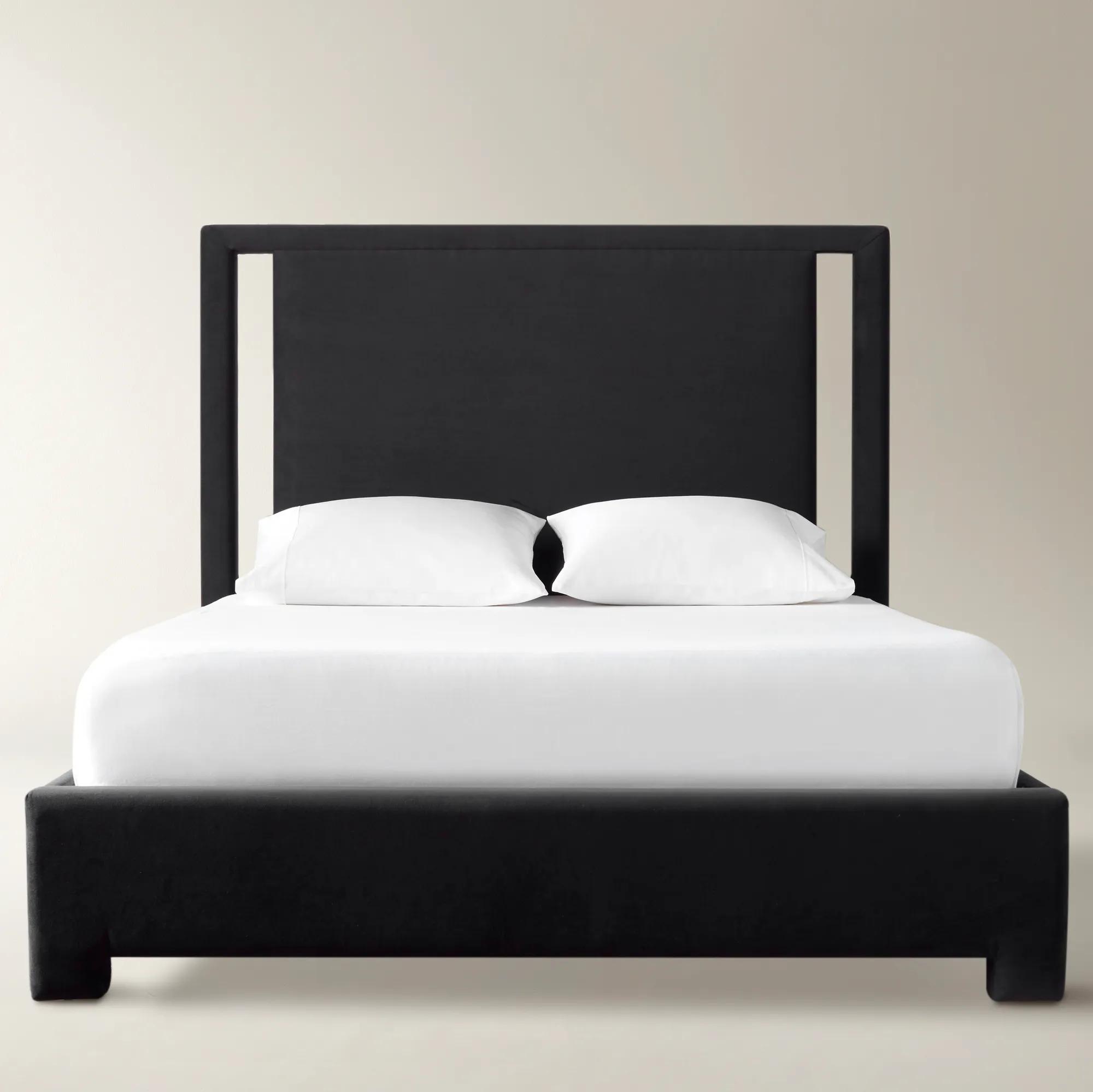
 Stria Charcoal Velvet Upholstered King Platform Bed$2499
A charcoal velvet platform bed with a sculptural wingback headboard and FSC-certified solid oak base.
Add To Cart -
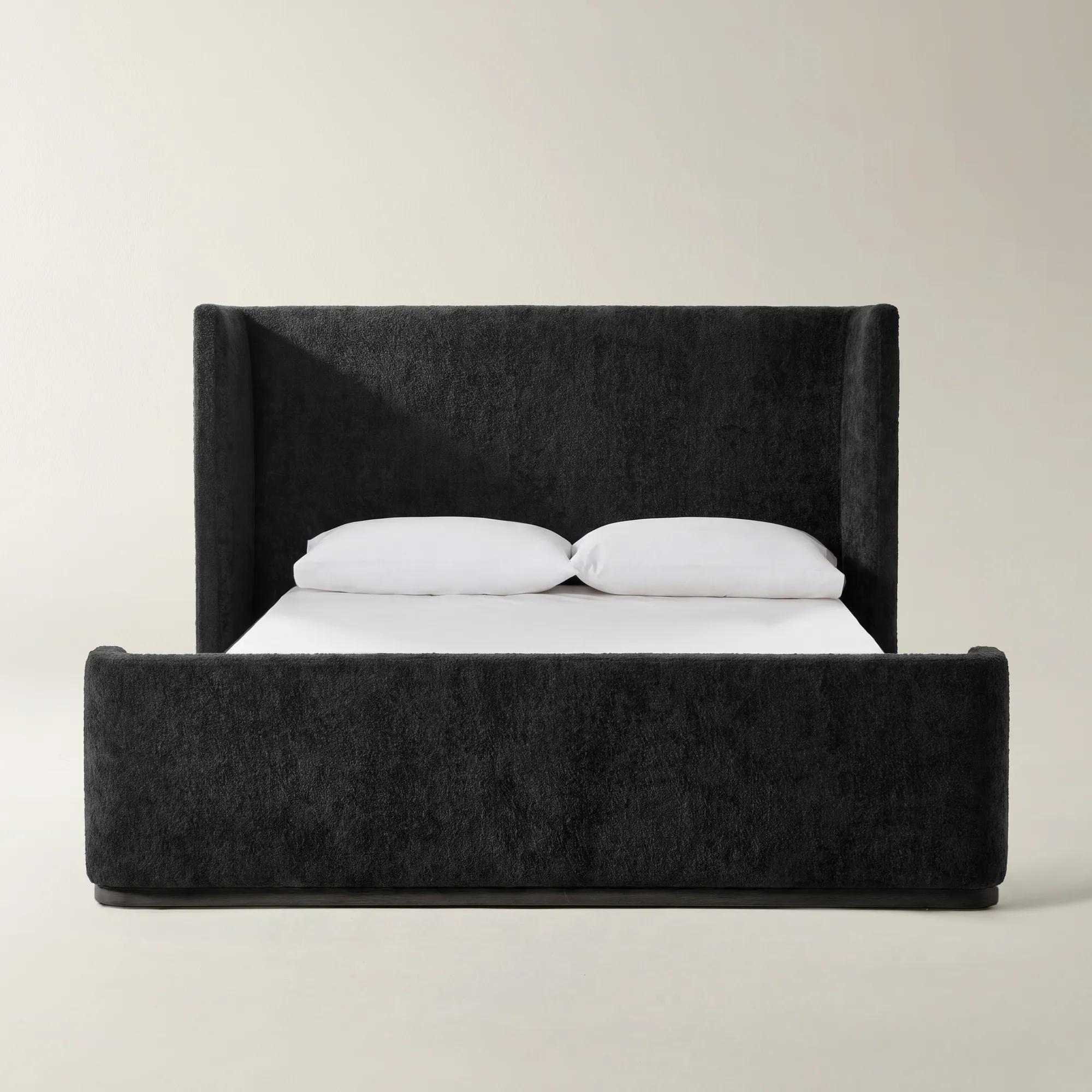 Stria Black Chenille Upholstered Queen Platform Bed$2299
A black chenille upholstered platform bed with a sculptural wingback headboard and FSC-certified oak base.
Add To Cart -
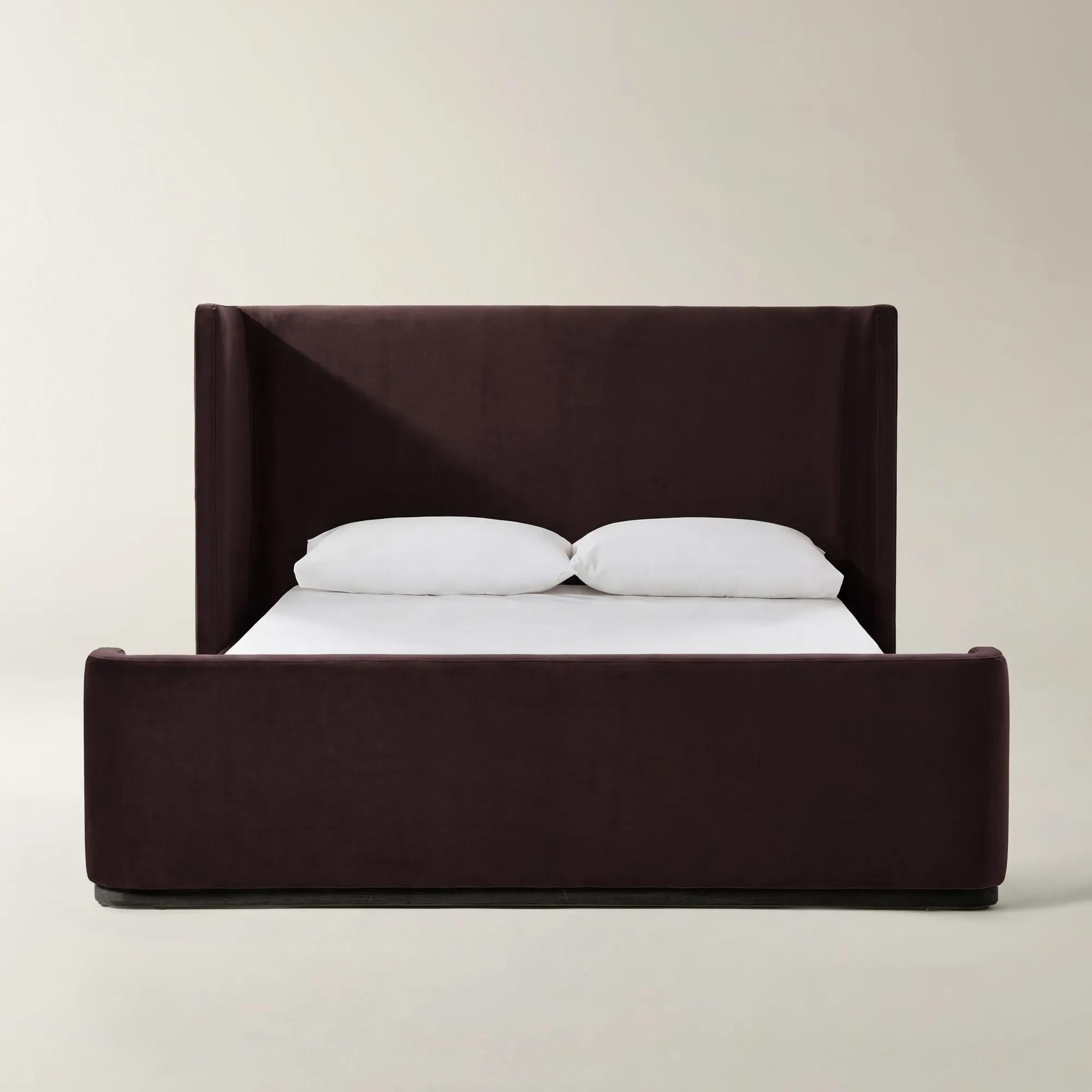 Stria Fig Velvet Upholstered Queen Platform Bed$2299
A red velvet platform bed with a tall wingback headboard and FSC-certified solid oak base.
Add To Cart -
Stria Fig Velvet Upholstered King Platform Bed$2499
A red velvet platform bed with a tall wingback headboard and FSC-certified oak base.
Add To Cart -
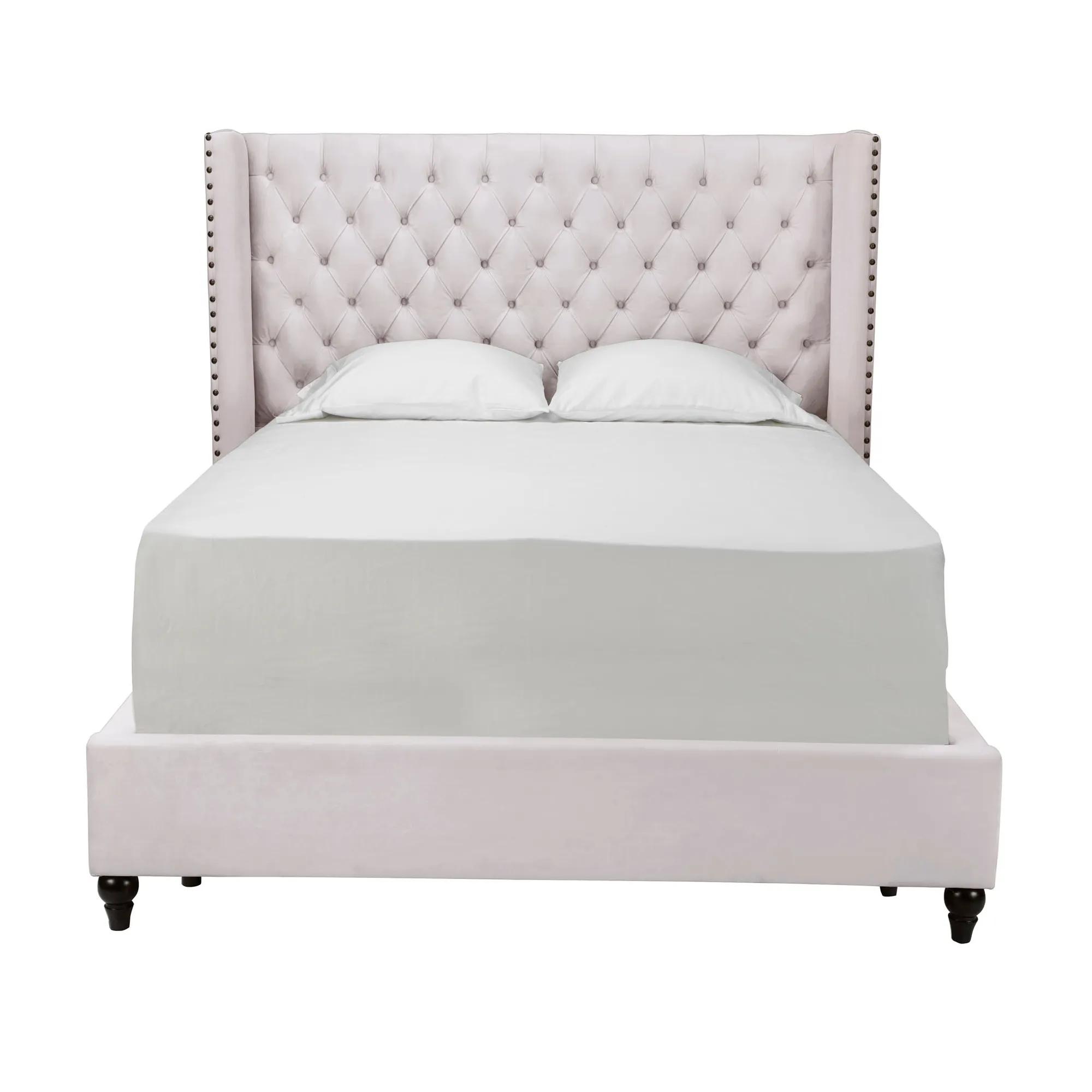
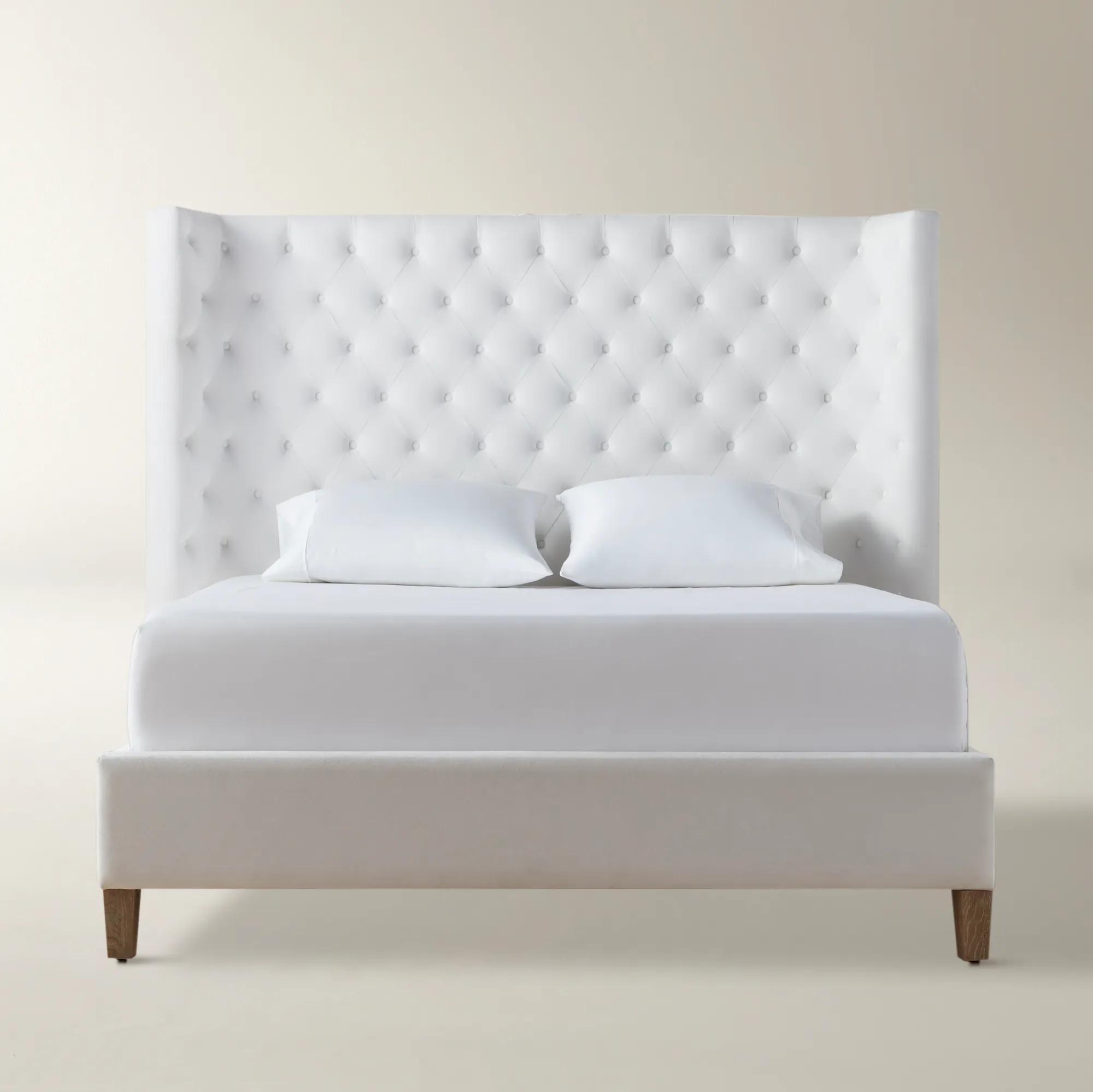
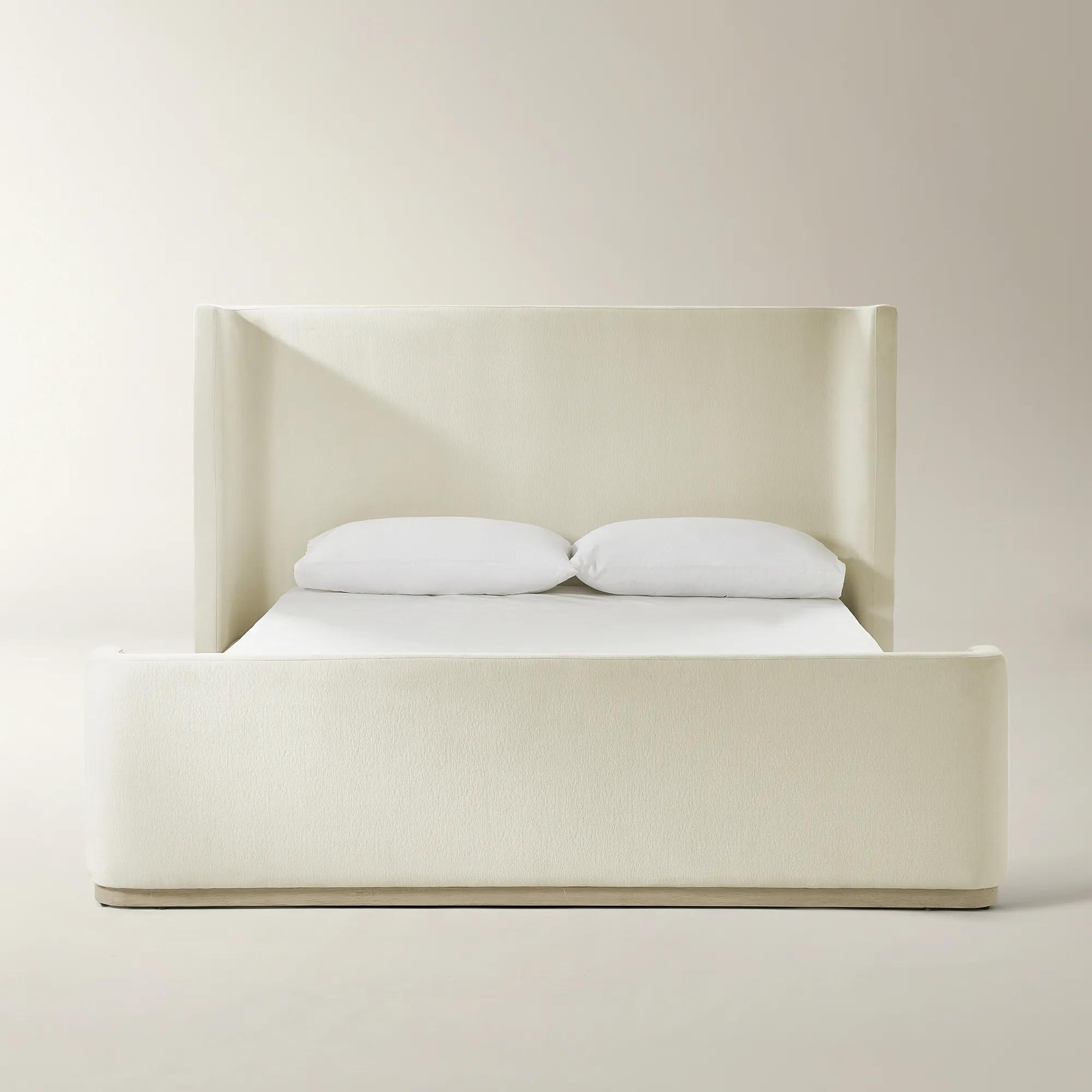 Stria Cloud Velvet Upholstered King Platform Bed$2499
A white velvet platform bed with a tall wingback headboard and FSC-certified solid oak base.
Add To Cart -
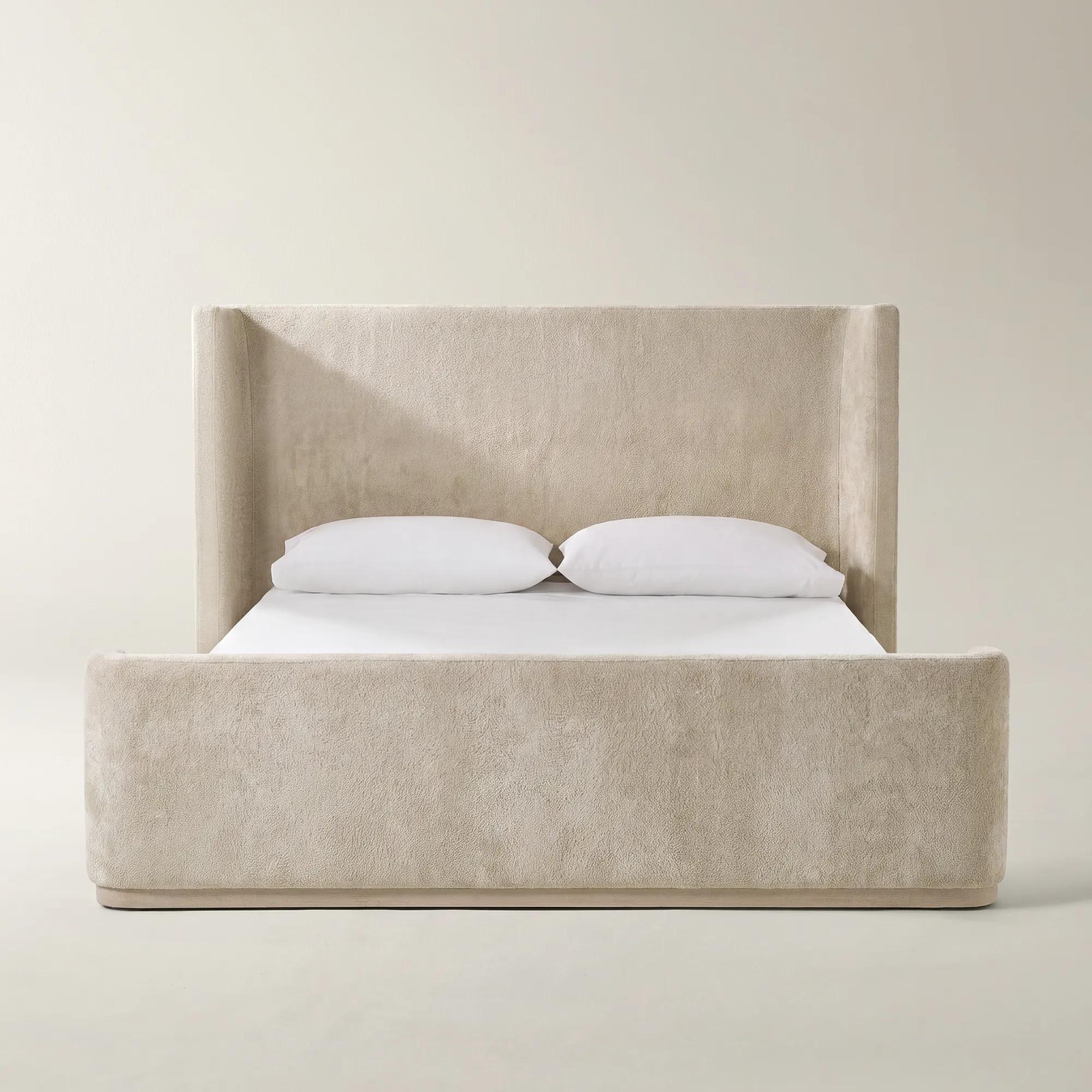 Stria Light Brown Chenille Upholstered Queen Platform Bed$2299
A queen platform bed with brown chenille upholstery, a wingback headboard, and an FSC-certified oak base.
Add To Cart -
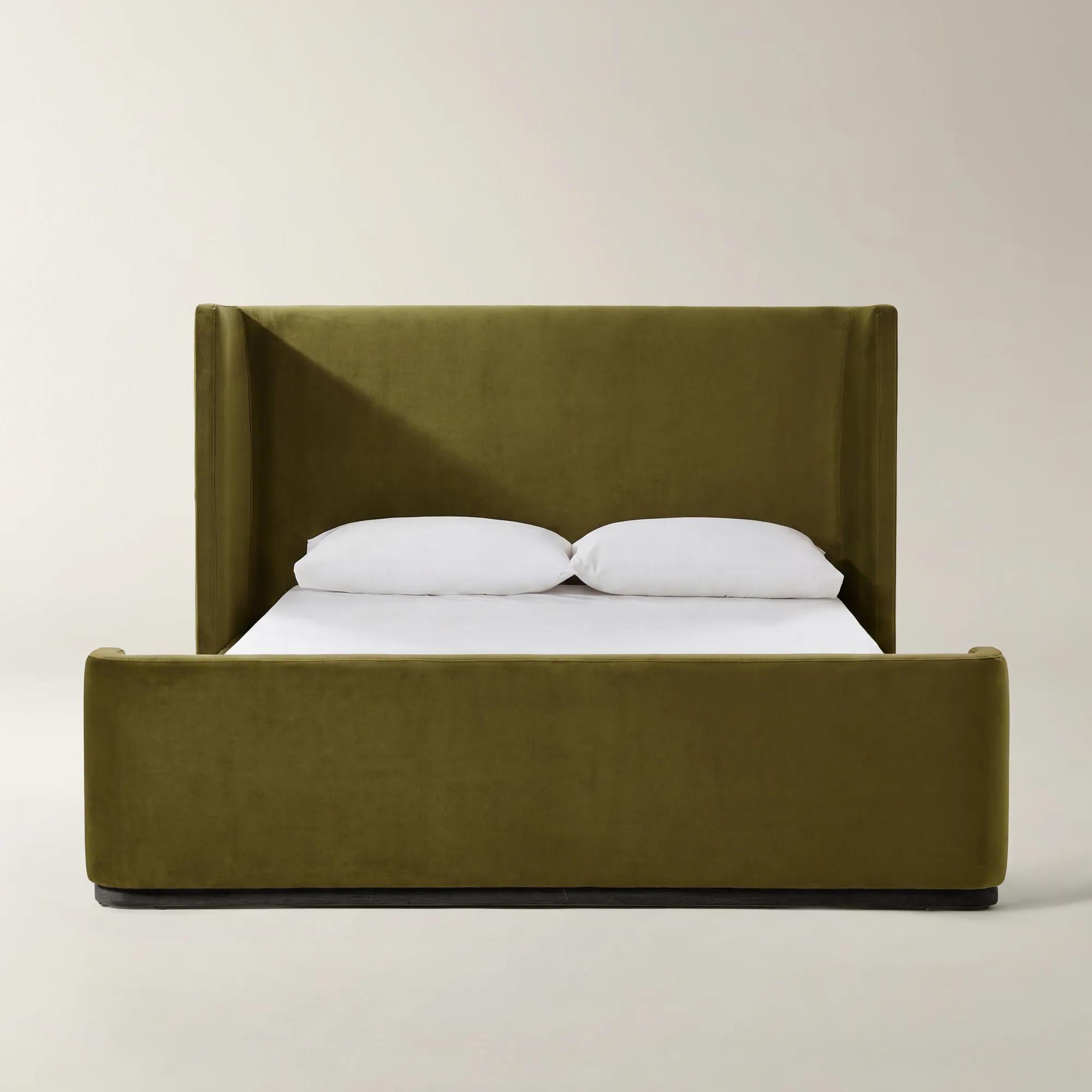
 Stria Deep Olive Velvet Upholstered King Platform Bed$2499
A green velvet platform bed featuring a tall wingback headboard, FSC-certified oak base, and supportive slat construction.
Add To Cart -
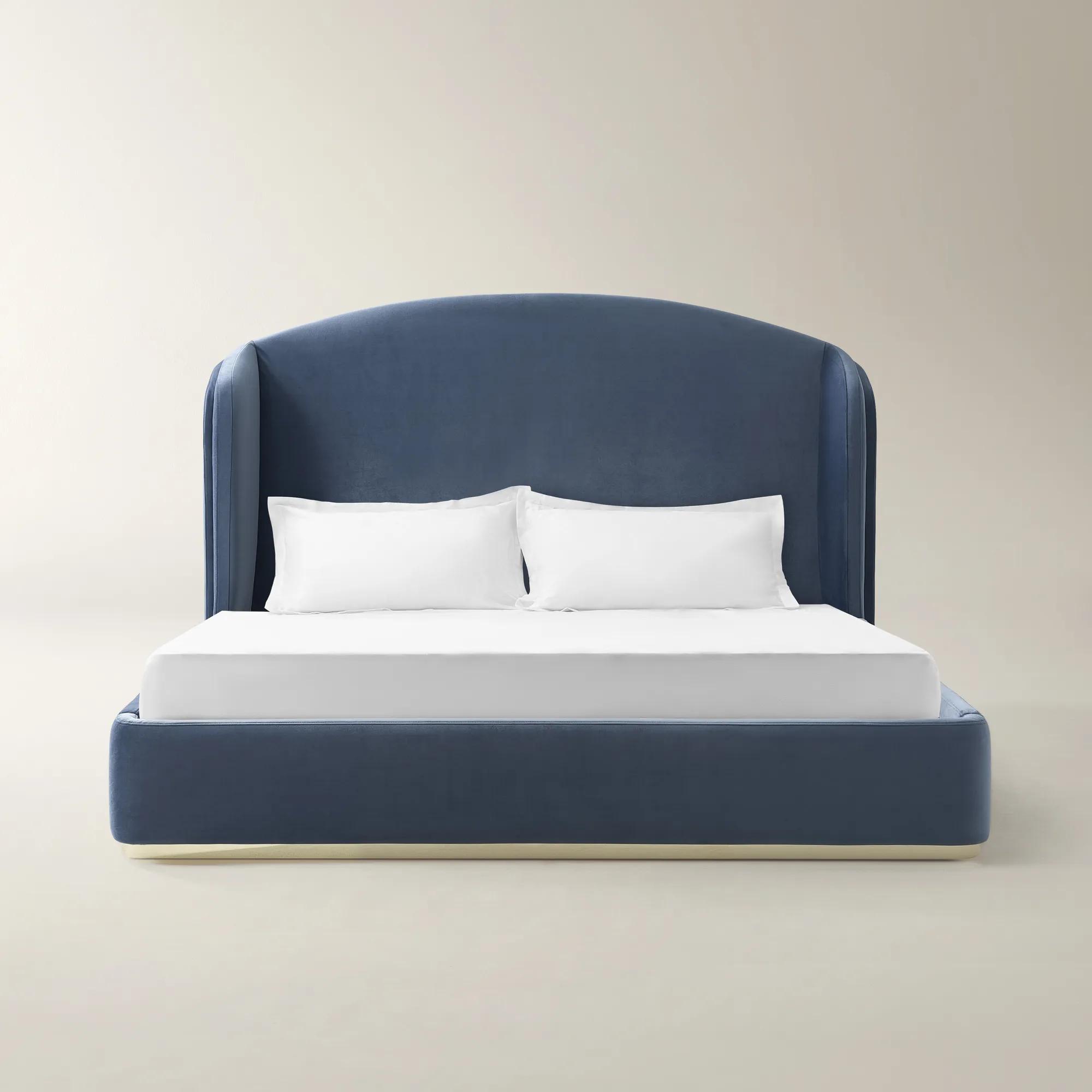
 Glimmer Dusty Blue Velvet Upholstered King Platform Bed$2299
A blue velvet platform bed with a sculpted double-layer headboard and sleek gold-finished metal base.
Add To Cart -
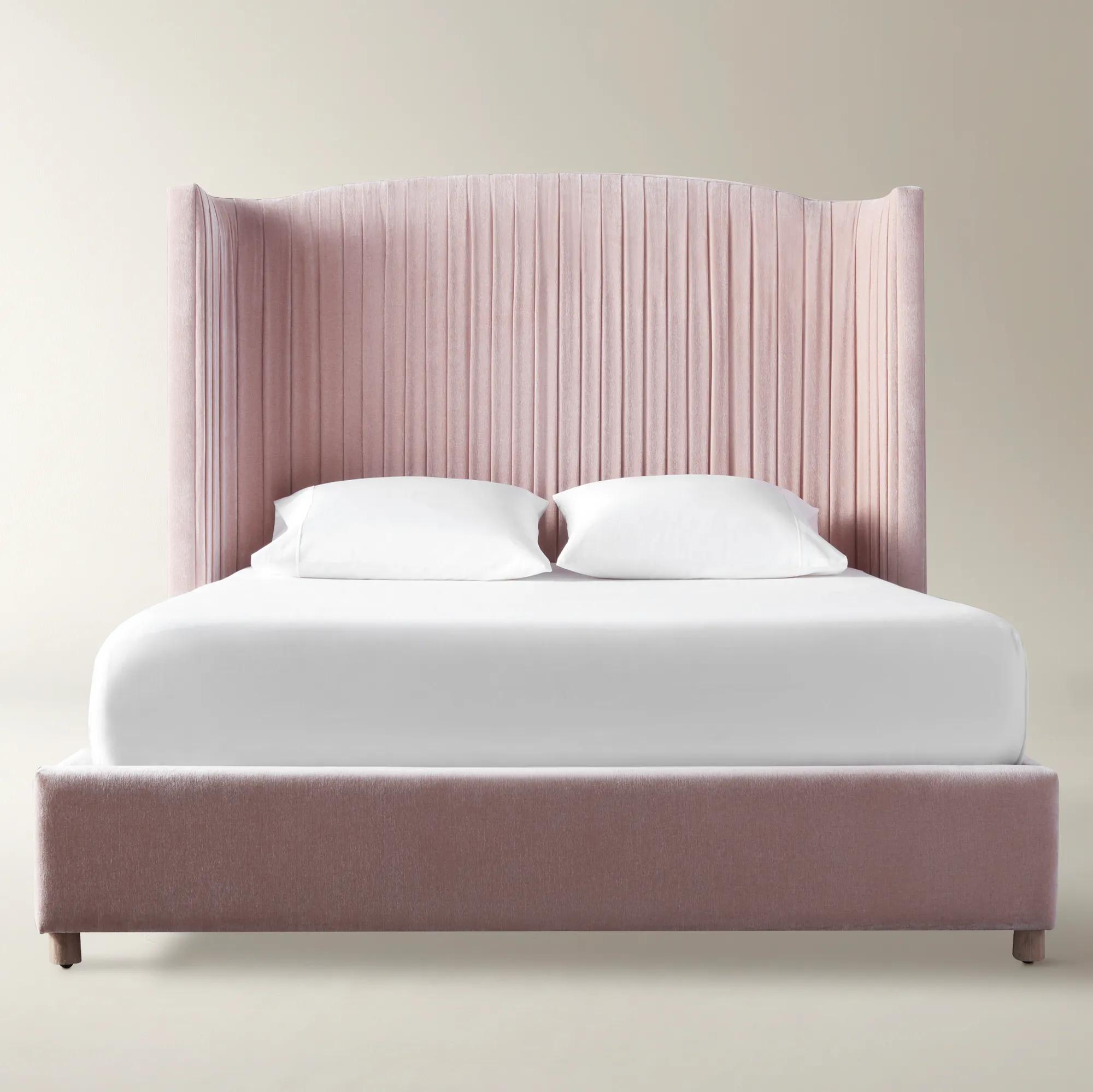
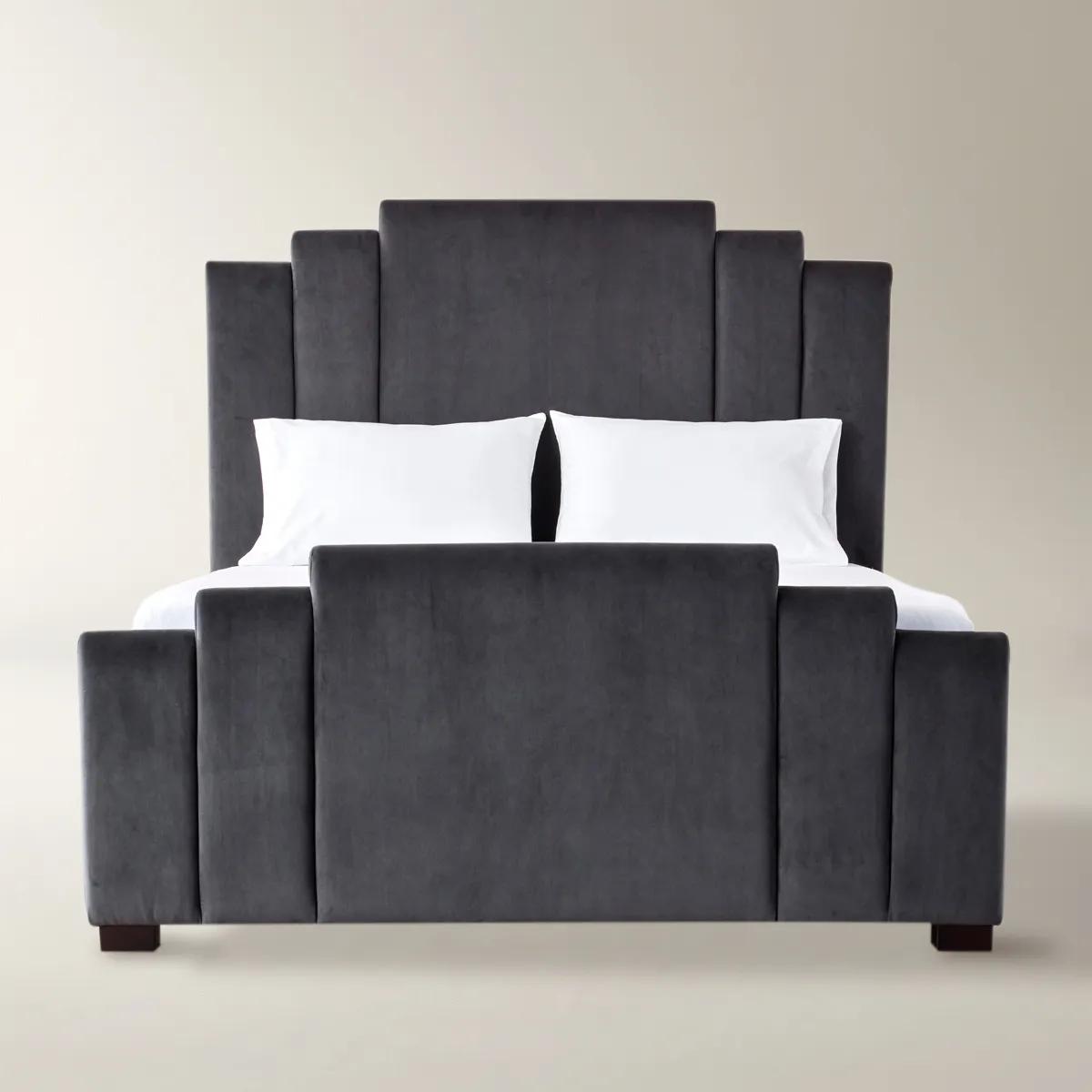 Marlow Bed$2549
A dramatic bed handcrafted from kiln-dried hardwood and plush gunmetal velvet with dimensional channel detailing.
Add To Cart -
Stria Deep Olive Velvet Upholstered Queen Platform Bed$2299
A green velvet platform bed with a tall wingback headboard, FSC-certified oak base, and supportive slatted construction.
Add To Cart -
Stria Charcoal Velvet Upholstered Queen Platform Bed$2299
A charcoal velvet platform bed with a tall wingback headboard and FSC-certified oak base.
Add To Cart -
Stria Cloud Velvet Upholstered Queen Platform Bed$2299
A white velvet platform bed with a tall wingback headboard and FSC-certified oak base.
Add To Cart -
Stria Black Chenille Upholstered King Platform Bed$2499
A black chenille platform bed with a tall wingback headboard and FSC-certified solid oak base.
Add To Cart -
Stria Light Brown Chenille Upholstered King Platform Bed$2499
A brown chenille platform bed with a tall wingback headboard and FSC-certified solid oak base.
Add To Cart -
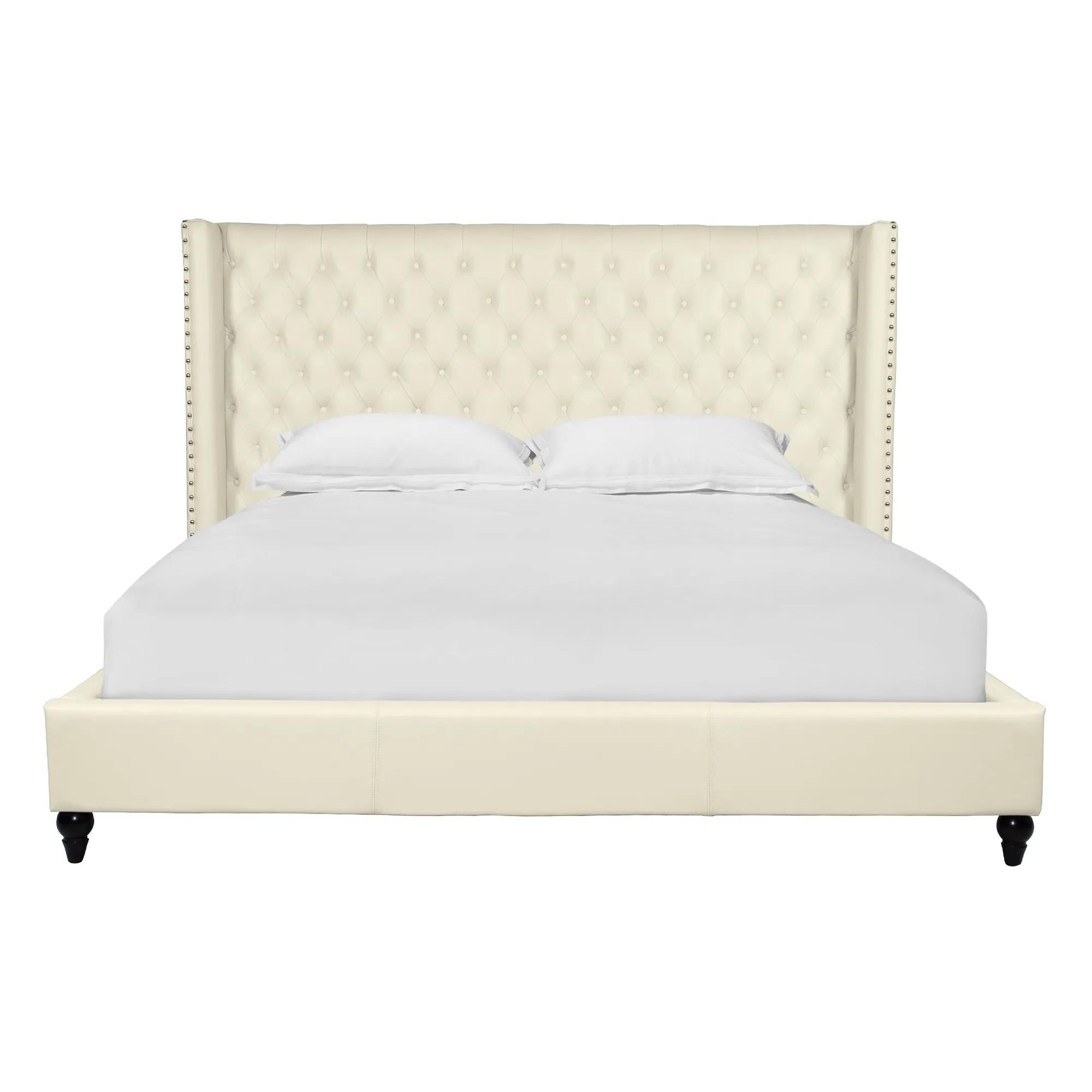
Stria Ivory Performance Chenille Upholstered King Platform Bed$2499
A white chenille platform bed with a tall wingback headboard and FSC-certified solid oak base.
Add To Cart -
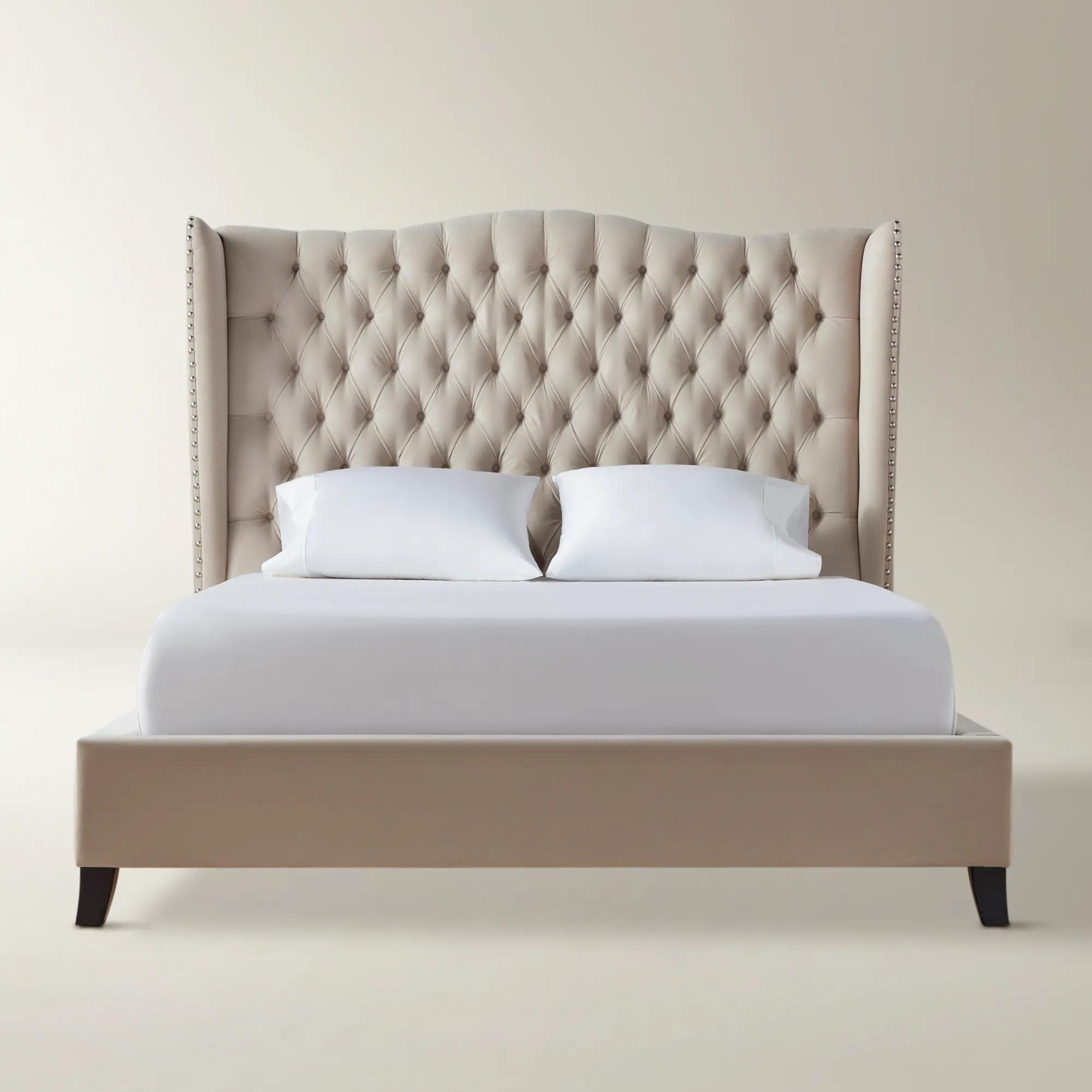
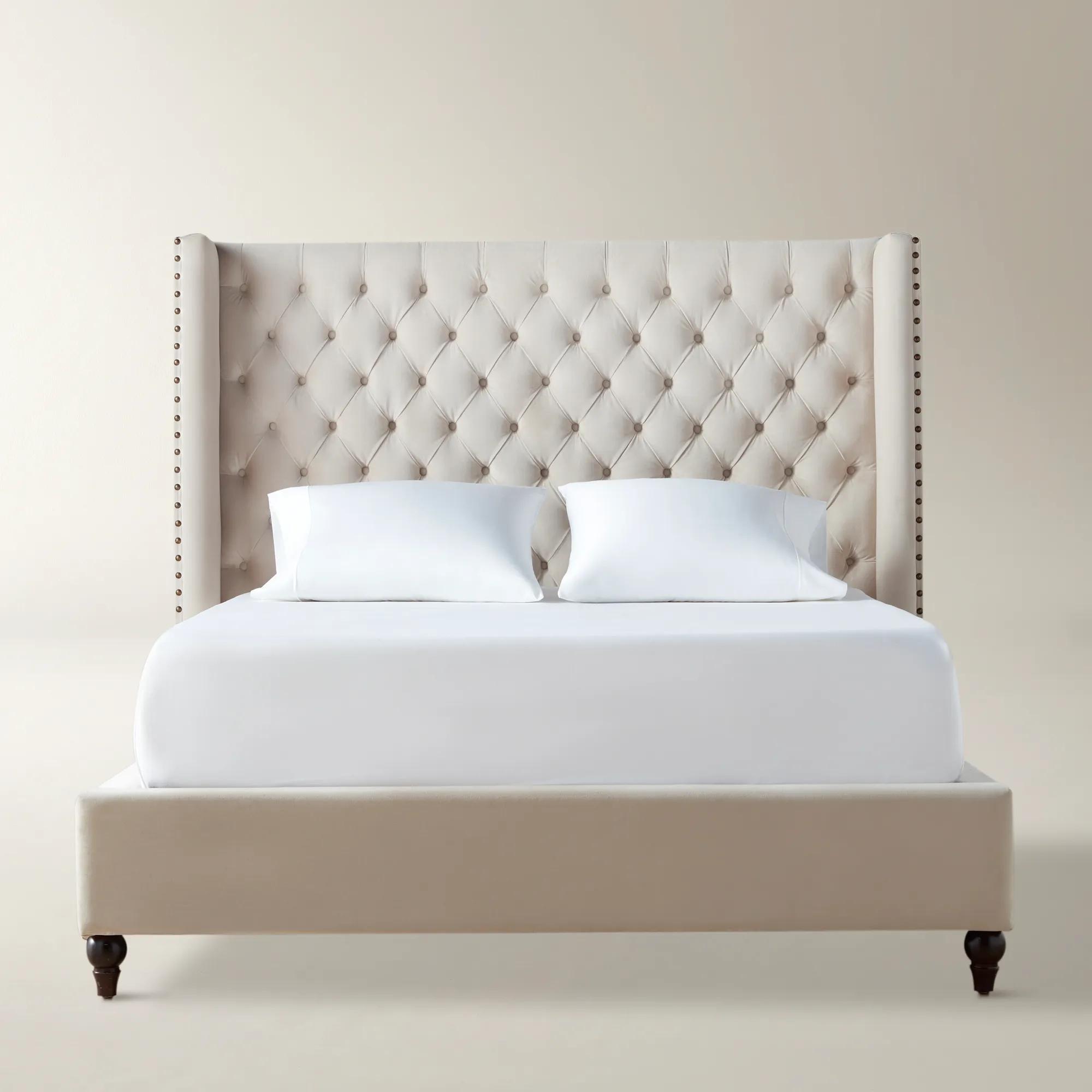
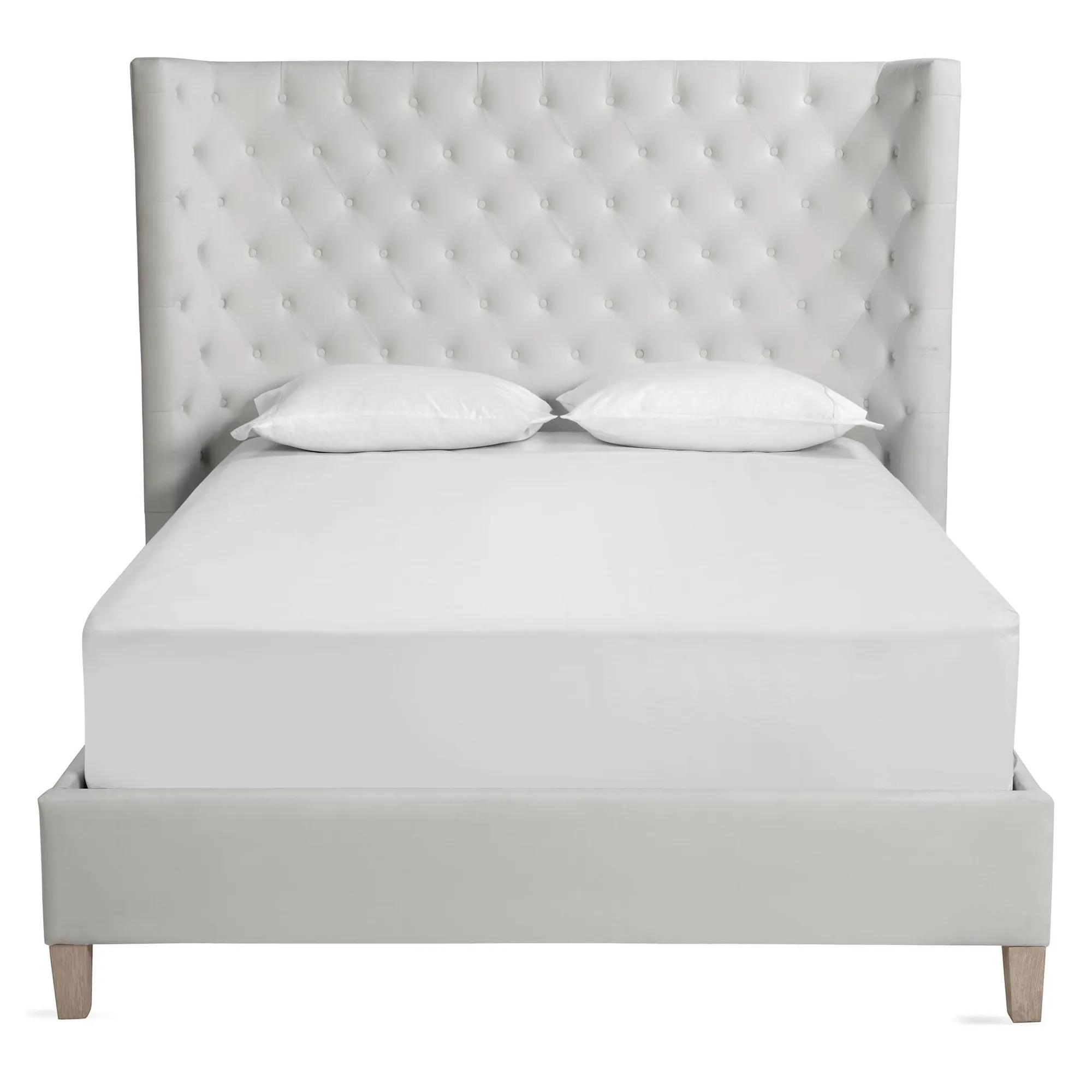
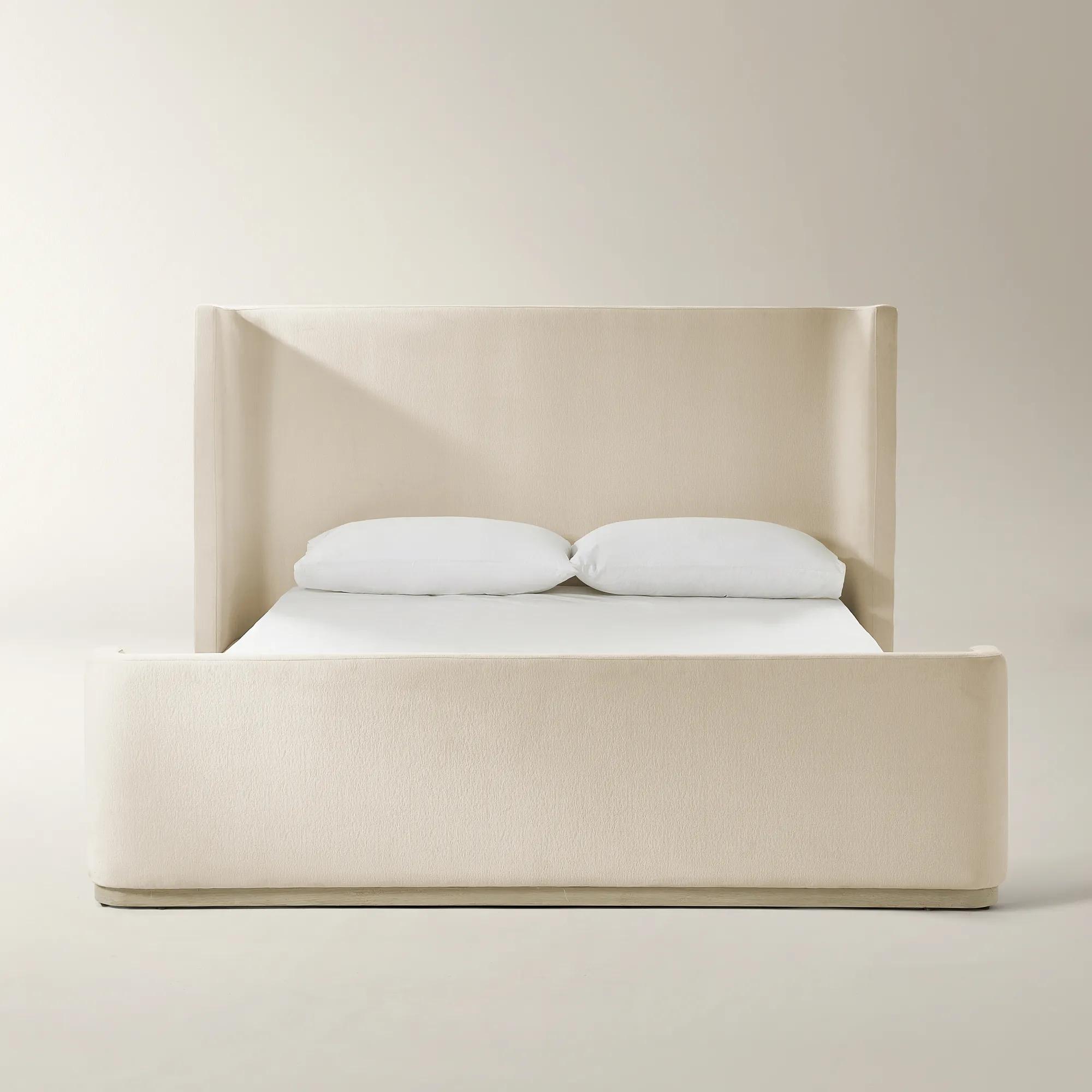 Stria Oatmeal Velvet Upholstered King Platform Bed$2499
A beige velvet platform bed with a tall wingback headboard and FSC-certified oak base.
Add To Cart -
Glimmer Dusty Blue Velvet Upholstered Queen Platform Bed$2099
A blue velvet platform bed with a sculpted double-layer headboard and sleek gold-finished metal base.
Add To Cart -
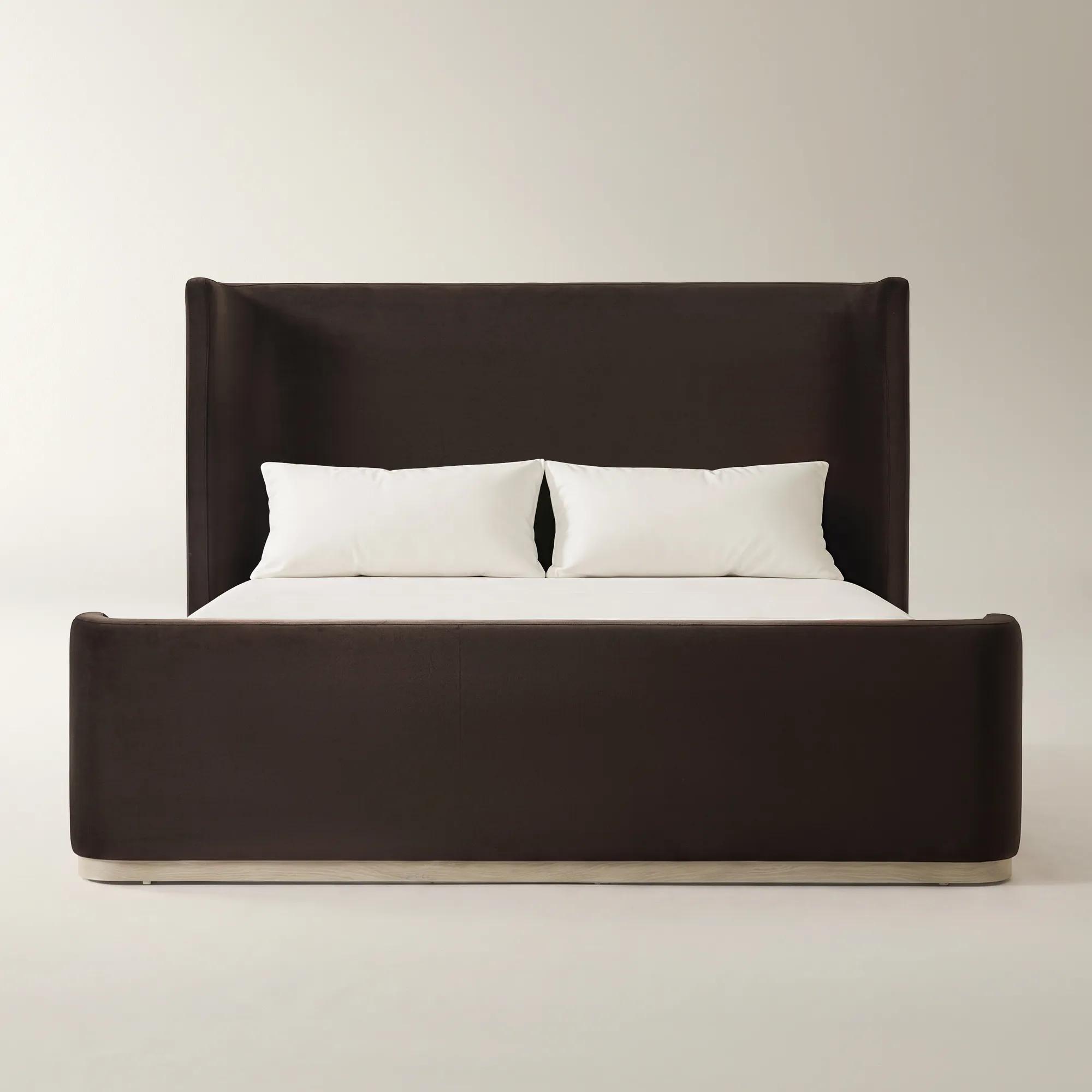 Stria Dark Chocolate Velvet Upholstered King Platform Bed$2499
A velvet platform bed with a tall wingback headboard and FSC-certified oak base in dark chocolate.
Add To Cart -
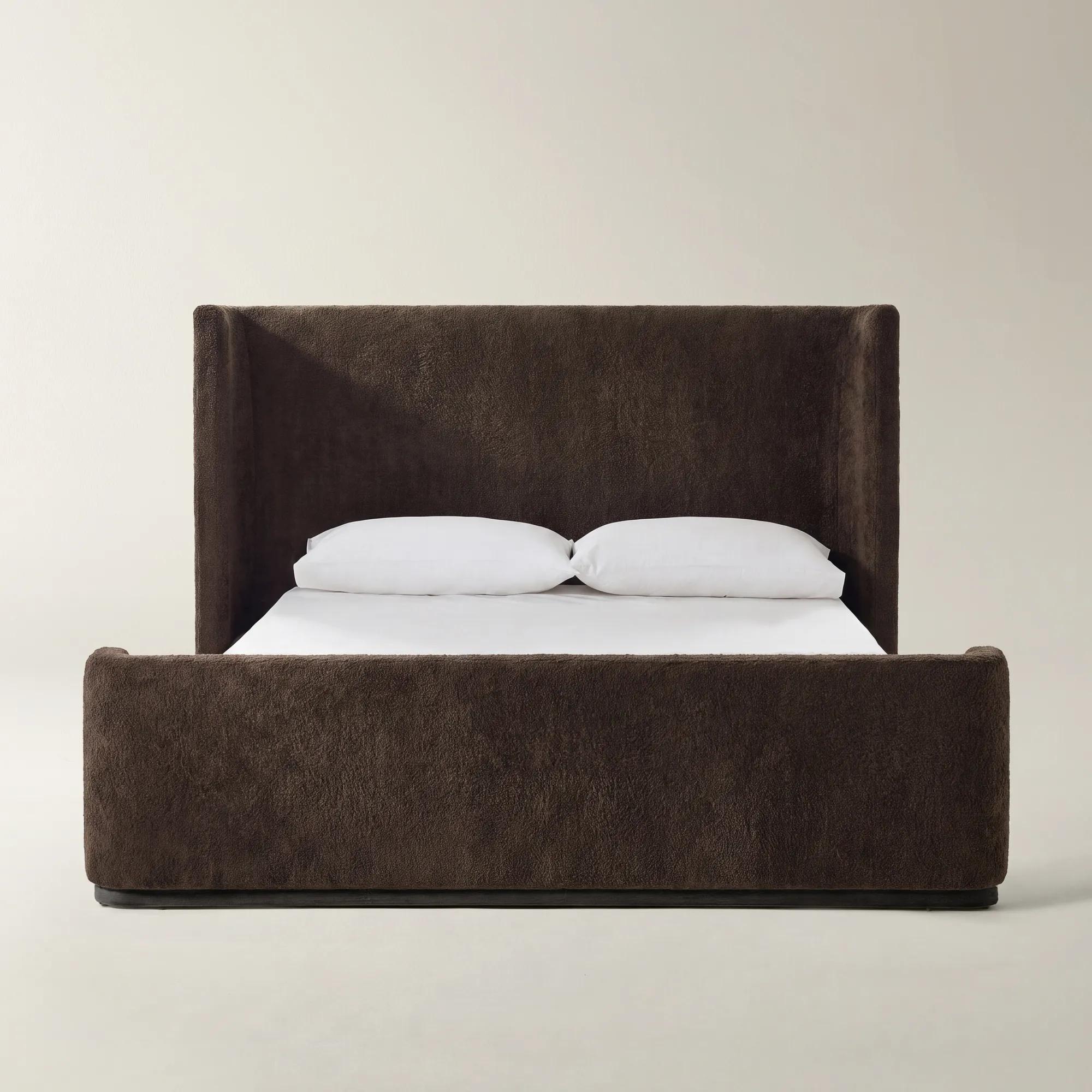 Stria Dark Chocolate Chenille Upholstered King Platform Bed$2499
A dark chocolate chenille platform bed with a tall wingback headboard and FSC-certified oak base.
Add To Cart -
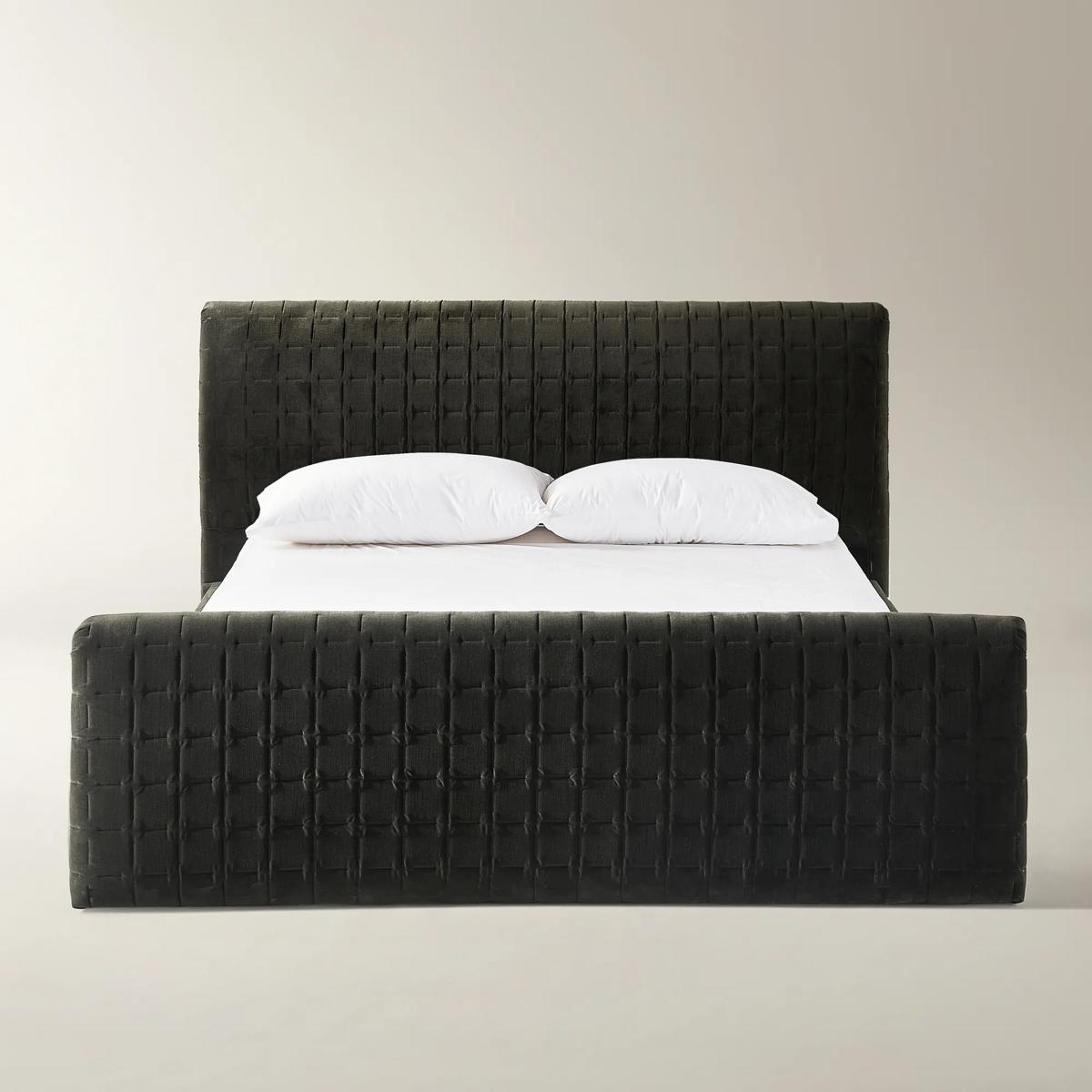 Vanta Charcoal Velvet Upholstered King Platform Bed$2499
A charcoal velvet platform bed with a checker-quilted extended headboard and refined gold metal inlays.
Add To Cart -
Stria Oatmeal Velvet Upholstered Queen Platform Bed$2299
A beige velvet platform bed with a sculptural wingback headboard and FSC-certified solid oak base.
Add To Cart -
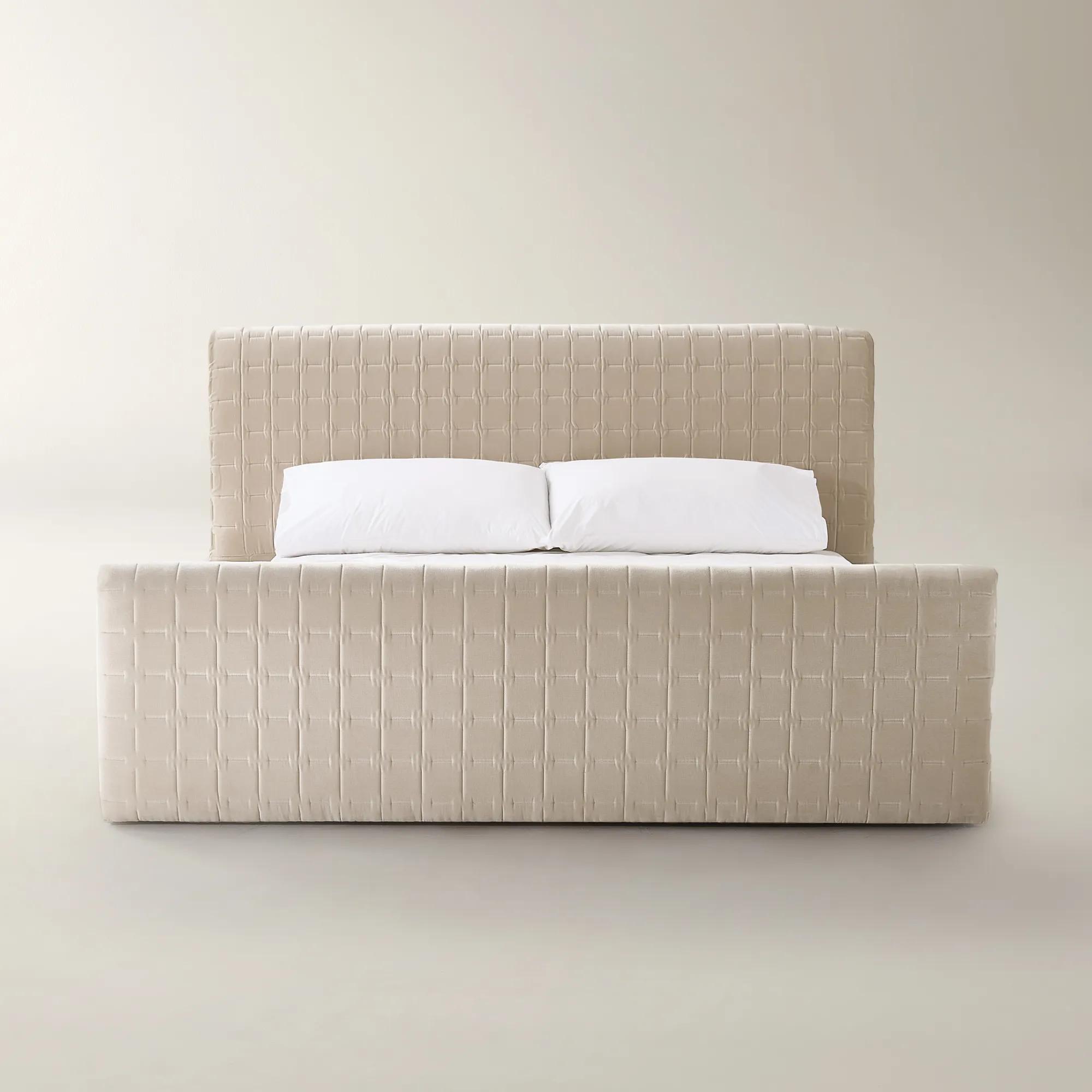
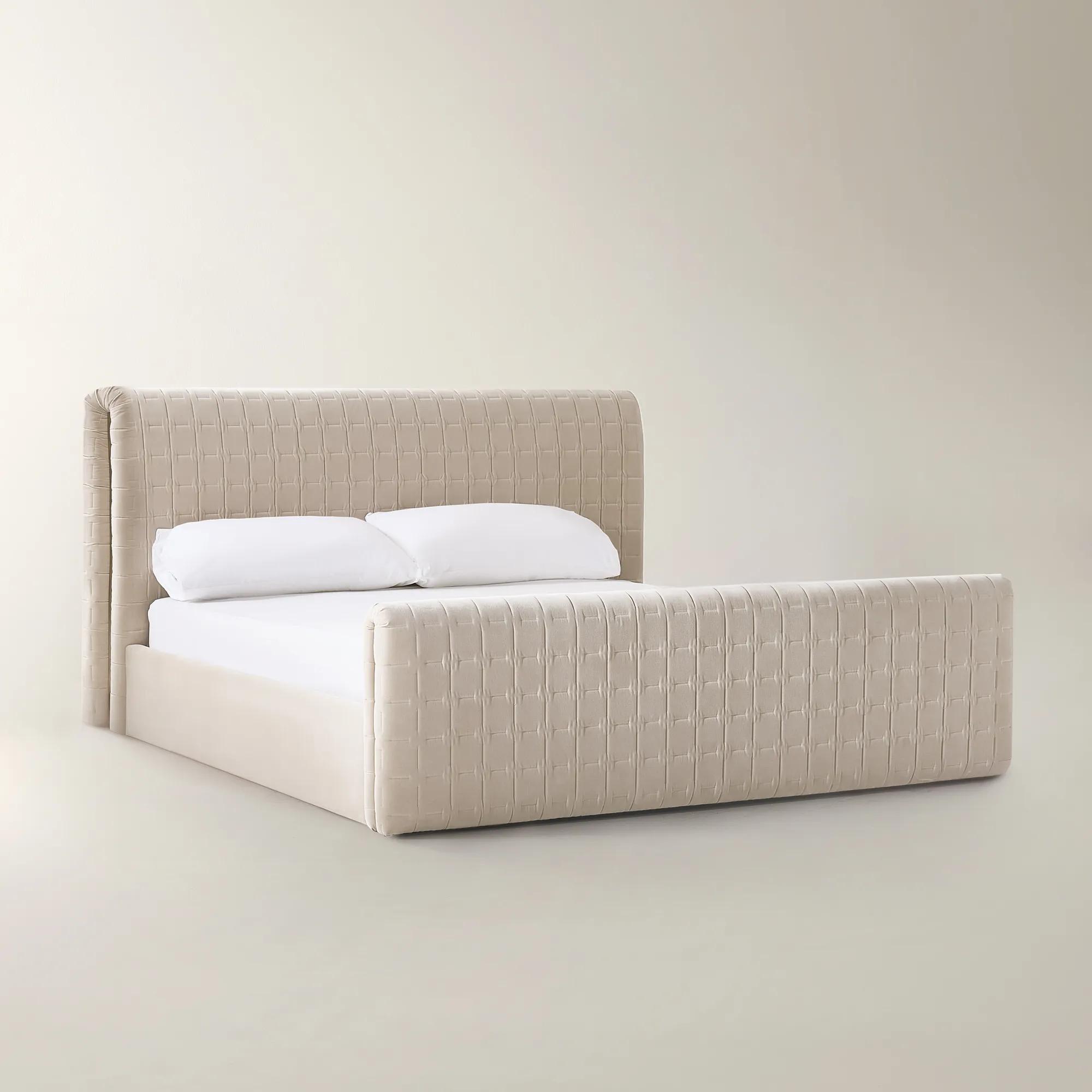 Vanta Oatmeal Velvet Upholstered King Platform Bed$2499
An oatmeal velvet-upholstered bed featuring a checker-quilted headboard and elegant gold-toned metal inlays.
Add To Cart -
Vanta Charcoal Velvet Upholstered California King Platform Bed$2499
A charcoal velvet platform bed with a checker-quilted headboard, extended side panels, and elegant gold metal inlays.
Add To Cart -
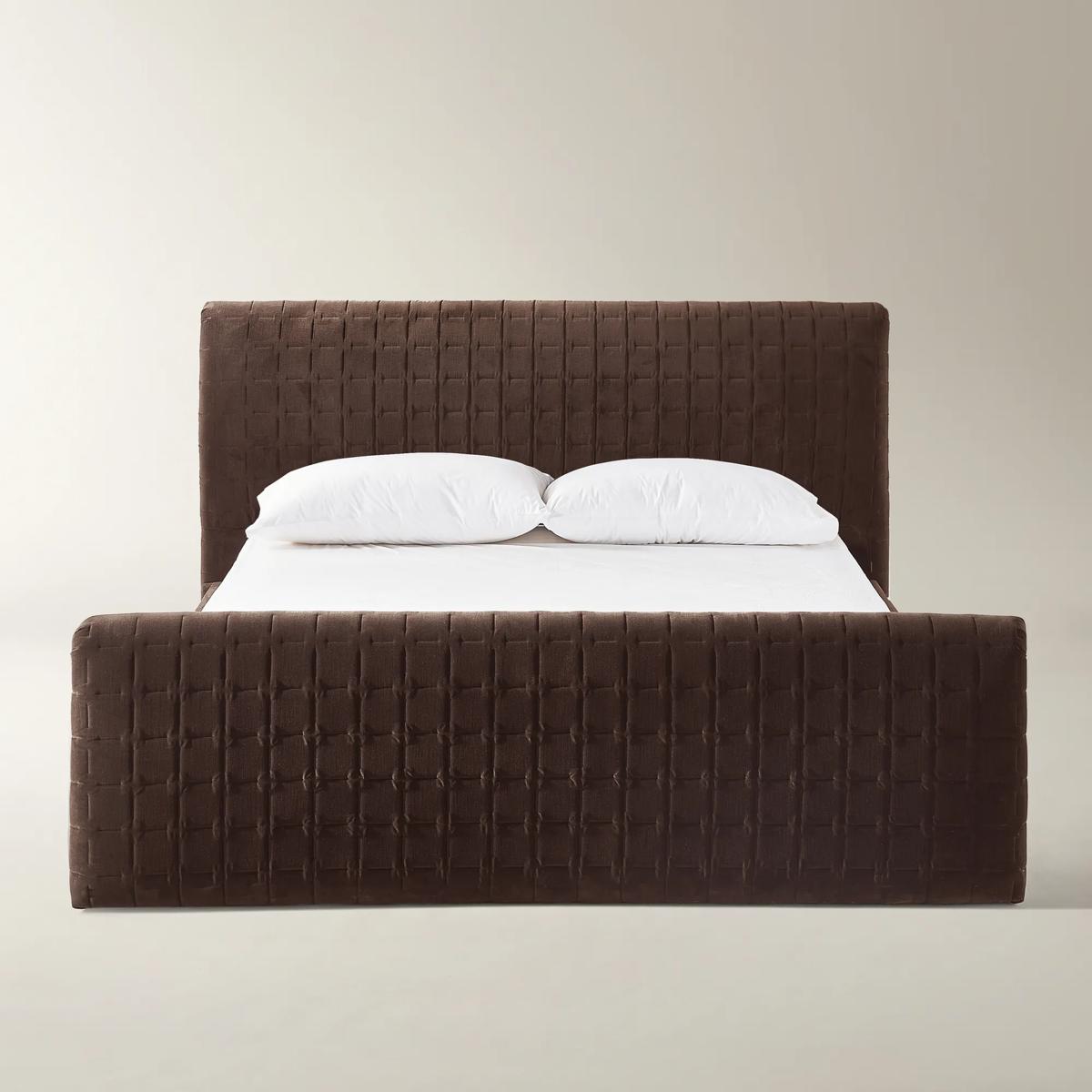
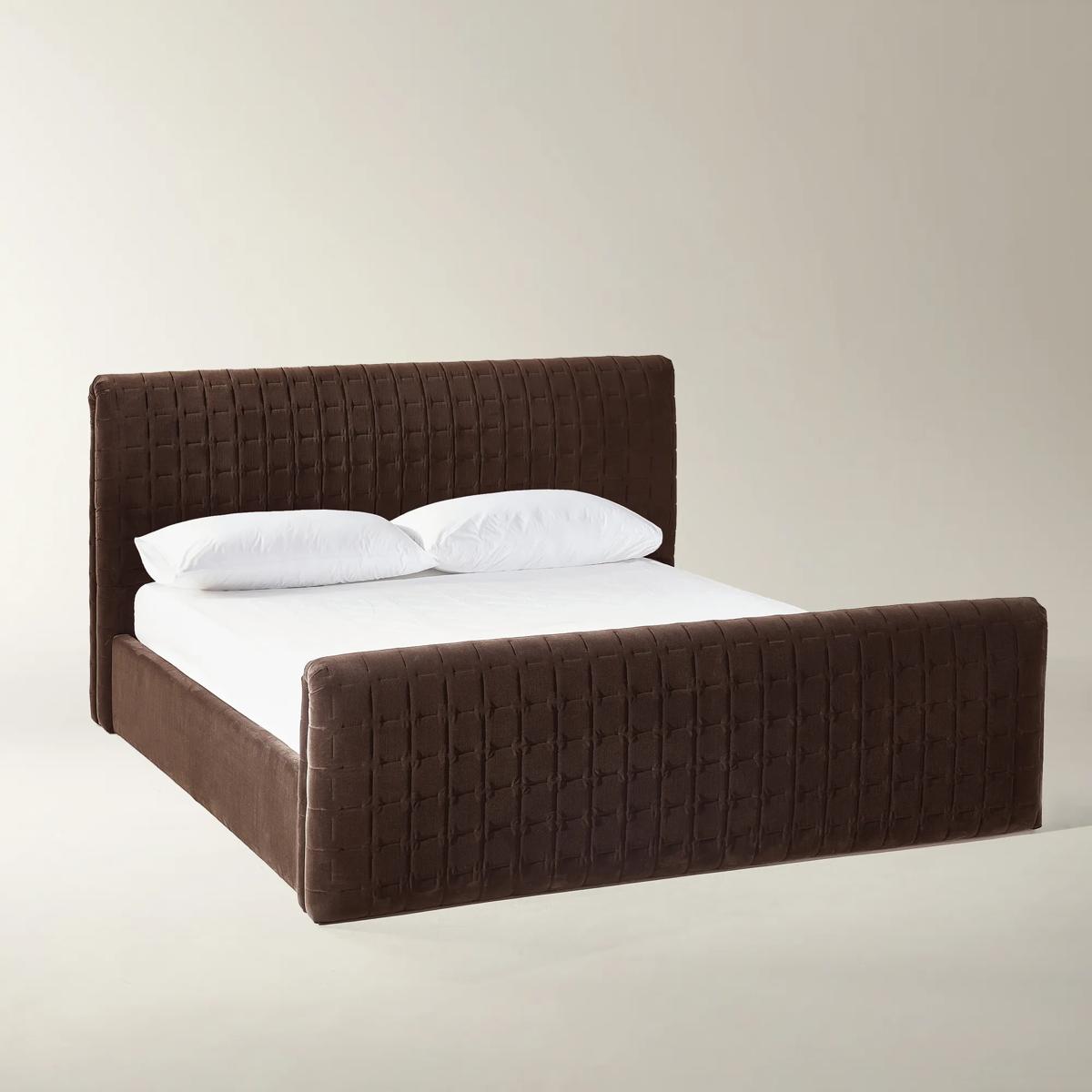 Vanta Burnt Umber Velvet Upholstered King Platform Bed$2499
A burnt umber velvet platform bed with a checker-quilted headboard and elegant gold-finished metal inlays.
Add To Cart

Beds For Family Homes
Beds for Family Homes are more than a place to rest—they are the heart of every sanctuary, where stories unfold and dreams take flight. Imagine sweeping silhouettes that invite gathering, plush textures that beckon you to linger, and artful details that transform bedrooms into havens of comfort and connection. Each bed is a statement of style and a foundation for cherished moments, designed to elevate family living with a sense of grandeur and warmth. Discover how Beds for Family Homes can turn everyday routines into rituals of luxury, enveloping each space in sophistication and soul.
Beds for family homes balance a beautifully composed bedroom with the practical demands of everyday living: a supportive place to sleep, proportions that leave room to move, and materials suited to the people who use them. The right silhouette gives that balance a distinctive point of view. A generously upholstered headboard creates a sumptuous backdrop for evening reading, while a sculptural wood frame introduces depth through grain, finish, and architectural lines. Tall headboards bring drama to rooms with generous wall space; lower profiles can keep a smaller bedroom feeling open without sacrificing presence. Across primary bedrooms, older children’s rooms, and spaces reserved for overnight guests, scale matters as much as style. Standard U.S. mattress dimensions are approximately 38 by 75 inches for a twin, 54 by 75 inches for a full, 60 by 80 inches for a queen, and 76 by 80 inches for a king. A California king measures approximately 72 by 84 inches, offering extra length rather than extra width. Those measurements describe the mattress, not the complete bed: upholstered rails, winged headboards, and substantial footboards can extend the overall footprint considerably. In a shared primary bedroom, a king provides more sleeping width, while a queen often leaves more space for bedside furniture and circulation. A twin or full can suit a single sleeper when the room’s dimensions and the sleeper’s height allow. Around any size, comfortable access to doors, drawers, and both sides of the bed helps the room function gracefully. About 30 inches of clear passage is a useful planning target where space permits, with additional room needed for opening drawers or accommodating mobility needs. A low footboard can preserve an uninterrupted view across the room, while a taller one gives the bed a more enclosed, formal character. These proportions shape how the bedroom feels each day, from making the bed without squeezing against a wall to carrying a laundry basket through a clear, uncluttered path.
Materials establish both the mood of a family bedroom and its maintenance routine. Upholstered beds soften the room visually, turning the headboard into a broad sweep of texture behind crisp bedding. Velvet brings depth and a subtle play of light; woven fabrics introduce dimension that can feel equally polished in a quiet neutral or an expressive color. In homes where children lean against the headboard with books or pets brush past the rails, fabric texture and cleaning requirements deserve particular attention. A pronounced loop or loose weave may catch claws, while some pile fabrics reveal pressure marks or changes in nap. Performance claims should be evaluated according to the specific upholstery’s care information rather than assumed from its appearance. Regular vacuuming with an appropriate upholstery attachment helps remove dust from seams and tufting; spills call for prompt blotting and the cleaning method specified for the fabric. Wood beds create a different kind of richness, with visible grain and shaped edges giving the frame its character. Solid wood and engineered wood can both serve in well-constructed furniture, but durability depends on the complete design, including joinery, hardware, supports, and finish. A gleaming painted or lacquered surface adds a tailored note, while a textured wood finish can lend depth to a room layered with soft textiles. Metal frames introduce clean definition or decorative curves, with finish quality and secure connections contributing to their lasting appearance and stability. For hard surfaces, a soft cloth and manufacturer-approved cleaning methods help protect the finish; abrasive pads, excess moisture, and unsuitable solvents can cause damage. In a busy household, rounded or softly padded edges may also be more comfortable along narrow walking routes than sharply projecting corners. No material is entirely maintenance-free, and lighter upholstery, dark polished finishes, and intricate detailing each reveal wear differently. A bed feels truly suited to family life when its care requirements fit the household’s habits as naturally as its color fits the room.
The structure beneath the bedding is just as important as the statement above it. Platform beds generally use a deck or slat system to support a mattress, while other frames require a separate foundation; the correct arrangement depends on both the bed’s specifications and the mattress manufacturer’s requirements. Slat spacing, center supports, weight limits, and required assembly all deserve attention, particularly for larger beds. The finished sleeping height also includes the frame, any foundation, and the mattress, so a low-profile silhouette does not necessarily create a low sleeping surface. A comfortable height lets the intended sleeper sit at the edge and get in and out without an awkward climb or a deep drop. For children transitioning to a different bed, age suitability and the manufacturer’s safety guidance take priority over appearance; an adult bed is not a substitute for an infant’s approved sleep space. In bedrooms that carry several responsibilities, storage beds can keep extra linens or clothing close at hand, provided drawers have room to extend and lift mechanisms are used according to their instructions. Open space beneath a frame offers easier access for cleaning, while a closed base creates a more grounded visual effect. Guest bedrooms benefit from the same thoughtful balance, with an inviting headboard, an accessible bedside surface, and a mattress-and-frame combination appropriate for the expected sleeper. For a more formal interpretation of these silhouettes, Beds For Luxury Homes offers a related design perspective. Within a family home, expressive details need not compete with comfort: channel tufting can echo architectural lines, a sweeping headboard can frame a pair of lamps, and a richly finished frame can anchor bedding with contrasting texture. Keeping the surrounding pieces proportionate allows those details to register without crowding daily routines. The result is a bedroom with presence and purpose, where the bed feels considered from its supporting structure to its most decorative edge.
FAQs
Beds for family homes often feature a blend of sumptuous upholstery, rich woods, and durable metals. Upholstered headboards in velvet or linen add a layer of luxe comfort, while solid hardwood frames provide enduring strength and a timeless presence. For a touch of glamour, mirrored or metallic accents can elevate the room’s ambiance, transforming the bed into a true statement piece.
Consider the mood you wish to evoke in your bedroom. For a dramatic, artistic flair, opt for beds with sculptural silhouettes or tufted headboards. If your décor leans modern, clean lines and minimal embellishments offer a chic, sophisticated look. Classic spaces benefit from elegant details like carved wood or nailhead trim. Select finishes and fabrics that harmonize with your color palette to create a seamless, curated feel.
Absolutely. Many beds are designed with built-in storage solutions such as drawers, shelves, or lift-up platforms. These features are perfect for tucking away extra bedding, clothing, or children’s treasures, keeping your space both beautiful and clutter-free. Explore options like <a href="https://zgallerie.com/o/storage-beds-for-growing-families">Storage Beds For Growing Families</a> to discover beds that blend style with smart organization.
A bed is a gift that speaks to comfort, sanctuary, and new beginnings. Whether for newlyweds, new parents, or someone setting up a new home, gifting a bed is a way to offer lasting luxury and a foundation for future memories. Choose a style that matches their personality—be it bold and dramatic or serene and classic—to create a truly personal gesture.
Transform your bedroom into a winter retreat by layering the bed with plush throws, velvet pillows, and high-thread-count sheets in rich, moody hues. Swap lighter fabrics for cozy textures like faux fur or chenille to create warmth and visual interest. A bed with an upholstered or wingback headboard adds both comfort and drama, making your space feel inviting all season long.