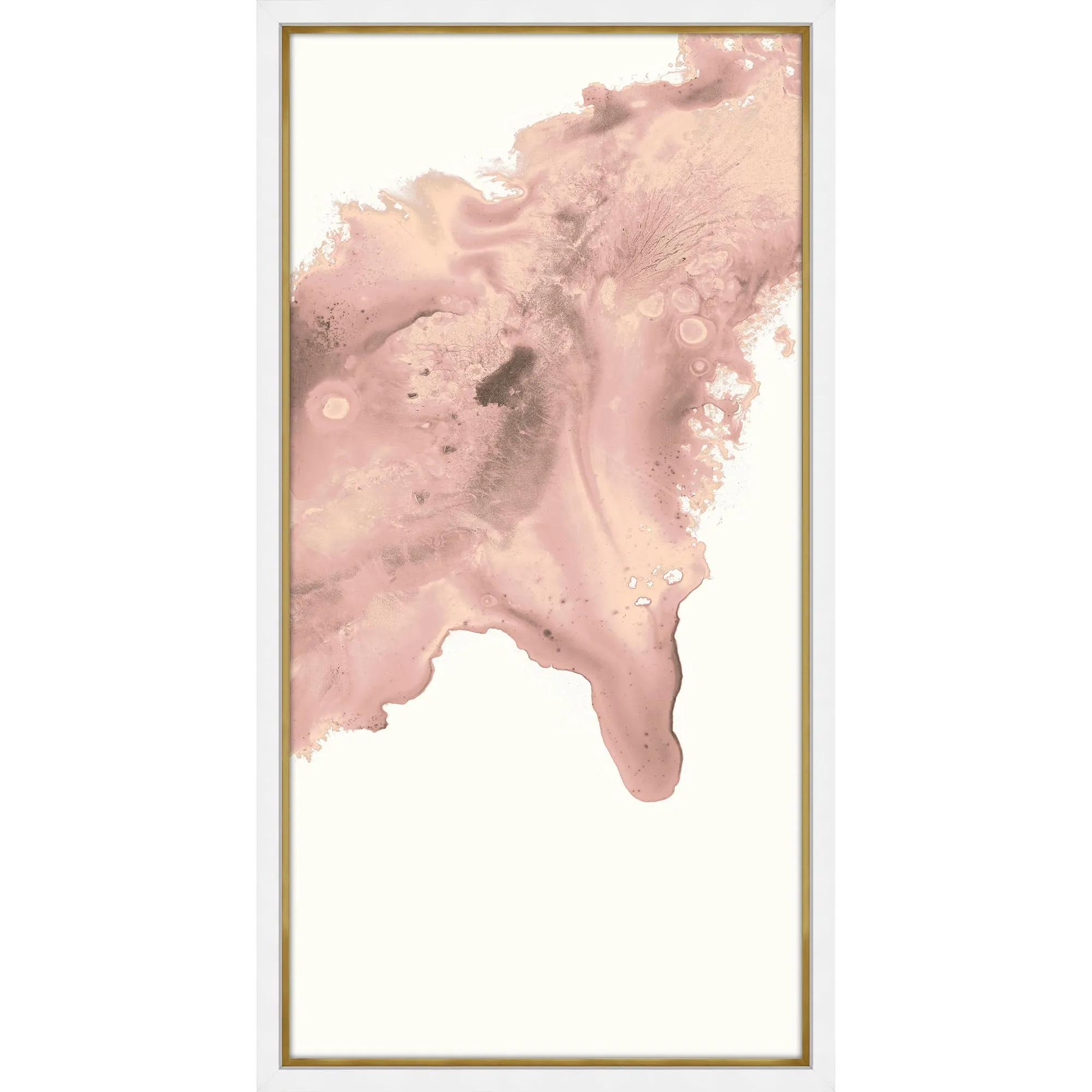
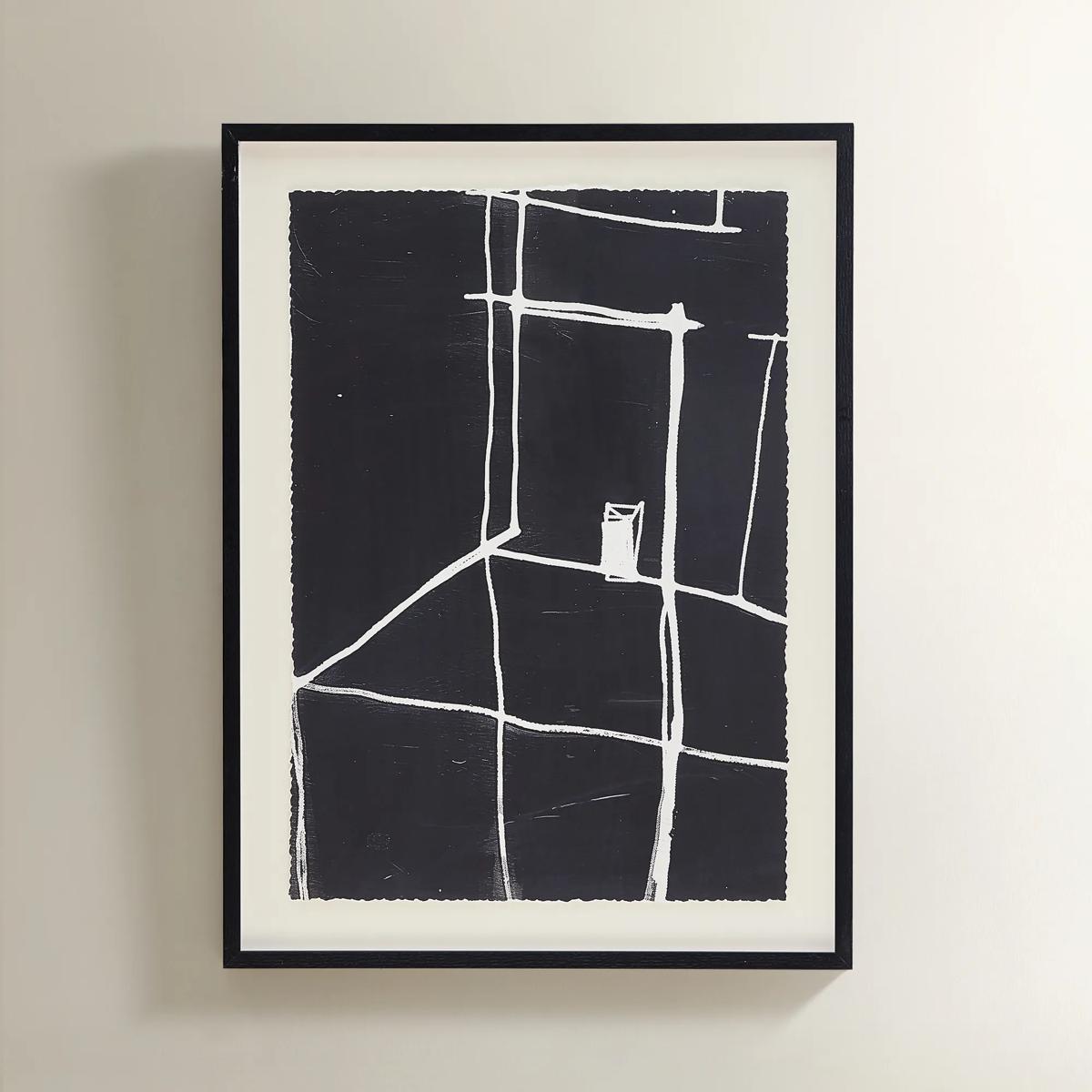
Art For Therapy Offices
Art For Therapy Offices
-
 Rogue IV Framed Wall Art 40" x 50"$1199
An abstract art piece designed by Nikki Chu, blending modern style with artistic sophistication.
Add To Cart -
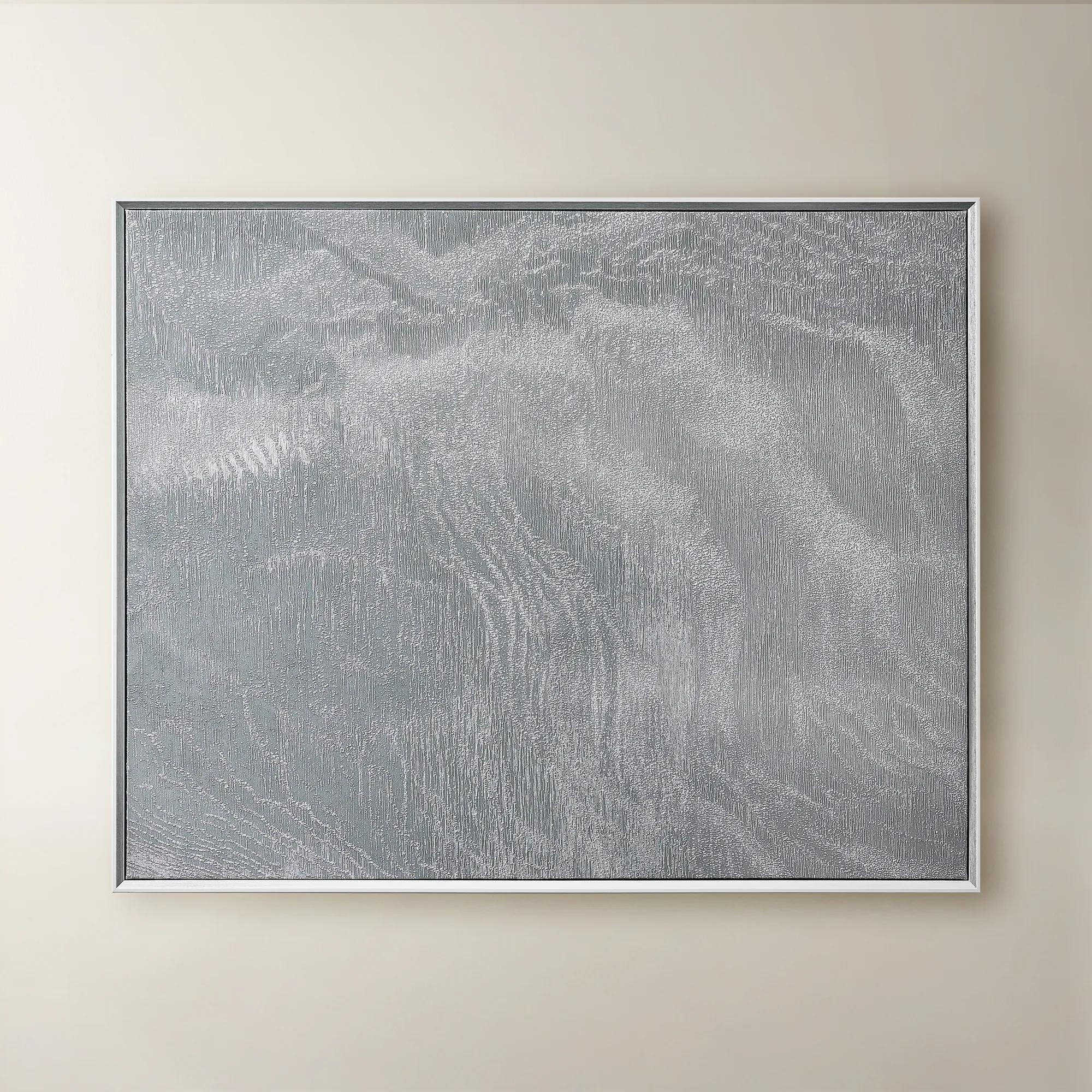 Slow Blue Morning Framed Silver Foil Wall Art 48" x 60"$599
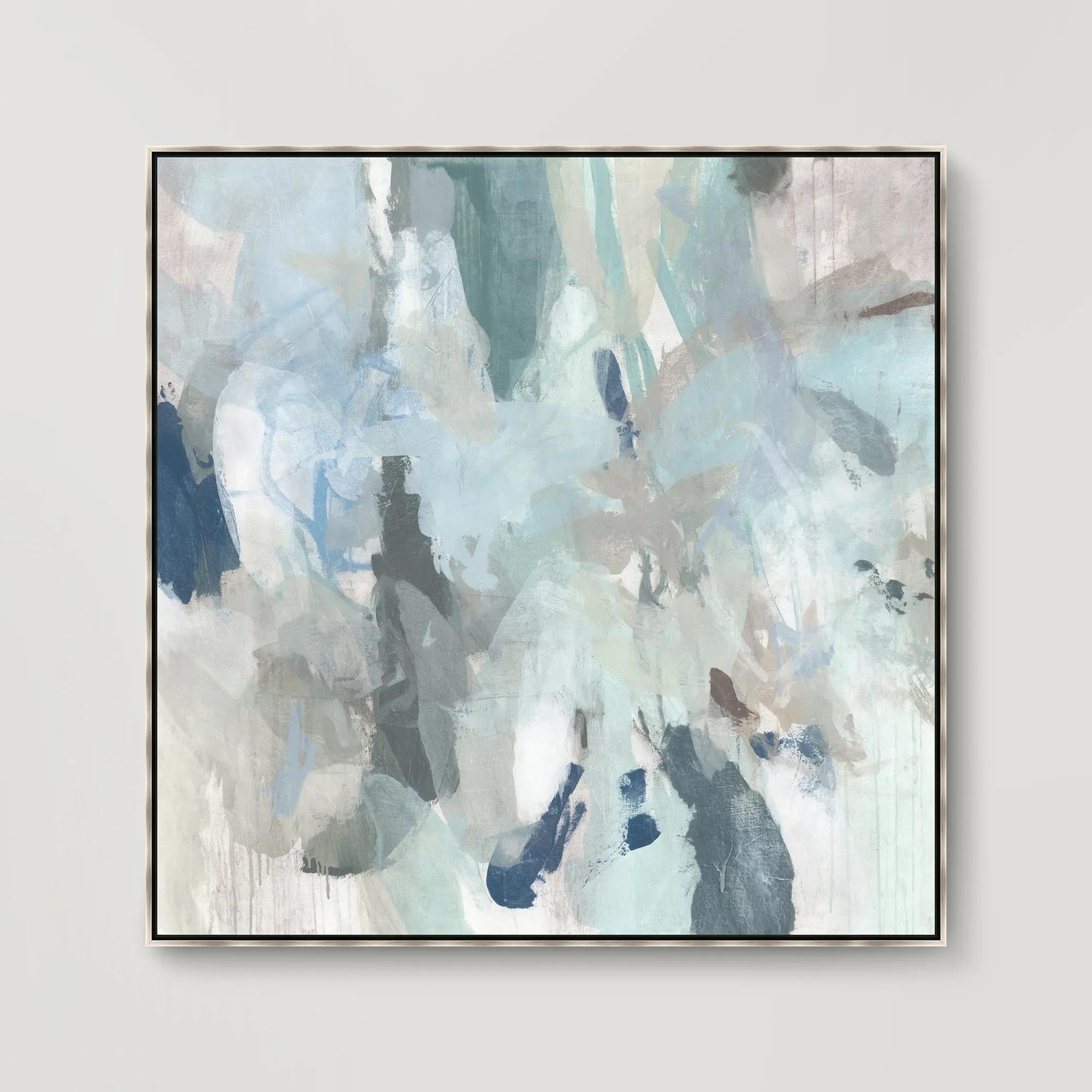
A serene powder blue abstract canvas with silver foil accents, framed in silver and white for modern elegance.
Add To Cart -
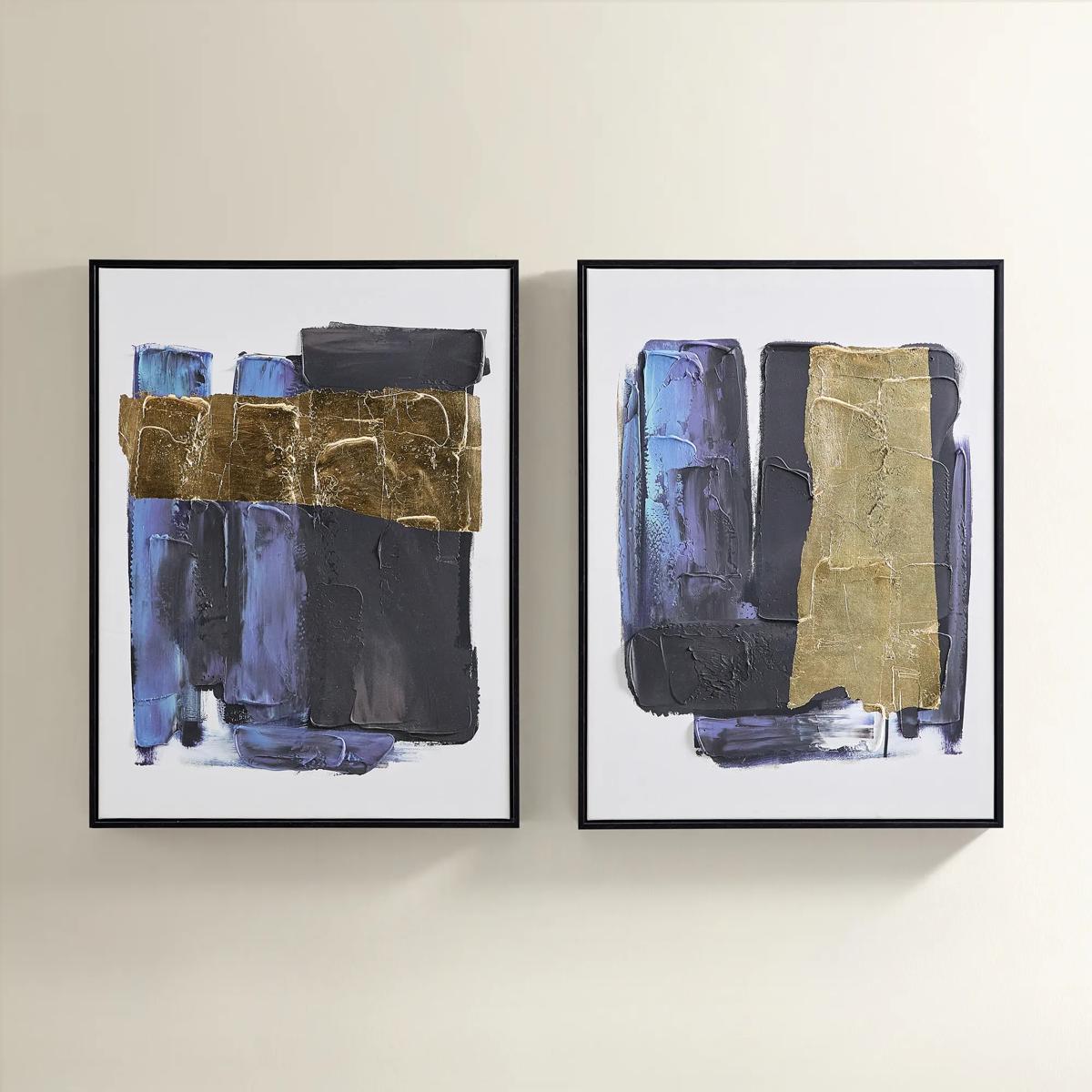
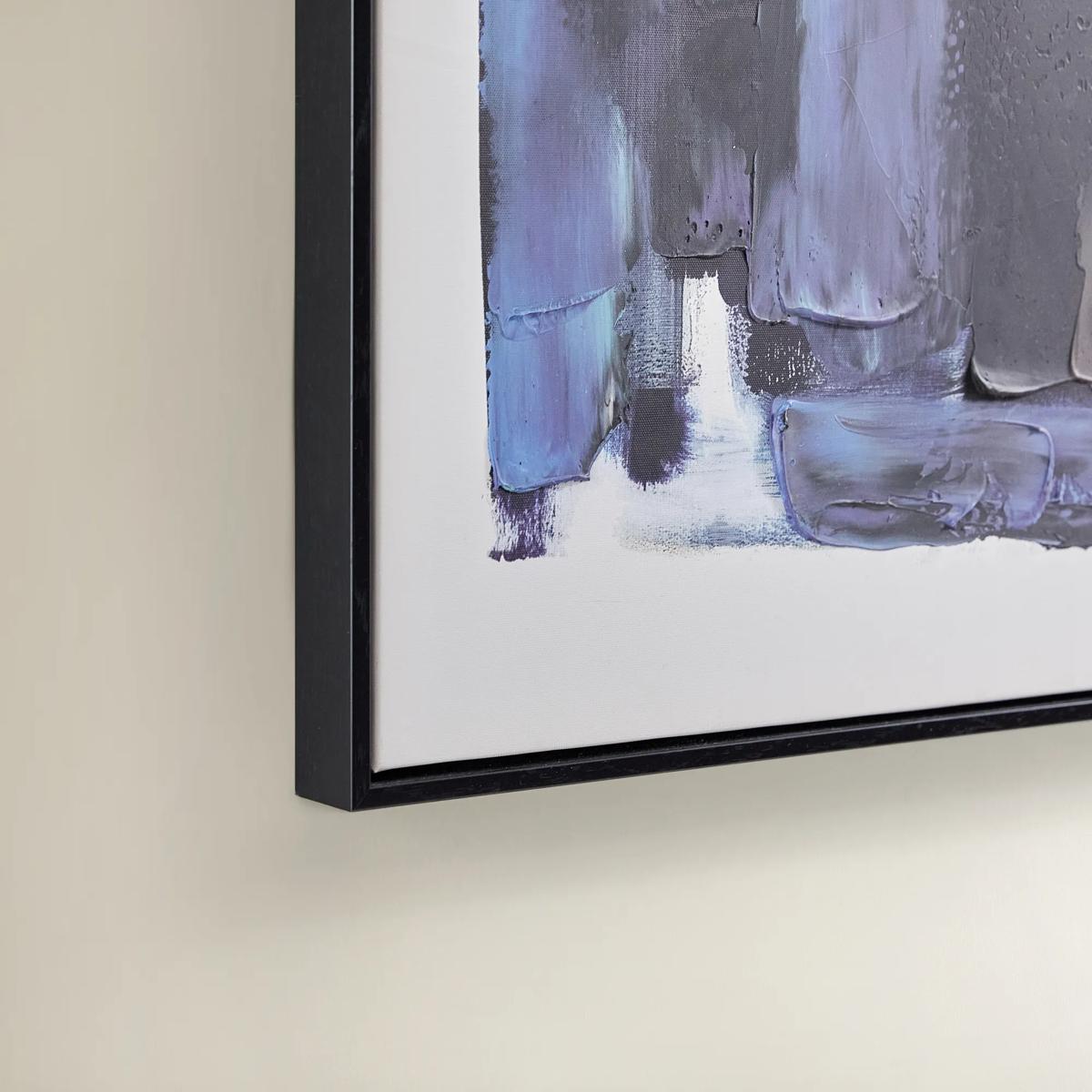 Deep Thoughts Gold Leaf Painted Wall Art Set of 2$199
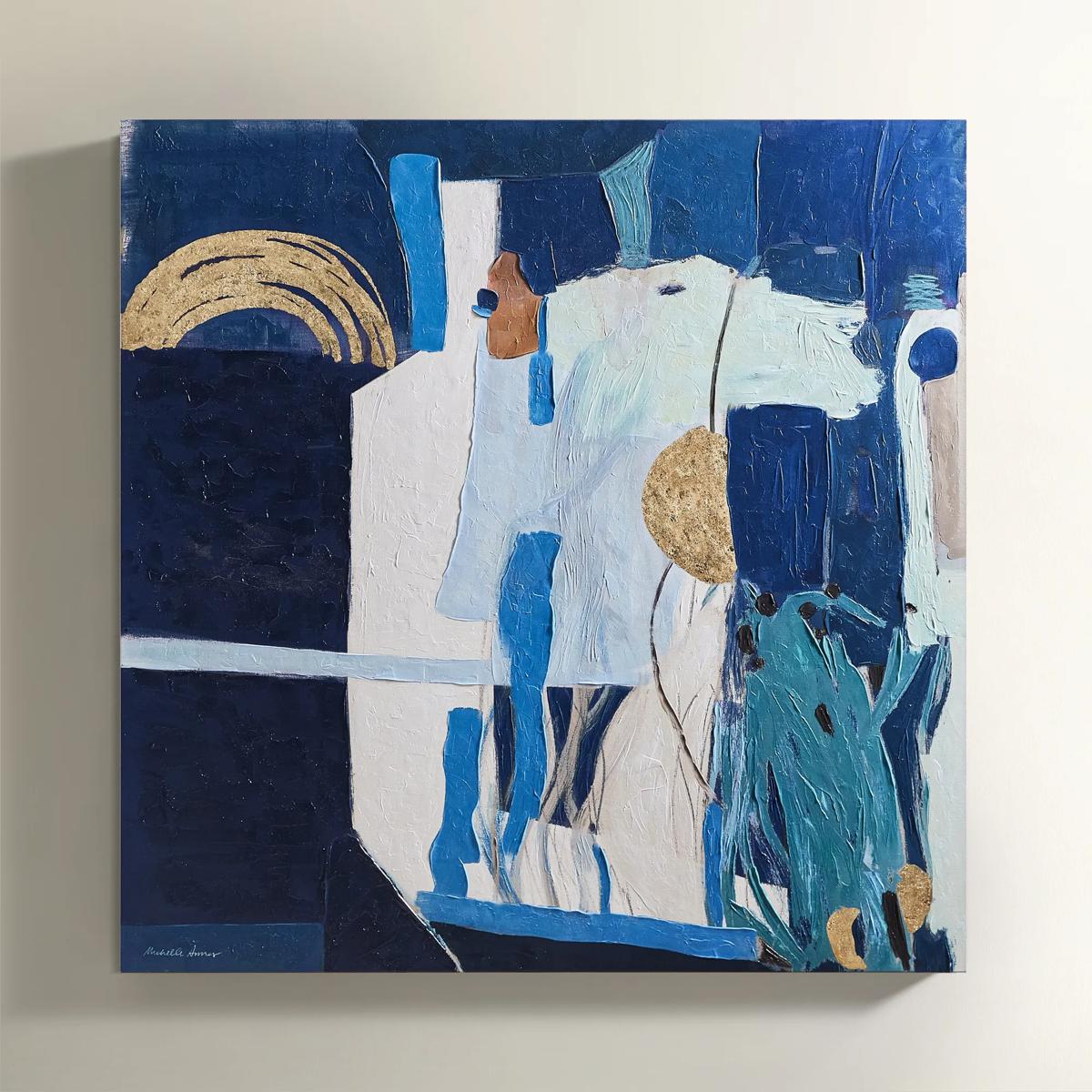
A set of two hand-painted abstract canvases in blue and gold leaf, framed in sleek black.
Add To Cart -
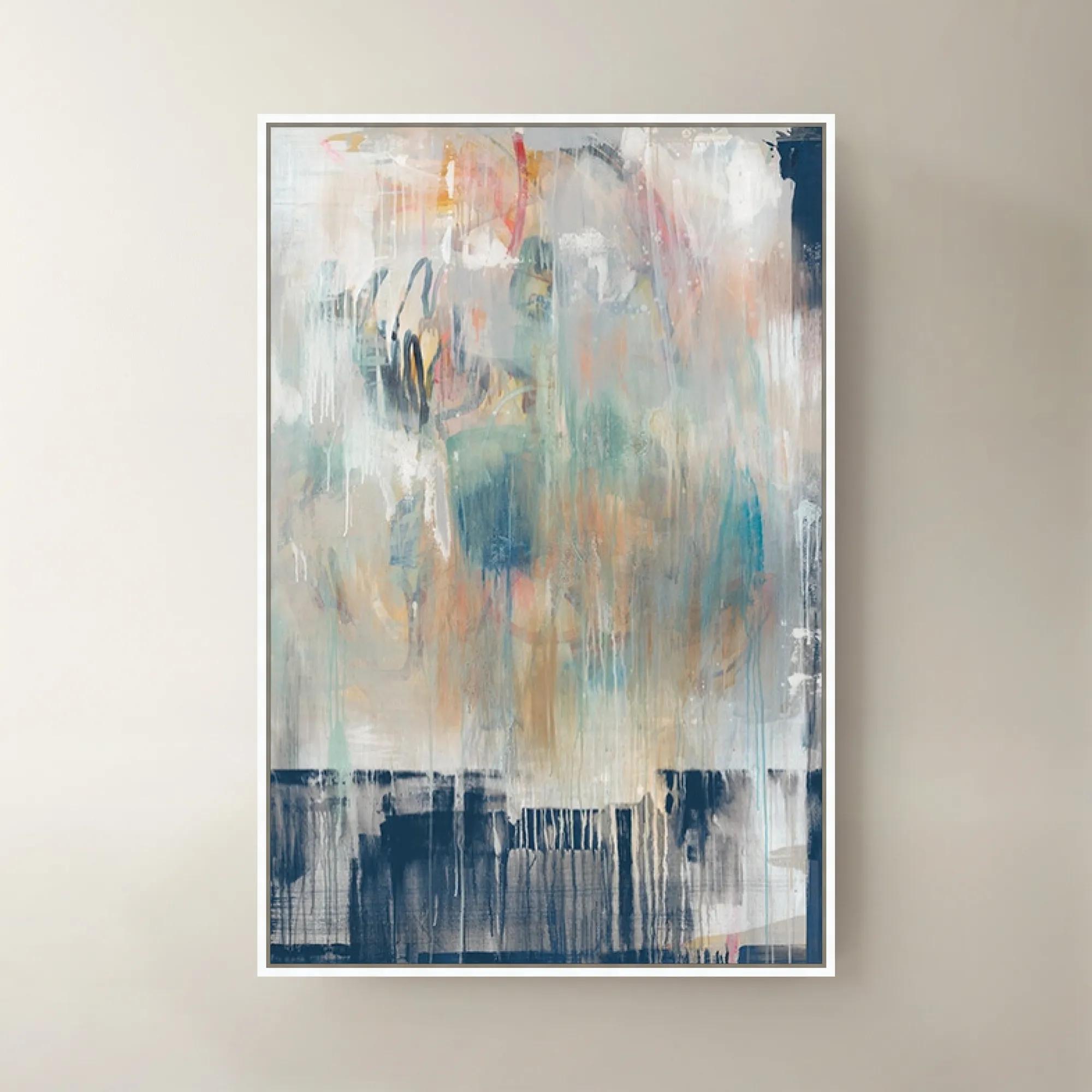
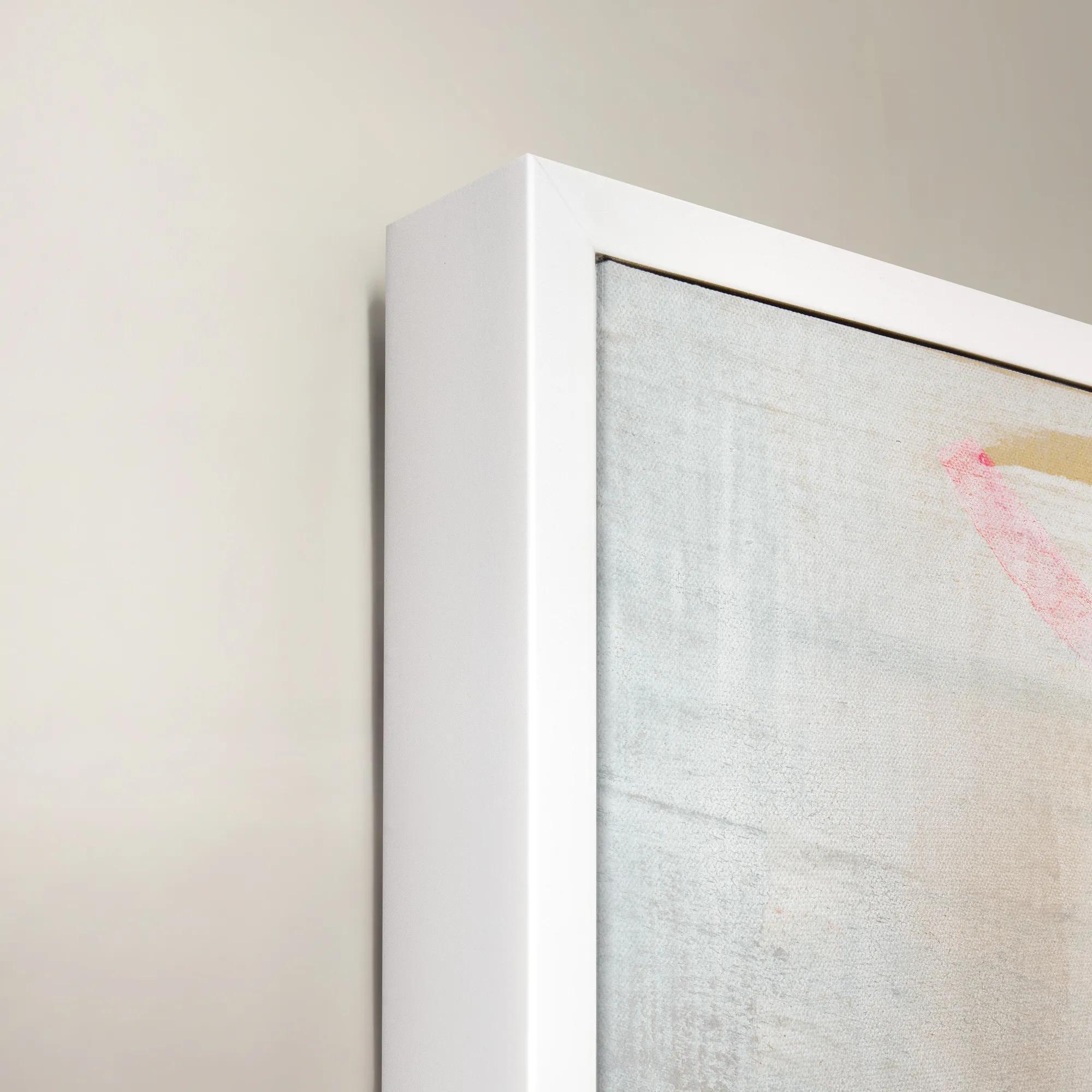 Disrepair III Framed Wall Art 40" x 60"$1099
A multicolored canvas wall artwork in a framed presentation, bringing expressive contemporary character to interiors.
Add To Cart -
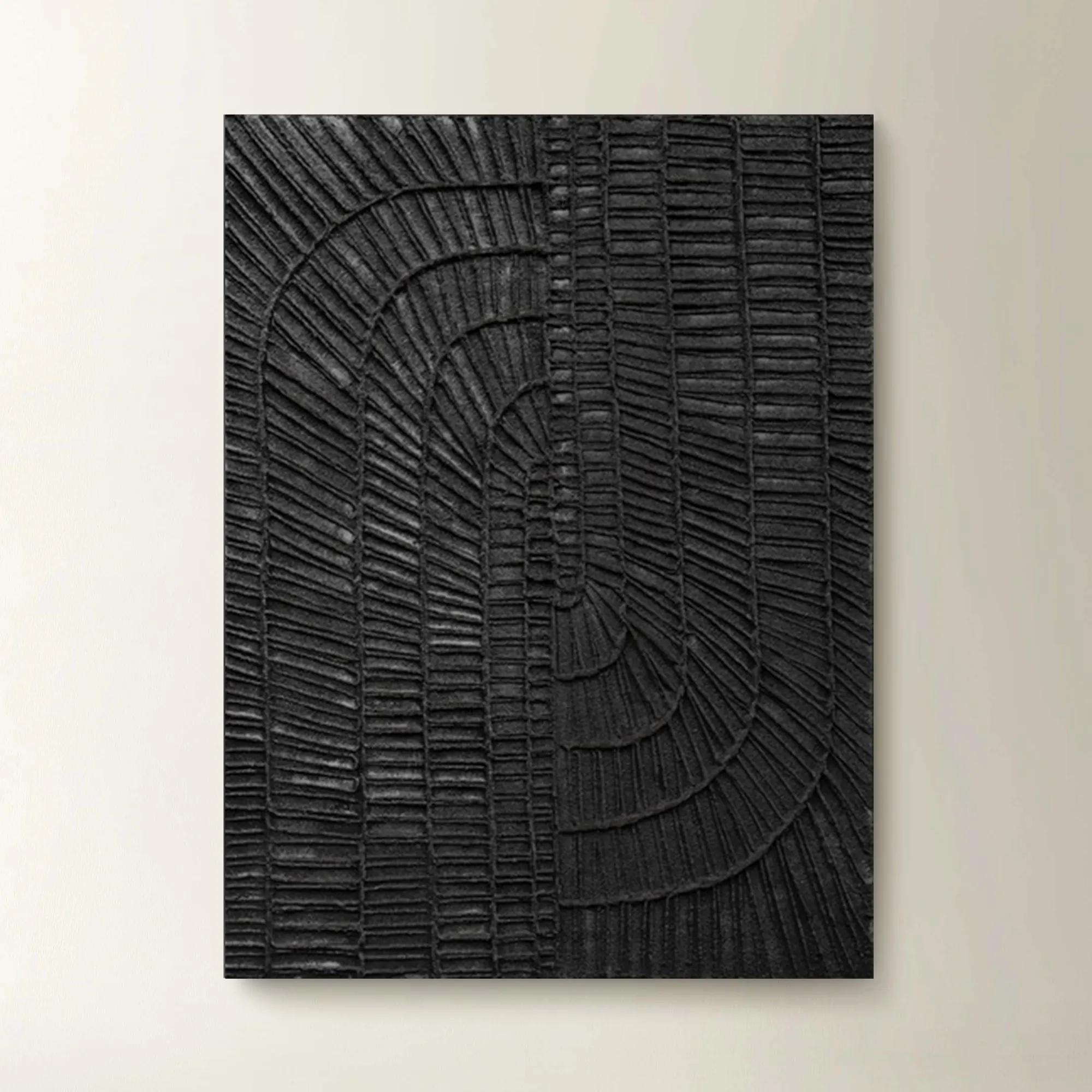 Textured Haze Black II Painted Wall Art 26" x 35"$499
A striking hand-painted black artwork featuring textured details for versatile vertical or horizontal display.
Add To Cart -
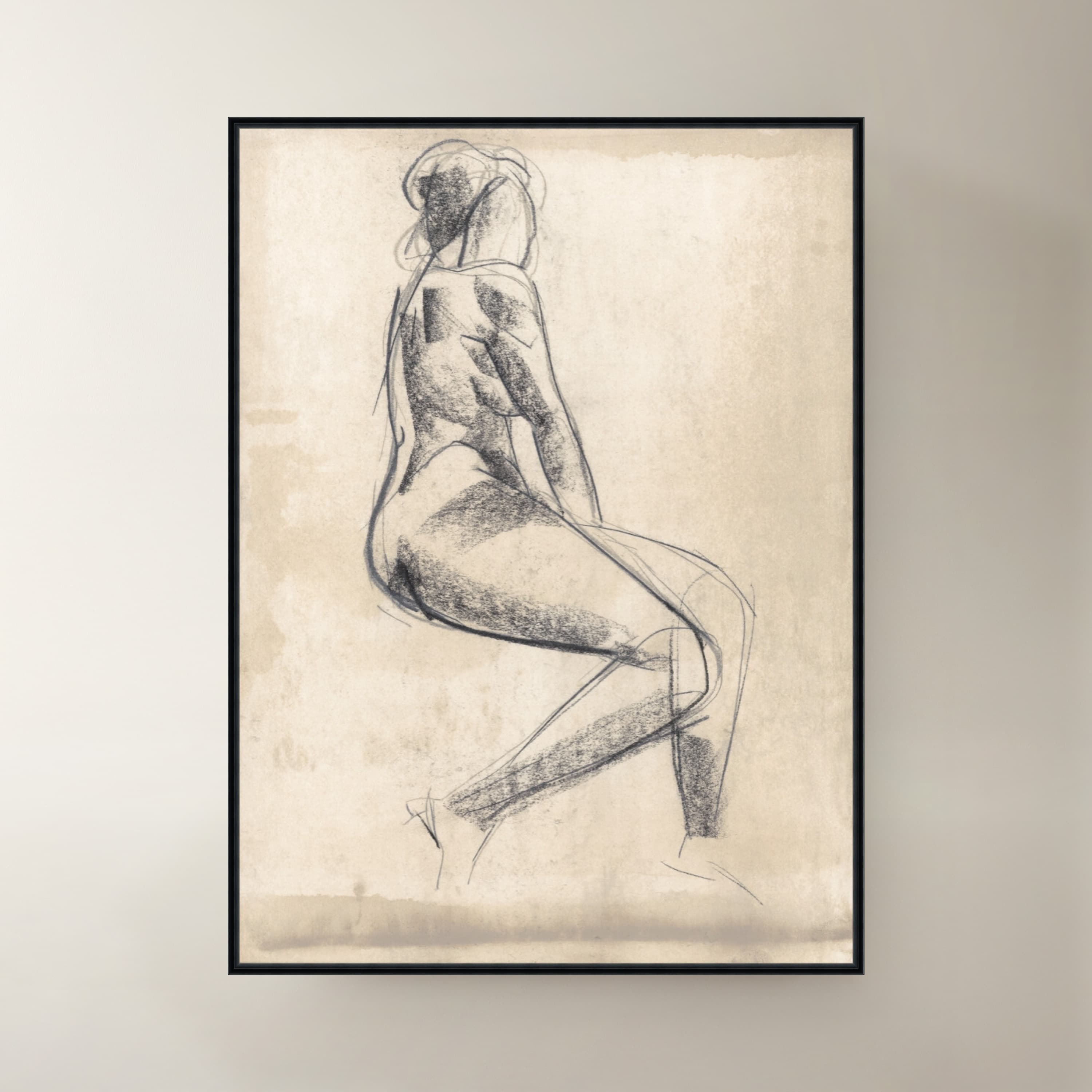
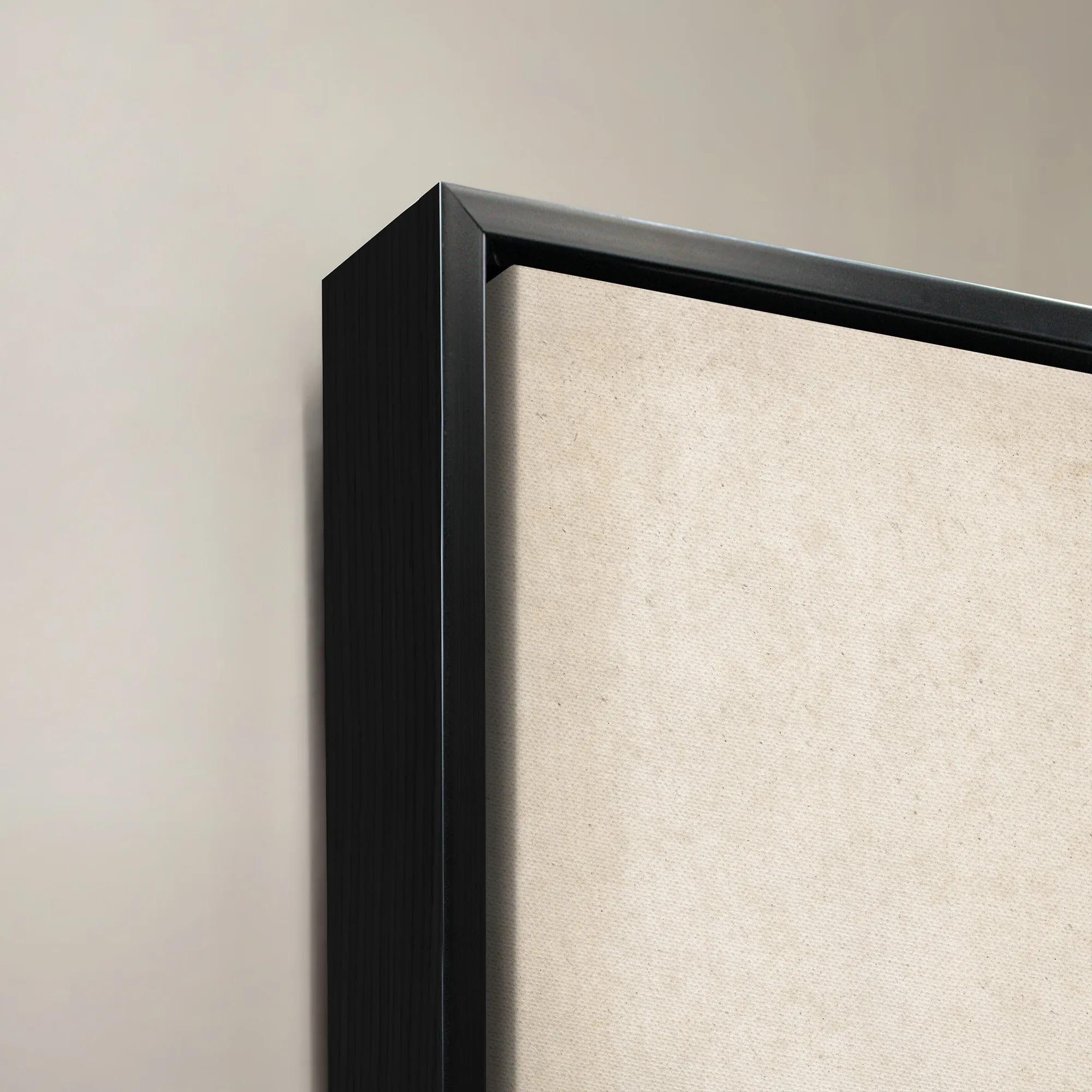 Restful Figure I Framed Wall Art 20" x 27"$449
A serene figurative canvas artwork in warm brown tones, elegantly framed for sophisticated wall display.
Add To Cart -
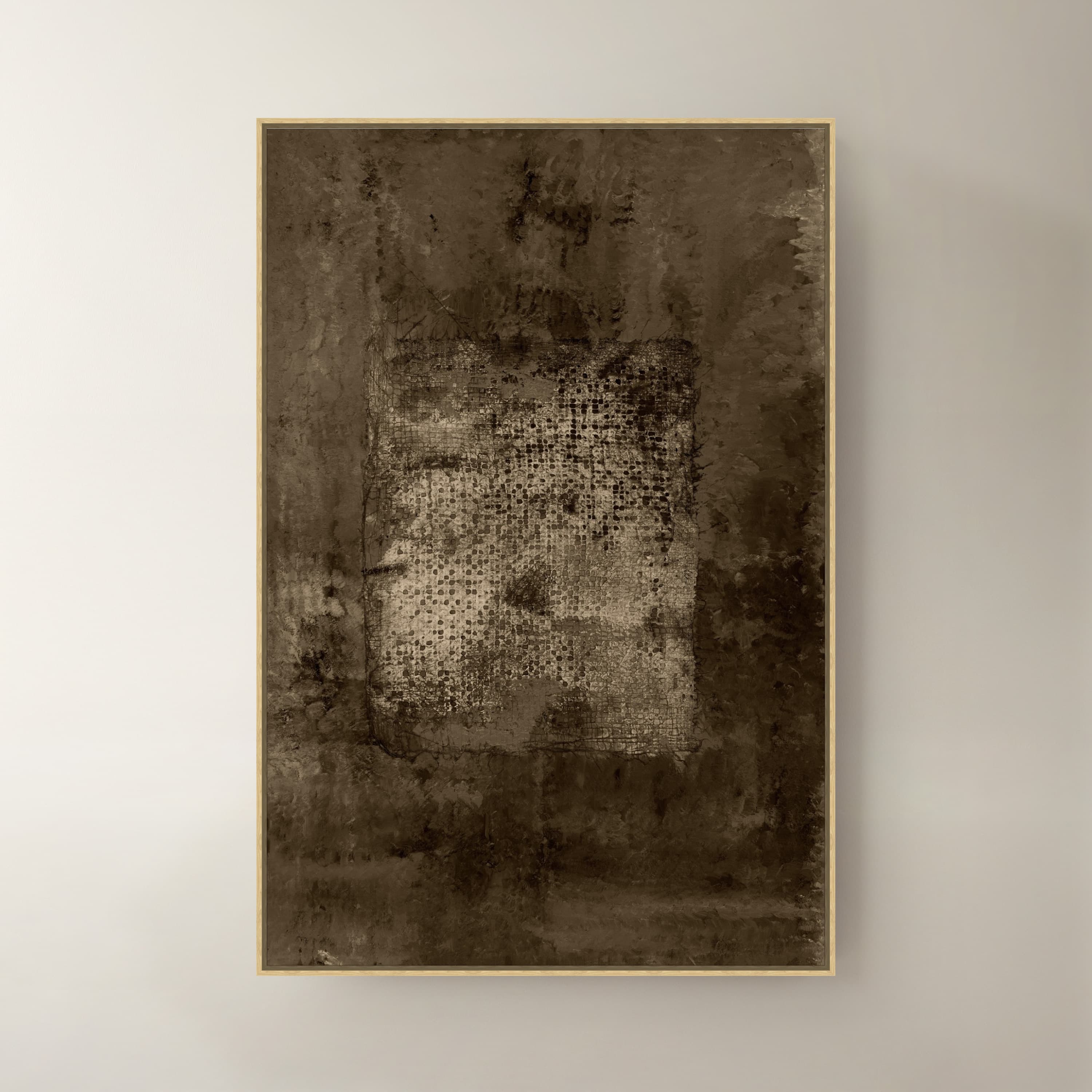
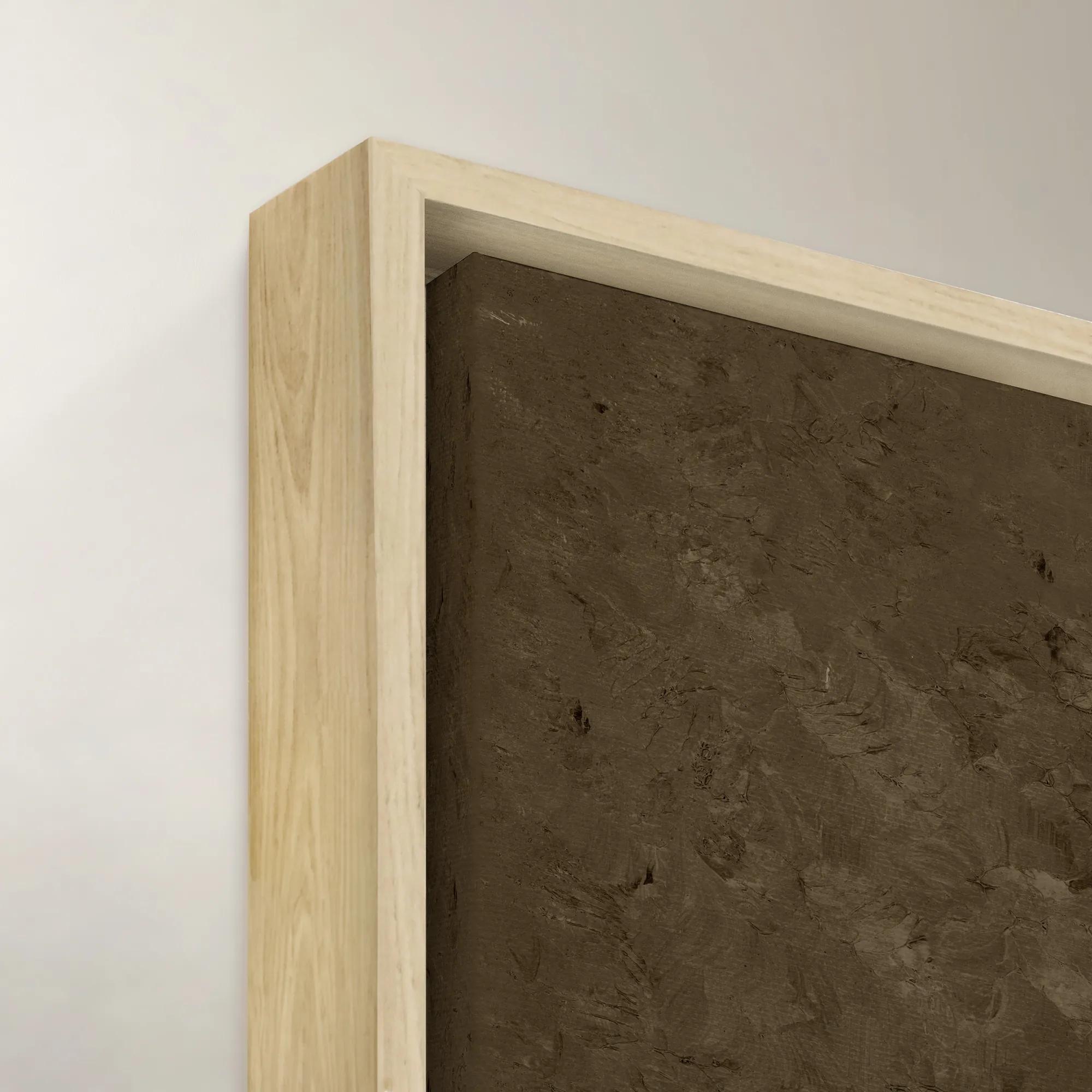 Ash IV Wall Art 40" x 60"$1399
A striking brown canvas artwork adding modern artistic depth to sophisticated interiors.
Add To Cart -
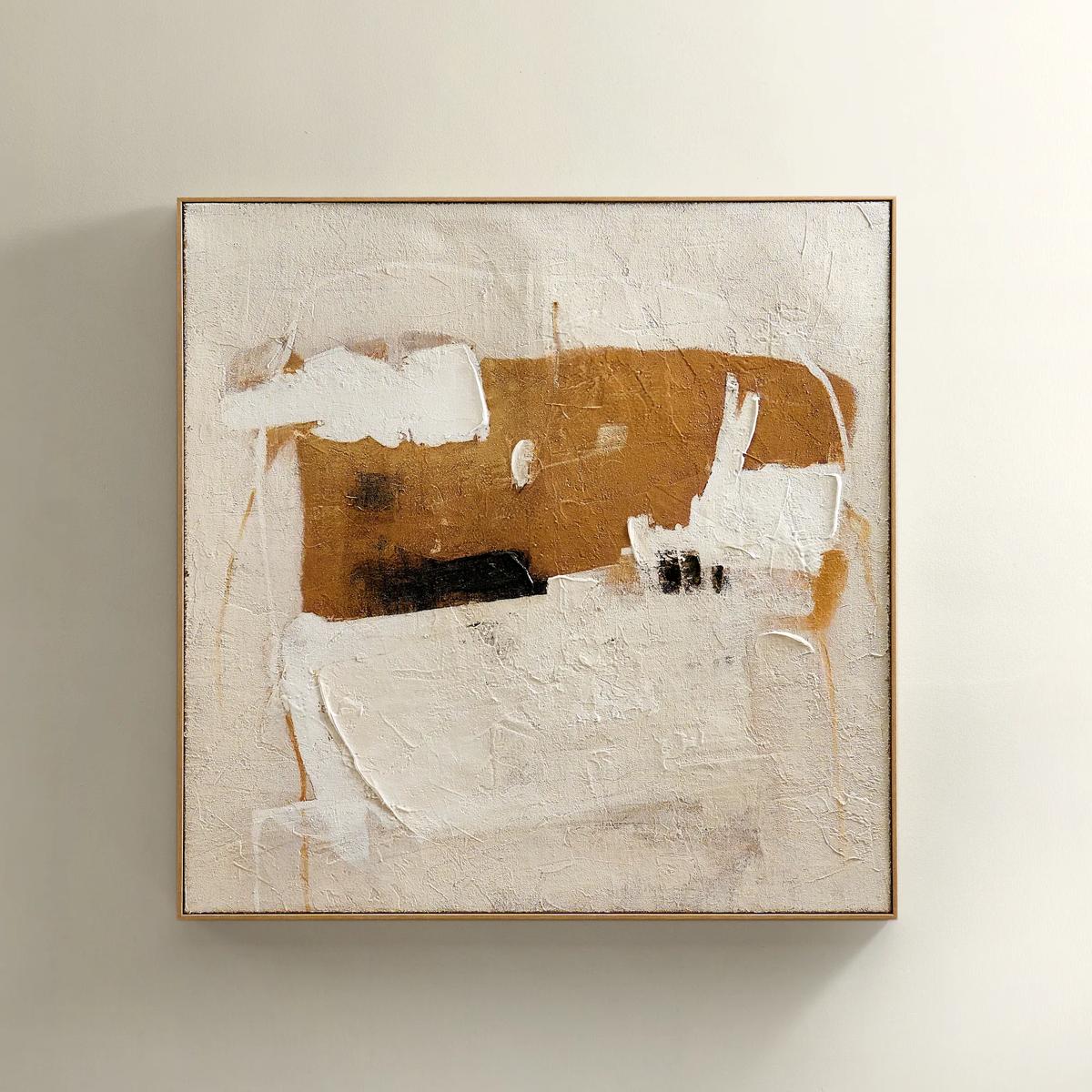 Instinct Framed Painted Wall Art 39.25" x 39.25"$349
An abstract hand-painted artwork featuring warm neutrals and black strokes on hessian with a light natural frame.
Add To Cart -
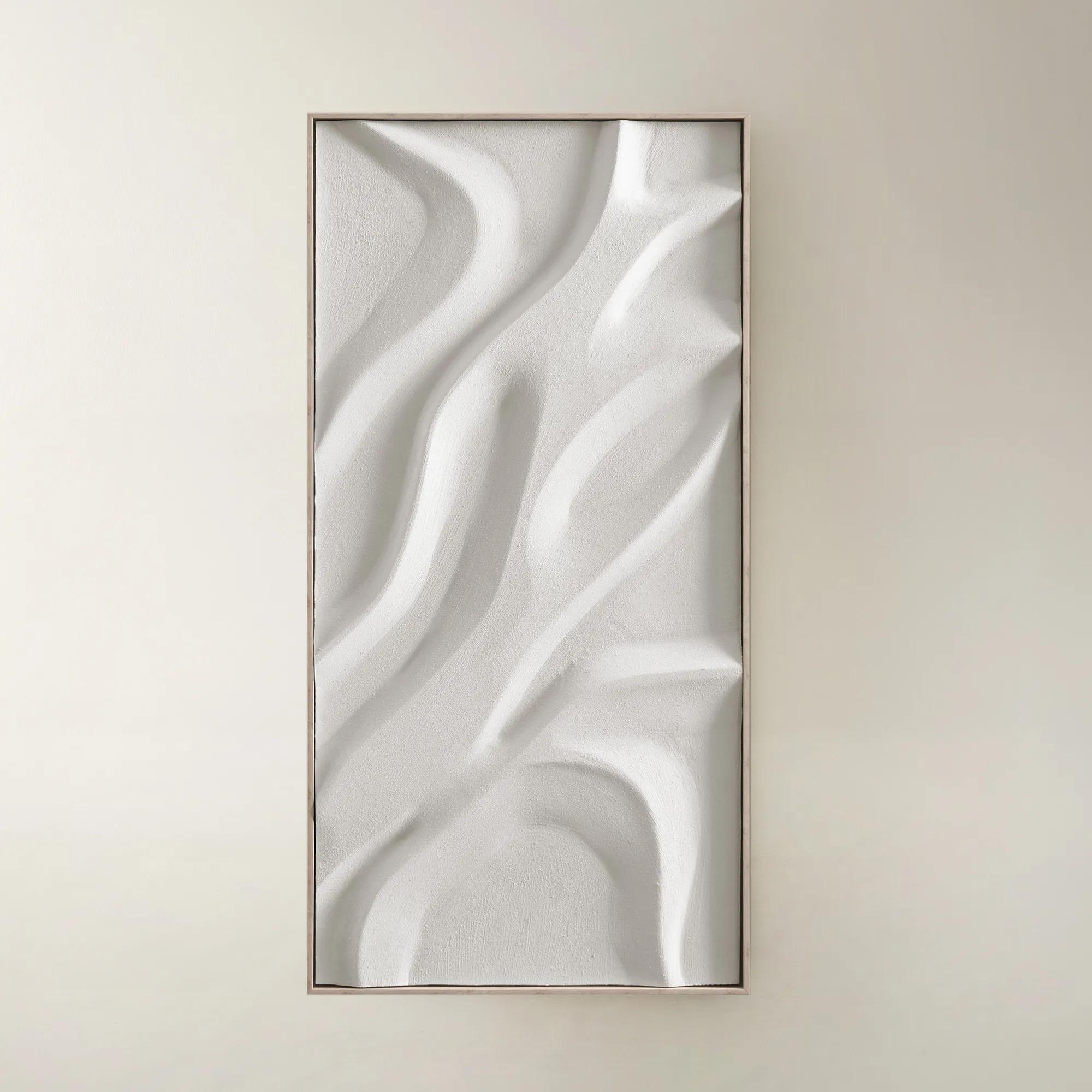
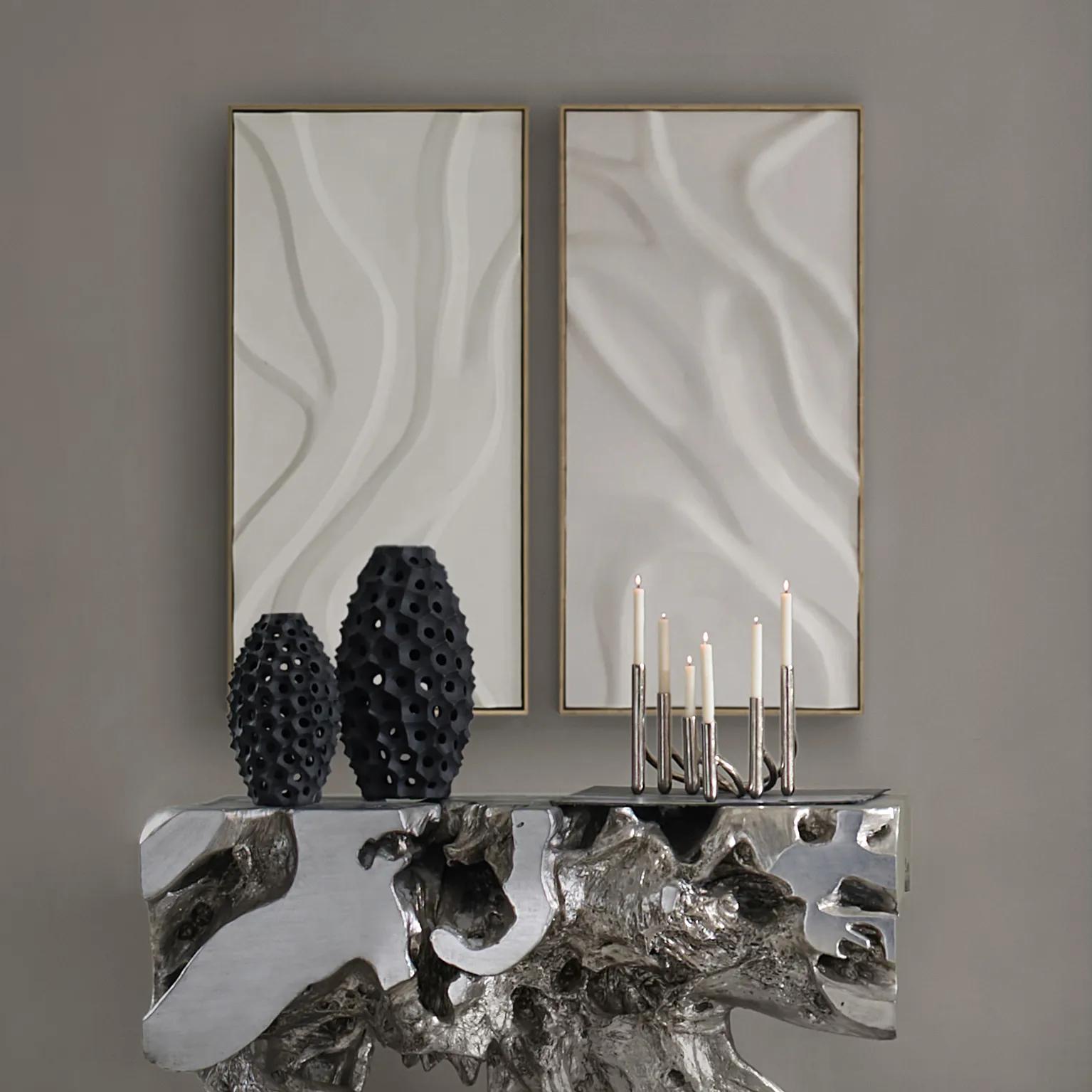 Au Lait Framed Painted Wall Art II 47.2" x 23.6"$199
A serene hand-painted canvas in beige, set in a warm whitewash floater frame for modern interiors.
Add To Cart -
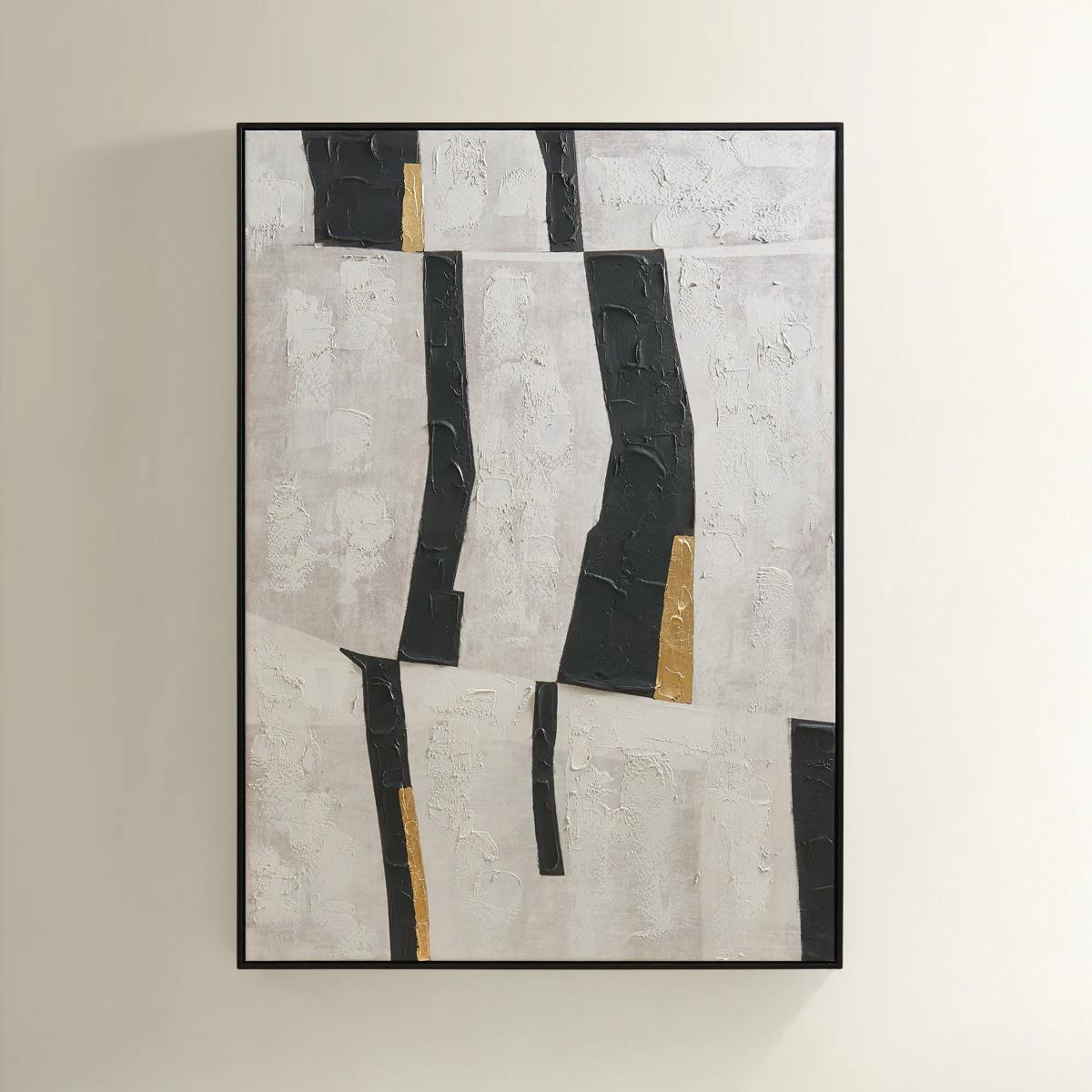
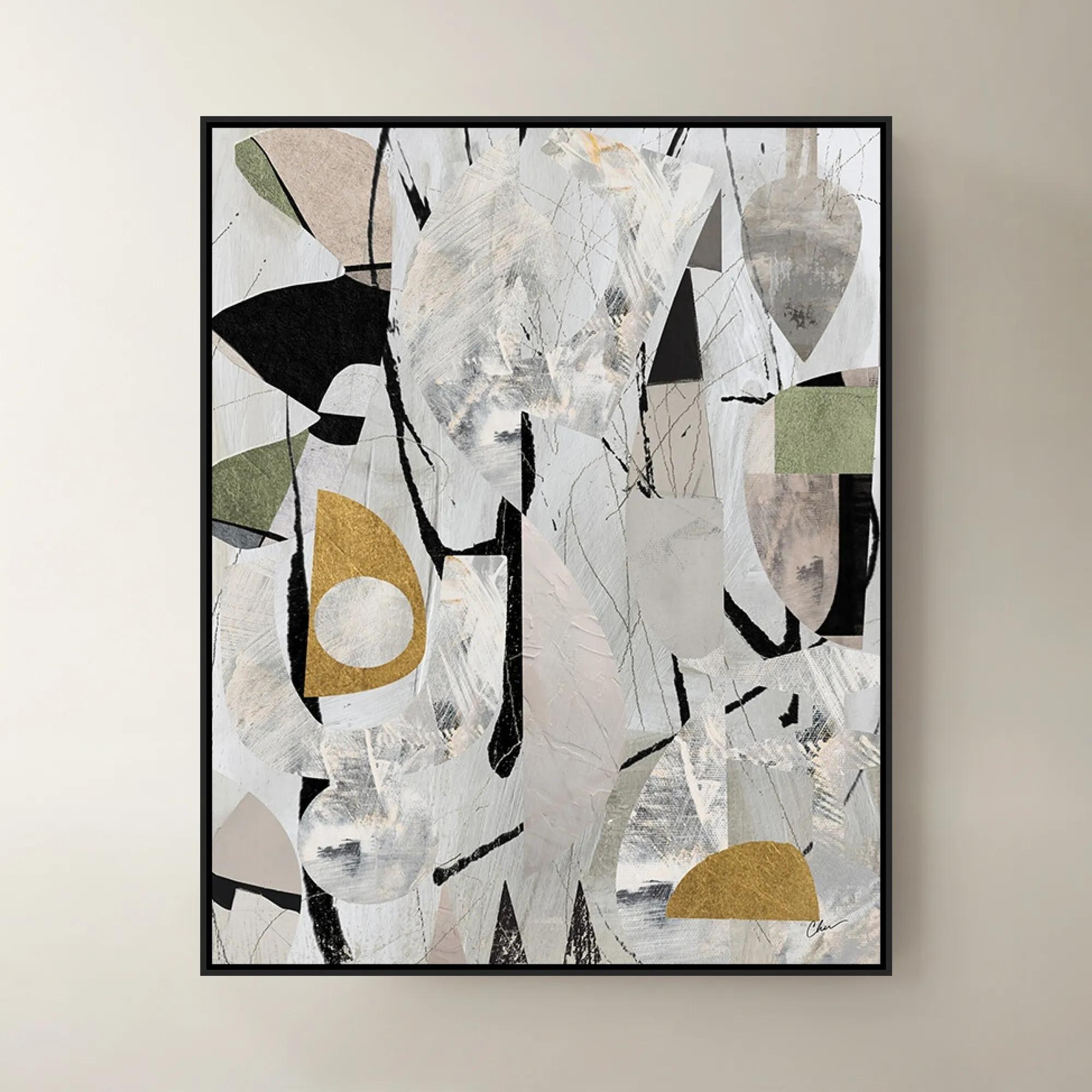
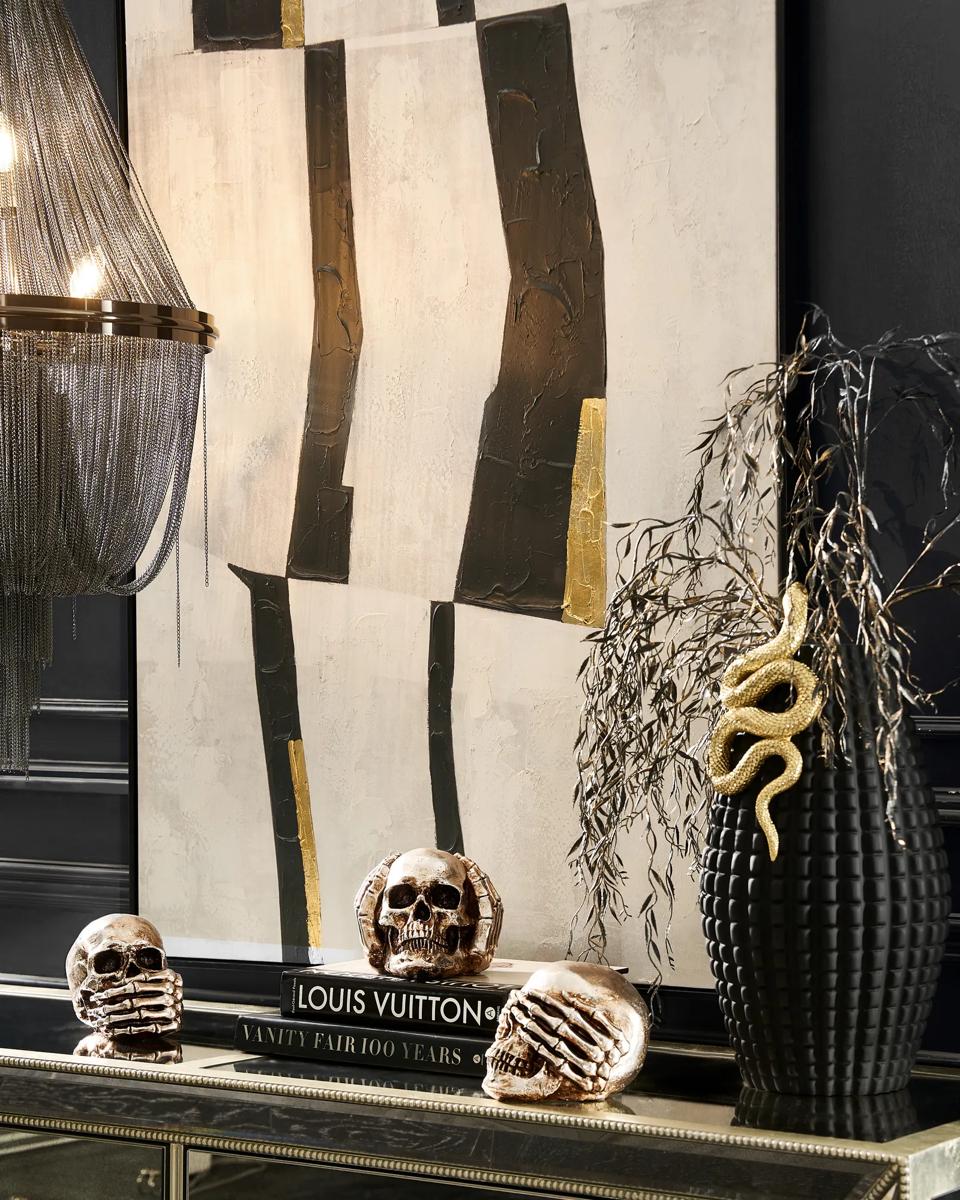 Into the Groove Painting$449
A modern abstract canvas featuring black, gray, and gold leaf accents in a sleek black floater frame.
Add To Cart -
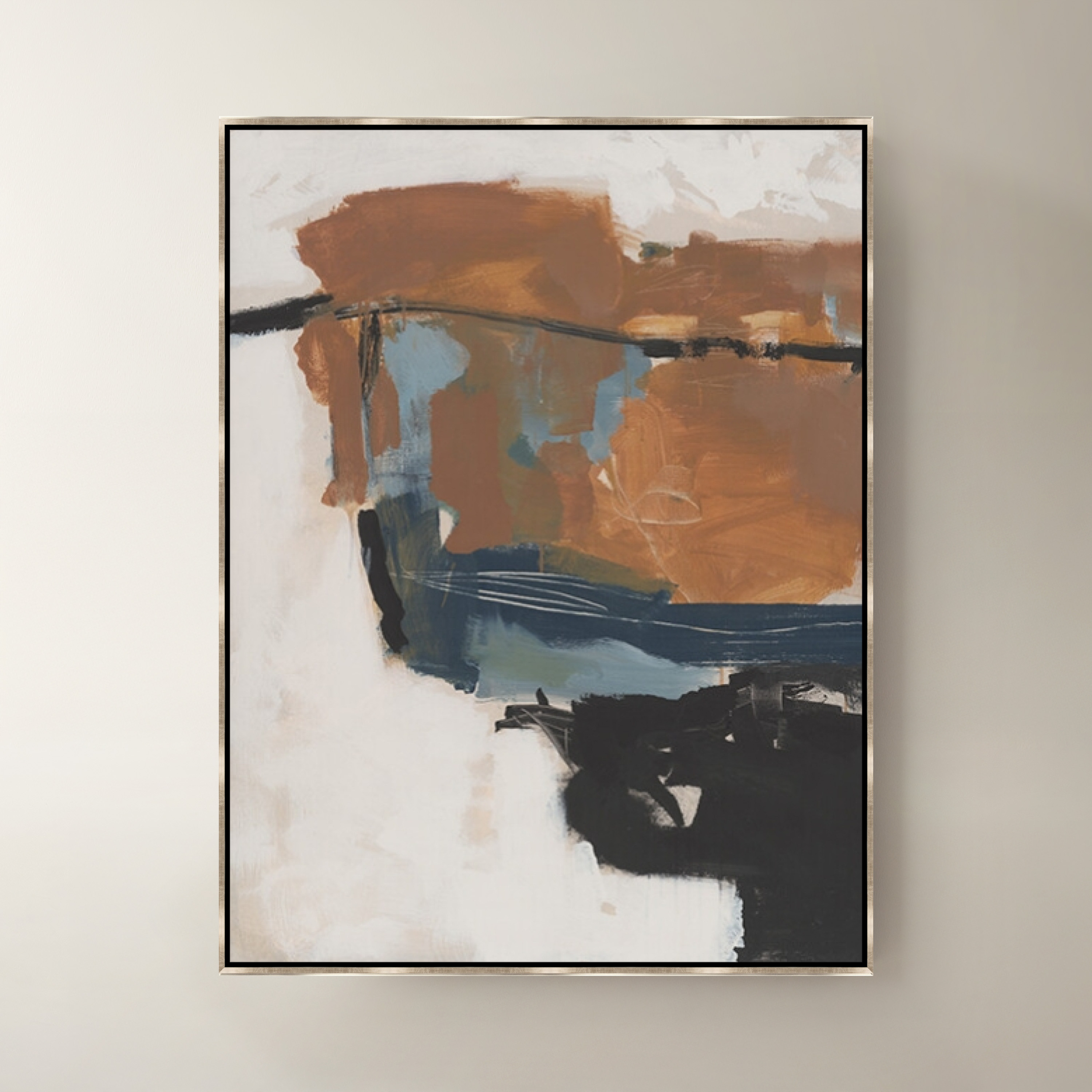
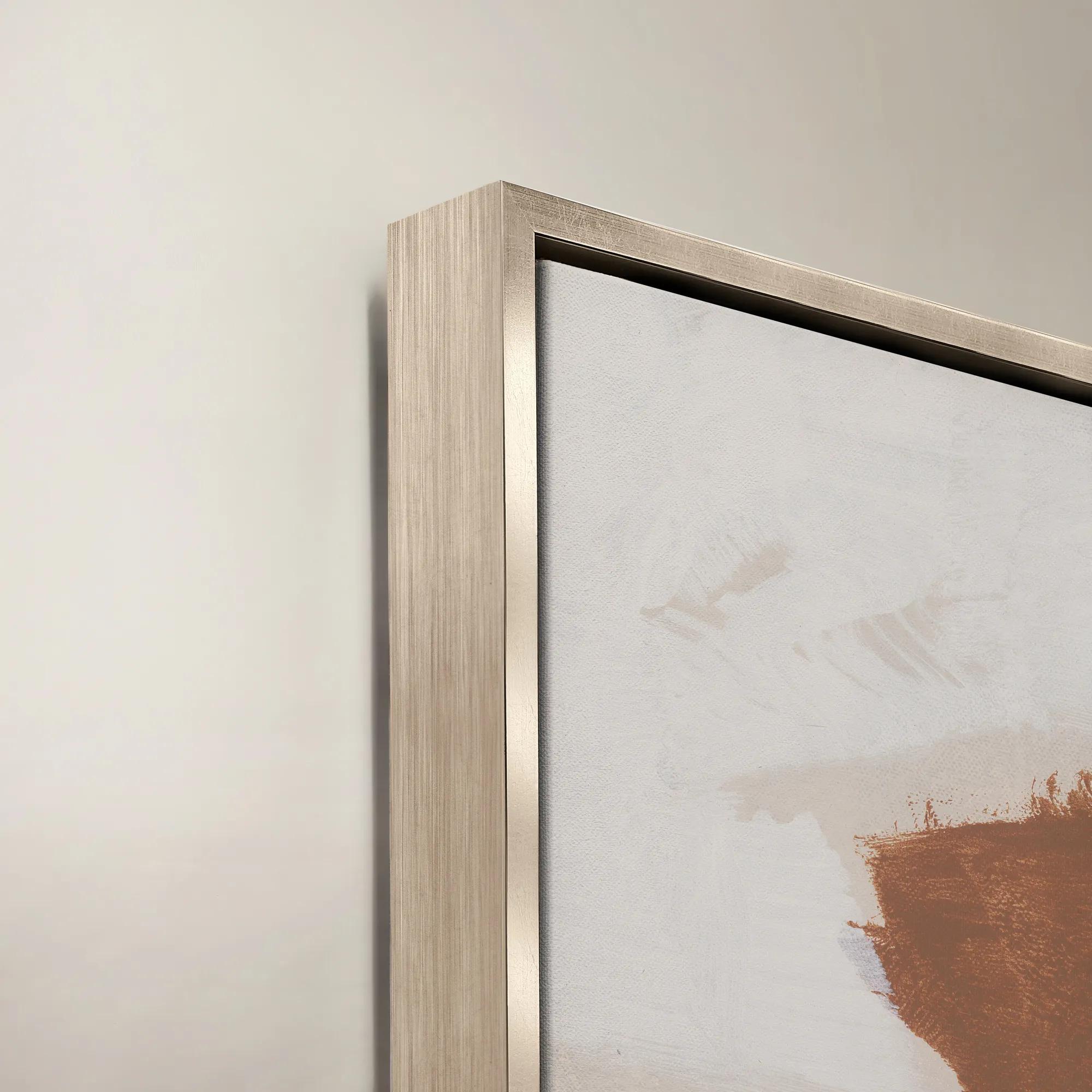 Posturing Framed Wall Art 40" x 54"$1199
A striking multicolored canvas artwork presented in an elegant frame for contemporary interiors.
Add To Cart -
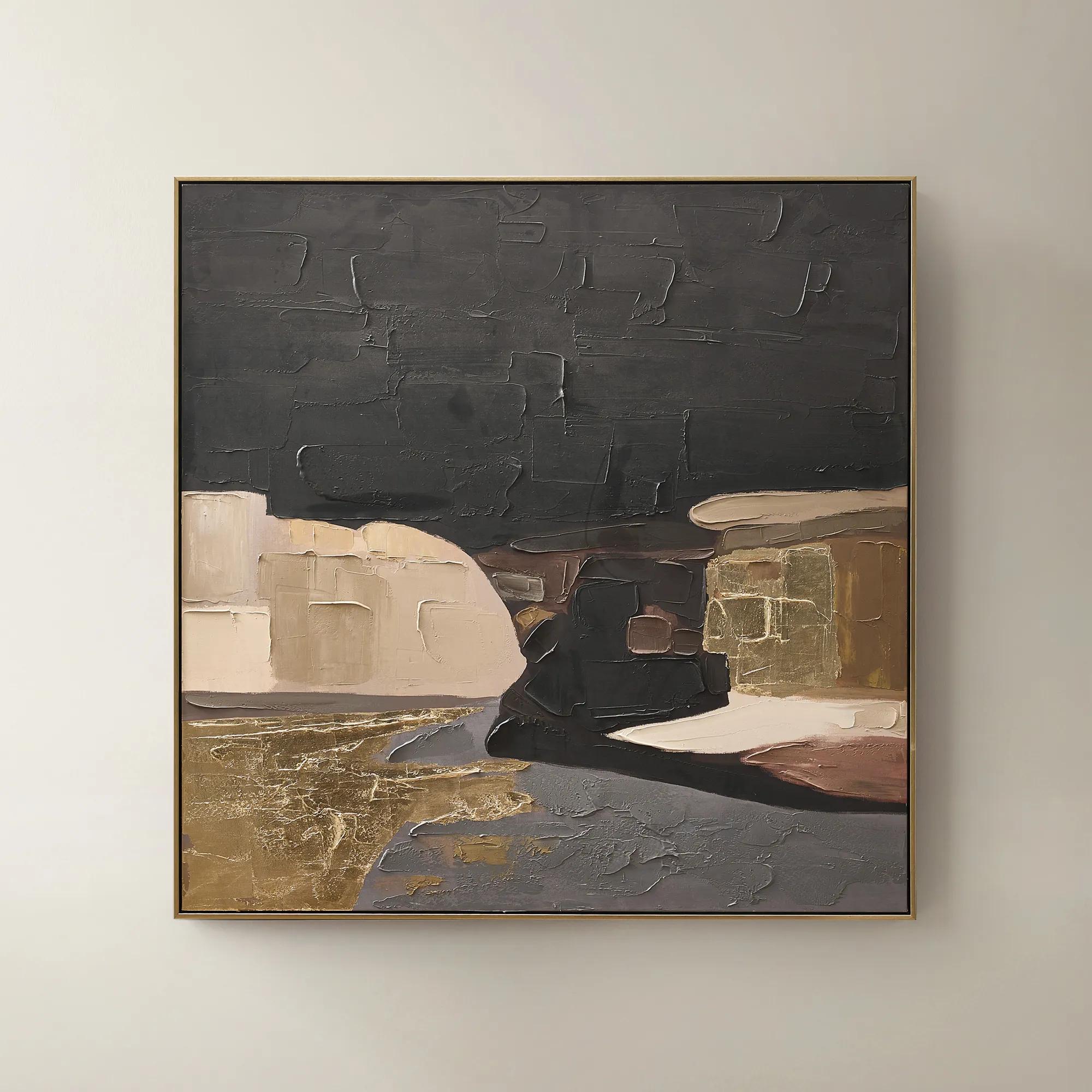 Obscured Light Framed Gold Leaf Painted Wall Art 48" x 48"$499
A hand-painted canvas with gold leaf accents and a black-gold frame in dramatic neutral tones.
Add To Cart -
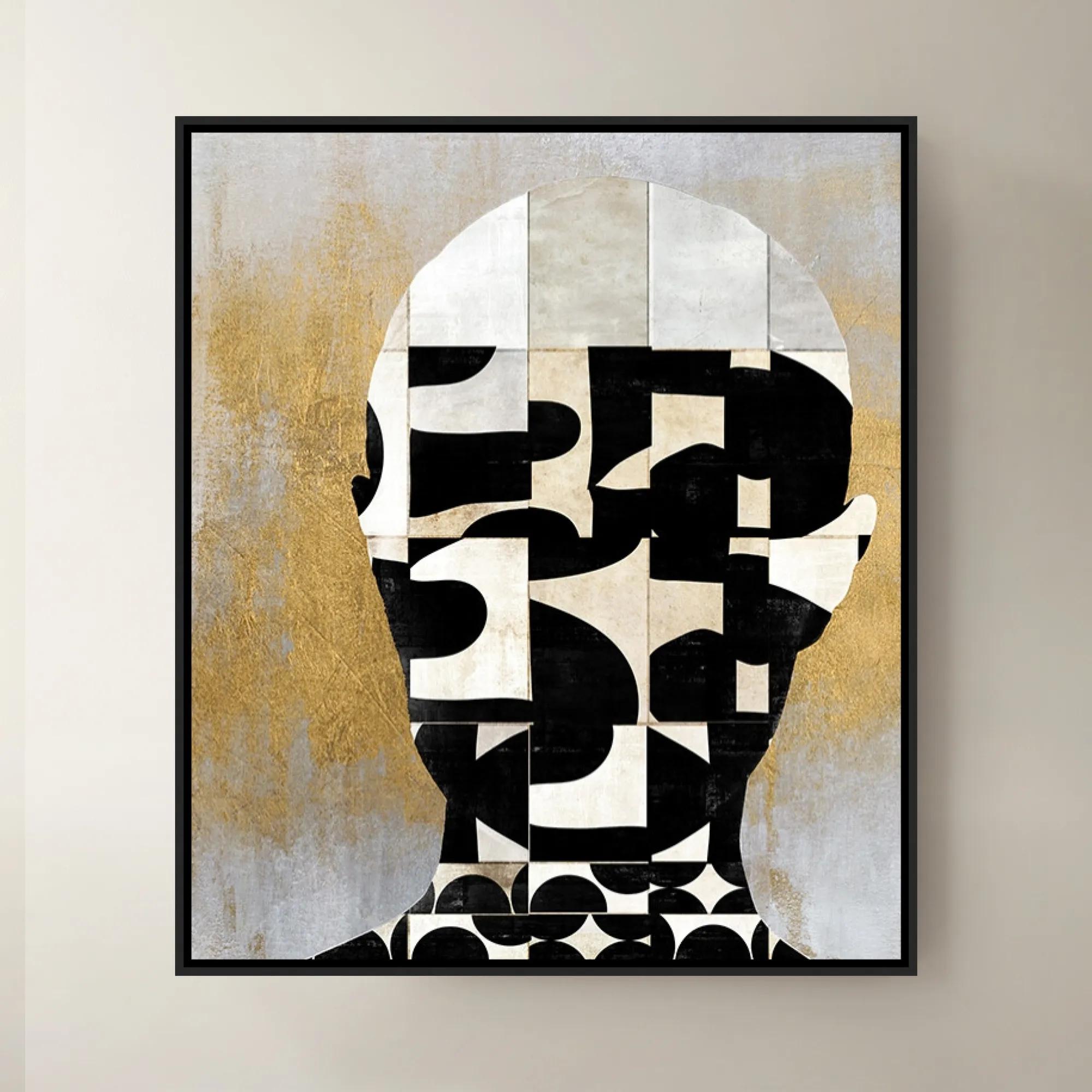
 Lets Face It II Framed Wall Art 30" x 35"$699
A striking contemporary art piece showcasing bold design and creative flair by a renowned interior designer.
Add To Cart -
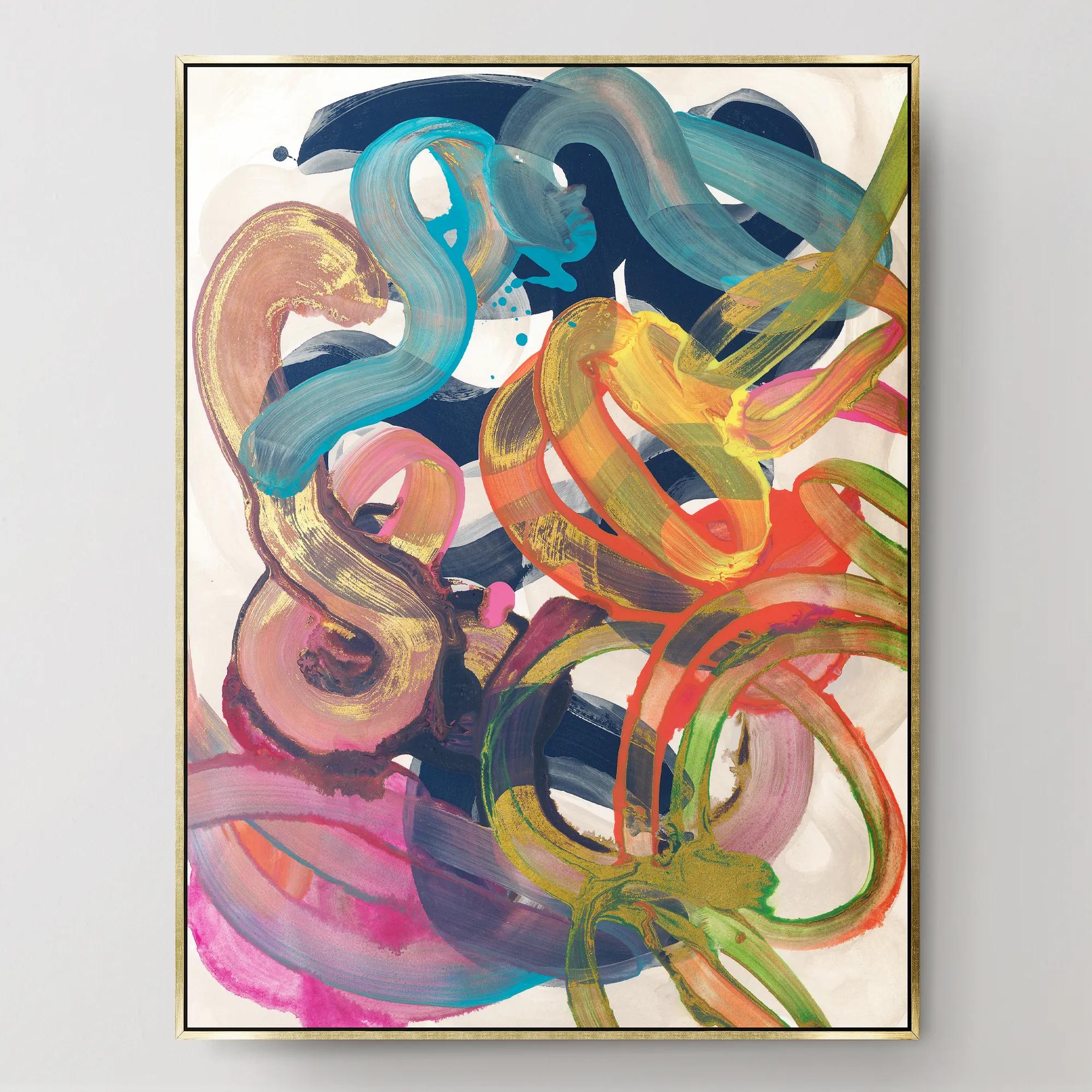
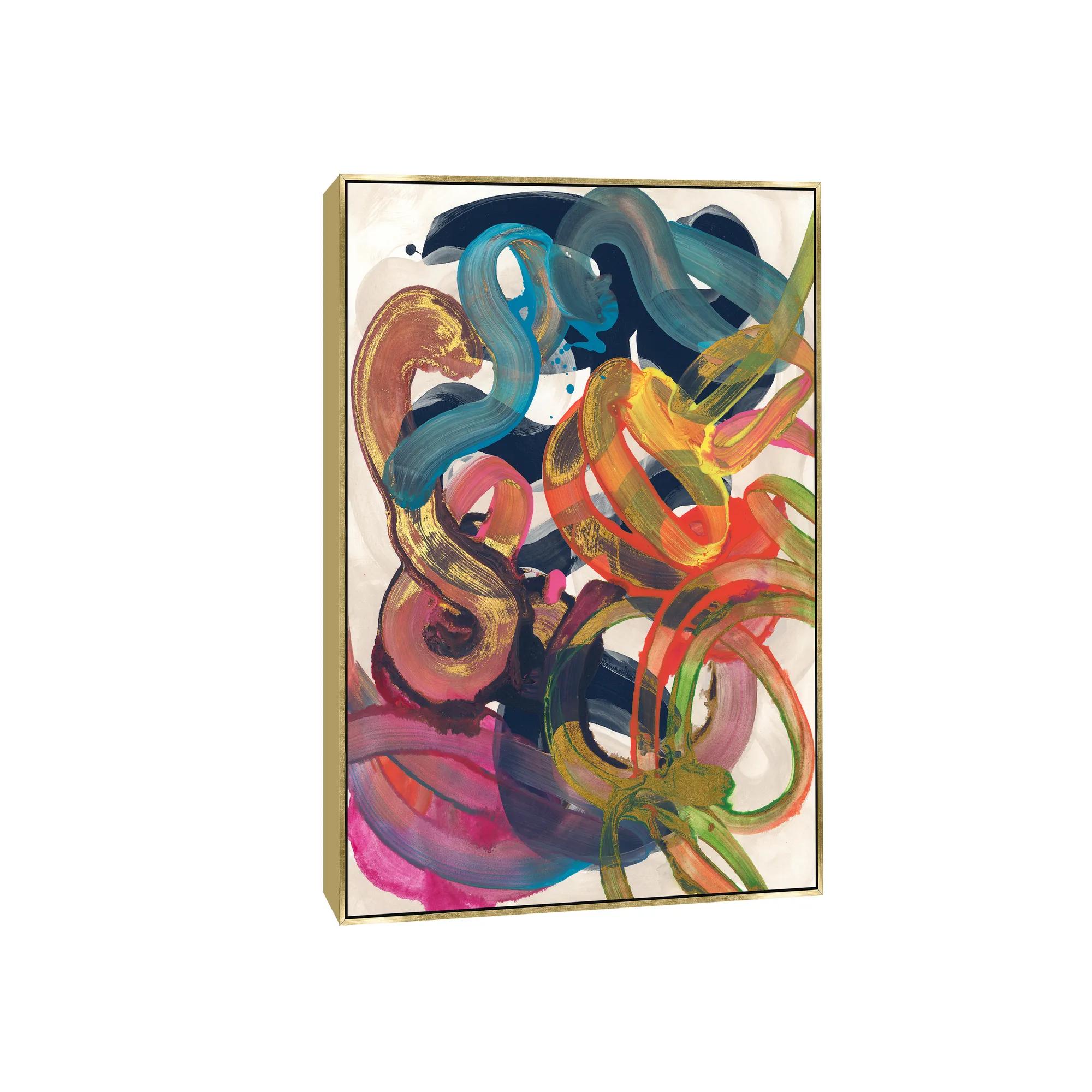 Illogical Conclusions Framed Wall Art 26" x 35"$499
A gallery-wrapped canvas artwork with a hand-applied gel finish, set in a gold float frame.
Add To Cart -
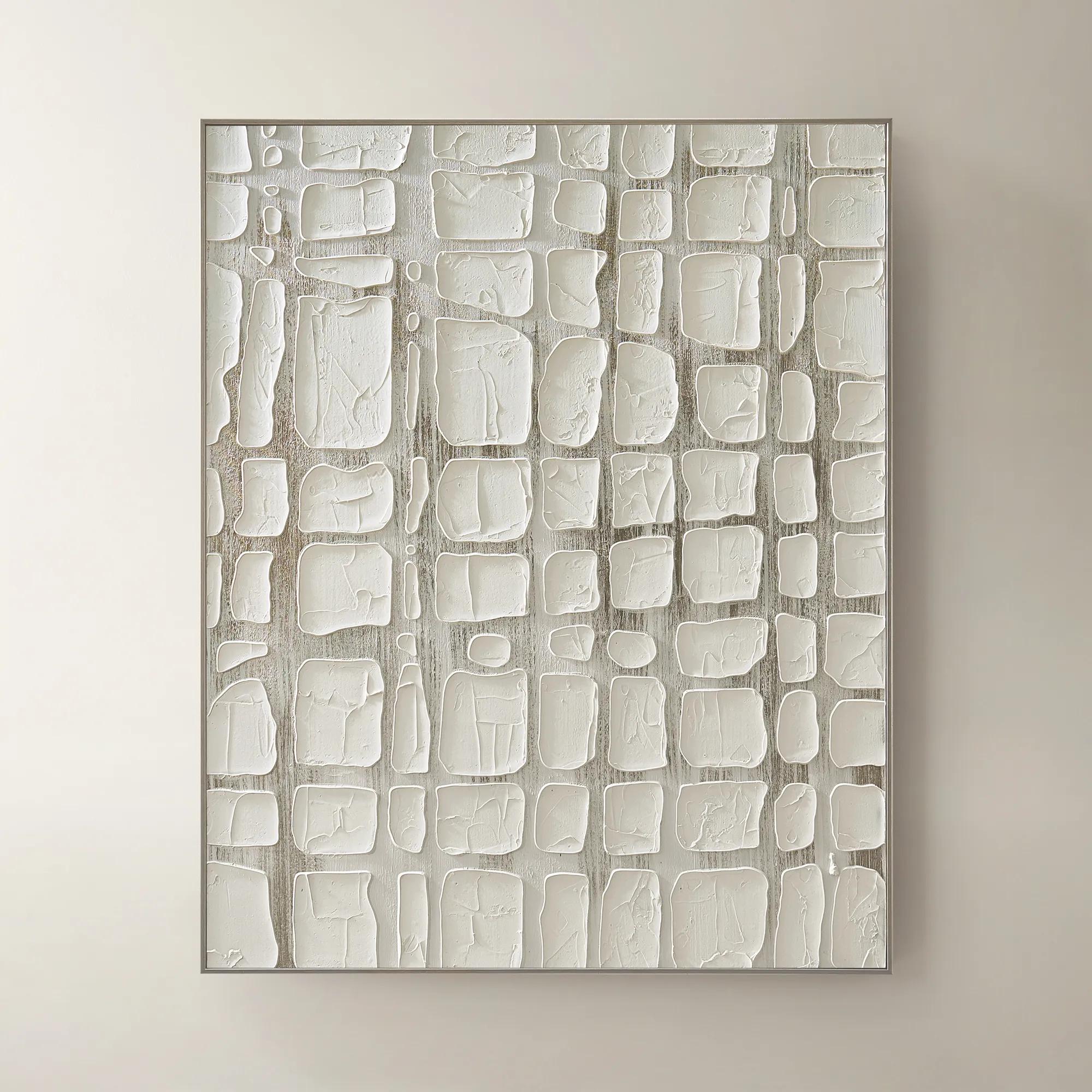
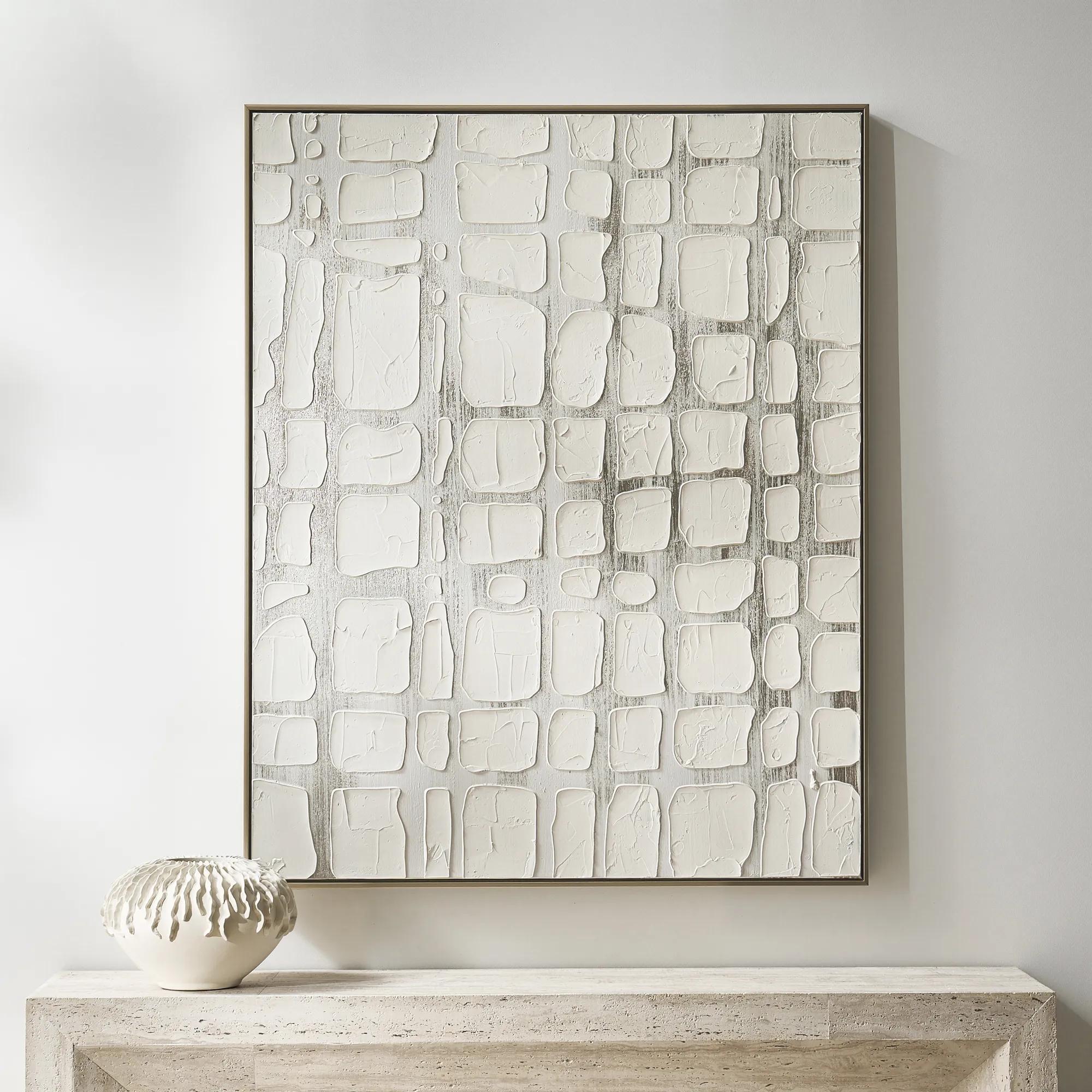 Vanish Framed Painted Wall Art 40" x 50"$499
A hand-painted canvas with raised white forms over champagne metallic ground in a refined floater frame.
Add To Cart -
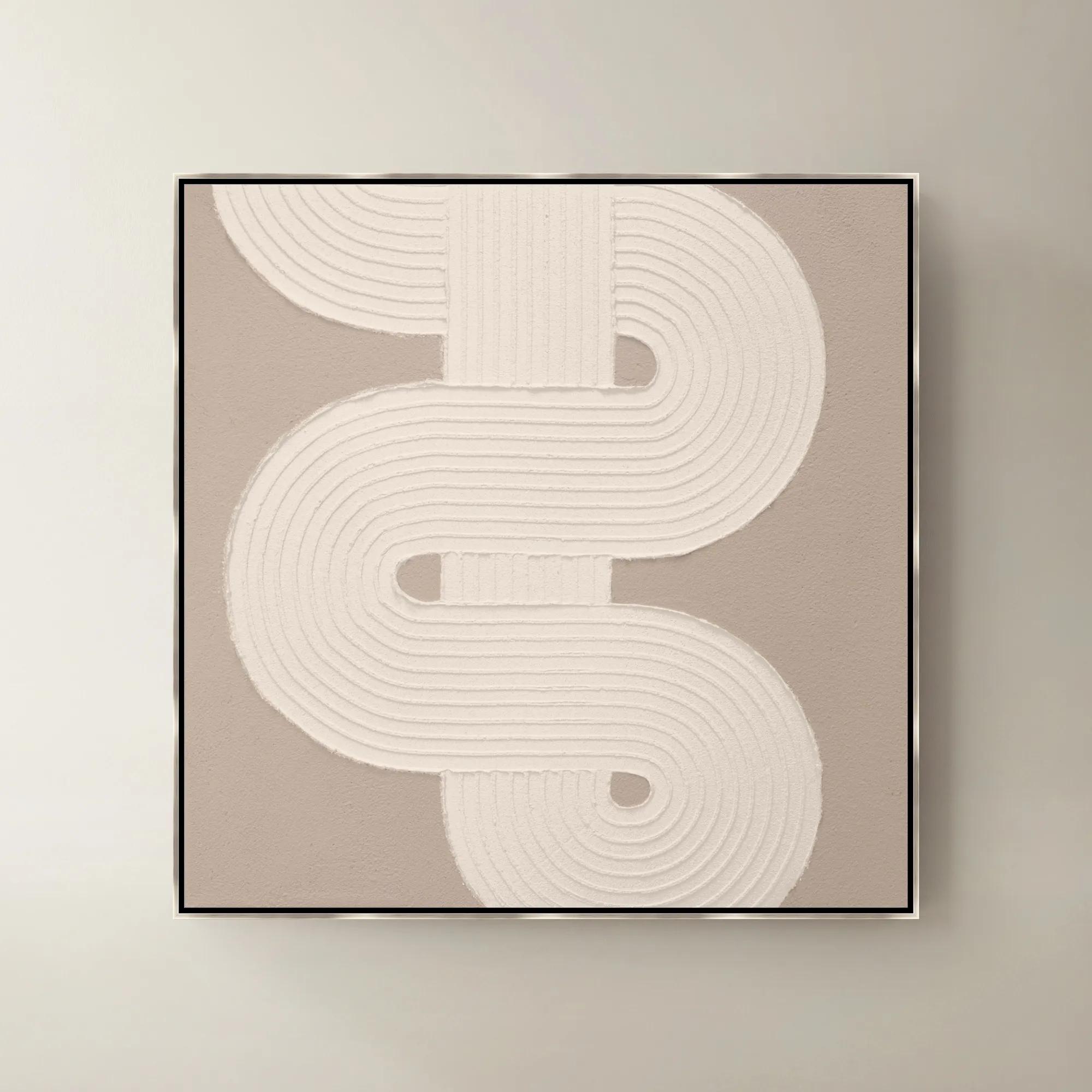
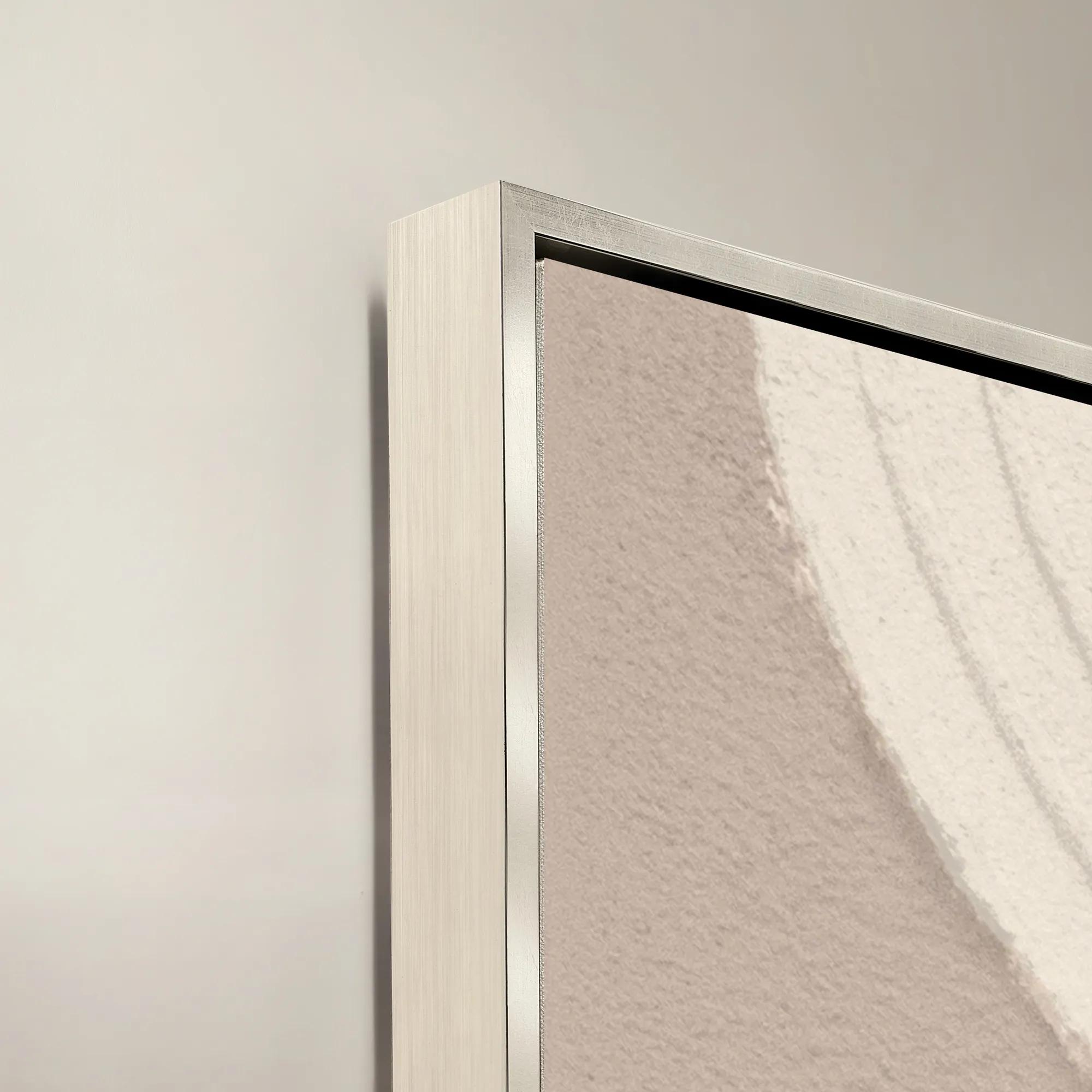 Sacred Geometry V Framed Painted Wall Art 40" x 40"$1099
A striking abstract art piece featuring bold geometric patterns for a modern, sophisticated touch.
Add To Cart -
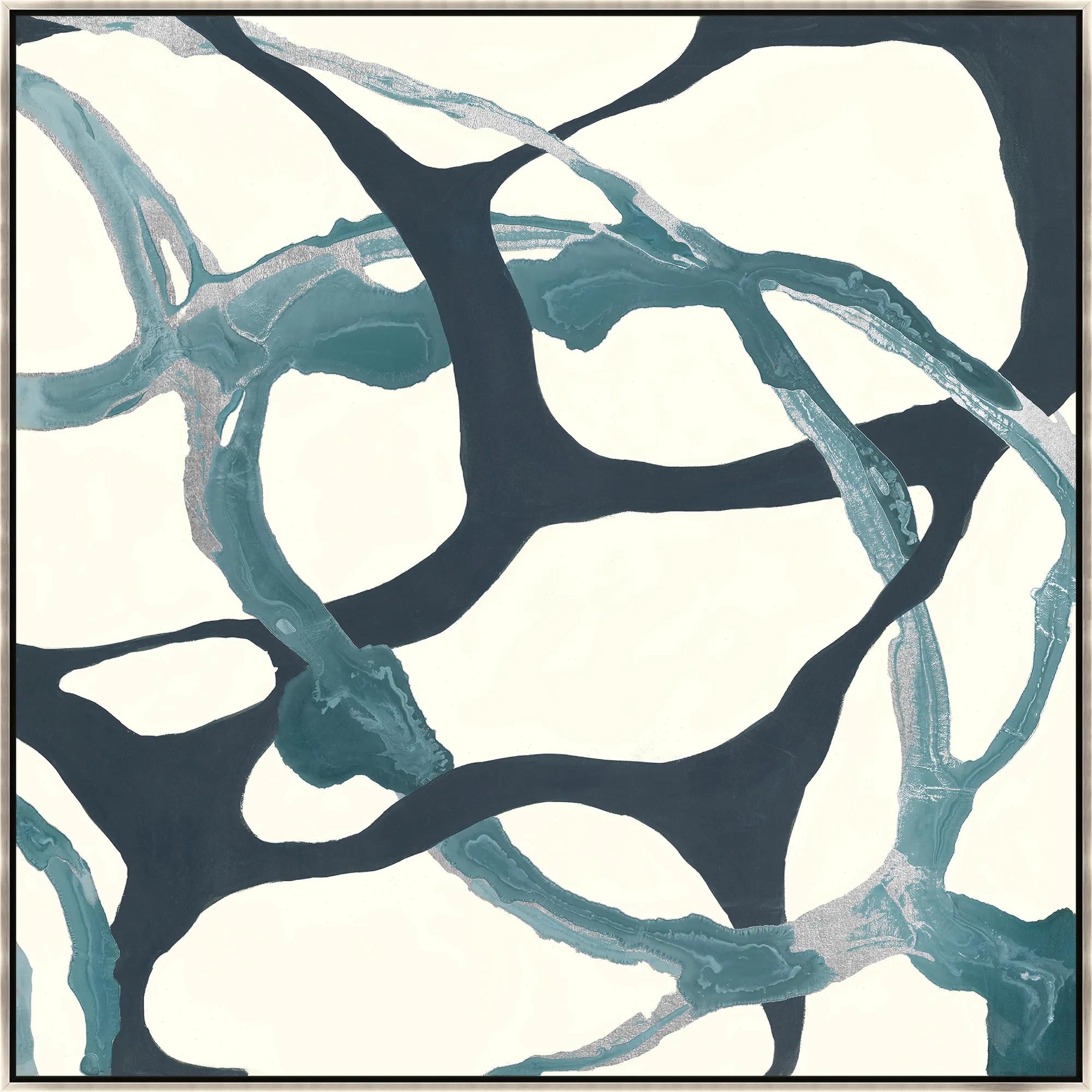
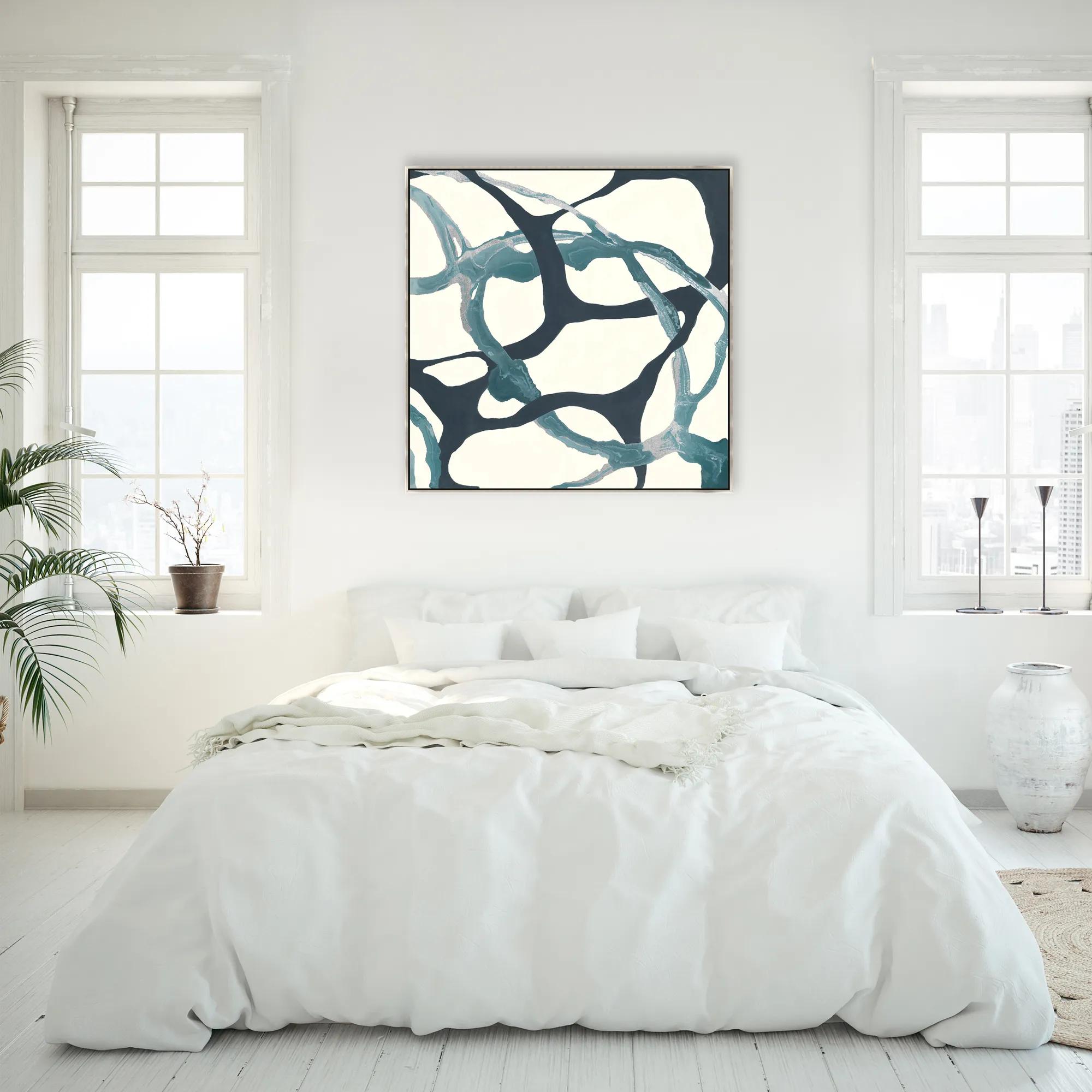 Alignments II Framed Wall Art 40" x 40"$899
A gallery-wrapped canvas featuring gilded silver accents and hand-applied brush gel in a silver floater frame.
Add To Cart -
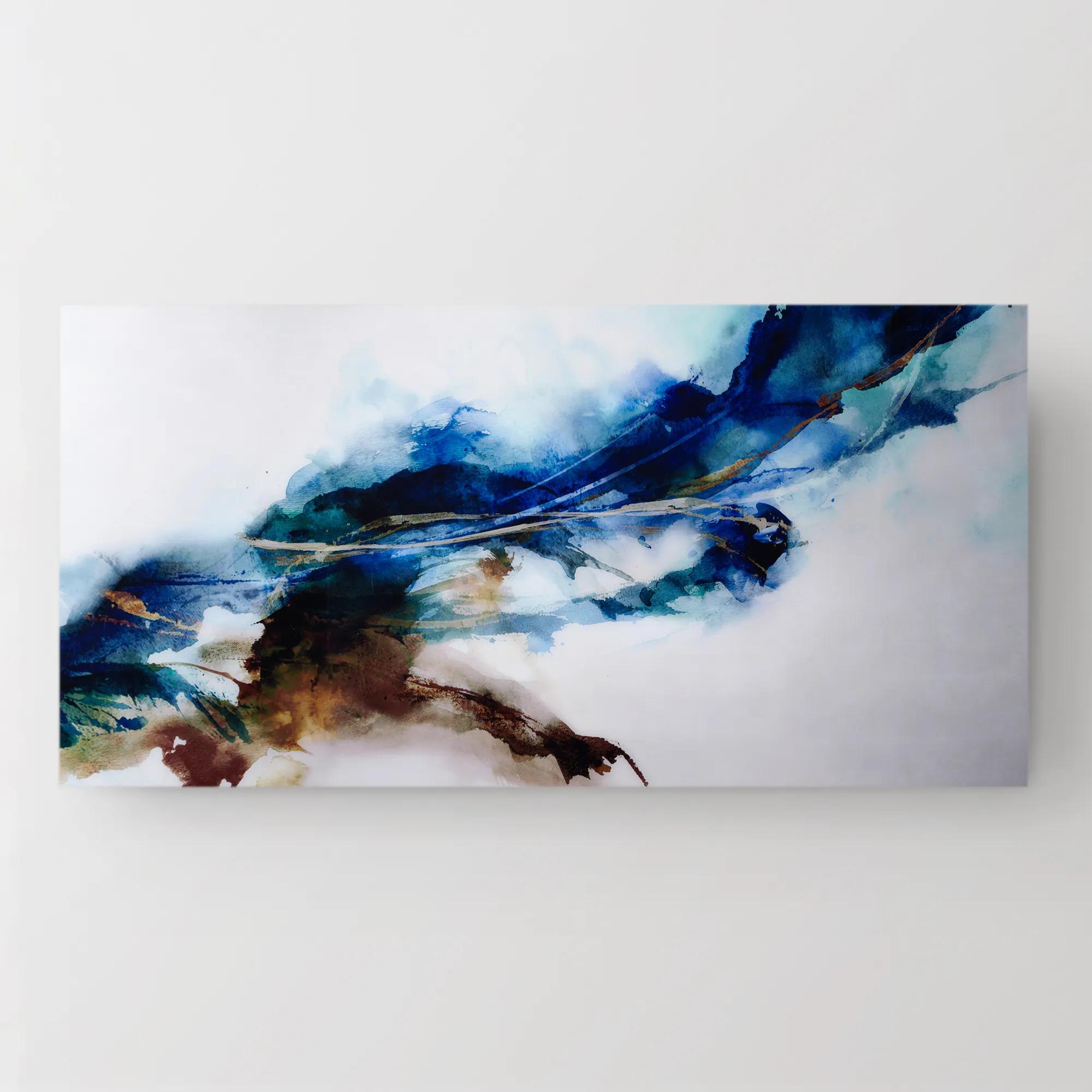 Cerulean Movement Acrylic Art 72" x 36"$1299
A vibrant abstract artwork printed on high-gloss acrylic, infusing your space with dynamic energy and movement.
Add To Cart -
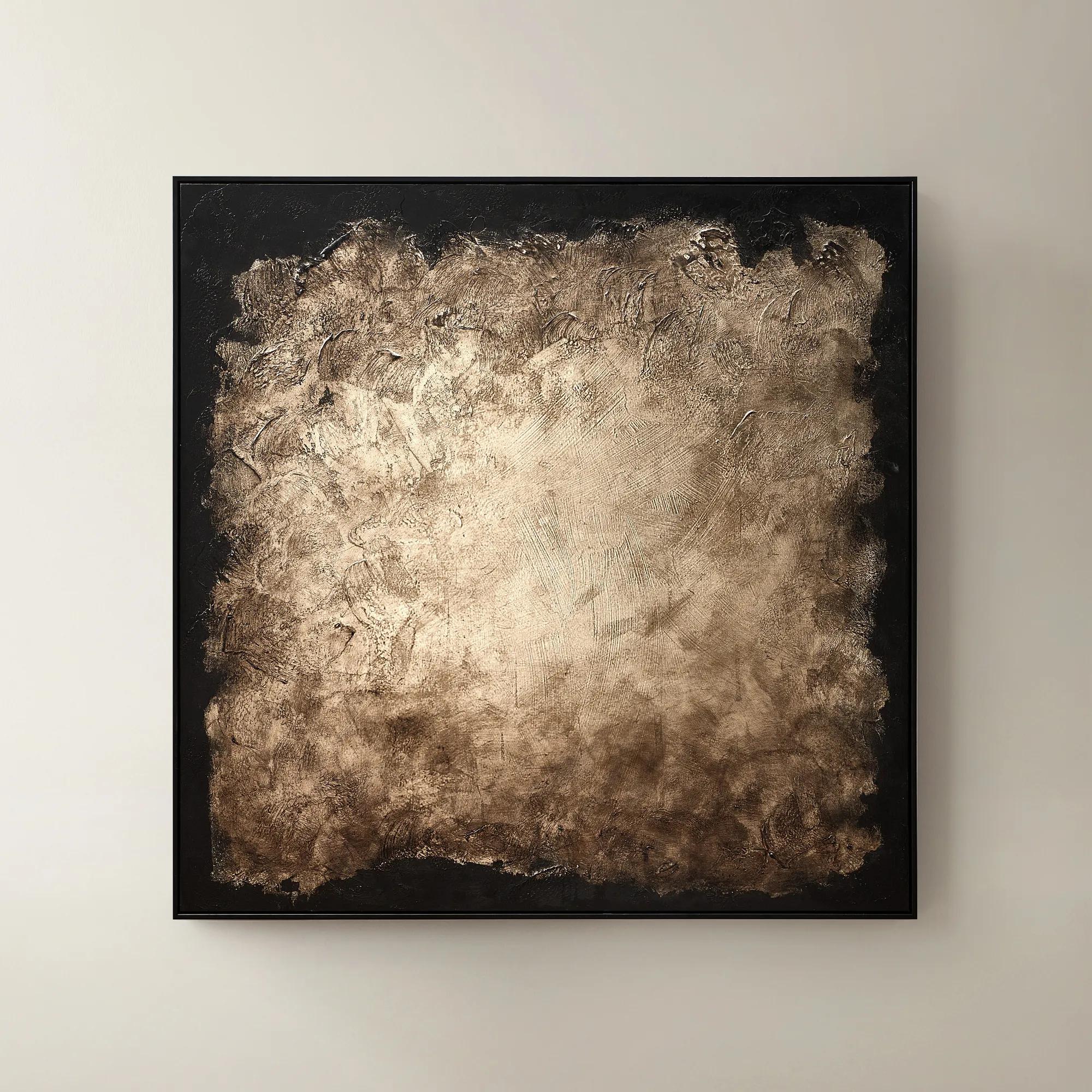 Edge of Knowing Framed Gold Leaf Painted Wall Art 50" x 50"$599
A hand-painted abstract canvas featuring gold leaf accents and a smoked champagne and black palette in a black frame.
Add To Cart -
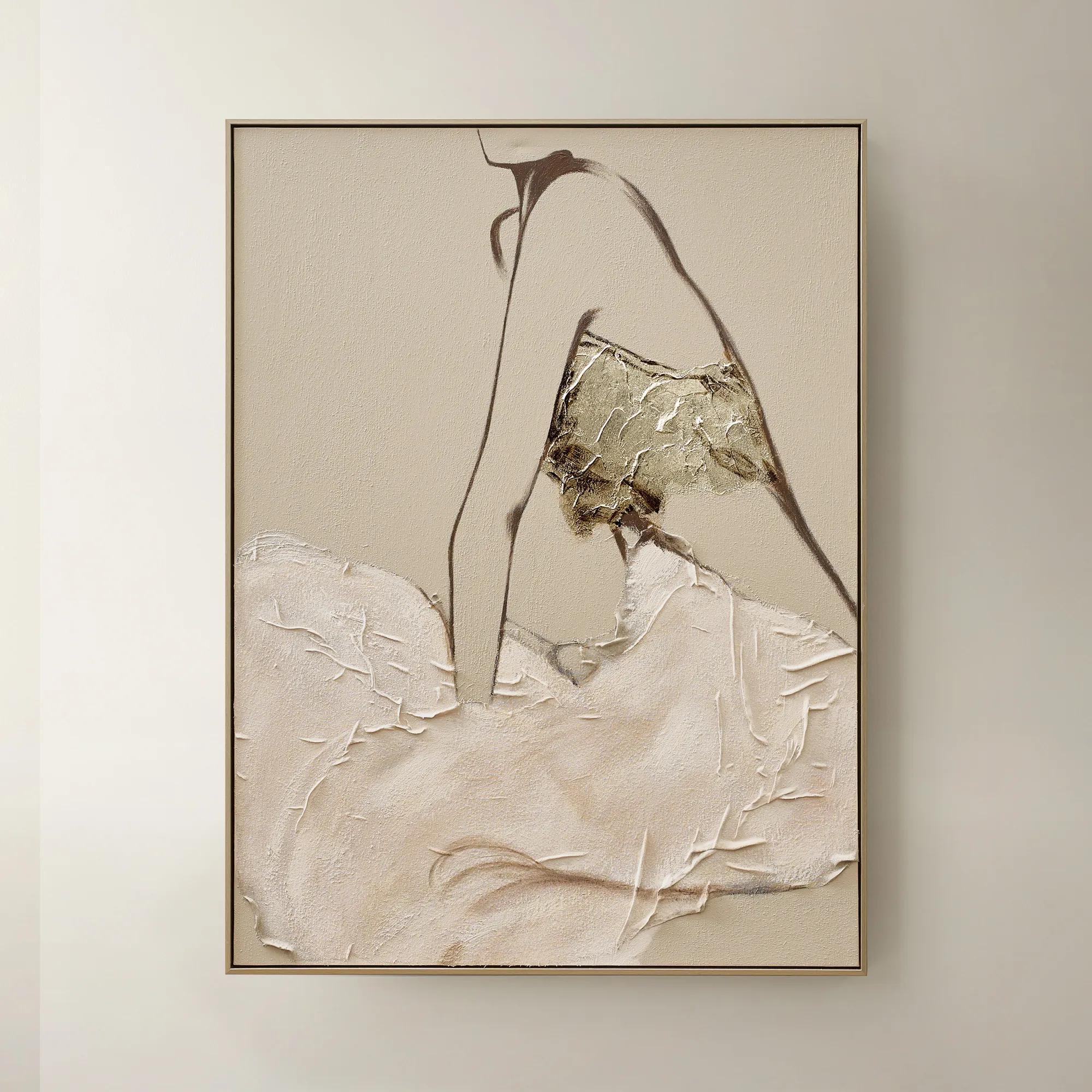 Quiet Pose Framed Painted Wall Art 36" x 48"$499
A hand-painted canvas in taupe and champagne tones features textural details and shimmering champagne leafing.
Add To Cart -
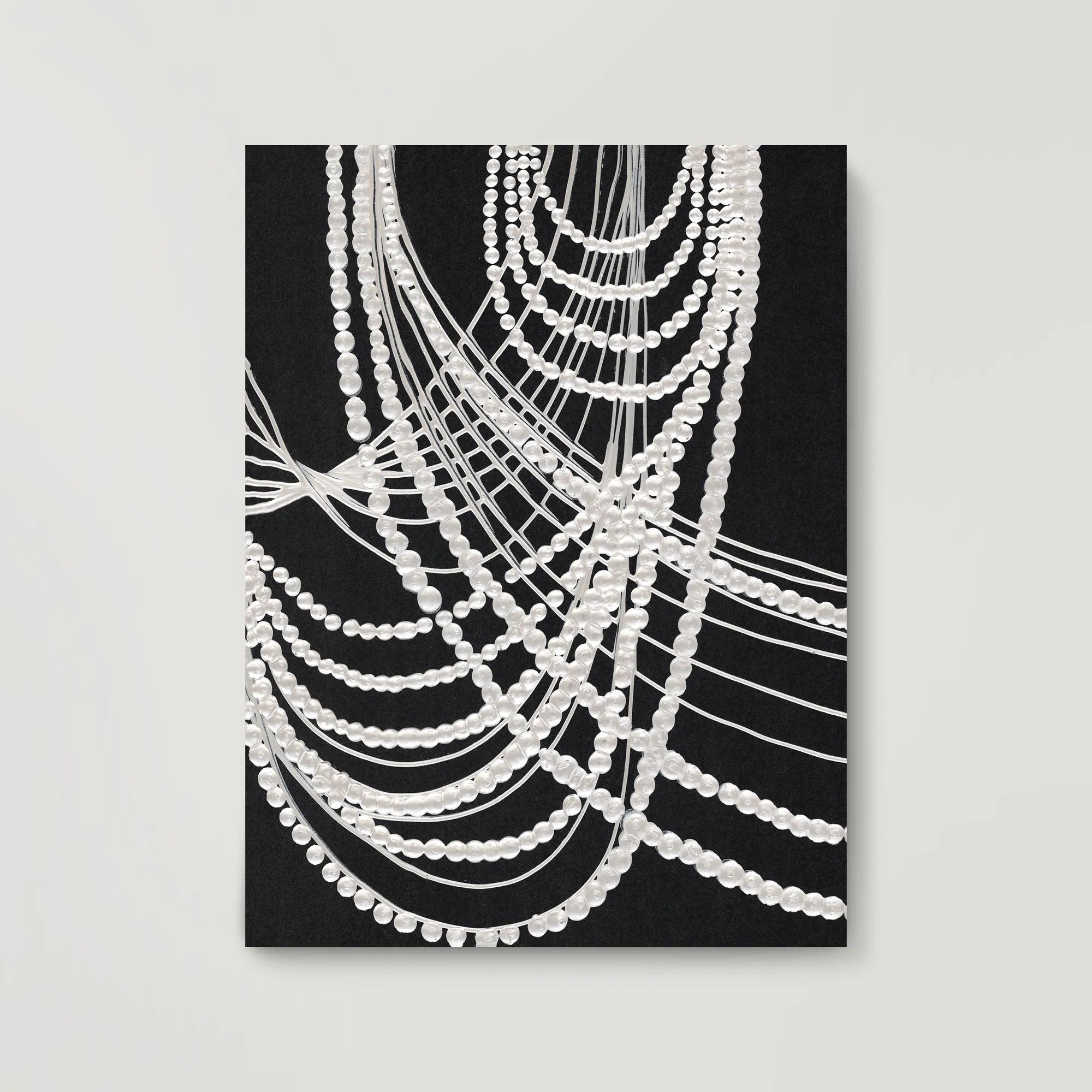 Dripping Pearls Painted Wall Art 36" x 48"$949
A striking hand-painted abstract artwork featuring layered acrylic and watercolor textures in a modern design.
Add To Cart -
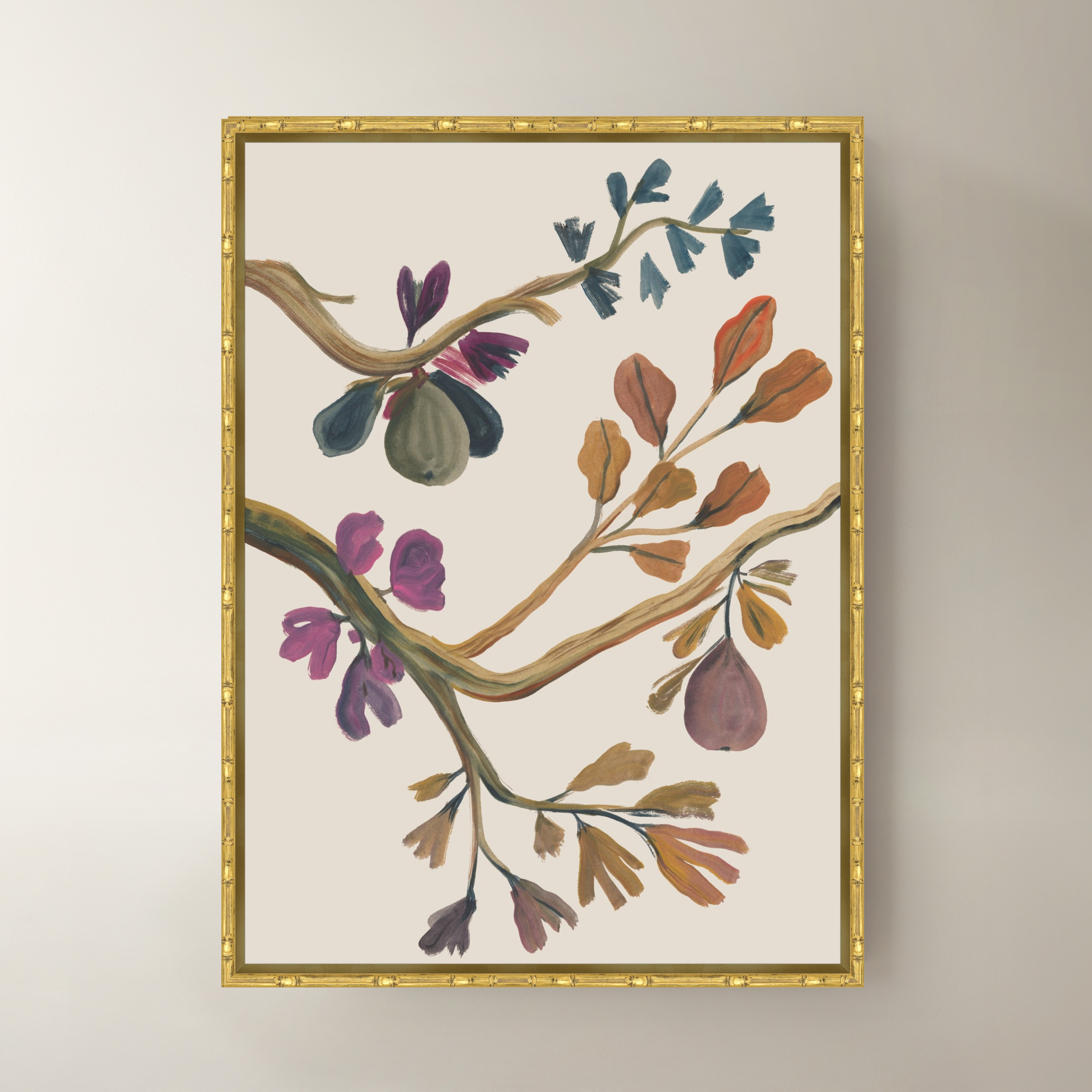
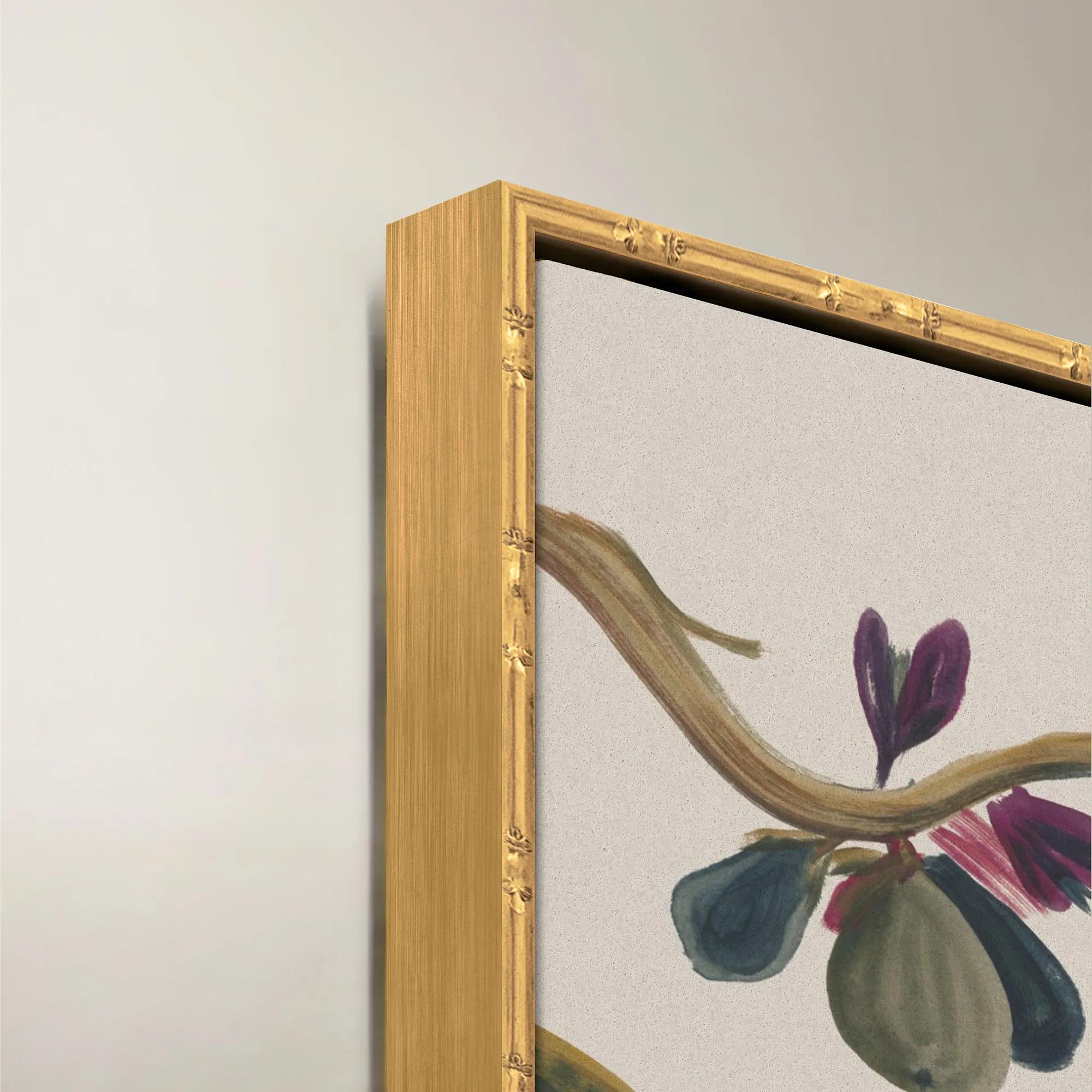 Whispering Orchard II Framed Wall Art 24" x 33"$749
A multicolored canvas wall art piece presented in an elegant frame for contemporary interiors.
Add To Cart -
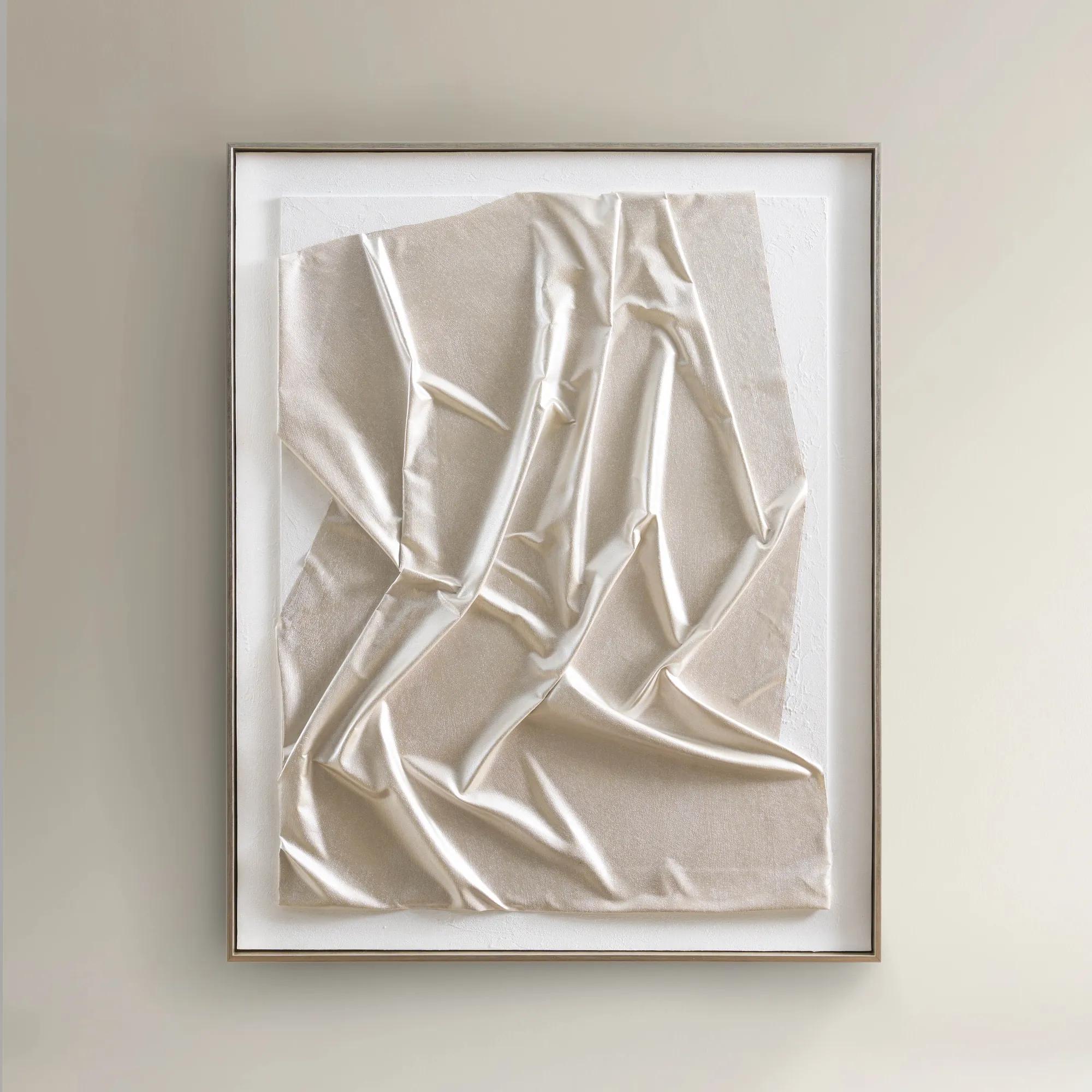
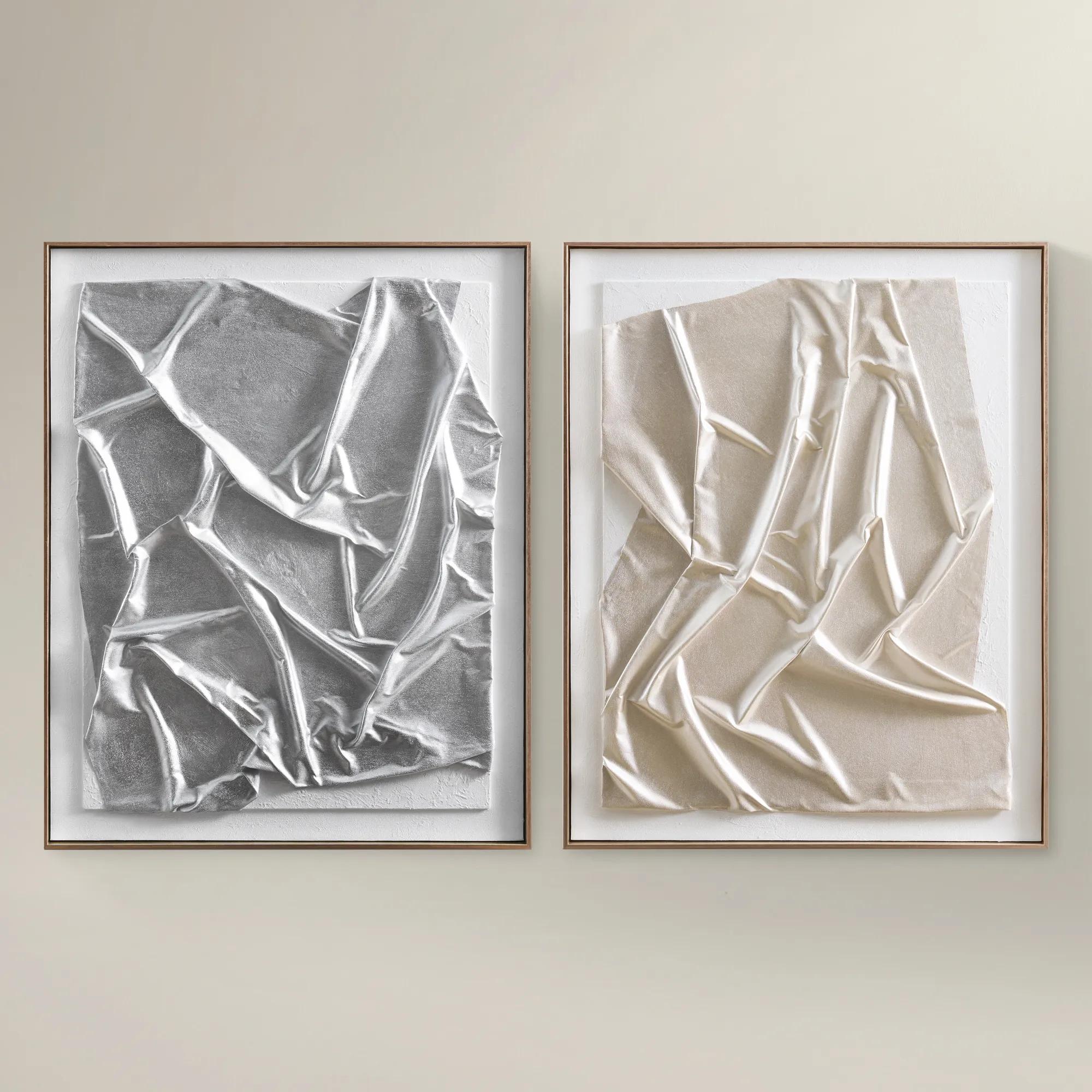 In the Mood Framed Painted Wall Art 31.5" x 39.5"$199
A hand-painted gold canvas artwork featuring textured surfaces and fluid forms in a champagne floater frame.
Add To Cart -
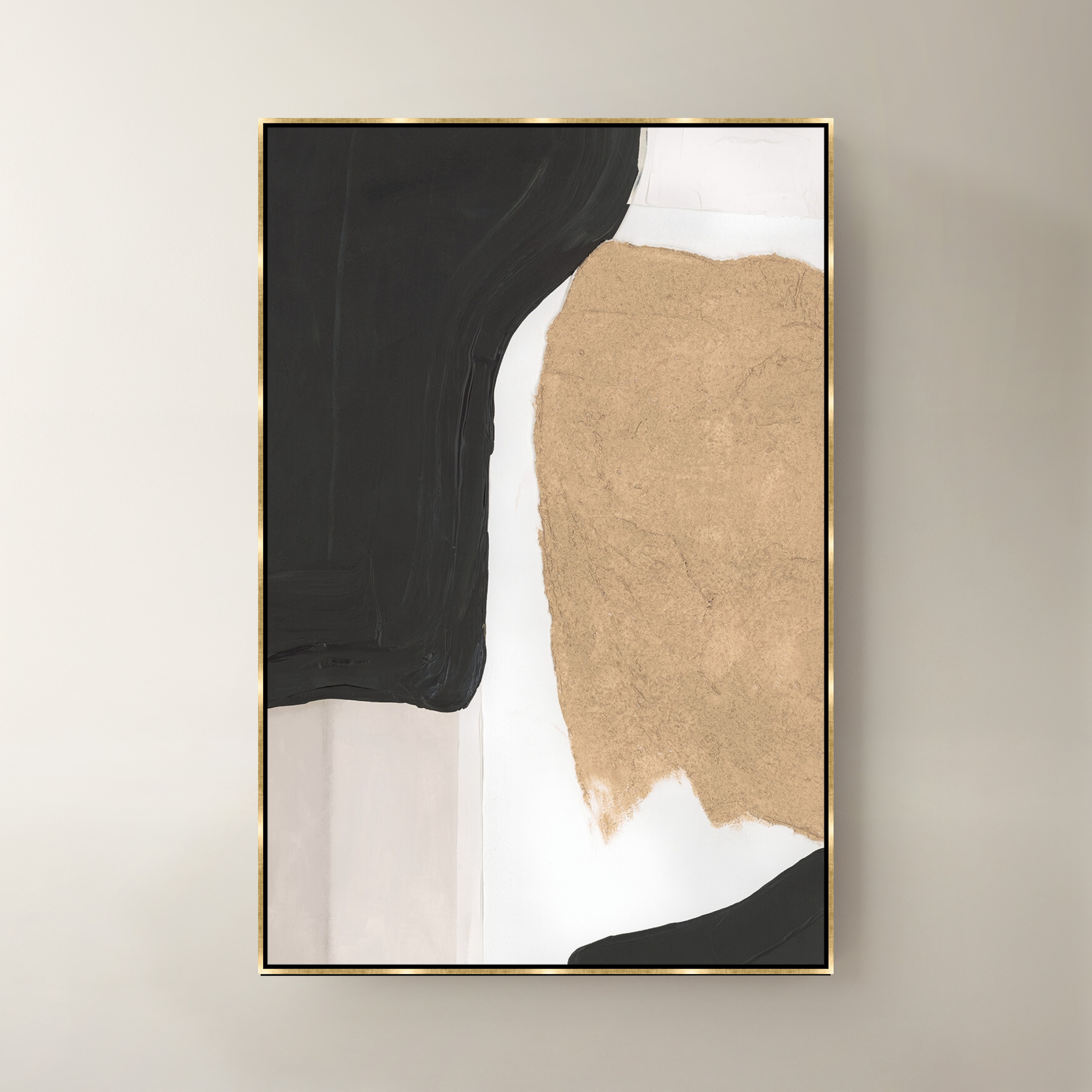
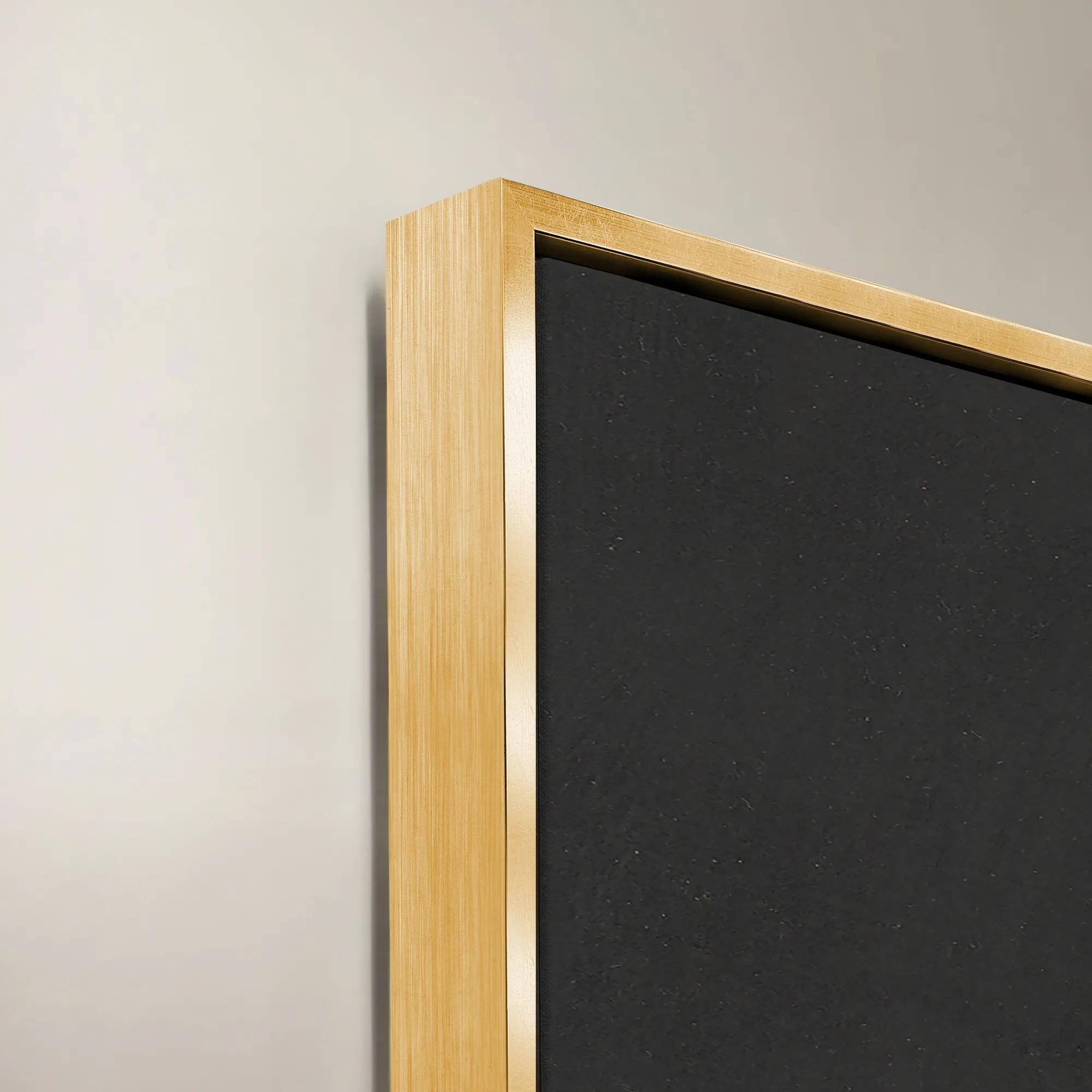 Noir I Framed Wall Art 40" x 60"$1299
A multicolored canvas wall artwork presented in a striking frame for modern interior styling.
Add To Cart

Art For Therapy Offices
Art for therapy offices is more than décor—it’s an invitation to tranquility, reflection, and transformation. Each piece is thoughtfully curated to cultivate a sanctuary where every brushstroke inspires calm and every hue whispers reassurance. Whether you seek to spark creativity or foster serenity, art for therapy offices sets the stage for meaningful connection and emotional well-being. Elevate your practice with gallery-worthy works that turn every session into a masterpiece of comfort, hope, and expressive possibility.
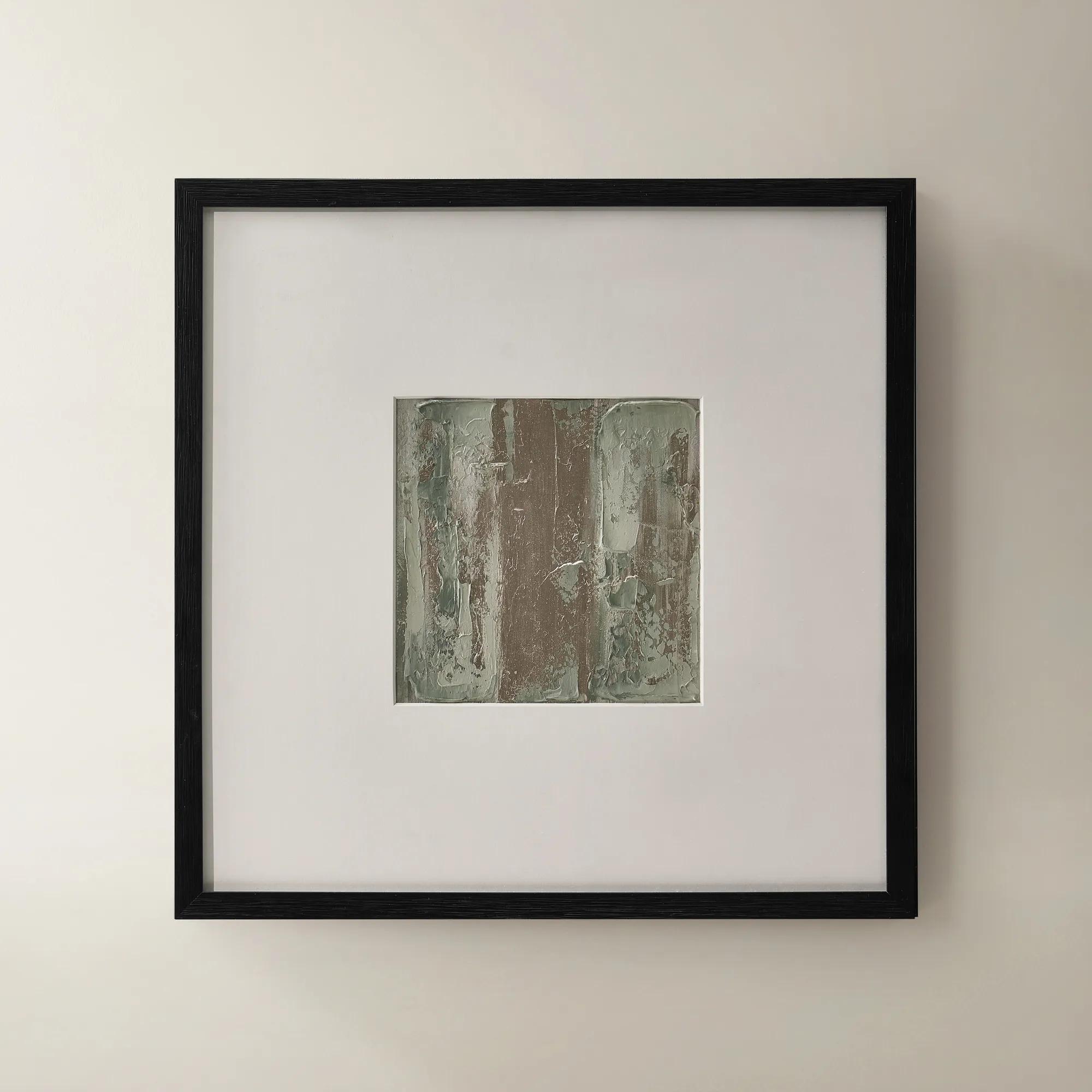
Art for Therapy Offices should create an atmosphere that feels calm, considered, and quietly welcoming from the moment a client enters. In a therapeutic setting, the room itself becomes part of the experience, offering visual cues that support comfort, reflection, and a sense of emotional steadiness. Choose artwork with a gentle visual rhythm: soft-toned abstracts, hazy landscapes, botanical studies, organic forms, and minimal line work can add depth without commanding the room. Earthy greens, warm neutrals, muted blues, softened terracotta, and understated charcoal tend to harmonize beautifully with a professional office while bringing the restorative language of nature indoors. Art does not need to be literal to feel reassuring. A layered composition of graceful shapes may invite a quiet moment of focus, while a distant horizon or leafy silhouette can suggest openness, renewal, and room to breathe. When selecting pieces for an art therapy office, consider how the image might feel during a long conversation, particularly for clients who may be experiencing heightened stress, grief, anxiety, or emotional fatigue. Avoid imagery that is excessively chaotic, visually aggressive, highly contrasted, or open to unsettling interpretations. Dramatic design has its place, but in a therapeutic environment, sophistication often comes through restraint: refined composition, balanced color, tactile framing, and details that reveal themselves gradually rather than competing for attention. The goal is not to create a blank or impersonal room, but a space with a thoughtful point of view—one that feels polished, human, and safe enough for honest conversation.
Scale and placement are equally important when curating art for therapy offices. A large statement piece can soften a broad wall, disguise functional additions, or establish a composed focal point where clients naturally rest their gaze. In a smaller office, a carefully arranged grouping of coordinated artwork can provide visual interest without making the room feel crowded. Multi-panel compositions and complementary sets are especially useful when you want to fill a generous wall while preserving a sense of balance; their repeated palette or shared subject matter creates continuity across the room. Pay attention to sightlines from both the client’s chair and the therapist’s desk, and avoid placing intensely detailed work directly within the primary conversational field if it may become distracting. Artwork positioned behind a desk can add personality to a virtual therapy background, while a quieter piece across from the seating area can offer a grounding visual anchor during pauses in conversation. Framing also shapes the emotional temperature of the office. Slim profiles and light finishes can keep a space airy, while dark, substantial frames lend a more gallery-like presence; natural wood tones introduce warmth and organic character. For busy practices, durable finishes and easy-to-clean surfaces are practical considerations, especially in reception areas or shared spaces. If the office is used by children, families, or groups, look for imagery that is approachable and inclusive without feeling overly juvenile. Gentle typography or thoughtfully chosen affirmations may feel validating when presented with elegance and discretion, though text-based art should remain positive, simple, and easy to absorb. In offices serving clients with varied cultural backgrounds and lived experiences, abstract, botanical, and landscape-inspired art can offer a welcoming visual language without imposing a single narrative.
Lighting can transform the way artwork feels throughout the day, particularly during the cooler months when natural daylight may be limited. Whenever possible, use soft, adjustable illumination to reveal texture and color without creating glare on glass or reflective surfaces. Warm lamps, diffused sconces, and carefully directed picture lighting can bathe the room in a reassuring glow, while harsh overhead lighting may flatten the artwork and make the environment feel institutional. Consider how daylight moves across the walls, whether colors remain balanced in morning and afternoon light, and whether reflective finishes could become distracting from a seated position. Art can also help unify the office with its furnishings, flooring, and accessories. A botanical green echoed in an upholstered chair, a muted blue carried through a rug, or a warm neutral repeated in the frame can make the entire room feel intentionally composed. For therapists furnishing a new practice, refreshing a consultation room, or creating a more welcoming reception area, these pieces can be selected as a meaningful expression of professional identity and hospitality. They may also make considerate gifts for a therapist opening an office, a counselor marking a milestone, or a colleague creating a restorative workspace—especially when the artwork complements the recipient’s existing palette and style rather than assuming a particular aesthetic. Those designing a more contemporary workplace with consultation rooms, wellness suites, or private offices can also explore Art For Modern Office Spaces for a similarly polished approach to scale, composition, and modern atmosphere. Above all, let the room feel intentional without feeling staged. The most successful art for therapy offices adds beauty, character, and a subtle sense of possibility, allowing every detail—from the quiet tones on the wall to the warmth of the surrounding light—to support a space where people can feel seen, settled, and invited to begin.
FAQs
Therapy office decor thrives on art that evokes calm, curiosity, and comfort. Abstract pieces in soothing tones, serene landscapes, and gentle figurative works are popular choices, as they foster a welcoming and reflective environment. Art with fluid lines, nature-inspired motifs, or subtle color gradients can help create a space where clients feel at ease and open to conversation.
Art has the power to set the mood and tone of a therapy office, transforming it into a sanctuary for healing and self-expression. Carefully chosen pieces can evoke tranquility, inspire hope, and encourage introspection. Art also serves as a visual anchor, helping clients feel grounded and supported during their sessions.
Yes, bold or dramatic art can be thoughtfully incorporated into therapy spaces, especially when it reflects the practitioner’s style and supports the therapeutic goals. Sculptural works or vibrant canvases can spark creativity, invite conversation, and help clients explore new perspectives. The key is to balance statement pieces with elements that maintain a sense of safety and comfort.
Absolutely. Art can be a powerful catalyst for dialogue, offering clients a gentle way to express emotions or share personal stories. Pieces with layered meanings, intriguing textures, or evocative imagery can encourage clients to engage, reflect, and connect with their own experiences in a nonverbal way.
Therapy offices offer creative opportunities for displaying art, such as gallery walls that mix media and frame styles, floating shelves with rotating selections, or integrating art with functional decor like mirrors and lighting. Incorporating elements like a 40 inch electric fireplace insert or art deco champagne glasses on display can add layers of interest and personality to the space, making it feel both curated and inviting.
.jpeg?w=4217&h=4217)