Art Deco Mirrors
Art Deco Mirrors
-
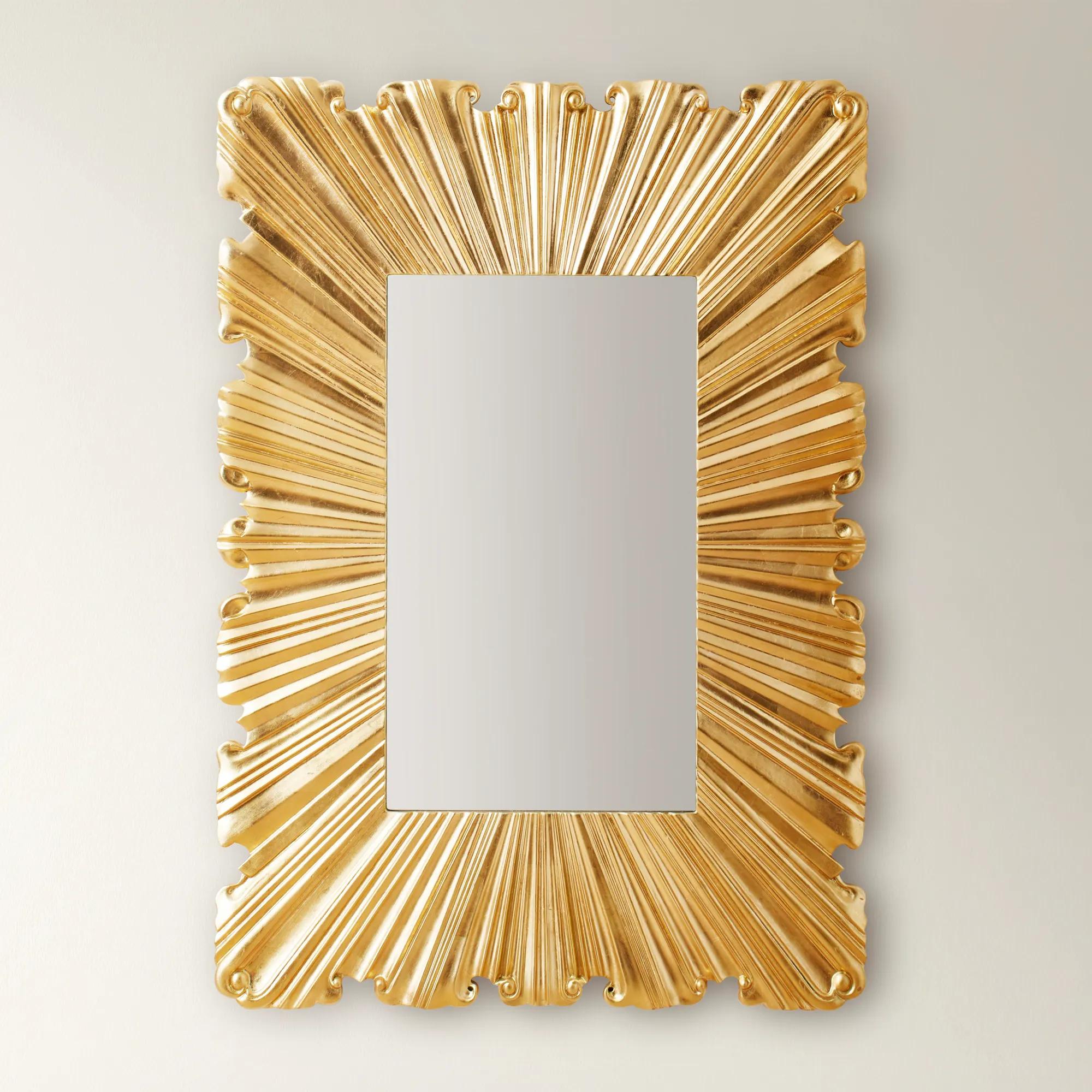 Metropolitan Mirror$459
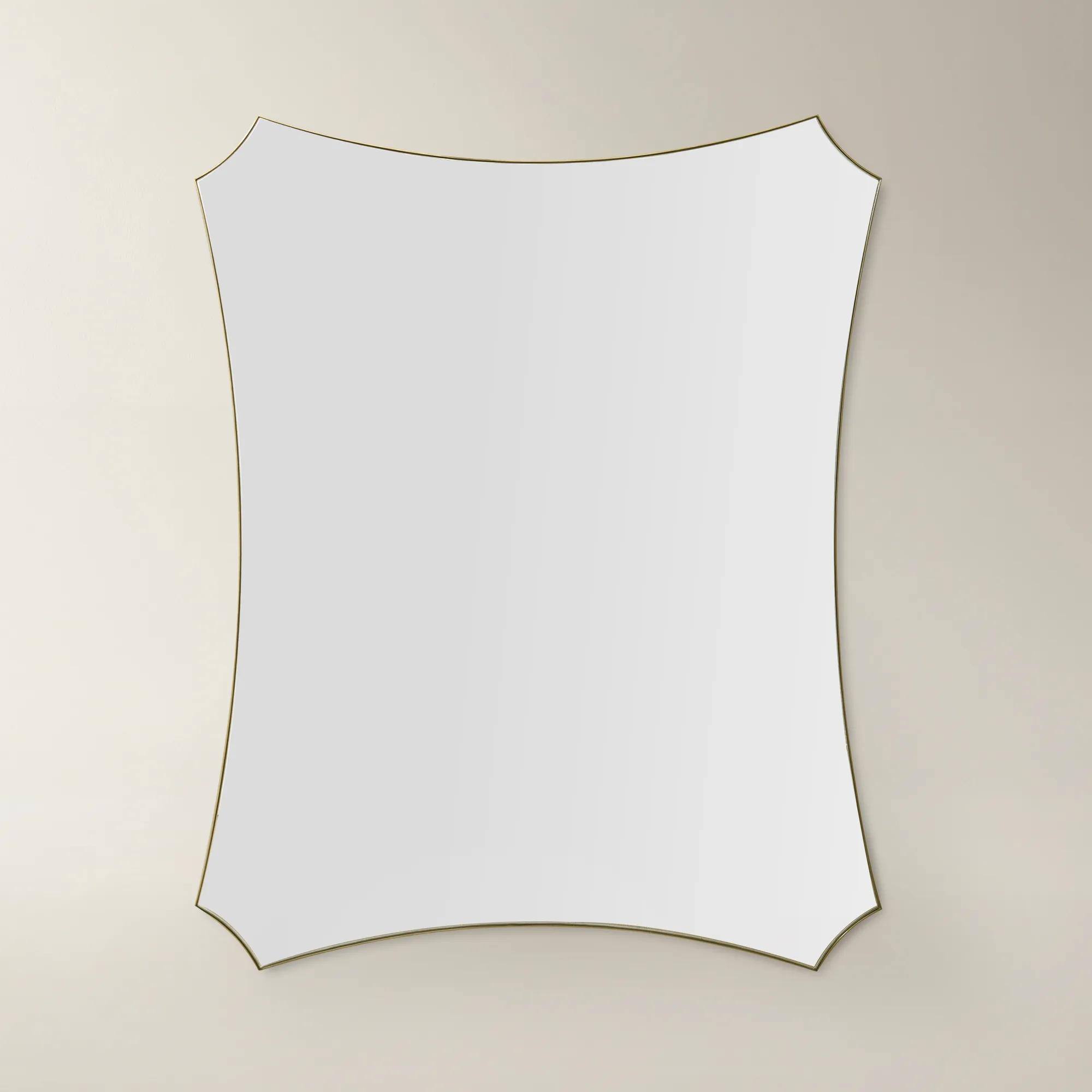
A sculptural wall mirror featuring a gold-finished polyurethane frame for a modern, elegant accent.
Add To Cart -
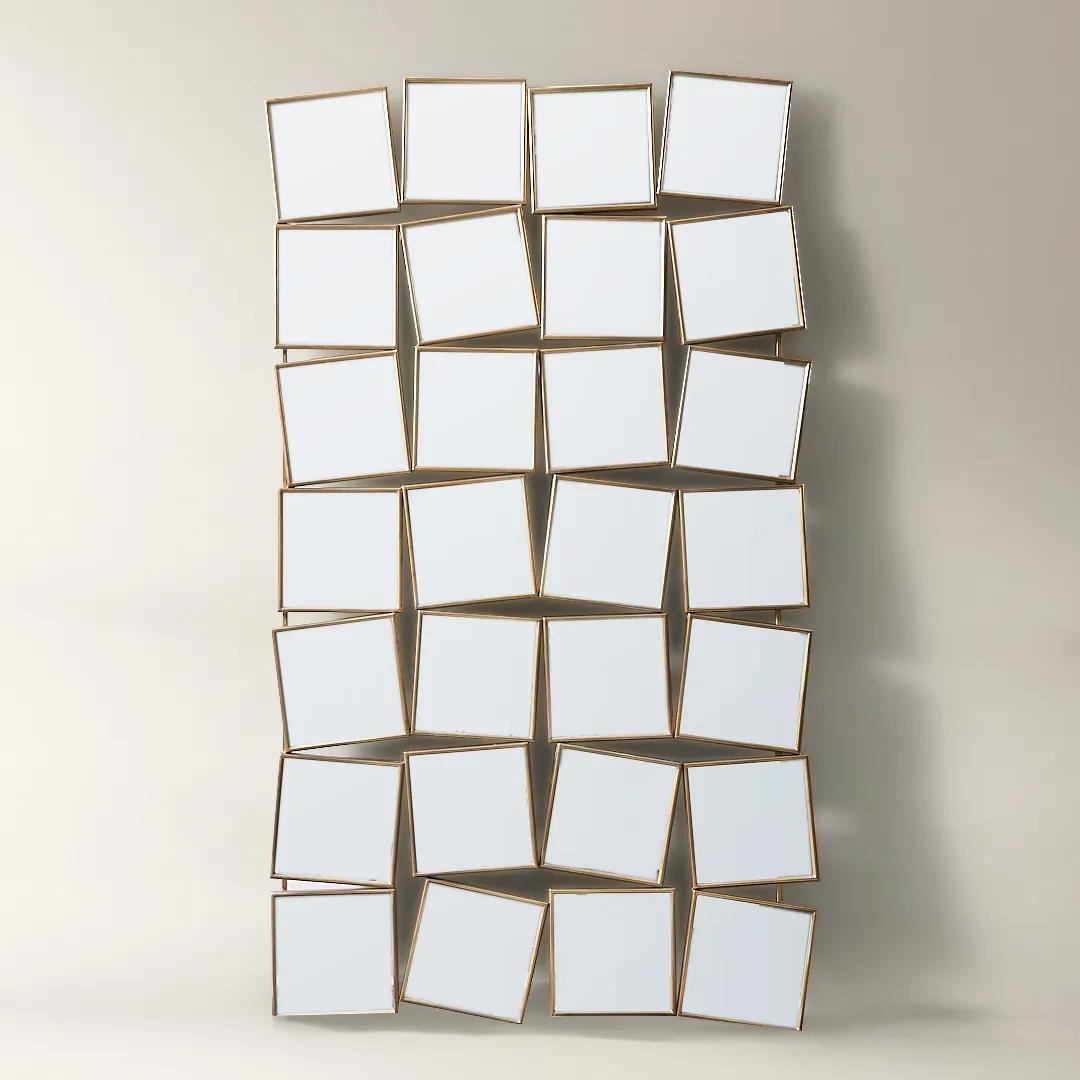 Newberry Floor Mirror$1599
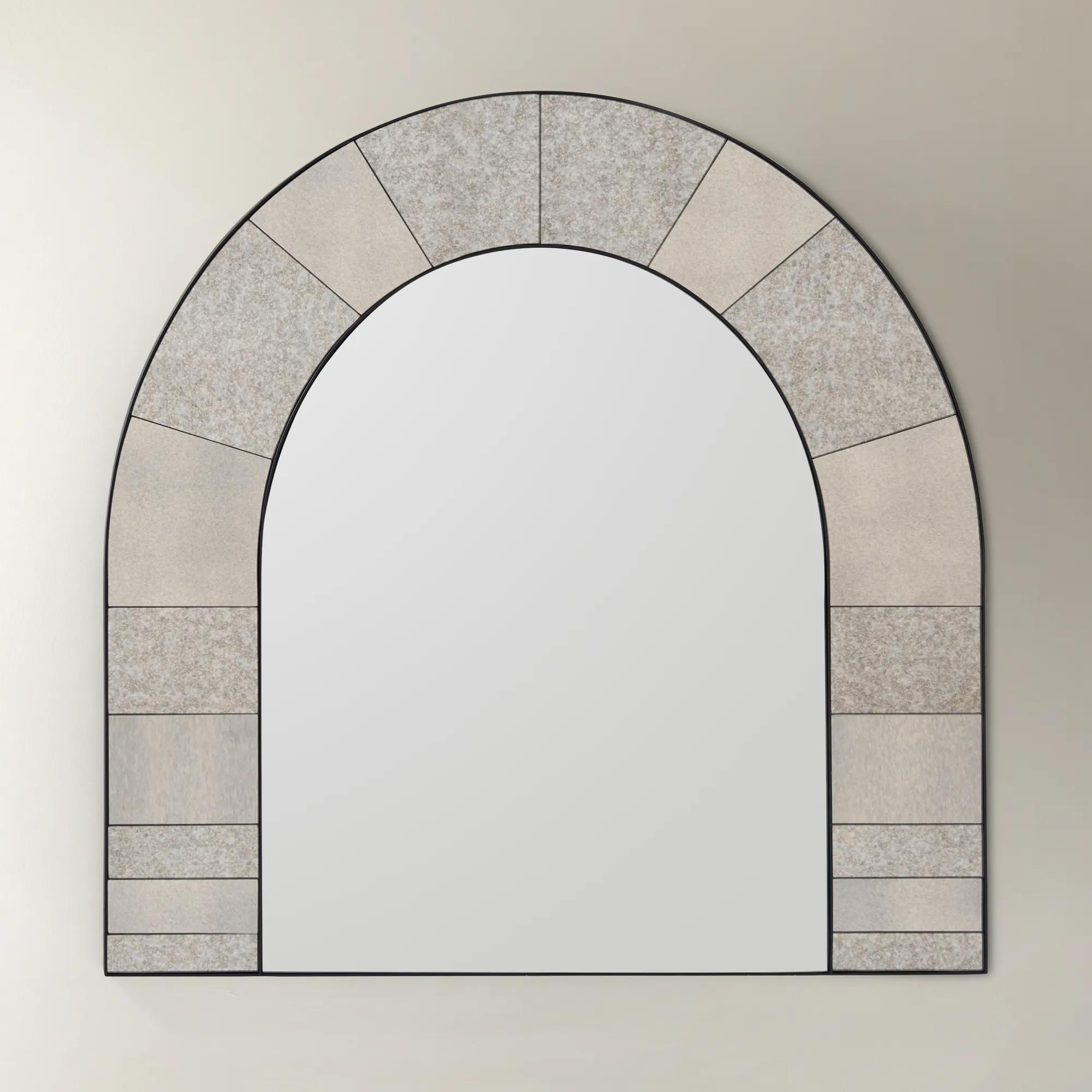
A sculptural mirror featuring hand-crafted gold iron panels for a multidimensional, luminous statement in any room.
Add To Cart -
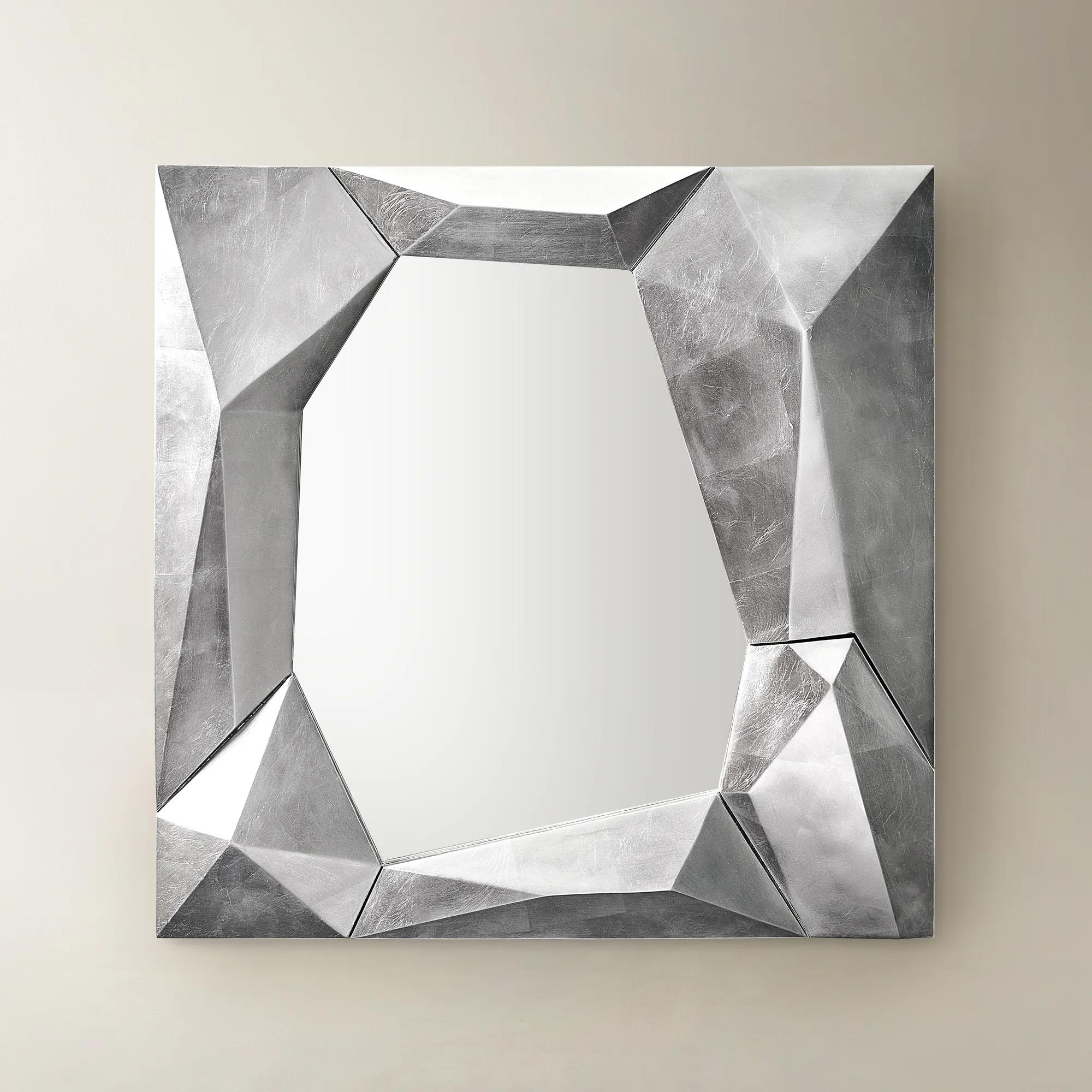 Aeris Wall Mirror - Satin Silver$499
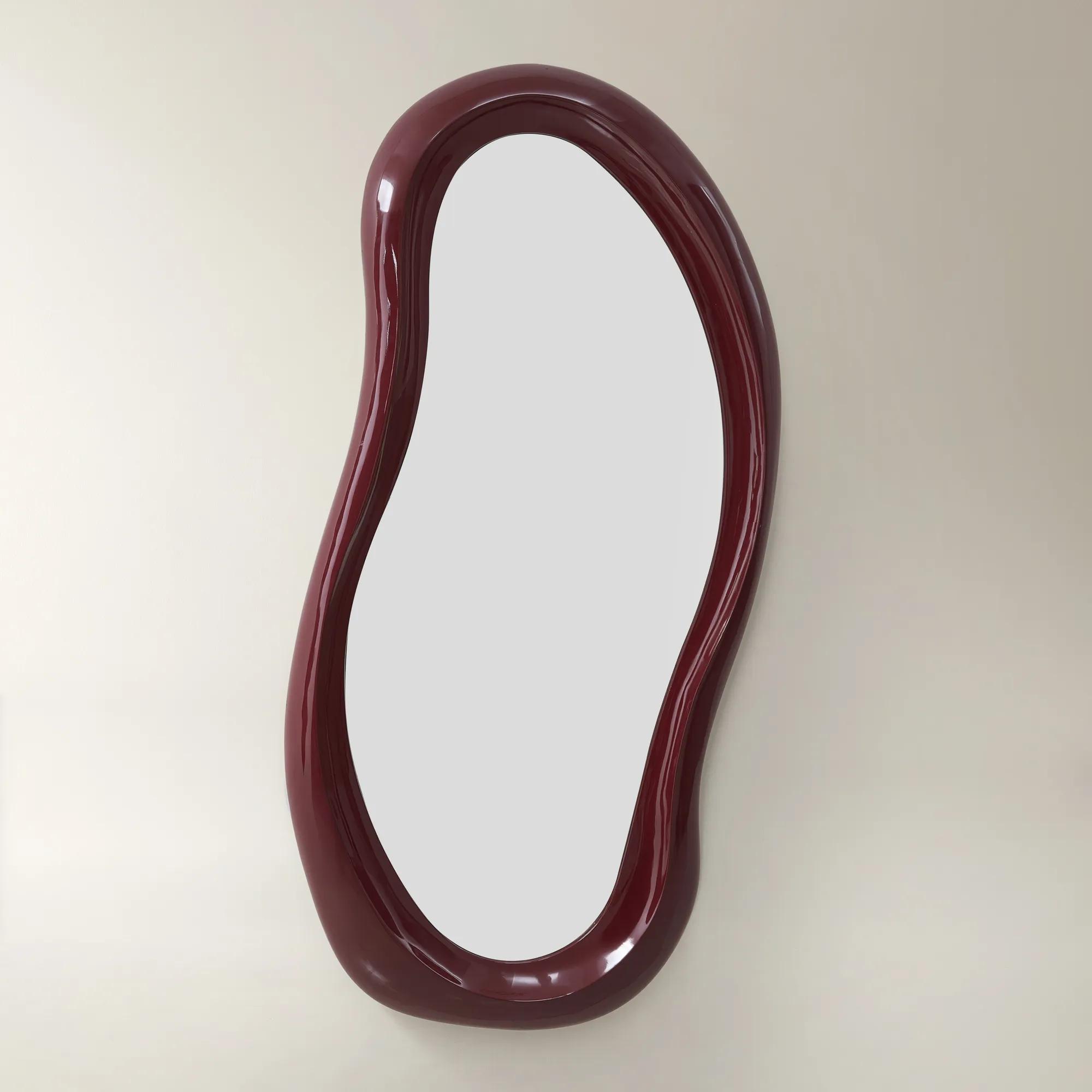
A satin silver fiberglass resin frame and faceted silhouette create a modern, sculptural wall mirror.
Add To Cart -
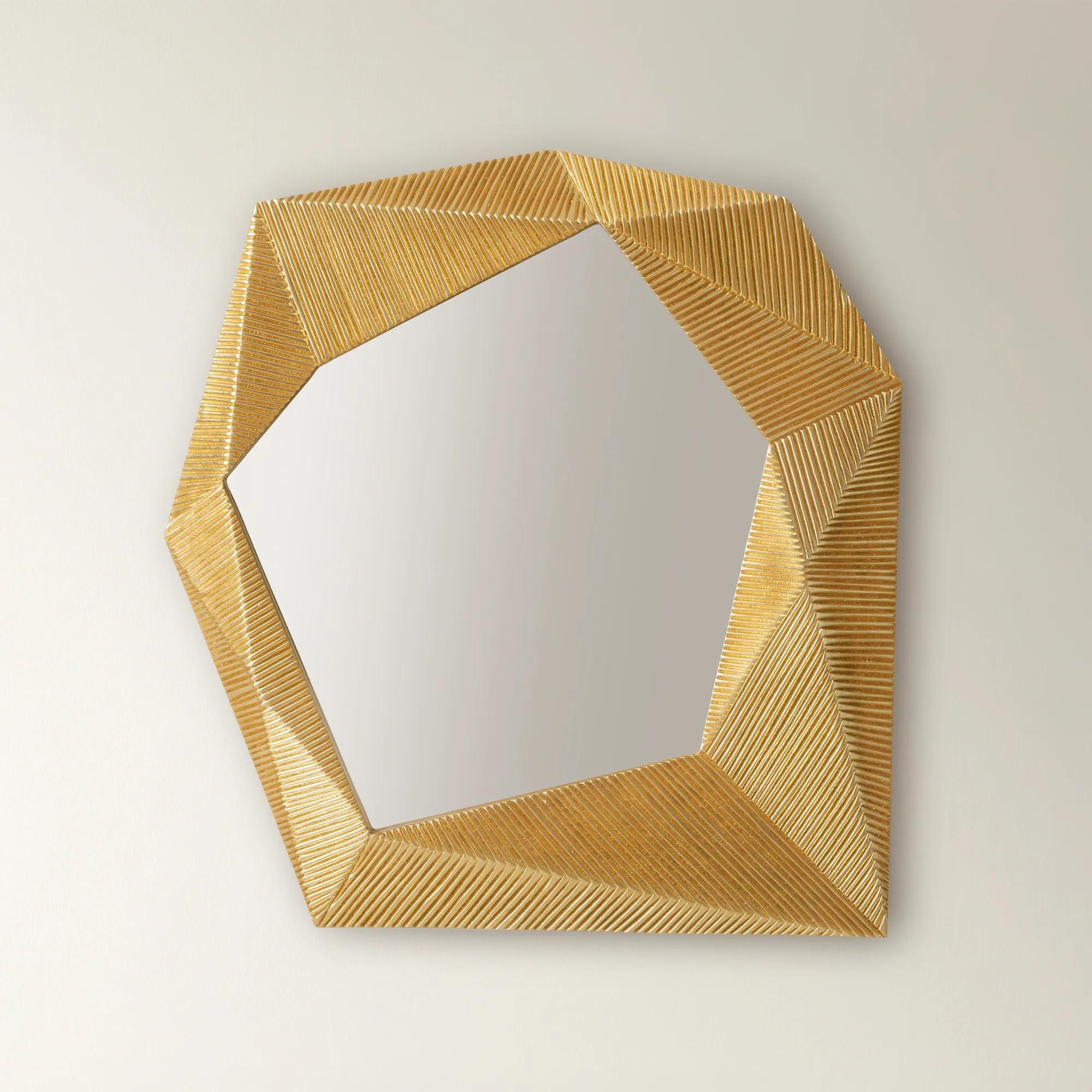
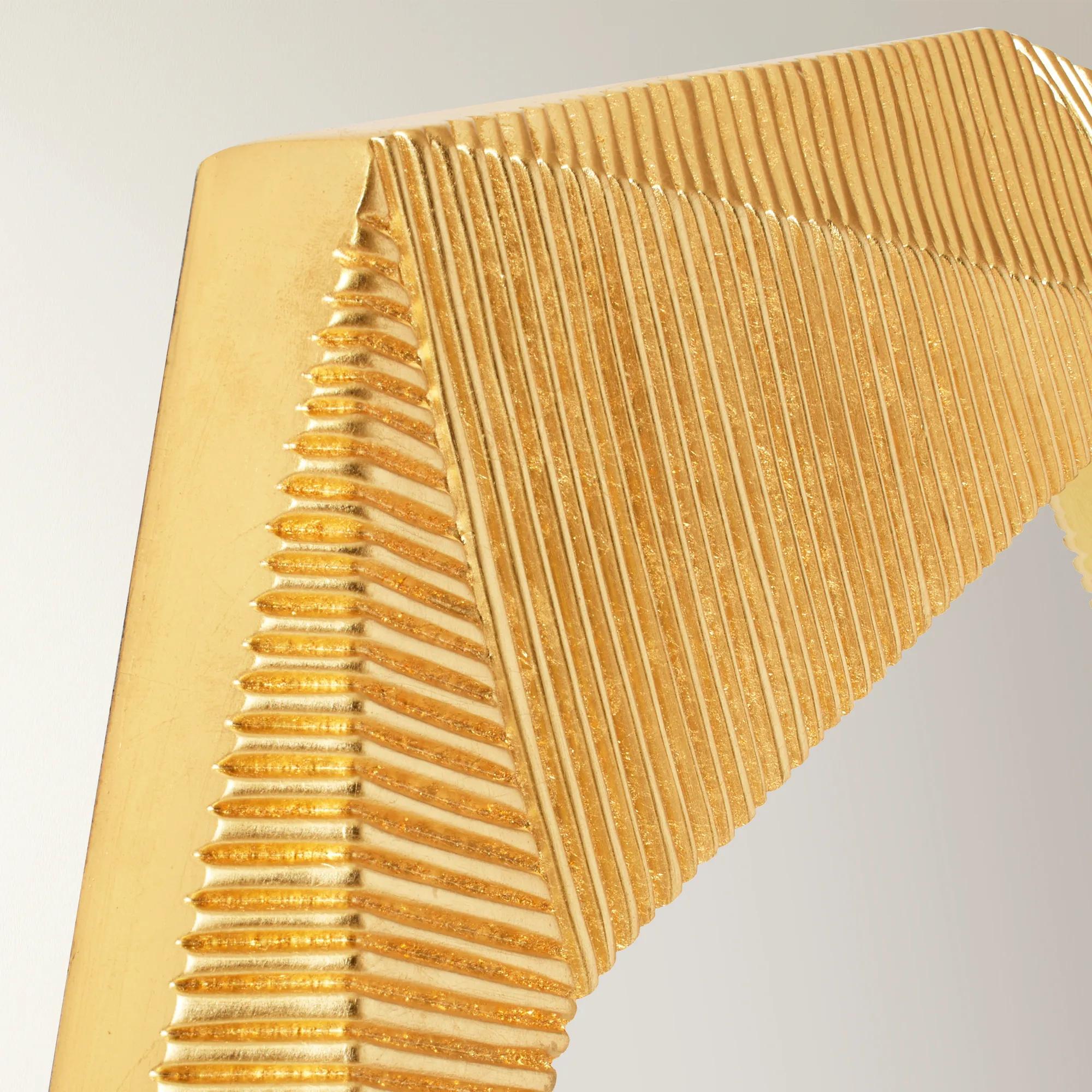 Nikki Chu - Faceted Mirror$349
A modern mirror featuring a textured, faceted steel frame in a striking metallic gold finish.
Add To Cart -
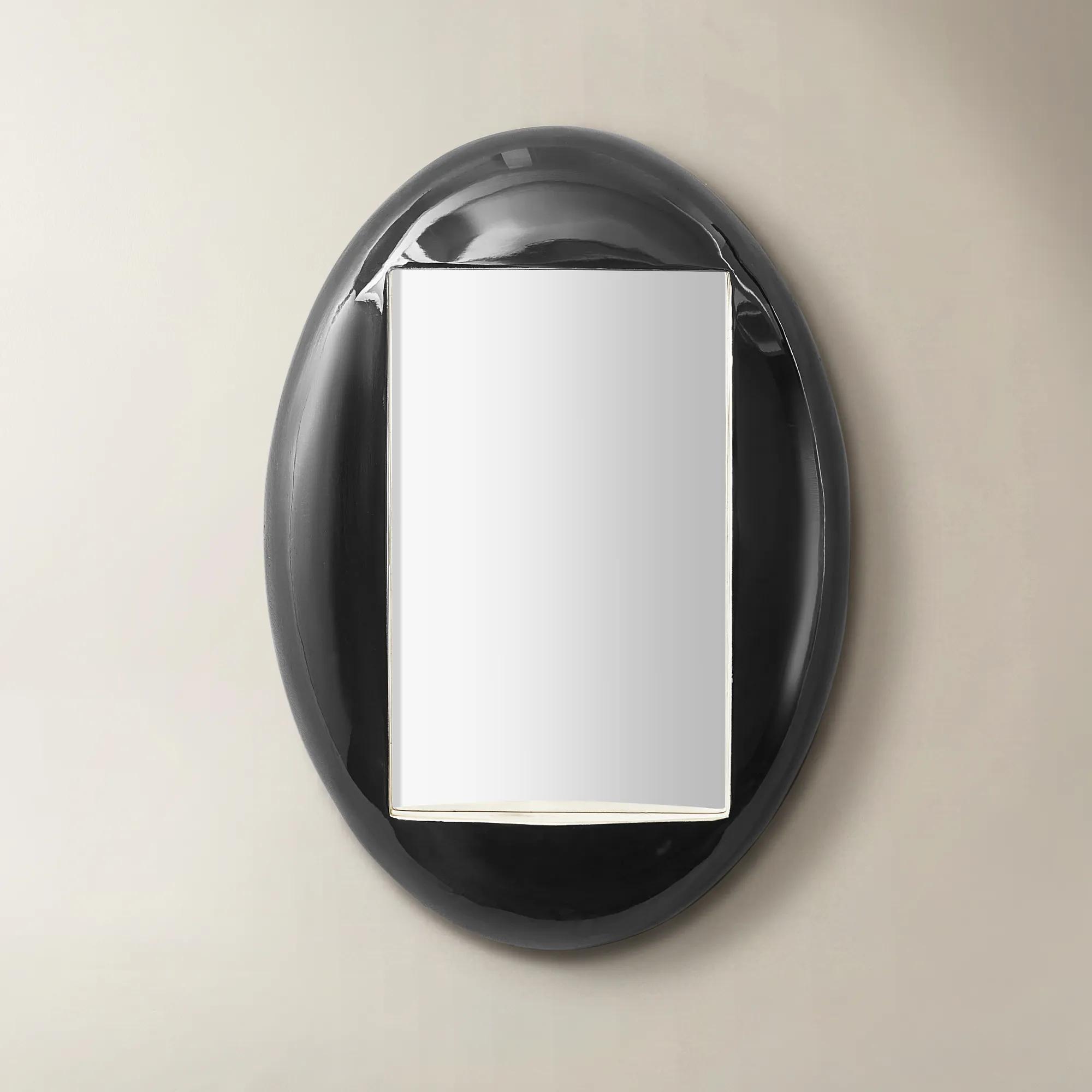 Tuxedo Wall Mirror$299
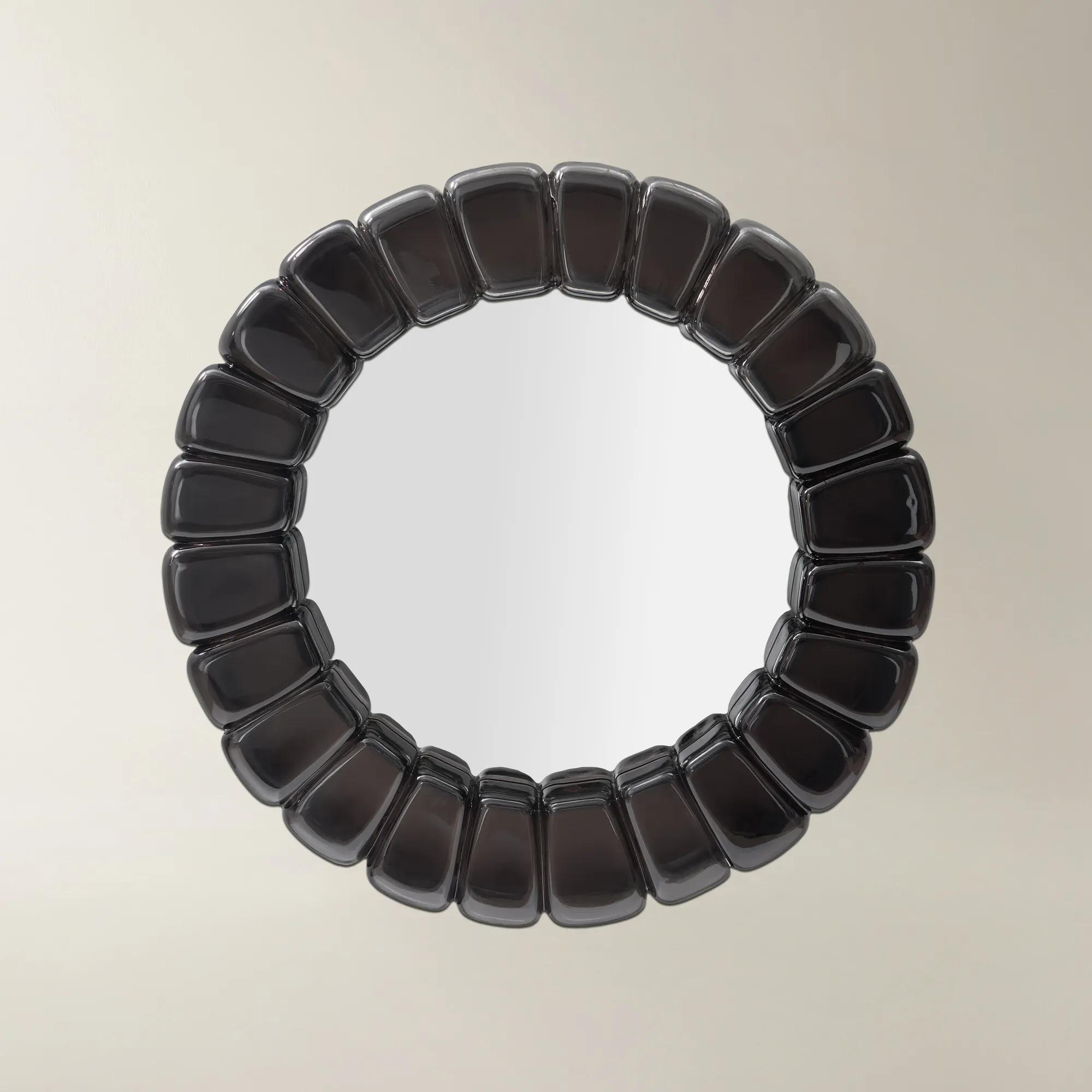
A geometric wall mirror with a black and champagne resin frame for bold, modern sophistication.
Add To Cart -
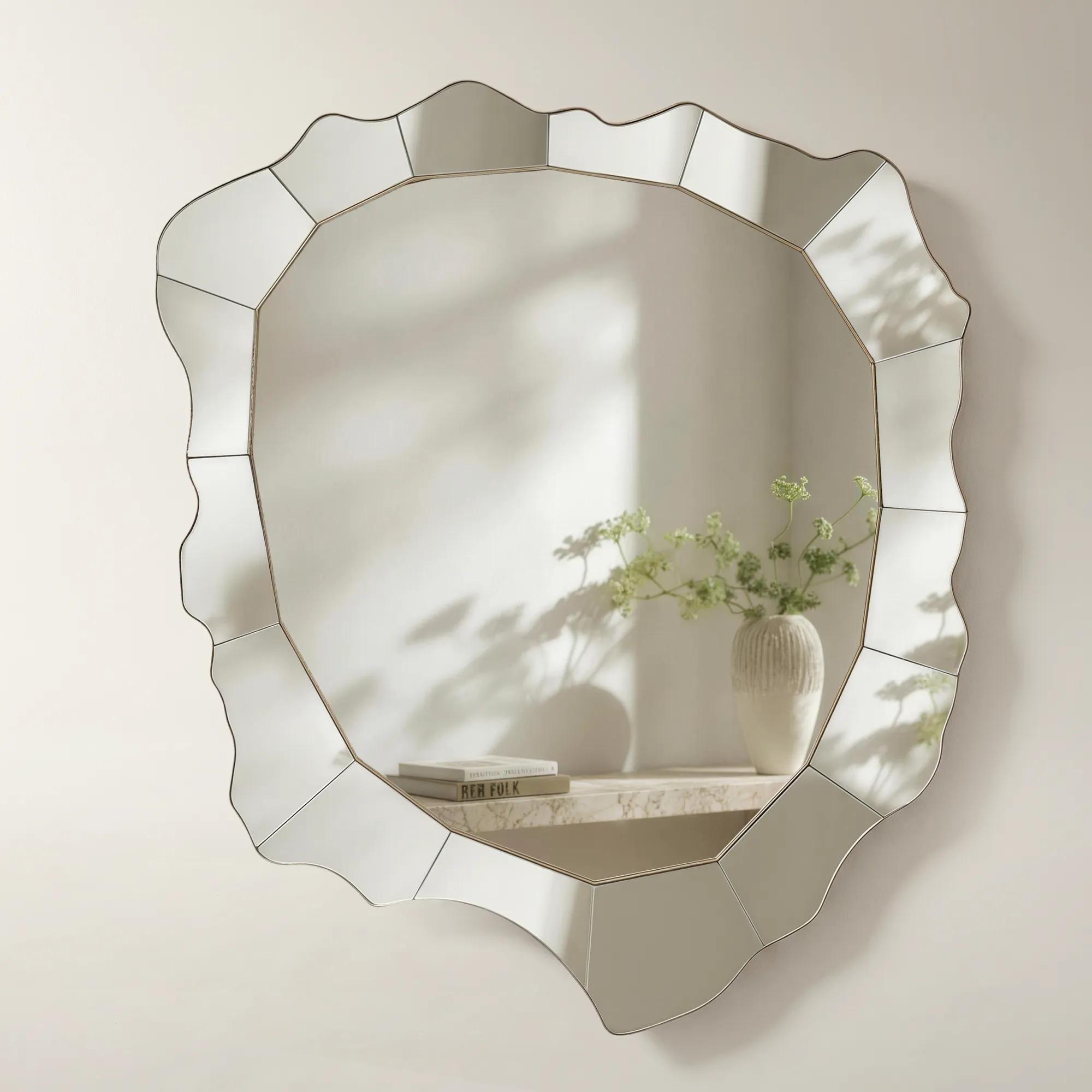 Gala Wall Mirror$999
An organic faceted mirror with soft gold iron trim adds sculptural movement and refined glamour to any room.
Add To Cart

Art Deco Mirrors
Art Deco mirrors transform ordinary walls into captivating focal points, infusing every space with timeless glamour and architectural intrigue. Defined by bold geometry, decadent finishes, and a sense of vintage allure, Art Deco mirrors celebrate the artistry of reflection and the drama of design. Whether adorning an entryway or elevating a living room vignette, these sculptural accents invite light to dance across the room while making a statement that is both sophisticated and daring. Discover how Art Deco mirrors can turn your home into a masterpiece of modern elegance and expressive style.
Art Deco mirrors bring a sense of glamour, geometry, and effortless occasion to the rooms they inhabit. Inspired by the artistic movement known for its confident symmetry, sumptuous materials, and fascination with modern life, these mirrors turn a practical surface into a moment of architectural expression. Look for designs shaped by crisp fan motifs, stepped silhouettes, radiating lines, beveled edges, and gleaming metallic finishes that catch the light with cinematic allure. Whether placed above a console in the entryway, centered over a mantel, or used to compose a dramatic gallery-like wall, an Art Deco mirror gives the eye somewhere to linger. Its reflective surface can make a room feel more open while its sculptural frame adds depth, polish, and personality. In a space with soft upholstery, it introduces a sharper note; alongside glass, lacquer, or polished metal, it creates a richly layered vignette; against warm wood or textured wallpaper, it delivers contrast with unmistakable sophistication. The most successful placement often begins with proportion. A wide mirror can visually anchor a substantial console or buffet, while a taller silhouette can draw the eye upward in a room with generous ceilings. For a narrow hallway or intimate dressing area, a smaller geometric design may provide just as much impact without overwhelming the passage. Before purchasing, measure both the wall and the furniture beneath it, allowing enough breathing room for the mirror to feel intentionally framed rather than crowded. Consider the orientation as well: horizontal shapes can emphasize the width of a room, while vertical forms create a sense of lift and elegance. If the mirror will hang where it receives direct daylight or lamplight, note what it will reflect—a gleaming surface can beautifully amplify a chandelier, artwork, or sculptural arrangement, while an uninspiring view may benefit from a more strategic angle.
An Art Deco mirror is as expressive in a private retreat as it is in a grand entertaining space. In an entryway, it offers a final, flattering glance before heading out while setting a decisive tone for the home beyond. In a bedroom, it can transform a dressing corner into a polished suite, especially when paired with a velvet bench, a tailored chest, or a luminous table lamp. In a dining room, a generously scaled mirror reflects candlelight and conversation, making the evening atmosphere feel more expansive and layered. Living rooms gain a sophisticated focal point when a geometric mirror is positioned above a console with a restrained arrangement of vessels, books, or objets d’art; the composition should feel collected rather than crowded, allowing the frame and reflection to command their share of attention. For a bar area, lounge, or home office, the Deco influence brings a note of old-world glamour without requiring an entire room to follow a particular theme. This versatility makes the style appealing to design enthusiasts who appreciate historical references but want a home that feels thoroughly personal. It is also a memorable gift for someone settling into a new home, refreshing a dressing area, or building a more dramatic entertaining space. A mirror has an intimate usefulness that makes it feel thoughtful, yet a distinctive frame gives the gesture artistic presence. For a wedding, anniversary, housewarming, or milestone celebration, an Art Deco mirror can mark a new chapter with something enduring—an object that welcomes daily rituals while elevating the room around it. Those furnishing a first apartment may use one to create instant polish in a compact space, while seasoned collectors can layer it among contemporary furnishings for a more eclectic, gallery-minded effect.
When choosing among Art Deco mirrors, pay close attention to the character of the frame, the quality of the reflection, and the way the piece will relate to the broader palette of the room. A metallic finish with a warm undertone can complement brass lighting, caramel leather, and creamy textiles, while a cooler silver or antiqued finish may heighten the drama of charcoal, jewel tones, and luminous glass. Beveled detailing adds a refined edge and creates flashes of light around the perimeter; a smooth frame can feel more restrained, allowing a bold silhouette to take center stage. It is worth considering the visual weight of the mirror as well as its listed dimensions. Ornate geometry, layered borders, and substantial materials can make a piece appear larger and more commanding, so leave sufficient wall space around it when planning the arrangement. In rooms with abundant pattern, a simpler frame may provide a moment of clarity. In quieter interiors, a more elaborate design can become the signature flourish that gives the space its pulse. For an especially cohesive composition, repeat one or two elements from the mirror elsewhere—perhaps a metallic note in the hardware, a fan-like shape in an accent lamp, or a rich tone echoed in a rug or piece of artwork. If your taste leans toward bold layering, explore Architectural Wall Mirrors for additional silhouettes that can bring a sense of structure and grandeur to the wall. During the warmer season, a reflective surface can magnify natural light and make an entry or living room feel brilliantly open; as the weather cools, it catches the glow of lamps and candles, giving intimate gatherings an enveloping radiance. However you style it, an Art Deco mirror should feel like more than a finishing touch. It is a deliberate gesture—part reflection, part sculpture, and part invitation to live beautifully in full view.
Best Of FAQ
Art Deco mirrors are distinguished by their bold geometry, lavish materials, and glamorous detailing—think beveled edges, sunburst motifs, and gleaming metallic accents. Unlike minimalist or rustic designs, Art Deco mirrors evoke the opulence of the Jazz Age, transforming any wall into a statement of sophisticated drama.
An Art Deco mirror is more than a reflective surface—it’s a sculptural centerpiece that infuses your space with vintage allure and modern glamour. Whether anchoring an entryway or crowning a mantel, these mirrors capture light and attention, amplifying the artistry and elegance of your décor.
Art Deco mirrors often showcase luxurious materials such as polished glass, chrome, brass, and exotic woods. Mirrored panels may be etched or faceted for extra dimension, while metallic finishes add a layer of luminous sophistication that’s signature to the era.
For dramatic effect, position your Art Deco mirror where it can catch natural light—above a console in the foyer, behind a bar cart in the dining room, or as a dazzling focal point in your living area. These mirrors thrive in spaces where their artistry can shine and set the tone for the entire room.
Absolutely. The timeless glamour of Art Deco mirrors pairs beautifully with both classic and contemporary settings. Their bold lines and luxe finishes create striking contrast against modern furnishings, adding depth, intrigue, and a touch of vintage decadence to any space.