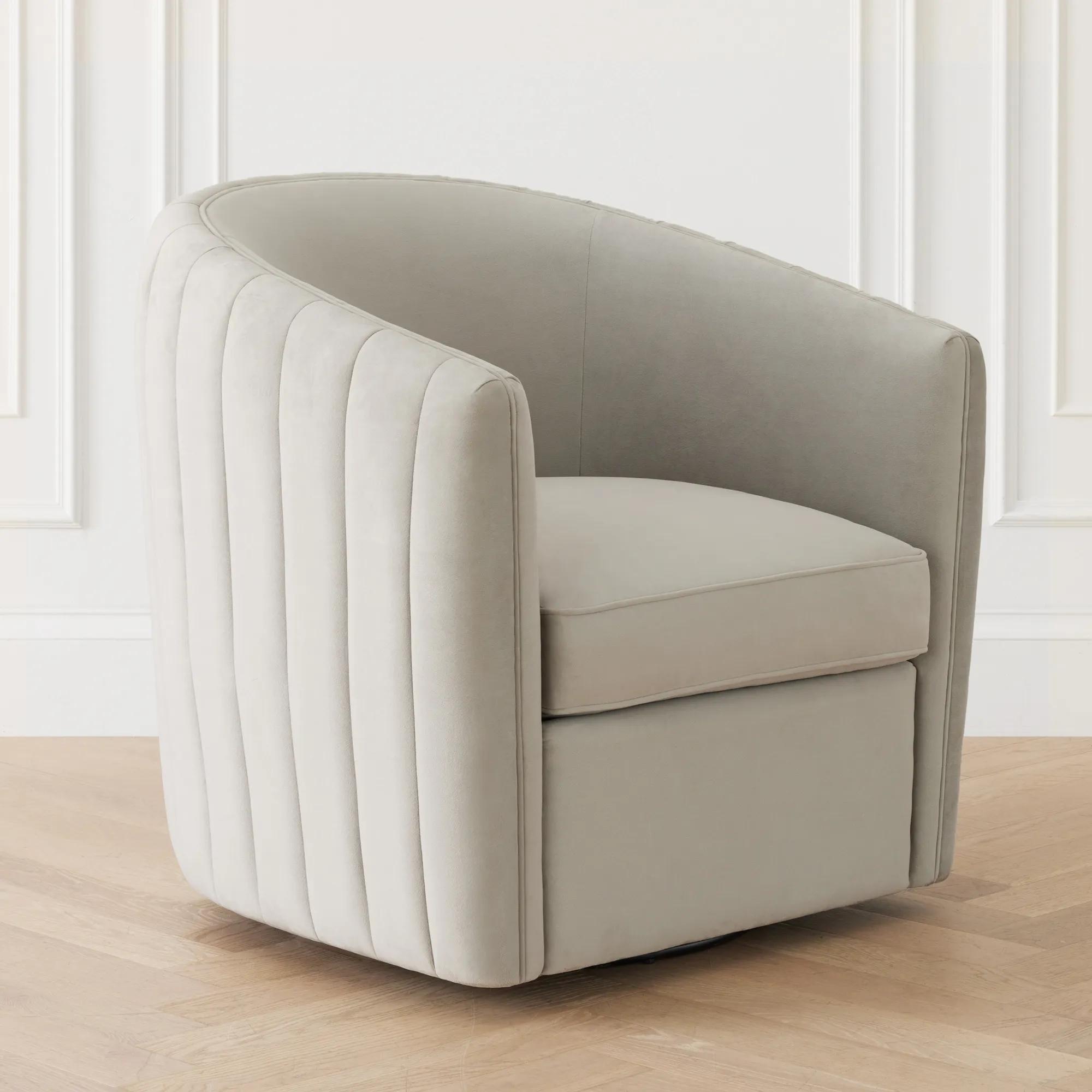
Accent Seating For Cocktail Parties
Accent Seating For Cocktail Parties
-
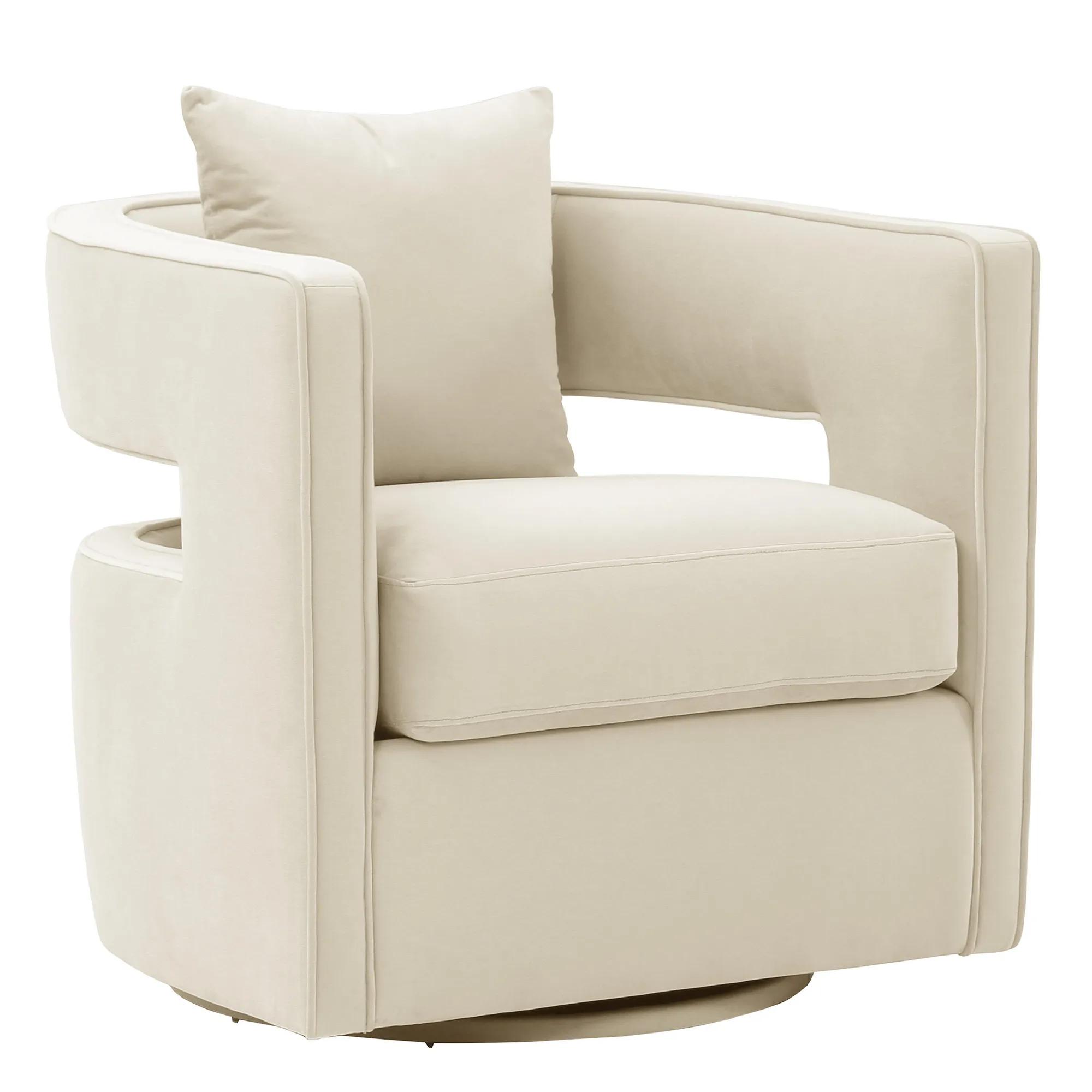
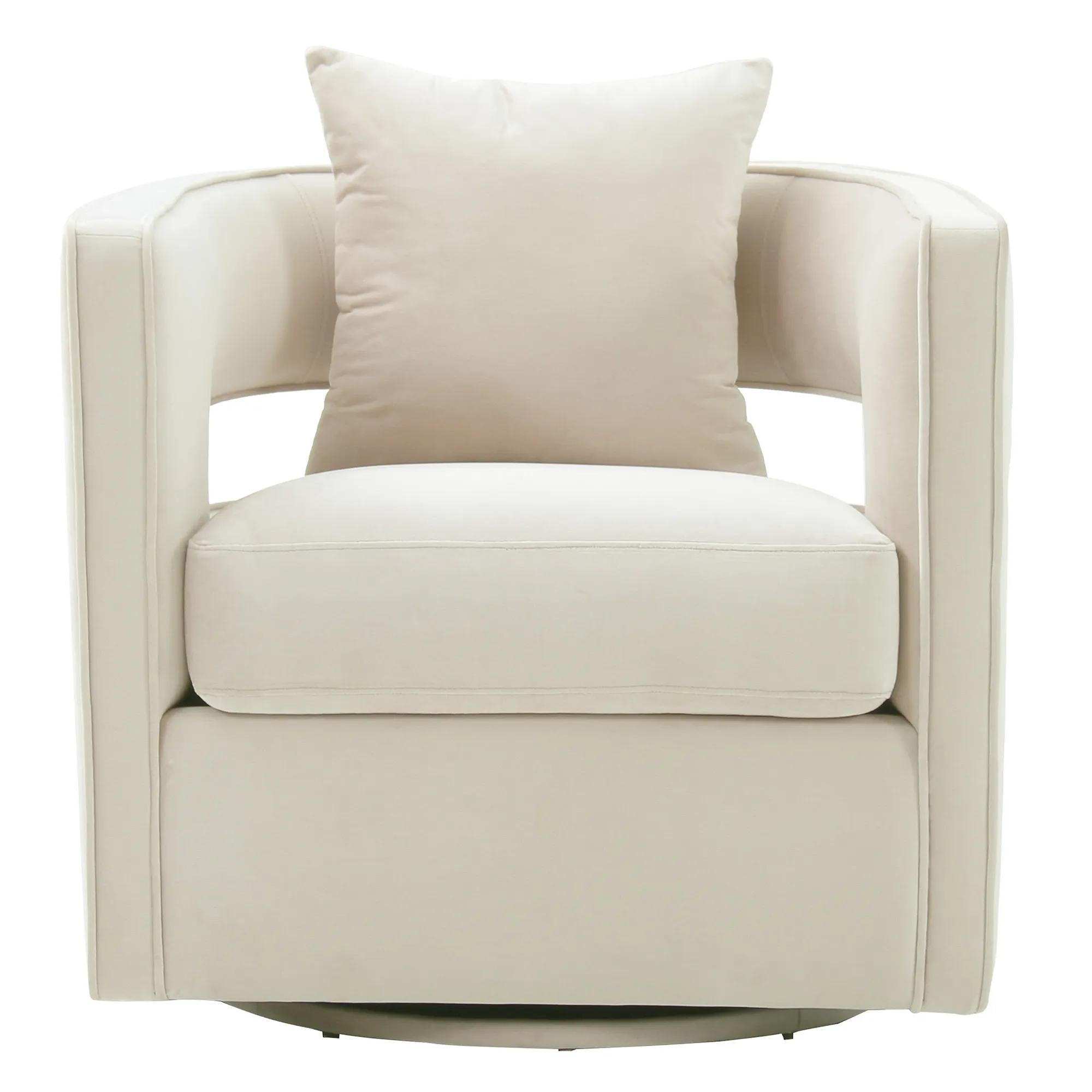 Lottie Cream Velvet Swivel Accent Chair$999
A glamorous cream velvet swivel chair featuring a barrel back, cutout arms, and plush foam cushioning.
Add To Cart -
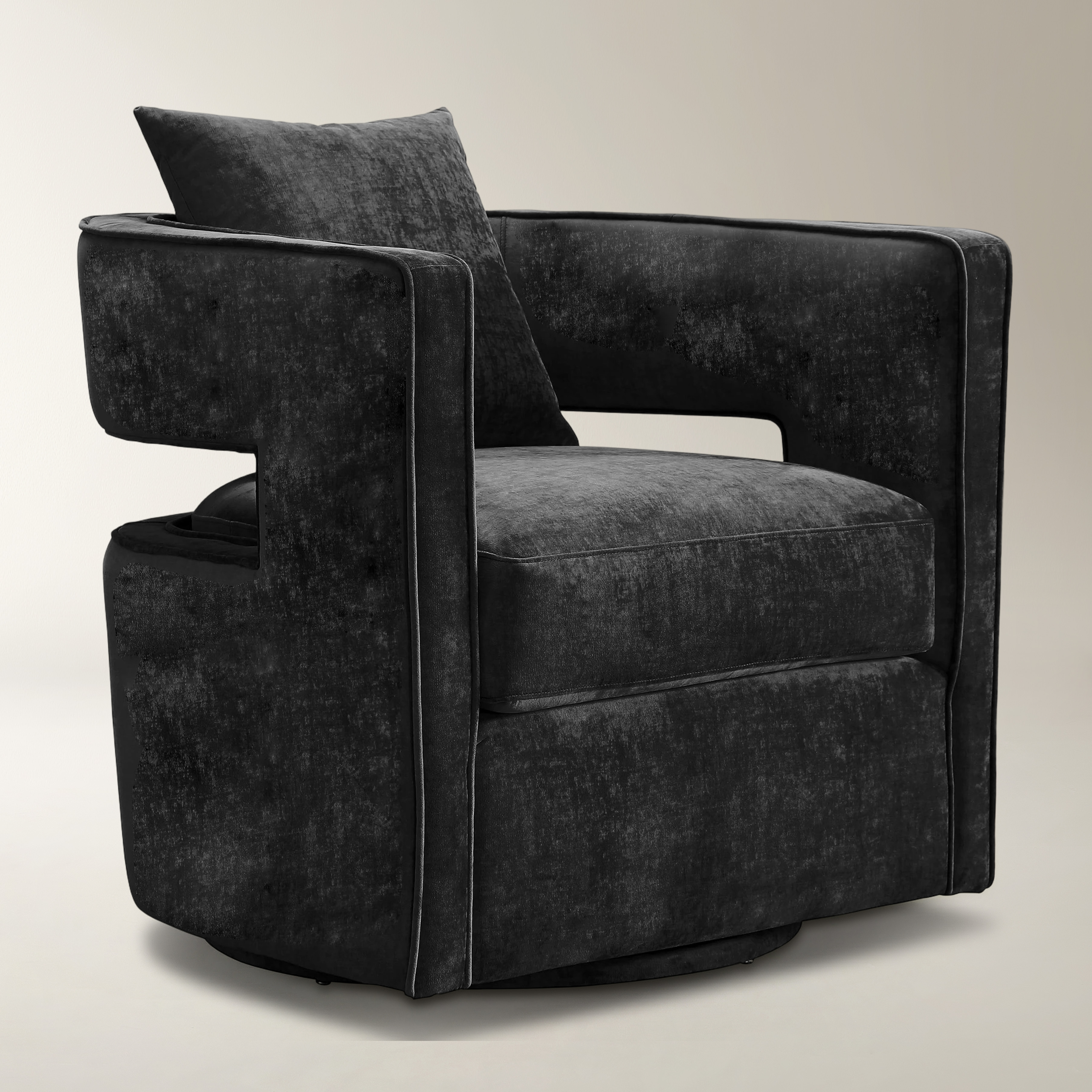 Lottie Black Velvet Swivel Accent Chair$999
A black velvet swivel accent chair with a sculpted barrel silhouette, open arms, and supportive cushioning.
Add To Cart -
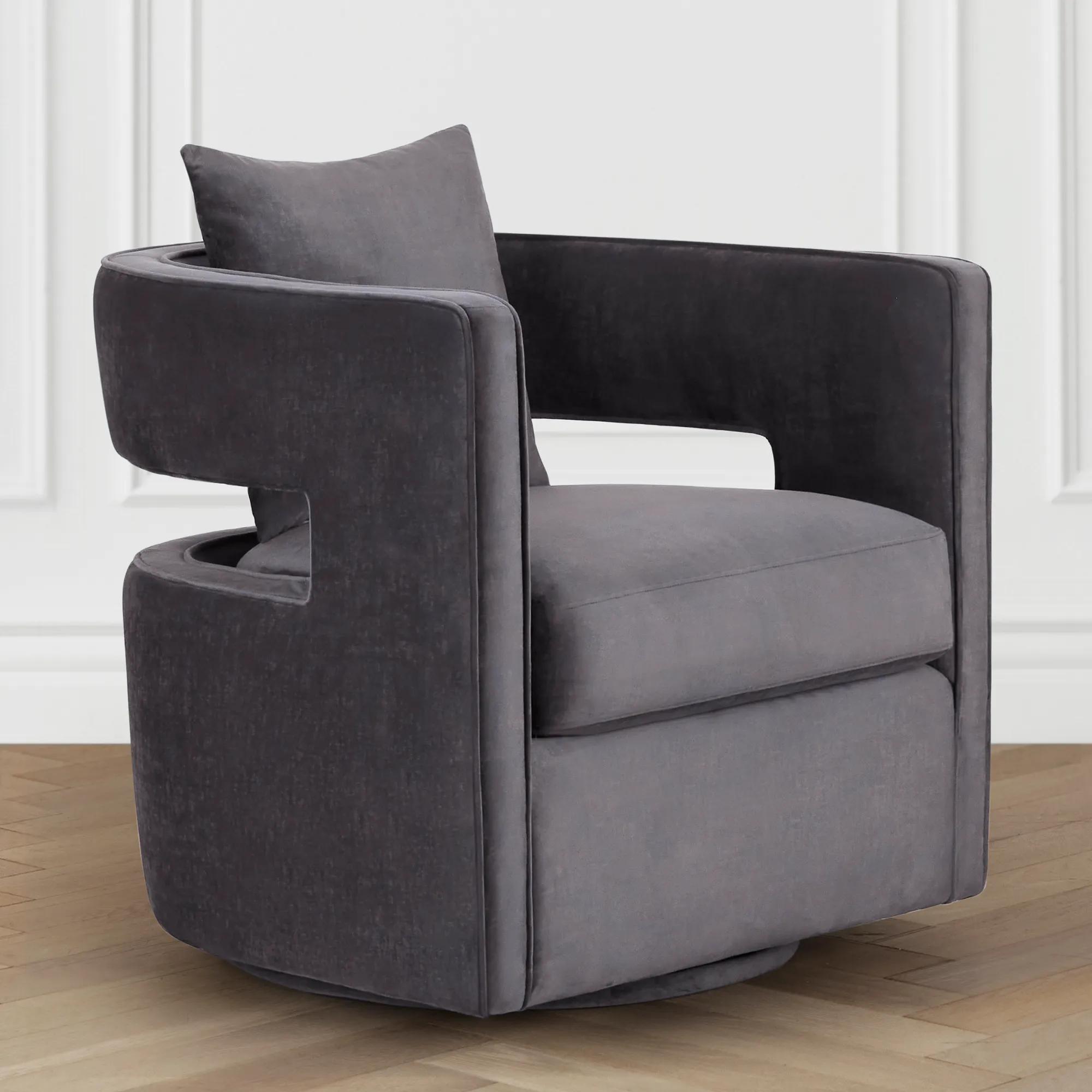 Lottie Grey Velvet Swivel Accent Chair$999
A glamorous grey velvet swivel chair featuring a barrel back, cutout arms, and plush foam cushioning.
Add To Cart -
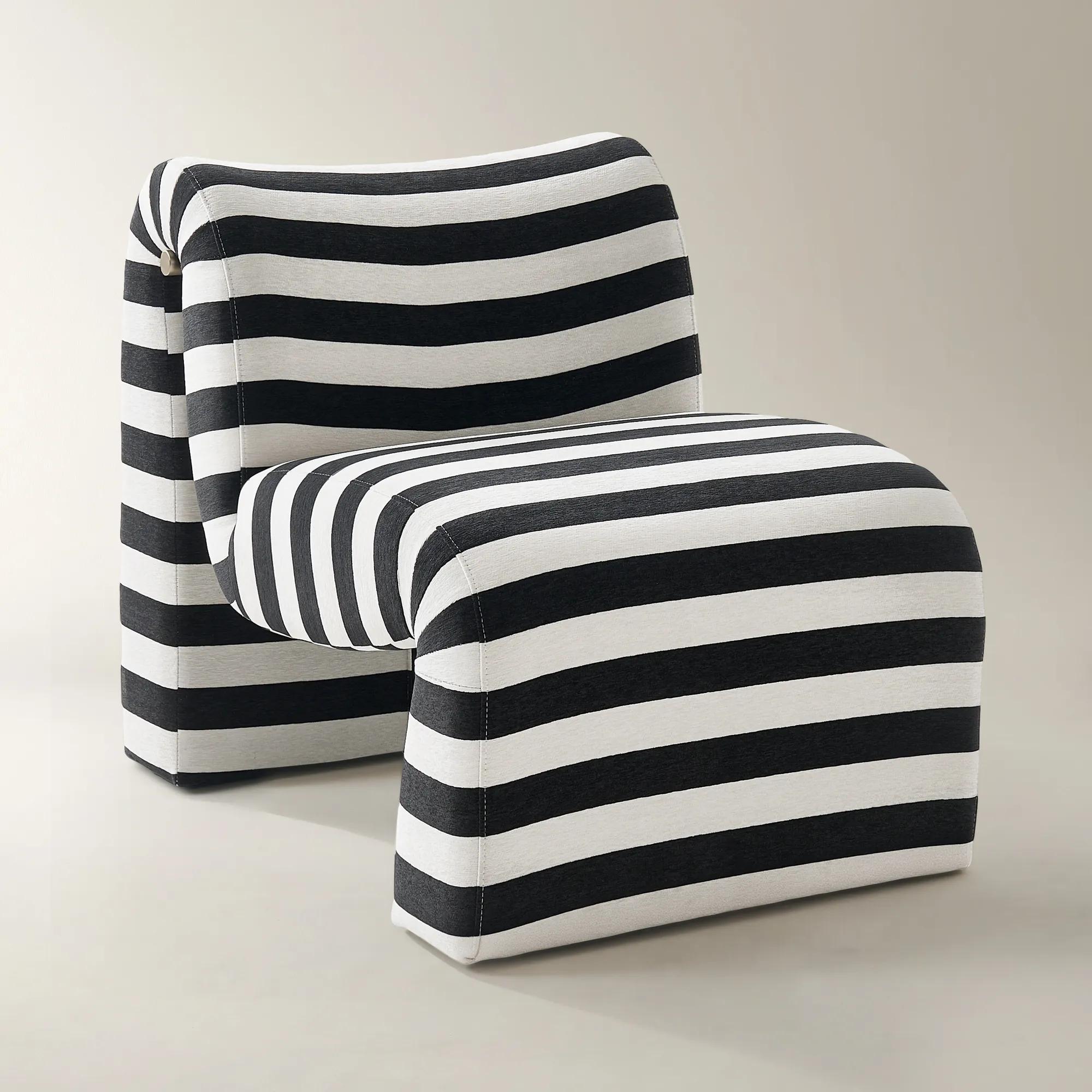 Cora Stripe Chenille Accent Chair$899
A bold black-and-white striped accent chair featuring water-repellent chenille and a gold stainless-steel inlay.
Add To Cart -
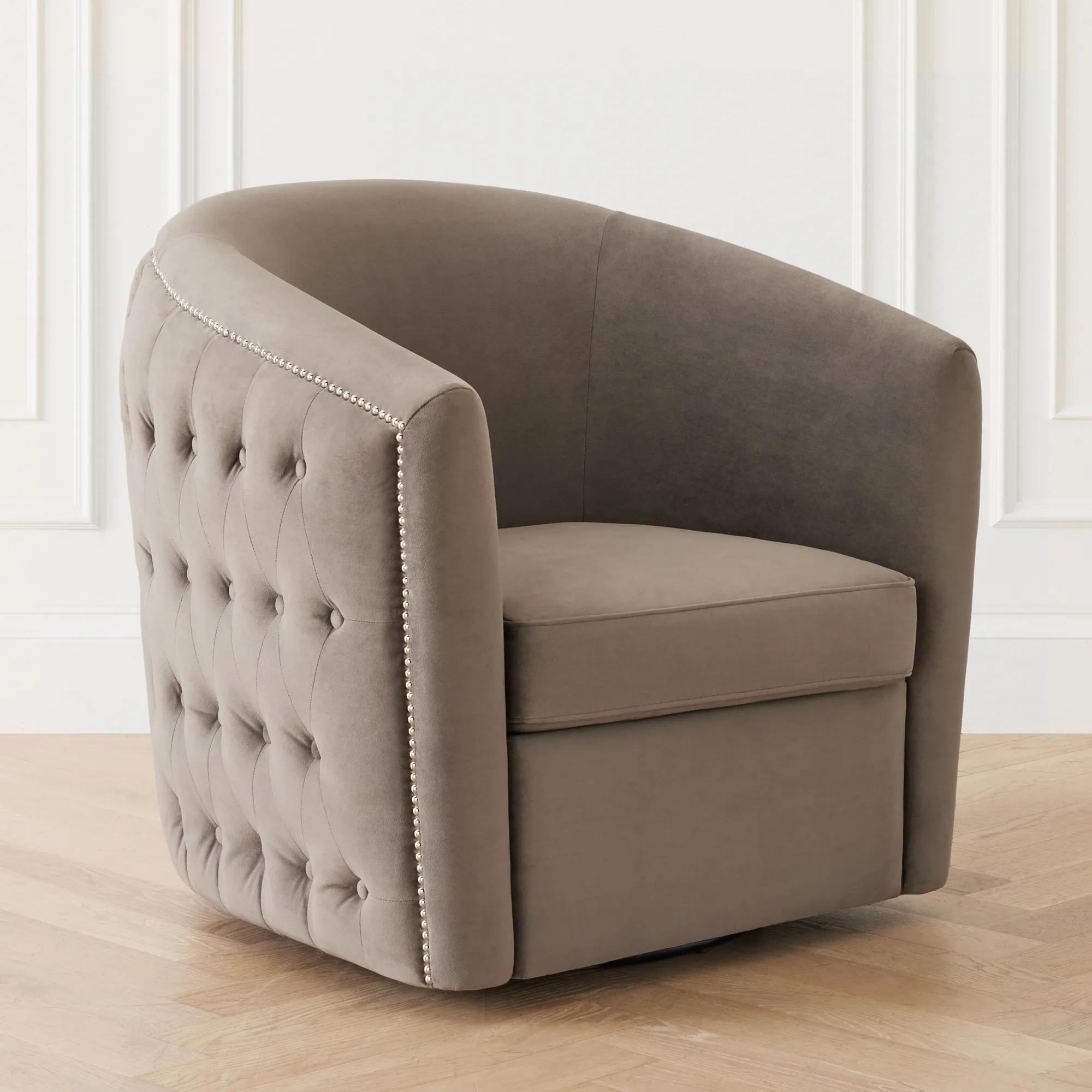
 Lyssa Pleated Simply Taupe Velvet Swivel Accent Chair$1099
A taupe velvet accent chair with pleated panels, curved styling, swivel motion, and gold metal base.
Add To Cart -
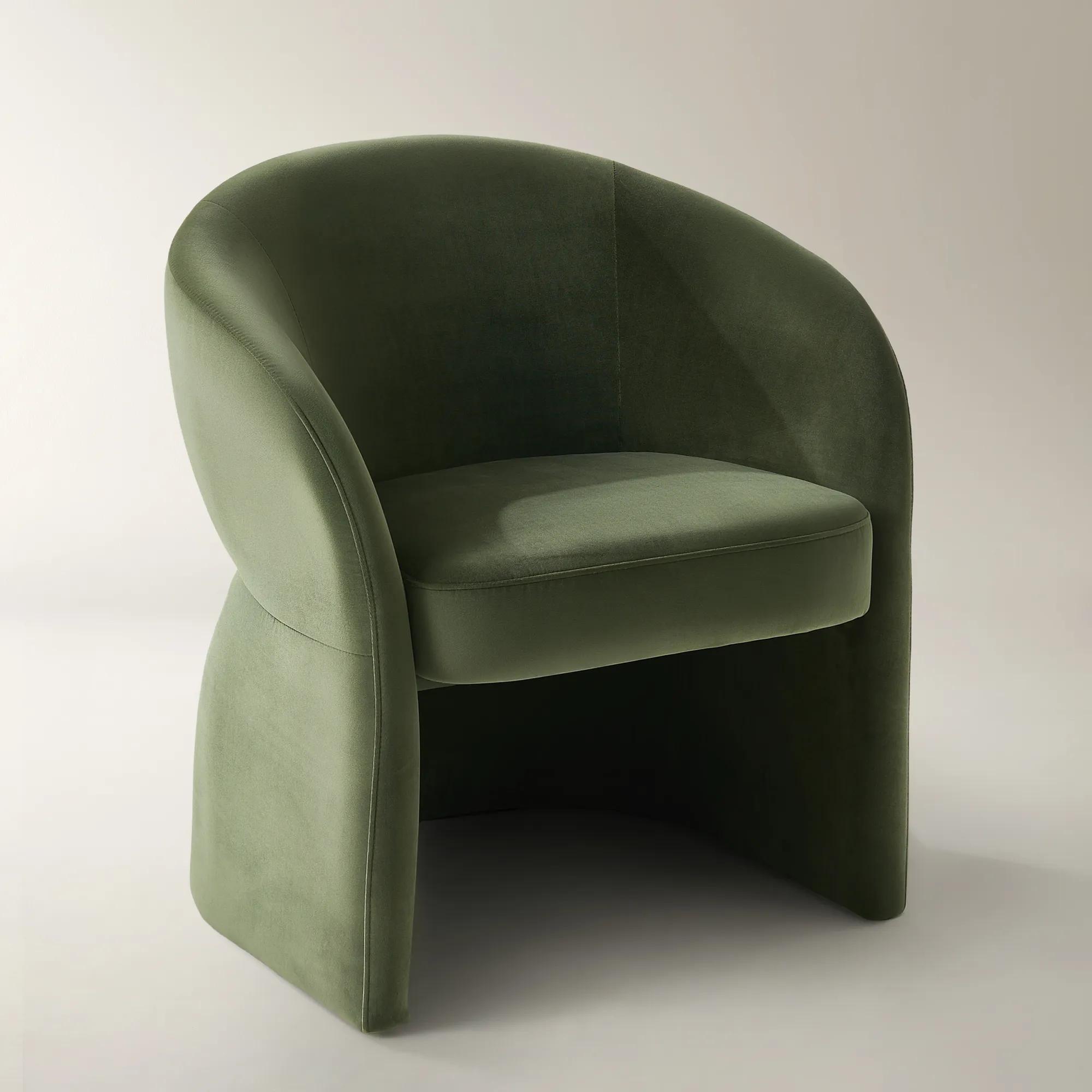
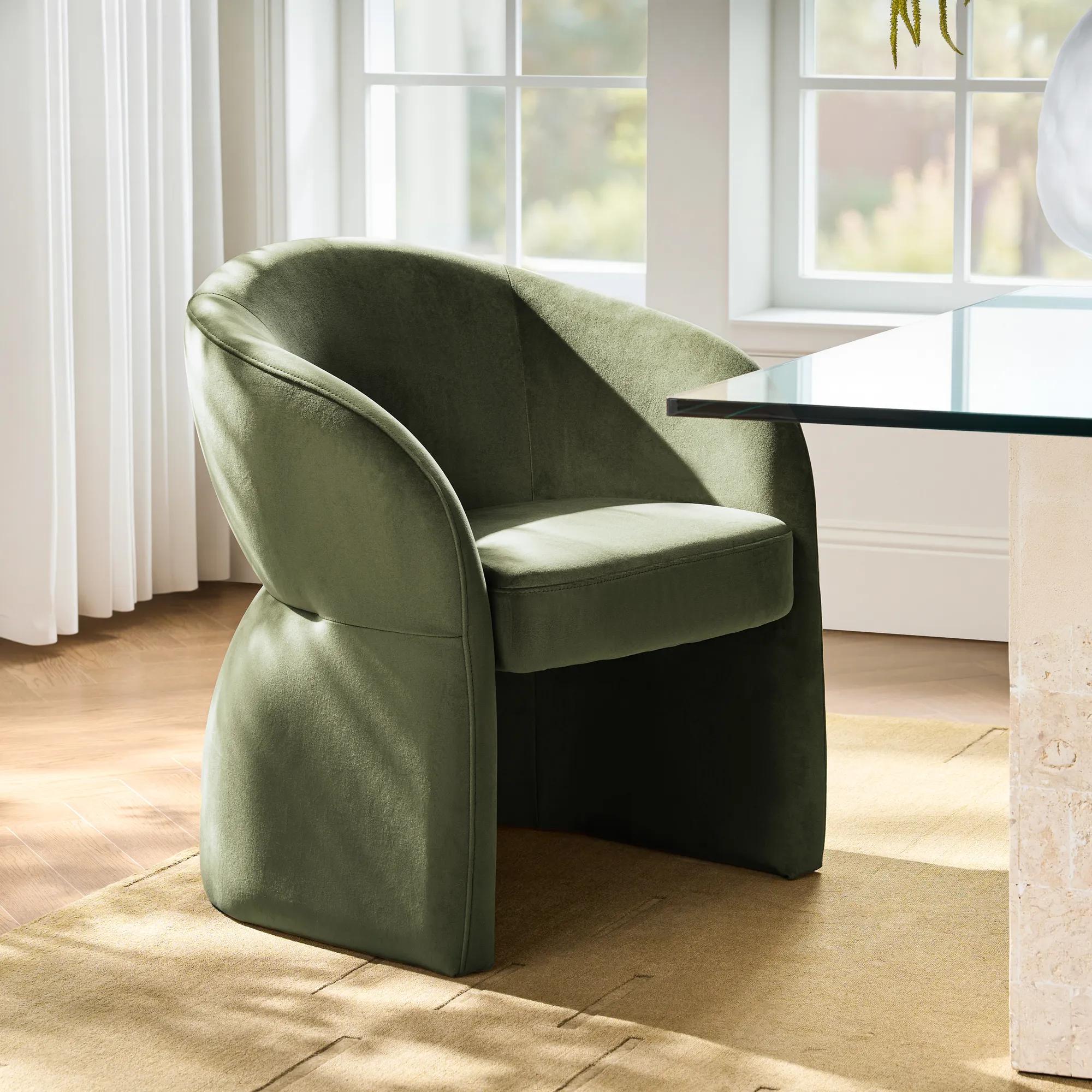 Sierra Jade Green Velvet Dining Chair$599
A sculptural accent chair in jade green velvet with gracefully arched arms and plush, supportive cushioning.
Add To Cart -
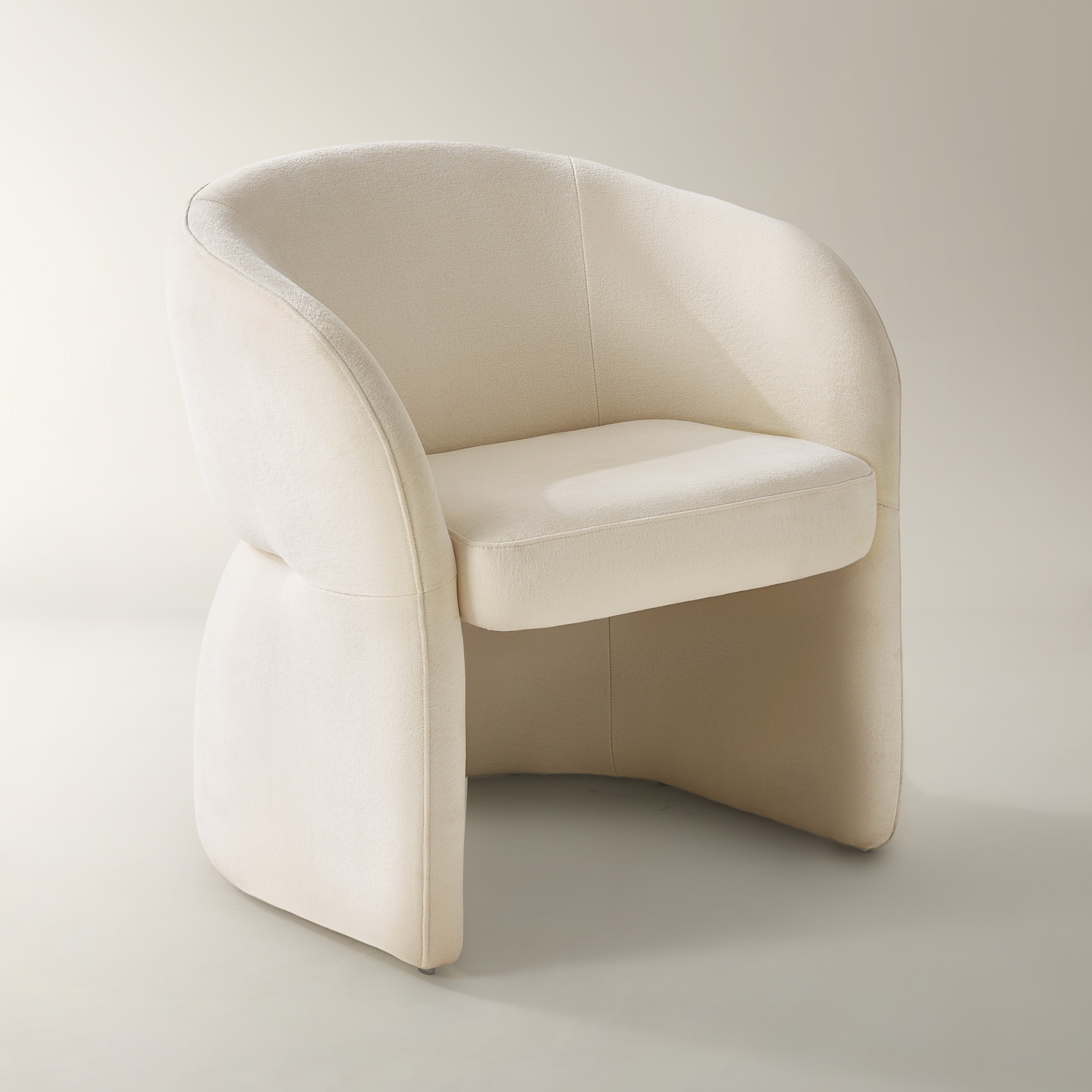
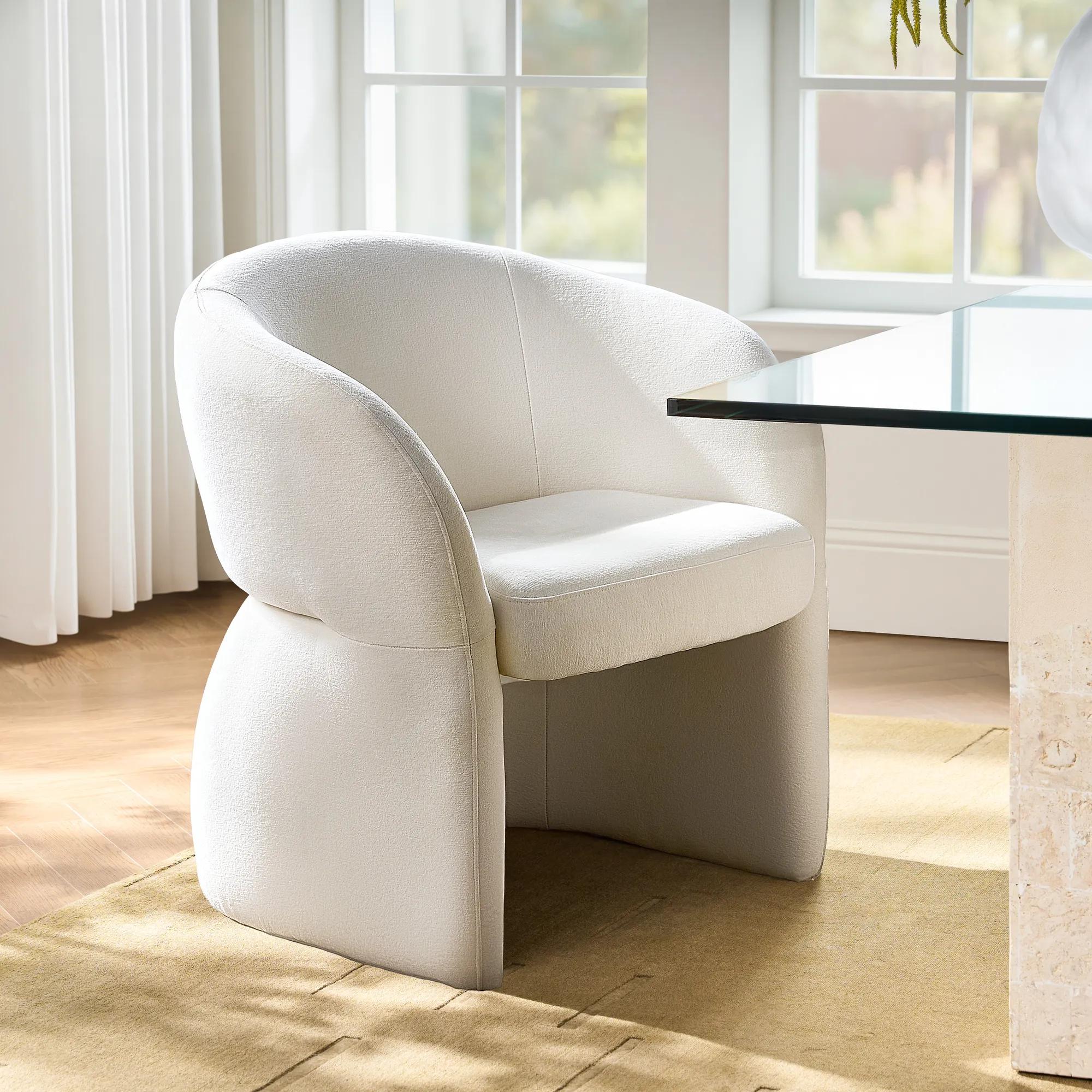 Sierra Oatmeal Velvet Dining Chair$599
An elegant accent chair in oatmeal velvet with gracefully arched arms, curved back, and plush cushioning.
Add To Cart -
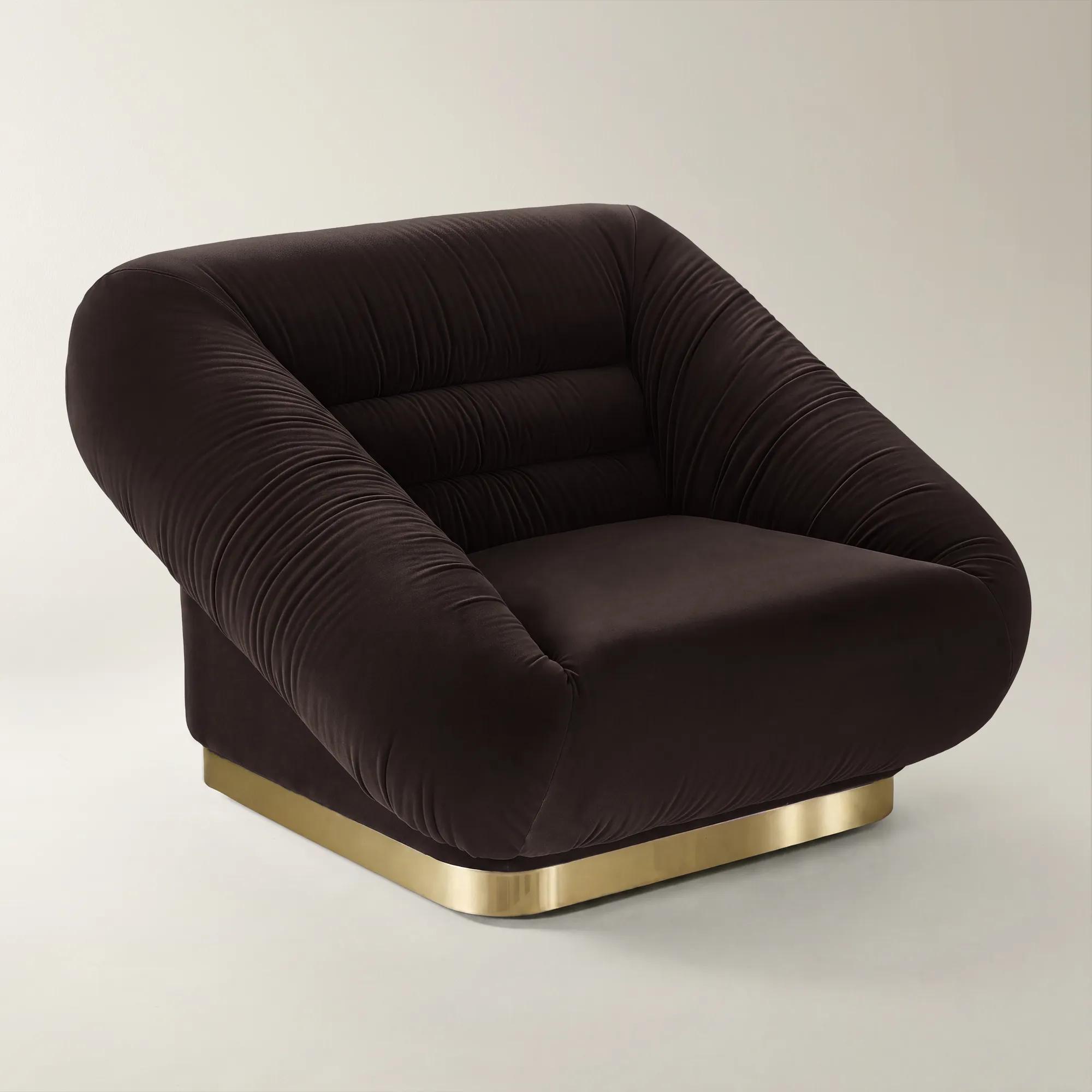
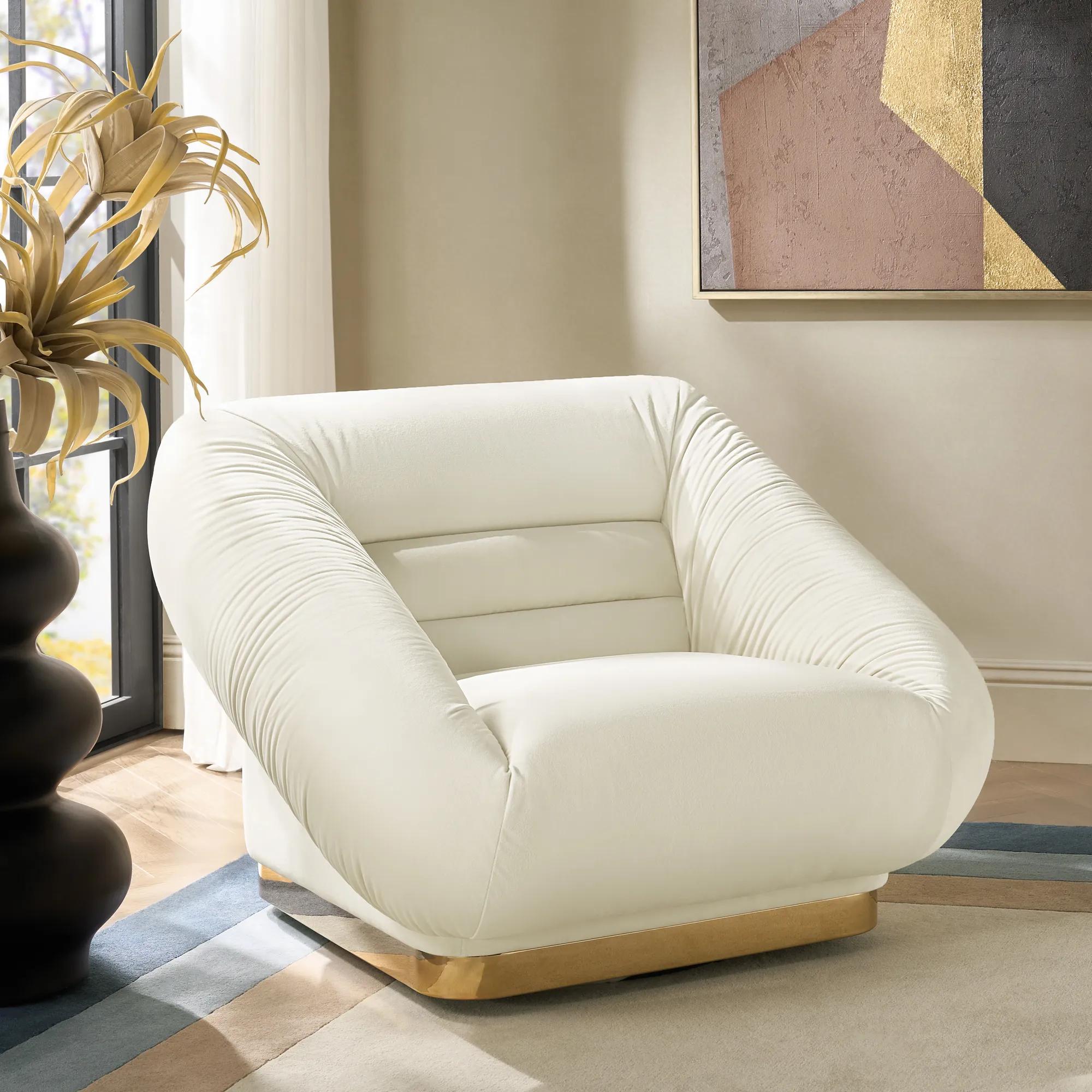 Dover Dark Chocolate Velvet Swivel Accent Chair$1299
A dark chocolate velvet accent chair with a sculptural silhouette, 360° swivel, and soft gold-finished trim.
Add To Cart -
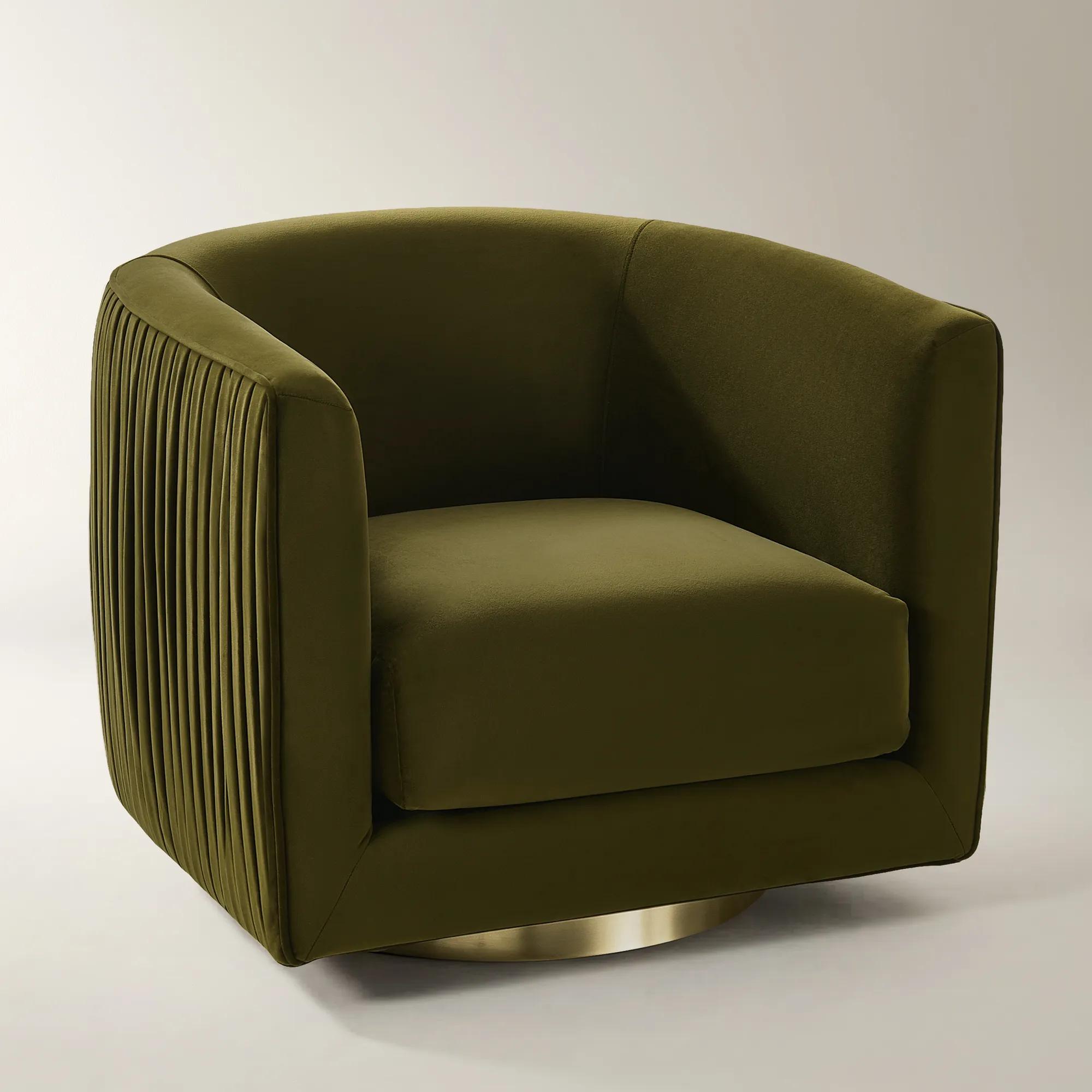
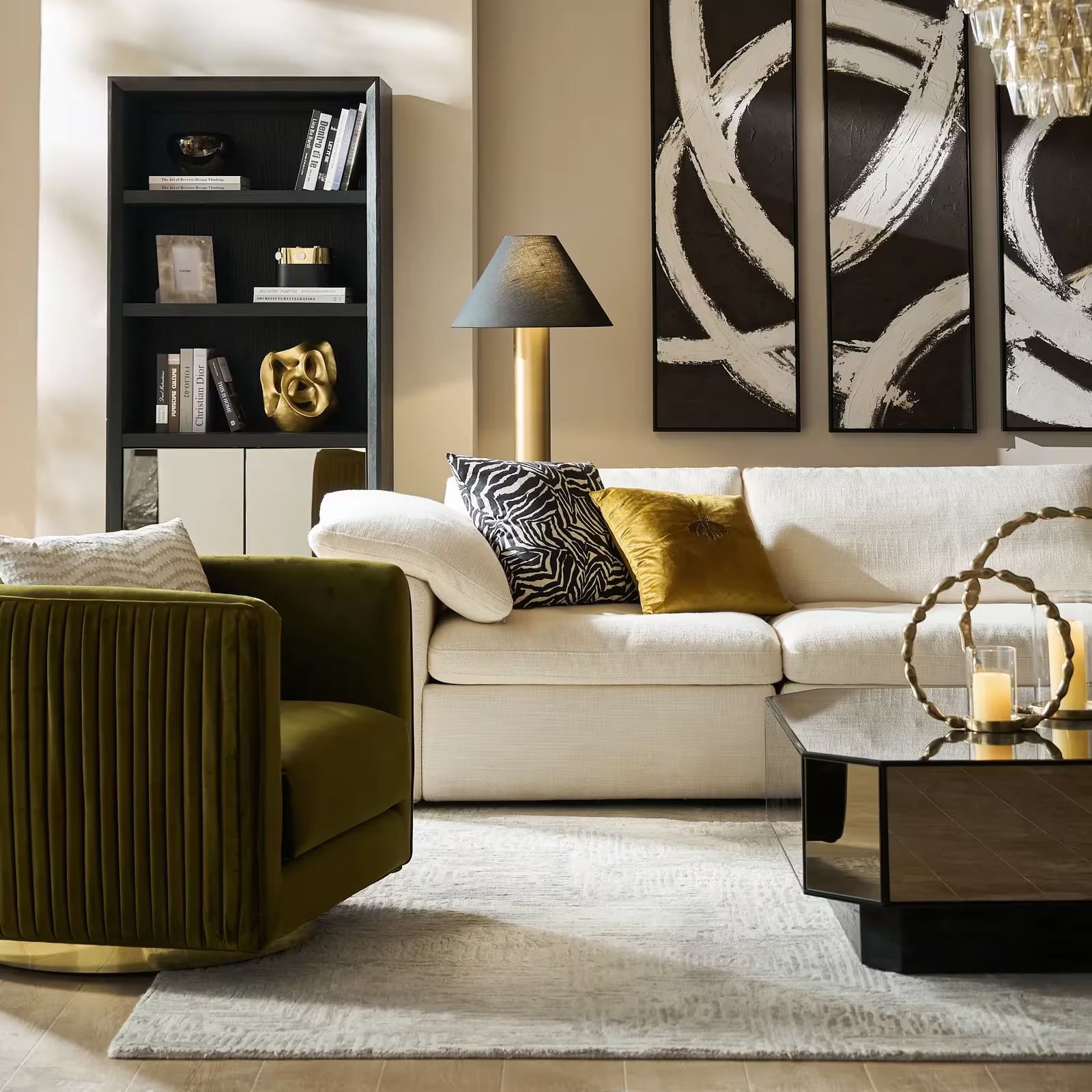 Lyssa Pleated Deep Olive Velvet Swivel Accent Chair$1099
A deep olive velvet accent chair with pleated panels, 360-degree swivel, and gold metal base.
Add To Cart -
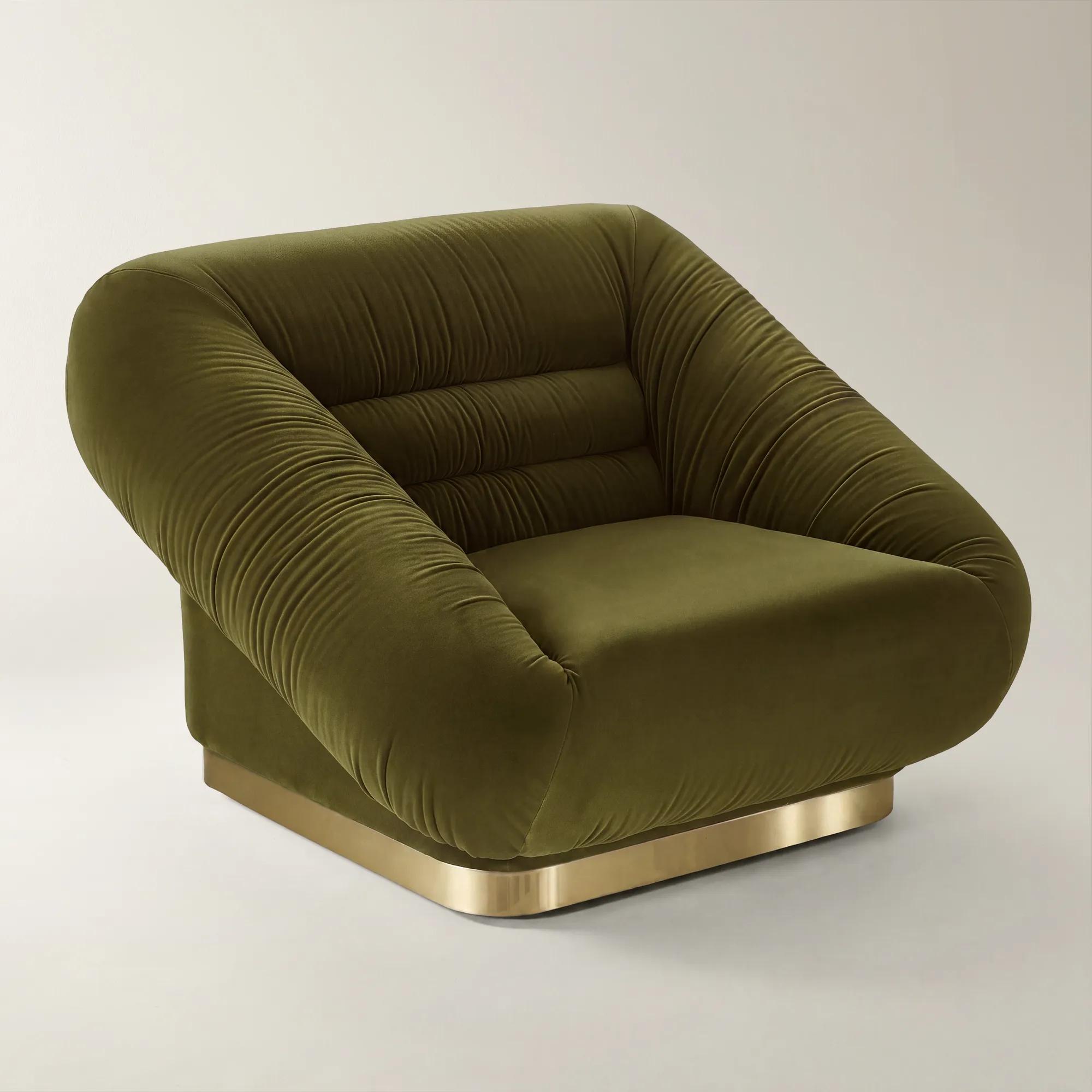
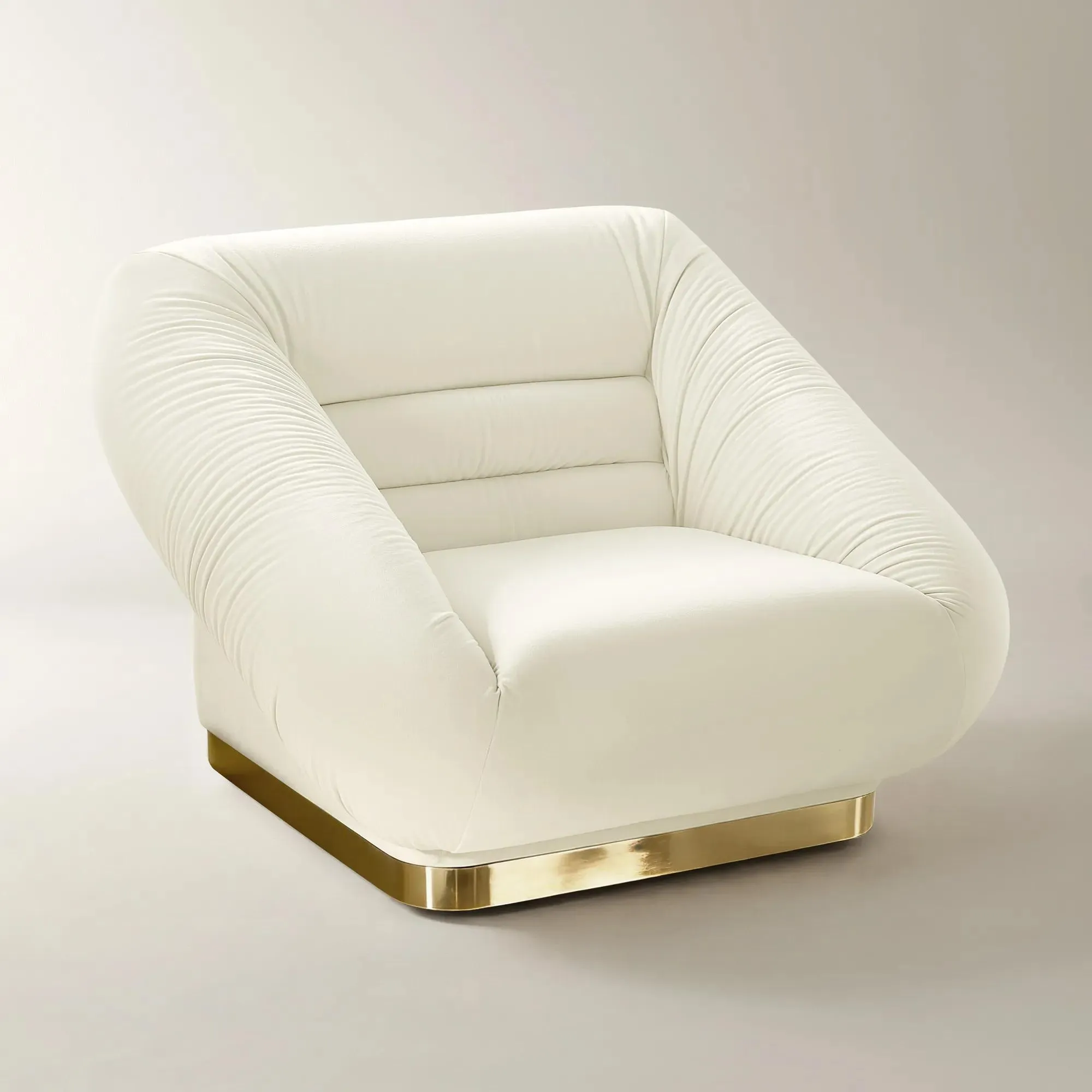 Dover Deep Olive Velvet Swivel Accent Chair$1299
A sculptural deep olive velvet chair with gathered upholstery, soft gold trim, and smooth 360-degree swivel functionality.
Add To Cart -
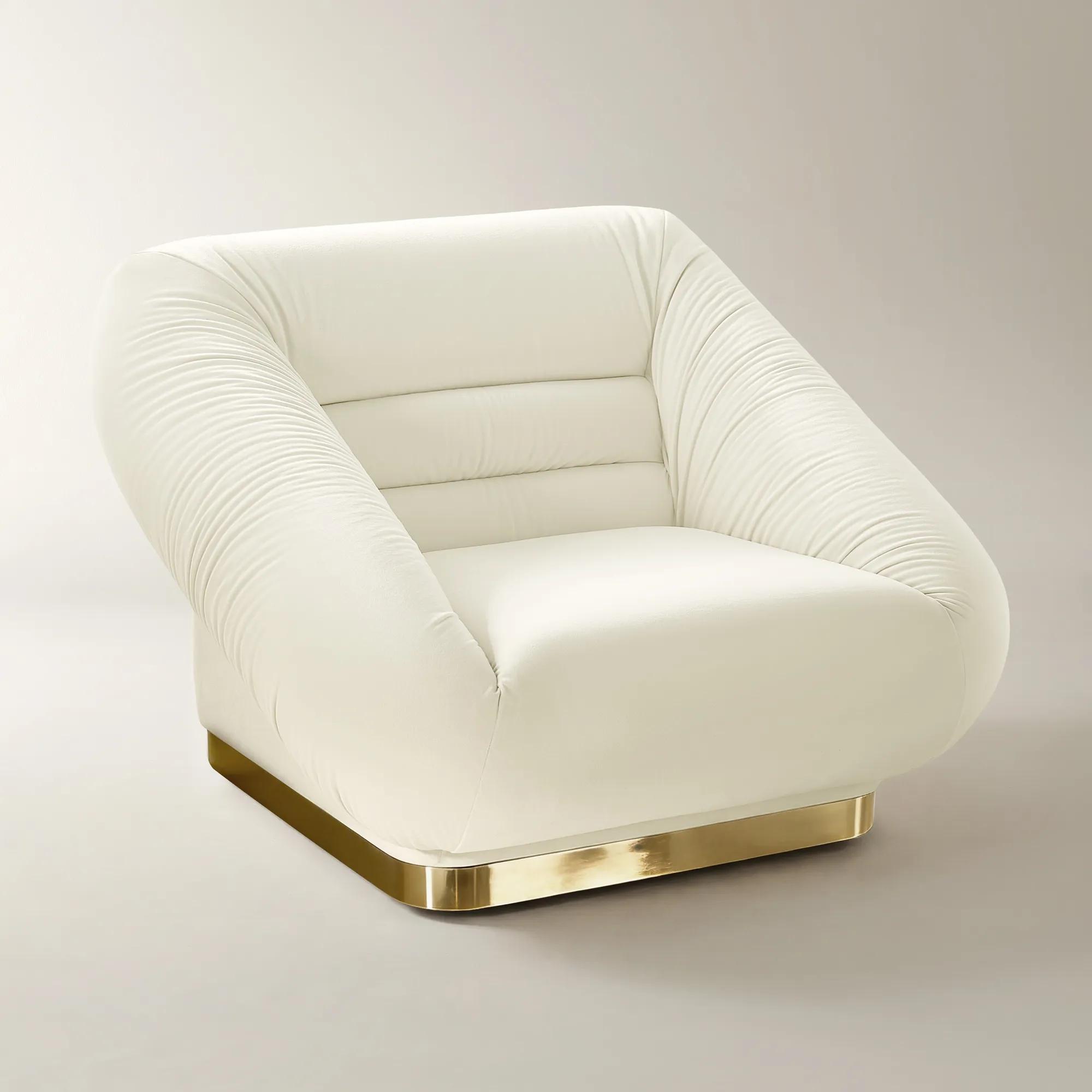 Dover Cloud Velvet Swivel Accent Chair$1299
A sculptural accent chair in cloud velvet with a gold-trimmed base and smooth 360° swivel function.
Add To Cart -
 Jocelyn Channel-Tufted Oatmeal Velvet Armless Chair$1399
An armless chair upholstered in oatmeal velvet with deep channel tufting and a flowing, curved silhouette.
Add To Cart -
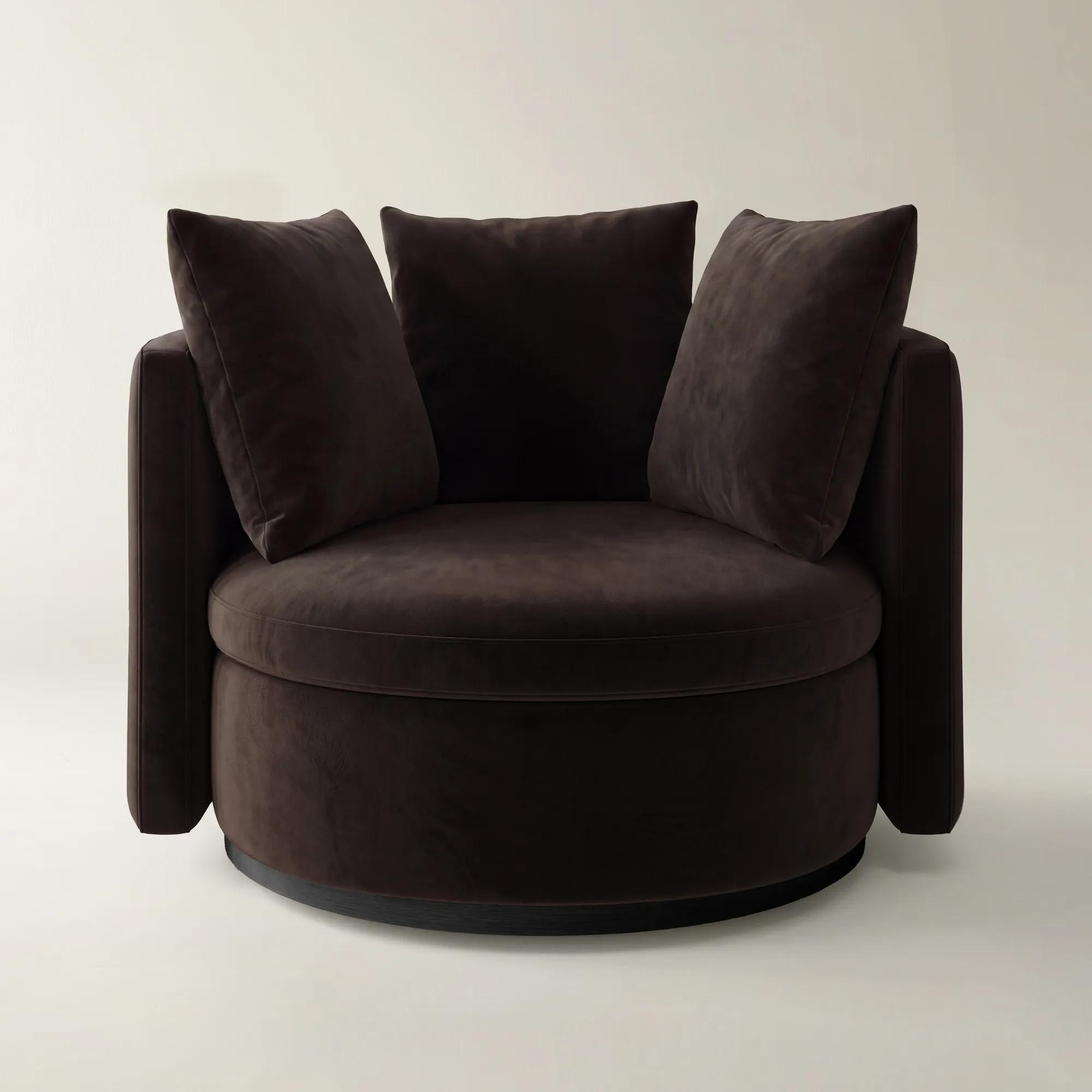
 Stria Dark Chocolate Velvet Swivel Accent Chair$1499
A dark chocolate velvet accent chair with enveloping curves, plush cushioning, and a concealed 360-degree swivel.
Add To Cart -
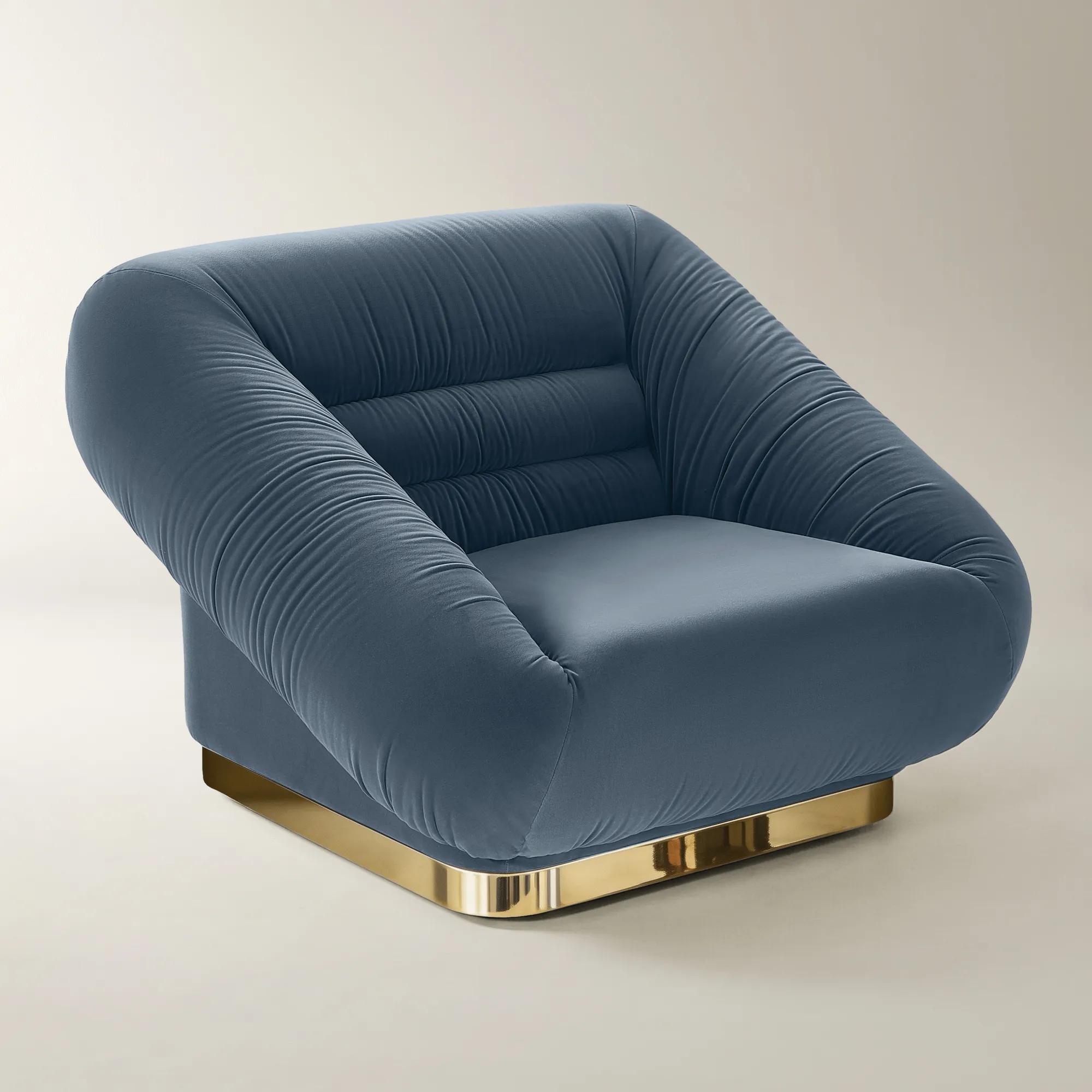 Dover Dusty Blue Velvet Swivel Accent Chair$1299
A sculptural blue velvet accent chair featuring soft gathered upholstery, gold-trimmed base, and smooth 360° swivel.
Add To Cart -
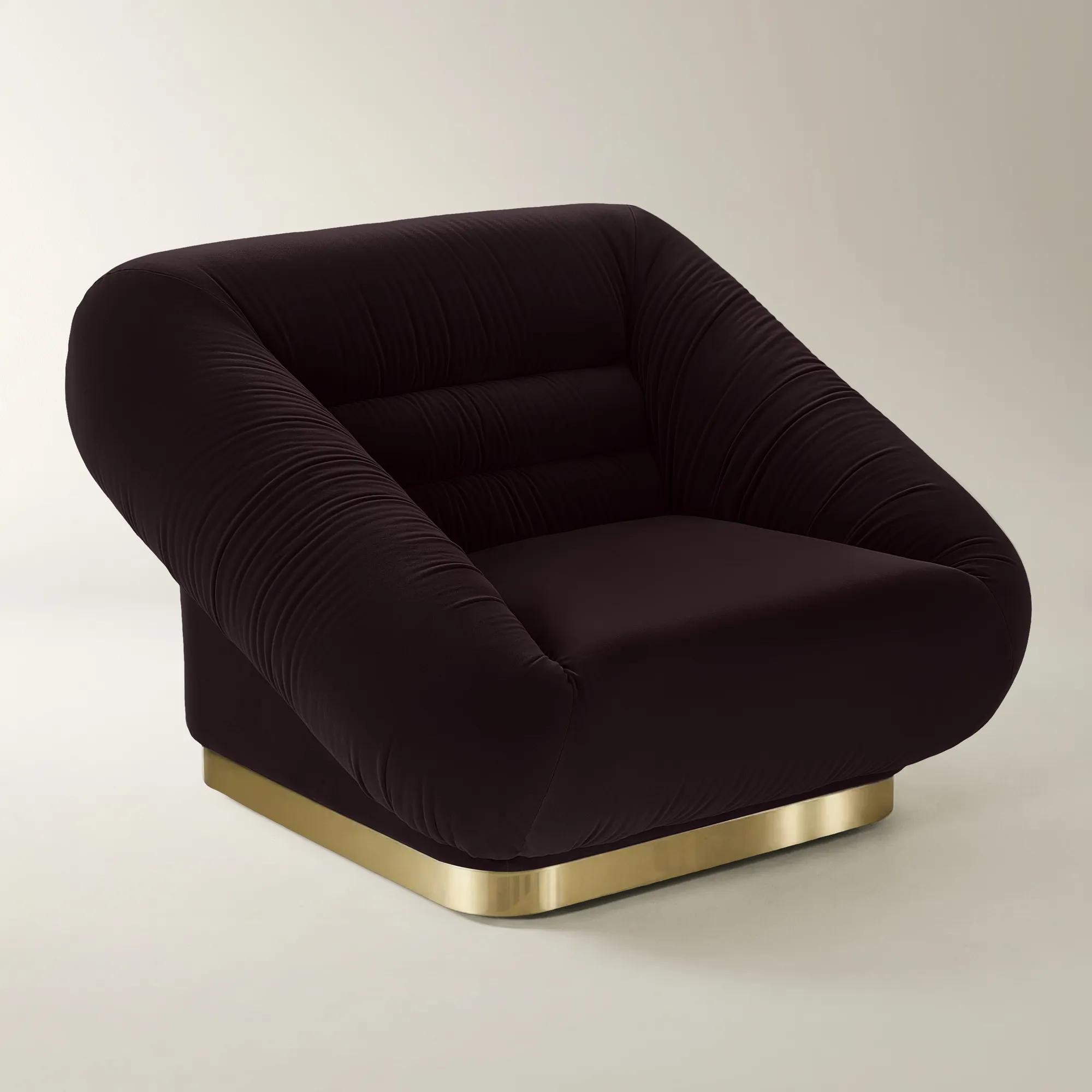 Dover Fig Velvet Swivel Accent Chair$1299
A sculptural fig velvet accent chair featuring soft gathered upholstery, gold-trimmed base, and smooth 360° swivel.
Add To Cart -
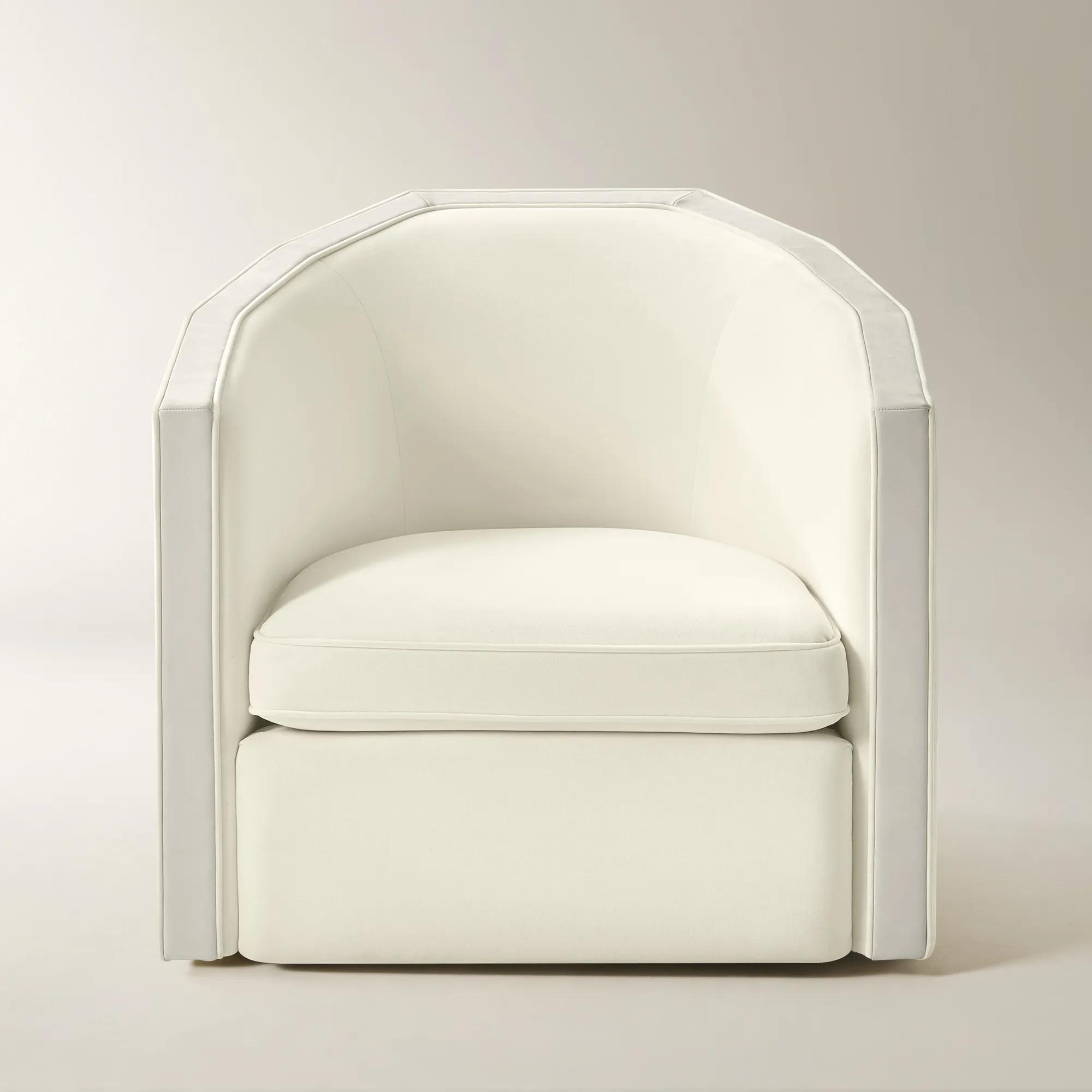 Vesper Cloud Velvet With Leather Swivel Accent Chair$999
A modern accent chair featuring cloud velvet upholstery, tonal leather trim, and a smooth 360° swivel base.
Add To Cart -
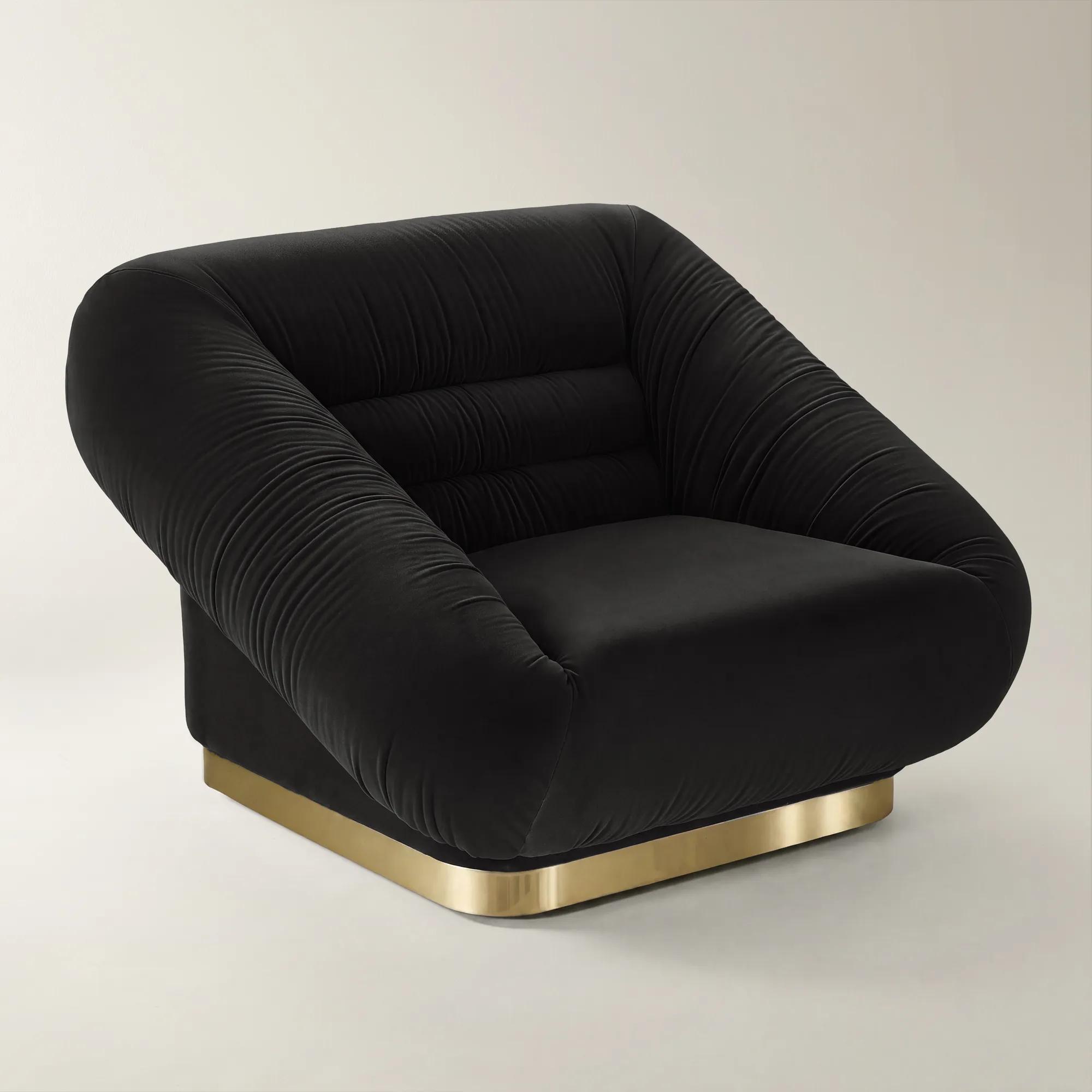 Dover Charcoal Velvet Swivel Accent Chair$1299
A sculptural charcoal velvet accent chair with gathered upholstery, a soft gold–finished stainless steel base, and smooth 360° swivel.
Add To Cart -
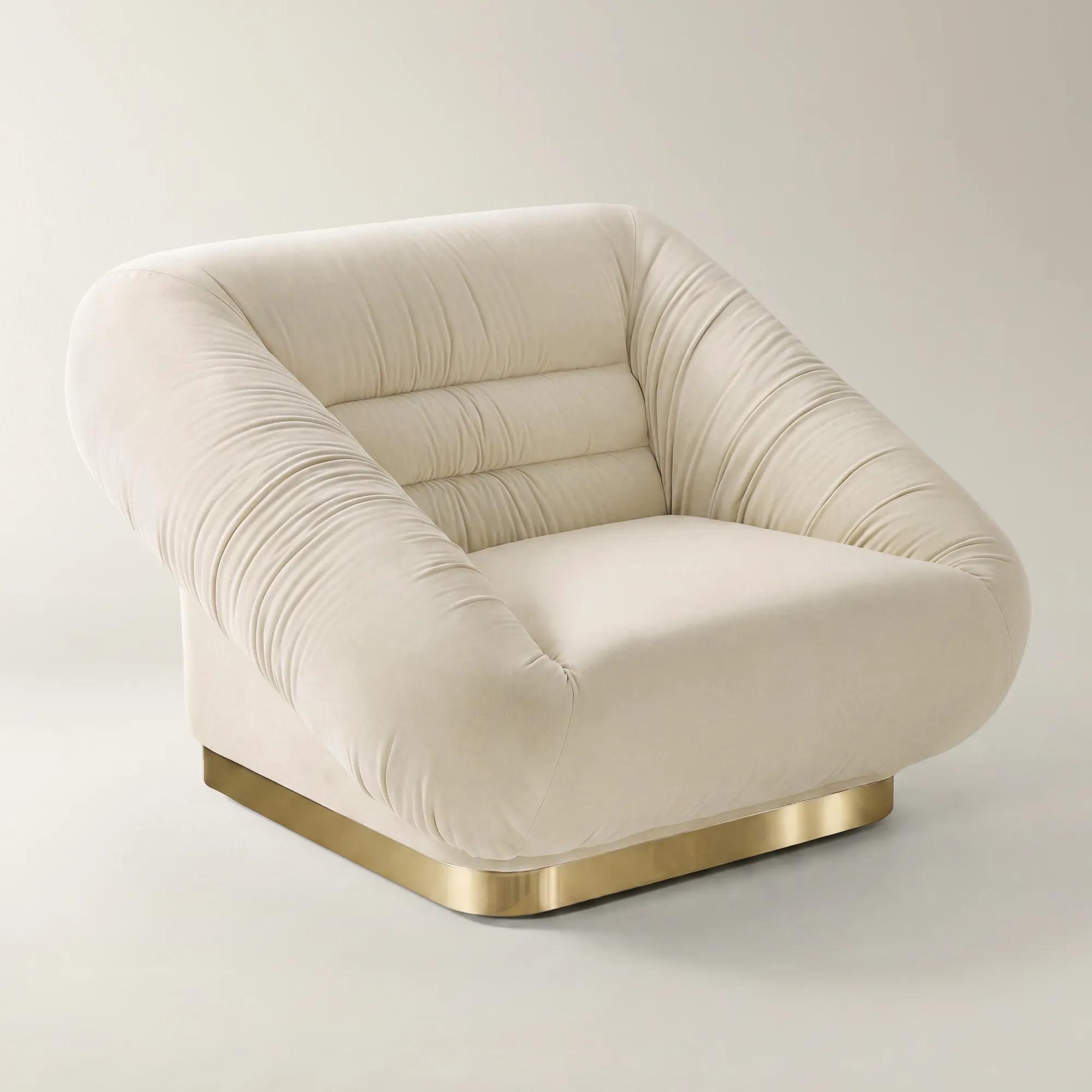 Dover Oatmeal Velvet Swivel Accent Chair$1299
A sculptural oatmeal velvet accent chair with gathered upholstery, a soft gold stainless steel base, and smooth 360-degree swivel functionality.
Add To Cart -
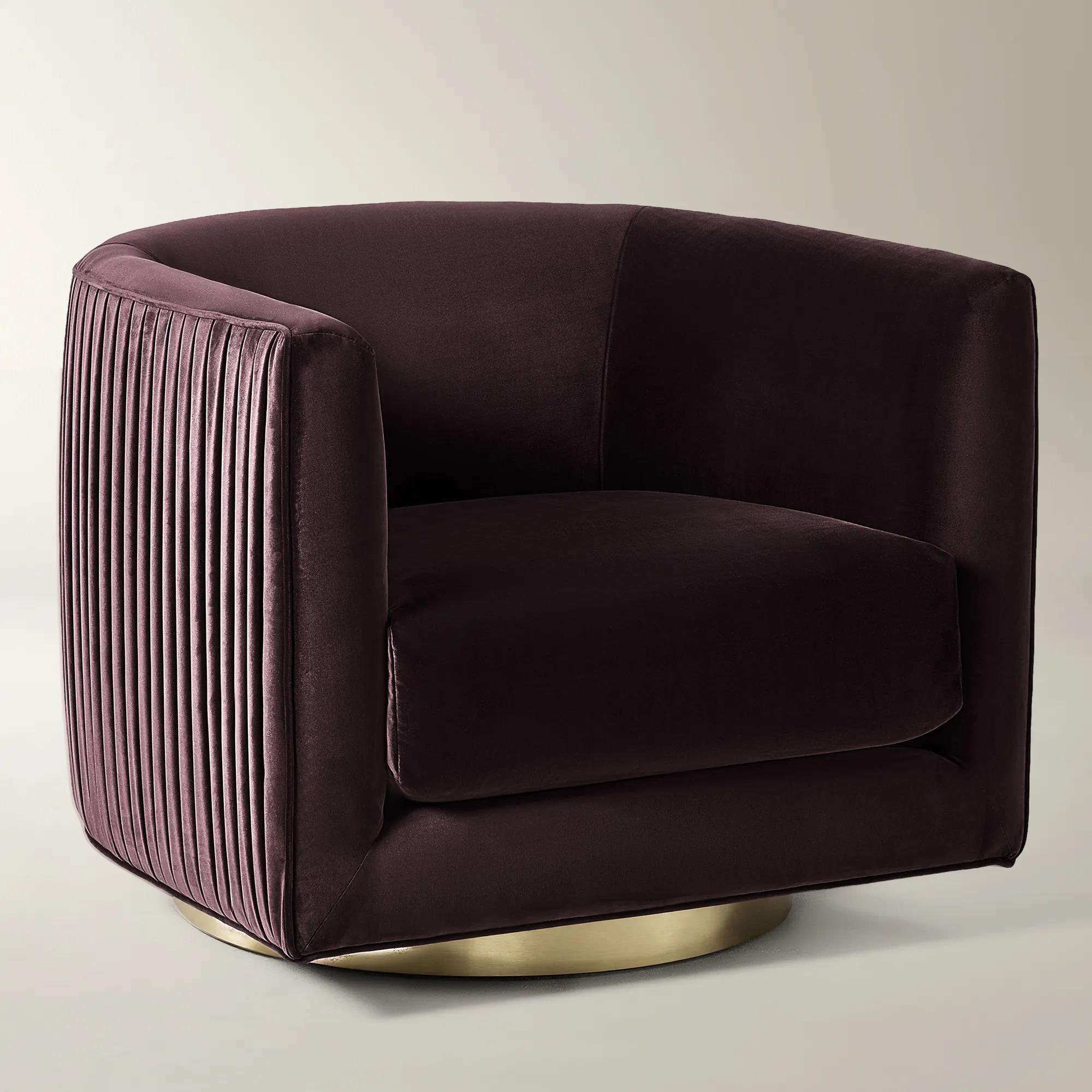 Lyssa Pleated Fig Velvet Swivel Accent Chair$1099
A red velvet swivel chair with pleated panels, curved styling, and a soft-gold stainless steel base.
Add To Cart -
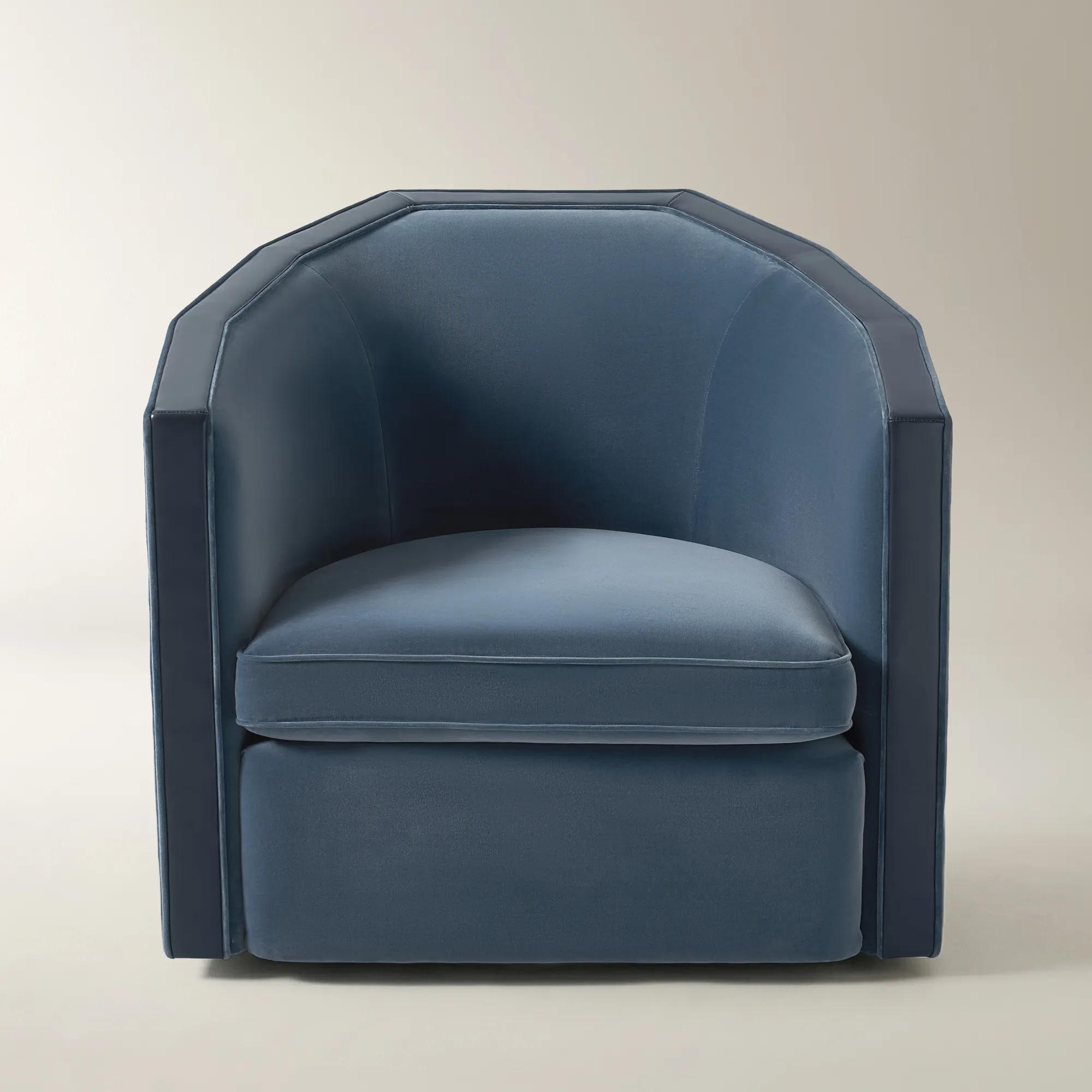 Vesper Dusty Blue Velvet With Leather Swivel Accent Chair$999
A modern accent chair in dusty blue velvet with tonal leather trim and a smooth 360-degree swivel base.
Add To Cart -
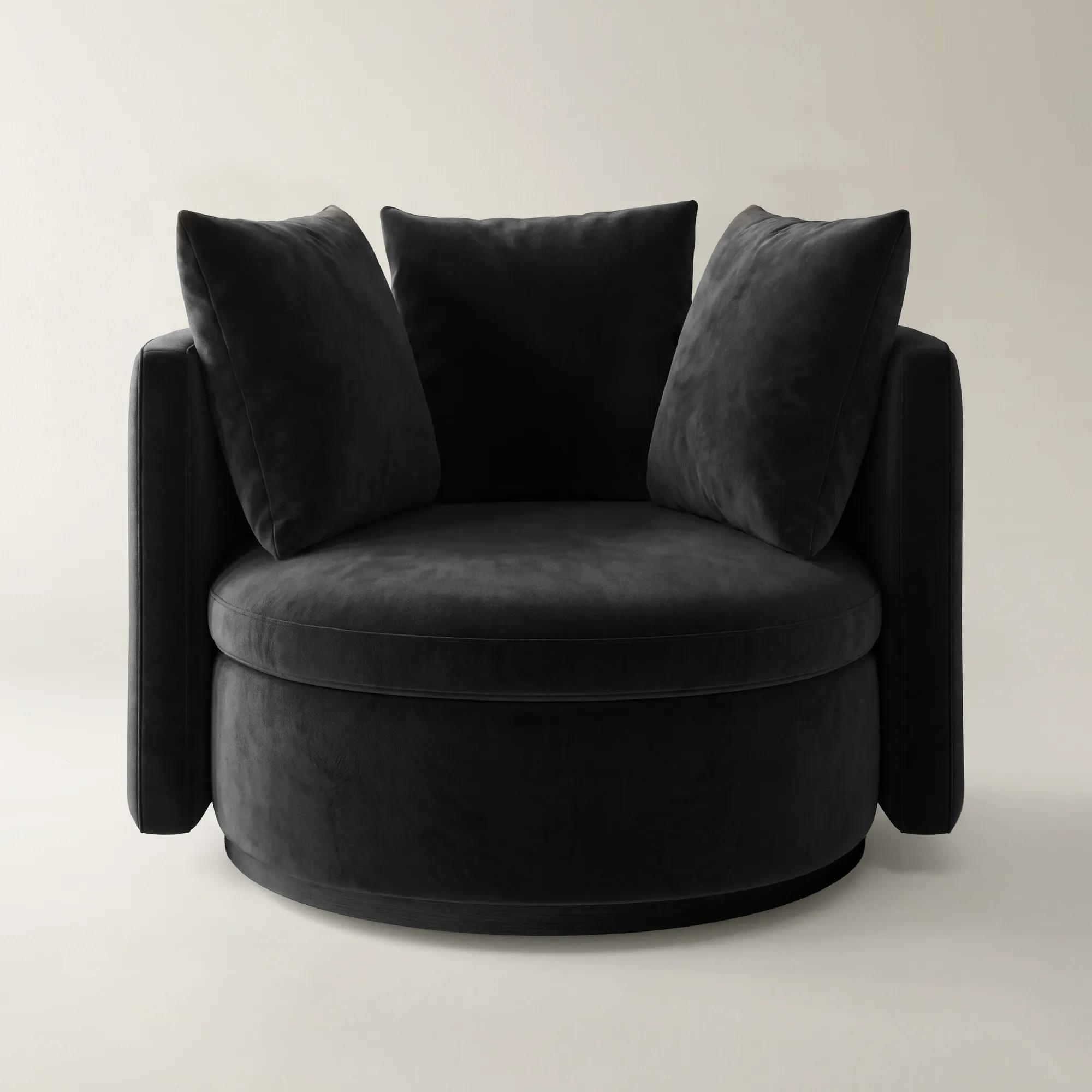
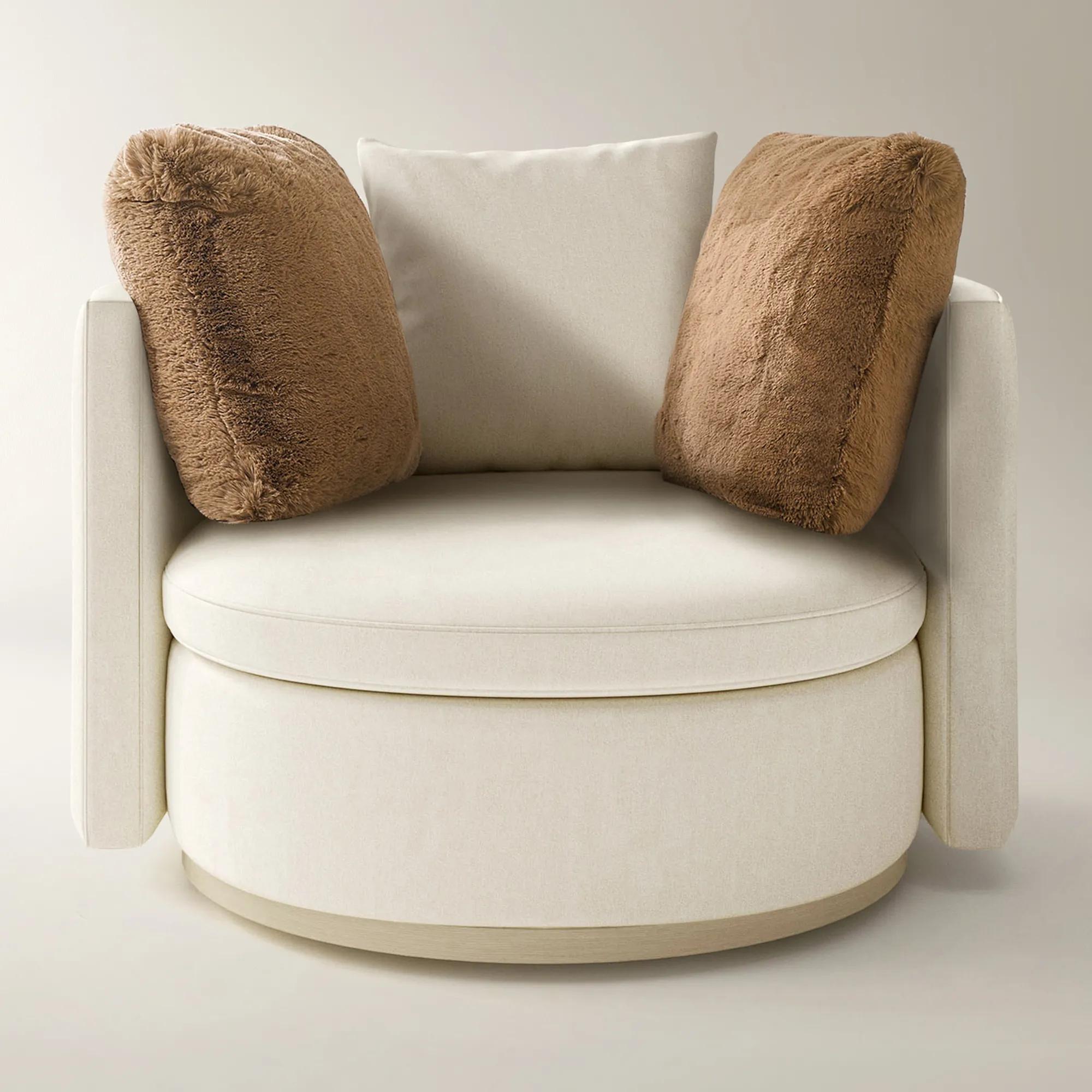 Stria Charcoal Velvet Swivel Accent Chair$1499
A sculptural charcoal velvet accent chair with enveloping curves, layered cushioning, and a concealed 360-degree swivel.
Add To Cart -
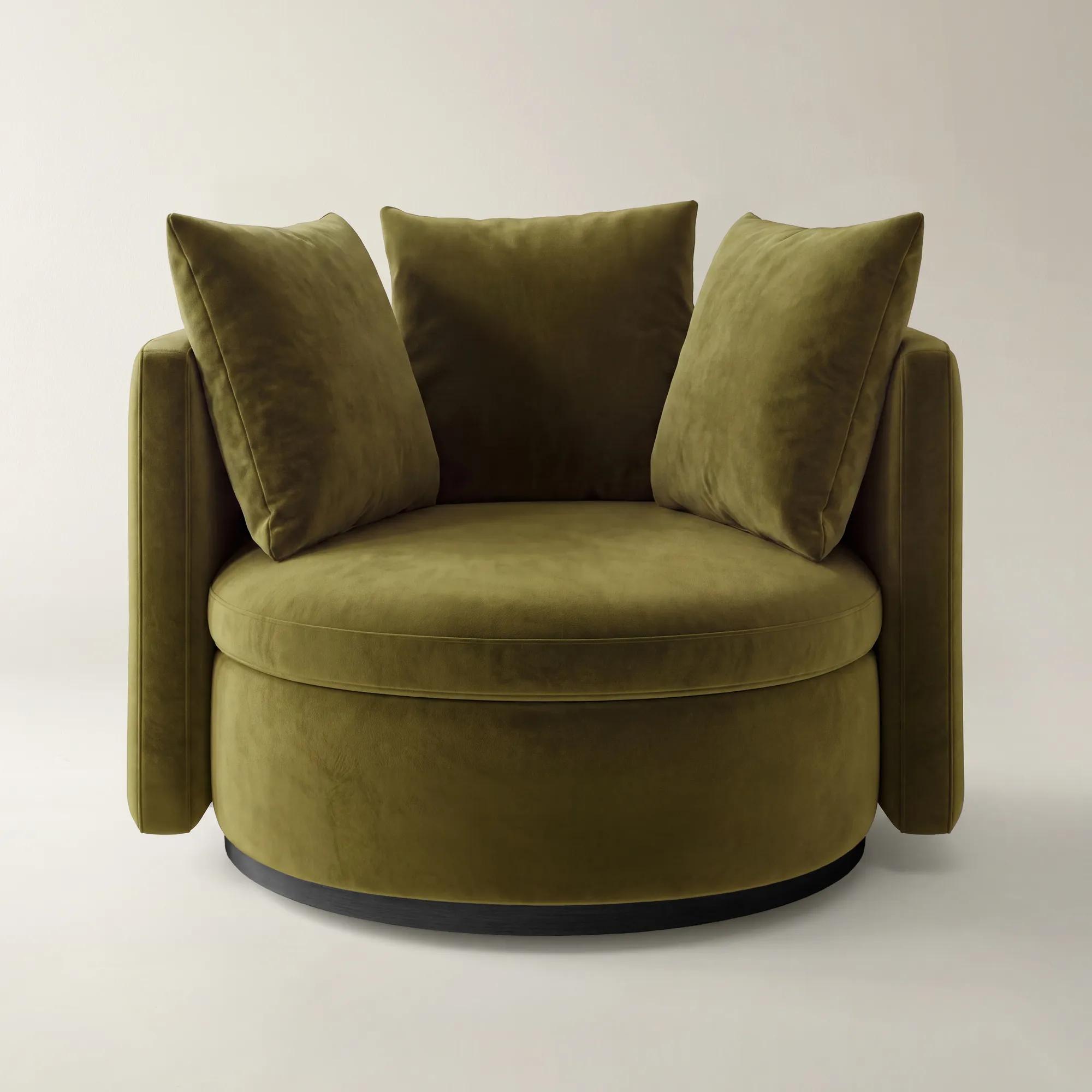 Stria Deep Olive Velvet Swivel Accent Chair$1499
A deep olive velvet accent chair with enveloping curves, layered cushioning, and a concealed 360-degree swivel base.
Add To Cart -
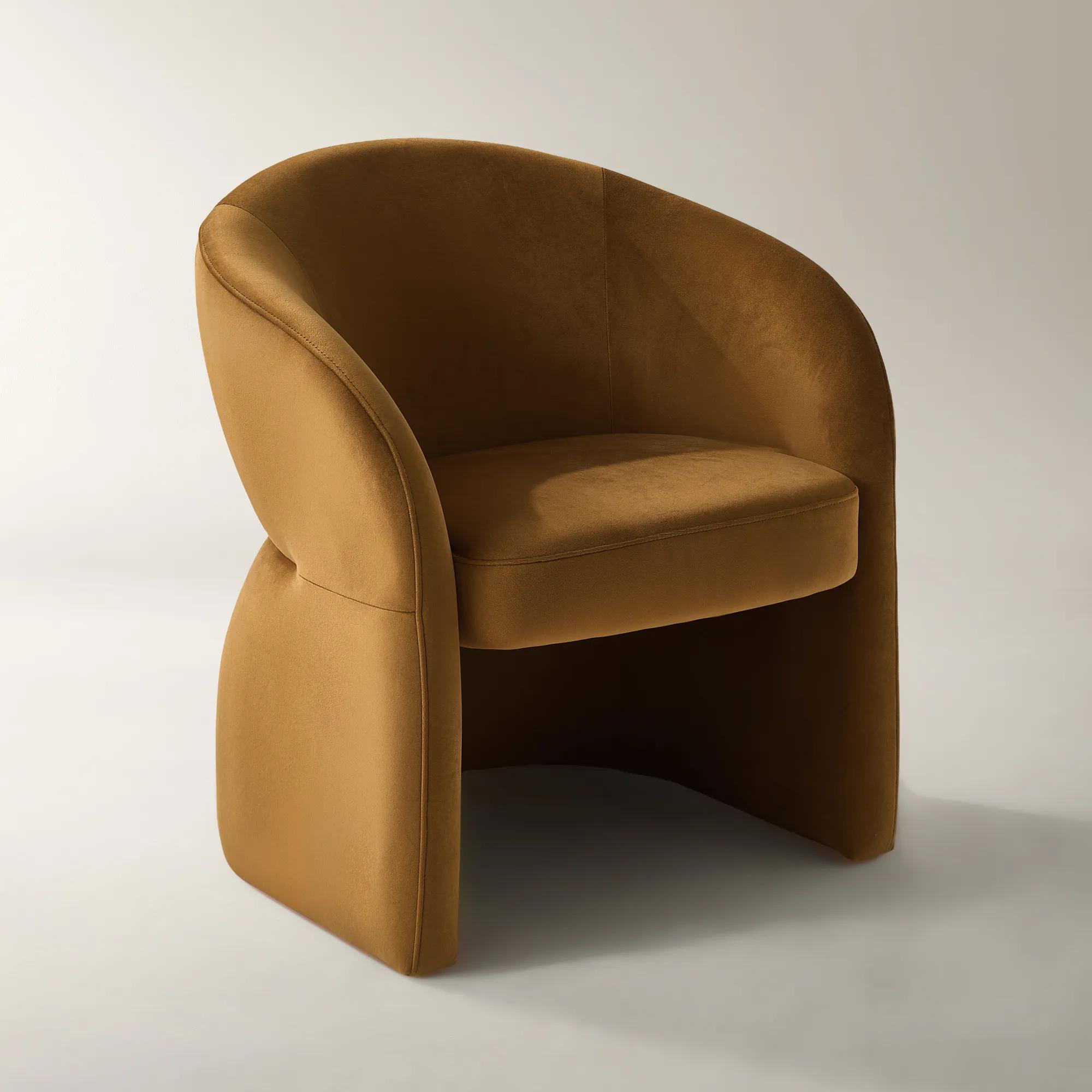
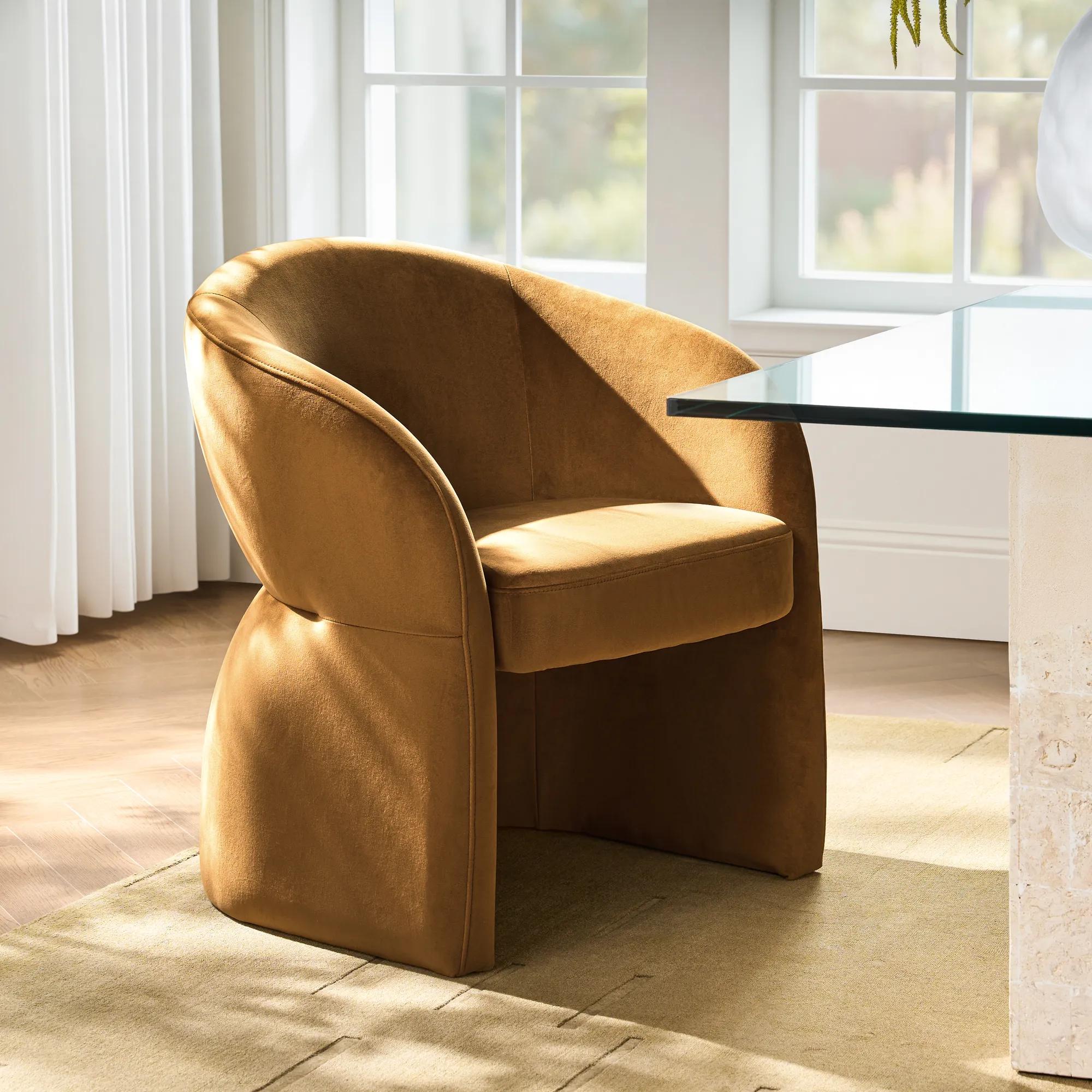 Sierra Roasted Pecan Velvet Dining Chair$599
A sculptural accent chair in roasted pecan velvet with arched arms, curved back, and plush cushioning.
Add To Cart -
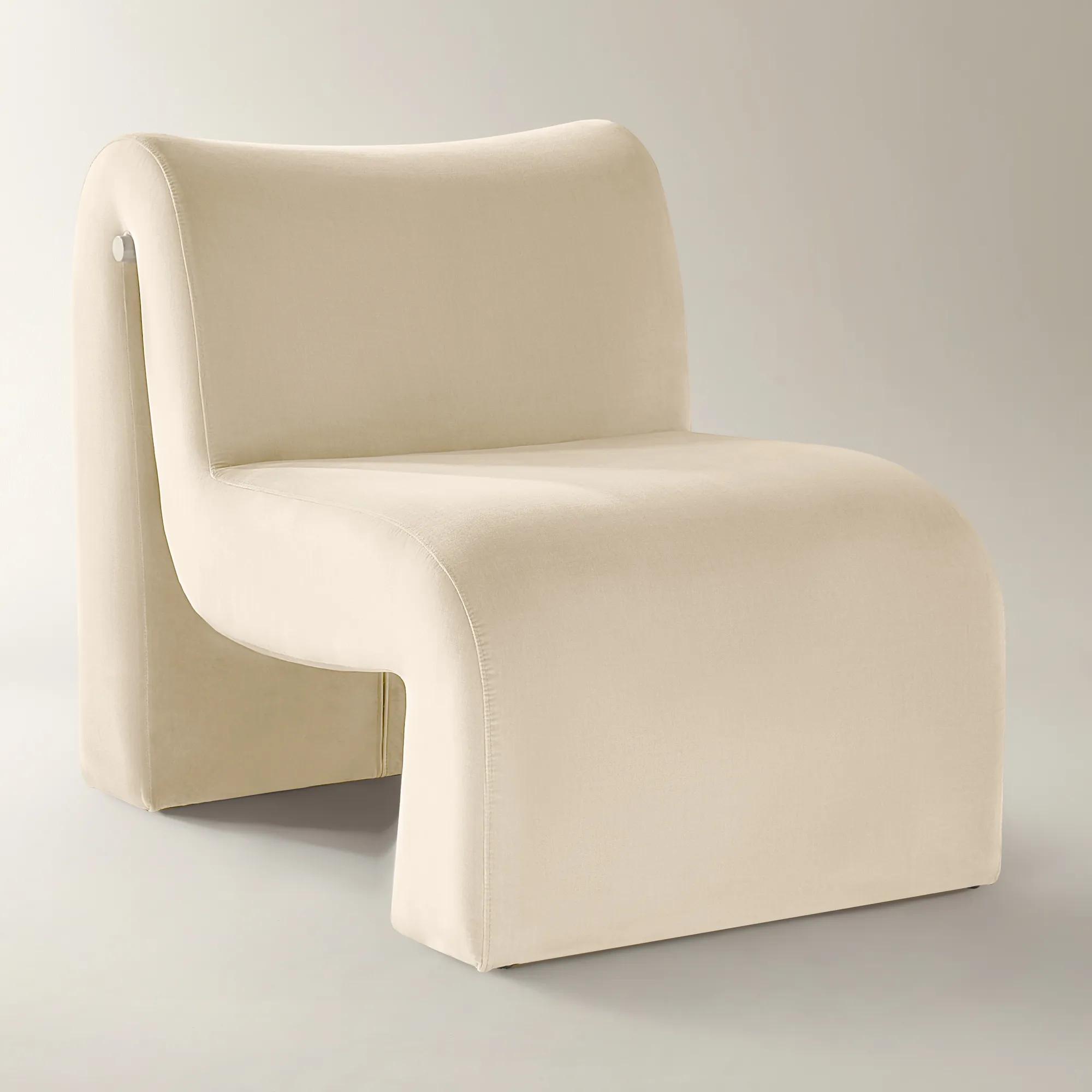 Cora Ivory Velvet Accent Chair$899
A sculpted ivory velvet chair featuring a continuous curved silhouette and a gold stainless-steel accent.
Add To Cart

Accent Seating For Cocktail Parties
Accent seating for cocktail parties is the secret ingredient to unforgettable soirées—where every seat is an invitation to linger, converse, and revel in style. Imagine plush silhouettes and sculptural forms artfully arranged to spark conversation and admiration alike. Each piece offers more than a place to perch; it sets the stage for laughter, intrigue, and effortless glamour. With accent seating that dazzles as much as your guest list, your living room transforms into a scene-stealing lounge—every detail curated for those who live to entertain boldly.
Accent seating for cocktail parties balances expressive design, comfortable support, and a compact footprint that keeps conversation moving. Unlike a formal dining arrangement, a cocktail gathering benefits from a mix of places to pause: an upholstered accent chair beside a small table, a sculptural stool near a conversation group, or an ottoman that introduces another perch without enclosing the room. These pieces give guests somewhere to settle between introductions while preserving the open space that makes mingling feel natural. A curved back can soften an angular living room; a gleaming metal base can bring a flash of jewelry-like detail beneath richly textured upholstery. The effect is intimate rather than crowded, with each seat contributing to the atmosphere. For a host who enjoys small gatherings, two chairs angled toward one another create a welcoming setting for conversation without requiring guests to face the entire room. In a larger space, several modest seating groups can feel more inviting than a single perimeter of chairs. Swivel seating offers another possibility, allowing a seated guest to turn toward a new arrival without dragging furniture across the floor. Backless stools and compact ottomans preserve sightlines, although guests who need sustained support will generally be more comfortable in a chair with a back and arms. A successful mix accommodates both preferences. Within a broader arrangement of home seating for parties, accent pieces bring personality to the spaces between larger furnishings, giving an overlooked corner or the edge of a living area a distinct purpose. The most compelling arrangements feel collected, not improvised: varied silhouettes share a color, finish, or texture, and every seat has a reason to be there. A dramatic chair can hold its own beneath oversized artwork, while a pair of quieter upholstered stools allows an elaborate cocktail table to remain the visual centerpiece. That balance gives a room presence without letting the furniture overwhelm the gathering.
Material choice shapes both the mood of the room and the experience of using it. Velvet brings depth and a light-catching surface that changes as guests move through the space, lending even a compact chair a sumptuous presence. Its pile can show shading or pressure marks, so regular care should follow the upholstery instructions rather than a one-method-fits-all routine. Woven fabrics offer a different kind of richness, from tightly structured textures to more pronounced patterns that add dimension to a restrained palette. In homes where entertaining happens often, consider abrasion resistance, seam quality, and the practicality of the upholstery alongside its appearance. A performance designation is worth examining closely: stain resistance, cleaning requirements, and other characteristics depend on the particular fabric, and no label makes prompt attention to spills unnecessary. Leather can introduce a tailored contrast to plush textiles, with the understanding that its finish determines how it responds to moisture, scratching, and cleaning. Faux leather has its own care requirements and should not automatically be treated with products intended for genuine leather. Exposed wood, polished metal, and upholstered bases each create a different visual weight; they also benefit from cleaning methods suited to their finish. A soft cloth may be appropriate for routine dusting, but abrasive cleaners or an unsuitable solvent can damage a surface. Beneath the decorative details, frame construction, secure joints, and a stable base matter for seating that will be used repeatedly. Published weight limits and intended-use information deserve attention, especially for petite stools or pieces with slender profiles. Felt pads or other floor protection appropriate to the flooring can help reduce marks when chairs are repositioned. For a spill during a gathering, blotting promptly and following the manufacturer’s care directions is preferable to vigorous rubbing. Thoughtful materials and consistent maintenance allow the seating to remain part of everyday life, not something reserved only for an immaculate room before guests arrive.
Scale is where an alluring silhouette becomes a comfortable addition to the home. Overall width determines how many pieces can sit together gracefully, but seat height, seat depth, arm placement, and back support influence how each one feels. A low, deep lounge chair may be ideal for lingering conversation yet less convenient for someone who prefers an upright seat or needs help rising. A firmer chair with supportive arms can offer a welcome alternative, making a varied seating arrangement more accommodating to guests with different needs. Armless designs often occupy less visual space, though their actual dimensions still need to be checked against the room. Measuring the footprint, doorways, and delivery path helps ensure that a statement piece reaches its intended setting without an unwelcome surprise. Around a cocktail table, allow enough room for guests to sit down, cross their legs, and stand without edging into a busy passage. Swivel chairs need clearance through their turning range, and movable stools belong where they will not interrupt the route between refreshments and conversation. A nearby, stable side table gives a drink or small plate a proper resting place; an upholstered seat is not a substitute for a level serving surface. These practical relationships make the glamour feel effortless. Between gatherings, the same seating can frame a reading corner, accompany a bedroom dressing area, or add an expressive note to a home office, provided its proportions and support suit that use. For a housewarming or milestone gift, accent seating is most thoughtful when the recipient’s room measurements, preferred comfort, and design sensibility are already known. Whether chosen for a frequent host or a home that welcomes an occasional intimate gathering, the right piece earns its place through more than appearance. A sculpted back, beautifully handled upholstery, or luminous finish gives the eye something to admire, while considerate proportions invite someone to stay for another conversation. The room feels composed, personal, and ready to entertain.
FAQs
For a cocktail party that exudes glamour, opt for seating with luxe materials and bold silhouettes—think velvet or bouclé armchairs, metallic-accented stools, and sculptural swivel chairs. Mix rich textures and statement finishes to create a dramatic, inviting ambiance that encourages conversation and elevates the overall mood of your gathering.
Arrange accent chairs and ottomans in intimate clusters, positioning them around low-profile side tables or cocktail tables. Use area rugs to define these zones and ensure each seat is easily accessible. This layout fosters smaller group interactions and makes it effortless for guests to move between conversations.
Sumptuous fabrics like velvet, chenille, and bouclé add tactile richness and visual depth, while finishes such as gold, chrome, or lacquered wood bring a sense of opulence. Mixing materials—like pairing a velvet chair with a lucite side table—creates a layered, editorial look that feels both curated and welcoming.
Absolutely. Accent seating makes a memorable gift for hosts, newlyweds, or anyone passionate about entertaining. A striking chair or a plush ottoman not only enhances their living space but also becomes a cherished centerpiece for future gatherings and celebrations.
Accent seating is a versatile way to refresh your space for any season. Choose pieces in rich, inviting colors or textures that complement your current décor. Layer with throws or decorative pillows in seasonal hues to create a sense of warmth and celebration, seamlessly blending new additions with your signature style.