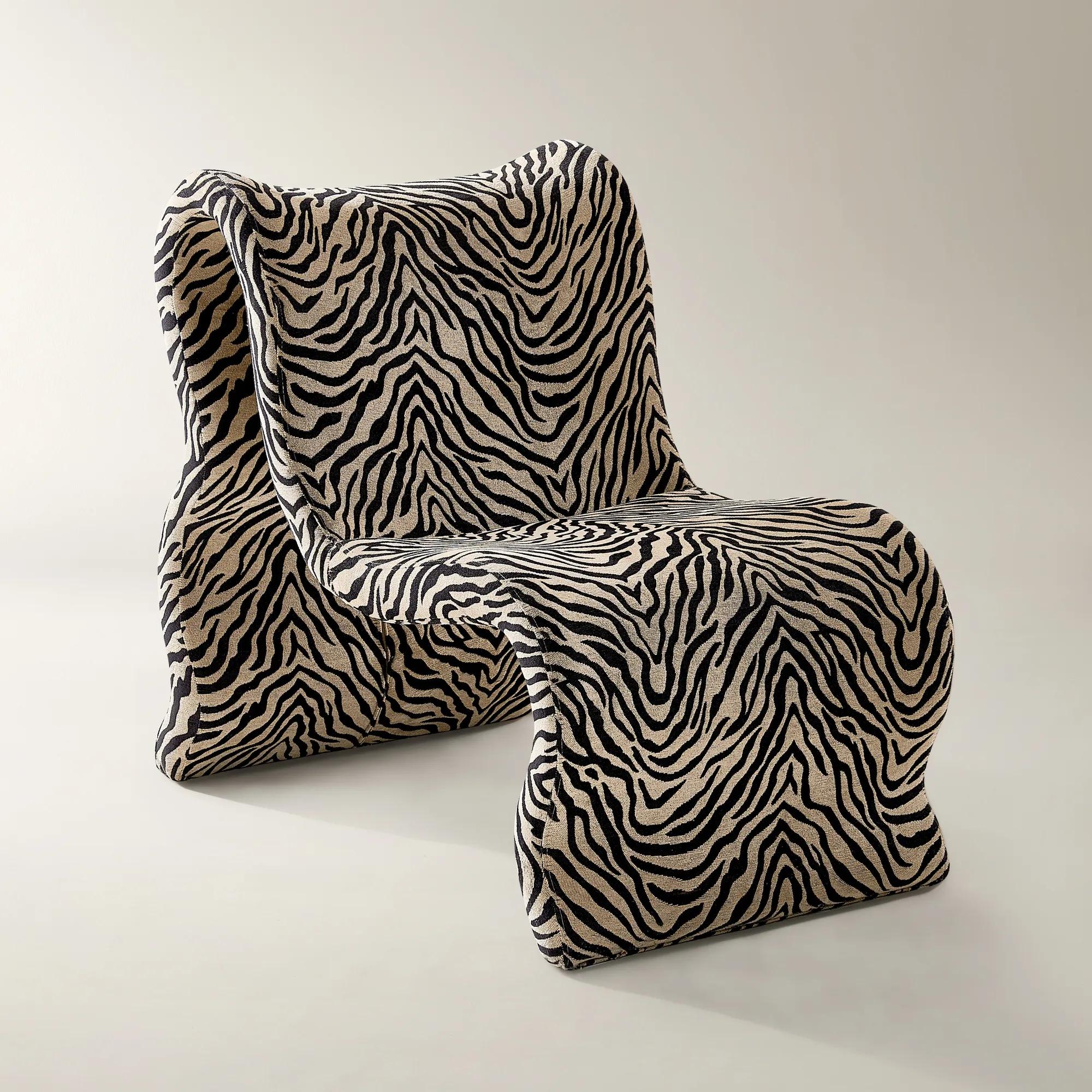
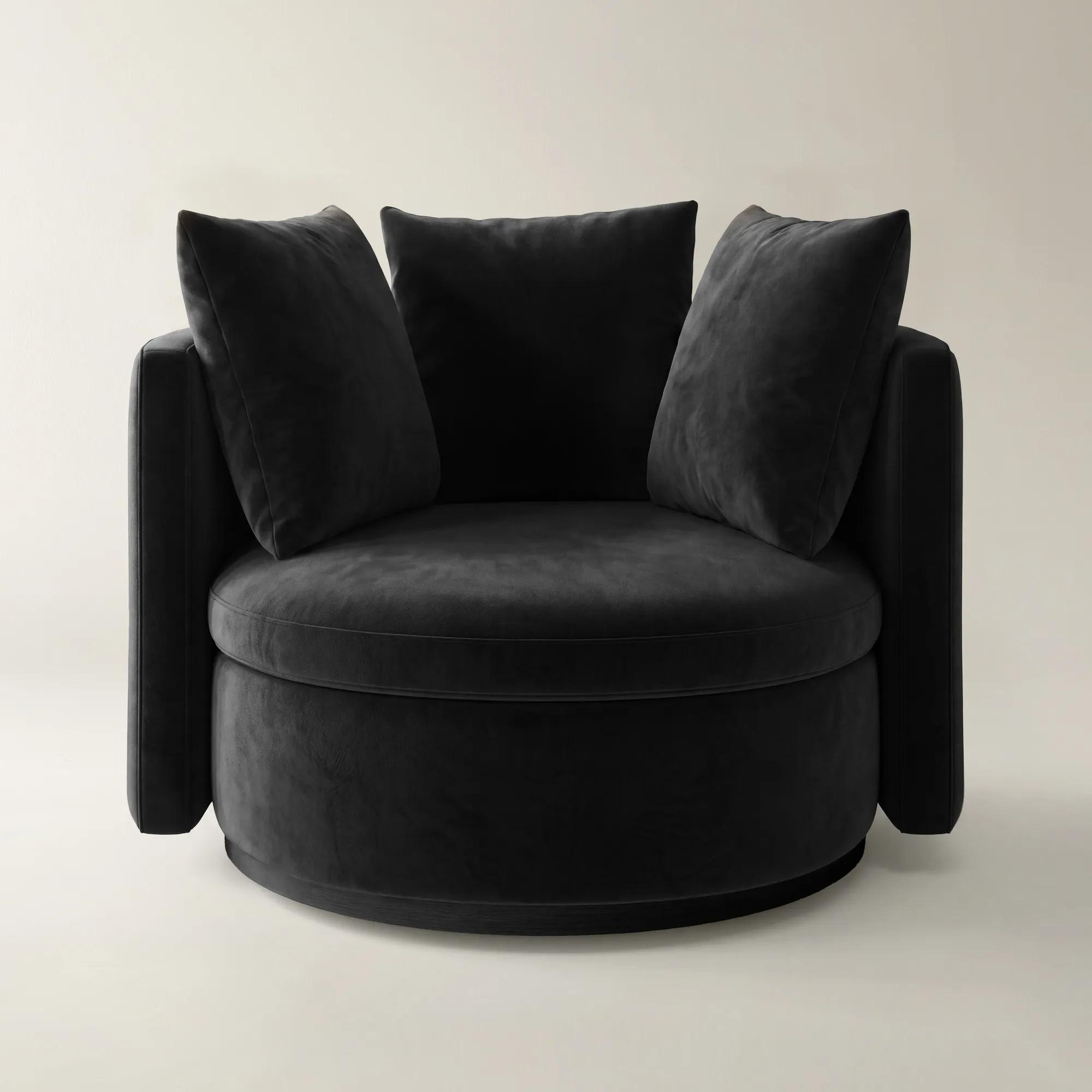
Accent Chairs With Structured Cushions
Accent Chairs With Structured Cushions
-
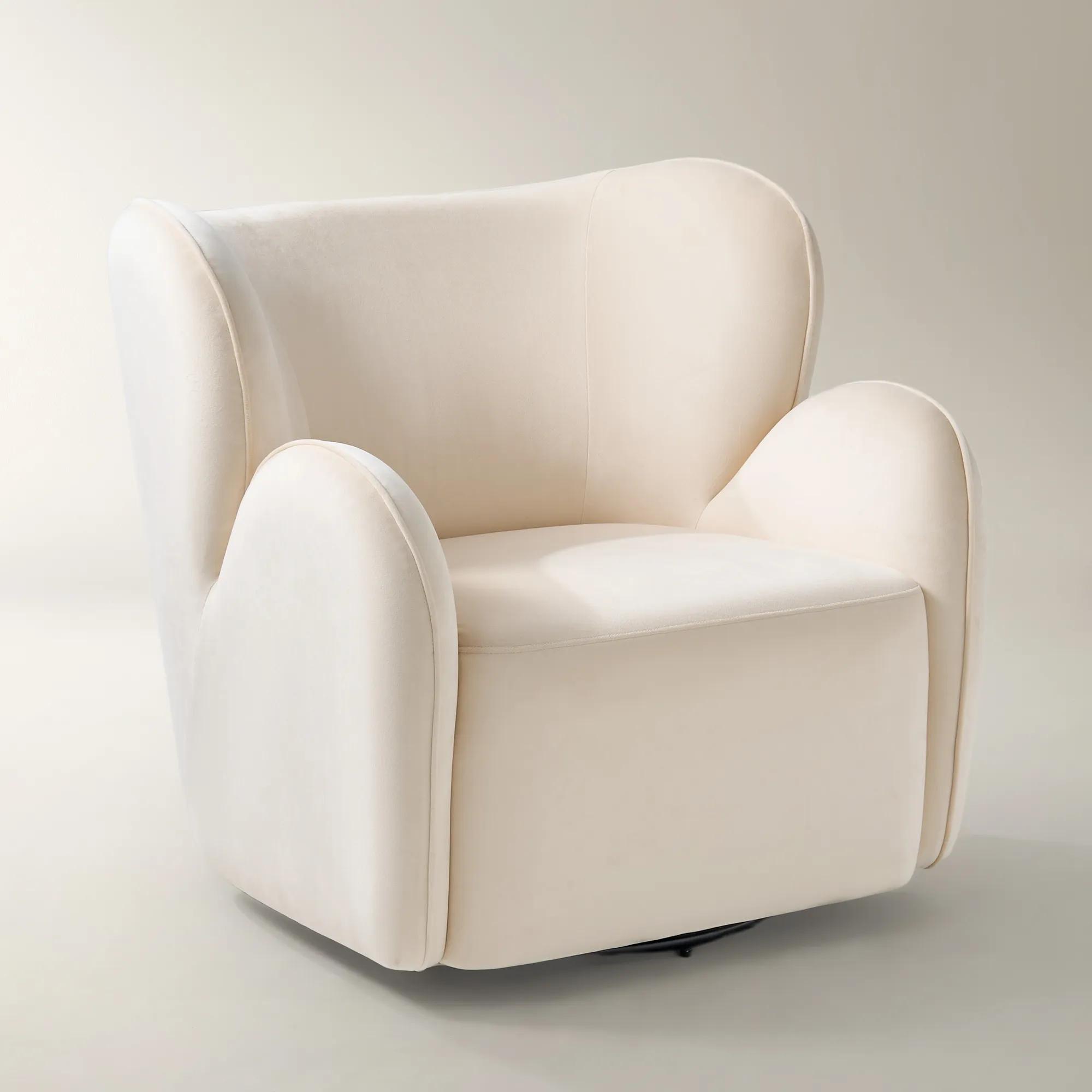
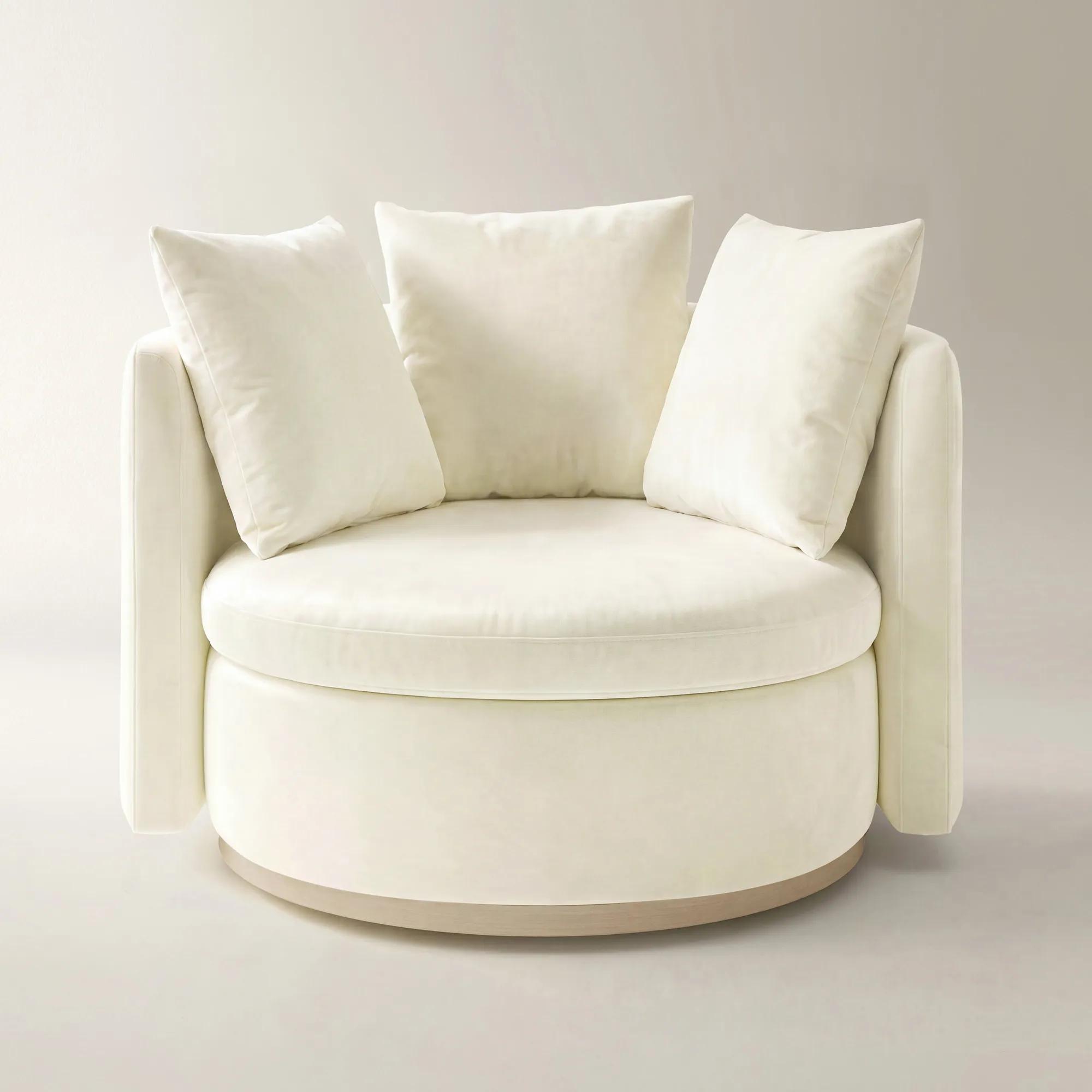
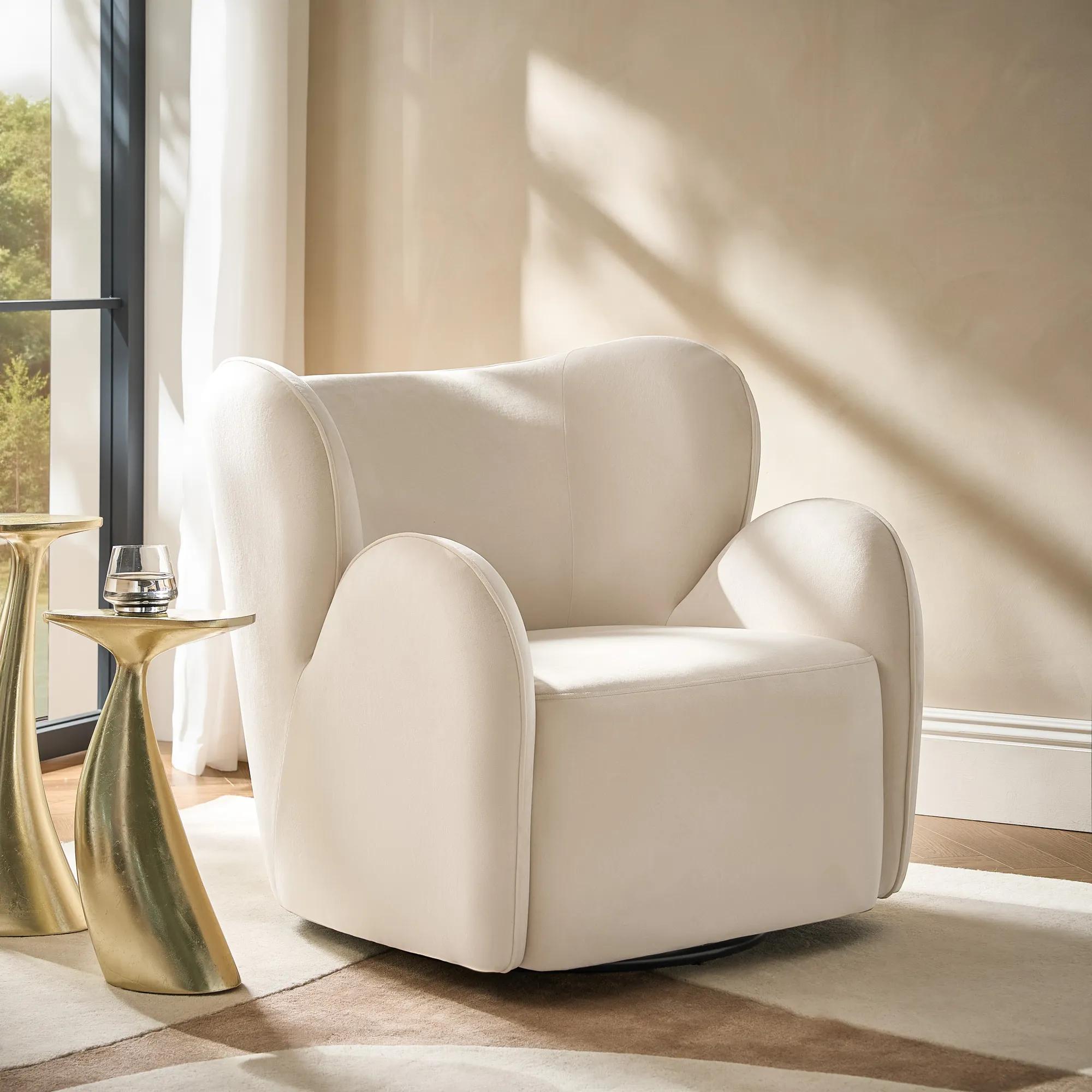 Ceres Ivory Velvet Swivel Accent Chair$799
An ivory velvet accent chair featuring a curved silhouette, 360° swivel, and plush, supportive cushioning.
Add To Cart -
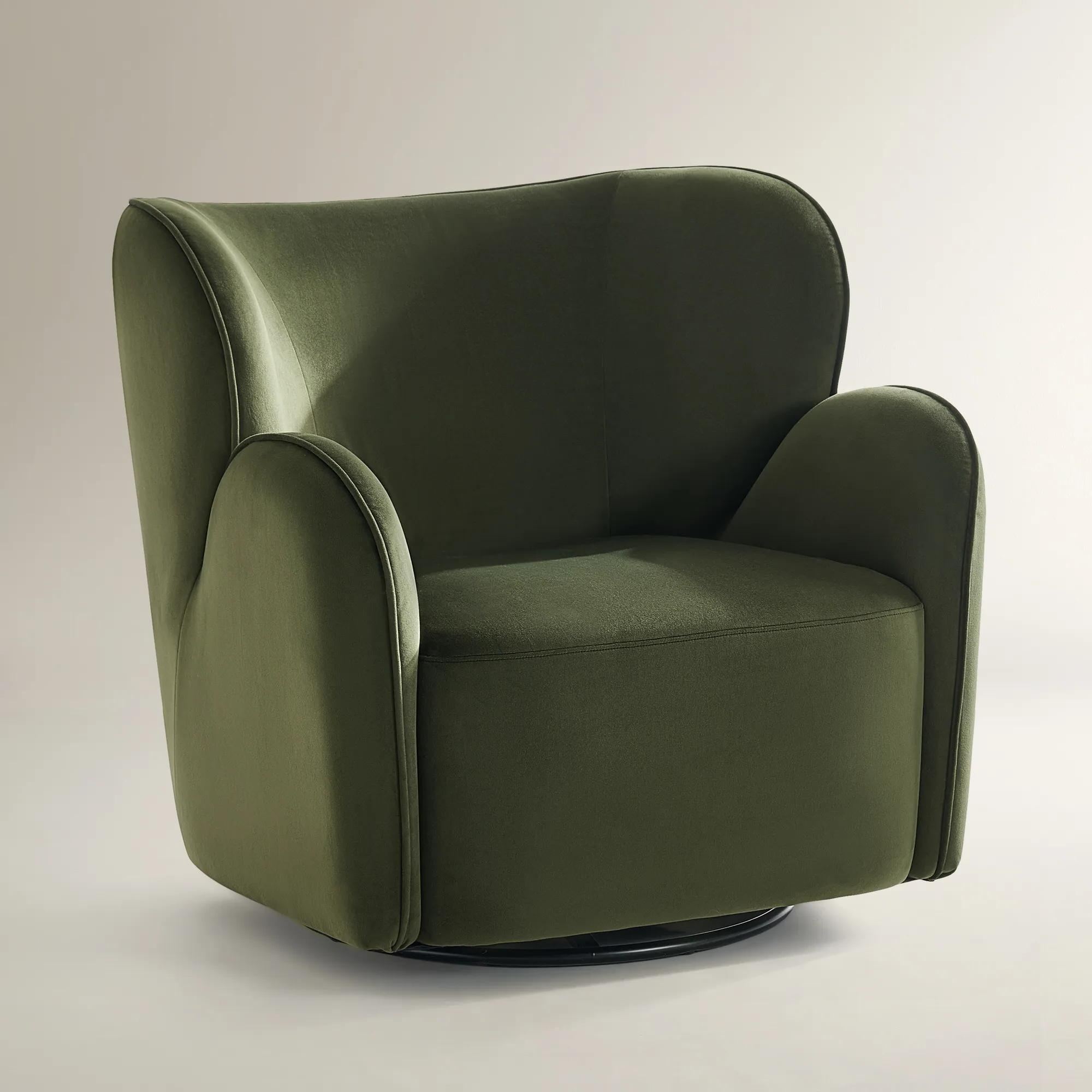
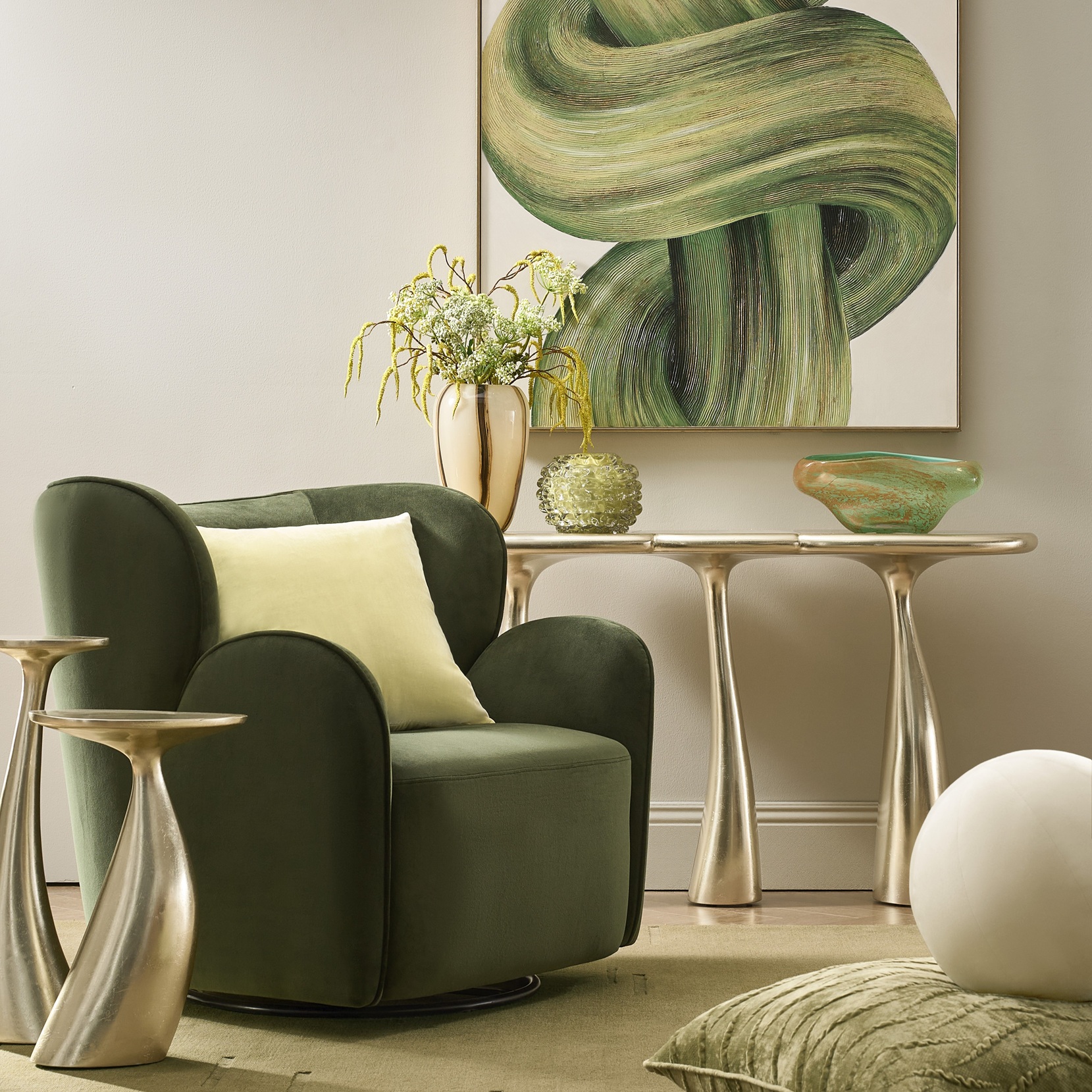 Ceres Jade Green Velvet Swivel Accent Chair$799
A plush jade green velvet chair with a curved silhouette, 360° swivel, and supportive foam cushioning.
Add To Cart -
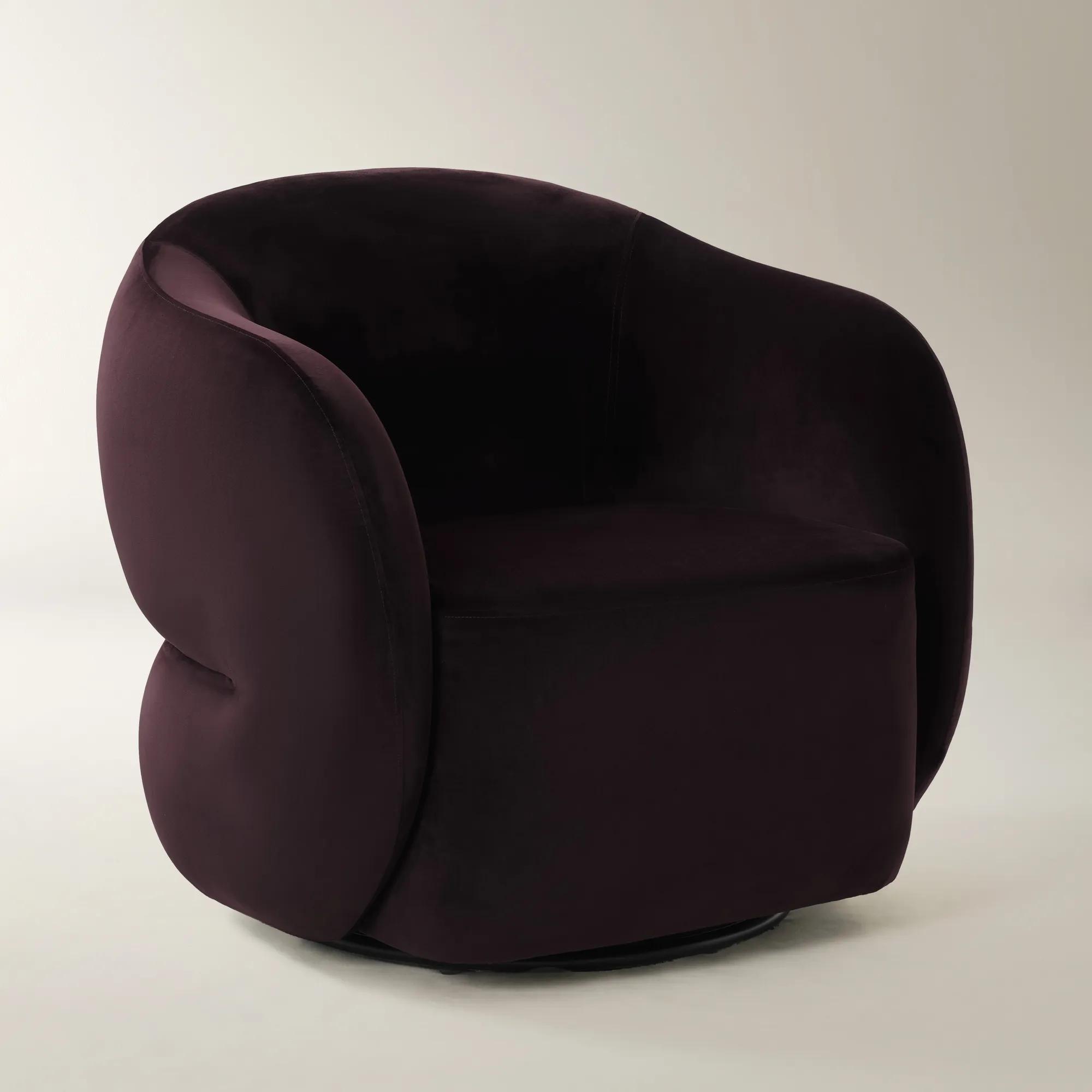 Sierra Fig Velvet Swivel Accent Chair$899
A modern accent chair in plush fig velvet with a wraparound back and smooth 360° swivel base.
Add To Cart -
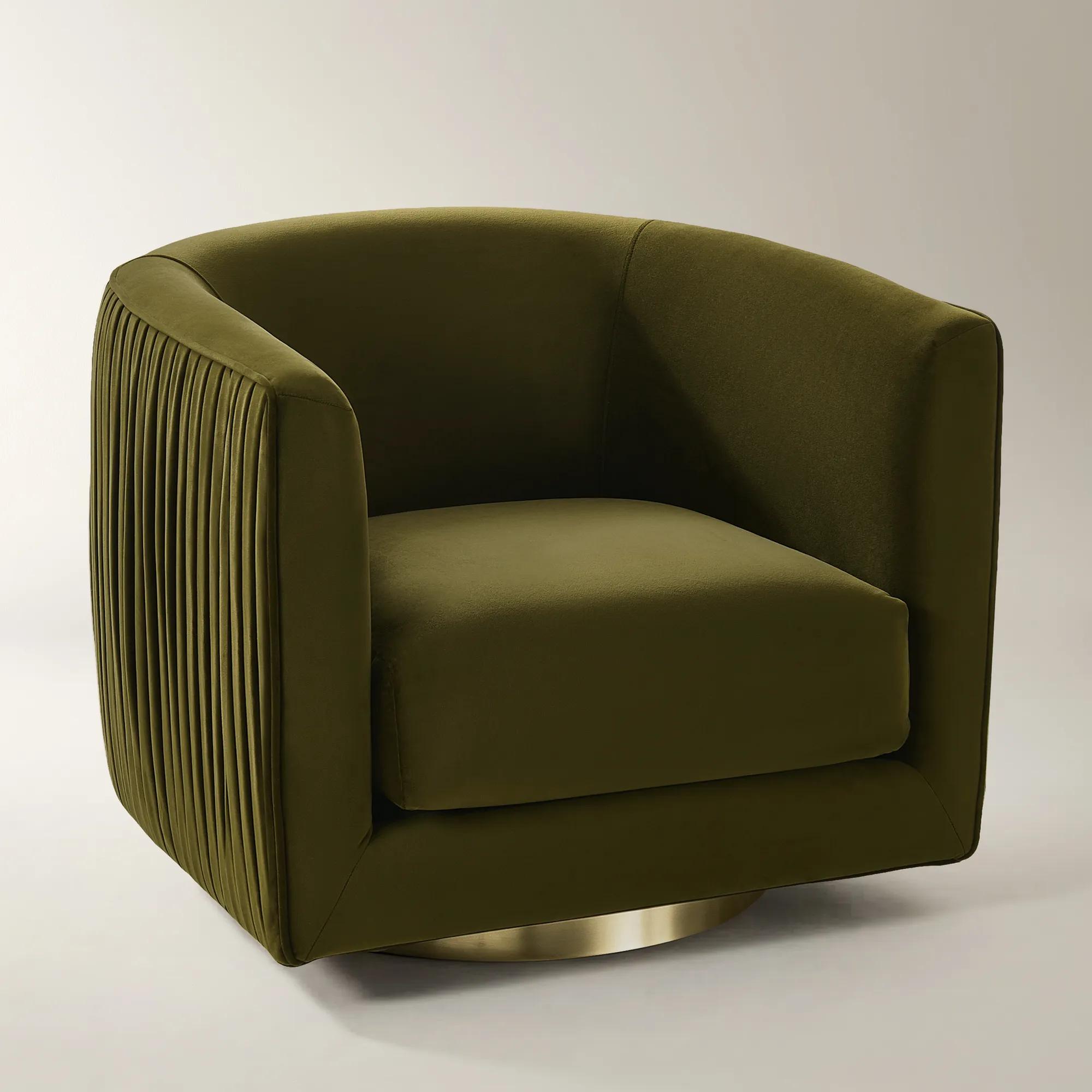
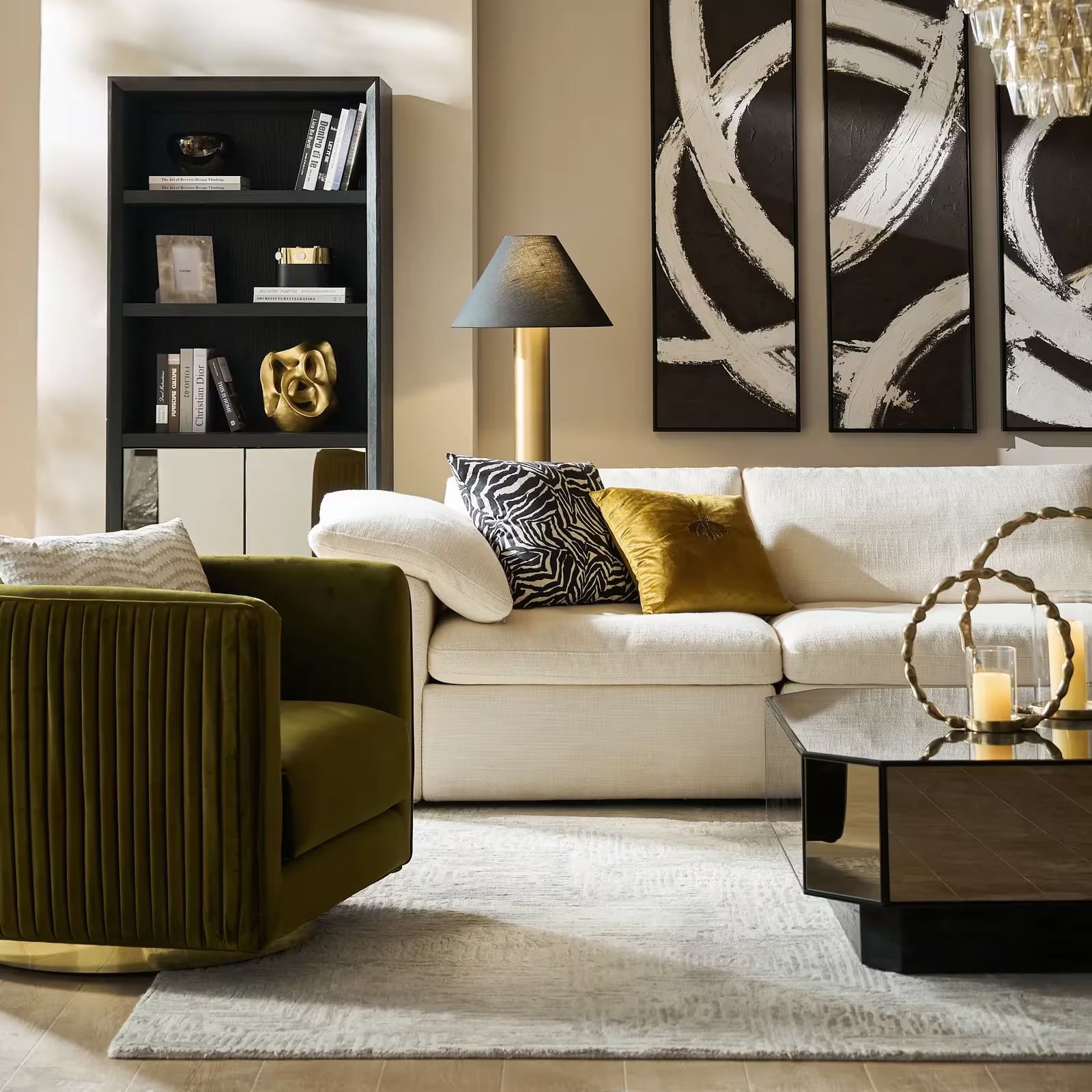 Lyssa Pleated Deep Olive Velvet Swivel Accent Chair$1099
A deep olive green velvet accent chair featuring pleated panels, smooth curves, and a 360-degree swivel base.
Add To Cart -
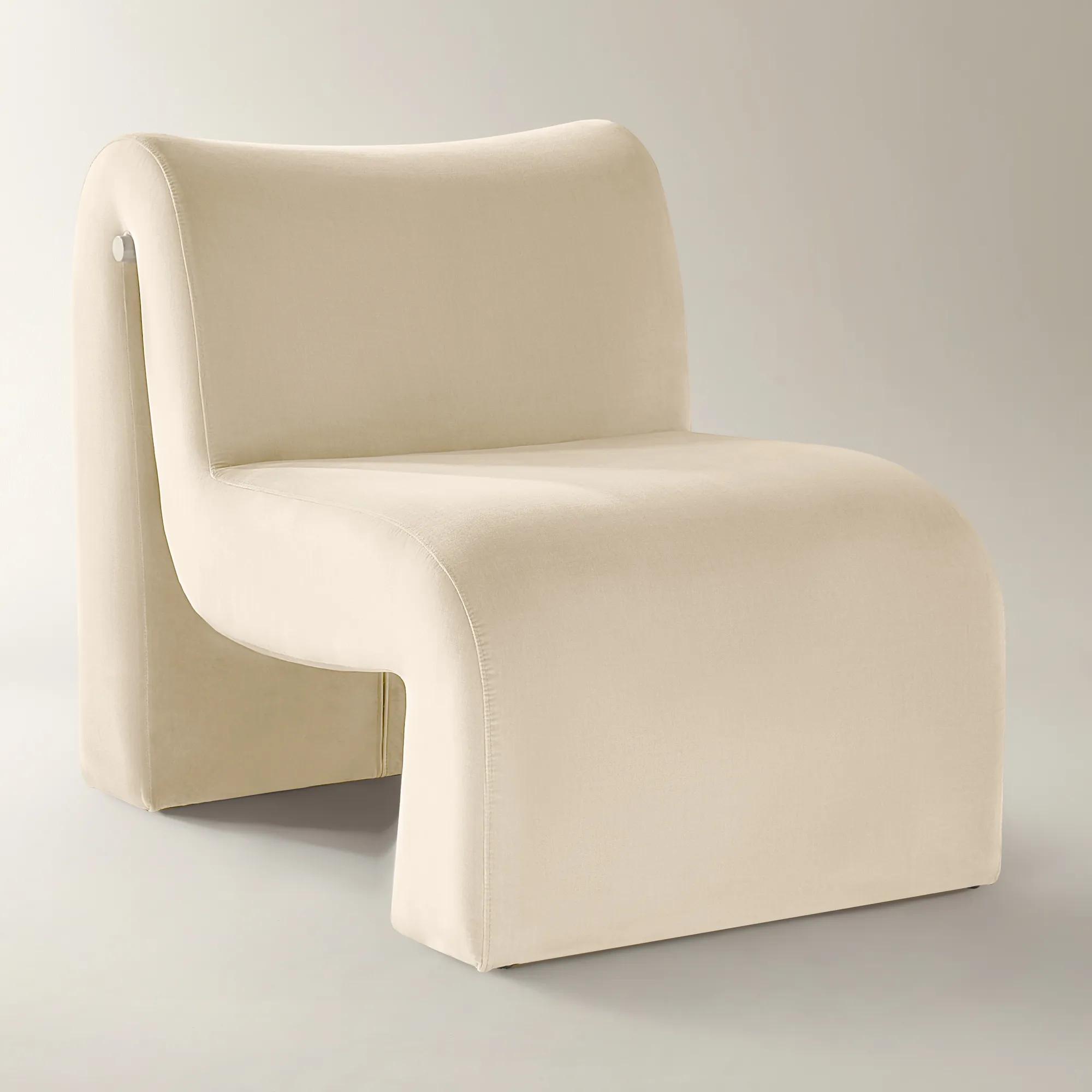 Cora Ivory Velvet Accent Chair$899
A sculpted ivory velvet chair featuring a continuous curved silhouette and a gold stainless-steel accent.
Add To Cart -
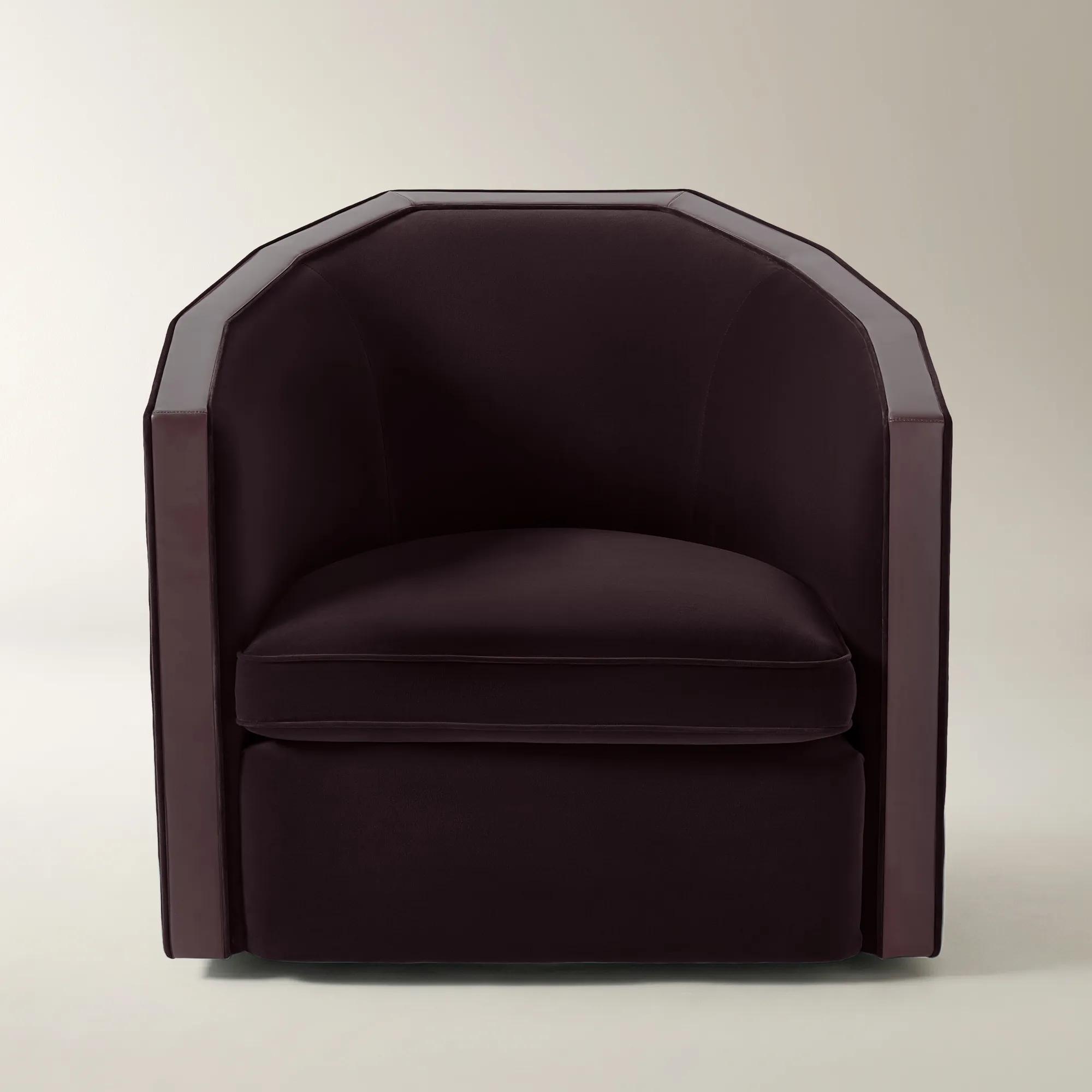
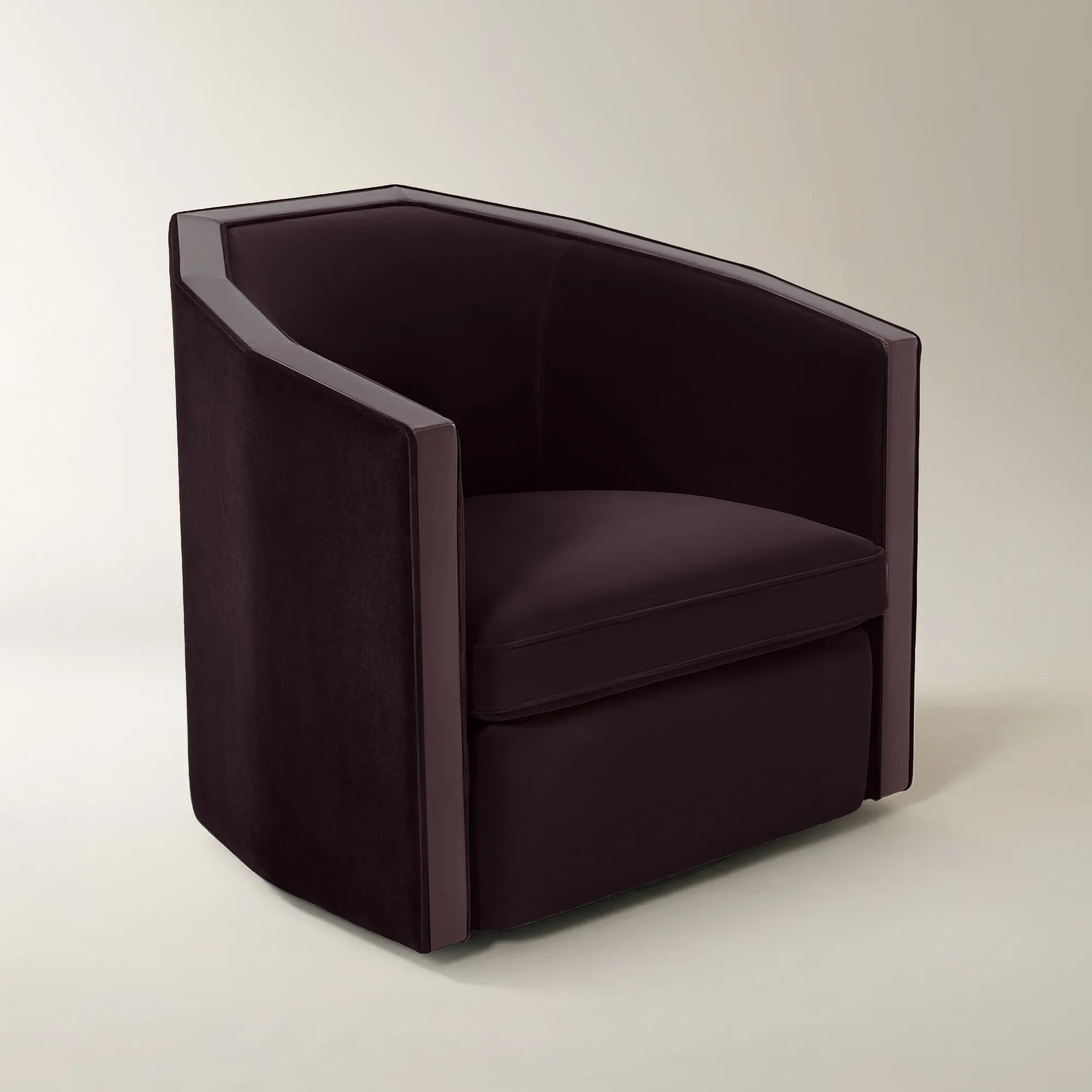 Vesper Fig Velvet With Leather Swivel Accent Chair$999
A modern accent chair featuring fig velvet upholstery, tonal leather trim, and a smooth 360° swivel base.
Add To Cart -
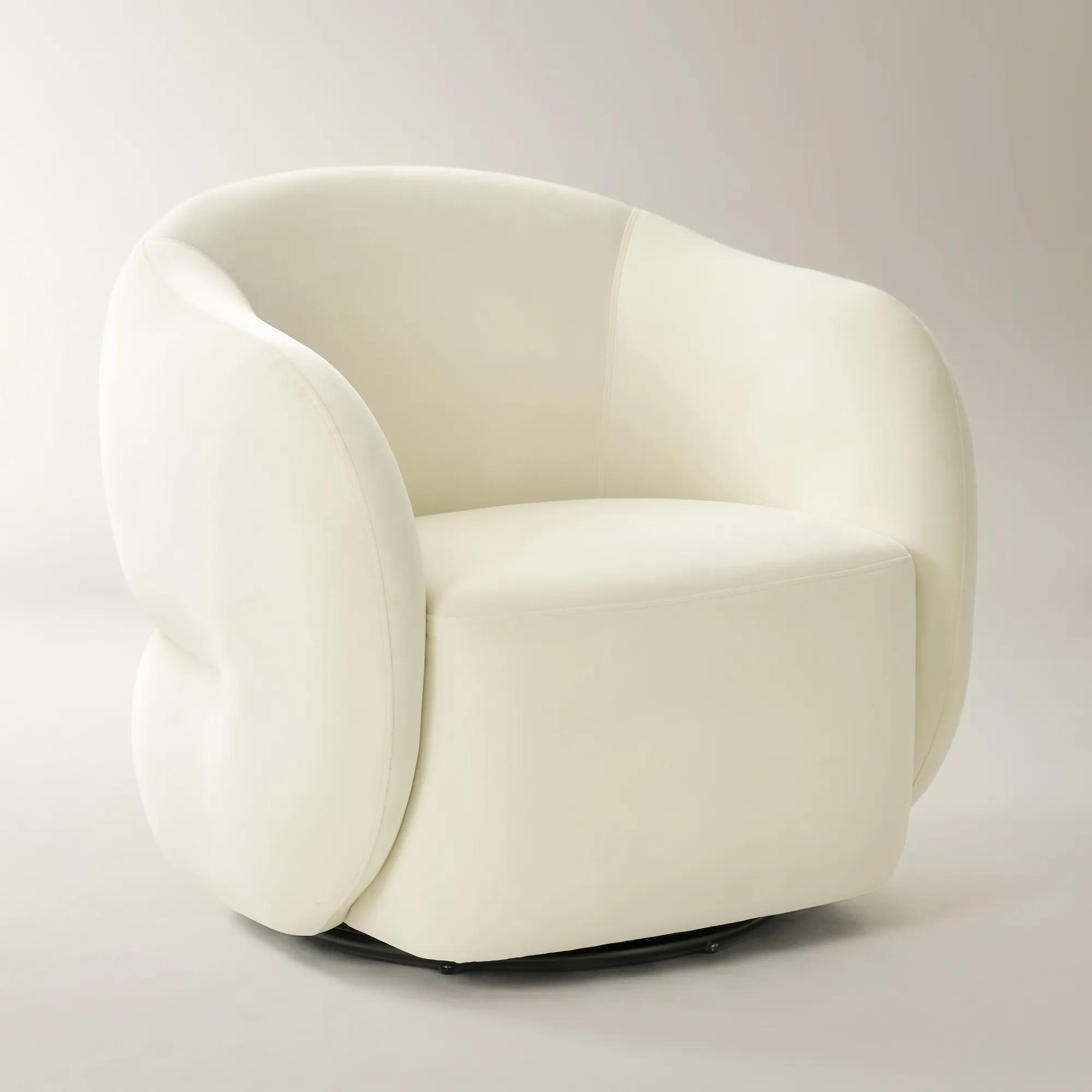
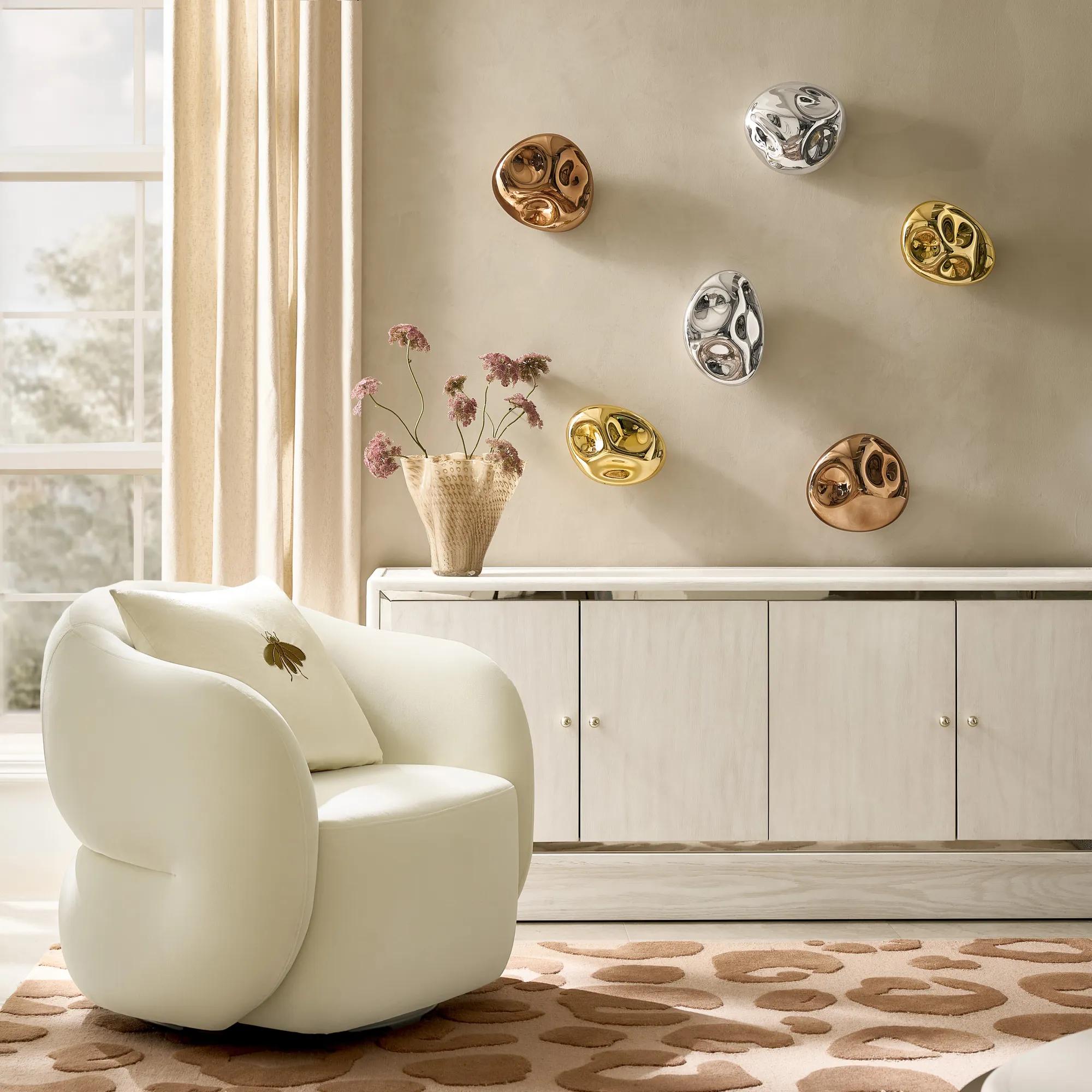 Sierra Cloud Velvet Swivel Accent Chair$899
A plush velvet accent chair featuring a wraparound back, fluid curves, and smooth 360° swivel base.
Add To Cart -
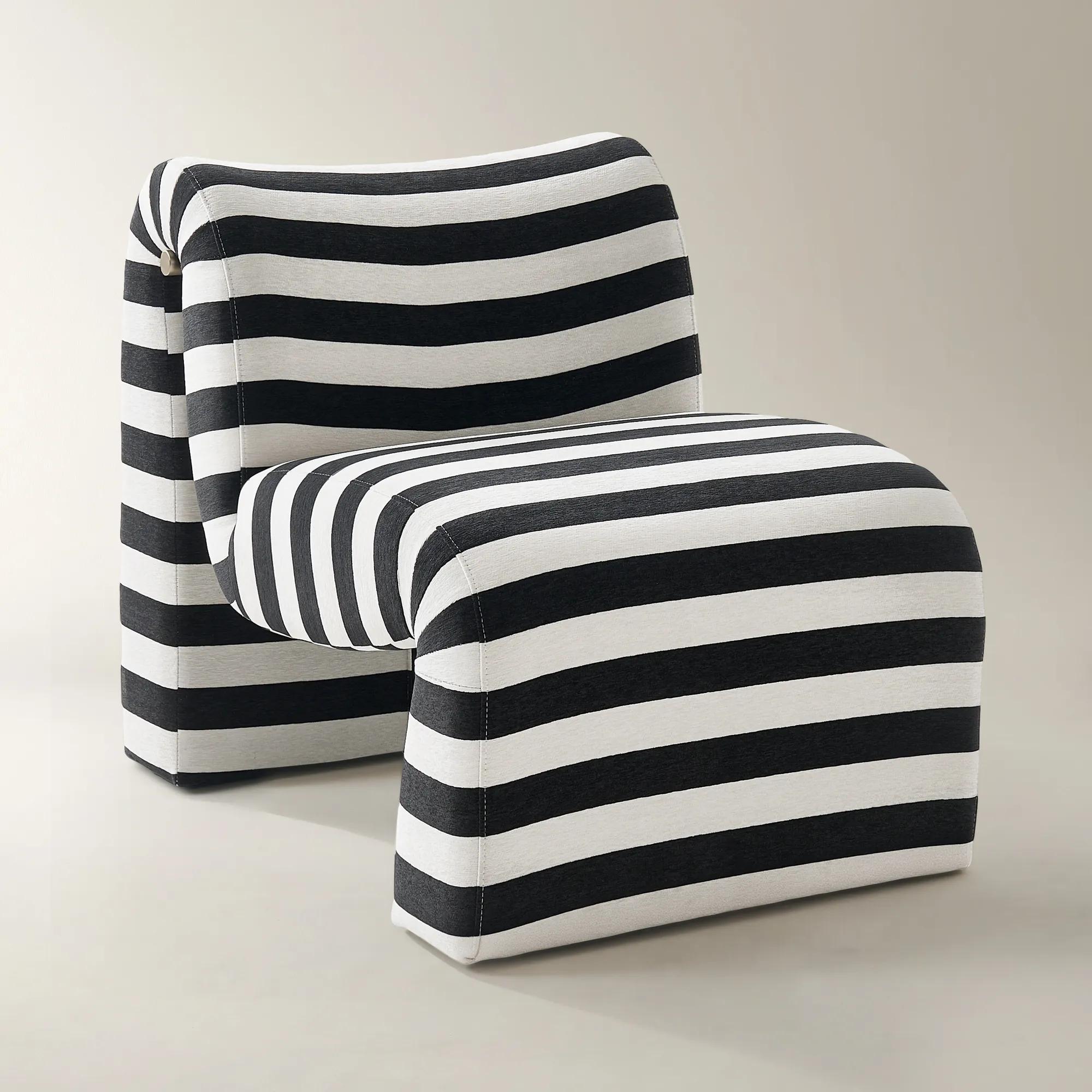 Cora Stripe Chenille Accent Chair$899
A bold black-and-white striped accent chair featuring water-repellent chenille and a gold stainless-steel inlay.
Add To Cart -
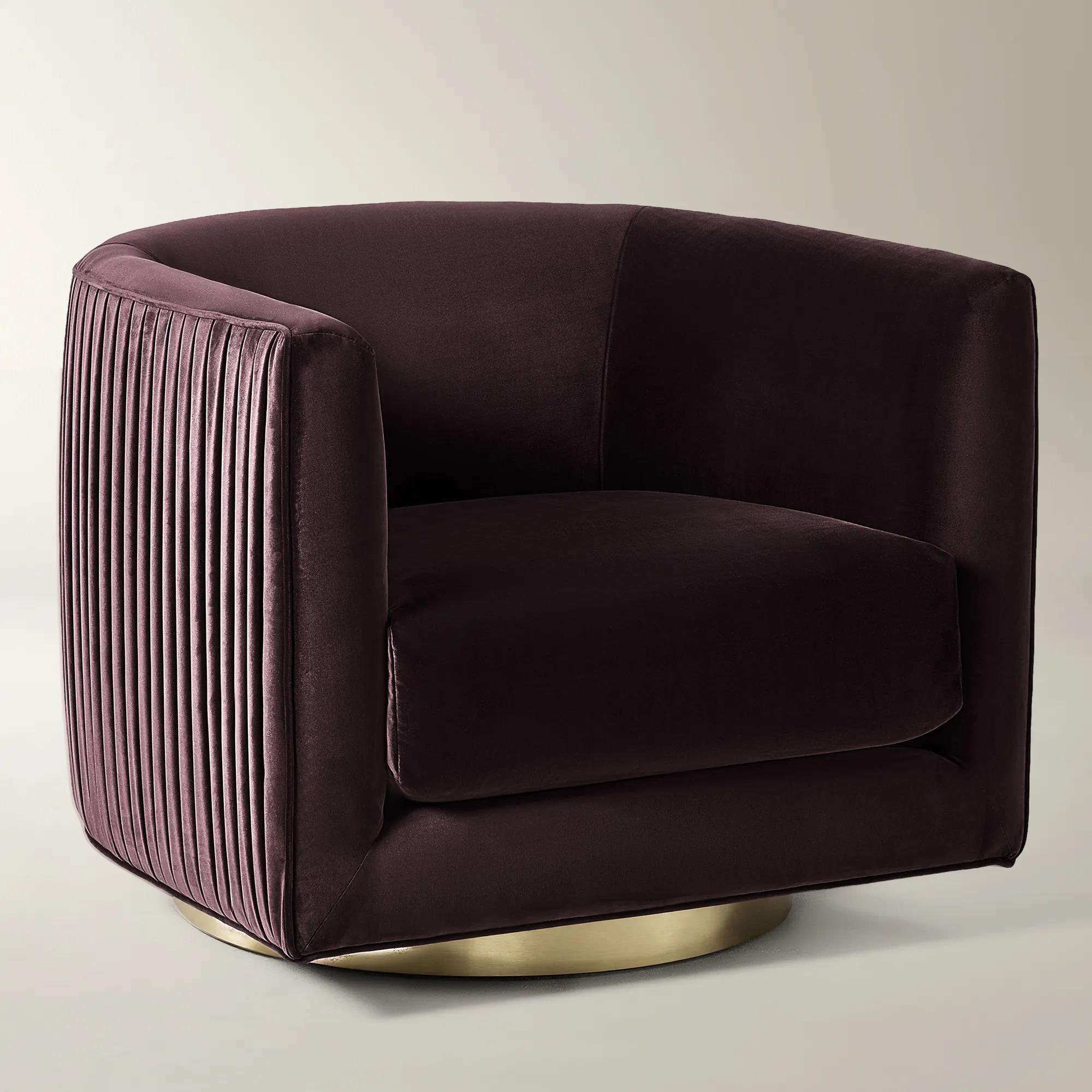 Lyssa Pleated Fig Velvet Swivel Accent Chair$1099
A fig-colored velvet accent chair featuring pleated detailing, a curved silhouette, and a smooth 360° swivel base.
Add To Cart -
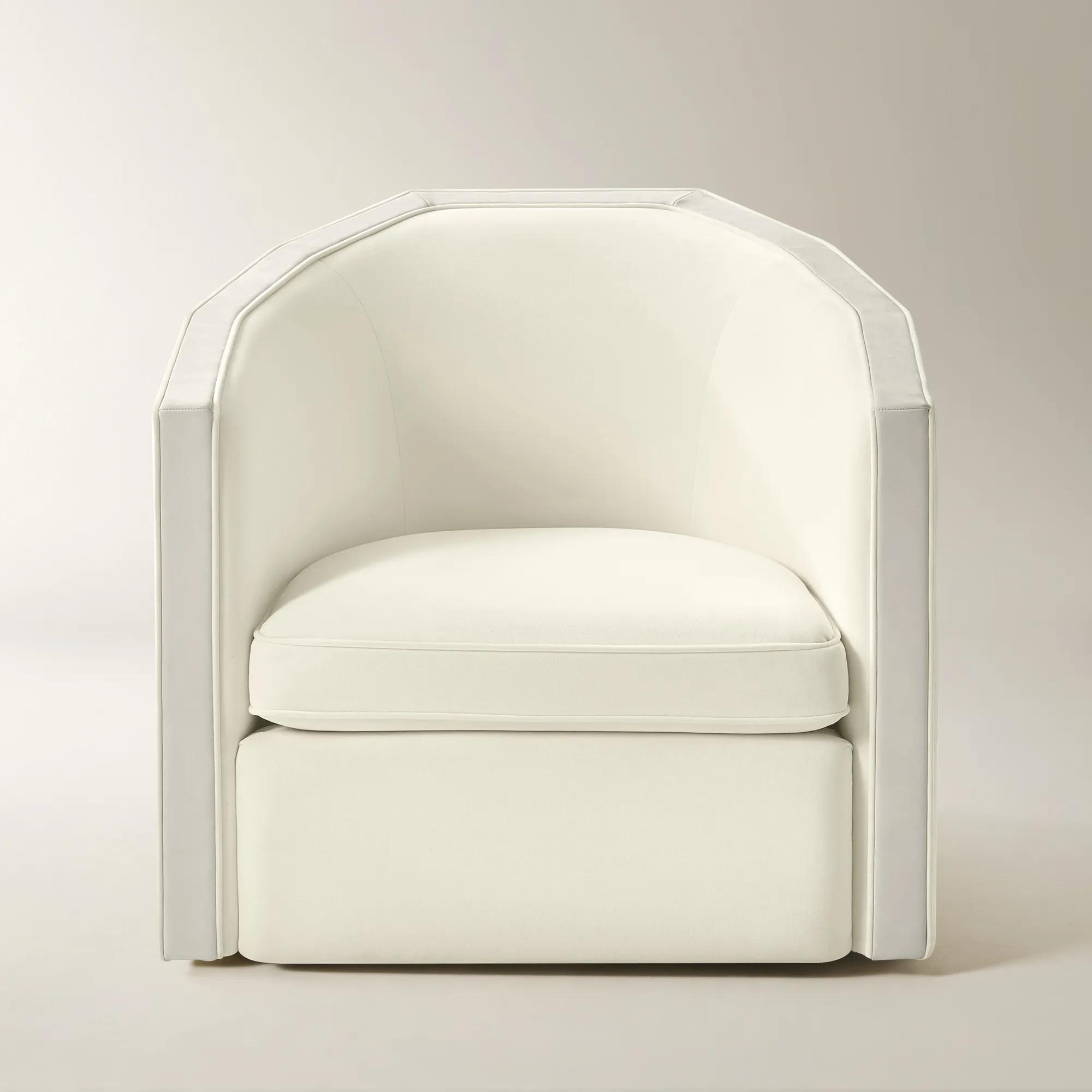 Vesper Cloud Velvet With Leather Swivel Accent Chair$999
A modern accent chair featuring cloud velvet upholstery, tonal leather trim, and a smooth 360° swivel base.
Add To Cart -
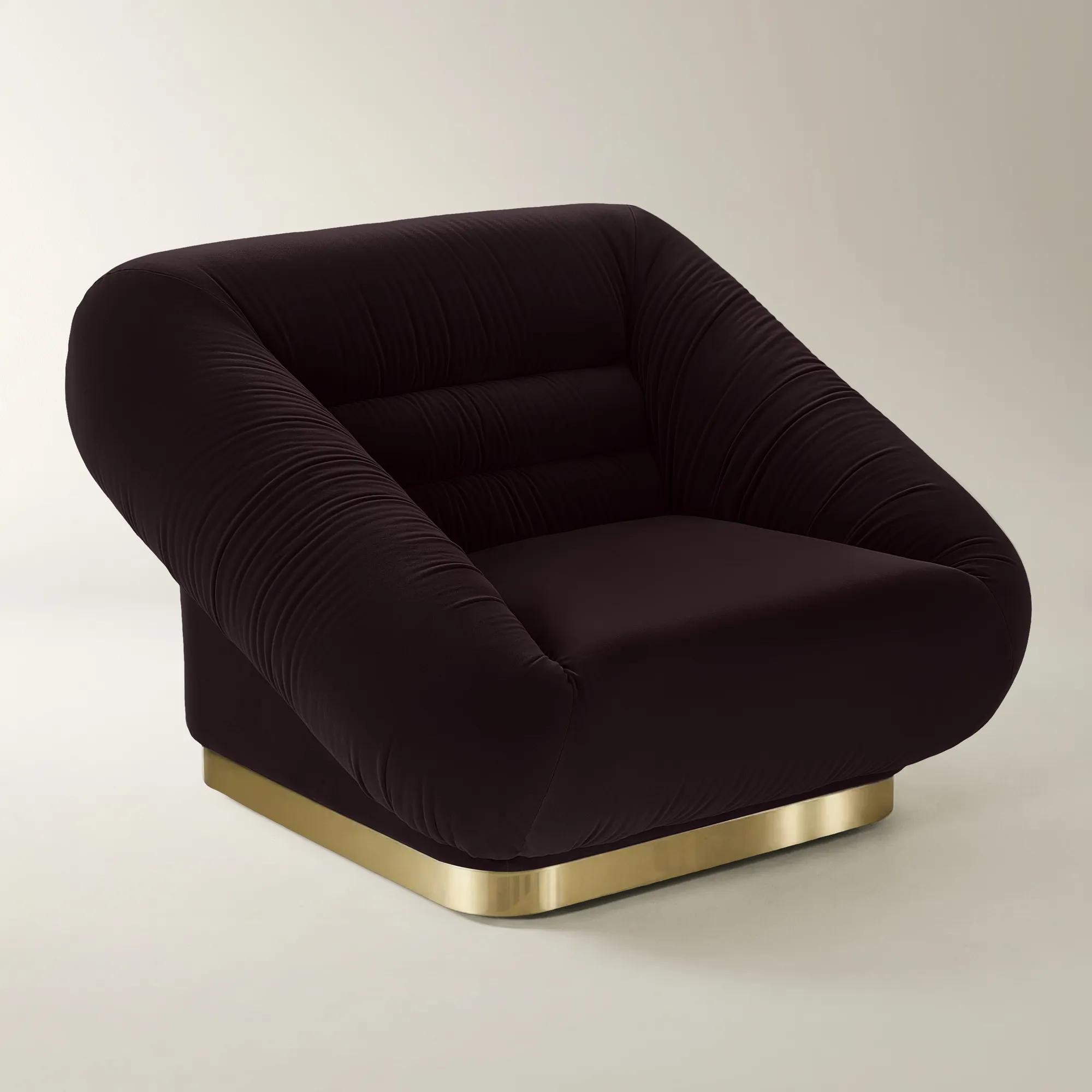 Dover Fig Velvet Swivel Accent Chair$1299
A sculptural fig velvet accent chair featuring soft gathered upholstery, gold-trimmed base, and smooth 360° swivel.
Add To Cart -
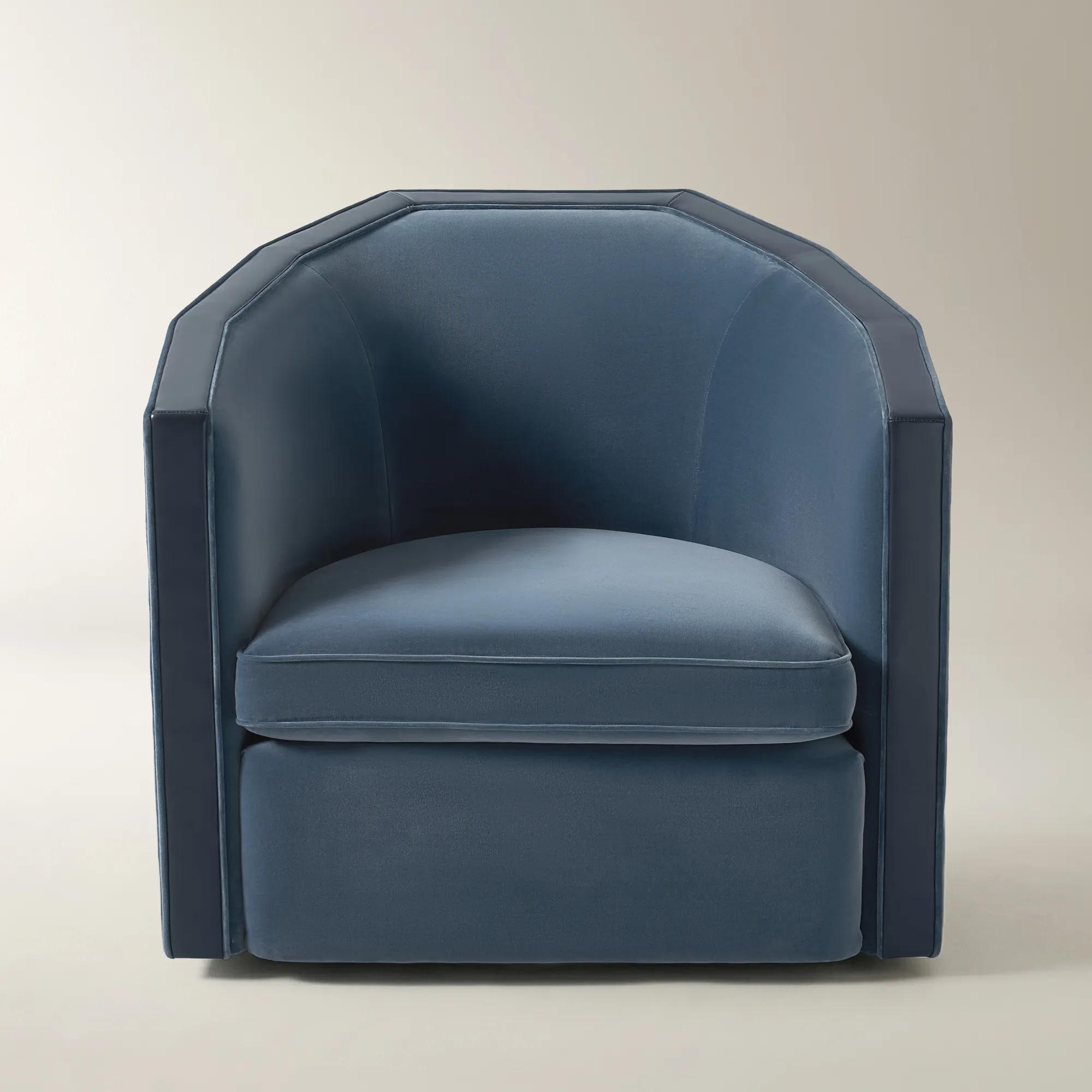 Vesper Dusty Blue Velvet With Leather Swivel Accent Chair$999
A modern accent chair in dusty blue velvet with tonal leather trim and a smooth 360-degree swivel base.
Add To Cart -
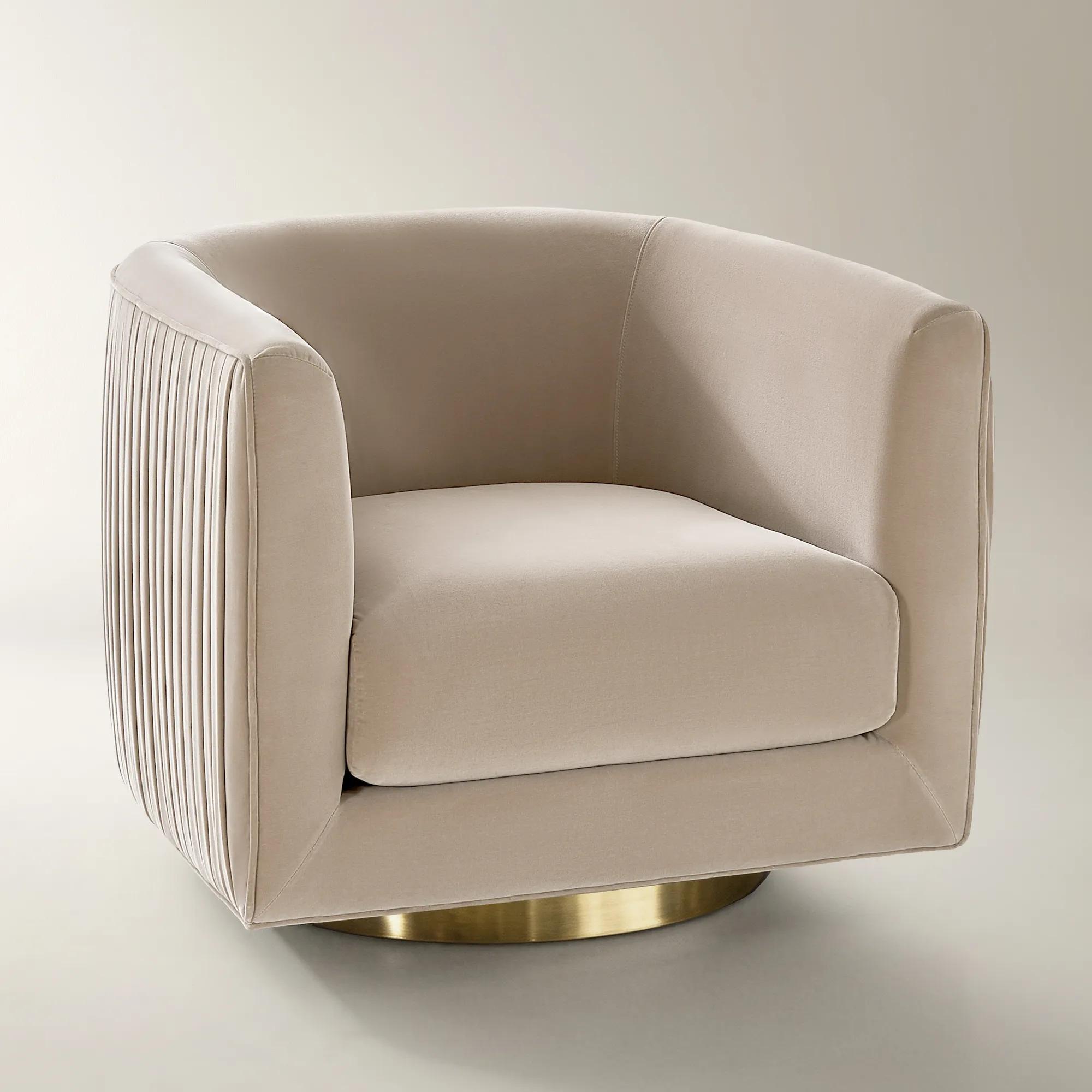 Lyssa Pleated Simply Taupe Velvet Swivel Accent Chair$1099
A softly curved taupe velvet accent chair featuring pleated detailing, 360° swivel, and a gold stainless steel base.
Add To Cart -
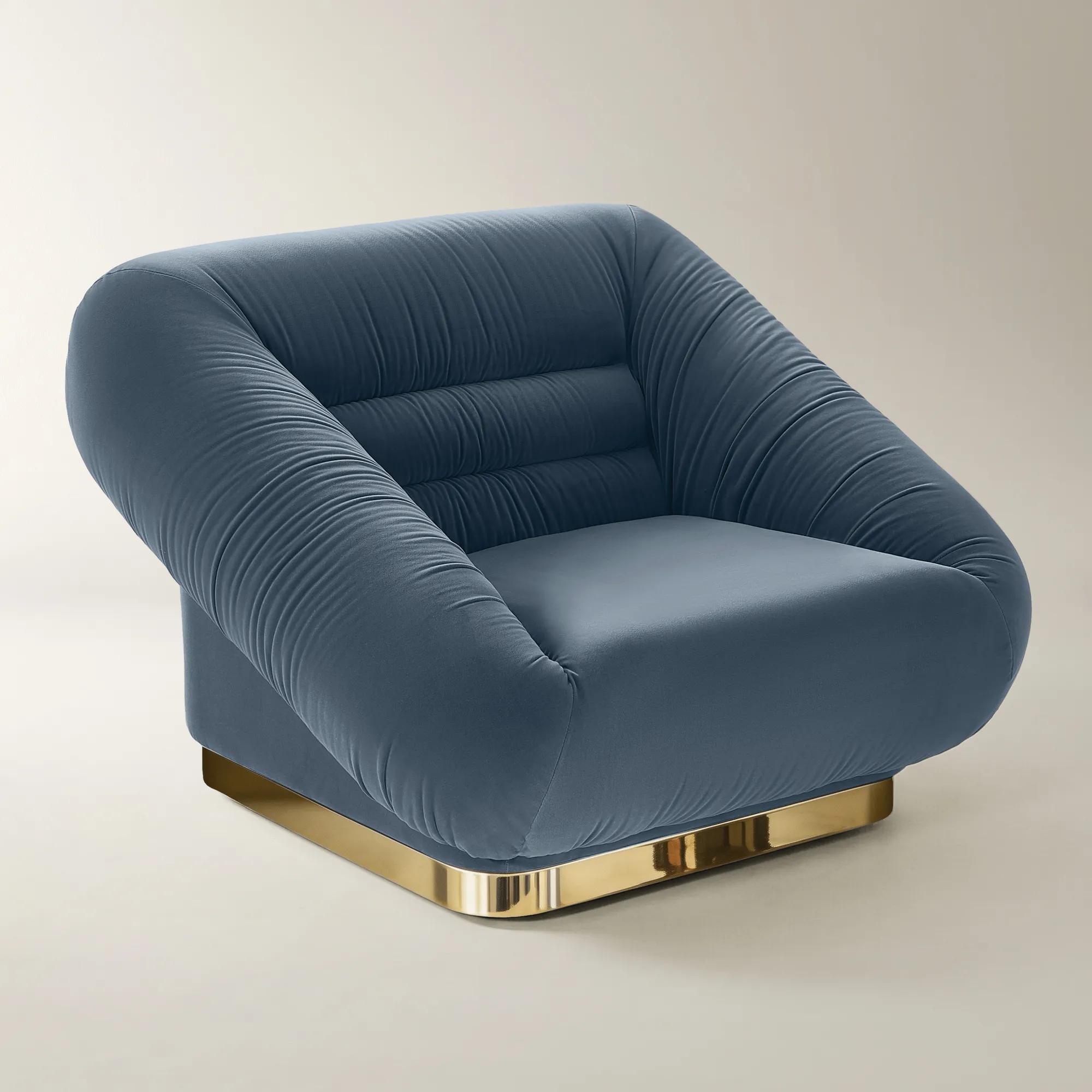 Dover Dusty Blue Velvet Swivel Accent Chair$1299
A sculptural blue velvet accent chair featuring soft gathered upholstery, gold-trimmed base, and smooth 360° swivel.
Add To Cart -
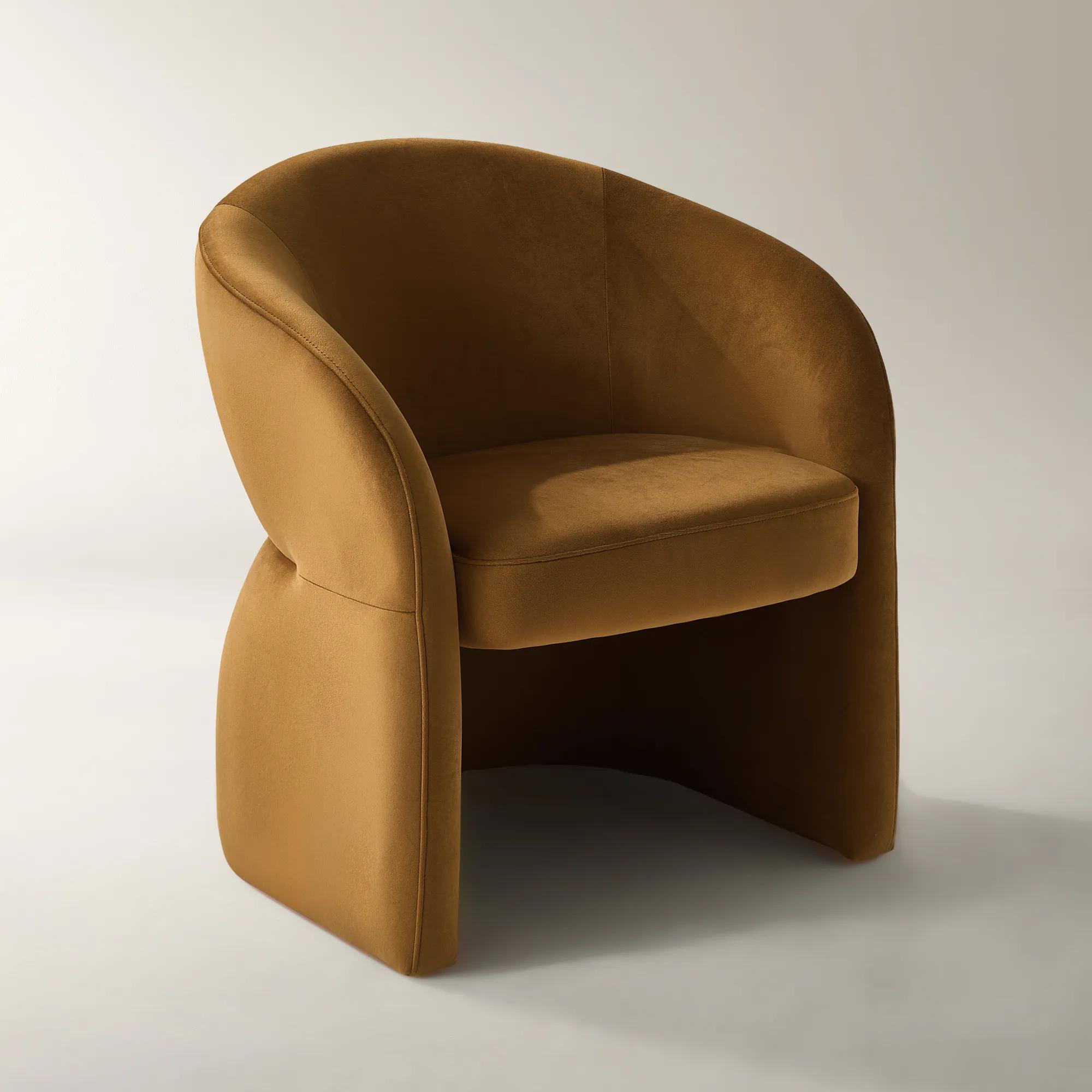
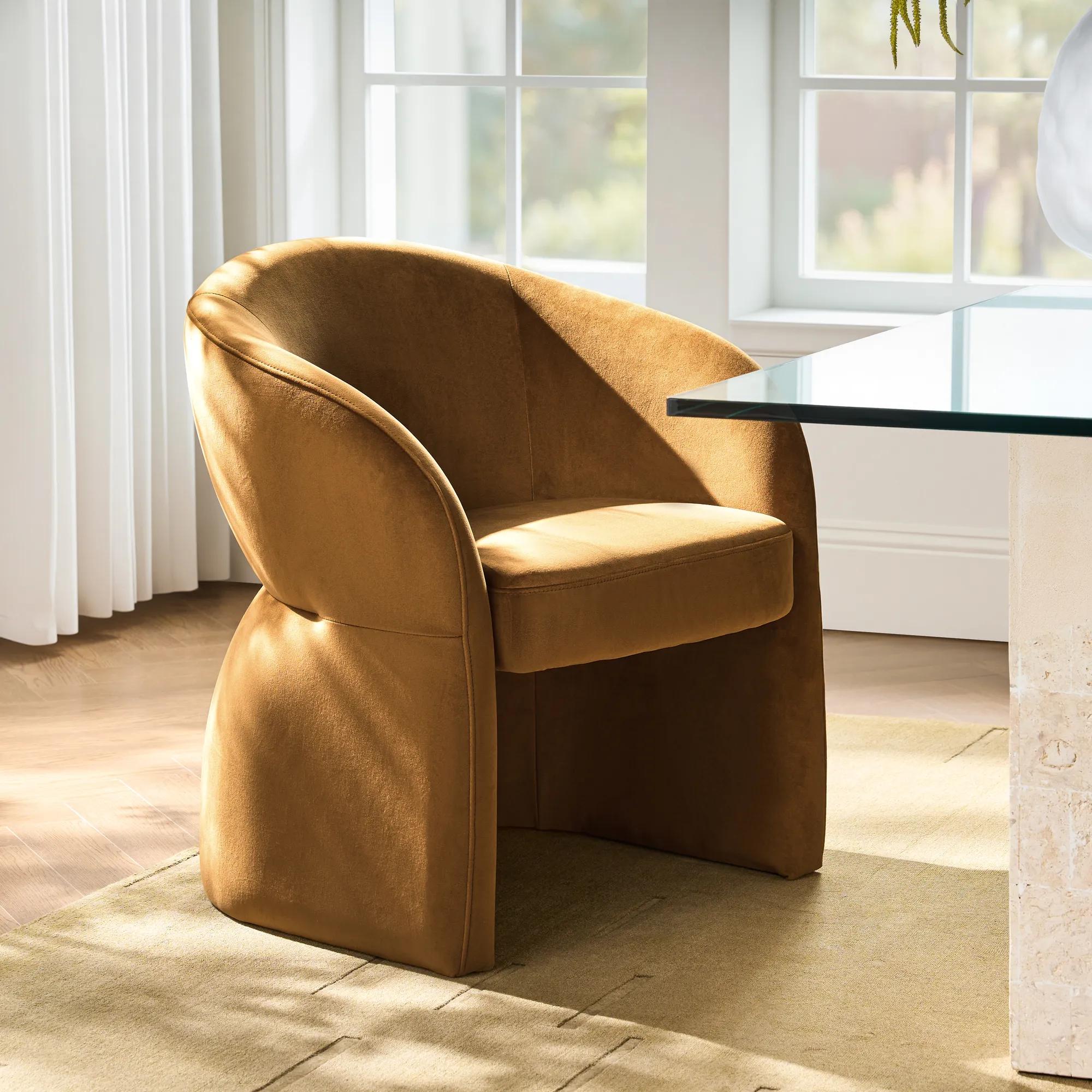 Sierra Roasted Pecan Velvet Dining Chair$599
A sculptural accent chair in roasted pecan velvet with arched arms, curved back, and plush cushioning.
Add To Cart -
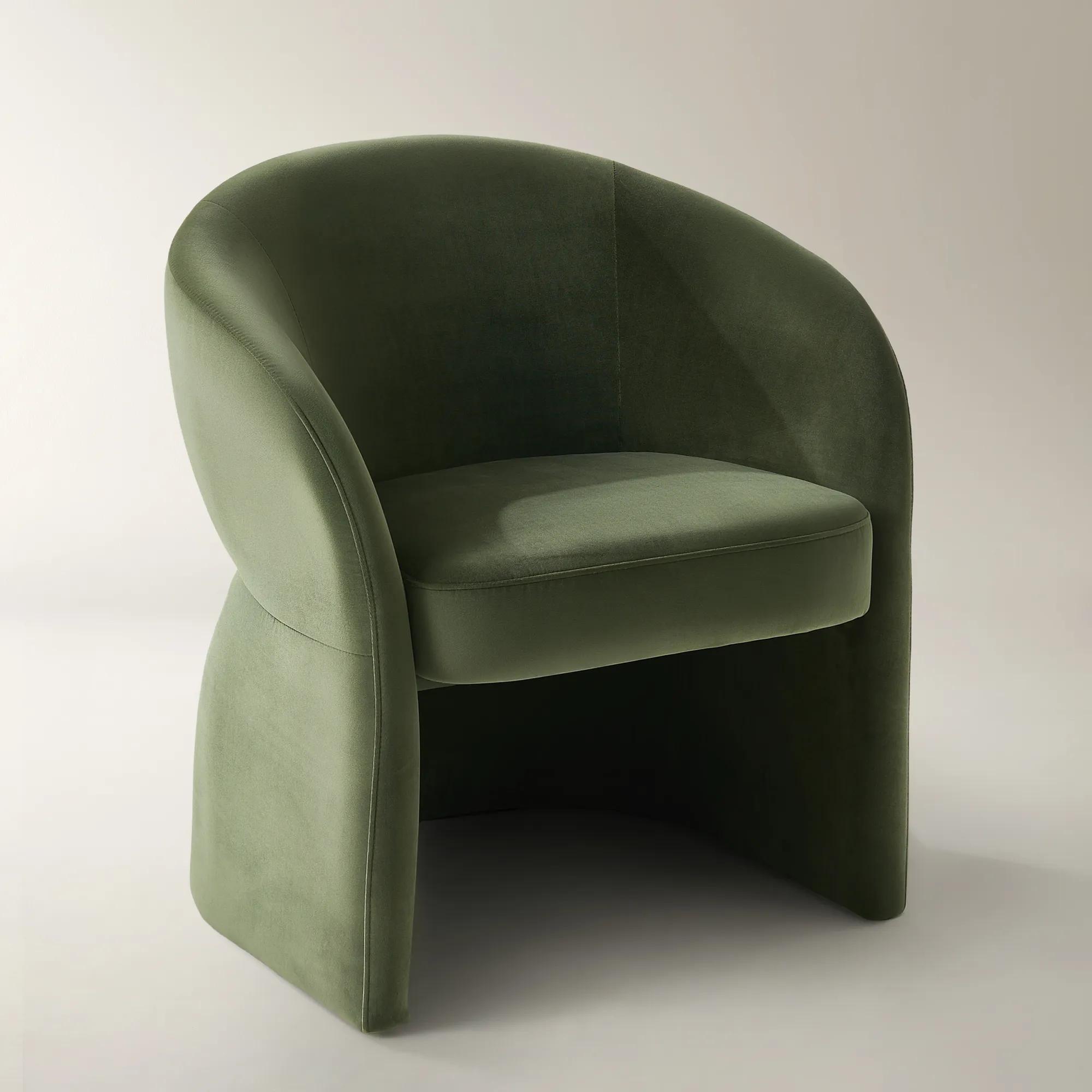
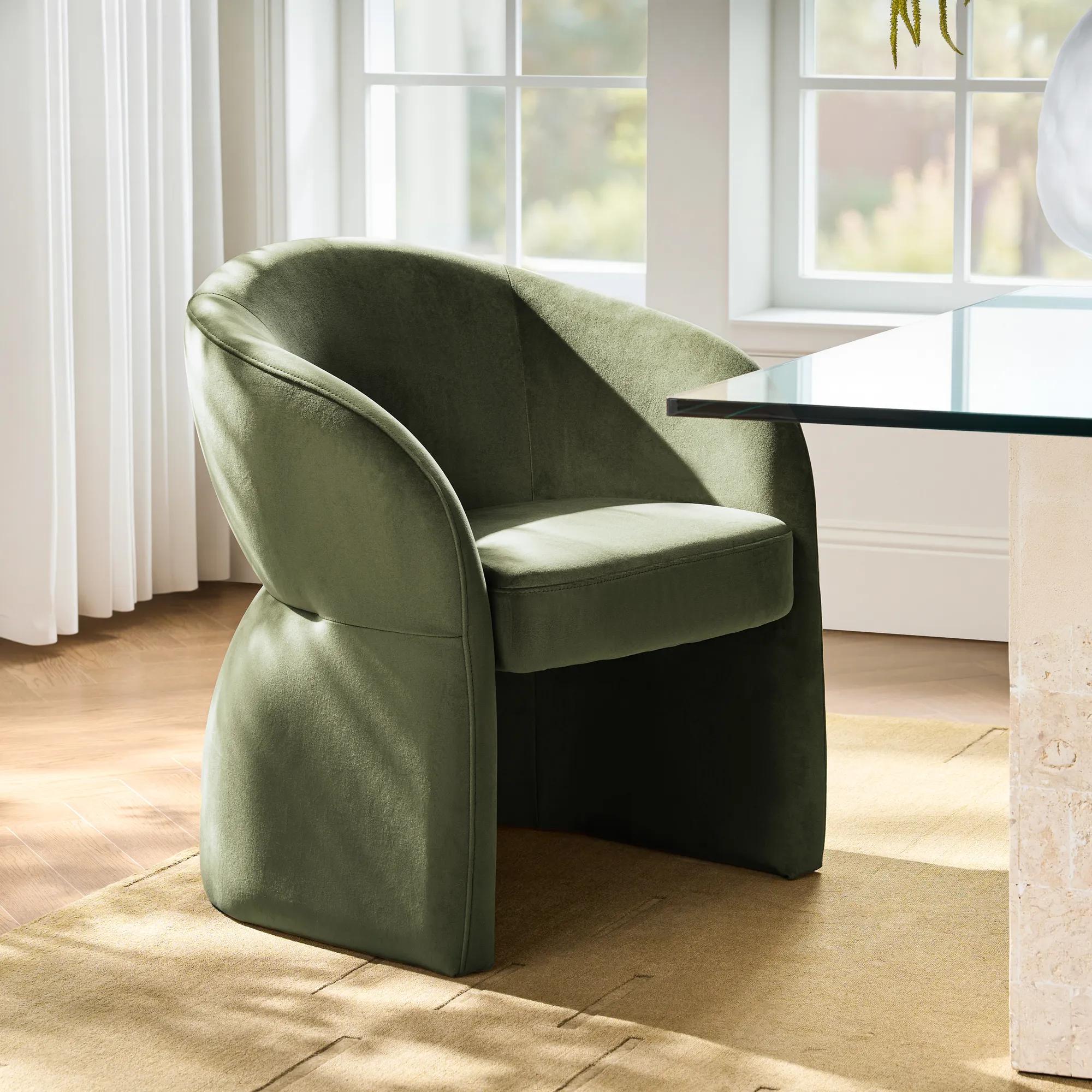 Sierra Jade Green Velvet Dining Chair$599
A sculptural accent chair in jade green velvet with gracefully arched arms and plush, supportive cushioning.
Add To Cart -
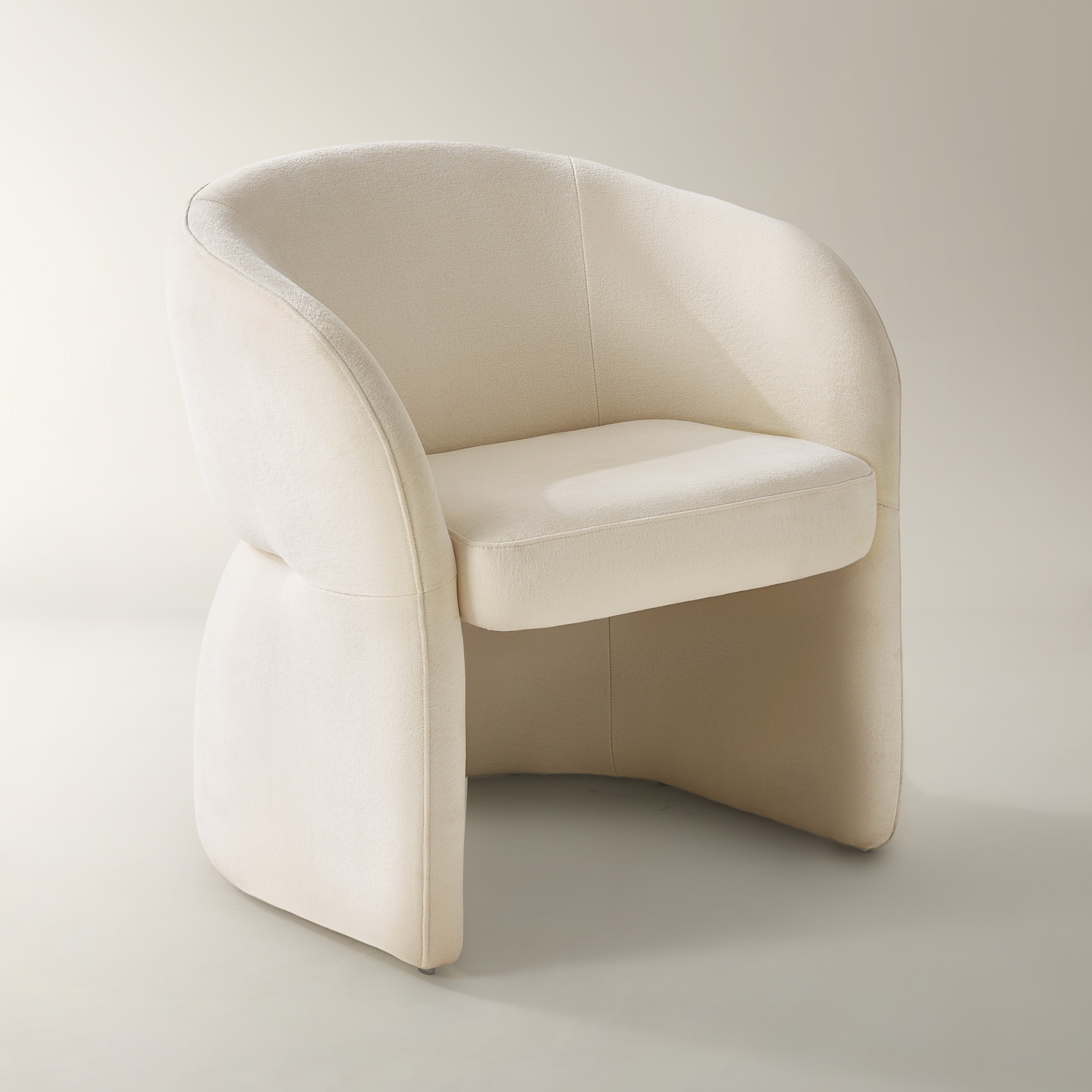
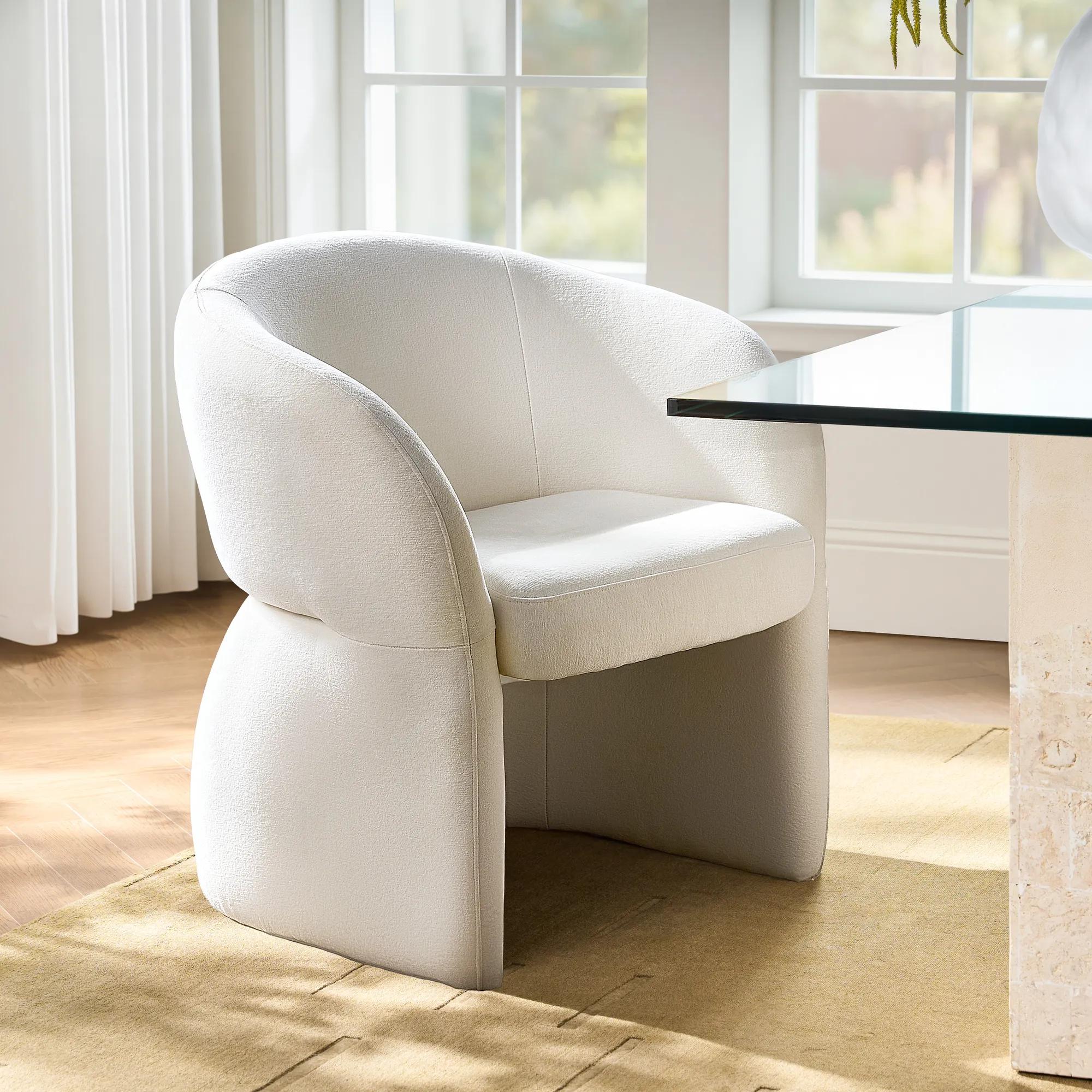 Sierra Oatmeal Velvet Dining Chair$599
An elegant accent chair in oatmeal velvet with gracefully arched arms, curved back, and plush cushioning.
Add To Cart -
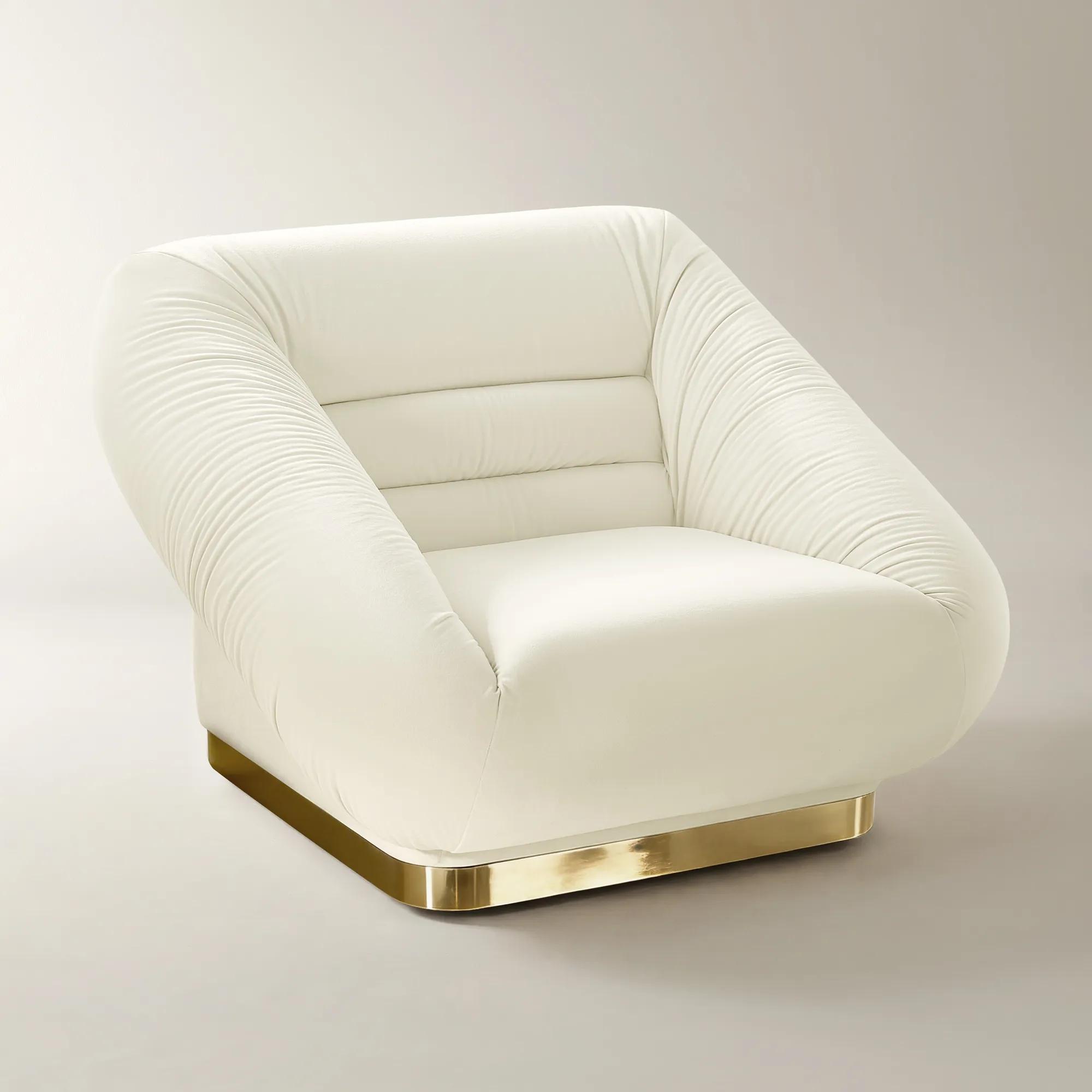 Dover Cloud Velvet Swivel Accent Chair$1299
A sculptural accent chair in cloud velvet with a gold-trimmed base and smooth 360° swivel function.
Add To Cart -
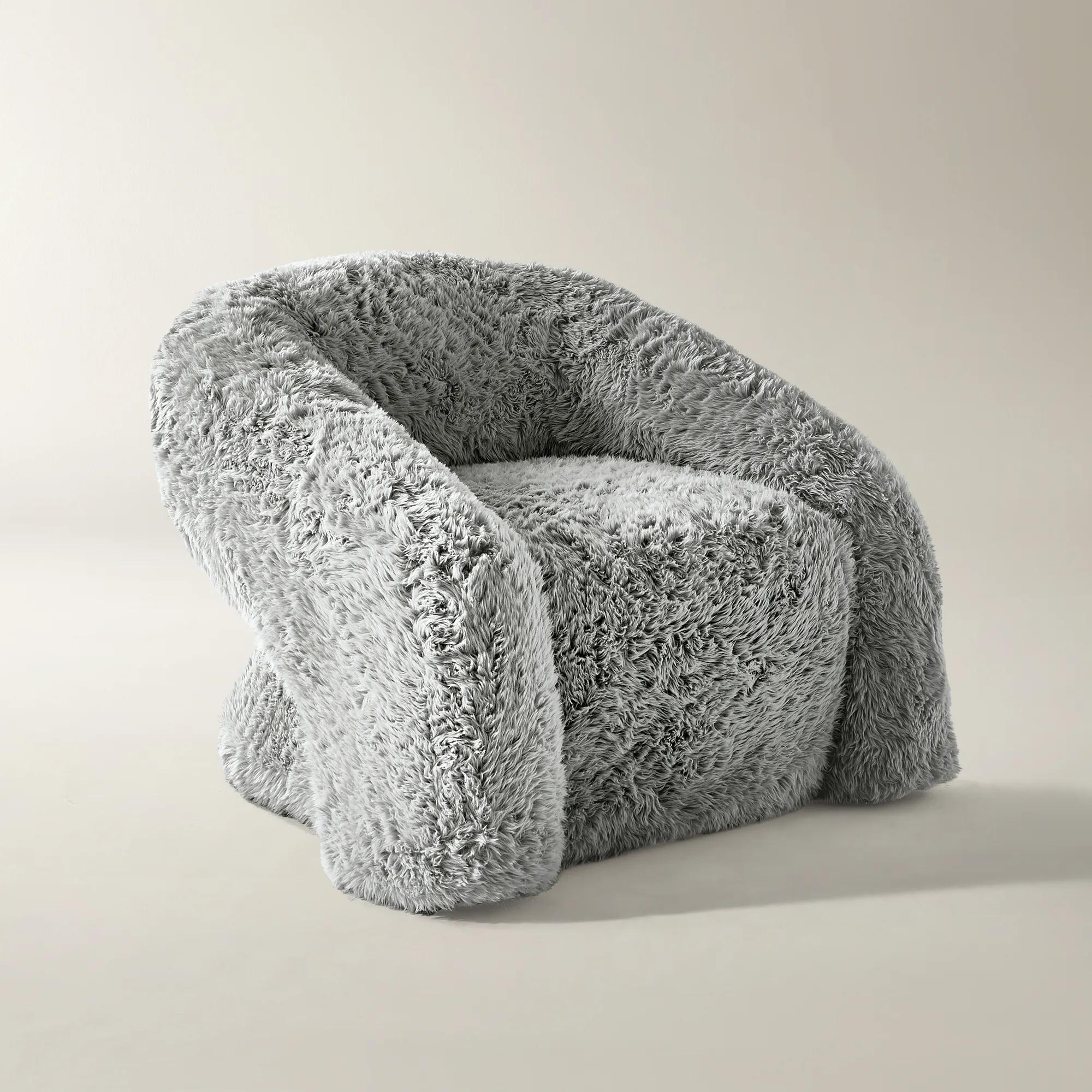
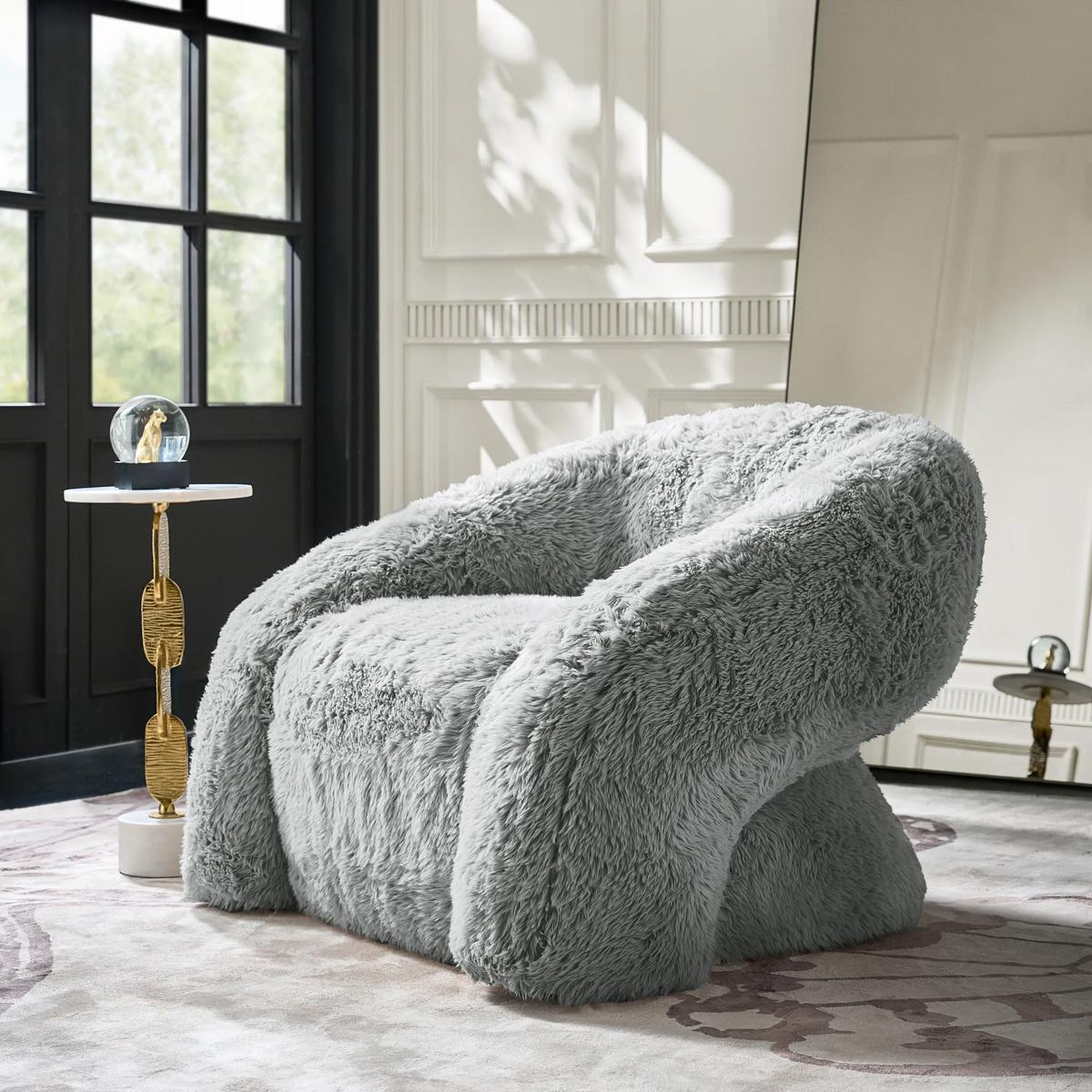 Misha Shadow Faux Fur Accent Chair$799
A cozy gray faux fur chair featuring high-resiliency foam and a sculptural, low-profile silhouette.
Add To Cart -
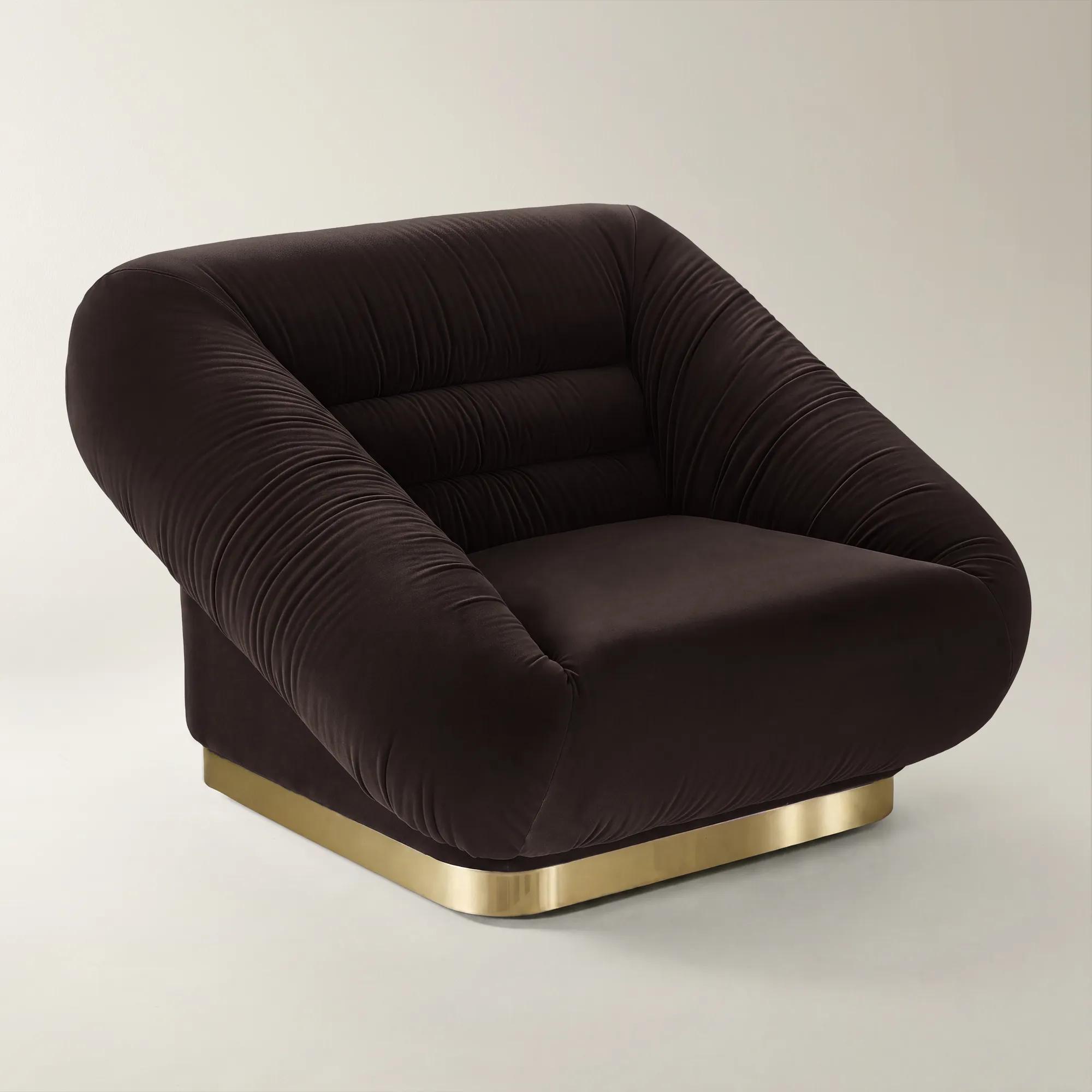
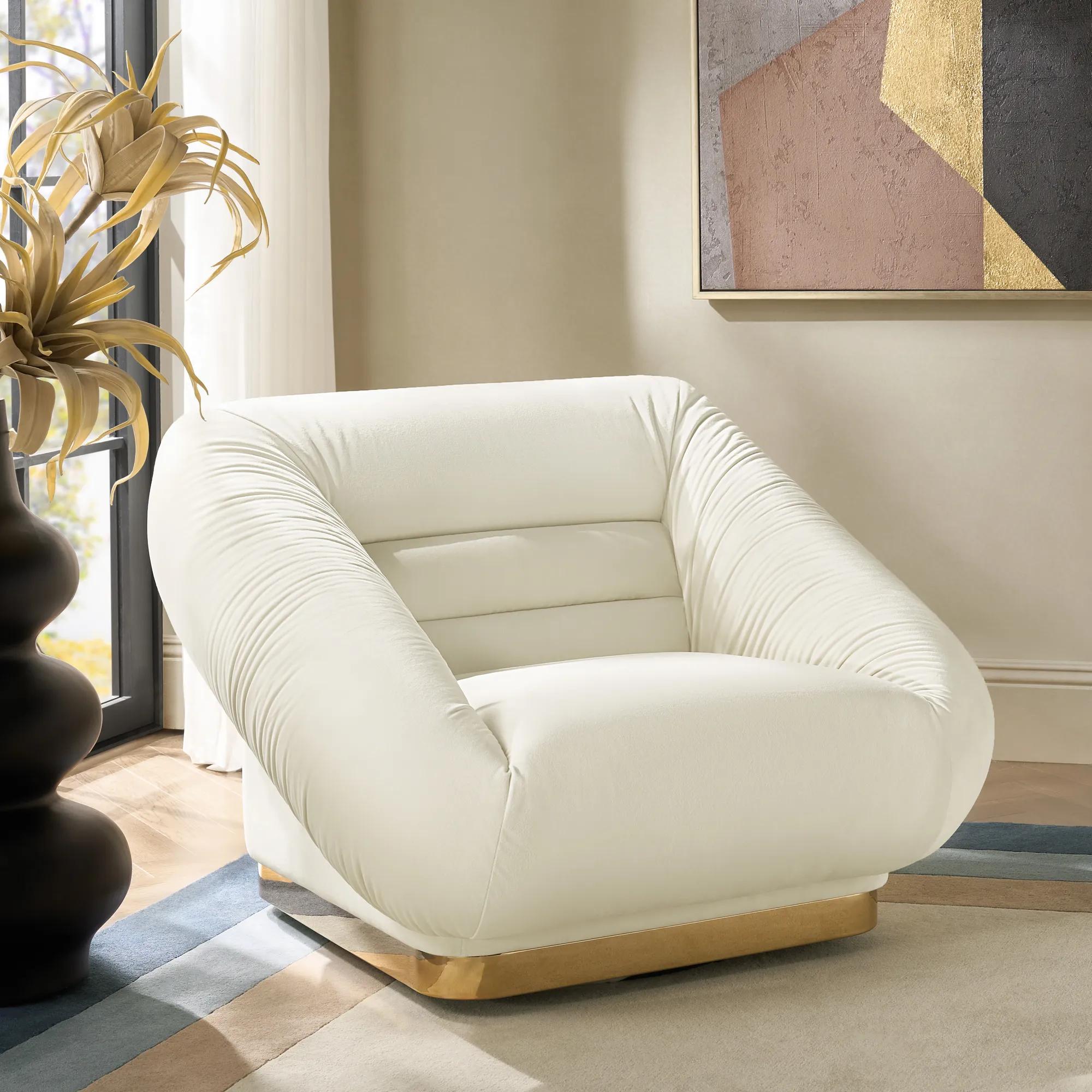 Dover Dark Chocolate Velvet Swivel Accent Chair$1299
A dark chocolate velvet accent chair with a sculptural silhouette, 360° swivel, and soft gold-finished trim.
Add To Cart -
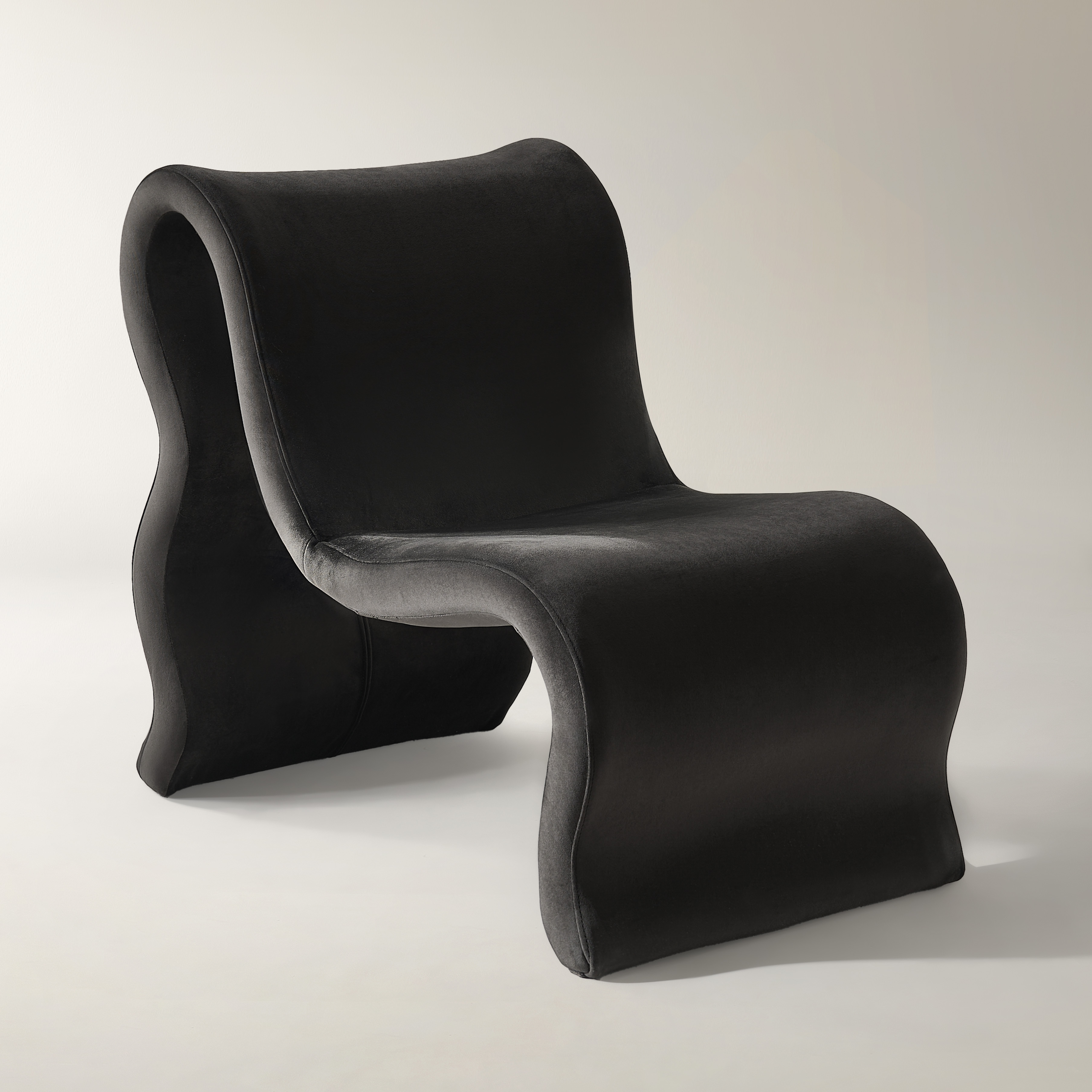 Romy Charcoal Velvet Accent Chair$999
A sculptural accent chair in charcoal velvet with a wave-like silhouette and full foam construction.
Add To Cart -
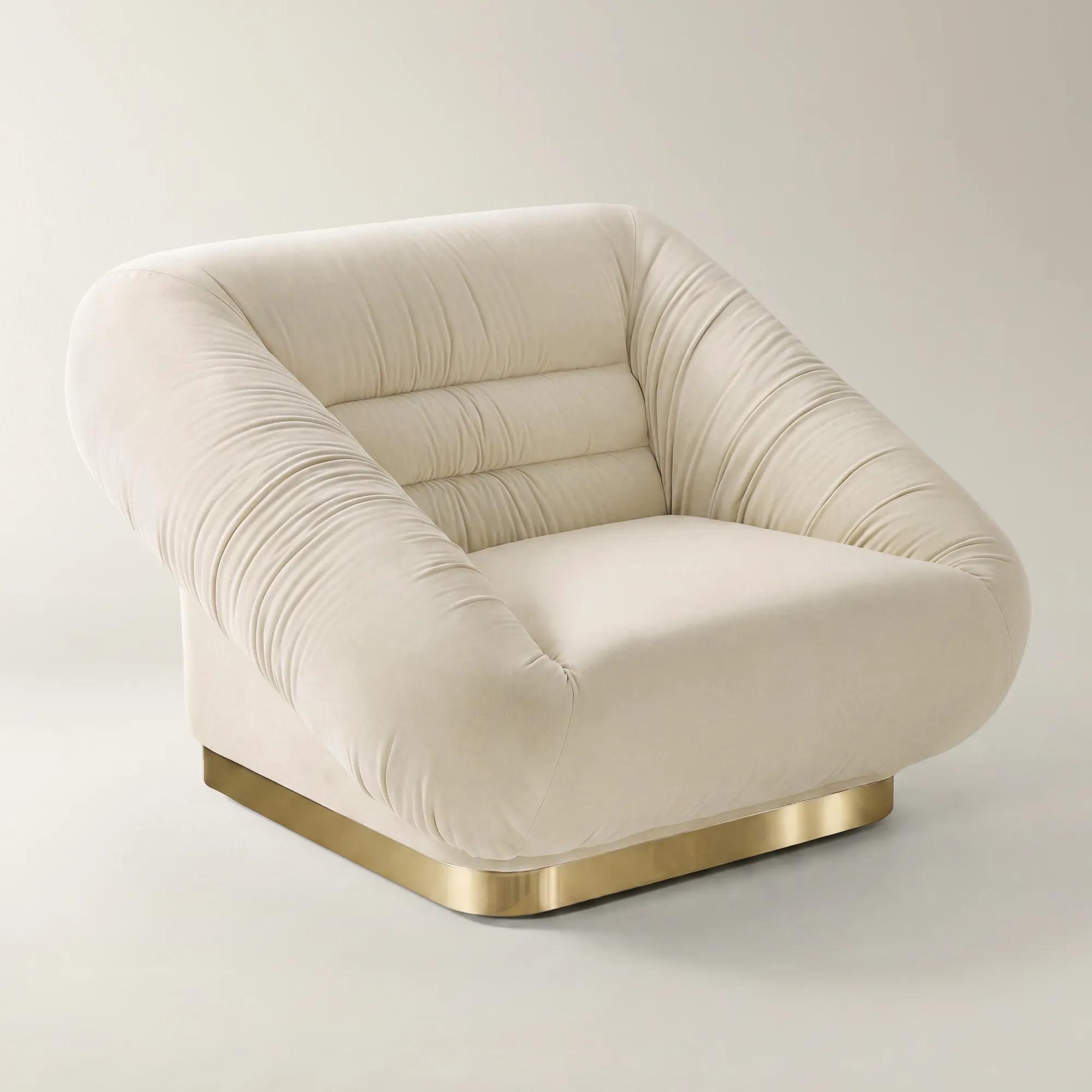
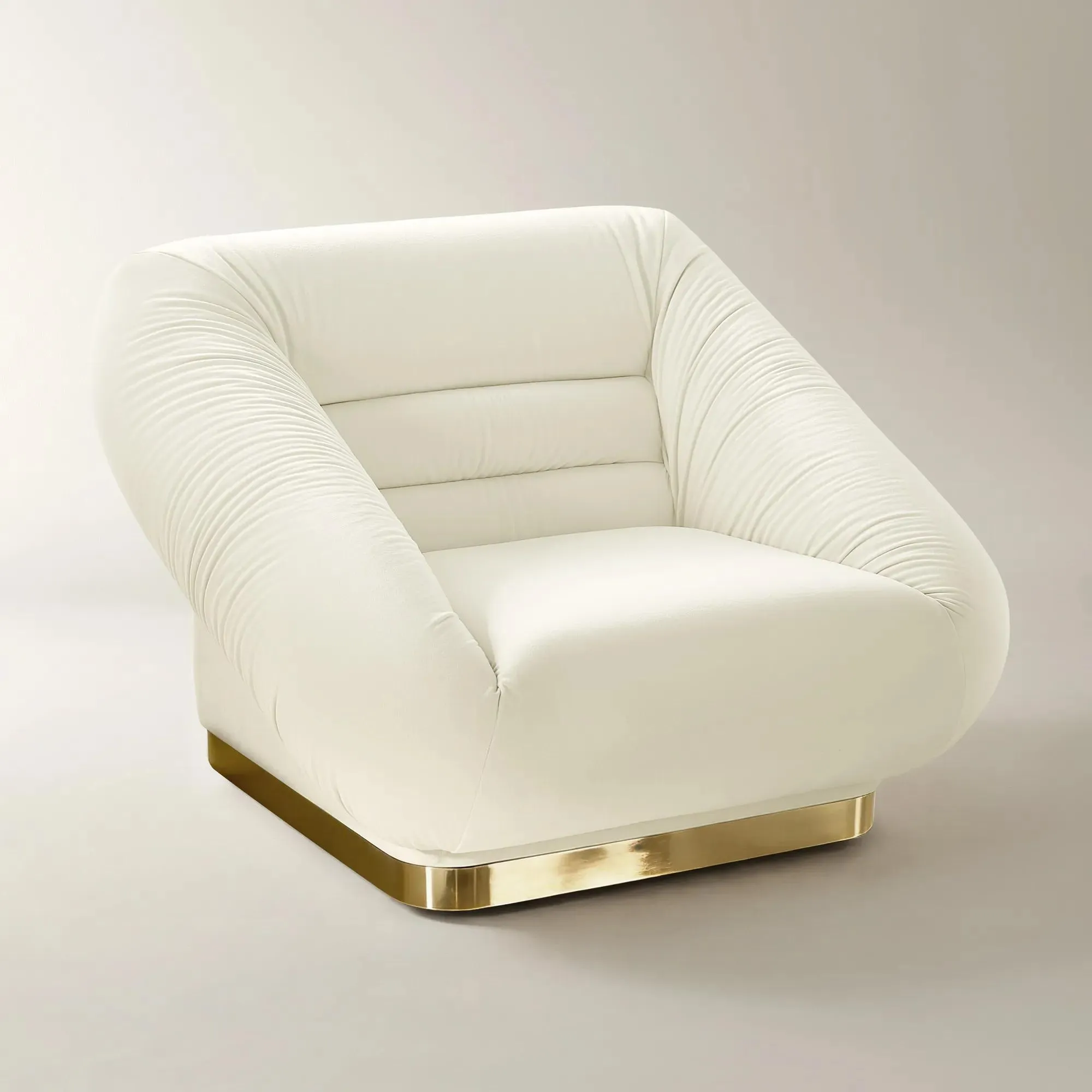 Dover Oatmeal Velvet Swivel Accent Chair$1299
A sculptural oatmeal velvet accent chair with gathered upholstery, a soft gold stainless steel base, and smooth 360-degree swivel functionality.
Add To Cart -
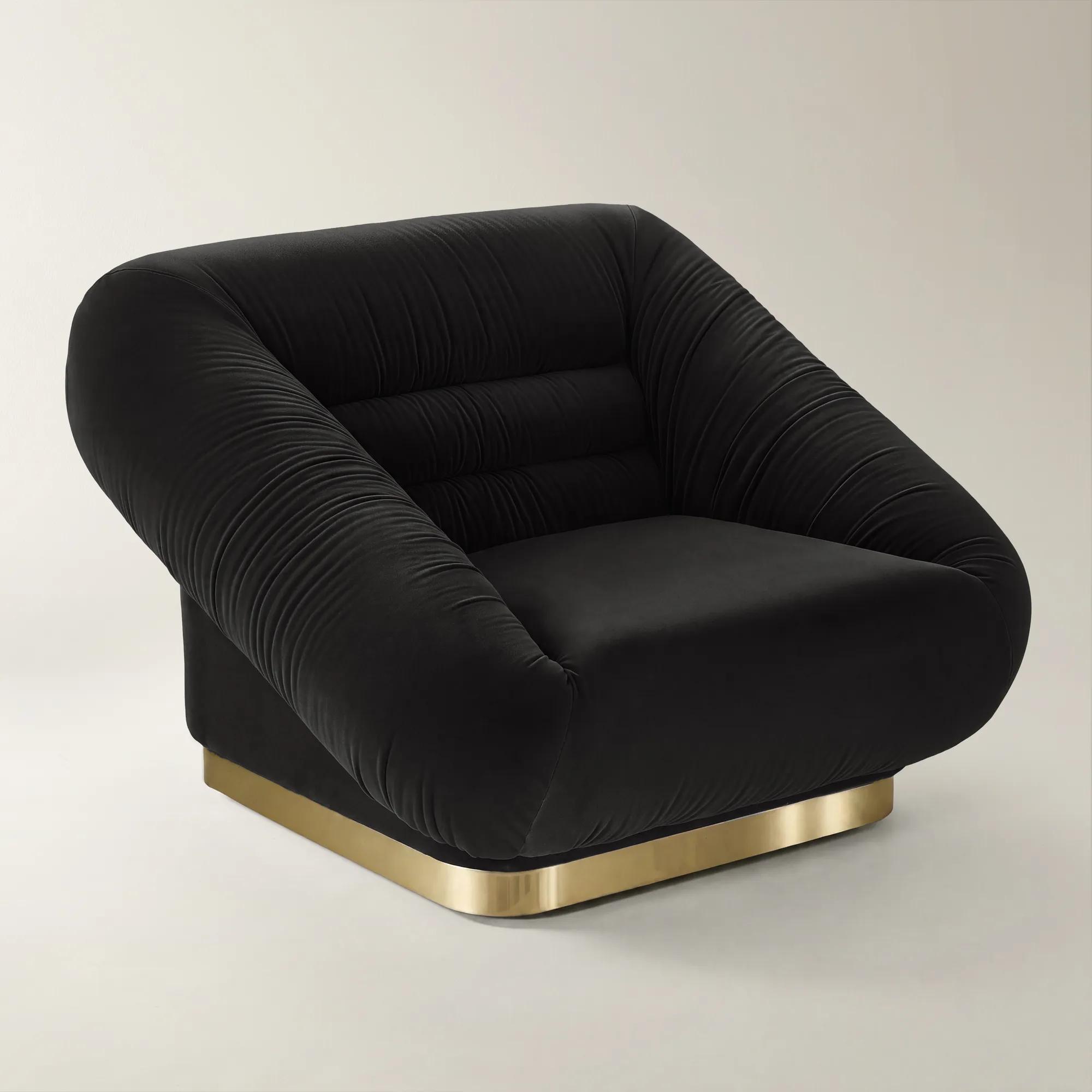 Dover Charcoal Velvet Swivel Accent Chair$1299
A sculptural charcoal velvet accent chair with gathered upholstery, a soft gold–finished stainless steel base, and smooth 360° swivel.
Add To Cart -
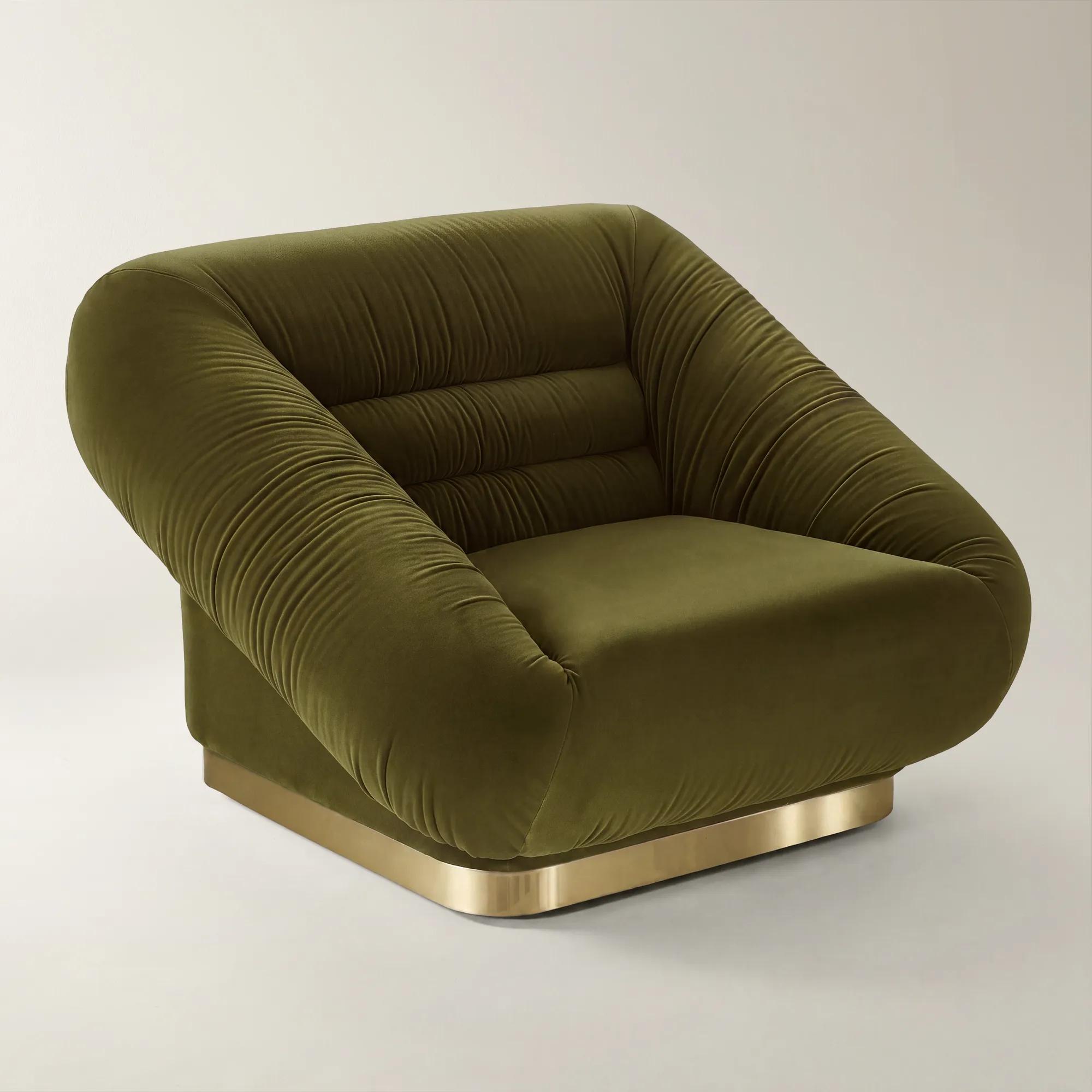 Dover Deep Olive Velvet Swivel Accent Chair$1299
A sculptural deep olive velvet chair with gathered upholstery, soft gold trim, and smooth 360-degree swivel functionality.
Add To Cart

Accent Chairs With Structured Cushions
Accent chairs with structured cushions invite you to indulge in seating that is as artful as it is inviting. Each silhouette is a study in sculptural form, designed to command attention and elevate your living space with architectural poise. The tailored lines and defined contours of these chairs offer more than just a place to sit—they create a moment of drama, transforming any corner into a curated vignette. Whether poised beneath a statement chandelier or paired with a gleaming side table, accent chairs with structured cushions promise to infuse your home with bold sophistication and an unmistakable sense of luxury.
Accent chairs with structured cushions combine defined edges, tailored upholstery, and supportive cushioning to create seating with a composed, architectural presence. Unlike loose, deeply slouching cushions, structured seat and back cushions are designed to hold a more deliberate shape, giving the chair a crisp silhouette even when its fabric feels sumptuous to the touch. That distinction makes these chairs particularly compelling in rooms where every line contributes to the composition: a living room anchored by a sweeping sofa, a bedroom with a dramatic upholstered headboard, or a sitting area framed by sculptural lighting. Structure does not necessarily mean a hard seat. Comfort depends on the cushion’s fill, thickness, suspension, and proportions, with resilient foam often providing the core support and a fiber or feather-blend wrap adding softness at the surface. Foam density and firmness describe different characteristics; a denser cushion is not automatically firmer, and neither specification alone tells the full story of how a chair will feel. Boxed cushions, defined seams, and welted edges can emphasize a tailored profile, while a gently curved back or padded arm introduces a softer counterpoint. Beneath the upholstery, a well-constructed frame and secure joints help the chair remain stable through repeated use. Kiln-dried hardwood can contribute dimensional stability, although long-term performance also depends on the overall construction, suspension, and care. The result is a category of accent seating that balances visual discipline with an invitation to settle in. For someone who loves expressive interiors but prefers cushions that look composed rather than casually rumpled, this balance has particular appeal. A pair can lend symmetry to a conversation area; a single chair can give an overlooked corner the presence of a destination. During the cooler months, a richly textured throw draped over one arm adds warmth without concealing the chair’s defining lines. The most compelling effect comes from that contrast: a clear, confident outline softened by upholstery, light, and the personal details surrounding it.
Upholstery gives structured accent chairs much of their expressive range, transforming the same tailored concept into something luminous, tactile, or quietly dramatic. Velvet brings a light-responsive surface that can shift from shadowed depth to a soft sheen as daylight moves across the room. A textured woven fabric offers a more dimensional, matte effect, while bouclé introduces loops and irregularity that play beautifully against squared cushions or a precise frame. Leather, where used, adds another character altogether, with a surface whose appearance and maintenance needs vary by finish. Material names alone do not establish durability: fiber content, weave, finish, and the manufacturer’s performance information matter, especially for a chair used every evening rather than reserved for occasional company. In a household with pets, open loops and loosely woven textures deserve particular consideration because claws may catch on them; in a busy gathering space, documented cleanability may matter as much as color. A pale upholstered chair can create a striking pause beside dark furniture, while a saturated hue gives a restrained room a deliberate focal point. Metal details can introduce a gleam, and exposed wood can temper a polished setting with warmth. Across Modern Structured Accent Chairs, the visual appeal lies in the relationship between a defined silhouette and the surrounding furnishings. Scale makes that relationship convincing. Overall width determines how comfortably a chair fits beside a sofa or between a window and a bookcase, but usable seat width can be notably smaller when arms are substantial. Seat height, depth, and back angle influence whether the experience feels upright and conversational or more relaxed. Someone who likes to sit with feet grounded may prefer a shallower seat, while a taller sitter may appreciate additional depth. Arm height matters beside an end table, too: a tabletop that feels easy to reach keeps a drink or book close without requiring an awkward lean. Allowing space for passage around the chair preserves the room’s elegance in motion, not just in a photograph.
The intended setting brings these details into focus. In a living room, two structured-cushion accent chairs angled toward a sofa create a conversation arrangement with the polish of a salon, especially when a rug visually connects the seating. In a bedroom, one chair beside a shaded lamp offers a place to read or pause before the day begins without competing with the bed’s larger scale. A home office can benefit from an upholstered guest chair that softens the room’s work-focused character, though occasional accent seating should not be assumed to replace an ergonomic task chair for extended desk use. For a reading corner, back support, arm placement, and room for an ottoman may be more meaningful than an especially dramatic profile. A firmer, appropriately elevated seat can feel easier for some people to rise from, but individual comfort and mobility needs should determine the fit. Preserving the tailored appearance is largely a matter of care suited to the actual upholstery and cushion construction. Regular gentle vacuuming with an appropriate upholstery attachment helps remove dust before it settles into seams and texture. Spills call for prompt attention according to the manufacturer’s instructions, usually beginning with blotting rather than rubbing; the fabric’s cleaning code should govern whether water-based products, solvents, or professional treatment are appropriate. A zippered cover is not automatically machine washable, and removing it without checking care directions can risk shrinkage or difficulty refitting it. Loose cushions may benefit from rotation or turning when their design permits, while attached cushions should be maintained in place. Feather-blend wraps can require occasional fluffing, and even resilient foam may soften with use. Keeping upholstery away from prolonged direct sunlight and strong heat sources can help limit fading or material stress. These practical considerations protect more than a tidy outline: they help preserve the chair’s role in the room. With proportion, material, and everyday comfort working together, structured cushions give accent seating a distinctive kind of luxury—expressive enough to command attention, composed enough to live beautifully alongside everything else.
FAQs
Accent chairs with structured cushions are remarkably versatile, enhancing a range of interiors from modern and contemporary to glam and eclectic. Their sculptural silhouettes and tailored lines can anchor minimalist spaces with architectural flair or add a bold, expressive touch to maximalist rooms. Whether paired with metallic finishes for a luxe look or set against abstract art for dramatic impact, these chairs become a focal point in any design narrative.
Accent chairs with matching pillows offer a cohesive, designer-coordinated look that instantly elevates a room. Place them in conversation areas to create inviting vignettes, use them to define a reading corner, or position them near a window for a sun-drenched retreat. The matching pillows not only enhance comfort but also add a layer of visual harmony, making the space feel thoughtfully curated.
Absolutely. Sculptural accent chairs are designed to make a statement, yet their structured cushions ensure comfort for everyday use. In formal spaces, they add a sense of artistry and sophistication, while in more relaxed settings, they provide a plush, supportive seat that encourages lounging and conversation. Their dual appeal makes them a favorite for both entertaining and unwinding.
Z Gallerie accent chairs often showcase luxurious materials such as velvet, linen, or performance fabrics paired with gleaming metals or rich woods. Structured cushions are crafted for both support and style, with details like tufting, piping, and tailored seams that highlight craftsmanship and elevate the overall aesthetic.
Yes, gifting an accent chair with structured cushions is a gesture of refined taste and lasting comfort. It’s perfect for housewarmings, weddings, or milestone celebrations, offering the recipient a piece that blends beauty, function, and a sense of personal luxury. The addition of matching pillows enhances the sense of a complete, designer-inspired gift.