Accent Chairs Under $1,000 | Z Gallerie
Accent Chairs Under $1,000 | Z Gallerie
-
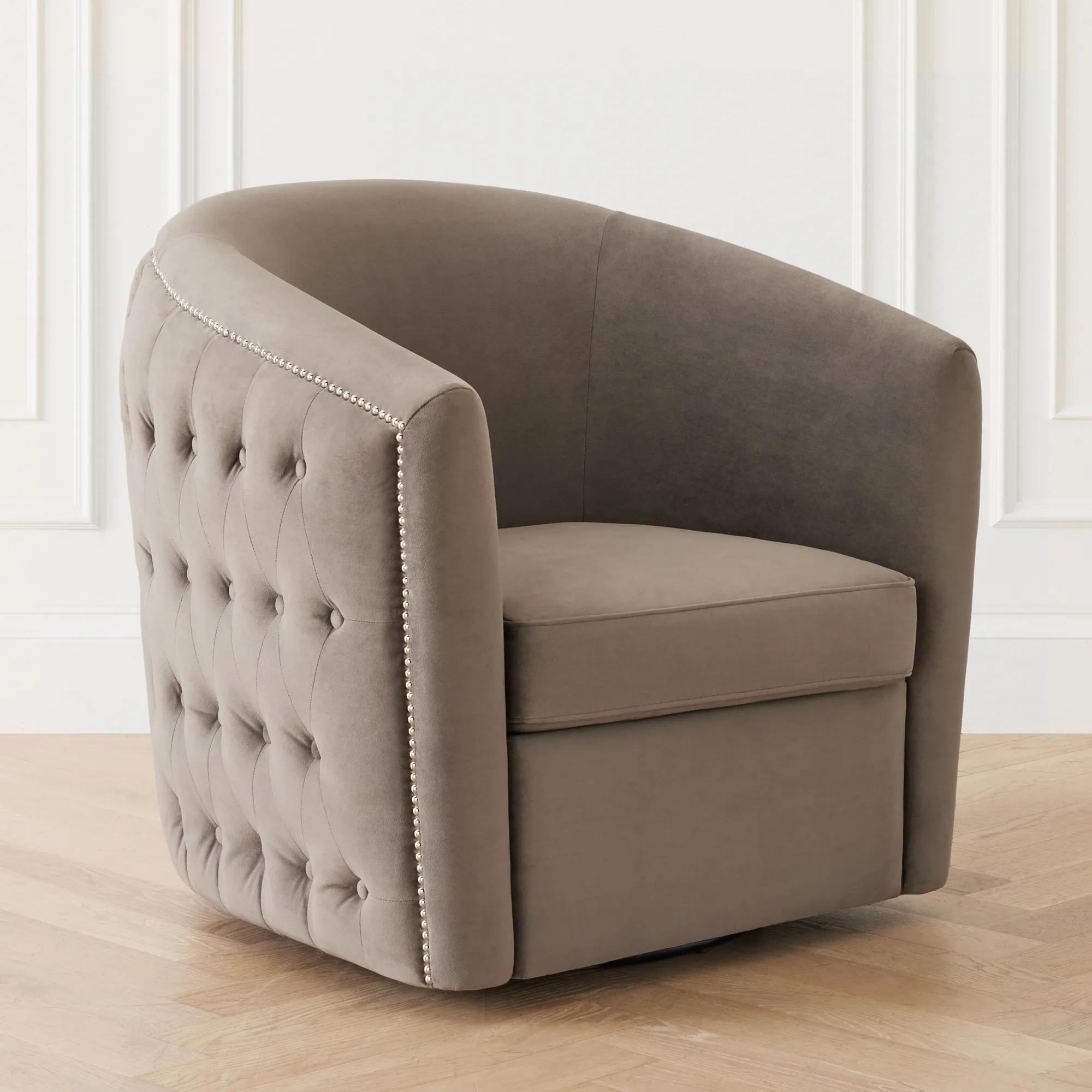
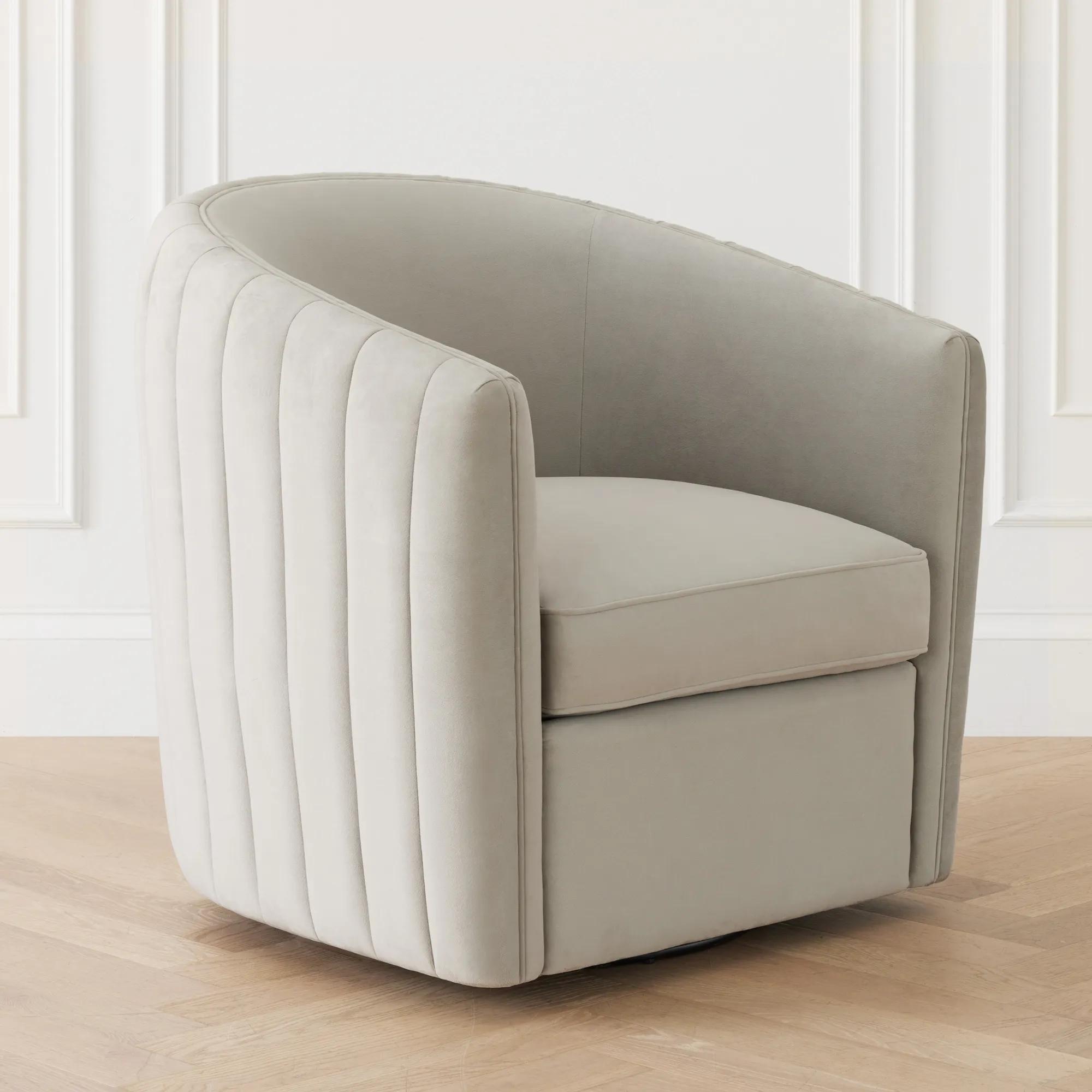
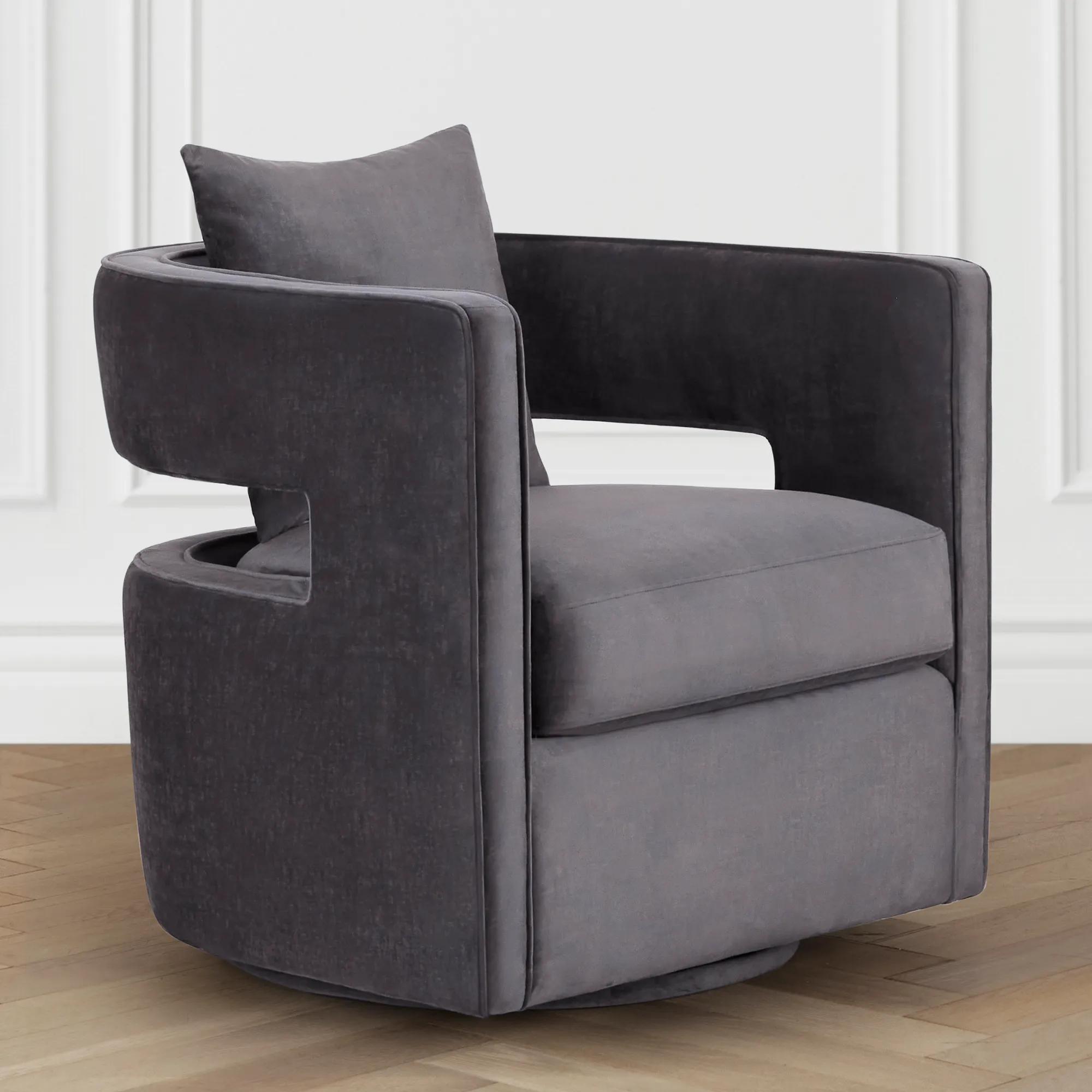 Lottie Grey Velvet Swivel Accent Chair$999
A glamorous grey velvet swivel chair featuring a barrel back, cutout arms, and plush foam cushioning.
Add To Cart -
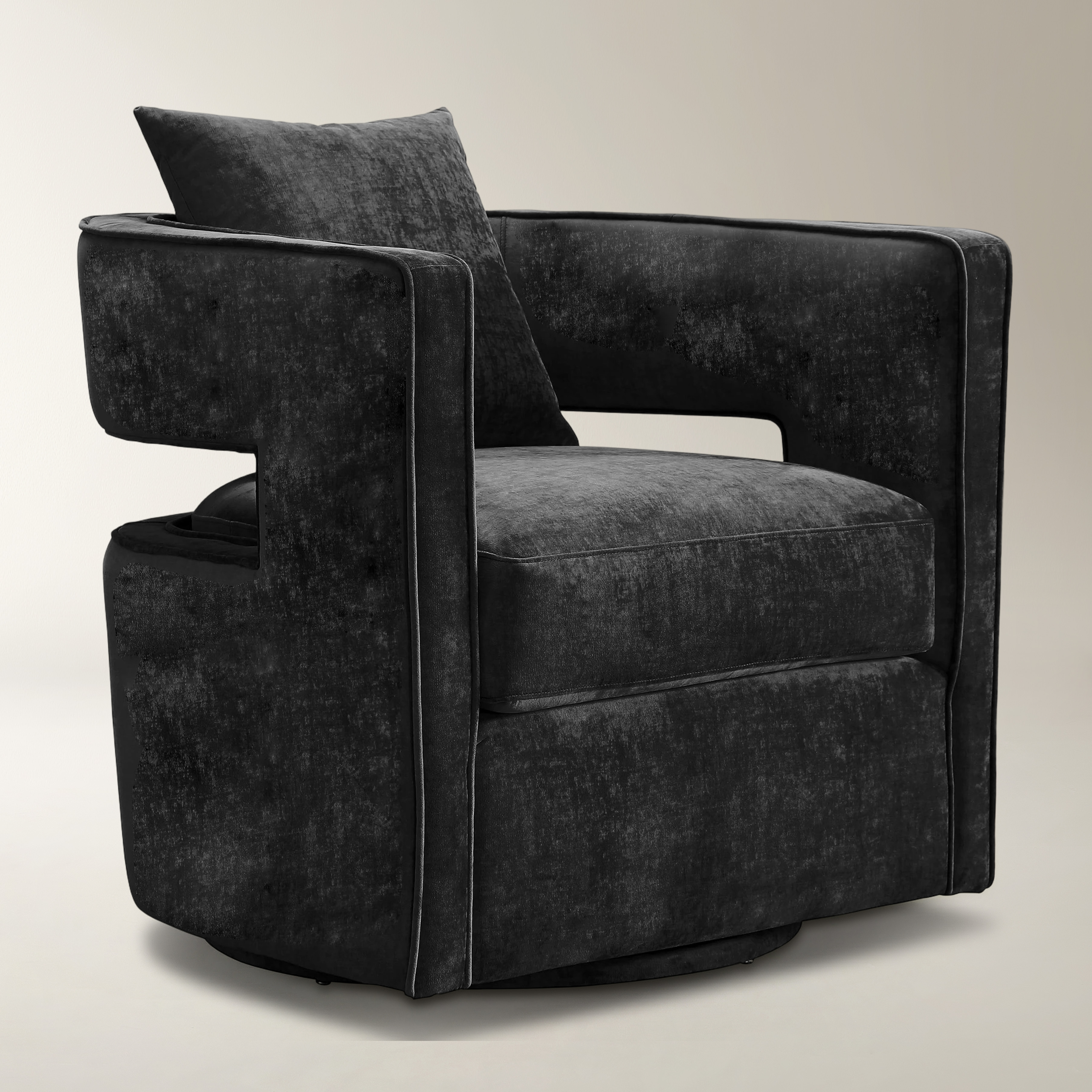 Lottie Black Velvet Swivel Accent Chair$999
A black velvet swivel accent chair with a sculpted barrel silhouette, open arms, and supportive cushioning.
Add To Cart -
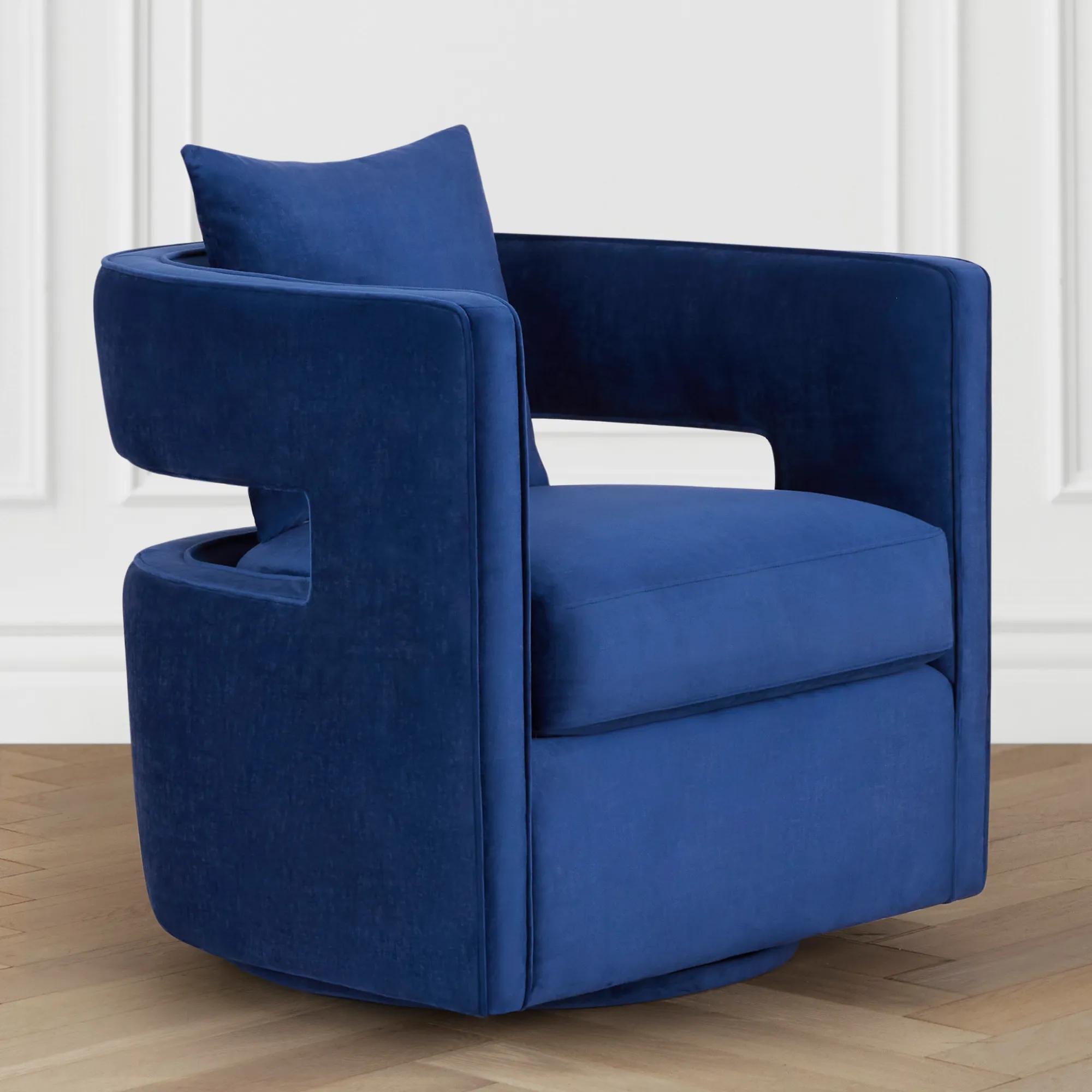
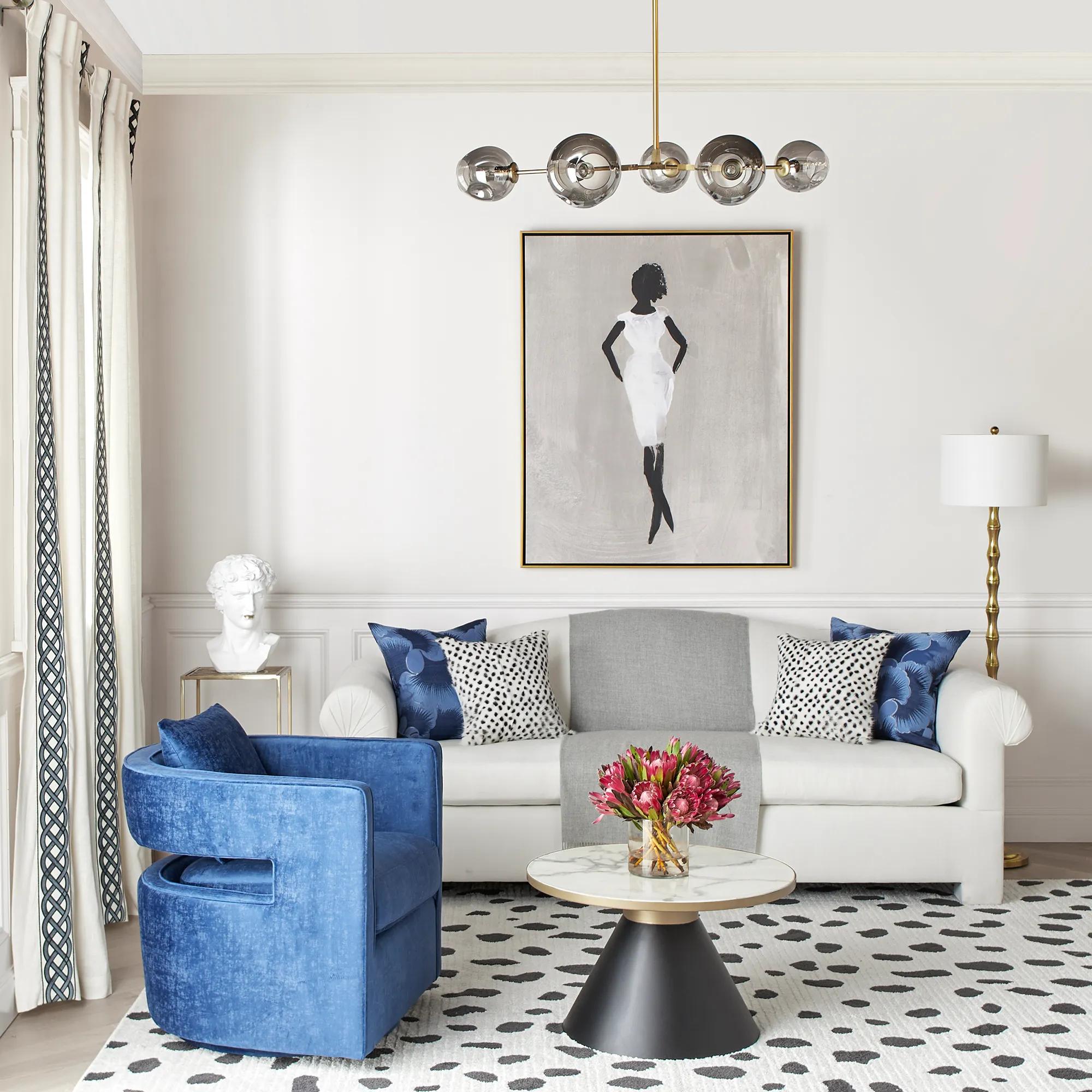 Lottie Navy Velvet Swivel Accent Chair$999
A navy velvet swivel accent chair featuring a sculpted barrel silhouette, open arms, and supportive cushioning.
Add To Cart -
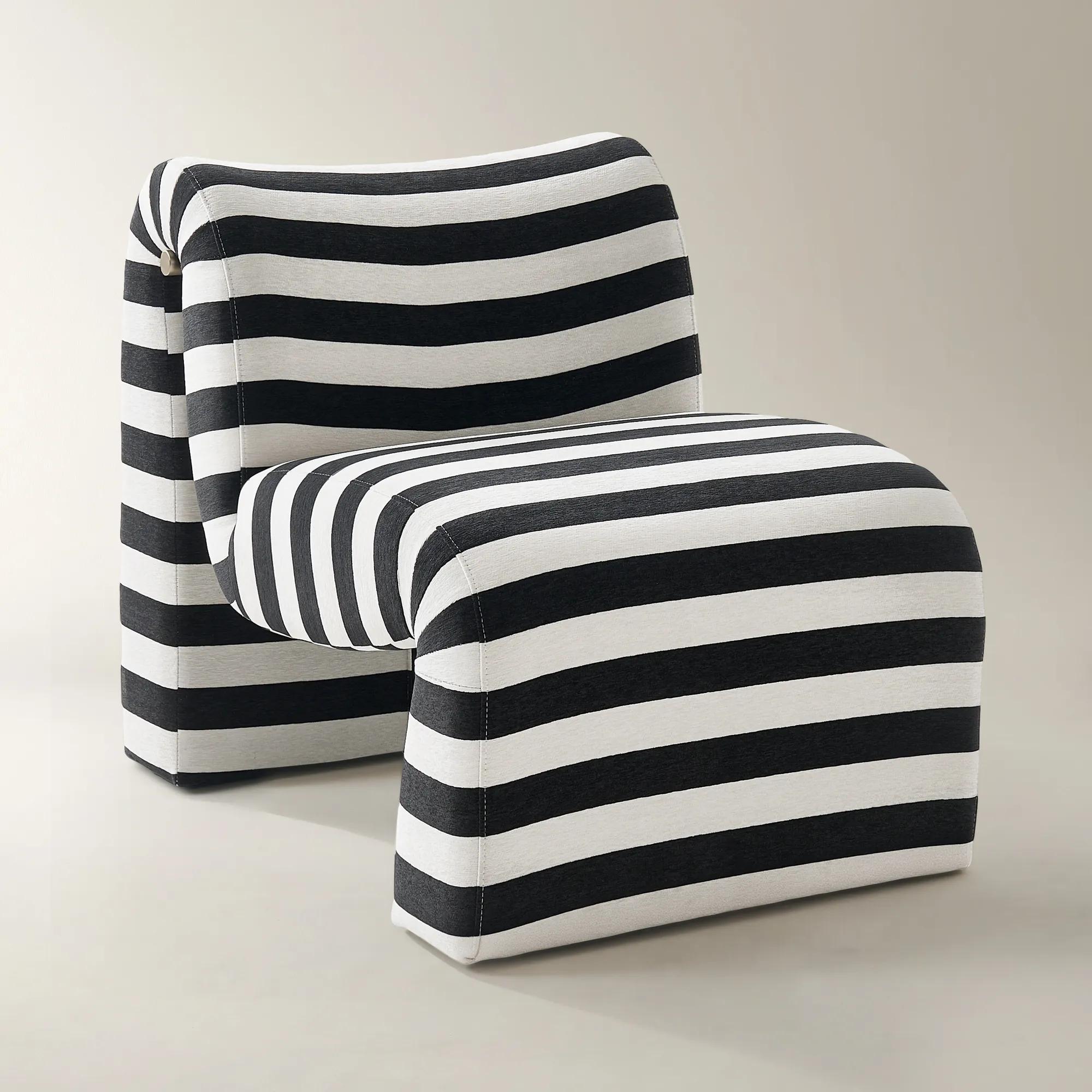 Cora Stripe Chenille Accent Chair$899
A bold black-and-white striped accent chair featuring water-repellent chenille and a gold stainless-steel inlay.
Add To Cart -
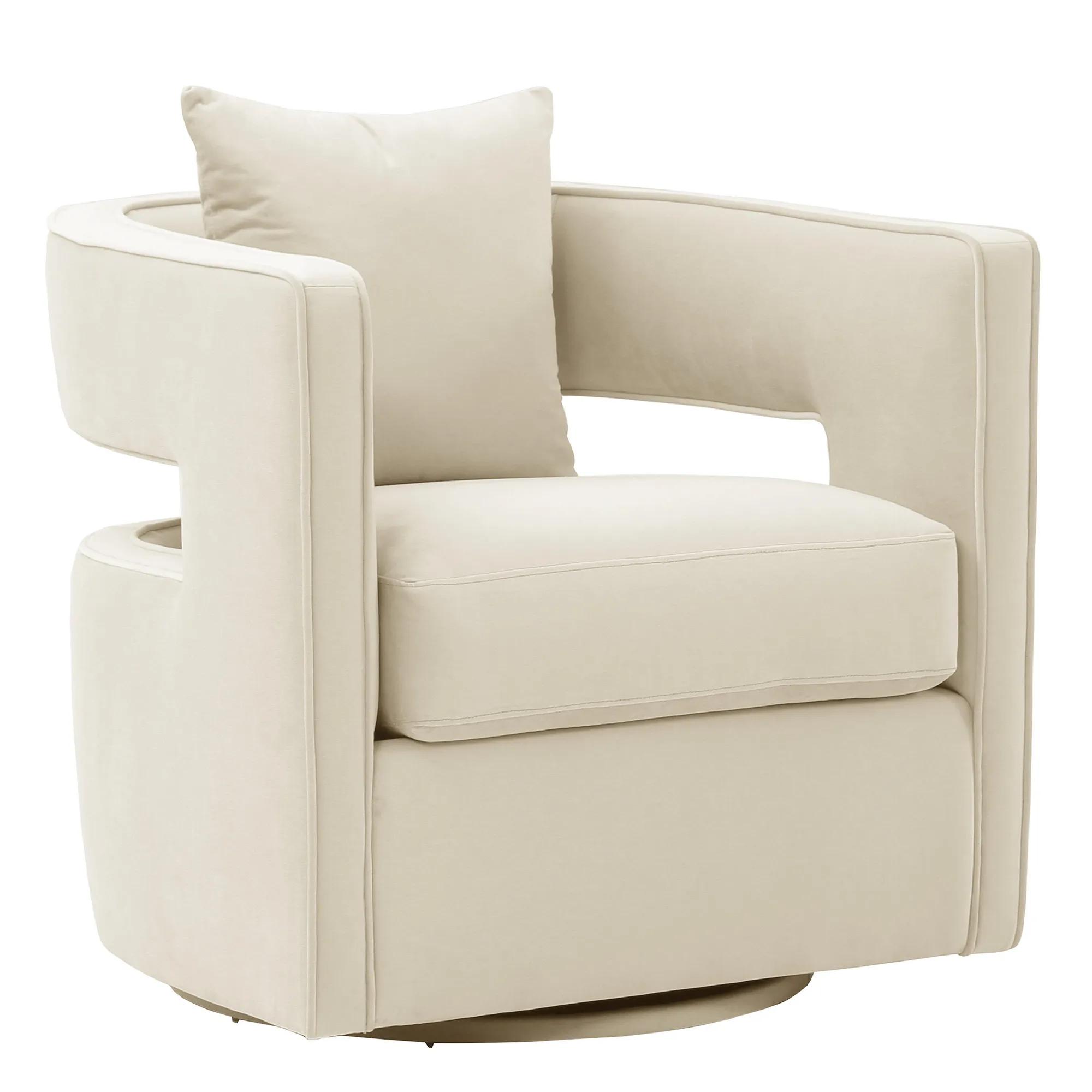
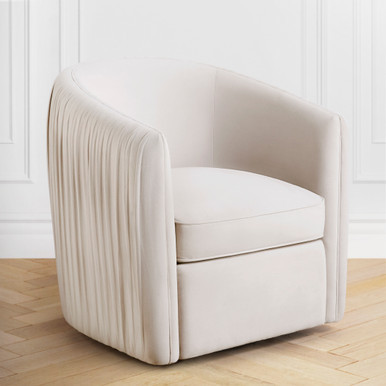
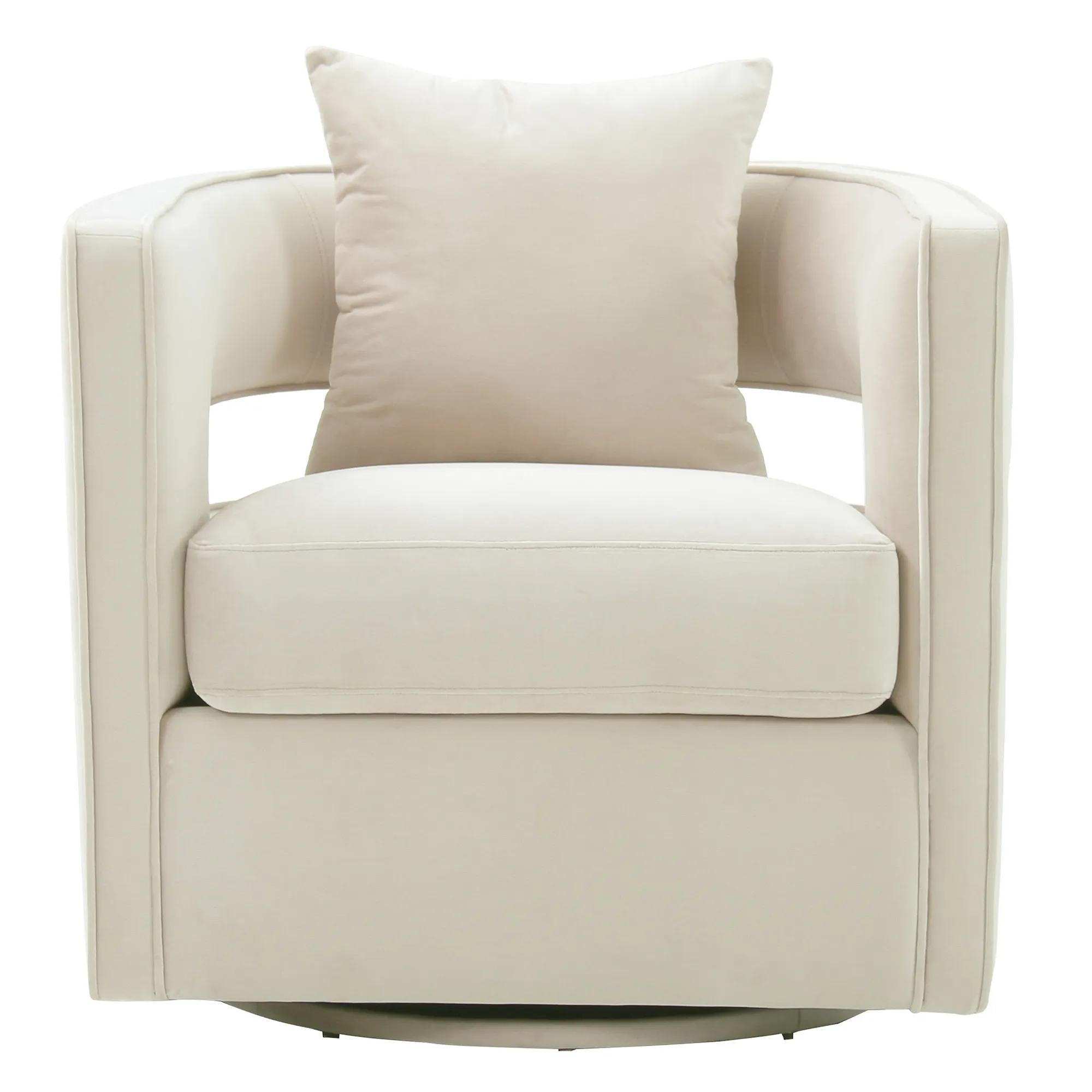 Lottie Cream Velvet Swivel Accent Chair$999
A glamorous cream velvet swivel chair featuring a barrel back, cutout arms, and plush foam cushioning.
Add To Cart -
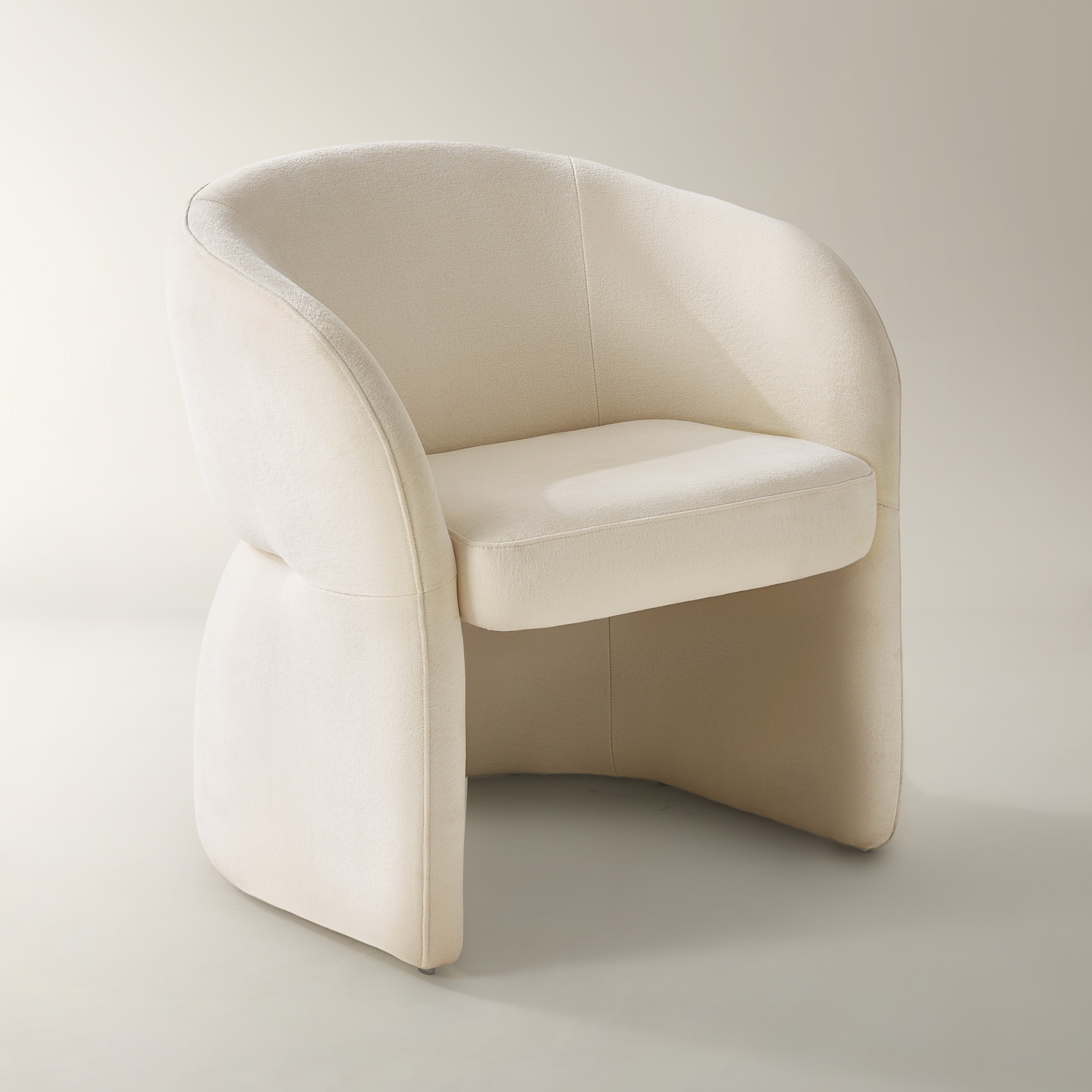
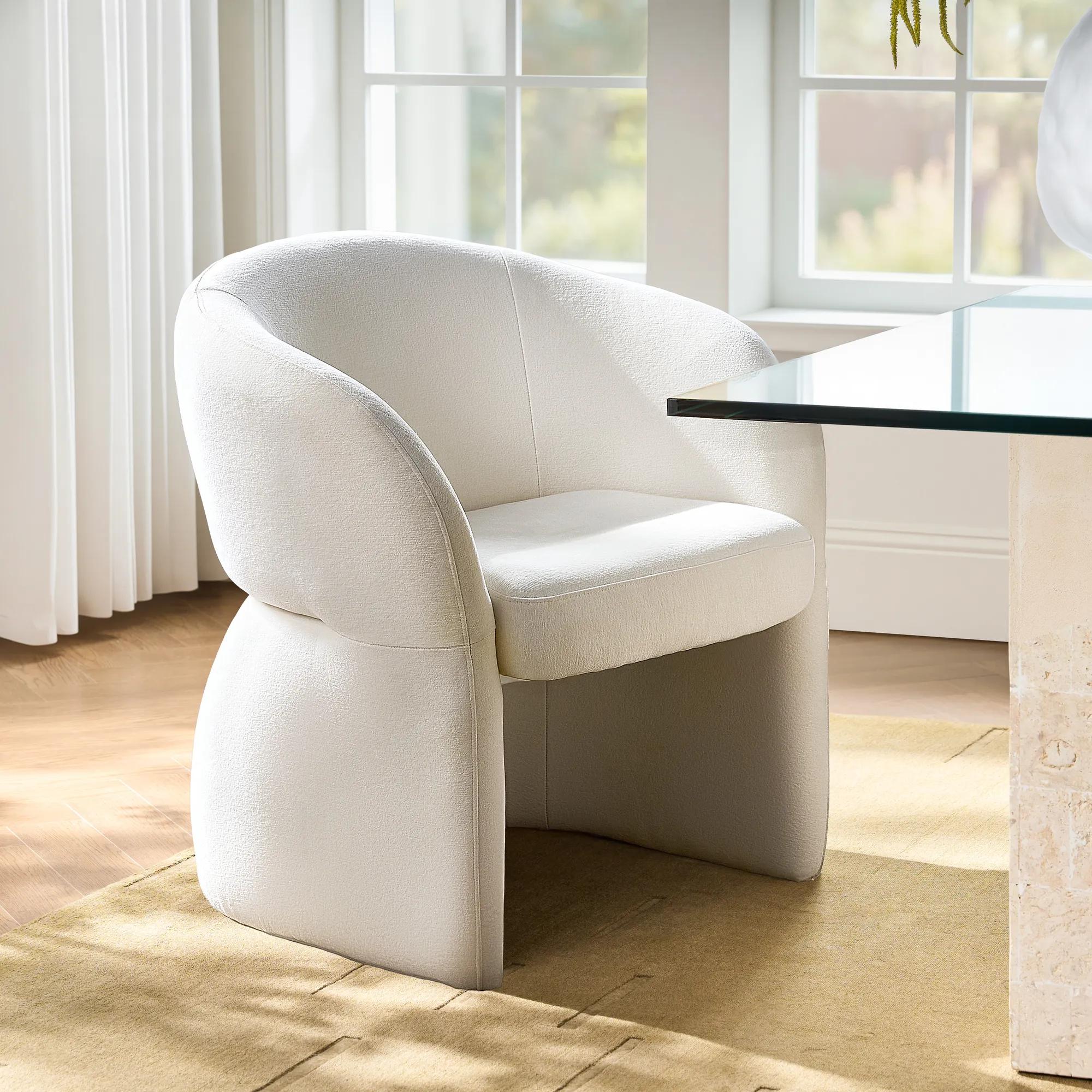 Sierra Oatmeal Velvet Dining Chair$599
An elegant accent chair in oatmeal velvet with gracefully arched arms, curved back, and plush cushioning.
Add To Cart -
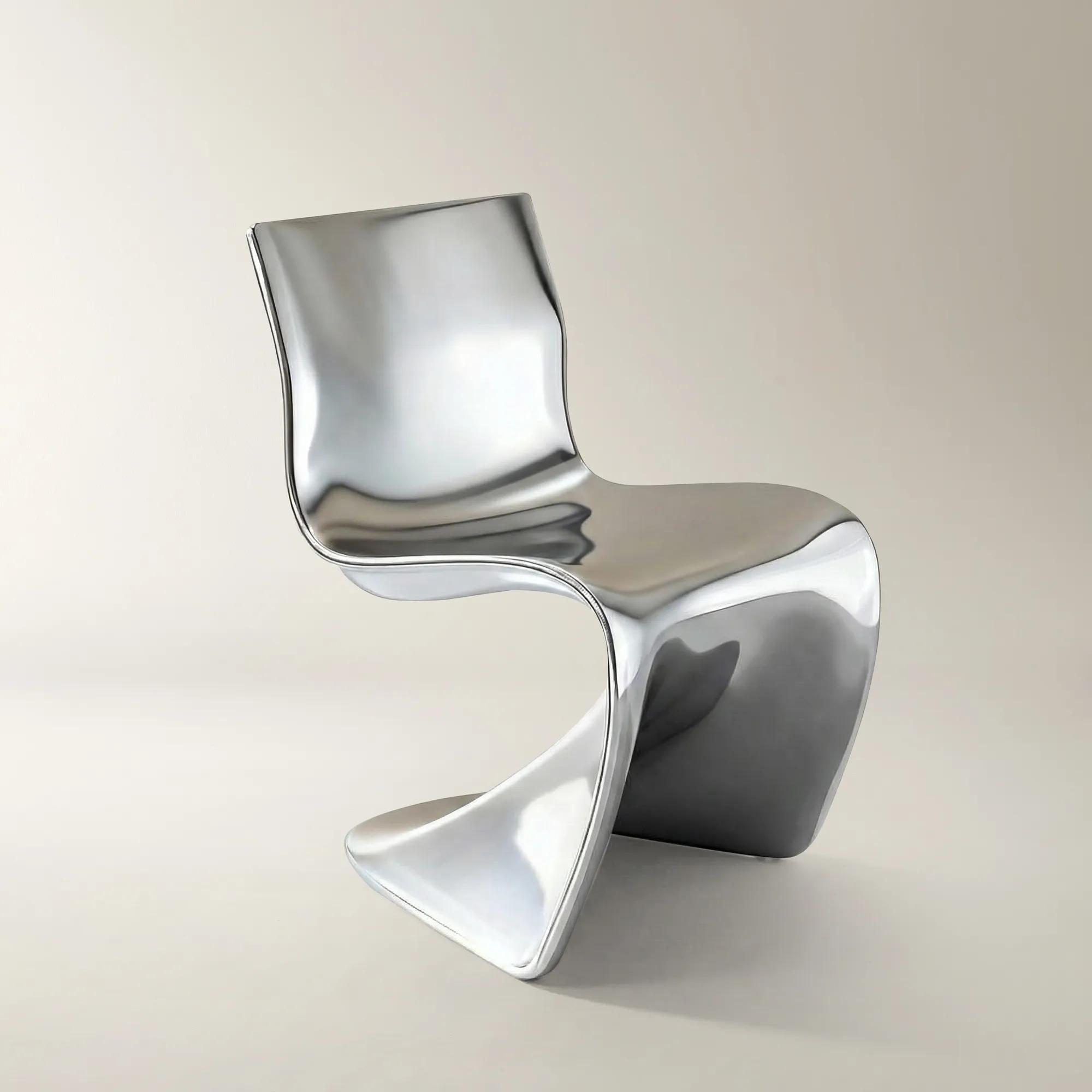
 Sasha Chrome Dining Chair$899
A sculptural accent chair crafted from polished chrome-finished fiberglass for a sleek, modern statement.
Add To Cart -
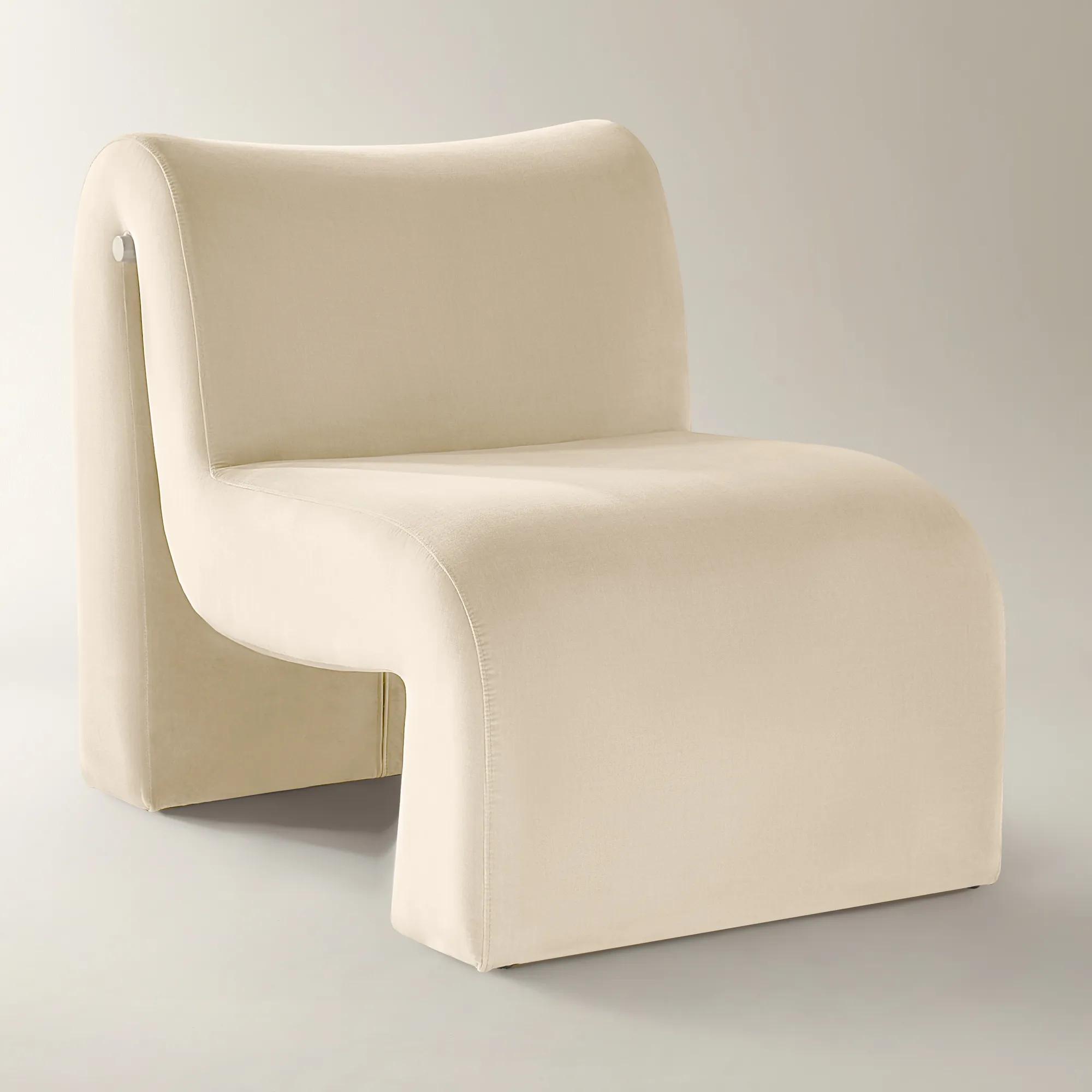 Cora Ivory Velvet Accent Chair$899
A sculpted ivory velvet chair featuring a continuous curved silhouette and a gold stainless-steel accent.
Add To Cart -
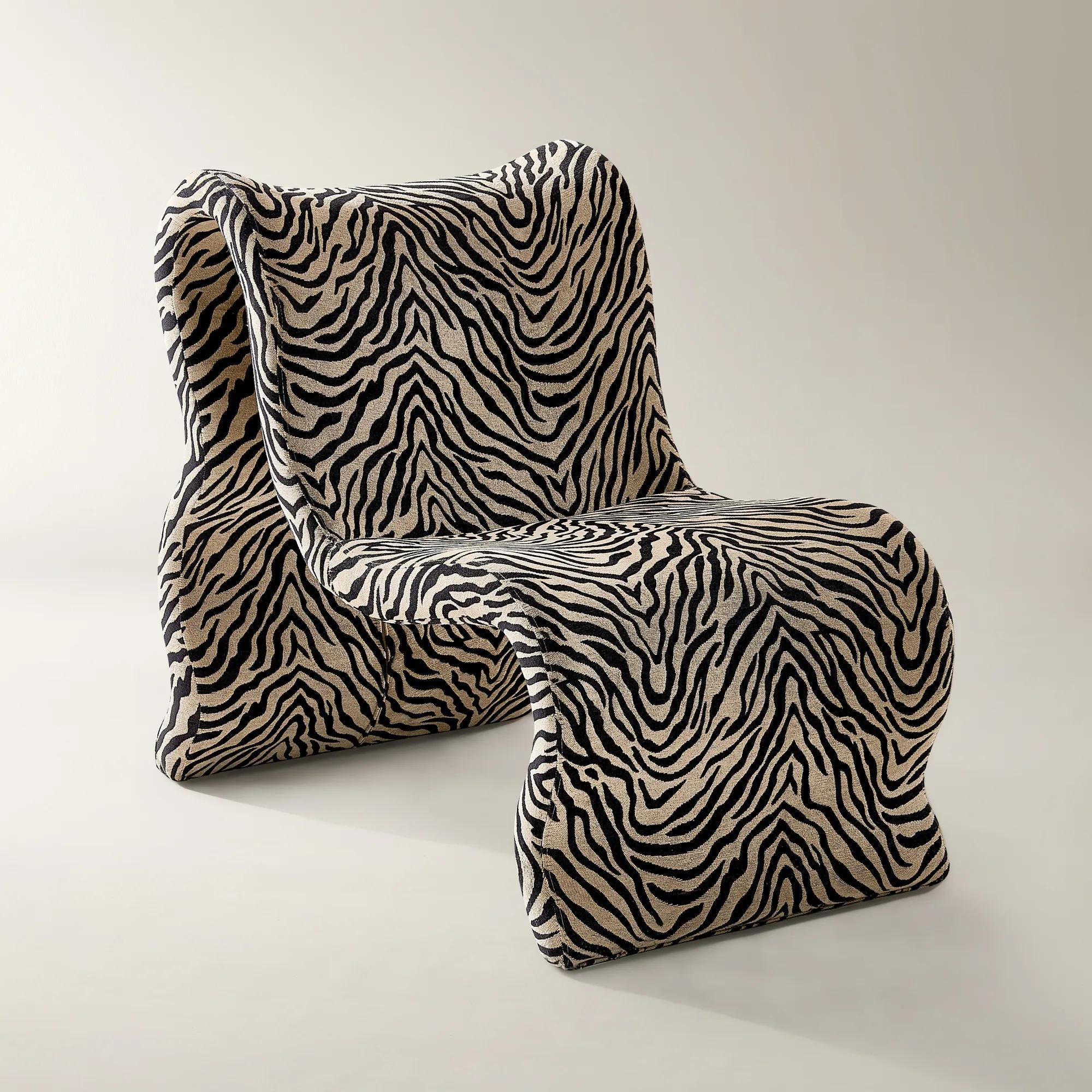
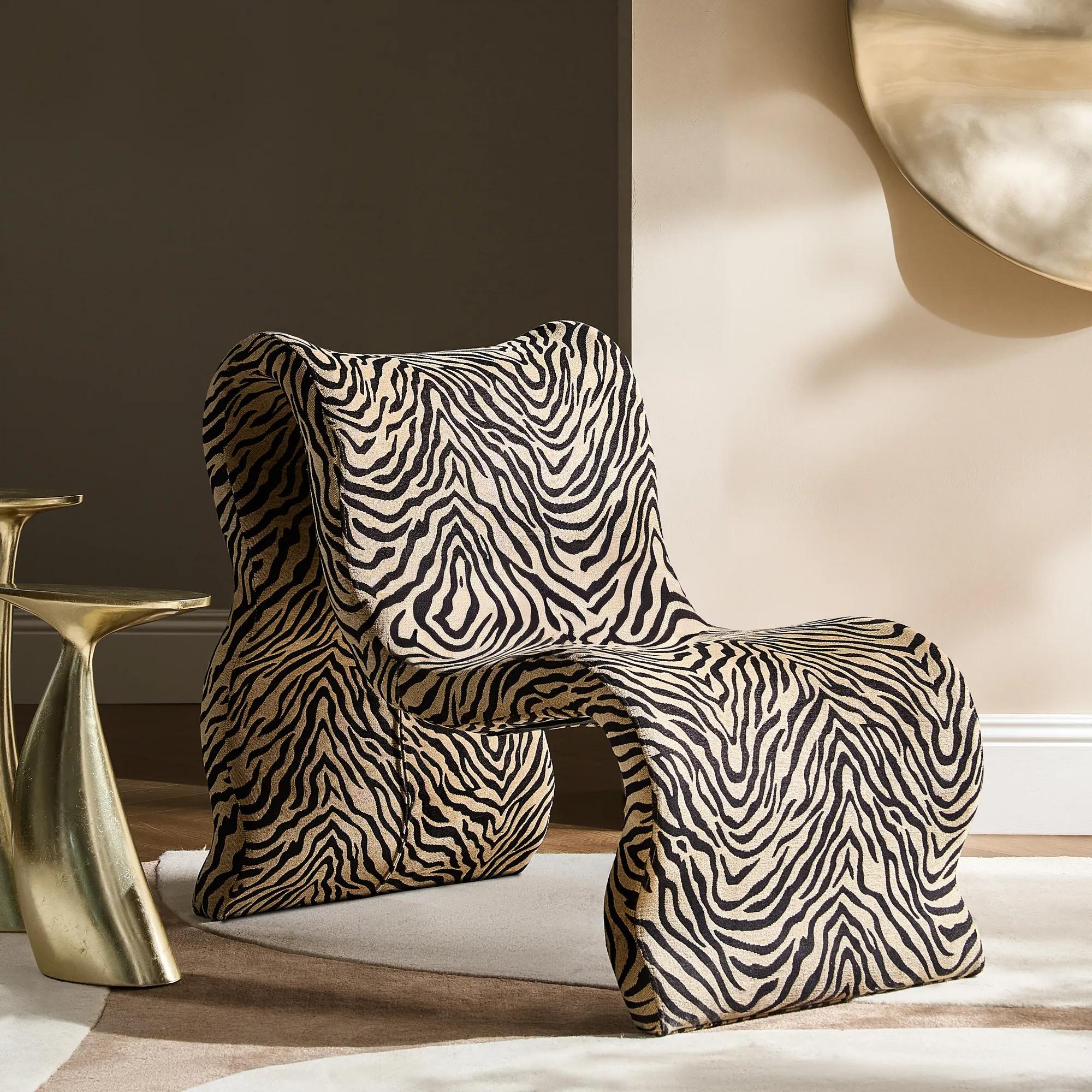 Romy Zebra Chenille Accent Chair$999
A sculptural accent chair featuring bold zebra-print chenille upholstery and a continuous wave-like silhouette.
Add To Cart -
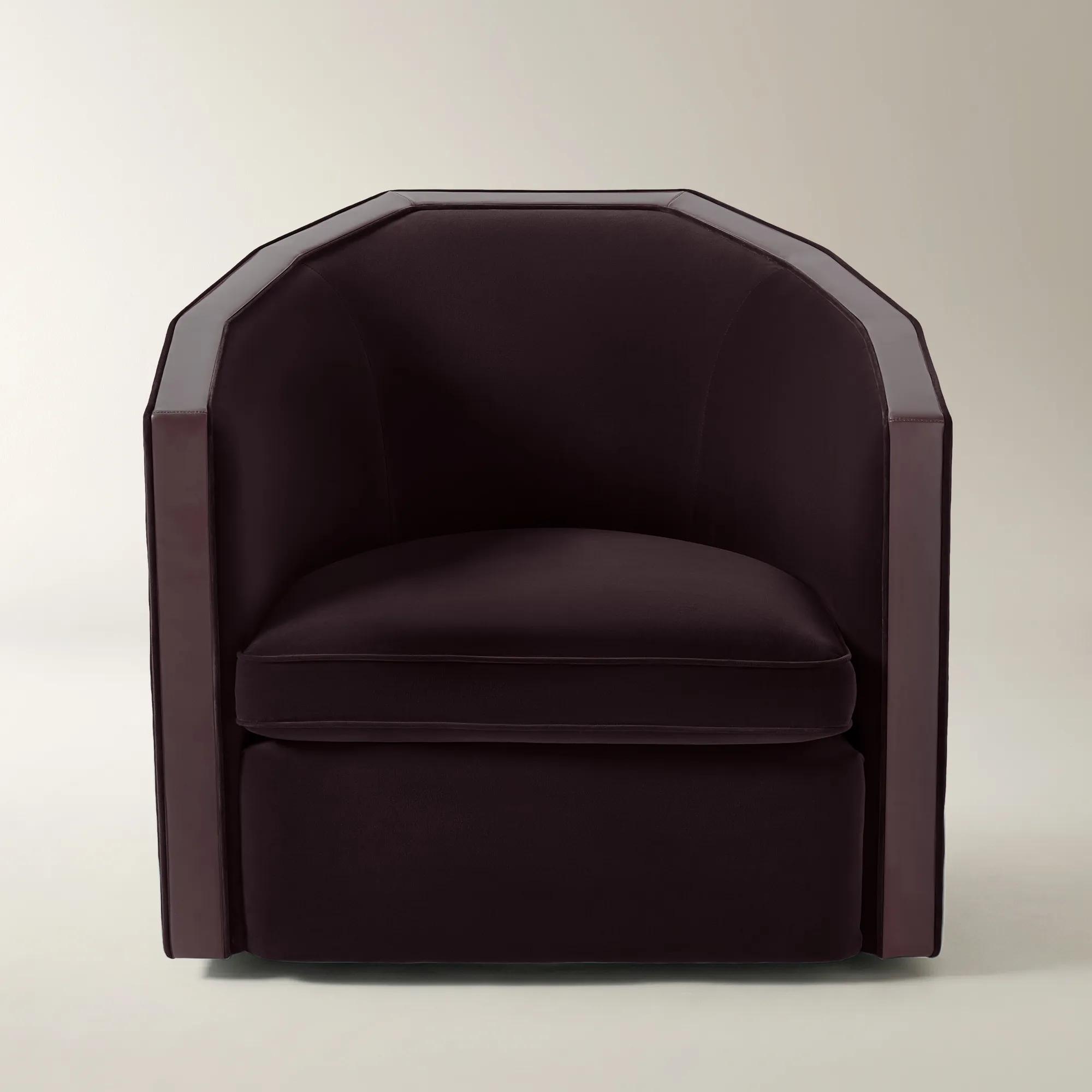
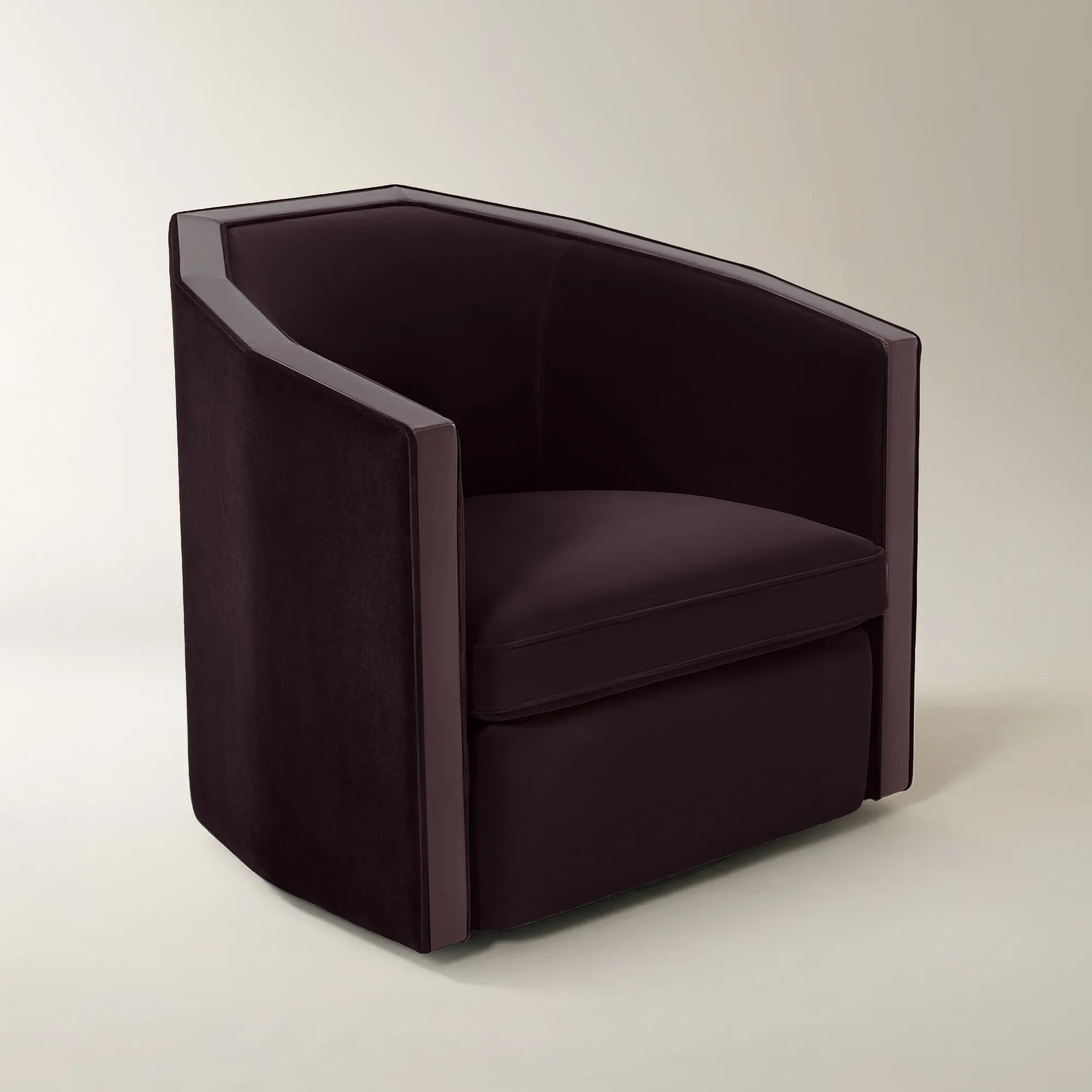 Vesper Fig Velvet With Leather Swivel Accent Chair$999
A modern accent chair featuring fig velvet upholstery, tonal leather trim, and a smooth 360° swivel base.
Add To Cart -
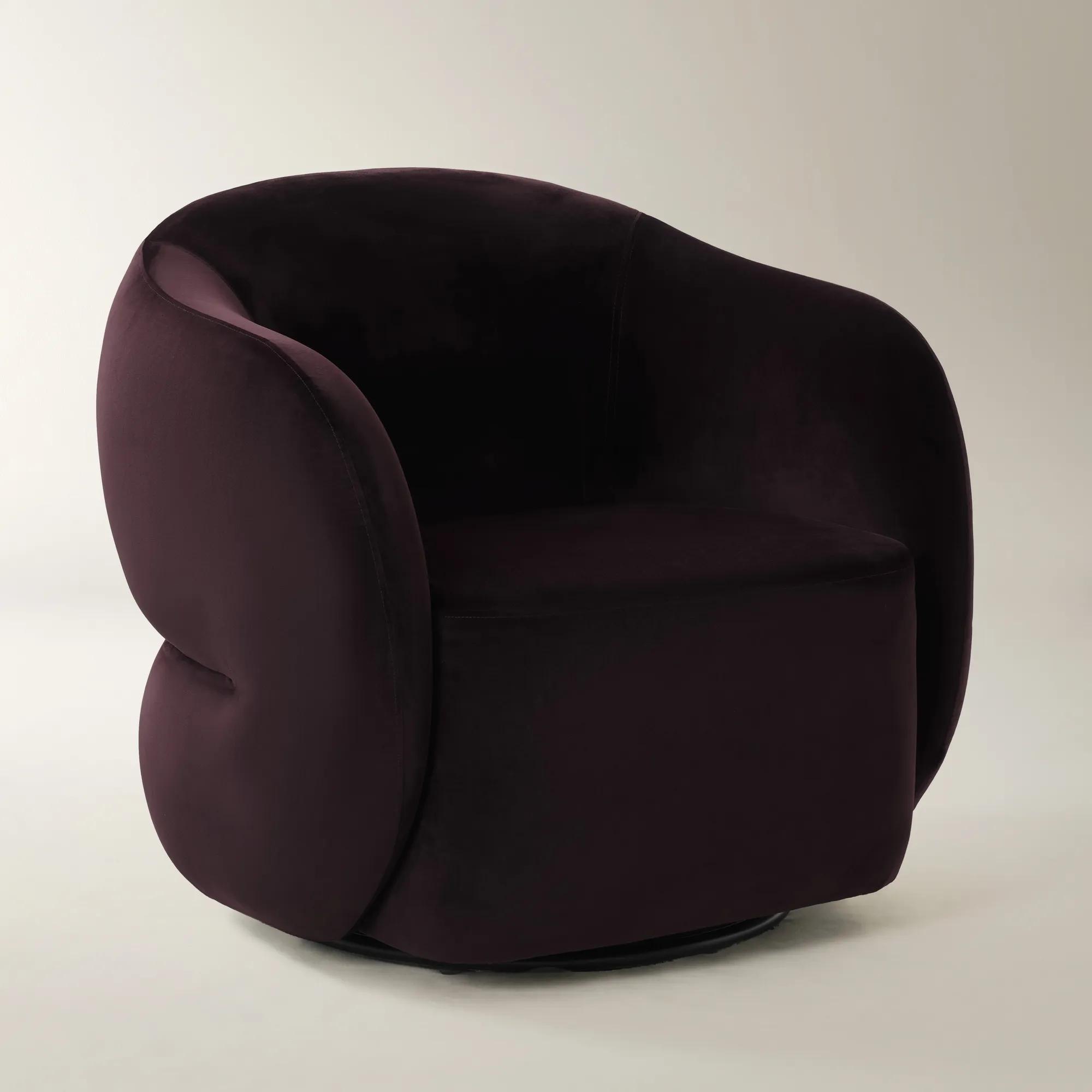 Sierra Fig Velvet Swivel Accent Chair$899
A modern accent chair in plush fig velvet with a wraparound back and smooth 360° swivel base.
Add To Cart -
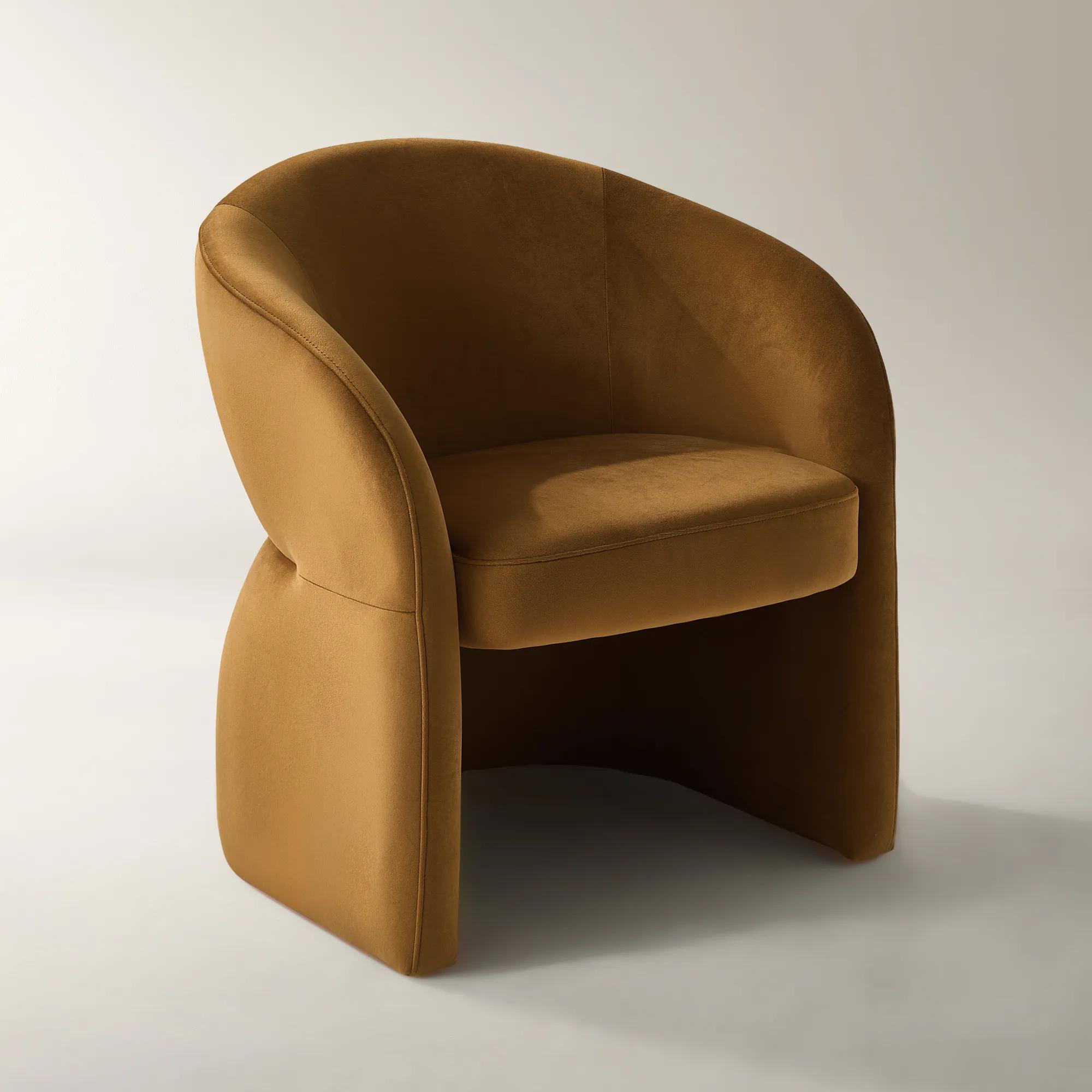
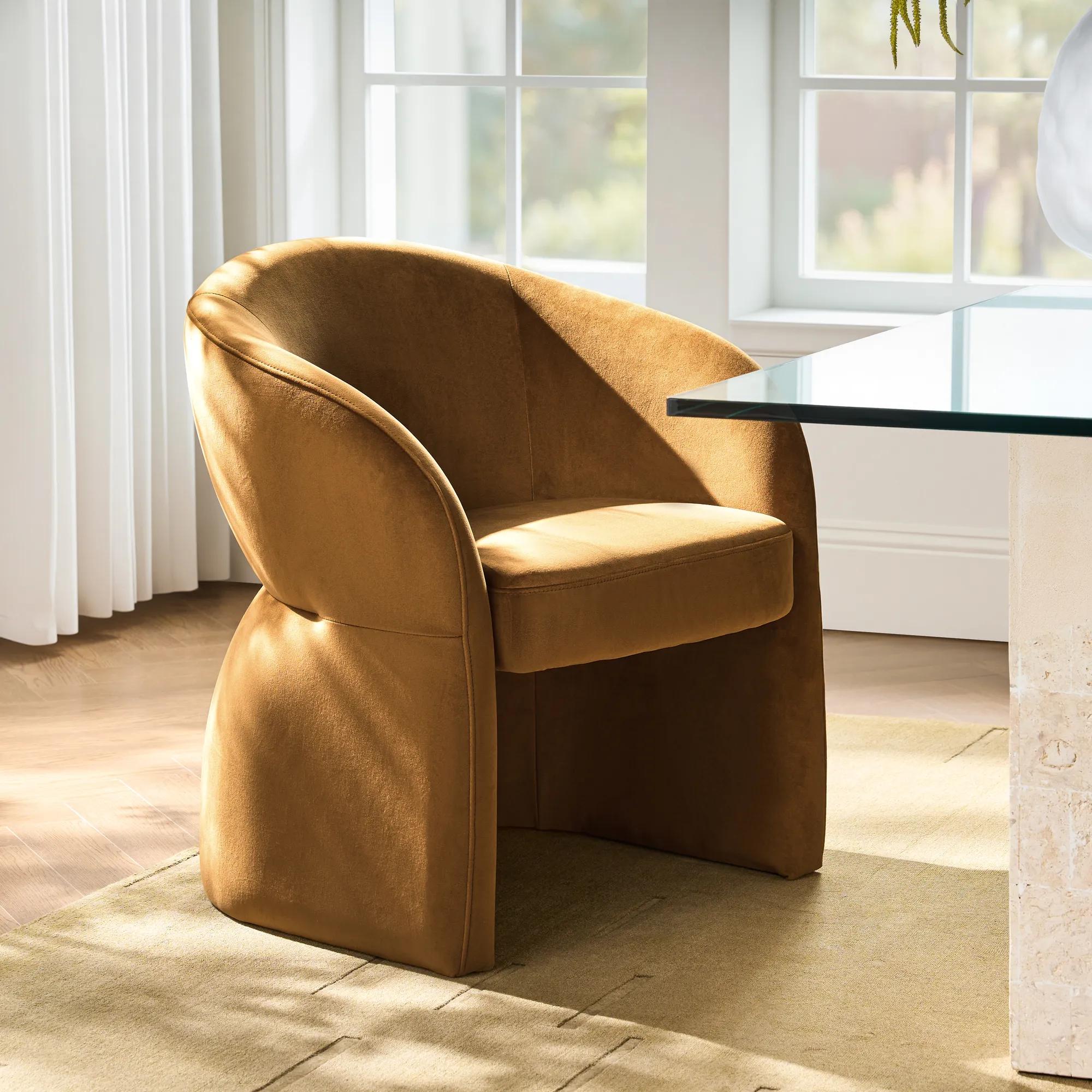 Sierra Roasted Pecan Velvet Dining Chair$599
A sculptural accent chair in roasted pecan velvet with arched arms, curved back, and plush cushioning.
Add To Cart -
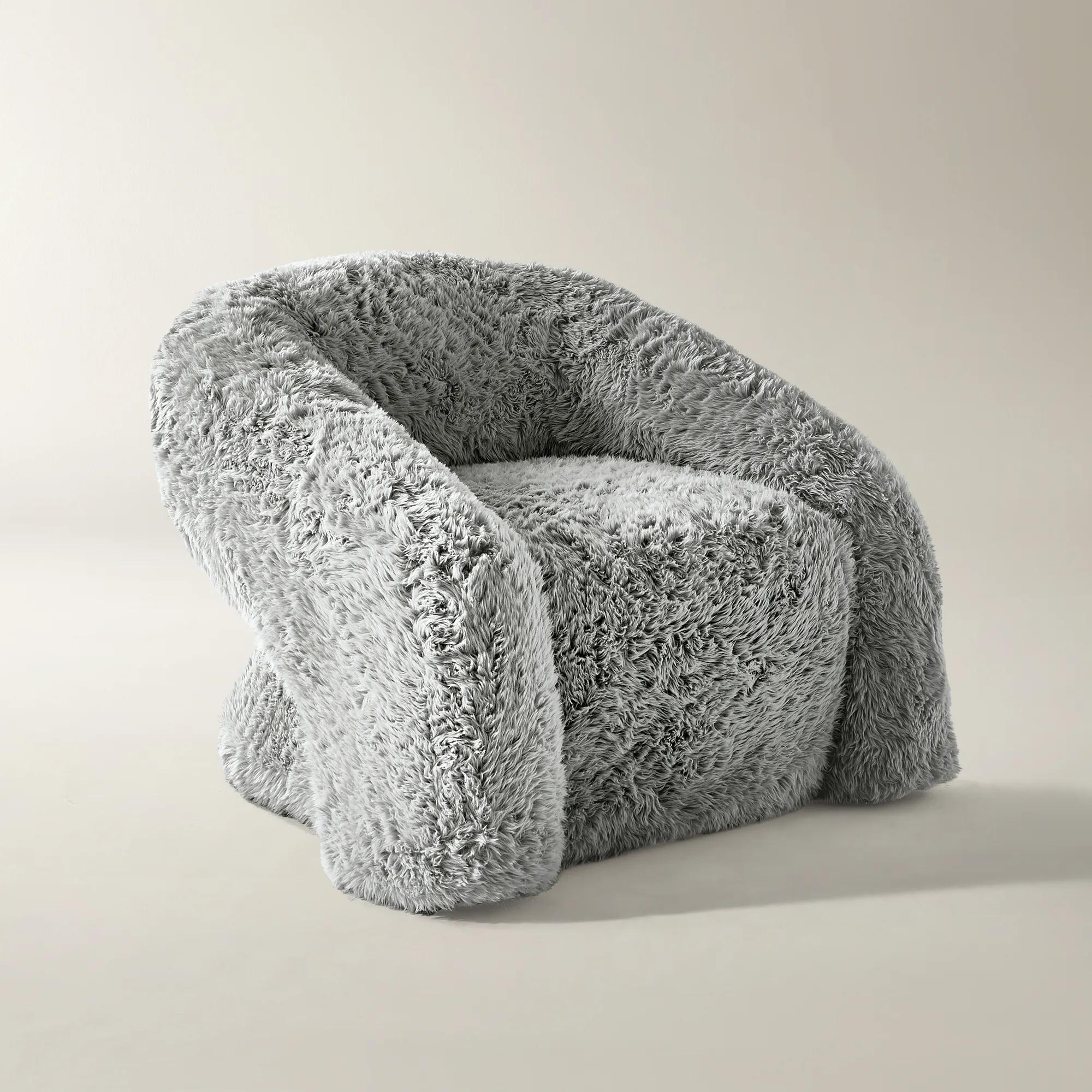
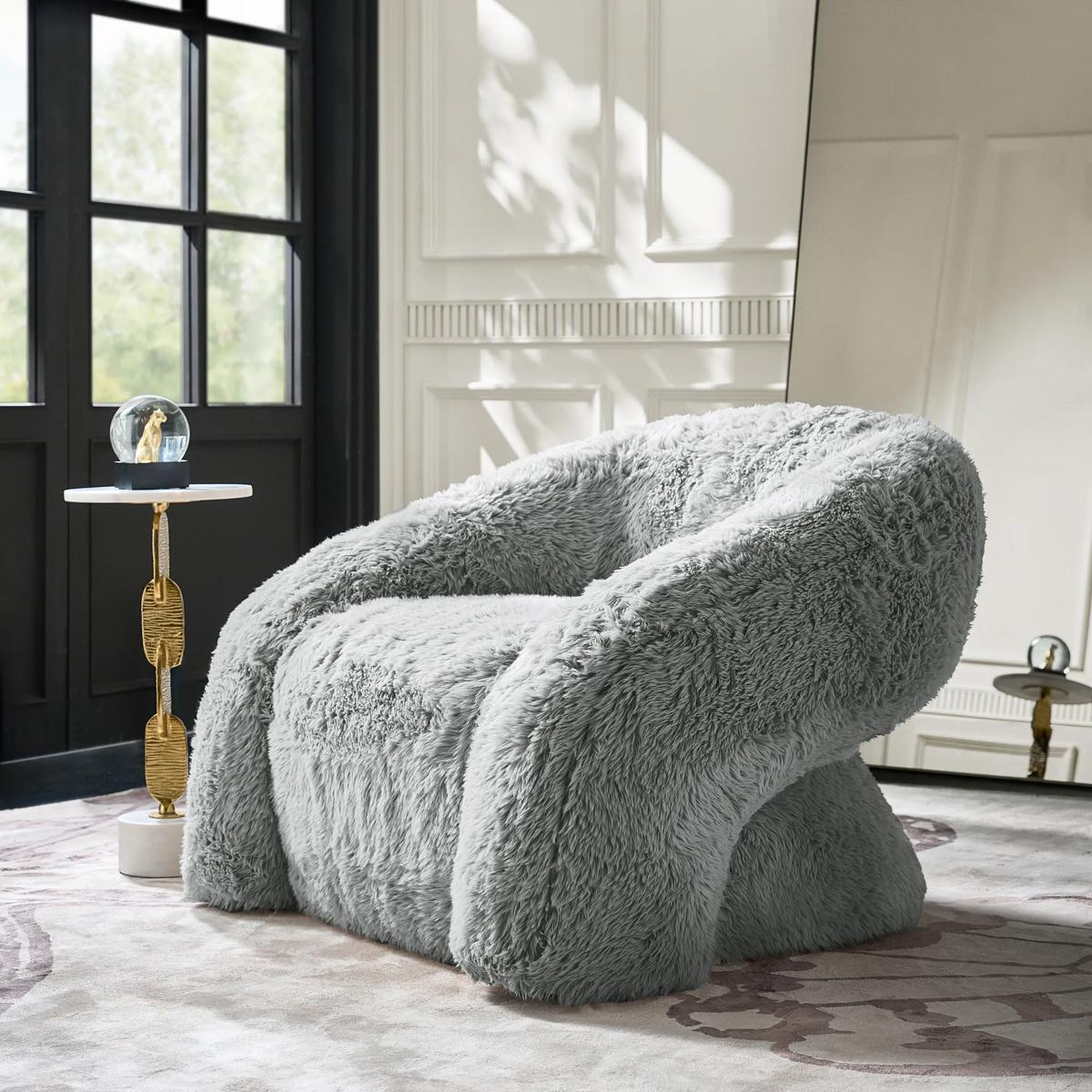 Misha Shadow Faux Fur Accent Chair$799
A cozy gray faux fur chair featuring high-resiliency foam and a sculptural, low-profile silhouette.
Add To Cart -
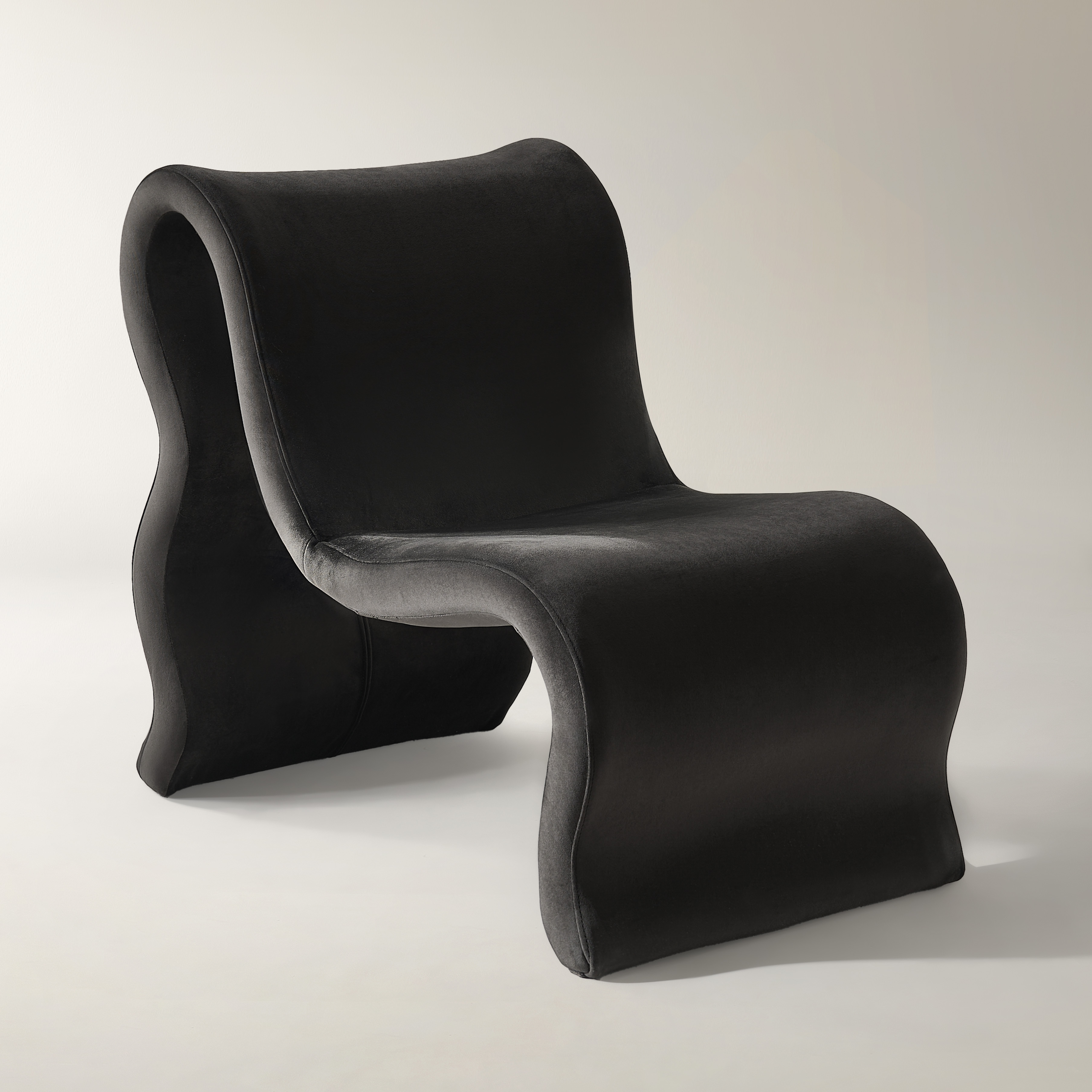 Romy Charcoal Velvet Accent Chair$999
A sculptural accent chair in charcoal velvet with a wave-like silhouette and full foam construction.
Add To Cart -
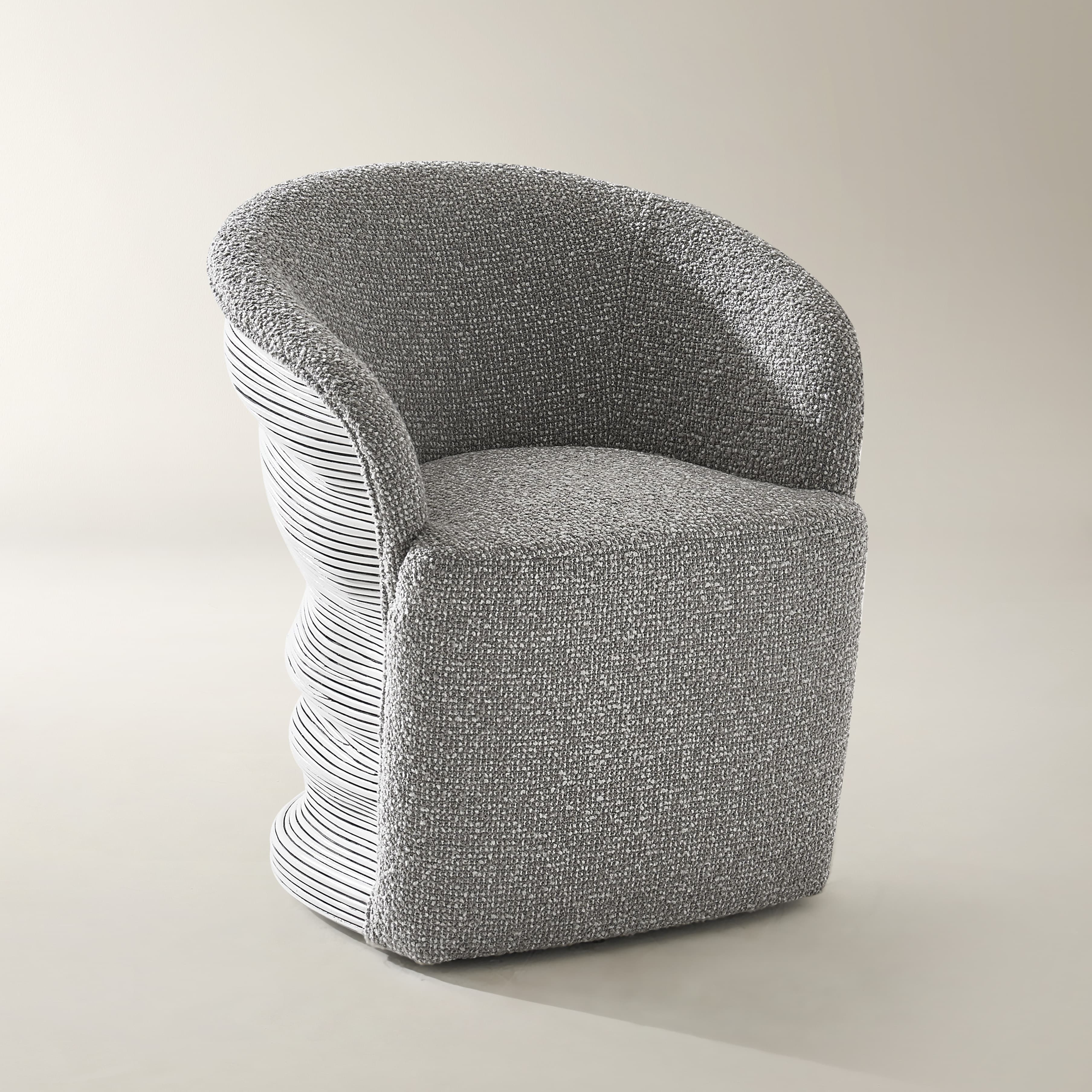
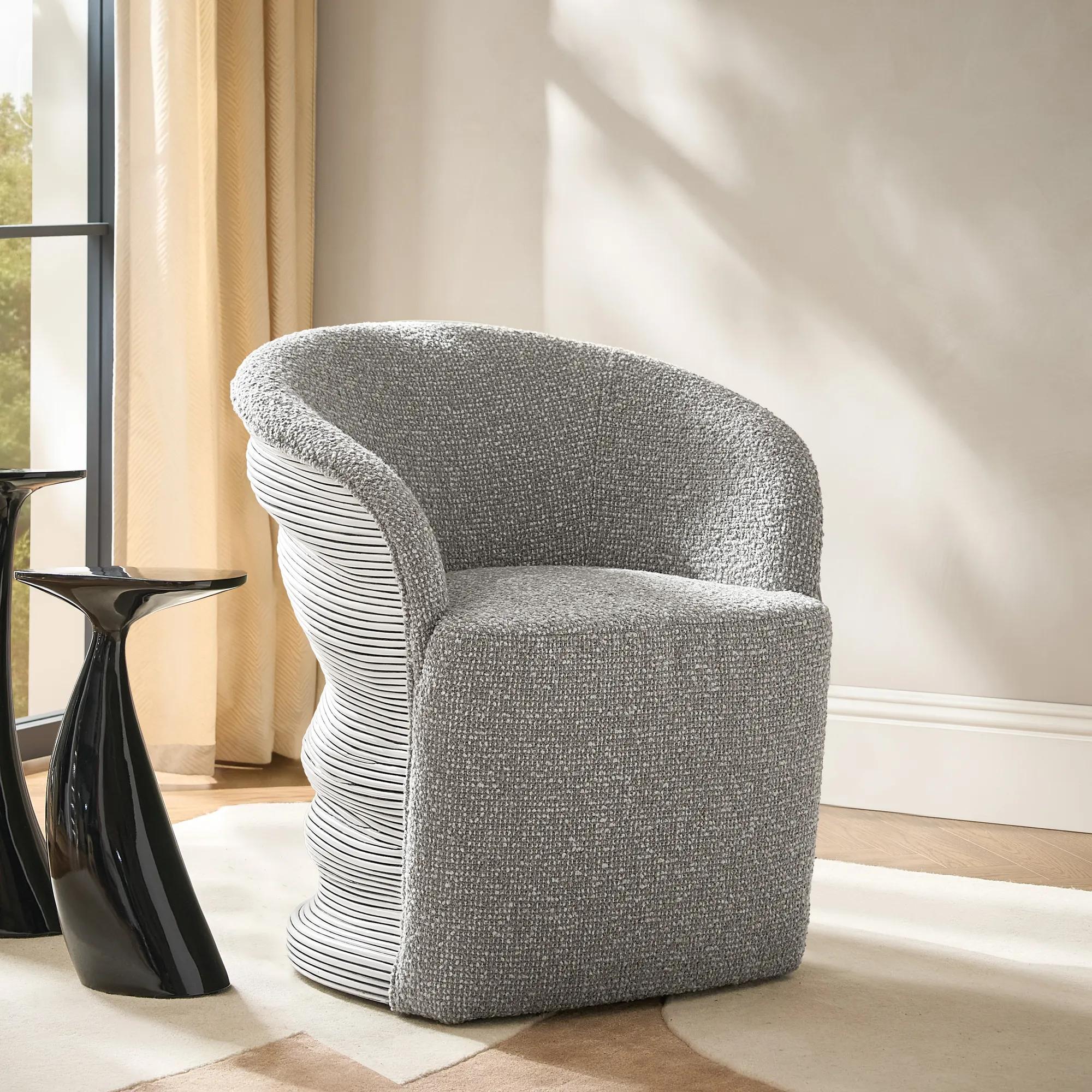 Cairo Rattan Grey Chenille Dining Chair$999
A handwoven natural rattan swivel chair in grey chenille, blending sculptural form with plush comfort.
Add To Cart -
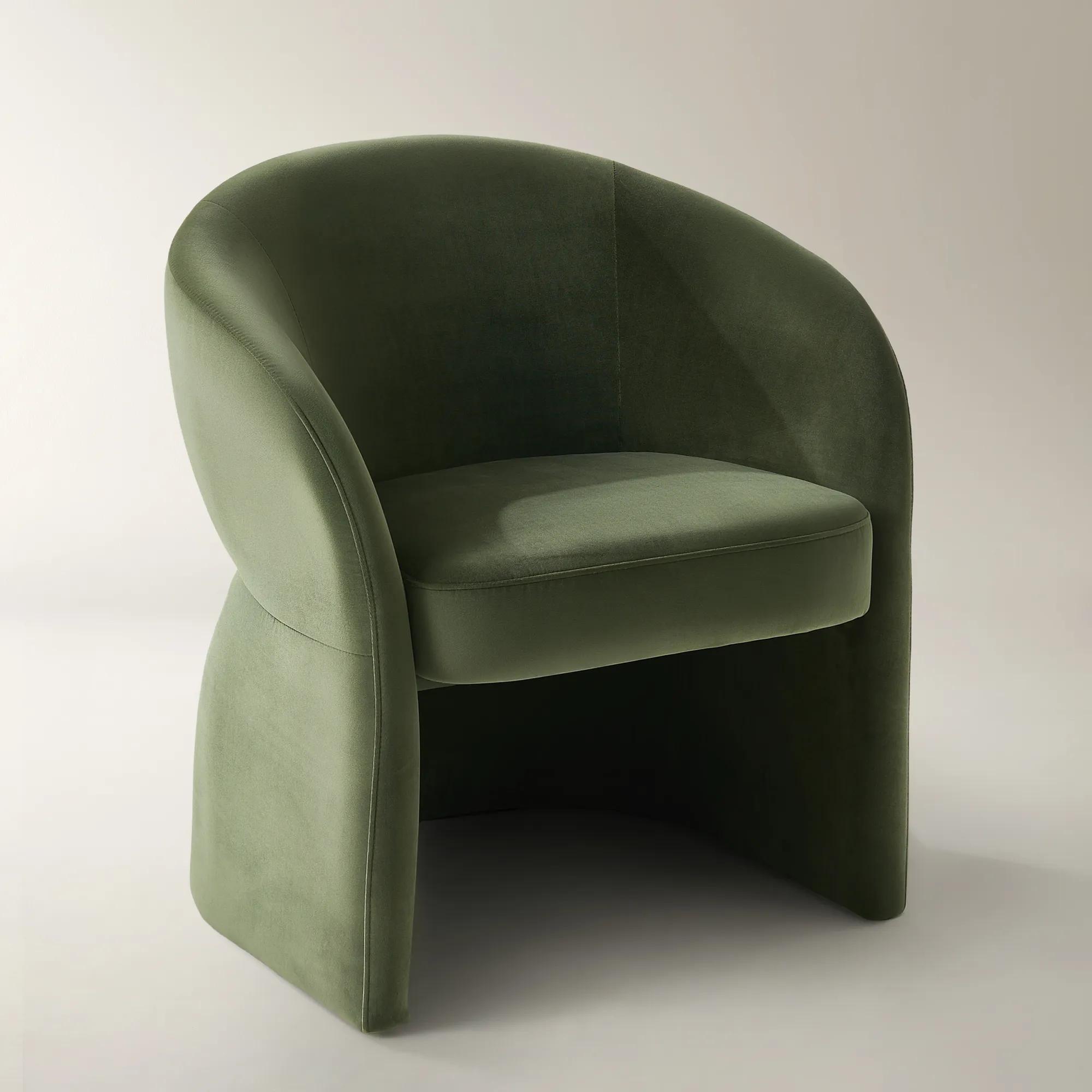
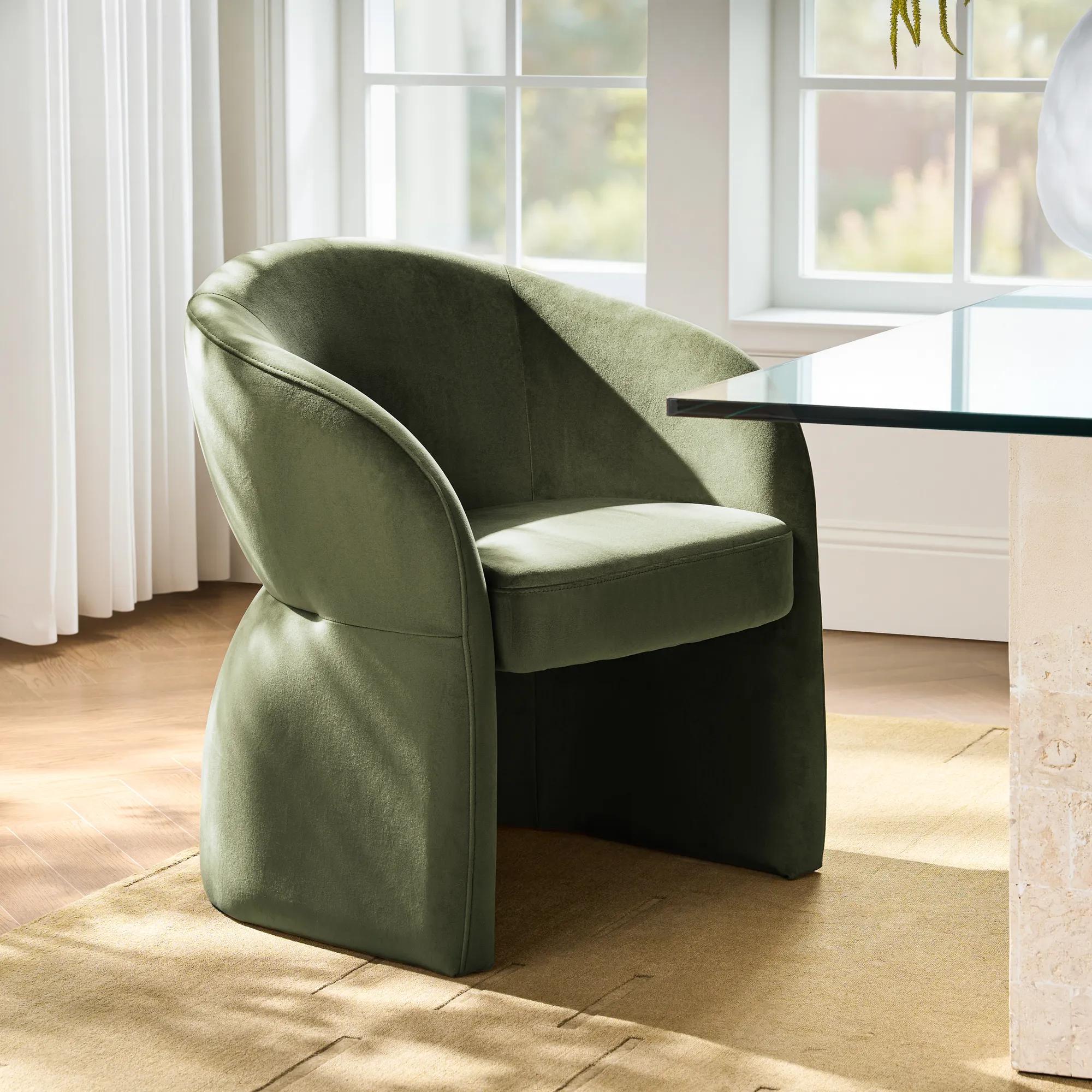 Sierra Jade Green Velvet Dining Chair$599
A sculptural accent chair in jade green velvet with gracefully arched arms and plush, supportive cushioning.
Add To Cart -
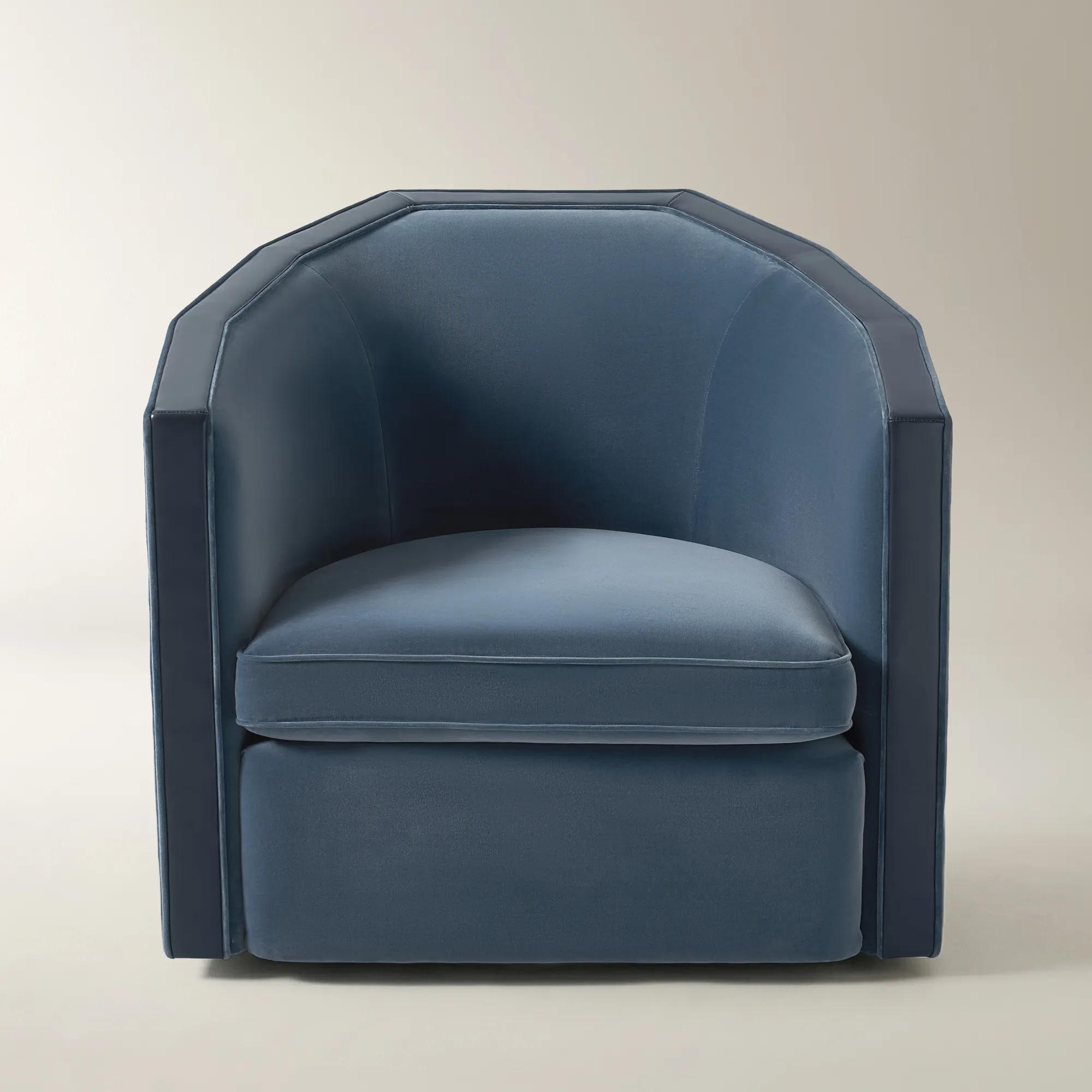 Vesper Dusty Blue Velvet With Leather Swivel Accent Chair$999
A modern accent chair in dusty blue velvet with tonal leather trim and a smooth 360-degree swivel base.
Add To Cart -
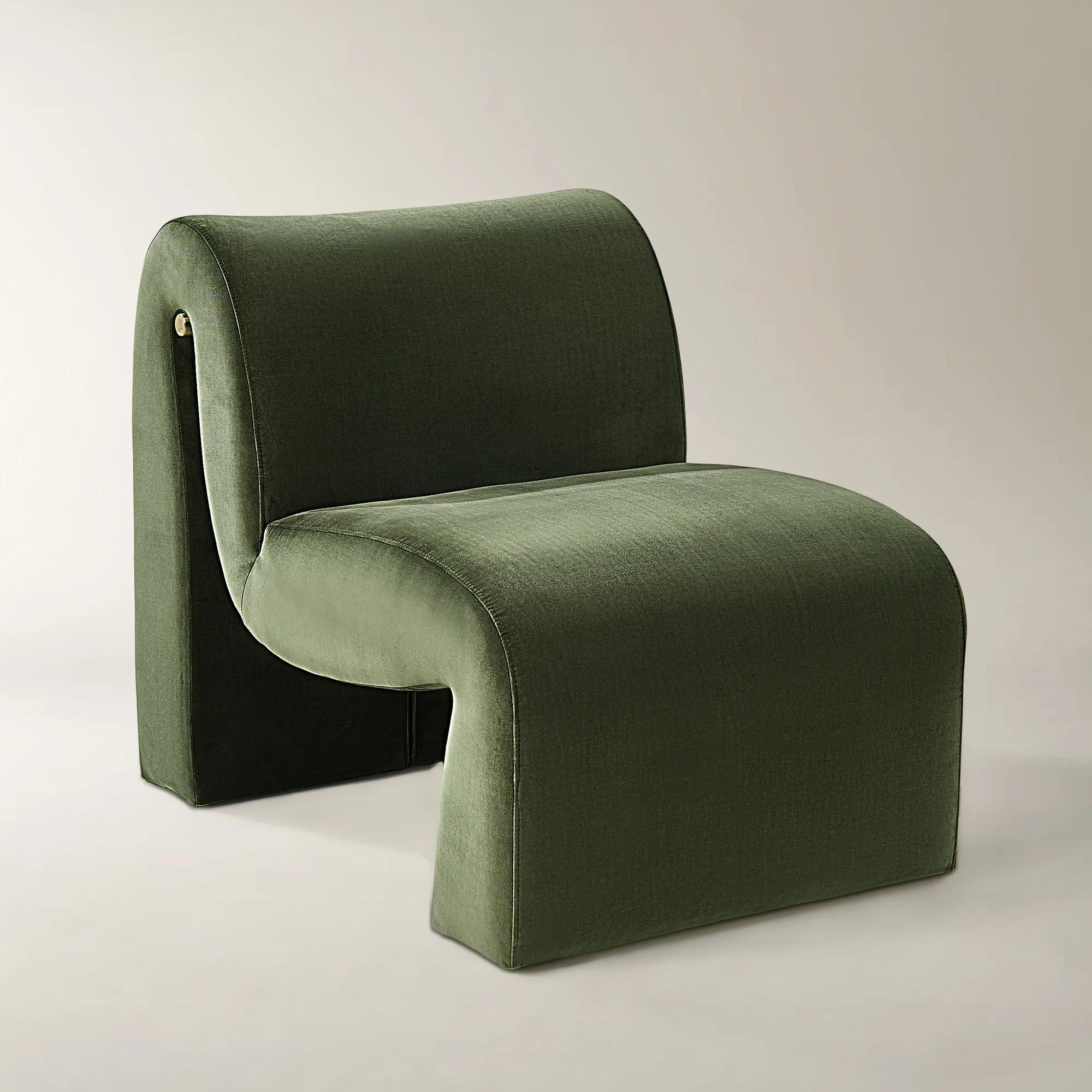
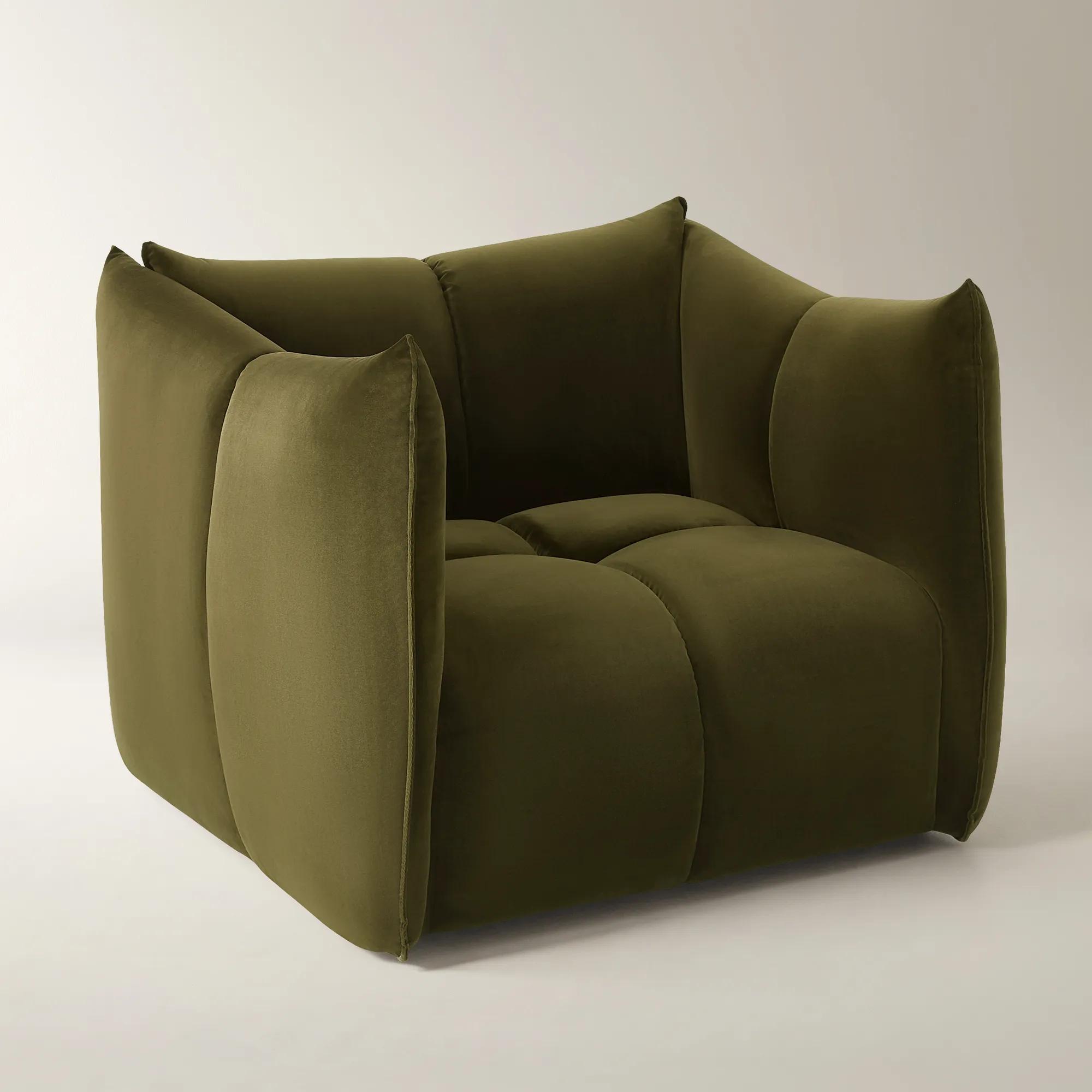
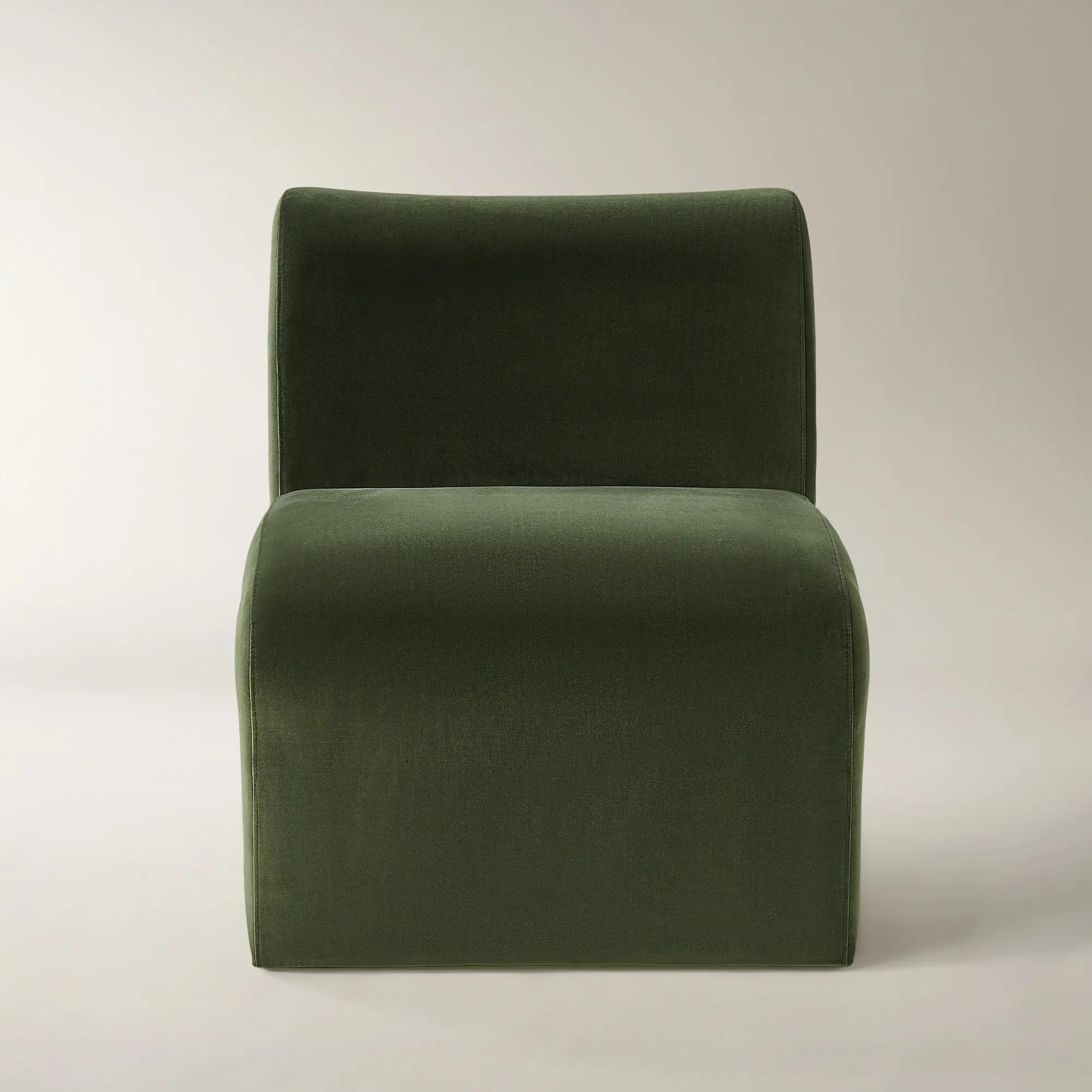 Cora Jade Green Velvet Accent Chair$899
A sculpted accent chair in jade green velvet with a gold stainless-steel inlay for refined glamour.
Add To Cart -
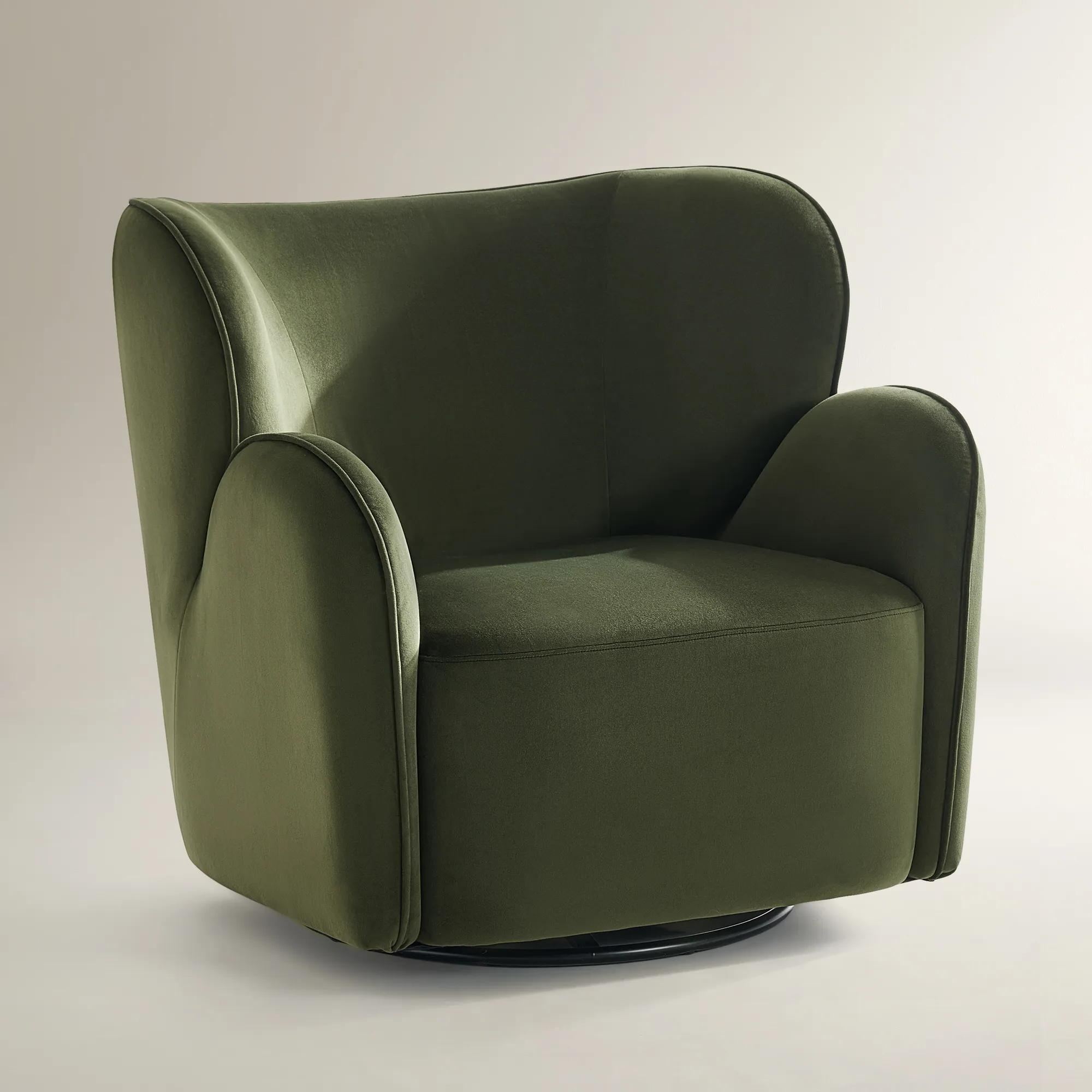
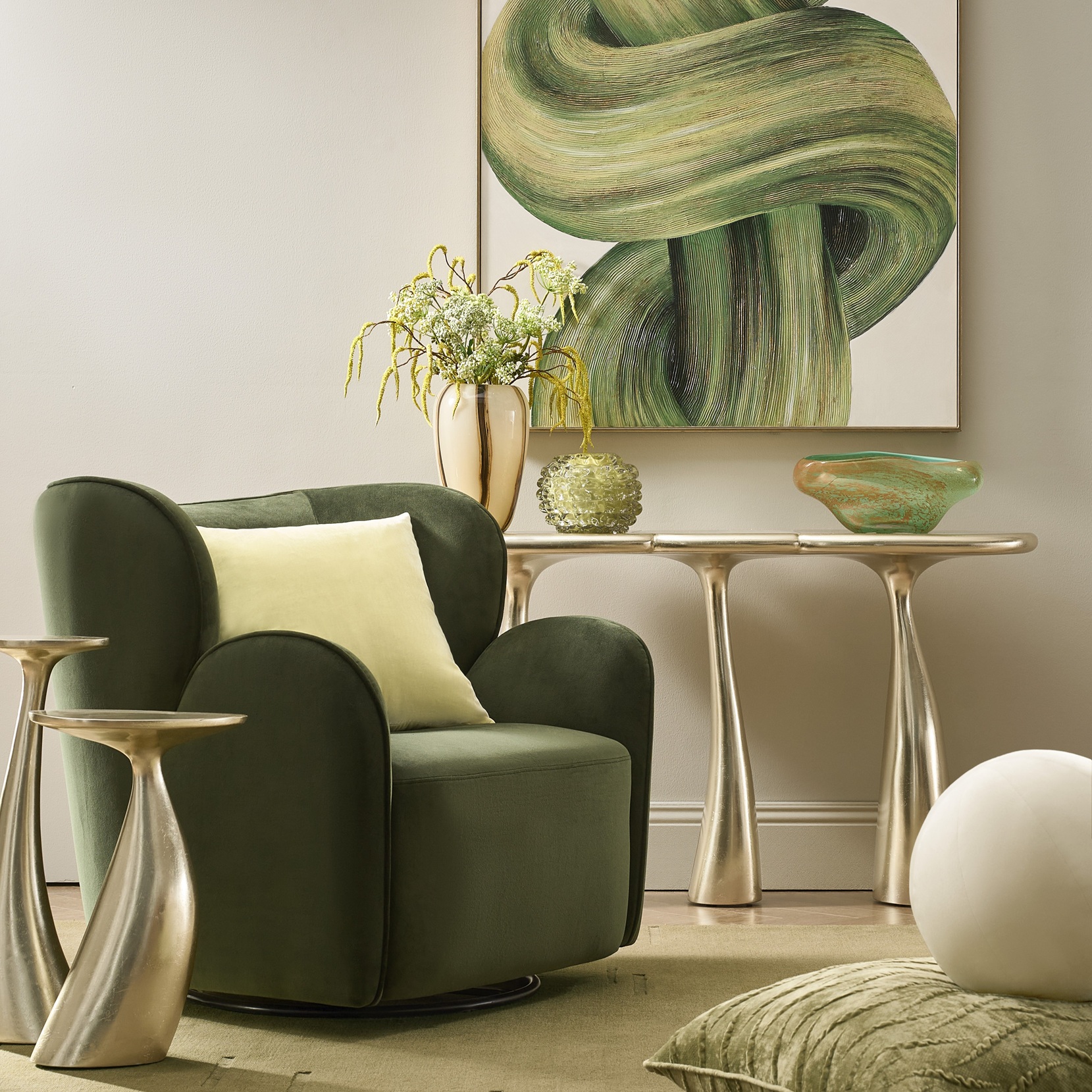 Ceres Jade Green Velvet Swivel Accent Chair$799
A plush jade green velvet chair with a curved silhouette, 360° swivel, and supportive foam cushioning.
Add To Cart -
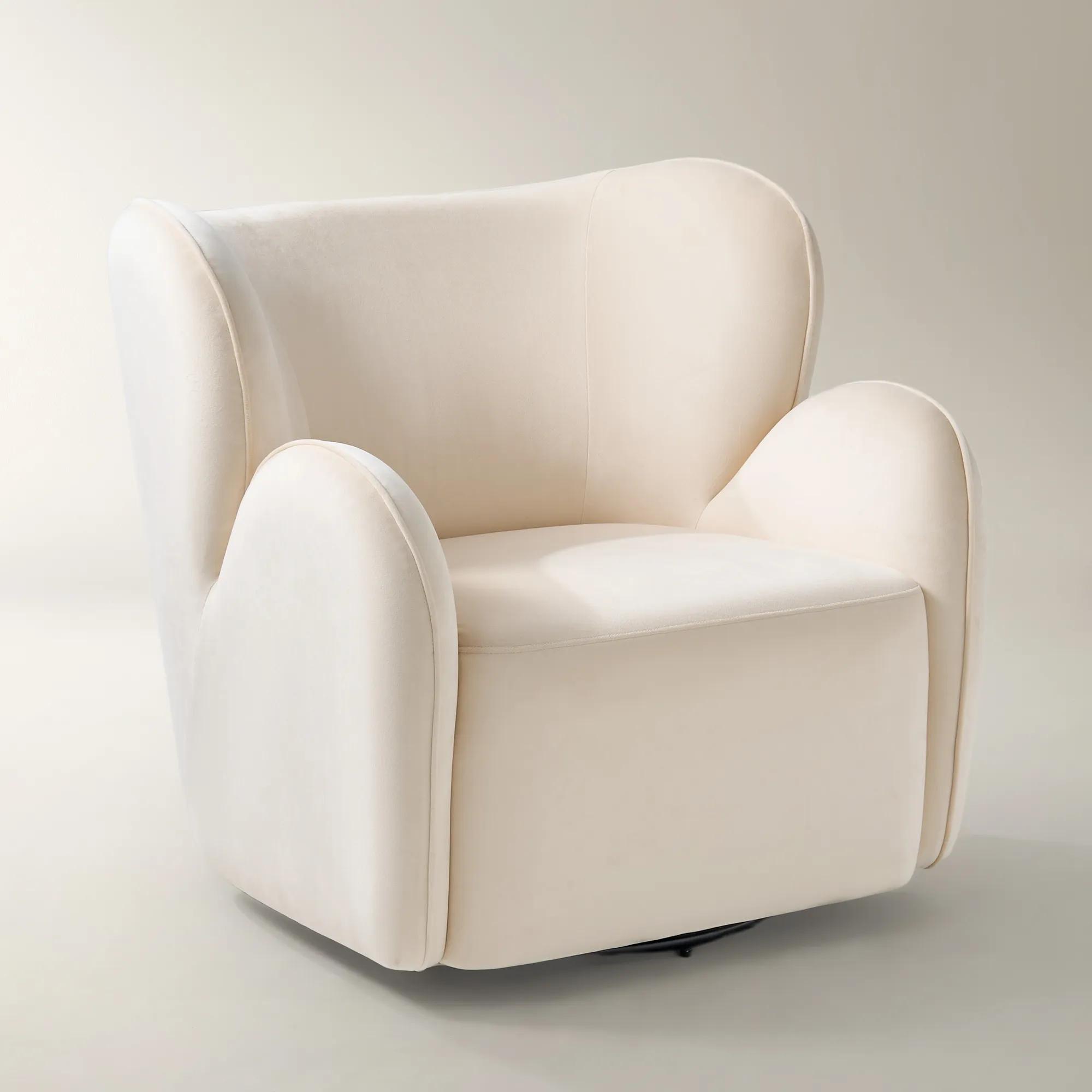
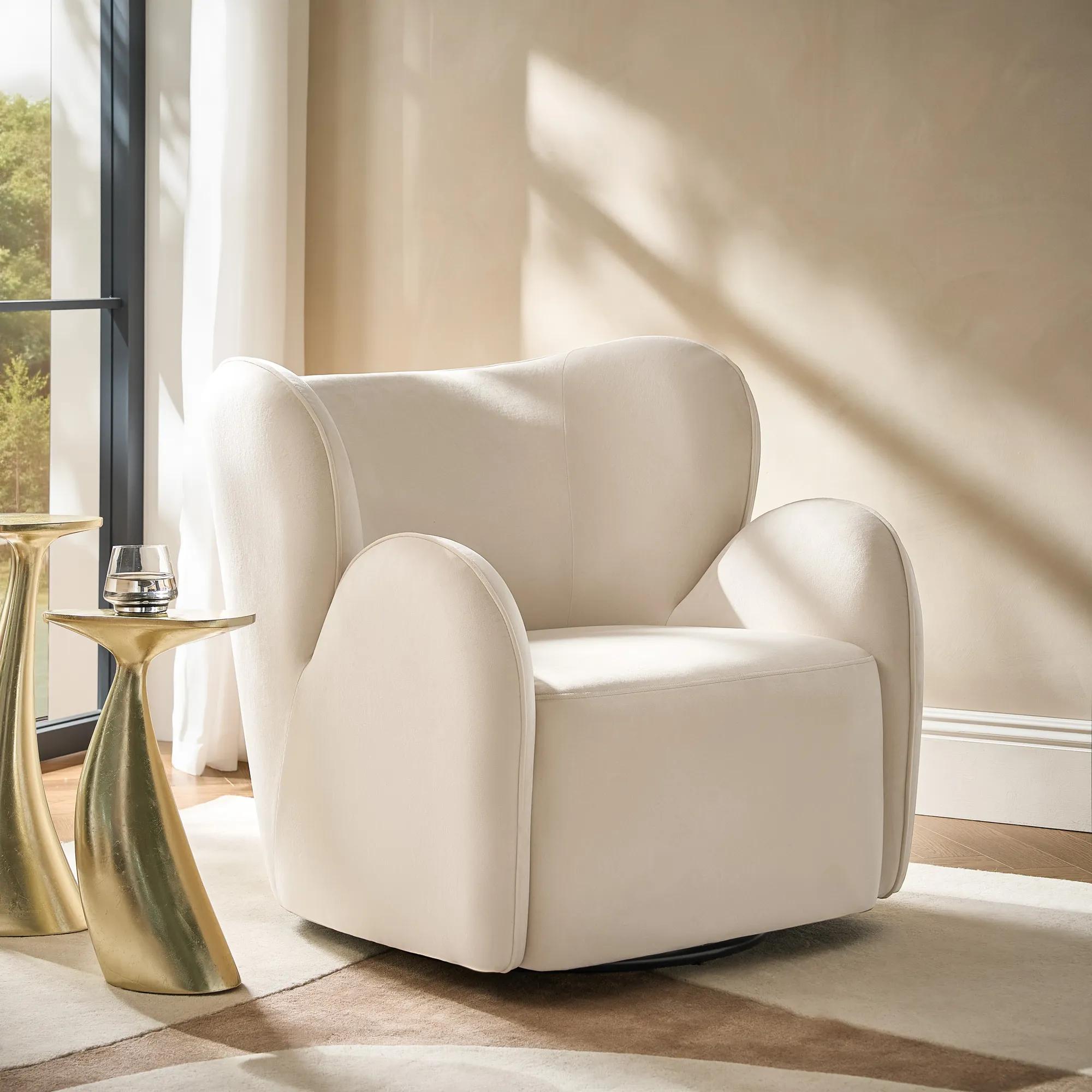 Ceres Ivory Velvet Swivel Accent Chair$799
An ivory velvet accent chair featuring a curved silhouette, 360° swivel, and plush, supportive cushioning.
Add To Cart -
 Teddy Beige Faux Fur Accent Chair$949
A sculptural modern accent chair in beige faux fur with plush foam cushioning for ultimate comfort.
Add To Cart -

 Nia Lacquered Turtle Dove Faux Fur Accent Chair$899
A sculptural accent chair featuring a high-gloss sand-toned fiberglass frame and plush turtle dove faux fur upholstery.
Add To Cart -
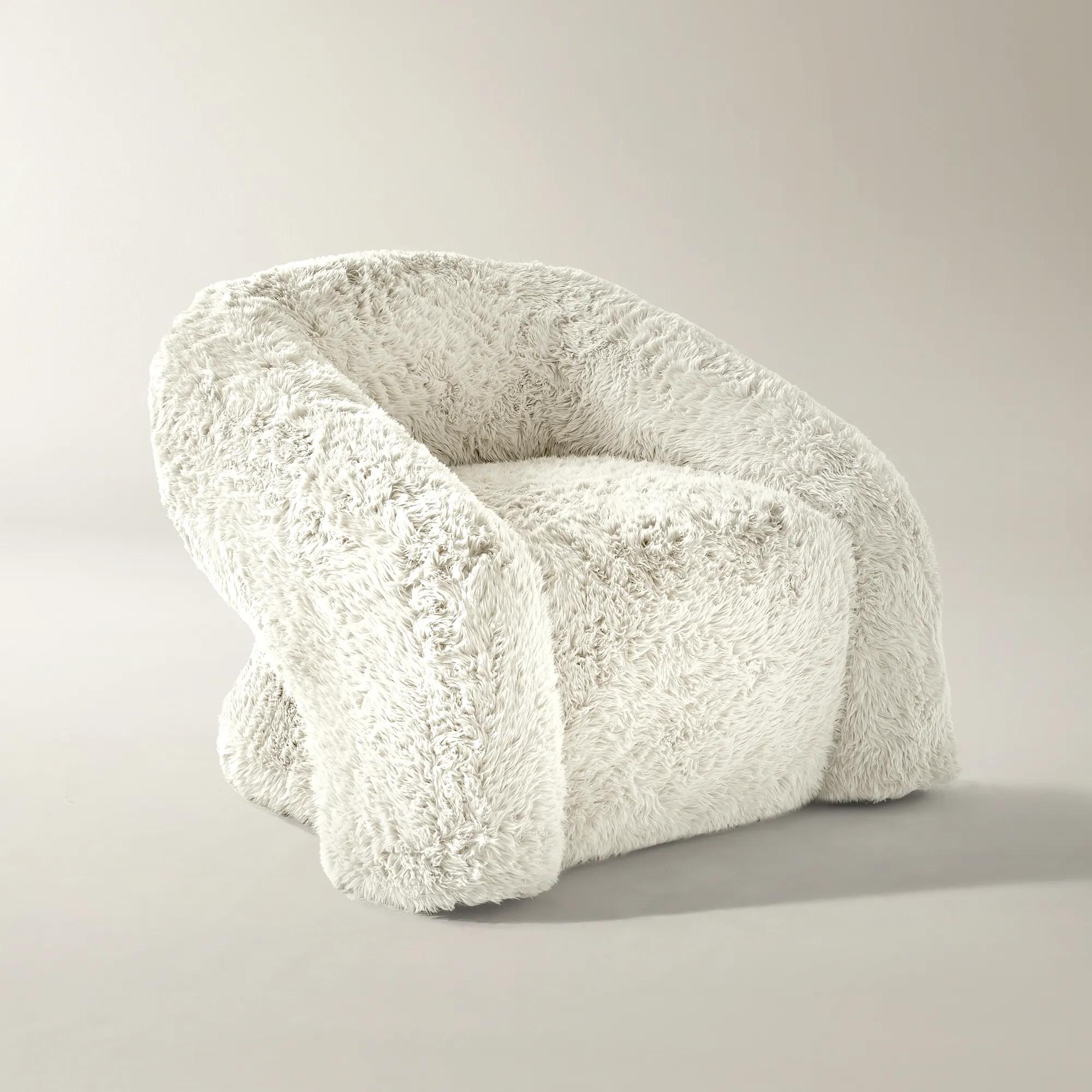 Misha White Faux Fur Accent Chair$799
A modern white faux fur chair offering plush comfort, sculptural lines, and pet-friendly, easy-care upholstery.
Add To Cart -
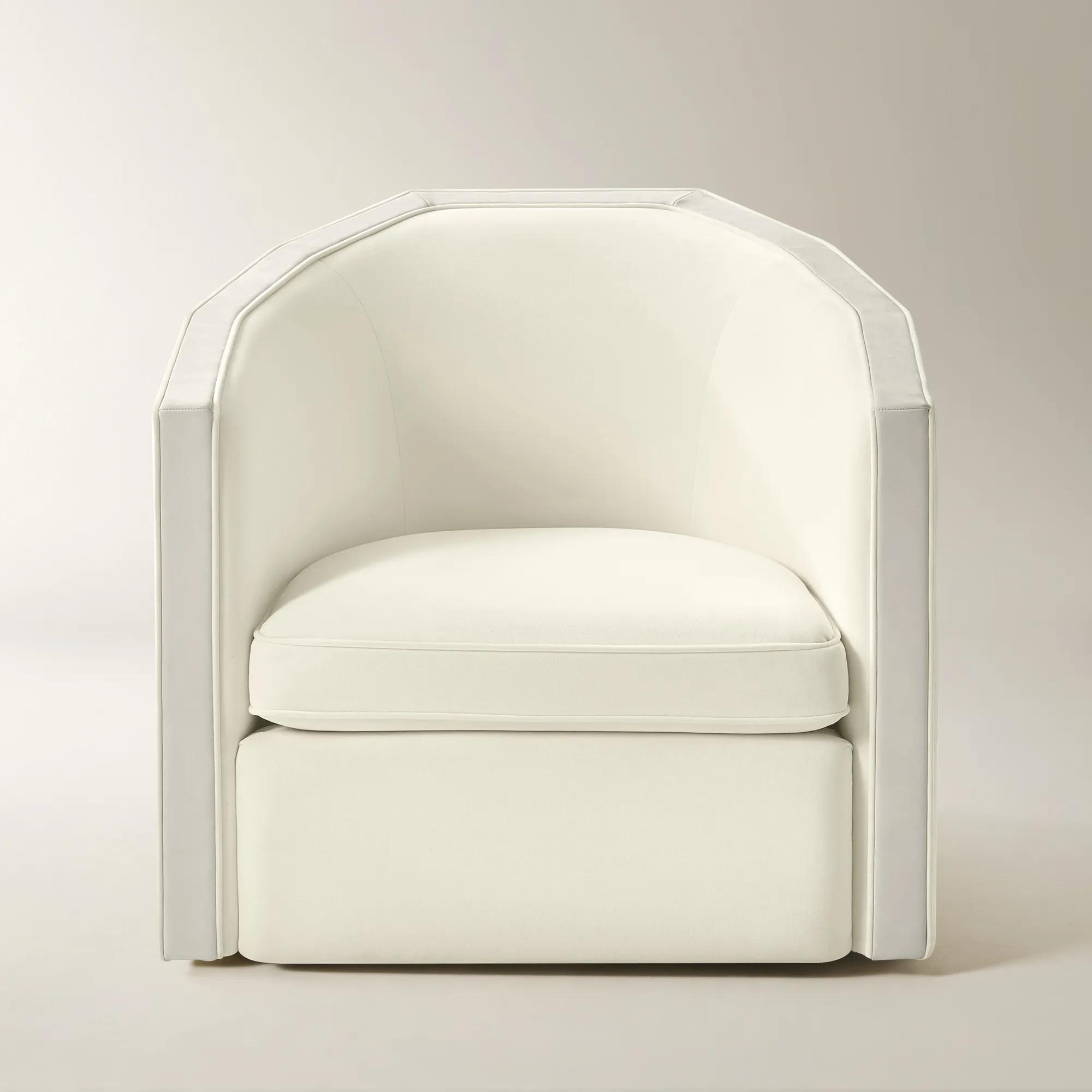 Vesper Cloud Velvet With Leather Swivel Accent Chair$999
A modern accent chair featuring cloud velvet upholstery, tonal leather trim, and a smooth 360° swivel base.
Add To Cart

Accent Chairs Under $1,000 | Z Gallerie
Discover accent chairs under $1,000 that give everyday seating an expressive point of view. Explore sculptural shapes and inviting upholstery, with an eye for details that bring your living room to life. Compare dimensions, seat profiles, and swivel or stationary designs to find a statement piece that feels as considered as the room around it.
An accent chair gives a room a distinct point of view: a sweeping curve beside a tailored sofa, a saturated jewel tone against pale walls, or a richly textured seat that makes an overlooked corner feel intentional. More than additional seating, accent chairs introduce shape, contrast, and a sense of personality without requiring every furnishing to make the same statement. Modern accent chairs can take many forms, from enveloping barrel silhouettes and rounded swivel designs to open-frame profiles with a more architectural presence. Each creates a different relationship with the surrounding space. A curved back softens the straight lines of a console or sectional, while an angular frame brings definition to a room filled with plush upholstery. In a living room, a pair of chairs can establish a conversation area without the visual weight of another sofa. In a bedroom, a single upholstered chair creates a place to read, dress, or pause between routines. A home office gains a more welcoming atmosphere when a guest chair feels expressive rather than purely functional. Scale is essential to making that presence feel effortless. Overall width and depth determine how a chair occupies the floor, while seat height, seat depth, and arm placement influence how it feels in use. A generously cushioned, low-slung design may suit someone who likes to settle in with a novel; a more upright seat can feel better suited to conversation. Neither silhouette tells the whole story without its measurements. Broad arms can occupy substantial space even when the seat itself is compact, and a visually airy base does not necessarily mean a smaller footprint. Room for circulation matters just as much as the chair’s dimensions, particularly beside a doorway or along the route between a sofa and coffee table. Swivel seating also needs clearance to turn comfortably without brushing nearby furniture. When proportion and purpose align, an accent chair feels integrated into the room rather than simply placed in it.
Upholstery gives an accent chair much of its character, bringing depth and movement to even a restrained silhouette. Velvet has a light-responsive surface that can make a single color appear luminous along one curve and deeply shaded along another. Chenille contributes a plush, dimensional texture, while bouclé introduces a looped surface that creates visual interest within a quiet palette. Faux fur makes a more theatrical statement, contrasting especially well with sleek frames and polished finishes. These materials are not interchangeable in feel or upkeep, and their performance depends on fiber content, weave, construction, and any documented treatment. A fabric described as performance upholstery should be evaluated according to its stated properties rather than assumed to resist every spill, stain, or sign of wear. Water repellency, stain resistance, and abrasion resistance describe different characteristics; none makes a chair maintenance-free. For seating used every day, frame construction, supportive cushioning, secure joints, and upholstery suited to the household deserve as much attention as color. A chair shared with pets may benefit from a tightly constructed surface, since pronounced loops and long fibers can be more vulnerable to snagging or trapping hair. In a quieter bedroom corner, a more tactile upholstery may be worth the additional attention it requires. Care begins with the manufacturer’s instructions, including the upholstery cleaning code where provided. Gentle vacuuming with an appropriate attachment can help lift loose dust, while spills generally call for prompt blotting rather than rubbing, followed by the recommended cleaning method. Velvet and other pile fabrics may show shading or pressure marks that should not be treated as ordinary surface dirt. Unapproved cleaners, excessive moisture, and vigorous brushing can alter texture or finish. Placement also affects longevity: prolonged direct sunlight may fade upholstery, and contact with rough hardware or sharp objects can damage delicate surfaces. Wood, metal, and lacquered components each have their own care requirements. Preserving those contrasts—the softness of the seat against the gleam or grain of its frame—helps retain the chair’s original visual drama.
Color and pattern determine whether an accent chair anchors a composition or deliberately interrupts it. Ivory, cream, and warm gray can bring sculptural upholstery into focus, allowing seams, curves, and texture to carry the expression. Emerald, sapphire, and other saturated hues create a more concentrated focal point, particularly when echoed sparingly in artwork or decorative objects. Black-and-white stripes establish a graphic rhythm, while animal-inspired patterns can introduce movement without requiring an entirely patterned room. The strongest combinations often share an undertone, a repeated finish, or a related curve rather than matching every detail. A polished metal base might converse with a lamp across the room; a rounded chair back might echo the shape of a mirror. Complementary pieces from Accent Tables Under $500 can extend that composition while providing a surface for a book, a drink, or a shaded lamp. The relationship between chair and table deserves attention: a tabletop within comfortable reach is more useful than one chosen solely for its decorative presence, and a substantial base needs enough space that it does not crowd the seat. A rug can visually connect a chair with nearby seating, while lighting gives the arrangement a clear purpose. For a reading corner, that means illumination directed toward the page rather than a dramatic fixture that leaves the seat in shadow. For conversation, chairs angled toward one another can feel more inviting than a rigid line against the wall. People who entertain frequently may appreciate seating that supports face-to-face gatherings; those furnishing a personal retreat may place greater value on generous cushioning and a feeling of enclosure. A pair can bring symmetry to a formal room, while a single distinctive silhouette can give a collected interior its signature note. The result is luxury with an individual perspective: seating that supports daily rituals while giving texture, color, and form a compelling role in the room.
FAQs
An accent chair can complement the sofa without matching it. Repeat one element, such as a warm undertone, curved line, or upholstery texture, then introduce contrast elsewhere. This gives the room a collected character while keeping the seating arrangement visually connected.
Choose a shared color to connect the chair and rug, then vary the scale of their patterns. A bold, sweeping motif can sit beautifully against a finer, quieter pattern. If the chair is the focal point, a tonal rug lets its upholstery take center stage.
Velvet catches light with a lustrous surface, chenille introduces a textured appearance, and faux fur adds pronounced softness and depth. Consider how that texture contrasts with your sofa, rug, and curtains. Review the individual chair’s fabric composition and care instructions before choosing.
A swivel chair lets the seat turn, making it an appealing choice for a room with several points of interest. A stationary chair holds a fixed orientation for a more composed arrangement. Look at the individual design’s movement details rather than assuming every swivel operates the same way.
Let the silhouette lead. A side table with a contrasting finish and a beautifully directed lamp can frame the chair without obscuring its lines. Add a pillow or throw selectively, using texture or color to connect the chair to the rest of the room.