Upholstered Dining Chairs Under $500
Upholstered Dining Chairs Under $500
-
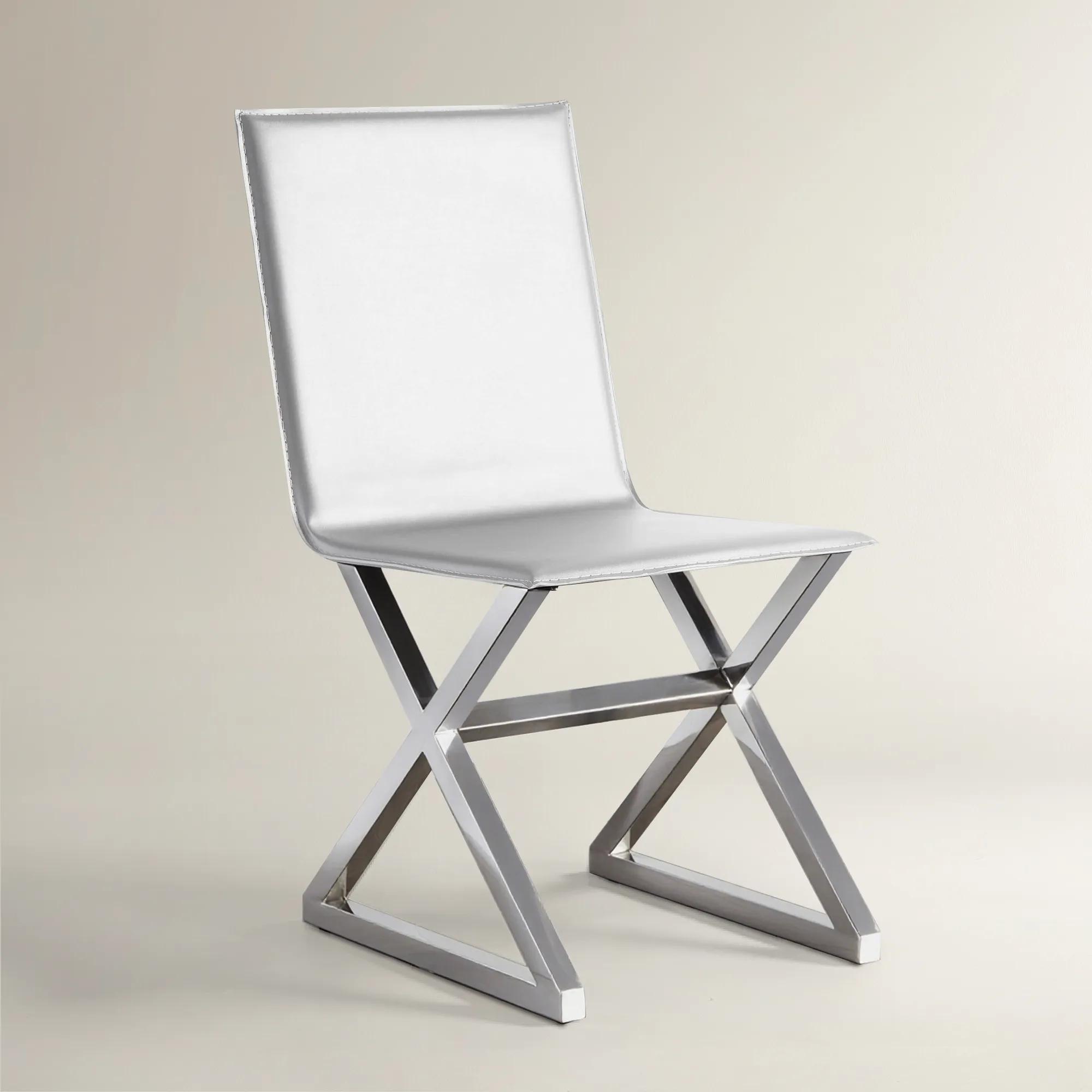
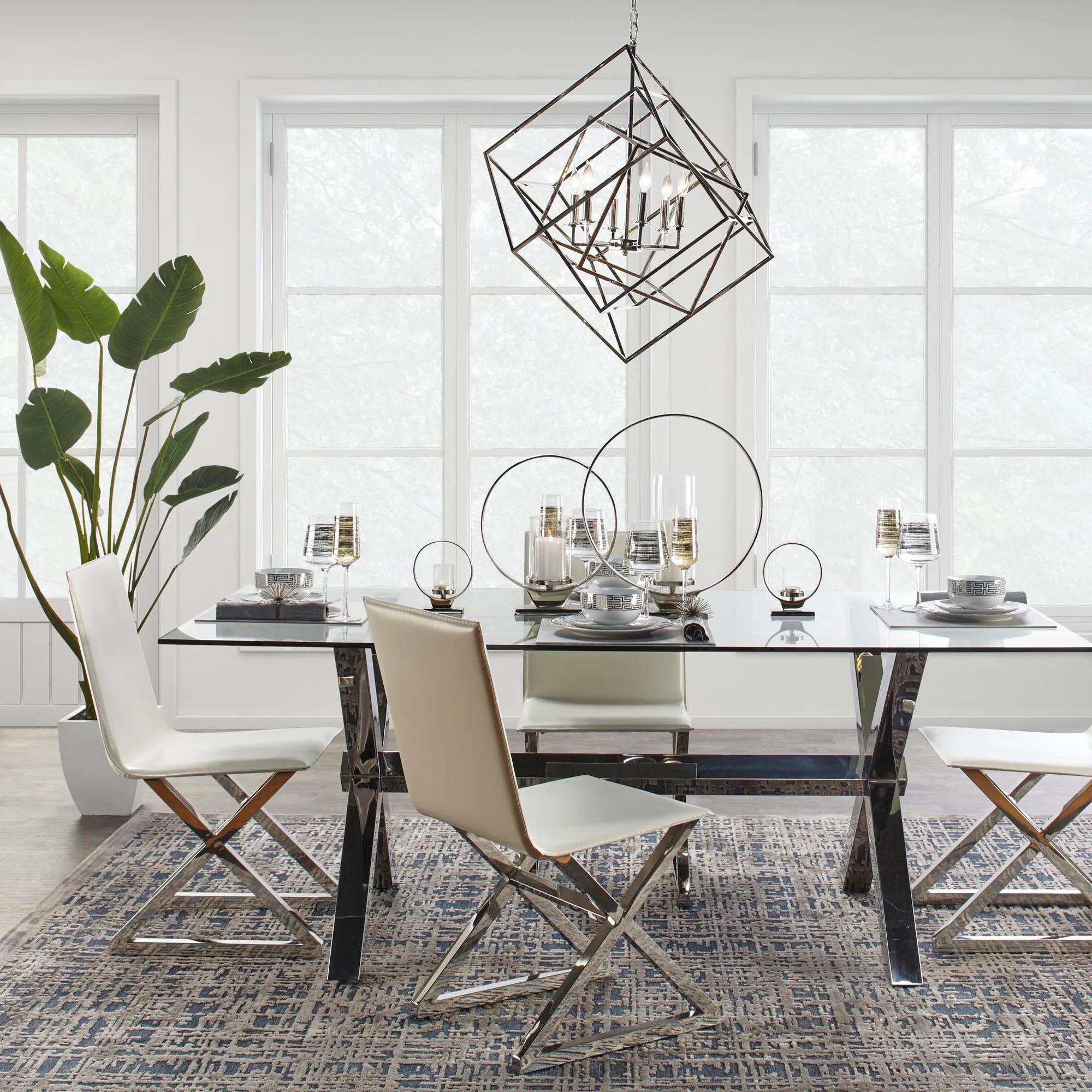 Axis Dining Chair - Set of 2$399
A contemporary chair set featuring white bonded leather upholstery and a polished stainless steel base.
Add To Cart -
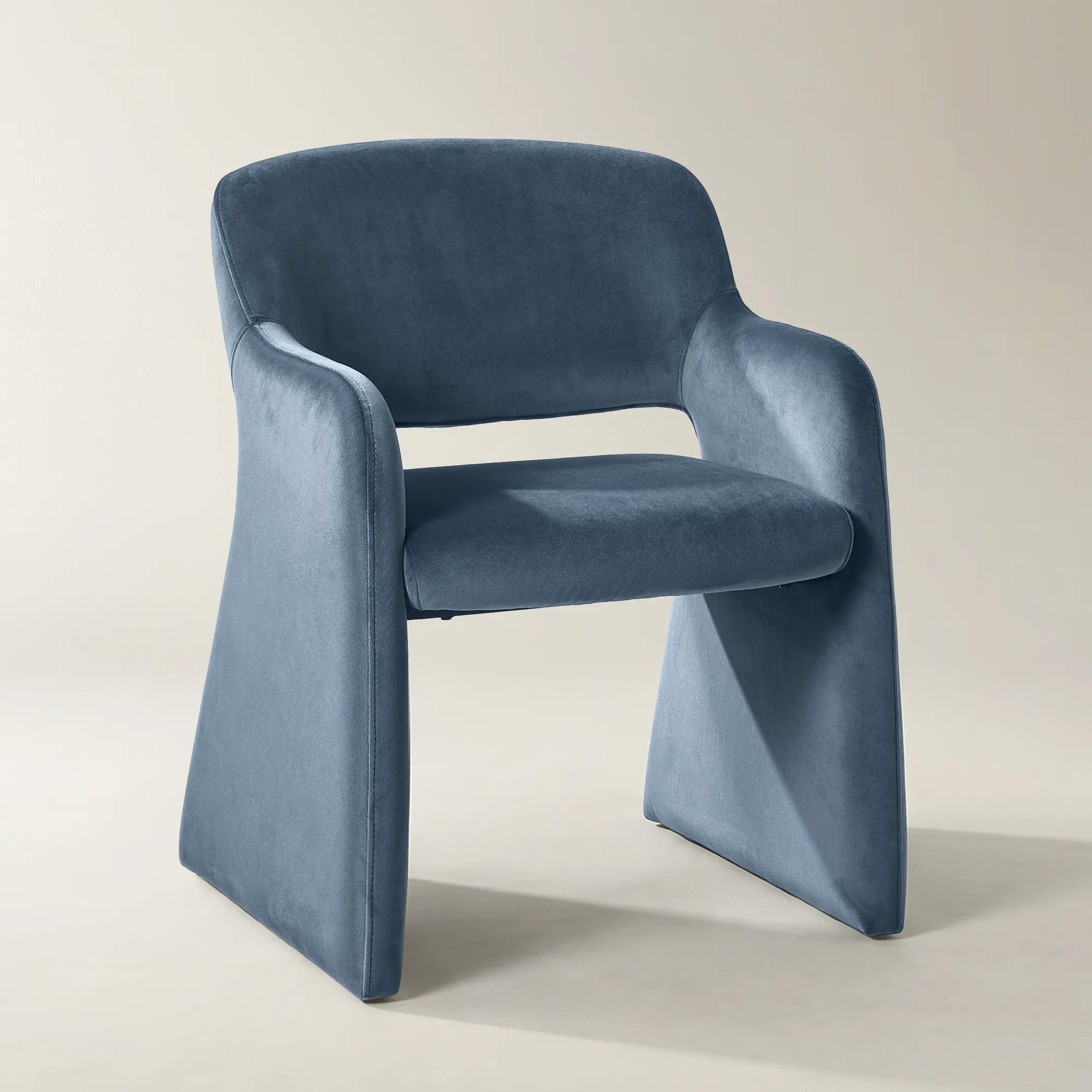 Elara Dusty Blue Velvet Dining Chair$449
A graceful dining chair featuring dusty blue velvet upholstery, integrated arms, and a seamless cantilevered silhouette.
Add To Cart -
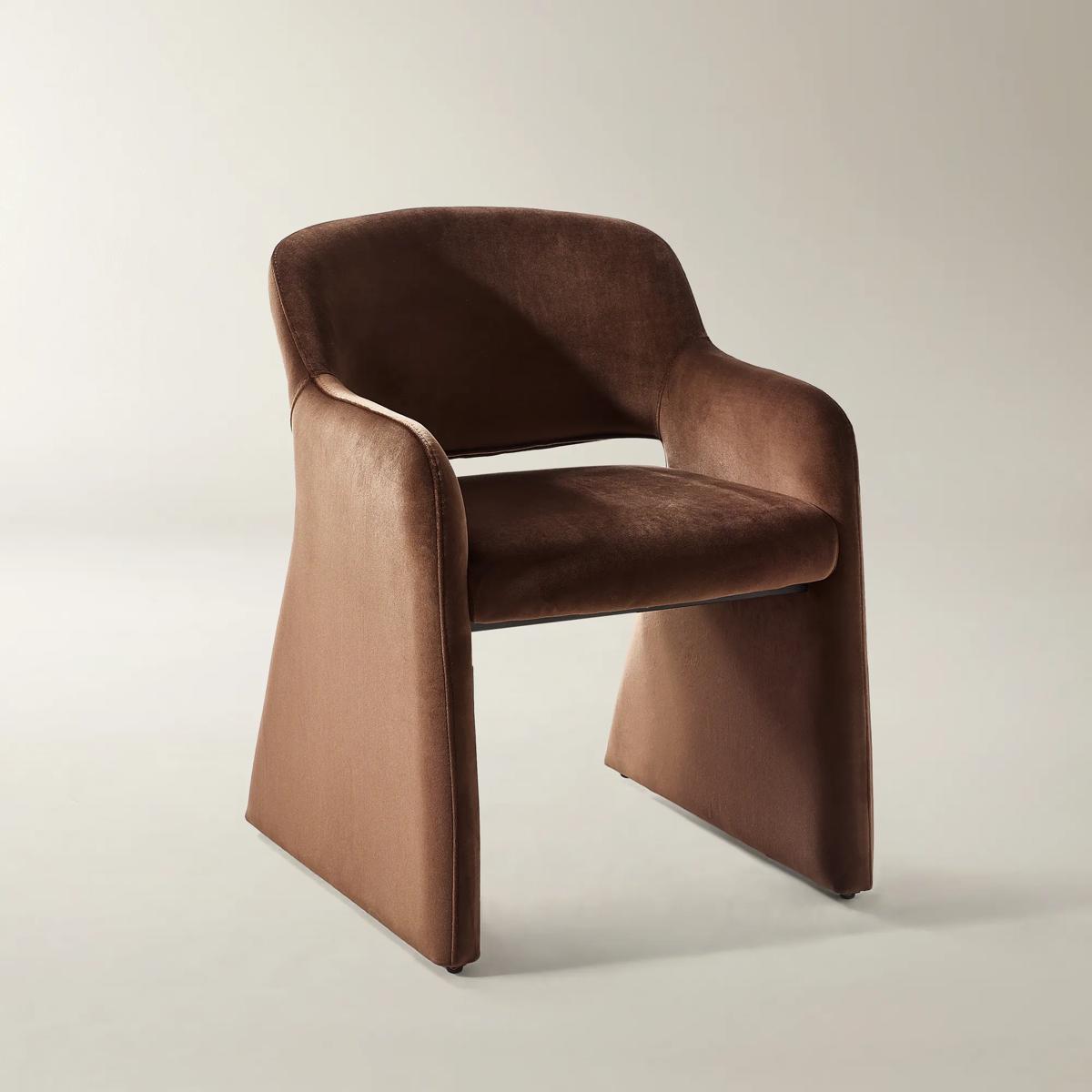
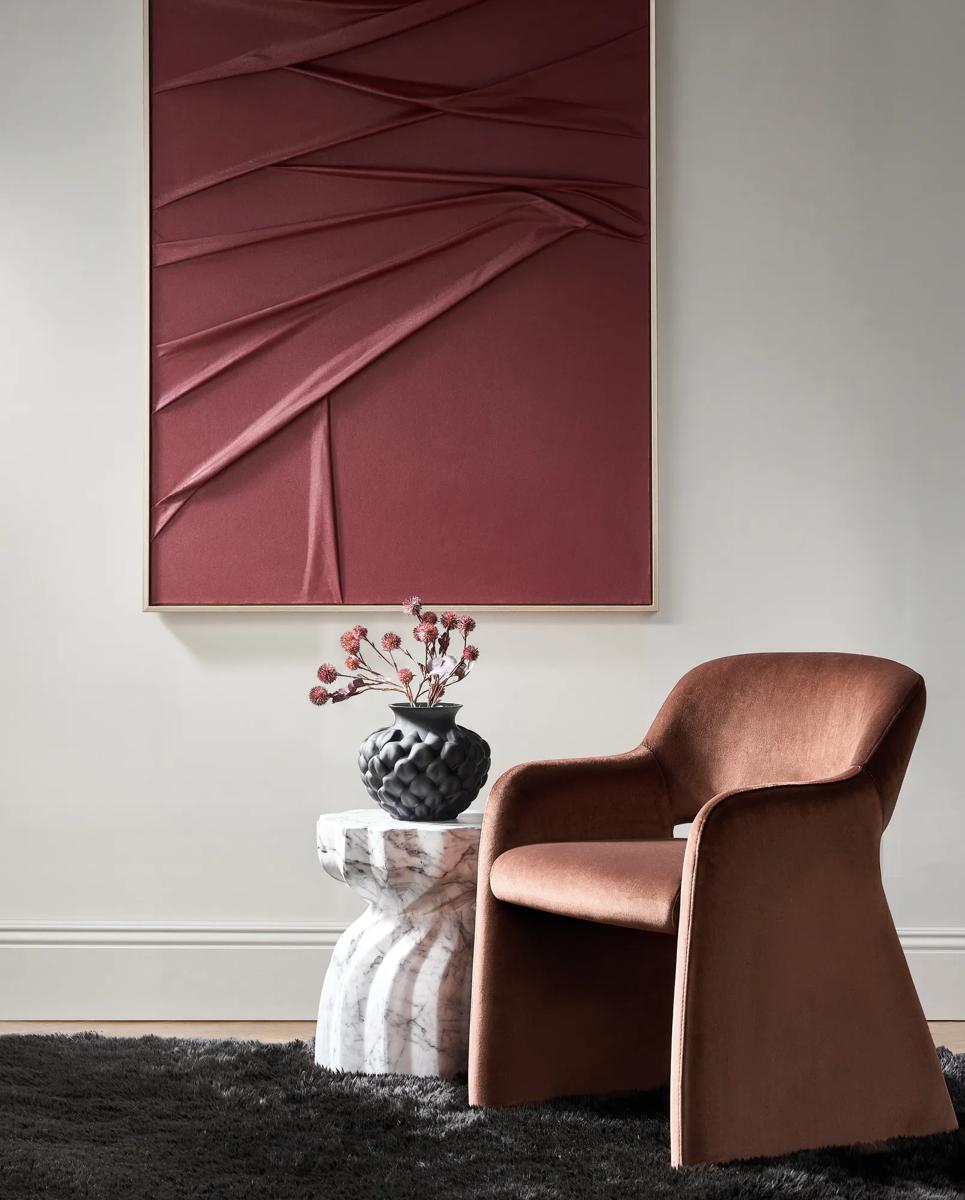 Elara Burnt Umber Velvet Dining Chair$449
A plush brown velvet armchair with sinuous curves, ergonomic support, and hand-crafted, reinforced details.
Add To Cart -
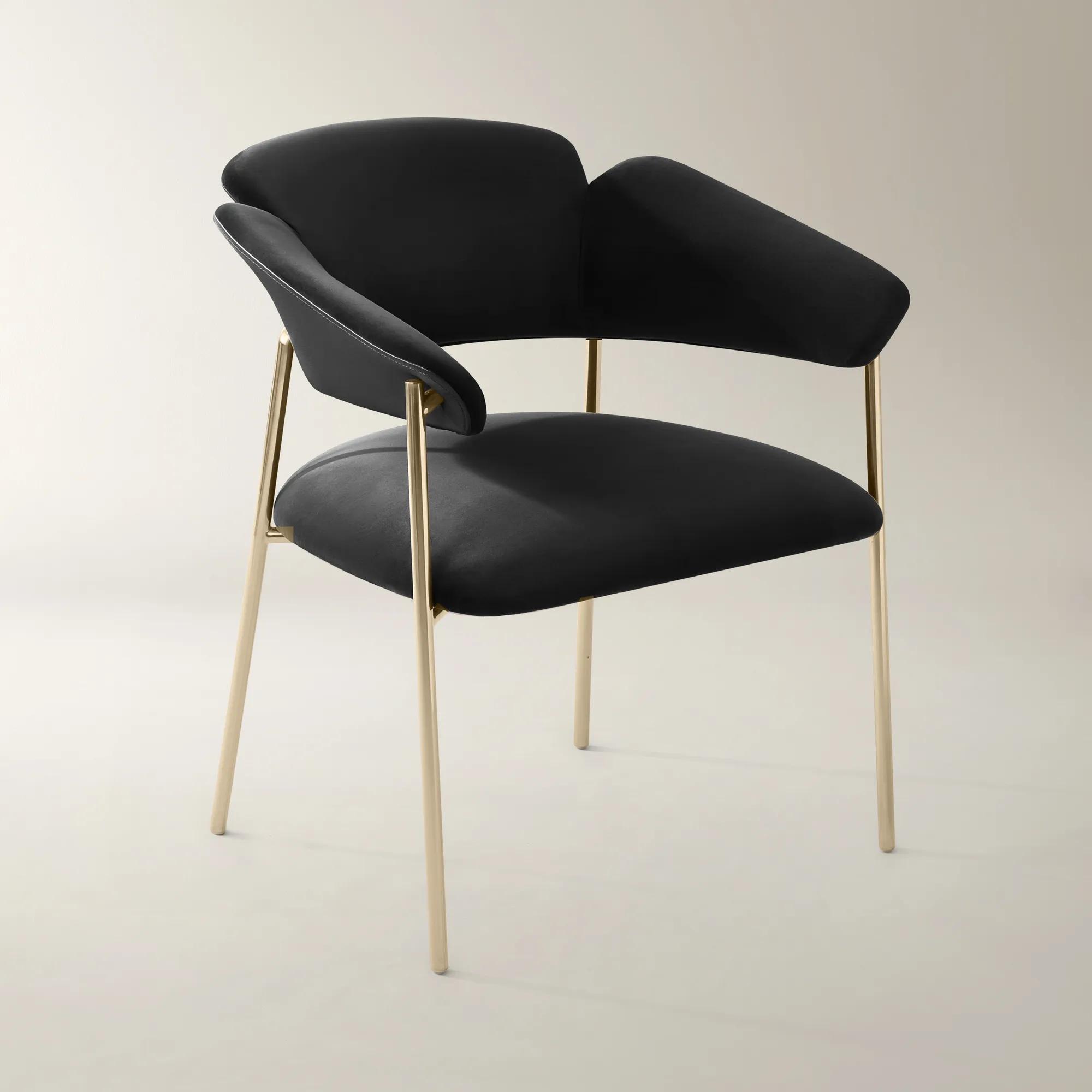 Odette Charcoal Velvet Dining Chair$499
A charcoal velvet chair featuring a wraparound open-back design, tonal faux leather accents, and gold metal legs.
Add To Cart -
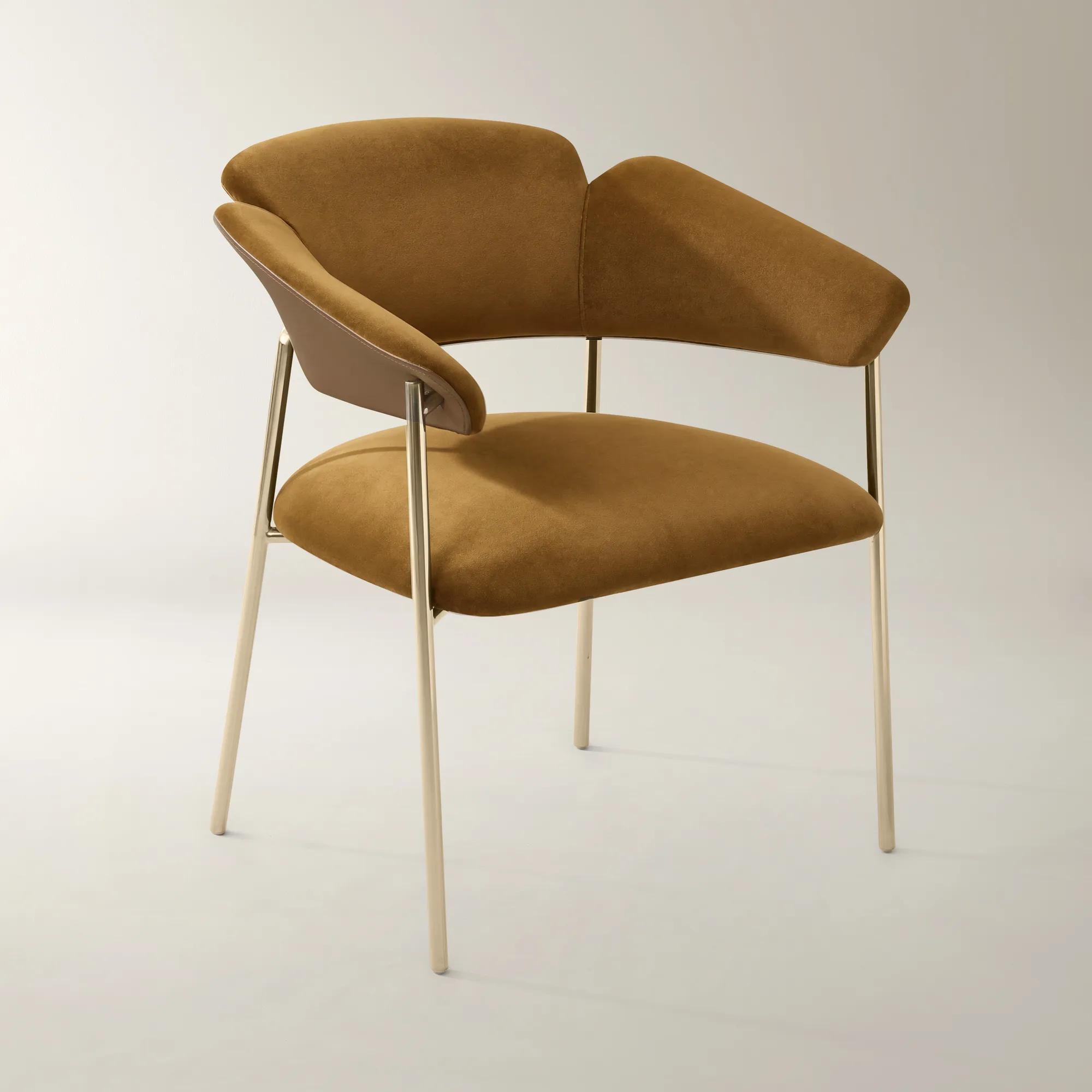 Odette Roasted Pecan Velvet Dining Chair$499
A sculptural dining chair featuring roasted pecan velvet, tonal faux leather accents, and gold stainless steel legs.
Add To Cart -
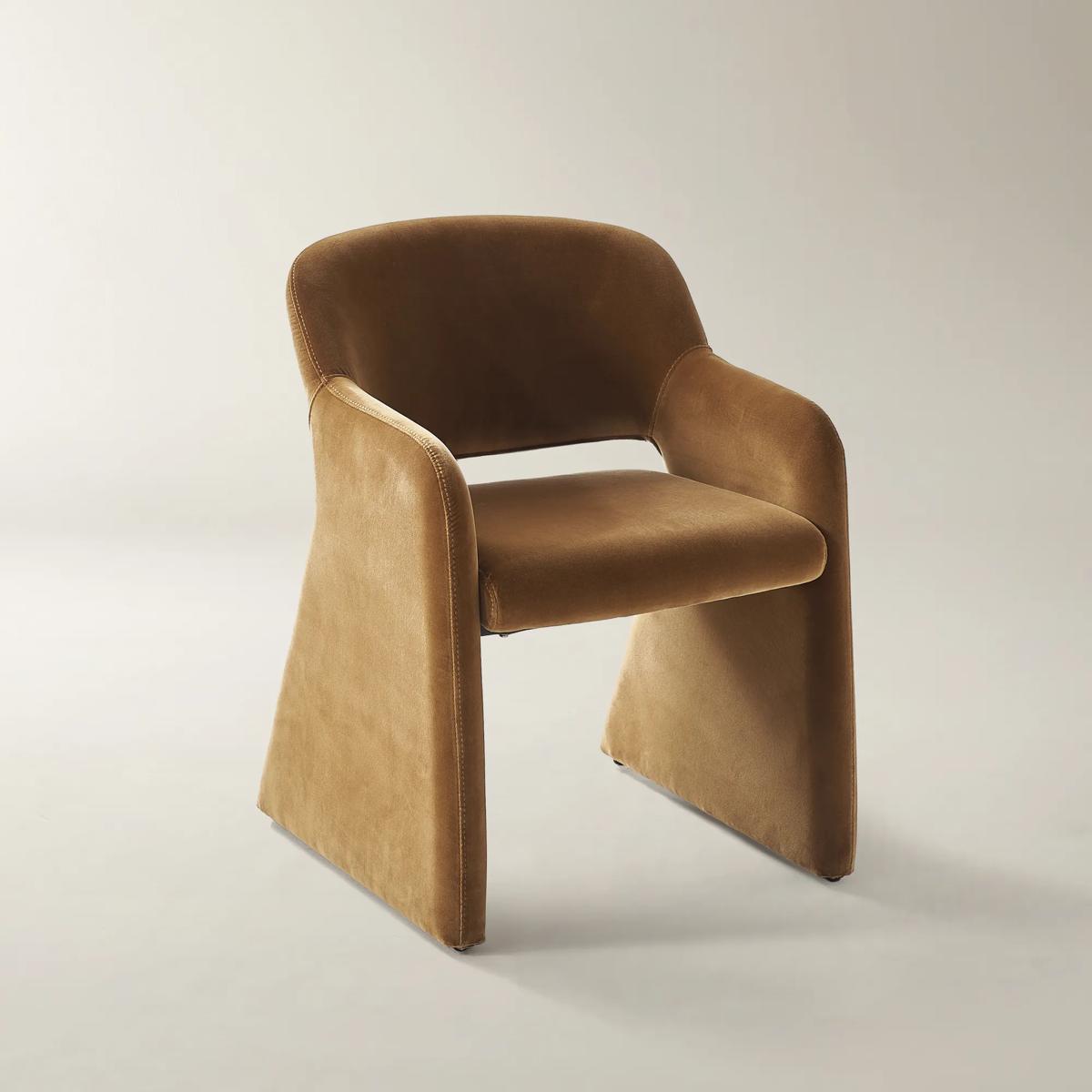
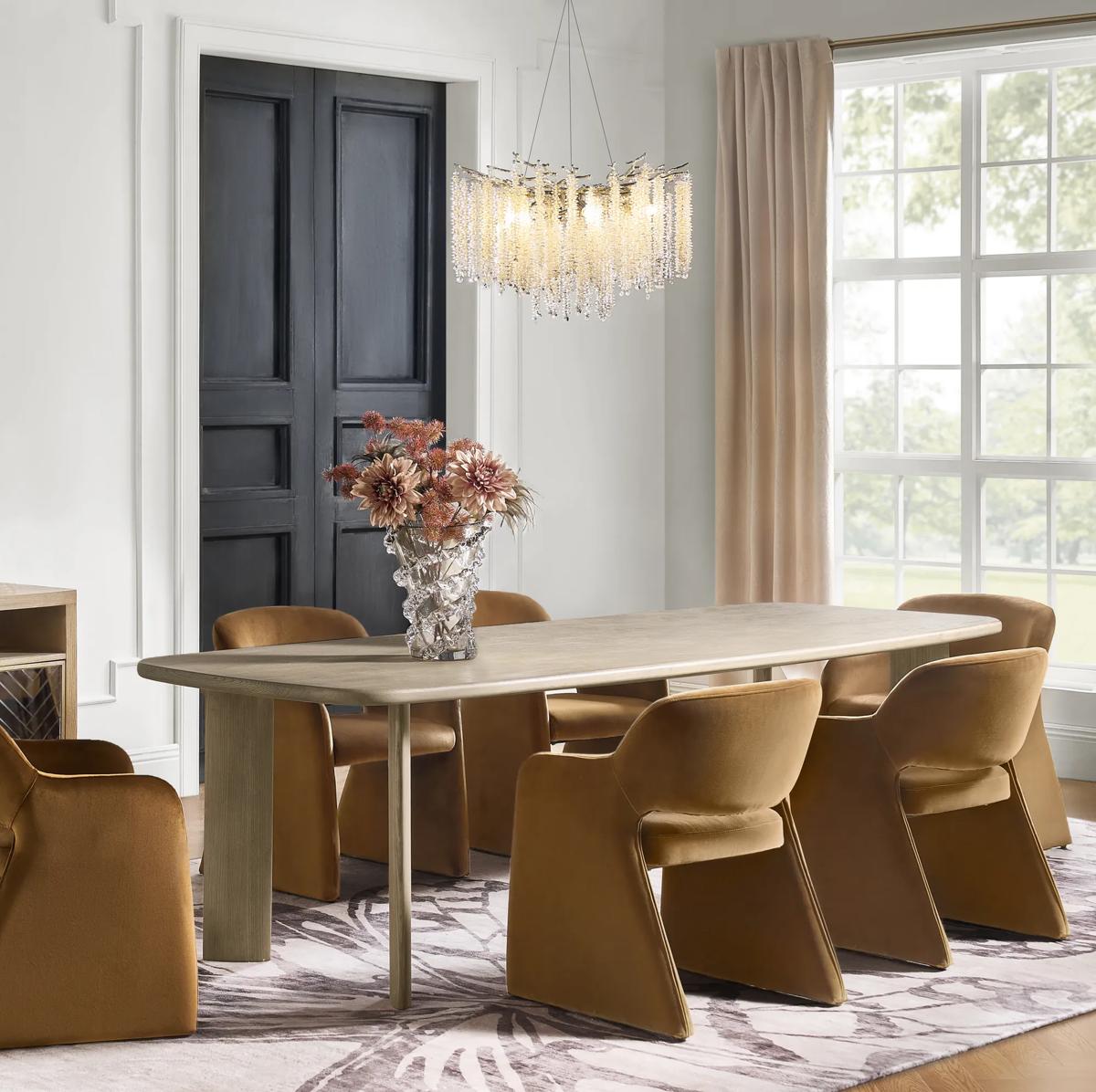 Elara Roasted Pecan Velvet Dining Chair$449
A sculptural armchair in mustard velvet with ergonomic curves, metal frame, and hand-crafted detailing.
Add To Cart -
 Harrison Cream Chenille Dining Chair$499
A fully upholstered cream chenille chair with high-density foam cushioning for exceptional comfort and contemporary style.
Add To Cart -
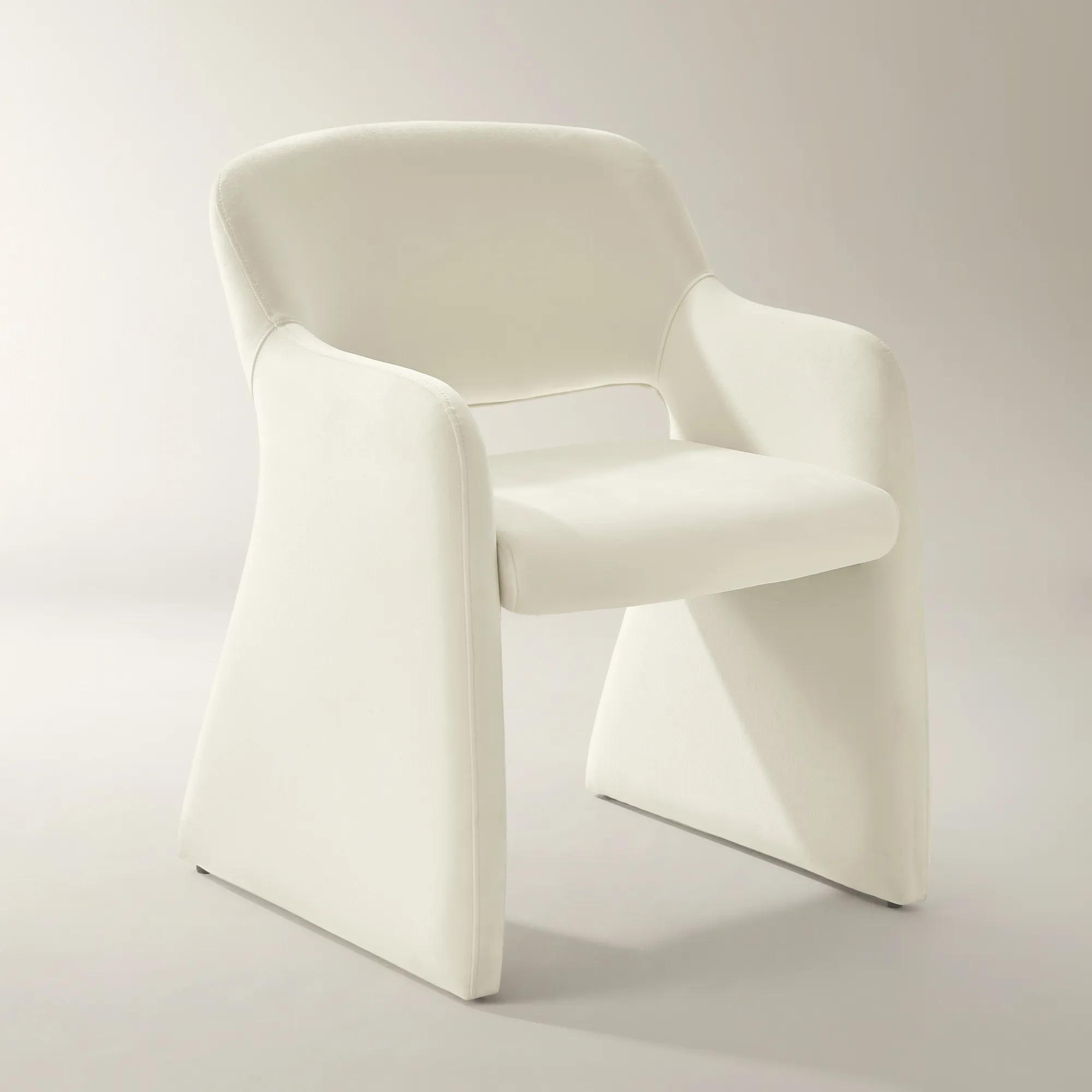 Elara Cloud Velvet Dining Chair$449
A plush velvet dining chair featuring a seamless wraparound silhouette and supportive carbon steel frame.
Add To Cart -
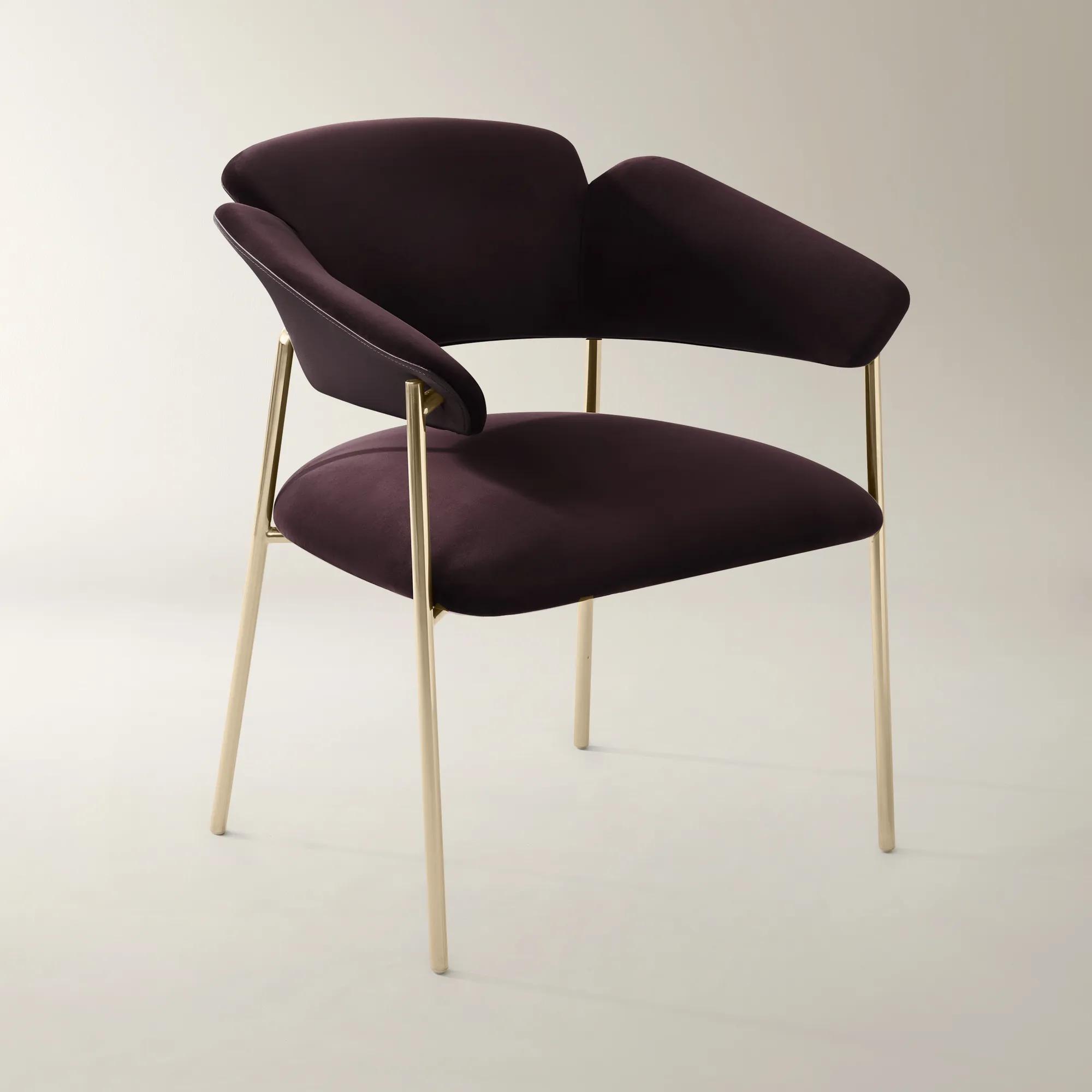 Odette Fig Velvet Dining Chair$499
A sculptural dining chair featuring fig velvet, tonal faux leather accents, and slender gold-finished metal legs.
Add To Cart -
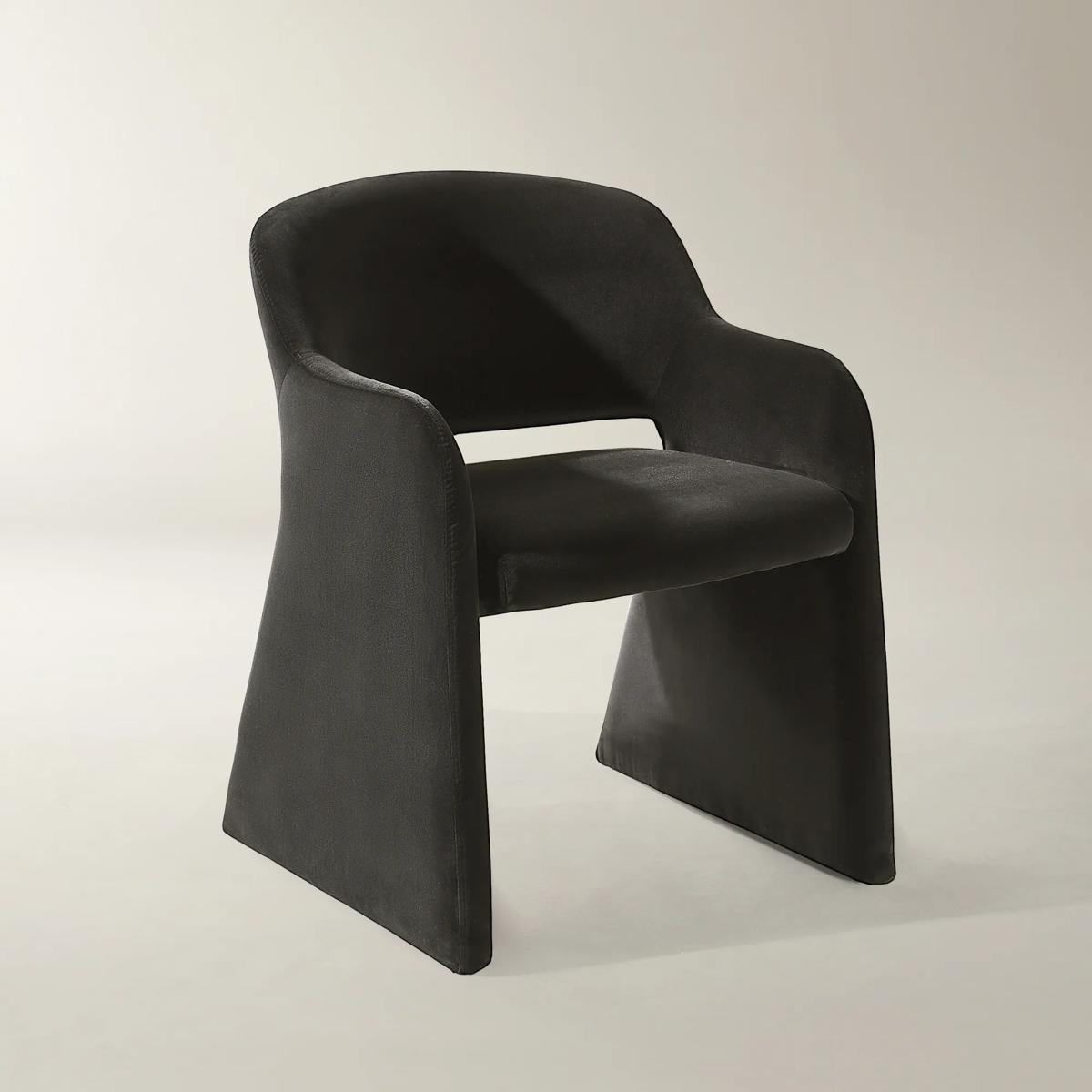 Elara Charcoal Velvet Dining Chair$449
A charcoal velvet armchair with sinuous curves, supportive embrace, and hand-crafted, reinforced construction.
Add To Cart -

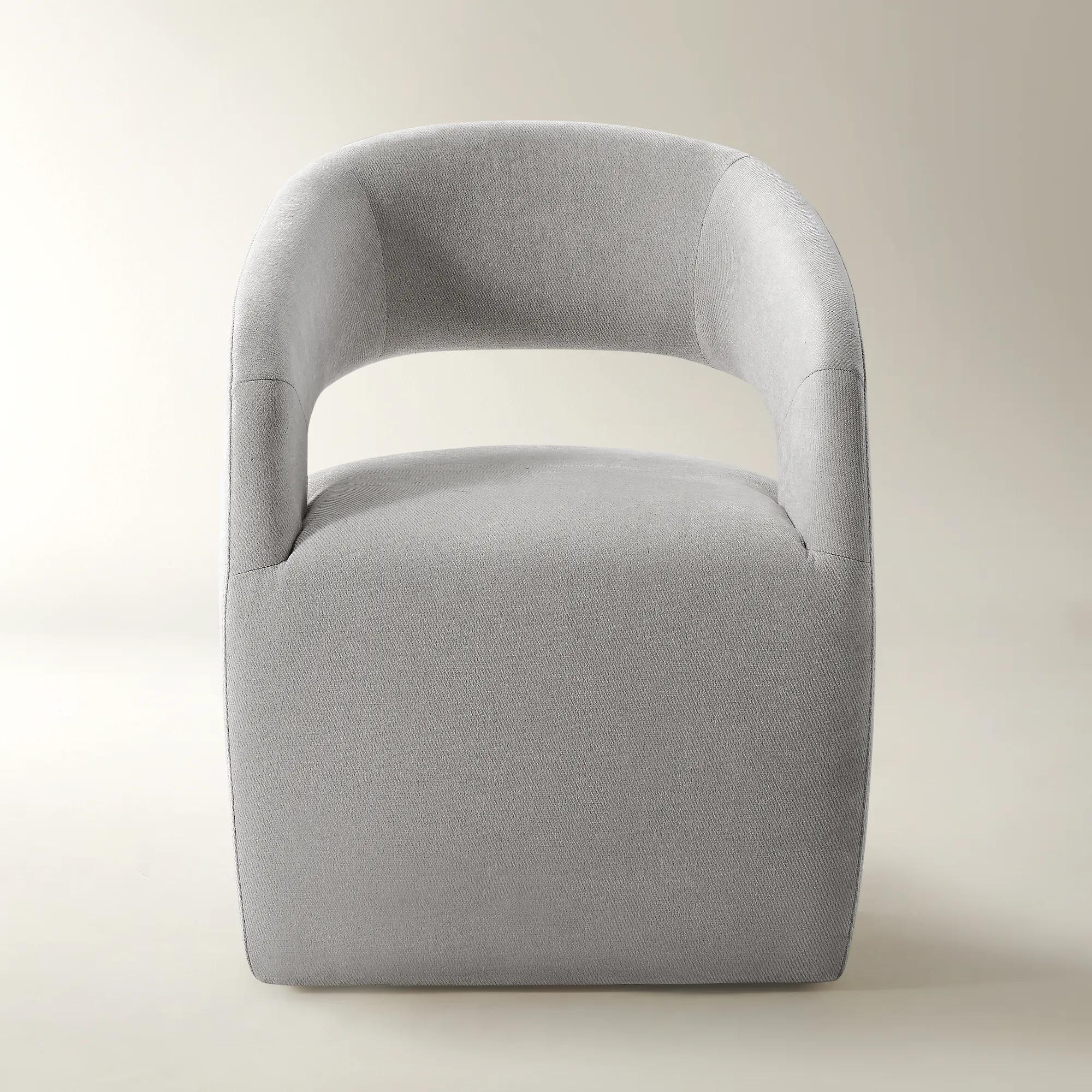 Harrison Flint Chenille Dining Chair$499
A fully upholstered flint chenille dining chair with high-density foam cushioning for superior comfort and style.
Add To Cart -

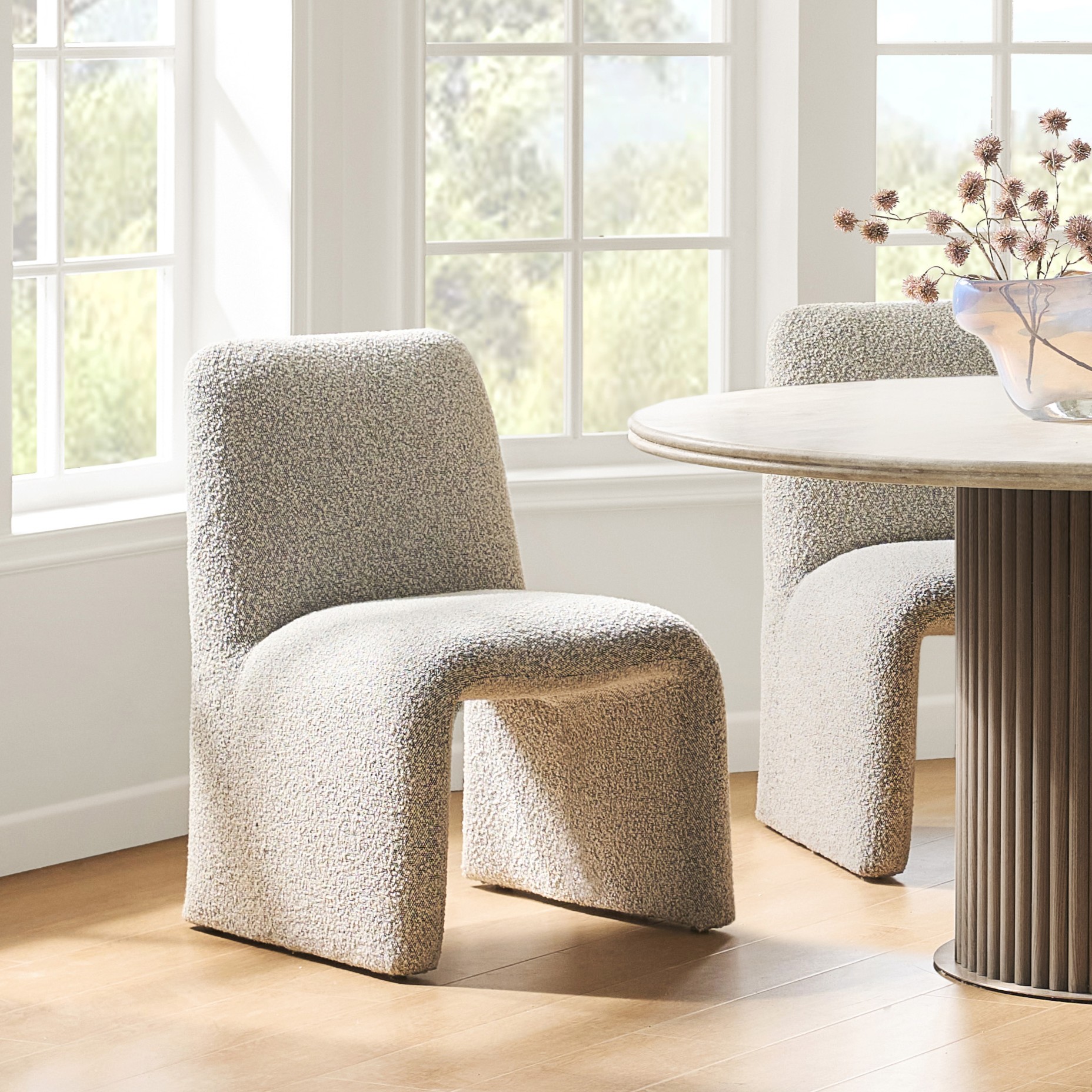 Cayenne Grey Boucle Dining Chair$399
A modern armless chair in grey boucle upholstery with a sleek metal frame and hand-crafted details.
Add To Cart -
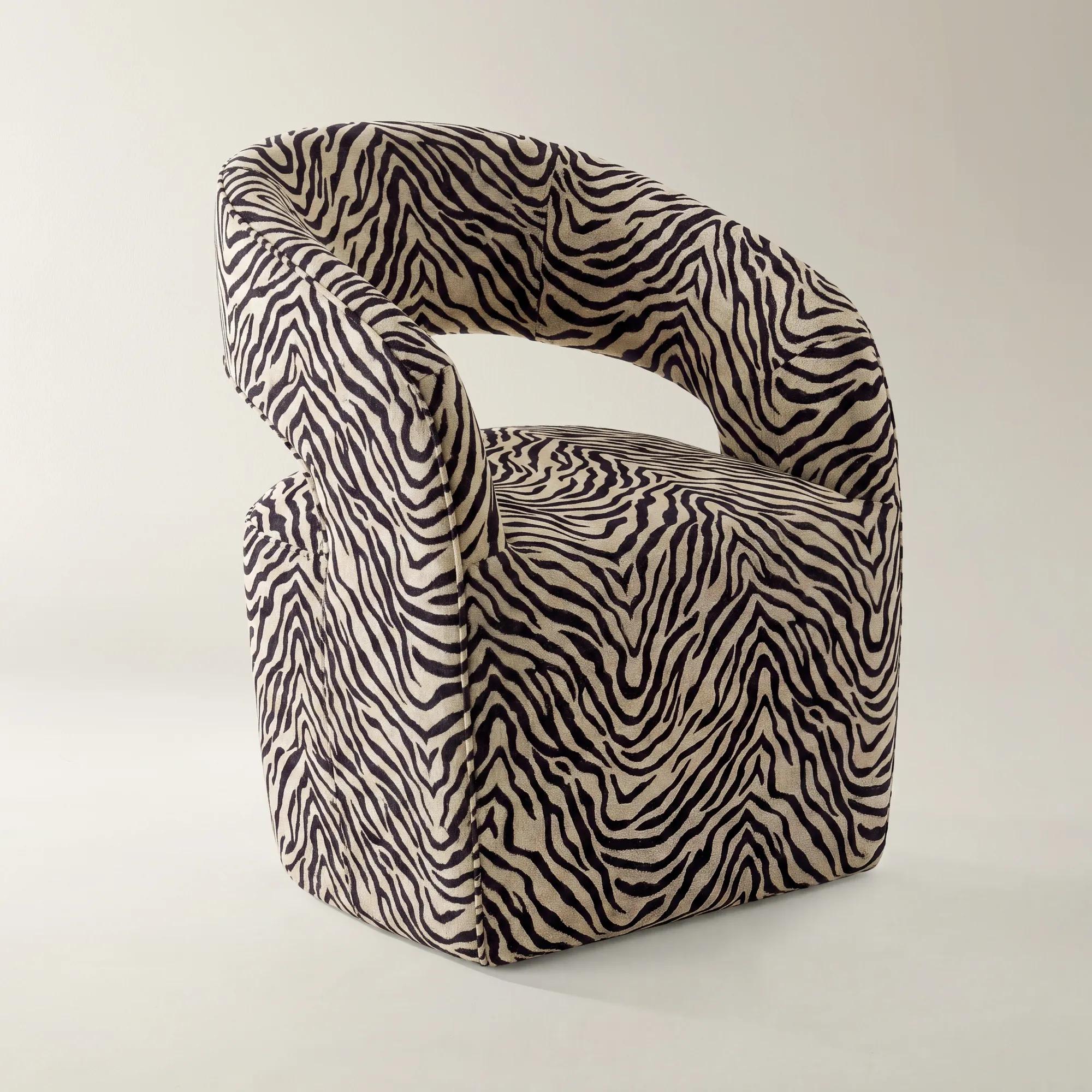
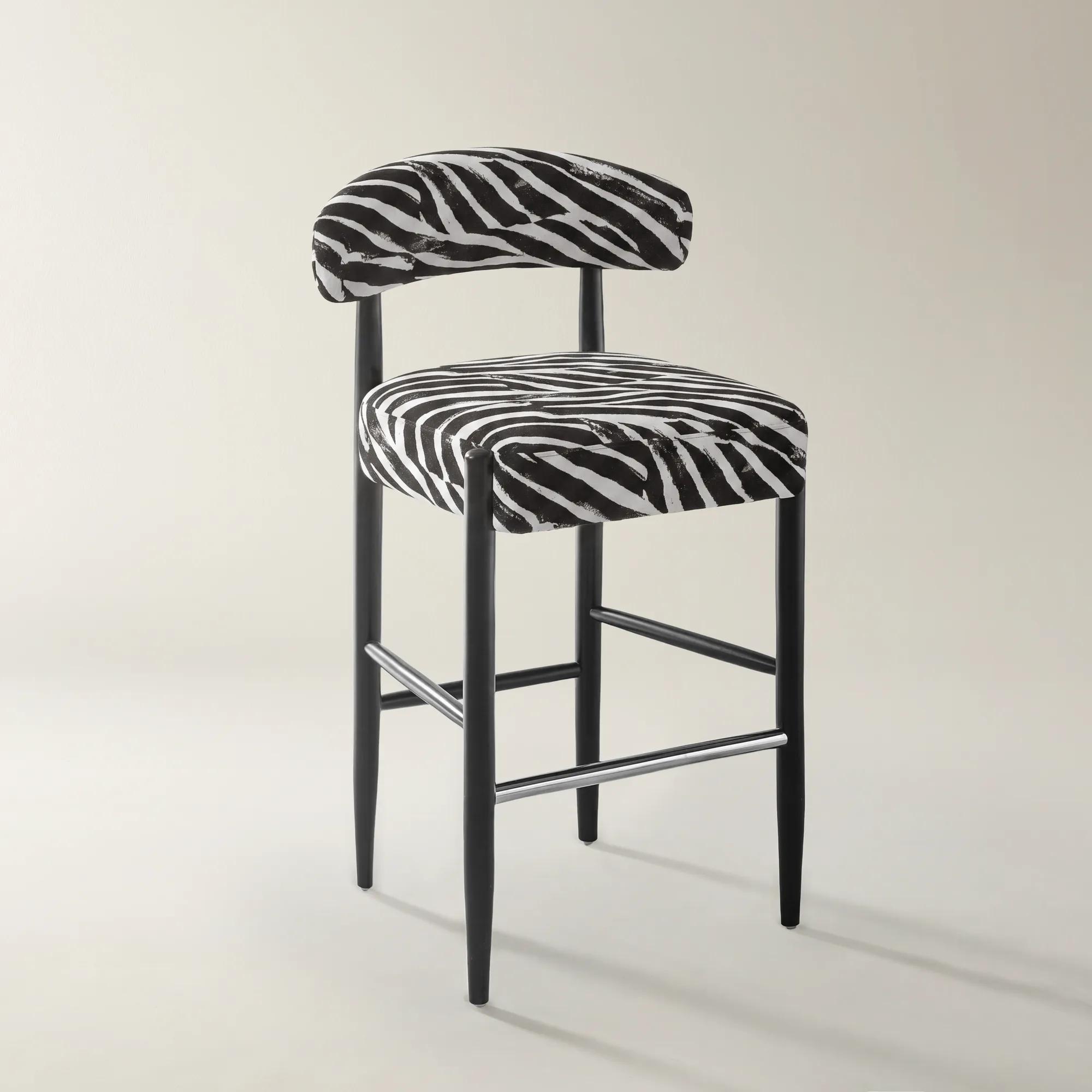
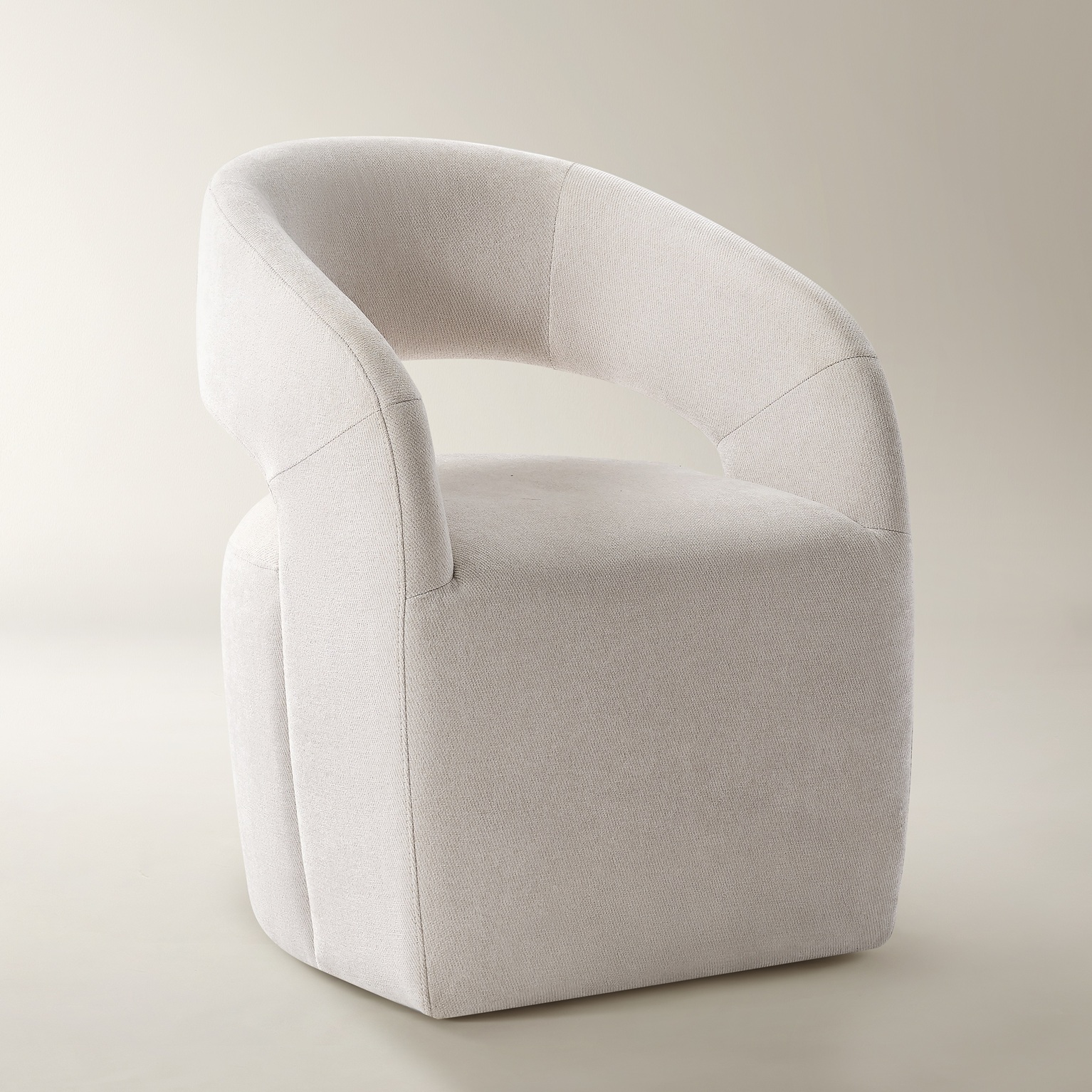 Harrison Zebra Performance Chenille Dining Chair$499
A sculptural dining chair upholstered in zebra performance chenille with a curved back and feather-blend comfort.
Add To Cart -
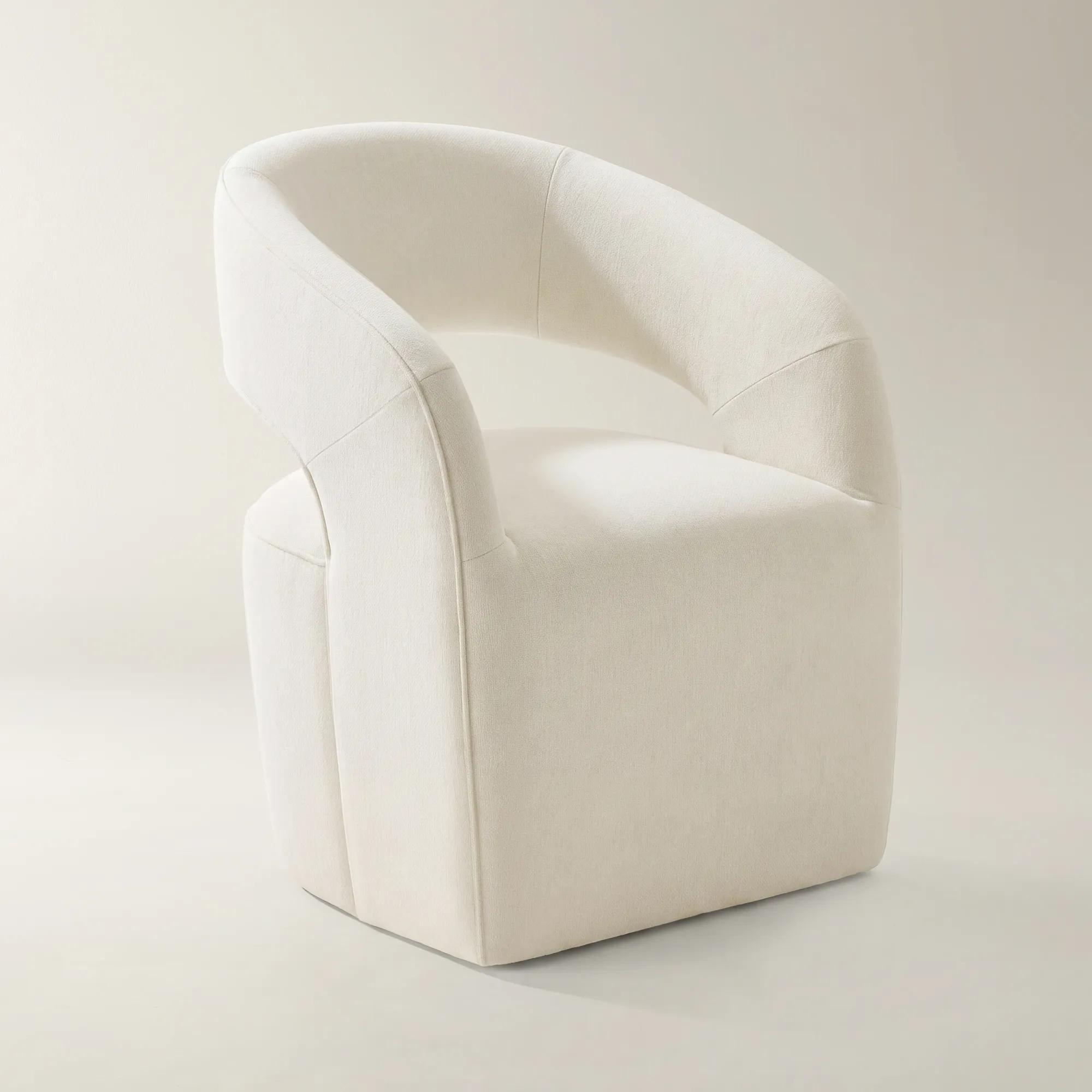 Harrison Ivory Performance Chenille Dining Chair$499
A sculptural ivory chenille chair featuring a continuous curved back, feather-blend comfort, and performance upholstery.
Add To Cart -
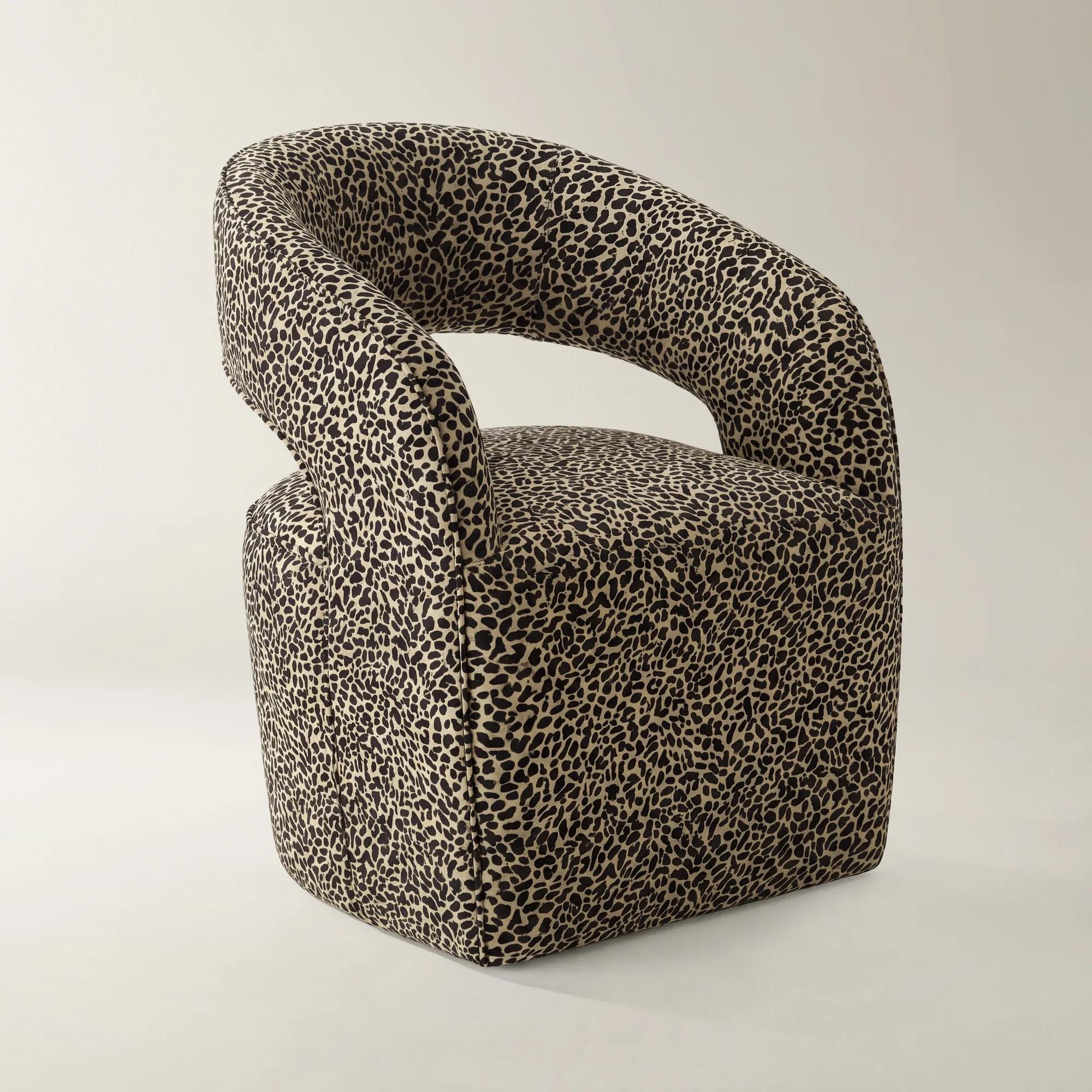 Harrison Leopard Performance Chenille Dining Chair$499
A sculptural dining chair featuring leopard performance chenille upholstery, feather-blend cushioning, and a curved silhouette.
Add To Cart -
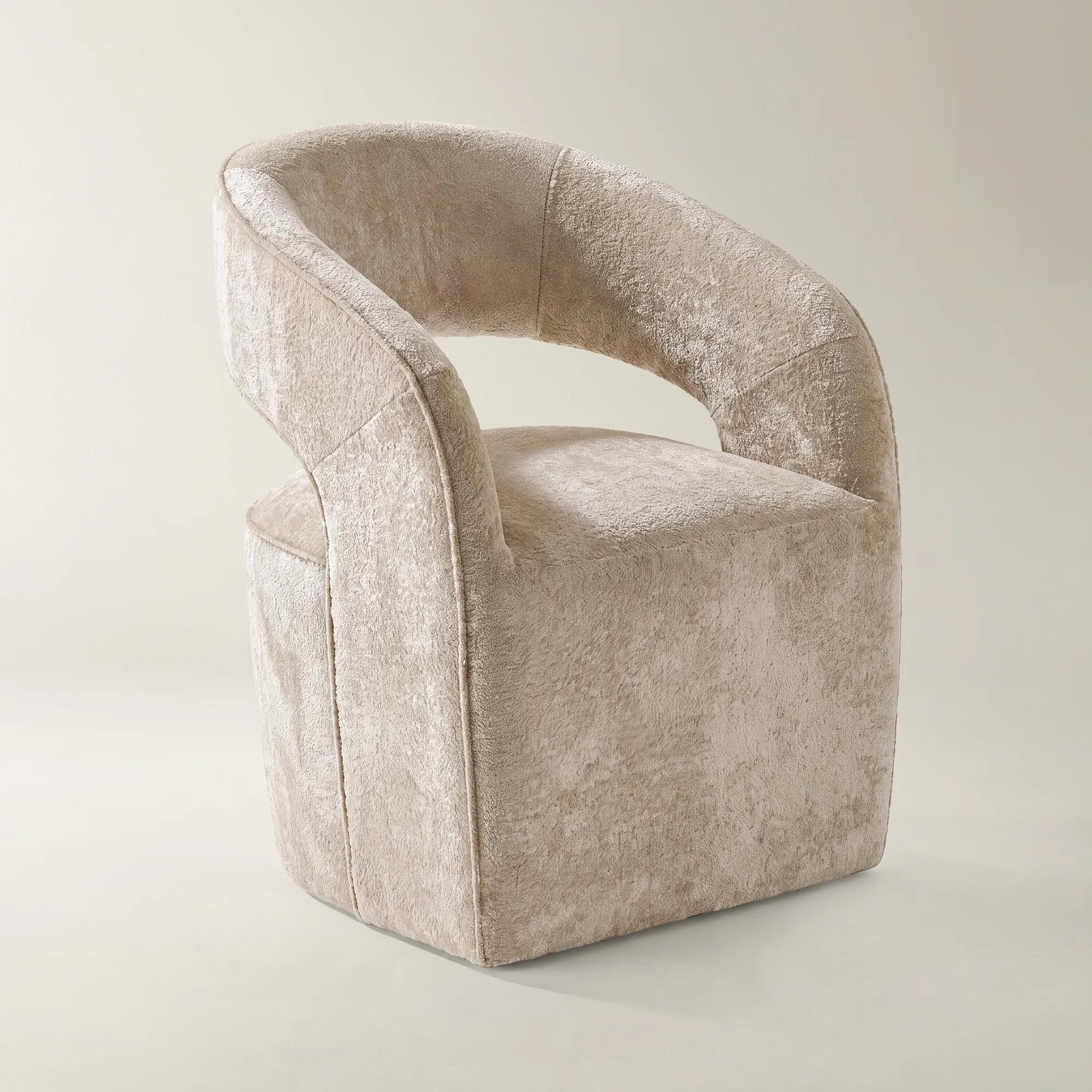 Harrison Light Brown Chenille Dining Chair$499
A sculptural dining chair upholstered in light brown chenille with a feather-blend cushion for plush comfort.
Add To Cart -
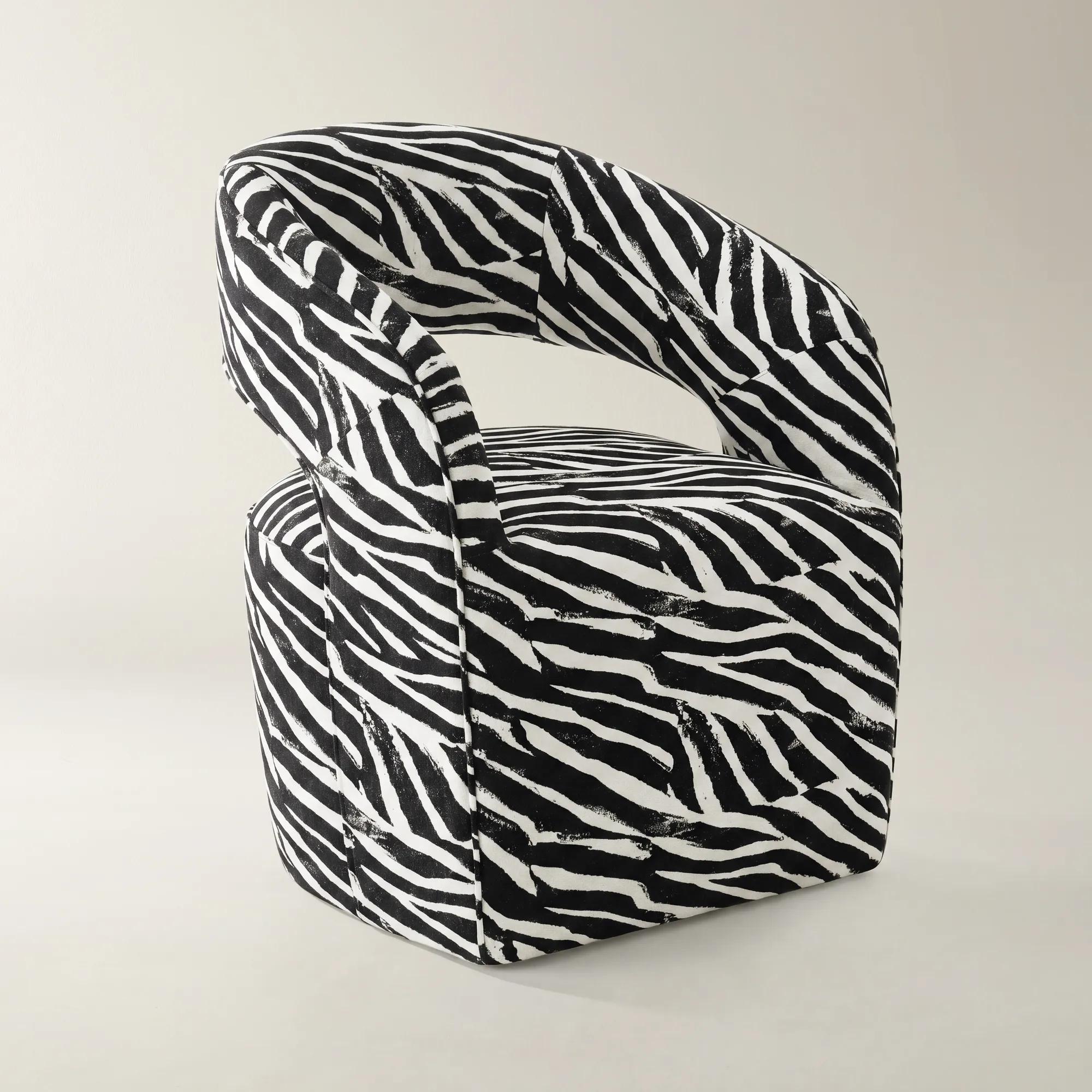 Harrison White/Black Performance Chenille Dining Chair$499
A sculptural dining chair in white and black performance chenille with plush feather-blend cushioning and curved arms.
Add To Cart -
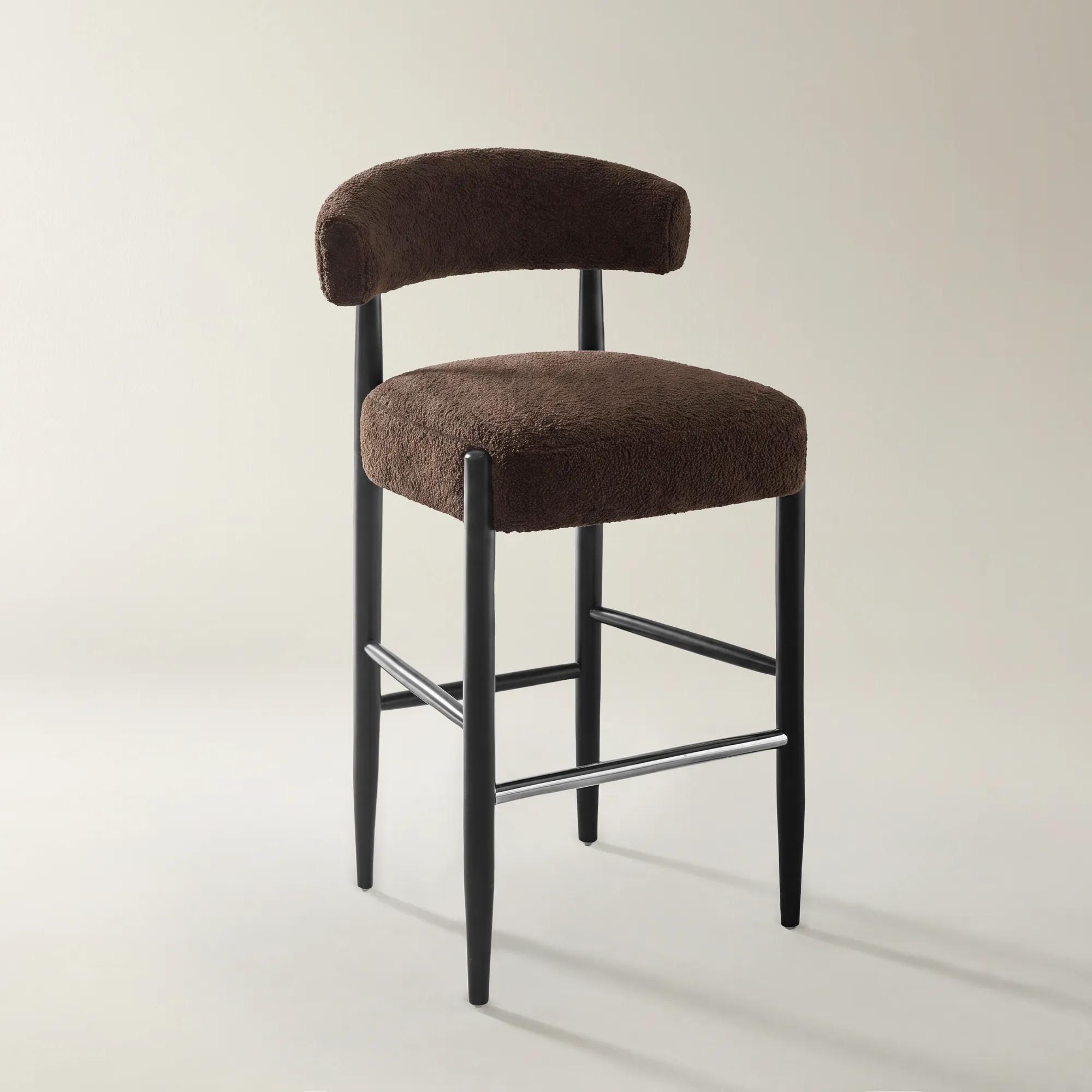
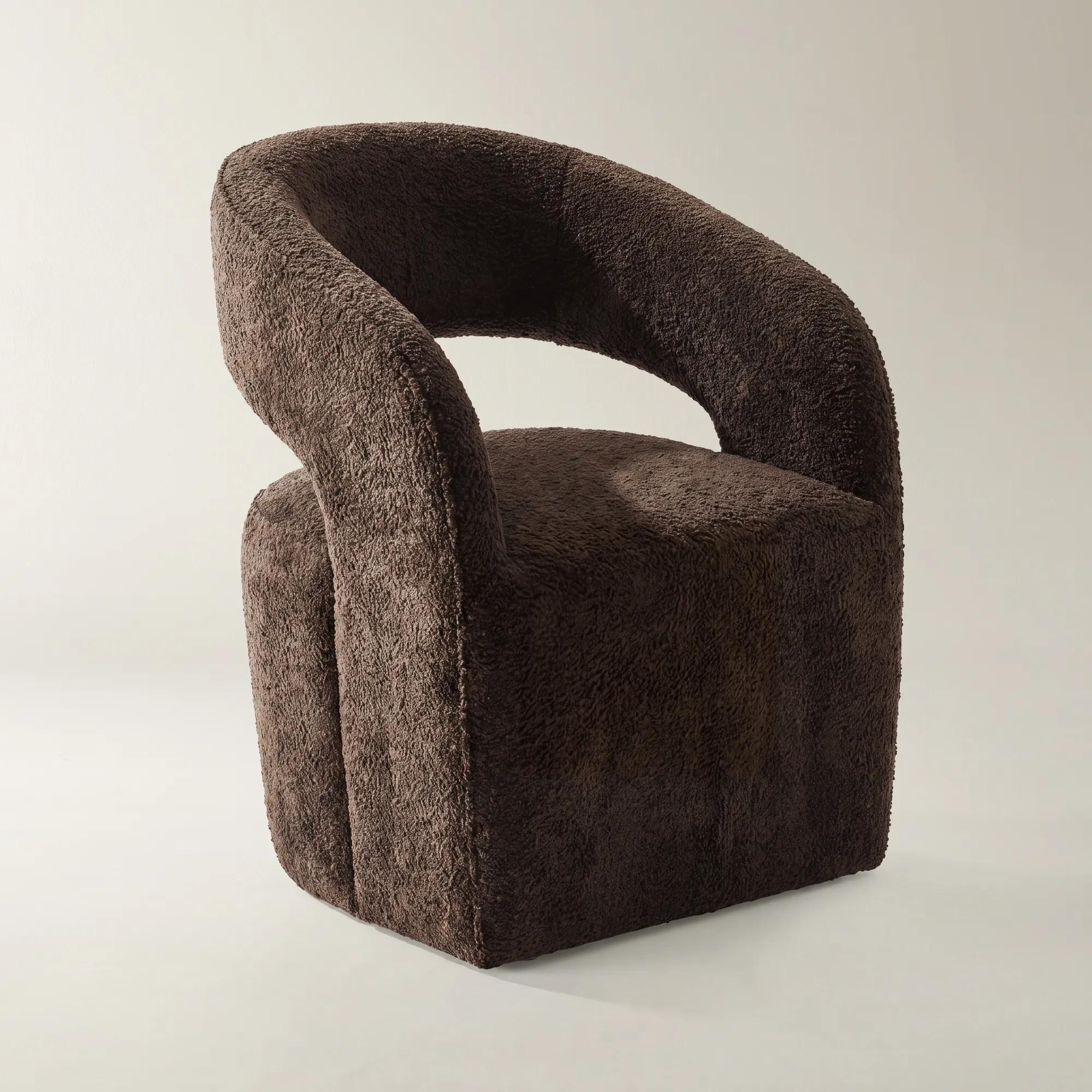 Harrison Dark Chocolate Chenille Dining Chair$499
A sculptural dining chair upholstered in dark chocolate chenille with feather-blend cushioning and curved arms.
Add To Cart -
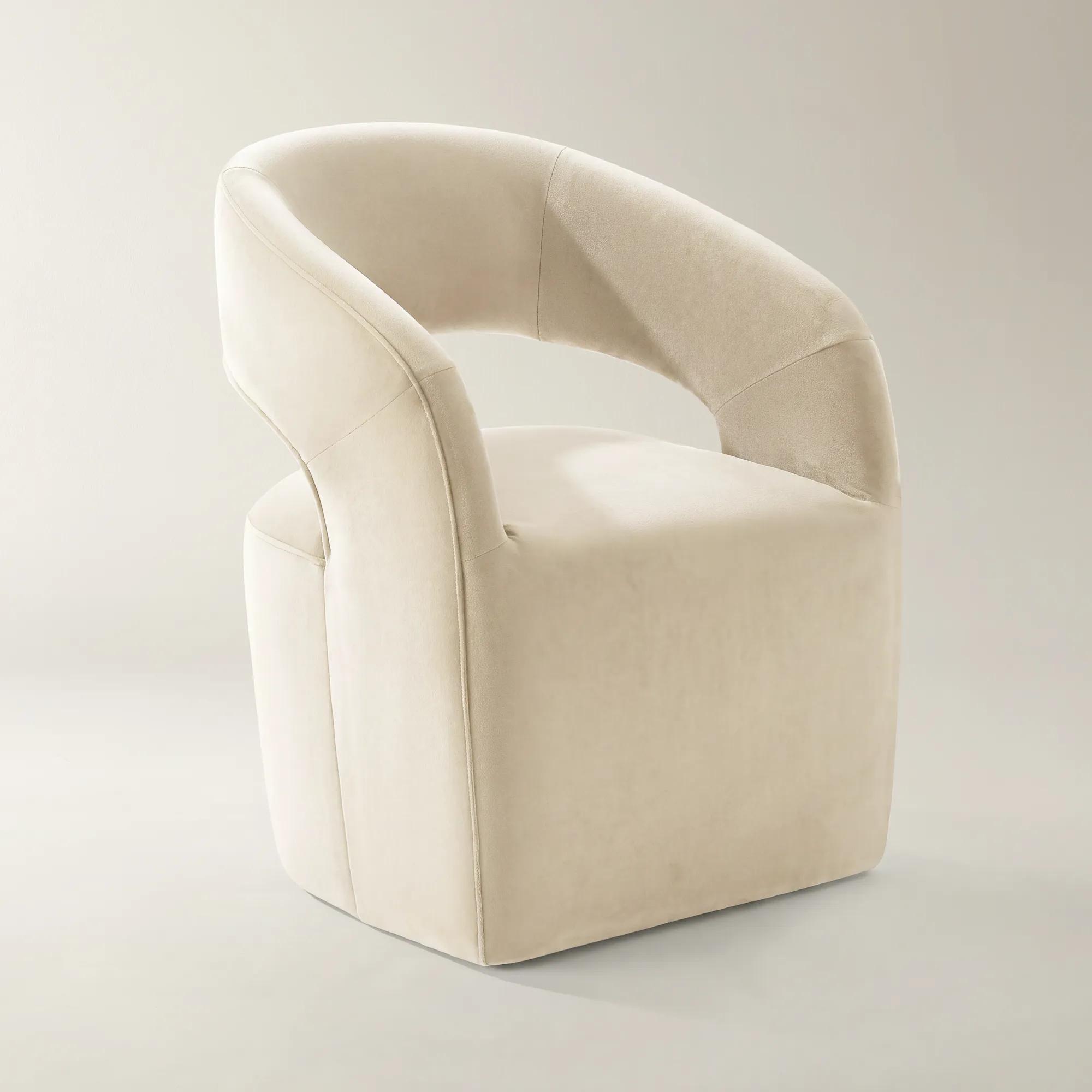 Harrison Oatmeal Velvet Dining Chair$499
A sculptural dining chair upholstered in oatmeal velvet with a curved back, feather-blend seat, and integrated arms.
Add To Cart -
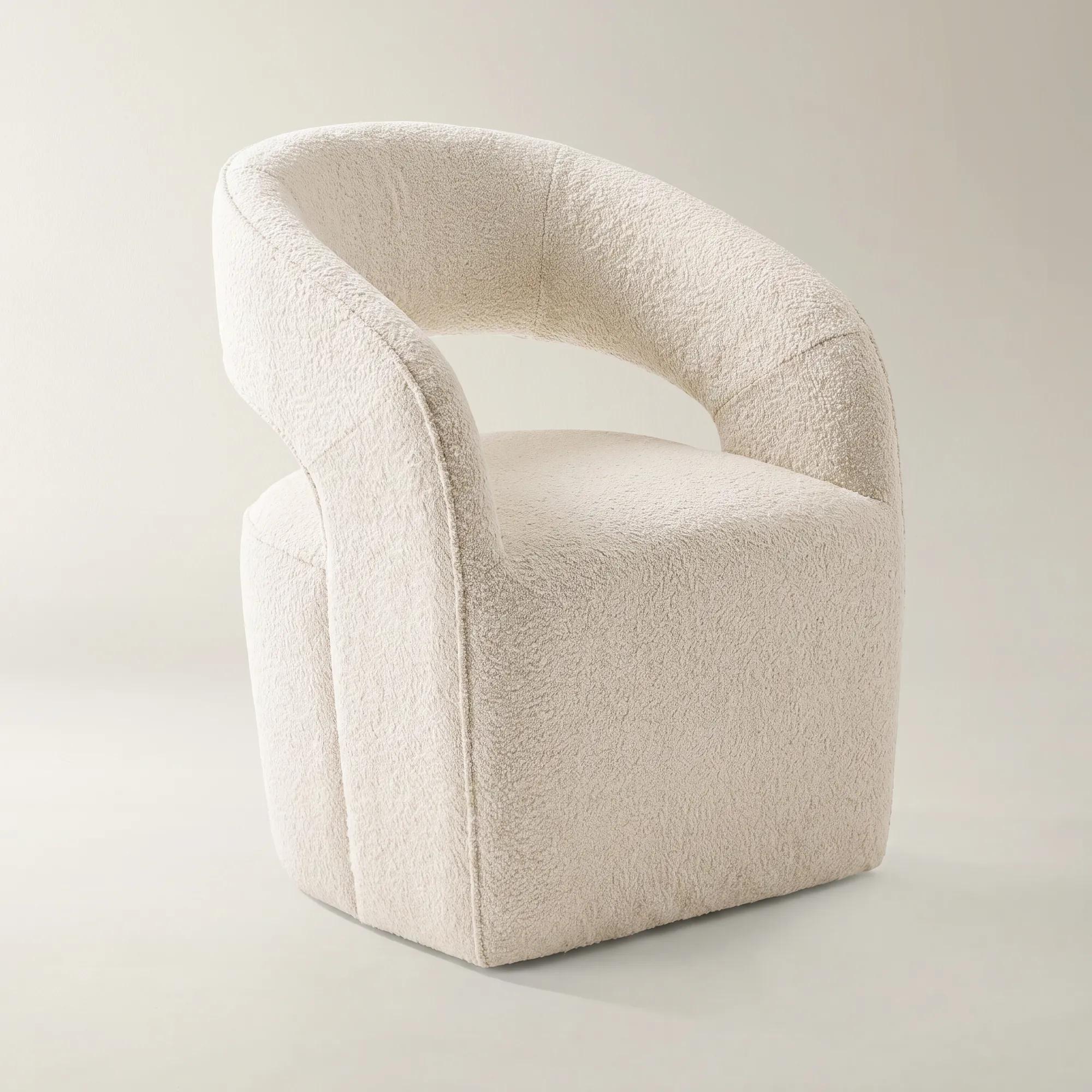 Harrison Utopia Sand Chenille Dining Chair$499
A sculptural dining chair upholstered in sand chenille with a curved back, feather-blend seat, and integrated arms.
Add To Cart -
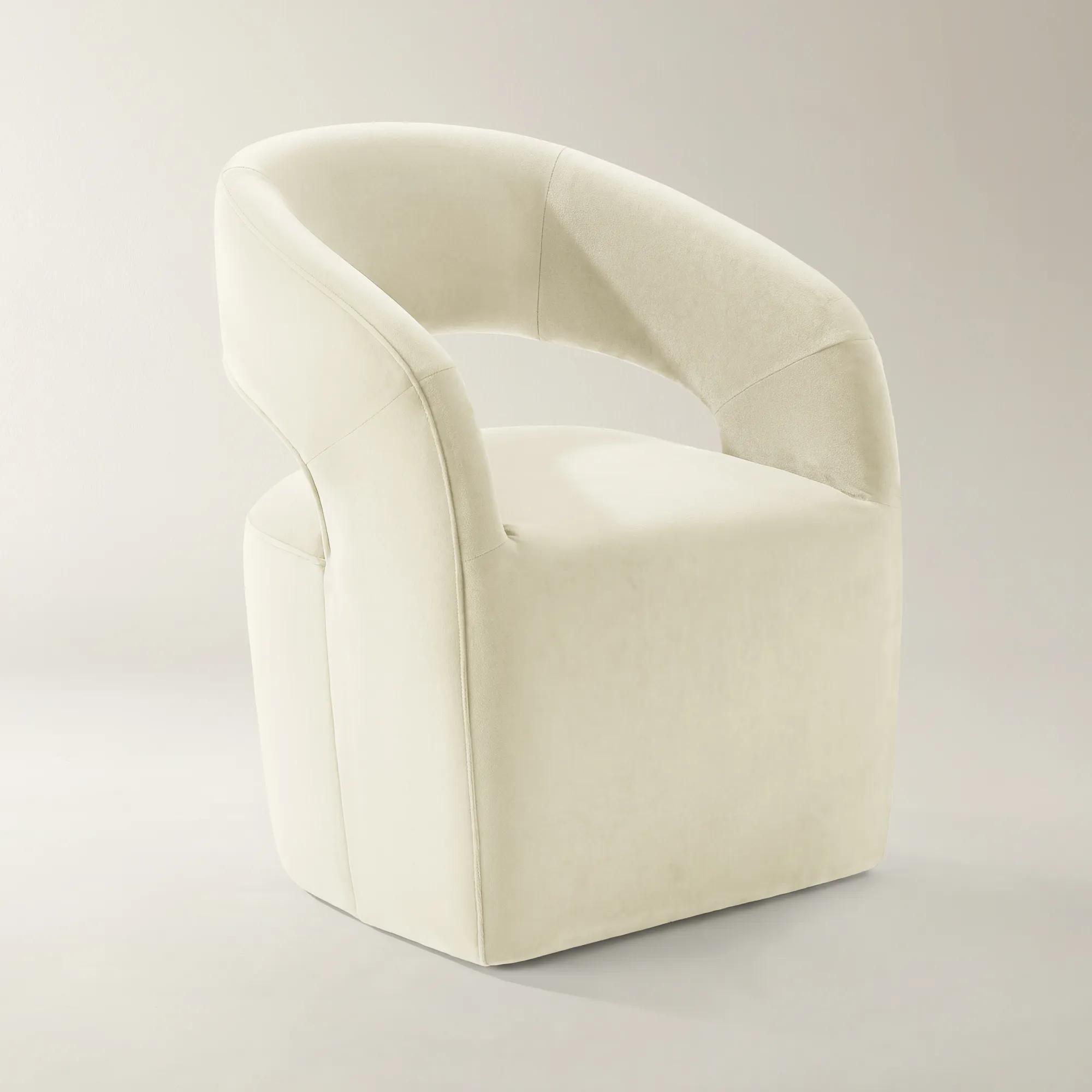 Harrison Cloud Velvet Dining Chair$499
A sculptural dining chair featuring cloud velvet upholstery, feather-blend cushioning, and a continuous curved back.
Add To Cart -
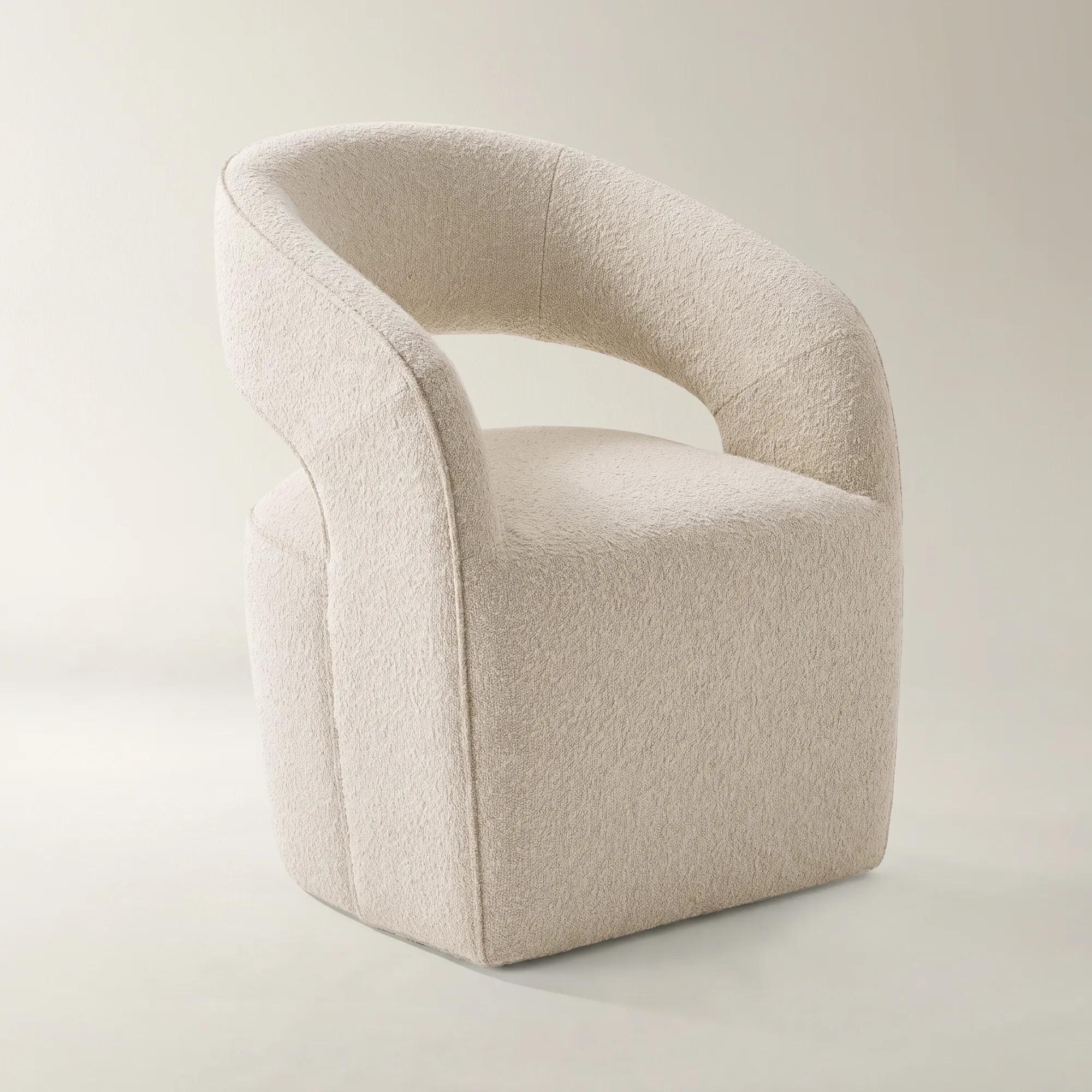 Harrison Ivory Performance Boucle Dining Chair$499
A sculptural dining chair in ivory performance boucle with a curved back, integrated arms, and feather-blend comfort.
Add To Cart -
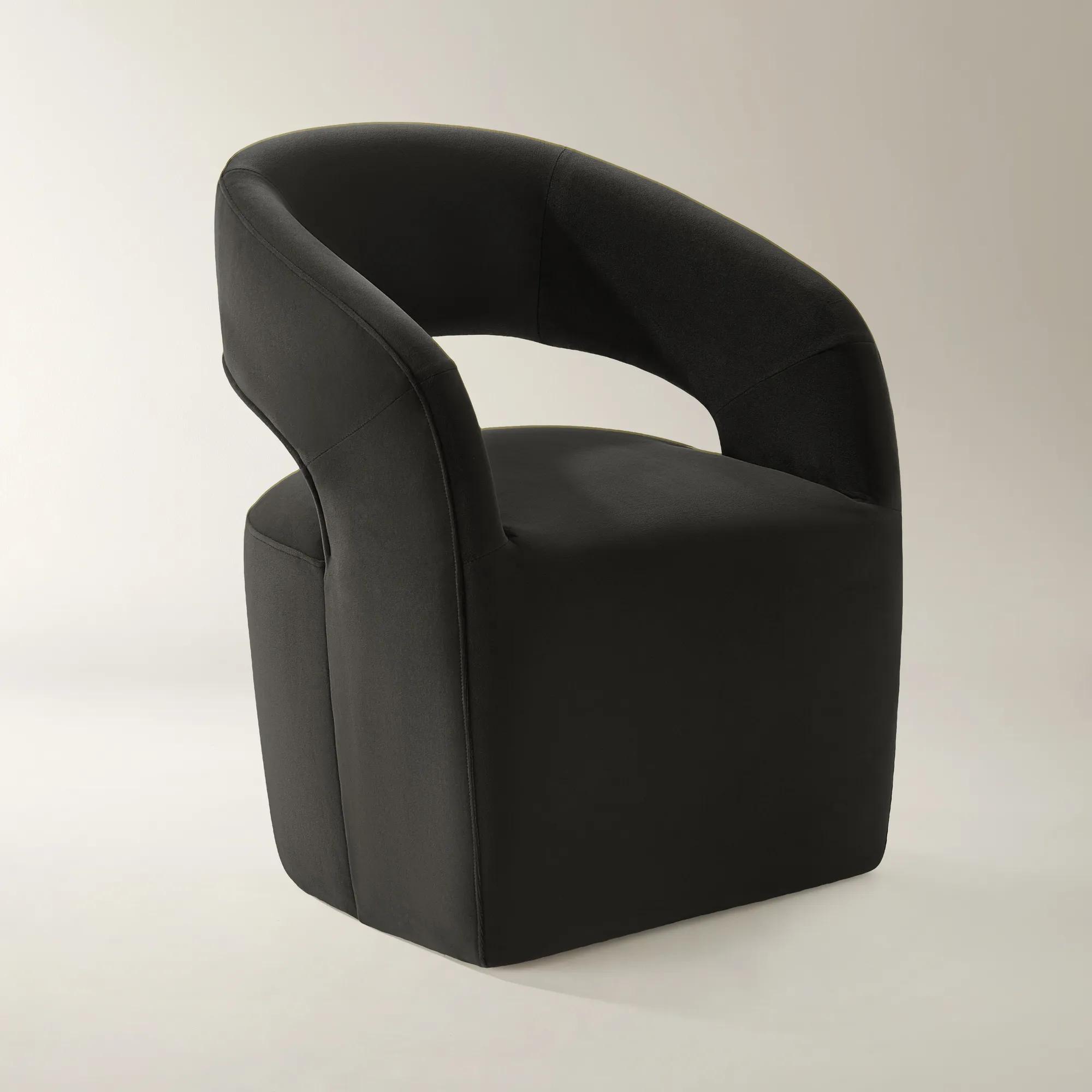 Harrison Charcoal Velvet Dining Chair$499
A sculptural dining chair upholstered in charcoal velvet with a continuous curved back and feather-blend comfort.
Add To Cart -
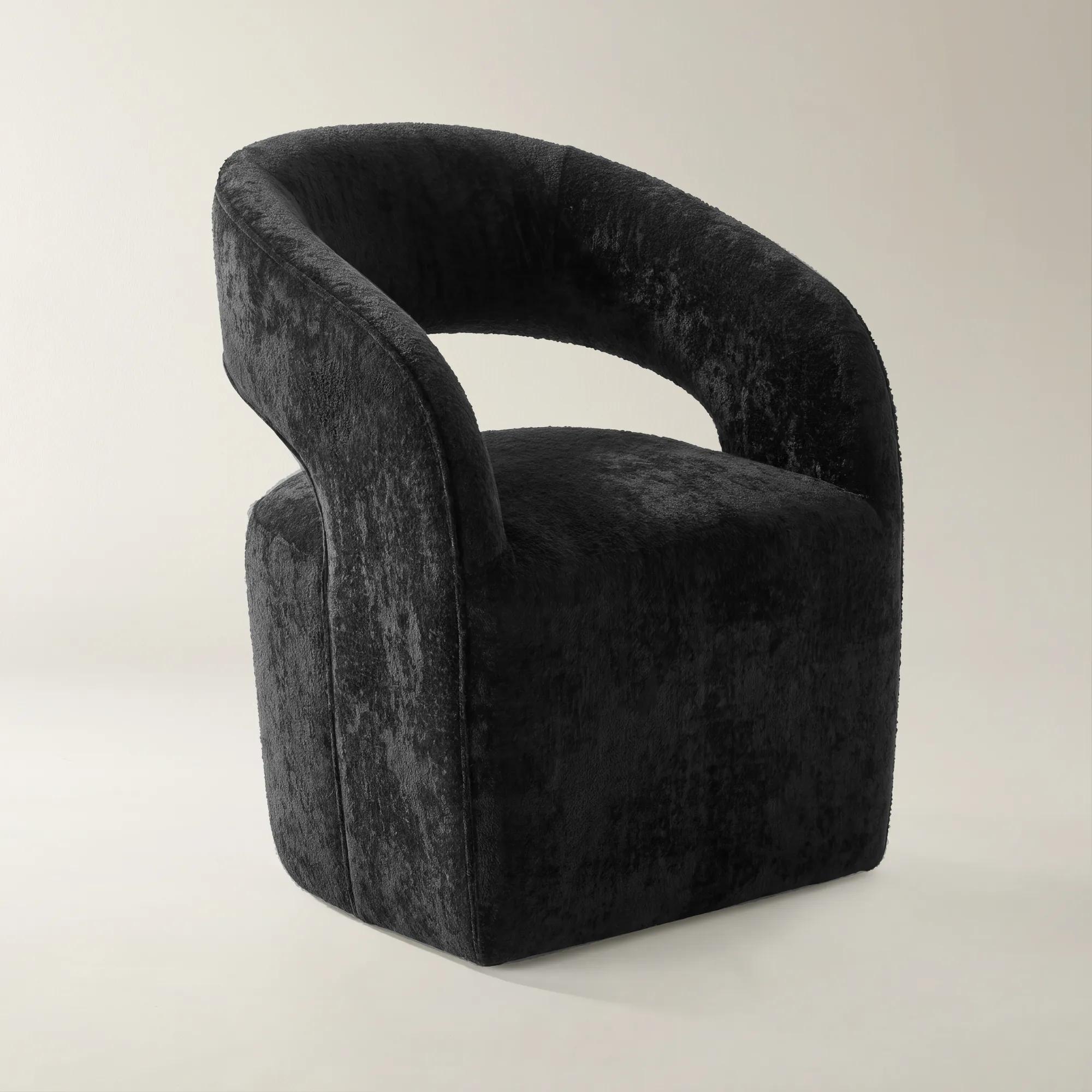 Harrison Black Chenille Dining Chair$499
A sculptural dining chair upholstered in charcoal chenille with a curved back, feather-blend seat, and integrated arms.
Add To Cart

Upholstered Dining Chairs Under $500
Explore upholstered dining chairs under $500 to bring softness and a polished presence to your dining room. As you browse, compare seat heights and chair widths with your table’s dimensions, and consider upholstery care alongside color and silhouette to choose seating that suits both everyday meals and more dramatic dinner settings.
Upholstered dining chairs bring a softer, more expressive dimension to the dining room, pairing the structure of a chair with the tactile appeal of fabric and cushioning. A sweeping back can give the table a sculptural frame; a tailored seat can introduce a quiet layer of texture beneath a dramatic chandelier. Unlike an accent chair intended for lounging, an upholstered dining chair should support a comfortable, upright position that feels natural through a quick breakfast or a leisurely dinner with guests. Its presence matters even when the table is empty: the curve of a back, the sheen of the upholstery, and the line of a leg all contribute to the room’s composition. Velvet creates depth as its pile catches the light, while textured woven upholstery can lend a more dimensional, understated finish. Smooth, closely woven fabrics offer a crisp appearance, and patterned upholstery can give a restrained dining space a distinctive focal point. Fiber content, weave, and construction influence how each fabric feels and performs, so appearance is only part of the decision. Where a fabric is described as performance upholstery, review its stated properties rather than assuming it resists every stain or tolerates every cleaning method. Color also changes the atmosphere around the table. Ivory and pale gray create luminous contrast against dark wood, while charcoal and jewel tones introduce richness beside glass, stone, or gleaming metal. A curved upholstered back can soften the geometry of a rectangular table; a more angular silhouette can bring definition to a round one. Legs and exposed frames add another layer of expression, whether through the warmth of wood or the reflective quality of a metallic finish. For additional inspiration, explore Best Selling Upholstered Dining Chairs with an eye toward the shapes, textures, and proportions that complement the surrounding room. The most compelling arrangement does not require every finish to match; it needs a deliberate connection, such as a repeated curve, a shared undertone, or a fabric color echoed elsewhere in the space.
Fit is what turns a beautiful dining arrangement into one that feels effortless to use. Begin with the table’s height, its underside clearance, and the position of any apron, pedestal, or legs. Standard dining tables are often about 28 to 30 inches tall, but the space beneath the tabletop is more useful than the overall height when assessing how a chair will fit. Roughly 10 to 12 inches between the seat and the underside of the tabletop is a common starting point for comfortable legroom, with individual proportions and cushioning affecting the final feel. Armchairs require an additional check: their arms should clear the table apron if the chairs are meant to tuck underneath. Consider seat width and overall width separately, since a generously flared back or outward-curving arms can occupy more room than the seat suggests. Allowing approximately 24 inches of table edge per diner is a useful starting point, with more space needed for broader chairs and a more expansive place setting. The table base matters, too; a chair that appears to fit along the edge may still meet a table leg before it can slide into position. In a compact dining area, armless silhouettes can preserve visual openness and make entering and leaving the seat easier. At a larger table, upholstered armchairs at the ends can establish a confident frame, while coordinating side chairs maintain a graceful rhythm along the length. Seat depth, back angle, and cushion firmness deserve equal attention. Someone who prefers firm support may feel more settled in a tailored, upright chair than in a deep seat with a pronounced recline. For households that use the dining table for meals, conversation, and occasional desk work, balanced support is especially valuable. Leave enough space behind each chair to pull it out comfortably without blocking a nearby doorway or walkway. If a rug anchors the setting, choose dimensions that allow the chair legs to remain on it when the chair is drawn back for seating.
Lasting appeal depends on construction and care as much as on a striking silhouette. Frame materials, joinery, cushion support, and upholstery quality work together to determine how a dining chair handles repeated use. A wood or metal frame should feel stable, with no unexpected rocking or movement at the joints. Cushioning should provide support without allowing the sitter to feel the underlying frame, while seams and upholstery edges should appear neatly finished. Product dimensions, weight limits, assembly requirements, and care instructions deserve close attention, particularly in a dining room used every day. Households with children, frequent guests, or pets may prioritize fabrics with clearly documented cleaning and wear characteristics; a room reserved for occasional entertaining may allow more emphasis on delicate texture or elaborate detailing. Neither setting makes upholstery maintenance optional. Crumbs and dust can settle into seams, so gentle vacuuming with an upholstery attachment, when permitted by the care instructions, helps keep the surface fresh. Address spills promptly by blotting with a clean, dry white cloth rather than rubbing the liquid farther into the fabric. Before applying water, soap, or a cleaning solution, check the upholstery care code and the manufacturer’s directions; some fabrics require solvent-based treatment or professional cleaning. A removable cushion cover is not necessarily machine washable, and stain resistance does not mean a fabric is stainproof. Protect upholstery from prolonged direct sunlight where practical, and keep chair backs from repeatedly striking walls or other furniture. Floor protectors suited to the flooring can help reduce marks as chairs move, while periodic checks of manufacturer-approved fasteners can help maintain stability. These small habits preserve the details that make upholstered seating so inviting: a beautifully held curve, a smooth expanse of fabric, and a seat that feels considered every time someone sits down. Chosen with attention to both atmosphere and everyday use, upholstered dining chairs give the table a sense of occasion without making it feel untouchable—a richly layered setting for shared meals, animated conversation, and the pleasure of lingering a little longer.
FAQs
Sculptural silhouettes, tailored upholstery, and expressive detailing bring modern glam to the dining room. Look for curved backs, channel tufting, or contrasting finishes to create visual drama. Choose one defining detail to echo throughout the room, letting each chair contribute to a polished, artful setting.
Upholstery gives a dining room its tactile character. Plush textures create a sumptuous, intimate mood, while subtle weaves introduce depth and a more understated elegance. Smooth, tailored upholstery emphasizes clean lines. Consider how the fabric looks alongside your table, rug, and lighting to compose a richly layered space.
Create a dialogue between softness and structure. Upholstered dining chairs can temper the crisp appearance of glass or metal tables, while contrasting upholstery adds definition beside wood. Repeat a tone or finish from the table in the chair detailing for cohesion, or introduce contrast for a more expressive composition.
Yes—mixing chair styles can give your dining room a collected, editorial character. Try upholstered chairs at the heads of the table with a complementary style along the sides. Keep a shared color, silhouette, or finish across the arrangement so the contrast feels intentional rather than competing.
Begin with the manufacturer's upholstery care instructions, since cleaning methods vary by fabric and finish. Use only the recommended routine for removing dust and addressing spills, and check the care guidance before applying any cleaner. Thoughtful upkeep belongs alongside beautiful styling as part of caring for a well-appointed dining room.