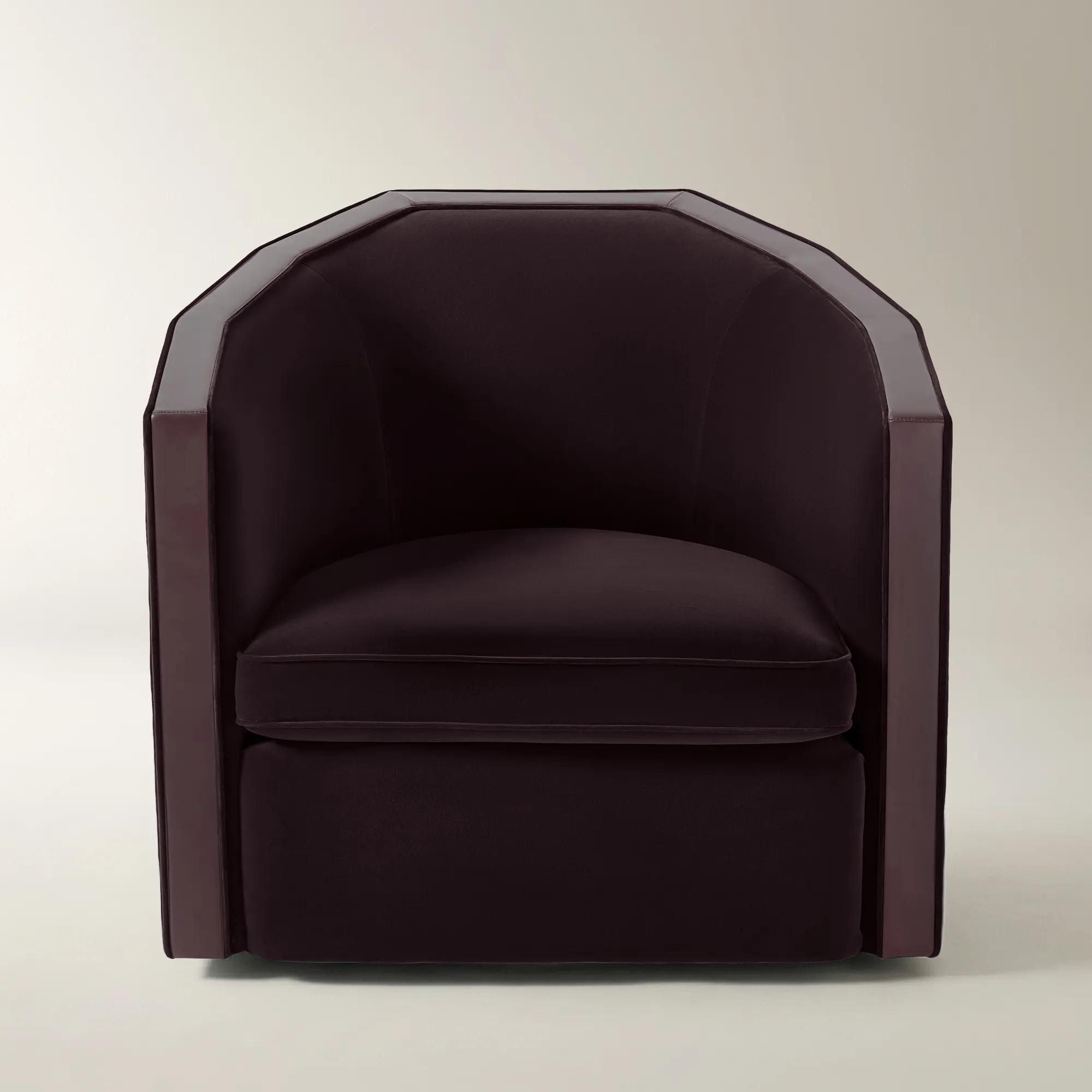
Accent Chairs For Hardwood Floors
Accent Chairs For Hardwood Floors
-
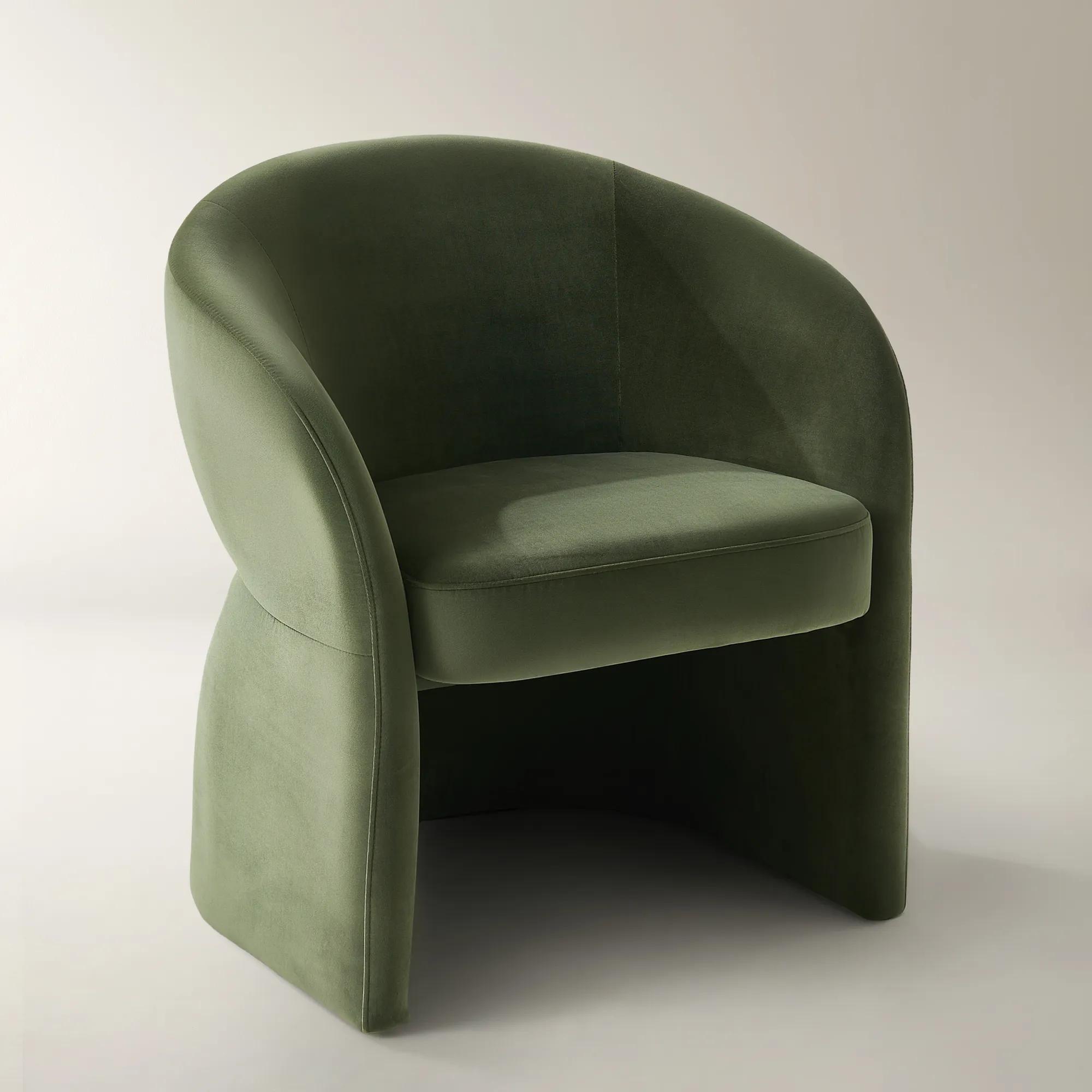
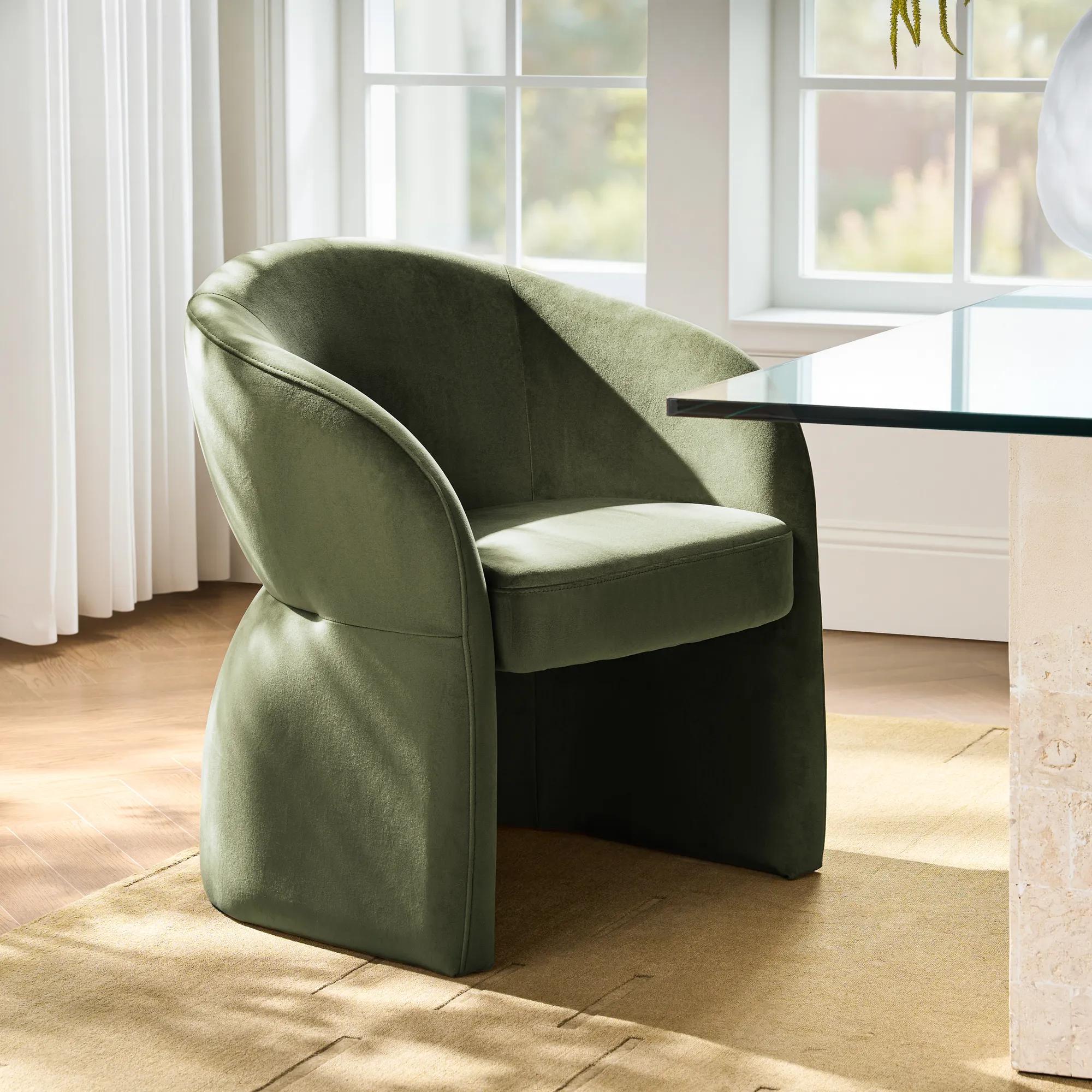 Sierra Jade Green Velvet Dining Chair$599
A sculptural accent chair in jade green velvet with gracefully arched arms and plush, supportive cushioning.
Add To Cart -
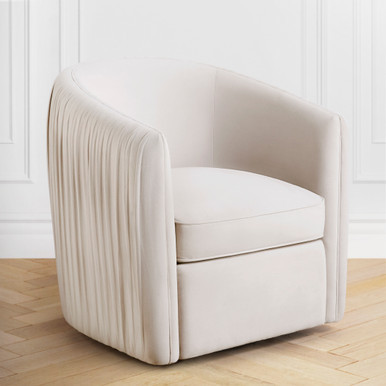
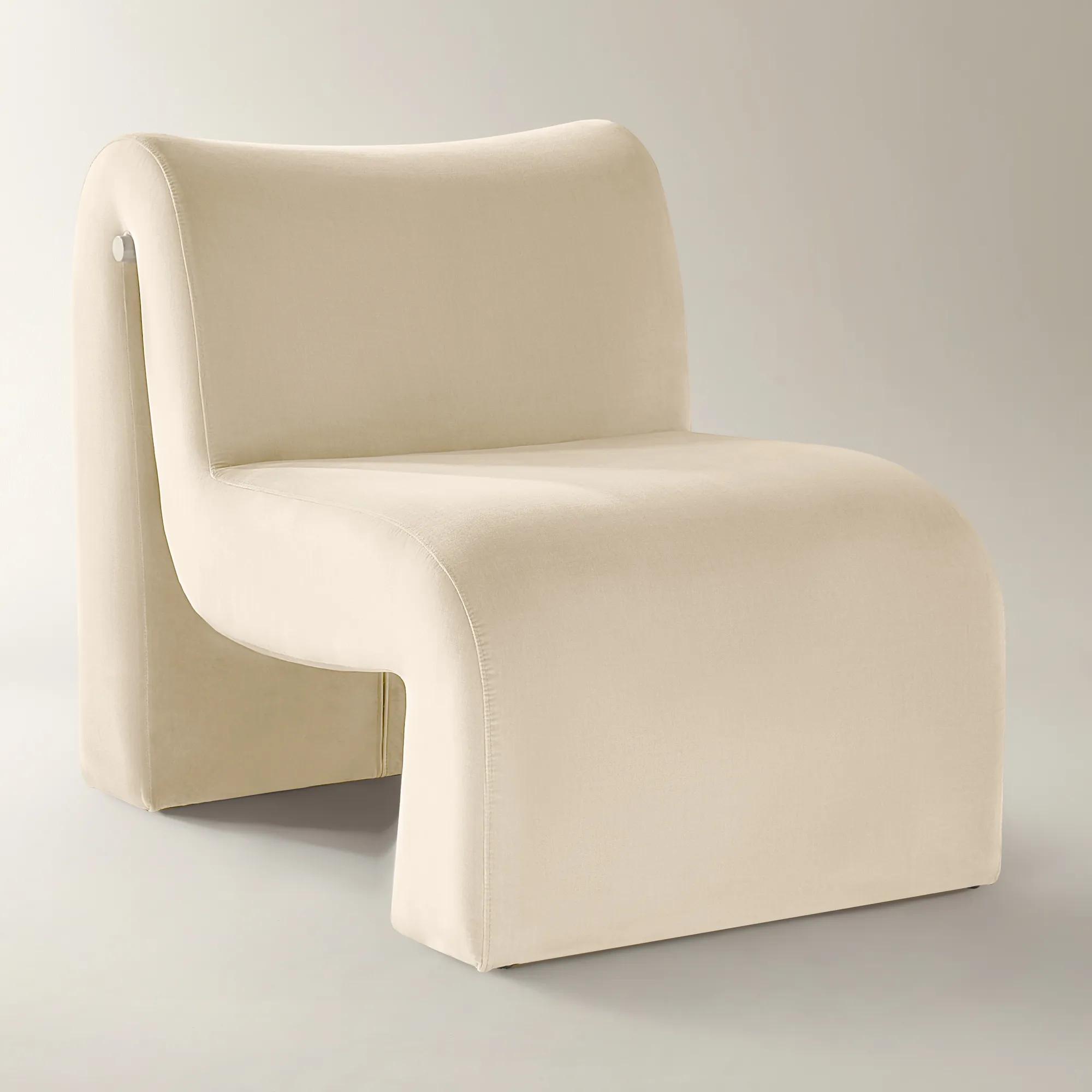 Cora Ivory Velvet Accent Chair$899
A sculpted ivory velvet chair featuring a continuous curved silhouette and a gold stainless-steel accent.
Add To Cart -
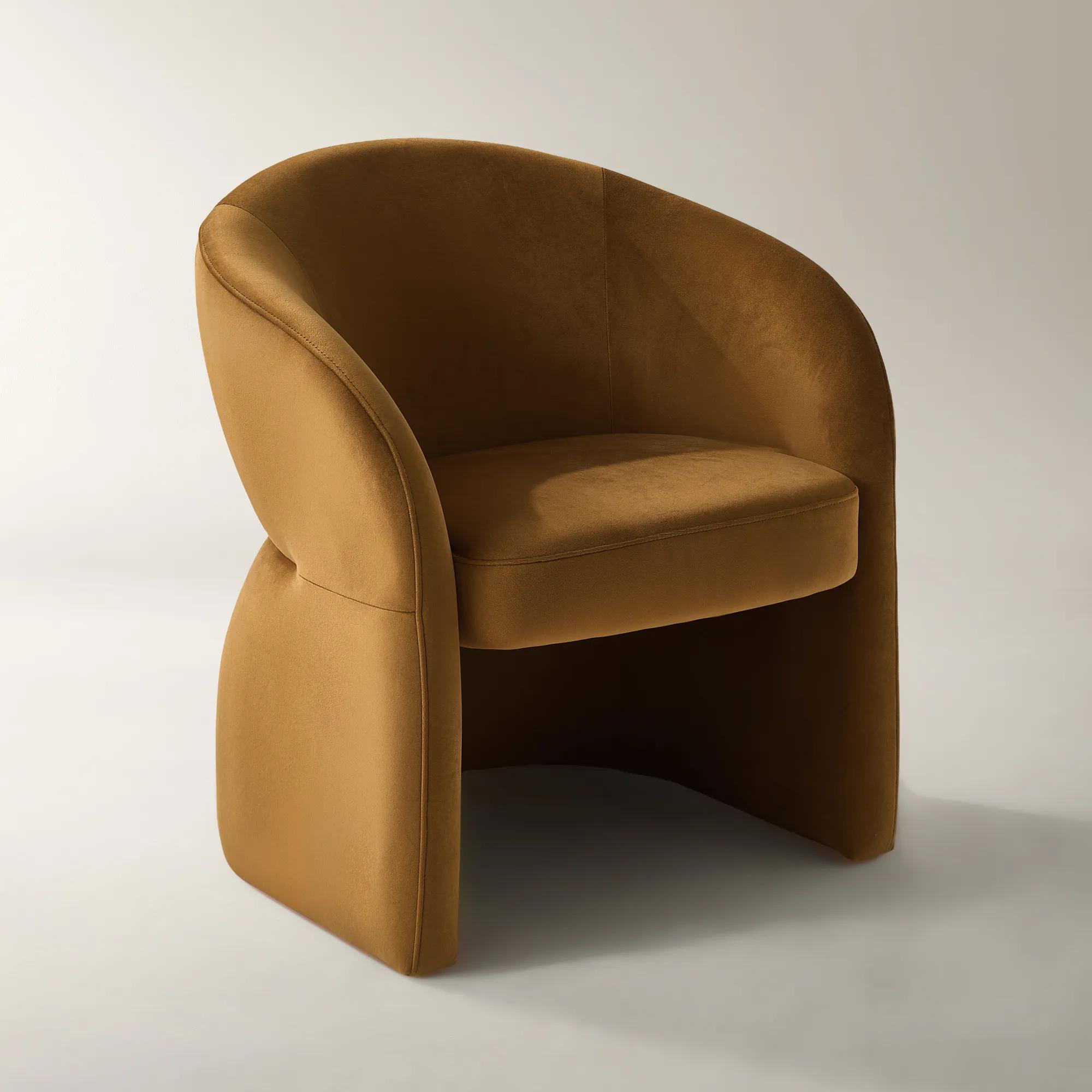
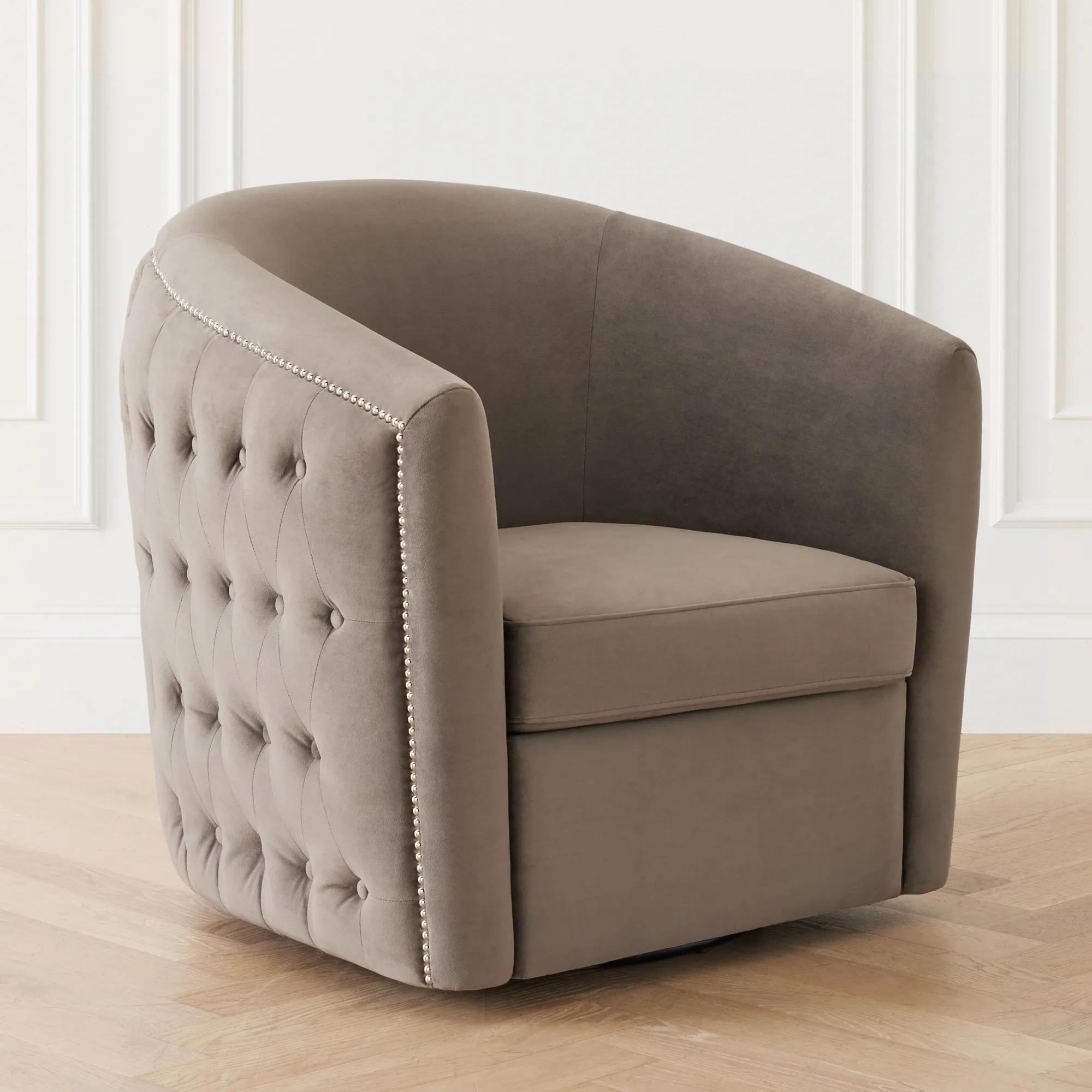
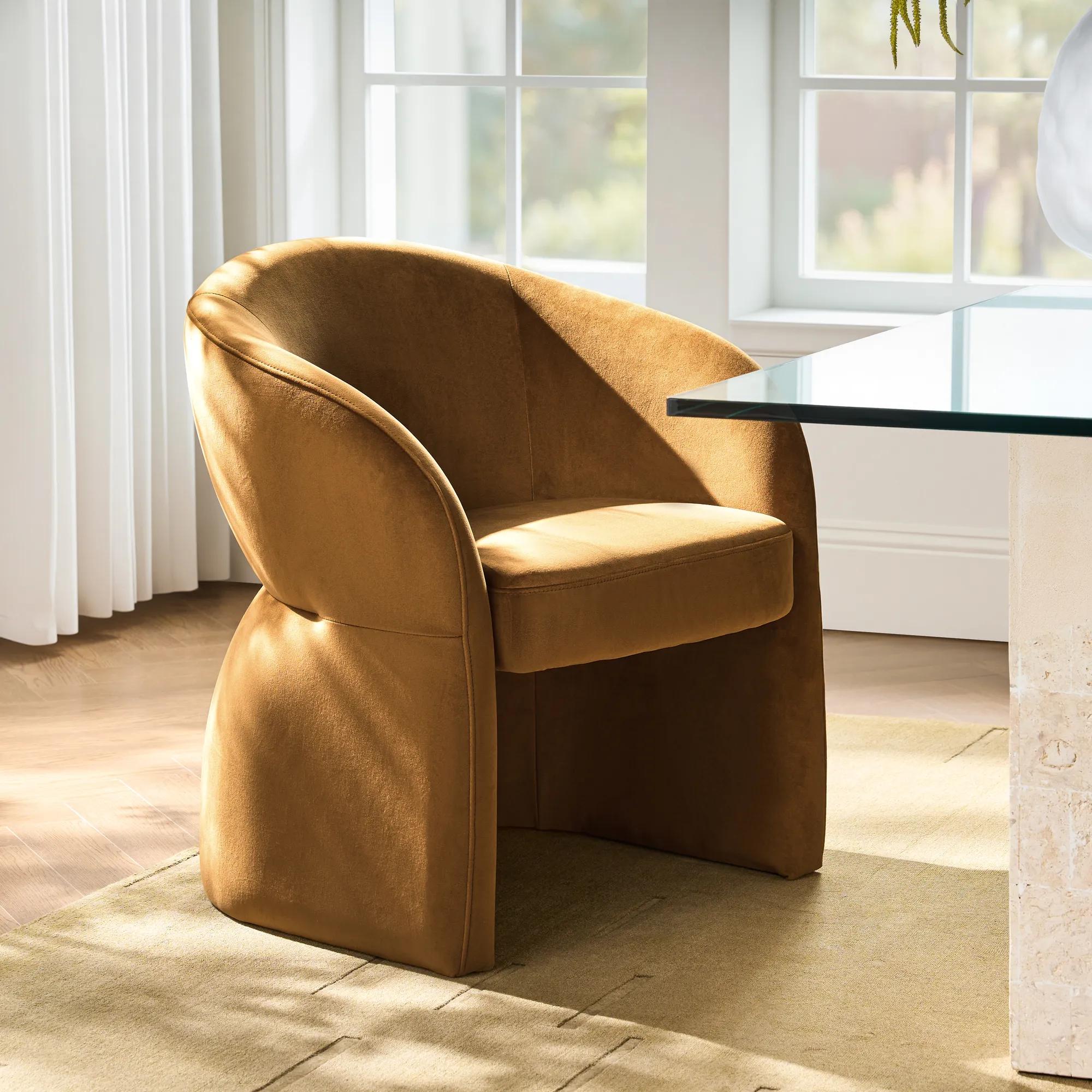 Sierra Roasted Pecan Velvet Dining Chair$599
A sculptural accent chair in roasted pecan velvet with arched arms, curved back, and plush cushioning.
Add To Cart -
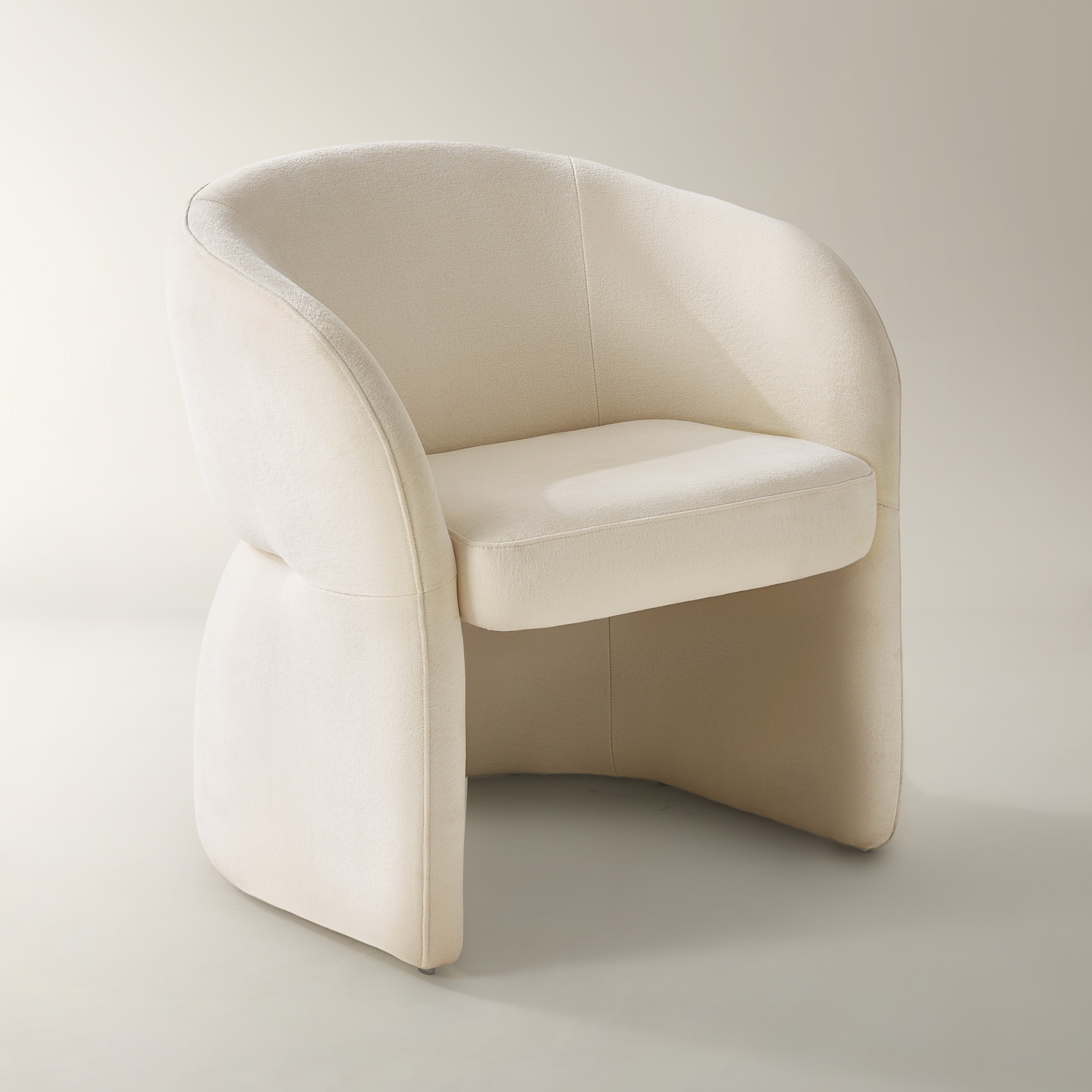
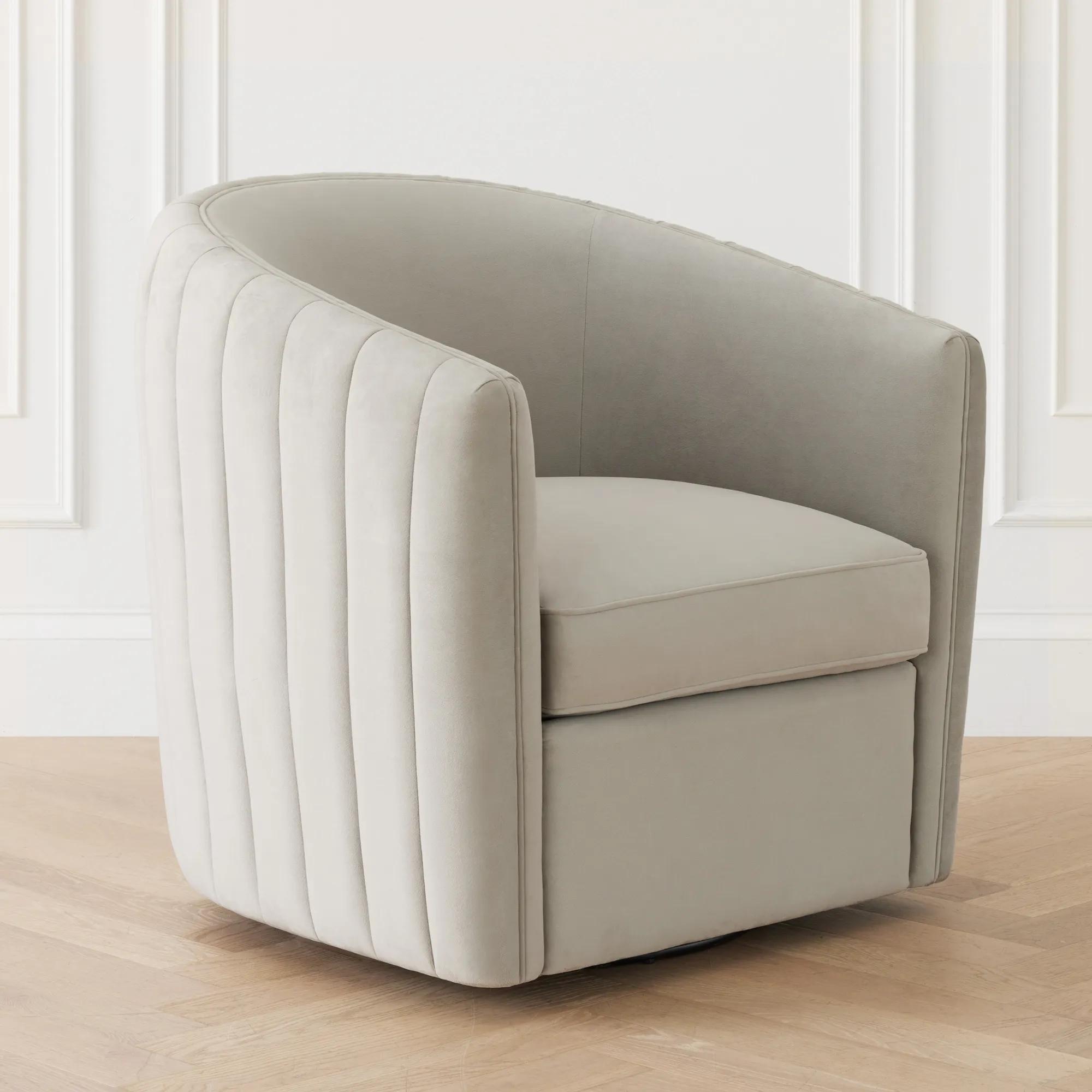
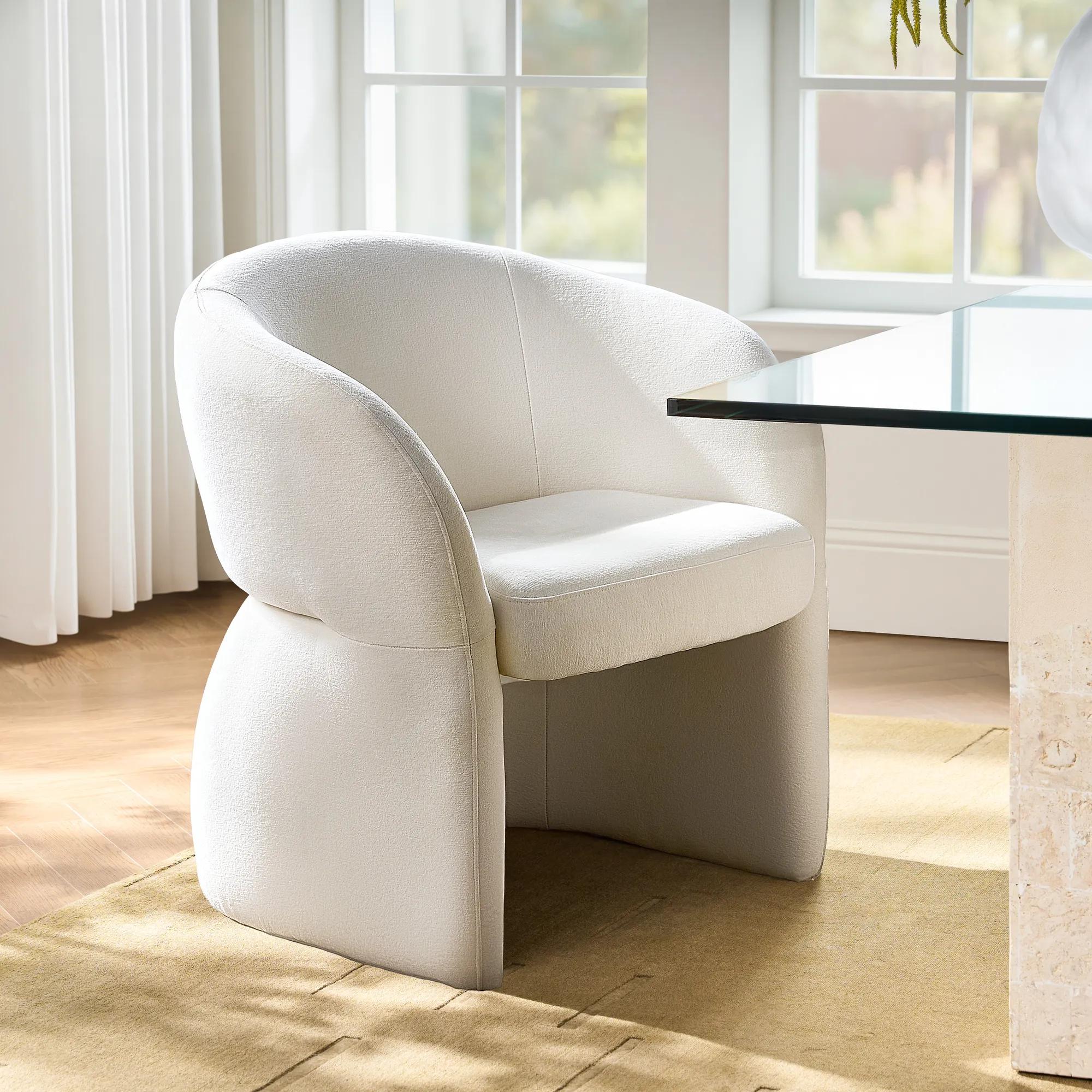 Sierra Oatmeal Velvet Dining Chair$599
An elegant accent chair in oatmeal velvet with gracefully arched arms, curved back, and plush cushioning.
Add To Cart -
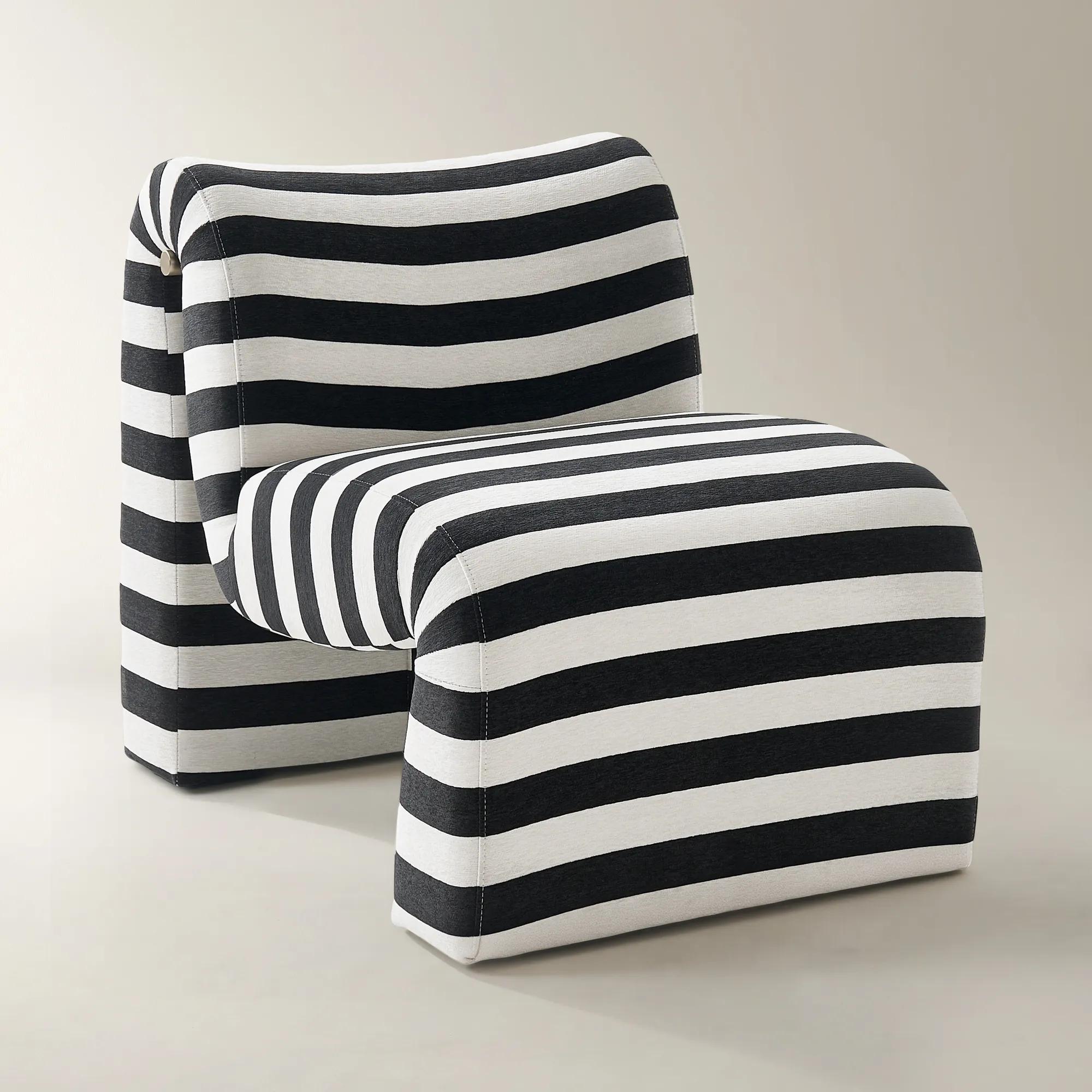 Cora Stripe Chenille Accent Chair$899
A bold black-and-white striped accent chair featuring water-repellent chenille and a gold stainless-steel inlay.
Add To Cart -
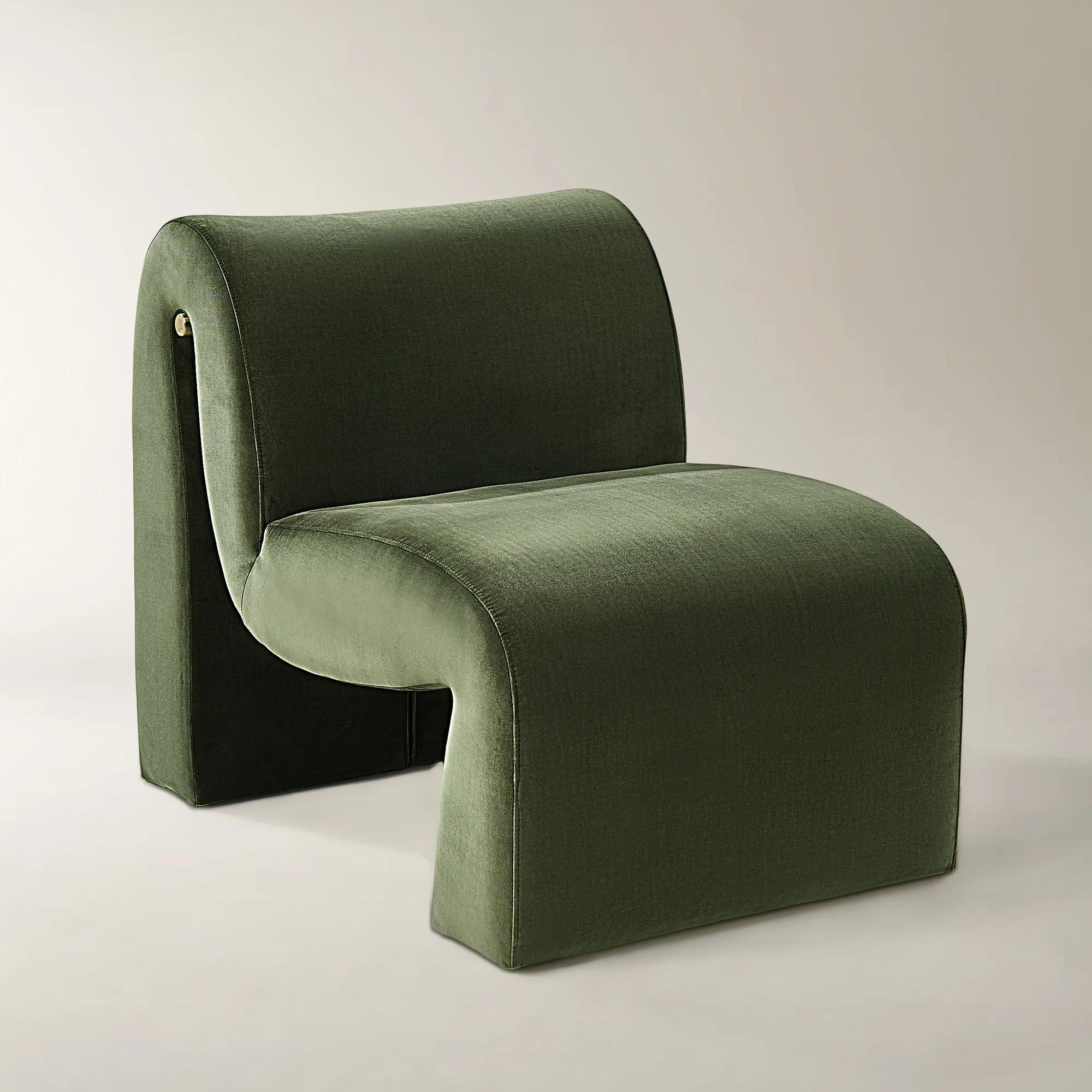
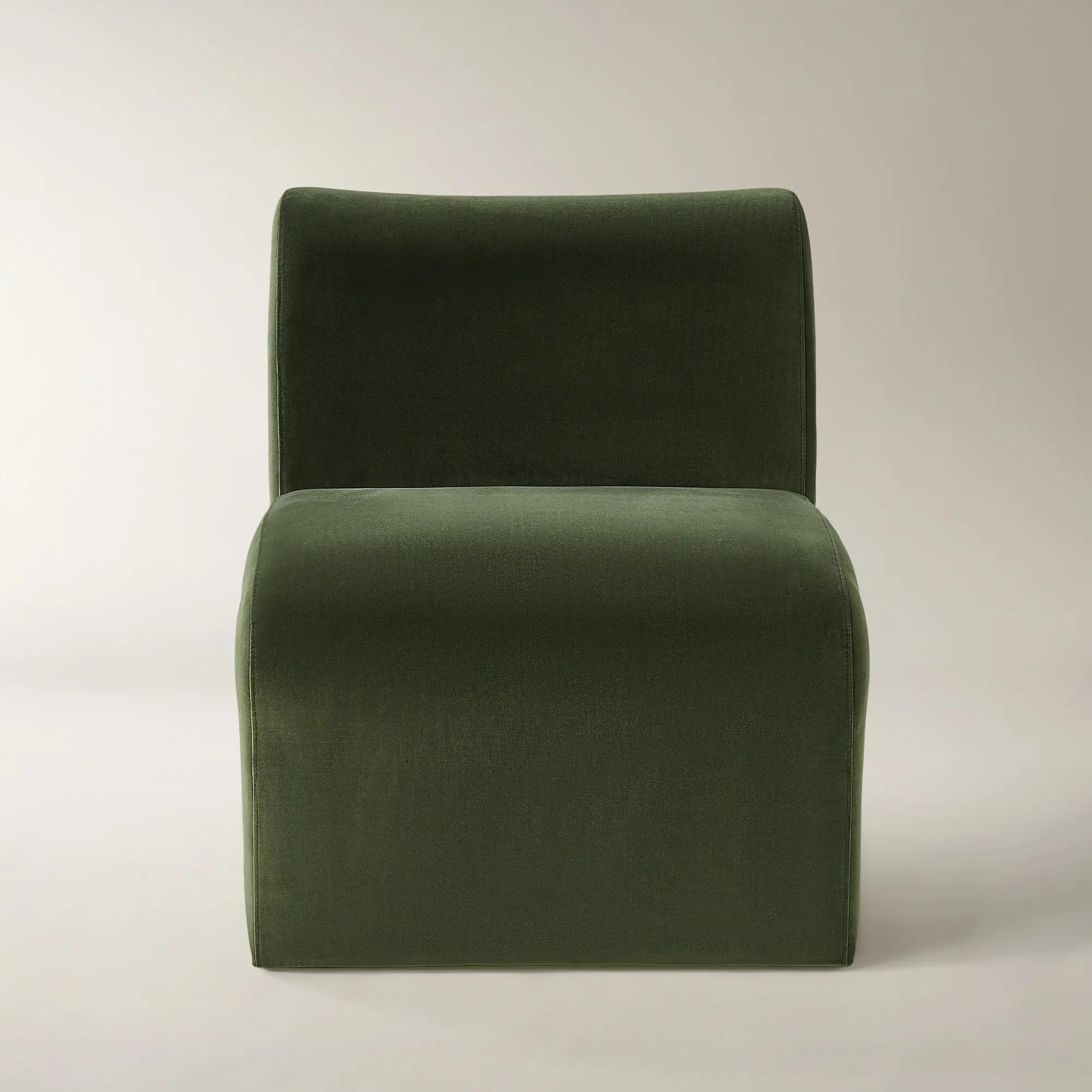 Cora Jade Green Velvet Accent Chair$899
A sculpted accent chair in jade green velvet with a gold stainless-steel inlay for refined glamour.
Add To Cart -
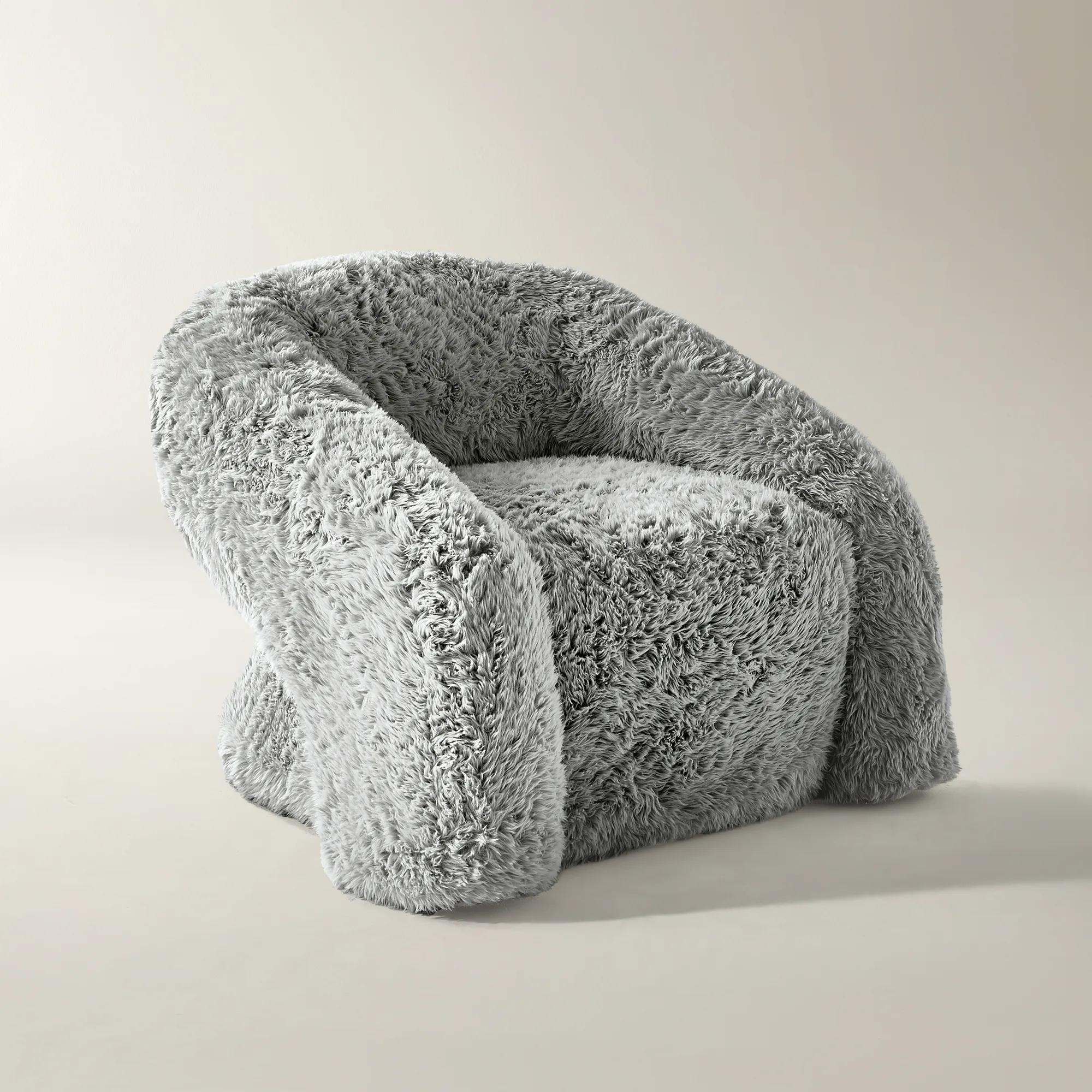
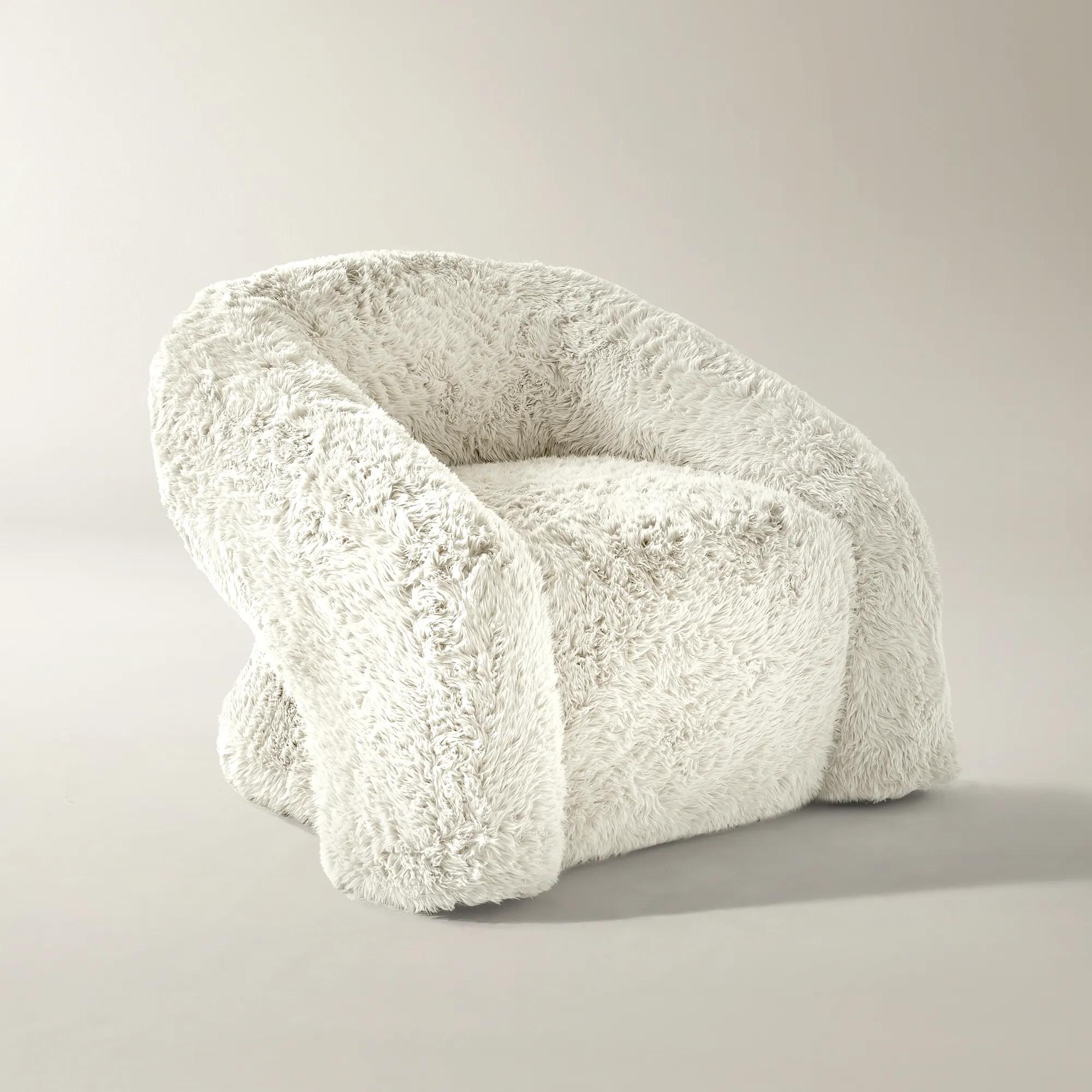 Misha White Faux Fur Accent Chair$799
A modern white faux fur chair offering plush comfort, sculptural lines, and pet-friendly, easy-care upholstery.
Add To Cart -
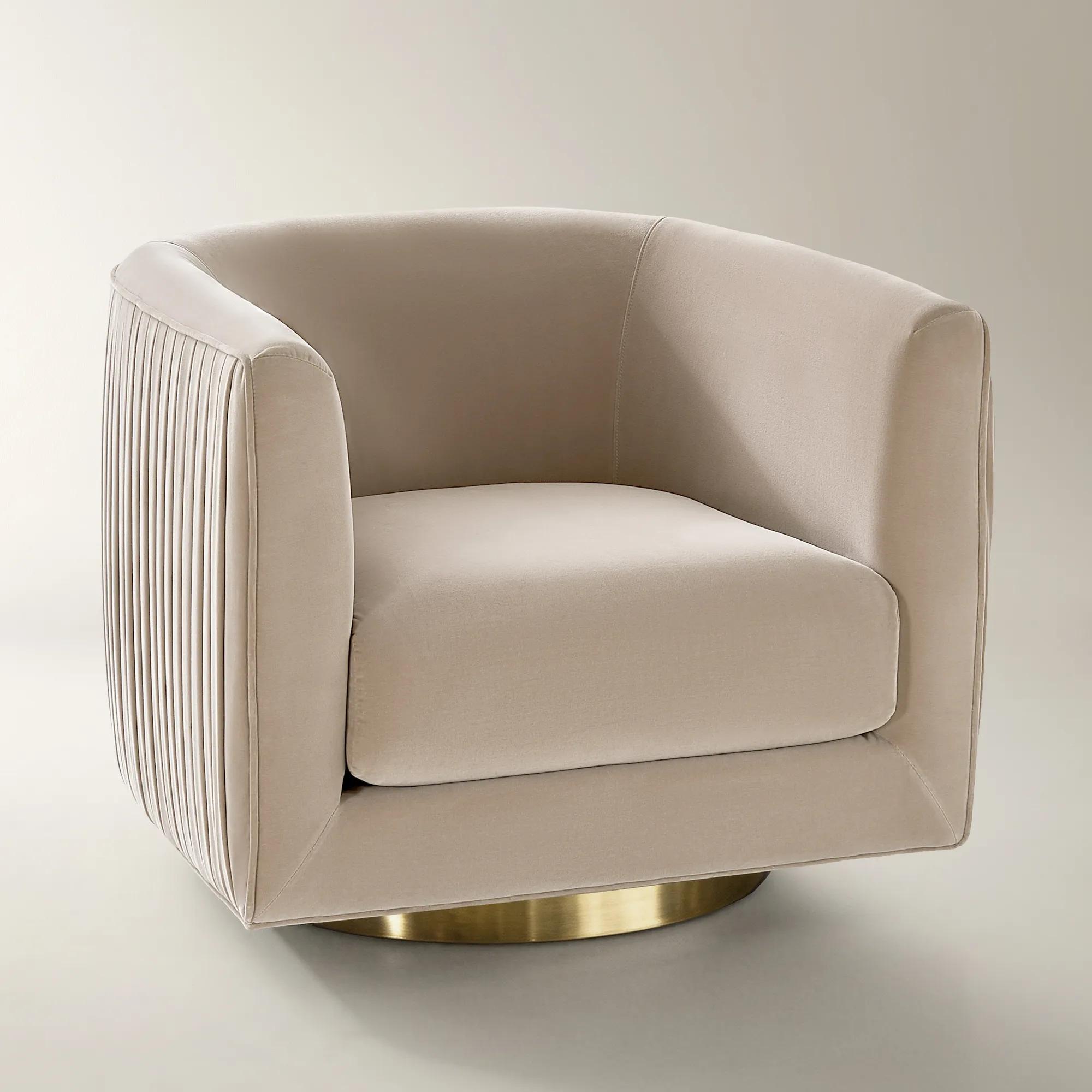 Lyssa Pleated Simply Taupe Velvet Swivel Accent Chair$1099
A softly curved taupe velvet accent chair featuring pleated detailing, 360° swivel, and a gold stainless steel base.
Add To Cart -
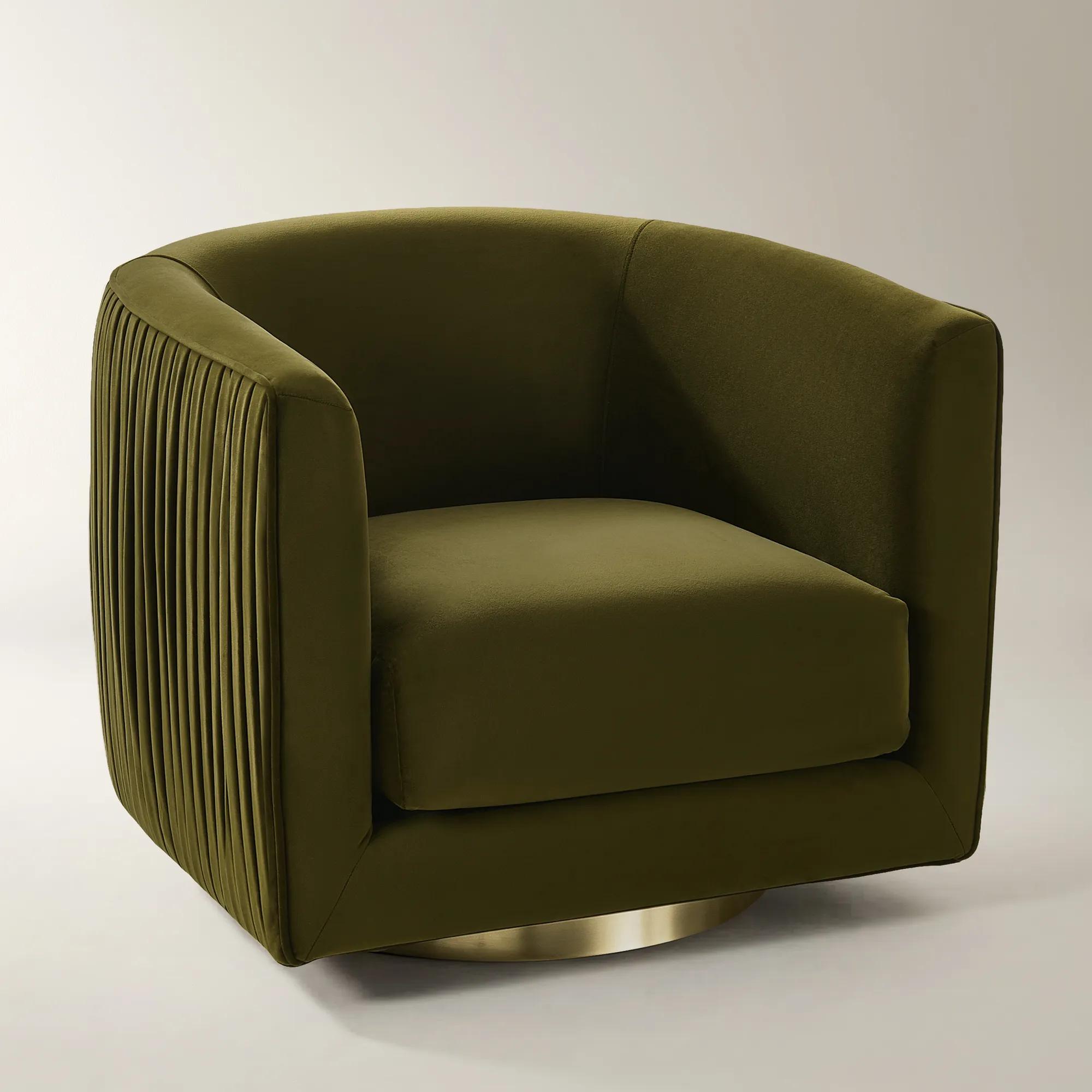
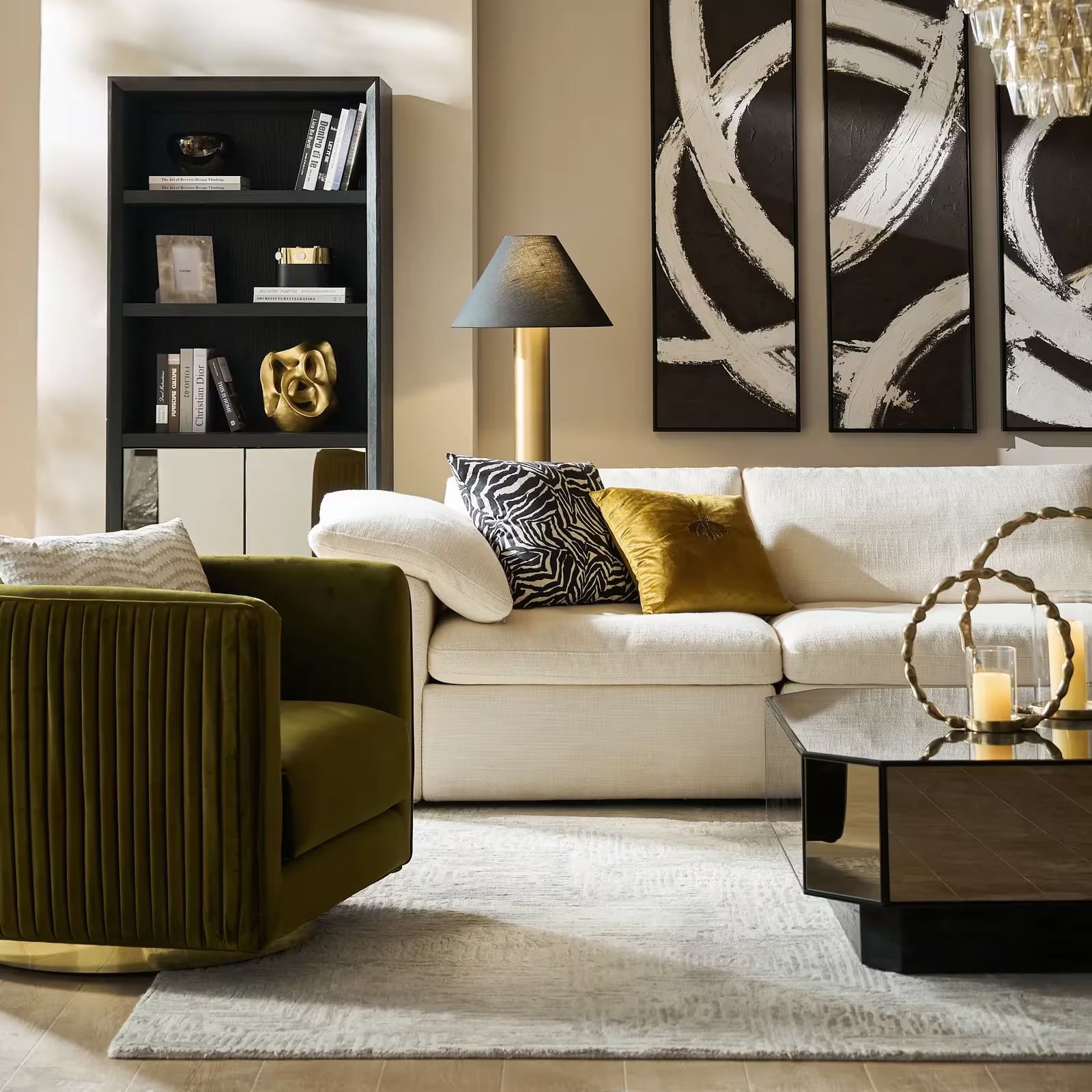 Lyssa Pleated Deep Olive Velvet Swivel Accent Chair$1099
A deep olive green velvet accent chair featuring pleated panels, smooth curves, and a 360-degree swivel base.
Add To Cart -
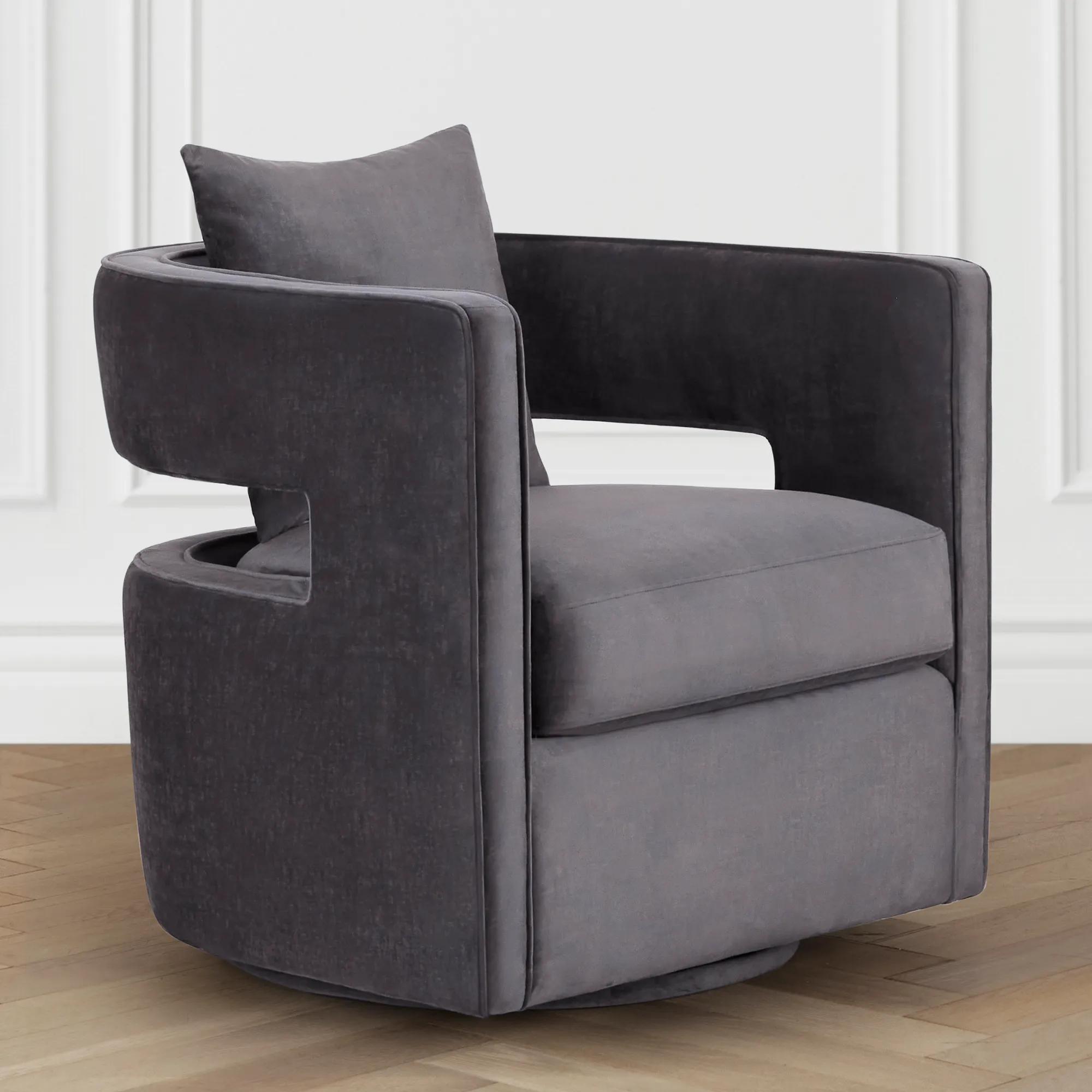 Lottie Grey Velvet Swivel Accent Chair$999
A glamorous grey velvet swivel chair featuring a barrel back, cutout arms, and plush foam cushioning.
Add To Cart -
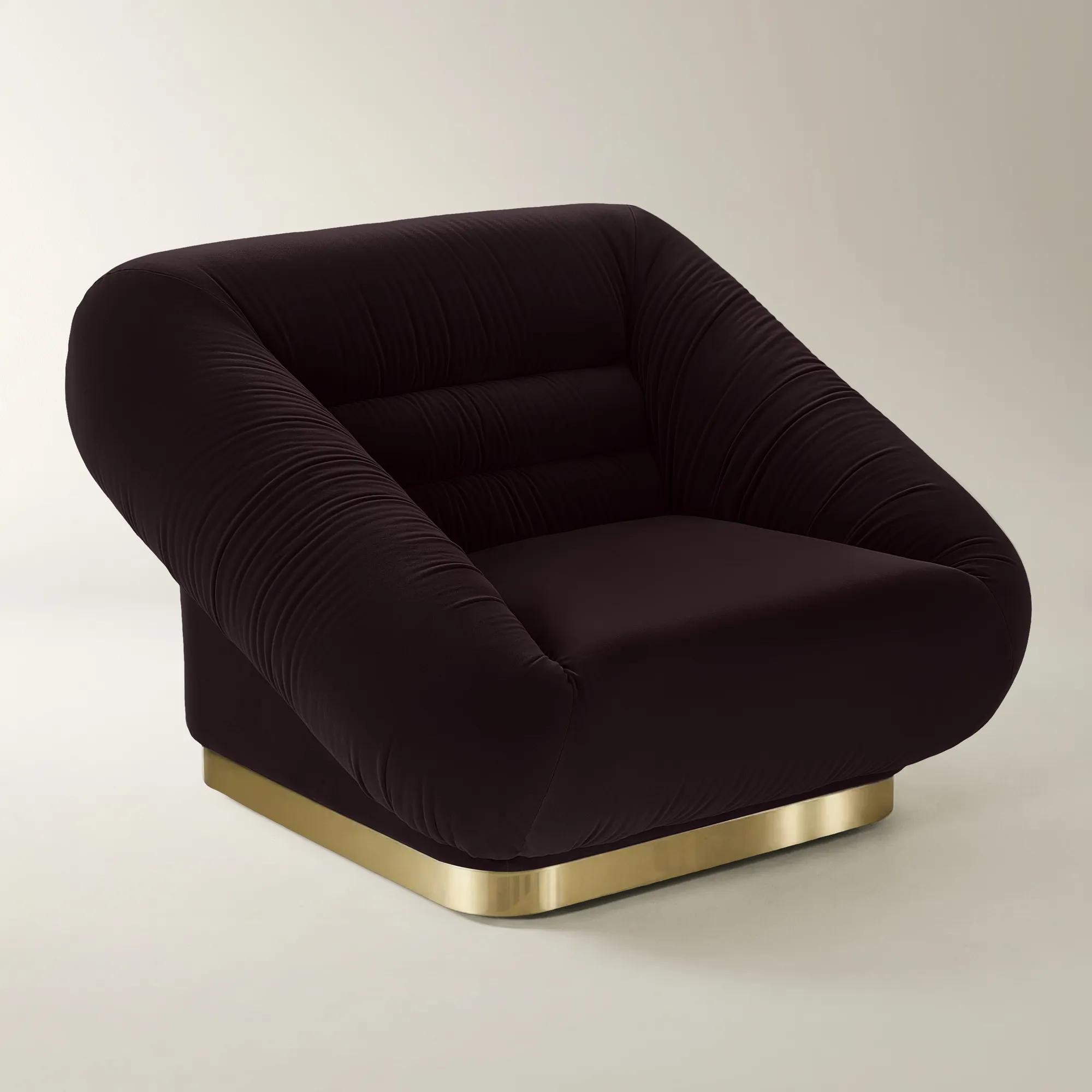 Dover Fig Velvet Swivel Accent Chair$1299
A sculptural fig velvet accent chair featuring soft gathered upholstery, gold-trimmed base, and smooth 360° swivel.
Add To Cart -
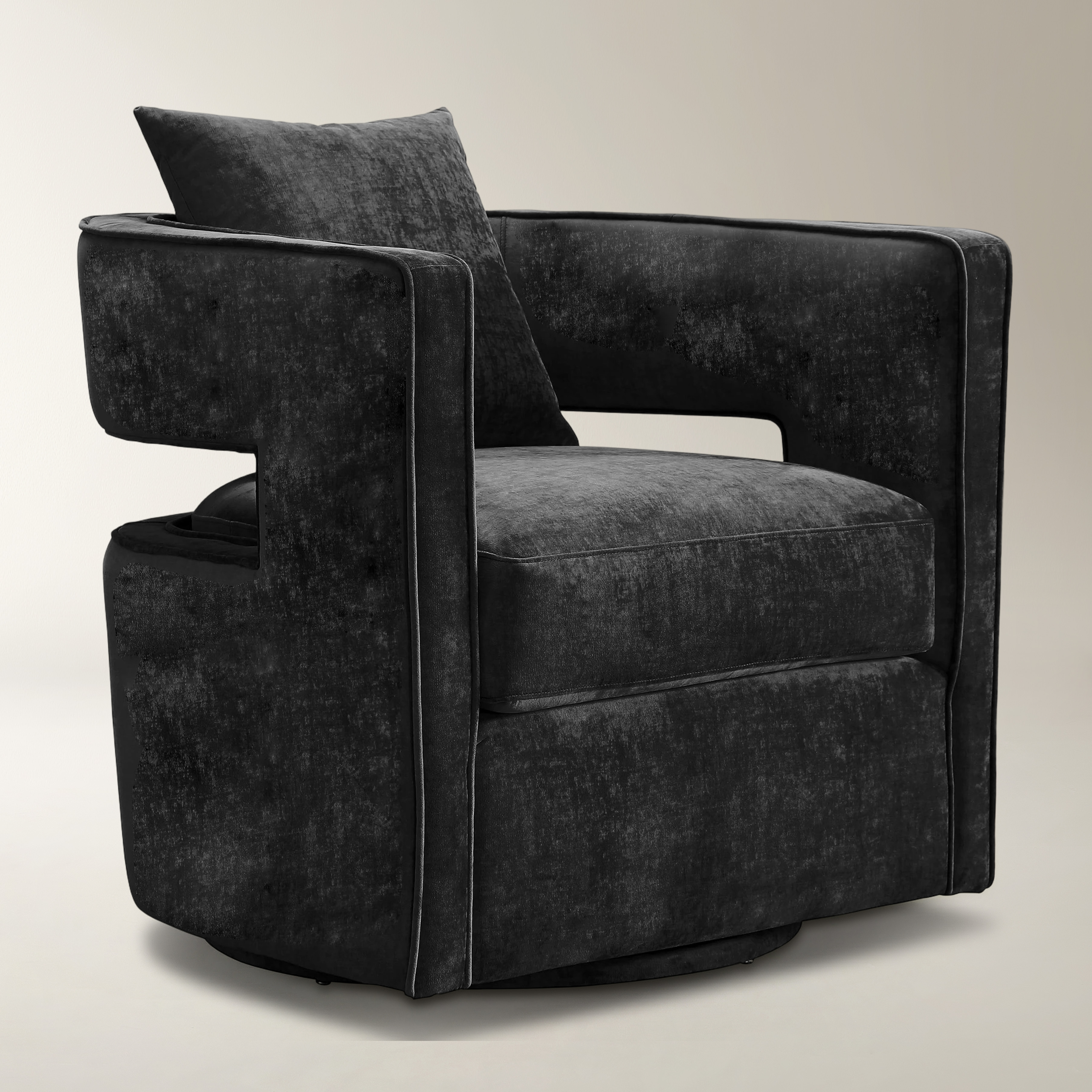 Lottie Black Velvet Swivel Accent Chair$999
A black velvet swivel accent chair with a sculpted barrel silhouette, open arms, and supportive cushioning.
Add To Cart -
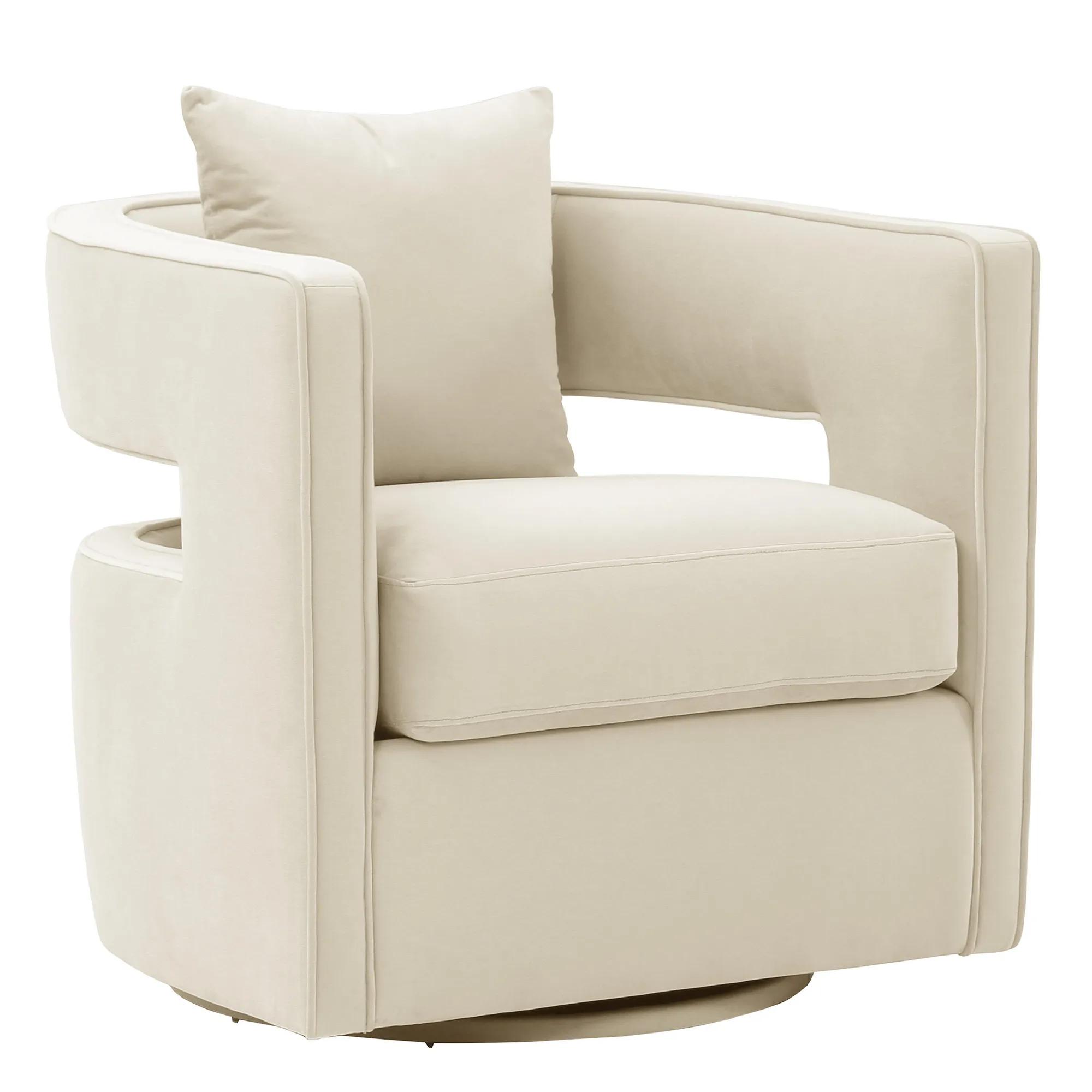
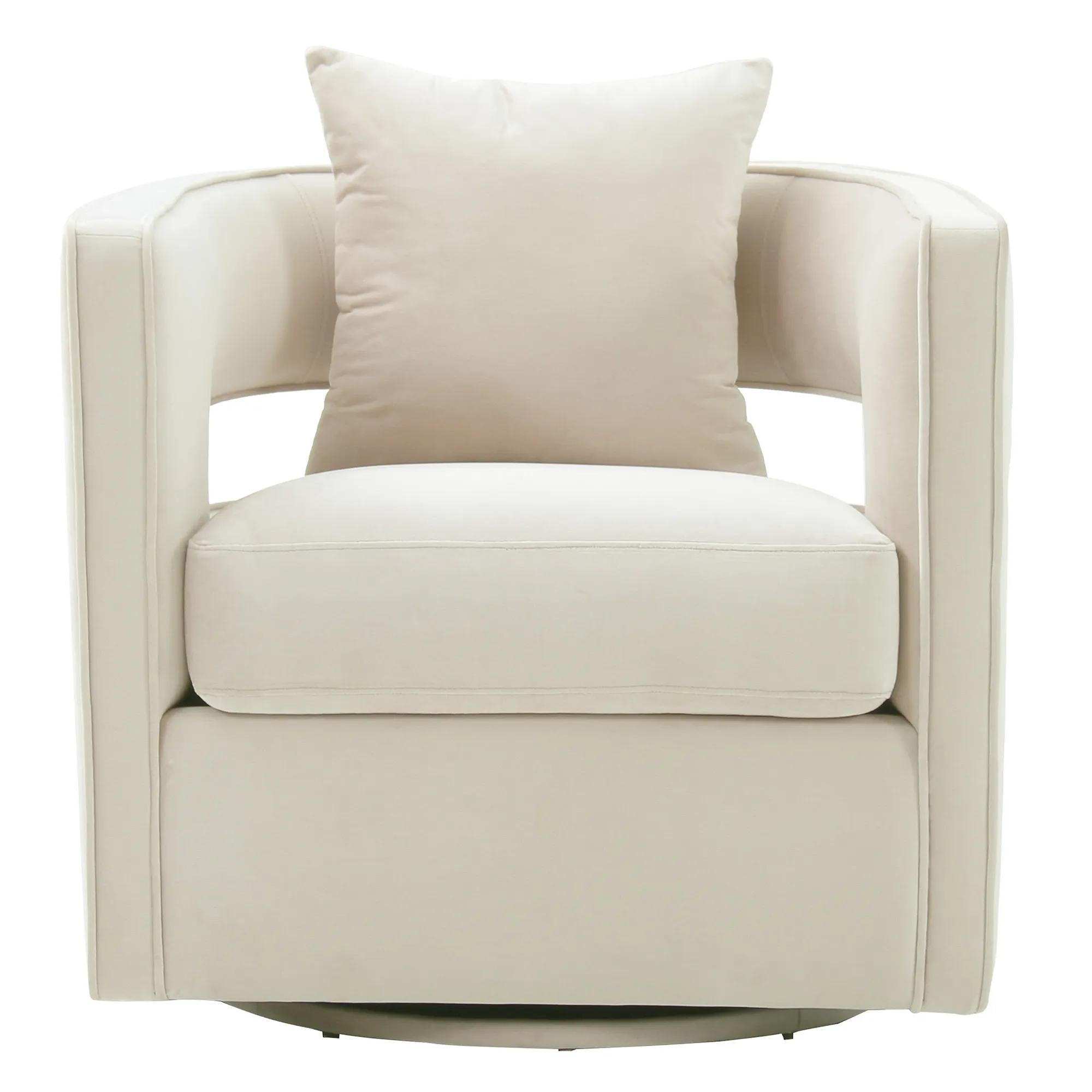 Lottie Cream Velvet Swivel Accent Chair$999
A glamorous cream velvet swivel chair featuring a barrel back, cutout arms, and plush foam cushioning.
Add To Cart -
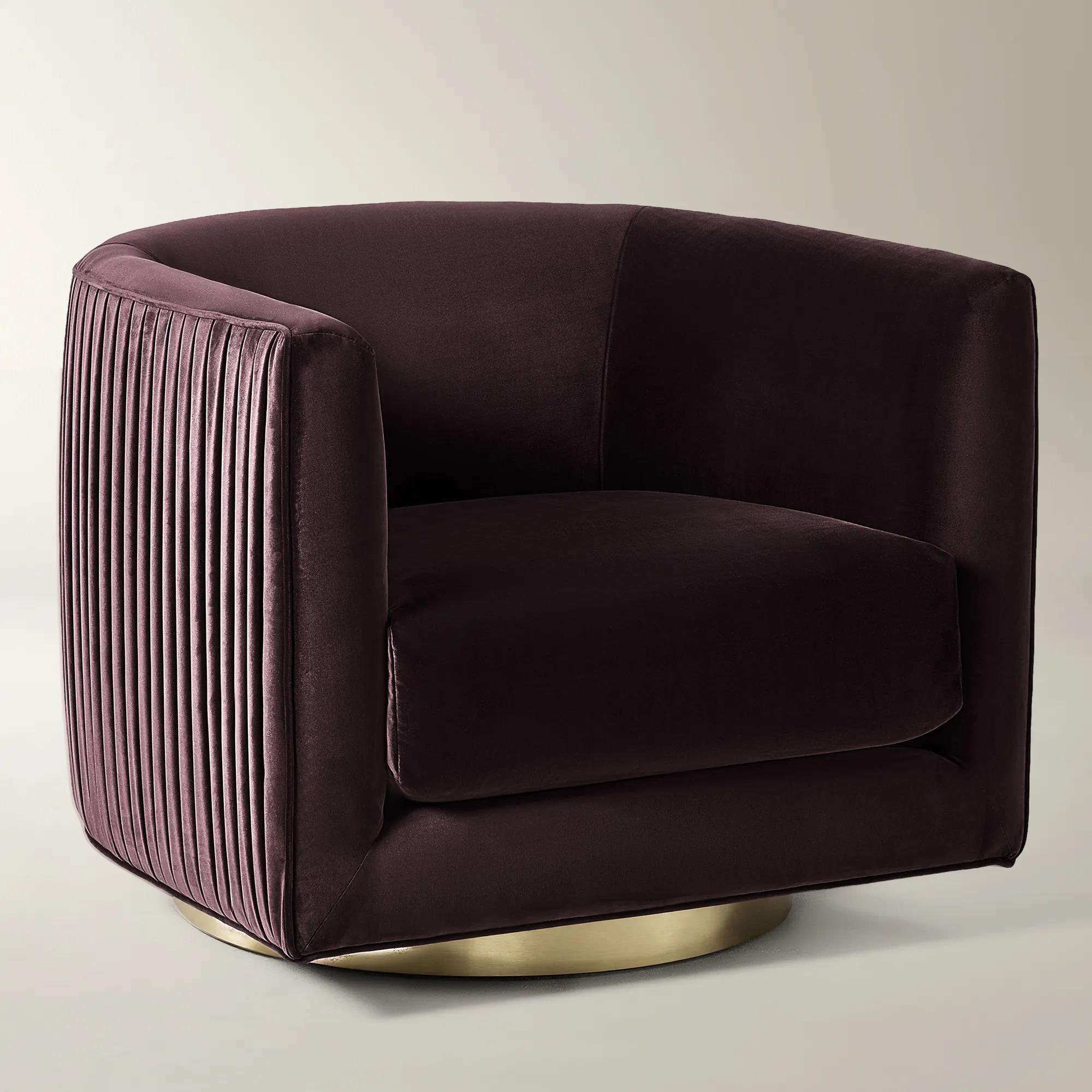 Lyssa Pleated Fig Velvet Swivel Accent Chair$1099
A fig-colored velvet accent chair featuring pleated detailing, a curved silhouette, and a smooth 360° swivel base.
Add To Cart -

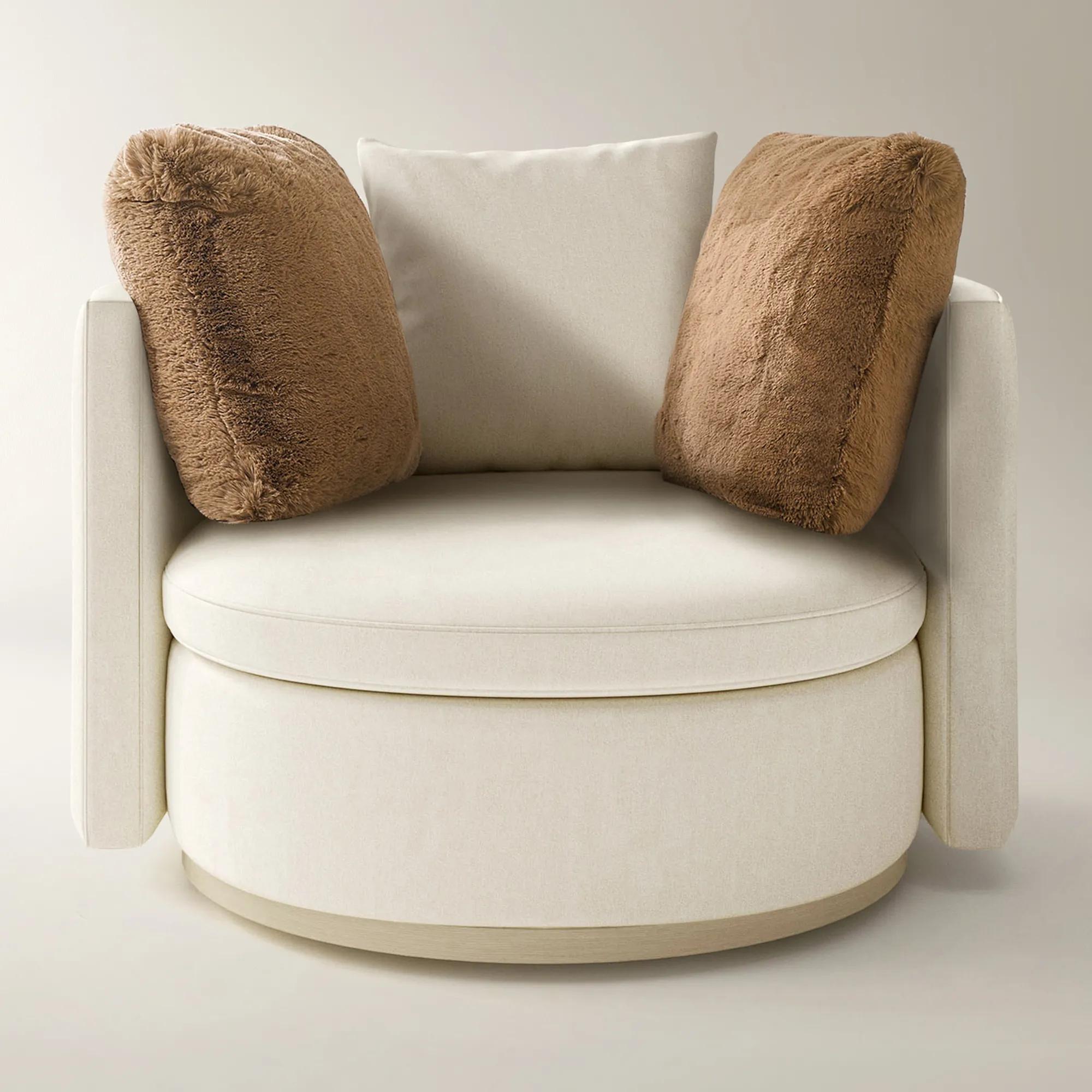 Stria Ivory Chenille Swivel Accent Chair$1499
An ivory chenille accent chair with triple-layer cushioning, ergonomic curves, and a smooth 360-degree swivel.
Add To Cart -
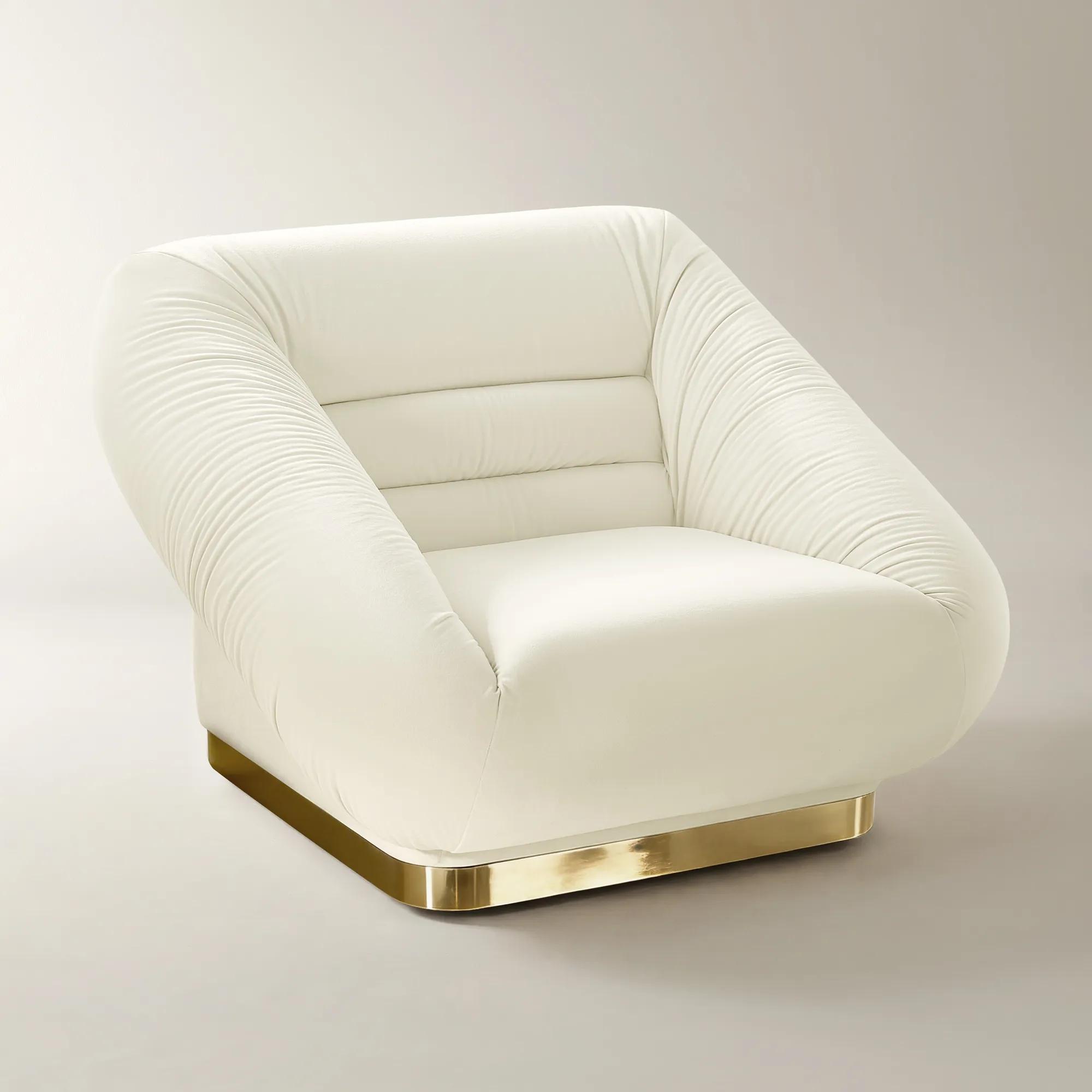 Dover Cloud Velvet Swivel Accent Chair$1299
A sculptural accent chair in cloud velvet with a gold-trimmed base and smooth 360° swivel function.
Add To Cart -
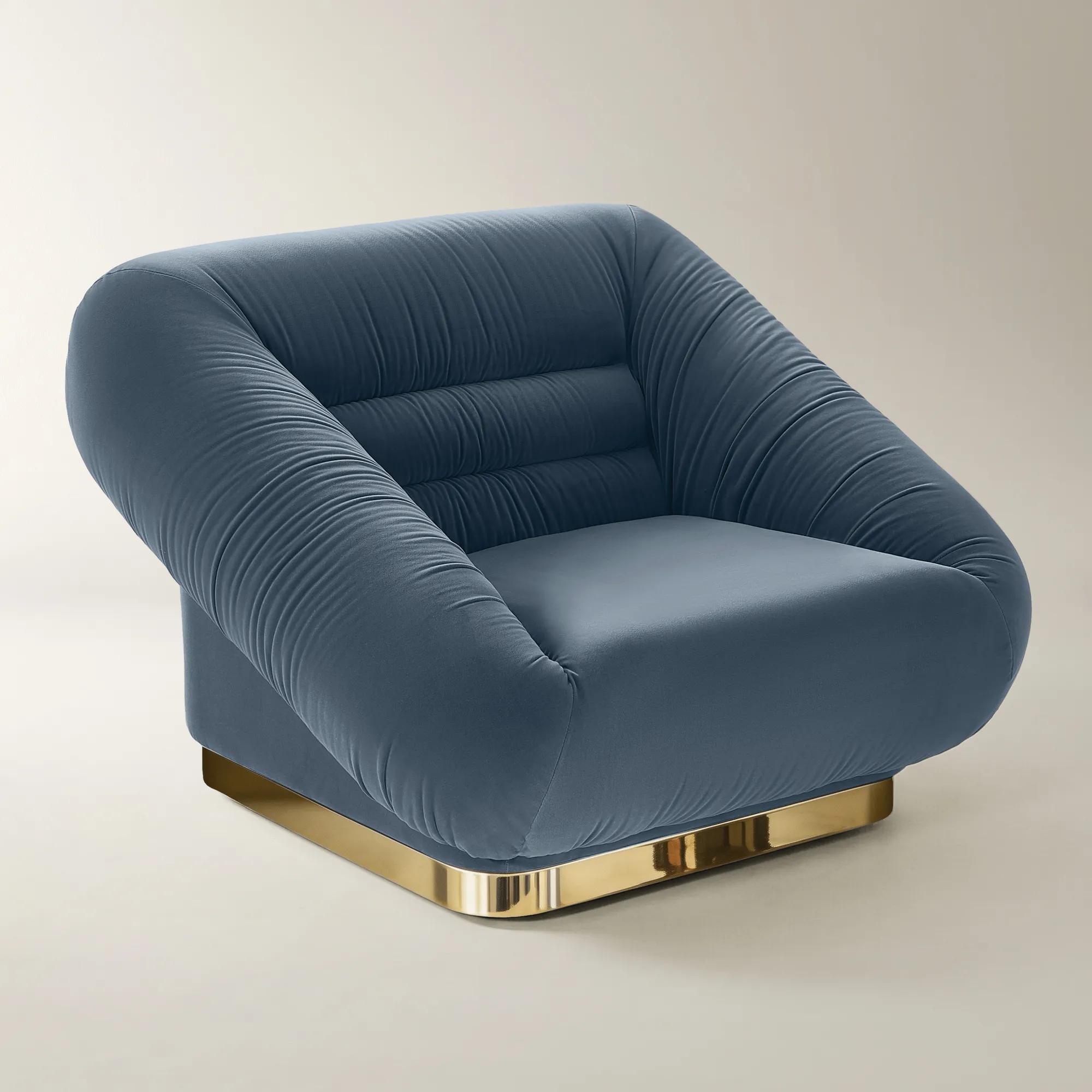 Dover Dusty Blue Velvet Swivel Accent Chair$1299
A sculptural blue velvet accent chair featuring soft gathered upholstery, gold-trimmed base, and smooth 360° swivel.
Add To Cart -
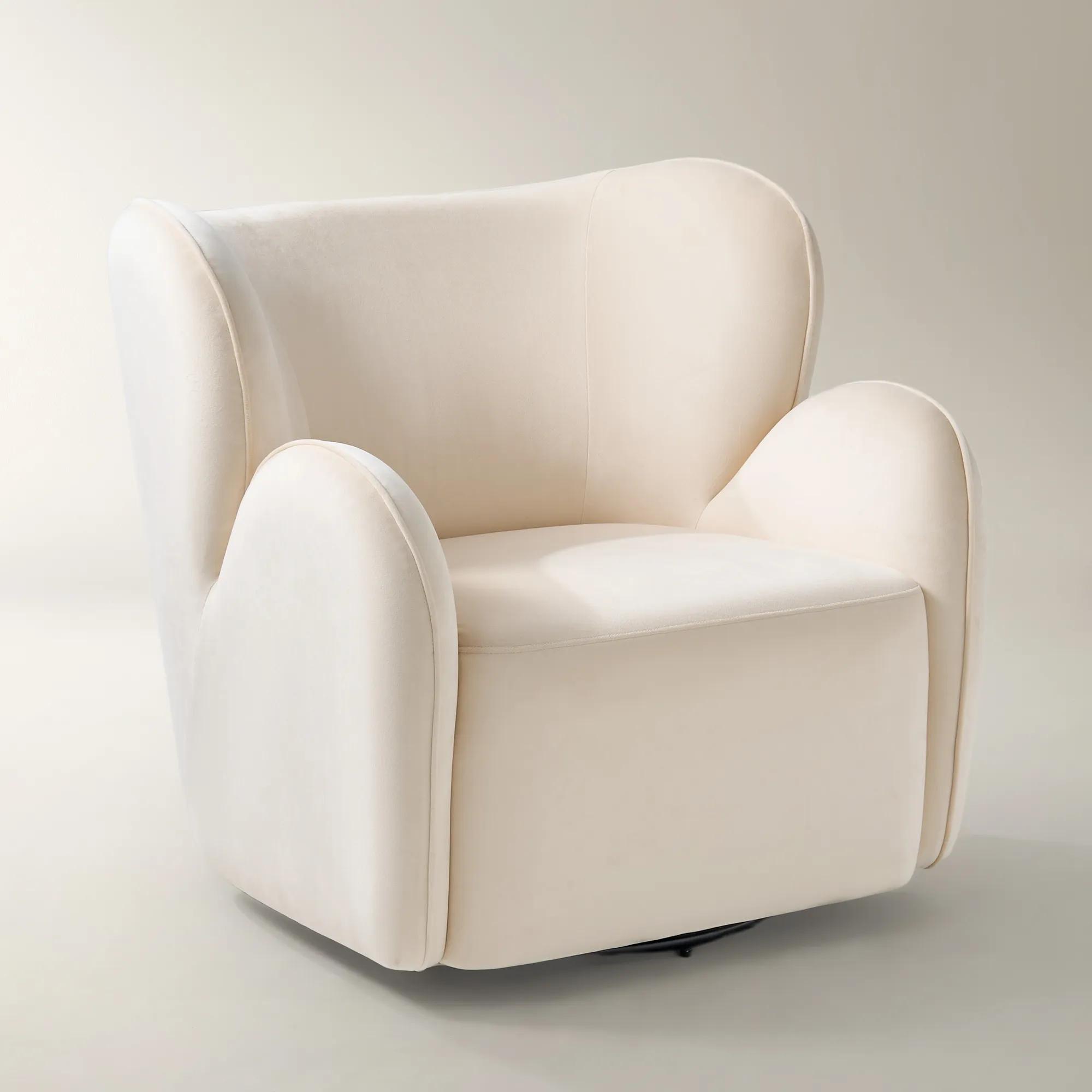
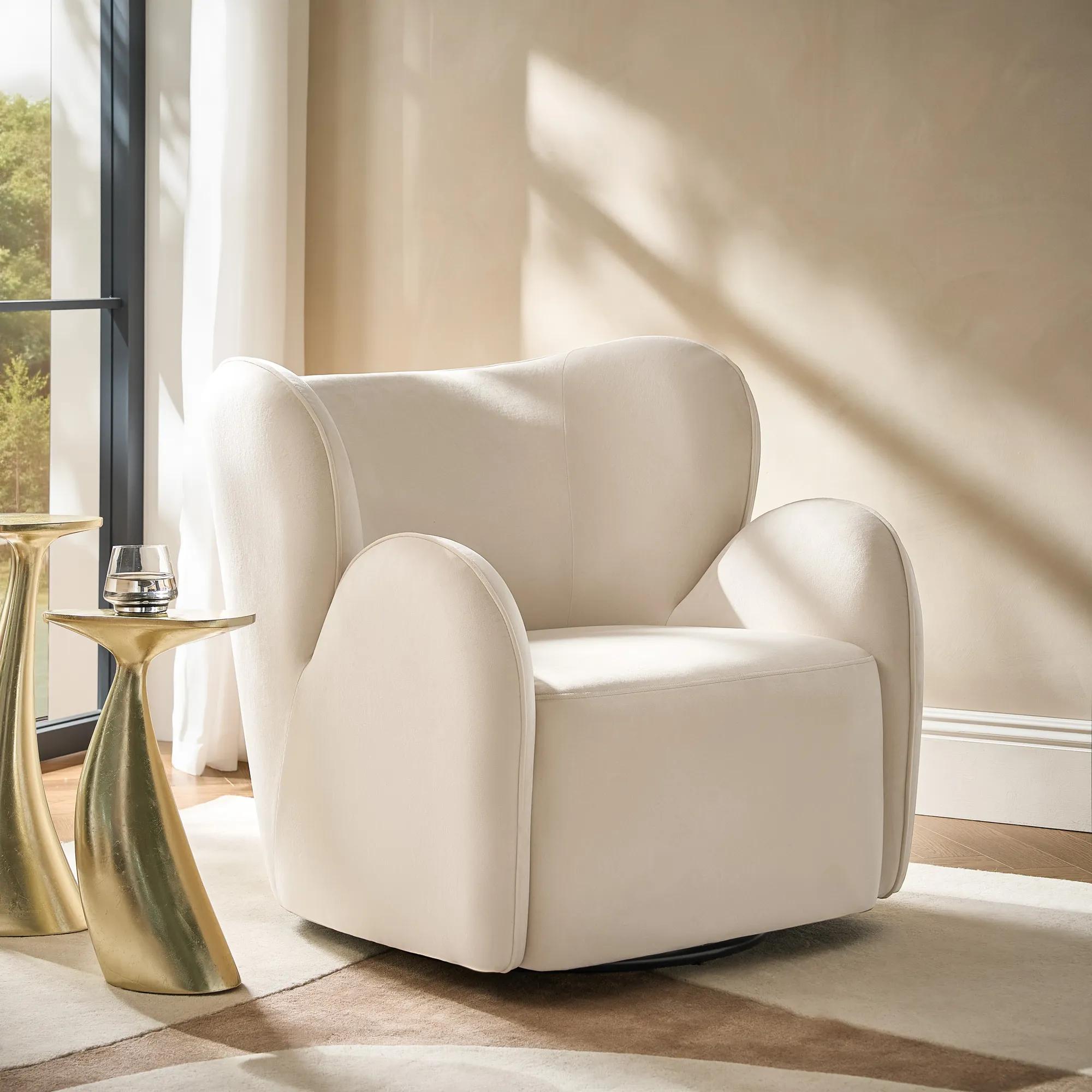 Ceres Ivory Velvet Swivel Accent Chair$799
An ivory velvet accent chair featuring a curved silhouette, 360° swivel, and plush, supportive cushioning.
Add To Cart -
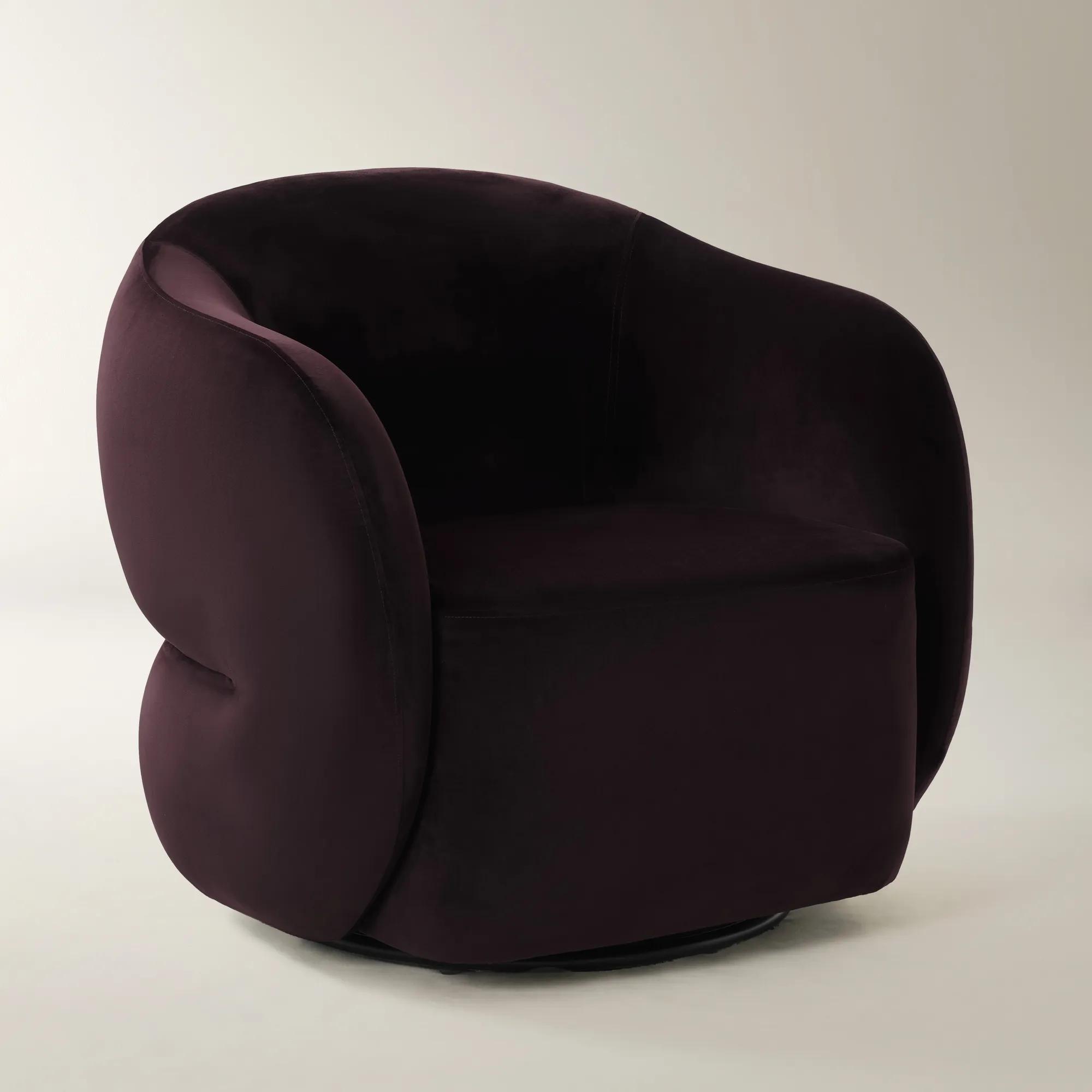 Sierra Fig Velvet Swivel Accent Chair$899
A modern accent chair in plush fig velvet with a wraparound back and smooth 360° swivel base.
Add To Cart -

 Stria Light Brown Chenille Swivel Accent Chair$1499
A light brown chenille accent chair featuring triple-layer cushioning, a 360° swivel, and a solid oak base.
Add To Cart -
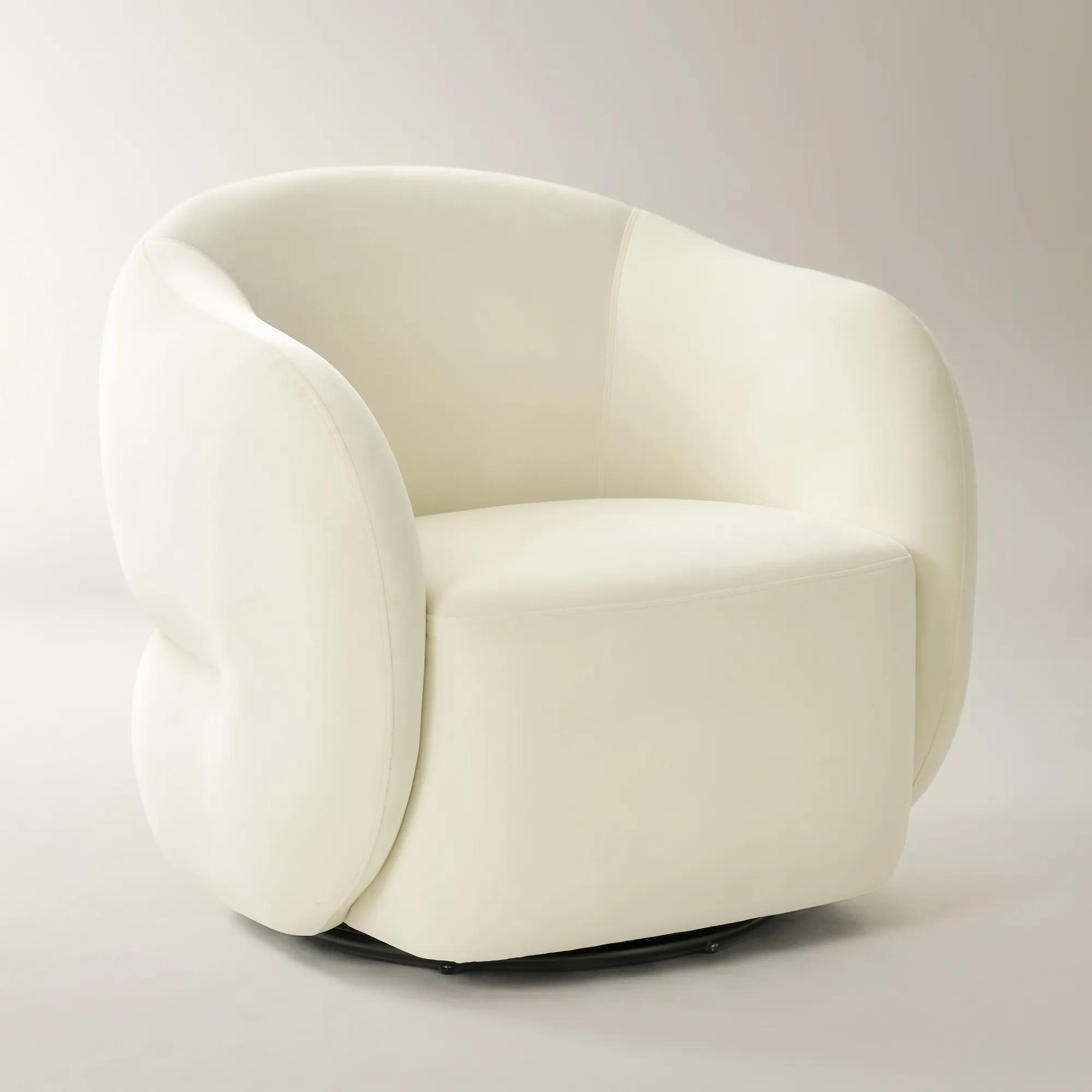
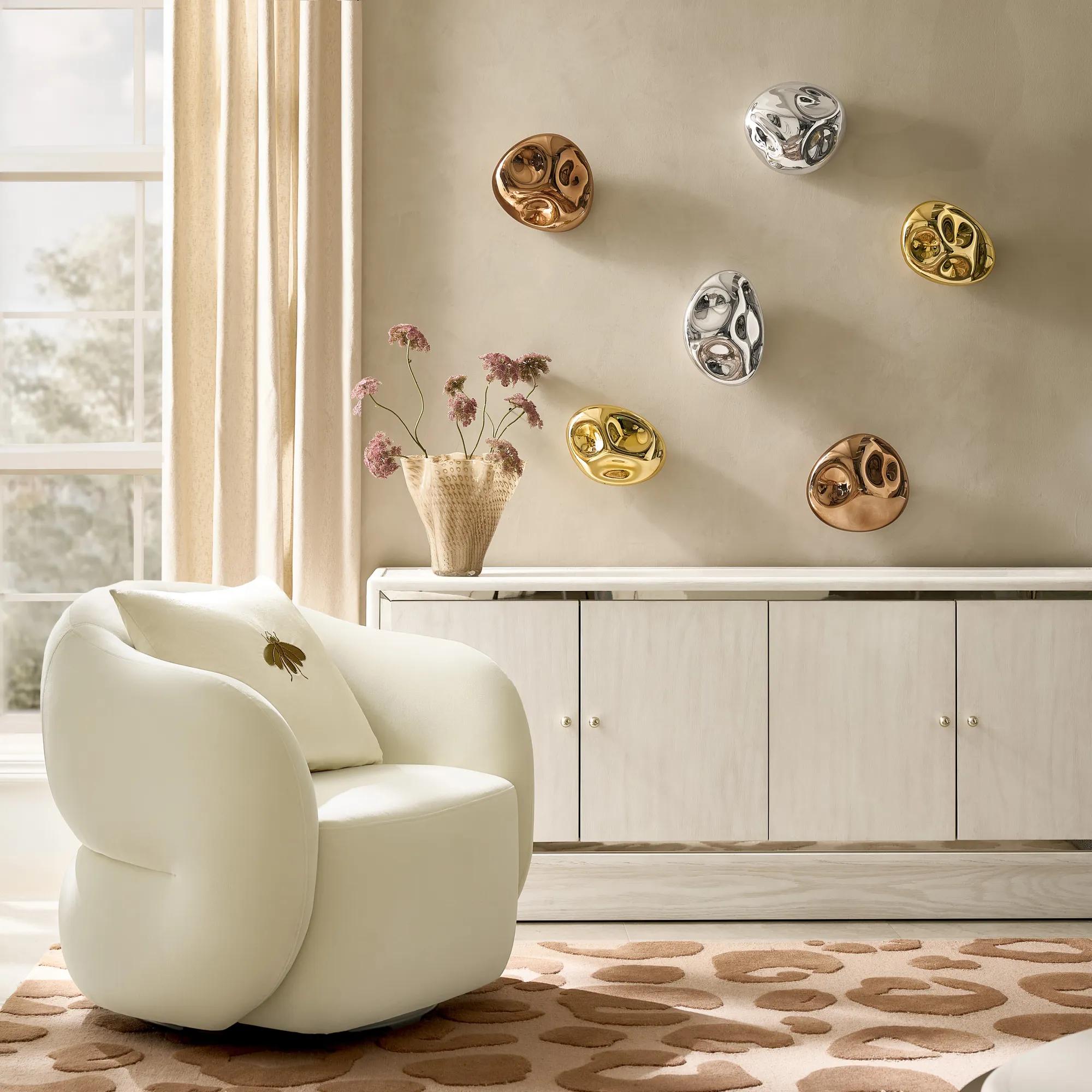 Sierra Cloud Velvet Swivel Accent Chair$899
A plush velvet accent chair featuring a wraparound back, fluid curves, and smooth 360° swivel base.
Add To Cart -
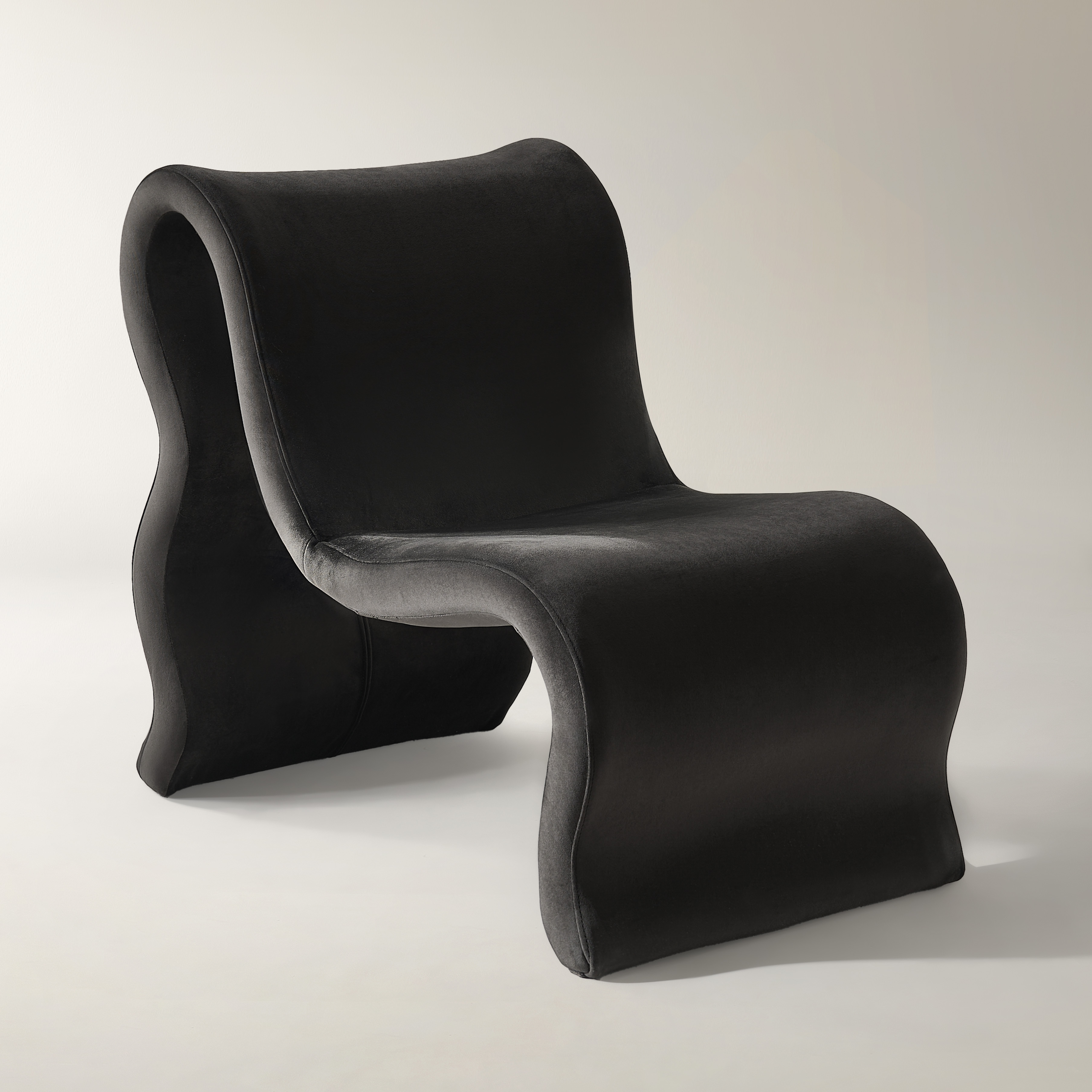 Romy Charcoal Velvet Accent Chair$999
A sculptural accent chair in charcoal velvet with a wave-like silhouette and full foam construction.
Add To Cart -
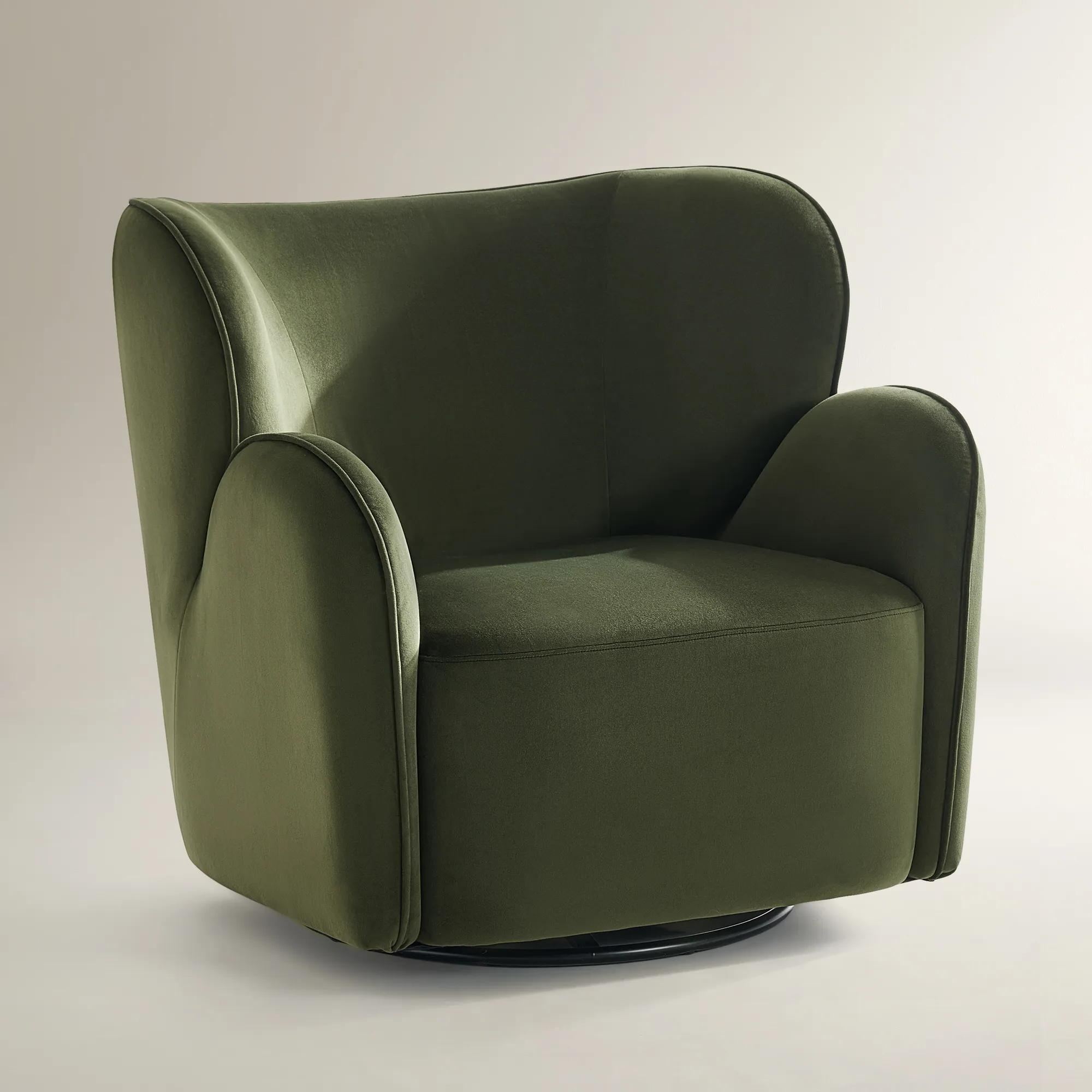
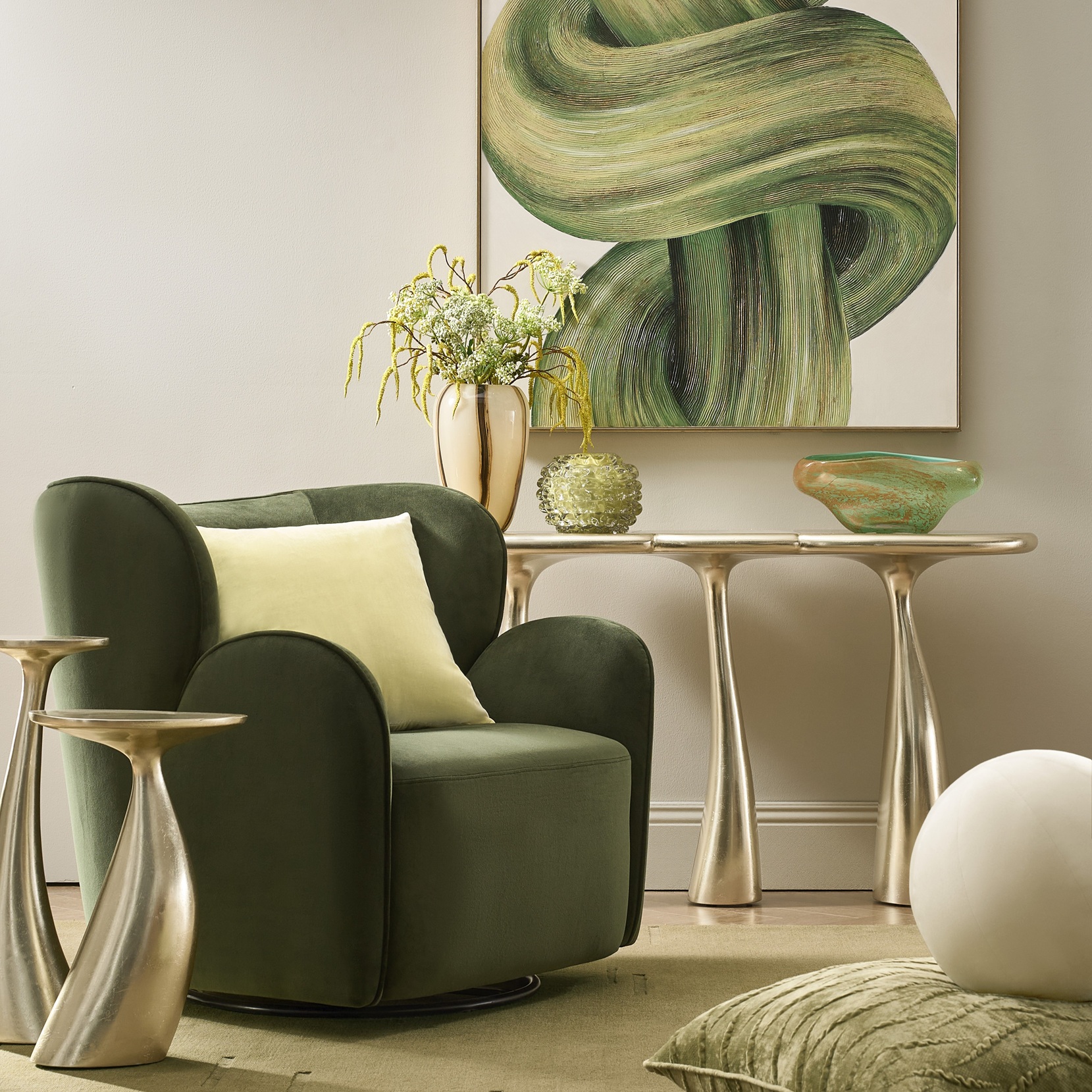 Ceres Jade Green Velvet Swivel Accent Chair$799
A plush jade green velvet chair with a curved silhouette, 360° swivel, and supportive foam cushioning.
Add To Cart -
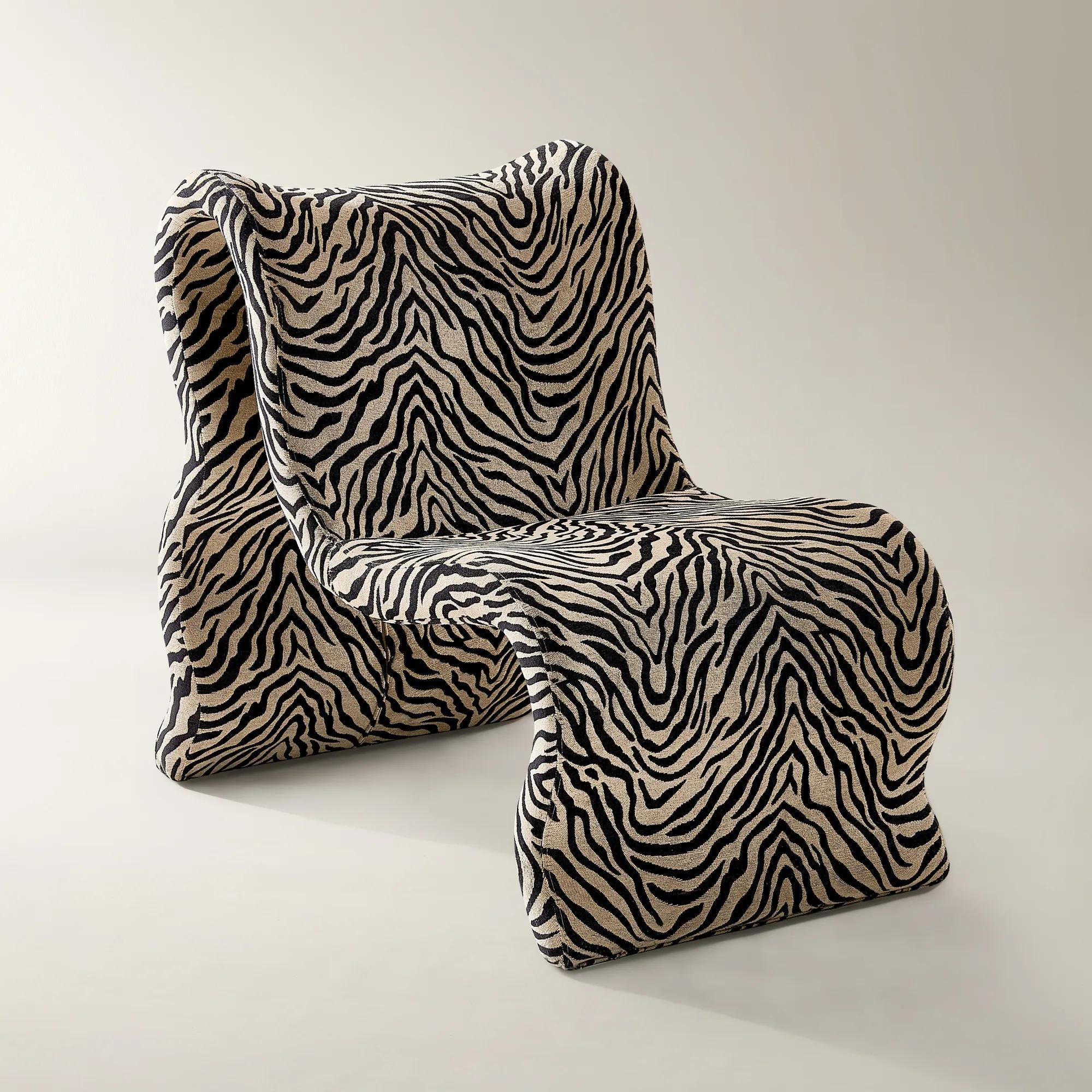
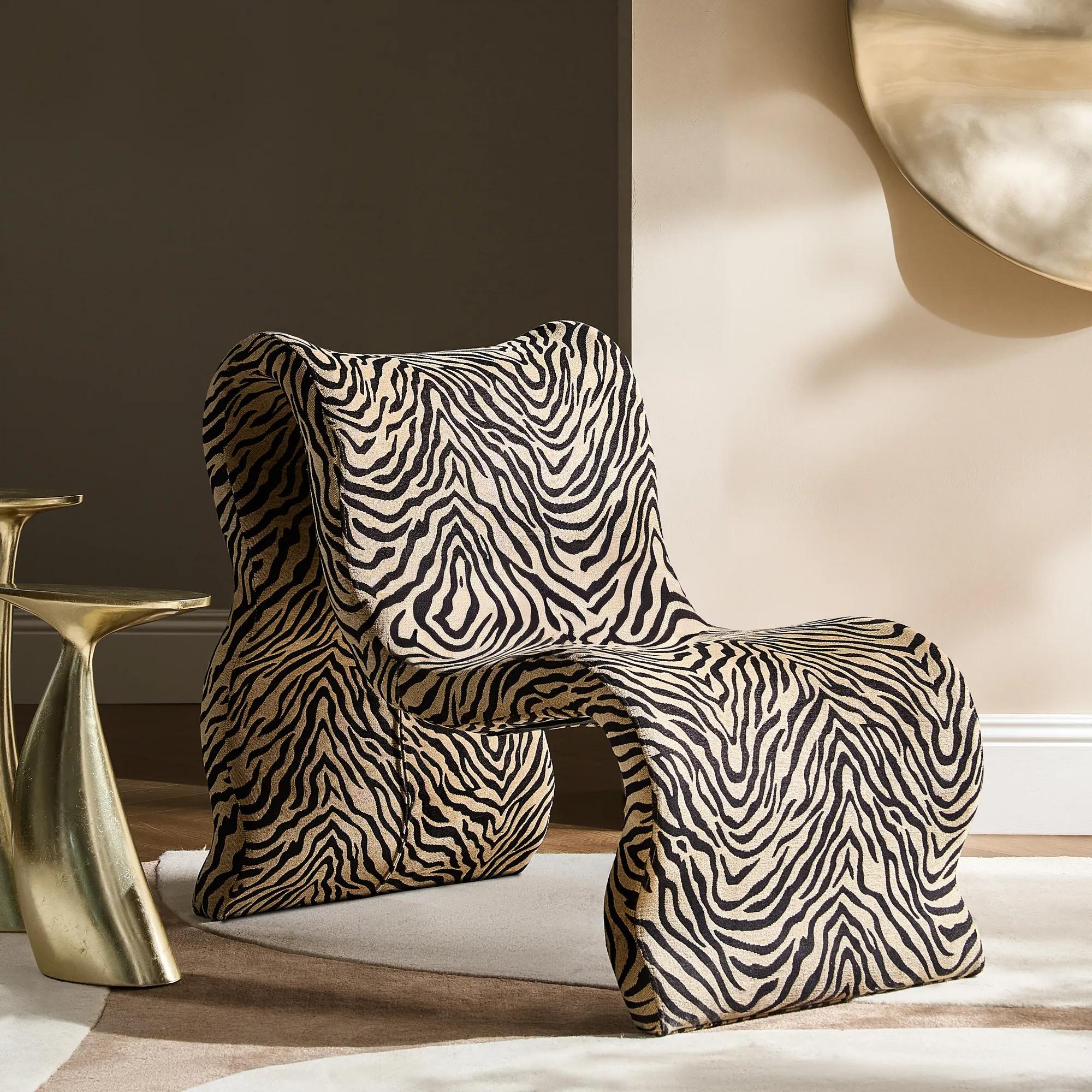 Romy Zebra Chenille Accent Chair$999
A sculptural accent chair featuring bold zebra-print chenille upholstery and a continuous wave-like silhouette.
Add To Cart

Accent Chairs For Hardwood Floors
Elevate your living space with accent chairs for hardwood floors—where artistry meets intention and every detail dazzles. Imagine sumptuous silhouettes poised atop gleaming wood, each chair transforming your room into a curated gallery of self-expression. Here, sculptural forms and luxurious textures interplay with the natural beauty of hardwood, creating a foundation for drama, comfort, and effortless sophistication. Let every seat become a statement, inviting admiration and conversation while celebrating the opulence beneath your feet.
Accent chairs for hardwood floors bring sculptural shape, inviting texture, and expressive color to a room while calling for thoughtful attention to the surfaces beneath them. The most suitable pairing combines a stable chair base, floor-compatible protection at every point of contact, and proportions that complement the surrounding furniture. Against the natural grain of oak, maple, or walnut flooring, an upholstered chair creates a deliberate contrast: sumptuous velvet catches the light, textured woven fabric adds dimension, and leather introduces a tailored richness that can develop character with use. A curved back can soften the long lines of floorboards, while an angular frame gives an open living area a more architectural presence. Pale upholstery creates luminous contrast against darker wood; saturated jewel tones lend honey-colored floors a dramatic focal point. Matching every wood finish is not essential to a polished room. A chair with darker wood legs can look intentional against a lighter floor when another detail, such as a picture frame or side table, repeats that depth of color. Exposed legs preserve a sense of openness and allow more of the flooring to remain visible, while a fully upholstered silhouette creates a more substantial visual anchor. Scale matters as much as shape. A generous lounge chair needs enough space for its full footprint without crowding a walkway, and a compact occasional chair can bring definition to a bedroom corner or apartment living area. Seat height, arm height, and overall depth influence how naturally the chair relates to a nearby sofa or table. A low, deep seat encourages lingering with a book; a more upright chair may feel better suited to conversation. In a room with uninterrupted hardwood, one beautifully proportioned chair can establish a distinct place to pause without obscuring the floor’s character. A pair can create a balanced conversation area, especially when their silhouettes remain open enough to let the grain and tone of the wood become part of the composition.
Floor protection is an essential consideration because wood, metal, and plastic chair feet can all mark hardwood when grit, pressure, or repeated movement is involved. The material of the legs alone does not determine whether an accent chair is suitable for a wood floor. Clean, securely attached felt pads often help reduce friction under stationary chairs, provided they are compatible with the flooring finish and correctly sized for the feet. Pads should cover the contact surface without extending awkwardly beyond it, and chair legs should be clean and dry before adhesive protection is applied. Built-in glides also deserve attention: a glide intended for carpet is not necessarily appropriate for finished hardwood, and a hard plastic foot should not be assumed to prevent scratches. Flooring and chair manufacturers’ recommendations take precedence, particularly for specialty finishes or newly refinished surfaces. Even well-padded chairs are better lifted than dragged when rearranging a room. Felt can collect sand and dust, turning a protective layer into an abrasive surface, so periodic inspection, cleaning, and replacement matter. Broad, level feet can help distribute weight, but pads do not eliminate the possibility of dents in softer wood or vulnerable finishes. A chair that rocks or sits unevenly needs attention rather than an improvised stack of loose pads. Swivel chairs introduce another consideration: the entire base, not just the visible upholstery, needs suitable clearance and floor protection. An area rug can define the seating arrangement and create another layer between a chair and the floor, but the rug and its pad must also be appropriate for hardwood. Some rubber or latex backings can discolor certain finishes, making compatibility more important than an anti-slip label alone. A rug large enough to support the chair’s normal position and movement keeps the composition visually grounded. Beneath a reading chair and ottoman, that generous textile layer can frame the entire vignette, adding softness without making the hardwood feel incidental.
Beyond their relationship with the floor, accent chairs should reflect how the room is lived in. A chair used daily for reading benefits from supportive cushioning, a comfortable back angle, and arms positioned to support a relaxed posture. An occasional seat in a dressing area may place greater emphasis on a graceful profile and a smaller footprint, while a conversation chair should feel inviting without requiring an effort to sit down or stand up. Overall dimensions tell only part of that story; seat width, usable seat depth, cushion firmness, and the space between the arms shape the experience more directly. Frame construction, secure joints, upholstery seams, and the intended weight capacity also deserve consideration, particularly in a frequently used living room. Durable upholstery is not a single fabric category: performance depends on the textile’s construction, finish, care requirements, and suitability for the household. Tightly woven fabrics may offer practical advantages in active spaces, while velvet’s shifting pile delivers a distinctive depth of color and benefits from care suited to its fiber content. Leather requires its own maintenance approach, and its appearance can vary considerably with the type of finish. Care labels should guide cleaning rather than a universal treatment. Gentle vacuuming with an appropriate upholstery attachment can remove surface debris, spills are generally best blotted promptly rather than rubbed, and cleaning products should be used only as directed for the material. Protecting upholstery from prolonged direct sunlight helps limit uneven fading, just as thoughtful placement preserves the balance of the room. For a composition that celebrates exposed wood alongside expressive seating, Modern Hardwood Accent Chairs offer a related direction to explore. Whether the setting calls for a richly upholstered retreat beside a bookcase or two sculptural seats facing a sofa, the strongest arrangement gives comfort, craftsmanship, and floor care equal consideration. The result is a room with unmistakable presence, where luxurious seating and the natural beauty of hardwood share the spotlight.
FAQs
To preserve the luster of your hardwood floors, choose accent chairs with felt pads or non-marking glides on their legs. These thoughtful details prevent scratches and scuffs, ensuring your floors remain pristine while allowing for easy repositioning of your chairs as you refresh your space.
For a striking visual contrast, consider accent chairs upholstered in sumptuous velvet, rich leather, or textured boucle. Metallic or acrylic legs can add a touch of modern glamour, while natural wood frames create a harmonious, layered look with your hardwood floors.
Absolutely. Accent chairs for hardwood floors are versatile enough to shine in both formal living rooms and relaxed lounges. Select bold, sculptural designs for a dramatic focal point in formal settings, or opt for plush, inviting silhouettes to create a cozy, welcoming atmosphere in more casual spaces.
Yes, accent chairs are perfect for defining and elevating specific zones within a room. Place a statement chair near a sunlit window to create a reading nook, or use a pair of chairs to frame a conversation area, drawing attention to the natural beauty and pattern of your hardwood flooring.
In winter, layer your accent chairs with plush throws or decorative pillows in rich, seasonal hues to add warmth and texture. Position your chairs to capture natural light, allowing the interplay between sunlight, fabric, and wood grain to create a cozy, inviting ambiance.