Abstract Wall Arts For Lobbies
Abstract Wall Arts For Lobbies
-
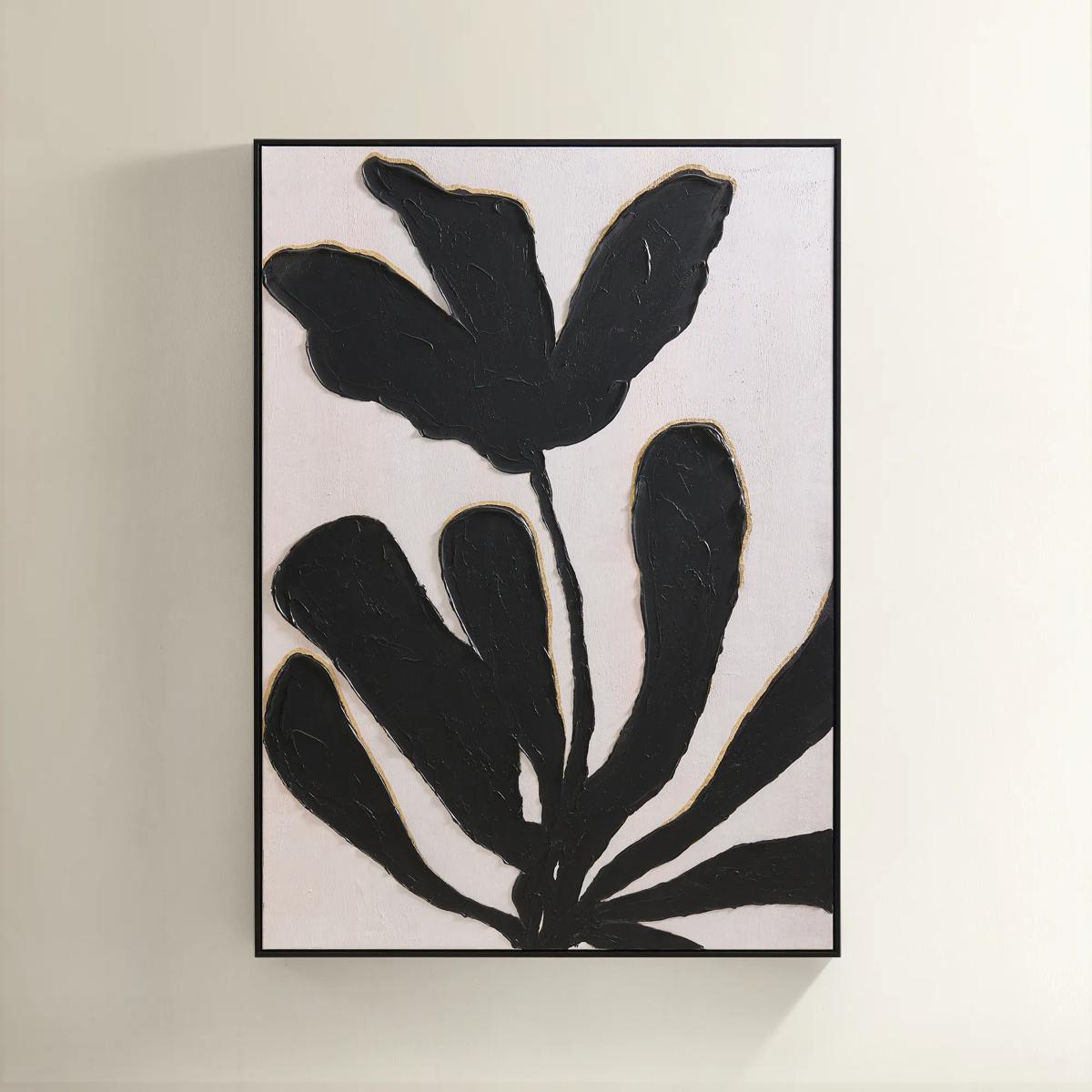
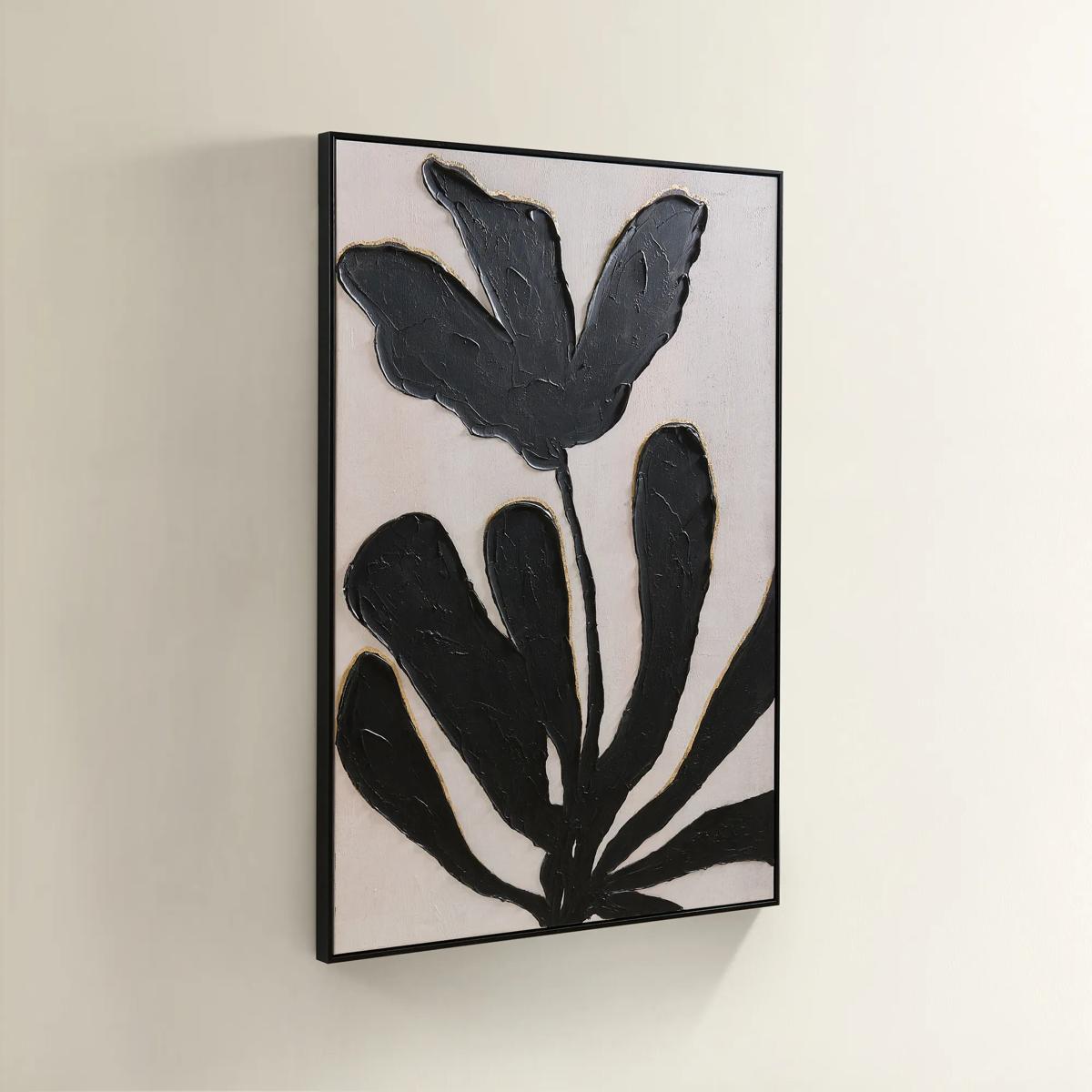 First Bloom Framed Painted Wall Art 39.25" x 55"$499
A hand-painted canvas featuring black abstract leaves and gold leafing on an ivory background in a black frame.
Add To Cart -
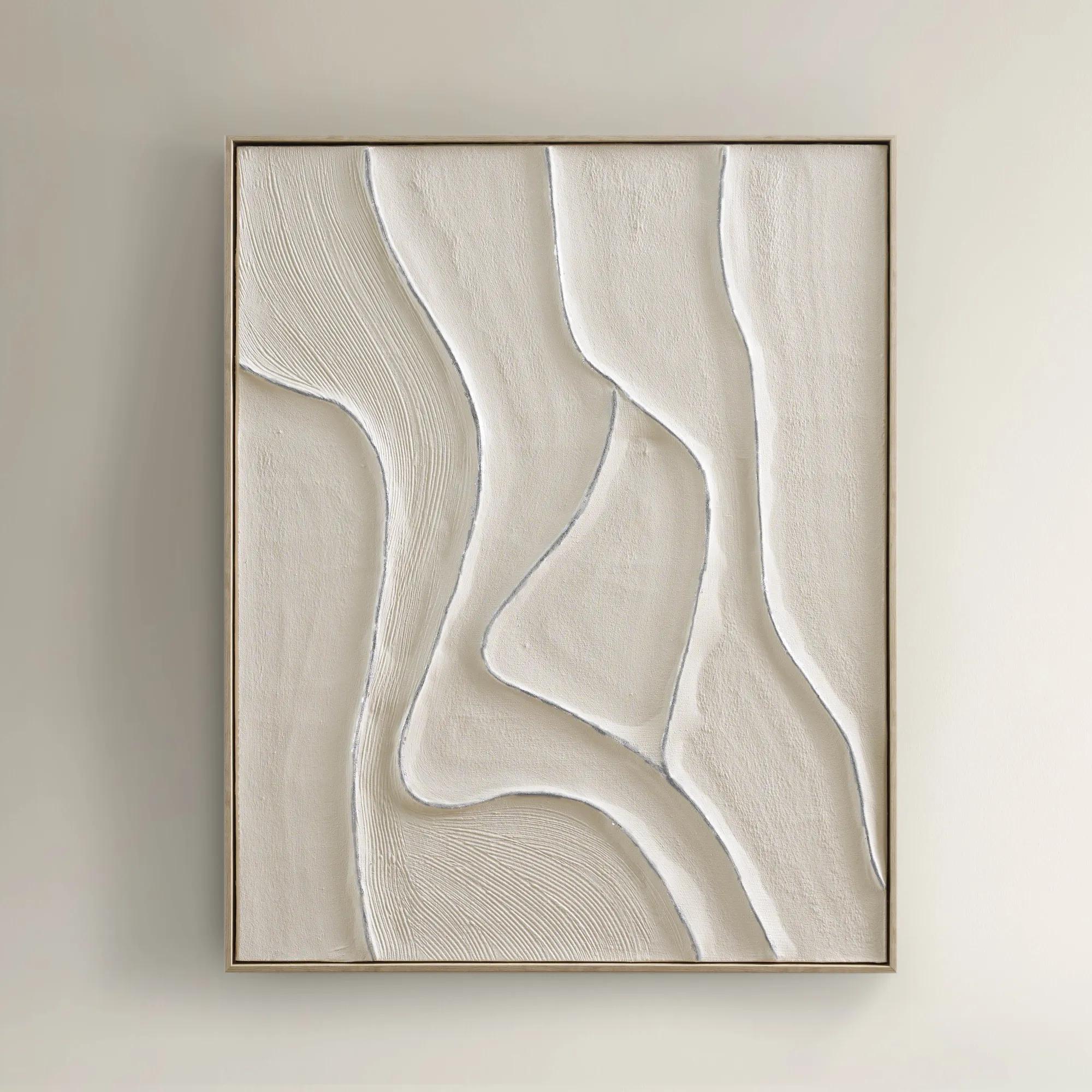
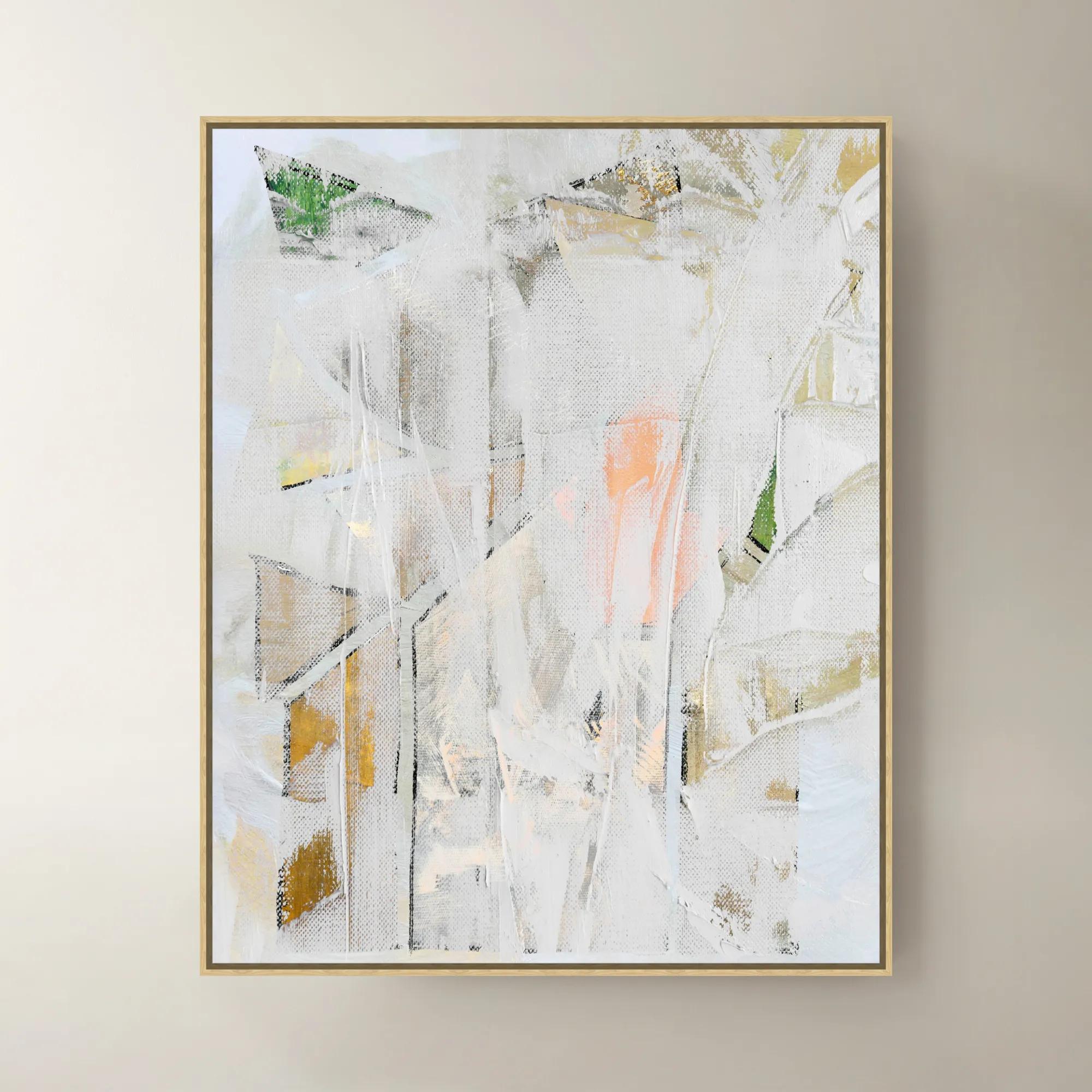
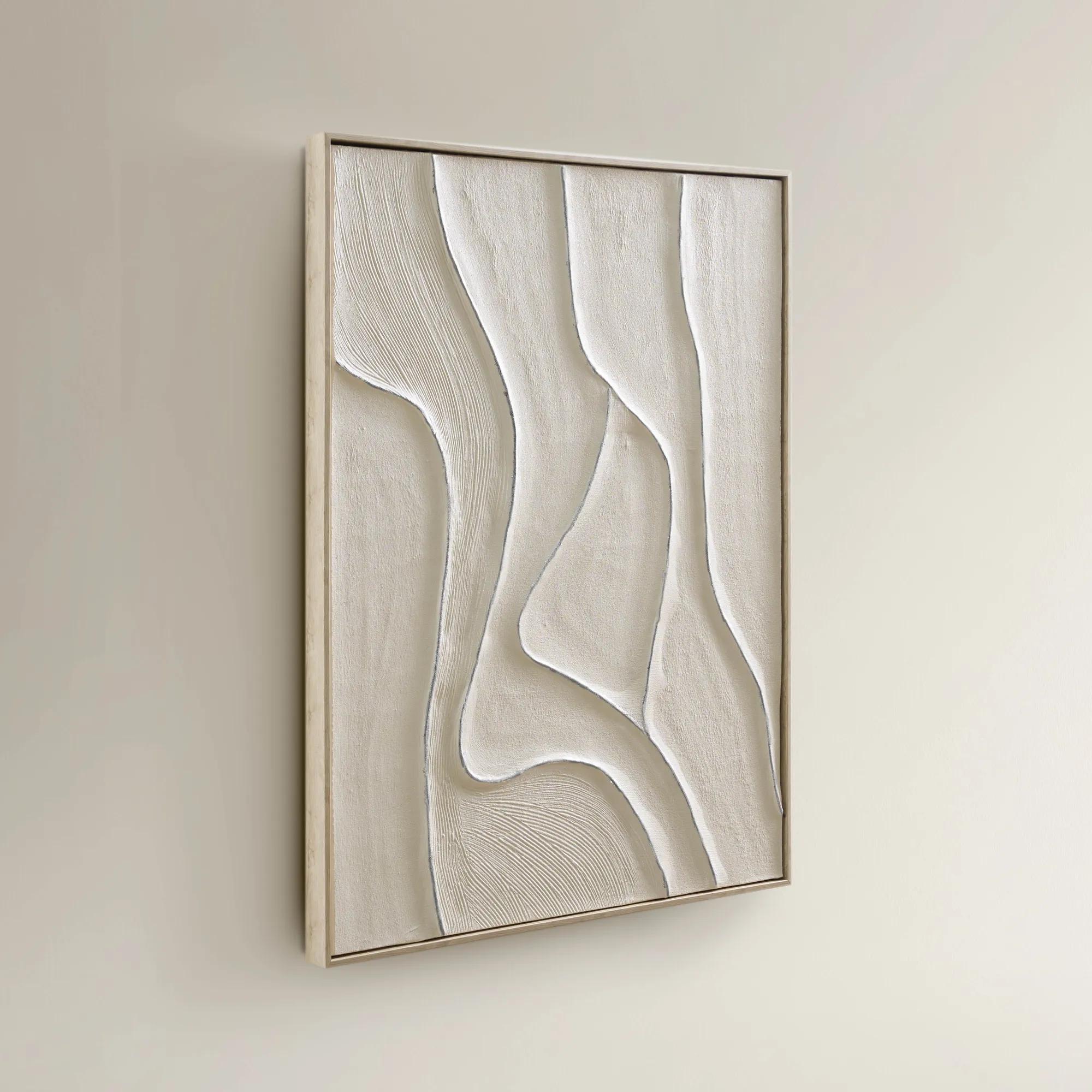 Vivre Framed Painted Wall Art 39.25" x 31.5"$199
A hand-painted canvas featuring tranquil beige hues and flowing lines in a warm whitewash floater frame.
Add To Cart -
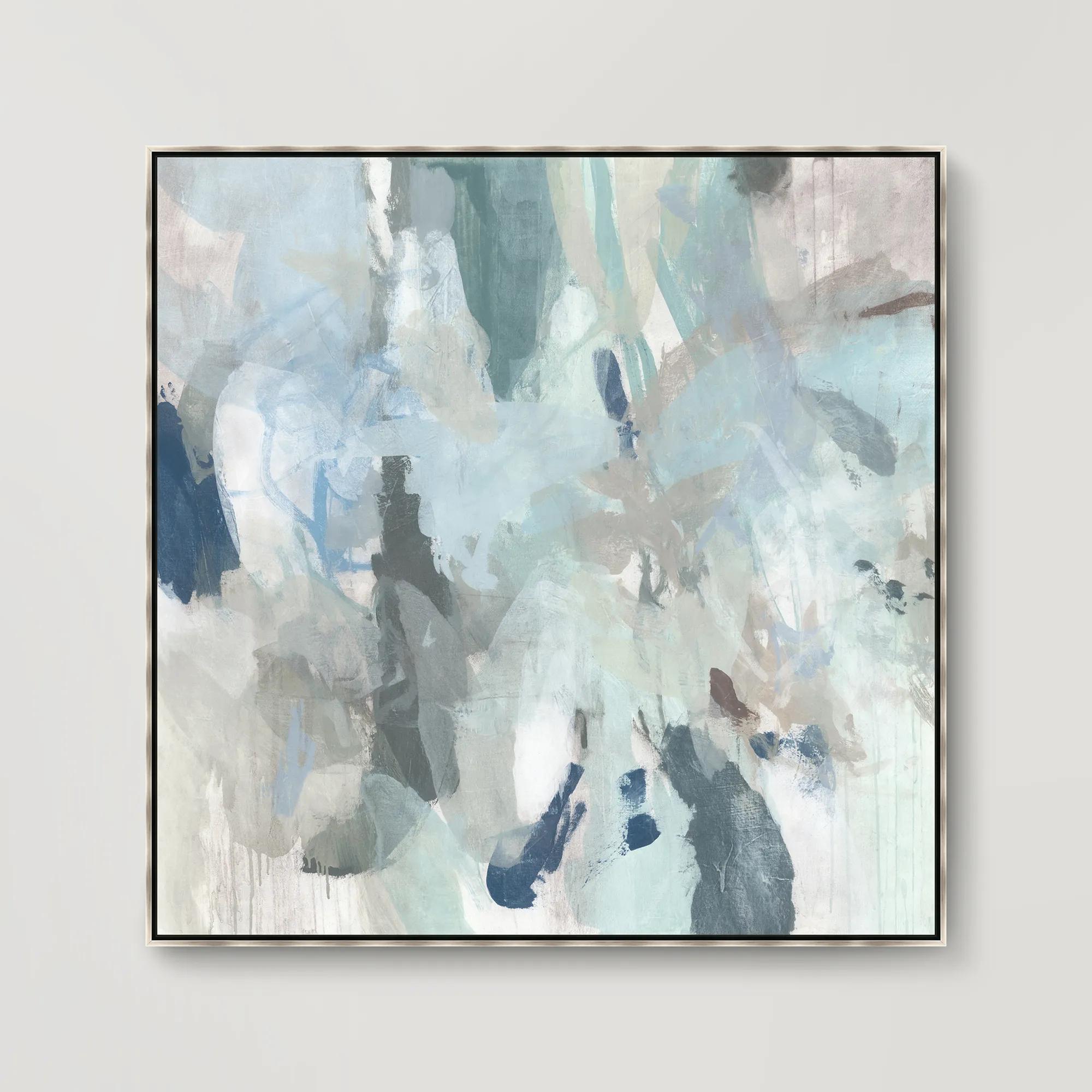
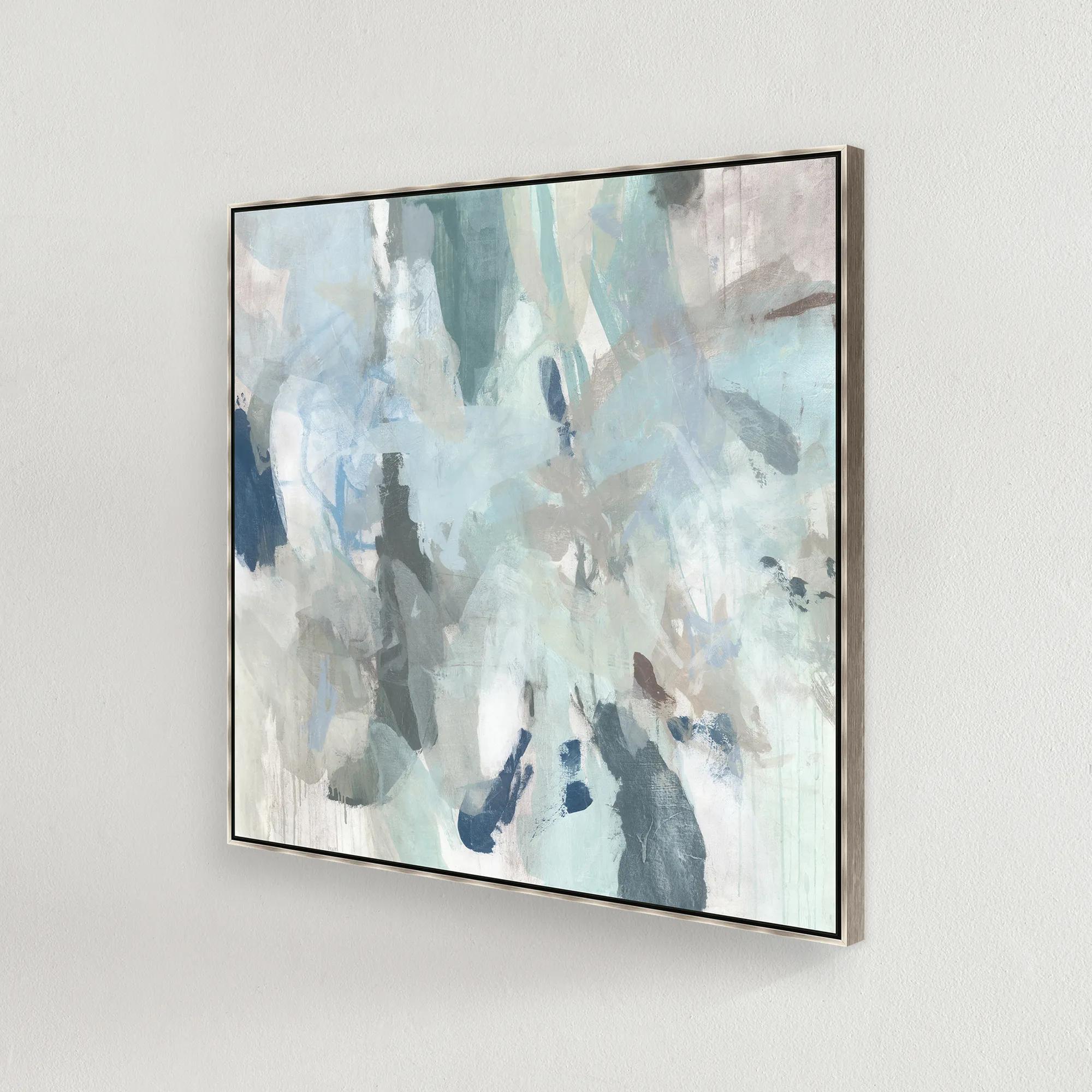 Sage Honey Dew I Framed Wall Art 41.5" x 41.5"$749
A gallery-wrapped abstract canvas featuring hand-applied gel finish in a silver floater frame.
Add To Cart -
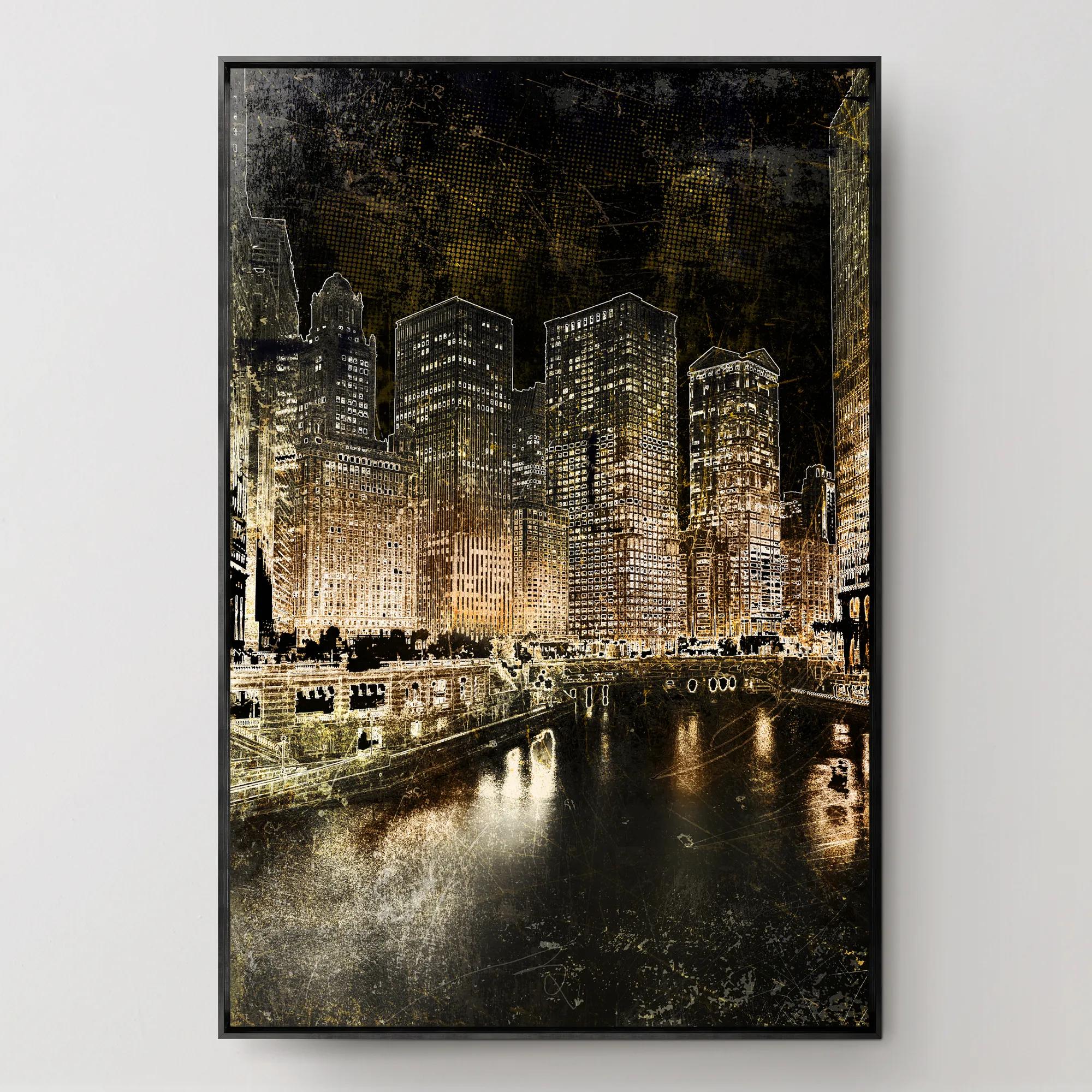
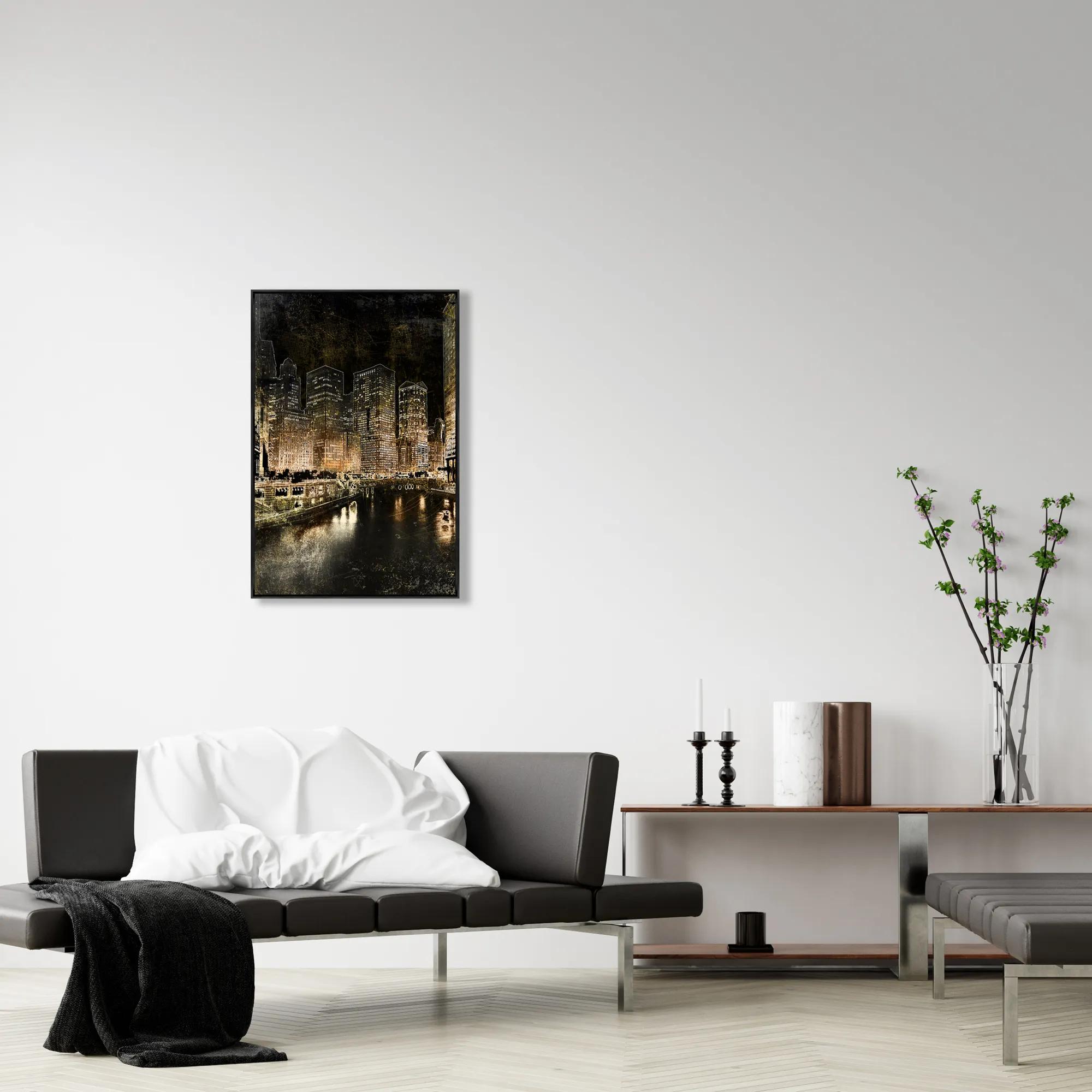 Chicago Lights Framed Wall Art 30" x 45"$649
A gallery-wrapped canvas artwork featuring a hand-applied gel finish in a sleek black floater frame.
Add To Cart -
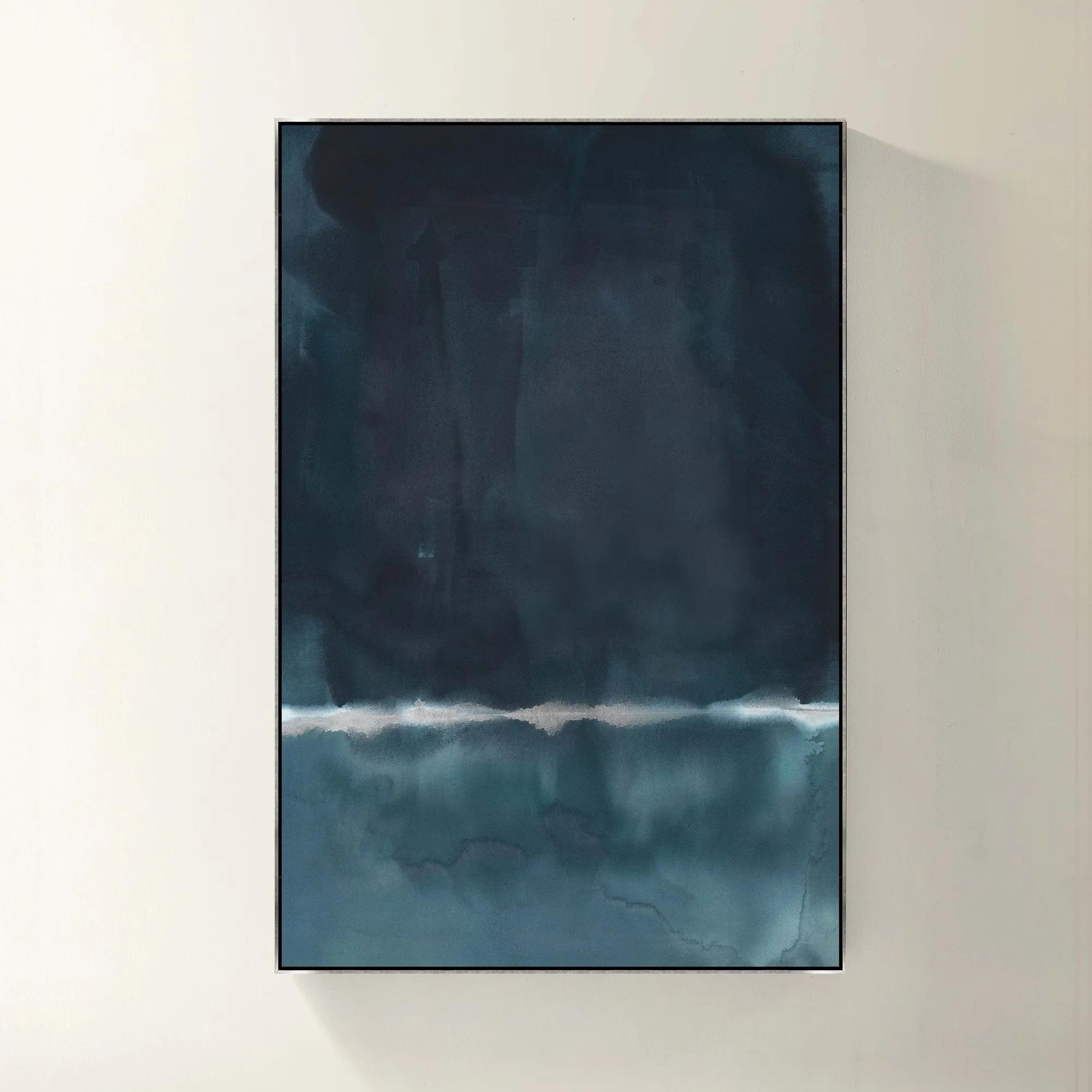 Blue Monday Framed Wall Art 40" x 60"$1119
A gallery-wrapped blue canvas with hand-embellished silver accents in a sleek silver floater frame.
Add To Cart -
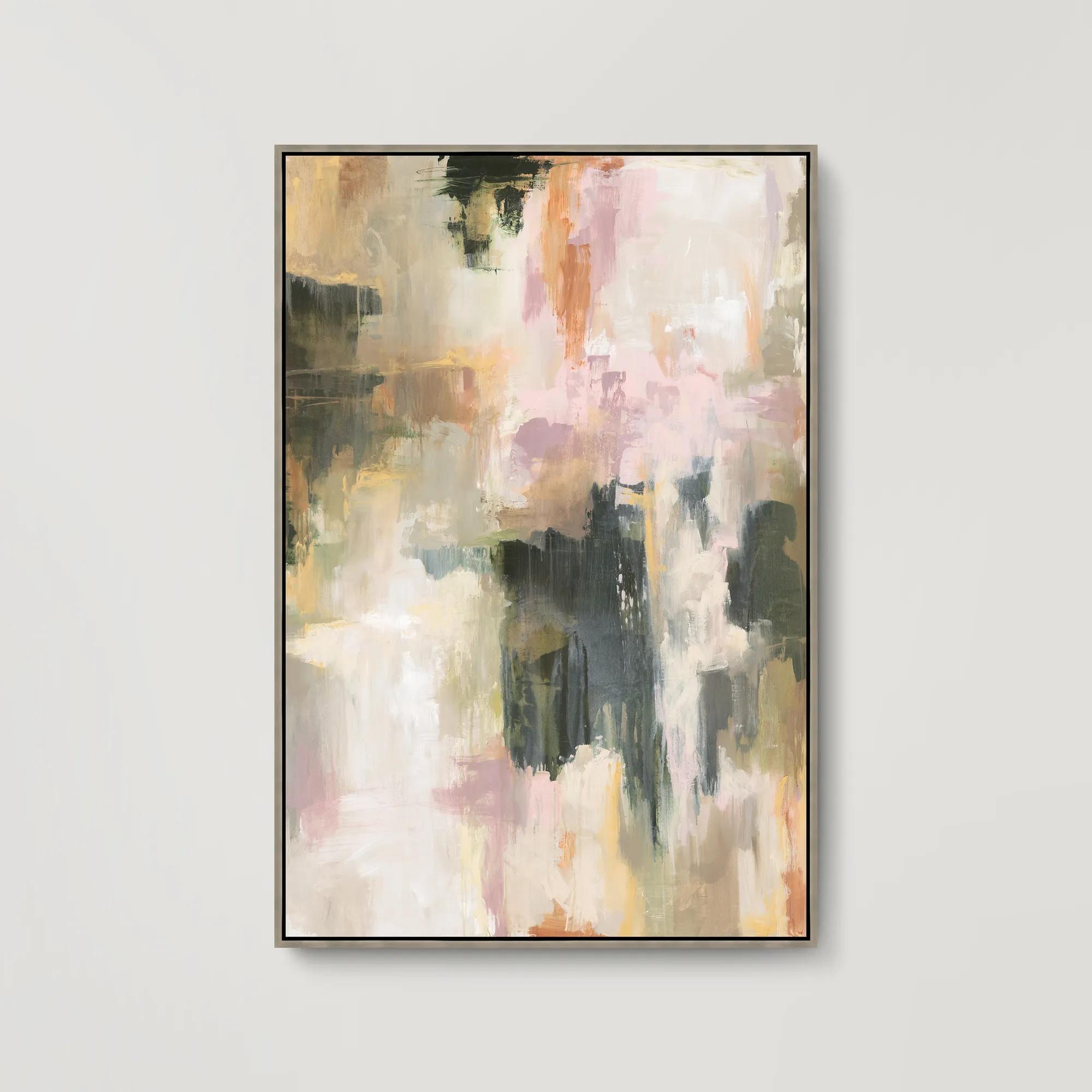
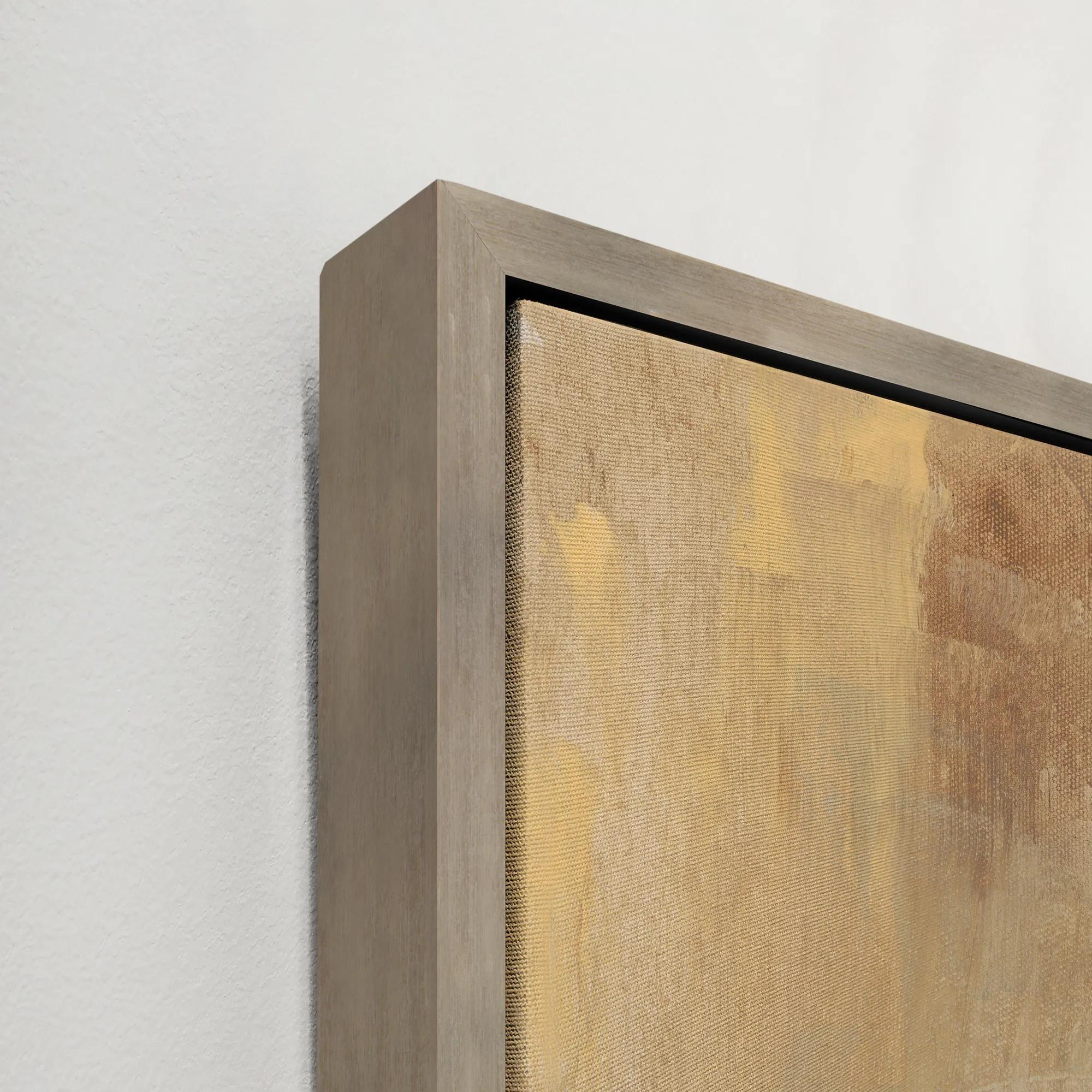 Sculpted Dreamscape Framed Wall Art 41.5" x 61.5"$999
A gallery-wrapped canvas artwork featuring a hand-applied gel finish and a sleek silver floater frame.
Add To Cart -
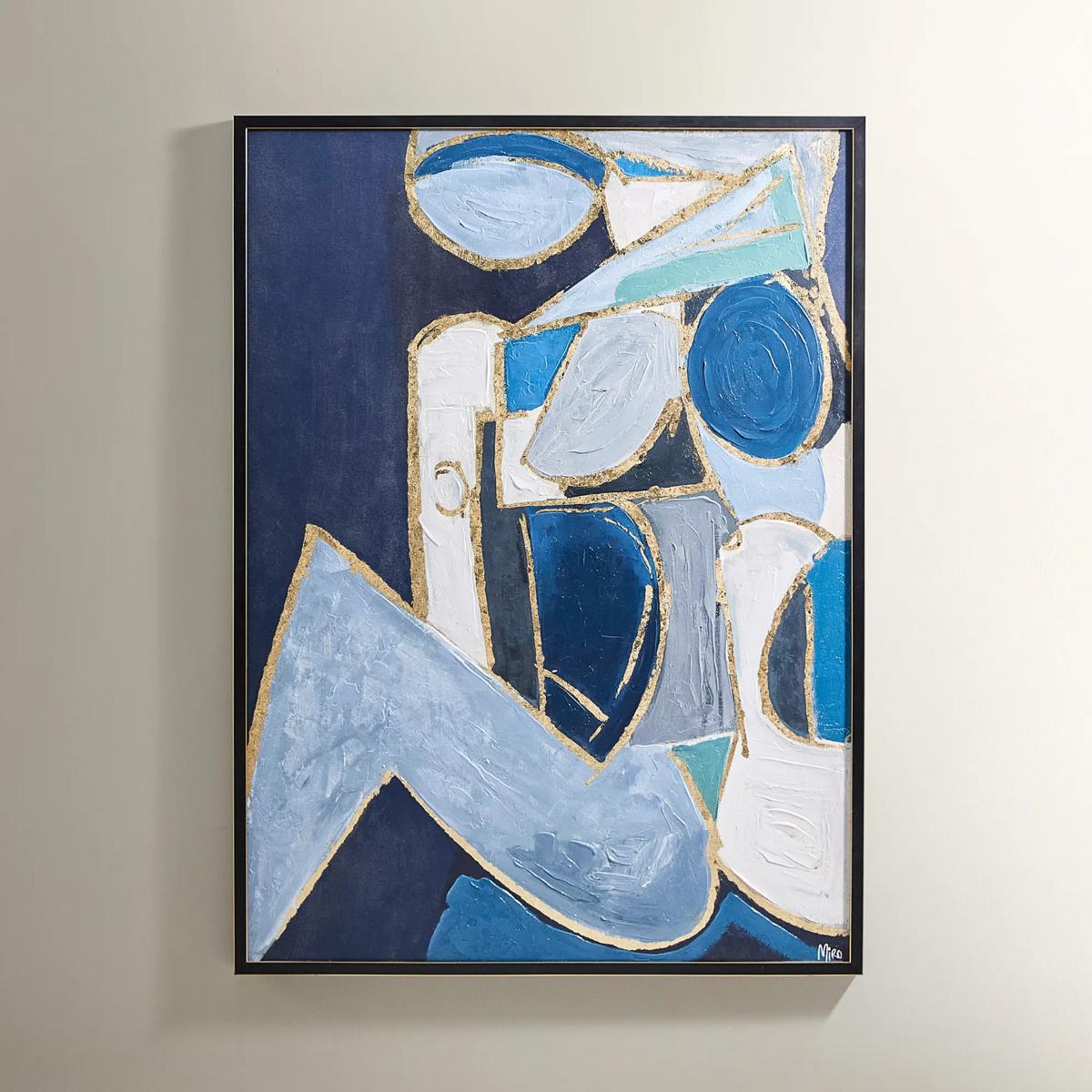
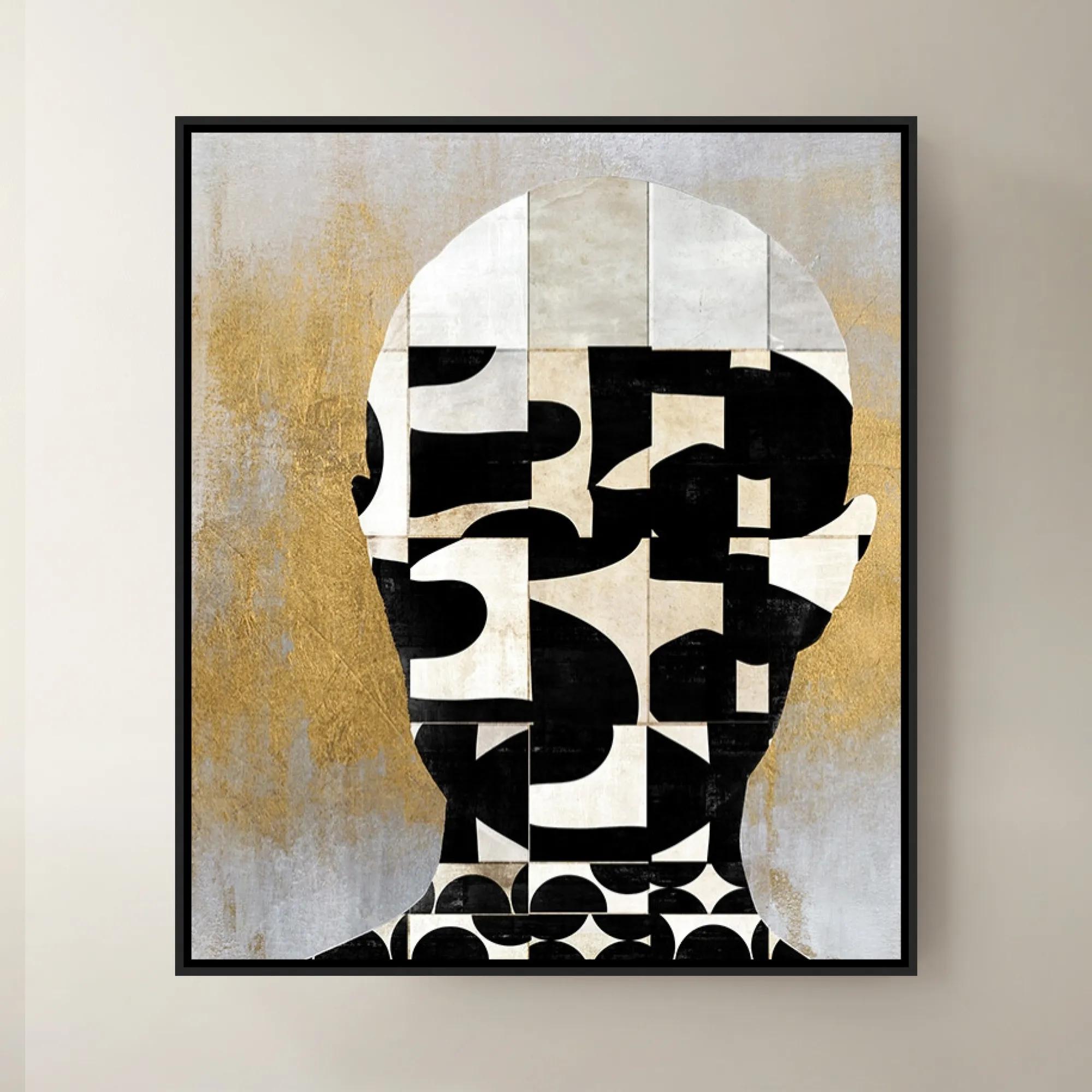
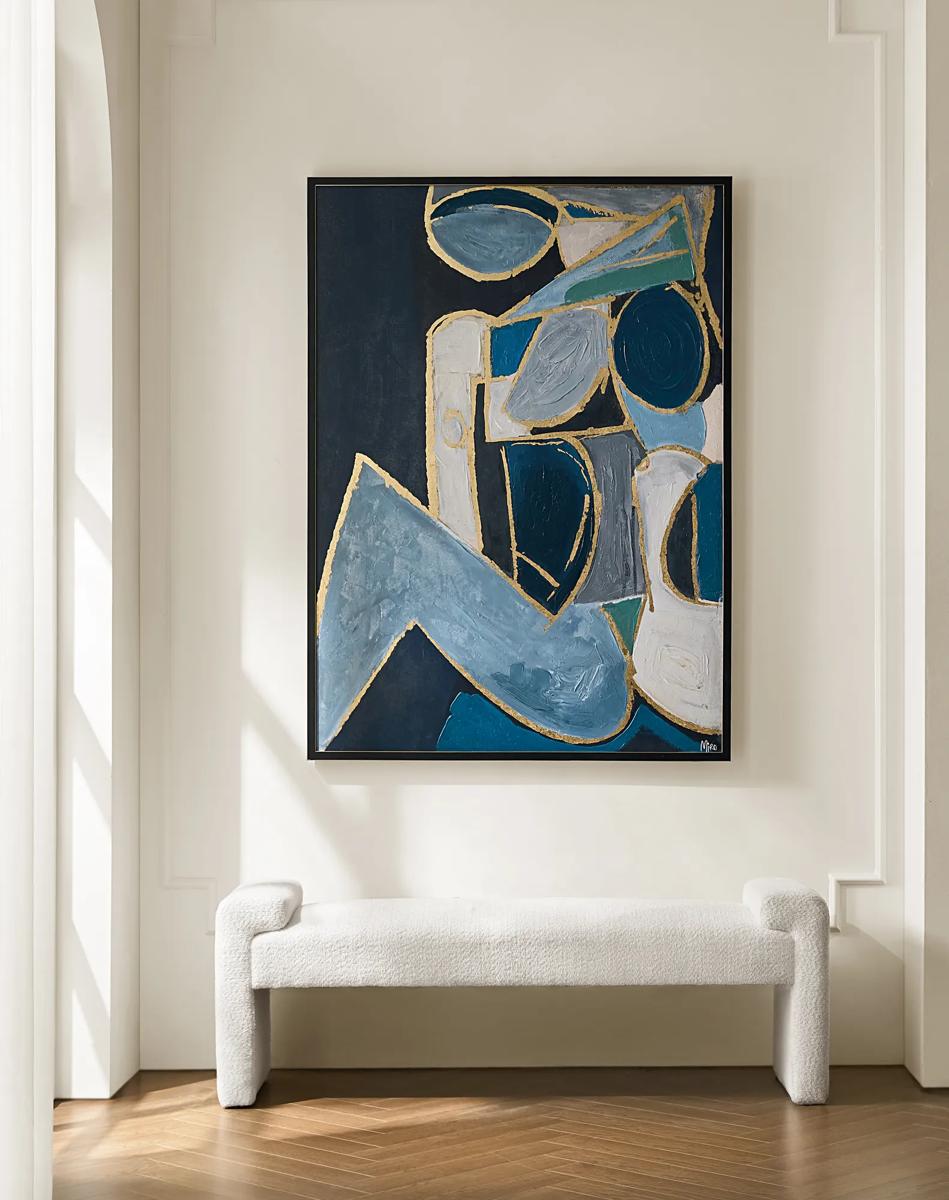 Figure in Cubism Painting$599
A hand-embellished canvas artwork featuring blue, gold, and white hues with elegant silver foil accents.
Add To Cart -
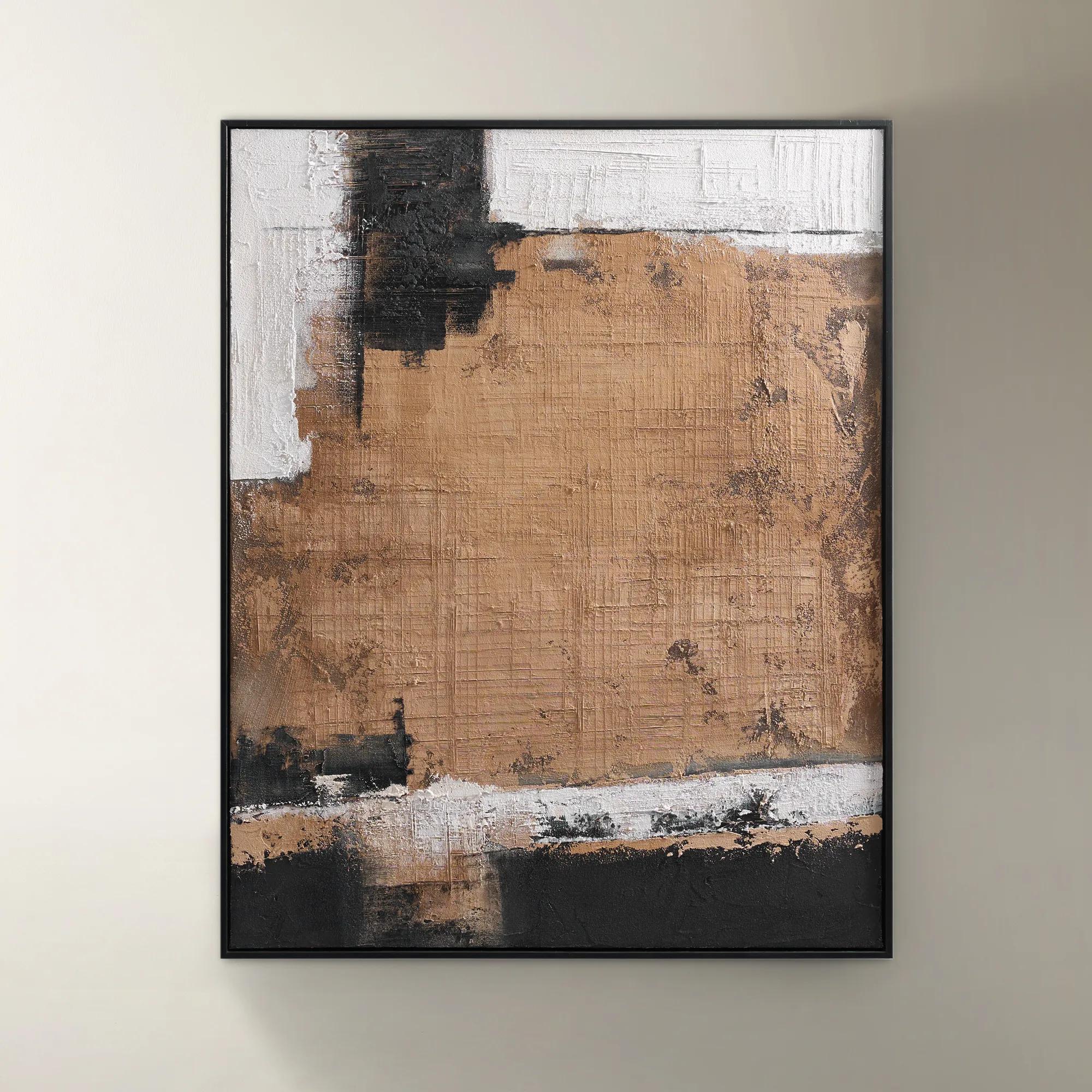
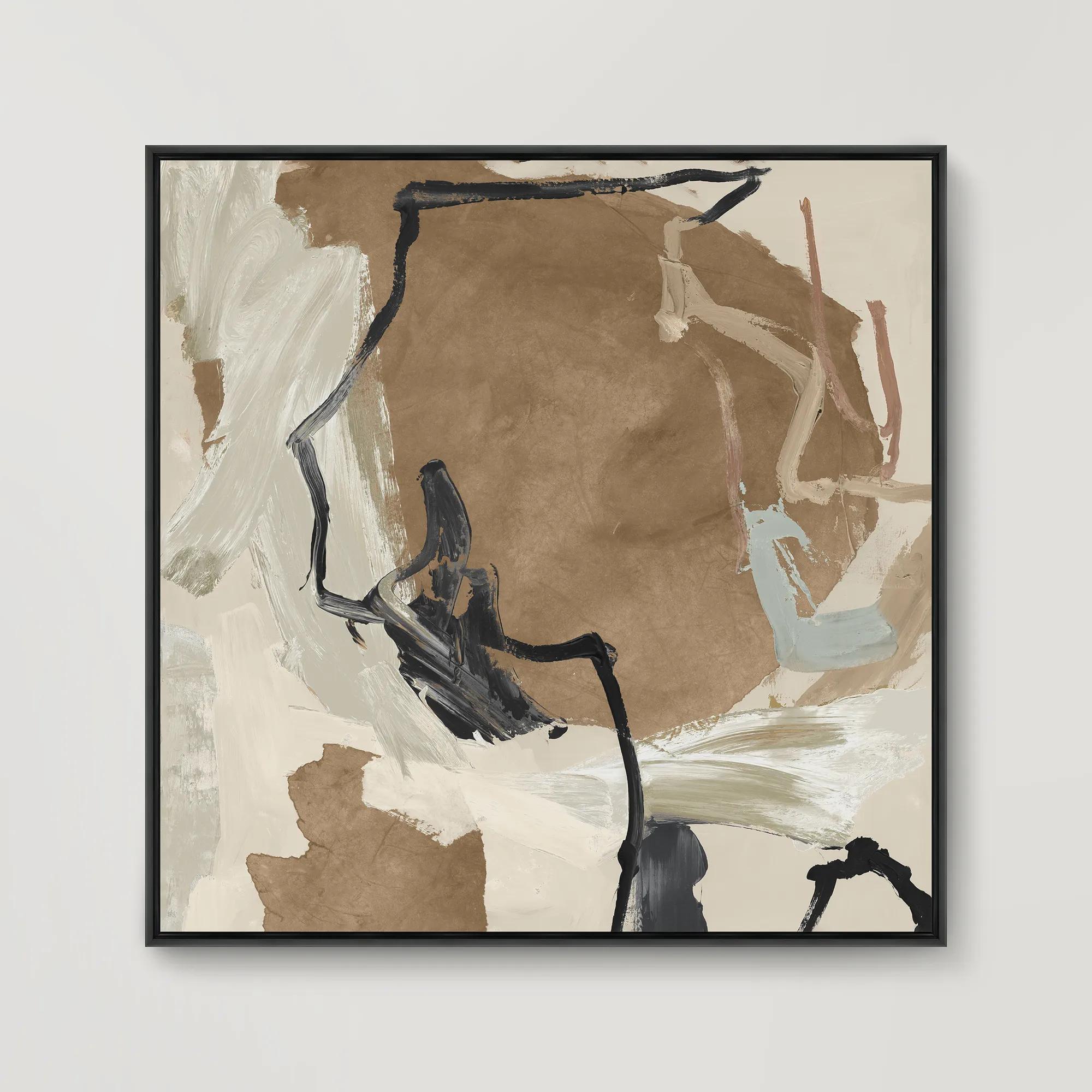
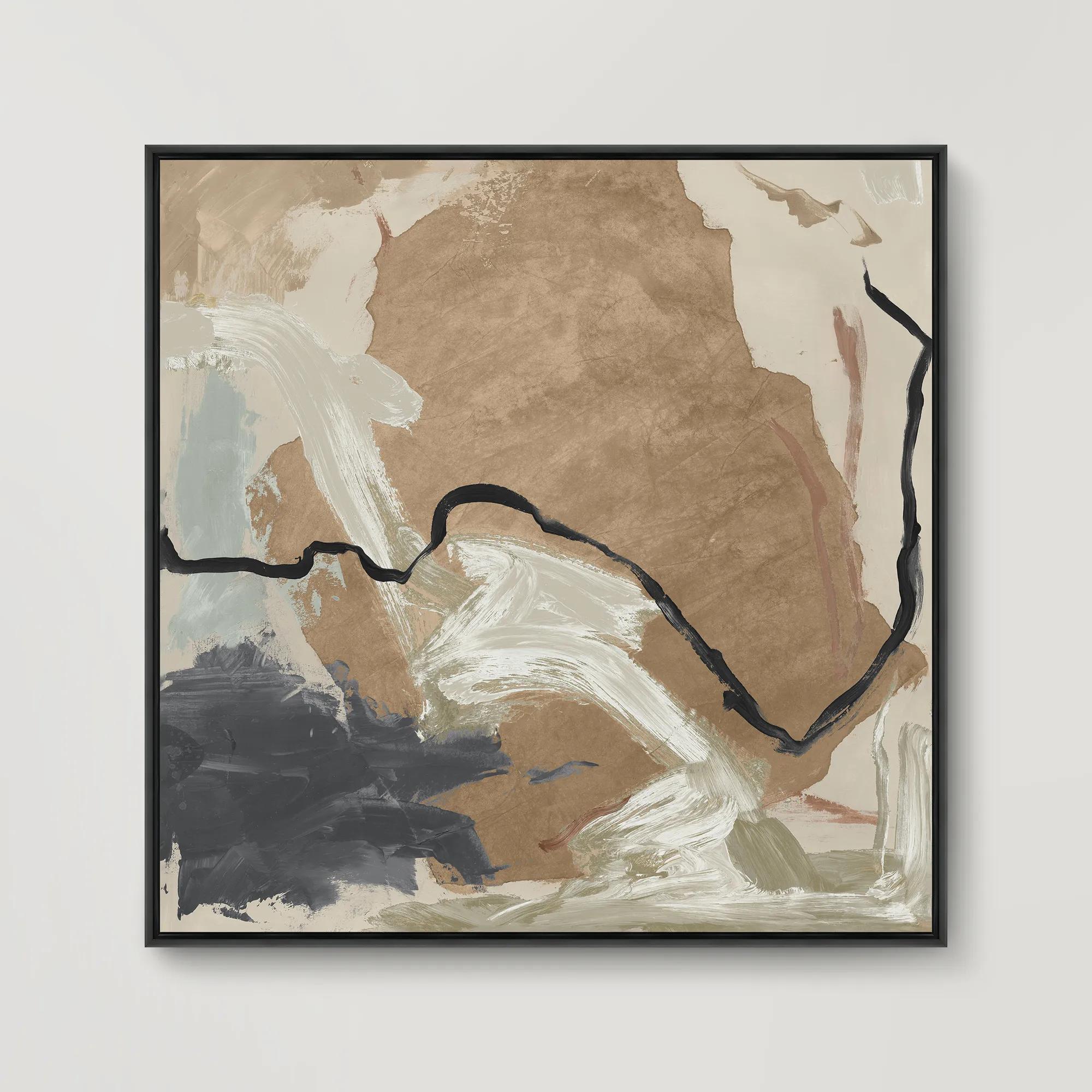
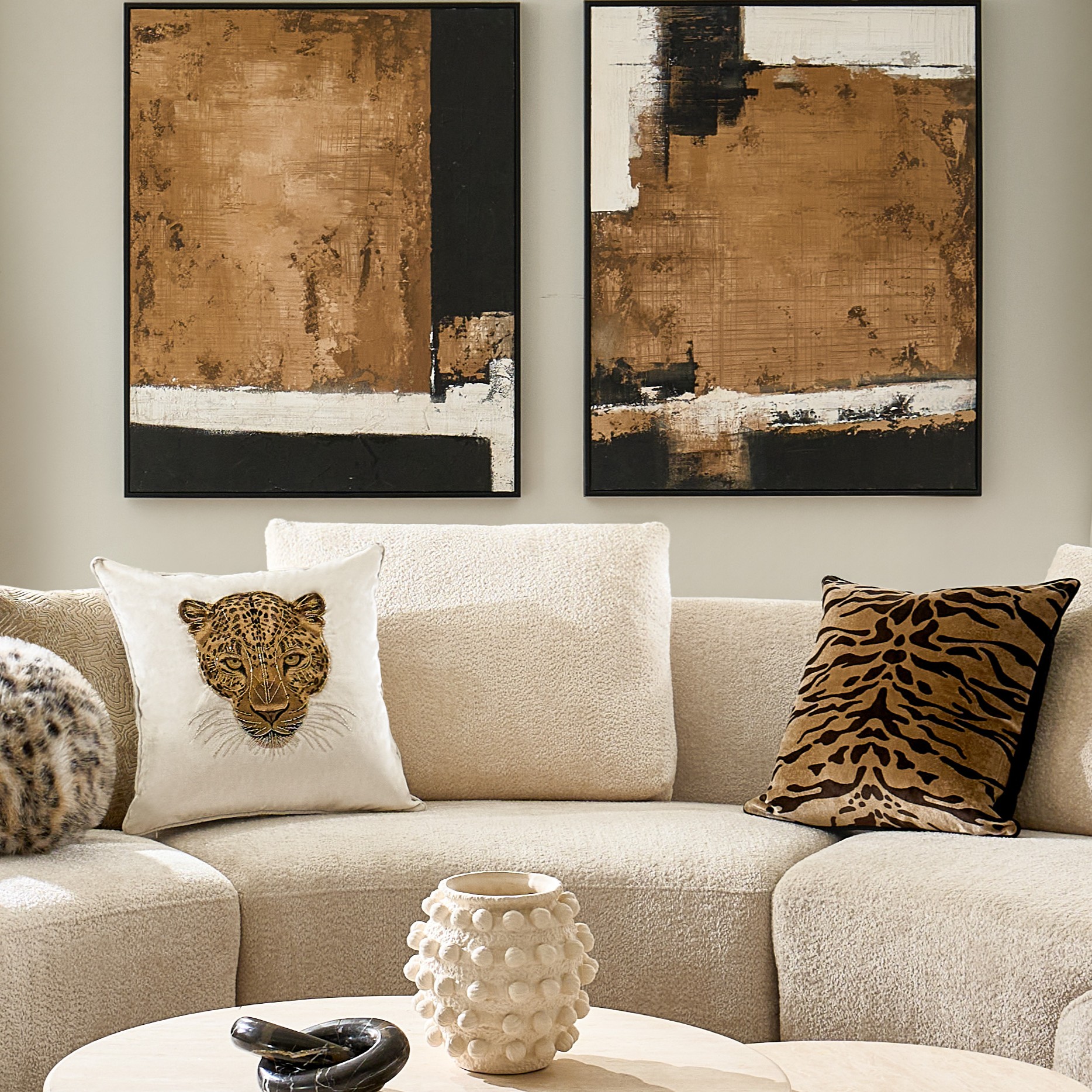 Drift Framed Painted Wall Art II 39.4" x 31.5"$299
A hand-painted canvas in brown, featuring bold texture and color interplay within a sleek black floater frame.
Add To Cart -
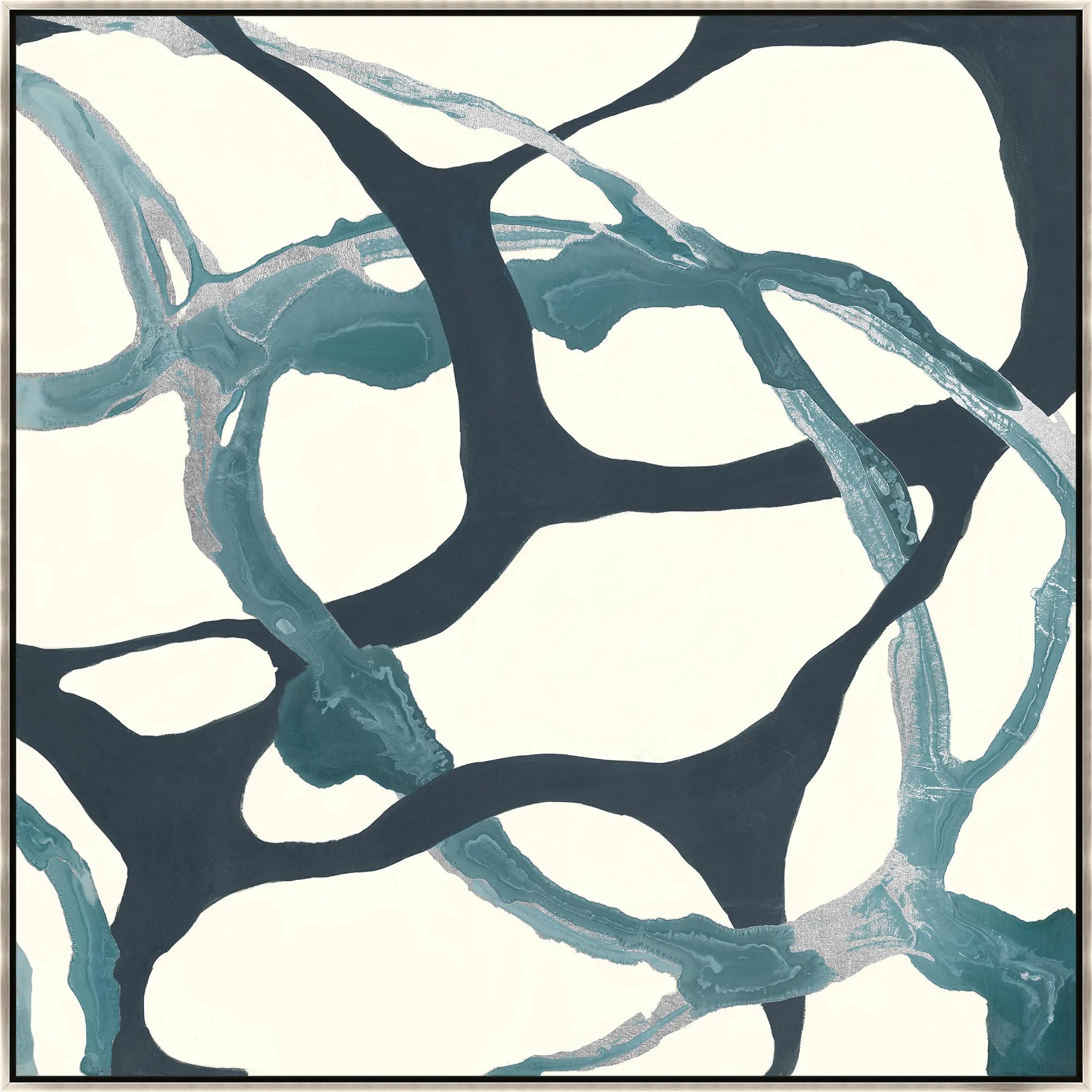
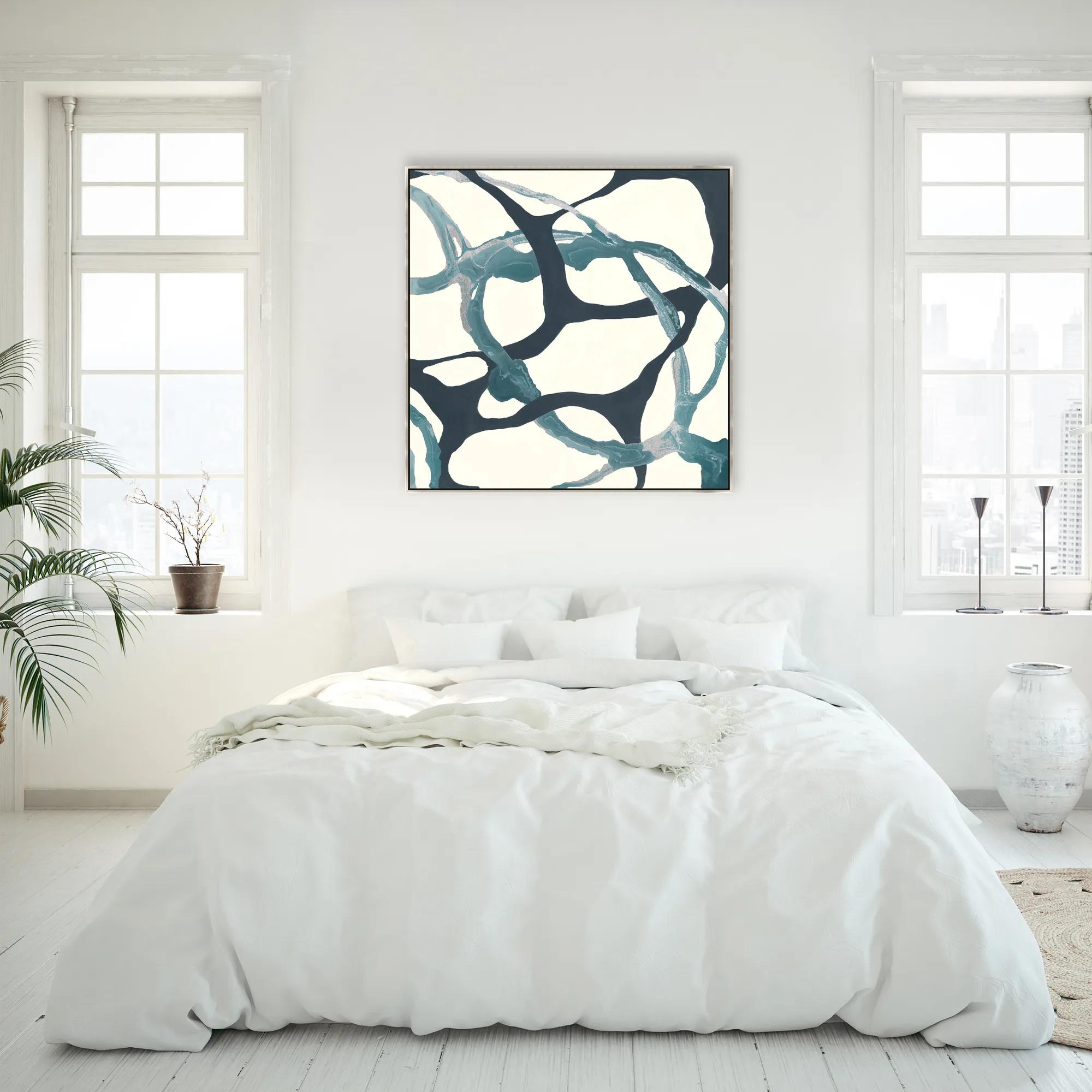 Alignments II Framed Wall Art 40" x 40"$899
A gallery-wrapped canvas featuring gilded silver accents and hand-applied brush gel in a silver floater frame.
Add To Cart -
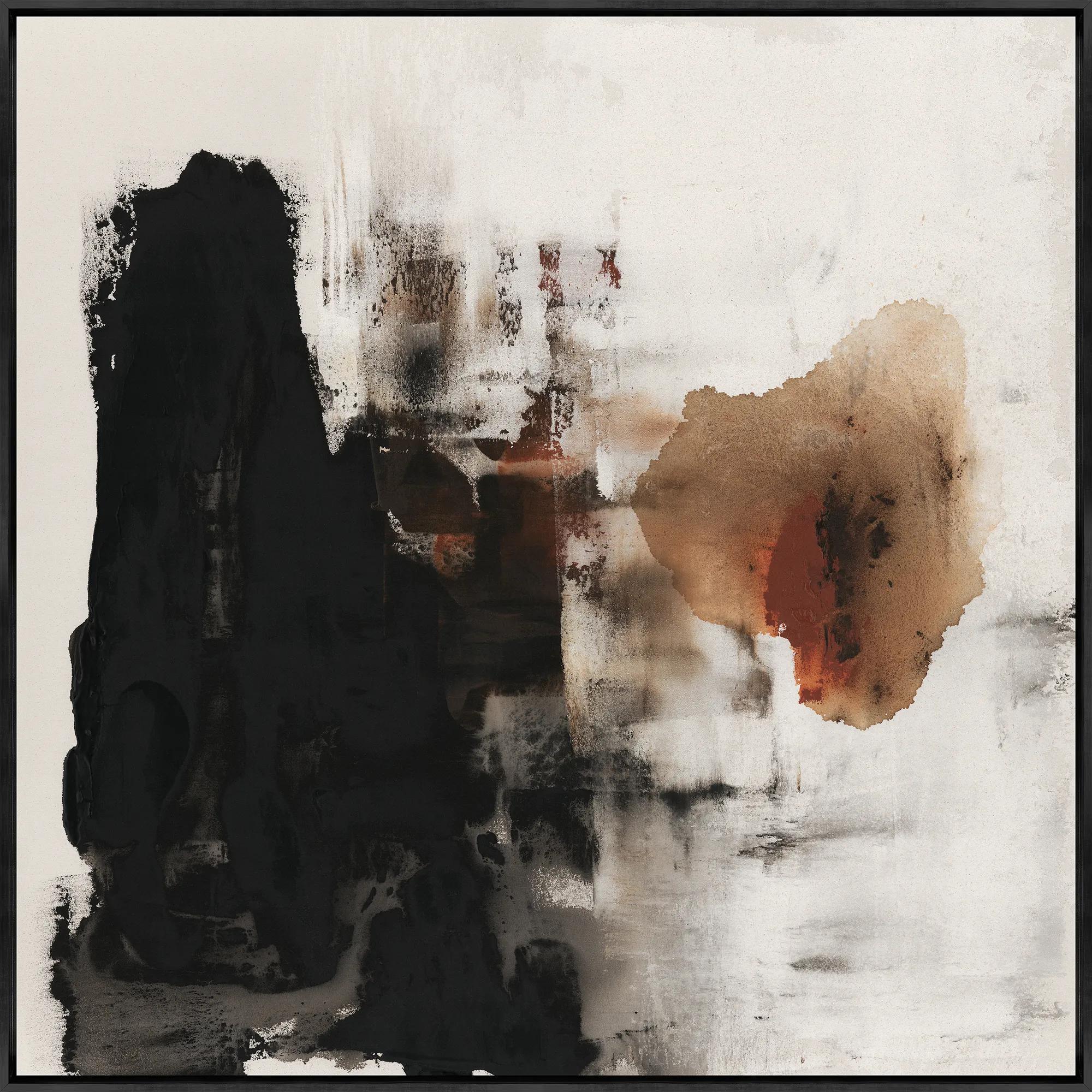 Burning for You I Framed Wall Art 40" x 40"$799
A gallery-wrapped canvas artwork with hand-applied brush gel, set in a sleek black floater frame.
Add To Cart -
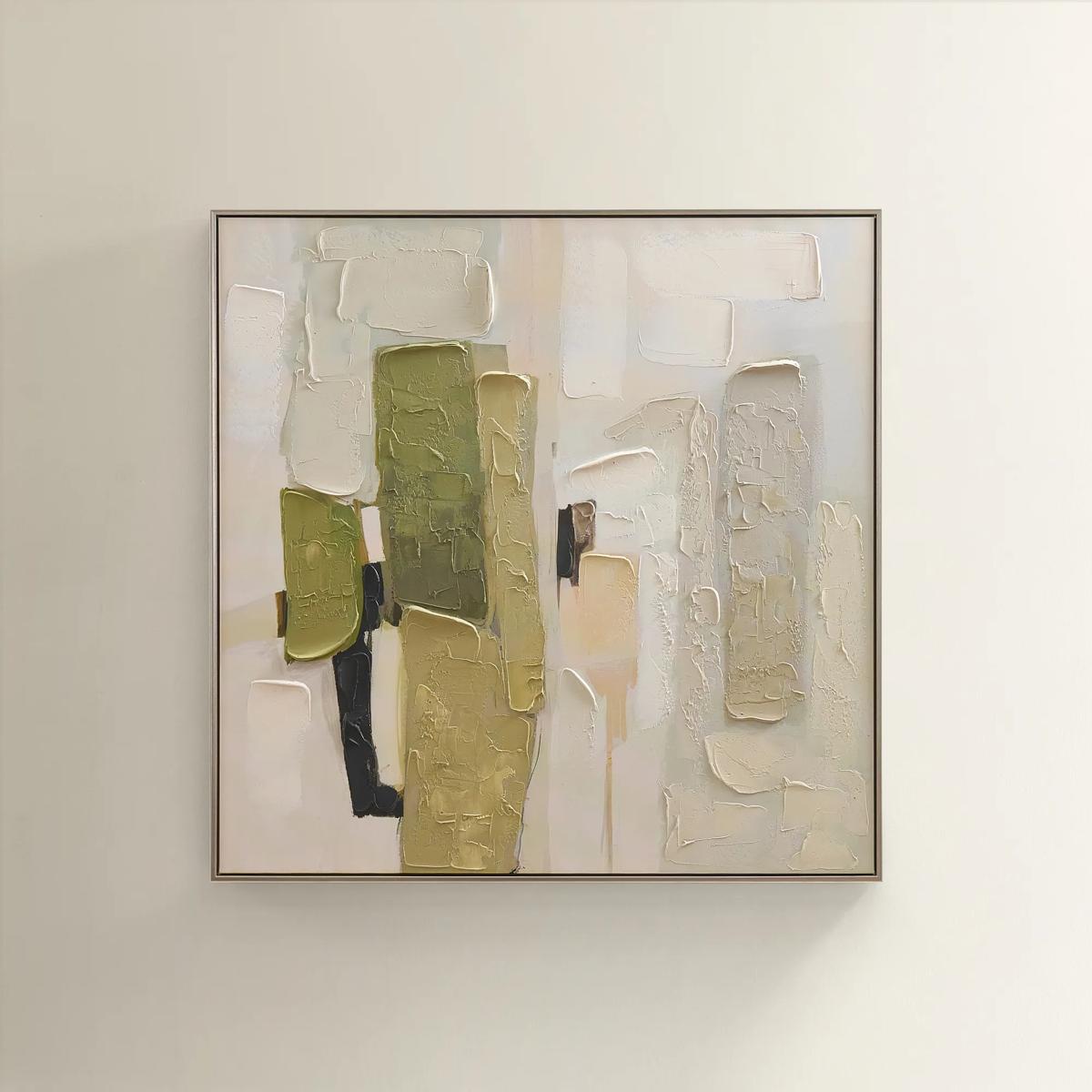 Verde Crush Framed Painted Wall Art 39.25" x 39.25"$349
A hand-painted abstract canvas featuring rich green tones, layered neutrals, and a champagne floater frame.
Add To Cart -
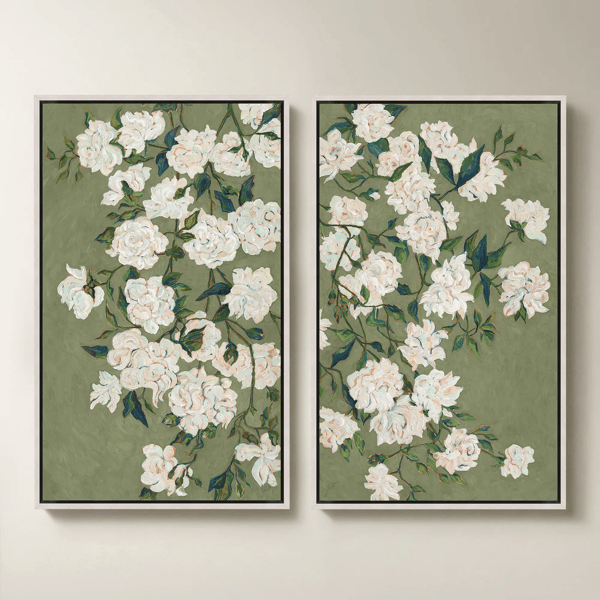
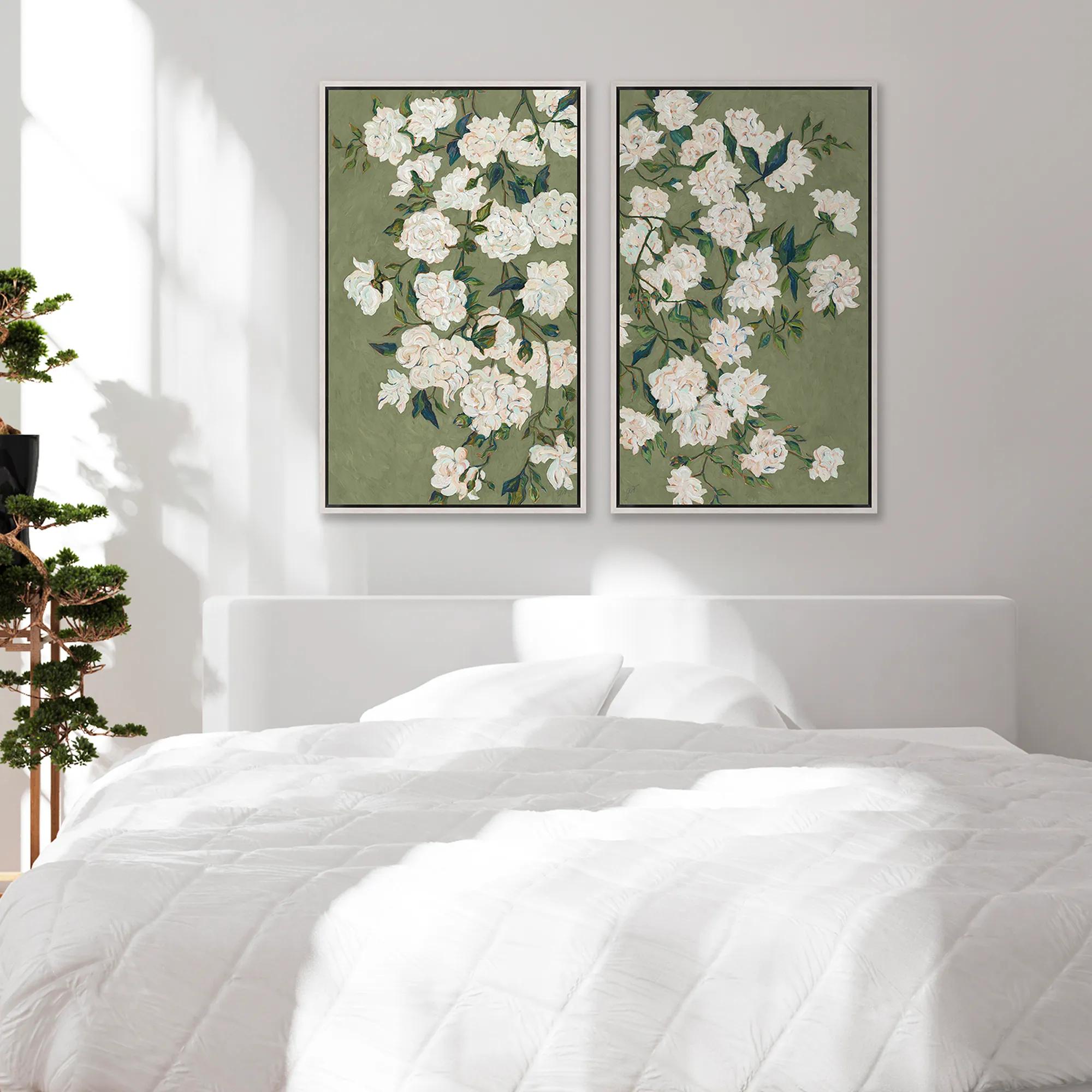 Verdi Vincent Framed Wall Art 21.5" x 41.5" Set of 2$949
A set of two gallery-wrapped fiber texture canvases in white floater frames for modern wall decor.
Add To Cart -
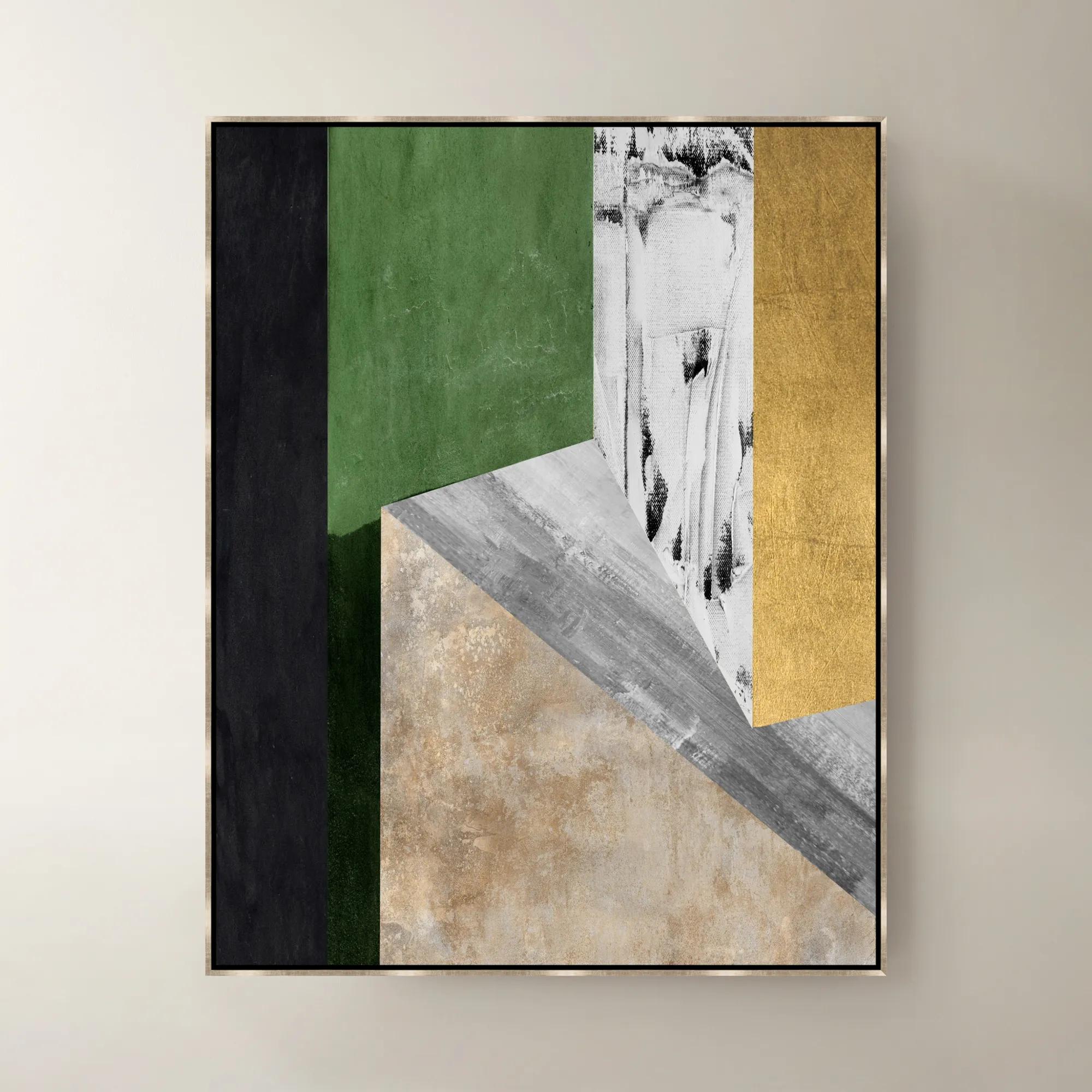
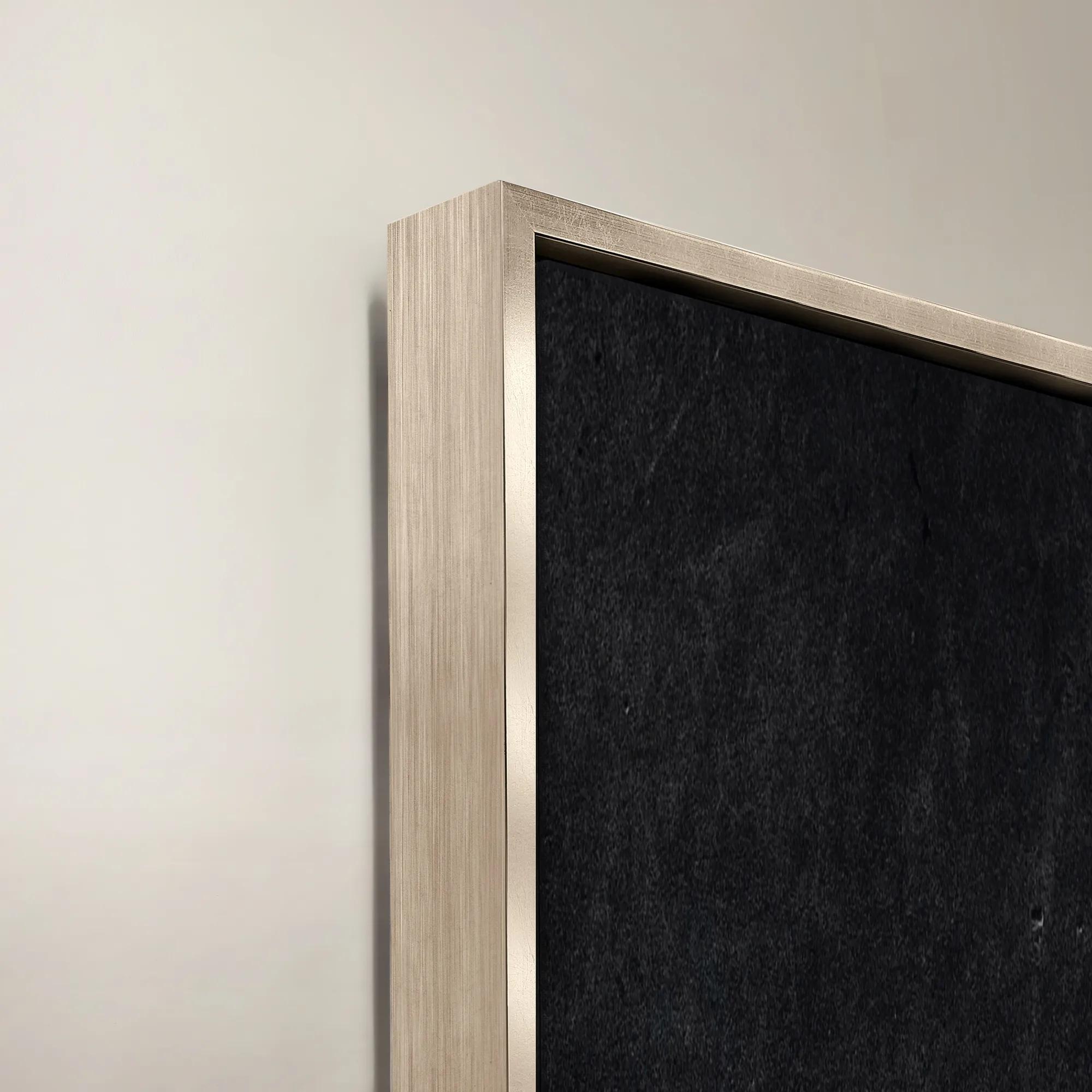 Blocked III Framed Wall Art 42" x 50"$1199
A striking abstract art piece featuring bold geometric shapes and modern design by Nikki Chu.
Add To Cart -
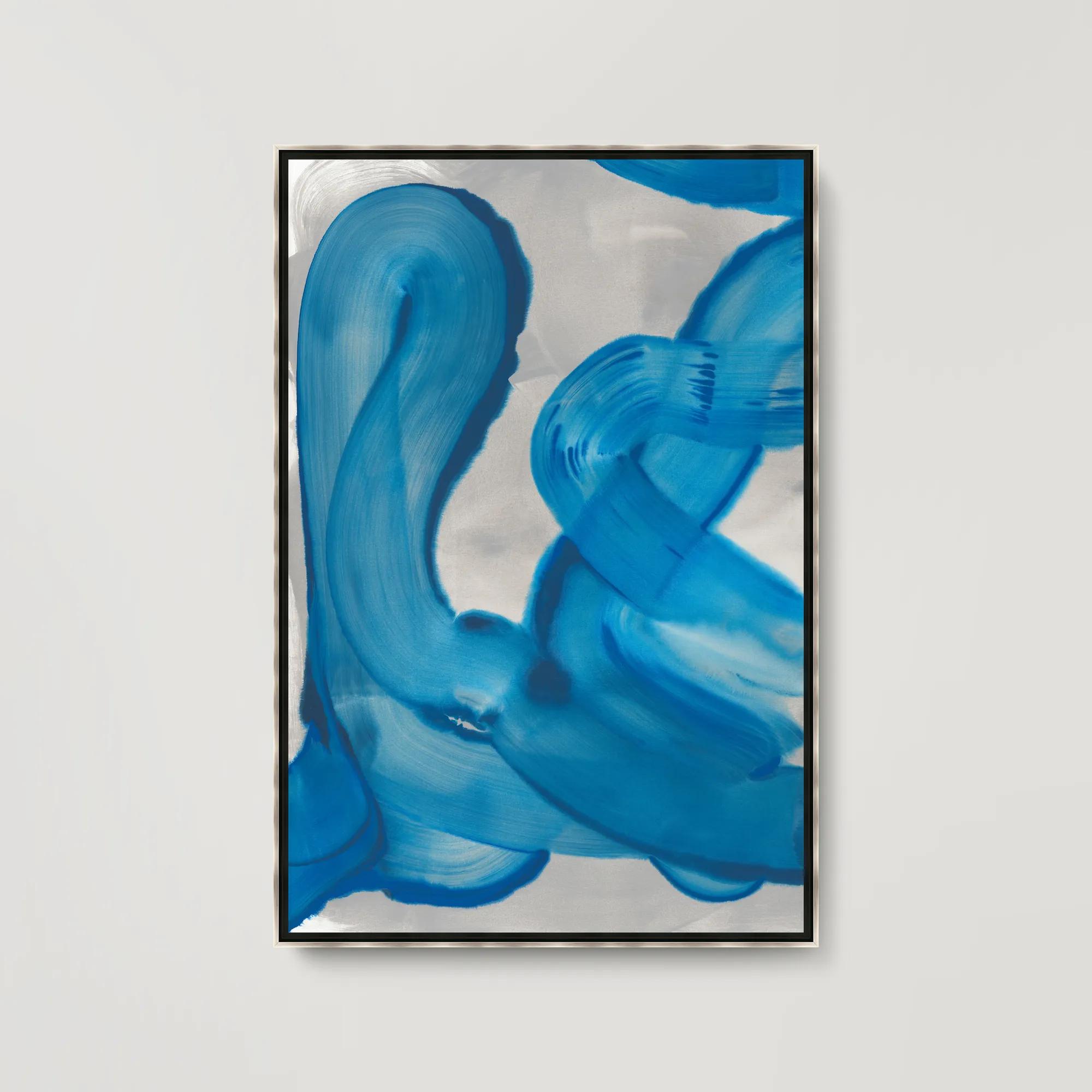 Royal Waves I Framed Wall Art 31.5" x 46.5"$699
A gallery-wrapped abstract canvas featuring hand-applied brush gel and set in a sleek silver floater frame.
Add To Cart -
 Etched in Gold$229
A hand-carved gold copper artwork set in a sleek black alloy frame for modern contrast.
Add To Cart -
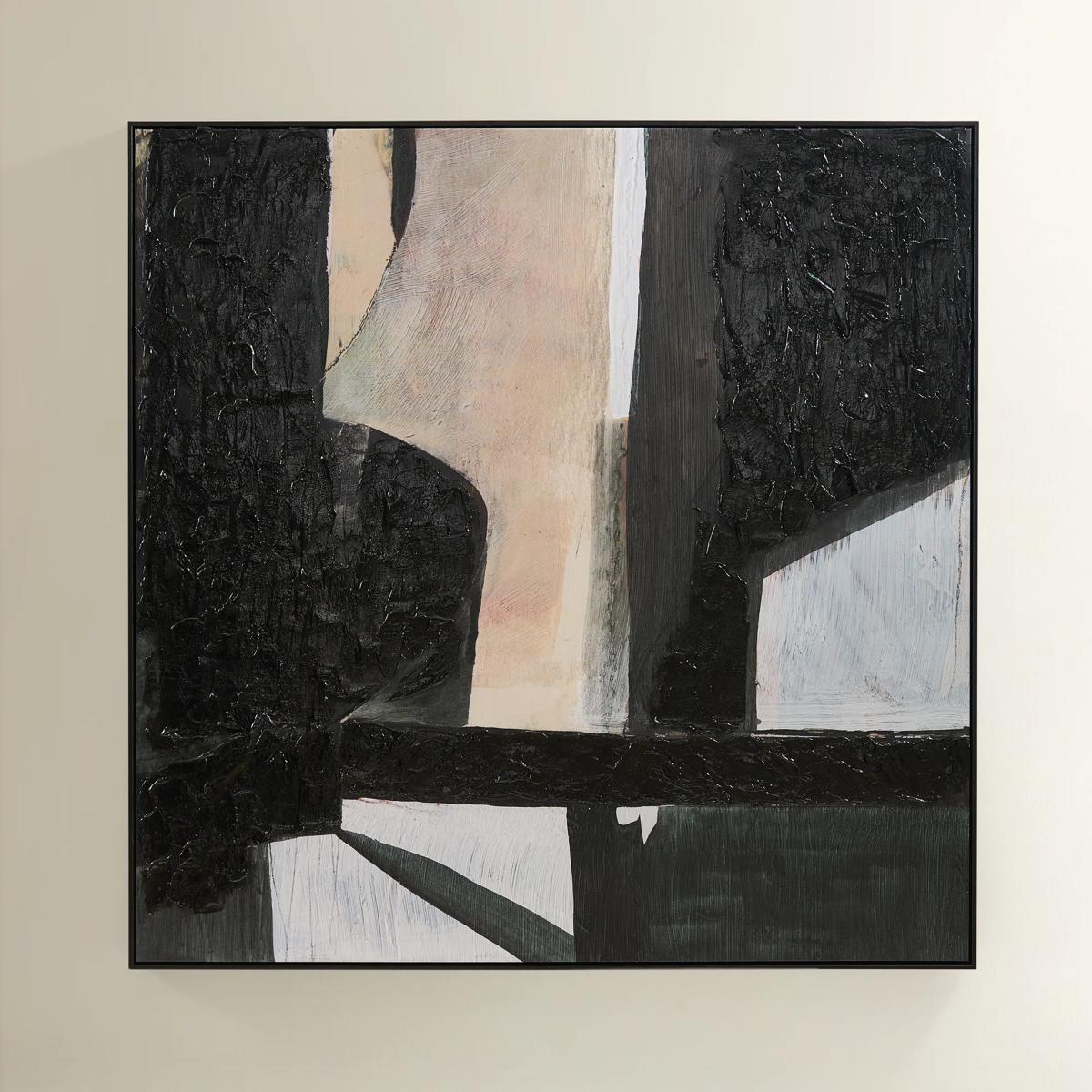 Grounded Painting$699
A hand-painted abstract canvas featuring black, cream, and earth tones in a sleek black floater frame.
Add To Cart -
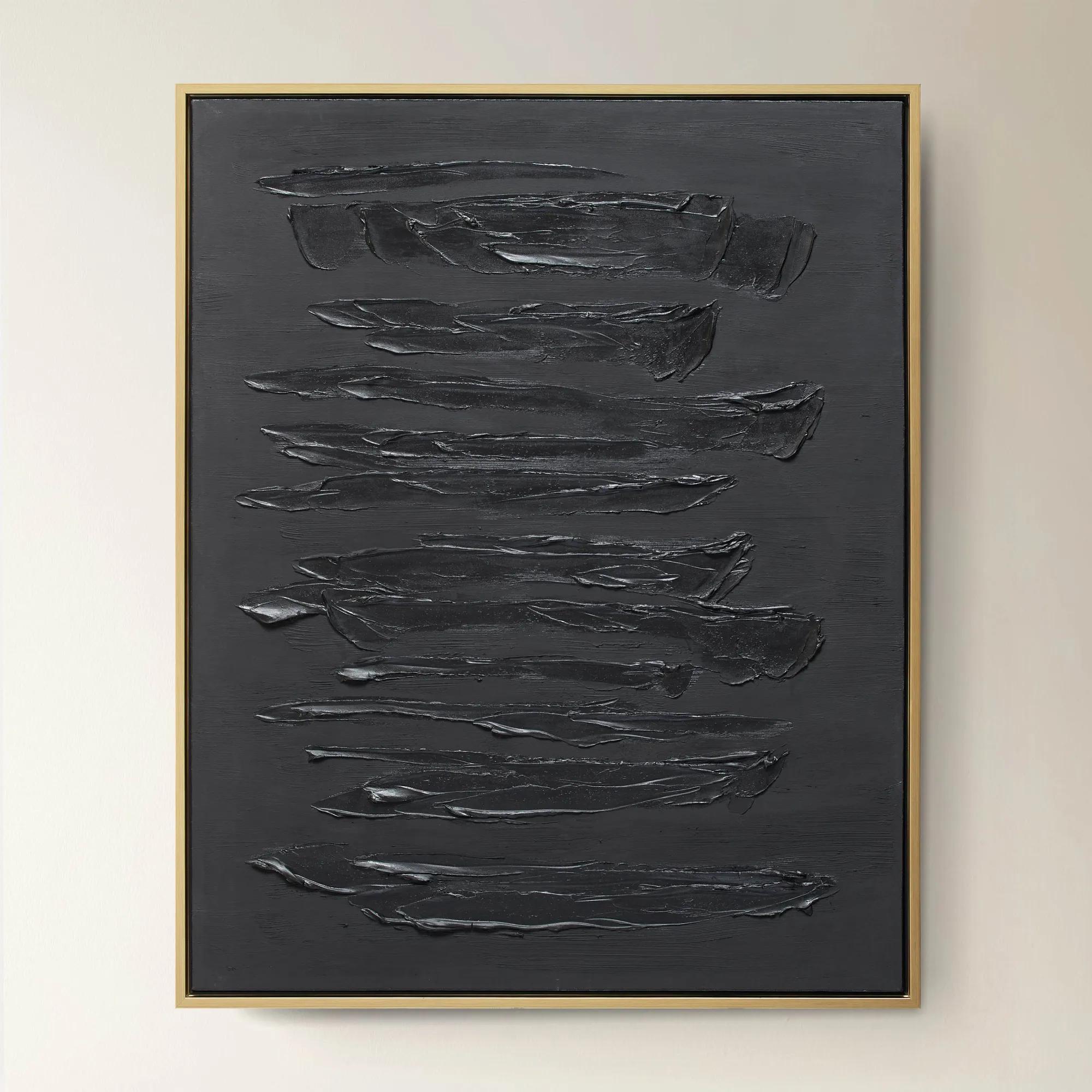
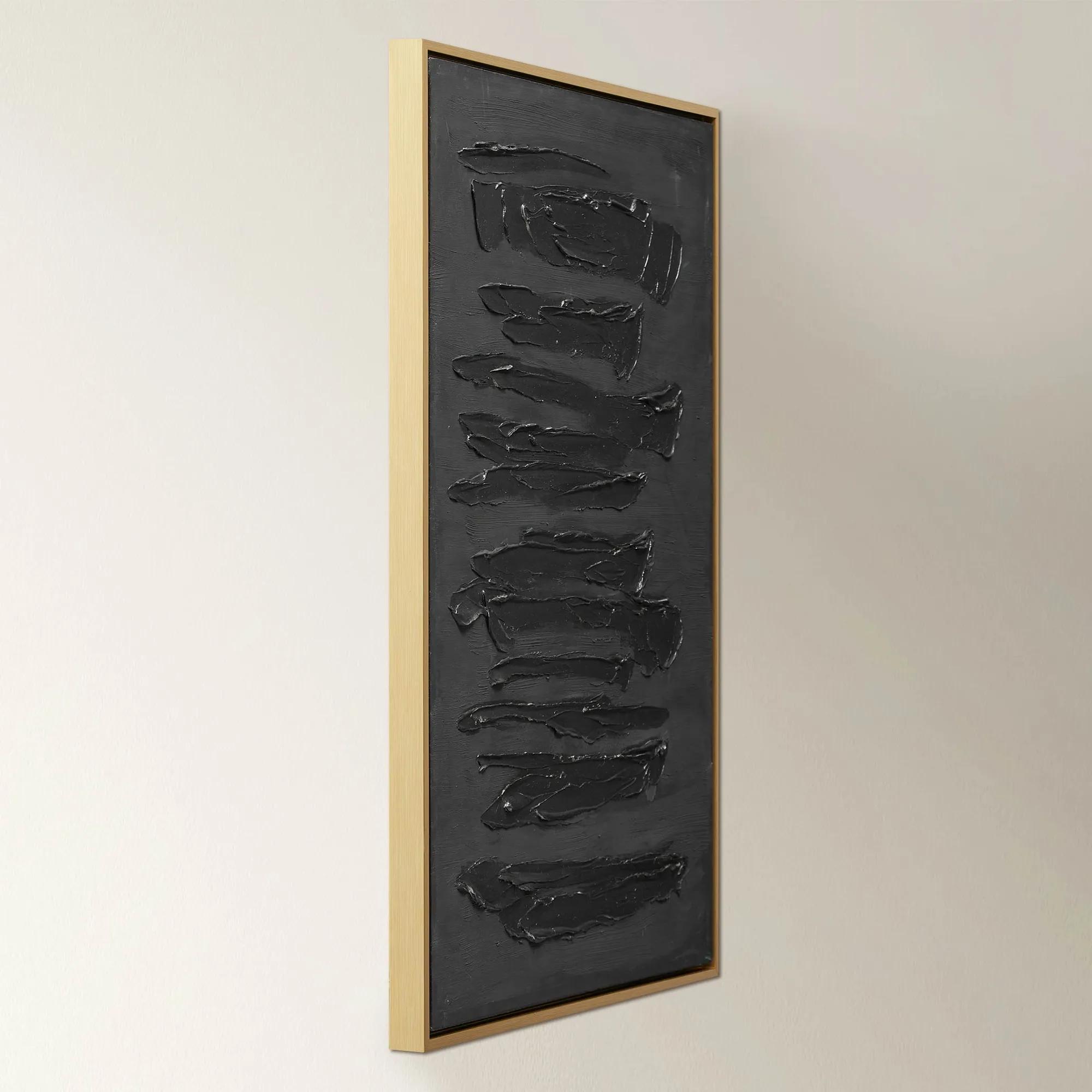 Nocturne$599.95
A dramatic abstract artwork featuring bold, dark brushstrokes on hand-painted canvas in a gold floater frame.
Add To Cart -
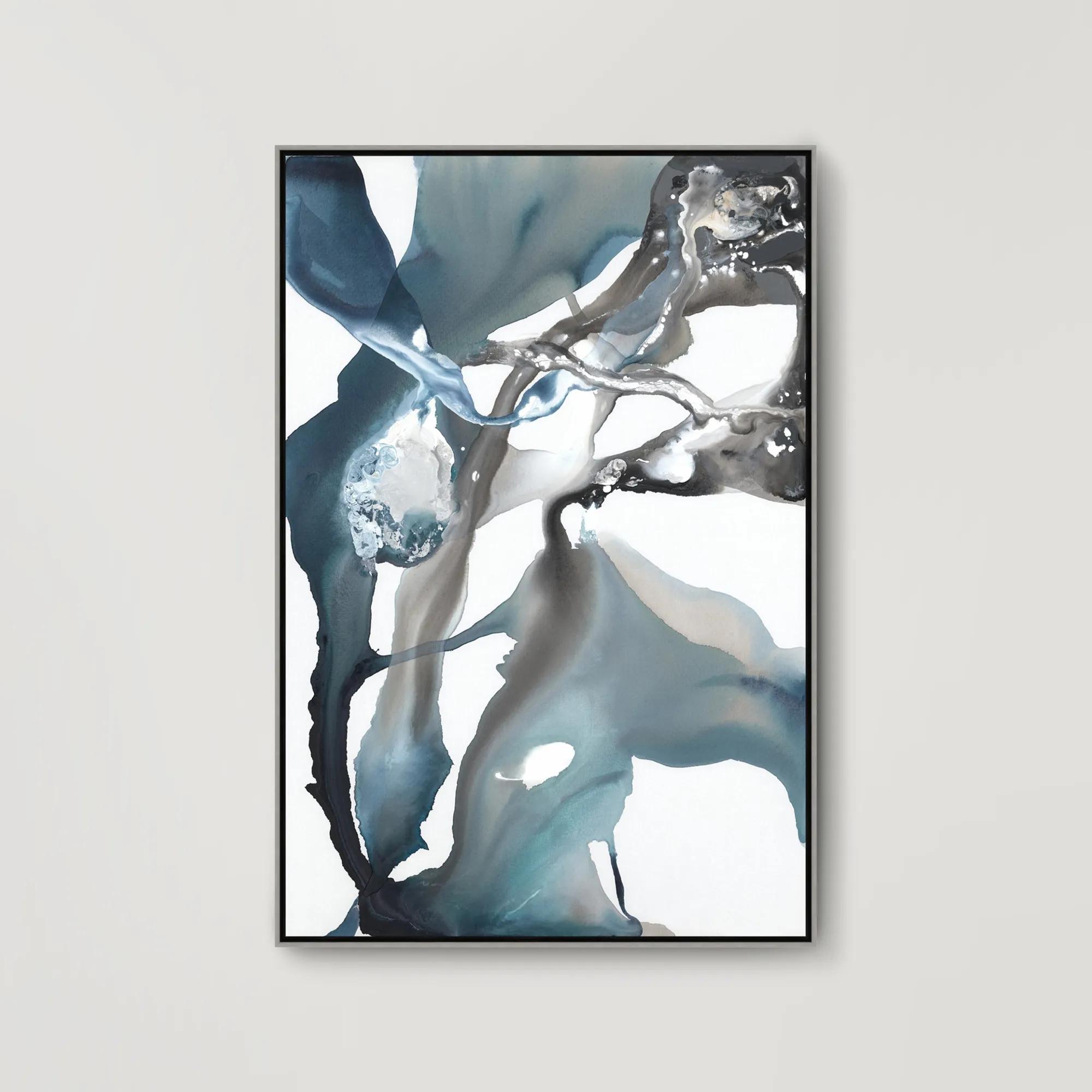
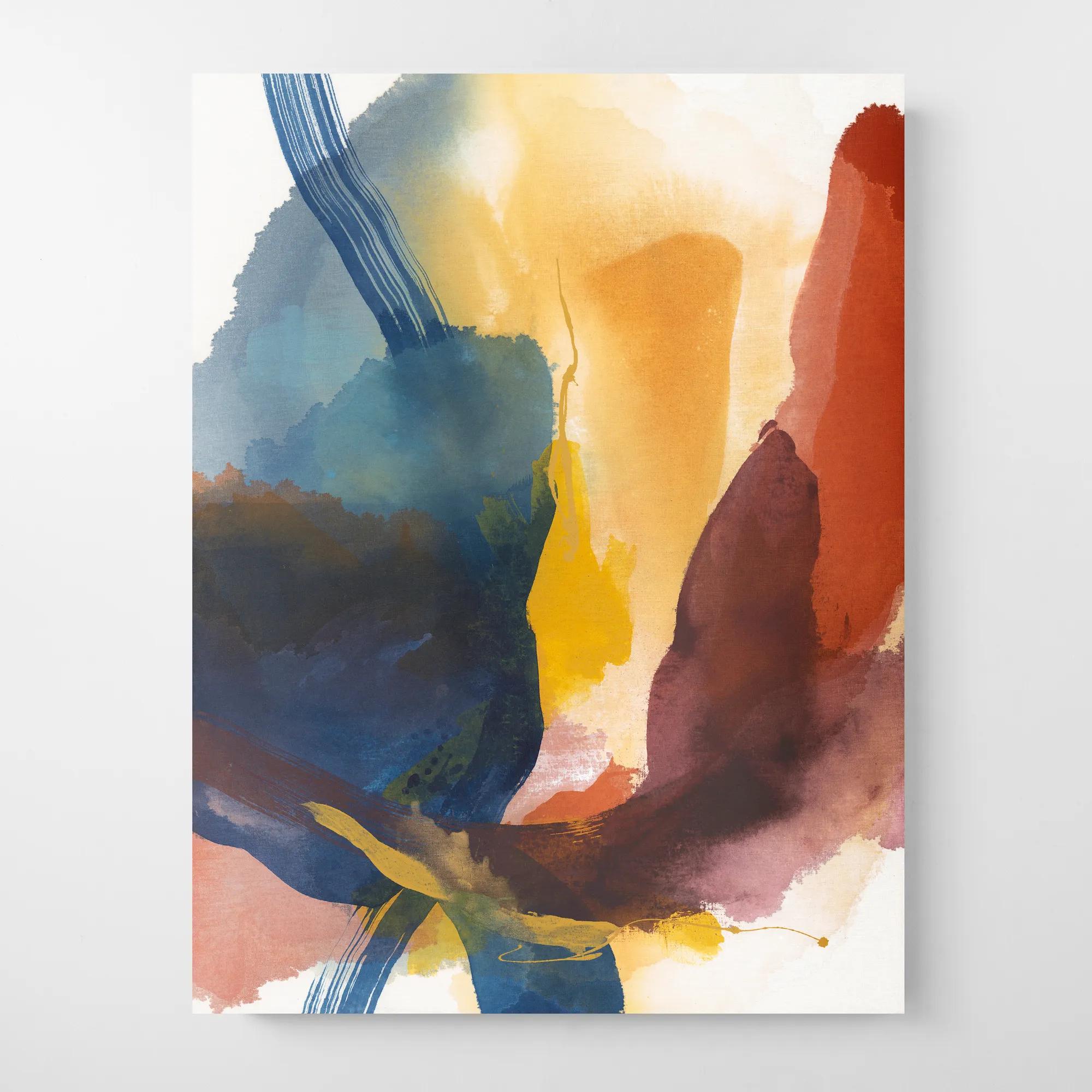
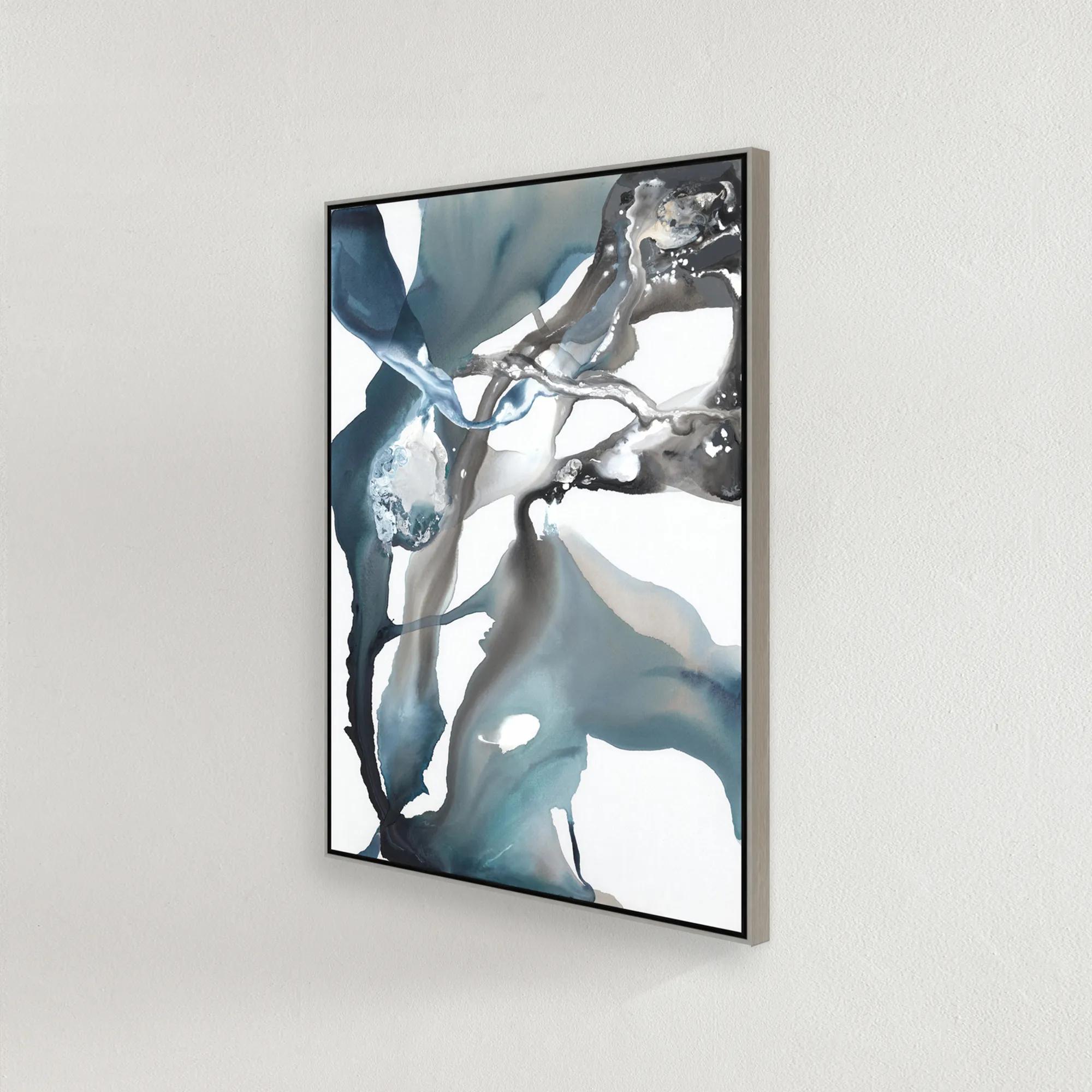 Cool Cascade Framed Wall Art 37.5" x 55.5"$849
A gallery-wrapped canvas artwork featuring expressive colors, hand-applied brush gel, and a gunmetal floater frame.
Add To Cart -
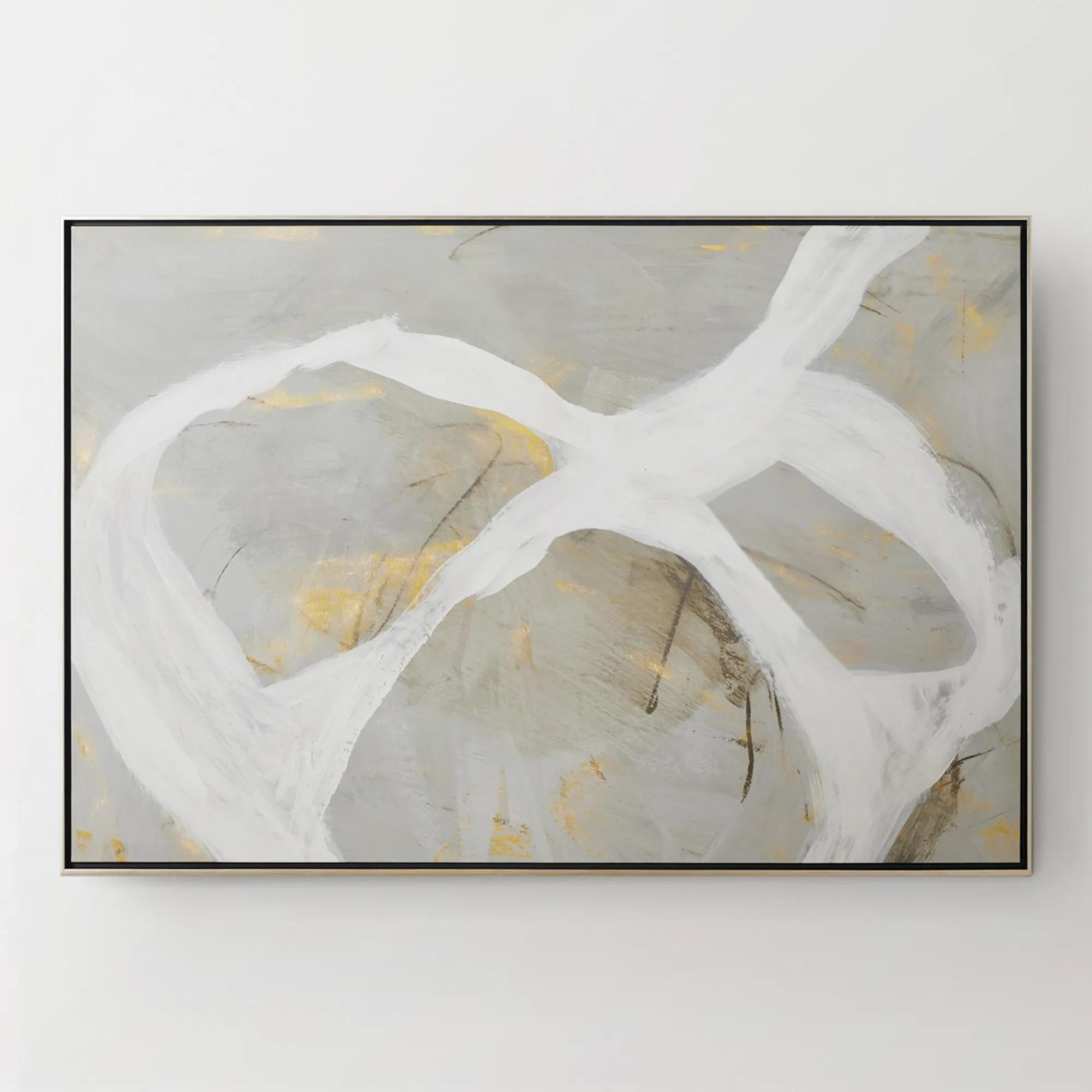
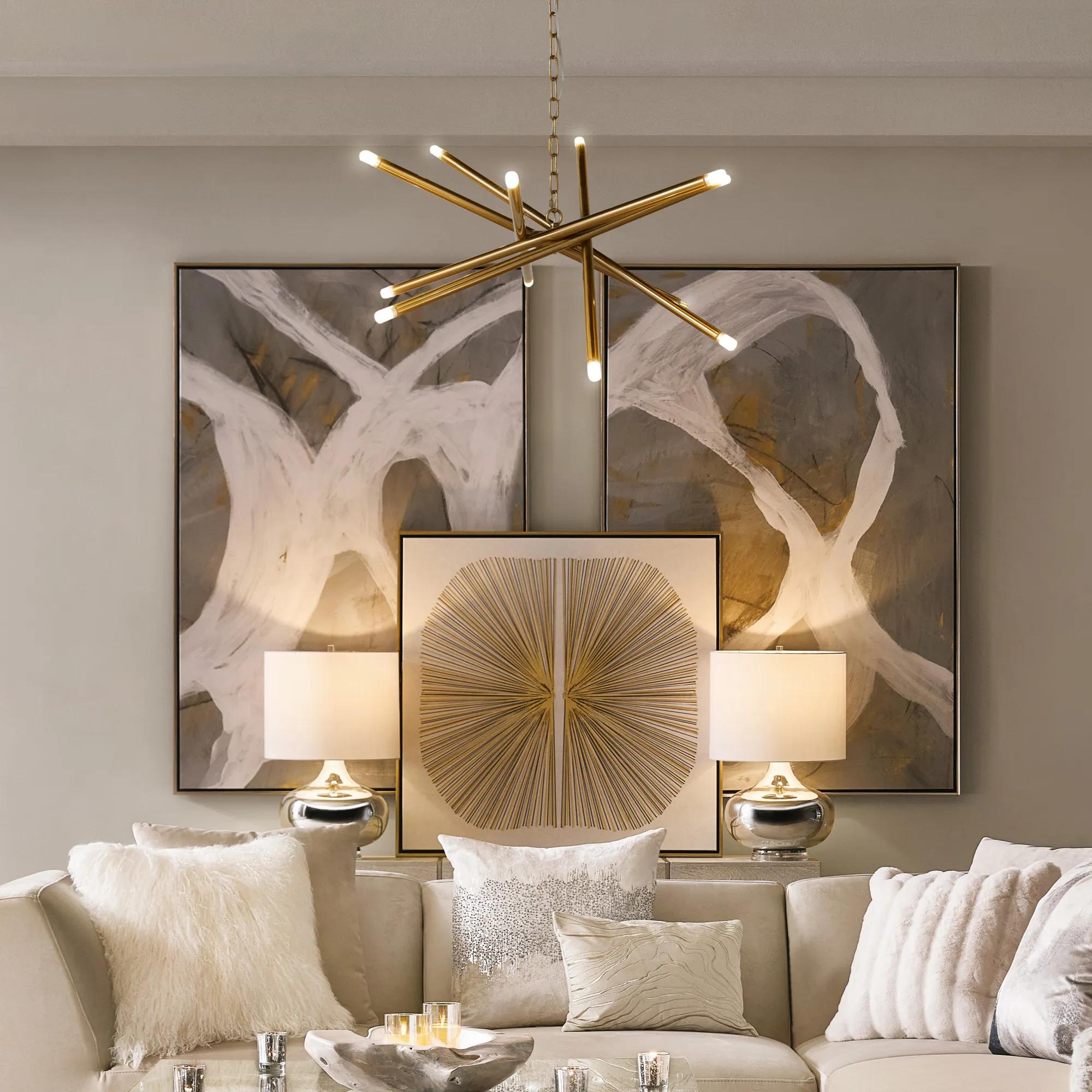 Les Series Framed Painted Wall Art I 61" x 41"$1099
An abstract canvas artwork featuring bold brushstrokes, hand-applied gold accents, and a silver floater frame.
Add To Cart -
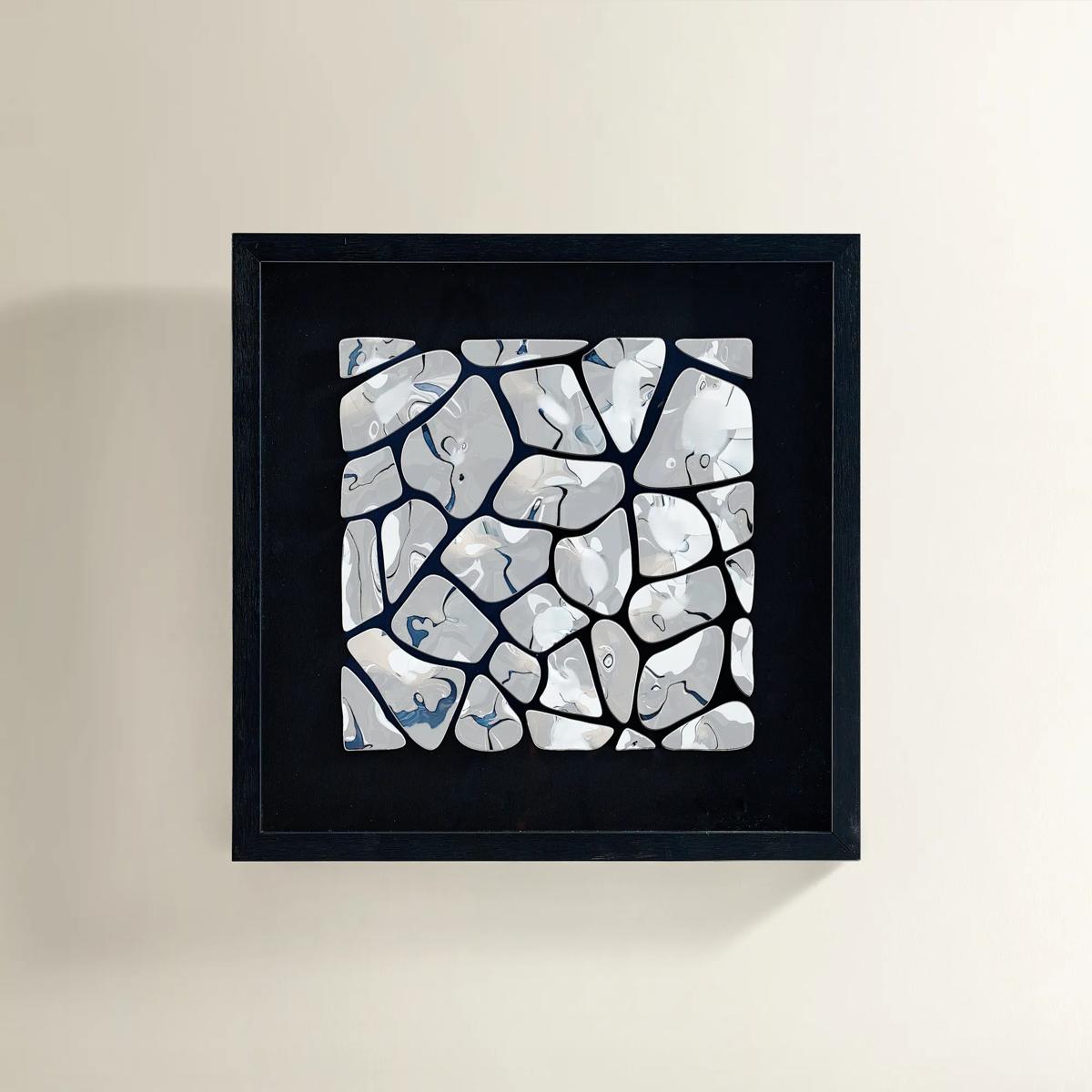 Reflect Silver And Black Shadowbox Art I$189
A dimensional metal wall art piece featuring polished silver and black forms in a sleek black frame.
Add To Cart -
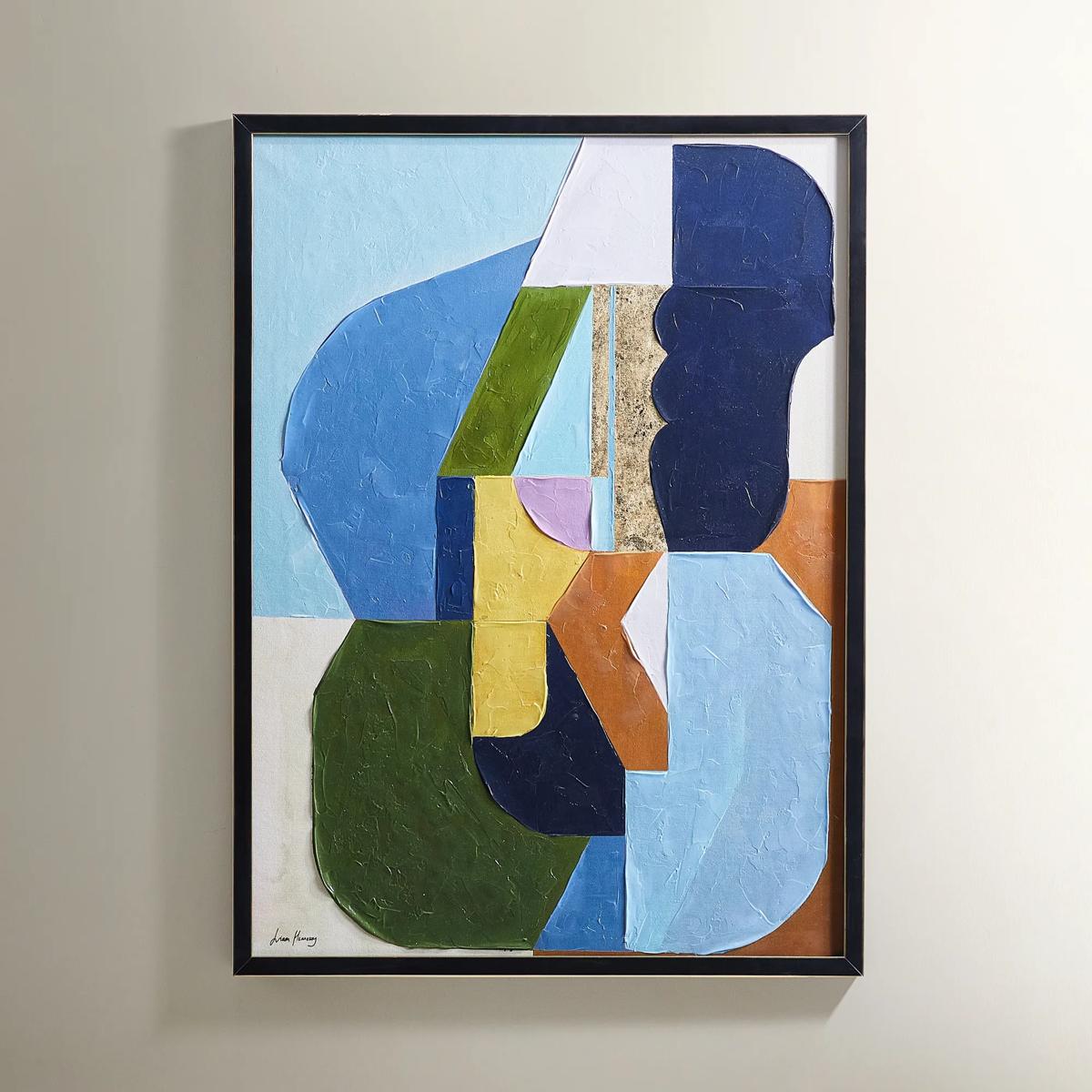
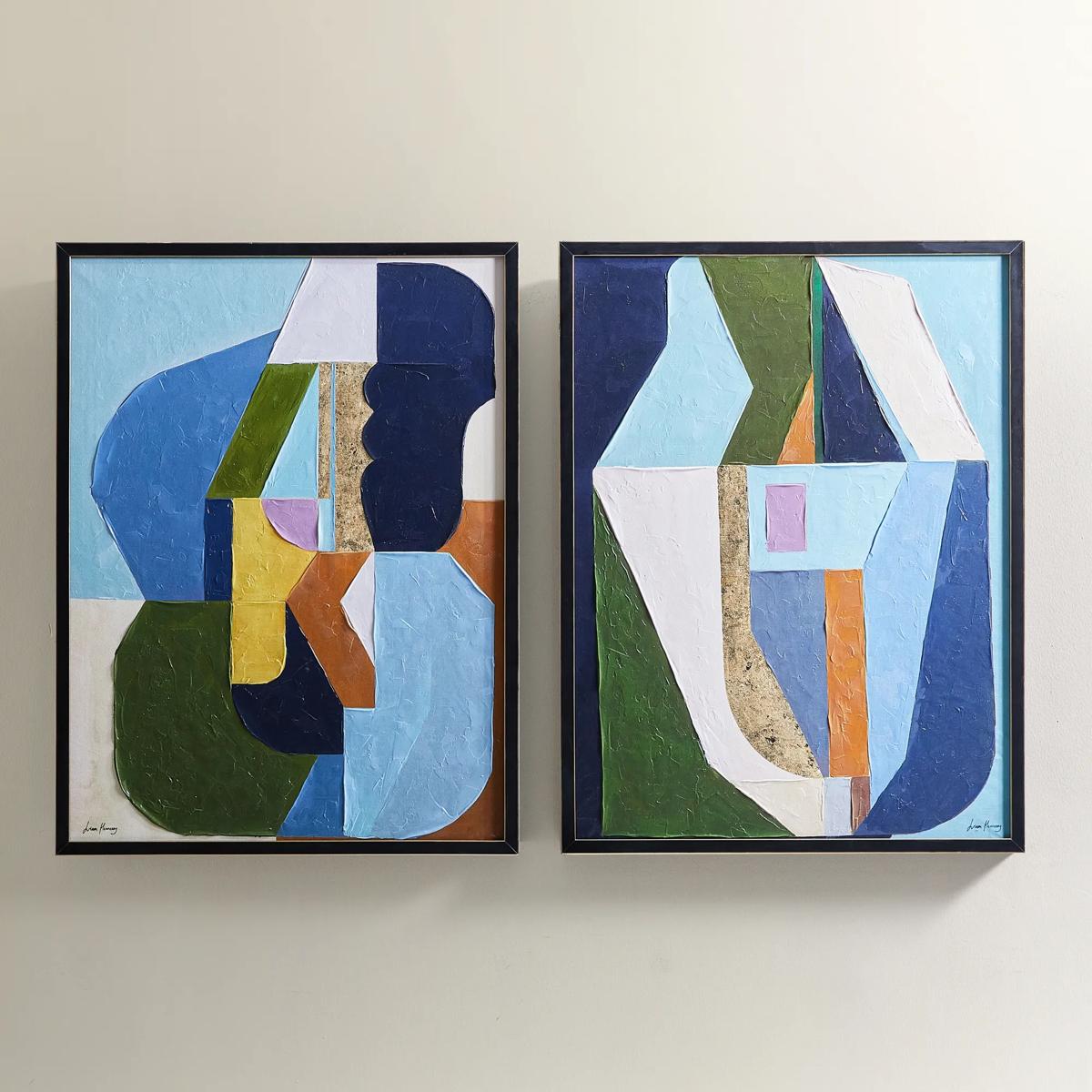 Thought Provoking Painting 1$249
A hand-embellished canvas artwork featuring textured strokes in deep blue, olive green, and gold accents.
Add To Cart -
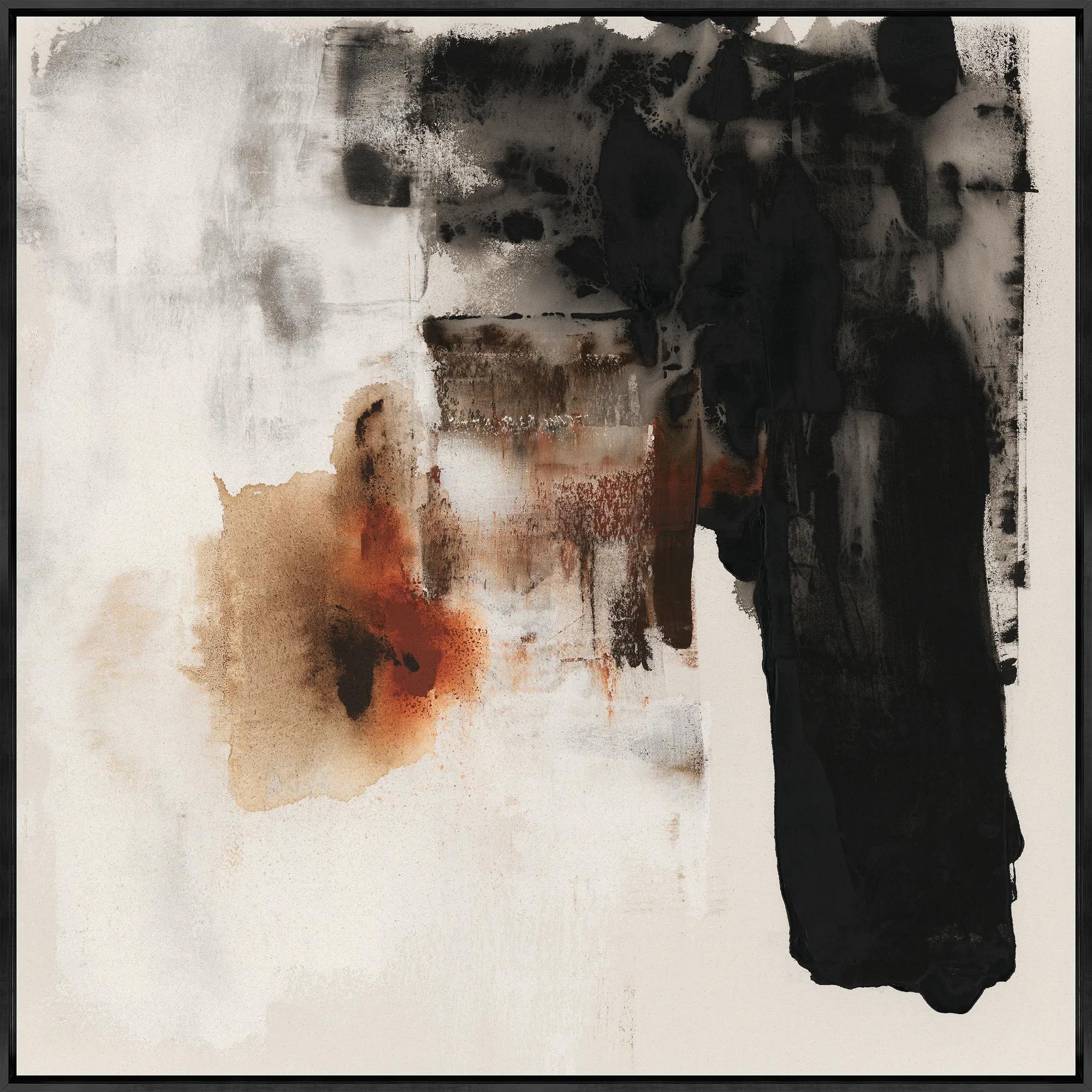
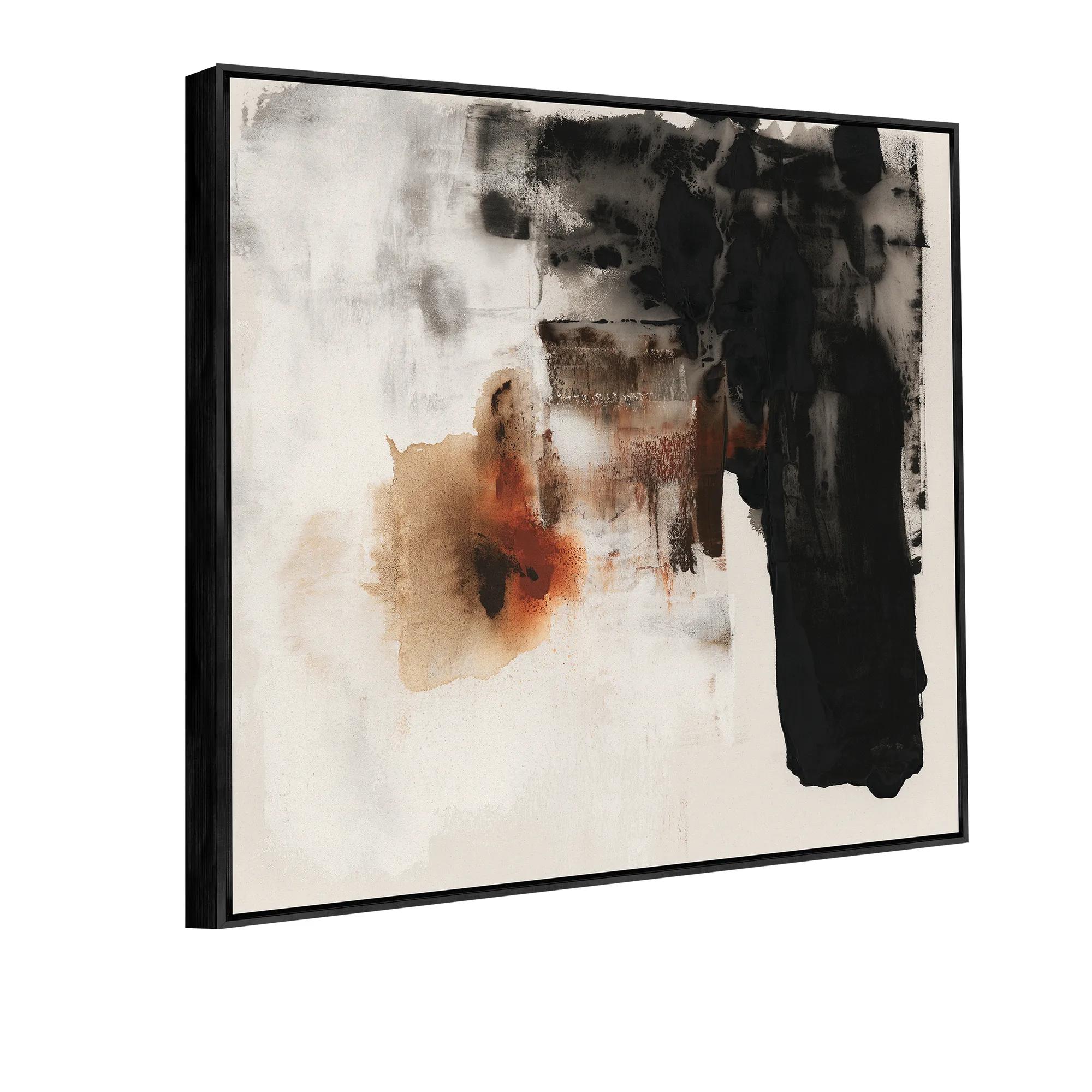 Burning for You II Framed Wall Art 40" x 40"$799
A gallery-wrapped canvas artwork with hand-applied brush gel, set in a sleek black floater frame.
Add To Cart -
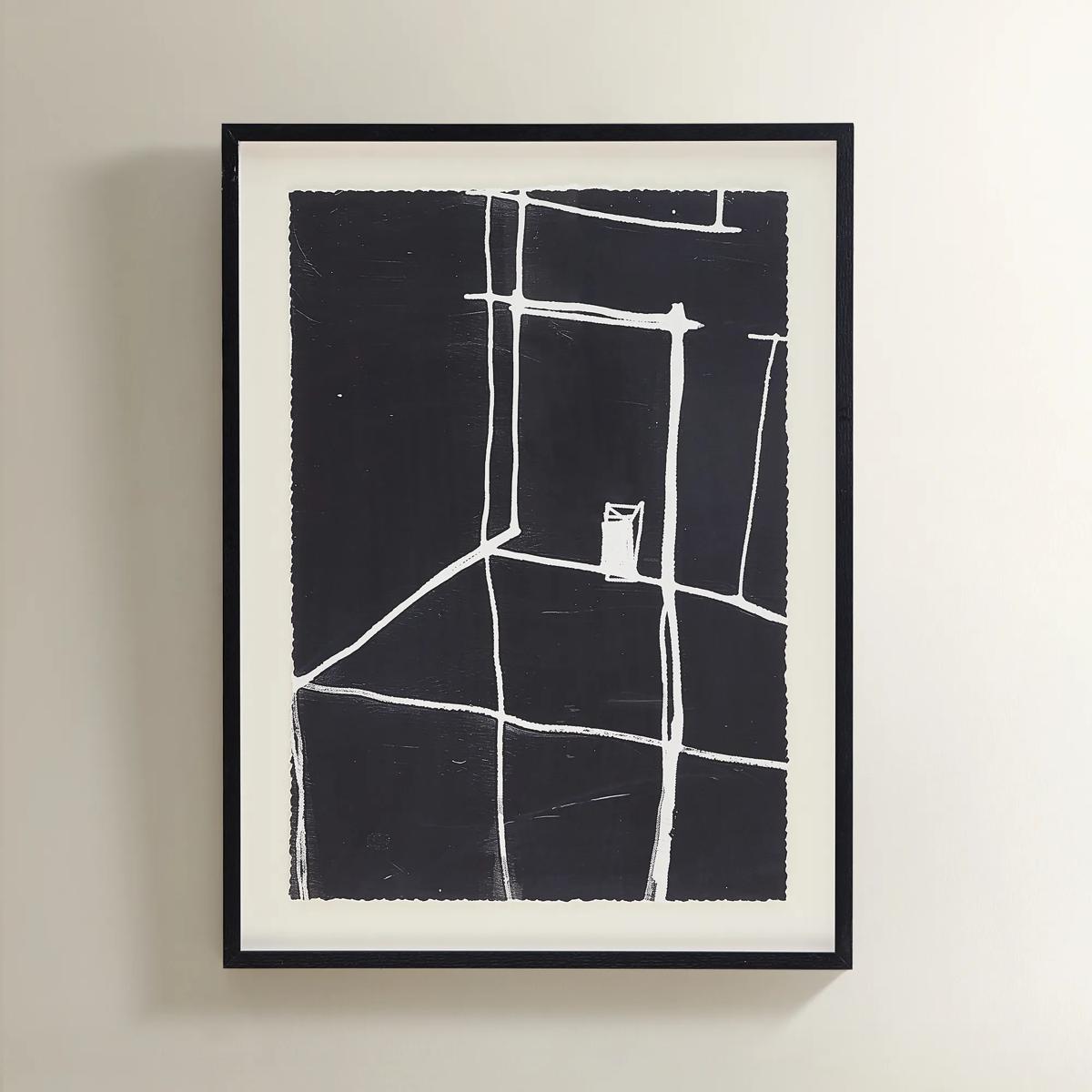 Solitude Art$269
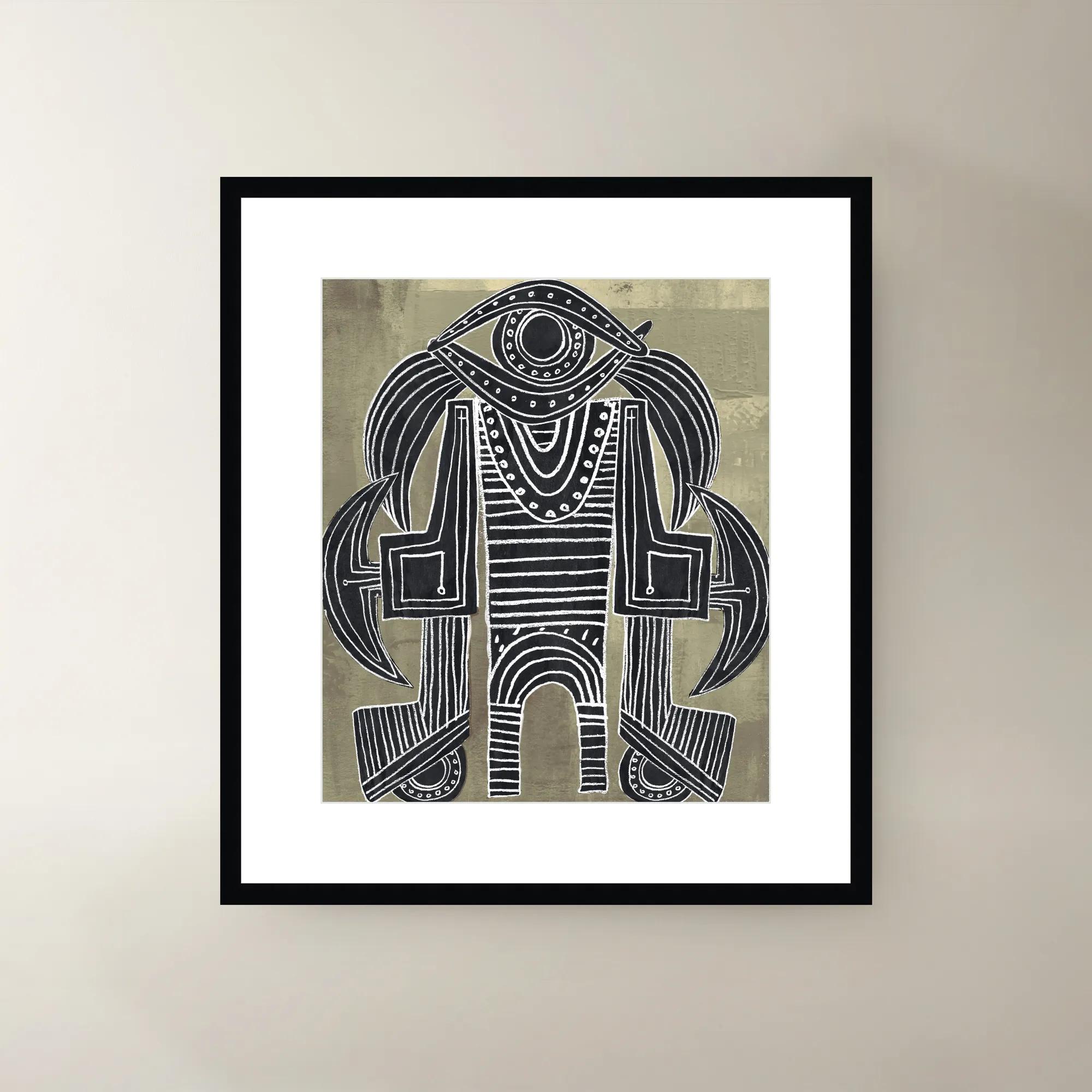
A minimalist black-and-white abstract print featuring bold white lines in a sleek black polyresin frame.
Add To Cart -
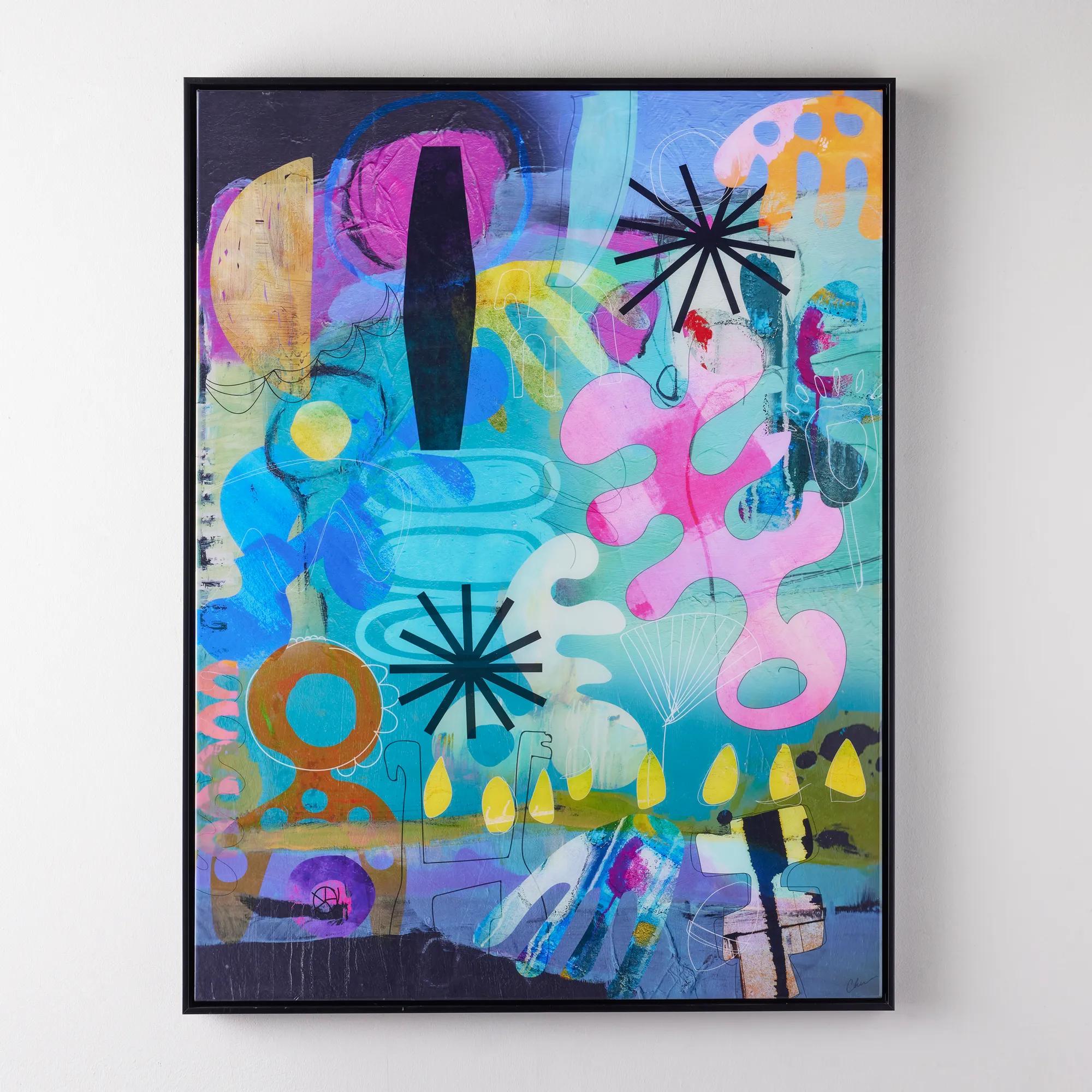
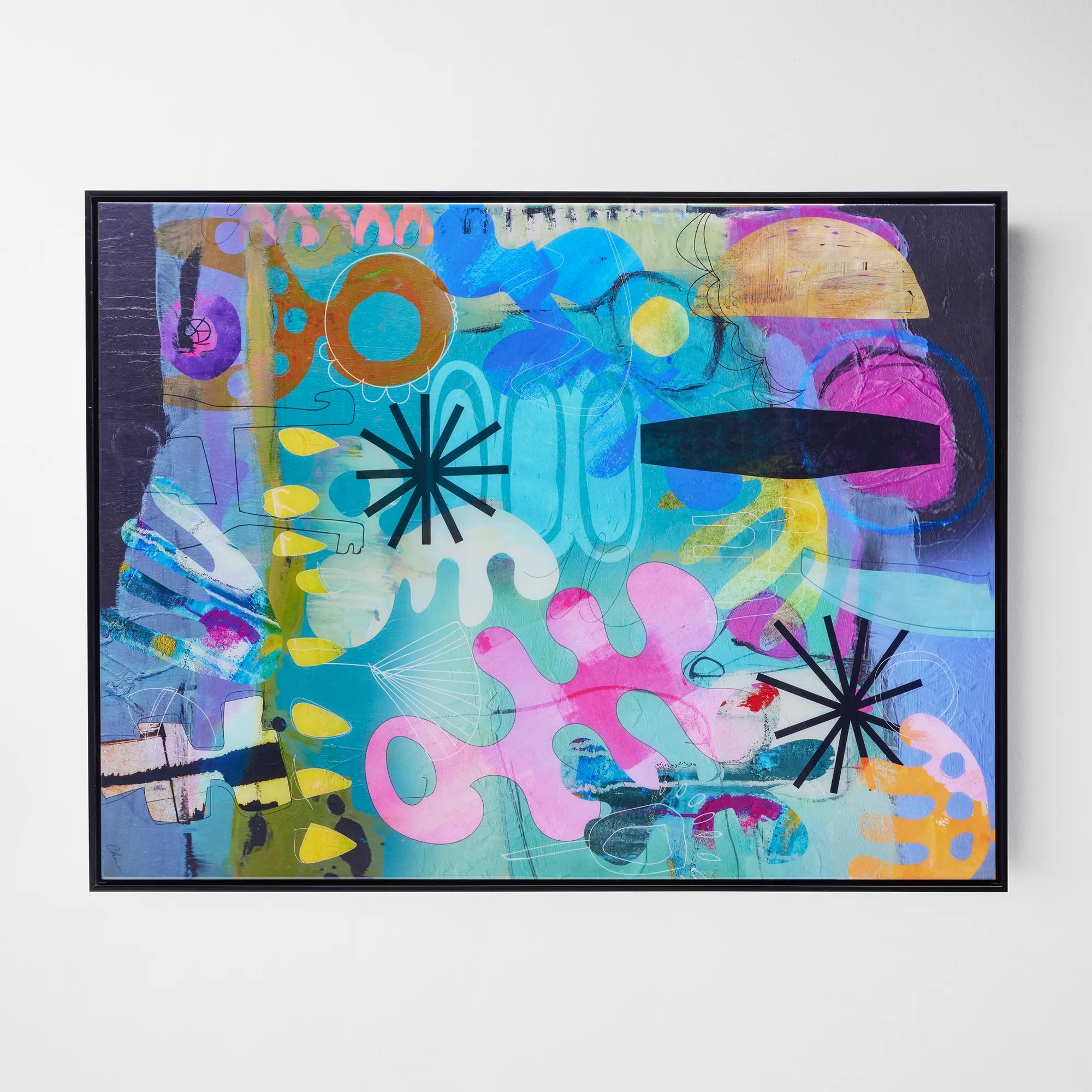 Nikki Chu Detailed Vision Framed Wall Art 54" x 41"$1099
A vibrant, high-gloss artwork with a black frame, designed to hang vertically or horizontally.
Add To Cart

Abstract Wall Arts For Lobbies
Abstract wall arts for lobbies transform transitional spaces into unforgettable statements, igniting intrigue from the very first glance. These captivating works of art transcend mere decoration, infusing each lobby with a sense of movement, color, and modern sophistication. Whether you seek to envelop guests in avant-garde drama or create an oasis of serene artistry, abstract wall arts for lobbies set the tone for elevated experiences—inviting every visitor to step into a world where creativity reigns and every moment feels extraordinary.
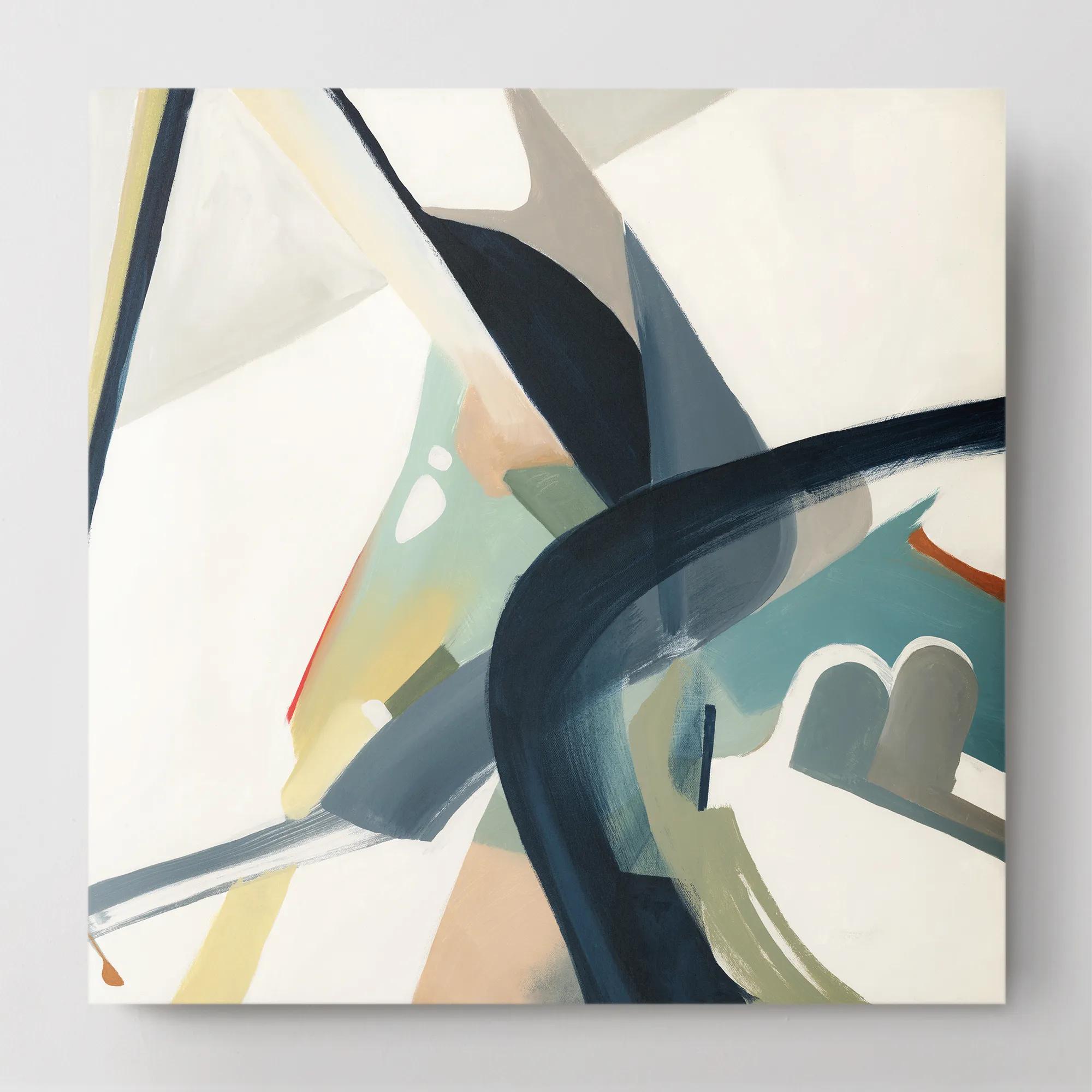
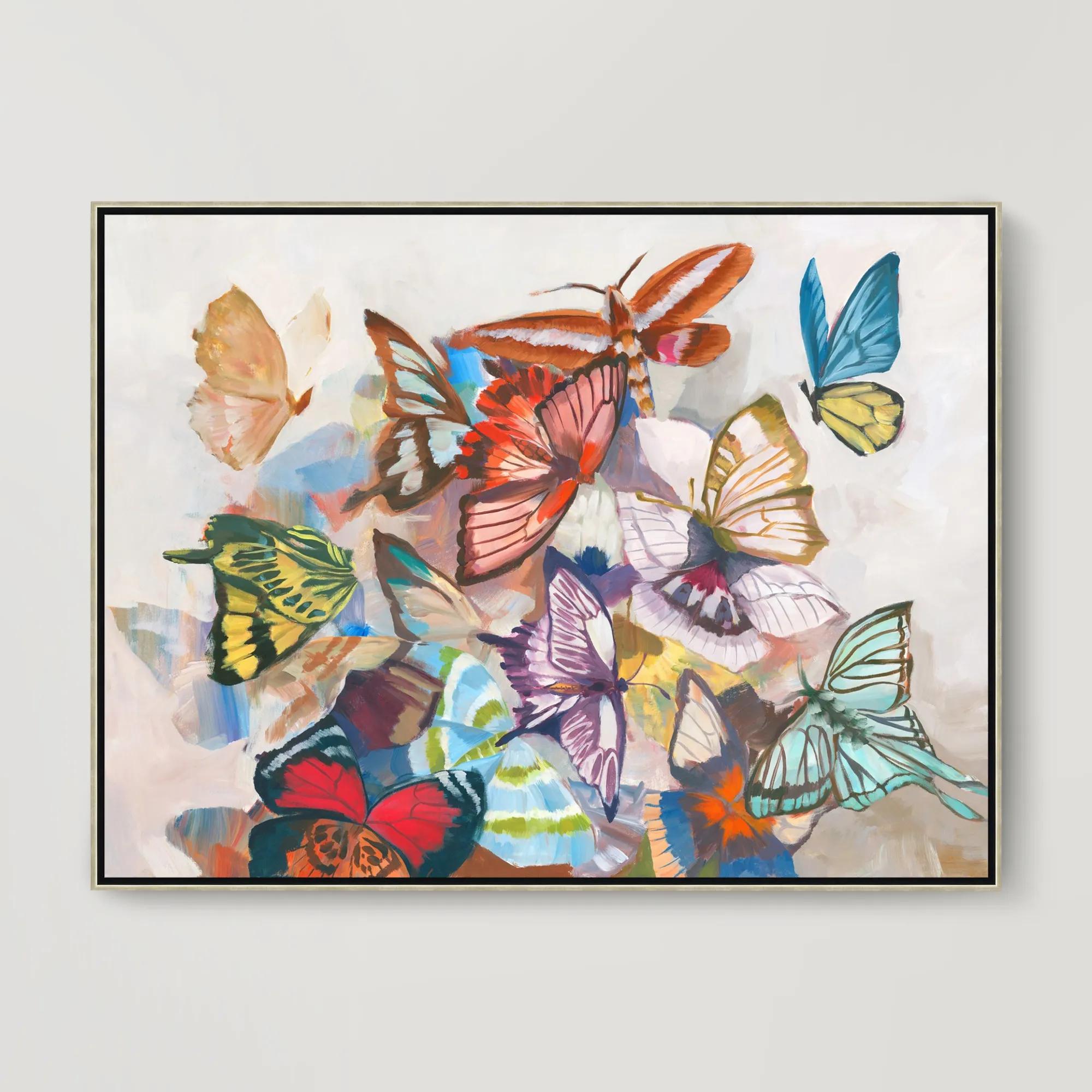
Abstract wall art for lobbies gives an arrival space its visual signature, bringing color, movement, and dimension to the place where first impressions take shape. Oversized canvases, coordinated diptychs and triptychs, and textured compositions each offer a distinct way to establish that presence. A sweeping single canvas can give the wall behind a reception desk an architectural sense of scale, while a pair of related works introduces rhythm along a broad seating area. Three-panel arrangements carry a composition across an expansive wall without requiring one uninterrupted surface. In hotel entrances, residential reception areas, office lobbies, and boutique waiting rooms, abstract artwork creates atmosphere without relying on a literal subject. Gestural brushwork suggests energy and spontaneity; precise geometry feels composed and deliberate; softly layered fields of color bring a quieter kind of grandeur. The strongest visual connection often comes from a palette that acknowledges the surrounding finishes without repeating them exactly. Charcoal marks can sharpen a room furnished in ivory upholstery, while bronze and champagne tones draw warmth from wood paneling or richly veined stone. Deep blue, plum, and emerald introduce saturated drama against pale walls, giving an otherwise restrained lobby a memorable point of distinction. Neutral abstract wall art can be equally expressive when tonal variation, broad strokes, or raised surfaces supply the detail. From the entrance, the composition reads as a confident whole; closer to a chair or reception counter, its subtleties reward attention. That balance matters in spaces used by guests, residents, clients, and employees, where artwork needs to hold its own across different viewing distances and lengths of stay. For interior designers, property managers, and business owners, lobby wall decor is also an opportunity to communicate character: polished and assured, artistic and unconventional, or serene with a richly layered edge. Rather than filling an empty rectangle, the artwork gives the surrounding furniture, lighting, and architectural details a shared visual center.
Material and finish shape how abstract lobby art looks throughout the space, particularly where daylight meets overhead fixtures and decorative lighting. Canvas often lends printed or painted compositions a softly textured appearance, with wrapped edges offering a clean profile and framed treatments adding a more defined boundary. A float-style frame can create a slim shadow line around the canvas, giving even a restrained composition additional dimension. Works on paper bring their own character, from crisp graphic passages to delicate tonal shifts, and are often presented behind glass or acrylic glazing. Glass can provide clarity but adds weight; acrylic glazing is generally lighter and more impact resistant, although its surface can scratch and requires appropriate cleaning. Neither material should be assumed to control reflections unless an antireflective finish is specified. In a lobby facing large windows, the position of a glazed piece can determine whether visitors see the artwork or reflected light. Textured abstract art offers another experience altogether: raised strokes, layered media, and sculptural relief catch illumination differently across their surfaces, giving a wall depth without depending on intense color. Directional lighting can reveal those contours beautifully, while a highly reflective finish may need a different angle to avoid distracting glare. Metallic accents work best when their gleam feels connected to nearby details, such as a brass-toned table base or a polished decorative object, rather than competing with every finish in the room. Because printed texture and physical relief create different effects, product descriptions and close-up images matter when evaluating surface detail. Frame construction, substrate, overall weight, and supplied hanging hardware are equally relevant to intended use. A decorative work suited to a private entryway does not automatically meet every requirement of a busy commercial reception area. Where a property has installation, fire-safety, or maintenance standards, the artwork and mounting method need to be assessed against those requirements. The result should feel effortless to the visitor, even when the selection reflects careful attention to the realities of the setting.
Scale gives abstract wall art its authority, but the right proportions depend on the usable wall, the furnishings beneath it, and the routes people take through the lobby. A generous canvas above a low reception console can establish a striking vertical relationship, while a horizontal composition may better echo a long desk or sofa. Artwork spanning roughly two-thirds to three-quarters of the furniture width is a useful visual starting point, not a fixed rule; unusually tall ceilings, narrow wall sections, and nearby signage can all change the balance. For diptychs and triptychs, the overall measurement includes the spaces between panels, and consistent spacing helps the separate elements read as one composition. Position also affects the experience. A piece viewed mainly by seated visitors may benefit from a different placement than artwork intended to catch attention across a double-height entrance. Keeping the arrangement visually connected to the furniture usually creates a more convincing result than centering it within every inch of available wall. In smaller lobbies, a single expressive work can deliver more presence than a crowded grouping, preserving space around doors, directories, and reception signage. More layered settings can support mixed proportions and contrasting visual languages; Abstract Wall Arts For Eclectic Interiors explores a related aesthetic for rooms where varied furnishings and collected accents share the stage. Long-term presentation matters just as much as the initial arrangement. Secure mounting appropriate to the wall construction and artwork weight is essential, especially near seating and circulation paths. Keeping delicate surfaces beyond frequent contact helps limit scuffs, while avoiding direct sunlight can reduce the risk of fading. Care should follow the maker’s instructions: many frames tolerate gentle dusting with a soft, dry cloth, but painted surfaces, relief details, and specialty finishes may require different treatment. Cleaning liquid should never be sprayed directly onto artwork or allowed to seep beneath glazing. With considered placement and material-appropriate care, abstract art becomes an enduring part of the lobby’s identity—a compelling composition that makes the welcome feel intentional.
FAQs
Abstract wall art brings a sense of sophistication and intrigue to lobbies, setting a memorable tone for every guest. Its expressive forms and bold colors create an inviting atmosphere, sparking conversation and enhancing the overall design narrative of the space.
Abstract art has the unique ability to evoke emotion and energy through its use of color, movement, and texture. In a lobby, these dynamic elements can create an uplifting, calming, or even dramatic ambiance, making the space feel both welcoming and visually impactful.
Abstract wall art makes a thoughtful and memorable gift for design enthusiasts, business owners, hoteliers, or anyone celebrating a new space. It’s especially meaningful for those who value artistic expression and want to make a bold statement in their entryway or communal areas.
For maximum impact, abstract wall art should be placed where it naturally draws the eye—such as above a reception desk or along a prominent corridor. Consider the lighting and surrounding decor to ensure the piece complements and elevates the overall aesthetic of the lobby.
Absolutely. Abstract wall art is remarkably versatile, making it a striking addition to both modern and traditional lobbies. Its fluid forms and diverse color palettes can harmonize with minimalist, eclectic, or classic interiors, adding personality and artistic flair to any setting.