24 Inch Accent Tables
24 Inch Accent Tables
-
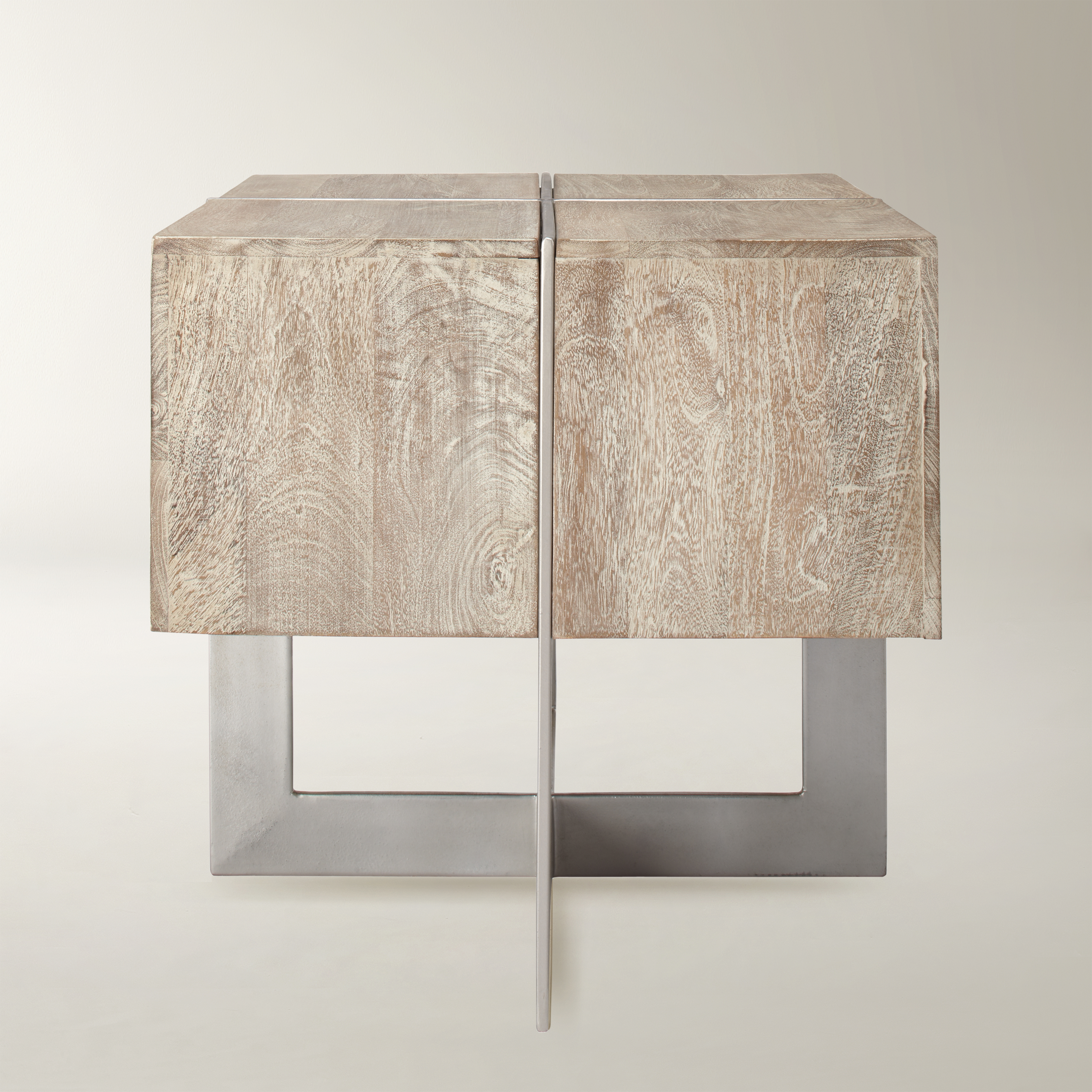
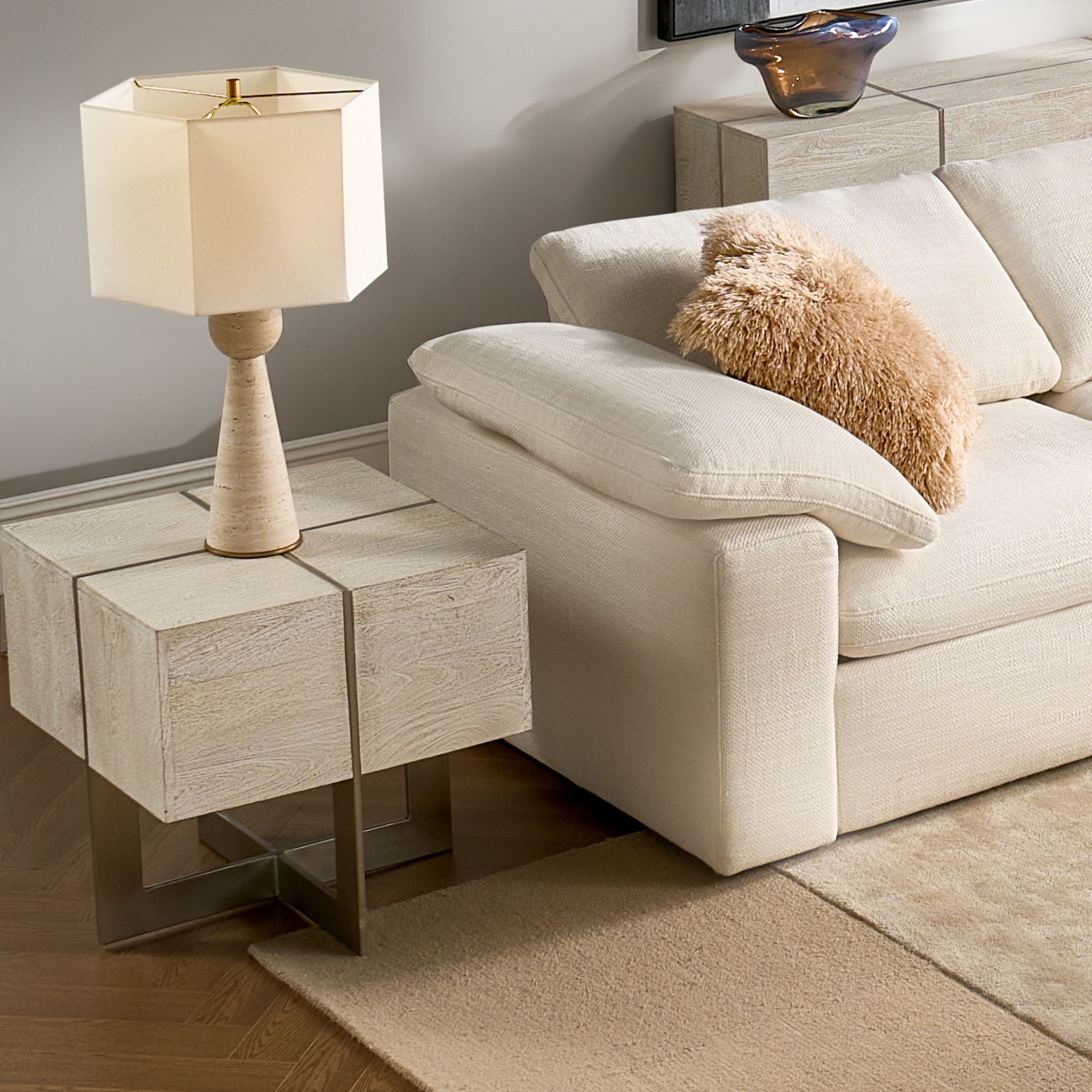 Clifton Square Natural Mango Wood End Table (24")$599
A handcrafted mango wood end table with a whitewashed finish and antiqued silver iron legs.
Add To Cart -
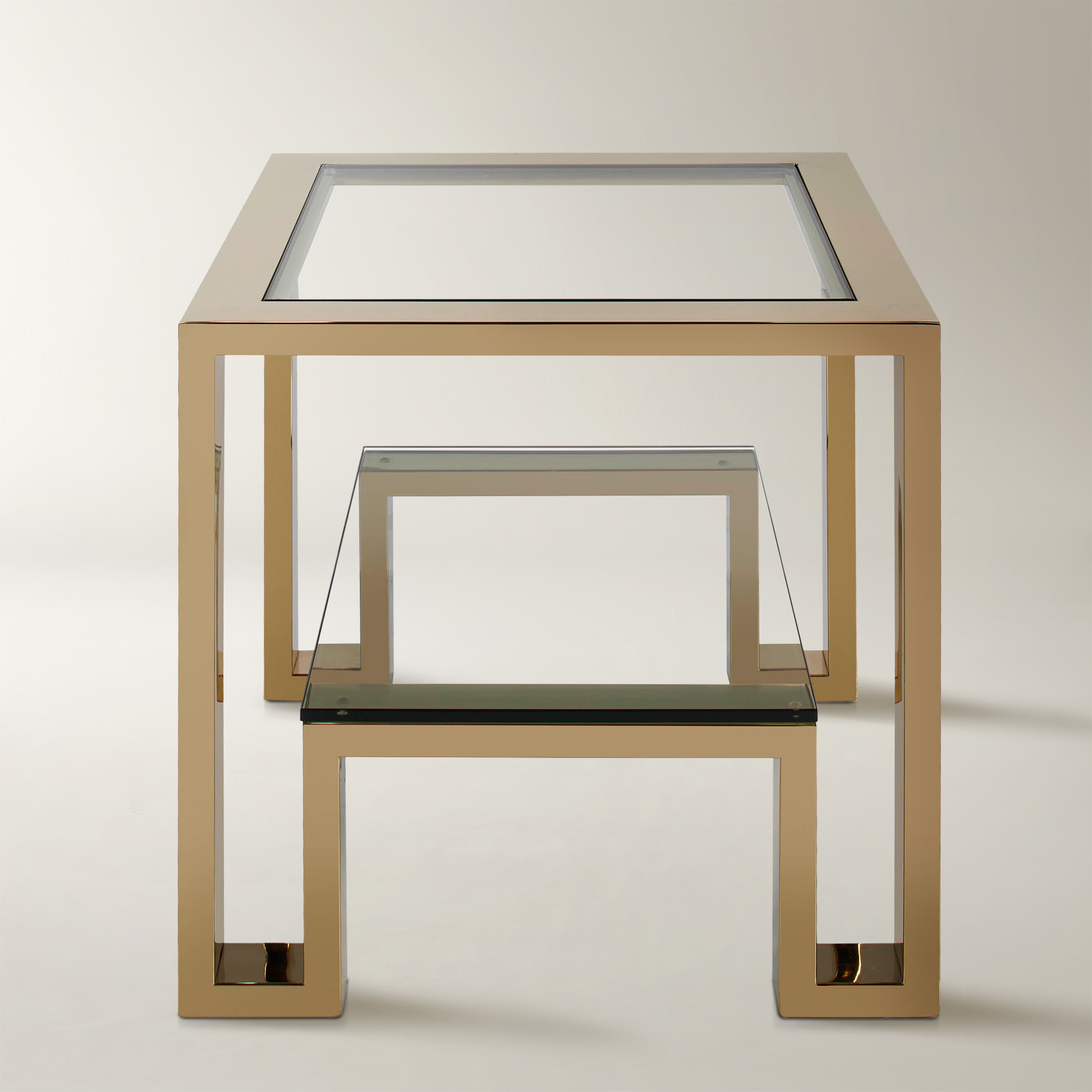 Duplicity Square Gold Stainless Steel End Table With Glass Top (24")$749
A modern end table crafted from stainless steel and tempered glass with a floating bottom shelf.
Add To Cart -
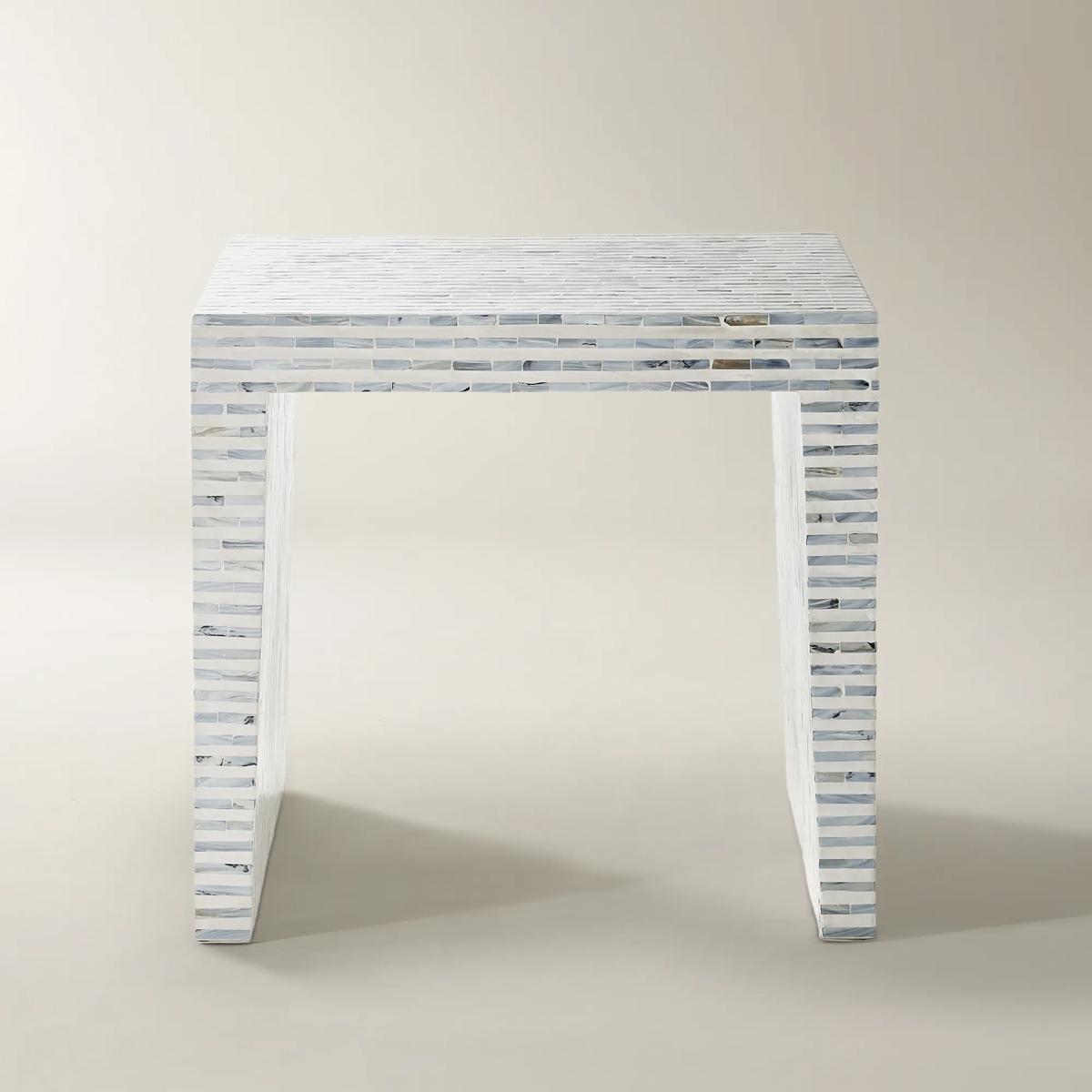
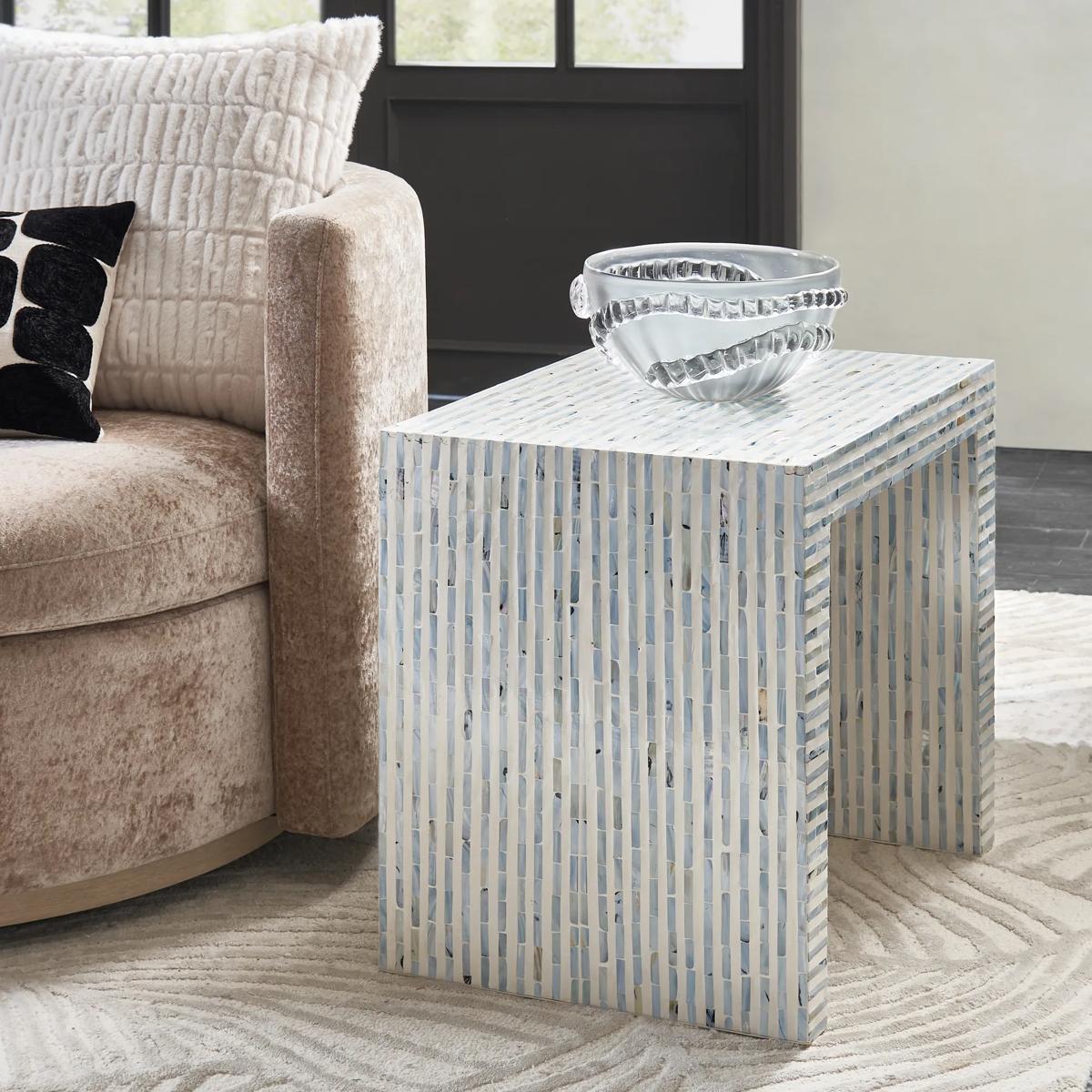 Stella Blue End Table(24")$399
A handcrafted end table featuring genuine blue mother-of-pearl inlay for a unique, iridescent accent.
Add To Cart -
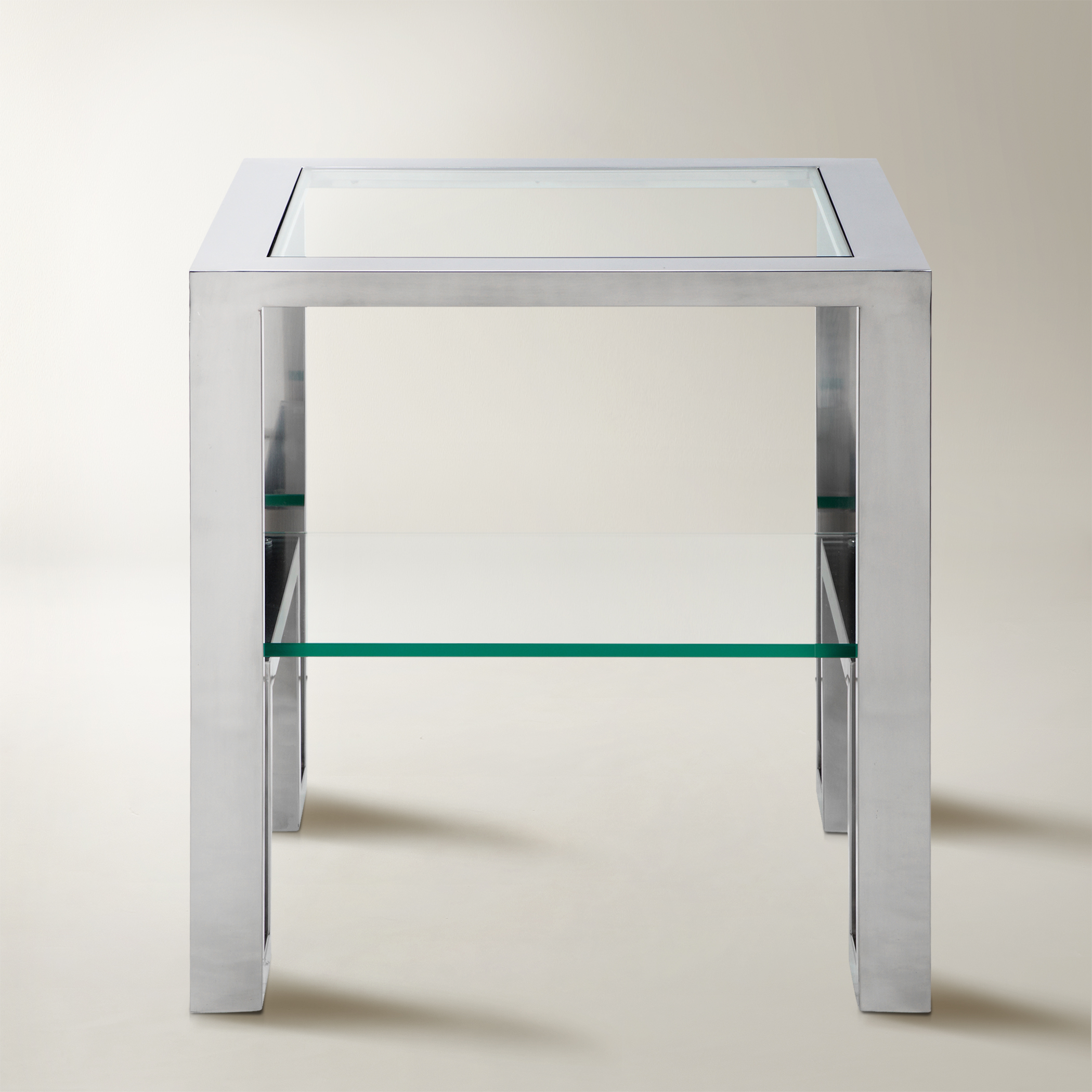
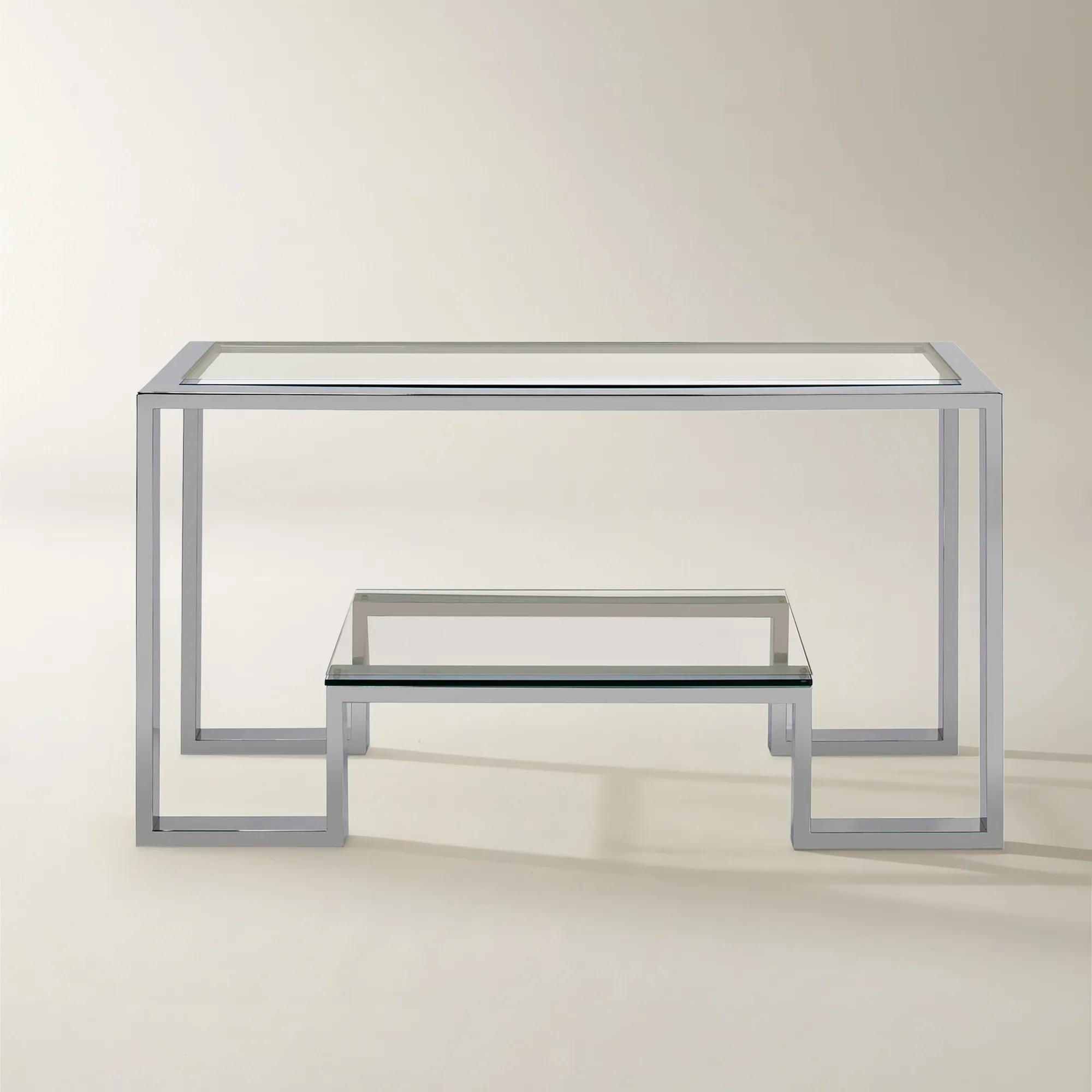
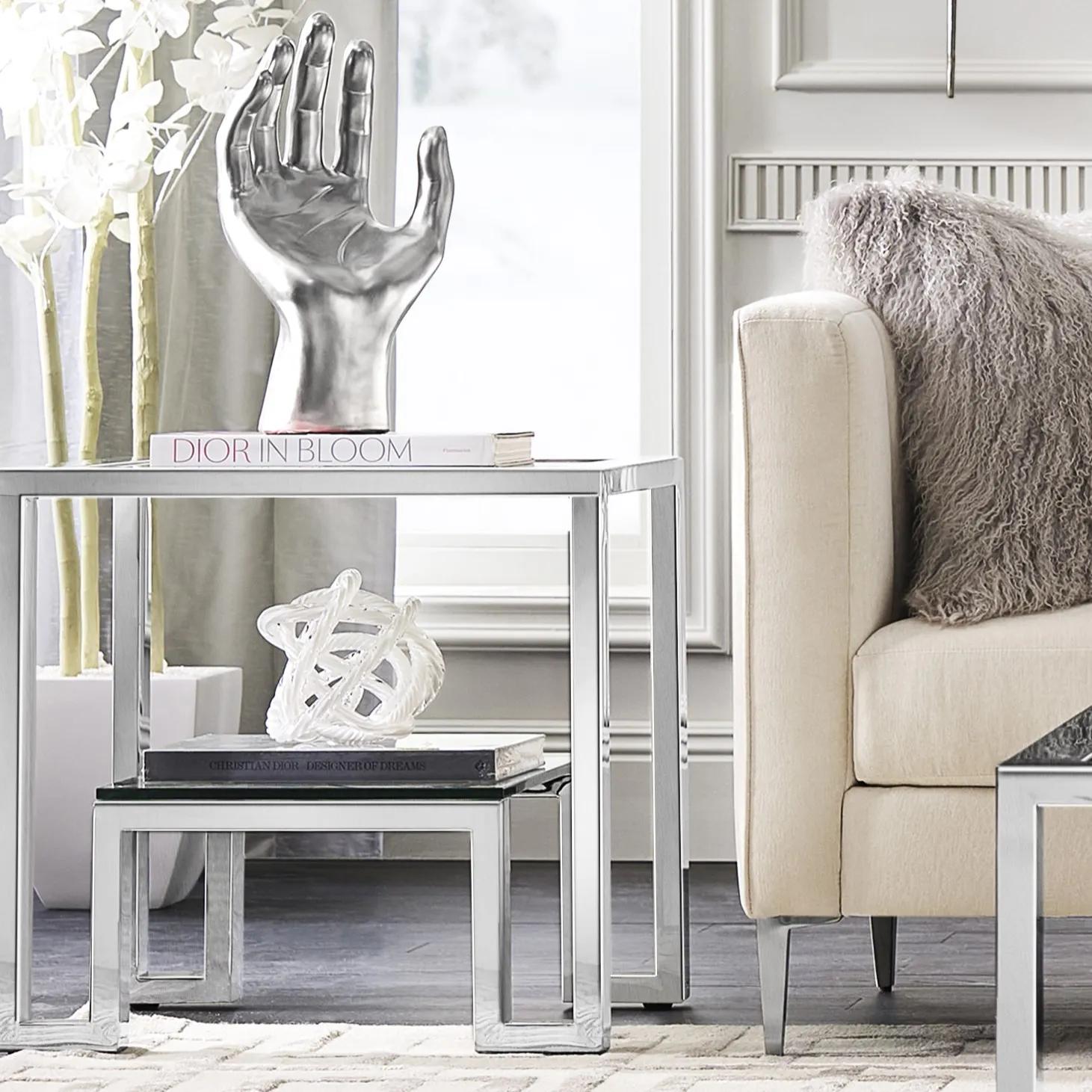 Duplicity Square Silver Stainless Steel End Table With Glass Top (24")$749
A modern end table featuring a stainless steel frame, tempered glass top, and floating bottom shelf.
Add To Cart -

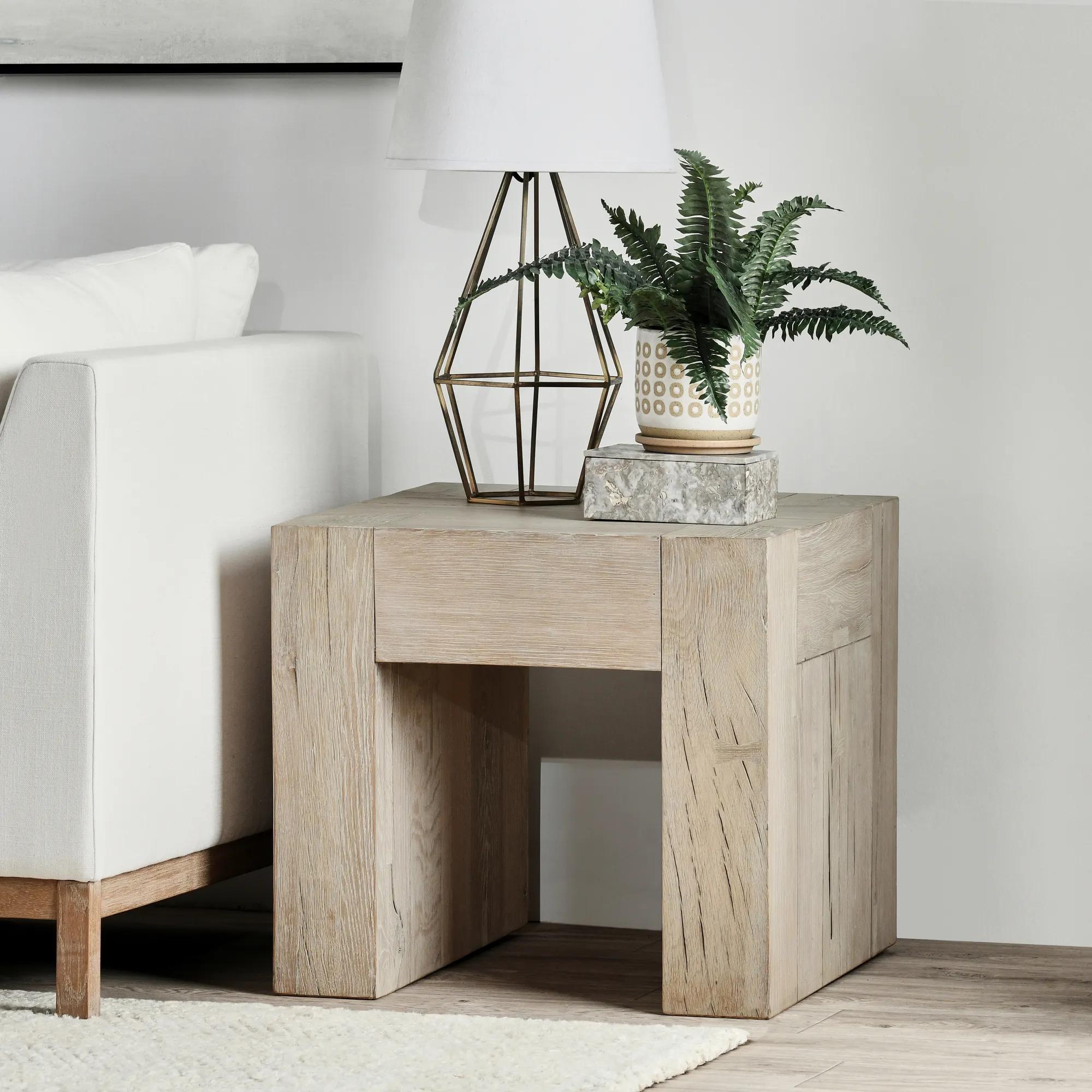 Bristol Square Cream Oak End Table (24")$999
A handcrafted end table featuring cracked reclaimed oak in an aged cream finish with modern dovetail detailing.
Add To Cart -
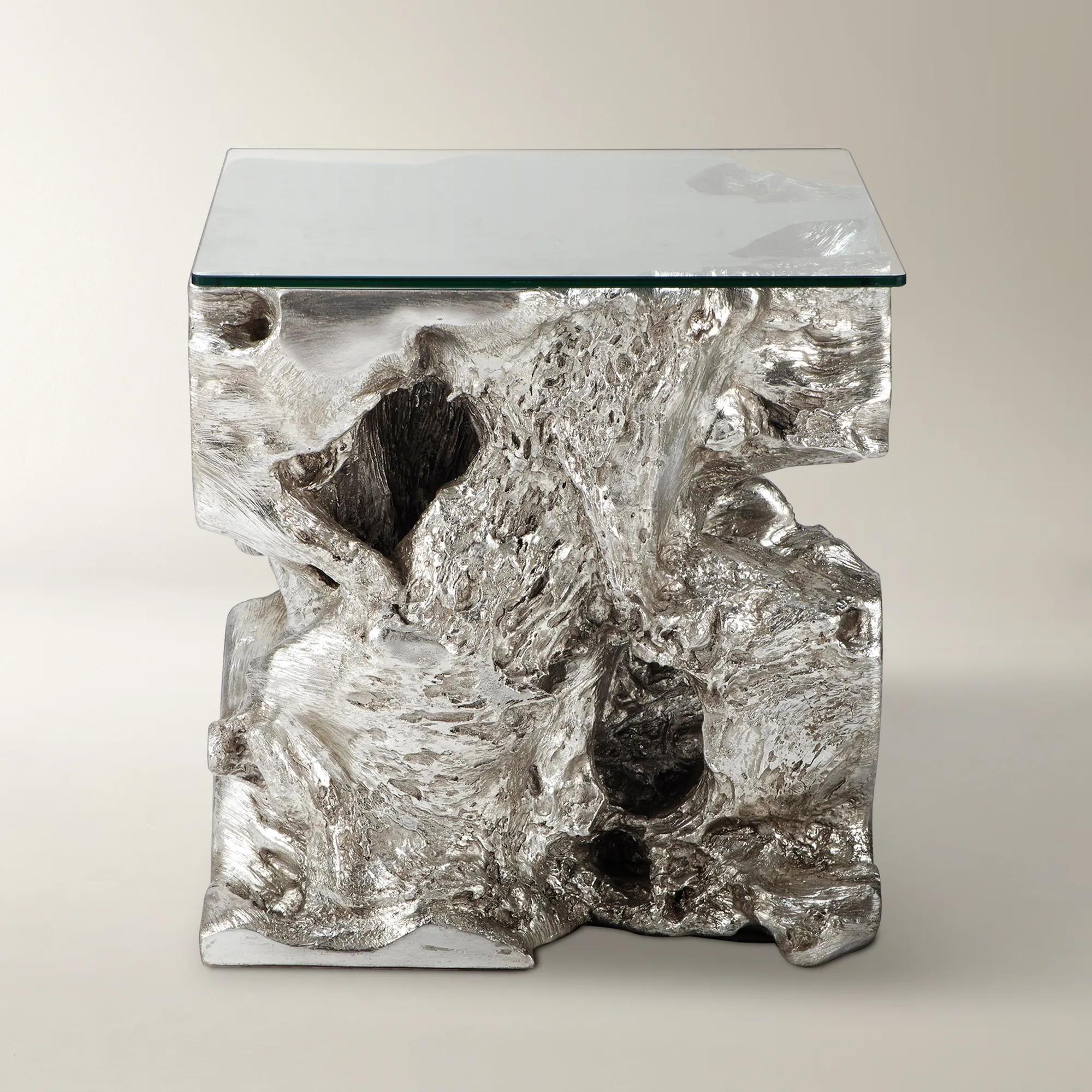 Sequoia Silver Resin End Table With Glass Top (22")$999
A sculptural end table featuring a silver leaf resin base and tempered glass top for modern elegance.
Add To Cart -
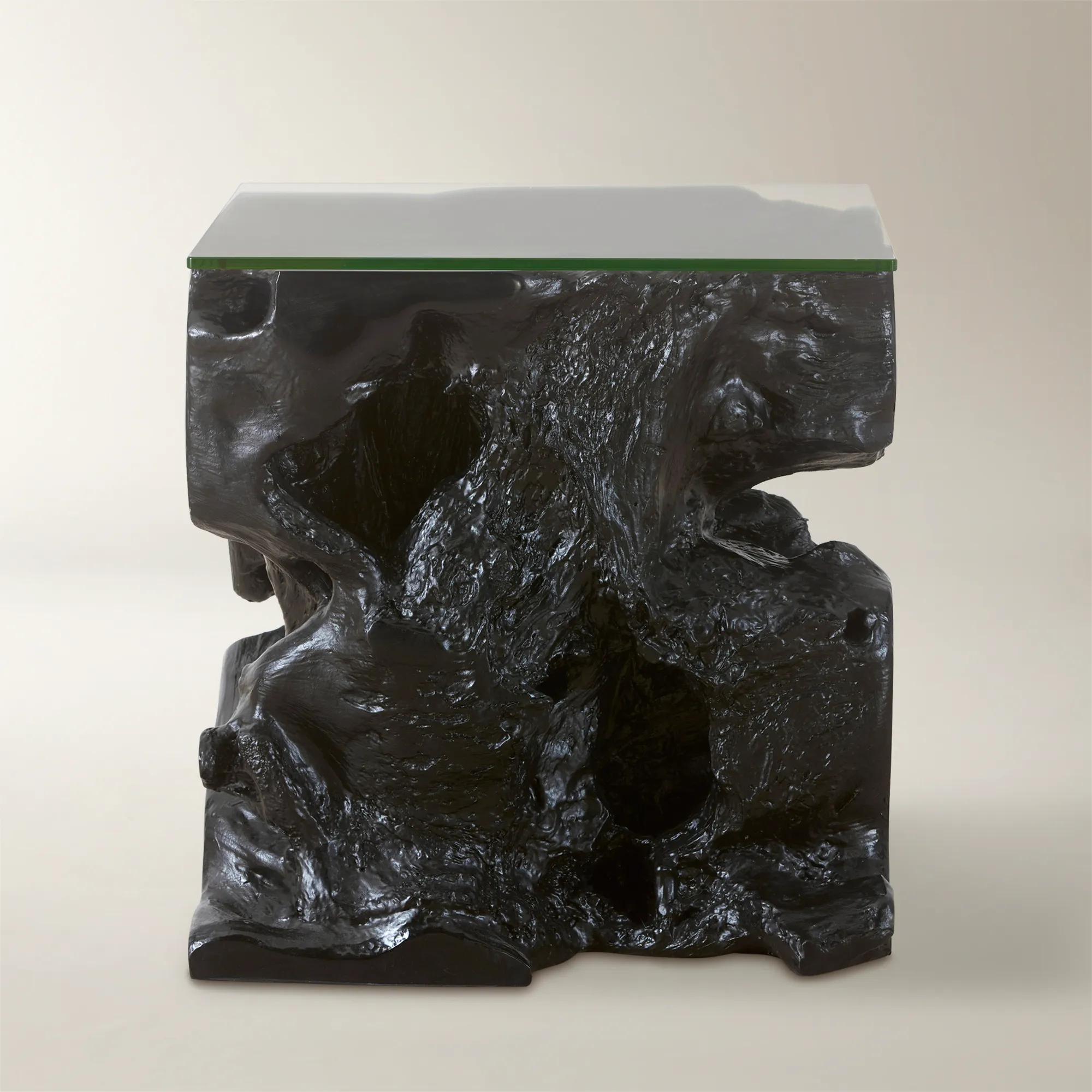 Sequoia Black Resin End Table With Glass Top (22")$999
A sculptural black resin and stone end table inspired by Acacia roots, suitable for indoor or outdoor use.
Add To Cart -
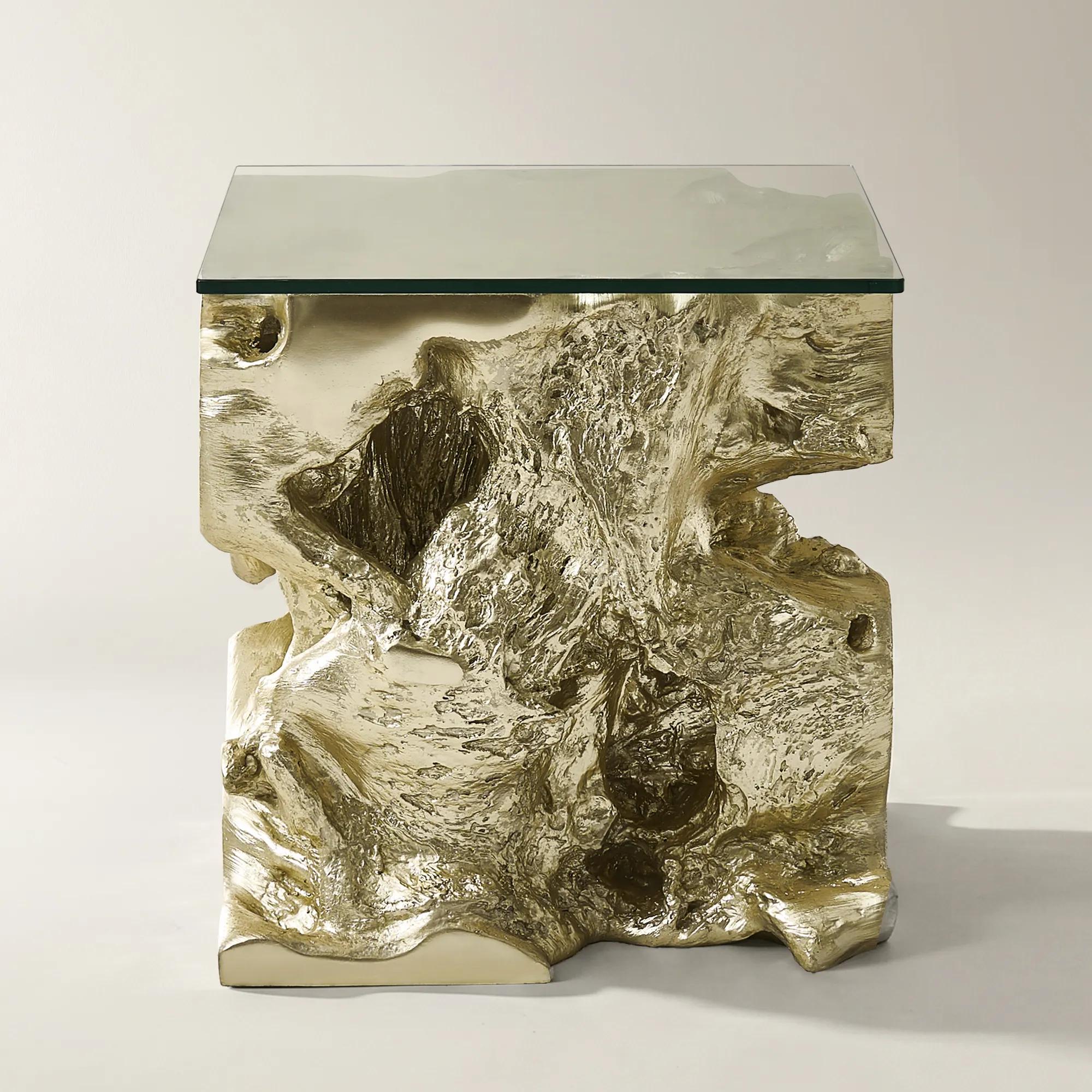 Sequoia Champagne Gold Resin End Table With Glass Top (22")$999
A sculptural resin end table with a champagne gold leaf finish and a clear tempered glass top.
Add To Cart -
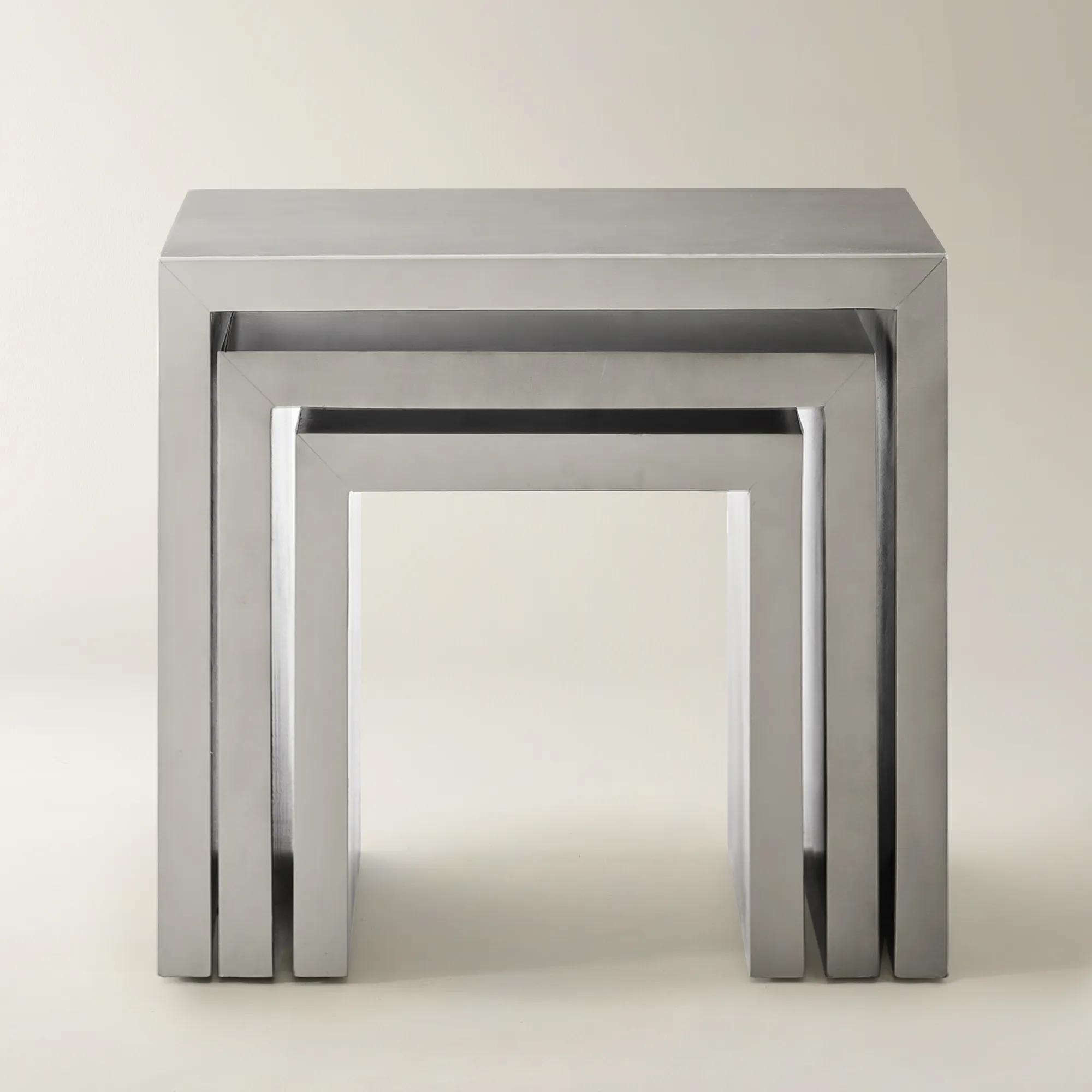
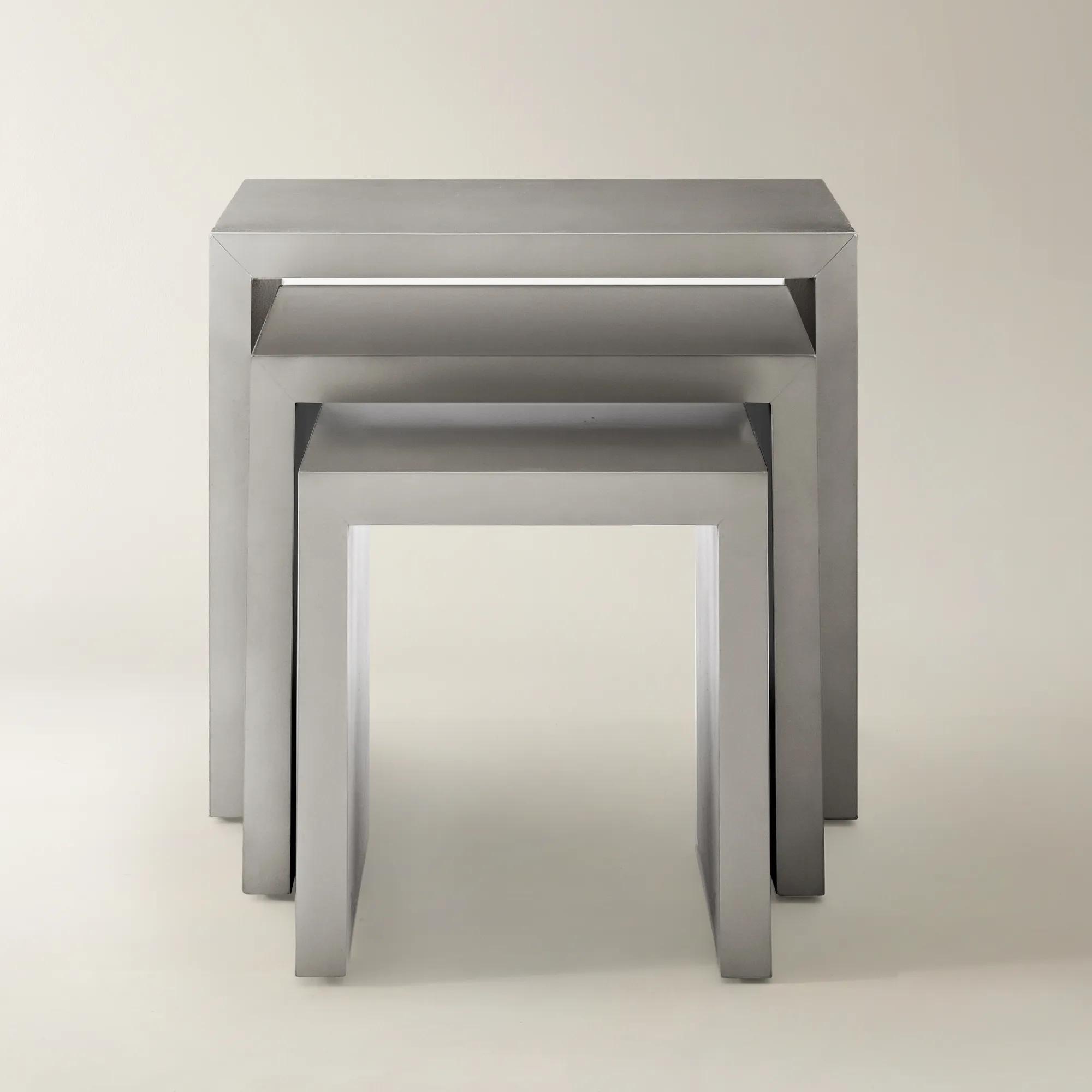 Astair Silver Nesting Accent Table Set Of 3 (16.25"-25.5")$349
A trio of engineered wood nesting tables with a sleek silver metallic finish and minimalist block silhouette.
Add To Cart -
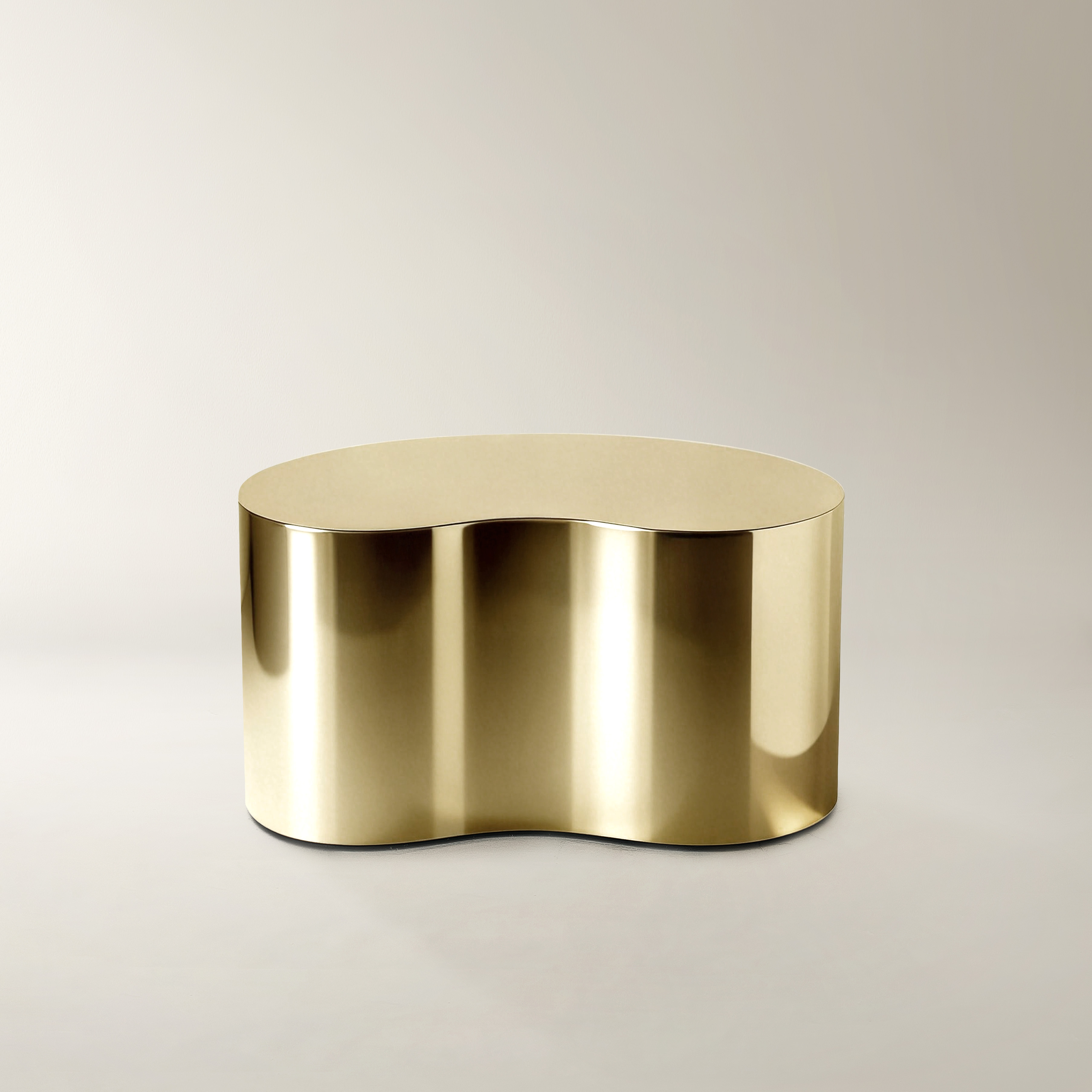
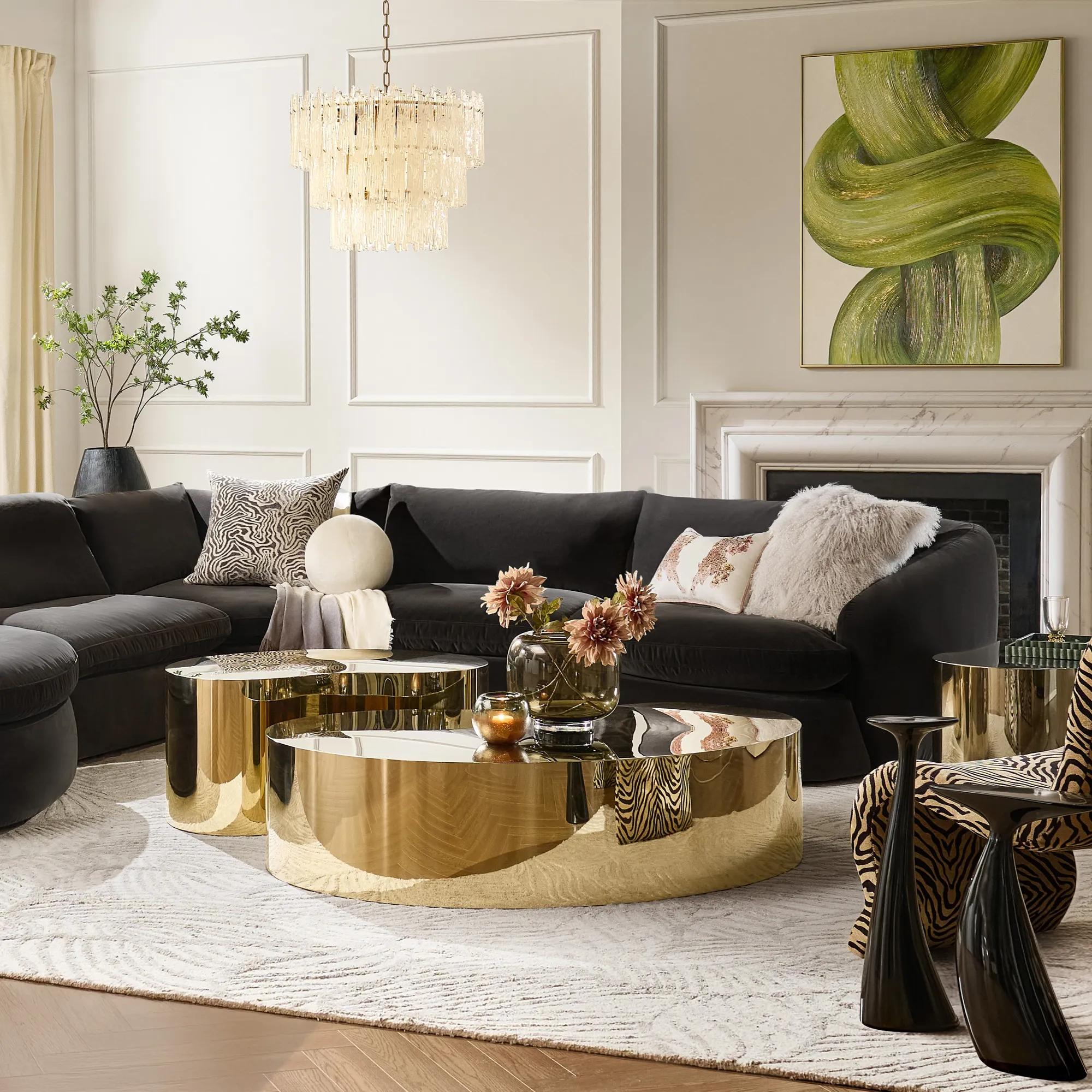 Aurea Soft Gold Coffee Table (32")$799
A sculptural coffee table crafted from premium stainless steel with a high-gloss, soft gold mirror finish.
Add To Cart -
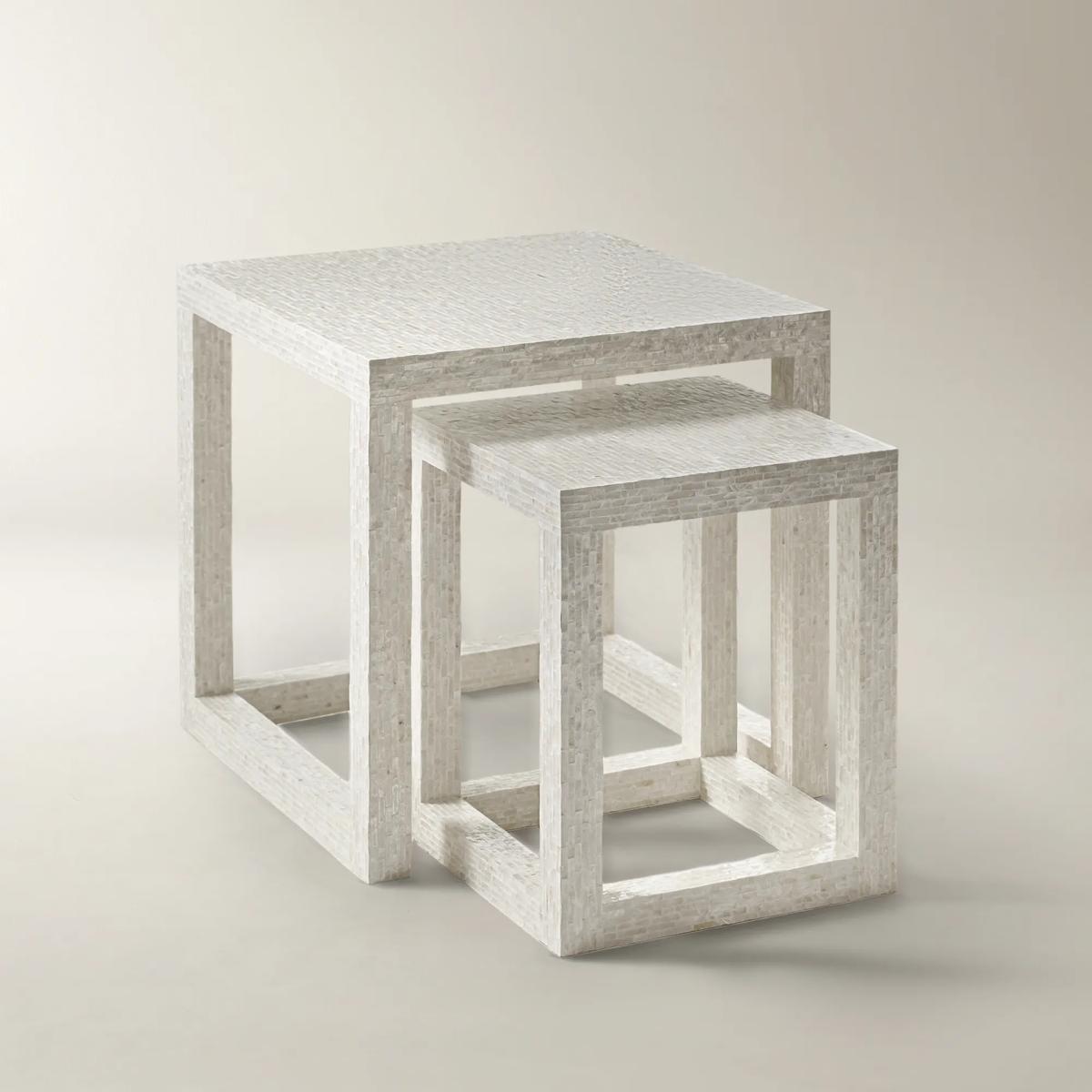 Ivori Square White Nesting Accent Table Set Of 2 (16.5"-23.75")$599
A handcrafted white nesting table featuring radiant mother-of-pearl inlay for a unique, iridescent accent.
Add To Cart -
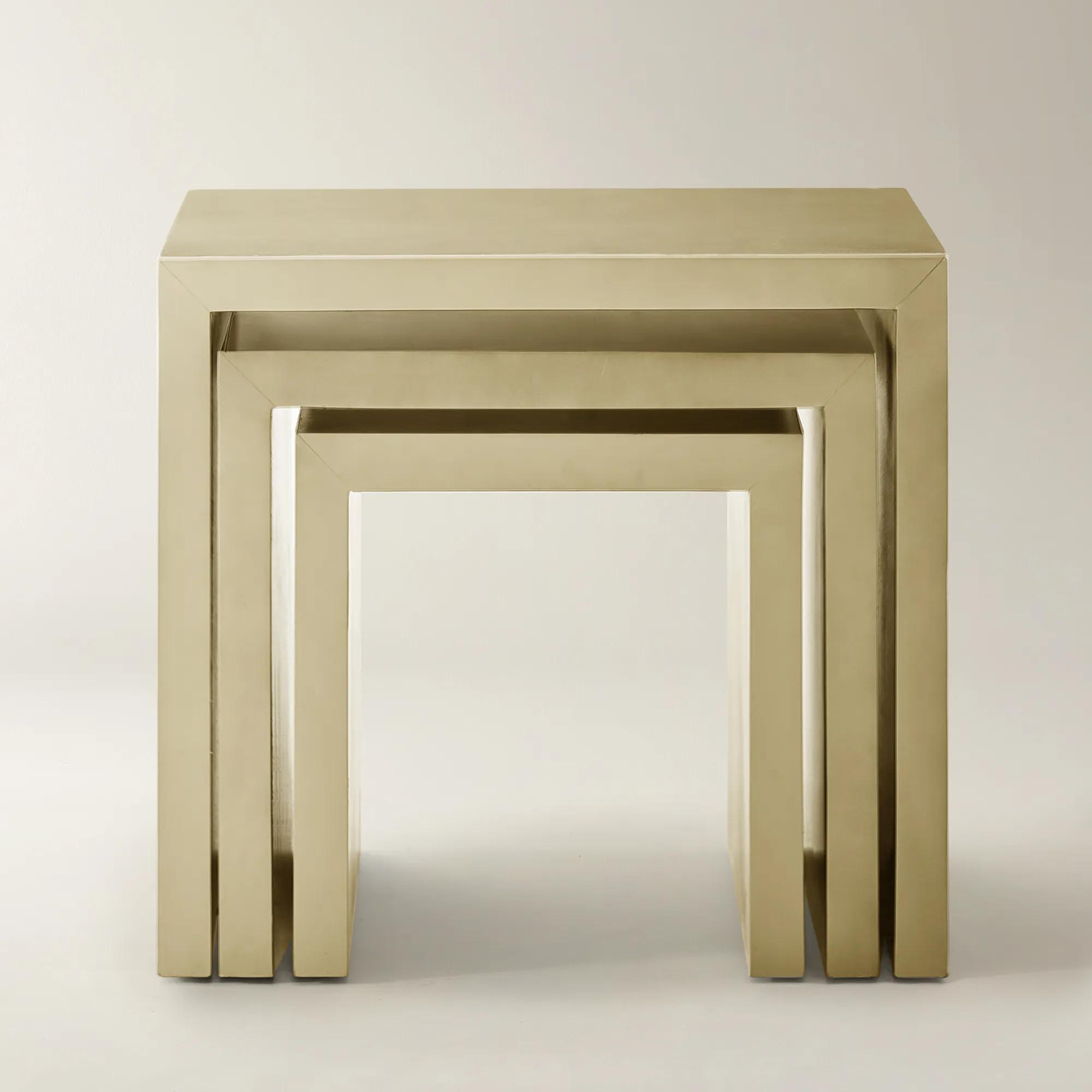
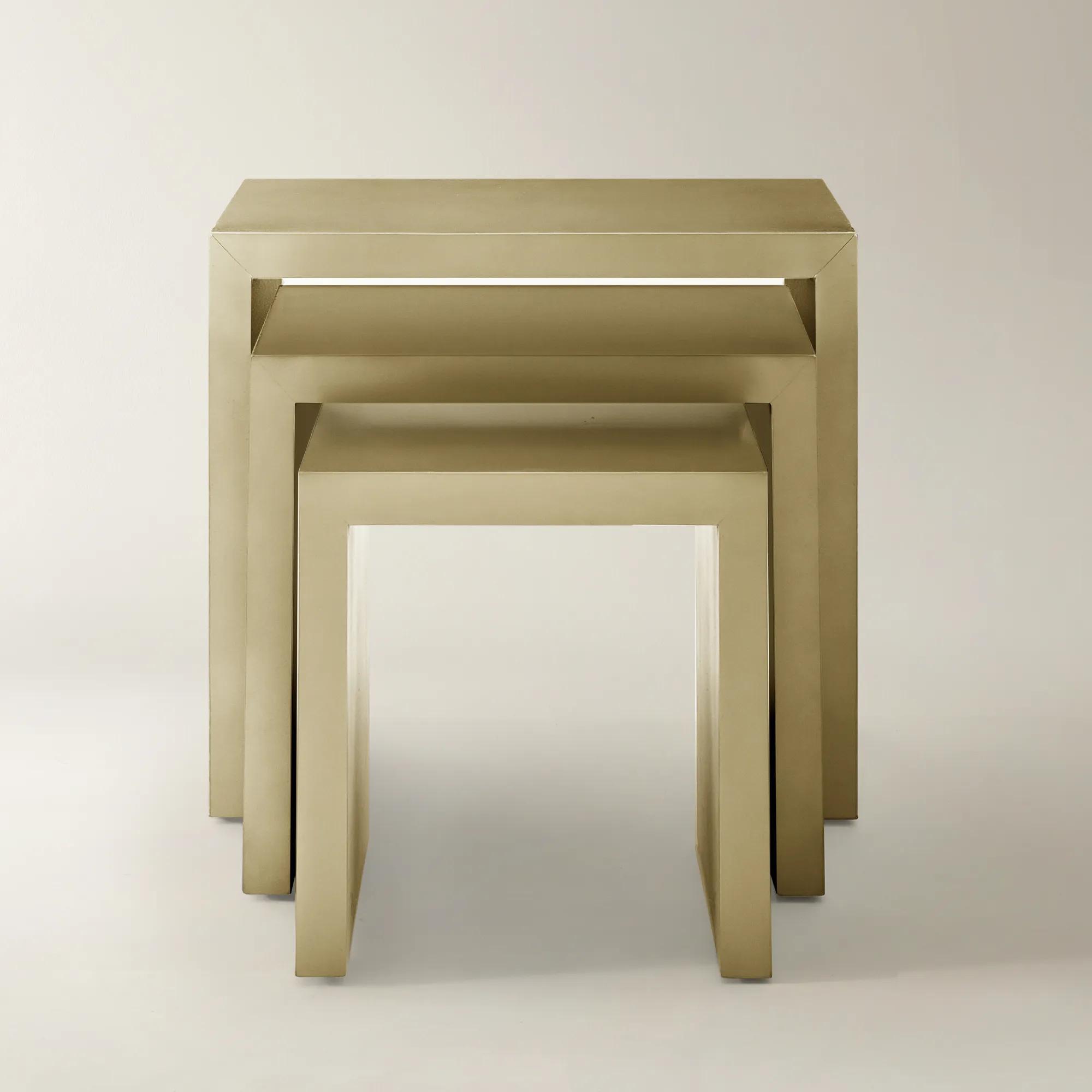 Astair Gold Nesting Accent Table Set Of 3 (16.25"-25.5")$349
A trio of gold-painted engineered wood tables with minimalist block silhouettes and versatile nesting design.
Add To Cart -
 Paulina Round White Outdoor Table (31”)$999
A white outdoor round counter table offering stylish functionality for elevated alfresco dining.
Add To Cart -
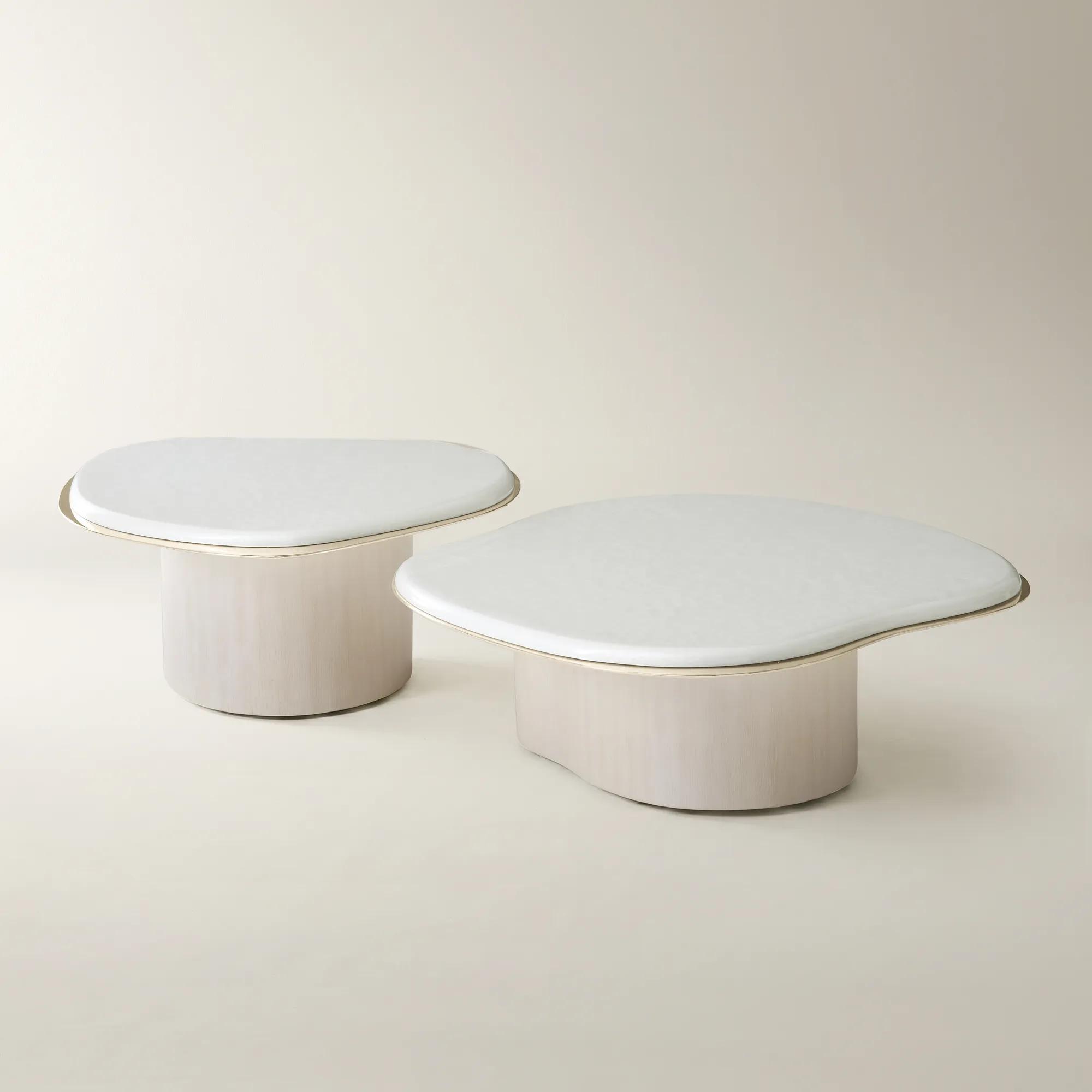 Lumina Bleached Oak Coffee Table Set Of 2$2098
A set of sculptural coffee tables featuring pearl lacquered tops, bleached oak veneer, and champagne gold trim.
Add To Cart -
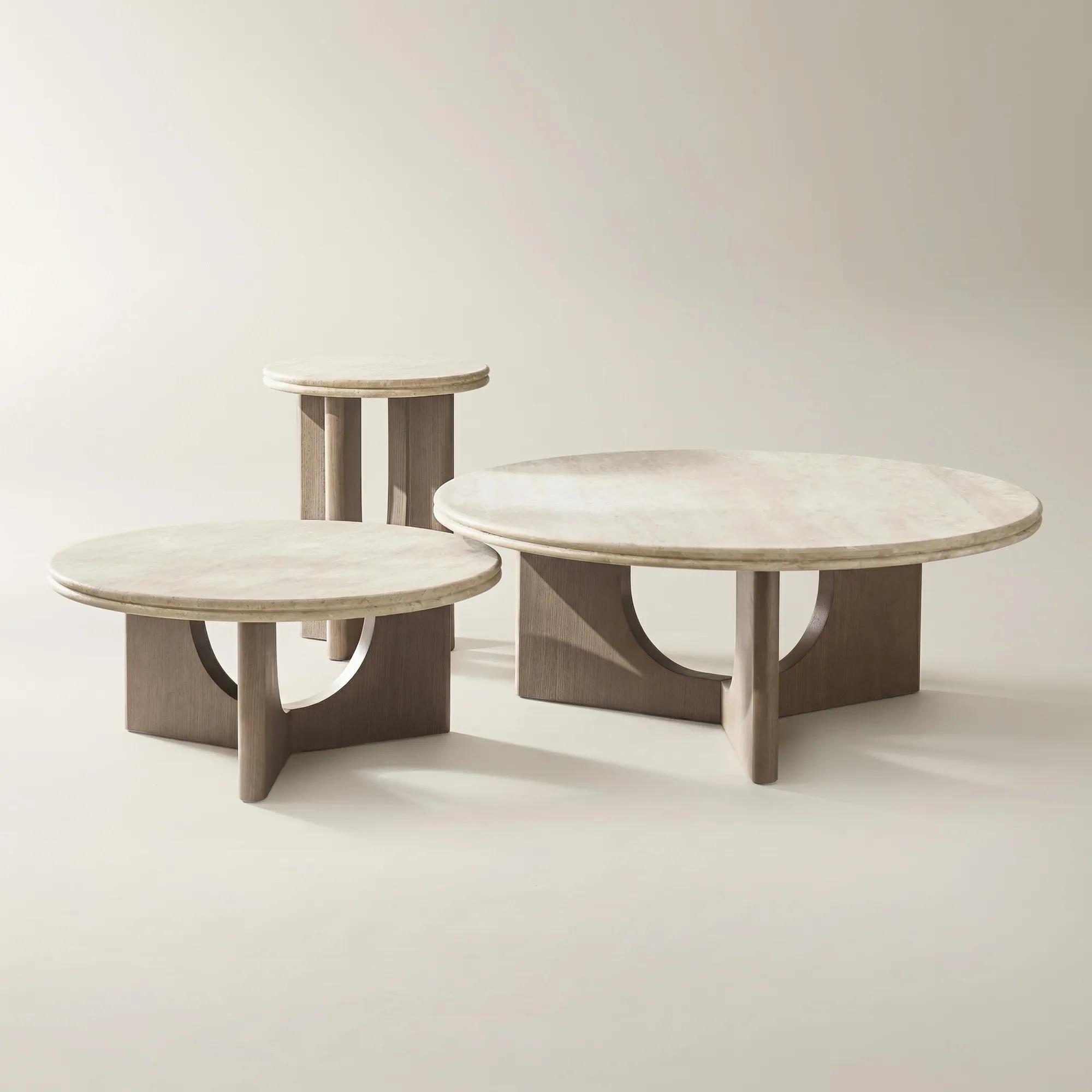
 Bond Round Travertine and Wood Coffee Table Set of 3 (17.72"-41")$2557
A natural-finish nesting coffee table set offering versatile, space-saving surfaces for modern living rooms.
Add To Cart -
 Lumina Bleached Oak Coffee Table Set Of 3$2597
A sculptural set featuring pearl lacquered tops, bleached oak veneer bases, and champagne gold trim accents.
Add To Cart

24 Inch Accent Tables
Explore 24 Inch Accent Tables to add sculptural style and practical surface space to living rooms, bedrooms, and entryways. Browse a curated selection of accent, end, and side tables in statement-making silhouettes designed to complement your decor while giving every vignette a polished, finished presence.
A 24-inch accent table gives a room a beautifully proportioned place for the details that make it personal: a shaded lamp casting a warm pool of light, an art book with a striking cover, a favorite glass resting beside a sumptuous chair. Used as an end table, side table, or occasional table, this versatile furniture category brings both purpose and sculptural presence to living rooms, bedrooms, and intimate seating areas. The 24-inch measurement may refer to height, width, or diameter, so the complete dimensions determine how a table will fit. A 24-inch-tall accent table often sits comfortably beside a sofa or armchair with arms of a similar height, keeping a drink or reading glasses within easy reach. A 24-inch-wide or round tabletop offers a more generous surface for a lamp and a few considered objects, but its height and base footprint still matter. Beside upholstered seating, a top approximately level with the arm, or within a few inches of it, usually feels more natural than one that requires reaching sharply up or down. In a bedroom, the height of the mattress provides a useful reference instead. These relationships are especially important when a table sits next to a low lounge chair or a lofty bed, where the same dimensions can create very different effects. Shape adds another layer of character. A round accent table softens a grouping of angular furniture, while a square silhouette echoes the tailored lines of a sofa or paneled wall. A rectangular design can offer useful surface area alongside a chair without projecting as far into a walkway, depending on its depth. Even a compact room can carry a dramatic table when the proportions are right. Leaving room for comfortable passage, opening drawers, and moving around the seating allows a distinctive silhouette to feel intentional rather than crowded.
Materials give 24-inch accent tables their expressive range, from the quiet movement of wood grain to the brilliance of a reflective surface. Wood brings warmth to rooms layered with velvet, woven textiles, and metallic accessories; its grain can provide welcome variation against smooth upholstery. Solid wood and wood veneer each have a place in furniture construction, and lasting performance depends on the quality of the construction, the finish, and everyday care rather than the material name alone. Metal can trace a delicate outline or form a substantial pedestal, lending anything from crisp architectural definition to a gleaming focal point. Glass introduces transparency, revealing an artful base and allowing more of the surrounding rug or floor to remain visible. For an airy counterpoint to richly upholstered seating, small glass top accent tables bring lightness without asking the room to surrender its sense of drama. Marble and other stone surfaces offer distinctive veining and tonal depth, although their weight and care requirements deserve consideration. Natural variation is part of their appeal: a softly wandering vein can be as compelling as an ornament placed above it. Mirrored and glossy finishes reflect nearby colors and light, adding dimension to a corner that might otherwise recede. Durability comes from the entire piece, including secure joints, a balanced base, an appropriate finish, and a tabletop suited to its intended load. A slender pedestal may leave more open space around its base, while widely set legs can create a broader footprint than the top suggests. In a busy household, rounded edges, stable construction, and surfaces compatible with frequent use can matter as much as visual impact. Glass thickness, edge treatment, and whether glass is tempered should be confirmed in the individual specifications rather than assumed. A table intended to support a substantial ceramic lamp needs a different assessment from one reserved for a small tray and a book.
The strongest accent-table arrangements balance display with the way a room is actually lived in. Beside a reading chair, a 24-inch side table can hold a lamp, a novel, and a cup while leaving enough clear surface to set something down without rearranging a vignette. Between two chairs, a round table creates a shared landing place for conversation over drinks, provided both seats remain comfortably within reach. At the end of a sofa, a sculptural base can introduce contrast to a long expanse of upholstery; beside a bed, a table with a drawer or shelf can accommodate everyday essentials without letting them dominate the room. Open shelving gives oversized books and a decorative box their own place, while enclosed storage keeps smaller belongings out of view. Matching tables lend symmetry to a seating arrangement, but different silhouettes can feel equally composed when their heights, finishes, or proportions share a visual connection. A dark wood table opposite a pale stone surface, for example, can feel deliberate when both repeat tones already present in the rug. Care helps preserve these effects. Coasters and protective pads reduce direct contact with moisture, heat, and abrasive objects, and spills should be blotted promptly. A soft cloth and a cleaner approved for the particular surface are generally preferable to harsh abrasives; stone may require pH-neutral products and sealing according to its care instructions. Glass and mirrored surfaces benefit from gentle cleaning without allowing excess liquid to collect at edges or joints. Wood finishes are best protected from prolonged moisture, strong direct sunlight, and nearby heat sources. Lifting a table rather than dragging it helps protect both its structure and the floor beneath. For someone furnishing a first home or refreshing a cherished room, an accent table can also be a thoughtful housewarming gift when their measurements and design preferences are known. Its appeal lies in that combination of usefulness and expression: a modest footprint, a confident material choice, and a place for the objects that give daily life its particular beauty.
FAQs
Accent tables bring both function and artistic presence to a room. Use one beside a sofa or chair to hold a sculptural lamp, cocktail, or curated objet, transforming an overlooked corner into a polished vignette.
Place an accent table wherever a room calls for an elevated finishing touch—beside seating, near a bed, in an entryway, or within a layered living room arrangement. Let the table echo nearby textures and finishes for a composed, editorial look.
Modern interiors pair beautifully with accent tables featuring clean silhouettes, gleaming metal, mirrored surfaces, rich wood tones, or dramatic sculptural bases. Choose a design that adds contrast and personality without competing with the room’s statement pieces.
Create a captivating tabletop moment with a luminous lamp, a low arrangement of florals, or a small collection of artful accessories. Balance height, texture, and shine to give the display a curated sense of rhythm while leaving enough visual space for the table to make its entrance.
Popular accent table materials include glass, metal, mirrored finishes, marble, wood, and lacquer. Each brings a distinct mood: reflective surfaces amplify glamour, natural wood introduces warmth, and stone adds an unmistakable note of luxury.