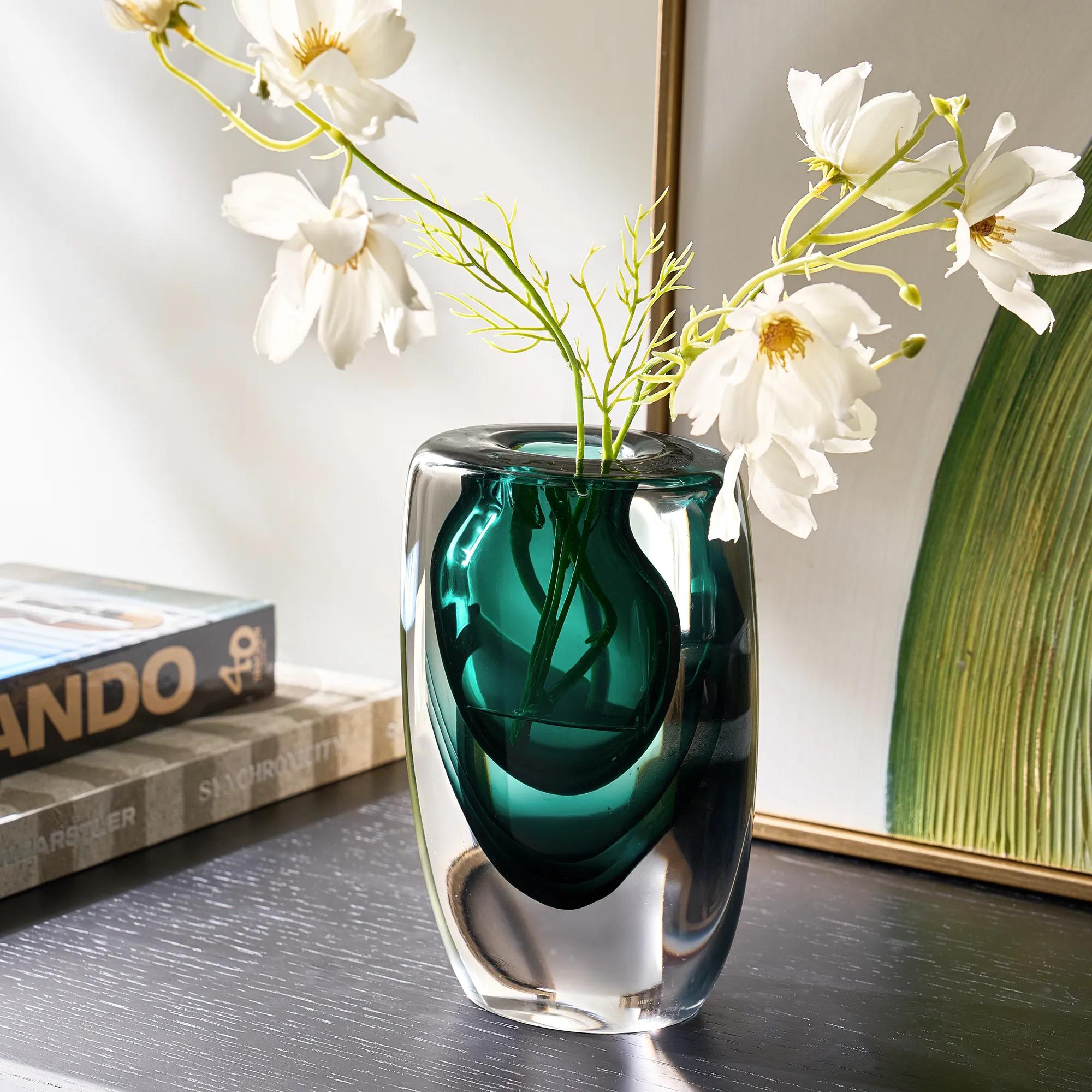
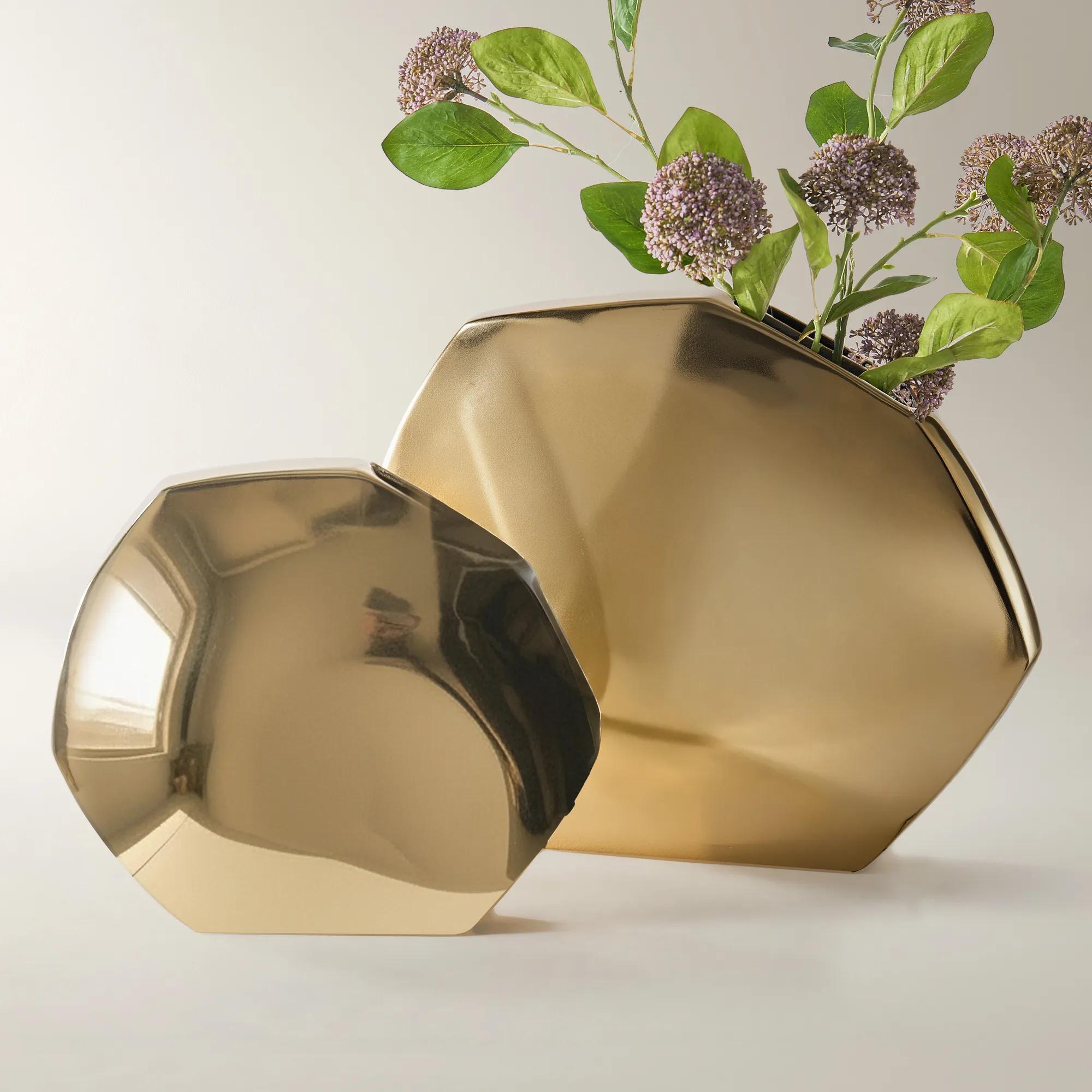
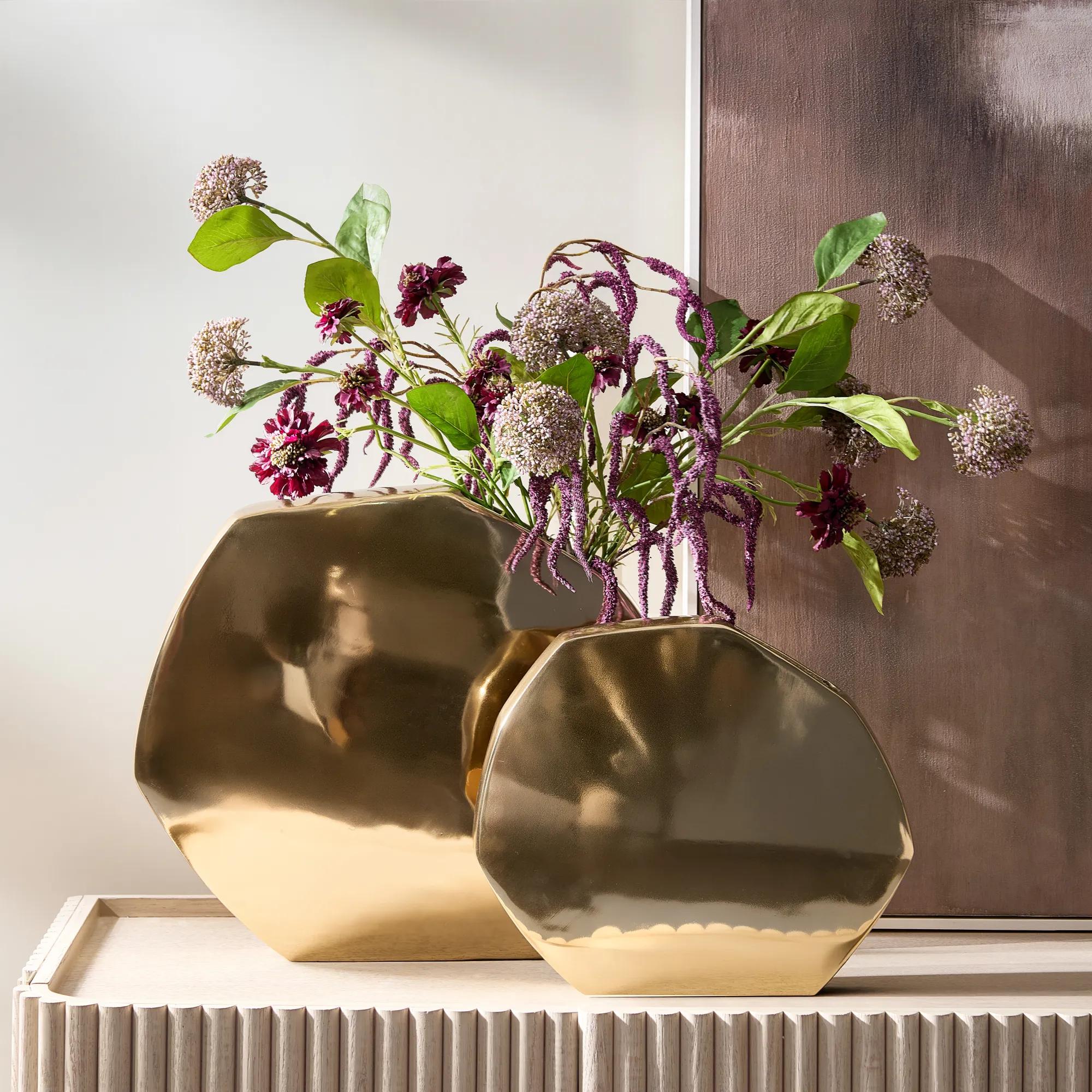
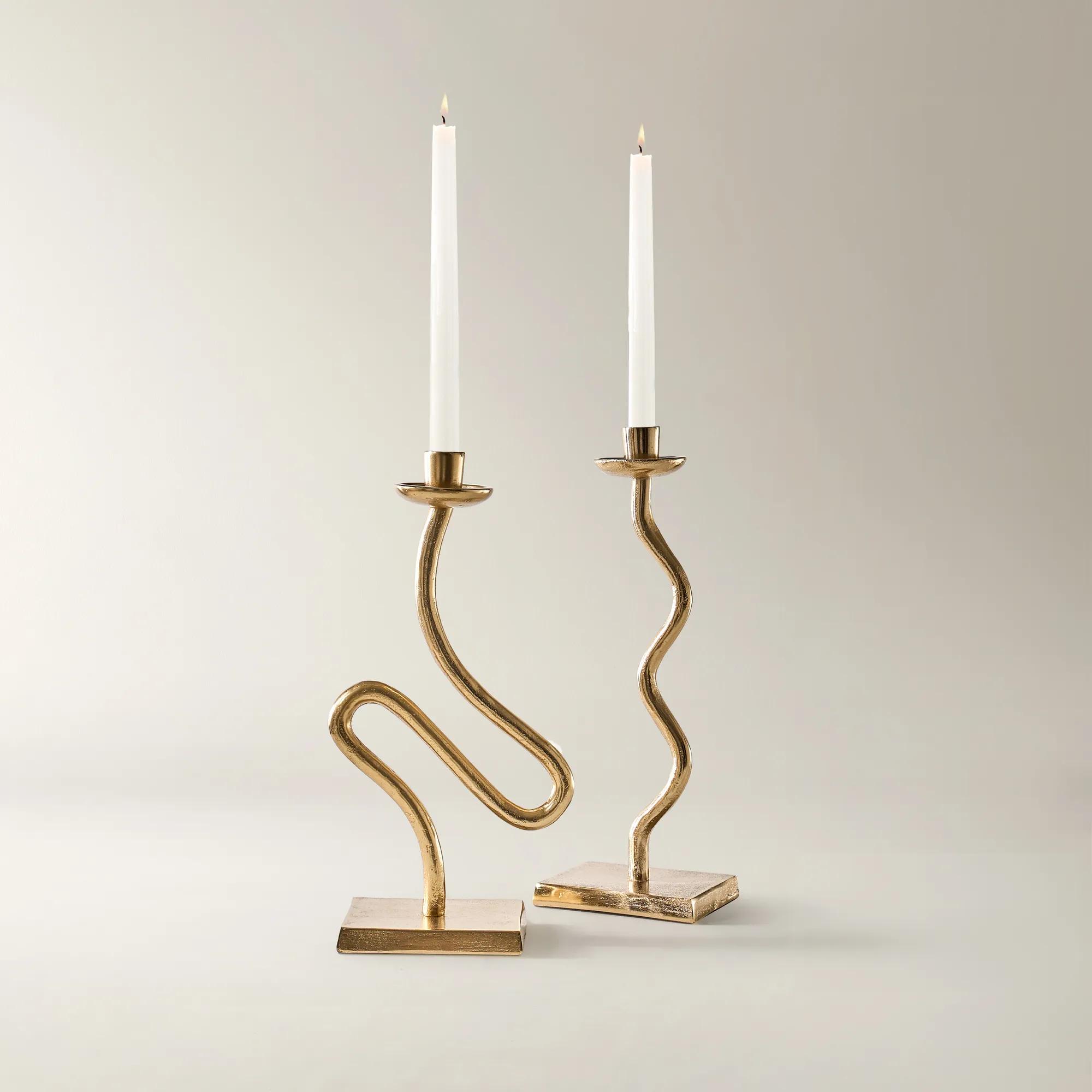
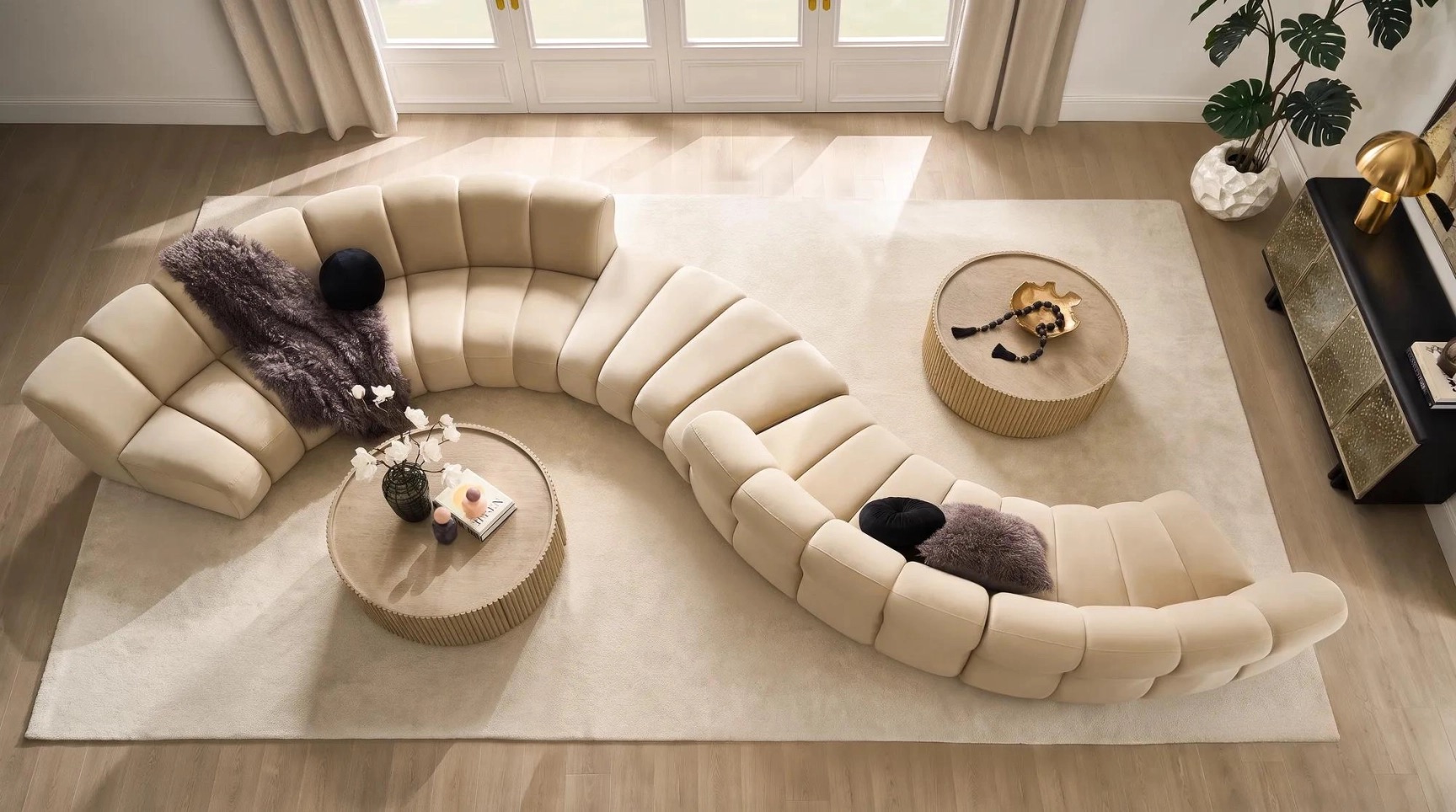
When metallic finishes are layered with intention, the room feels collected, not coordinated.
Late afternoon light changes everything. It turns glass warmer, softens stone, and makes metal behave like jewelry, catching and releasing glow as you move through the room. A brass lamp warms the corner. A polished nickel edge brightens the air. A blackened metal line gives the vignette its spine.
If you are searching for how to mix metal finishes without the space feeling busy, the answer is not more options. It is clearer hierarchy. The most effortless rooms do not match, they are composed. They treat gold, brass, chrome, and blackened metal the way a stylist treats accessories: balanced, deliberate, never competing.
Today’s interiors are also more layered than ever, warmer neutrals, sculptural silhouettes, mixed materials, and collected art. That richness asks for a finishing strategy that feels intentional, not accidental.
In This Story
-
A three-part hierarchy that makes mixing metallic finishes feel effortless
-
How sheen, undertones, and texture prevent a “too shiny” room
-
Pairings that feel refined: brass with blackened metal, gold with chrome, warm metals with stone
-
Room formulas for living, dining, and bedroom, styled with restraint
-
An editorial edit of metallic accents, chosen by role, not by matching
Discover the finishing touches: Shop the materials.

The Design Codes
Mixing metals in interior design works when it follows the same logic as a great outfit. One signature. One supporting note. One quiet contrast. The room should read like a point of view.
The hierarchy that keeps the mix calm
The rule to remember: lead finish, supporting finish, tailored accent.
-
Lead finish: gold or brass, the warm glow that sets the mood
-
Supporting finish: chrome or polished nickel, a clean lift that reflects light
-
Accent finish: blackened metal, definition and depth, like a fine outline
This is the foundation of how to mix metal finishes in a way that looks intentional, even when the pieces come from different moments.
Stylist Note: Your metals should have a conversation, not a debate. Give one finish the authority, and let the others frame it.
Shine level is your real palette
Color matters, but sheen determines whether the room feels elegant or restless. A space can handle multiple metals when the finishes are not all performing at the same volume.
-
Pair one brushed or satin finish with one quieter polish.
-
Avoid two mirror-polish statements in the same sightline.
-
Use blackened metal as the “quiet matte” that makes reflective metals look sharper, not louder.
This is why mix gold and chrome decor can look sophisticated when one is brushed and one is restrained. The contrast reads modern, not flashy.
Undertones, warm versus cool
Warm metals like gold and brass bring softness and glow. Cool metals like chrome and polished nickel add clarity and brightness. Choosing undertones is less about rules and more about the room’s temperature.
-
If your palette leans warm (cream, camel, espresso, terracotta): let brass or gold lead, then add chrome or polished nickel as a lift.
-
If your palette leans cool (black, white, slate, navy): lead with polished nickel or chrome, and use brass as a controlled warming note.
-
If you live in the middle (stone, greige, taupe): almost any combination works, as long as sheen stays edited.
Did you know? Brushed and satin metal finishes generally disguise fingerprints and micro-scratches better than high-polish finishes, which is one reason they tend to read calmer in everyday spaces.
Materials that make mixed metals feel crisp
Warm metals look most current when they are grounded by clean, tactile materials. Think of it as tailoring: the sharper the fabric, the more refined the jewelry looks.
-
Warm metals + glass: airy, crisp, modern
-
Warm metals + stone: elevated, architectural, timeless
-
Blackened metal + marble or travertine: quiet drama and depth
-
Chrome + lacquer or high-gloss surfaces: luminous, best in controlled doses
This is one of the most reliable ways to achieve layered metal finishes without visual clutter.
.jpeg?w=2259&h=1271)
Hierarchy creates ease: a warm lead finish, a cool lift, and a dark outline that sharpens the room.
The Stylist’s Rules
The secret to mixing metal finishes is not quantity. It is repetition, proportion, and placement. The room should feel curated, not calculated.
Do: repeat each finish in three touchpoints
Pick your three metals, then repeat each one across the room. Three touchpoints create rhythm, like a signature motif.
-
Brass: lighting, frame edge, decorative object
-
Polished nickel: mirror, tray, chandelier canopy
-
Blackened metal: table base, picture light, curtain rod
When you follow this, how to mix metal finishes becomes less of a puzzle and more of a styling practice.
Do: vary scale and let each finish change “volume”
A lead finish should show up in at least one larger moment, plus quieter echoes.
-
One statement piece (chandelier, floor lamp, large mirror)
-
One mid-scale detail (sconce, hardware, side table)
-
One small accent (bowl, candle accessory, frame corner)
This keeps the mix from feeling scattered, especially in rooms with art, pattern, or bold upholstery.
Stylist Note: Repetition should feel like a trace, not a stamp. Let the finish reappear in different forms and at different heights.
Do: keep the ratio unequal
A refined room rarely splits metals 50/50. Think in proportions:
-
60 to 70% lead
-
20 to 30% support
-
5 to 10% accent
This ratio prevents chrome, gold, brass, and blackened metal from competing.
Do: choose one “bridge” piece
A bridge piece carries two finishes in one object, and quietly makes the room feel resolved. Look for a lamp with mixed metal details, a tray with a contrasting rim, or a mirror with a secondary finish on the backplate.
Avoid: scattering five finishes
Five different finishes often reads like indecision, even in a neutral room. If you crave variety, vary texture instead: ribbed glass, veined stone, lacquer, fluted ceramic, bouclé, velvet.
Avoid: making everything shiny
High gloss everywhere is the fastest way to make a space feel loud. If you love sparkle, keep it intentional and anchor it with matte, patina, or blackened metal.
Pairings that almost always look polished
These combinations work because they are built on contrast and restraint.
-
Brass + blackened metal: warmth with edge, especially chic in modern and transitional rooms
-
Gold + chrome: refined when one is brushed and the other is quiet, never two mirror-polish statements
-
Warm metals + glass or stone: the mix stays crisp, modern, and architectural
Did you know? Blackened metal often functions like a visual outline. It helps the eye read shape and structure, particularly next to reflective finishes like chrome or polished nickel.
The Room Formula for How to Mix Metal Finishes
A room-by-room approach makes decisions faster. Start with the lead finish, then place supporting and accent finishes where they feel believable, lighting, frames, bases, and hardware.
Living room: glow, lift, definition
Lead: brass or gold
Support: polished nickel or chrome
Accent: blackened metal
Picture the room in layers: upholstery and rug first, then tables and lighting, then art and accessories. Metals live primarily in that final layer, the finishing layer, which is why the hierarchy matters.
-
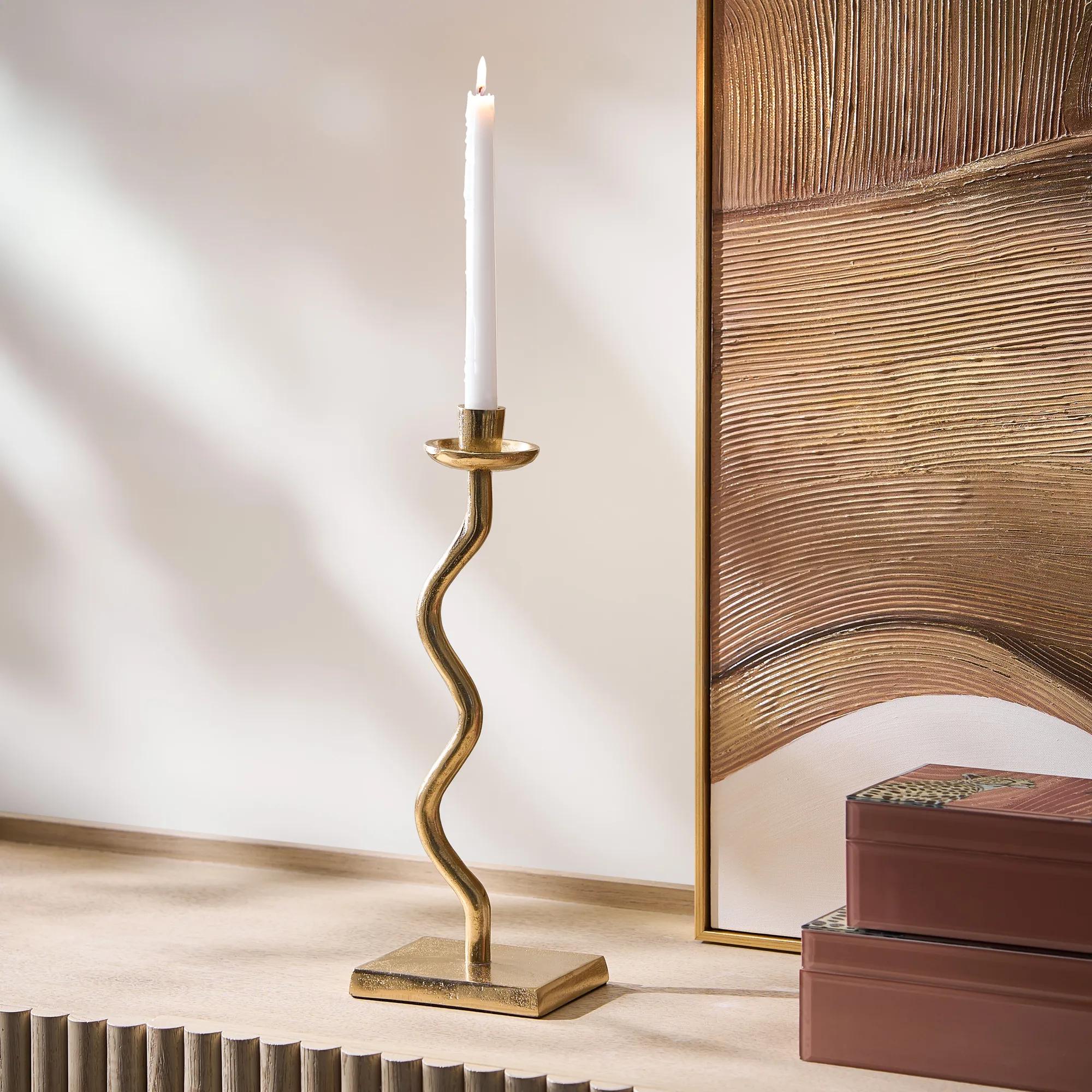
Let the lead finish show up in lighting. A brushed brass lamp reads warm and tailored, not flashy.
-
Use polished nickel or chrome to lift reflective moments, mirror frames, trays, and picture lights.
-
Use blackened metal where structure matters, coffee table bases, side table frames, curtain hardware.
Editorial paths to explore:
Stylist Note: In living rooms, blackened metal is most powerful in thin lines, table bases, frames, and rods. It gives the room a clean silhouette.
Dining room: polished, not precious
Dining rooms carry a lot of visual information: the table surface, chairs, tableware, and often a chandelier. The metal mix should feel clean and considered.
-
Choose the chandelier as the lead finish. If it’s brass, keep it brushed or softly aged to avoid glare.
-
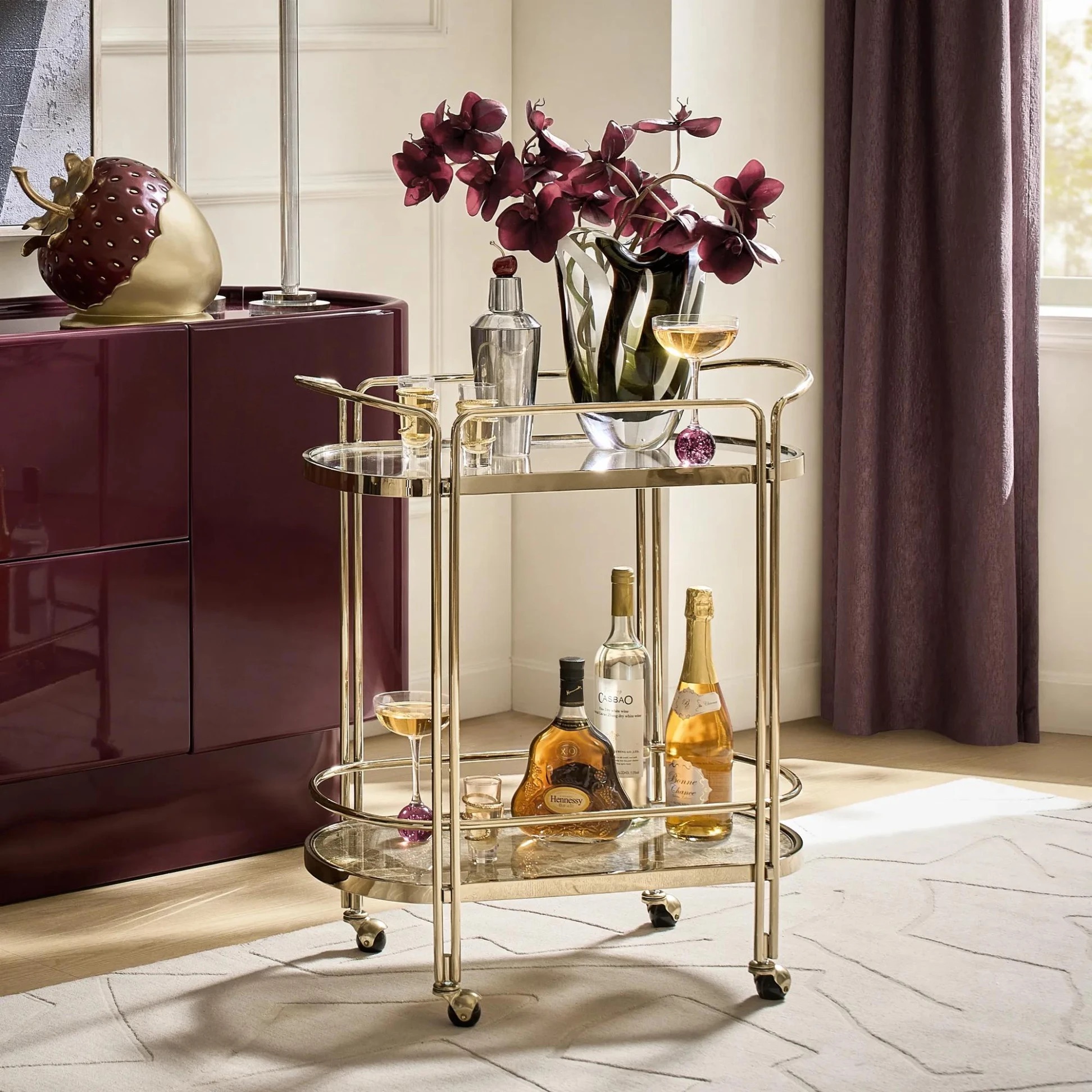
Bring in polished nickel or chrome in controlled tabletop moments, candlesticks, trays, bar cart details.
-
Use blackened metal as the tailored accent, chair frames, buffet hardware, or a picture light over art.
A useful styling move: if your chandelier is warm brass, keep your tabletop accents cool and minimal, then repeat brass once more in a single sculptural object.
Bedroom: softened shine, quiet contrast
A bedroom should glow, not glare. This is where brushed brass fixtures and softened finishes feel especially right.
-
Let brass or gold lead in bedside lighting, a sconce or lamp that adds warmth at night.
-
Choose polished nickel sparingly for clarity, mirror edges, a tray on the dresser, hardware details.
-
Use blackened metal for definition, a bench base, a slender floor lamp stem, a picture light.
For bedrooms, the best question is not “Do these metals match?” It’s “Do they feel calm together?”
.jpeg?w=2260&h=1271)
In the dining room, keep the shine edited. Let one metal lead, one lift, and one define the lines.
The Edit
A mix of metals feels elevated when each piece has a role. Consider this a stylist’s shortlist, not a catalogue, each item earns its place by what it contributes to the room.
Brushed brass chandelier (Anchor)
The lead finish sets the mood. Brushed brass brings warmth without glare and works beautifully above dining tables or in an entry.
Polished nickel mirror (Lift)
A clean reflective edge that brightens the room, especially in spaces with warm walls, moody art, or deep upholstery.
Blackened metal coffee table or console base (Structure)
The room’s outline. Blackened metal grounds the mix and makes warm metals feel more intentional.
Antique gold frame pair (Echo)
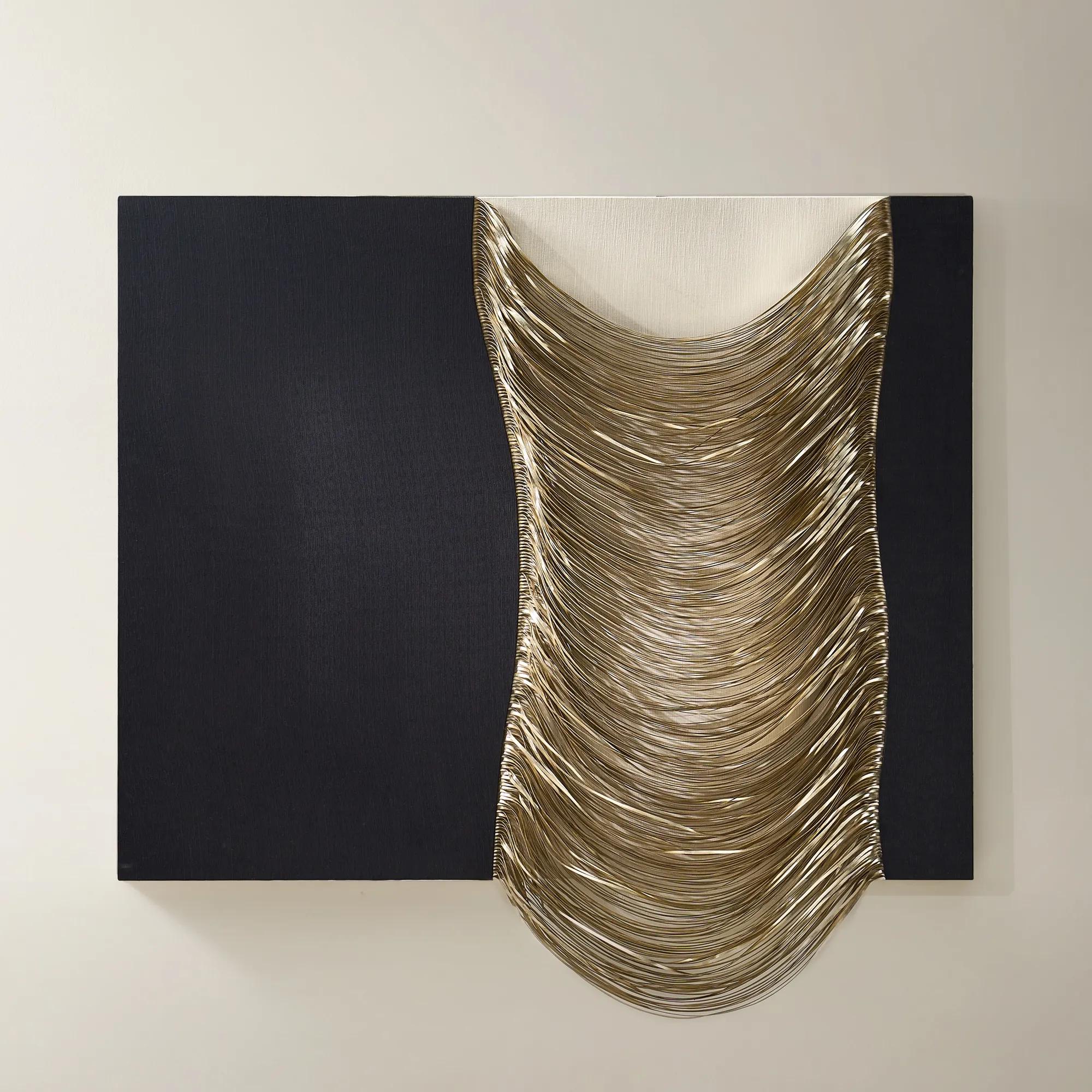
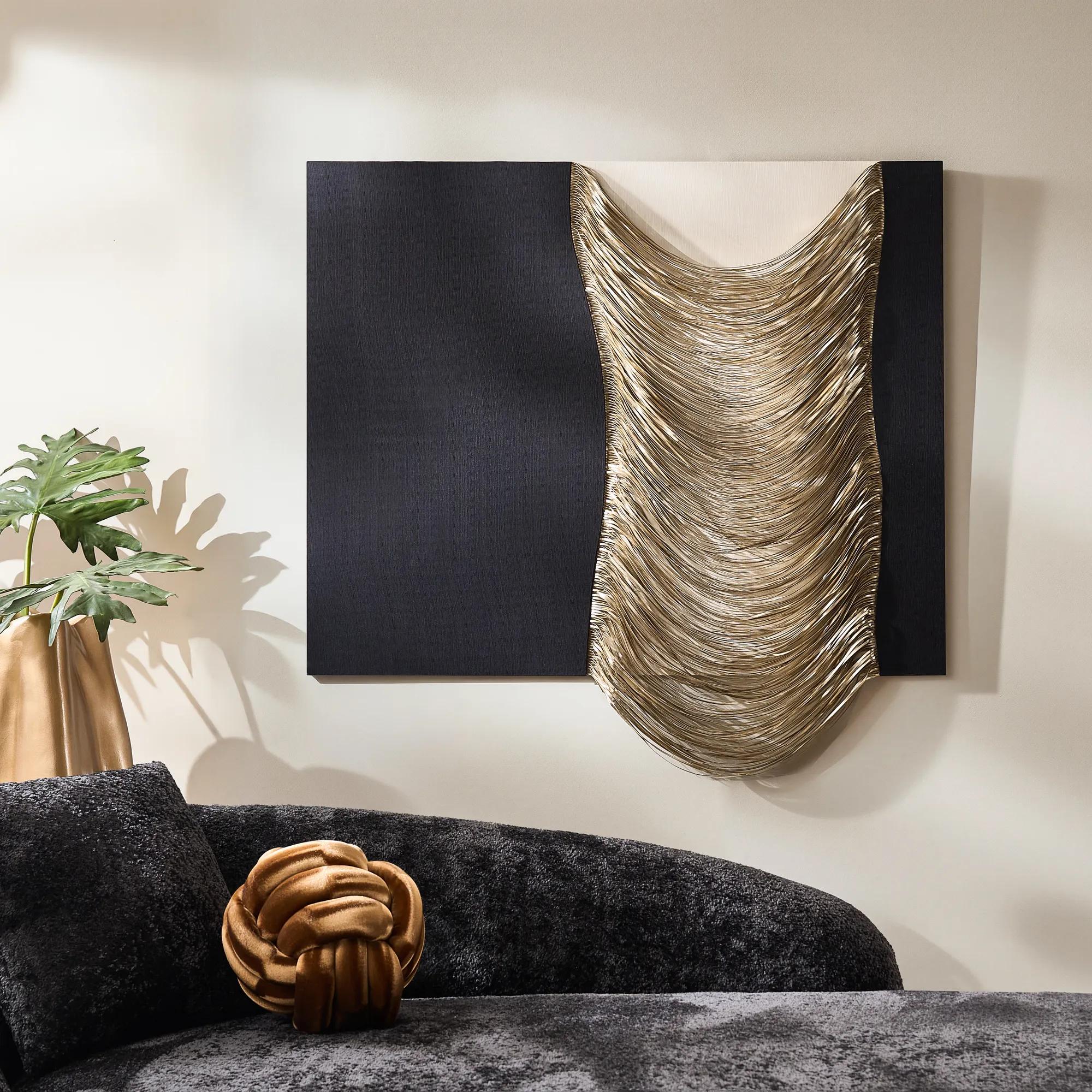
Repeats the lead finish in a quieter register. Particularly strong for gallery walls where repetition matters.
Chrome or polished nickel candlesticks (Highlight)
A small, controlled shine that reads refined on a dining table or mantel, and keeps cool metal present without overcommitting.
Brass sculptural object (Glow)
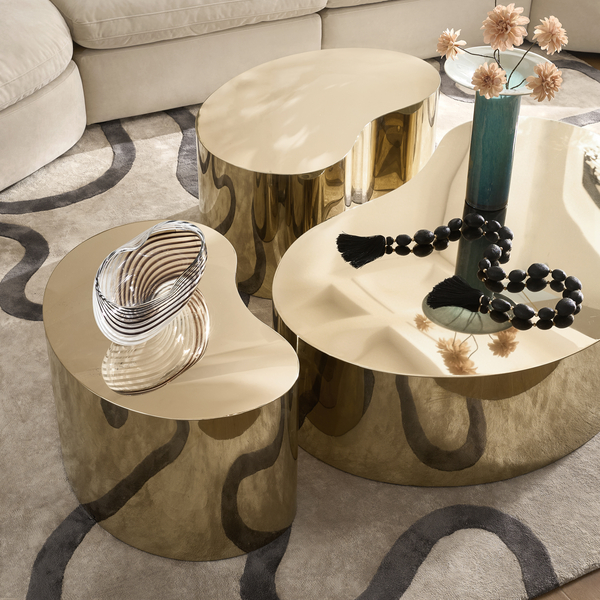
A single warm accent on a console or coffee table creates continuity, and keeps brass from living only in fixtures.
Blackened metal picture light (Definition)
Tailored, architectural, and quietly dramatic. It adds depth to art and makes a wall feel finished.
Mixed-metal tray (Bridge)
The bridge piece that makes the mix feel inevitable. Look for a warm rim paired with a cool base, or the reverse.
Stone or glass accent with warm metal detail (Crisp modernity)
Stone and glass keep the composition clean. Warm metal reads sharper and more current when paired with cool, tactile surfaces.
Stylist Note: If you can only add one piece to “make it all work,” choose a bridge piece. It connects your finishes in a way the eye trusts.
Editorial navigation:
Explore Wall Decor
Explore New Decorative Accessories
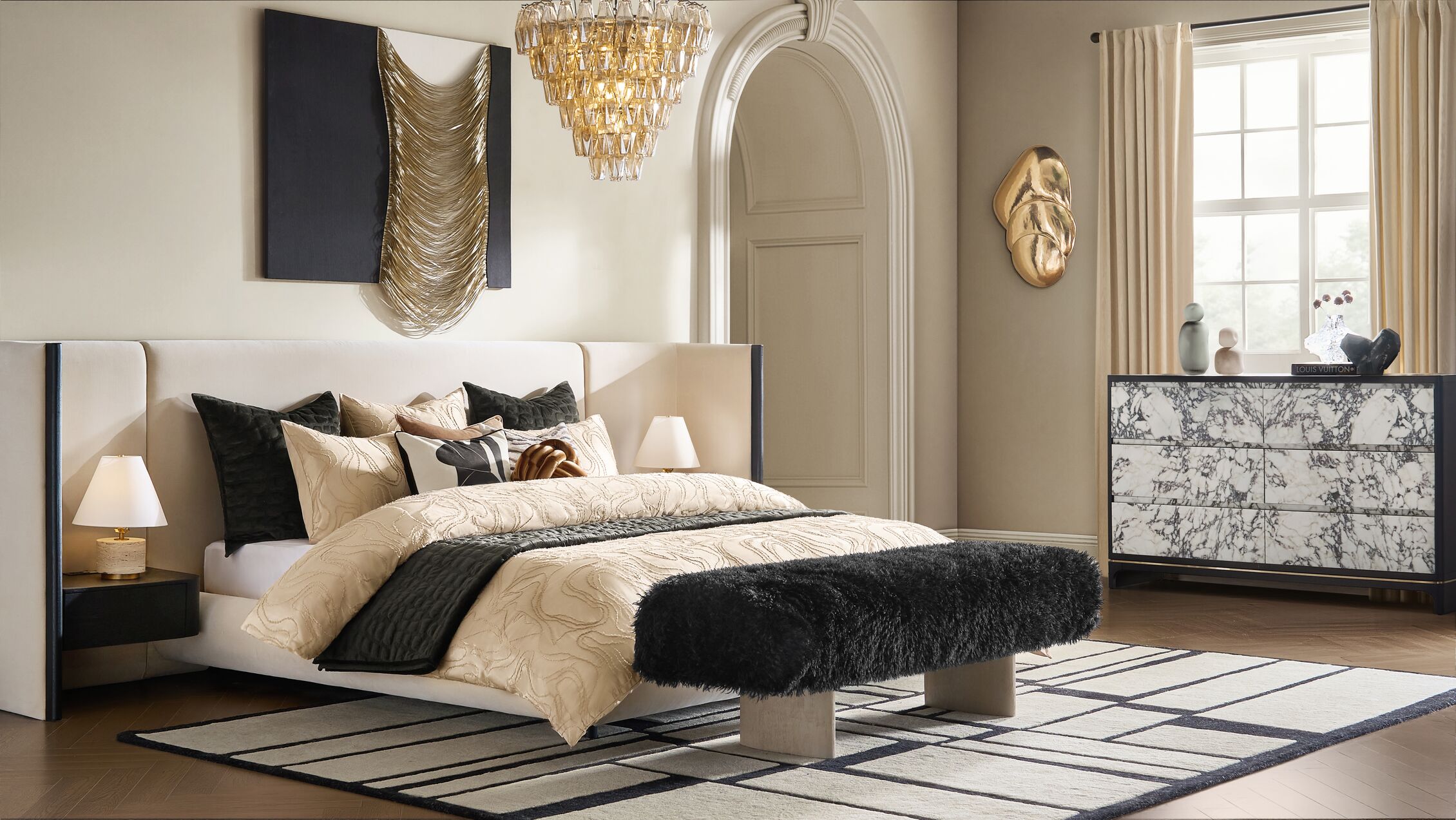
Bedrooms look best with softened sheen and one dark line for contrast.
Frequently Asked Questions
How do I mix gold and chrome without it looking too shiny?
Use sheen to control the volume. Choose brushed gold or satin brass as the lead, then keep chrome or polished nickel to smaller accents like a tray or candlesticks. Add blackened metal for depth so reflective surfaces feel balanced.
What is the easiest rule for how to mix metal finishes in a home?
Follow a hierarchy: lead, support, accent. Repeat each finish three times across the room, and keep the overall ratio uneven so the mix reads intentional.
Can I mix brass and black hardware in the same room?
Yes. Brass and blackened metal is a classic pairing because it combines warmth with definition. Let brass provide glow in lighting or frames, and let blackened metal provide structure in bases, rods, or hardware.
How many metal finishes should I use in one room?
Two to three is the sweet spot for most spaces. More than three can work, but it usually requires very close tones and carefully edited sheen so the room does not feel scattered.
Polished nickel vs chrome, which is better for mixed metals?
Both are cool metals, but polished nickel often reads slightly softer than chrome. If your room already has strong contrast or glossy surfaces, polished nickel can feel calmer. Chrome can look striking when used sparingly for a crisp, reflective lift.
How do I mix metal finishes across an open-concept space?
Keep one lead finish consistent throughout the shared area, then shift the supporting and accent finishes by zone. This creates continuity without forcing every fixture and accent to match.
Composed, Not Coordinated
The most elegant rooms do not insist on matching. They insist on intention. When you understand how to mix metal finishes through hierarchy, sheen, and repetition, the space feels settled, not styled. Your mix should read composed, not coordinated.
Explore the edit:
The Gold Standard: Gold Furniture That Makes a Room Feel Collected
.jpg?w=3614&h=3614)