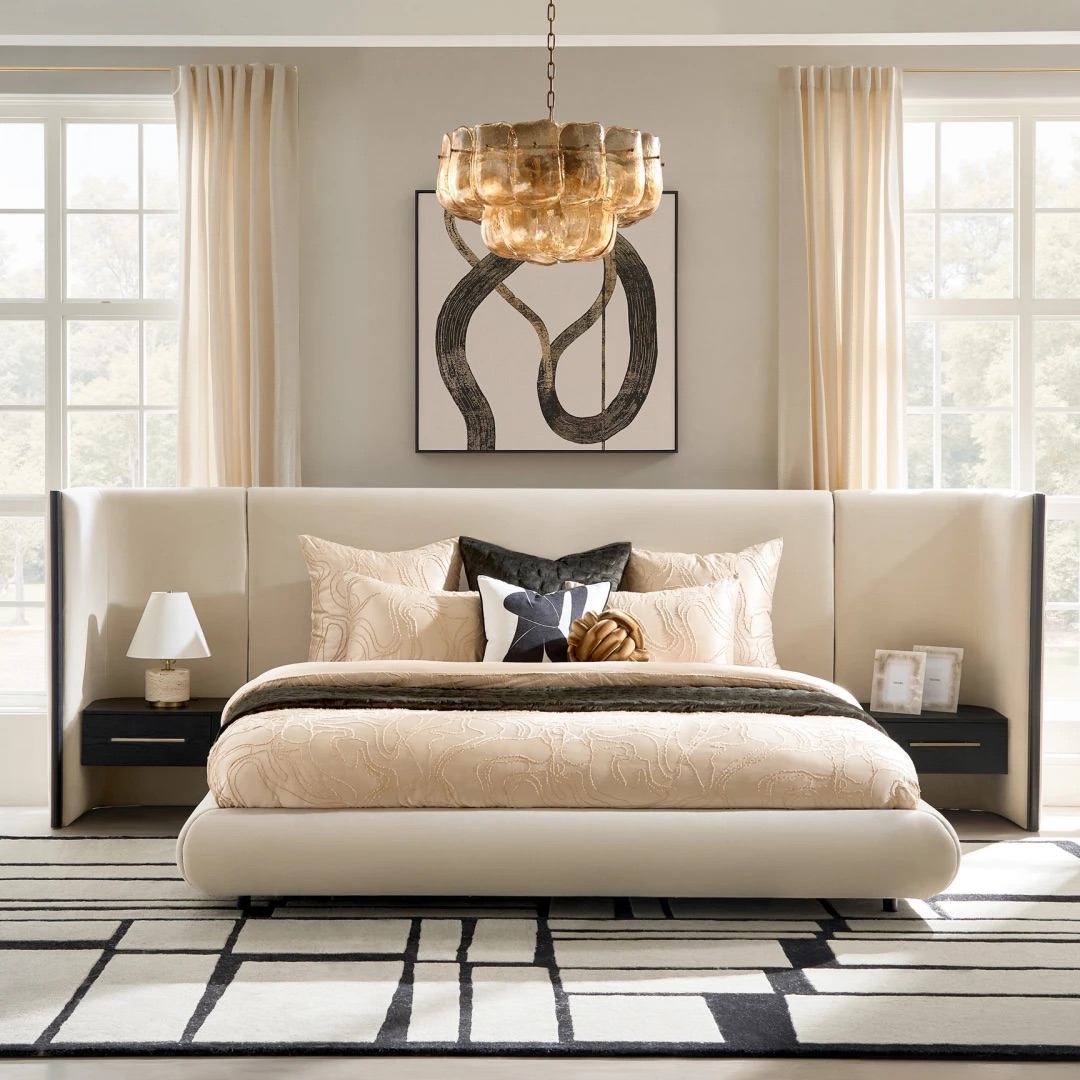
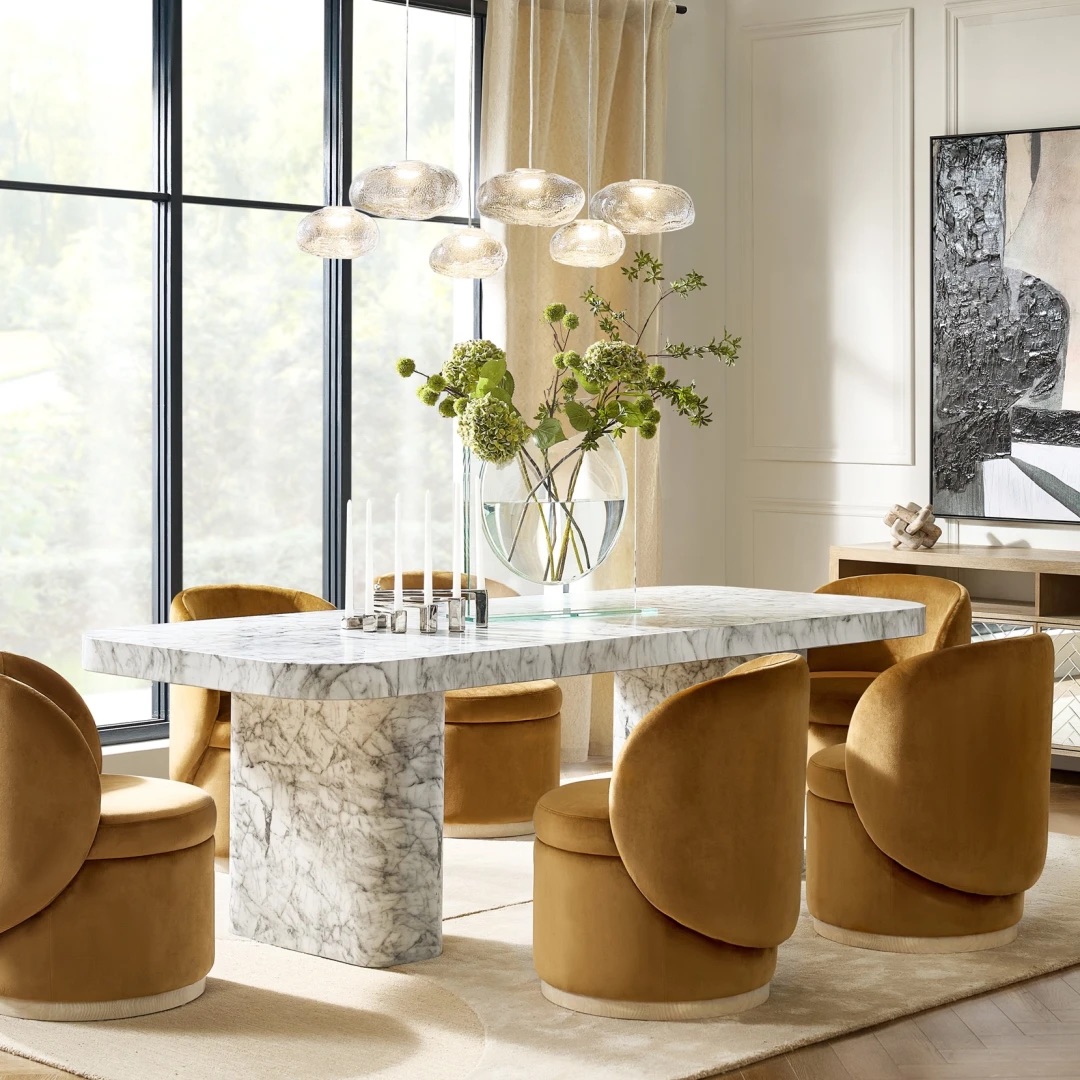
A curve changes the mood of a room before you add a single accessory.
In a living room shaped by straight lines, media consoles, mantel edges, paneled walls, rectangular rugs. Curved furniture introduces something gentler: movement, softness, and a sense of ease. The effect is immediate. A curved sofa relaxes a rigid floor plan. A round coffee table improves flow. A sculptural accent chair turns a quiet corner into a point of view.
That is the appeal of curved furniture in a modern living room. It feels current, but not cold. Statement-making, but never forced. For Z Gallerie, it also feels right at home: sculptural silhouettes, rich texture, and the kind of glamour that still knows how to live beautifully.
Discover the art of the curve.

Why Curved Furniture Works So Well in Modern Living Rooms
Modern interiors often rely on contrast. When every major piece is linear, a room can begin to feel too sharp or overly structured. Curved furniture interrupts that repetition in the best way. It lets the eye move more naturally through the room and makes seating areas feel more inviting.
There is a practical side to that softness too. Curved pieces can encourage conversation, ease traffic flow, and help open-concept rooms feel defined without looking blocked off. In a large room, a curved sectional can create a lounge-like destination. In a smaller space, one rounded piece can soften the architecture and make the room feel less boxy.
This is why curved furniture has staying power. It is not only a trend silhouette. It solves a design problem by bringing balance to modern architecture.

Start with the Piece That Sets the Tone
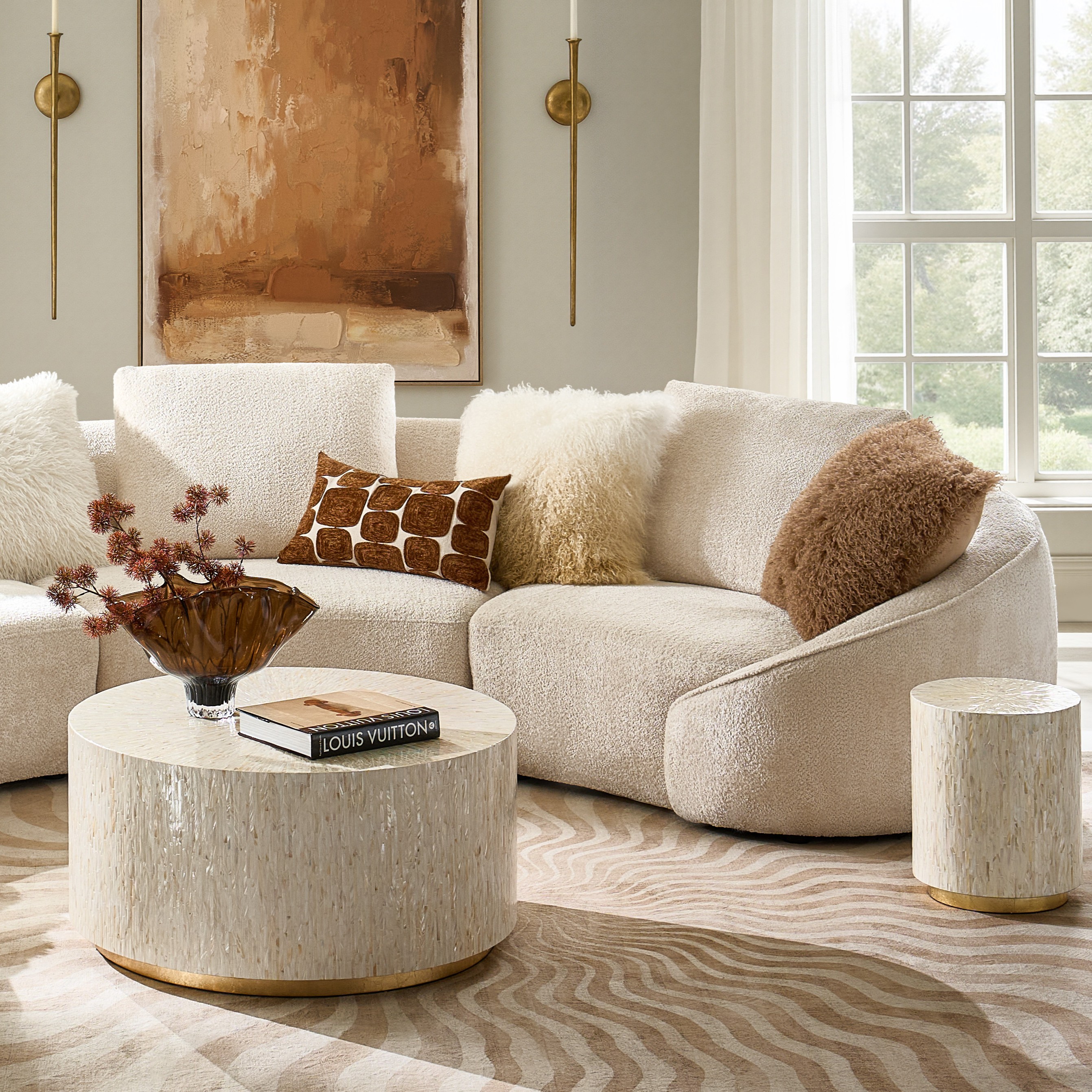
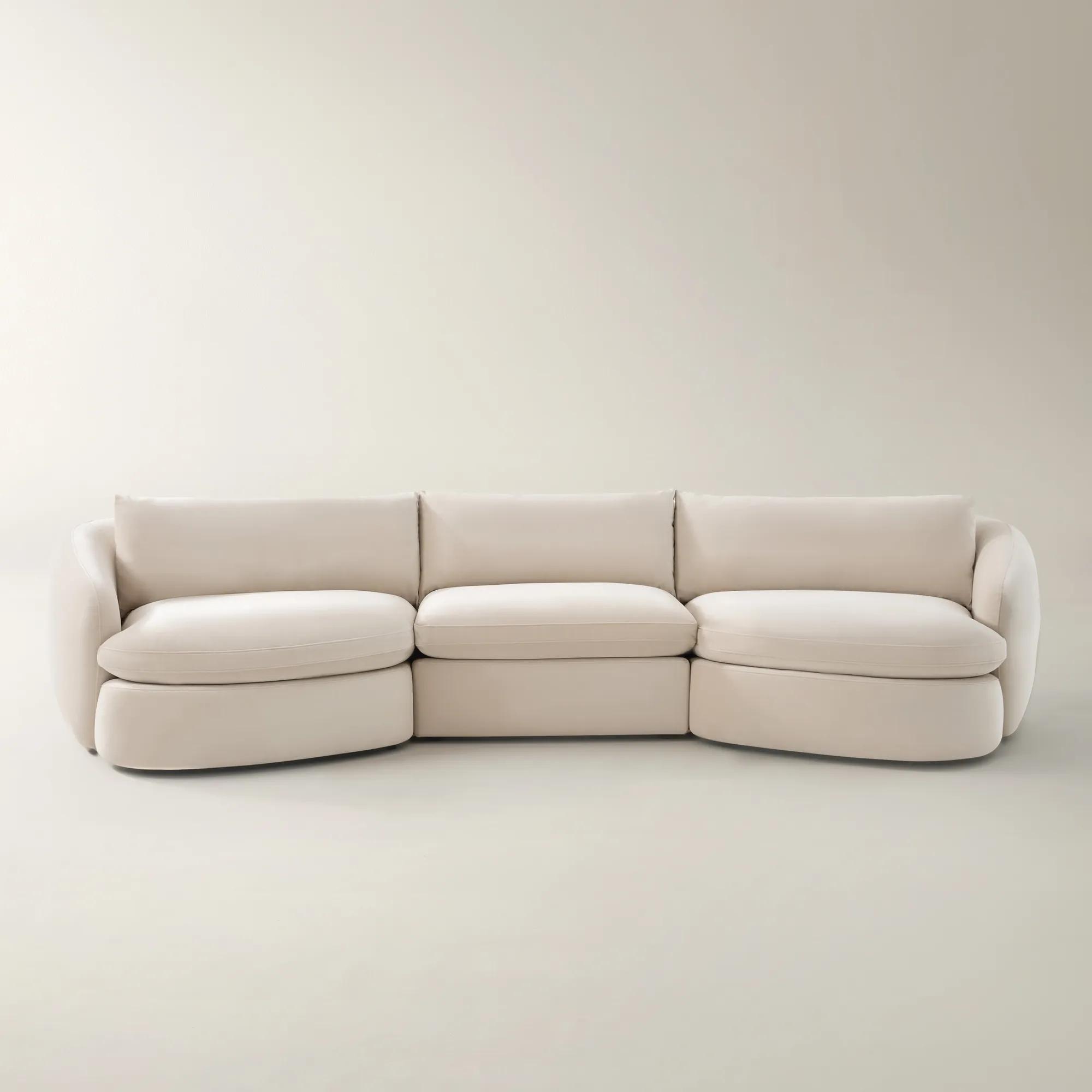
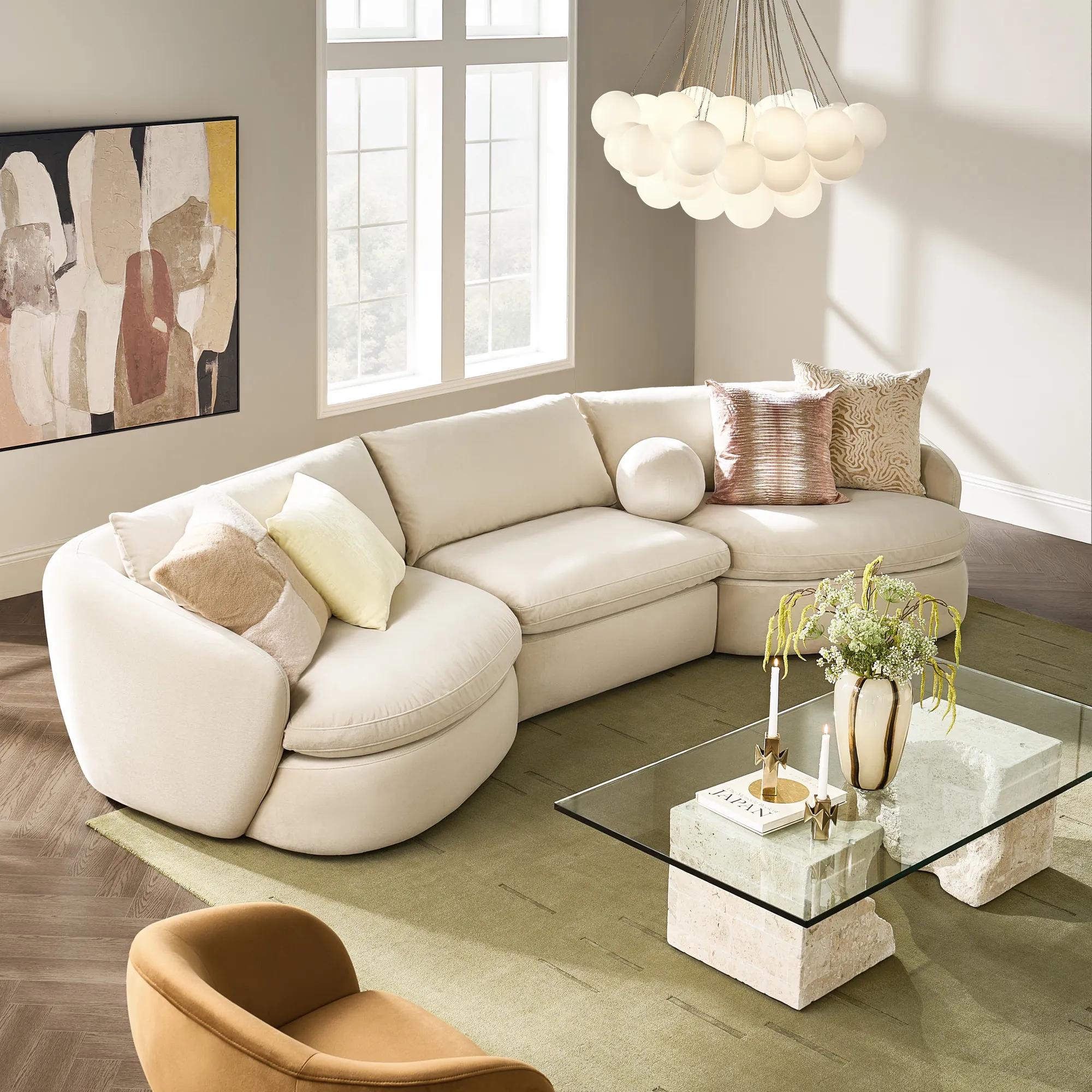
If you want the biggest visual impact, begin with your main seating. A curved sofa or sectional becomes the anchor of the room and establishes the emotional tone right away.
A sofa with a gentle arc feels especially elegant in a formal sitting room, an apartment living space, or any interior where you want a refined focal point that still feels welcoming. In a larger room, a curved sectional brings people inward and creates a natural conversation zone.
For a Z Gallerie interior, the best approach is to choose a silhouette that feels sculptural from every angle, then give it room to breathe. If the floor plan allows, float the sofa slightly away from the wall so the shape can be appreciated in full. A curved profile loses some of its drama when it is treated like standard perimeter seating.
Create Harmony with the Right Coffee Table
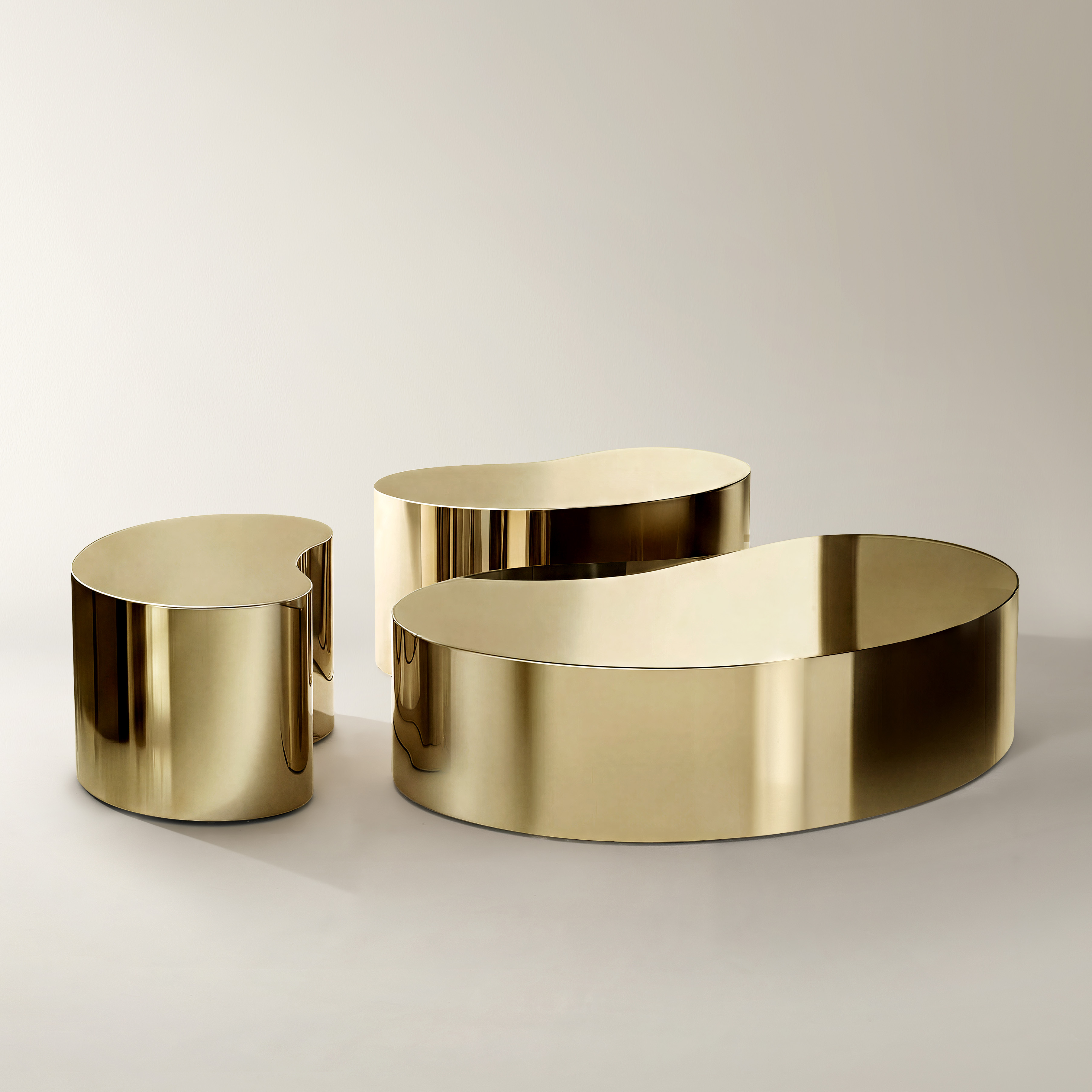
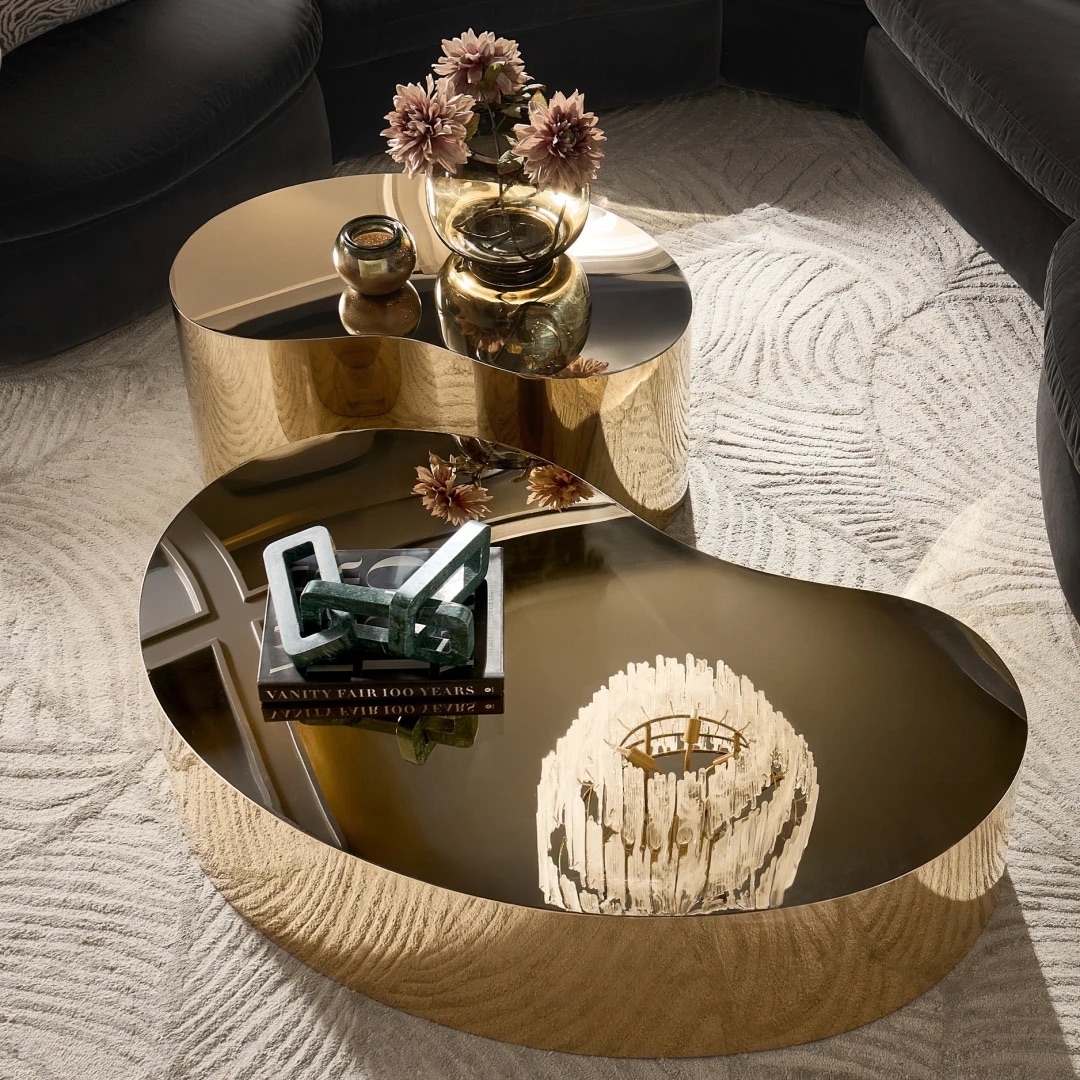
Once seating is in place, the coffee table should continue the conversation. The best companion pieces tend to be round, oval, or organically shaped because they echo the softness of the sofa while improving circulation around the arrangement.
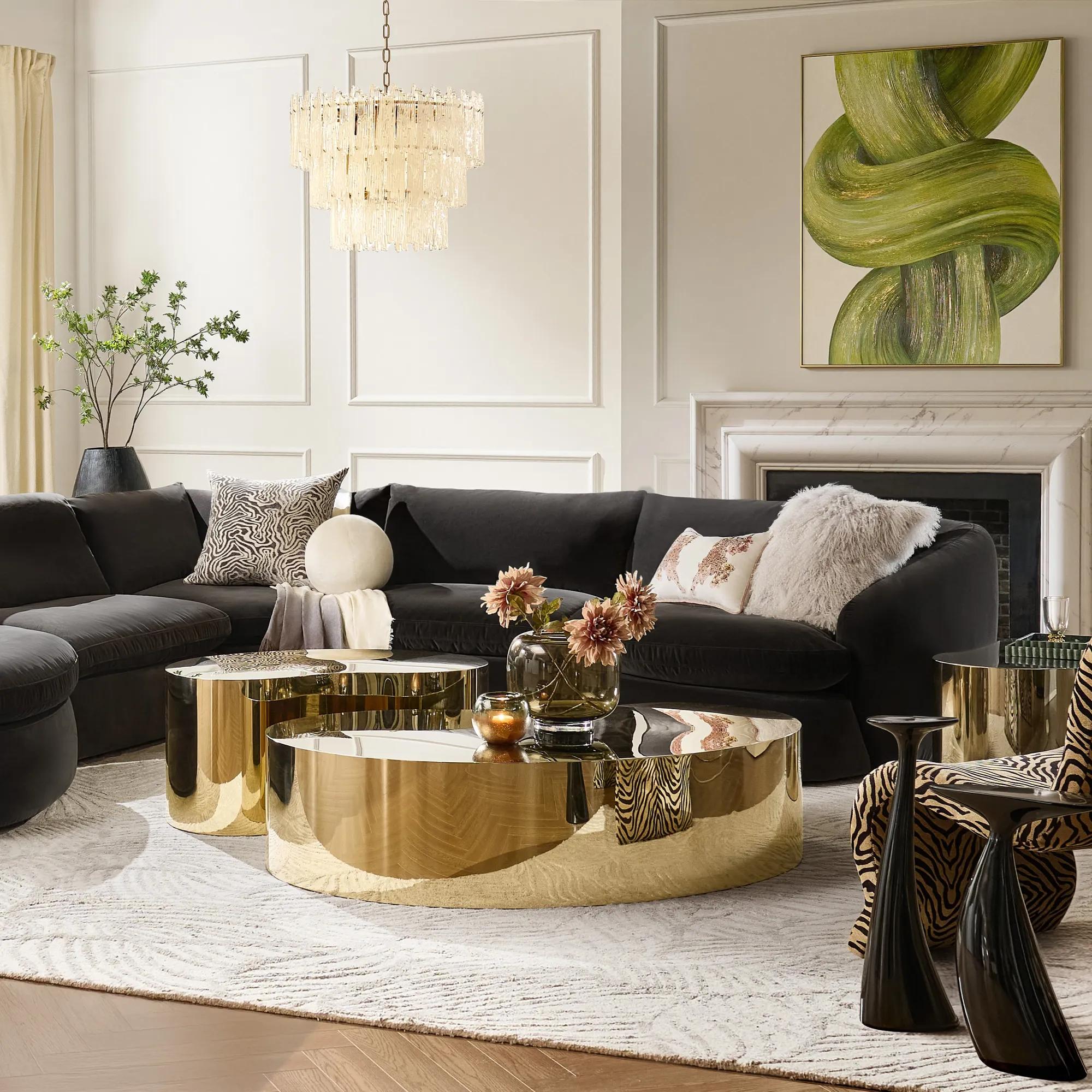
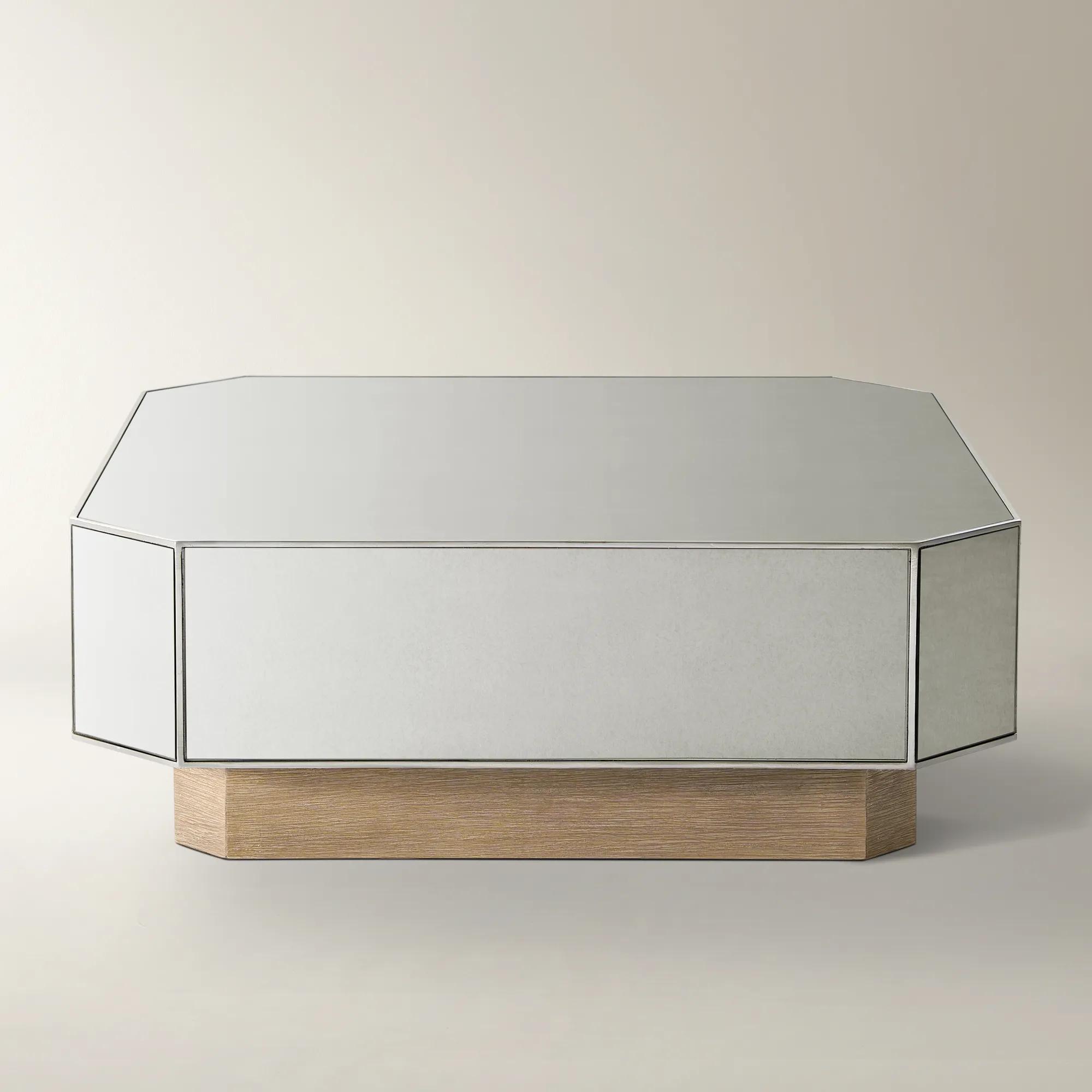
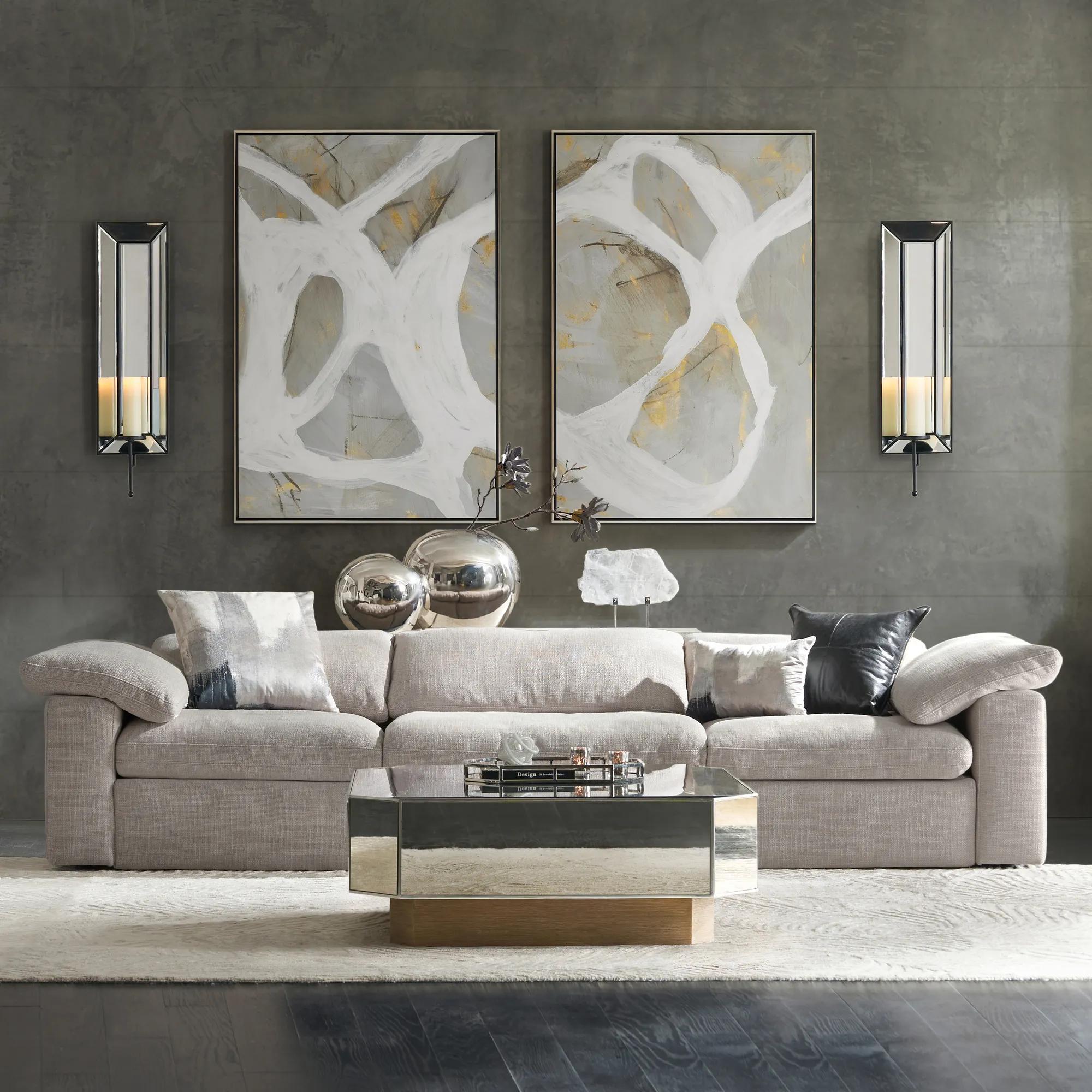
This is where material becomes just as important as form. A travertine top, smoked glass surface, warm wood finish, or polished metal detail can keep rounded silhouettes from feeling too soft or visually weightless. Curves are strongest when paired with contrast.
Think about the room as a composition of shape and texture. Chenille beside stone. Velvet beside brass. Leather beside glass. When curved furniture is grounded by strong, tactile materials, the room feels designed rather than decorated.

Use Accent Pieces to Repeat the Gesture
Not every living room needs a curved sofa. Sometimes the most sophisticated move is to layer in the shape more quietly.
A rounded accent chair can soften a straight sofa. A circular ottoman can break up a rectangular seating plan. A side table with a pedestal or waterfall shape can make an empty corner feel intentional. An arched mirror or sculptural floor lamp can repeat the form without making the room feel thematic.
This is often the best strategy in smaller rooms or homes that already have strong foundational pieces. Instead of replacing everything, you introduce one or two rounded forms that shift the mood of the space. The room still feels edited and architectural, just less severe.
Make Curved Furniture Feel Luxurious, Not Sweet
One of the easiest mistakes with curved furniture is over-romanticizing it. Too many rounded shapes, too many soft textures, or too many decorative objects can make the room feel precious.
Luxury comes from restraint.
Let one dominant curved piece lead. Then balance softness with sharper or weightier elements: a black side table, a bronze floor lamp, a dark wood console, a smoked-glass accent, or oversized art with strong composition. This contrast keeps the room from drifting into sameness and gives the curve a more editorial presence.
Color matters here too. Warm neutrals are especially effective because they let shape carry the drama. Ivory, stone, taupe, camel, mushroom, espresso, and soft gray all work beautifully with curved furniture. If you want more expression, introduce it through art, pillows, or one saturated accent rather than competing upholstery choices throughout the room.
.jpeg?w=2259&h=1271)
How to Use Curved Furniture in a Small Living Room
Curved furniture is often associated with expansive spaces, but it can be just as compelling in a smaller living room when scale is handled carefully.
The key is to choose one meaningful curve, not a room full of them. A compact sofa with a softened back, a round coffee table with an open base, or a sculptural chair can make a small room feel more fluid and less crowded. The absence of hard corners can actually improve how the room reads because movement through the space feels easier.
If square footage is limited, keep the surrounding palette tonal and the secondary pieces visually light. That might mean a glass table instead of a chunky wood one, a slim pedestal side table instead of a square case piece, or a floor lamp with an airy profile rather than a heavy tripod base.
The goal is not to fill the room with curves. It is to use one strong gesture to soften the architecture and improve the room’s rhythm.

Styling Rules That Make the Room Feel Finished
Curved furniture already has presence, so the styling should feel edited.
On a sofa, fewer pillows usually look better than a dense arrangement. Choose a small mix of tactile shapes—a velvet square, a bouclé lumbar, a faux-fur throw and leave enough negative space for the silhouette to read.
On the coffee table, keep the styling low and sculptural. A stack of art books, a vessel, and one object with shine or texture is usually enough. On the walls, think in generous scale: oversized artwork, dimensional wall décor, or a statement mirror that feels substantial enough to hold the room.
Lighting should add atmosphere without clutter. An arc floor lamp, a sculptural table lamp, or a chandelier with rounded geometry can reinforce the softness of the seating area while still giving the room its needed structure and glow.
The most successful curved furniture living rooms feel intentional from every angle. They are layered, but not crowded. Glamorous, but not flashy. Soft, but still architectural.
A Modern Living Room with More Flow
Curved furniture does something many trend-driven pieces never manage: it changes both the look of a room and the way the room feels to live in. It invites conversation. It softens harsh lines. It creates movement where boxy layouts can feel static.
That is why the silhouette continues to resonate. In a Z Gallerie home, curved furniture is more than a styling move, it is a way to bring artistry, ease, and modern glamour into everyday life.
Whether you begin with a sculptural sofa, a rounded coffee table, or a single curved accent chair, the result is the same: a living room that feels warmer, more expressive, and more beautifully composed.

Frequently Asked Questions
What is curved furniture?
Curved furniture includes pieces with rounded, arched, circular, or softly sculpted silhouettes instead of sharp, straight edges. In a living room, that can include curved sofas, curved sectionals, round coffee tables, rounded chairs, and pedestal side tables.
Is curved furniture good for a modern living room?
Yes. Curved furniture works especially well in modern living rooms because it softens linear architecture, improves flow, and adds sculptural interest without sacrificing comfort.
What coffee table works best with curved furniture?
Round, oval, and organic coffee tables are usually the easiest companions because they echo the shape of curved seating and improve circulation. Materials like travertine, glass, wood, and metal all work depending on the mood of the room.
Can curved furniture work in a small living room?
Yes. In a smaller room, choose one dominant curved piece and keep surrounding elements visually lighter. A compact curved sofa, rounded chair, or circular coffee table can make the layout feel more open and less rigid.
-6.png?w=1469&h=1469)