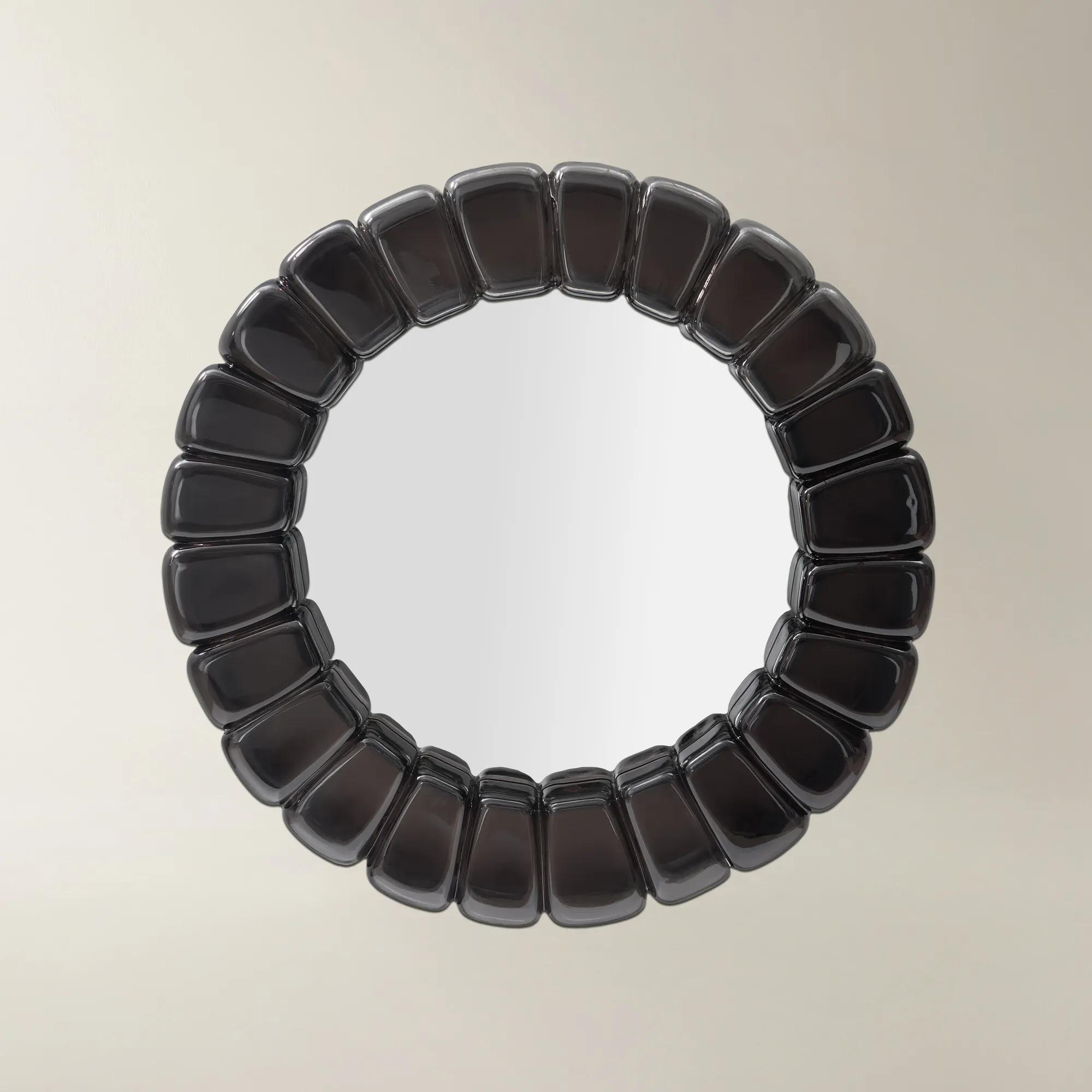
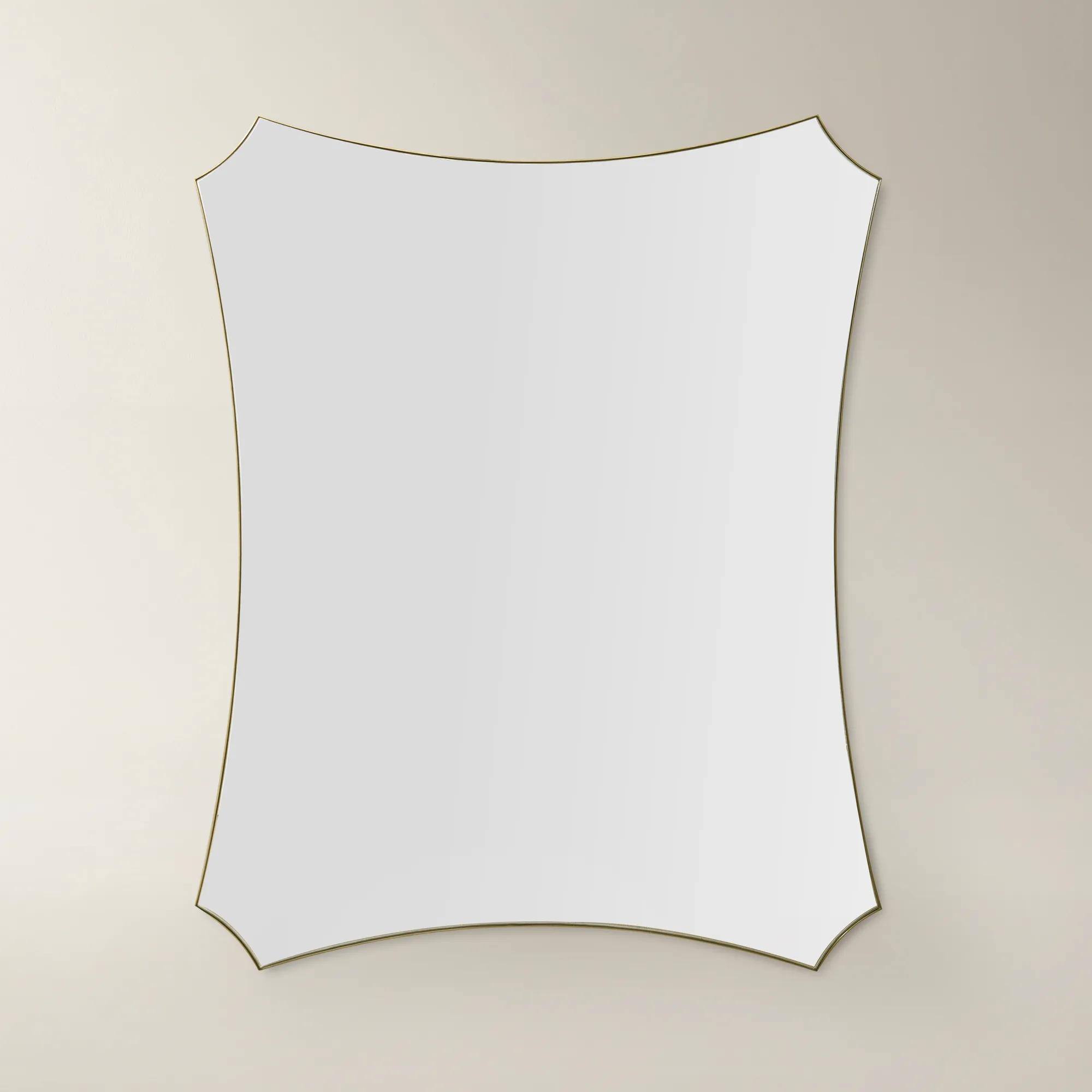
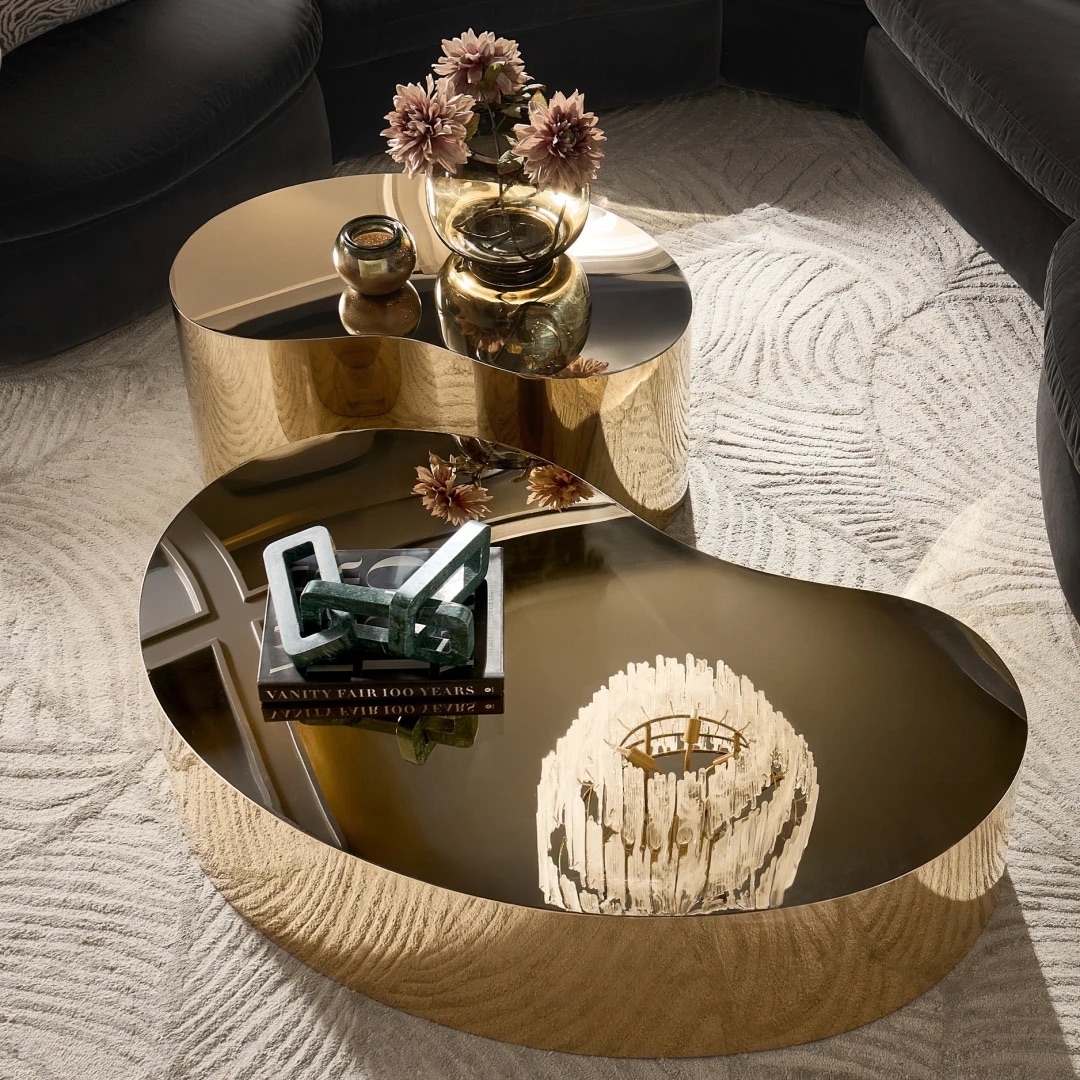
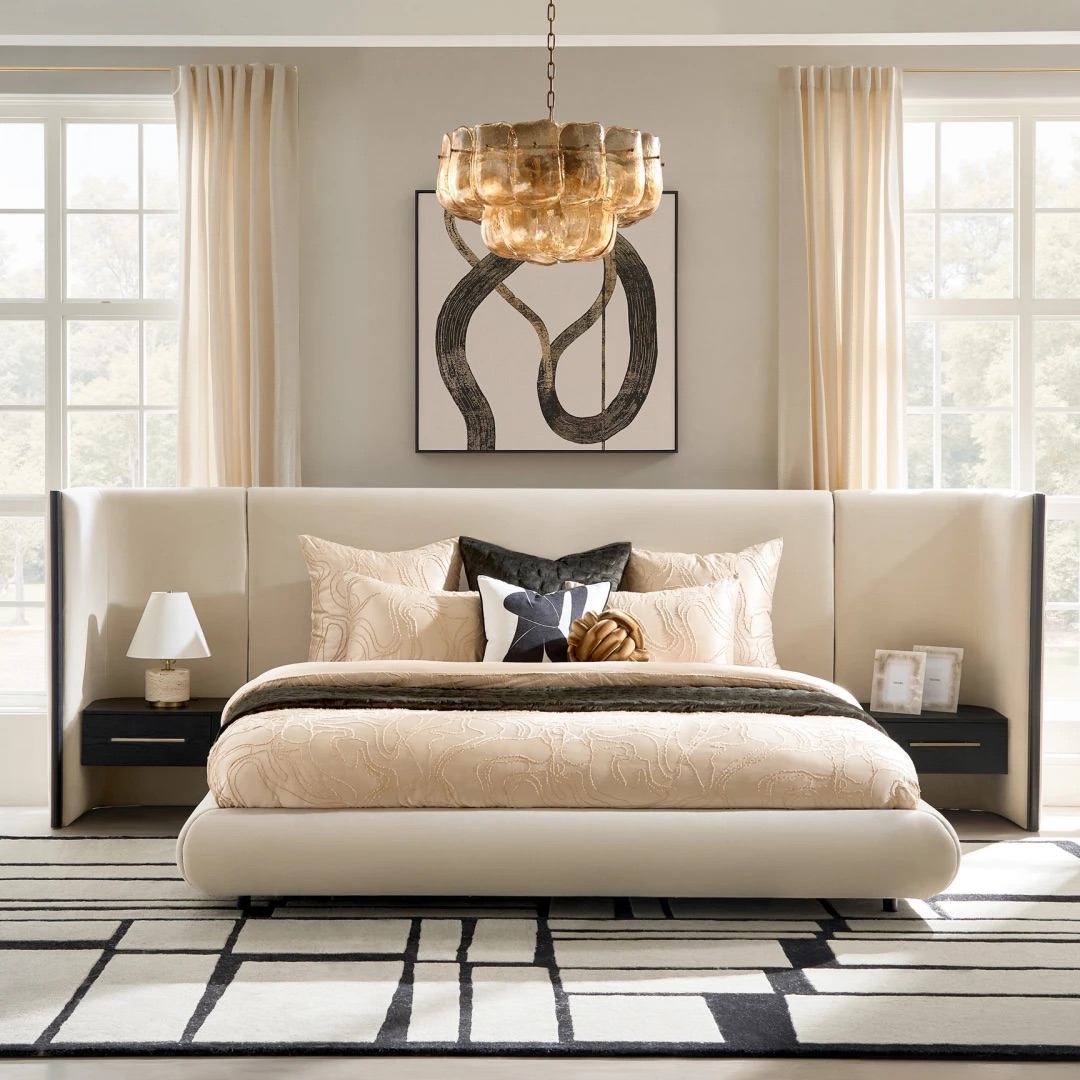
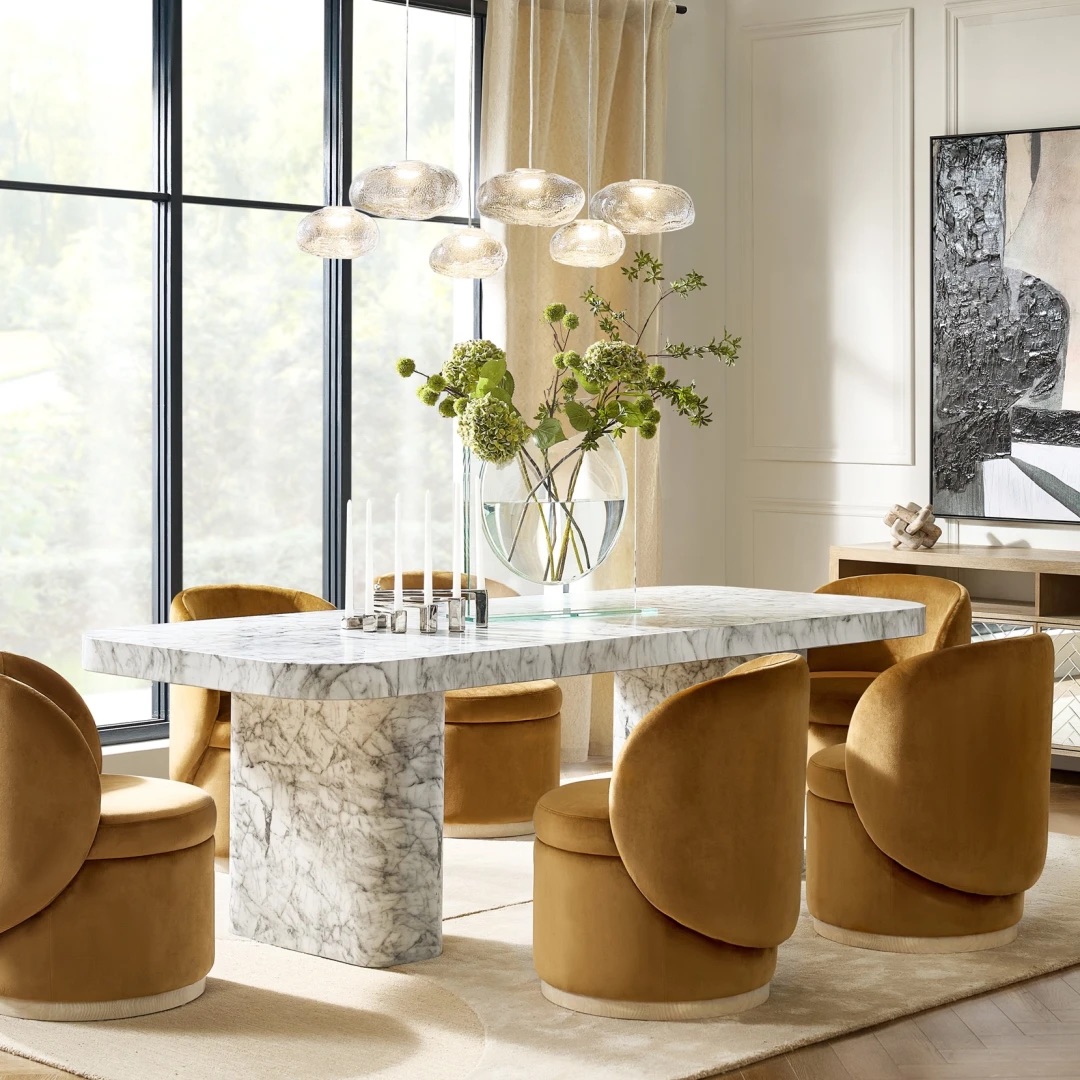
A statement mirror brings light, structure, and atmosphere to a room, but its real impact comes from what surrounds it and what it reflects.
In a well-appointed room, the first pause often belongs to the statement mirror. It catches the light in an entryway, gives a fireplace its sense of ceremony, or turns a quiet wall into a composed focal point. The allure of a statement mirror lies in that balance of style and function. It is decorative, architectural, and deeply practical all at once.
That is why learning how to decorate around a statement mirror matters. The mirror itself may be the hero, but the surrounding elements determine whether the room feels edited or overworked, luminous or flat, intentional or unfinished. The most compelling spaces do not simply hang a mirror and stop there. They build a setting around it.
The goal is not to crowd the wall or overstyle the surface below. It is to create a room story in which the statement mirror feels grounded, elevated, and entirely at home.
In This Story
-
Where a statement mirror makes the strongest impact, from entryways to fireplaces to bedroom focal walls
-
How to choose the right size, placement, and styling balance for a polished, editorial look
-
What to layer beneath and around the mirror so the composition feels rich, not busy
-
How to use reflection with intention, letting light, art, and architecture become part of the design
2.jpg?w=5547&h=3120)
The Design Codes of a Statement Mirror
Every striking mirror vignette begins with a visual language. Before styling accessories or considering symmetry, look at the codes that shape the room itself: palette, materials, silhouette, shine level, and texture.
Palette
A statement mirror tends to read best in a palette that feels composed rather than crowded. Soft neutrals, warm stone tones, black accents, and restrained metallics allow the mirror to hold attention without feeling isolated. If the frame is ornate or sculptural, keep the colors around it quieter. If the frame is minimal, a richer palette can give the wall more depth.
Materials
The most elegant mirror styling relies on contrast. A gleaming mirror against wood feels warmer. A polished frame paired with ceramic, linen, or matte stone feels more dimensional. Mixing materials keeps the scene from looking too singular, especially when the room already includes other reflective finishes like glass lighting or lacquered surfaces.
Silhouette
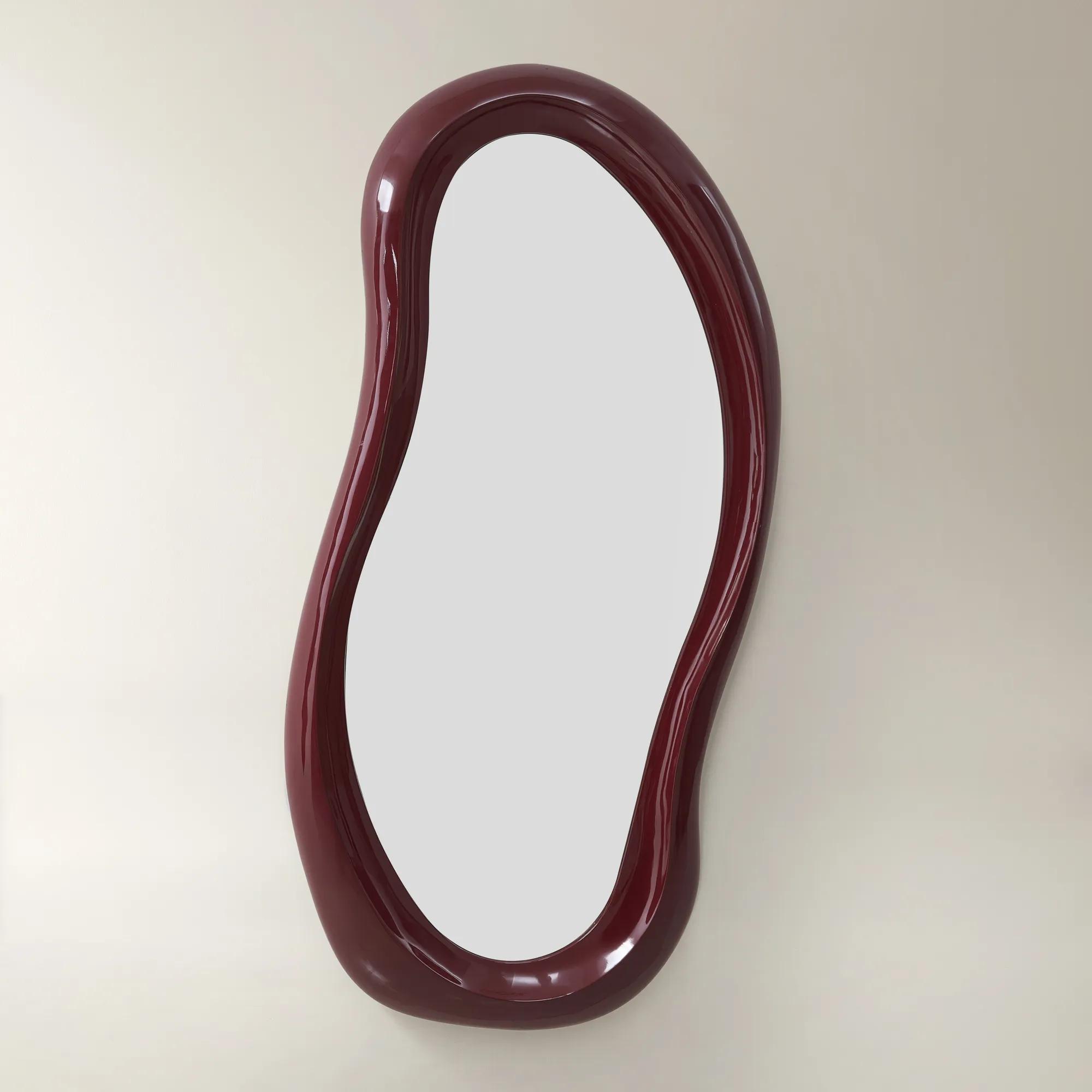
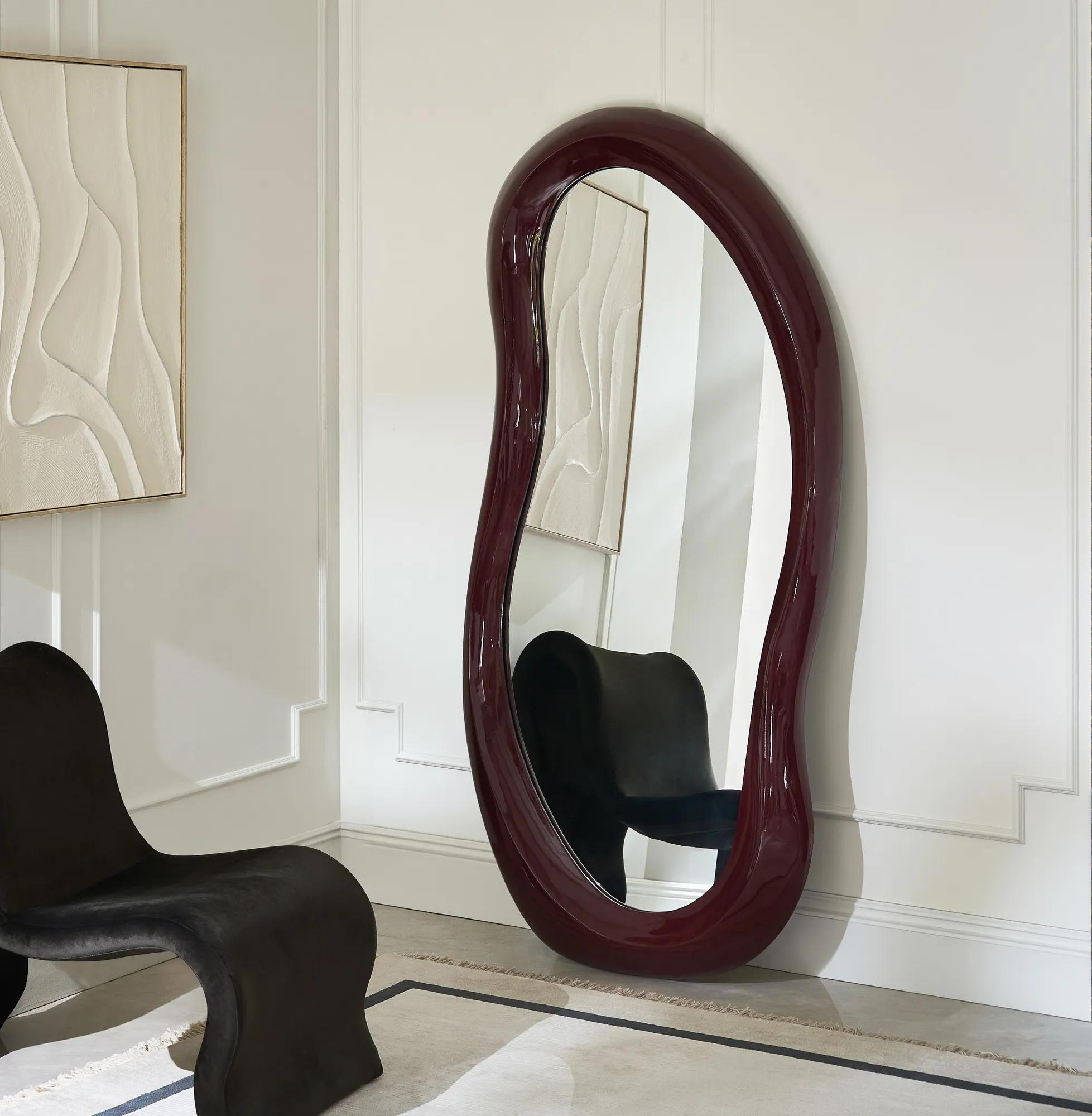
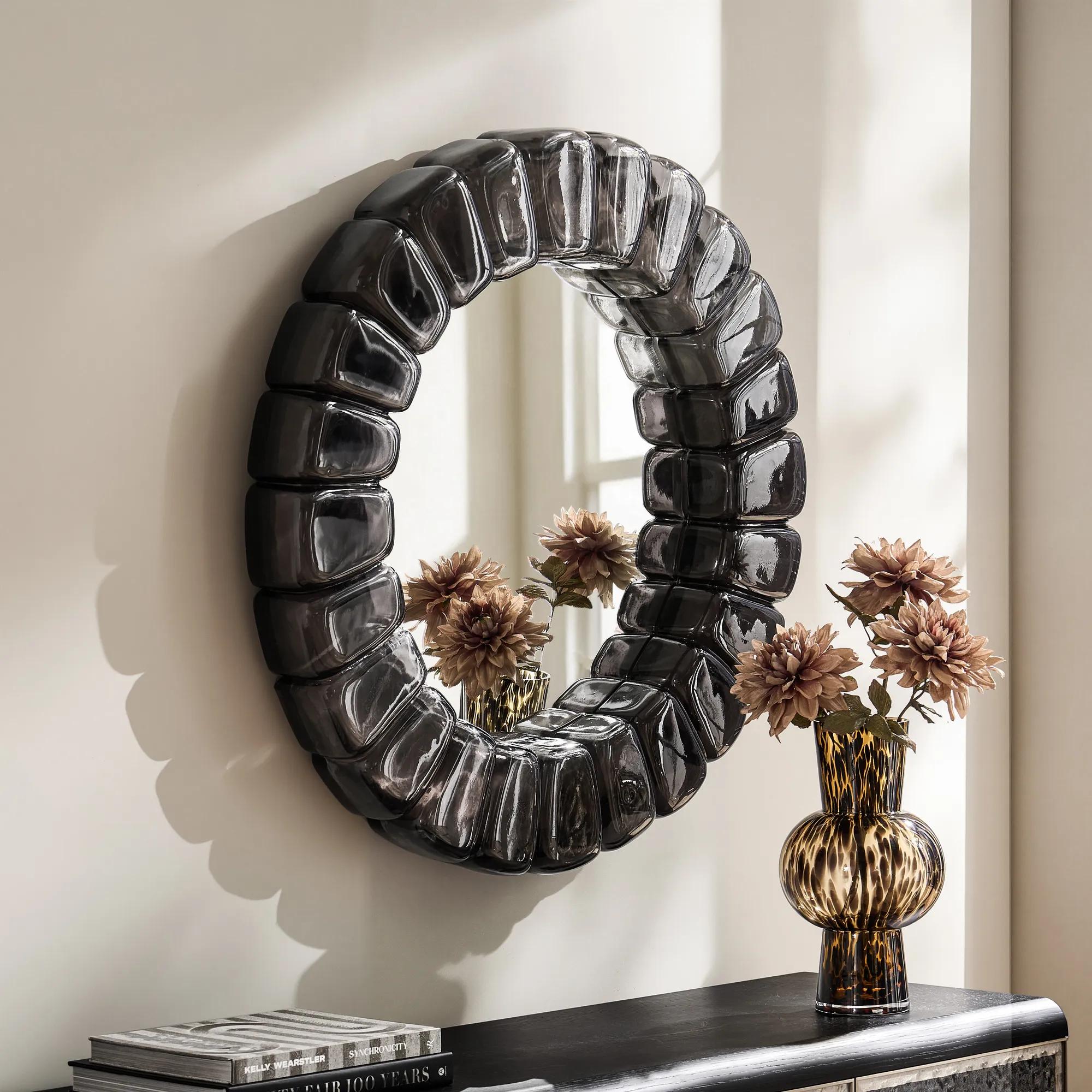
Shape matters. A round mirror softens a room defined by straight lines and tailored furniture. A rectangular or arched mirror brings structure to a softer interior. An irregular frame feels more sculptural and modern, which means the styling around it should stay disciplined and spare.
Shine Level
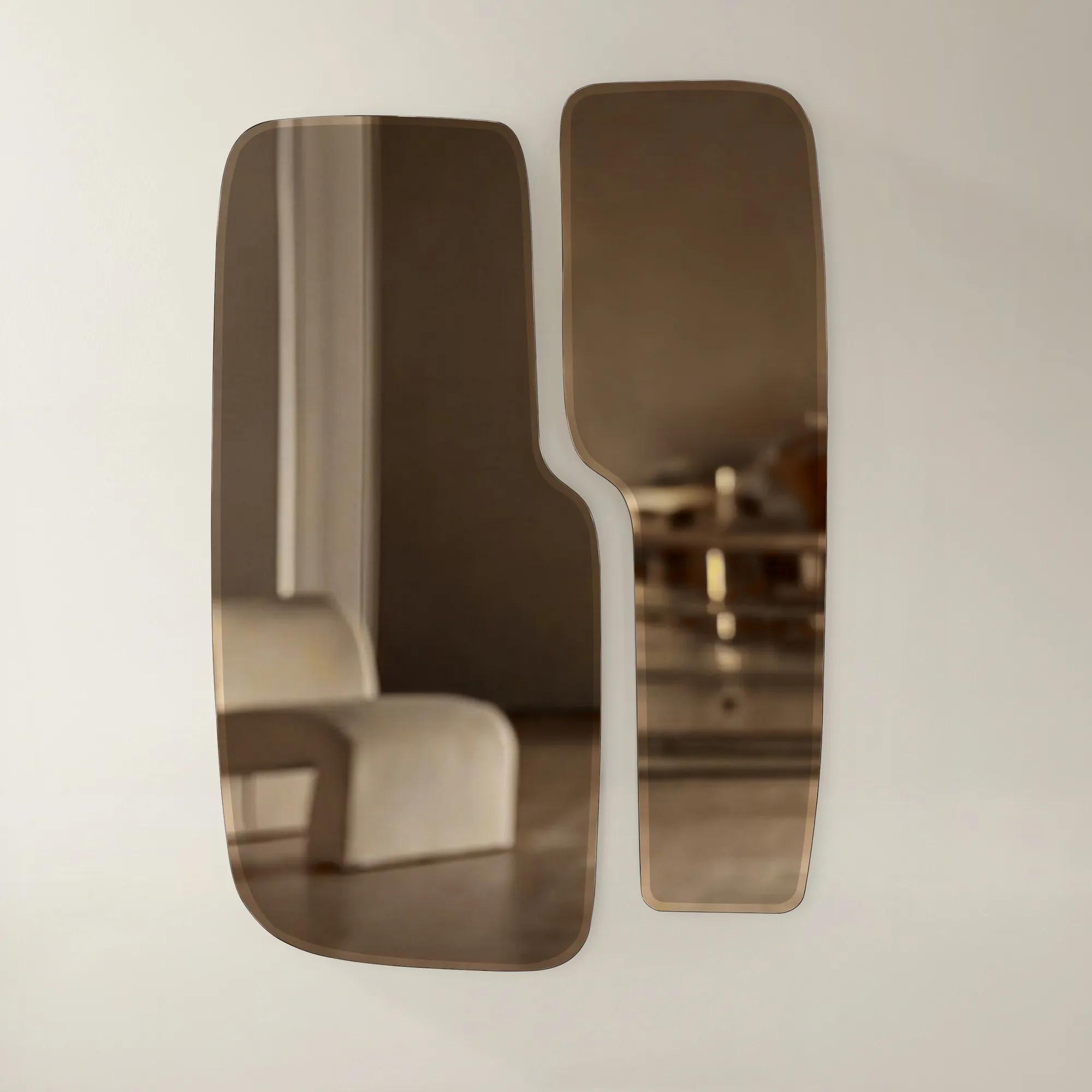
A statement mirror already introduces reflection and light. That does not mean the entire vignette should sparkle. The strongest rooms pair shine with restraint, perhaps a mirrored surface with brushed metal, smoked glass, or a textured wood tone. When everything glints, nothing stands out.
Texture
Texture is what gives a mirror arrangement its depth. A stack of clothbound books, a ceramic vase, a ribbed candleholder, or a woven tray can soften the crispness of the glass. That mix is what makes a styled mirror feel layered rather than hard.
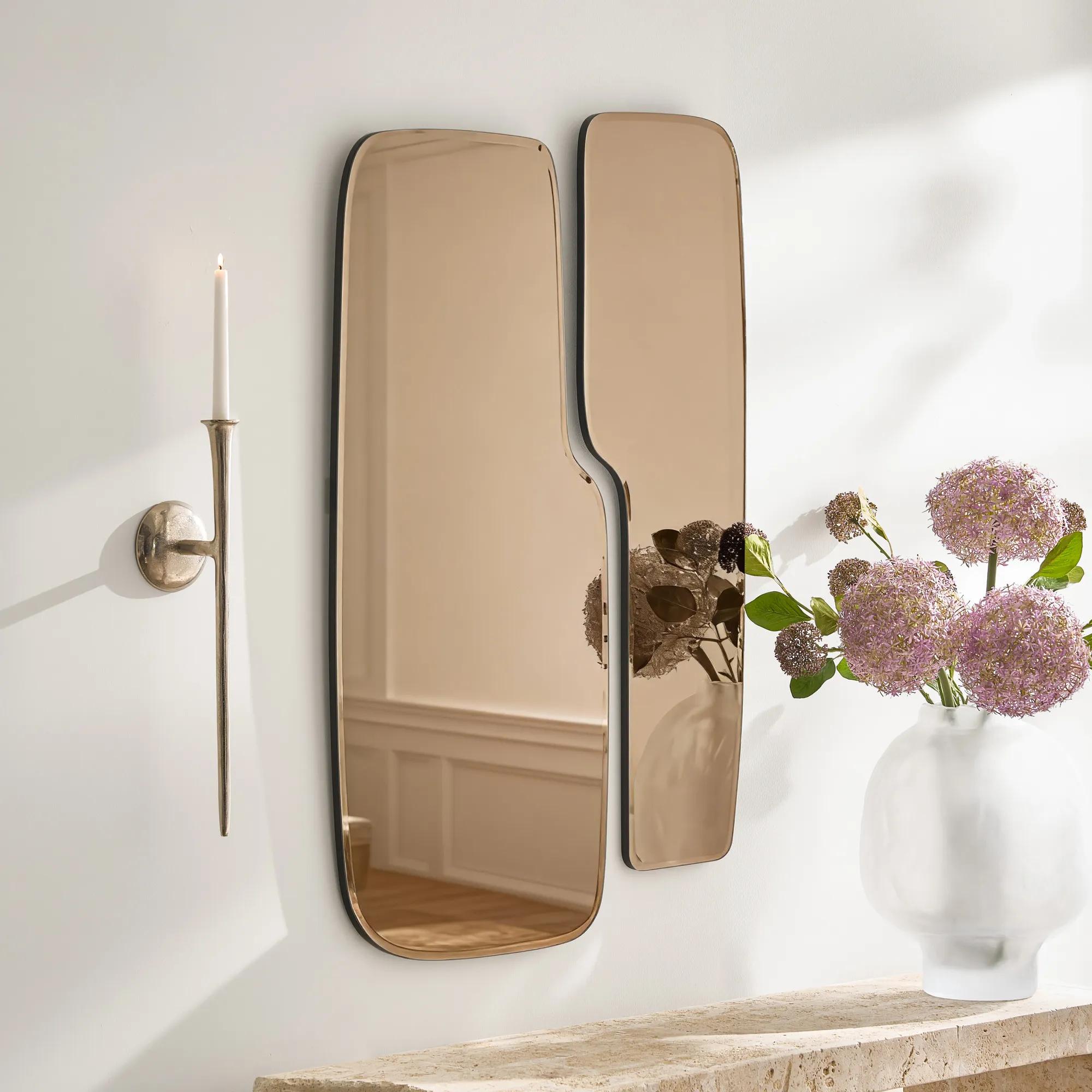
A sculptural mirror becomes more compelling when grounded by tailored furniture and a restrained palette.
Stylist Note: If the frame is dramatic, let the objects beneath it be quieter. The mirror should set the tone, while the styling gives it context.
The Stylist’s Rules for a Statement Mirror
A beautiful mirror does not need much, but it does need intention. The rules are simple: get the scale right, give it an anchor, add balance with light, and edit what sits within its frame.
Start with proportion
The first question is not what goes on the console. It is whether the mirror is scaled correctly for the wall and the piece beneath it. As a general rule, a mirror placed above a console, mantel, or dresser should feel visually connected to that piece, often spanning roughly two thirds to three quarters of its width. Too small, and it looks incidental. Too large, and it can overpower the room.
Height matters just as much. Over a console or buffet, the bottom of the mirror should usually sit a few inches above the surface so the two read as one composition. Above a fireplace, leave enough breathing room for the mantel line to remain visible, while keeping the mirror low enough to feel anchored.
Pair it with an anchor piece
A statement mirror rarely looks finished when it floats alone on the wall. It benefits from an anchor, whether that is a console in an entryway, a buffet in a dining room, a mantel in a living room, or a dresser in a bedroom. That relationship gives the eye a place to land before moving upward.
Add lighting for balance
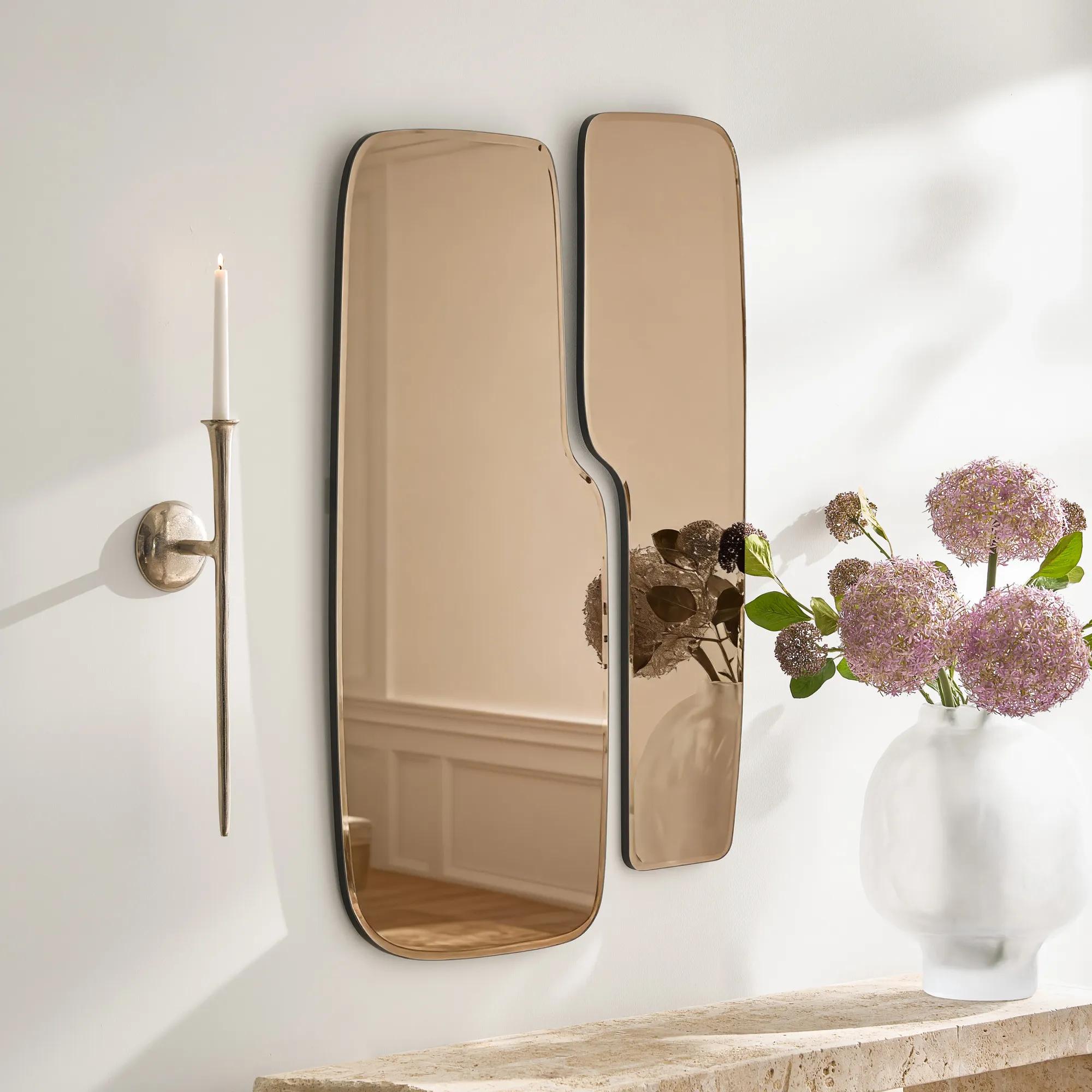
If the mirror is the focal point, lighting is what gives it atmosphere. A pair of sconces flanking the mirror brings symmetry and quiet formality. A table lamp placed to one side introduces softness and a more relaxed rhythm. Either approach works, but the decision should match the mood of the room.
Style the reflection, not just the frame
A mirror doubles what it sees. That is its magic, and its risk. Let it catch natural light, a beautiful fixture, a piece of art, or a styled vignette across the room. Avoid placing it where it reflects visual clutter, open storage, or a busy corridor that never feels settled.
Do this
-
Use a console, mantel, or dresser to ground the mirror
-
Mix heights and textures in small numbers
-
Repeat one or two finishes so the mirror feels integrated
-
Let lighting soften the composition
Avoid that
-
Crowding the surface with too many small objects
-
Hanging a mirror where it reflects disorder
-
Competing with oversized art on the same sightline
-
Introducing too many metallic finishes at once
Did you know? The most successful mirror styling often depends less on what sits in front of the glass and more on what the mirror captures across the room.
The Room Formula
The beauty of a statement mirror is its versatility. It can sharpen an entryway, elongate a bedroom, brighten a dining room, or bring grace to a fireplace wall. The formula shifts slightly from room to room, but the principles remain the same.
Entryway
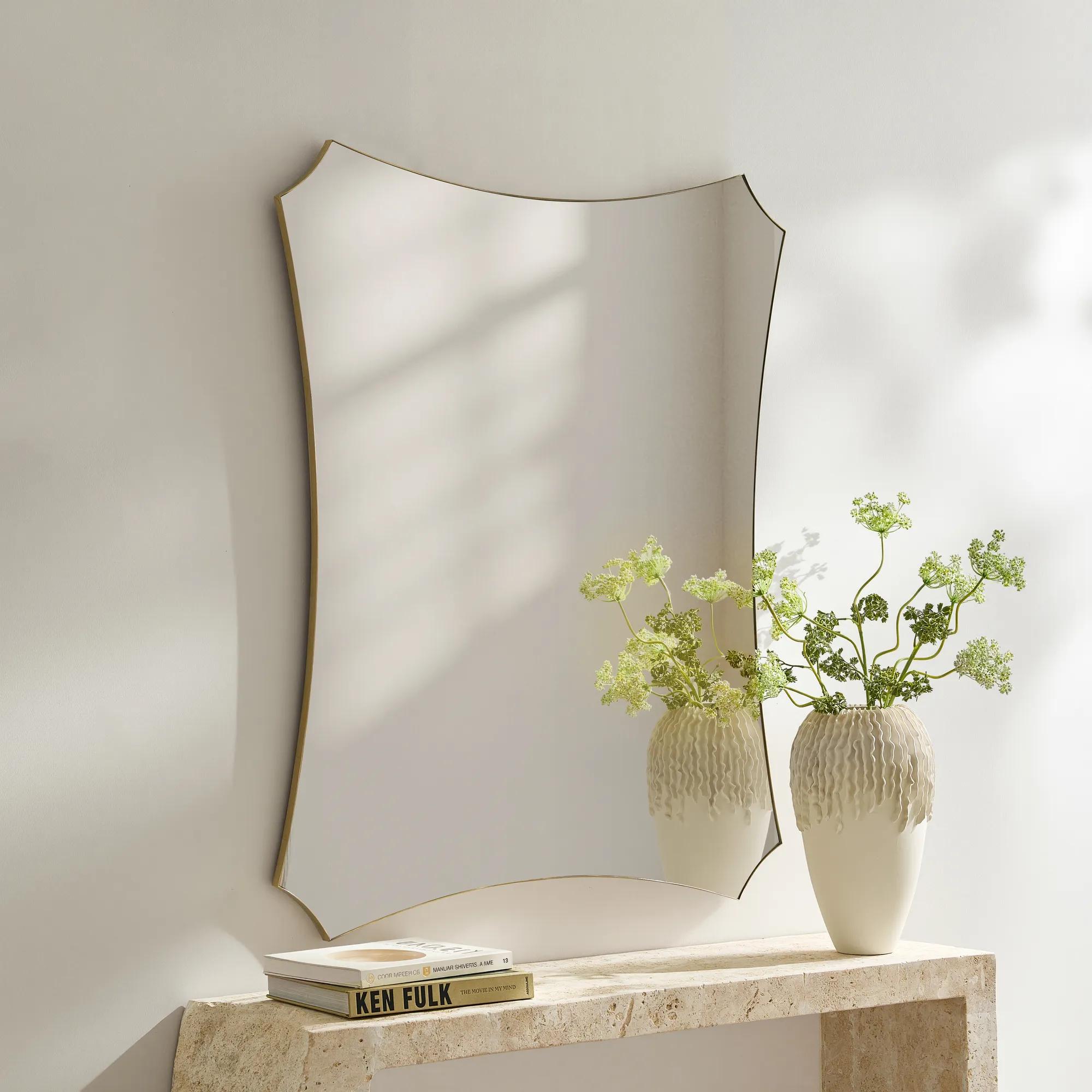
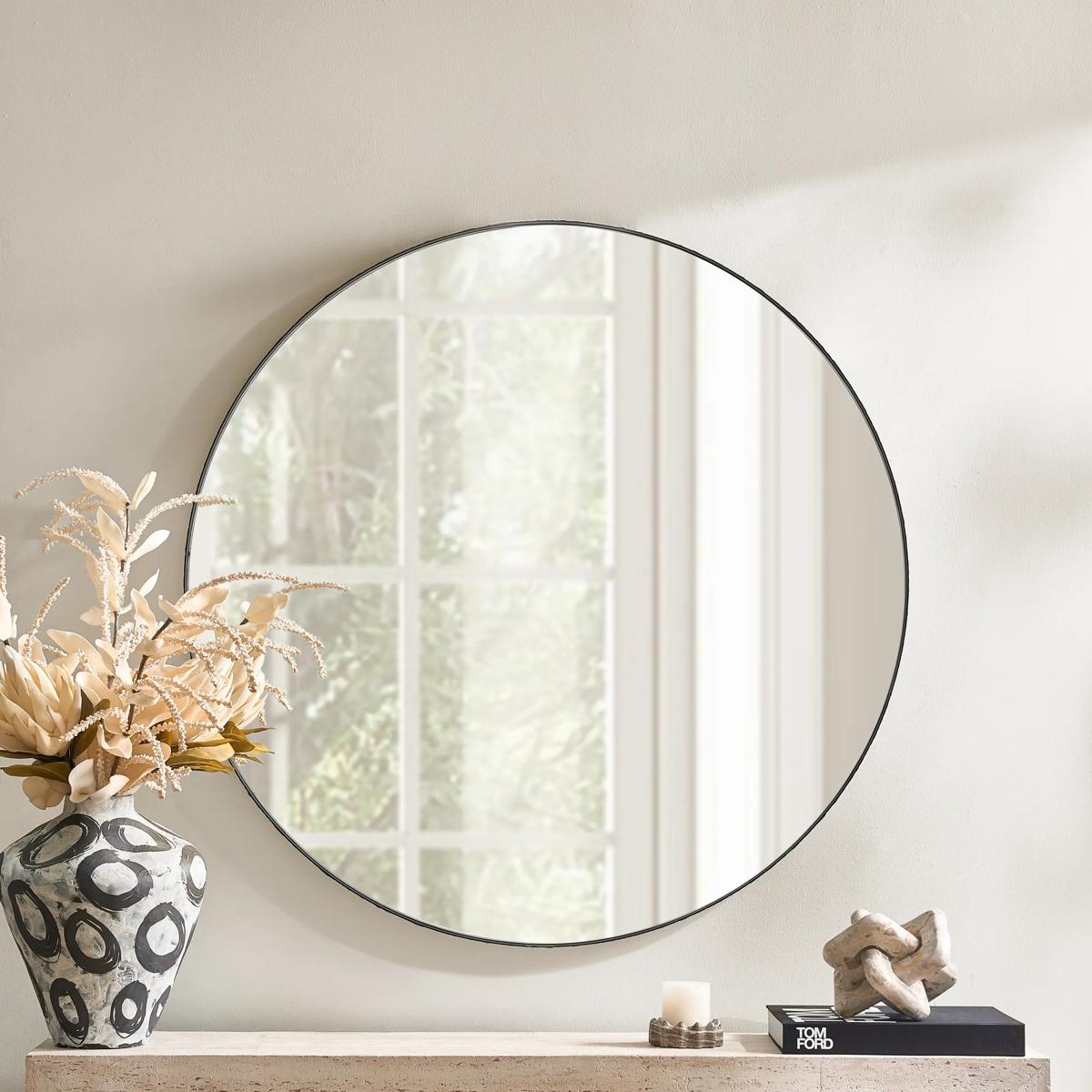
In an entryway, a statement mirror offers both function and presence. It is often the first decorative gesture in the home, which means it should feel composed rather than overfilled. Pair it with a console table, then add just a few elements: a sculptural vase, a tray for essentials, and either a small lamp or candleholders for glow. Keep the styling low enough that the mirror remains dominant.
Above a console
This is one of the most natural placements for a mirror, especially in hallways, transitional spaces, and open-plan rooms. The console provides structure, while the mirror brings height and light. For a cleaner, more tailored look, place a lamp on one side and a stack of books with an object on the other. For a softer editorial composition, cluster objects asymmetrically but keep the palette disciplined.
Over the fireplace
A fireplace already carries architectural weight, so the mirror above it should feel deliberate. An arched silhouette adds softness to a strong mantel line, while a rectangular frame creates a more classic, architectural effect. If the room leans formal, flank the mantel with matching objects or sconces. If it feels more relaxed, keep the mirror centered and let the accessories remain minimal.
Stylist Note: A fireplace wall does not need many competing statements. If the mirror is sculptural, let the mantel styling stay concise and low.
Bedroom focal wall
In a bedroom, a statement mirror can bring height, softness, and a sense of lightness to the room. Above a dresser, it works much like it does in an entryway, but the mood should feel quieter and more intimate. A floor mirror can also be used to lengthen the room and add verticality, especially in corners that need presence without bulk.

Dining room focal wall
Dining rooms are particularly well suited to mirrors because they benefit from depth and glow. A mirror opposite a chandelier can amplify candlelight or evening ambience, while a buffet below it gives the arrangement a polished foundation. Round silhouettes work beautifully here because they soften the strong horizontals of the table and sideboard.
.jpg?w=3484&h=4354)
The Edit
The most polished rooms are selective. A statement mirror does not ask for an abundance of accessories, only the right ones. Think of this as the edit that completes the vignette without turning it into a catalogue.
-
The mirror, the focal point
Choose the silhouette that sets the mood, whether that is sculptural, architectural, curved, or clean lined. -
A console, dresser, or buffet, the anchor
The furniture beneath the mirror grounds the composition and gives the eye a clear base. -
Sconces or a tailored table lamp, the glow
Lighting adds balance and atmosphere, while making the reflective surface feel warmer after dark. -
A ceramic or glass vase, the curve
A vessel introduces shape and a tactile element that softens the precision of the glass. -
A stack of books, the riser
Books add height, weight, and a sense of curation. They also help smaller objects feel intentional. -
Candleholders or candles, the gleam
A little reflected light goes a long way, especially on consoles and buffets. -
A tray or decorative bowl, the order
This gives smaller pieces structure and prevents the surface from feeling scattered. -
One sculptural object, the contrast
A single object with presence can punctuate the arrangement and keep it from feeling too polite. -
A natural element, the softness
Branches, florals, or a single dramatic stem bring life to the mirror story.
Discover our new decor collection.
Symmetry or asymmetry?
This is often the question that defines the mood of the finished vignette. Symmetry feels formal, composed, and classic. It is ideal for fireplaces, grand entryways, or rooms with strong architectural lines. Asymmetry feels more relaxed and editorial, which makes it especially appealing above consoles and dressers. Neither is better. The right choice depends on the room and on the personality of the mirror itself.
Finish the look
Once the arrangement is in place, step back and look at the finishes. Repeat the metal tone of the mirror frame in a subtle way, perhaps through a lamp base, candleholder, or tray. Echo any wood tone in the room so the mirror feels connected to the larger palette. A cohesive finish story is what turns a collection of objects into a single composition.
Stylist Note: The final layer is often subtraction. Remove one object, then another, until the mirror has enough space to breathe.
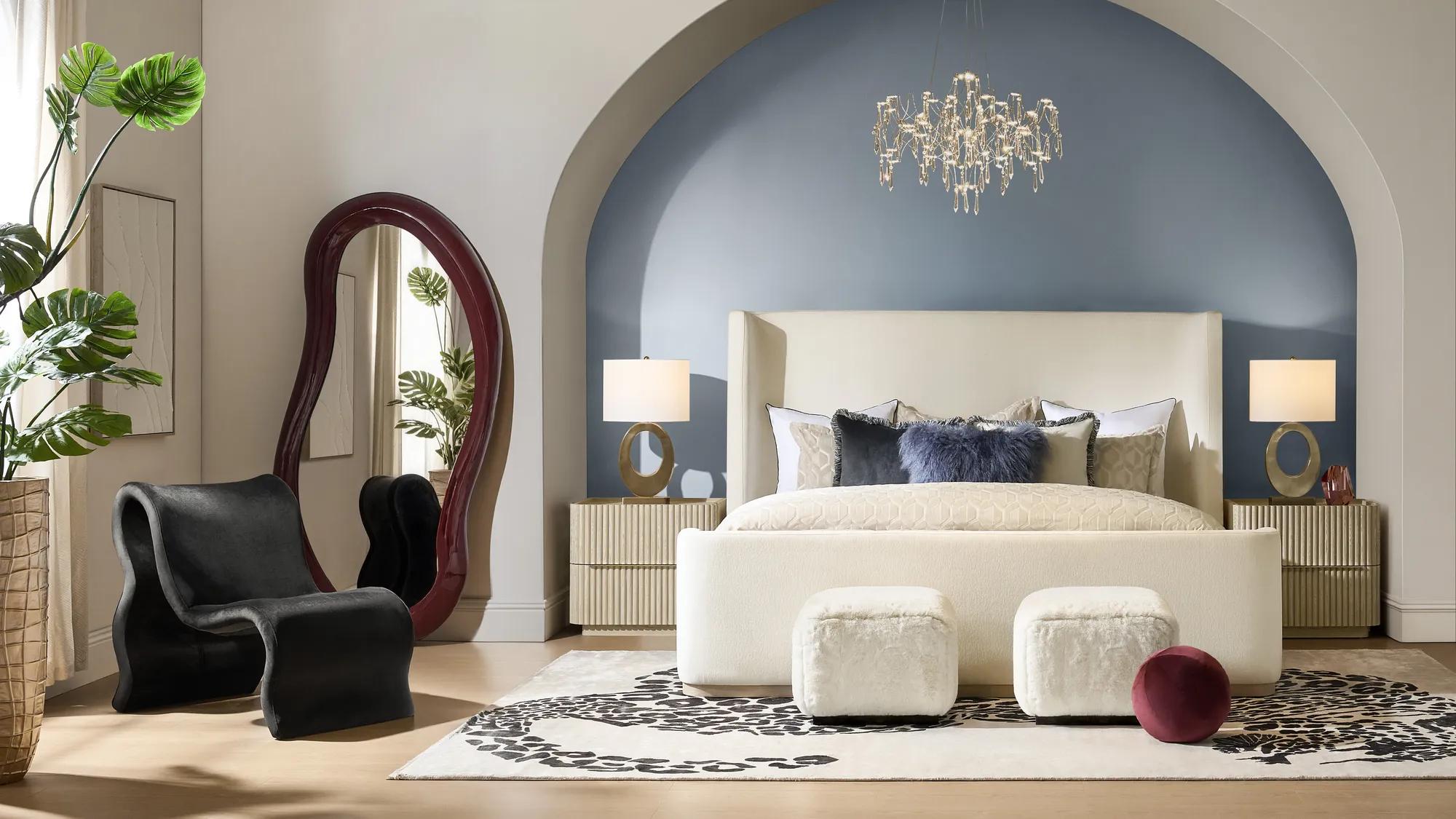
A floor mirror adds height and reflection to the bedroom without asking for much floor space.
Frequently Asked Questions
How do you decorate around a statement mirror in an entryway?
Start with a console to ground the mirror, then layer in only a few essentials: a lamp or candleholders, a tray, and one sculptural object or vase. The goal is a composed first impression, not a crowded drop zone.
What size statement mirror should go above a console or fireplace?
A mirror usually looks most balanced when it relates clearly to the width of the furniture below it. It should feel substantial enough to anchor the wall, but not so large that it overwhelms the console, mantel, or room.
How high should I hang a statement mirror above a console table?
Keep the mirror close enough to the furniture below that the two read as one vignette. A small gap usually feels more intentional than hanging it too high, which can make the arrangement feel disconnected.
Should I style a statement mirror symmetrically or asymmetrically?
Choose symmetry for a more formal, tailored mood, especially over fireplaces or in classic spaces. Choose asymmetry for a softer, more editorial look, especially in entryways, bedrooms, and layered living spaces.
What décor looks best under a wall mirror?
Objects with variation in height, texture, and material tend to work best: books, vases, candleholders, trays, and one sculptural accent. Keep the grouping selective so the mirror remains the focal point.
What should a statement mirror reflect in a room?
Aim for natural light, a chandelier, artwork, or a well-styled area of the room. Avoid placing a mirror where it reflects clutter, open storage, or visually busy zones.
The Finishing Reflection
A statement mirror is never only about reflection. It is about composition, mood, and the quiet confidence of a room that feels considered from every angle. When the scale is right, the palette is cohesive, and the styling remains disciplined, a statement mirror becomes more than a focal point. It becomes the element that makes the whole room feel resolved.
Discover the finishing touches.