White Stools With Plush Upholstery
White Stools With Plush Upholstery
-
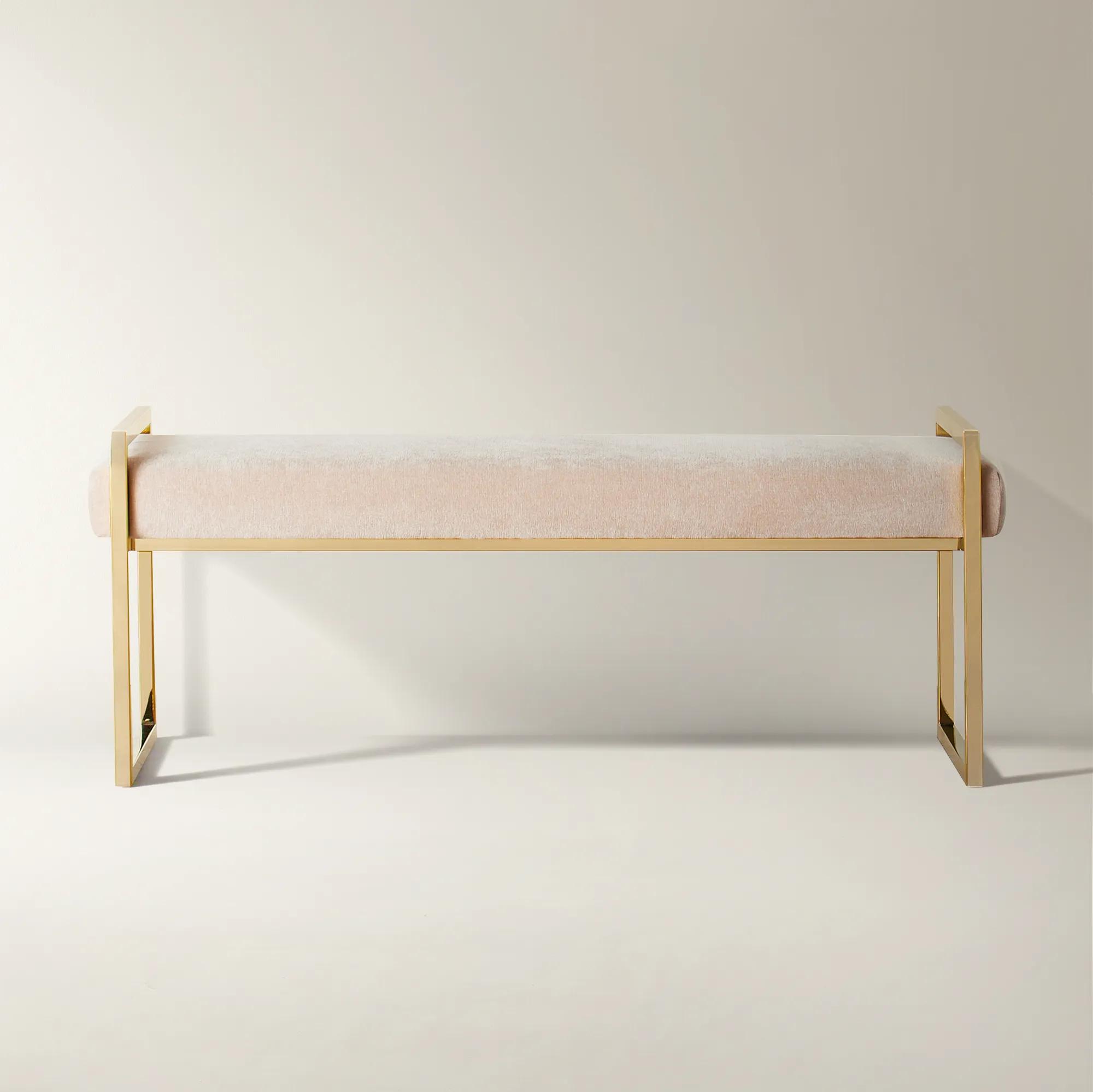
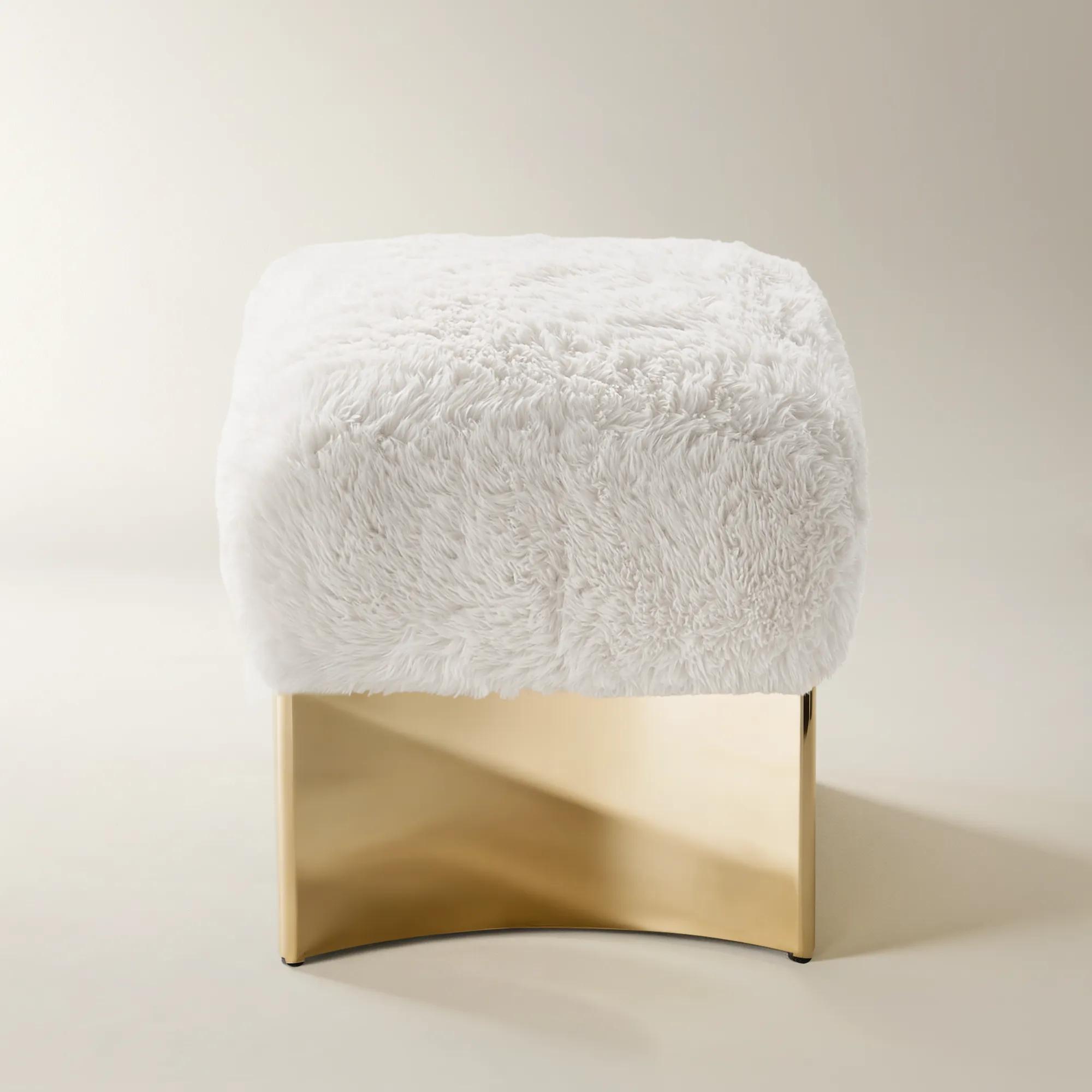 Lush White Faux Fur Stool$499
A sculptural white faux fur stool with a plush seat and polished gold stainless steel base.
Add To Cart -
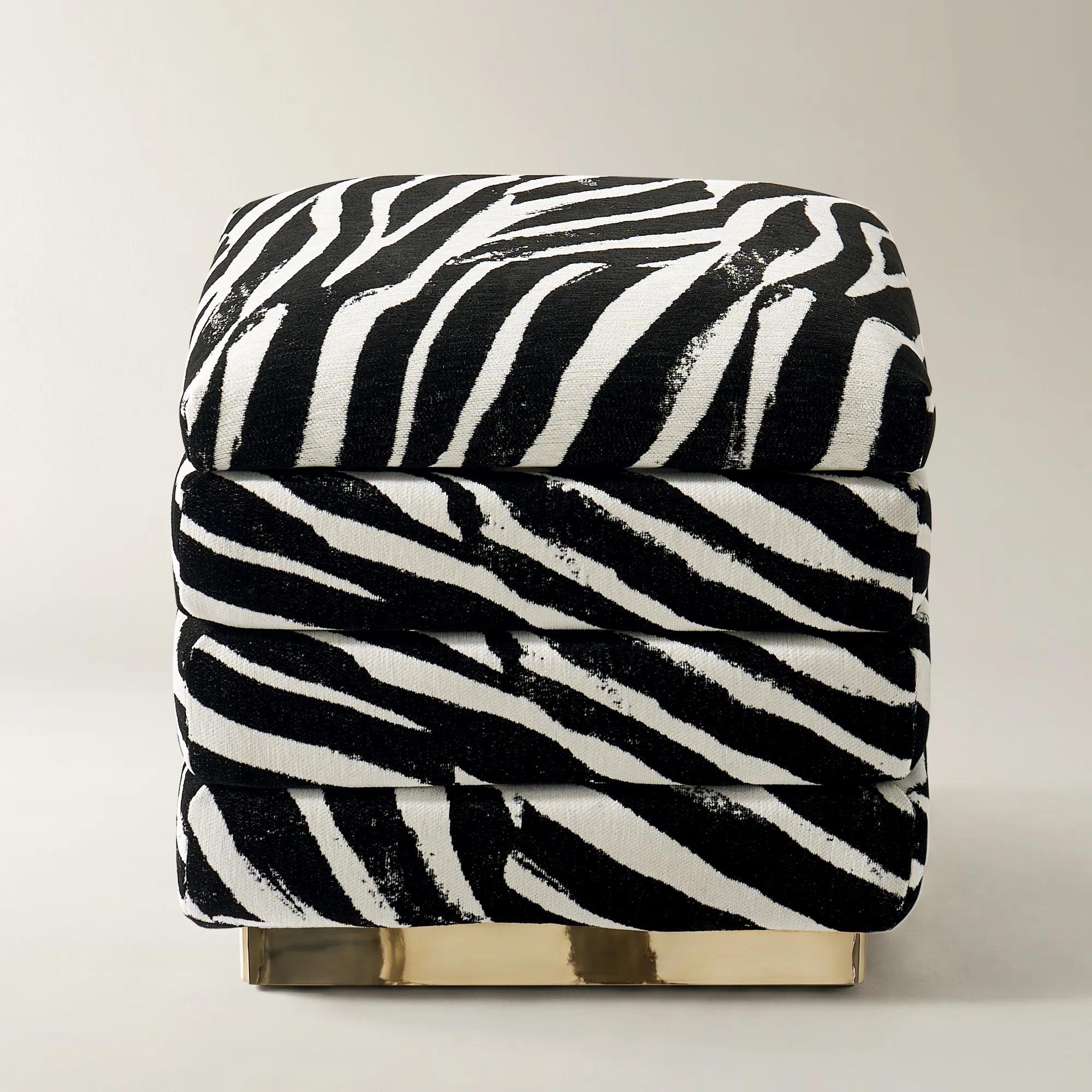
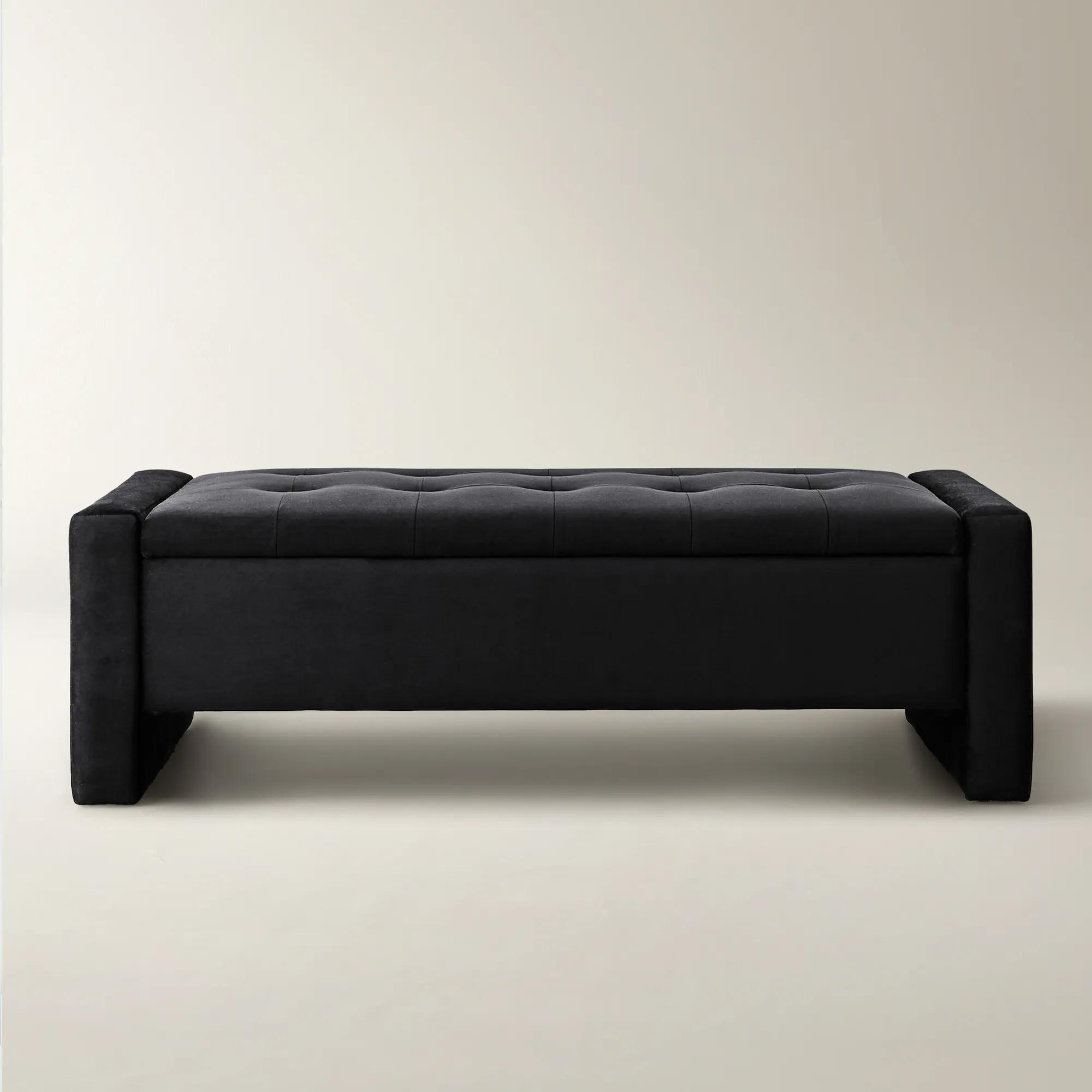
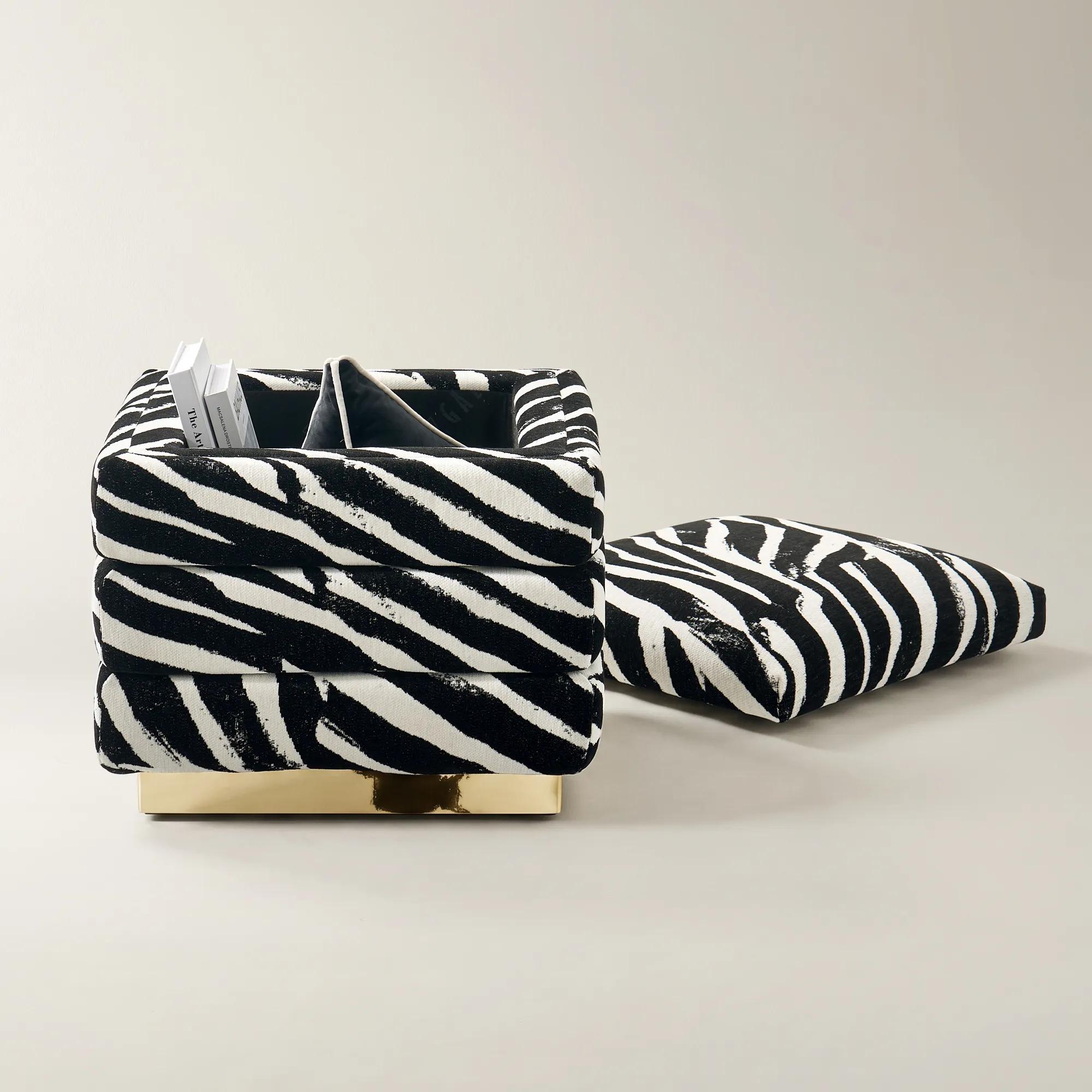 Gable White/Black Performance Chenille Stool$399
A plush white and black chenille stool with hidden storage and a polished gold stainless steel base.
Add To Cart -
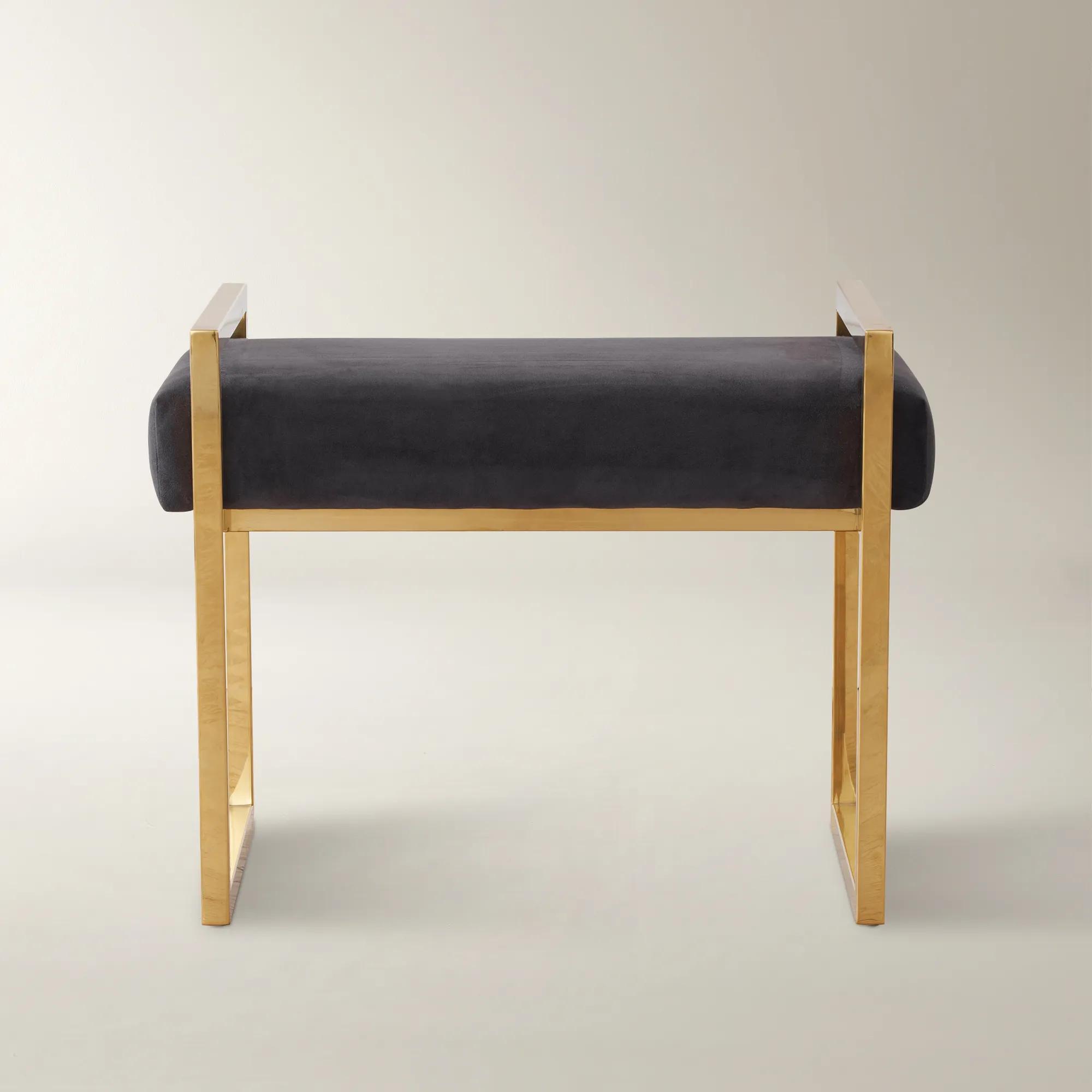
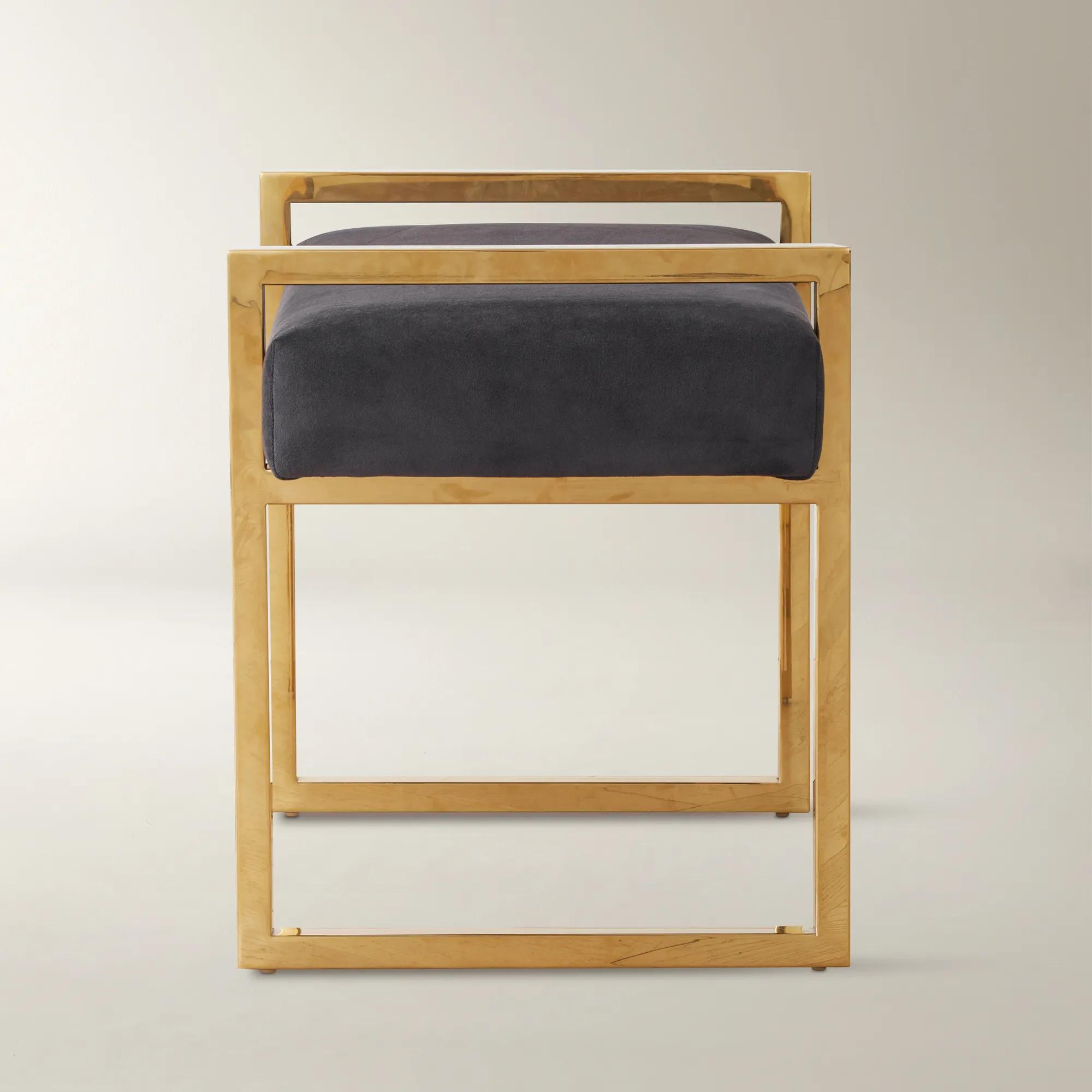 Clara Accent Stool$499
A plush black velvet stool with a high-density foam seat and polished gold metal legs.
Add To Cart -
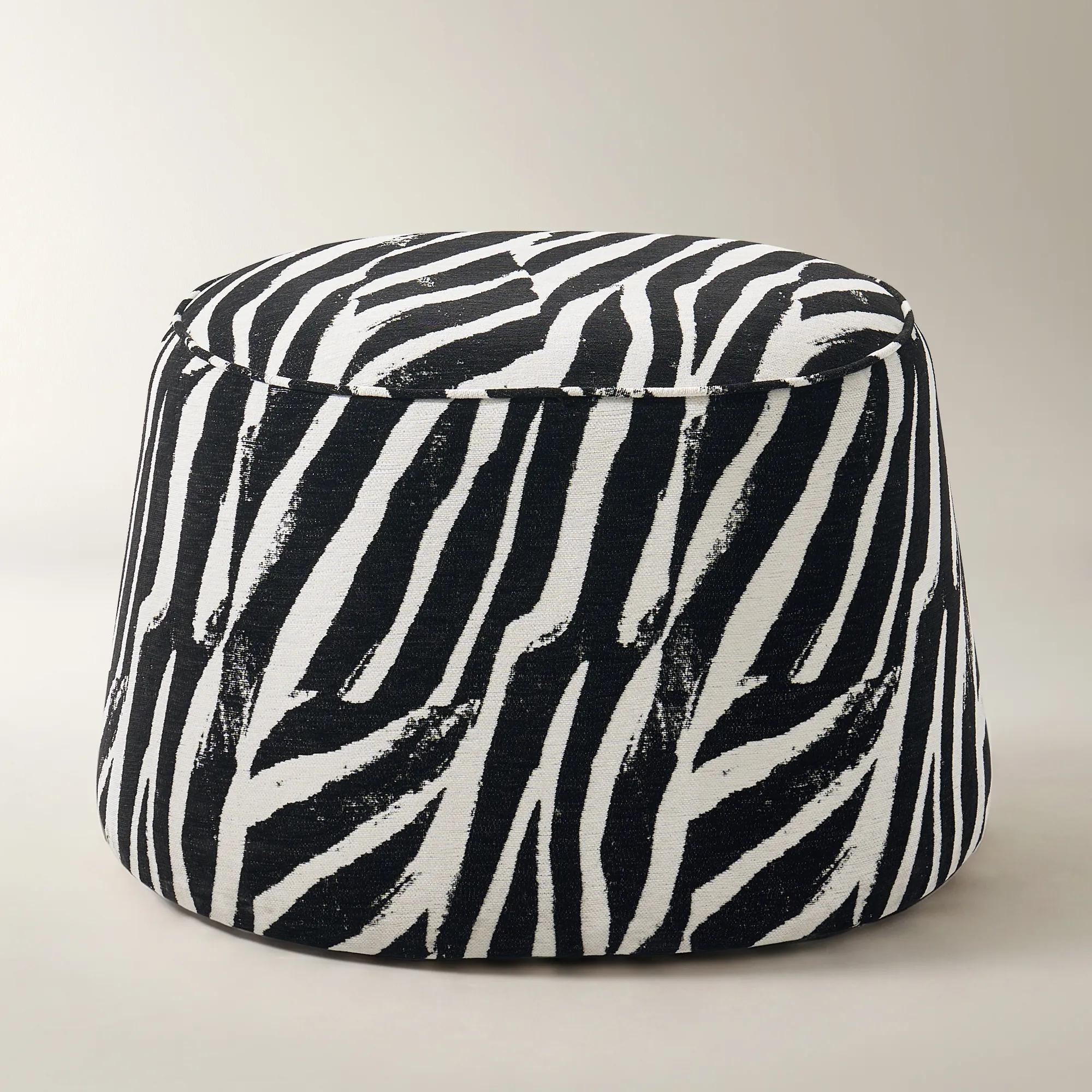 Avery White/Black Performance Chenille Stool$399
A sculpted drum accent stool in black and white performance chenille with an animal-inspired pattern.
Add To Cart -
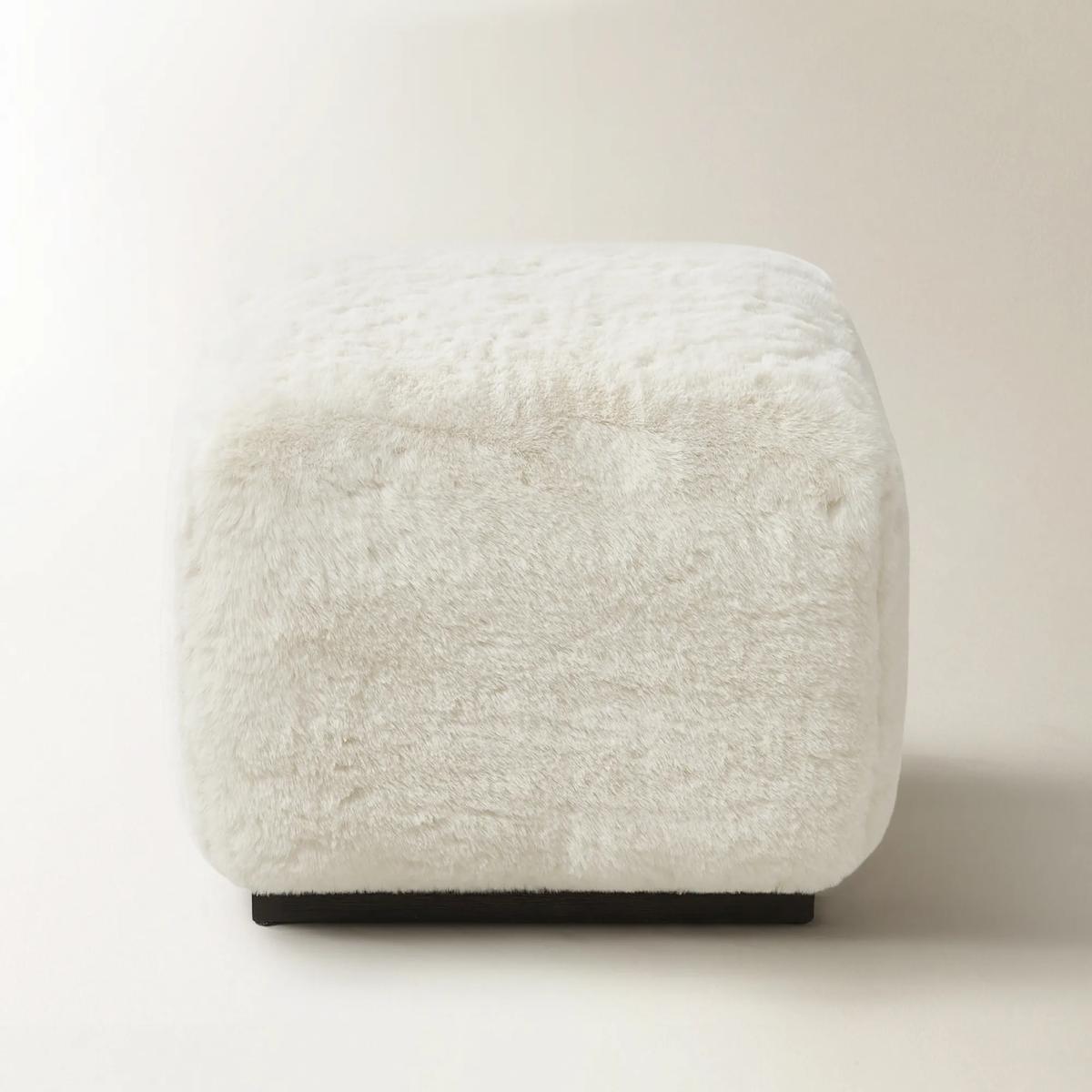
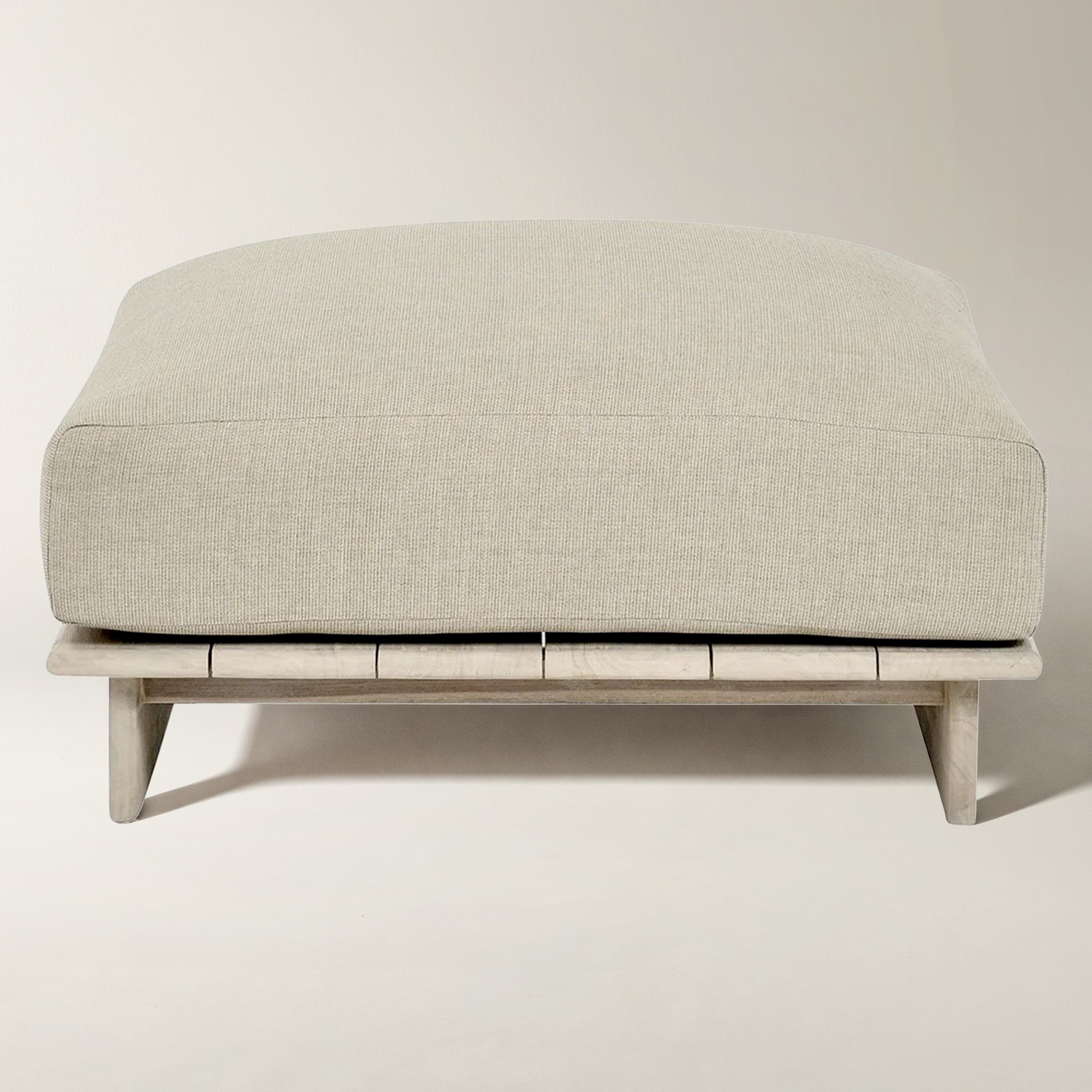
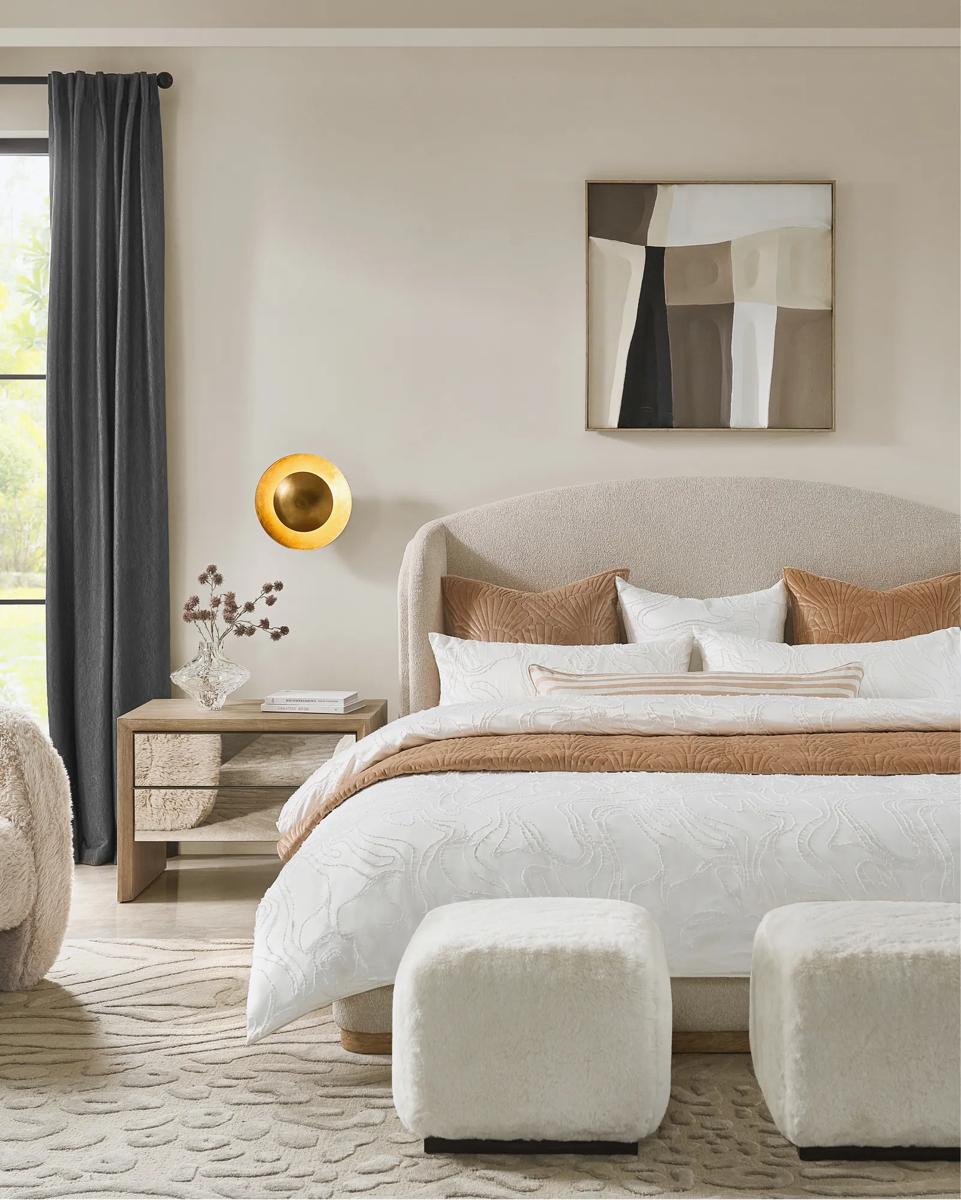 Lris Ivory Faux Fur Stool (21")$299
An ivory faux fur pouf with plush high-density foam and a sturdy, eco-friendly rubberwood base.
Add To Cart -
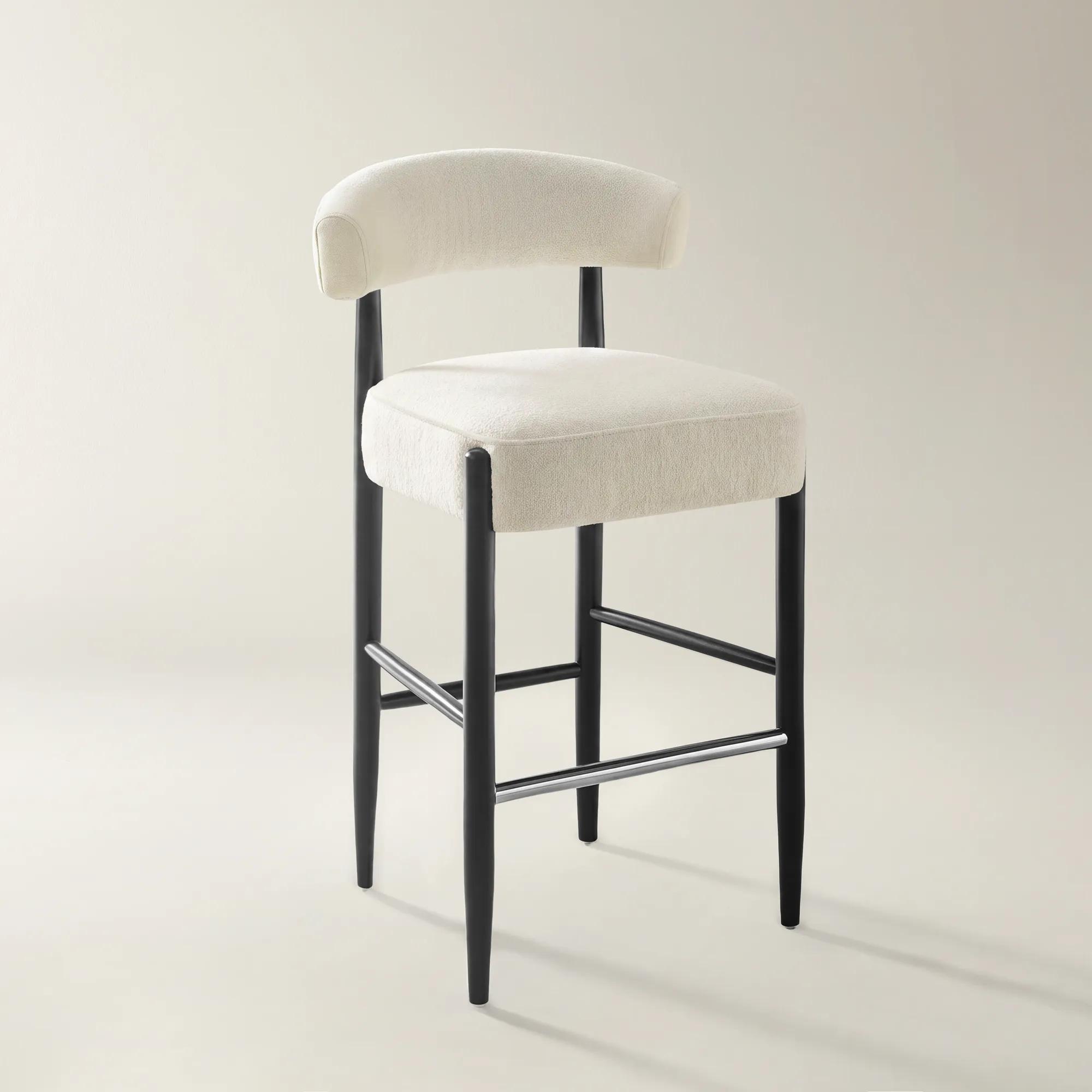 Anna Ivory Performance Chenille Bar/Counter Stool$399
A sculpted ivory performance chenille stool with plush padding and tapered solid rubberwood legs.
Add To Cart -
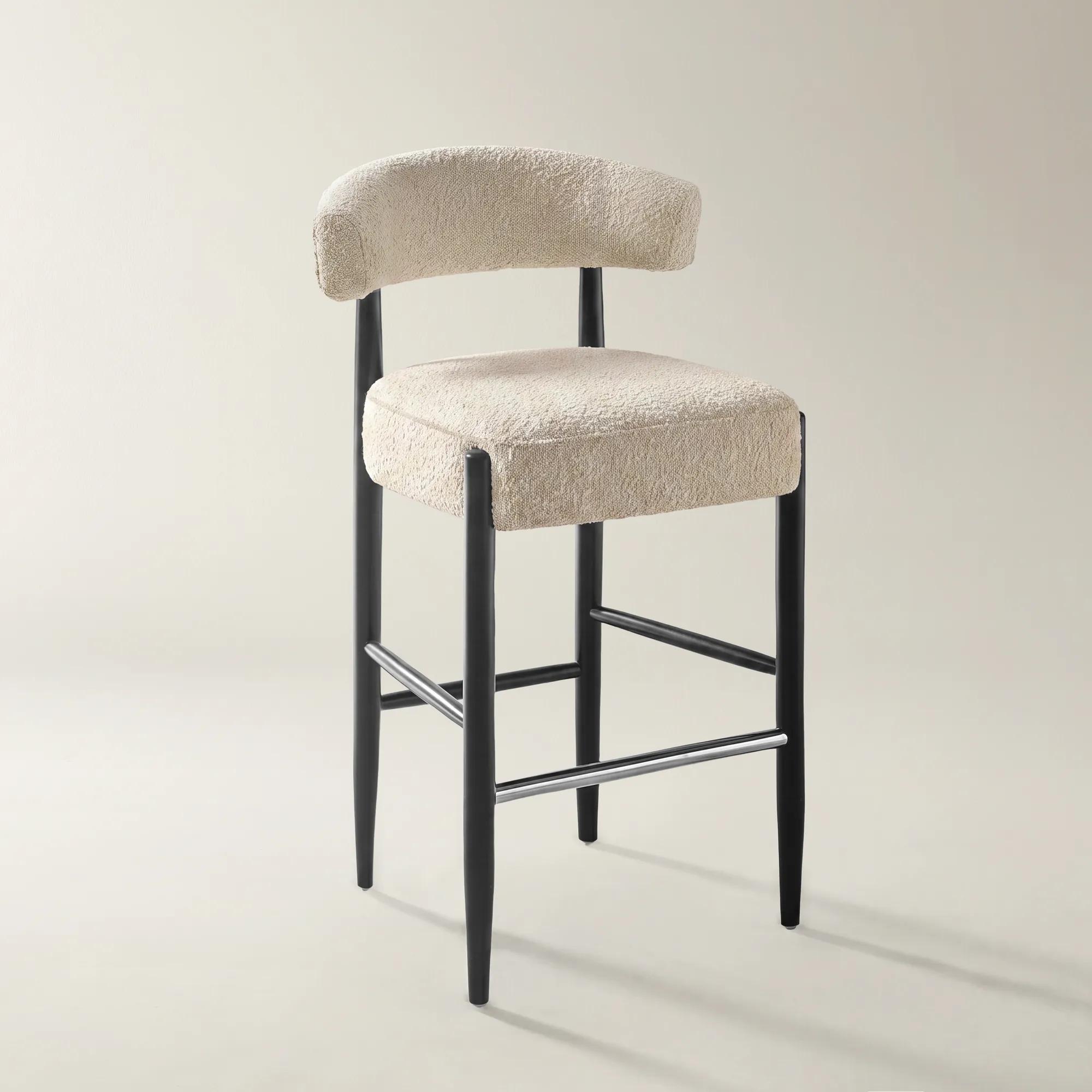 Anna Ivory Performance Boucle Bar/Counter Stool$399
A sculpted ivory performance-bouclé stool with padded support, tailored upholstery, and tapered solid-rubberwood legs.
Add To Cart -
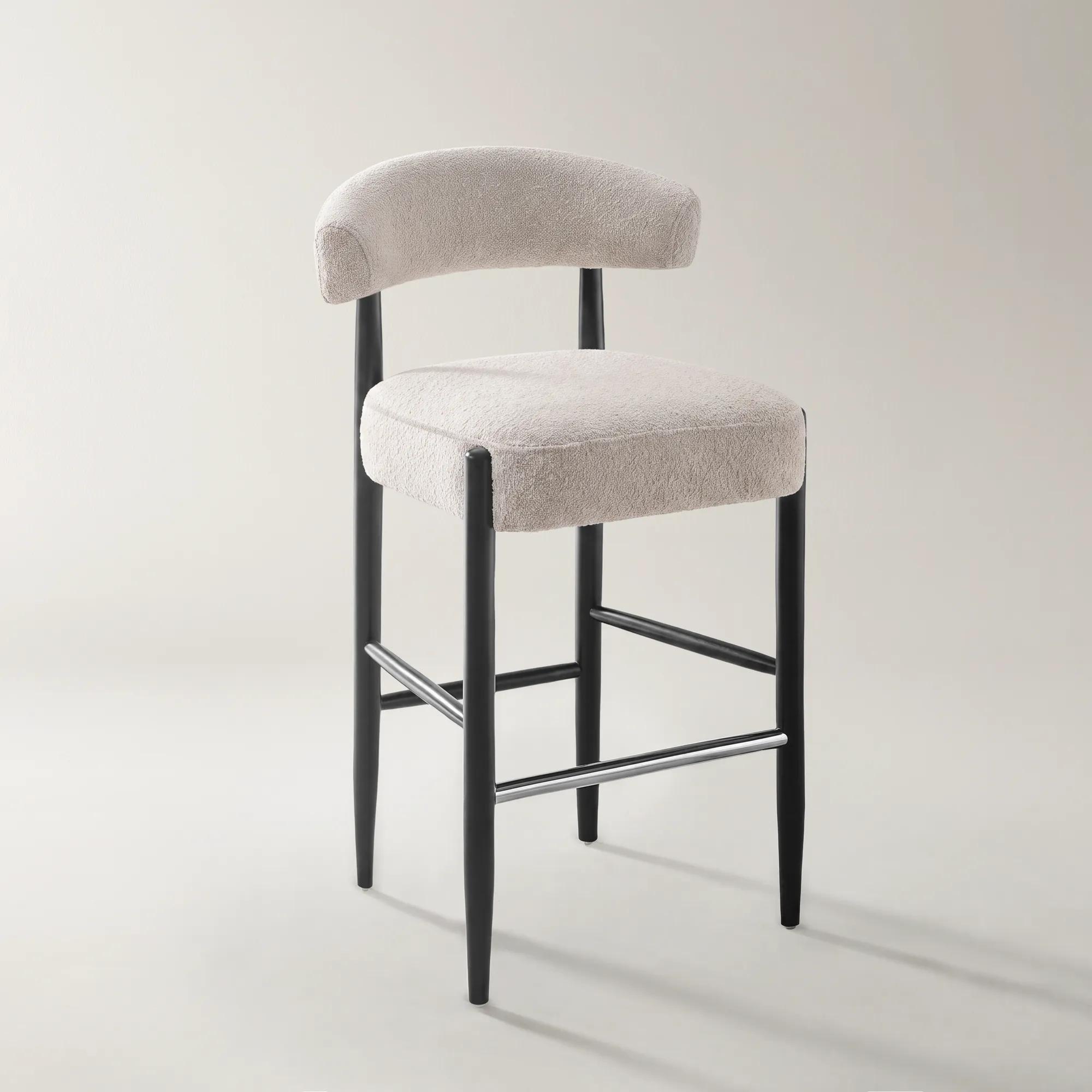 Anna Ivory Performance Boucle Bar/Counter Stool$399
A sculpted ivory performance-bouclé stool with padded support and tapered solid-rubberwood legs for elevated entertaining.
Add To Cart -
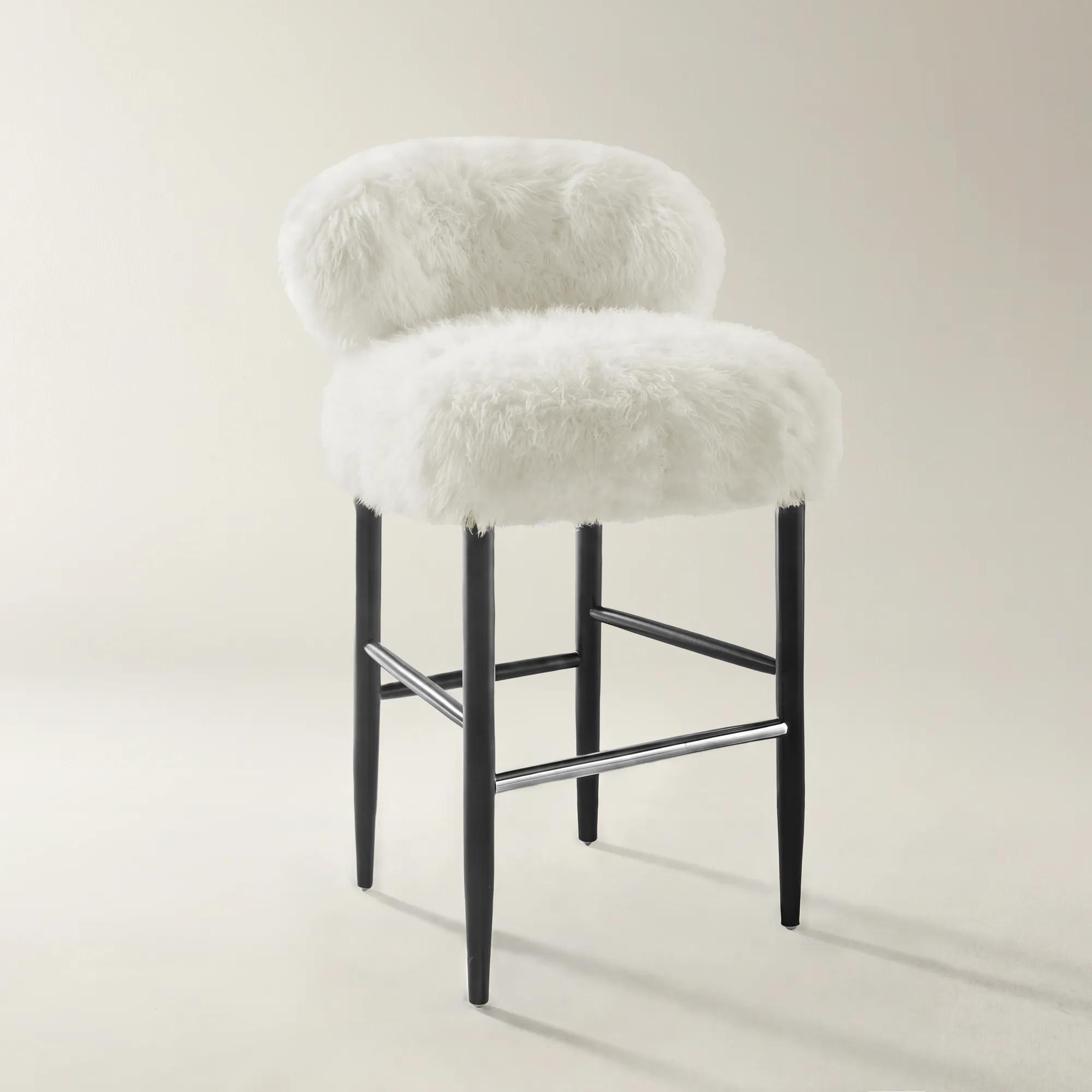 Anna Ivory Faux Fur Bar/Counter Stool$499
An ivory faux-fur stool with a sculpted padded seat and tapered solid rubberwood legs.
Add To Cart -
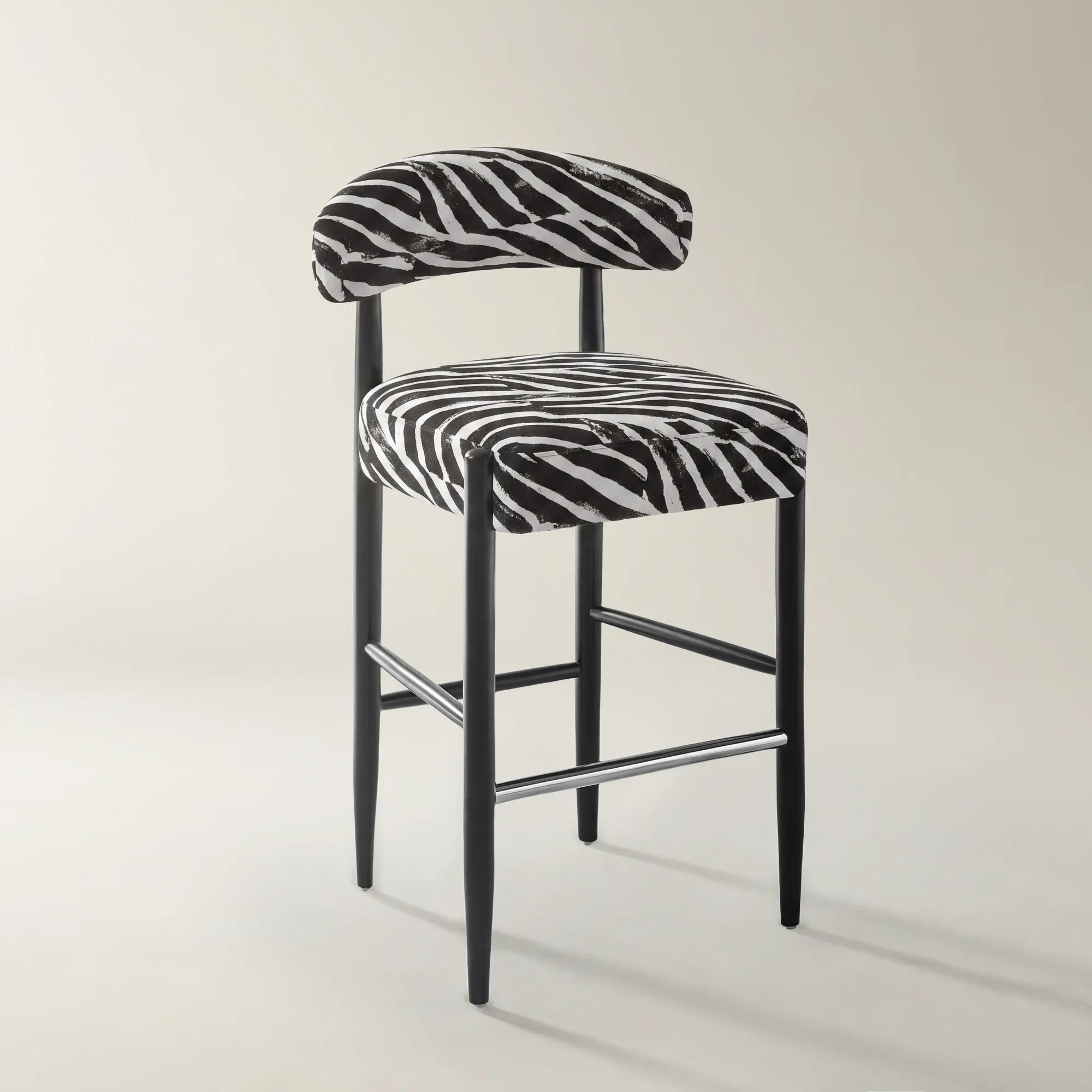 Anna White/Black Performance Chenille Bar/Counter Stool$399
A black-and-white performance chenille stool with sculpted support, padded seating, and tapered solid-rubberwood legs.
Add To Cart -

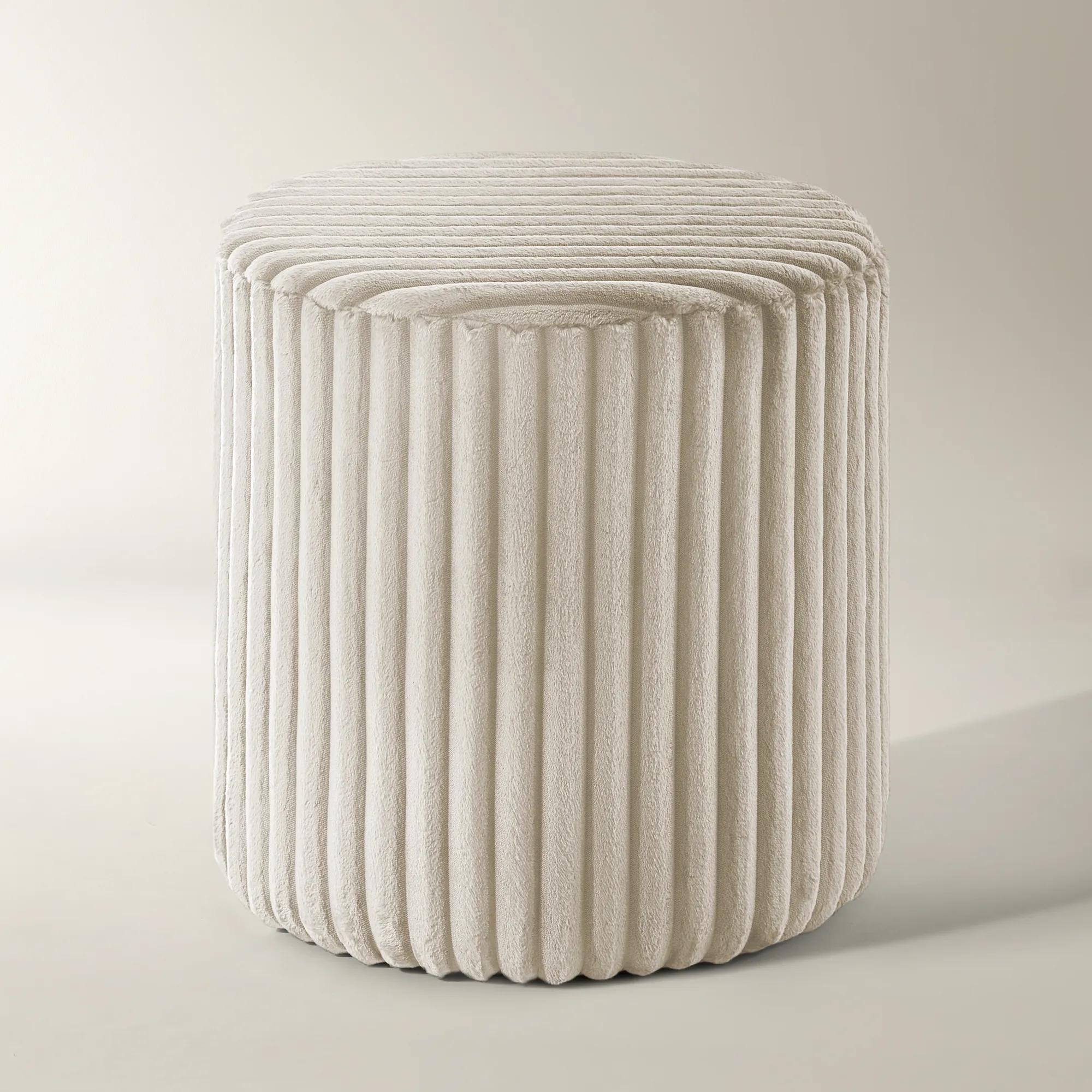 Fleece Fluted Ivory Velvet Stool (15.55'')$229
An ivory ribbed velvet stool offering cozy softness and versatile use as seating, footrest, or accent table.
Add To Cart -
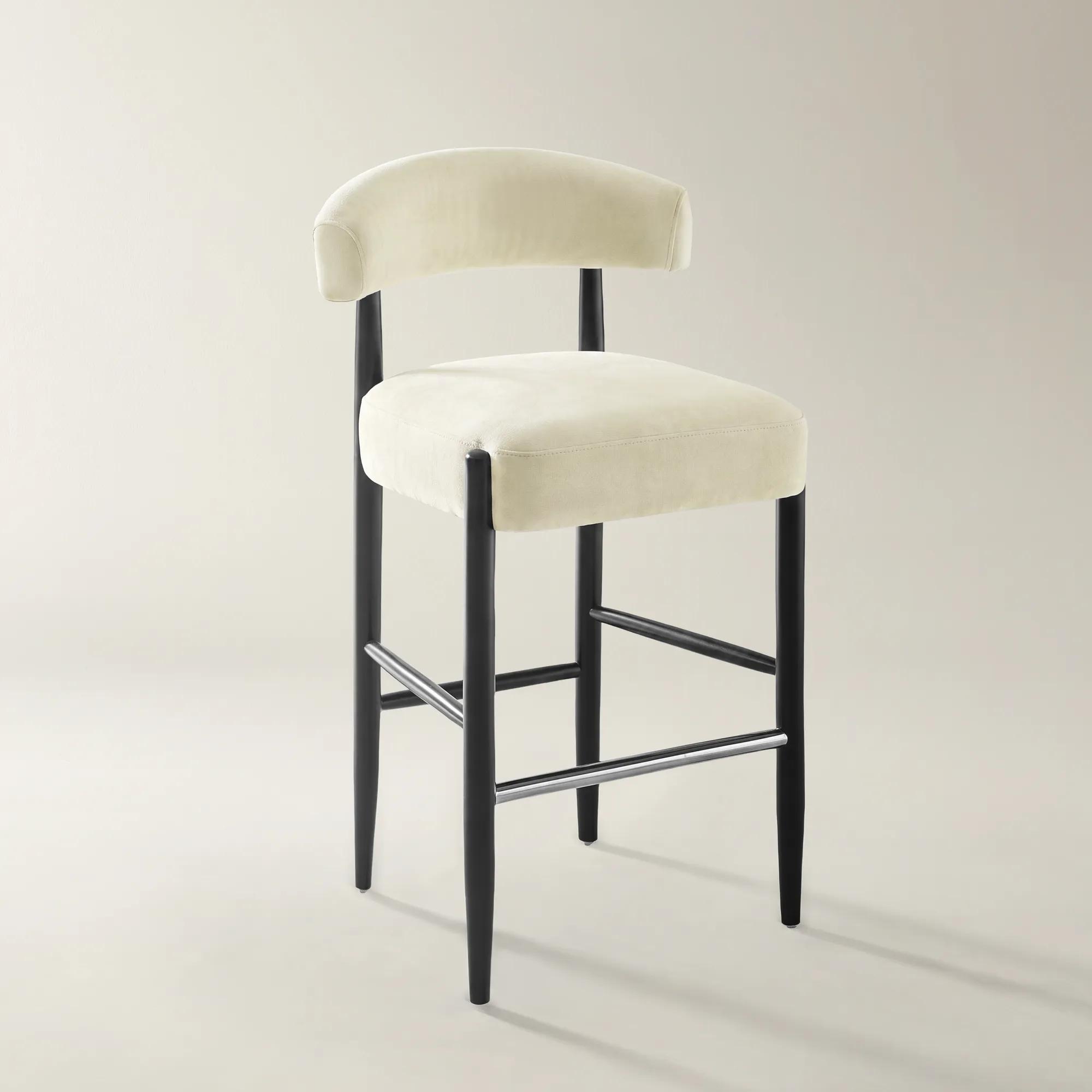 Anna Cloud Velvet Bar/Counter Stool$399
A tailored velvet stool with sculpted support, padded comfort, and solid rubberwood legs.
Add To Cart -
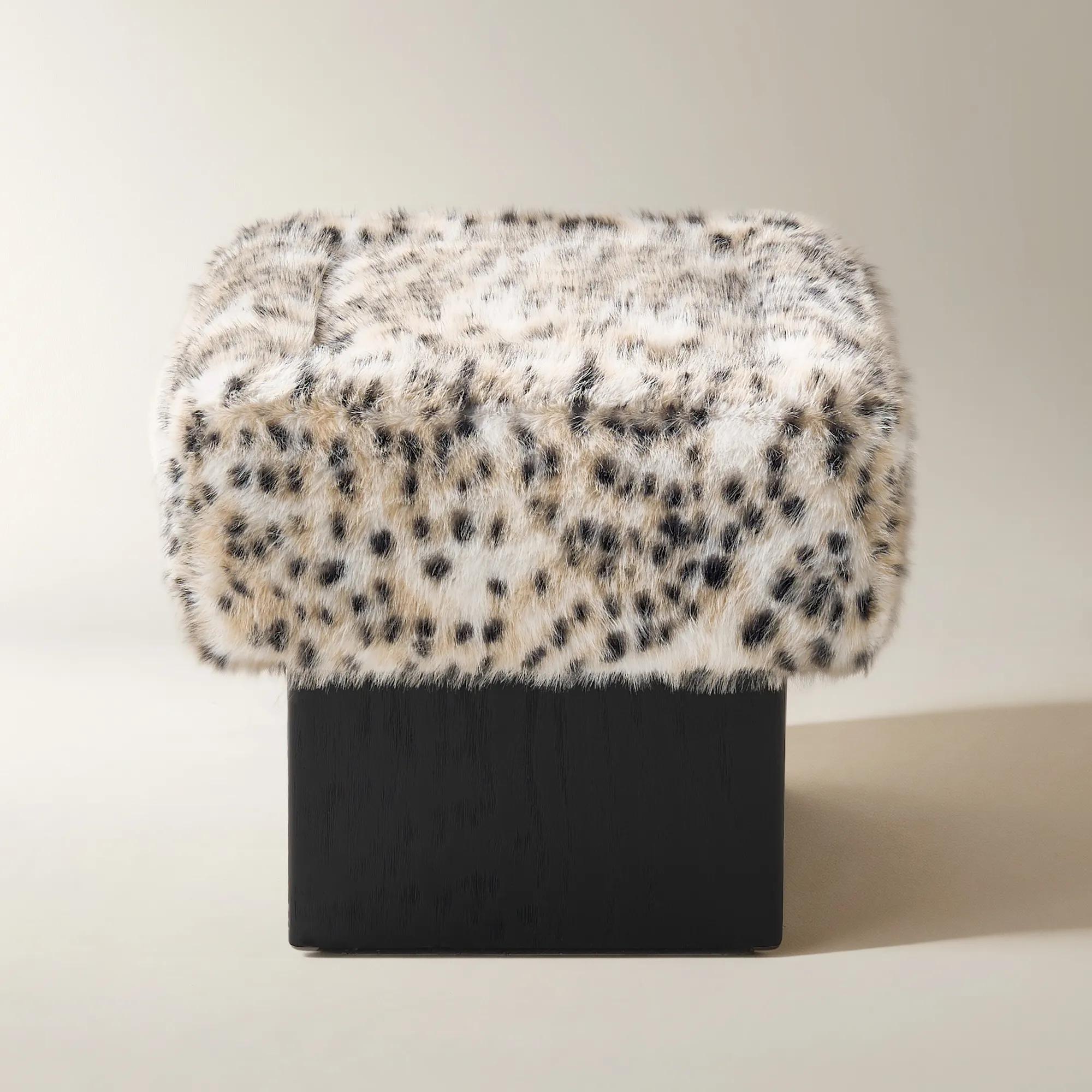 Reims Spotted Faux Fur Stool$399
A plush spotted faux fur stool with a sculpted cushion and solid rubberwood base for modern contrast.
Add To Cart -
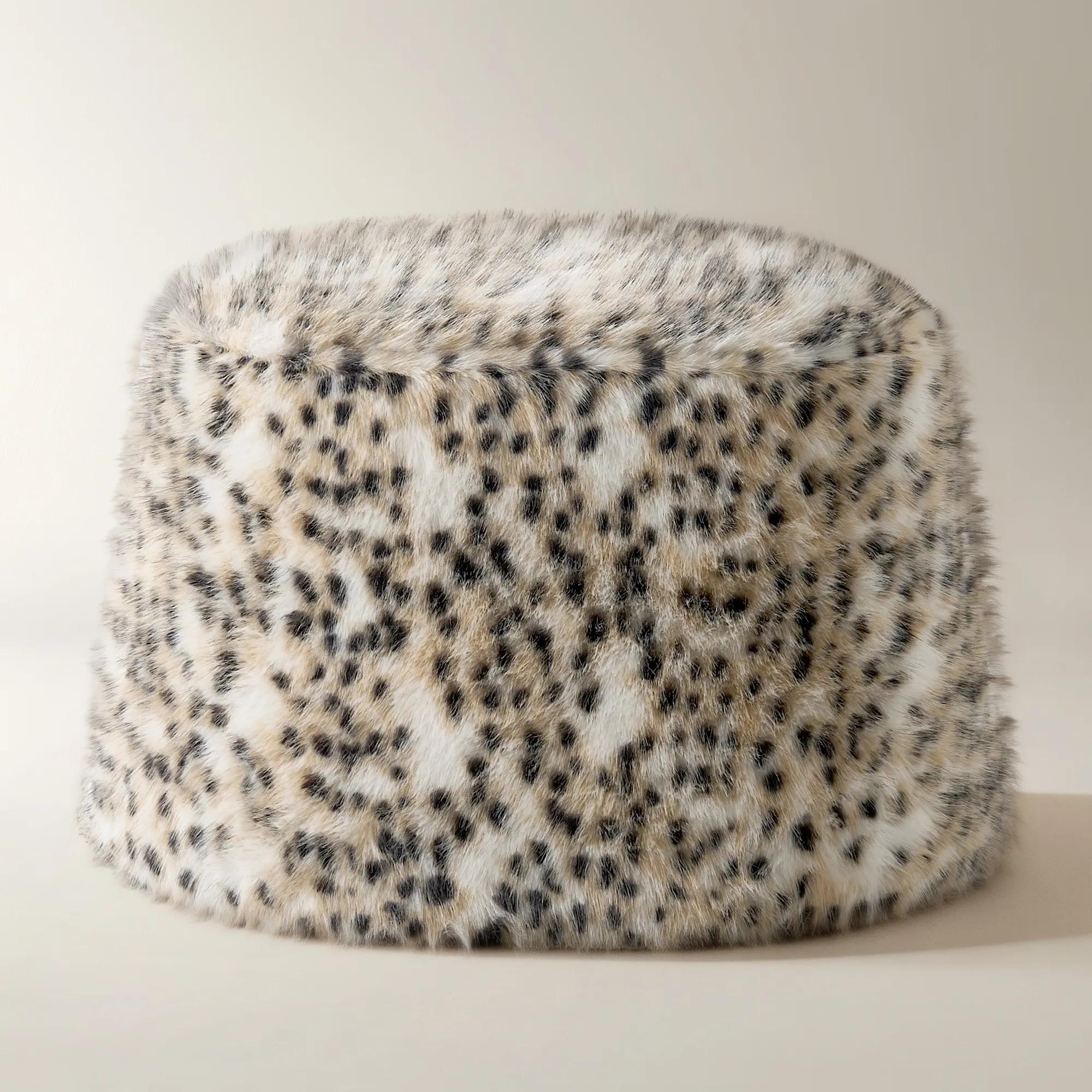
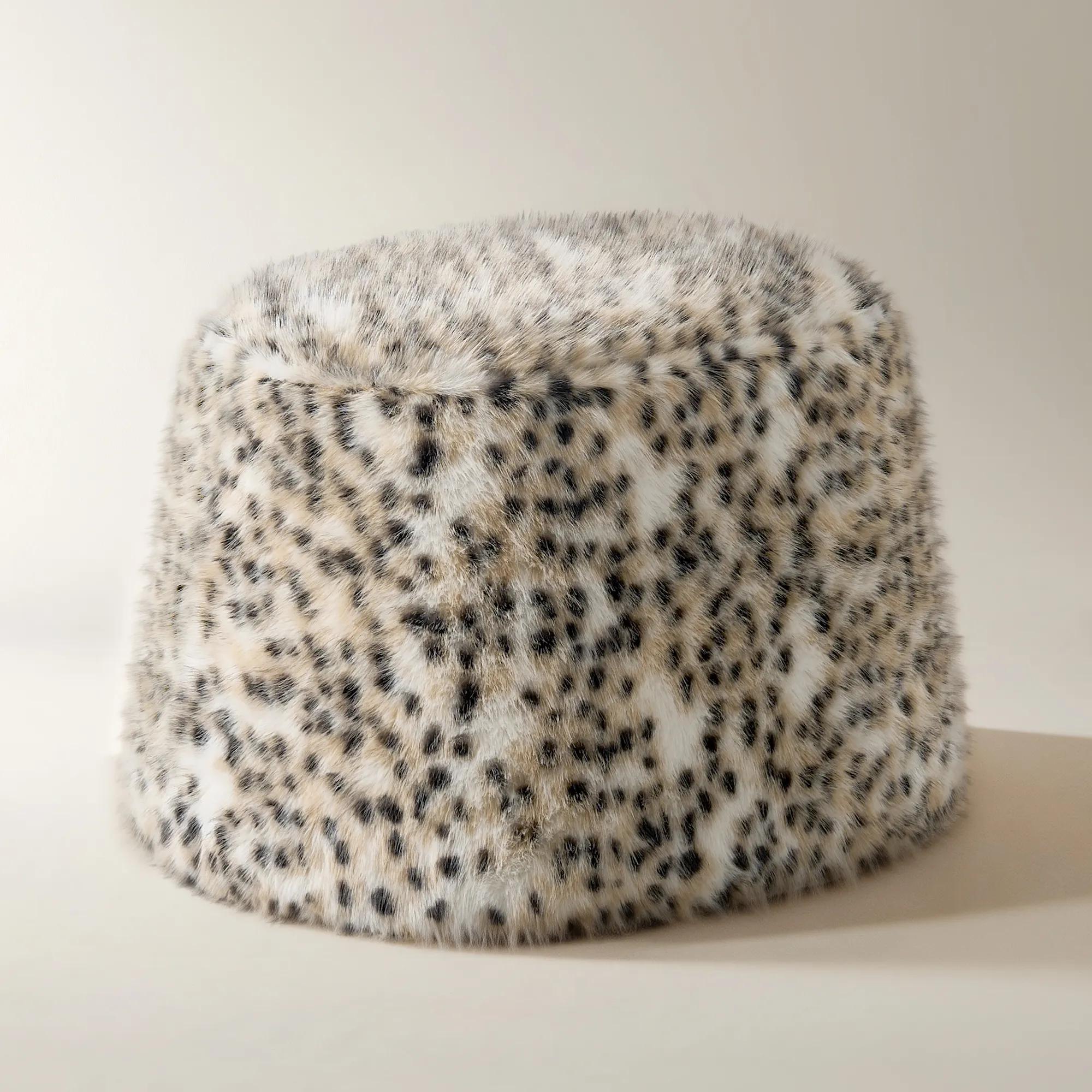 Avery Spotted Faux Fur Stool$399
A sculpted drum stool wrapped in plush spotted faux fur for bold, modern accent seating.
Add To Cart -
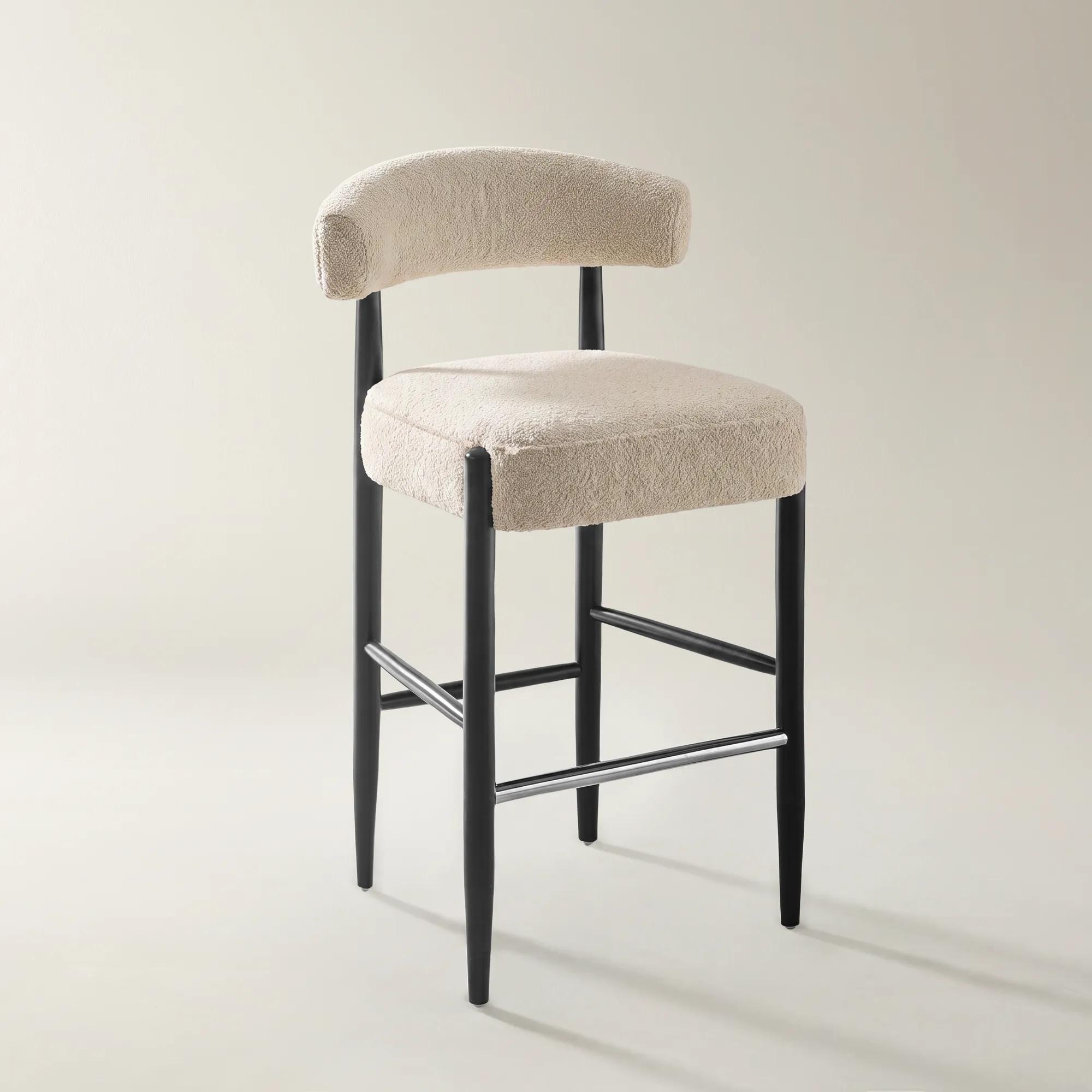 Anna Utopia Sand Chenille Bar/Counter Stool$399
A sand chenille stool with a sculpted padded seat, tailored upholstery, and tapered solid rubberwood legs.
Add To Cart -
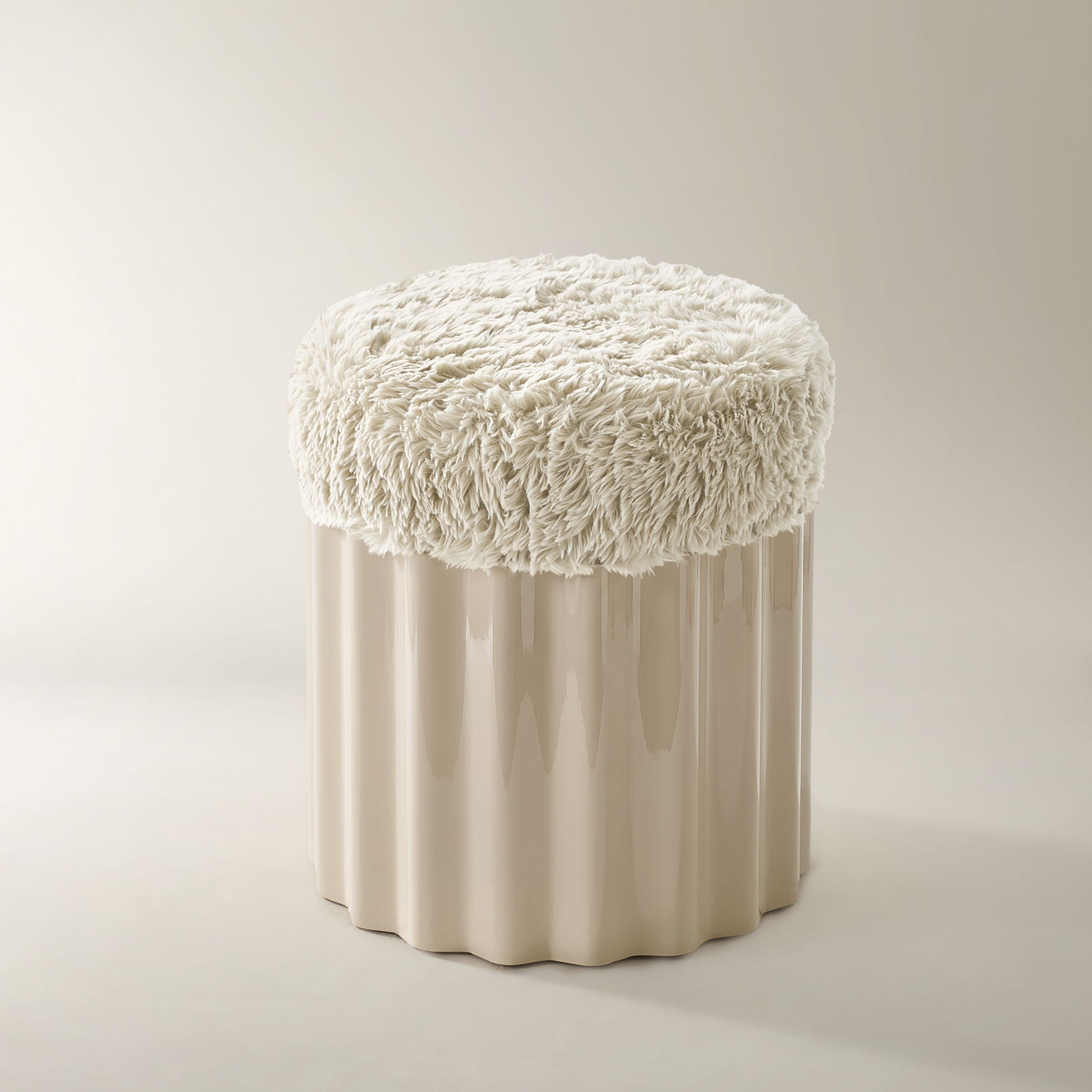
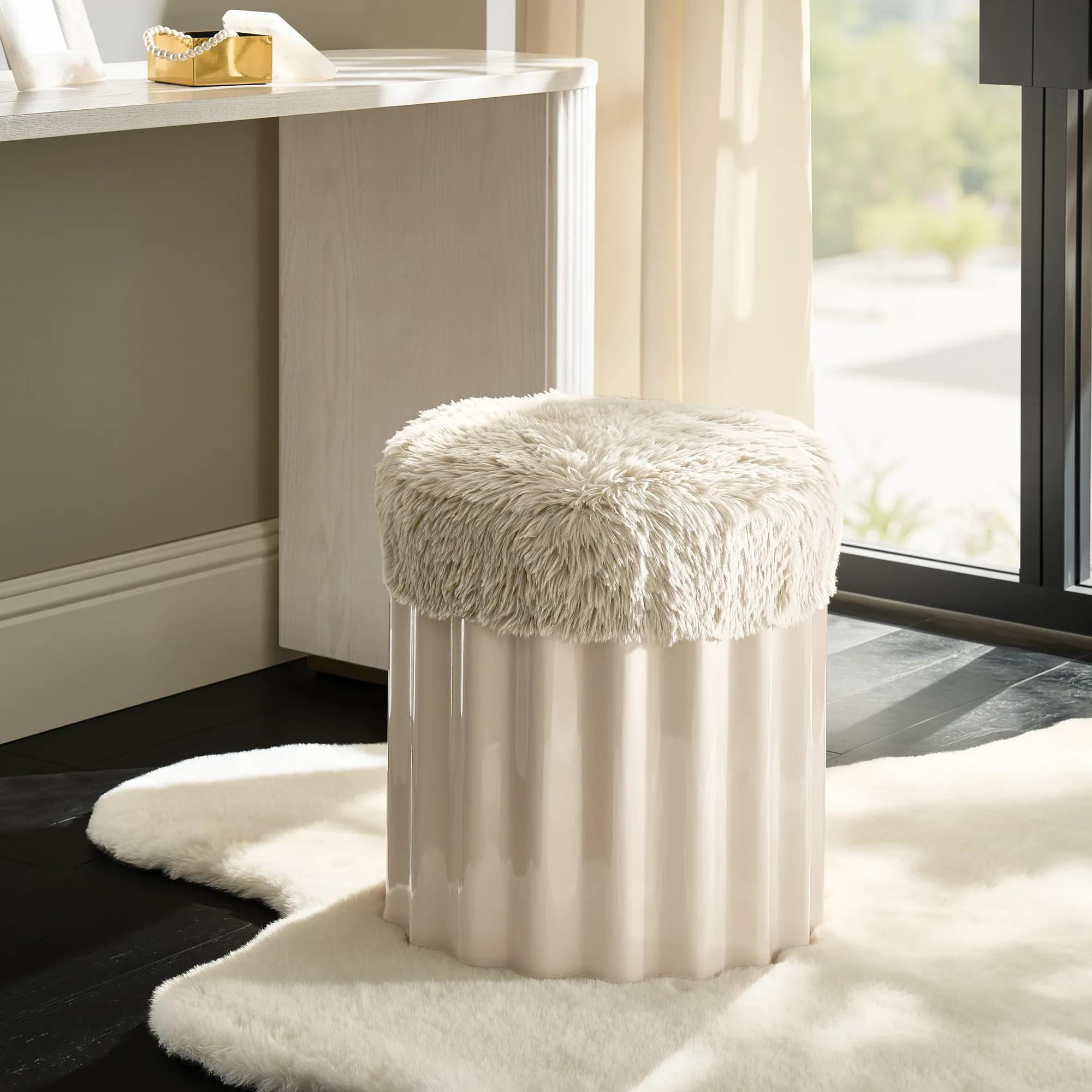 Nia Lacquered Turtle Dove Faux Fur Storage Stool$399
A sculptural fluted stool in warm turtle dove with plush faux fur seat and hidden storage compartment.
Add To Cart -
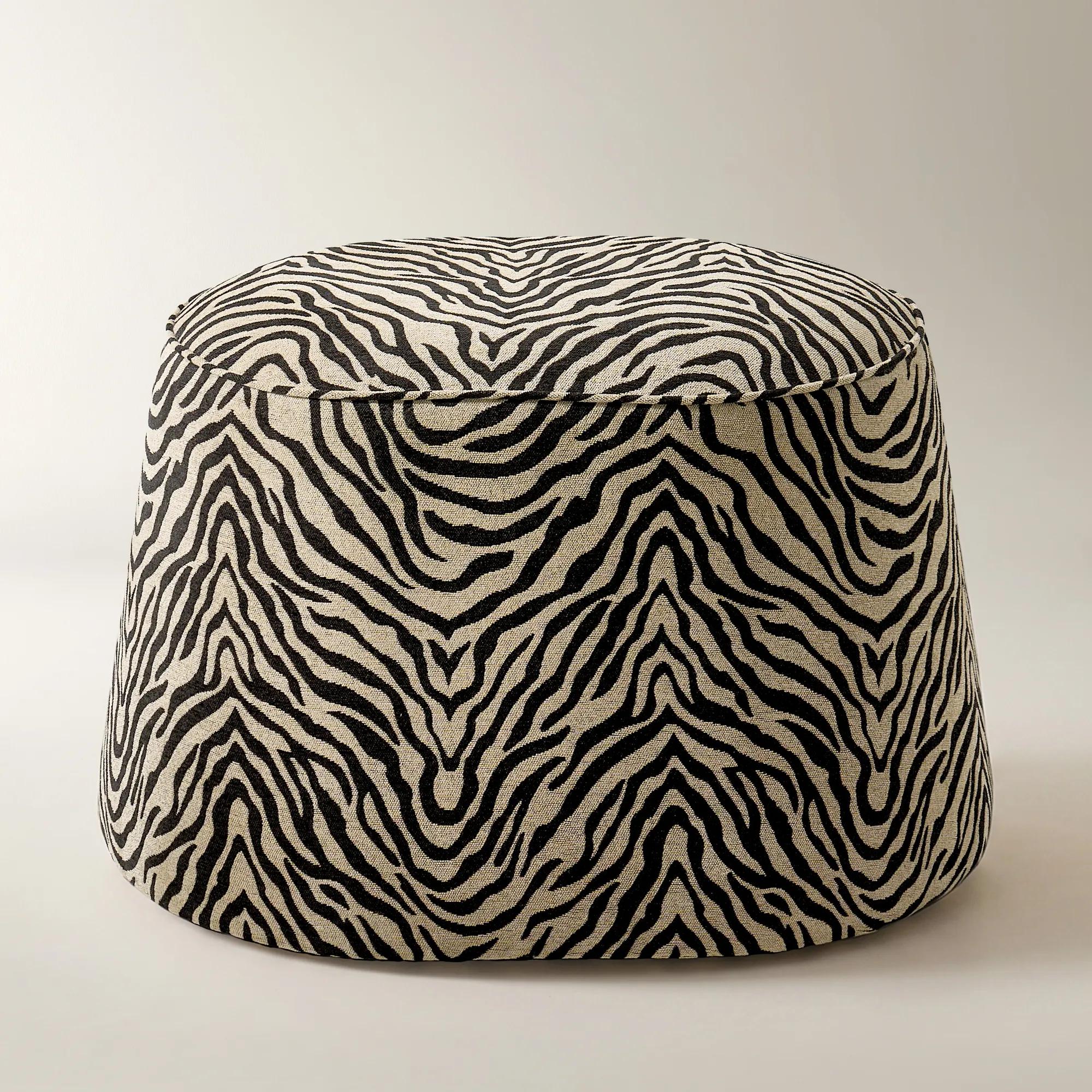 Avery Zebra Performance Chenille Stool$399
A sculpted drum-shaped accent stool upholstered in zebra-patterned performance chenille for bold, modern style.
Add To Cart -
 Fleece Fluted Gray Velvet Stool (15.55'')$229
A plush grey velvet stool with a unique ribbed texture, perfect for versatile, cozy seating or decor.
Add To Cart -
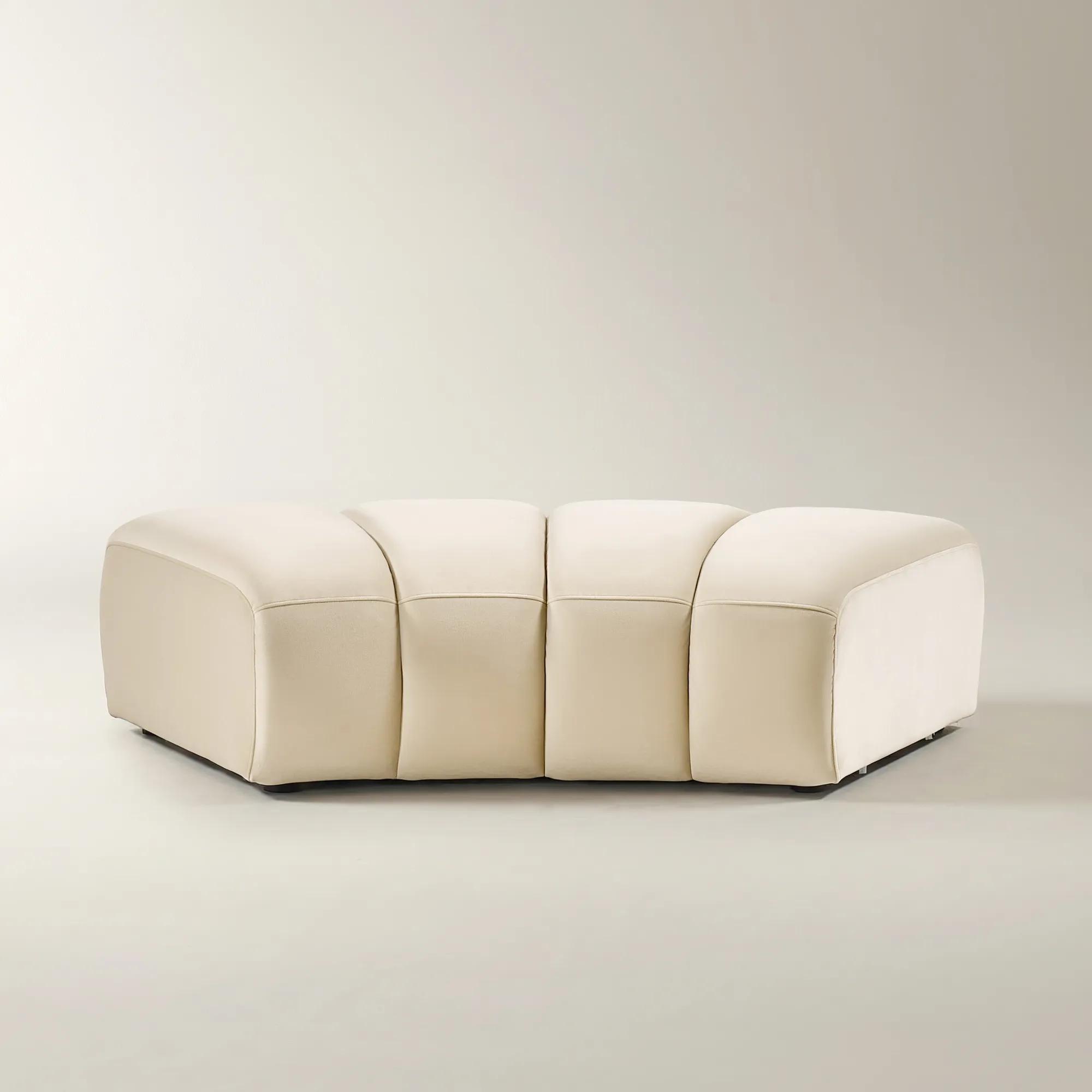
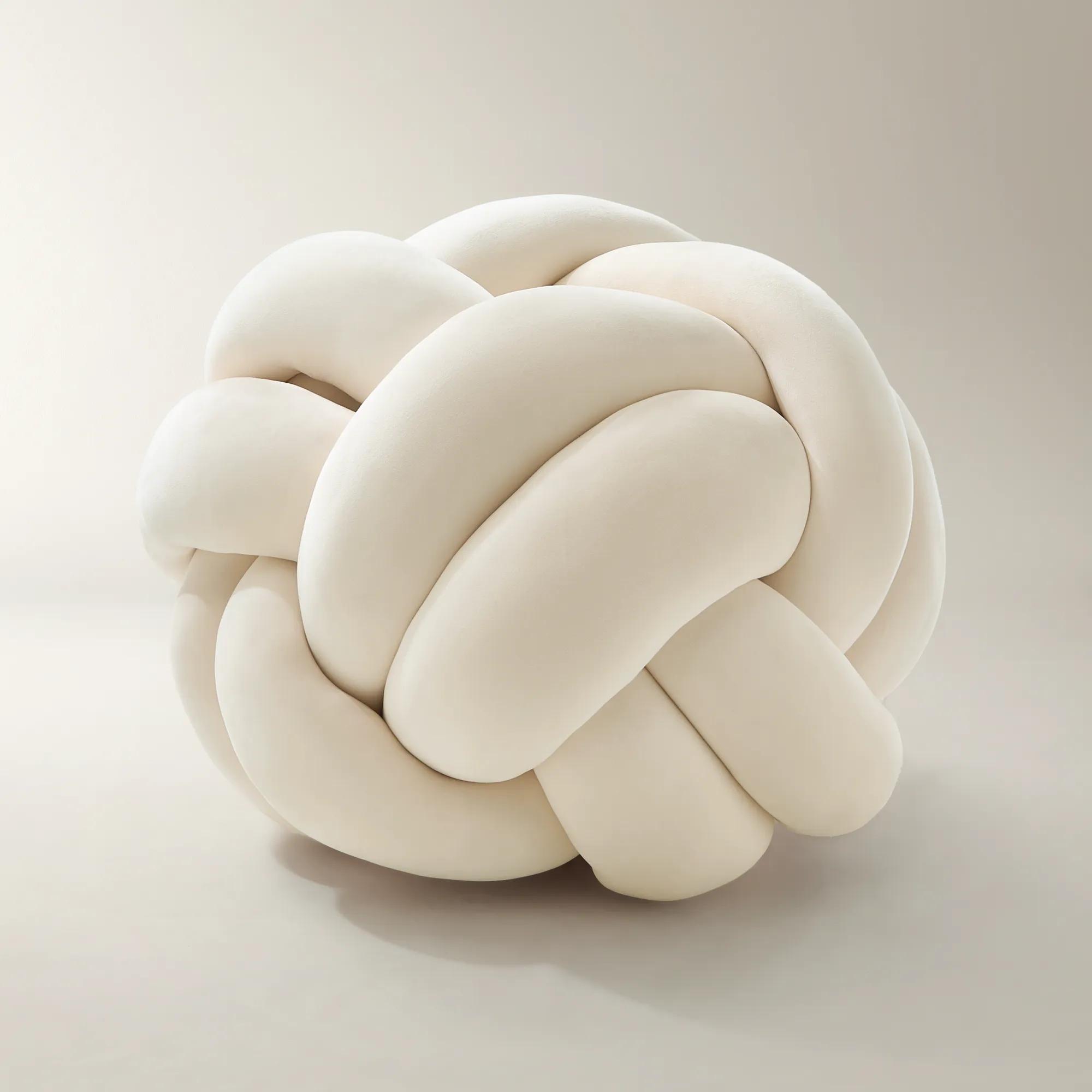 Loopie Oatmeal Velvet Stool (34.5")$399
An oversized oatmeal velvet stool featuring a sculptural knotted silhouette and plush, hand-upholstered finish.
Add To Cart -
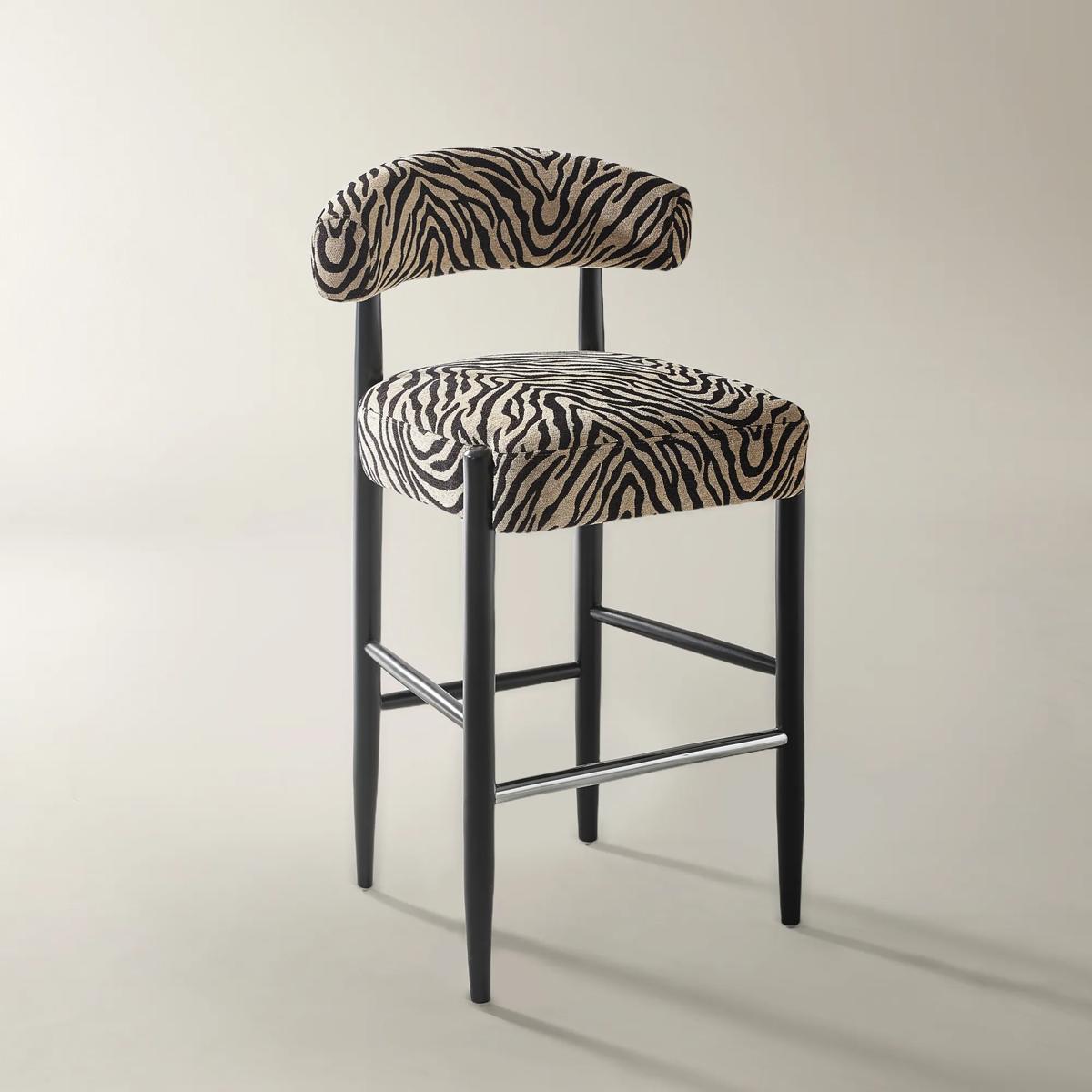
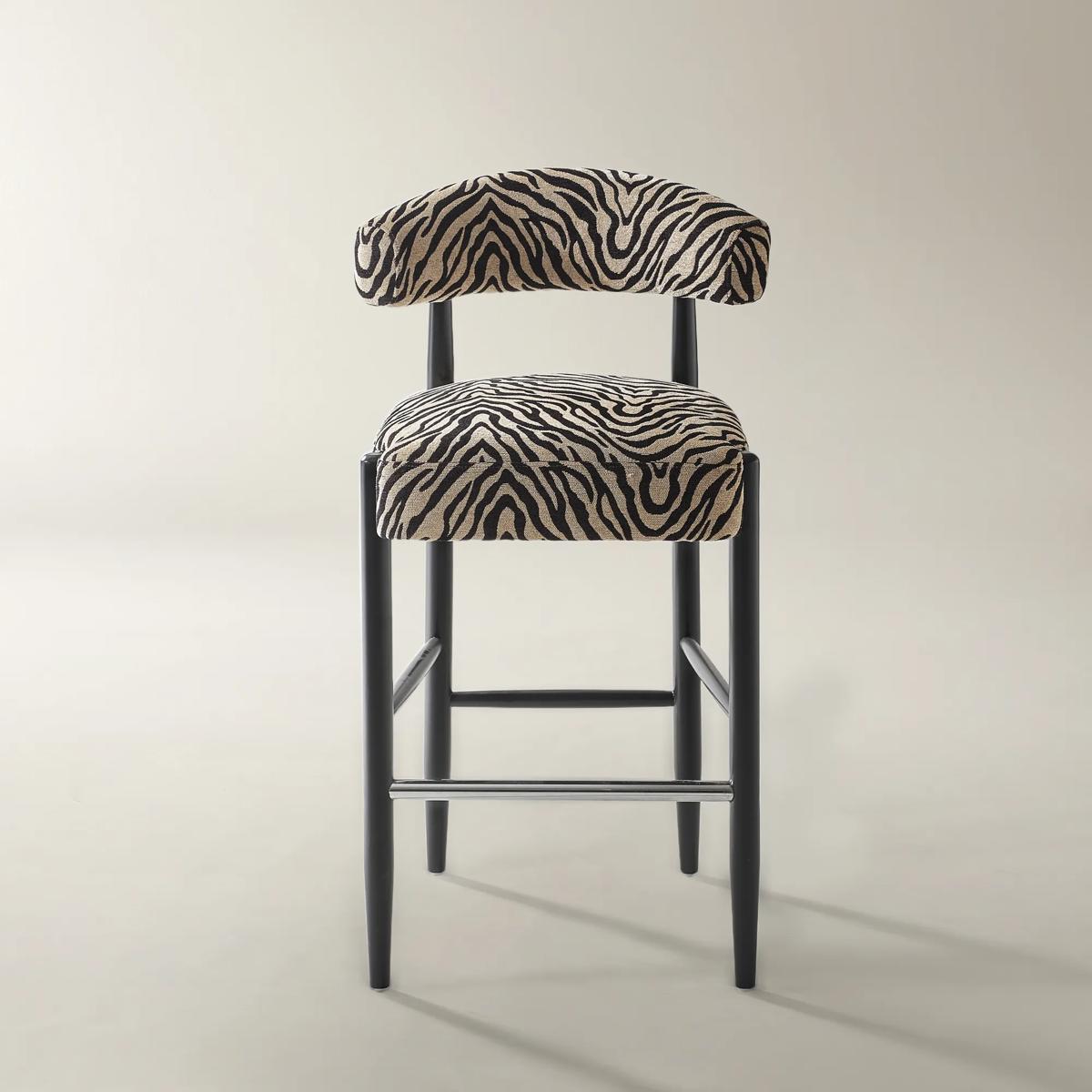 Anna Zebra Chenille Bar/Counter Stool$449
A zebra-print chenille barstool with plush foam padding and solid rubberwood legs for modern sophistication.
Add To Cart -
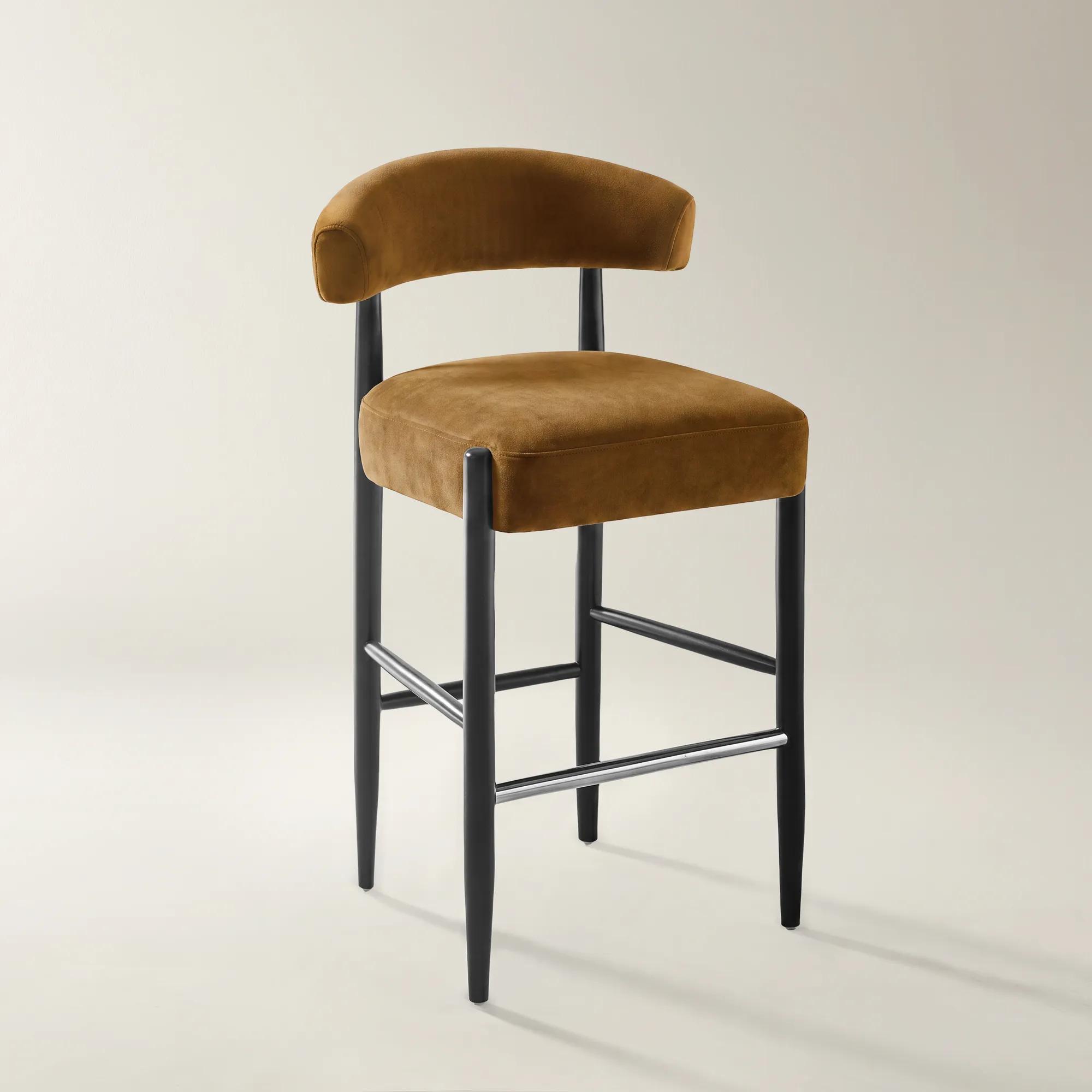 Anna Roasted Pecan Velvet Bar/Counter Stool$399
A roasted pecan velvet stool with a sculpted padded seat and solid rubberwood legs, fully assembled.
Add To Cart -
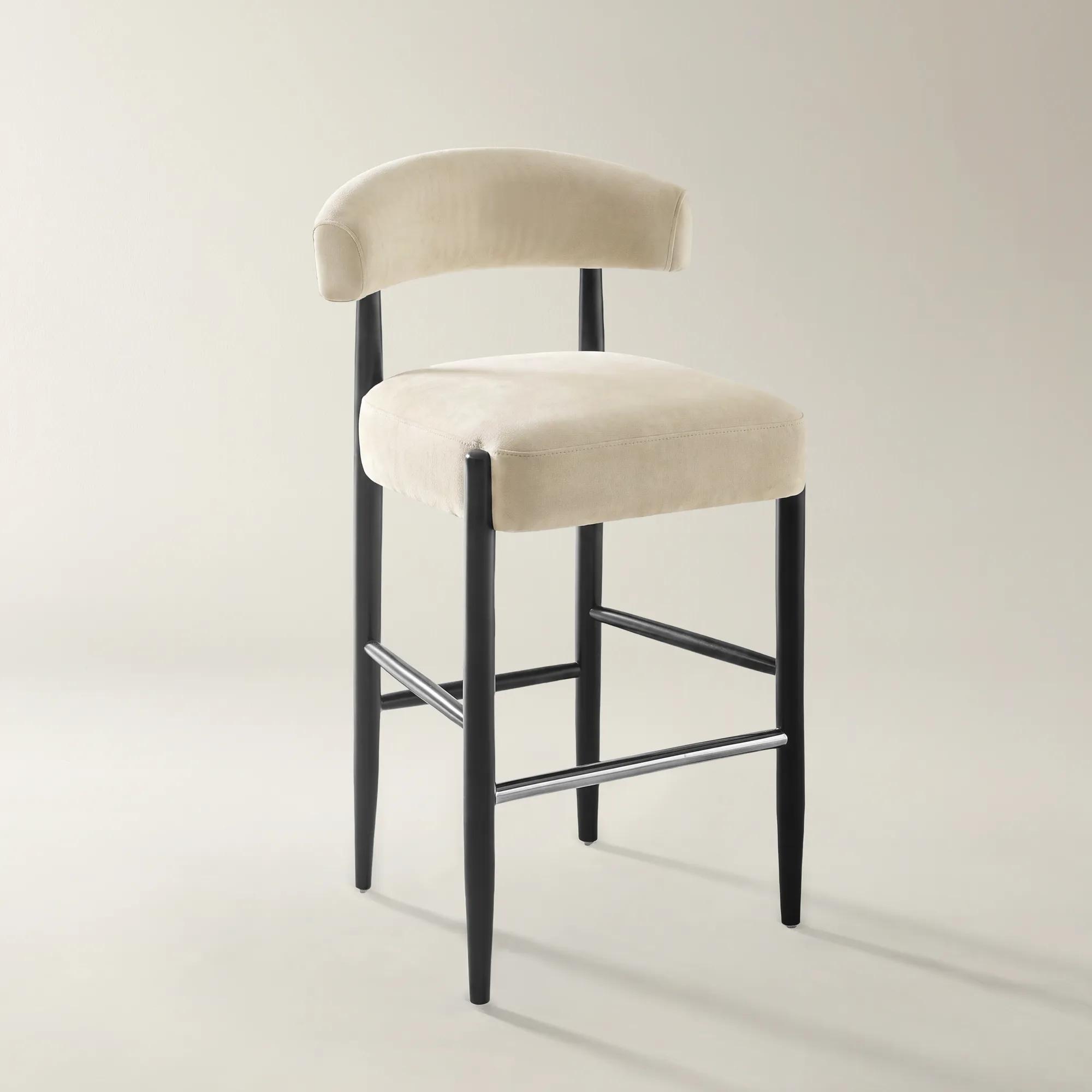 Anna Oatmeal Velvet Bar/Counter Stool$399
A refined oatmeal velvet stool with a sculpted padded seat and solid rubberwood legs.
Add To Cart -
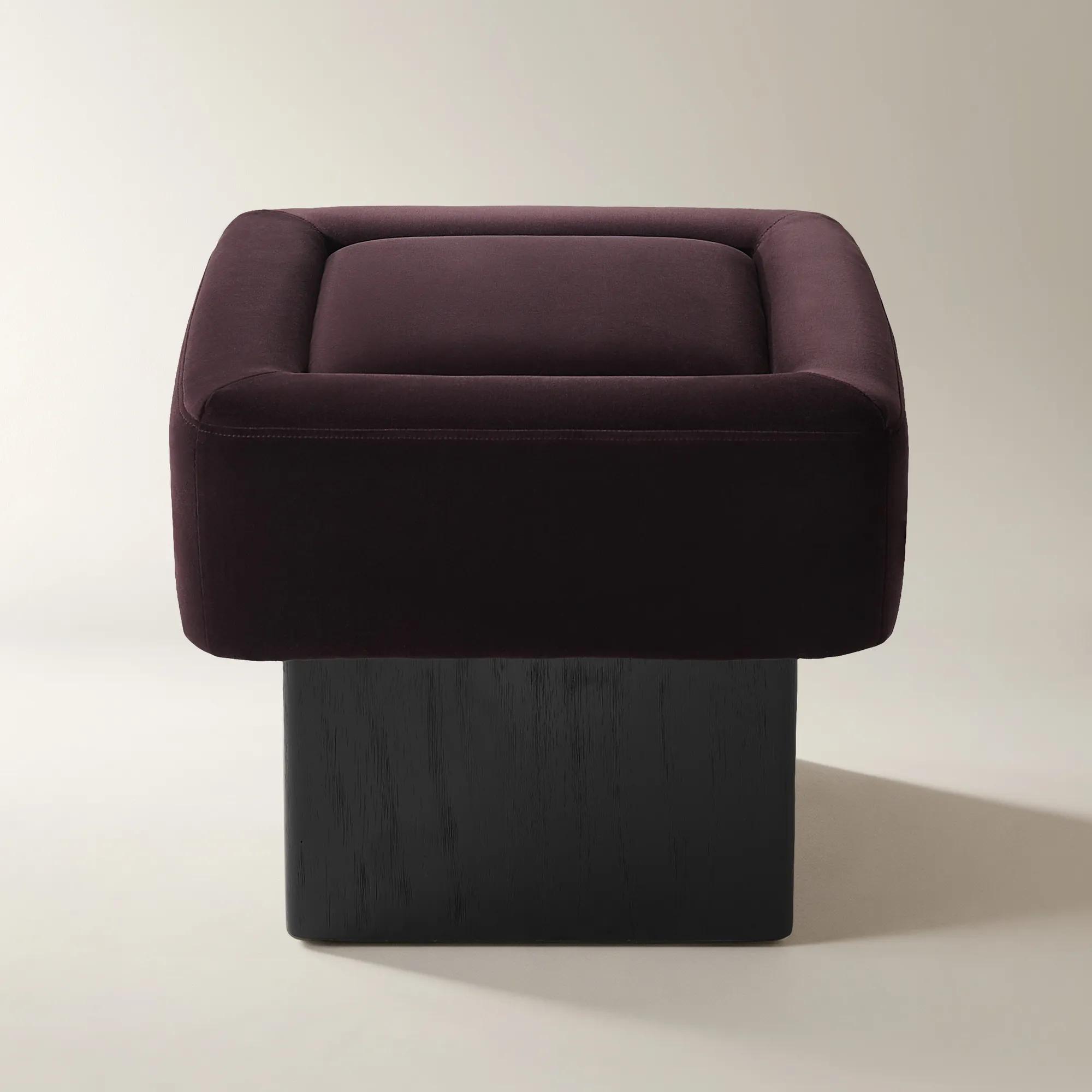 Reims Fig Velvet Stool$399
A plush fig-colored velvet stool featuring a sculpted cushion and a solid rubberwood base for modern contrast.
Add To Cart -
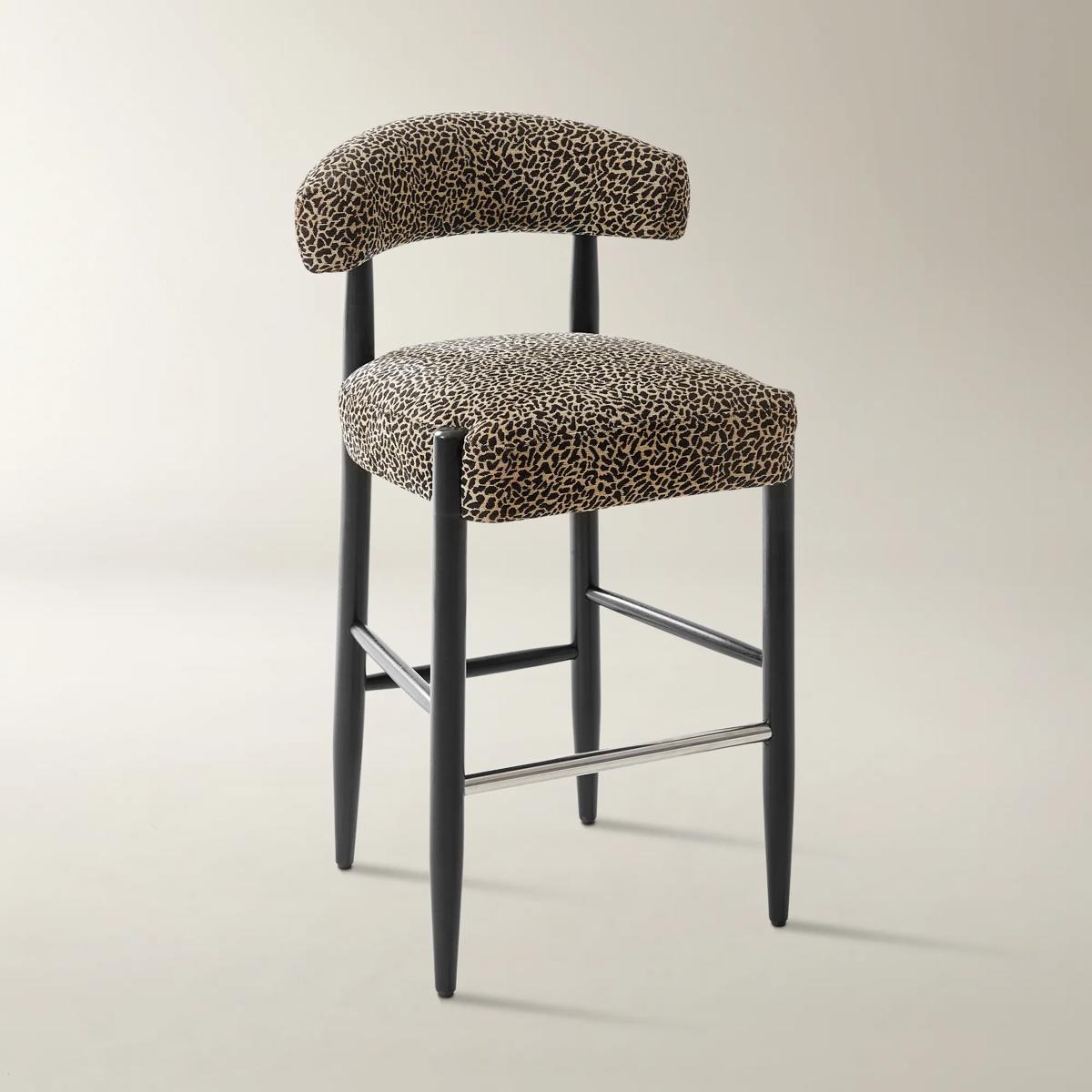 Anna Leopard Chenille Bar/Counter Stool$449
A leopard-print chenille barstool with kiln-dried hardwood legs and supportive, hand-upholstered cushioning.
Add To Cart

White Stools With Plush Upholstery
White stools with plush upholstery invite a sense of refined indulgence into any interior, capturing the eye with their luminous presence and tactile allure. Each piece transforms seating into an experience—where crisp, cloud-like hues meet sumptuous textures for a look that is both timeless and daringly modern. Whether poised beneath a gleaming kitchen island or anchoring a glamorous vanity, these stools elevate every moment with sculptural elegance and irresistible comfort. Let your space become a gallery of sophistication, where white stools with plush upholstery set the stage for artistry and opulence at every turn.
White stools with plush upholstery bring together a light-toned palette, generous texture, and cushioned comfort, creating seating that feels as expressive as it is inviting. At a kitchen island, their pale upholstery introduces a luminous contrast to dark cabinetry; beside a dressing table, a softly upholstered stool turns a daily ritual into a more considered moment. The effect depends on both the fabric and the silhouette. White velvet has a directional pile that catches light, giving a curved seat depth without introducing another color. Bouclé offers a more textured surface, with small loops that lend dimension to rounded forms. Sherpa-style fabrics create a fleecy appearance, while faux fur brings longer, more dramatic texture to compact accent seating. Smooth faux leather offers a different interpretation: its plushness comes primarily from the cushioning beneath the surface rather than from a raised fabric pile. The subtle sheen of plush velvet seating stools is especially striking against veined stone, lacquered finishes, and reflective metal. Each upholstery type creates a distinct mood, so the choice is as much about atmosphere as appearance. Crisp white feels graphic beside black accents, while ivory and warm off-white soften the transition between pale upholstery and natural wood. Undertones matter when coordinating seating with nearby cabinets, rugs, or dining chairs; a creamy fabric can appear noticeably warmer beside a cool white countertop. Lighting also changes how pile and color read, making fabric swatches useful when they are provided. A polished metal base adds a gleaming edge, a brushed finish lends a quieter shimmer, and wood legs introduce warmth beneath the upholstery. Slender frames allow the seat’s texture to take visual priority, while substantial bases give the stool a more architectural presence. Repeating one finish from surrounding lighting or hardware can make the arrangement feel deliberate without requiring every surface to match. These relationships allow white upholstered stools to anchor a richly layered room rather than disappear into it.
Proportion determines whether that beautiful silhouette belongs at a counter, a home bar, or a vanity. Counter-height stools commonly have seats about 24 to 26 inches high for a countertop around 36 inches tall, while a seat around 30 inches high typically suits a 42-inch bar. Low accent and vanity stools serve a different purpose and should be matched to the dressing table or seating area rather than chosen by appearance alone. Measure from the floor to the underside of the surface, including any apron, and generally allow about 10 to 12 inches between the seat and that underside for comfortable legroom. Deep cushioning can compress when someone sits, so listed dimensions and the construction of the seat both deserve attention. Width matters just as much: a sculptural stool may look compact from the front while extending farther at the arms or base. At an island used for breakfast, conversation, and working on a laptop, enough space between seats prevents elbows from competing for room. Roughly 26 to 30 inches of counter length per stool is a useful starting point, with more space often needed for broad seats or arms. Backrests provide support for lingering over a meal, while backless silhouettes can preserve sightlines across an open room and tuck beneath a surface when their dimensions allow. A footrest helps make elevated seating more comfortable, particularly when feet cannot reach the floor. Swivel mechanisms can ease conversation between the kitchen and living area, but the surrounding space should accommodate their turning radius. Adjustable-height designs may suit different surfaces within their specified range; their seat height, base footprint, and weight capacity should still be checked. For a vanity used each morning, a cushioned low stool that slides clear of drawers can be more appropriate than a tall, enveloping shape. Near a sofa, an upholstered accent stool offers occasional seating with a smaller visual footprint than an armchair, provided it is designed and rated for that use. Plush upholstery contributes softness, but lasting comfort also depends on seat depth, cushion resilience, back support, and the sitter’s proportions.
The lasting appeal of white upholstered stools rests on construction and care as much as their initial impression. A supportive frame, secure joints, and cushioning that recovers after use help seating retain its shape; upholstery alone does not indicate how durable or comfortable a stool will be. Solid wood, engineered wood, and metal can all appear in stool construction, with performance depending on the design, assembly, and intended load. For frequently used kitchen seating, upholstery specifications that identify cleanability or abrasion performance can help distinguish decorative fabrics from those intended for repeated contact. Stain resistance, when specified, may make spills easier to manage, but it does not make a pale seat immune to marks. White fabrics can reveal food residue, cosmetics, and color transfer from dark clothing, especially along seat edges and backrests. Care should follow the manufacturer’s instructions and upholstery cleaning code rather than a single routine for every material. Promptly blotting a spill with a clean, absorbent cloth is generally preferable to rubbing it into the surface; cleaning products should be tested in an inconspicuous area when their use is permitted. Avoid saturating cushions, and use professional upholstery cleaning when the care instructions call for it. Gentle vacuuming with an appropriate upholstery attachment can remove loose debris, while velvet, looped fabrics, and faux fur may require different approaches to protecting their texture. Direct sunlight can affect upholstery color over time, and suitable floor protectors can help keep stool legs from marking the surface beneath them. In homes with children, pets, or frequent gatherings, choosing fabric suited to the household’s routine makes a dramatic pale palette easier to enjoy. A white plush stool can also be a thoughtful housewarming gift for someone furnishing a dressing area or entertaining space, once dimensions and preferred finishes are confirmed. Whether arranged along an island or placed beneath a mirror, its appeal lies in the meeting of tactile richness and sculptural form: a small seating piece capable of giving the surrounding room a more distinctive character.
FAQs
White stools with plush upholstery often feature luxurious materials such as velvet, boucle, sherpa, and faux fur. These fabrics are chosen for their tactile softness, visual richness, and ability to add a layer of comfort and sophistication to any space.
White plush stools serve as both functional seating and striking design accents. Their crisp hue brightens interiors, while their soft textures add depth and dimension. Whether used as statement pieces or subtle complements, they help create an atmosphere of effortless elegance and warmth.
White plush stools make exceptional gifts for design enthusiasts, new homeowners, newlyweds, or anyone looking to refresh their space with a touch of glamour. Their versatile style and inviting comfort appeal to a wide range of tastes and lifestyles.
When choosing a white upholstered stool, consider the frame material, silhouette, and additional features such as swivel bases or footrests. These details impact both the stool’s aesthetic and its functionality, ensuring it seamlessly integrates into your living space.
Absolutely. The timeless elegance of white, paired with plush upholstery, allows these stools to transcend design boundaries. They complement minimalist modern spaces with their clean lines, while also adding a note of luxury to more classic or eclectic interiors.