Plush Stools For Vanity Tables
Plush Stools For Vanity Tables
-
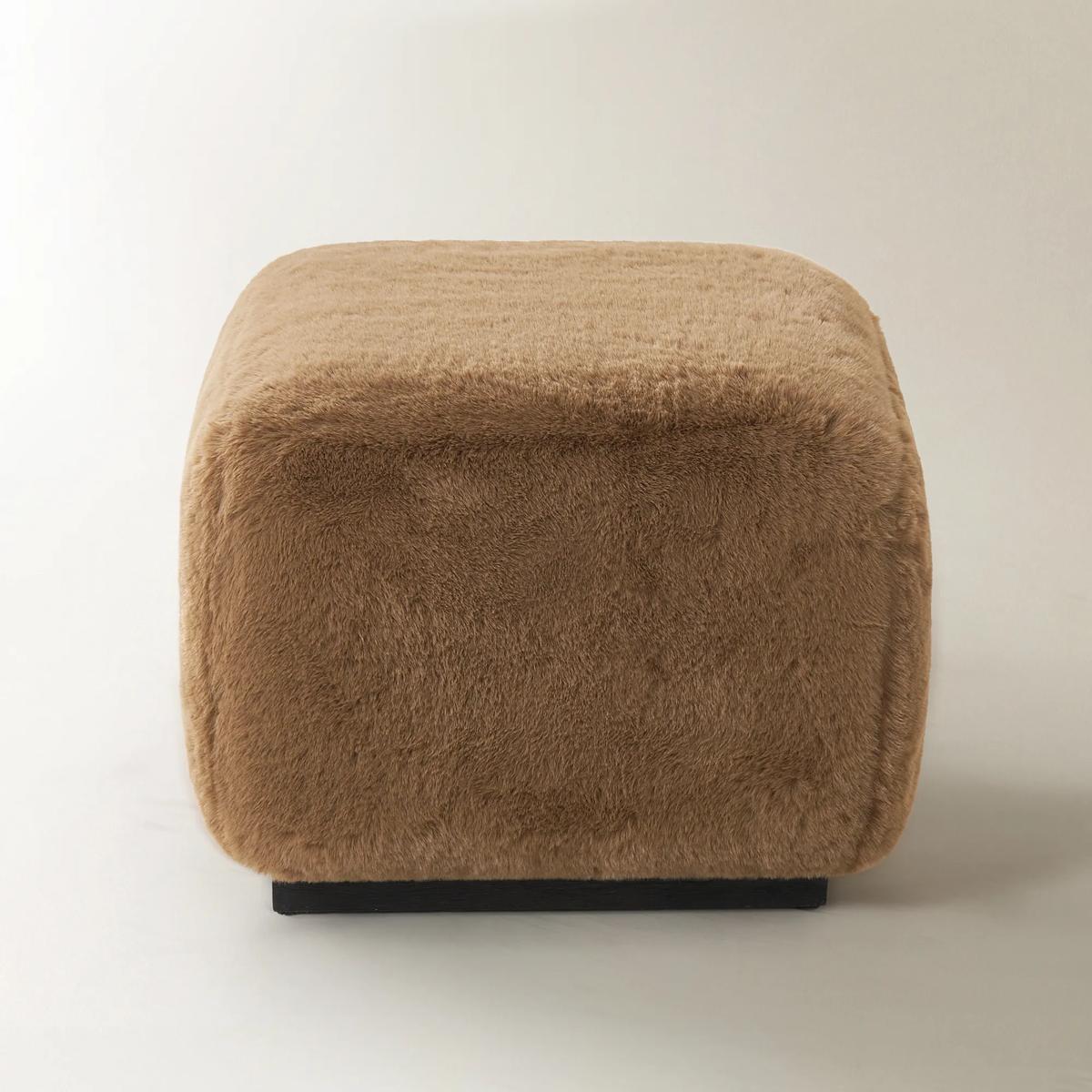
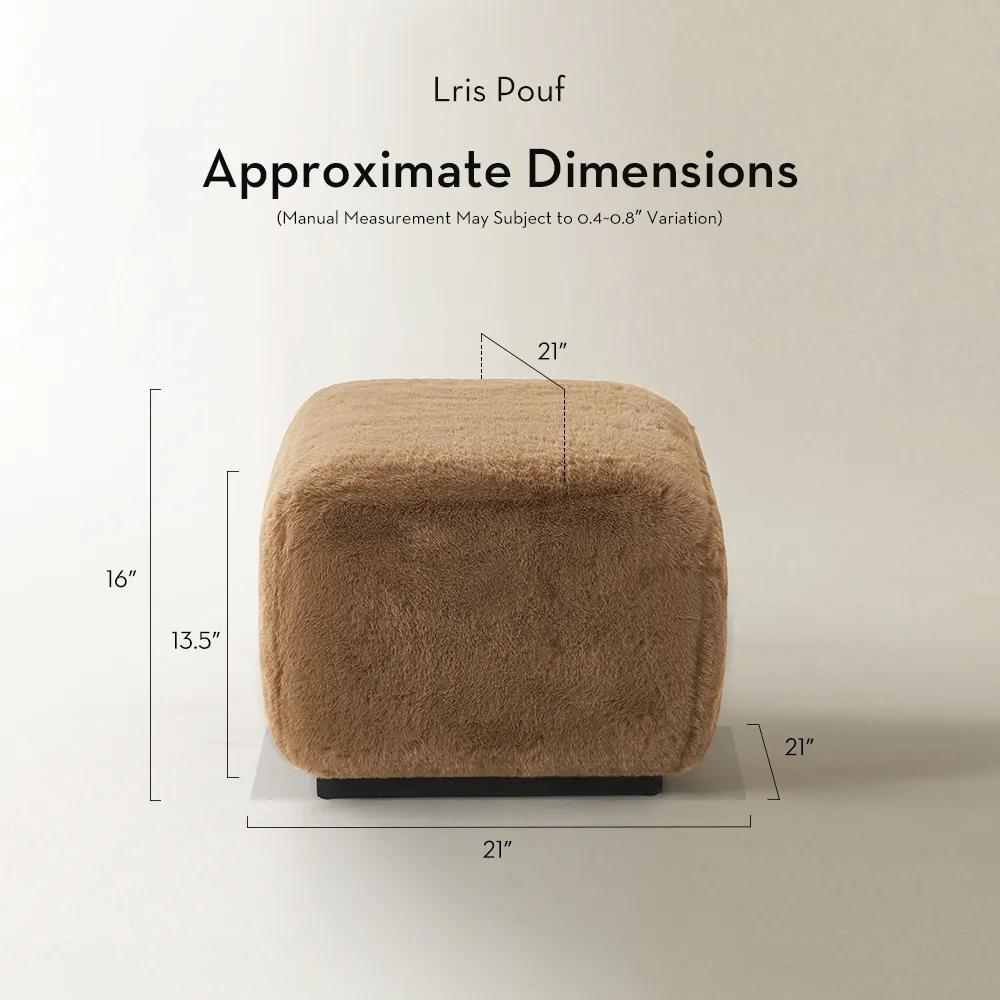 Lris Camel Faux Fur Stool (21")$299
A camel faux fur pouf with a solid rubberwood base, offering cozy warmth and modern sophistication.
Add To Cart -
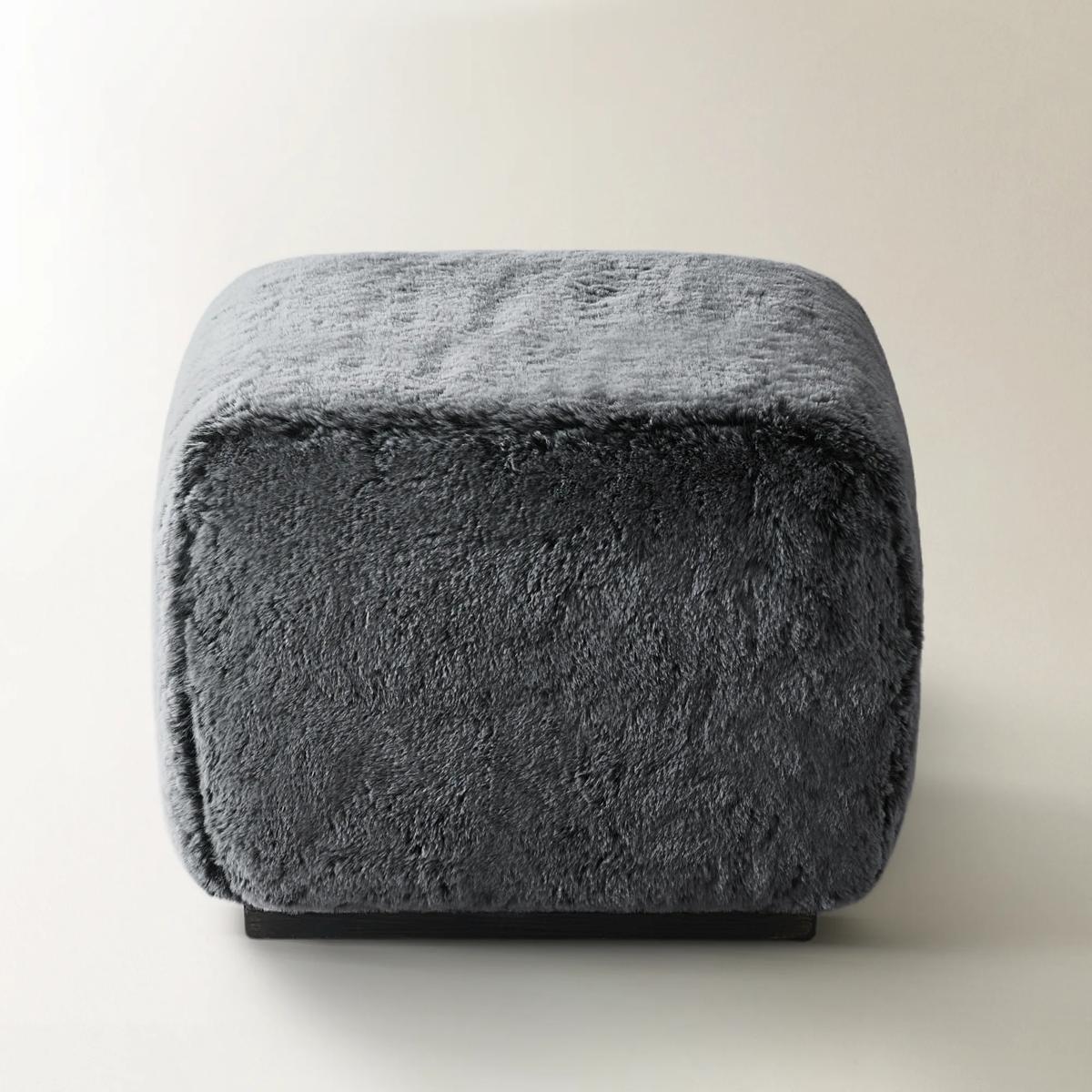
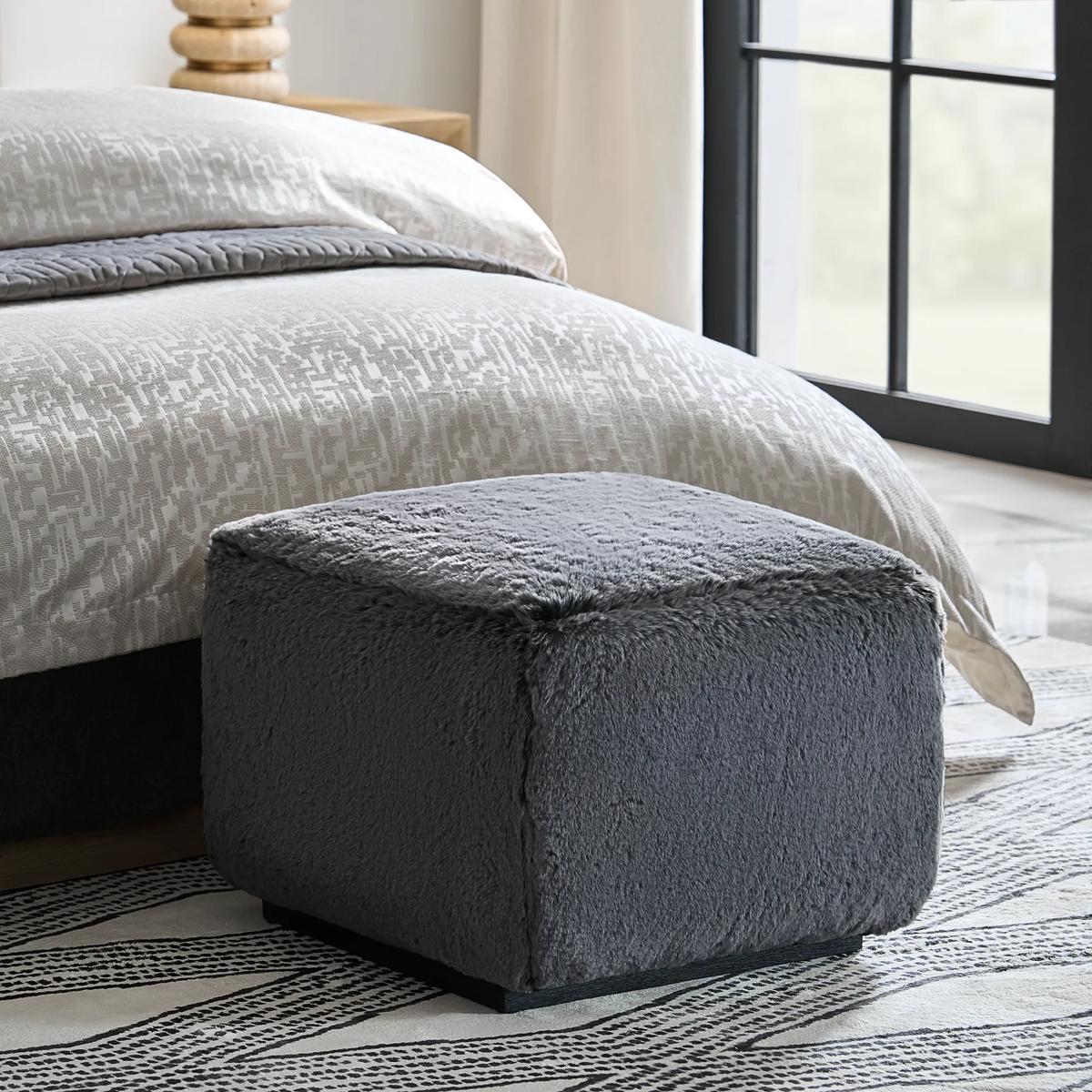 Lris Grey Faux Fur Stool (21")$299
A charcoal grey faux fur pouf with high-density foam and a sturdy rubberwood base for modern comfort.
Add To Cart -
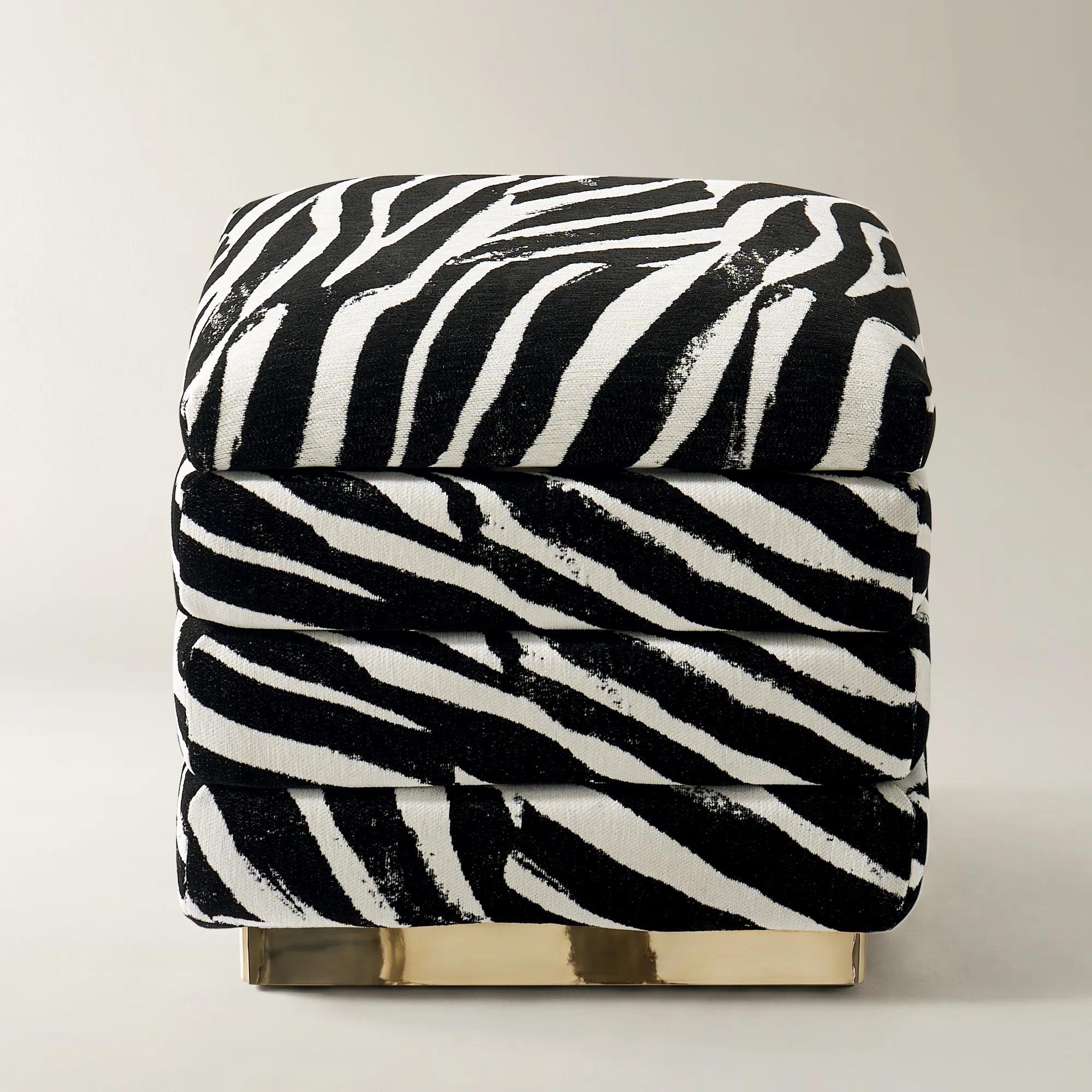
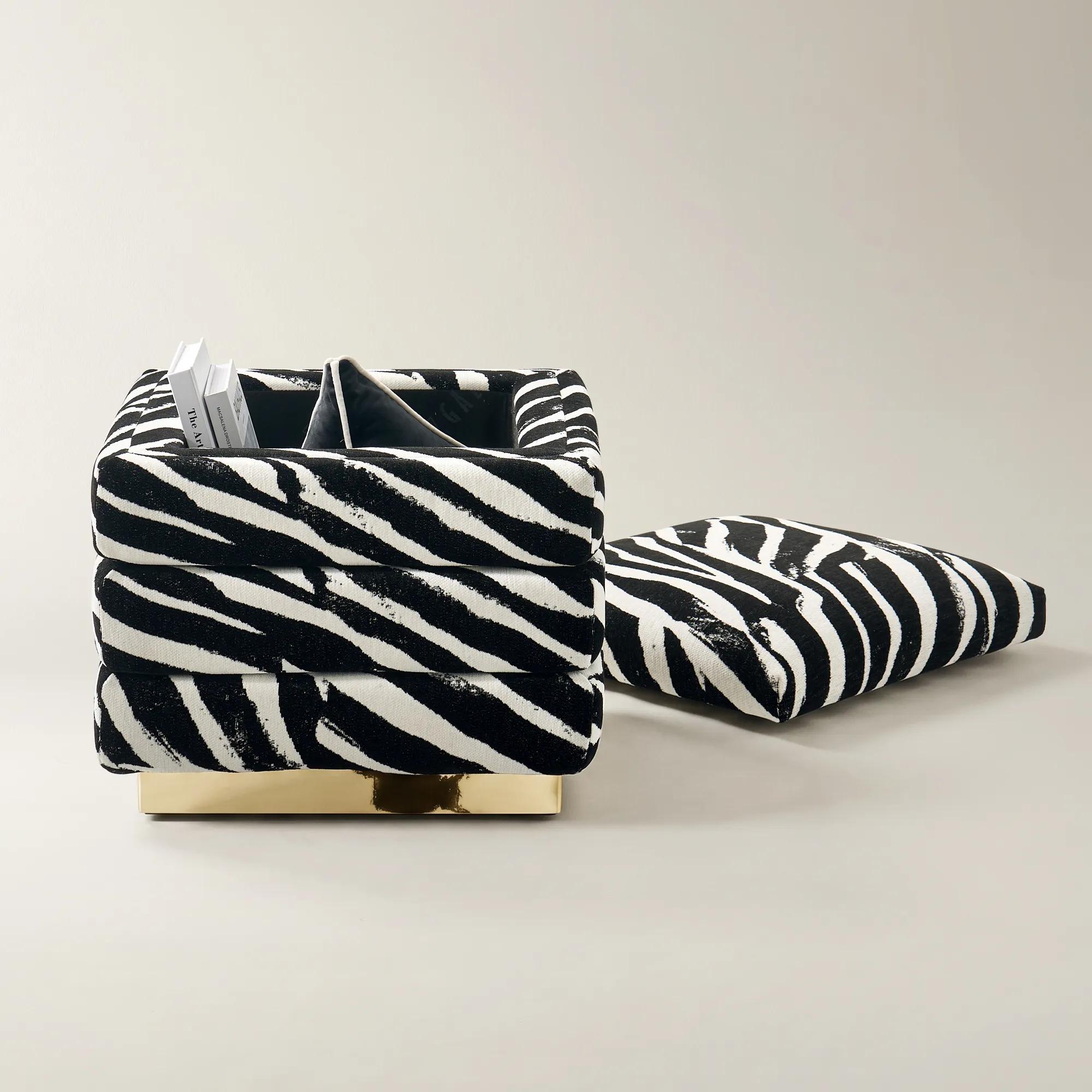 Gable White/Black Performance Chenille Stool$399
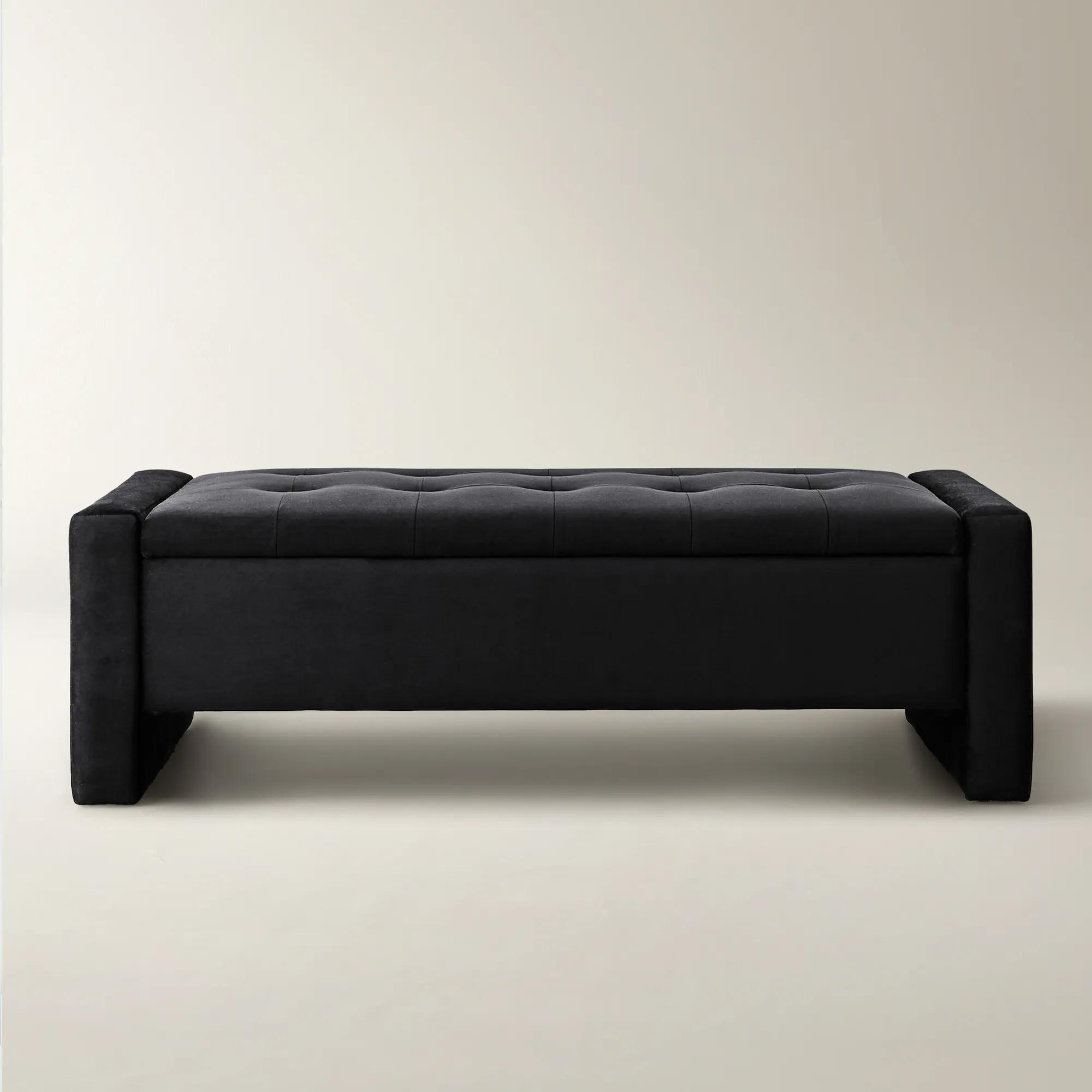
A plush white and black chenille stool with hidden storage and a polished gold stainless steel base.
Add To Cart -
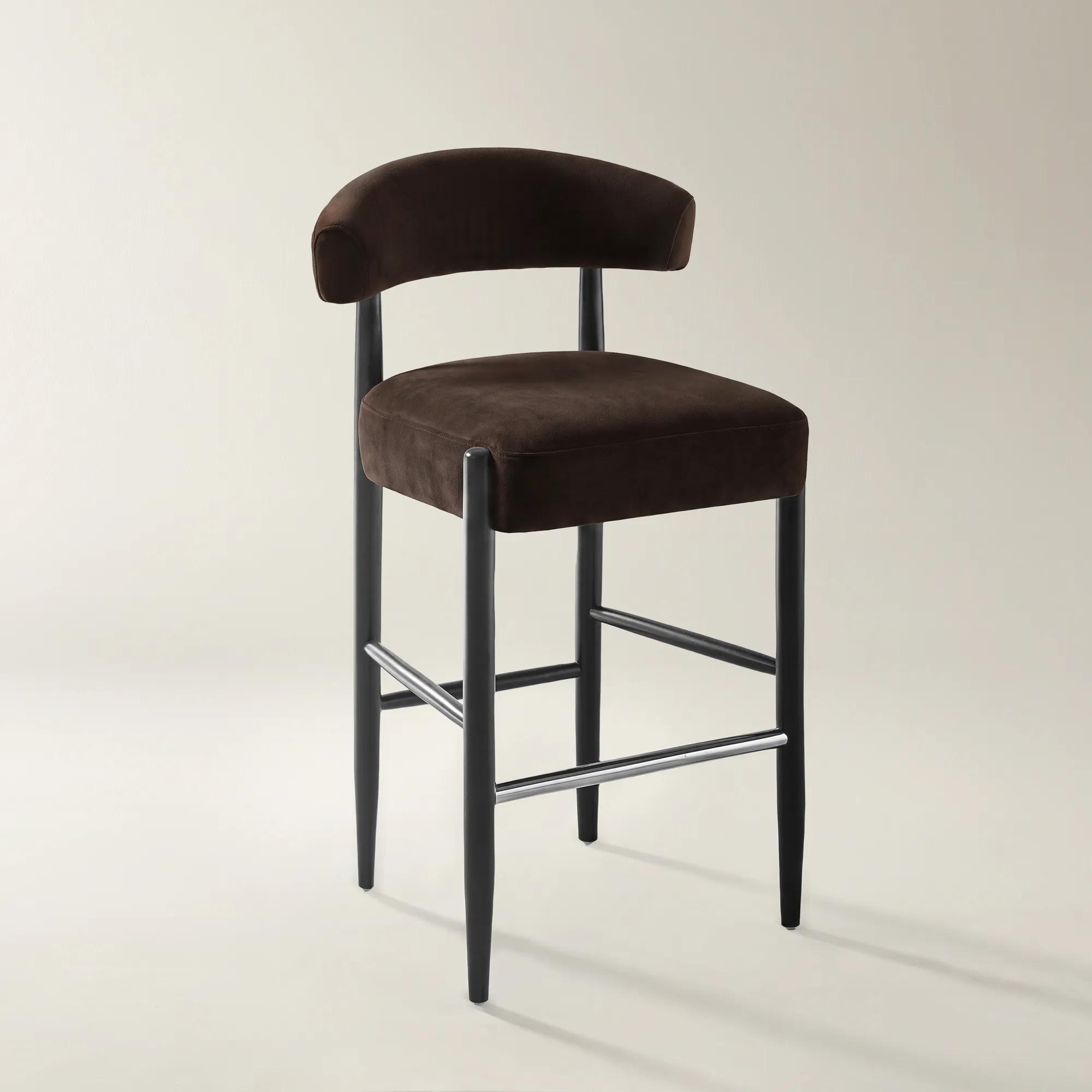 Anna Dark Chocolate Velvet Bar/Counter Stool$449
A dark chocolate velvet counter stool with a sculpted back, padded seat, and tapered solid-rubberwood legs.
Add To Cart -
 Fleece Fluted Gray Velvet Stool (15.55'')$229
A plush grey velvet stool with a unique ribbed texture, perfect for versatile, cozy seating or decor.
Add To Cart -
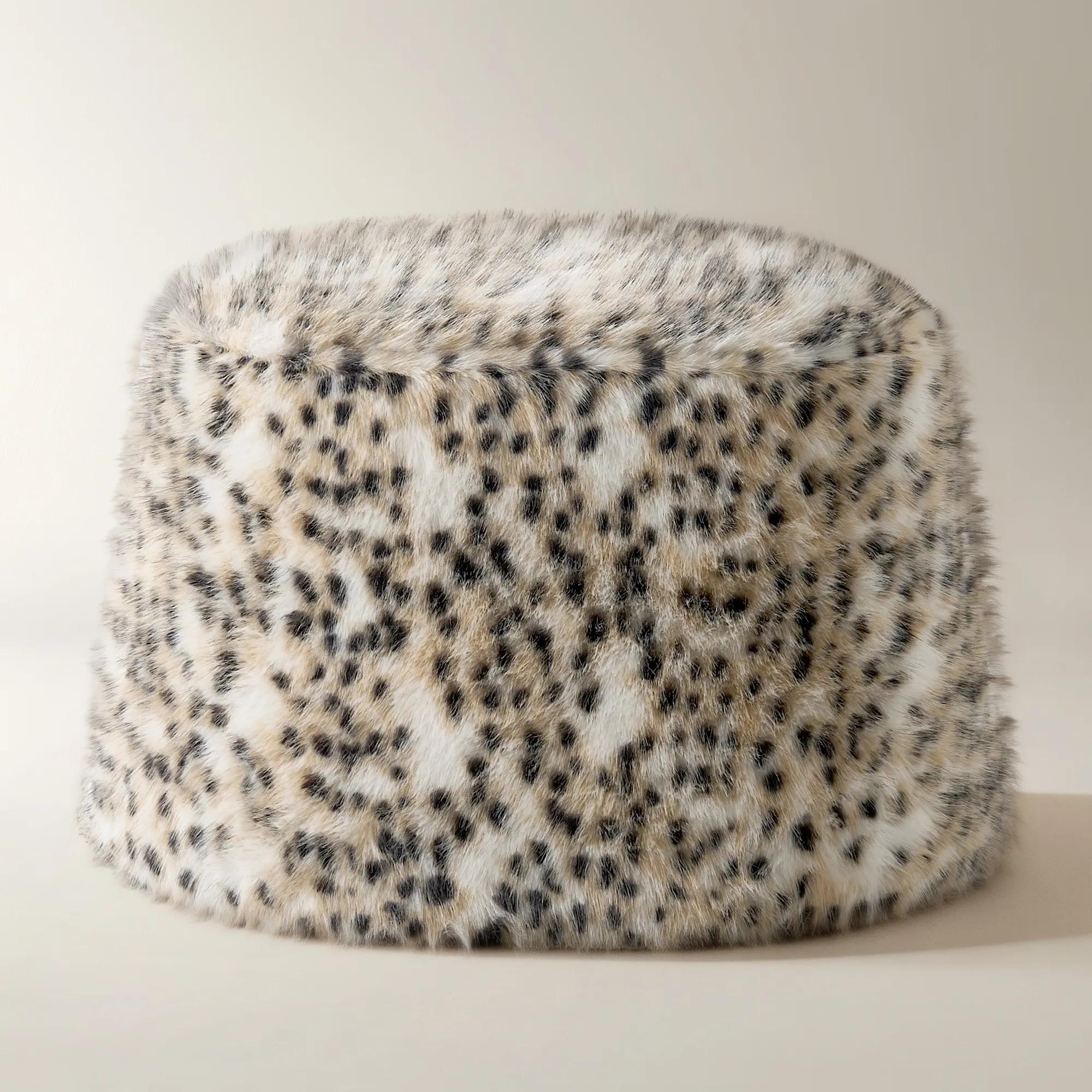
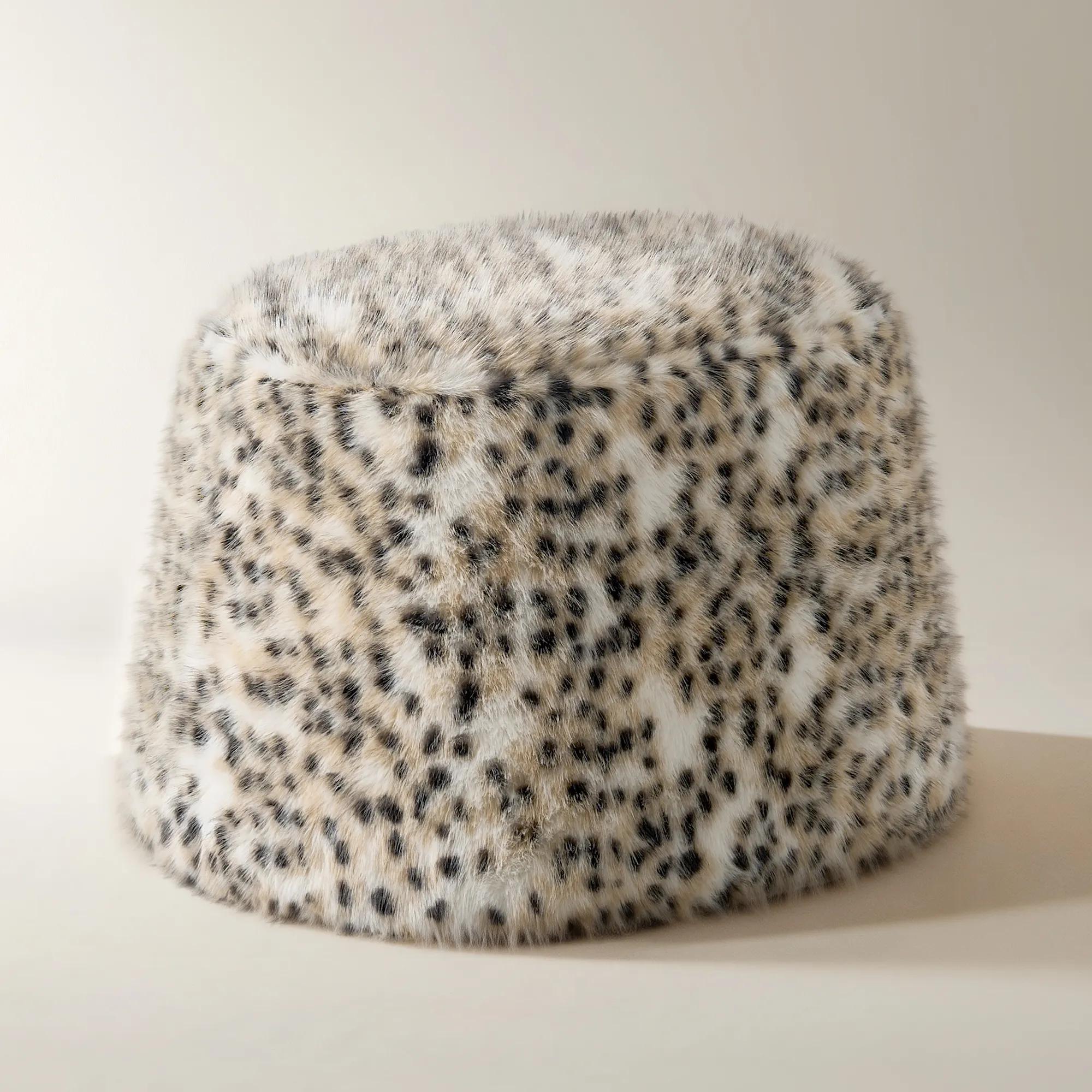 Avery Spotted Faux Fur Stool$399
A sculpted drum stool wrapped in plush spotted faux fur for bold, modern accent seating.
Add To Cart -

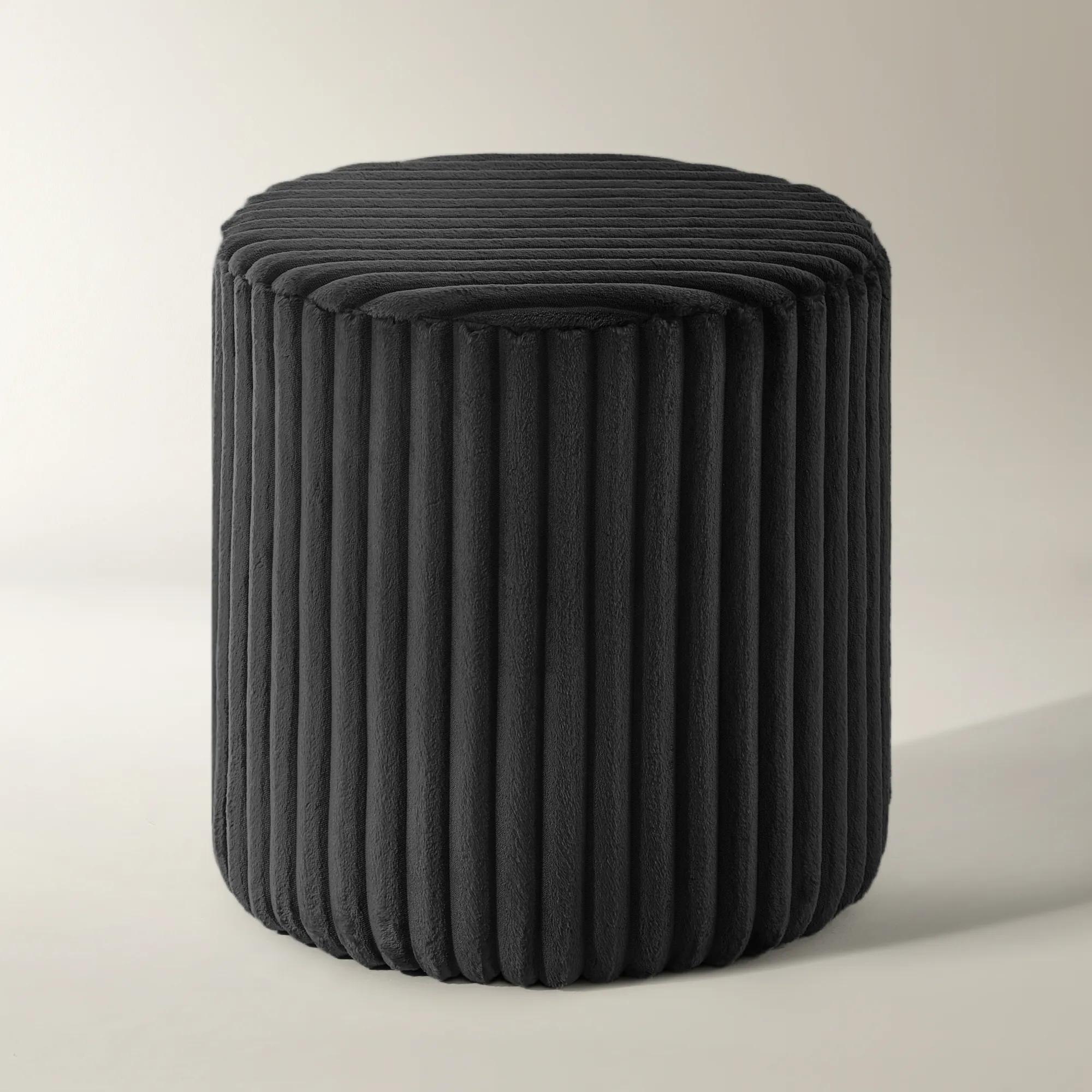 Fleece Fluted Black Velvet Stool (15.55'')$229
A plush black ribbed velvet stool offering versatile seating and cozy texture for any modern space.
Add To Cart -

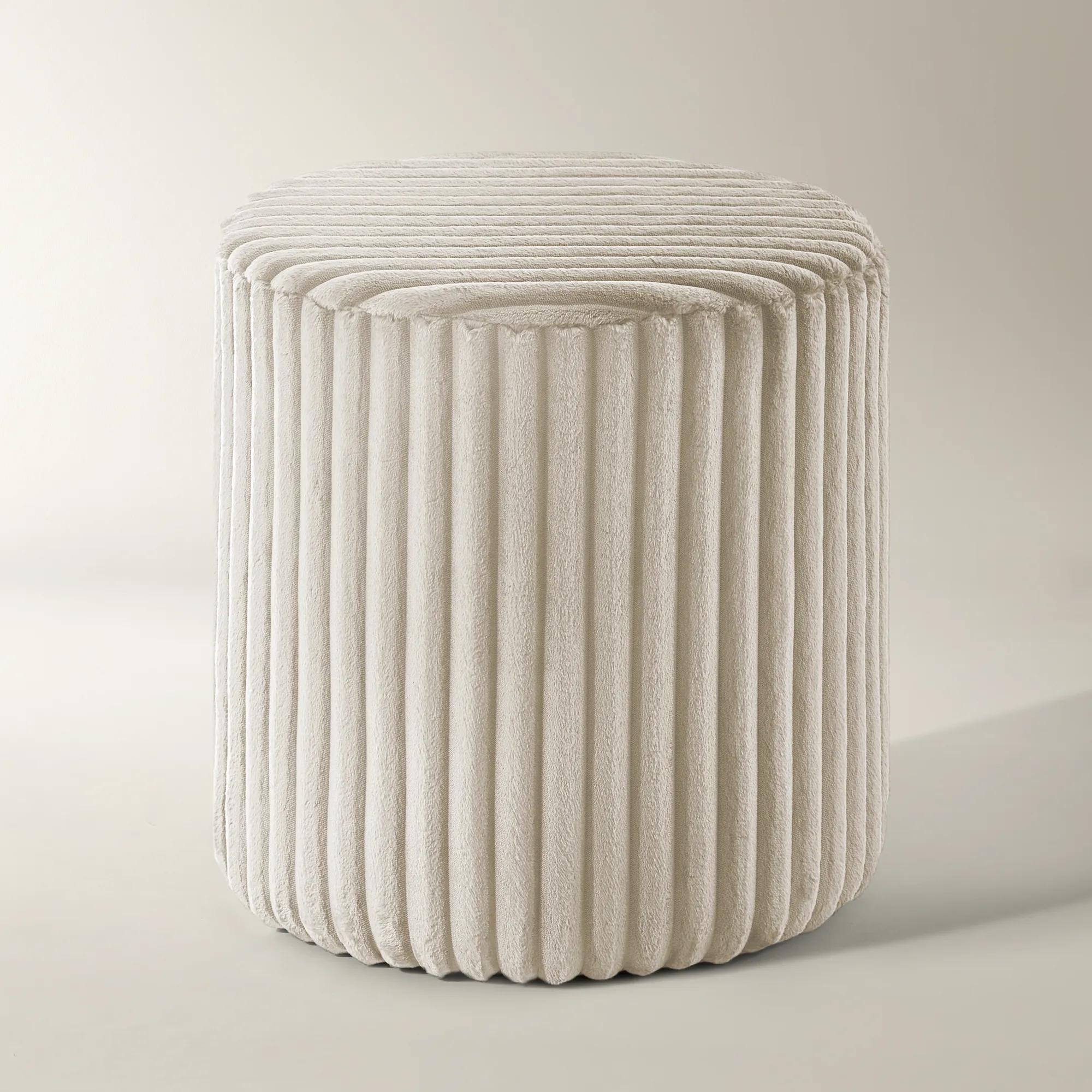 Fleece Fluted Ivory Velvet Stool (15.55'')$229
An ivory ribbed velvet stool offering cozy softness and versatile use as seating, footrest, or accent table.
Add To Cart -
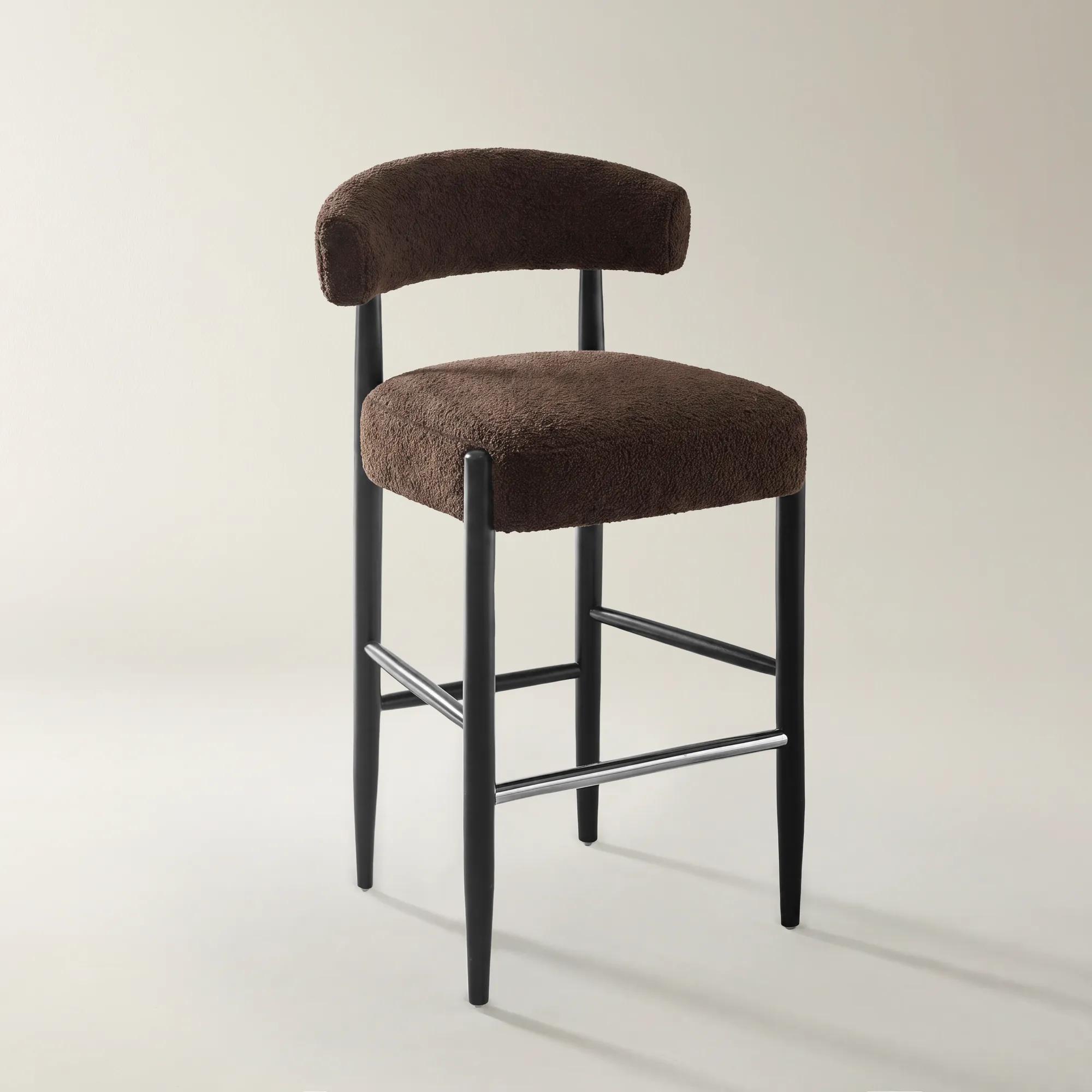 Anna Dark Chocolate Chenille Bar/Counter Stool$449
A dark chocolate chenille counter stool with a sculpted padded seat and solid rubberwood legs.
Add To Cart -
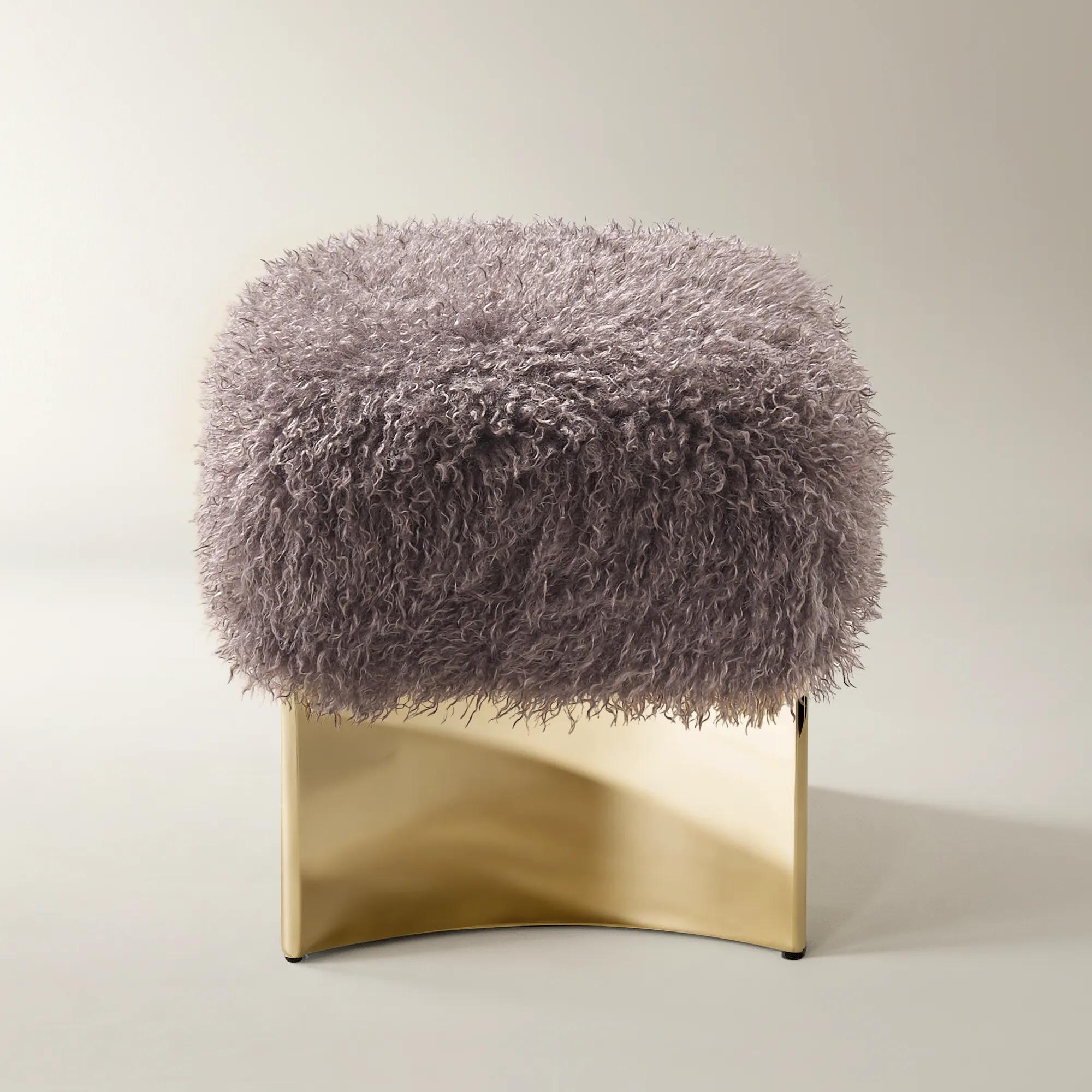 Lush Smoked Plum Faux Fur Stool$499
A sculptural smoked plum faux fur stool with a plush seat and polished gold stainless steel base.
Add To Cart -
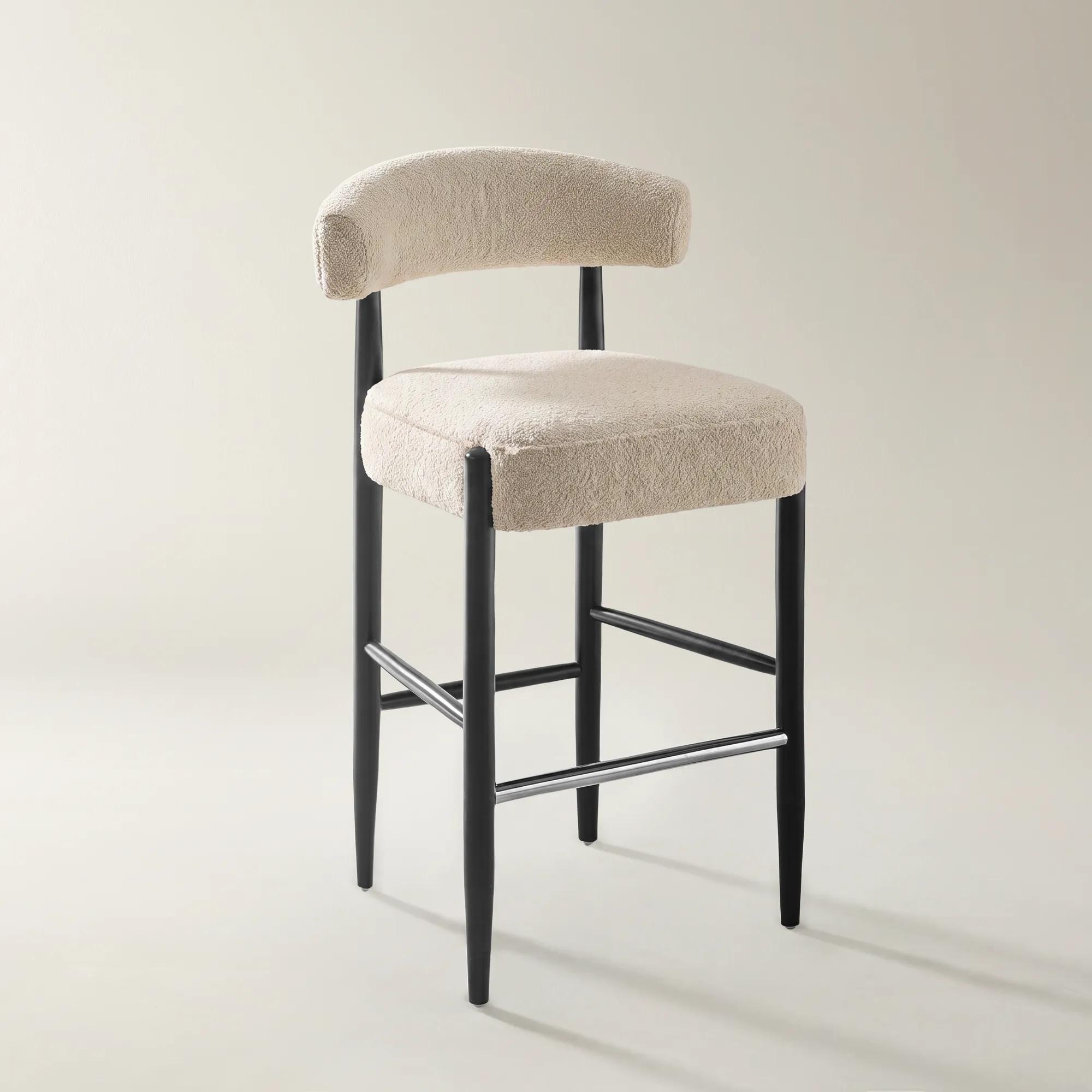 Anna Utopia Sand Chenille Bar/Counter Stool$449
A chenille bar stool with a sculpted padded seat, kiln-dried hardwood frame, and solid rubberwood legs.
Add To Cart -
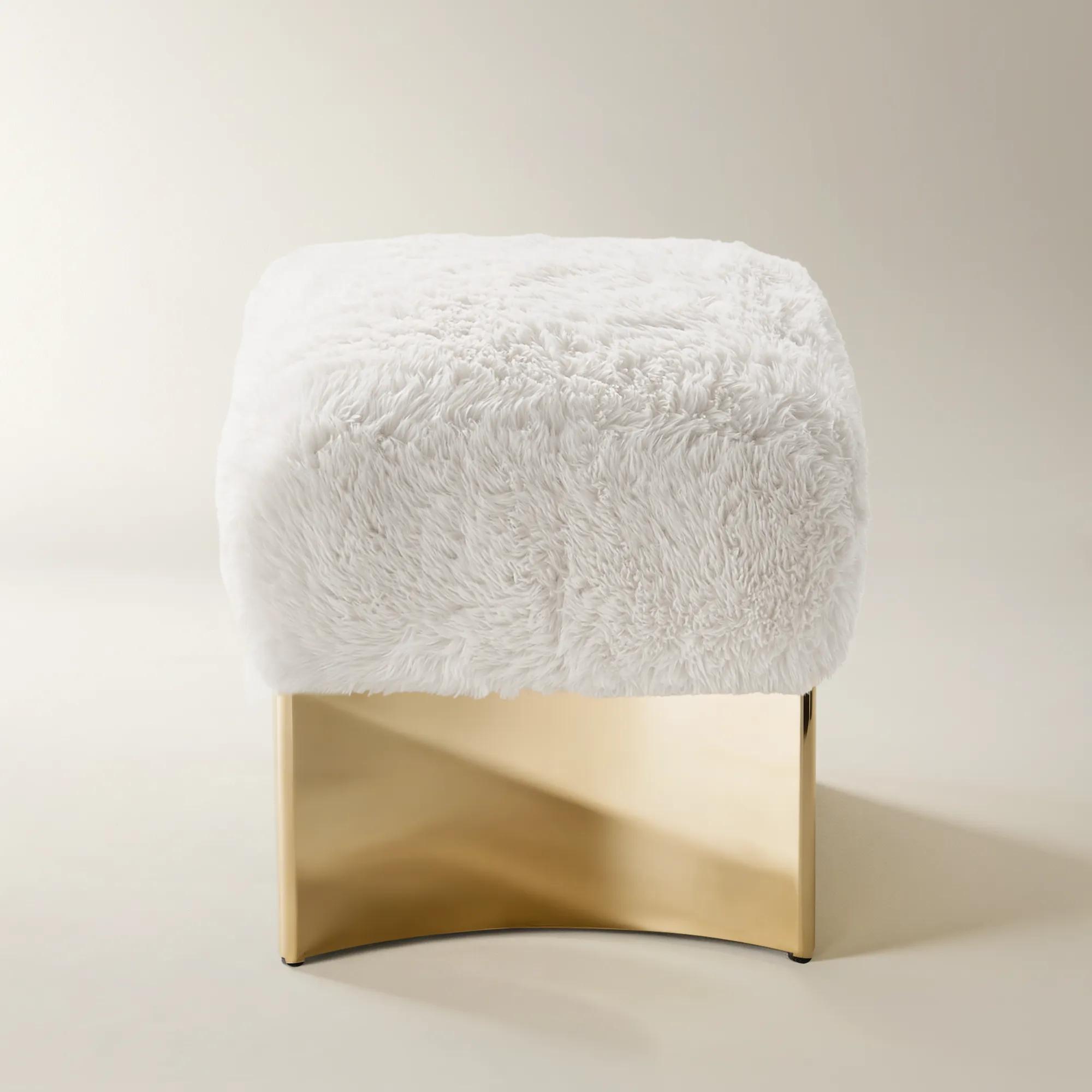 Lush White Faux Fur Stool$499
A sculptural white faux fur stool with a plush seat and polished gold stainless steel base.
Add To Cart -
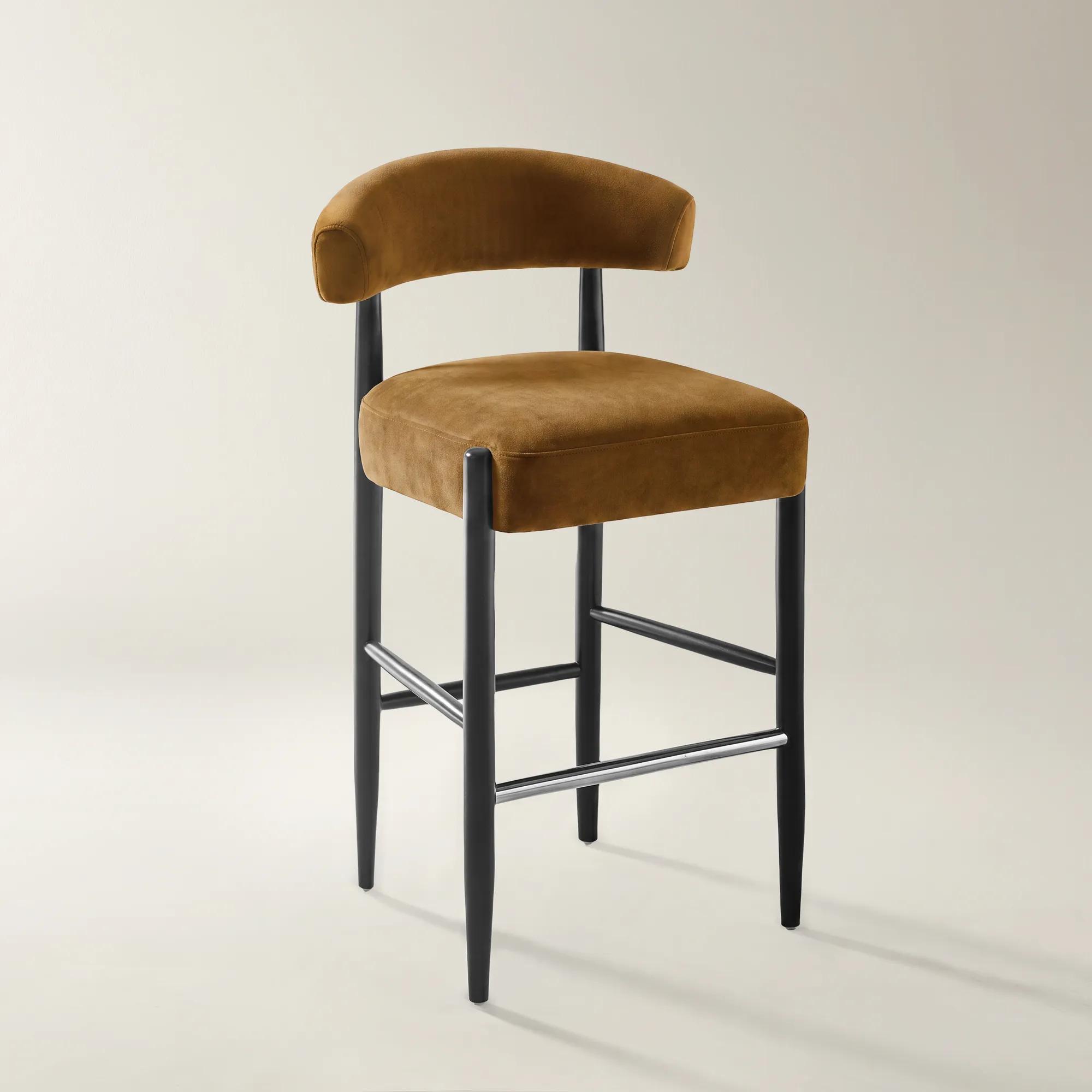 Anna Roasted Pecan Velvet Bar/Counter Stool$449
A roasted pecan velvet bar stool with a sculpted padded back, custom upholstery, and tapered solid-rubberwood legs.
Add To Cart -
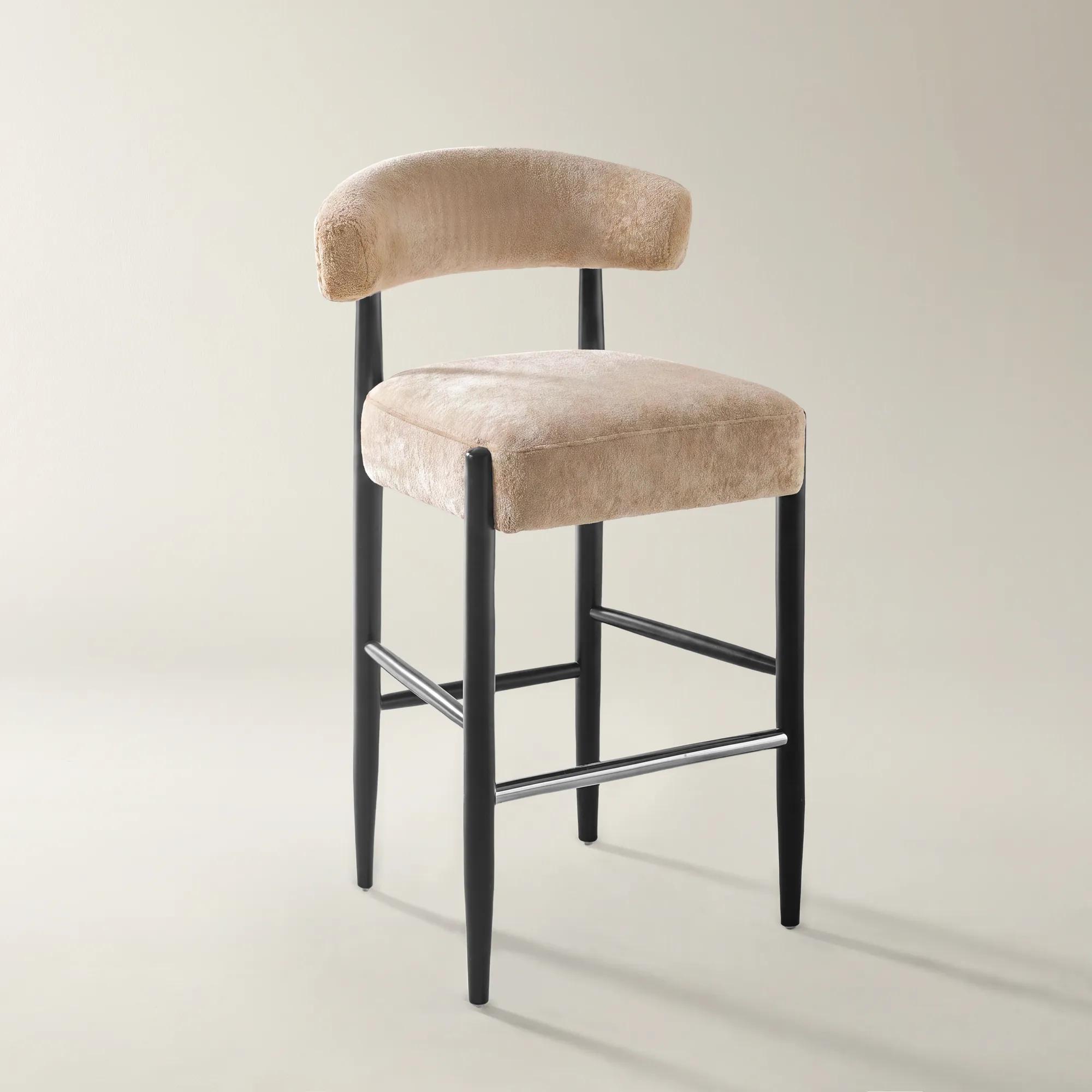 Anna Light Brown Chenille Bar/Counter Stool$449
A brown chenille counter stool with a sculpted back, padded seat, and tapered solid-rubberwood legs.
Add To Cart -
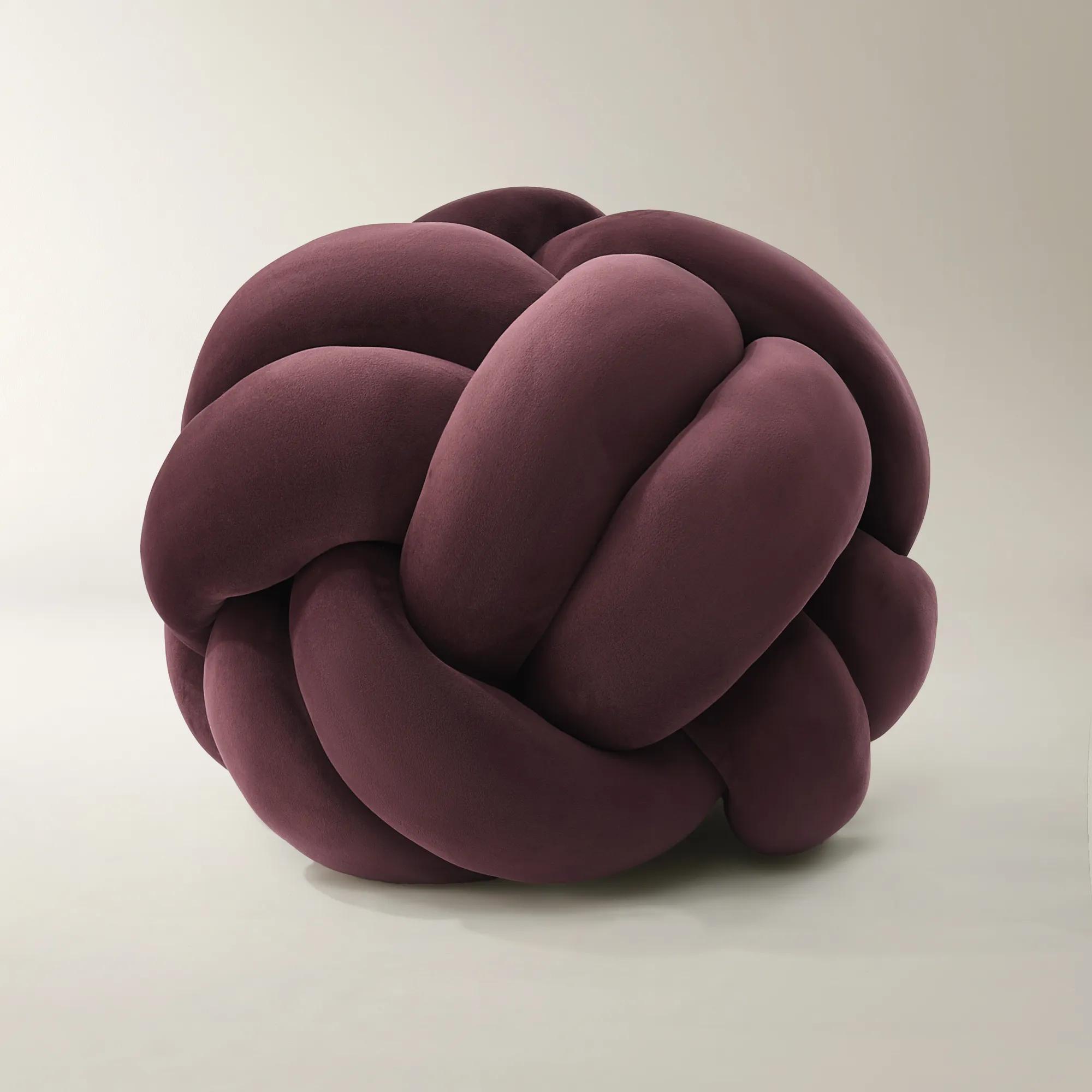
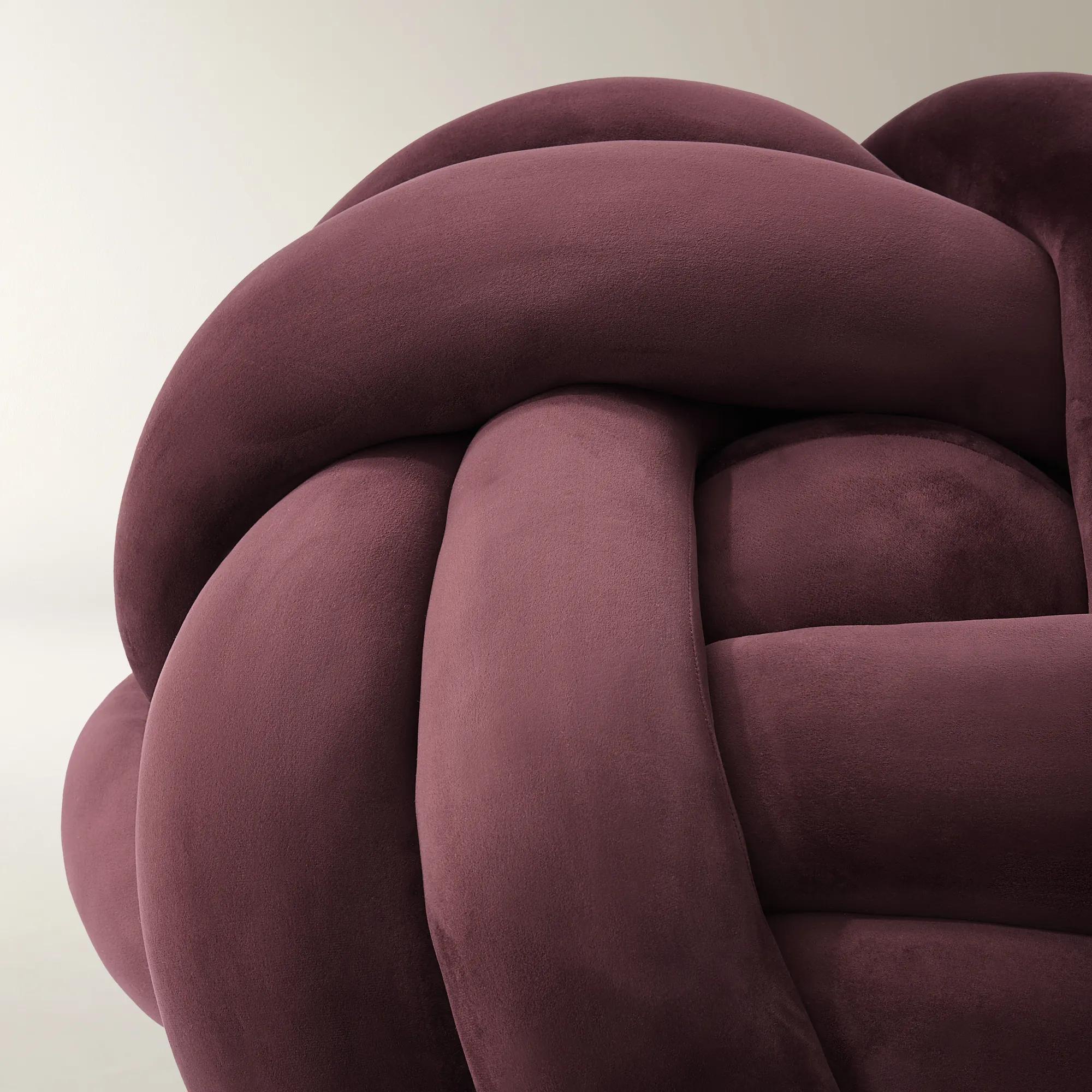 Loopie Fig Velvet Stool (34.5")$399
An oversized, knot-inspired stool hand-upholstered in plush fig velvet for bold sculptural appeal.
Add To Cart -
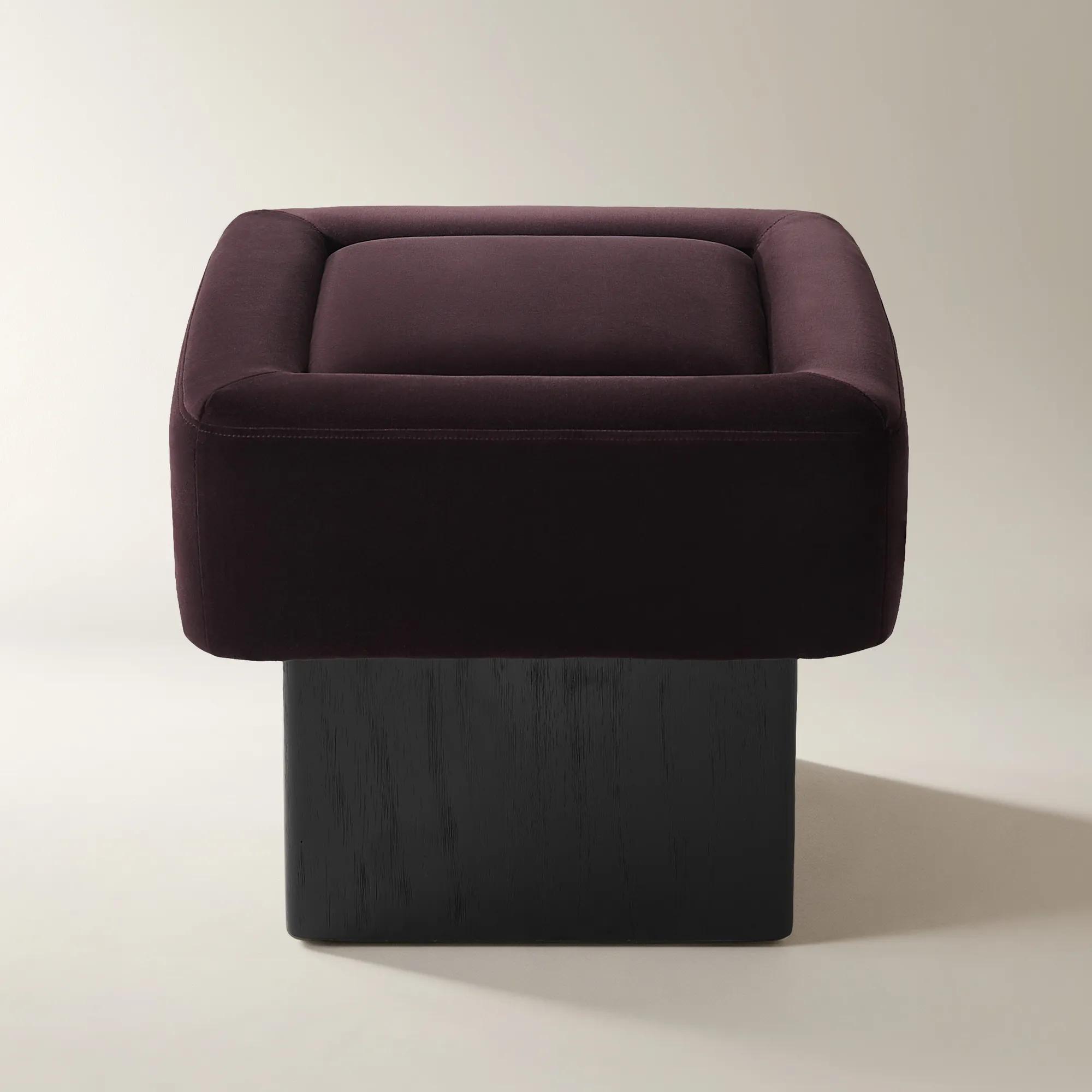 Reims Fig Velvet Stool$399
A plush fig-colored velvet stool featuring a sculpted cushion and a solid rubberwood base for modern contrast.
Add To Cart -
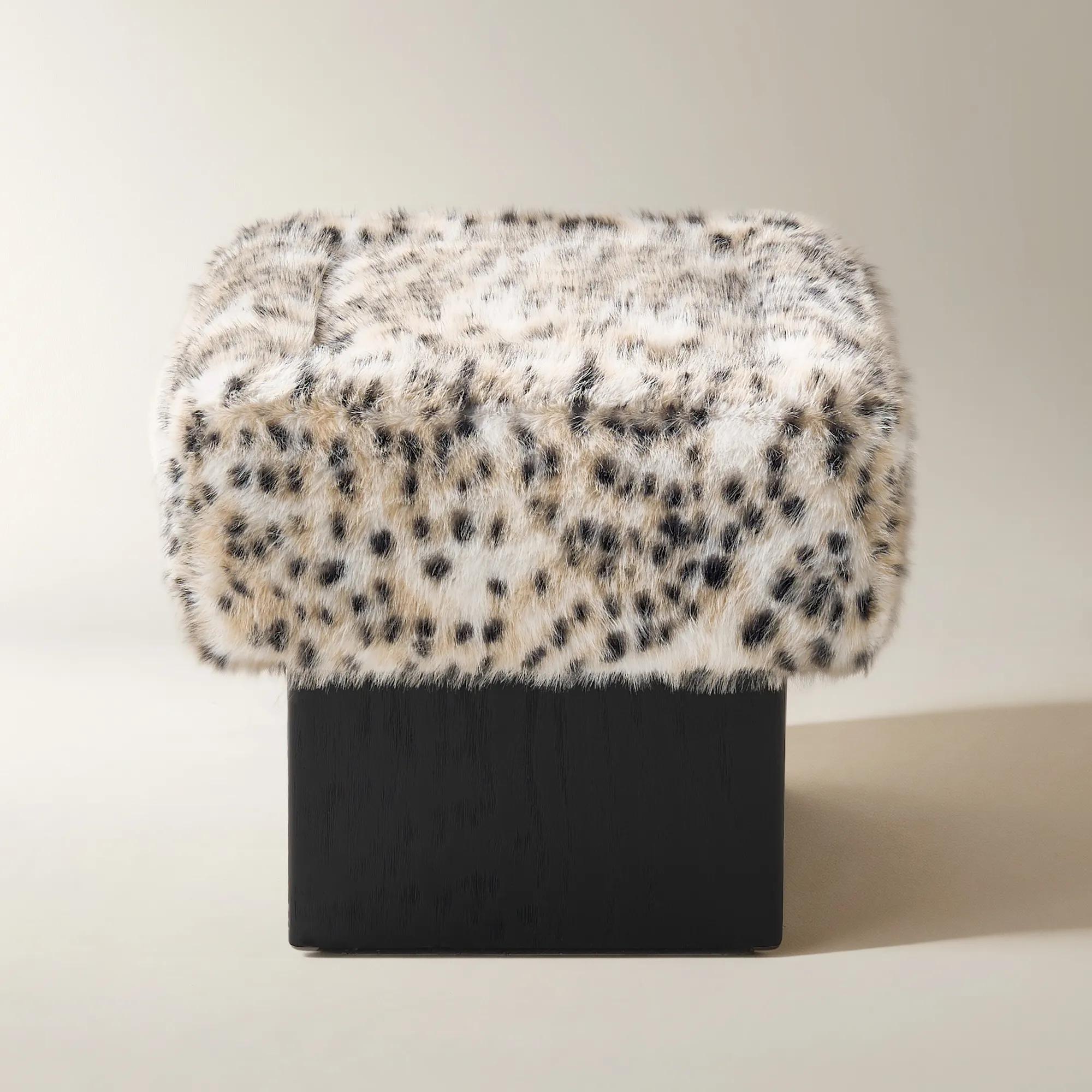 Reims Spotted Faux Fur Stool$399
A plush spotted faux fur stool with a sculpted cushion and solid rubberwood base for modern contrast.
Add To Cart -
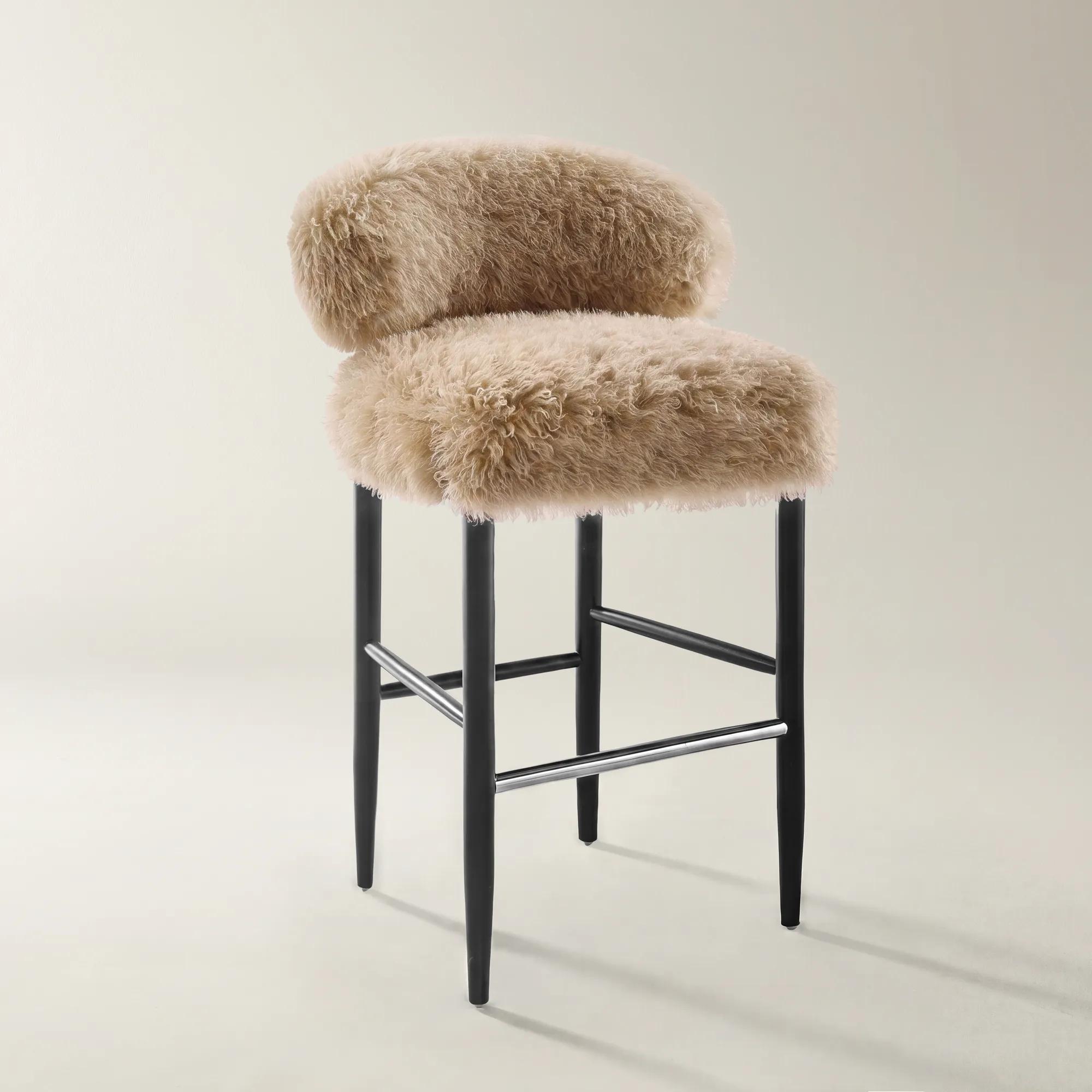 Anna Tan Faux Fur Bar/Counter Stool$549
A tan faux-fur bar stool with a sculpted padded seat and tapered solid-rubberwood legs.
Add To Cart -
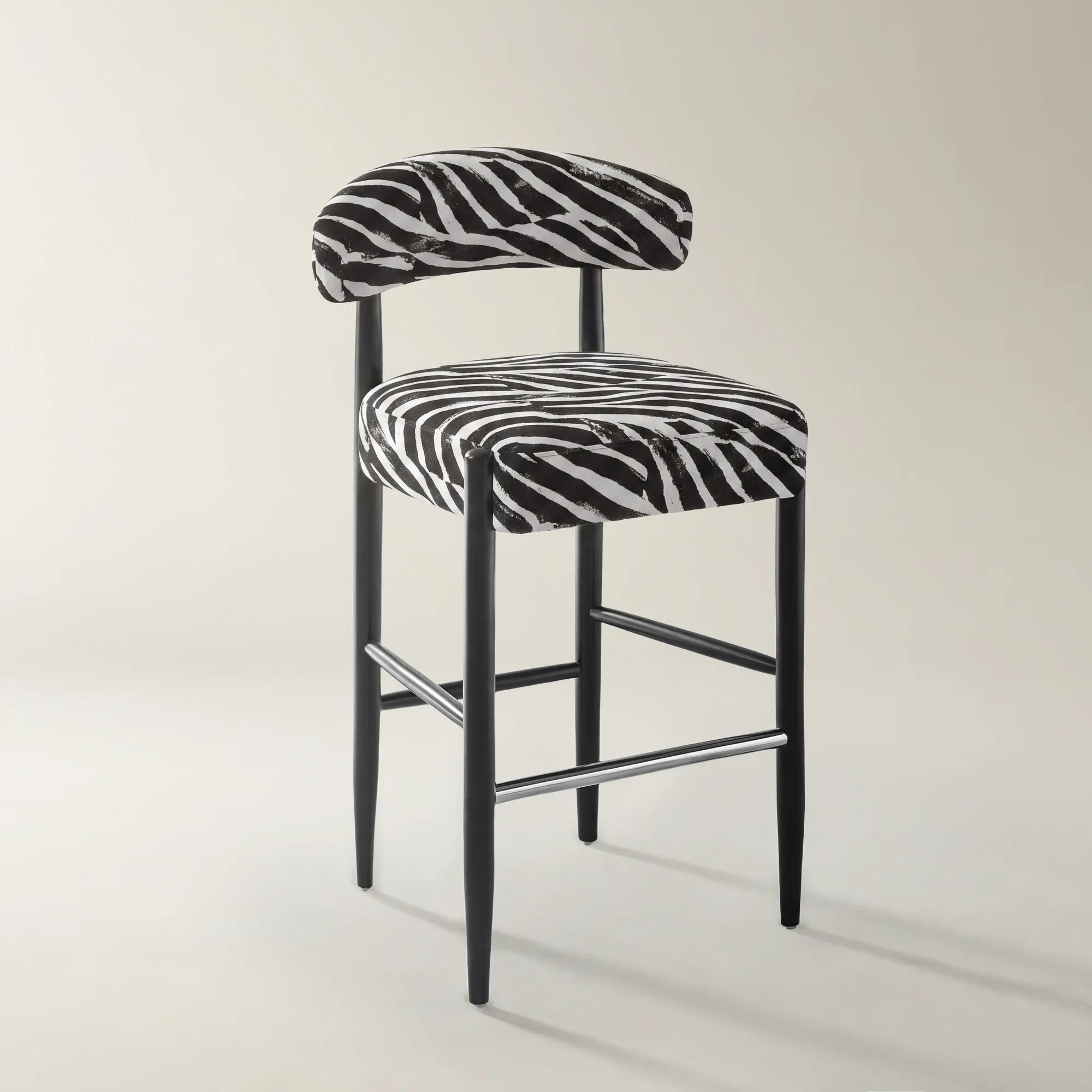 Anna White/Black Performance Chenille Bar/Counter Stool$449
A black-and-white chenille bar stool with a sculpted back, padded seat, and tapered solid rubberwood legs.
Add To Cart -
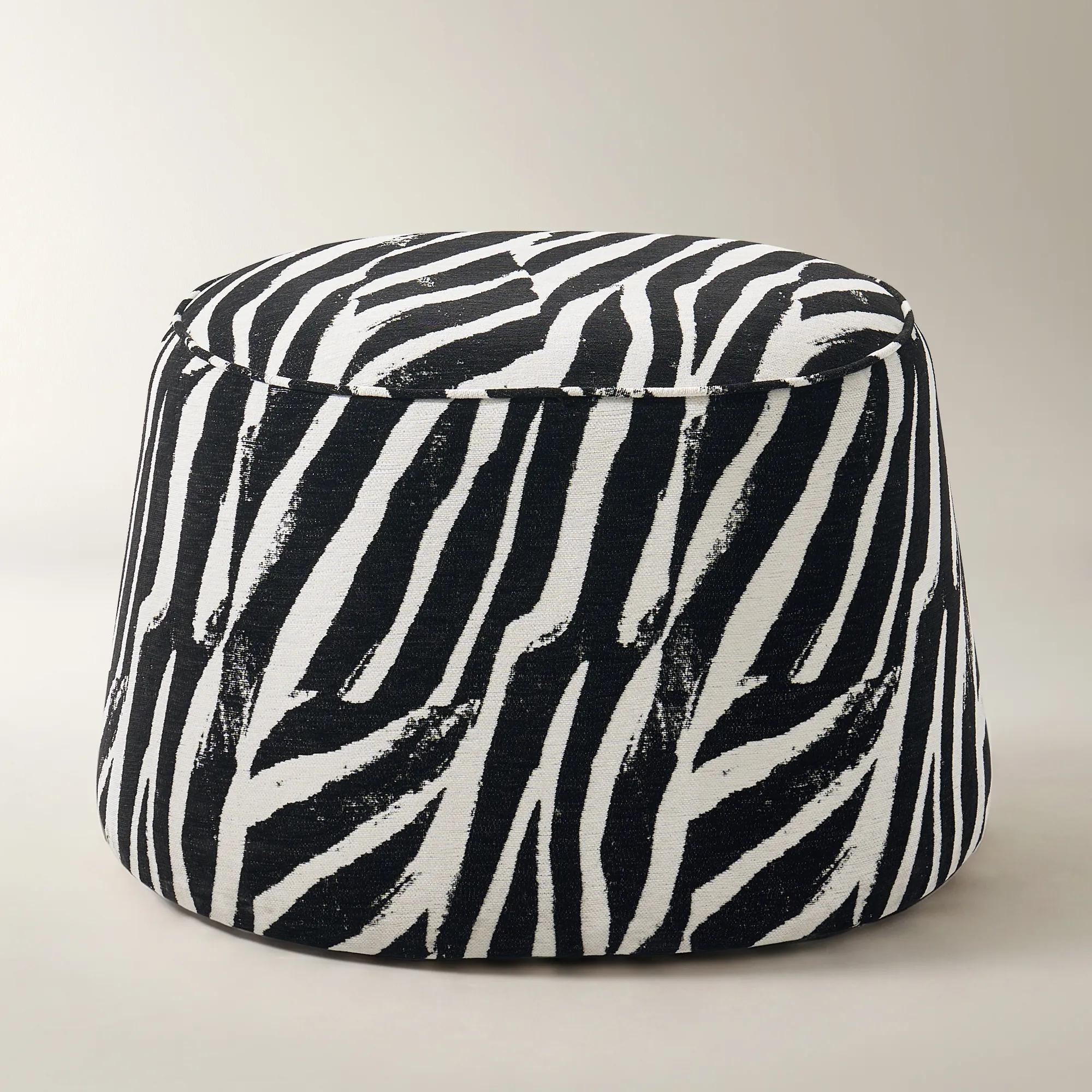 Avery White/Black Performance Chenille Stool$399
A sculpted drum accent stool in black and white performance chenille with an animal-inspired pattern.
Add To Cart -
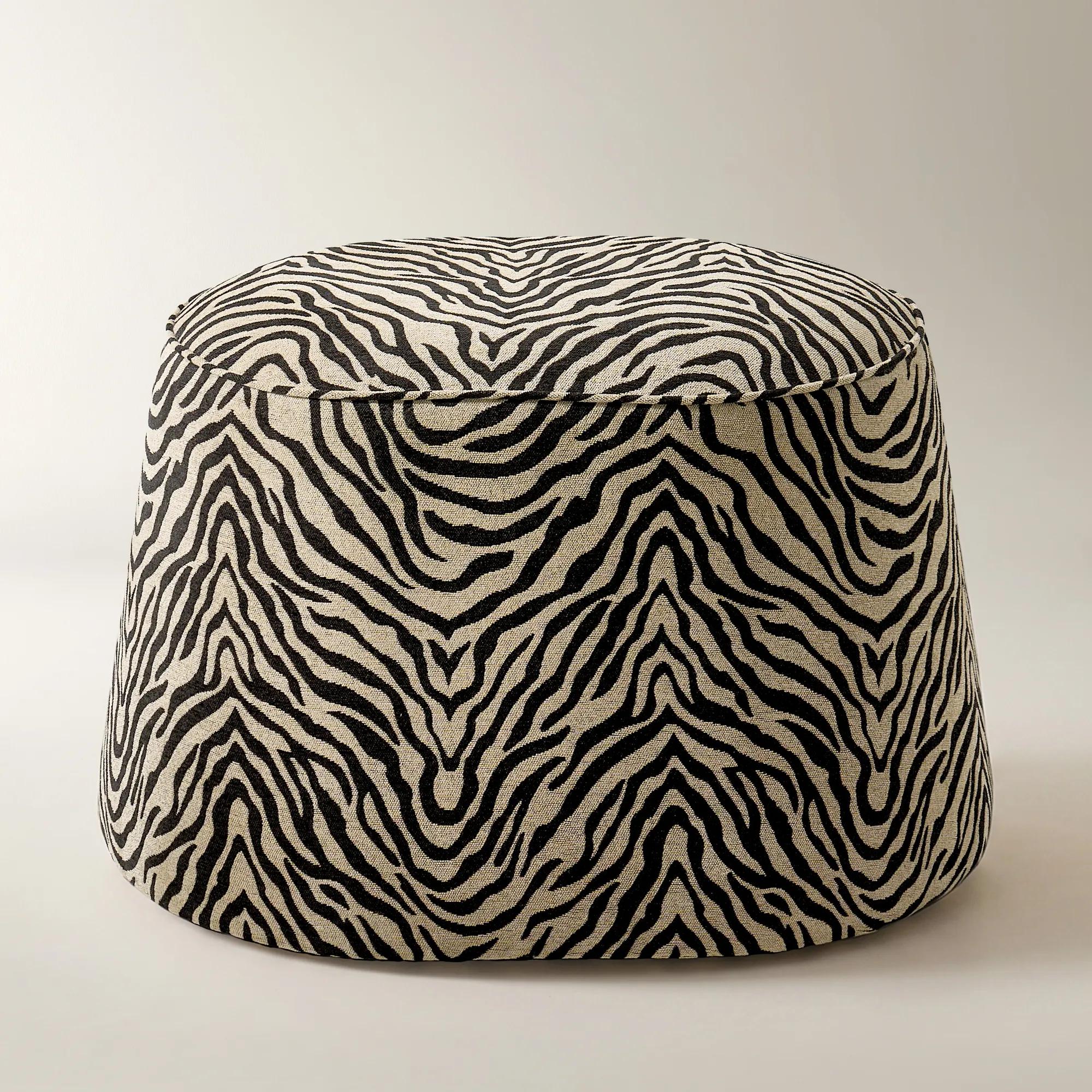 Avery Zebra Performance Chenille Stool$399
A sculpted drum-shaped accent stool upholstered in zebra-patterned performance chenille for bold, modern style.
Add To Cart -
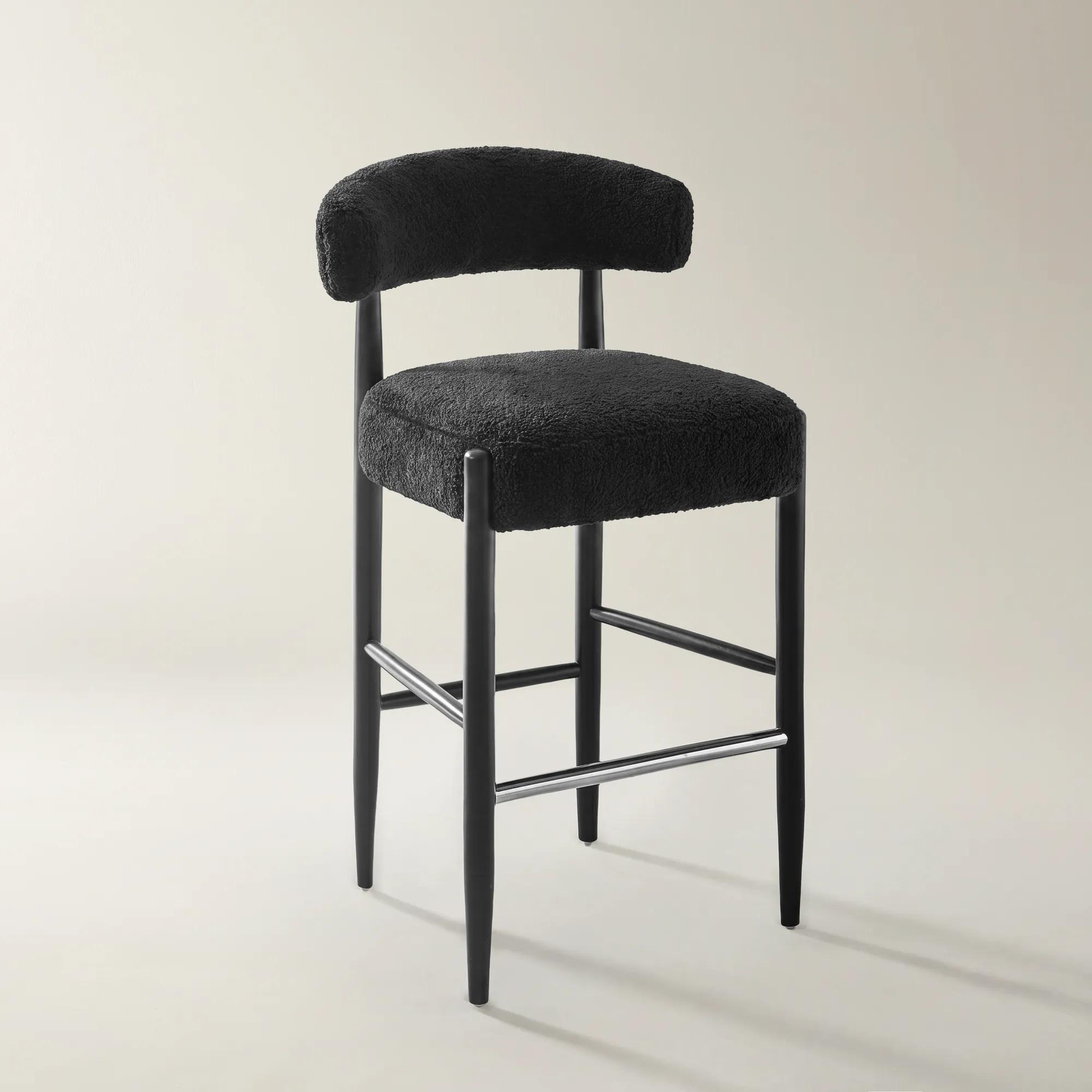 Anna Black Chenille Bar/Counter Stool$449
A black chenille counter stool with a sculpted padded seat and solid rubberwood legs.
Add To Cart -
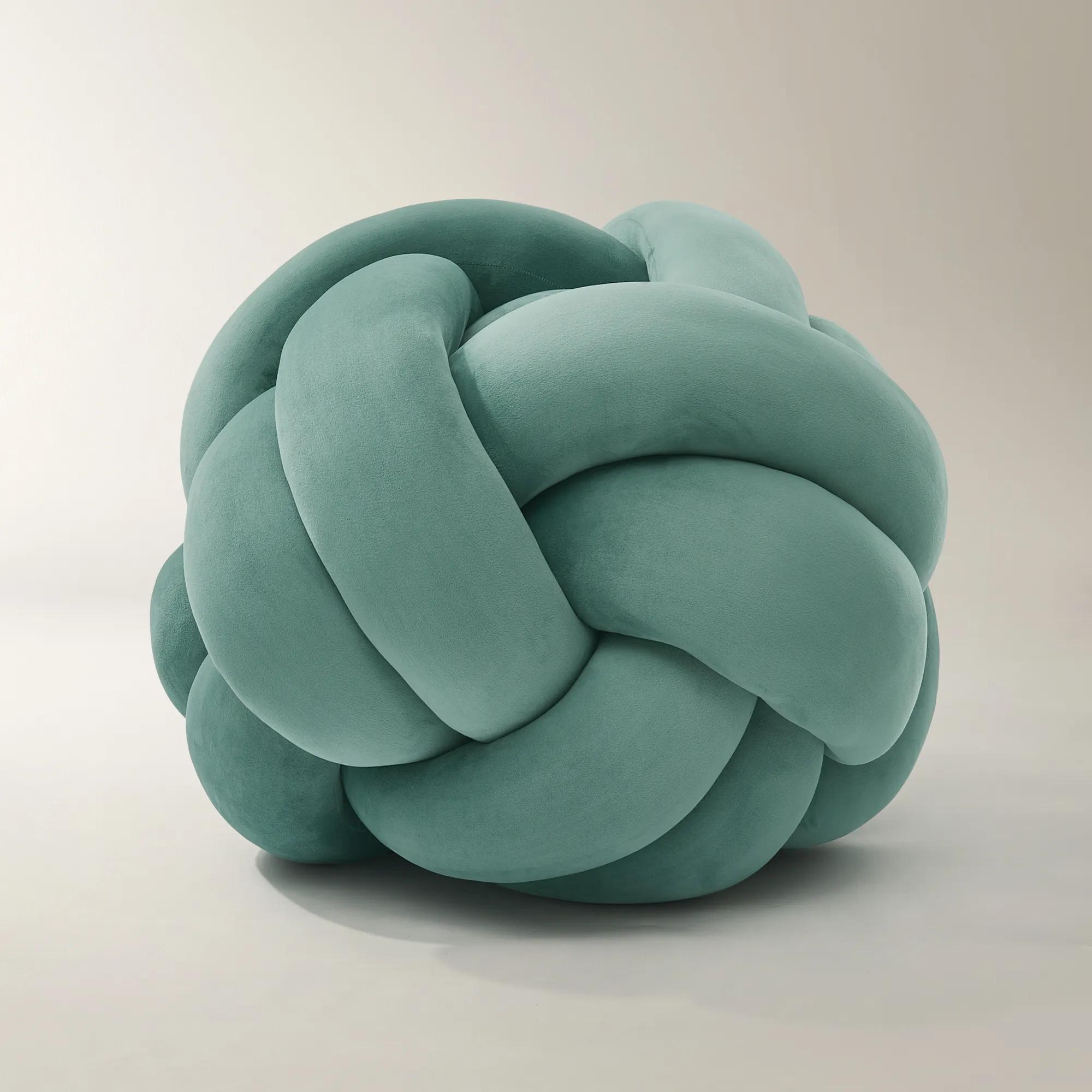 Loopie Ocean Teal Velvet Stool (34.5")$399
A bold sculptural stool featuring plush ocean teal velvet upholstery and an oversized knotted silhouette.
Add To Cart -
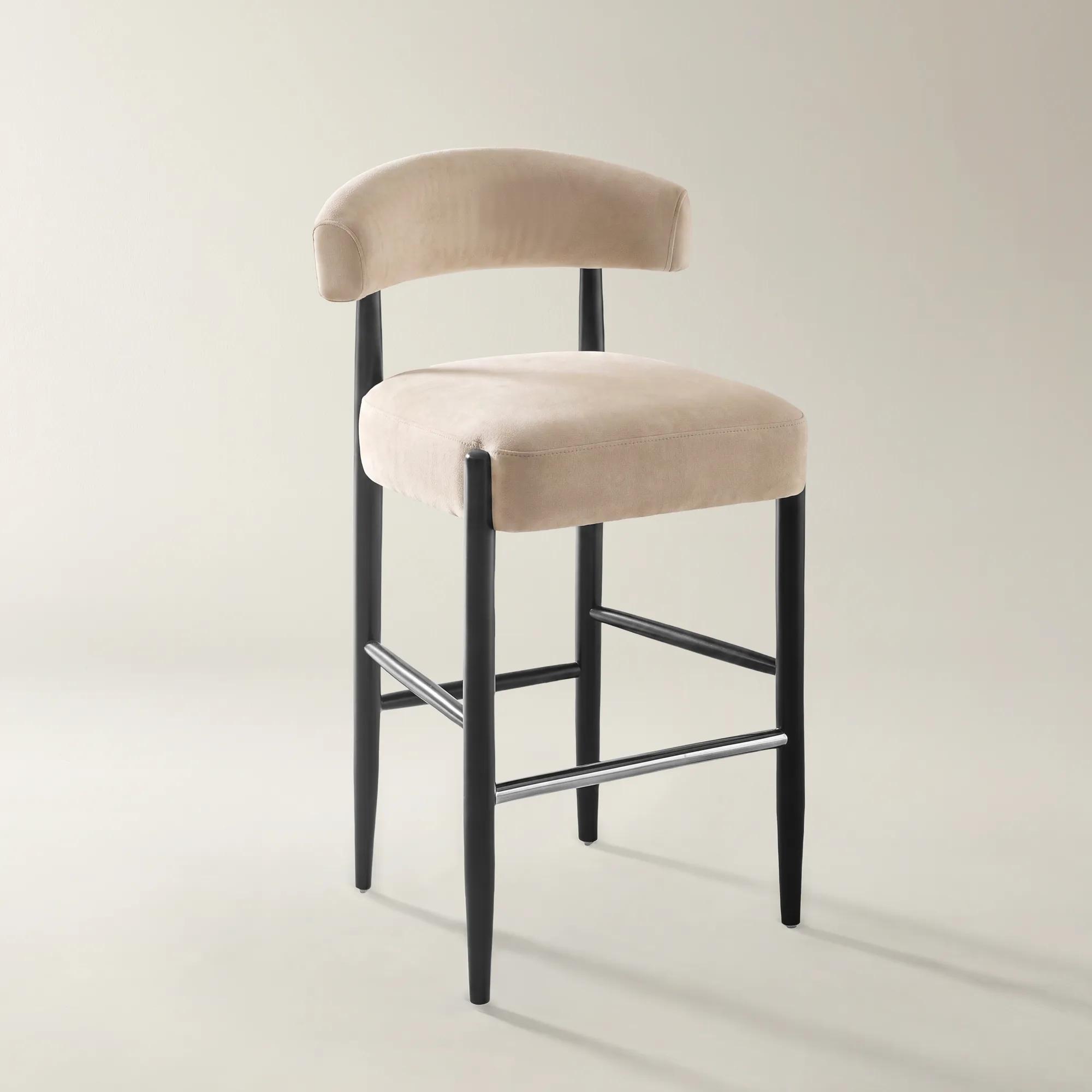 Anna Simply Taupe Velvet Bar/Counter Stool$449
A taupe velvet counter stool with a sculpted back, padded seat, and tapered solid-rubberwood base.
Add To Cart

Plush Stools For Vanity Tables
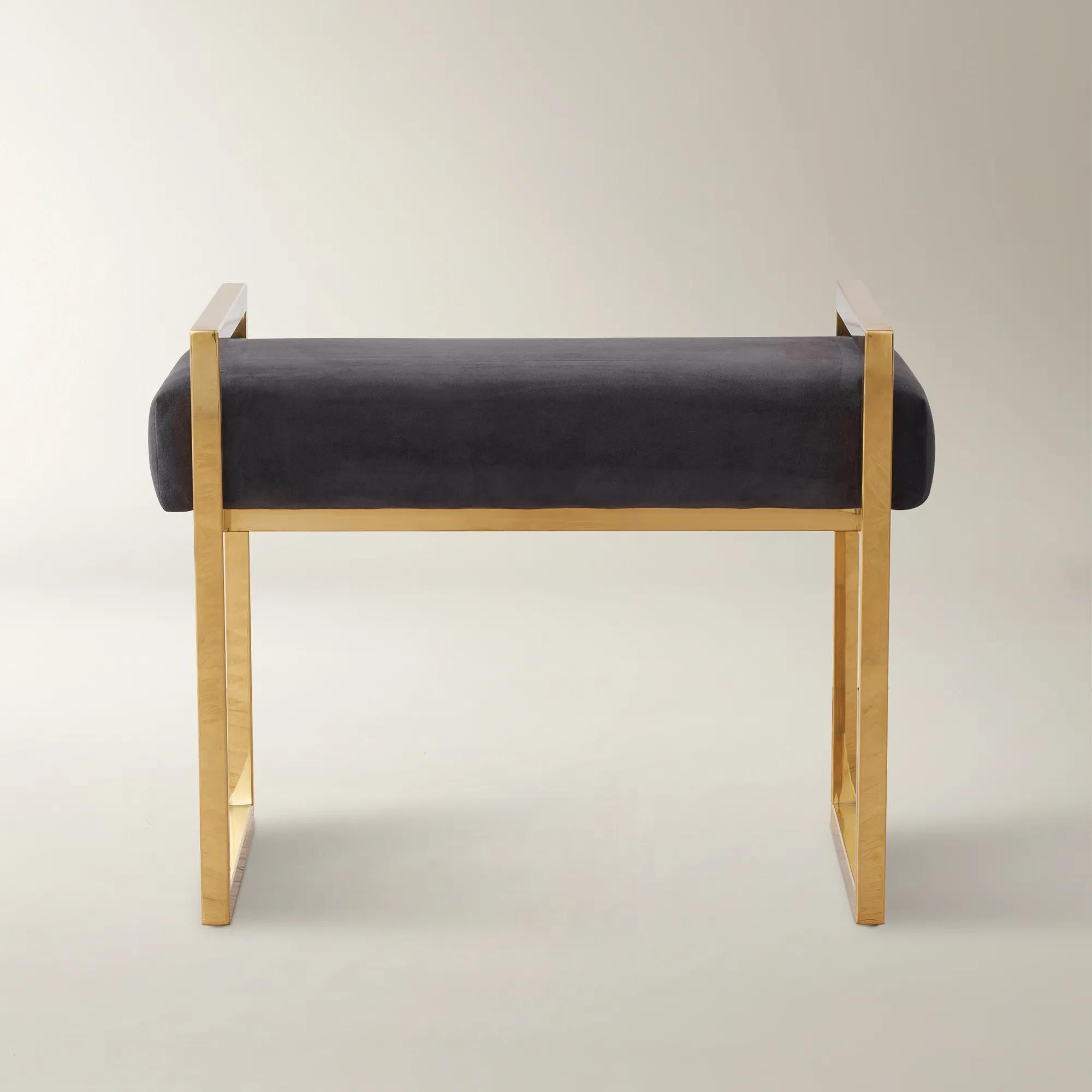
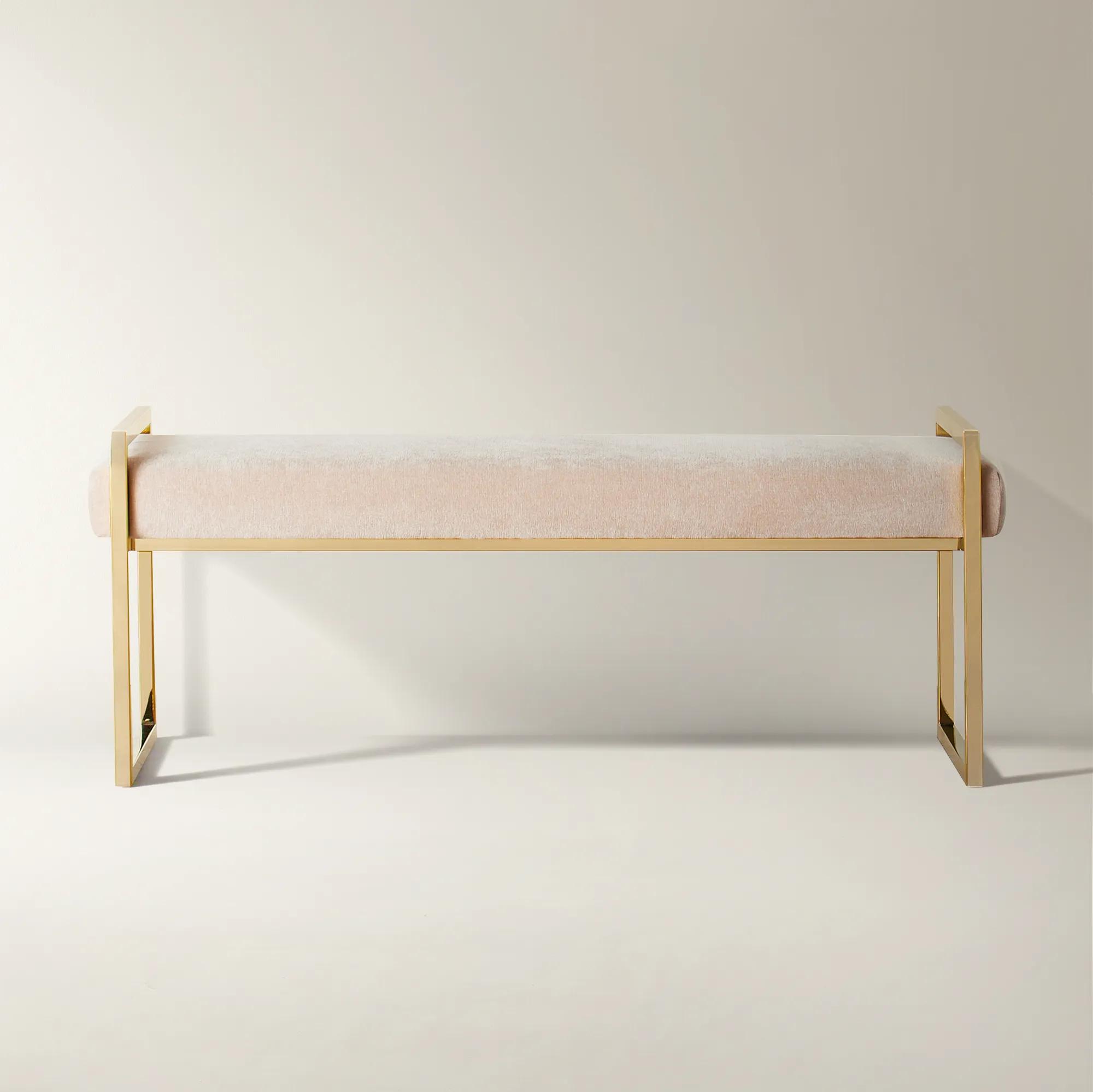
Plush stools for vanity tables are the unsung heroes of personal sanctuaries—where beauty rituals become daily moments of indulgence. Imagine sinking into sumptuous upholstery, surrounded by a touch of drama and sophistication that elevates your morning routine into an act of self-expression. Each stool is more than a seat; it’s a statement, artfully designed to infuse your dressing area with luxurious comfort and undeniable allure. Whether you crave a hint of Hollywood glam or a flourish of modern chic, these plush stools transform the ordinary into the extraordinary, ensuring every detail reflects your boldest vision.
Plush stools for vanity tables bring cushioned comfort and expressive texture to a dressing space, pairing a soft upholstered seat with a silhouette that sits neatly beneath a tabletop. More than a finishing accent, a vanity stool creates a place to settle in, arrange jewelry, or add the final brushstroke before an evening out. Its smaller scale lets upholstery become a focal point without overwhelming a bedroom, dressing room, or walk-in closet. Velvet offers a rich surface with a directional pile that catches light differently as it moves, while faux fur introduces a more exuberant texture. Bouclé and other looped fabrics create sculptural softness, and smooth woven upholstery can give an ornate vanity a quieter counterpoint. Each material has a distinct presence: a closely upholstered velvet seat feels tailored, while a longer faux-fur pile softens the outline of a metal base. Color shapes the mood just as strongly. Ivory and cream lend a luminous contrast to dark wood; charcoal and black create definition beside mirrored furniture; jewel tones bring depth to a pale dressing area. A gleaming gold-tone base can echo the warmth of a mirror frame, while silver-tone metal creates a crisp conversation with glass and polished accessories. The most compelling combinations do not require every finish to match. A repeated tone, a shared curve, or a similar sense of proportion can connect the stool to its surroundings while preserving its character. Round seats soften angular vanity tables, square silhouettes emphasize tailored lines, and tufting adds dimension to otherwise restrained upholstery. For someone who enjoys an elaborate beauty ritual, these details make the dressing area feel personal rather than purely functional. For someone working with a bedroom corner, a plush vanity stool offers a concentrated expression of style: sumptuous texture, a considered finish, and a comfortable place to pause, all within a modest footprint.
The right proportions allow that visual drama to coexist with an easy daily routine. Seat height needs to work with both the vanity surface and the clearance beneath its apron, drawers, or center compartment; the tabletop height alone does not tell the whole story. A deeply padded cushion may compress when occupied, so the listed dimensions and cushion construction deserve attention together. There should be enough room for thighs to fit comfortably beneath the table and for feet to rest securely on the floor, without requiring raised shoulders to reach cosmetics or a mirror. Seat width matters as well, particularly when a vanity has a narrow knee opening or decorative legs that angle inward. A stool that fits beneath the tabletop may still catch on a drawer pull, and a wide, splayed base may extend beyond the cushion. Allowing room to pull the seat out without brushing a bed frame or dresser makes even a compact dressing area feel more composed. Backless vanity stools are especially suited to spaces where the seat needs to tuck away between uses, though they do not offer the sustained support of seating with a backrest. Cushion firmness also influences comfort: a generously padded appearance does not necessarily mean a supportive seat, and a resilient filling can be preferable to one that sinks deeply during a longer routine. Beneath the upholstery, frame construction, secure joints, and a stable base contribute to durability. Wood and metal each offer distinctive design possibilities, but neither material alone establishes strength; the stated weight capacity, assembly requirements, and care information remain important considerations. Level placement helps prevent rocking, while floor-compatible glides can reduce contact between legs and delicate surfaces. Where storage is part of the design, a lift-top seat can keep small accessories close without leaving them on display. Hinges, lid clearance, and the ease of opening the compartment matter, particularly when the stool sits beneath a low vanity. These practical details let the piece serve its intended purpose gracefully, rather than becoming an accent that must constantly be moved aside.
Upholstery care is especially relevant around a vanity, where loose powder, foundation, facial oils, and hair products share space with decorative textiles. A plush seat benefits from a little separation between the beauty routine and the fabric: open cosmetics belong on the tabletop or a dedicated tray rather than on the cushion, and styling tools need a suitable heat-resistant resting place away from upholstery. Care methods should follow the fabric label or manufacturer’s instructions, since velvet, faux fur, and textured weaves can require different treatment. Gentle vacuuming with an appropriate upholstery attachment may help remove surface dust when permitted, while spills generally call for prompt blotting rather than vigorous rubbing. A recommended cleaner should be tested in an inconspicuous area before broader use. Removable upholstery is not automatically machine washable, and longer-pile fabrics may need specific handling to preserve their texture. Direct sunlight can affect some colors over time, making placement worth considering in a dressing area beside a bright window. Jewelry clasps, embellished clothing, and pet claws can also catch on certain piles or loops; a closely woven fabric may better suit a seat that sees frequent contact. With those needs in mind, plush seating can extend the dressing area’s visual language throughout a bedroom. A vanity stool upholstered in a tone drawn from the bedding can connect the two spaces without repeating the same fabric everywhere, while a contrasting texture gives a coordinated room more depth. Related plush upholstered stools for bedrooms offer another way to carry that softness into a bedside corner or dressing alcove. As a housewarming gift or a considered addition to a newly arranged dressing space, a vanity stool feels most personal when its scale, upholstery, and finish reflect the recipient’s habits as well as their taste. The result is a dressing space with presence: tactile, expressive, and ready for the rituals that make it distinctly their own.
FAQs
Plush stools for vanity tables often feature luxurious materials such as velvet, faux fur, boucle, or richly textured upholstery. These fabrics are typically paired with sturdy wood, metal, or acrylic bases, sometimes accented with metallic finishes like brass or chrome for an added touch of glamour.
A plush stool introduces softness, color, and a sense of indulgence to the vanity area. Its tactile upholstery invites you to linger, while its design can complement or contrast with your vanity table, creating a cohesive and visually striking vignette that elevates the entire room.
Absolutely. Plush stools are versatile pieces that can be used in bedrooms, bathrooms, or even living areas. They serve beautifully as accent seating, footrests, or as a chic addition to reading nooks and entryways, offering both comfort and a dash of style wherever they’re placed.
Plush stools can be paired with trays to hold bath essentials, layered with throws for added texture, or positioned near a soaking tub to create a spa-like retreat. Their luxurious look and feel make them ideal for transforming ordinary bathrooms into elegant, relaxing sanctuaries.
A plush vanity stool makes an exquisite gift for anyone who values comfort, style, and self-care. It’s especially thoughtful for those who enjoy beauty rituals, love interior design, or are looking to refresh their personal spaces with a touch of luxury and artistry.