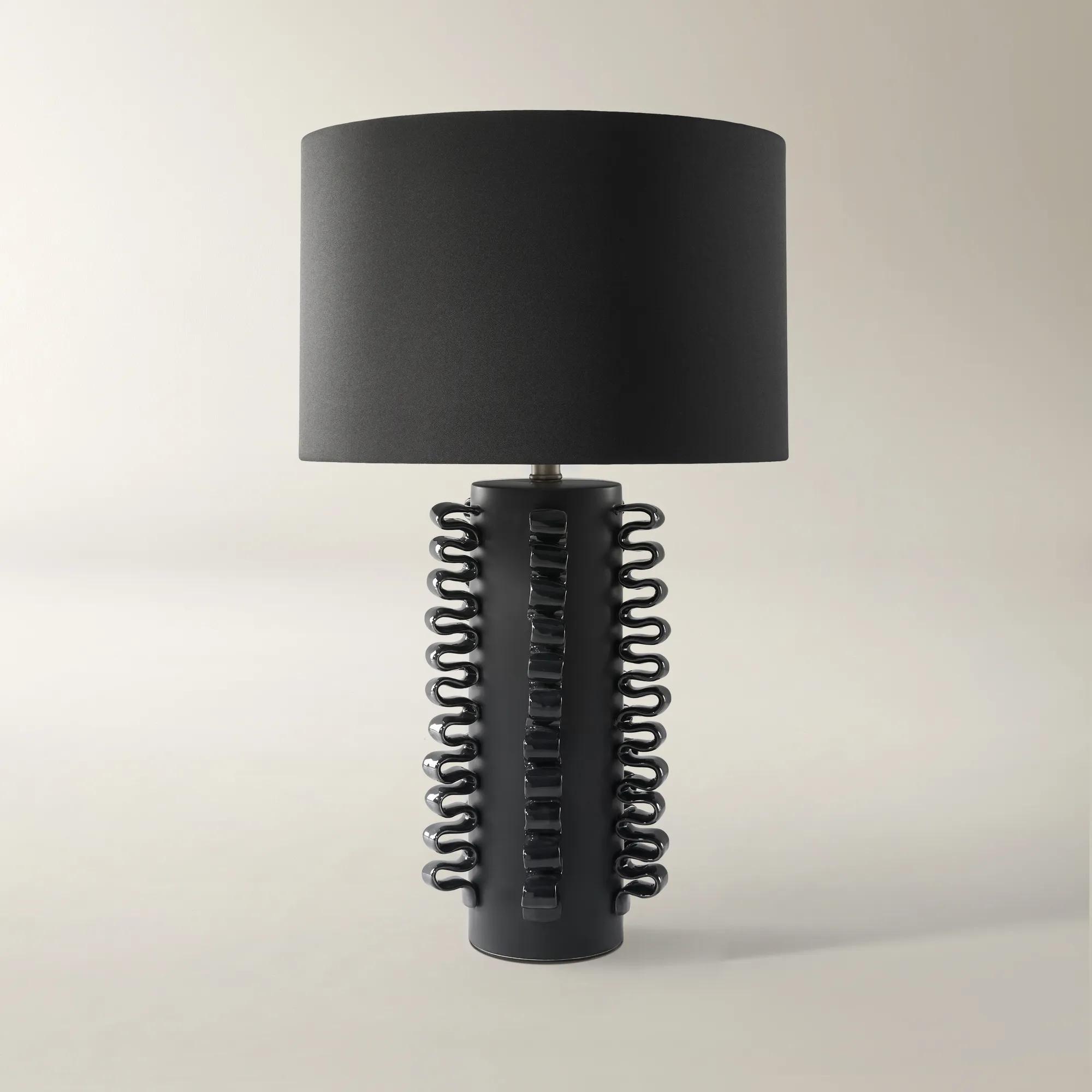
White Lamps For Nightstands
White Lamps For Nightstands
-
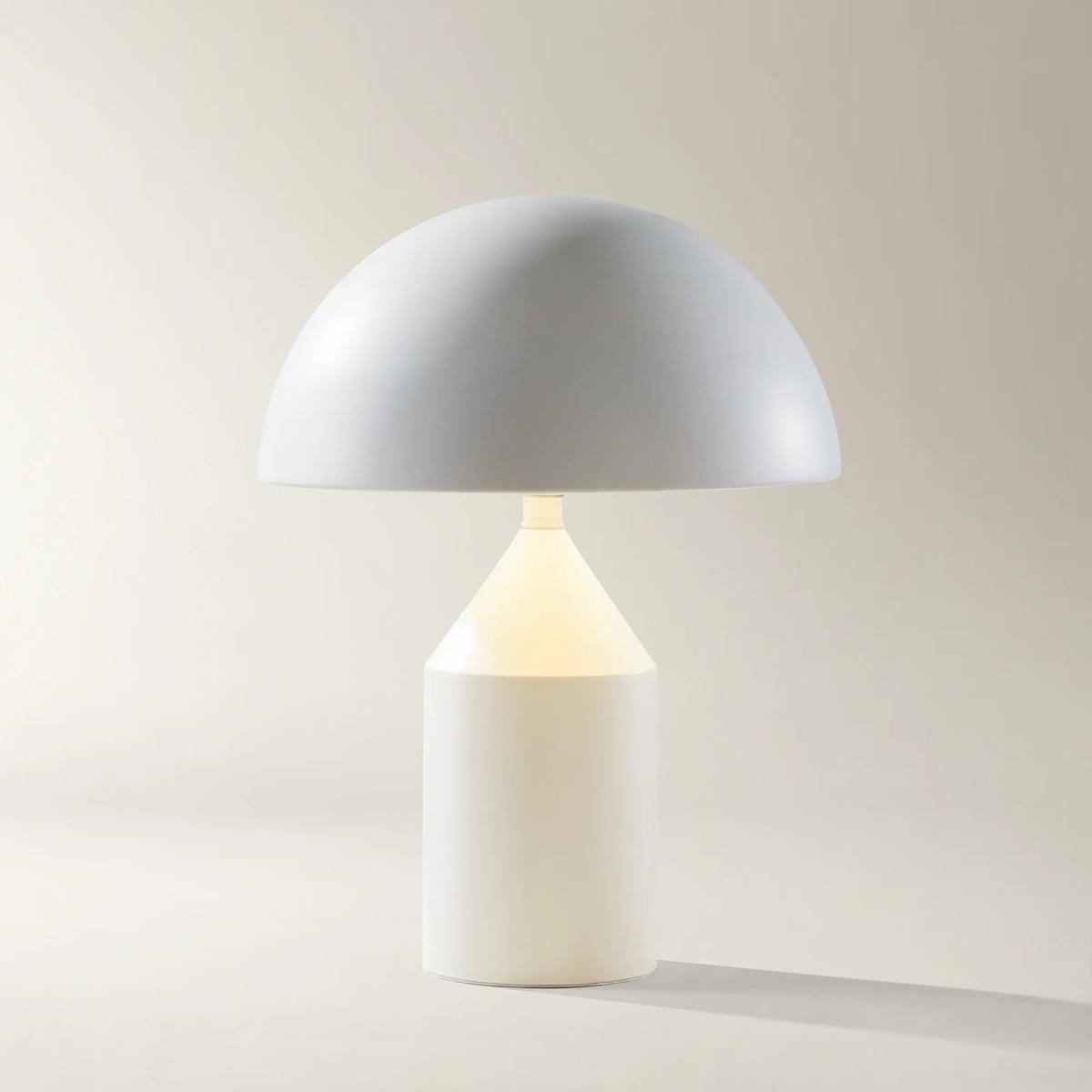
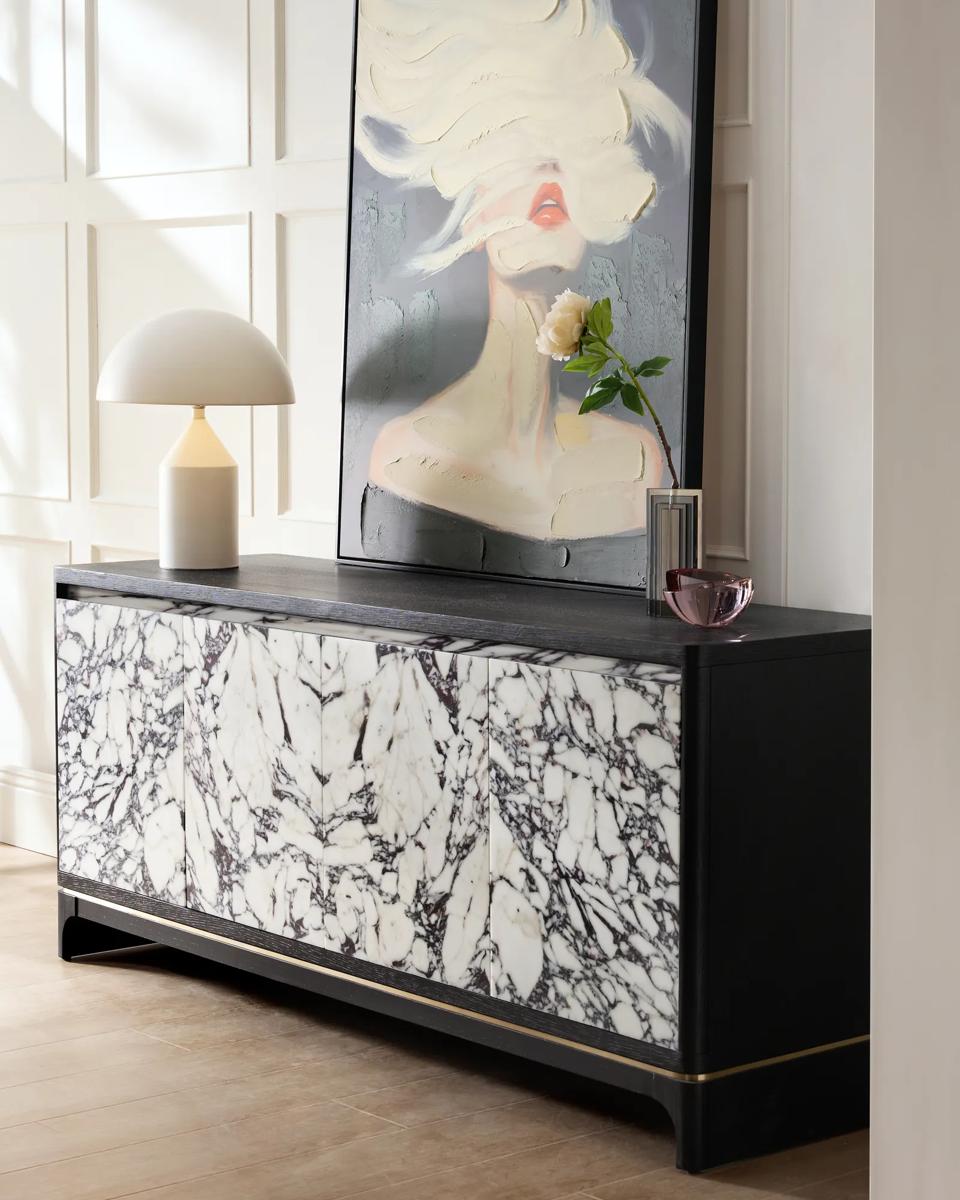 Arlen Metal Table Lamp - White$249
A satin white iron lamp with clean lines and a dome shade for modern, minimalist interiors.
Add To Cart -
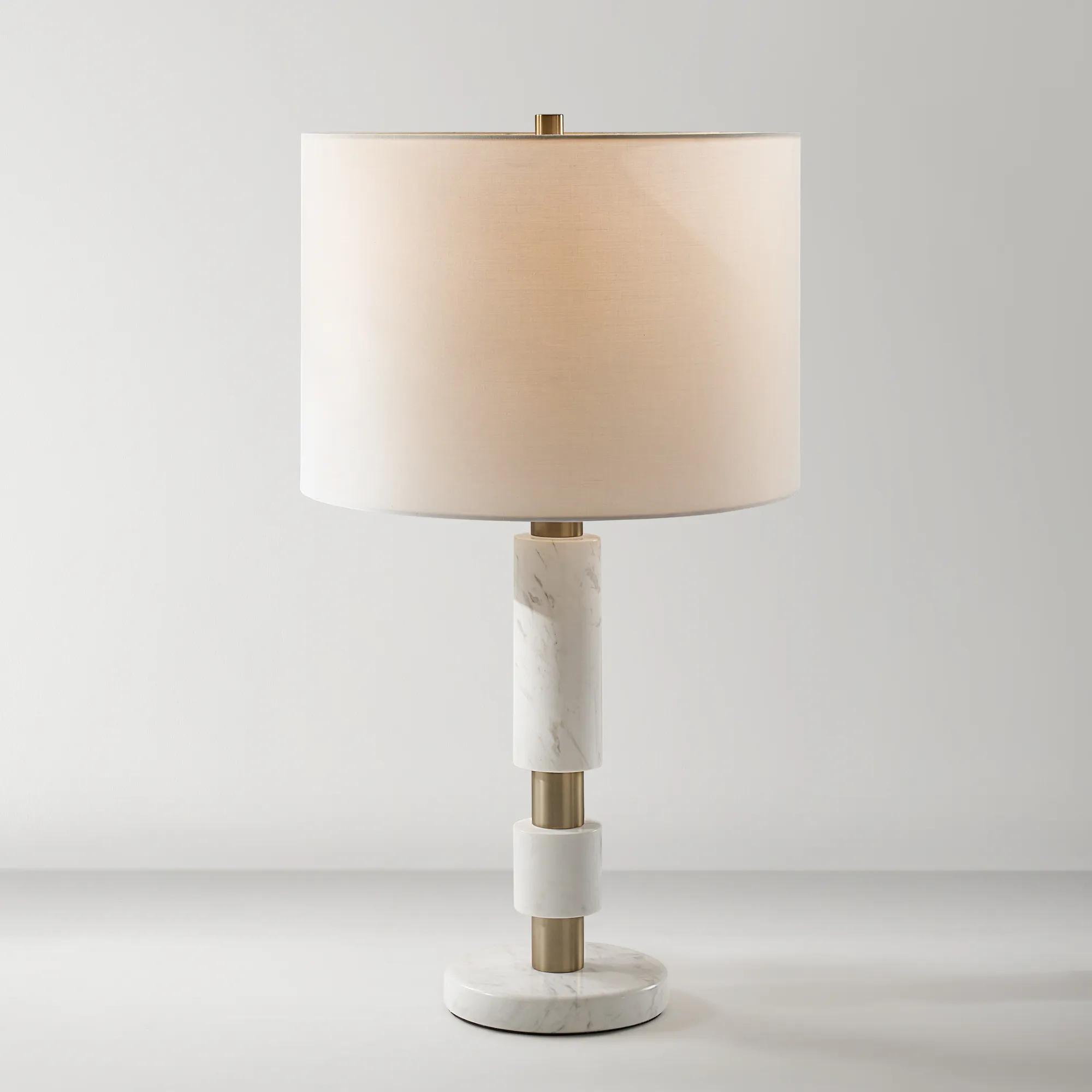 Thea Table Lamp$379
A luxurious table lamp featuring a white marble base, champagne metal accents, and a crisp cotton drum shade.
Add To Cart -
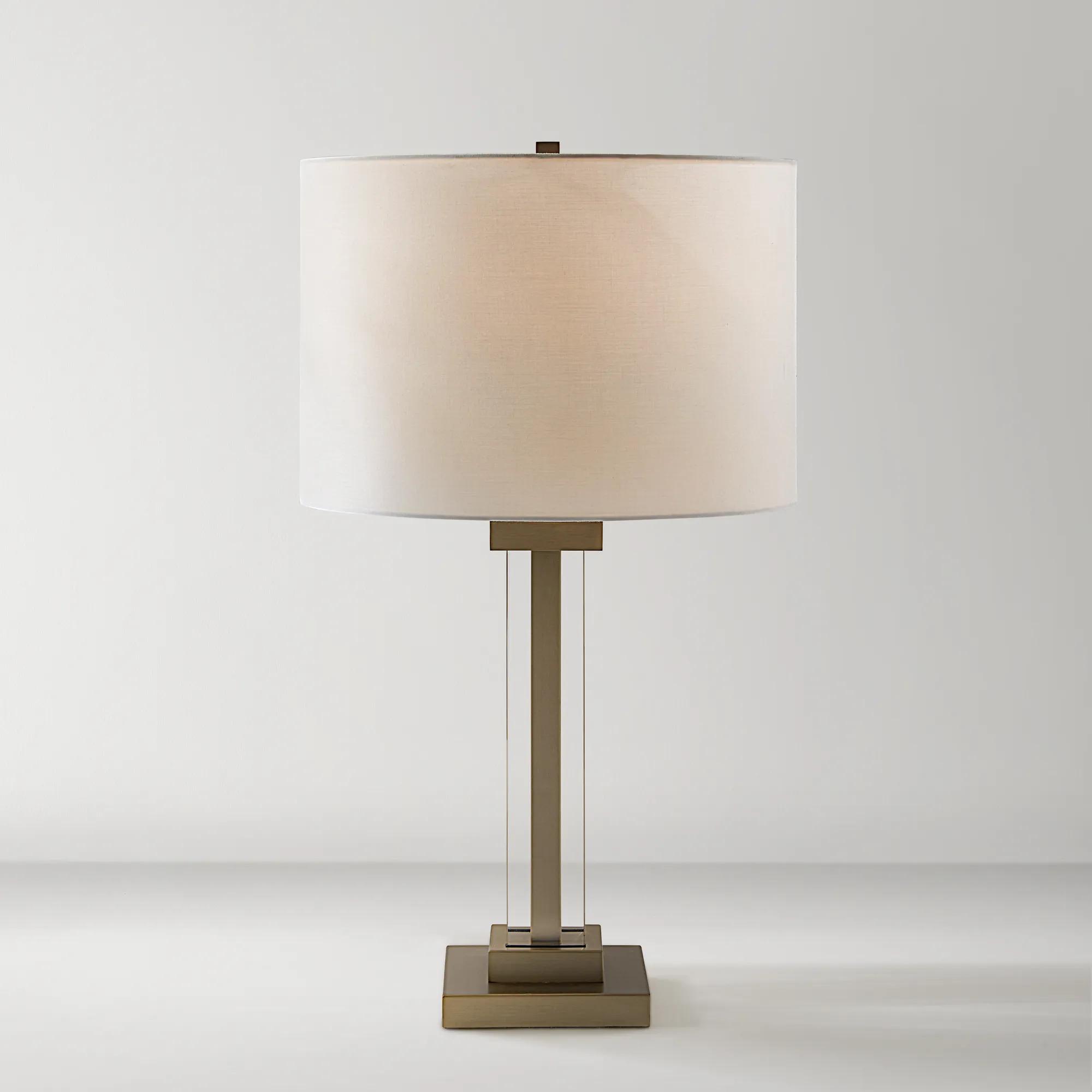
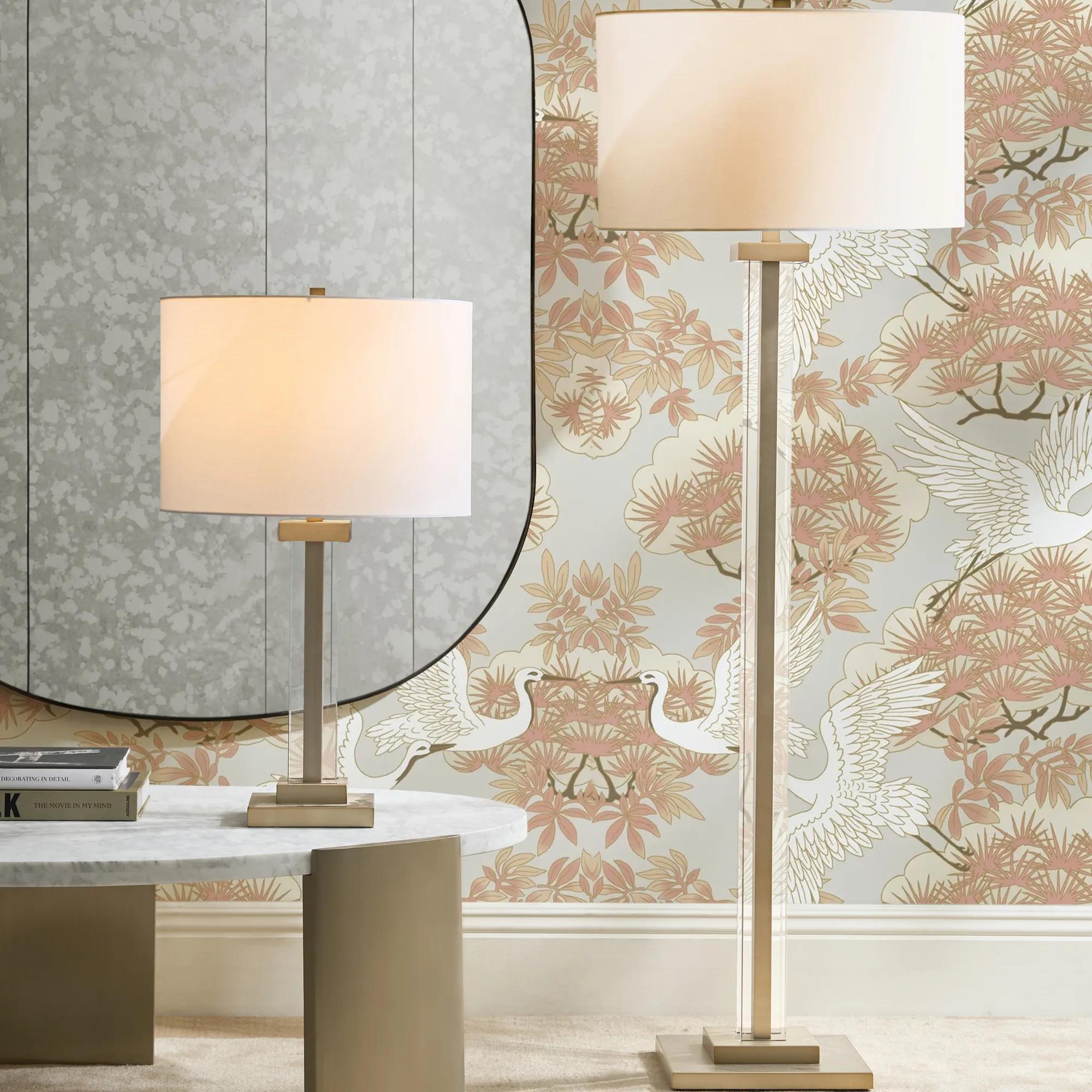 Soren Table Lamp$349
A clear glass and champagne metal lamp with a white cotton drum shade for elegant illumination.
Add To Cart -
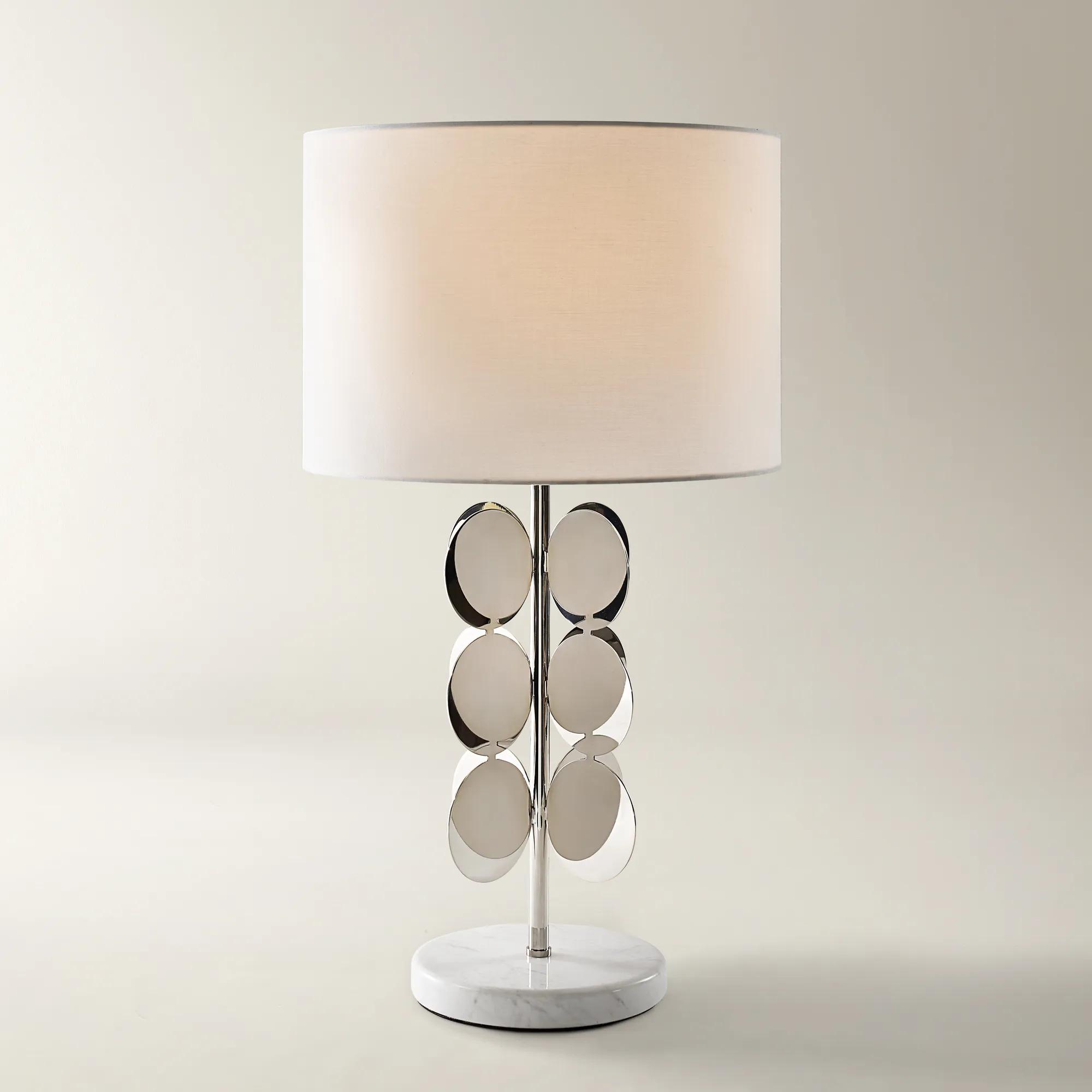 Orion Table Lamp$329
A polished nickel iron lamp with a white marble base and crisp white cotton drum shade.
Add To Cart -
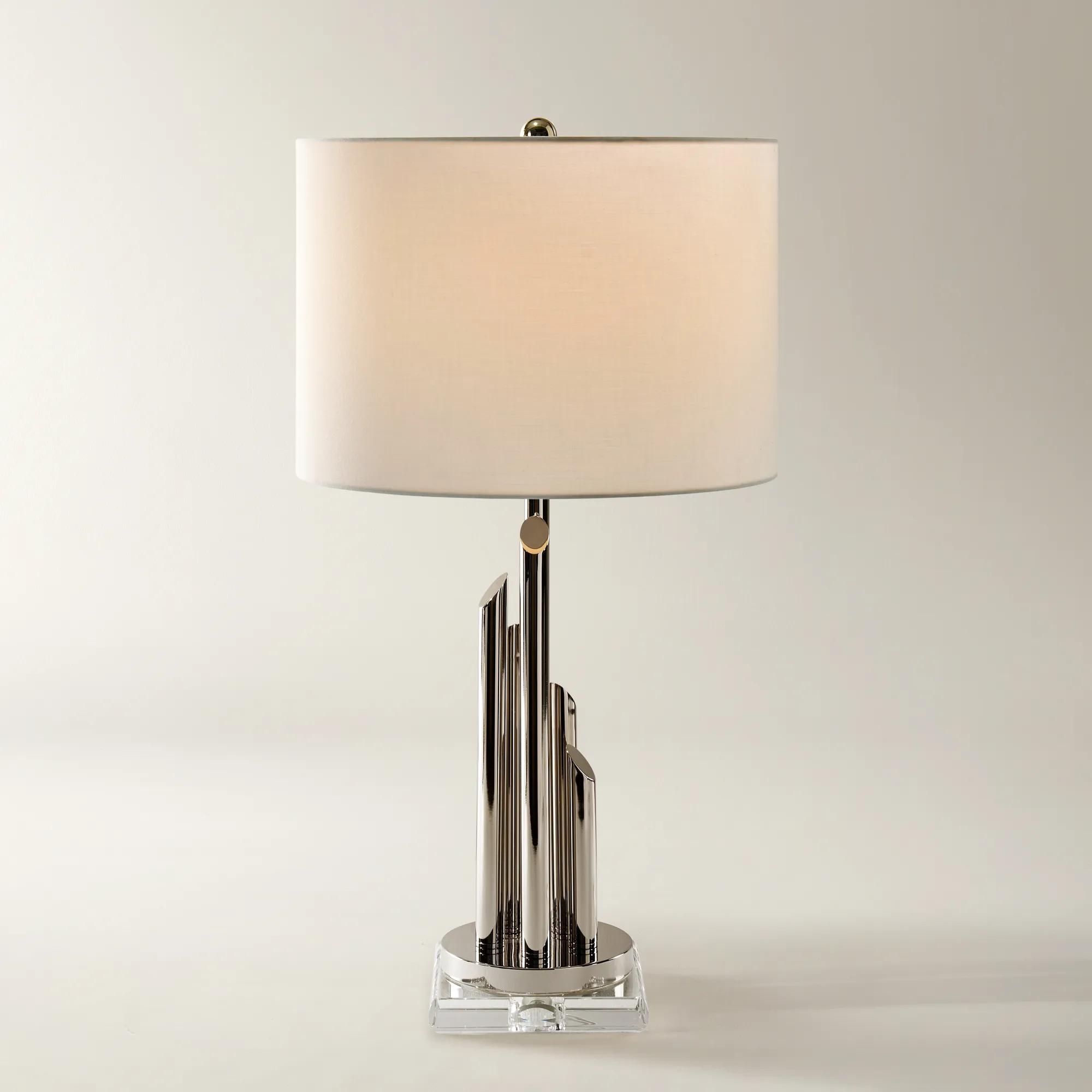
 Jagger Table Lamp$329
A modern table lamp featuring a polished nickel iron frame, clear crystal base, and white cotton drum shade.
Add To Cart -
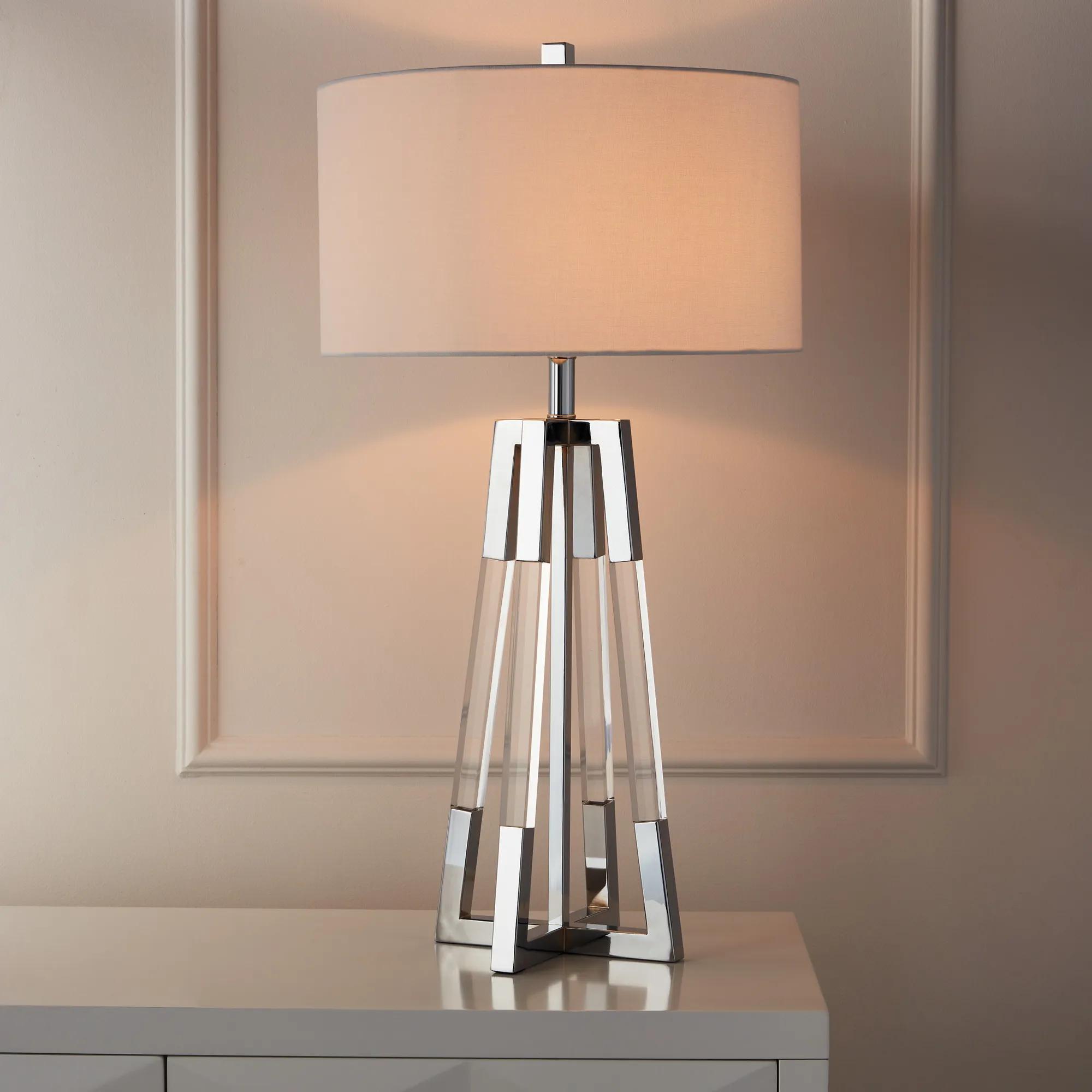 Rollins Table Lamp$439
A sophisticated table lamp featuring clear acrylic and polished nickel accents with a crisp white shade.
Add To Cart -
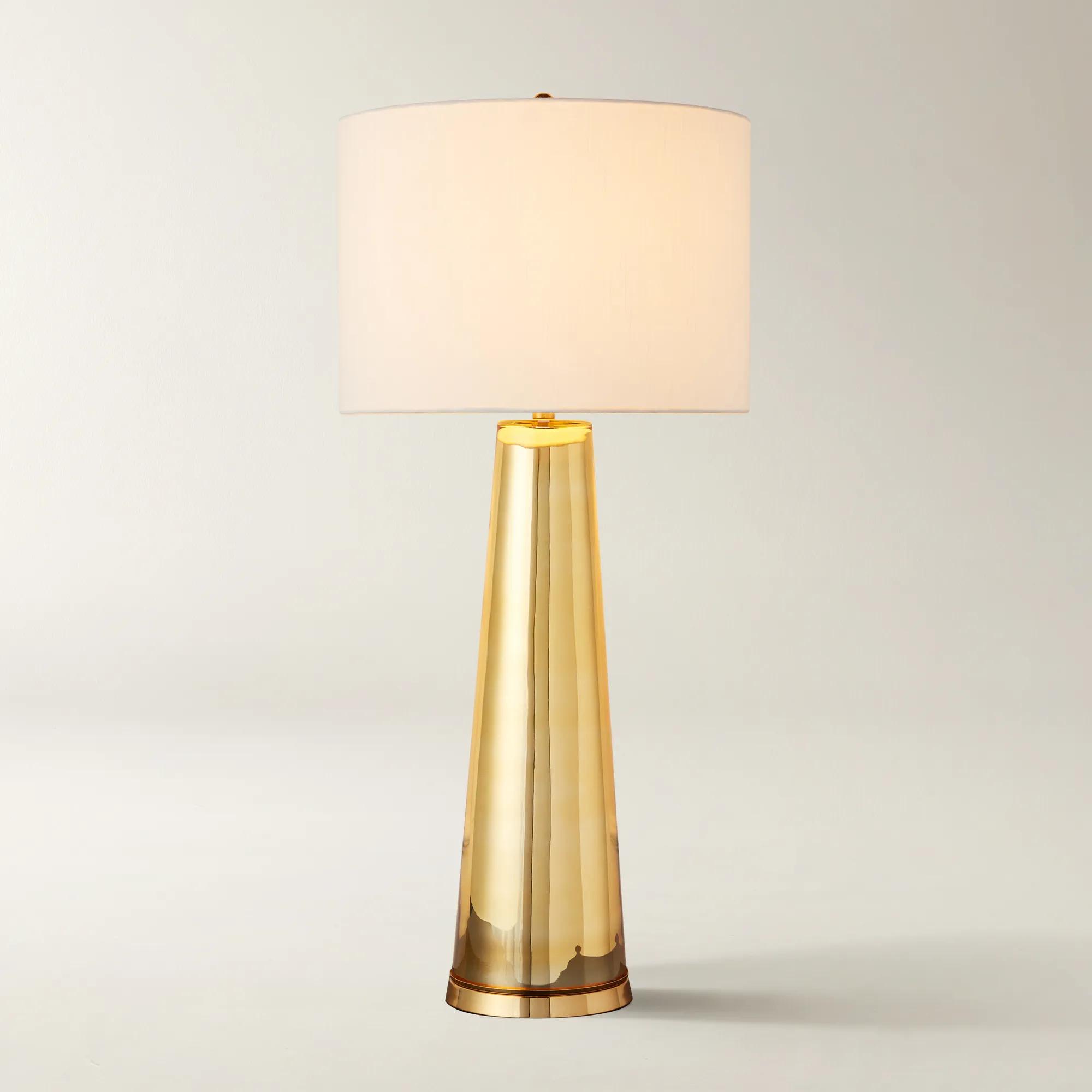
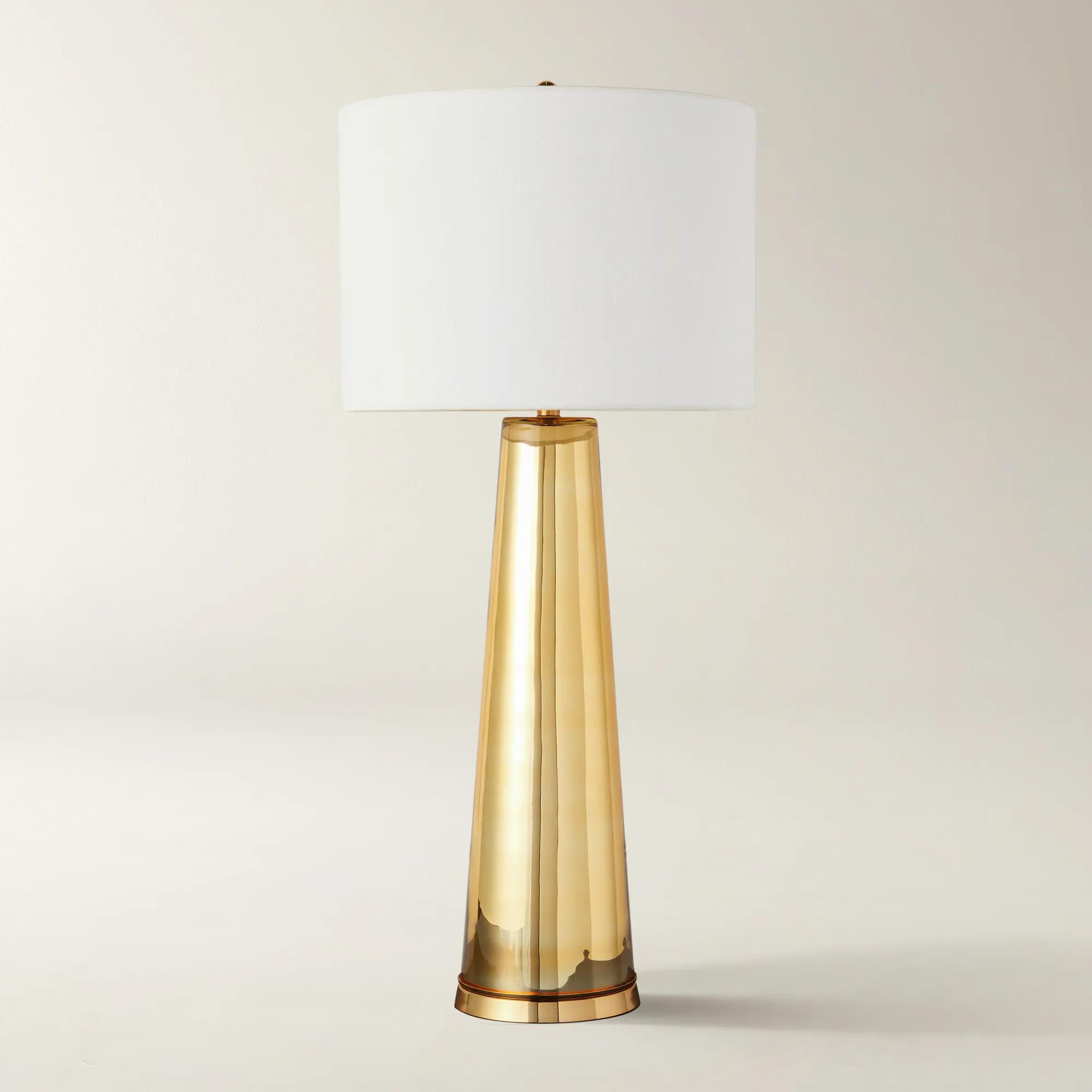 Century Gold Mirrored Glass Table Lamp 40"$299
A modern lamp featuring a mirrored glass base and white drum shade, accented with gold or silver details.
Add To Cart -
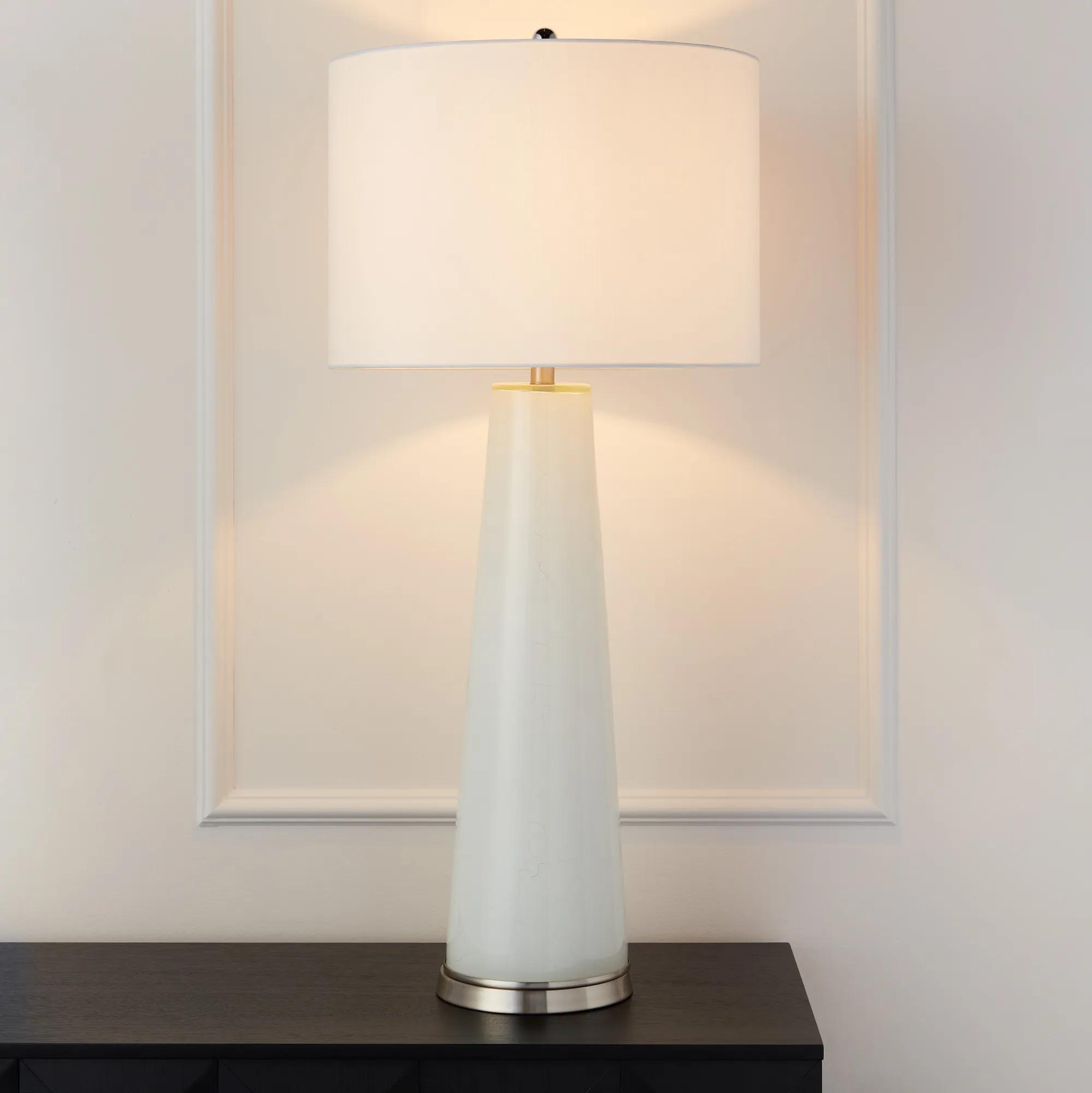 Century White Glass High Gloss Table Lamp 40"$299
A modern glass lamp with a high-gloss white interior and a crisp white drum shade.
Add To Cart -
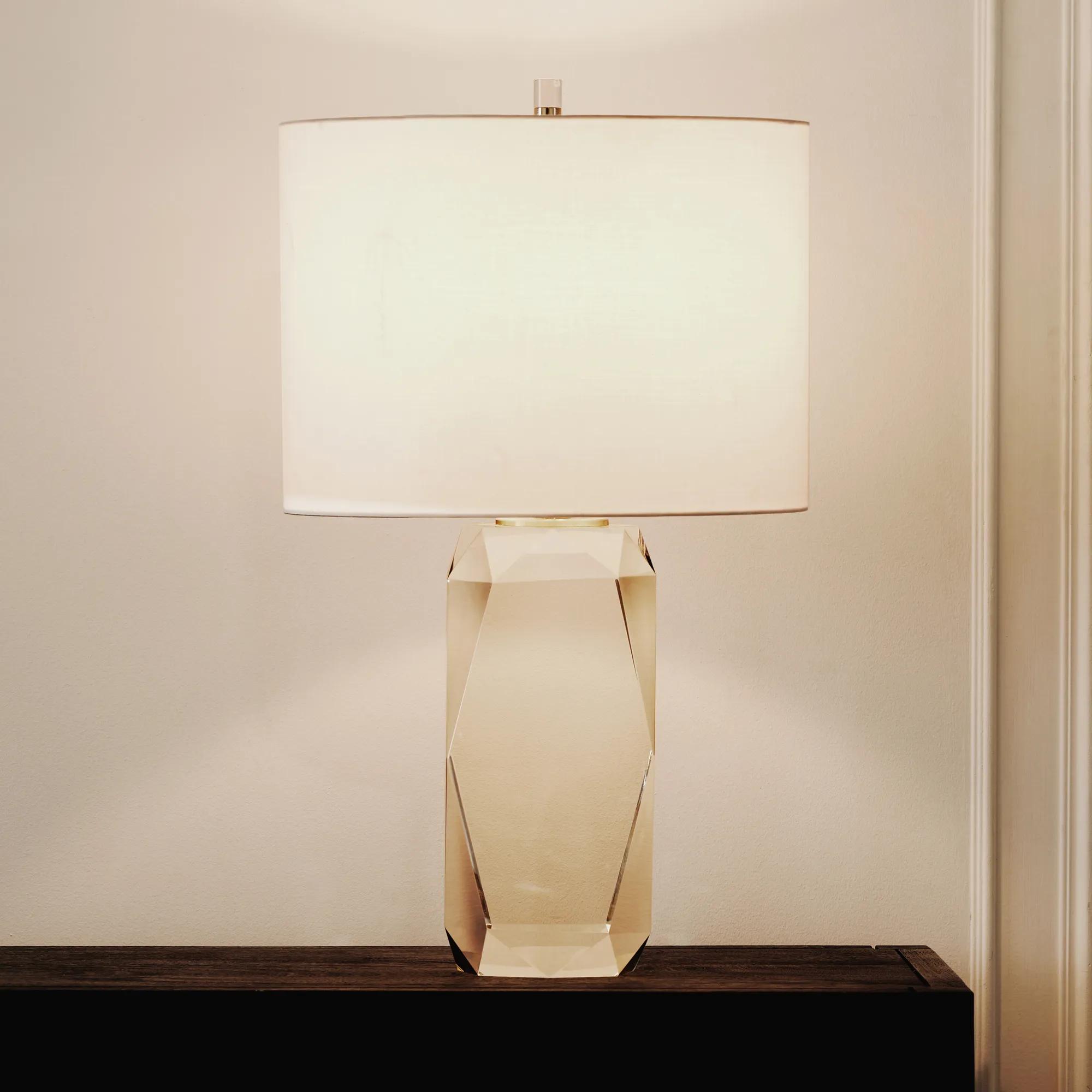 Bianca Faceted Clear K9 Crystal Table Lamp 24"H$499
A clear crystal table lamp with a white drum shade and soft brass hardware for elegant illumination.
Add To Cart -
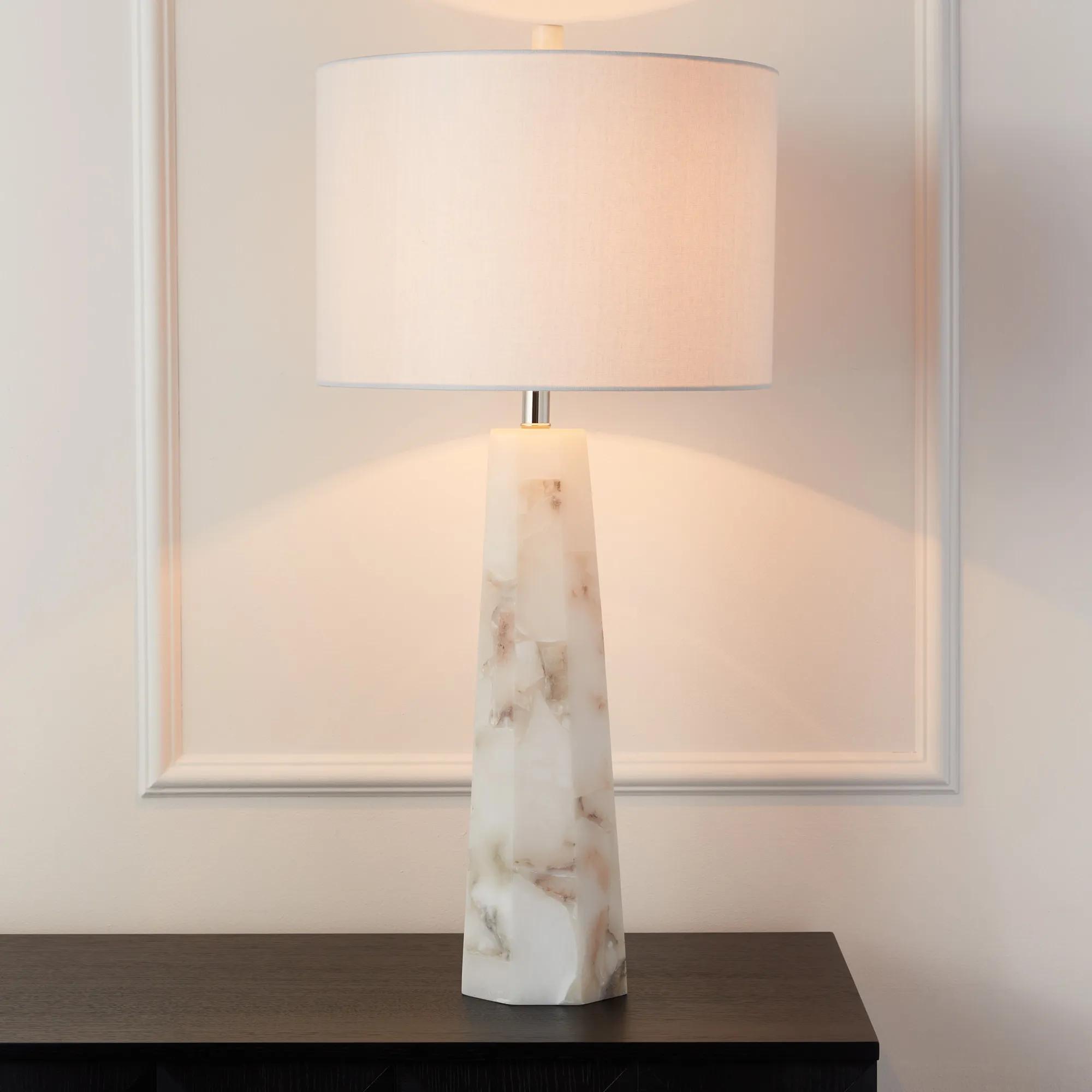 Aurora Alabaster Table Lamp 34"$499
An alabaster stone lamp with a tapered silhouette, white linen shade, and matching alabaster finial.
Add To Cart -
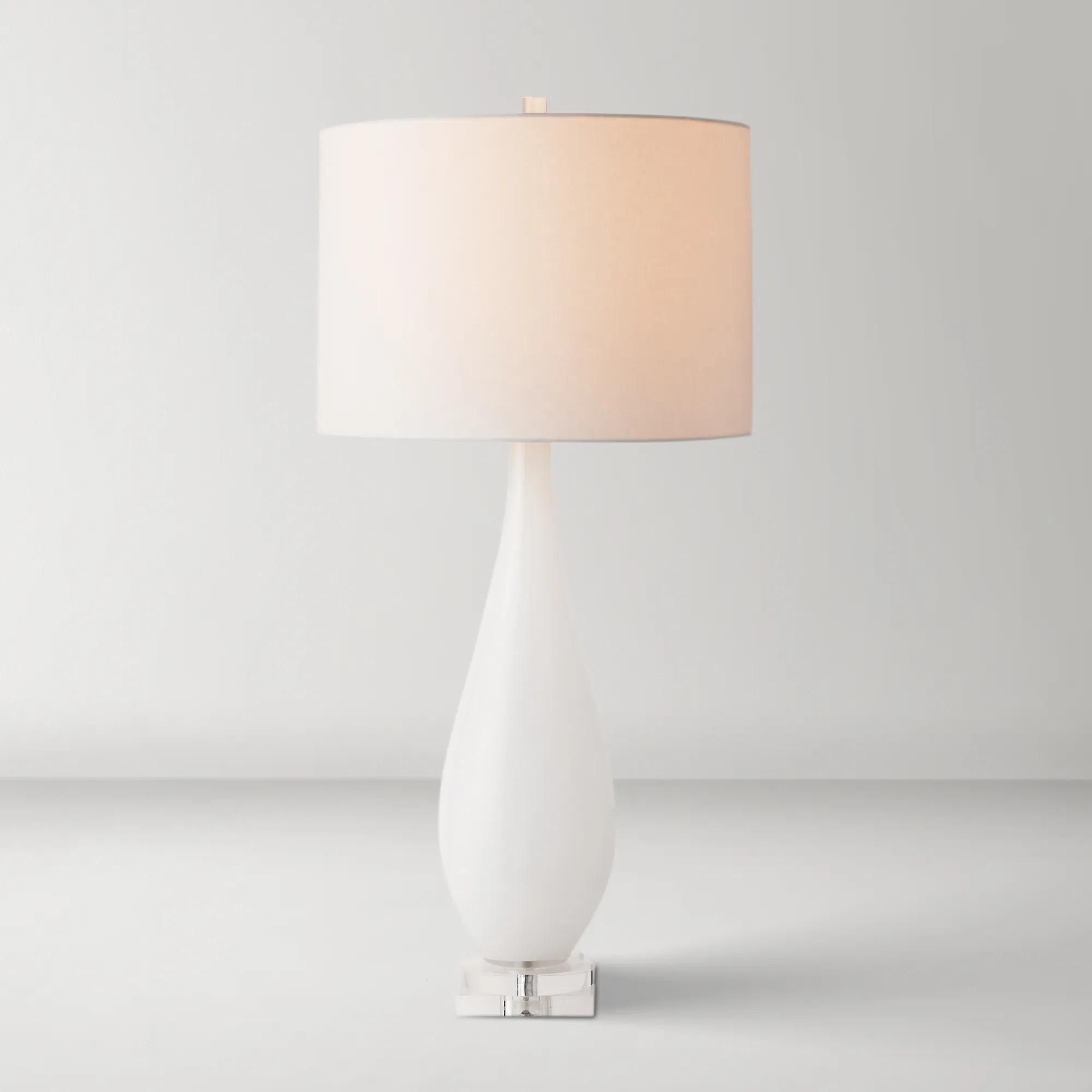
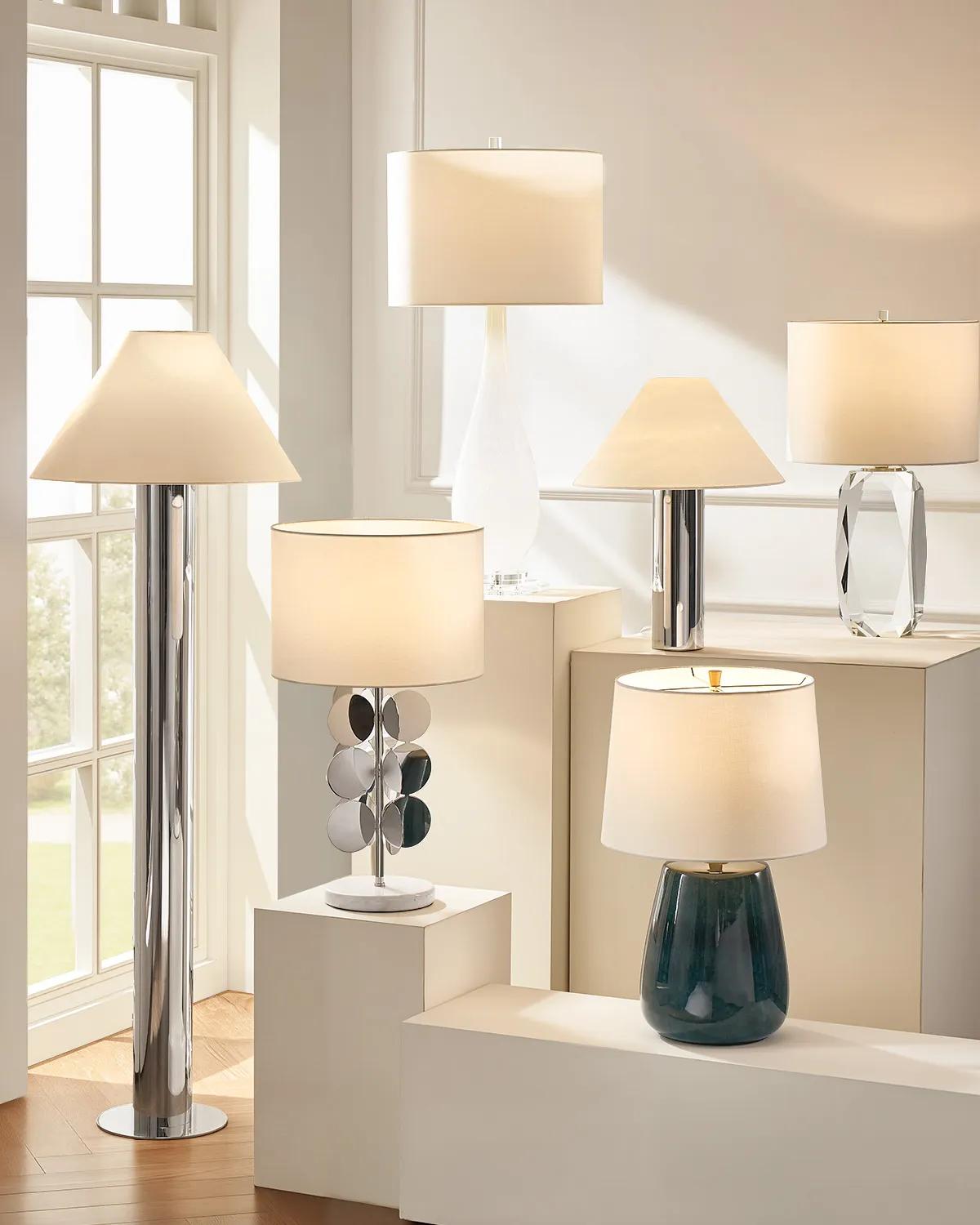 Serena Table Lamp$299
A chic table lamp featuring a handblown glass body, crystal base, and monochromatic white finish.
Add To Cart -
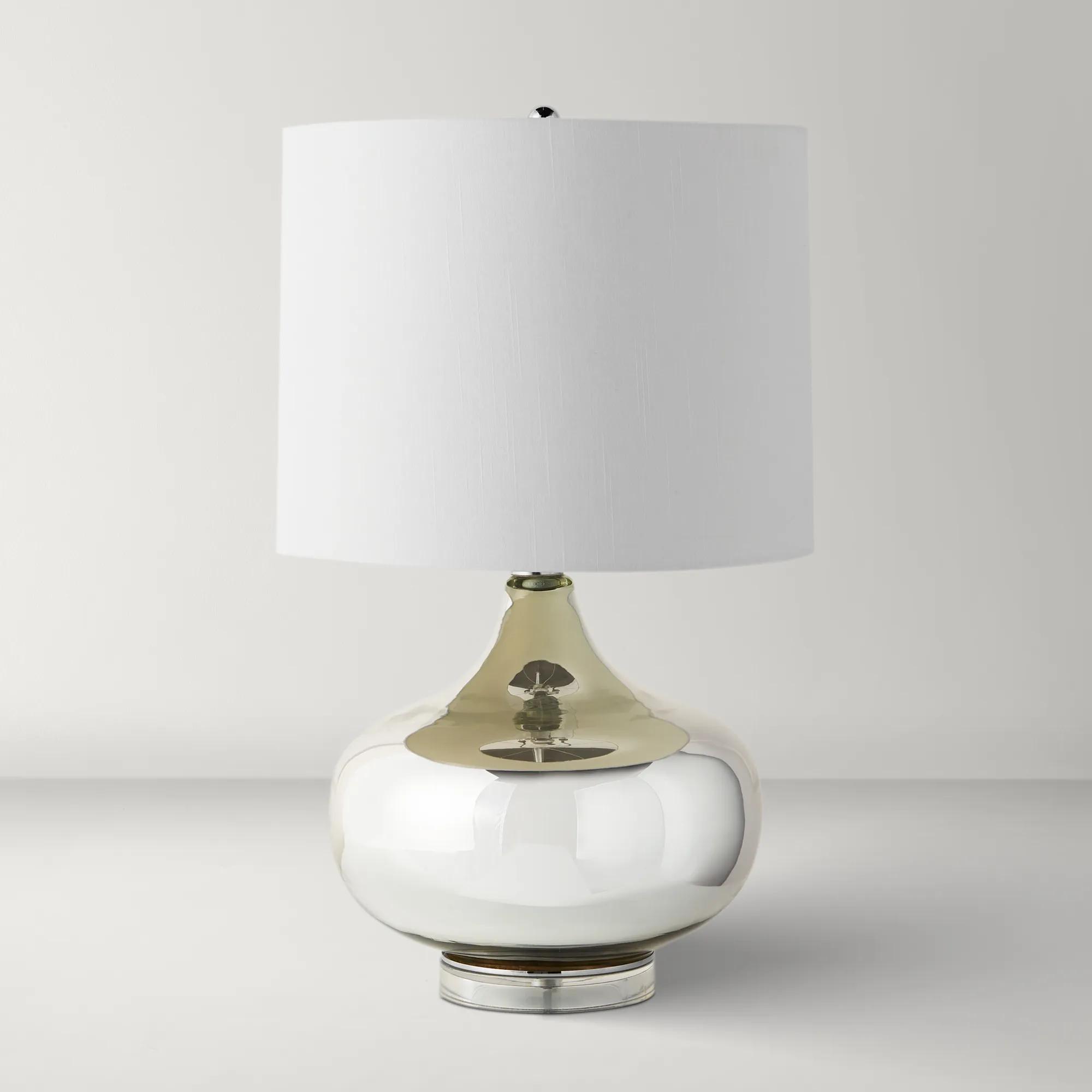 Sabrina Mirrored Silver Glass Table Lamp 27.5"$199
A contemporary lamp featuring a silver mirrored glass base, clear acrylic accents, and a white fabric shade.
Add To Cart -
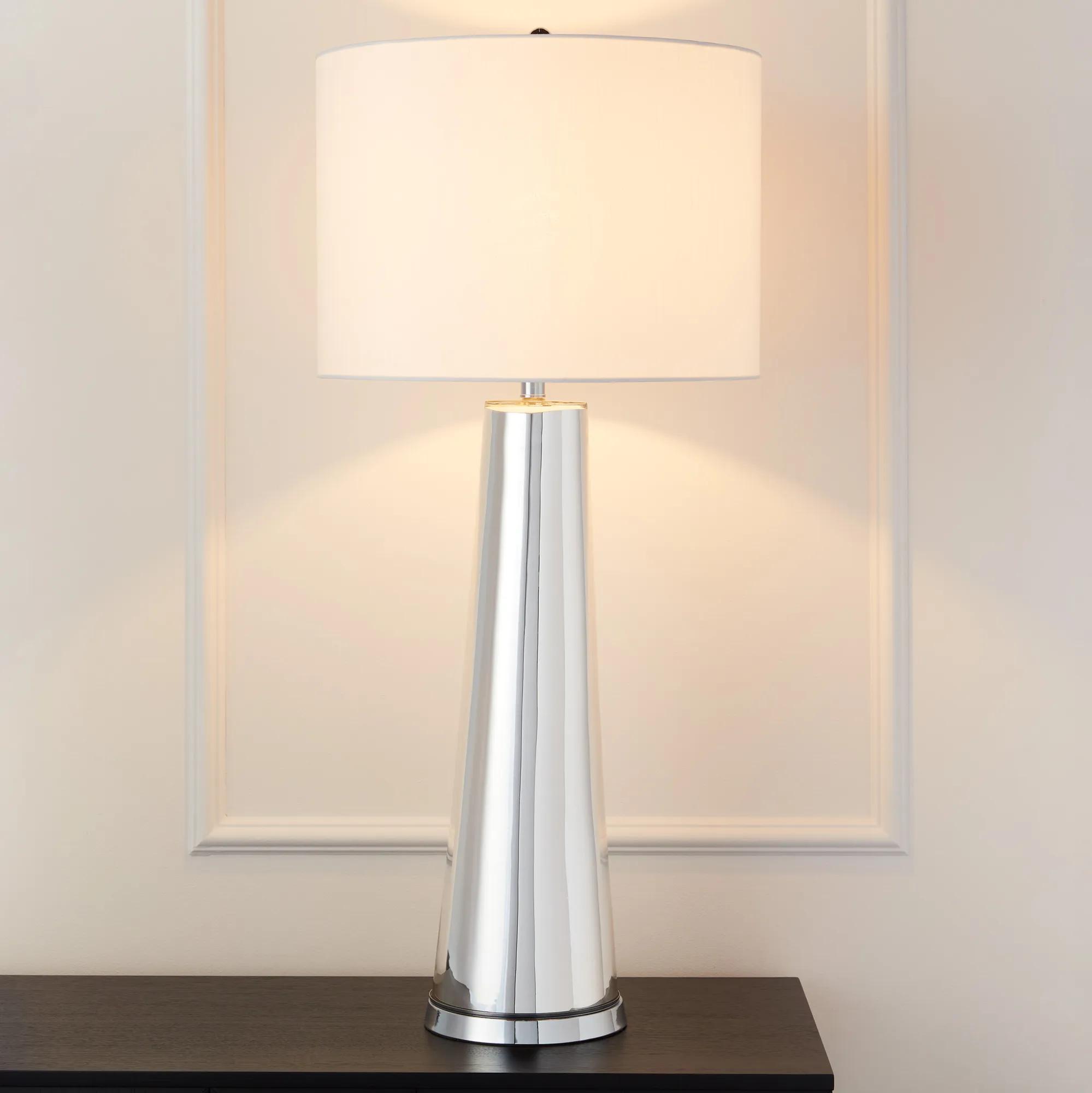 Century Silver Mirrored Glass Table Lamp 40"$299
A modern table lamp featuring a mirrored glass base and white drum shade with brushed chrome accents.
Add To Cart -
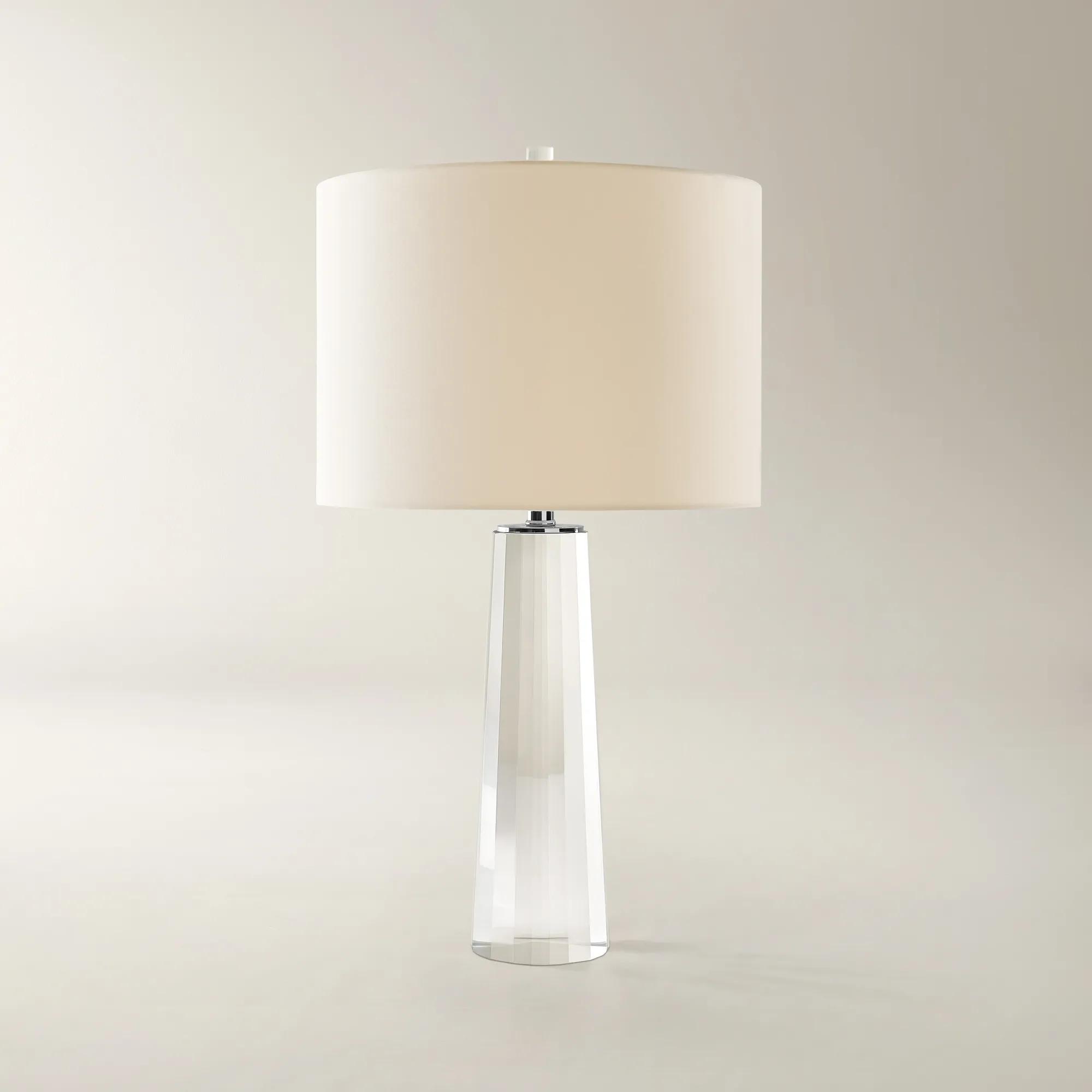
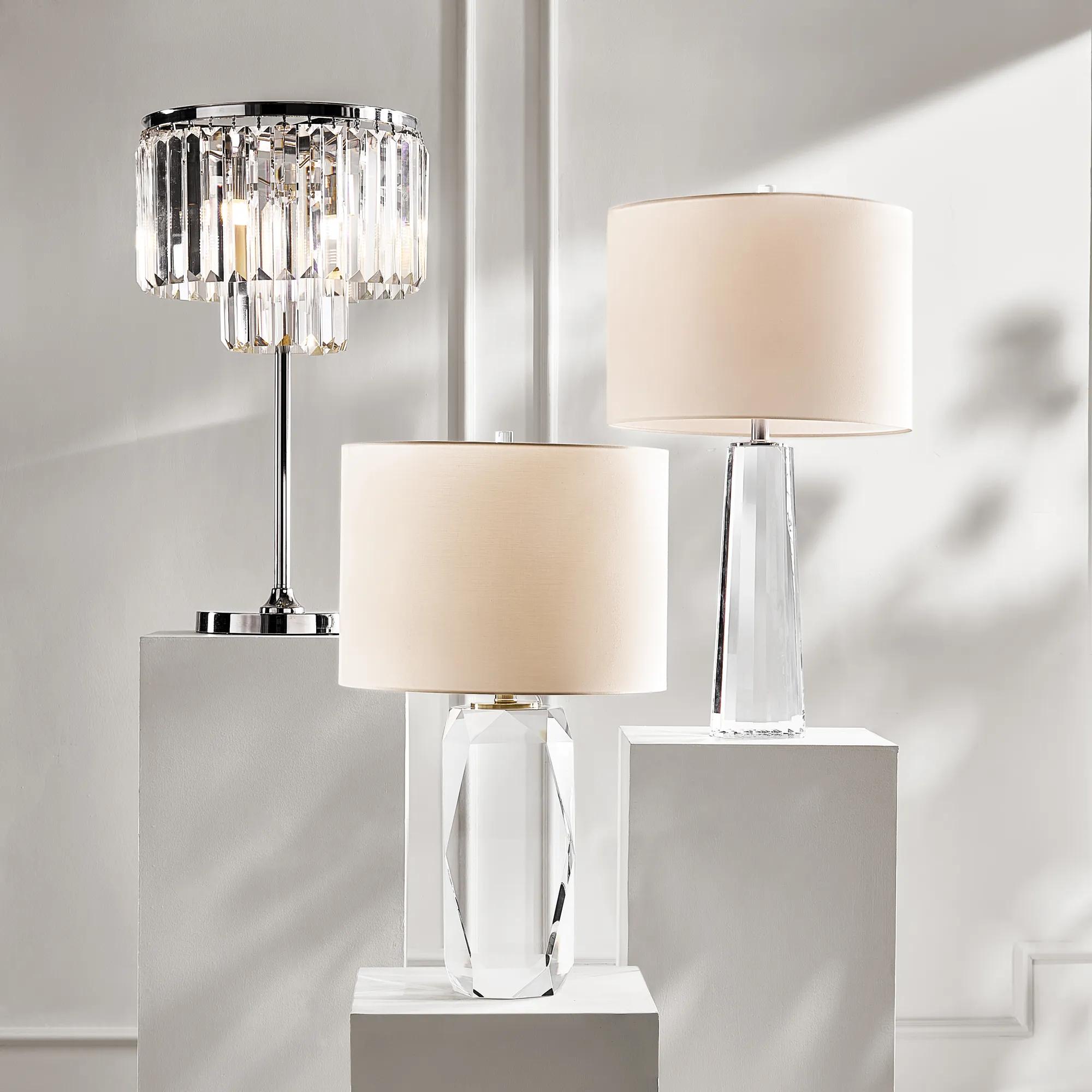 Sasha Faceted Clear K9 Crystal Table Lamp 28"$499
A refined table lamp featuring a clear crystal base, white drum shade, and polished nickel accents.
Add To Cart -
.jpeg?w=1200&h=1200)
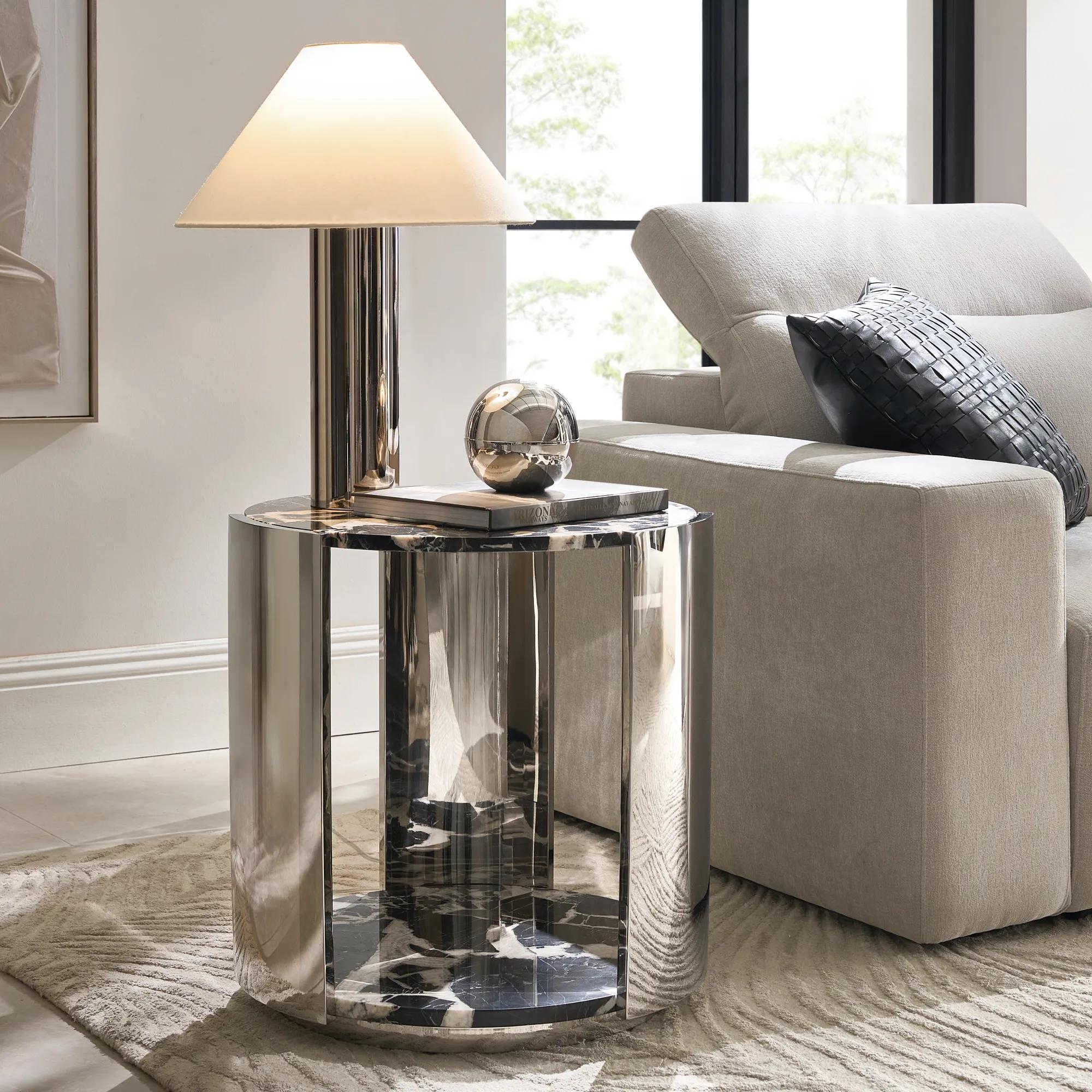 Tova Polished Nickel/White Table Lamp 20.5"$249
A polished nickel iron lamp with a white cotton tapered shade brings sleek, modern style to any room.
Add To Cart -
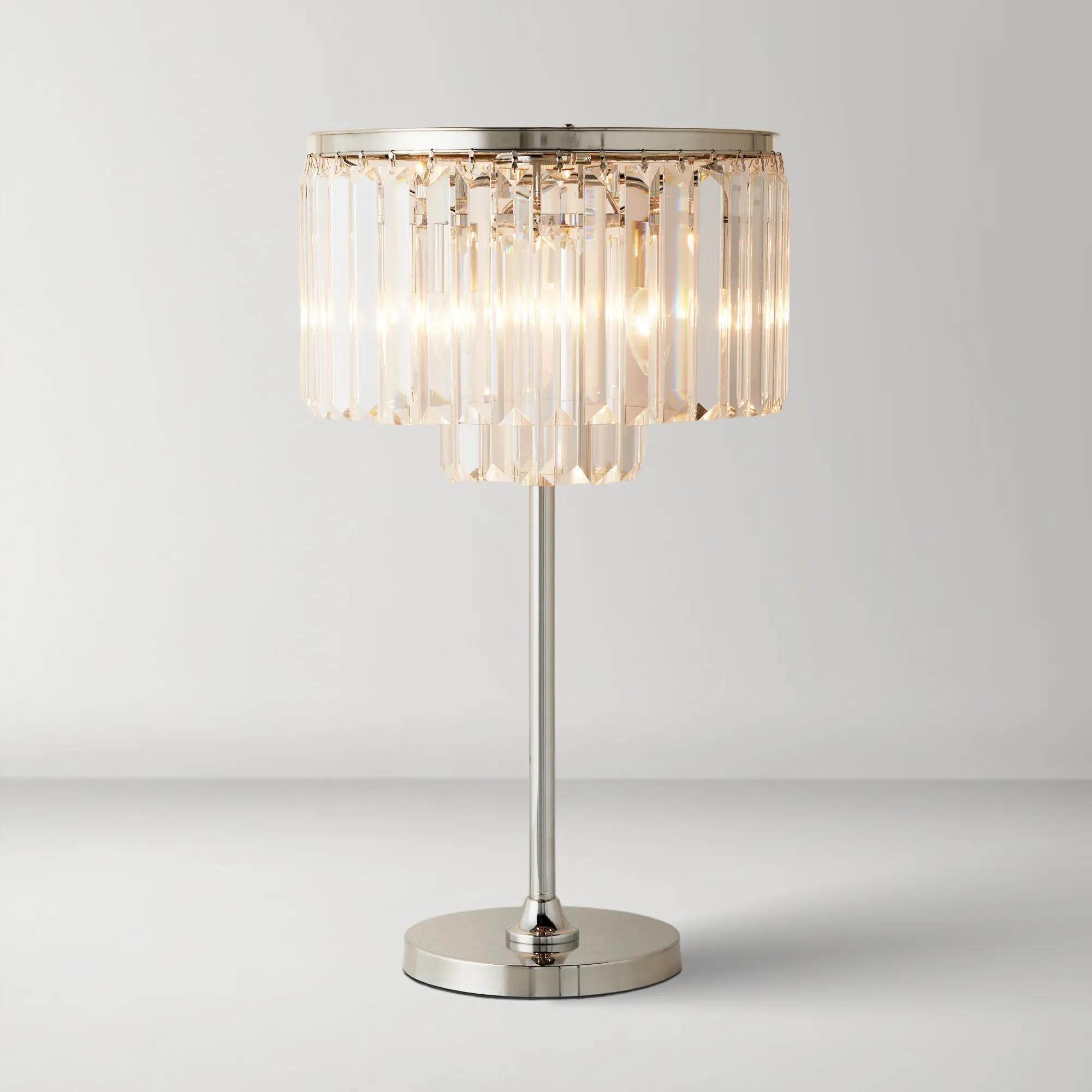
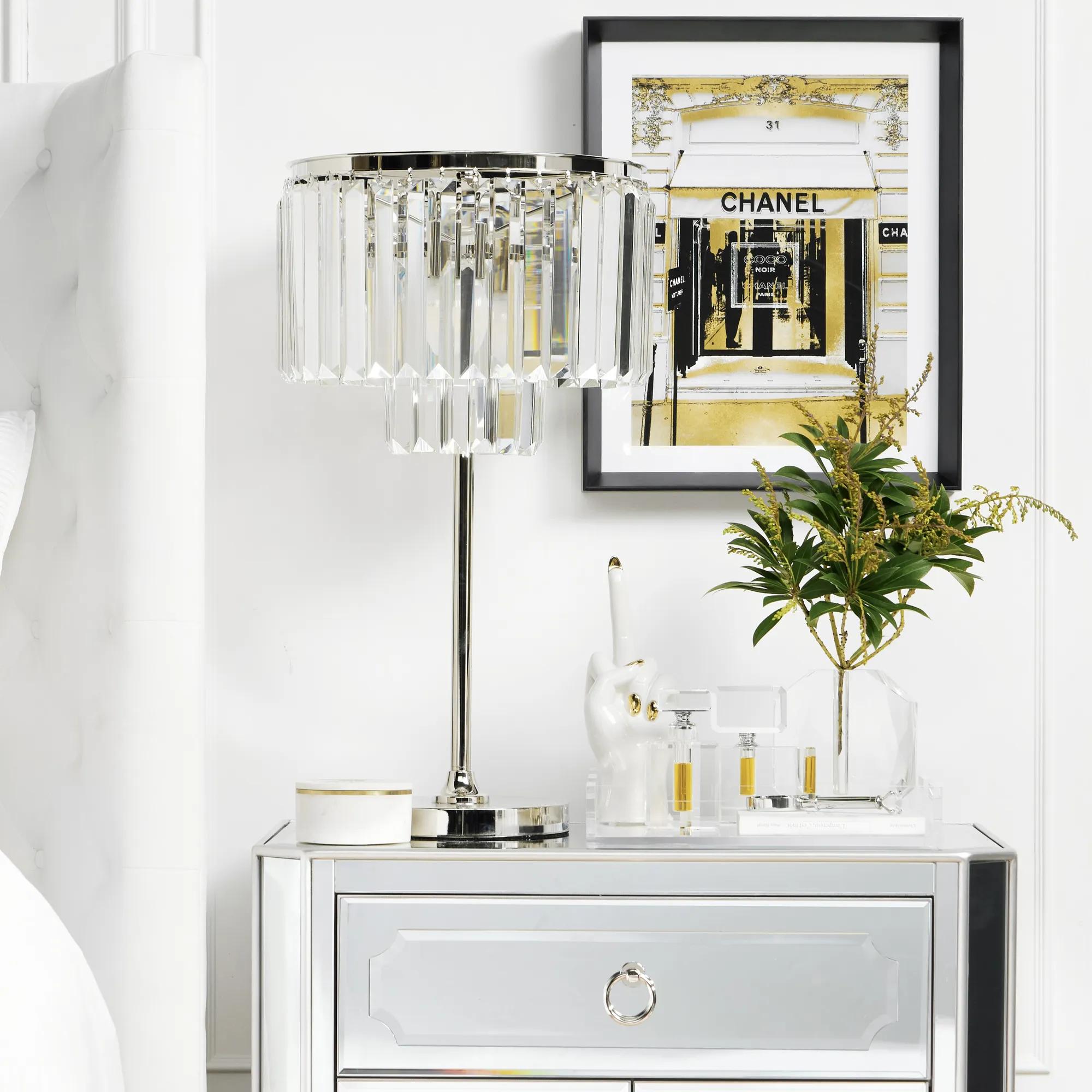 Luxe Table Lamp$499
A sophisticated table lamp featuring faceted ocular glass prisms and a nickel-plated iron frame.
Add To Cart

White Lamps For Nightstands
White Lamps for Nightstands are the secret to transforming bedside moments into luminous works of art. Imagine the quiet allure of alabaster light, casting a serene glow that elevates your sanctuary with effortless sophistication. Each lamp becomes a sculptural accent—crisp, radiant, and endlessly versatile—inviting tranquility while amplifying the drama of your décor. Whether your style leans toward modern minimalism or unapologetic glamour, these white lamps are designed to punctuate your nightstand with pure elegance and expressive flair. Illuminate your evenings, and let every bedtime ritual feel like a curated escape.
White lamps for nightstands bring a luminous, sculptural presence to the bedroom, balancing the intimacy of bedside lighting with the expressive power of a decorative object. Their pale finishes create visual breathing room beside richly upholstered beds, patterned wallpaper, and dark wood furniture, while their silhouettes can introduce anything from a graceful curve to a crisp architectural line. A rounded ceramic base feels especially sumptuous against a velvet headboard; a tall, fluted form adds rhythm beside smooth bedding and a tailored bed frame. White is far from a single shade. Porcelain white looks crisp and graphic, ivory has a gentler warmth, and chalky finishes reveal subtle changes in contour as light moves across the surface. Those distinctions matter when a lamp sits near cream upholstery, bright white sheets, or stone with warm veining. The finishes need not match exactly, but a shared undertone helps the arrangement feel deliberate. White bedside lamps also make a striking counterpoint to Black Nightstands, creating a high-contrast composition that gives both pieces greater definition. A pale shade above a dark tabletop draws the eye upward, framing the bed without competing with artwork or an ornate mirror. Matching lamps lend symmetry to a primary bedroom, particularly when the bed is centered along a prominent wall. Different bases can feel equally composed when their overall heights, shade proportions, and white tones relate to one another. In a guest room, a white table lamp offers an inviting pool of light and an intuitive place to settle in with a book. For someone furnishing a first home or reimagining a bedroom, a thoughtfully chosen bedside lamp can also be a meaningful housewarming gift, provided its dimensions and aesthetic suit the recipient’s space. The appeal lies in that dual role: an object with enough character to hold its own by daylight and enough purpose to become part of an evening ritual.
Materials give white nightstand lamps much of their personality, and the difference is as tactile as it is visual. Glazed ceramic has a smooth, reflective surface that accentuates curves and catches small highlights, while matte ceramic offers a quieter, almost gallery-like treatment of sculptural shapes. Porcelain can convey delicacy and precision; painted or powder-coated metal emphasizes a more architectural profile. White glass may appear softly translucent or opaque depending on its construction, and pale stone introduces natural variation that keeps a neutral base from feeling uniform. Marble, for example, can carry gray or warm-toned veining, so its effect is less pristine sameness than individual character. Metal accents in brass, nickel, or chrome add another layer, whether they trace the edge of a base or appear as a slender stem beneath the shade. Fabric matters just as much. A white linen or woven shade reveals texture when illuminated, while a smoother fabric creates a more continuous field of light. Shade thickness, lining, and shape influence how much light passes through the sides and how strongly it falls above and below. An opaque base with a fabric shade generally concentrates its glow around the shade rather than illuminating the body itself. These construction details deserve attention alongside durability. Ceramic and glass resist the visual heaviness of darker materials but can chip or break if struck; stone bases may offer substantial weight, though surface protection is important on polished furniture. A stable footprint is particularly useful on a frequently used bedside table. Care should follow the manufacturer’s directions, with the lamp unplugged and the bulb cool before cleaning. A soft, dry cloth is often sufficient for routine dusting of the base, while fabric shades may benefit from gentle dust removal appropriate to their construction. Abrasive cleaners, excess moisture, and vigorous rubbing can damage finishes or leave marks. Regular, careful upkeep preserves the clarity of a white surface, where accumulated dust is sometimes most noticeable along ridges, seams, and the top edge of the shade.
Proportion and light quality determine how comfortably a white lamp belongs beside the bed. A total lamp height of approximately 24 to 27 inches is a common starting point for many bedside arrangements, not a universal rule: mattress height, nightstand height, and the way someone sits in bed all affect the fit. Ideally, the shade conceals the bulb from a normal seated reading position, with its lower edge roughly near eye level. A low platform bed with a compact table may call for a shorter lamp, while a taller mattress and broad chest-style nightstand can accommodate a more substantial silhouette. Shade width is equally important. On a narrow tabletop, a wide drum shade can crowd a water glass, book, or small tray even when the base occupies little space. Measuring the full lamp, rather than the base alone, helps preserve that essential bedside surface and keeps the shade clear of the headboard, wall, and curtains. For relaxing bedroom illumination, warm white bulbs around 2700K to 3000K generally provide a welcoming glow; the lower end of that range tends to feel softer and more intimate. Brightness is a separate consideration, measured in lumens, and a reader may need more directed light than someone using the lamp mainly for ambiance. A dimmable lamp or a compatible three-way design can accommodate different activities, but bulb type, controls, and socket requirements must work together. An LED bulb should stay within the fixture’s stated ratings and be suitable for an enclosed shade if applicable. Accessible switches matter when reaching from bed, while touch controls or built-in charging features, where included, may offer added convenience. Cords should reach an appropriate outlet without stretching across walkways, and the lamp should sit securely away from the tabletop’s edge. With those practical details resolved, white lamps for nightstands become a polished finishing gesture: luminous forms that frame the bed, soften bold contrasts, and give a deeply personal room its own distinctive glow.
FAQs
White lamps for nightstands are exceptionally versatile, seamlessly complementing a spectrum of interior styles. Their crisp, luminous presence pairs beautifully with modern, minimalist spaces, while ornate bases or textured finishes can enhance glamorous, transitional, or coastal-inspired rooms. Whether your aesthetic leans toward classic elegance or bold contemporary drama, a white lamp acts as a sophisticated anchor, effortlessly adapting to your evolving décor.
To create visual intrigue, consider mixing materials and finishes. Pair a glossy white ceramic lamp with a mirrored tray, or contrast matte porcelain with metallic accents like gold picture frames or crystal vases. Layering textures—think soft linen shades, sculpted lamp bases, or marble details—adds depth and dimension, transforming your nightstand into a curated vignette that feels both intentional and expressive.
Absolutely. White lamps are timeless and universally appealing, making them a thoughtful gift for housewarmings, weddings, or milestone celebrations. Their neutral palette ensures they blend seamlessly into a variety of spaces, while their elegant silhouettes add a touch of luxury to any bedside. A beautifully wrapped lamp makes a memorable present for anyone who appreciates the artistry of home décor.
White lamps cast a gentle, flattering glow that enhances the serenity of a bedroom. Their clean, luminous finish reflects light to brighten the space, while their soft illumination creates an inviting, restful atmosphere—perfect for unwinding at the end of the day. Whether used solo or as a matching pair, white lamps infuse the room with tranquility and understated glamour.
Yes, white lamps offer a striking contrast when styled with bold or dark furniture, such as ebony or espresso nightstands. This interplay of light and dark creates a dramatic visual statement, highlighting both the lamp and the furniture. For a particularly chic look, consider pairing a white lamp with a <a href="https://zgallerie.com/o/black-nightstands">Black Nightstand</a> to achieve a sophisticated, gallery-inspired effect.